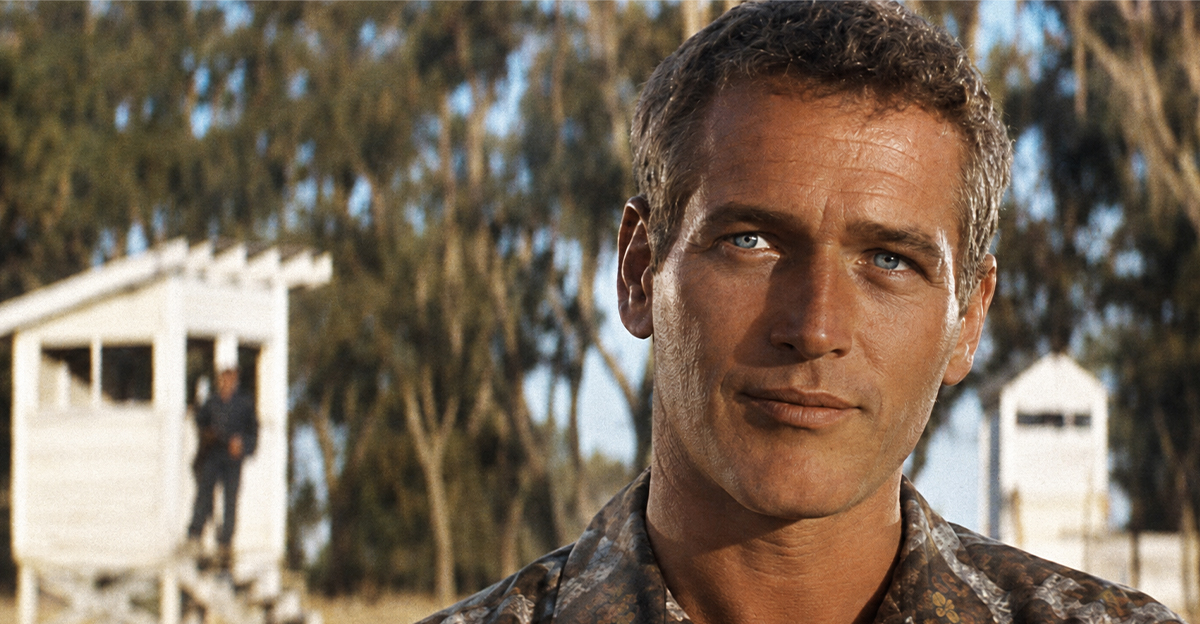
Hollywood Was Changing
The 1960s began with Hollywood still making recognizable westerns, war pictures, thrillers and star vehicles. By decade's end, heroes could lose, institutions could be corrupt, violence could be ugly, and endings no longer promised reassurance. These movies capture that transformation: they start out somewhere familiar and gradually take us someplace much darker.
 Screenshot of Paul Newman in 'Cool Hand Luke' (1967), Warner Brothers, enhanced
Lonely Are The Brave
David Miller's Lonely Are the Brave (1962) initially resembles an old-fashioned Kirk Douglas western. Douglas plays cowboy Jack Burns, riding across New Mexico and refusing to surrender his independence. But the modern world has no place for him. Its brutally mundane ending transforms the romantic cowboy into an obsolete man defeated not by another gunfighter, but by modern America.
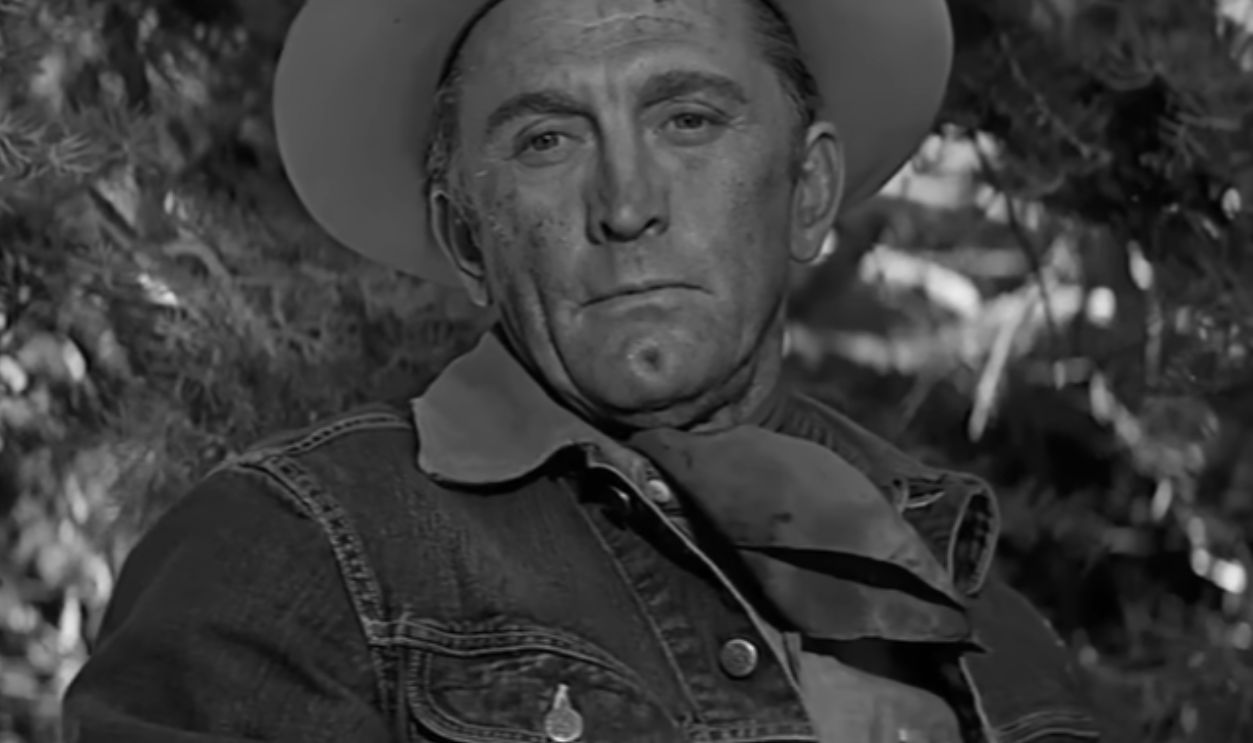 Screenshot from Lonely Are the Brave, NBCUniversal (1962)
Ride The High Country
Sam Peckinpah began dismantling the western years before The Wild Bunch. In Ride the High Country (1962), aging lawmen Steve Judd and Gil Westrum, played by Joel McCrea and Randolph Scott, undertake what sounds like a traditional gold-transport mission. By the conclusion, friendship, betrayal, aging and mortality have replaced adventure, producing one of the western's great elegiac endings.
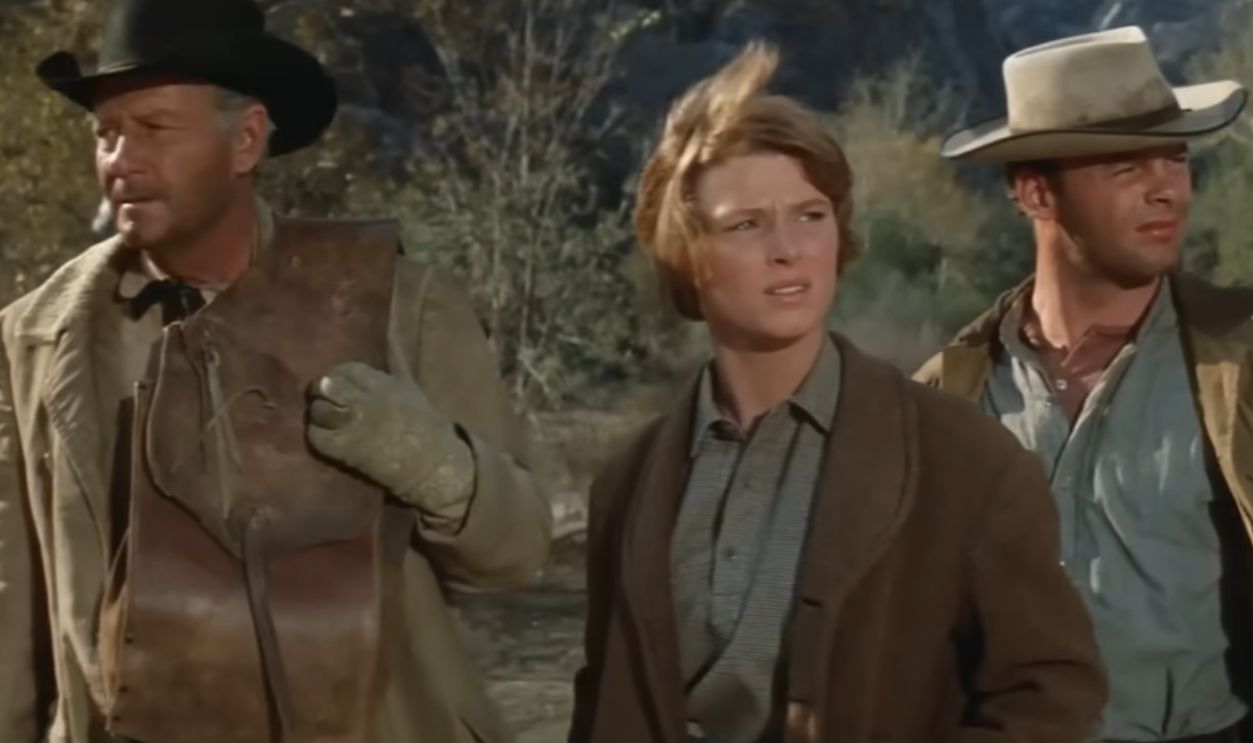 Screenshot from Ride the High Country, Warner Bros. Discovery (1962)
Fail Safe
Sidney Lumet's Fail Safe (1964) begins with the machinery of the Cold War functioning much as audiences expected from a serious military thriller. Then a technical malfunction triggers an erroneous attack order that sends American bombers toward Moscow. Henry Fonda's president cannot produce a miraculous rescue. Instead, his horrifying solution to prevent nuclear war leaves the audience with devastation rather than victory.
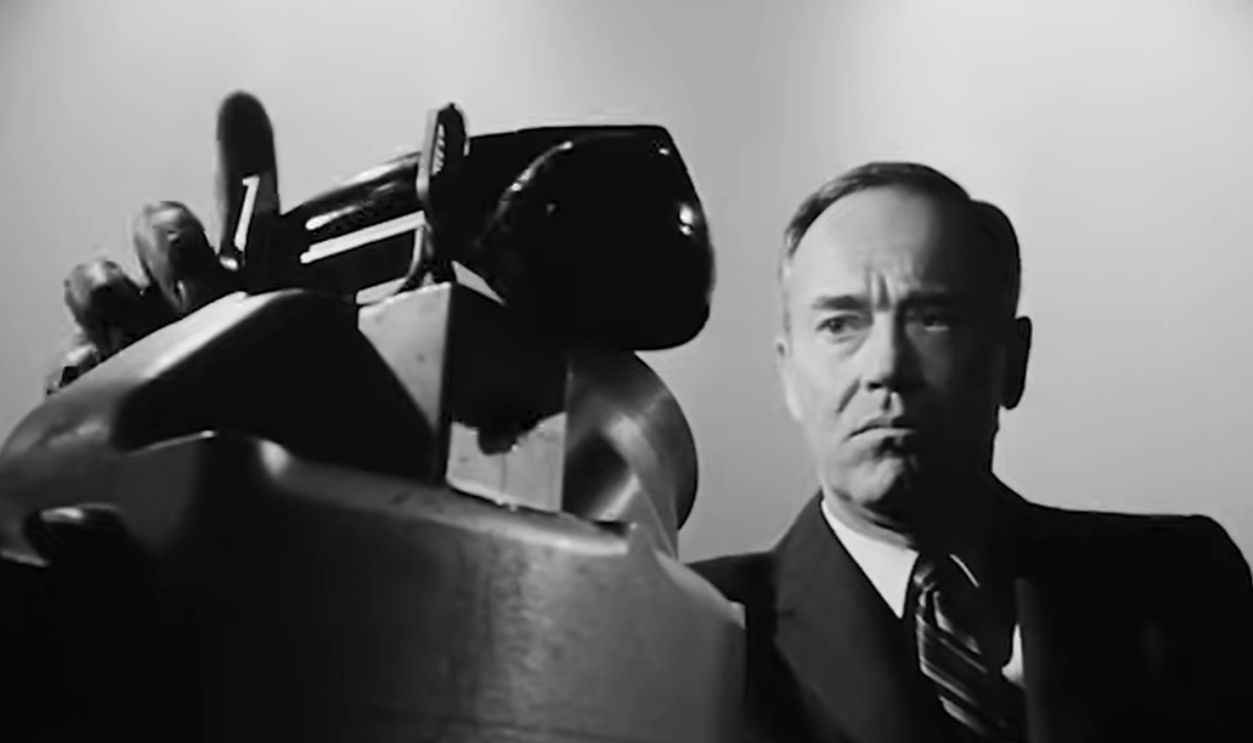 Screenshot from Fail Safe, Sony Pictures Entertainment (1964)
The Pawnbroker
Sidney Lumet pushed mainstream American filmmaking toward something harsher with The Pawnbroker (1964). Rod Steiger plays Sol Nazerman, a seemingly cold Harlem pawnbroker whose emotional detachment gradually reveals itself as the legacy of the Holocaust. French New Wave-influenced flashbacks fracture the conventional drama, and the attempted robbery near the end produces tragedy rather than a tidy cathartic redemption.
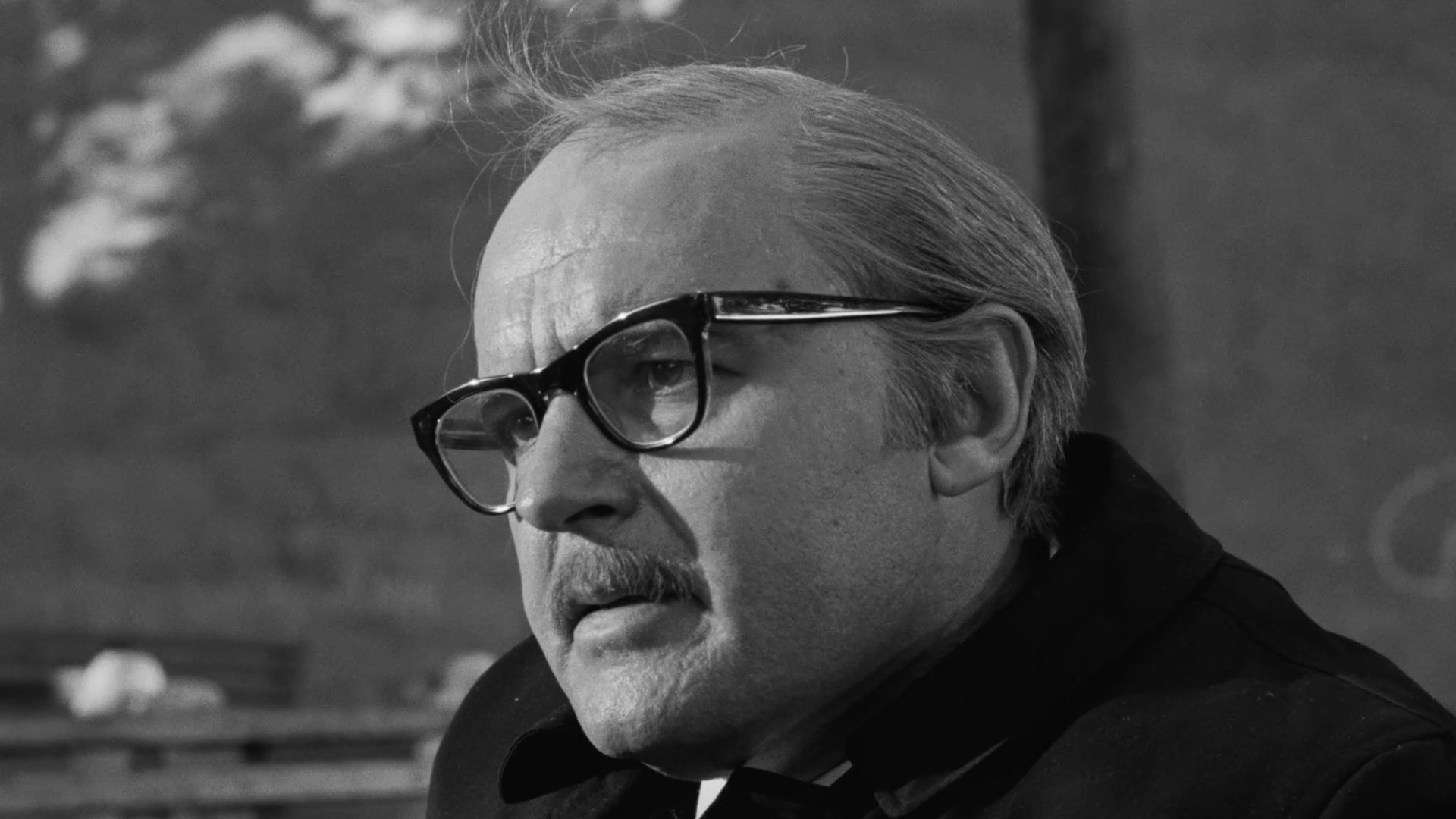 Landau Company /Allied Artists-American National Pictures, Wikimedia Commons
The Cincinnati Kid
Norman Jewison's The Cincinnati Kid (1965) has the ingredients of a classic star vehicle: Steve McQueen is the ambitious young poker player challenging Edward G. Robinson's legendary Lancey Howard for supremacy. Hollywood convention practically demands that youth eventually dethrone age. Instead, the Kid loses. The final humiliation punctures the myth that confidence and talent inevitably conquer experience.
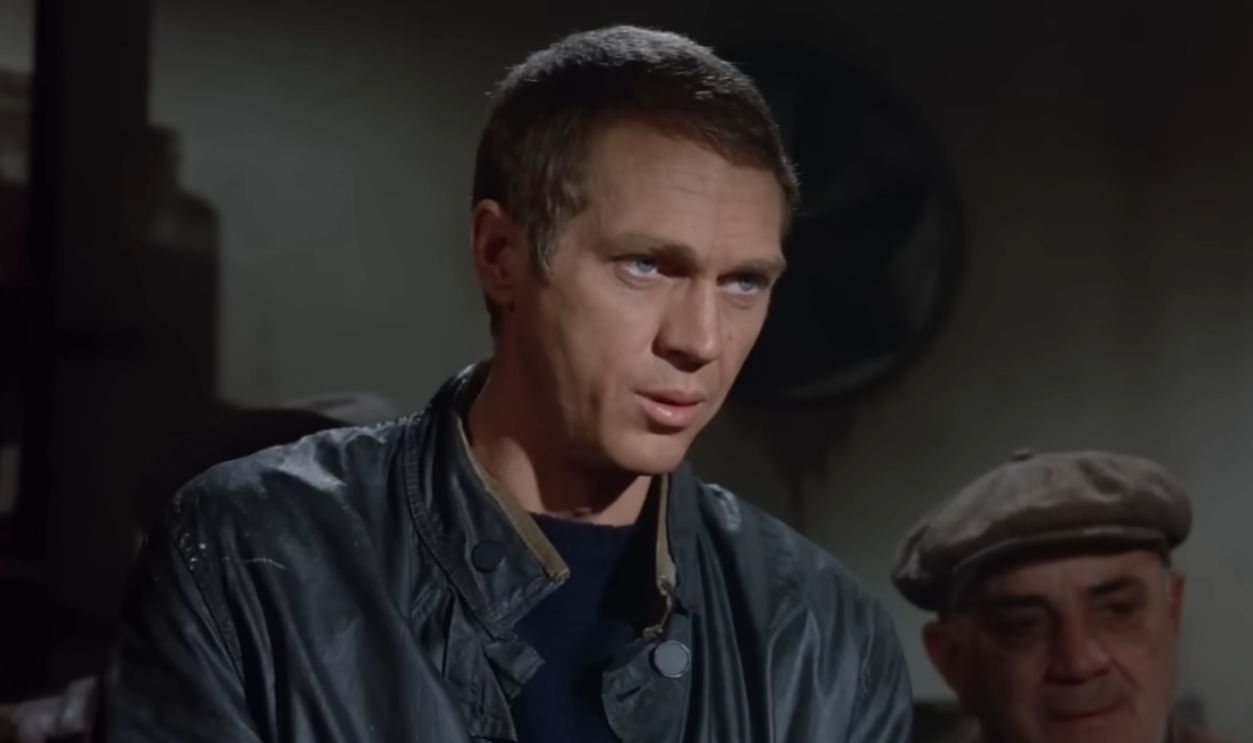 Screenshot from The Cincinnati Kid, Warner Bros. Discovery (1965)
The Collector
William Wyler was one of classical Hollywood's most distinguished directors, making his involvement in The Collector (1965) particularly revealing. Terence Stamp plays Freddie Clegg, who kidnaps Samantha Eggar's Miranda hoping she will eventually love him. Any expectation that the ordeal will end in escape or reform disappears as the film arrives at an exceptionally cold conclusion: Miranda dies after becoming ill, suggesting Freddie will simply find another victim.
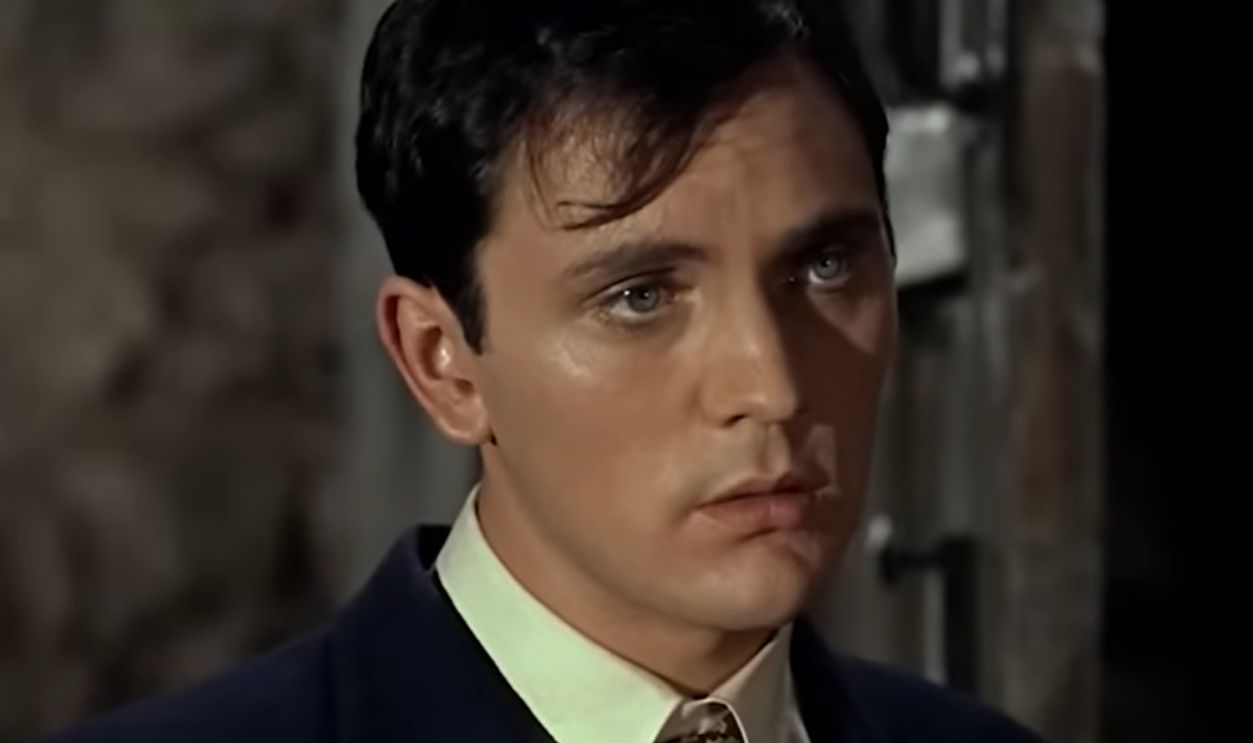 Screenshot from The Collector, Sony Pictures Entertainment (1965)
The Hill
A Sean Connery military picture made at the height of Bond mania might have promised heroism. Sidney Lumet's The Hill (1965) instead traps Connery and fellow prisoners inside a brutal British military detention camp in North Africa. Authority becomes institutional cruelty, resistance brings no neat triumph, and the ending refuses to reassure us that exposing wrongdoing necessarily destroys the system responsible for it.
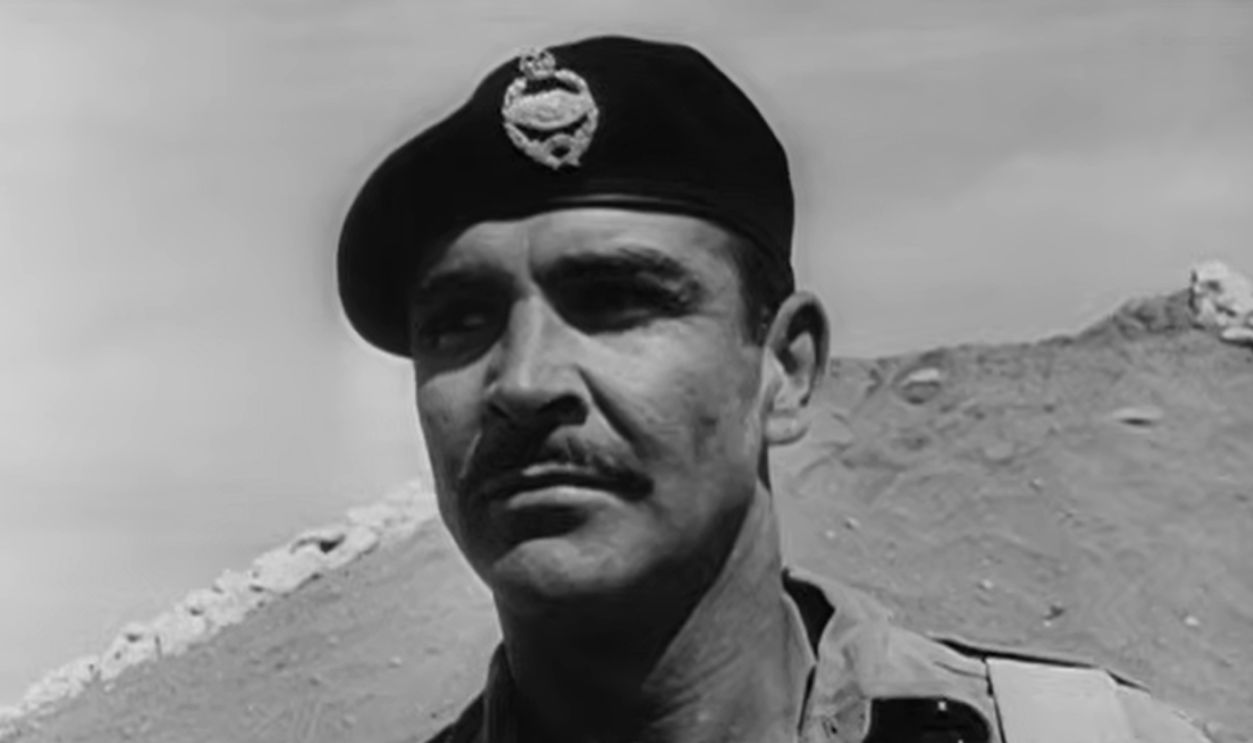 Screenshot from The Hill, Warner Bros. Discovery (1965)
The Bedford Incident
The Bedford Incident (1965) initially resembles a tense Cold War naval drama, with Richard Widmark commanding an American destroyer hunting a Soviet submarine while Sidney Poitier's reporter observes. Director James B. Harris steadily strips away the comforting assumption that professionals will regain control. The ending instead takes military brinkmanship to its logical, horrifying conclusion.
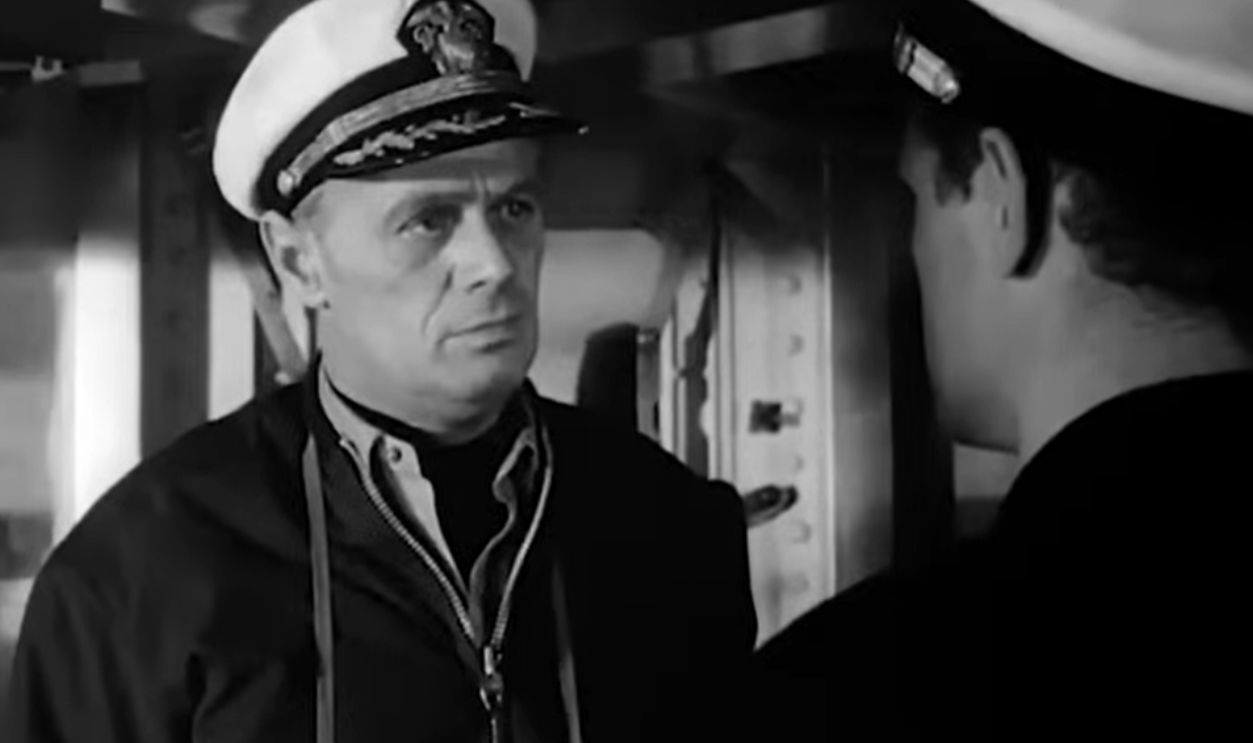 Screenshot from The Bedford Incident, Sony Pictures Entertainment (1965)
The Chase
Arthur Penn's The Chase (1966) looks like a glossy prestige melodrama, complete with Marlon Brando, Jane Fonda, Robert Redford, Angie Dickinson and E.G. Marshall. Redford's escaped prisoner seems headed toward the familiar confrontation with Brando's decent sheriff. Instead, the town degenerates into drunken mob violence before an ending deliberately echoing the killing of Lee Harvey Oswald.
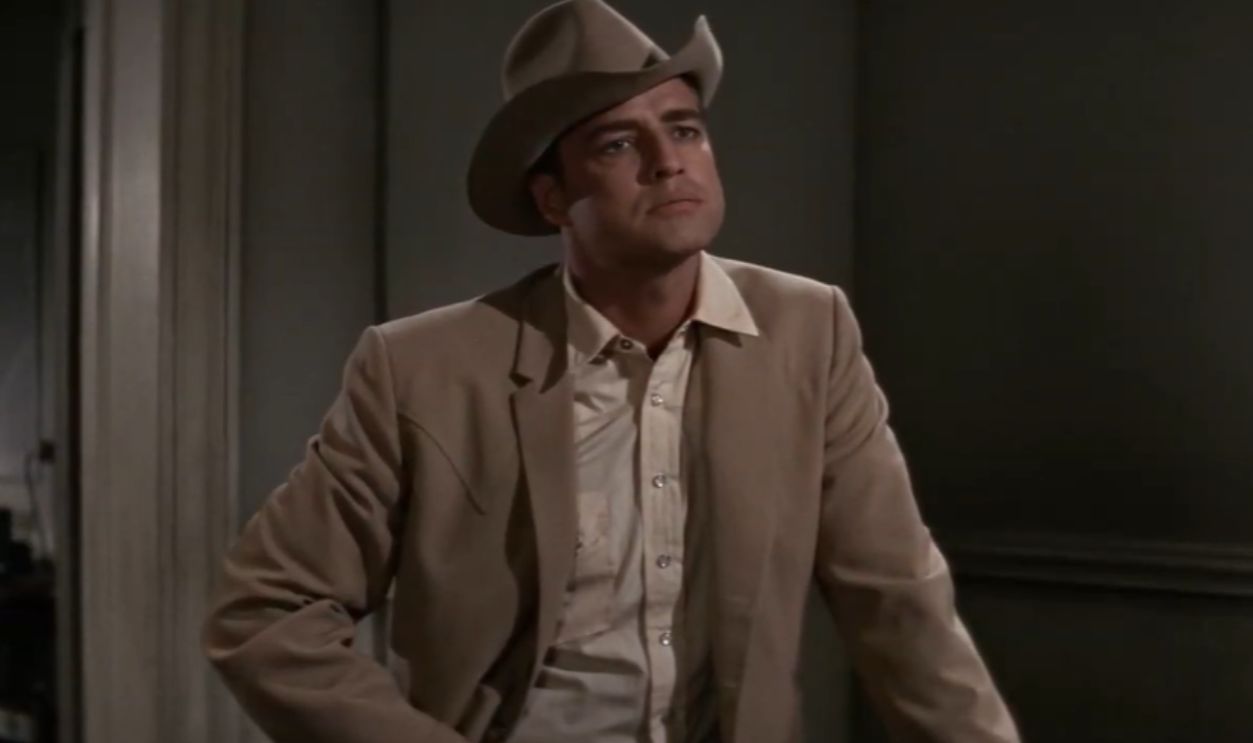 Screenshot from The Chase, Sony Pictures Entertainment (1966)
The Professionals
Richard Brooks assembled old-Hollywood royalty for The Professionals (1966): Burt Lancaster, Lee Marvin, Robert Ryan and Woody Strode are mercenaries hired by wealthy Ralph Bellamy to rescue his supposedly kidnapped wife, played by Claudia Cardinale. Then the premise collapses. She wasn't really a helpless captive, the supposed villain isn't quite what he seemed, and money proves less honorable than the hired guns.
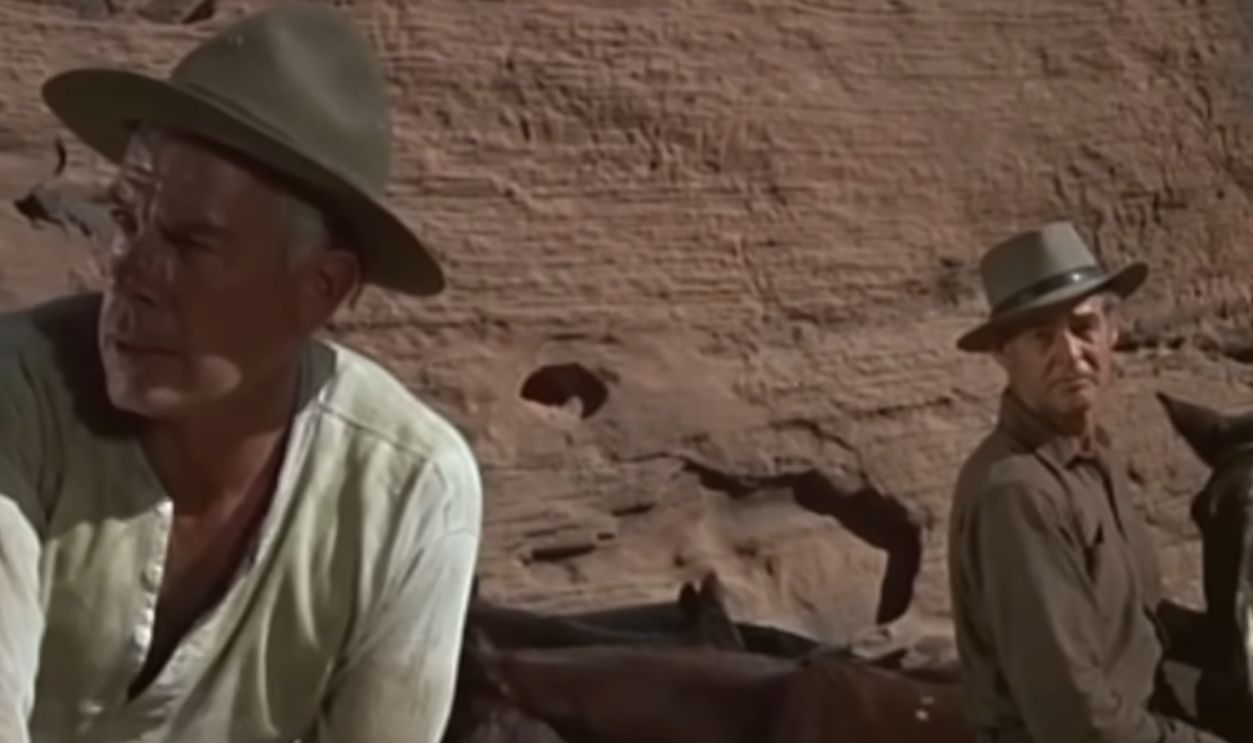 Screenshot from The Professionals, Sony Pictures Entertainment (1966)
The Sand Pebbles
Robert Wise gave The Sand Pebbles (1966) the scale of an old-fashioned Hollywood epic. Steve McQueen stars alongside Richard Attenborough, Richard Crenna, Candice Bergen and Mako aboard an American gunboat in 1920s China. But imperial adventure gradually turns to disillusionment. By the film's final moments, heroism has accomplished remarkably little, and McQueen's Jake Holman dies questioning why any of it happened.
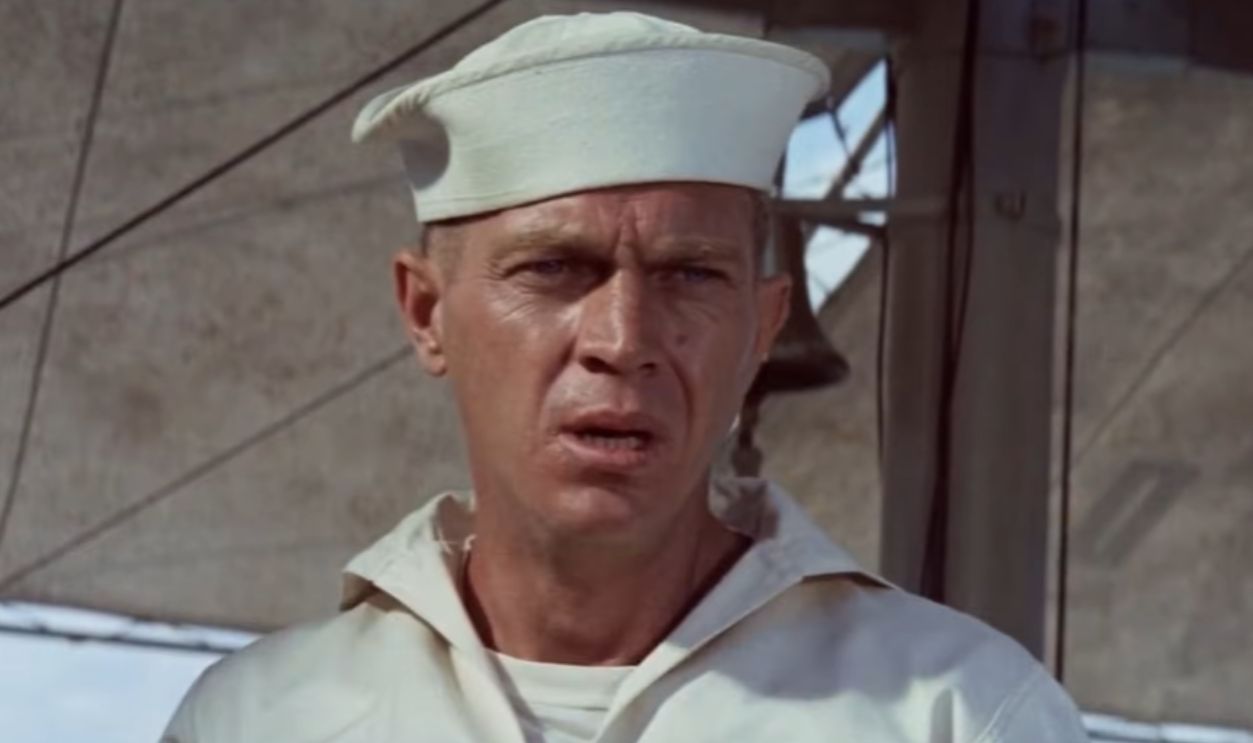 Screenshot from The Sand Pebbles, The Walt Disney Company (1966)
Seconds
John Frankenheimer brilliantly weaponized Rock Hudson's old-Hollywood image in Seconds (1966). A dissatisfied banker receives a new identity and Hudson's handsome face, apparently fulfilling the ultimate American fantasy of starting over. But his new life proves another prison. The nightmare ending destroys the possibility of reinvention with a ruthlessness that feels years ahead of mainstream Hollywood.
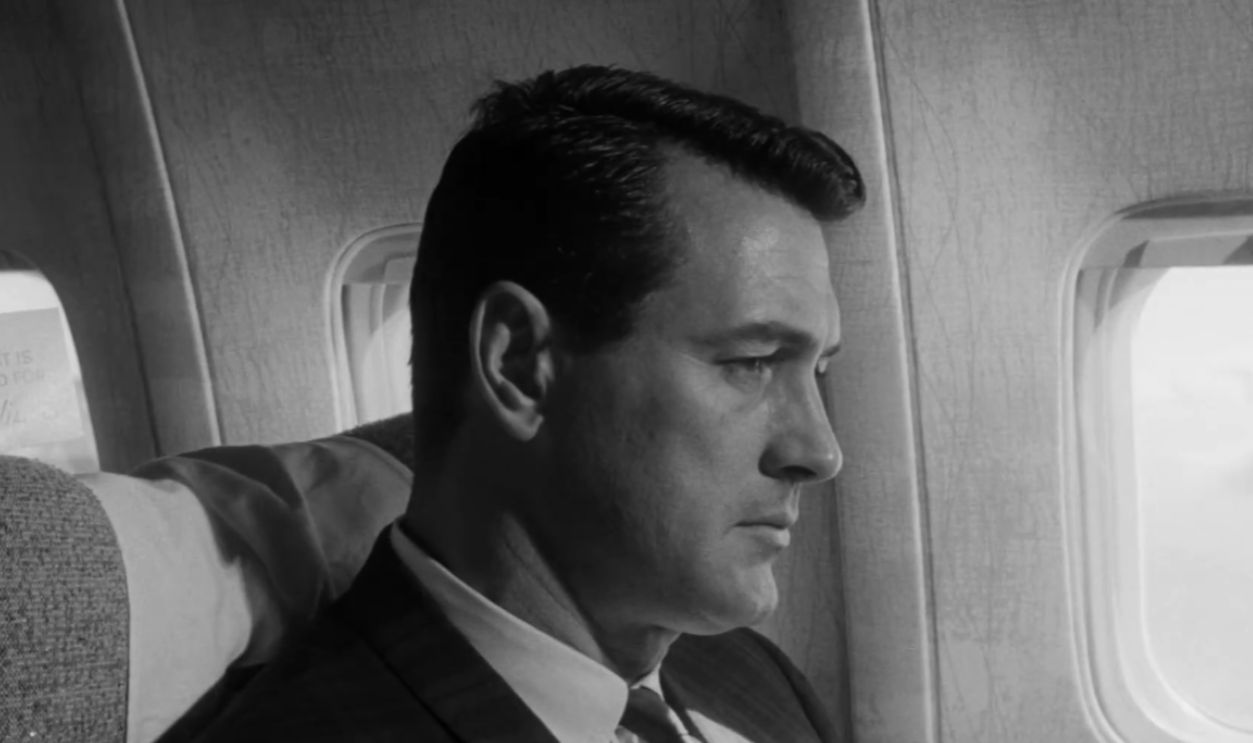 Screenshot from Seconds, Paramount (1966)
Bonnie And Clyde
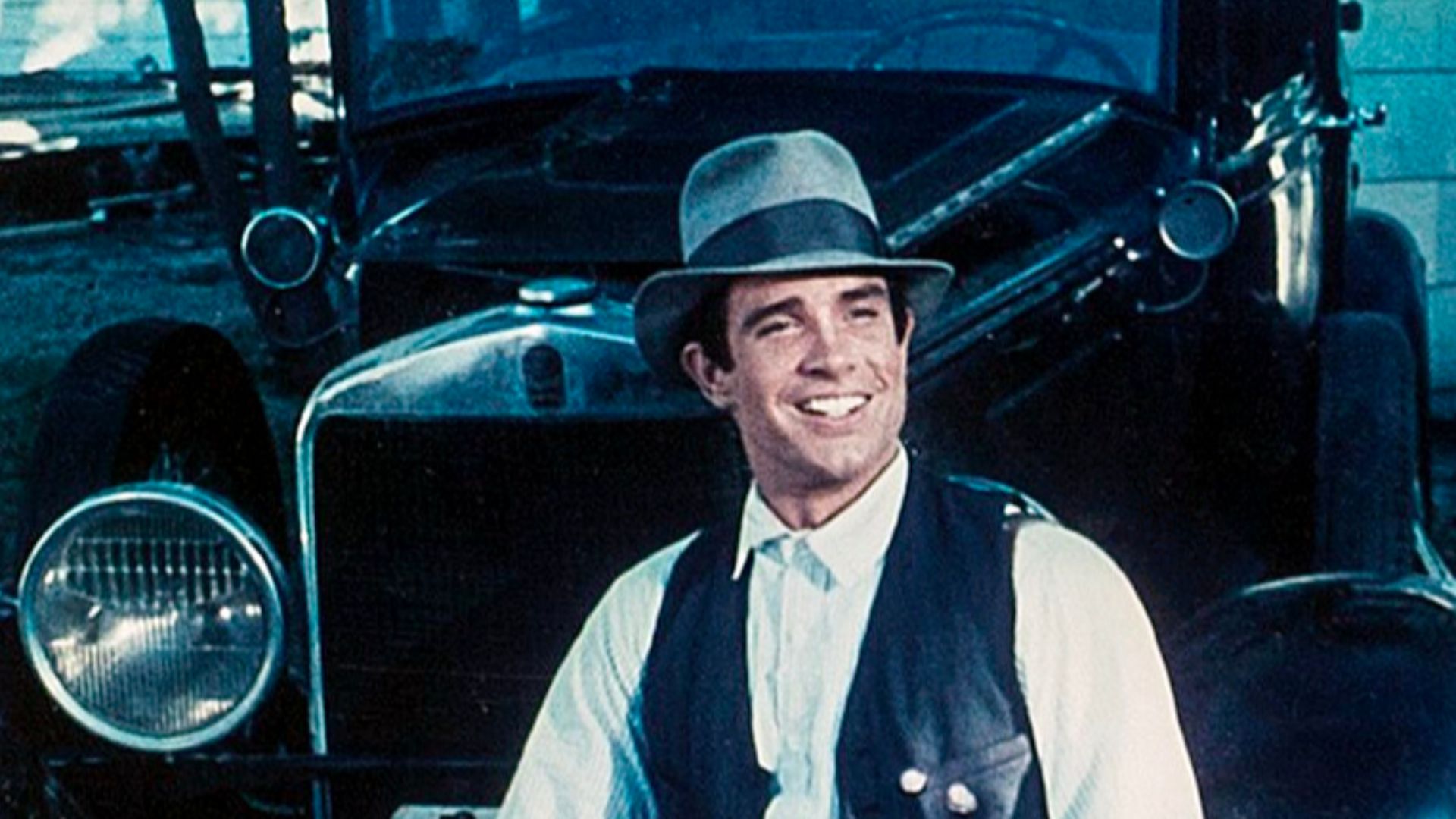
Arthur Penn's Bonnie and Clyde (1967) initially makes Warren Beatty and Faye Dunaway's Depression-era criminals look like glamorous movie outlaws. There is comedy, romance, banjo music and adventure. Then reality catches them. The celebrated final ambush explodes with a level of violence that shocked contemporary audiences and helped announce that Hollywood's old rules were disappearing.
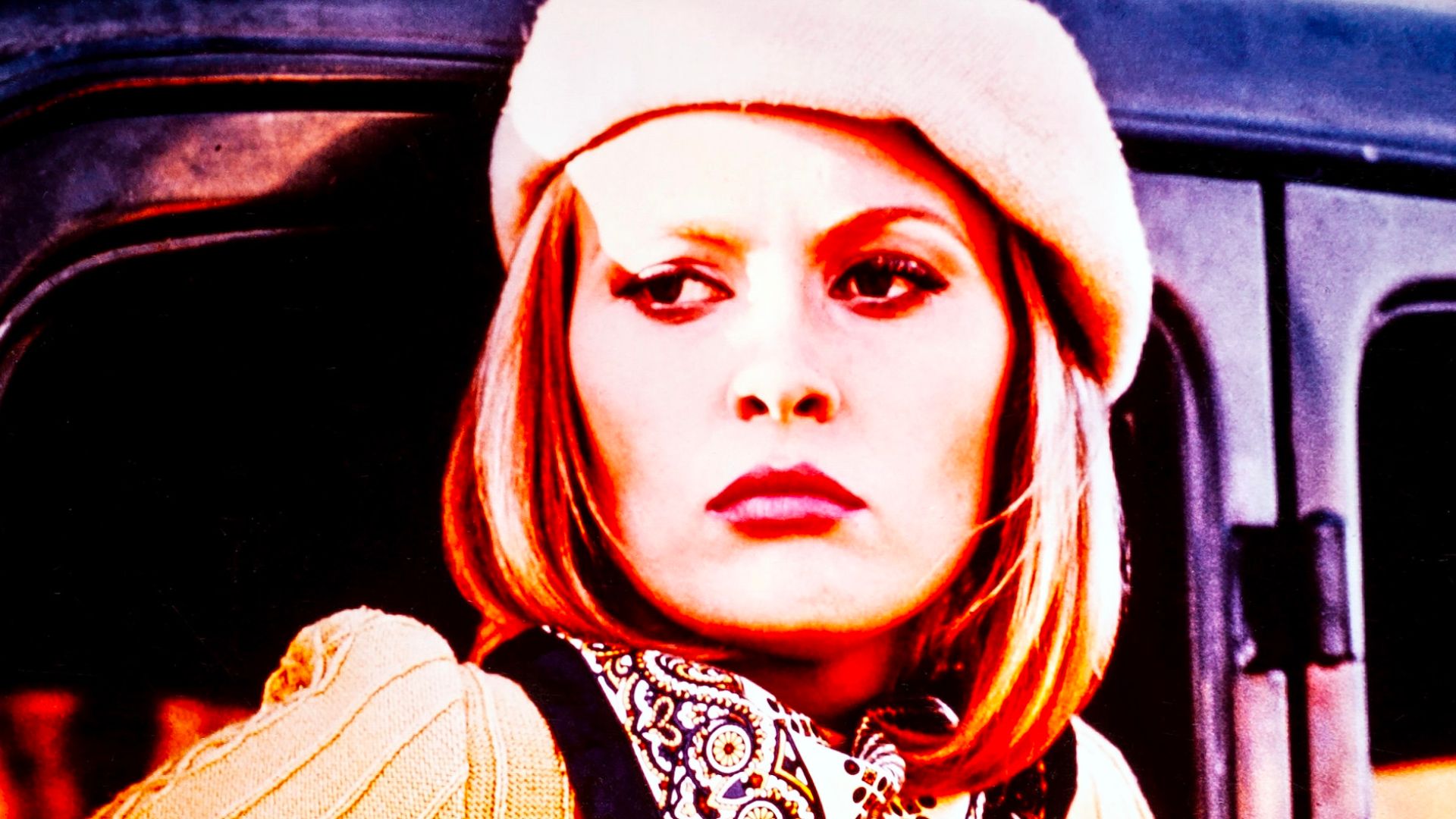 Distributed by Warner Bros.-Seven Arts., Wikimedia Commons
Cool Hand Luke
Paul Newman initially makes Luke Jackson look like exactly the rebel hero Hollywood audiences expect to beat the system in Stuart Rosenberg's Cool Hand Luke (1967). George Kennedy's Dragline even becomes his devoted admirer. But the prison system doesn't finally yield to Luke's individuality. His fate turns an entertaining anti-authoritarian star vehicle into something approaching tragedy.
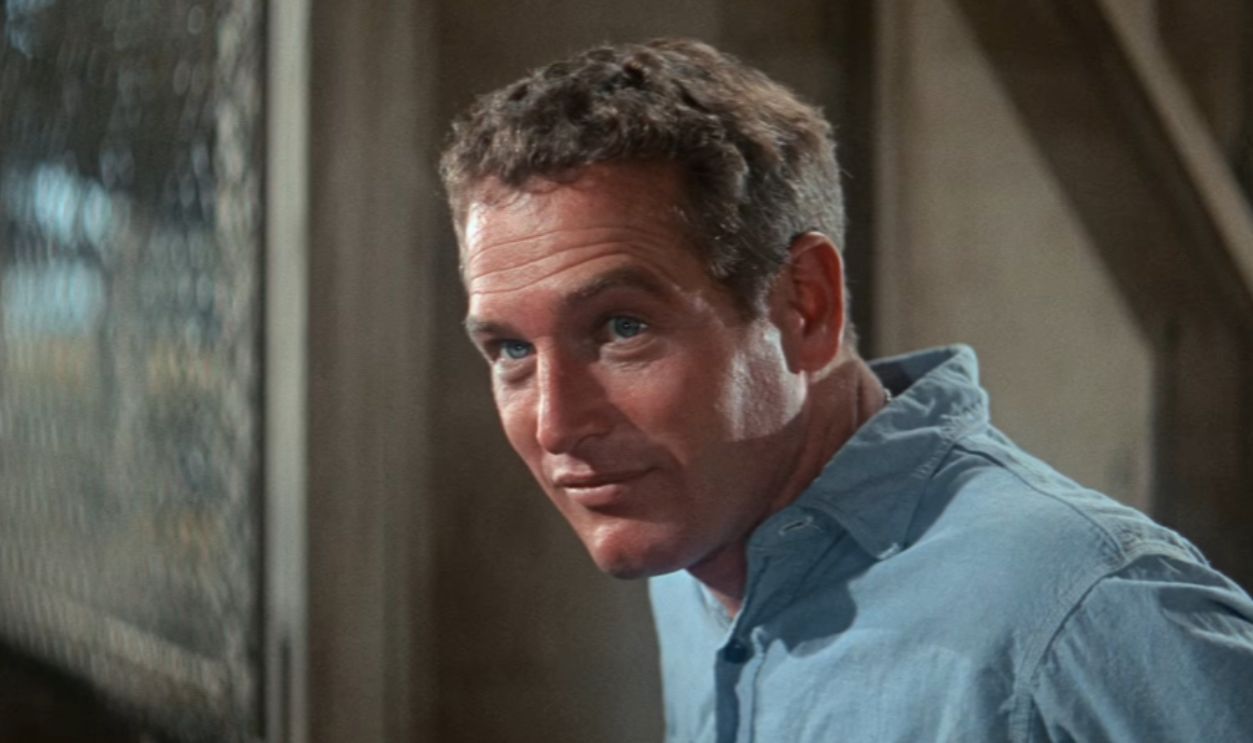 Screenshot from Cool Hand Luke, Warner Bros. Discovery (1967)
Point Blank
At its simplest, John Boorman's Point Blank (1967) sounds like a Lee Marvin revenge picture: Walker is betrayed, shot and left for dead, then returns for the money owed him. But Boorman fragments time, destabilizes reality and refuses the expected satisfaction. Angie Dickinson and Keenan Wynn co-star in a crime film that already feels like the experimental 1970s arrived three years early.
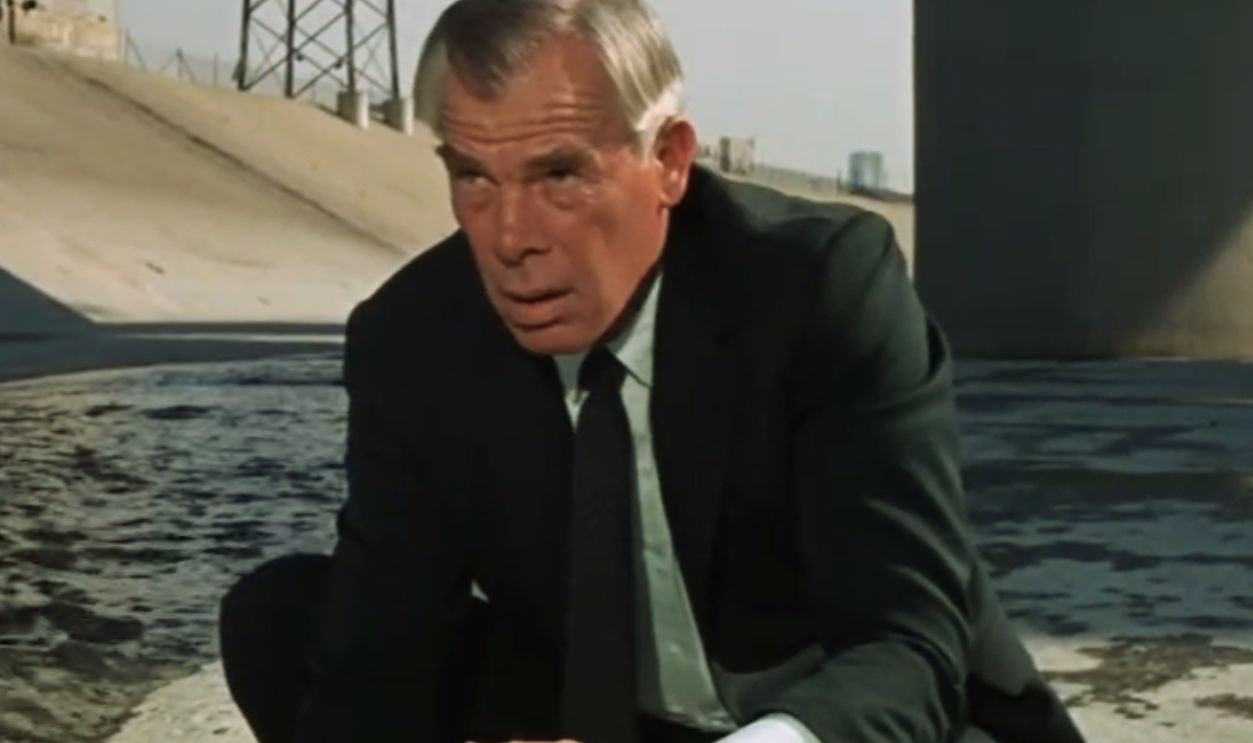 Screenshot from Point Blank, Warner Bros. Discovery (1967)
In Cold Blood
Richard Brooks could have turned Truman Capote's bestseller into a conventional police procedural. Instead, In Cold Blood (1967) follows killers Perry Smith and Dick Hickock, played by Robert Blake and Scott Wilson, with unsettling intimacy. Conrad Hall's stark black-and-white cinematography contributes to a documentary-like realism, while the execution offers neither conventional justice nor emotional relief.
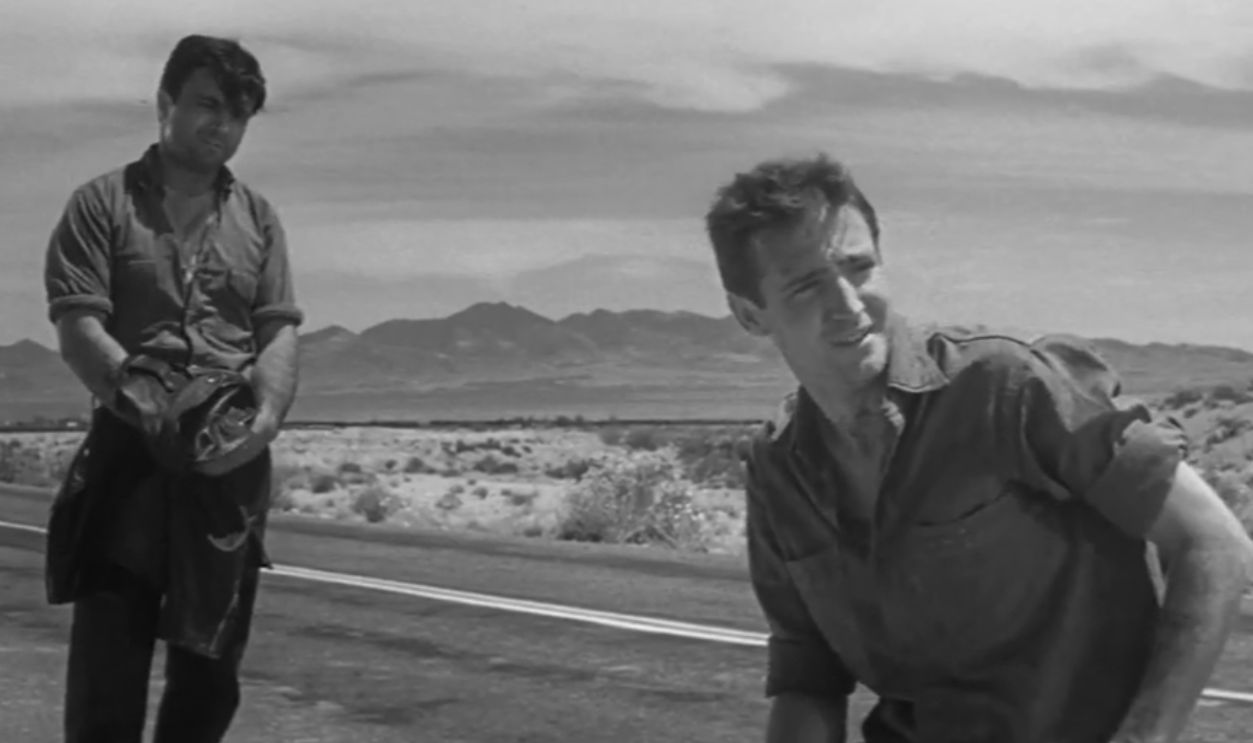 Screenshot from In Cold Blood, Sony Pictures Entertainment (1967)
The Graduate
Mike Nichols gives The Graduate (1967) what initially looks like the ultimate romantic-comedy ending. Dustin Hoffman's Benjamin interrupts Elaine's wedding, escapes with Katharine Ross, and the pair triumphantly board a bus. Then Nichols keeps filming. Their smiles disappear. Simon & Garfunkel returns on the soundtrack, and suddenly we're wondering whether these two young people have any idea what comes next.
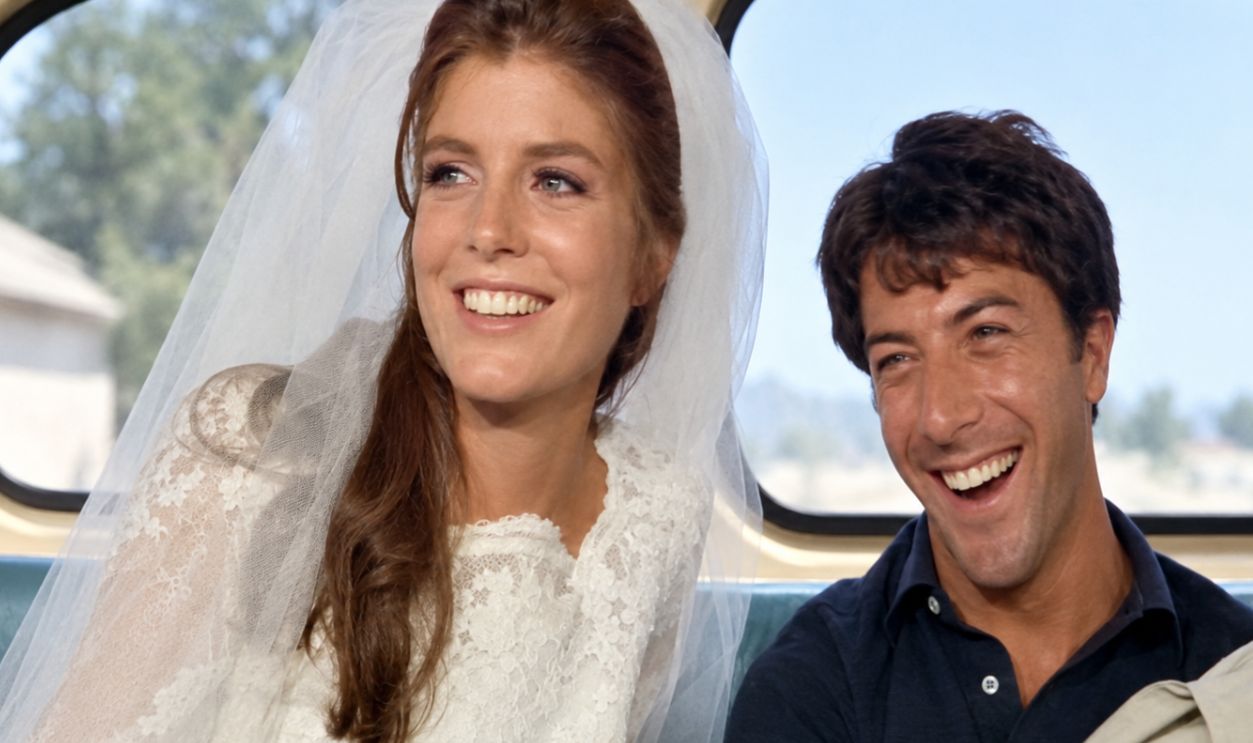 Screenshot from The Graduate, Amazon MGM Studios (1967), enhanced
Planet Of The Apes
Franklin J. Schaffner's Planet of the Apes (1968) stars Charlton Heston in what initially resembles a lavish studio science-fiction adventure. Taylor survives astronauts, apes, imprisonment and a climactic confrontation before finally riding toward supposed freedom with Nova, played by Linda Harrison. Then the Statue of Liberty appears, producing one of Hollywood's bleakest reversals of the traditional adventure ending.
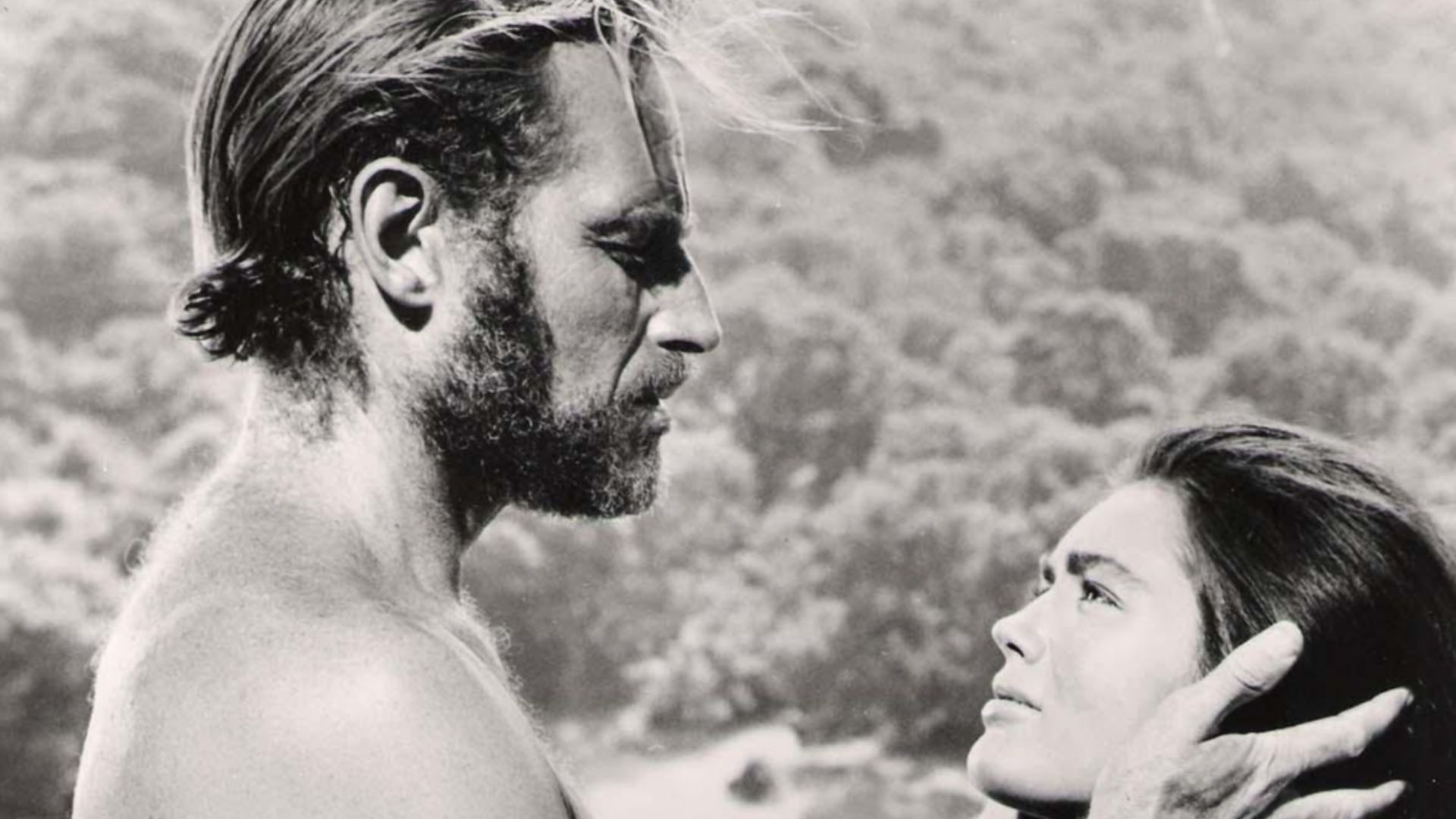 Unknown authorUnknown author, Wikimedia Commons
The Swimmer
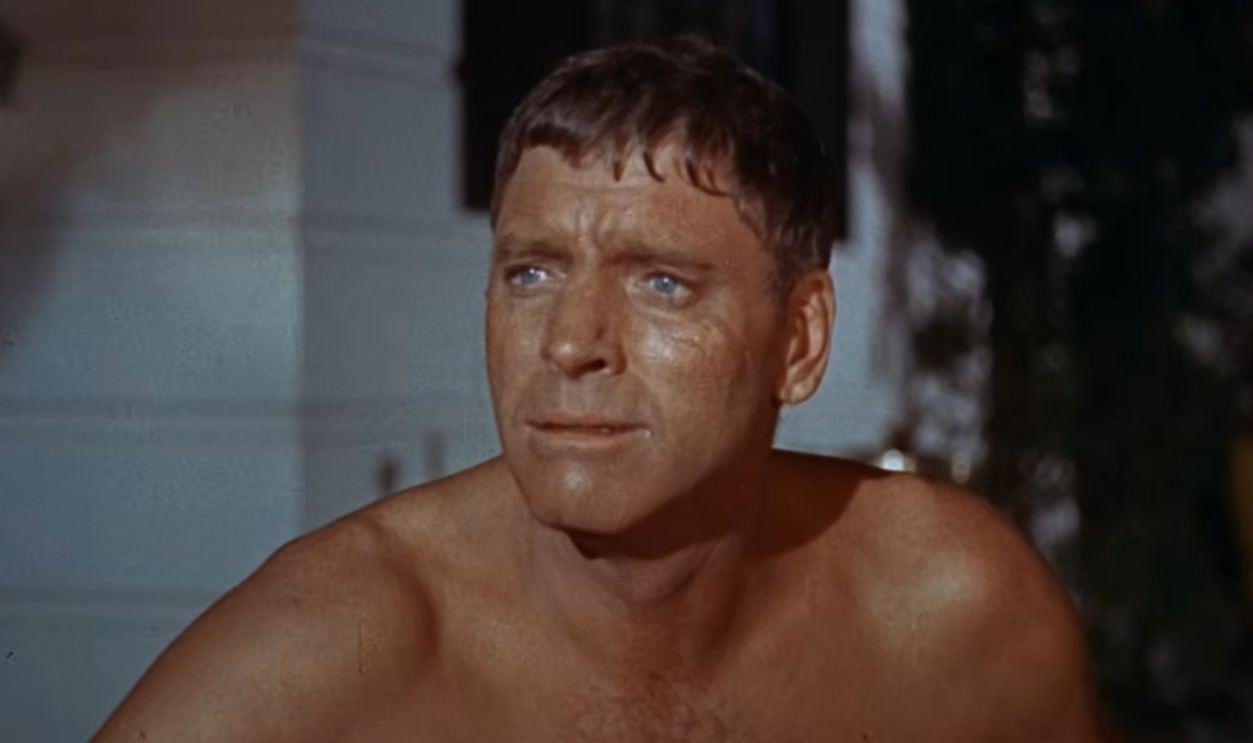
Burt Lancaster's physique and charisma initially make Ned Merrill's plan in Frank Perry's The Swimmer (1968) seem almost heroic: he'll cross affluent Connecticut by swimming through his neighbors' pools. Each encounter strips away another layer of his self-created identity. When Ned finally reaches home, the sunny suburban fantasy has become an unnerving portrait of denial and collapse.
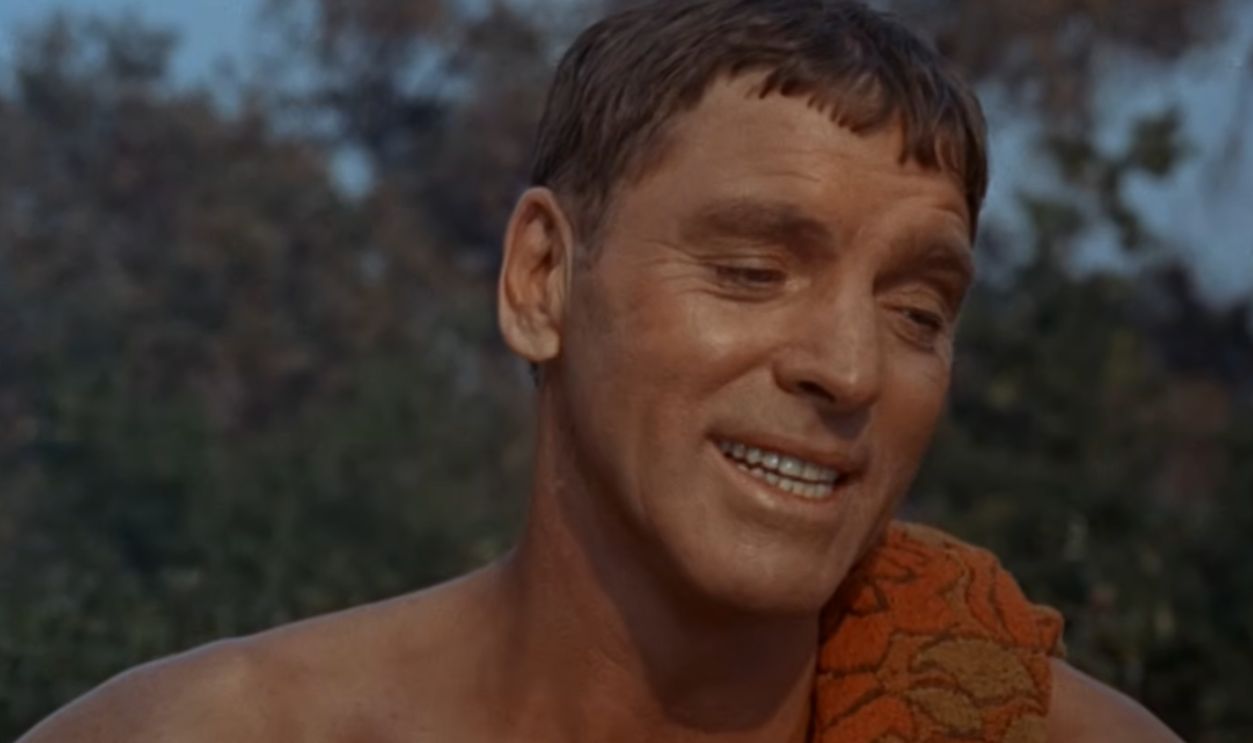 Screenshot from The Swimmer, Sony Pictures Entertainment (1968)
Targets
Peter Bogdanovich made the transition from old Hollywood to new Hollywood the actual subject of Targets (1968). Boris Karloff plays aging horror star Byron Orlok, whose Gothic monsters suddenly seem quaint beside an apparently ordinary young man's random shootings. The two stories finally collide at a drive-in theater, where fictional horror literally confronts frightening modern American violence.
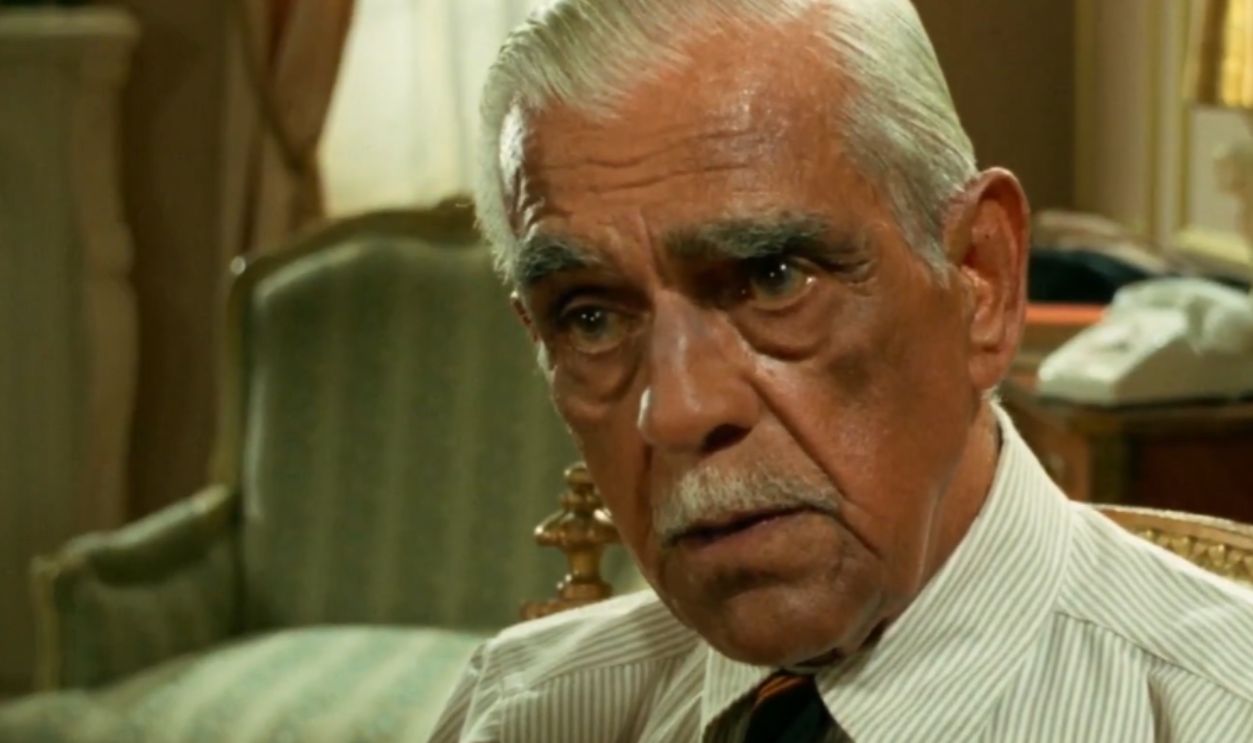 Screenshot from Targets, Paramount (1968)
The Wild Bunch
Sam Peckinpah filled The Wild Bunch (1969) with aging western stars, including William Holden, Ernest Borgnine and Robert Ryan, and then used them to bury the classical western. The familiar outlaws discover their world disappearing around them. Their final decision sounds conventionally heroic, but the resulting massacre is bloody, chaotic and morally exhausted rather than triumphant.
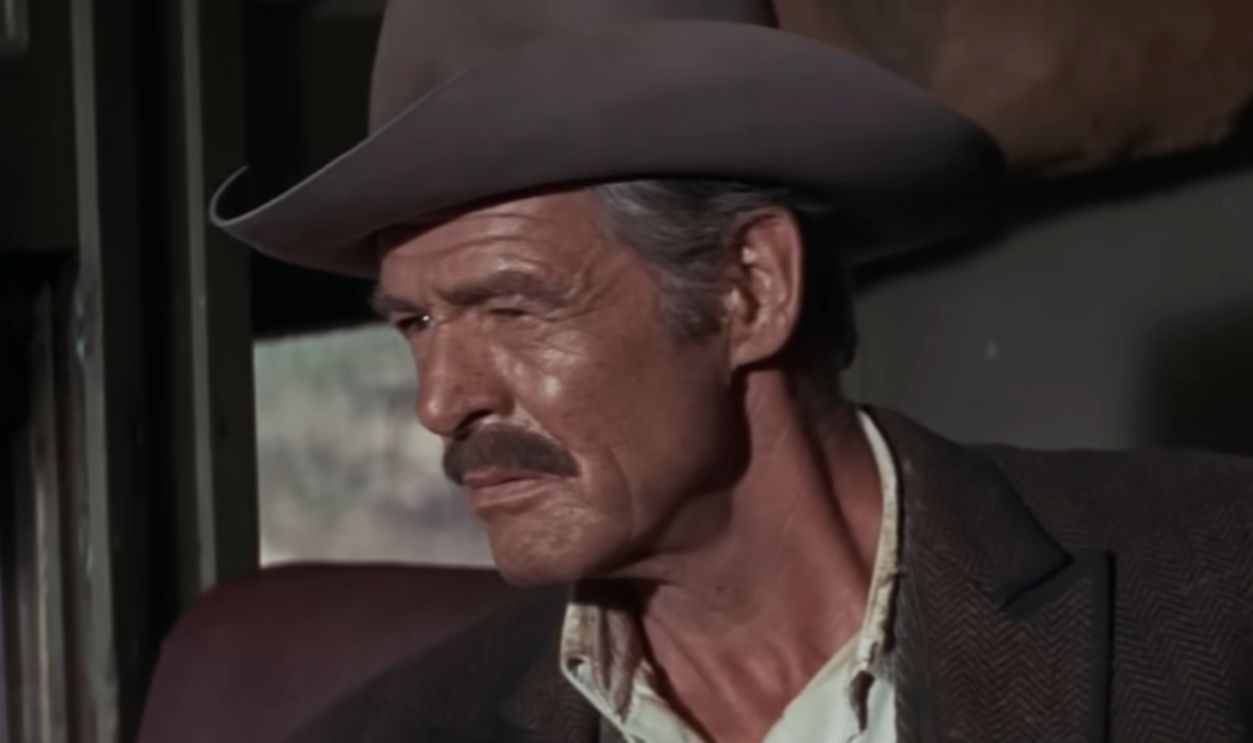 Screenshot from The Wild Bunch, Warner Bros. Discovery (1969)
Midnight Cowboy
Jon Voight's Joe Buck arrives in New York in John Schlesinger's Midnight Cowboy (1969) believing himself destined to become a successful hustler servicing wealthy women. That almost comic premise steadily disintegrates. His friendship with Dustin Hoffman's desperately ill Ratso Rizzo becomes the movie's emotional center, culminating in a bus ride to Florida whose destination offers no magical new beginning.
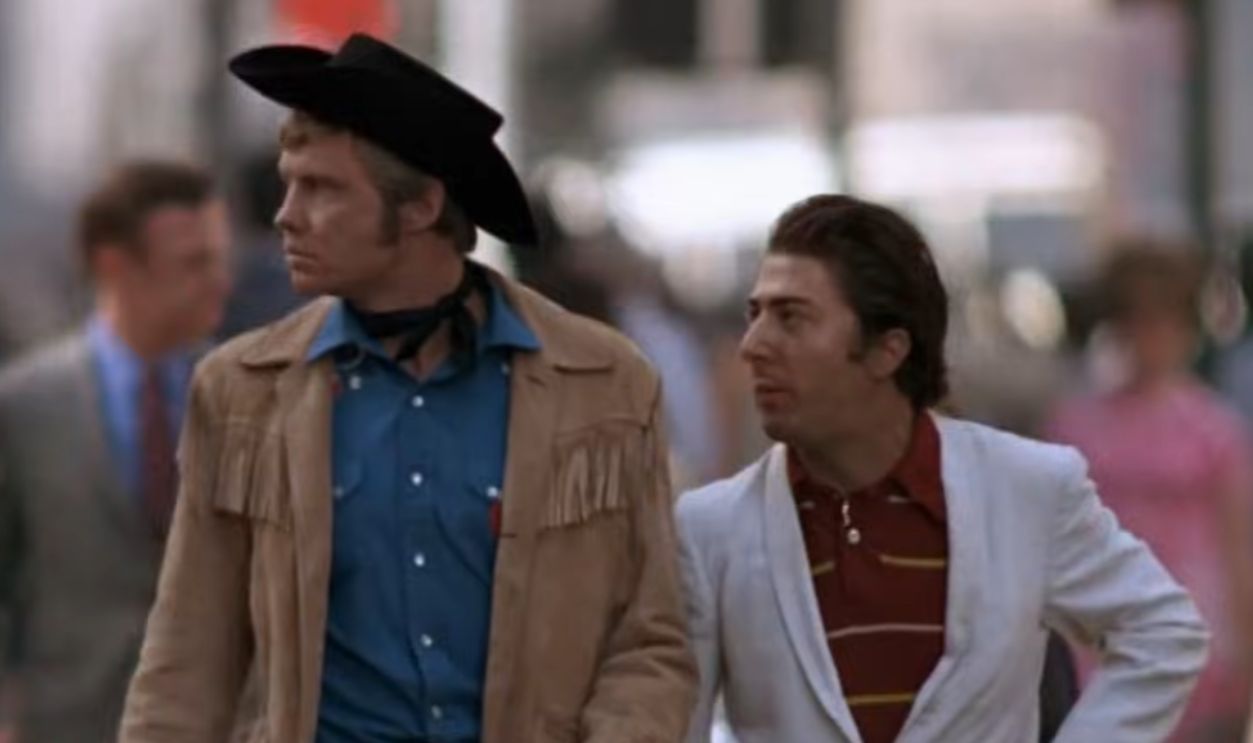 Screenshot from Midnight Cowboy, Amazon MGM Studios (1969)
Easy Rider
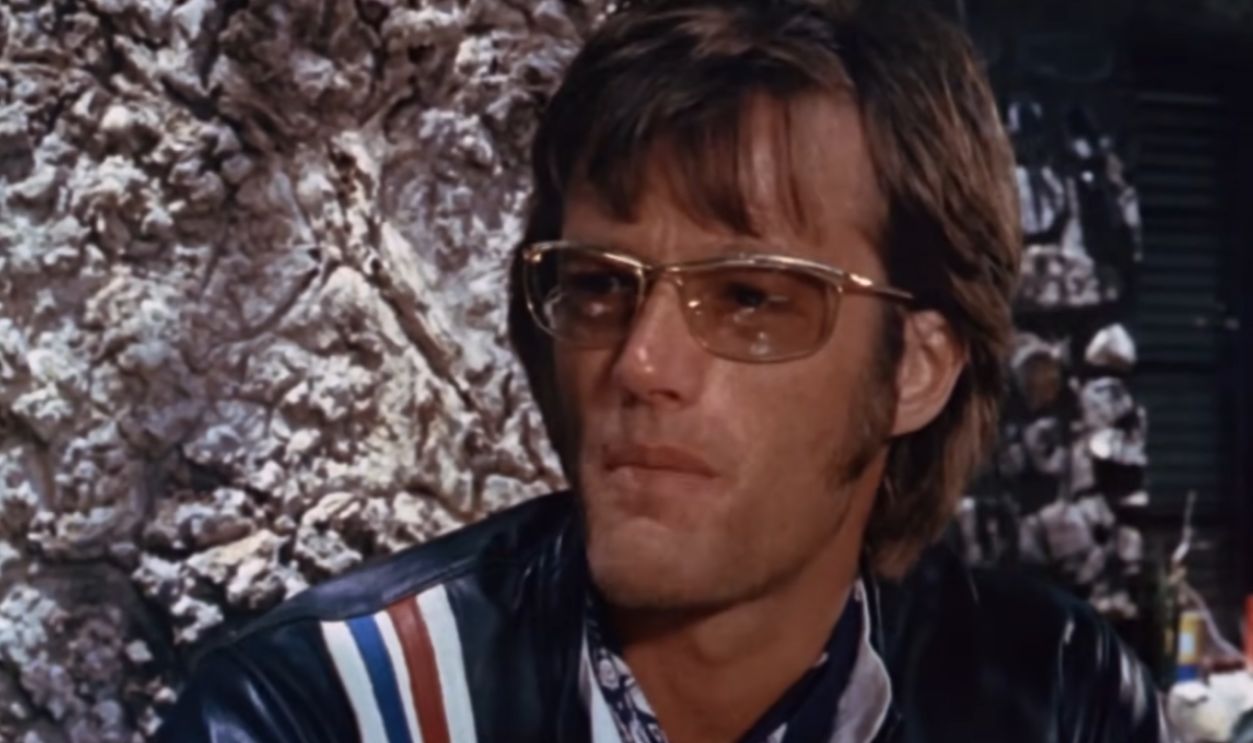
Dennis Hopper's Easy Rider (1969) initially offers perhaps the decade's purest fantasy of American freedom. Peter Fonda and Hopper have money, motorcycles and an open road stretching toward New Orleans, while Jack Nicholson briefly joins their journey. Then freedom collides with hostility. Its abrupt, nihilistic conclusion demolishes the road movie's promise that somewhere over the horizon lies a better America.
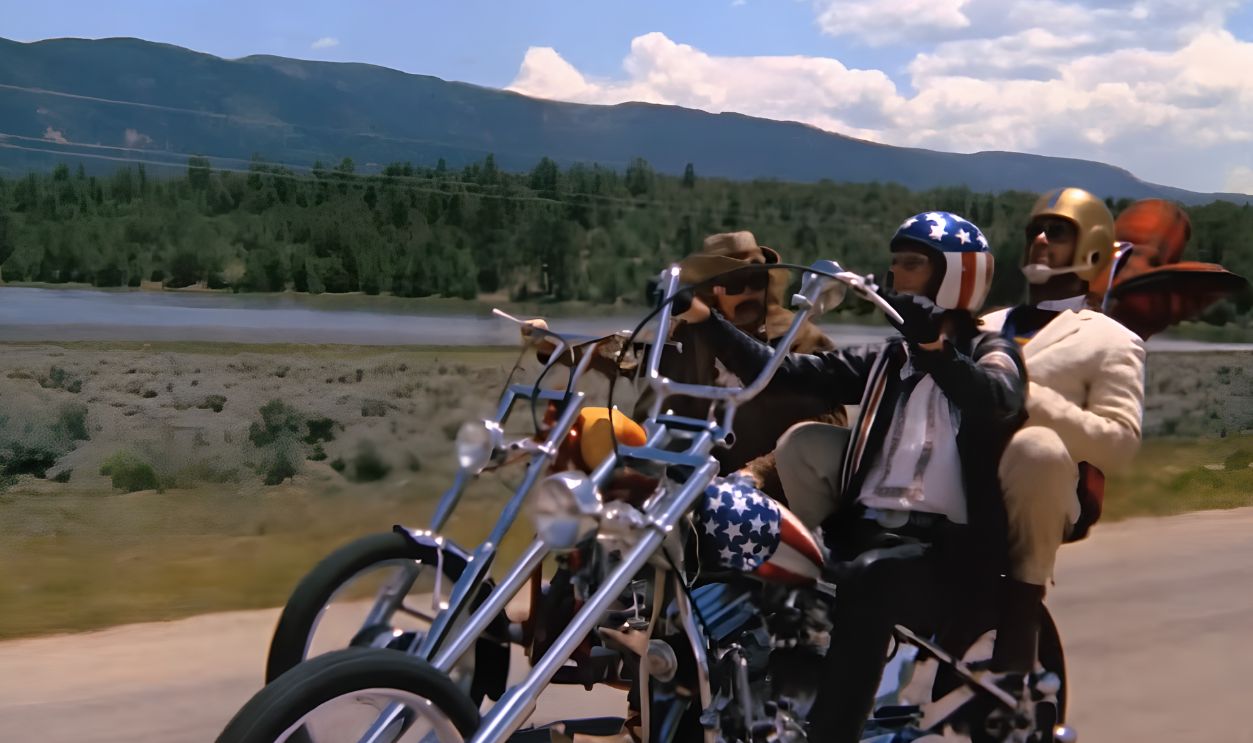 Screenshot from Easy Rider, Sony Pictures Entertainment (1969), enhanced
They Shoot Horses, Don't They?
Sydney Pollack's They Shoot Horses, Don't They? (1969) takes something superficially associated with old-fashioned entertainment, a Depression-era dance marathon, and slowly exposes it as exploitation. Jane Fonda, Michael Sarrazin, Gig Young, Susannah York, Red Buttons and Bruce Dern inhabit a world where suffering itself becomes show business. Its devastating conclusion provides no victory, romance or escape.
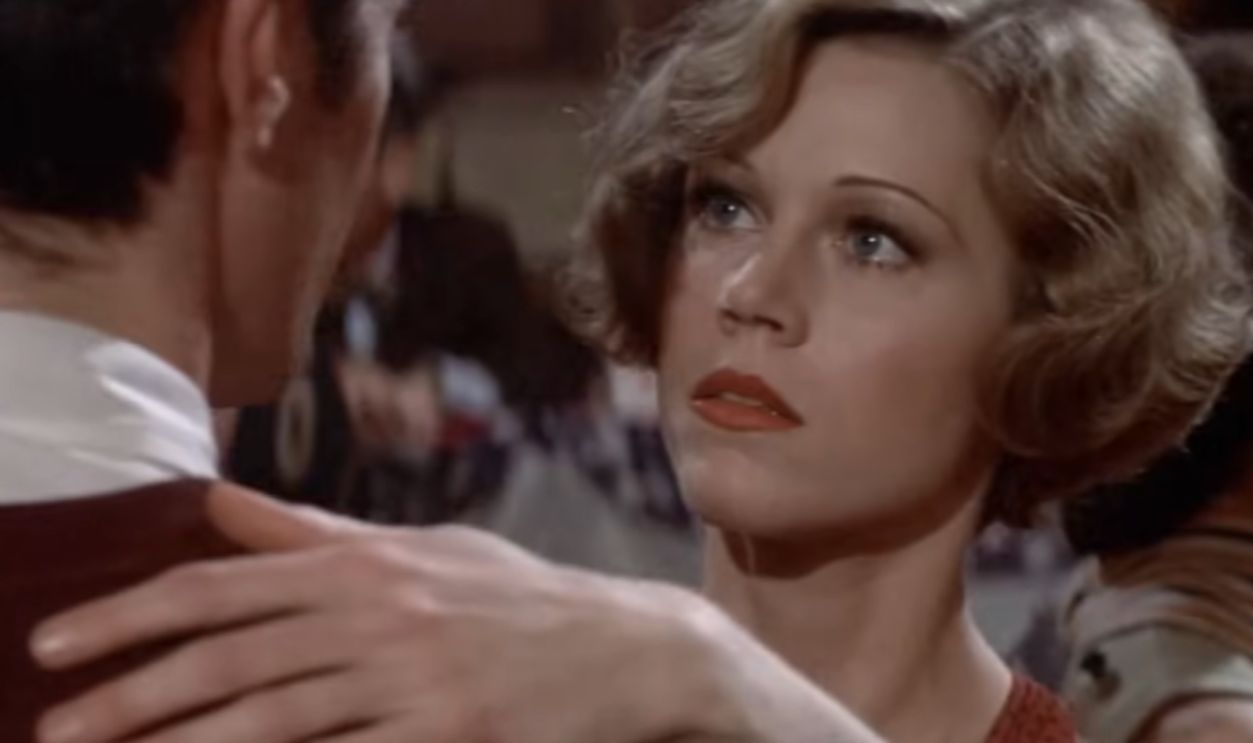 Screenshot from They Shoot Horses, Don't They?, The Walt Disney Company (1969)
The Hero Stopped Winning
These movies reveal one of the decade's biggest changes. Classical Hollywood certainly produced tragic endings, but popular genres usually offered recognizable moral structures. Increasingly, 1960s filmmakers allowed protagonists to lose, die, discover that they had misunderstood their own lives, or realize that the institutions supposedly protecting them were themselves part of the problem.
 Screenshot from Easy Rider, Sony Pictures Entertainment (1969)
The Ending Became The Point
Many of these endings don't merely finish their stories; they force audiences to reinterpret everything preceding them. Benjamin and Elaine's fading smiles, Ned Merrill's empty home and the Statue of Liberty all transform what seemed to be one kind of movie into something else. Ambiguity was becoming a feature rather than a problem to be resolved.
 Screenshot from The Swimmer, Sony Pictures Entertainment (1968)
The Seventies Had Arrived
By 1969, the changes of the 20th century's most transformative decade were difficult to ignore. Bonnie and Clyde (1967) is often credited with helping launch New Hollywood, while Easy Rider (1969), Midnight Cowboy (1969) and The Wild Bunch (1969) made the generational change impossible to miss. The director-driven 1970s hadn't officially begun, but American movies were already behaving as though it had.
 Distributed by Warner Bros.-Seven Arts., Wikimedia Commons
You May Also Like:
Great Movie Westerns From The 1960s That Deserve More Respect Than They Get
Male Actors From The 60s And 70s Who Were Told They Were Too Ugly To Be Stars—But They Did It Anyway
1960s Hollywood Tough Guys Every Dad Wanted To Be Like—And Dads Today Don’t Even Know Who They Are
Sources: 1, 2, 3, 4, 5, 6, 7, 8, 9, 10, 11, 12, 13, 14,15, 16, 17, 18, 19, 20