So Much for Leading-Man Looks
Hollywood had a pretty clear idea of what a male star was supposed to look like—and these guys were not it. Then they became some of the biggest stars of the 60s and 70s anyway.
Dustin Hoffman
Even after The Graduate made Dustin Hoffman famous, Life magazine joked that if his face was his fortune, he was headed for a life of poverty. Instead, Hoffman’s face became the face of a new Hollywood—and helped change what audiences thought a male movie star could look like.
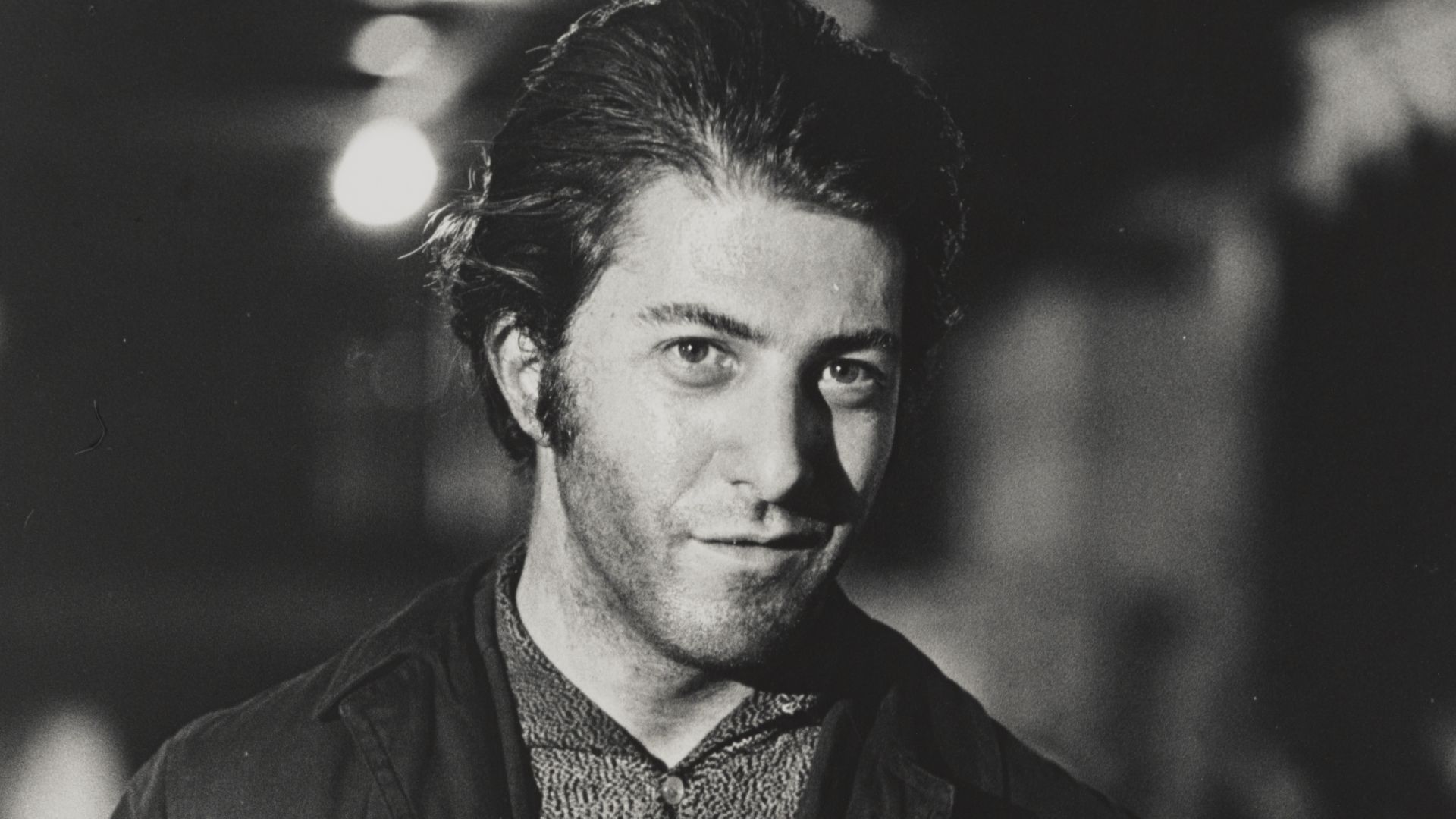 Bernard Gotfryd, Wikimedia Commons
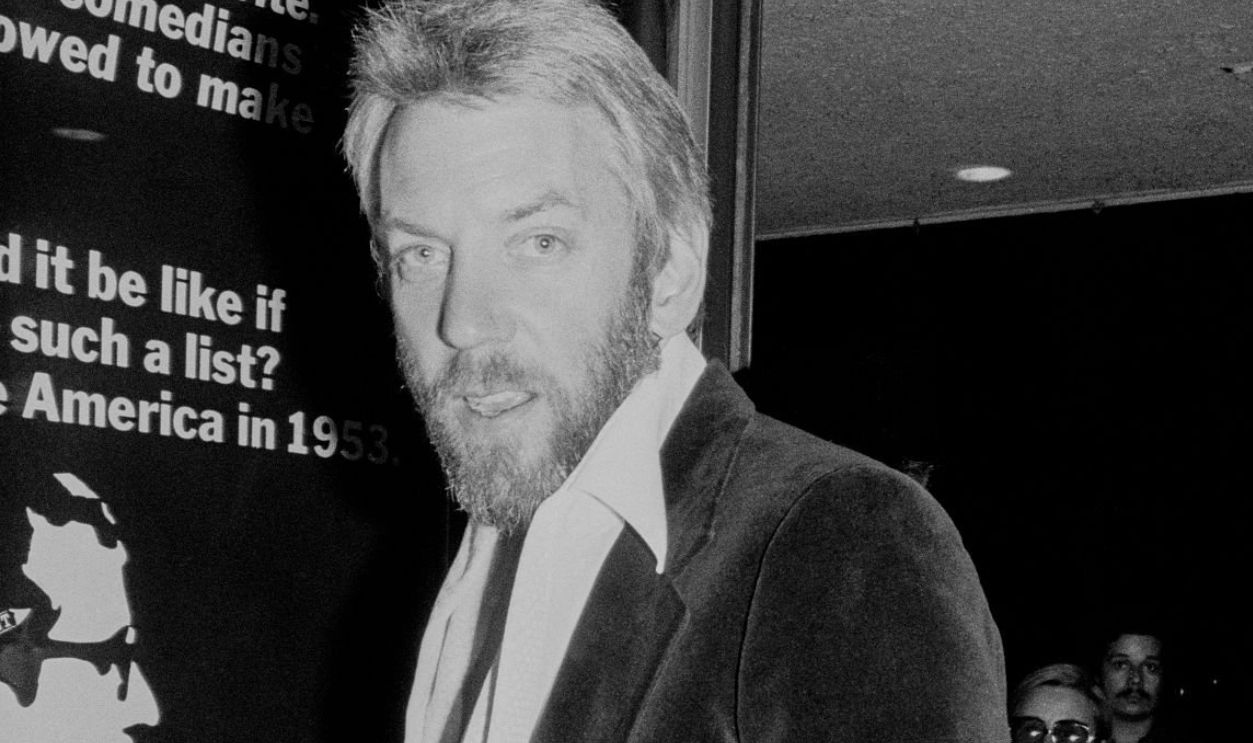
Donald Sutherland
After one early audition, the filmmakers called Sutherland to say they loved his performance. Unfortunately, the role was supposed to be a guy-next-door type, and they did not think Sutherland looked like he had ever lived next door to anybody. That may be the greatest rejection call in Hollywood history.
Lee Van Cleef
Stanley Kramer reportedly offered Lee Van Cleef a larger role in High Noon—but only if he had his distinctive nose surgically altered to look less menacing. Van Cleef refused and took the smaller role. Sergio Leone later looked at that same face and saw one of the greatest Western stars ever.
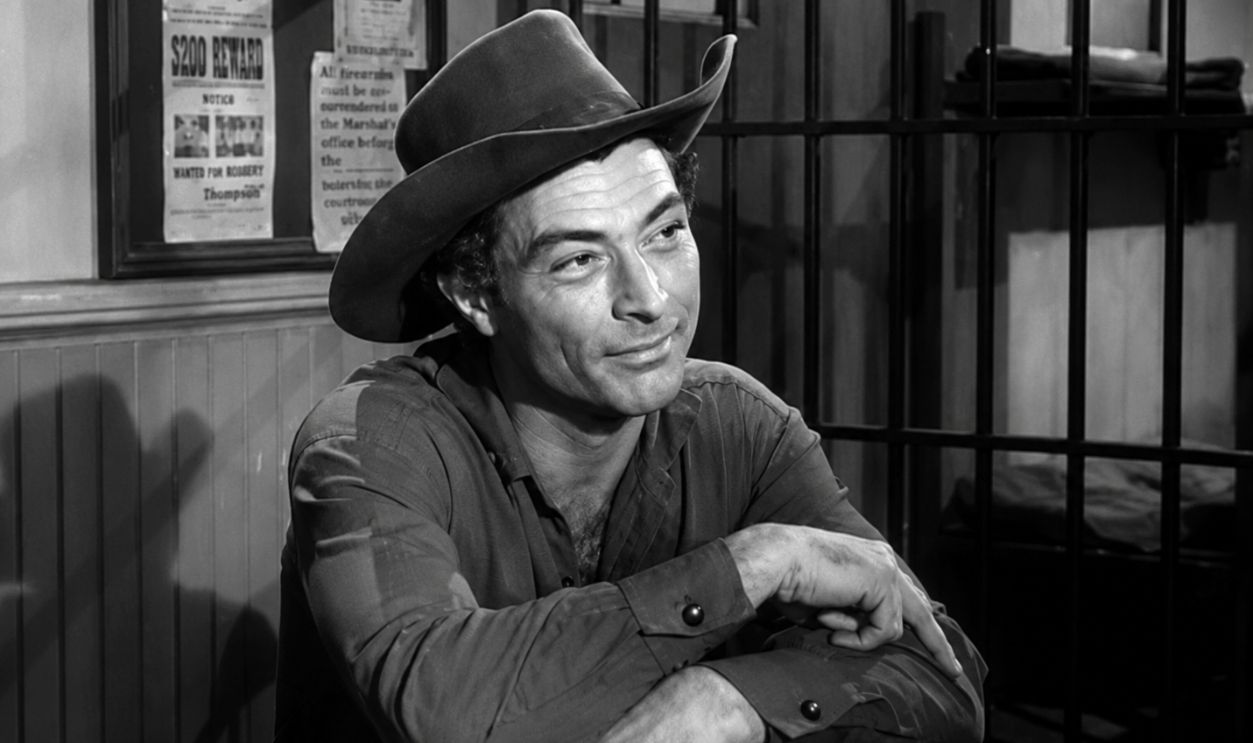 Albert C. Gannaway, Wikimedia Commons, Enhanced
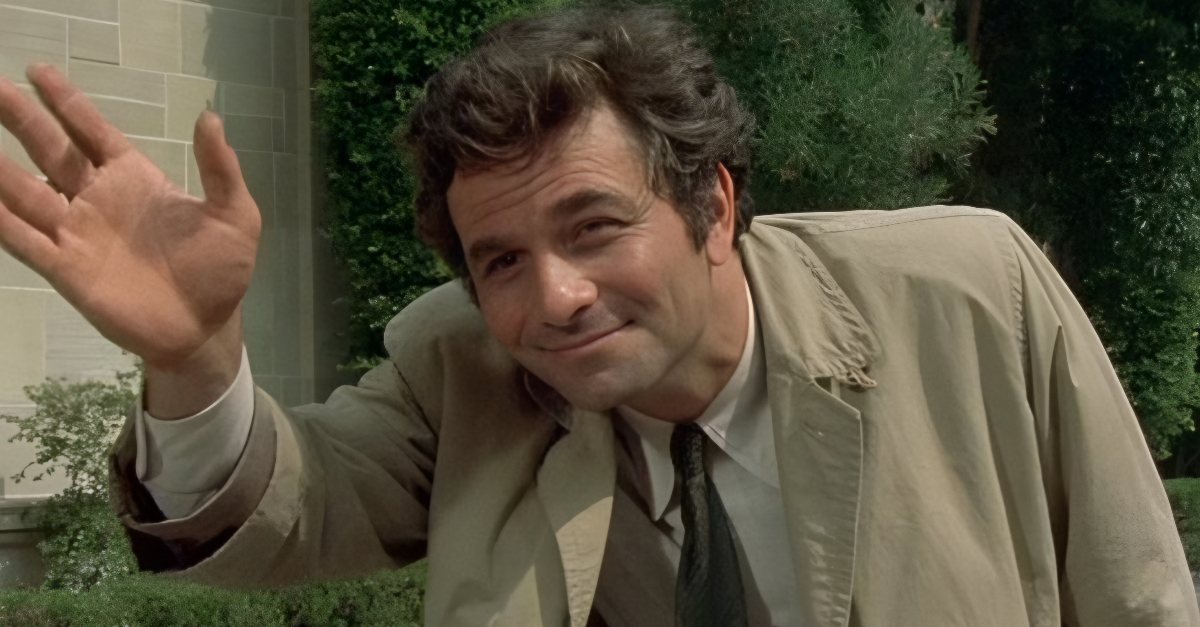
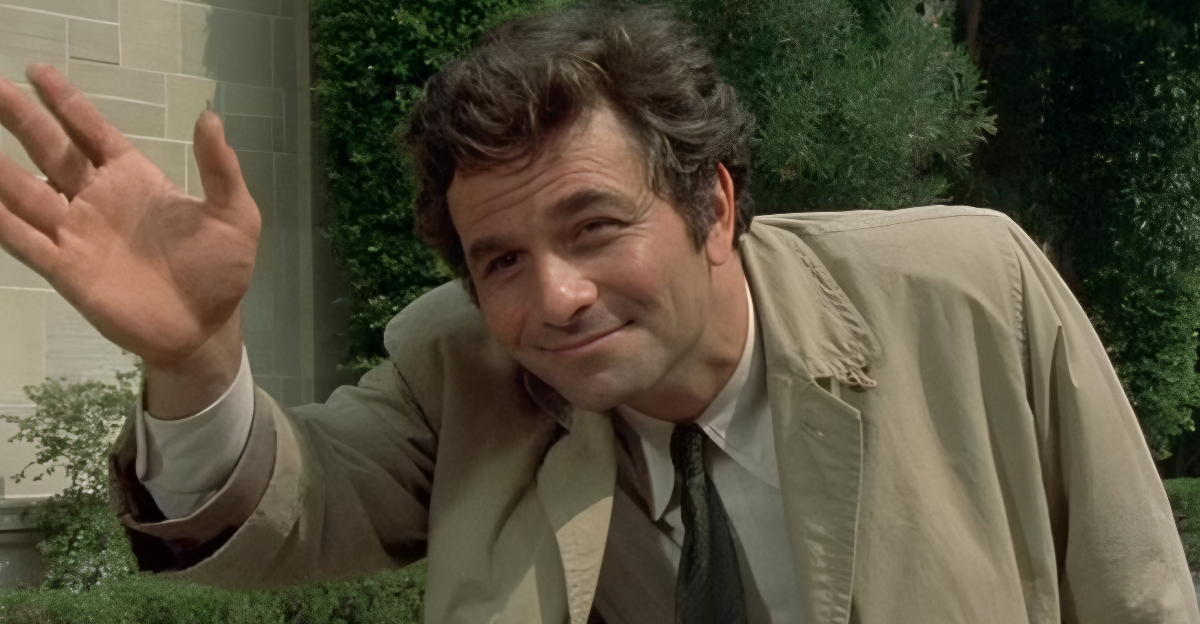
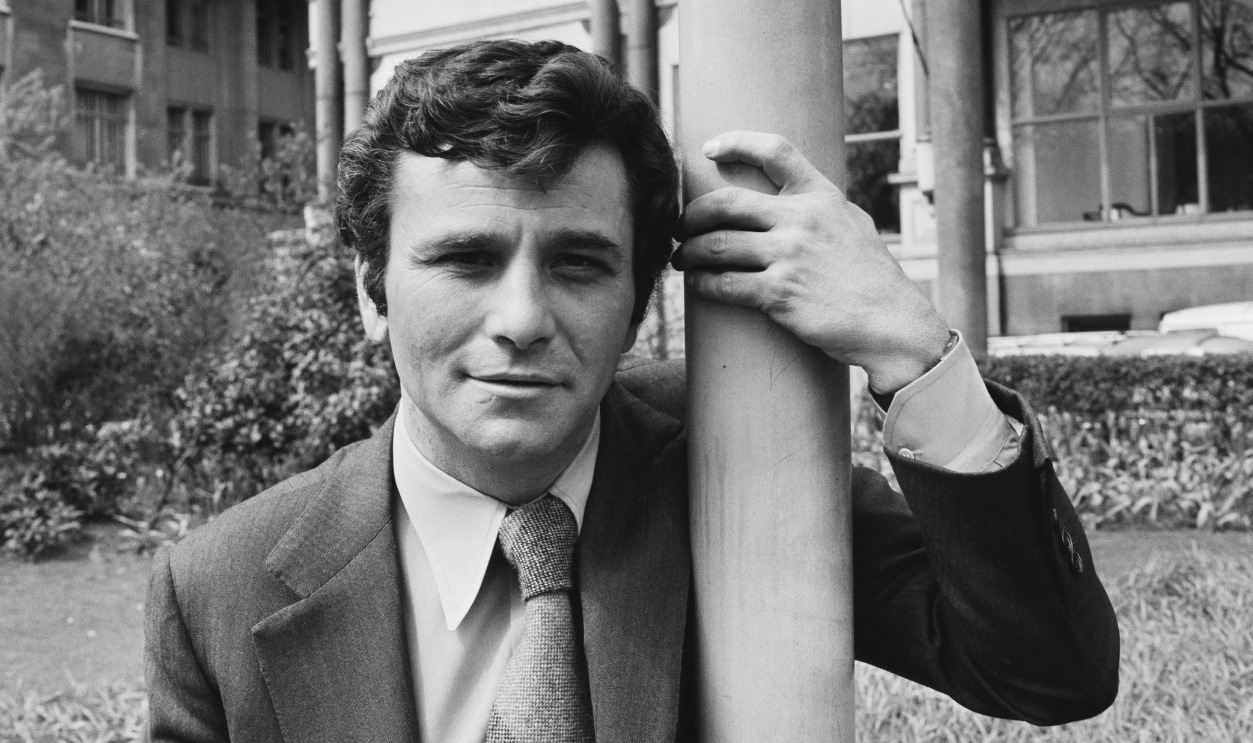
Peter Falk
An agent warned Peter Falk that his artificial eye would severely limit his film career. Columbia boss Harry Cohn was even blunter, reportedly saying he could hire an actor with two eyes for the same price. Falk’s unmistakable squint eventually became a huge part of what made Columbo impossible to forget.
Charles Bronson
American studios spent years keeping Bronson in supporting roles while promoting smoother “pretty-boy” heroes. Then European filmmakers realized that his weathered face, narrow eyes and intimidating presence were not problems at all. Once Bronson became an international sensation, Hollywood suddenly decided he looked exactly like a leading man. Funny how that works.
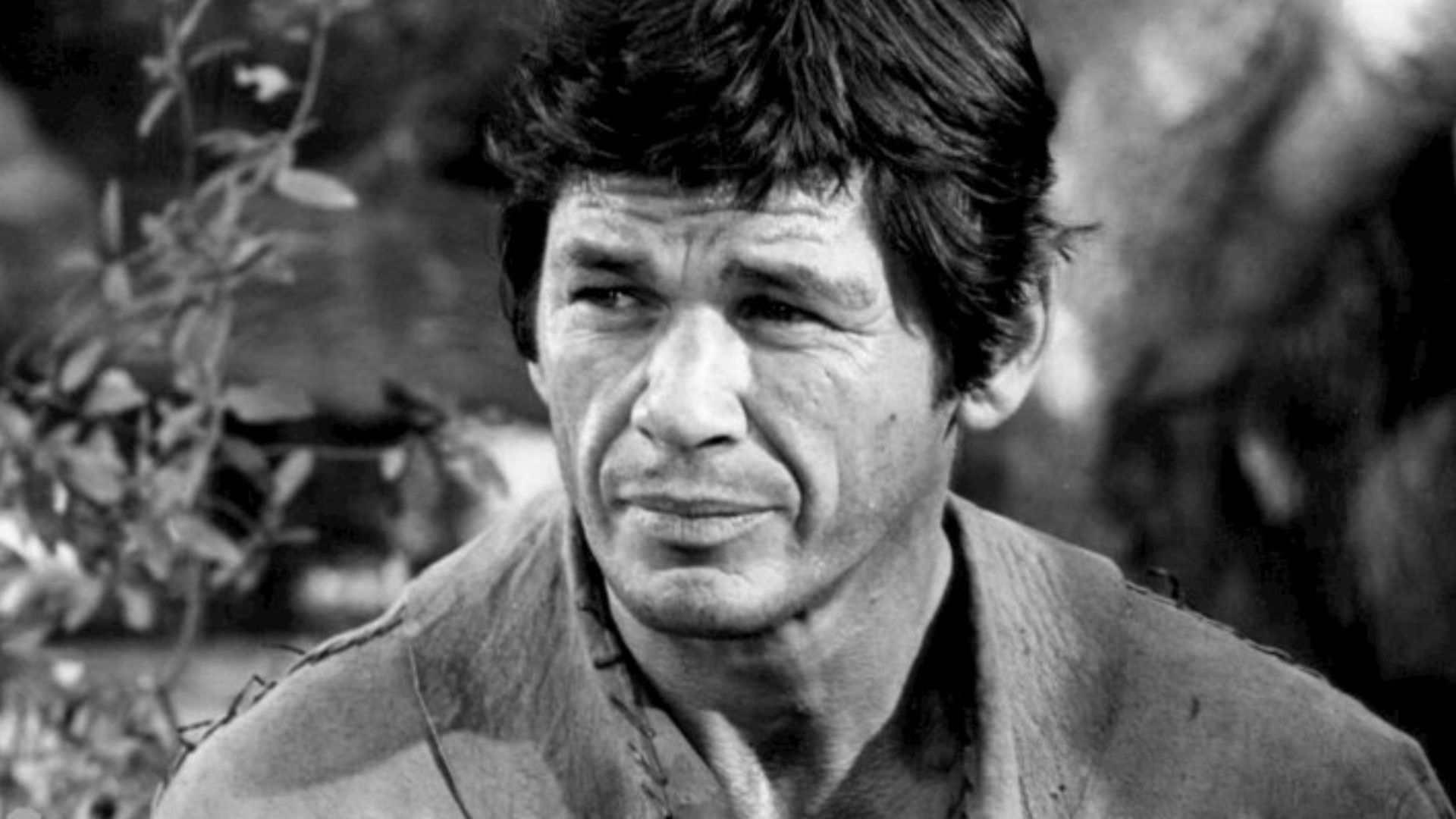 ABC Television, Wikimedia Commons
Al Pacino
Paramount executives thought Al Pacino was too short and too scruffy to play Michael Corleone. Studio boss Robert Evans reportedly went even further, insisting that “a runt” would not play the role. Francis Ford Coppola refused to give up—and Pacino became the one actor nobody can imagine replacing.
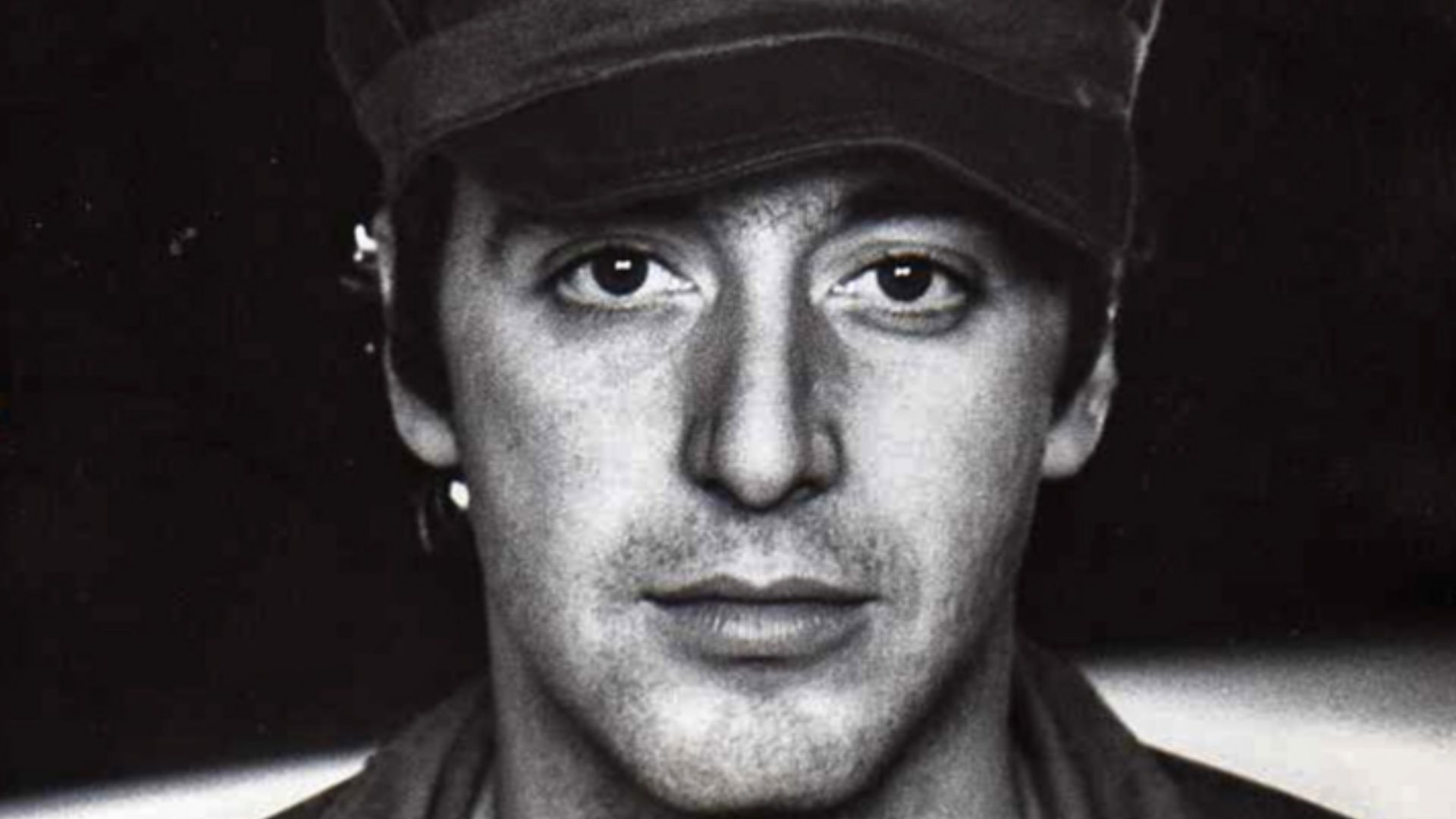 Theater Company of Boston, Wikimedia Commons
Michael Caine
After Zulu, producer Joseph E. Levine cancelled Michael Caine’s seven-year contract because he hated how the actor looked on screen—and used an ugly slur to explain it. Caine responded with The Ipcress File and Alfie, turning the glasses, Cockney voice and supposedly wrong face into something extremely bankable.
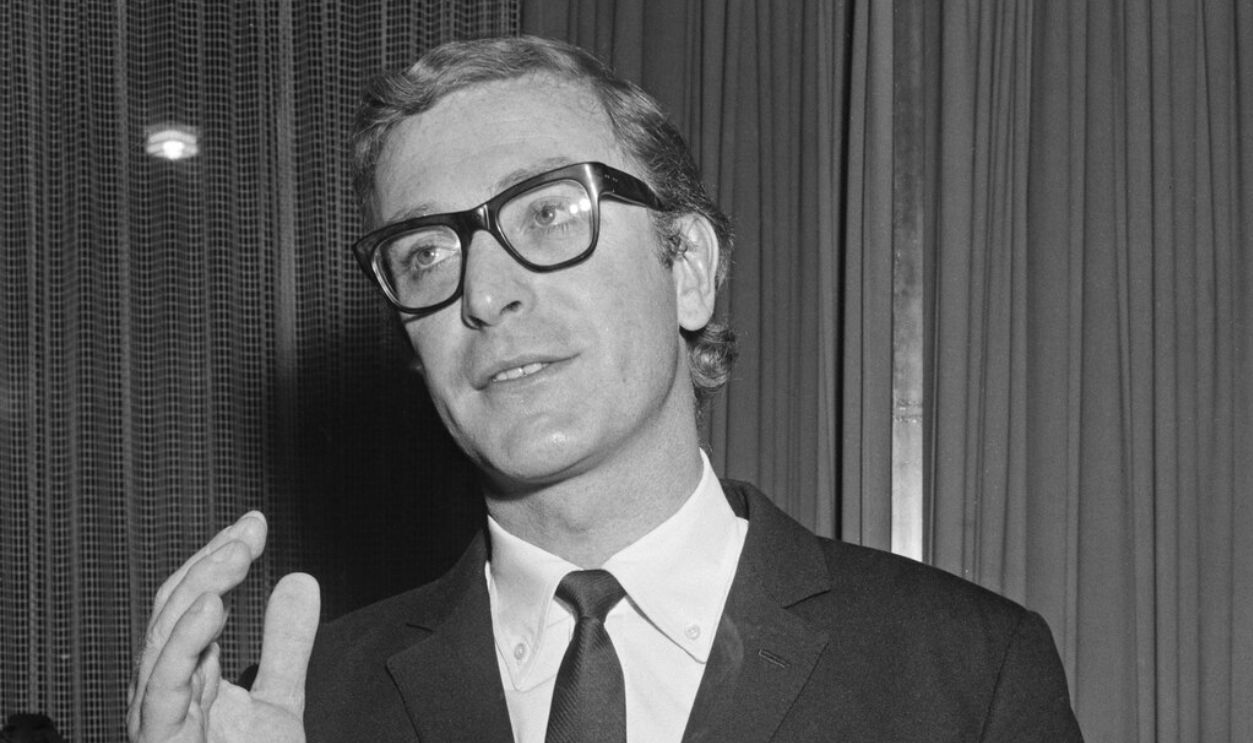 Finnish Heritage Agency, Wikimedia Commons
Robert Duvall
One early critic tore apart practically everything about Robert Duvall’s appearance, attacking his curved posture, facial expressions and suitability as a romantic lead. Years later, that same critic gave him a glowing review for The Godfather. Apparently, becoming one of America’s greatest actors can really improve a man’s face.
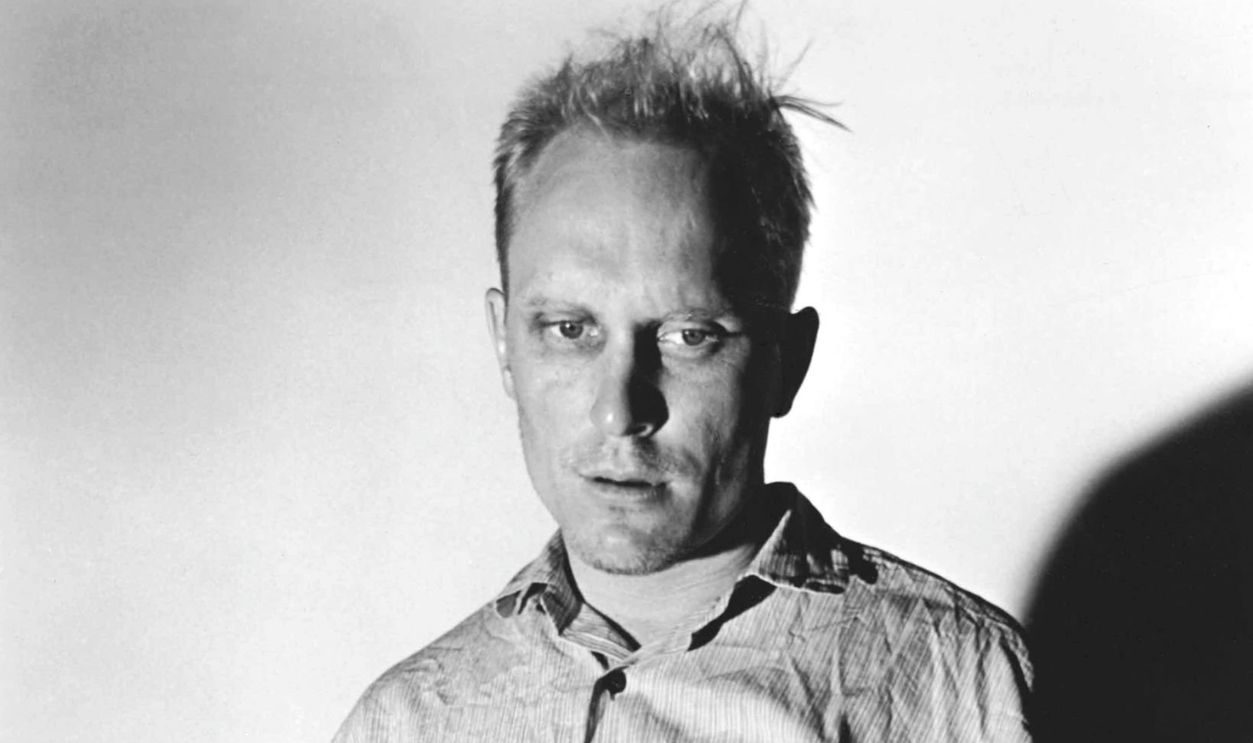 Silver Screen Collection, Getty Images
Danny DeVito
When Danny DeVito showed his photograph to one Hollywood casting figure, the man pushed it back and told him nobody wanted a five-foot character actor. DeVito returned to New York, kept working and became so recognizable that casting directors could not forget him. The problem was never his height. It was their imagination.
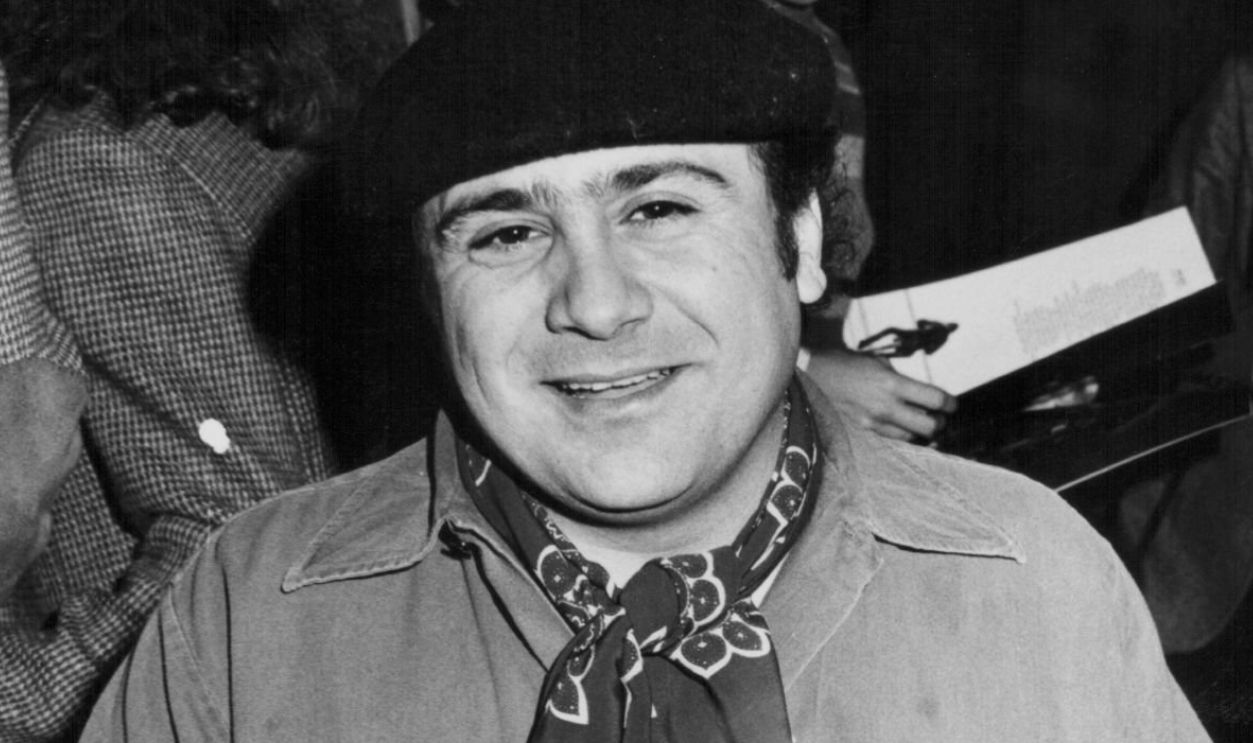
Walter Matthau
Bea Arthur once said Walter Matthau was the acting student least likely to succeed—and her reason was simply his face. Matthau then turned that hangdog expression and permanently exhausted appearance into the entire appeal of The Odd Couple. He did not look like a movie star. He looked much more interesting.
 John Seymour Erwin, Wikimedia Commons
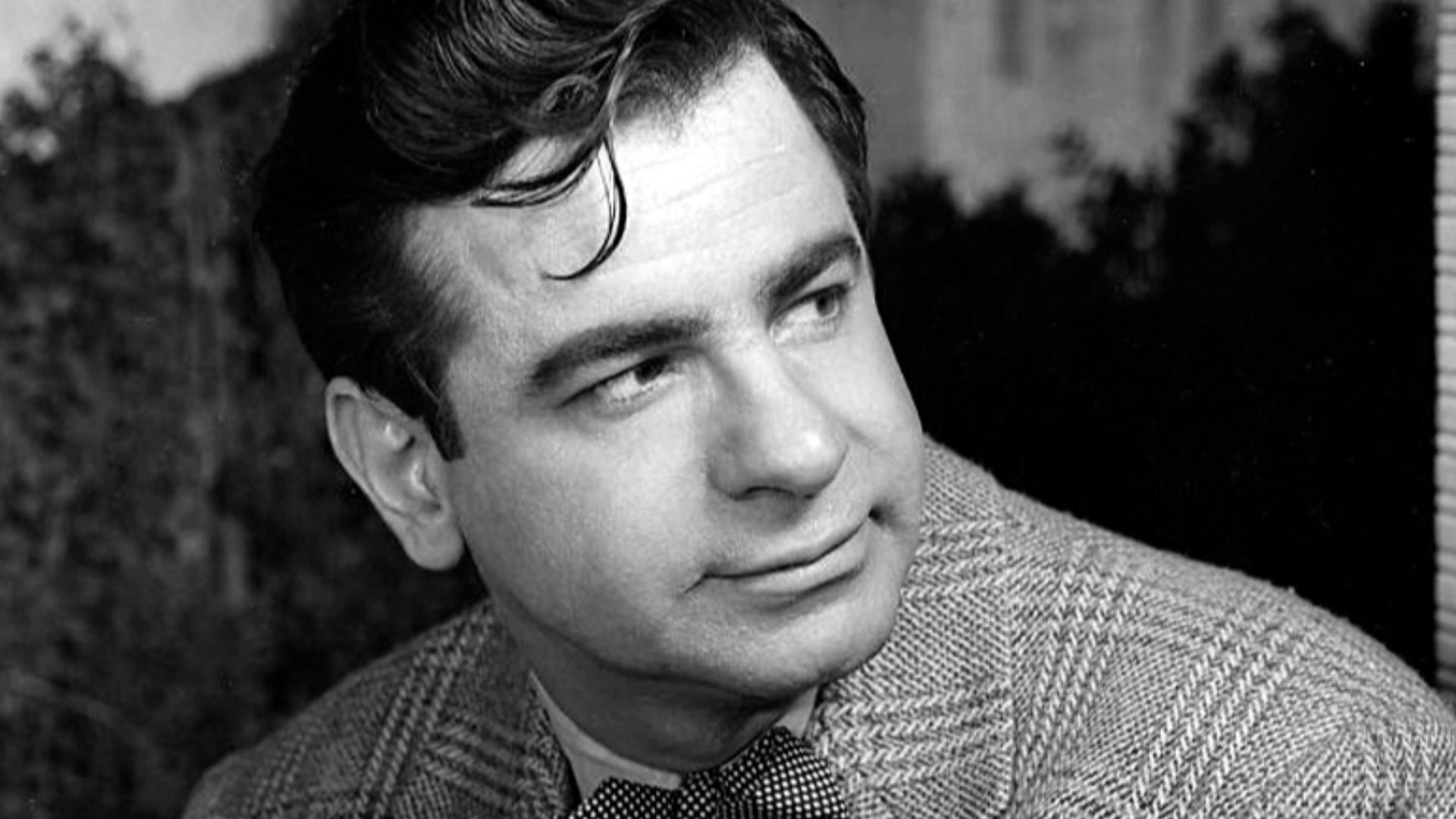
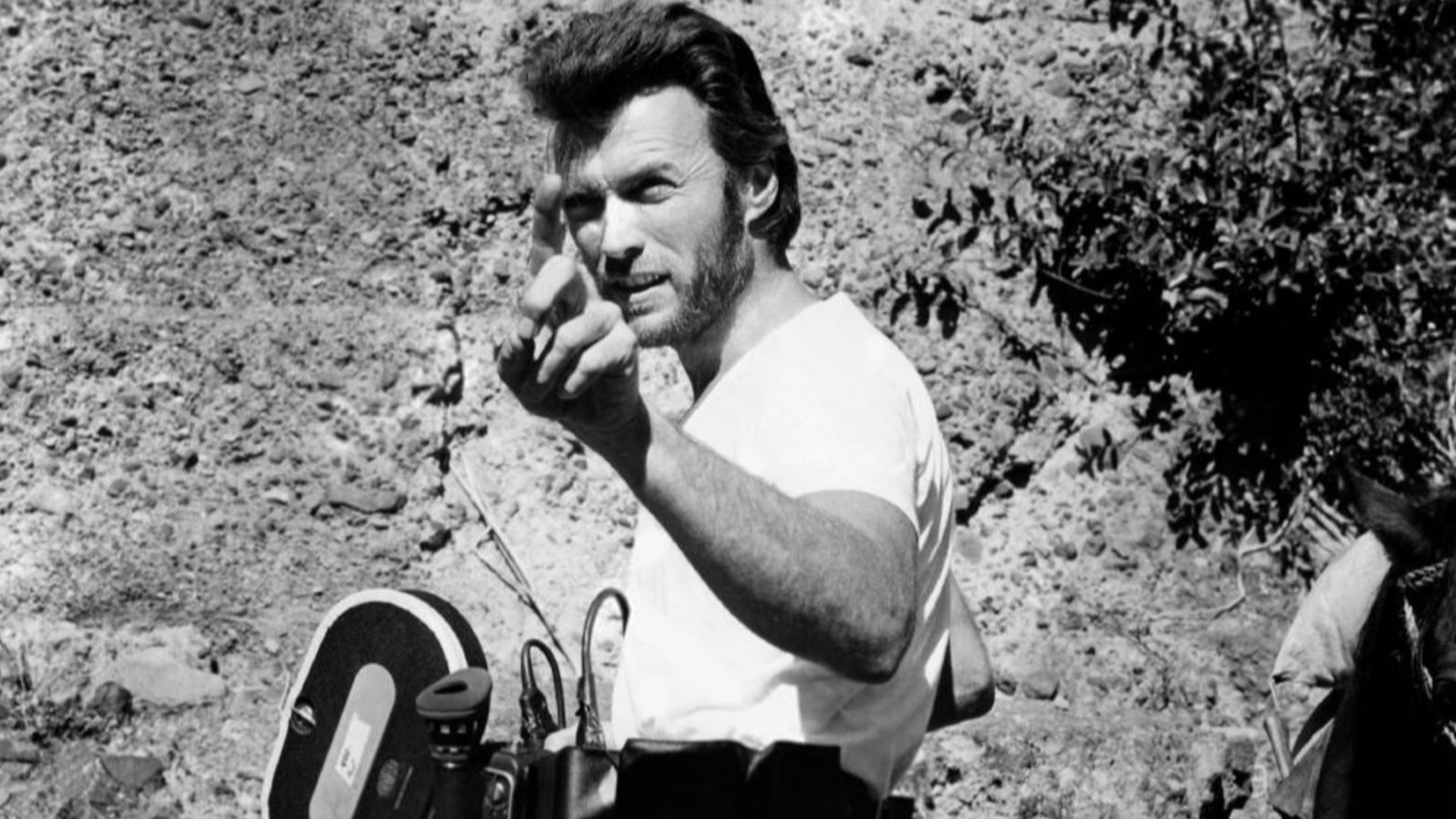
Clint Eastwood
According to Burt Reynolds, Universal dropped Clint Eastwood because his Adam’s apple stuck out too far, he spoke too slowly and he refused to fix a chipped tooth. Those sound less like reasons to fire Clint Eastwood and more like an early description of the exact screen presence that eventually made him famous.
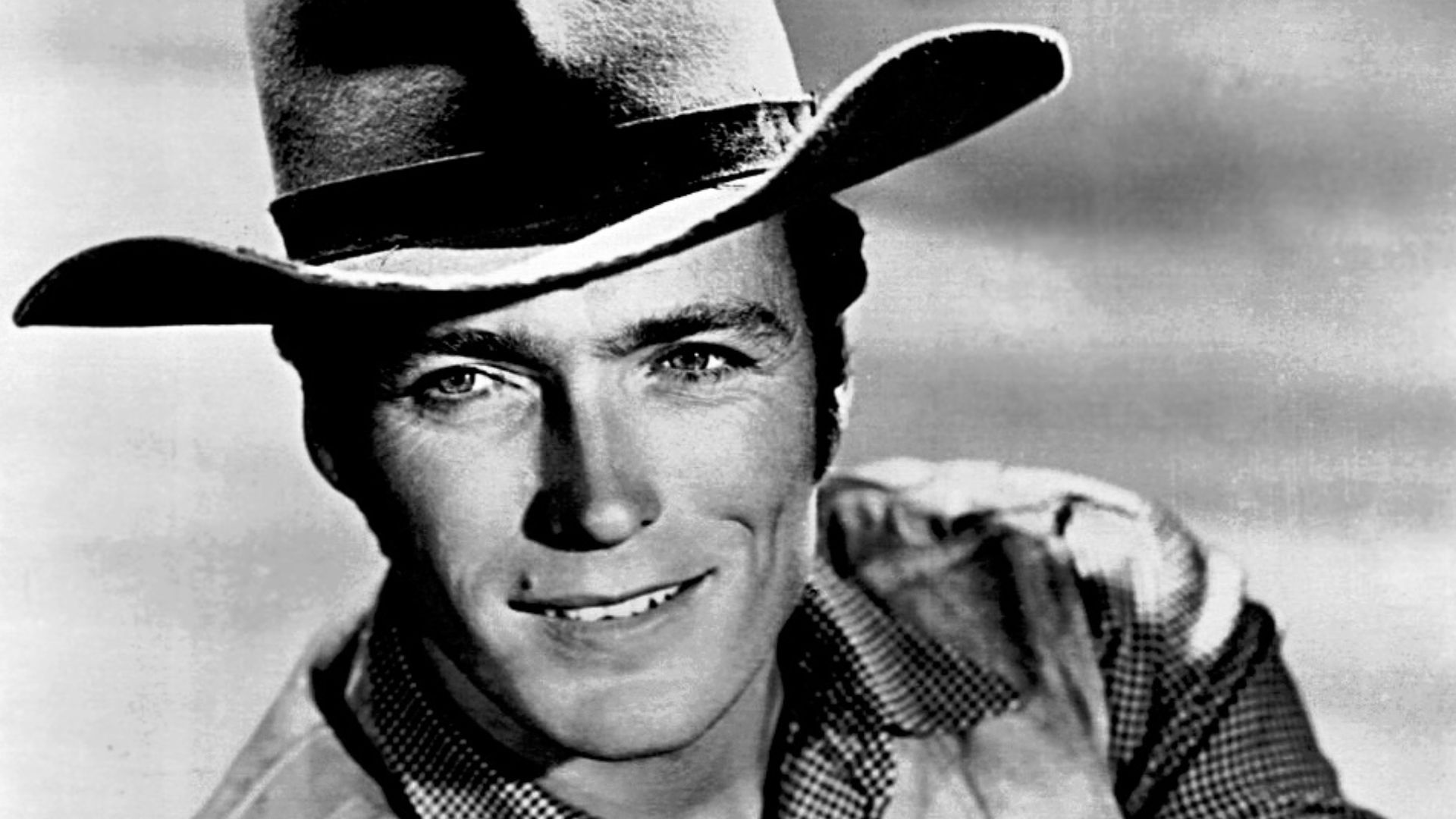
Gene Hackman
Gene Hackman later admitted that neither he nor Dustin Hoffman looked like the leading men of their era. Both were considered character actors at best, while Hackman’s Pasadena Playhouse classmates voted him among those least likely to succeed. Apparently, nobody in that class had seen The French Connection yet.
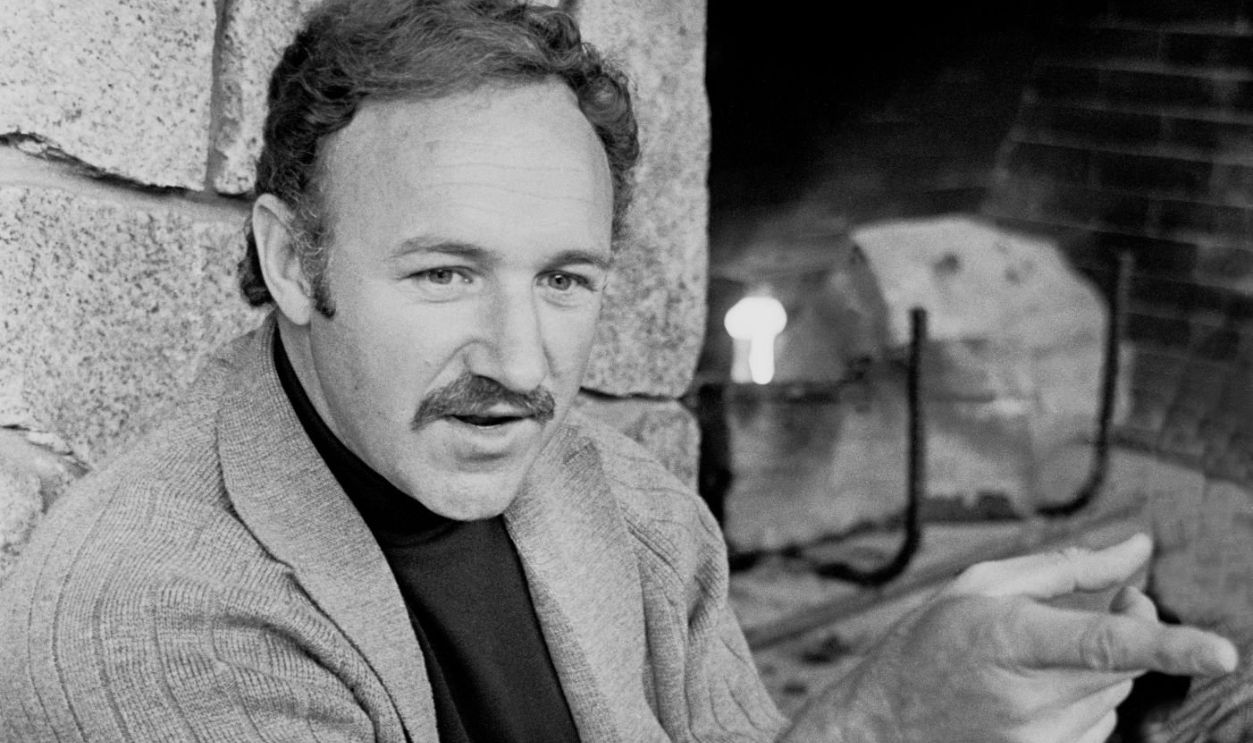
Bruce Dern
Elia Kazan and Lee Strasberg warned Bruce Dern that he was never going to be a leading man. At best, he would be “the fifth cowboy to the right.” Years later, Alfred Hitchcock looked at him during Family Plot and joked that nobody would have believed Dern would become his leading man. He had.
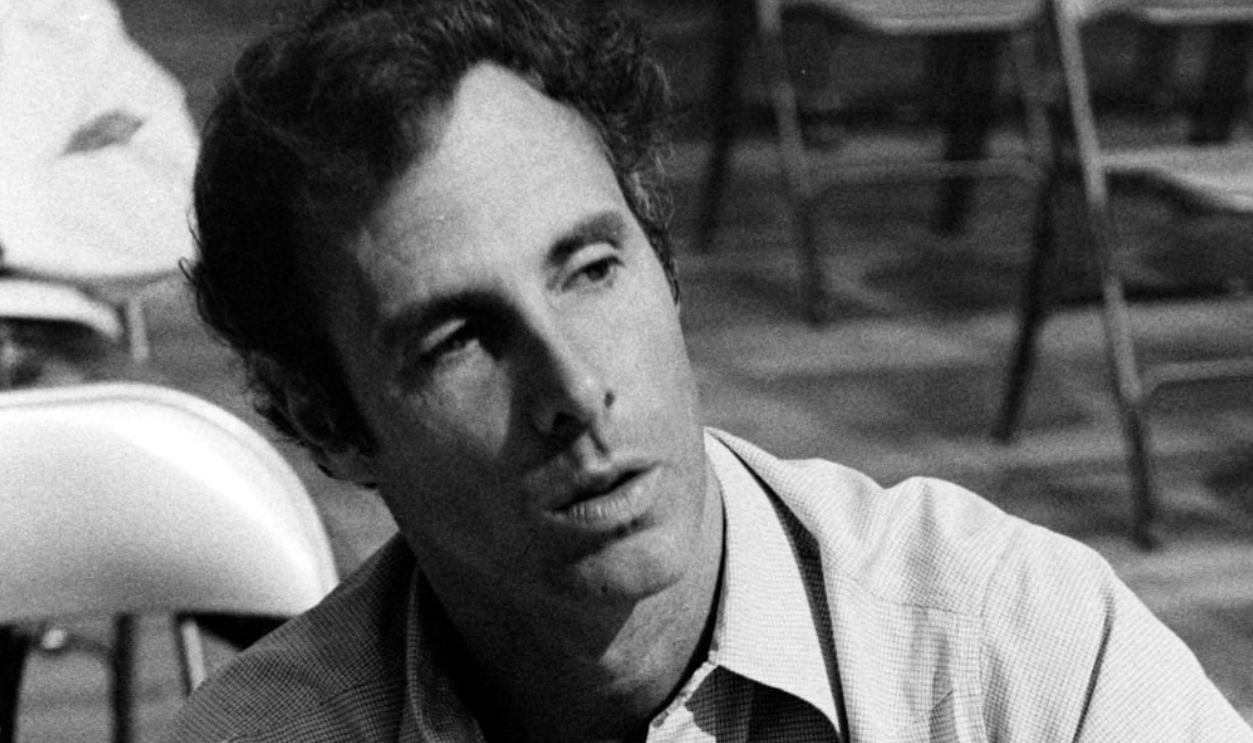
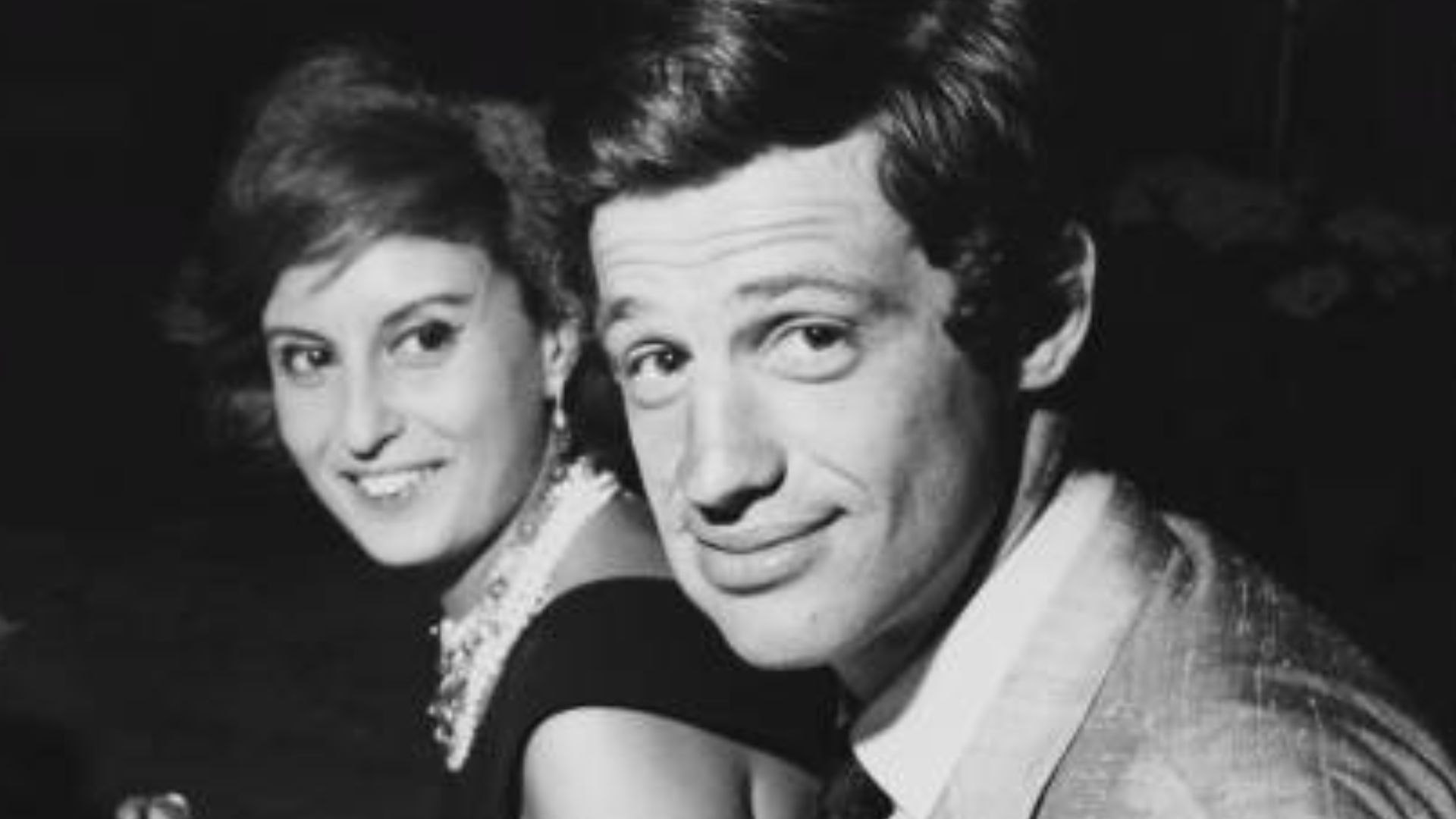
Jean-Paul Belmondo
When Breathless arrived in America, The New York Times introduced Jean-Paul Belmondo as a “hypnotically ugly” new actor. That unusual face did not stop him from becoming one of France’s biggest stars. If anything, it helped turn him into the cooler, rougher European answer to Hollywood’s polished leading men.
 Keystone/Hulton Archive, Wikimedia Commons
The Last Laugh
Hollywood thought these faces were a problem. Audiences thought otherwise. And eventually the rest of the industry had no choice but to catch up.
 "© Universal Pictures". Photographer unknown—possibly "A.J. Corso", Wikimedia Commons
You Might Also Like:
How The Streets Of San Francisco Finally Gave Michael Douglas The Launchpad He Needed
How The All In The Family Spin-Off Maude Made Bea Arthur One Of Television’s Boldest Sitcom Stars