Bea Arthur Was Already An Acclaimed Performer
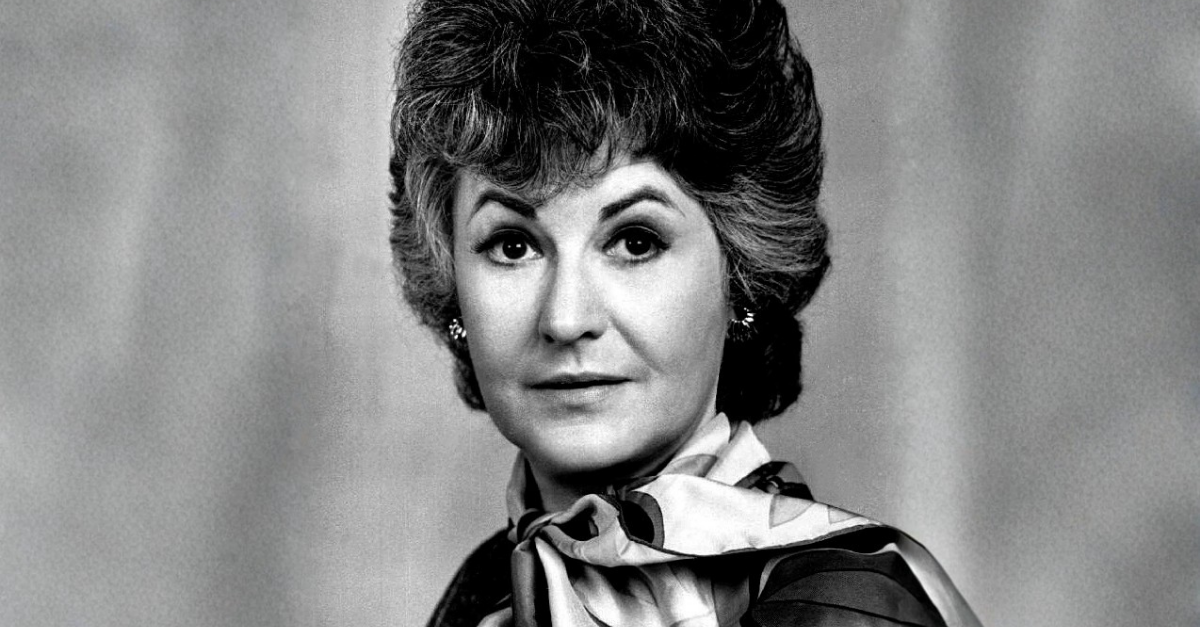
Before she became a television icon, Bea Arthur had built an impressive career on the stage. She won a Tony Award for Mame in 1966 and earned a reputation for her commanding presence, sharp comic timing, and distinctive voice. Those qualities would later make her one of the most memorable sitcom stars of the 1970s.
Maude Began As An All In The Family Character
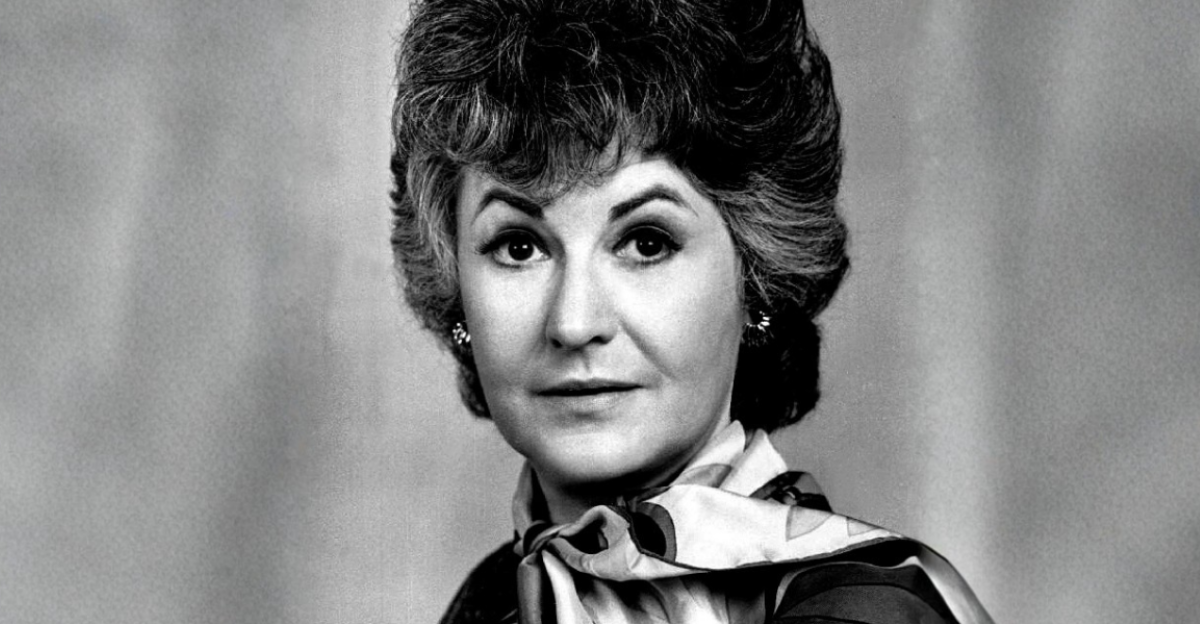
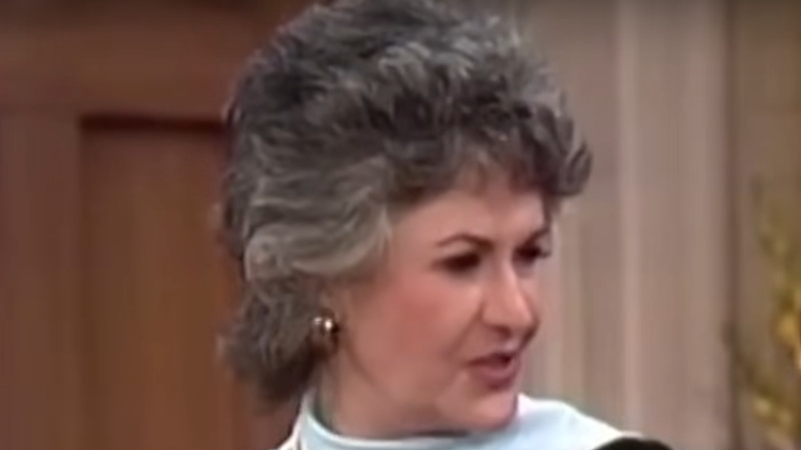
Arthur first appeared as Maude Findlay on All in the Family in December 1971 as Edith Bunker's outspoken cousin. The character's instant popularity convinced CBS and producer Norman Lear that Maude deserved a series of her own. A backdoor pilot aired in March 1972 before Maude premiered later that year.
 Screenshot from All in the Family, CBS (1971-1979)
Norman Lear Saw Something Special
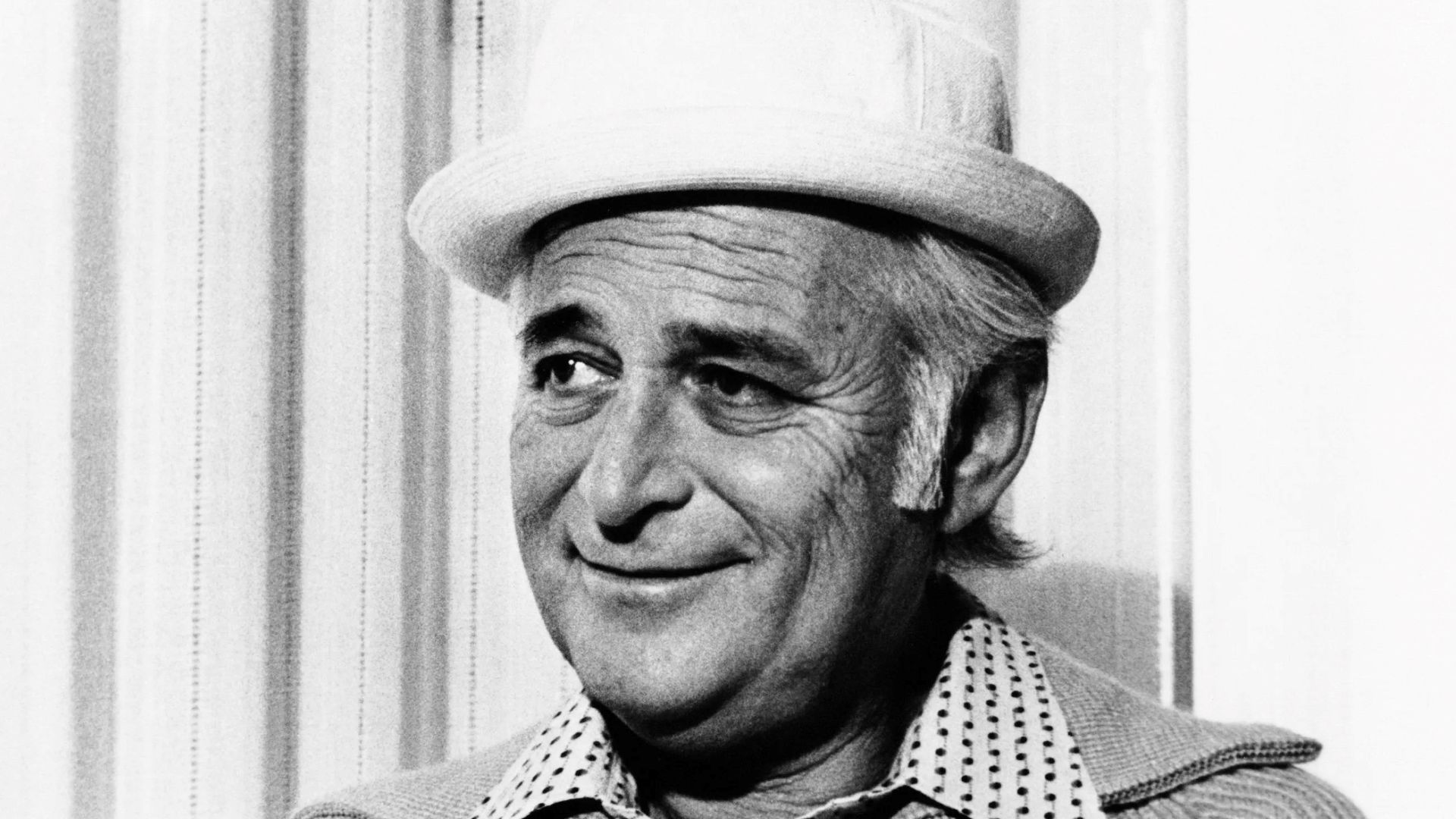
Norman Lear believed Arthur could anchor a sitcom unlike anything else on television. Rather than creating another traditional sitcom mother, he built a series around a confident, middle-aged woman with strong political opinions and an even stronger personality. It was a gamble that paid off almost immediately.
 PBS Television, Wikimedia Commons
Maude Was Unlike Any Television Heroine
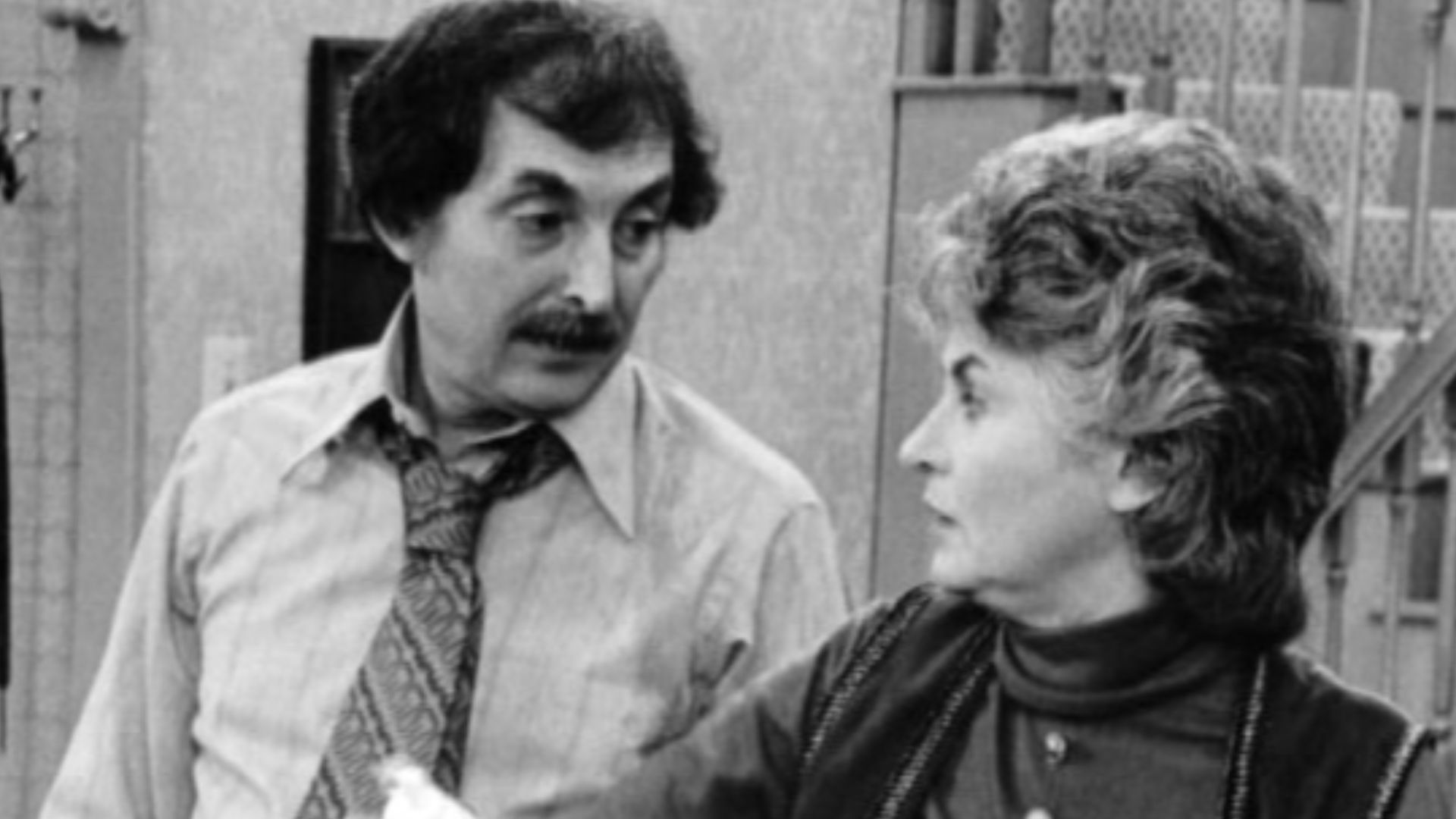
Television in the early 1970s rarely centered on women approaching 50, especially women who were outspoken, argumentative, and deeply opinionated. Maude challenged that formula every week. She could be compassionate one moment and stubborn the next, making her feel far more realistic than many sitcom leads of the era.
 CBS Television, Wikimedia Commons
Bea Arthur Never Tried To Make Maude Perfect
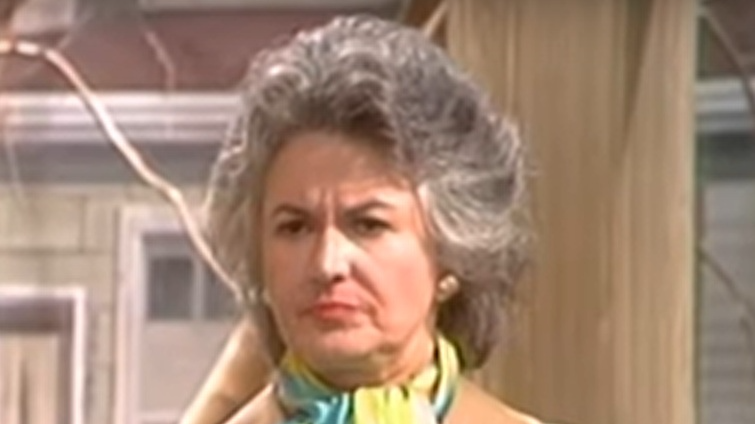
Arthur understood that audiences didn't have to agree with Maude to enjoy watching her. The character could be overbearing, impatient, and occasionally wrong, yet Arthur always grounded those flaws in genuine emotion. That complexity helped make Maude one of television's most memorable sitcom characters.
 Screenshot from All in the Family, CBS (1971-1979)
The Show Tackled Issues Most Sitcoms Avoided
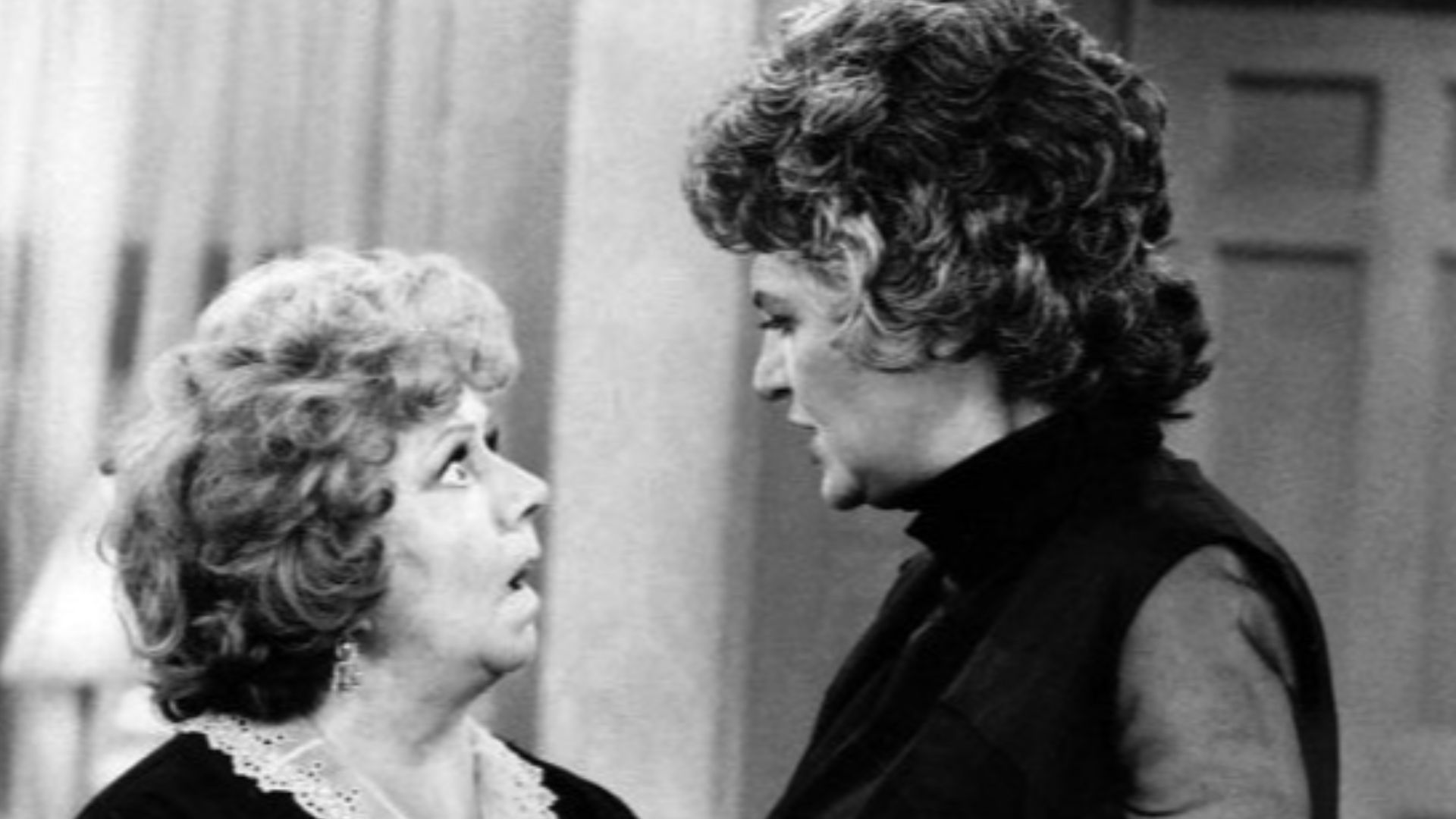
While many sitcoms focused primarily on family misunderstandings and lighthearted comedy, Maude regularly explored contemporary social issues. Episodes addressed topics including menopause, alcoholism, mental illness, divorce, women's rights, domestic issues, and politics. The series proved comedy could entertain while still engaging with difficult conversations.
 CBS Television, Wikimedia Commons
"Maude's Dilemma" Changed Television History
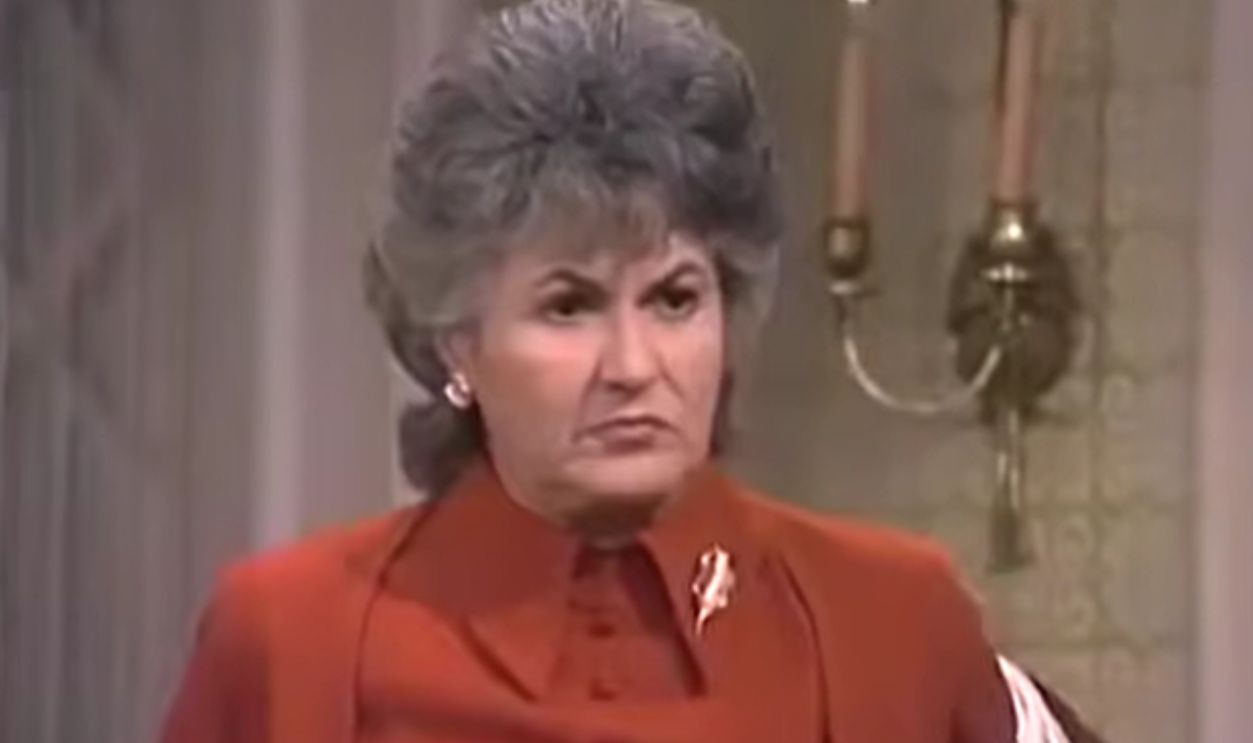
Perhaps the show's most famous storyline came in November 1972, when 47-year-old Maude unexpectedly became pregnant. In the groundbreaking two-part episode "Maude's Dilemma," she ultimately decided to have an abortion, making it one of the first American television sitcoms to portray that choice openly. The episodes aired months before the Supreme Court's Roe v. Wade decision.
 Screenshot from Maude, CBS (1972-1978)
The Episode Sparked National Debate
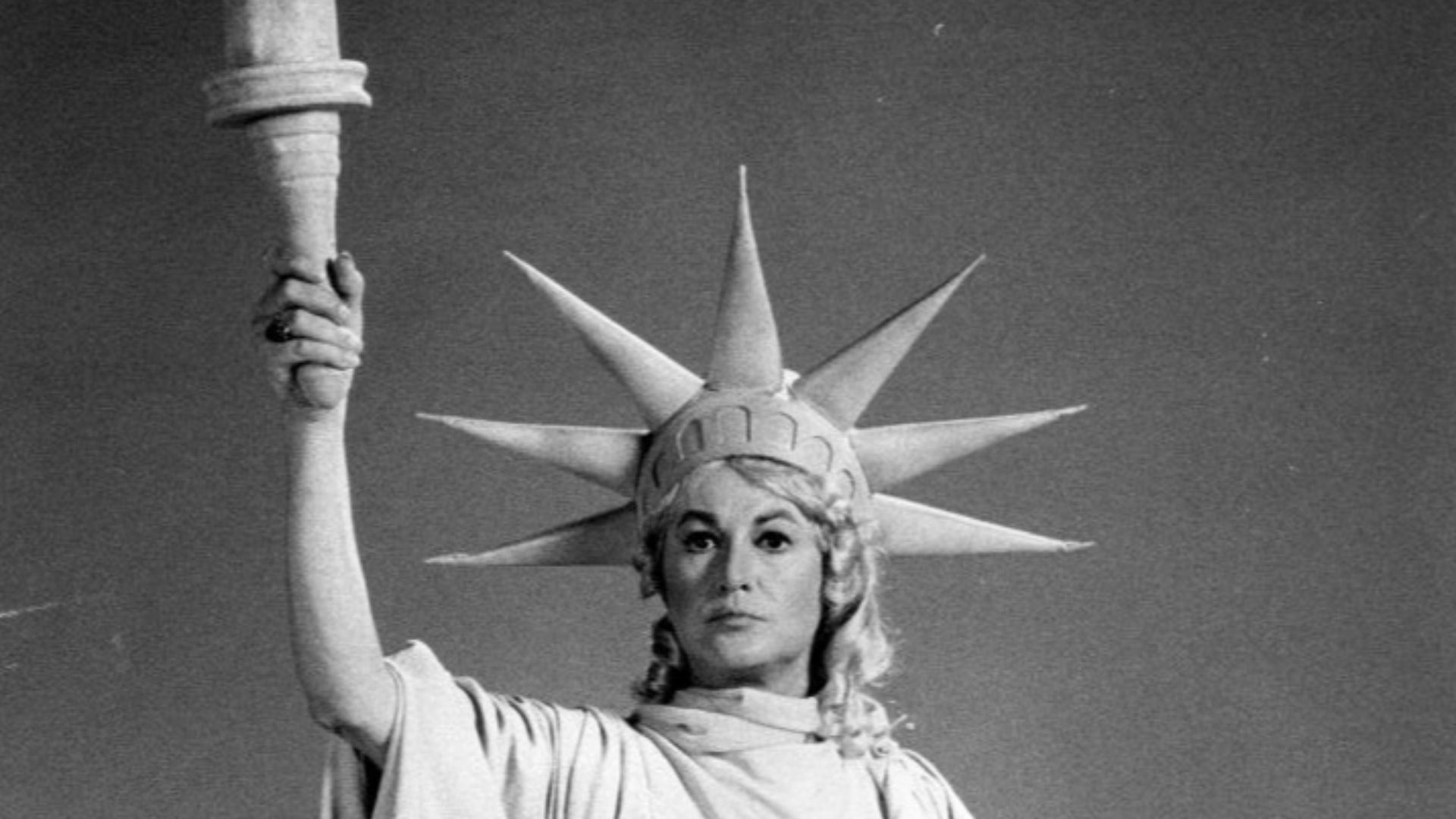
The abortion storyline generated enormous attention across the country. Some CBS affiliates declined to air the episodes, while religious organizations organized protests during later reruns. Regardless of viewers' opinions, the storyline demonstrated that sitcoms could influence national conversations far beyond entertainment.
 CBS Television Network, Wikimedia Commons
Bill Macy Was The Perfect Counterpart
Bill Macy's portrayal of Walter Findlay gave the series emotional balance. Walter often challenged Maude's opinions while remaining deeply devoted to her, creating a marriage that felt believable rather than idealized. Their chemistry became one of the show's greatest strengths over six seasons.
 CBS Television, Wikimedia Commons
A Talented Supporting Cast Strengthened Every Episode
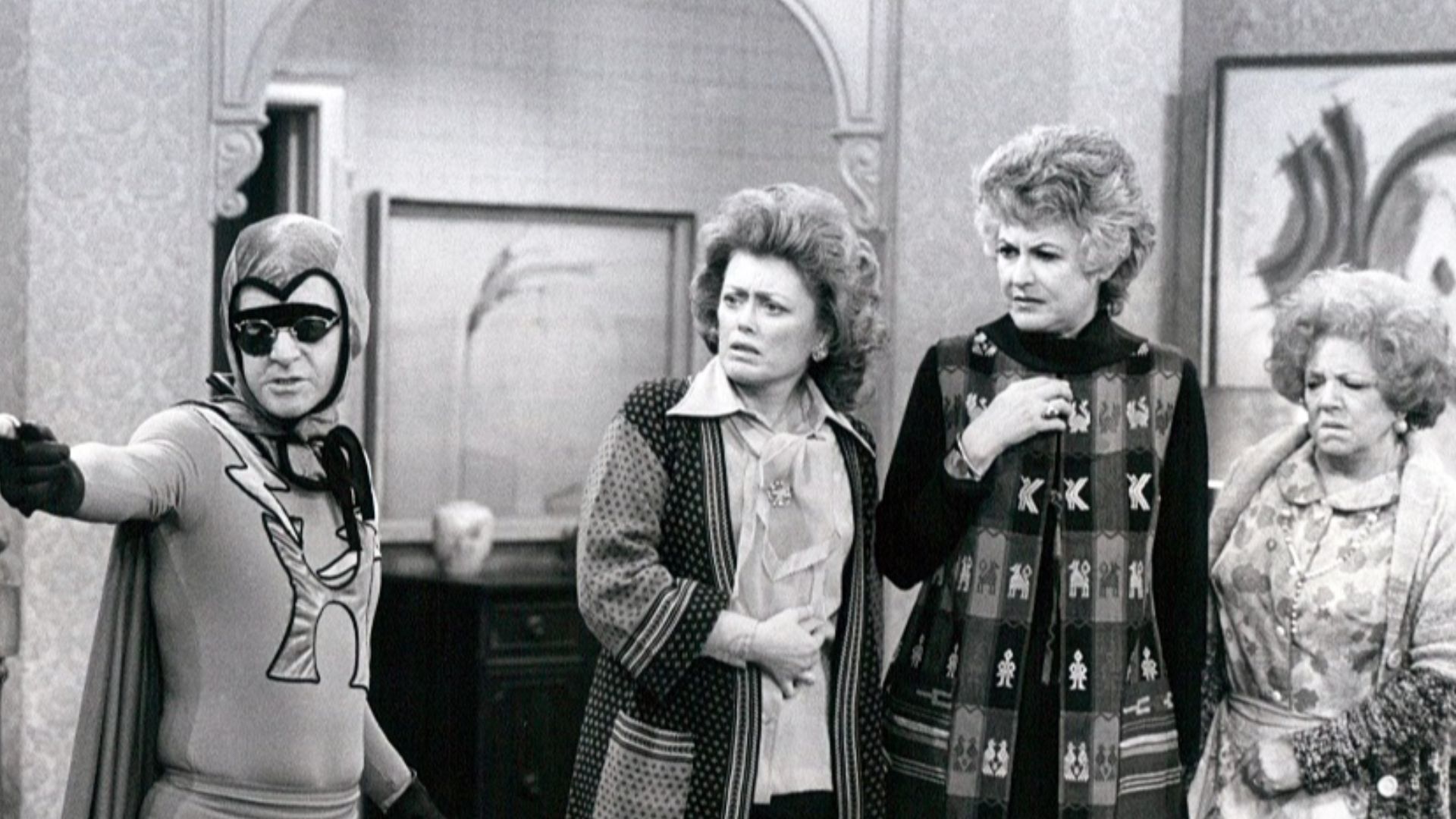
Arthur was surrounded by an exceptional ensemble that included Adrienne Barbeau as daughter Carol, Rue McClanahan as best friend Vivian, Conrad Bain as neighbor Dr. Harmon, Esther Rolle as housekeeper Florida Evans, and Hermione Baddeley as Mrs. Naugatuck. Each brought a unique energy that prevented the series from revolving around only one personality.
 CBS Television, Wikimedia Commons
Florida Evans Became A Star In Her Own Right
Esther Rolle's Florida Evans became so popular that the character eventually moved to another Norman Lear sitcom before becoming the lead of Good Times. That made Maude part of one of television's most influential family trees of interconnected sitcoms, all tracing back to All in the Family.
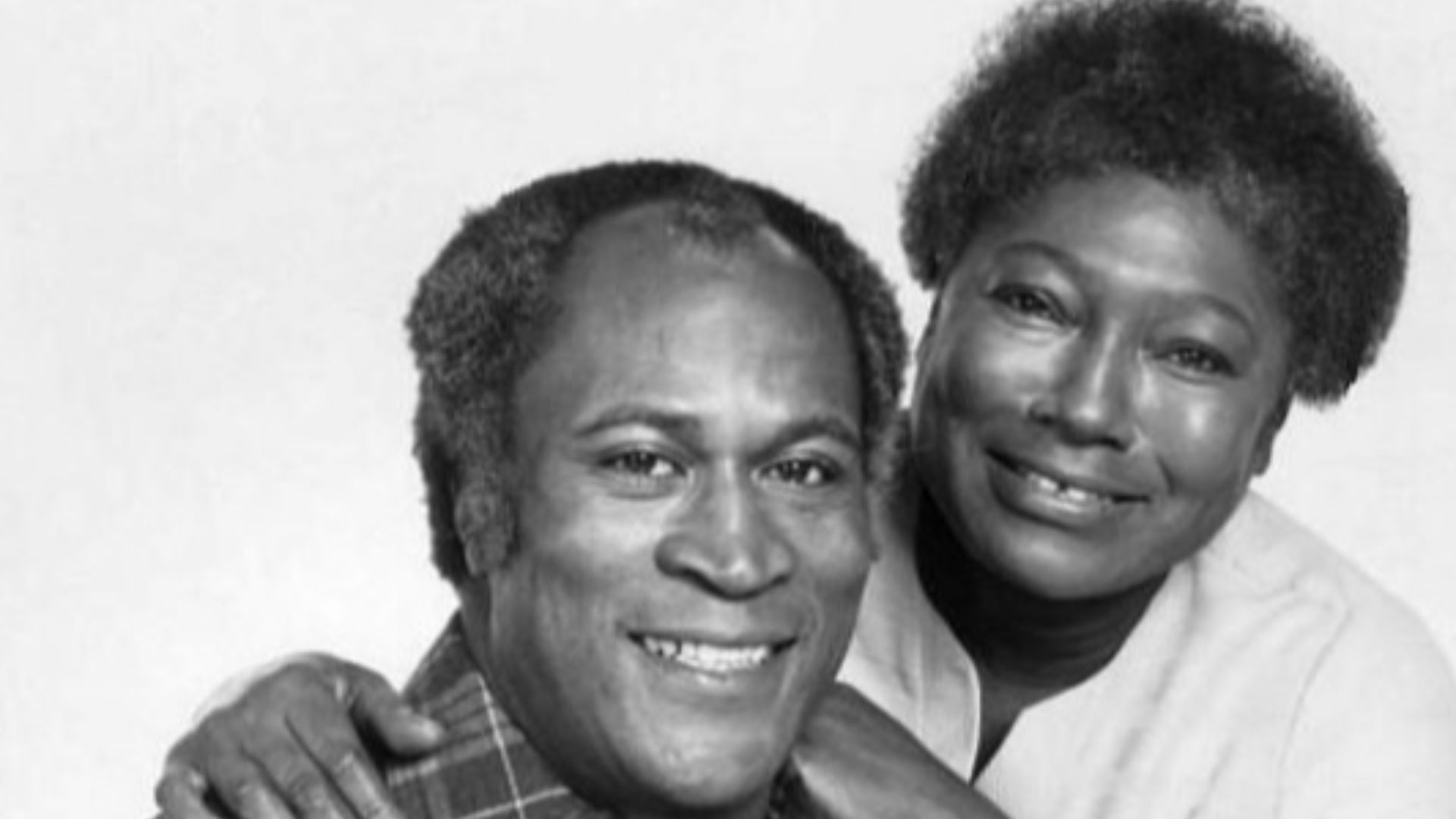 CBS Television. Uploaded by We hope at en.wikipedia, Wikimedia Commons
Bea Arthur Balanced Comedy And Drama
One of Arthur's greatest strengths was her ability to shift naturally between humor and serious emotion. She could deliver a sarcastic one-liner and then immediately handle a heartfelt dramatic scene without making either feel forced. That versatility helped elevate Maude beyond a conventional sitcom.
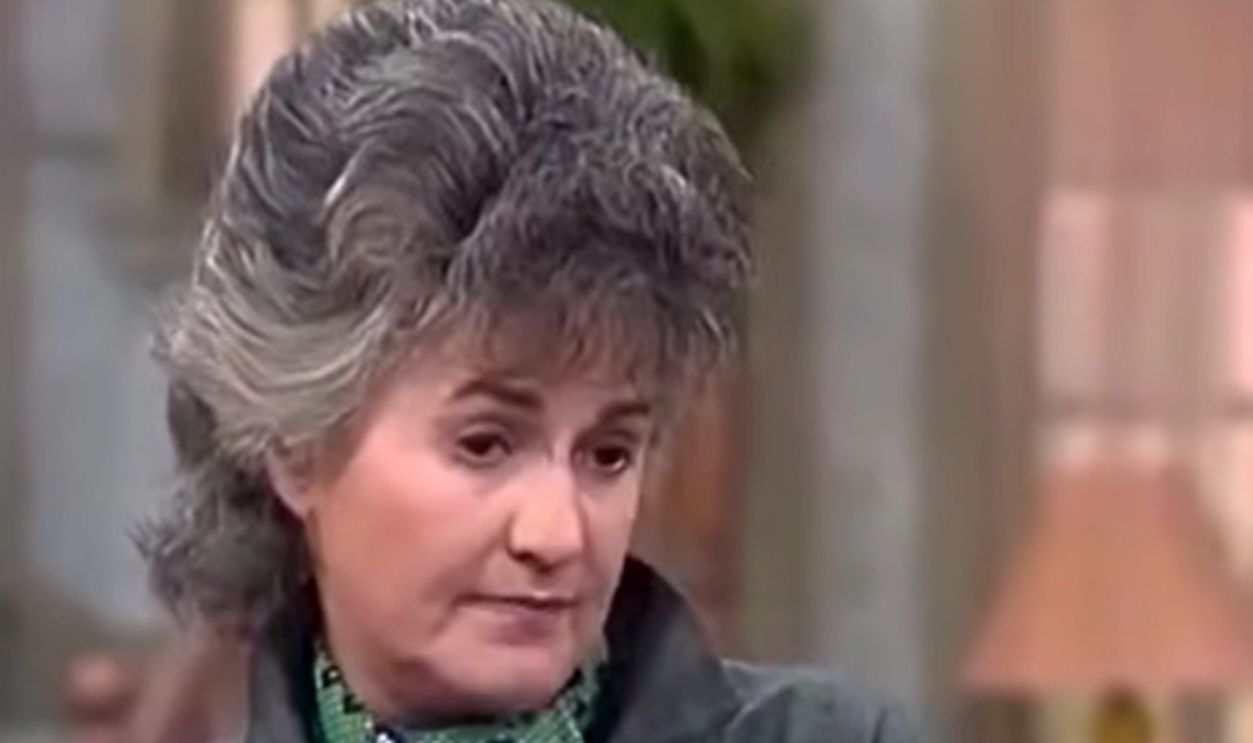 Screenshot from Maude, CBS (1972–1978)
The Show Reflected America In Transition
The early 1970s were filled with political and cultural change, and Maude embraced that reality instead of avoiding it. The series frequently reflected debates taking place in American homes, allowing audiences to laugh while also confronting questions about changing social values.
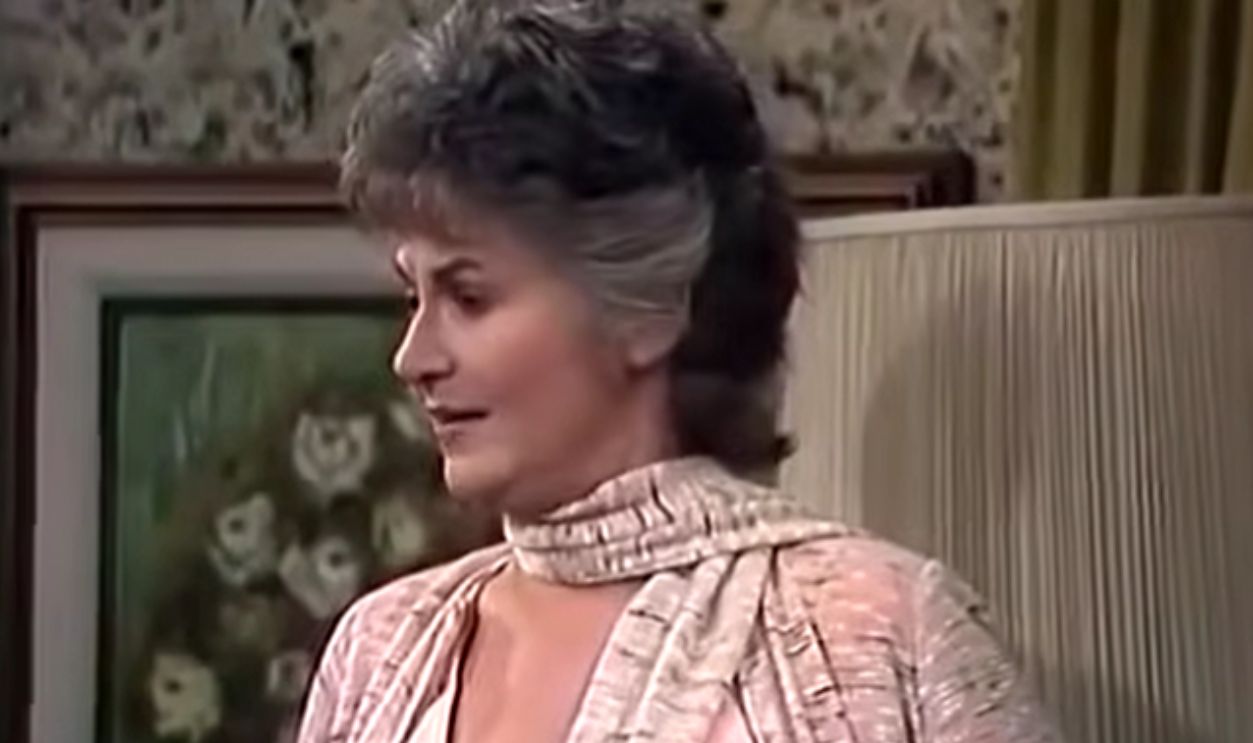 Screenshot from Maude, CBS (1972–1978)
Awards Recognized Arthur's Performance
Arthur received multiple Emmy nominations for playing Maude and won the Primetime Emmy Award for Outstanding Lead Actress in a Comedy Series in 1977. The recognition confirmed what critics and audiences already knew: her performance ranked among the finest in television comedy.
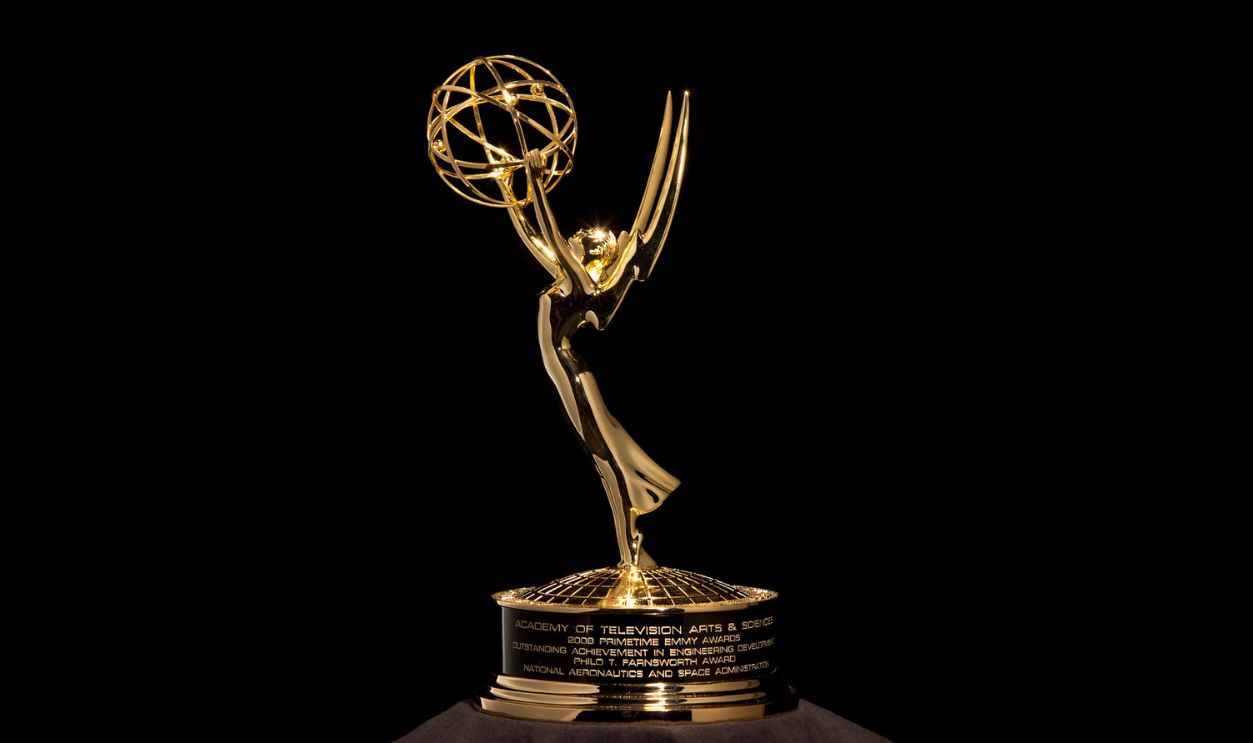 Bill Ingalls, Wikimedia Commons
Maude Helped Redefine Female Leads
Long before television embraced complex antiheroes and layered female protagonists, Maude showed that audiences would happily follow a woman who wasn't designed simply to be likable. Her confidence, intelligence, flaws, and convictions made her one of television's earliest truly multidimensional sitcom leads.
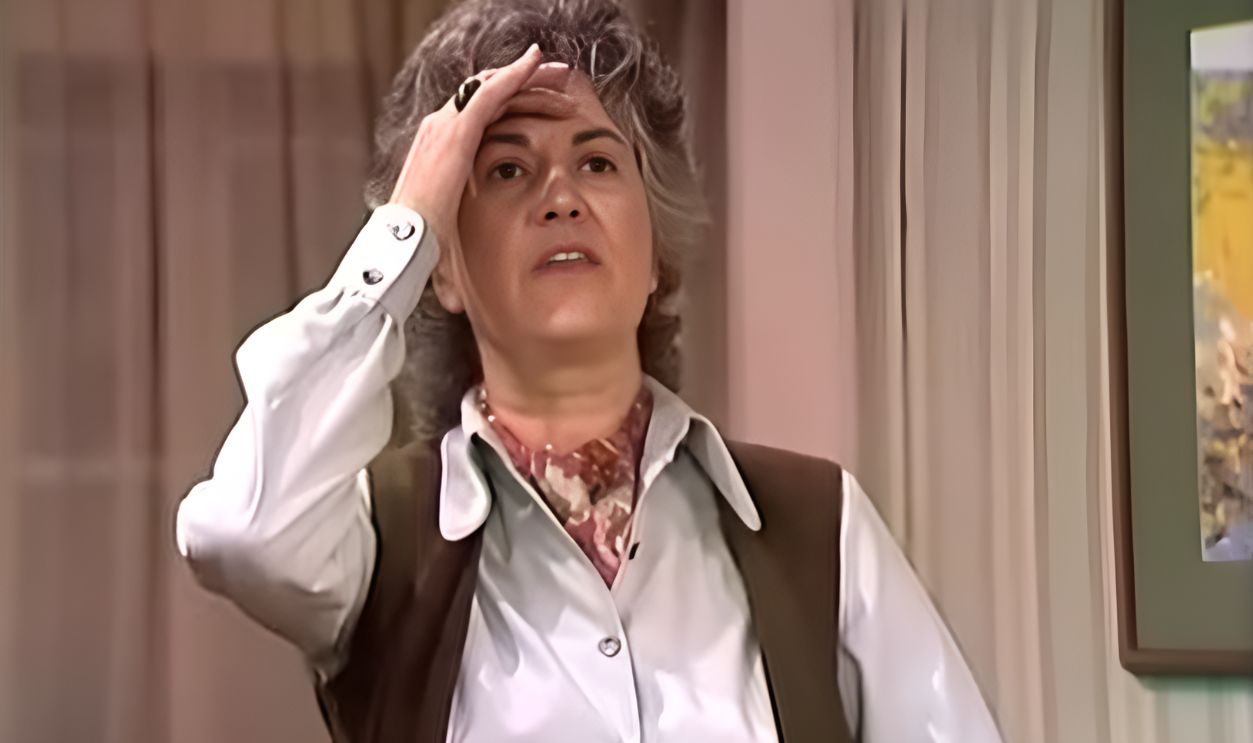 Screenshot from Maude, CBS (1972–1978), Modified
The Series Ran For Six Successful Seasons
Maude aired from 1972 through 1978, producing 141 episodes. During that run it remained one of CBS's signature comedies and consistently demonstrated that socially conscious storytelling and mainstream entertainment could successfully coexist.
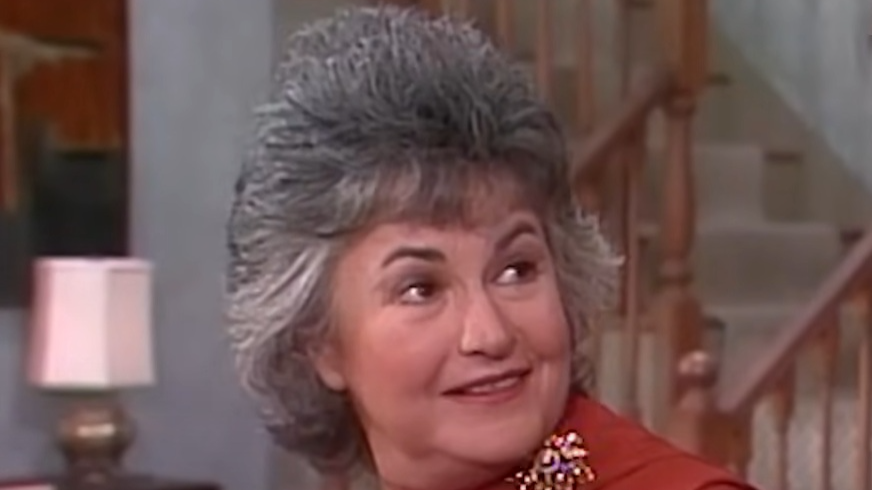 Screenshot from Maude, CBS (1972–1978)
Arthur Didn't Want To Repeat Herself
After Maude ended, Arthur largely stepped away from weekly television rather than immediately searching for another starring vehicle. She carefully chose projects that interested her instead of chasing another sitcom success, reflecting the independence that also defined Maude herself.
 Kevin Buckstiegel from Chicago, United States, Wikimedia Commons
The Golden Girls Introduced Arthur To A New Generation
When Arthur returned to television in 1985 as Dorothy Zbornak on The Golden Girls, many viewers discovered her for the first time. Dorothy shared Maude's intelligence and razor-sharp wit, but Arthur created a distinctly different character who became another television classic.
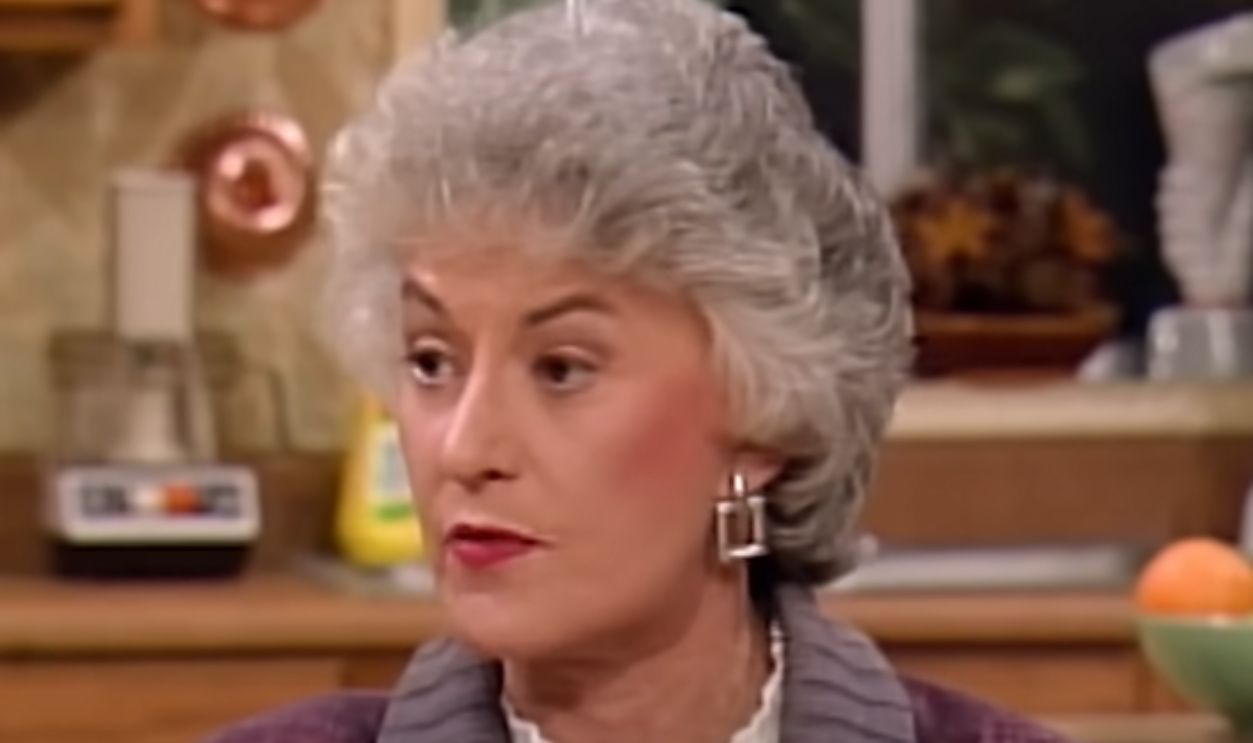 Screenshot from The Golden Girls, NBC (1985–1992)
Critics Still Celebrate Maude's Influence
Television historians continue to point to Maude as one of the medium's most influential sitcoms. Its willingness to tackle controversial issues, combined with Arthur's fearless performance, expanded expectations for what situation comedies could accomplish without sacrificing humor.
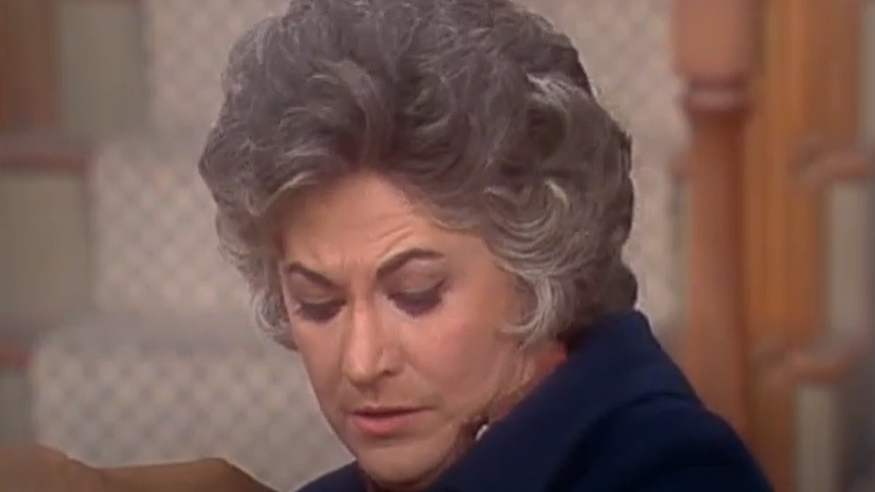 Screenshot from Maude, CBS (1972–1978)
Bea Arthur's Boldest Television Role Endures
Although Arthur enjoyed tremendous success with The Golden Girls, many critics still regard Maude Findlay as her most daring creation. By portraying a woman who refused to apologize for her opinions or compromise her principles, Arthur helped reshape television comedy and left a legacy that continues to influence sitcoms decades later.
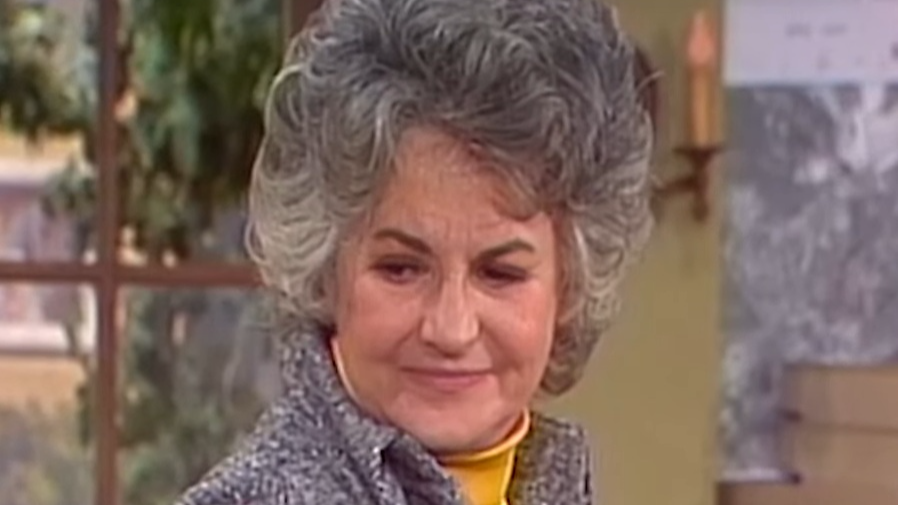 Screenshot from Maude, CBS (1972–1978)
You May Also Like:
Jackie Cooper And The Making Of A Hollywood Legend
Brad Renfro Became A Star At Just 11 Years Old—Then His Life Began To Unravel