Hollywood’s Boy Wonder
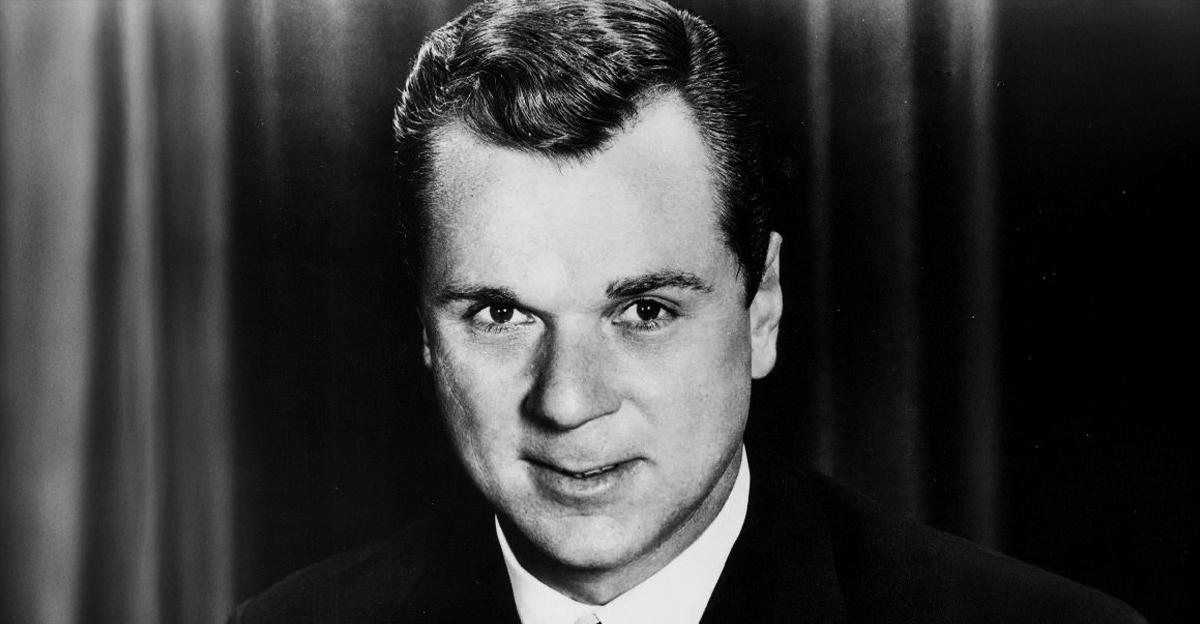
Jackie Cooper became one of Hollywood’s biggest child stars, earned a Best Actor Oscar nomination at nine, and survived the notoriously difficult transition into adult roles. Yet behind that extraordinary career was a childhood marked by cruel on-set manipulation, including one incident so painful that Cooper later named his autobiography after it.
 Public domain, via Wikimedia Commons
Born Into Show Business
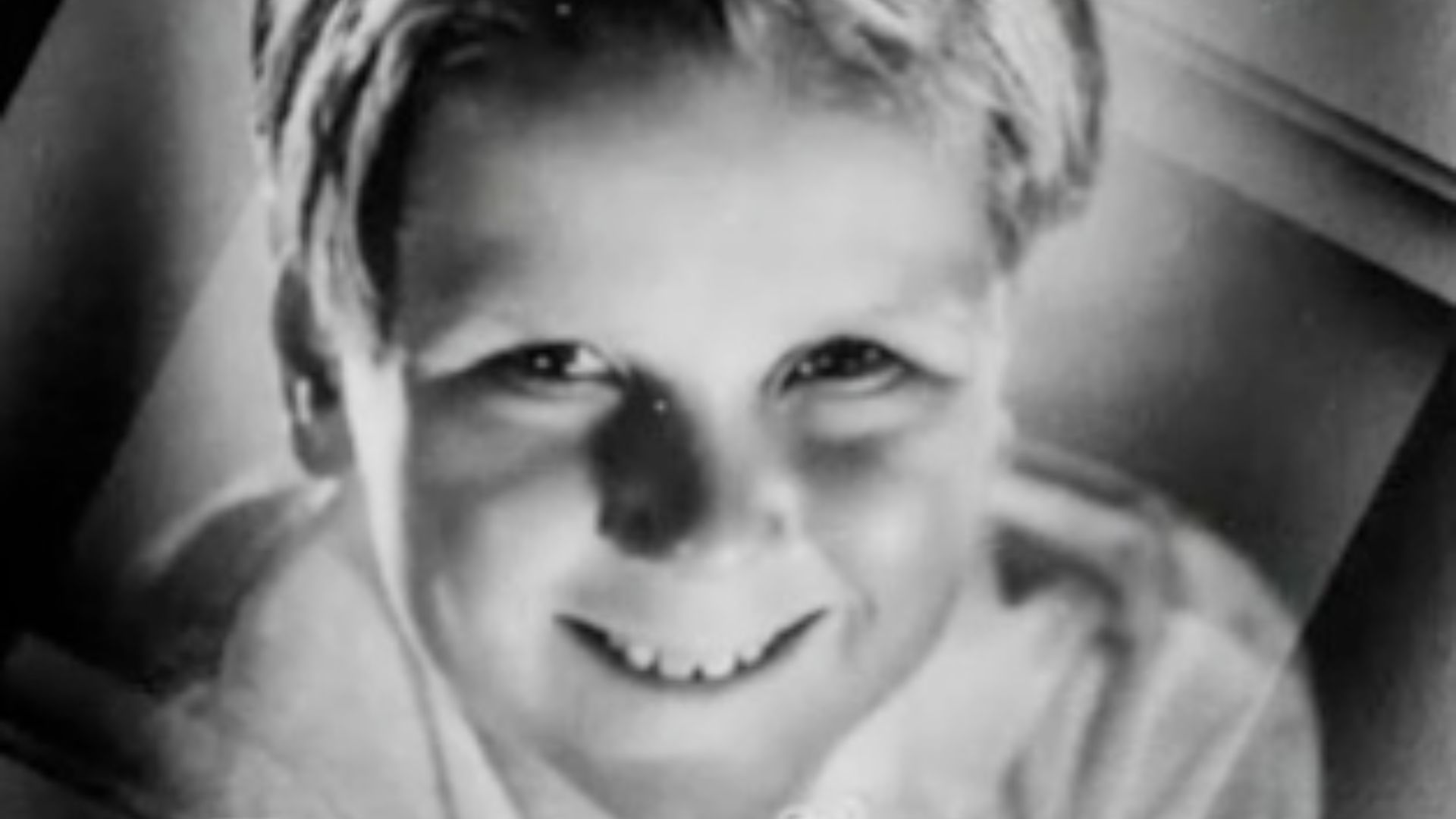
John Cooper Jr. was born in Los Angeles on September 15, 1922. His father left when Cooper was two, while his mother, Mabel, was a stage pianist. With an actress aunt, a screenwriter uncle, and a studio production manager for a stepfather, Hollywood was already remarkably close.
 Trailer screenshot, Wikimedia Commons
His First Tiny Roles
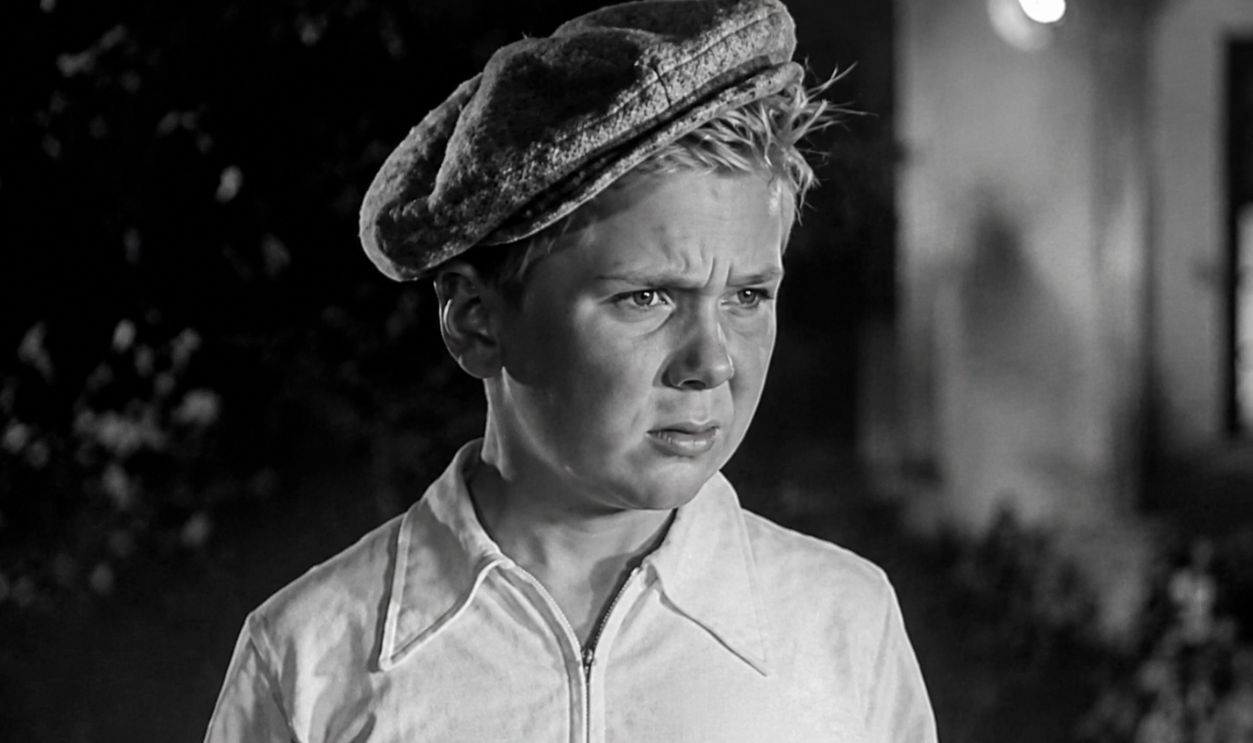
Cooper’s screen career began almost accidentally. His grandmother brought him to auditions in hopes that having a child along would help her secure extra work. Cooper himself began appearing in Lloyd Hamilton comedies at three, using the name Leonard, before graduating to increasingly substantial film work.
 Sol Lesser Productions, Wikimedia Commons, Modified
Hollywood Started Noticing
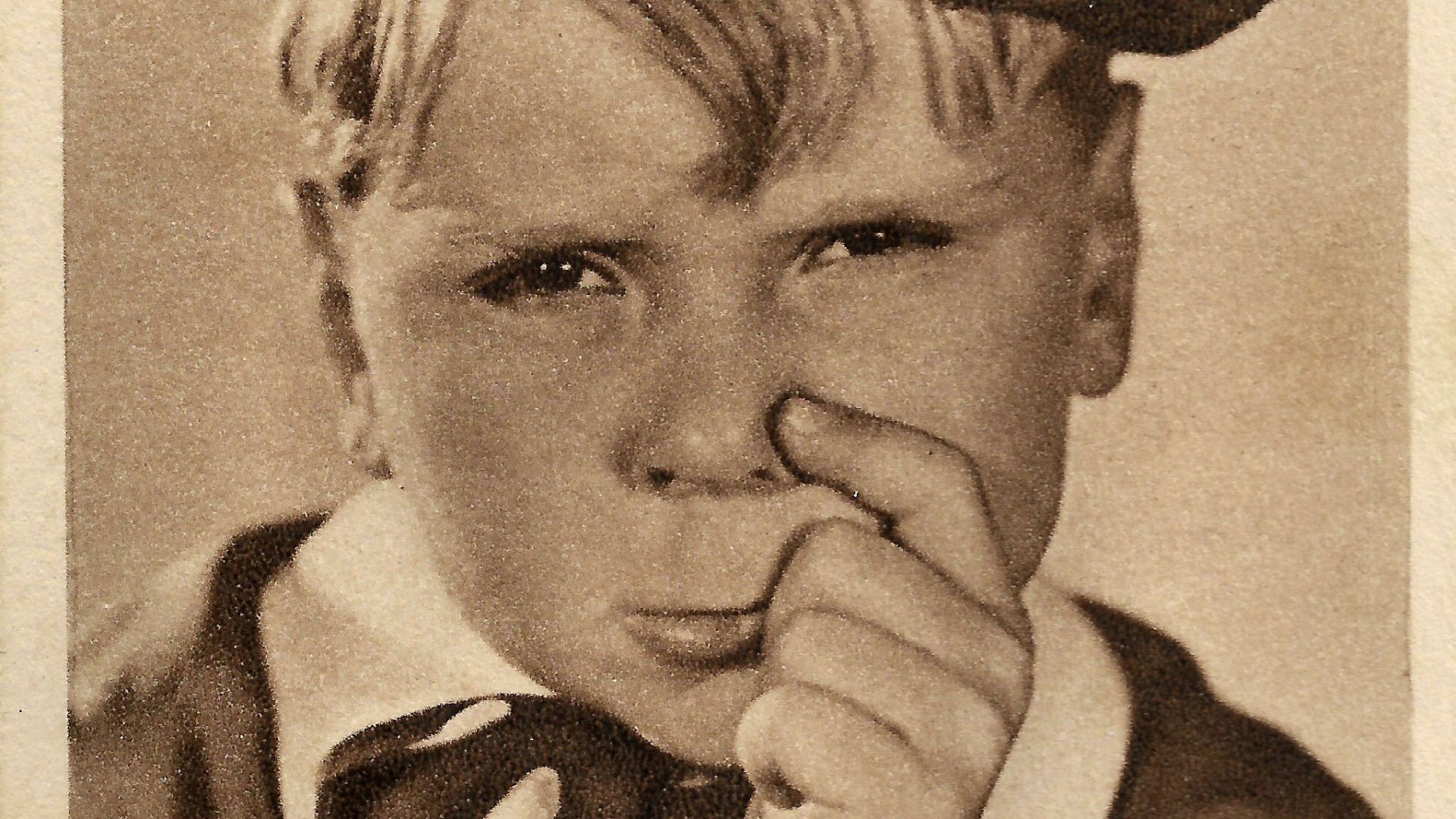
By the end of the 1920s, Cooper had landed bit parts in Fox Movietone Follies Of 1929 (1929) and Sunny Side Up (1929). Director David Butler recommended the young actor to the respected comedy director Leo McCarey, and that connection soon opened the door to one of Hollywood’s most famous comedy series.
Joining Our Gang
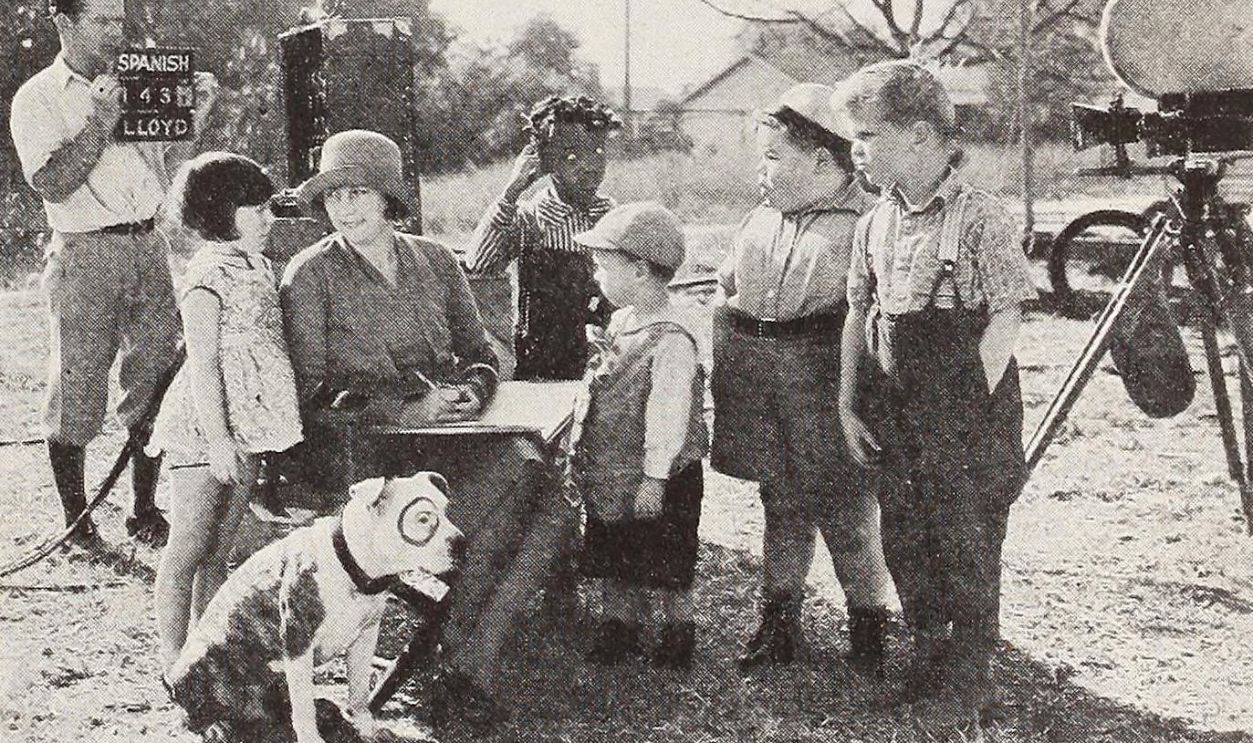
Cooper joined the Our Gang series in 1929, making his first appearance in the short Boxing Gloves (1929). He initially played a supporting character, but his ability to handle the transition to sound helped him become one of the troupe’s central performers by early 1930.
Jackie Became The Star
Known simply as Jackie in the series, Cooper became central to shorts including The First Seven Years (1930) and When The Wind Blows (1930). His memorable storylines included Jackie’s crush on schoolteacher Miss Crabtree, giving the young performer valuable experience before his biggest opportunity arrived.
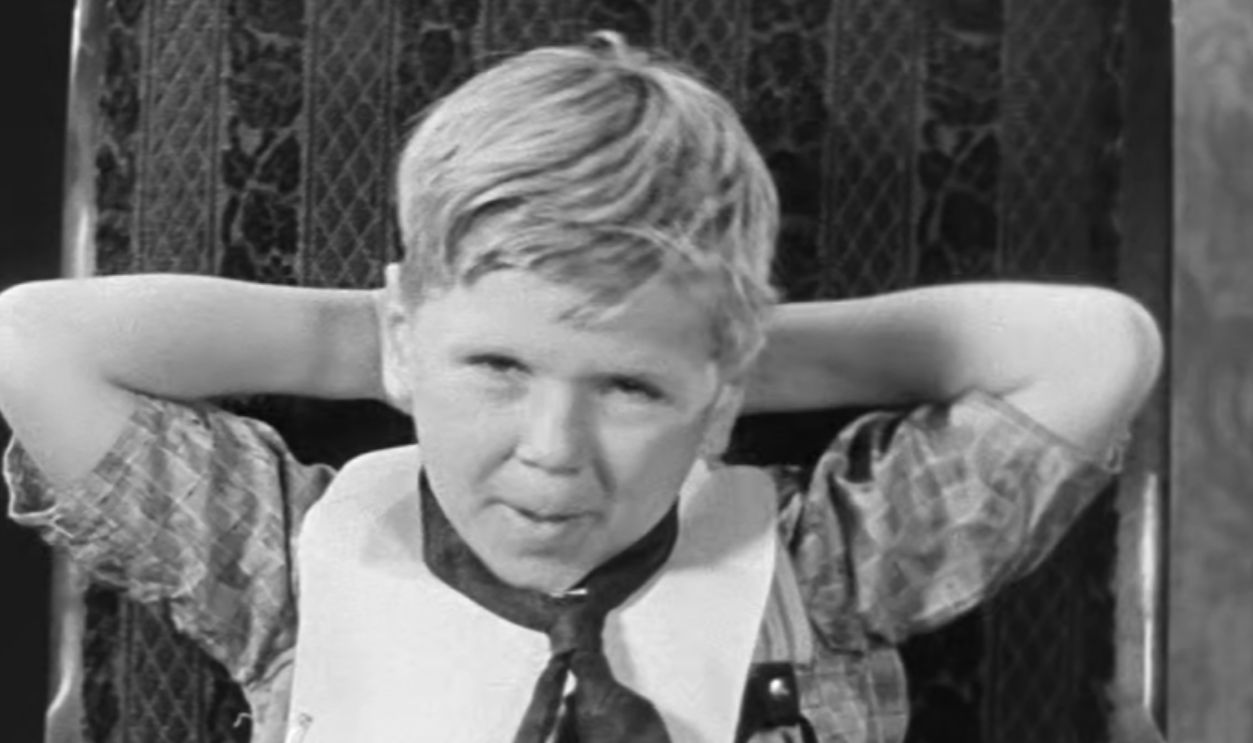 Screenshot from The First Seven Years, Hal Roach Studios (1930)
A Family Connection
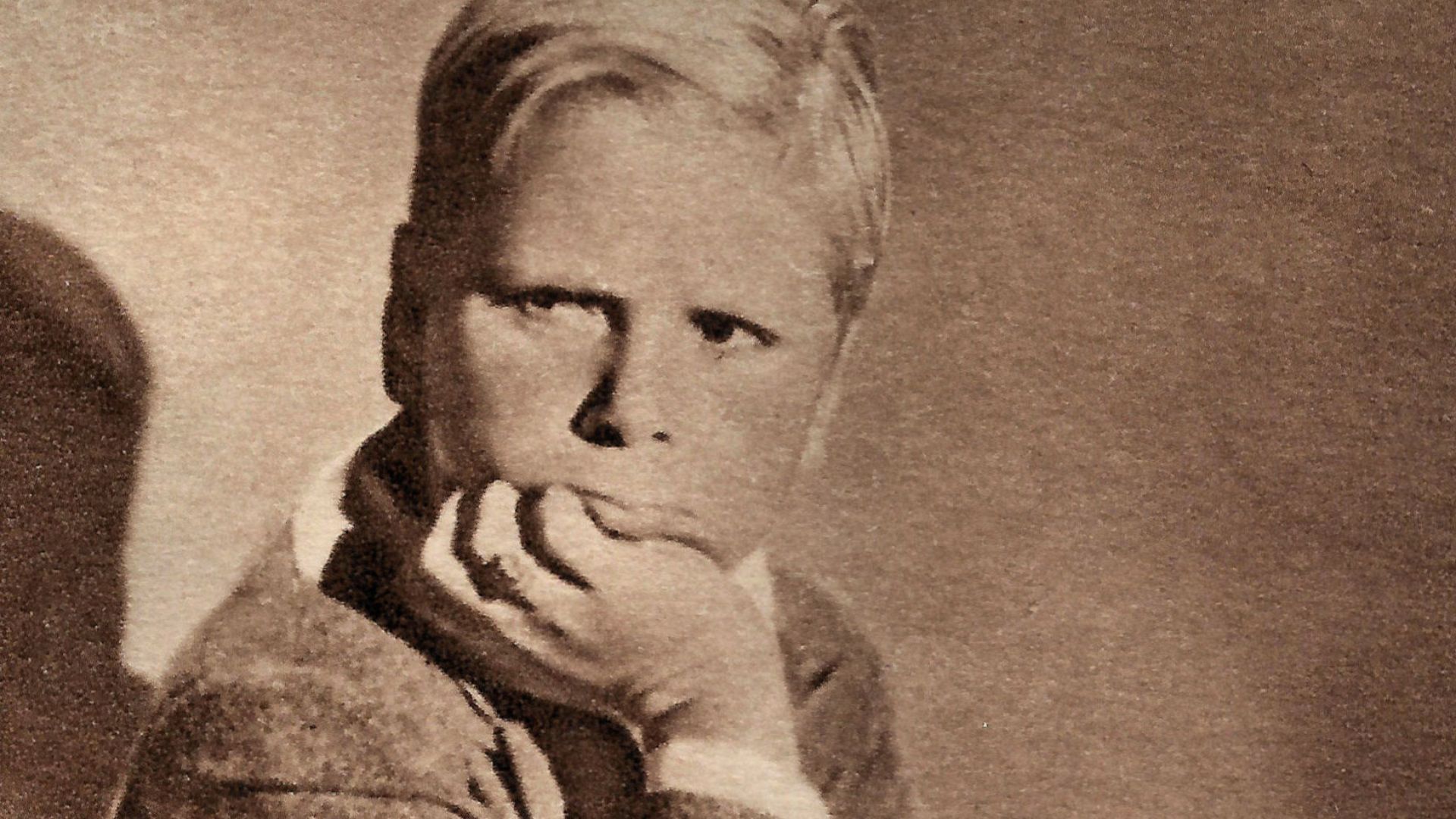
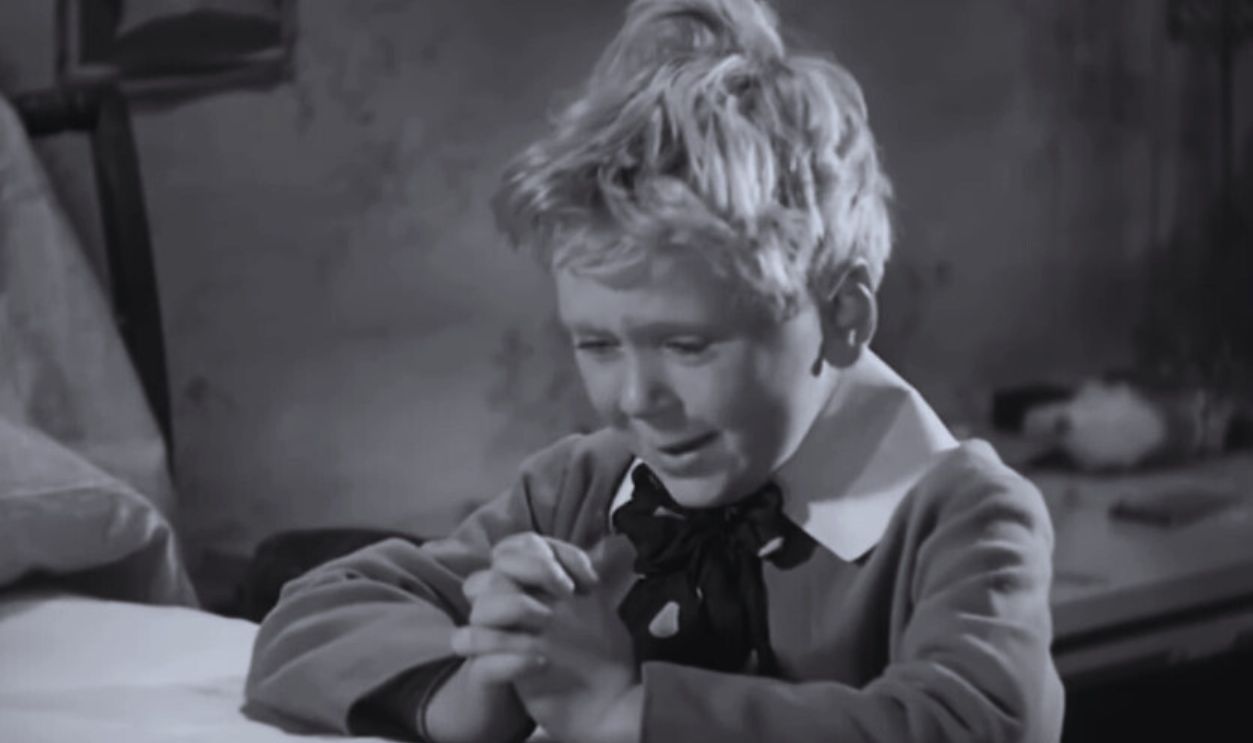
While still under contract to Hal Roach Studios, Cooper was loaned to Paramount for the title role in the feature film Skippy (1931). The director was Norman Taurog, Cooper’s uncle by marriage. The family connection didn't do much to make the experience gentle, however, especially when Taurog needed his nine-year-old star to cry.
The Cruelest Trick
When Cooper was unable to produce tears for a scene, Taurog ordered a security guard to take Cooper’s dog backstage and pretend to shoot it. The terrified child believed his pet had been killed and cried genuinely for the camera. Only afterward did Cooper discover that his dog was still alive.
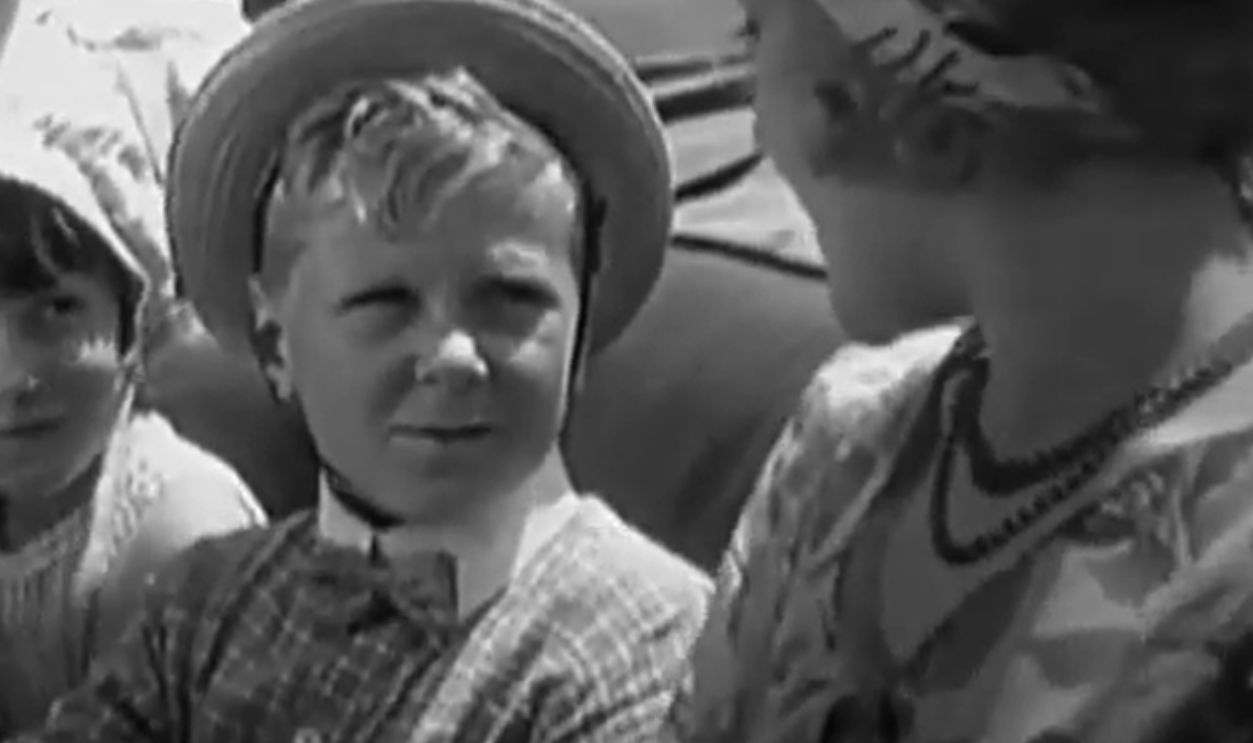 Screenshot from School's Out, Hal Roach Studios (1930)
His Mother Had Answers
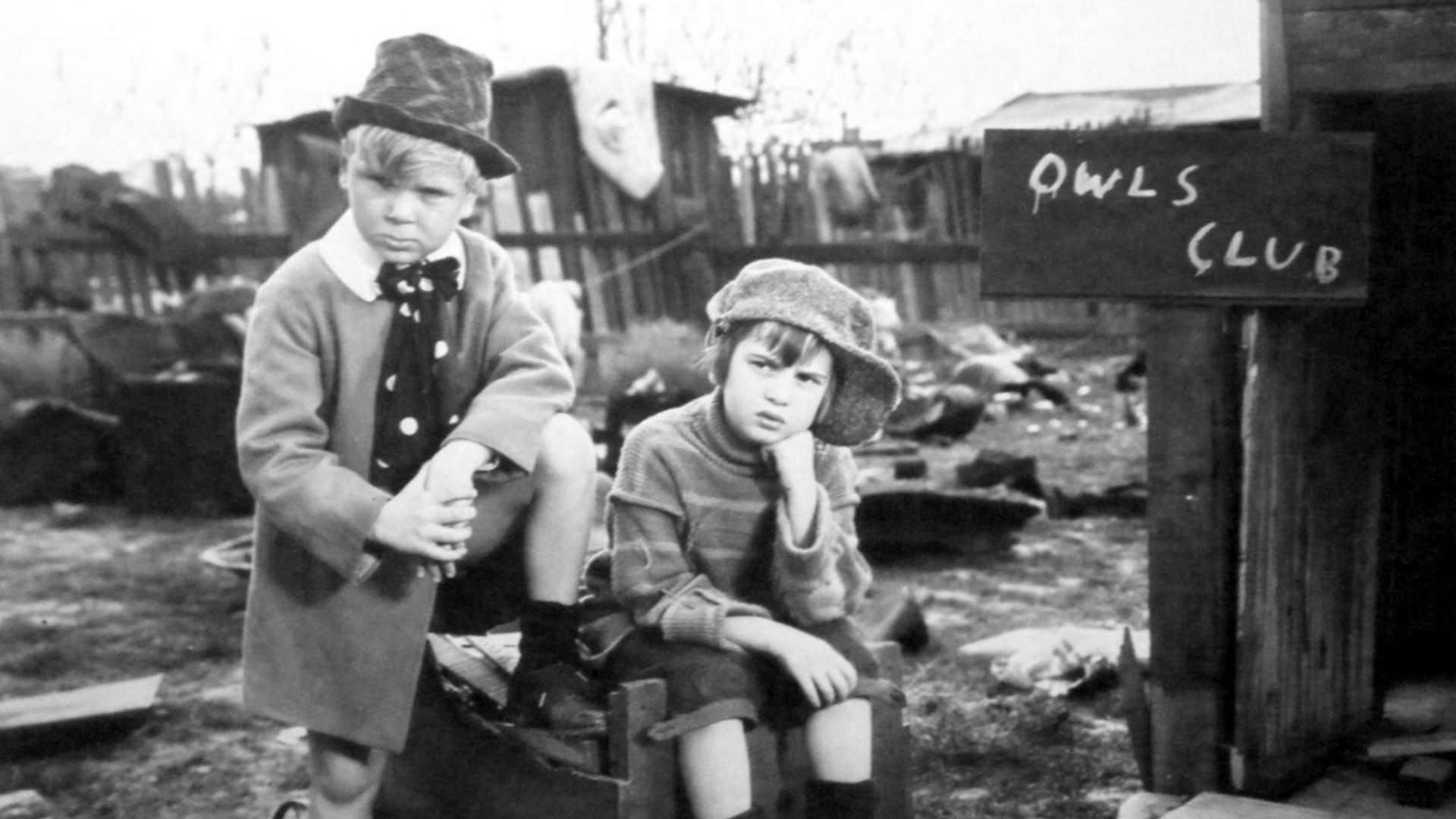
Later that day, Cooper’s mother showed him another way to reach the necessary emotions. Rather than terrifying a child, she taught him to study the script and empathize with his character. Cooper never forgot Taurog’s tactic, and decades later, that painful memory would give his autobiography its title.
 Paramount Pictures, Wikimedia Commons
Oscar History At Nine
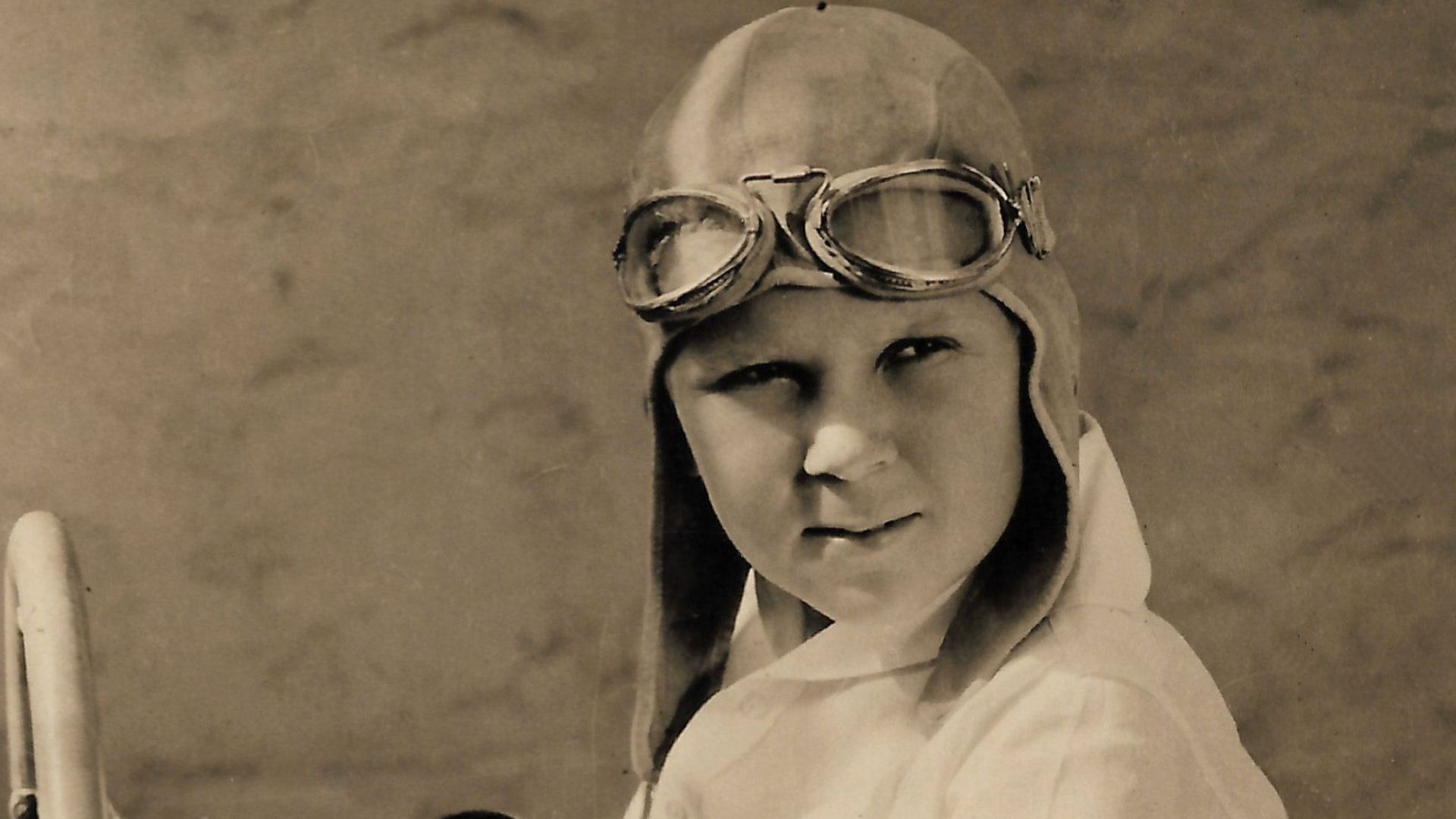
Cooper’s performance in Skippy earned him an Academy Award nomination for Best Actor. At nine, he became the youngest actor ever nominated in that category. His success was enormous, but his compensation was less spectacular: Hal Roach paid him $50 weekly while Paramount paid Roach $25,000.
MGM Came Calling
Demand for Cooper became so intense that Roach sold his contract to Metro-Goldwyn-Mayer in 1931. Cooper soon appeared opposite Wallace Beery in The Champ (1931), although he later wrote that Beery tried to upstage and undermine him. More major films quickly followed.
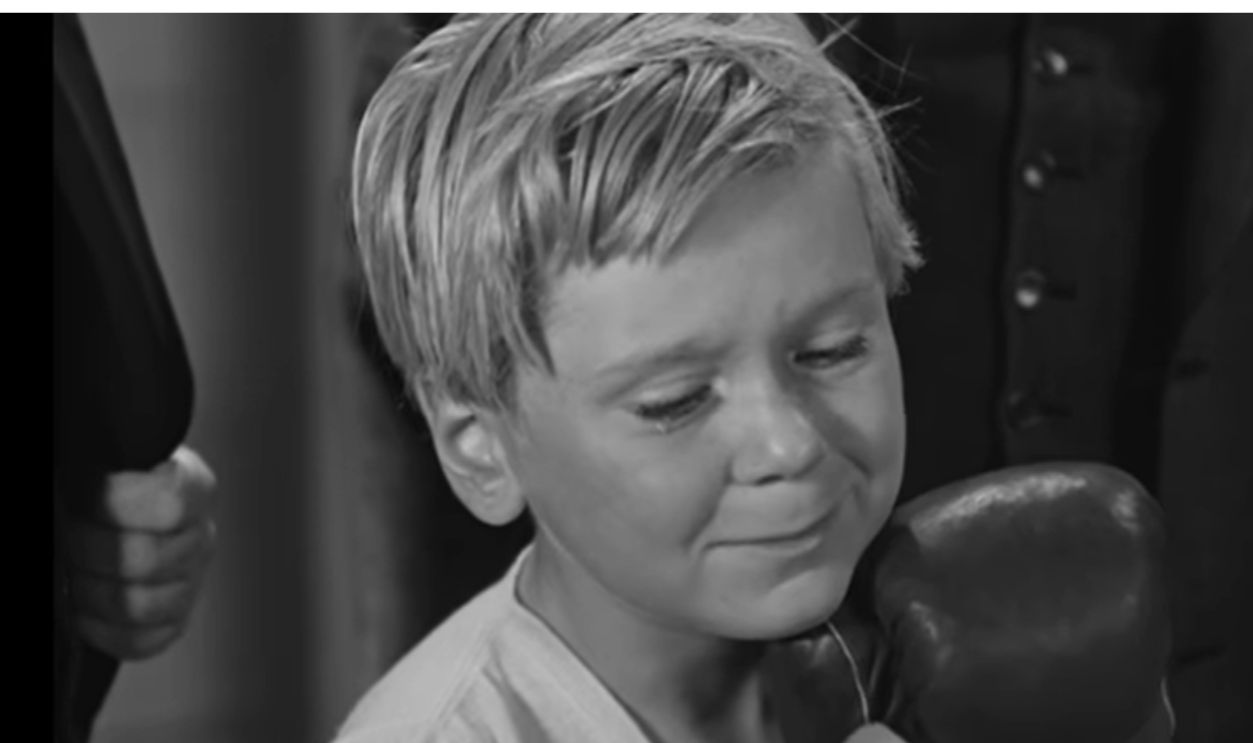 Screenshot from The Champ, Metro-Goldwyn-Mayer (1931)
Adventures And Dramas
Cooper appeared with George Raft and Fay Wray in The Bowery (1933), then played Jim Hawkins in Treasure Island (1934). The following year brought the circus drama O’Shaughnessy’s Boy (1935), continuing a remarkable run that carried him from childhood stardom toward adolescence.
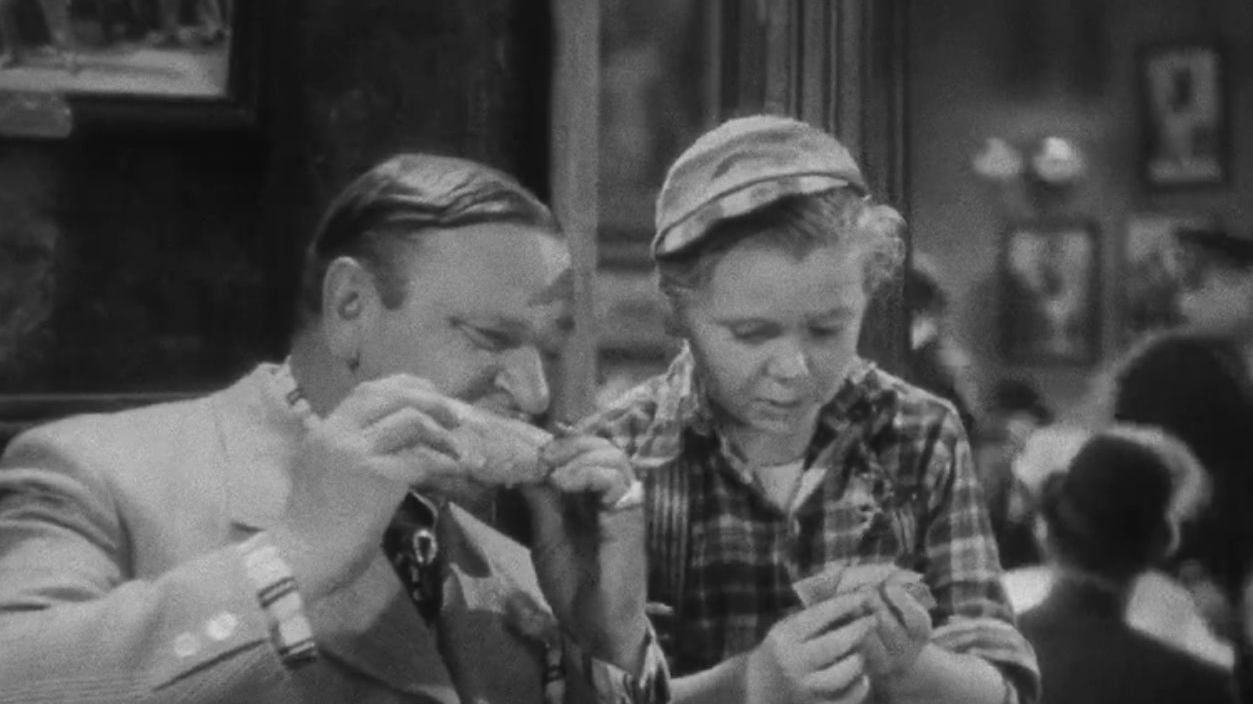 Screenshot from The Bowery, 20th Century Pictures (1933)
Becoming A Teenage Star
Unlike many child performers, Cooper kept finding leading roles as he grew older. He moved through adventure films and urban dramas before playing Henry Aldrich in What A Life (1939) and Life With Henry (1941). Soon, he was sharing the screen with some of Hollywood’s brightest stars.
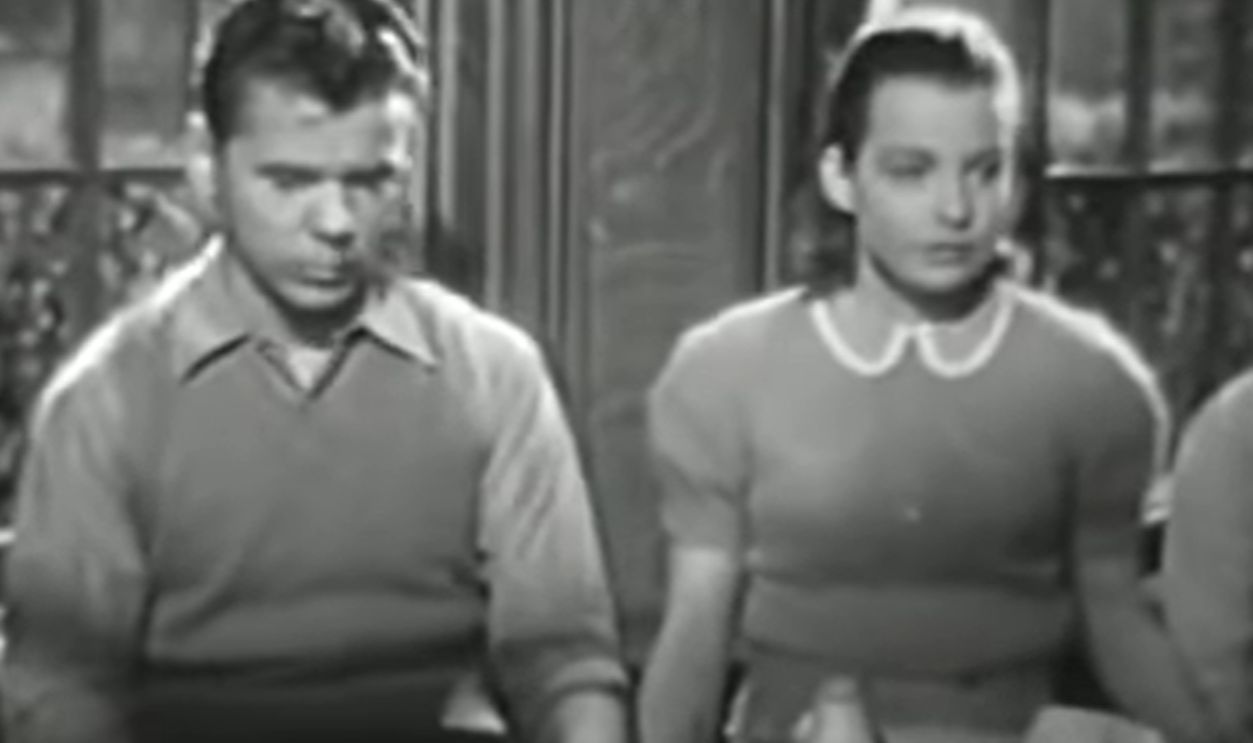 Screenshot from What a Life, Paramount Pictures (1939)
Surrounded By Major Stars
In the musical Ziegfeld Girl (1941), Cooper co-starred with James Stewart, Judy Garland, Hedy Lamarr, and Lana Turner. His screen career had successfully crossed the difficult boundary from child actor to young adult performer, but World War II soon redirected his attention away from Hollywood.
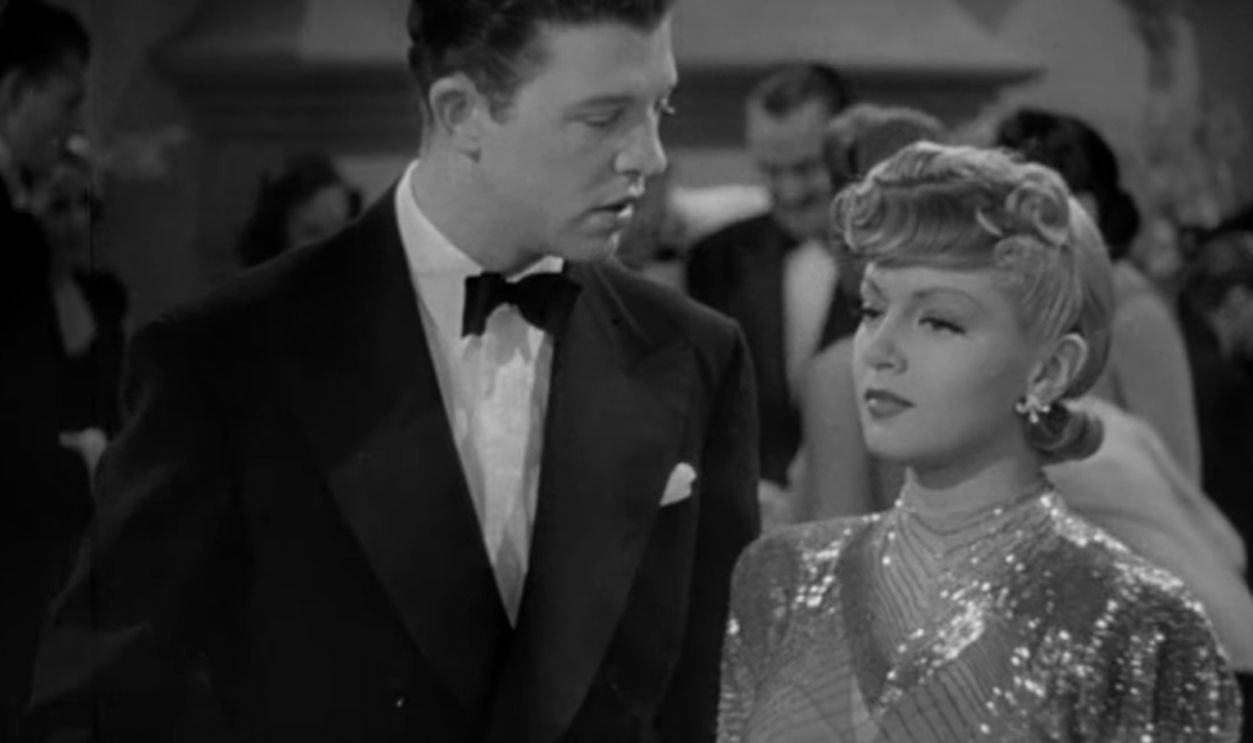 Screenshot from Ziegfeld Girl, Metro-Goldwyn-Mayer (1941)
A Life In Uniform
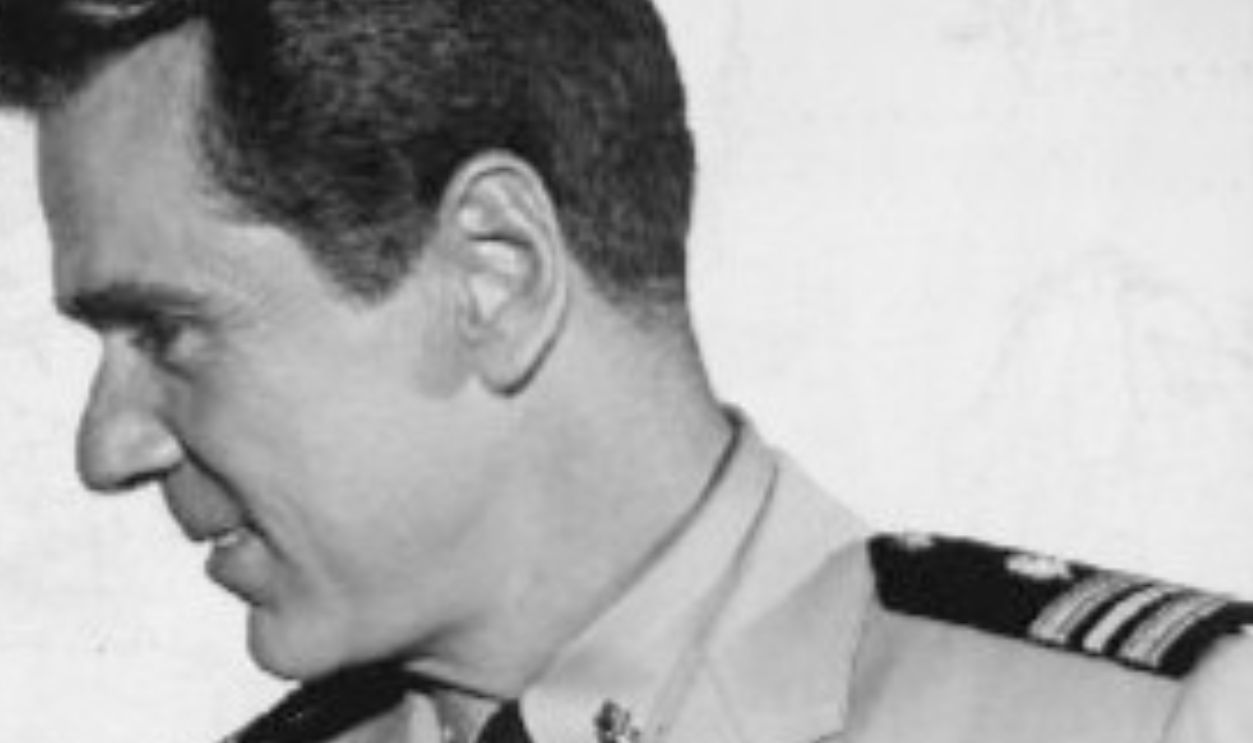
Cooper served in the United States Navy during World War II, beginning a military association that lasted far beyond the conflict. He remained in the Naval Reserve until 1982, eventually retiring with the rank of captain and receiving the Legion of Merit for his service.
Marriage And Family Life
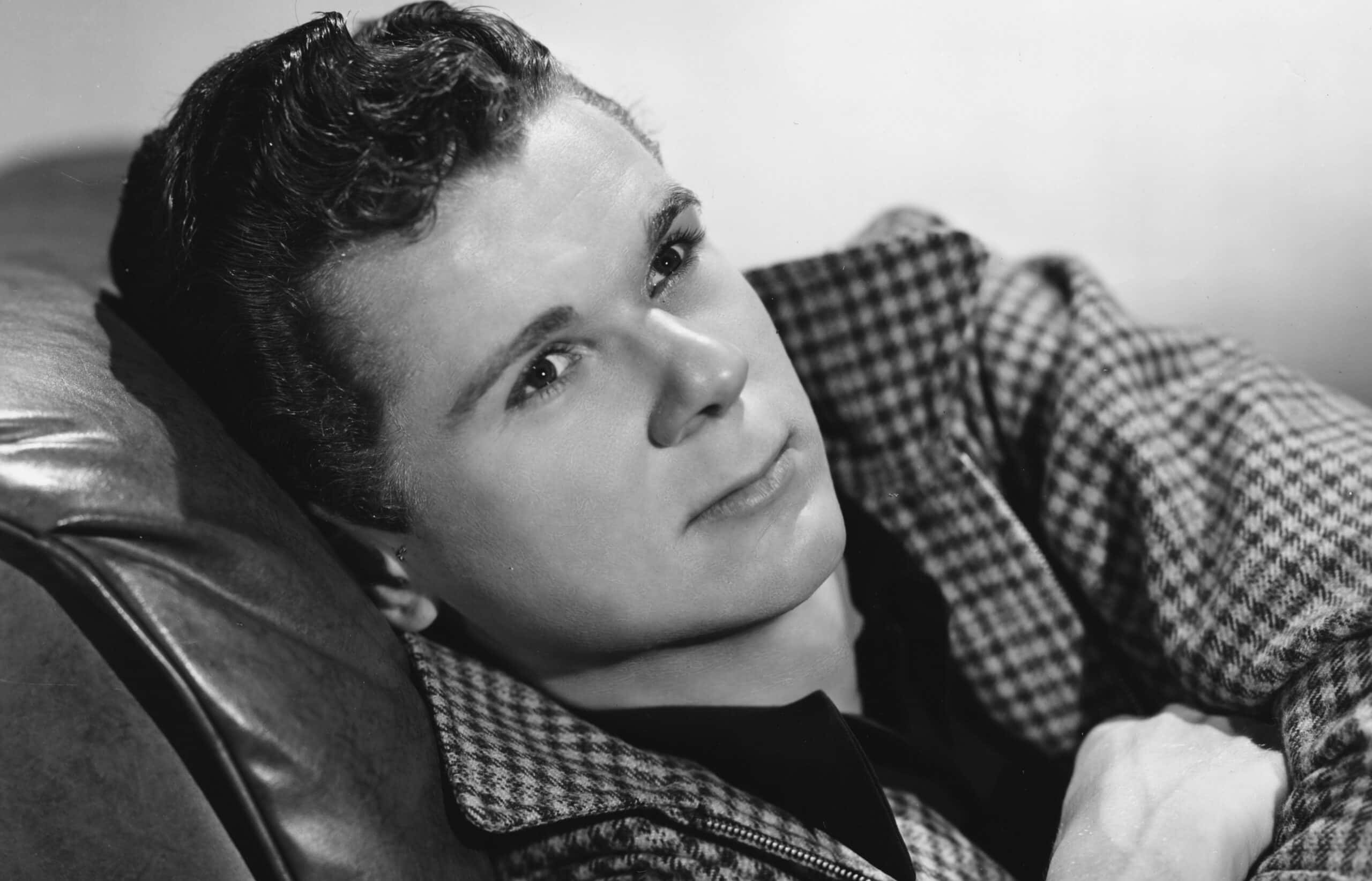
Cooper married June Horne in 1944, and their son John was born in 1946. The marriage ended in 1949. He married actress Hildy Parks in 1950, but that union ended the following year. His third marriage would become the enduring one.
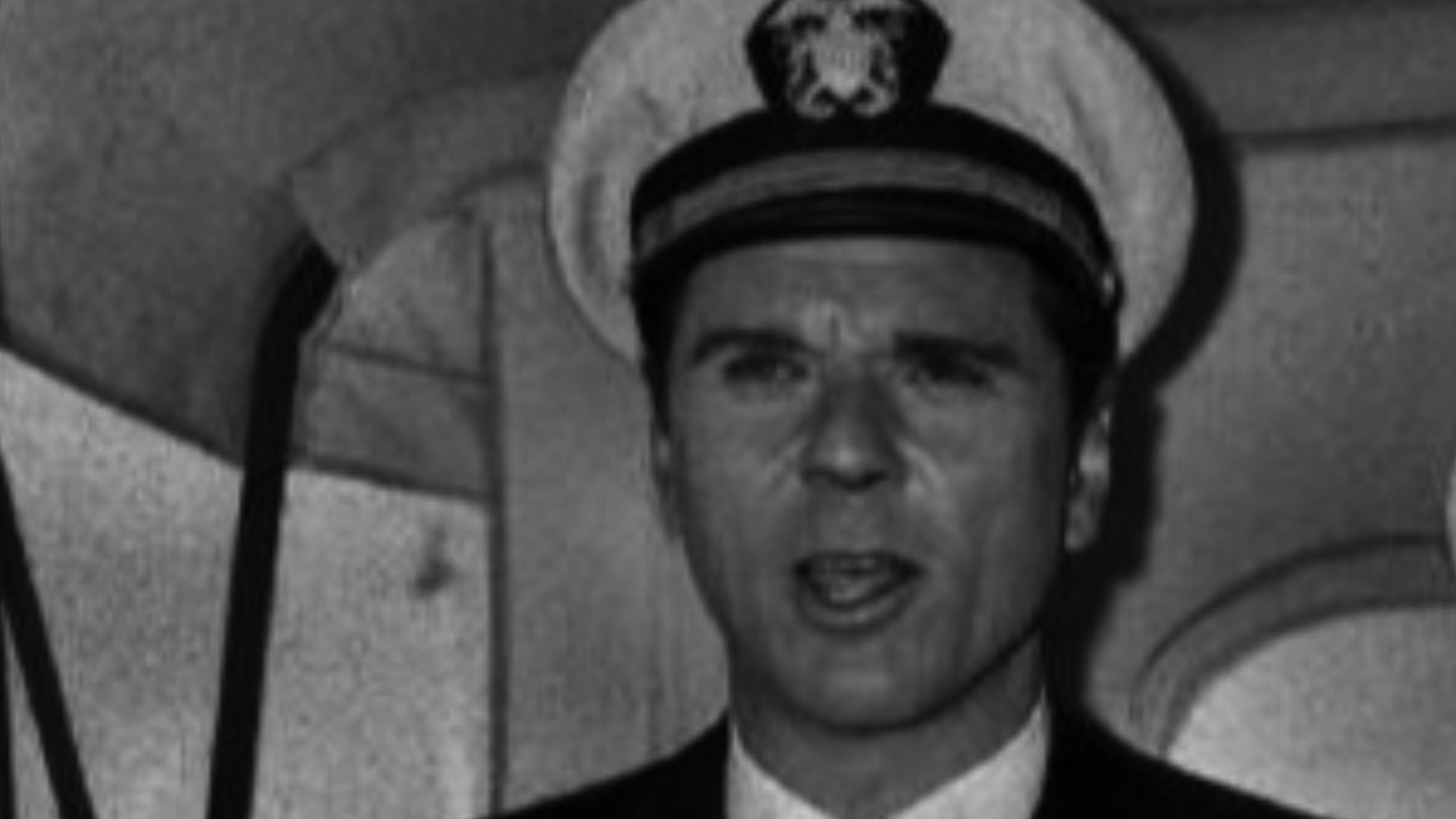 CBS Television., Wikimedia Commons
Barbara And Three Children
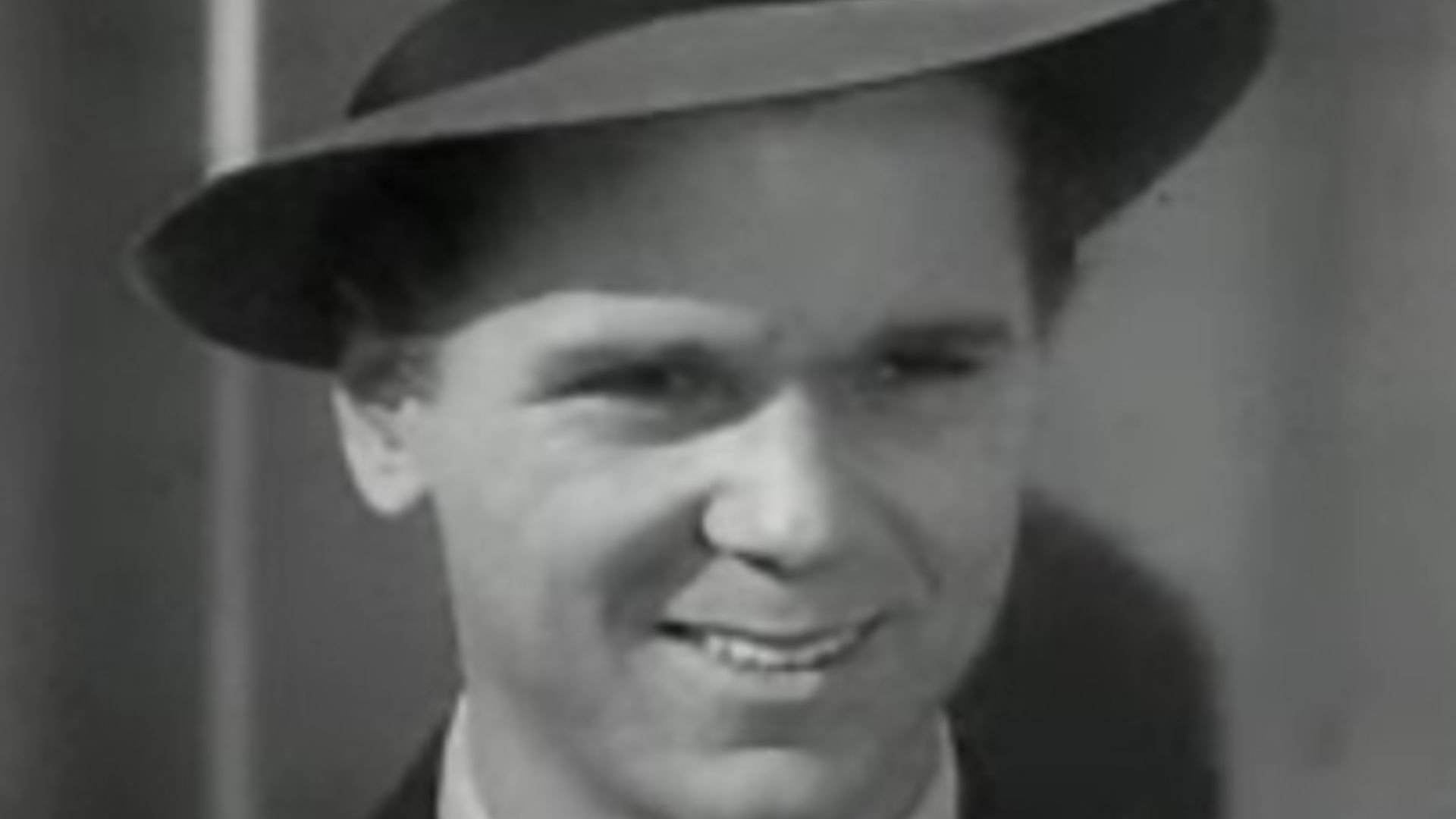
In 1954, Cooper married Barbara Rae Kraus. They had three children: Russell, born in 1956; Julie, born in 1957; and Cristina, born in 1959. The marriage lasted until Barbara’s death in 2009, spanning the decades when Cooper reinvented himself through television.
 Trailer screenshot, Wikimedia Commons
Television Kept Him Busy
After playing Ensign Pulver in a 1950 Boston production of Mr. Roberts, Cooper found sustained television success. He starred as Socrates “Sock” Miller in The People’s Choice from 1955 to 1958, then played the title role in Hennesey from 1959 through 1962.
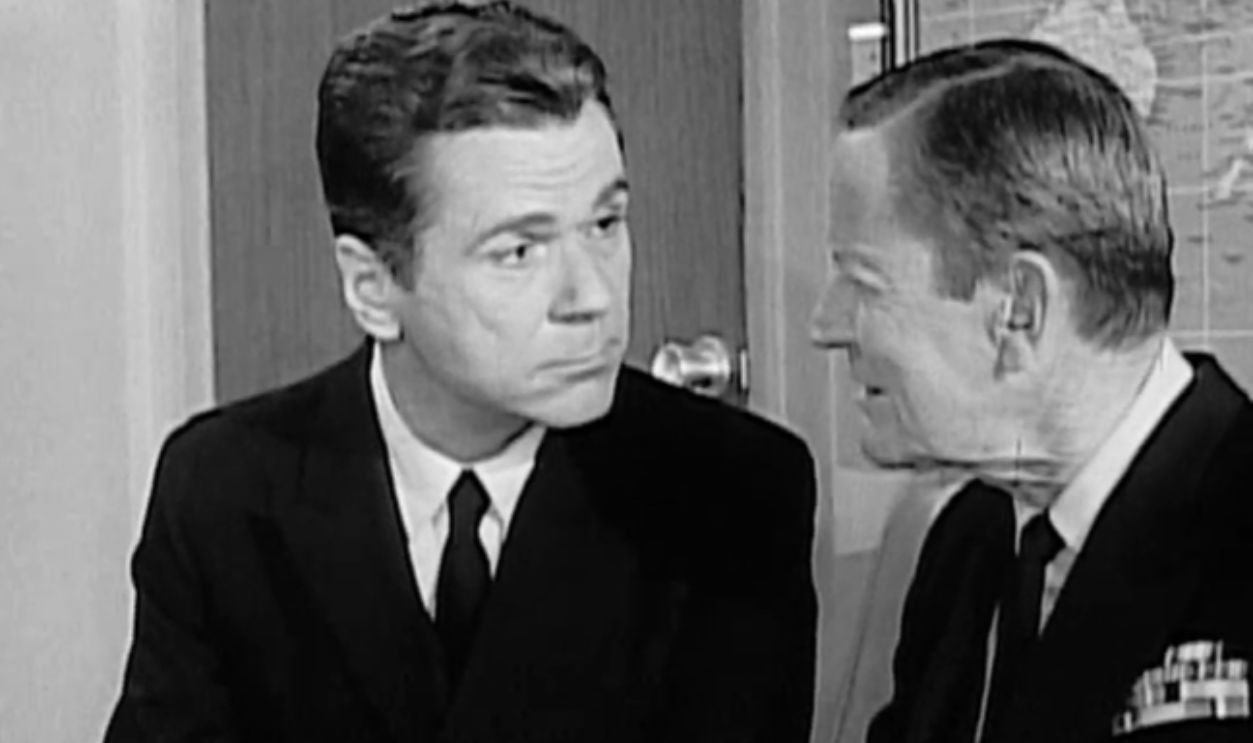 Screenshot from Hennesey, CBS (1959–1962)
Guest Star And Executive
Cooper appeared on television programs including Justice, The Pat Boone Chevy Showroom, The Ford Show, and Armstrong Circle Theatre. From 1964 to 1969, he also served as vice president of program development at Screen Gems, helping package television series and sell them to networks.
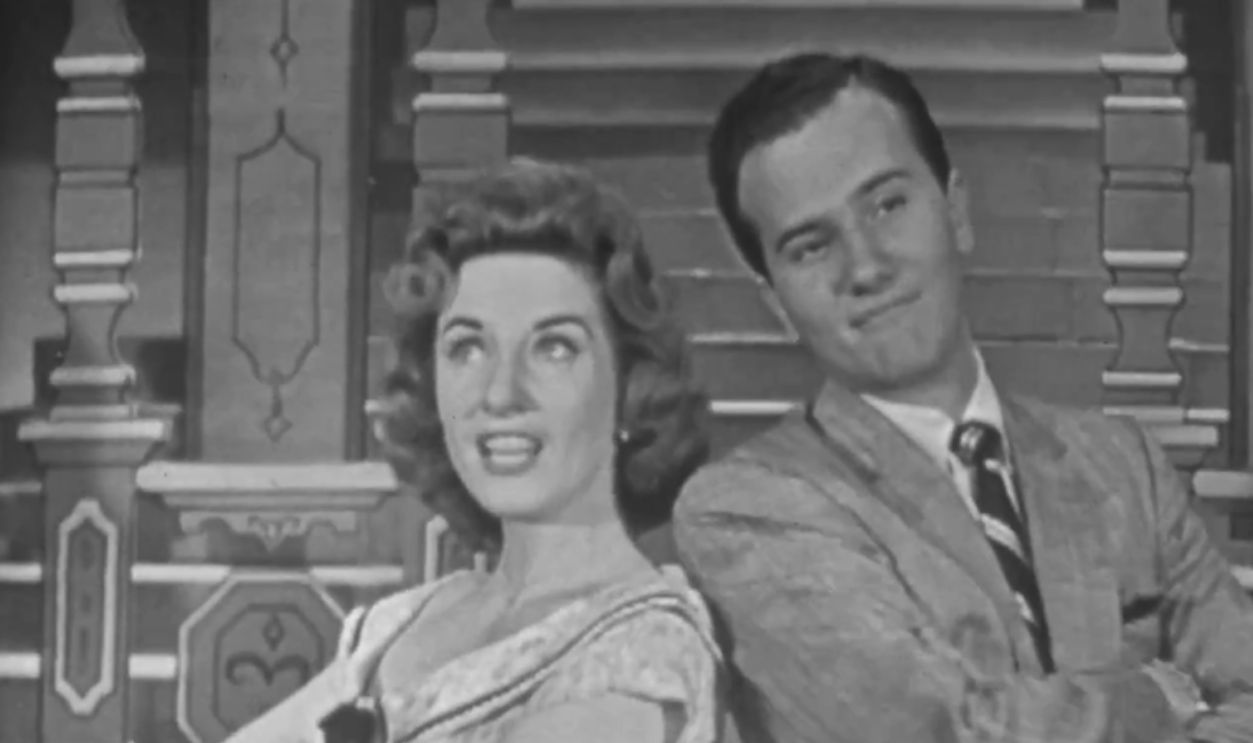 Screenshot from The Pat Boone–Chevy Showroom, ABC (1957–1960)
Directing Brought Emmys
After leaving Screen Gems in 1969, Cooper continued acting while building a substantial directing career. He directed episodes of M*A*S*H and The White Shadow, earning Emmy Awards for his work. Meanwhile, guest roles kept him visible throughout the 1970s before another major film franchise came calling.
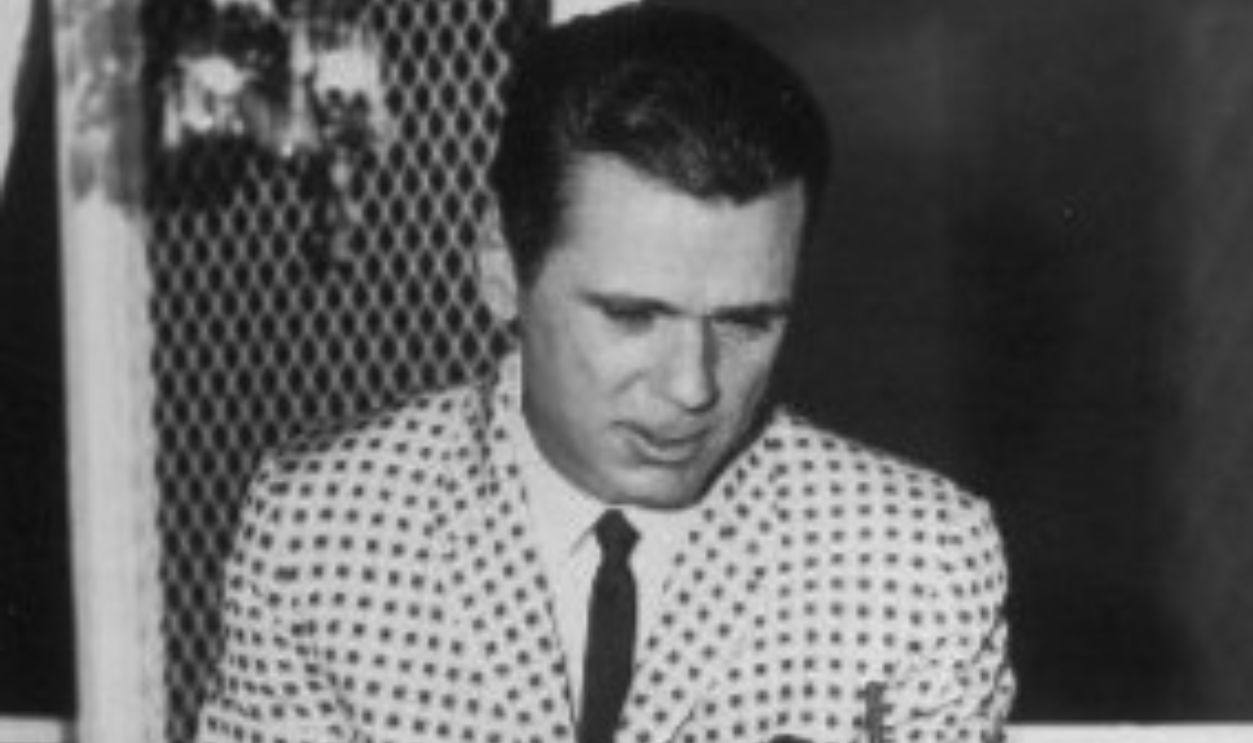 Bureau of Industrial Service for CBS Television, Wikimedia Commons
Perry White Called
Cooper played Daily Planet editor Perry White in the Superman film series beginning with Superman (1978). He landed the role after the originally cast Keenan Wynn became unavailable following a heart attack, giving Cooper one of the most recognizable adult roles of his long career.
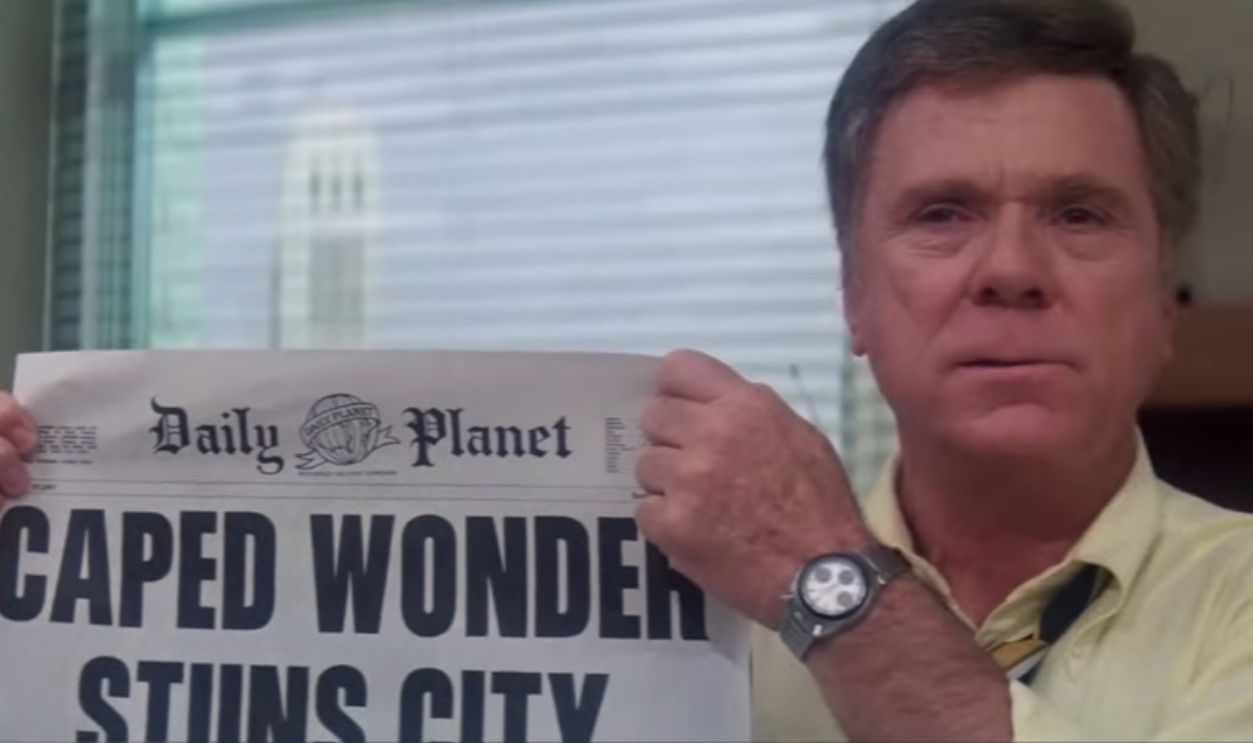 Screenshot from Superman, Warner Bros. Pictures (1978)
Speed Was Another Passion
Away from acting, Cooper had a serious enthusiasm for automobile racing. He participated in SCCA road racing competitions and drove record-breaking Class D cars at Utah’s Bonneville Salt Flats. In 1976, he was named honorary starter of the NASCAR Winston 500 at Talladega.
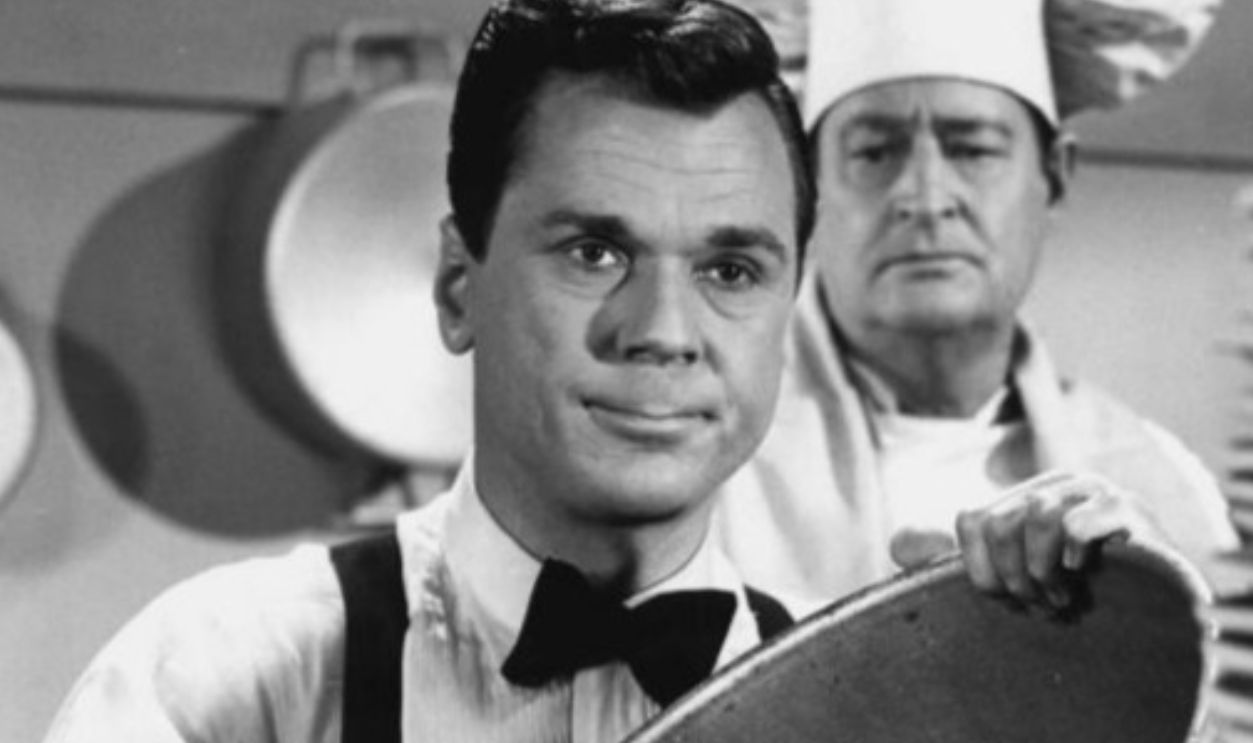 NBC Television, Wikimedia Commons
He Told His Story
Cooper published his autobiography, Please Don’t Shoot My Dog, in 1982. Its title directly recalled Taurog’s cruel tactic during the filming of Skippy. The book revisited Cooper’s extraordinary childhood and also discussed his teenage affair with Joan Crawford, looking back on a life spent inside Hollywood.
 Screenshot from Skippy, Paramount Pictures (1931)
Horses Replaced Hollywood
Cooper announced his retirement in 1989, although he continued directing episodes of the syndicated television series Superboy. Away from filmmaking, he devoted increasing time to training and racing horses at Hollywood Park and near San Diego during the Del Mar racing season.
 CBS Television, Wikimedia Commons
A Remarkable Final Legacy
Jackie Cooper died in Santa Monica on May 3, 2011, at 88. He was buried at Arlington National Cemetery in recognition of his naval service. From Our Gang to Oscar history, television directing, Superman, car racing, and horses, Cooper built a diverse career far larger than his childhood fame.
You May Also Like:
Soaring Facts About Margot Kidder, The One Who Dared To Fly
Tragic Facts About Carl "Alfalfa" Switzer, The Doomed Rascal