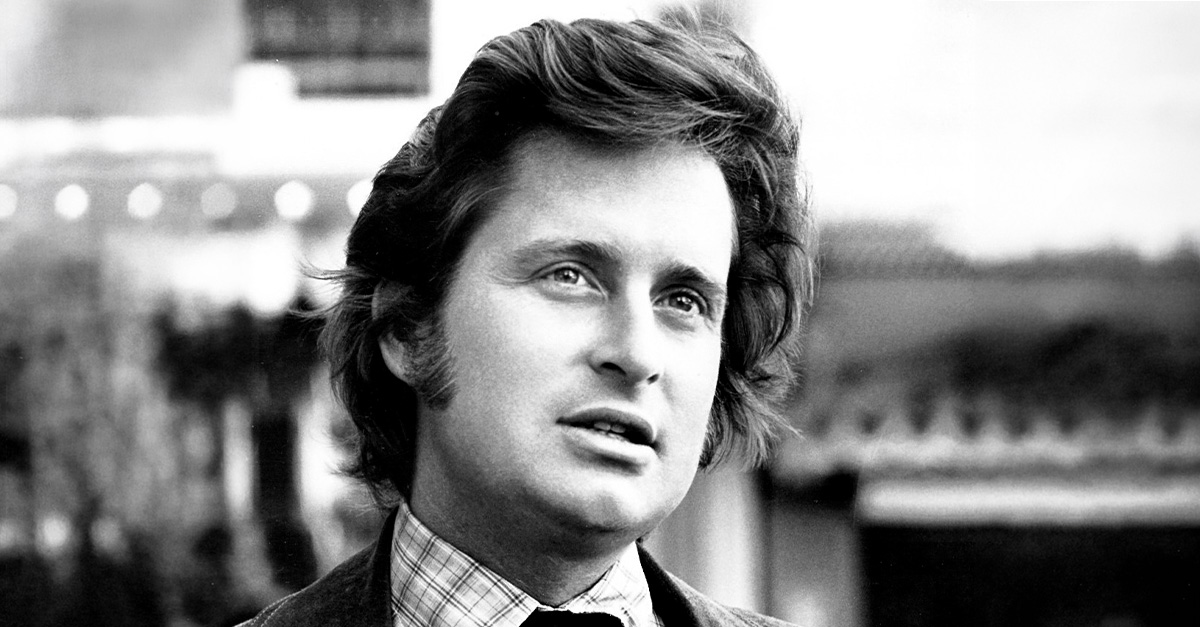
Before Michael Douglas Became A Movie Star
Long before Wall Street, Fatal Attraction, and Basic Instinct, Michael Douglas was racing around San Francisco in a police car. The television series The Streets Of San Francisco gave the young actor steady work, national exposure, and something even more valuable: the chance to prove he was more than Kirk Douglas’s son.
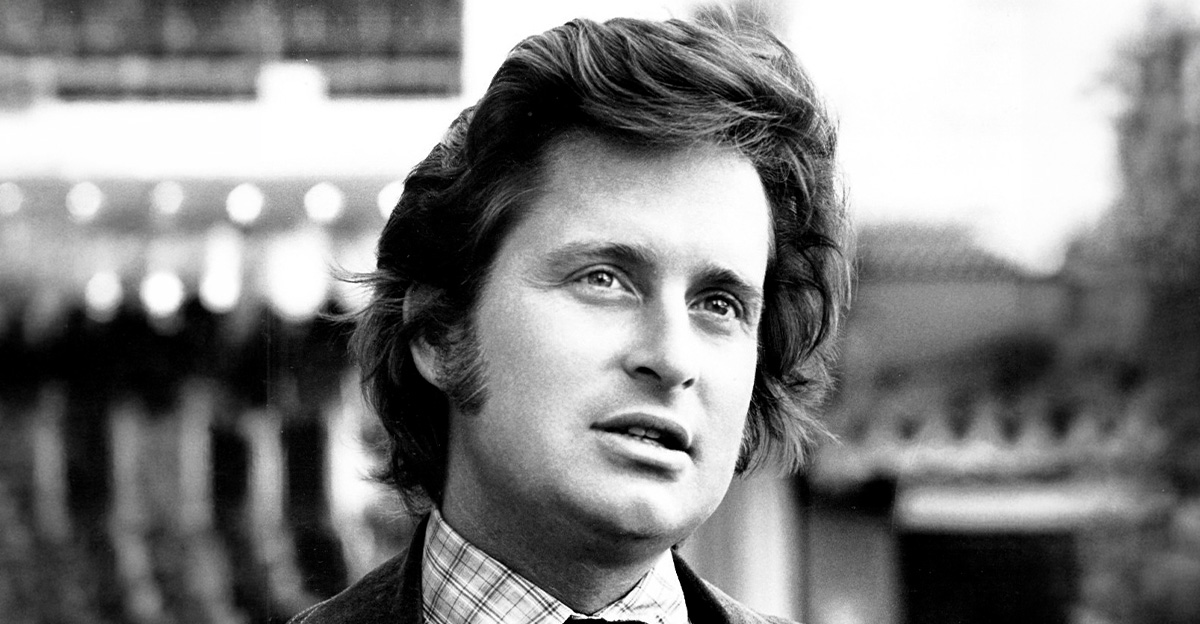 ABC TV, Public domain, via Wikimedia Commons
Growing Up With A Famous Name
Michael was born into Hollywood royalty. His father, Kirk Douglas, was already one of the biggest movie stars in the world. That famous surname opened doors, but it also created enormous pressure. Every performance invited comparisons, and Michael needed a role that would allow him to establish an identity of his own.
 Cinema Center Films, Wikimedia Commons
Hollywood Was Not Immediately Convinced
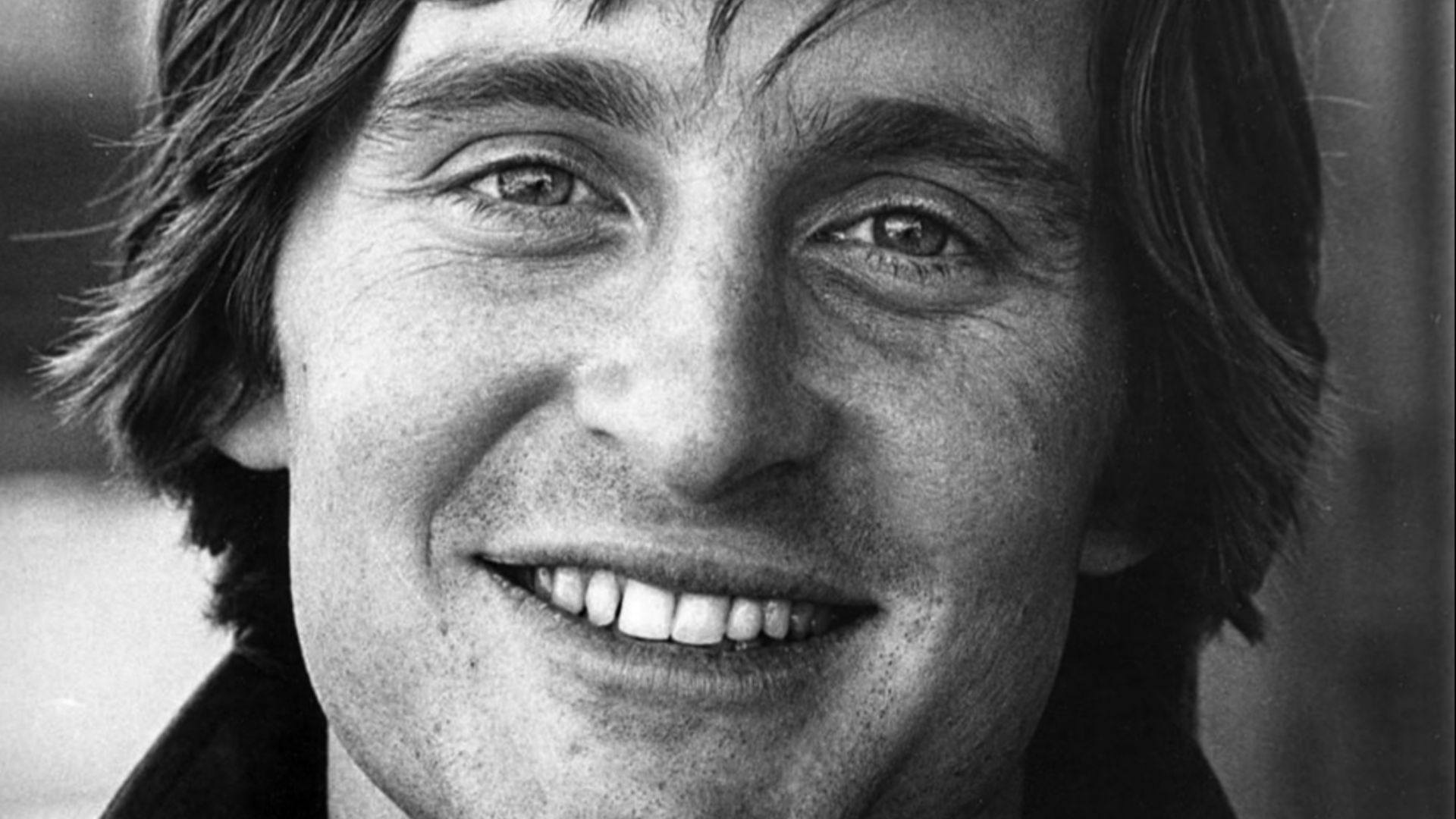
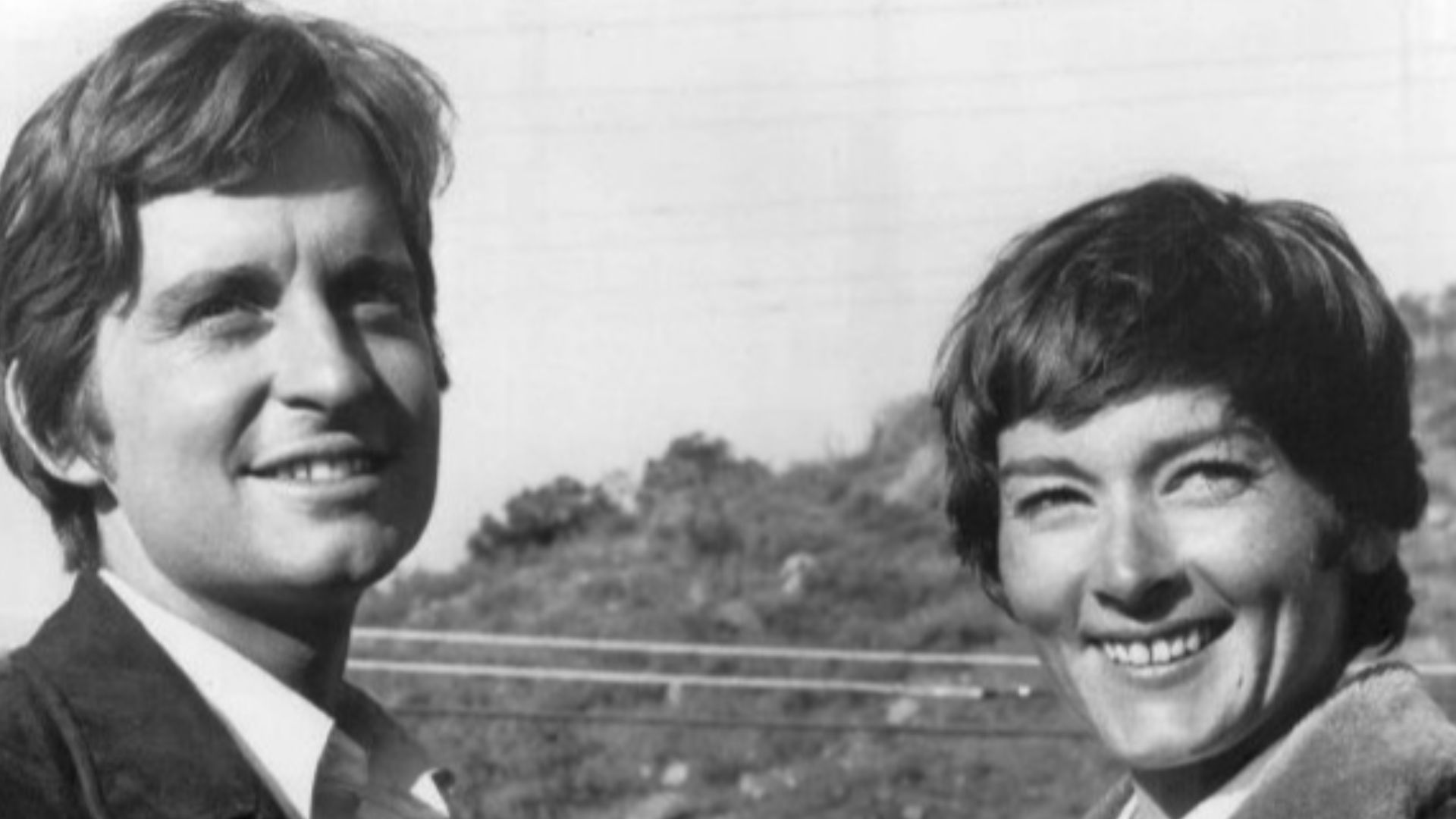
Douglas began acting professionally during the late 1960s, appearing in films such as Hail, Hero! and Adam At 6 A.M. He showed promise, but neither movie transformed him into a major star. Hollywood knew his name, yet casting directors still needed convincing that he could carry a substantial role.
 Cinema Center Films, Wikimedia Commons
Television Offered A Better Opportunity
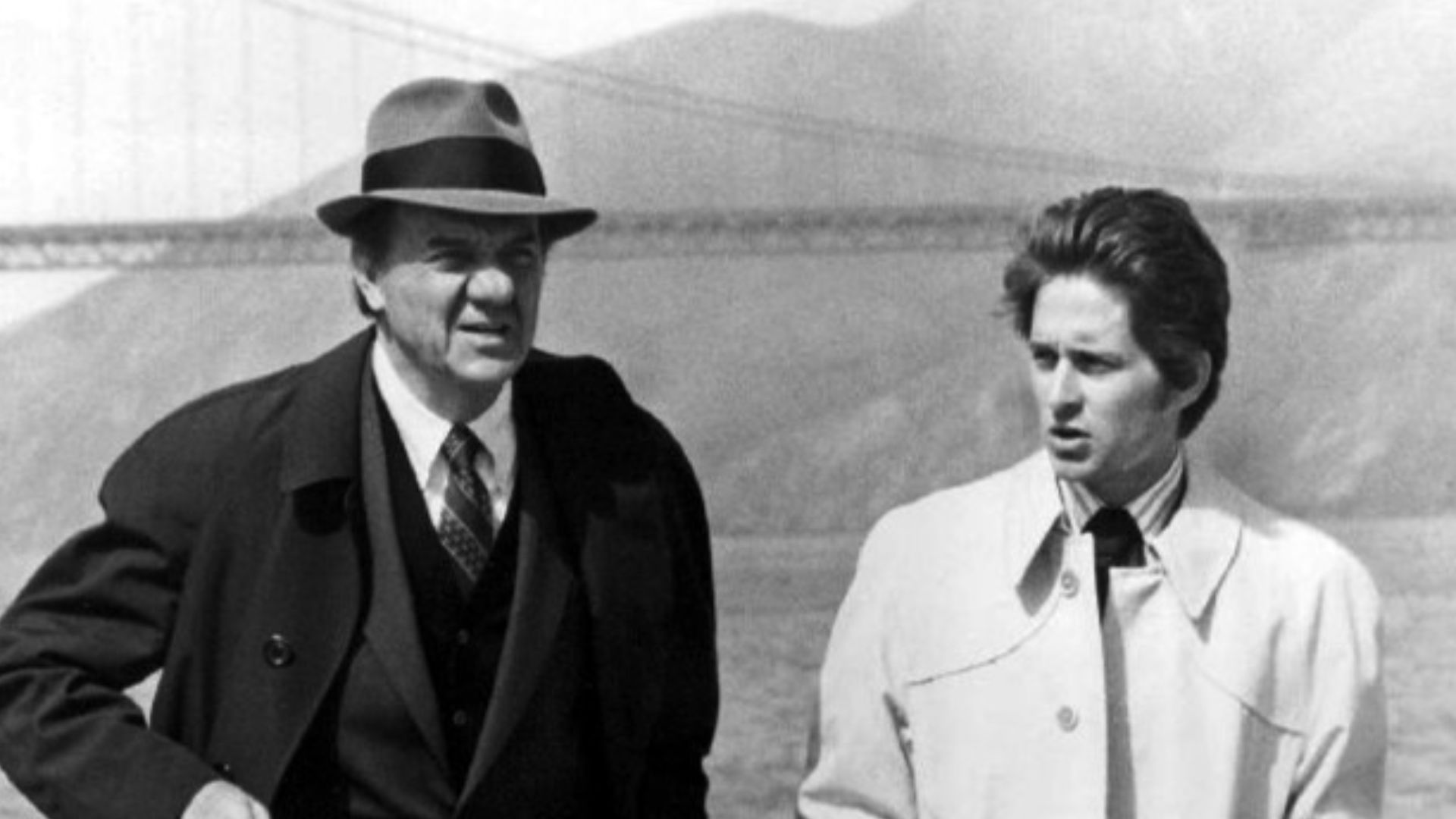
Douglas found early work on shows including The FBI and Medical Center. These appearances provided useful experience, but they were brief. What he truly needed was a continuing character that audiences could follow every week. That opportunity finally arrived with a new ABC police drama set in San Francisco.
 ABC Television, Wikimedia Commons
A City Became The Co-Star
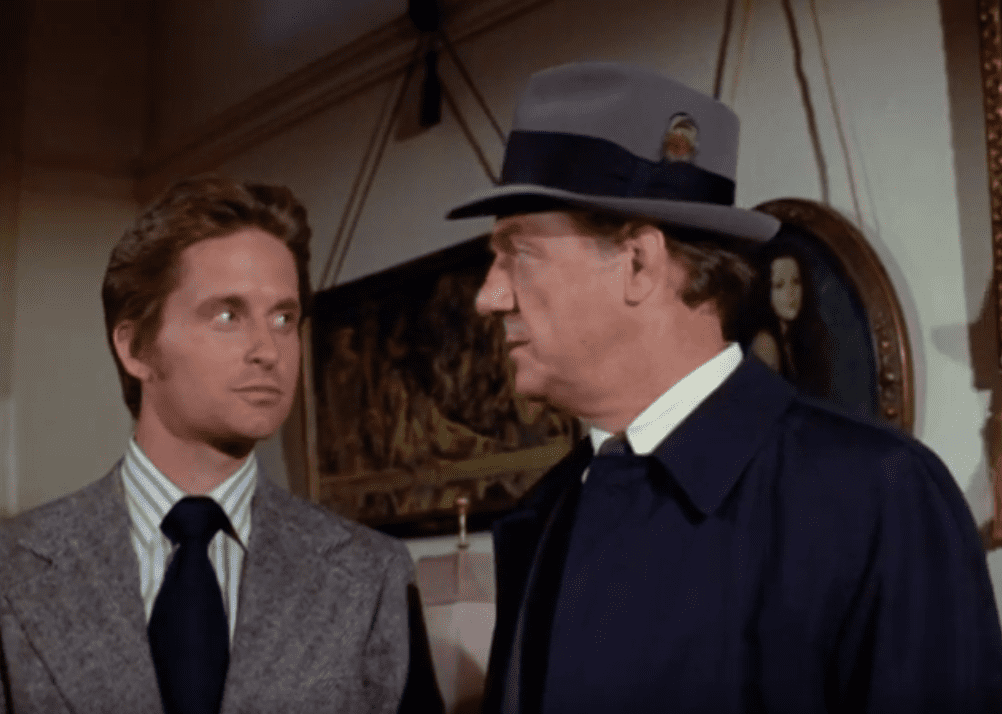
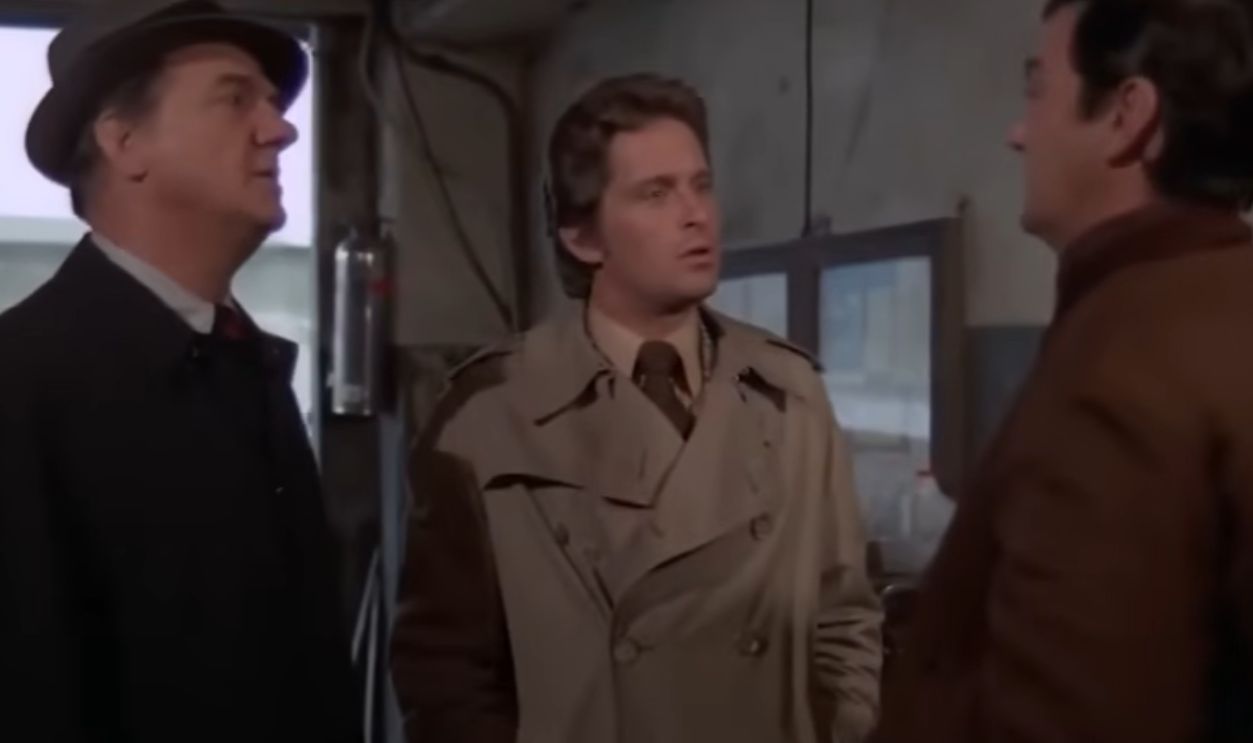
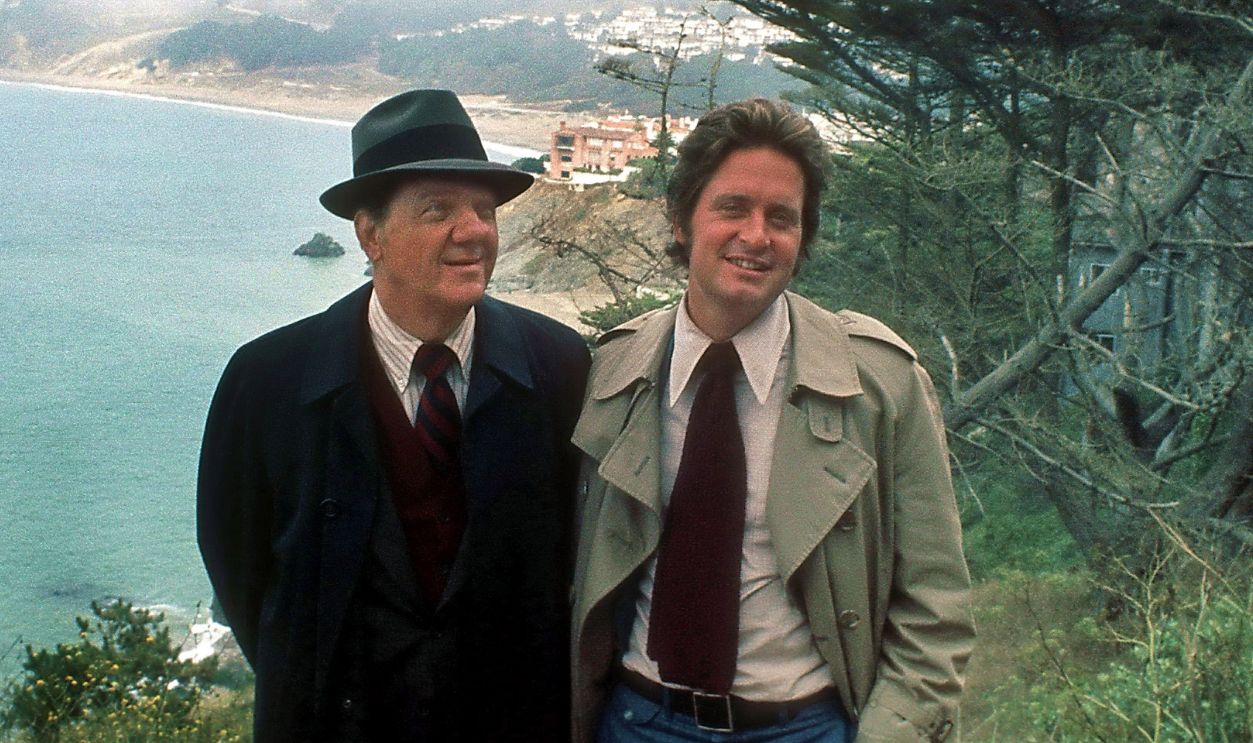
Premiering in 1972, The Streets Of San Francisco followed two homicide inspectors investigating crimes across the city. Unlike many crime shows filmed mostly on studio lots, the production regularly used San Francisco locations. Its hills, waterfront, neighbourhoods, and twisting roads gave every episode an unusually energetic appearance.
 Screenshot from The Streets of San Francisco, ABC (1972–1977)
Meet Inspector Steve Keller
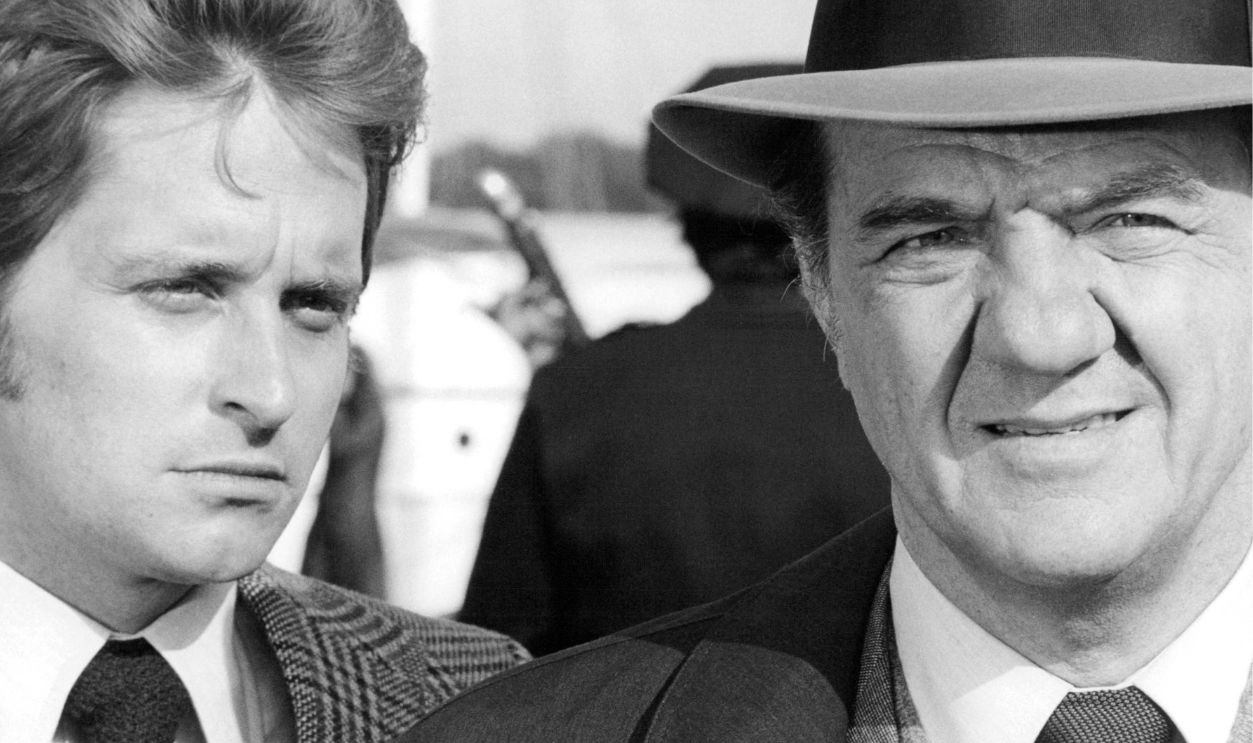
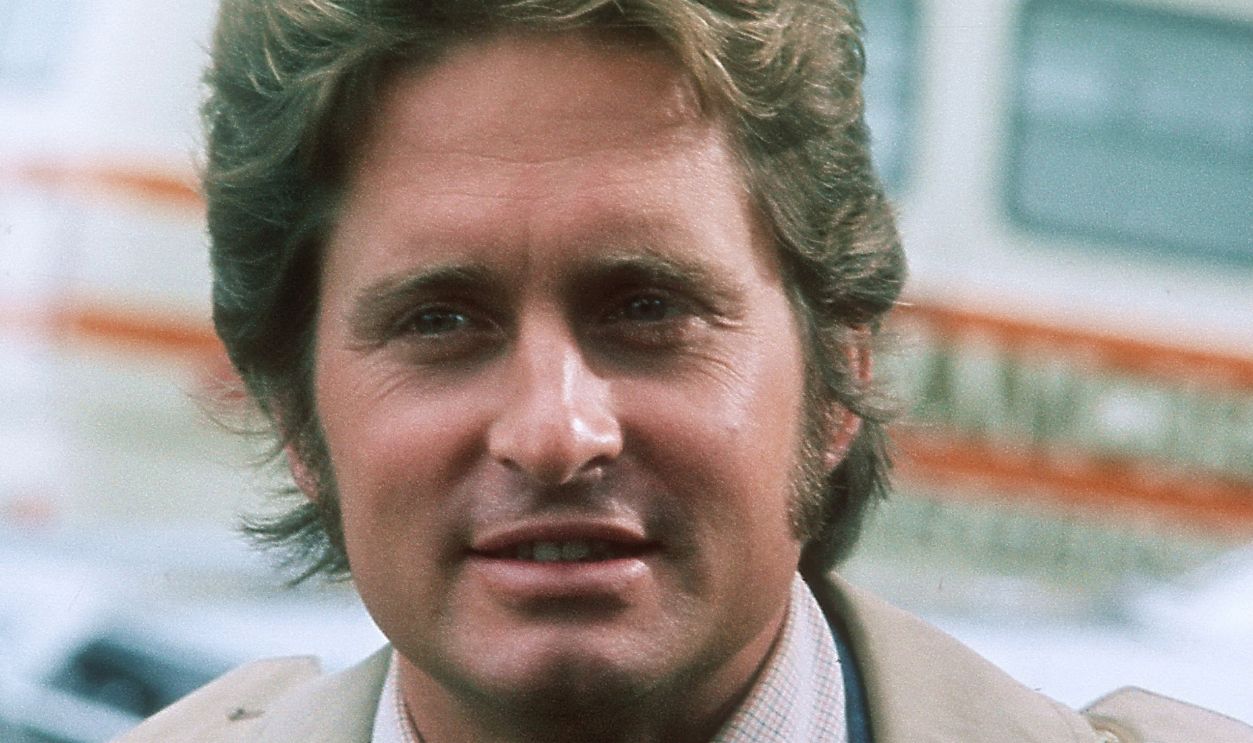
Douglas played Inspector Steve Keller, an ambitious, college-educated young detective. Keller was intelligent and eager, but he did not pretend to know everything. The character’s relative inexperience worked perfectly for Douglas, who was also learning how to handle the demands of a weekly television production while millions of viewers watched.
 Silver Screen Collection, Getty Images
The Perfect Veteran Partner
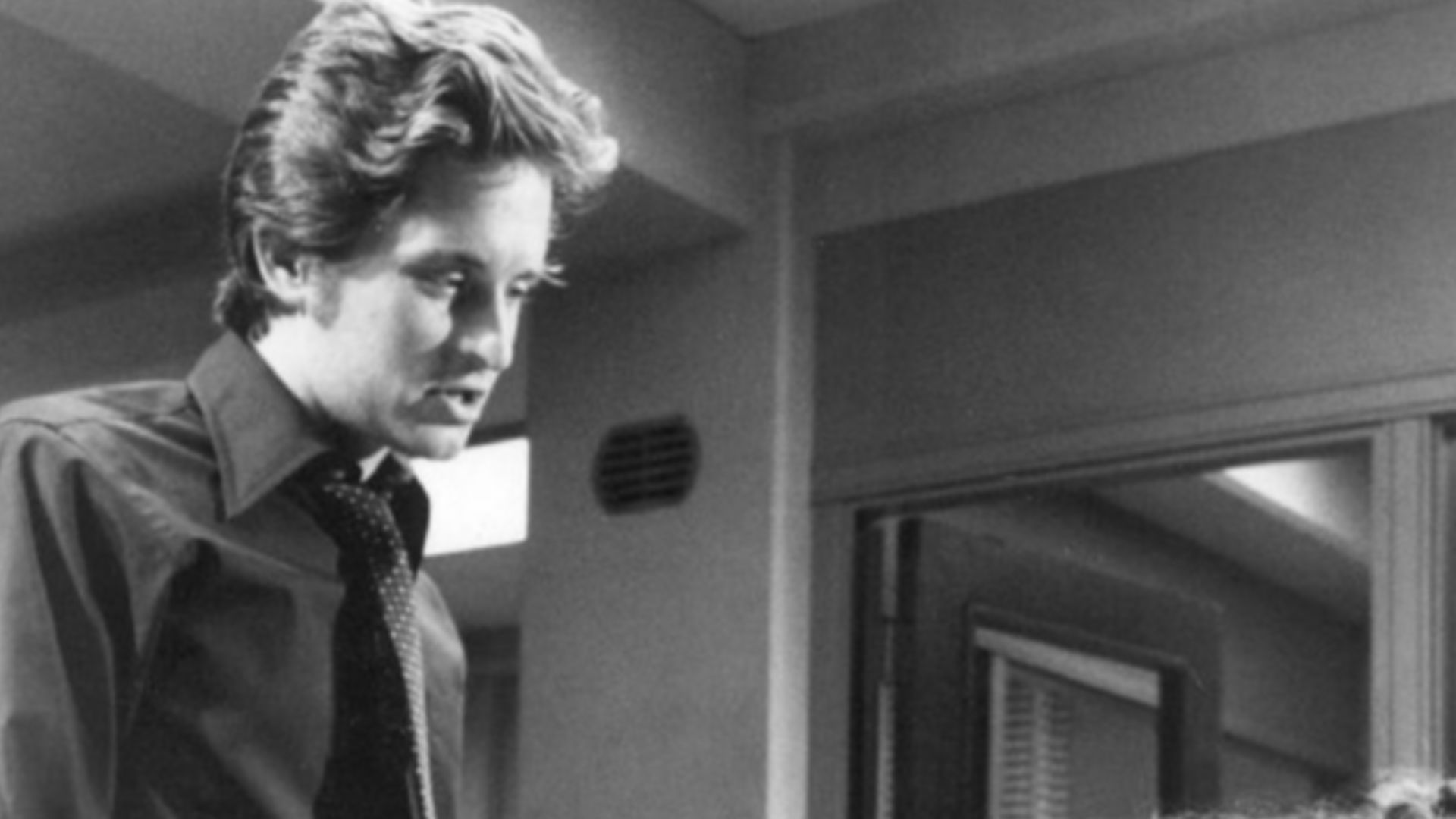
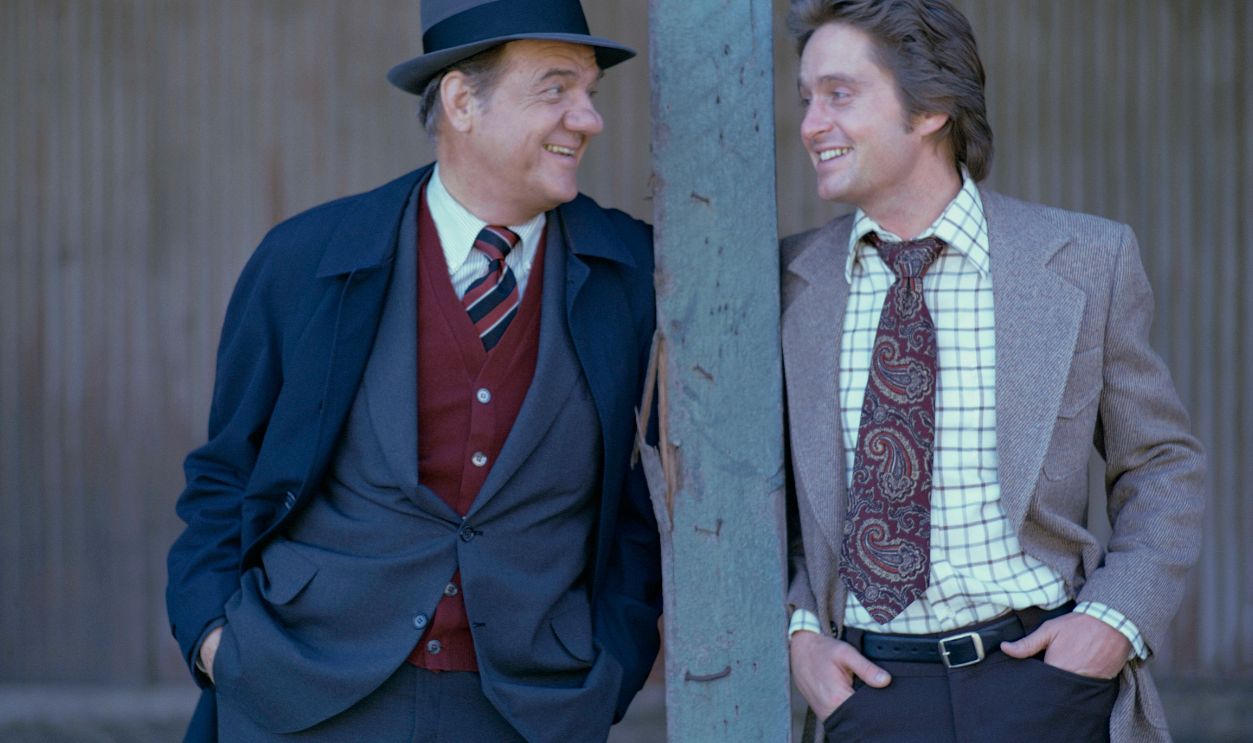
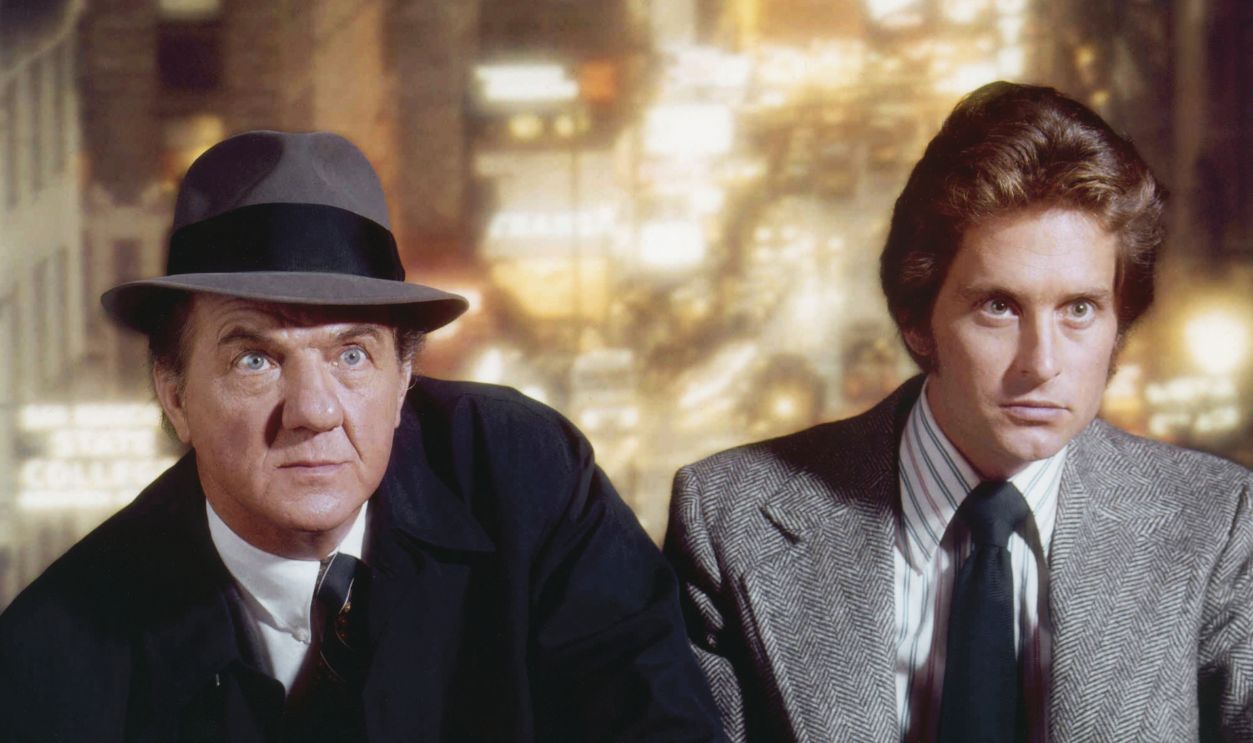
Karl Malden starred opposite Douglas as Lieutenant Mike Stone, a seasoned investigator with decades of experience. Stone relied on instinct, patience, and old-fashioned police work. Keller brought fresh ideas and youthful energy. The contrast gave the show its emotional centre and prevented the partnership from becoming another routine television cop pairing.
 ABC Television, Wikimedia Commons
Their Chemistry Made The Show Work
Stone and Keller often disagreed, but their arguments rarely felt mean-spirited. They respected each other, even when their methods clashed. Viewers could believe that Stone saw Keller as both a partner and a protégé. That warmth gave Douglas opportunities to show humour, frustration, vulnerability, and determination between the weekly investigations.
Karl Malden Became A Real Mentor
The relationship extended beyond the screen. Douglas later described Malden as a mentor whom he deeply admired and loved. Working beside an Academy Award-winning actor every week was essentially an intensive acting course. Malden taught Douglas about preparation, discipline, camera technique, and the responsibility that came with leading a major production.
 Screenshot from The Streets of San Francisco, ABC (1972–1977)
Learning At Television Speed
A weekly crime drama moves quickly. Scripts arrive, scenes are rehearsed, locations change, and episodes must be completed on a strict schedule. Douglas could not spend months perfecting every performance. He learned to make confident choices quickly, remember complicated dialogue, and remain focused while crews worked around him.
 Sunset Boulevard, Getty Images
San Francisco Kept Him Moving
Filming on location added another challenge. Douglas performed on steep streets, busy sidewalks, docks, rooftops, and crowded public spaces. The surroundings were exciting but unpredictable. There was traffic, weather, noise, and curious spectators. Learning to stay natural in that environment helped him develop the relaxed screen presence audiences later recognized.
A Wild First-Day Welcome
Douglas’s introduction to the production was reportedly dramatic. While filming a driving sequence on Nob Hill, the police car he was handling went airborne and crashed. He feared his new job might disappear immediately, but Malden responded with reassuring humour. Douglas survived the scare and remained with the show for four seasons.
More Than The Young Sidekick
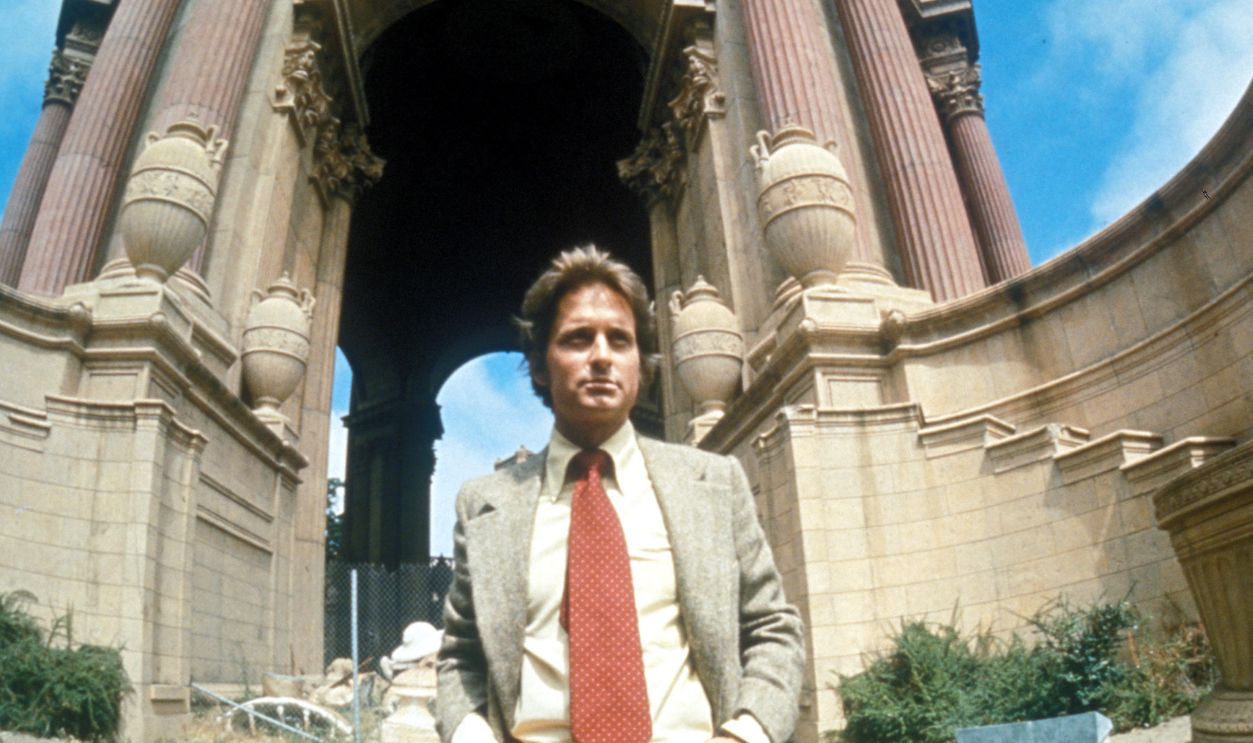
Keller could easily have been written as little more than Stone’s inexperienced assistant. Instead, Douglas gradually gave him greater confidence and authority. As the series continued, Keller became a capable investigator who could challenge suspects, handle dangerous situations, and occasionally teach his older partner something new.
 Silver Screen Collection, Getty Images
Audiences Watched Him Improve
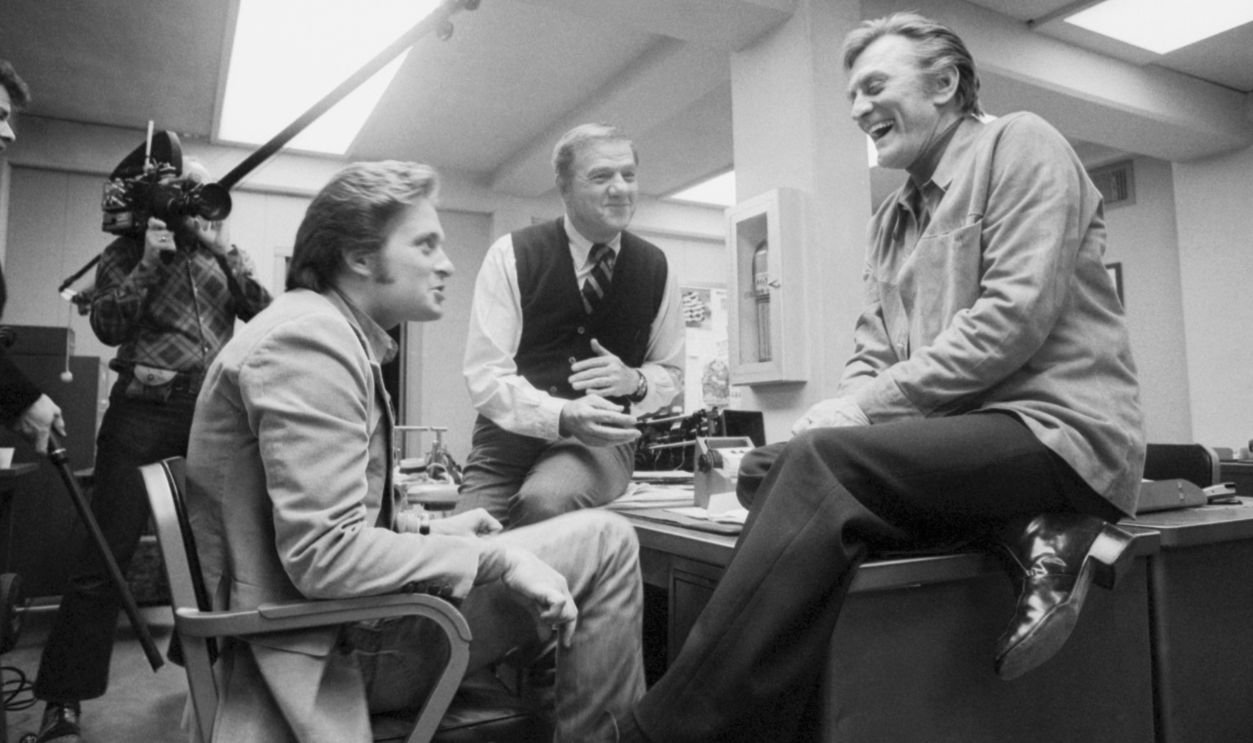
That gradual development benefited Douglas enormously. Movie actors usually receive only a few hours to establish a character, but television viewers spent years with Steve Keller. They watched Douglas mature alongside him. Each new episode strengthened the impression that this young performer had enough charm and dramatic ability to become a leading man.
The Emmy Voters Took Notice
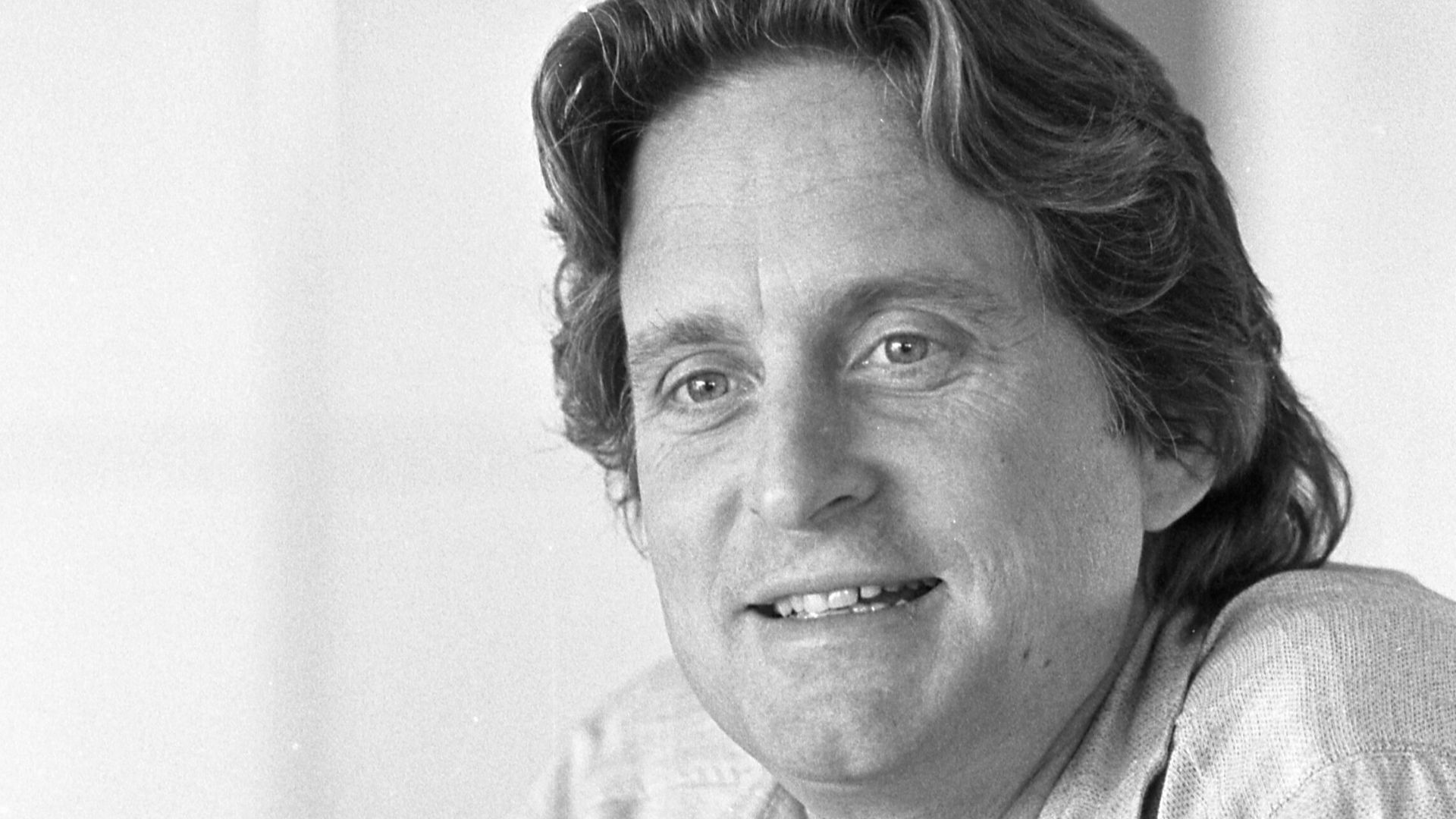
Douglas’s work did not go unnoticed within the television industry. He received three consecutive Primetime Emmy nominations for his performance on the series. Although he did not win, the nominations provided important validation. He was no longer simply a famous actor’s son getting a lucky break; he was an acclaimed television performer.
 Gary Friedman, Los Angeles Times, Wikimedia Commons
He Learned How To Share The Screen
Malden remained the show’s established star, which meant Douglas had to command attention without overpowering his partner. That balance became useful throughout his career. Whether acting opposite Jack Lemmon, Glenn Close, Kathleen Turner, or Sharon Stone, Douglas understood that memorable scenes depend on listening and reacting, not merely delivering dramatic speeches.
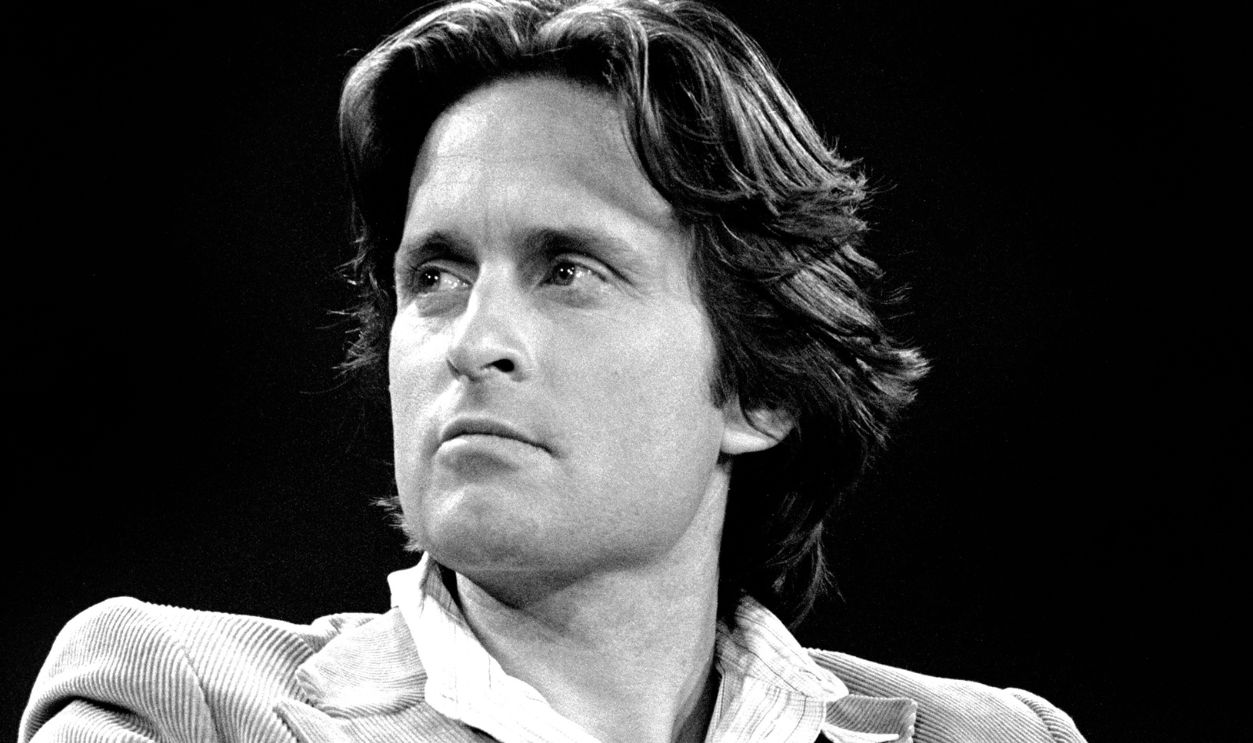
The Show Built His Public Image
Steve Keller was smart, energetic, and modern, qualities that audiences soon associated with Douglas himself. He looked comfortable wearing a suit, confronting criminals, or pursuing suspects through the city. The role established the mixture of intelligence, confidence, and nervous intensity that would eventually become a defining feature of his movie performances.
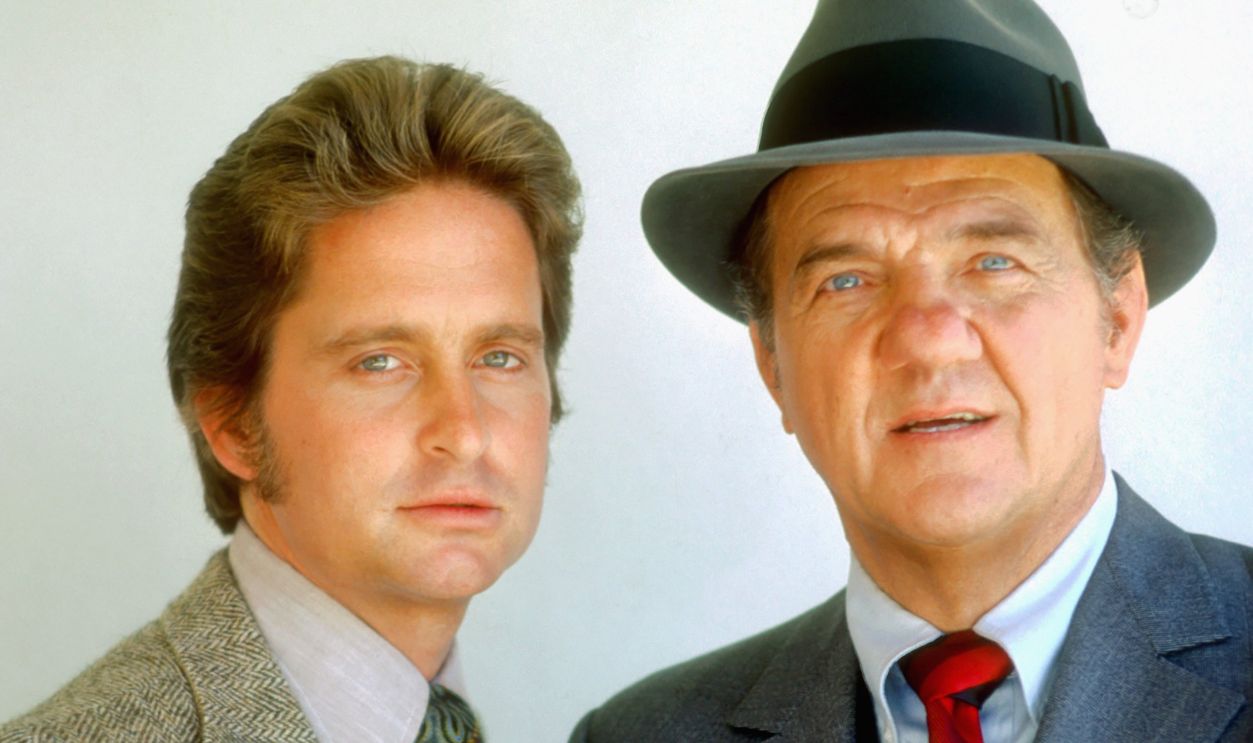 Michael Ochs Archives, Getty Images
Television Made Him Recognizable
Before the series, Douglas was familiar mainly to dedicated film and television viewers. After several seasons on a popular network drama, his face was known throughout the country. Appearing in viewers’ living rooms every week created a familiarity that no supporting film role could have matched at that stage of his career.
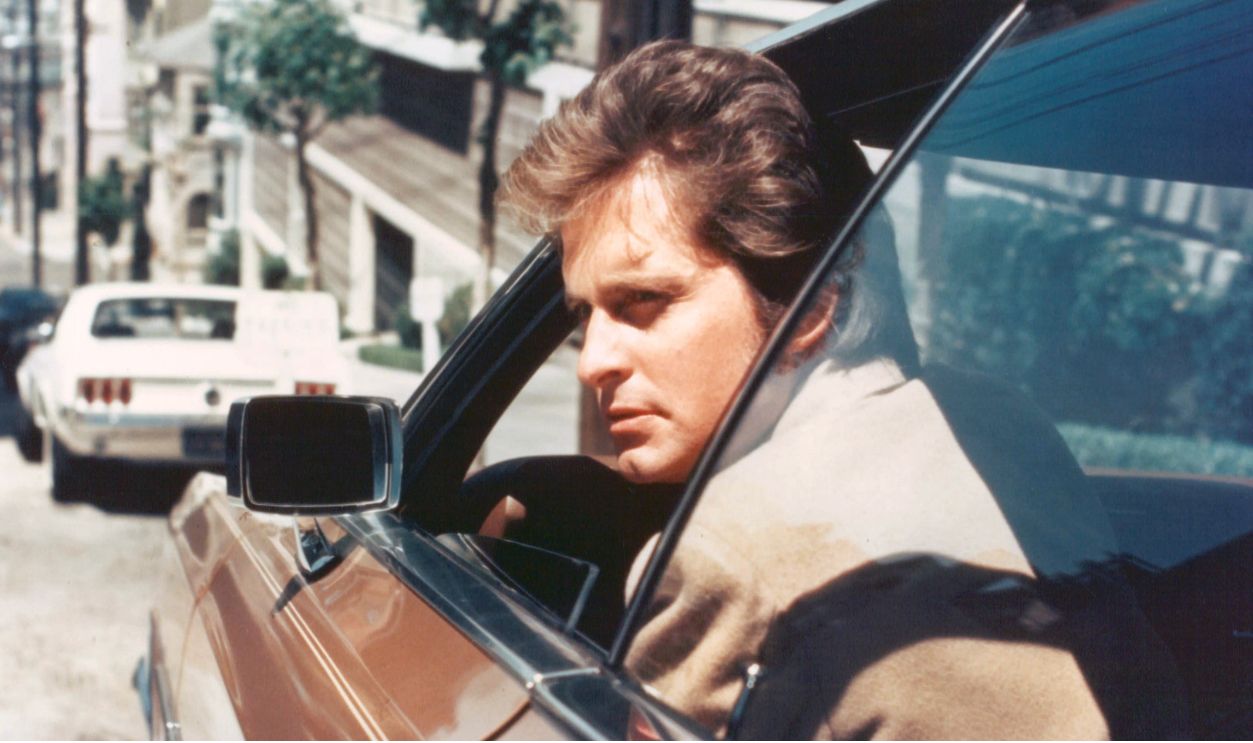 Silver Screen Collection, Getty Images
He Was Also Thinking Like A Producer
While Douglas was building his acting reputation, he was developing ambitions behind the camera. He had inherited the film rights to Ken Kesey’s novel One Flew Over The Cuckoo’s Nest from his father. Turning the challenging book into a movie became a project that would test his judgment, persistence, and producing ability.
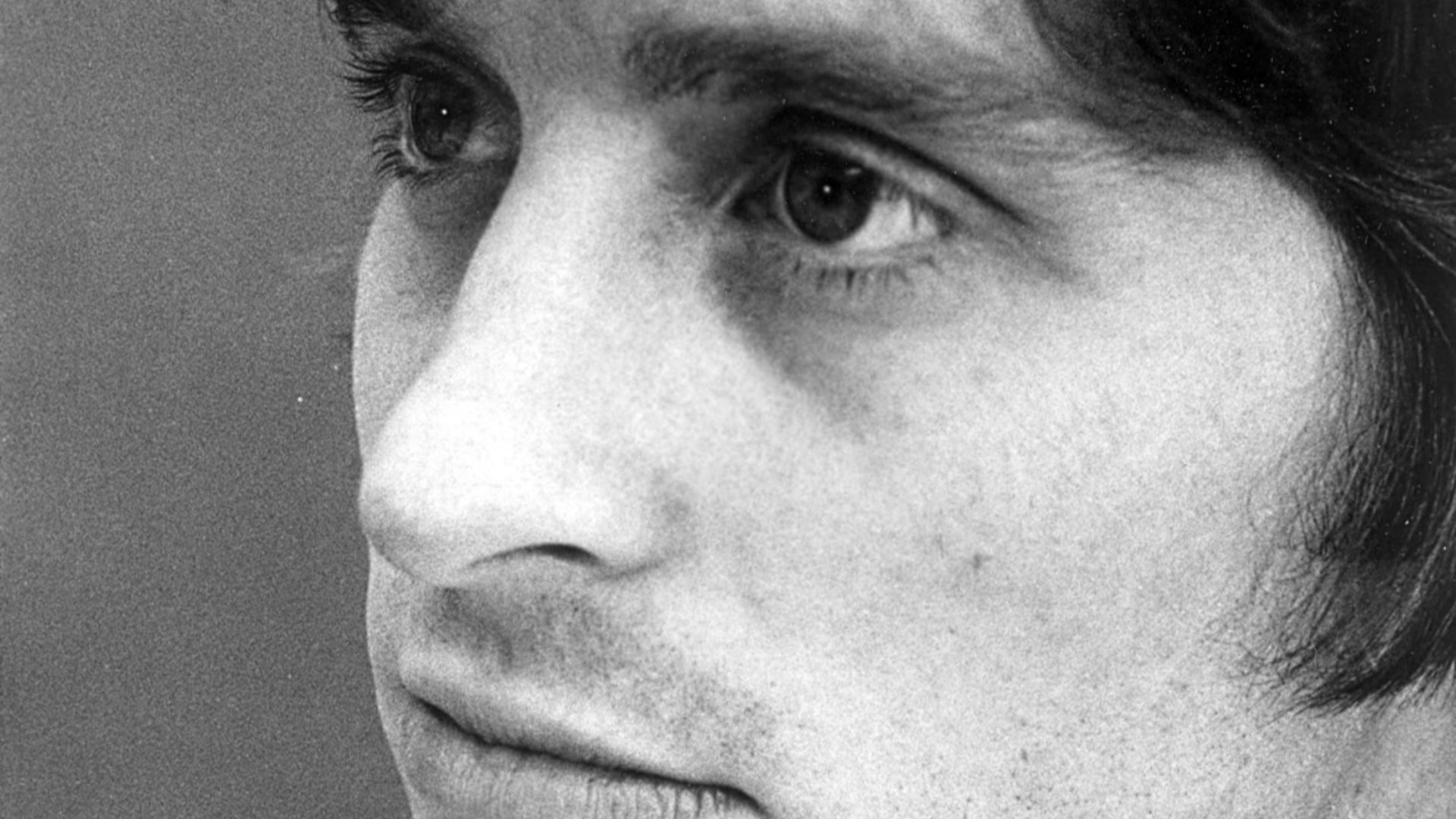 Cinema Center Films, Wikimedia Commons
A Risk Taken Between Episodes
Producing One Flew Over The Cuckoo’s Nest was hardly a safe side project. Studios had repeatedly rejected the material, and its psychiatric-hospital setting did not sound like guaranteed box-office entertainment. Douglas nevertheless pushed forward with producer Saul Zaentz, director Miloš Forman, and Jack Nicholson in the starring role.
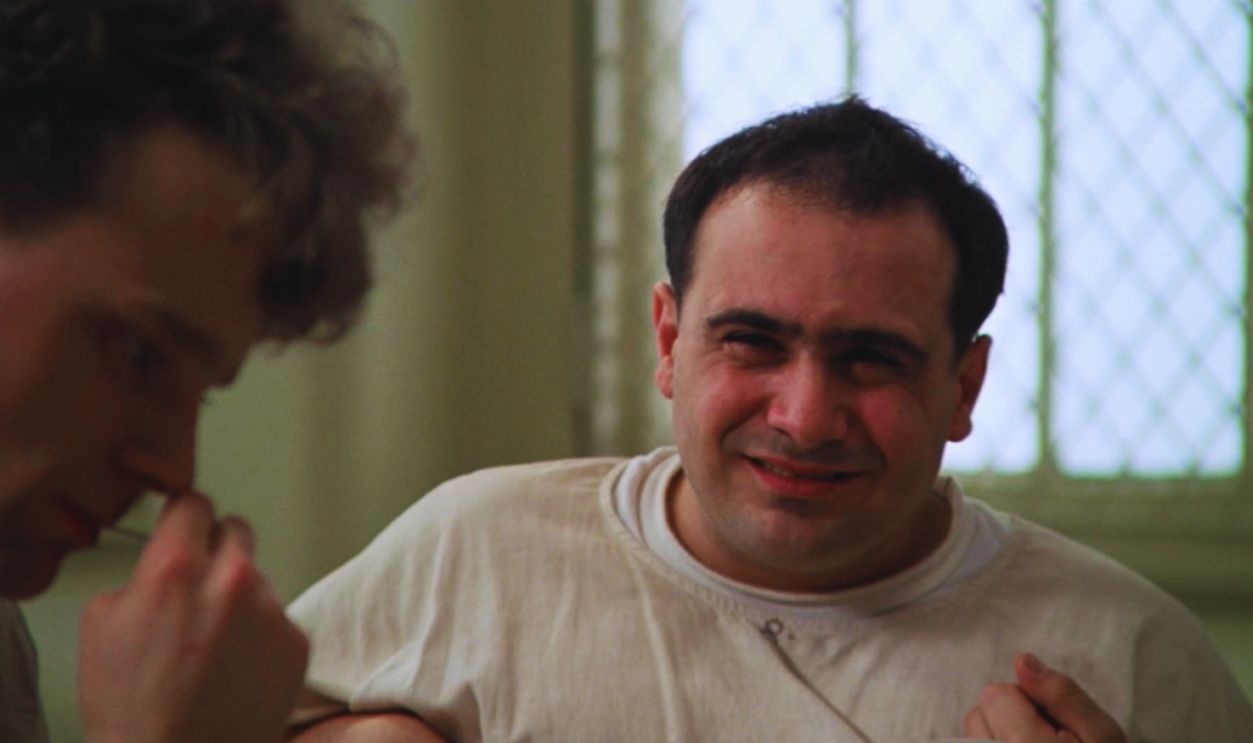 Screenshot from One Flew Over the Cuckoo's Nest, United Artists (1975)
Television Gave Him Valuable Security
The steady employment provided by The Streets Of San Francisco gave Douglas room to pursue his producing dream. He had a reliable salary, industry visibility, and growing professional credibility. The series did not simply improve his acting; it helped place him in a stronger position to take a major creative gamble.
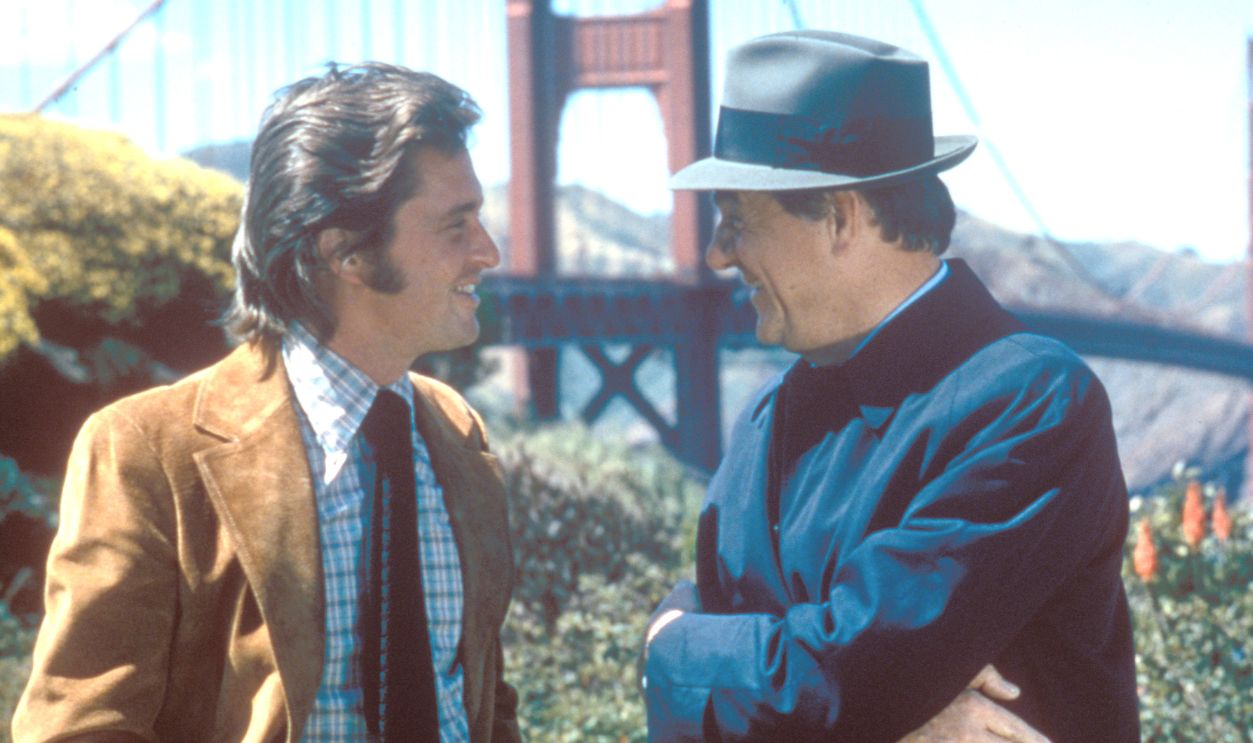 Silver Screen Collection, Getty Images
The Gamble Changed Everything
Released in 1975, One Flew Over The Cuckoo’s Nest became a huge critical and commercial success. It won the five biggest Academy Awards, including Best Picture. Douglas shared the Best Picture Oscar as a producer, achieving one of Hollywood’s highest honours before he had become a major movie star himself.
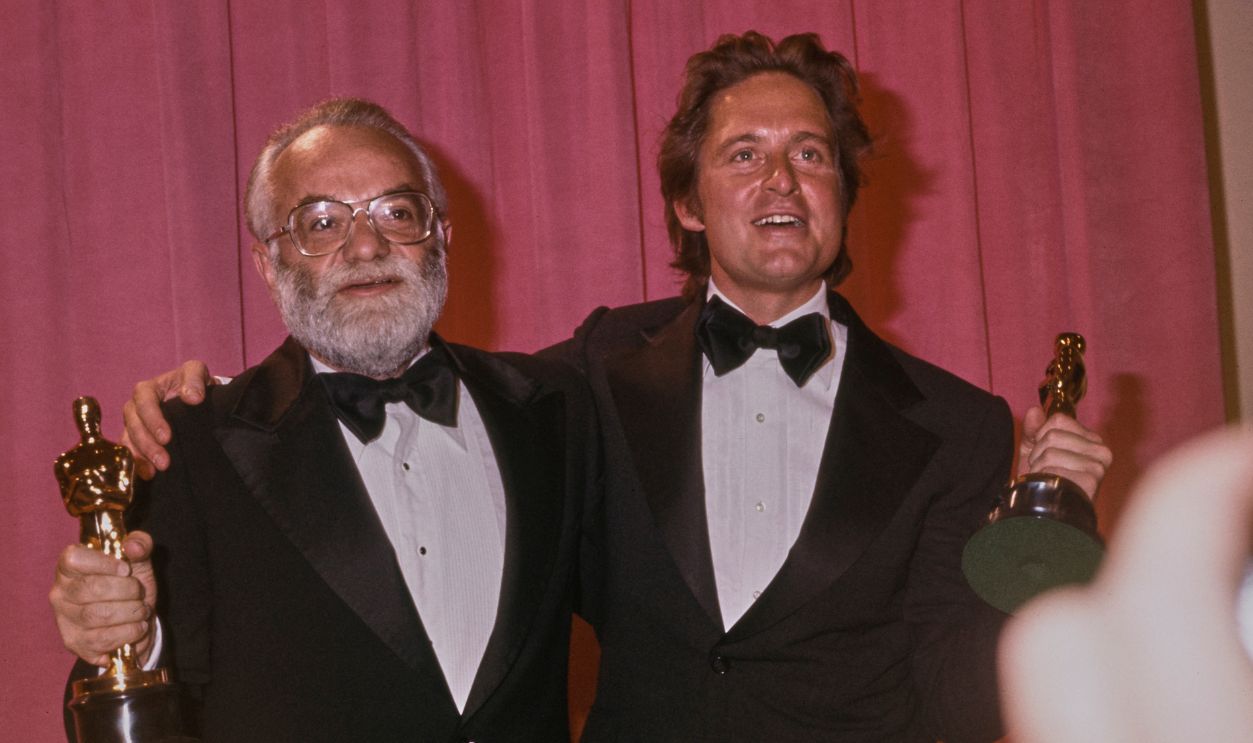 Michael Ochs Archives, Getty Images
It Was Time To Leave The Streets
Following the film’s success, Douglas departed The Streets Of San Francisco near the beginning of its final season. Steve Keller was written out by accepting a teaching position. Richard Hatch joined the series as Inspector Dan Robbins, but the original Stone-and-Keller chemistry proved difficult to replace.
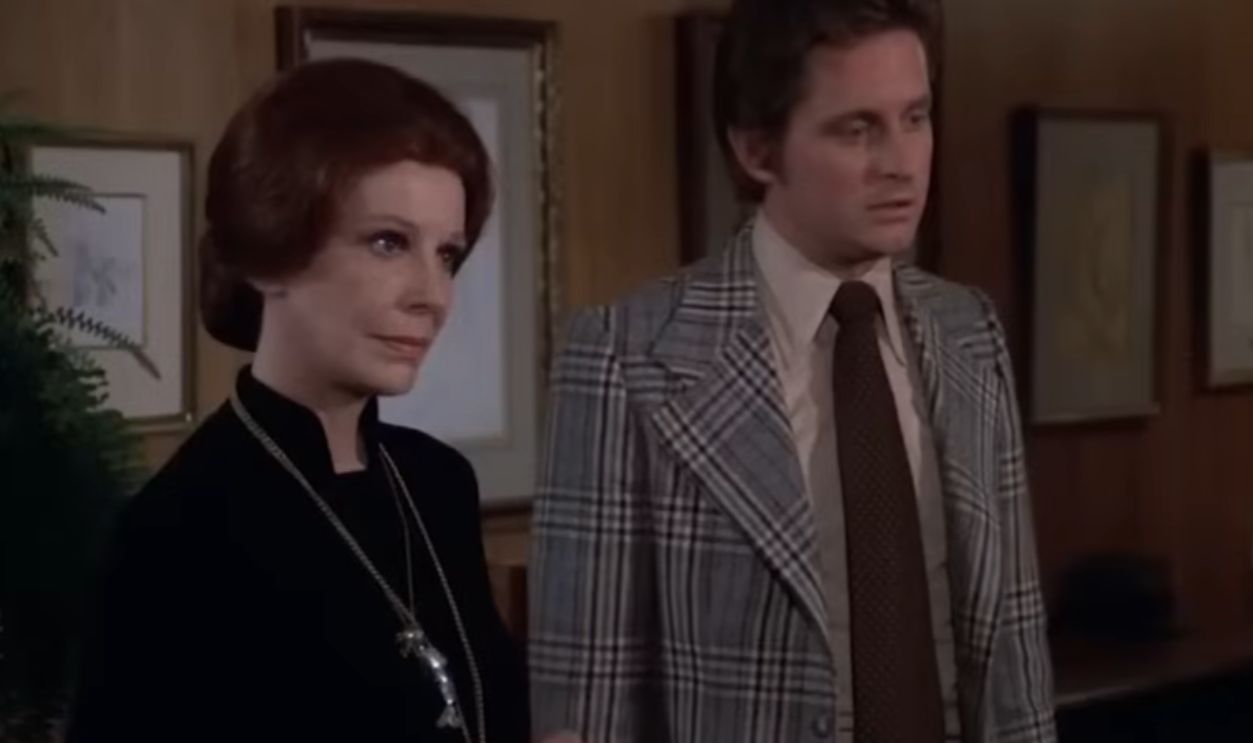 Screenshot from The Streets of San Francisco, ABC (1972–1977)
The Move To Movies Was Not Instant
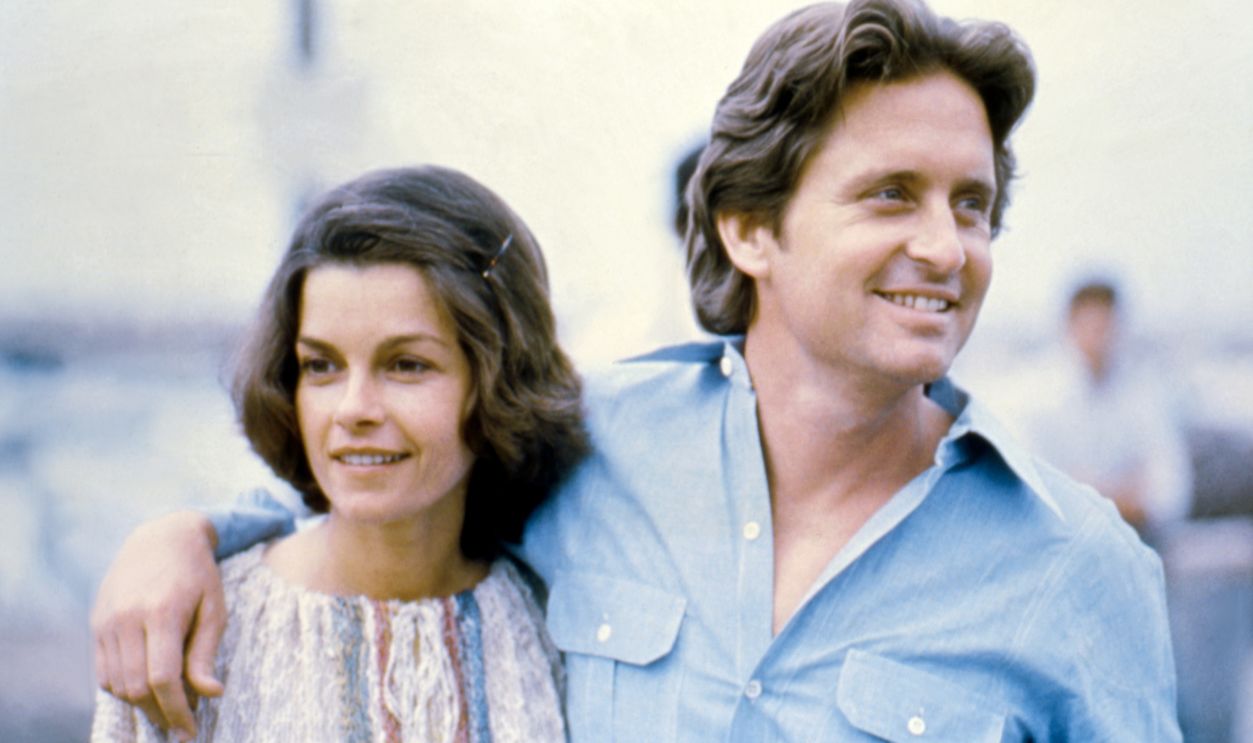
Winning an Oscar as a producer did not automatically make Douglas a bankable film actor. He still had to prove himself in theatres. Roles in Coma, The China Syndrome, and Running helped bridge the gap, allowing him to move beyond television without abandoning the grounded style he had developed there.
 Sunset Boulevard, Getty Images
A Leading Man Finally Emerged
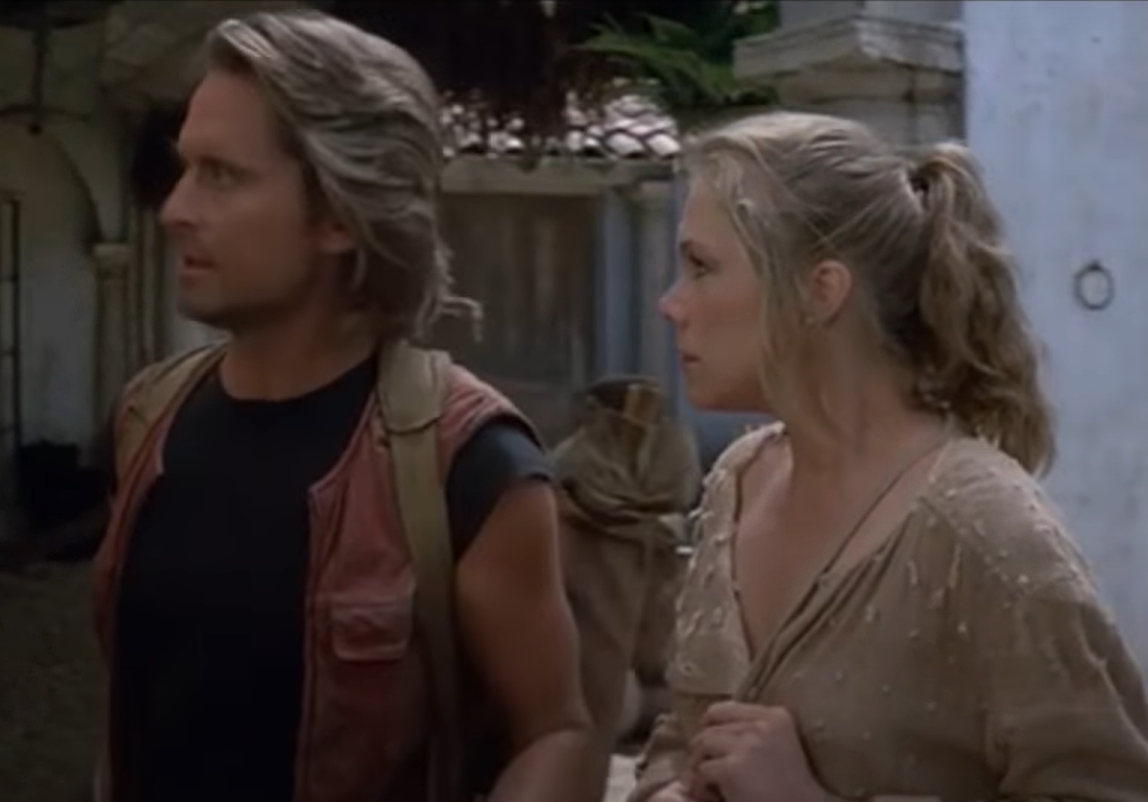
Douglas’s movie breakthrough arrived with Romancing The Stone in 1984. Playing adventurous smuggler Jack Colton revealed his comic timing, toughness, and romantic charm. The movie confirmed that he could carry a major studio production, but the confidence behind that performance had been built through years of solving crimes beside Karl Malden.
 Screenshot from Romancing the Stone, 20th Century-Fox (1984)
From Steve Keller To Gordon Gekko
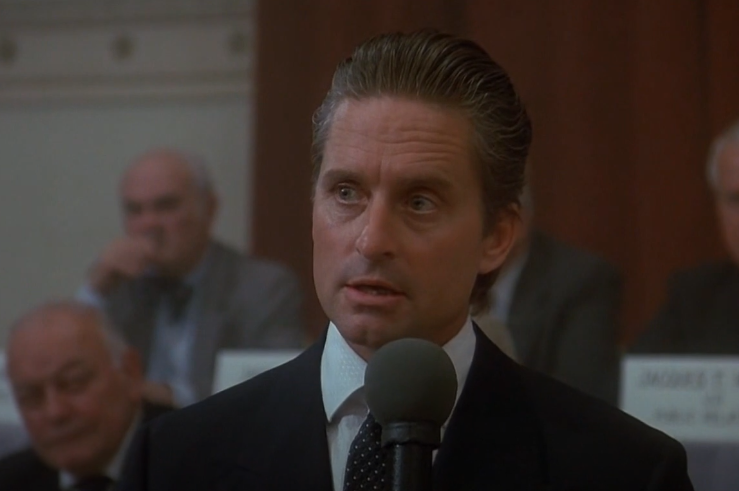
By the late 1980s, Douglas had become one of Hollywood’s biggest stars. Fatal Attraction demonstrated his ability to portray flawed, frightened men, while Wall Street gave him the defining role of Gordon Gekko and an Academy Award for Best Actor. Steve Keller suddenly seemed very far away, but the foundation remained visible.
 Screenshot from Wall Street, 20th Century-Fox (1987)
Why The Show Mattered So Much
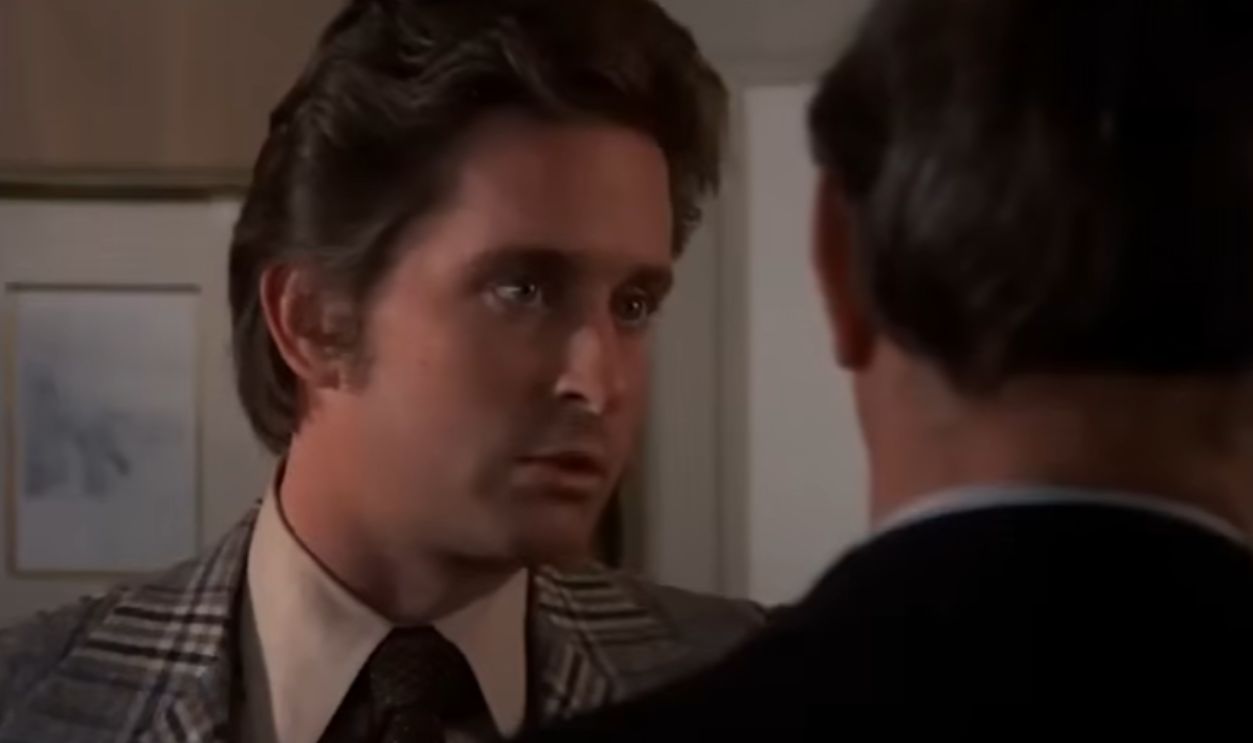
The Streets Of San Francisco gave Douglas almost everything a developing actor could need: constant practice, a respected mentor, national exposure, critical recognition, and financial stability. Most importantly, it allowed him to grow in public. Viewers did not merely discover Michael Douglas on the show. They watched him become Michael Douglas.
 Screenshot from The Streets of San Francisco, ABC (1972–1977)
The Road To Hollywood Began In San Francisco
Michael Douglas eventually conquered movies as both an actor and producer, but his path to the top ran through San Francisco’s steepest streets. The series provided the confidence, skills, and reputation he needed to step beyond his famous family name and build one of the most remarkable careers in modern Hollywood.

You May Also Like:
Actors Whose Careers Changed Completely After One Casting Decision