The Stooge In The Middle
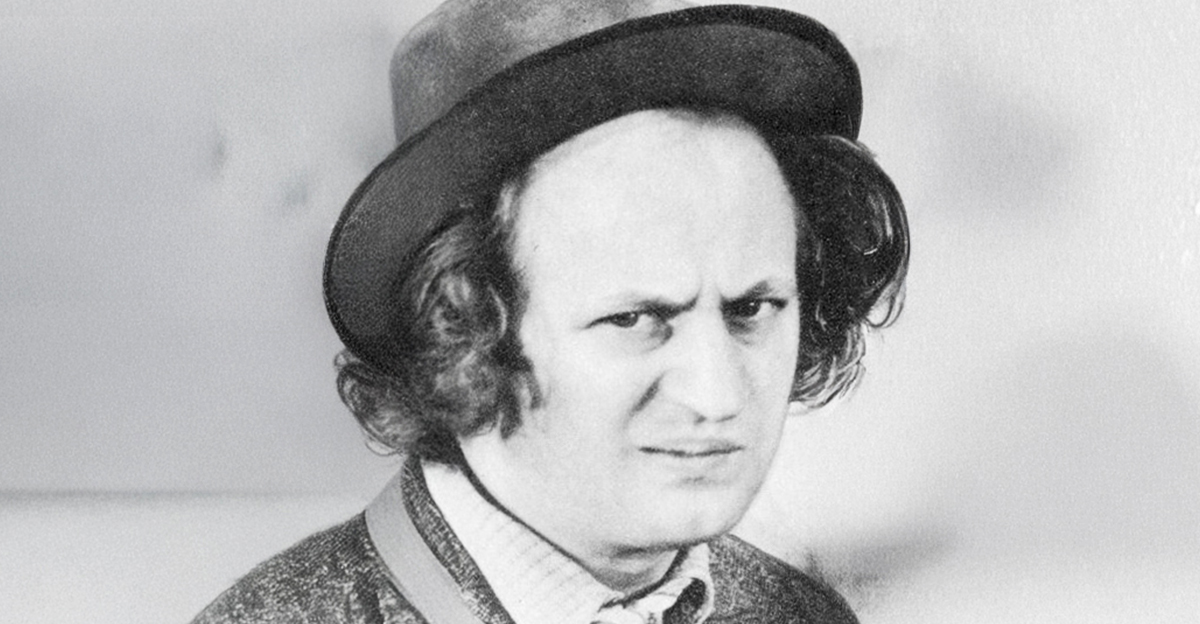
With his wild halo of hair and bewildered reactions, Larry Fine became the indispensable middle man of The Three Stooges. Yet behind decades of slapstick success was a gifted musician, former boxer, generous friend, reckless spender, and family man whose later years brought devastating personal losses and serious health problems.
 Columbia Pictures/Pillsbury, Wikimedia Commons
Born Louis Feinberg
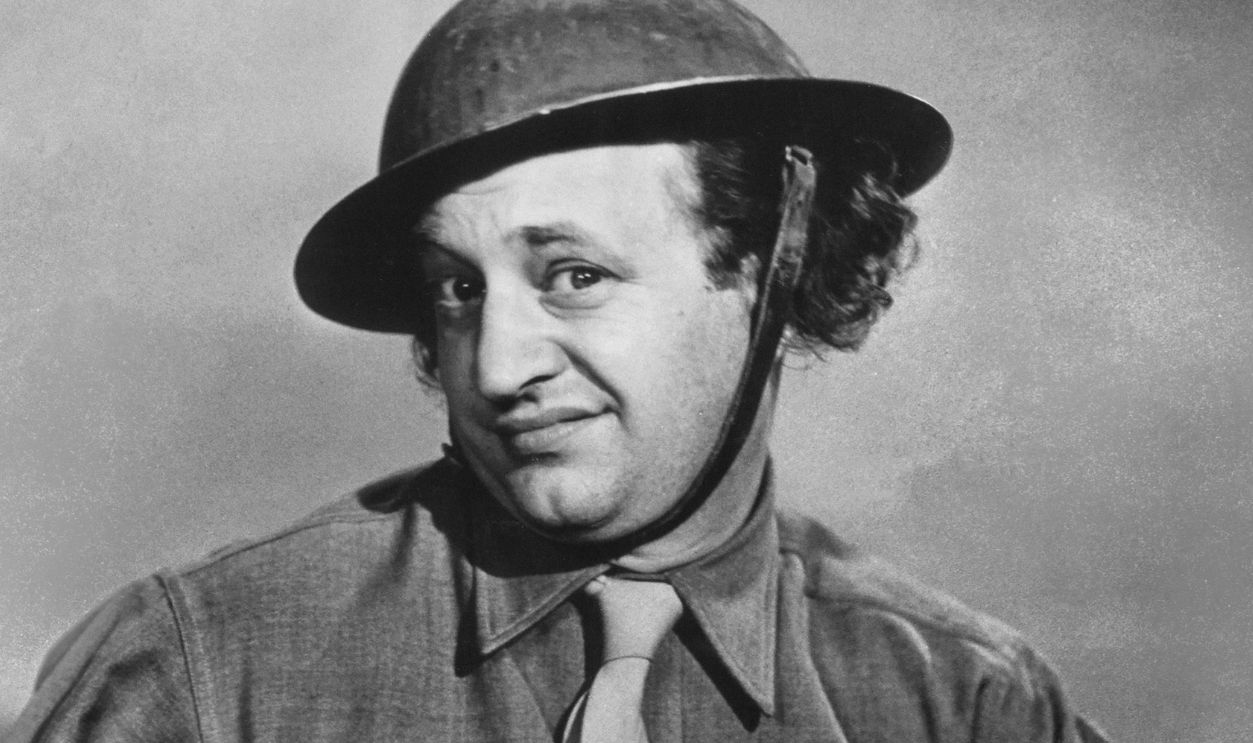
Larry Fine was born Louis Feinberg in Philadelphia on October 4, 1902. The eldest of four children in a Russian Jewish family, he grew up above the world of commerce. His parents, Joseph Feinberg and Fanny Lieberman, operated a watch repair and jewelry shop.
 John Kisch Archive, Getty Images
A Terrifying Childhood Accident
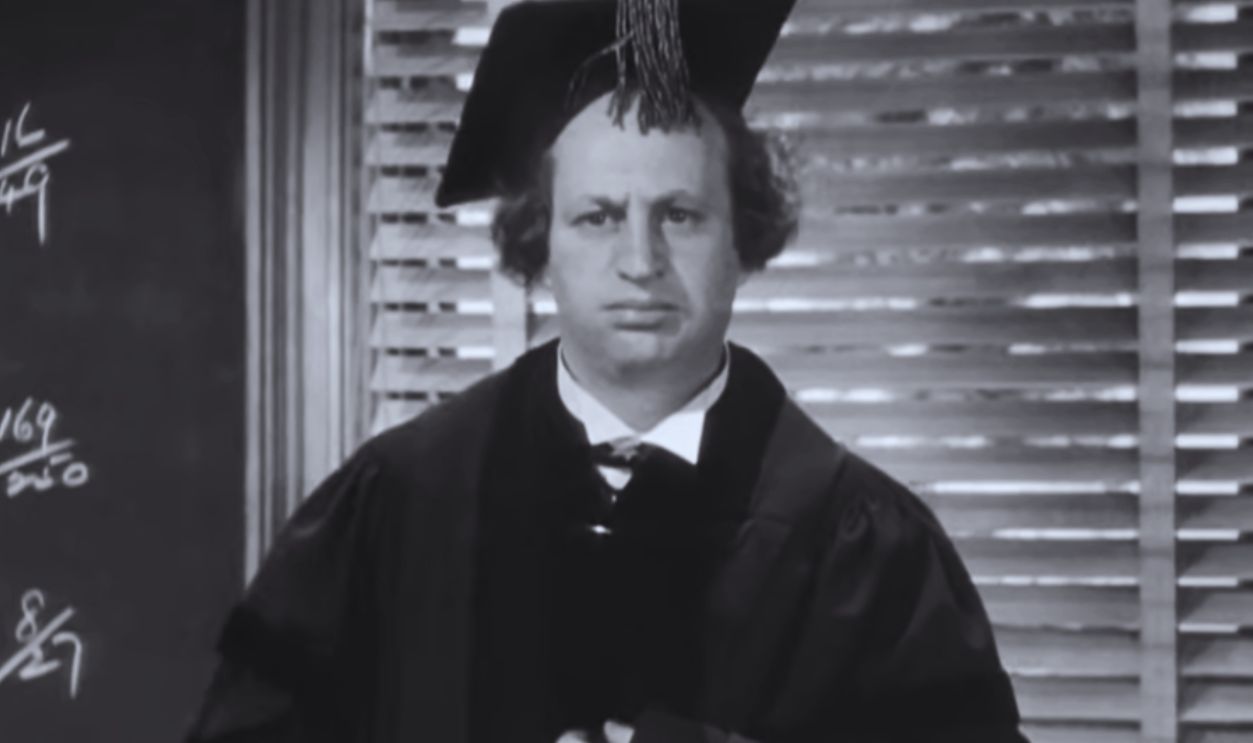
When Larry was a child, he picked up a bottle of hydrochloric acid used by his father to test gold. Mistaking it for a drink, he raised it toward his mouth. His father knocked it away, but the acid splashed across Larry’s forearm and badly damaged it.
 Screenshot from The Three Stooges, Sony Pictures Entertainment (1922-1970)
The Violin Changed Everything
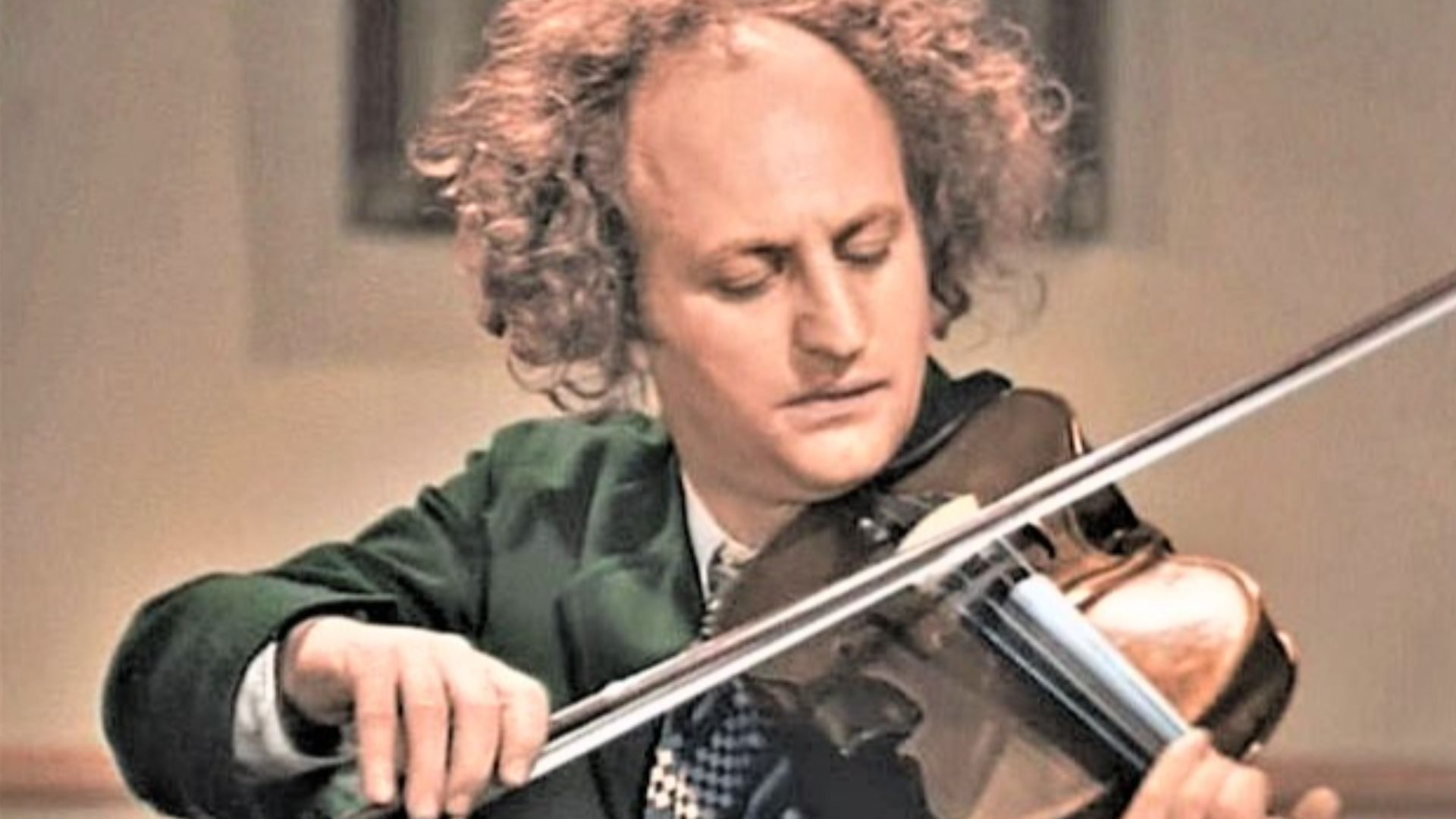
To strengthen the damaged muscles, Larry’s parents arranged violin lessons. The therapy revealed genuine musical ability, and he became an accomplished player. His parents reportedly hoped to send him to a European conservatory, but World War I disrupted that plan. Music would instead help carry him into show business.
 Columbia Pictures Corp, Wikimedia Commons
His Brief Boxing Career
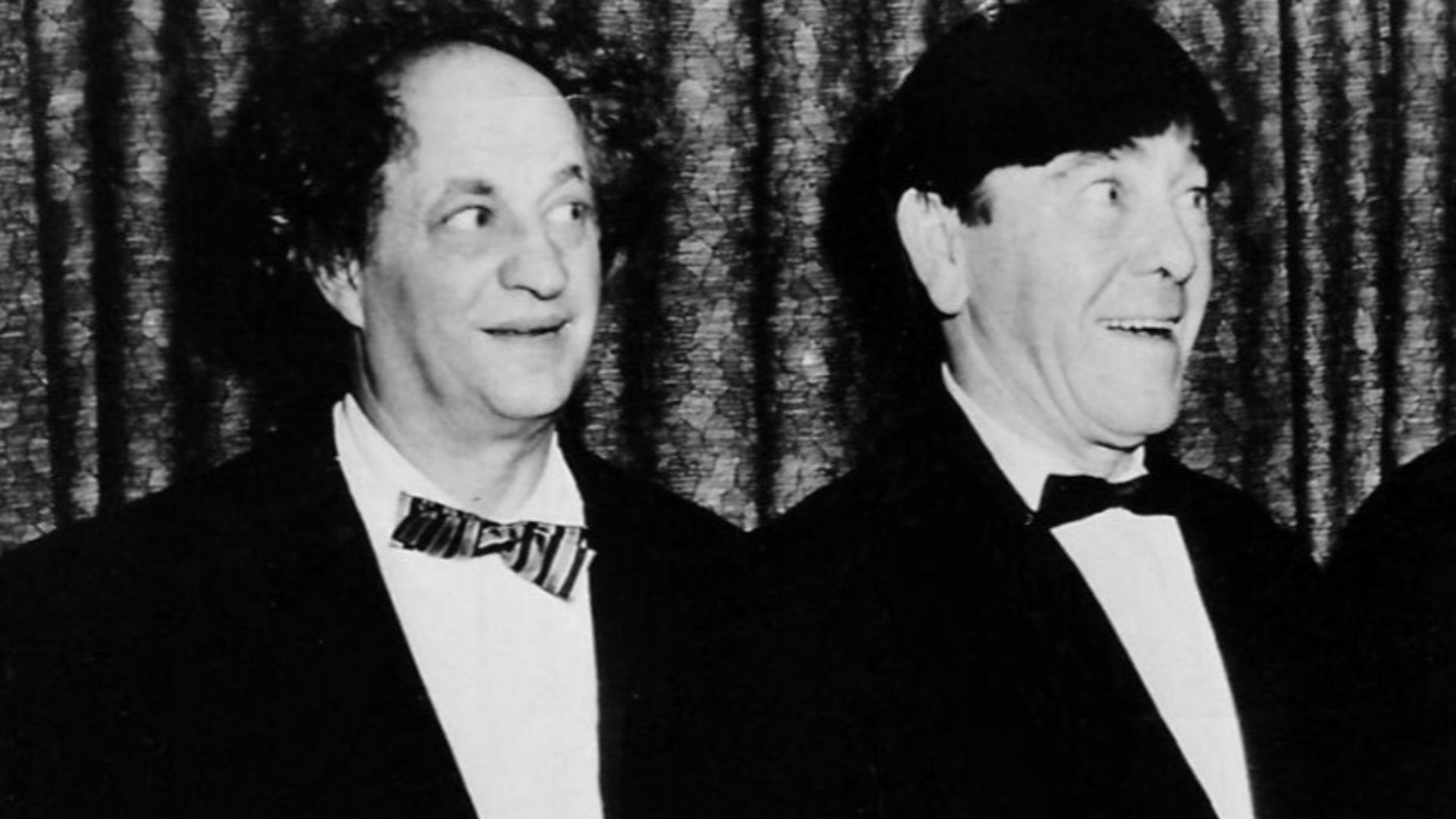
Violin practice was not Larry’s only unusual form of rehabilitation. As a teenager, he took up boxing to further strengthen his damaged arm. He even won one professional bout, but his father strongly objected to him fighting publicly and brought his brief career in the ring to an end.
 WGN Television, Wikimedia Commons
Finding His Way Onstage
Larry began performing in vaudeville as a violinist, combining the musical ability he had developed after his childhood accident with a natural gift for comedy. By 1922, he was working in the same theatrical world as Mabel Haney, the woman who would become his wife and lifelong companion.
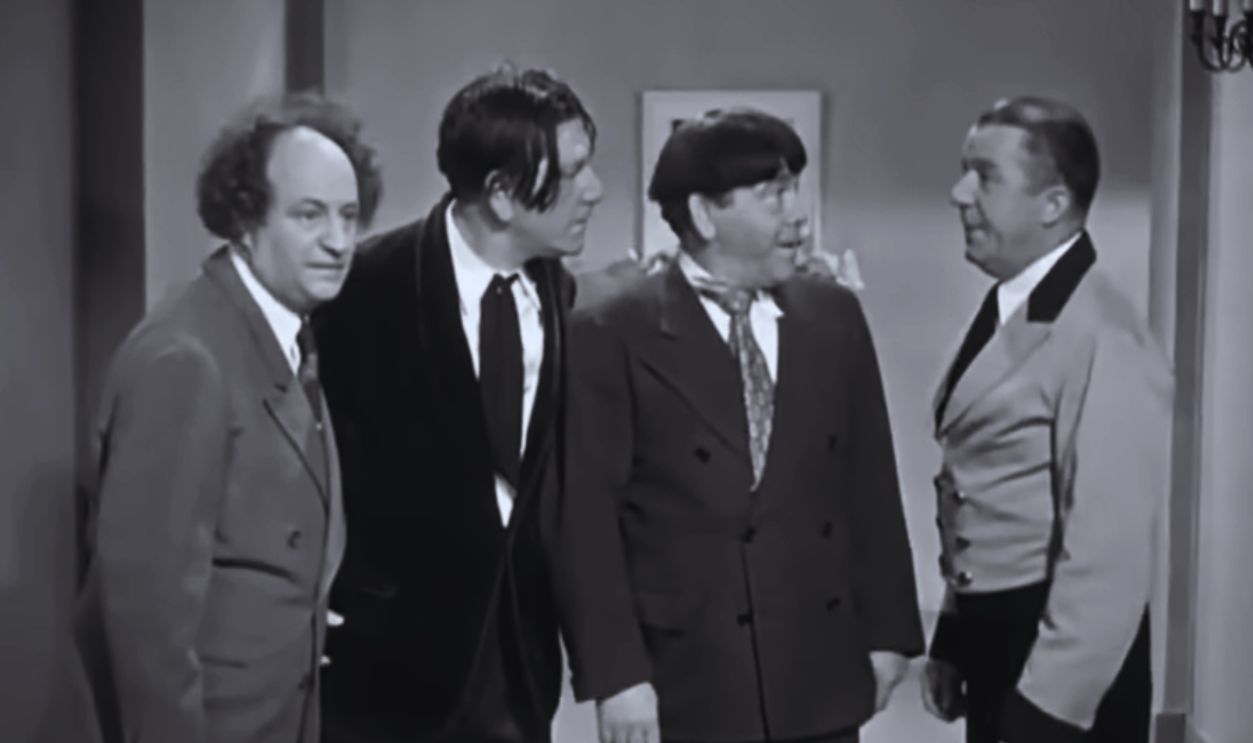 Screenshot from The Three Stooges, Sony Pictures Entertainment (1922-1970)
Marriage To Mabel
Larry met Mabel Haney in 1922 while both were working in vaudeville, and they married in 1926. They eventually had two children, John and Phyllis. The couple enjoyed an active social life, but Larry’s relaxed, generous personality would eventually contribute to serious problems with money.
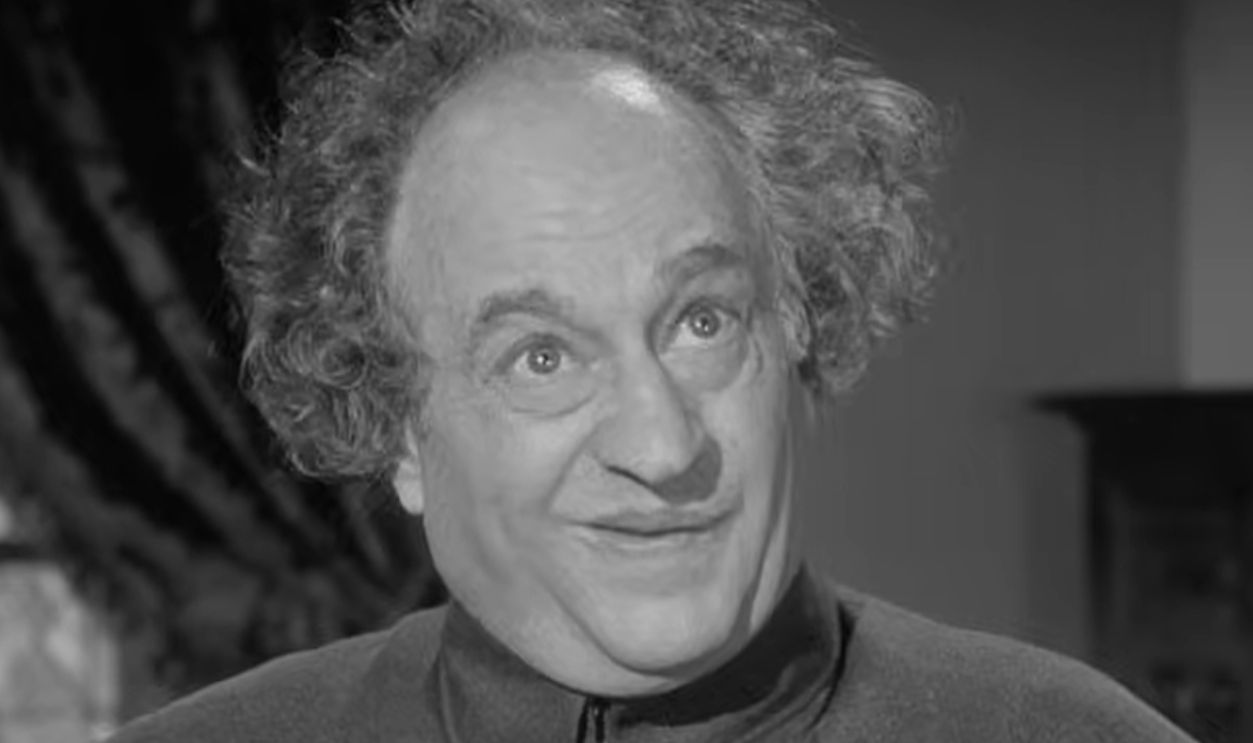 Screenshot from The Three Stooges Go Around the World in a Daze, Sony Pictures Entertainment (1963)
Love Across Cultural Lines
Larry and vaudeville dancer Mabel Haney had much in common, including interests in comedy, musicals, and dance, but their backgrounds complicated the romance. Mabel was Irish Catholic while Larry was Jewish, and both were considered too young to marry. They overcame those obstacles and wed in 1926.
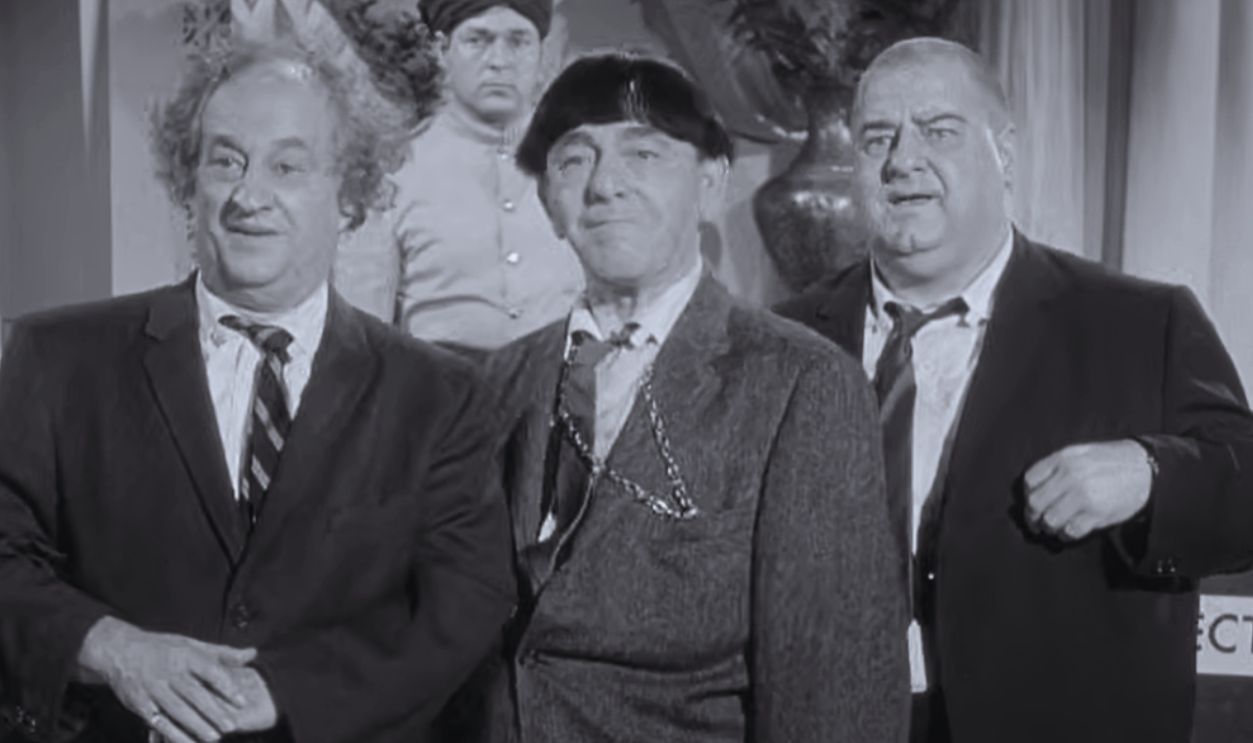 Screenshot from The Three Stooges Go Around the World in a Daze, Sony Pictures Entertainment (1963)
Partners Onstage And Off
After marrying, Larry and Mabel took their talents on the road with Mabel’s sister Loretta. Performing as the Haney Sisters and Fine, they combined musical comedy and dance in a touring act. Their partnership lasted far beyond vaudeville, with Larry and Mabel remaining married for 41 years until her death in 1967.
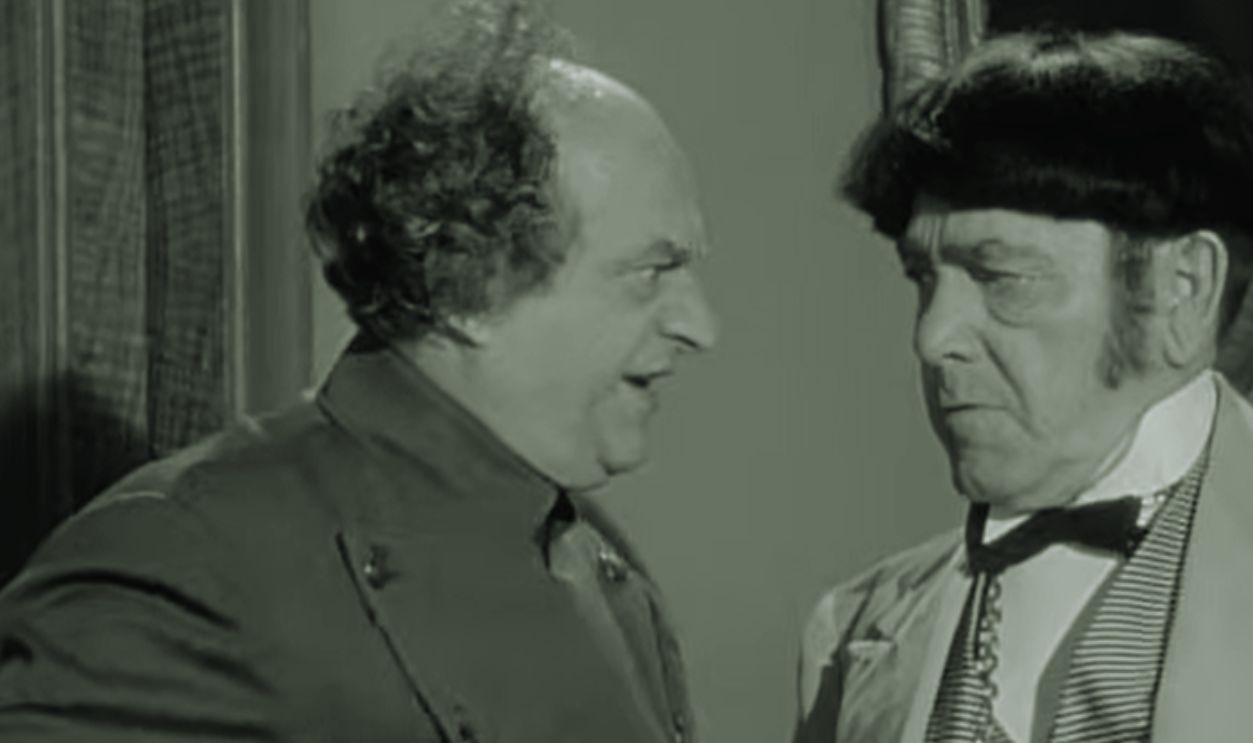 Screenshot from The Three Stooges Go Around the World in a Daze, Sony Pictures Entertainment (1963)
A Fateful Meeting
In 1928, Larry was working as master of ceremonies at Rainbo Gardens in Chicago when he met Shemp Howard and comedian Ted Healy. Shemp was temporarily leaving Healy’s theatrical production, and Larry was invited to step into the act as a replacement stooge.
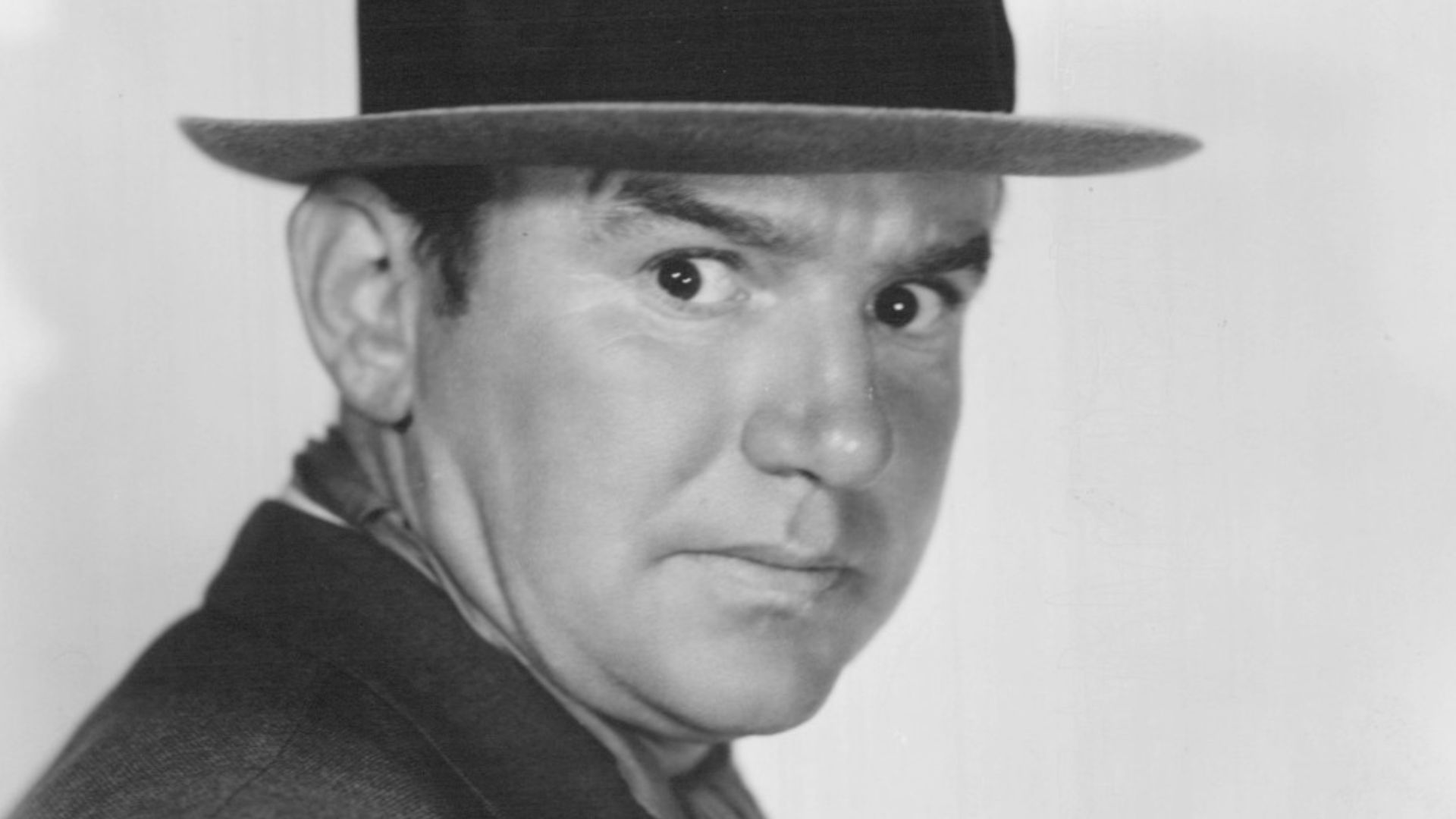 MGM-photo by Ted Allan, Wikimedia Commons
The Trio Takes Shape
In 1929, Healy brought Larry, Shemp, and Moe Howard together in the revue A Night in Venice. The performers subsequently toured under several names before heading to Hollywood to appear in Soup to Nuts (1930), their first feature film together.
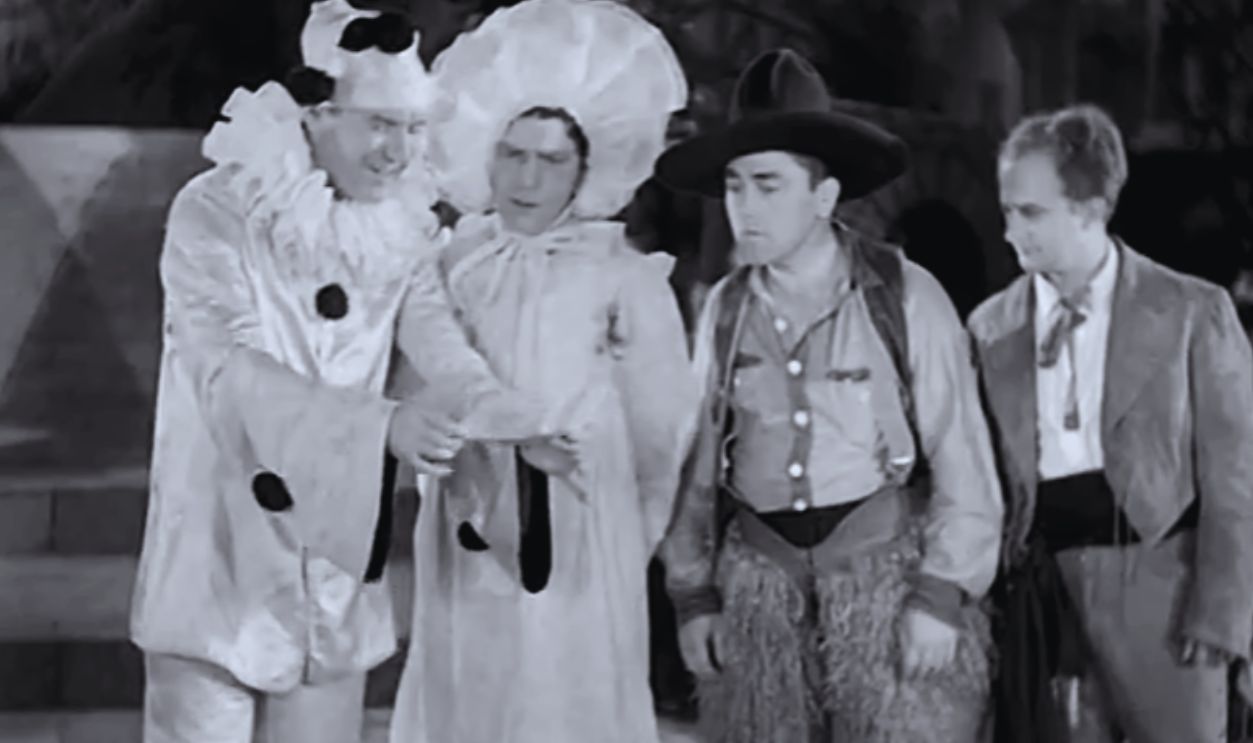 Screenshot from Soup to Nuts, Fox Film Corporation (1930)
Breaking Away From Healy
After Soup to Nuts (1930), Larry and the Howard brothers separated from Healy and toured as Howard, Fine, and Howard: Three Lost Soles. In 1932, Larry and Moe rejoined Healy, while Moe’s younger brother Curly Howard replaced Shemp, who pursued a solo career.
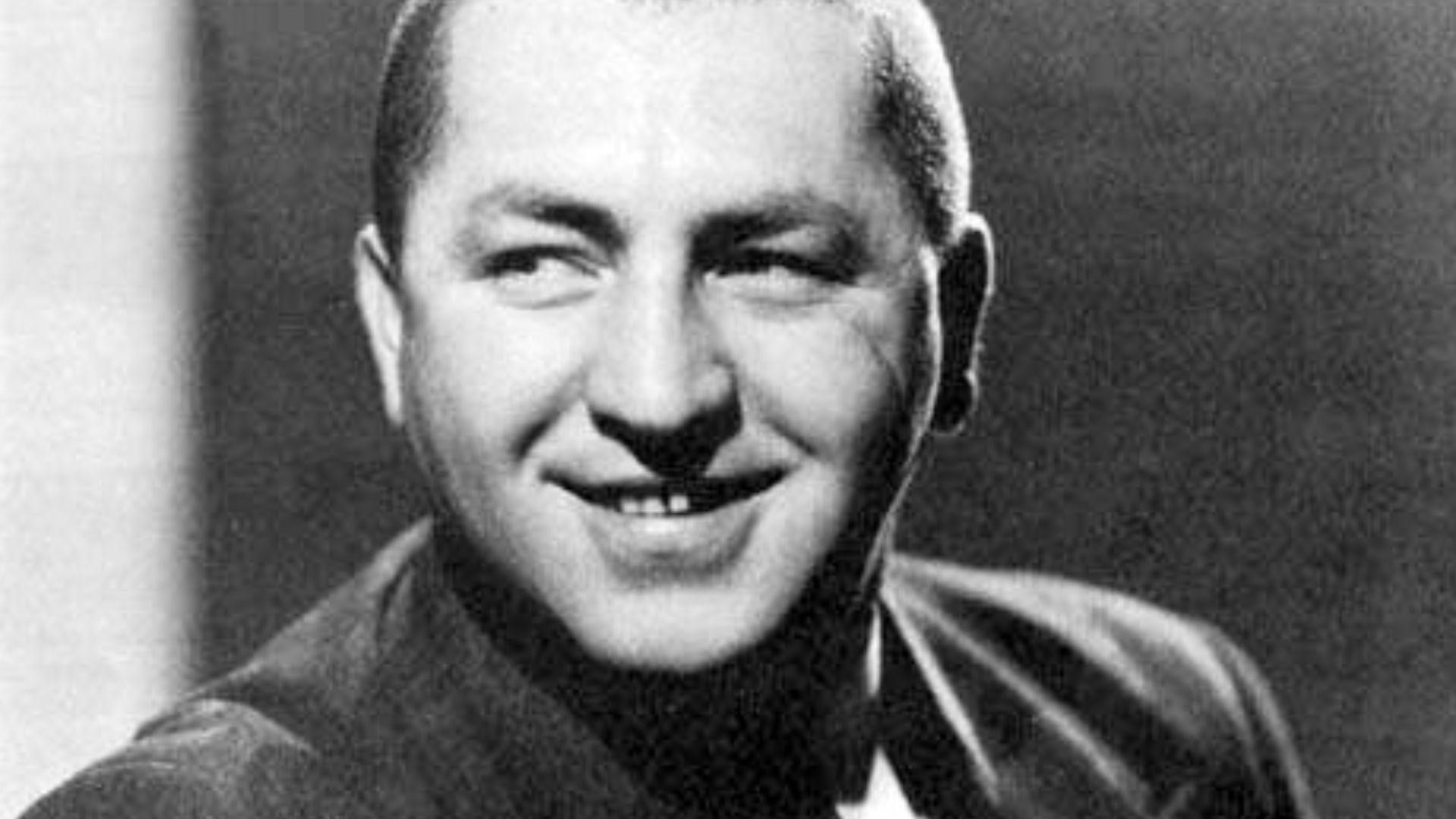 Unknown photographer, Wikimedia Commons
The Classic Lineup Emerges
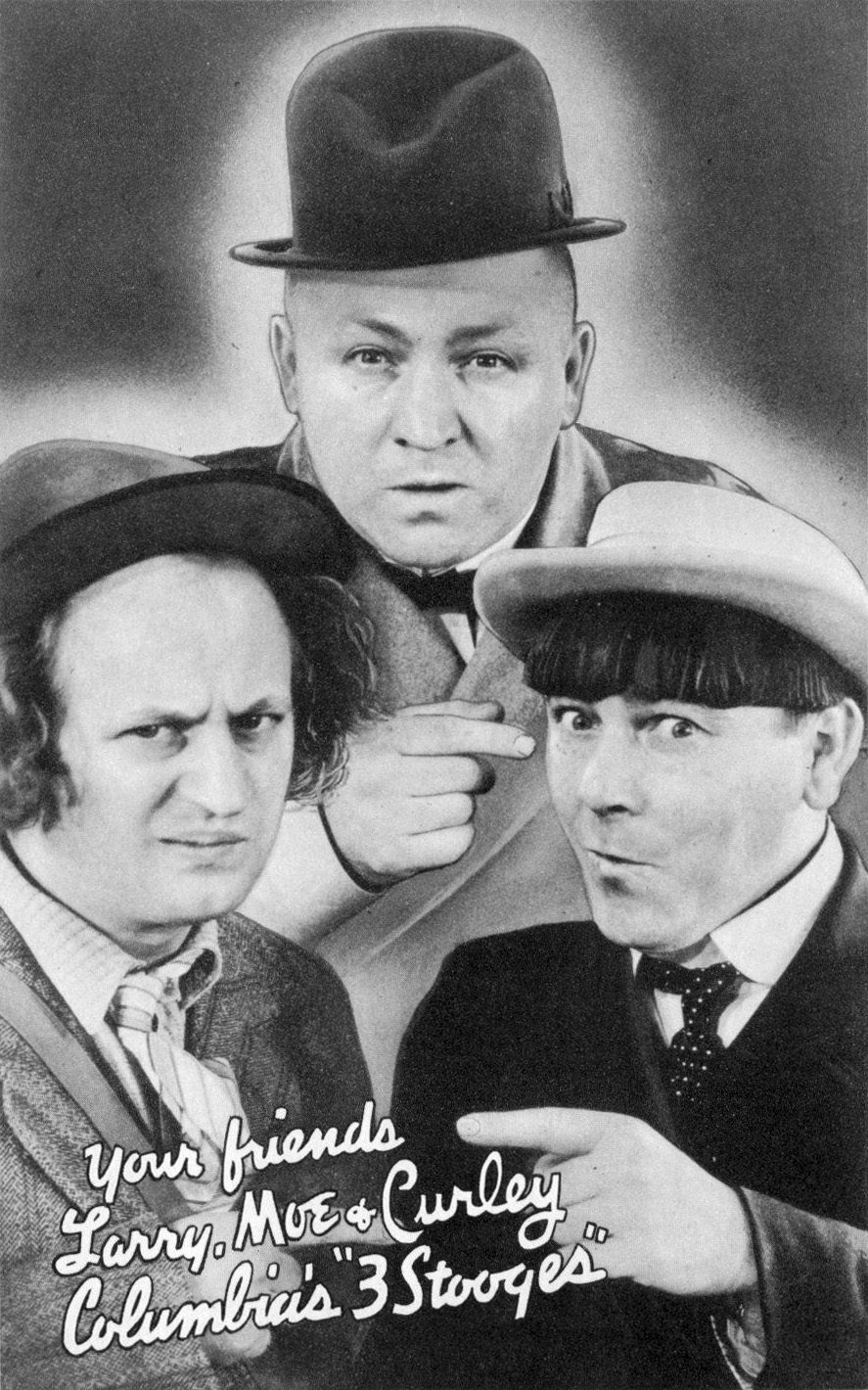
The lineup of Moe, Larry, and Curly premiered in Cleveland in August 1932. They continued working with Healy, appearing as comic relief in several features, but disputes over money and contracts, combined with Healy’s drinking and abrasive behavior, helped bring the professional relationship to a final end in 1934.
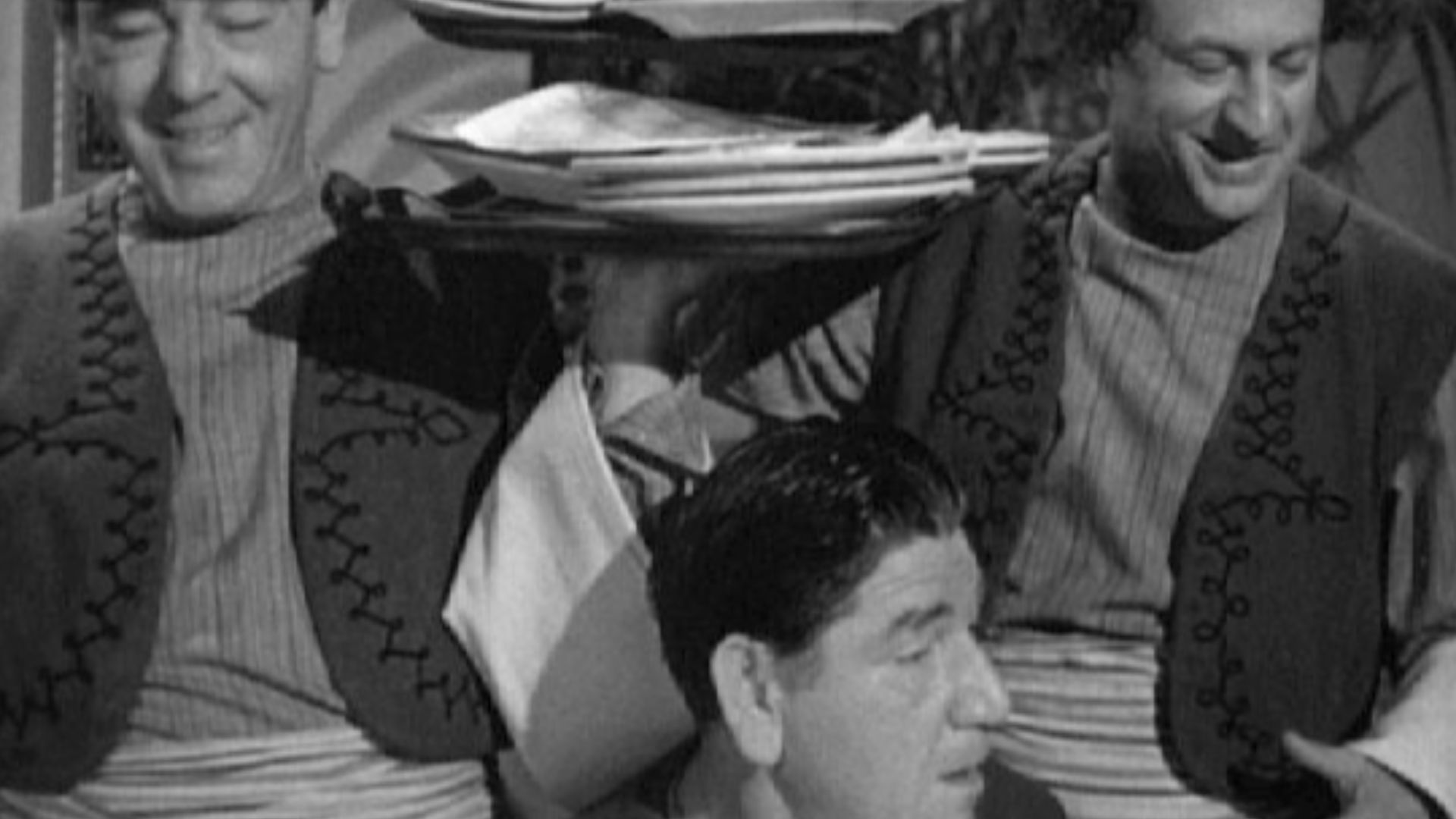 Jules White, Wikimedia Commons
Columbia Opens The Door
Beginning in 1934, the Stooges embarked on the enormously productive screen career that made them comedy legends. The team eventually made hundreds of shorts and several features, with the Moe, Larry, and Curly lineup becoming its most famous incarnation. Larry had found the role that would define him.
 Screenshot from The Three Stooges Go Around the World in a Daze, Sony Pictures Entertainment (1963)
The Middle Stooge
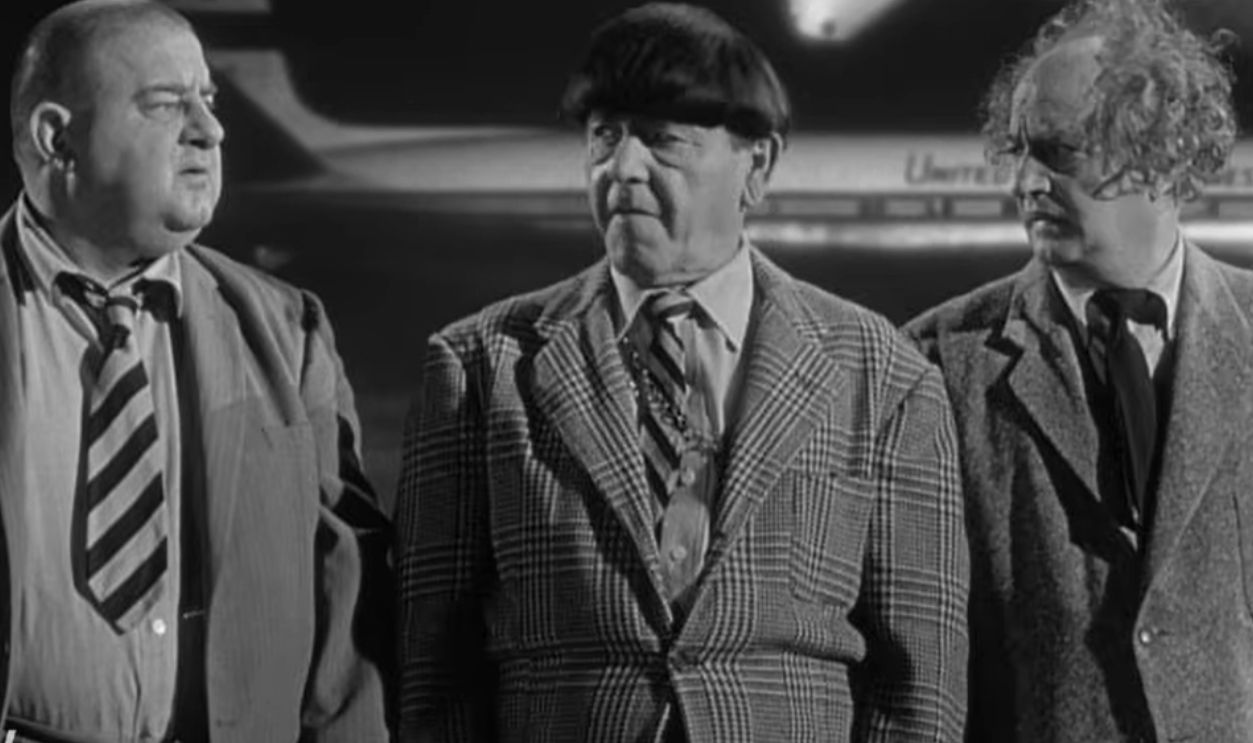
Larry’s character often served as the bridge between Moe’s bullying authority and Curly’s childlike chaos. He could briefly appear to be the reasonable one, then suddenly side with either partner or suggest something completely ridiculous. That flexibility made him the perfect comic middle man.
 Screenshot from Have Rocket, Will Travel, Sony Pictures Entertainment (1959)
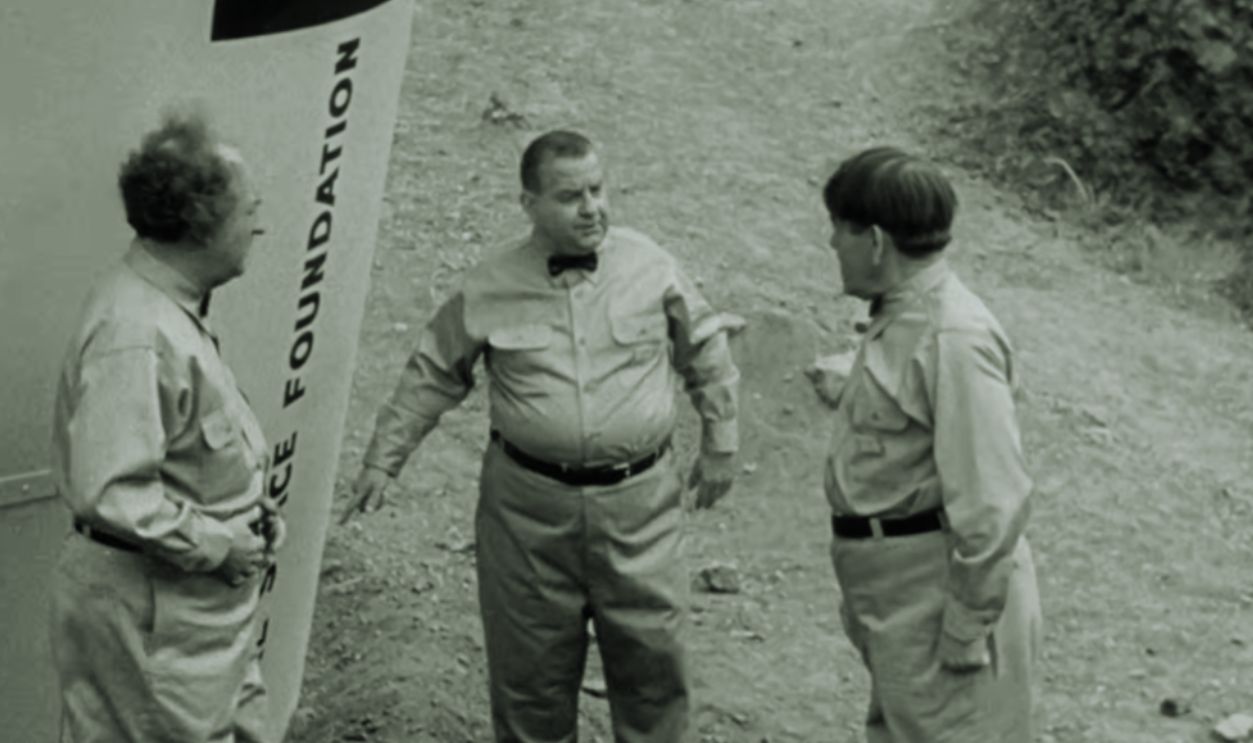
More Than A Straight Man
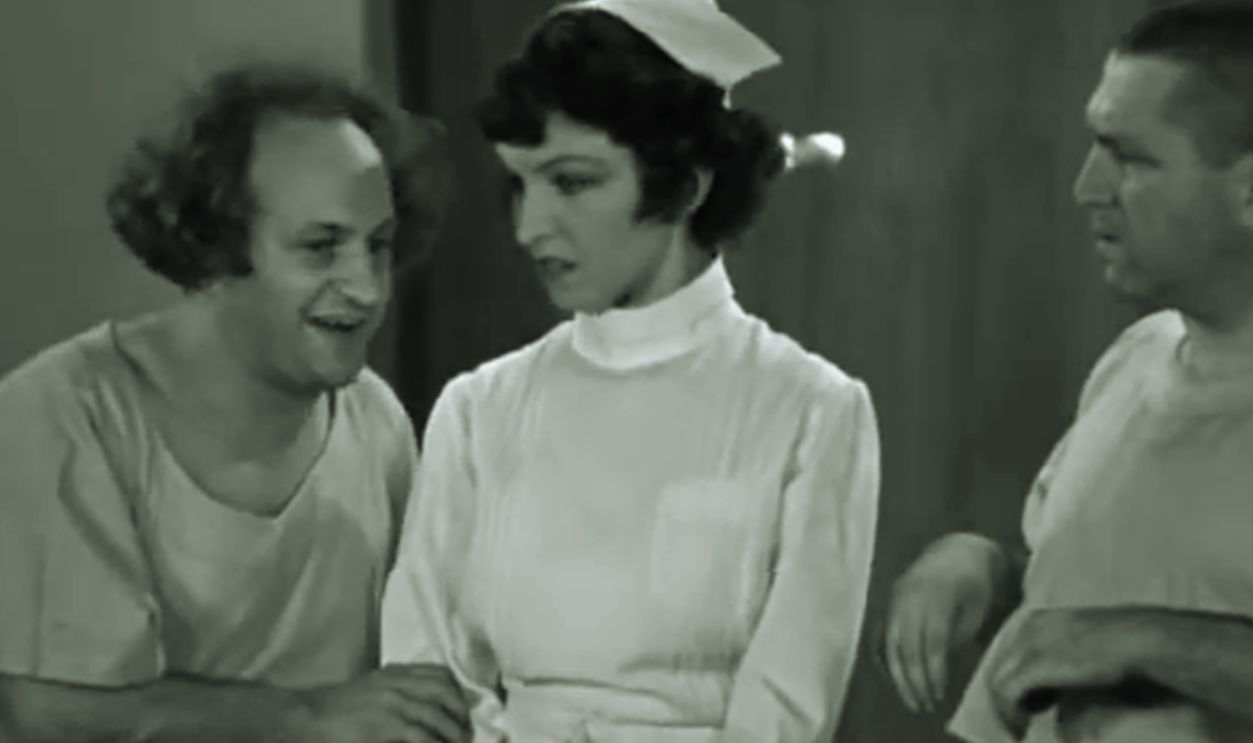
Although Larry often reacted to Moe and Curly, he had his own moments of inspired lunacy. In Men in Black (1934), he played an alarmingly enthusiastic surgeon, while Disorder in the Court (1936) gave him a memorable burst of disruptive courtroom madness. His unpredictability became part of the formula.
 Screenshot from The Three Stooges, Sony Pictures Entertainment (1922-1970)
Decades Of Slapstick Success
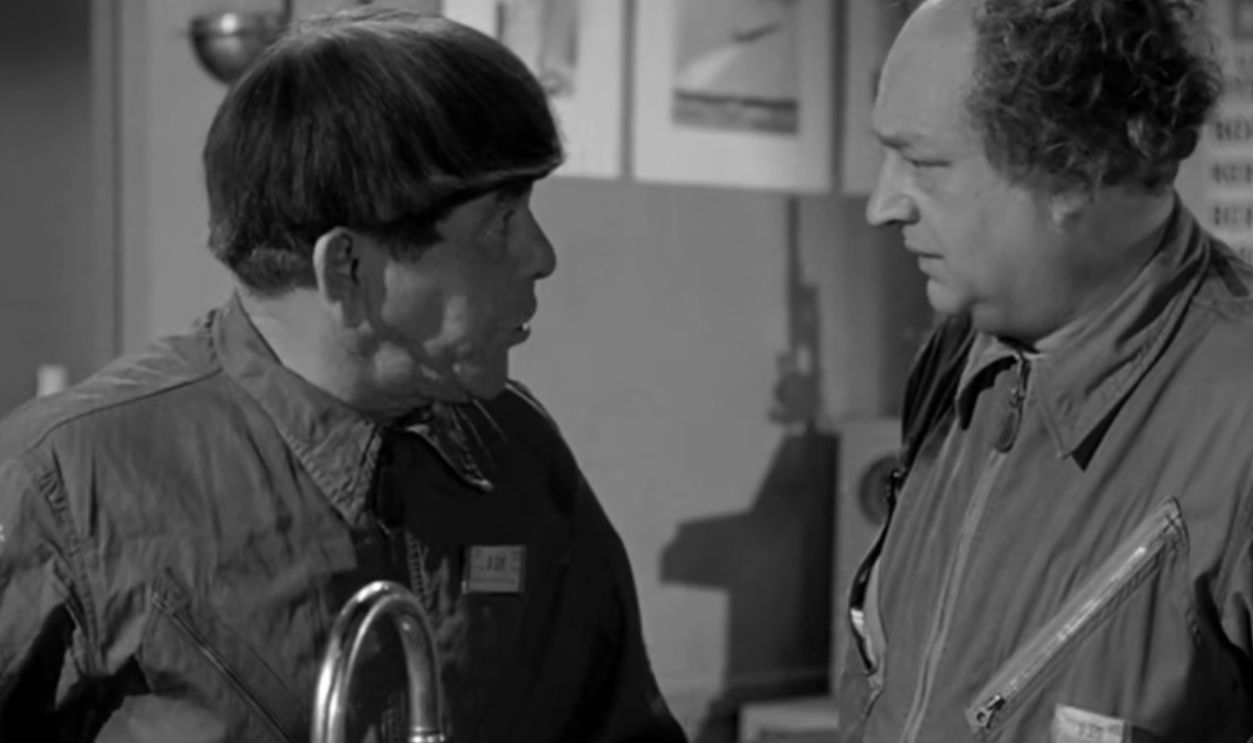
Through the 1930s and early 1940s, Moe, Larry, and Curly built a remarkable body of short comedies. The work was physically demanding, and Larry absorbed countless slaps and hair pulls. According to his brother, the repeated punishment even produced a callus on one side of Larry’s face.
 Screenshot from Have Rocket, Will Travel, Sony Pictures Entertainment (1959)
Shemp Returns
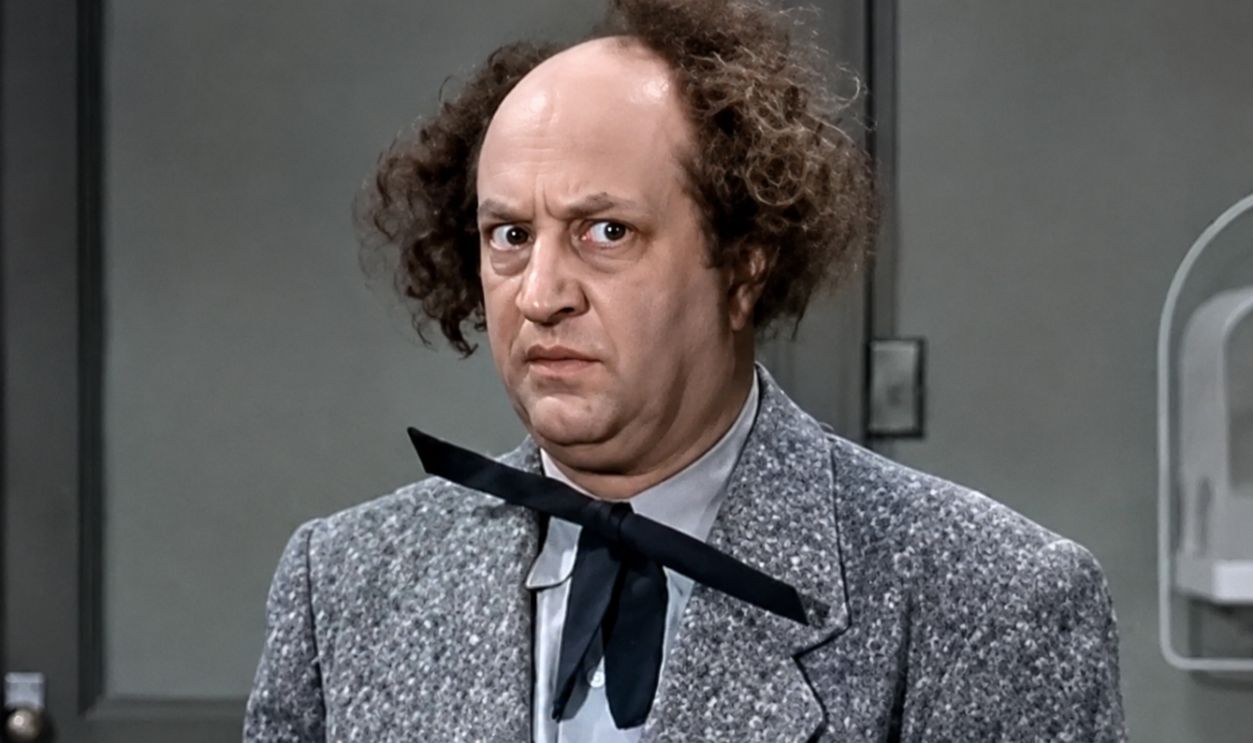
Curly suffered a debilitating stroke in 1946, forcing a major change in the act. Shemp returned as the third Stooge, and Larry’s screen presence increased. He received more equal time and even became central to shorts including Fuelin’ Around (1949) and He Cooked His Goose (1952).
 Screenshot from The Three Stooges, Sony Pictures Entertainment (1922-1970), enhanced
Success Could Not Save Money
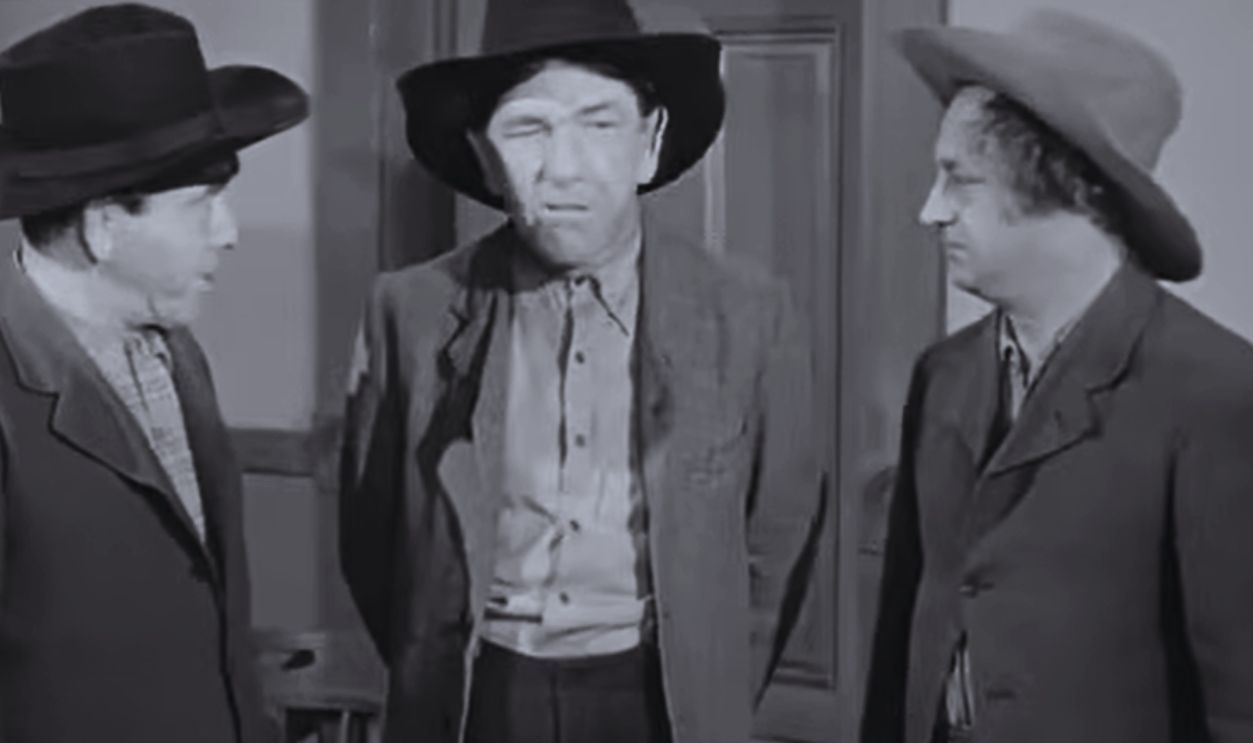
Larry’s career brought steady earnings, but financial security remained elusive. He spent money almost as quickly as he earned it, gambled heavily at racetracks and in high-stakes gin rummy games, and readily gave money to struggling actors without expecting repayment. His generosity and recklessness proved an expensive combination.
 Screenshot from Gold Raiders, Allied Artists International (1951)
Hotels Instead Of Houses
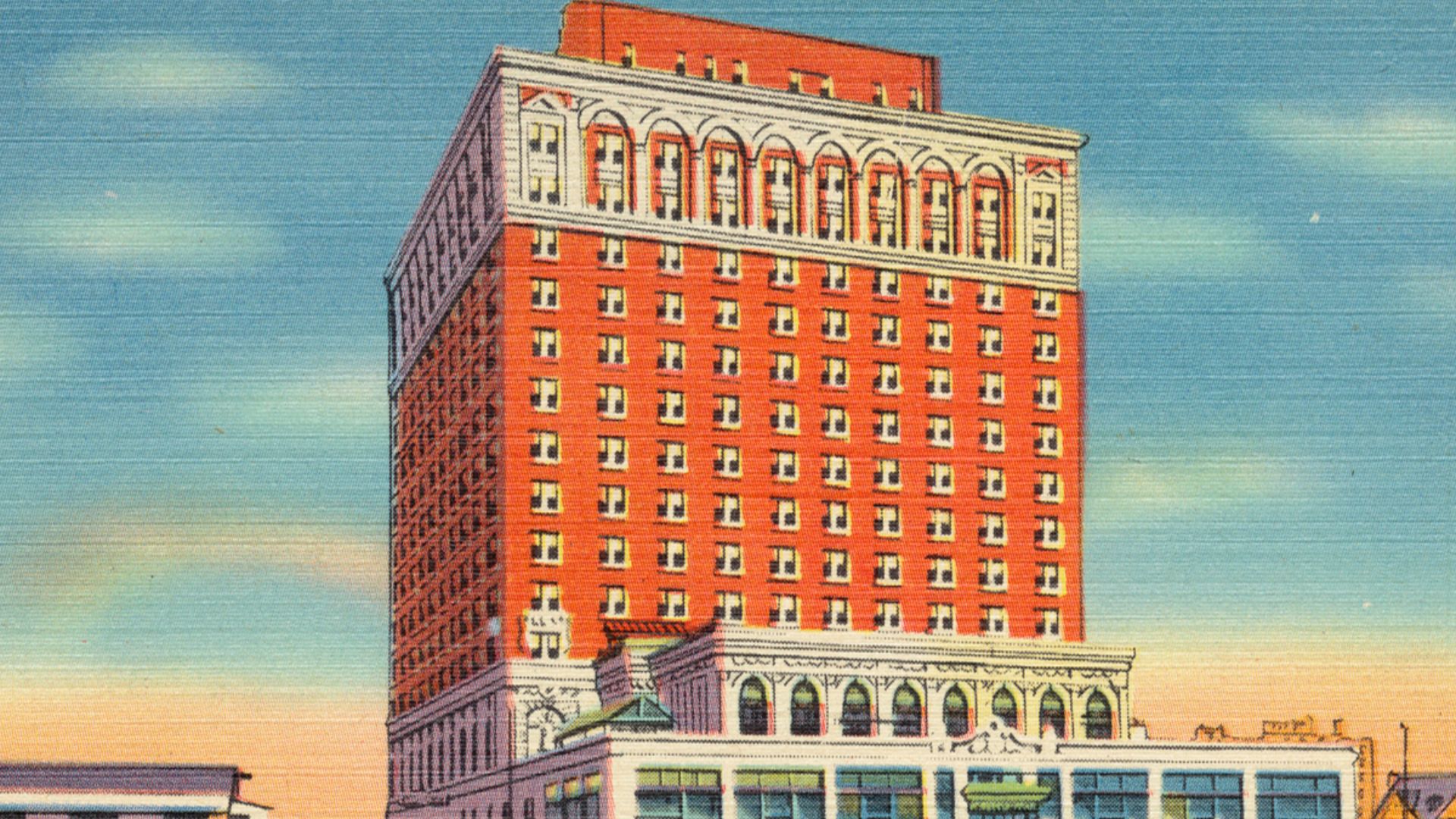
Larry and Mabel also lived unconventionally. The family resided for years in hotels, first at the President Hotel in Atlantic City, where Phyllis was raised, and later at the Hollywood Knickerbocker. Larry did not purchase a house until the late 1940s, when he bought a home in the Los Feliz area of Los Angeles.
 Boston Public Library, Wikimedia Commons
The Team Keeps Changing
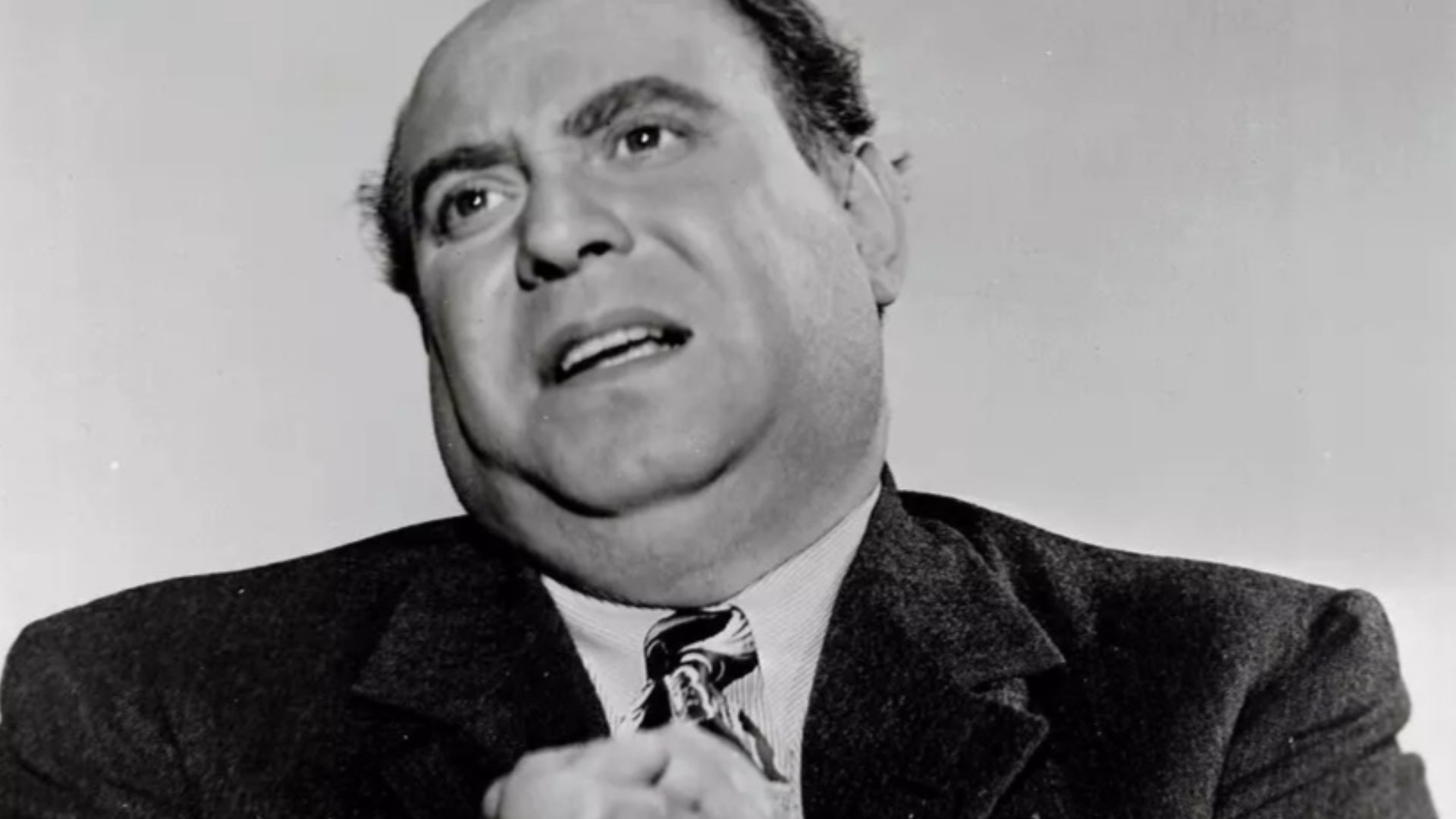
Shemp died from a cerebral hemorrhage in 1955. After Joe Palma temporarily doubled for him, Joe Besser joined the act in 1956. Columbia then closed its comedy-shorts department at the end of 1957, abruptly ending the Stooges’ long period of regular short-film production.
 Unknown author, Wikimedia Commons
Near Financial Disaster
The end of Columbia’s shorts nearly pushed Larry into bankruptcy. Joe Besser and director Edward Bernds later recalled that Larry’s free spending and gambling had left him dangerously exposed. Decades of success had not produced lasting security, and the sudden loss of regular work revealed how precarious his finances were.
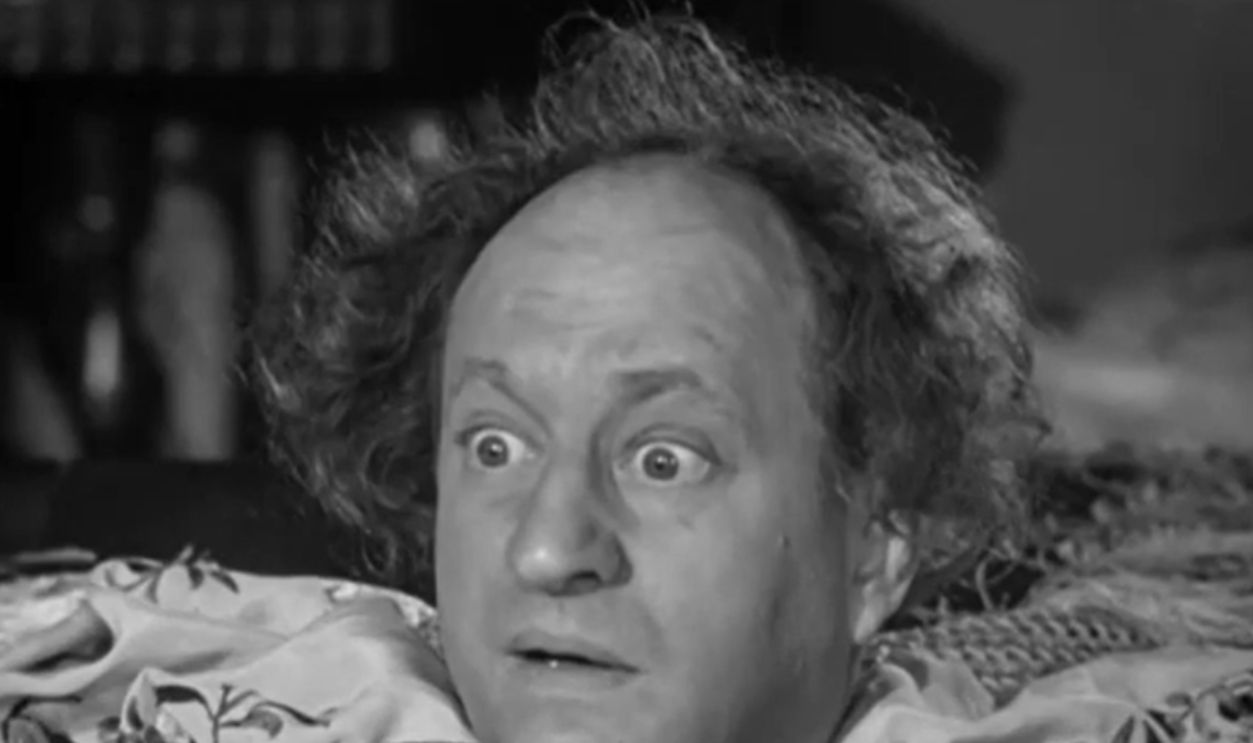 Screenshot from The Three Stooges, Sony Pictures Entertainment (1922-1970)
Television Brings A Revival
Just when the Stooges appeared to belong to an earlier era, television transformed their fortunes. In 1959, Columbia released batches of the old shorts to television, introducing the team to a new generation. Their renewed popularity revitalized their careers and created opportunities for features, television, and live appearances.
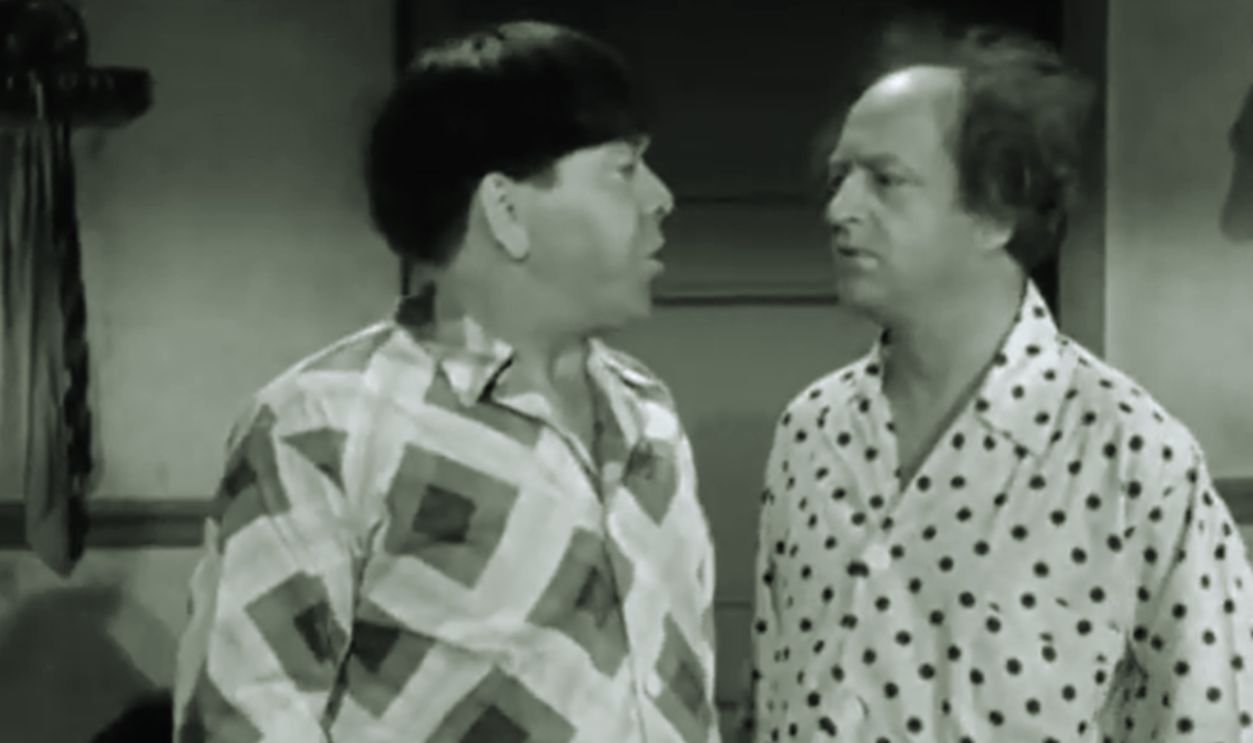 Screenshot from The Three Stooges, Sony Pictures Entertainment (1922-1970)
Personal Tragedy Strikes
The Fine family suffered a devastating loss on November 17, 1961, when Larry and Mabel’s 24-year-old son, John, died in a car crash. Contrary to some retellings, it was their son who died in the accident, not their daughter Phyllis, who lived until 1989.
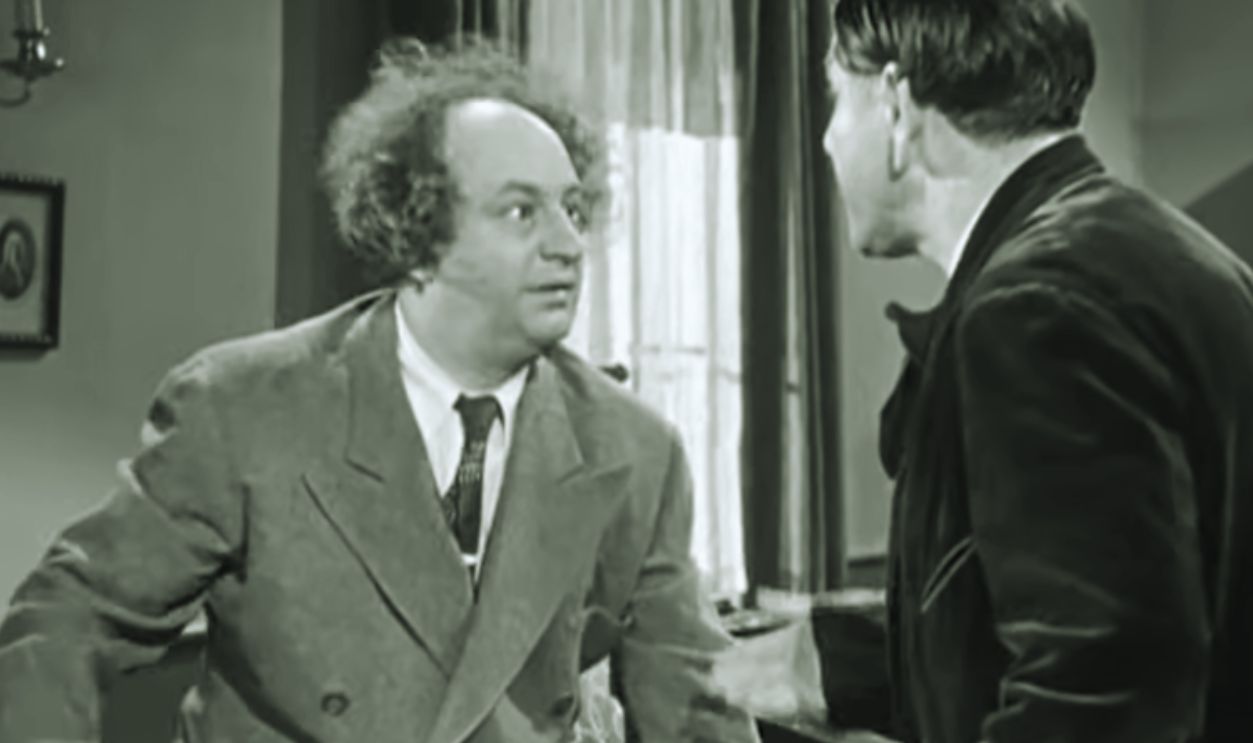 Screenshot from The Three Stooges, Sony Pictures Entertainment (1922-1970)
Health Problems Begin
While working on The Three Stooges Meet Hercules (1962), Larry was hospitalized after an injury and diagnosed with Type 2 diabetes. Nevertheless, he continued performing as the Stooges enjoyed their second wave of popularity, with Curly Joe DeRita now filling the third position alongside Larry and Moe.
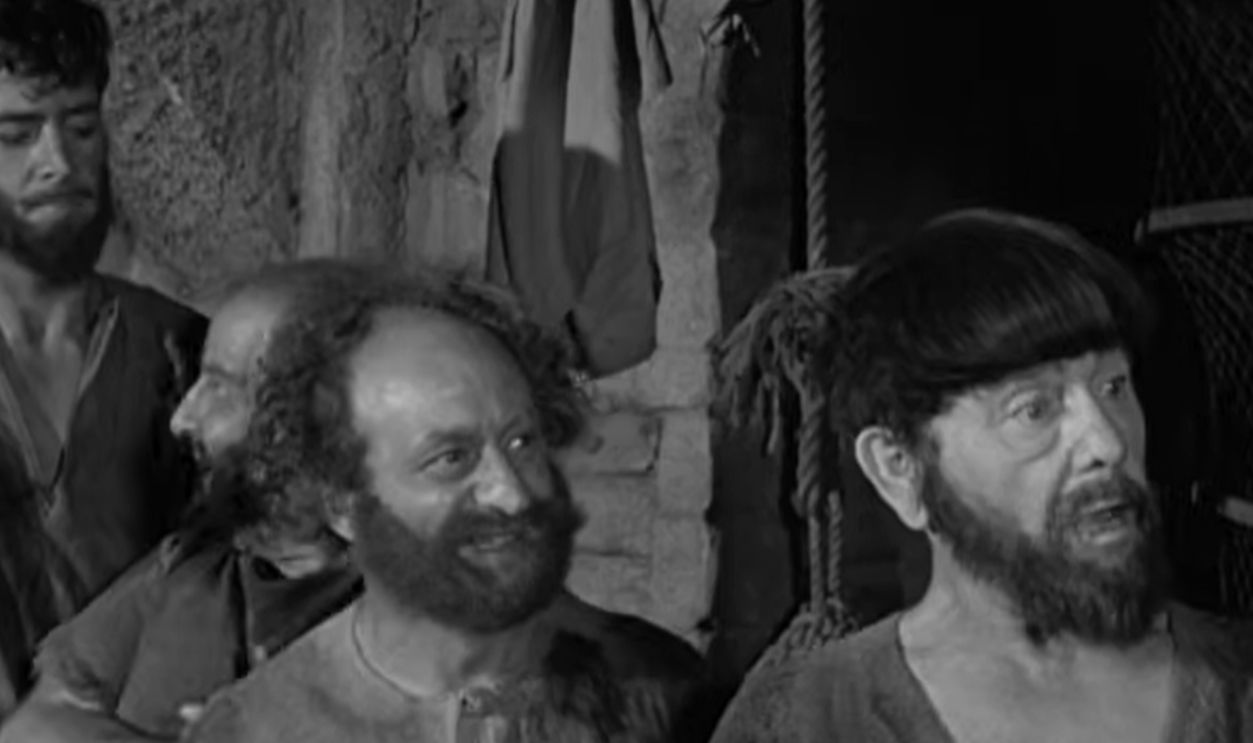 Screenshot from The Three Stooges Meet Hercules, Sony Pictures Entertainment (1962)
One More Television Show
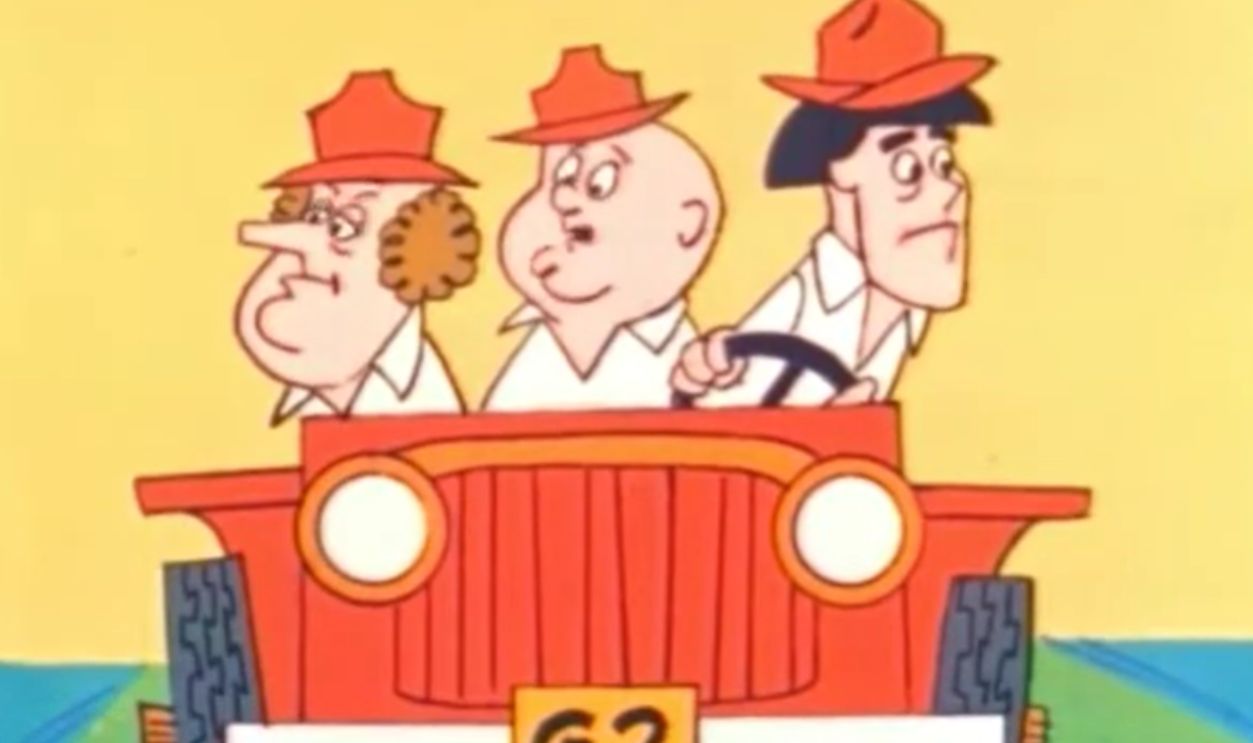
In 1965, Larry, Moe, and Joe DeRita launched The New 3 Stooges, which mixed live-action comedy with animated segments. The program earned good ratings, but age was catching up with the performers. Larry also began experiencing difficulties remembering and delivering his lines.
 Screenshot from The New 3 Stooges, C3 Entertainment, Inc. (1965-1966)
Losing Mabel
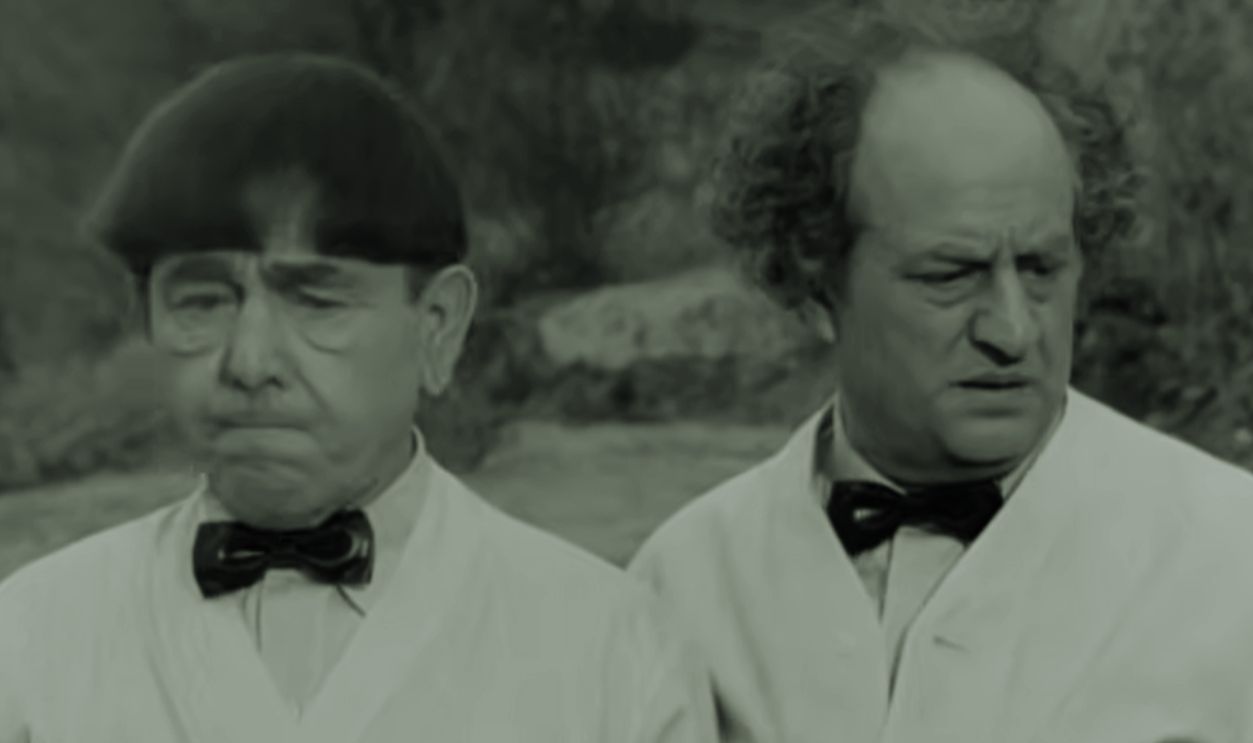
More tragedy followed in 1967. Larry was preparing to perform a live show at Rocky Point Amusement Park in Rhode Island when he learned that Mabel had died unexpectedly from a heart attack at 63. He immediately returned to California, leaving Moe and Curly Joe to finish the engagement.
 Screenshot from The Three Stooges Meet Hercules, Sony Pictures Entertainment (1962)
The Stroke Ends Everything
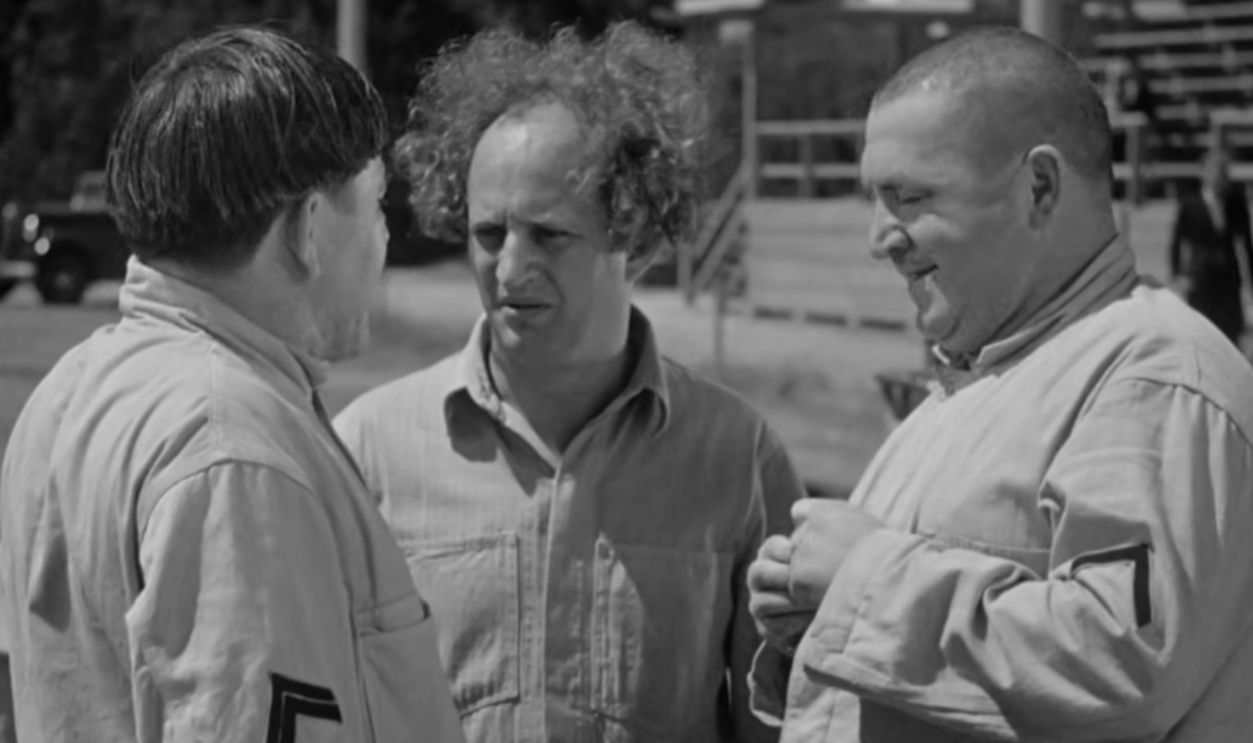
The Stooges later began work on a television project called Kook’s Tour, but Larry suffered a devastating stroke on January 9, 1970. The stroke paralyzed the left side of his body and ended his performing career. The existing footage was later reworked into a feature-length presentation.
 Screenshot from Start Cheering, Sony Pictures Television (1938)
His Final Years
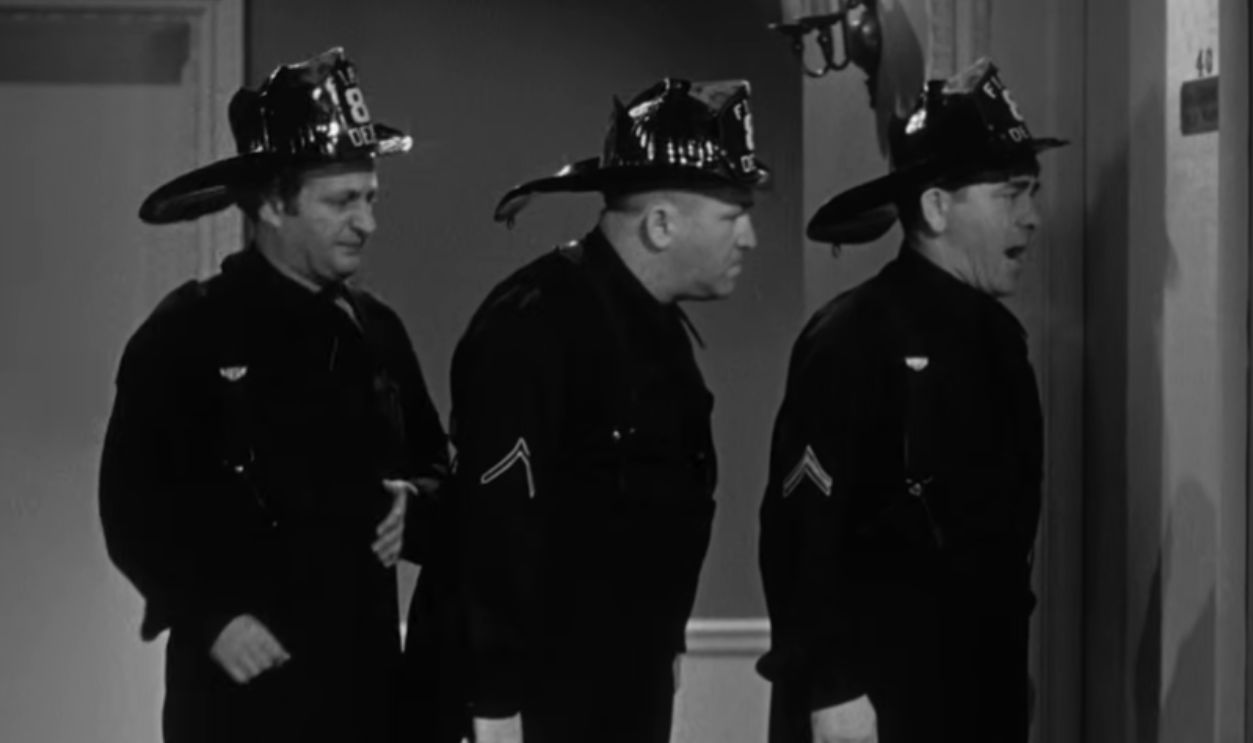
Larry moved to the Motion Picture Country House in Woodland Hills, California and used a wheelchair during his final five years. Even after paralysis, he entertained fellow residents, welcomed visiting fans, received visits from Moe, and completed his autobiography, Stroke of Luck. Additional strokes followed before his death.
 Screenshot from Start Cheering, Sony Pictures Television (1938)
The Middle Stooge’s Legacy
Larry Fine died on January 24, 1975, at 72, with Moe following three months later. Yet Larry’s peculiar magic endured. He was neither the raging boss nor the childlike troublemaker, but the vulnerable, unpredictable figure caught between them, helping make the Stooges’ chaos work for generations.
You May Also Like:
Knuckleheaded Facts About Ted Healy, Creator Of The Three Stooges
Clumsy Facts About Curly Howard, The Funniest Of The Three Stooges