The Decade Had More Than The Usual Classics
Mention 1960s Westerns and the same giants usually ride into view: The Magnificent Seven, The Good, the Bad and the Ugly, and Butch Cassidy and the Sundance Kid. But the decade was packed with stranger, darker, funnier, and often forgotten Westerns that deserve another look.
 20th Century Fox, Public Domain, via Wikimedia Commons.
One-Eyed Jacks
Marlon Brando’s only directing effort is messy, moody, and completely fascinating. One-Eyed Jacks has the bones of a revenge Western, but Brando fills it with wounded egos and uneasy relationships. Its troubled production became legendary, yet the finished film is far better than its reputation suggests.
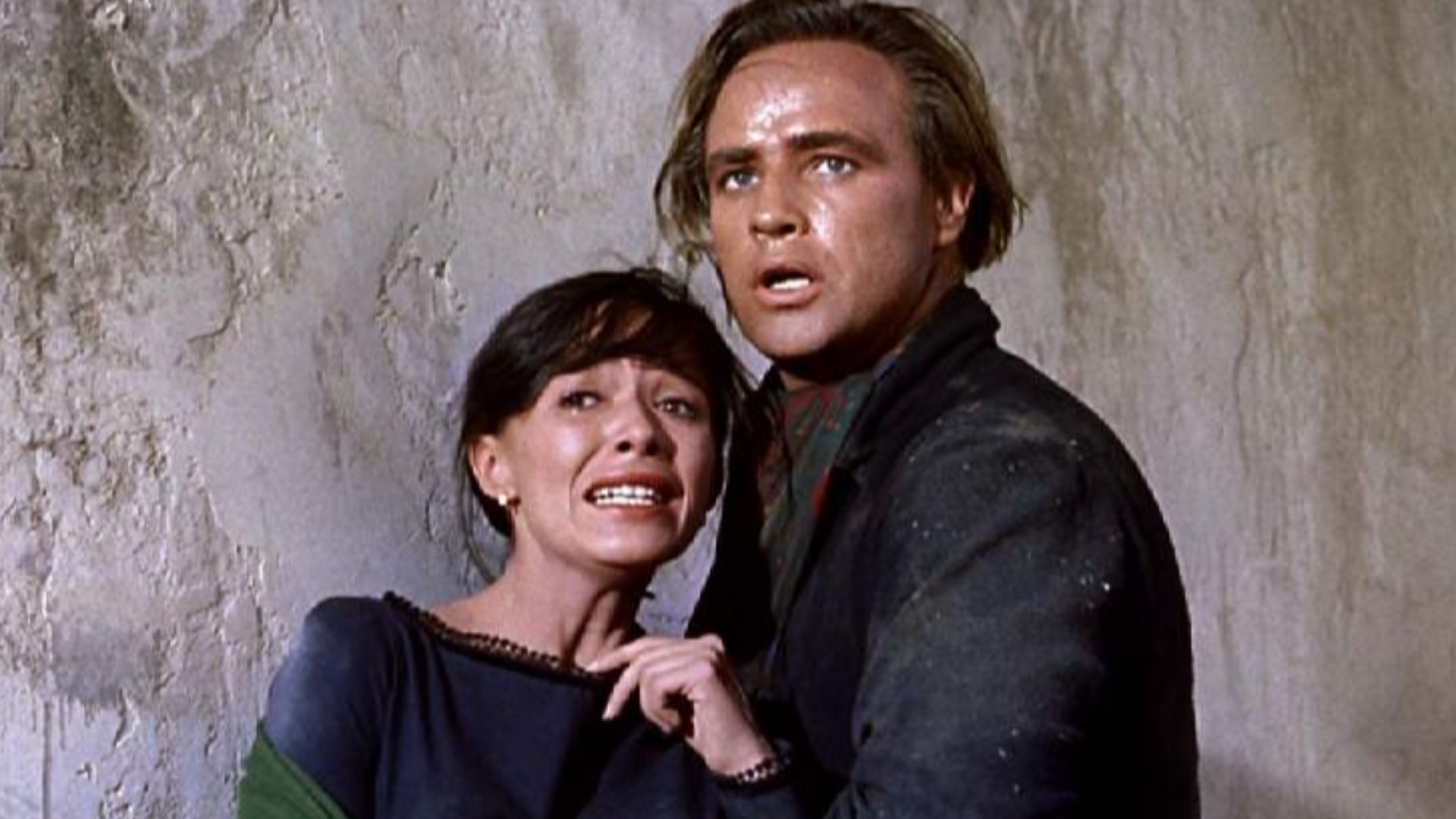 Film screenshot (Paramount Pictures), Wikimedia Commons
The Comancheros
John Wayne made plenty of better-known Westerns, but The Comancheros is an enormously entertaining adventure. Wayne plays a Texas Ranger working alongside a charming gambler, played by Stuart Whitman. It has gunfights, outlaw settlements, surprisingly sharp comedy, and the kind of old-fashioned momentum that makes two hours disappear quickly.
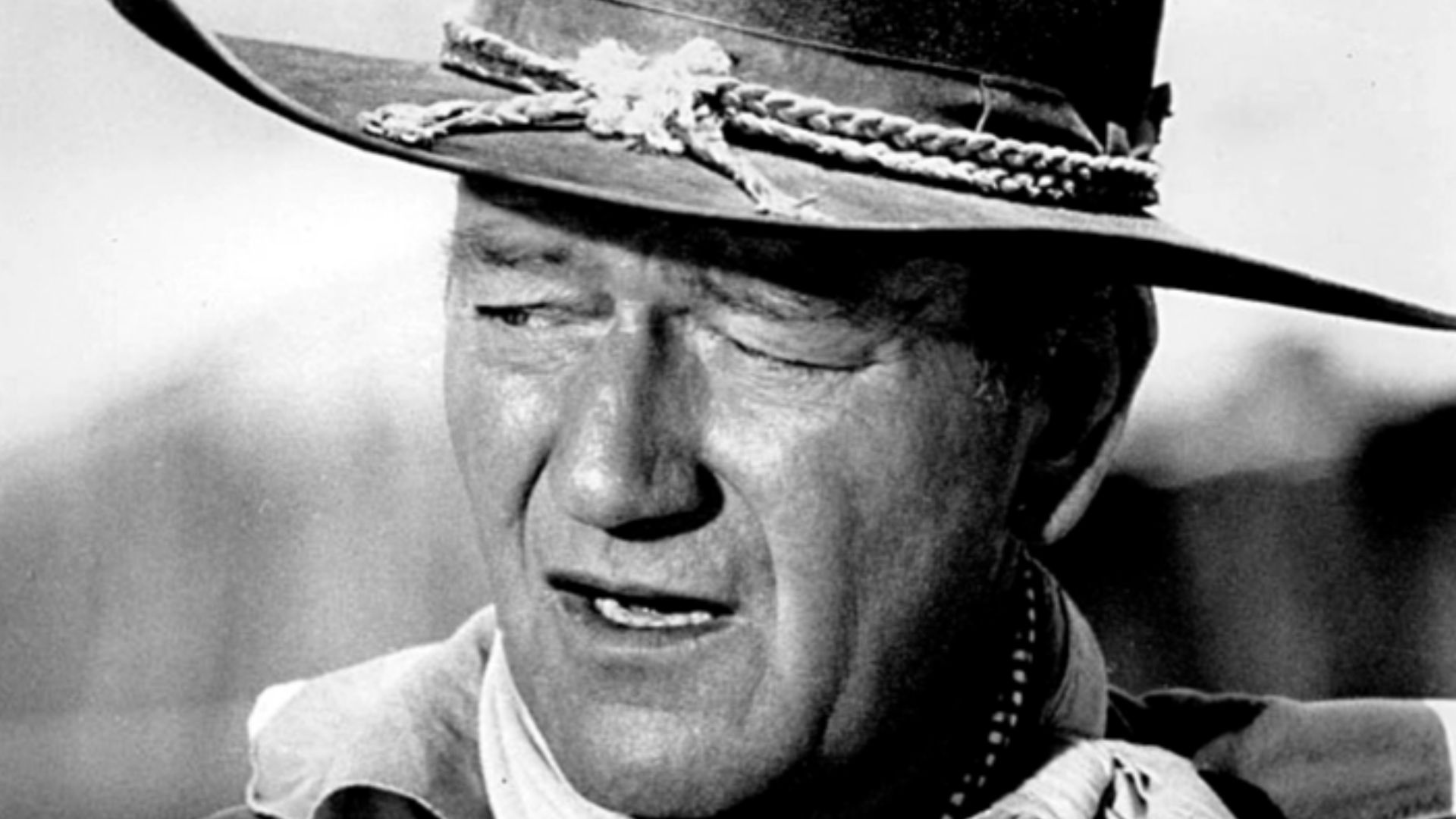 20th Century Fox, Wikimedia Commons
Ride The High Country
Sam Peckinpah’s later films would become famous for violence, but Ride the High Country is quieter and more melancholy. Joel McCrea and Randolph Scott play aging lawmen confronting a West that no longer seems to need them. It is touching, beautifully acted, and one of Peckinpah’s most humane movies.
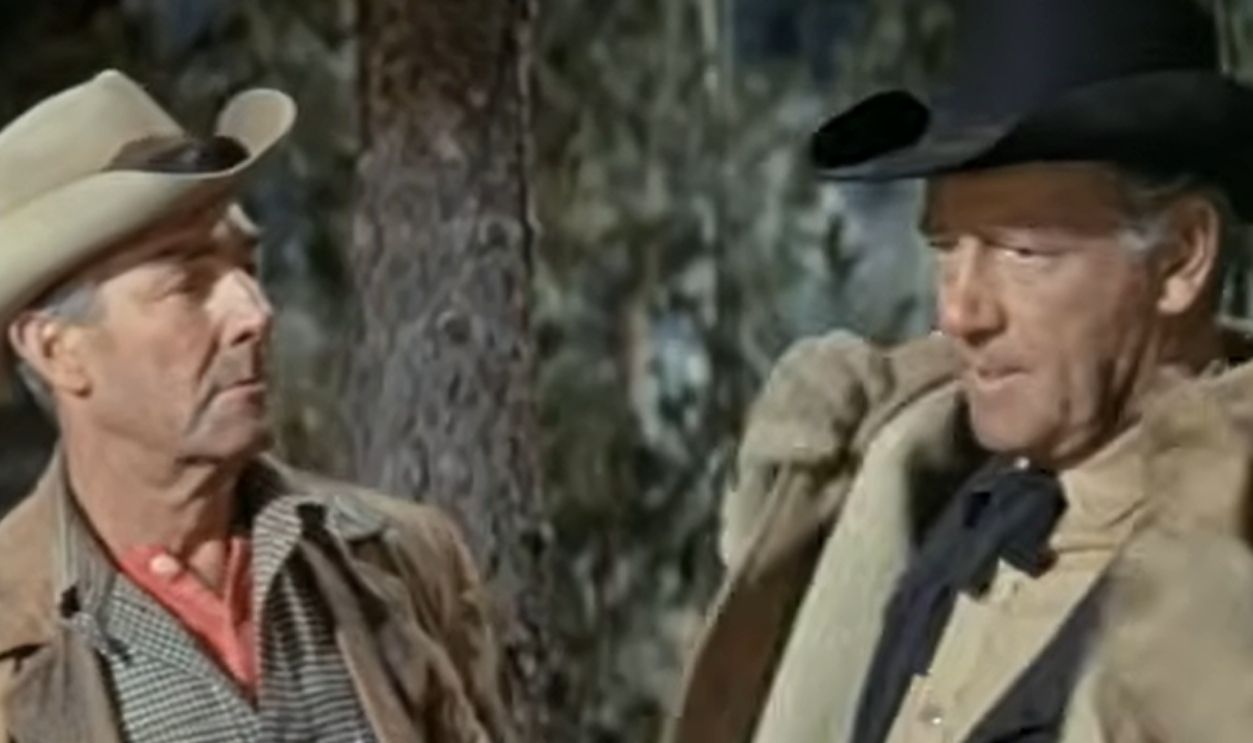 Screenshot from Ride the High Country, Metro-Goldwyn-Mayer (1962)
Lonely Are The Brave
Kirk Douglas considered Lonely Are the Brave one of his favorite films, and it is easy to understand why. He plays a modern cowboy stubbornly refusing to adapt to contemporary America. The movie feels like a Western stranded in the wrong century, making its final stretch surprisingly emotional.
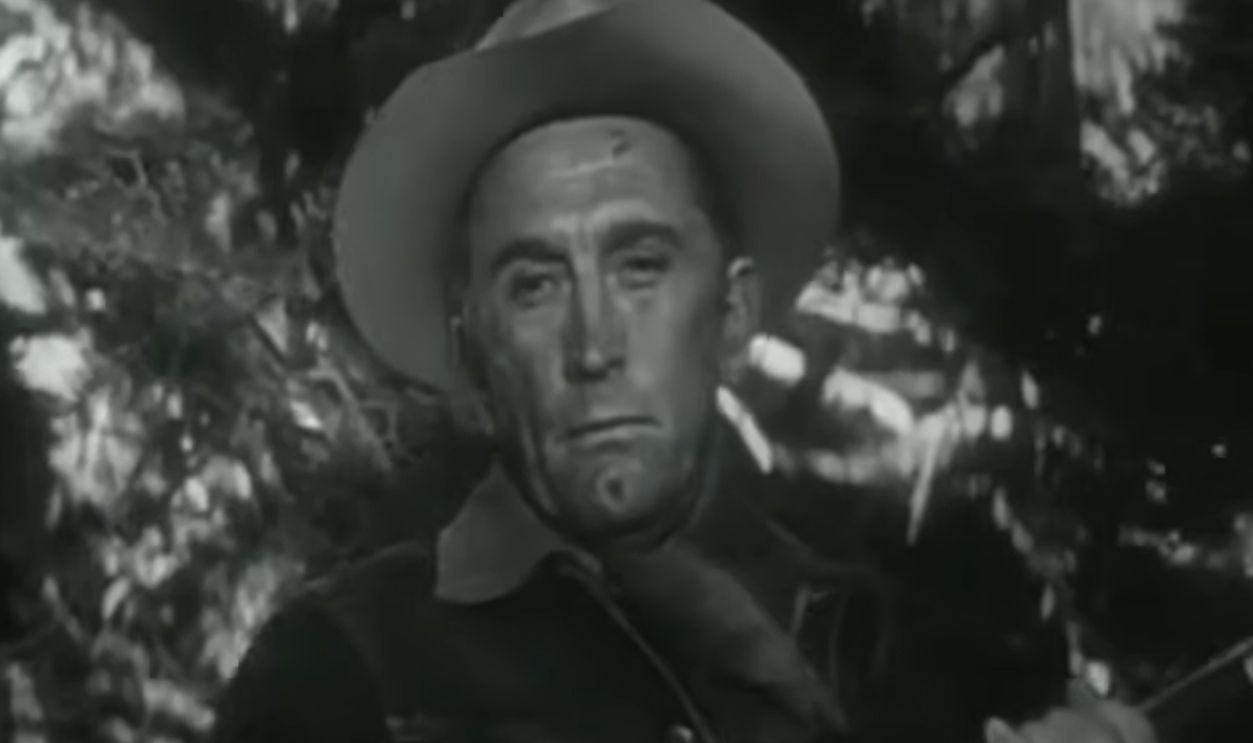 Screenshot from Lonely Are the Brave, Universal-International Films (1962)
The Man From The Diners' Club
This one technically mixes Western imagery with contemporary comedy, which is exactly why it is so unusual. Danny Kaye’s mild-mannered character becomes tangled with criminals in a movie that pokes fun at macho adventure conventions. It is hardly traditional frontier fare, but its genre playfulness deserves rediscovery.
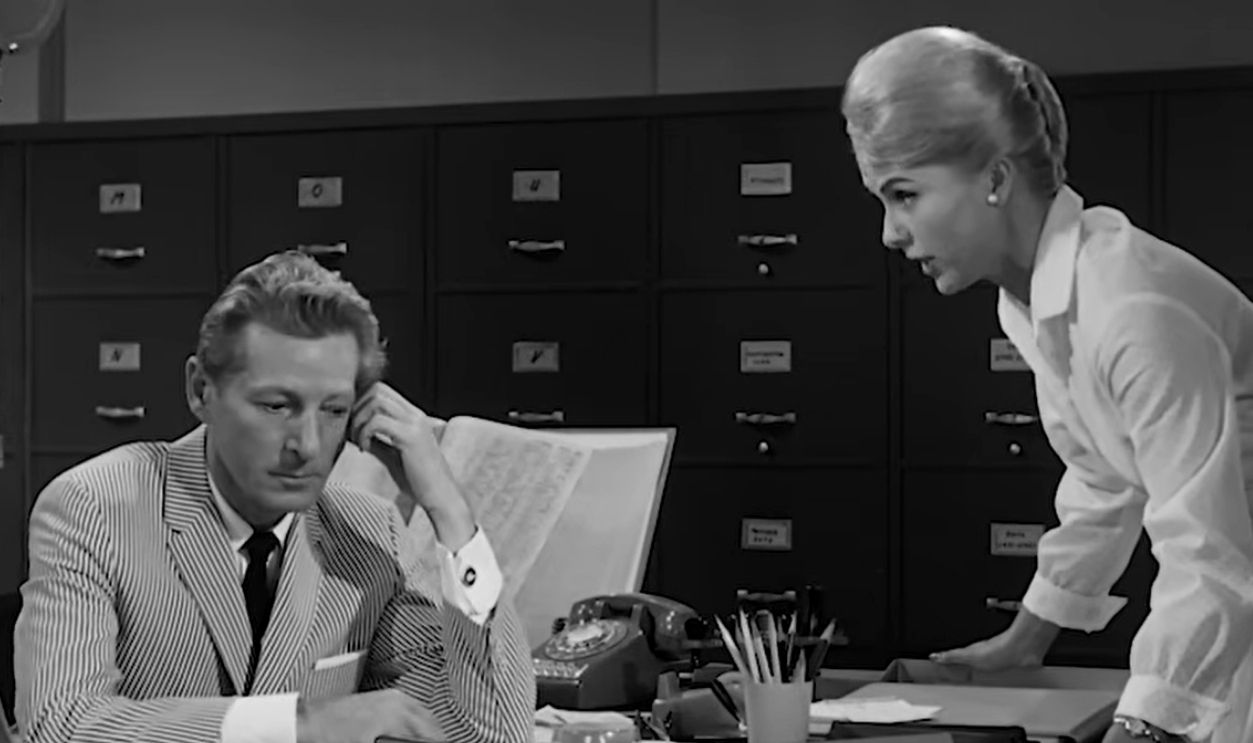 Screenshot from The Man from the Diners' Club, Columbia Pictures (1963)
McLintock!
John Wayne and Maureen O’Hara spend much of McLintock! shouting, scheming, and battling each other, yet their chemistry keeps everything moving. The comedy is broad and undeniably dated in places, but as a rowdy Western farce, it remains a fascinating showcase for two stars who knew exactly how to play off each other.
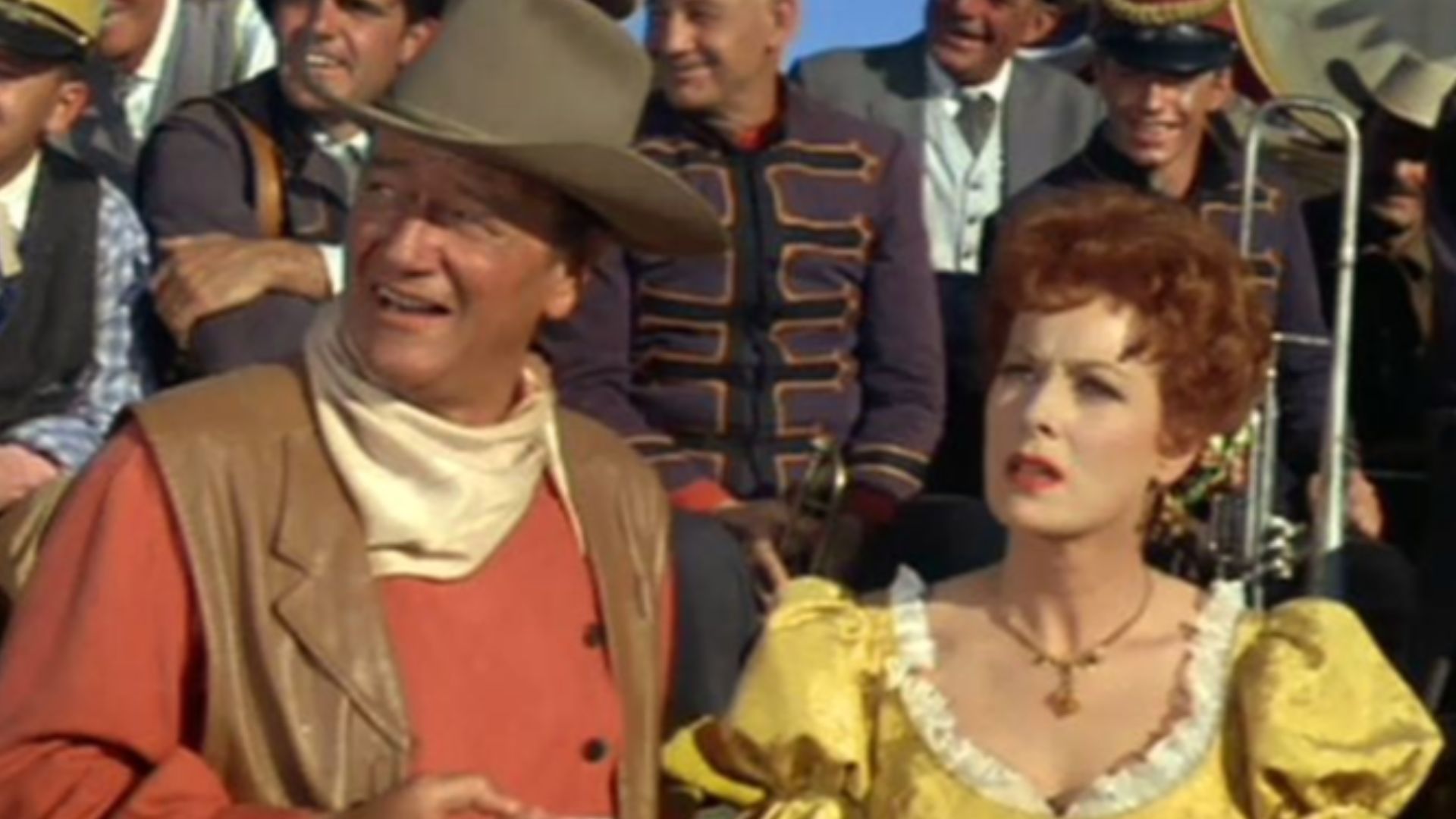 DVD (Batjac-Paramount Pictures), Wikimedia Commons
The Sons Of Katie Elder
Four very different brothers return home following their mother’s death and quickly discover something is wrong. John Wayne and Dean Martin headline the cast, but the movie works because of the tense family dynamic underneath the gunplay. It is a sturdy, satisfying Western that rarely gets mentioned among Wayne’s essentials.
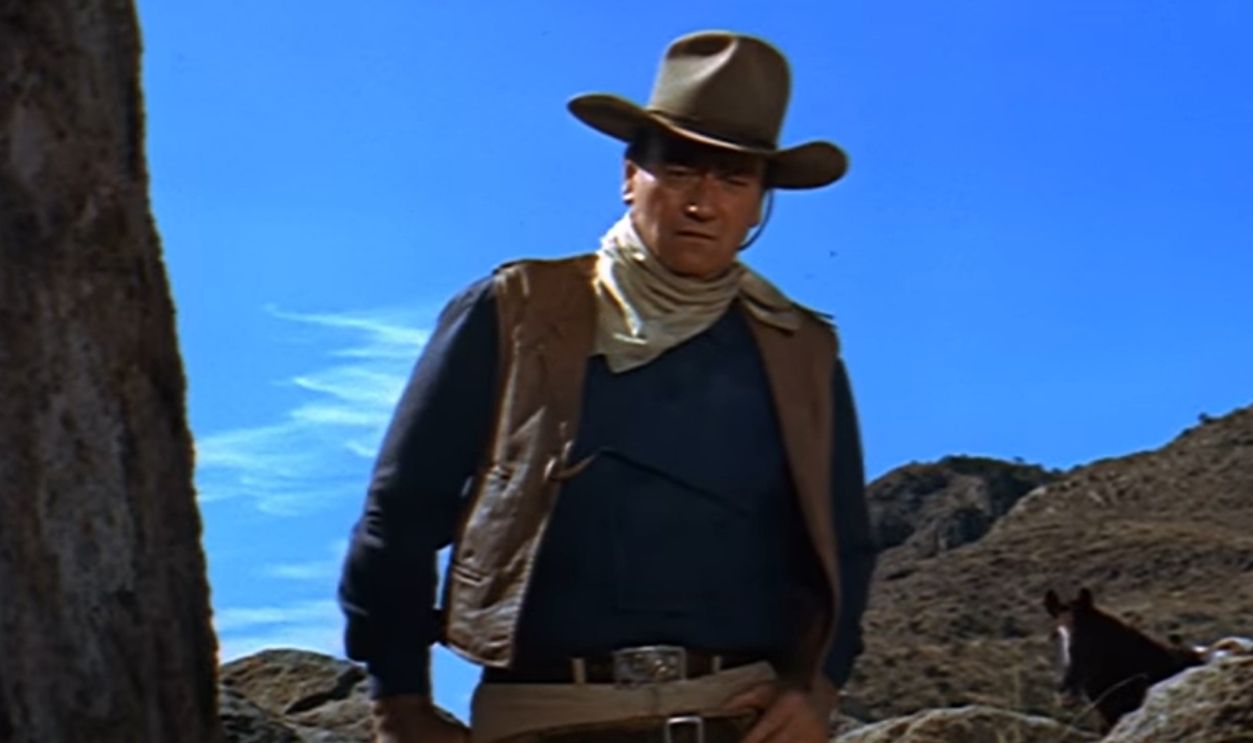 Screenshot from The Sons of Katie Elder, Paramount Pictures (1965)
The Professionals
Before The Wild Bunch, there was The Professionals. Lee Marvin, Burt Lancaster, Robert Ryan, and Woody Strode form a hired team sent into Mexico on a dangerous rescue mission. The cast alone should make this famous, but Richard Brooks’ muscular adventure still seems oddly overlooked by modern Western fans.
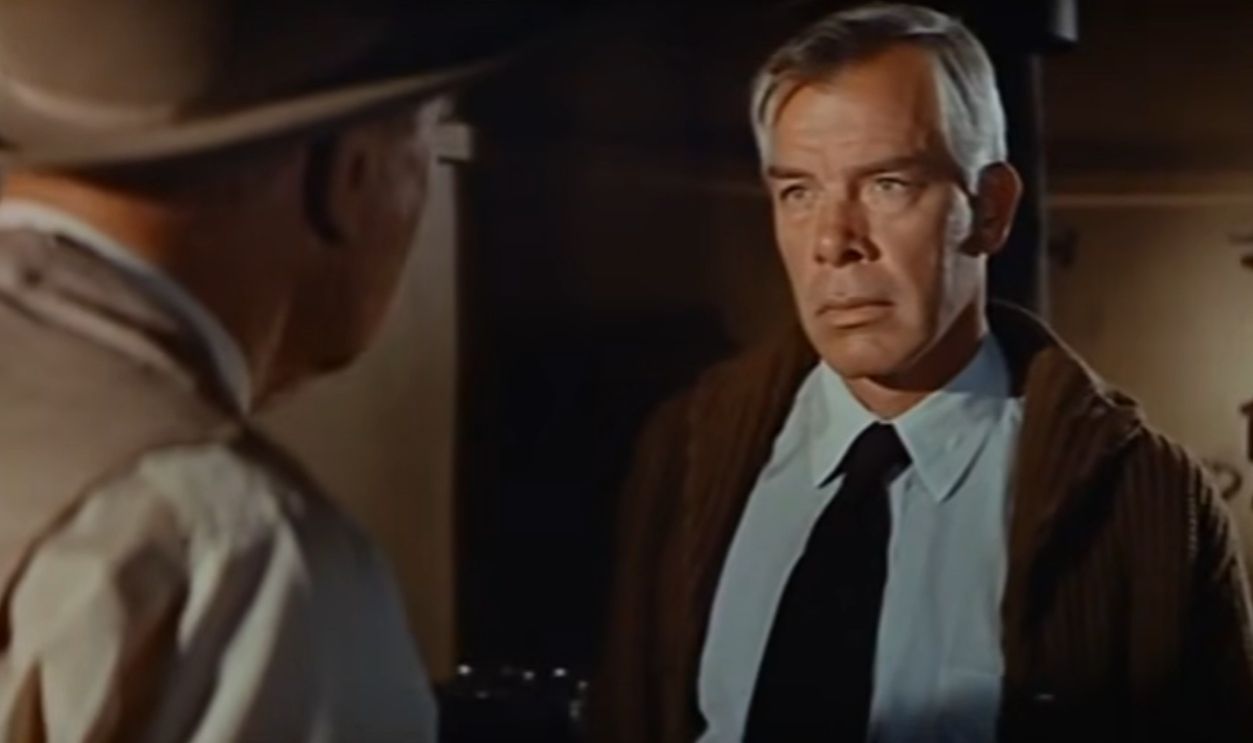 Screenshot from The Professionals, Columbia Pictures (1966)
Nevada Smith
Steve McQueen plays a young man seeking revenge for his parents’ murders in this sprawling Western. McQueen was older than the character he portrayed, but his intensity carries the film. Nevada Smith delivers beautiful locations, brutal confrontations, and an interesting question about what happens when revenge becomes someone’s entire identity.
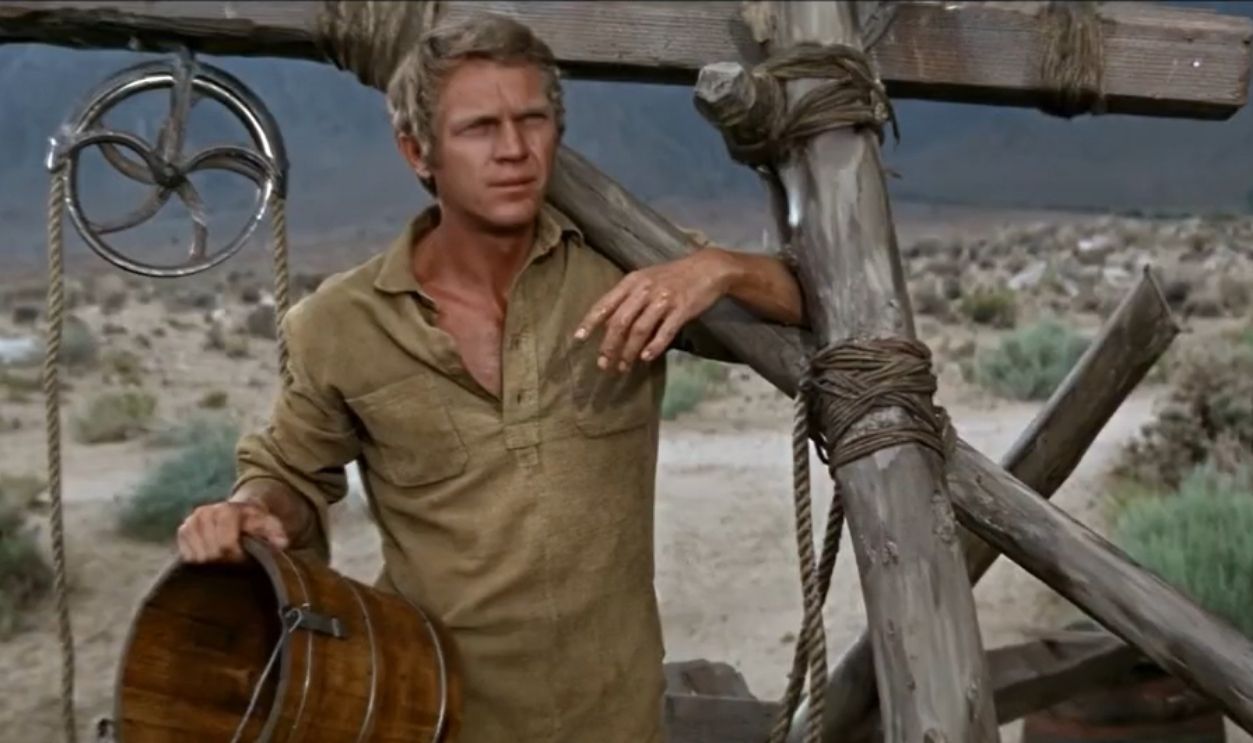 Screenshot from Nevada Smith, Paramount Pictures Corp. (1966)
Hombre
Paul Newman plays an Apache-raised white man forced to protect travelers who initially treat him with contempt. Hombre avoids easy heroics, instead turning the familiar stagecoach setup into something bitter and morally uncomfortable. Newman gives one of his coolest performances, while Richard Boone makes a memorably nasty villain.
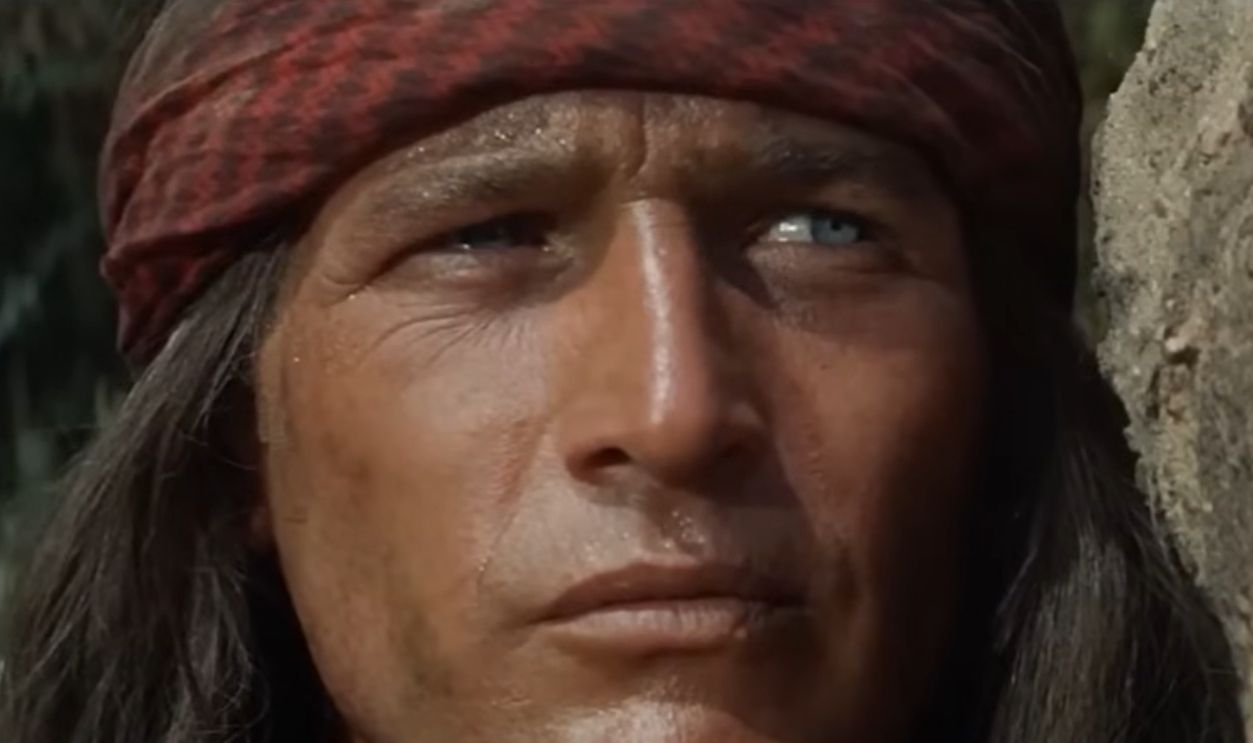 Screenshot from Hombre, Twentieth Century-Fox Film Corp. (1967)
Will Penny
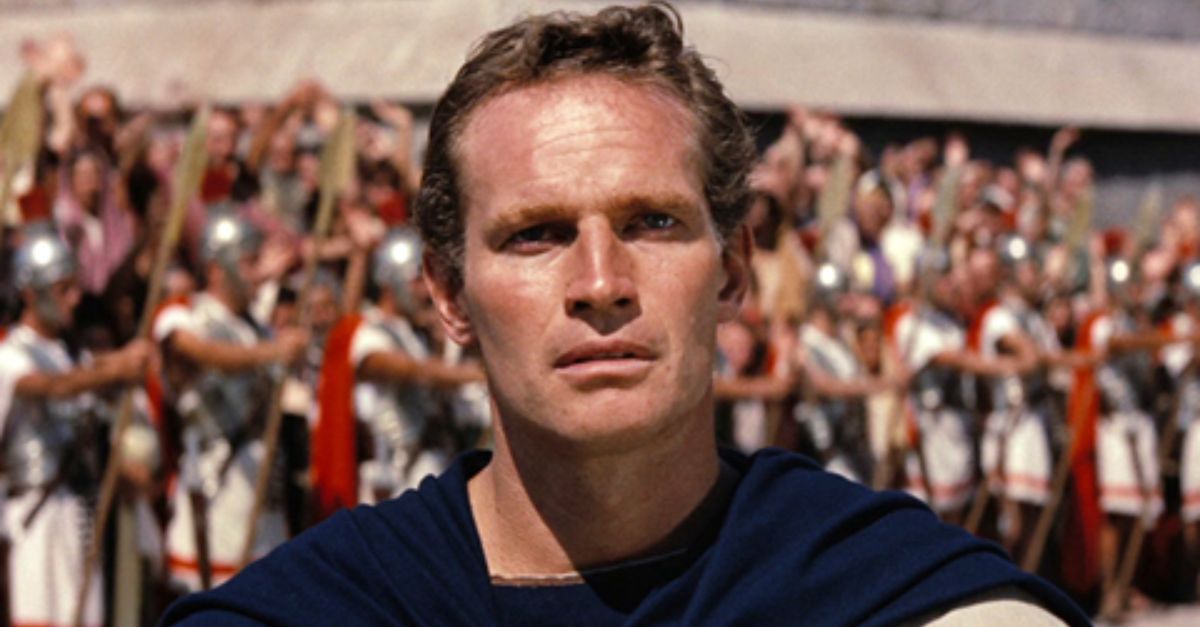
Charlton Heston trades his usual larger-than-life presence for something far more vulnerable in Will Penny. He plays an aging cowboy who realizes the life he understands may be leaving him behind. The film is deliberately slow and lonely, making it one of the decade’s most thoughtful character-driven Westerns.
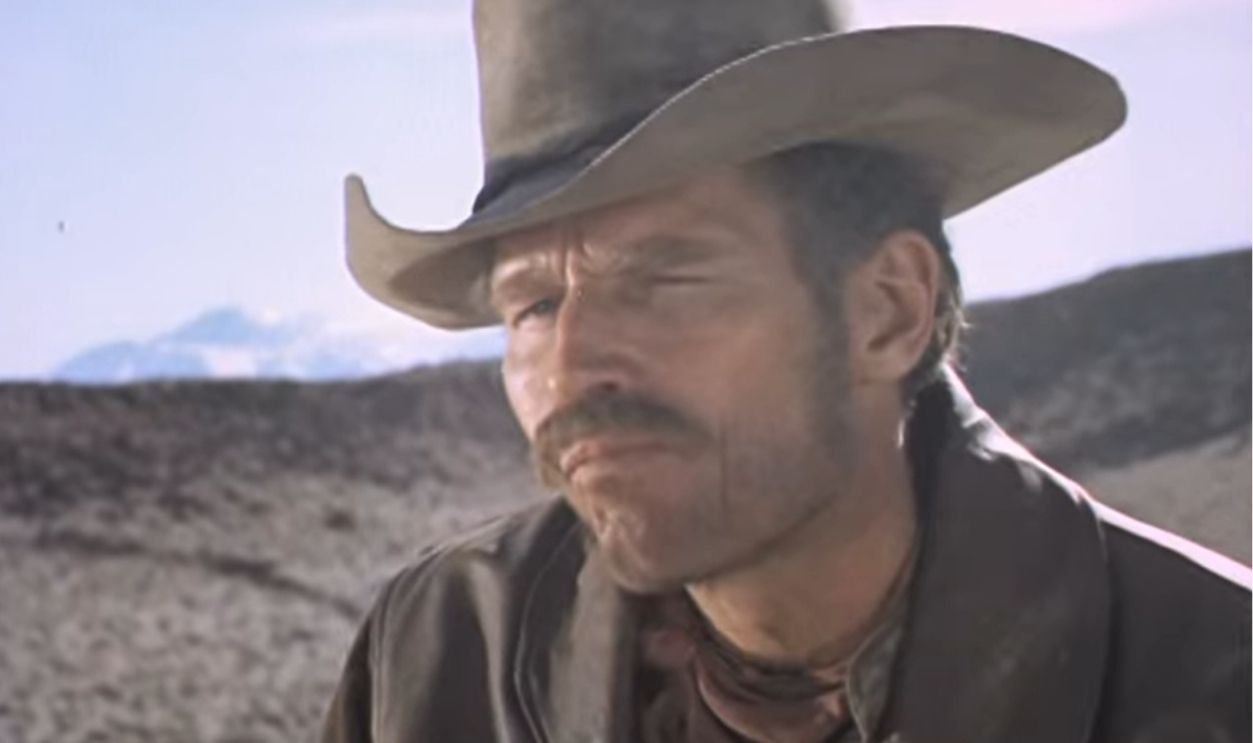 Screenshot from Will Penny, Paramount Pictures Corp. (1968)
The Stalking Moon
Gregory Peck stars as an Army scout trying to protect a woman and her son from a relentless Apache warrior. Rather than staging one giant shootout after another, The Stalking Moon builds tension almost like a horror movie. Its quiet stretches make the danger feel even more unsettling.
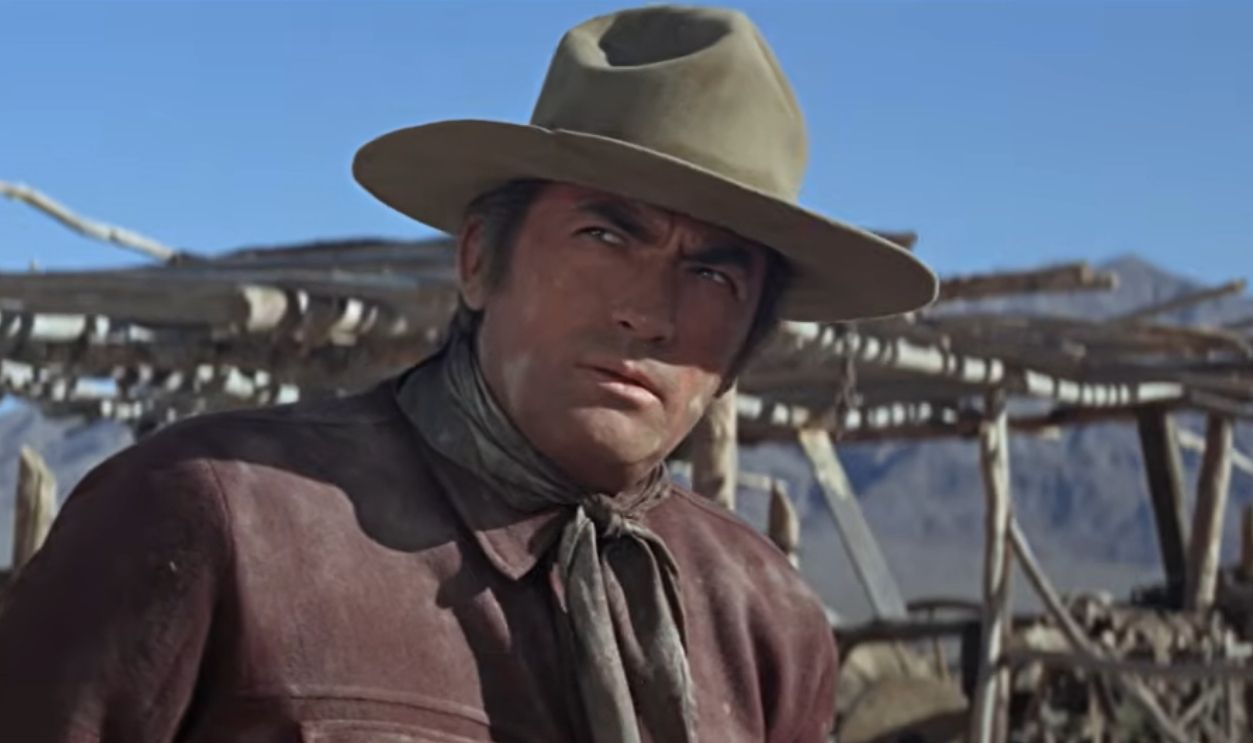 Screenshot from The Stalking Moon, National General Pictures Corporation (1968)
Firecreek
James Stewart plays a reluctant, part-time sheriff whose small town is terrorized by outlaws led by Henry Fonda. That casting reversal alone makes Firecreek worth seeing. Stewart’s character is frightened and uncertain, turning what could have been a standard showdown story into something much more personal.
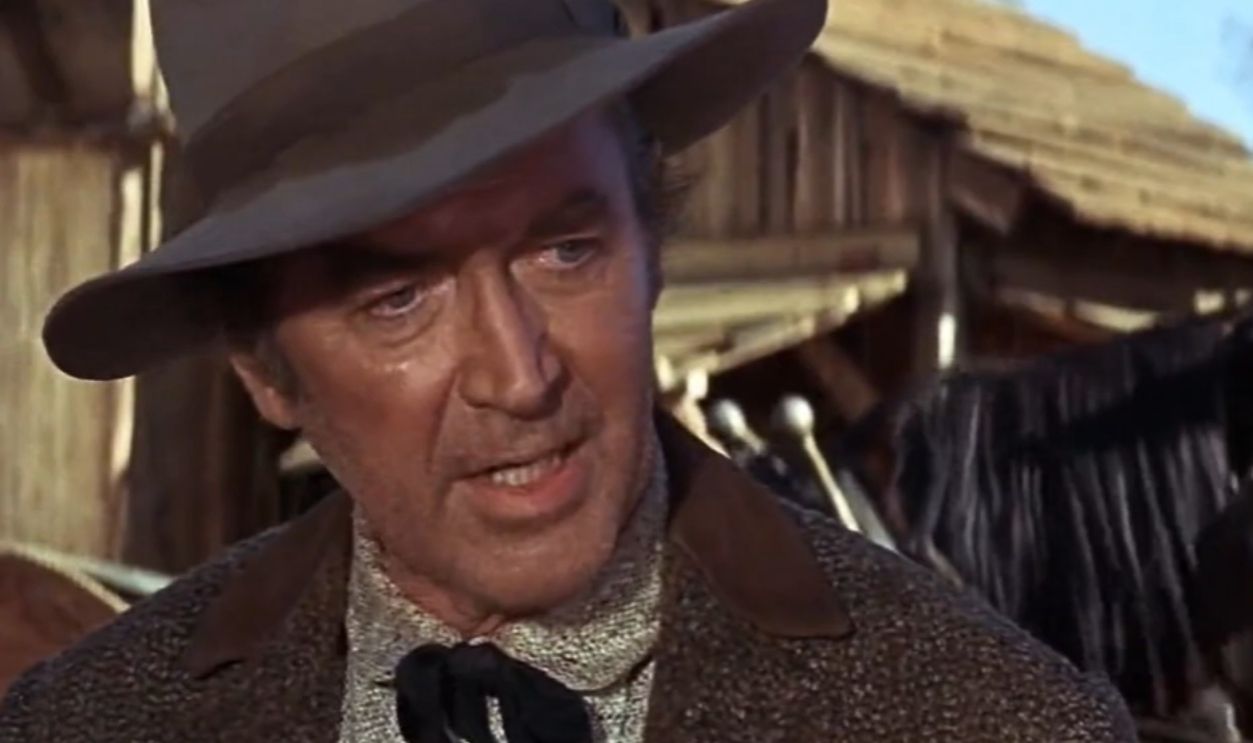 Screenshot from Firecreek, Warner Bros.-Seven Arts (1968)
Welcome To Hard Times
Henry Fonda appears again in a darker, stranger Western adapted from EL Doctorow’s novel. A cowardly mayor tries to rebuild his town after a violent outlaw destroys it. Welcome to Hard Times is bleak and uncomfortable, but its willingness to undermine traditional Western heroism makes it fascinating today.
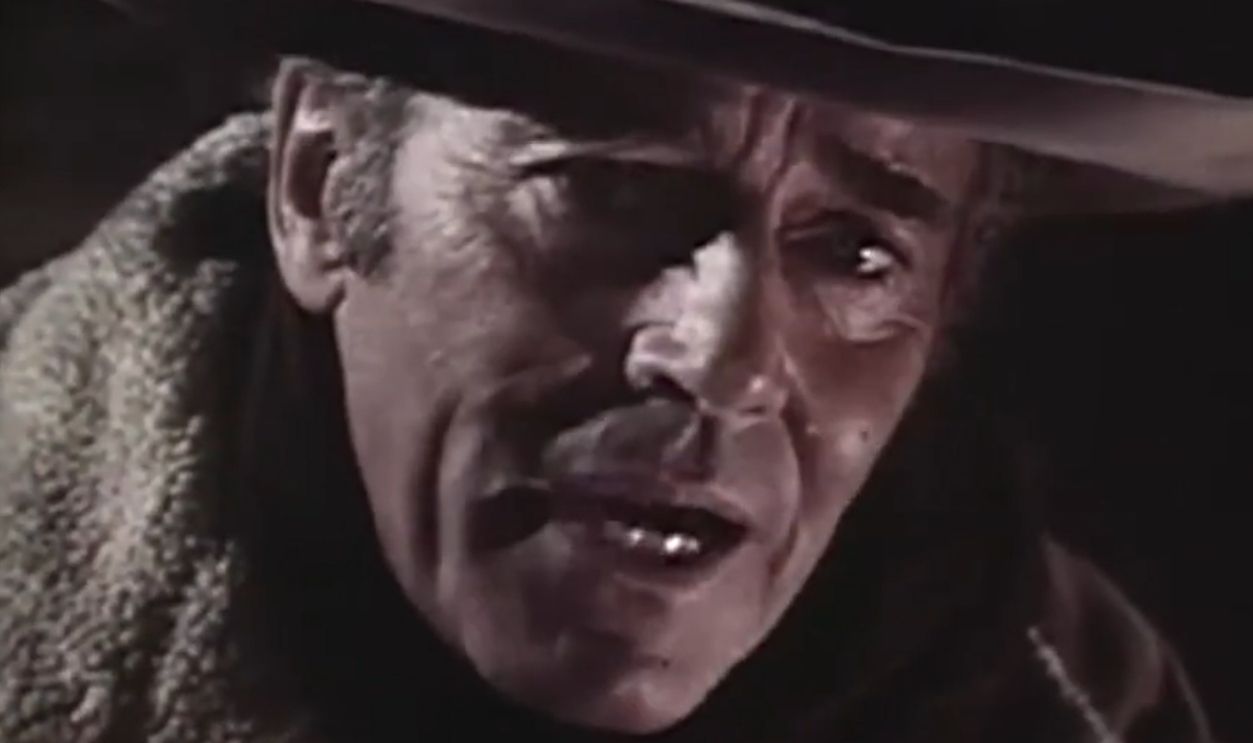 Screenshot from Welcome to Hard Times, Metro-Goldwyn-Mayer, Inc. (1967)
Bandolero!
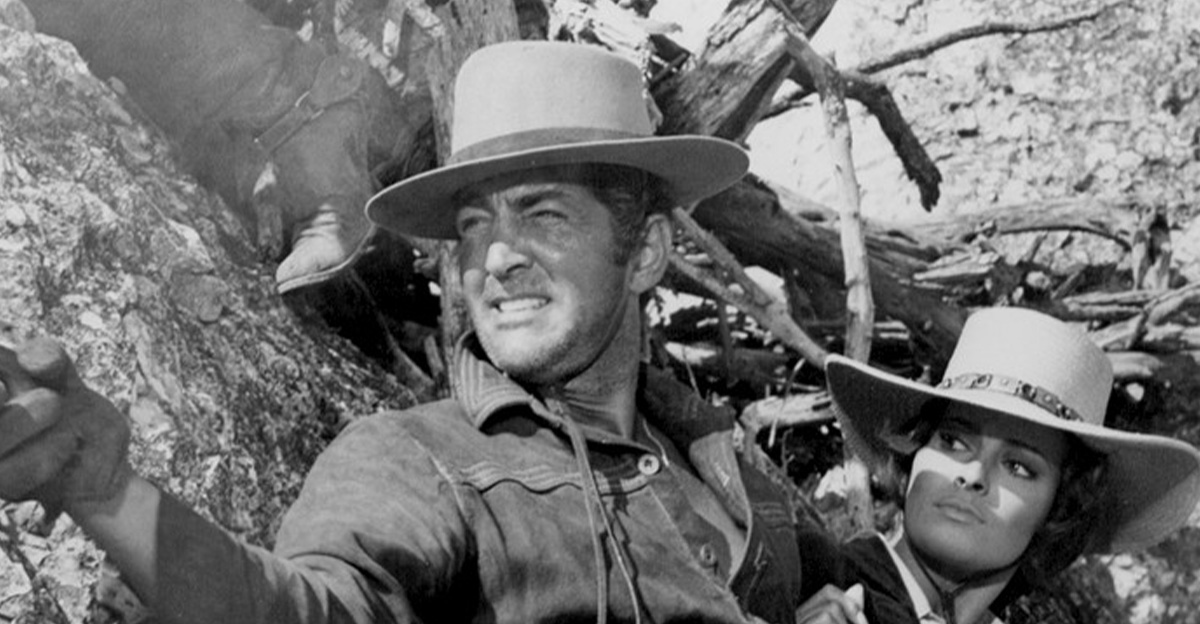
James Stewart and Dean Martin playing outlaw brothers already sounds entertaining, and Bandolero! mostly delivers. Raquel Welch joins them during a dangerous escape into Mexico. The movie mixes adventure, romance, and surprising darkness, creating the sort of star-packed studio Western that audiences rarely encounter anymore.
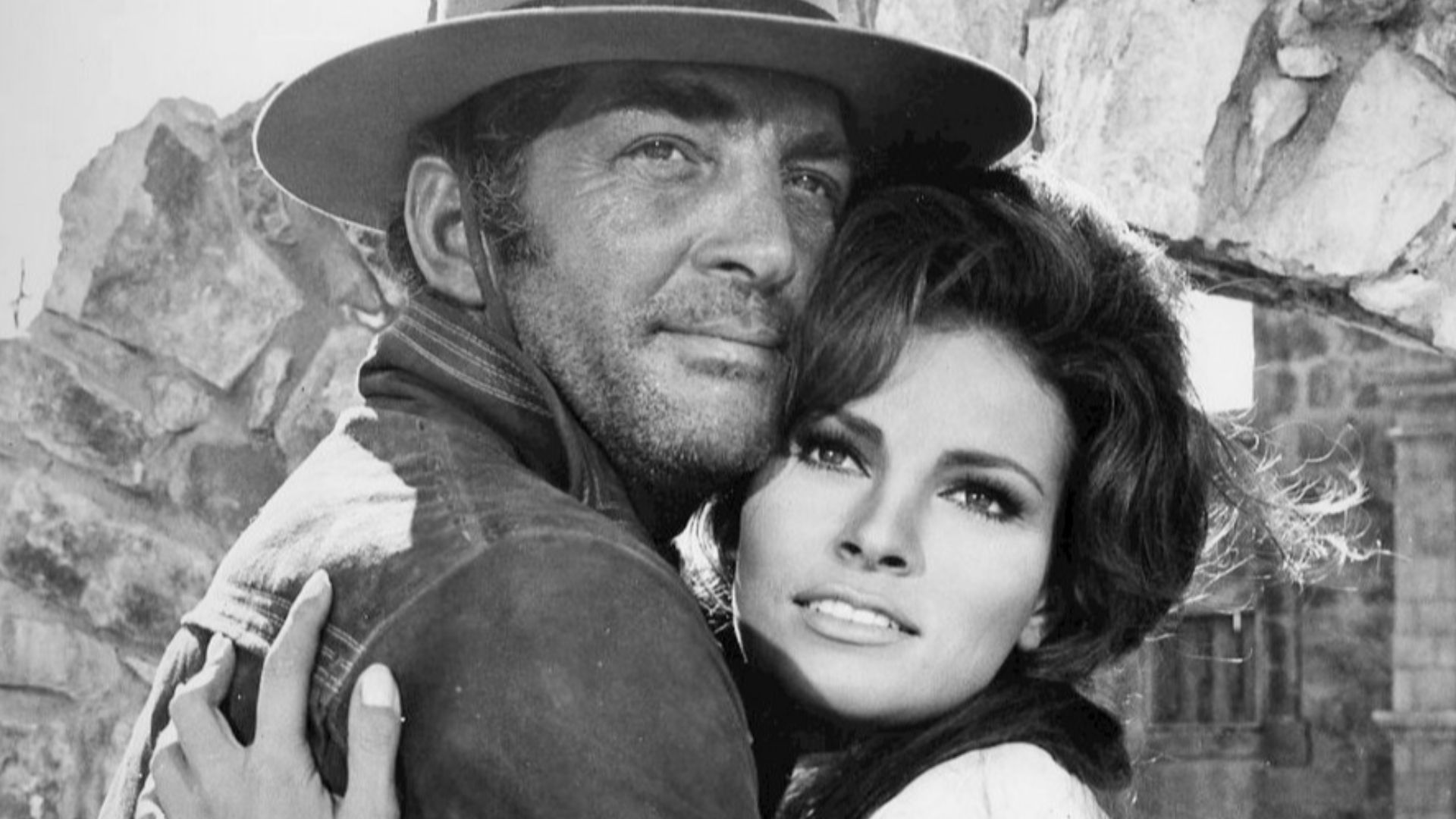 20th Century Fox, Wikimedia Commons
The Scalphunters
Burt Lancaster and Telly Savalas make an unexpectedly funny pair in this energetic Western. Lancaster plays a trapper whose prized furs are stolen, setting off an increasingly chaotic chase. The film deals with race more directly than many Westerns of its era, while remaining fast, colorful, and entertaining.
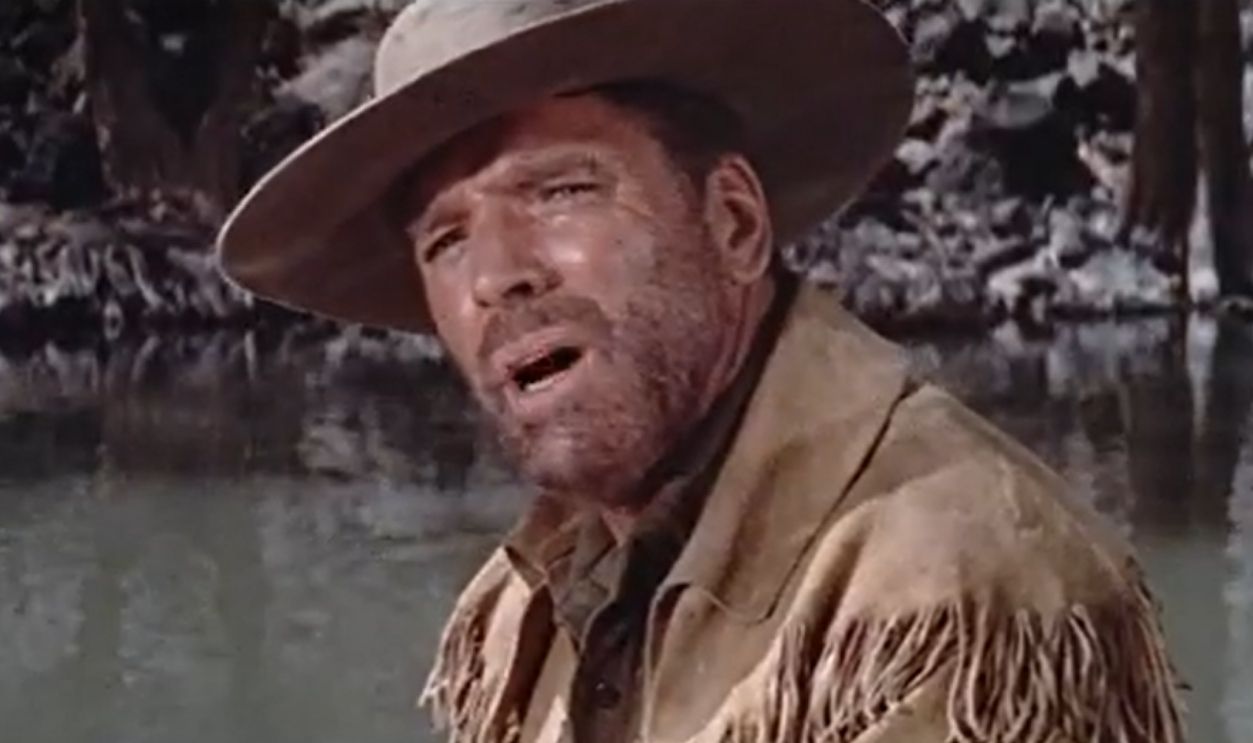 Screenshot from The Scalphunters, United Artists (1968)
Day Of The Evil Gun
Glenn Ford returns home to discover his family has been taken, forcing him into an uneasy partnership with the man who replaced him. Day of the Evil Gun strips away much of the romance surrounding frontier life. The landscape feels hostile, the characters are damaged, and the ending refuses easy comfort.
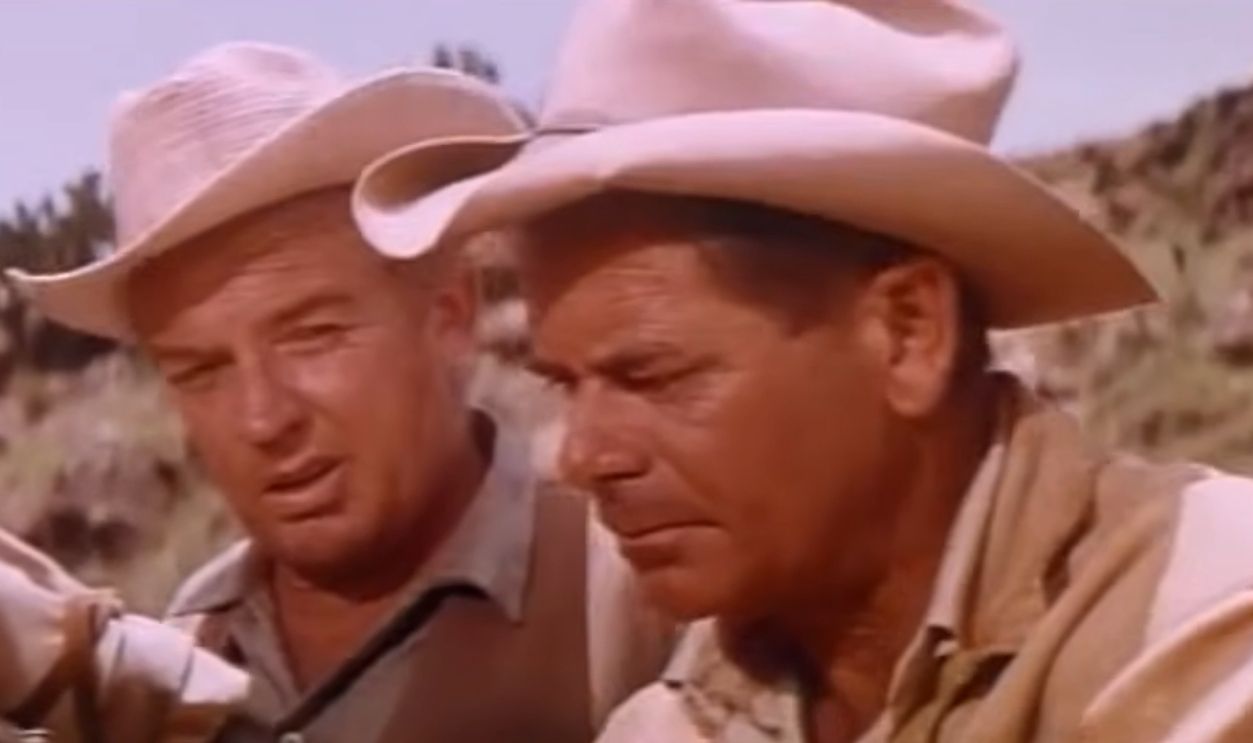 Screenshot from Day of the Evil Gun, Metro-Goldwyn-Mayer, Inc. (1968)
The Shooting
Monte Hellman’s The Shooting barely behaves like a conventional Western. Warren Oates joins a mysterious woman on a journey across an increasingly surreal desert while Jack Nicholson appears as a sinister gunman. The result feels like a Western crossed with an existential nightmare, and its strangeness has only improved with age.
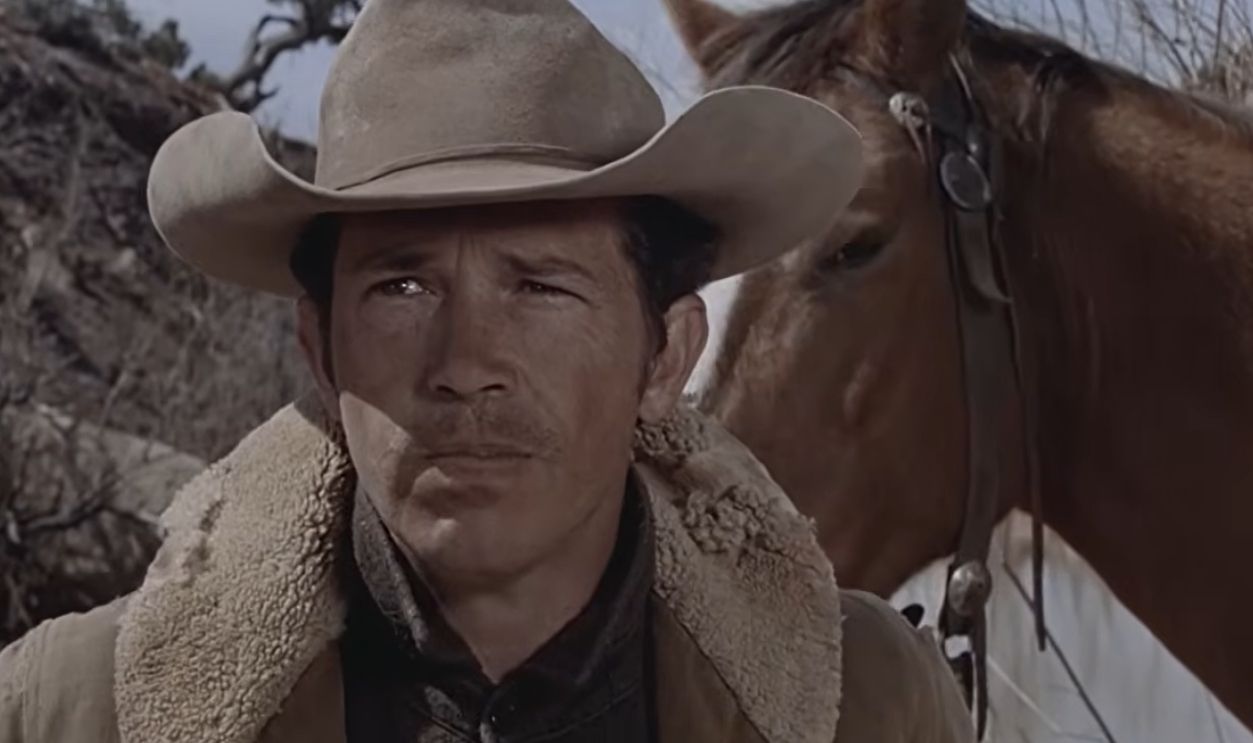 Screenshot from The Shooting, Jack H. Harris Enterprises, Inc. (1972)
Ride In The Whirlwind
Made around the same time as The Shooting, Ride in the Whirlwind also stars Jack Nicholson, who helped write the screenplay. Three cowboys are mistaken for outlaws and suddenly find themselves hunted. Its stripped-down approach makes frontier justice look frighteningly random rather than heroic.
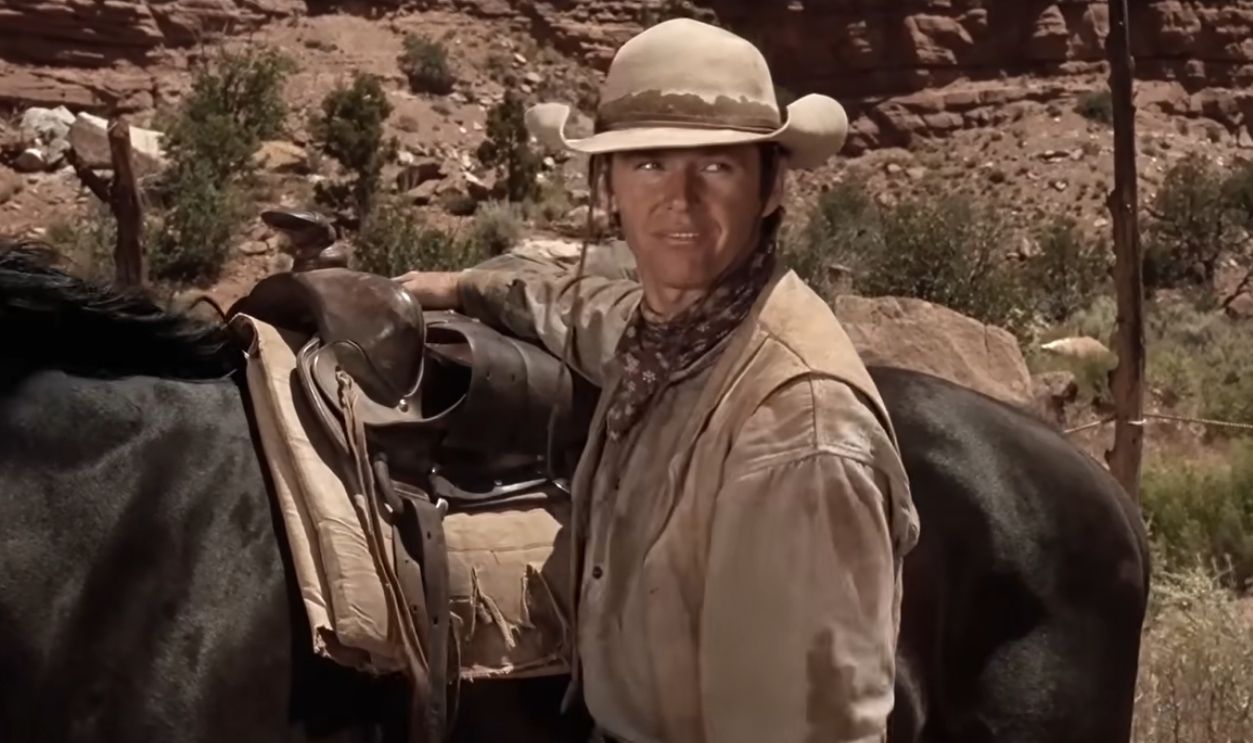 Screenshot from Ride in the Whirlwind, Jack H. Harris Enterprises, Inc. (1972)
The War Wagon
John Wayne and Kirk Douglas joining forces should have made The War Wagon a permanent television favorite. Instead, this clever heist Western seems to have slipped through the cracks. The heroes plan to rob a heavily armored stagecoach carrying gold, producing a Western that plays like Ocean’s Eleven on horseback.
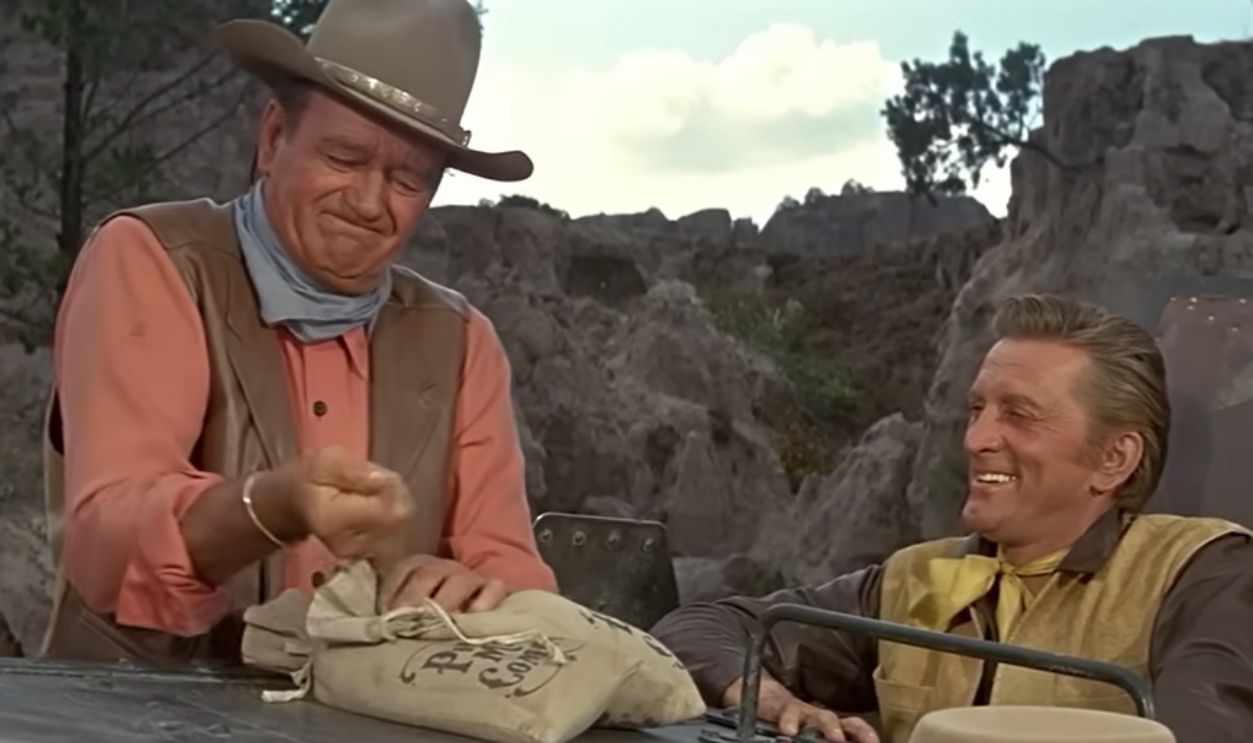 Screenshot from The War Wagon, Universal Pictures (1967)
Death Rides A Horse
Spaghetti Western fans know this one, but wider audiences often do not. Lee Van Cleef teams with John Phillip Law for a revenge story packed with stylish shootouts and an excellent Ennio Morricone score. It delivers practically everything viewers want from an Italian Western without needing Clint Eastwood anywhere nearby.
![Lee Van Cleef in the 1967 Spaghetti western film, Death Rides a Horse
The film is public domain in the United States. [1] [2] [3]
This is a retouched picture, which means that it has been digitally altered from its original version. Modifications:](https://www.factinate.com/storage/app/media/theshot/2026/9/1/178825879494e8b5e4885300893bd43da7c74e3b839c863812.jpg) Giulio Petroni (director)PEC/United Artists, Wikimedia Commons
Giulio Petroni (director)PEC/United Artists, Wikimedia Commons
The Mercenary
Franco Nero and Jack Palance bring enormous charisma to Sergio Corbucci’s Mexican Revolution Western. Nero plays a gun-for-hire who becomes involved with revolutionaries, although his loyalty usually follows the money. Funny, cynical, violent, and beautifully shot, The Mercenary deserves far more attention outside serious Spaghetti Western circles.
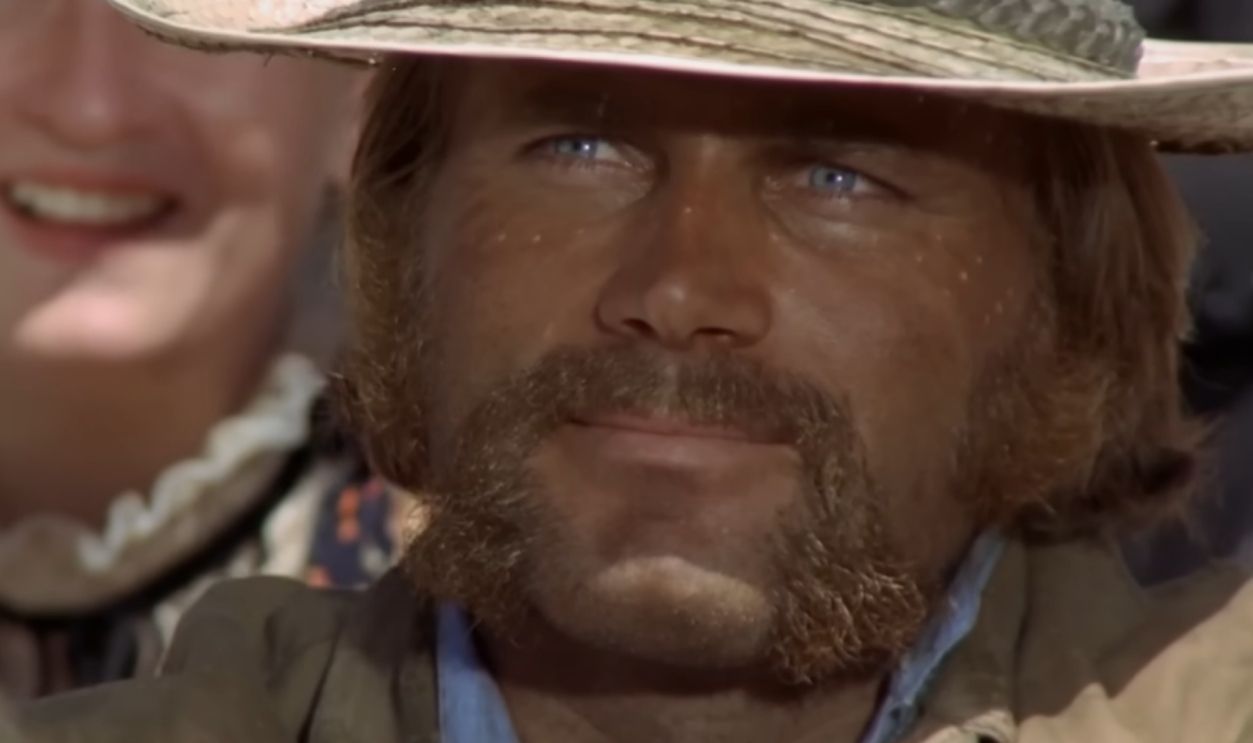 Screenshot from The Mercenary, United Artists (1968)
The Great Silence
Sergio Corbucci replaced dusty desert landscapes with mountains buried beneath snow, instantly giving The Great Silence a unique atmosphere. Jean-Louis Trintignant faces Klaus Kinski in a grim story about bounty hunters and corruption. Its uncompromising ending remains one of the boldest choices any 1960s Western made.
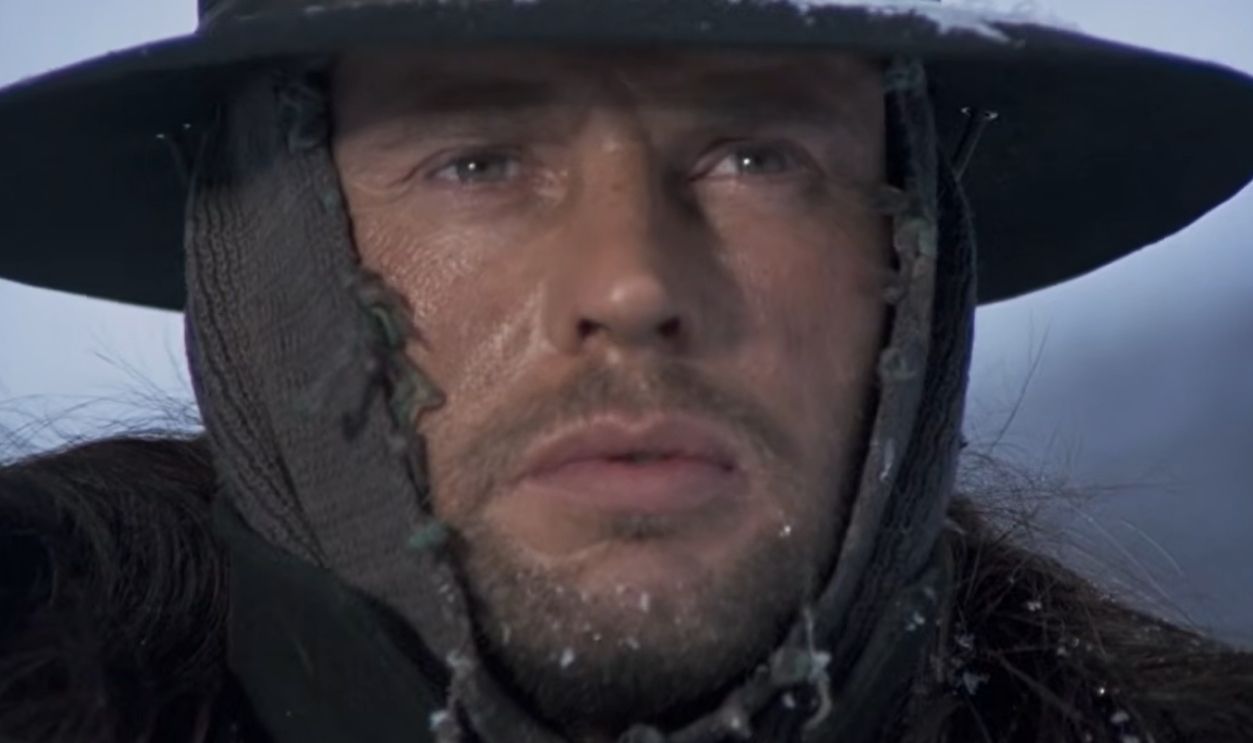 Screenshot from The Great Silence, 20th Century Fox (Italy) (1968)
Major Dundee
Sam Peckinpah’s troubled production was heavily altered before release, which damaged the film’s reputation for decades. Even in imperfect form, Major Dundee is bursting with ambition. Charlton Heston leads a mismatched force into Mexico, while Richard Harris delivers a wonderfully combative performance as his Confederate prisoner and rival.
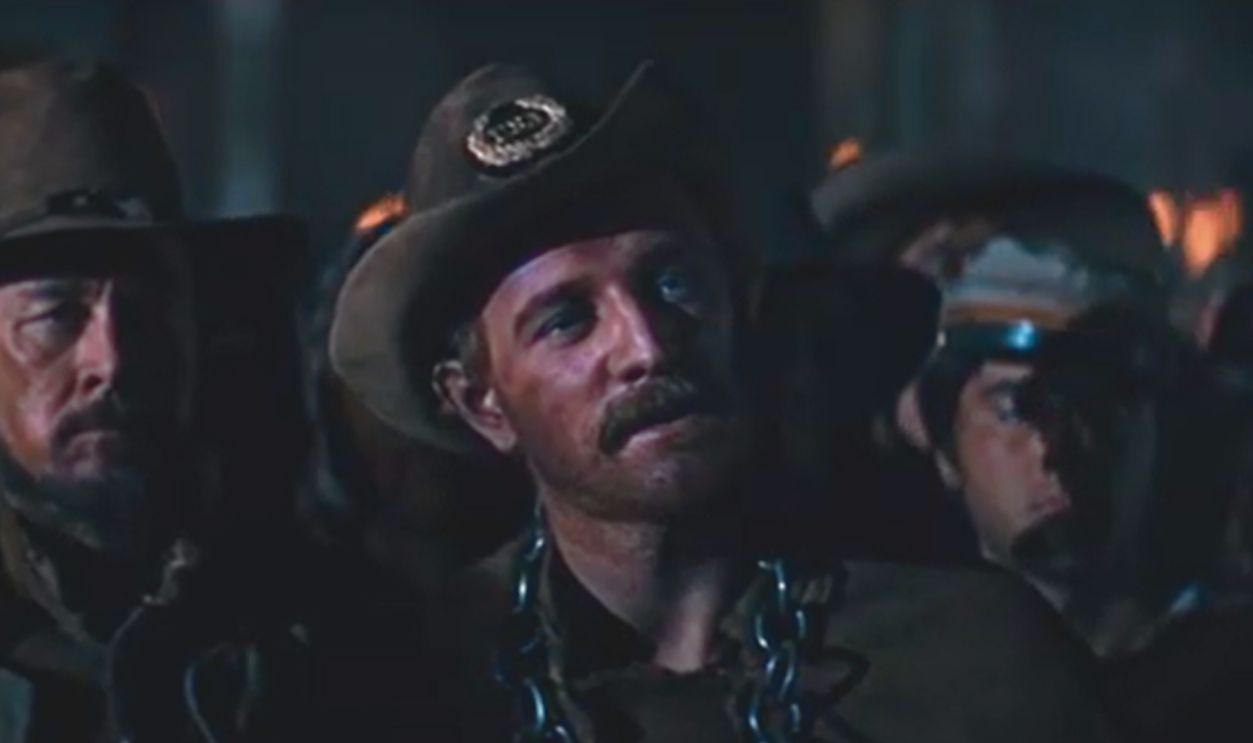 Screenshot from Major Dundee, Columbia Pictures (1965)
Hour Of The Gun
Most movies about Wyatt Earp build toward the gunfight at the OK Corral. Hour of the Gun starts there. James Garner’s Earp spends the rest of the film pursuing vengeance, with Jason Robards playing Doc Holliday. It is darker and less romantic than earlier versions of the legend.
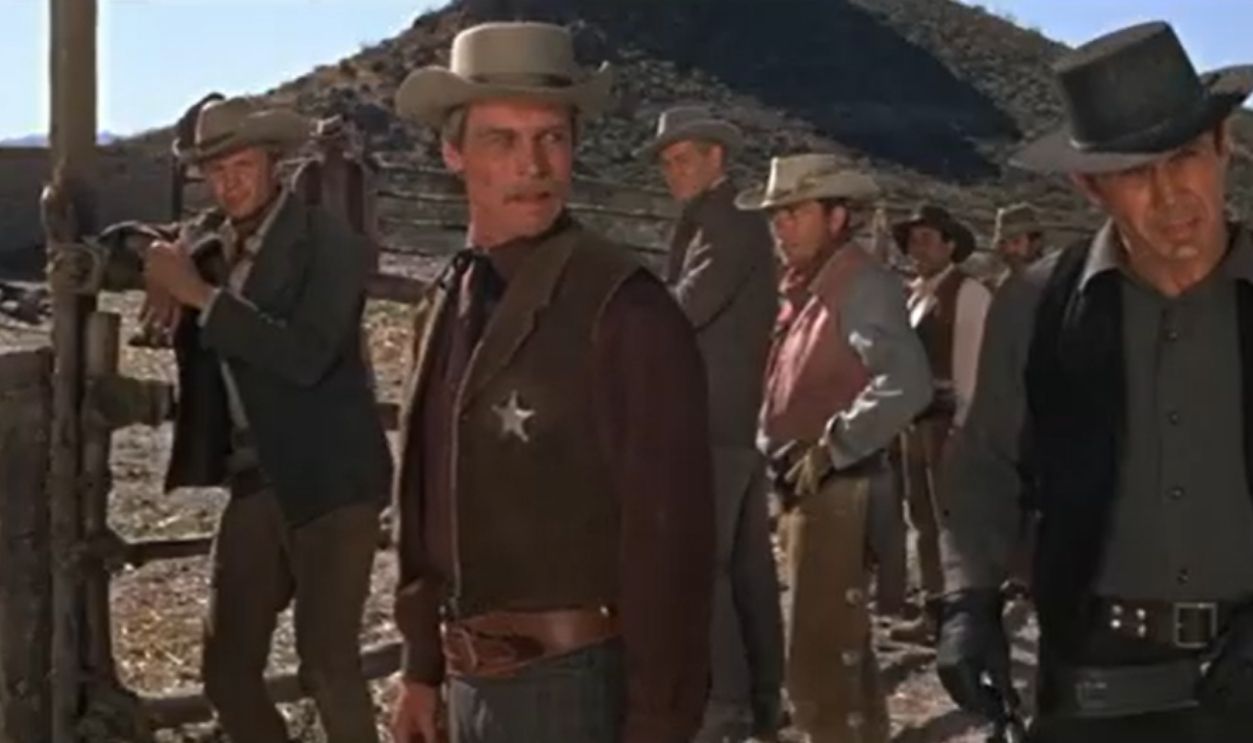 Screenshot from Hour of the Gun, United Artists (1967)
Support Your Local Sheriff!
The Western could laugh at itself, too. James Garner plays a remarkably relaxed stranger who becomes sheriff of a chaotic frontier town and casually outsmarts everyone around him. Support Your Local Sheriff! is clever without becoming mean-spirited, and Garner’s effortless comic timing makes the whole movie work.
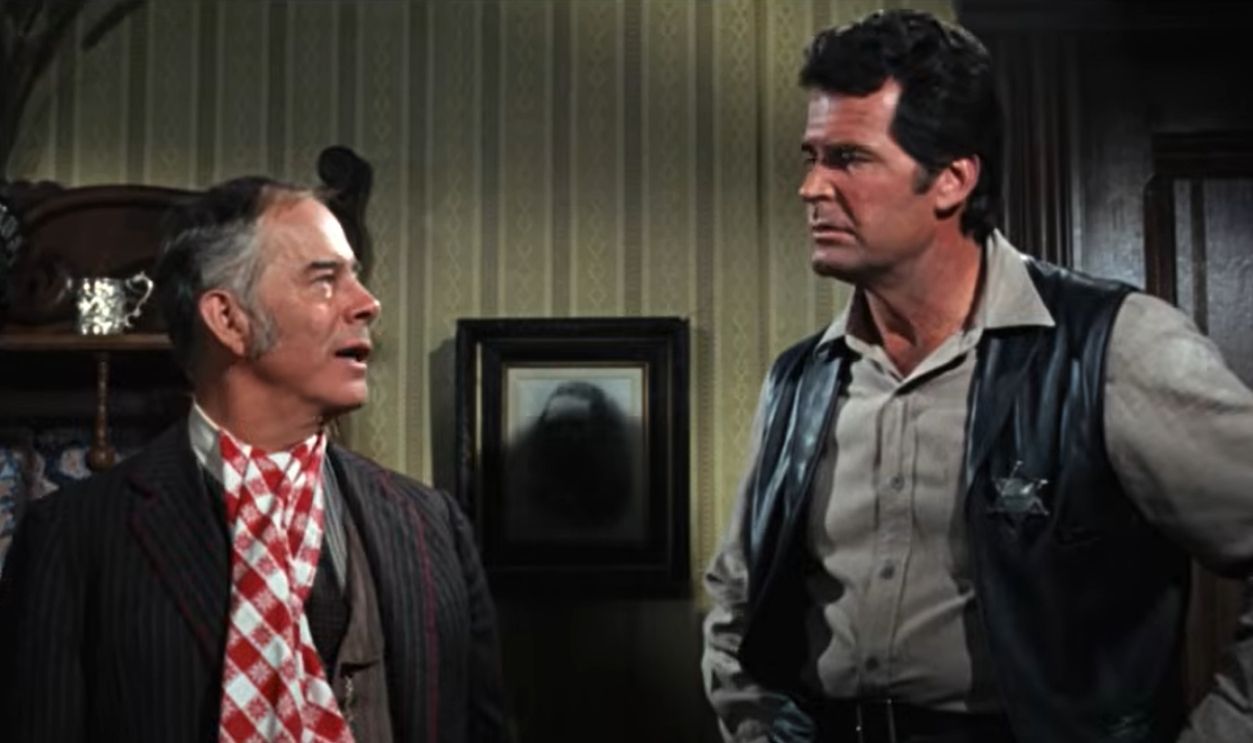 Screenshot from Support Your Local Sheriff!, United Artists (1969)
The West Was Changing Fast
The 1960s were a turning point for Westerns. Traditional heroes were getting older, European filmmakers were rewriting the rules, and younger directors were questioning everything the genre once celebrated. These overlooked movies capture that transformation beautifully—and many deserve to ride alongside the decade’s much more famous classics.
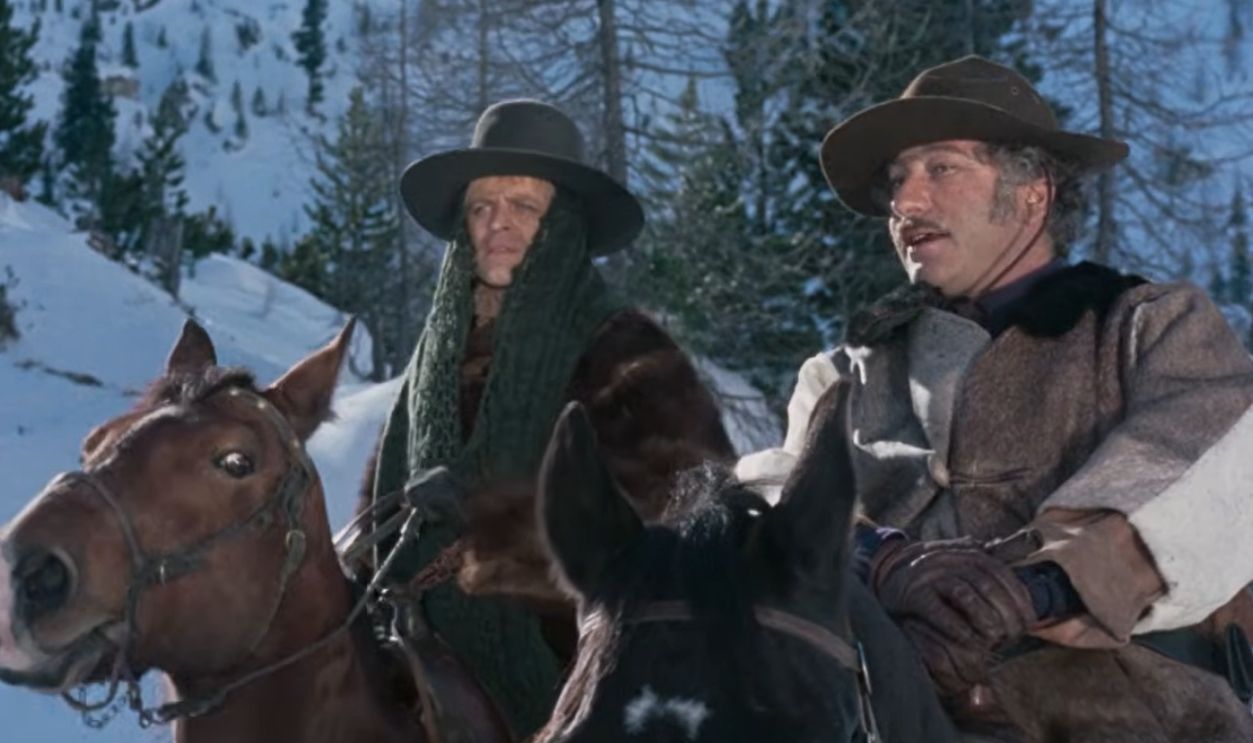 Screenshot from The Great Silence, 20th Century Fox (Italy) (1968)
You May Also Like:
The Hardest 1970s TV Catchphrase Trivia Quiz Ever—Can You Even Get 8 Out Of 20?