Famous Last Words
The 70s were overflowing with catchphrases that escaped from television sets, commercials and comedy stages and somehow lodged themselves in our brains for the next 50 years. But how many are still there?
Keep track of your score and see whether you can even get eight right.

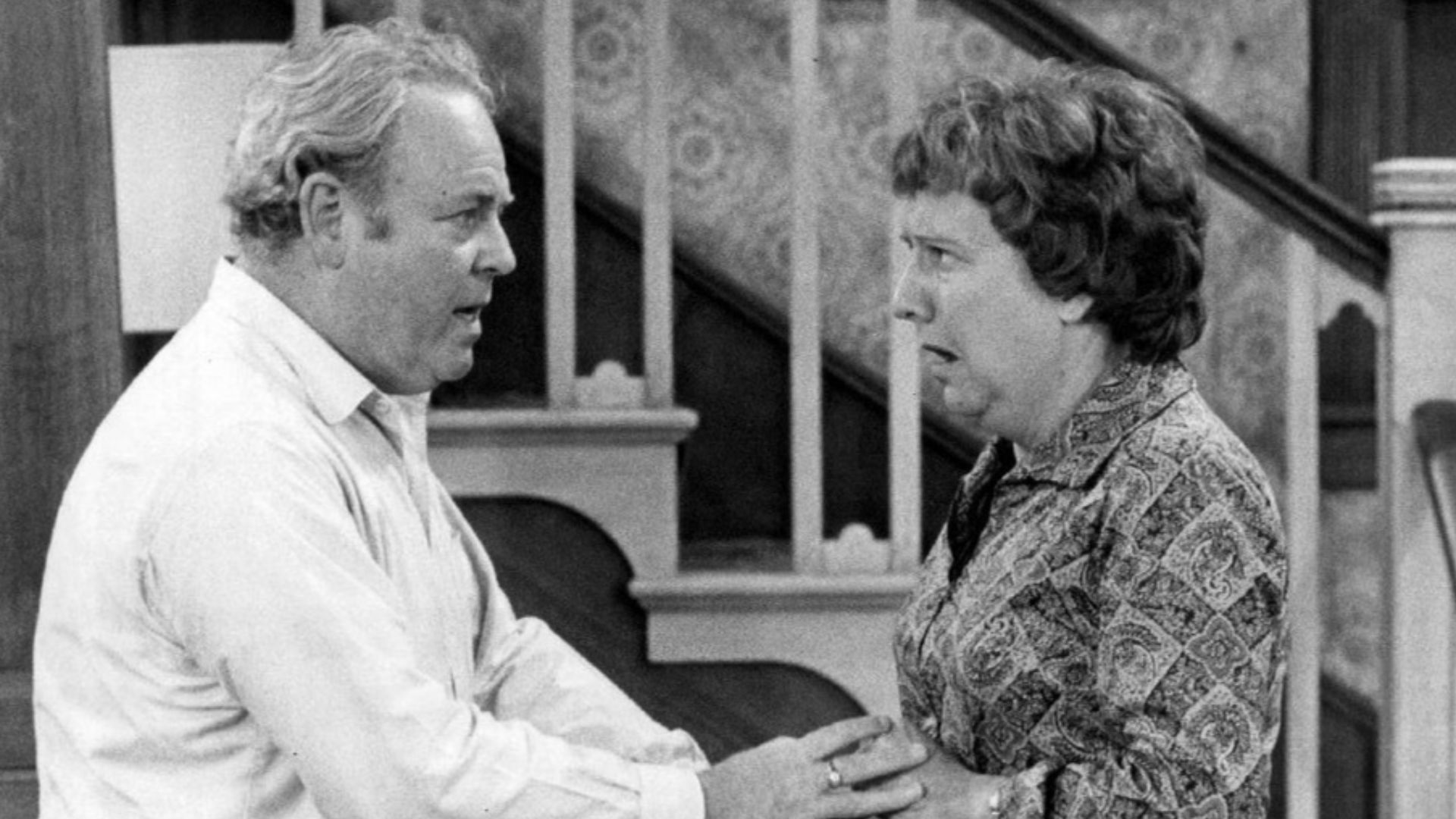
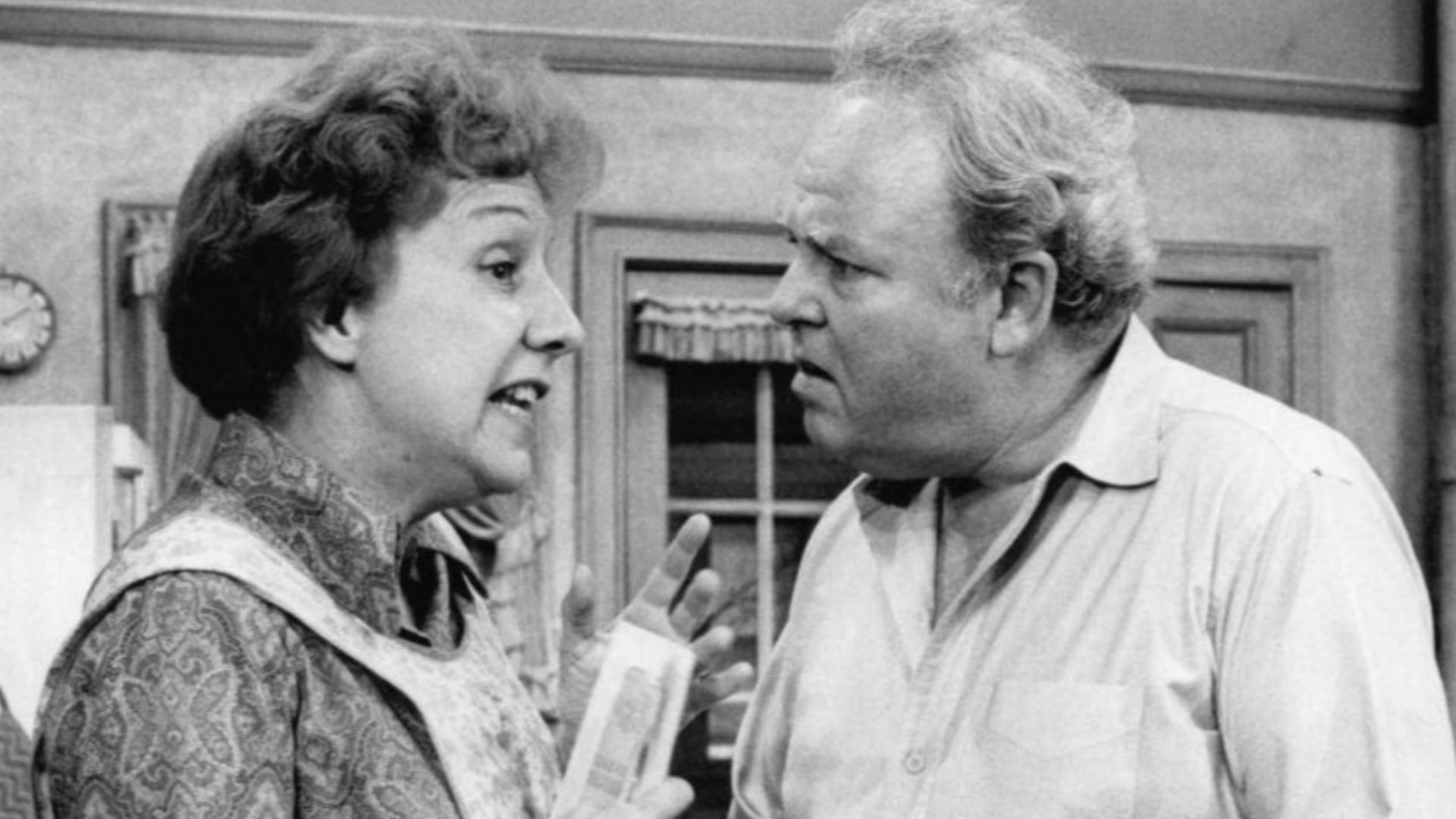
1: What Character Said: “Stifle Yourself!”
This sharp command became a regular part of one famous sitcom character’s vocabulary during the decade. Name the television character most closely associated with saying it.
 CBS Television, Wikimedia Commons
A: Archie Bunker
Carroll O’Connor’s Archie Bunker regularly told his wife Edith to “stifle” herself on All in the Family. It was Archie’s slightly less direct—but no less obvious—way of telling someone that he had heard quite enough.
 CBS Television, Wikimedia Commons
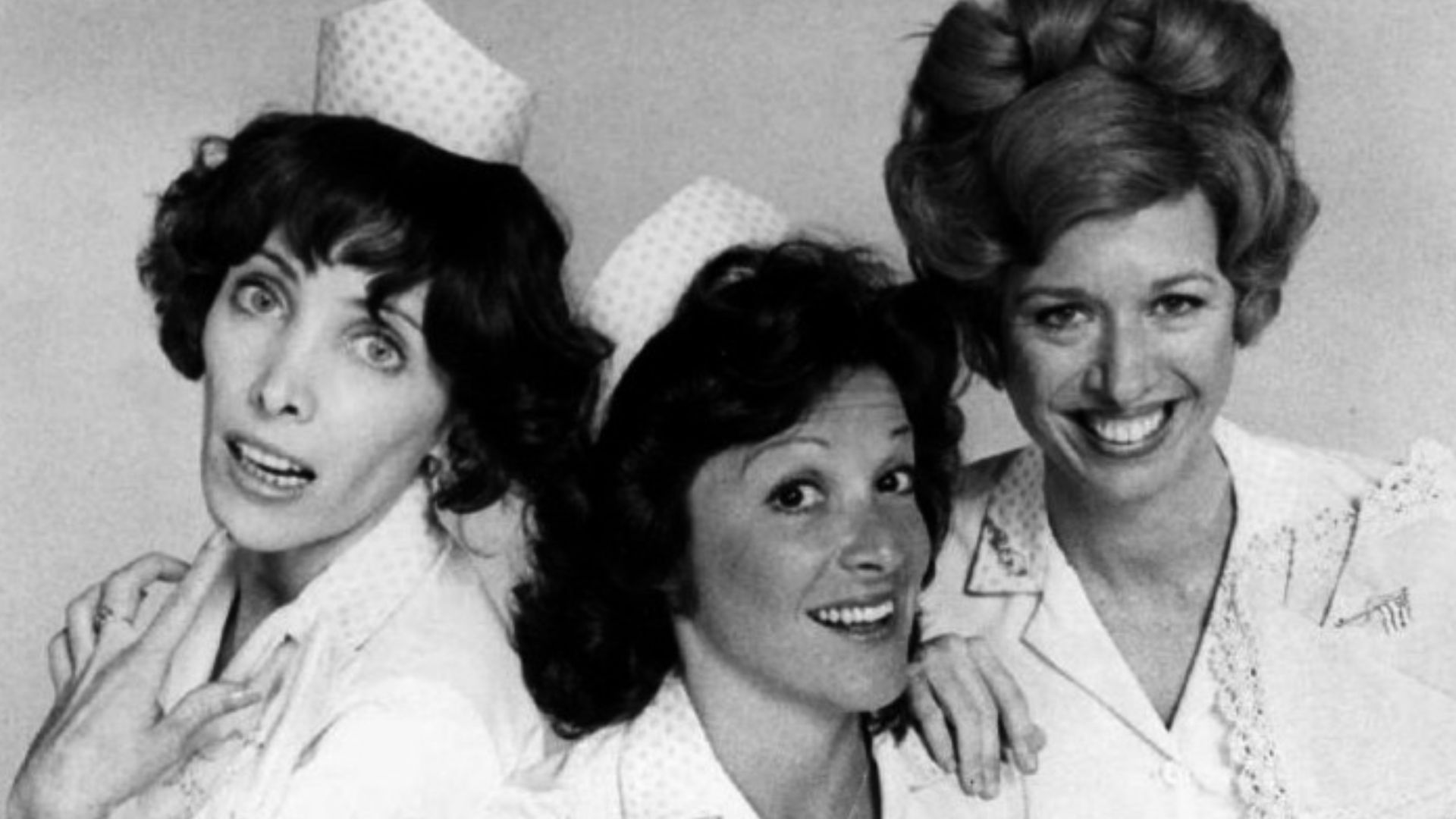
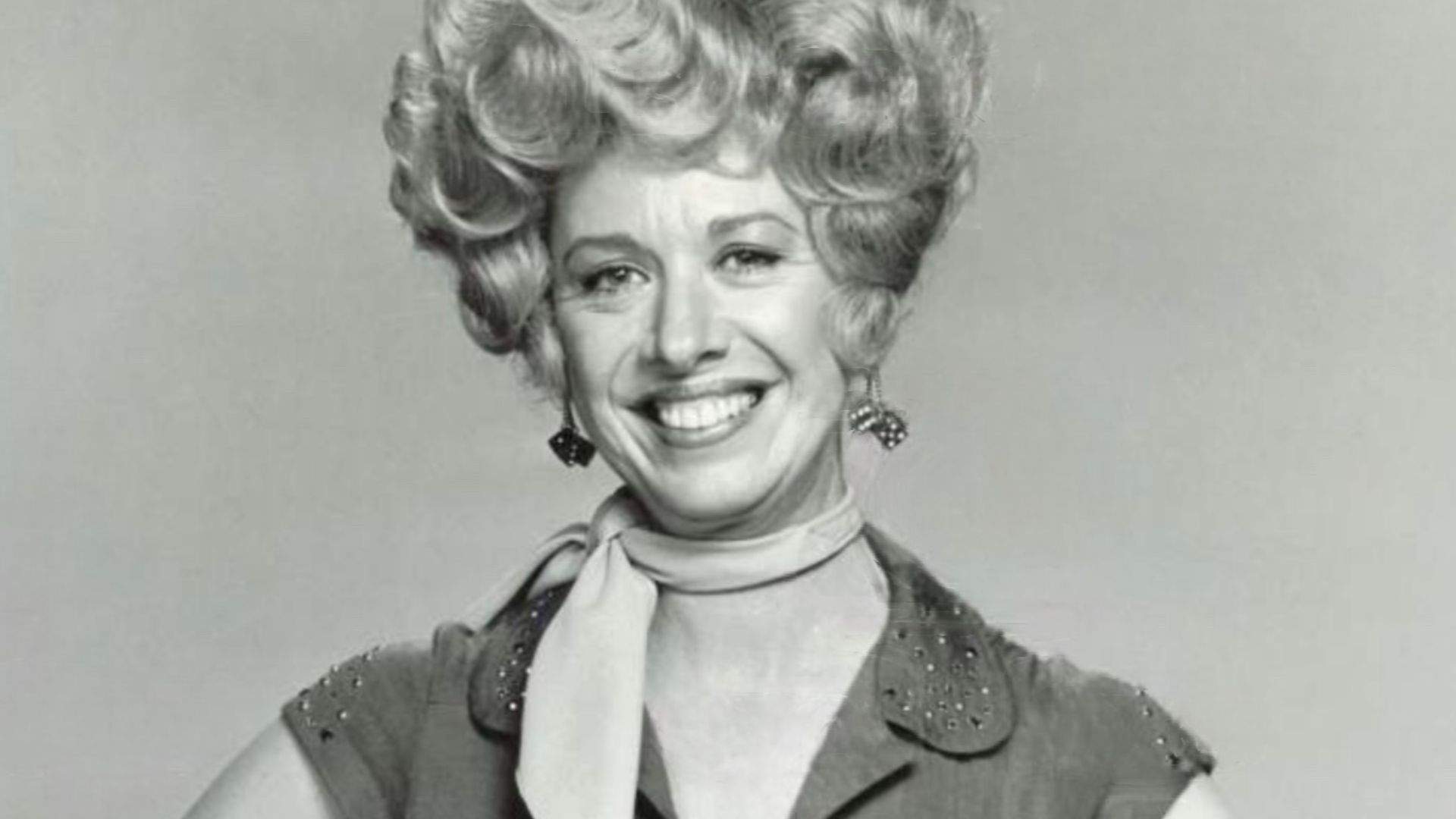
2: What TV Show Is This One From: “Kiss My Grits!”
A. Alice
B. One Day at a Time
C. Rhoda
D. The Mary Tyler Moore Show
 CBS Television, Wikimedia Commons
A: Alice
Polly Holliday’s Flo Castleberry delivered the line on Alice, where she worked at Mel’s Diner. The catchphrase became so popular that Flo eventually received her own spinoff—and the line still outlived it.
 CBS Television, Wikimedia Commons
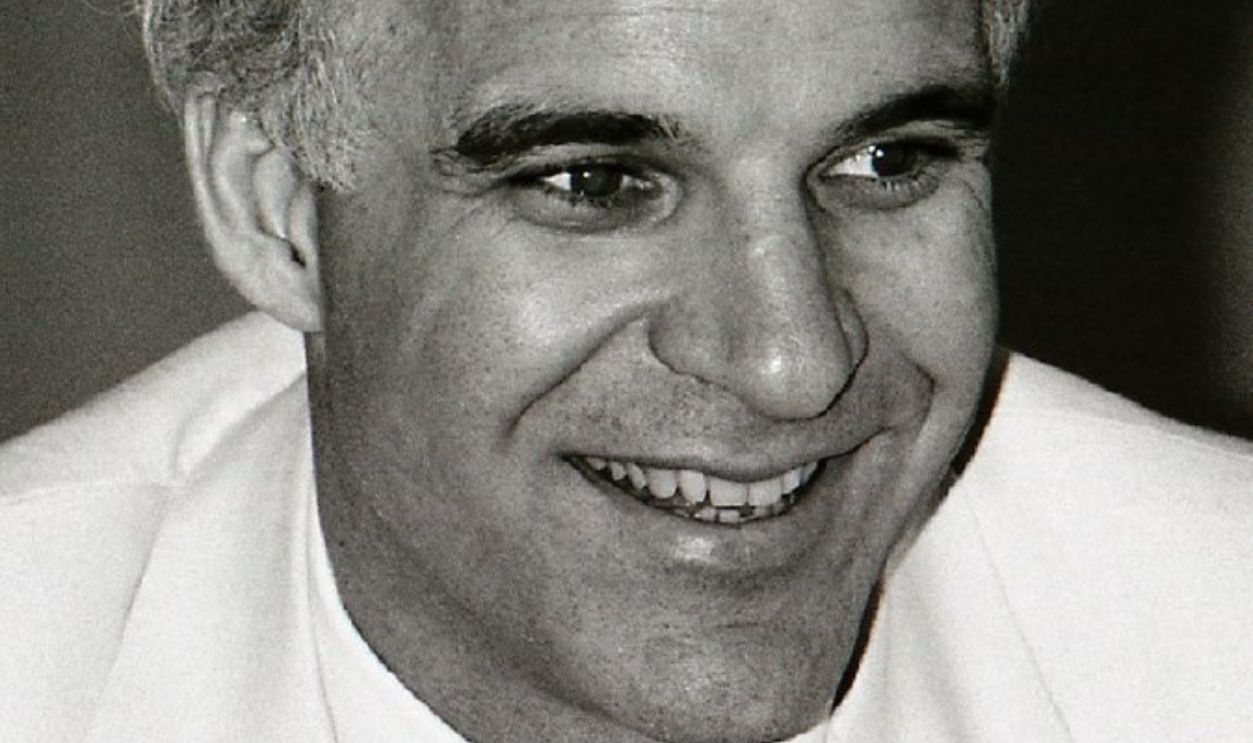
3: What Comedian Made: “Well, Excuuuuse Me!” Famous?
This exaggerated apology became a national catchphrase during the late 70s and was copied by audiences everywhere. Name the comedian whose distinctive delivery made it famous.
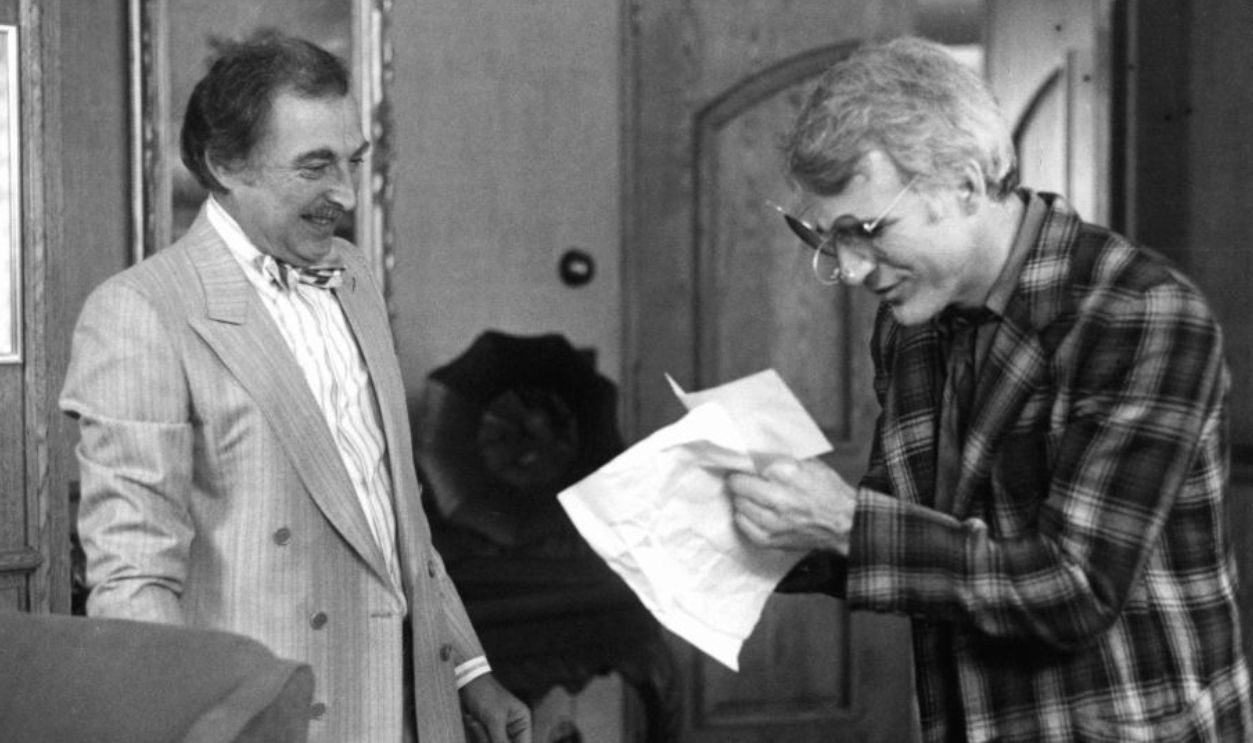
A: Steve Martin
Steve Martin’s stretched-out “Well, excuuuuse me!” became one of his defining lines during his explosive rise in the late 70s. Almost overnight, people everywhere were using it whenever a normal apology simply was not annoying enough.
 Towpilot, CC BY-SA 3.0, Wikimedia Commons
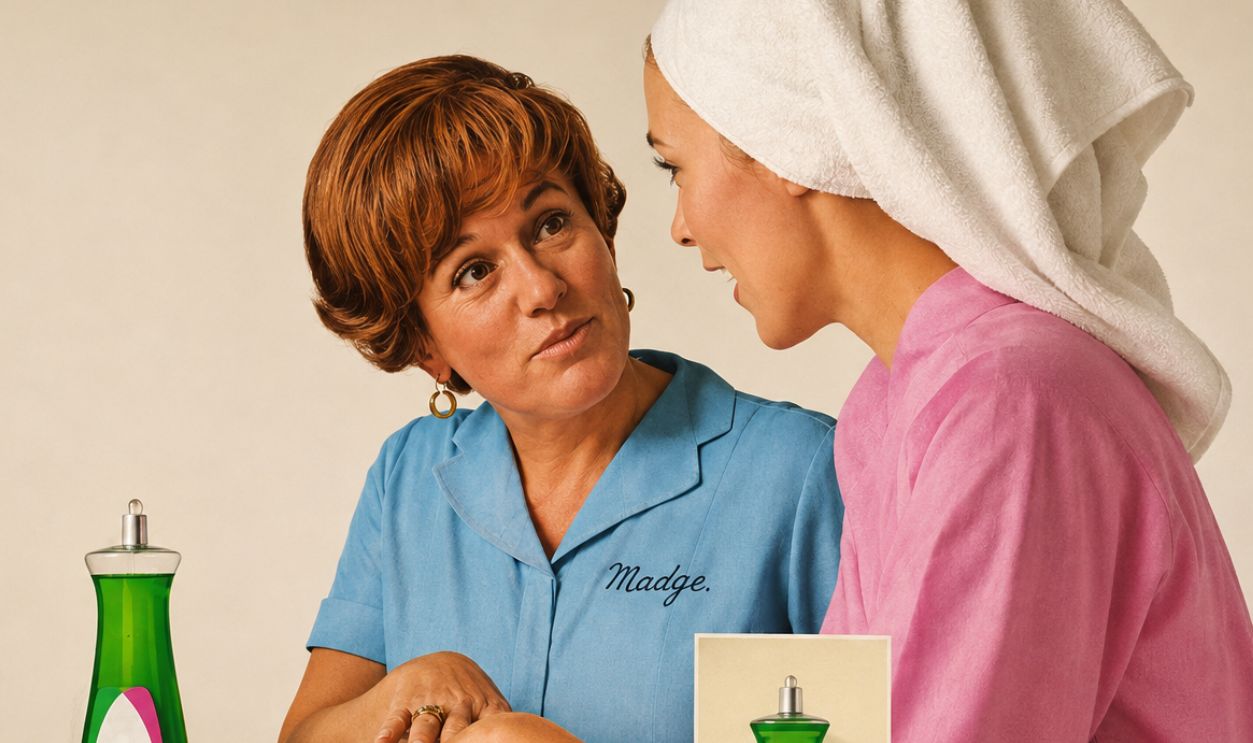
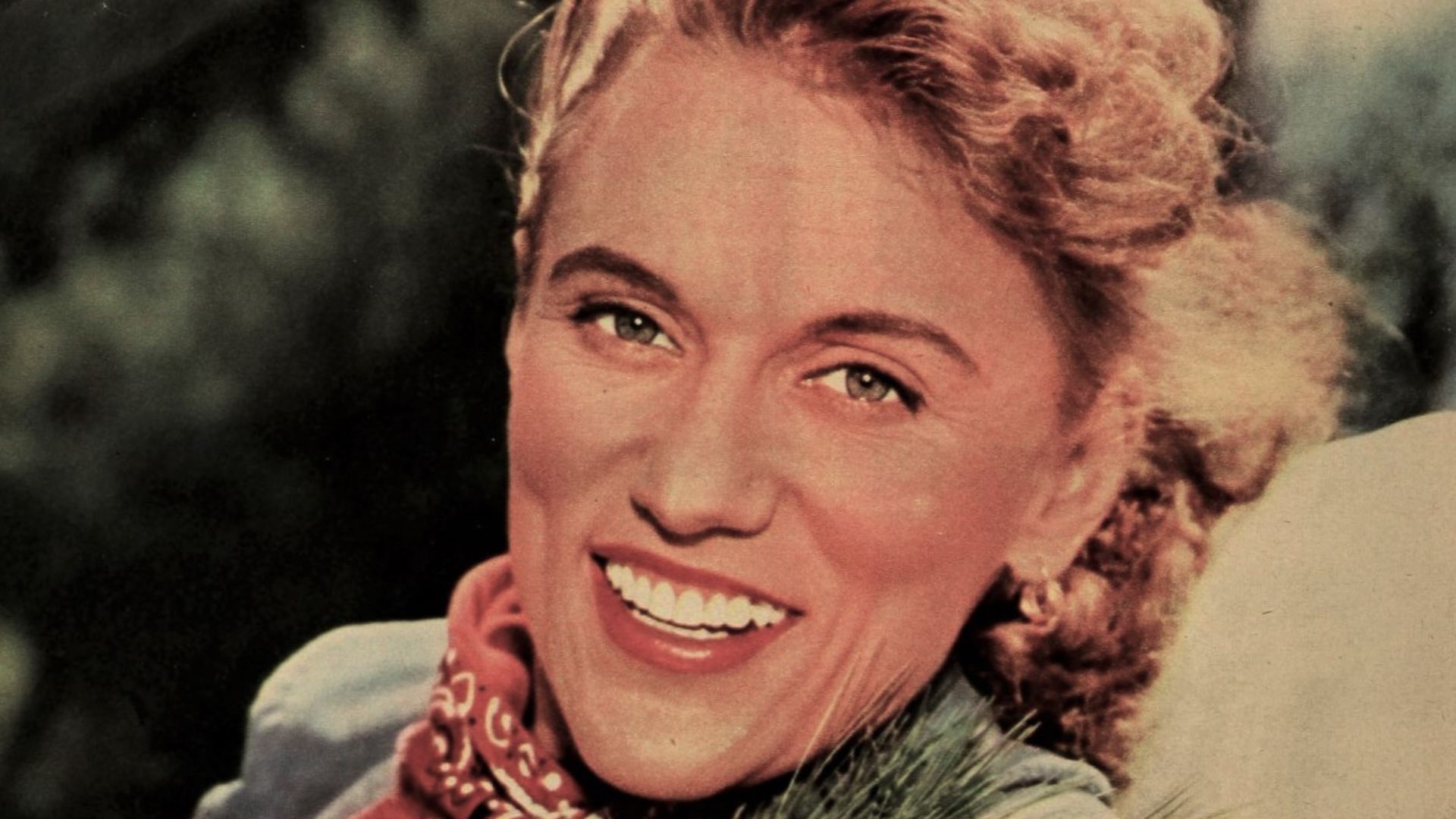
4: What Product Is This One From: “You’re Soaking In It!”
This line came from a long-running commercial in which an ordinary appointment suddenly became an unexpected product demonstration. Name the household product being advertised in the scene.
 Colgate-Palmolive, Wikimedia Commons, Modified
A: Palmolive Dishwashing Liquid
Madge the manicurist surprised customers by revealing that their fingers were soaking in Palmolive. Actress Jan Miner played Madge for decades, proving that one bowl of green dishwashing liquid could provide an astonishing amount of job security.
 Photographer not credited, Wikimedia Commons
5: What Laugh-In Character Said: “One Ringy-Dingy...Two Ringy-Dingies”
A. Ernestine
B. Edith Ann
C. Gladys Ormphby
D. Goldie
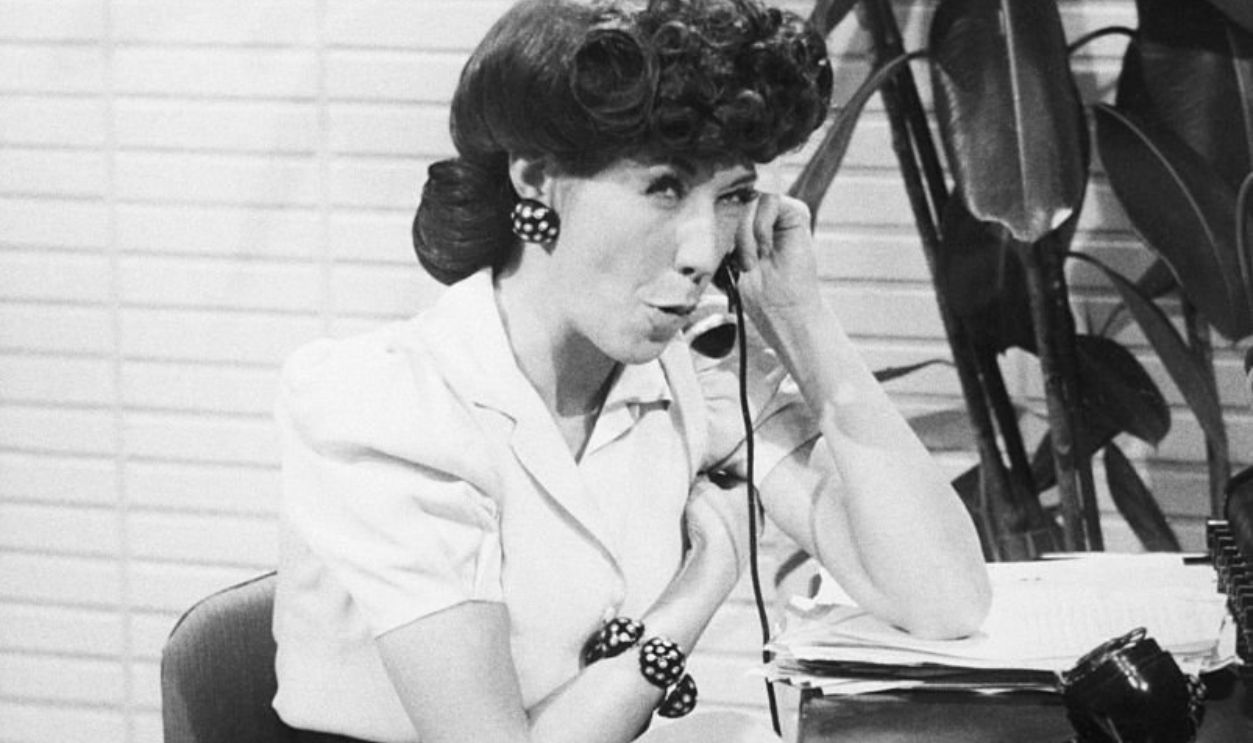
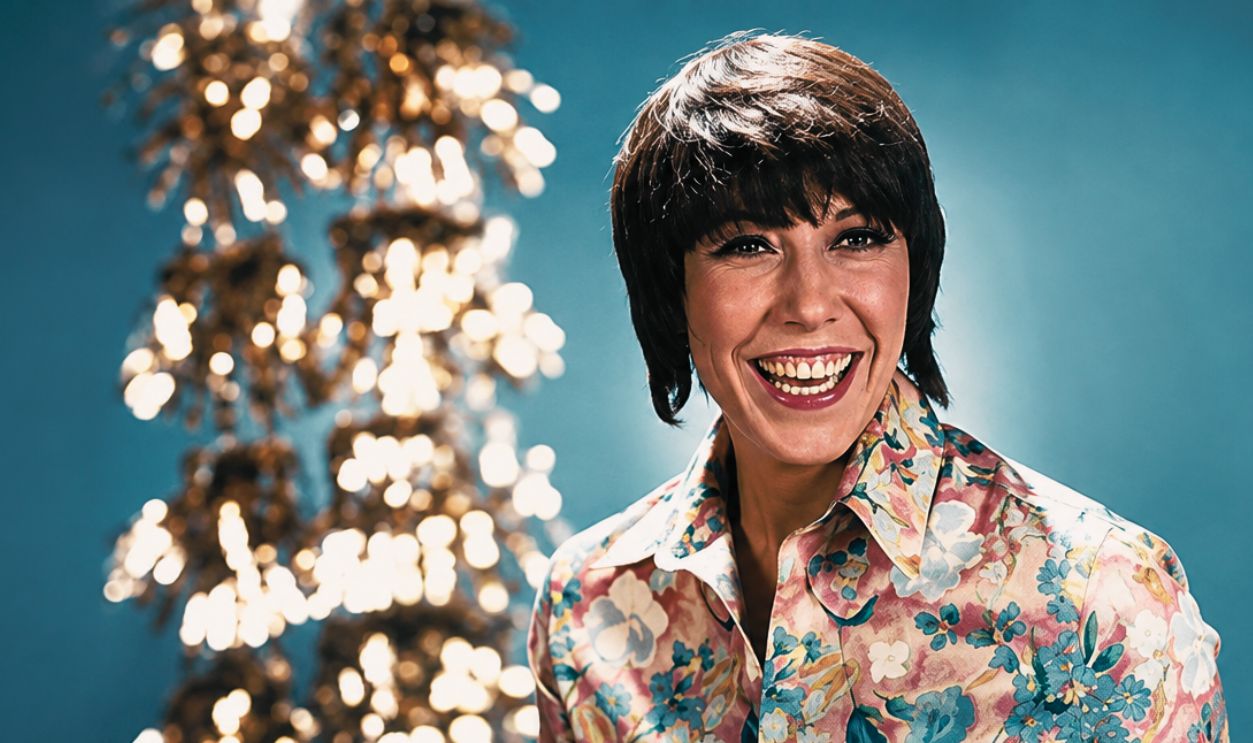
A: Ernestine
Lily Tomlin’s Ernestine was the nosy, condescending telephone operator who ruled her switchboard with a snort and absolutely no concern for customer service. The character became one of Tomlin’s most enduring creations.
 NBC Television, Wikimedia Commons, Enhanced
6: What TV Show Is This One From: “Lookin’ Good!”
A. Barney Miller
B. Chico and the Man
C. Taxi
D. The Jeffersons
 NBC Television, Wikimedia Commons
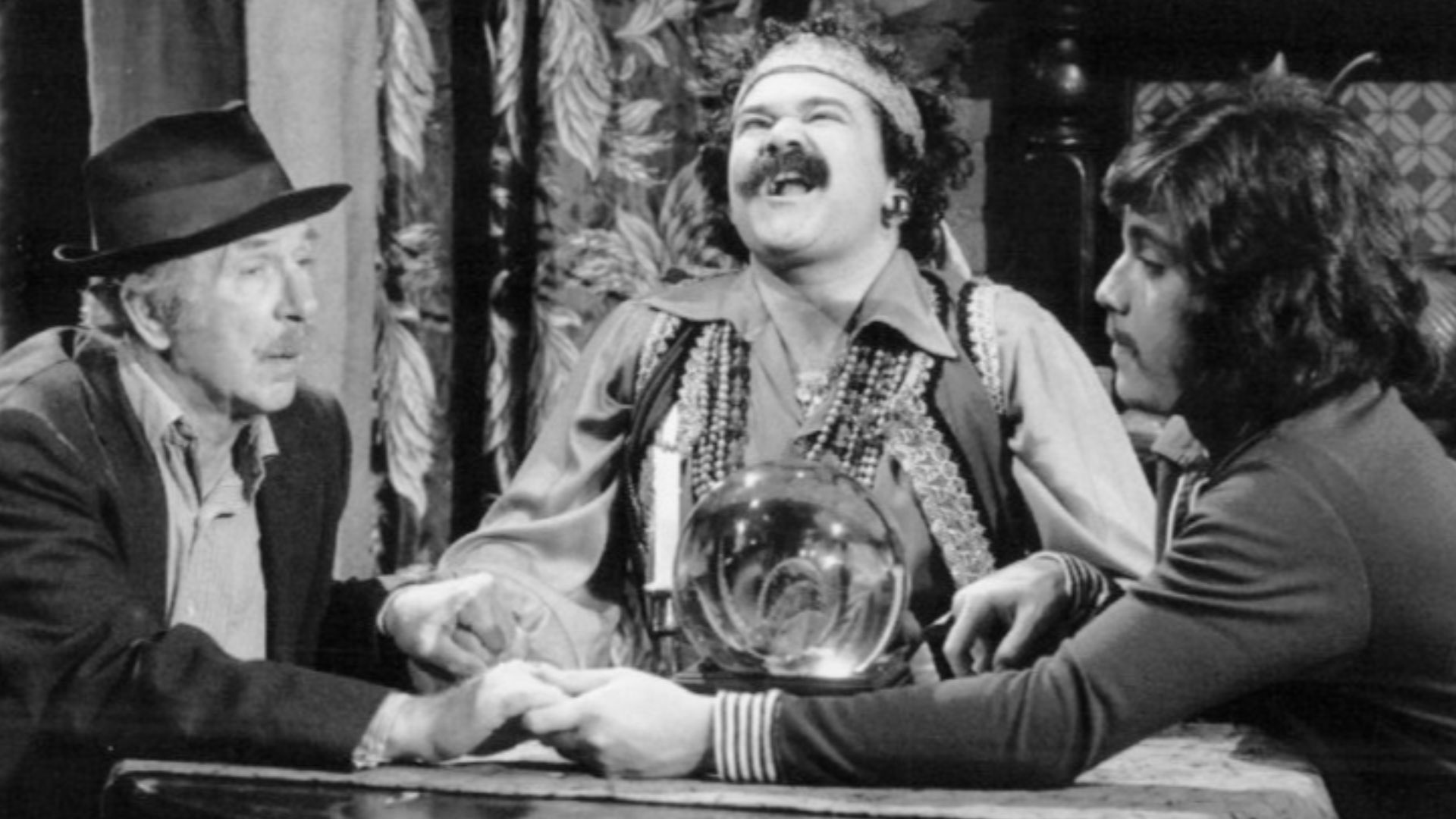
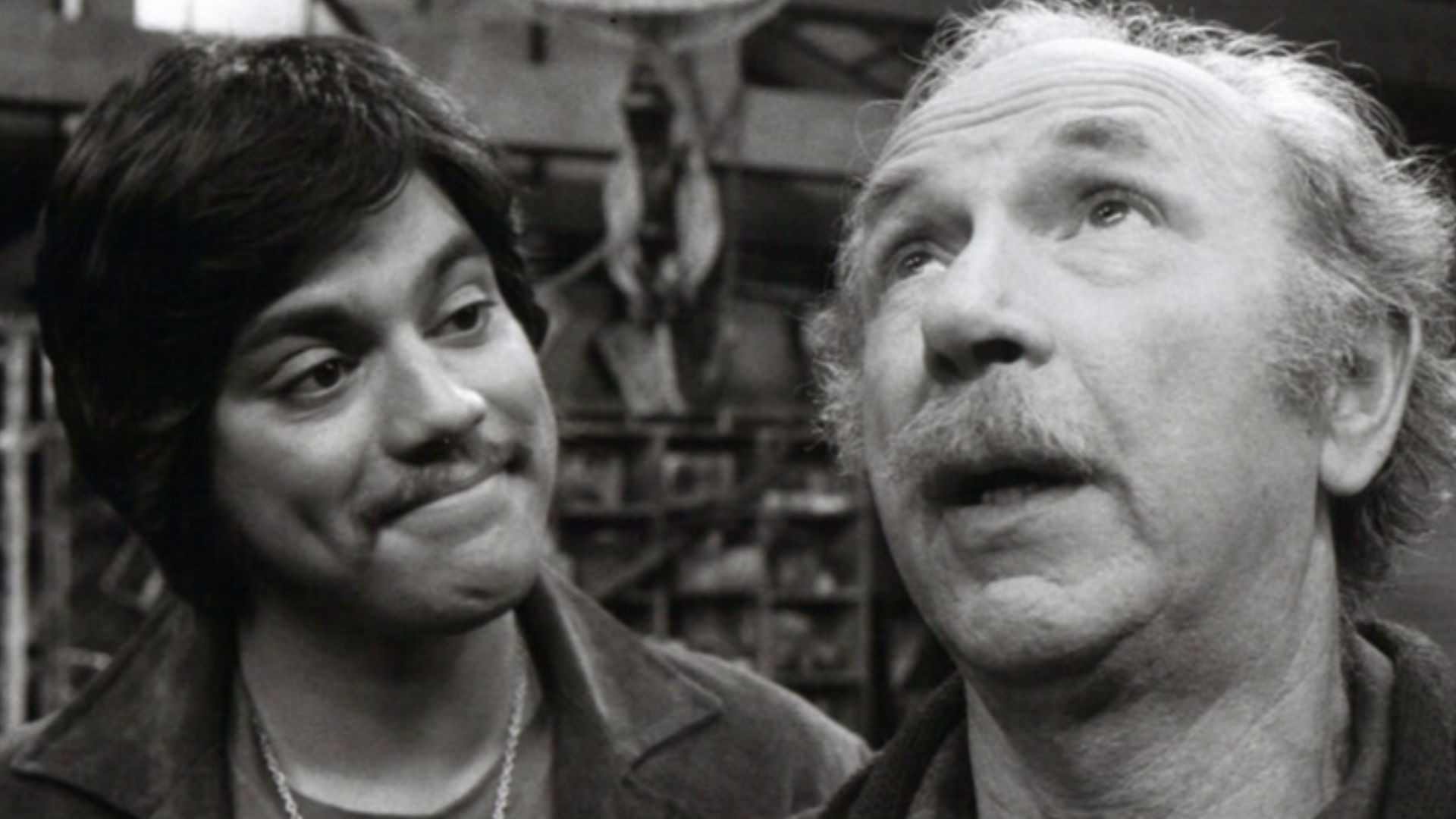
A: Chico And The Man
Freddie Prinze made “Lookin’ good!” his cheerful calling card as Chico Rodriguez on Chico and the Man. It was short, positive and easy to imitate—which was apparently all a phrase needed to conquer the 70s.
 NBC Television, Wikimedia Commons
7: What Product Is This One From: “It’s Not Nice To Fool Mother Nature”
The woman delivering this warning did not react well after learning she had mistaken one product for another. Name the exact product being advertised in the commercial.
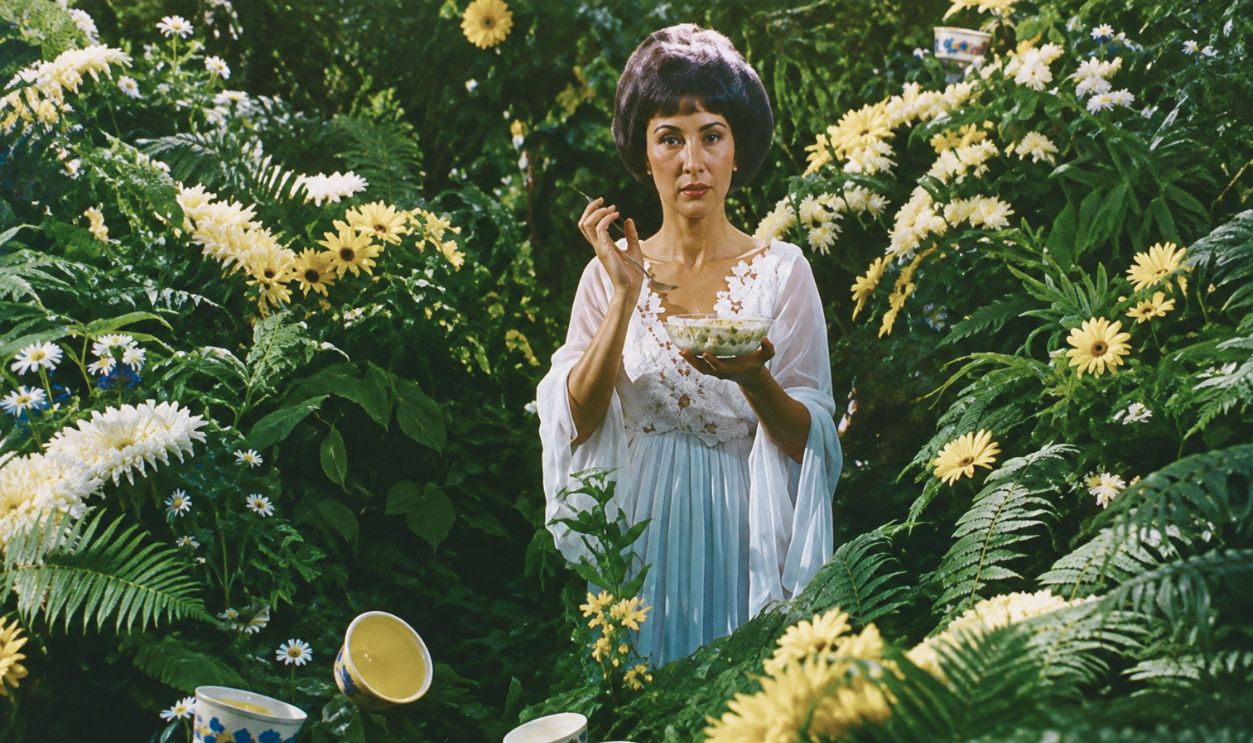
A: Chiffon Margarine
Dena Dietrich played Mother Nature, who tasted Chiffon and mistakenly believed it was butter. Once she learned the truth, thunder and lightning usually followed—which seems like an extreme reaction to margarine, even by 70s advertising standards.

8: What Company Warned: “Don’t Leave Home Without Them”
This warning became closely tied to travel during the 70s, although the wording later changed slightly and became even more famous. Name the company behind the original campaign.
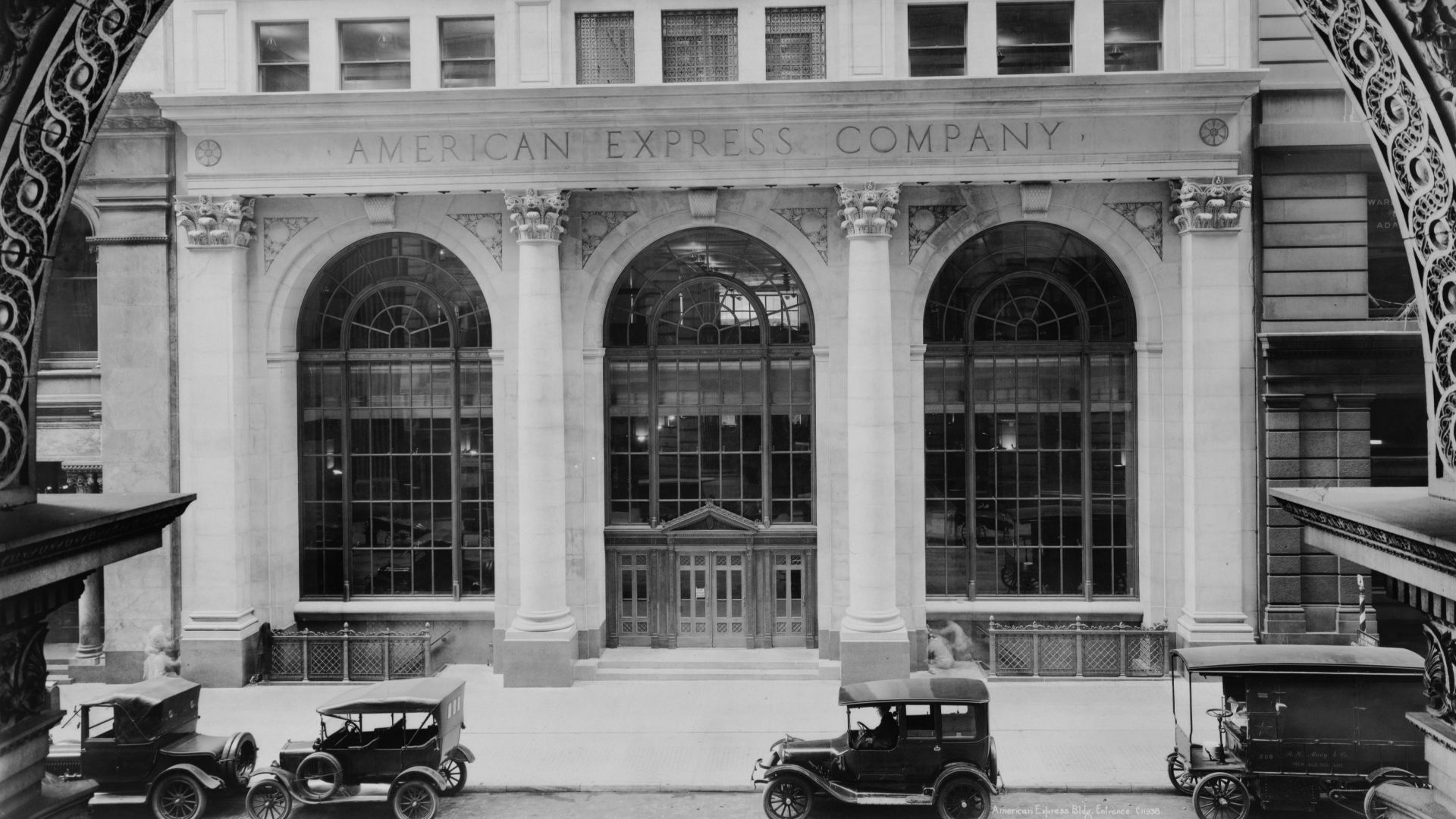 Underhill, Irving, -1960, photographer, Wikimedia Commons
A: American Express
Karl Malden delivered the warning in advertisements for American Express Travelers Cheques. The wording later evolved into the better-known “Don’t leave home without it,” but the original campaign referred to the cheques as “them.”
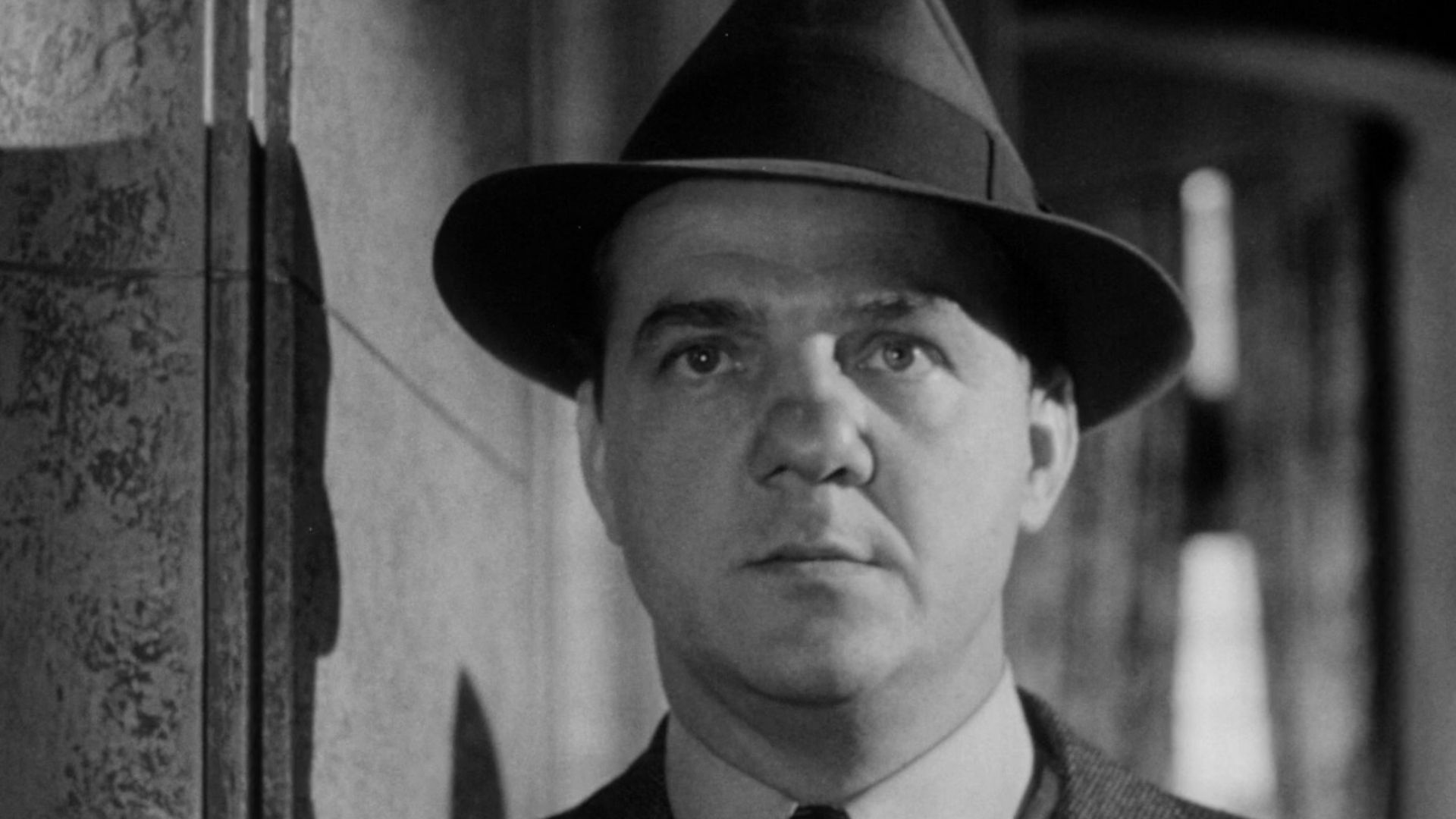 Warner Bros. Pictures (Q8016302), Wikimedia Commons
9: What Character Said: “Who Loves Ya, Baby?”
A. Jim Rockford
B. Theo Kojak
C. Steve McGarrett
D. Frank Cannon
 CBS Television, Wikimedia Commons
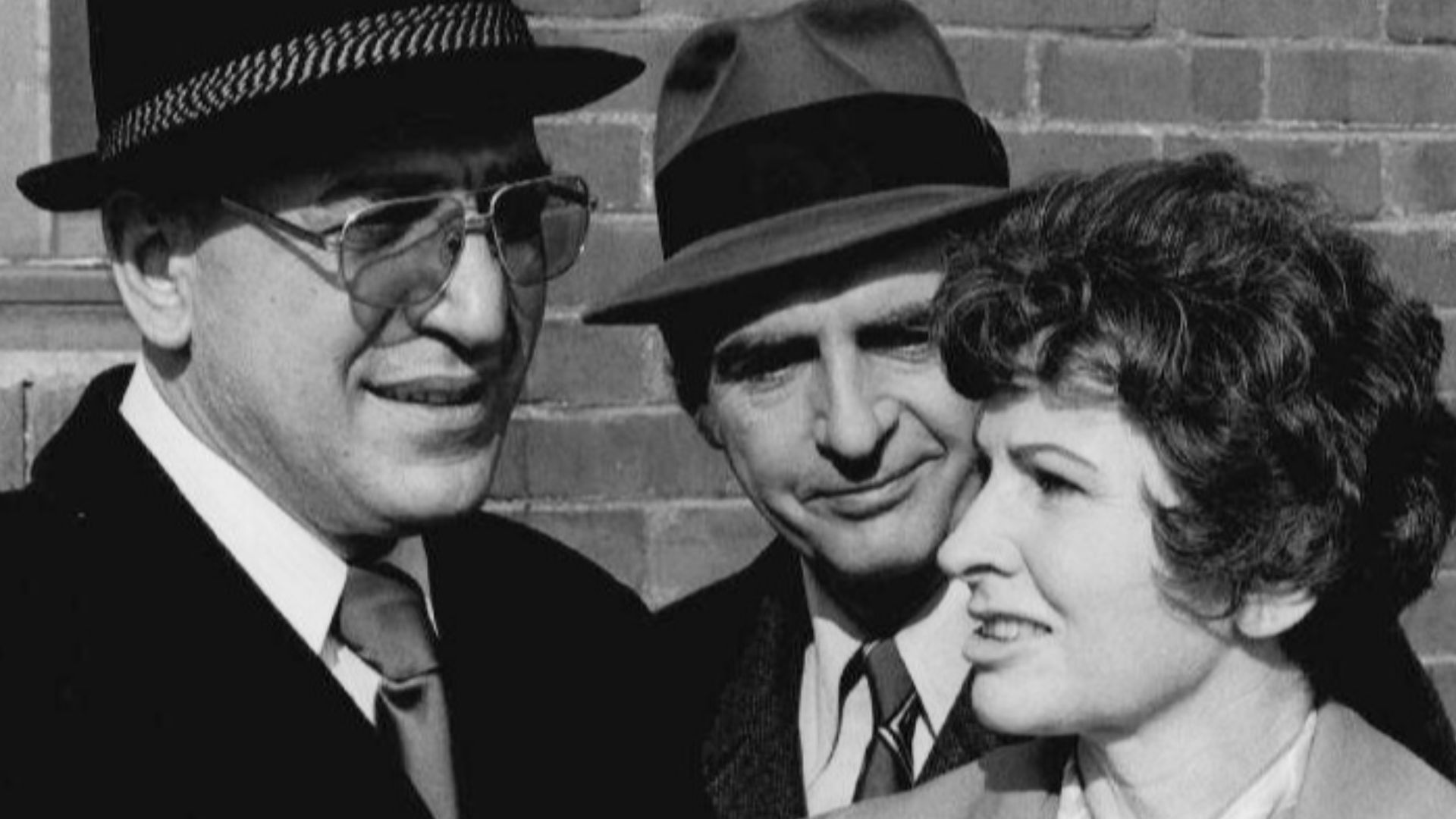
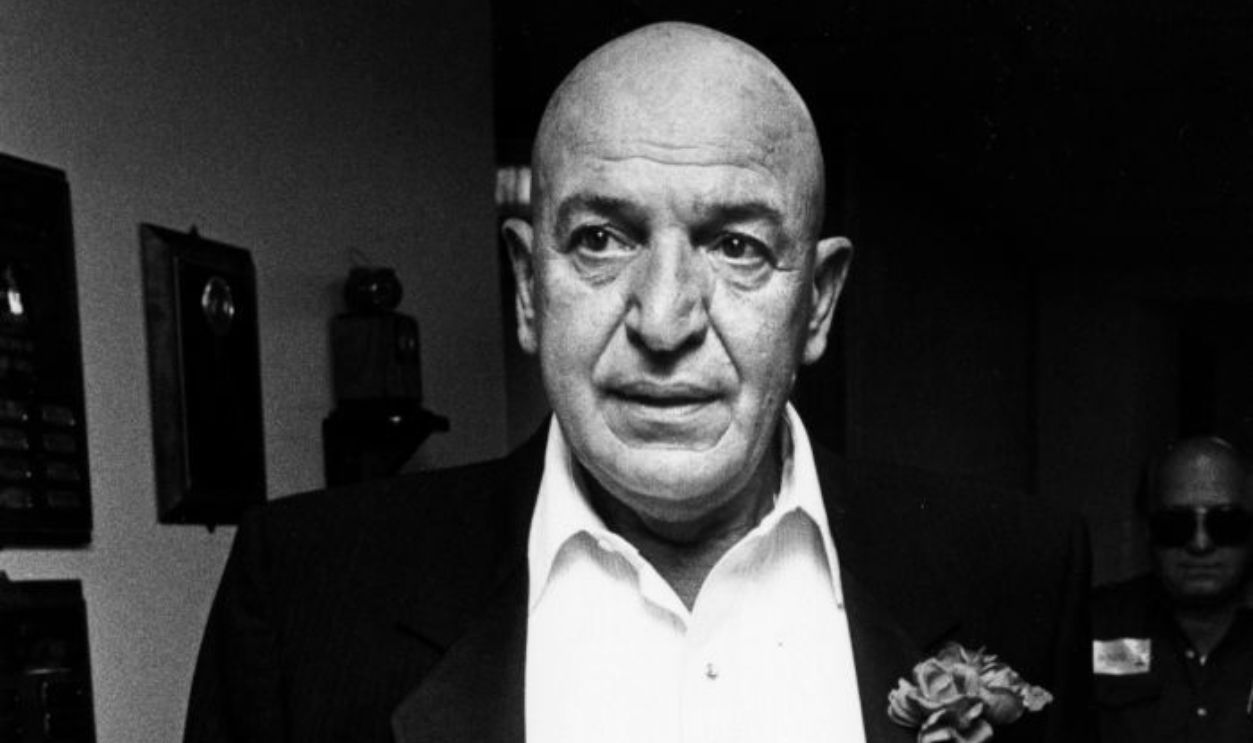
A: Theo Kojak
Telly Savalas turned “Who loves ya, baby?” into Lieutenant Theo Kojak’s signature line. The bald head, lollipops and unmistakable delivery made the character almost impossible to confuse with any other television detective.
10: What Product Asked: “How Do You Spell Relief?”
A. Tums
B. Rolaids
C. Alka-Seltzer
D. Pepto-Bismol
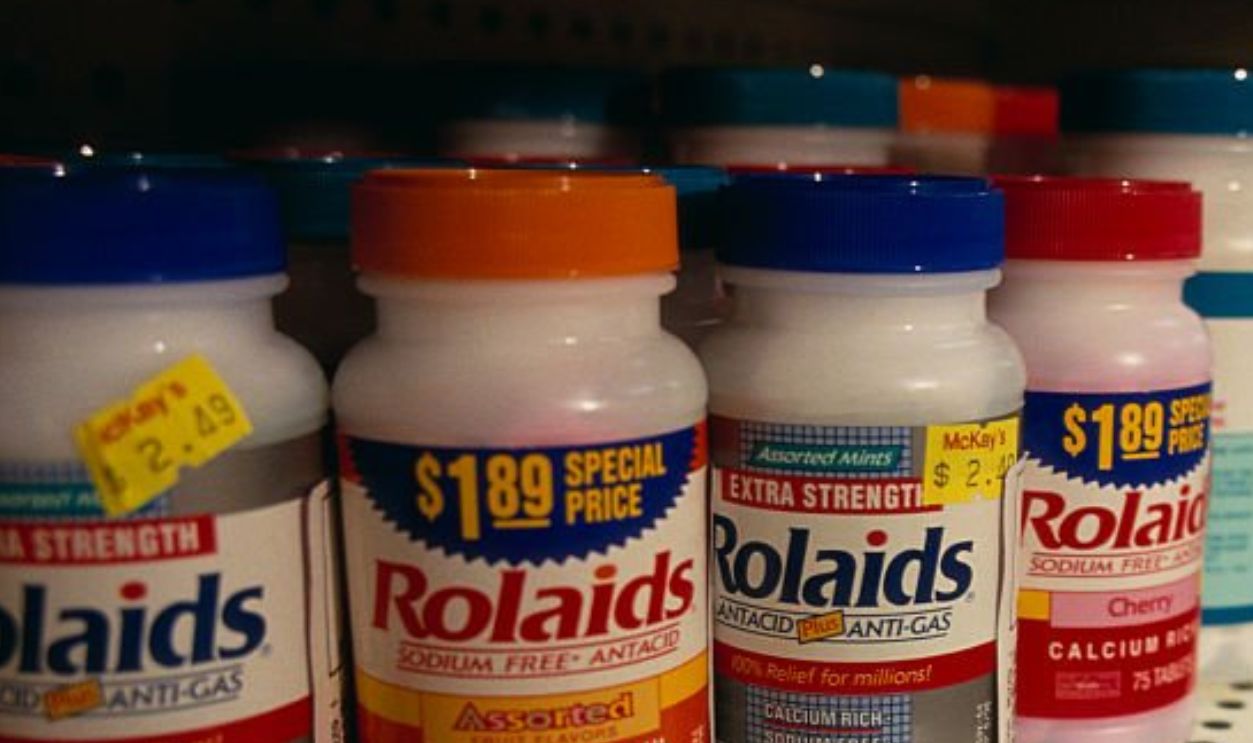
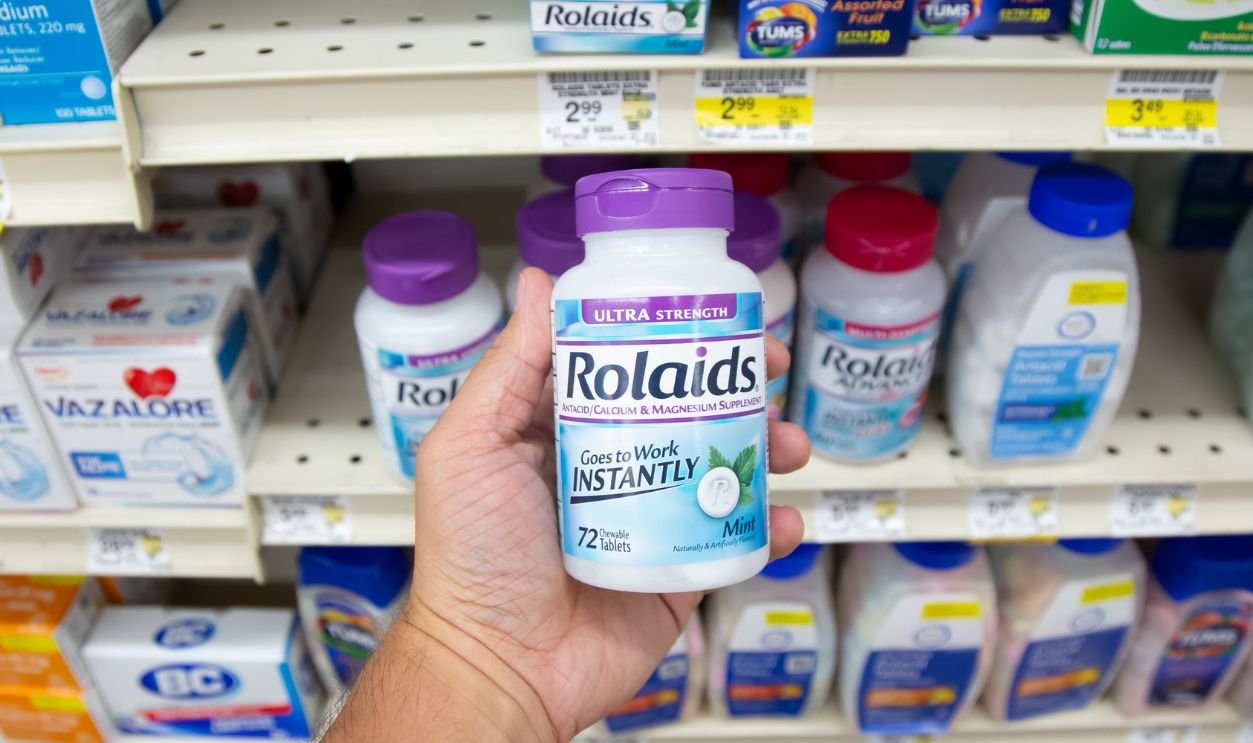
A: Rolaids
The answer was spelled directly into the slogan: R-O-L-A-I-D-S. The campaign became so familiar that remembering the product should be easy—unless the questions so far have already given you indigestion.
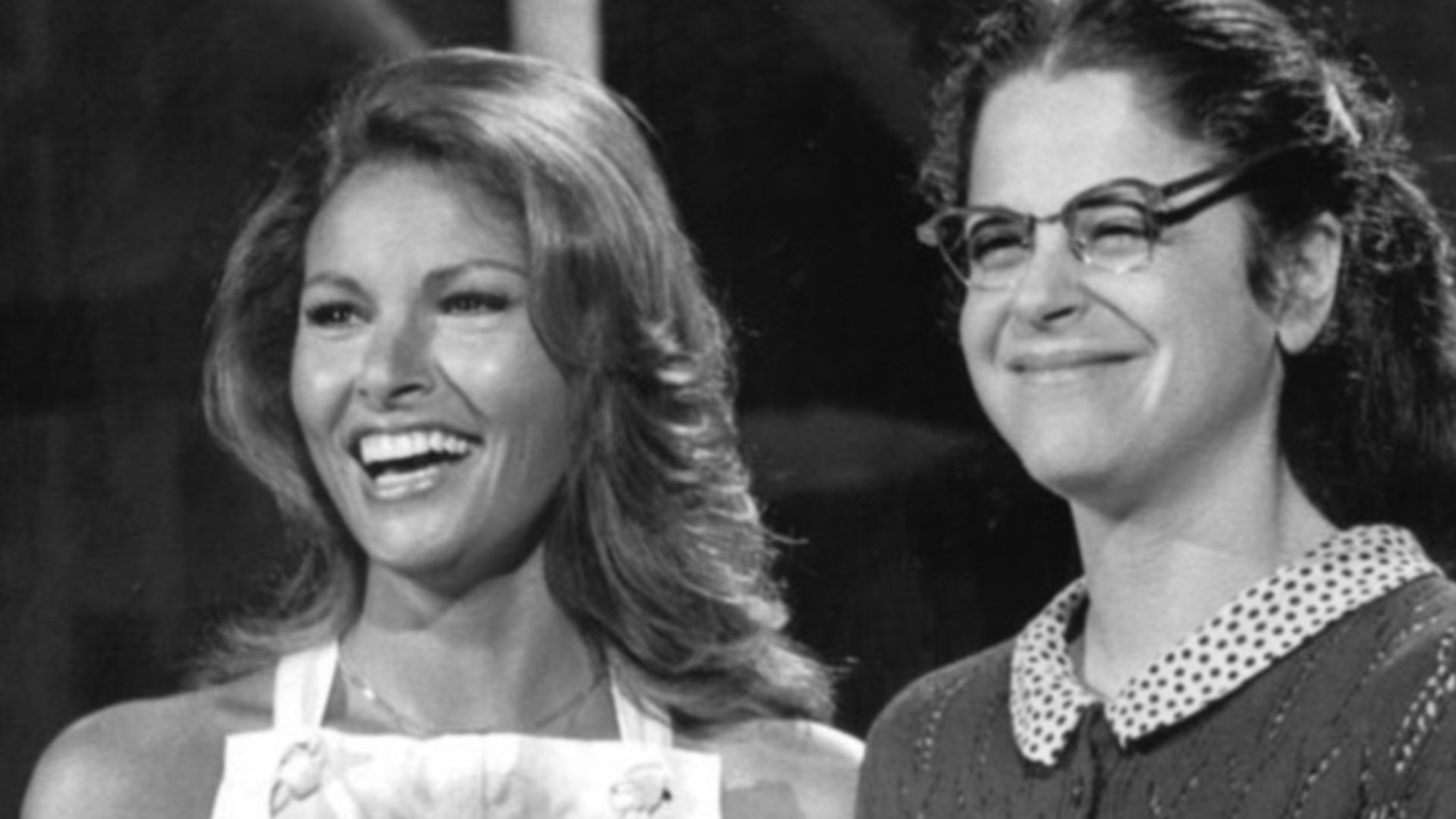
11: What Saturday Night Live Character Said: “Never Mind”
The line usually arrived only after a character had spent several minutes confidently arguing about something she had completely misunderstood. Name the television character who said it.
 NBC Television Uploaded by We hope at en.wikipedia, Wikimedia Commons
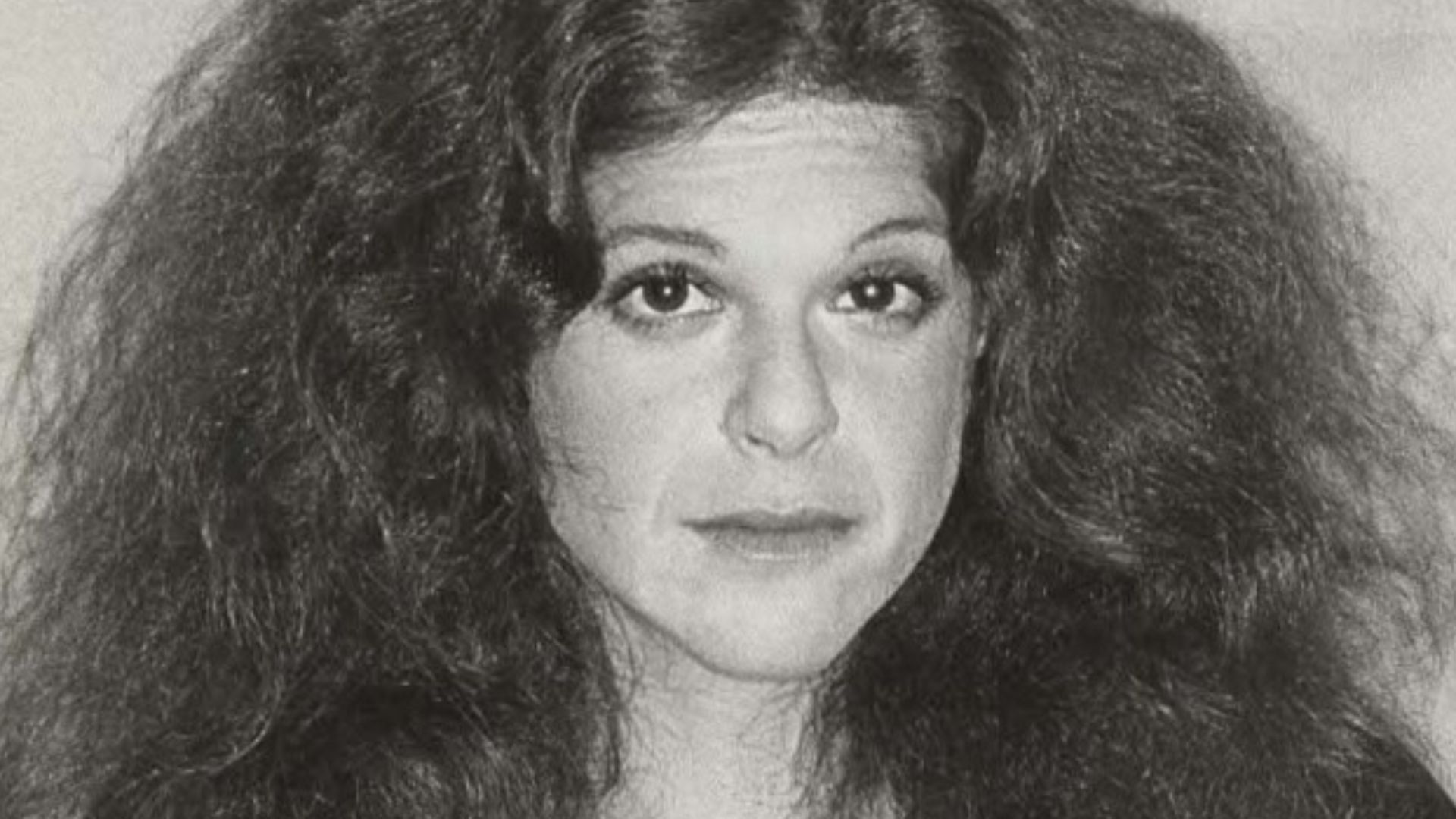
A: Emily Litella
Gilda Radner’s Emily Litella delivered angry editorials based on phrases she had completely misheard. Once corrected, she quietly abandoned the entire argument with a perfectly defeated “Never mind.”
12: What Walter Was This Catchphrase Directed At: “God’ll Get You For That, Walter”
A. Walter Bunker
B. Walter Harmon
C. Walter Findlay
D. Walter Franklin
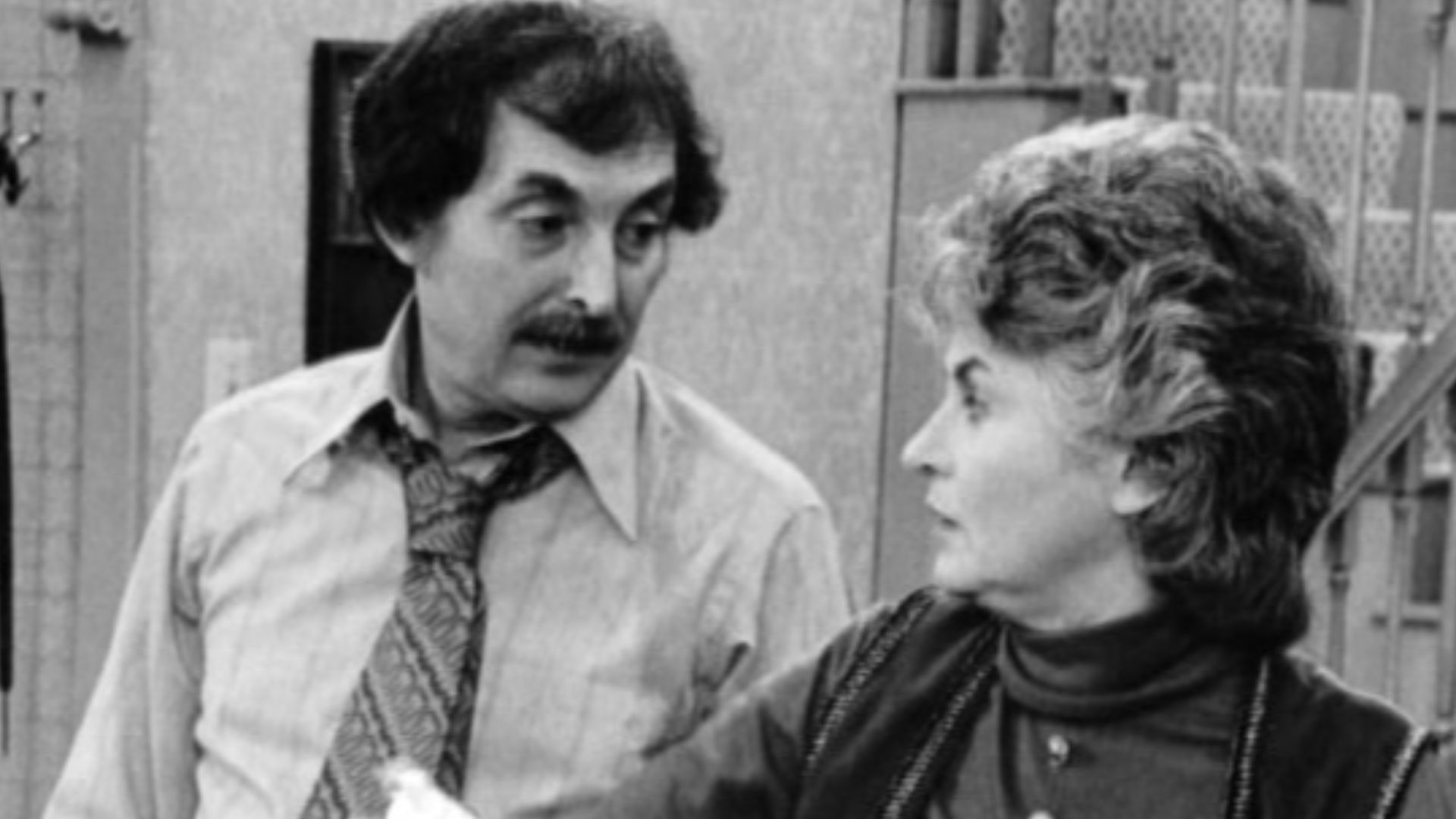 CBS Television, Wikimedia Commons
A: Walter Findlay
Walter Findlay was Maude’s frequently exhausted husband on Maude. Bea Arthur delivered the warning with enough authority to make it sound less like a possibility and more like something Walter should immediately add to his calendar.
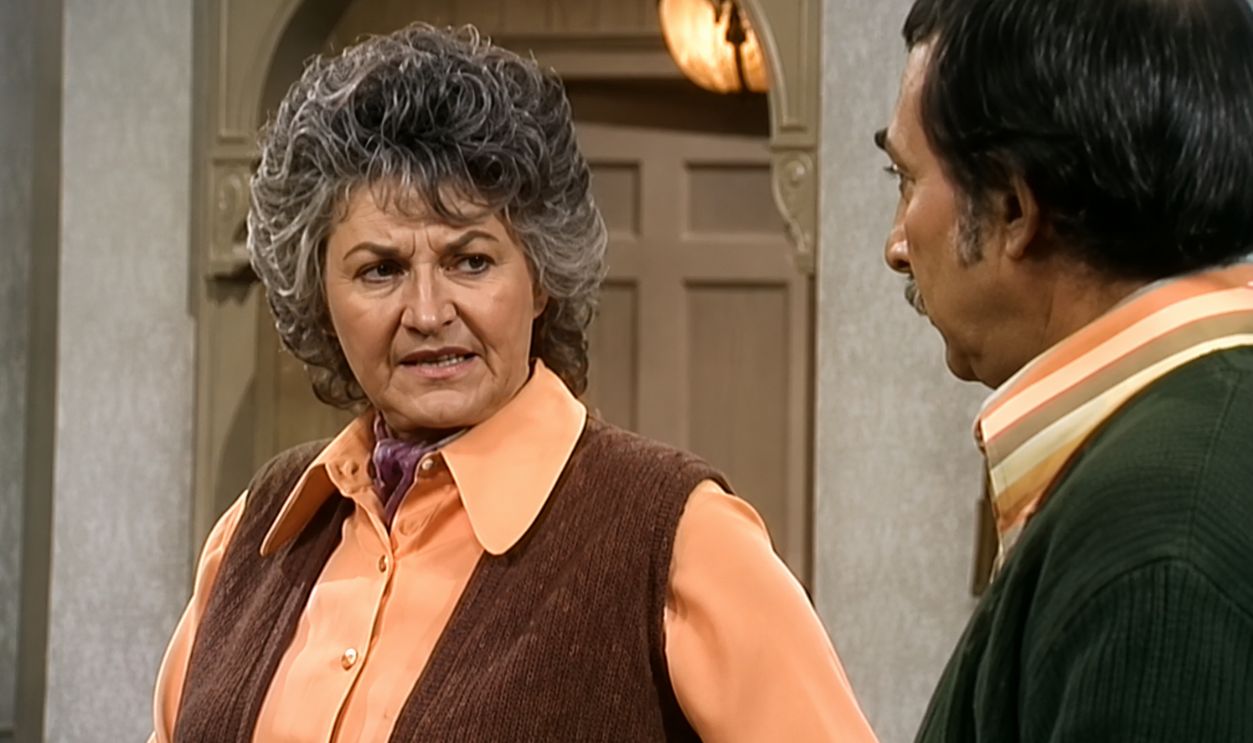 Screenshot from Maude, CBS (1972-1978), Modified
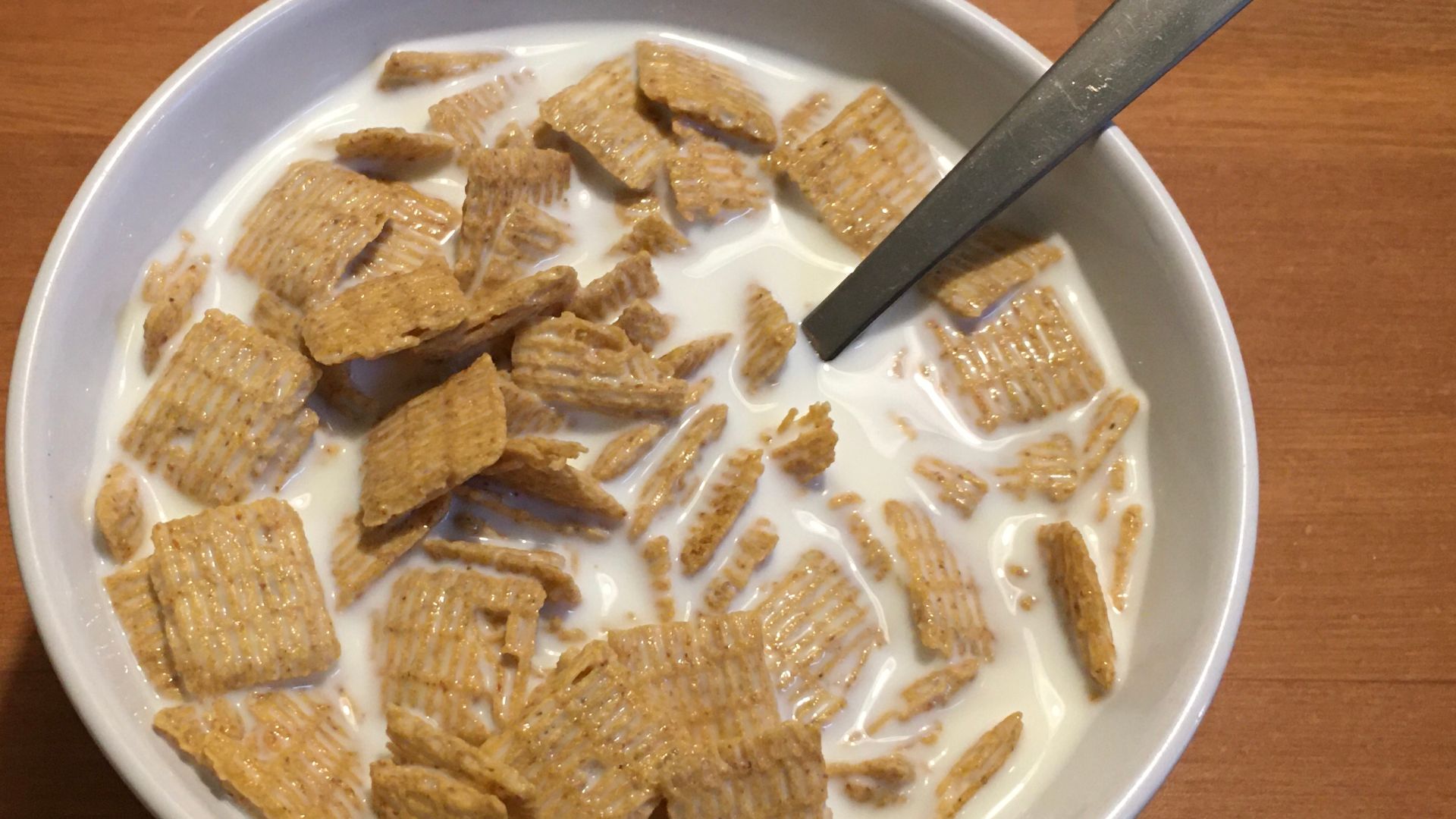
13: What Cereal Is This One From: “He Likes It! Hey, Mikey!”
A. Life
B. Kix
C. Total
D. Cheerios
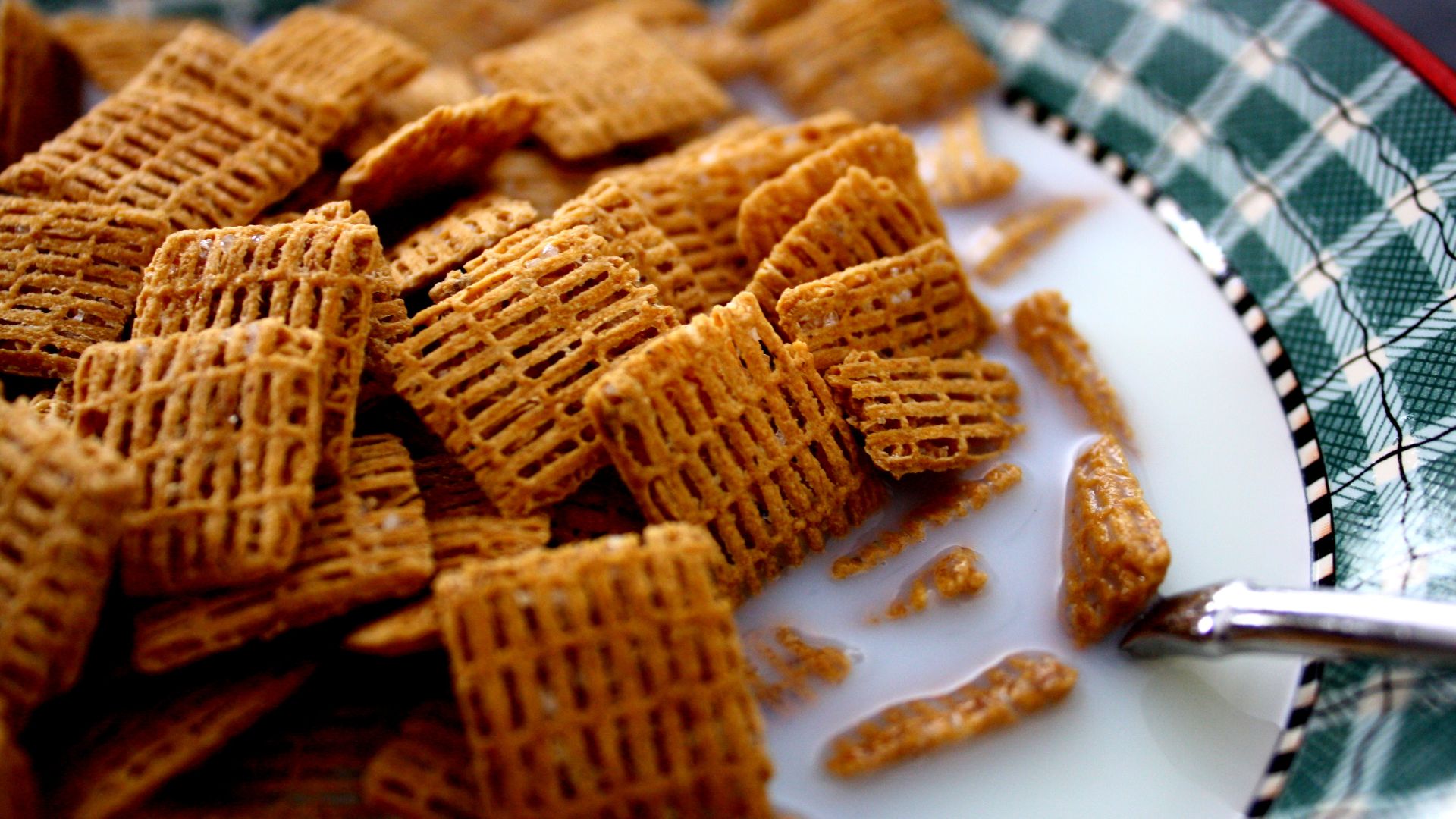
A: Life Cereal
The boys gave the unfamiliar cereal to Mikey because they believed he hated everything, only to watch him start eating it. Interestingly, the commonly remembered phrase “Mikey likes it” was not actually spoken that way in the original commercial.
14: What Product Used: “Strong Enough For A Man, But Made For A Woman”
This slogan promised that the product could handle a demanding job while still being designed specifically for women. Name the product advertised with the line.
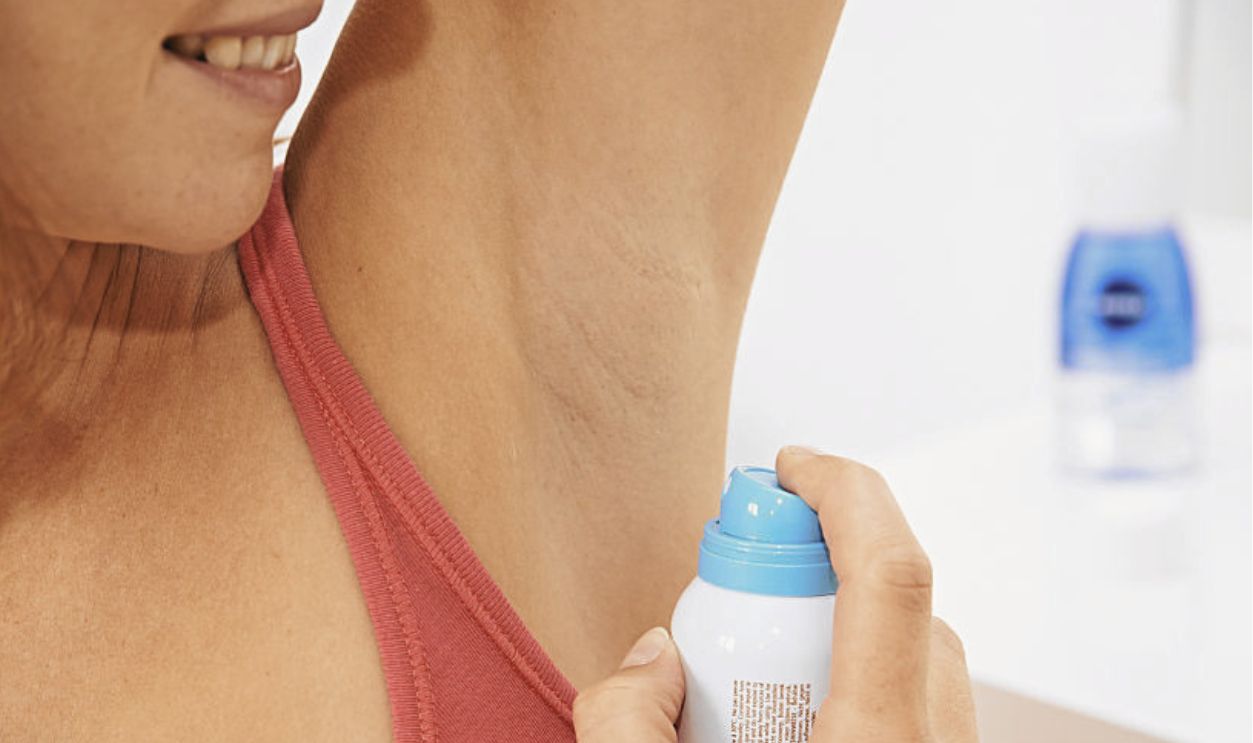
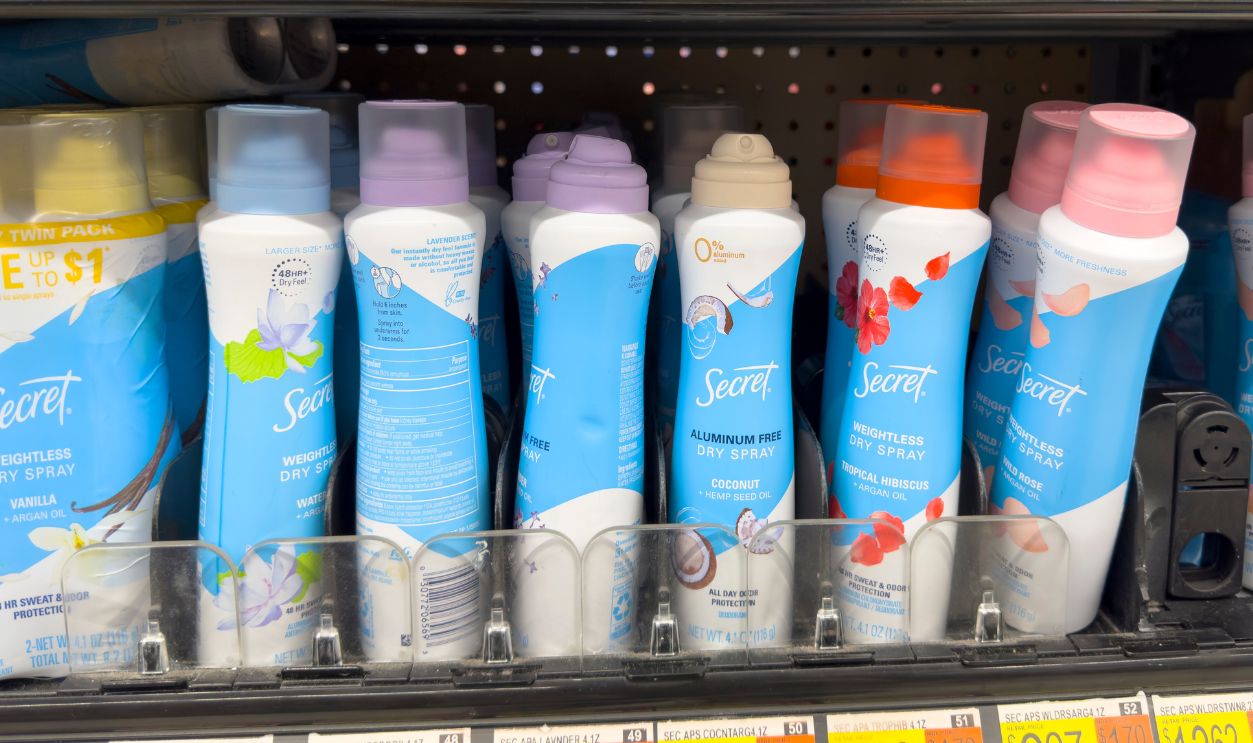
A: Secret Antiperspirant
The slogan belonged to Secret antiperspirant and became a major part of the brand’s 70s advertising. The commercials repeatedly explained that it was powerful enough for men while making it equally clear that they were not getting any.
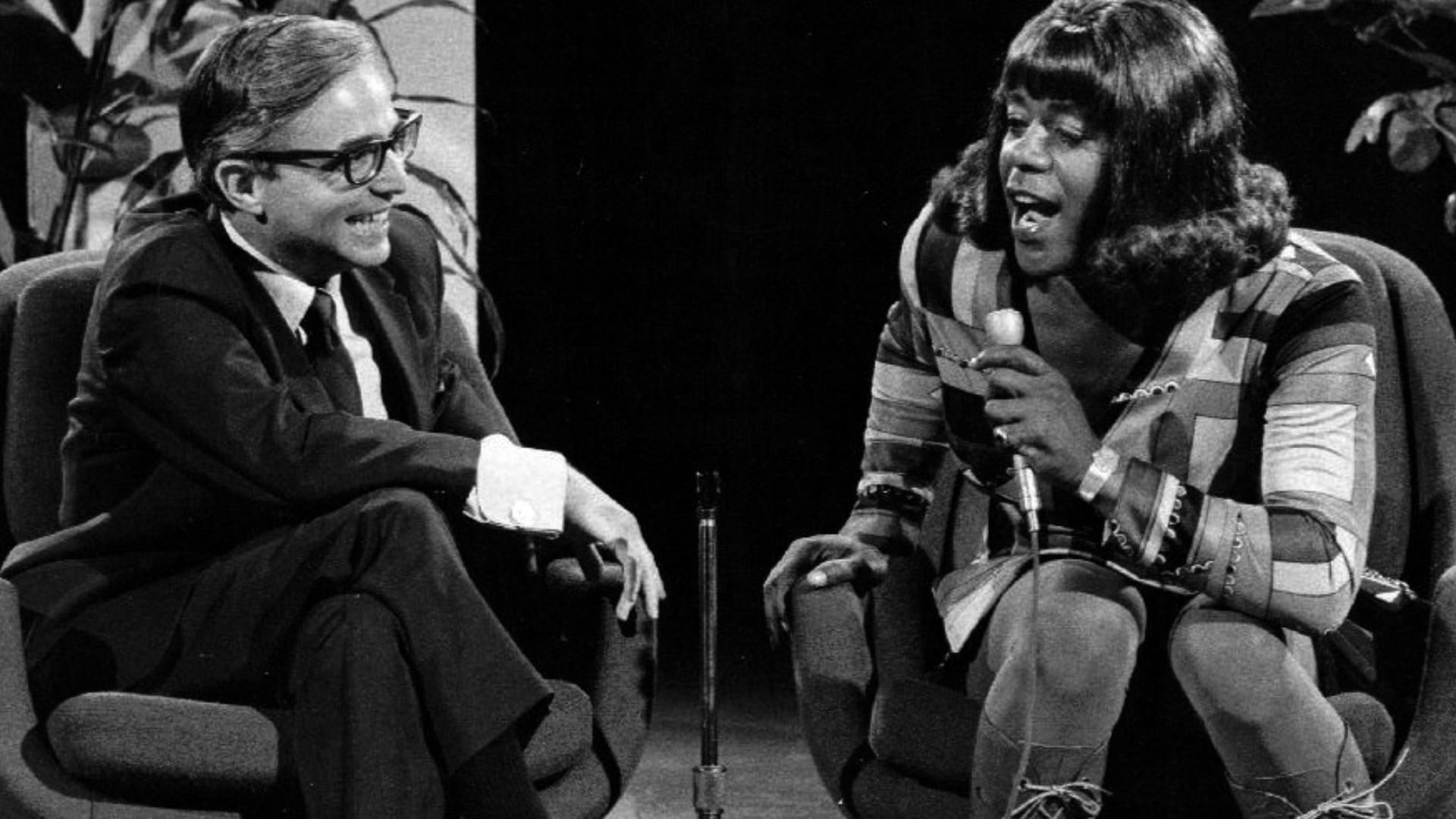
15: What Character Said: “The Devil Made Me Do It!”
This excuse became one of the most repeated comedy lines of the early 70s. Name the fictional television character who was most closely associated with saying it.
 NBC Television., Wikimedia Commons
A: Geraldine Jones
Flip Wilson delivered the line as Geraldine Jones on The Flip Wilson Show. Geraldine blamed the devil whenever she had done something expensive, outrageous or both—which apparently happened quite often.
 News service, Wikimedia Commons, Enhanced
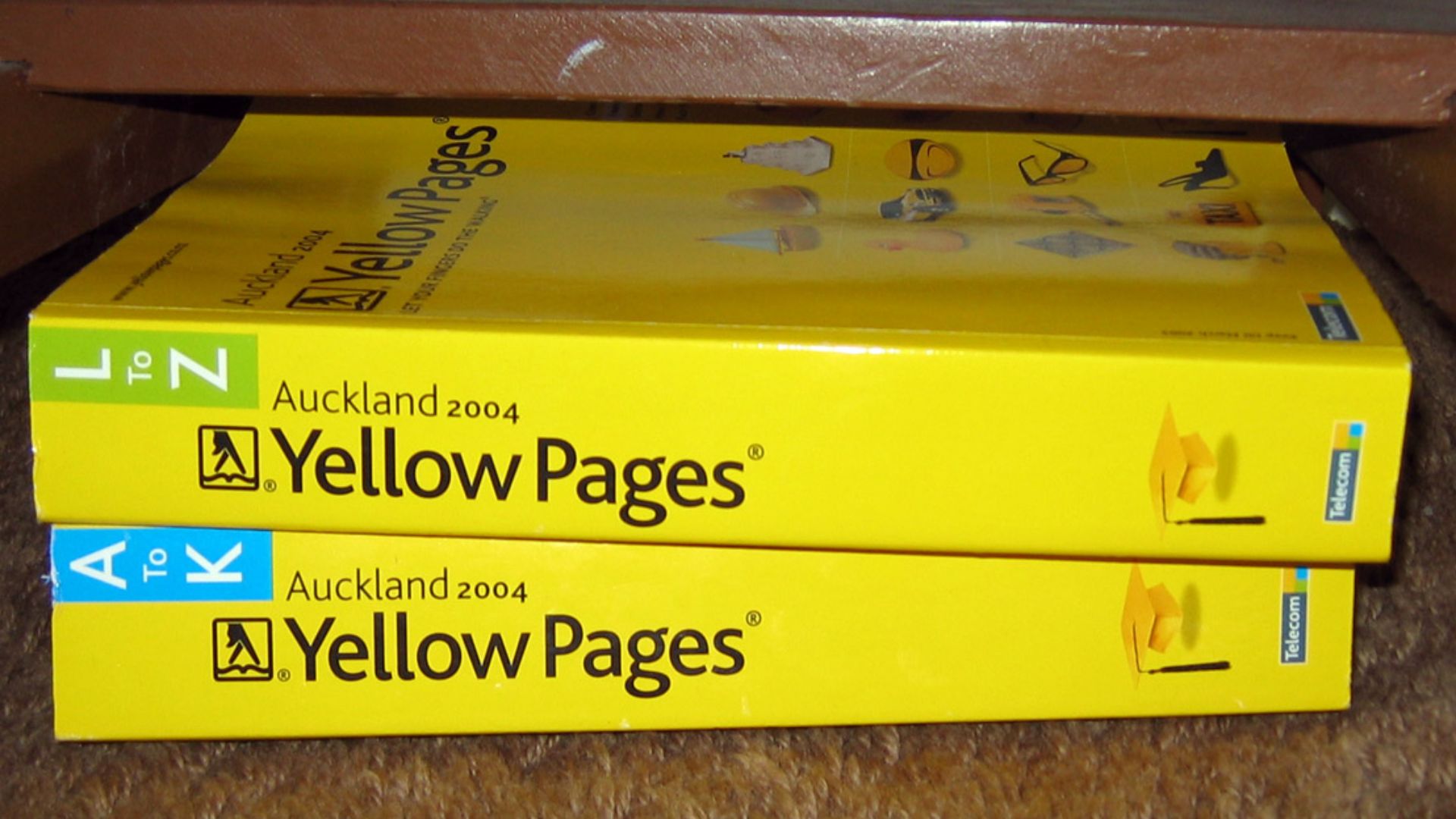
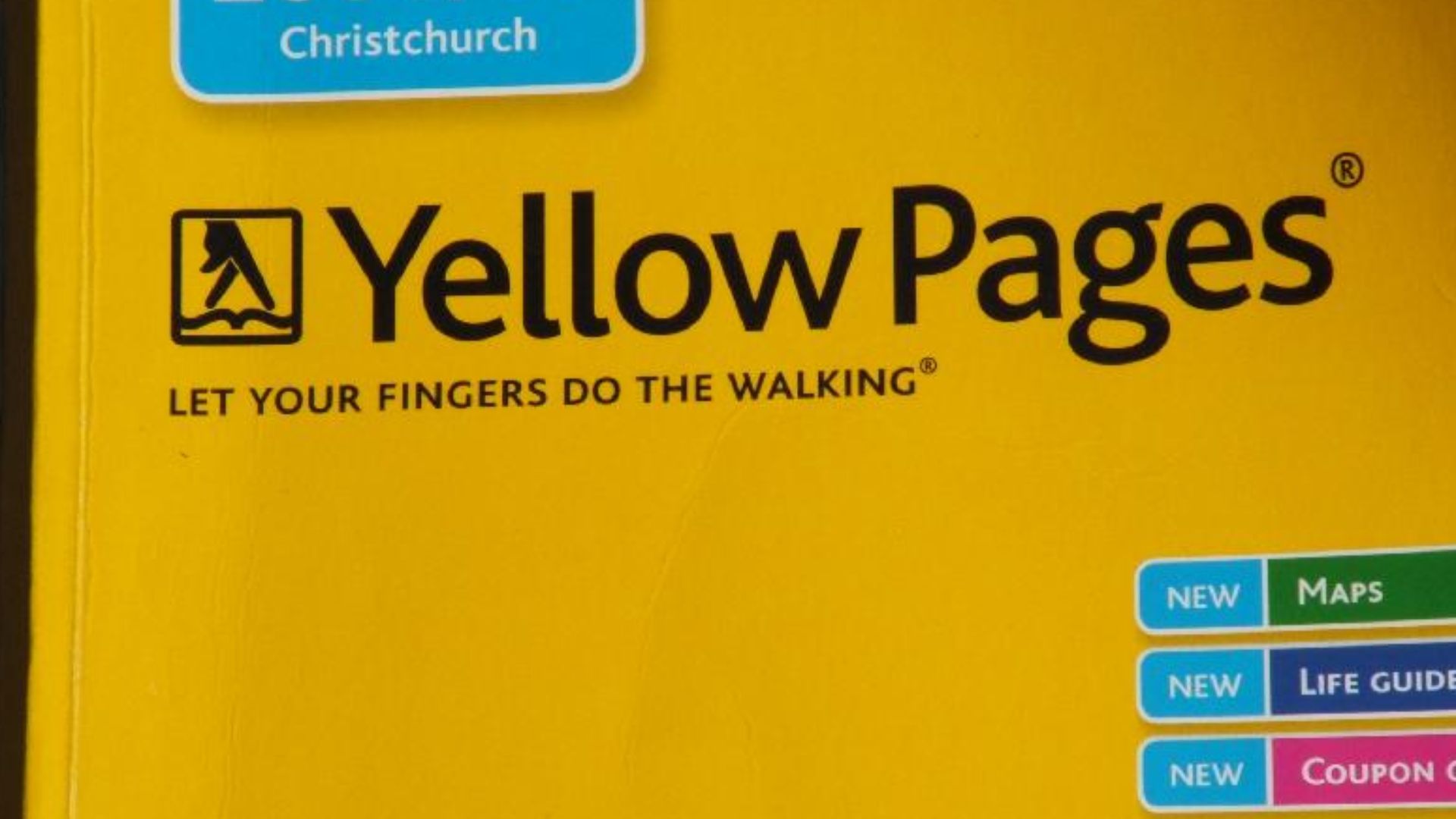
16: What Directory Used: “Let Your Fingers Do The Walking”
A. TV Guide
B. The Yellow Pages
C. Reader’s Digest
D. The Sears Catalog
 Andrew Sullivan (Kabl00ey), Wikimedia Commons
A: The Yellow Pages
The slogan encouraged people to search the Yellow Pages instead of wandering around town looking for a business. The walking-fingers logo was essentially the search-engine symbol of the pre-internet world.
 Gabriel Pollard, Wikimedia Commons
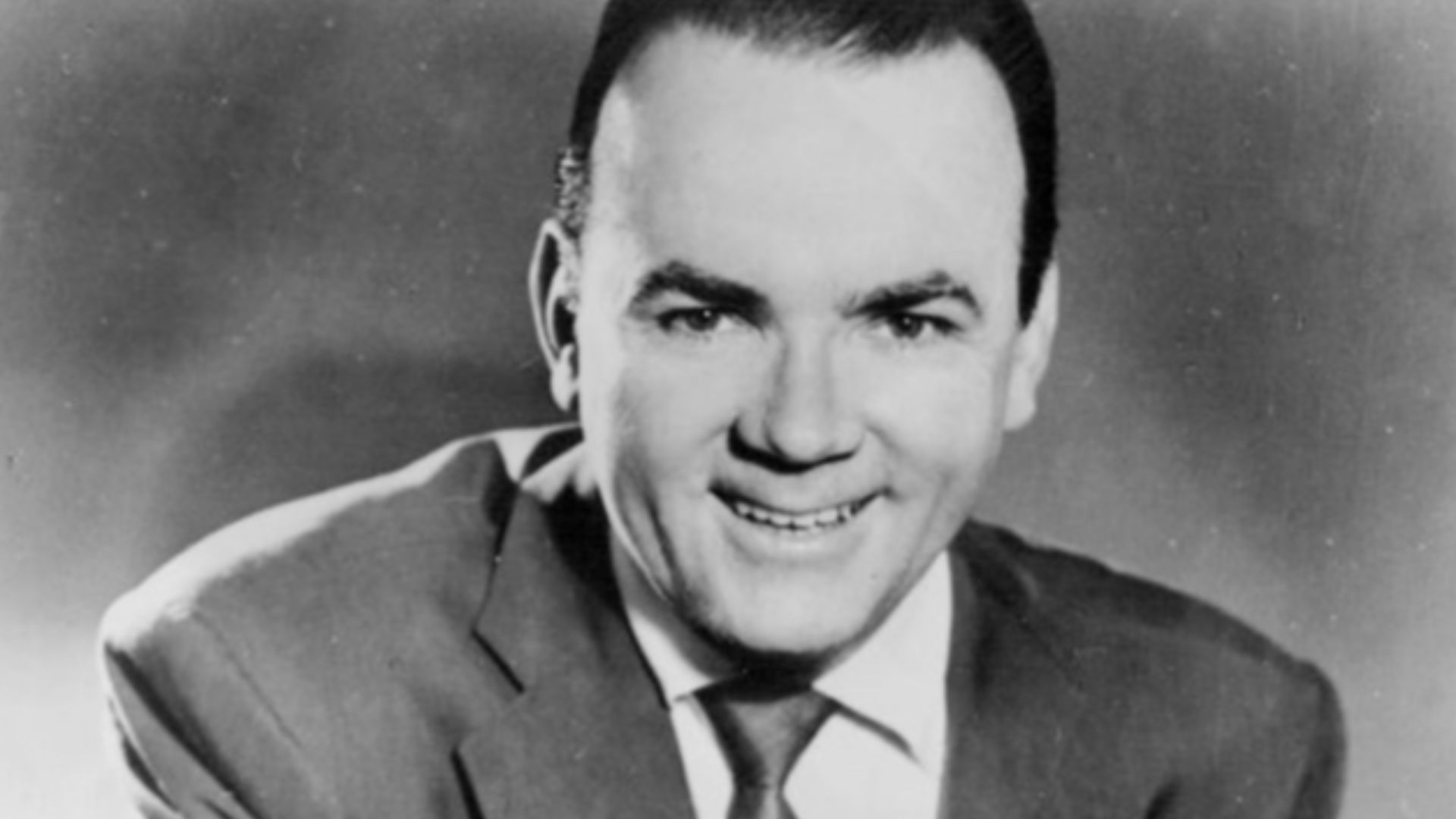
17: What Announcer Originally Said: “Come On Down!”
A. Bob Barker
B. Johnny Olson
C. Bill Cullen
D. Gene Rayburn
 ABC Television, Wikimedia Commons
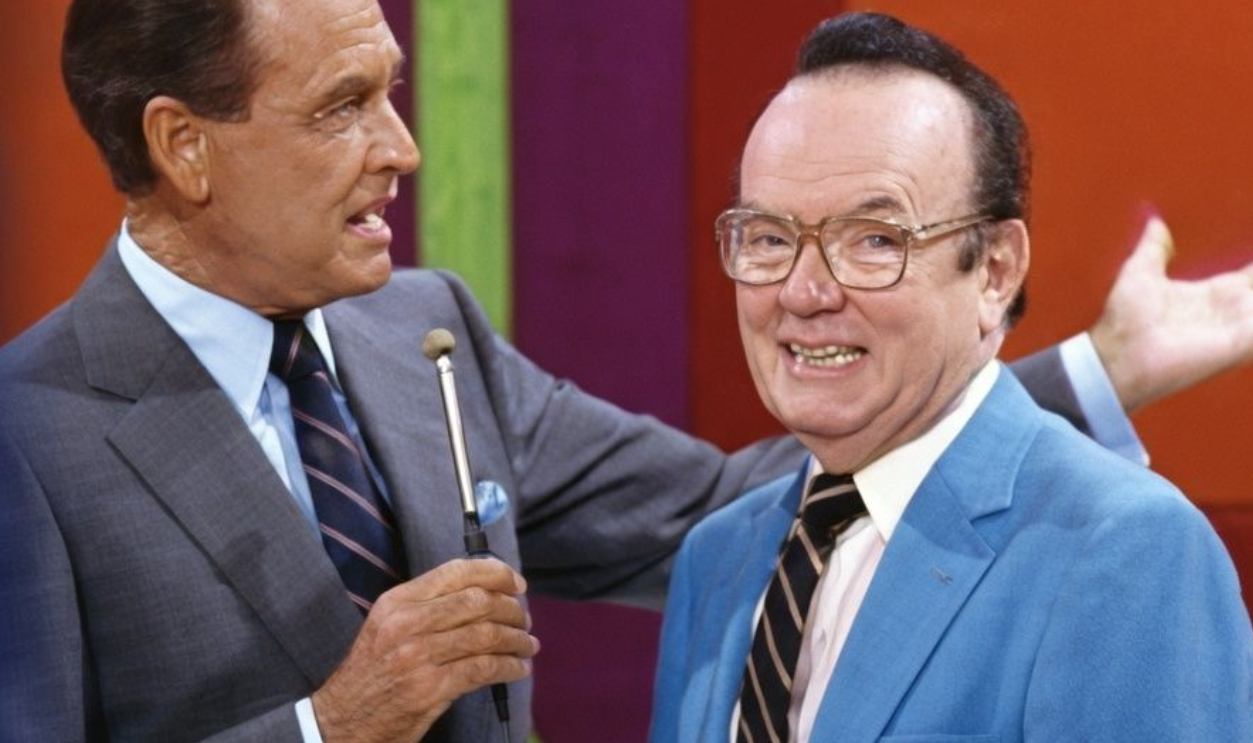
A: Johnny Olson
Johnny Olson called contestants to Contestants’ Row when the new version of The Price Is Right began in 1972. Bob Barker was the host, but Olson’s booming delivery transformed three ordinary words into television history.
 Screenshot from The Price Is Right, Fremantle (1956-Present)
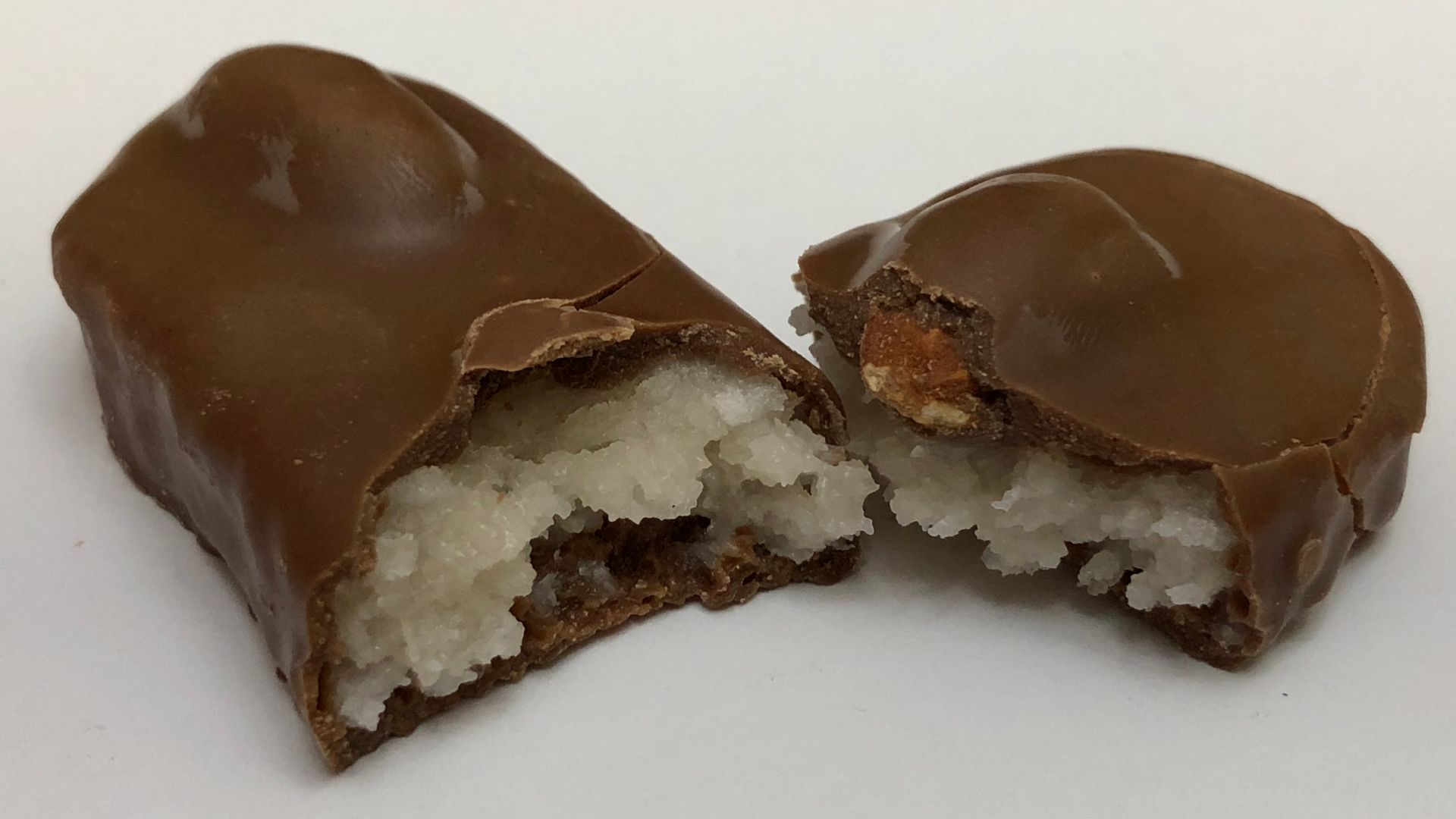
18: What Two Candy Bars Used: “Sometimes You Feel Like A Nut, Sometimes You Don’t”
This famous jingle offered two different choices depending on what kind of mood the customer happened to be in. Name both candy bars advertised in the song.
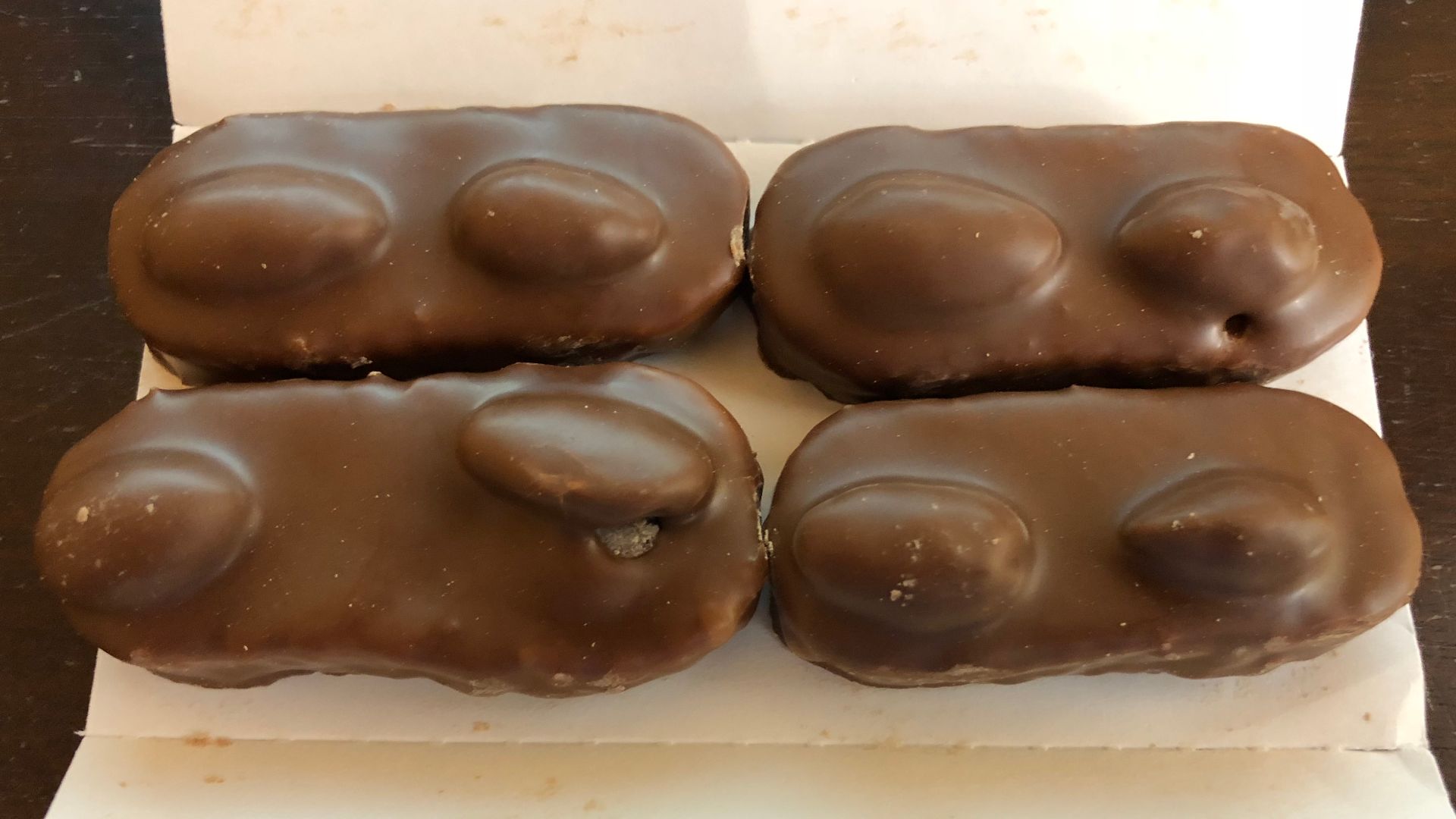
A: Almond Joy And Mounds
Almond Joy had almonds, while Mounds did not, allowing one jingle to advertise both candy bars at once. The campaign somehow made choosing a chocolate bar sound like a major personality test.
19: What Product Is This Line From: “Hey, Good Lookin’! We’ll Be Back To Pick You Up Later!”
This enthusiastic promise came from a late-70s commercial featuring a gadget that made ordinary people feel like instant entertainers. Name the product being advertised in it.
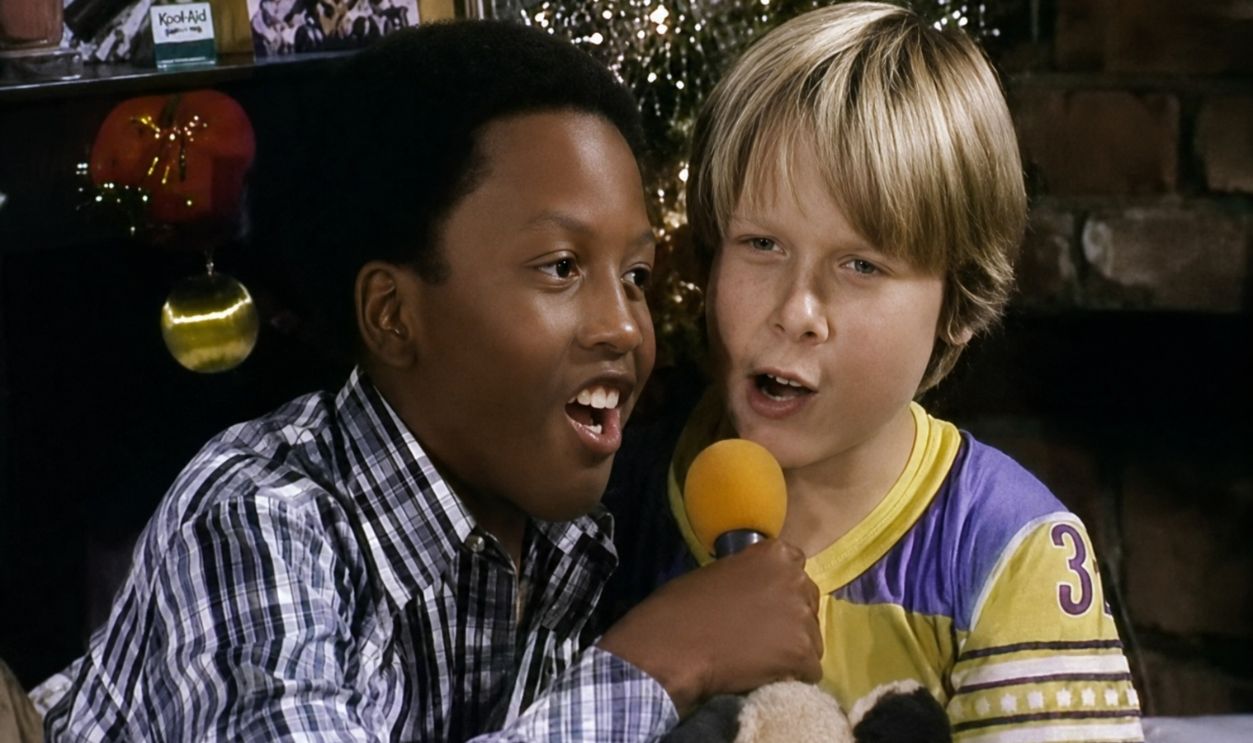 Screenshot from Mr. Microphone by Ronco Commercial, Ronco (1978), Enhanced
A: Mr. Microphone
Ronco’s Mr. Microphone transmitted a person’s voice through a nearby FM radio. The commercial featured a man shouting the line from a passing convertible, apparently believing that owning a wireless microphone had instantly made him irresistible.
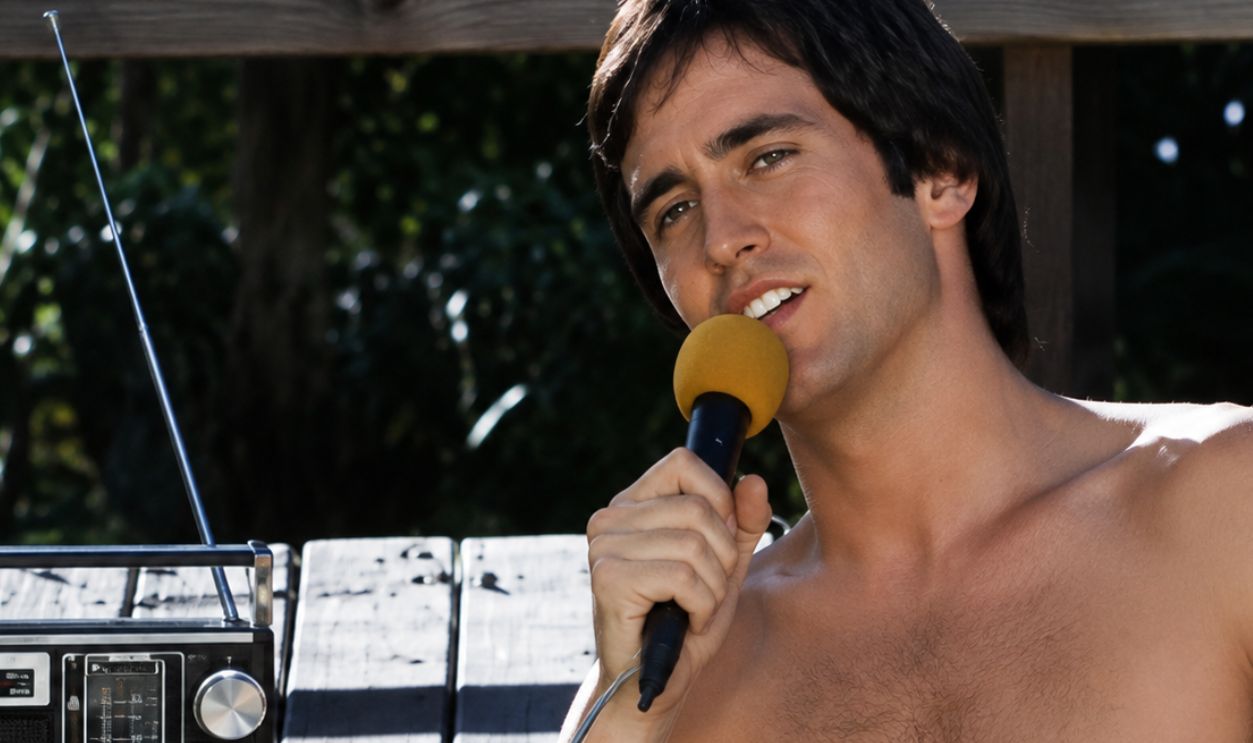 Screenshot from Mr. Microphone by Ronco Commercial, Ronco (1978), Enhanced
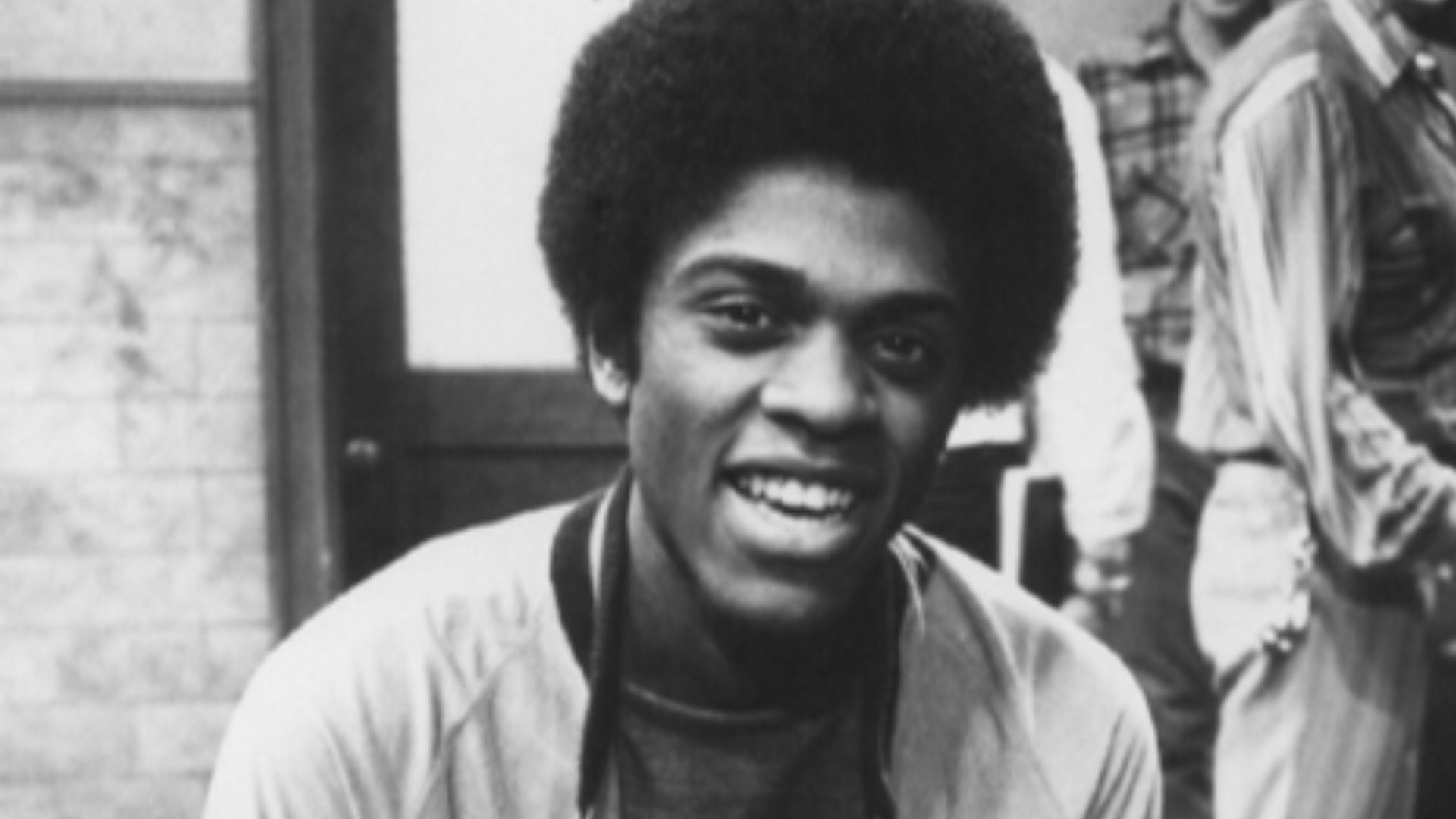
20: What Welcome Back, Kotter Character Said: “Hi There”
A. Vinnie Barbarino
B. Juan Epstein
C. Arnold Horshack
D. Freddie Washington
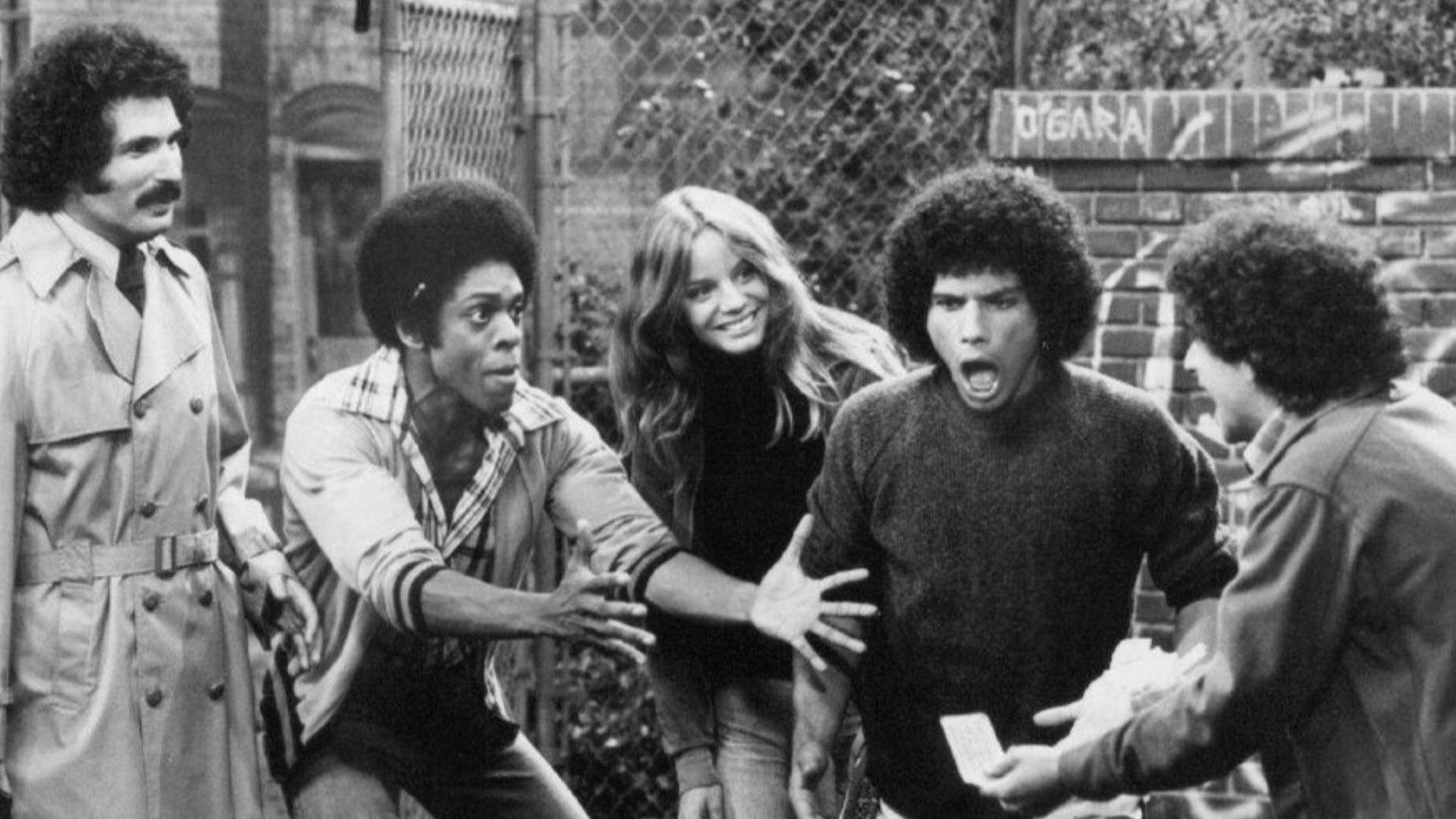 ABC Television, Wikimedia Commons
A: Freddie “Boom Boom” Washington
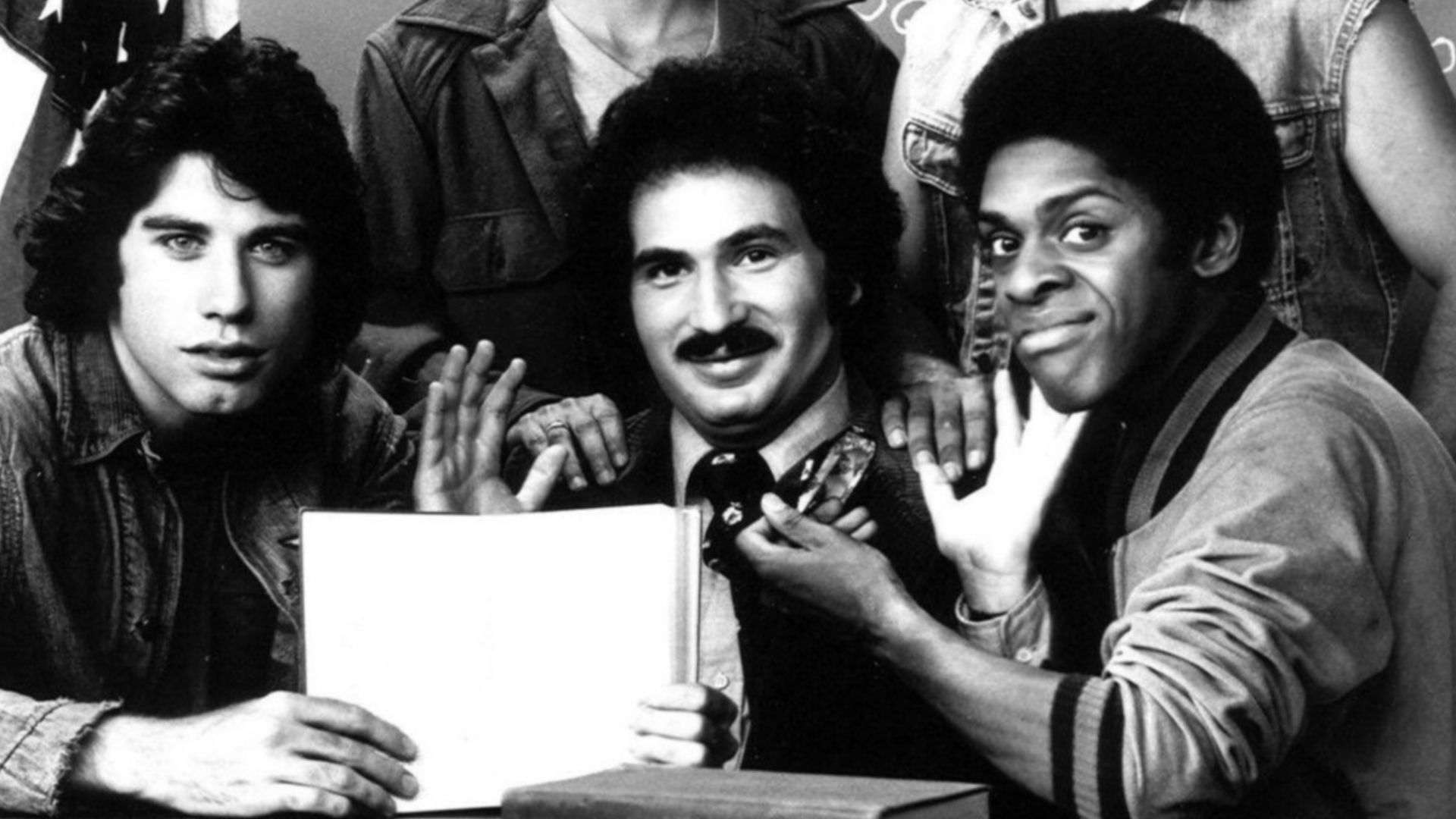
Lawrence Hilton-Jacobs’ Freddie Washington delivered “Hi there” in an unmistakably deep, smooth voice. It was one of the show’s legitimate catchphrases, but it has been almost completely overshadowed by Vinnie Barbarino and that rubber hose.
 ABC Television Network., Wikimedia Commons
How Did You Do?
0–3 correct: Were you even alive in the 70s—or have you successfully erased the entire decade?
4–7 correct: You came close, but close does not get you onto Match Game. Somewhere, Charles Nelson Reilly is quietly disappointed.
8–11 correct: You did it. Eight was the target, and you survived a quiz that never gave you enough easy questions in a row to relax.
12–15 correct: Lookin’ good. Your memory has somehow preserved an alarming amount of old television advertising.
16–19 correct: You are either a genuine 70s trivia master or you have spent far too much time watching commercial compilations online.
20 correct: Well, excuuuuse us. You apparently remember every word ever spoken through a wood-paneled television set. And we respect that.
 ABC Television, Wikimedia Commons
You Might Also Like:
Alan Hale Jr. made The Skipper beloved, but Gilligan’s Island followed him for the rest of his life