Screenshot from Gilligan’s Planet (1982)The Role That Changed Everything
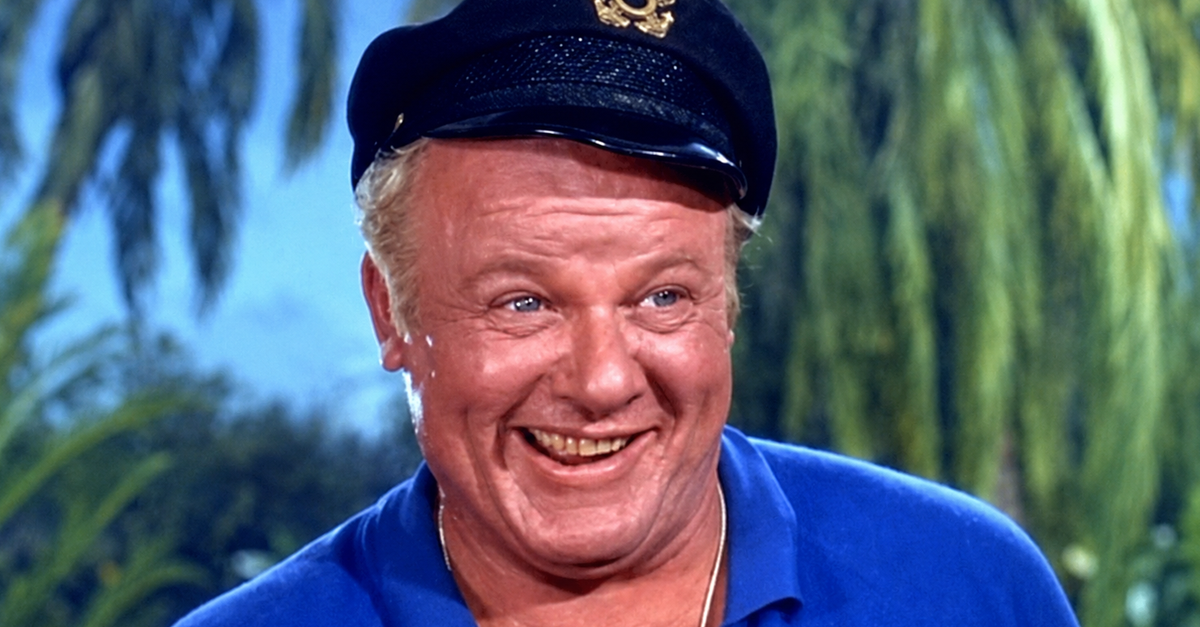
Alan Hale Jr. spent decades appearing in films, Westerns, and television dramas before boarding the S.S. Minnow. Once Gilligan’s Island premiered, however, audiences embraced him as the loud but lovable Skipper. The role brought him lasting fame while overshadowing nearly everything he had done before it.
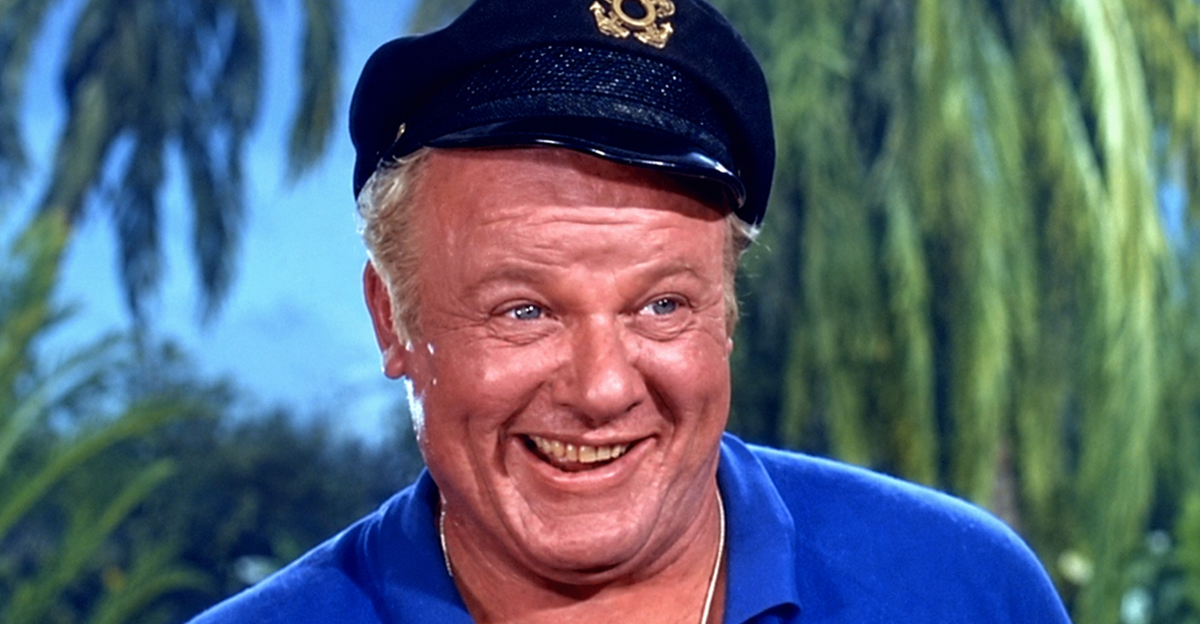 Screenshot from Gilligan's Island, CBS (1964–1967)
Entertainment Was The Family Business
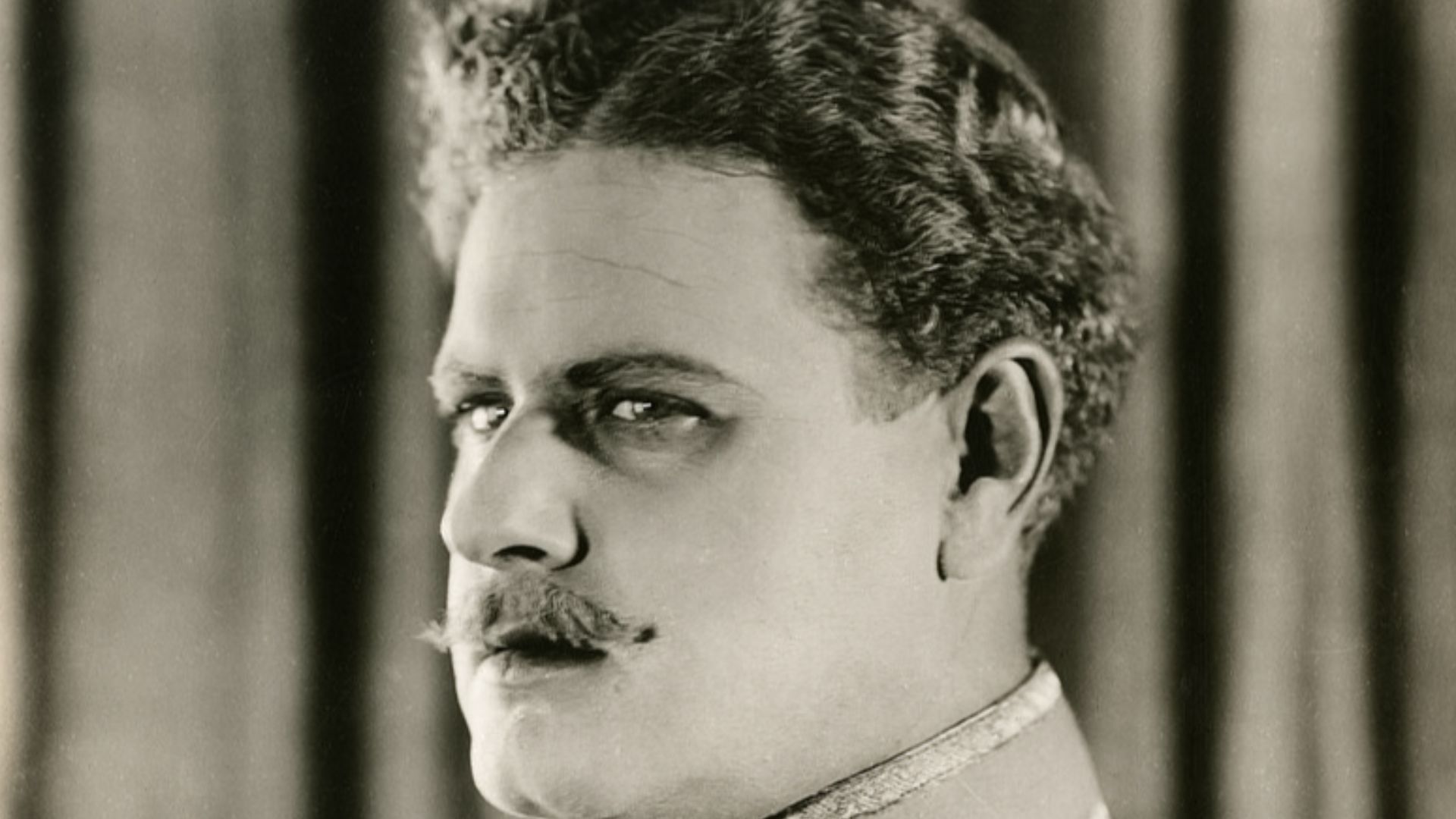
Born Alan Hale MacKahan in Los Angeles on March 8, 1921, Hale grew up surrounded by performers. His mother, Gretchen Hartman, had acted in silent films. His father became one of Hollywood’s most recognizable supporting players under the name Alan Hale.
 Unknown author, Wikimedia Commons
His Father Was A Familiar Face
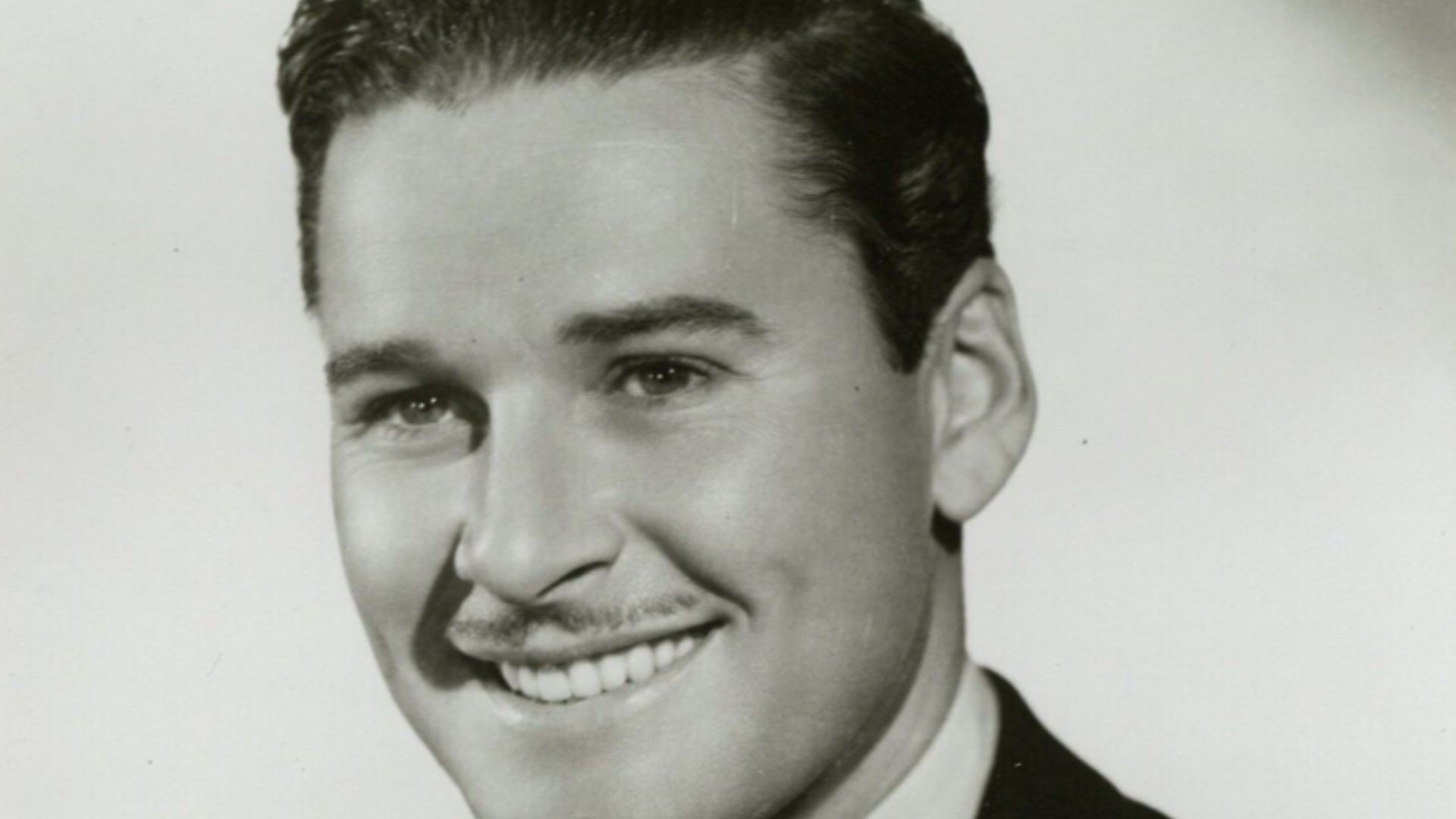
Alan Hale Sr. appeared in more than 200 films and became especially memorable as Little John opposite Errol Flynn in The Adventures of Robin Hood. His booming personality and imposing build made him a natural for adventure films. Those same qualities would later become central to his son’s screen image.
 Unknown photographer, Wikimedia Commons
He Started Acting Remarkably Young
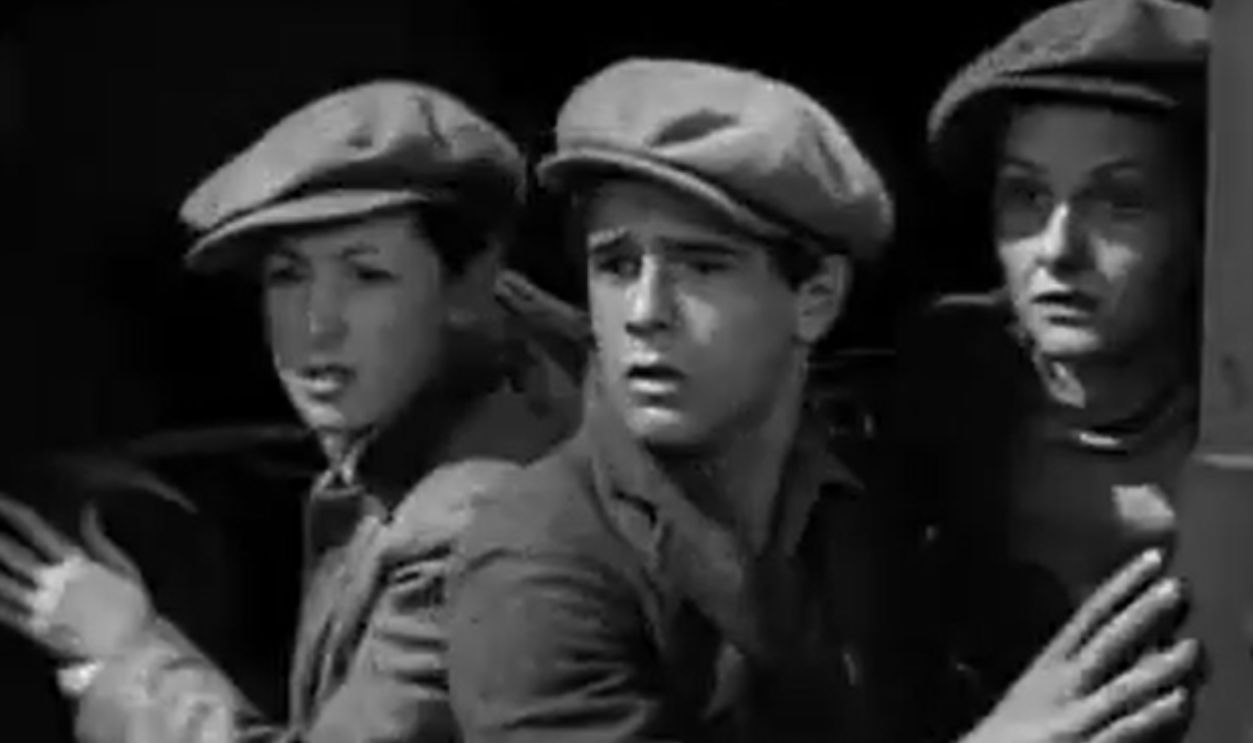
Hale made his Broadway debut as a child in the short-lived 1931 production Caught Wet. He also received an early screen credit for Wild Boys of the Road, released in 1933, although his appearance was removed from the finished film. By adulthood, acting had become far more than a childhood experiment.
 Screenshot from Wild Boys of the Road, Warner Bros. (1933)
The Supporting Roles Kept Coming
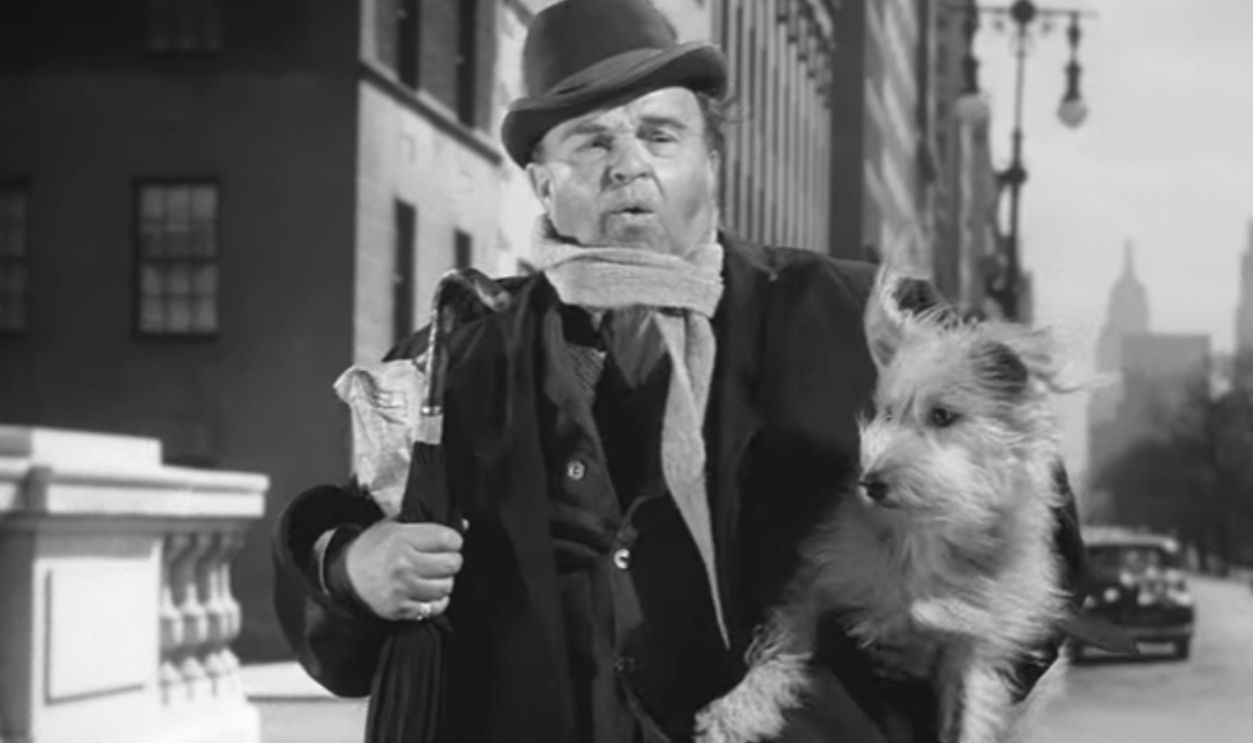
During the 1940s, Hale appeared in films including To the Shores of Tripoli, Sweetheart of Sigma Chi, and It Happened on Fifth Avenue. Many parts were small, but they allowed him to work across comedy, drama, and action. He was gradually establishing himself as a dependable character actor.
 Screenshot from It Happened on 5th Avenue, Warner Bros. (1947)
His Famous Name Became His Own
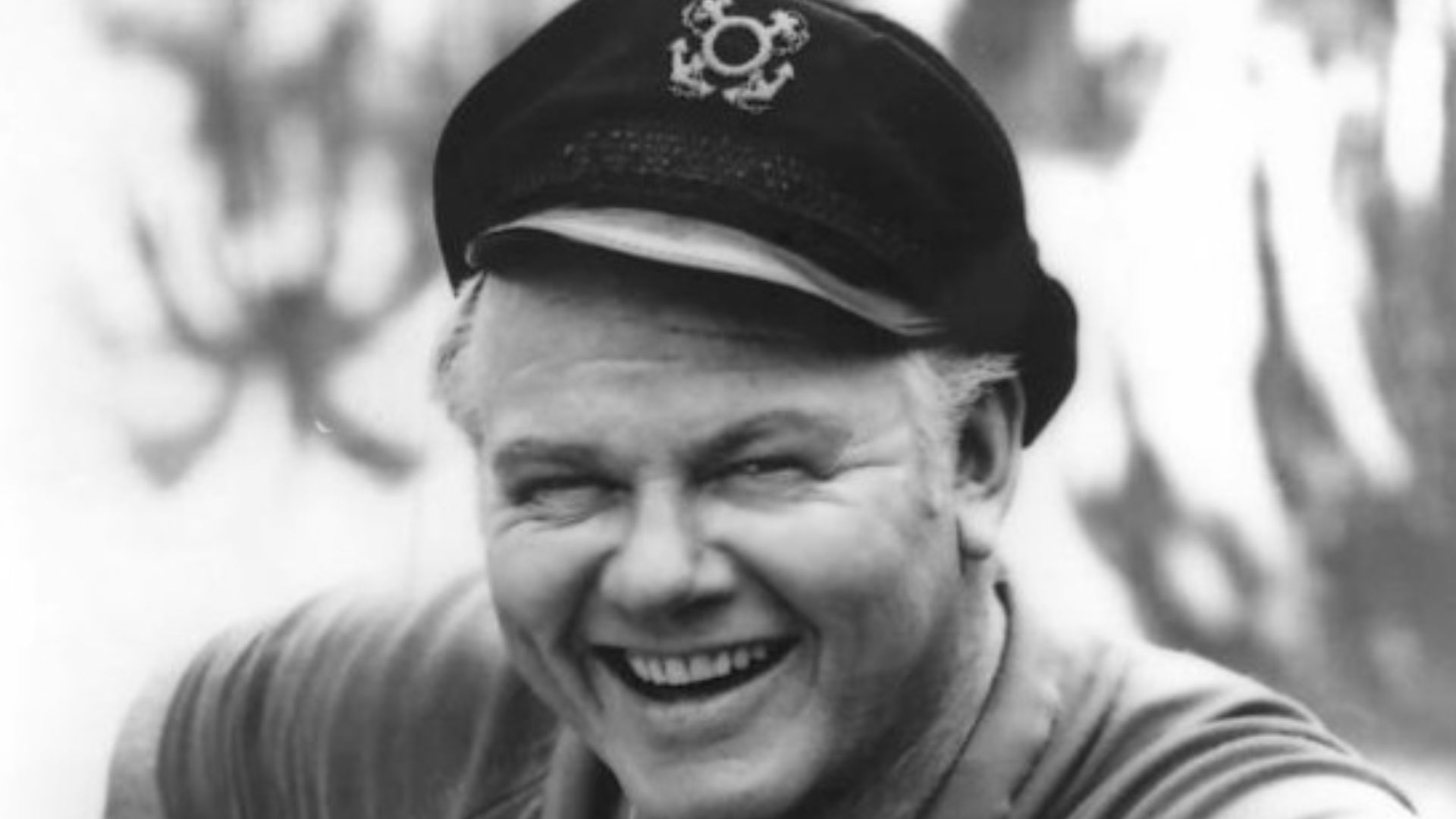
For years, the younger actor was professionally distinguished from his father by the “Jr.” attached to his name. After Alan Hale Sr. died in 1950, his son sometimes worked simply as Alan Hale. Audiences and publications nevertheless continued using “Alan Hale Jr.” to tell the two performers apart.
 CBS Television, Wikimedia Commons
Westerns Became A Specialty
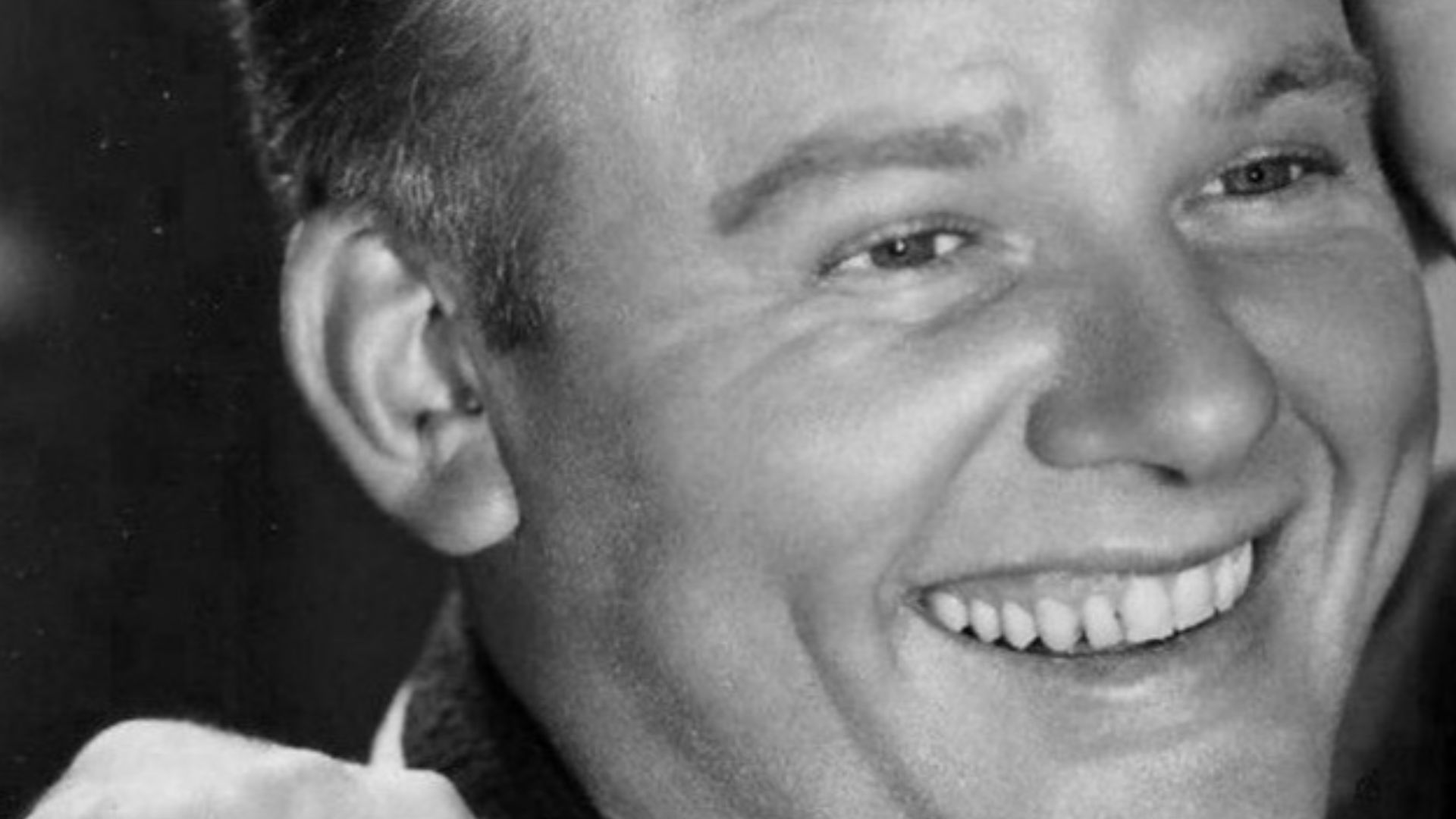
Hale’s sturdy build and commanding voice made him well suited to Hollywood Westerns. He appeared alongside major stars in films such as The Gunfighter, Destry, and The True Story of Jesse James. In The Three Outlaws, he even played the Sundance Kid opposite Neville Brand’s Butch Cassidy.
 CBS Television, Wikimedia Commons
He Was Never Limited To One Genre
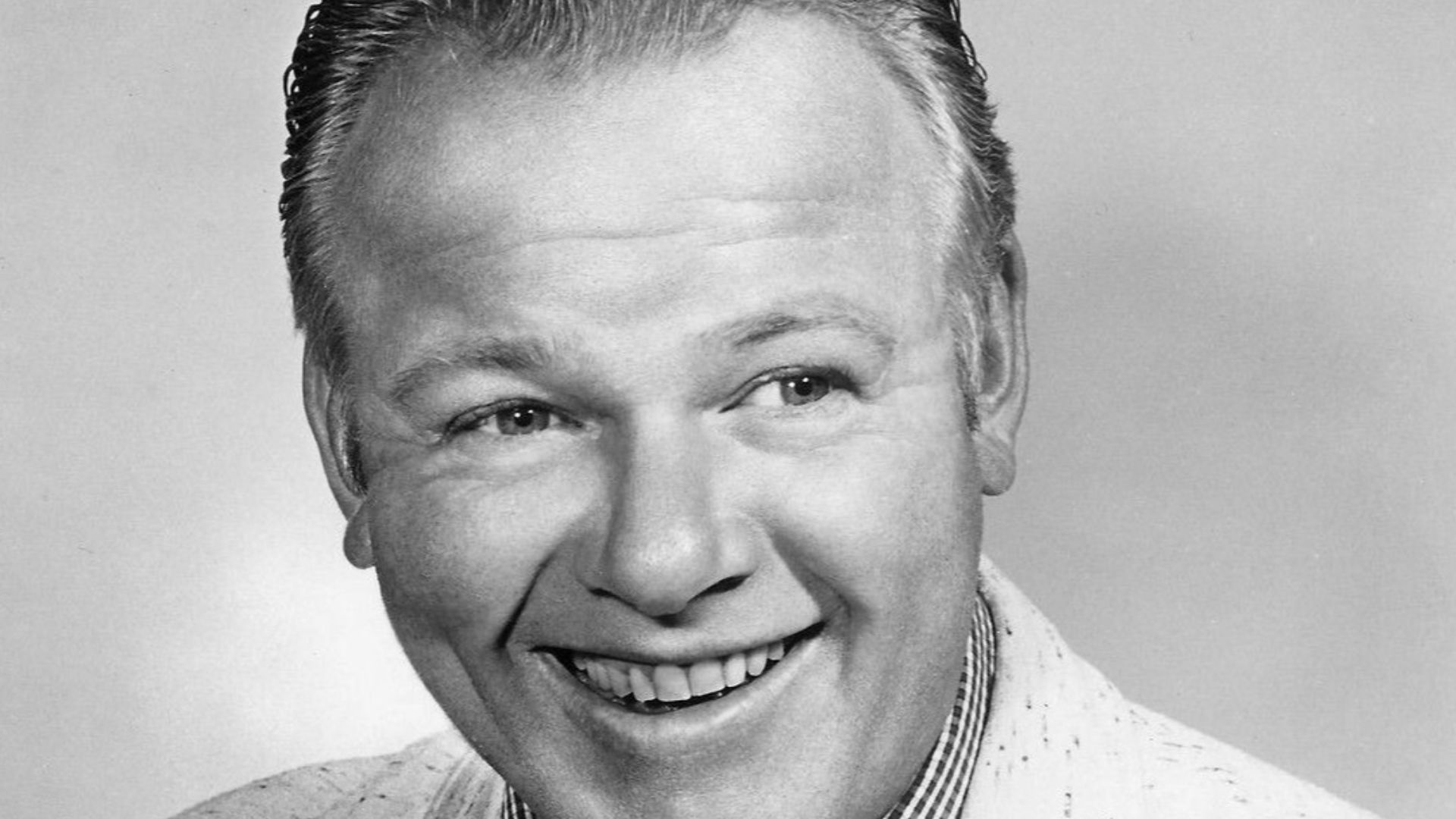
Hale also worked in musicals, comedies, war pictures, and adventure films. His credits included The West Point Story, The Sea Chase, and Up Periscope. Long before becoming the Skipper, he had shown that he could move comfortably between humor and drama.
 Warner Bros. Studio, Wikimedia Commons
Biff Baker Gave Him A Leading Role
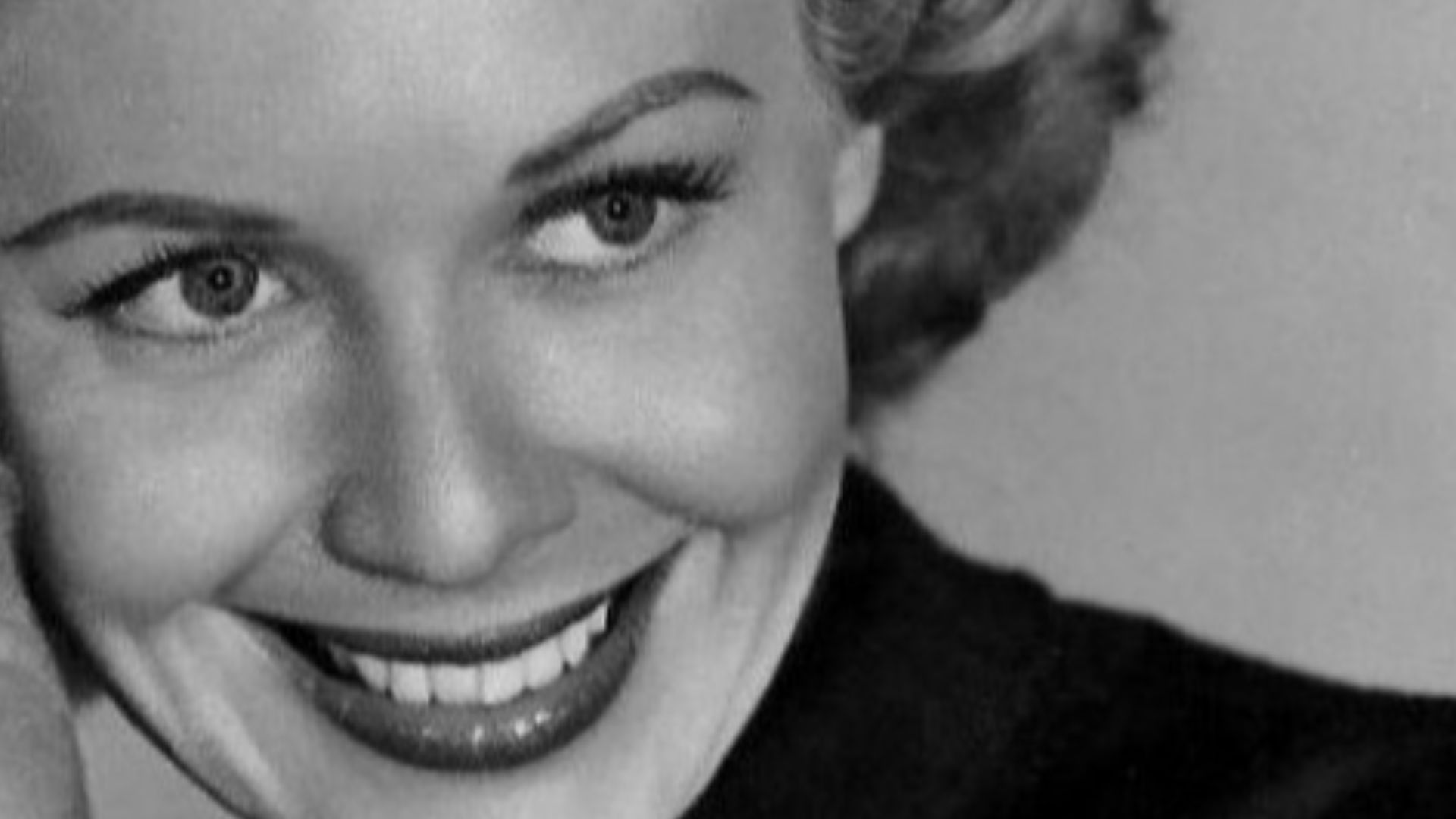
Television offered Hale an opportunity to step out of the background. In 1952, he starred opposite Randy Stuart in Biff Baker, U.S.A., an adventure series about an American couple encountering international intrigue. The program was brief, but it proved Hale could carry a series.
 CBS Television, Wikimedia Commons
Casey Jones Put Him Back In Front
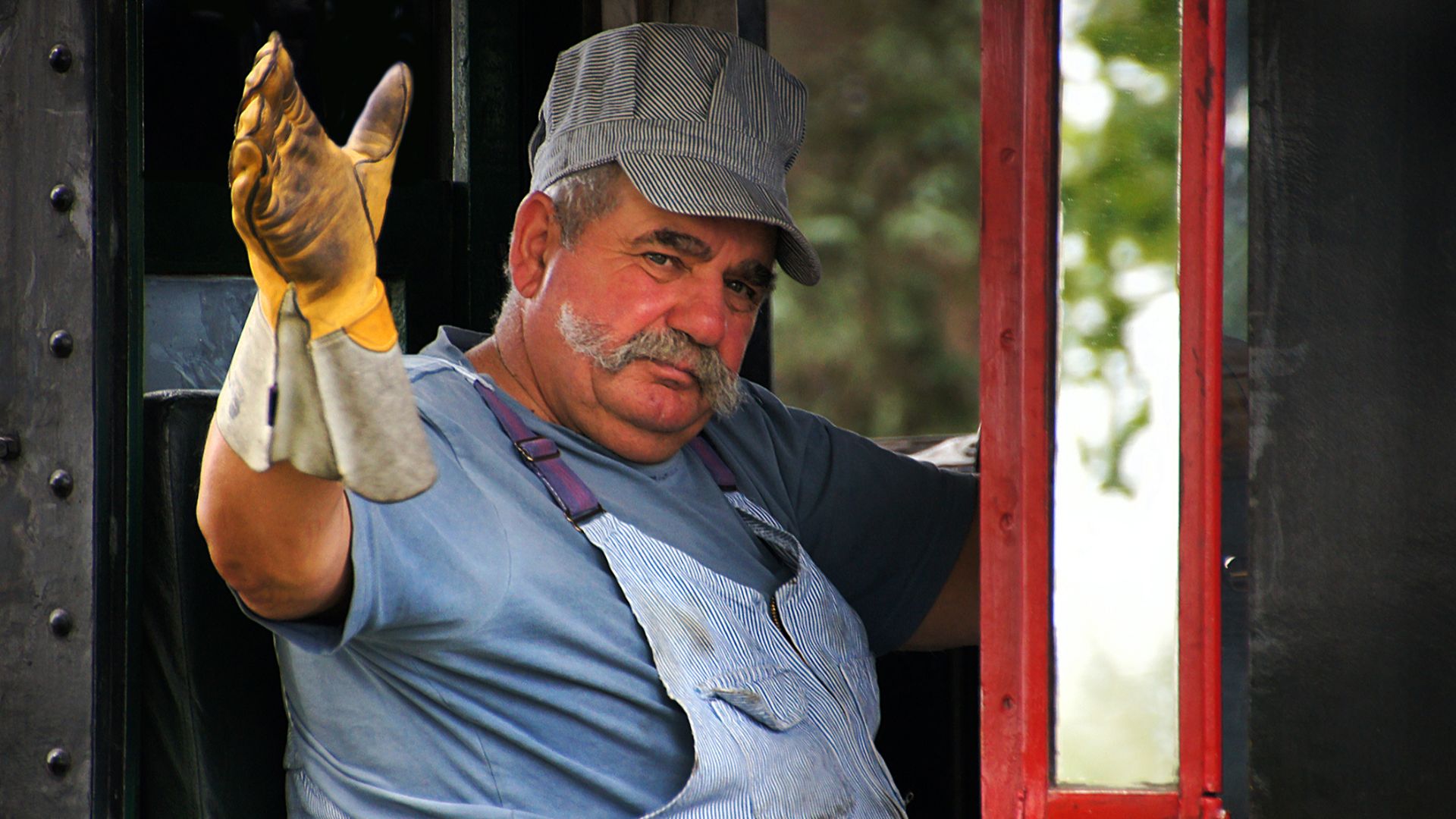
Hale secured another title role in the syndicated series Casey Jones, which debuted in 1957. He played the famous railroad engineer as an energetic family man and action hero. The series produced 32 episodes and introduced Hale to viewers who would later recognize him on the island.
 Bernard Spragg. NZ from Christchurch, New Zealand, Wikimedia Commons
Television Made Him Dependable
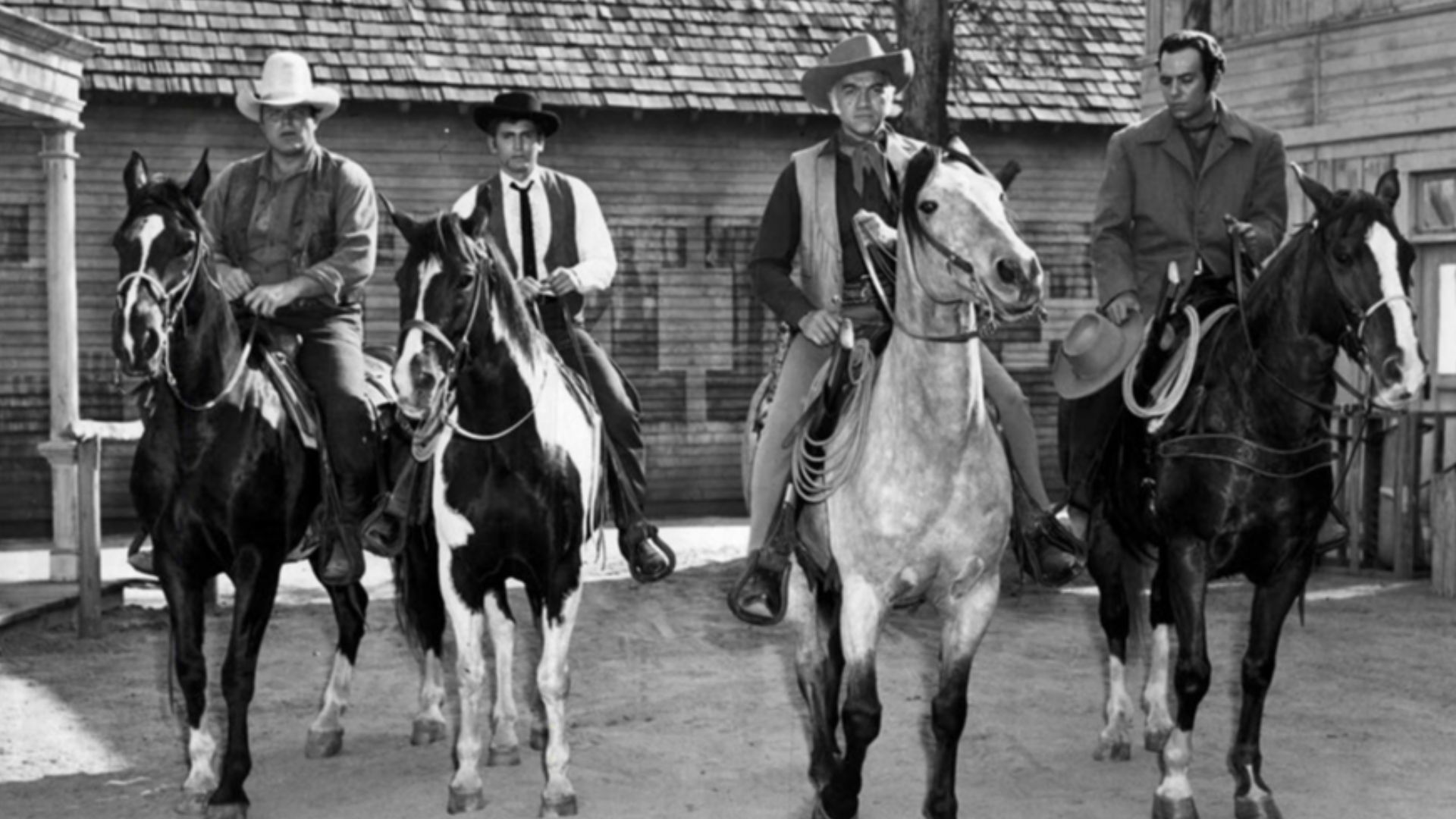
Between starring assignments, Hale became a familiar guest performer. He appeared on programs including Gunsmoke, Bonanza, Rawhide, The Andy Griffith Show, and Perry Mason. His ability to seem authoritative, threatening, or funny made him useful across television’s most popular genres.
 NBC Television, Wikimedia Commons
Casting The Skipper Was Difficult
When Sherwood Schwartz developed Gilligan’s Island, he knew the Skipper would be challenging to cast. The character had to look capable of commanding a boat while remaining funny and approachable. An actor who seemed genuinely intimidating would upset the comedy’s gentle balance.

Schwartz Spotted His Answer
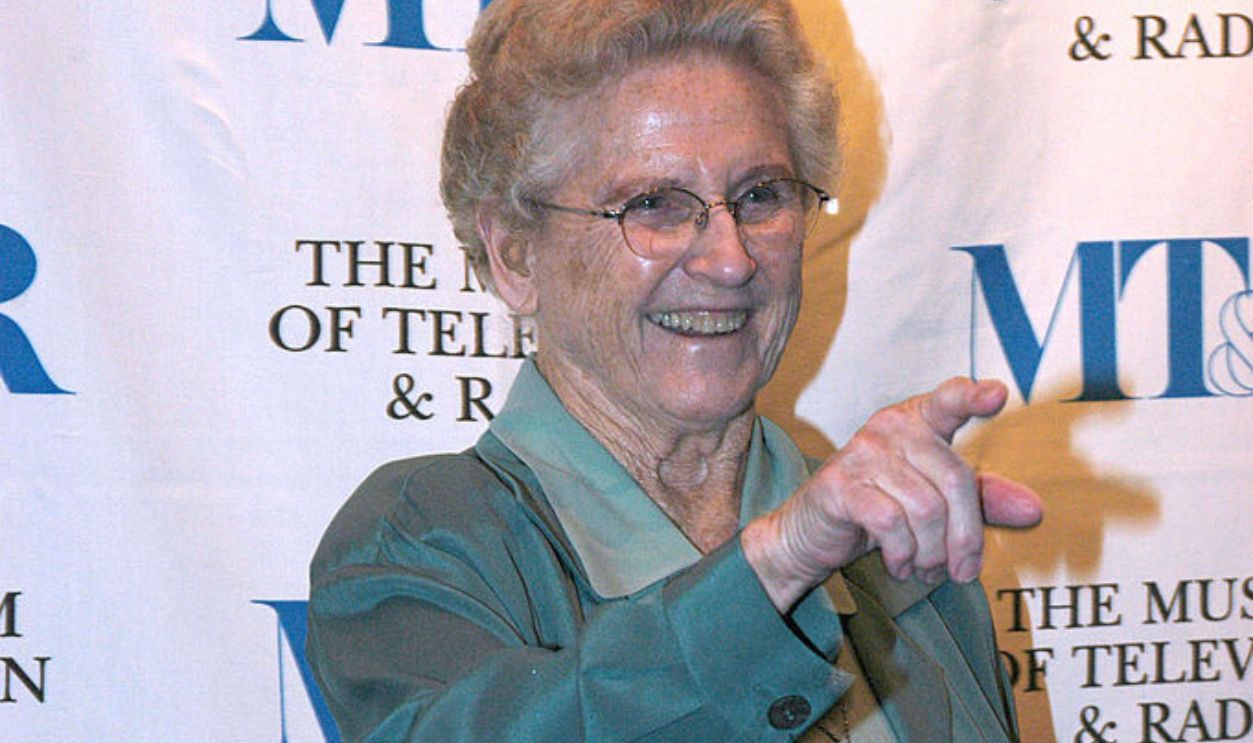
With production approaching, Schwartz noticed Hale eating at a Los Angeles restaurant. The actor’s size, energy, and naturally friendly presence immediately caught the producer’s attention. Schwartz contacted Hale’s agent the next morning and moved quickly to bring him into the series.
He Was The Teddy Bear Schwartz Needed
Schwartz later explained that he wanted a physically large actor who could bellow at the much smaller Gilligan. At the same time, the Skipper needed to be a “teddy bear” rather than an actual bear. Hale could explode with frustration and still make viewers feel completely safe around him.
The Voyage Began In 1964
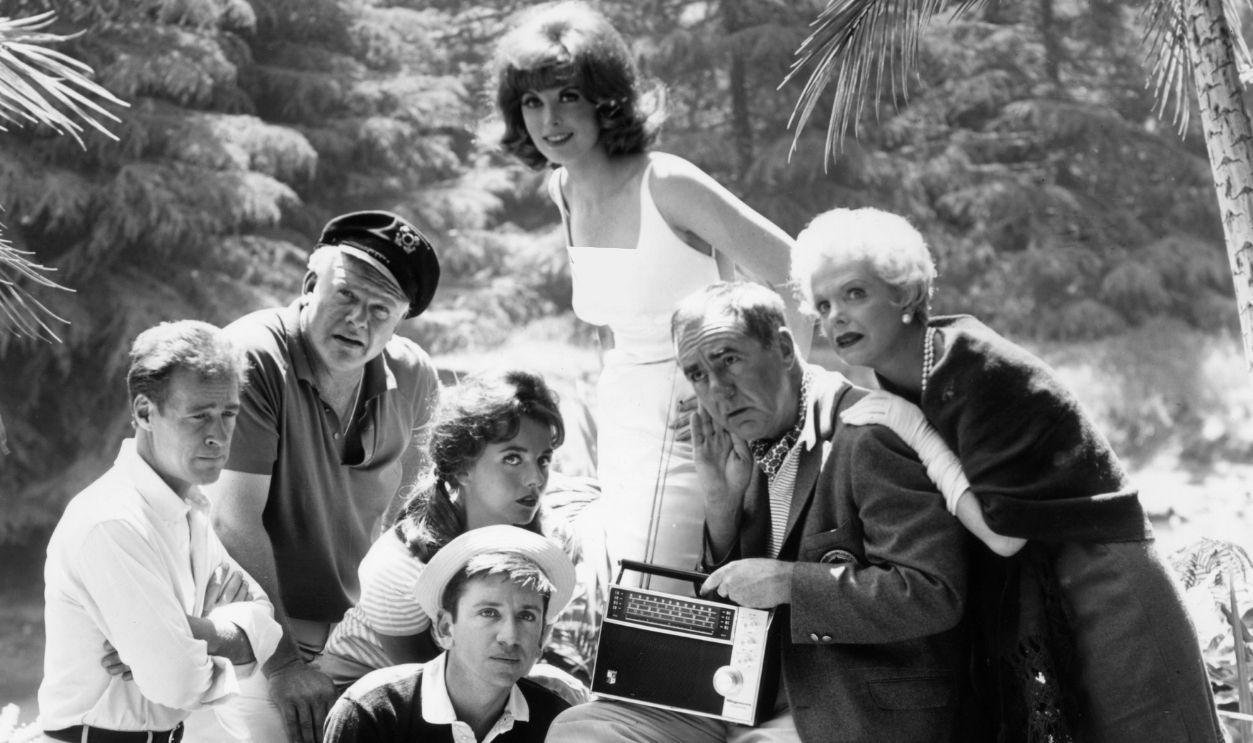
Gilligan’s Island premiered on CBS in September 1964. Its seven castaways had planned a three-hour sightseeing tour before a storm stranded them on an uncharted island. Hale played the Minnow’s captain, Jonas Grumby, although viewers almost always knew him simply as the Skipper.
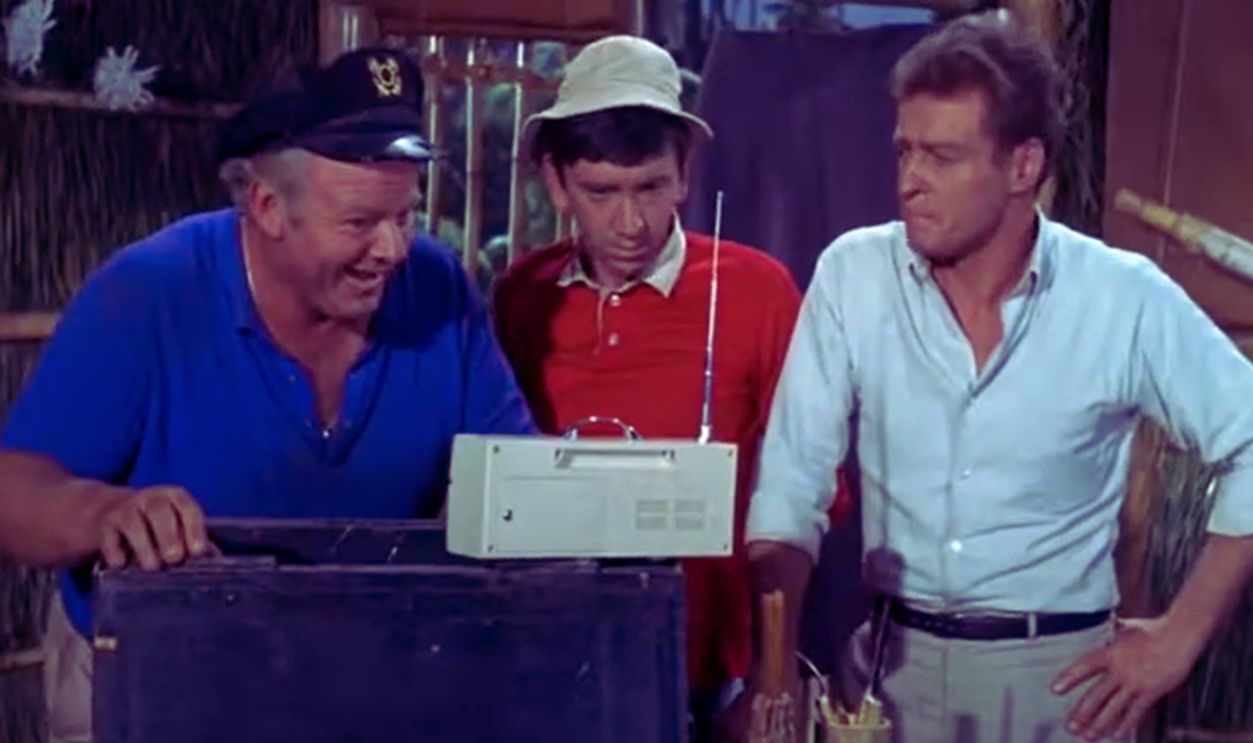 Screenshot from Gilligan’s Island (1964–1967)
The Skipper Became The Island’s Protector
As the group’s practical leader, the Skipper tried to maintain order through every unlikely crisis. He built shelters, organized rescue attempts, and frequently placed himself between the other castaways and danger. His plans did not always work, but his loyalty was never in doubt.
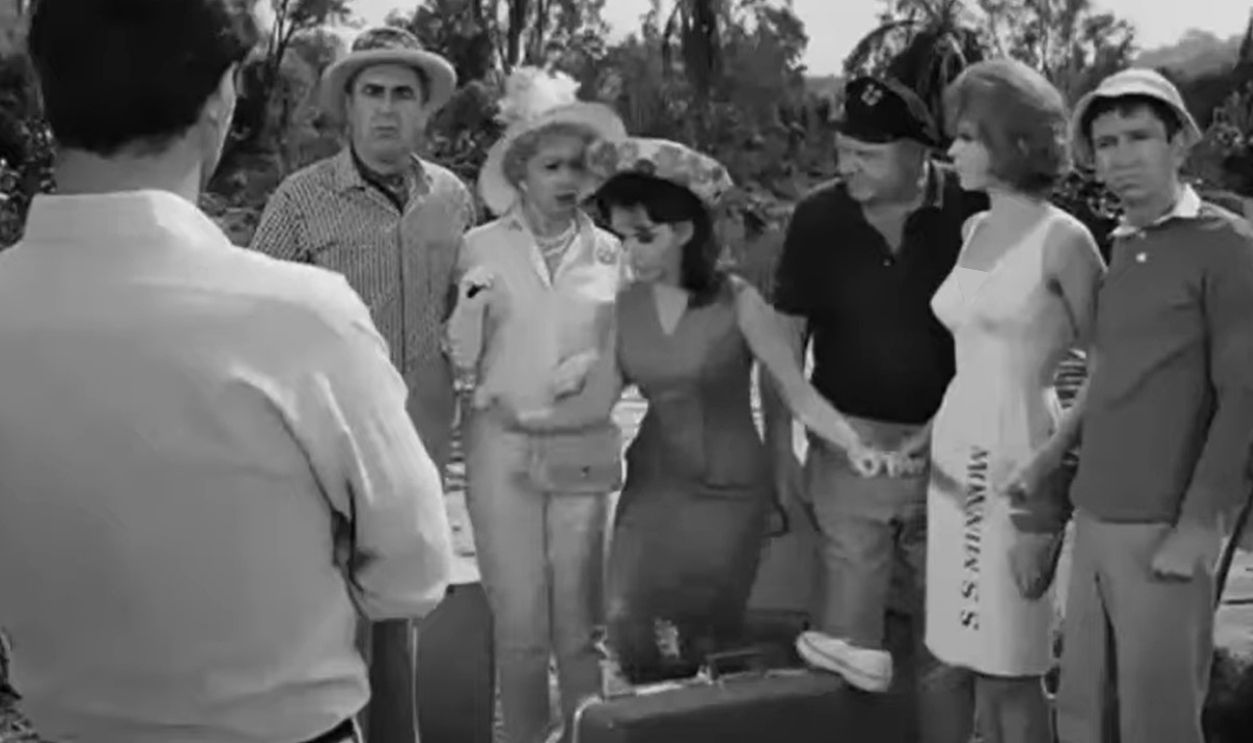 Screenshot from Gilligan’s Island (1964–1967)
Bob Denver Completed The Partnership
The show’s emotional center was the friendship between the Skipper and Gilligan, played by Bob Denver. Gilligan regularly ruined escape plans, sending the Skipper into fits of comic frustration. Hale and Denver made the relationship affectionate enough that the anger never felt cruel.
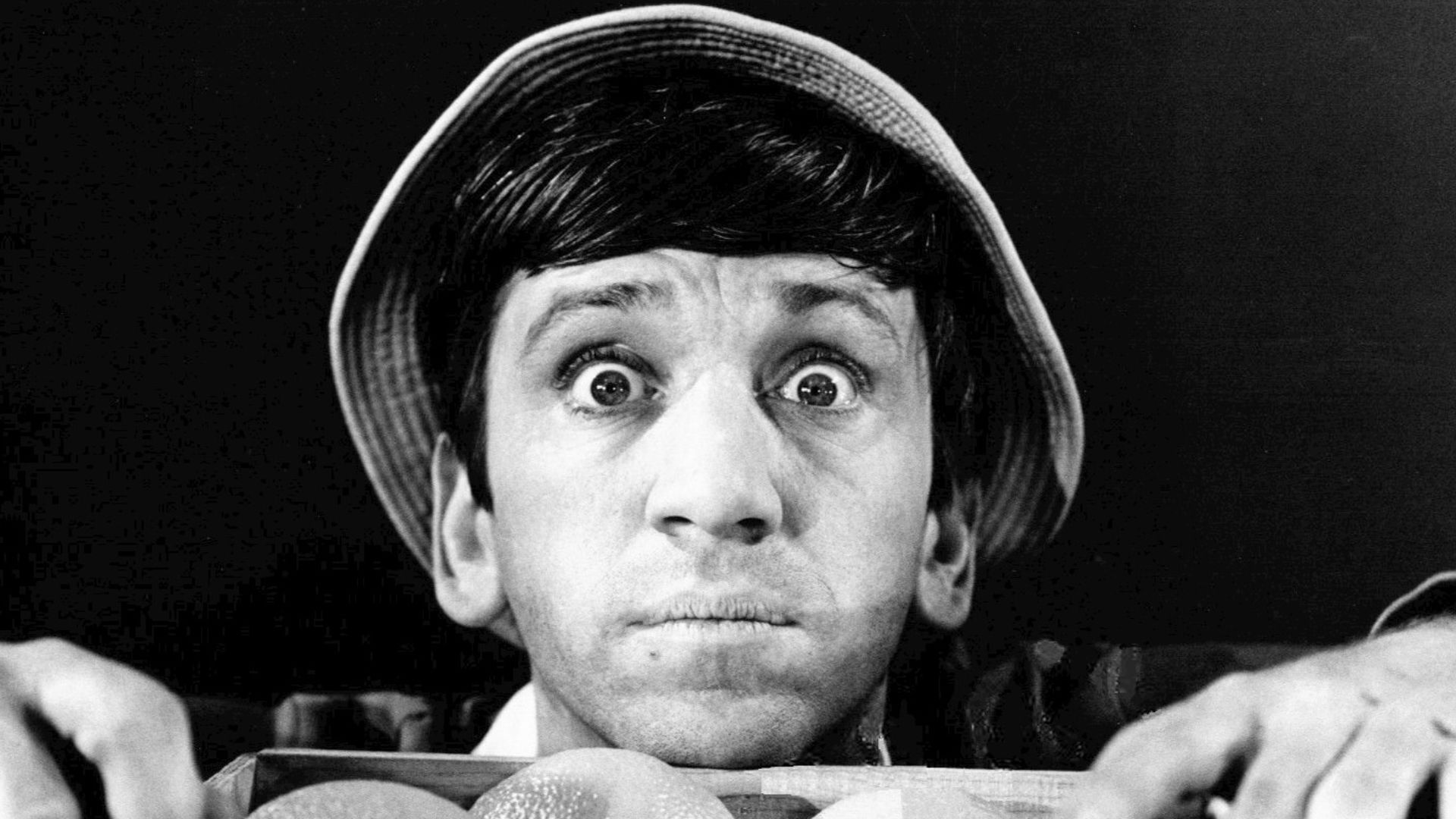 CBS Television, Wikimedia Commons
Physical Comedy Became Essential
Hale used his size for exaggerated reactions, pratfalls, and bursts of slapstick energy. He could charge across the island in a fury, stumble into disaster, and recover with his dignity barely intact. His willingness to look foolish kept the Skipper from becoming a dull authority figure.
 Screenshot from Gilligan's Island, CBS (1964–1967)
The Show Was Built For Escape
Gilligan’s Island never treated survival with much realism. The castaways encountered visiting performers, spies, robots, and other improbable arrivals without permanently escaping. Hale understood that the series was meant to provide uncomplicated fun rather than believable adventure.
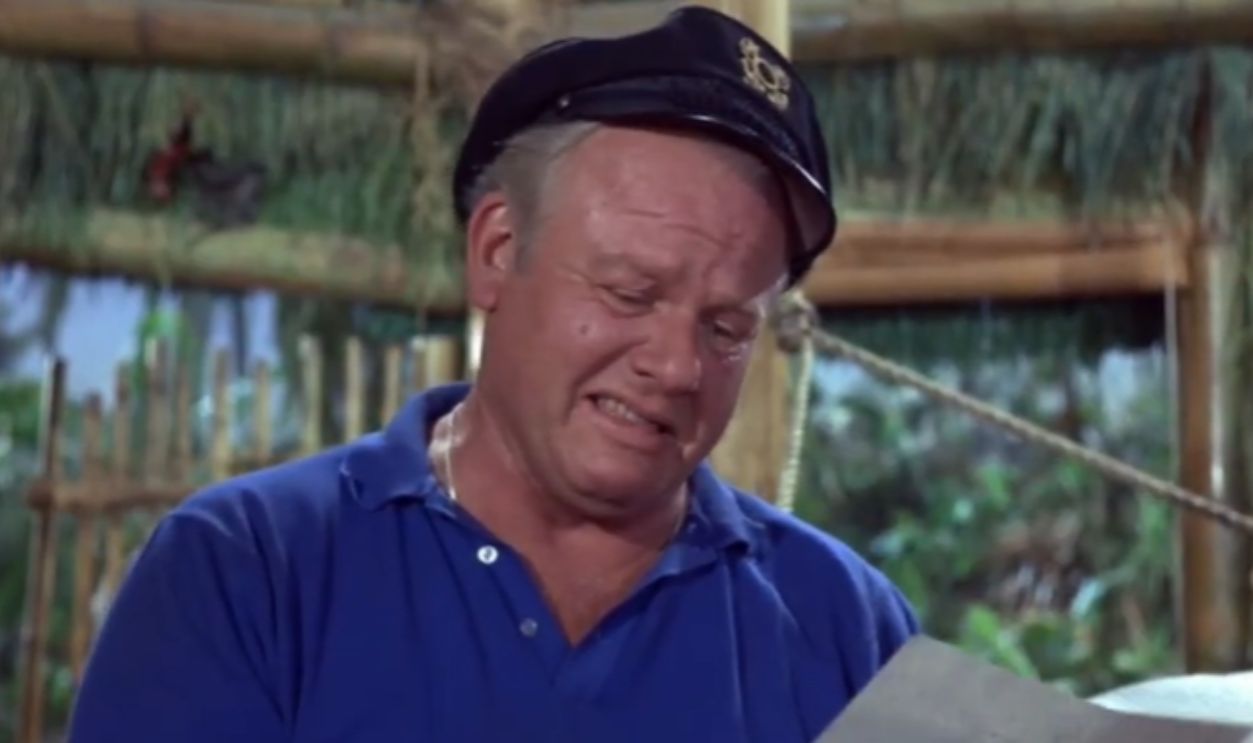 Screenshot from Gilligan's Island, CBS (1964–1967)
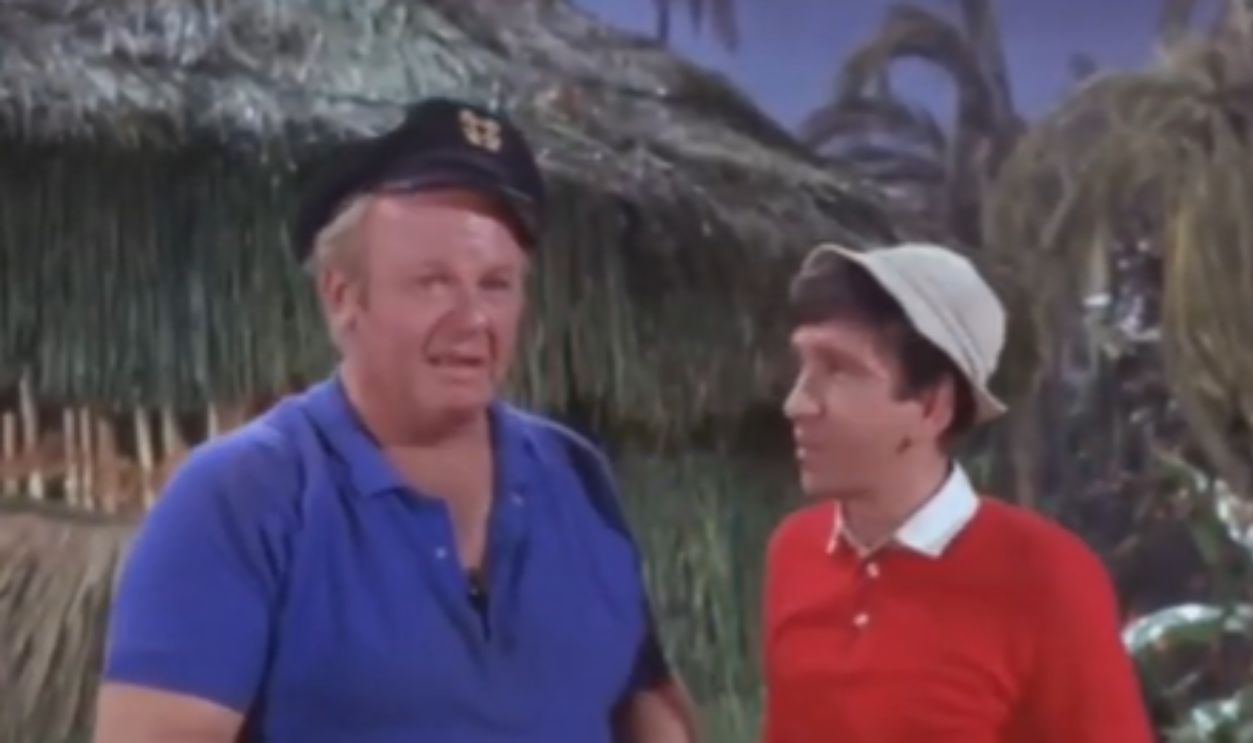
Three Seasons Became A Television Institution
The sitcom ran for three seasons and produced 98 episodes before ending in 1967. Its original network run was relatively short compared with its enormous cultural afterlife. Constant reruns introduced the Skipper to children who had not been born when the show premiered.
 Screenshot from Gilligan's Island, CBS (1964–1967)
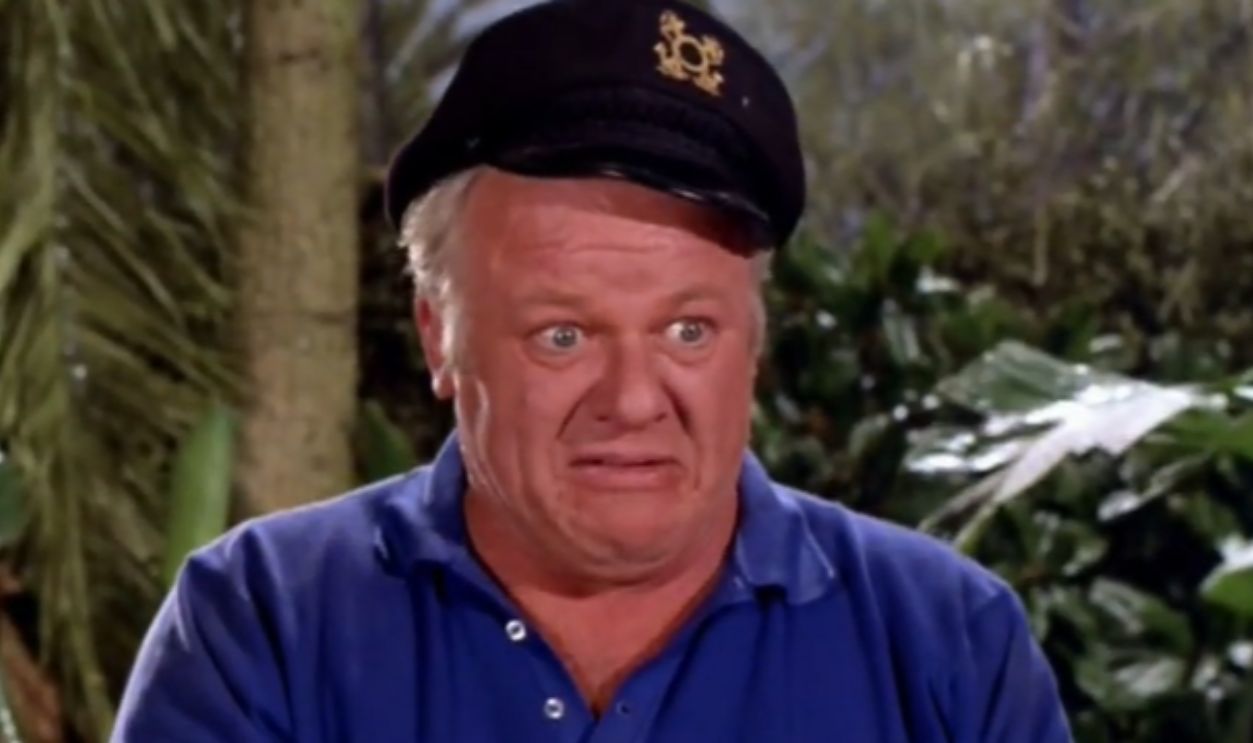
Syndication Changed His Career Forever
As Gilligan’s Island spread through local television schedules, Hale’s earlier work became less visible. New generations recognized his face, laugh, captain’s hat, and blue shirt almost instantly. The Skipper was no longer simply one role on his résumé but the identity audiences carried with them.
 Screenshot from Gilligan's Island, CBS (1964–1967)
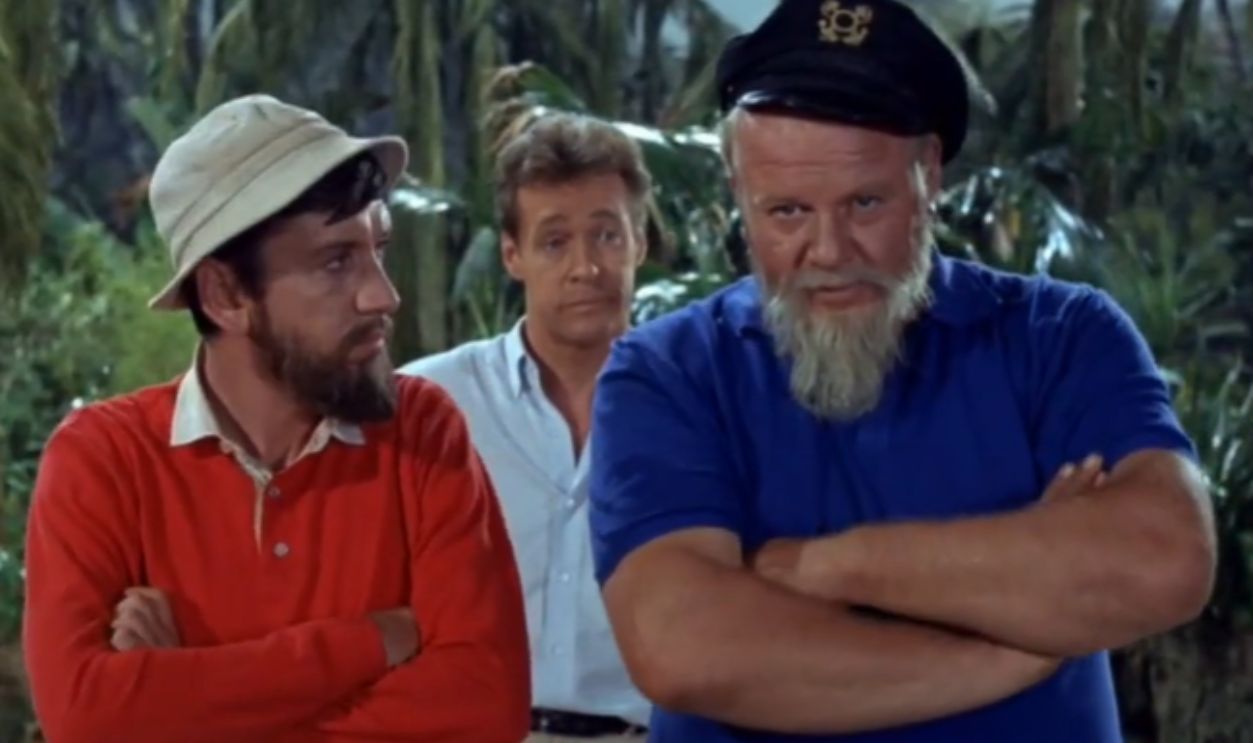
Typecasting Could Not Be Avoided
Hale continued acting, but escaping the Skipper’s shadow proved nearly impossible. His size and comic warmth encouraged producers to offer variations on the same genial, oversized personality. Even unrelated appearances frequently relied on viewers recognizing the man from the Minnow.
 Screenshot from Gilligan's Island, CBS (1964–1967)
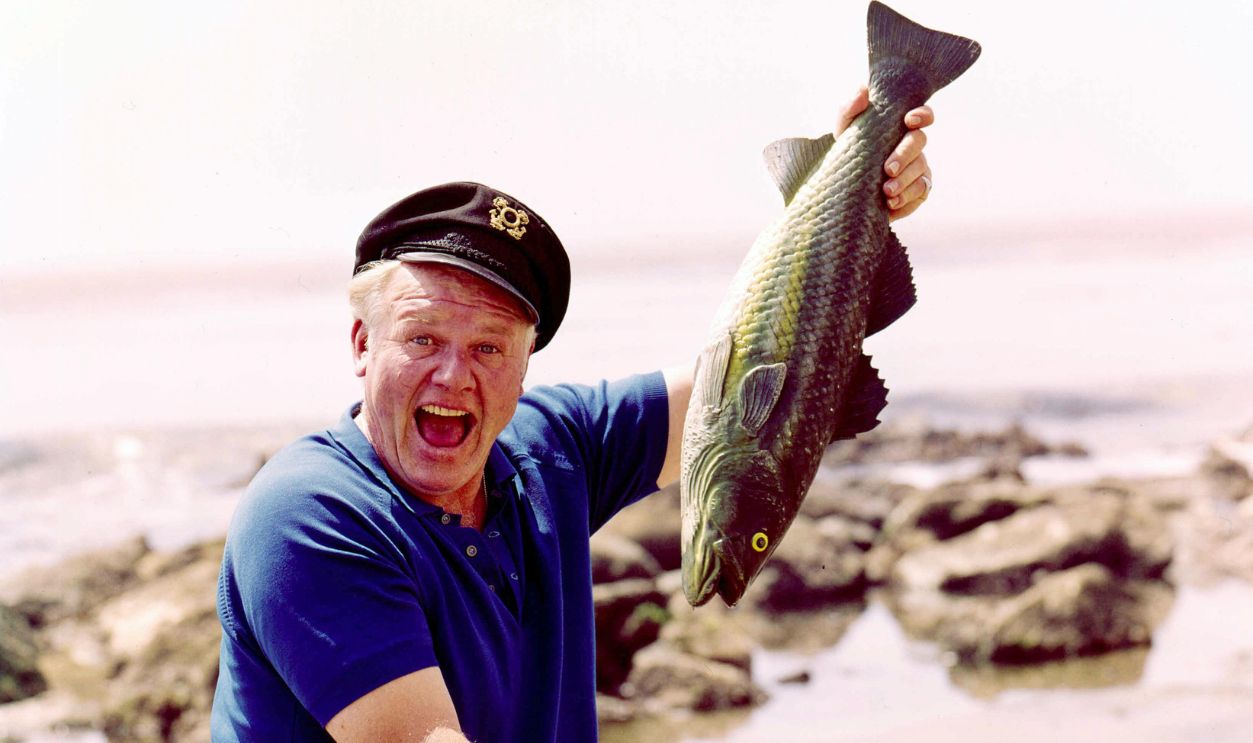
He Chose Gratitude Over Resentment
Unlike some performers who became frustrated with a defining television role, Hale openly embraced his association with the Skipper. He called the character his favorite and said he wanted to give tired audiences a laugh. The happiness fans showed when recognizing him mattered more than proving he could leave the island behind.
 Silver Screen Collection, Getty Images
Animation Brought The Skipper Back
Hale voiced the character in The New Adventures of Gilligan, which began in 1974. He returned again for Gilligan’s Planet in 1982, a cartoon that sent the castaways into outer space. The settings changed, but Hale’s familiar voice kept the Skipper instantly recognizable.
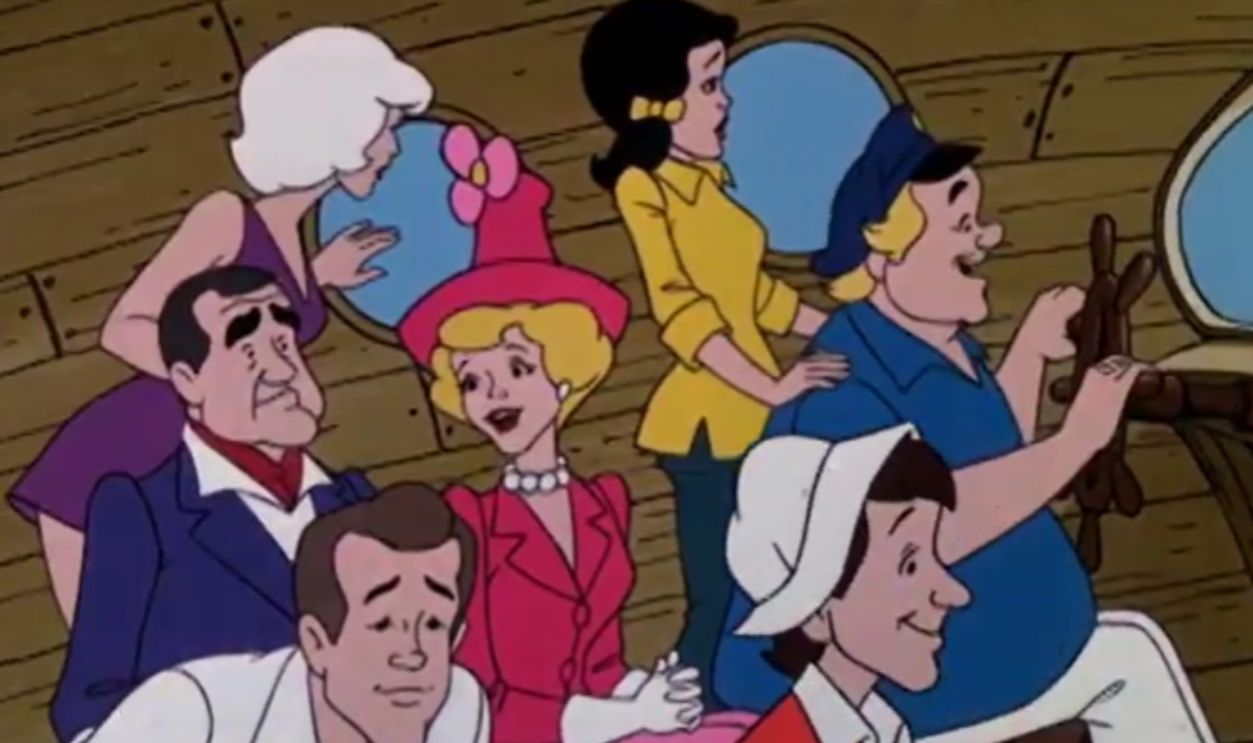 Screenshot from Gilligan’s Planet, Warner Bros. Television Distribution (1982)
The Castaways Were Finally Rescued
Hale also reprised the role in Rescue from Gilligan’s Island, a 1978 television movie that finally brought the castaways home. He returned for The Castaways on Gilligan’s Island in 1979 and The Harlem Globetrotters on Gilligan’s Island in 1981. Each reunion confirmed that public interest in the original characters had never disappeared.
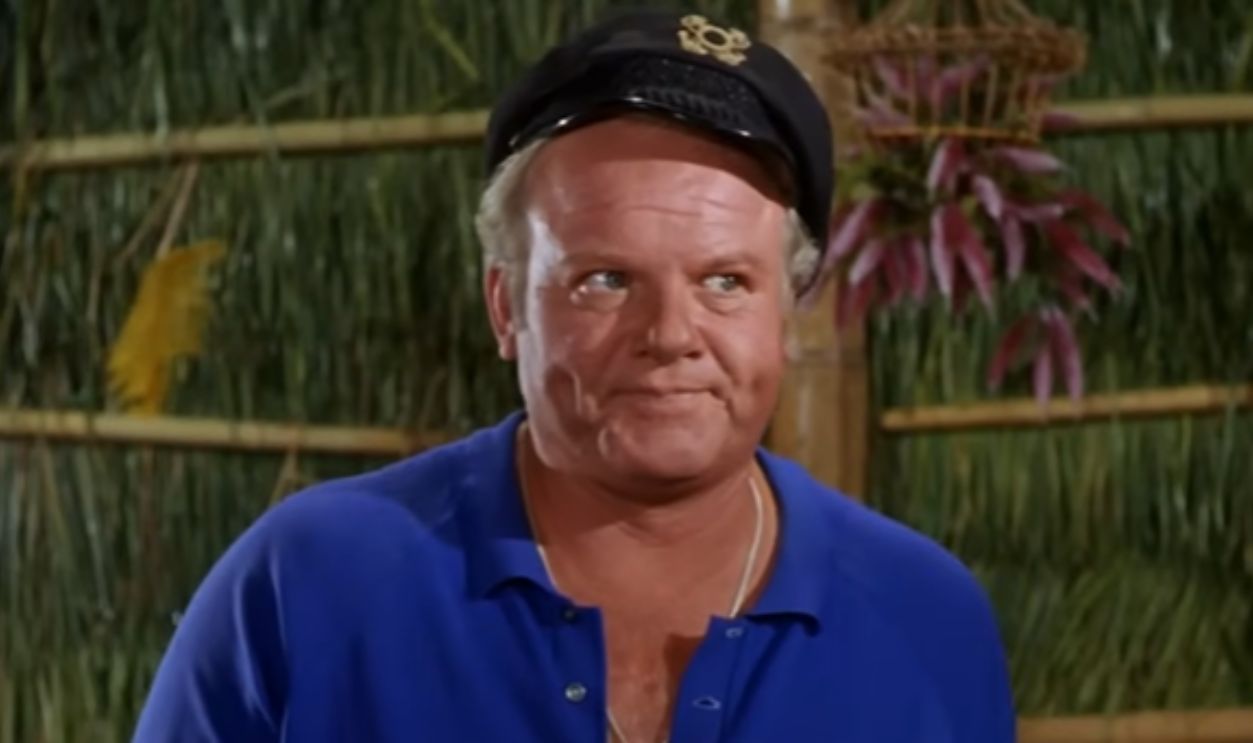 Screenshot from Gilligan's Island, CBS (1964–1967)
He Kept Working Beyond The Island
Hale continued taking film and television roles, appearing in productions such as The Giant Spider Invasion, The Love Boat, Murder, She Wrote, and ALF. He also leaned into his famous persona during appearances on The New Gidget and Growing Pains. His final film appearance reunited him with Bob Denver in the 1987 comedy Back to the Beach.
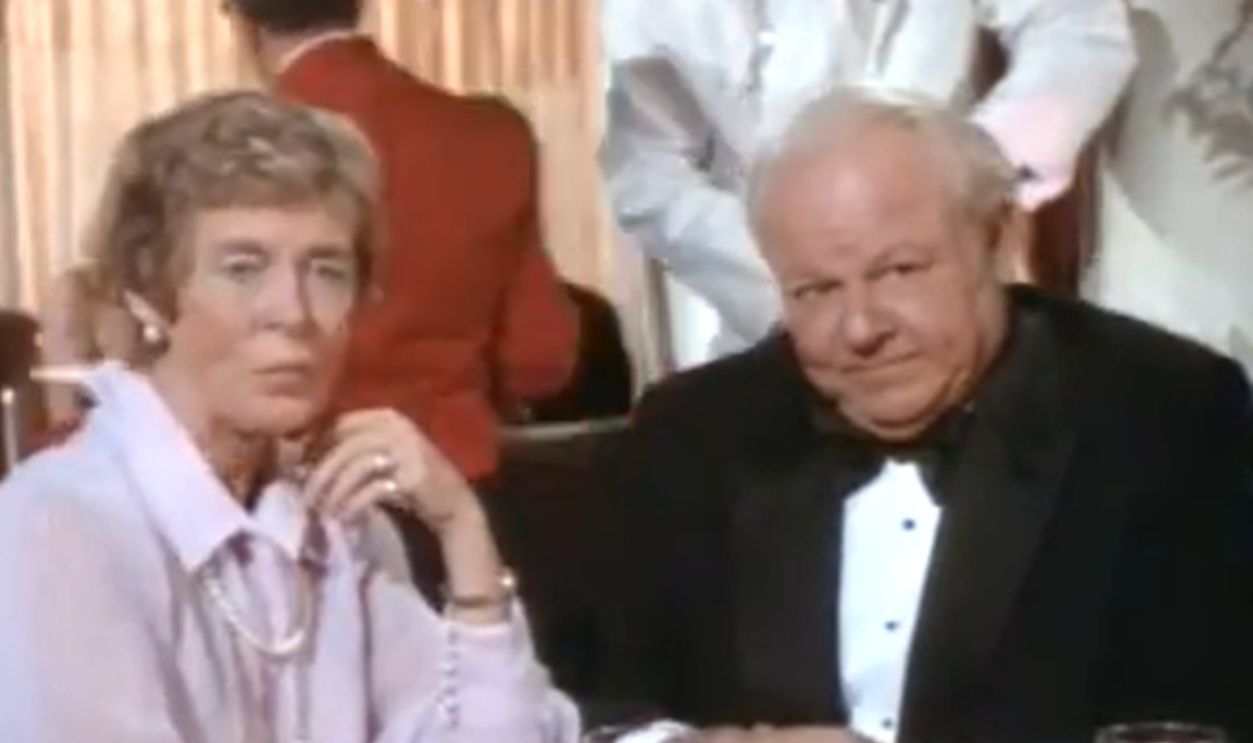 Screenshot from The Love Boat, Paramount Global (1977)
He Found Success Beyond Acting
Away from Hollywood, Hale co-owned Alan Hale’s Lobster Barrel, a popular Los Angeles restaurant, and later operated a travel business. He died from thymus cancer on January 2, 1990, at age 68. His ashes were scattered in the Pacific Ocean.
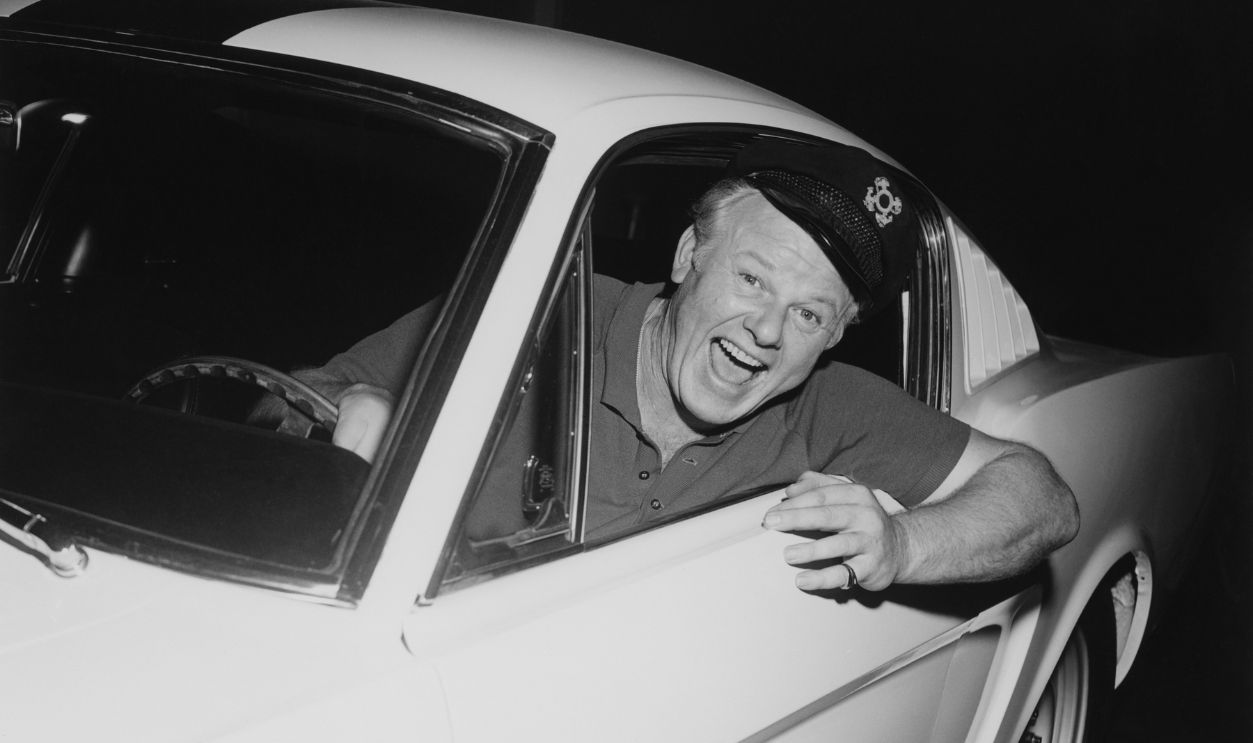
The Skipper Never Really Left Him
Gilligan’s Island followed Hale for the rest of his life, but he never treated the connection as a burden. He welcomed fans who recognized him and remained proud of the laughter the Skipper created. Hale embraced the character so warmly that audiences could not help loving him in return.
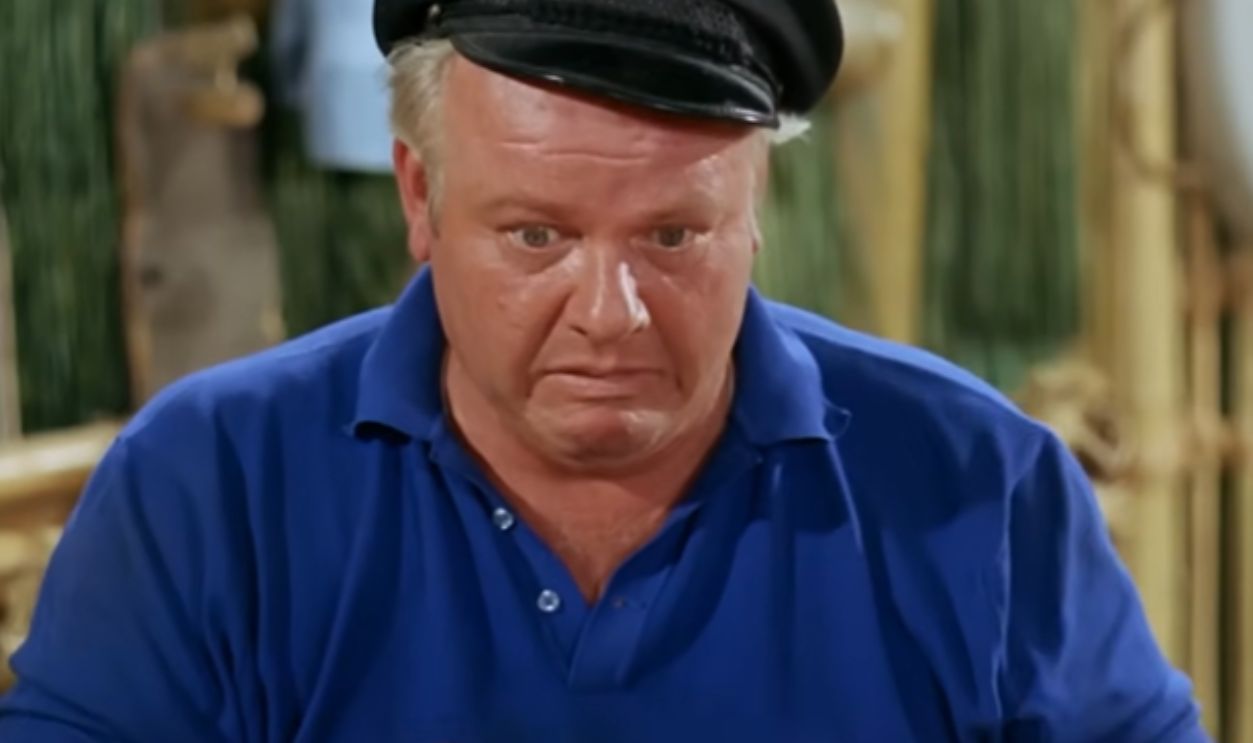 Screenshot from Gilligan's Island, CBS (1964–1967)
You May Also Like:
What happened to Dawn Wells after playing Mary Ann on Gilligan's Island?
Why did The Andy Griffith Show star Don Knotts struggle to escape his signature role?
Sitcom Dads From The 1960s Who Completely Changed American Television—How Many Do You Remember?