When Comedy Had No Brakes And Even Fewer Boundaries
The 1970s were a wild decade for movie comedy. Studios were suddenly willing to release films that were rude, messy, politically incorrect, blunt, proudly tasteless, and sometimes almost daring audiences to walk out. Some of these movies became hits, some became cult legends, and some changed comedy forever. But watching them now can feel like opening a time capsule and immediately wanting gloves.
Blazing Saddles (1974)
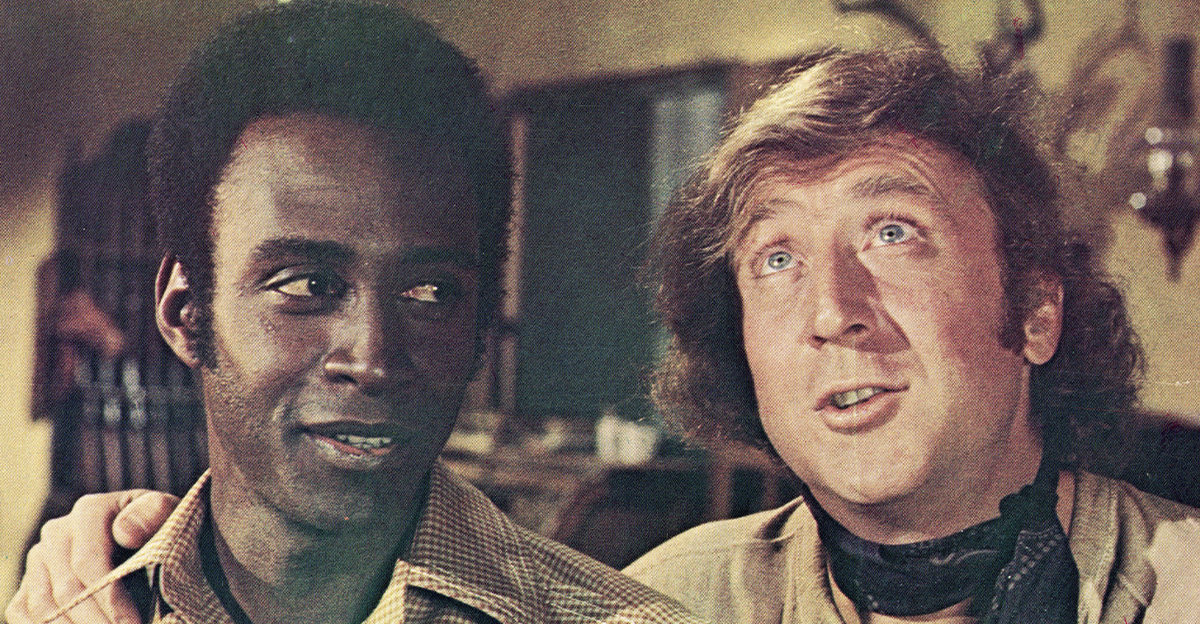
Blazing Saddles is still one of the most famous “you could never make that today” comedies, and it’s easy to see why. Mel Brooks used Western clichés to attack racism, Hollywood myths, and old cowboy hero worship, but he did it with racial slurs, vulgar gags, and jokes that fly in every possible direction. It remains brilliant, reckless, and deeply uncomfortable in almost equal measure.
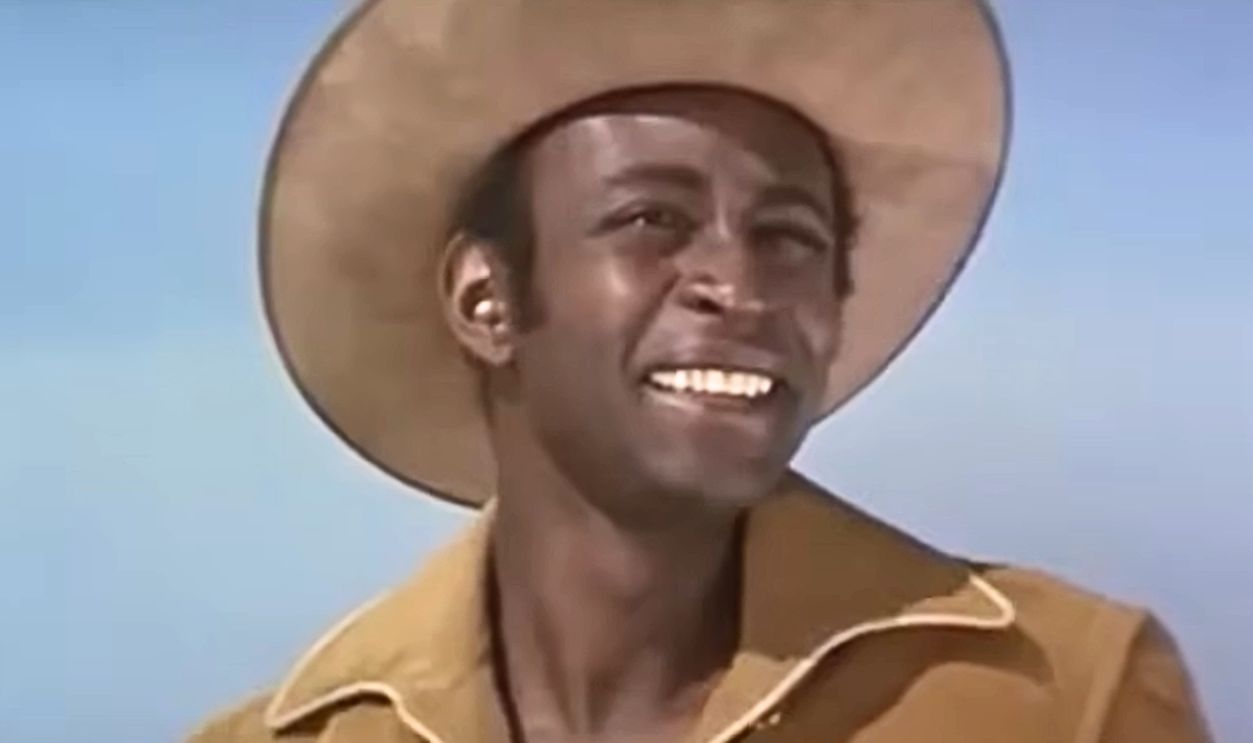 Screenshot from Blazing Saddles, Warner Bros. Pictures (1974)
Hi, Mom! (1970)
Brian De Palma’s Hi, Mom! is less a cozy comedy than a jagged counterculture provocation. Robert De Niro plays a voyeuristic Vietnam veteran turned amateur filmmaker, and the movie swerves into race, media, radical politics, and performance art with zero interest in making the audience comfortable. It’s fascinating, but it’s also abrasive in a way that explains why it rarely comes up in casual comedy conversations.
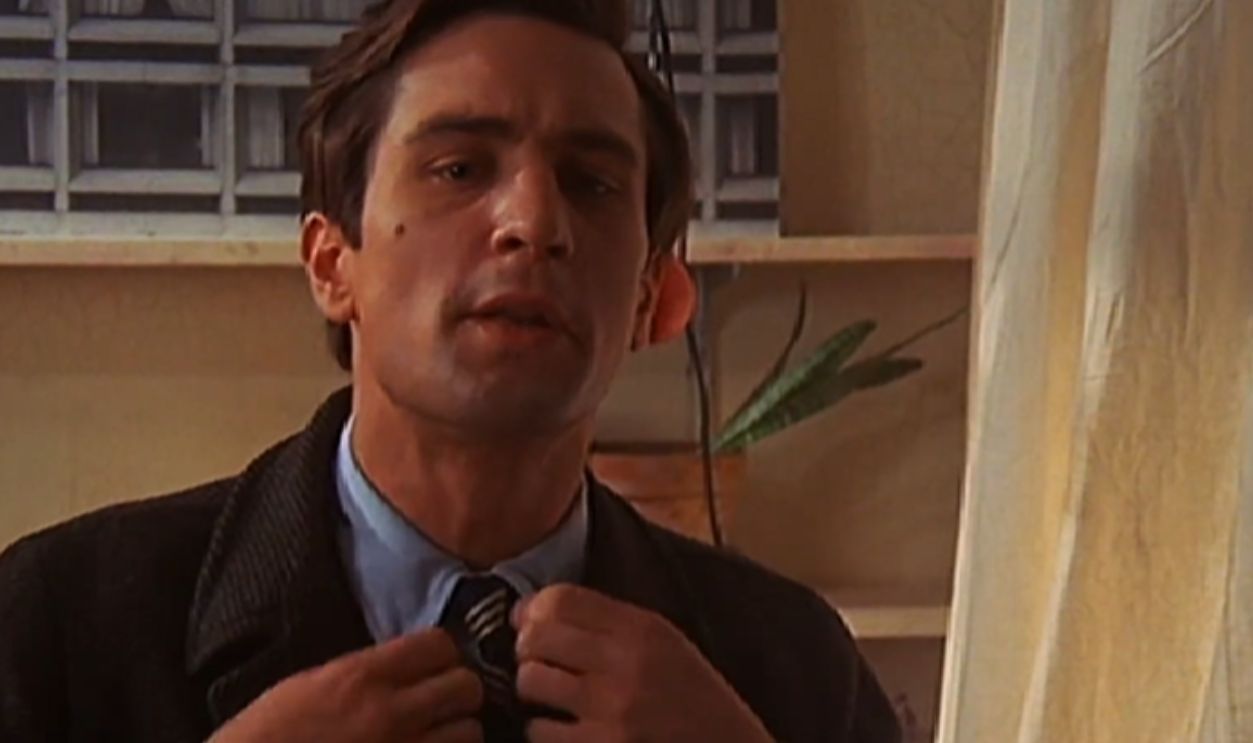 Screenshot from Hi, Mom!, Sigma III Corp. (1970)
Pink Flamingos (1972)
John Waters built Pink Flamingos to be disgusting on purpose, and it absolutely succeeded. Divine became a midnight-movie legend as Babs Johnson, a crook determined to remain “the filthiest person alive". The movie’s shock humor, gross-out set pieces, and deliberate bad taste made it notorious, but it’s also the kind of film many people now know more by reputation than by actual viewing experience.
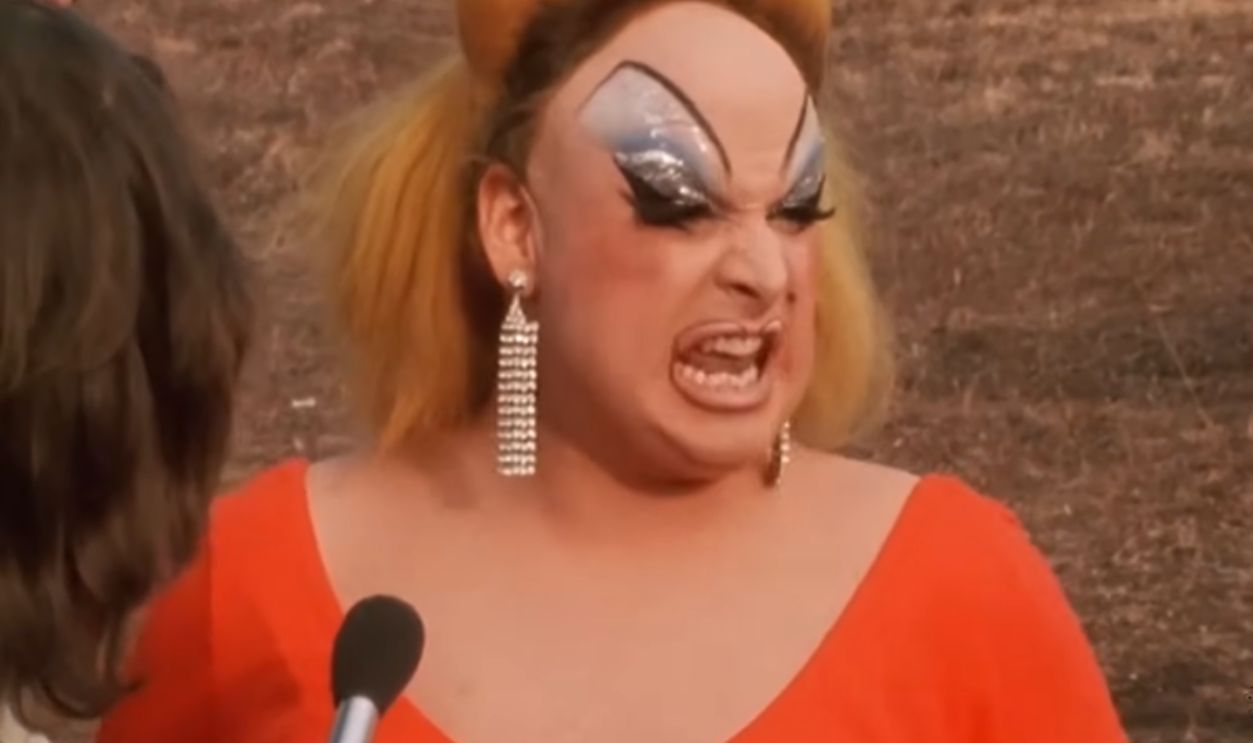 Screenshot from Pink Flamingos, New Line Cinema (1972)
The Bad News Bears (1976)
The Bad News Bears was a huge sports comedy because it refused to make childhood cute. The kids swear, insult each other, lose badly, and behave like miniature grown-ups who have already seen too much. Walter Matthau’s grumpy coach gives the movie heart, but its language and casual cruelty can feel pretty startling compared with modern family sports movies.
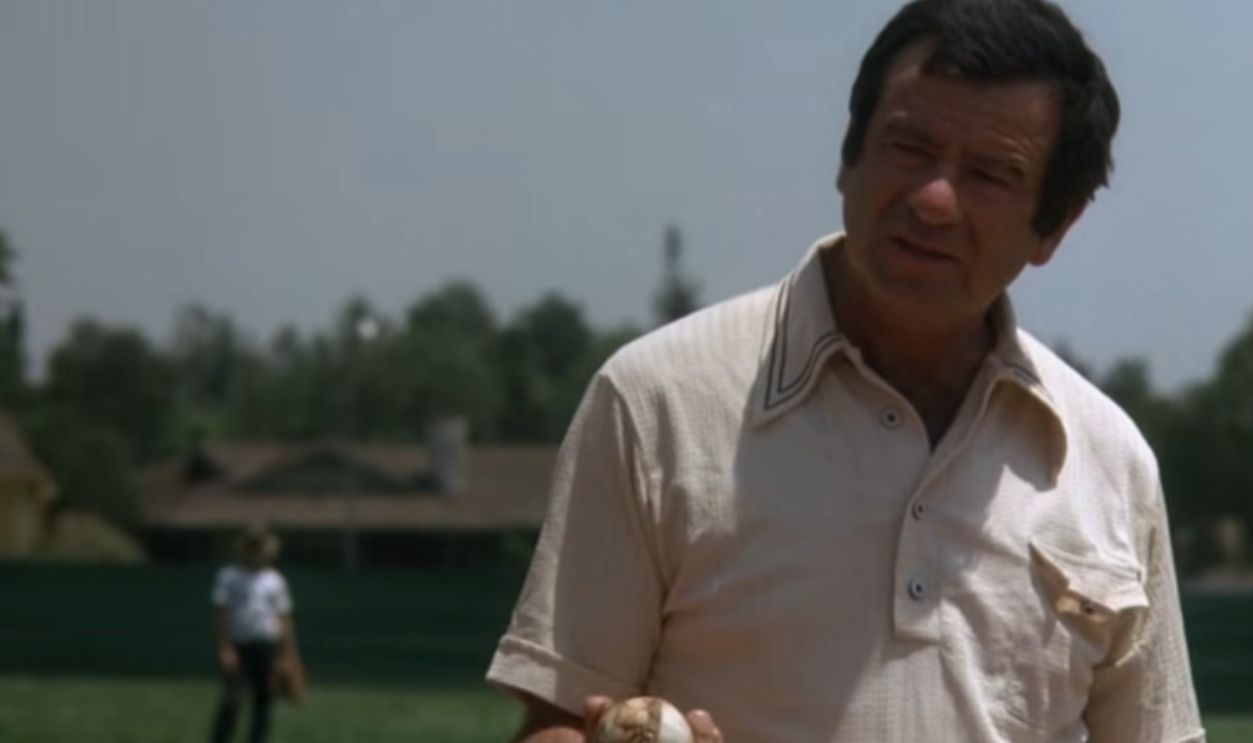 Screenshot from The Bad News Bears, Paramount Pictures (1976)
Slap Shot (1977)
Slap Shot turned minor-league hockey into a filthy, violent, deeply funny disaster zone. Paul Newman anchored the chaos, but the Hanson Brothers became the movie’s real cult heroes with their thick glasses and gleeful brutality. It’s still beloved by sports fans, though its homophobic jokes, rough language, and ugly locker-room attitude make parts of it feel very much stuck in 1977.
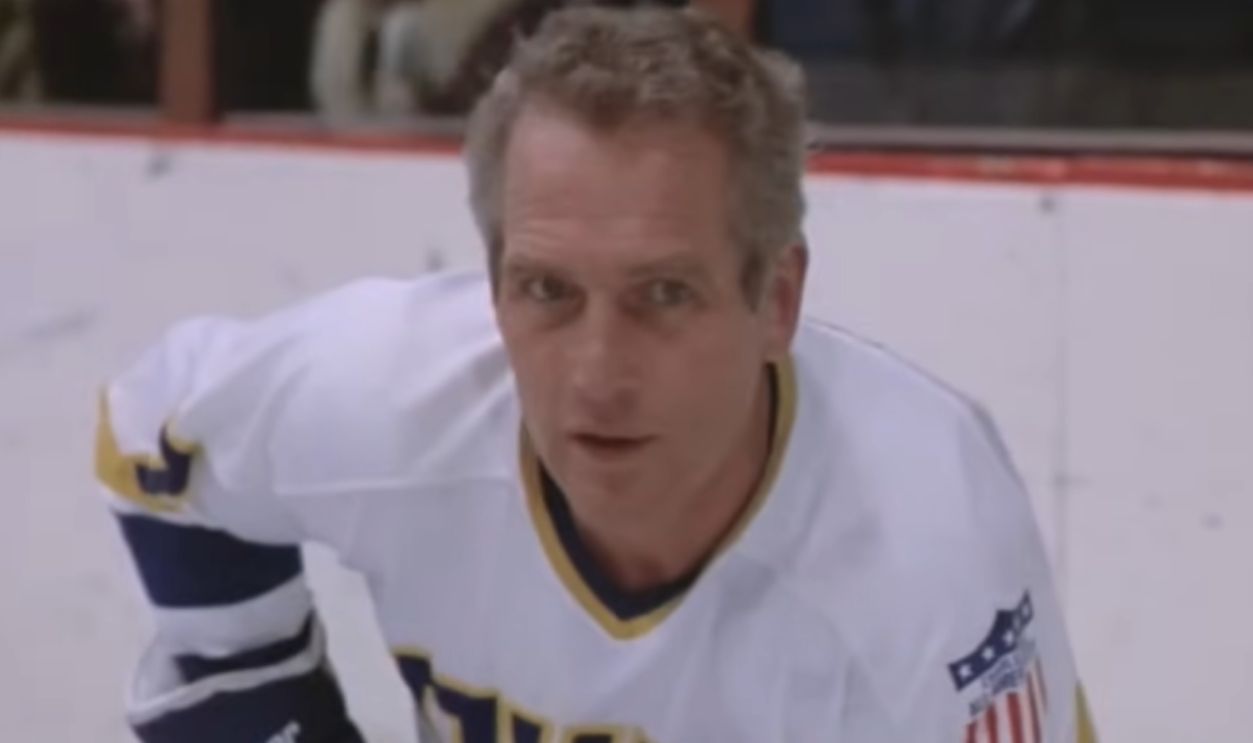 Screenshot from Slap Shot, Universal Pictures (1977)
Up In Smoke (1978)
Cheech and Chong’s Up in Smoke helped turn stoner comedy into a full-blown movie genre. The plot barely matters, which is kind of the point. It’s mostly about two clueless guys drifting through drug jokes, misunderstandings, and smoke-filled chaos. The movie was massive with its audience, but its whole comic identity is so tied to weed culture that it can feel more like a relic than a rounded film.
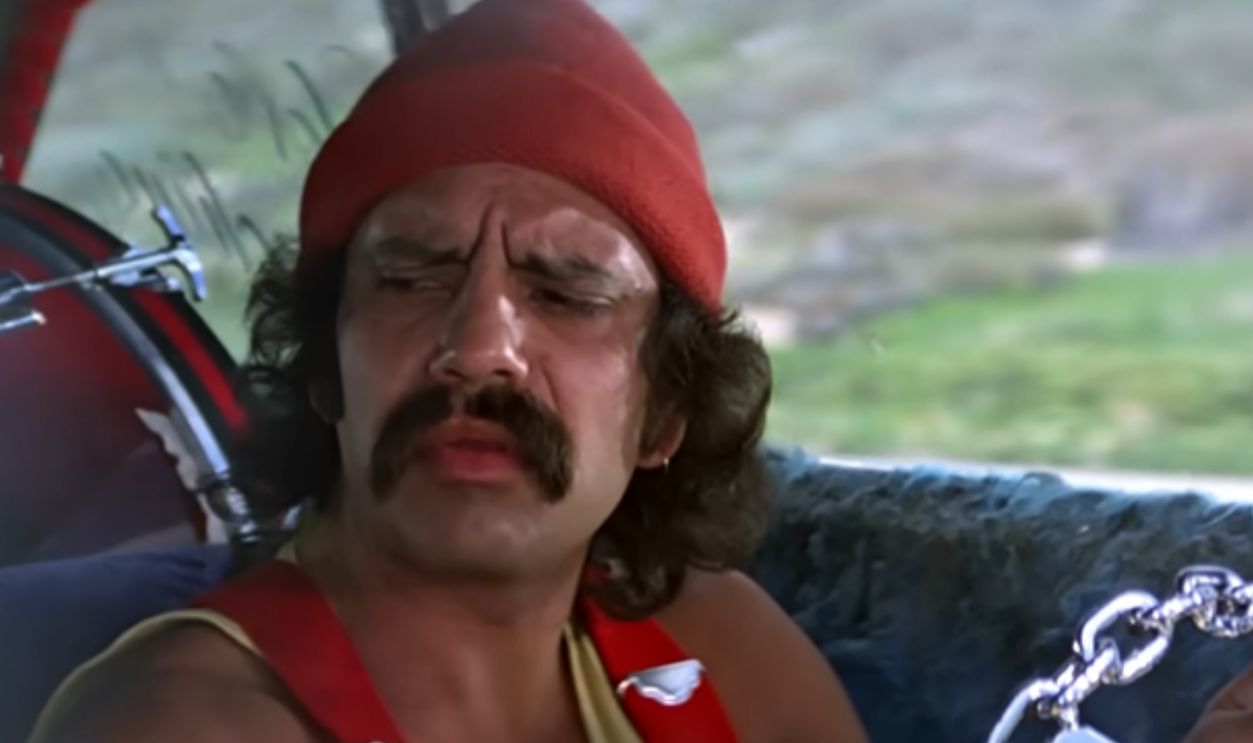 Screenshot from Up in Smoke, Paramount Pictures (1978)
National Lampoon’s Animal House (1978)
Animal House became the template for decades of college comedies, which is both its legacy and its problem. It turned frat-house mayhem into box-office gold with food fights, toga parties, gross-out jokes, and complete disregard for authority. It’s still funny in bursts, but its treatment of women and consent makes it a much harder laugh now.
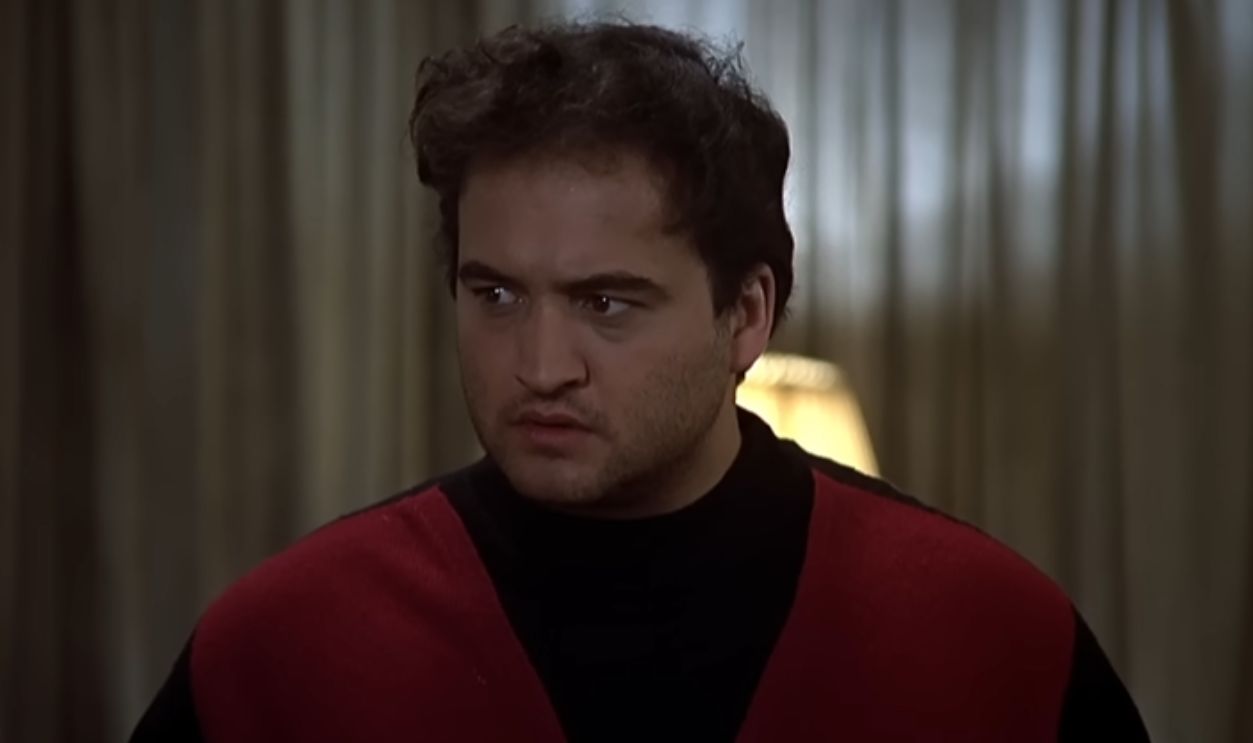 Screenshot from National Lampoon's Animal House, Universal Pictures (1978)
Richard Pryor: Live In Concert (1979)
Richard Pryor’s Live in Concert is one of the most important stand-up films ever released. Pryor turned addiction, race, sex, pain, family, and humiliation into comedy that felt dangerous and alive. Unlike many entries here, it still feels artistically essential, but it’s raw enough that viewers expecting polished modern stand-up may be shocked by how exposed it is.
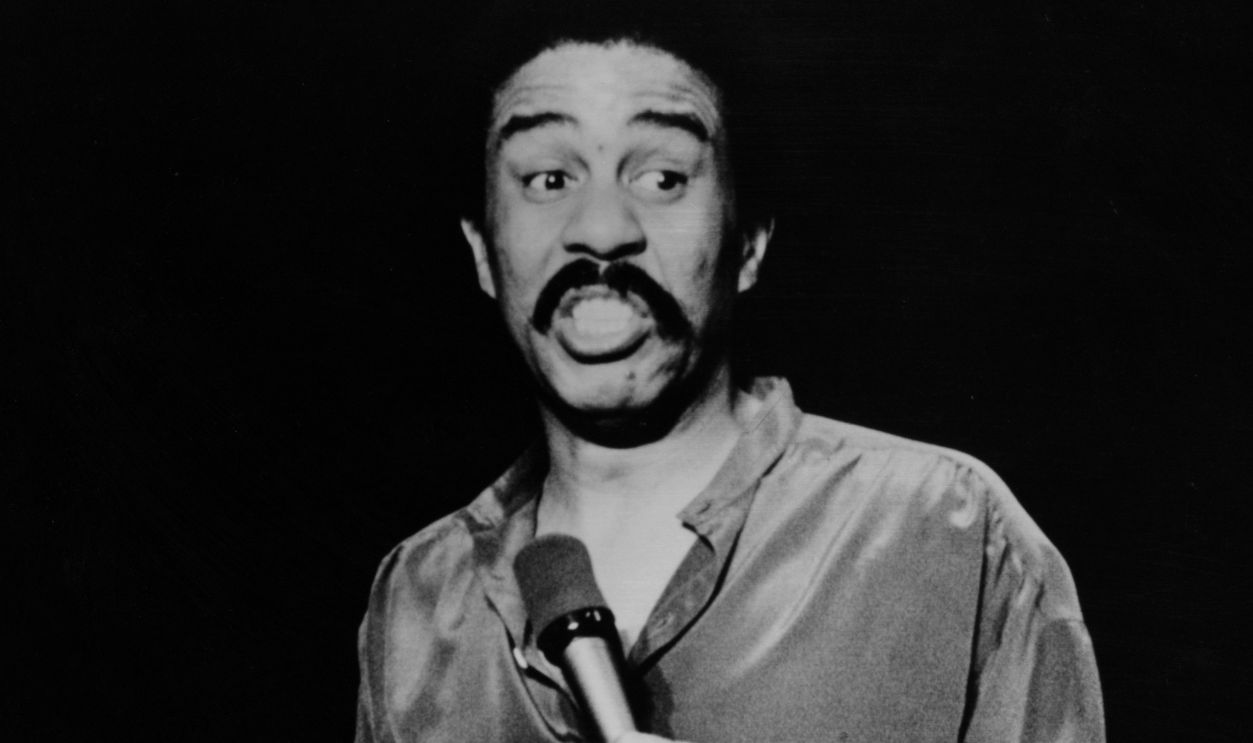 Michael Ochs Archives, Getty Images
Monty Python’s Life Of Brian (1979)
Life of Brian became controversial almost immediately because many religious groups treated it as blasphemy, even though the film is mostly mocking fanaticism, bureaucracy, and herd mentality. The jokes are still incredibly sharp, but the movie’s religious satire made it a lightning rod. It’s remembered as a classic, though not exactly the kind of comedy studios rush to bankroll now.
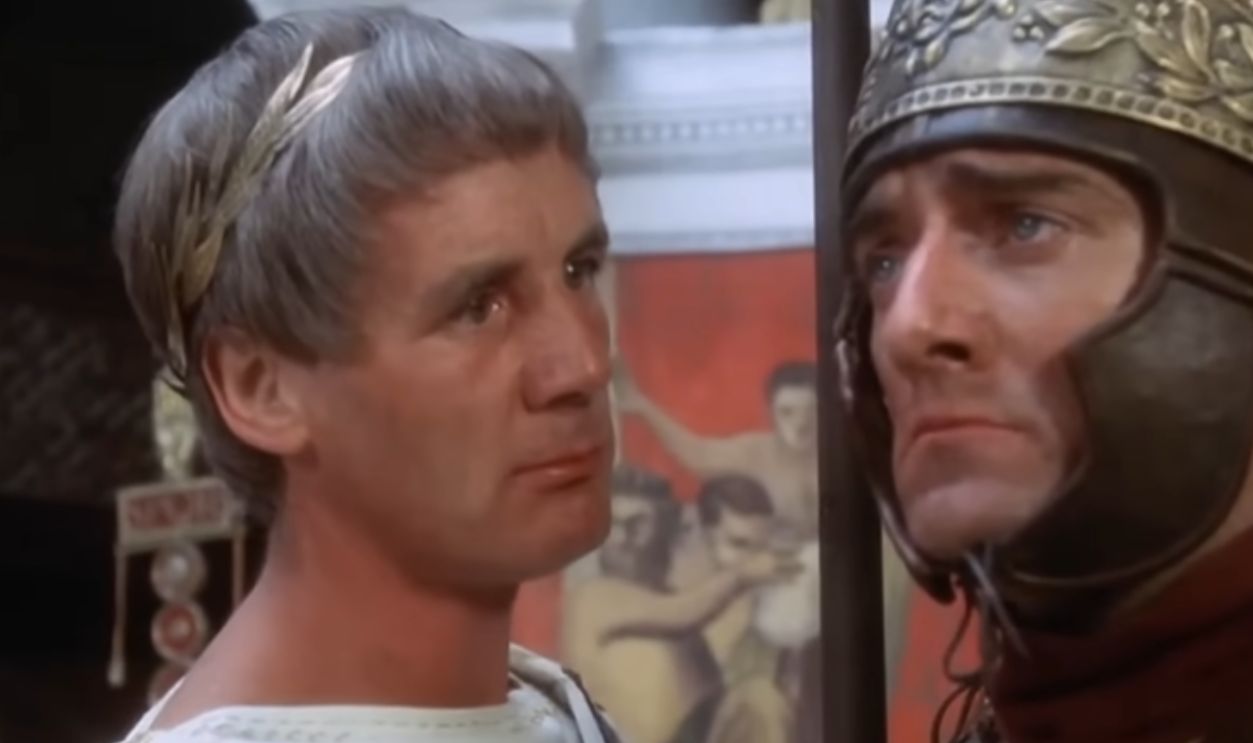 Screenshot from Monty Python's Life of Brian, Warner Bros. (1979)
The Jerk (1979)
Steve Martin’s The Jerk is proudly stupid in the smartest possible way. Navin Johnson’s absurd life story runs on nonsense, deadpan weirdness, and Martin’s gift for making childish jokes feel strangely elegant. Some gags have aged poorly, especially around race and identity, but the movie’s pure silliness still explains why it became such a comedy touchstone.
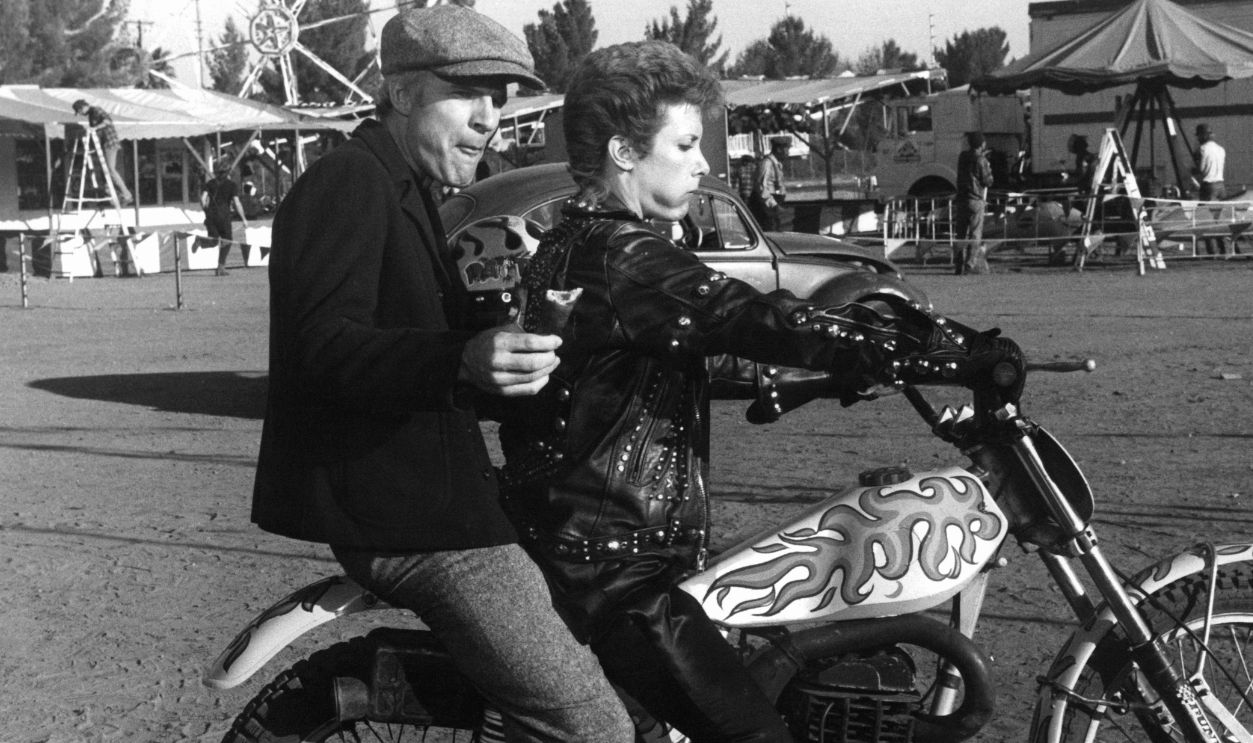
Manhattan (1979)
Manhattan was widely admired in its day for its black-and-white beauty, romantic melancholy, and sharp dialogue. But its central relationship between a middle-aged man and a 17-year-old girl is impossible to watch now without discomfort. Whatever people once praised about its sophistication, that element has become the part modern audiences can’t ignore.
 Screenshot from Manhattan, United Artists (1979)
Bananas (1971)
Woody Allen’s Bananas threw political revolution, dictatorship, celebrity culture, courtroom absurdity, and slapstick into one frantic comedy. At the time, its anti-authoritarian silliness fit the mood of the early 1970s. Today, the satire can still be clever, but the film’s sexual politics and Allen’s screen persona make it far harder to approach casually.
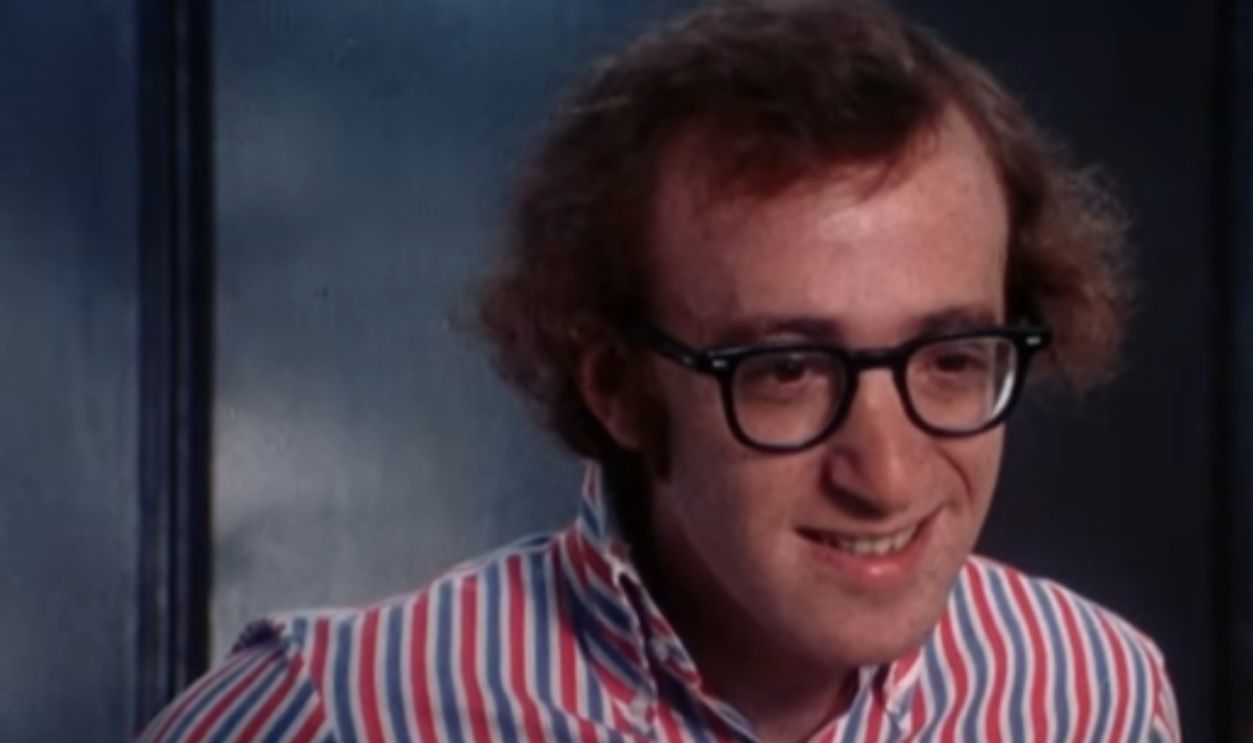 Screenshot from Bananas, United Artists (1971)
The Kentucky Fried Movie (1977)
Before Airplane!, the Zucker-Abrahams-Zucker team helped create The Kentucky Fried Movie, a sketch comedy film built around fake commercials, fake trailers, TV parodies, and every offensive joke it could cram onscreen. It helped shape modern spoof comedy, but its racial, sexual, and gross-out humor makes plenty of it feel radioactive now.
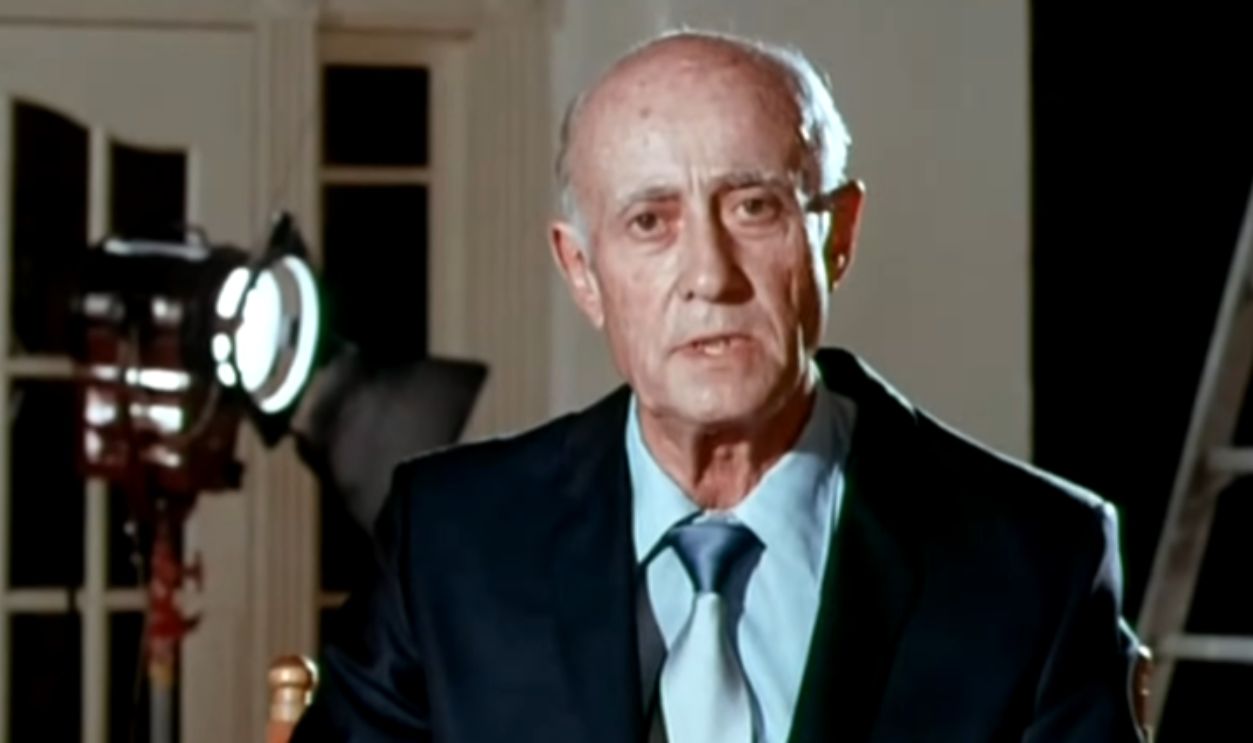 Screenshot from The Kentucky Fried Movie, United Film Distribution Company (1977)
Every Which Way But Loose (1978)
Clint Eastwood starring in a comedy with an orangutan sounds like something invented during a fever, but Every Which Way but Loose was a massive hit. Audiences loved its brawling, country music, road comedy, and oddball charm. Today, it mostly feels like a strange cultural artifact from the moment Eastwood could apparently sell anything.
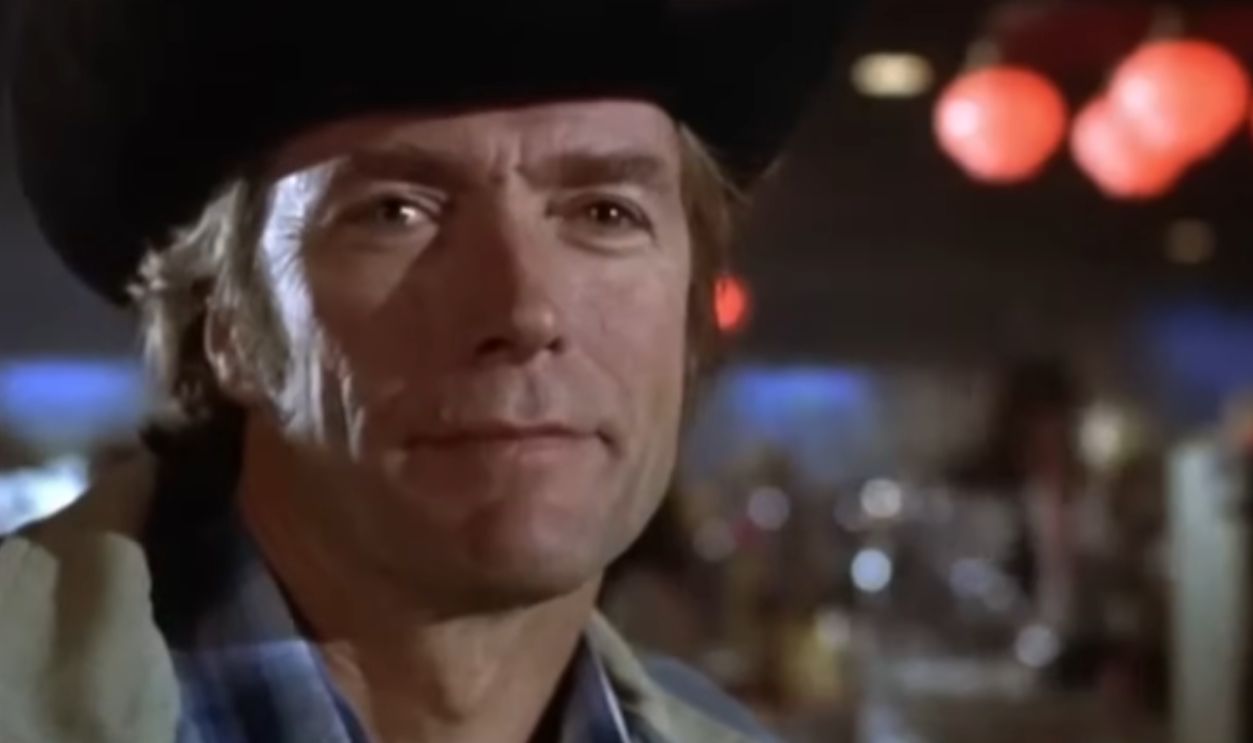 Screenshot from Every Which Way But Loose, Warner Bros. (1978)
Where’s Poppa? (1970)
Carl Reiner’s Where’s Poppa? was a pitch-black comedy about family resentment, aging, obligation, and one man’s desperate desire to escape his mother. George Segal and Ruth Gordon commit fully to the ugliness, which is why the movie still has cult defenders. But the humor is so mean and uncomfortable that it’s easy to see why it faded from mainstream memory.
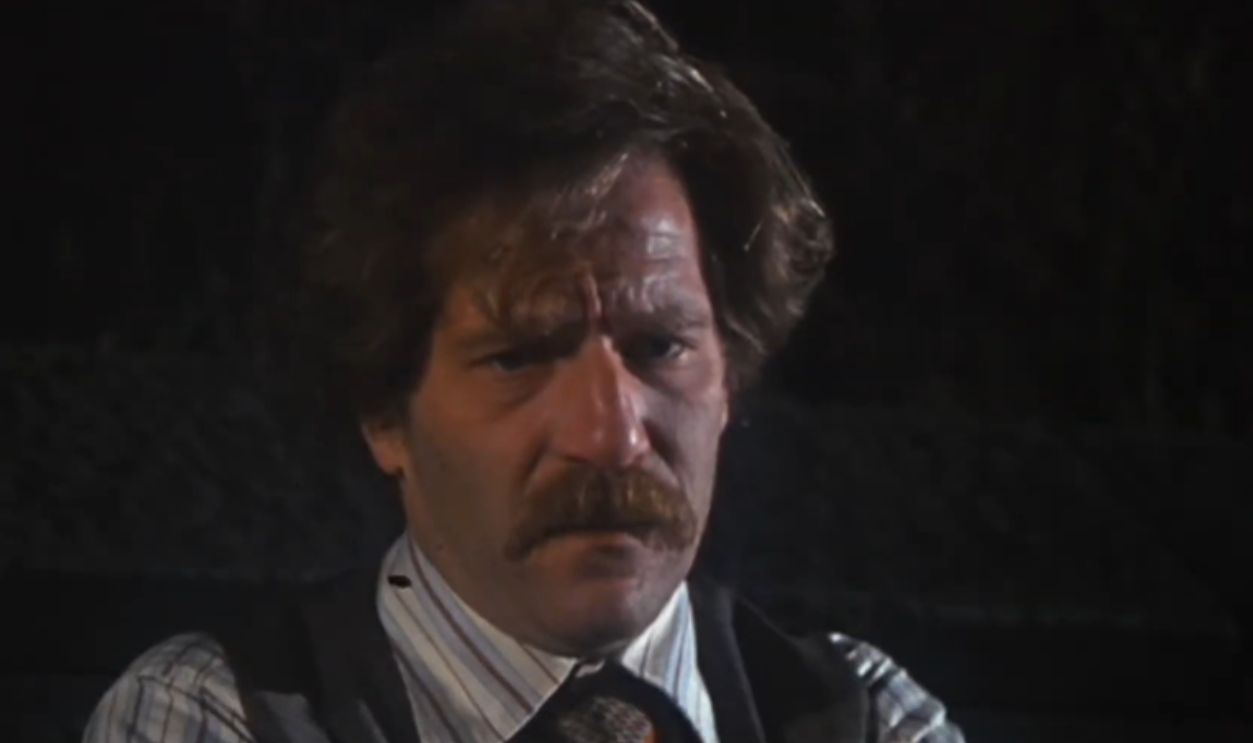 Screenshot from Where's Poppa?, United Artists (1970)
Myra Breckinridge (1970)
Myra Breckinridge was notorious almost from the moment it arrived. Based on Gore Vidal’s novel, the film mixed Hollywood satire, sexual provocation, gender politics, and chaotic camp into something critics and audiences largely rejected. It is remembered less as a comedy classic than as a fascinating disaster, which honestly may be the most 1970s thing about it.
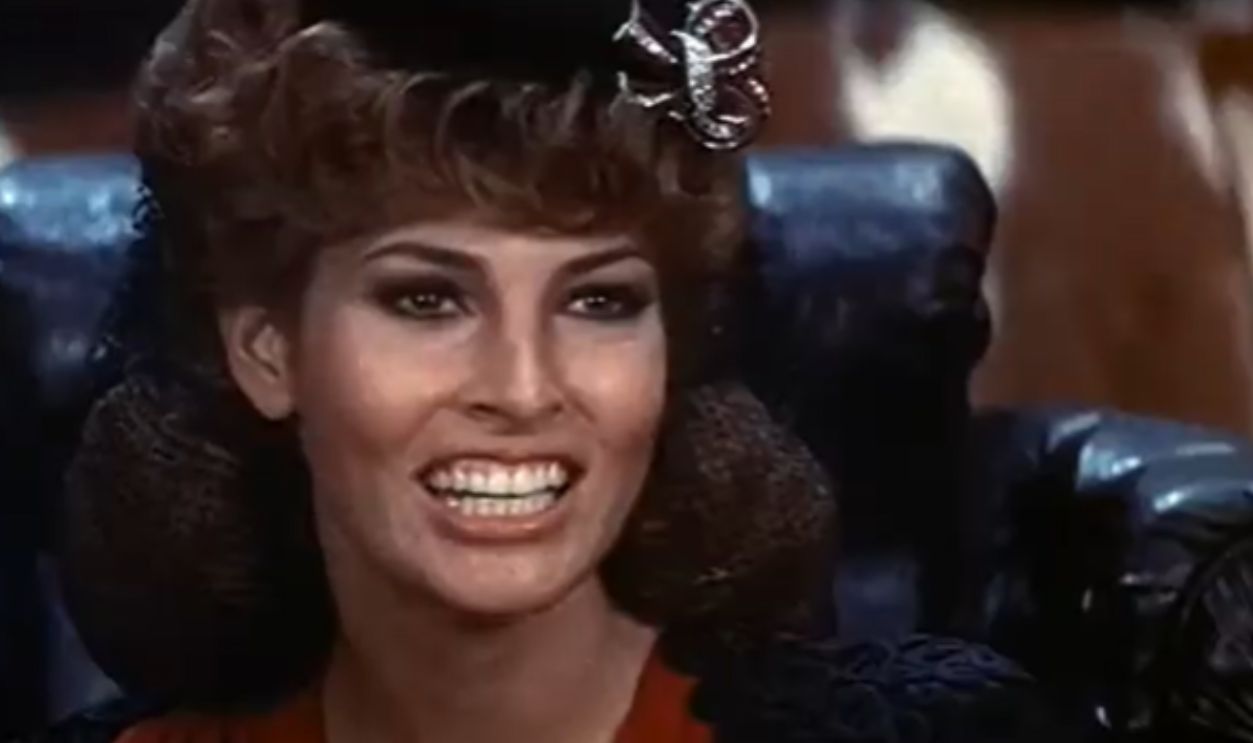 Screenshot from Myra Breckinridge, 20th Century Fox (1970)
The Groove Tube (1974)
The Groove Tube came out of the same sketch-comedy, counterculture world that later made movies like The Kentucky Fried Movie possible. It spoofed television with fake ads, dirty sketches, and intentionally tasteless bits. Some of it was daring at the time, but now it often feels like channel-surfing through jokes designed to see who would complain first.
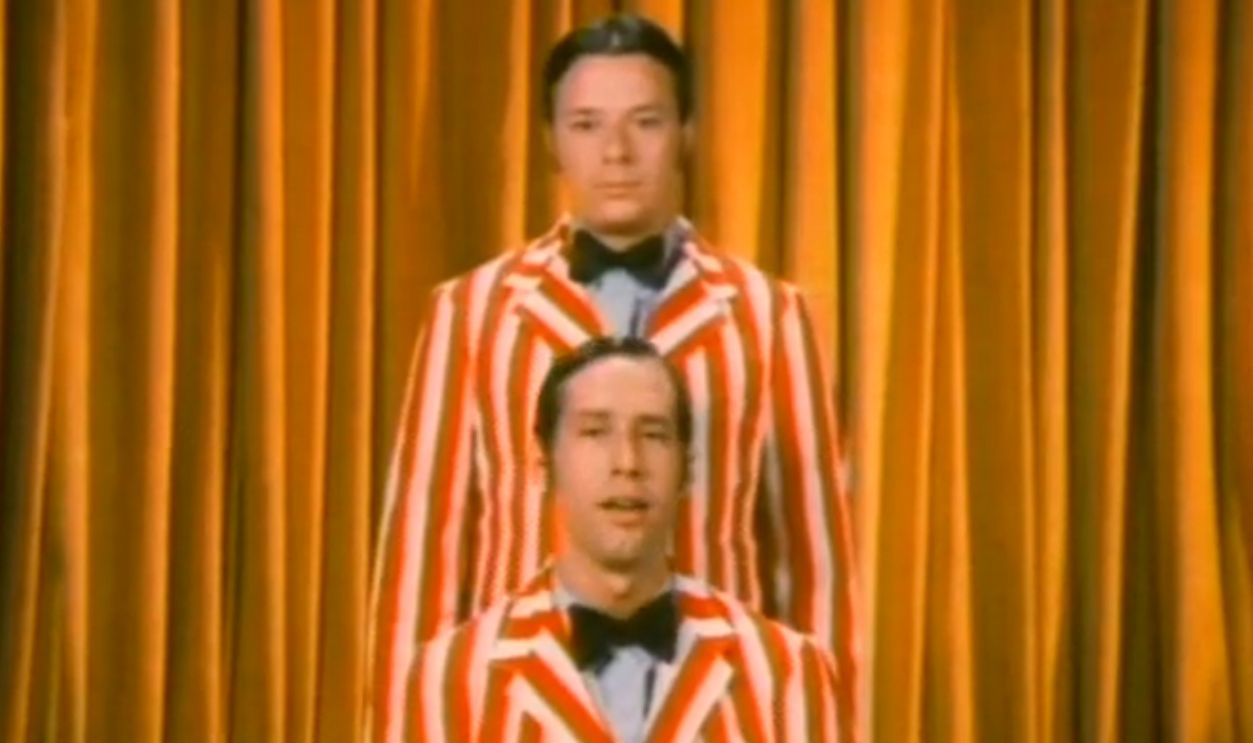 Screenshot from The Groove Tube, Levitt-Pickman (1974)
Car Wash (1976)
Car Wash had music, workplace comedy, social commentary, and a loose ensemble structure that made it feel alive and spontaneous. Set over one day at a Los Angeles car wash, it captured a lively slice of 1970s urban comedy. But some of its stereotypes and sexual humor have aged unevenly, even if the soundtrack and energy still hold up.
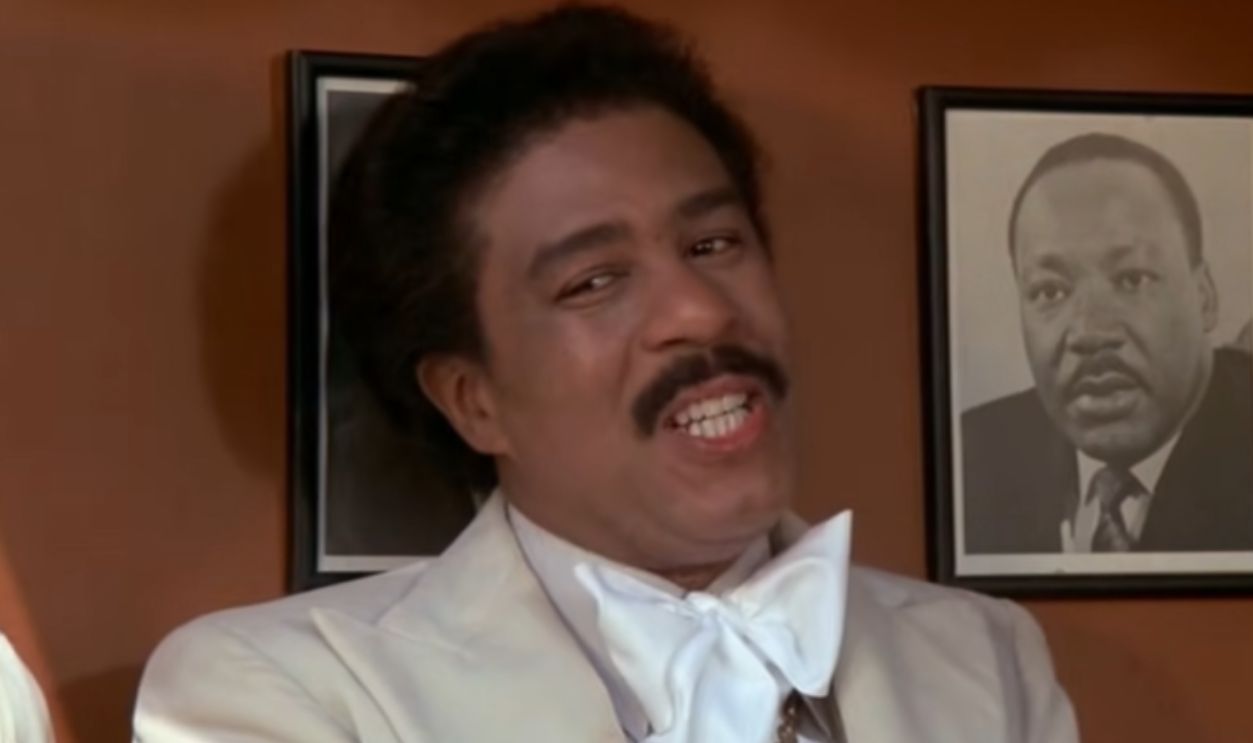 Screenshot from Car Wash, Universal Pictures (1976)
Silver Streak (1976)
Silver Streak paired Gene Wilder and Richard Pryor in a murder-mystery comedy set aboard a train, helping launch one of the era’s most beloved screen partnerships. The movie has plenty of charm and suspense, but one infamous blackface sequence makes modern viewing complicated. It’s a reminder that even crowd-pleasing hits from the decade could carry jokes that now land very differently.
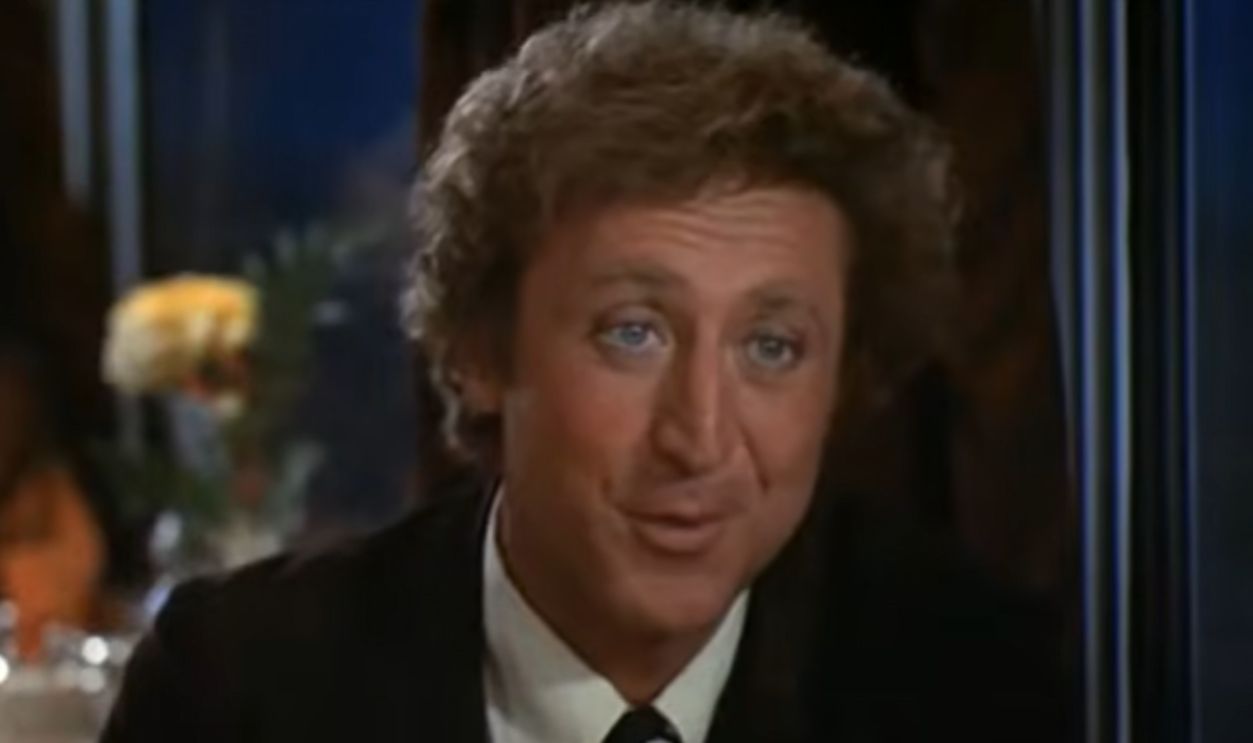 Screenshot from Silver Streak, 20th Century Fox (1976)
The Last Remake Of Beau Geste (1977)
Marty Feldman’s The Last Remake of Beau Geste tried to spoof old adventure epics with absurdist jokes, visual gags, and plenty of oddball energy. Feldman had a wonderfully strange comic presence, but the movie’s frantic style and old-fashioned parody targets make it feel extremely specific to its time. It’s not forgotten because it was quiet. It’s forgotten because it was deeply weird.
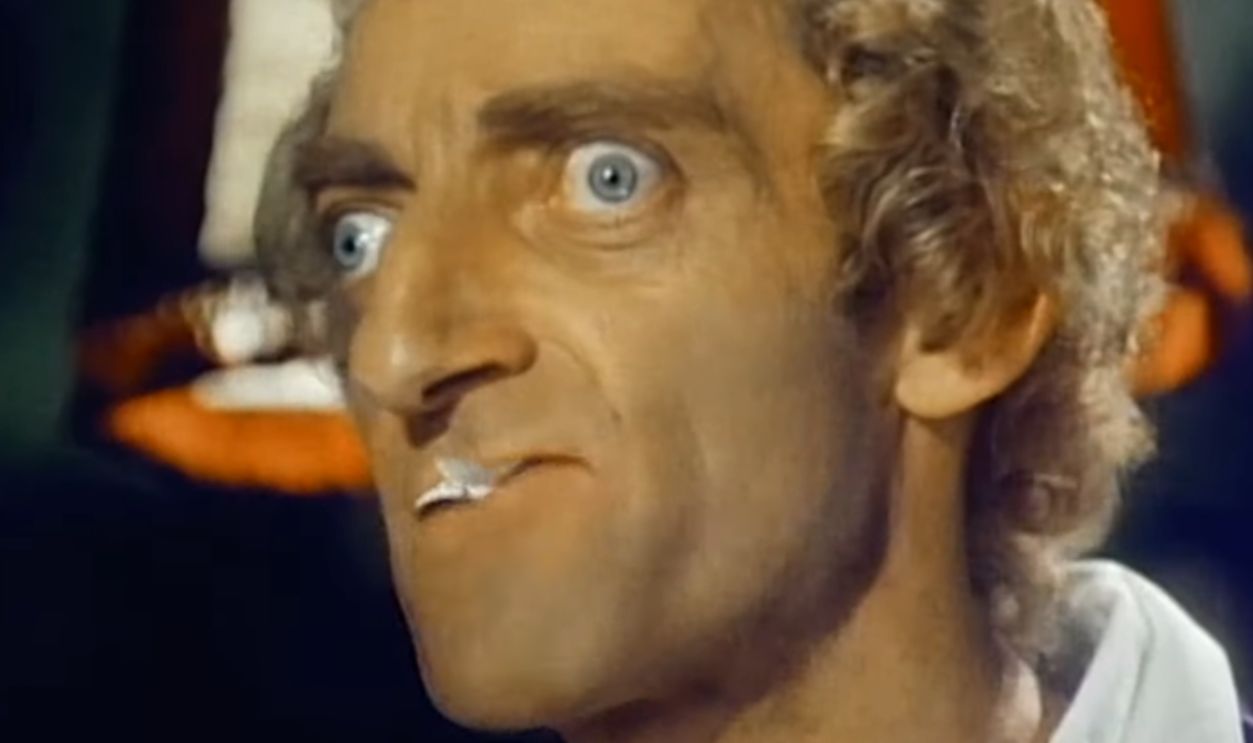 Screenshot from The Last Remake of Beau Geste, Universal Pictures (1977)
You May Also Like:
The 90s Perfected The Romantic Comedy—These Movies Prove It
TV Comedies From The 1960s That Are Being Slowly Forgotten—Do You Remember Any Of These Classics?