Hollywood's Biggest Second Chances
The 1970s gave us some of Hollywood's greatest hits, but not every future classic found an audience right away. Some films lost money, others disappeared after brief theatrical runs, and a few struggled to reach audiences at all. Yet television, midnight screenings, and home video eventually helped transform these overlooked movies into beloved classics. Here are 26 films whose reputations outgrew their original releases.
 Screenshot of Robert Mitchum in The Friends of Eddie Coyle (1973), (modified), (Paramount Pictures)
Harold And Maude (1971)
Hal Ashby's wonderfully eccentric romantic comedy starred Bud Cort as a young man obsessed with death and Ruth Gordon as the free-spirited elderly woman who teaches him to appreciate life. Critics were initially divided, and the film struggled to attract audiences during its original release. Over the following years, its dark humor, Cat Stevens soundtrack, and unconventional love story helped transform it into an enduring cult favorite.
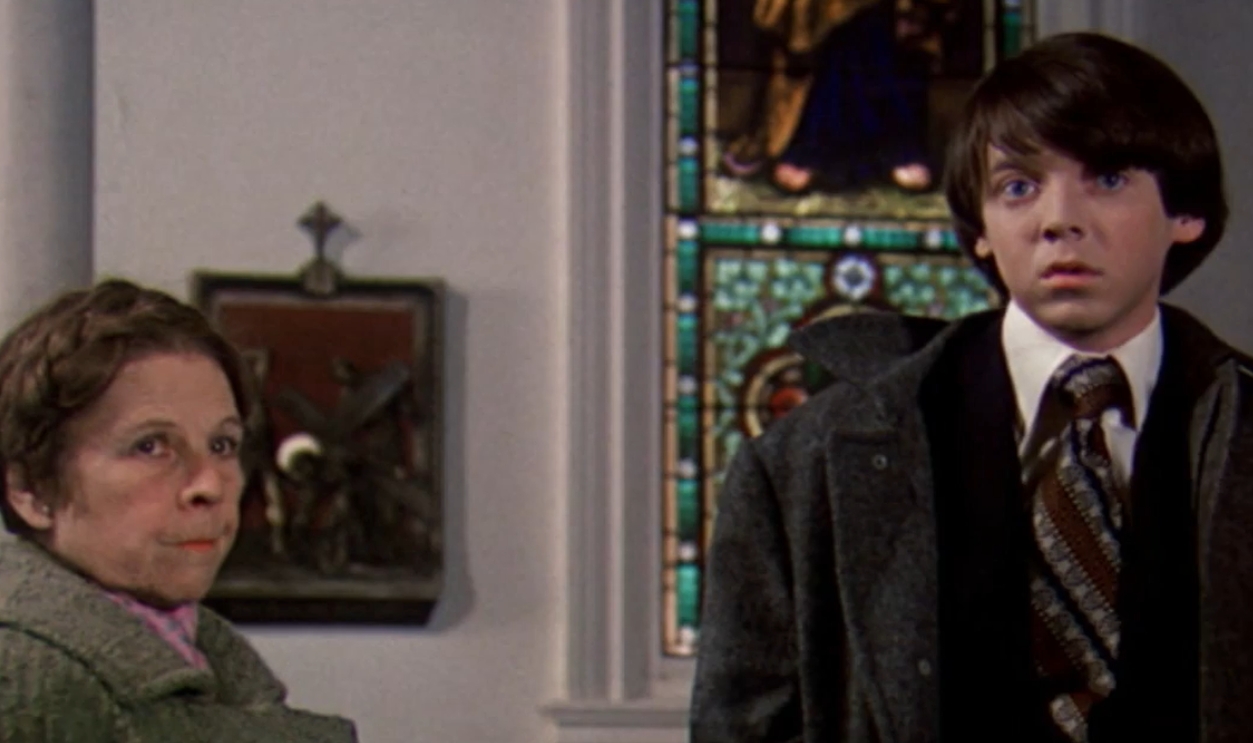 Screenshot from Harold and Maude, Paramount Pictures (1971)
Willy Wonka & The Chocolate Factory (1971)
It's hard to imagine Gene Wilder's unforgettable Willy Wonka as anything other than a beloved movie character. Yet Mel Stuart's adaptation of Roald Dahl's novel failed to become a major theatrical hit when it opened in 1971. Co-starring Peter Ostrum and Jack Albertson, the approximately $3 million production attracted relatively modest initial business. Television broadcasts and home video eventually introduced its strange, colorful world to generations of children, transforming it into a family classic.
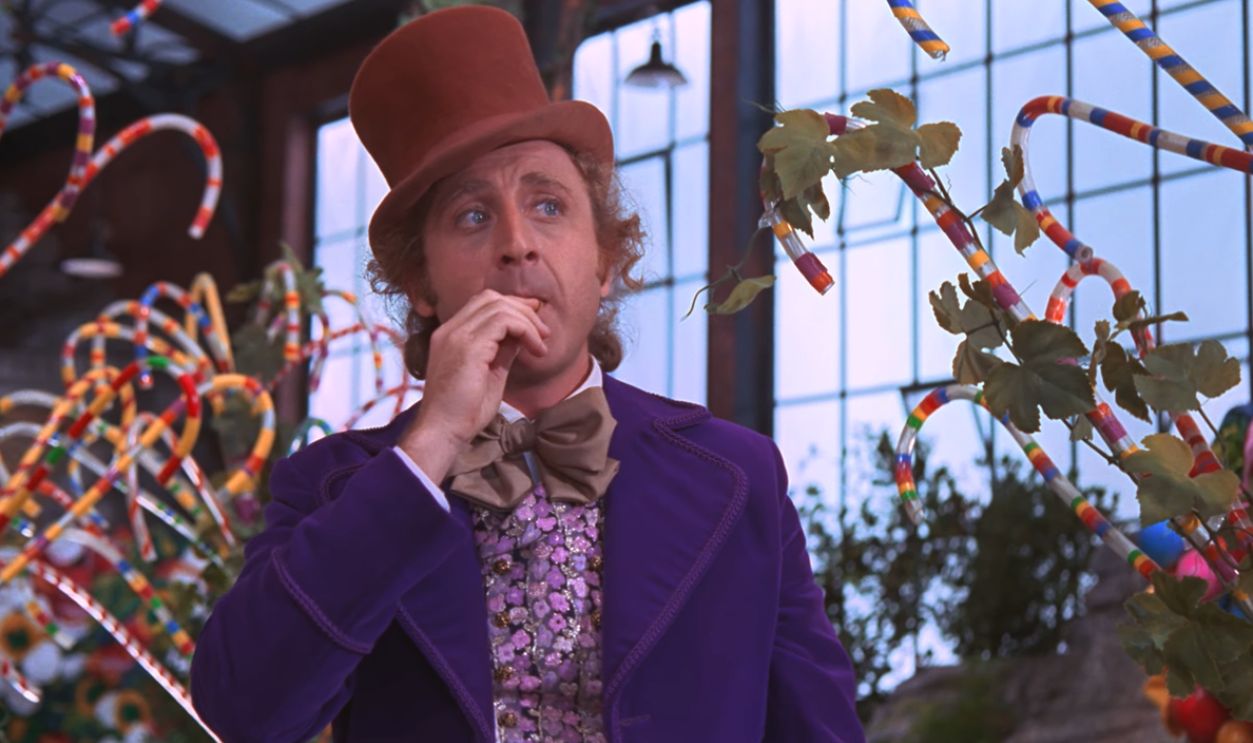 Screenshot from Willy Wonka & the Chocolate Factory, Paramount Pictures (1971)
Two-Lane Blacktop (1971)
Director Monte Hellman cast musicians James Taylor and Dennis Wilson alongside Warren Oates and Laurie Bird in this minimalist road movie about two young drag racers. Universal initially had high hopes for the film, but its unconventional storytelling and deliberately subdued characters failed to attract mainstream audiences. It quickly disappeared from theaters. Over time, however, its hypnotic atmosphere and portrait of disillusioned American youth established it as a landmark of 1970s counterculture cinema.
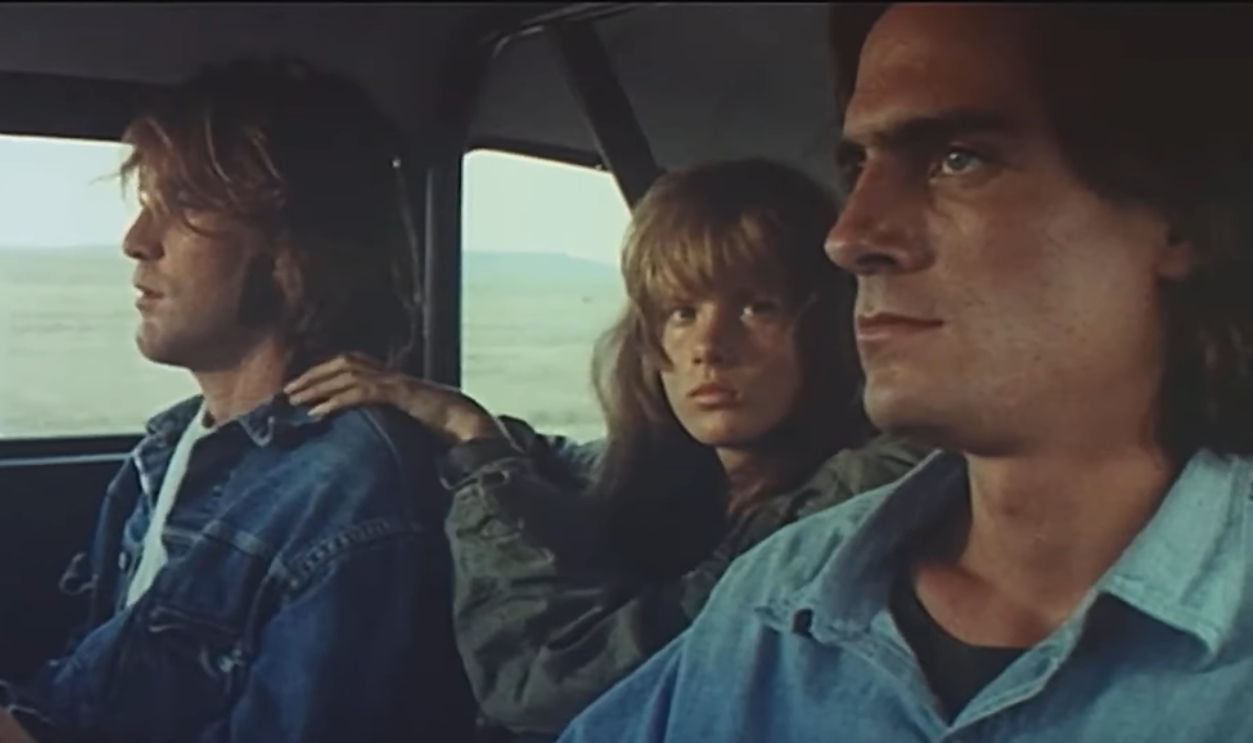 Screenshot from Two-Lane Blacktop, Universal Pictures (1971)
THX 1138 (1971)
Before Star Wars (1977) made George Lucas a household name, his feature-directing debut was a dystopian science-fiction film starring Robert Duvall and Donald Pleasence. Warner Bros. struggled to market its bleak vision of a heavily controlled future, and the movie performed poorly. Its reputation improved considerably after Lucas became famous. Today, THX 1138 (1971) is admired for its striking visual design and unsettling predictions about surveillance and conformity.
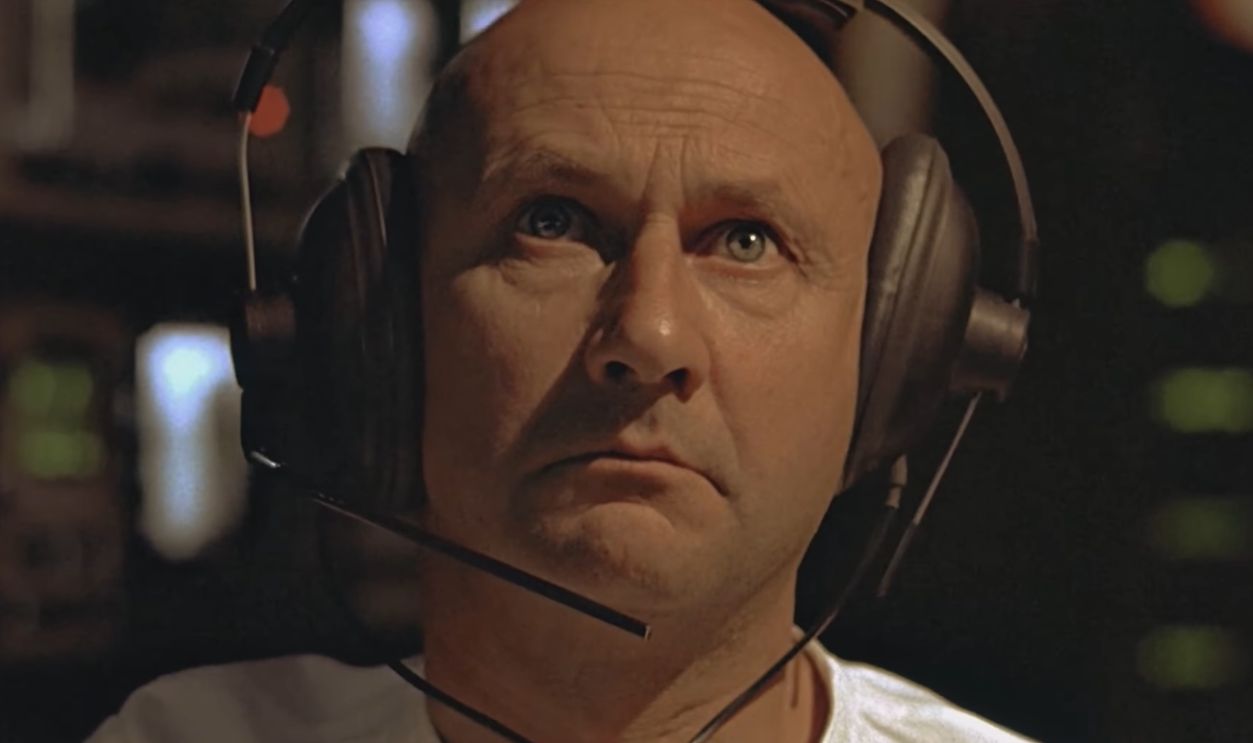 Screenshot from THX 1138, Warner Bros. Pictures (1971)
The Last Movie (1971)
Dennis Hopper followed his enormous success with Easy Rider (1969) by directing this experimental drama about an American stuntman working in Peru. Hopper starred alongside Stella Garcia, Don Gordon, and Julie Adams, but Universal struggled with the film's unconventional structure. It was a commercial failure and damaged Hopper's Hollywood prospects. Decades later, critics and cinephiles began reassessing it as a daring, deeply personal example of New Hollywood filmmaking.
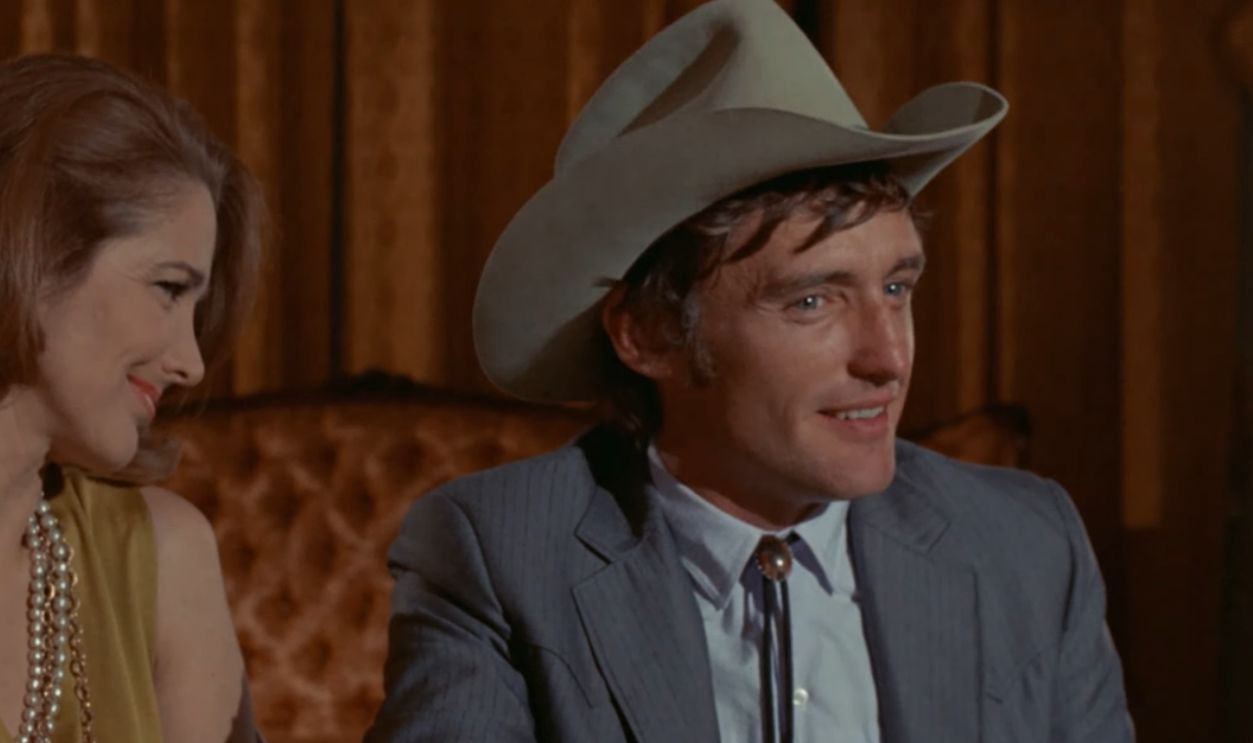 Screenshot from The Last Movie, Universal Pictures (1971)
The Hired Hand (1971)
Peter Fonda directed and starred in this unusually reflective Western alongside Warren Oates and Verna Bloom. Rather than delivering the conventional gunfights audiences expected, Fonda emphasized friendship, regret, and the difficulties of returning home. The movie failed commercially, and Universal gave it little support after its initial release. Subsequent restorations and home-video releases helped establish The Hired Hand as an overlooked gem of revisionist Western cinema.
 Screenshot from The Hired Hand, Universal Pictures (1971)
The King Of Marvin Gardens (1972)
Jack Nicholson and Bruce Dern played troubled brothers in Bob Rafelson's melancholy drama, with Ellen Burstyn delivering another memorable performance. Despite Nicholson's growing stardom, the film never achieved the popular recognition of his biggest successes. Its quiet pacing and bleak atmosphere hardly made it an easy sell. Today, critics frequently recognize it as one of the most intriguing character studies of the New Hollywood era.
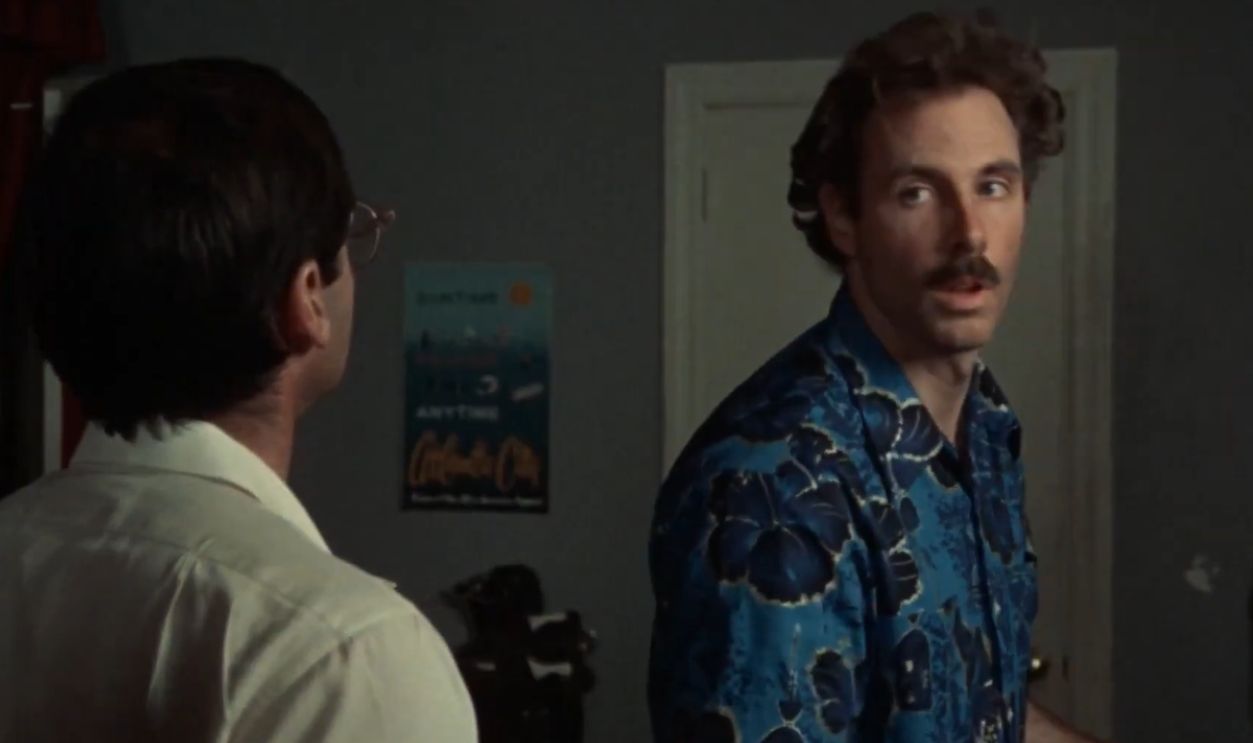 Screenshot from The King of Marvin Gardens, Columbia Pictures (1972)
The Long Goodbye (1973)
Robert Altman reinvented Raymond Chandler's private detective Philip Marlowe, casting Elliott Gould as a bewildered investigator wandering through modern Los Angeles. Co-starring Sterling Hayden and Nina van Pallandt, the film initially disappointed commercially. United Artists even reconsidered its advertising campaign in an attempt to attract audiences. Its offbeat humor, cynical atmosphere, and unconventional ending eventually earned it a reputation as one of the finest neo-noir films ever made.
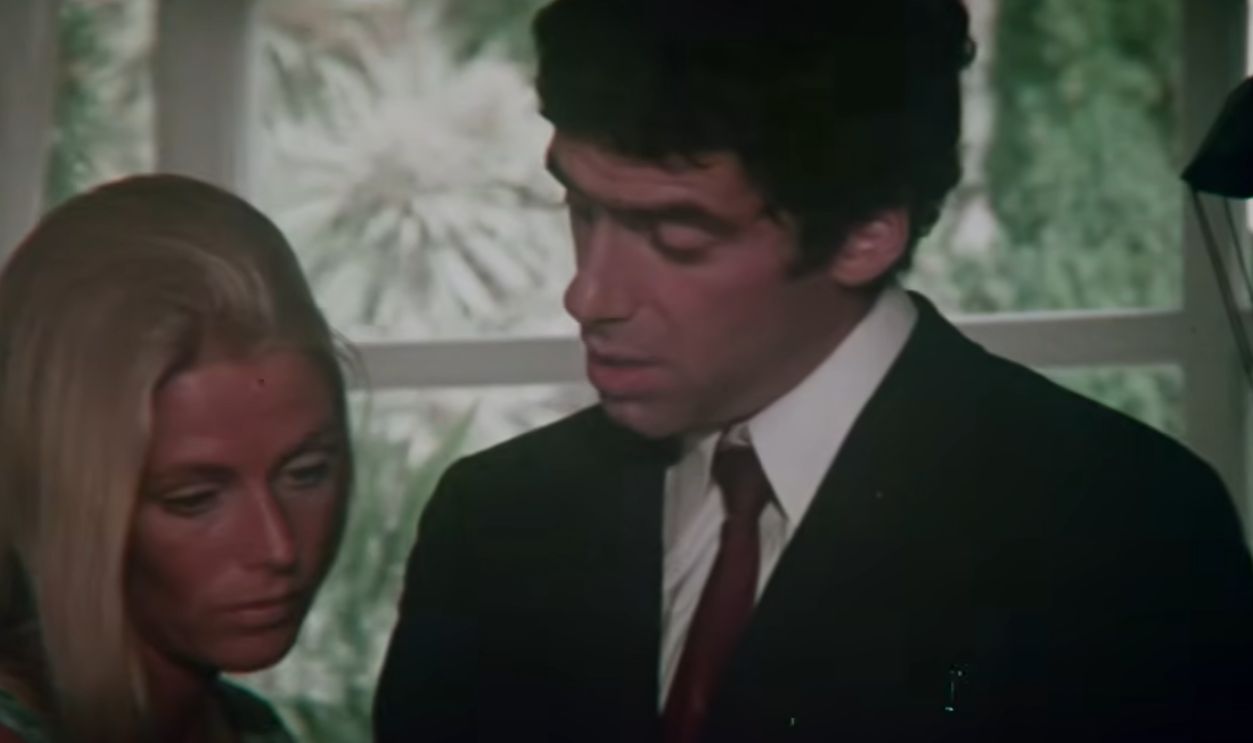 Screenshot from The Long Goodbye, United Artists (1973)
The Wicker Man (1973)
Robin Hardy's unsettling British horror film starred Edward Woodward as a devout police officer investigating a missing girl on a remote Scottish island. Christopher Lee played the mysterious Lord Summerisle, while Britt Ekland appeared as Willow. The distributor shortened the film and released it as a supporting feature alongside Don't Look Now (1973), limiting its initial exposure. Its disturbing finale and eerie folk music eventually established it as one of the defining films of folk horror.
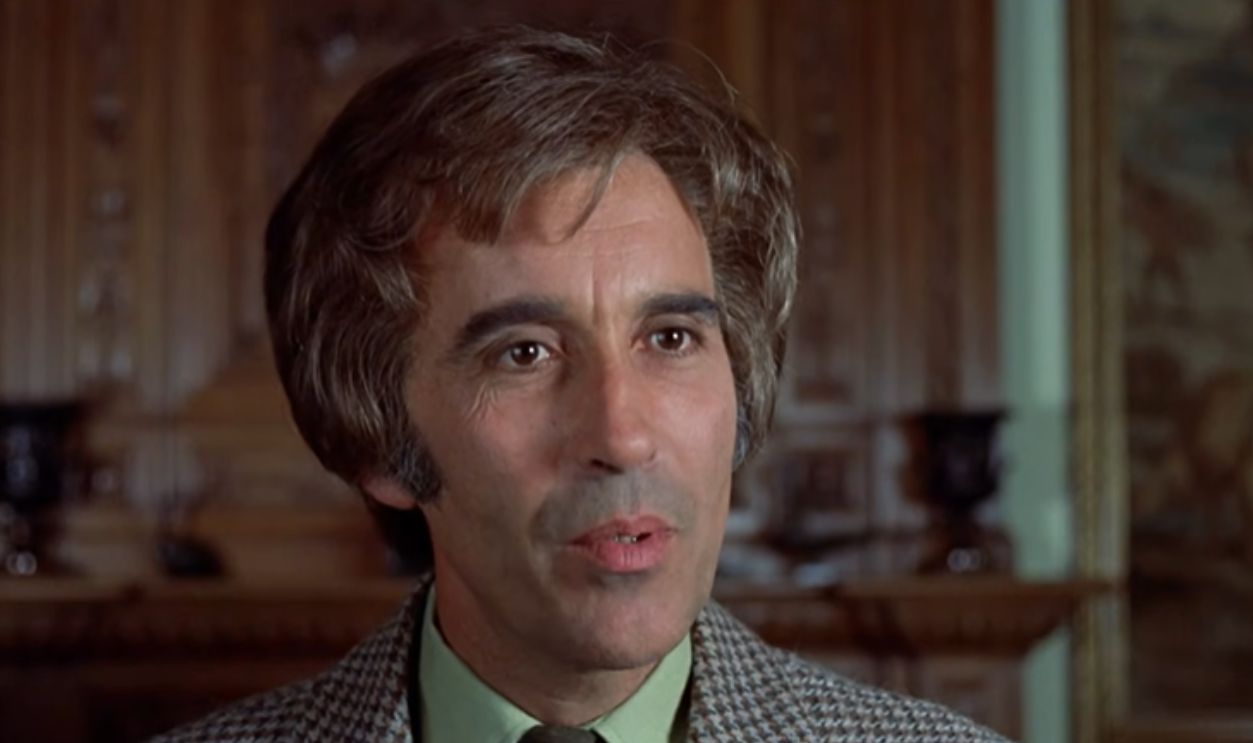 Screenshot from The Wicker Man, StudioCanal (1973)
The Friends Of Eddie Coyle (1973)
Robert Mitchum delivered one of his finest late-career performances in Peter Yates's gritty Boston crime drama. Playing an aging gunrunner caught between criminals and federal investigators, Mitchum was supported by Peter Boyle, Richard Jordan, and Steven Keats. The film attracted limited attention during its original release and disappointed commercially. Its realistic dialogue, unglamorous depiction of organized crime, and Mitchum's understated performance have since earned it a devoted following among film enthusiasts.
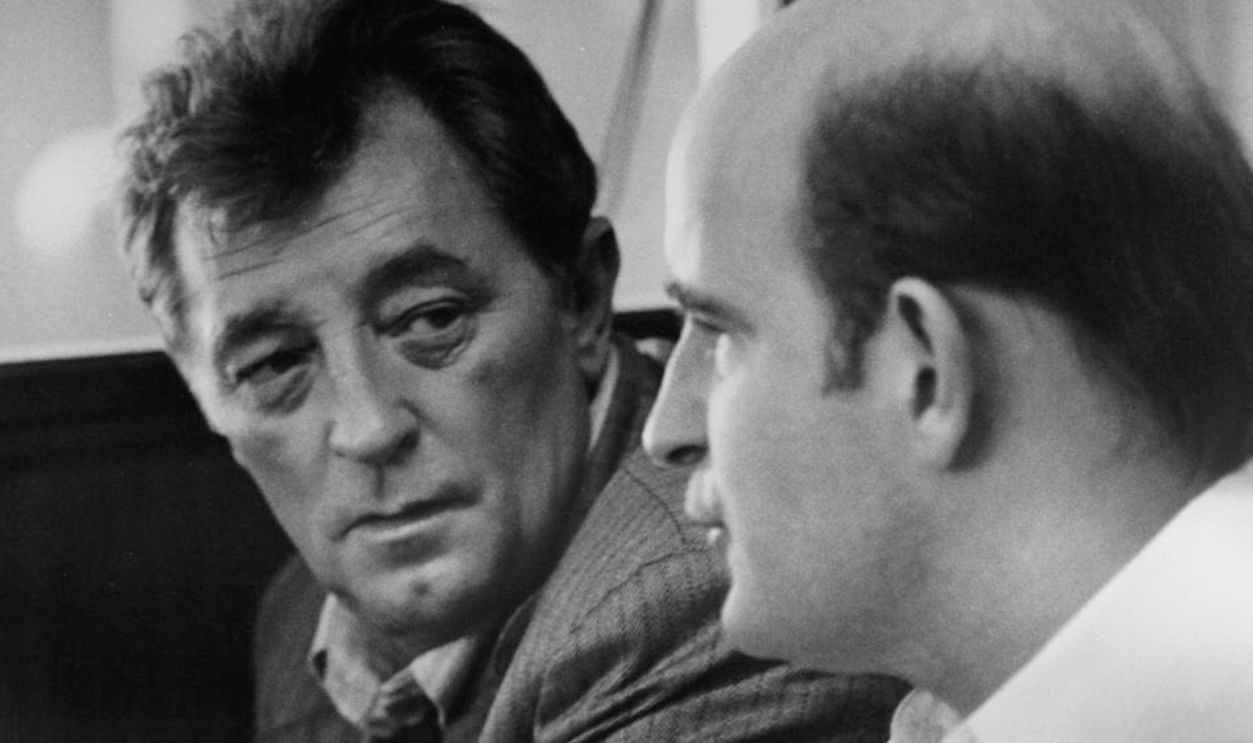 Michael Ochs Archives, Getty Images
The Sugarland Express (1974)
Steven Spielberg's first theatrical feature starred Goldie Hawn, William Atherton, and Ben Johnson in the story of a couple whose attempt to reclaim their child becomes a widely publicized police pursuit. Although the film received positive reviews and won a screenplay award at Cannes, it disappointed Universal commercially. Spielberg's subsequent success with Jaws (1975) encouraged audiences to rediscover this early example of his remarkable directing talent.
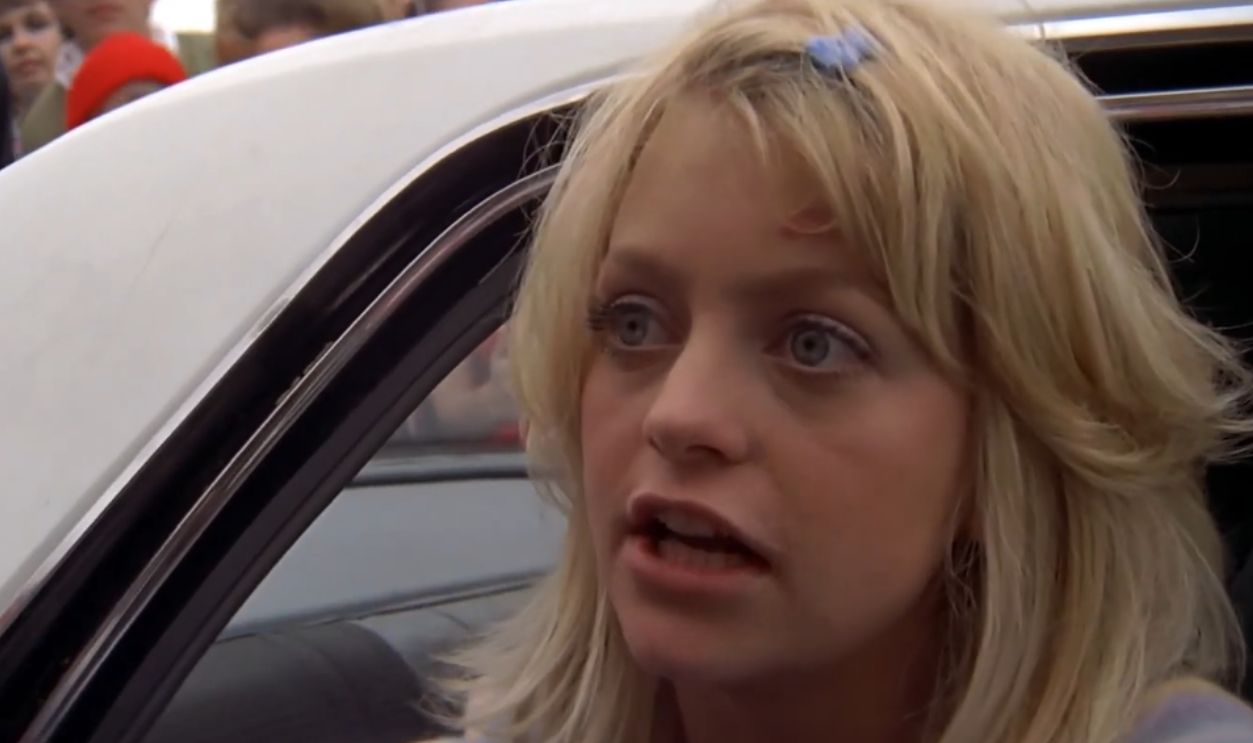 Screenshot from The Sugarland Express, Universal Pictures (1974)
Phantom Of The Paradise (1974)
Brian De Palma combined horror, comedy, and rock music in this wonderfully bizarre retelling of The Phantom of the Opera. William Finley starred as a disfigured composer seeking revenge, while Paul Williams and Jessica Harper played pivotal roles. The movie flopped across much of North America, although it became an extraordinary local success in Winnipeg, Canada. Its devoted cult following has since spread far beyond that city.
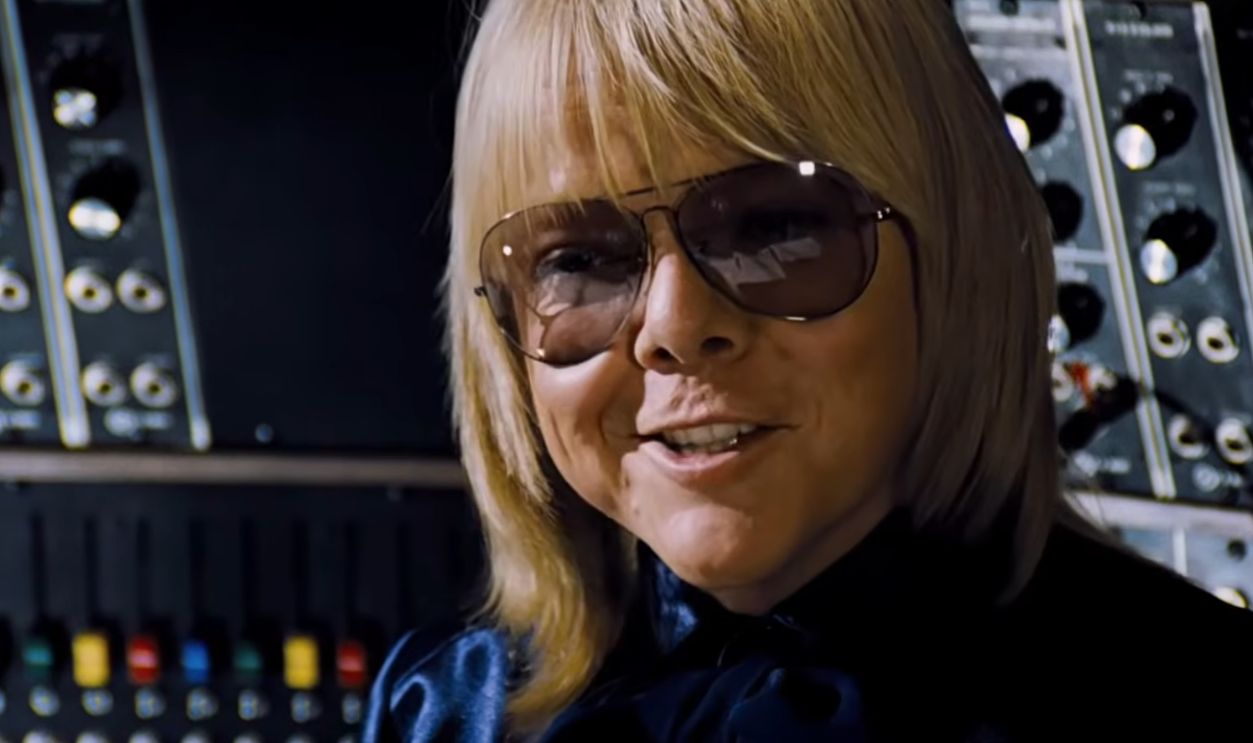 Screenshot from Phantom of the Paradise, 20th Century Fox (1974)
Night Moves (1975)
Gene Hackman starred as private detective Harry Moseby in Arthur Penn's gloomy neo-noir thriller, alongside Jennifer Warren, Susan Clark, and a young Melanie Griffith. Released in June 1975, the same month as Jaws (1975), the film failed to become a major commercial success. Its complex mystery and deliberately ambiguous ending challenged conventional expectations. Today, Night Moves (1975) is celebrated as an outstanding example of the cynical, morally uncertain thrillers that defined 1970s American cinema.
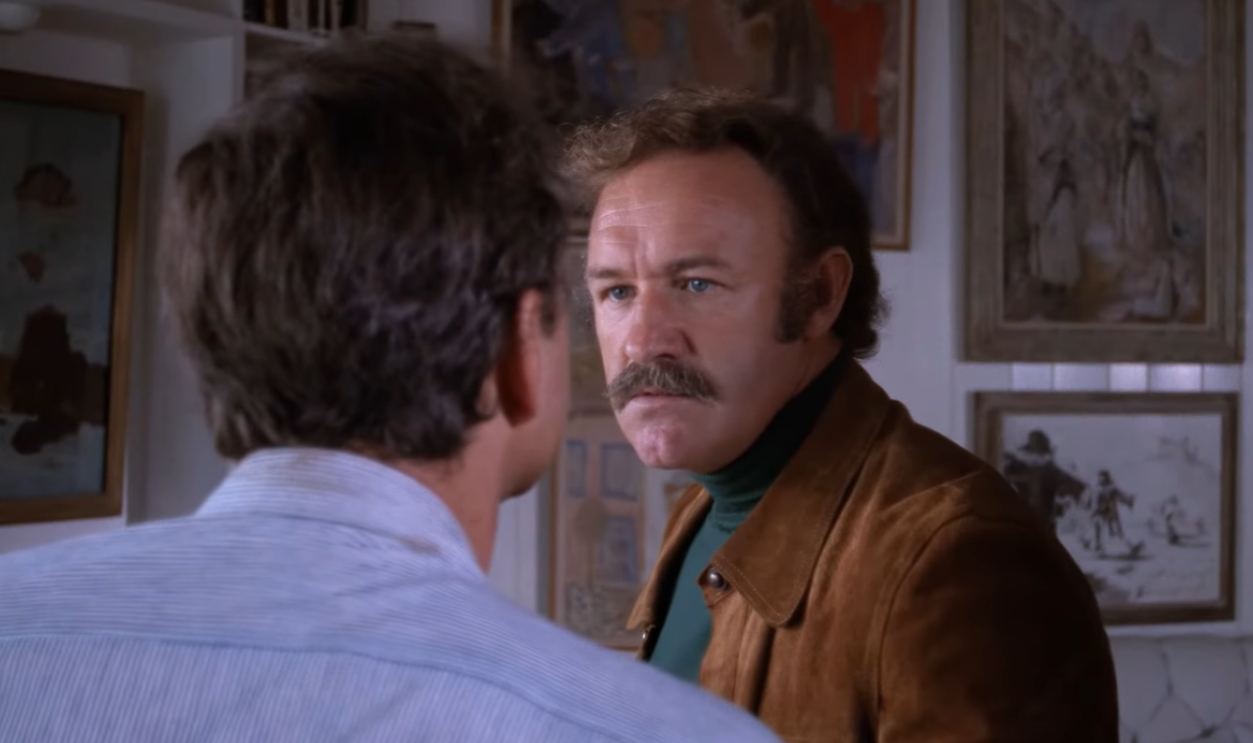 Screenshot from Night Moves, Warner Bros. Pictures (1975)
The Rocky Horror Picture Show (1975)
Jim Sharman's outrageous musical initially seemed destined for obscurity. Starring Tim Curry, Susan Sarandon, Barry Bostwick, and Richard O'Brien, it struggled during its original theatrical release. Everything changed when midnight screenings encouraged audiences to dress up, shout dialogue, and participate in the action. What began as a commercial disappointment became a cultural phenomenon, eventually developing one of the longest-running theatrical exhibition histories in movie history.
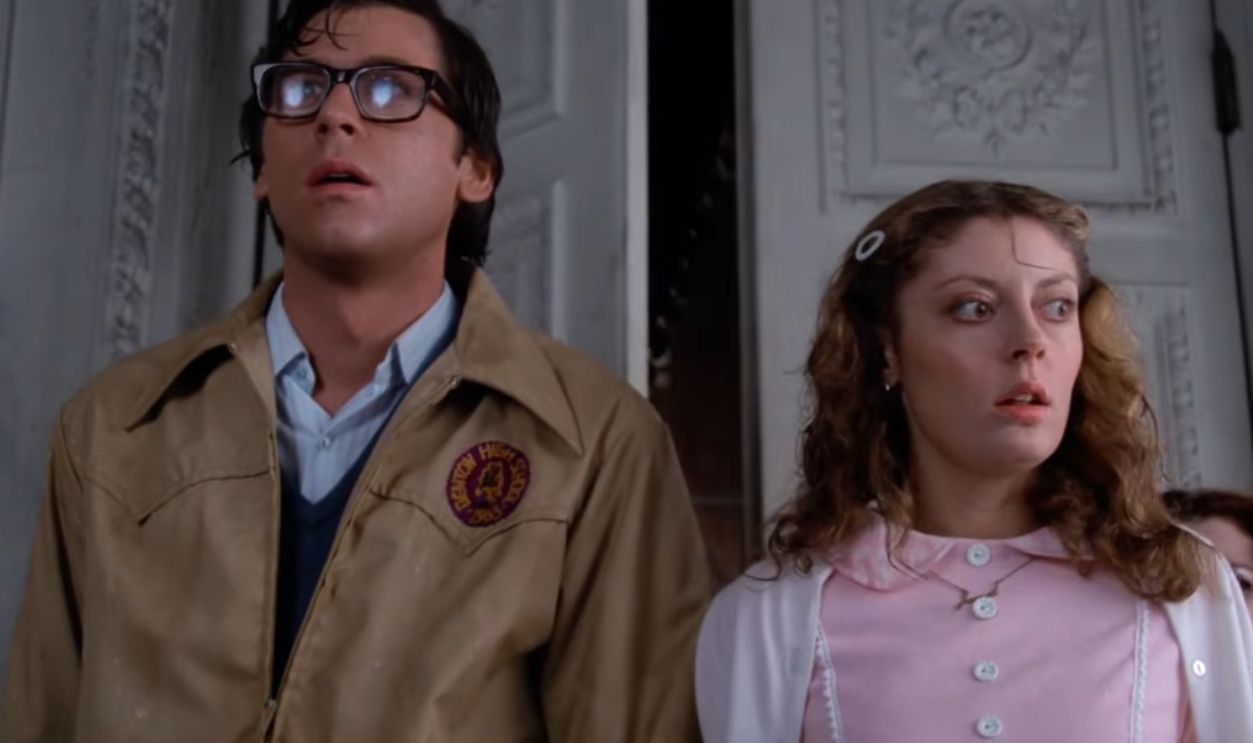 Screenshot from The Rocky Horror Picture Show, 20th Century Fox (1975)
The Killing Of A Chinese Bookie (1976)
John Cassavetes directed Ben Gazzara as Cosmo Vitelli, a nightclub owner whose gambling debts drag him into the city's seamy underworld. Featuring Timothy Carey and Seymour Cassel, the film received a limited release and performed poorly. Cassavetes later reedited it for a subsequent release, but widespread recognition remained elusive. Today, its intimate performances and unconventional approach to the genre have made it a favorite among independent-film enthusiasts.
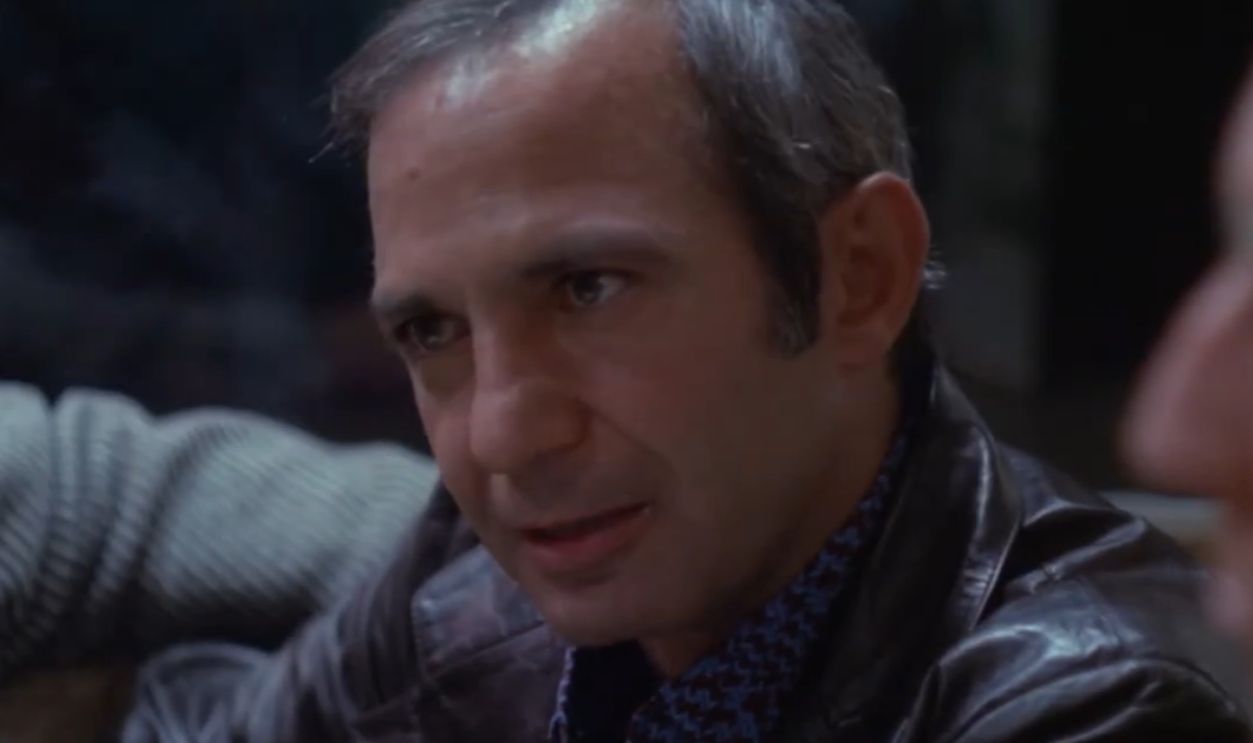 Screenshot from The Killing Of A Chinese Bookie, Faces Distribution (1976)
Mikey And Nicky (1976)
Elaine May directed Peter Falk and John Cassavetes as longtime friends whose relationship unravels during one desperate night in Philadelphia. Ned Beatty and Carol Grace also appeared. Production difficulties, extensive editing, and disputes with Paramount contributed to a troubled release and commercial failure. Yet the film's emotionally raw performances and devastating examination of betrayal have earned it considerable critical admiration. It's now widely regarded as one of May's finest achievements.
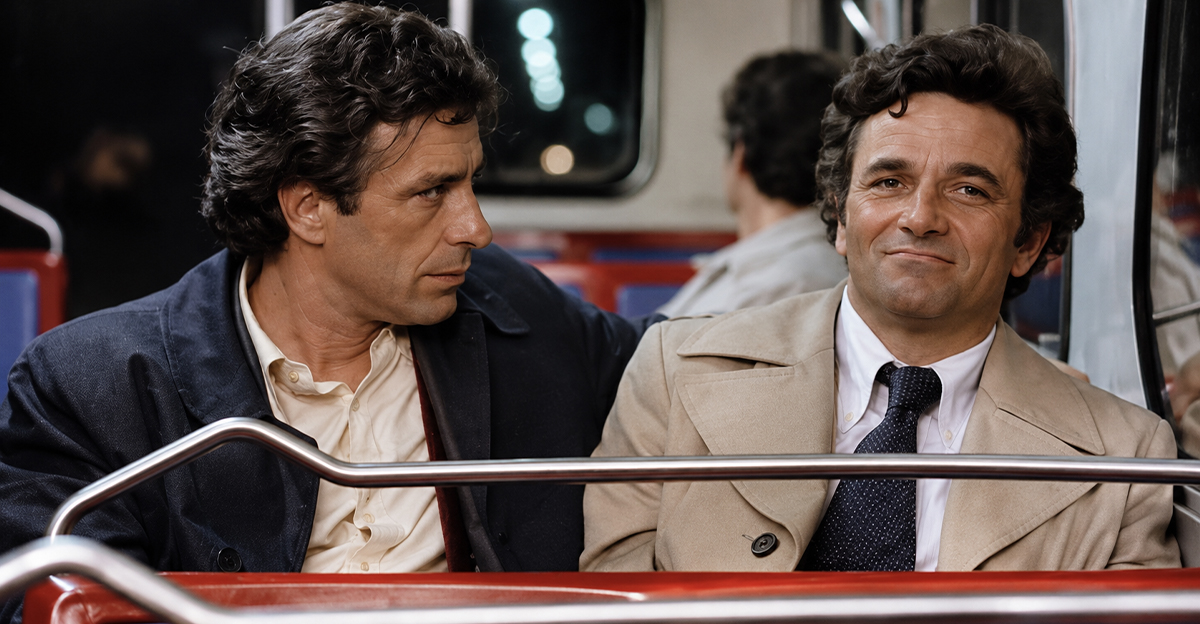 Screenshot of 'Mikey and Nicky', (1976), modified, Paramount Pictures
The Missouri Breaks (1976)
With Jack Nicholson and Marlon Brando sharing the screen, Arthur Penn's Western seemed destined for box office glory. United Artists mounted an enormous release, but the film's strange mixture of comedy, violence, and eccentric characterization disappointed many critics and failed to live up to expectations. Brando's bizarre performance became especially controversial. Although the movie remains divisive, subsequent reassessments have earned it a cult following among admirers of revisionist Westerns and unconventional performances.
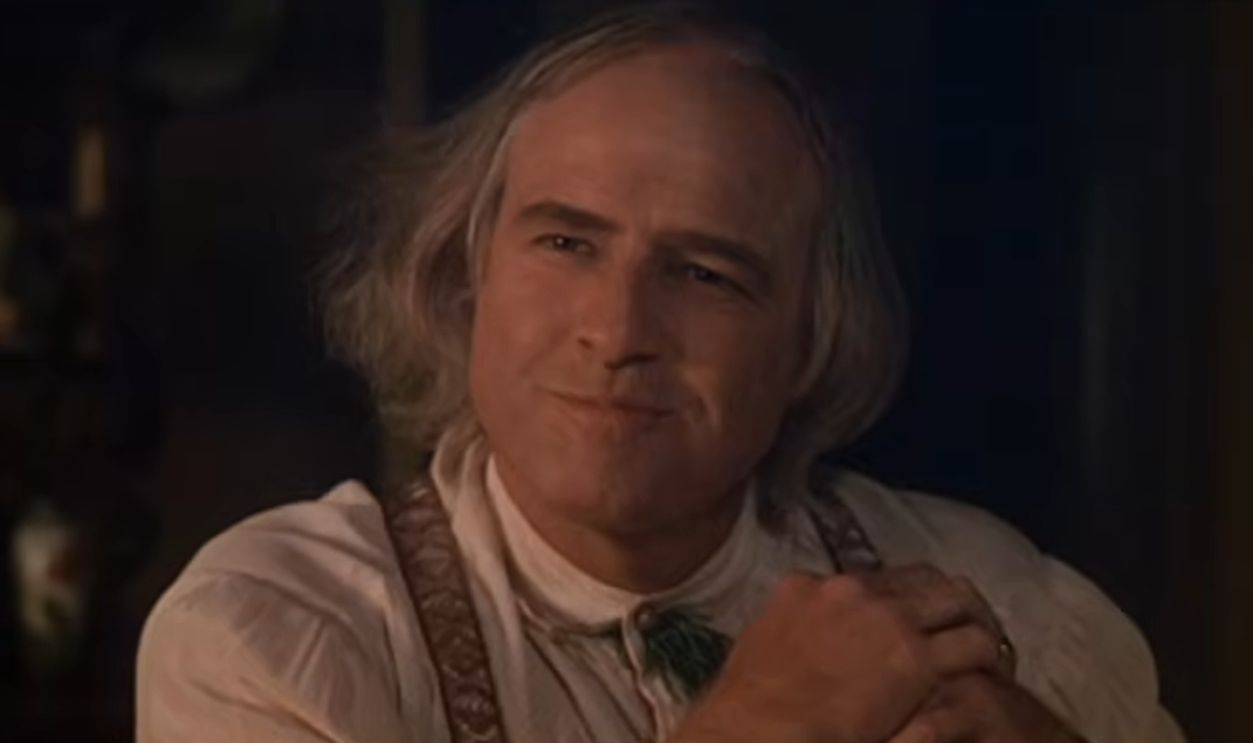 Screenshot from The Missouri Breaks, United Artists (1976)
The Man Who Fell To Earth (1976)
David Bowie made his starring film debut as an alien attempting to obtain water for his dying planet in Nicolas Roeg's surreal science-fiction drama. Rip Torn, Candy Clark, and Buck Henry co-starred. Its fragmented storytelling and disturbing imagery made it an unconventional science-fiction release rather than a mainstream blockbuster. Although its original financial performance is difficult to establish, Bowie's mesmerizing performance and Roeg's striking visual style have since made it an essential cult science-fiction film.
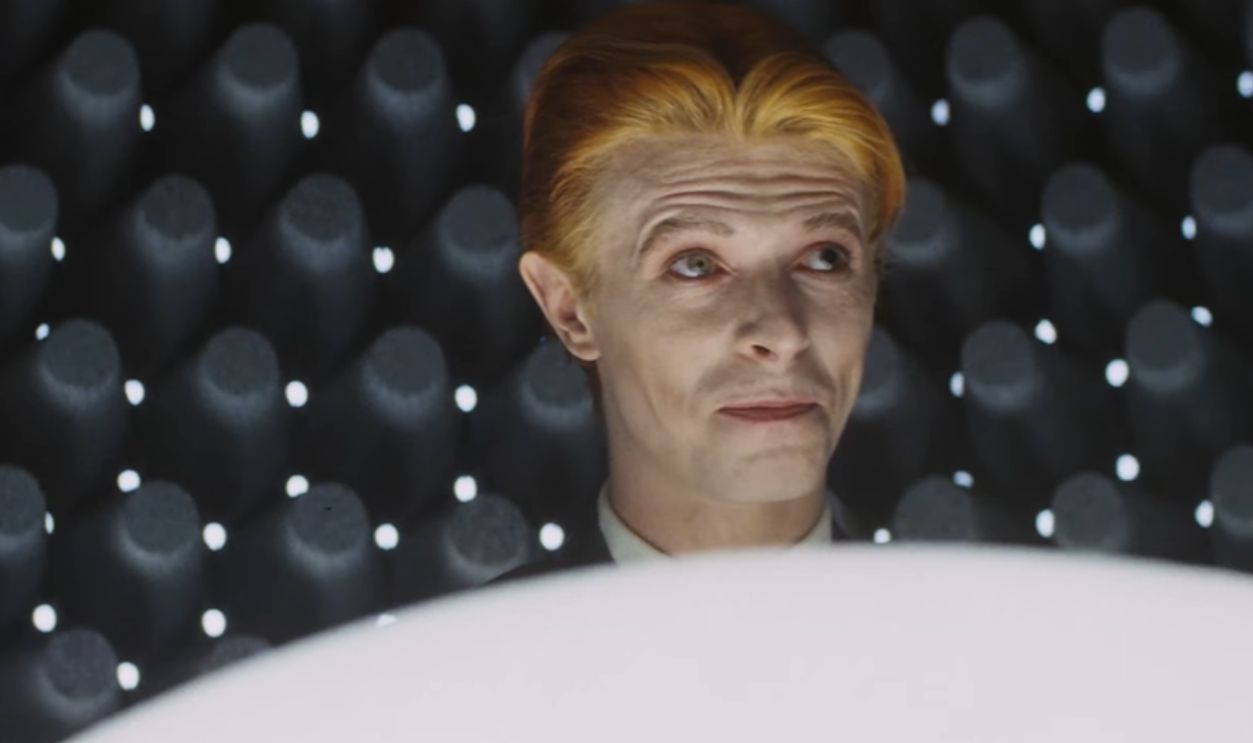 Screenshot from The Man Who Fell to Earth, British Lion Films (1976)
The Tenant (1976)
Roman Polanski directed and starred in this deeply unsettling psychological thriller about a man who becomes increasingly obsessed with the previous occupant of his Paris apartment. Isabelle Adjani, Melvyn Douglas, and Shelley Winters co-starred. The film received mixed reviews and struggled commercially, especially compared with Polanski's earlier successes. Its atmosphere of paranoia and psychological disintegration eventually helped establish it as a cult favorite among horror and thriller enthusiasts.
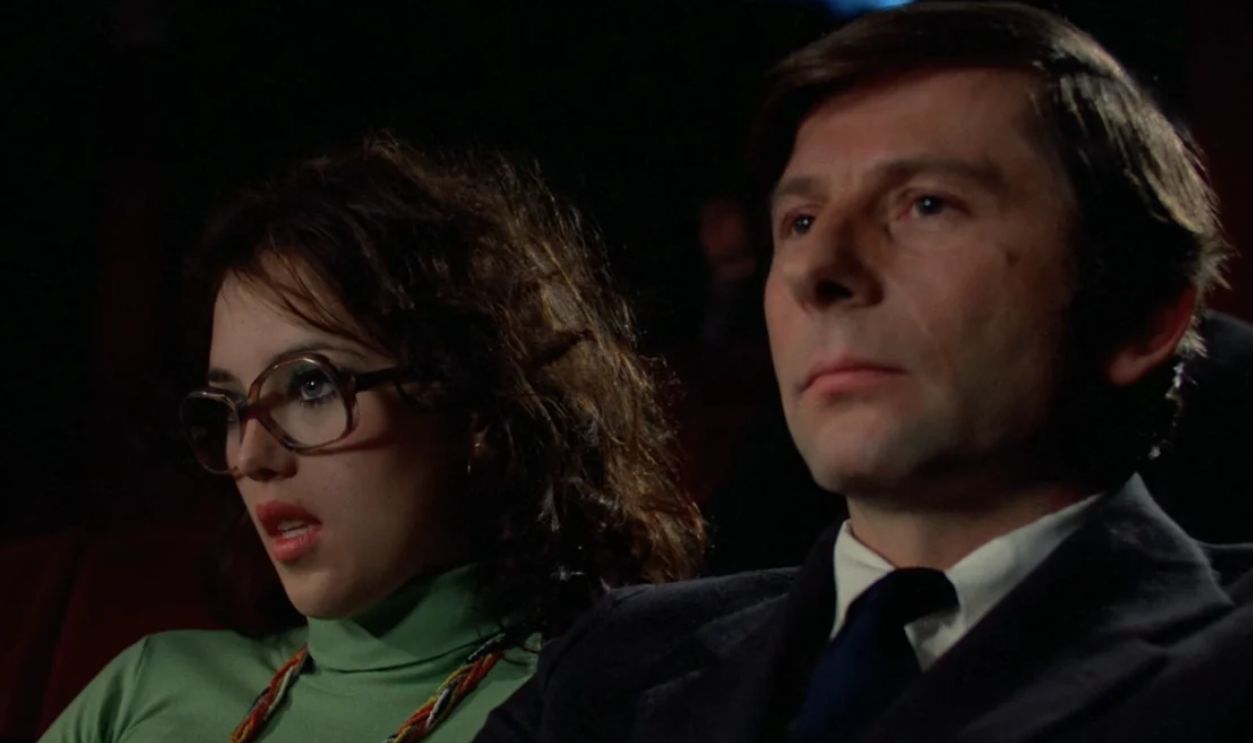 Screenshot from The Tenant, Paramount Pictures (1976)
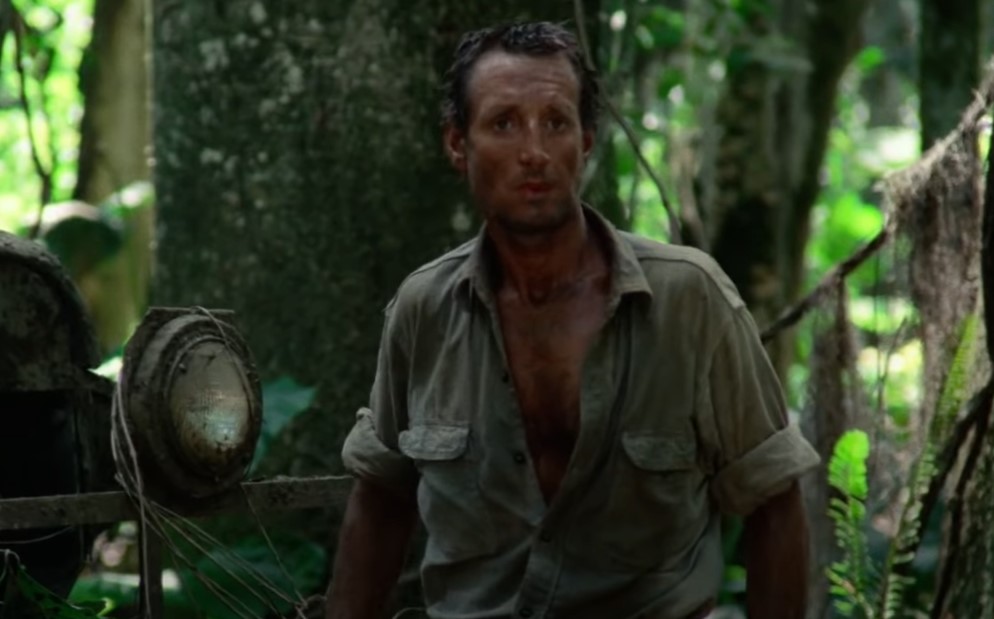
Sorcerer (1977)
William Friedkin followed The Exorcist (1973) with this punishingly tense adventure starring Roy Scheider, Bruno Cremer, Francisco Rabal, and Amidou. The story follows desperate men transporting unstable explosives through treacherous jungle terrain. Its enormous production costs and release shortly after Star Wars (1977) contributed to a disastrous commercial performance. Decades later, restoration and critical reassessment helped establish Sorcerer (1977) as one of Friedkin's greatest achievements.
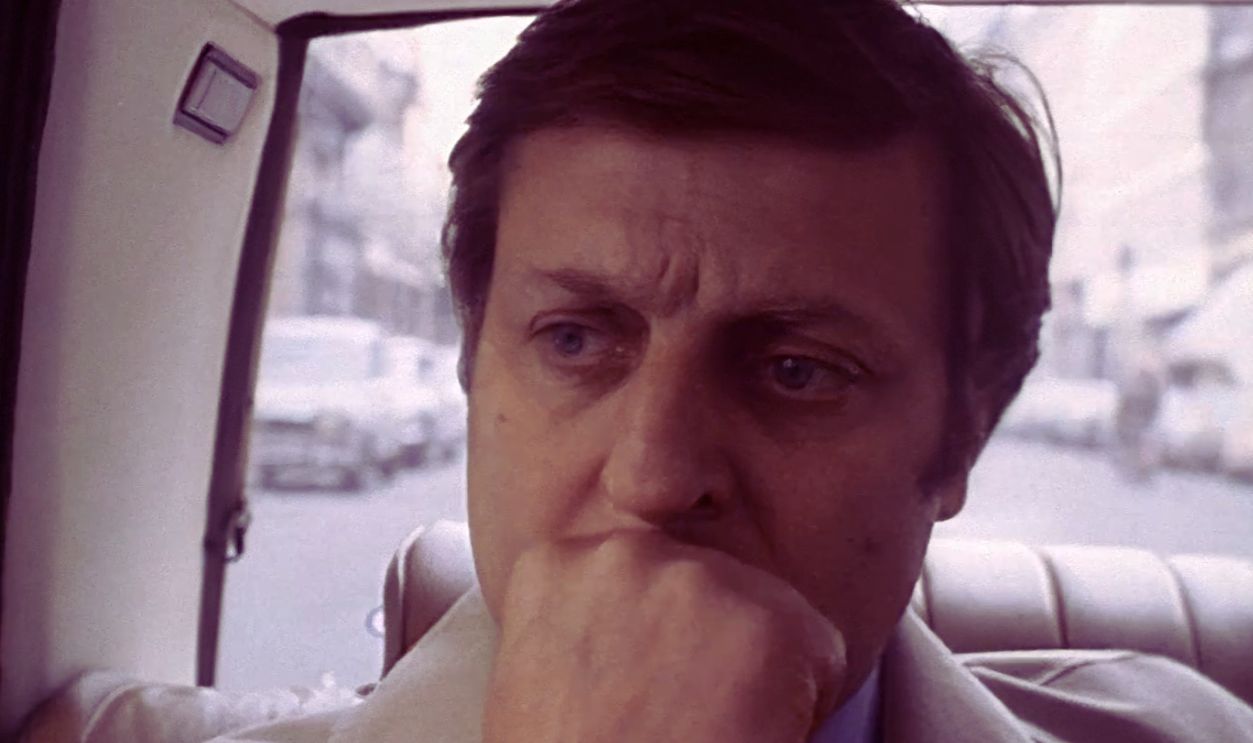 Screenshot from Sorcerer, Universal Pictures (1977)
New York, New York (1977)
Martin Scorsese brought together Robert De Niro and Liza Minnelli for an ambitious musical drama about two performers whose romance is threatened by their careers. Despite the star power and elaborate production, the film proved a major commercial disappointment. Audiences seemed uncertain what to make of its mixture of old-fashioned Hollywood spectacle and emotionally abrasive realism. Its reputation has since improved, particularly among admirers of Scorsese's more experimental work.
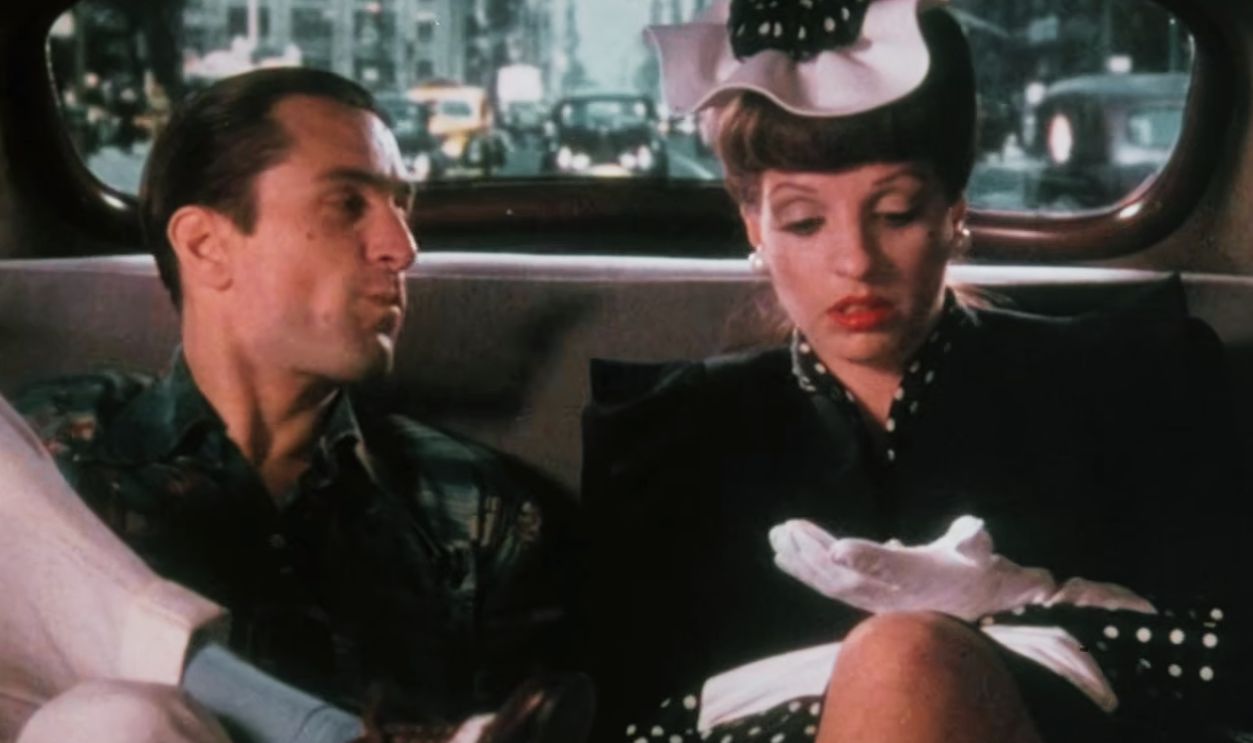 Screenshot from New York, New York, United Artists (1977)
The Duellists (1977)
Ridley Scott made his feature-directing debut with this visually stunning historical drama starring Harvey Keitel and Keith Carradine as Napoleonic officers locked in a seemingly endless feud. Albert Finney and Edward Fox also appeared. Although the film won the prize for best first work at the 1977 Cannes Film Festival, it never became a major theatrical hit. Today, its painterly cinematography, meticulous period detail, and psychological complexity have established it as an impressive early achievement from the future director of Alien (1979).
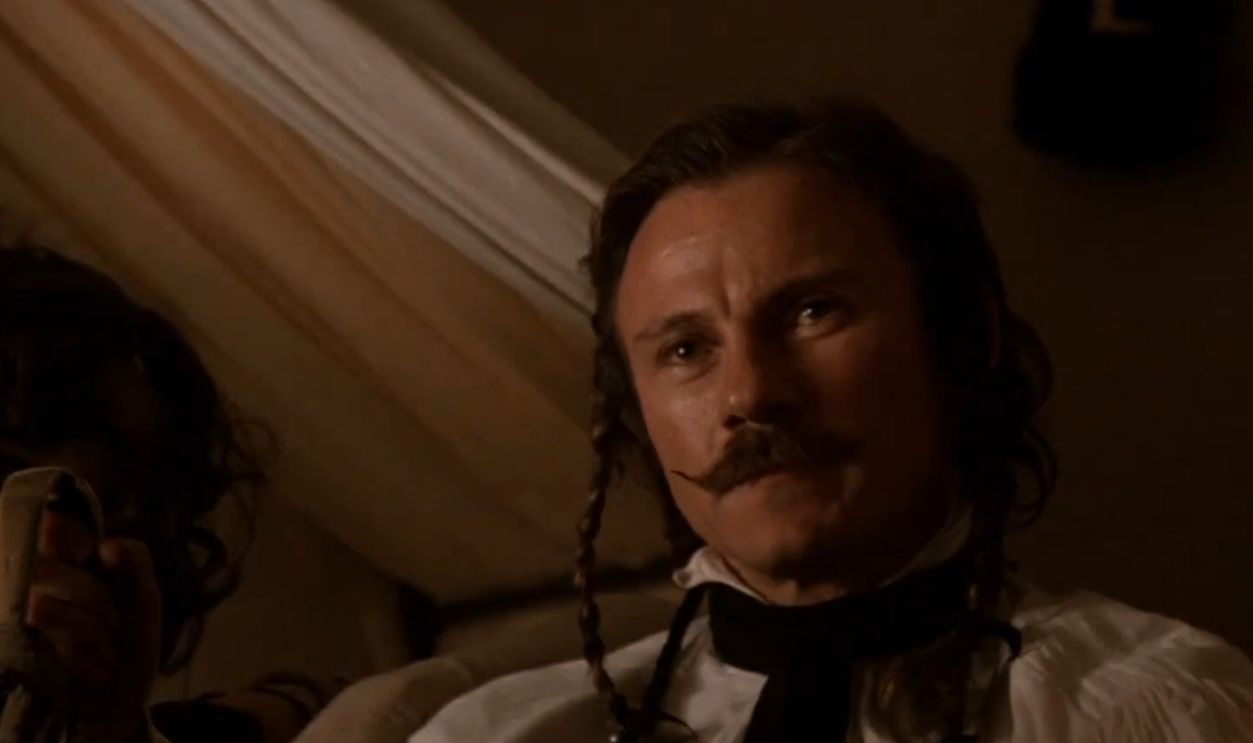 Screenshot from The Duellists, Paramount Pictures (1977)
The Driver (1978)
Walter Hill directed Ryan O'Neal as a mysterious getaway driver pursued by a determined detective played by Bruce Dern. Isabelle Adjani co-starred in the stylish thriller, which disappointed at the American box office. Its minimalist dialogue and stripped-down characters were far removed from conventional action entertainment. Over time, however, its spectacular driving sequences and cool visual style influenced filmmakers, including those behind Drive (2011).
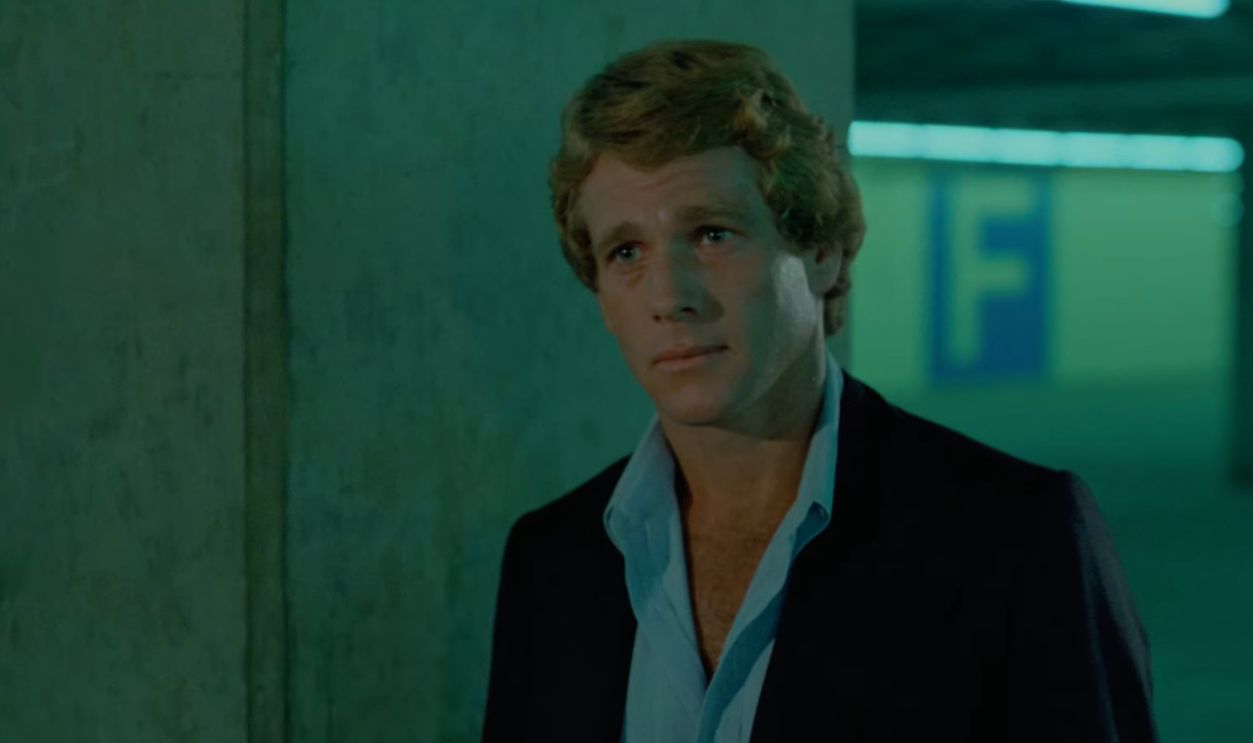 Screenshot from The Driver, 20th Century Fox (1978)
Days Of Heaven (1978)
Terrence Malick's haunting period drama starred Richard Gere, Brooke Adams, Sam Shepard, and Linda Manz in a tragic story set in the wheat fields of the Texas Panhandle, although much of it was filmed in Alberta, Canada. Despite critical praise for its extraordinary cinematography, the costly production and modest theatrical returns made it a commercial disappointment. Malick soon stepped away from feature filmmaking for two decades. Today, Days Of Heaven (1978) is regarded as one of the most visually beautiful American films ever made.
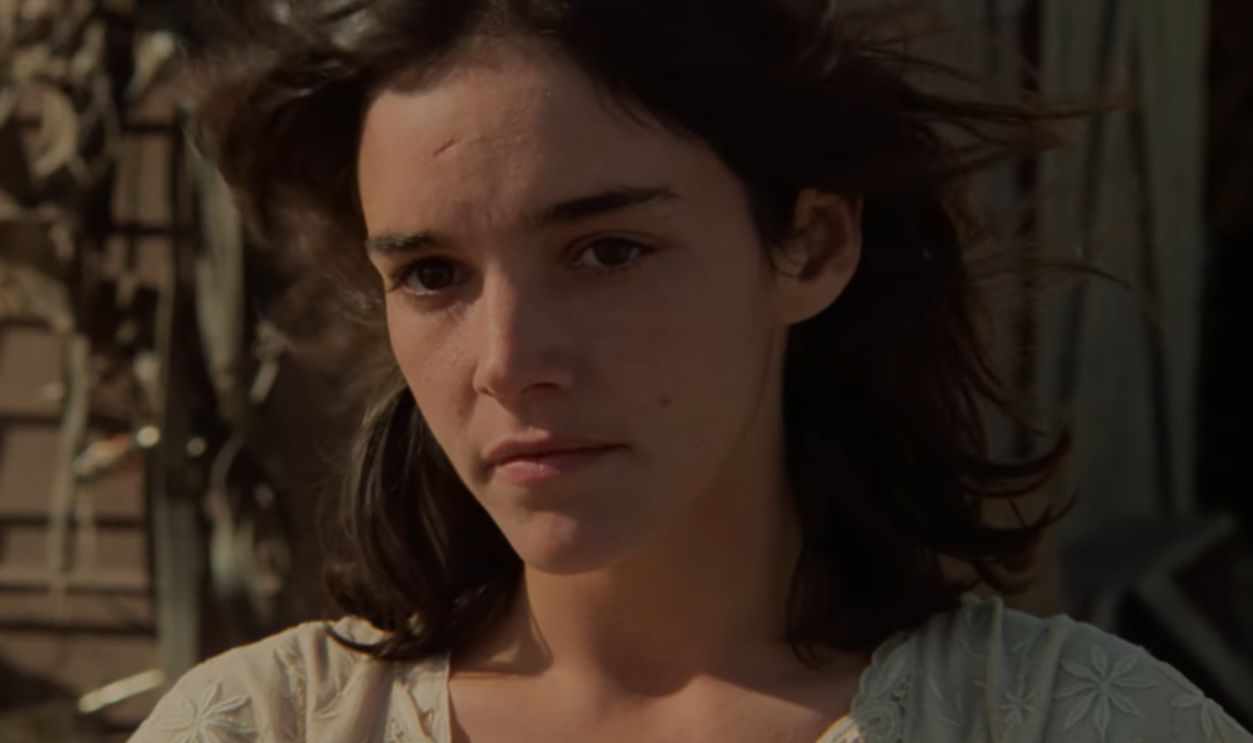 Screenshot from Days of Heaven, Paramount Global (1978)
Over The Edge (1979)
Jonathan Kaplan directed this unsettling drama about suburban teenagers rebelling against their parents and an increasingly restrictive community. Featuring Matt Dillon in his film debut alongside Michael Eric Kramer and Pamela Ludwig, the movie received only a limited theatrical release and attracted little attention. Home video eventually introduced it to a much wider audience. Its realistic depiction of teenage alienation helped establish it as a cult favorite, particularly among musicians and filmmakers.
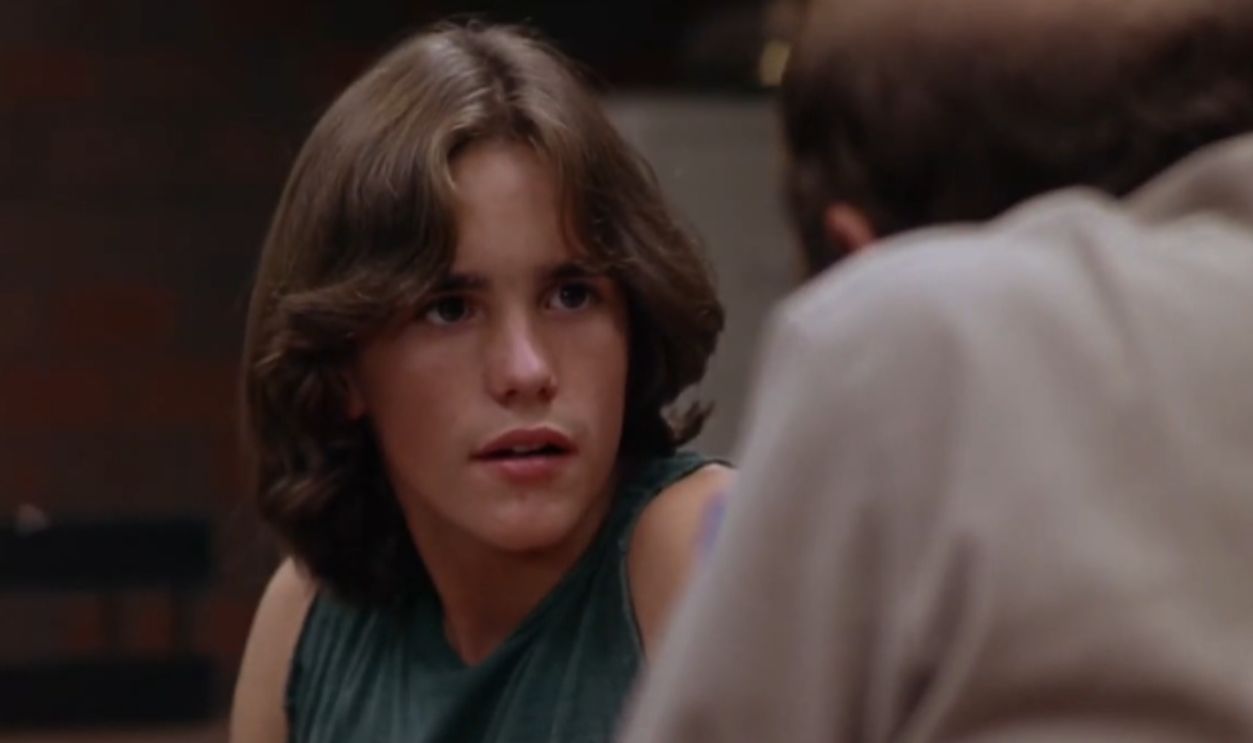 Screenshot from Over the Edge, Warner Bros. (1979)
The Wanderers (1979)
Philip Kaufman's coming-of-age drama followed a group of Bronx teenagers navigating gangs, romance, and changing social attitudes in 1963. Starring Ken Wahl, John Friedrich, Karen Allen, and Toni Kalem, the movie received a comparatively muted response during its original American release. However, it developed a particularly devoted following in Britain and other international markets. Today, its memorable characters, nostalgic soundtrack, and energetic depiction of teenage life have made it an enduring cult classic.
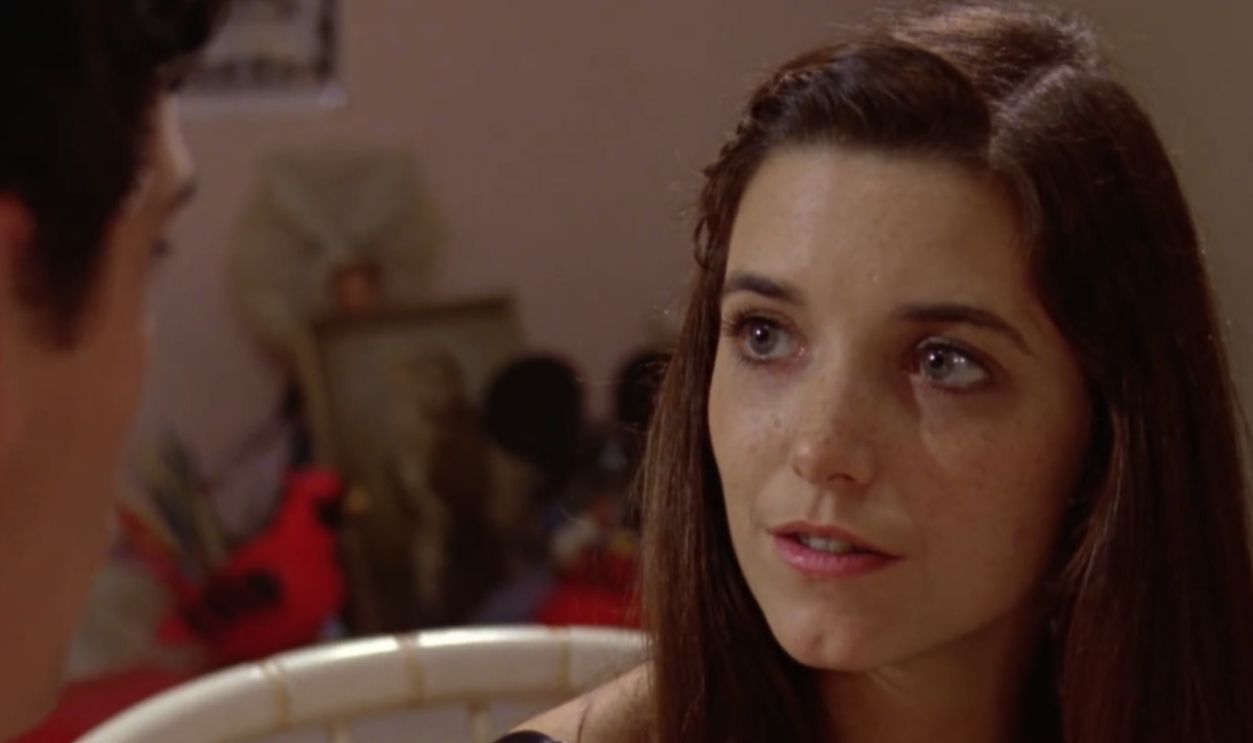 Screenshot from The Wanderers, Orion Pictures (1979)
You May Also Like:
Unexpected Hit Movies That Seemed To Come Out Of Nowhere
Horror Movies From The 1980s That Are Still Terrifying Today