The Decade That Knew How To Scare An Audience
The 1980s gave horror fans almost everything they could ask for. Slashers stalked summer camps and suburban streets, practical-effects artists created creatures that still look horrifying, and filmmakers found new ways to turn everything from dreams to ordinary toys into nightmares. Plenty of 80s horror was wonderfully ridiculous, but the best films could genuinely get under your skin.
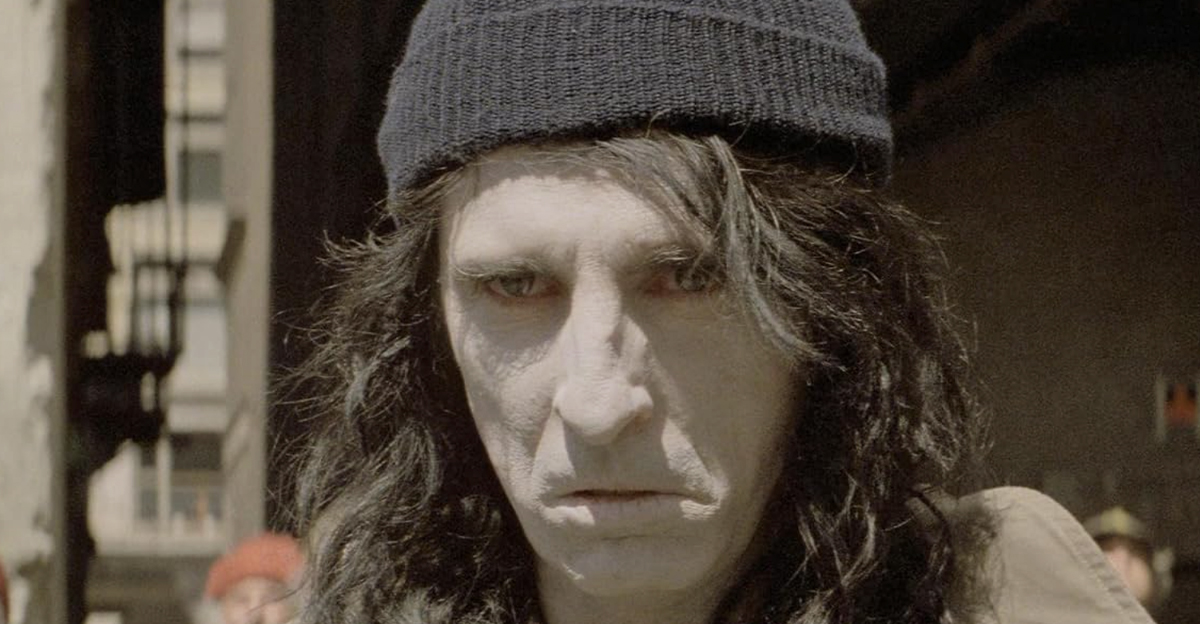
 Screenshot from Prince of Darkness, Universal Pictures (1987)
Pet Sematary (1989)
Stephen King’s story begins with an idea almost anyone can understand: what if the end didn’t have to be permanent? Unfortunately for Louis Creed, the ancient burial ground near his new Maine home brings things back very differently. Director Mary Lambert fills the movie with images that are difficult to shake, particularly Zelda’s horrifying illness and little Gage Creed wandering around with a scalpel. Fred Gwynne also gives the story genuine sadness as Jud Crandall, the neighbor who knows exactly why some things should stay buried.
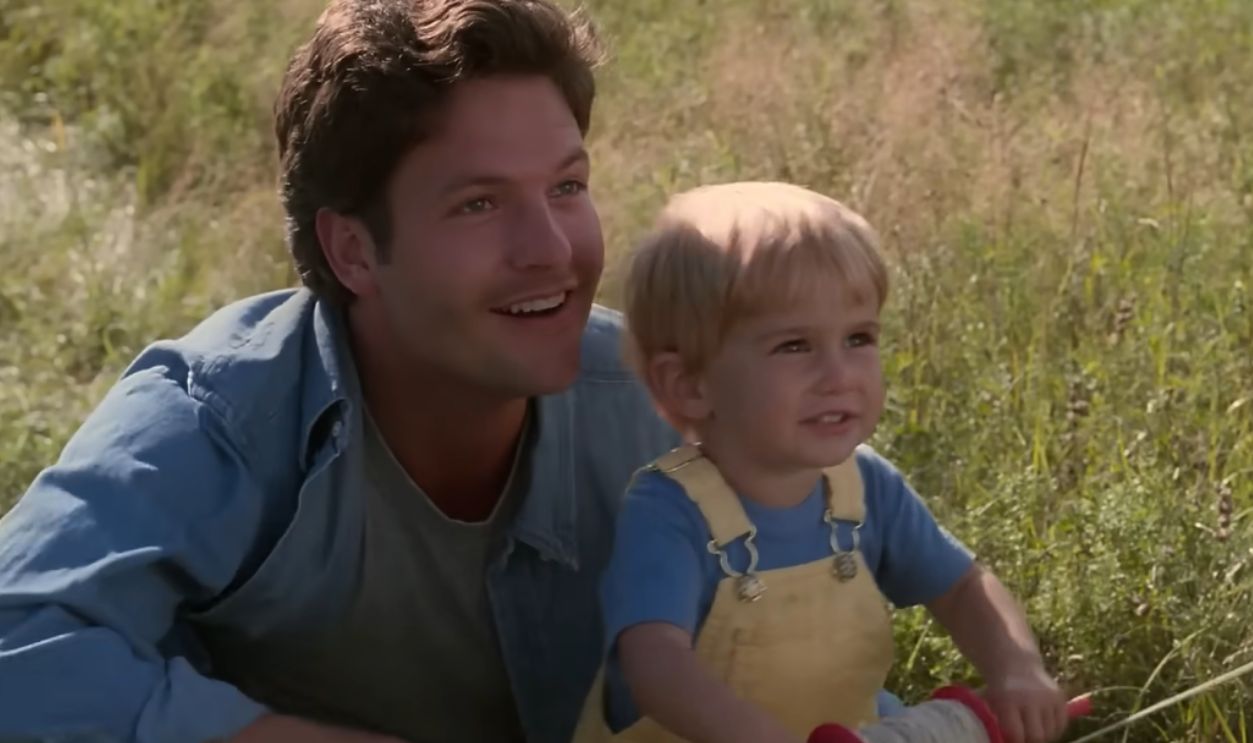 Screenshot from Pet Sematary, Paramount Pictures (1989)
The Fog (1980)
John Carpenter followed Halloween with a ghost story built almost entirely around atmosphere. As the coastal town of Antonio Bay celebrates its centennial, a glowing fog rolls in carrying the vengeful spirits of sailors deliberately betrayed by the town’s founders. Carpenter doesn’t rush the buildup. Radios malfunction, objects move by themselves, and Adrienne Barbeau’s late-night DJ watches the fog slowly consume the town from her lighthouse. The ghostly sailors often remain silhouettes, making them more effective than a detailed look might have been. Sometimes a wall of glowing fog is enough.
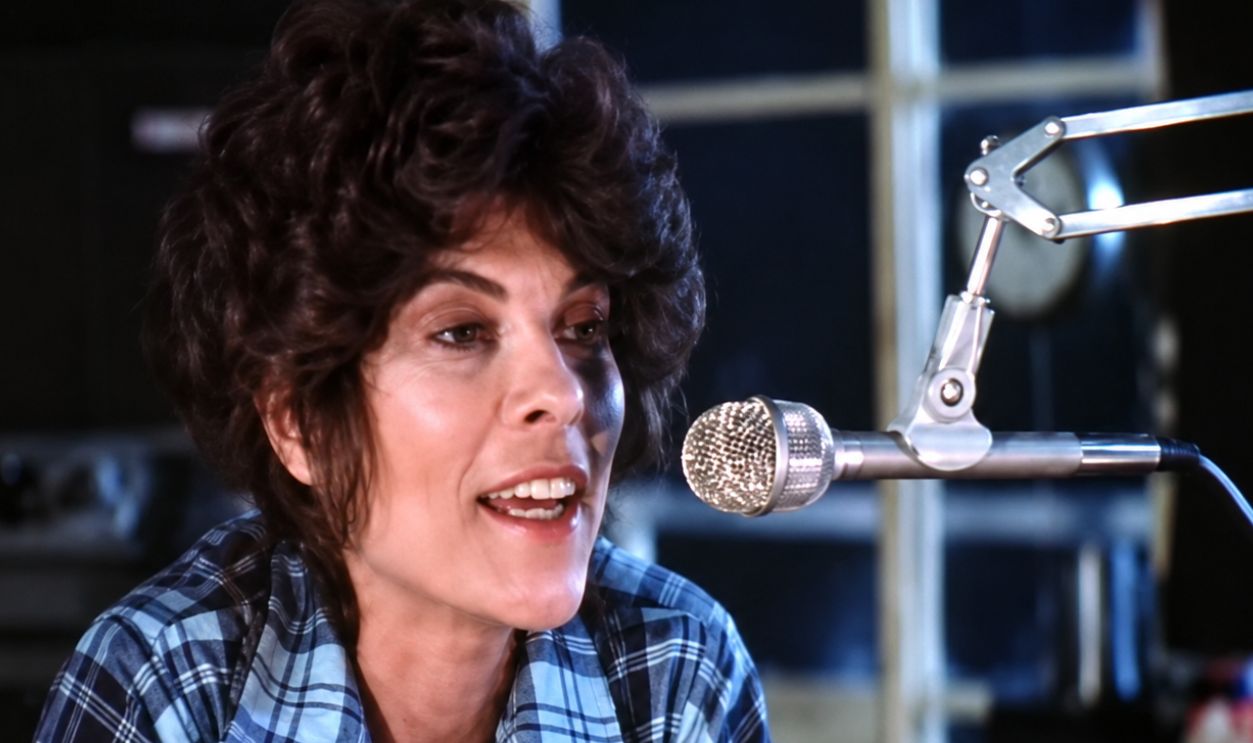 Screenshot from The Fog, Avco Embassy Pictures (1980), Enhanced
Possession (1981)
Calling Possession a movie about a collapsing marriage barely begins to describe it. Sam Neill’s Mark returns home to West Berlin and discovers that his wife Anna, played by Isabelle Adjani, wants to leave him. What follows involves infidelity, doppelgängers, espionage, religious imagery, and something distinctly inhuman hiding in an apartment. Adjani gives one of horror cinema’s most physically overwhelming performances, particularly during her famous subway-station breakdown. Andrzej Żuławski directs everything at an almost extreme intensity, turning marital separation into something that feels like the end of reality itself.
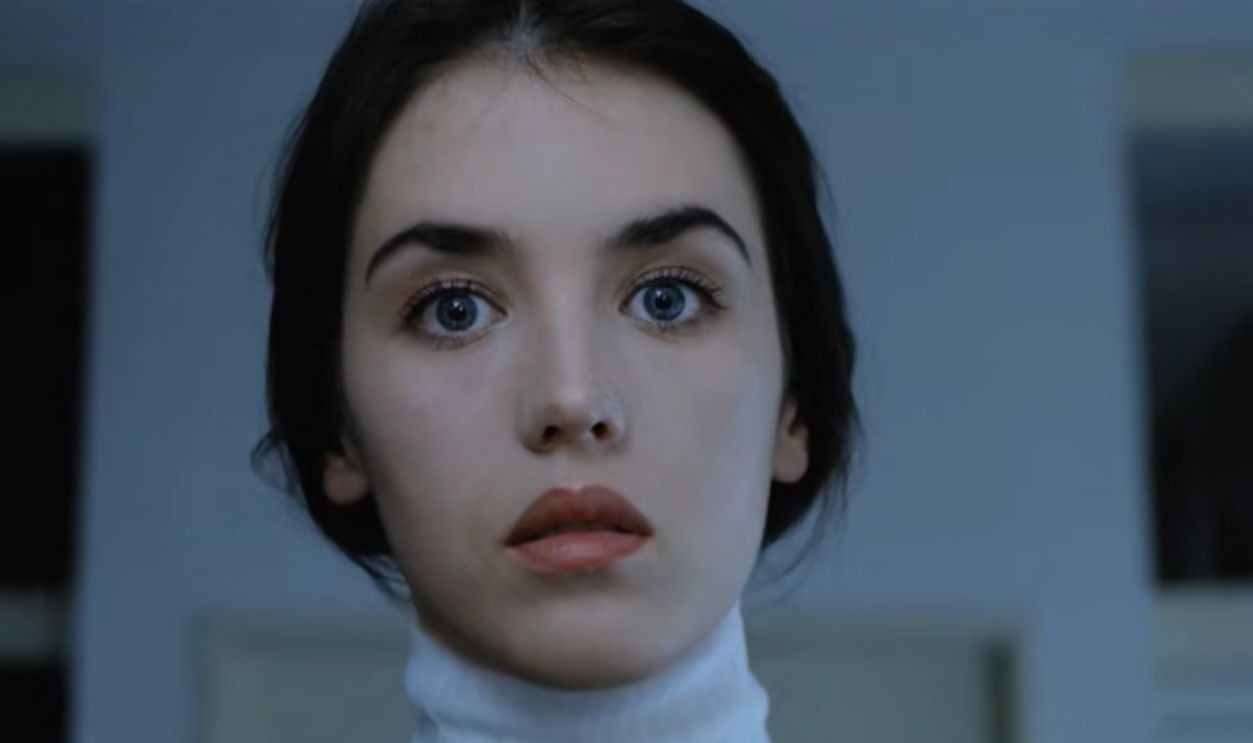 Screenshot from Possession, Gaumont (1981)
The Thing (1982)
John Carpenter traps a group of men in an Antarctic research station with an organism capable of perfectly imitating any living creature. That means every surviving person becomes a potential monster. Kurt Russell’s MacReady tries to maintain control as trust disappears and Rob Bottin’s practical effects unleash increasingly impossible mutations. The blood-test sequence remains a masterclass in slowly tightening suspense before exploding into chaos. The Thing was poorly received by many critics upon release, but its combination of paranoia, isolation, and grotesque transformation eventually earned it the reputation it deserved.
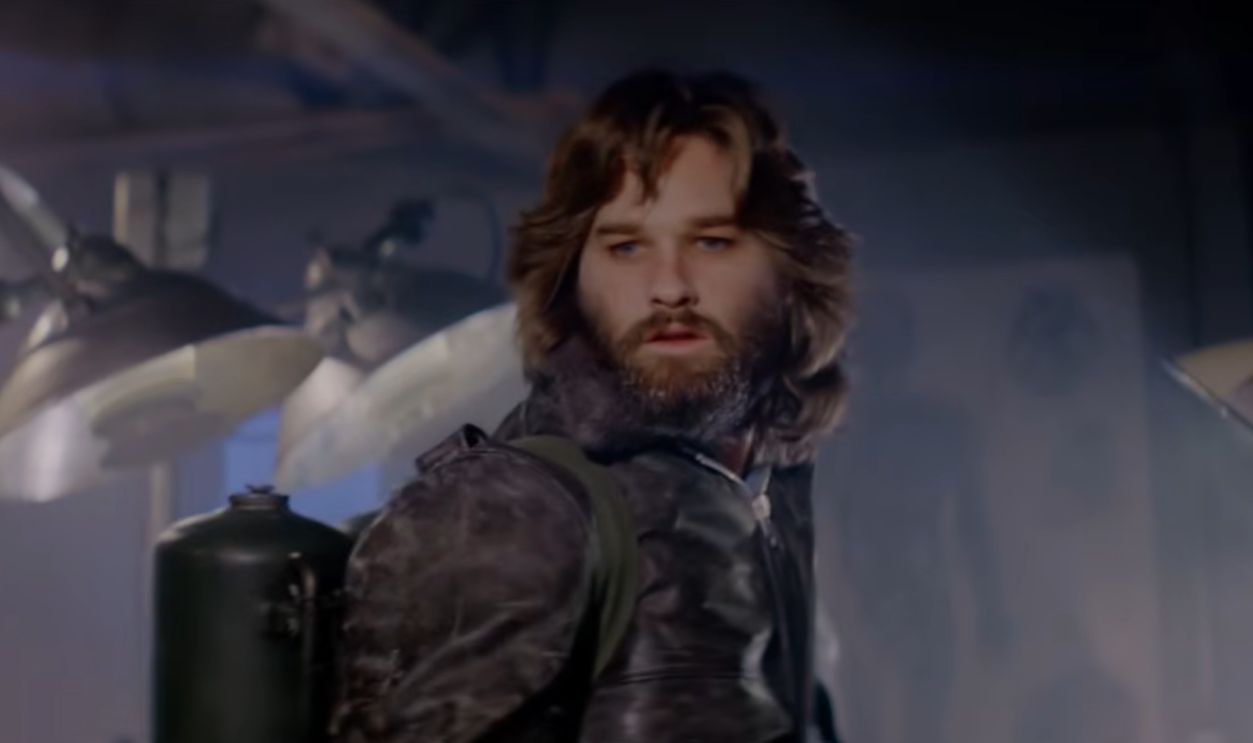 Screenshot from The Thing, Universal Pictures (1982)
Fright Night (1985)
Charley Brewster becomes convinced that his charming new neighbor Jerry Dandrige is a vampire. Nobody believes him, so he recruits washed-up horror host Peter Vincent for help. Chris Sarandon gives Jerry exactly the right combination of sophistication and menace, making him seem perfectly reasonable until the fangs come out. Roddy McDowall brings surprising heart to Peter, while the practical creature effects become increasingly grotesque. Fright Night loves old-fashioned vampire movies without treating them like museum pieces.
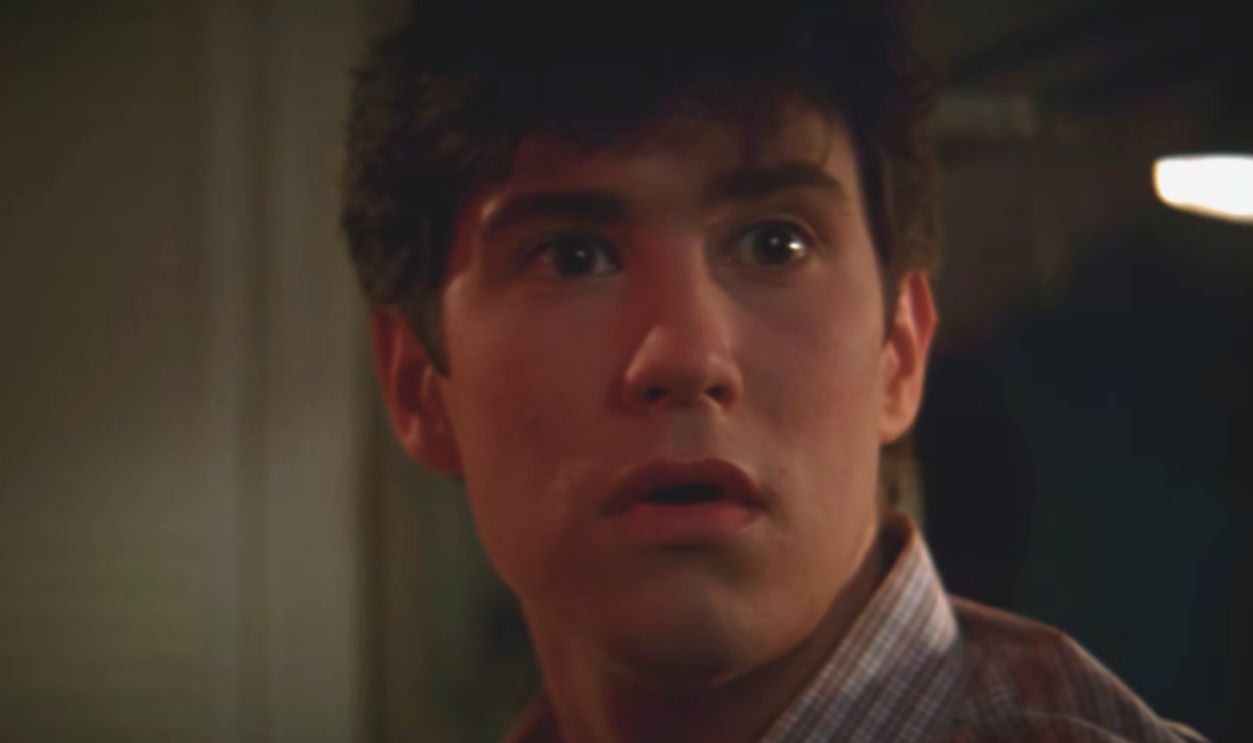 Screenshot from Fright Night, Columbia Pictures (1985), Enhanced
Friday The 13th (1980)
The original Friday the 13th doesn’t even have the hockey-masked Jason most people associate with the franchise. Instead, counselors preparing to reopen Camp Crystal Lake begin dying one by one at the hands of an unseen slayer. Director Sean S Cunningham borrows heavily from the emerging slasher formula but gives the acts an unusually nasty physicality, aided enormously by Tom Savini’s effects. The final revelation gives Betsy Palmer one of horror’s strangest maternal roles, while that last lake scare ensured audiences left expecting danger even after the slayer was supposedly gone.
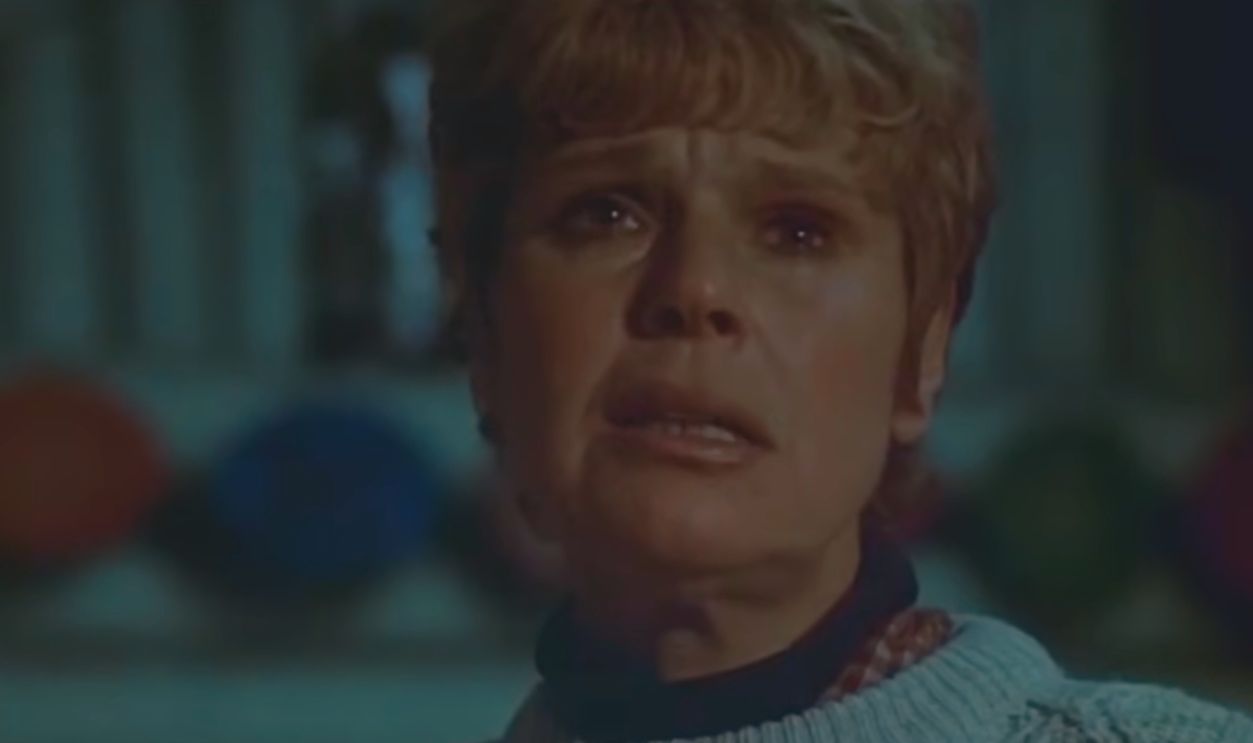 Screenshot from Friday the 13th, Paramount Pictures (1980), Enhanced
The Evil Dead (1981)
Sam Raimi took a group of young actors into a Tennessee cabin and came back with one of the most ferocious low-budget horror movies ever made. Bruce Campbell’s Ash and his friends accidentally unleash demonic forces after playing a recording connected to the Book of the Dead. From there, the film becomes increasingly relentless. Possessed friends laugh, scream, mutilate themselves, and refuse to stay dead. Raimi’s wildly mobile camera gives the evil itself a physical presence, while the handmade effects only add to the movie’s grubby, nightmarish atmosphere.
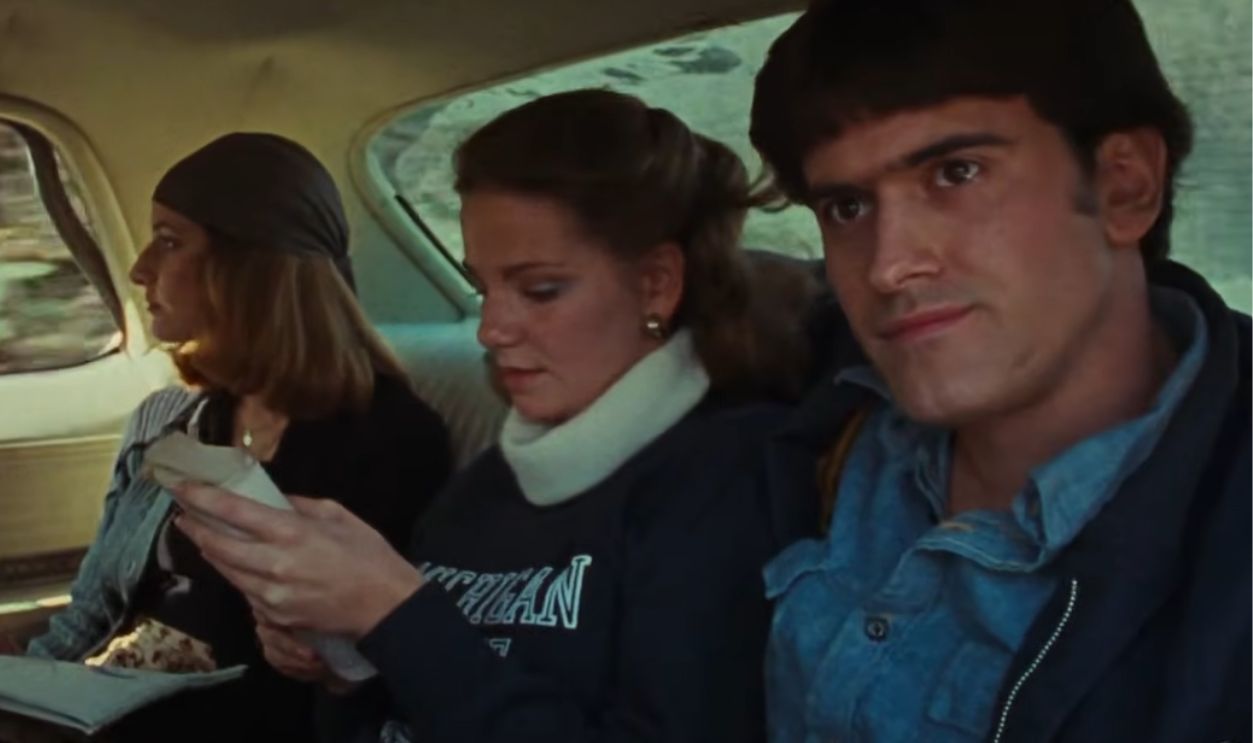 Screenshot from The Evil Dead, New Line Cinema (1981)
Evil Dead II (1987)
Rather than simply repeat the first movie, Sam Raimi turned the sequel into a demonic slapstick nightmare. Bruce Campbell spends long stretches essentially performing a one-man show as Ash battles possessed objects, his own infected hand, and his rapidly deteriorating sanity. The scene where the entire cabin begins laughing with him captures the movie perfectly: terrifying, hilarious, and completely unhinged. The effects become more elaborate, the physical comedy gets bigger, and Campbell transforms Ash from frightened survivor into one of horror cinema’s most battered heroes.
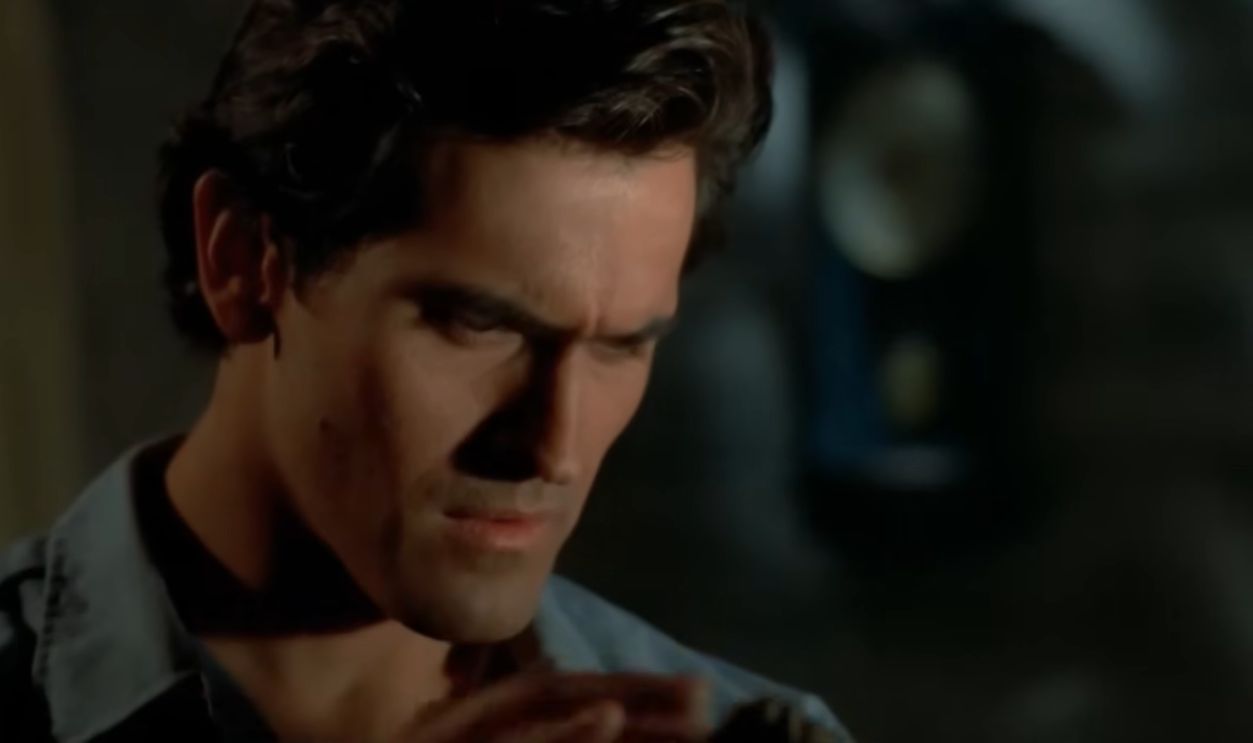 Screenshot from Evil Dead II, Rosebud Releasing Corporation (1987)
The Return Of The Living Dead (1985)
Dan O’Bannon’s zombie comedy asks an important question: what if the dearly departed were fast, intelligent, impossible to take out, and specifically interested in eating brains? A chemical accident at a medical warehouse releases deadly gas that begins reanimating corpses, trapping employees and a group of punks beside an increasingly crowded cemetery. The jokes never weaken the risk because these zombies are genuinely difficult to stop. Even destroying their bodies can make matters worse. Add a fantastic punk soundtrack and one exceptionally grim ending, and the movie becomes much nastier than its comedy initially suggests.
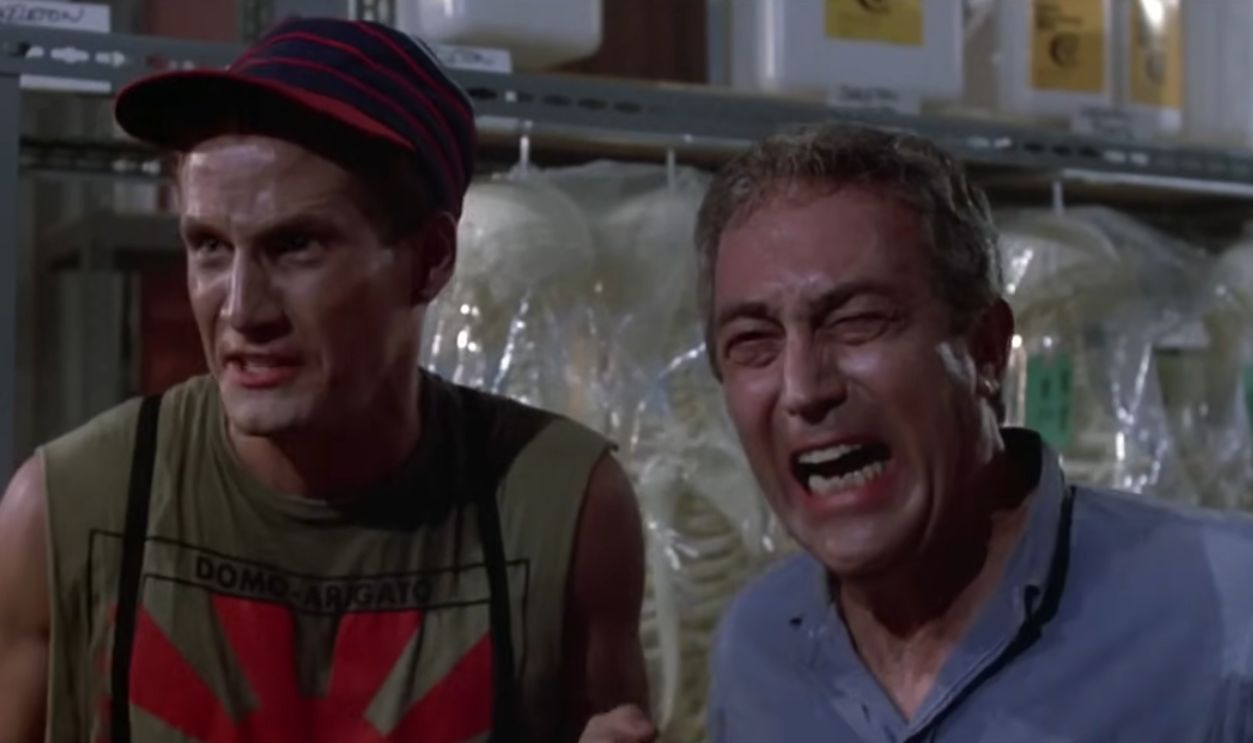 Screenshot from The Return of the Living Dead, Orion Pictures (1985)
Day Of The Dead (1985)
George A. Romero takes his zombie apocalypse underground. A dwindling group of scientists and servicemen lives inside a bunker while the departed have apparently overrun the world above. The real danger increasingly comes from inside, particularly Joseph Pilato’s Captain Rhodes, whose rage makes cooperation nearly impossible. Meanwhile, scientist Dr Logan experiments on zombies and discovers that one of them, Bub, may retain traces of memory. Tom Savini’s effects reach gruesome new heights during the finale, but the suffocating sense that civilization has already lost may be the movie’s bleakest element.
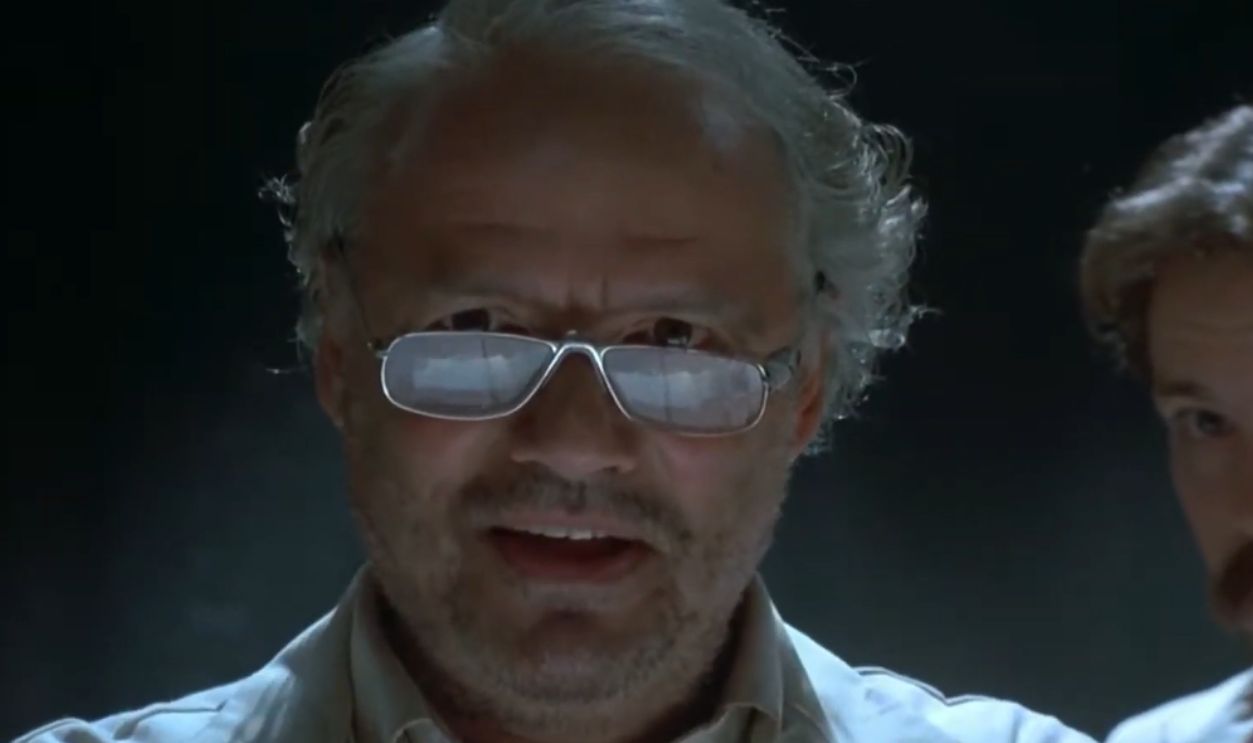 Screenshot from Day of the Dead, United Film Distribution Company (1985)
Gremlins (1984)
Gremlins somehow became a Christmas favorite despite containing murderous little monsters, a grisly story about Santa Claus, and a kitchen sequence in which cute creatures are dispatched with household appliances. Billy Peltzer’s adorable Mogwai, Gizmo, comes with three simple rules, all of which are eventually broken. The resulting Gremlins turn Kingston Falls into an anarchic playground. Director Joe Dante constantly shifts between family comedy and creature horror, while Chris Walas’s practical puppets give the monsters enough personality that even their nastiest behavior can be weirdly entertaining.
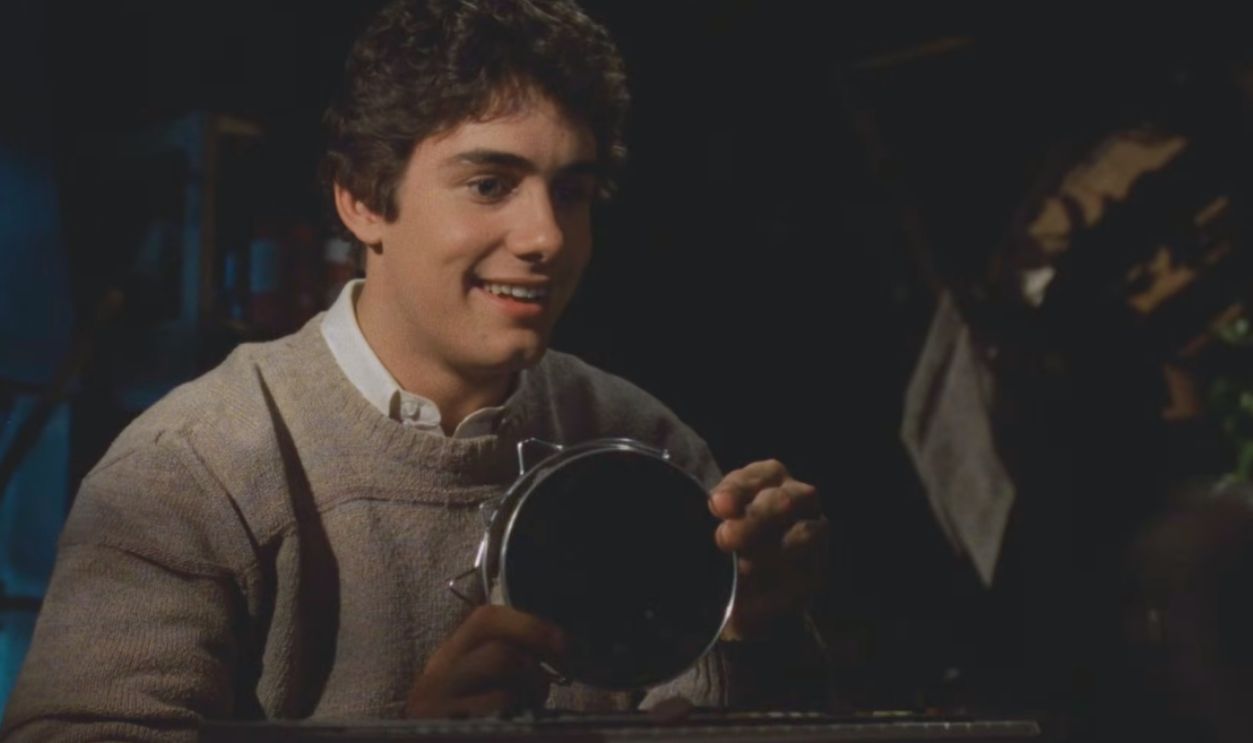 Screenshot from Gremlins, Warner Bros. Pictures (1984), Enhanced
Hellraiser (1987)
Clive Barker made his directorial debut by bringing his own novella The Hellbound Heart to the screen, and very little about it resembles a conventional 1980s slasher. Frank Cotton opens a mysterious puzzle box and discovers the Cenobites, beings for whom pleasure and pain have become inseparable. His former lover Julia then begins murdering men so Frank can rebuild his body. The Cenobites are unforgettable, particularly Doug Bradley’s future Pinhead, but the movie’s ugliest villainy remains deeply human. Its combination of forbidden desire, betrayal, flesh, hooks, and elaborate practical effects feels uniquely nasty.
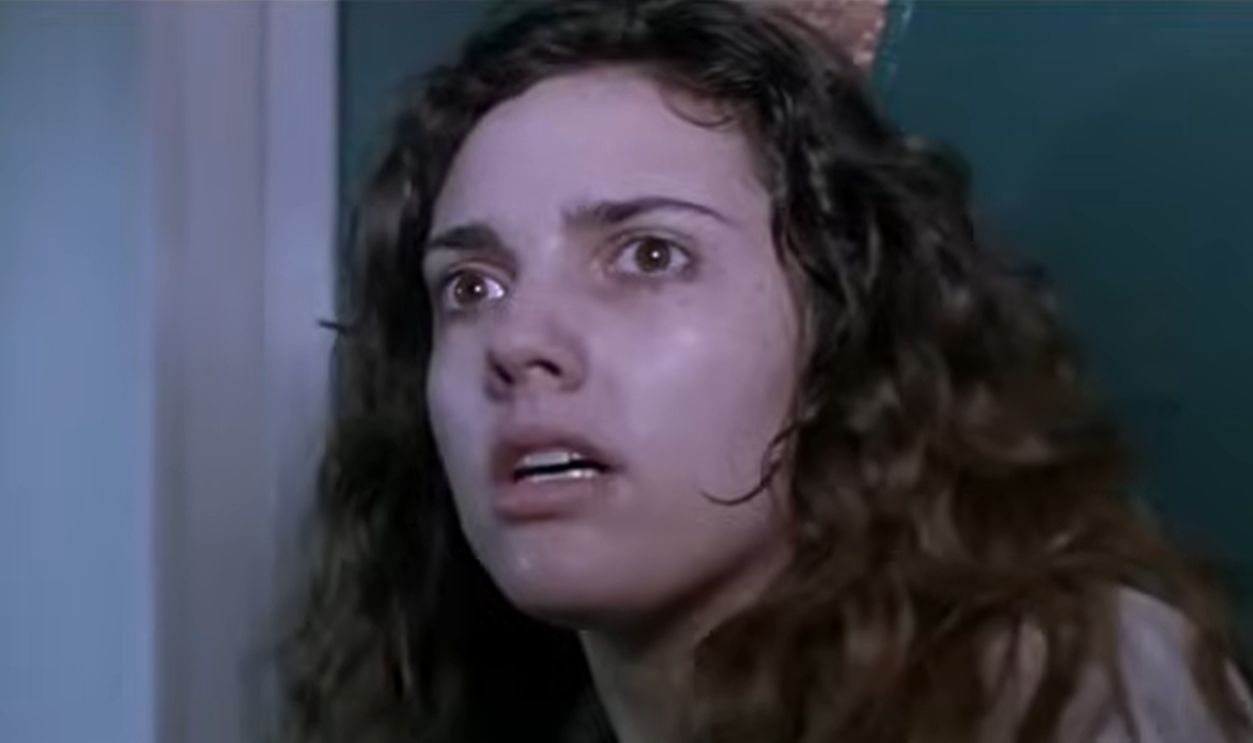 Screenshot from Hellraiser, New World Pictures (1987)
The Fly (1986)
David Cronenberg took a 1950s science-fiction premise and turned it into a horrifying tragedy about watching someone you love physically deteriorate. Jeff Goldblum’s Seth Brundle accidentally combines his DNA with that of a housefly while experimenting with teleportation. At first, the transformation feels like an improvement. Then his body begins coming apart. Chris Walas’s Oscar-winning makeup charts Brundle’s decline in agonizing stages, but Goldblum and Geena Davis make the emotional deterioration hurt just as much. Beneath all the slime and body horror is a devastating love story.
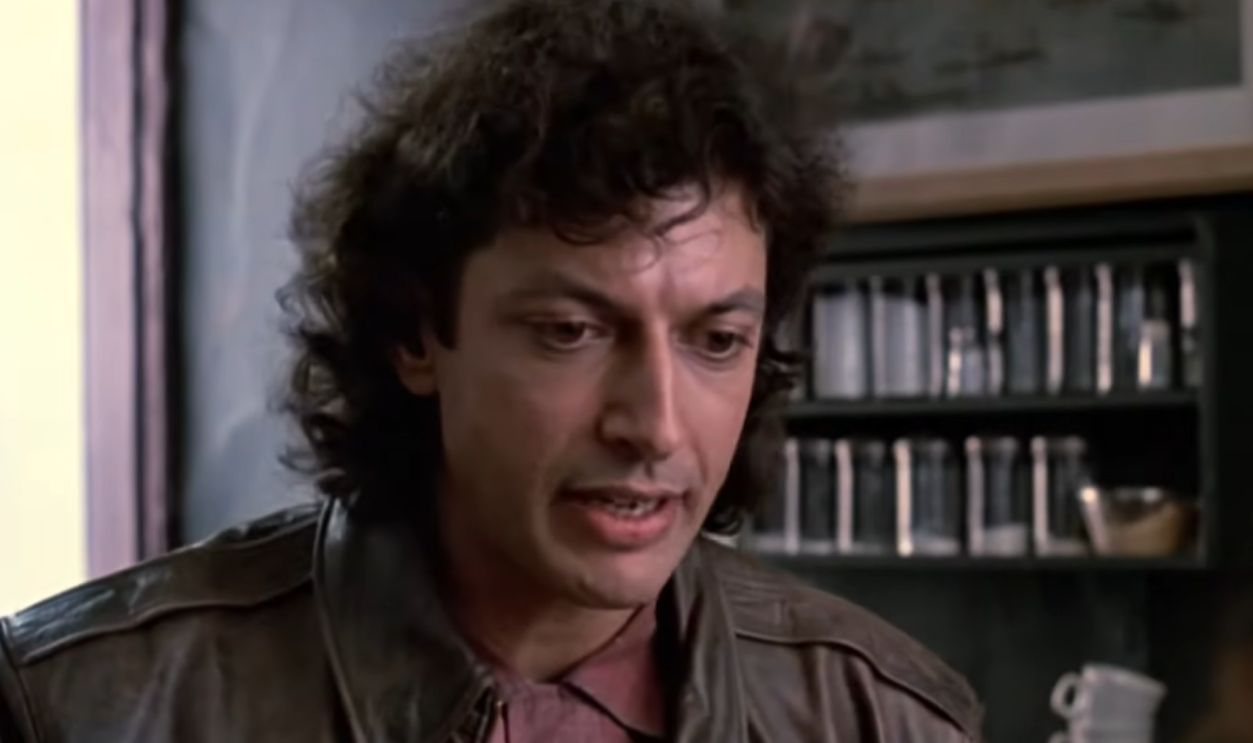 Screenshot from The Fly, 20th Century Fox (1986)
A Nightmare On Elm Street (1984)
Wes Craven found the perfect way around one of the basic rules of horror: eventually the victim has to fall asleep. Freddy Krueger hunts teenagers inside their dreams, allowing reality to bend whenever Craven wants it to. A bedroom ceiling becomes a tragic scene, stairs turn useless beneath Nancy’s feet, and a body bag can suddenly appear in a school hallway. Robert Englund’s Freddy would become more comedic in later sequels, but here he is shadowy, cruel, and genuinely frightening. The concept makes even closing your eyes feel dangerous.
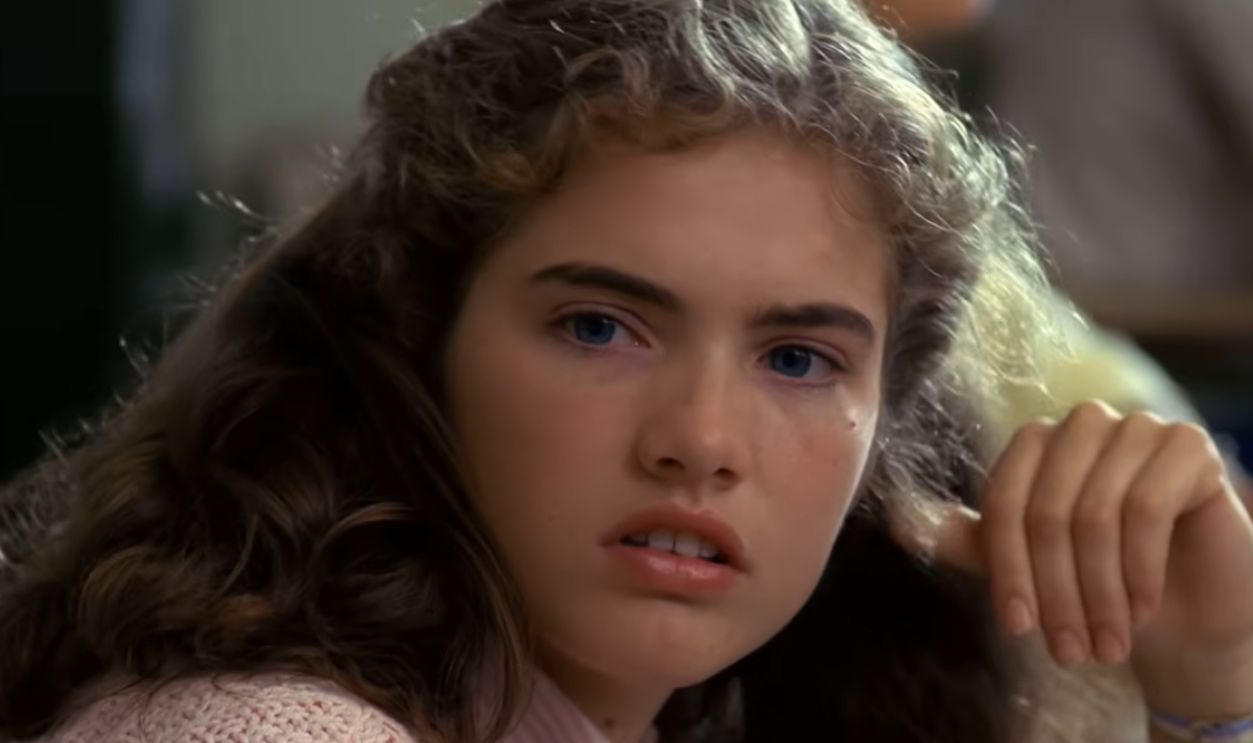 Screenshot from A Nightmare on Elm Street, New Line Cinema (1984)
Aliens (1986)
James Cameron turned Ridley Scott’s haunted-house-in-space premise into something larger without abandoning the terror. Ripley returns to the planet where her crew first encountered the Xenomorph, this time accompanied by heavily armed Colonial Marines. Their confidence evaporates almost immediately. The creatures attack from ceilings and walls, motion trackers beep faster as unseen dangers approach, and an enormous Alien Queen gives the climax a monster worthy of Ripley. Sigourney Weaver also gives the spectacle an emotional center through Ripley’s bond with Newt, turning survival into something more personal than simply escaping alive.
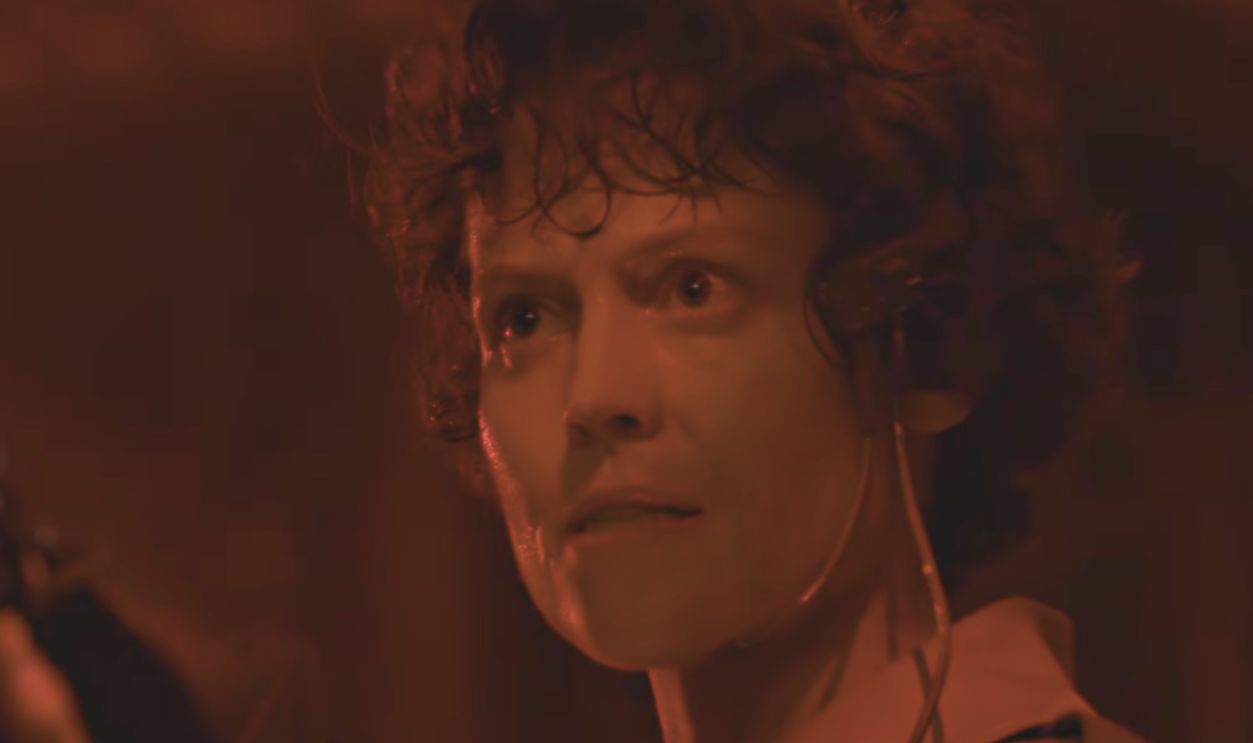 Screenshot from Aliens, 20th Century Fox (1986), Enhanced
The Shining (1980)
Stanley Kubrick turns the enormous Overlook Hotel into a maze that seems to exist according to its own rules. Jack Torrance arrives with his wife Wendy and son Danny to serve as winter caretaker, but isolation and whatever inhabits the hotel gradually tear the family apart. Jack Nicholson’s performance gets increasingly ferocious, while Shelley Duvall’s terrified Wendy gives his madness something painfully human to push against. The twins, Room 237, the elevator full of blood, and the impossible corridors all contribute to the feeling that the building has been waiting for this family.
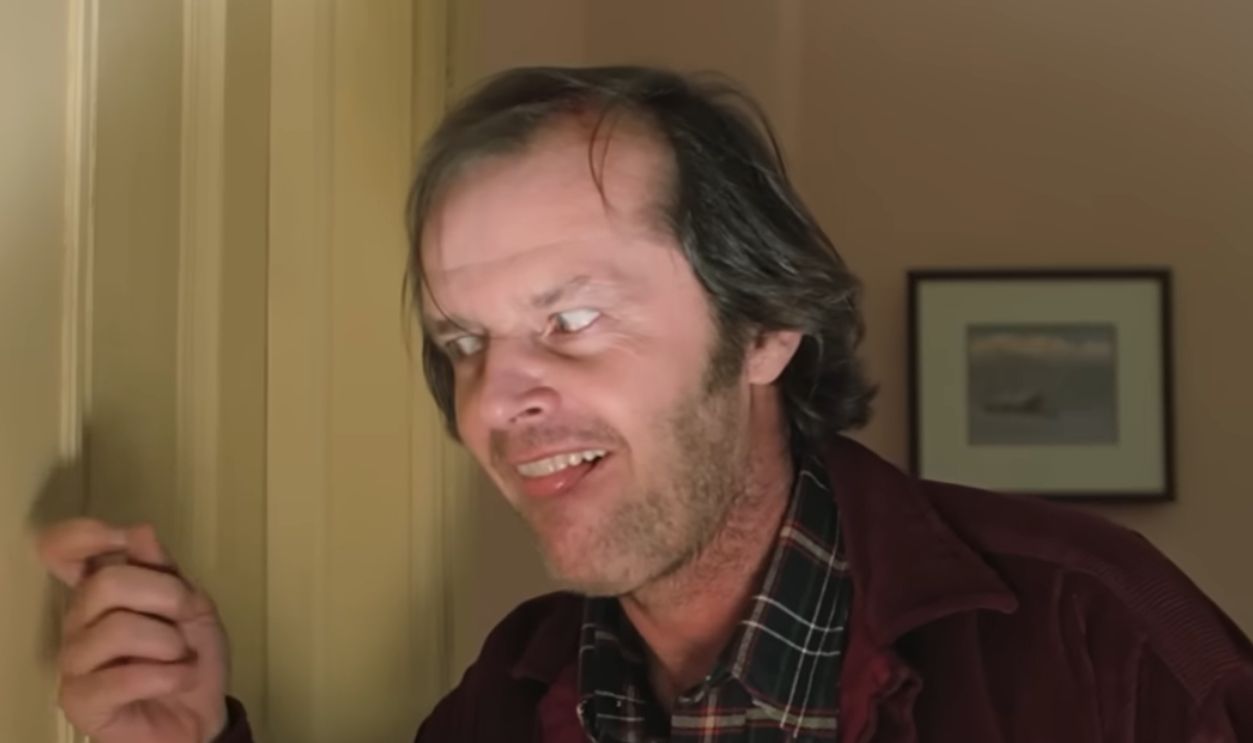 Screenshot from The Shining, Warner Bros. Pictures (1980)
Tenebre (1982)
Dario Argento responded to criticism of his violent films by making a movie about a writer whose violent books appear to inspire an actual murderer. Anthony Franciosa plays American novelist Peter Neal, who arrives in Rome to promote his latest thriller and discovers somebody is slaying people while leaving pages from his book at the scenes. Argento fills the movie with sharp architecture, startling camera movements, black-gloved hands, and increasingly elaborate murders. Even by giallo standards, the final stretch becomes a dizzying collection of revelations, betrayals, and spectacularly excessive bloodshed.
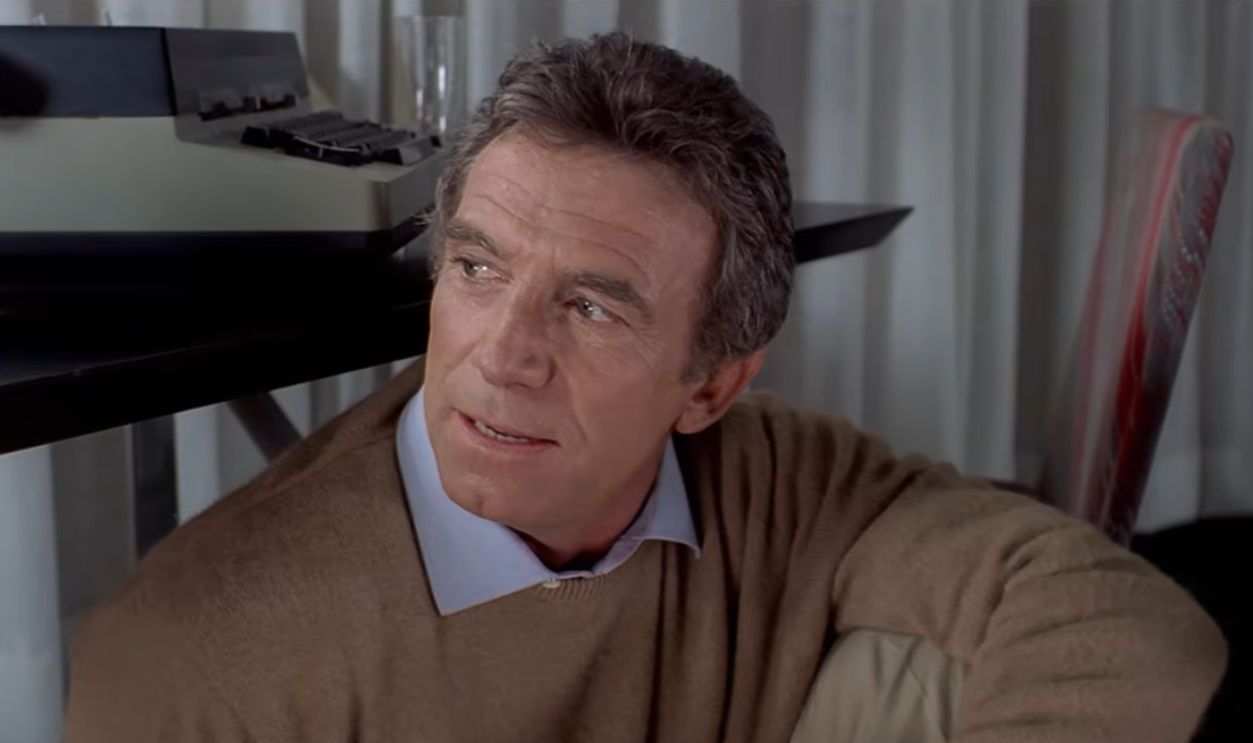 Screenshot from Tenebre, Sigma Cinematografica (1982)
Videodrome (1983)
James Woods plays sleazy television programmer Max Renn, who discovers a mysterious broadcast consisting entirely of torment and slaying. His attempt to track down its source leads into hallucinations, conspiracies, bodily transformation, and technology that seems to be merging with human flesh. David Cronenberg’s practical effects make televisions breathe, videotapes pulse, and Max’s body develop openings that should not exist. The movie was responding to television, racy films, and media saturation, but its fear that technology might alter people physically and psychologically has only become easier to understand.
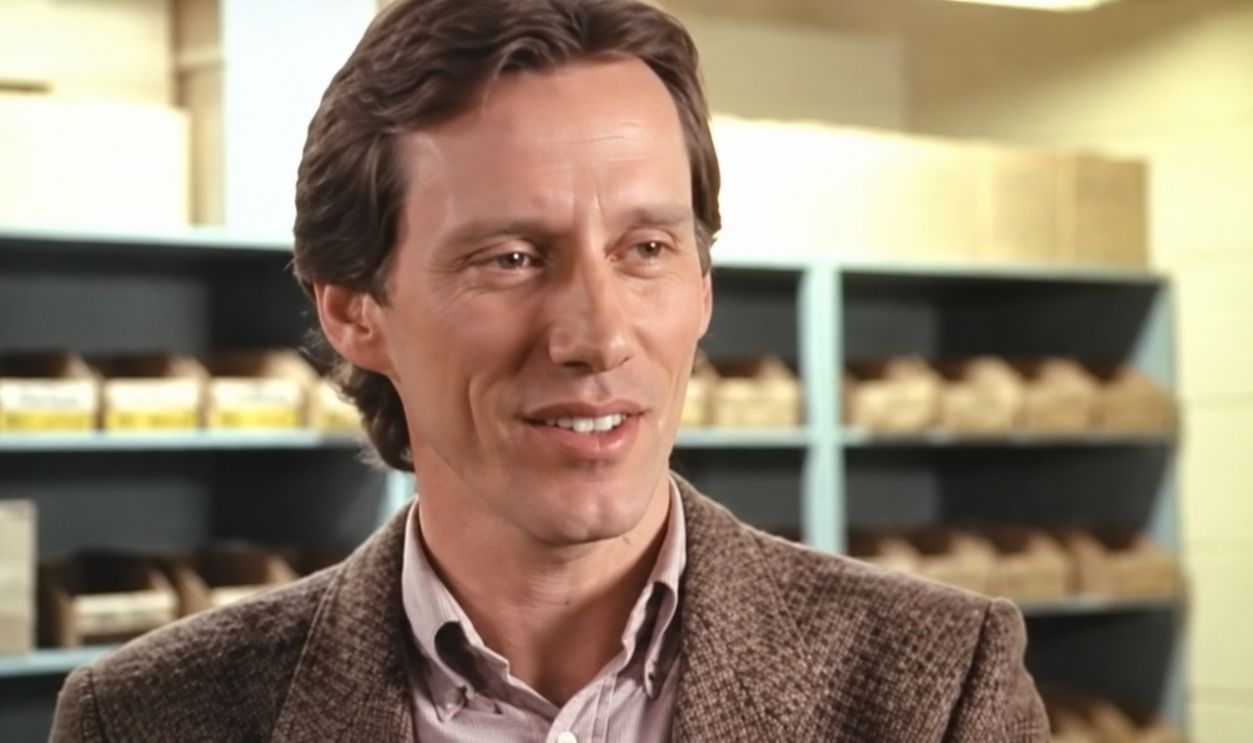 Screenshot from Videodrome, Universal Pictures (1983), Enhanced
Sleepaway Camp (1983)
At first glance, Sleepaway Camp looks like another Friday the 13th imitator, complete with teenagers, an isolated summer camp, and a slayer eliminating unpleasant counselors and campers. Then things get stranger. Felissa Rose gives Angela an unusual stillness while nearly everyone around her behaves with bizarre hostility. The murders include everything from boiling water to bees, but the movie saved its most infamous image for the final seconds. Whatever viewers think of its twist decades later, the frozen expression, animalistic sound, and sudden ending remain impossible to forget once seen.
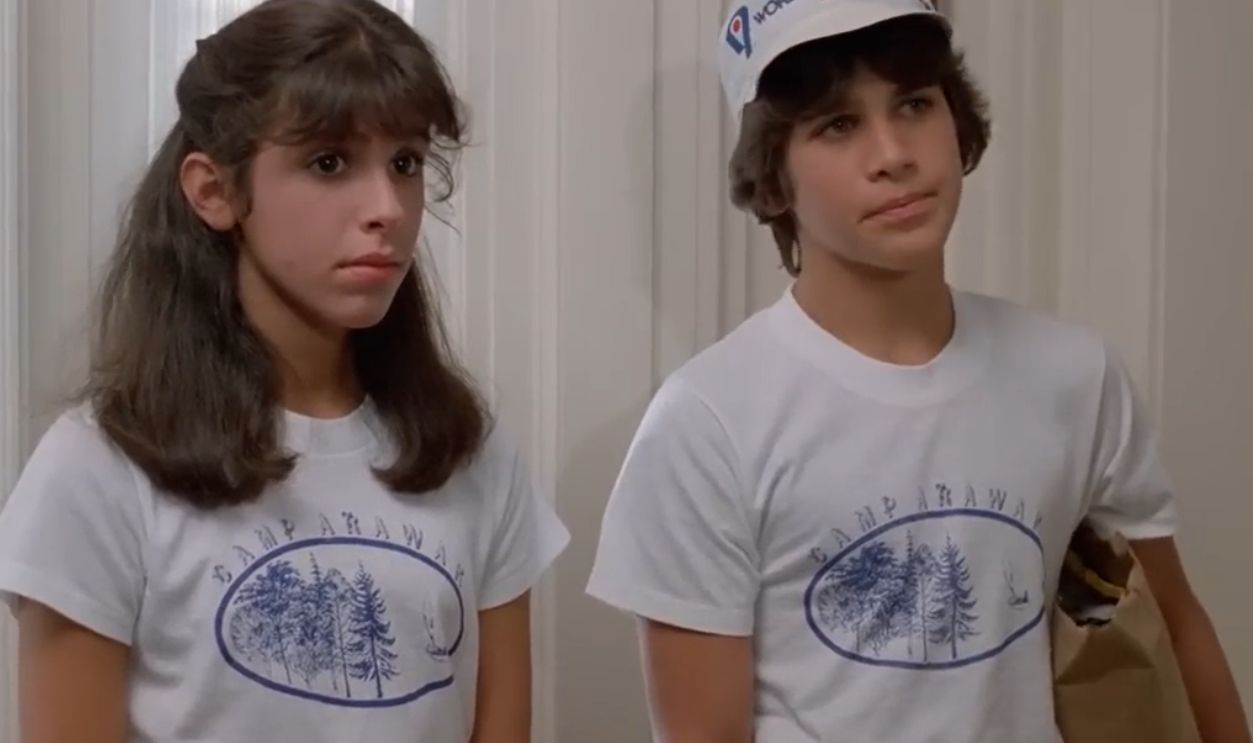 Screenshot from Sleepaway Camp, United Film Distribution Company (1983)
Prince Of Darkness (1987)
John Carpenter blends religion, theoretical physics, zombies, demonic possession, and apocalyptic dreams into one extremely strange siege movie. Donald Pleasence plays a priest who asks a group of scientists to investigate a mysterious container of swirling green liquid hidden beneath a Los Angeles church. Unfortunately, what they find may be connected to something far older and more dangerous than conventional ideas of Satan. Carpenter gradually isolates everyone inside the building while recurring dream transmissions warn of a horrifying future. The final still proves that even waking up doesn’t necessarily make a nightmare stop.
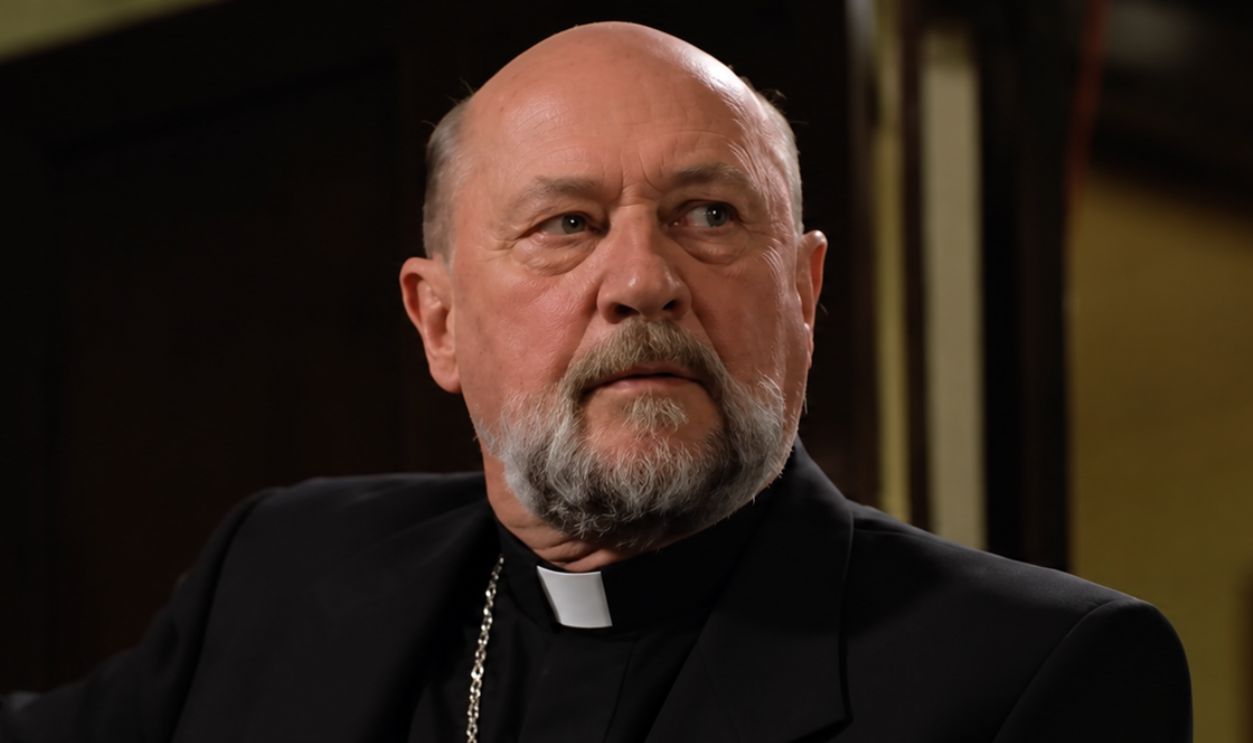 Screenshot from Prince of Darkness, Universal Pictures (1987), Enhanced
Creepshow (1982)
George A. Romero and Stephen King created Creepshow as a loving tribute to the lurid EC horror comics of the 1950s, complete with colorful lighting, animated transitions, and gleefully gruesome punchlines. Its five stories deliver a resurrected patriarch demanding cake, a lonely farmer confronting a meteorite, Leslie Nielsen plotting revenge, a vicious creature hiding inside a crate, and E.G. Marshall facing an army of cockroaches. Tom Savini’s makeup effects help each segment feel tactile and disgusting. It’s playful horror, but several images linger long after the comic-book framing disappears.
 Screenshot from Creepshow, Warner Bros. Pictures (1982)
The Changeling (1980)
George C Scott brings enormous gravitas to this Canadian ghost story as composer John Russell, who moves into an enormous old mansion after losing his wife and daughter. Soon he hears unexplained noises, discovers a hidden room, and begins unraveling the story of a child whose passing was deliberately concealed. Director Peter Medak relies on suggestion more than spectacle. A bouncing ball and an empty wheelchair become frightening simply because of where and when they appear. The séance sequence is especially effective, turning whispered questions and automatic writing into nearly unbearable tension.
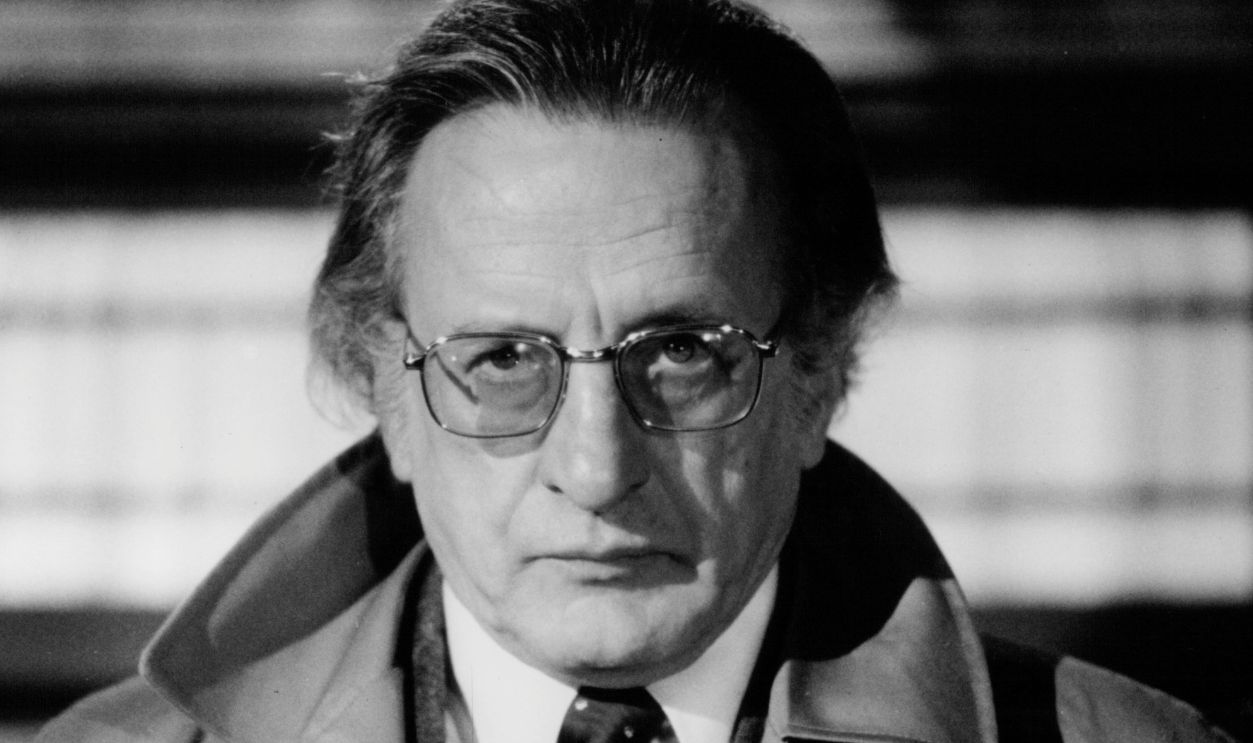 Michael Ochs Archives, Getty Images
The Hitcher (1986)
Rutger Hauer’s John Ryder may be human, but the movie treats him like an unstoppable force that simply appears whenever Jim Halsey thinks he has finally escaped. Jim makes the mistake of picking up the hitchhiker on an empty highway and quickly discovers that Ryder wants far more than a ride. Hauer plays him with eerie calm, rarely needing to explain why he is destroying this stranger’s life. The vast desert roads make Jim seem even more isolated, and one particularly cruel truck sequence ensured the movie would never be remembered as a routine road thriller.
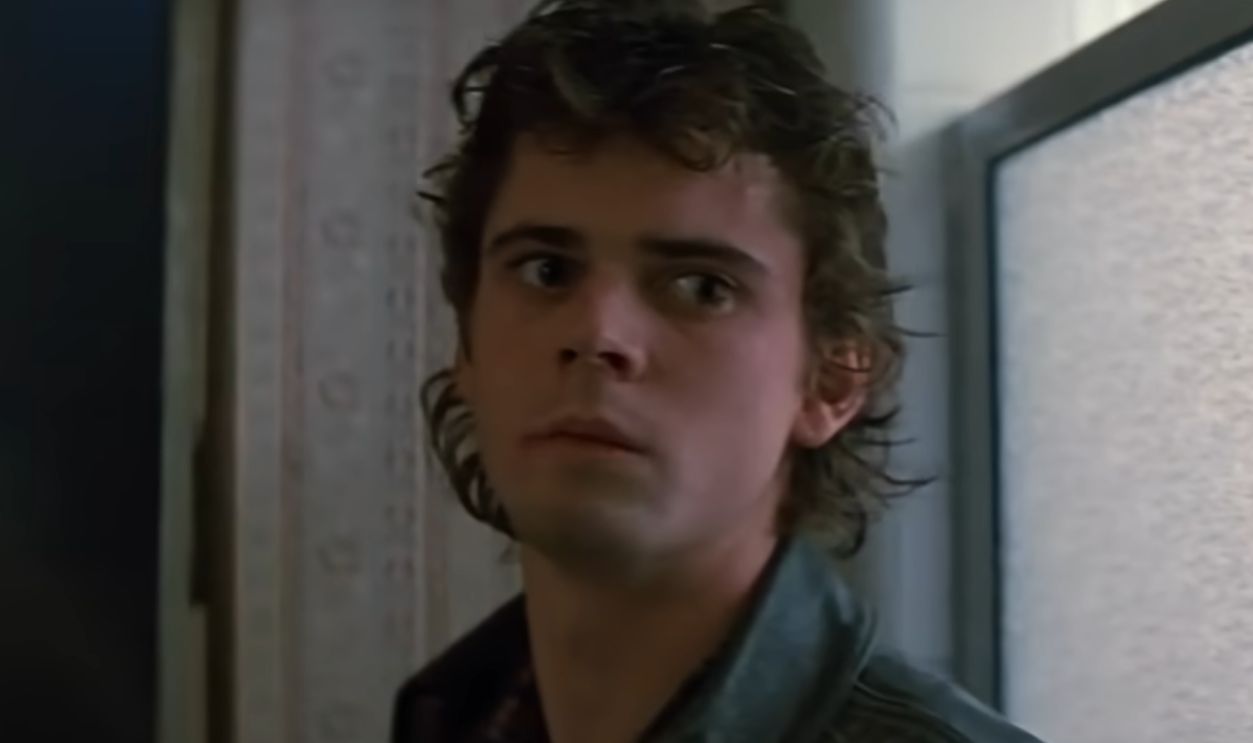 Screenshot from The Hitcher, Tri-Star Pictures (1986)
Child’s Play (1988)
Chucky works because the original Child’s Play takes a ridiculous idea remarkably seriously. Serial slayer Charles Lee Ray uses a voodoo ritual to transfer his soul into a Good Guy doll, which six-year-old Andy Barclay soon receives as a birthday gift. For much of the movie, adults naturally assume Andy is responsible for the chaos happening around him. Brad Dourif gives Chucky a vicious personality once the doll finally reveals himself, while the animatronics make him feel physically present in ways that computer effects would struggle to duplicate.
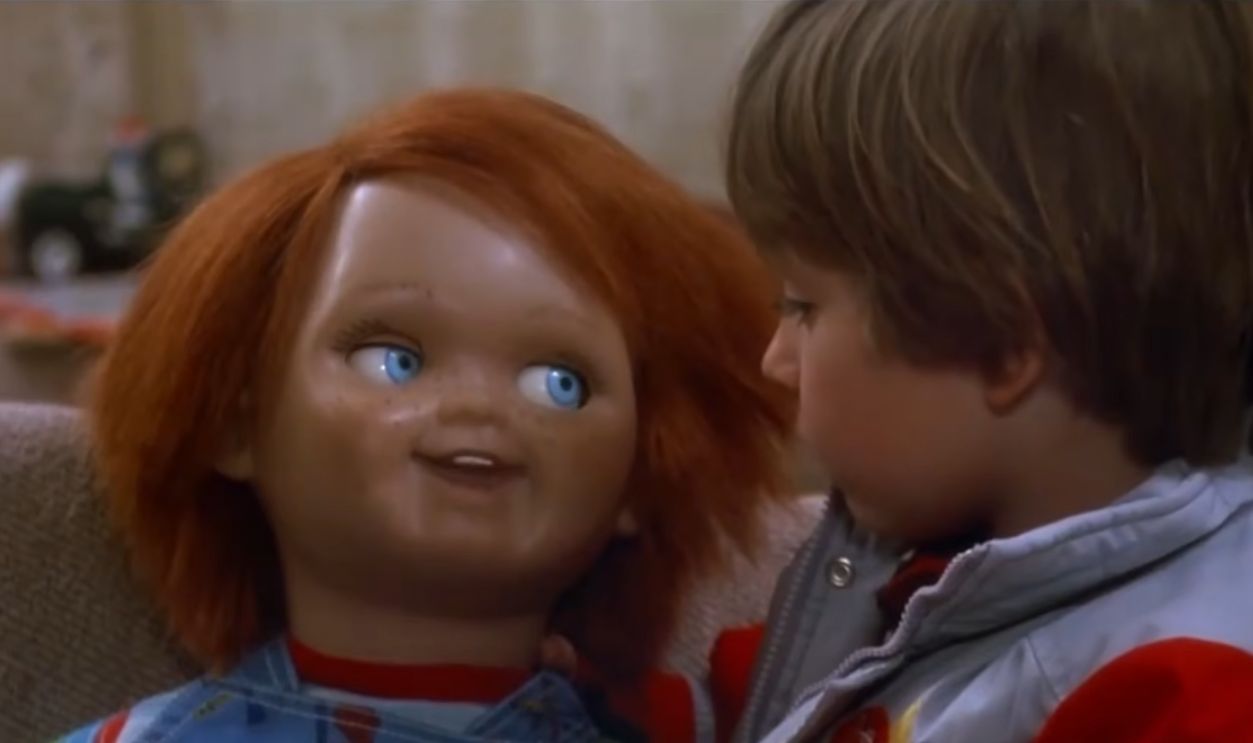 Screenshot from Child’s Play, United Artists (1988)
An American Werewolf In London (1981)
John Landis somehow made one of the funniest horror movies of the decade without making its monster any less frightening. David Naughton plays an American backpacker bitten by a werewolf while traveling through England. His departed friend Jack repeatedly returns in increasingly decomposed condition to warn him about what is coming. Then Rick Baker’s transformation effects take over. David’s first change happens in bright light and refuses to hide the agony as bones stretch and his body reshapes itself. Baker’s work won the first Academy Award ever presented for Best Makeup.
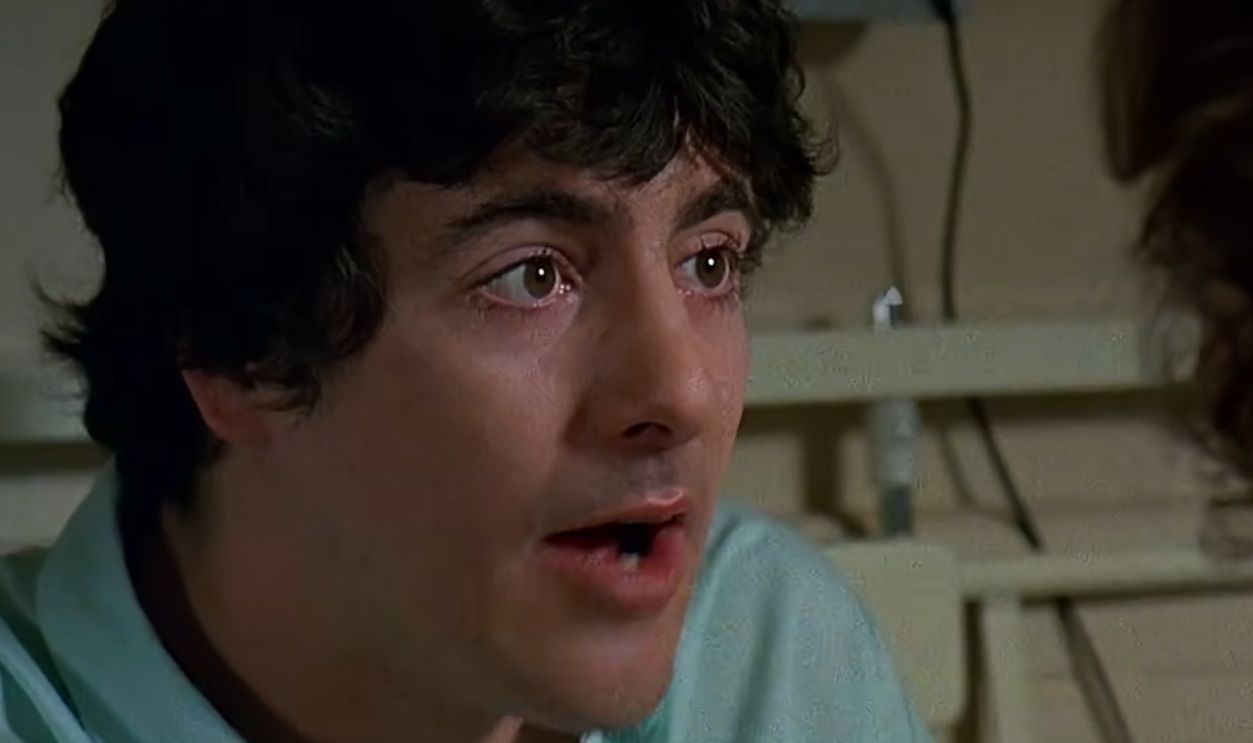 Screenshot from An American Werewolf in London, Universal Pictures (1981)
You May Also Like:
Horror Movies That Terrified Baby Boomers—But Only Make Young People Today Laugh
The Creepiest Kids In Classic Horror Movies, Ranked From Scary To Absolutely Terrifying