Cheap Cameras, Big Nightmares
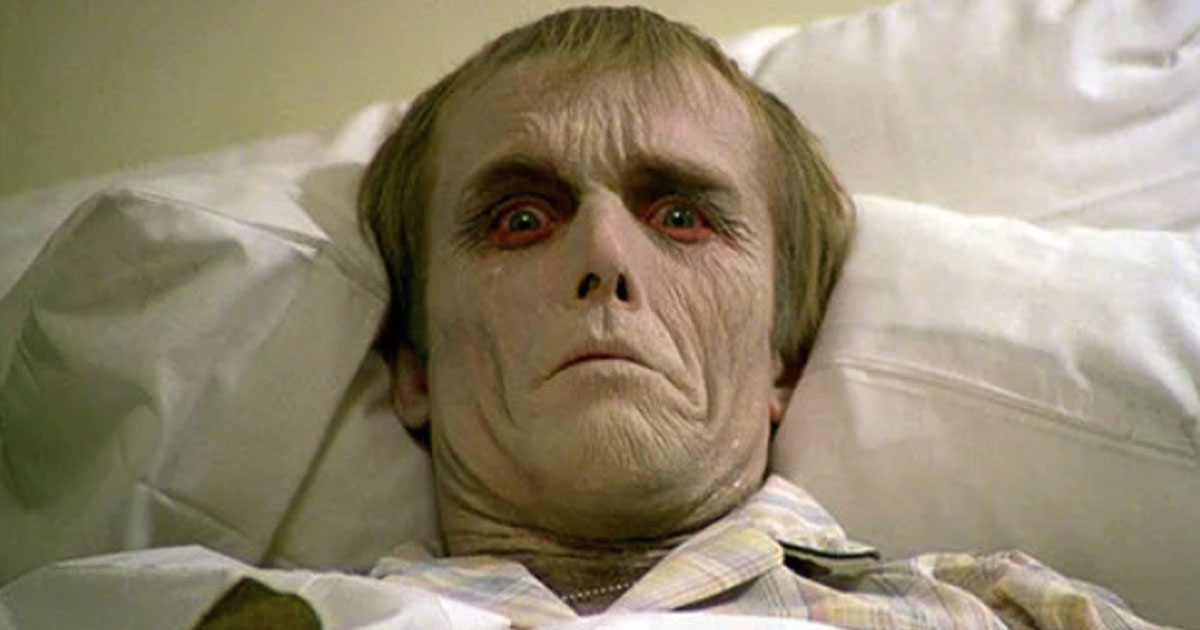
The 1970s proved that horror did not need expensive stars, polished sets, or respectable financing. Sometimes all it took was an abandoned building, a few gallons of stage blood, and filmmakers willing to alarm absolutely everyone. These inexpensive productions survived bad reviews and empty theaters to become cult classics.
 Prime Video, Dawn of the Dead (1978)
#25: The Corpse Grinders (1971)
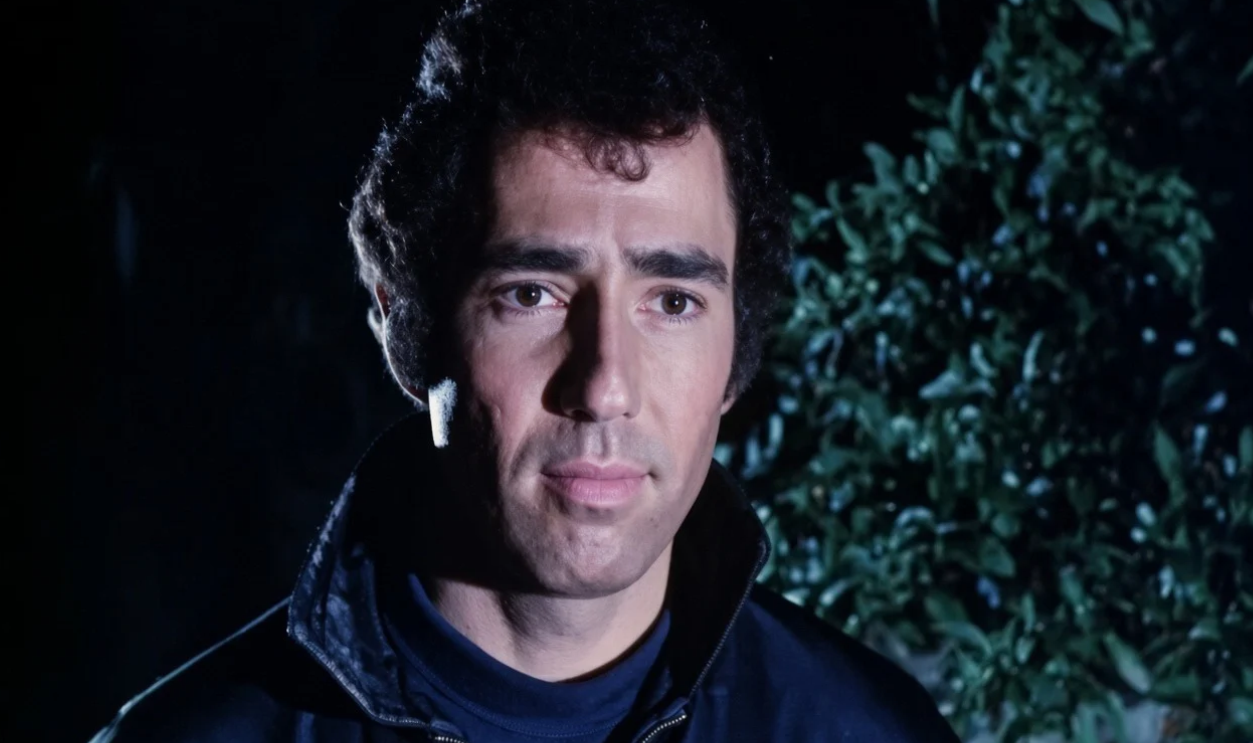
Ted V. Mikels directed this wonderfully disreputable tale about a struggling cat-food company that begins using human remains in its product. Naturally, the cats develop an unfortunate appetite for their owners. Cheap sets and outrageous plotting helped The Corpse Grinders become a grindhouse favorite that nobody could mistake for wholesome family entertainment.
 Screenshot from The Corpse Grinders, Geneni Film Distributors (1971), Modified
#24: Equinox (1970)
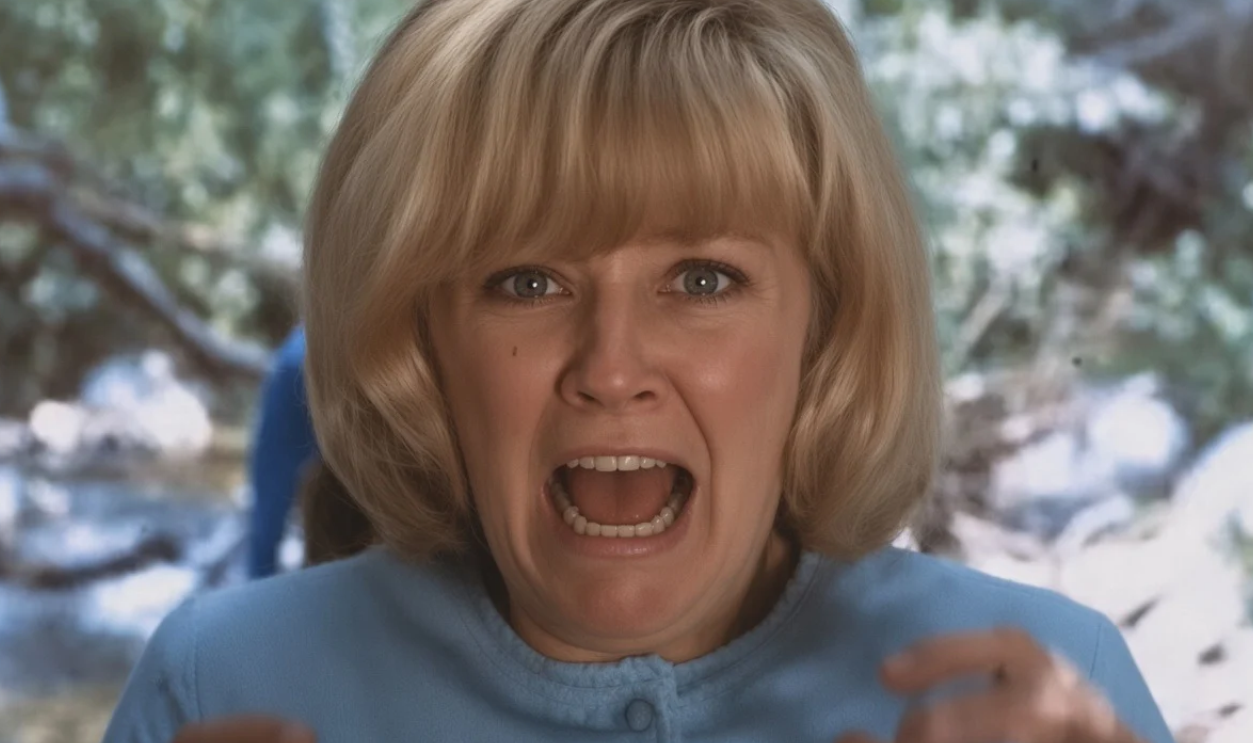
Originally made for roughly $6,500, Equinox followed four young people who discover an ancient book and encounter monsters from another dimension. Its ambitious stop-motion effects included early work by future visual-effects legend Dennis Muren. The performances were uneven, but its handmade creatures inspired generations of resourceful horror filmmakers.
 Screenshot from Equinox, Jack H. Harris Enterprises (1970), Modified
#23: I Drink Your Blood (1971)
This drive-in shocker concerned a violent group that unknowingly consumes meat pies contaminated with rabies. Things deteriorate rather quickly after that. Director David Durston embraced exploitation cinema’s taste for sensational advertising and escalating mayhem, creating a movie that still attracts fans of grimy, unpredictable 1970s horror.
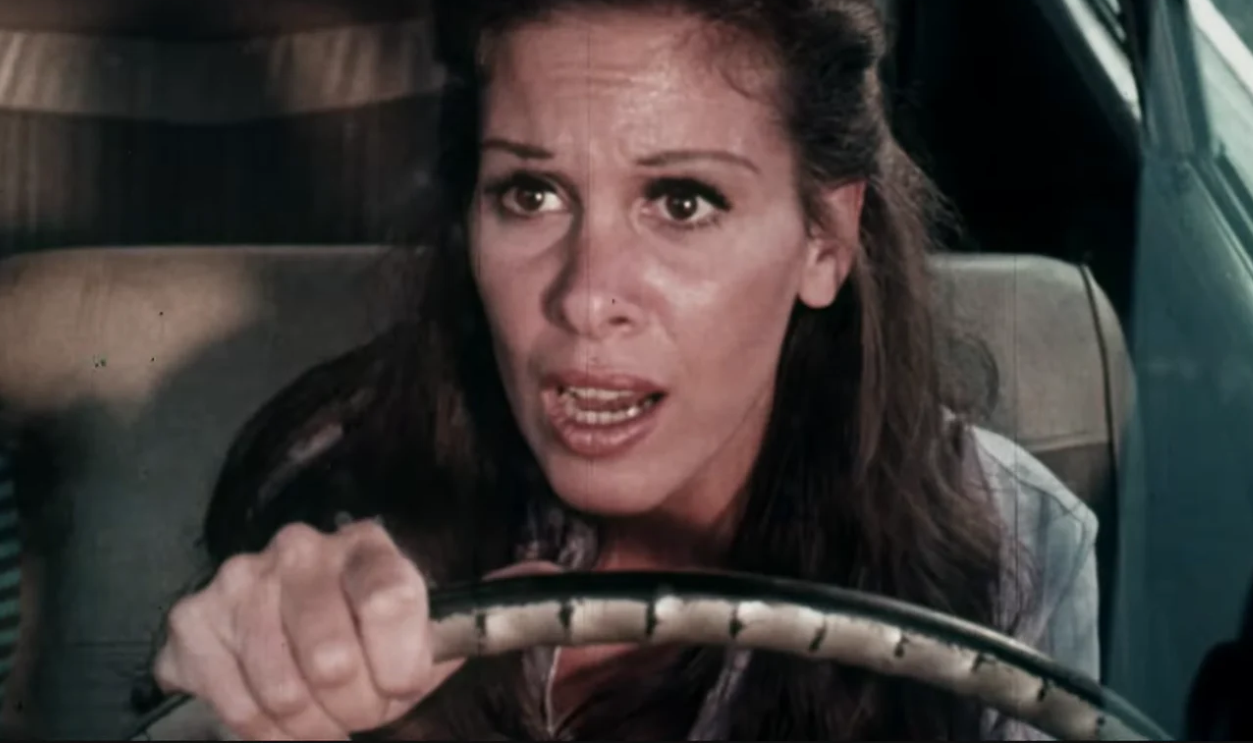 Screenshot from I Drink Your Blood, Cinemation Industries (1971)
#22: The Blood on Satan’s Claw (1971)
Set in rural England, this folk-horror film begins when a strange object is uncovered in a field and local children fall under a sinister influence. Director Piers Haggard used remote landscapes and period details to create a creeping sense of isolation. Its reputation grew considerably after its original theatrical run.
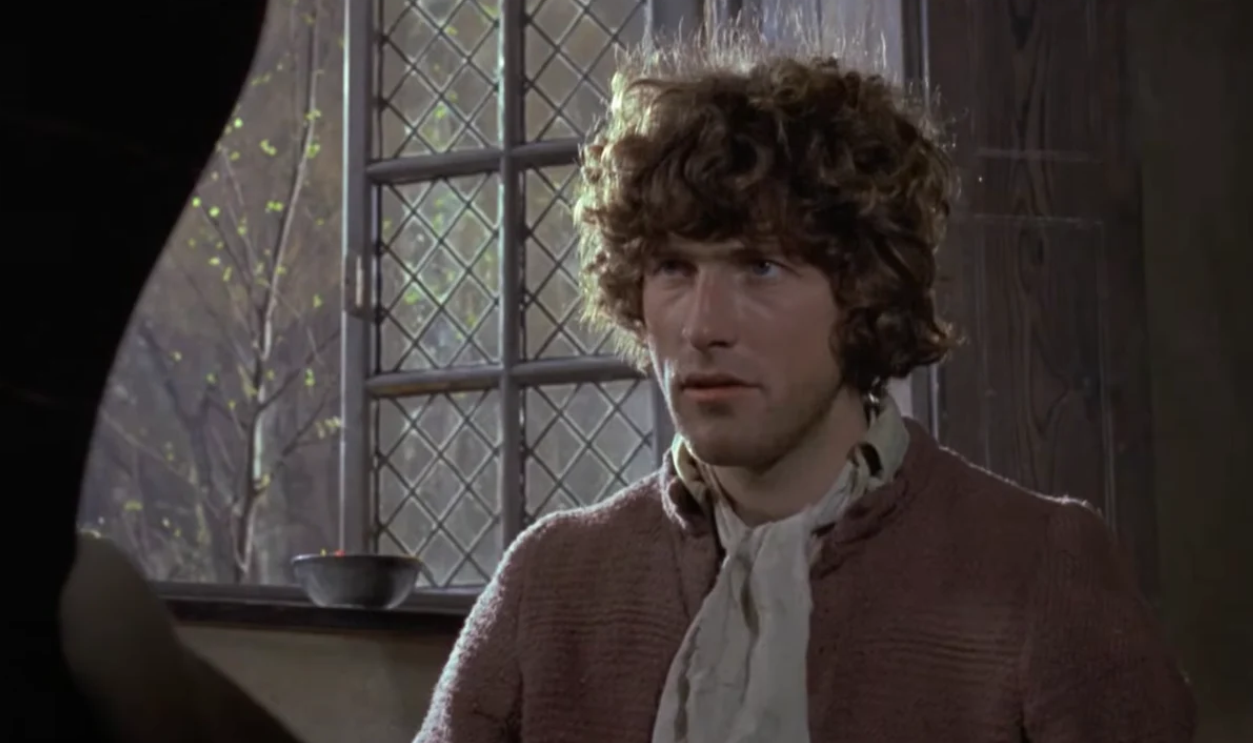 Screenshot from The Blood on Satan’s Claw, Tigon Pictures (1971)
#21: Children Shouldn’t Play with Dead Things (1972)
Before directing Black Christmas and A Christmas Story, Bob Clark made this inexpensive horror comedy about a theater troupe visiting an island cemetery. Their leader performs a ritual as a joke, only to discover that the deceased have no sense of humor. The title alone practically guaranteed a midnight audience.
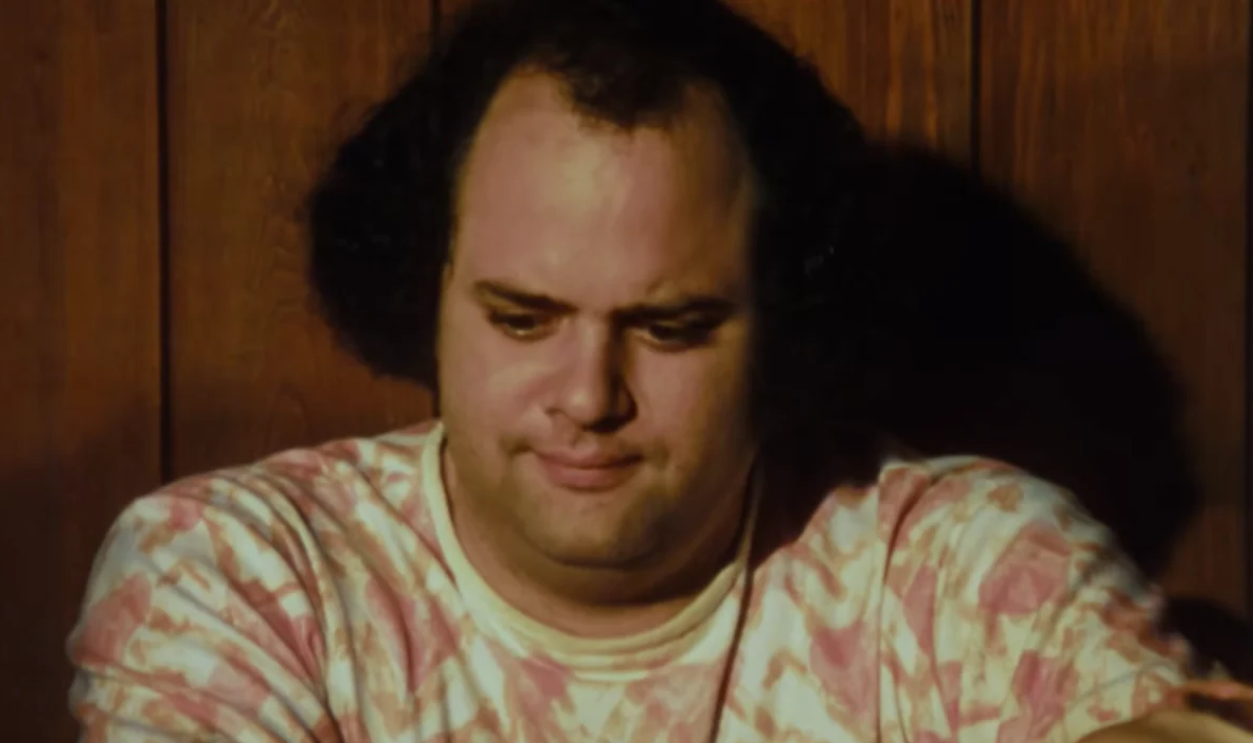 Screenshot from Children Shouldn’t Play with Dead Things, Geneni Film Distributors (1972)
#20: The Legend of Boggy Creek (1972)
Charles B. Pierce blended dramatization, documentary techniques, and local interviews in this account of the Fouke Monster, a creature reportedly seen around Arkansas. Made outside the traditional Hollywood system, the film became a remarkable regional success. Its rough realism later helped inspire countless creature features and pseudo-documentary horror movies.
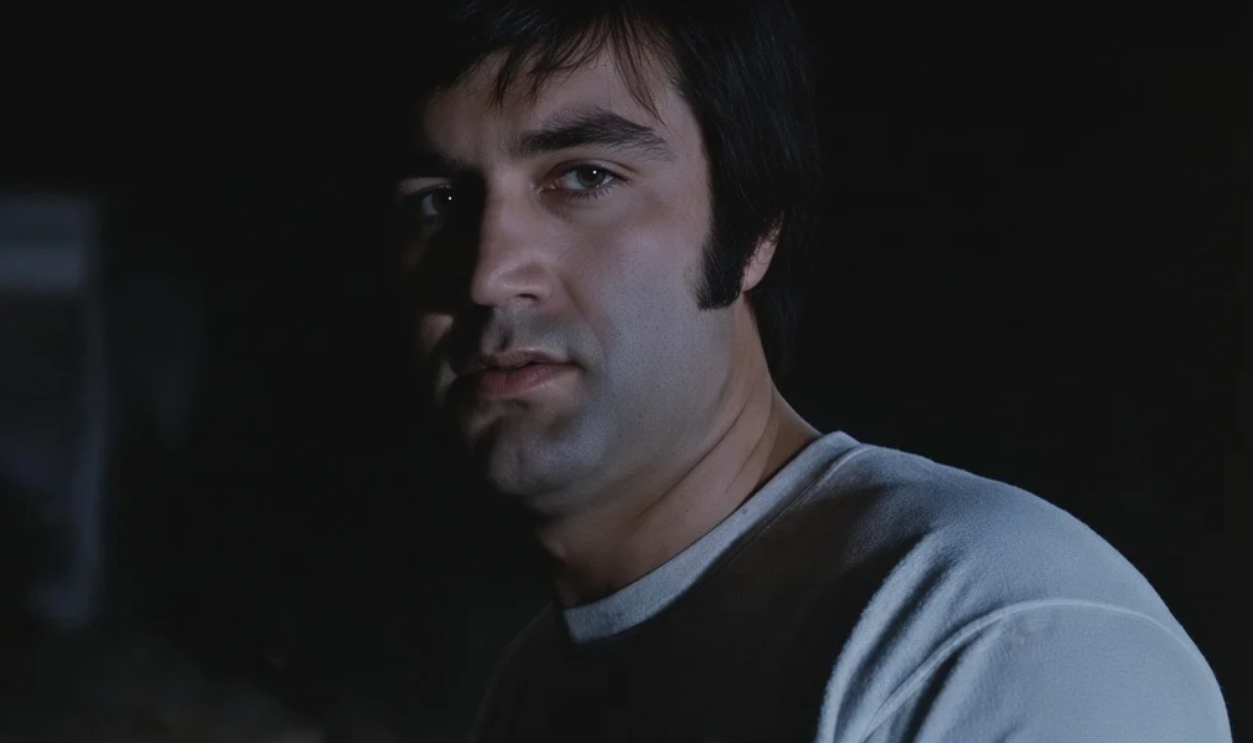 Screenshot from The Legend of Boggy Creek, Howco International (1972), Modified
#19: The Crazies (1973)
George A. Romero examined institutional panic in The Crazies, in which a military-made biological agent spreads through a Pennsylvania town. Soldiers arrive in protective suits, residents become violent, and communication collapses almost immediately. The limited resources added urgency, making the confusion feel disturbingly close to a real public emergency.
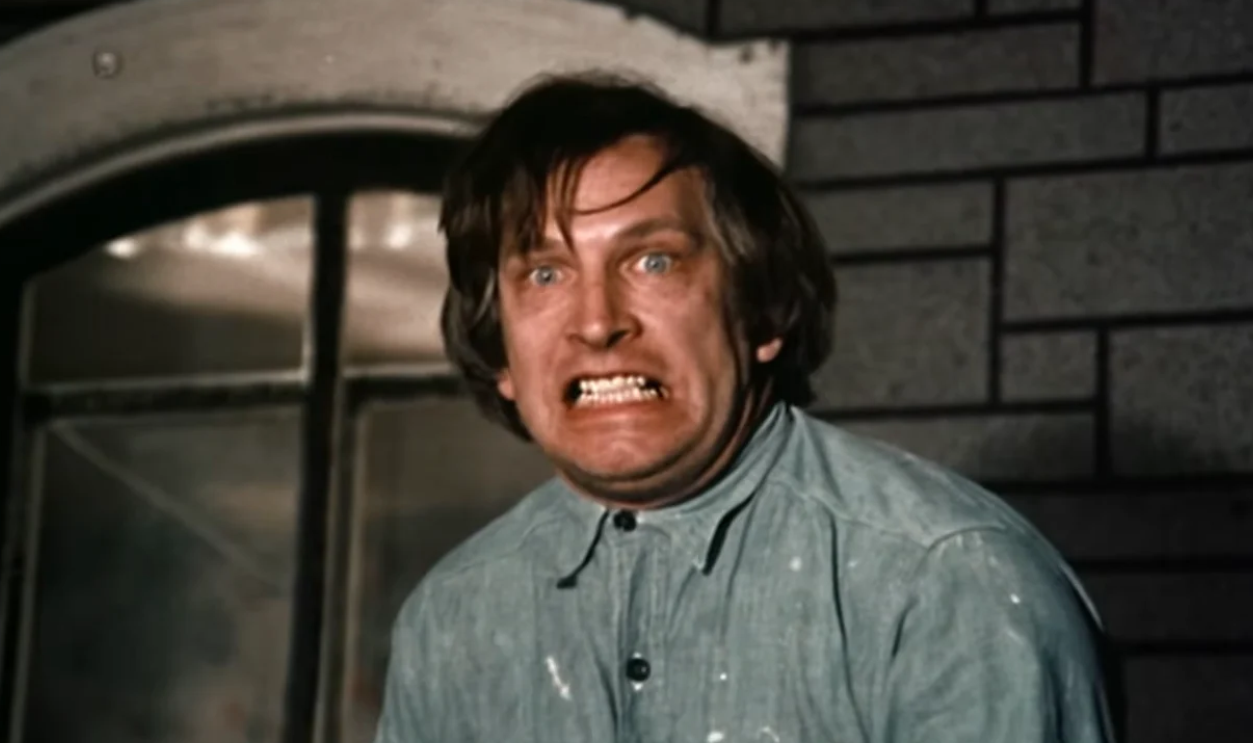 Screenshot from The Crazies, Cambist Films (1973)
#18: Messiah of Evil (1974)
A young woman travels to a California coastal town while searching for her missing father and encounters increasingly strange residents. Written and directed by Willard Huyck and Gloria Katz, Messiah of Evil mixed dreamlike imagery with apocalyptic horror. Years of obscure and retitled releases only deepened its mysterious cult reputation.
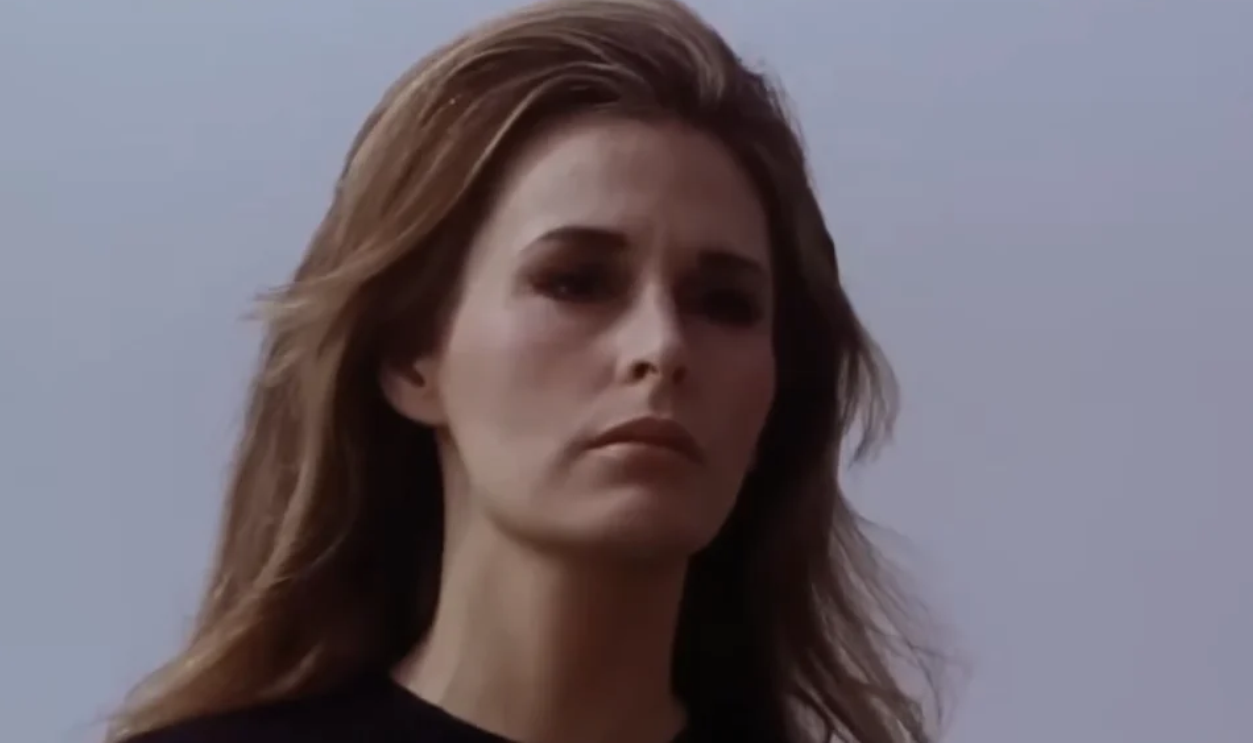 Screenshot from Messiah of Evil, International Cine Film Corp. (1974)
#17: Deathdream (1974)
Also known as Dead of Night, Bob Clark’s film follows a soldier who mysteriously returns home after his family has been told he died overseas. His behavior soon becomes increasingly disturbing. Beneath its supernatural story, the movie offered a bleak commentary on war, grief, and the difficulty of returning home.
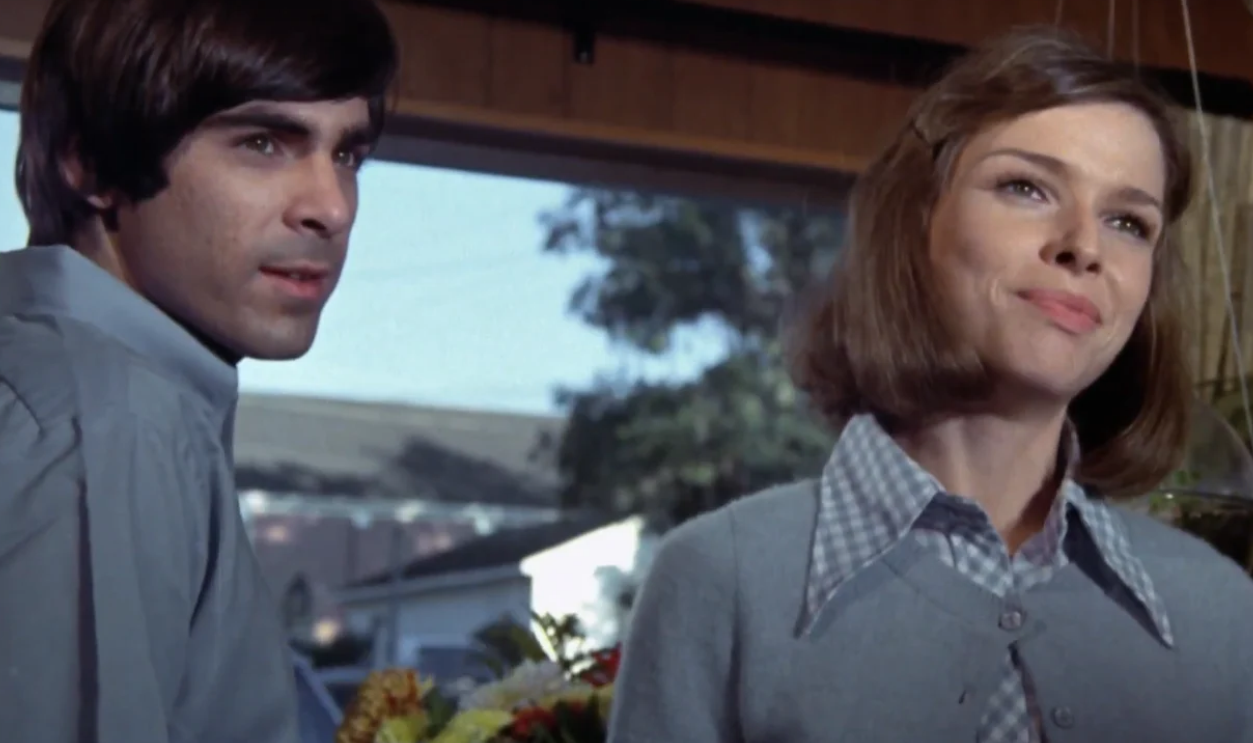 Screenshot from Deathdream, Entertainment International Pictures (1974)
#16: Deranged (1974)
Roberts Blossom starred as Ezra Cobb, an isolated farmer whose crimes were loosely inspired by murderer Ed Gein. Filmmakers Alan Ormsby and Jeff Gillen avoided glamour, giving the movie a cold, almost documentary-like atmosphere. Deranged never achieved mainstream fame, but horror collectors kept its unsettling reputation alive.
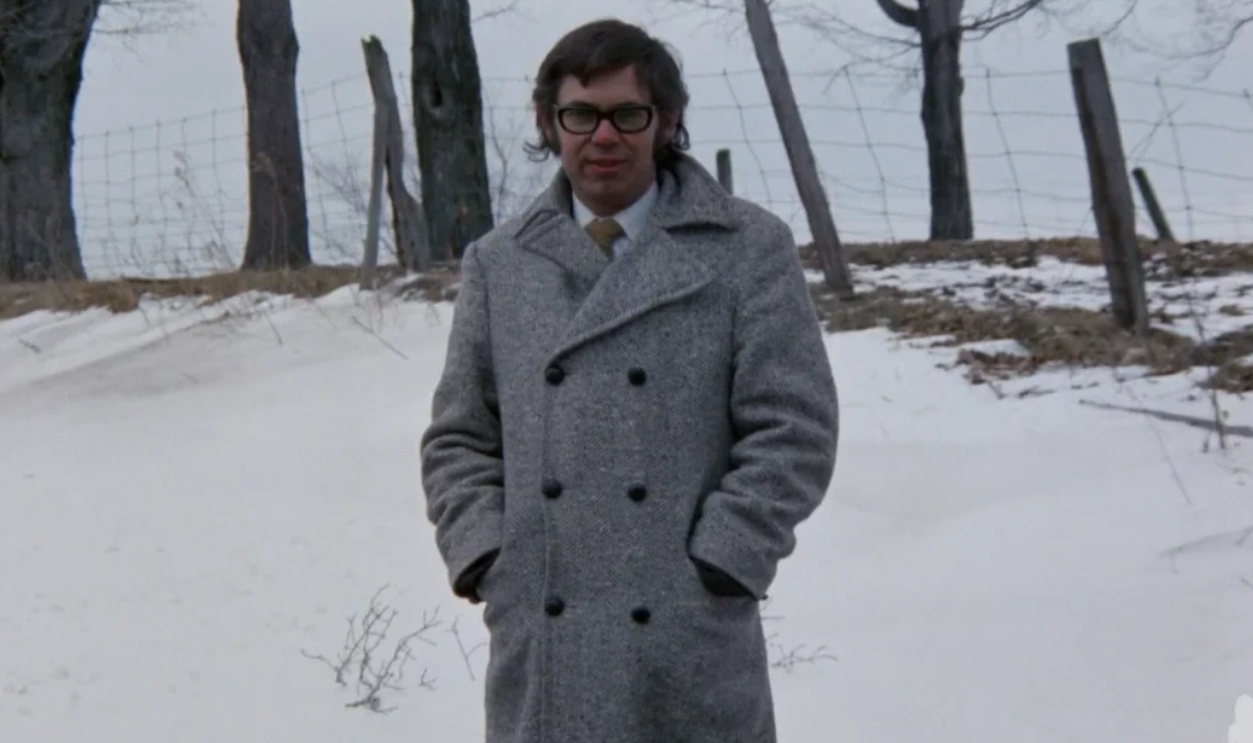 Screenshot from Deranged, American International Pictures (1974)
#15: Black Christmas (1974)
Years before slasher movies became an industry, Bob Clark directed this Canadian production about sorority sisters receiving frightening telephone calls during the holidays. The killer’s identity remains concealed, making the film even more disturbing. Its seasonal setting and subjective camera work influenced many horror films that followed.
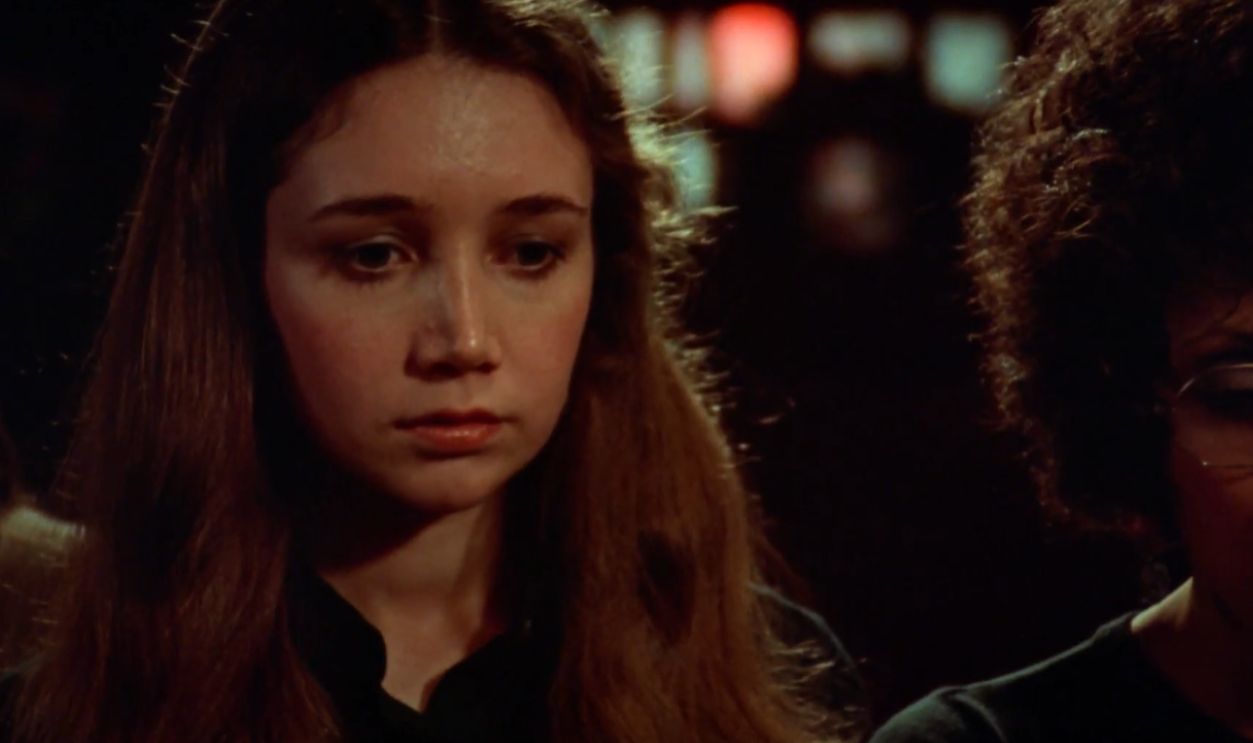 Screenshot from Black Christmas, Warner Bros. (1974)
#14: Shivers (1975)
David Cronenberg’s early commercial feature trapped residents inside a modern apartment building with parasites that spread uncontrollable behavior. Produced with limited Canadian financing, Shivers announced Cronenberg’s fascination with disease, sexuality, and bodily transformation. It was unpleasant, intelligent, and definitely not an advertisement for luxury high-rise living.
 Screenshot from Shivers, Cinepix (1975)
#13: The Rocky Horror Picture Show (1975)
The film initially struggled at the box office, but midnight screenings transformed it into an extraordinary audience-participation phenomenon. Fans dressed as characters, shouted responses, and returned repeatedly. Its modest production became one of cinema’s greatest cult success stories, proving that failure can occasionally take a very entertaining detour.
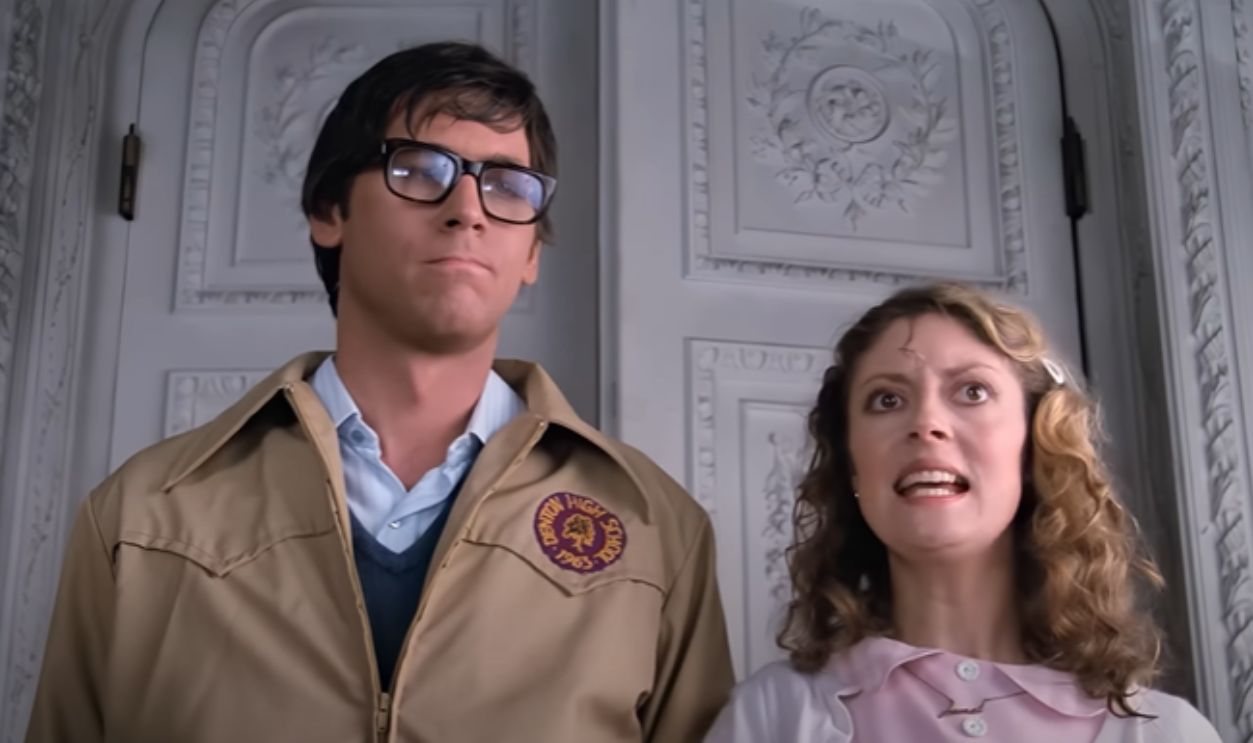 Screenshot from The Rocky Horror Picture Show, 20th Century Fox (1975)
#12: Alice, Sweet Alice (1976)
Alfred Sole’s psychological slasher used Catholic imagery, family resentment, and a translucent yellow mask to create an unusually sinister atmosphere. The film also featured Brooke Shields in her movie debut, although she was not the central character. Its confusing release history delayed wider recognition, but horror fans eventually rediscovered it.
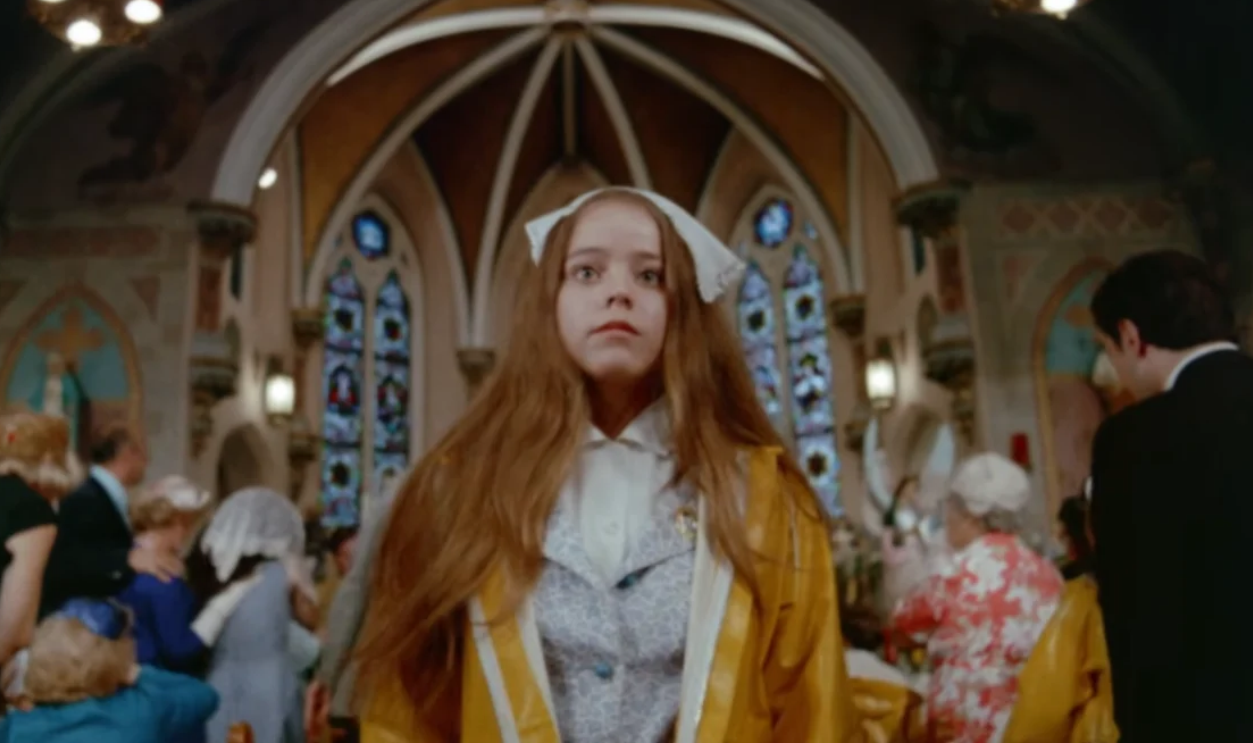 Screenshot from Alice, Sweet Alice, Allied Artists (1976)
#11: Rabid (1977)
David Cronenberg cast Marilyn Chambers as a woman who develops a dangerous condition after experimental surgery. Her attacks trigger an expanding outbreak across Montreal. Rabid combined medical horror with the structure of a disaster movie, demonstrating how effectively Cronenberg could turn ordinary urban spaces into sources of biological dread.
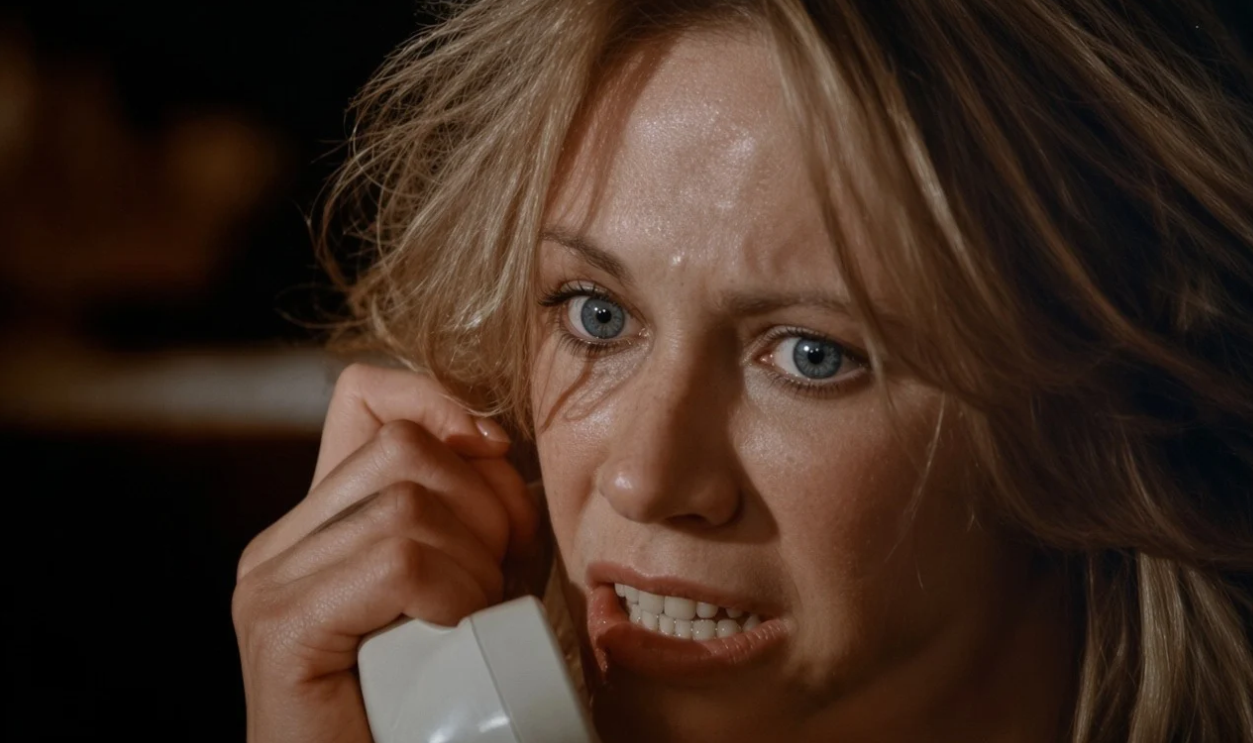 Screenshot from Rabid, New World Pictures (1977), Modified
#10: House (1977)
Nobuhiko Obayashi’s Japanese horror fantasy followed seven schoolgirls into a haunted house filled with bizarre dangers. Animation, painted backgrounds, collage effects, and deliberately artificial imagery made the film look like a nightmare assembled from television commercials. Largely unknown internationally for years, House eventually became a celebrated cult discovery.
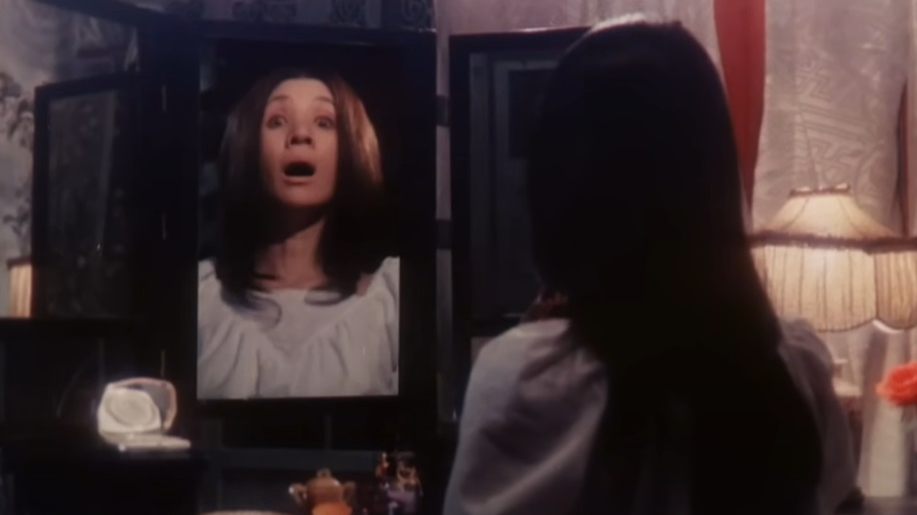 Screenshot from House, Toho (1977)
#9: Tourist Trap (1979)
A group of stranded travelers enters a roadside museum filled with mannequins in David Schmoeller’s eerie feature. Chuck Connors plays the attraction’s unsettling owner, while objects seem to move on their own. Its strange combination of psychic horror, slasher elements, and smiling mannequins gained a devoted home-video following.
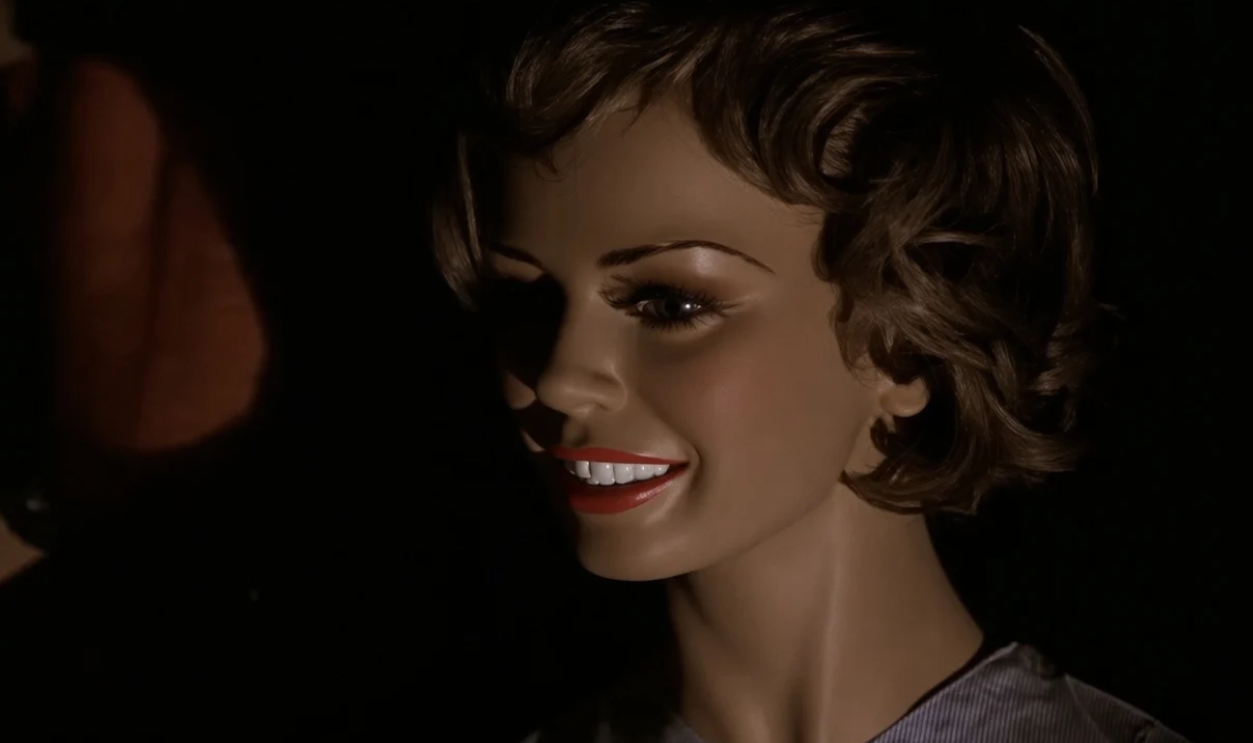 Screenshot from Tourist Trap, Compass International Pictures (1979), Modified
#8: The Hills Have Eyes (1977)
Wes Craven followed an ordinary family whose vehicle breaks down in the desert, placing them in conflict with a violent clan living nearby. The harsh landscape and limited production resources gave the film a scorched, merciless quality. Its success established Craven as one of modern horror’s most resourceful directors.
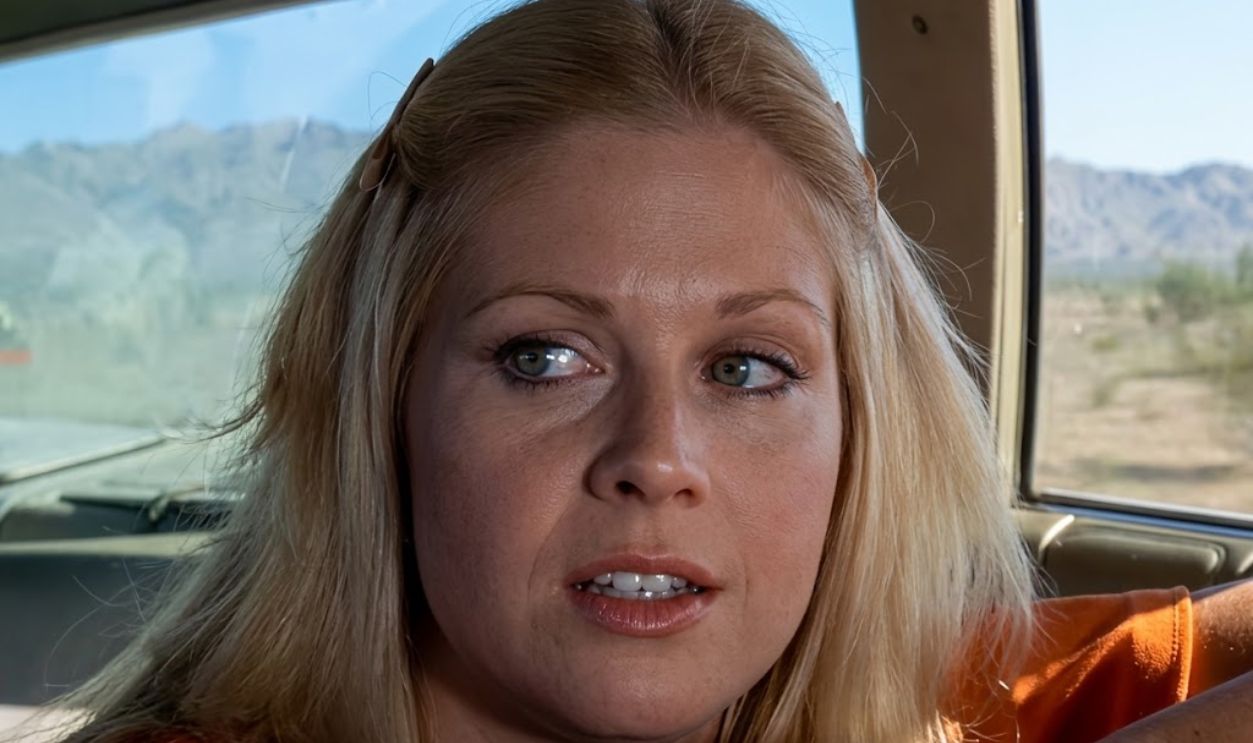 Screenshot from The Hills Have Eyes, Vanguard Releasing (1977), Modified
#7: Eraserhead (1977)
David Lynch spent years completing his first feature, a black-and-white industrial nightmare starring Jack Nance. Its plot resisted simple explanation, but midnight audiences embraced its haunting sound design and disturbing imagery. The film’s long theatrical life transformed Lynch from an unknown filmmaker into a major figure in American independent cinema.
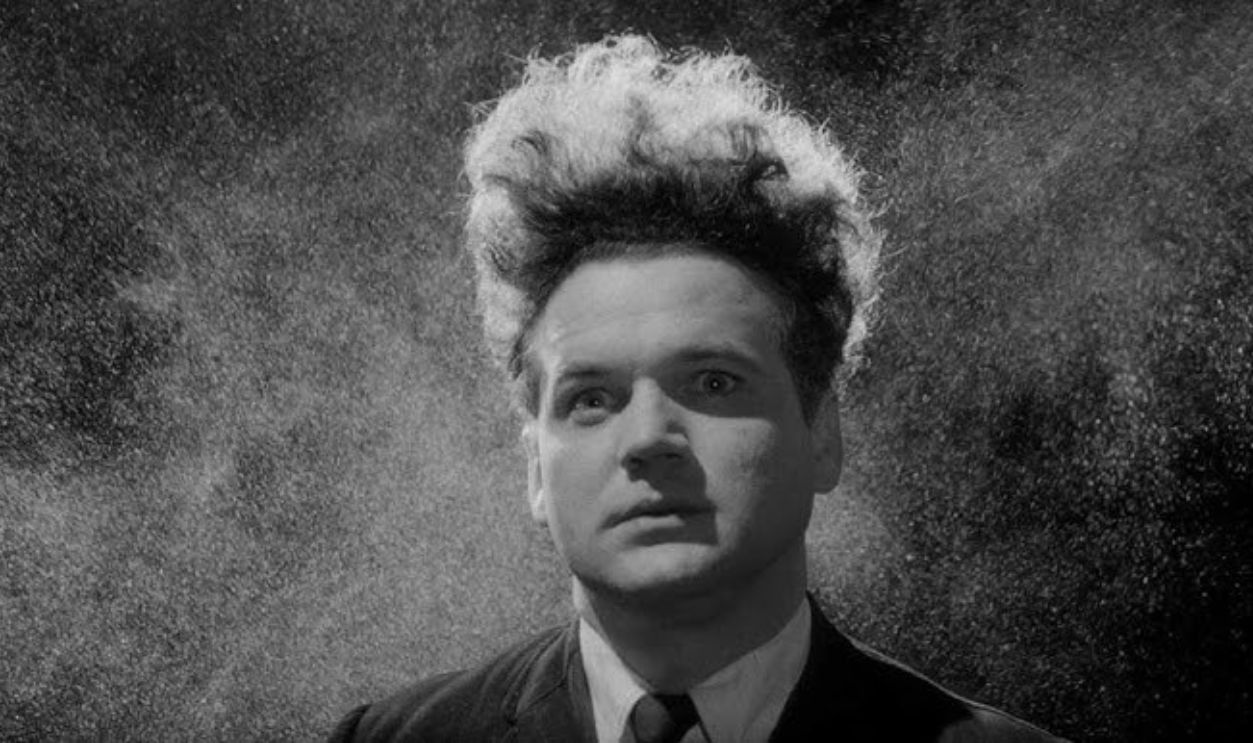 Screenshot from Eraserhead, Libra Films International (1977)
#6: Martin (1977)
George A. Romero’s Martin followed a troubled young man who believes he is a vampire, although the film leaves the supernatural question deliberately uncertain. Filmed around Pittsburgh with limited resources, it replaced castles and capes with deteriorating neighborhoods. Romero considered it one of his personal favorites.
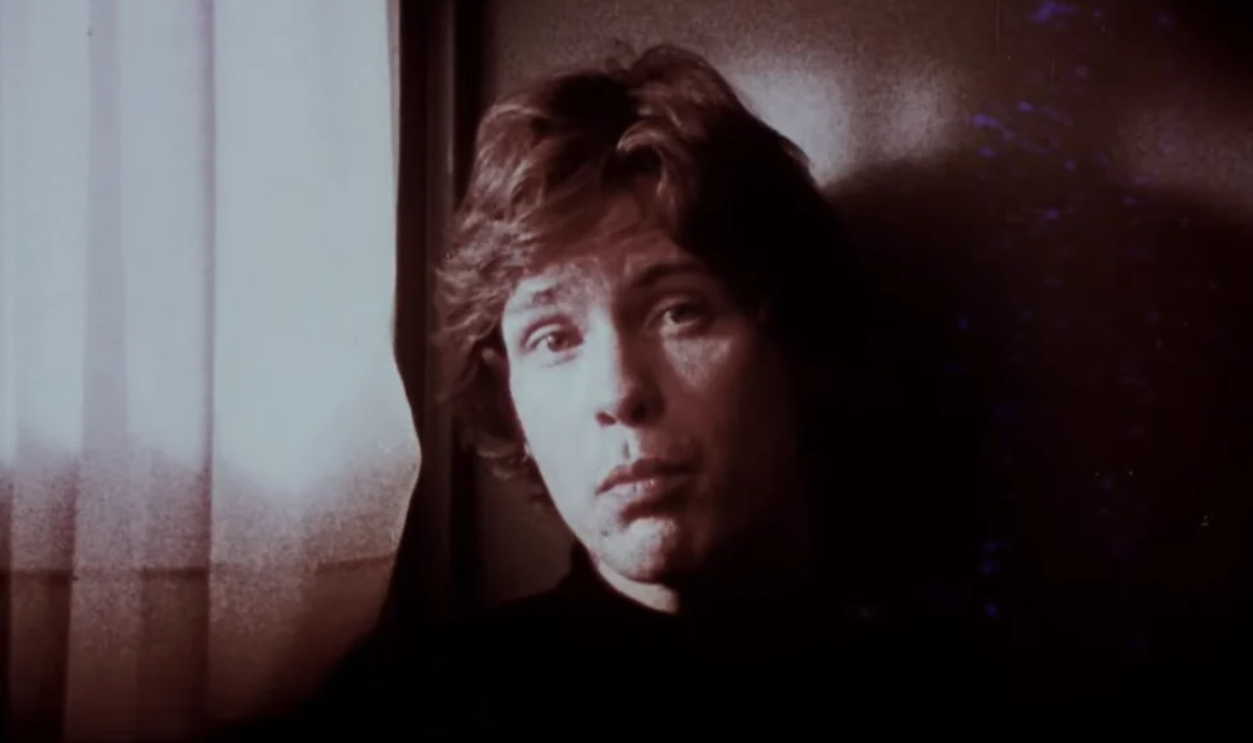 Screenshot from Martin, Libra Films (1977)
#5: Piranha (1978)
Produced by Roger Corman and directed by Joe Dante, Piranha openly borrowed the basic idea behind Jaws and added military experiments, summer camps, and thousands of hungry fish. Its sense of humor helped distinguish it from other imitations. What could have been disposable exploitation became an enduring monster-movie favorite.
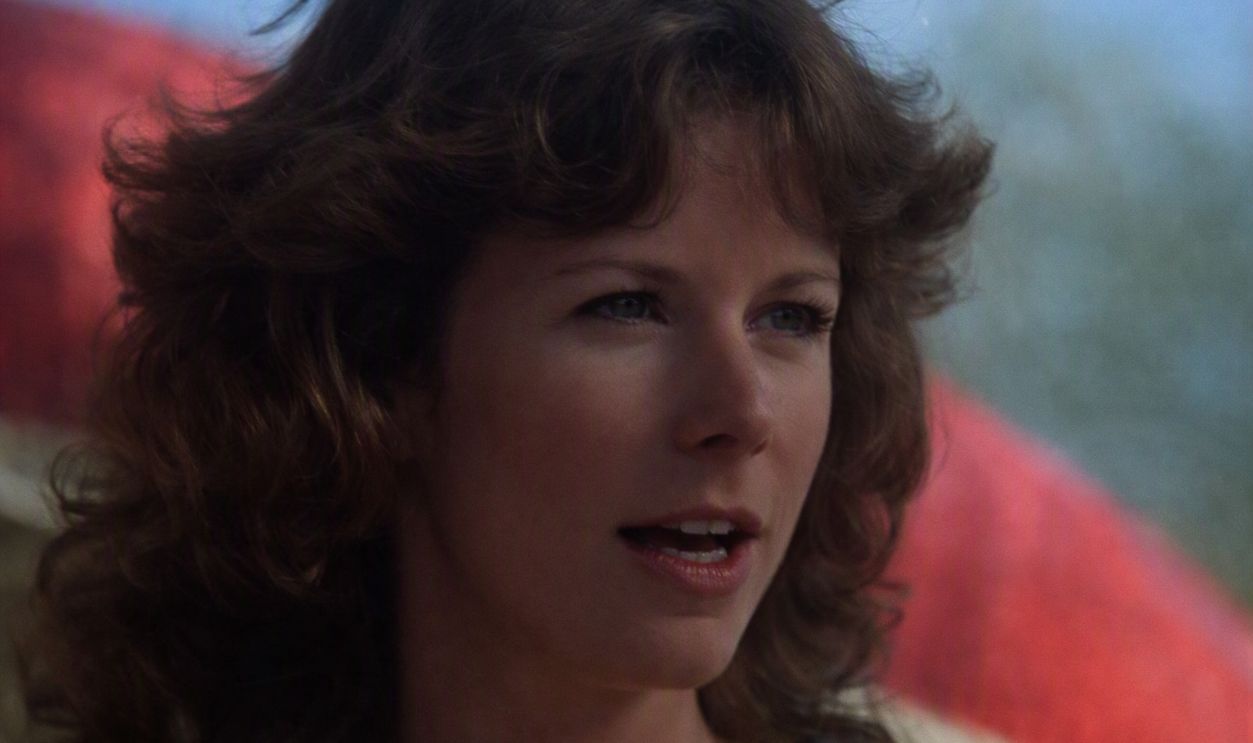 Screenshot from Piranha, United Artists (1978), Modified
#4: Dawn of the Dead (1978)
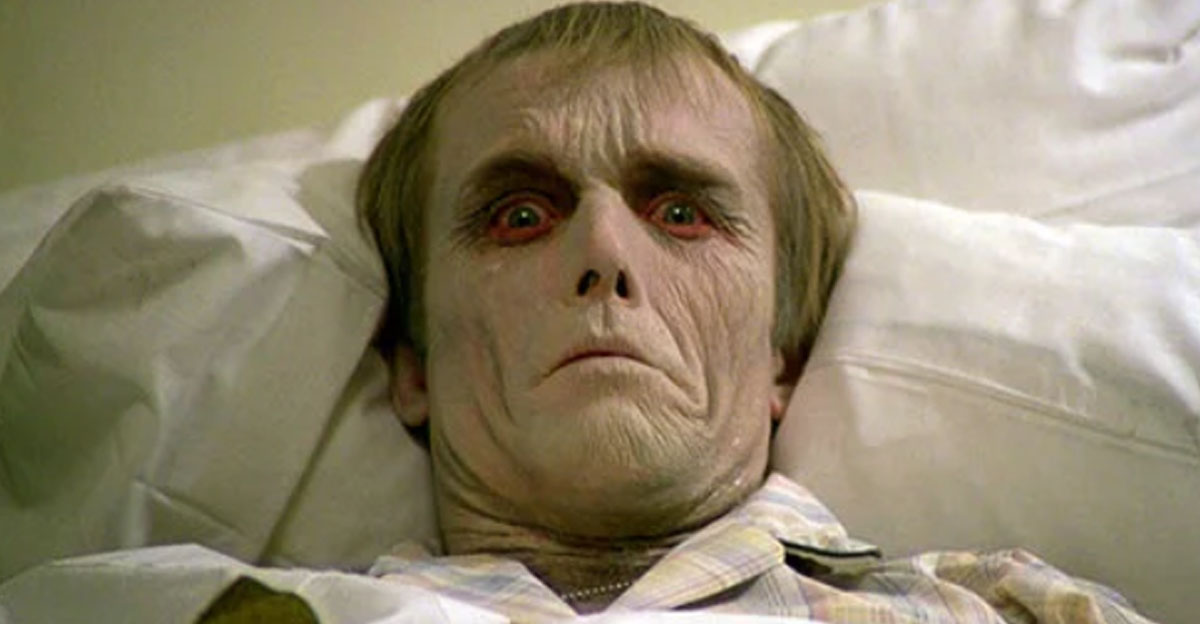
George A. Romero expanded the world he had created a decade earlier by placing survivors inside a Pennsylvania shopping mall. The independent production combined graphic horror with satire about consumer culture. Its scale looked far larger than its budget, while international releases and home video turned it into a worldwide cult landmark.
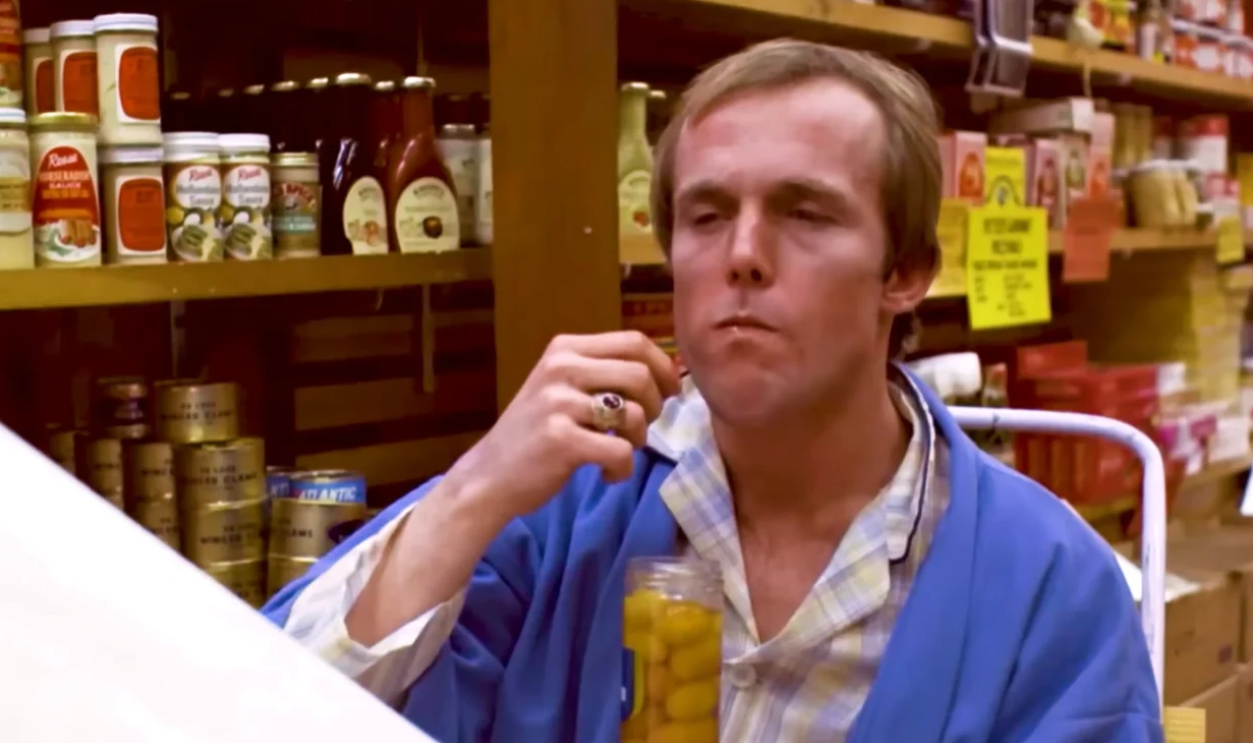 Screenshot from Dawn of the Dead, United Film Distribution Company (1978)
#3: Phantasm (1979)
Don Coscarelli wrote, produced, photographed, edited, and directed this surreal nightmare about a mysterious mortician known as the Tall Man. Floating silver spheres, hooded creatures, and shifting realities made the film unlike conventional studio horror. Its small production became successful enough to launch a long-running series of sequels.
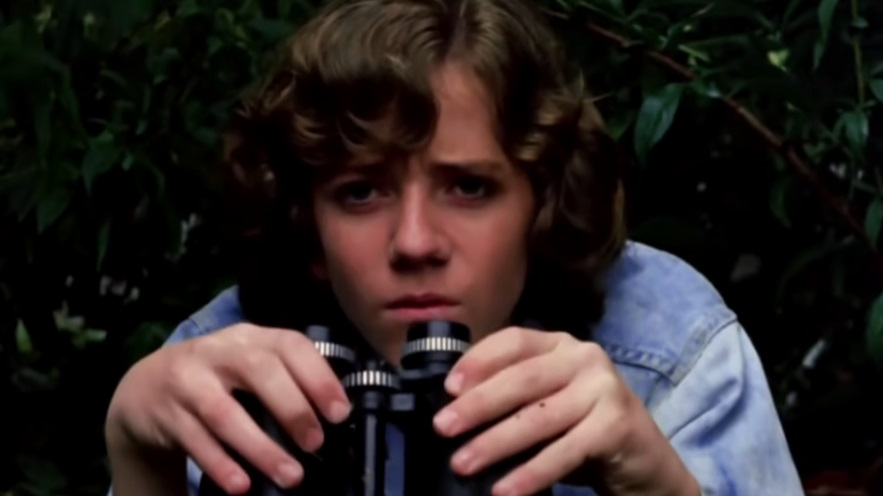 Screenshot from Phantasm, New Breed (1979)
#2: Halloween (1978)
John Carpenter and producer Debra Hill created Halloween for roughly $300,000, using careful framing, a simple mask, and Carpenter’s minimalist score to generate suspense. Jamie Lee Curtis made her film debut as Laurie Strode. Its enormous success helped launch the American slasher boom that dominated much of the following decade.
 Screenshot from Halloween, Sony Pictures (1978)
#1: The Texas Chain Saw Massacre (1974)
Tobe Hooper’s sweltering independent production followed five young travelers into a terrifying encounter with Leatherface and his family. The film’s rough photography and documentary-like texture made it feel alarmingly real despite showing less explicit violence than its reputation suggests. It became enormously influential and entered the National Film Registry in 2024.
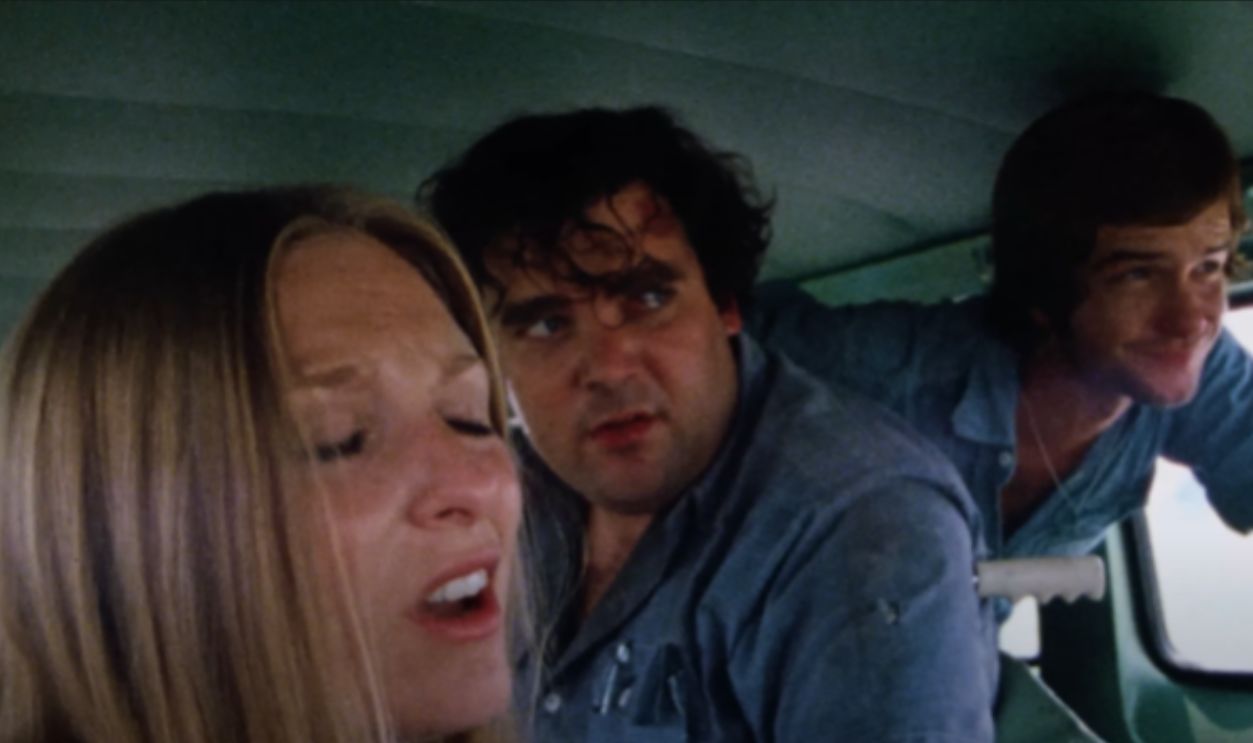 Screenshot from The Texas Chain Saw Massacre, Bryanston Pictures (1974)
You May Also Like: