The Coolest Man In The Precinct
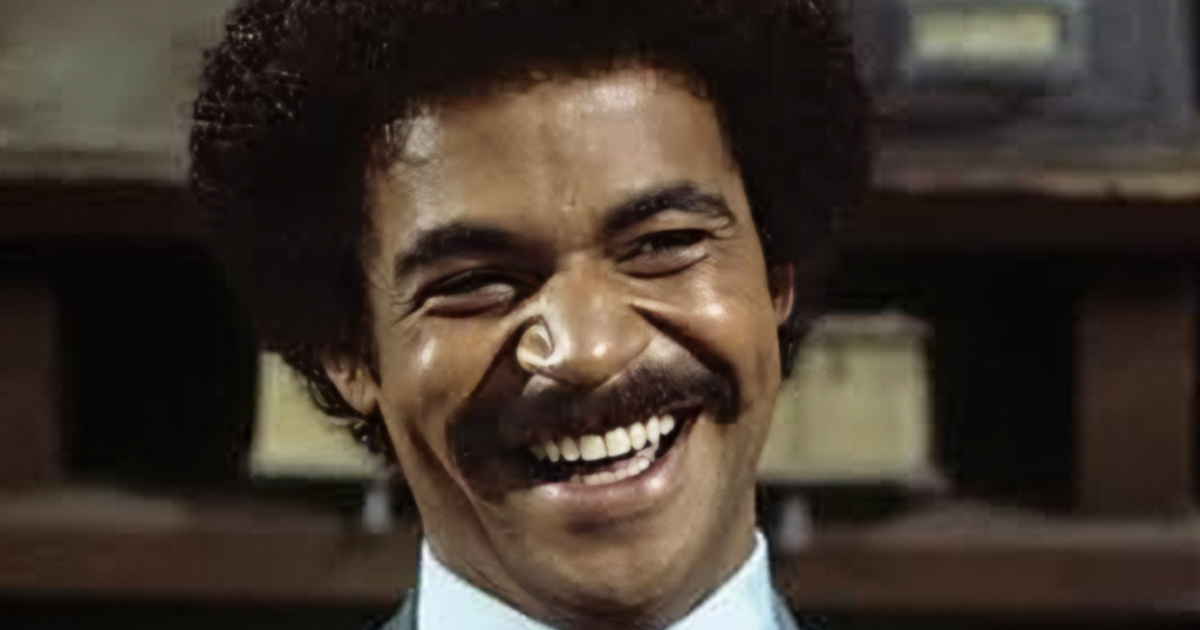
Detective Ron Harris could enter Barney Miller’s shabby squad room wearing an immaculate suit and somehow make everyone else look underdressed. Ron Glass gave the ambitious detective style, intelligence, and wonderfully dry confidence, becoming an essential part of one of the 1970s’ finest ensemble comedies.
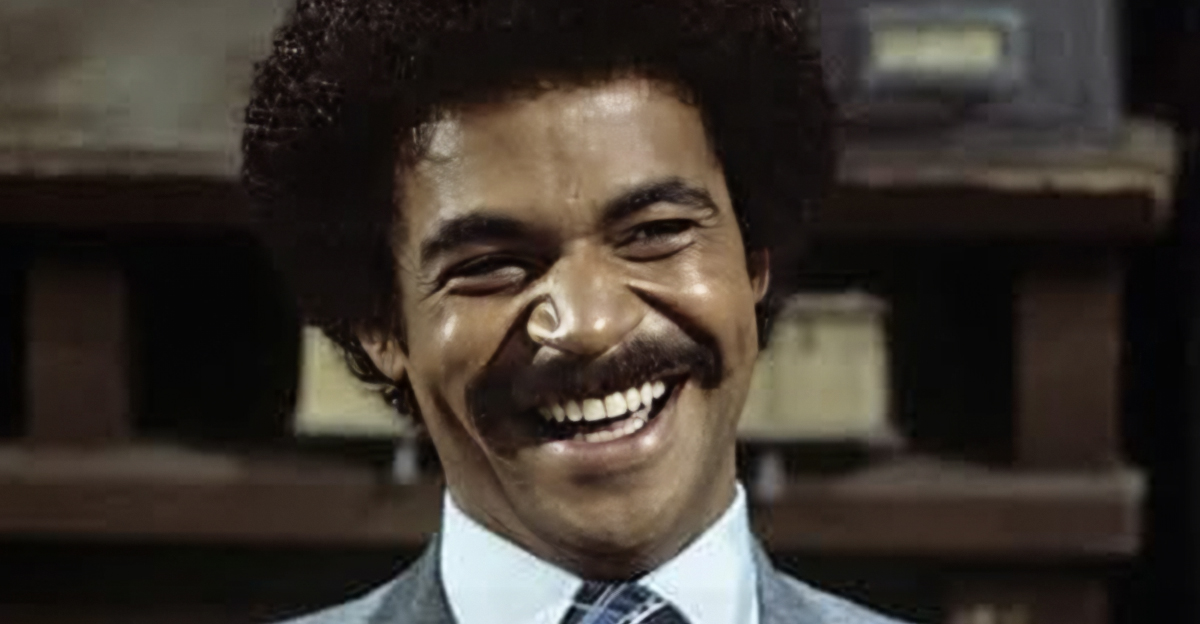 ABC, Barney Miller (1975-1982)
He Was Born In Indiana
Ronald Earle Glass was born on July 10, 1945, in Evansville, Indiana. He grew up far from Hollywood and did not begin childhood with a detailed plan for television stardom. His road toward acting emerged gradually, helped along by teachers who recognized something special in him.
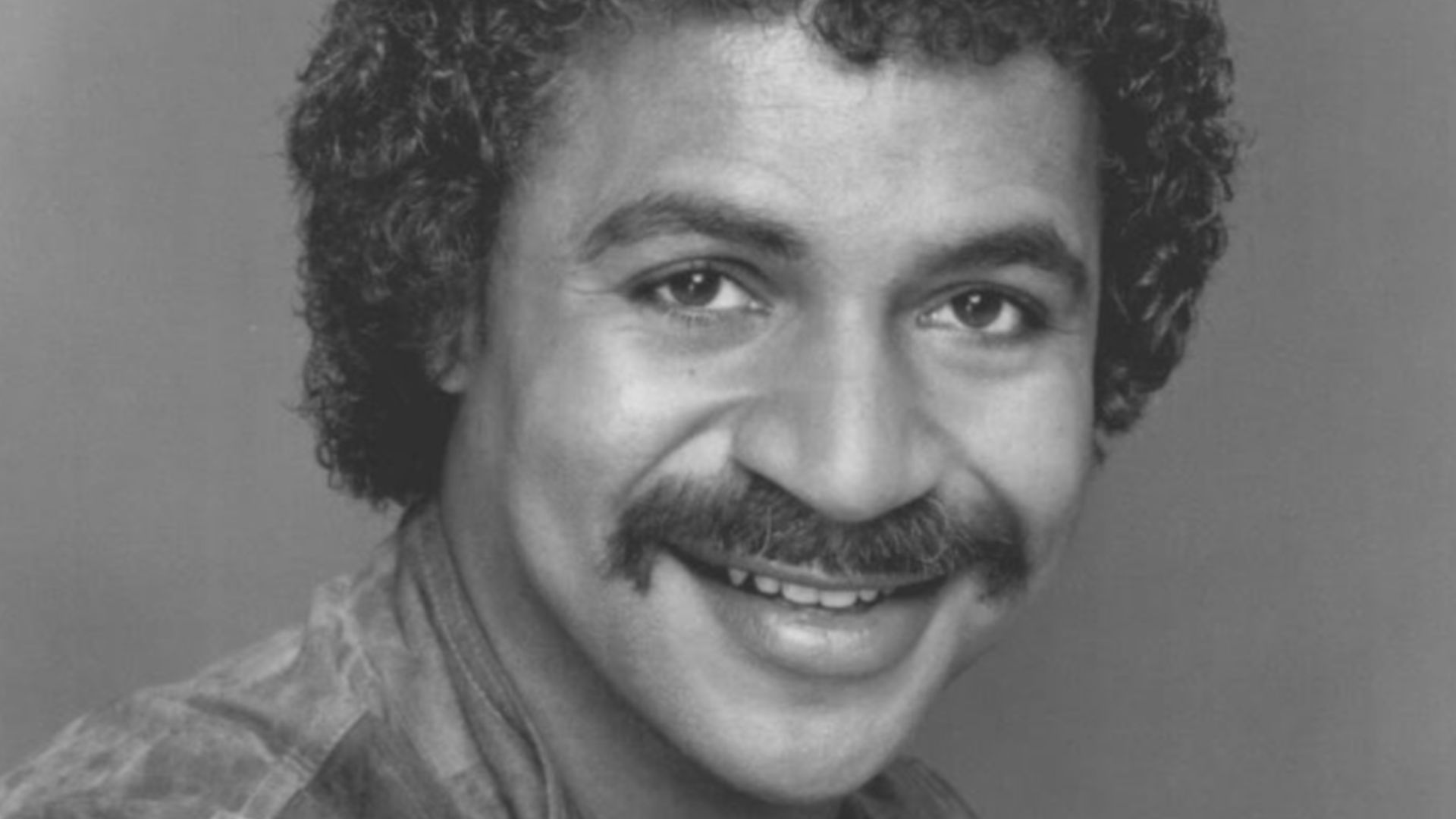 ABC Television, Wikimedia Commons
College Changed His Direction
Glass attended the University of Evansville, where he studied drama and literature. A teacher encouraged him to perform in a play, and the experience clarified what he wanted to do. By graduation in 1968, acting had become more than an interest. It had become his intended profession.
He Learned Acting Onstage
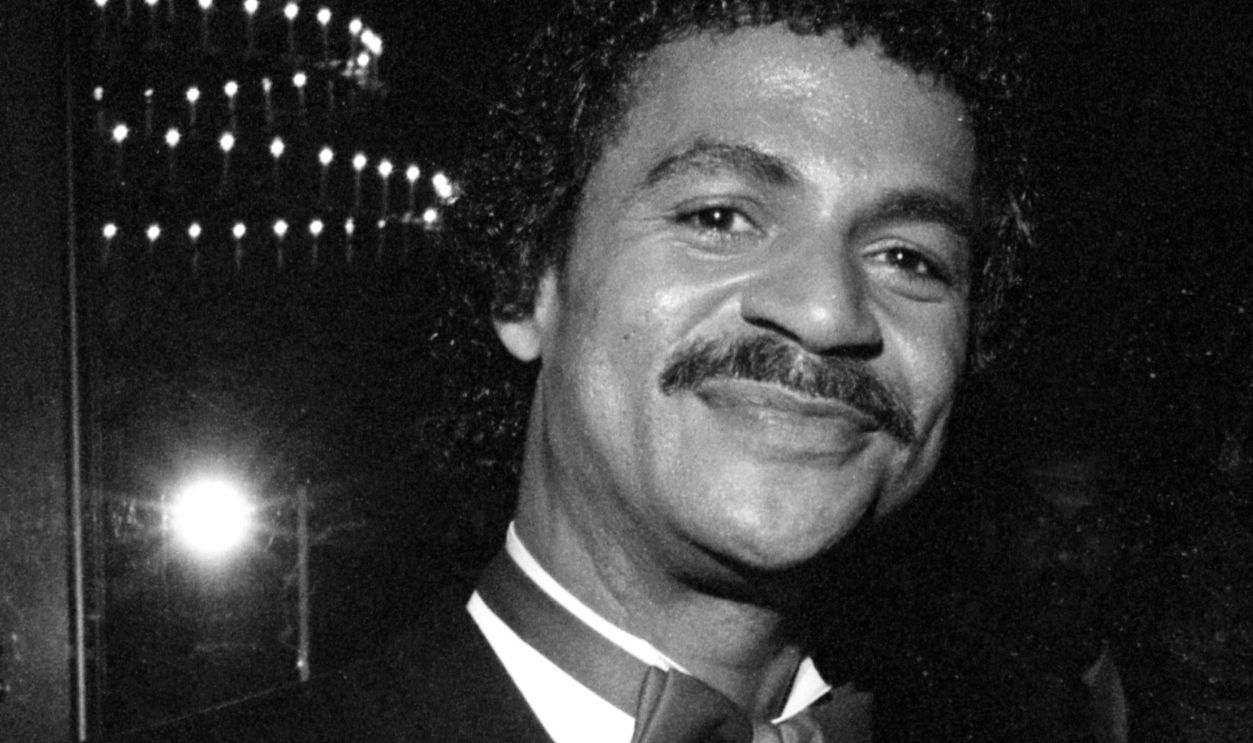
After college, Glass joined Minneapolis’s respected Guthrie Theater. He spent several years performing in classical and contemporary productions, developing the discipline required for demanding stage work. Hal Linden later described Glass as probably the most thoroughly trained performer in the Barney Miller ensemble.
Shakespeare Prepared Him For Sitcoms
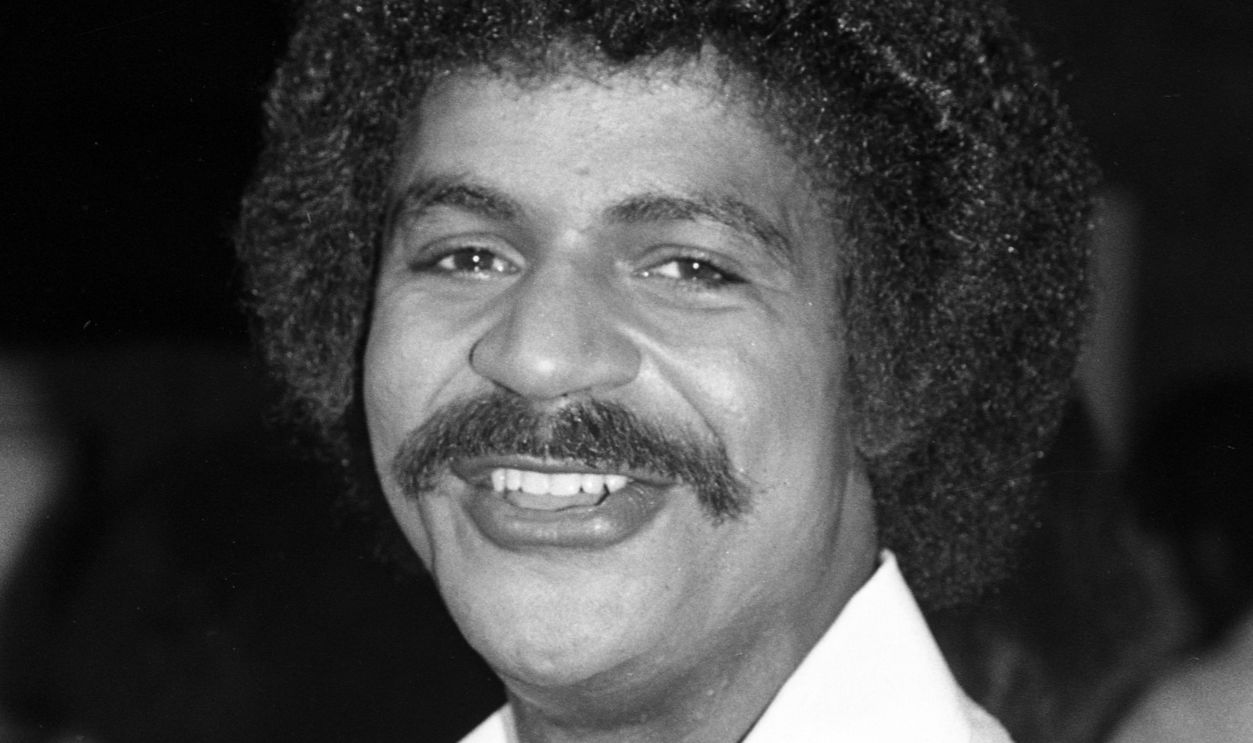
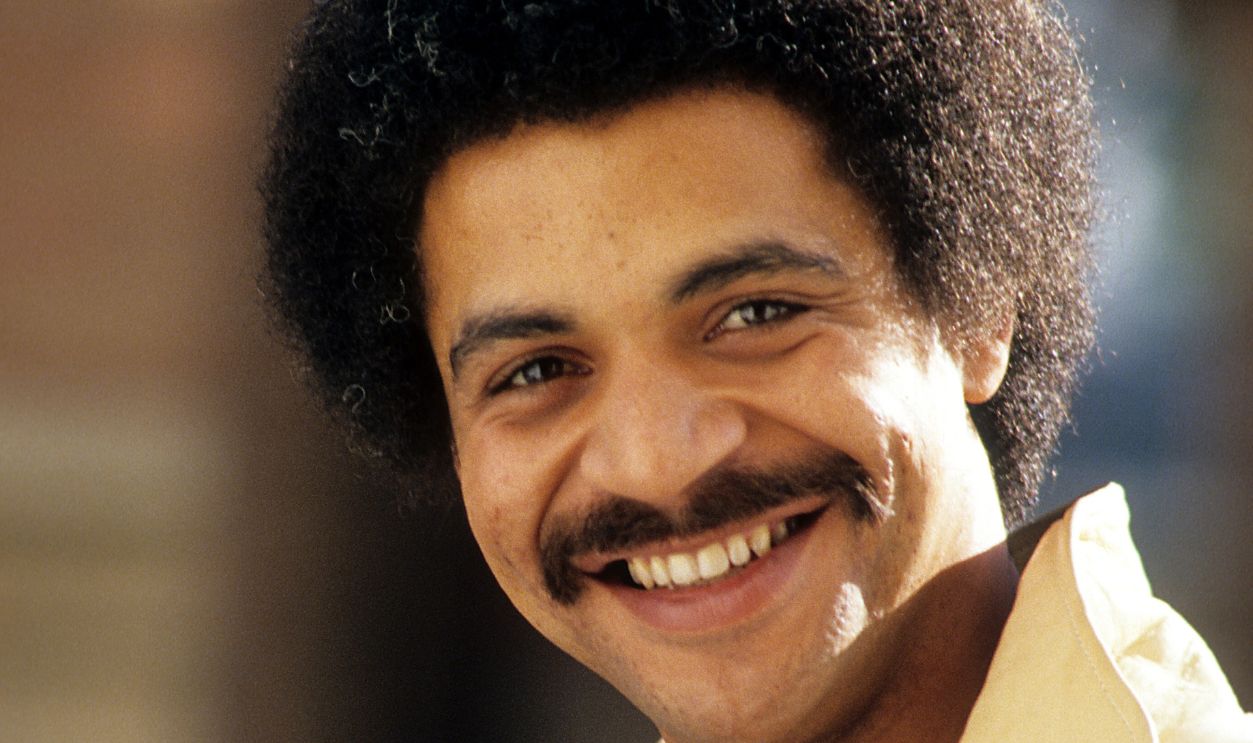
Classical theater might seem far removed from a police-station comedy, but Glass’s training gave him exceptional vocal control and timing. He understood how to listen, pause, and react. On Barney Miller, one skeptical glance from Harris could land more effectively than another actor’s entire speech.
 Michael Ochs Archives, Getty Images
Hollywood Finally Called
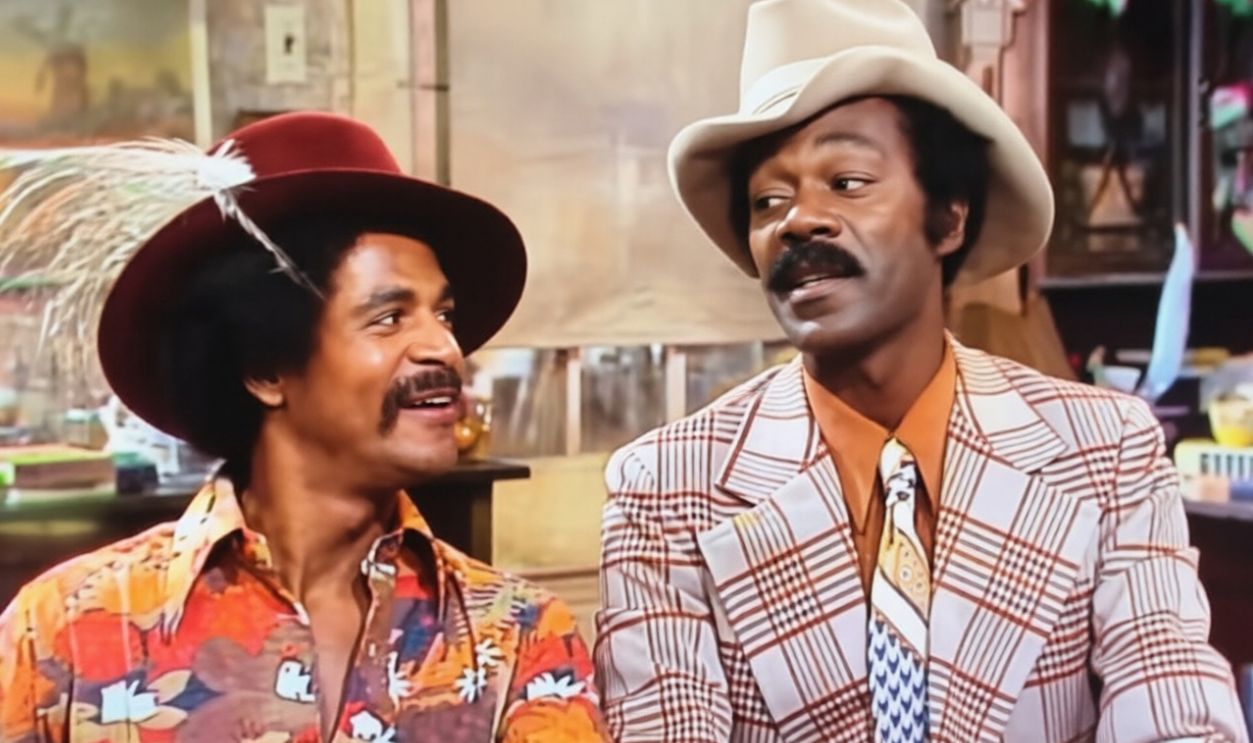
Glass moved to Los Angeles in 1972 and began appearing on television. His early credits included Sanford and Son, All in the Family, Maude, Hawaii Five-O, The Bob Newhart Show, and Good Times. Casting directors quickly discovered that he could move comfortably between comedy and drama.
 Screenshot from Sanford and Son, NBC (1972–1977), Enhanced
He Entered Television At An Important Moment
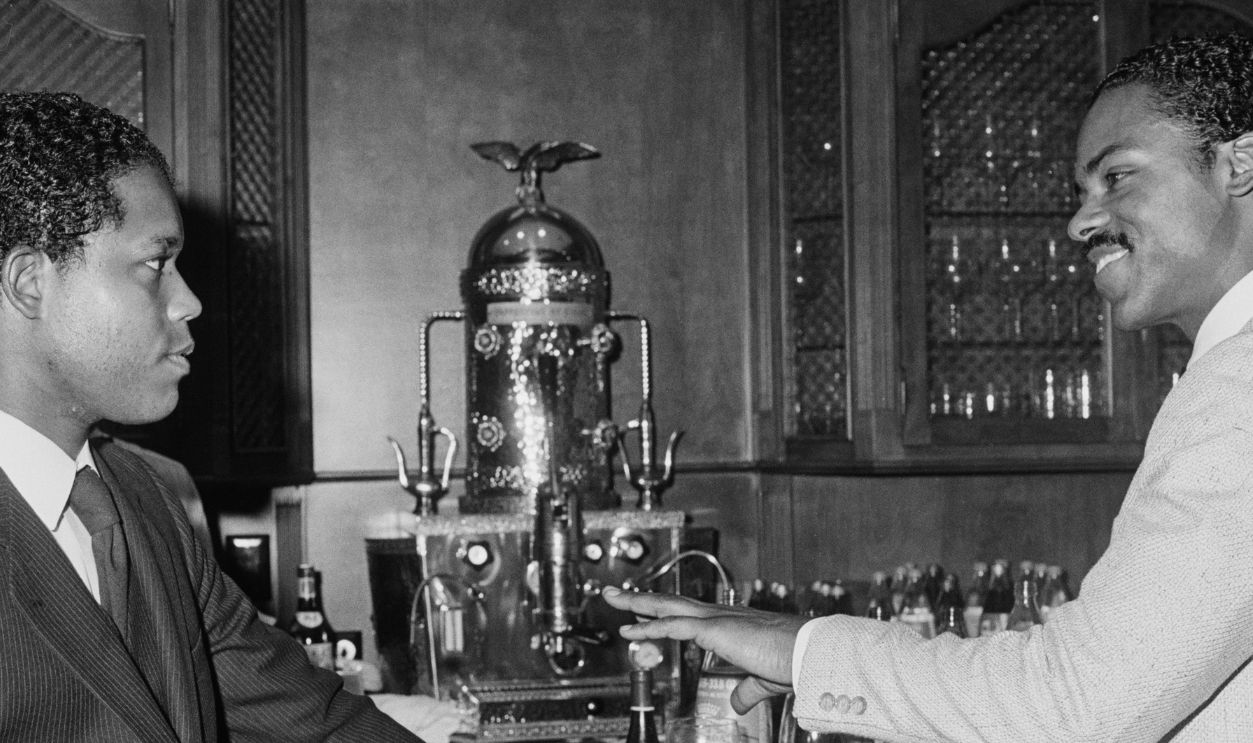
American television was beginning to offer Black performers more substantial opportunities during the early 1970s, but stereotypes remained common. Glass brought polished authority and intelligence to even small roles. He did not need exaggerated mannerisms to command attention; his composure did the work for him.
 Michael Ochs Archives, Getty Images
A Very Different Police Comedy Was Forming
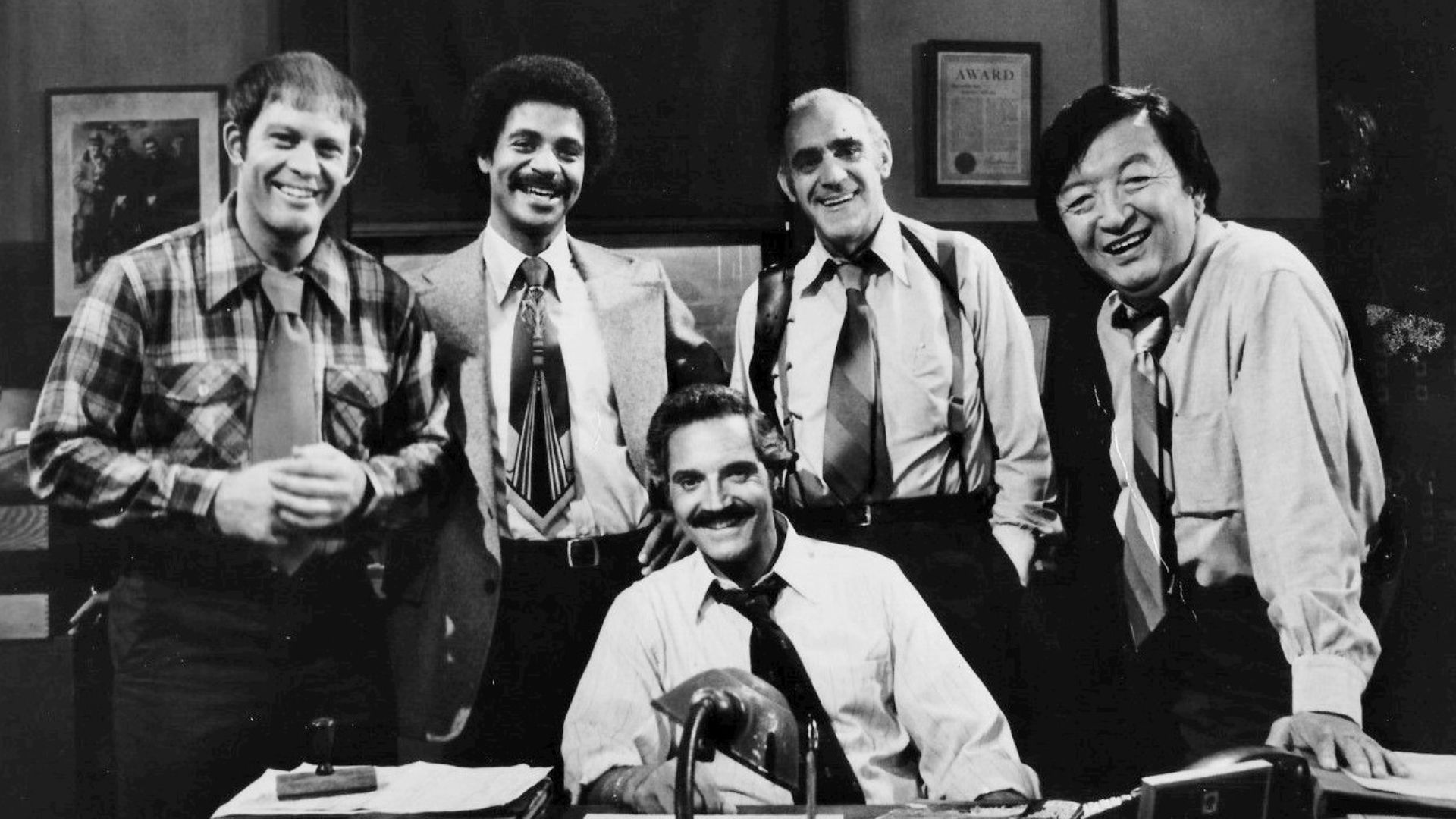
Producer Danny Arnold and writer Theodore J. Flicker created Barney Miller around a compassionate New York police captain. The series premiered on ABC on January 23, 1975. Instead of racing patrol cars through Manhattan, the detectives usually remained trapped behind desks with paperwork, ringing telephones, and truly peculiar visitors.
 ABC Television, Wikimedia Commons
The First Version Needed Adjustments
An earlier pilot devoted considerable attention to Captain Barney Miller’s home life. When the concept was reworked, the police station became the program’s true home. The shift created room for an ensemble of detectives whose competing personalities could generate comedy without anyone needing to crash through a warehouse window.
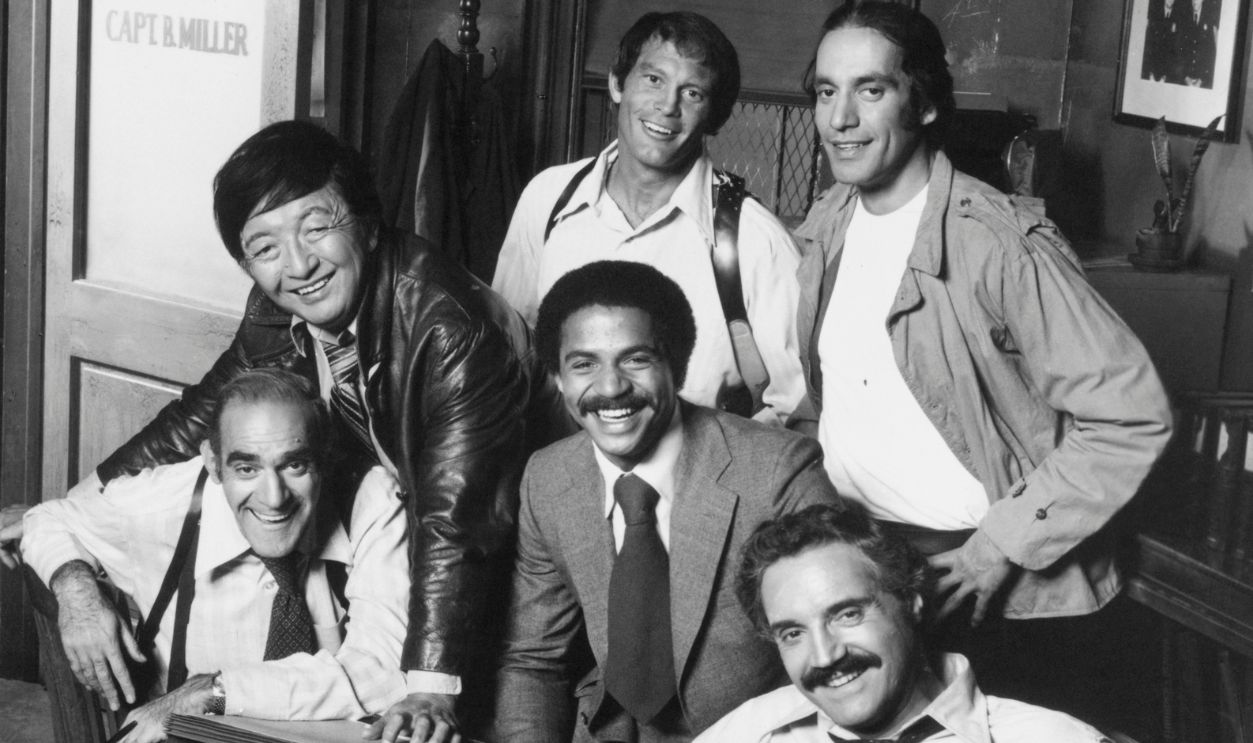
Ron Harris Joined The Squad
Glass was cast as Detective Ron Harris, an intellectual, ambitious, sharply dressed officer with interests extending well beyond police work. Harris wanted professional respect, financial success, fashionable clothes, a desirable apartment, and literary fame. Solving crimes occasionally had to squeeze itself somewhere onto that list.
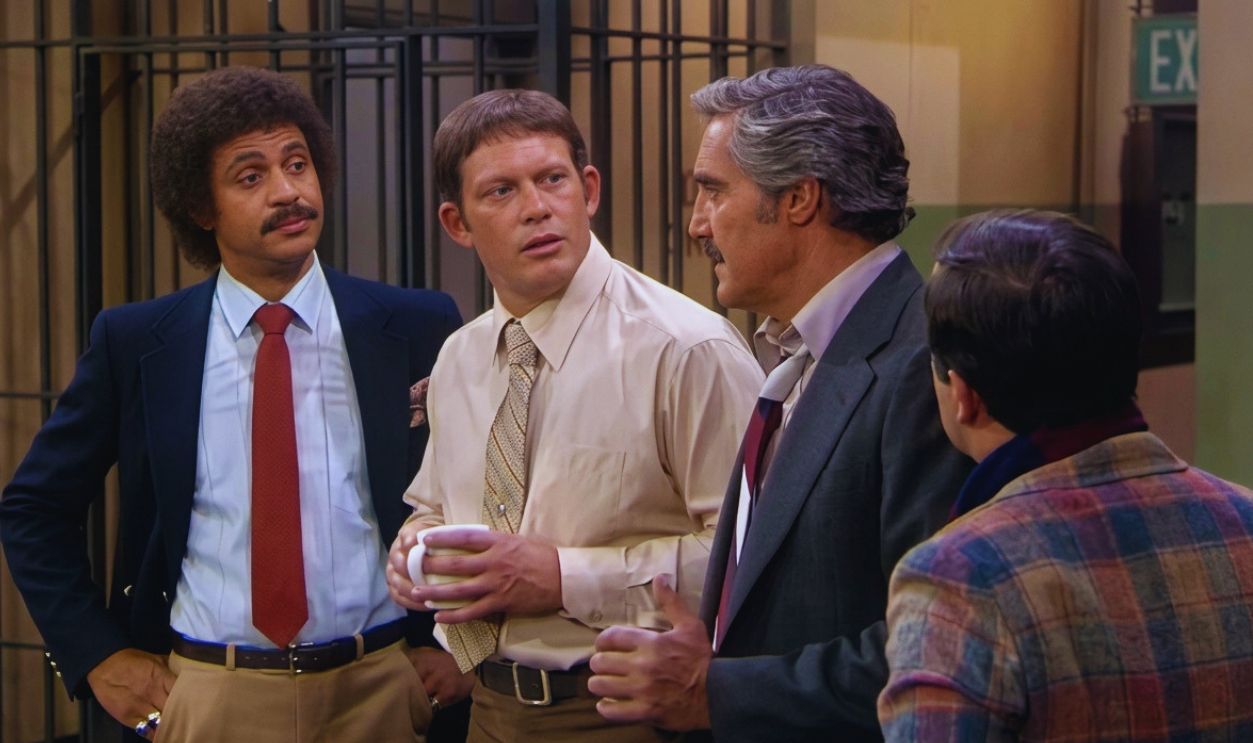 Screenshot from Barney Miller, ABC (1975–1982), Enhanced
He Looked Nothing Like The Precinct
The fictional 12th Precinct was dingy, overcrowded, and badly maintained. Harris appeared in fashionable shirts, vests, jackets, and carefully coordinated suits. His wardrobe became part of the joke. The building looked ready for demolition, but Harris seemed prepared for cocktails at a much better address.
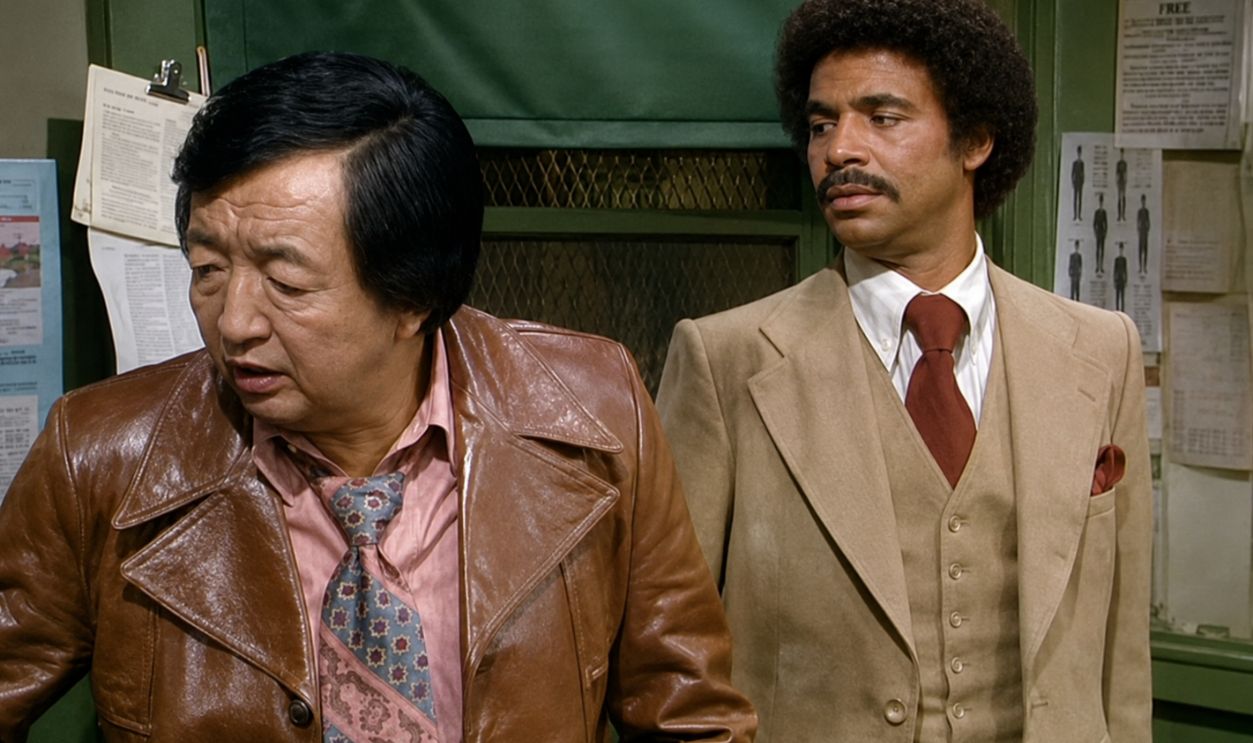 Screenshot from Barney Miller, ABC (1975-1982), Enhanced
Clothes Meant Something To Harris
Harris did not dress well merely because the costume department enjoyed shopping. His clothes reflected ambition and control. In a workplace filled with disorder, he presented himself exactly as he wanted to be seen: successful, sophisticated, and destined for considerably nicer surroundings.
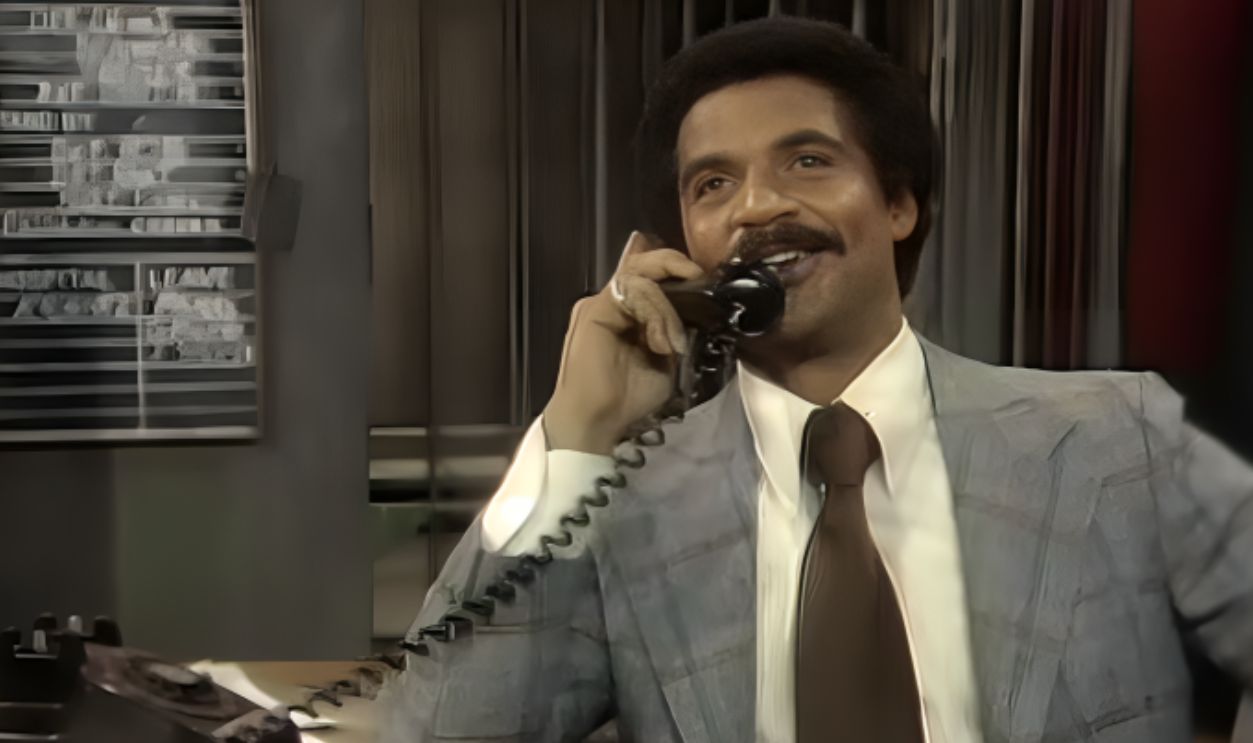 Screenshot from Barney Miller, ABC (1975–1982), Enhanced
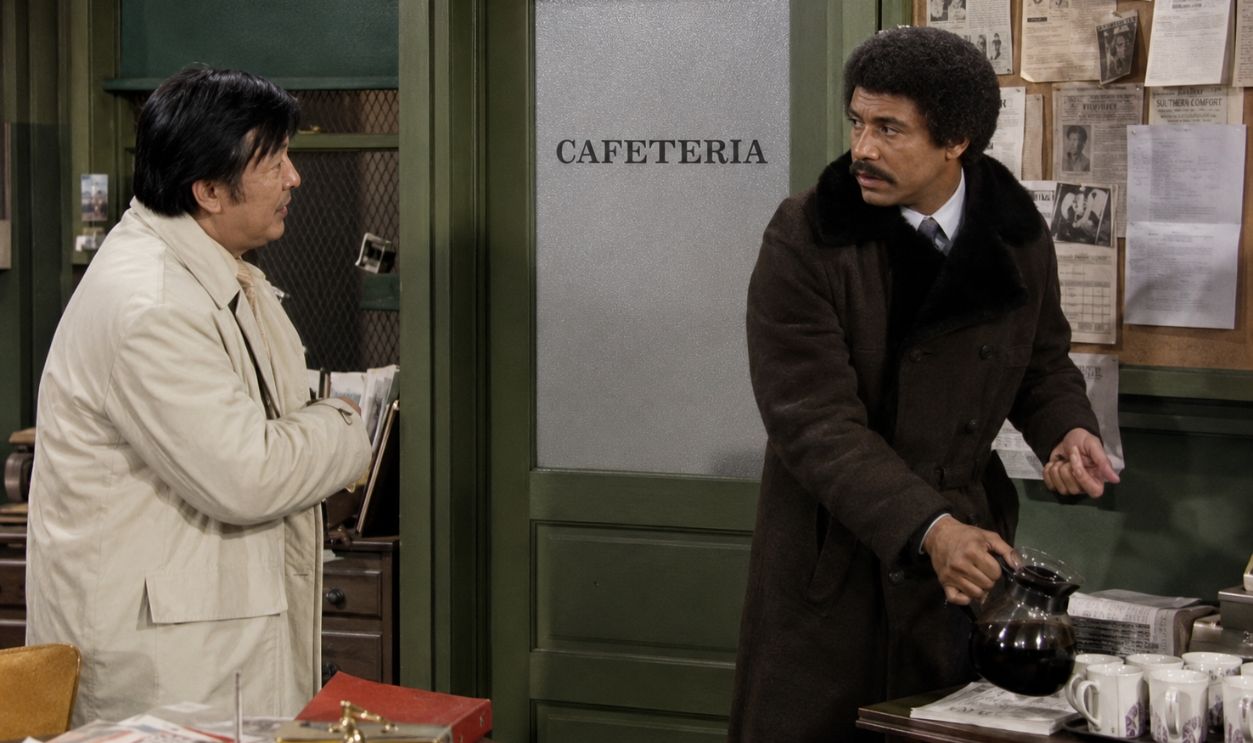
Glass Never Made Him A Cartoon
A vain detective could easily have become broad and irritating. Glass kept Harris recognizable by playing his confidence seriously. Harris truly cared about quality, whether he was discussing clothing, writing, housing, or coffee. Unfortunately, the precinct offered very little quality in any category.
 Screenshot from Barney Miller, ABC (1975-1982), Enhanced
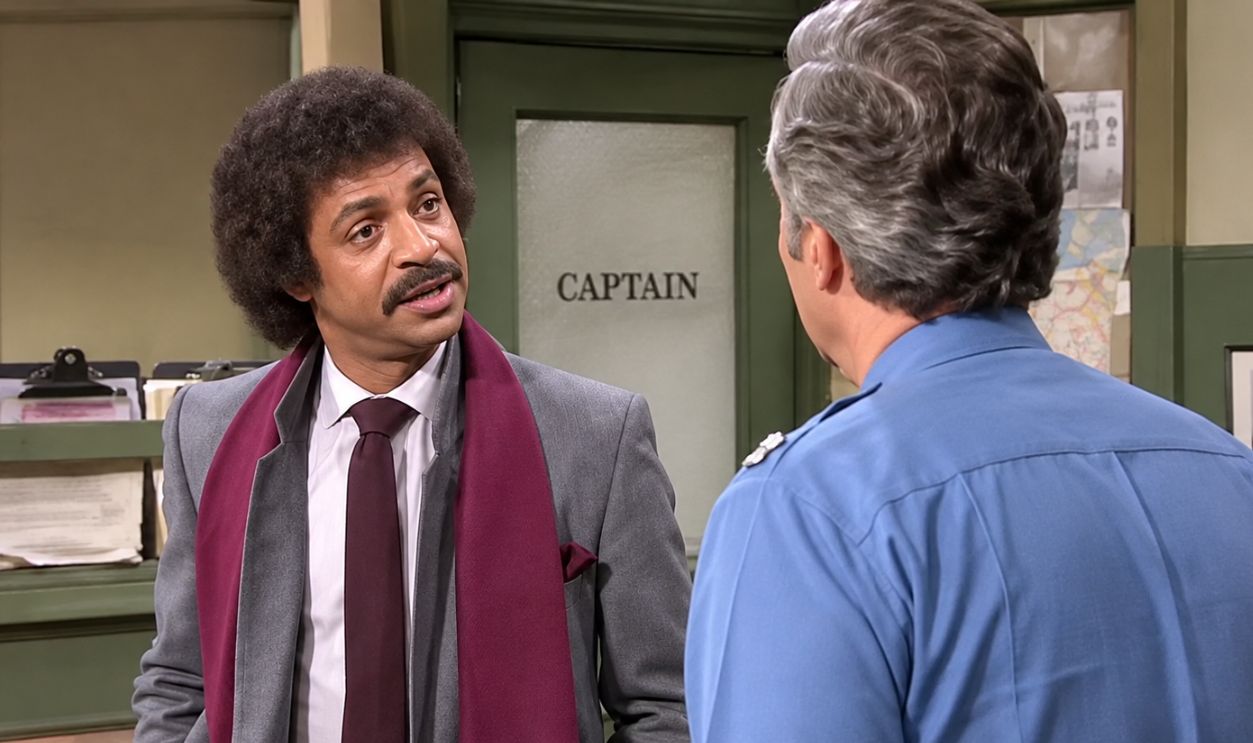
The Comedy Stayed Low-Key
Barney Miller rarely chased an obvious punchline. Much of its humor came from calm conversations about increasingly ridiculous circumstances. Glass excelled at this restrained approach. He could express disbelief with a pause, mild disgust with a raised eyebrow, and total outrage without disturbing his jacket.
 Screenshot from Barney Miller, ABC (1975–1982), Enhanced
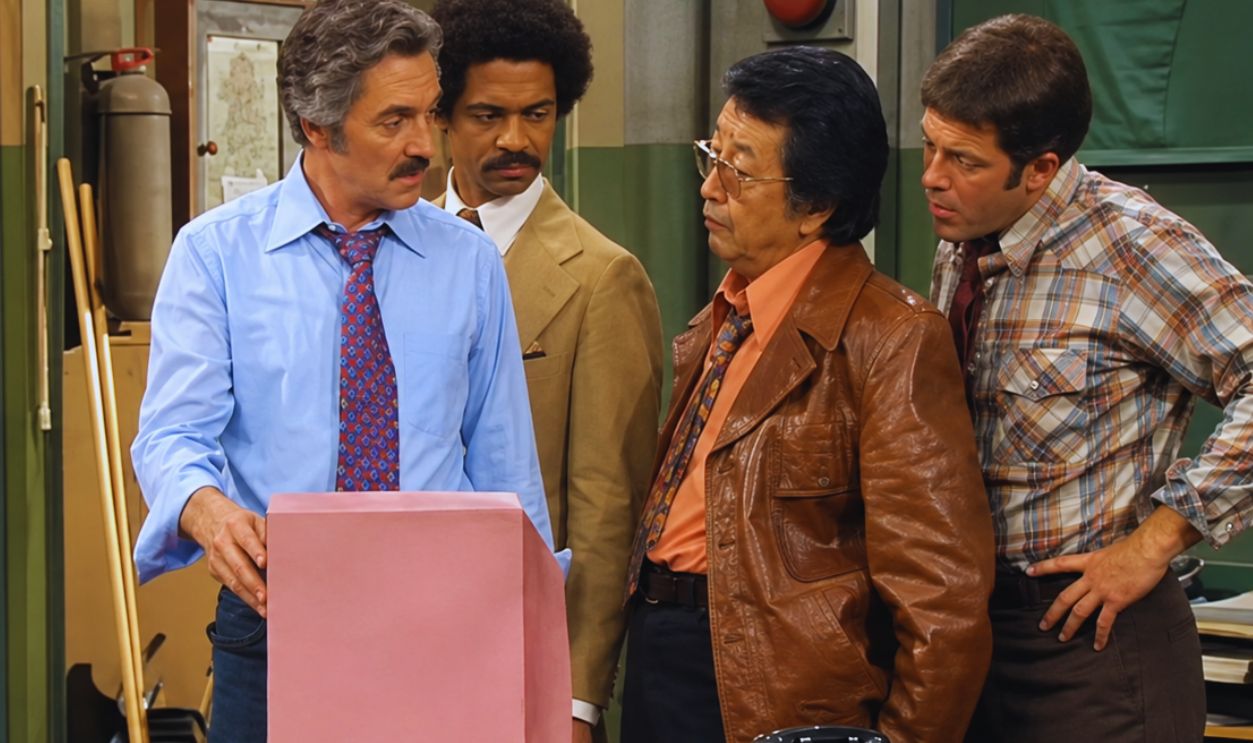
He Fit A Remarkable Ensemble
Hal Linden played the endlessly patient Captain Miller, while Max Gail portrayed the emotional and impulsive Wojo. Abe Vigoda was the exhausted Detective Fish, and Jack Soo played the wonderfully dry Nick Yemana. Glass’s poised Harris occupied his own distinctive space without competing against them for attention.
 Screenshot from Barney Miller, ABC (1975–1982), Enhanced
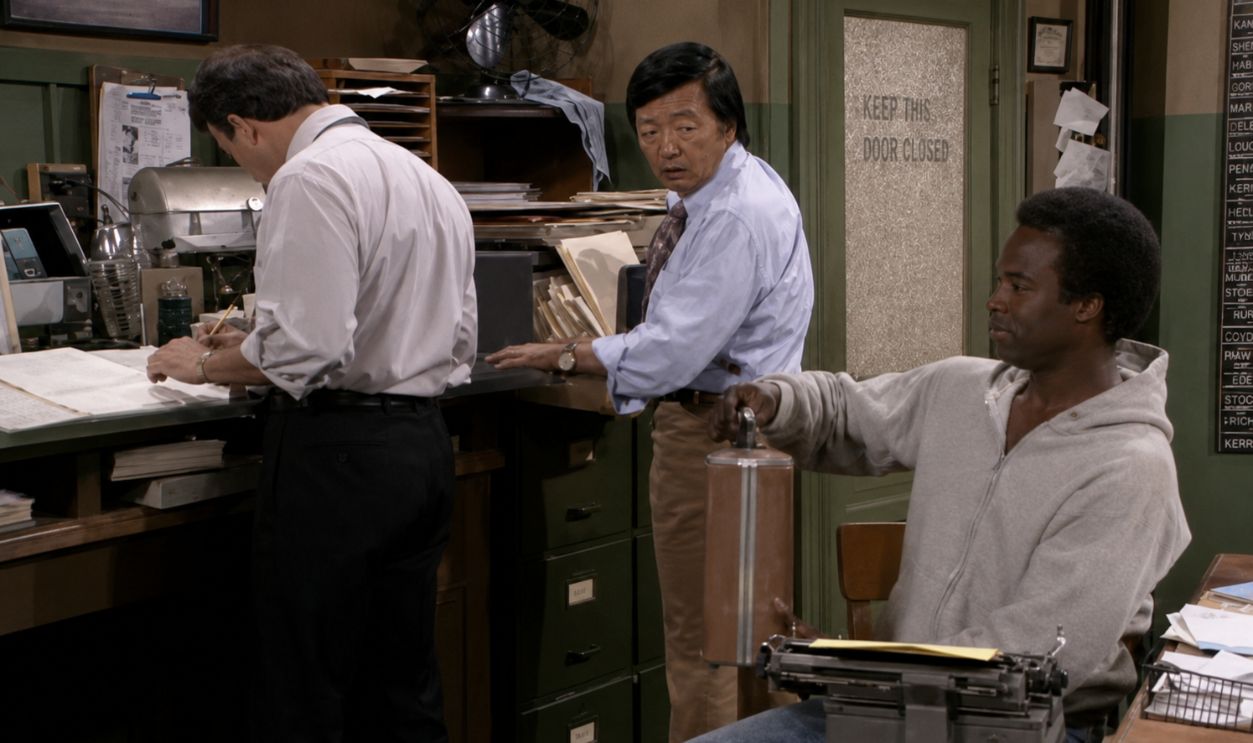
Everyone Supplied A Different Rhythm
Wojo reacted before thinking. Fish behaved as though every assignment might finish him permanently. Yemana observed disasters with philosophical amusement, while Barney attempted to maintain order. Harris watched the confusion with the expression of a man wondering how these people might appear in his future memoir.
 Screenshot from Barney Miller, ABC (1975-1982)
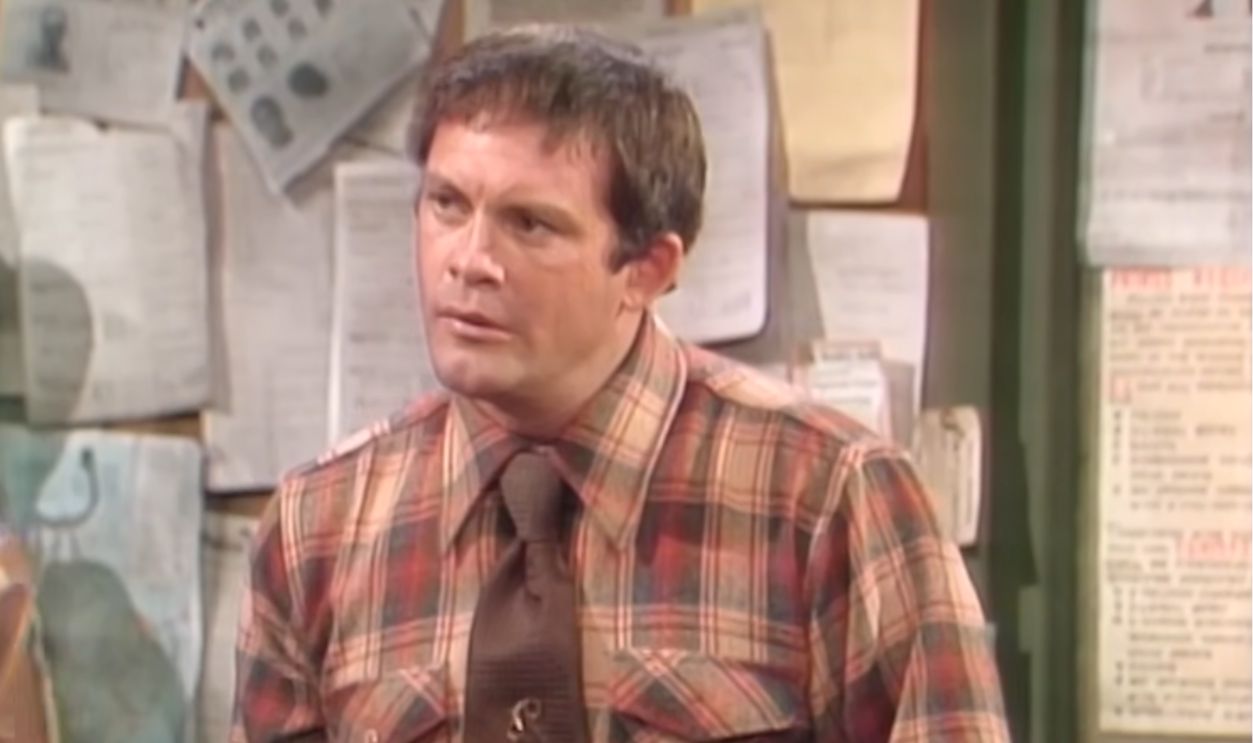
Harris And Wojo Were Perfect Opposites
Wojo was direct, physical, and occasionally naïve. Harris was verbal, cultured, and highly conscious of appearances. Their differences created friction, but they also revealed genuine affection. When one detective faced trouble, the other’s teasing usually gave way to loyalty.
 Screenshot from Barney Miller, ABC (1975–1982)
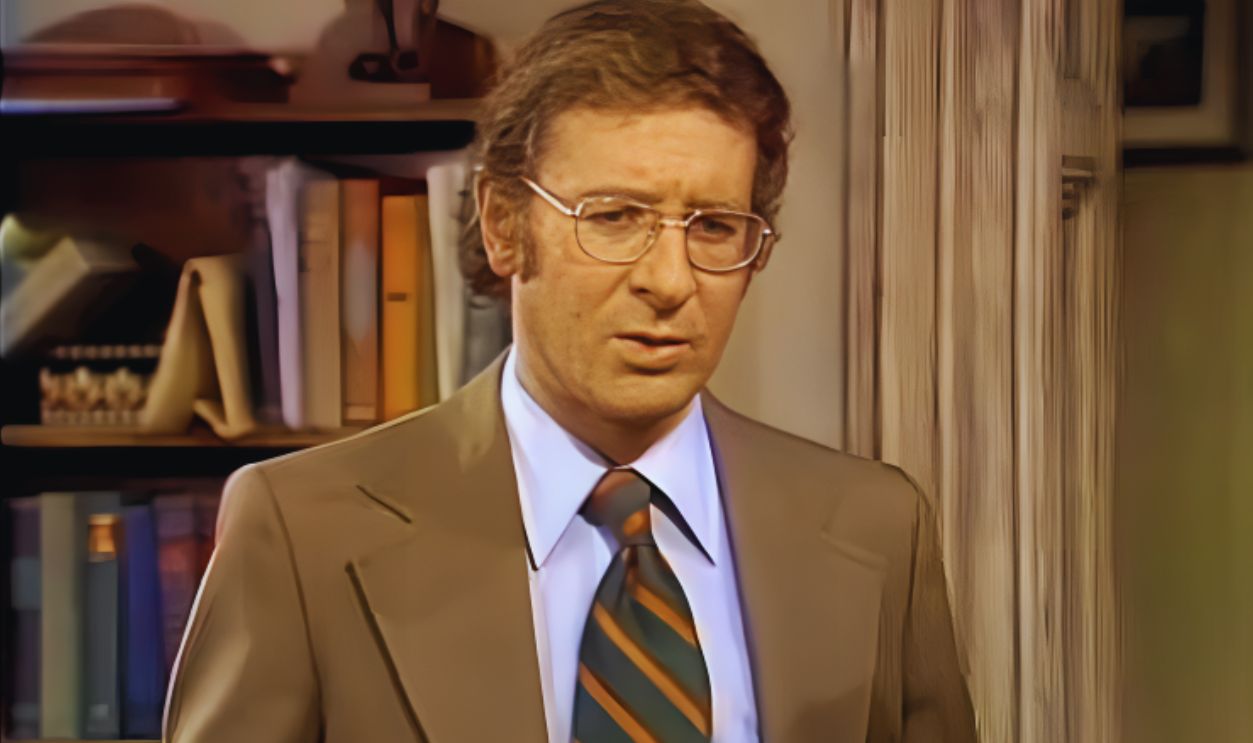
Dietrich Challenged His Intellectual Territory
Steve Landesberg later joined the ensemble as Detective Arthur Dietrich, a quiet intellectual capable of producing obscure information about almost anything. Harris suddenly had competition as the squad room’s resident sophisticate. Their exchanges turned intelligence itself into a contest neither man was willing to lose gracefully.
 Screenshot from Barney Miller, ABC (1975–1982), Enhanced
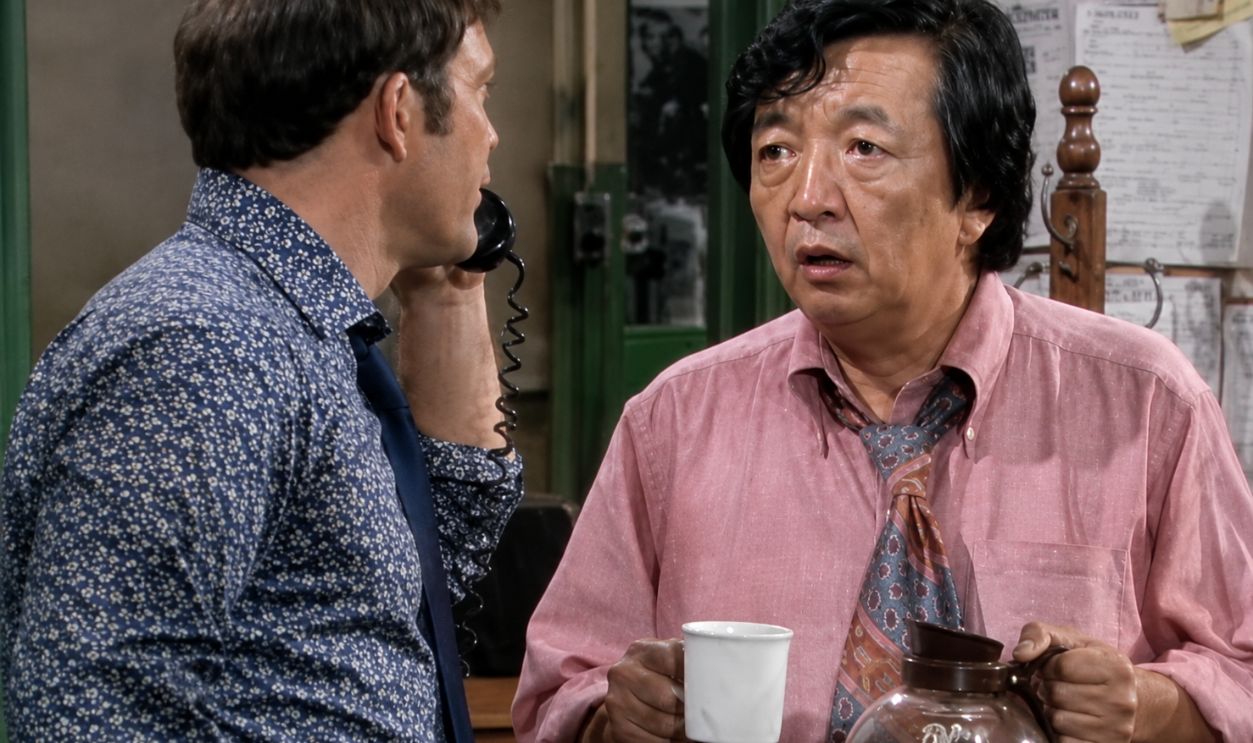
Yemana’s Coffee United Everyone
Detective Yemana made coffee so terrible that it became one of the show’s most dependable jokes. Harris, a man with refined tastes, was particularly well suited to suffer from it. The detectives disagreed about nearly everything, but Nick’s coffee gave the precinct a shared enemy.
 Screenshot from Barney Miller, ABC (1975-1982), Enhanced
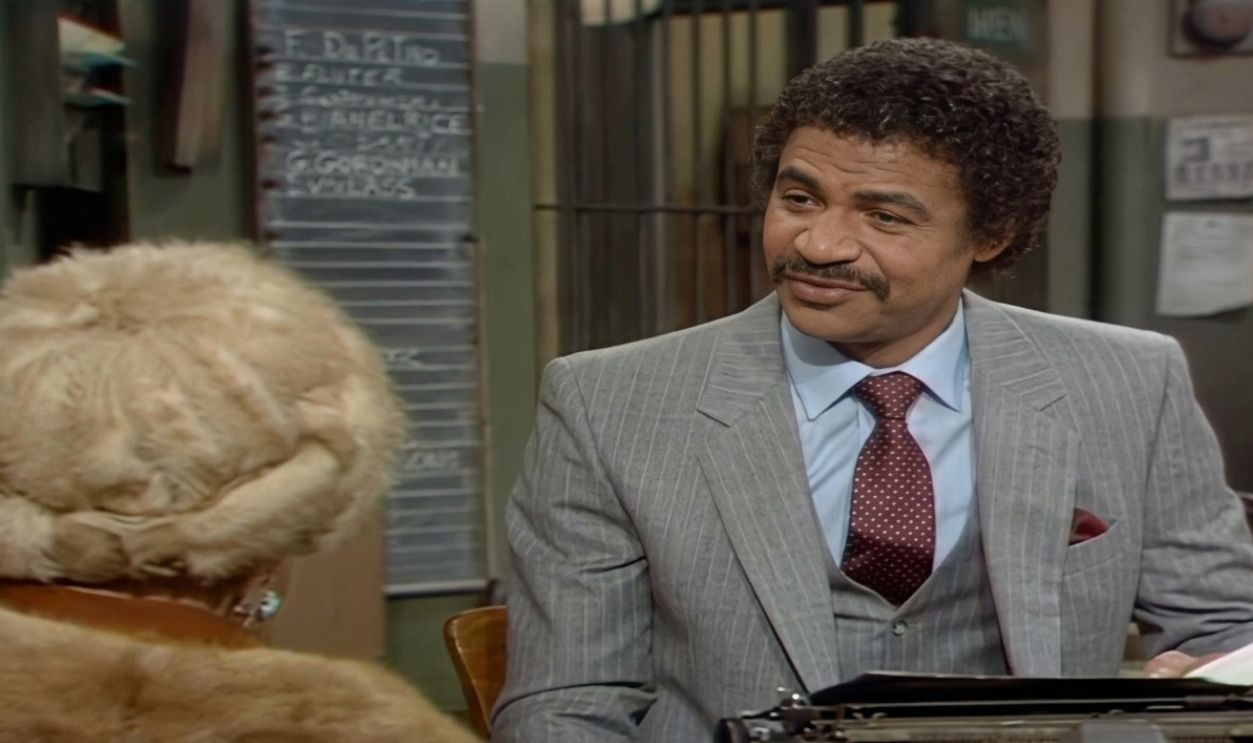
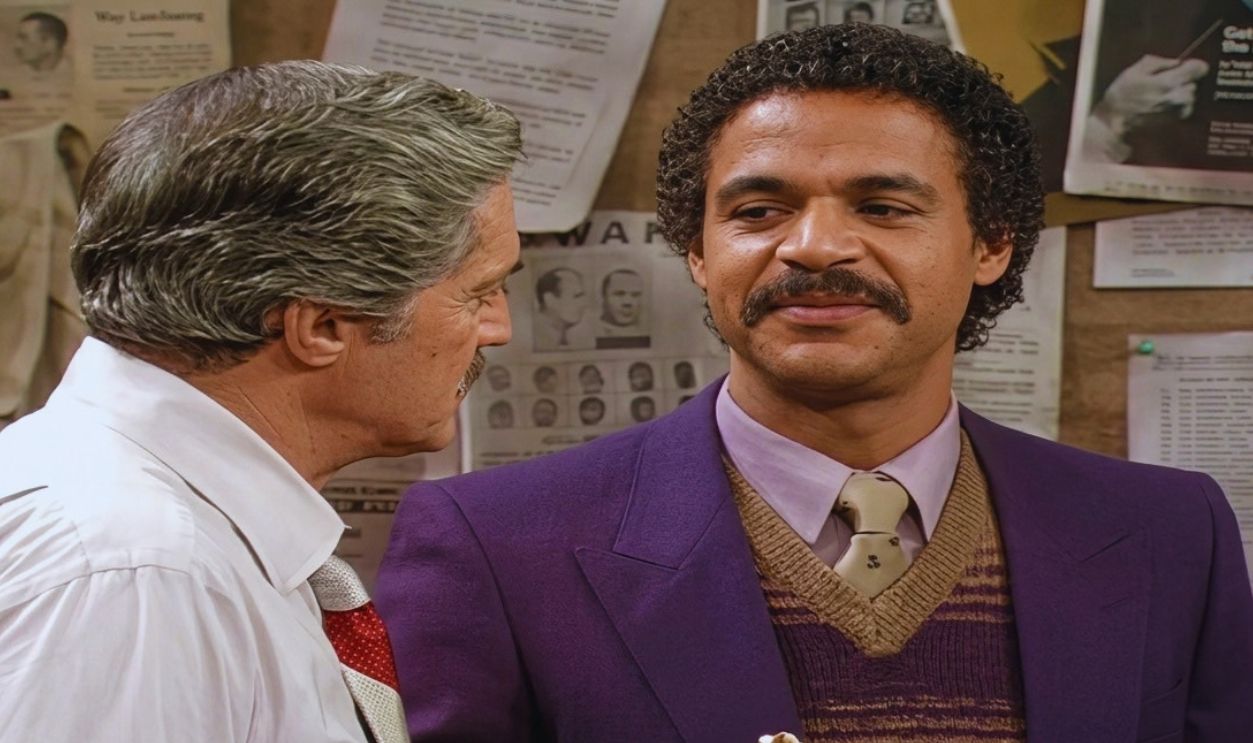
Harris Wanted To Become An Author
One of the show’s longest-running stories involved Harris writing a book based on precinct life. The project was eventually titled Blood on the Badge. Police work gave him material, although his colleagues slowly realized that their personal embarrassments might also become material.
 Screenshot from Barney Miller, ABC (1975–1982), Enhanced
The Novel Became Part Of His Identity
Harris regularly appeared more interested in writing than filing reports. The detectives questioned how they would be portrayed, while Barney worried about confidential information. Harris insisted on artistic freedom, especially when artistic freedom seemed likely to produce royalties.
 Screenshot from Barney Miller, ABC (1975–1982), Enhanced
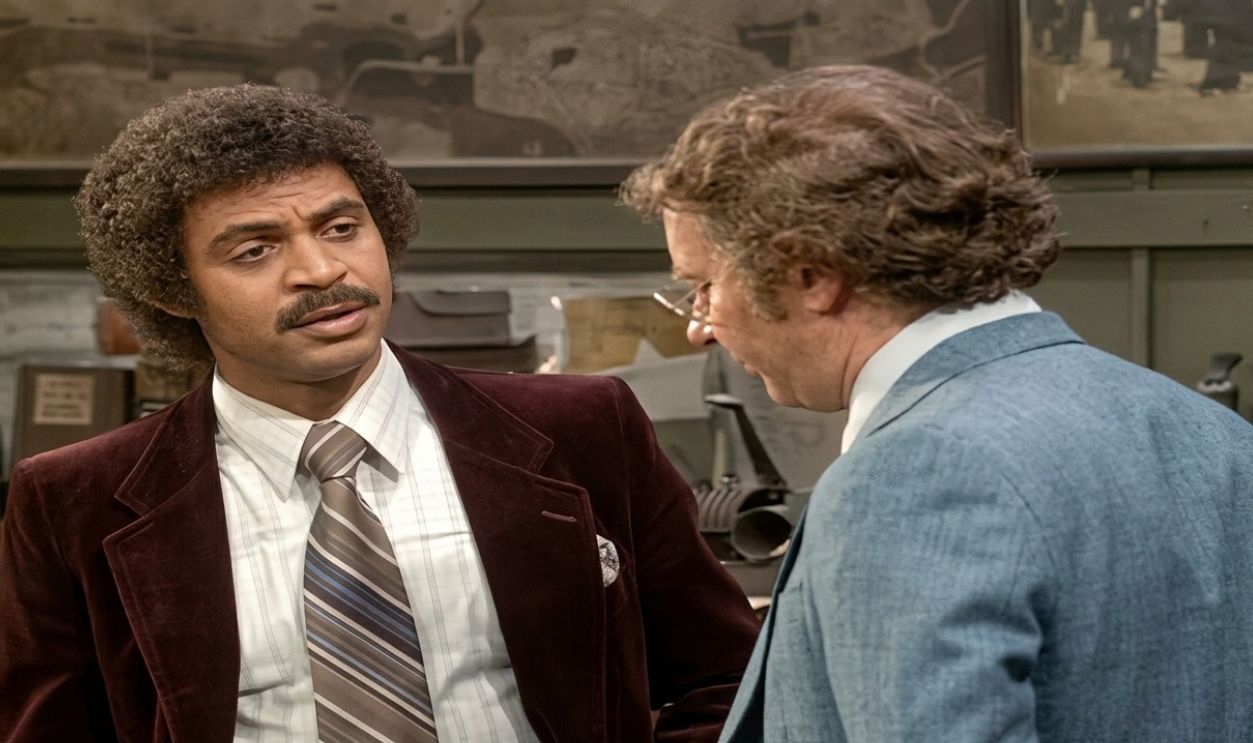
Success Created New Problems
Blood on the Badge was eventually published and became successful. Rather than bringing uncomplicated happiness, the book produced arguments, hurt feelings, and legal trouble. Harris discovered that writing about real people was easier before those people obtained copies and recognized themselves.
 Screenshot from Barney Miller, ABC (1975–1982), Enhanced
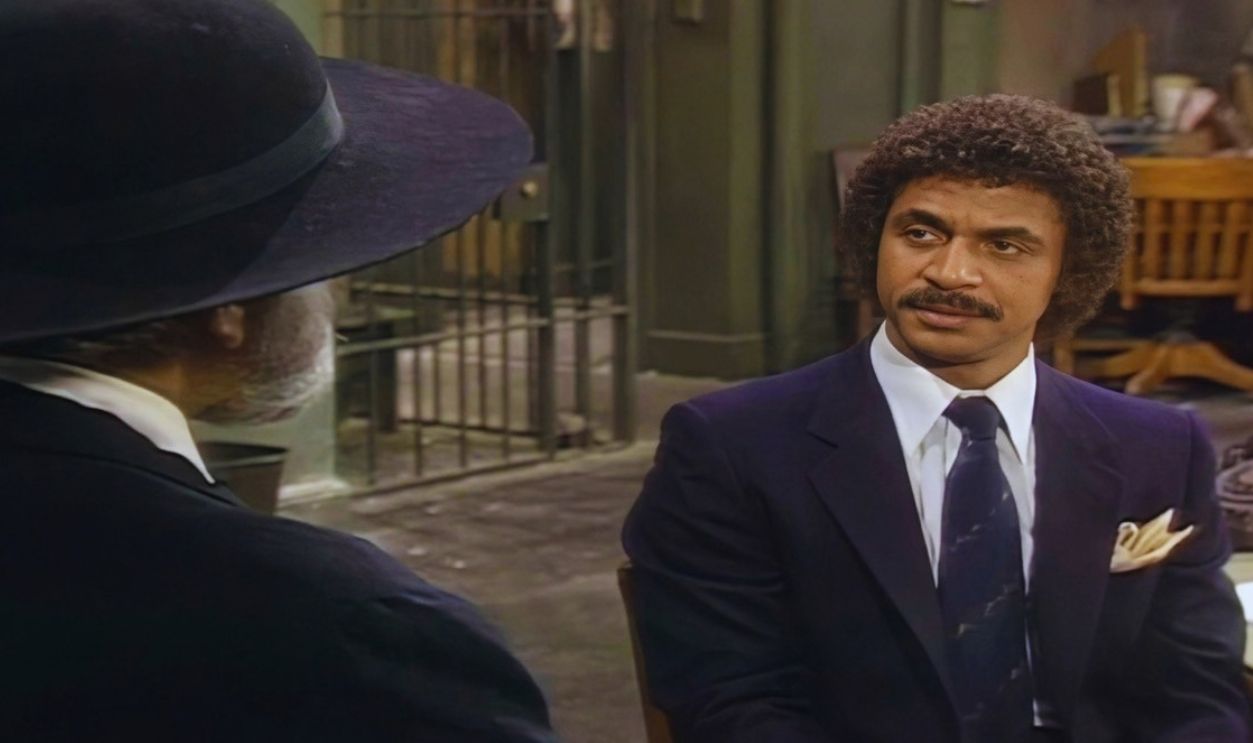
His Ambition Made Him More Human
Harris could be self-involved, materialistic, and distracted, but those flaws kept him believable. He wanted a life larger than the precinct could provide. Glass made that yearning funny without treating it as foolish. Harris’s dreams represented both vanity and an understandable desire to advance.
 Screenshot from Barney Miller, ABC (1975–1982), Enhanced
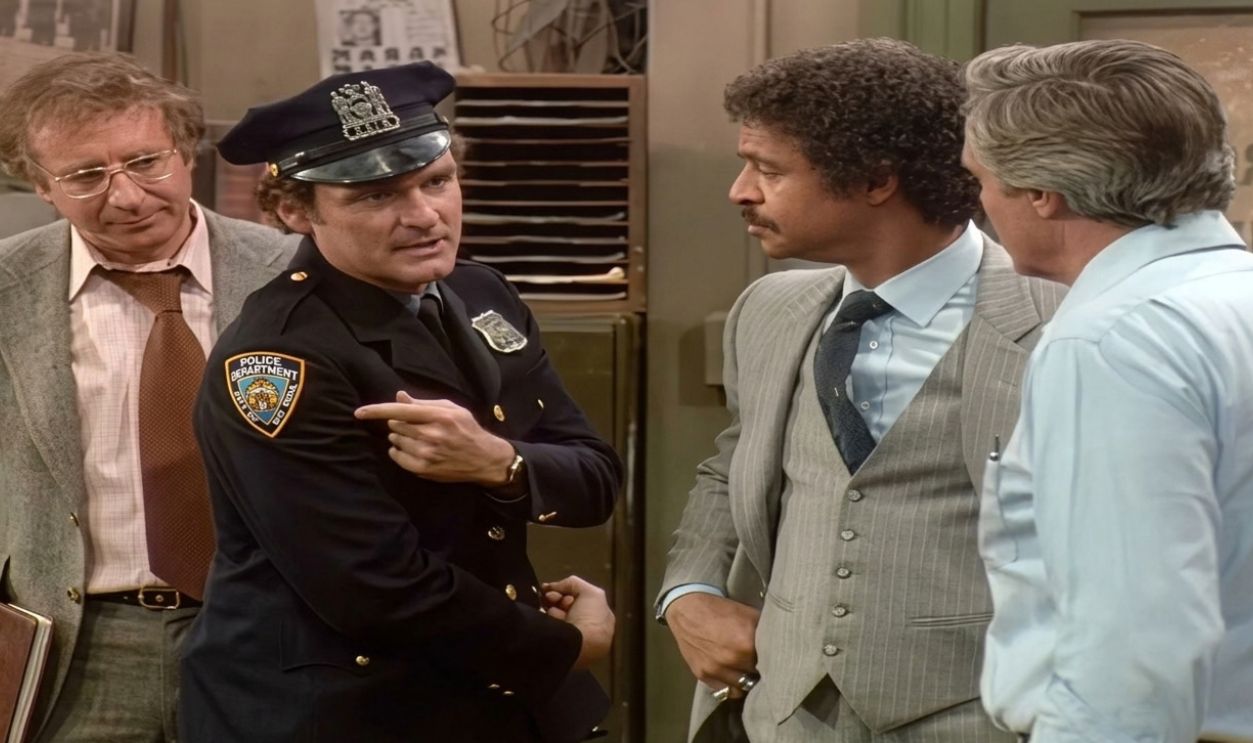
The Show Reflected A Diverse New York
The precinct included Jewish, Black, Japanese American, Puerto Rican, Polish American, and other perspectives without turning every difference into a lecture. The characters were allowed to be specific, flawed people. Harris’s race mattered, but it was never the only interesting thing about him.
 Screenshot from Barney Miller, ABC (1975–1982), Enhanced
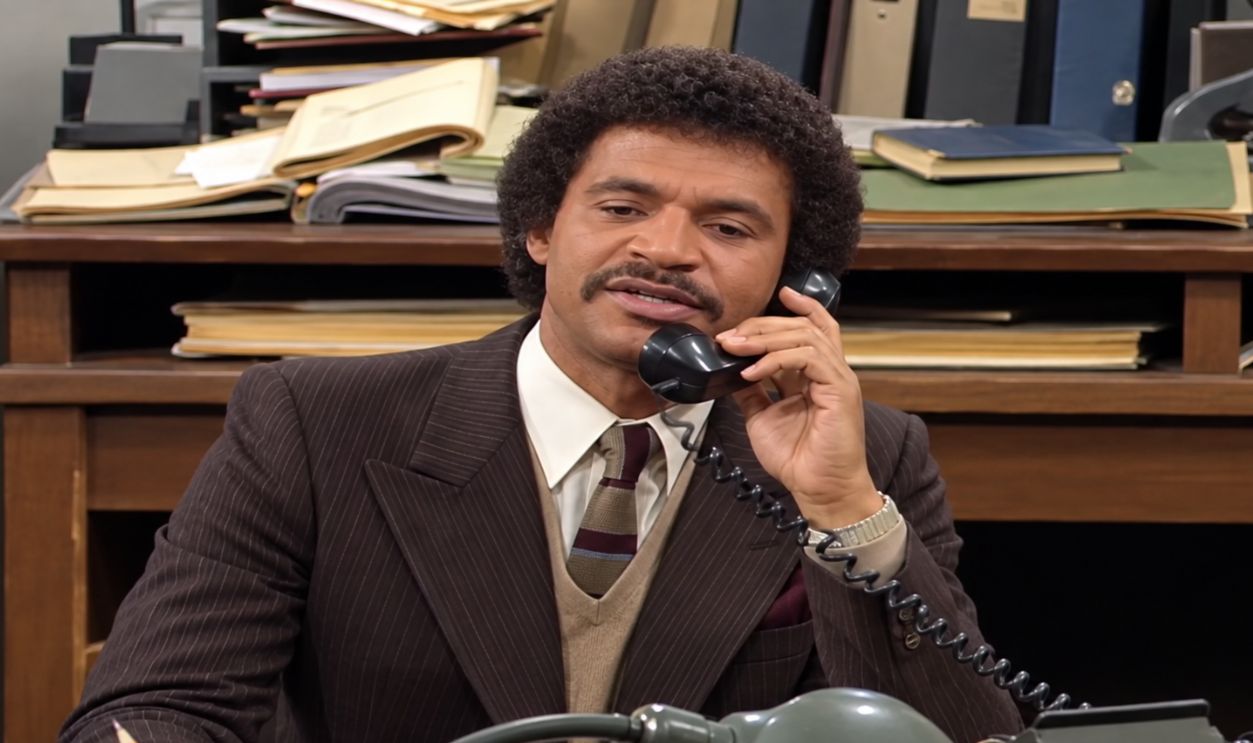
His Presence Challenged Familiar Stereotypes
Harris was educated, stylish, articulate, and unapologetically ambitious. He offered 1970s viewers a Black television character who did not fit the narrow roles often available at the time. Glass later became a role model for viewers who recognized men from their families, churches, schools, and communities in him.
 Screenshot from Barney Miller, ABC (1975–1982), Enhanced
One Episode Became Especially Powerful
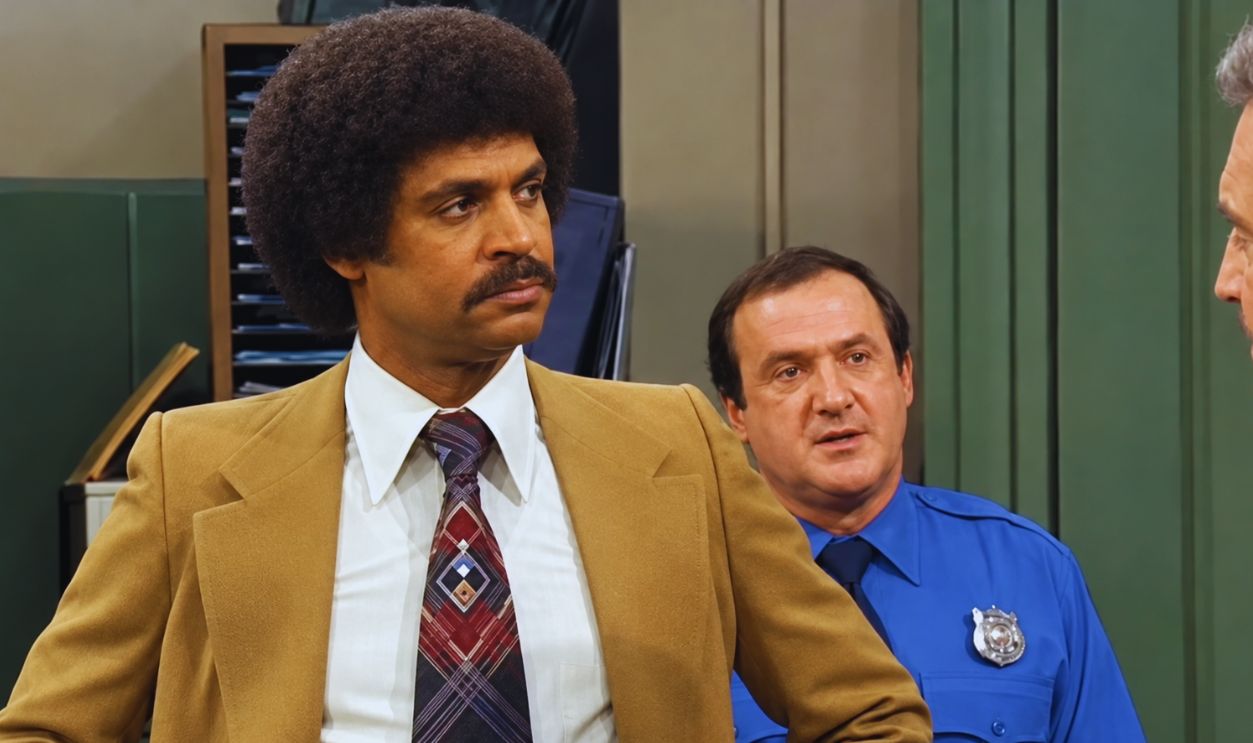
In “The Harris Incident,” two uniformed officers fired at Harris after mistaking him for the criminal he was pursuing. Harris returned to the precinct furious and shaken. The story confronted racial assumptions within policing while allowing Glass to move beyond his character’s usual controlled humor.
 Screenshot from Barney Miller, ABC (1975–1982), Enhanced
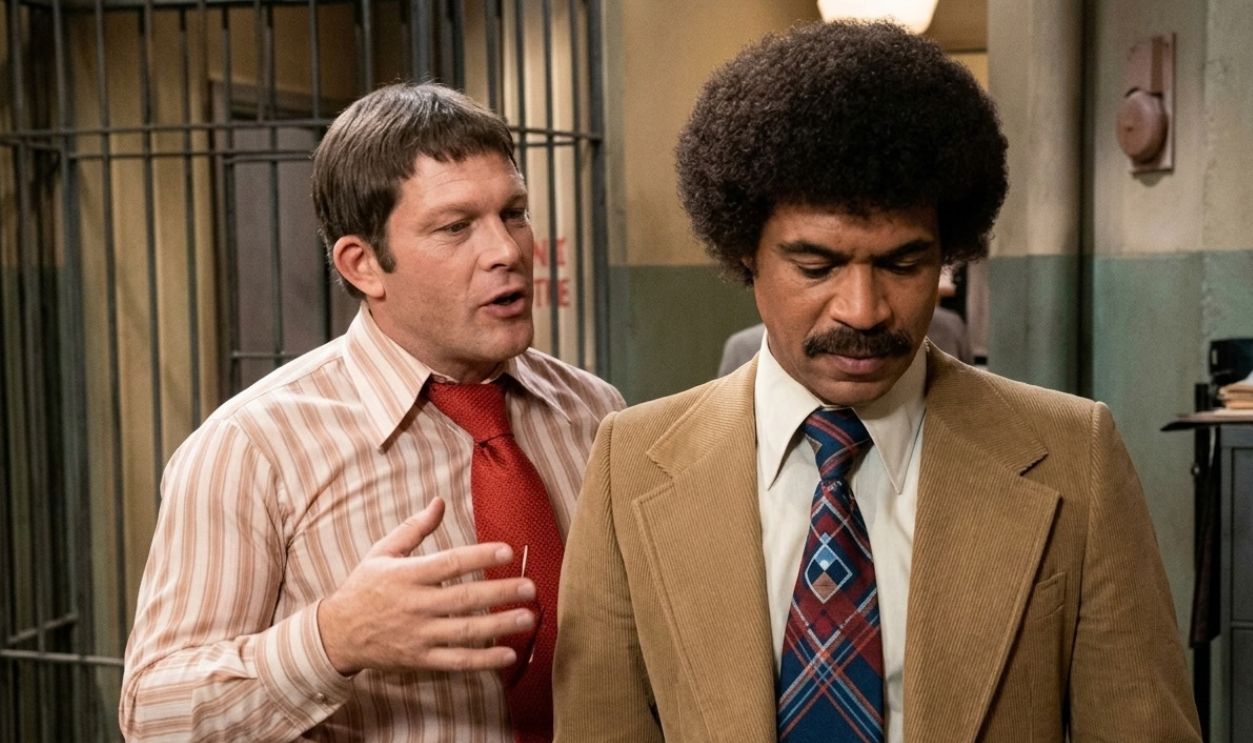
Glass Let Harris Lose His Calm
The episode worked because audiences were accustomed to Harris maintaining his composure. Watching that control fracture revealed how deeply the encounter affected him. Glass communicated anger, humiliation, and disbelief without transforming the episode into a speech designed to solve racism before the closing credits.
 Screenshot from Barney Miller, ABC (1975–1982), Enhanced
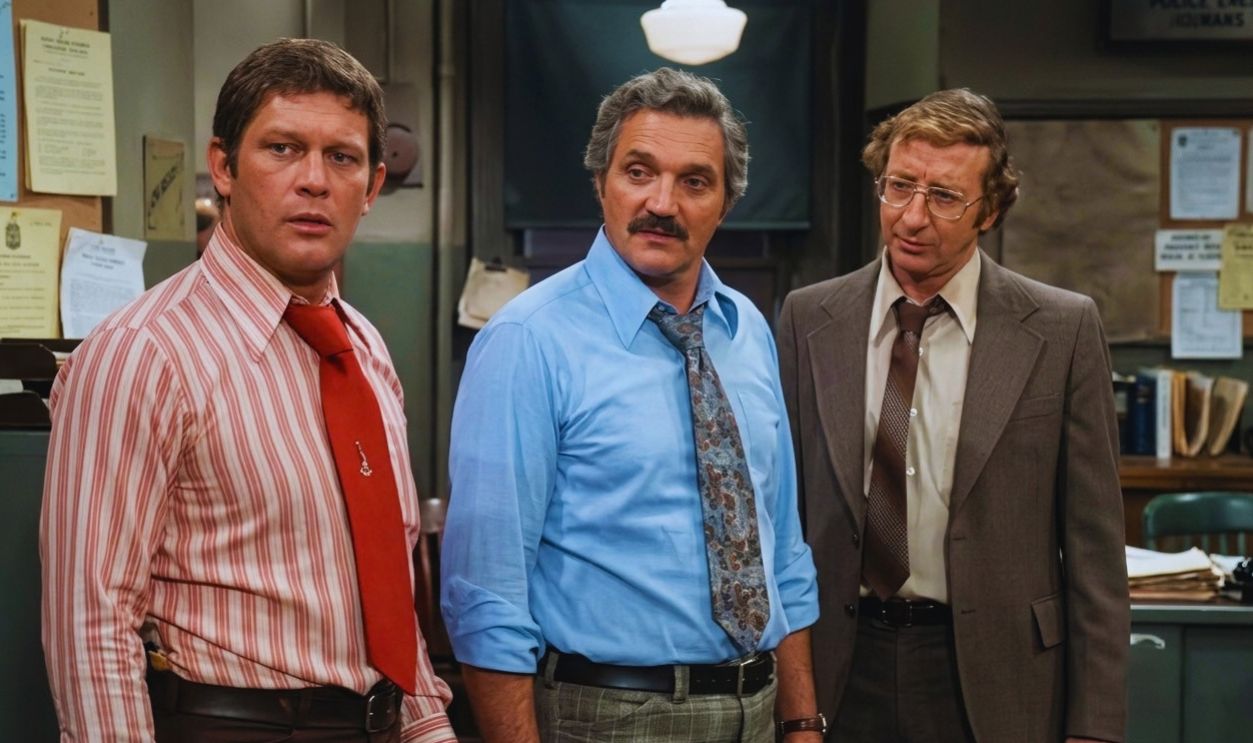
The Squad Supported Him Imperfectly
The other detectives cared about Harris, but they did not always understand his experience immediately. That uncertainty gave the episode honesty. Barney Miller often allowed decent people to stumble through difficult conversations, finding compassion without pretending that every conflict had a tidy answer.
 Screenshot from Barney Miller, ABC (1975–1982), Enhanced
Even The Famous “Hash” Episode Needed Restraint
In the beloved episode “Hash,” several detectives accidentally ate brownies containing hashish. Harris’s sudden giggling contrasted hilariously with his normal dignity. Glass never pushed the behavior too far, proving once again that losing control is funniest when the actor normally possesses plenty of it.
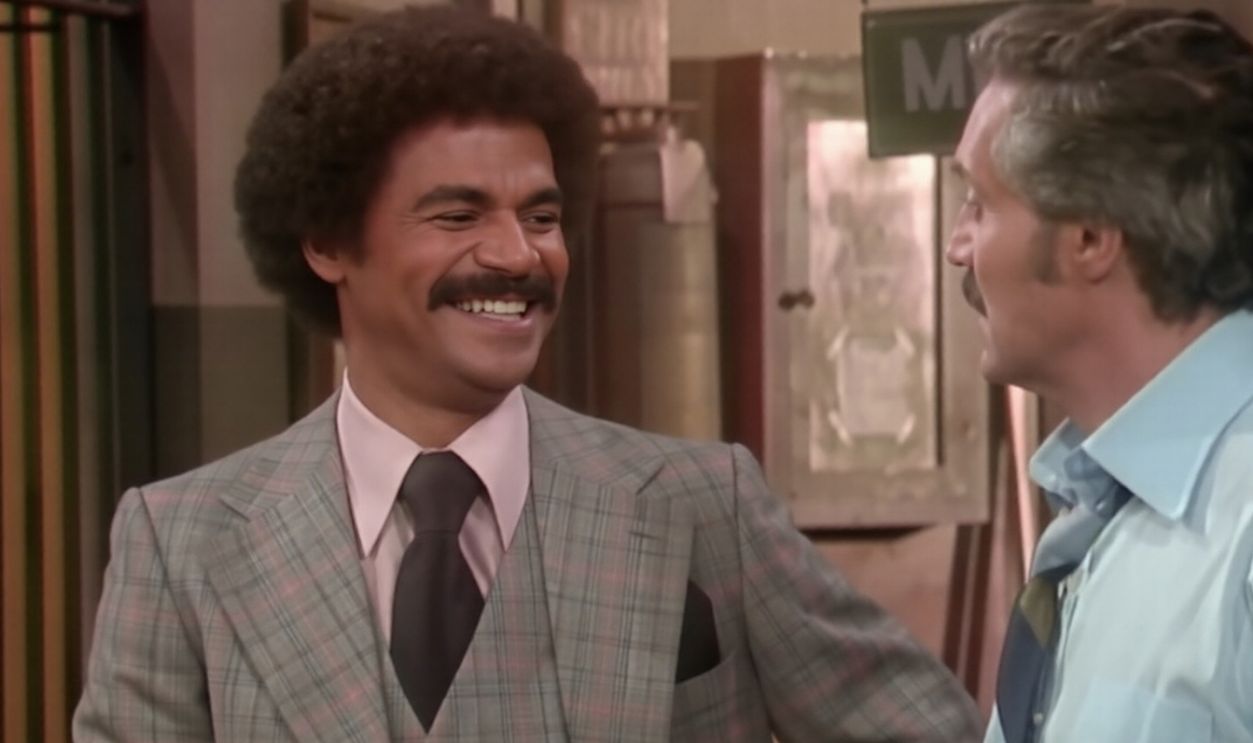 Screenshot from Barney Miller, ABC (1975–1982), Enhanced
The Production Was Surprisingly Grueling
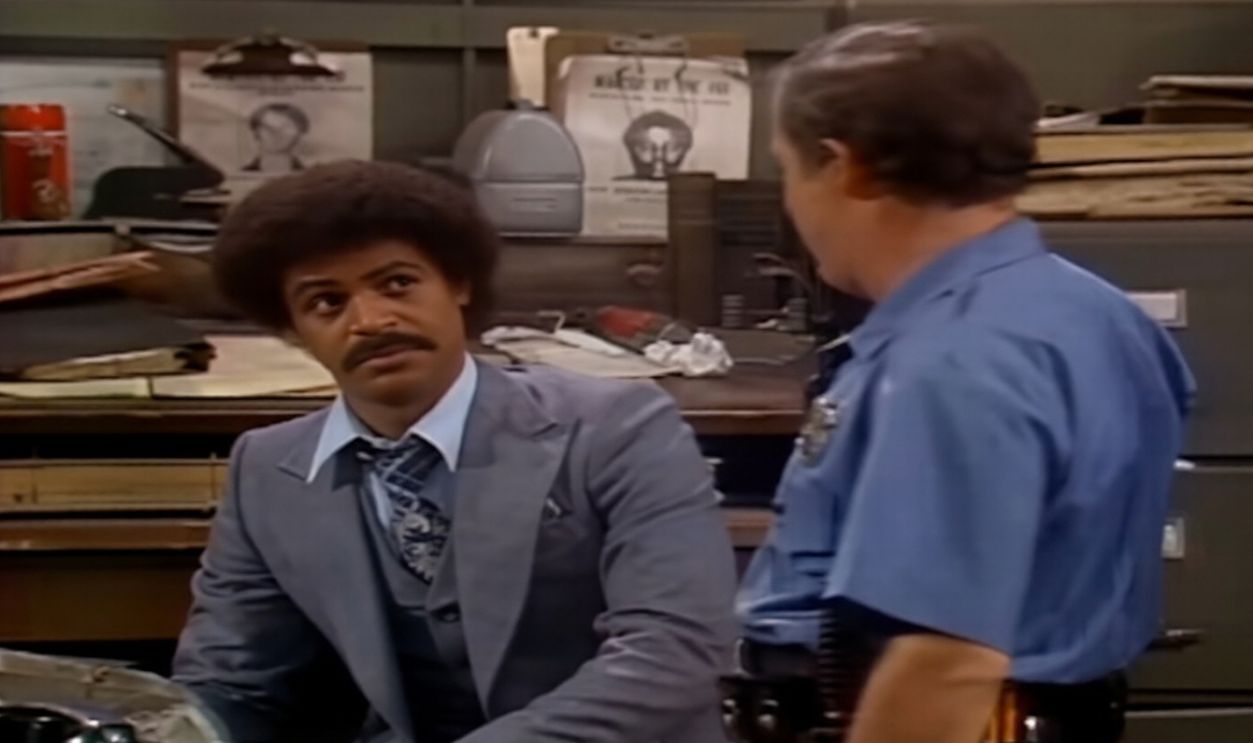
Danny Arnold continually rewrote and refined scripts, sometimes keeping the cast working into the early morning. The series eventually stopped depending on a live studio audience because tapings could last so long. Glass’s stage discipline became useful when scenes were being adjusted at hours better suited to breakfast.
 Screenshot from Barney Miller, ABC (1975–1982), Enhanced
Perfectionism Improved The Dialogue
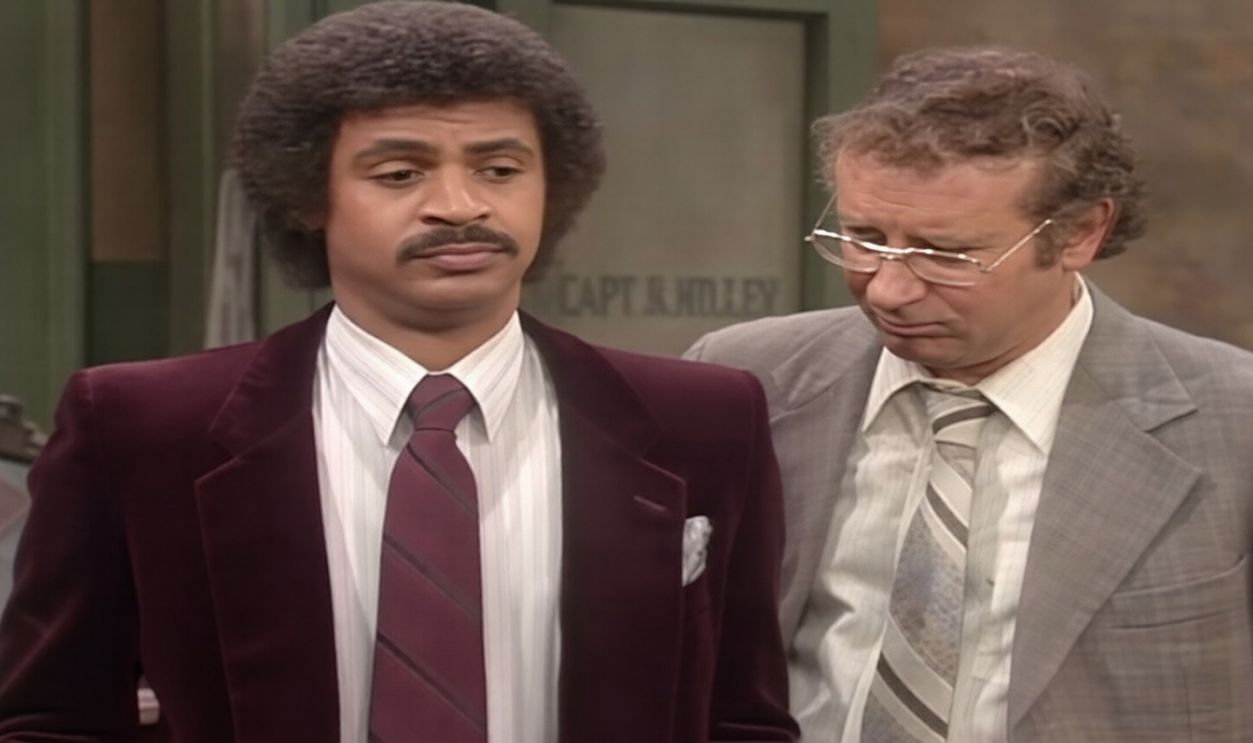
The late-night sessions were exhausting, but the care showed onscreen. Conversations overlapped naturally, jokes grew from character, and emotional moments avoided becoming sentimental. Glass could trust the writing enough to play Harris quietly, allowing the audience to notice the smallest reaction.
 Screenshot from Barney Miller, ABC (1975–1982), Enhanced
The Precinct Felt Like A Theater Stage
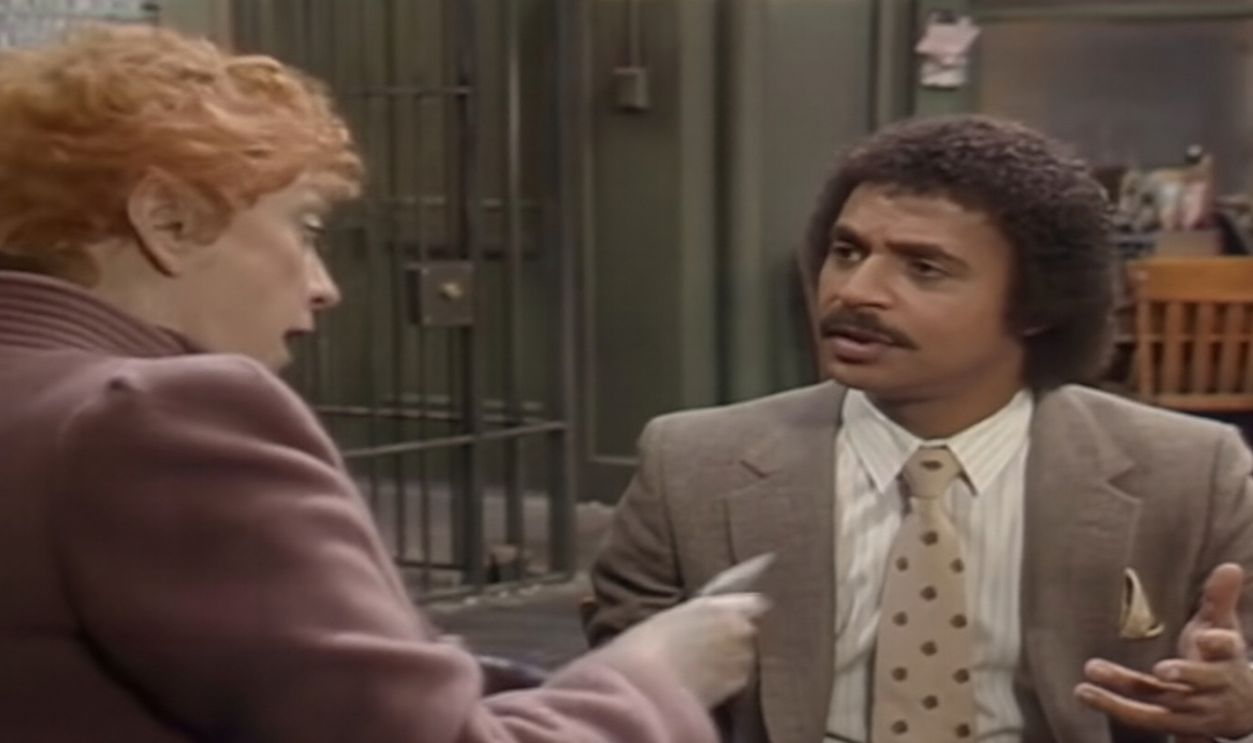
Most episodes unfolded almost entirely inside the squad room, with two or three stories moving between desks, Barney’s office, and the holding cell. The structure resembled a one-act play. For Glass, who had spent years in repertory theater, the confined setting was familiar territory.
 Screenshot from Barney Miller, ABC (1975–1982), Enhanced
Real Officers Recognized The Job
Police officers have frequently praised Barney Miller for capturing the paperwork, strange complaints, boredom, and human unpredictability of precinct life. The show understood that much police work involved listening to people. Harris could be impatient, but Glass always made him observant.
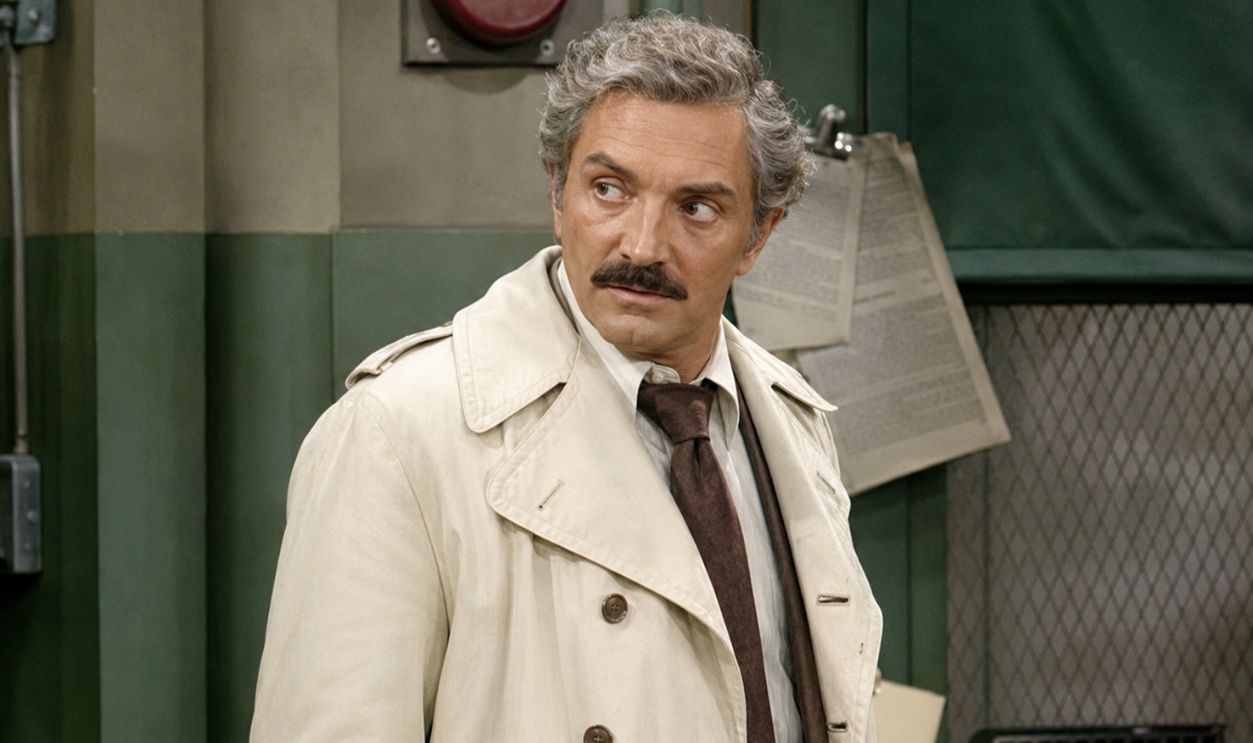 Screenshot from Barney Miller, ABC (1975-1982), Enhanced
The Cast Lost Jack Soo
Jack Soo died in January 1979 after developing cancer. Rather than hiding the loss behind a conventional story, the series produced a tribute episode in which the cast remembered him and watched clips. The final toast with coffee cups remains one of television’s most heartfelt ensemble farewells.
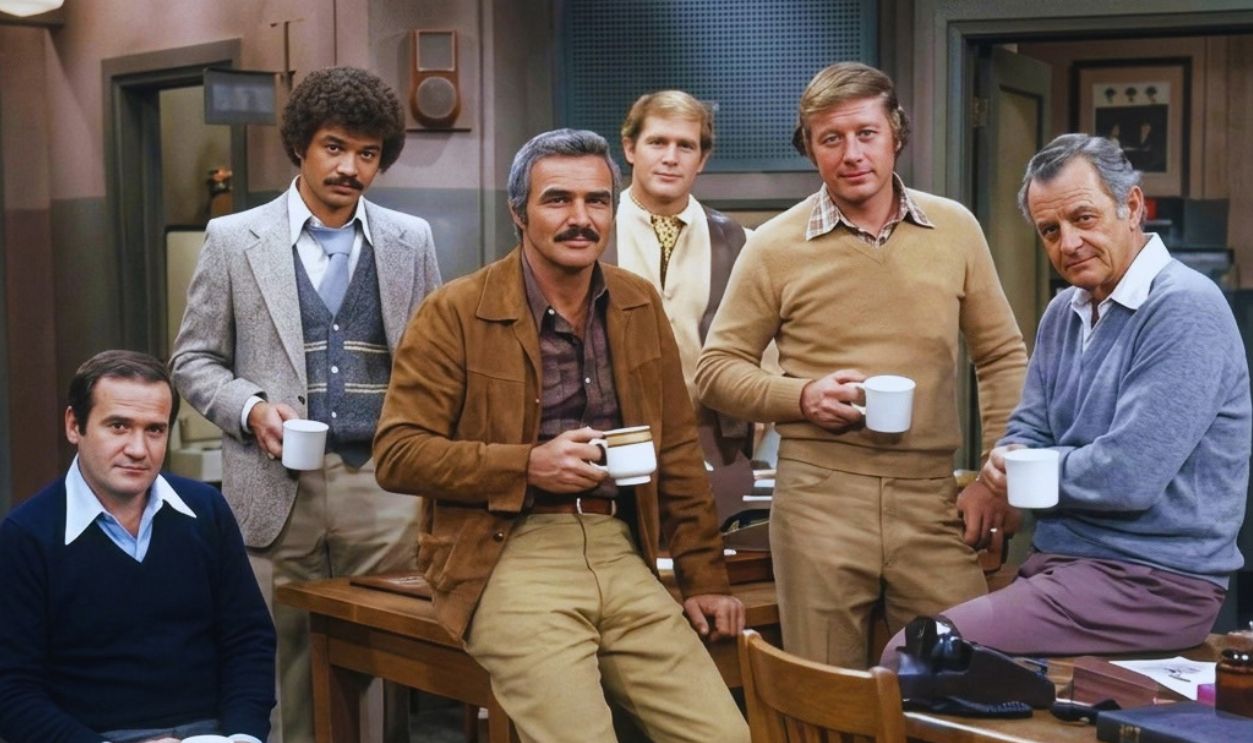 Screenshot from Barney Miller, ABC (1975–1982), Enhanced
Harris Became One Of The Constants
Cast members came and went, but Glass remained with Barney Miller throughout its eight seasons. He appeared in 164 episodes, giving Harris time to develop from a supporting detective into an aspiring author, published celebrity, and indispensable member of the precinct family.
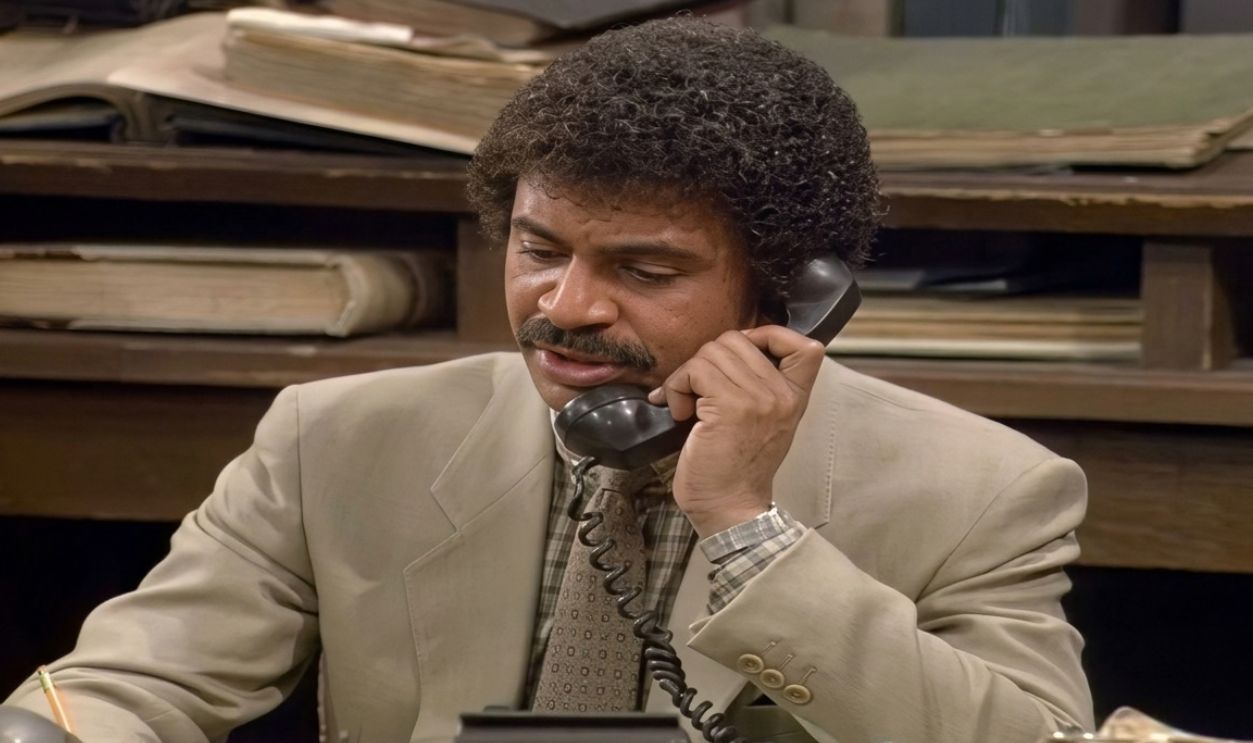 Screenshot from Barney Miller, ABC (1975–1982), Enhanced
Recognition Arrived At The End
Glass received a Primetime Emmy nomination for Outstanding Supporting Actor in a Comedy Series in 1982, the show’s final year. The nomination acknowledged the precision he had brought to Harris for nearly a decade. Like his character’s book deal, professional recognition required considerable patience.
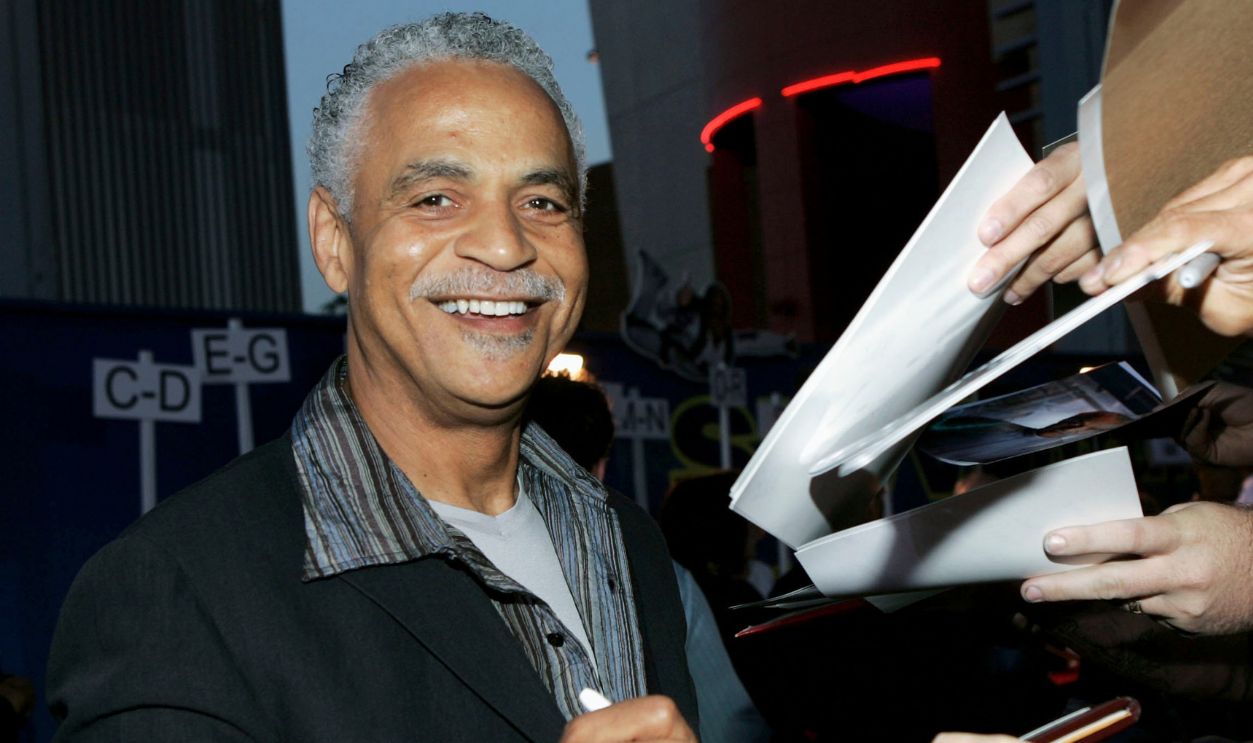
The Show Chose To Finish Strong
Barney Miller never became a Top 10 ratings sensation, but it earned critical respect and a devoted following. Danny Arnold decided to end it when maintaining the writing quality became increasingly difficult. The final episodes broke apart the precinct family as the detectives received new assignments.
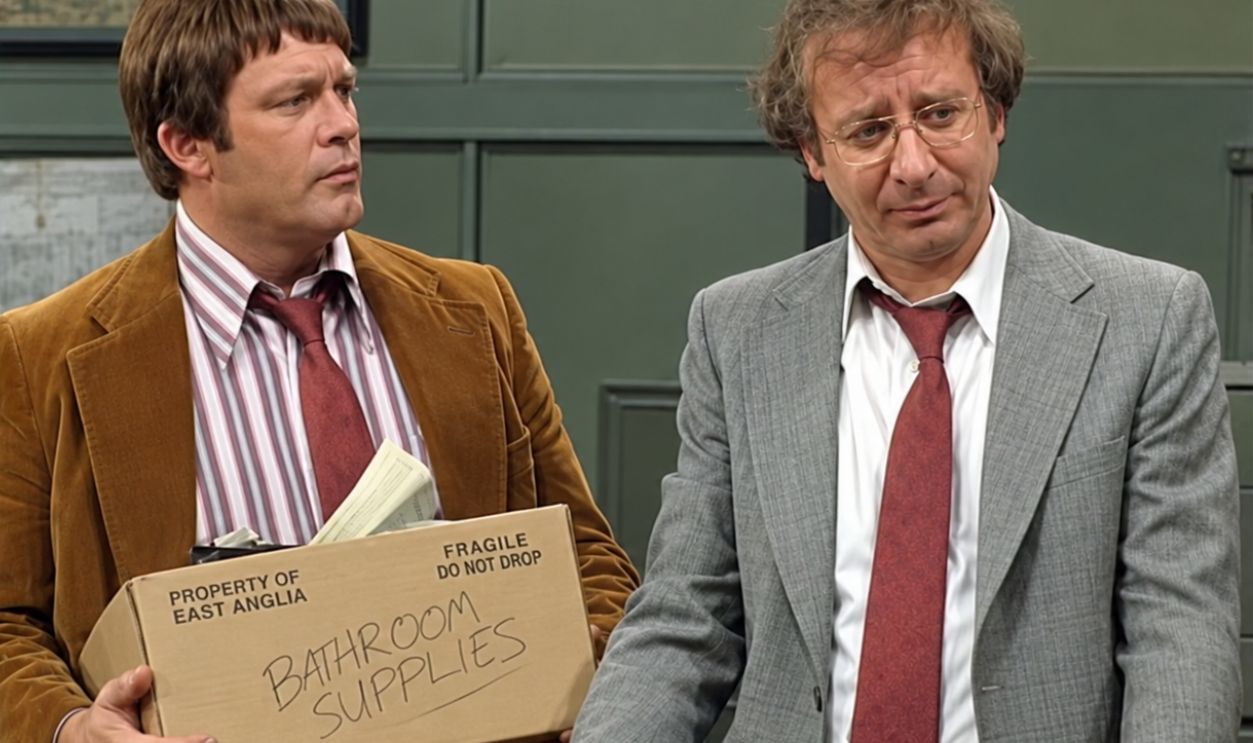 Screenshot from Barney Miller, ABC (1975–1982), Enhanced
Harris Left With His Future Open
The finale did not force Harris into an exaggerated farewell. Like the others, he faced reassignment when the precinct building received historic status. The squad separated, but the characters’ lives clearly continued. Harris presumably brought his wardrobe, manuscript ideas, and standards to another unfortunate station house.
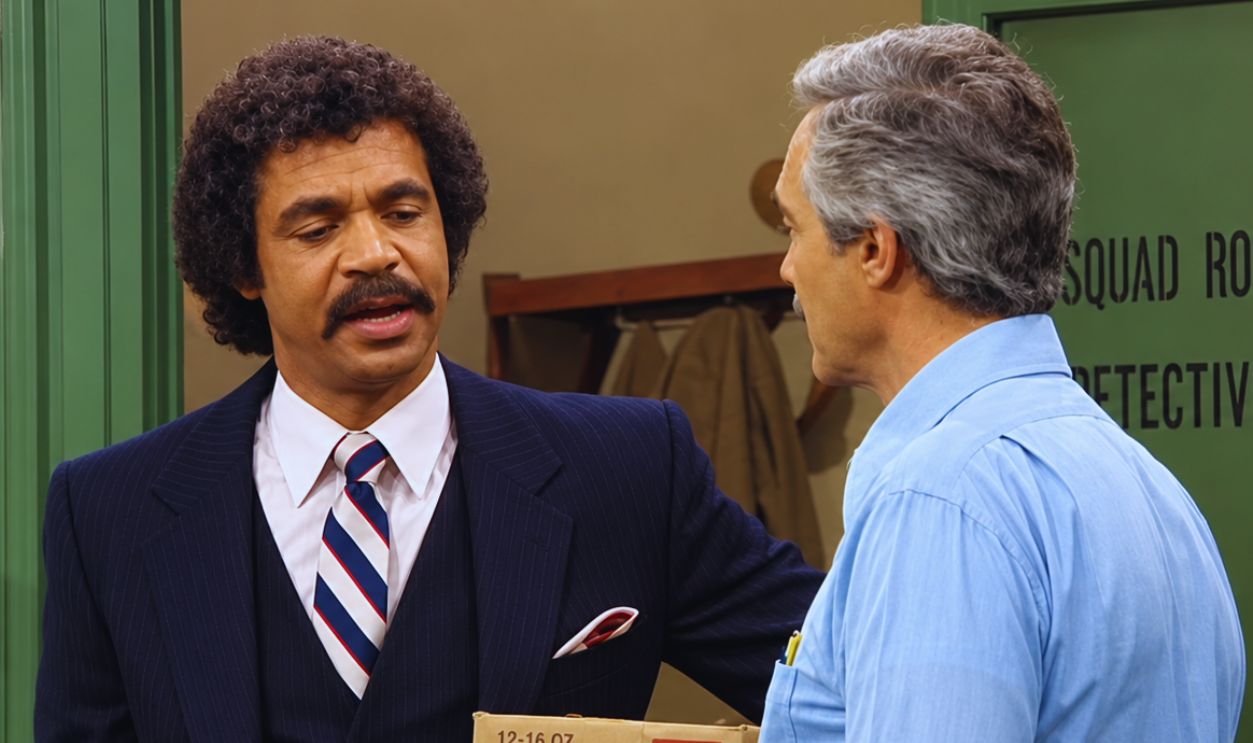 Screenshot from Barney Miller, ABC (1975–1982), Enhanced
He Tried Another Famous Comedy Role
After Barney Miller, Glass played Felix Unger opposite Demond Wilson’s Oscar Madison in The New Odd Couple. The 1982 series reimagined Neil Simon’s mismatched roommates as Black men. It lasted only one season, but Glass’s elegant fussiness made him a natural choice for Felix.
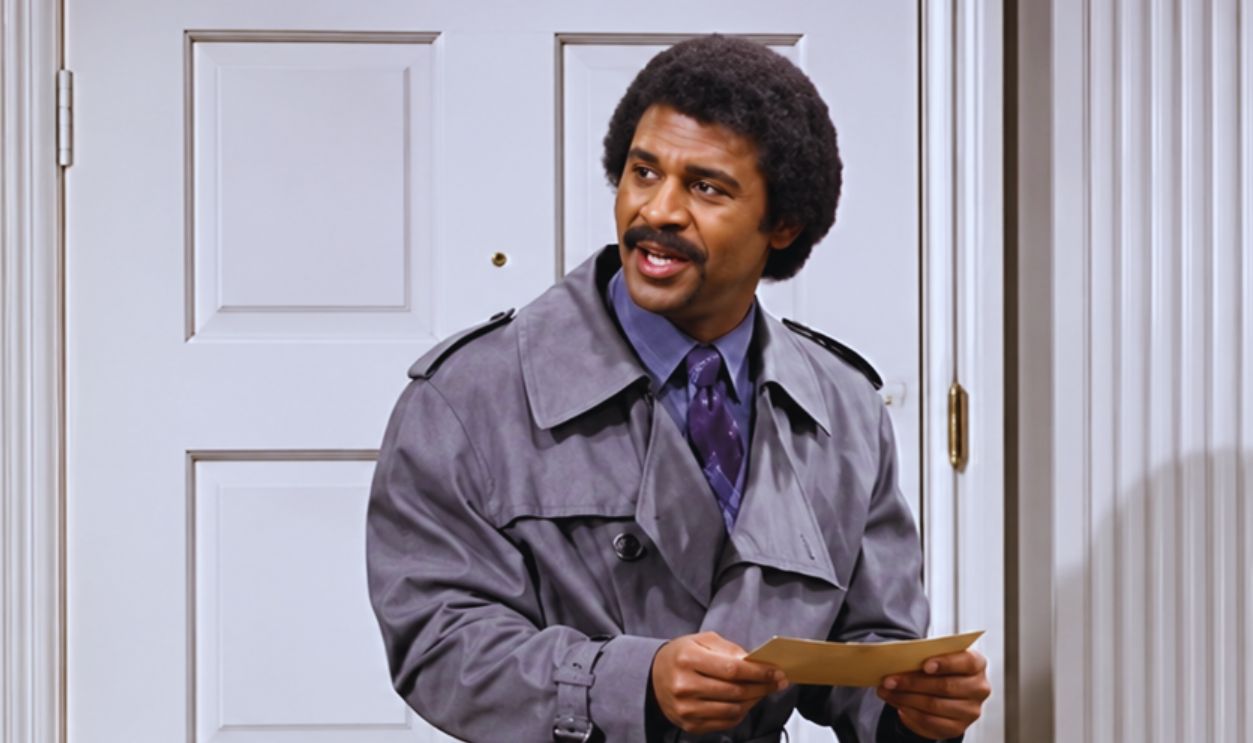 Screenshot from The New Odd Couple, ABC (1982–1983), Enhanced
He Never Stopped Working
Glass appeared in Amen, The Twilight Zone, 227, Designing Women, Family Matters, Friends, The Practice, and Star Trek: Voyager. He could play judges, teachers, lawyers, devils, ministers, and authority figures while maintaining the calm intelligence audiences associated with him.
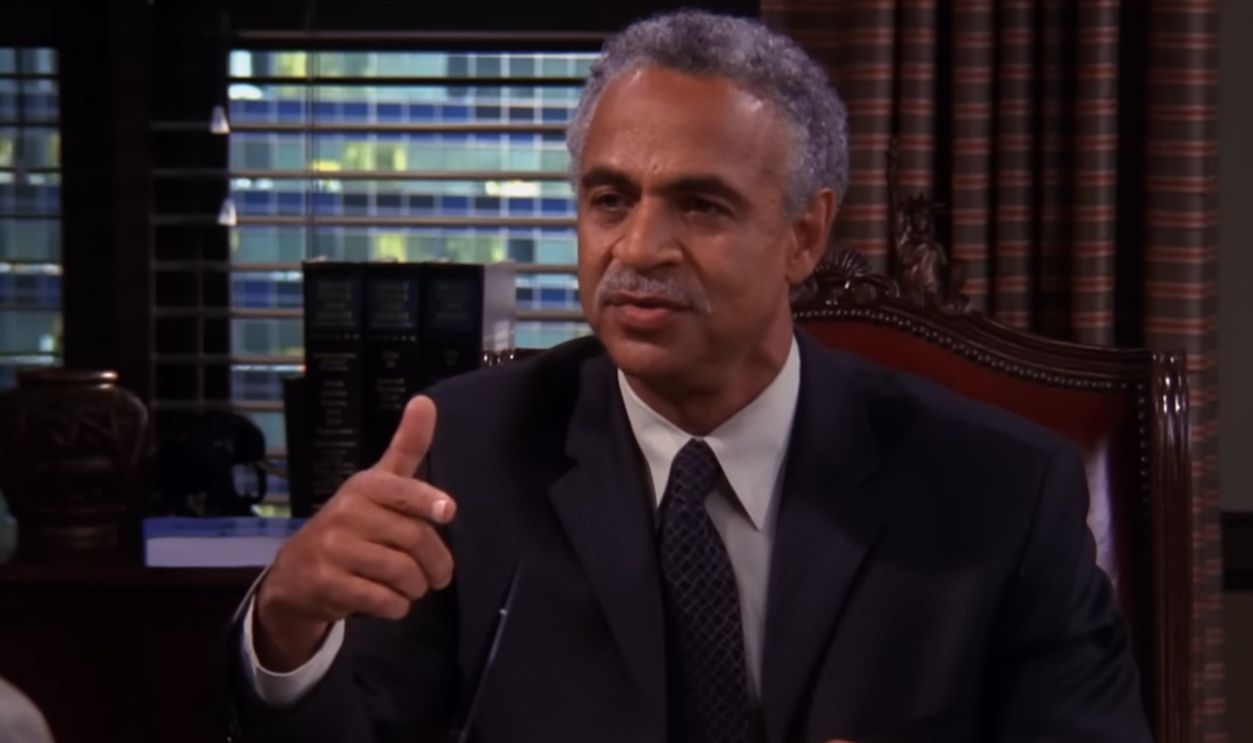 Screenshot from Friends, NBC (1994–2004)
Animation Gave Him Another Family
Glass voiced Randy Carmichael, the warm and successful father of Susie Carmichael, on Rugrats and All Grown Up!. The role introduced his voice to younger viewers who had never watched Barney Miller. Even in animation, his delivery carried immediate warmth and authority.
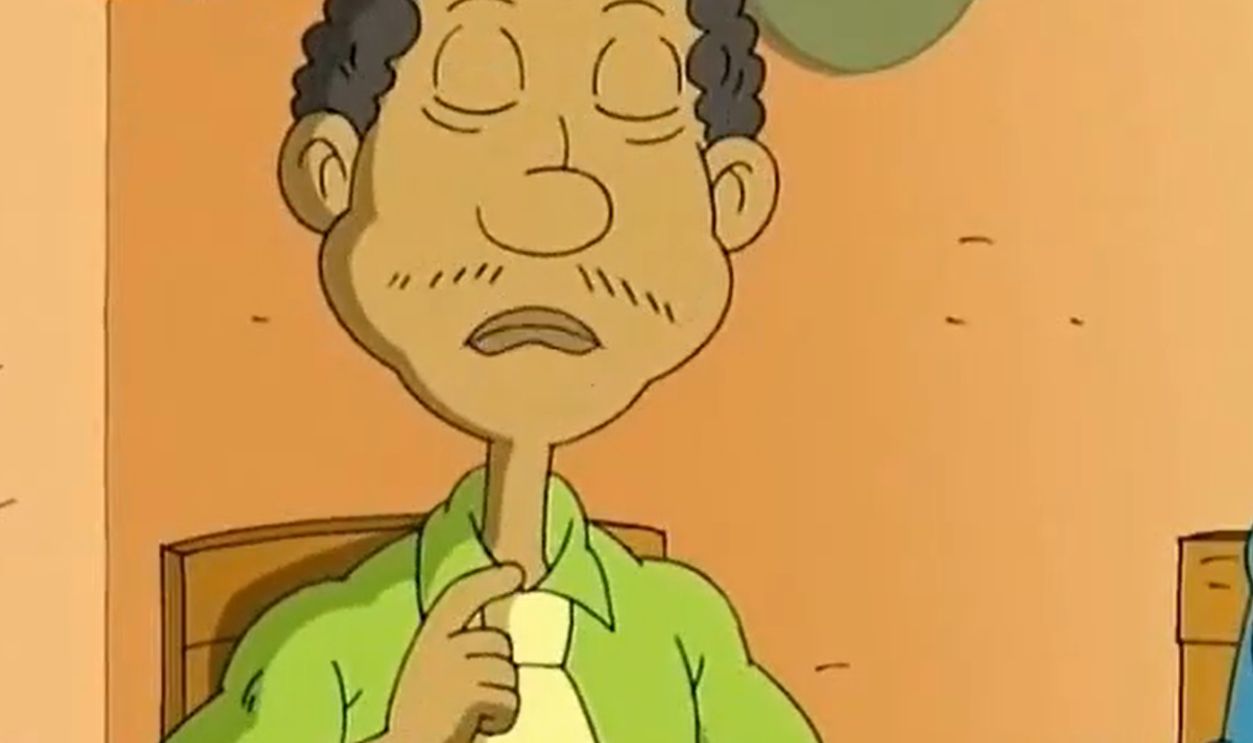 Screenshot from All Grown Up!, Nickelodeon (2003–2008)
Science Fiction Gave Him A Second Legacy
In 2002, Glass joined Firefly as Shepherd Derrial Book, a spiritual adviser traveling aboard the spaceship Serenity. Glass initially had little interest in science fiction, partly because he imagined hours of uncomfortable prosthetic makeup. Then he read the script and fell in love with the character.
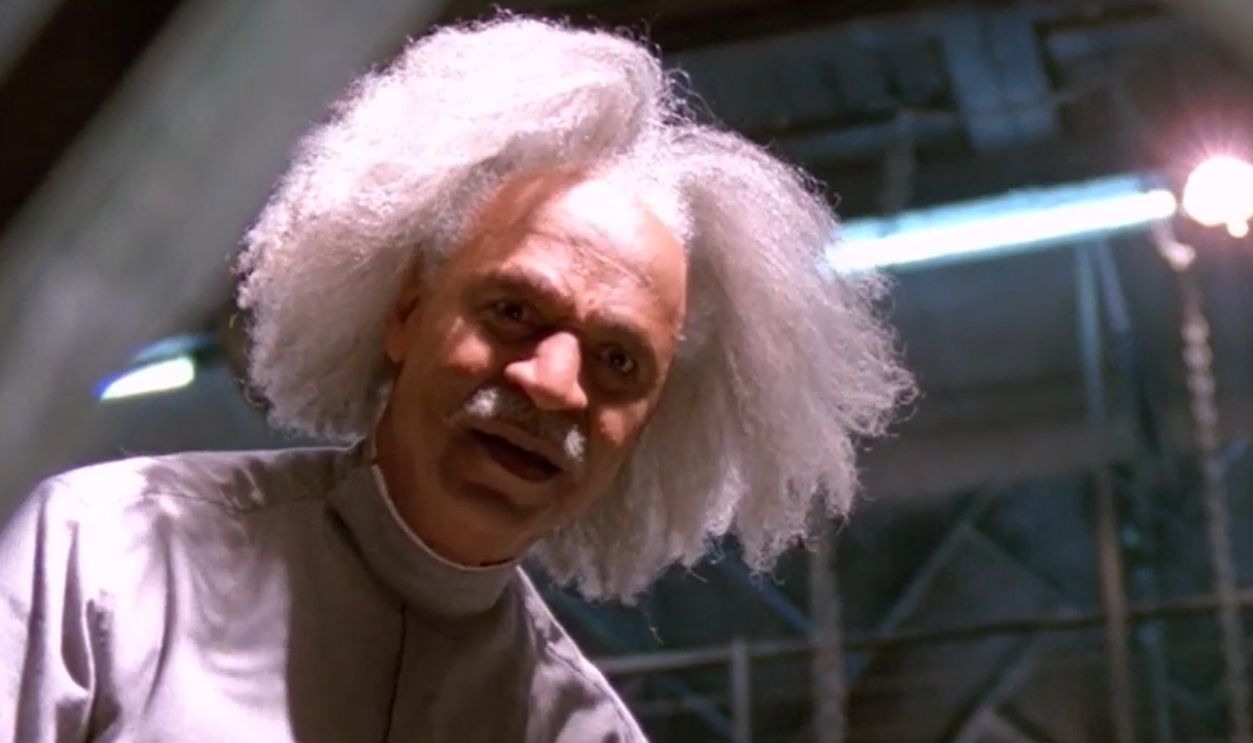 Screenshot from Firefly, Fox (2002–2003)
Shepherd Book Used His Quiet Strength
Book was gentle, humorous, morally serious, and surrounded by hints of a mysterious past. Glass made him comforting without making him dull. The character’s calm presence helped balance the ship’s smugglers, fugitives, and hired fighters, much as Harris had balanced the chaos of the 12th Precinct.
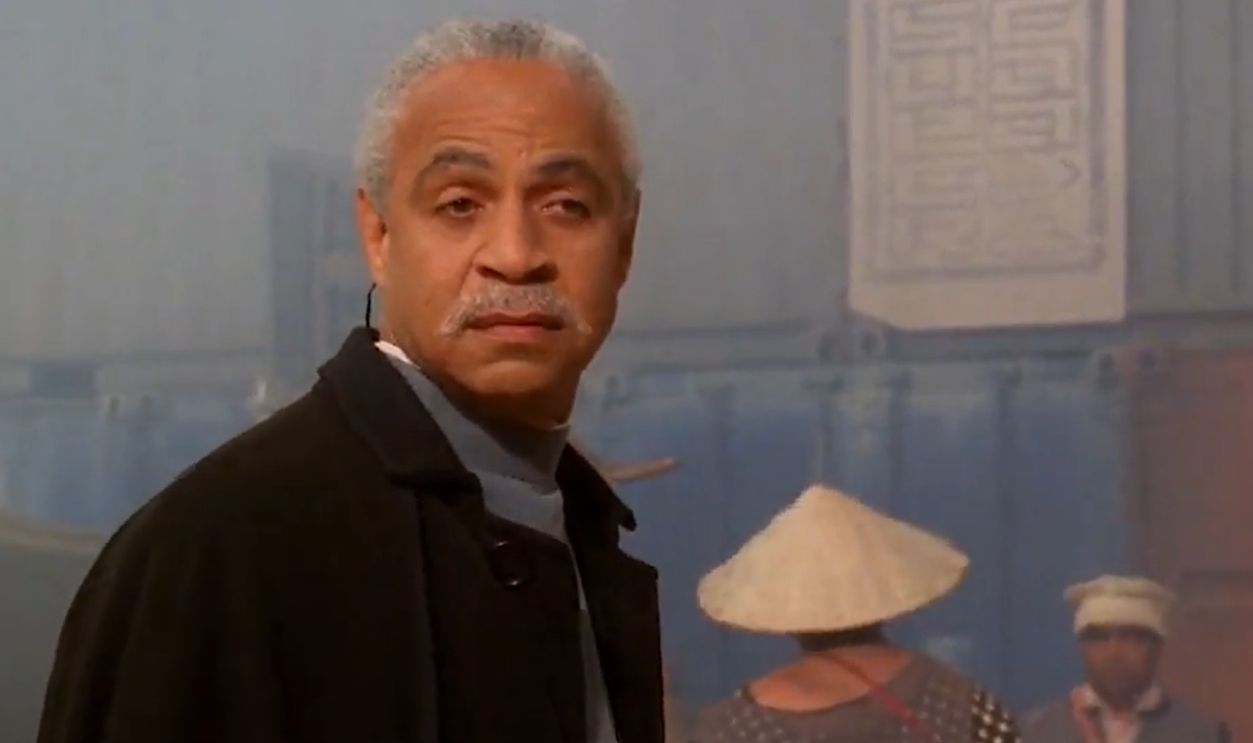 Screenshot from Firefly, Fox (2002–2003)
The Cancellation Did Not End Book
Fox canceled Firefly after one season, but the series developed a passionate following. Glass returned as Book in the 2005 film Serenity. A generation that had missed Detective Harris suddenly knew him as the wise shepherd with secrets he was not particularly eager to explain.
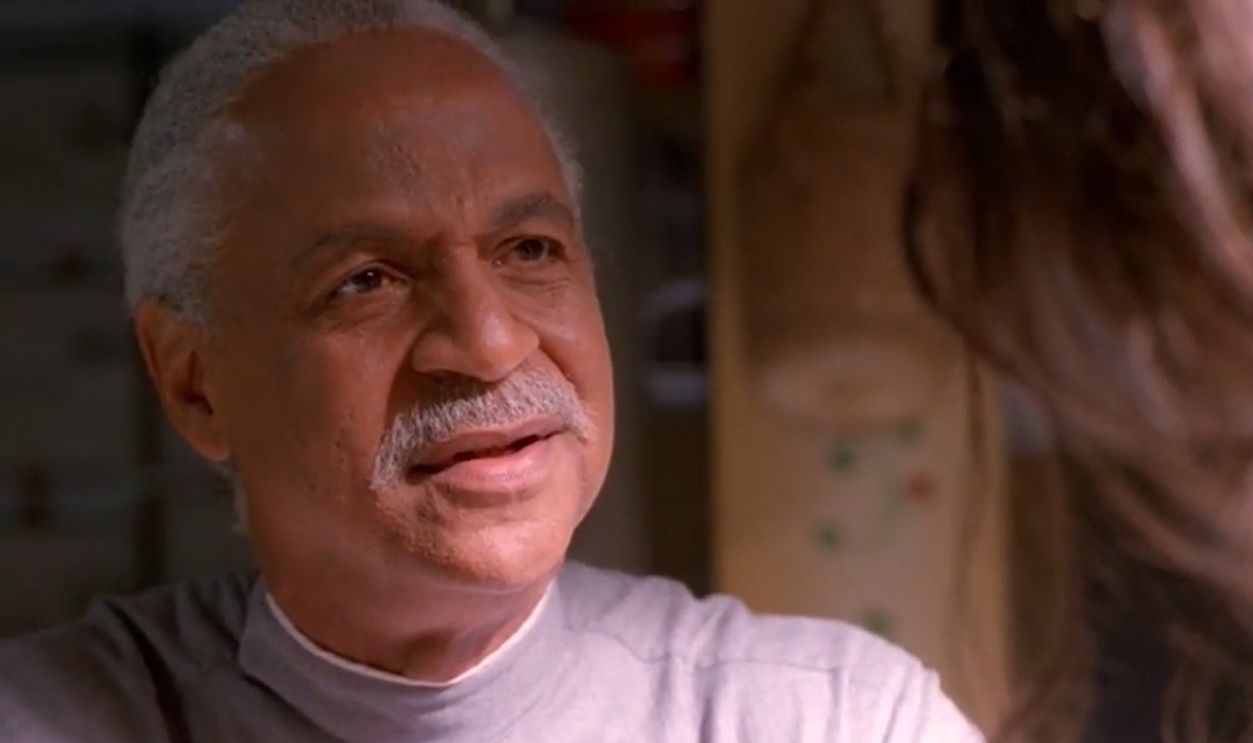 Screenshot from Firefly, Fox (2002–2003)
His Faith Was Personal
Glass was raised Catholic but later became a practicing Buddhist and a member of Soka Gakkai International. Although Shepherd Book followed a different faith, Glass understood the character’s spiritual steadiness. His performances often suggested that calm was an active discipline, not simply a personality trait.
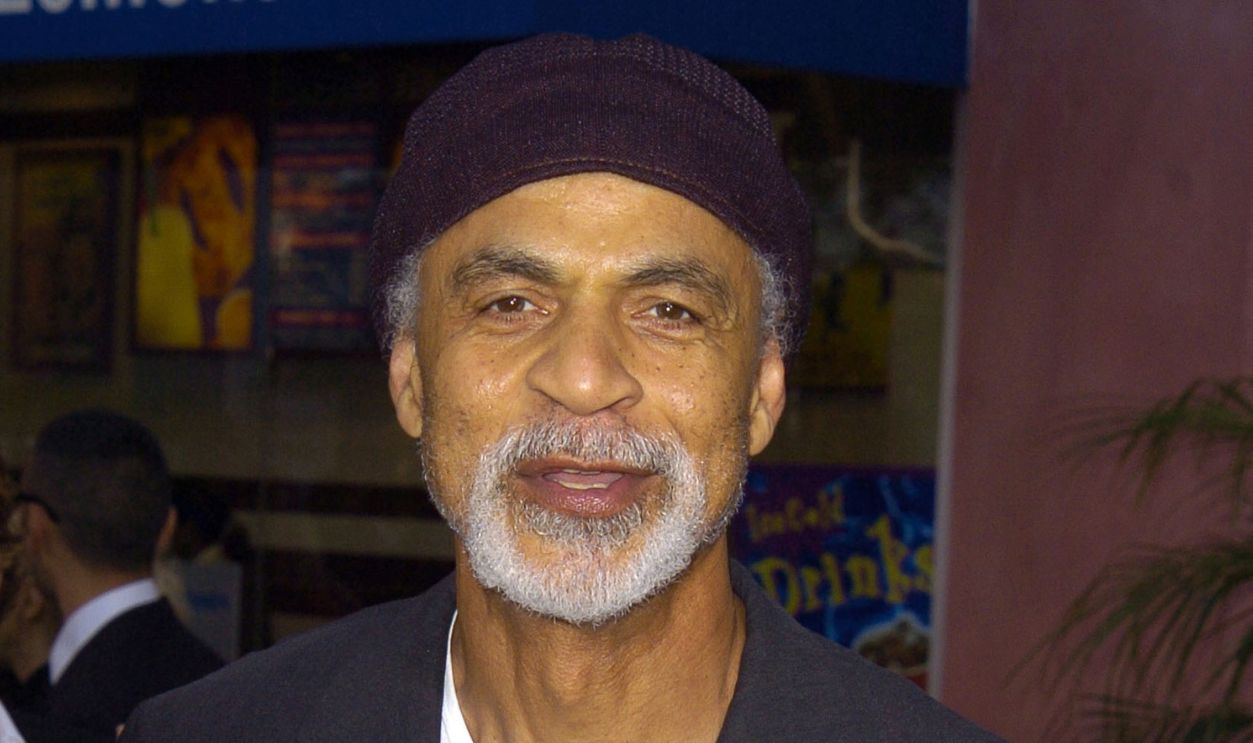
He Quietly Served His Community
Following the 1992 unrest in Los Angeles, Glass became involved with the Al Wooten Jr. Heritage Center, which supports young people through mentoring and college preparation. He served on its board for 24 years, including 12 years as chair, helping expand programs and secure the organization’s home.
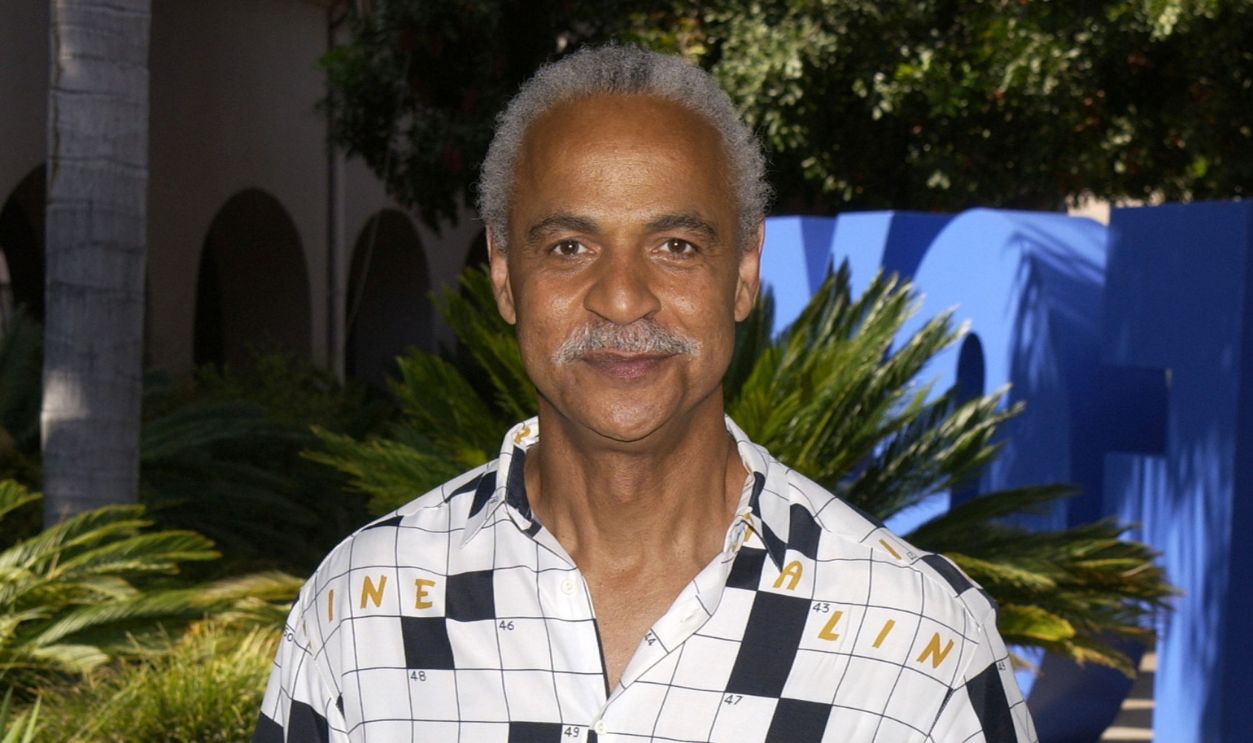 Jean-Paul Aussenard, Getty Images
His Most Important Role Was Offscreen
Glass helped establish fundraisers, supported SAT preparation, encouraged donors, and volunteered directly with students. The center later created the Ron Glass Memorial Scholarship. His television characters projected intelligence and dignity, but his community work turned those values into practical opportunities for young people.
 Raven Underwood, Wikimedia Commons
He Remained A Private Man
Glass never built his career around celebrity gossip or constant publicity. Friends described him as gentle, caring, generous, and very funny. The stylish confidence of Harris was genuine, but so was the quieter compassion audiences later recognized in Shepherd Book.
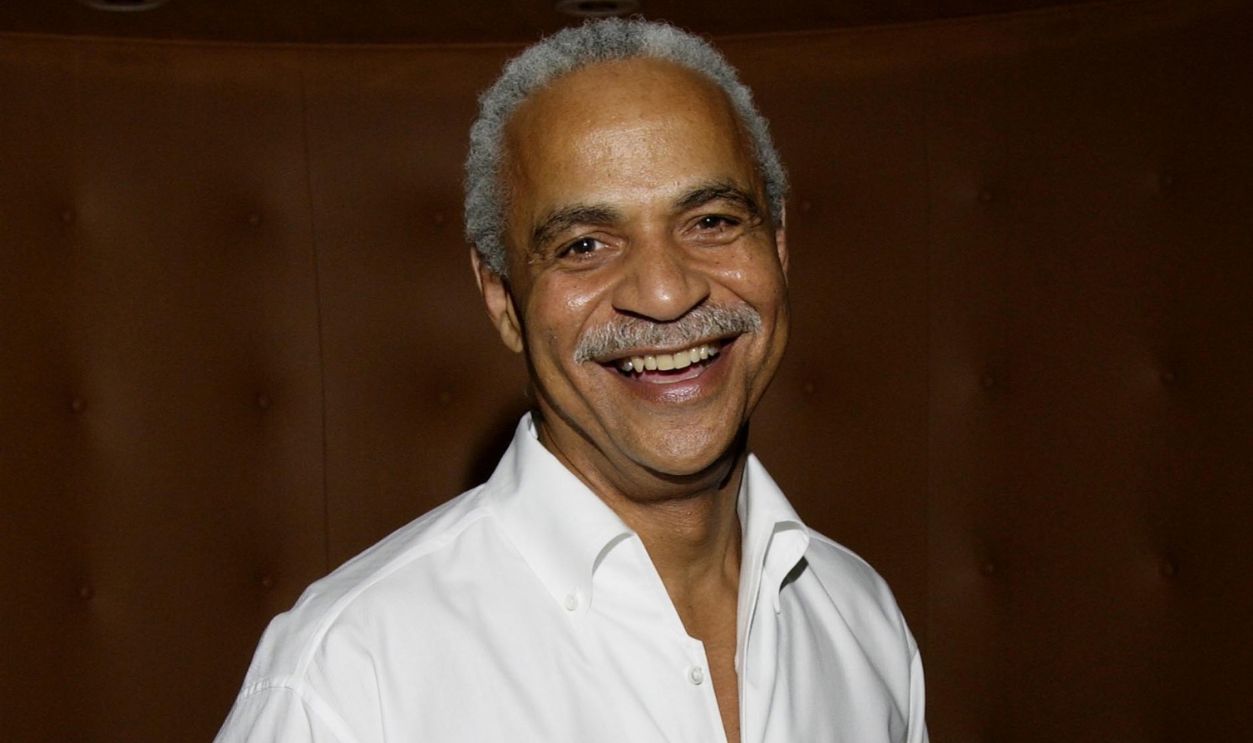
Ron Glass Left Too Soon
Glass died from respiratory failure in Los Angeles on November 25, 2016. He was 71. Tributes came from colleagues, fans, former castmates, and the community center he had supported for decades. Many remembered his infectious laugh as clearly as any line he delivered.
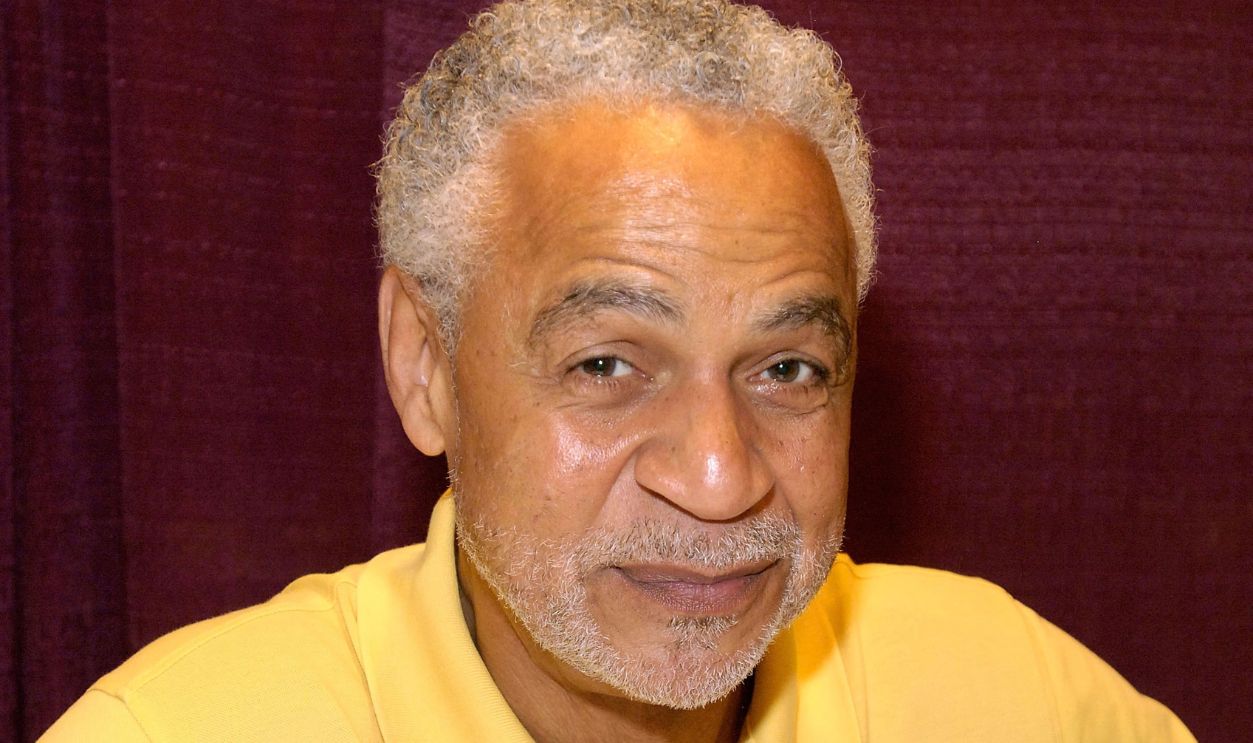
He Made Calmness Compelling
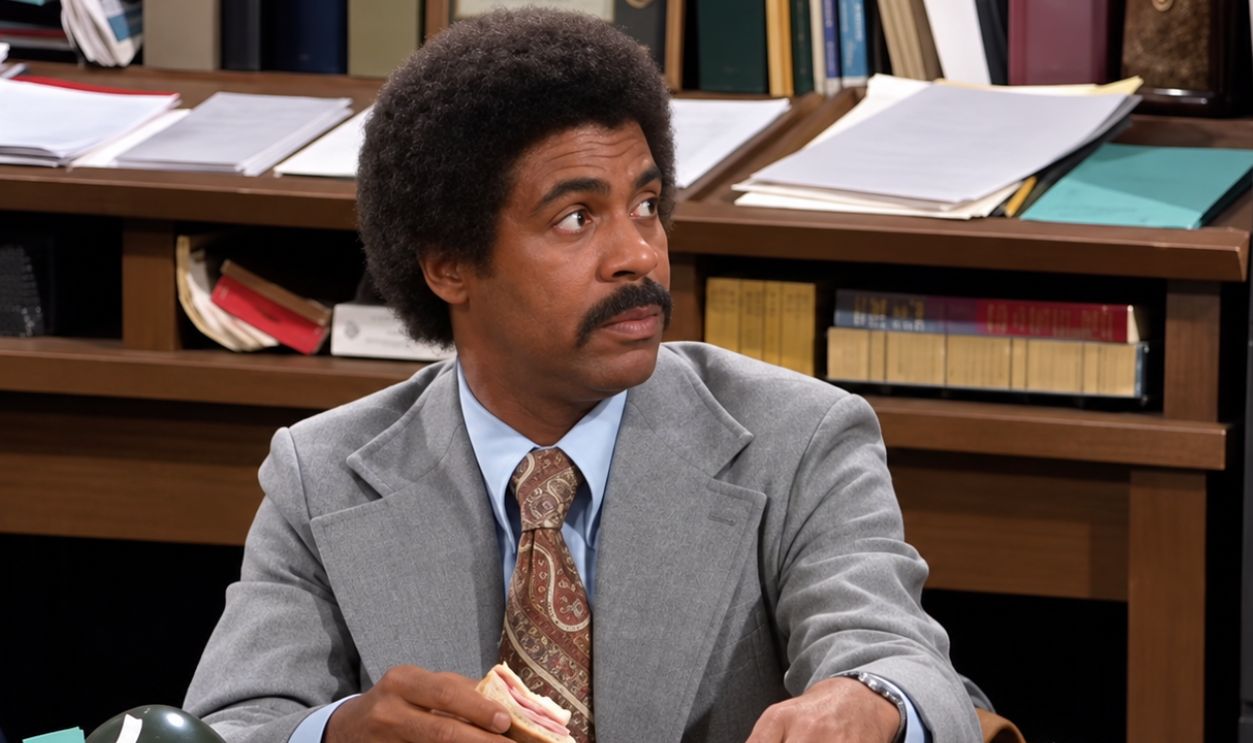
Ron Glass never needed to overpower the Barney Miller ensemble. He listened, reacted, and waited for precisely the right moment. Harris brought elegance into a crumbling precinct, ambition into routine police work, and quiet dignity into millions of homes.
 Screenshot from Barney Miller, ABC (1975–1982), Enhanced
The Precinct Would Not Have Been The Same
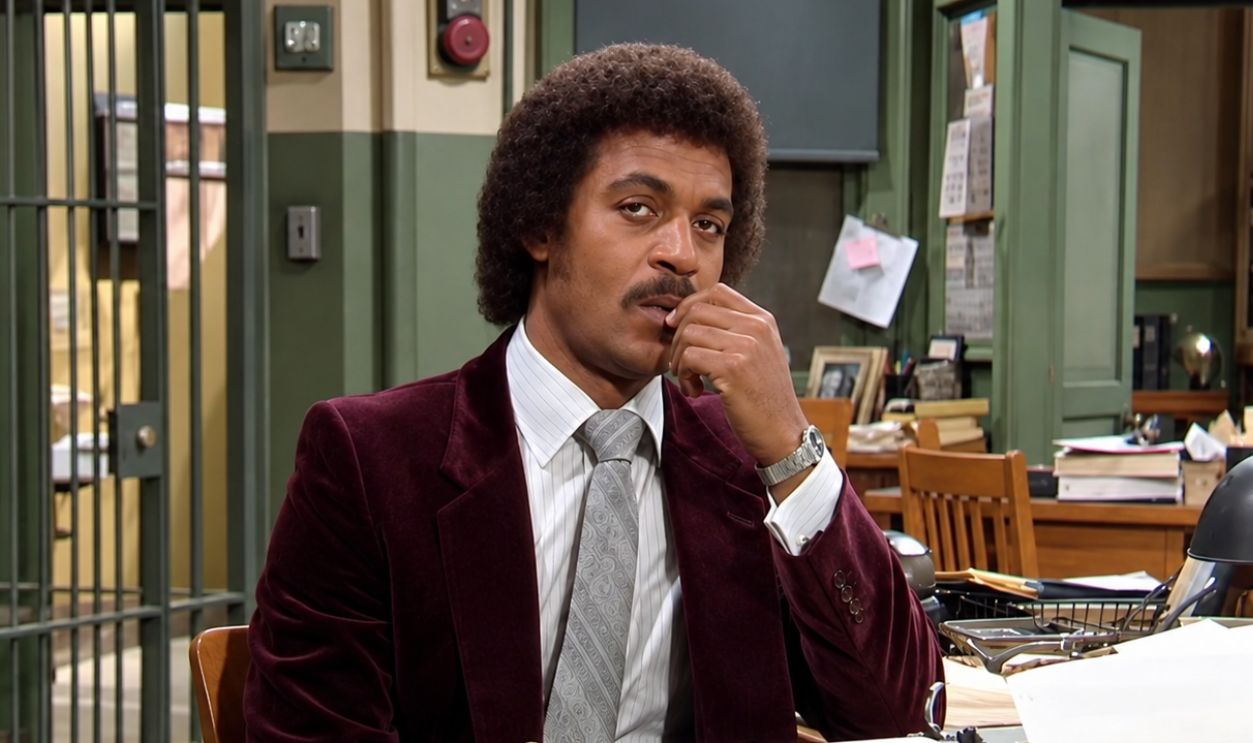
Barney Miller succeeded because every performer contributed something nobody else could provide. Ron Glass supplied polish, wit, and effortless composure, then revealed the humanity beneath them. Detective Harris may have dreamed of escaping the 12th Precinct, but television history is fortunate that he stayed.
 Screenshot from Barney Miller, ABC (1975–1982), Enhanced
You May Also Like: