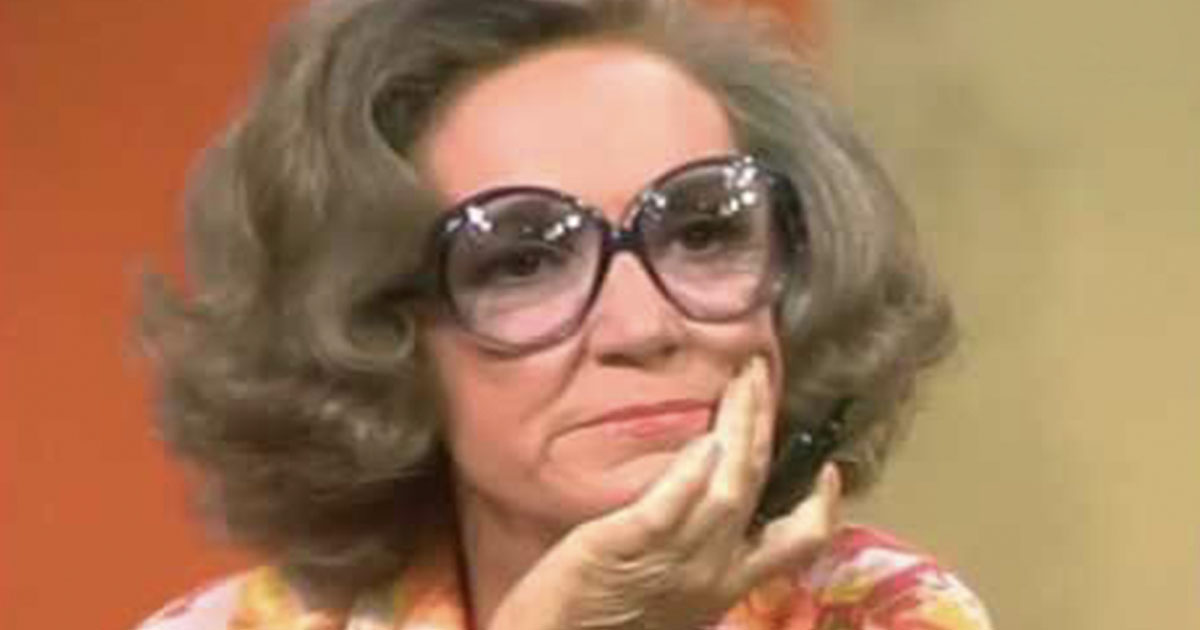
The Woman Behind The Giant Glasses
Brett Somers became one of the most recognizable faces on 1970s television without hosting a show, playing a leading character, or even leaving her chair. Behind the oversized glasses and razor-sharp comebacks, however, was a determined actress whose greatest television success unfolded alongside years of heartbreak.
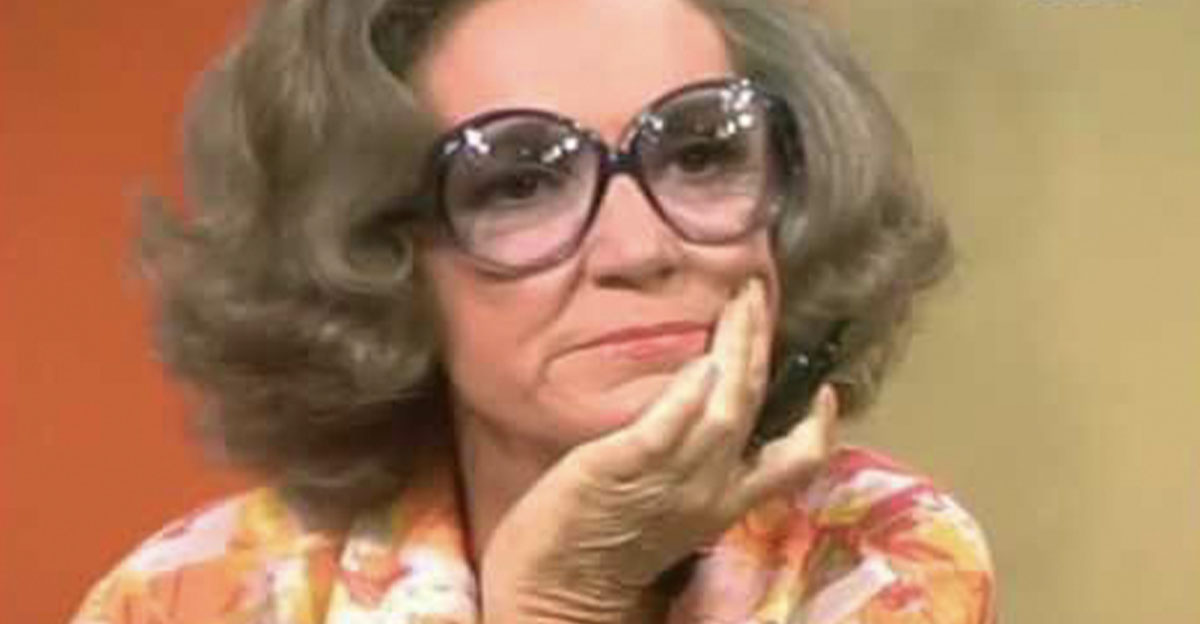 NBC Network, Match Game (1973 -1982)
She Was Born Audrey Johnston
Brett Somers was born Audrey Dawn Johnston on July 11, 1924, in New Brunswick, Canada. Her birthplace is generally identified as Halcomb, near Miramichi. Long before television viewers knew her unmistakable voice, she was a Canadian girl growing up far from the glittering studios of Hollywood.
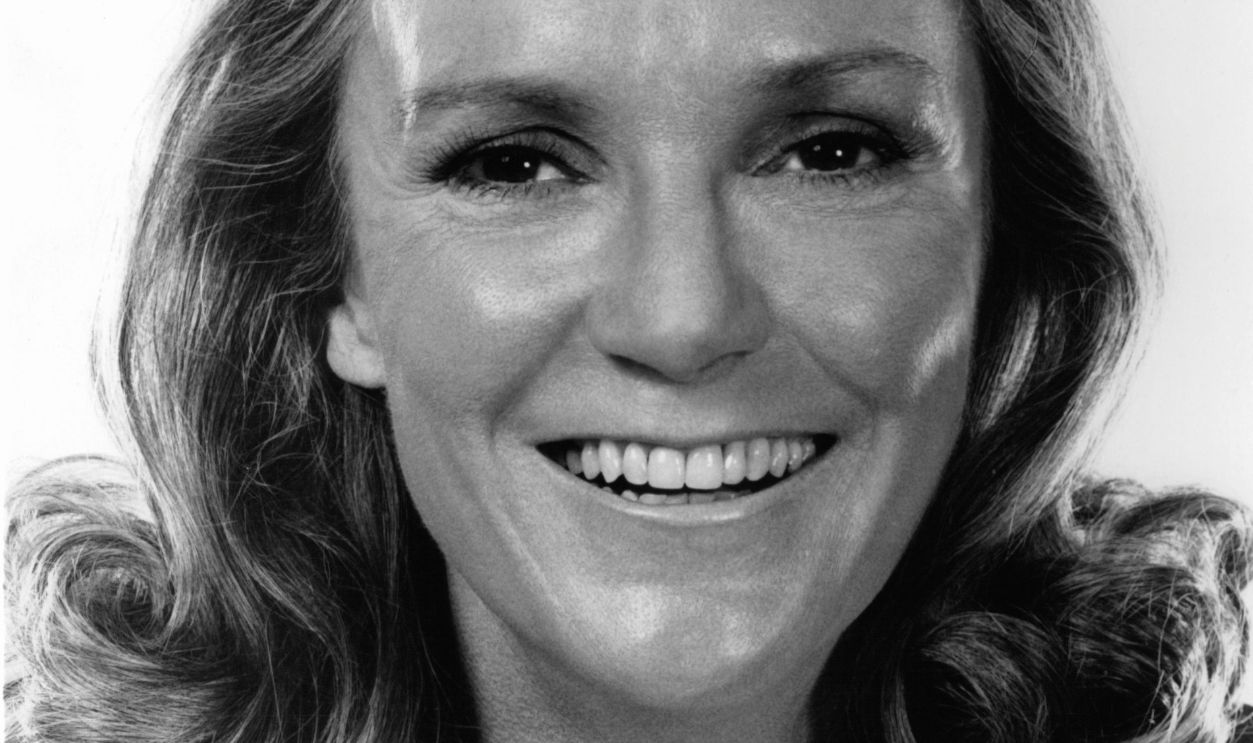 Michael Ochs Archives, Getty Images
Maine Became Her Childhood Home
Somers spent much of her childhood near Portland, Maine. Reliable accounts reveal relatively little about her early family life, but one decision speaks volumes about her independent streak. As a teenager, she left home and headed toward New York City, determined to create an entirely different future.
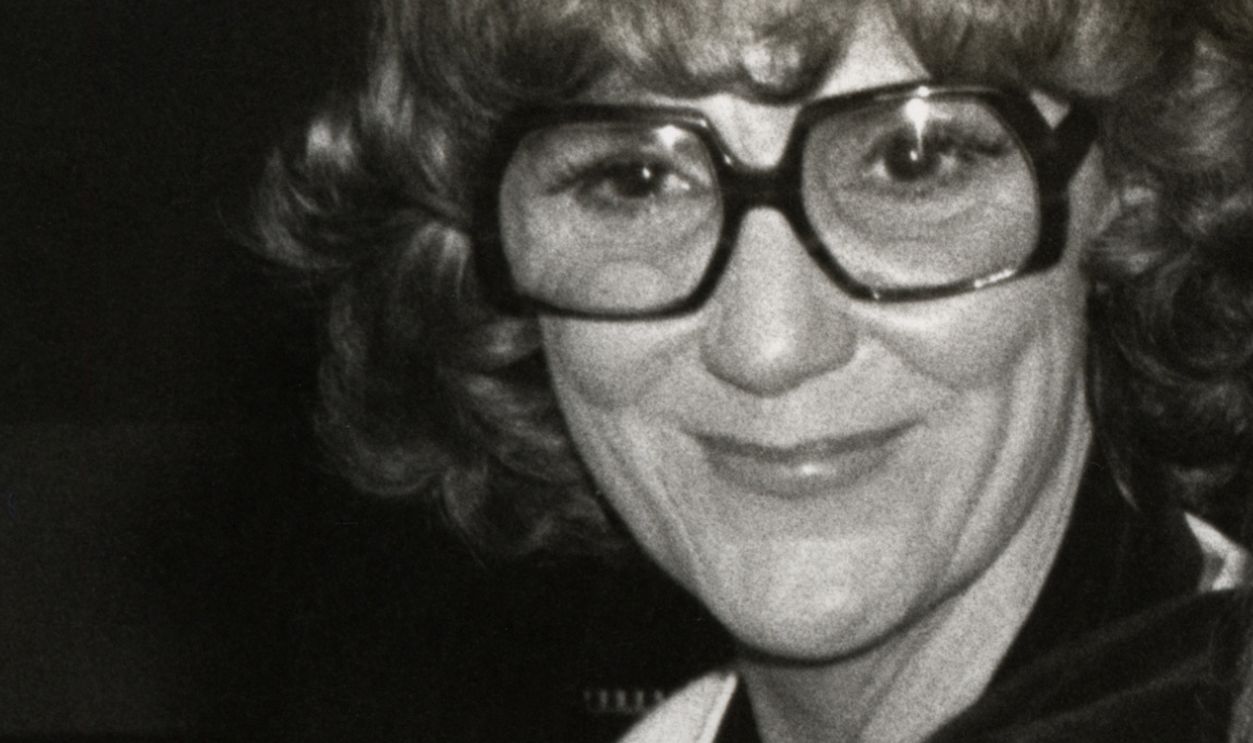
She Ran Toward Greenwich Village
Somers was only about 17 when she settled in Greenwich Village. The neighborhood was filled with actors, musicians, writers, and unconventional thinkers. It suited her perfectly. Her son Adam would later describe her as a “self-declared bohemian”—and that identity began long before America discovered her on television.
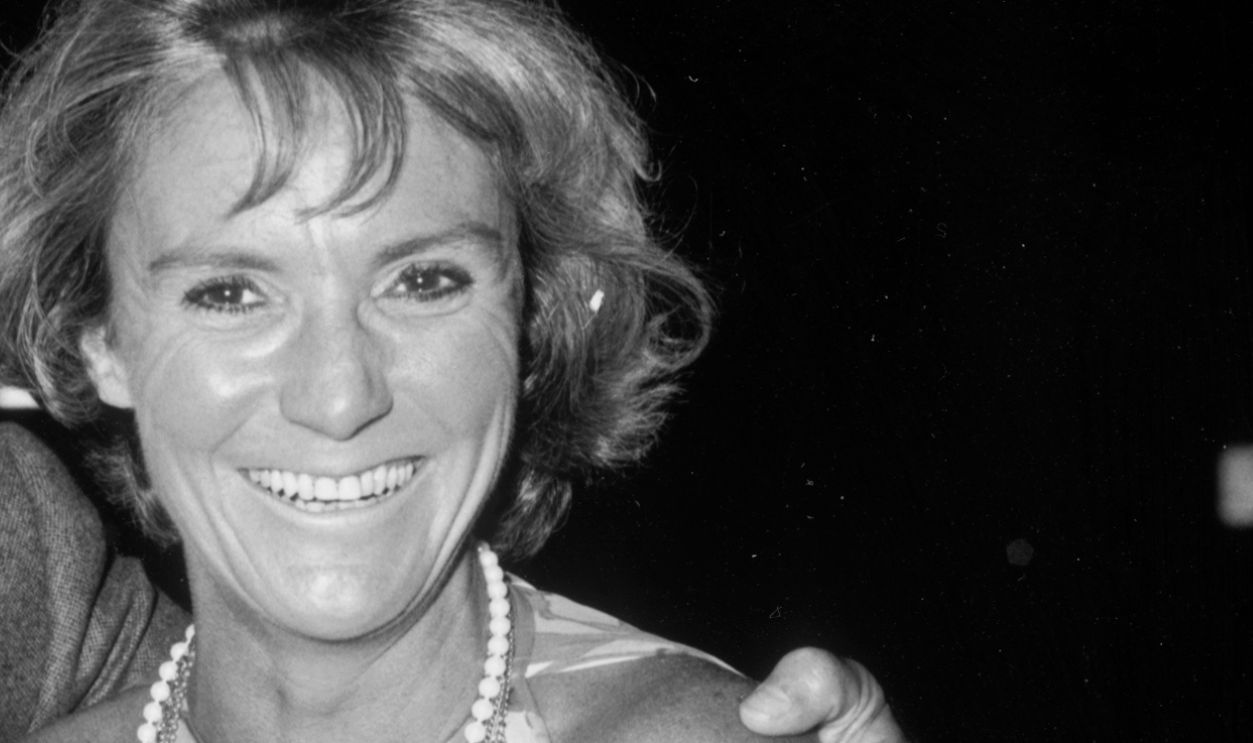
Audrey Reinvented Herself As Brett
She borrowed the name Brett from Lady Brett Ashley, the fiercely independent woman in Ernest Hemingway’s The Sun Also Rises. Somers came from her mother’s maiden name. Audrey Johnston had reached New York looking for a new life; Brett Somers sounded like someone already prepared to claim it.
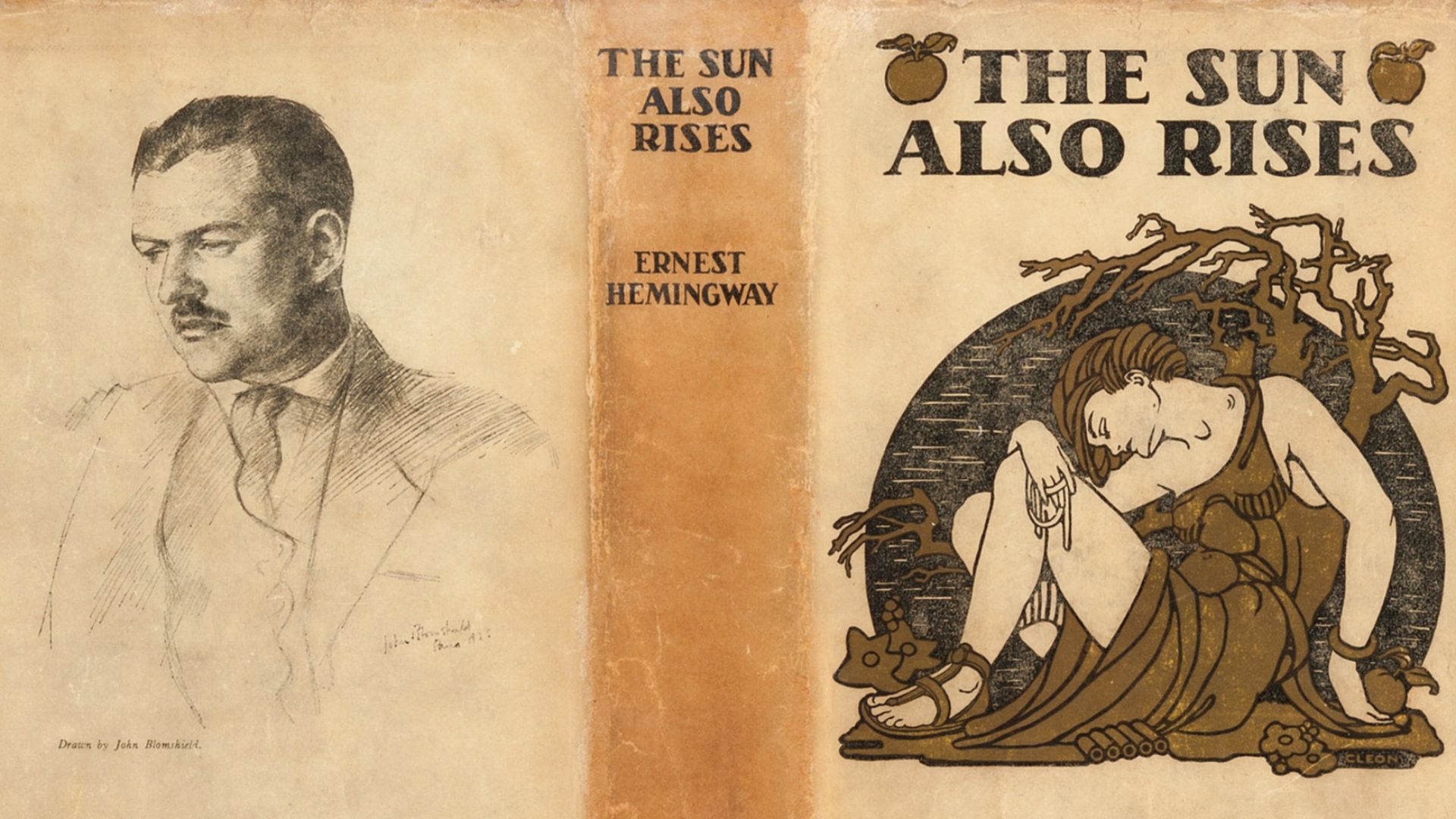 Cleo Damianakes, Wikimedia Commons
Her First Marriage Ended Quietly
Somers married businessman Robert H. Klein in 1948. He was not the comedian of the same name, despite years of understandable confusion. The couple had a daughter, Leslie, but the marriage ended in divorce. Somers was still searching for lasting stability—and for her breakthrough as an actress.
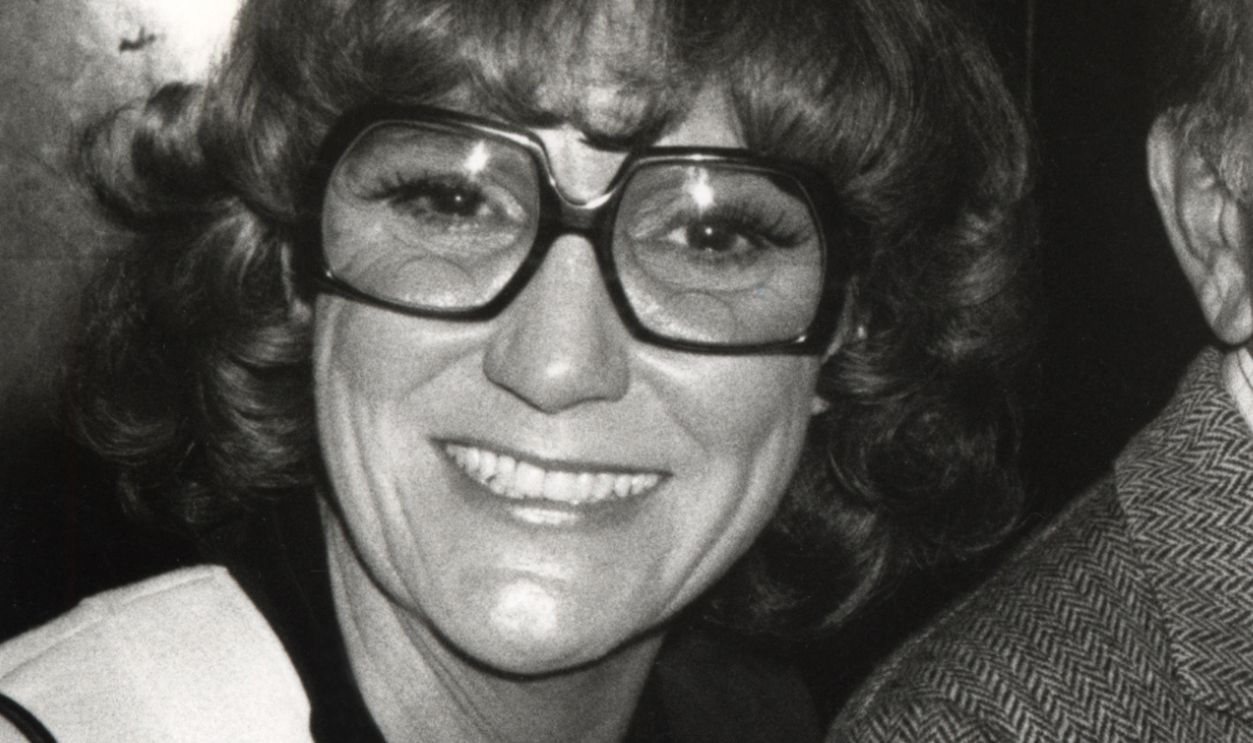
Acting Was Never A Casual Dream
Somers pursued theater seriously and eventually became a member of the Actors Studio. She worked in regional productions and summer stock, accepting the kind of jobs that helped young performers gain experience while barely paying their bills. Fame remained distant, but she was learning how to command a room.
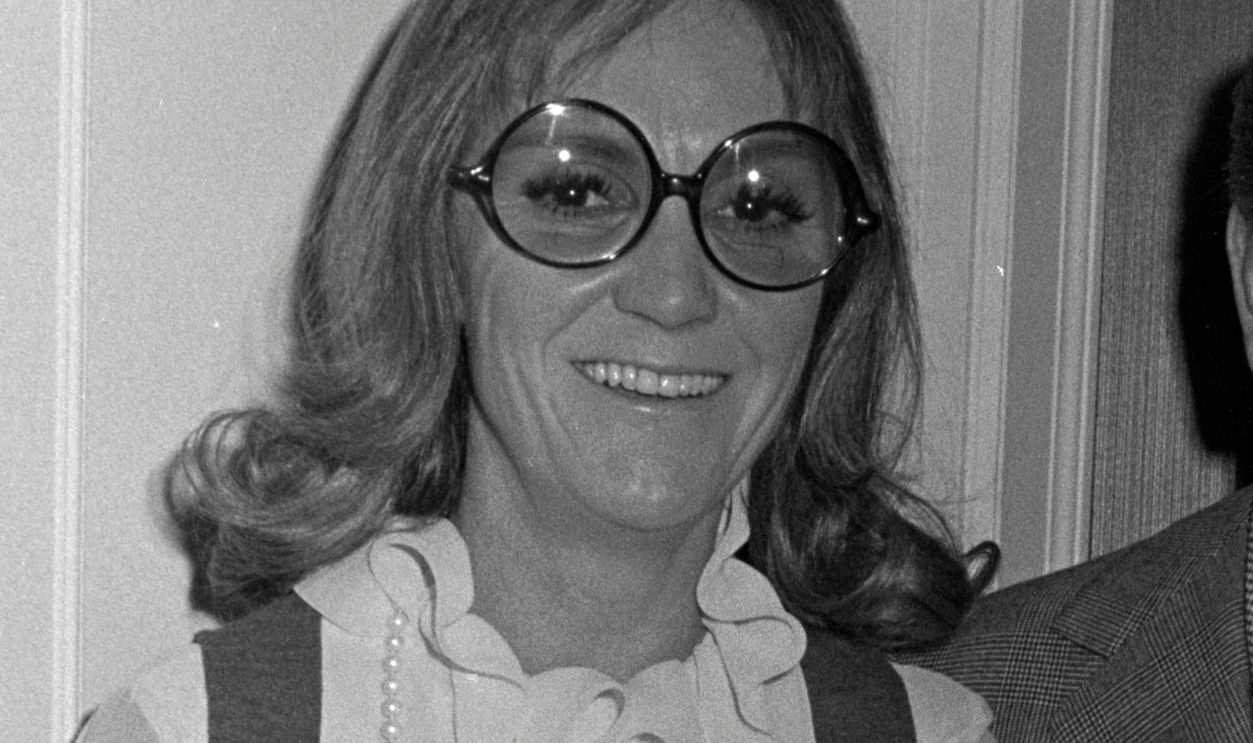
Jack Klugman Entered Her Story
In 1953, Somers married actor Jack Klugman, who was also struggling to establish himself. Klugman would eventually become famous through The Odd Couple and Quincy, M.E. Together, the couple had two sons, Adam and David, while Leslie remained part of their blended family.
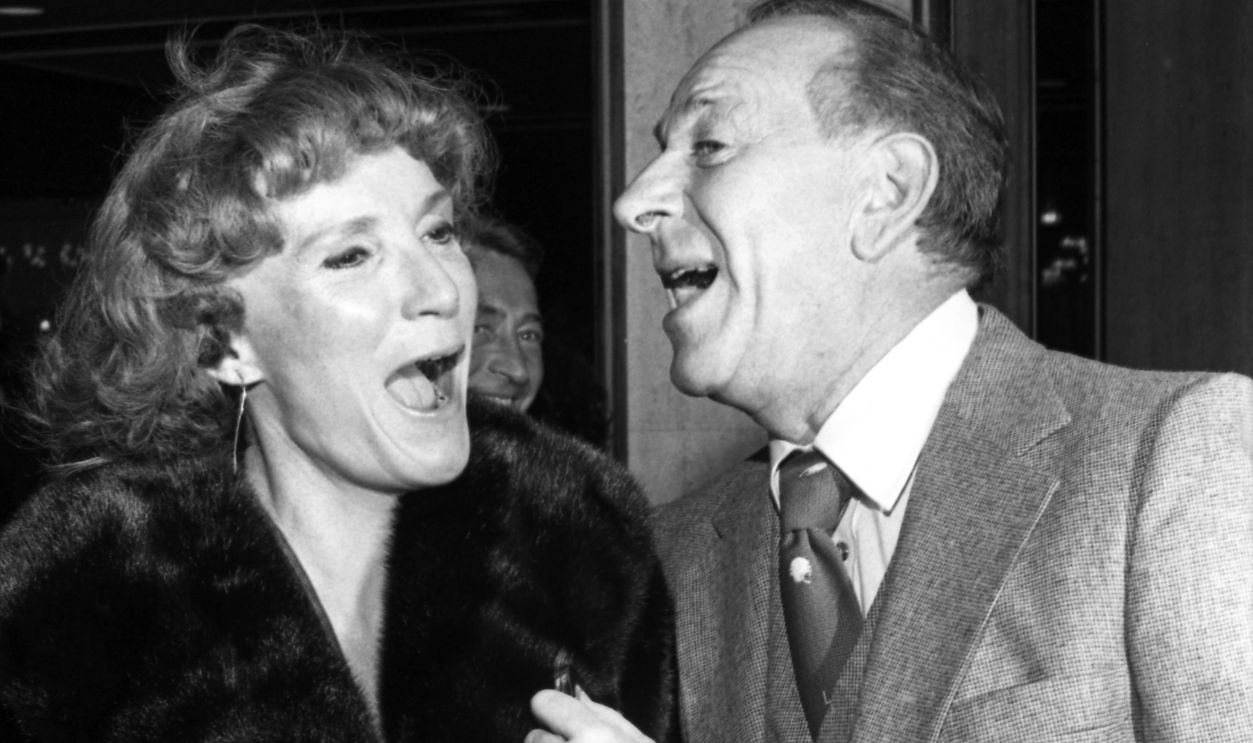
They Built Their Careers Together
Somers and Klugman worked during an era when actors survived through theater, live television, guest appearances, and relentless auditions. Neither became an overnight sensation. Their marriage developed alongside two demanding careers, three children, and the constant uncertainty familiar to performers waiting for the next telephone call.
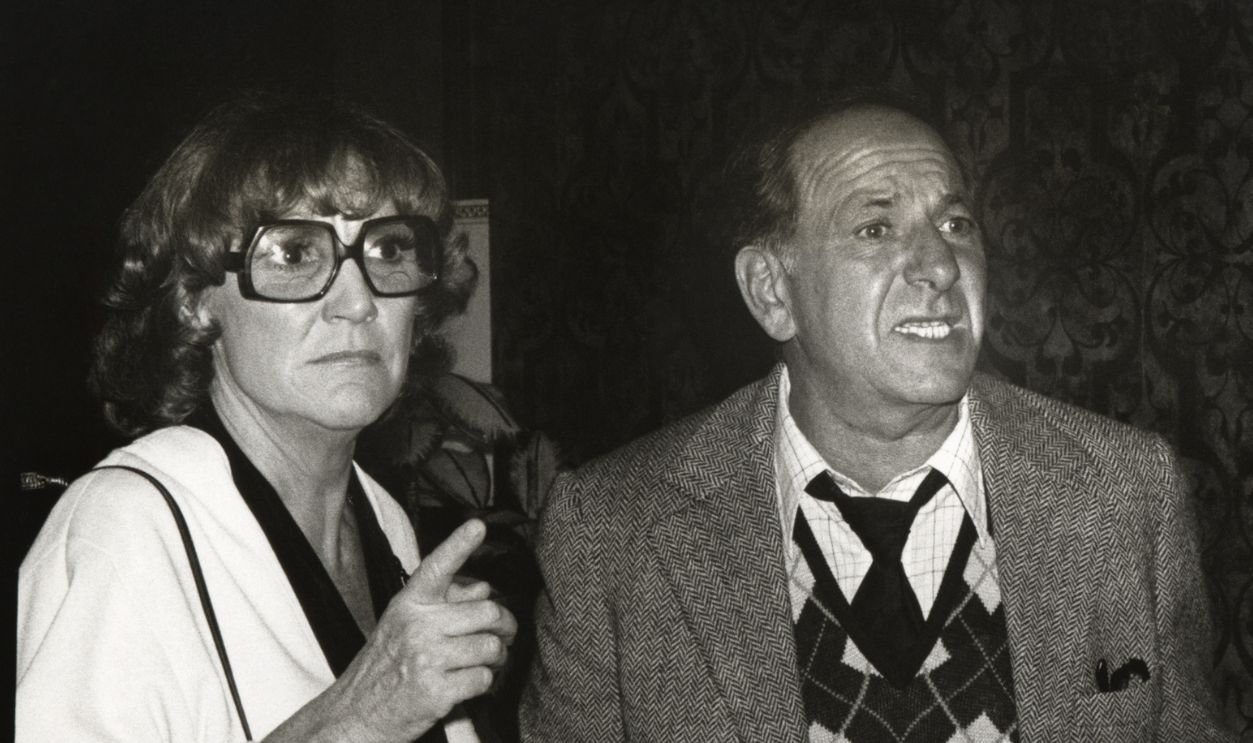
Broadway Broadway Delivered A Brutal Lesson
Somers made her Broadway debut in Maybe Tuesday in 1958. The production lasted only five performances. Broadway had technically welcomed her and practically escorted her back outside. She continued working onstage in productions including The Seven Year Itch, Happy Ending, and The Country Girl.
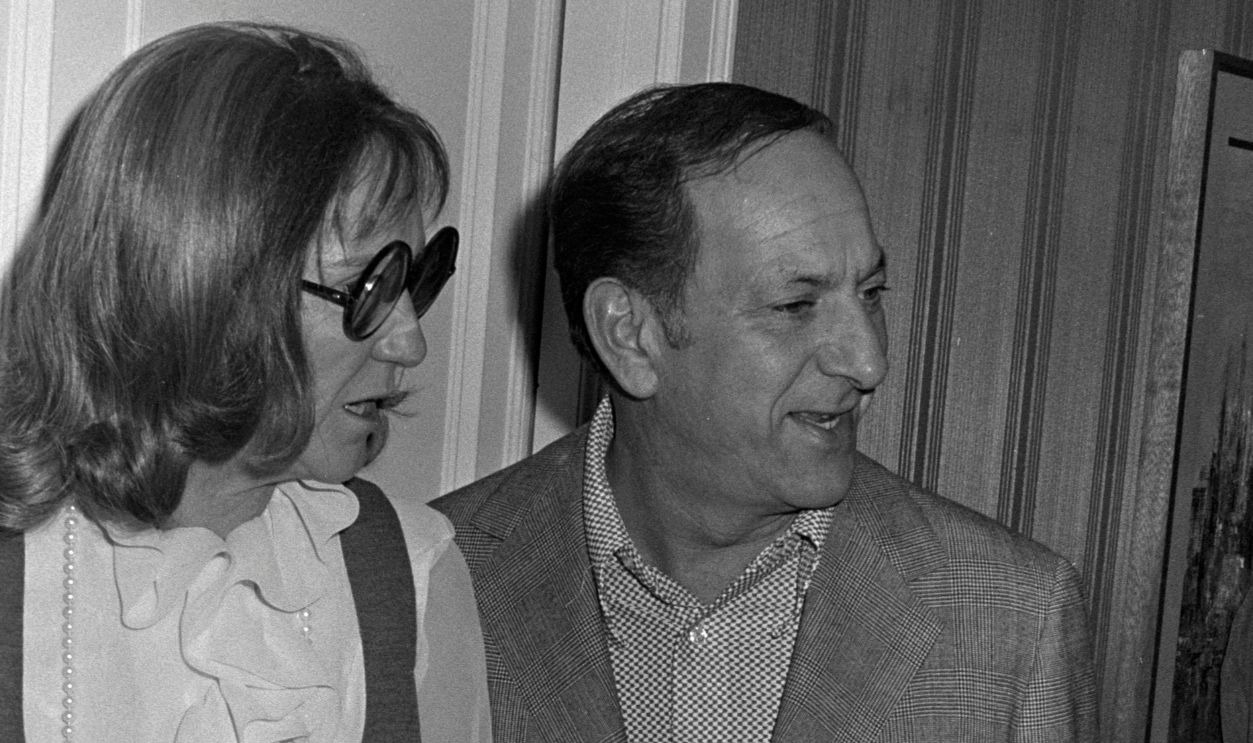
Live Television Tested Her Nerves
Like many New York actors of her generation, Somers performed in live television dramas. She later called the experience frightening because every mistake unfolded instantly before an audience. The pressure was relentless, but the work paid her rent—and taught her how to remain composed when absolutely anything could happen.
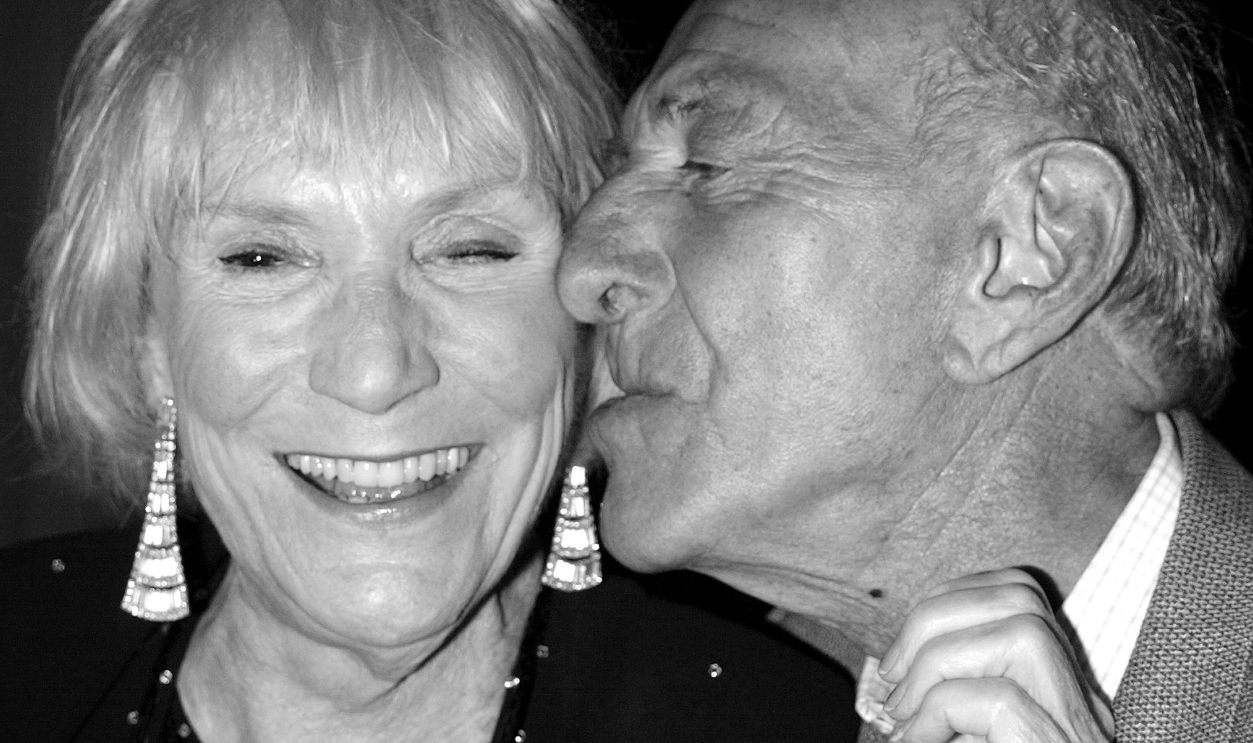
Serious Dramas Came Before The Laughs
Somers appeared in television programs including Robert Montgomery Presents, Playhouse 90, The Philco Television Playhouse, and Kraft Television Theatre. These were not lightweight game-show appearances. She was building her career as a trained dramatic actress, one demanding performance at a time.
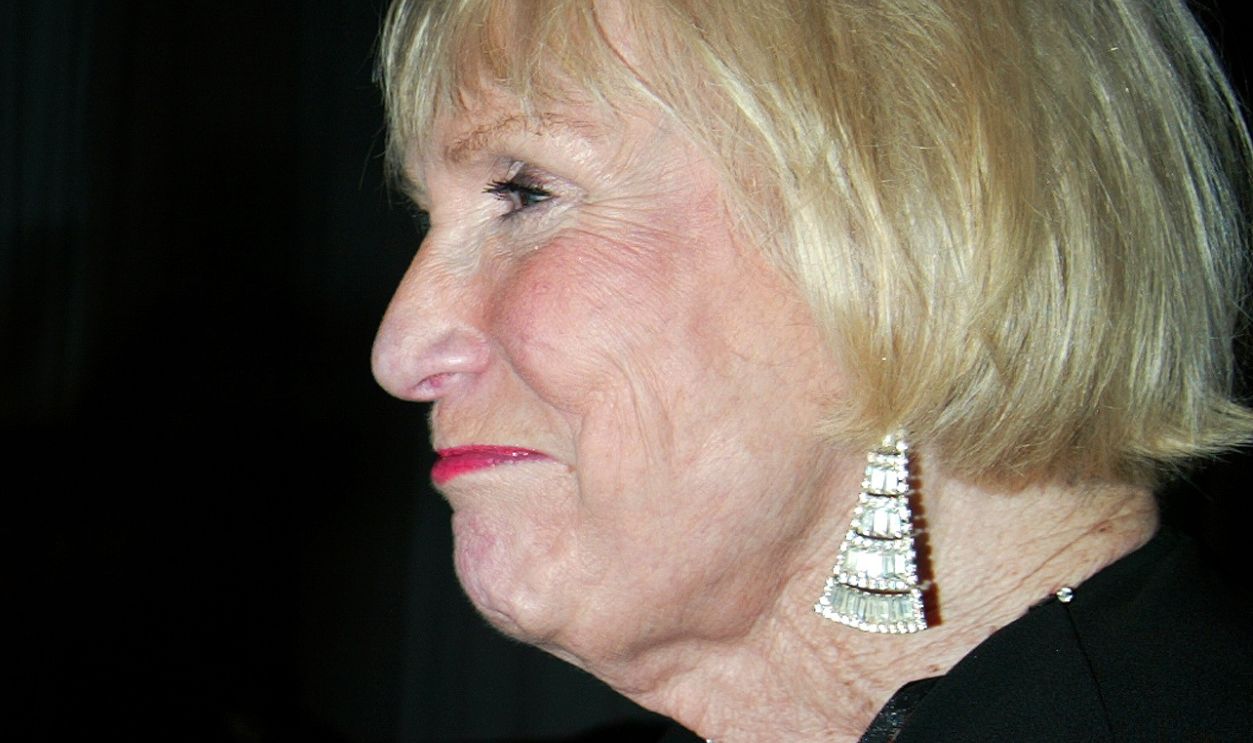
She Became A Familiar Guest Star
Throughout the 1960s and early 1970s, Somers appeared in series such as Naked City, Ben Casey, The Defenders, and The Fugitive. She could play difficult, intelligent, or weary women with conviction. Still, none of those roles made Brett Somers a household name.
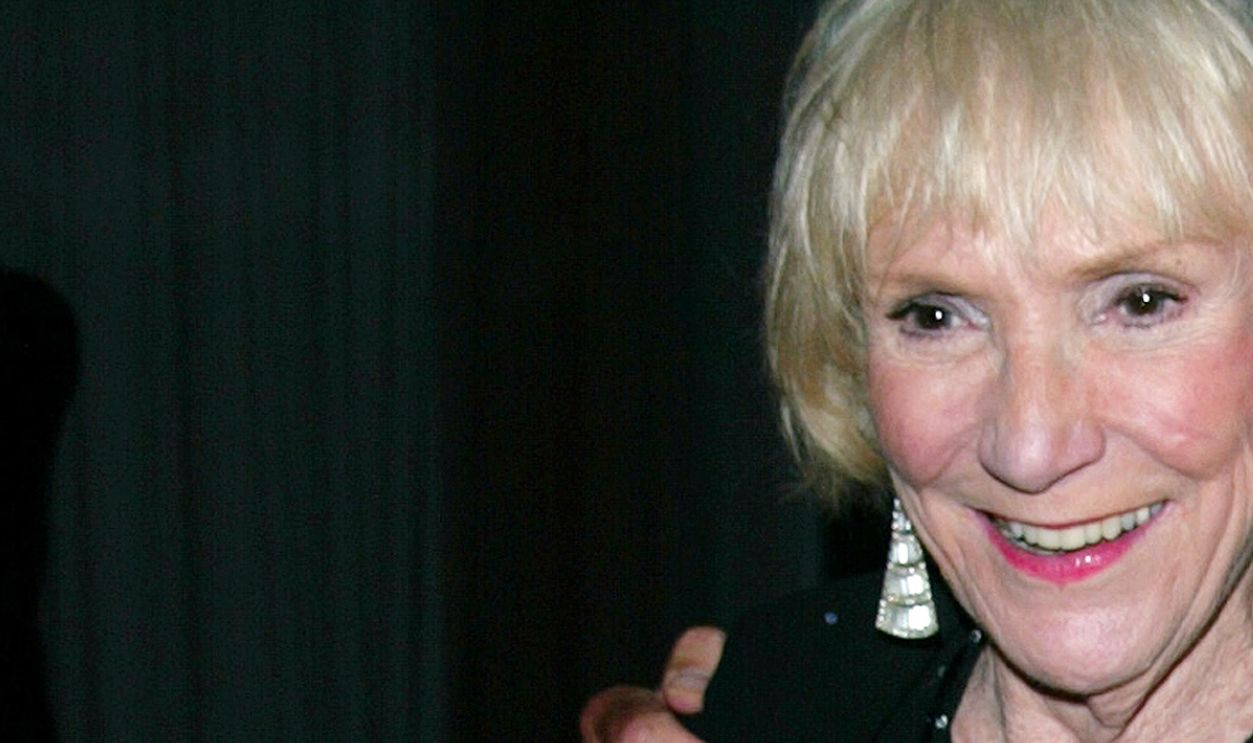
The Odd Couple Put Marriage Onscreen
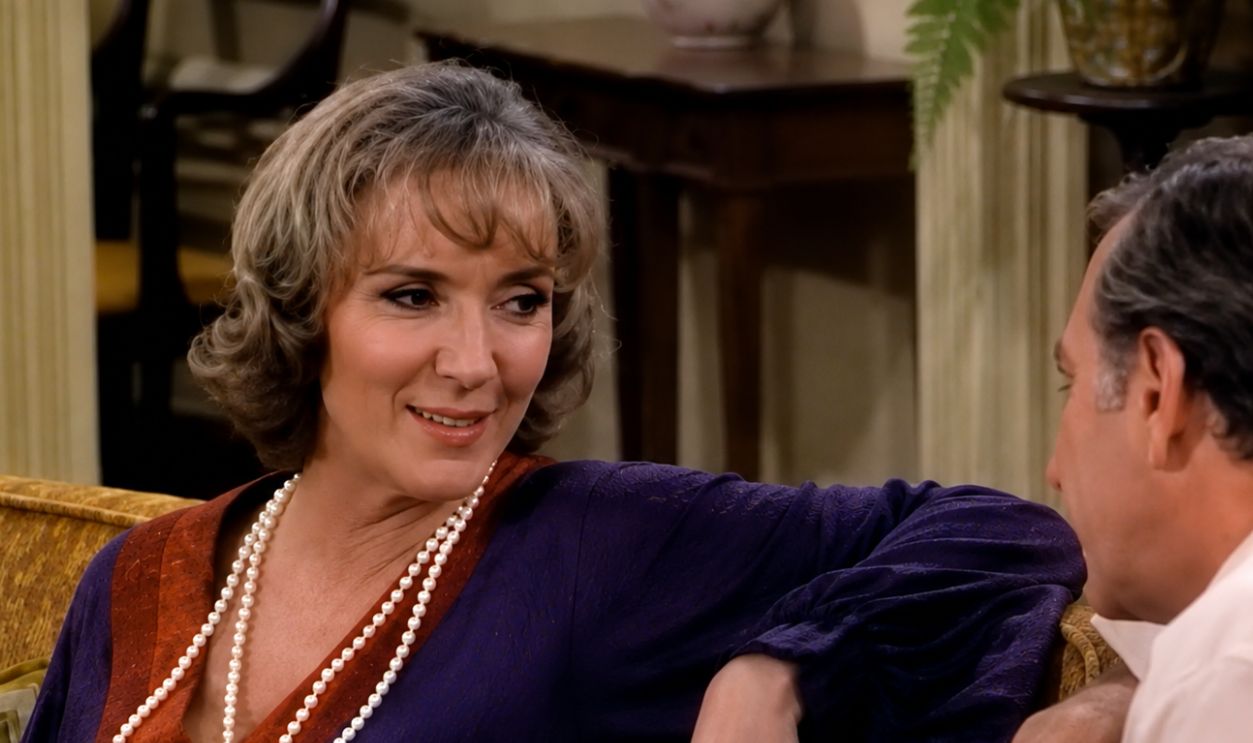
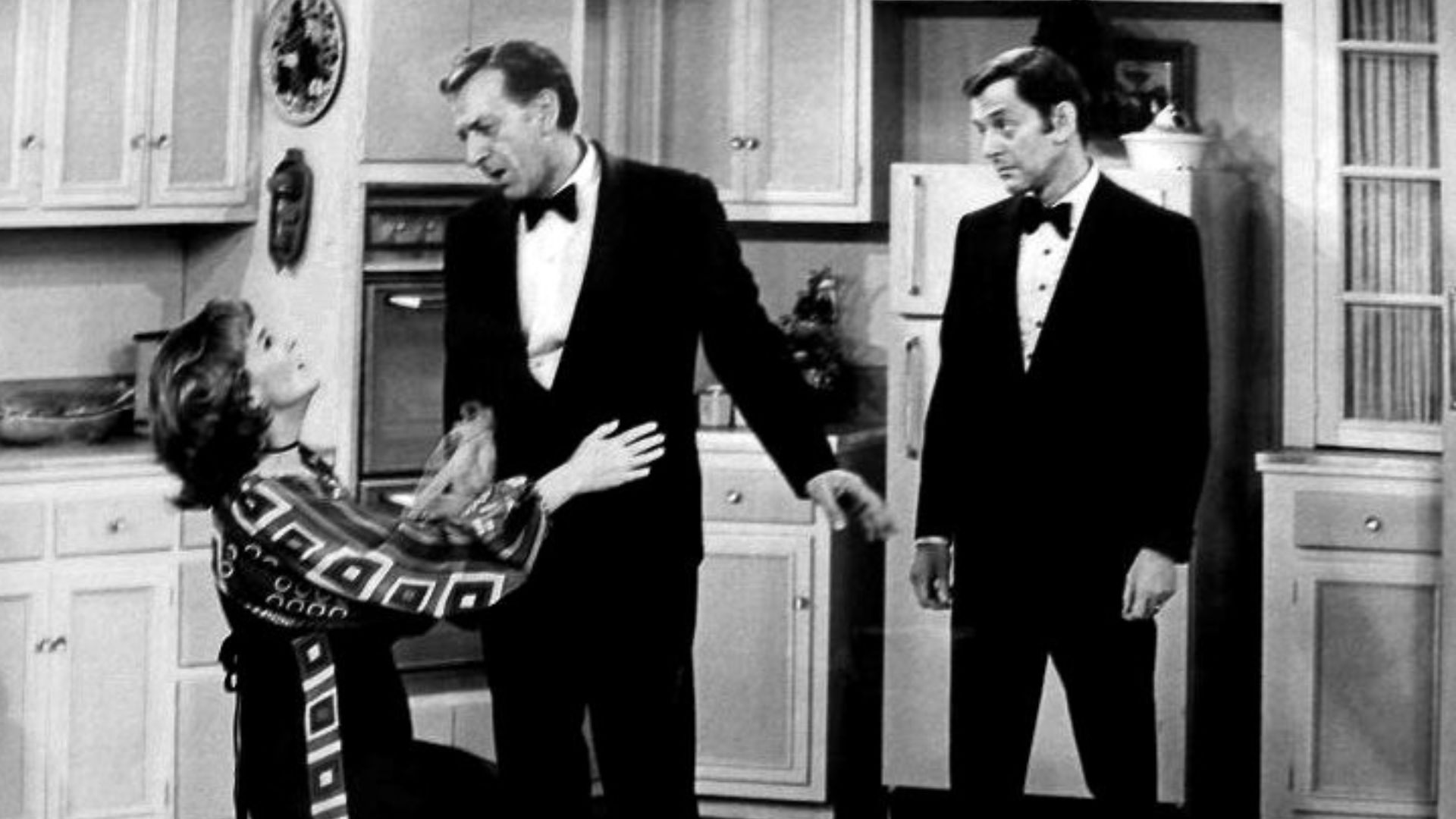
Somers found a memorable recurring role on The Odd Couple, playing Blanche Madison, the ex-wife of Jack Klugman’s Oscar Madison. The casting carried a delicious layer of comedy: viewers were watching Somers argue with her real husband while pretending they had already been divorced.
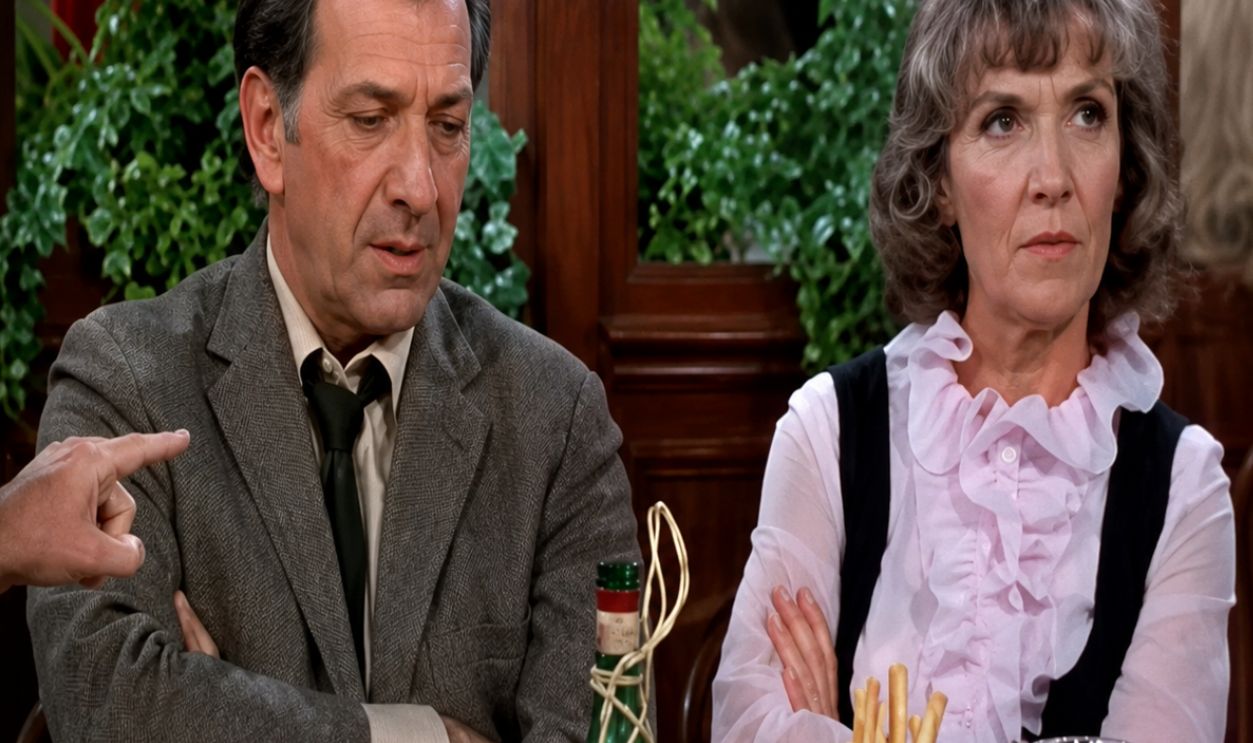 Screenshot from The Odd Couple, ABC (1970–1975), Modified
Blanche Could Handle Oscar
Klugman’s Oscar was messy, stubborn, and frequently impossible. Somers played Blanche as a woman who understood every trick he had and had exhausted her patience years earlier. Their real familiarity gave the scenes an easy rhythm. She never appeared intimidated by Oscar—and audiences believed every exhausted glare.
 Screenshot from The Odd Couple, ABC (1970–1975), Modified
Then Daytime Television Changed
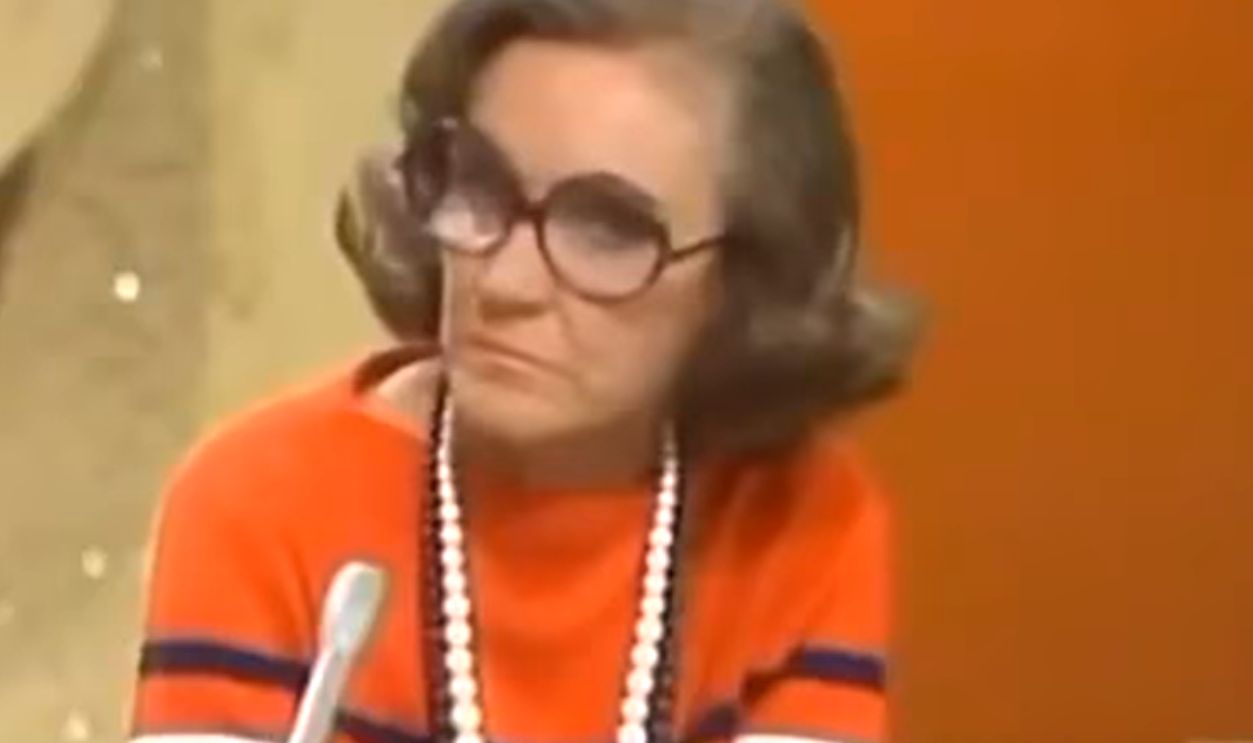
CBS revived Match Game in 1973 with Gene Rayburn as host. Two contestants attempted to match answers supplied by six celebrity panelists. The questions soon became loaded with double meanings, turning a basic word game into something resembling a mischievous cocktail party accidentally broadcast during daylight hours.
 Screenshot from Match Game, CBS (1973–1979)
Jack Klugman Opened The Door
Klugman appeared during the revival’s first week and reportedly encouraged producers to hire his wife for a future panel. Somers had not initially been planned as a regular. It was a recommendation that could easily have led nowhere—but once she reached the panel, producers immediately recognized what they had found.
 ABC Television, Wikimedia Commons
She Fit Without Trying
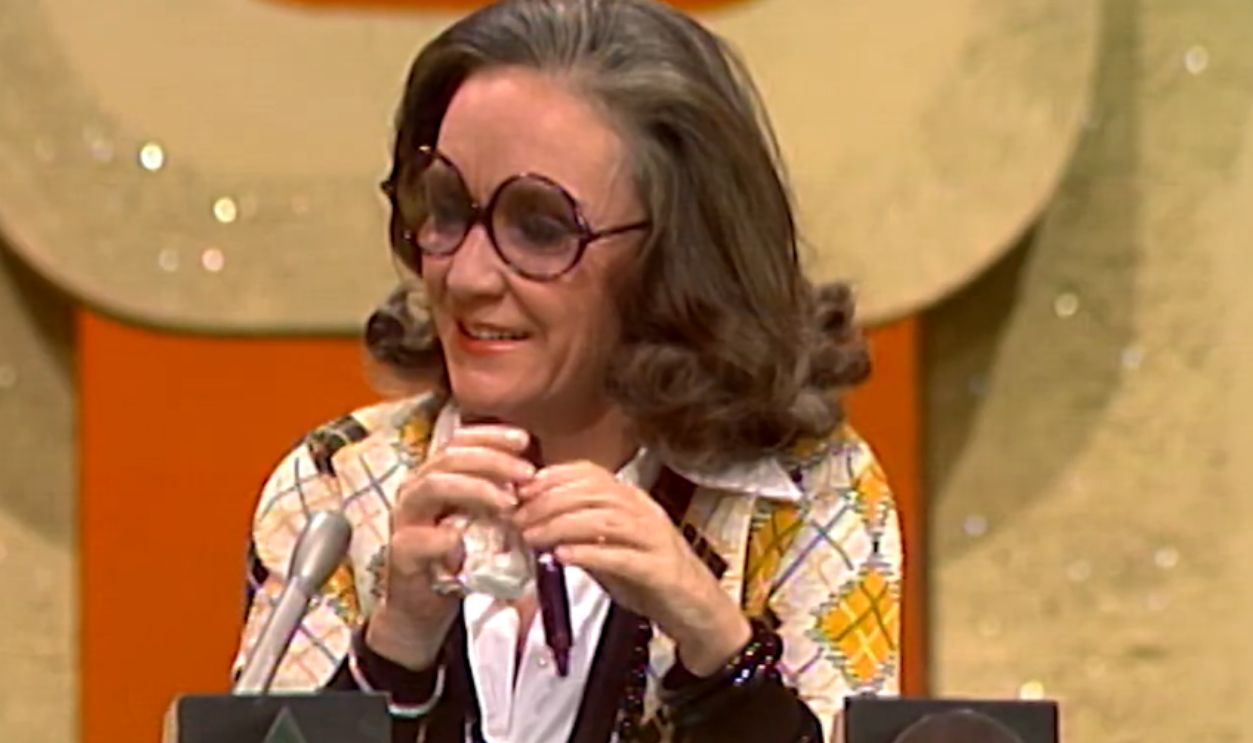
Somers did not behave like a celebrity politely visiting a game show. She interrupted, complained, teased the host, challenged other panelists, and occasionally seemed more interested in the conversation than the actual game. Rather than hurting the format, her unpredictability became one of its greatest strengths.
 Screenshot from Match Game, CBS (1973–1979)
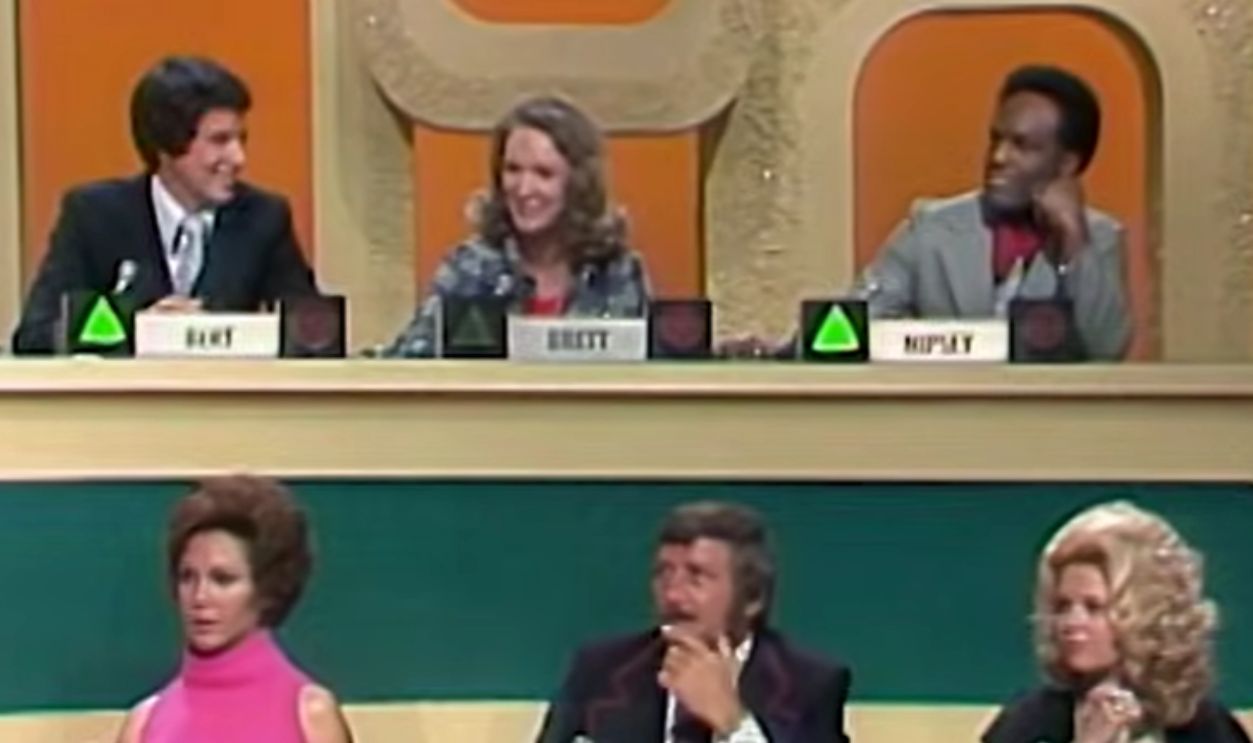
The Center Seat Became Hers
After early appearances elsewhere on the panel, Somers settled into the upper-center chair. Richard Dawson usually occupied the lower center, while Charles Nelson Reilly sat beside her on the upper right. That seating arrangement created one of television’s funniest triangles—and gave Somers the perfect position from which to cause trouble.
 Screenshot from Match Game, CBS (1973–1979)
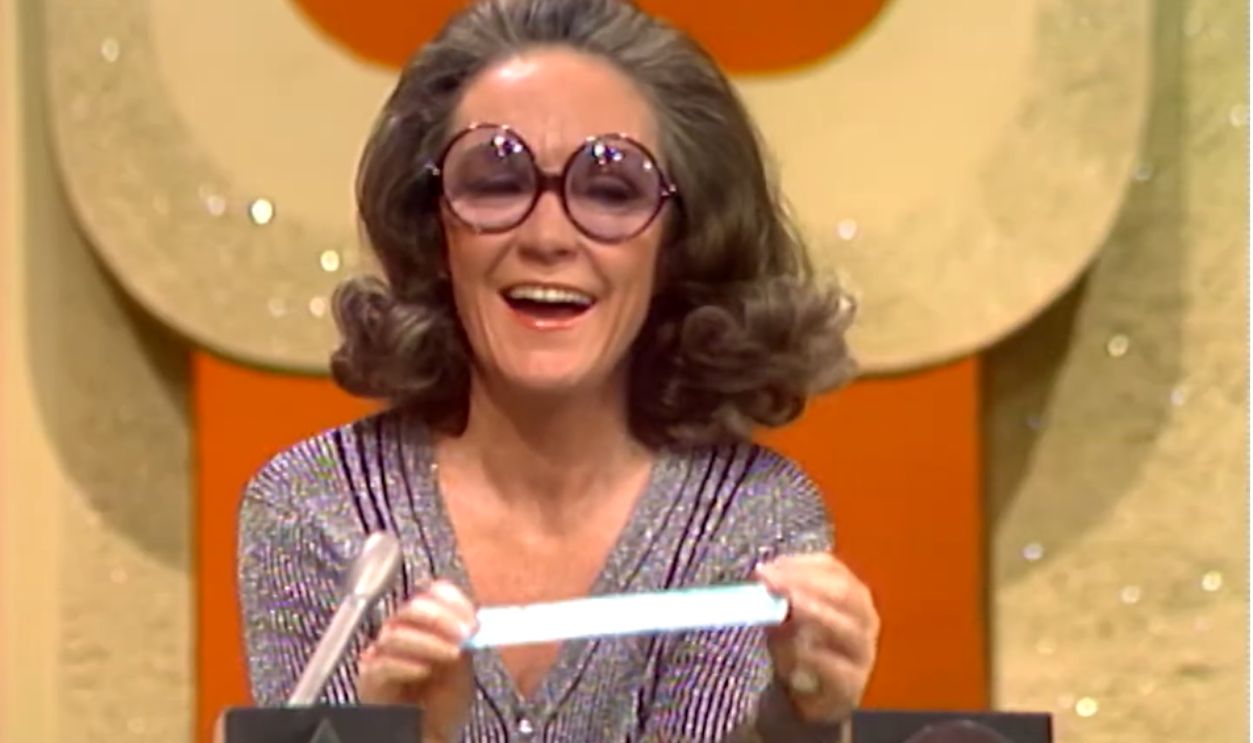
Her Look Became Instantly Recognizable
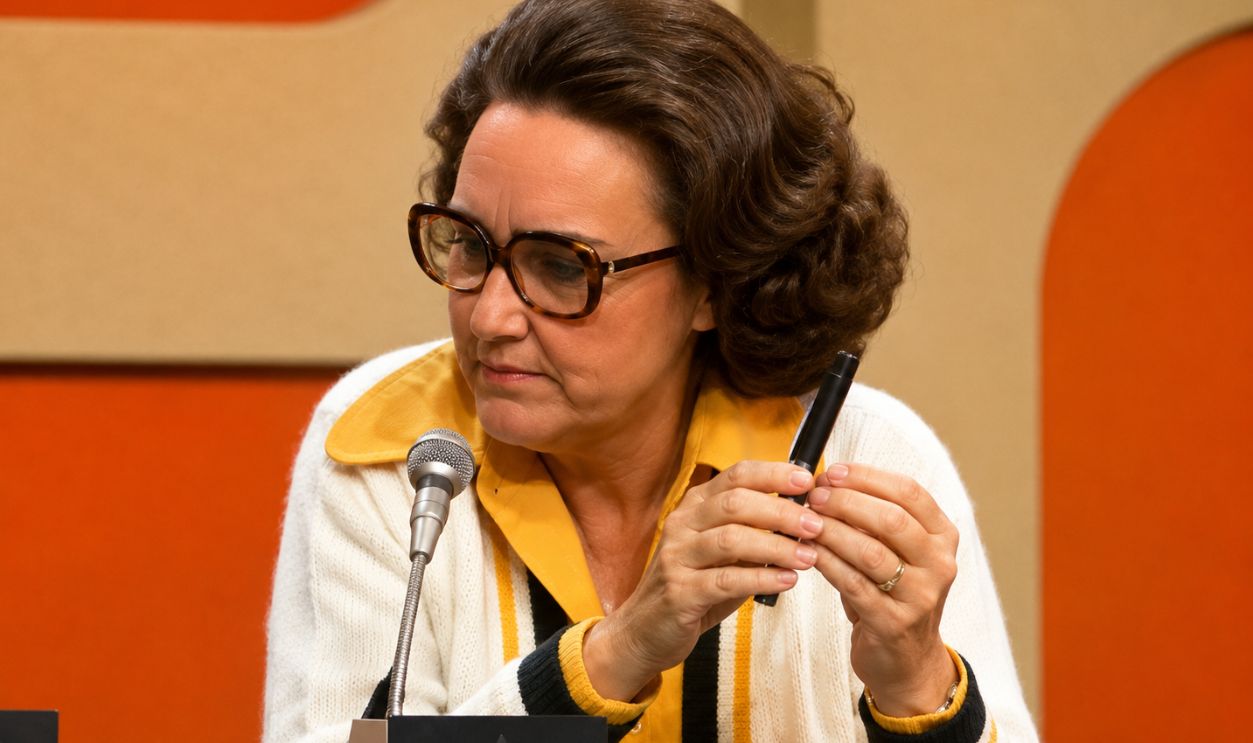
Somers wore oversized glasses, colorful tops, various wigs, and a permanently skeptical expression. She later joked that panelists supplied their own clothes, so she repeatedly wore the same pants because viewers never saw them. Only the tops mattered. It was practical television fashion with very little vanity attached.
 Screenshot from Match Game, CBS (1973–1979)
Her Voice Did Half The Work
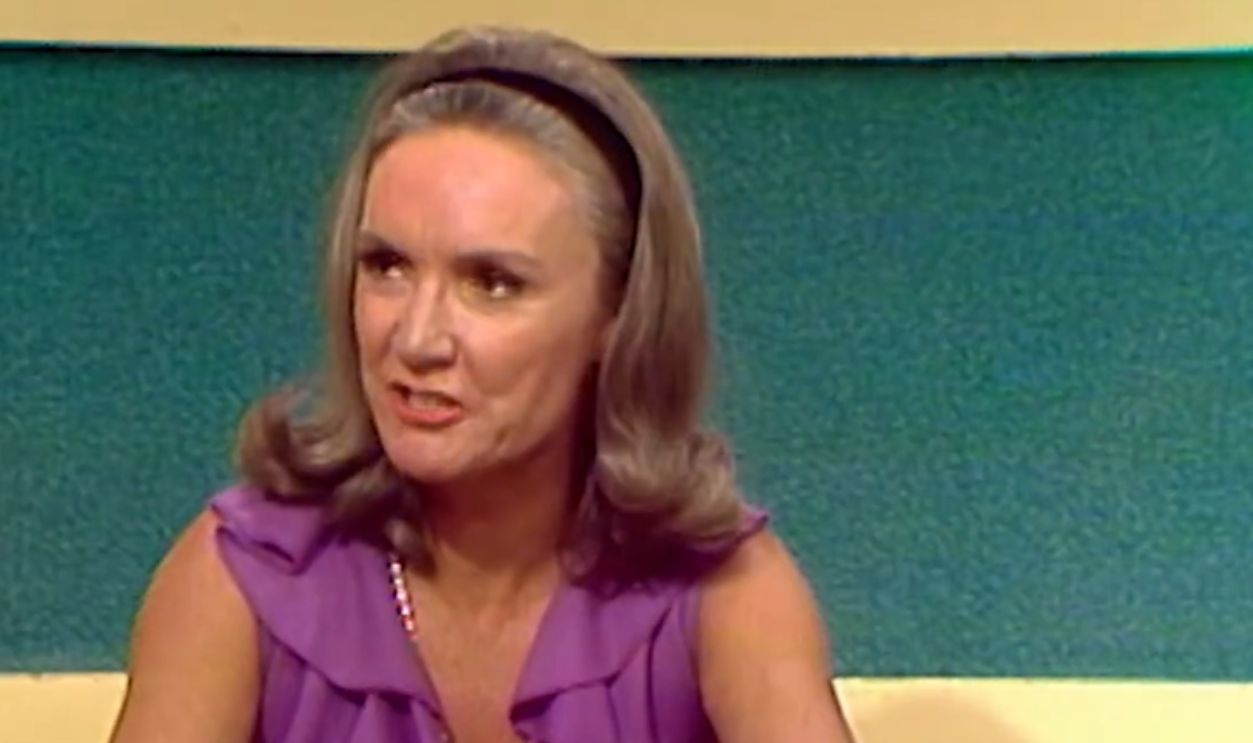
Her low, husky voice made even an ordinary answer sound like the final word in a long argument. Viewers sometimes assumed that the rasp came from illness, but it was simply her natural voice. Combined with her slow delivery, it turned irritation into an art form.
 Screenshot from Match Game, CBS (1973–1979)
She Never Needed The Correct Answer
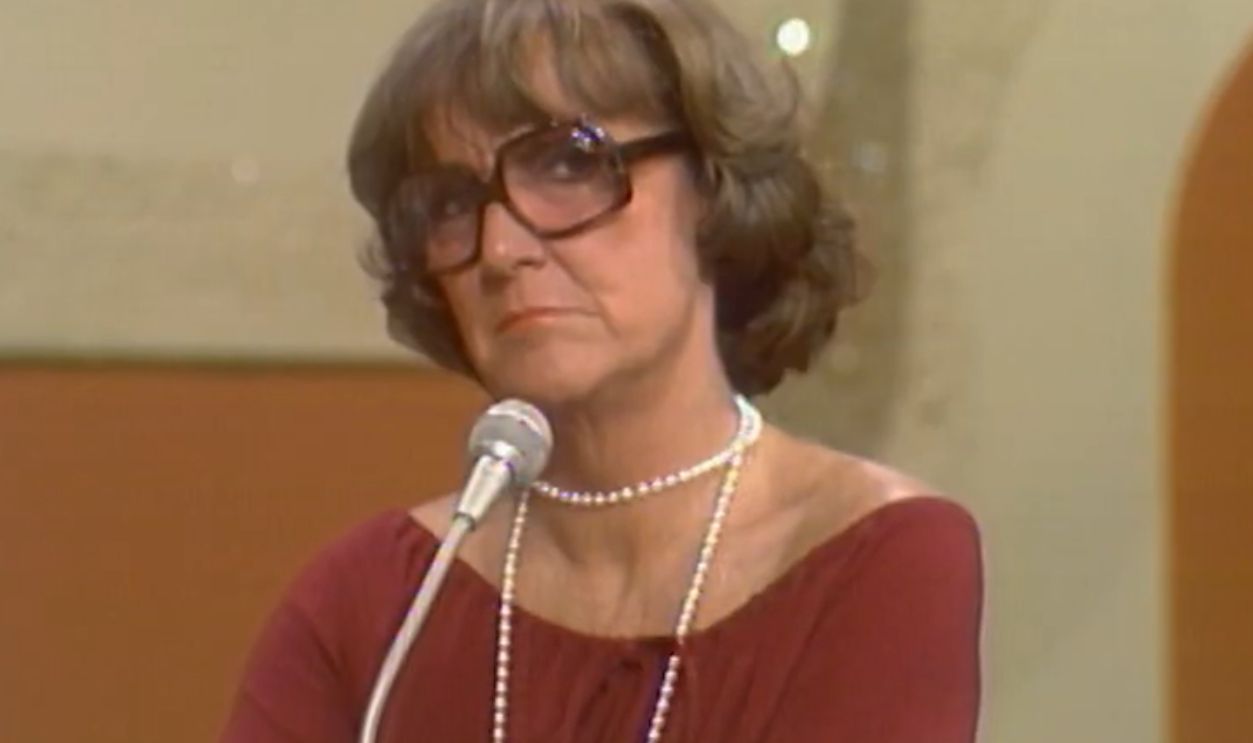
Richard Dawson earned a reputation as the panelist most likely to match contestants. Somers offered a different attraction. Even when her answer was hopelessly wrong, her explanation could become funnier than the question. The game supplied the structure; Brett supplied the reason viewers kept watching.
 Screenshot from Match Game, CBS (1973–1979)
Charles Nelson Reilly Became Her Perfect Foil
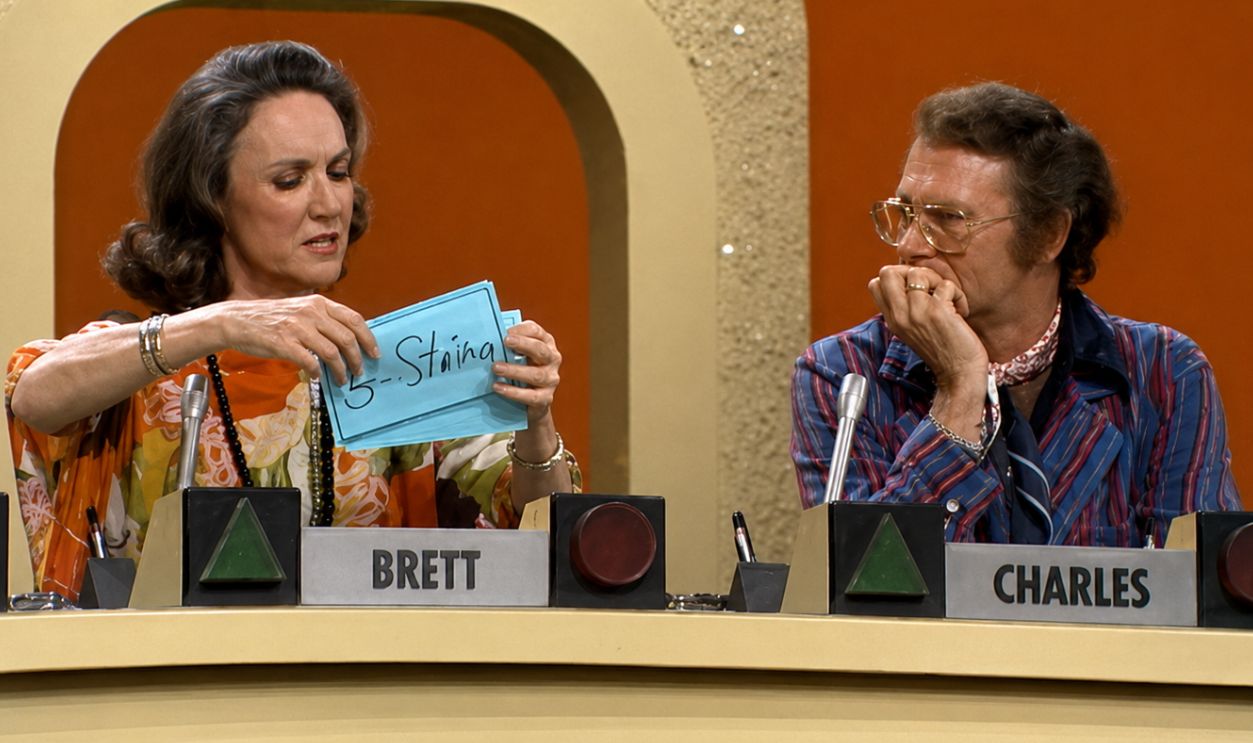
Somers developed extraordinary chemistry with Charles Nelson Reilly. The two traded insults like an old married couple who had decided that affection was best expressed through public combat. Their arguments looked spontaneous because much of the banter was. Underneath every insult was an unmistakable friendship.
 Screenshot from Match Game, CBS (1973–1979), Modified
Charles Refused To Call Her Brett
Years later, Somers revealed that Reilly routinely called her “Susan” for no apparent reason. He once signed a copy of his Broadway play to Susan—and signed his own name as Stephen. She found the entire nonsense hilarious. Their friendship operated according to rules that apparently required the wrong names.
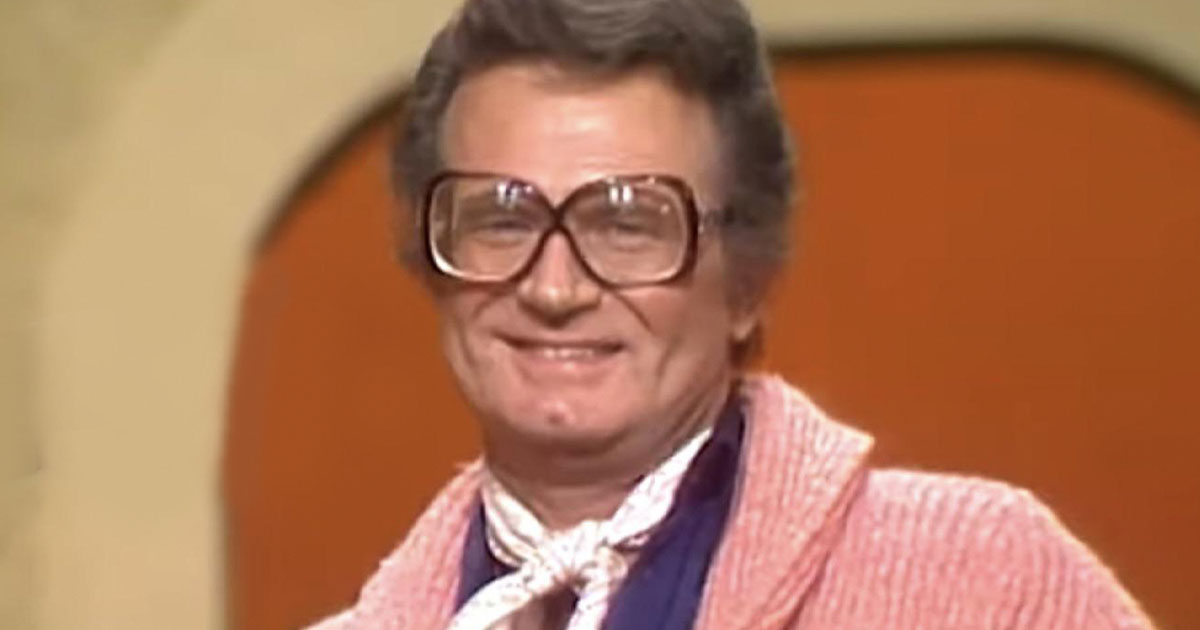 Screenshot from Match Game, NBC (1962–1969)
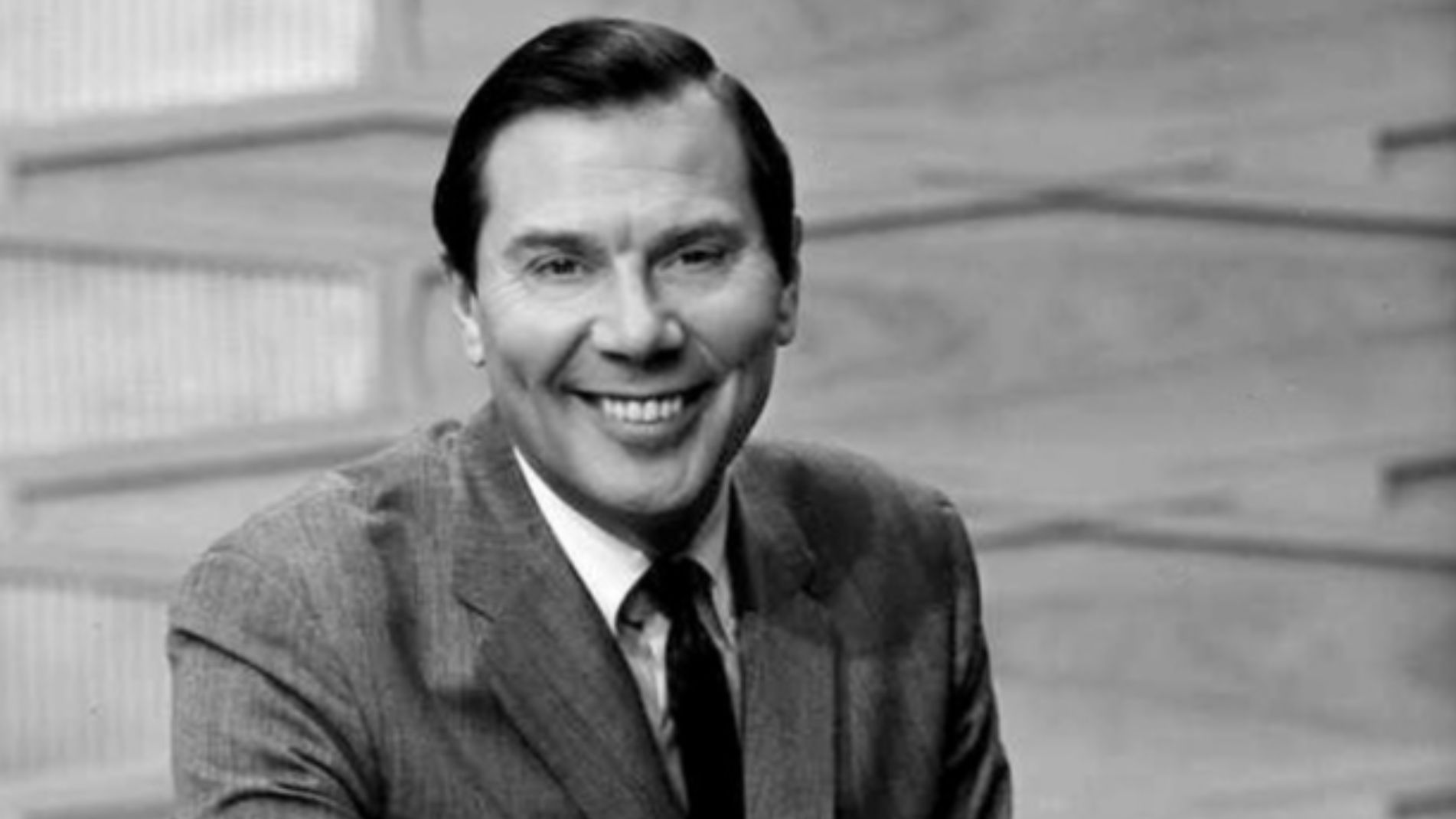
Gene Rayburn Knew When To Step Back
Host Gene Rayburn could tease Somers, challenge her answers, or simply allow her to take control. He understood that the panel’s chemistry mattered as much as the competition. When Brett and Charles began bickering, the wisest hosting strategy was often to stand nearby with his enormous microphone and enjoy the eruption.
The Set Felt Like A Party
Several episodes were taped in a single day, and the atmosphere reportedly became looser as filming continued. Food and drinks were available during breaks, helping create the show’s famous cocktail-party energy. The later episodes of a taping day could become especially unpredictable—but Somers rejected the wildest rumors.
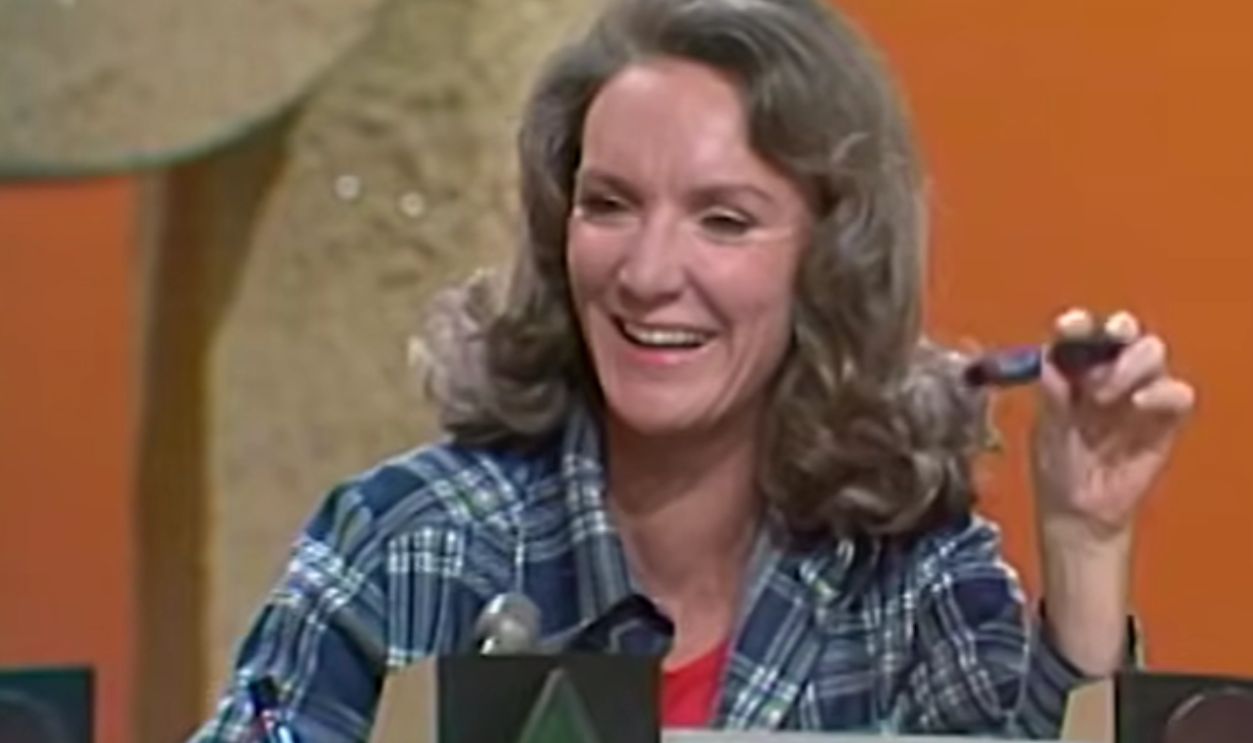
 Screenshot from Match Game, CBS (1973–1979)
She Set The Record Slightly Crooked
Asked years later whether the panel had been intoxicated, Somers insisted, “We weren’t snockered, we were just crazy!” She did admit that her preferred drink was vodka and soda. She had abandoned martinis, she joked, because she “enjoyed them too much.” Even her clarification came with a punchline.
 Screenshot from Match Game, CBS (1973–1979)
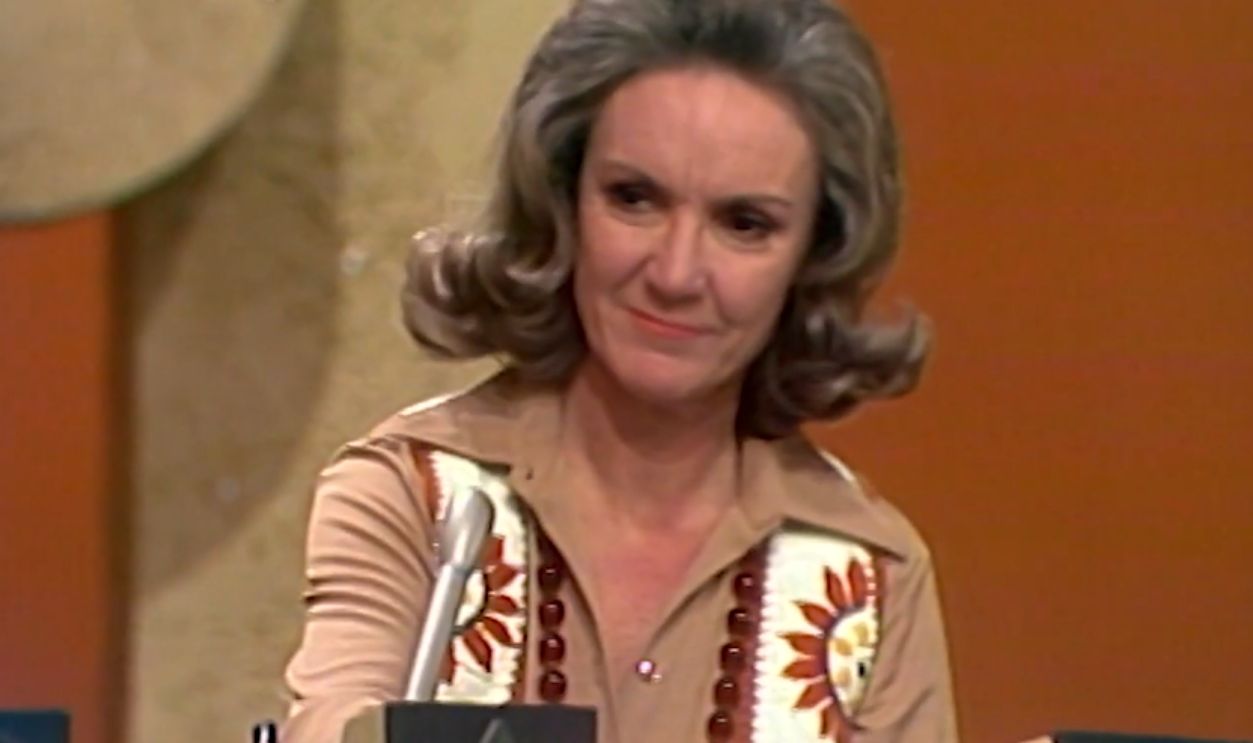
She Loved The Freedom
Somers said she never seriously considered quitting Match Game. “We had so much freedom,” she explained in 2003. Panelists could improvise, argue, perform ridiculous physical bits, and occasionally forget that contestants were waiting. That freedom allowed Brett to stop playing a character and become the main attraction simply by being herself.
 Screenshot from Match Game, CBS (1973–1979)
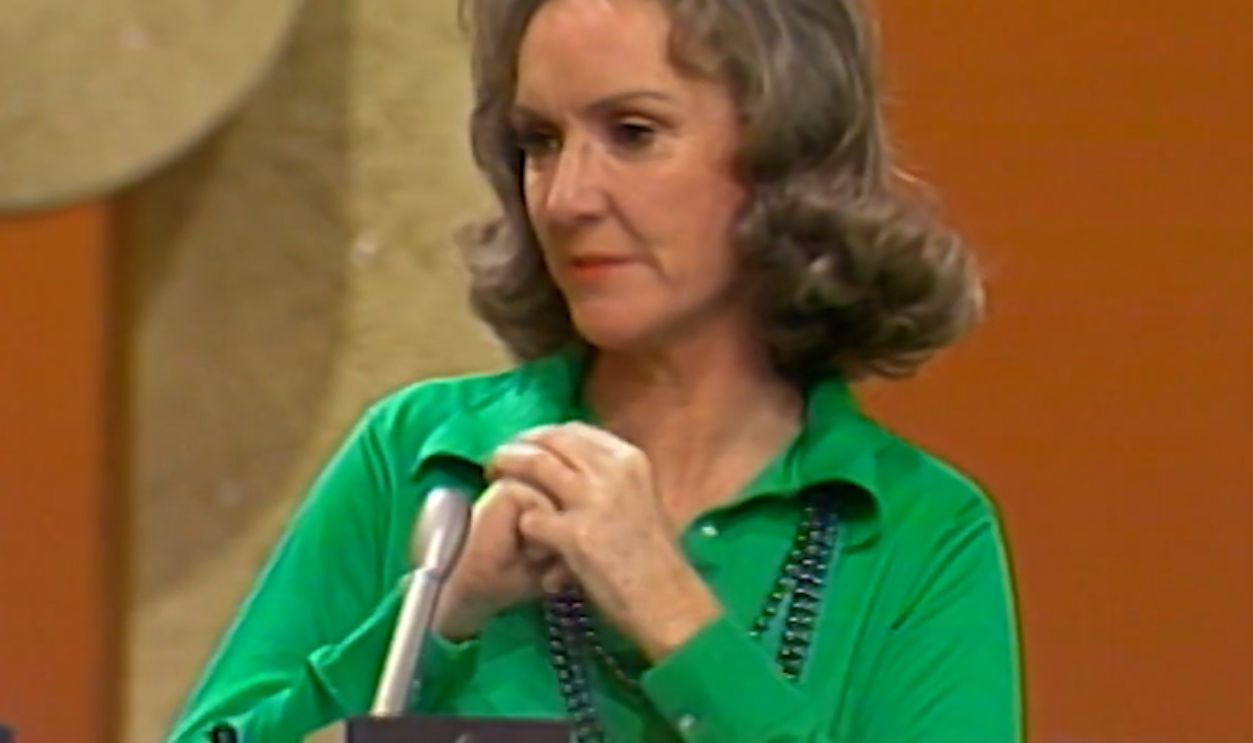
The Show Made Her Wealthy
Somers could not recall exactly what she earned for each episode, but she estimated that she made approximately $100,000 annually during the 1970s. She joked that it was excellent money “for who I wasn’t.” Unfortunately, she said reruns produced virtually no residual income, despite their enduring popularity.
 Screenshot from Match Game, CBS (1973–1979)
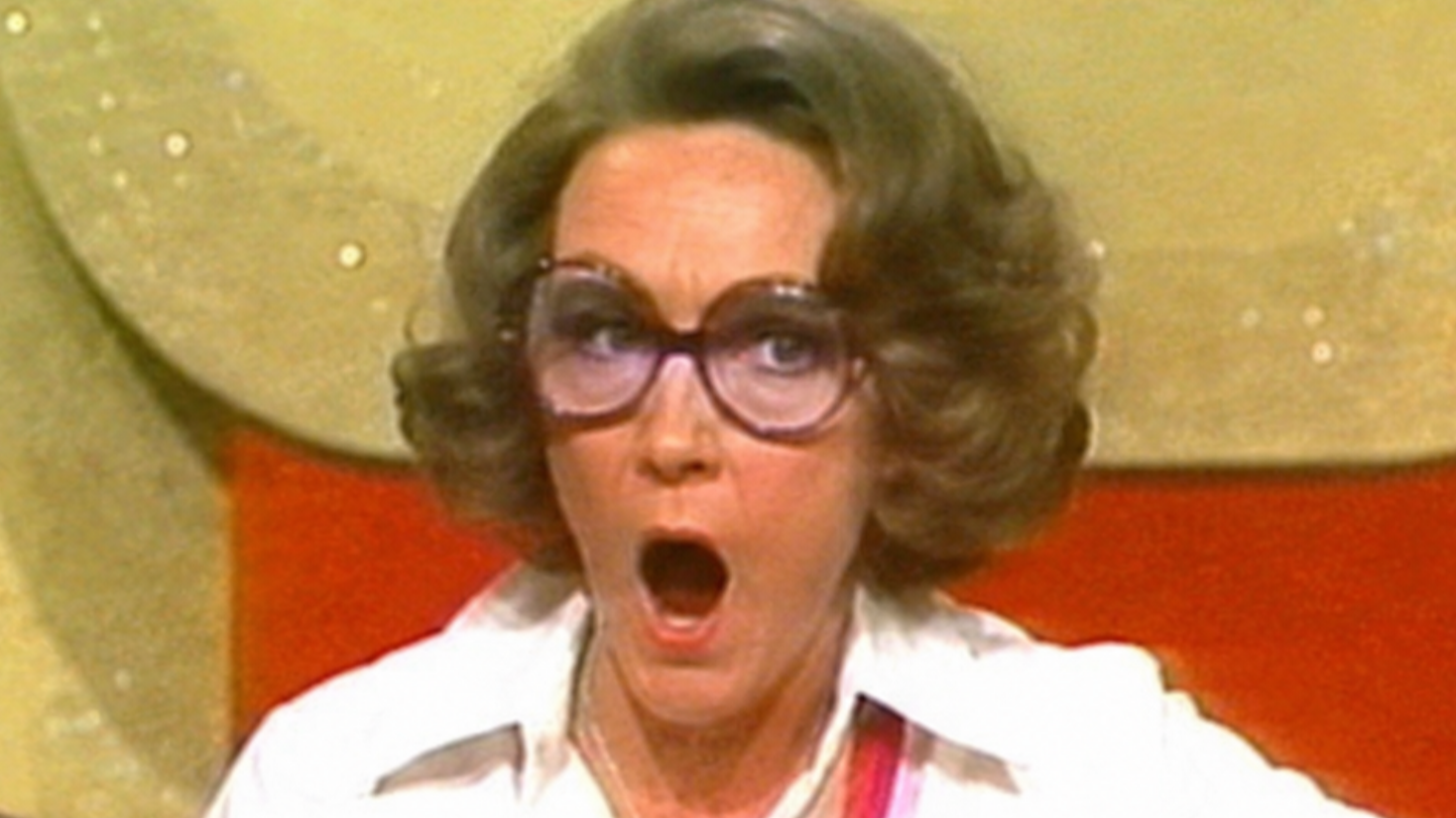
Daytime Viewers Could Not Get Enough
Within months of its 1973 revival, Match Game became daytime television’s most-watched program. Somers, Reilly, Dawson, and Rayburn became celebrities through their chemistry rather than scripted roles. After decades of acting, Brett had finally become famous for writing strange answers on blue cards and insulting her friends.
 Screenshot from Match Game, NBC (1962–1969)
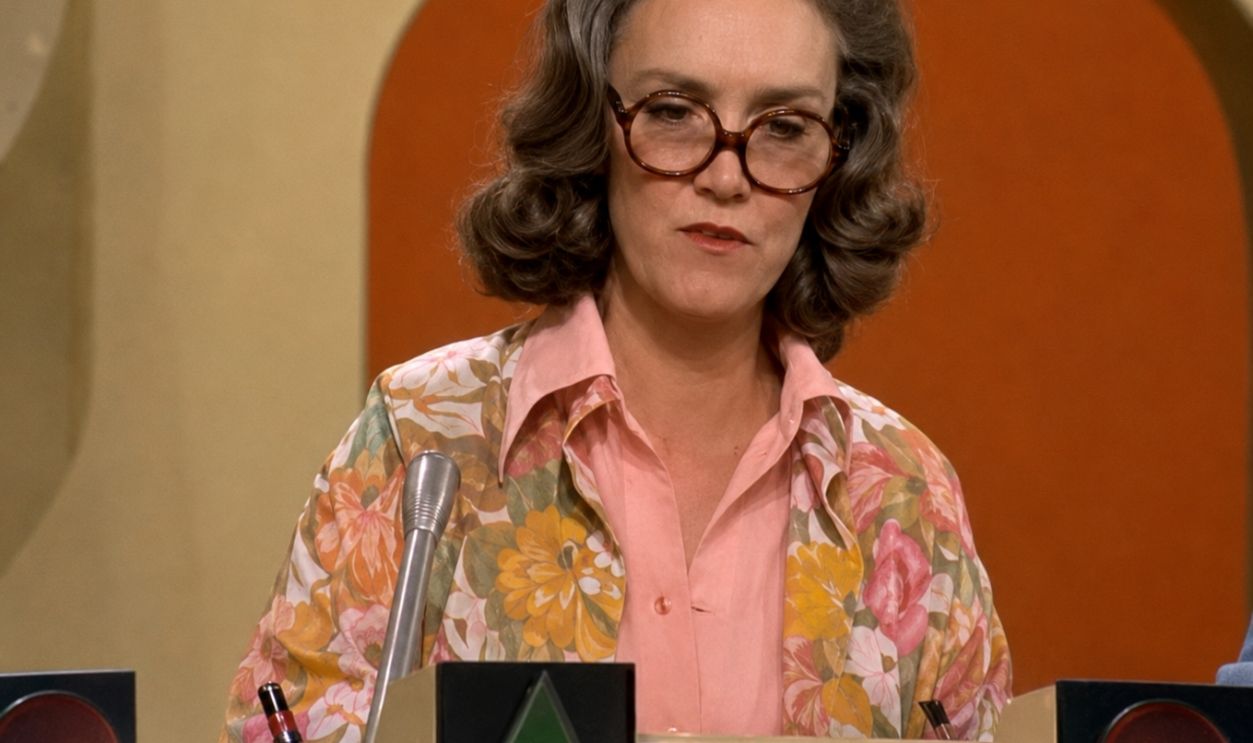
Success Could Not Save Her Marriage
While Somers was becoming a television fixture, her marriage to Klugman was falling apart. They separated in 1974, during the height of Match Game’s popularity. Her friend and fellow panelist Marcia Wallace remembered meeting Somers shortly after the separation and finding her understandably shaken beneath the familiar humor.
 Screenshot from Match Game, CBS (1973–1979), Modified
Their Divorce Was Hidden For Years
Obituaries later reported that Somers and Klugman separated but never divorced. California court records, however, indicate that their divorce became final in August 1977. Because neither remarried during Somers’s lifetime and they remained friendly, the truth stayed surprisingly obscure—even while their fictional divorce played repeatedly on television.
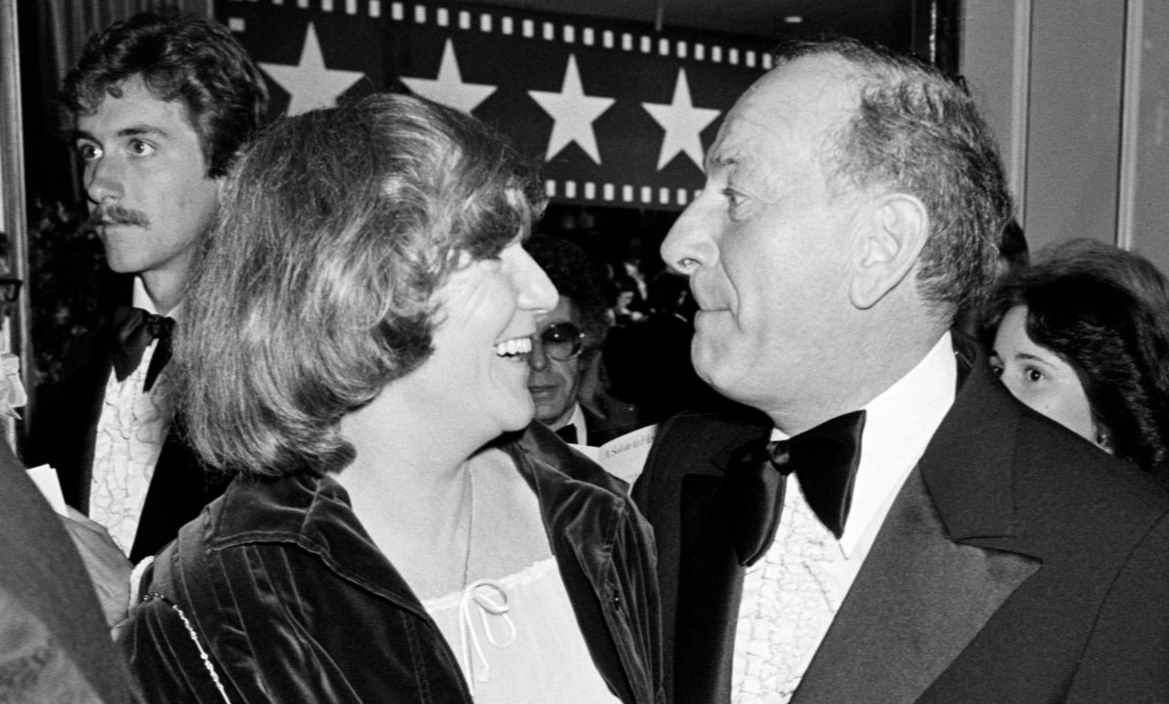
She Kept Her Seat Through The Upheaval
Somers continued appearing on the CBS daytime edition through 1979 and its syndicated versions afterward. Her private life had changed, but the television persona remained magnificently unbothered. Viewers saw the glasses, heard the gravelly voice, and waited for whatever perfectly timed insult would arrive next.
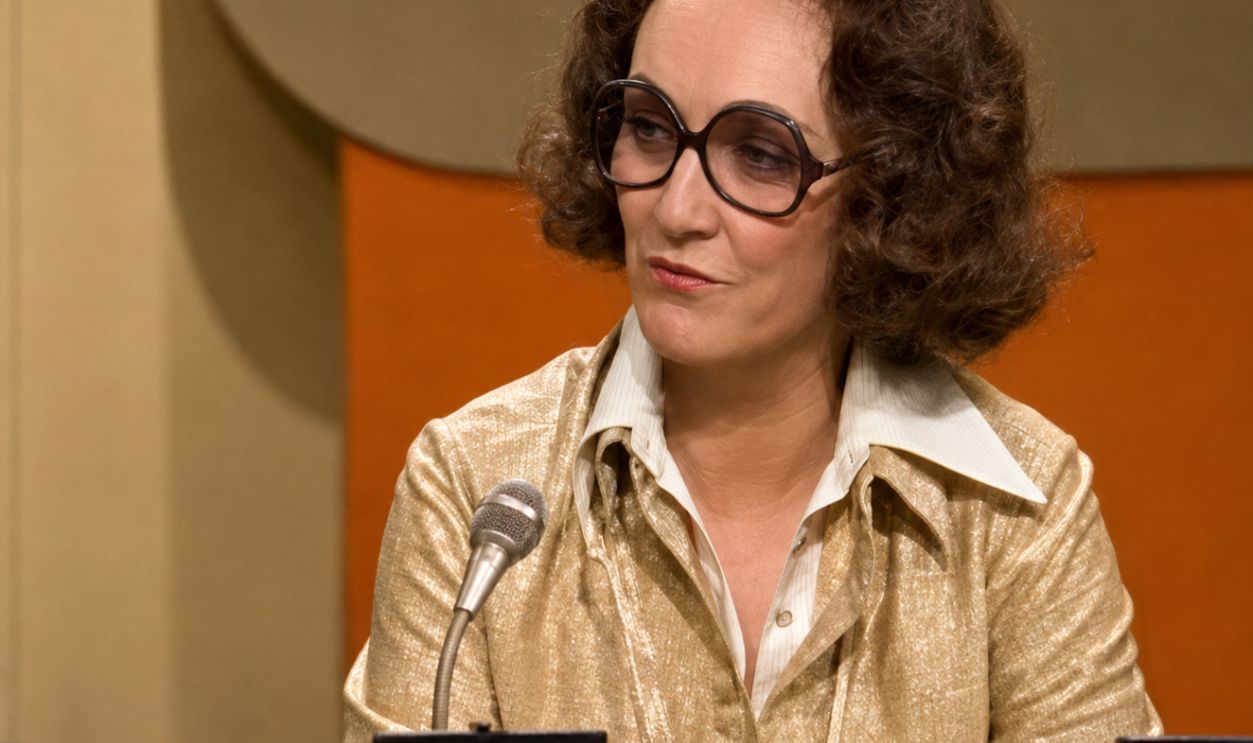 Screenshot from Match Game, CBS (1973–1979), Modified
Reruns Introduced Her To New Generations
Long after the original production ended, reruns on Game Show Network and later Buzzr gave Somers an unexpected second career. Younger viewers discovered that an actress sitting behind a desk in enormous glasses could dominate a program without scripts, special effects, or a carefully manufactured celebrity image.
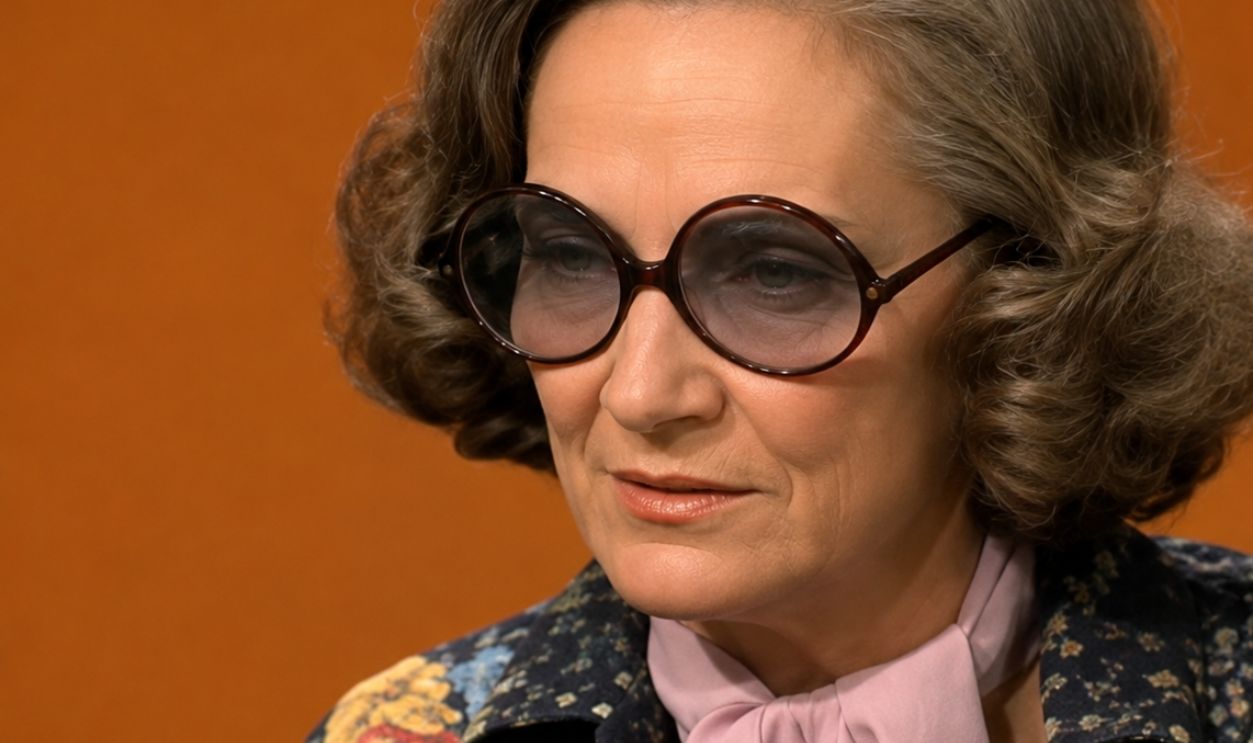 Screenshot from Match Game, CBS (1973–1979), Modified
She Returned To The Spotlight At 79
In 2003, Somers wrote and co-produced An Evening With Brett Somers, a one-woman cabaret show performed at Danny’s Skylight Room in New York. She sang, told stories, and revisited her career. The opening audience responded so warmly that she described it as one of her happiest performing experiences.
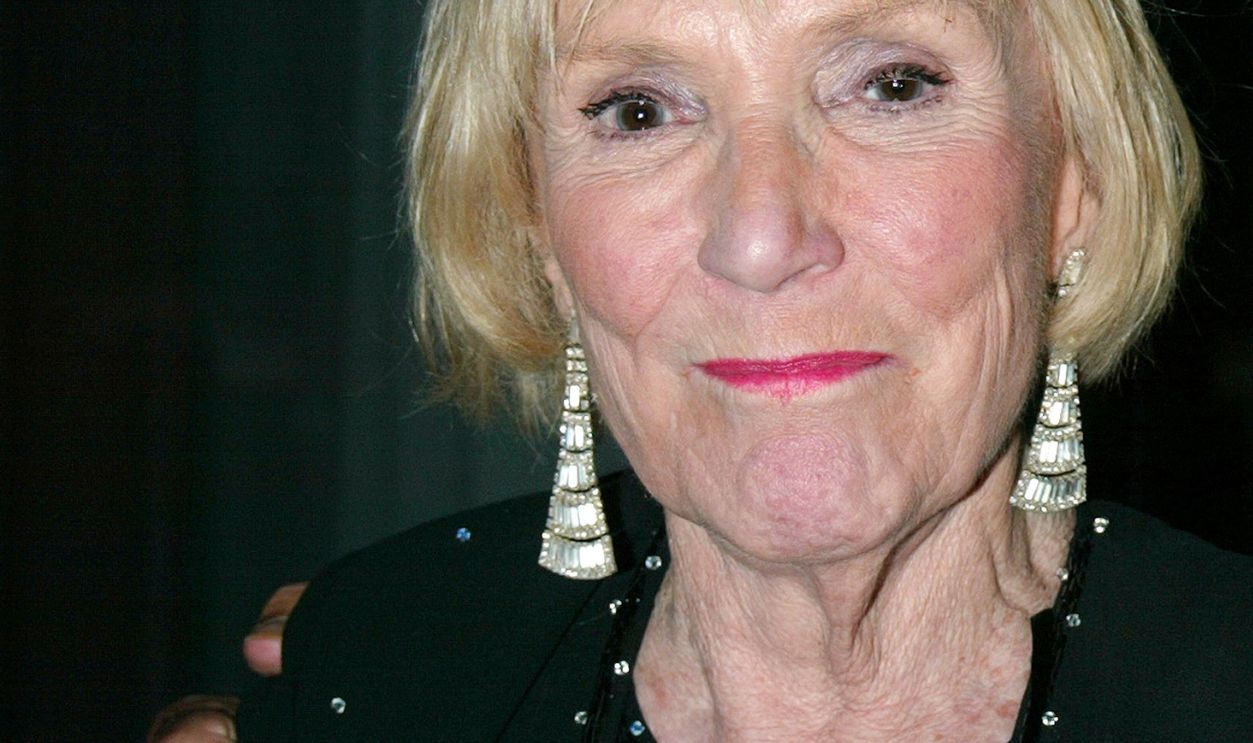
That Triumph Came With Heartbreak
The same year Somers returned triumphantly to the stage, her daughter Leslie Klein died from lung cancer. Leslie was the child of Somers’s first marriage and had married actor and director Jim Fyfe. The correction to Somers’s later obituary confirmed the painful truth: Leslie had died four years before her mother.
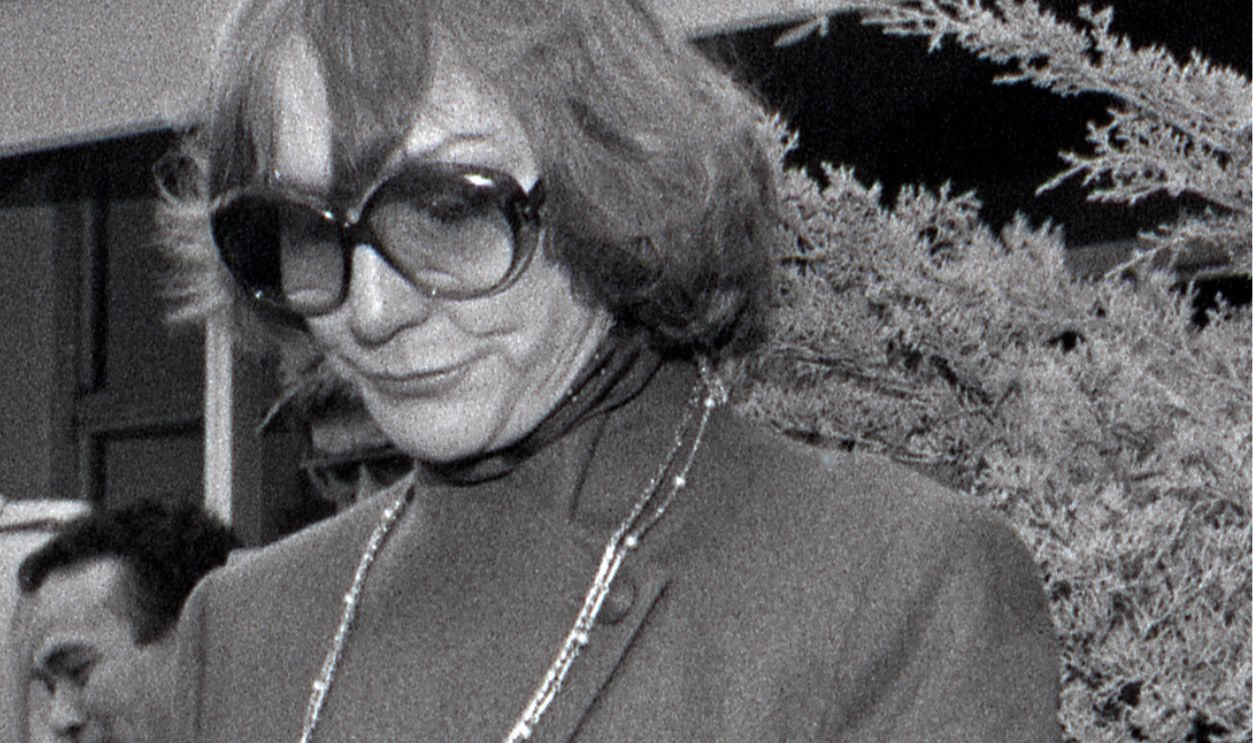
Cancer Entered Her Own Life
Somers was diagnosed with cancer in 2004. She underwent treatment and experienced a period of remission, but the illness eventually returned. Even then, she continued performing. The woman who had once survived live television and unpredictable celebrity panels refused to disappear quietly when life became genuinely frightening.
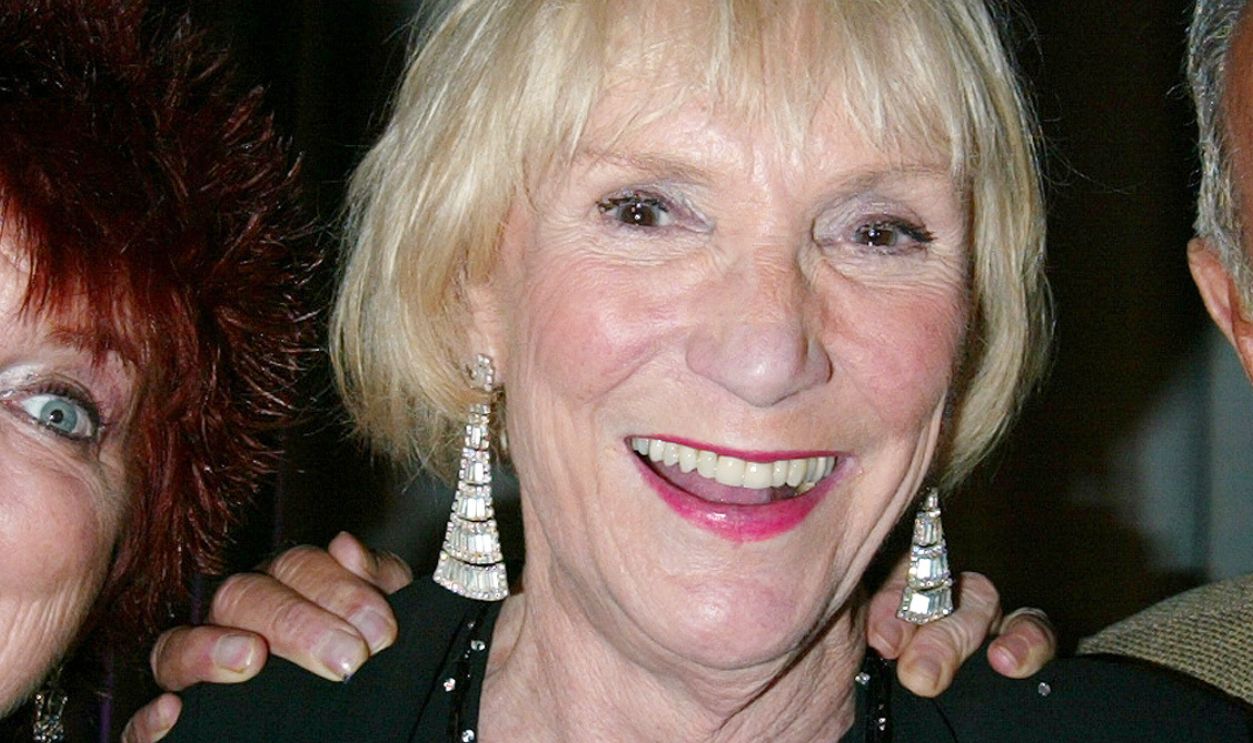
She Reunited With Jack Klugman
In 2005, Somers and Klugman performed together in Danger, People at Large at Fairfield University in Connecticut. It was reportedly their first stage appearance together in roughly three decades. Whatever difficulties had ended their marriage, they retained enough affection and trust to share a stage again.
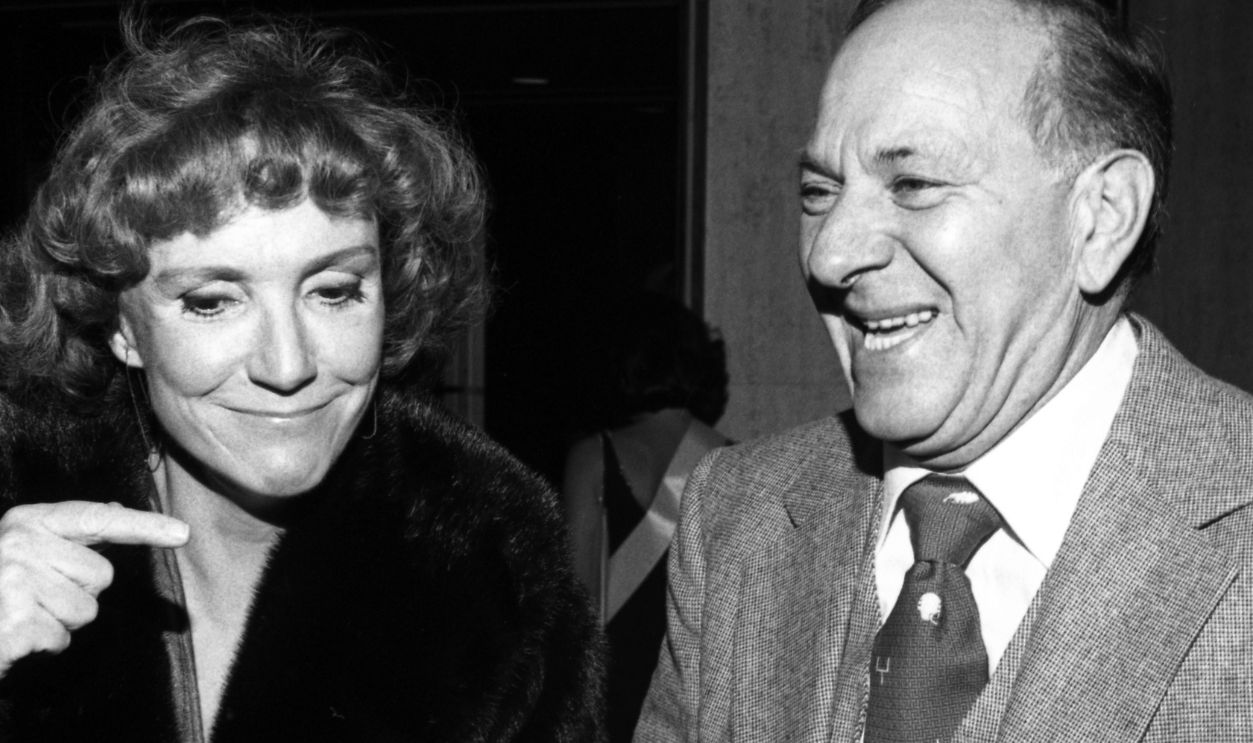
She Revisited Match Game One Last Time
Somers participated prominently in the 2006 documentary The Real Match Game Story: Behind the Blank and helped introduce the show’s DVD collection. She was no longer simply remembering an old job. She was helping explain why a seemingly ridiculous daytime program had become an enduring piece of television history.
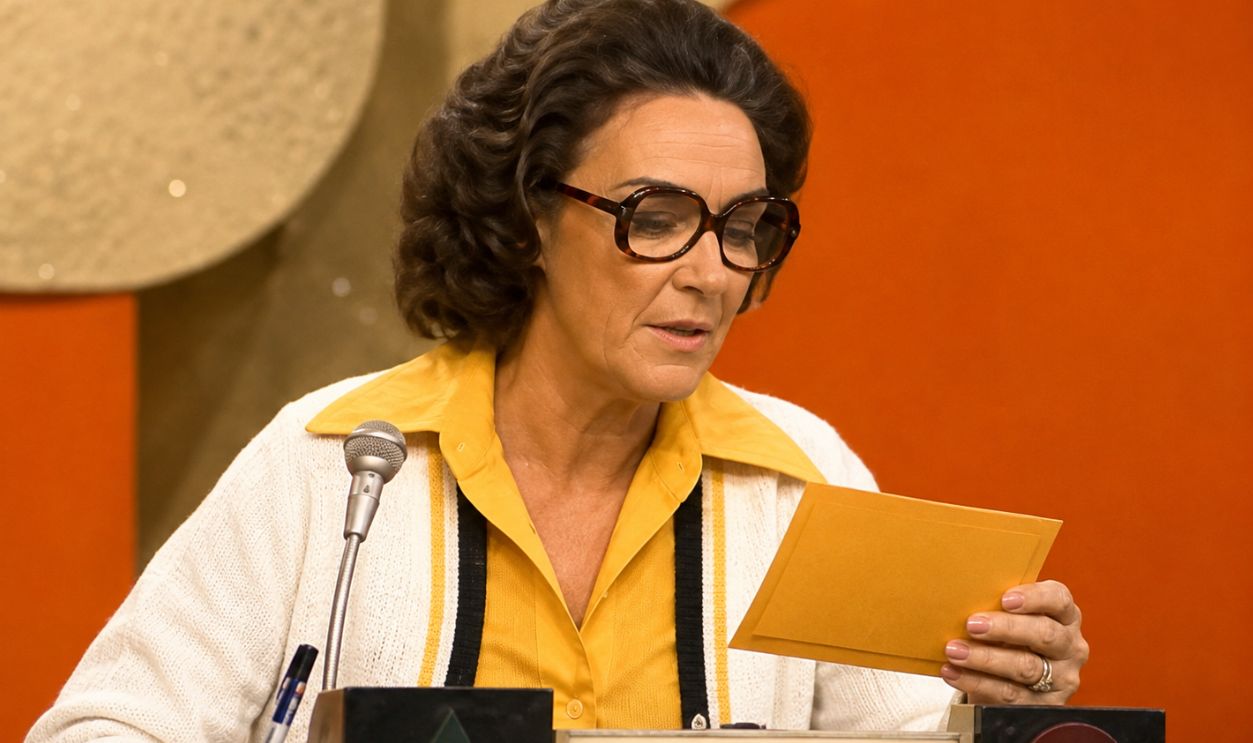 Screenshot from Match Game, CBS (1973–1979), Modified
Her Final Battle Ended At Home
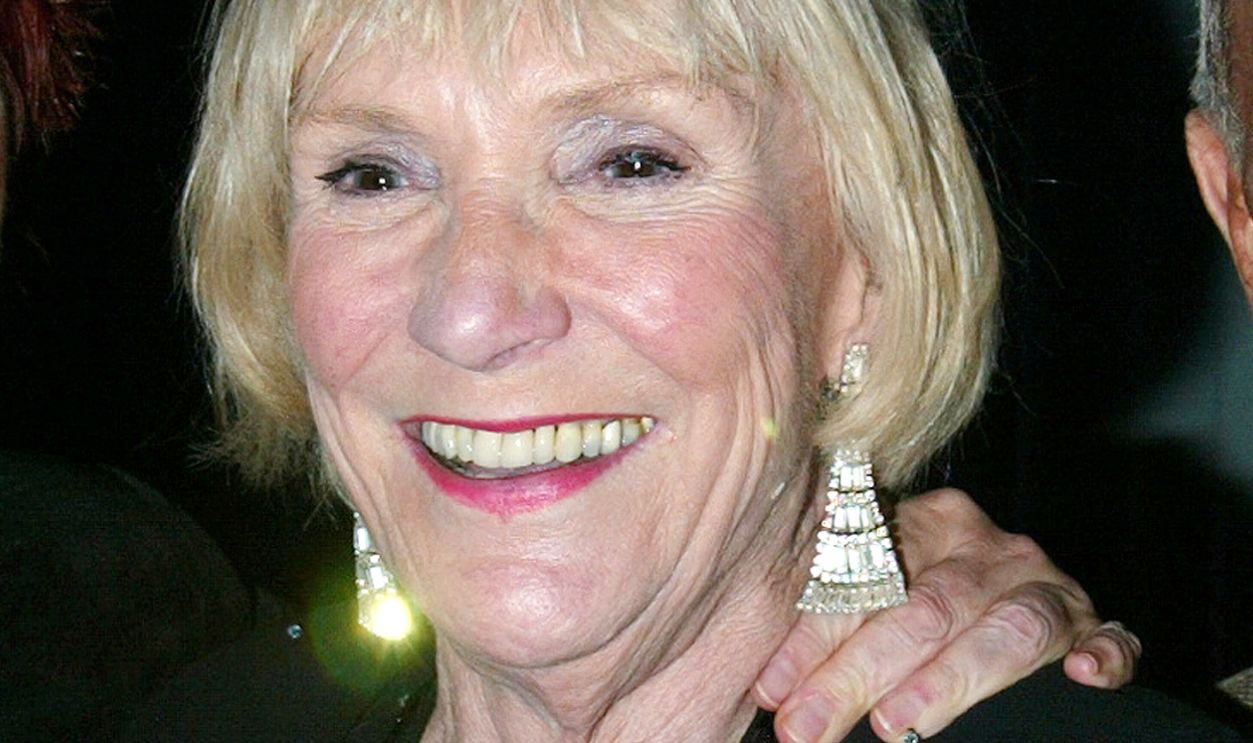
Brett Somers died at her home in Westport, Connecticut, on September 15, 2007. She was 83. Her son Adam identified stomach and colon cancer as the cause. After treatment, remission, and recurrence, she spent her final days away from the television studio that had made her famous.
She Left As Herself
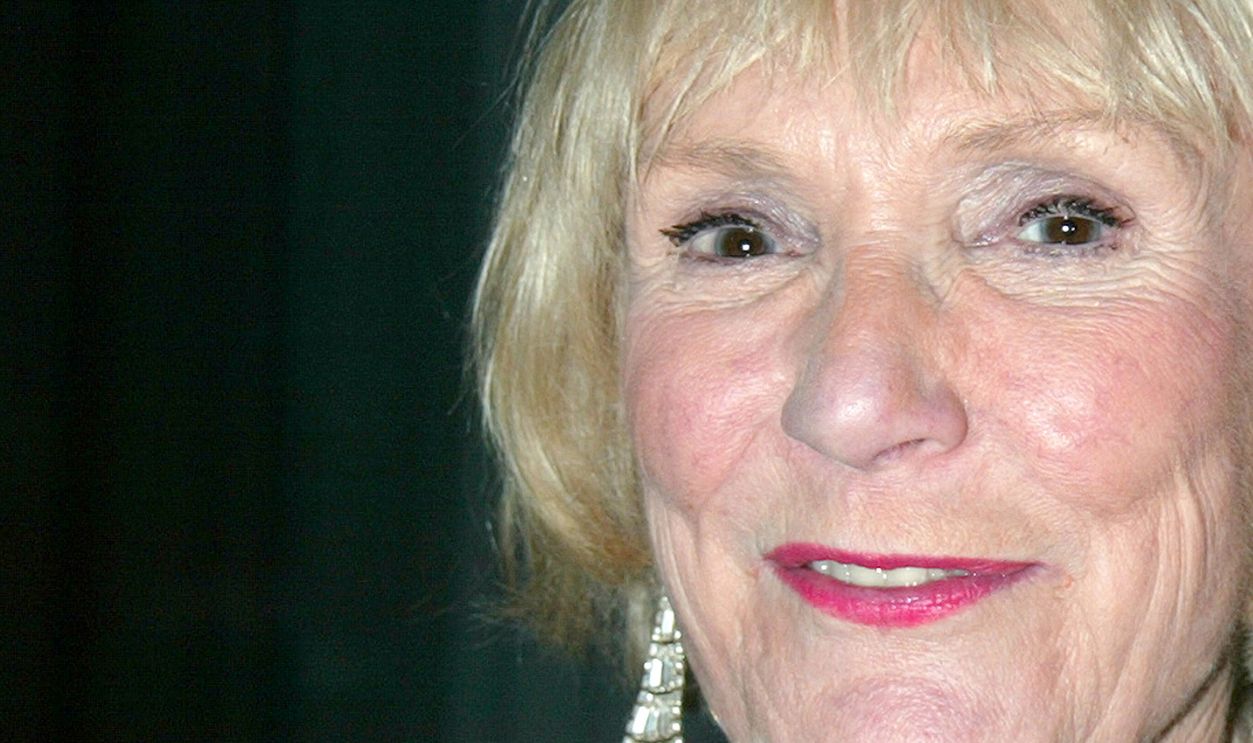
Adam Klugman remembered his mother as caustic, irreverent, and fiercely independent. “She maintained her independence till the end, and her irreverence,” he said, adding that she died “very much at peace.” It was a fitting farewell for a woman who had never allowed television—or tragedy—to soften her voice.
Brett Somers Always Had The Last Word
Match Game gave Somers the freedom to become something rare: a female television personality celebrated for being older, opinionated, intelligent, and unapologetically difficult. Her glasses became iconic and her insults became affectionate memories, but her greatest trick was simpler—Brett Somers made authenticity impossible to ignore.
 Screenshot from Match Game, CBS (1973–1979), Modified
You May Also Like:
Most actors spend a lifetime chasing one iconic role—Diana Rigg spent hers escaping it.
Susan Saint James became a defining face of 1970s television—but the most unexpected part of her story unfolded far from the cameras.