They Weren't The Stars, But They Stole The Show
Every great sitcom needs a leading man or woman, but sometimes the funniest person isn't the one whose name appears first in the credits. From wisecracking neighbors to lovable oddballs, these supporting actors regularly stole scenes from television's biggest stars. And decades later, they're often the characters we remember most fondly.
Don Knotts Made Barney Fife Impossible To Forget
Andy Griffith may have been the star of The Andy Griffith Show, but Don Knotts was its secret weapon. As Deputy Barney Fife, Knotts turned nervous energy, misplaced confidence, and terrible judgment into comedy gold. Whenever Barney reached for his single bullet, you knew something wonderful was coming.
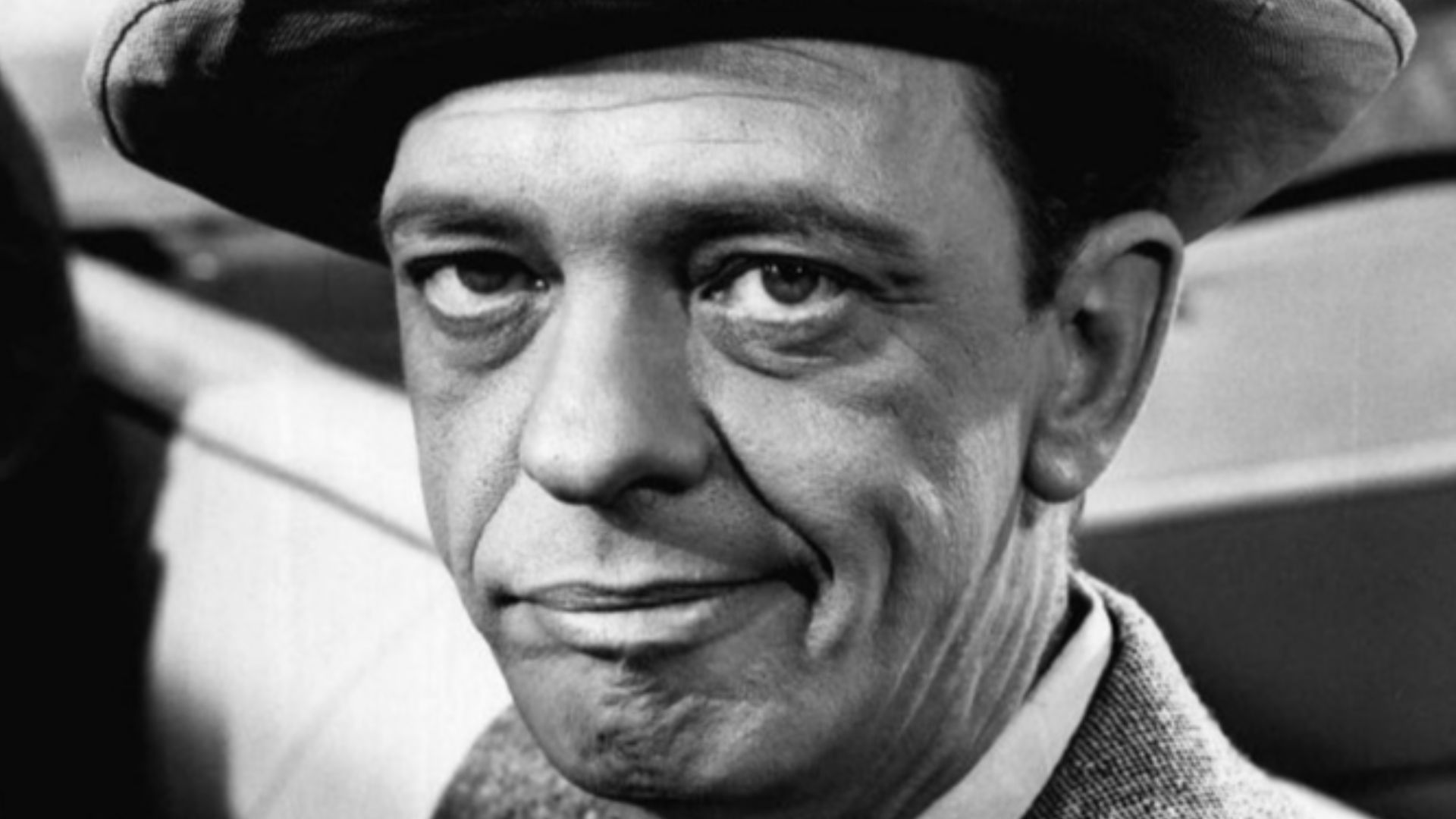 CBS Television, Wikimedia Commons
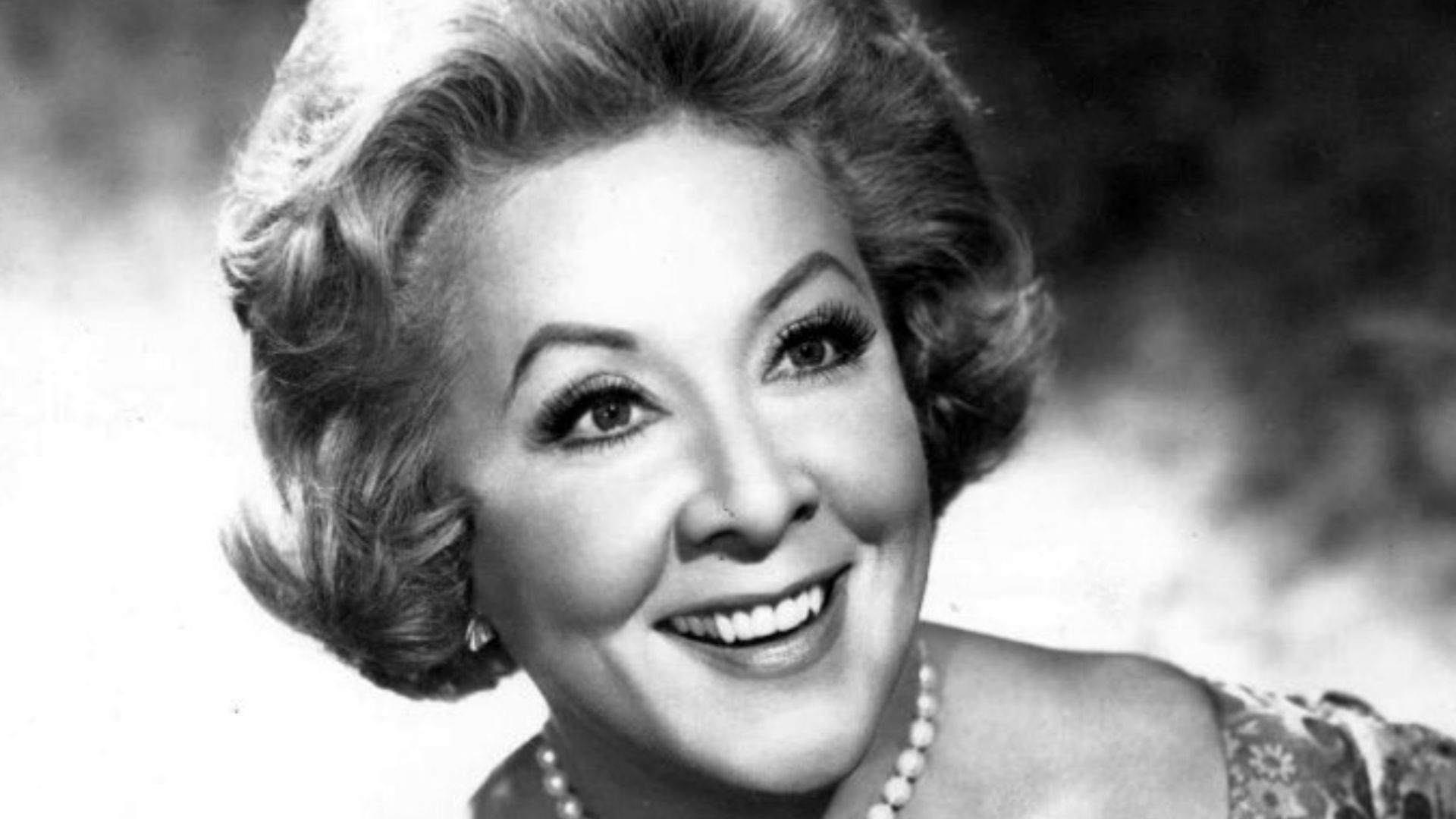
Vivian Vance Was Lucy's Perfect Partner In Crime
Lucille Ball was television royalty, but Vivian Vance made I Love Lucy even better. As Ethel Mertz, she delivered sarcastic remarks, disapproving looks, and priceless reactions to Lucy's ridiculous schemes. Their friendship felt so genuine that audiences sometimes forgot just how brilliantly Vance was performing.
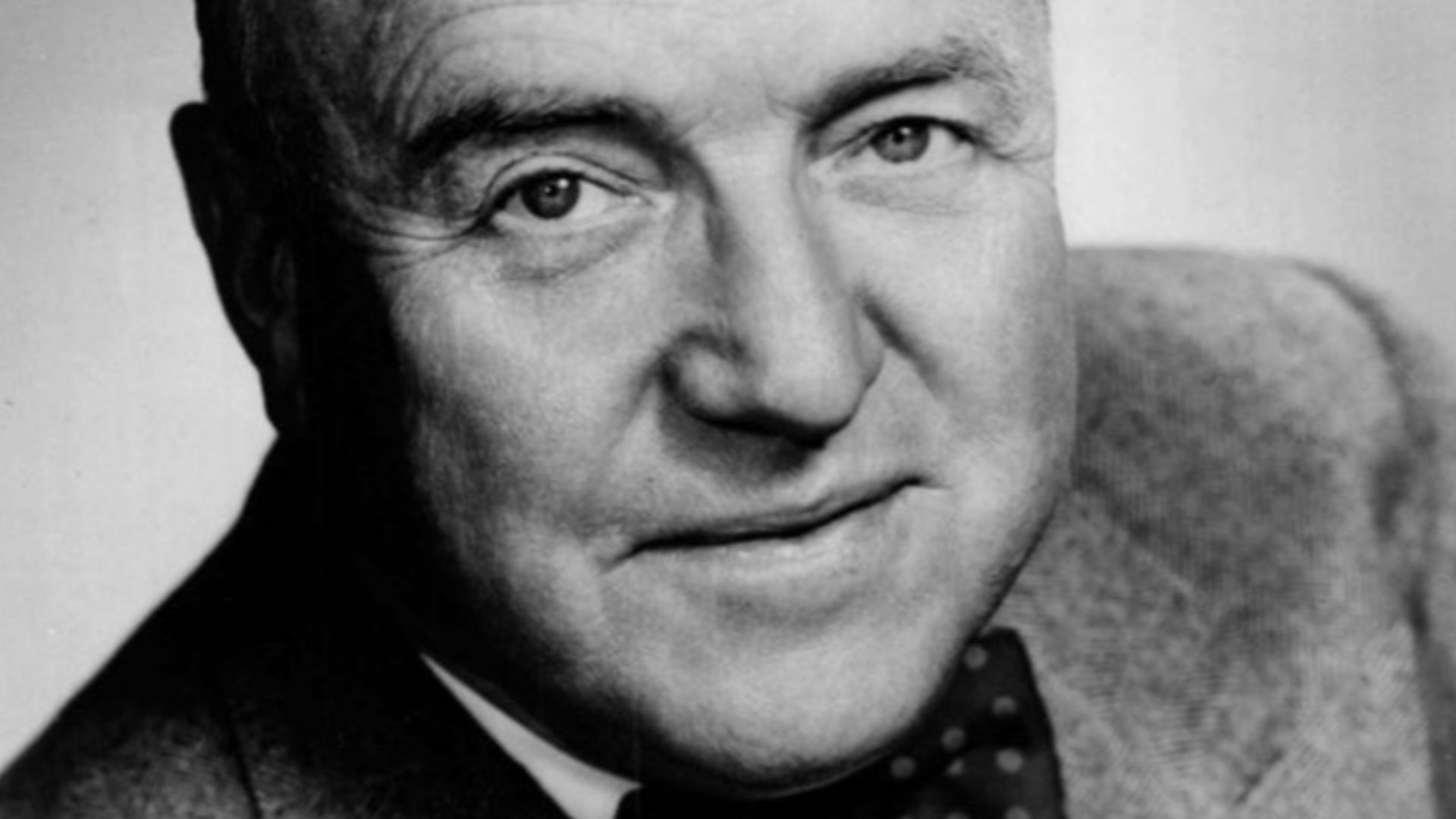
William Frawley Made Fred Mertz A Lovable Grouch
Fred Mertz wasn't exactly the friendliest landlord on television, and William Frawley wouldn't have wanted him any other way. His grumbling, penny-pinching character was the perfect counterweight to Lucy and Ricky's chaos. Frawley could get a laugh simply by walking into the room looking annoyed.
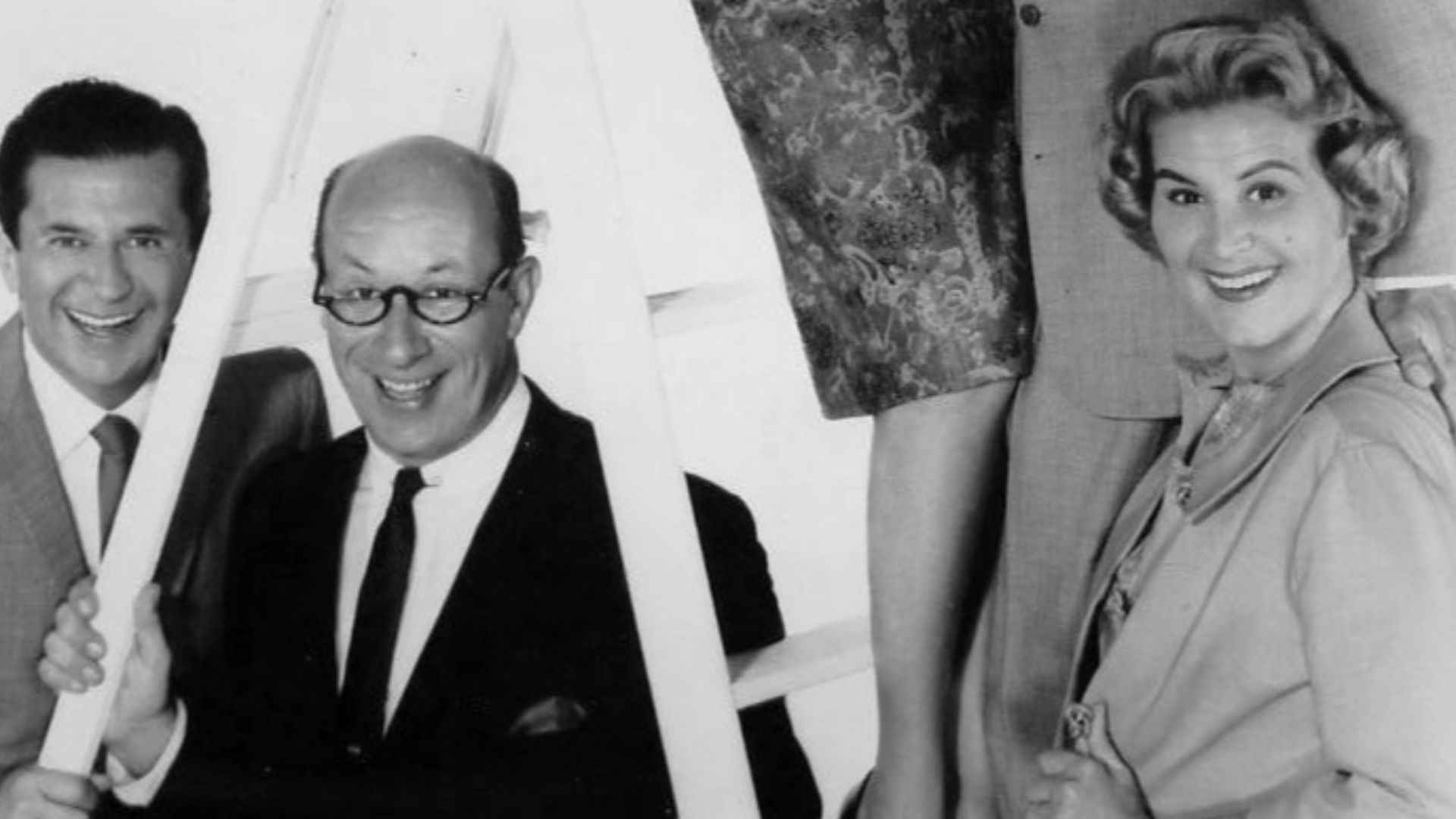
Rose Marie Gave The Dick Van Dyke Show Its Sharpest Wit
On The Dick Van Dyke Show, Rose Marie played Sally Rogers, a talented comedy writer who could trade wisecracks with anybody. Her sharp timing and wonderful chemistry with the cast made Sally a standout. She proved that television's funniest woman didn't always have to be the leading lady.
 Rogers & Cowan (publicity agency), Beverly Hills., Wikimedia Commons
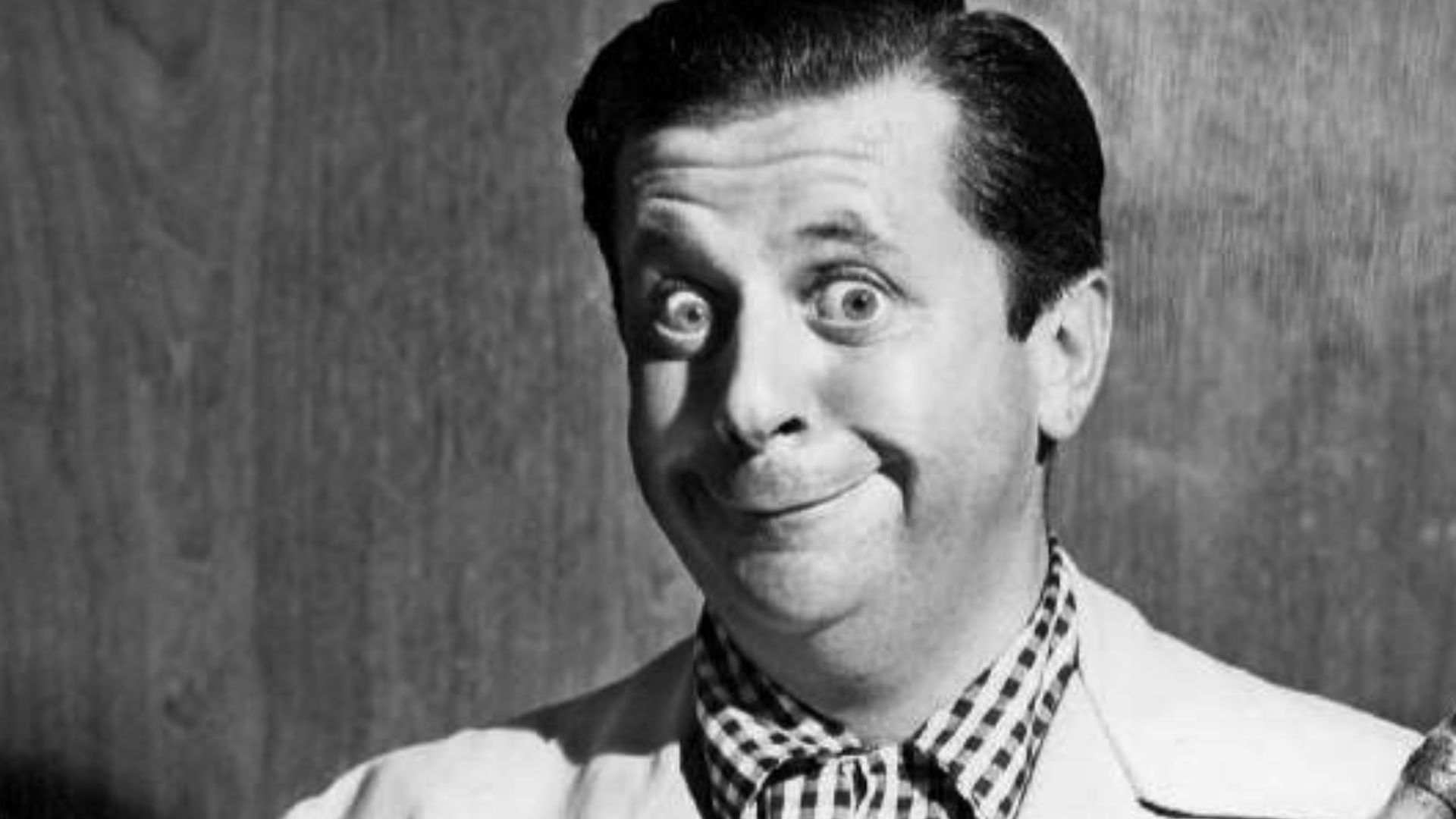
Morey Amsterdam Was Always Ready With Another Joke
As Buddy Sorrell on The Dick Van Dyke Show, Morey Amsterdam seemingly had a joke for every occasion. His quick one-liners, playful insults, and constant teasing of Mel Cooley kept the writers' room entertaining. Watching Buddy and Sally trade insults sometimes felt like watching two veteran comedians compete for laughs.
 CBS Television, Wikimedia Commons
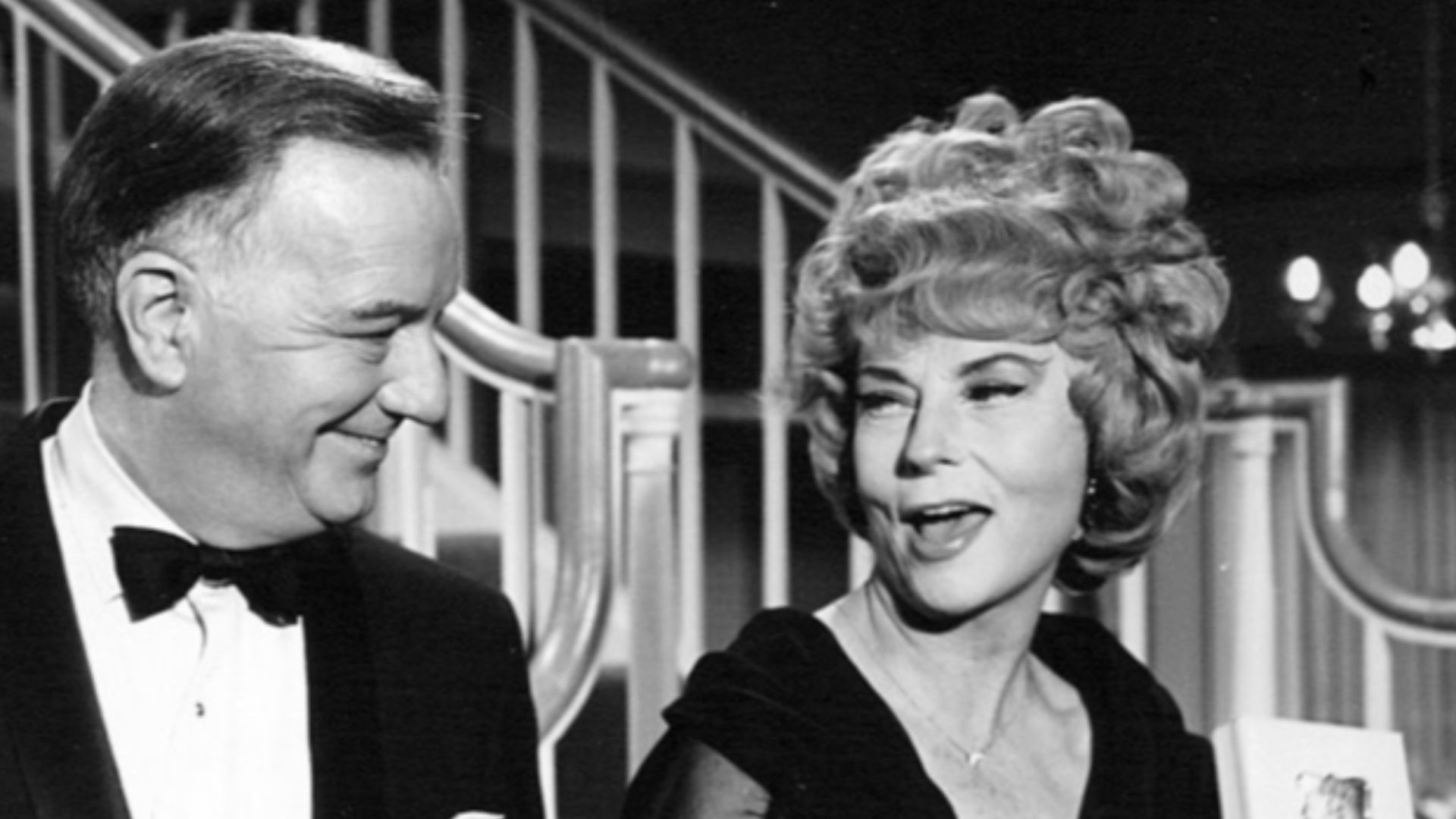
Agnes Moorehead Made Endora Deliciously Wicked
Samantha was supposed to be the main attraction on Bewitched, but her mother often stole the spotlight. Agnes Moorehead played Endora with theatrical flair, cutting sarcasm, and an obvious dislike of Darrin. She could appear in a cloud of magic and immediately make everyone else's problems worse.
 ABC Television, Wikimedia Commons
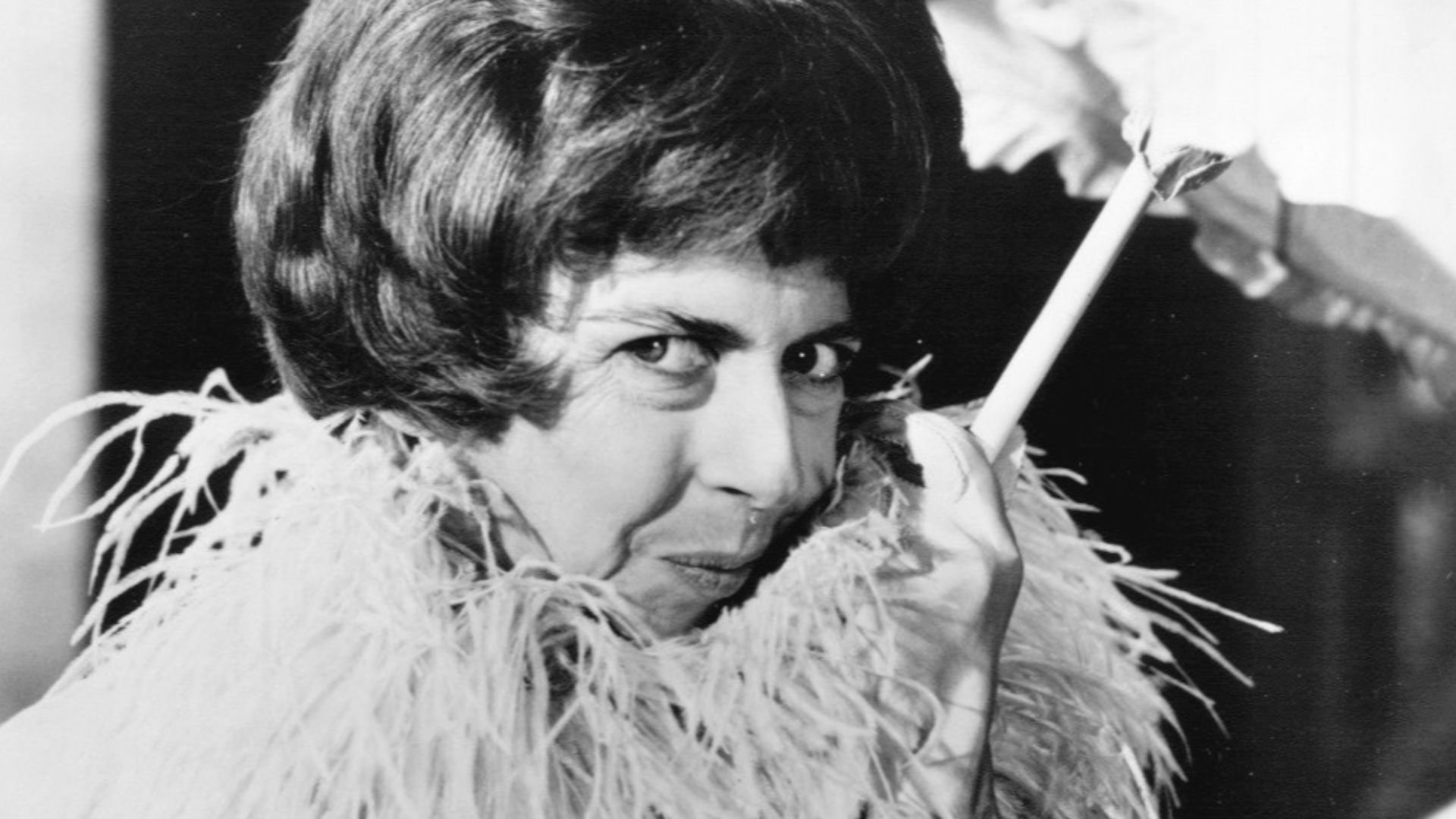
Alice Pearce Turned Nosiness Into An Art Form
Every neighborhood has somebody who knows everybody's business, but Gladys Kravitz took things to another level. On Bewitched, Alice Pearce made Gladys hilariously suspicious of Samantha's magical activities. Her frantic attempts to convince her husband that something strange was happening next door were frequently funnier than the magic itself.
 ABC Television, Wikimedia Commons
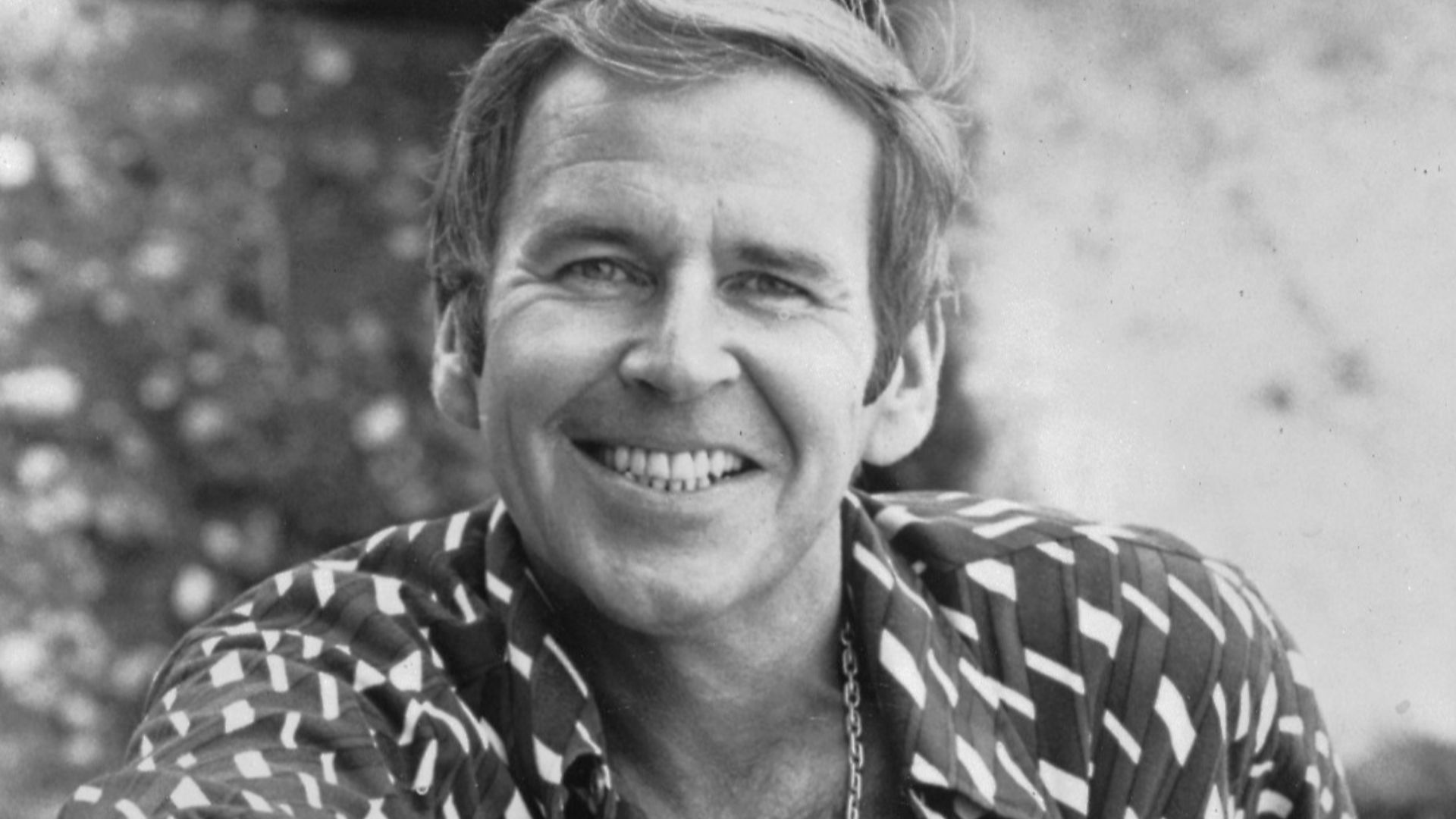
Paul Lynde Made Uncle Arthur A National Treasure
Whenever Paul Lynde appeared as Uncle Arthur on Bewitched, viewers knew they were in for trouble. His unmistakable voice, mischievous grin, and perfectly timed remarks made the prank-loving warlock unforgettable. Lynde didn't need much screen time to turn an ordinary episode into something truly special.
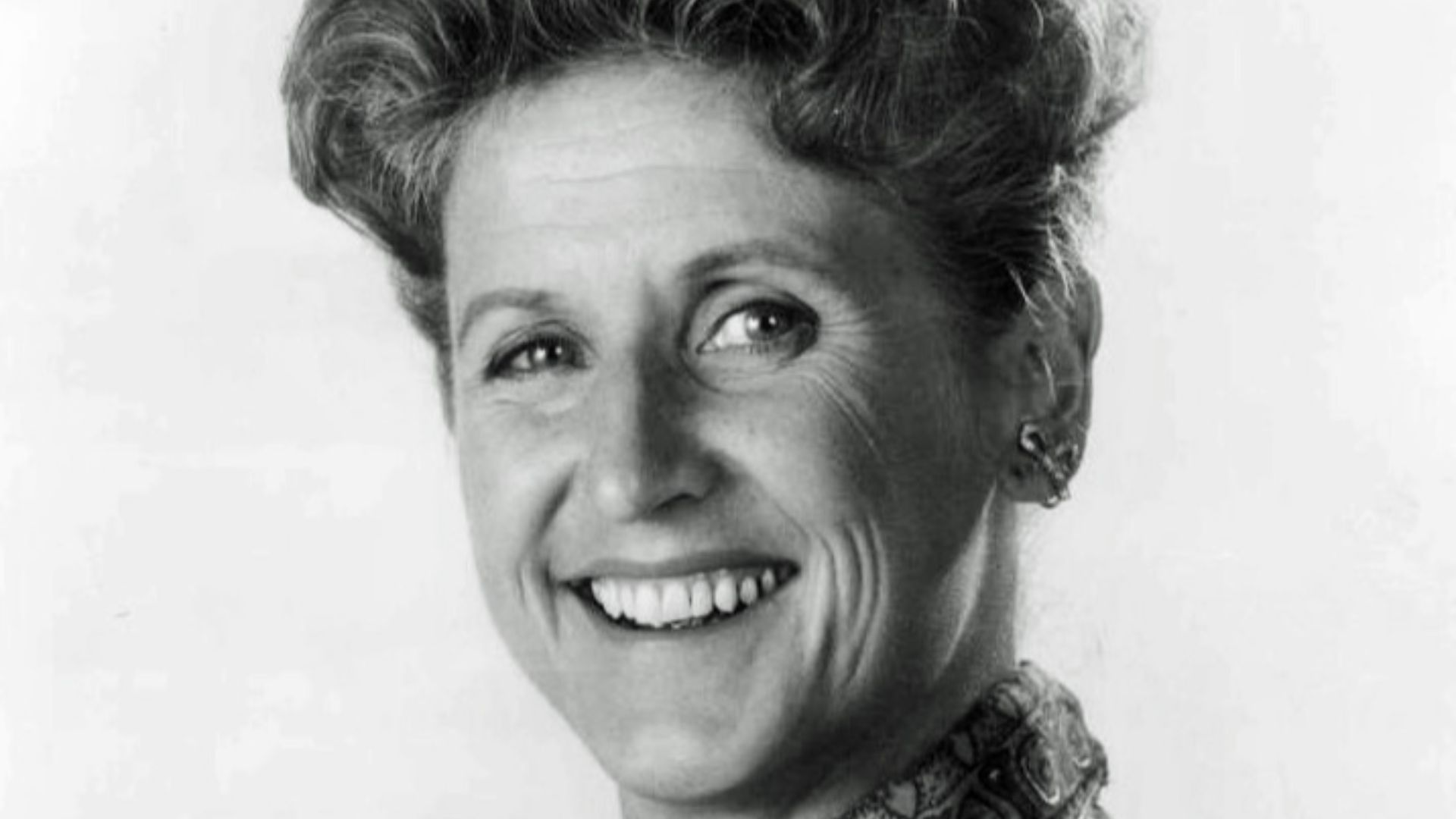
Ann B Davis Was The Brady Bunch's Unsung Hero
With six children, two parents, and countless household disasters, The Brady Bunch needed someone to keep things moving. Enter Ann B Davis as Alice Nelson. Her cheerful sarcasm, sensible advice, and wonderfully dry reactions made her feel like the real adult in the Brady household.
Ted Knight Made Being Terrible At Your Job Hilarious
Ted Baxter was probably the last person you'd want delivering your evening news. Fortunately, Ted Knight turned the pompous, hopelessly confused anchorman into one of The Mary Tyler Moore Show's greatest attractions. His inflated ego and complete lack of self-awareness made every newsroom scene better.
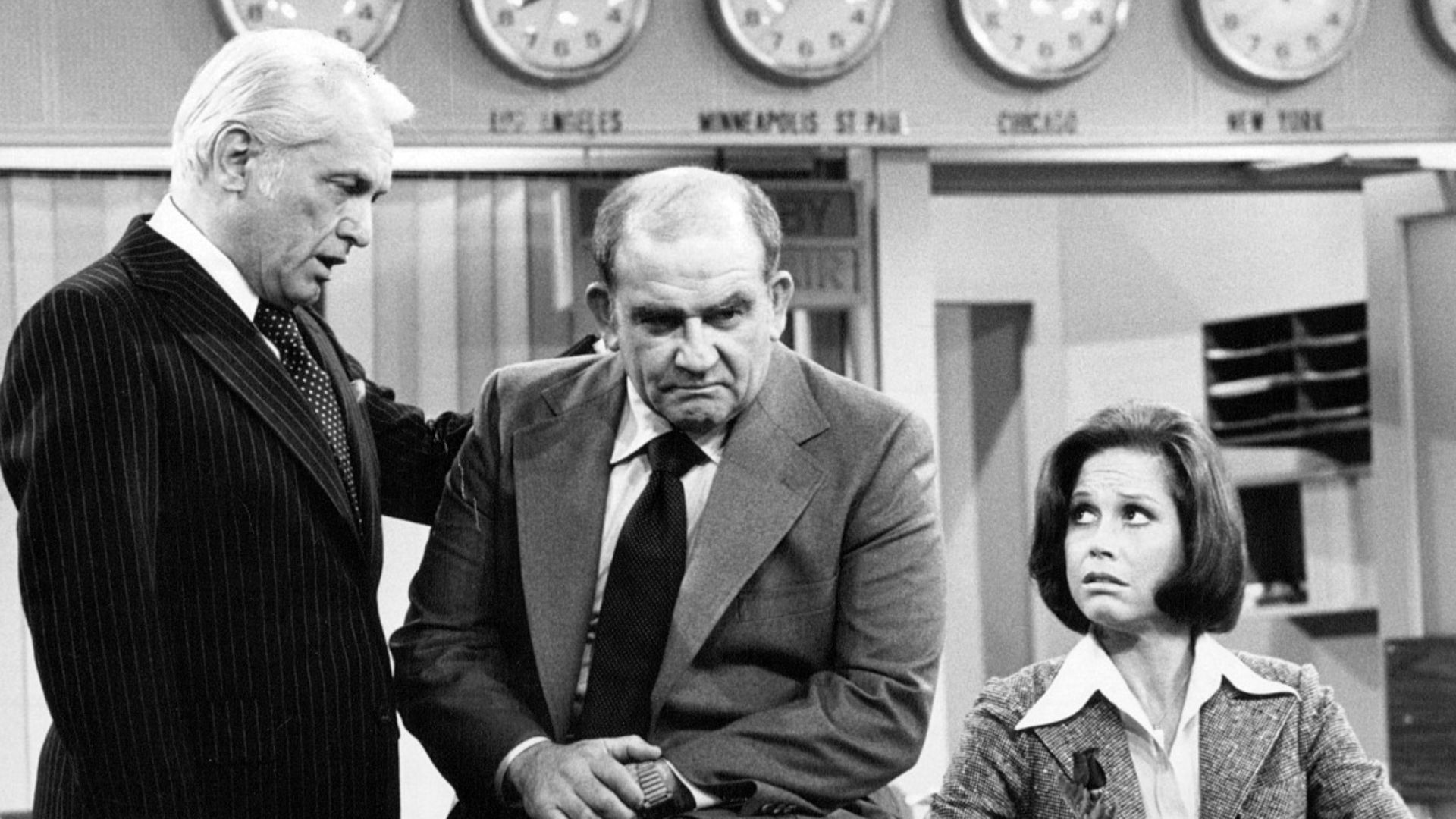 CBS Television, Wikimedia Commons
Georgia Engel Proved Quiet Characters Could Get Huge Laughs
Georgia Engel's Georgette Franklin had a soft voice, a sweet personality, and surprisingly good instincts. On The Mary Tyler Moore Show, she often saw through situations that left supposedly smarter characters confused. Engel's gentle delivery made her funniest lines even more unexpected, especially opposite Ted Baxter.
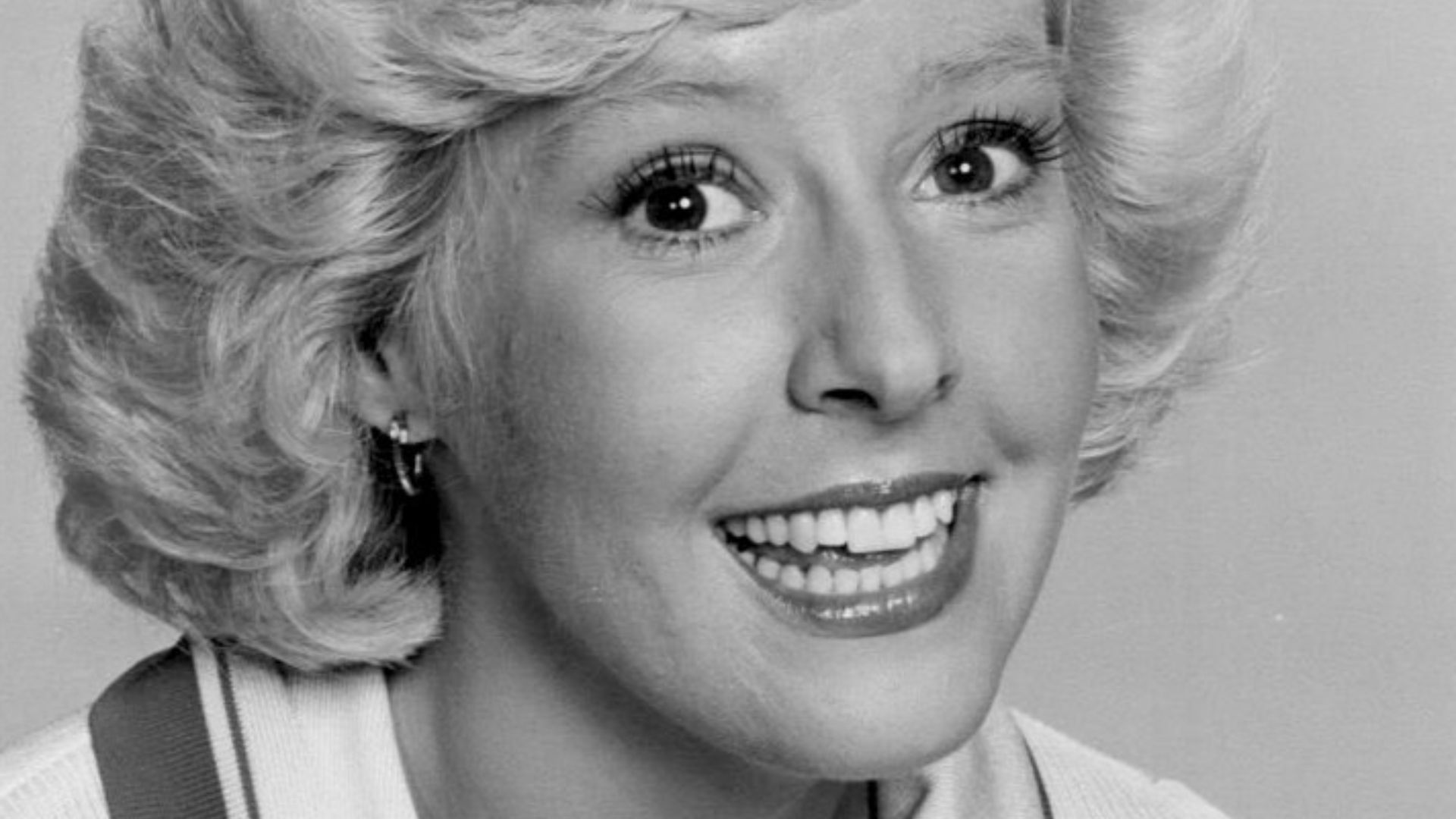 CBS Television, Wikimedia Commons
Betty White Made Sue Ann Nivens Delightfully Devious
Long before many viewers knew her as Rose Nylund, Betty White played Sue Ann Nivens on The Mary Tyler Moore Show. Sue Ann's cheerful television personality concealed a gloriously competitive troublemaker. White's ability to switch between sweetness and wicked humor made her one of the show's biggest scene-stealers.
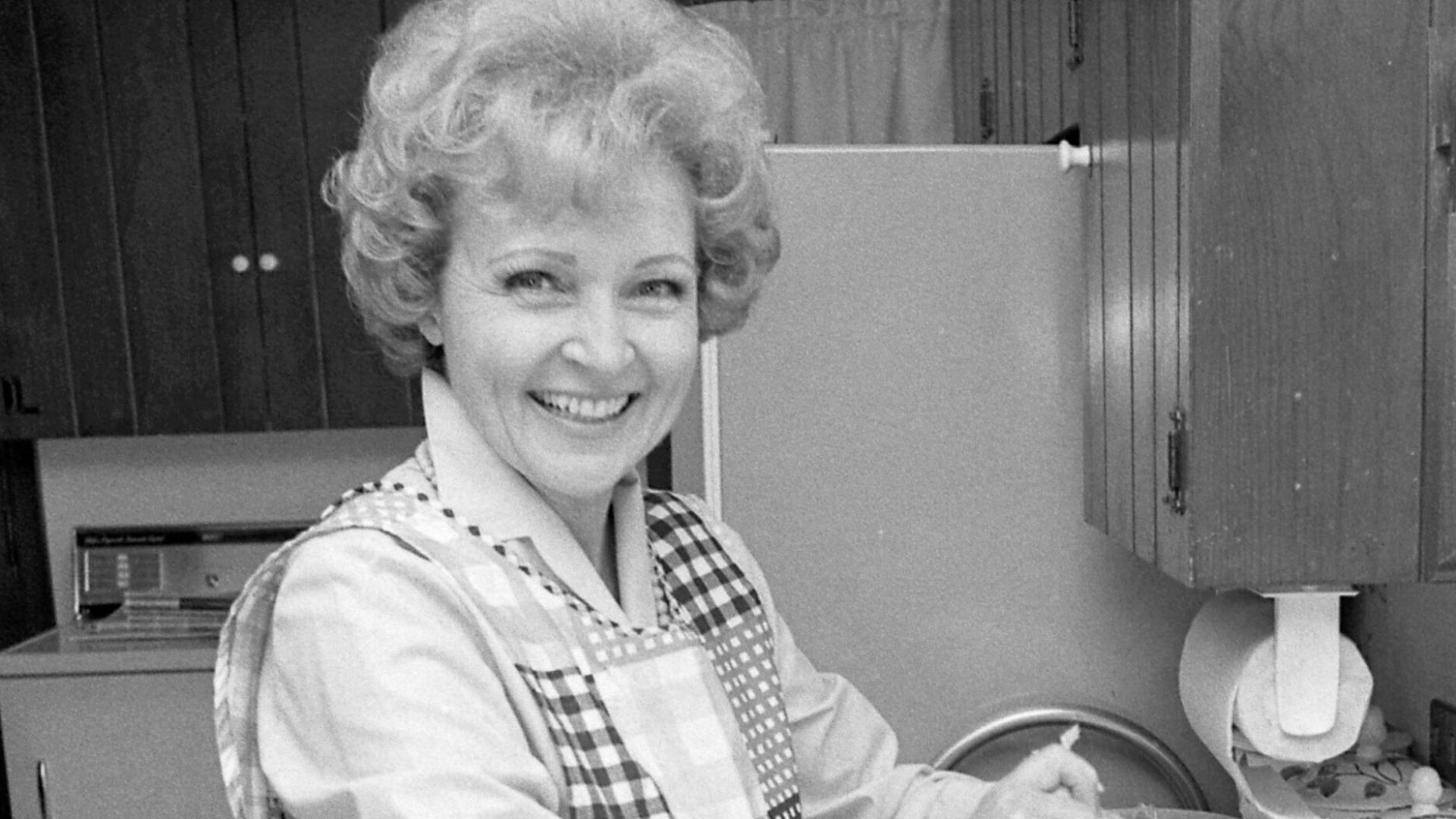 Penni Gladstone, Los Angeles Times, Wikimedia Commons
Jack Soo Made Nick Yemana's Silence Hilarious
On Barney Miller, Jack Soo rarely needed to raise his voice. His character, Detective Nick Yemana, delivered wonderfully dry observations while chaos unfolded around the precinct. And who could forget Nick's famously dreadful coffee? Soo knew that sometimes the quietest person in the room gets the biggest laugh.
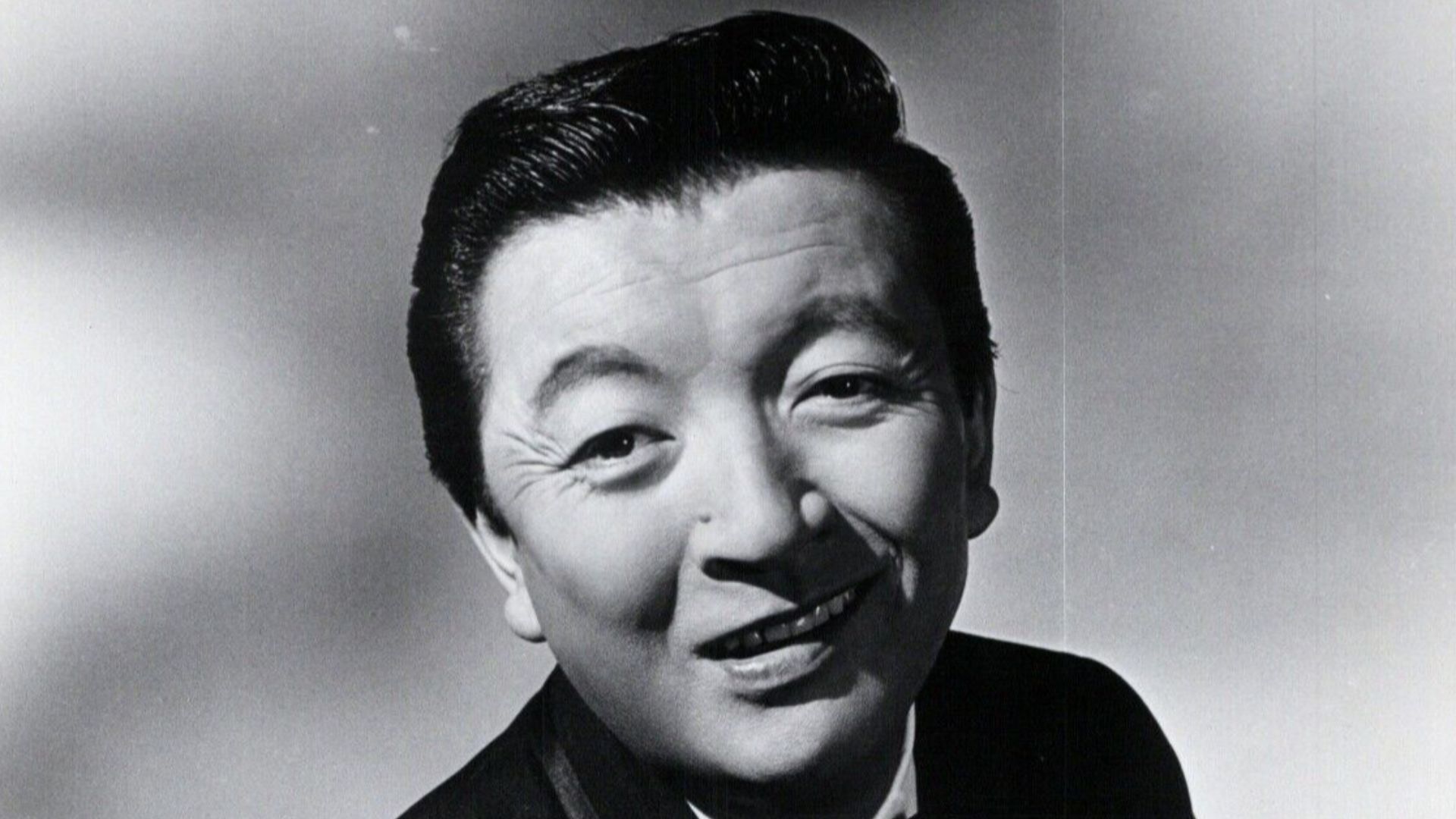 Universal-International, Wikimedia Commons
Steve Landesberg Made Being A Know-It-All Entertaining
Detective Arthur Dietrich always seemed to know something about everything. Played by Steve Landesberg on Barney Miller, Dietrich delivered complicated explanations and unexpected observations with extraordinary calm. Landesberg's deadpan delivery made even the most ridiculous comments sound perfectly reasonable, leaving his fellow detectives wondering what on earth he'd say next.
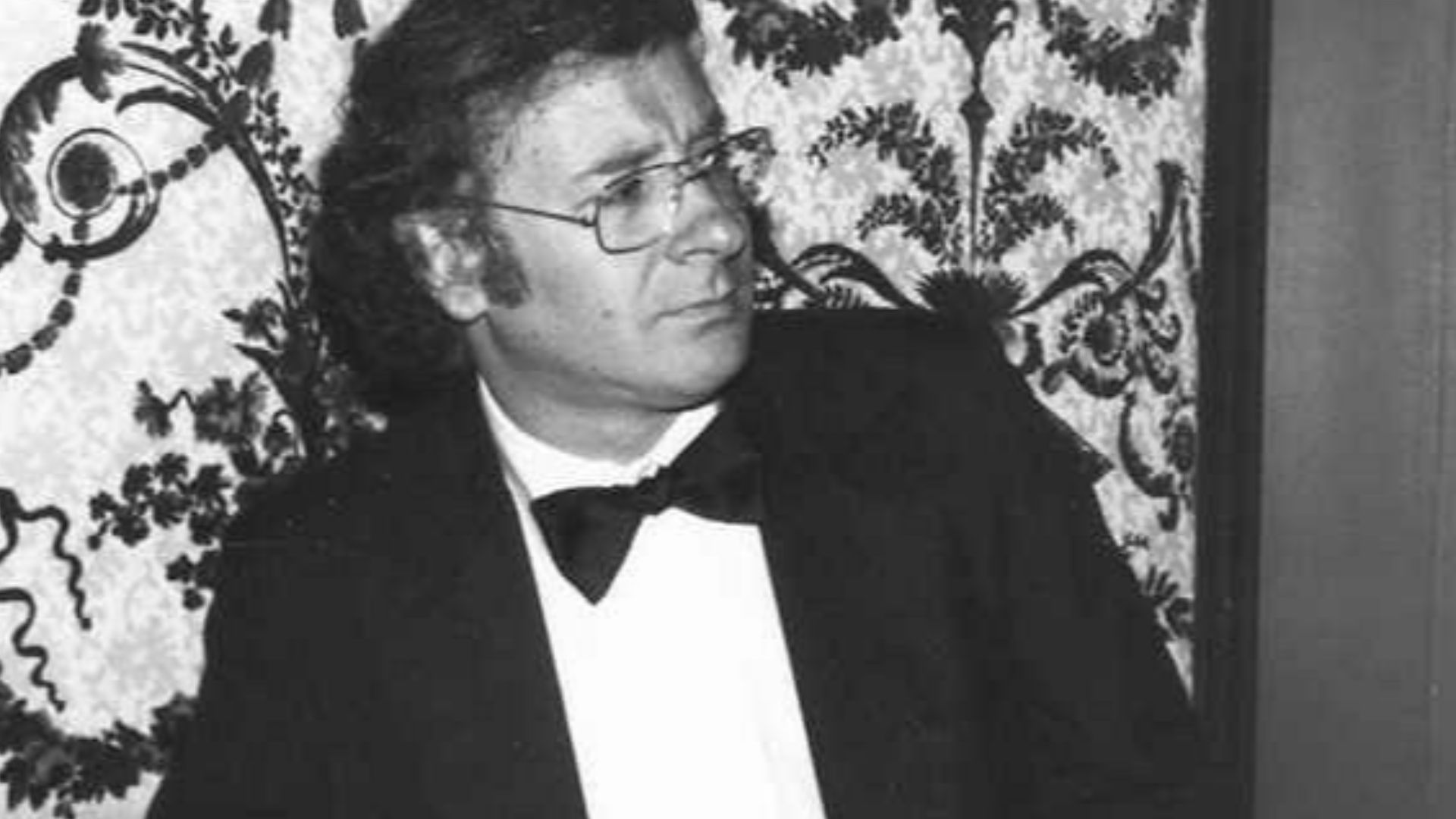
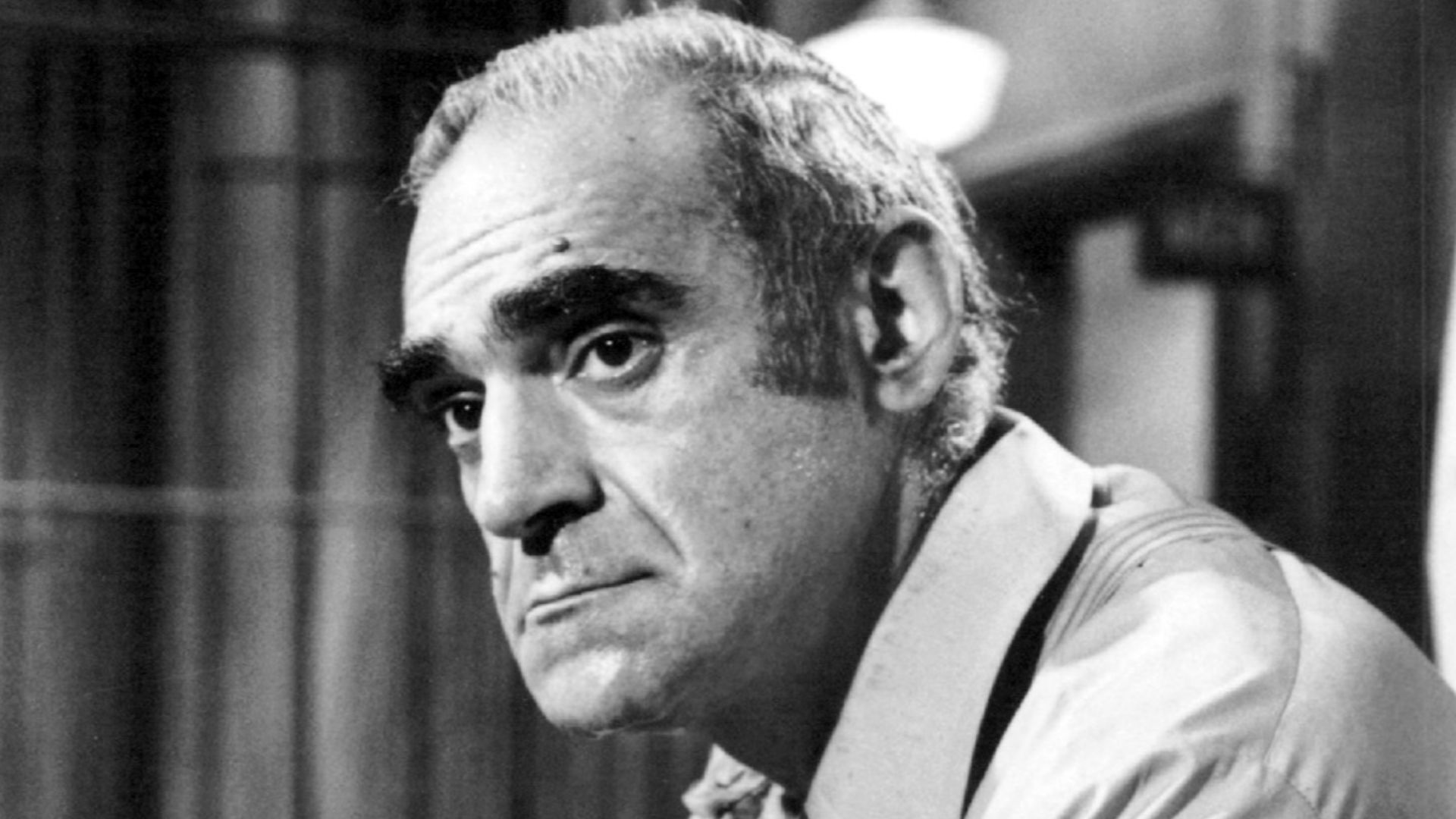
Abe Vigoda Made Detective Fish A Comedy Legend
Nobody looked more exhausted by life than Abe Vigoda's Detective Phil Fish. On Barney Miller, Fish complained about his health, his age, and practically everything else. Vigoda's wonderfully weary expression often did more work than an entire page of dialogue. Somehow, the grumpier Fish became, the more audiences loved him.
 ABC Television, Wikimedia Commons
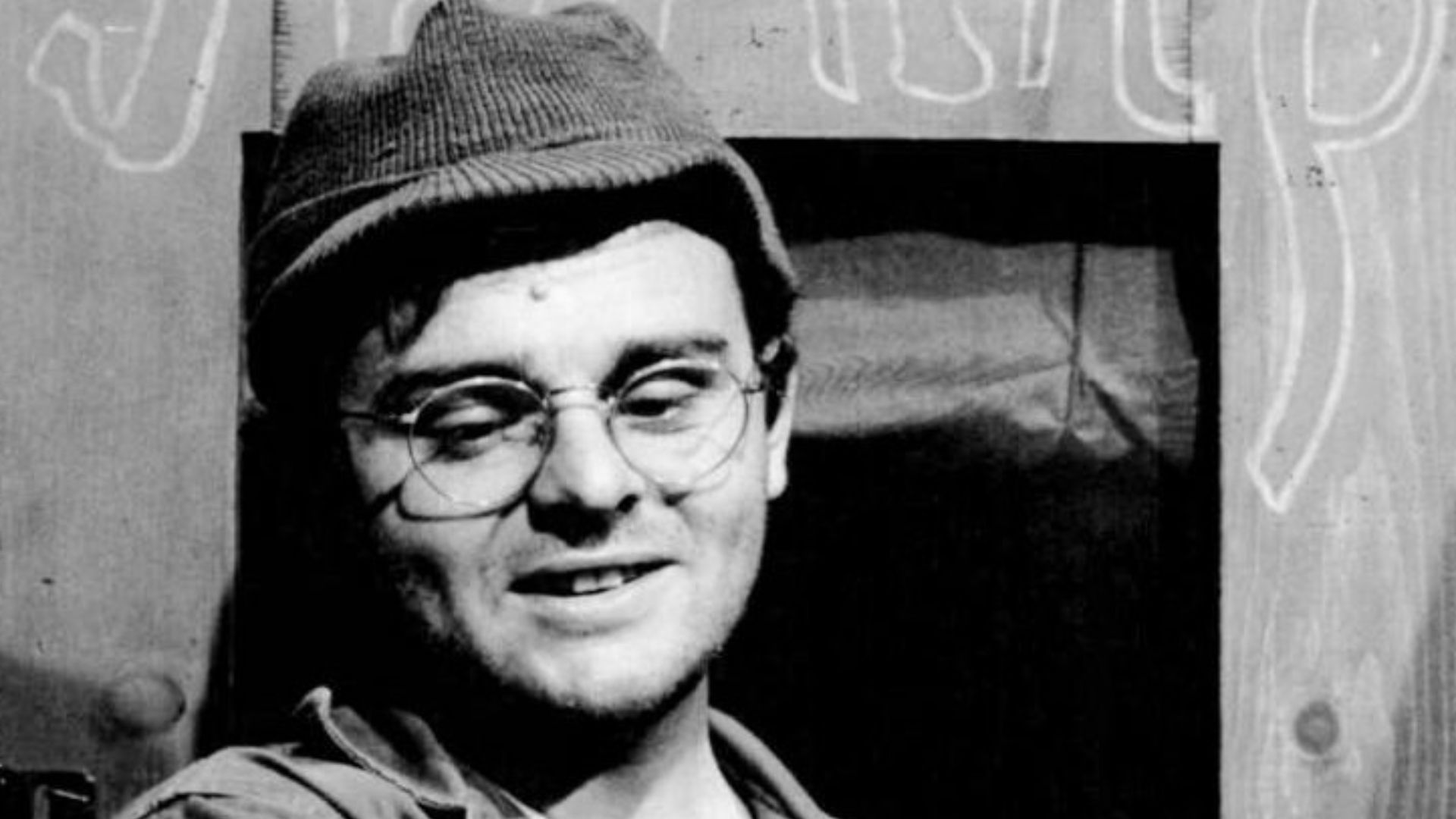
Gary Burghoff Made Radar O'Reilly The Heart Of MAS*H
While Hawkeye delivered wisecracks on M*A*S*H, Gary Burghoff's Radar O'Reilly brought something different. His innocence, loyalty, and uncanny ability to anticipate Colonel Blake's needs made him indispensable. Radar could make viewers laugh one moment and break their hearts the next, usually without making much fuss.
 CBS Television, Wikimedia Commons
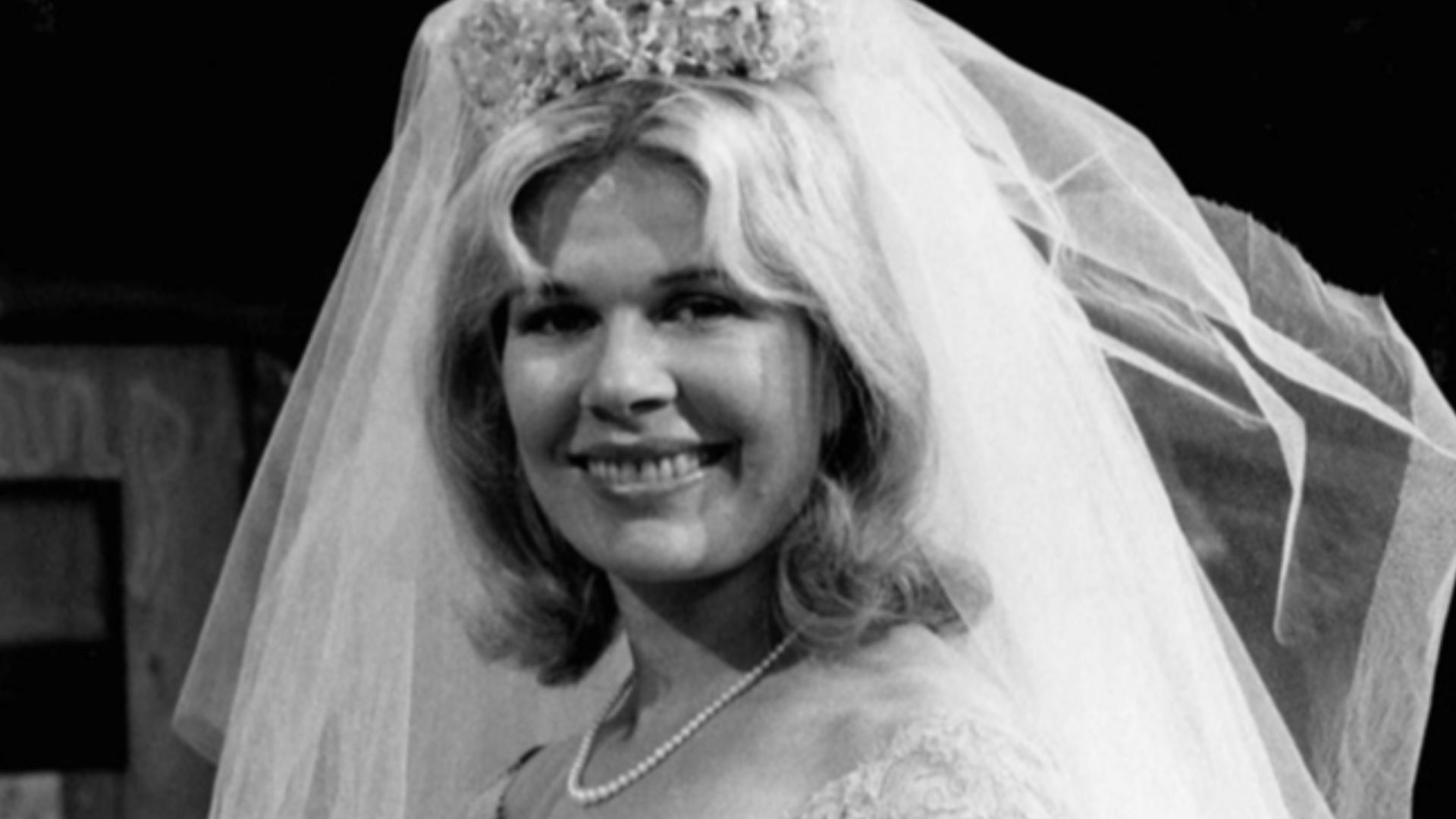
Loretta Swit Turned Hot Lips Into Something Special
Major Margaret Houlihan could have remained a one-note authority figure on *M*A*S*H*. Instead, Loretta Swit gave her warmth, vulnerability, and remarkable depth. Margaret gradually became one of the show's most compelling characters, proving that even a strict military nurse could have plenty of heart beneath that tough exterior.
 CBS Television, Wikimedia Commons
Danny DeVito Made Louie De Palma Television's Worst Boss
On Taxi, Danny DeVito played Louie De Palma, the loudmouthed dispatcher nobody wanted as a boss. Louie was rude, selfish, and spectacularly unpleasant, yet audiences couldn't get enough of him. DeVito somehow made this pint-sized tyrant one of the funniest characters on television.
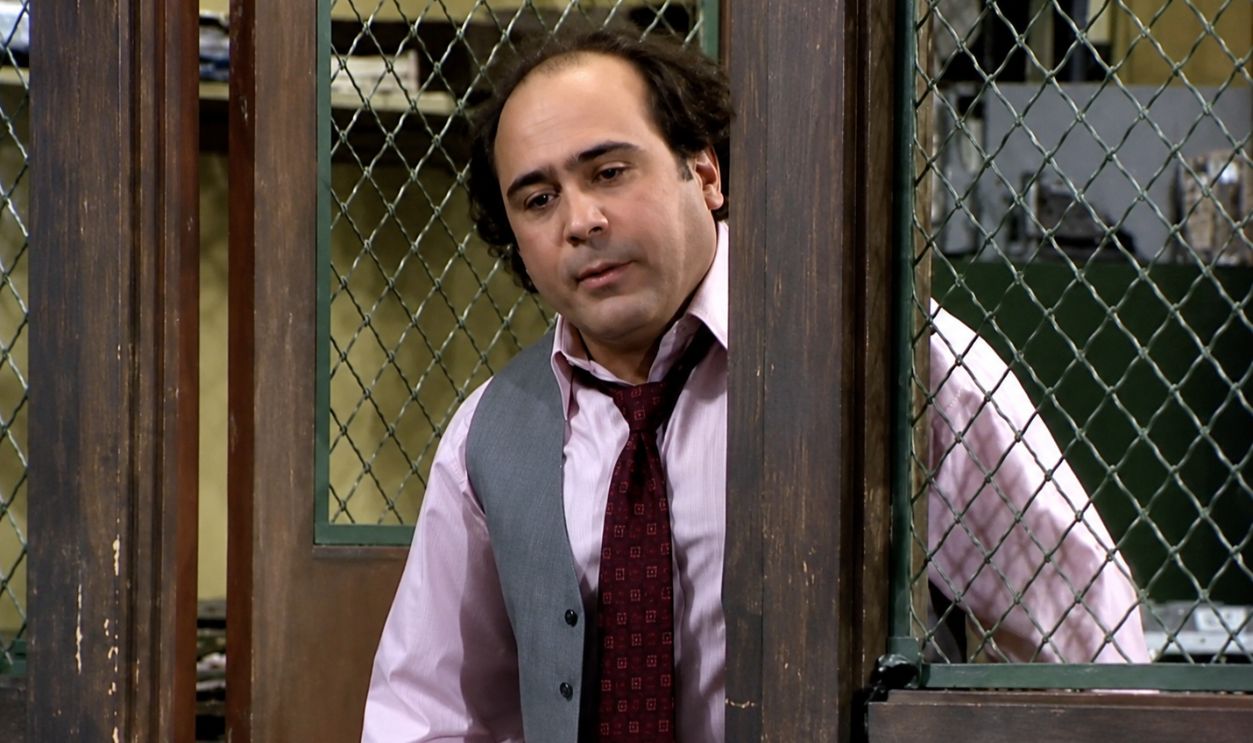 Screenshot from Taxi, Paramount Television (1978-1983), Enhanced
Christopher Lloyd Made Reverend Jim Lovably Unpredictable
Christopher Lloyd's Reverend Jim Ignatowski was unlike anybody else on Taxi. With his dreamy expression, wandering thoughts, and bizarre observations, Jim regularly brought conversations to a screeching halt. Lloyd's incredible comic timing made even simple questions hilarious. Nobody knew what Jim might say next, which was half the fun.
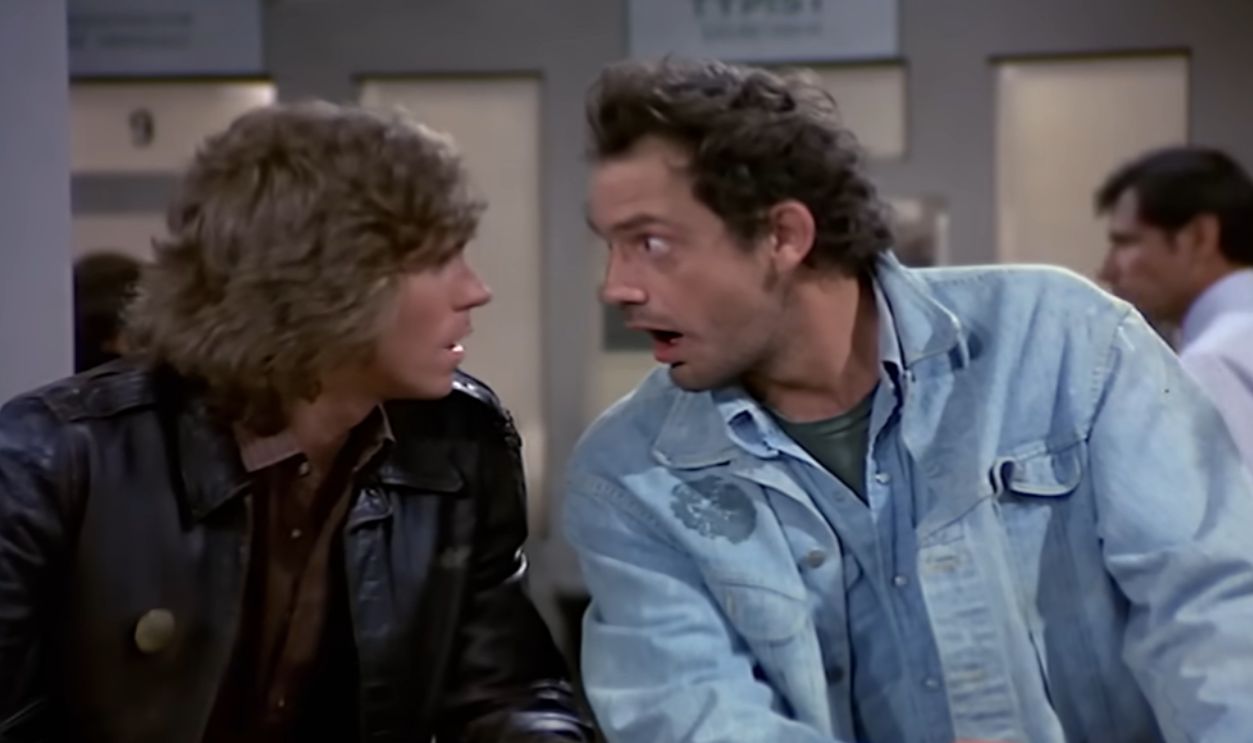 Screenshot from Taxi, ABC (1978-1983), Modified
Rhea Perlman Made Carla Tortelli The Queen Of Insults
Sam Malone owned the bar on Cheers, but Carla Tortelli often owned the room. Rhea Perlman played the sharp-tongued waitress with fearless confidence, delivering insults faster than anybody could respond. Beneath Carla's attitude was a surprisingly loyal friend, although she'd probably deny it if you mentioned it.
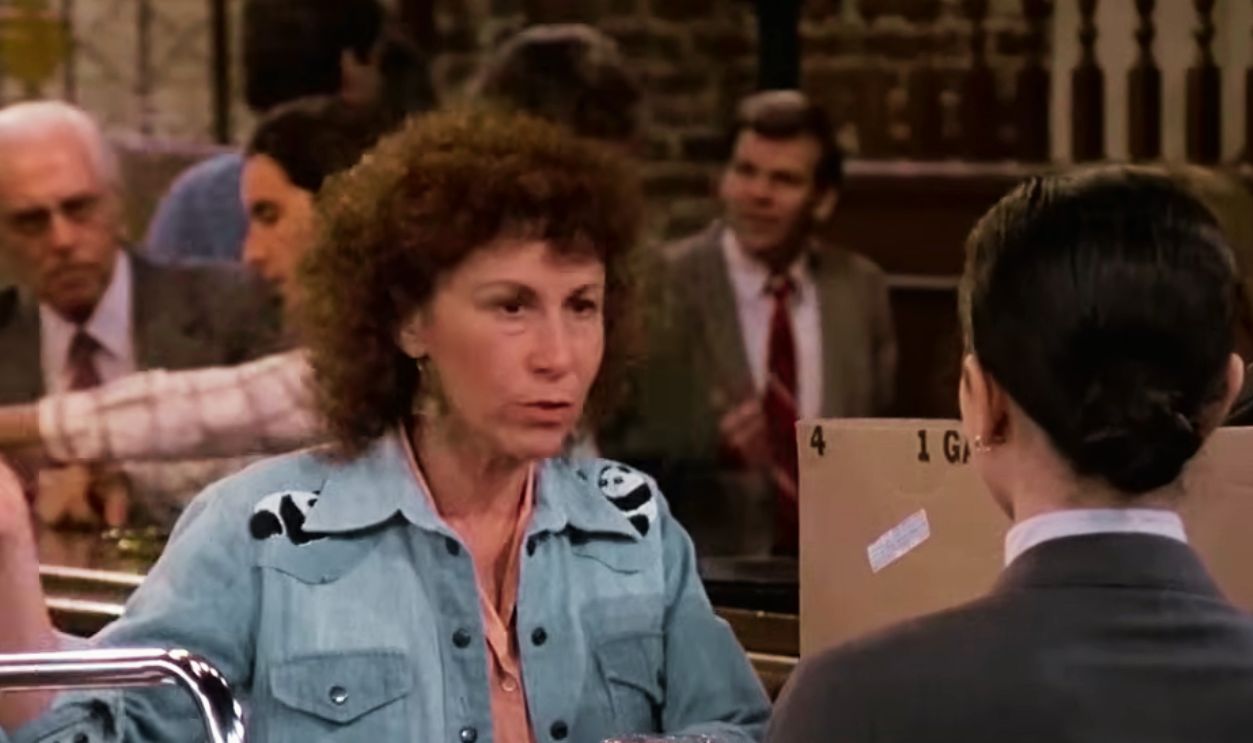 Screenshot from Cheers, NBC (1982–1993)
George Wendt Made Norm Peterson Everybody's Favorite Regular
Some characters need elaborate stories to become television legends. George Wendt just needed to walk into a bar. As Norm Peterson on Cheers, Wendt perfected the art of delivering a punchline while barely moving. Whenever the regulars greeted Norm, audiences knew another wonderfully dry observation was probably coming.
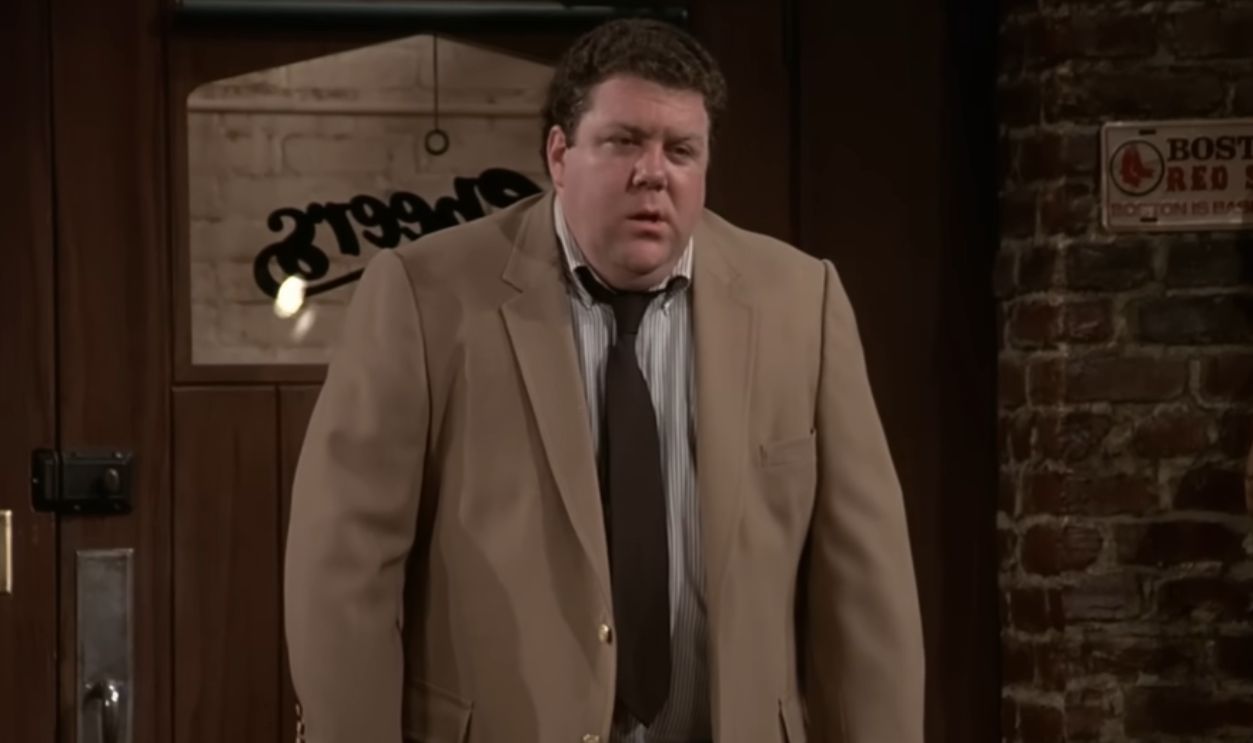 Screenshot from Cheers, Paramount (1982-1993)
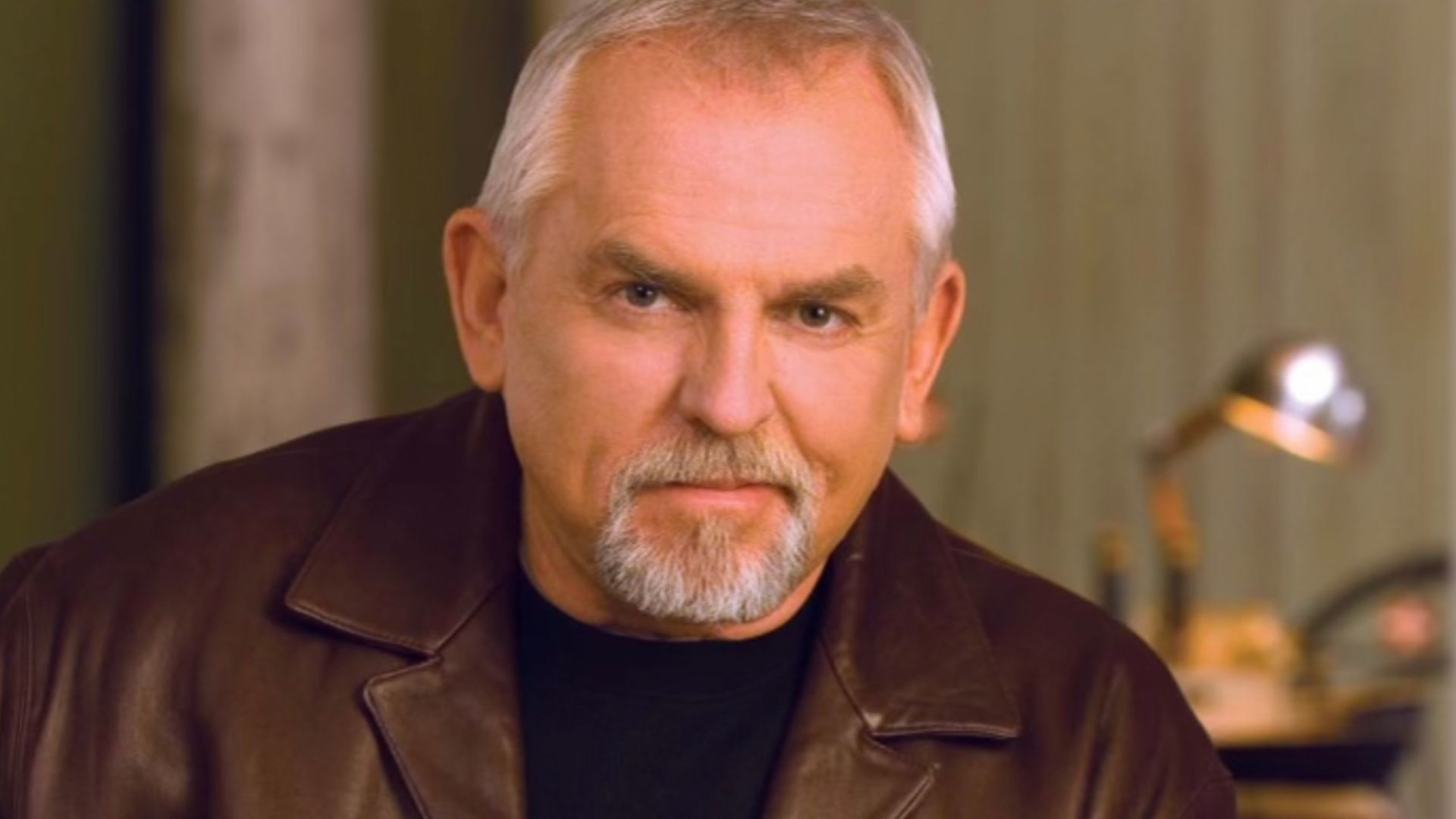
John Ratzenberger Turned Cliff Clavin Into The Ultimate Know-It-All
Everybody knows someone like Cliff Clavin, the fellow who insists he knows everything while getting plenty of it wrong. John Ratzenberger made the Cheers mailman an unforgettable character through his endless trivia and misplaced confidence. Cliff could turn the simplest conversation into an unnecessary lecture, and viewers loved every minute.
 Author.KNovak, Wikimedia Commons
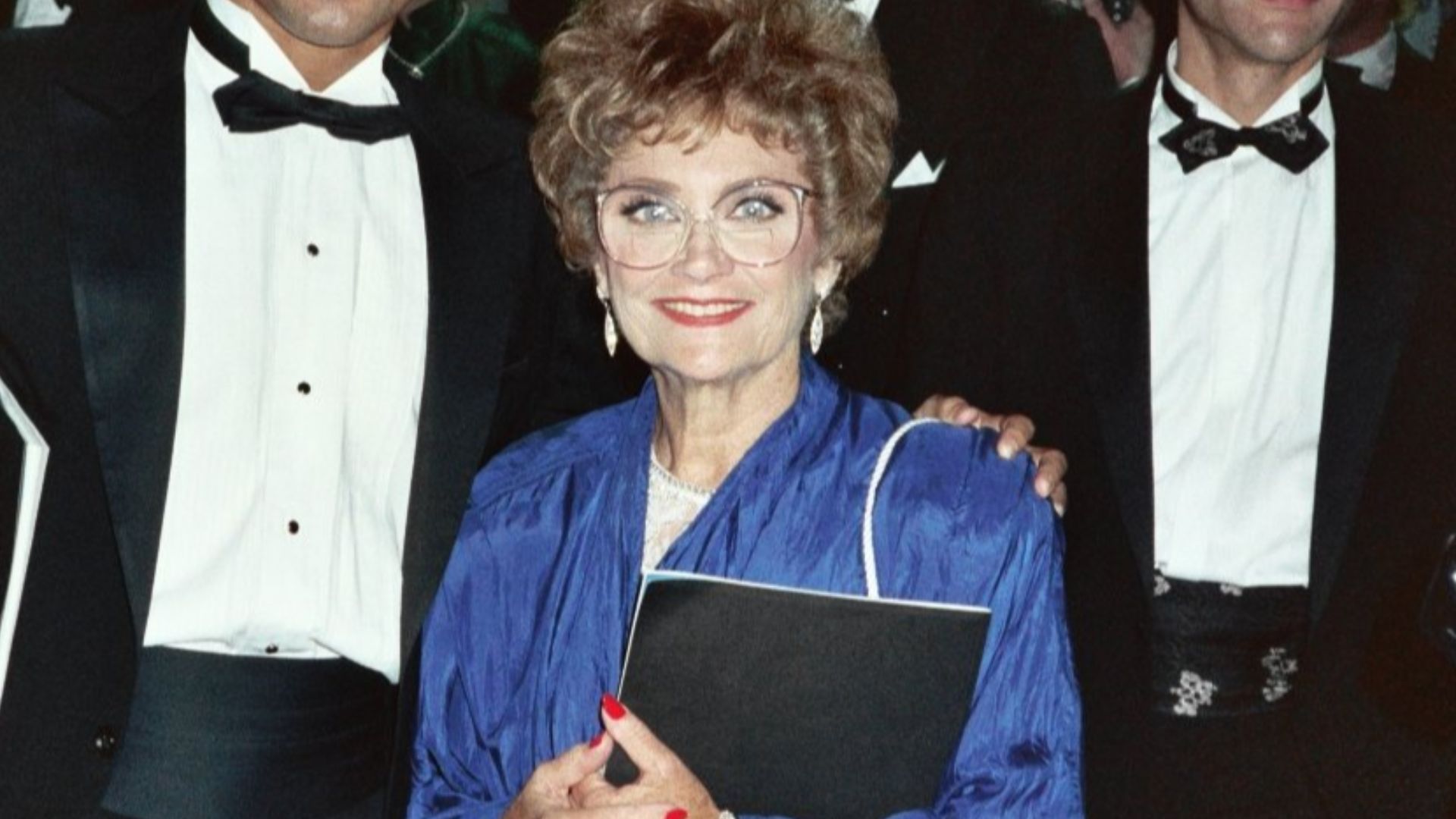
Estelle Getty Made Sophia Petrillo The Golden Girls' Secret Weapon
Dorothy, Blanche, and Rose had plenty of personality, but Sophia Petrillo often delivered the night's biggest laugh on The Golden Girls. Estelle Getty combined razor-sharp insults with perfect timing and surprising tenderness. Whenever Sophia began recalling Sicily, audiences knew an outrageous story was coming.
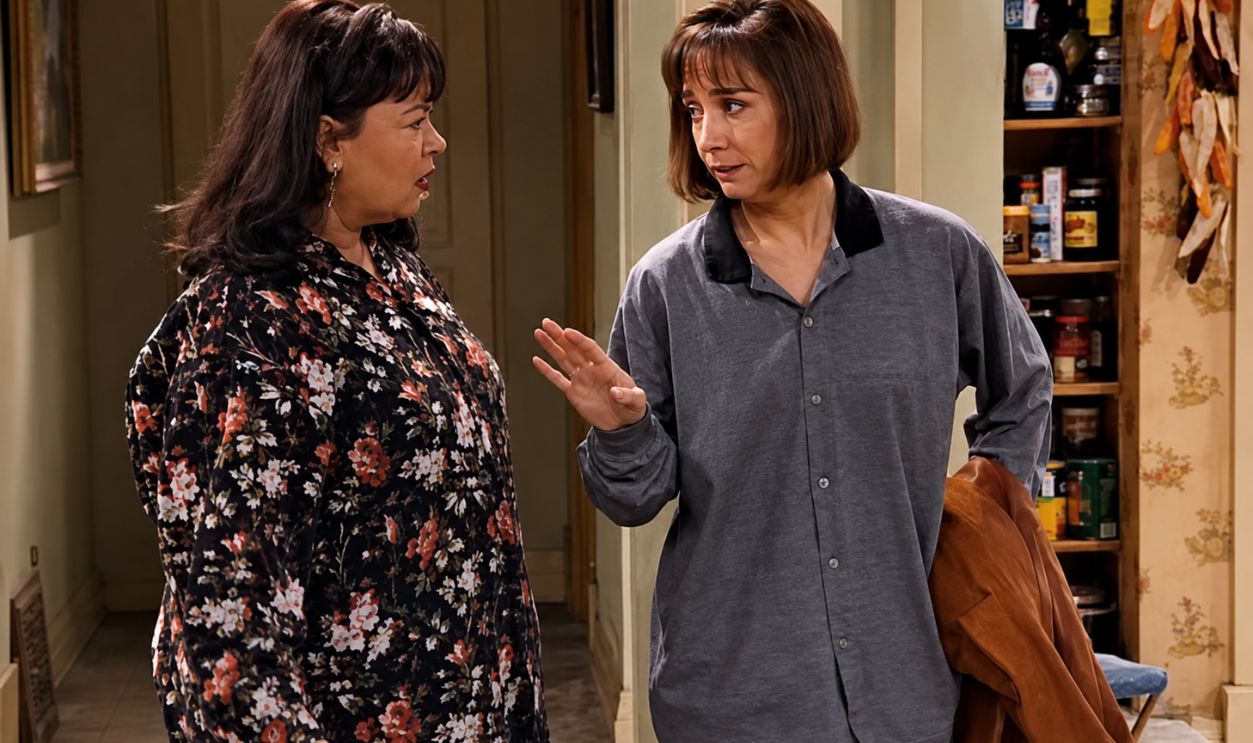
Laurie Metcalf Made Jackie Harris Wonderfully Human
Roseanne Conner was the center of Roseanne, but Laurie Metcalf's Jackie Harris was often just as entertaining. Jackie could be anxious, emotional, impulsive, and hilariously awkward. Metcalf made those imperfections feel genuine, turning Roseanne's frequently exasperating younger sister into one of television's most relatable supporting characters.
 Screenshot from Roseanne, Carsey-Werner Distribution (1988-1997, 2018)
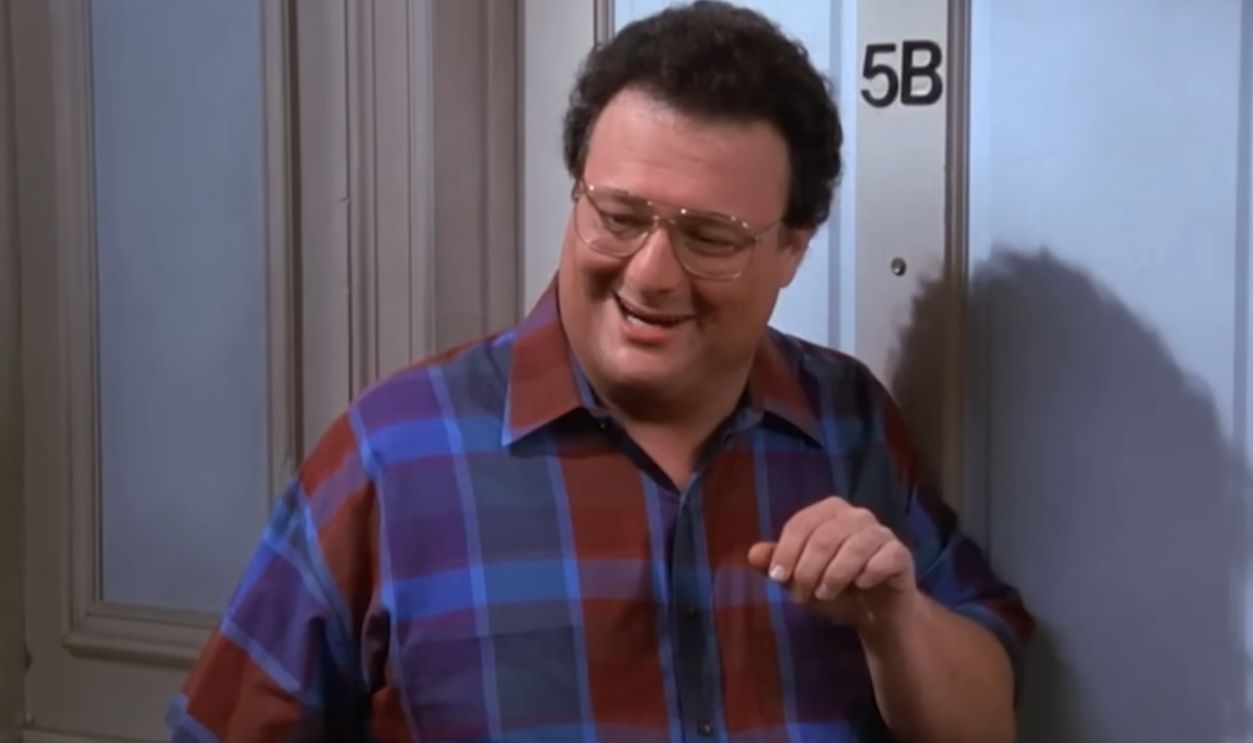
Wayne Knight Made Newman The Neighbor Everyone Loved To Hate
Jerry Seinfeld had plenty of problems, but few were more entertaining than Newman. Played by Wayne Knight on Seinfeld, the scheming postal worker transformed ordinary disagreements into ridiculous rivalries. Knight's dramatic delivery and suspicious expressions made Newman unforgettable, even when he appeared for only a few minutes.
 Screenshot from Seinfeld, NBC (1989–1998)
The Supporting Players Were Often The Real Magic
The greatest sitcoms weren't built around one funny person. They worked because talented supporting actors knew exactly when to steal a scene and when to let somebody else shine. From Barney Fife's nervous breakdowns to Sophia Petrillo's cutting remarks, these performers remind us why classic television remains so endlessly rewatchable.
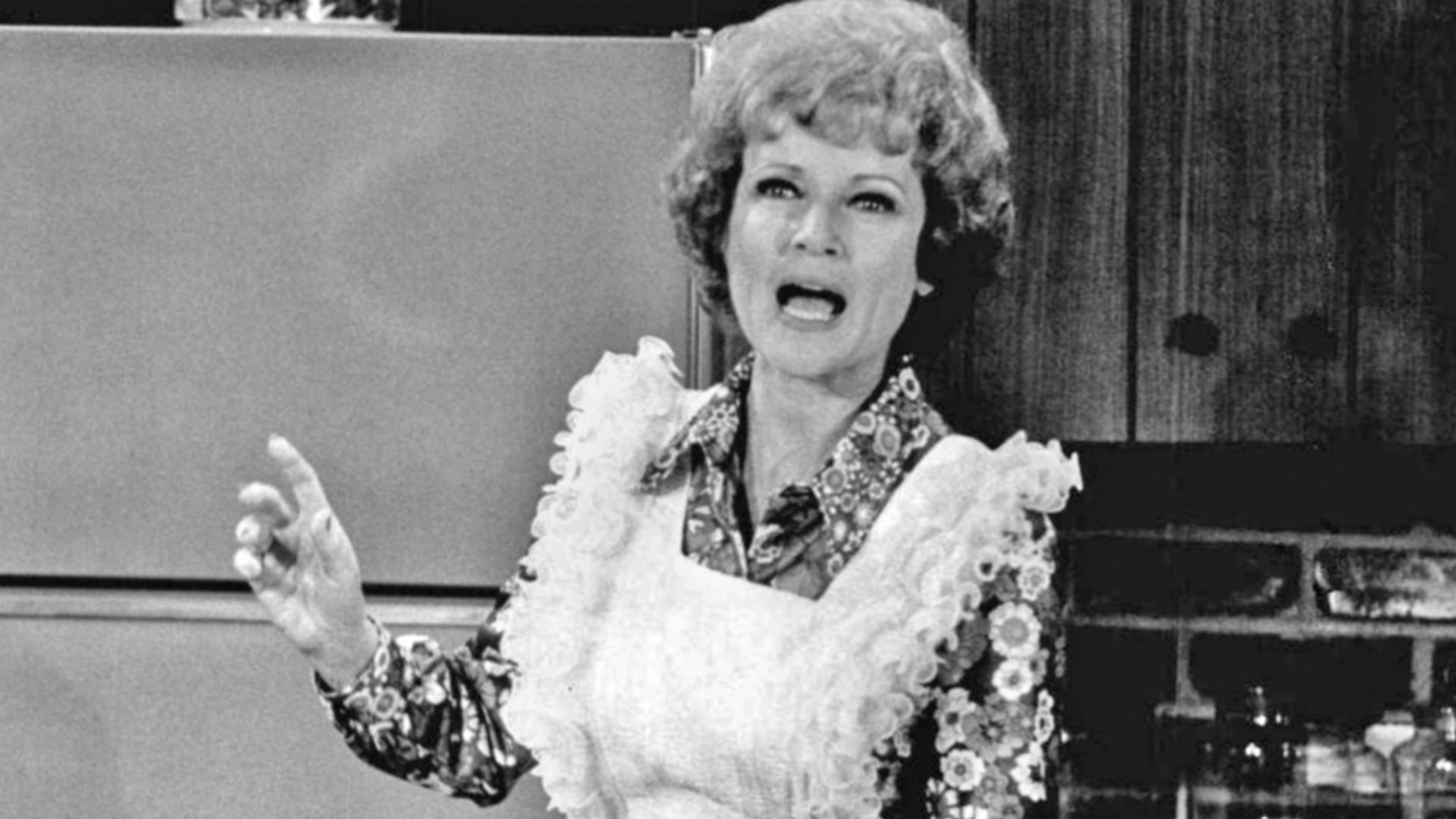 CBS Television, Wikimedia Commons
You May Also Like:
Actors From Classic Cop Shows Who Became Familiar Faces Without Becoming Household Names
Hal Linden Made Barney Miller Feel Like The Smartest Cop Show On Television