The Faces You Knew Before You Knew Their Names
Classic cop shows were packed with actors who became part of the weekly routine. You might not have known their names, but you certainly knew their faces. They were the detectives, desk sergeants, patrol officers, and weary lieutenants who helped make television precincts feel like real workplaces.
Ron Glass Was More Than Harris
On Barney Miller, Ron Glass played Detective Ron Harris, the impeccably dressed officer with literary ambitions and a wonderfully dry attitude. Glass could land a joke without appearing to try. He later gained another devoted following on Firefly, but Harris remained the role many classic-TV fans instantly recognized.
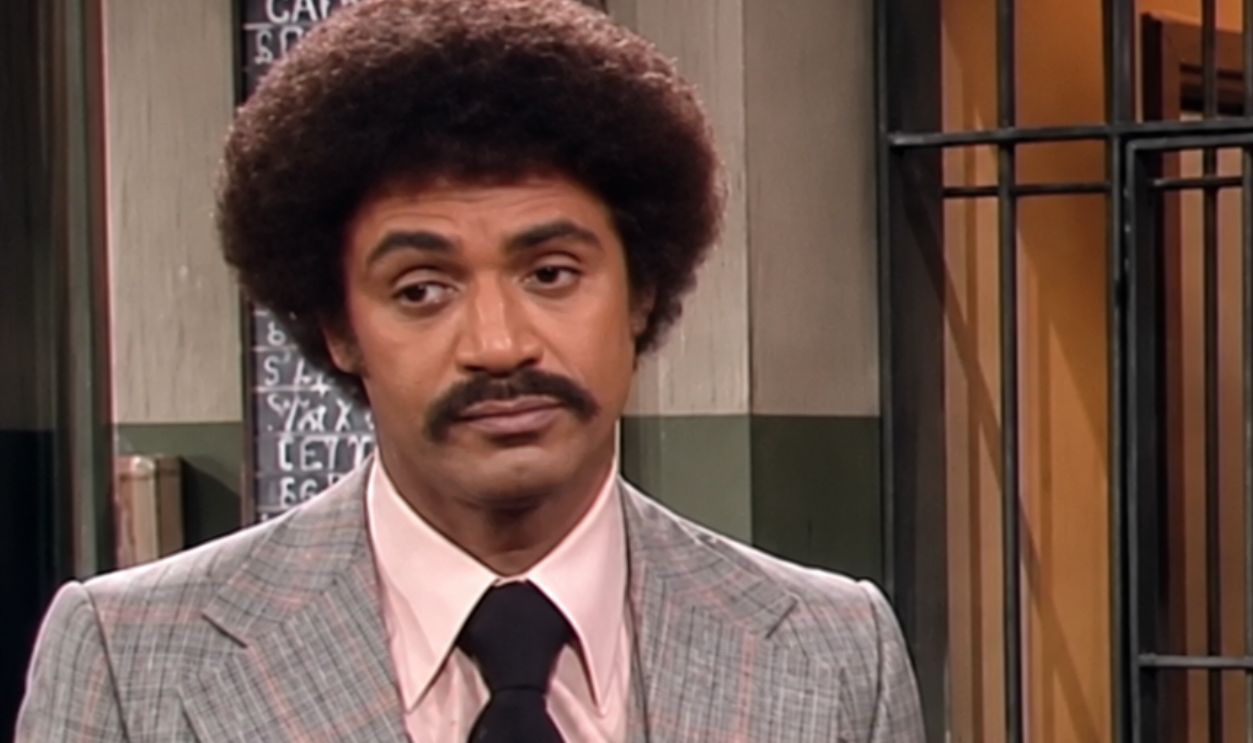 Screenshot from Barney Miller, Columbia Pictures Television (1975–1982), Modified
Max Gail Made Wojo Lovable
Max Gail’s Stan “Wojo” Wojciehowicz could be stubborn, emotional, confused, compassionate, and occasionally all four within the same episode of Barney Miller. Gail gave the detective an everyman quality that worked beautifully against the show’s deadpan humor. His face became far more famous than his name.
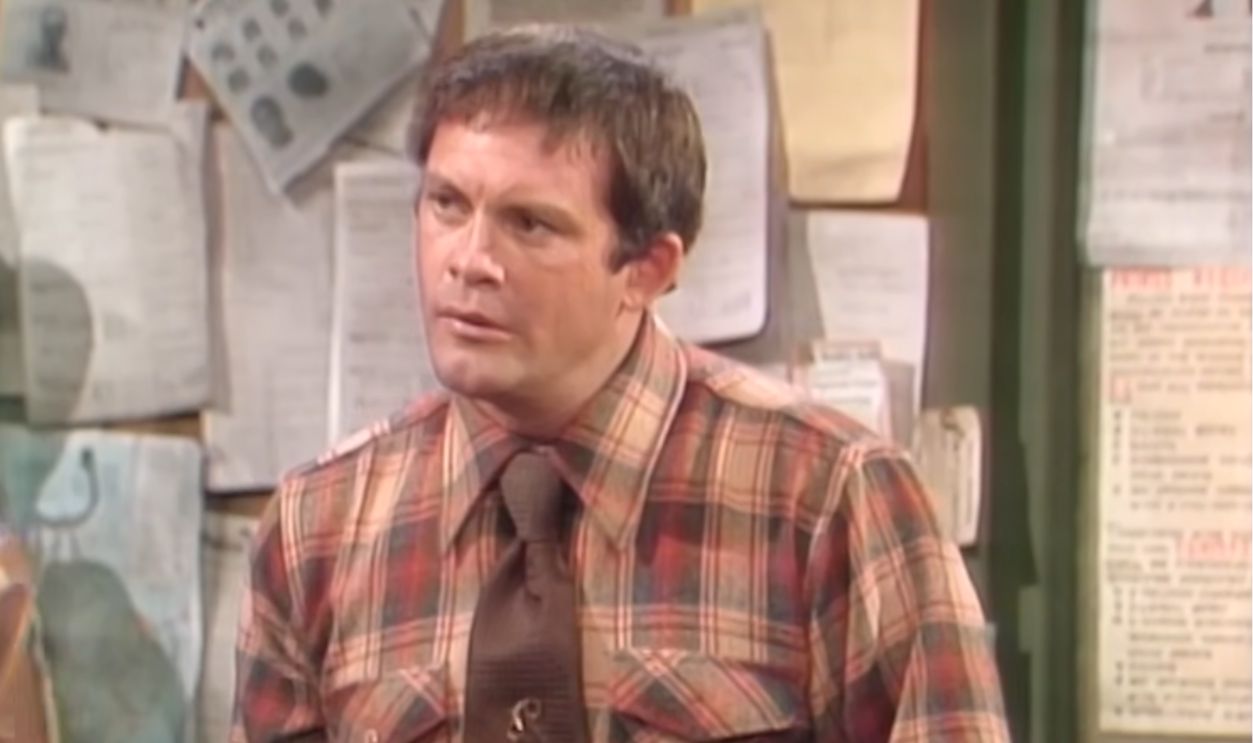 Screenshot from Barney Miller, Columbia Pictures Television (1975–1982)
Steve Landesberg Made Dry Humor An Art
Detective Arthur Dietrich rarely seemed impressed by anything happening around him on Barney Miller. Steve Landesberg delivered absurdly intelligent observations in a calm voice that made them even funnier. He became one of television’s great straight-faced comic performers without ever becoming a traditional celebrity.
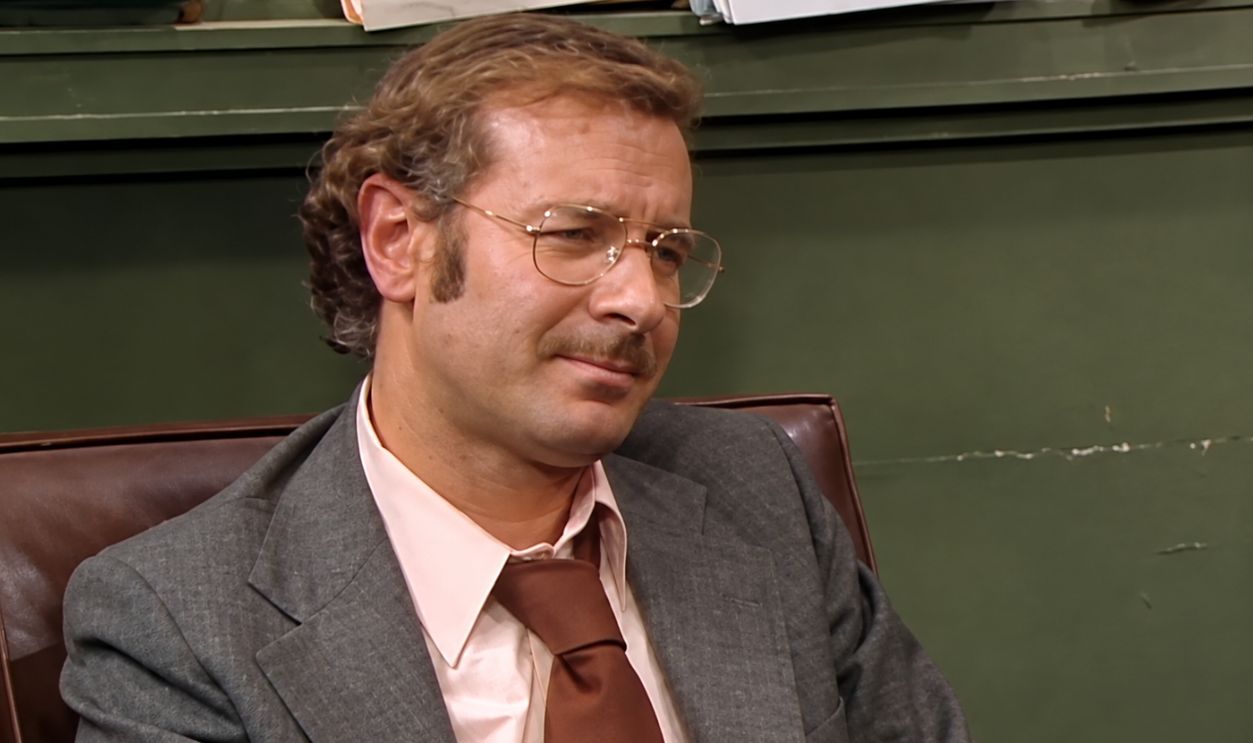 Screenshot from Barney Miller, Columbia Pictures Television (1975–1982), Modified
Michael Conrad Owned The Morning Briefing
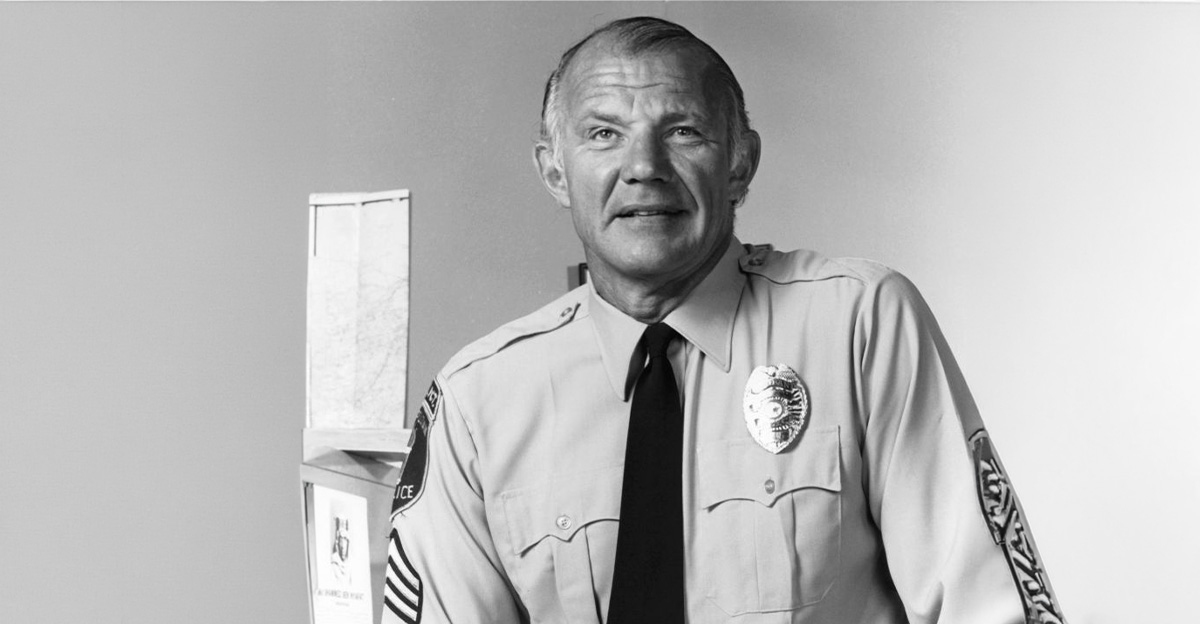
“Let’s be careful out there” became one of Hill Street Blues’ signature lines, largely because Michael Conrad delivered it as Sergeant Phil Esterhaus. Conrad looked and sounded exactly like someone who had spent decades running a police precinct. His authority felt completely natural rather than performed.
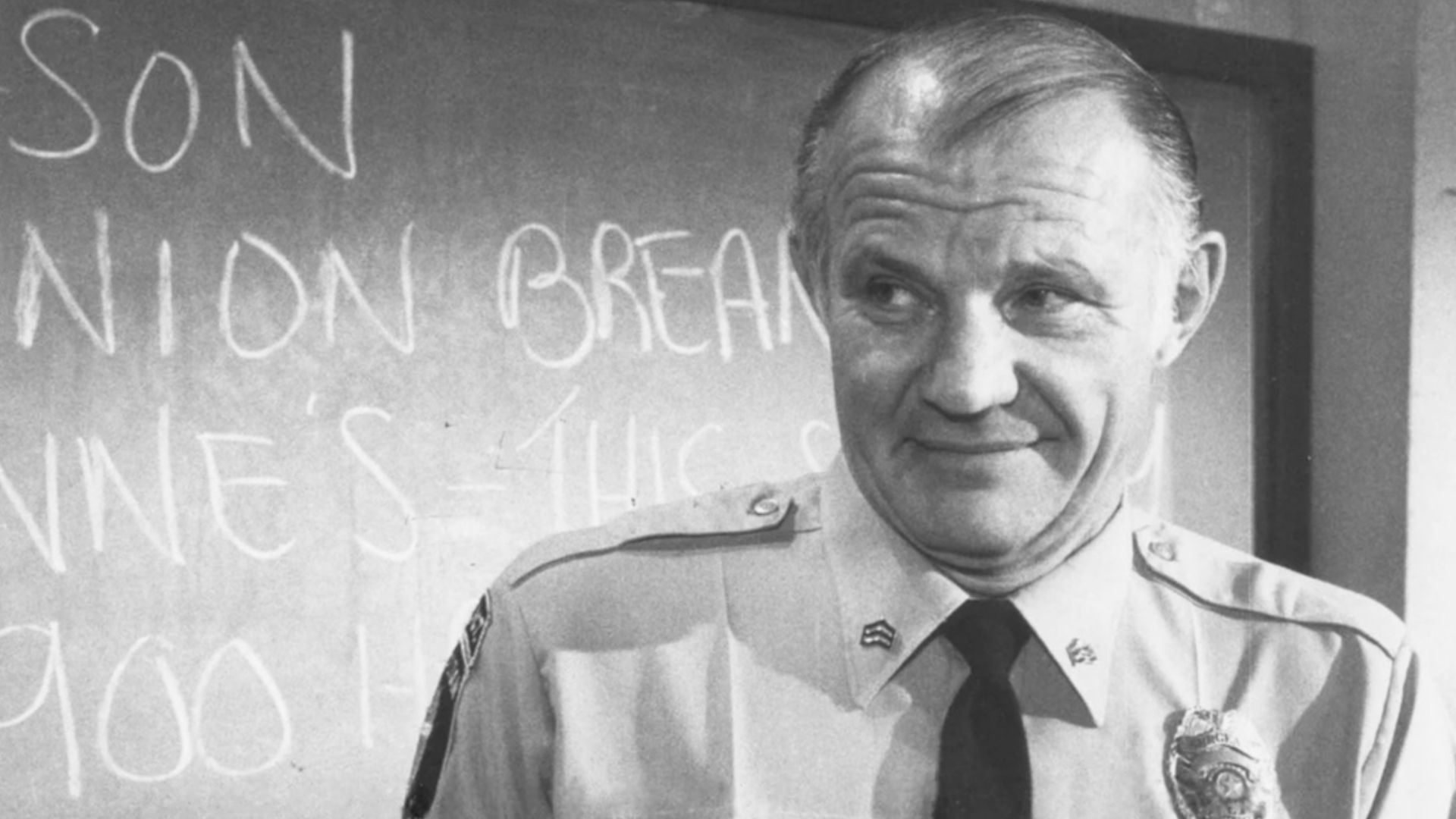 NBC Television, Wikimedia Commons
Bruce Weitz Made Belker Unforgettable
Detective Mick Belker was not exactly polished. Bruce Weitz played the undercover cop as a growling, scruffy bundle of nervous energy on Hill Street Blues. Belker could be hilarious one minute and surprisingly vulnerable the next, making Weitz one of those actors viewers remembered even when his name escaped them.
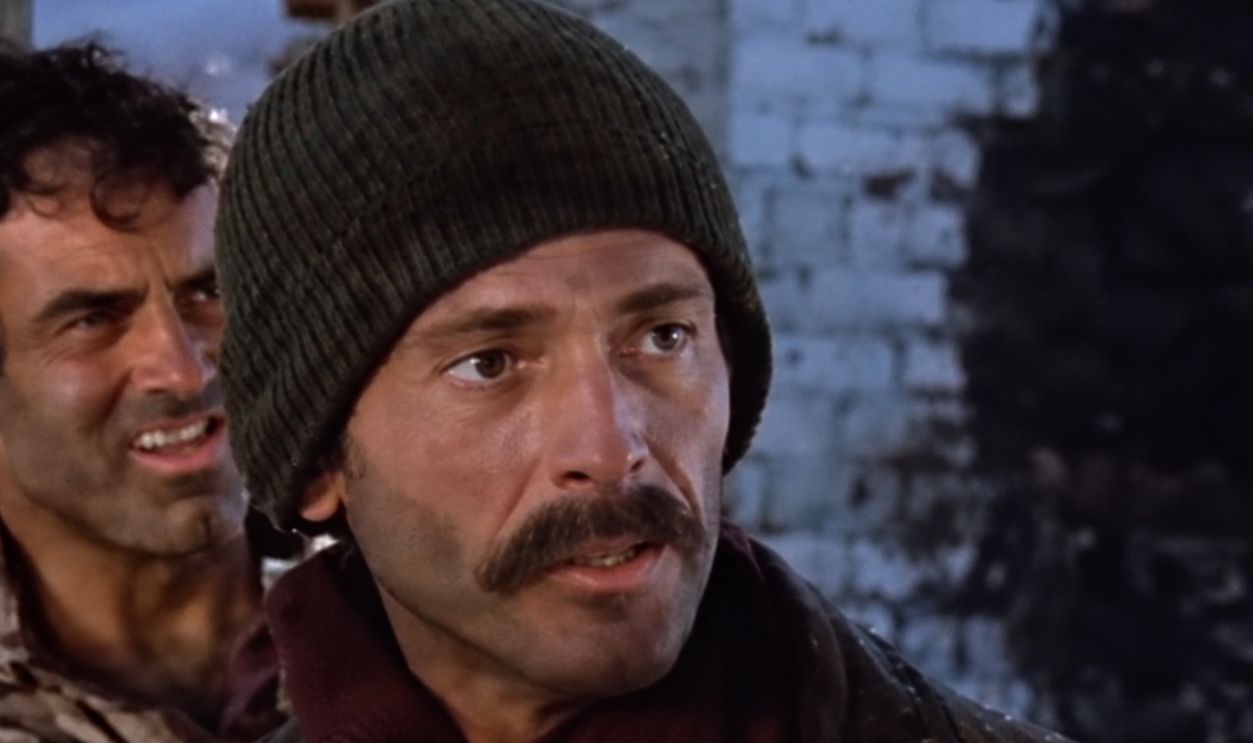 Screenshot from Barney Miller, Columbia Pictures Television (1975–1982), Modified
Charles Haid Was Hill Street’s Hothead
Renko frequently seemed one bad shift away from completely losing his patience. Charles Haid brought plenty of fire to Officer Andy Renko, but he also gave him warmth and loyalty. His partnership with Bobby Hill became one of Hill Street Blues’ most dependable relationships.
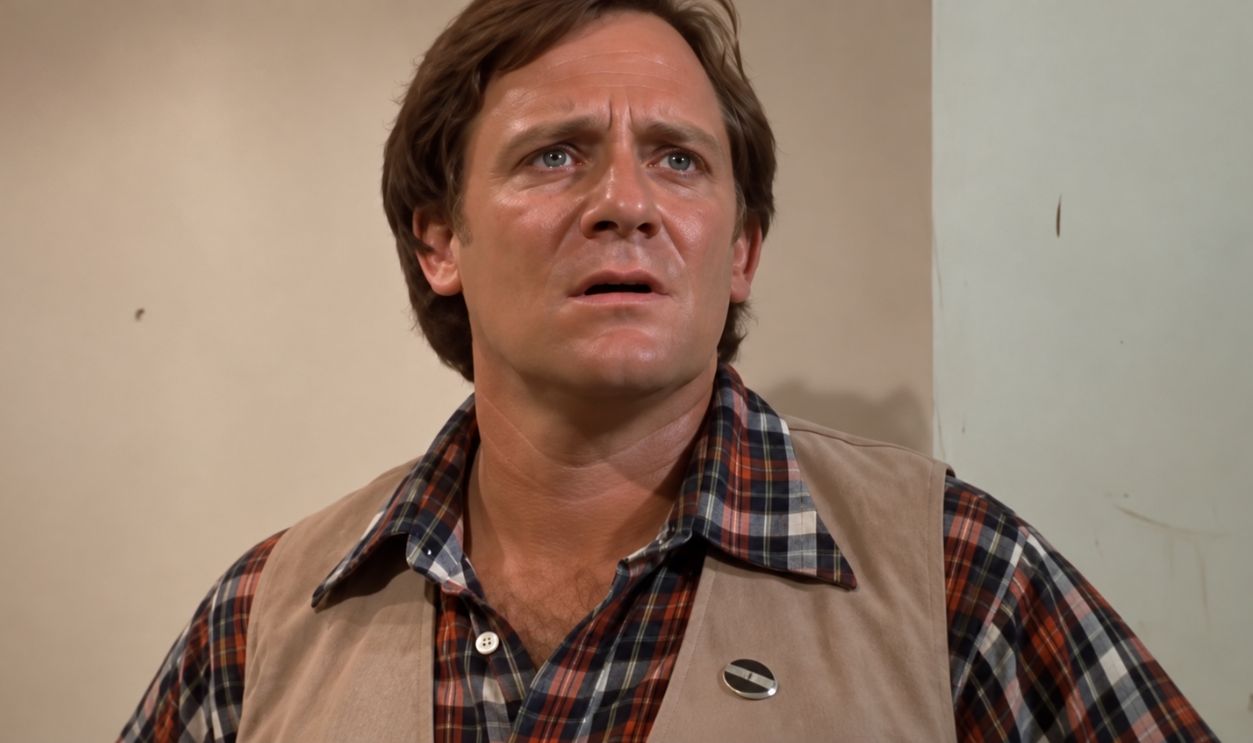 Screenshot from Hill Street Blues, MTM Enterprises (1981–1987), Modified
James B. Sikking Perfected The Uptight Cop
Lieutenant Howard Hunter treated nearly every situation like a military operation. James B. Sikking made Hunter ridiculously intense without turning him into a cartoon. The actor later appeared in plenty of television and film roles, but his rigid posture and clipped delivery remain instantly recognizable to Hill Street Blues fans.
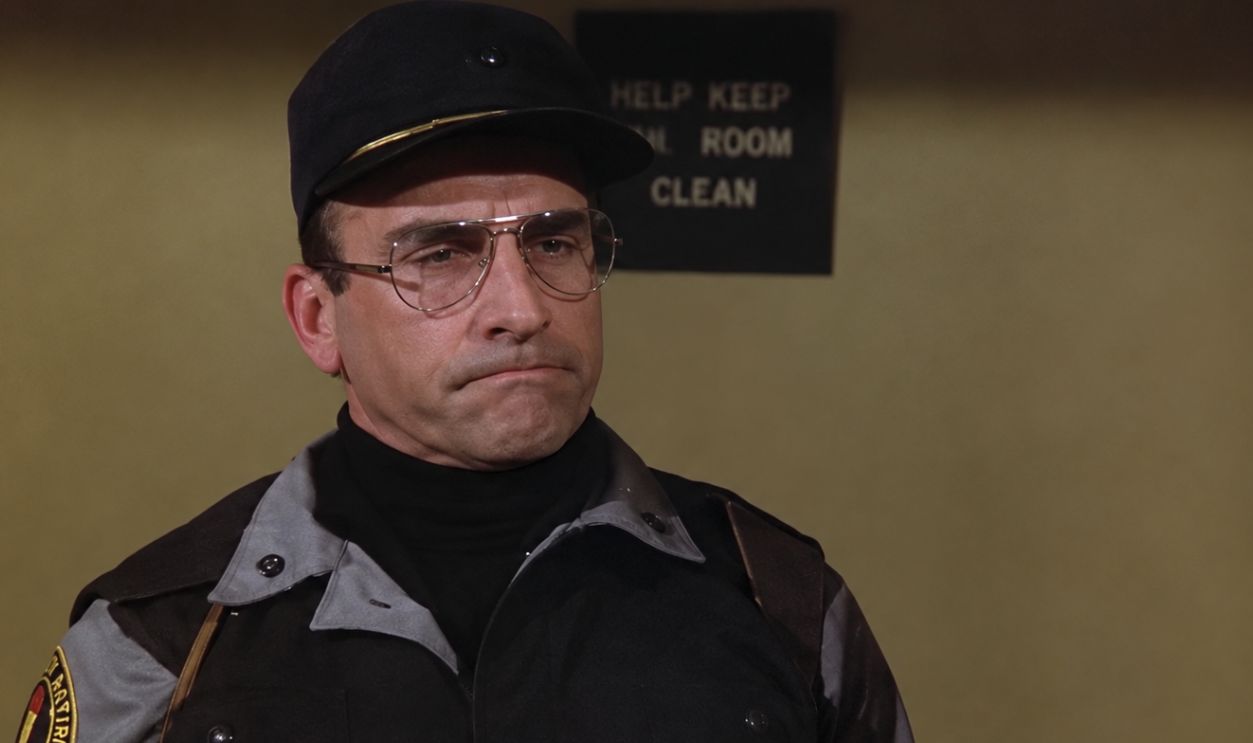 Screenshot from Hill Street Blues, MTM Enterprises (1981–1987), Modified
Joe Spano Was The Quiet Heart
Henry Goldblume never needed to shout to make an impression. Joe Spano brought compassion and thoughtfulness to Hill Street Blues, often serving as a calmer presence amid the precinct chaos. Spano later became a prolific character actor, including a long-running role on NCIS.
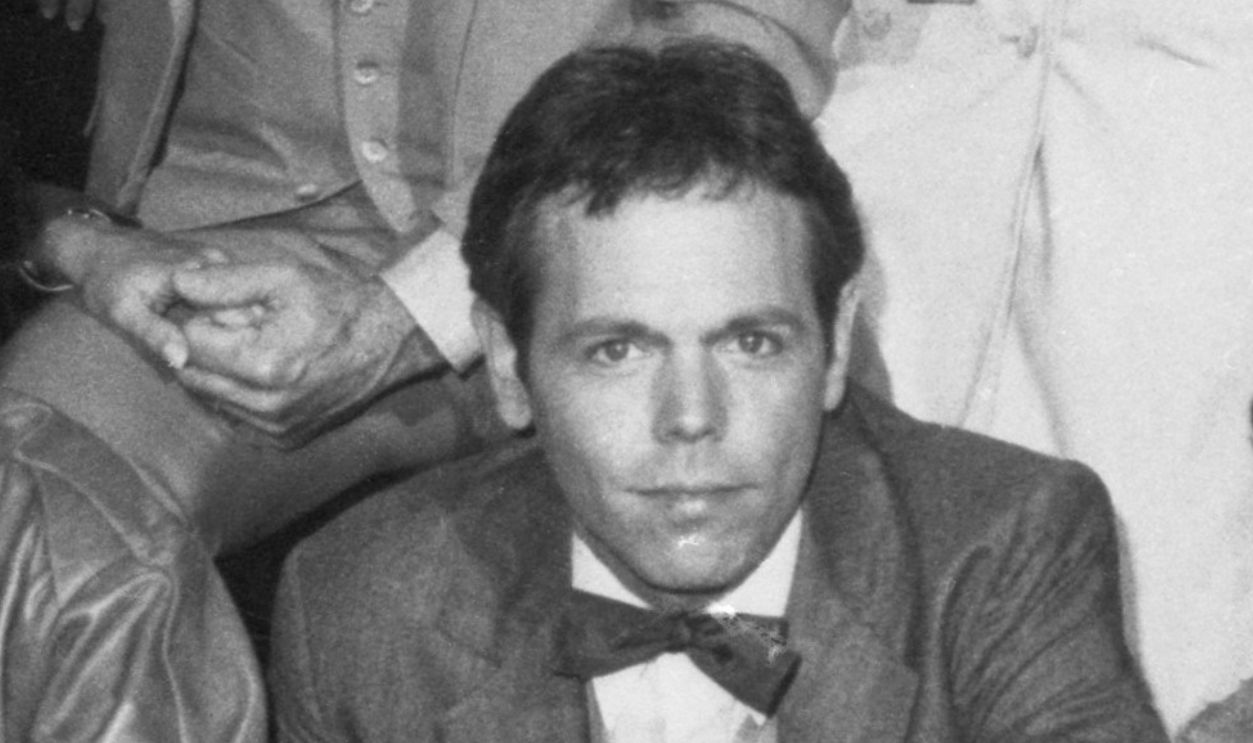
Betty Thomas Could Handle The Precinct
Before becoming a successful film and television director, Betty Thomas played Officer Lucy Bates on Hill Street Blues. Bates was tough without being reduced to a stereotype, and Thomas gave her plenty of personality. Viewers knew her face long before many realized what she accomplished behind the camera.
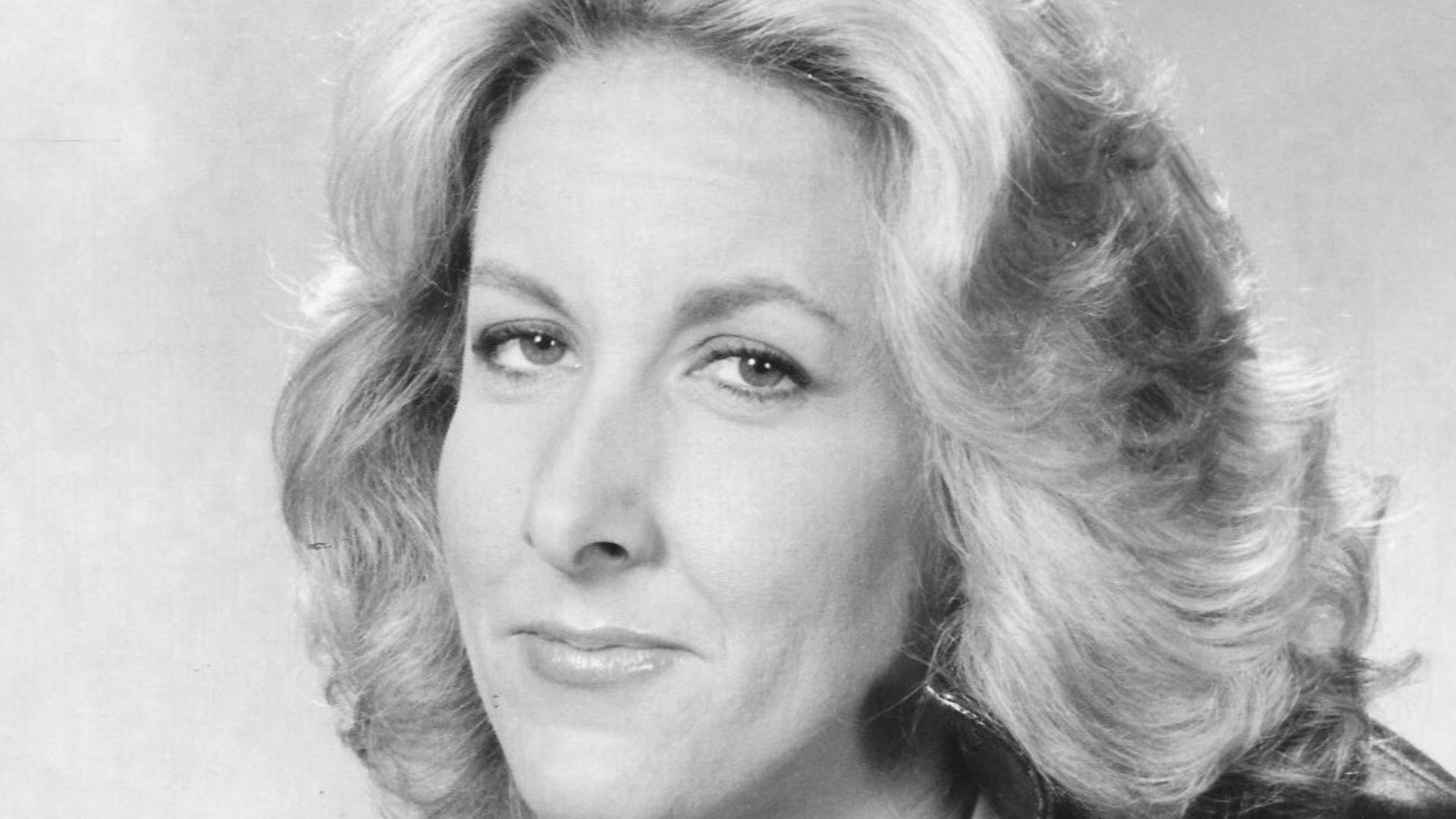 NBC Television, Wikimedia Commons
Michael Warren Gave Bobby Hill Real Warmth
Officer Bobby Hill helped provide Hill Street Blues with its emotional center. Michael Warren brought a natural, understated quality to the role that made Hill feel less like a television cop and more like somebody you might actually meet. Warren worked steadily for decades without becoming tabloid-famous.
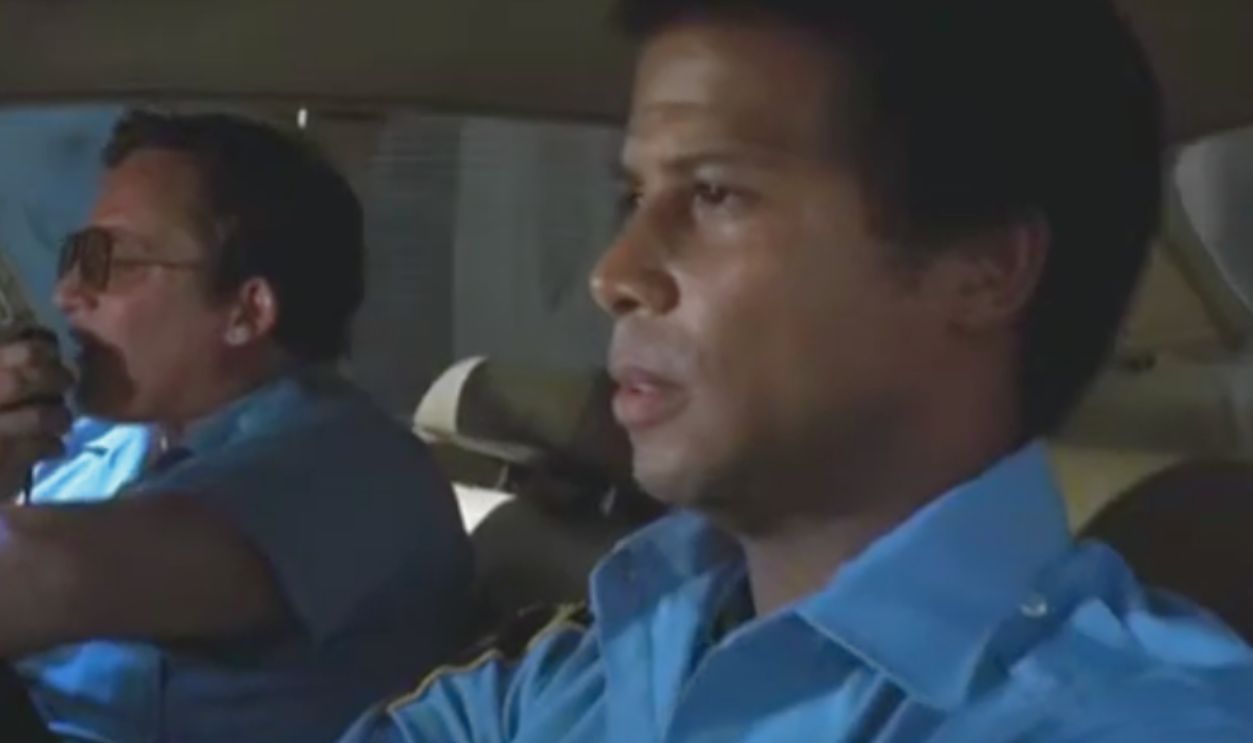 Screenshot from Hill Street Blues, MTM Enterprises (1981–1987), Modified
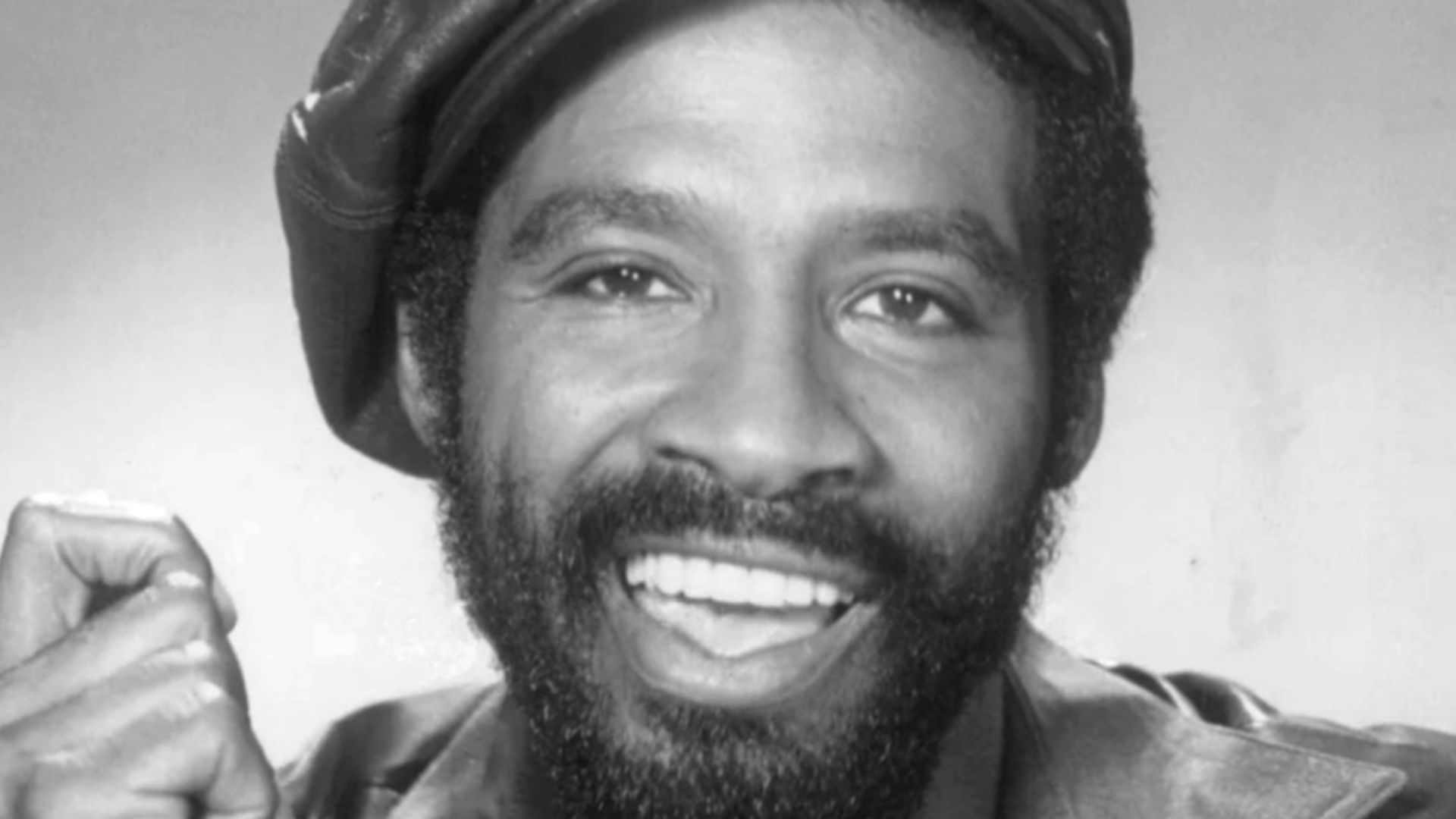
Taurean Blacque Was Dependably Cool
Detective Neal Washington rarely needed theatrics. Taurean Blacque brought a smooth, grounded presence to Hill Street Blues, making Washington one of the precinct’s most believable detectives. He was surrounded by louder personalities, but that restraint was precisely why audiences came to appreciate him.
 NBC Television, Wikimedia Commons
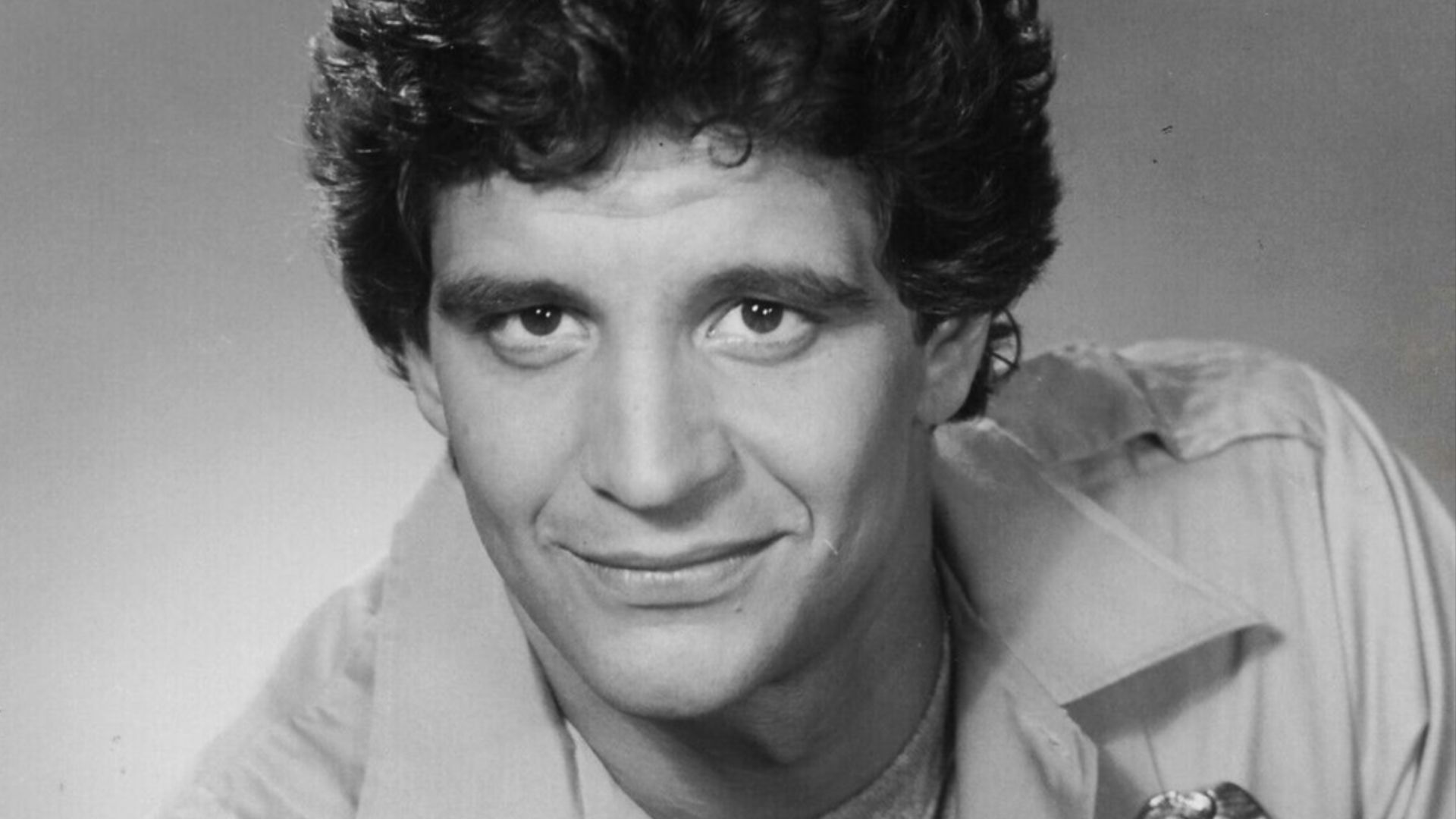
Ed Marinaro Went From Football To Hill Street
Before playing Officer Joe Coffey, Ed Marinaro had been a professional football player. On Hill Street Blues, however, he fit naturally into the ensemble. Coffey could be cocky and impulsive, but Marinaro gave the character enough vulnerability to keep audiences invested in him.
 NBC Television, Wikimedia Commons
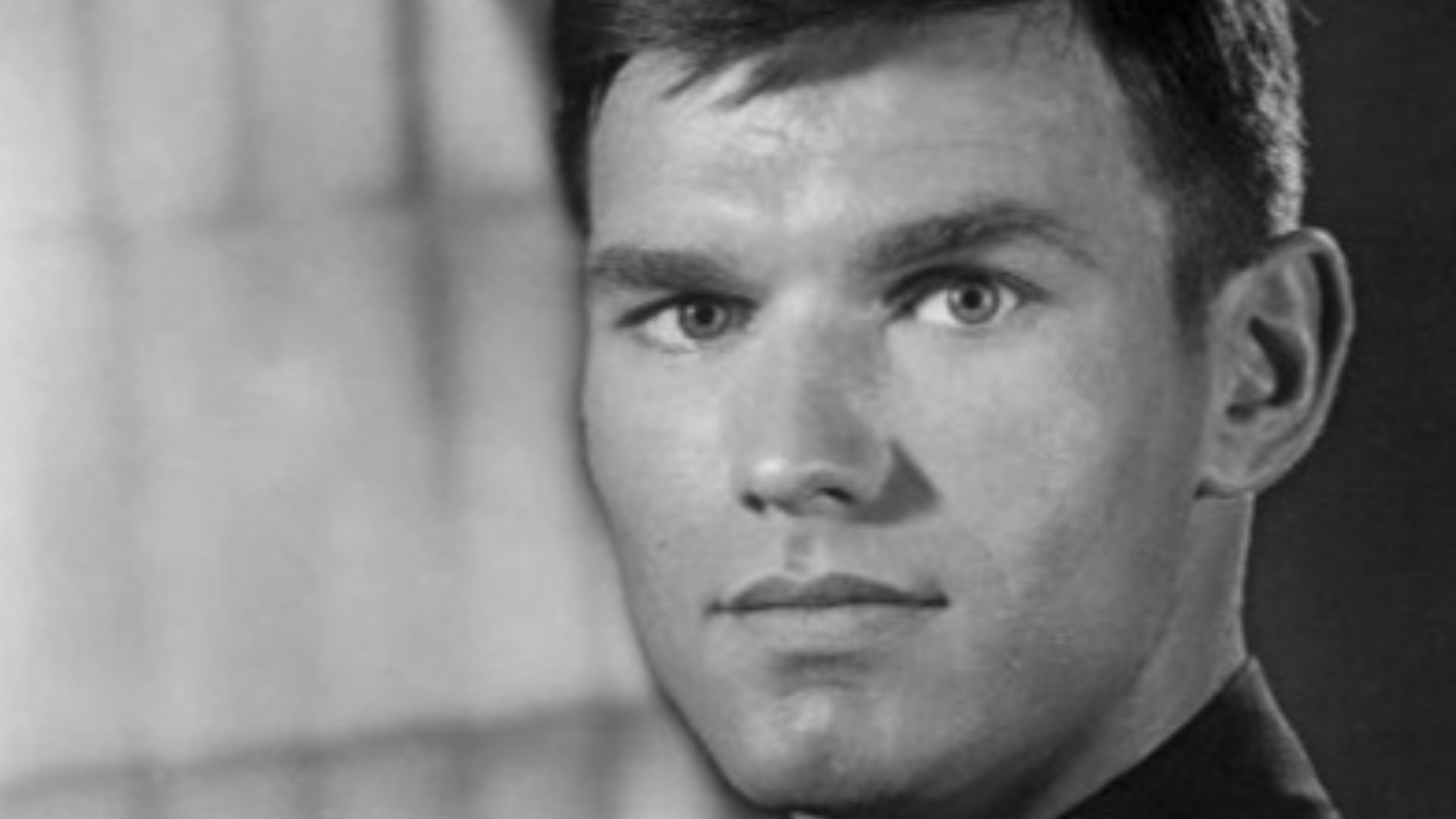
Kent McCord Became Television’s Ideal Patrolman
Kent McCord spent years riding through Los Angeles as Officer Jim Reed on Adam-12. His calm, dependable performance helped sell the show’s straightforward style. McCord never became a superstar, but for viewers who grew up watching police television, his face practically defined the uniformed patrol officer.
 Universal Television, Wikimedia Commons
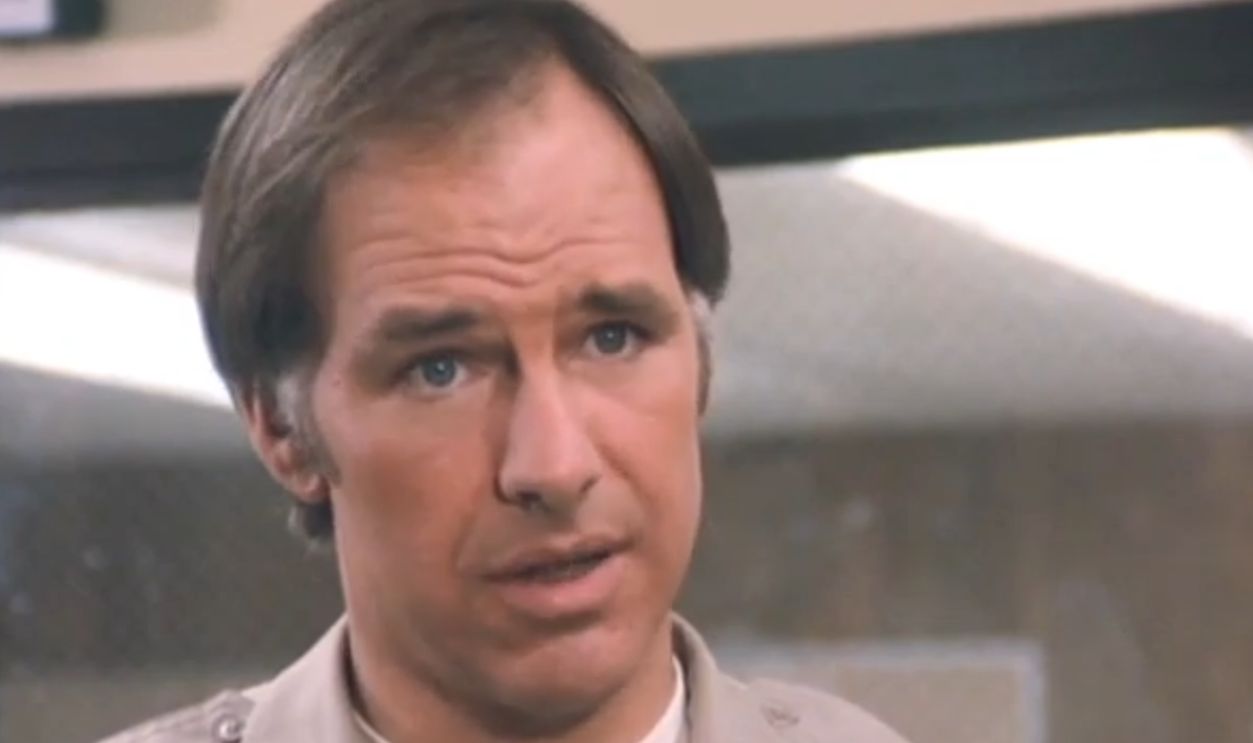
Robert Pine Kept CHiPs In Line
Everyone remembers Ponch and Jon, but somebody had to keep those two California Highway Patrol officers under control. Robert Pine played Sergeant Joseph Getraer on CHiPs, supplying authority, patience, and plenty of exasperated looks. He became a familiar television presence while largely avoiding celebrity culture.
 Screenshot from CHiPs, MGM/UA Television Distribution (1977–1983)
Earl Holliman Was Angie Dickinson’s Reliable Partner
Angie Dickinson understandably received most of the attention on Police Woman, but Earl Holliman was there week after week as Lieutenant Bill Crowley. Holliman had already built a substantial film career, yet he became especially familiar to television audiences as the dependable boss working alongside Pepper Anderson.
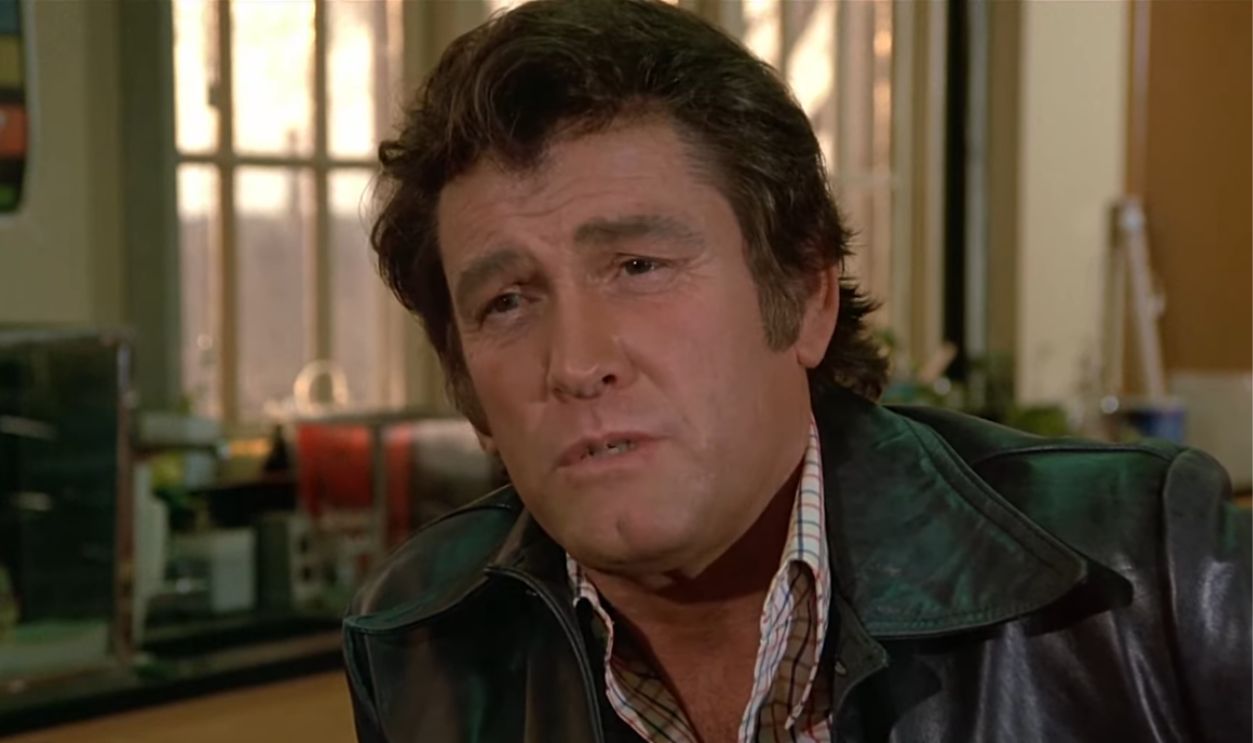 Screenshot from Police Woman, Columbia Pictures Television (1974–1978)
Kevin Dobson Helped Ground Kojak
Telly Savalas had the swagger, the lollipops, and the famous catchphrases, but Kevin Dobson provided an important counterweight as Detective Bobby Crocker. Dobson played the younger detective with an easygoing confidence that made him feel like a genuine colleague rather than simply Kojak’s sidekick.
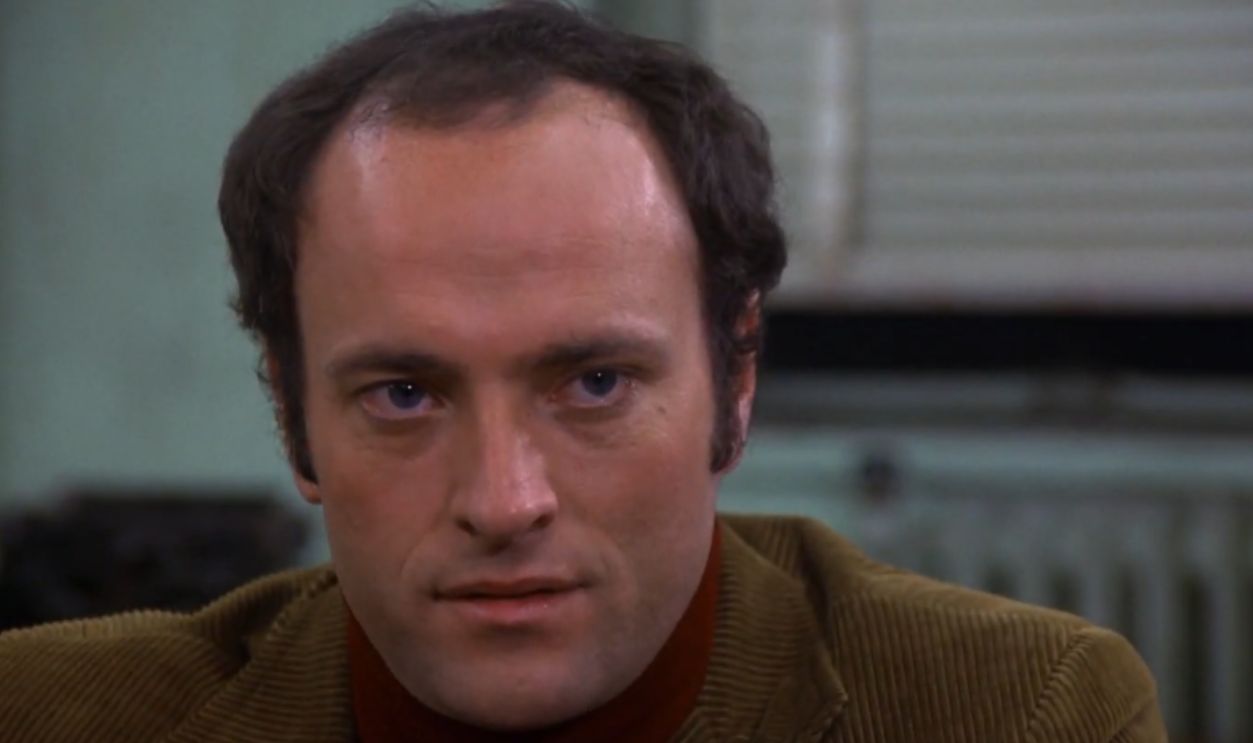 Screenshot from Kojak, Universal Television (1973–1978)
Kam Fong Became A Hawaii Five-O Fixture
Jack Lord may have been the unmistakable star of Hawaii Five-O, but Kam Fong’s Chin Ho Kelly became nearly as essential to the team. Fong appeared throughout much of the original series, bringing an understated credibility that helped make the fictional police unit feel surprisingly convincing.
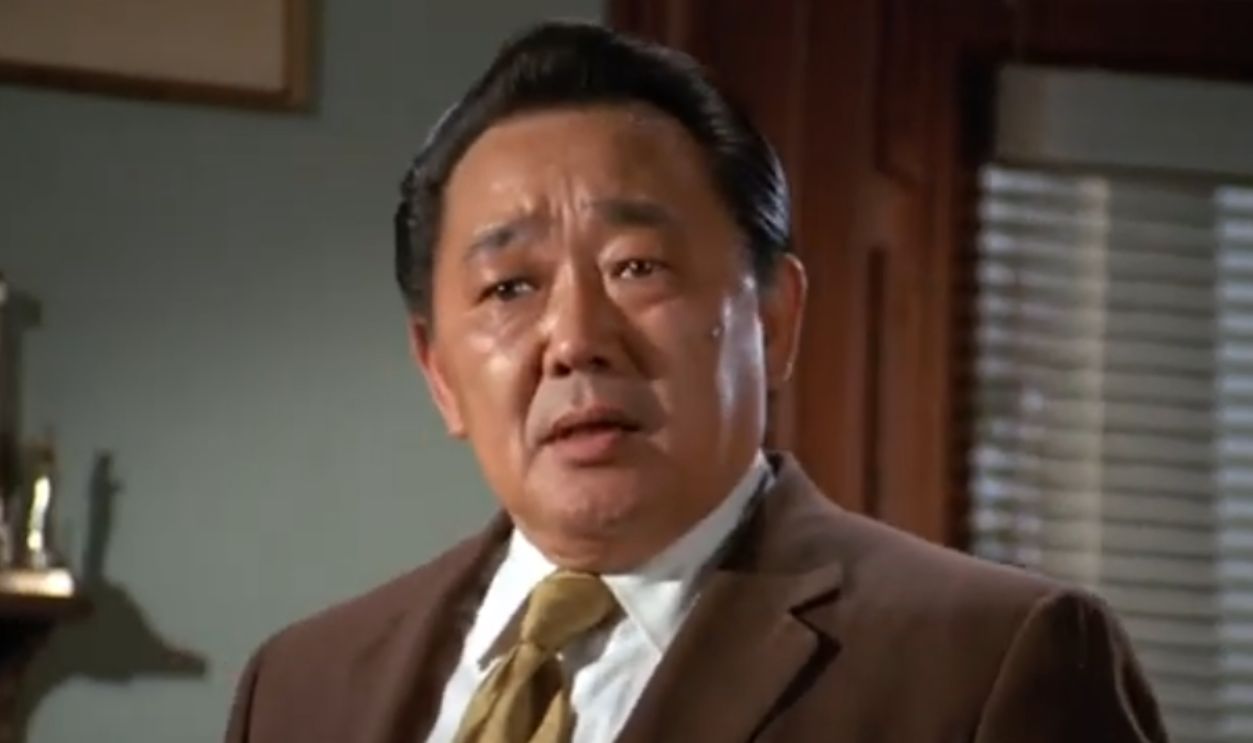 Screenshot from Hawaii Five-O, CBS (1968–1980)
Herman Wedemeyer Was Always There When Needed
As Duke Lukela on Hawaii Five-O, Herman Wedemeyer became one of those actors audiences recognized before remembering where they had seen him. The former athlete brought an easy authority to the role, eventually becoming an important part of the show’s familiar Hawaiian law-enforcement world.
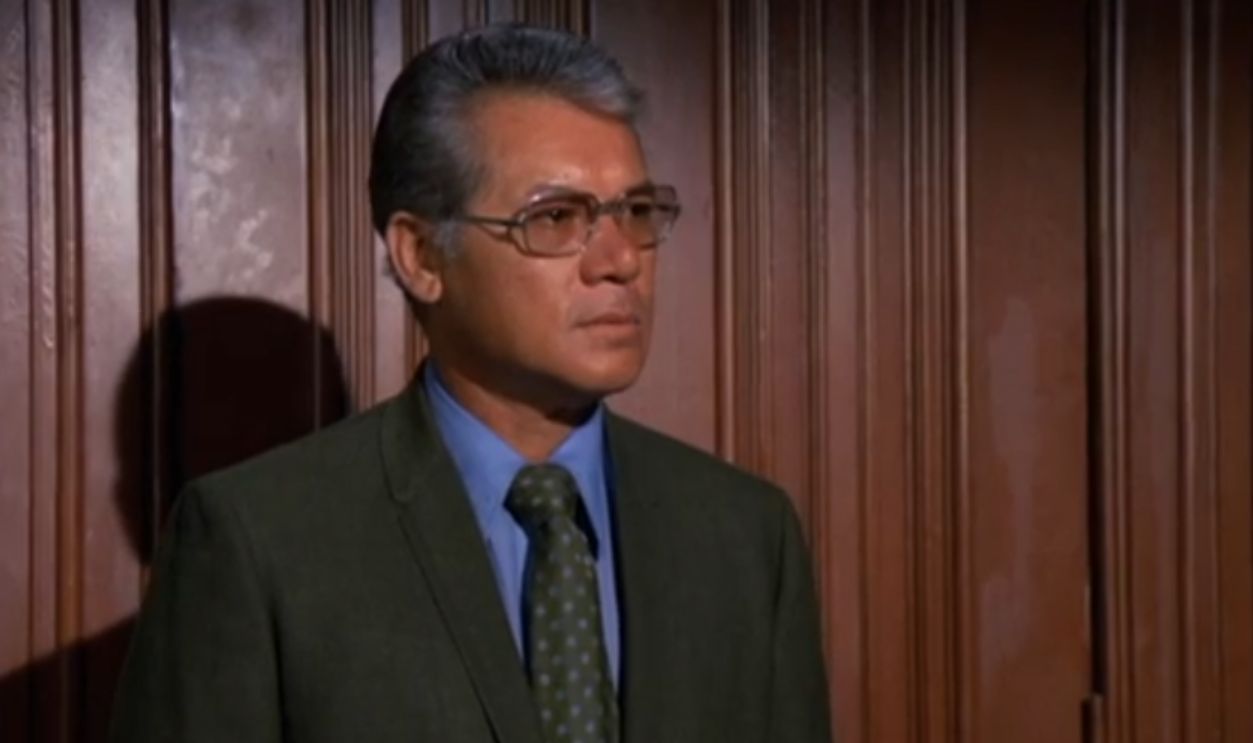 Screenshot from Hawaii Five-O, CBS (1968–1980)
Saundra Santiago Brought Heart To Miami Vice
The clothes and sports cars usually get the attention, but Miami Vice depended on a strong supporting cast. Saundra Santiago’s Detective Gina Calabrese brought humanity to the neon-drenched series. She could handle undercover danger while still making Gina feel like a real person behind the glamorous surroundings.
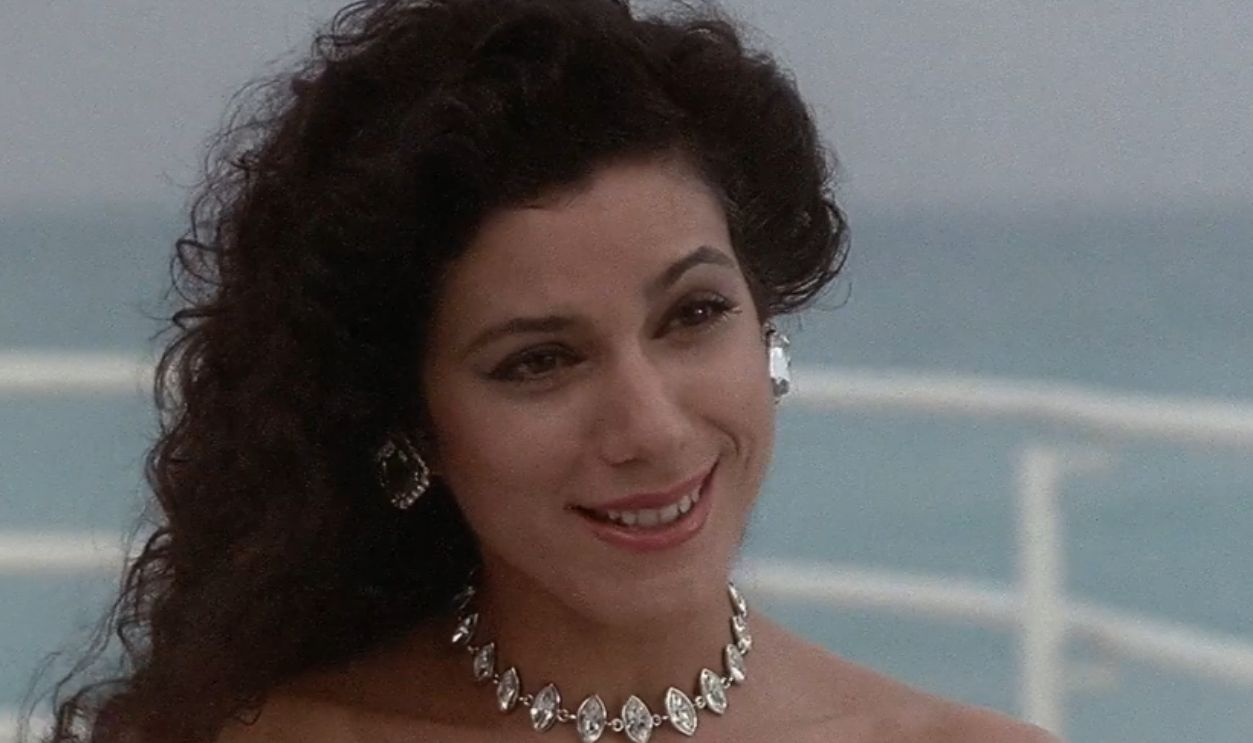 Screenshot from Miami Vice, MCA TV (1984–1990)
Olivia Brown Deserved More Attention
Detective Trudy Joplin was an essential part of the Miami Vice squad, even if Crockett and Tubbs dominated the posters. Olivia Brown gave Trudy intelligence and toughness without overplaying either quality. She became instantly recognizable to regular viewers despite never receiving equivalent star billing.
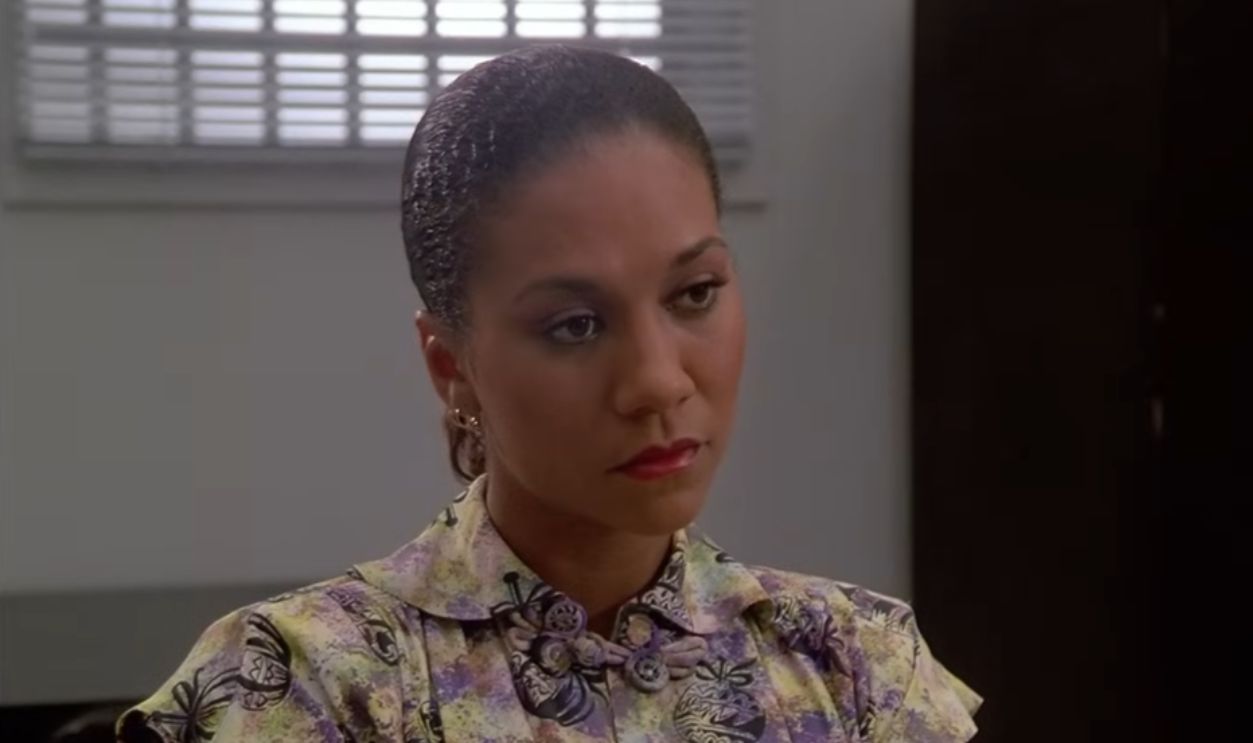 Screenshot from Miami Vice, MCA TV (1984–1990)
Michael Talbott Made Switek Feel Real
Stan Switek could be comic relief on Miami Vice, especially when teamed with Larry Zito, but Michael Talbott never treated him like a joke. Beneath the Hawaiian shirts and occasional silliness was a competent detective. Talbott’s performance helped keep the show’s supporting squad memorable.
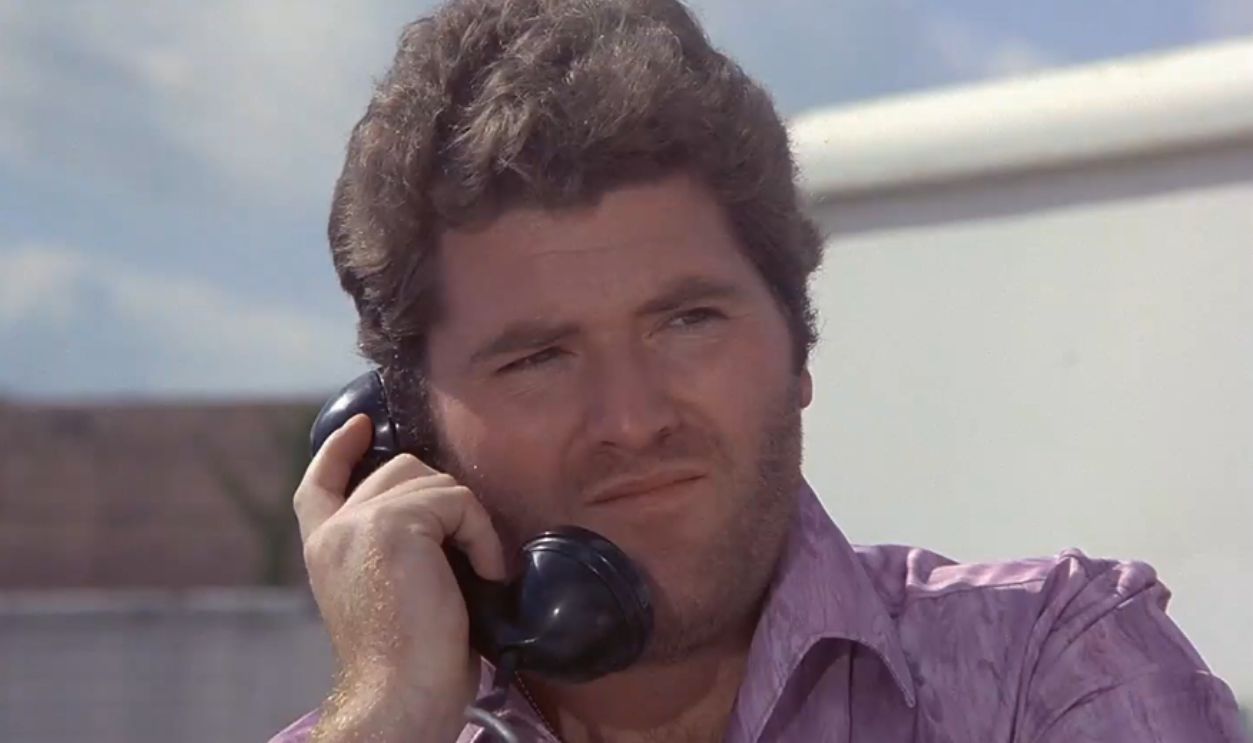 Screenshot from Miami Vice, MCA TV (1984–1990)
Charles Hallahan Was Television’s Perfect Captain
Charles Hallahan had one of those faces built for authority figures. On Hunter, he played Captain Charles Devane, dealing with Rick Hunter’s unconventional methods and the headaches that came with them. Hallahan appeared everywhere from movies to dramas, frequently prompting the classic reaction: “Hey, it’s that guy!”
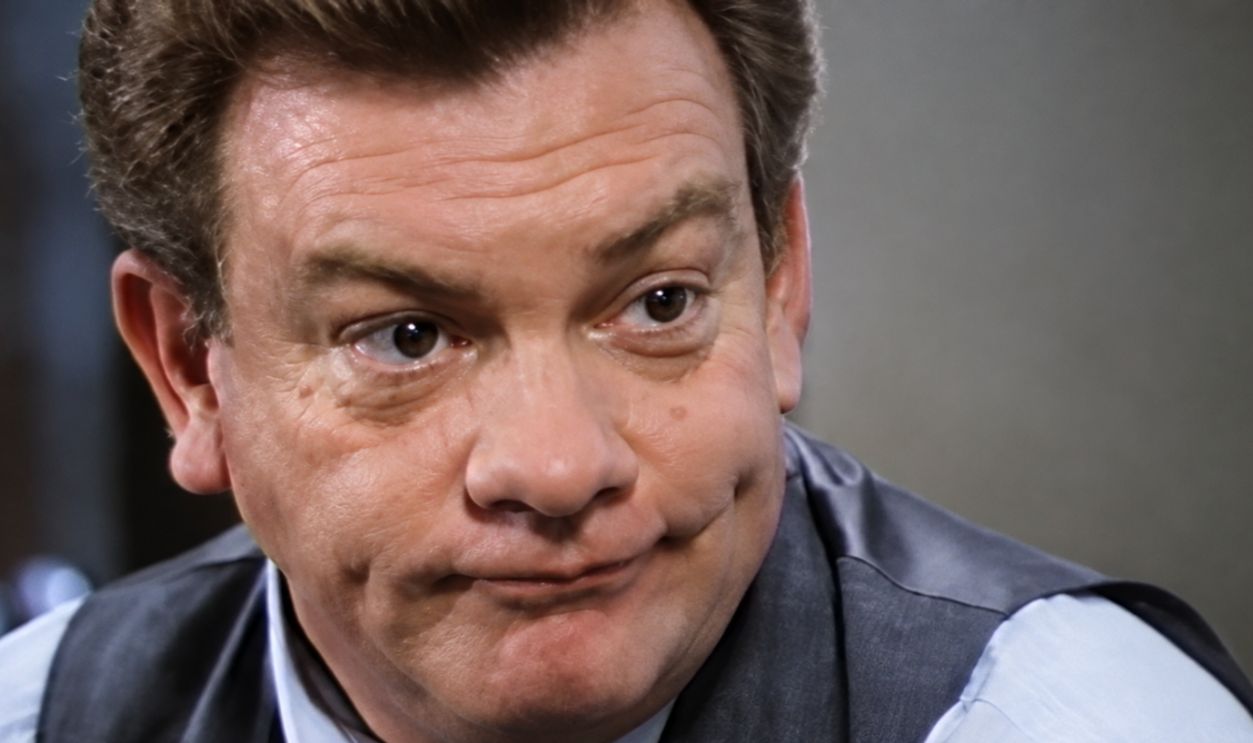 Screenshot from Hunter, Stephen J. Cannell Productions (1984–1991), Modified
David Hart Quietly Stole Scenes
Officer Parker Williams was not the flashiest character on In the Heat of the Night, but David Hart turned him into a fan favorite. Parker’s slightly awkward manner and underlying decency brought welcome humor to serious episodes. Hart made a supporting character feel essential to the Sparta police department.
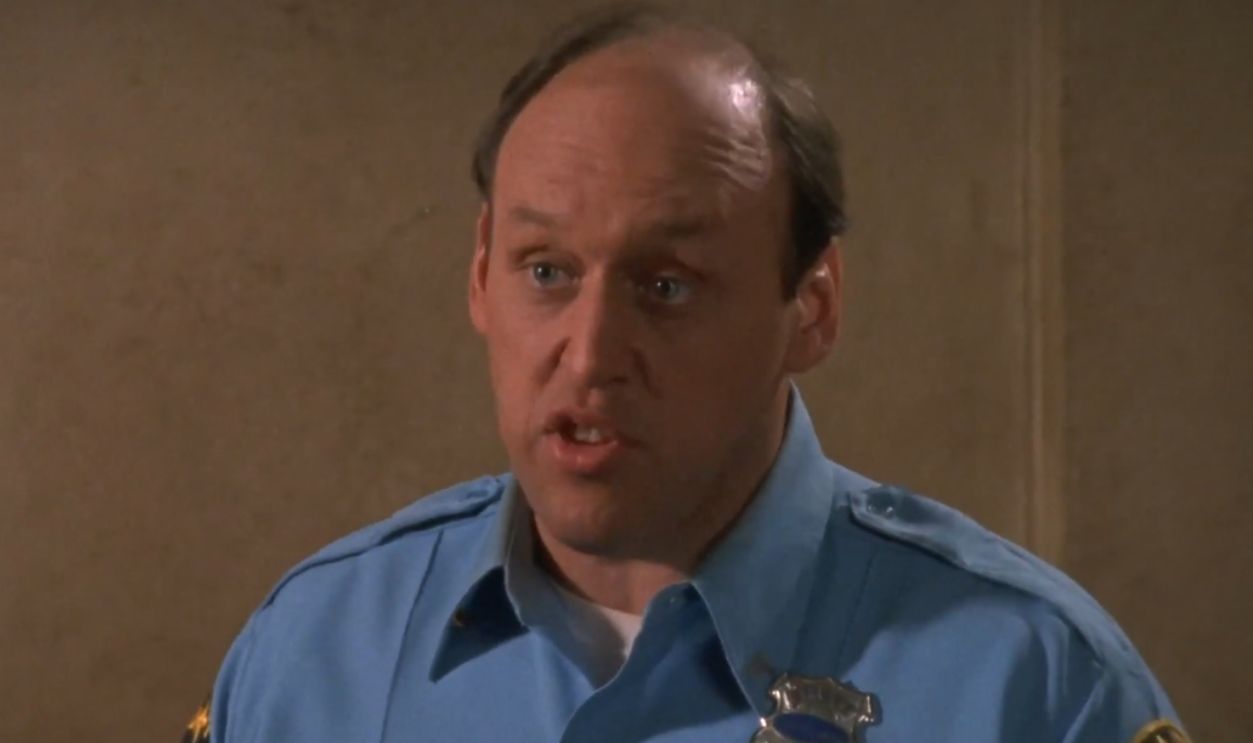 Screenshot from In the Heat of the Night, MGM/UA Television Productions (1988–1995)
Geoffrey Thorne Made Wilson Sweet Memorable
Geoffrey Thorne played Officer Wilson Sweet during the early seasons of In the Heat of the Night. Sweet was young, capable, and still learning his way around a complicated Southern police department. Thorne later became a successful television writer, but classic-TV viewers still recognize him from Sparta.
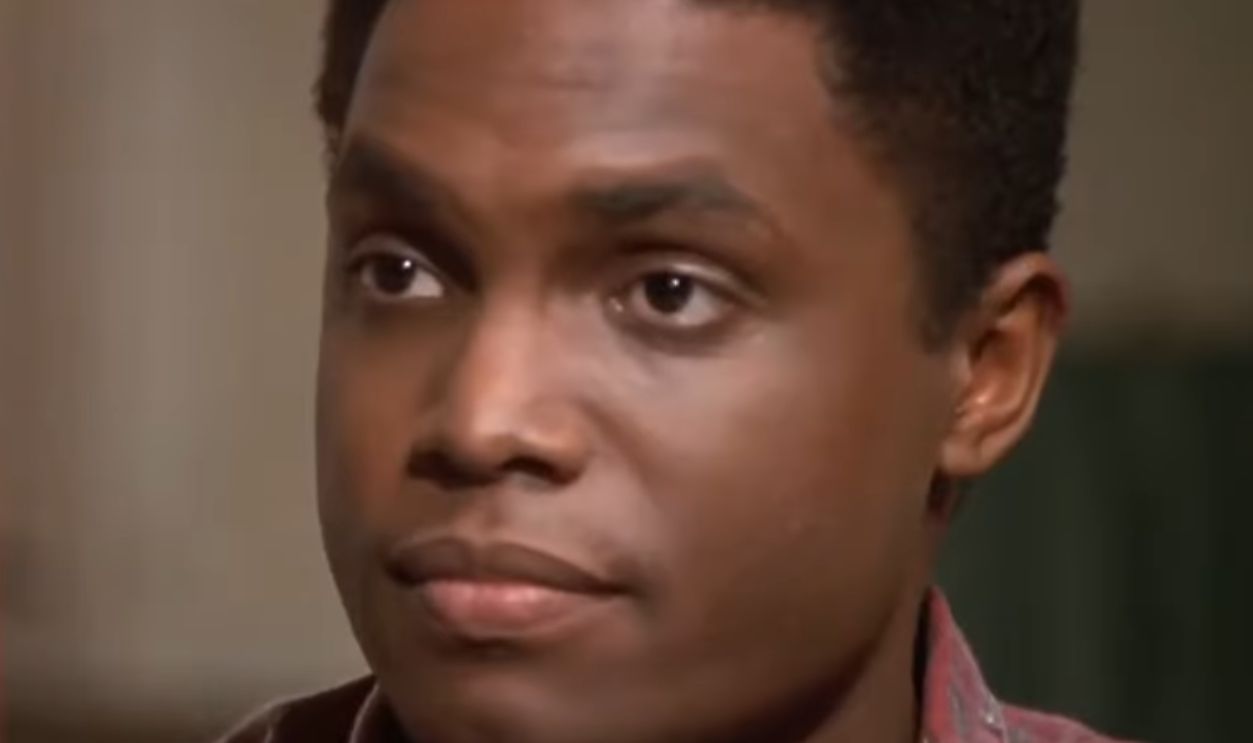 Screenshot from In the Heat of the Night, MGM/UA Television Productions (1988–1995)
George Stanford Brown Helped Define The Rookies
The Rookies followed young police officers learning the realities of the job, and George Stanford Brown was a major reason the concept worked. As Officer Terry Webster, Brown brought intelligence and natural confidence to the series. He later became an accomplished television director as well.
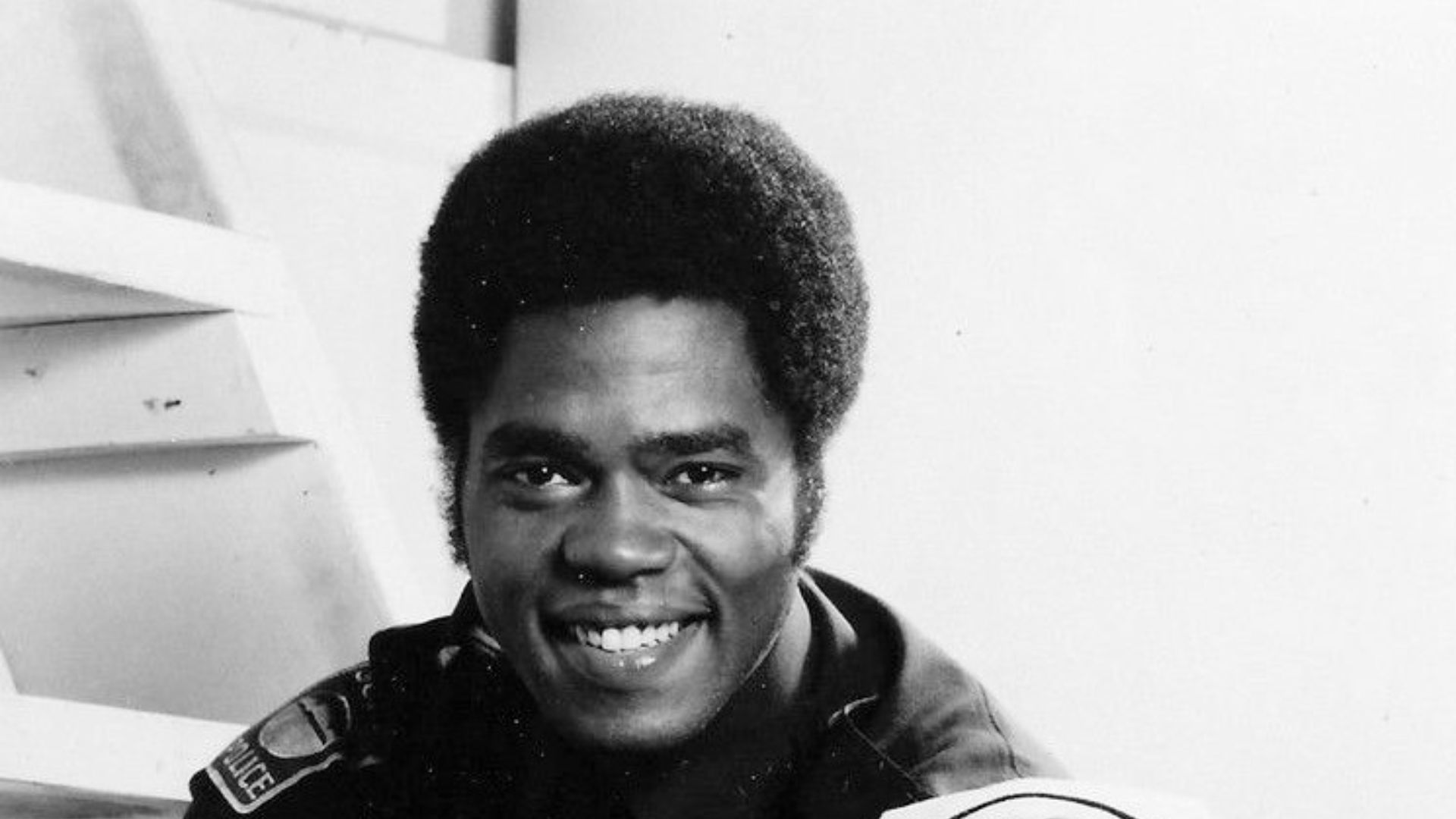 ABC Television, Wikimedia Commons
They Made The Precinct Feel Real
Television history tends to remember the stars, but classic cop shows needed far more than one famous detective. These supporting actors supplied humor, tension, warmth, and credibility week after week. Their names may not have appeared above the title, but their faces became part of television history.
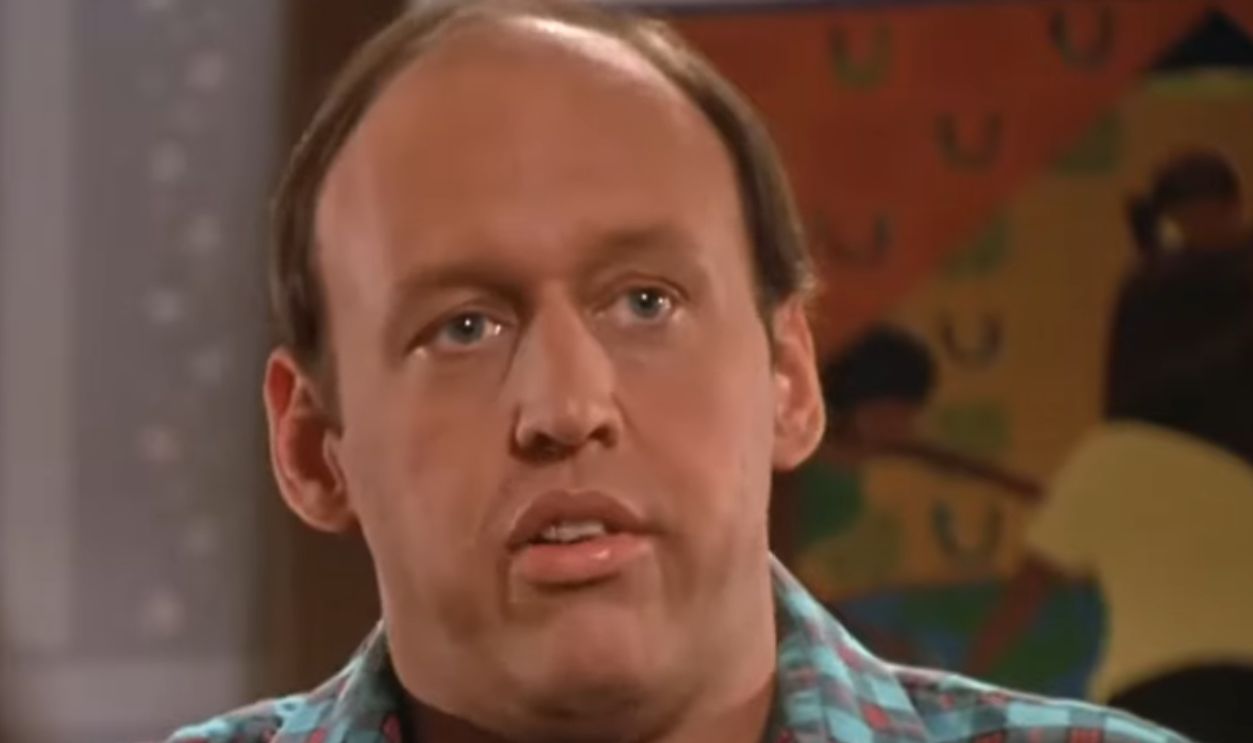 Screenshot from In the Heat of the Night, MGM/UA Television Productions (1988–1995)
You May Also Like:
Bronson Pinchot Turned Balki Into A 1980s Sitcom Phenomenon Overnight