Hollywood Knew Him Almost His Entire Life
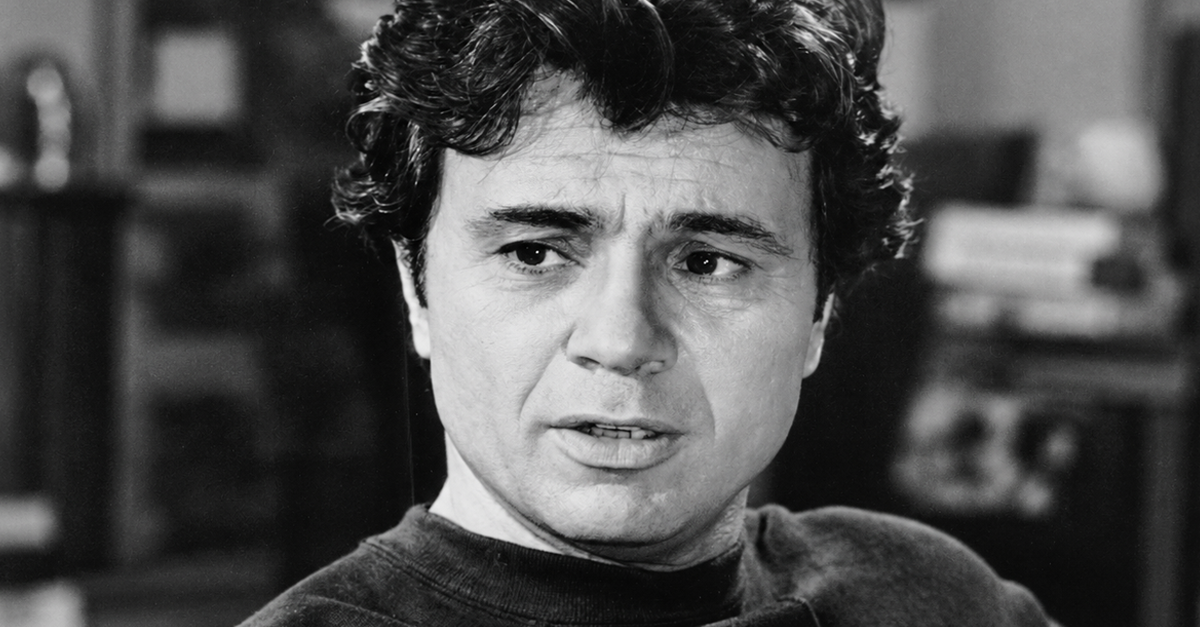
Robert Blake became famous before he was old enough to understand fame. He went from Our Gang child star to acclaimed actor, then became a household name as the Emmy-winning star of Baretta. But decades later, his career was overshadowed by the killing of his wife, a murder trial, an acquittal, and a civil verdict that told a very different story. Few Hollywood careers took a stranger or more complicated turn.
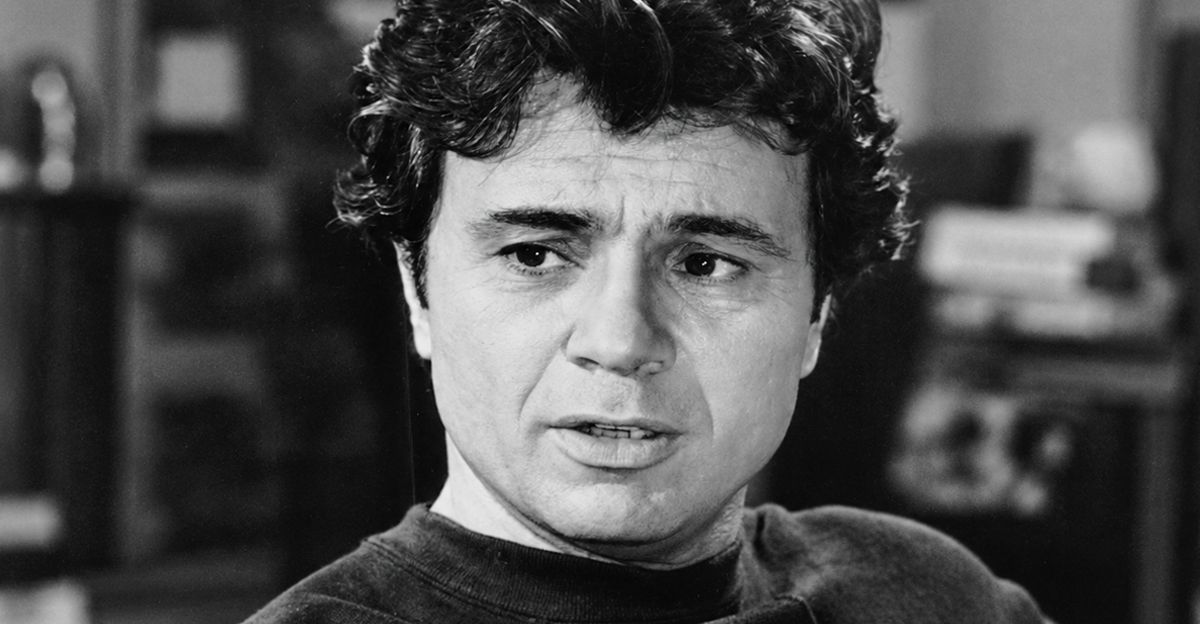 ABC Television, Wikimedia Commons
He Was Born Mickey Gubitosi
Blake was born Michael James Gubitosi in Nutley, New Jersey, on September 18, 1933. His family entered show business early, with Blake performing alongside his siblings while still a small child. Before he was old enough to start a conventional childhood, Hollywood was already becoming his full-time world.
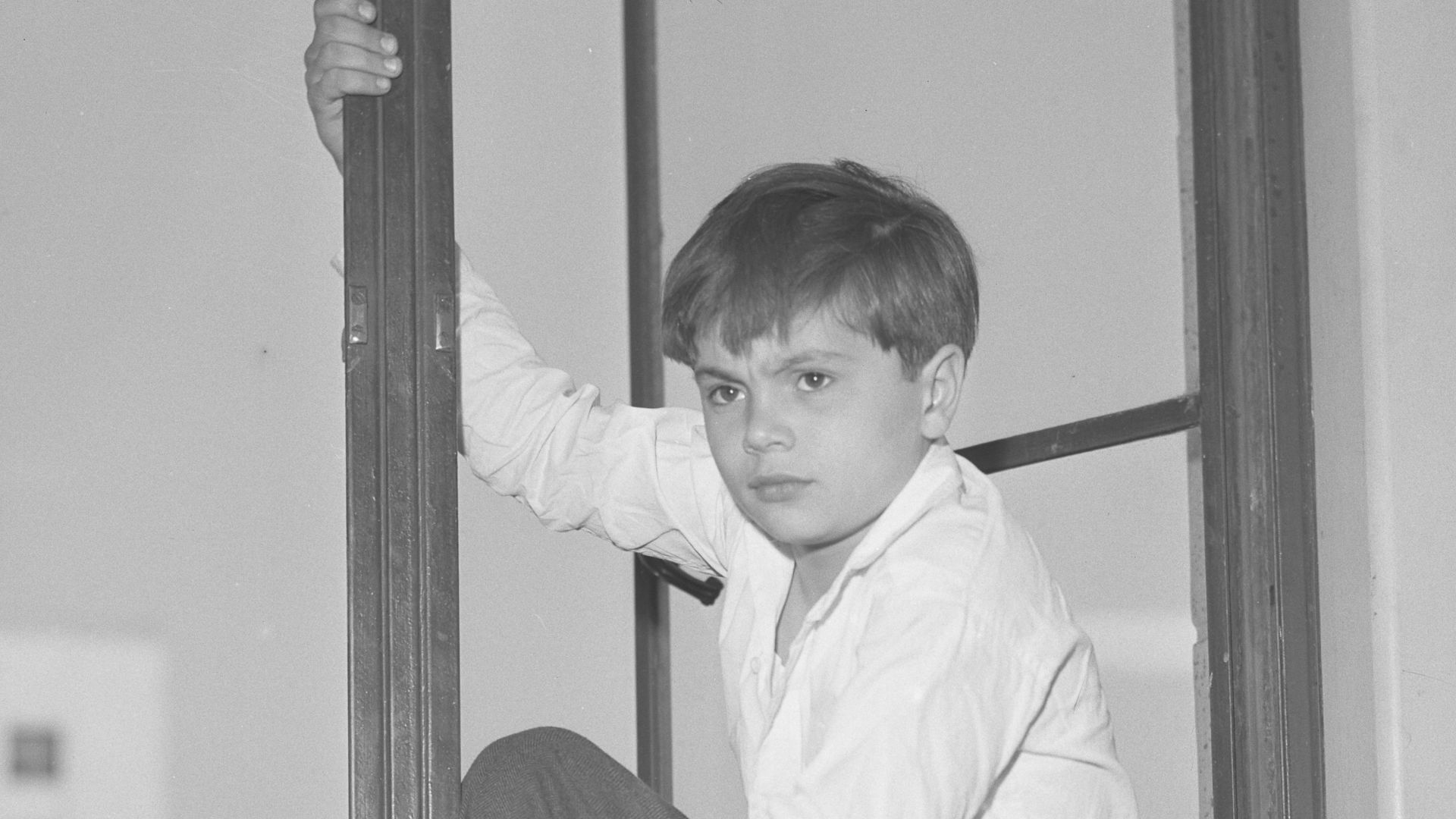 Los Angeles Daily News, Wikimedia Commons
His Family Headed West
The Gubitosi family moved to California while Blake was still young, hoping to find better opportunities in entertainment. Blake later described his childhood as deeply unhappy and said his home life included physical abuse and little affection. Acting also became an important source of income for the family.
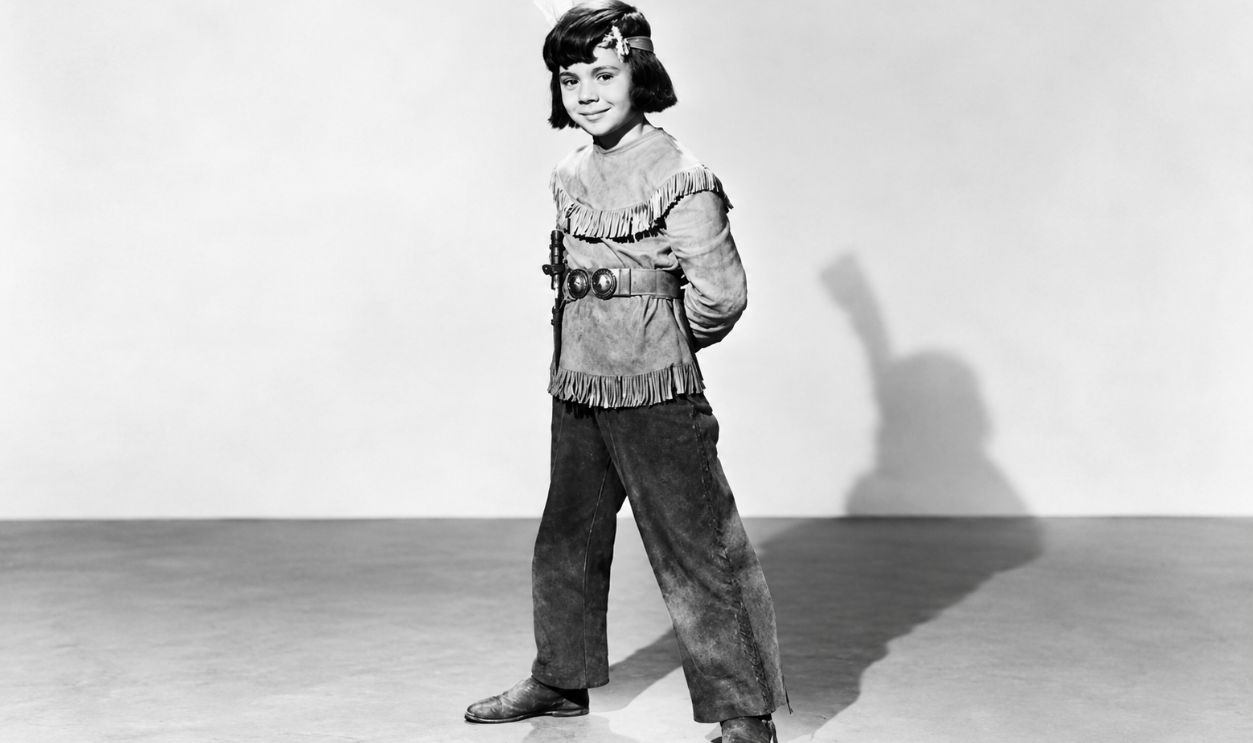 ABC Television, Wikimedia Commons, Enhanced
Our Gang Gave Him His Break
Blake began appearing in MGM's Our Gang comedy shorts when he was around five years old. The series later became widely associated with the name The Little Rascals, and Blake appeared during the final years of MGM's run. It made him one of the many child performers audiences could recognize long before they knew what would happen to them as adults.
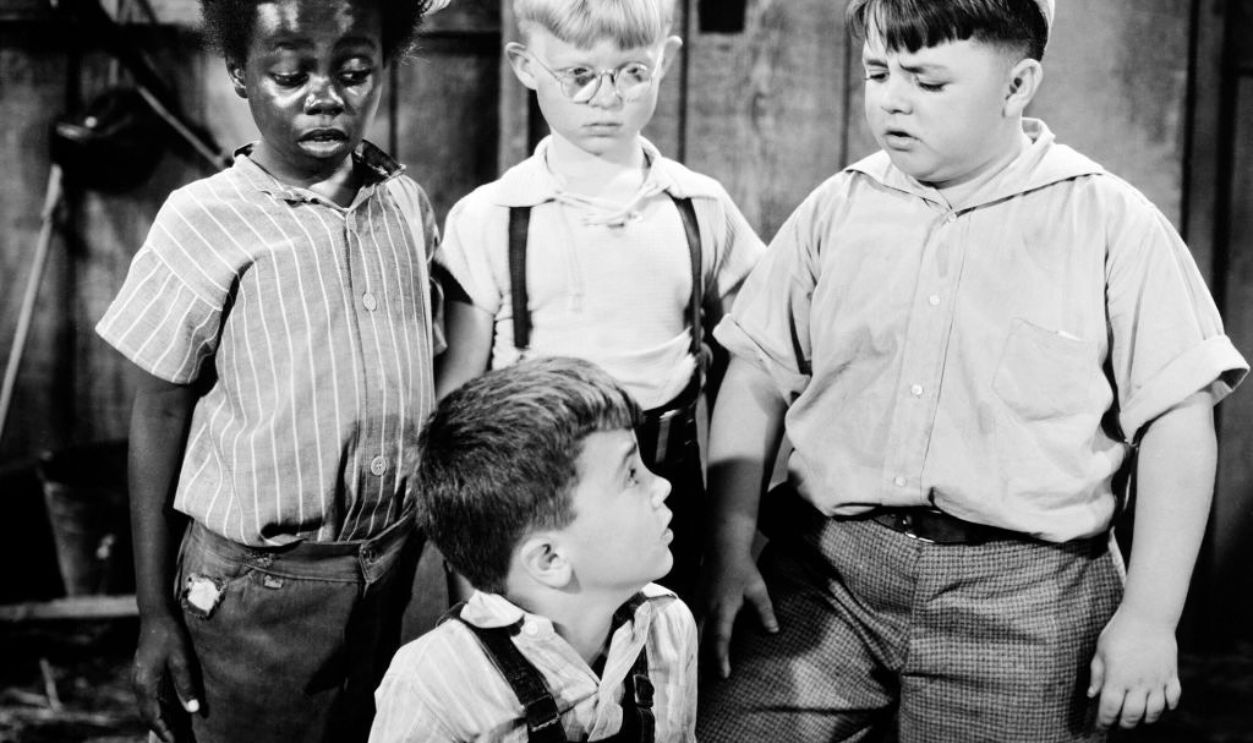 Silver Screen Collection, Getty Images
Mickey Became Robert Blake
His career quickly expanded beyond Our Gang. While making the 1942 film Mokey, the young Mickey Gubitosi was given the professional name Robert Blake. That new name followed him through the rest of a career that would eventually stretch across six decades.
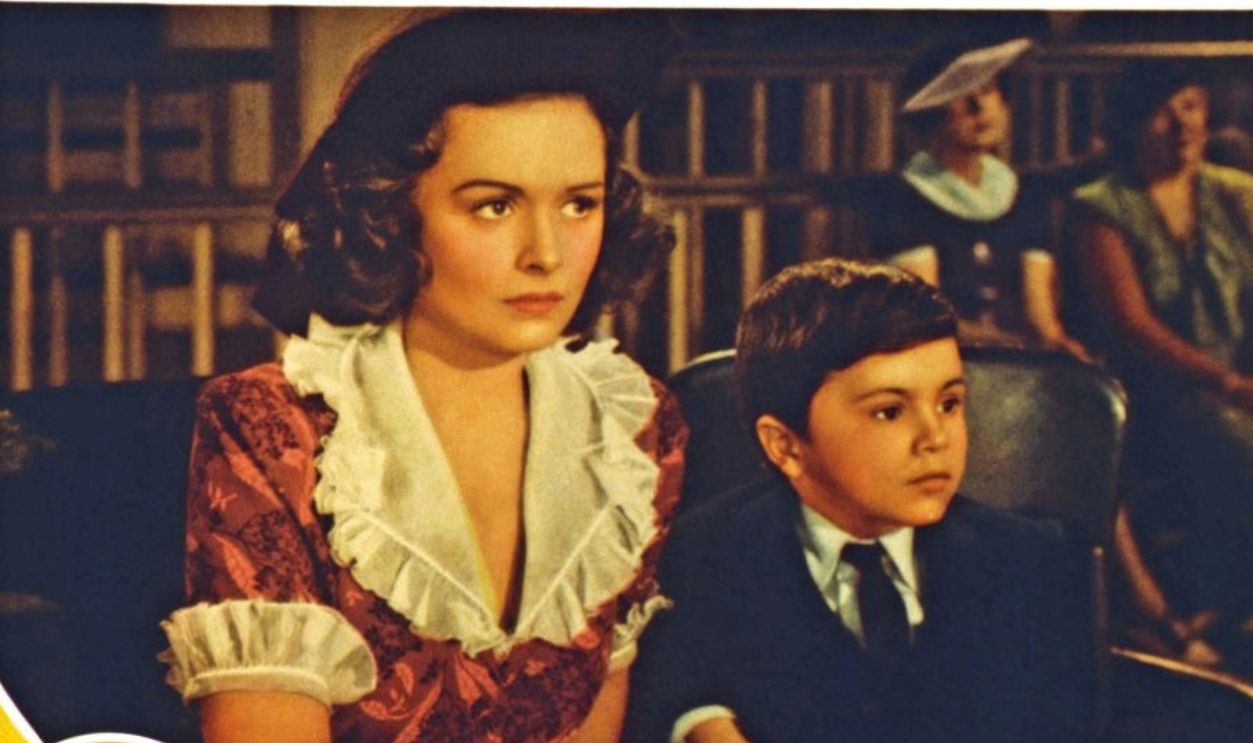
He Became A Familiar Hollywood Kid
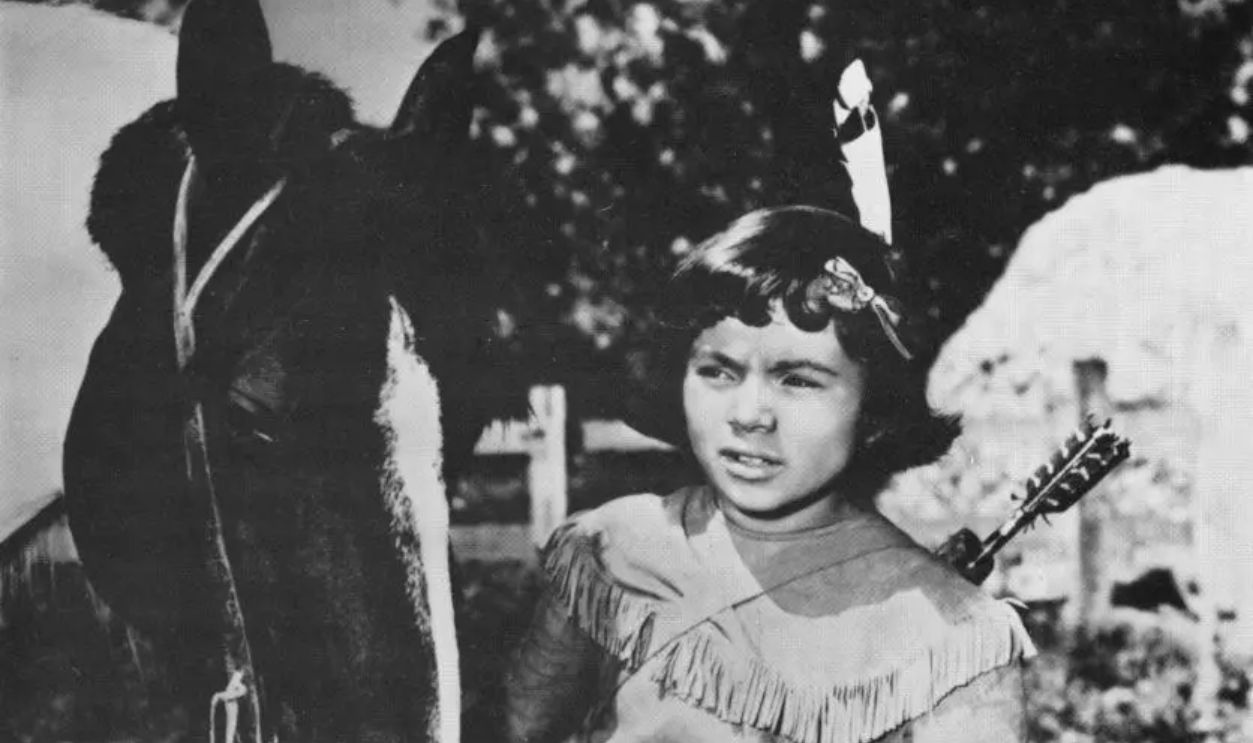
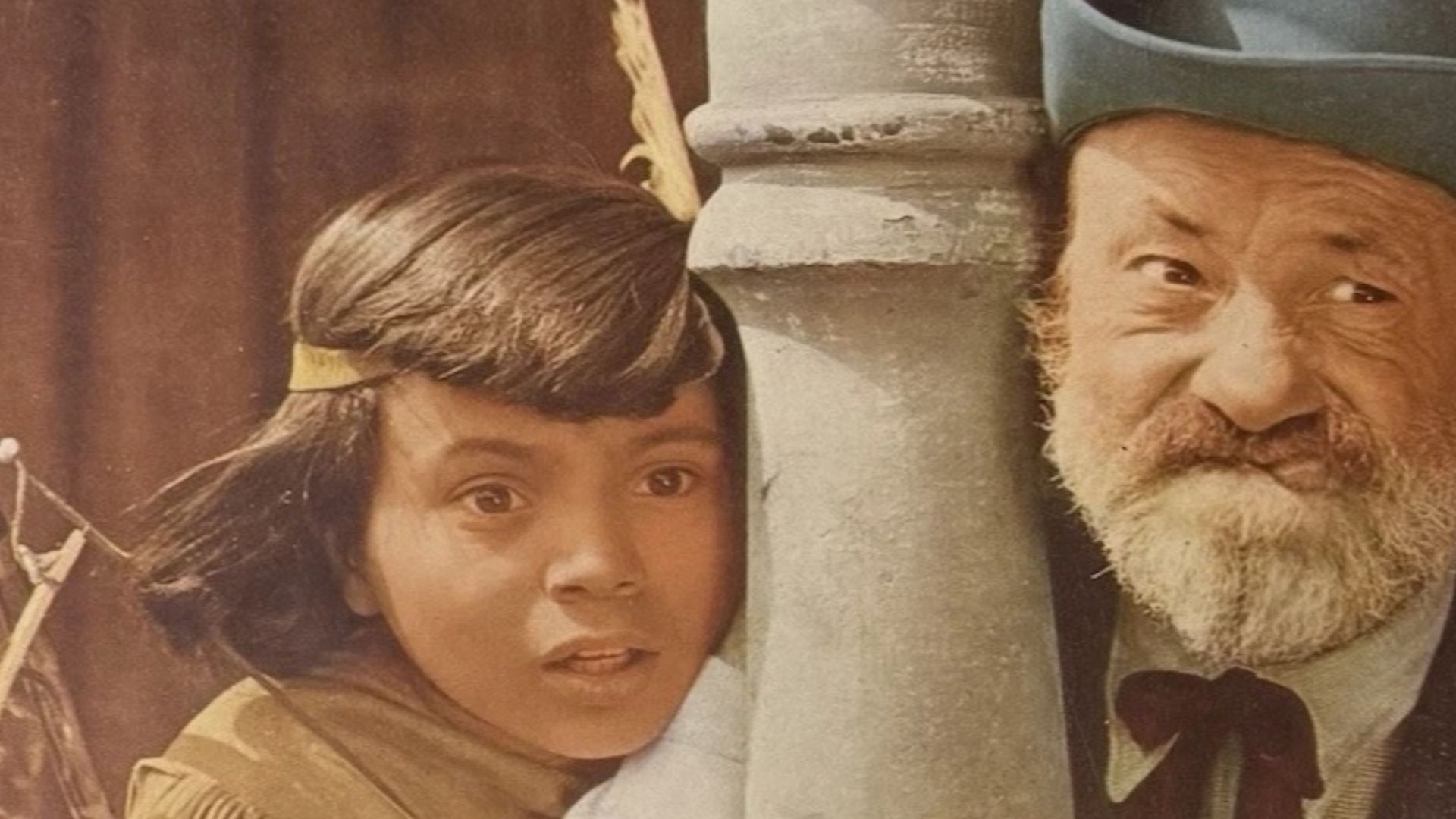
Blake continued working steadily throughout childhood, including appearances as Little Beaver in the Red Ryder films. He also appeared opposite Humphrey Bogart in John Huston's 1948 classic The Treasure of the Sierra Madre. By his teens, Blake had already built a screen résumé many adult performers would have envied.
 Fotos International, Getty Images
Growing Up Made Hollywood Harder
The transition from child star to adult actor proved much more difficult. Blake left home as a teenager and later served in the Army before returning to Hollywood. Work became less consistent, and Blake later spoke openly about drug use during this unsettled period.
 unknown (Republic Pictures), Wikimedia Commons
In Cold Blood Changed Everything
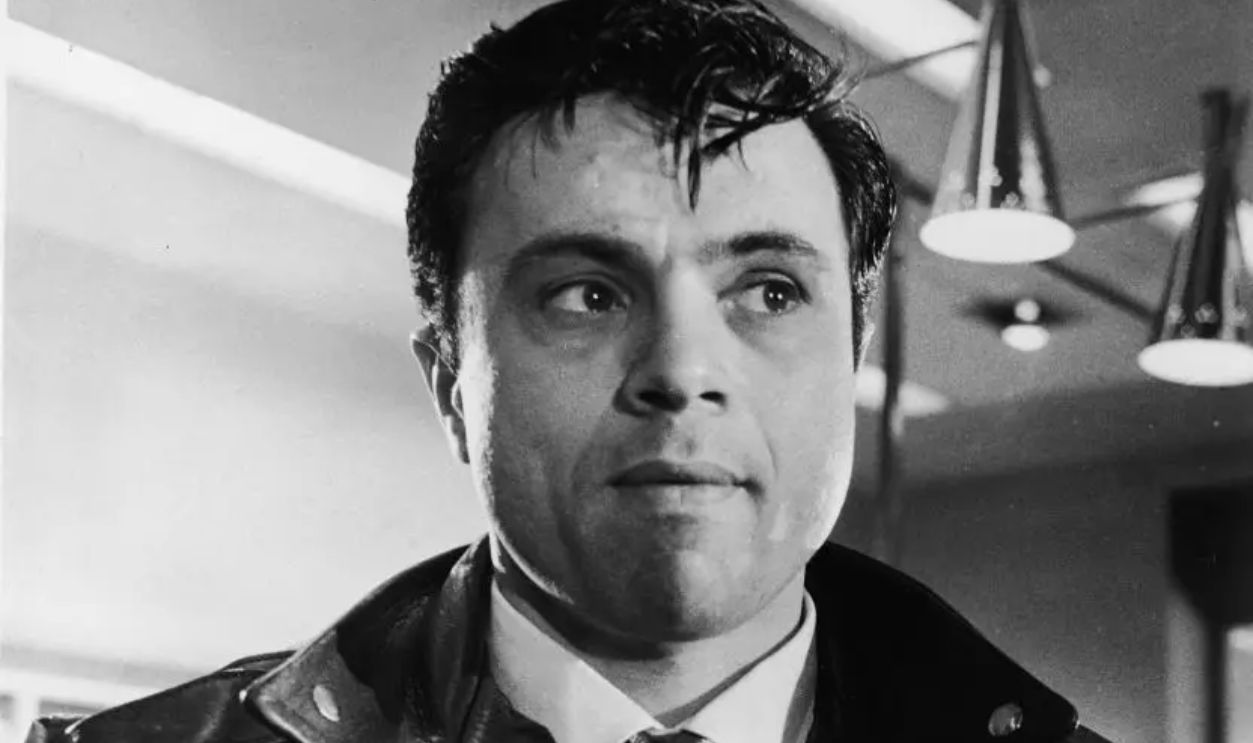
Blake's career changed dramatically when director Richard Brooks cast him as Perry Smith in the 1967 adaptation of Truman Capote's In Cold Blood. Smith was one of two men convicted of murdering the Clutter family in Kansas, giving Blake a role far removed from his childhood work. His disturbing but vulnerable performance earned widespread attention and established him as a serious adult actor.
 Columbia TriStar, Getty Images
He Felt Connected To Perry Smith
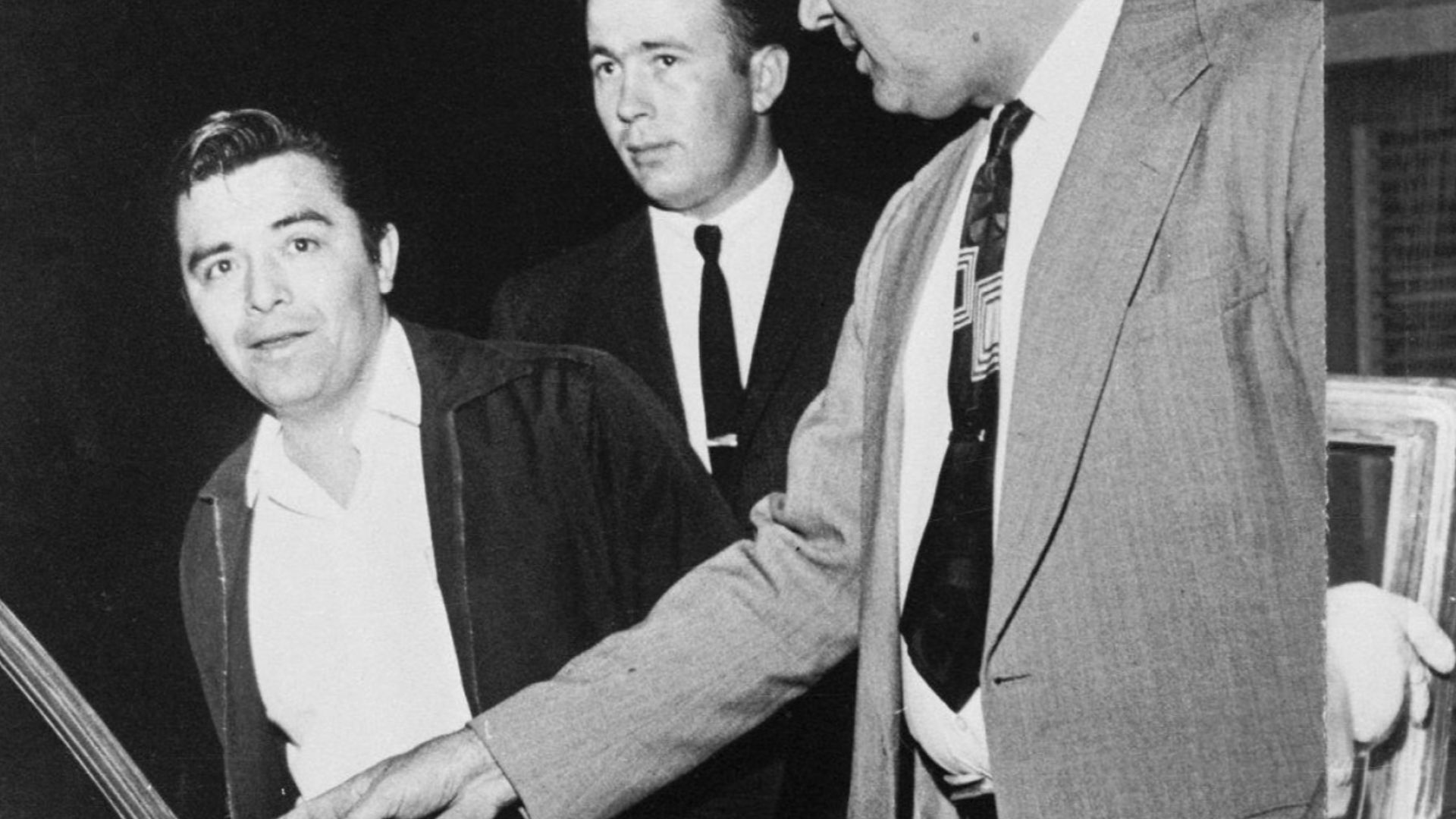
Blake later said he identified strongly with Smith because both had endured troubled childhoods. That personal connection may have helped give the performance its unsettling emotional depth. Instead of playing Smith as a simple villain, Blake portrayed him as volatile, damaged, and painfully human.
 United Press International, Wikimedia Commons
Strong Film Roles Followed
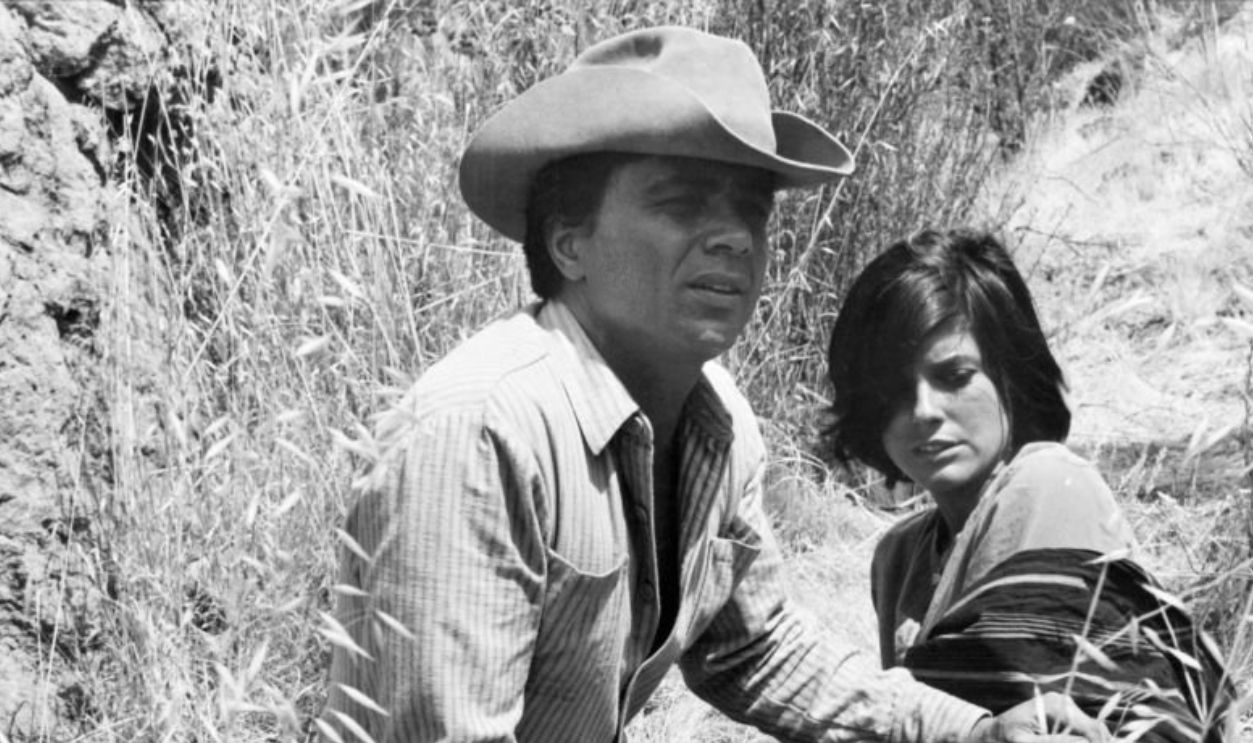
The success of In Cold Blood led to more substantial movie parts. Blake starred opposite Robert Redford and Katharine Ross in the 1969 Western Tell Them Willie Boy Is Here. In 1973, he played ambitious motorcycle officer John Wintergreen in the cult favorite Electra Glide in Blue.
Baretta Made Him A Household Name
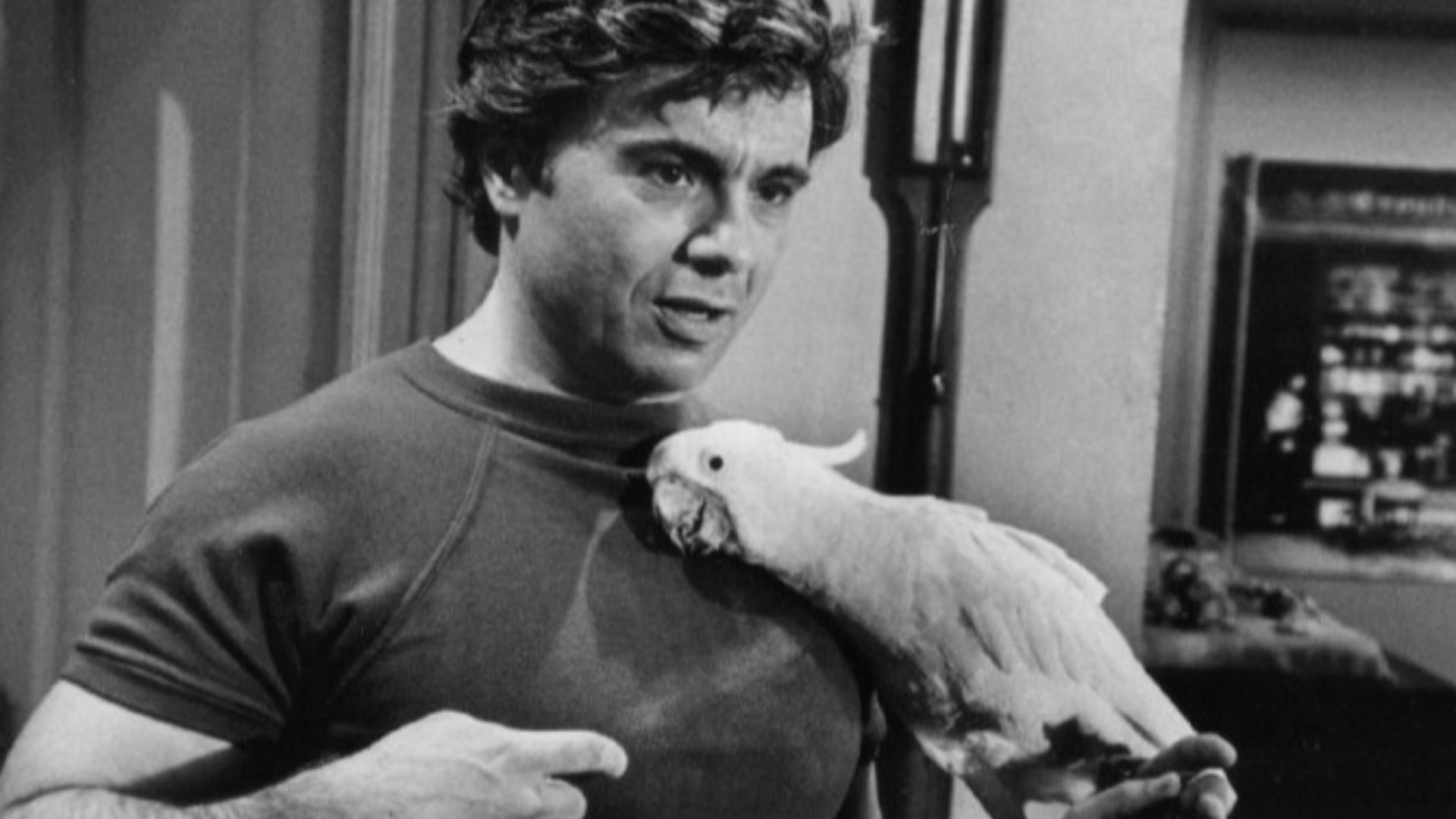
Television ultimately gave Blake the role that defined his fame. ABC's Baretta premiered in 1975, with Blake playing undercover detective Tony Baretta. The series ran for four seasons and became the biggest mainstream success of his career.
 ABC Television, Wikimedia Commons
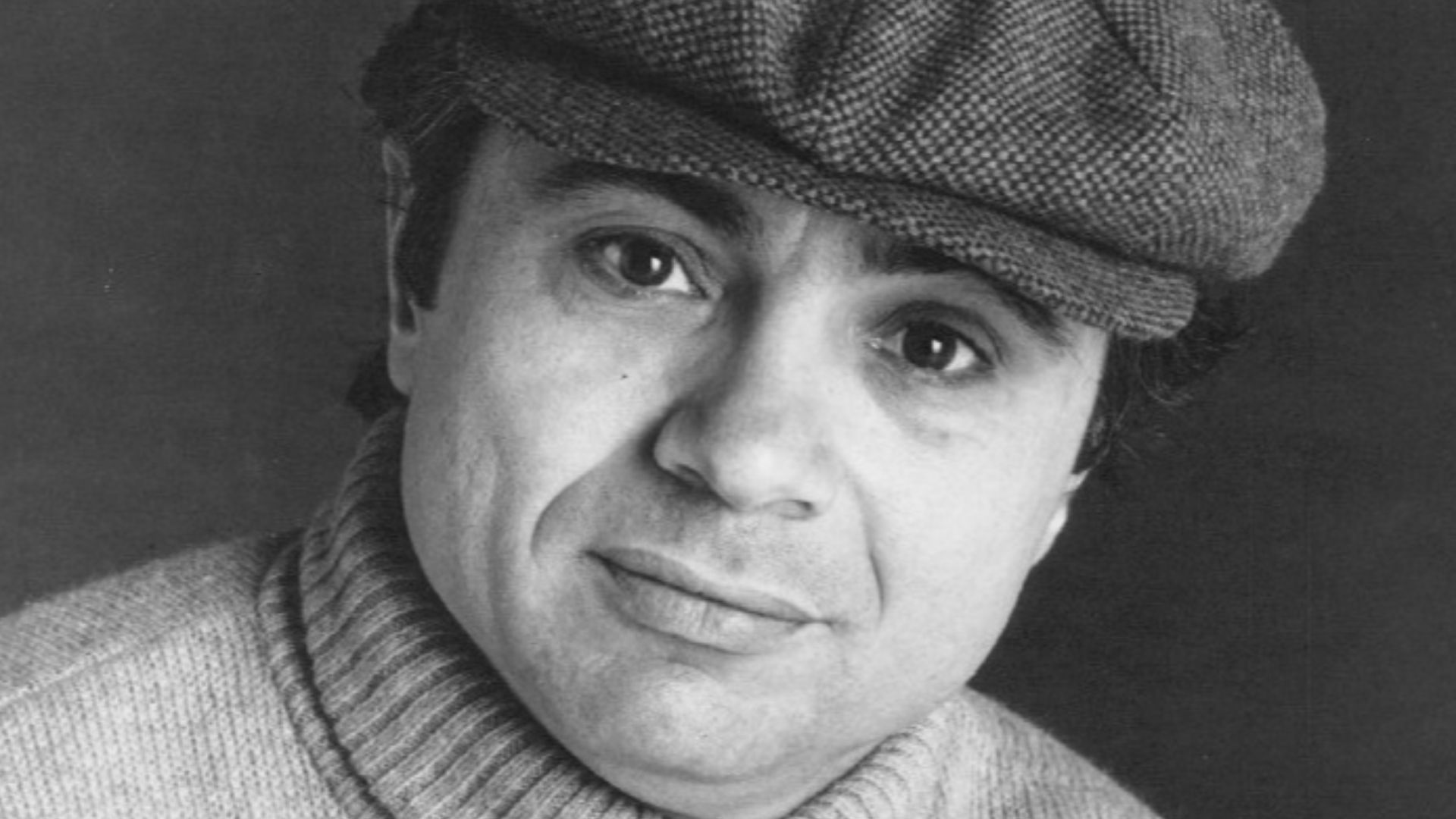
Tony Baretta Was Hard To Forget
Baretta was a streetwise detective who relied on disguises, informants, and an unconventional style of policing. He shared his home with a white cockatoo named Fred, giving the tough detective an instantly recognizable companion. Blake's clothes, mannerisms, and intense performance helped turn the character into a 1970s television fixture.
 ABC Television, Wikimedia Commons
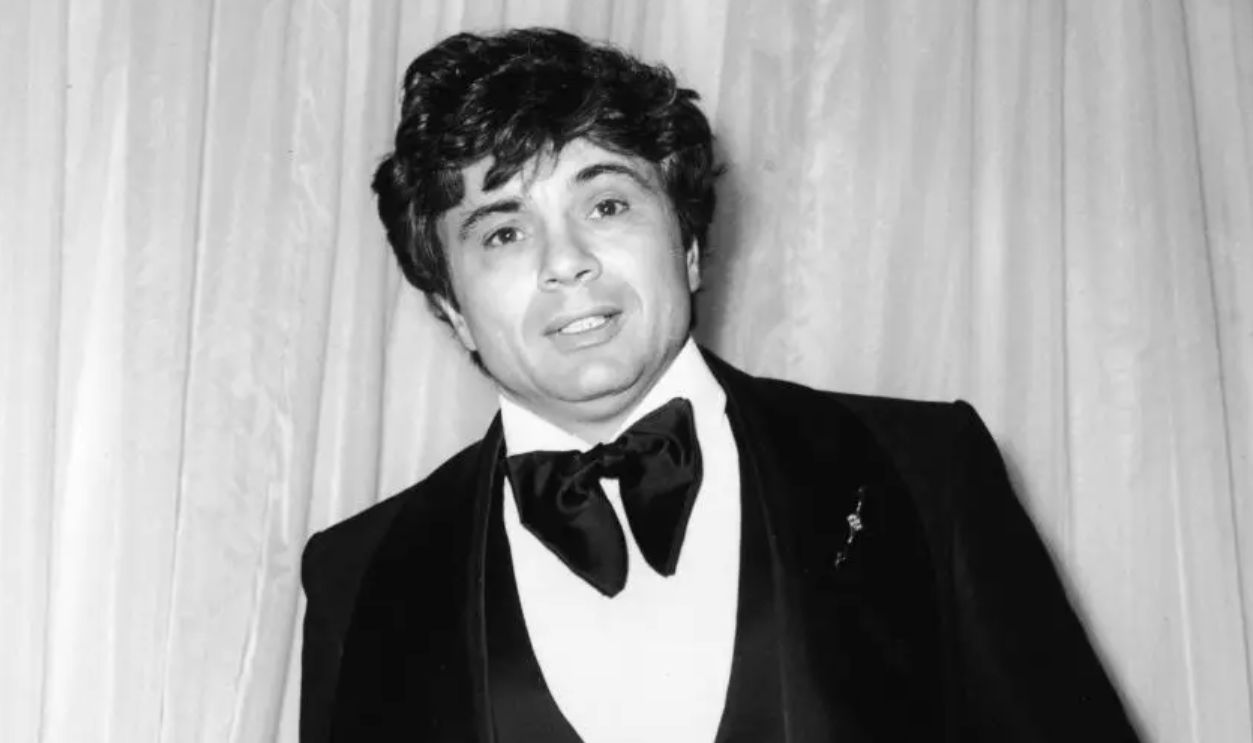
The Role Won Him An Emmy
Blake's work on Baretta earned him the 1975 Emmy for Outstanding Lead Actor in a Drama Series. He defeated a field that included Telly Savalas, Karl Malden, and Barry Newman. Blake later earned another nomination for playing the same character.
 Fotos International, Getty Images
Success Came With Friction
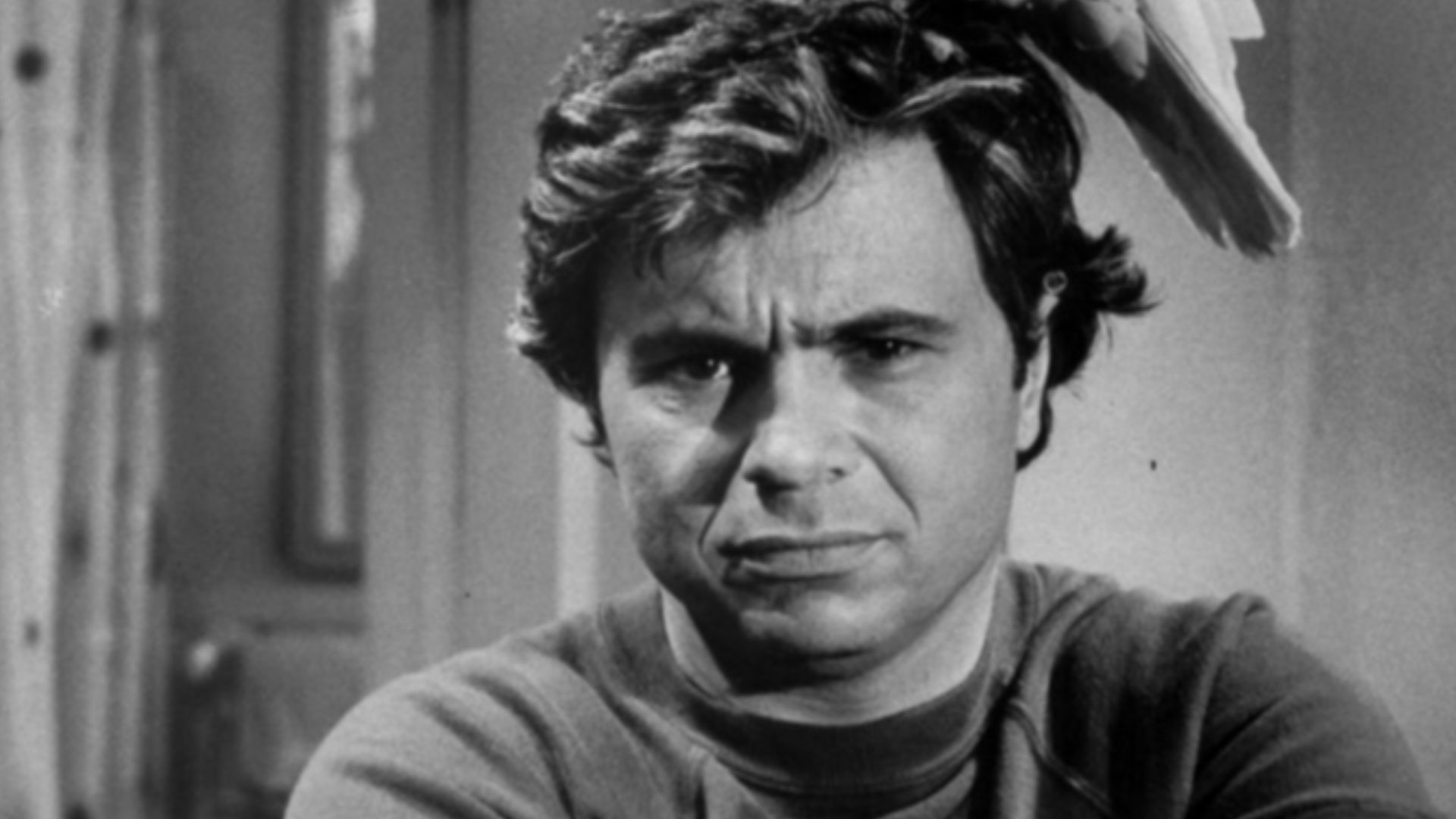
Blake's intensity did not disappear when filming stopped. Accounts from the production described frequent disputes over scripts, casting, scenery, and other elements of Baretta. Series creator Stephen J. Cannell nevertheless remembered that Blake could produce remarkable work once the cameras started rolling.
 ABC Television, Wikimedia Commons
His Career Became Uneven Again
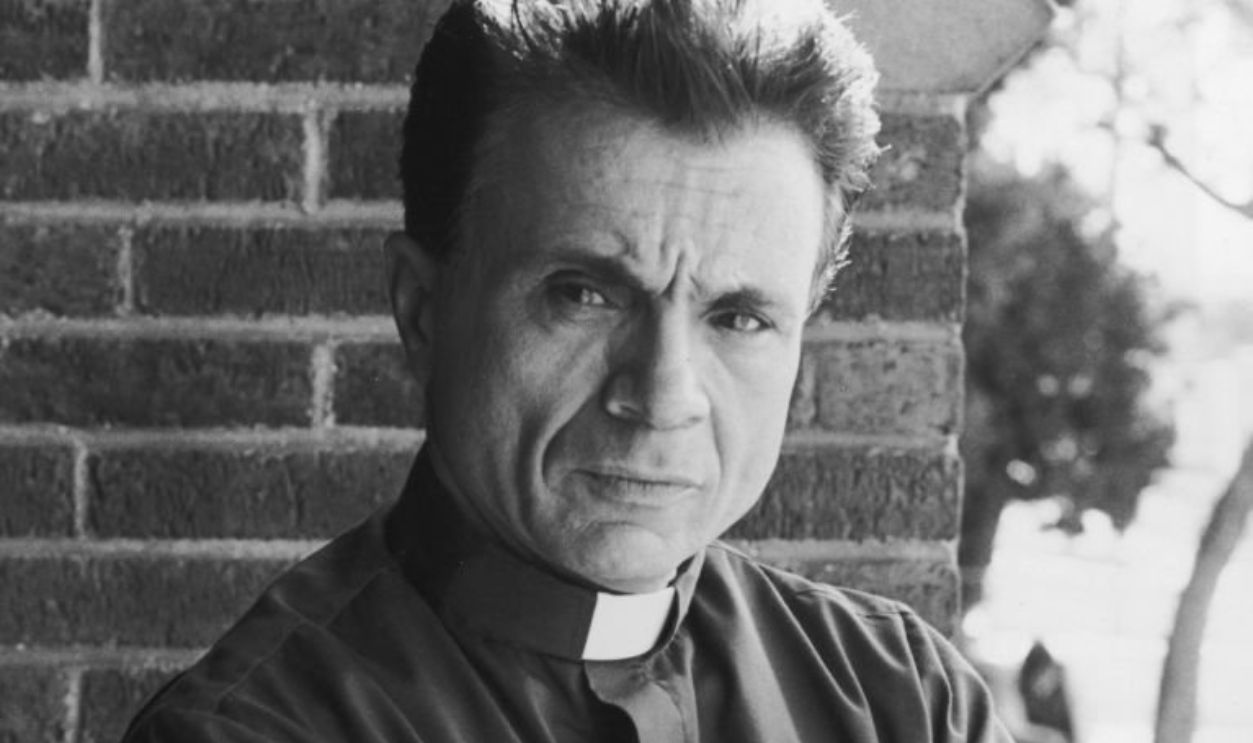
After Baretta ended in 1978, Blake never found another television role with the same cultural impact. He returned in the mid-1980s as a tough-talking priest in NBC's Hell Town, a project he also helped create. The series was brief, and Blake later described that period as emotionally difficult before stepping away from regular acting for several years.
 Fotos International, Getty Images
Another Real-Life Killer Brought Acclaim
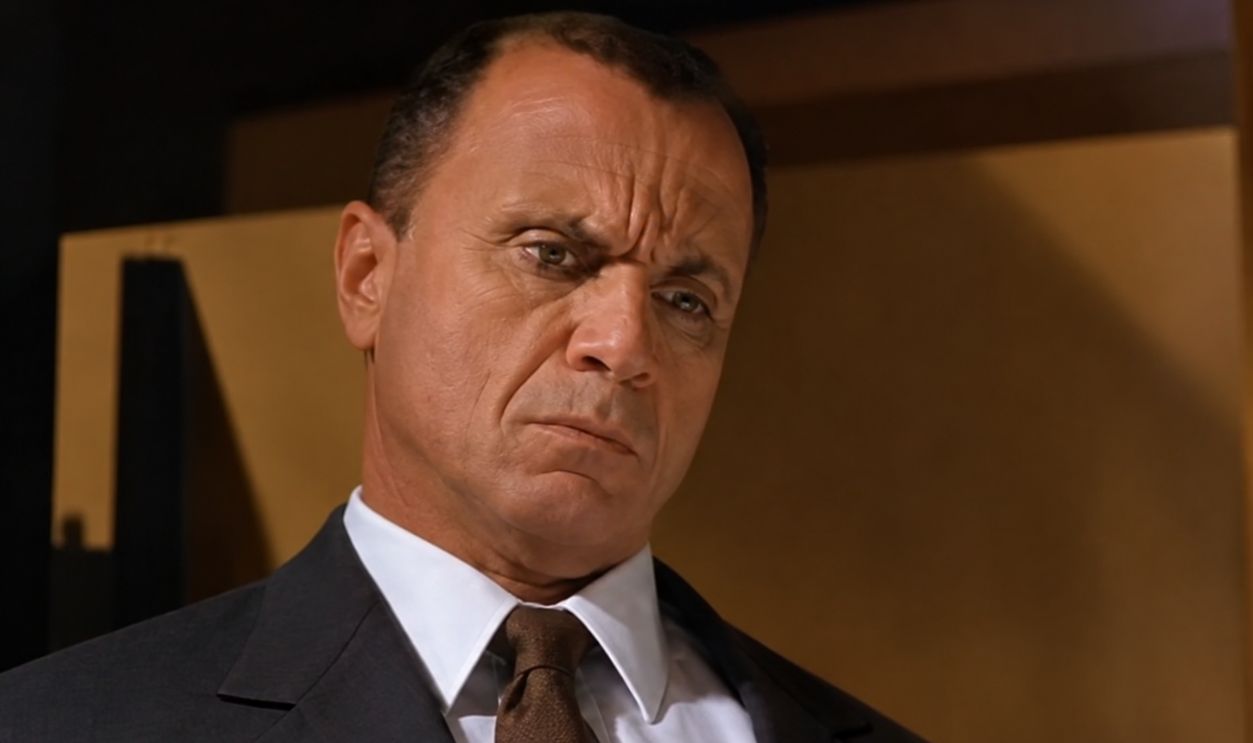
Blake returned to major dramatic work in 1993 with Judgment Day: The John List Story. He portrayed John List, the New Jersey accountant who murdered members of his family and disappeared for years. The performance earned Blake another Emmy nomination nearly two decades after his Baretta victory.
 Screenshot from Judgment Day: The John List Story, CBS (1993)
David Lynch Gave Him One Final Role
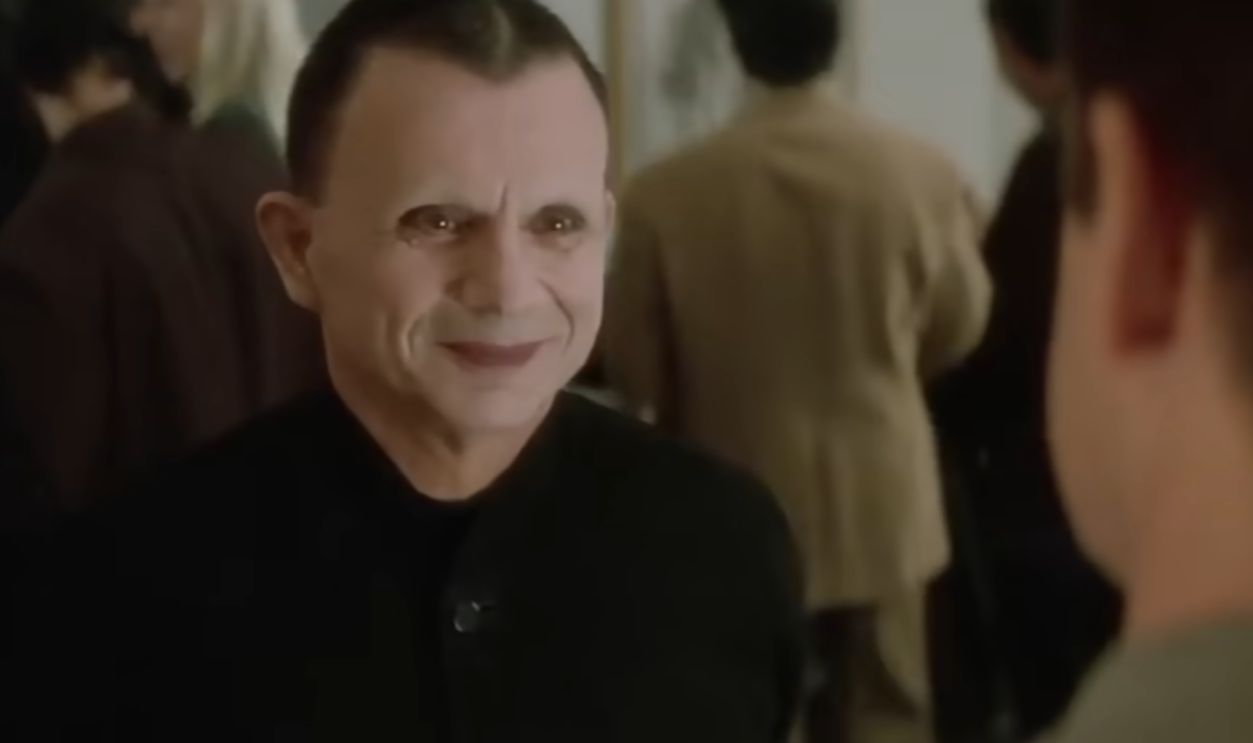
Blake's final film performance came in David Lynch's 1997 psychological thriller Lost Highway. He played the eerie Mystery Man, one of the strangest characters in a career filled with troubled outsiders. Blake never appeared in another film afterward.
 Screenshot from Lost Highway, October Films (1997)
His Personal Life Had Changed Too
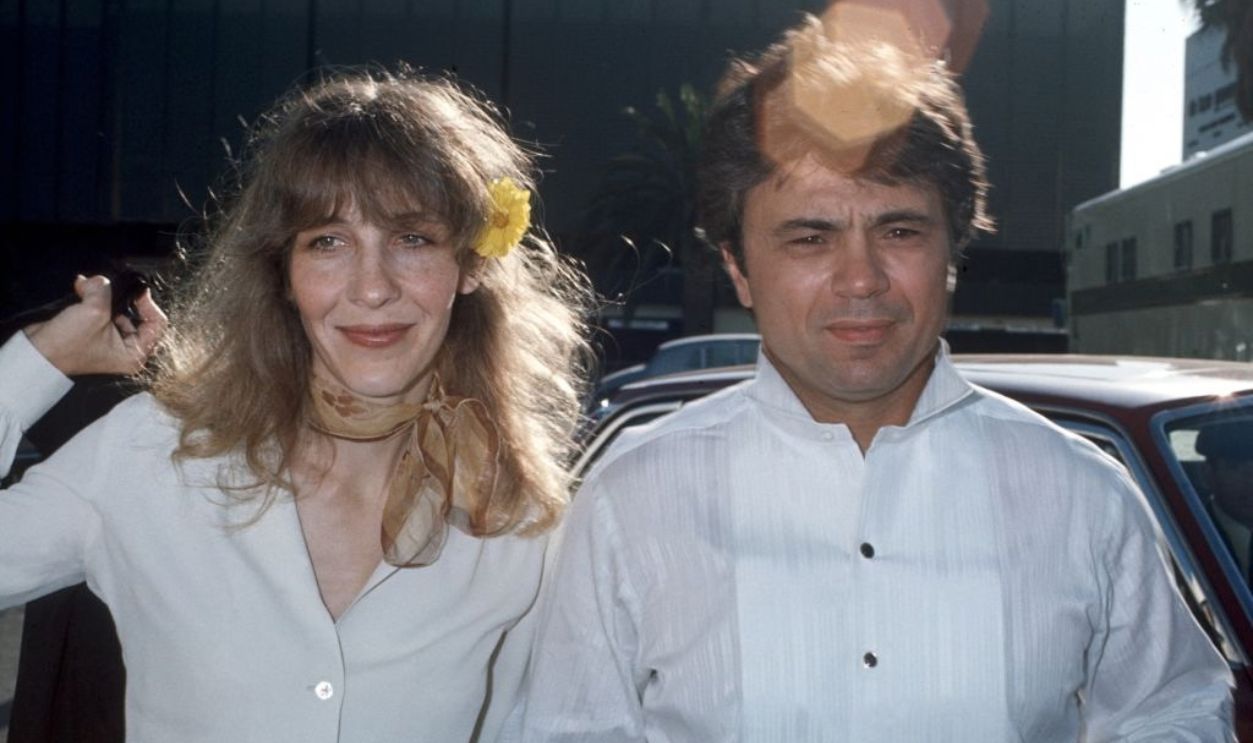
Blake married actress Sondra Kerr in 1961, and the couple had two children, Noah and Delinah. They separated in 1982 and divorced the following year. By the late 1990s, Blake was living a comparatively private life after decades of visibility.
 Michael Ochs Archives, Getty Images
Then He Met Bonny Lee Bakley
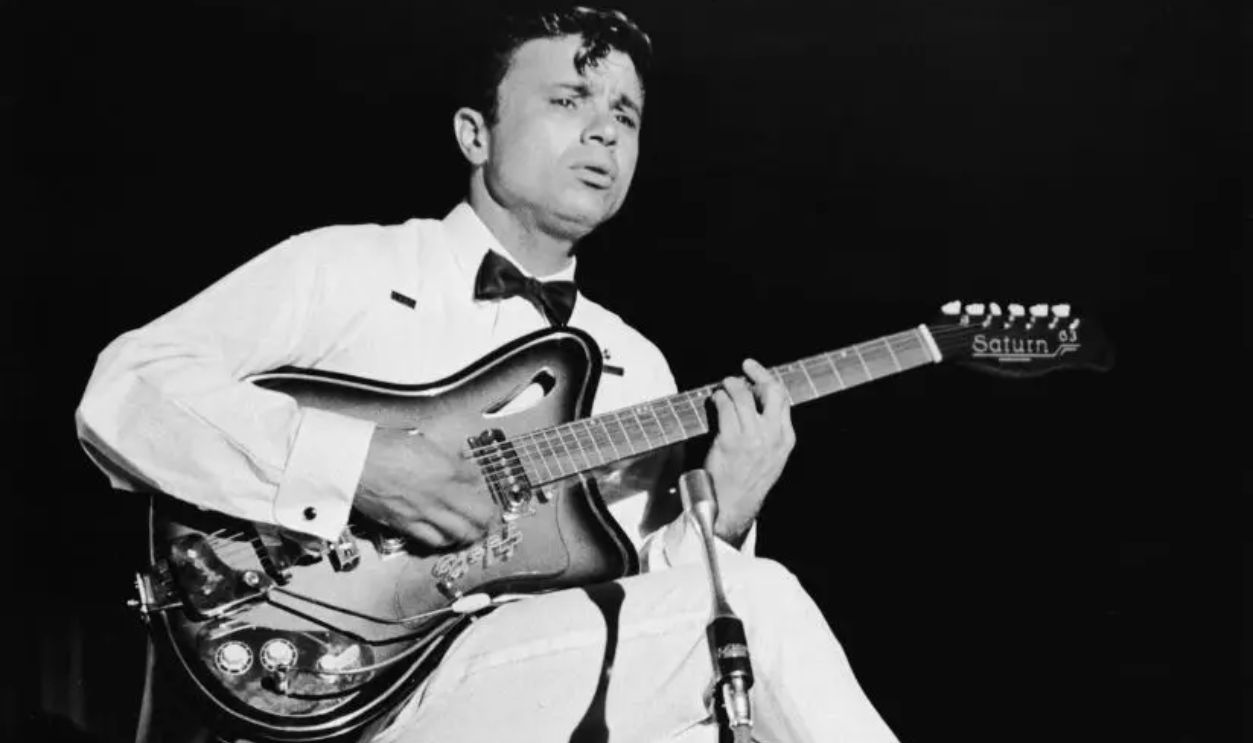
Blake met Bonny Lee Bakley in 1998, beginning a relationship that would eventually dominate public discussion of his life. Bakley became pregnant and gave birth to a daughter, Rose, in June 2000. DNA testing later established Blake as the child's father.
 Columbia TriStar, Getty Images
They Married But Mostly Lived Apart
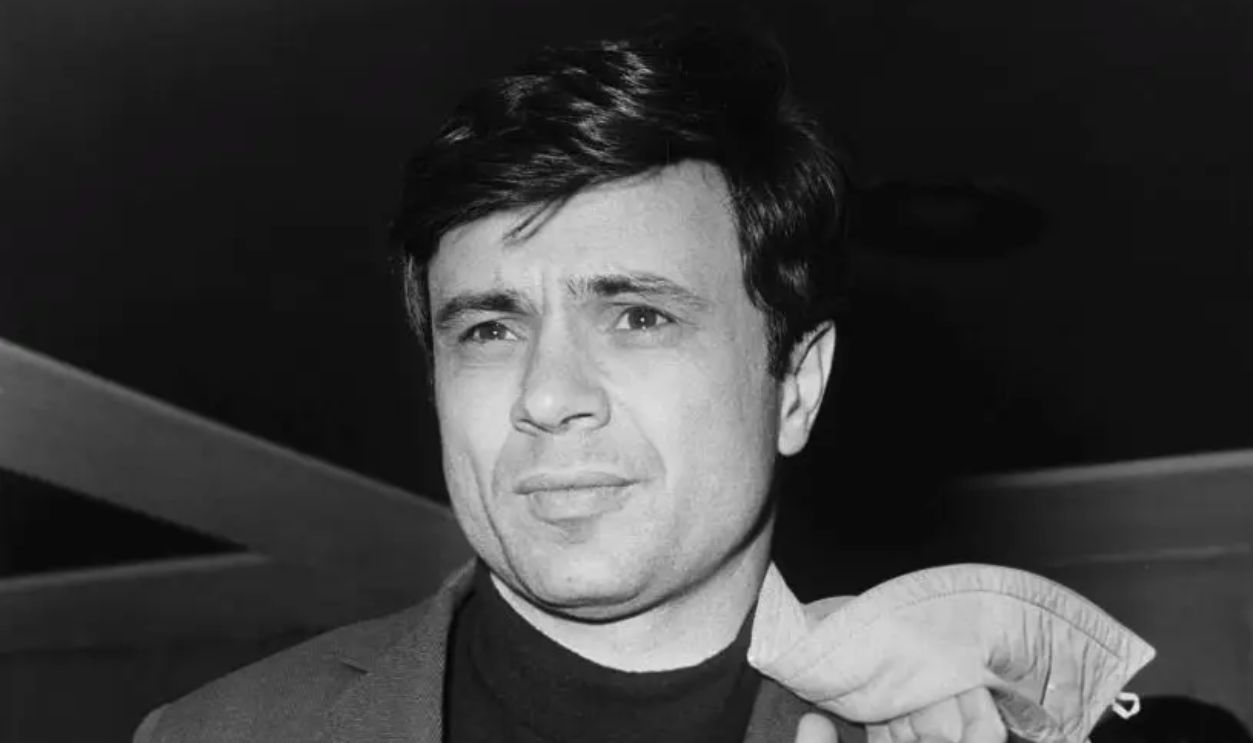
Blake and Bakley married in November 2000 after the paternity test confirmed he was Rose's father. They largely maintained separate residences after the wedding. Shortly before Bakley's death, she moved into a guesthouse behind Blake's Studio City home.
A Dinner Ended In Tragedy
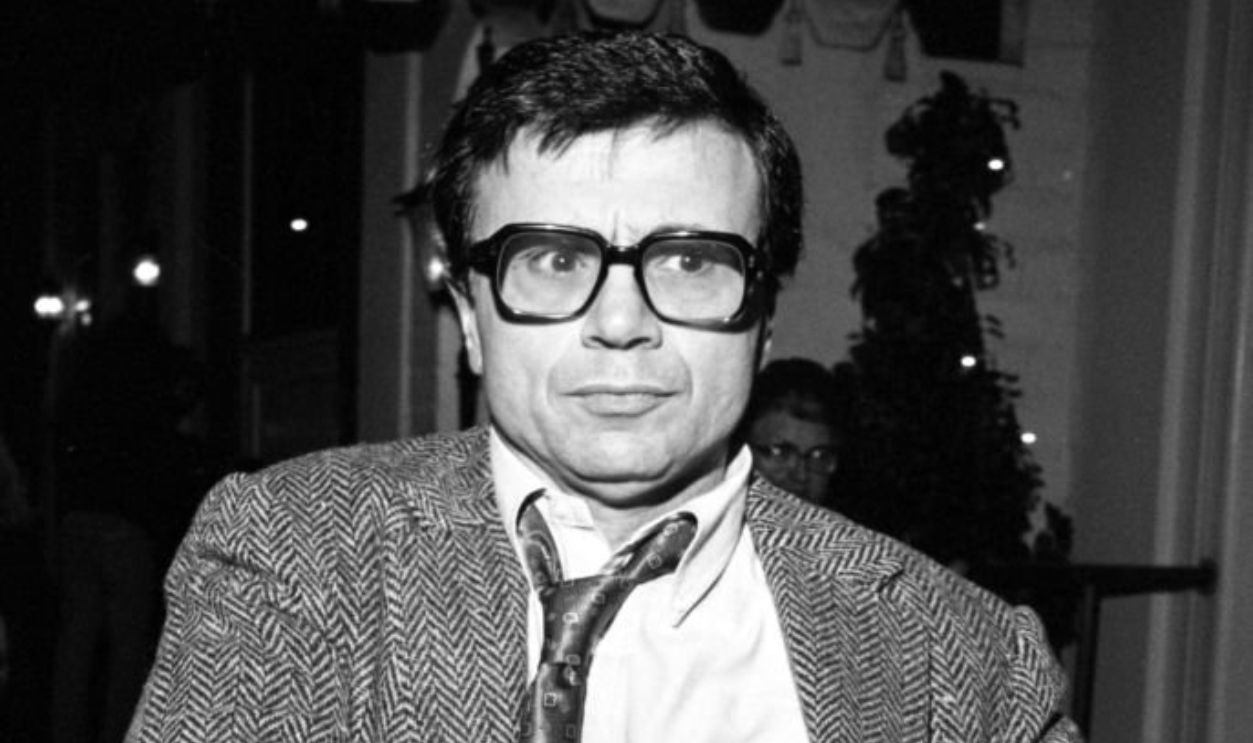
On May 4, 2001, Blake and Bakley ate dinner at Vitello's restaurant in Studio City. Afterward, Bakley was found shot inside Blake's parked car a short distance away. She was 44 years old.
Blake Gave Police A Crucial Timeline
Blake told investigators that he had walked to the car with Bakley before realizing he had left a handgun inside the restaurant. He said he returned to Vitello's to retrieve it and discovered Bakley wounded when he came back. Police later recovered a different gun, identified as the murder weapon, from a nearby dumpster.
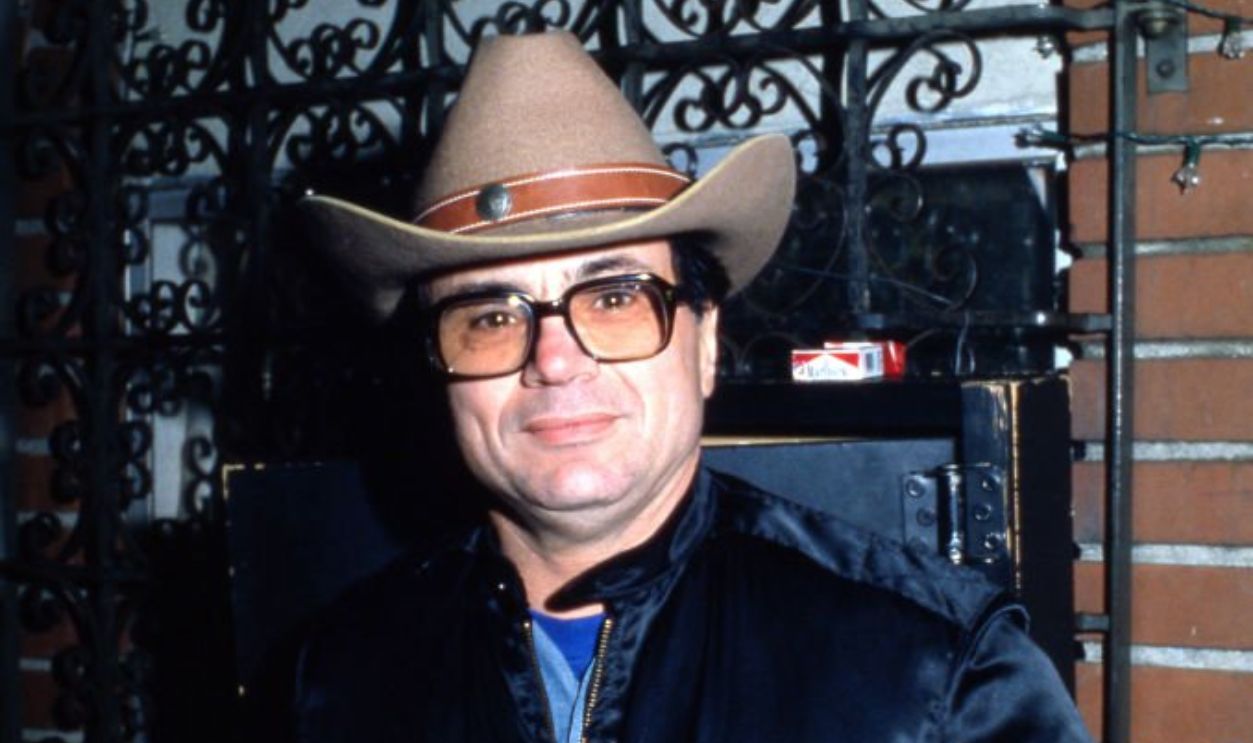
The Investigation Lasted Nearly A Year
The killing immediately attracted national media attention, but Blake was not arrested right away. LAPD detectives spent almost a year investigating the case and interviewing witnesses. On April 18, 2002, police arrested Blake in connection with Bakley's death.
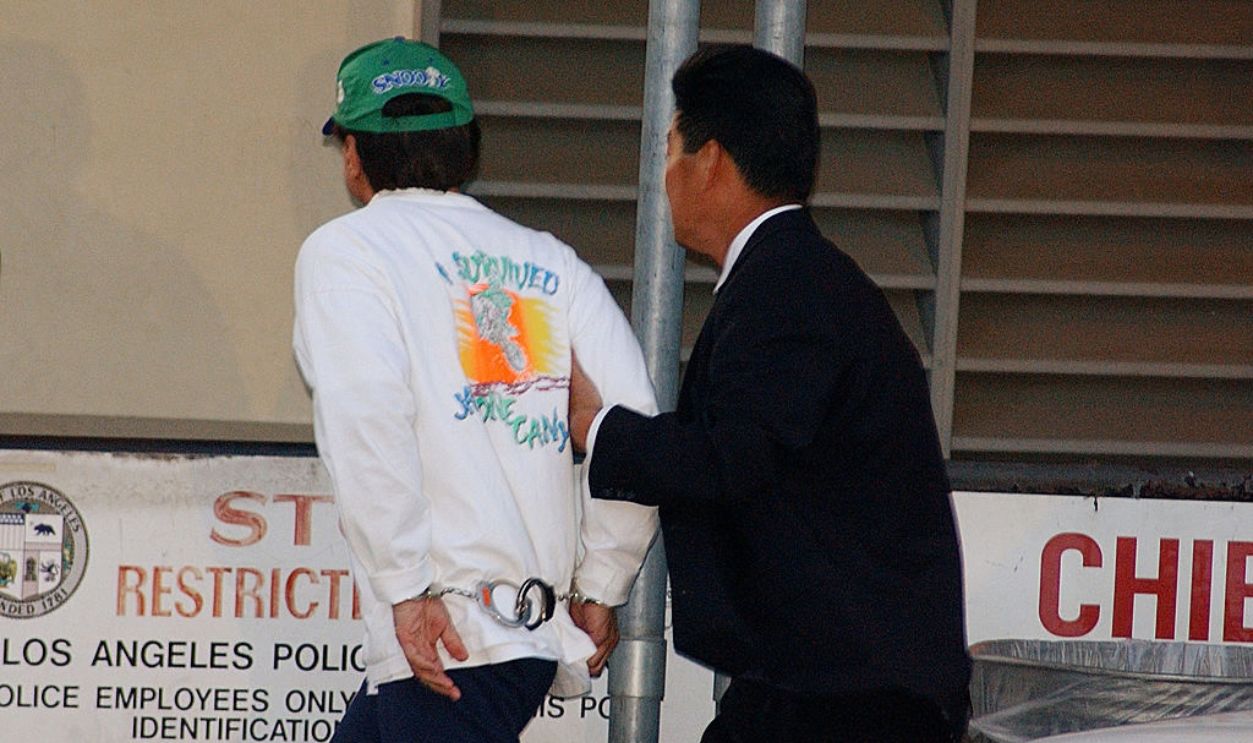
Prosecutors Built A Circumstantial Case
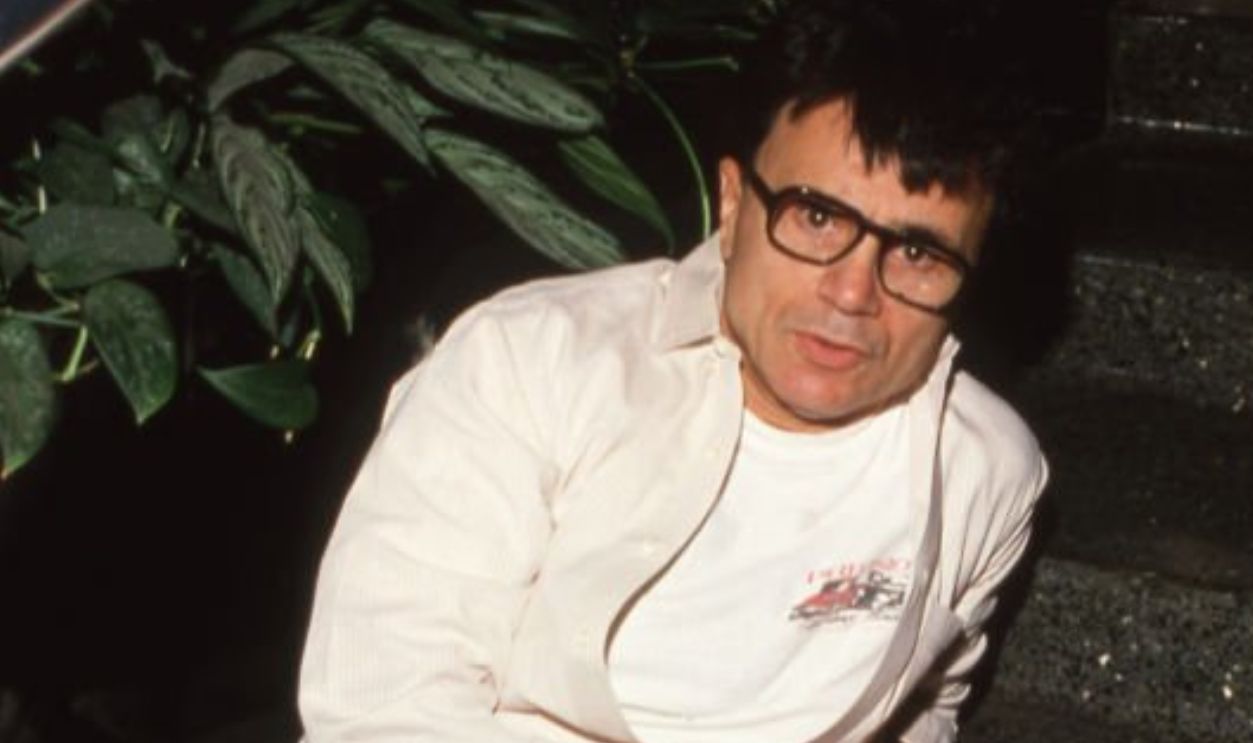
Two stuntmen testified that Blake had separately approached them about killing Bakley before her death. Prosecutors relied heavily on those allegations because no eyewitness placed Blake at the shooting. They also lacked forensic evidence connecting him directly to the murder weapon.
The Defense Targeted The Weakest Links
Blake's lawyers challenged the credibility of the stuntmen and emphasized the absence of direct physical evidence tying him to the shooting. Those arguments became central to the defense case. Jurors later said they had serious doubts about important prosecution witnesses and believed substantial gaps remained.
The Criminal Trial Ended In Acquittal
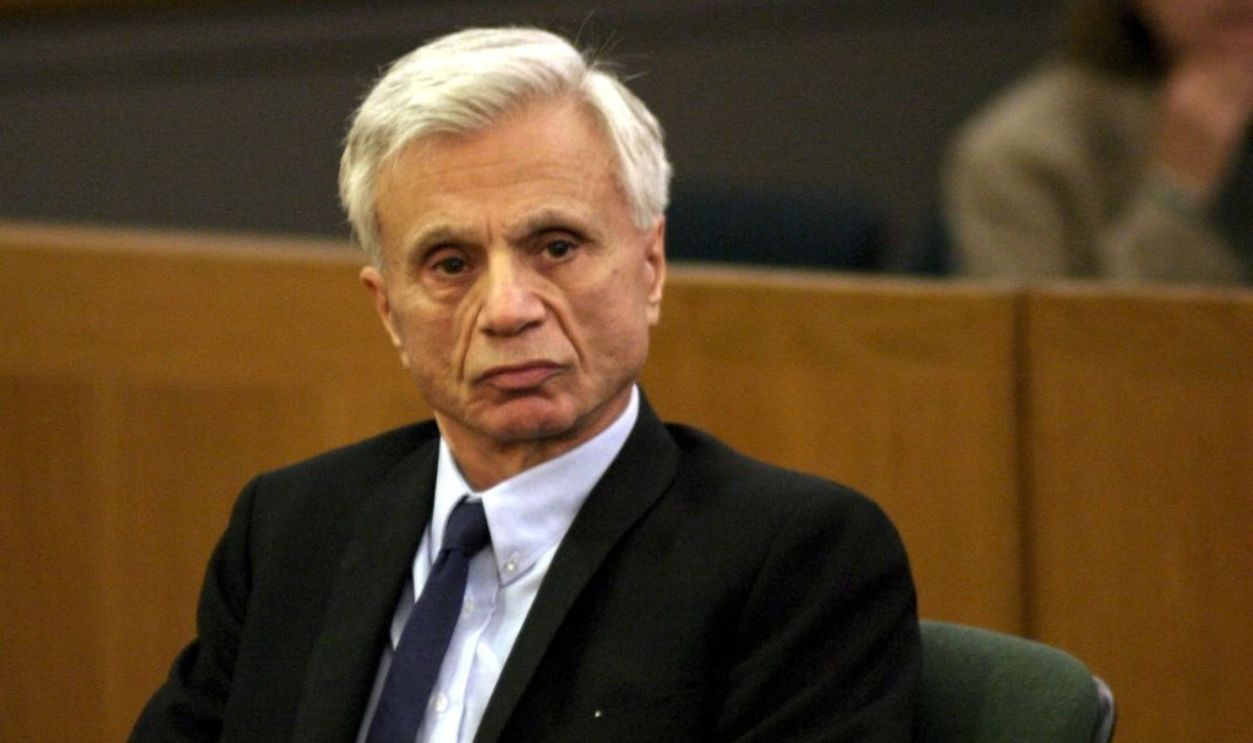
On March 16, 2005, the jury found Blake not guilty of murdering Bakley. He was also acquitted of one solicitation charge, while jurors deadlocked on another count that was later dismissed. After years under suspicion and prosecution, Blake walked out of criminal court a free man.
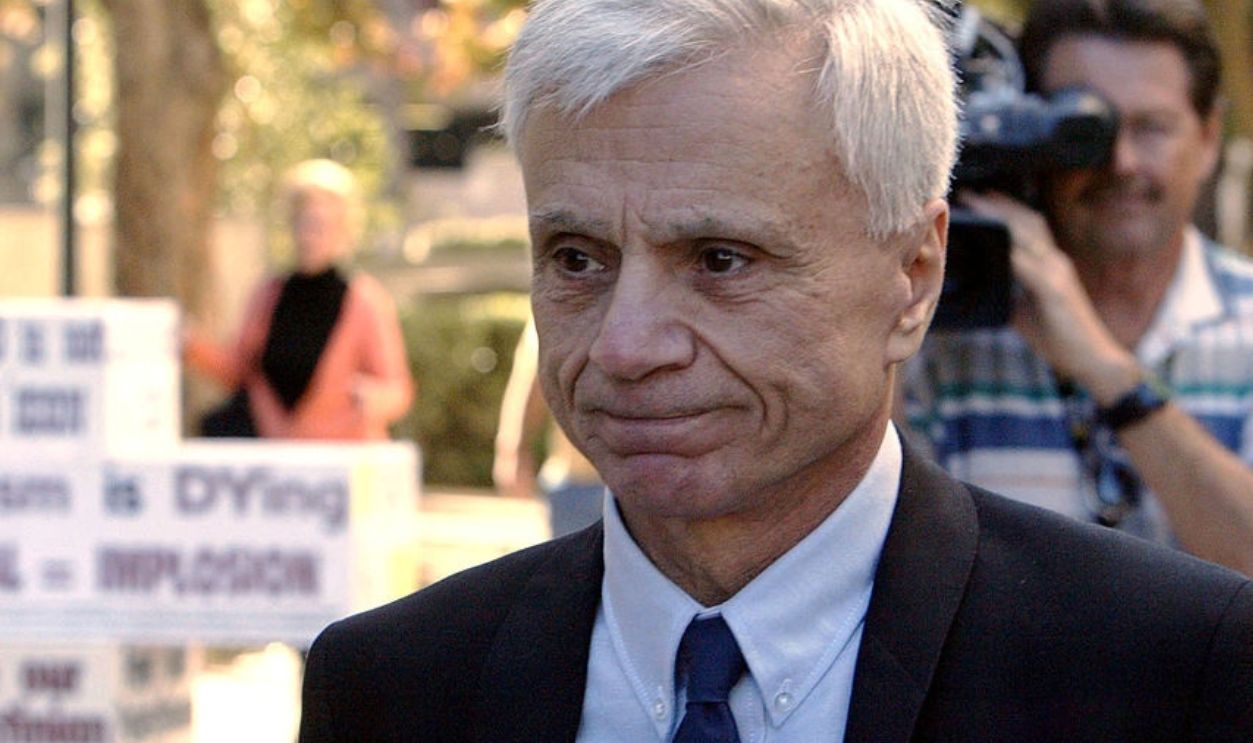
The Civil Case Reached A Different Result
Bakley's children had also filed a wrongful-death lawsuit against Blake. Unlike the criminal case, the civil lawsuit required proof under a lower legal standard rather than proof beyond a reasonable doubt. In November 2005, a civil jury found that Blake had intentionally caused Bakley's death and awarded her children $30 million in damages.
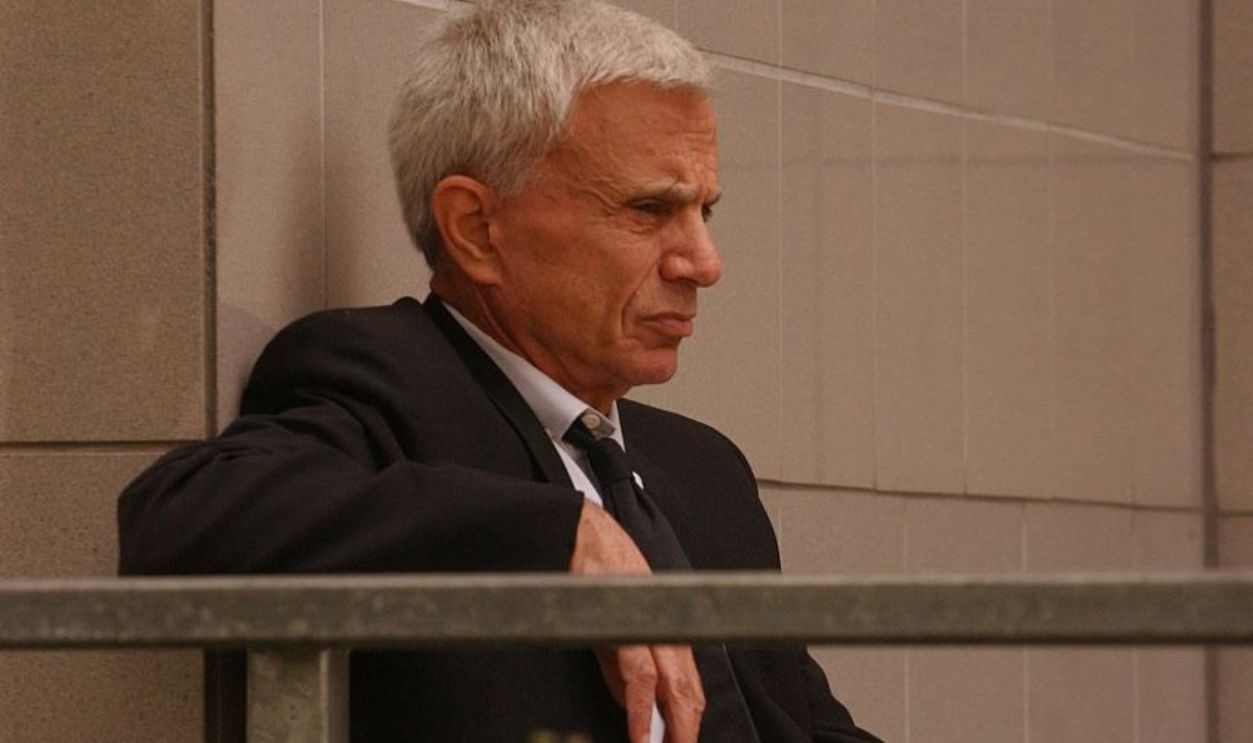
The Judgment Changed His Life
The $30 million civil award was later reduced to $15 million, but Blake's finances had already deteriorated badly. He filed for bankruptcy protection in February 2006, listing the judgment among his largest liabilities. Although he talked publicly about returning to acting after his acquittal, the comeback he wanted never materialized.
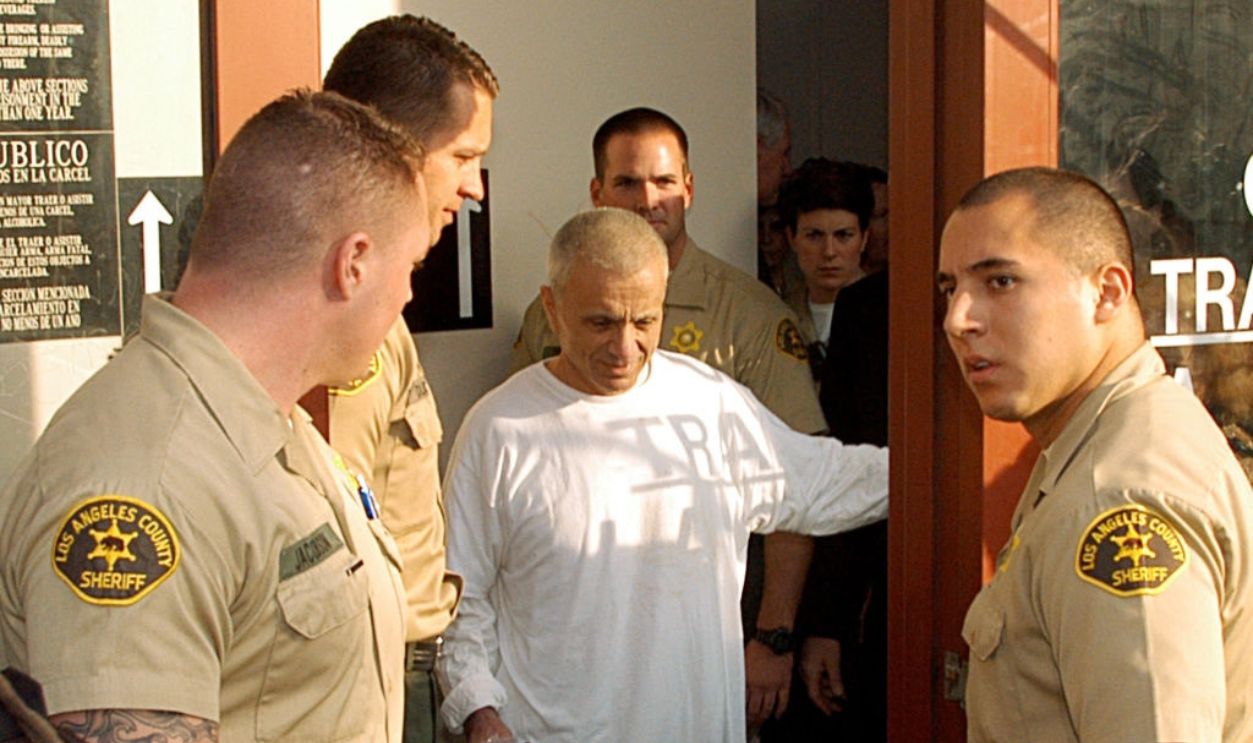
His Legacy Never Became Simple Again
Robert Blake died from heart disease in Los Angeles on March 9, 2023, at the age of 89. He left behind a remarkable body of work stretching from Our Gang to In Cold Blood, Baretta, and Lost Highway. But his Hollywood legacy remained permanently tangled with a criminal acquittal, a civil verdict, and one of the most sensational celebrity cases of its era.
You May Also Like:
How Peter Graves Built A Television Career That Lasted More Than 50 Years