Hollywood Knew Only Half The Man
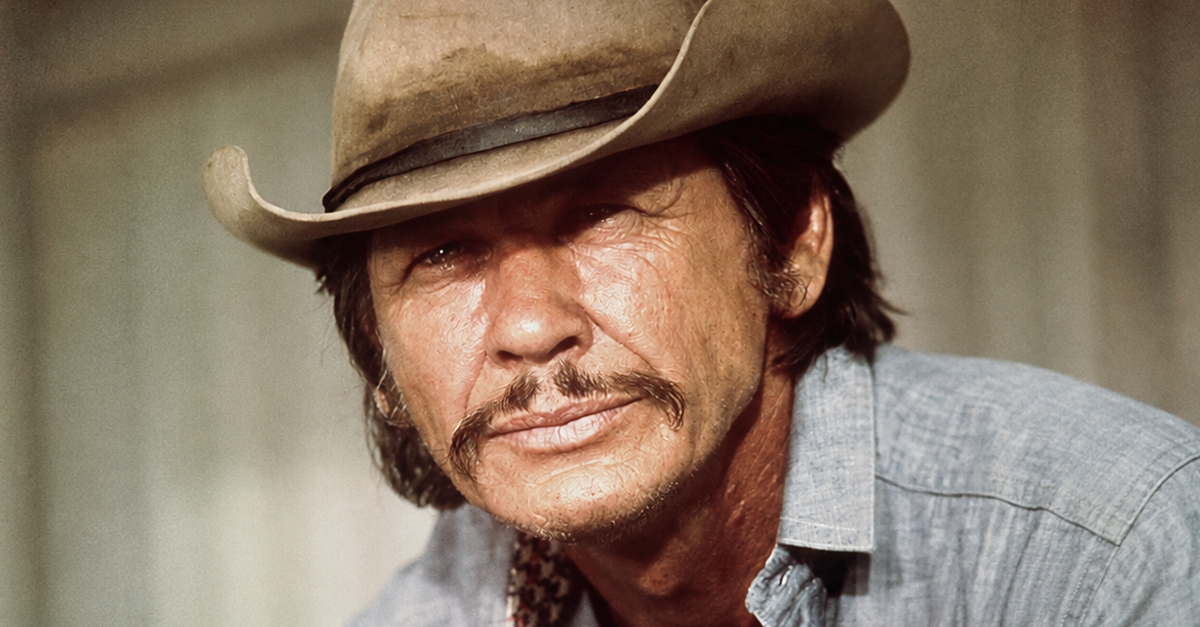
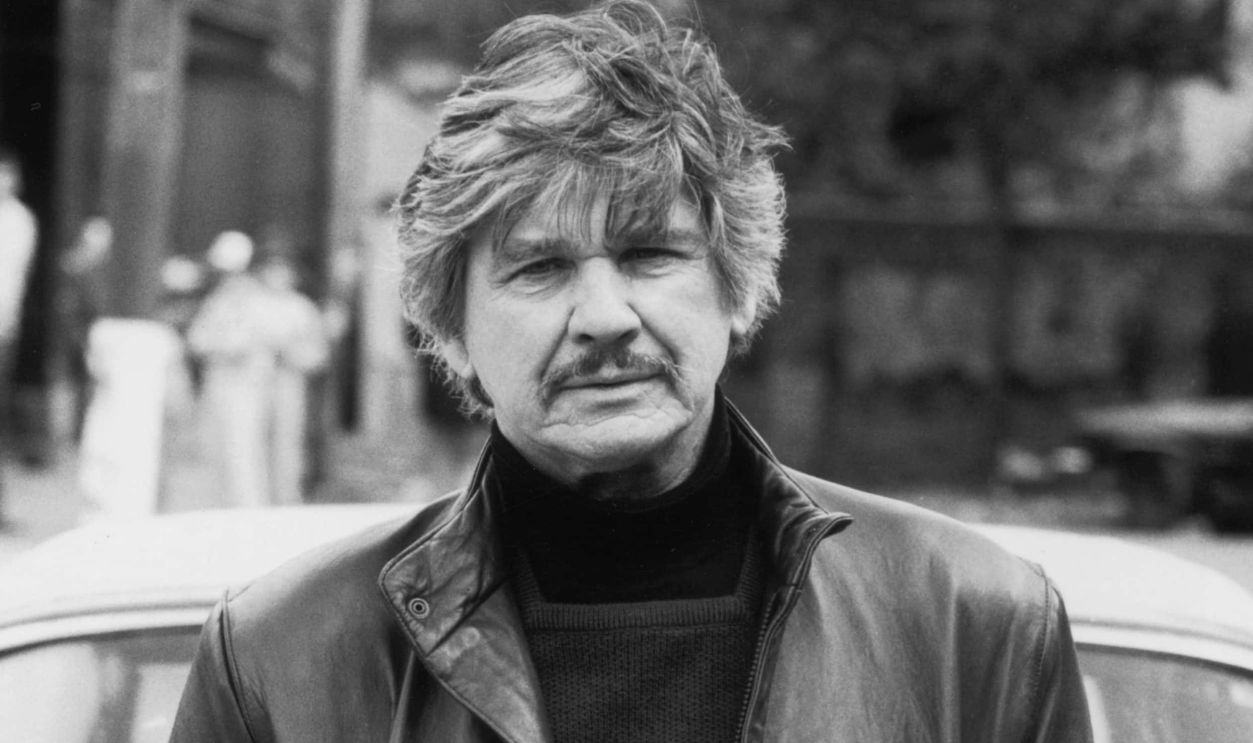
Charles Bronson built his stardom by playing men who rarely spoke and never backed down. After Death Wish, audiences saw him as Hollywood’s ultimate hardened avenger. Away from the cameras, however, his wife Jill Ireland described him as a gentle man devoted to their sprawling family.
He Had Been Tough For Years
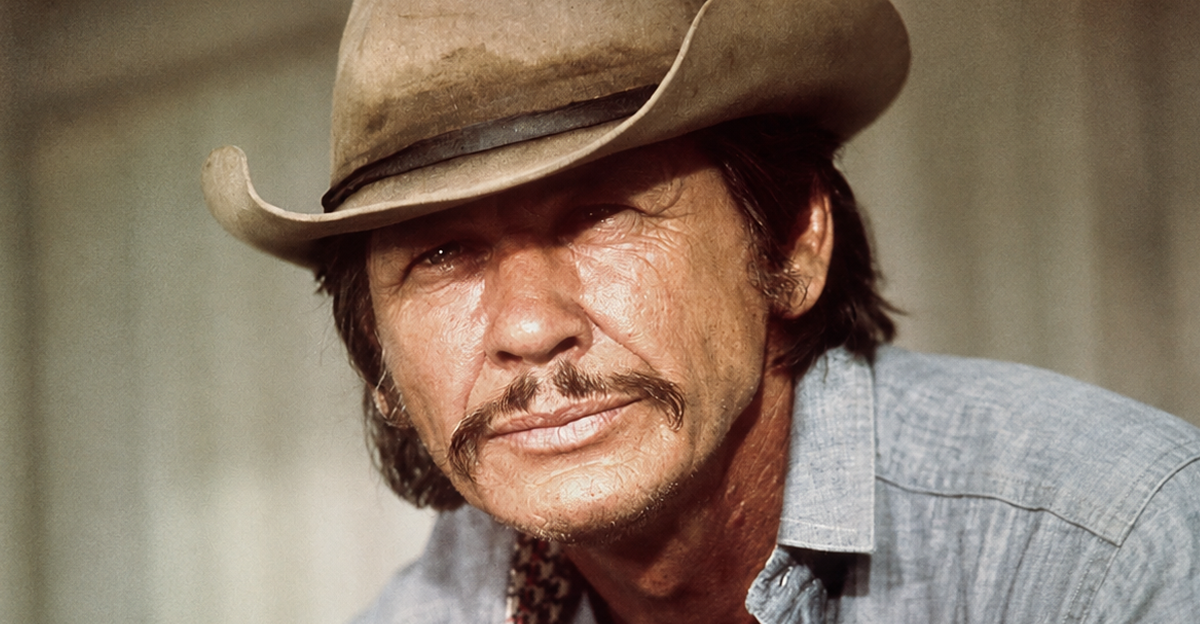
Long before playing Paul Kersey, Bronson had built an impressive résumé of hardened characters. He was a gunslinger in The Magnificent Seven, a tunnel expert in The Great Escape, and a condemned soldier in The Dirty Dozen. However, one controversial American thriller would define him more than all the others.
 Express Newspapers, Getty Images
Death Wish Changed Everything
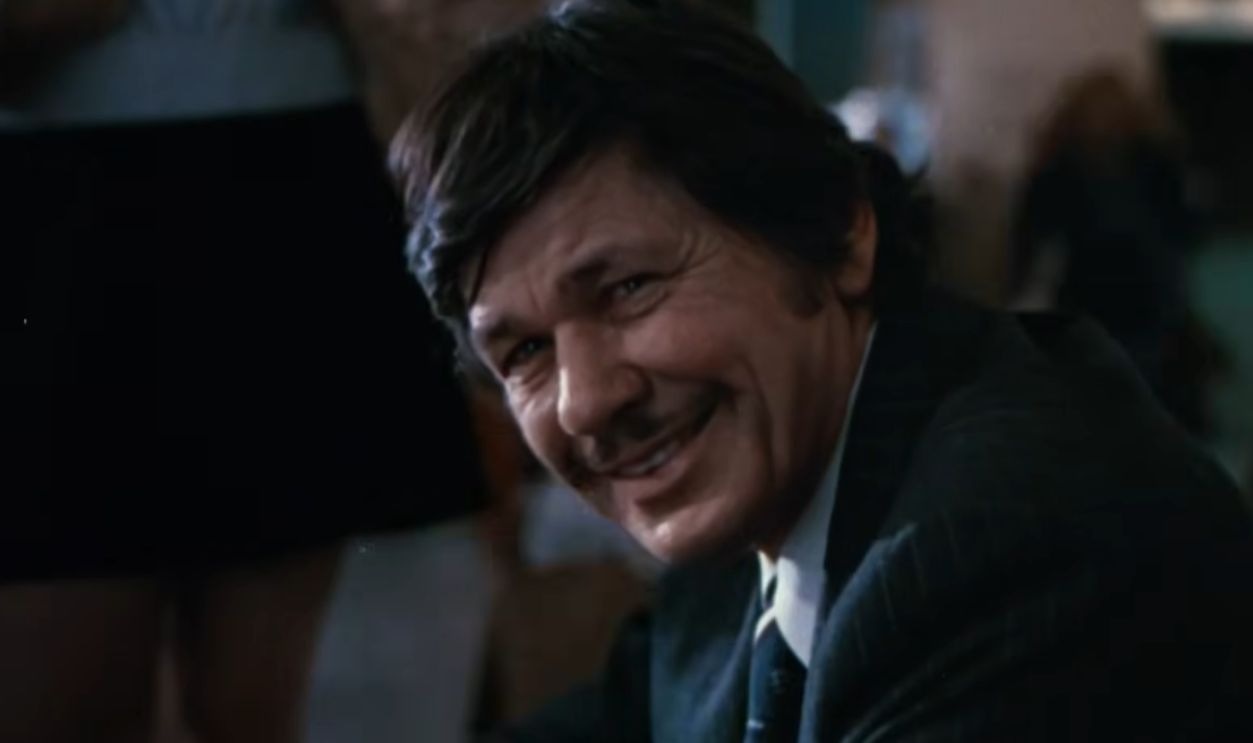
Released in 1974, Death Wish cast Bronson as Paul Kersey, a New York architect whose life is shattered by an attack on his wife and daughter. The grieving widower begins confronting criminals on the city’s streets. The controversial role finally transformed Bronson into a major American star.
 Screenshot from Death Wish, Paramount Pictures (1974)
Grief Powered The Performance
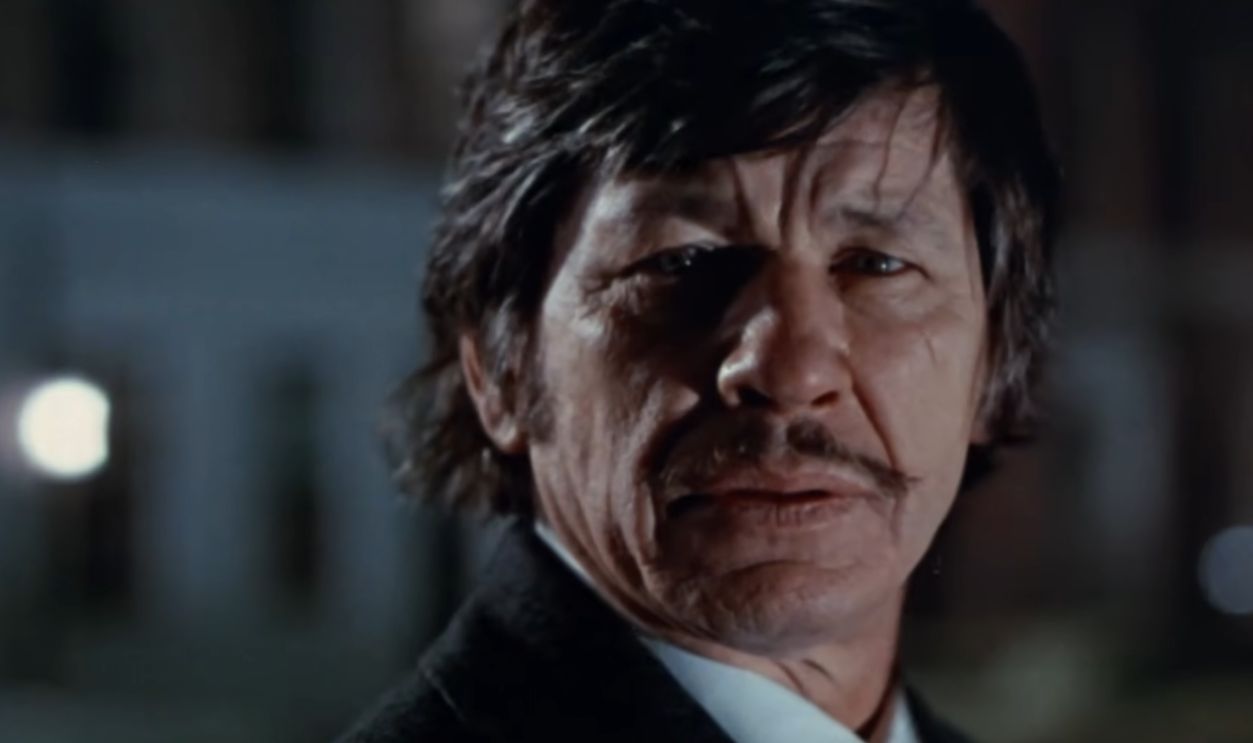
Paul Kersey was not introduced as a natural action hero. He was a mild-mannered professional whose rage emerged from devastating personal loss. Bronson’s restrained portrayal of grief gave the film an emotional weight that its increasingly sensational sequels often lacked.
 Screenshot from Death Wish, Paramount Pictures (1974)
Audiences Cheered Him On
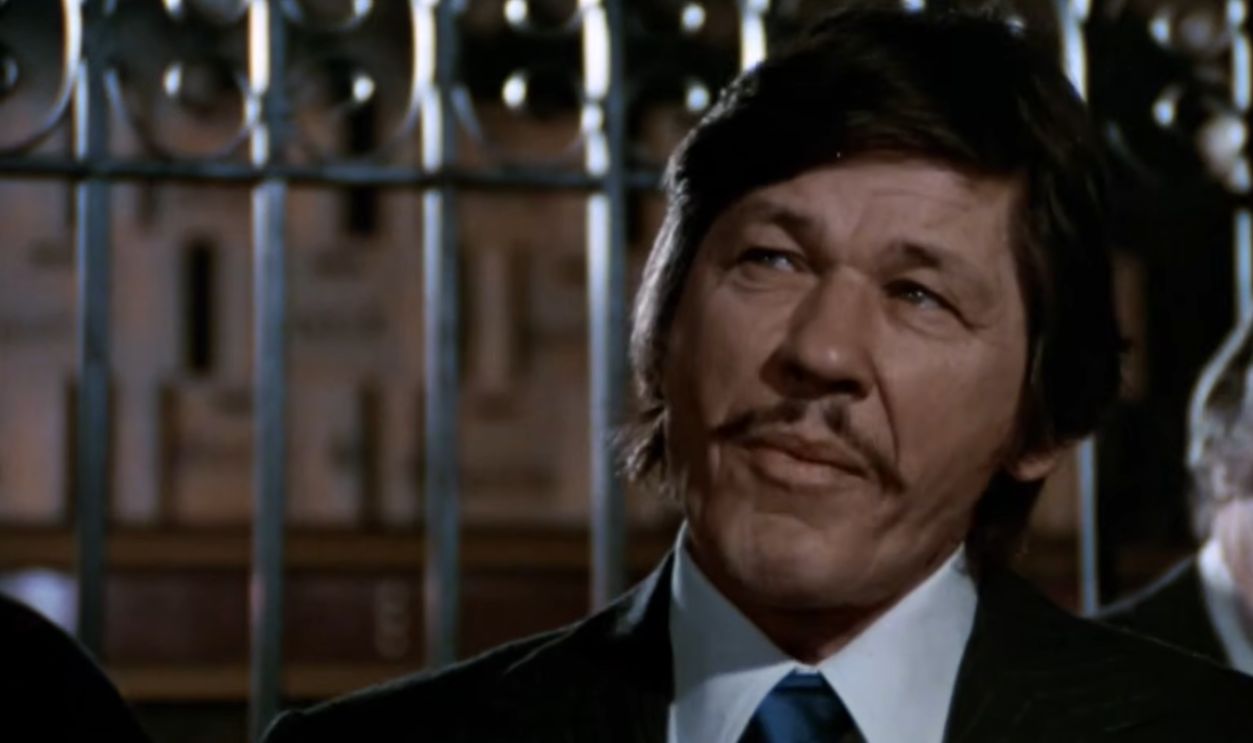
Death Wish arrived when many Americans were deeply anxious about urban crime. Contemporary reports described moviegoers applauding as Kersey fought back against his attackers. The response showed that Bronson had tapped into something powerful, even if critics were appalled.
 Screenshot from Death Wish, Paramount Pictures (1974)
Critics Saw Something Dangerous
Reviews were largely negative, with prominent critics condemning the film’s vigilante message. Brian Garfield, who wrote the original novel, later argued that the adaptation had distorted his warning about a traumatized man losing himself. The controversy only made the movie harder to ignore.
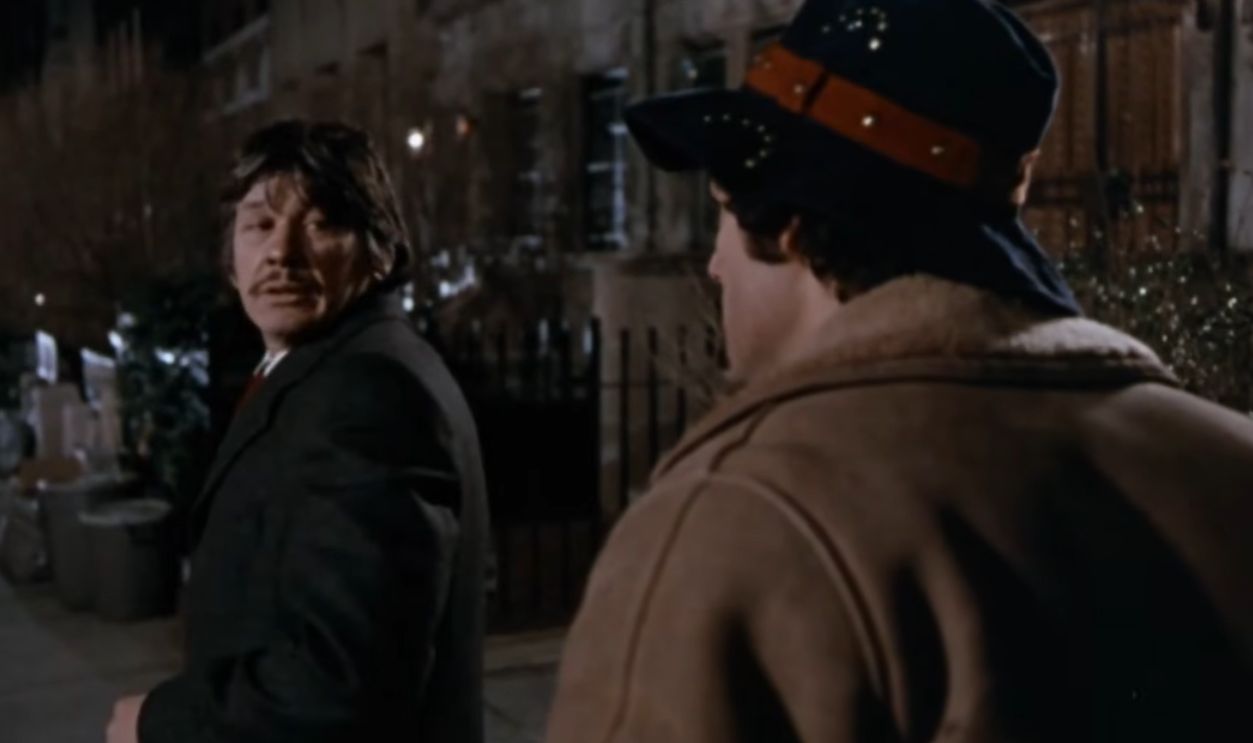 Screenshot from Death Wish, Paramount Pictures (1974)
His American Breakthrough Came Late
Bronson was already in his early fifties when Death Wish opened. He had spent decades appearing as soldiers, outlaws, gangsters, and supporting heavies without becoming a conventional Hollywood leading man. Suddenly, his age and weathered appearance were exactly what audiences wanted.
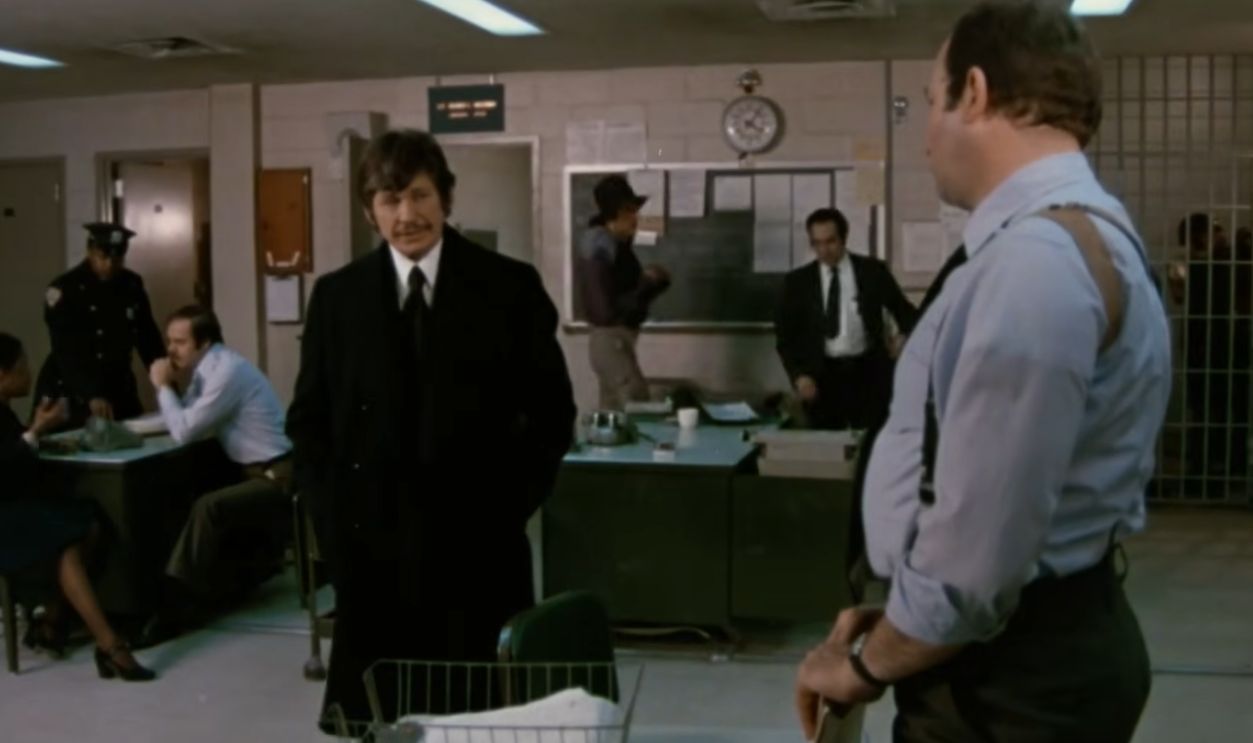 Screenshot from Death Wish, Paramount Pictures (1974)
Europe Had Discovered Him First
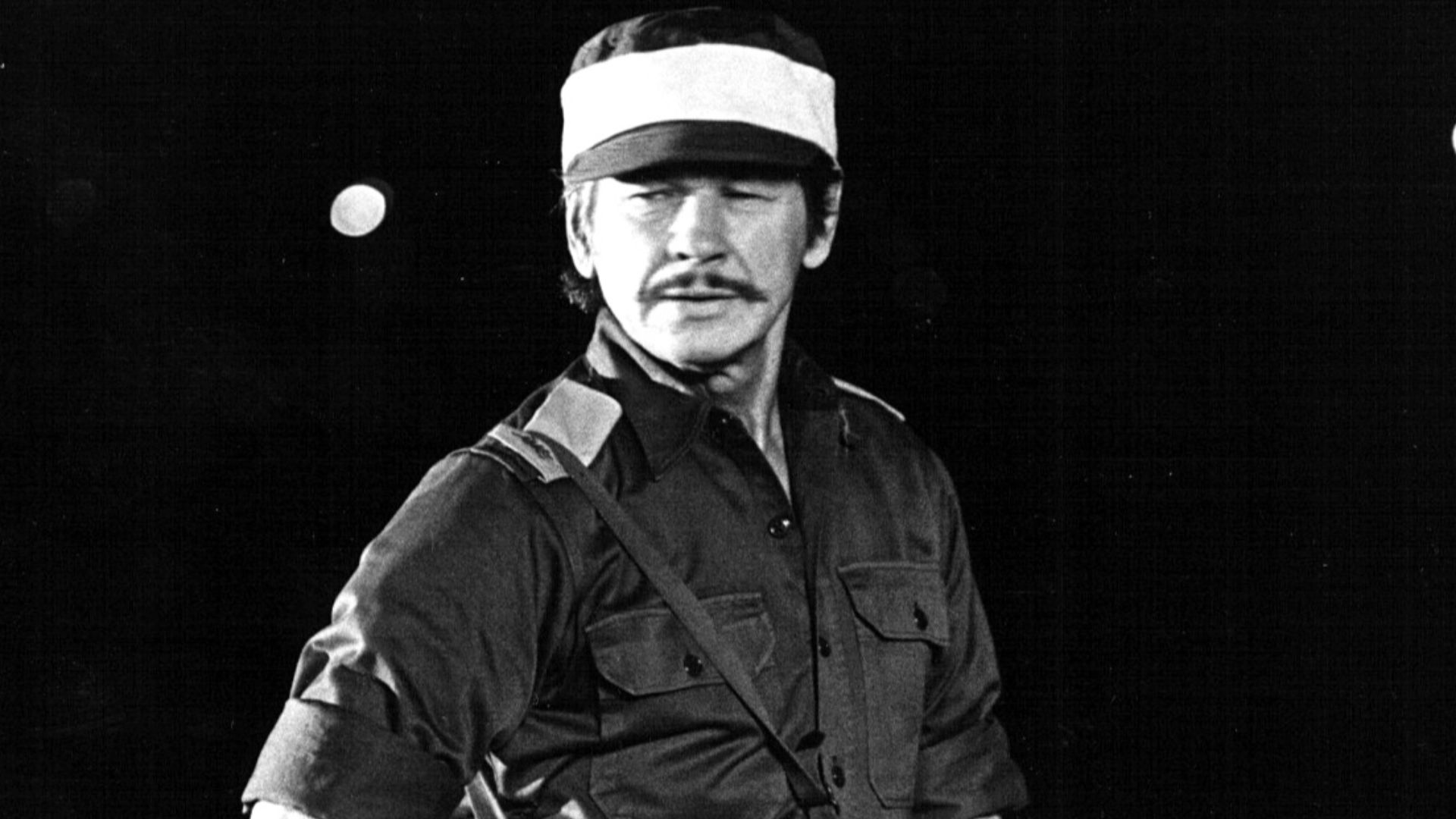
Before American studios fully embraced him, Bronson became enormously popular in France, Italy, and other international markets. Films such as Adieu l’ami and Once Upon a Time in the West turned him into a European sensation. Hollywood finally recognized that his unconventional looks could sell tickets.
One Movie Became A Franchise
The popularity of Death Wish eventually produced four sequels starring Bronson. Michael Winner returned to direct the second and third installments, while later films pushed the action further. Bronson made his final feature-film appearance in Death Wish V: The Face of Death in 1994.
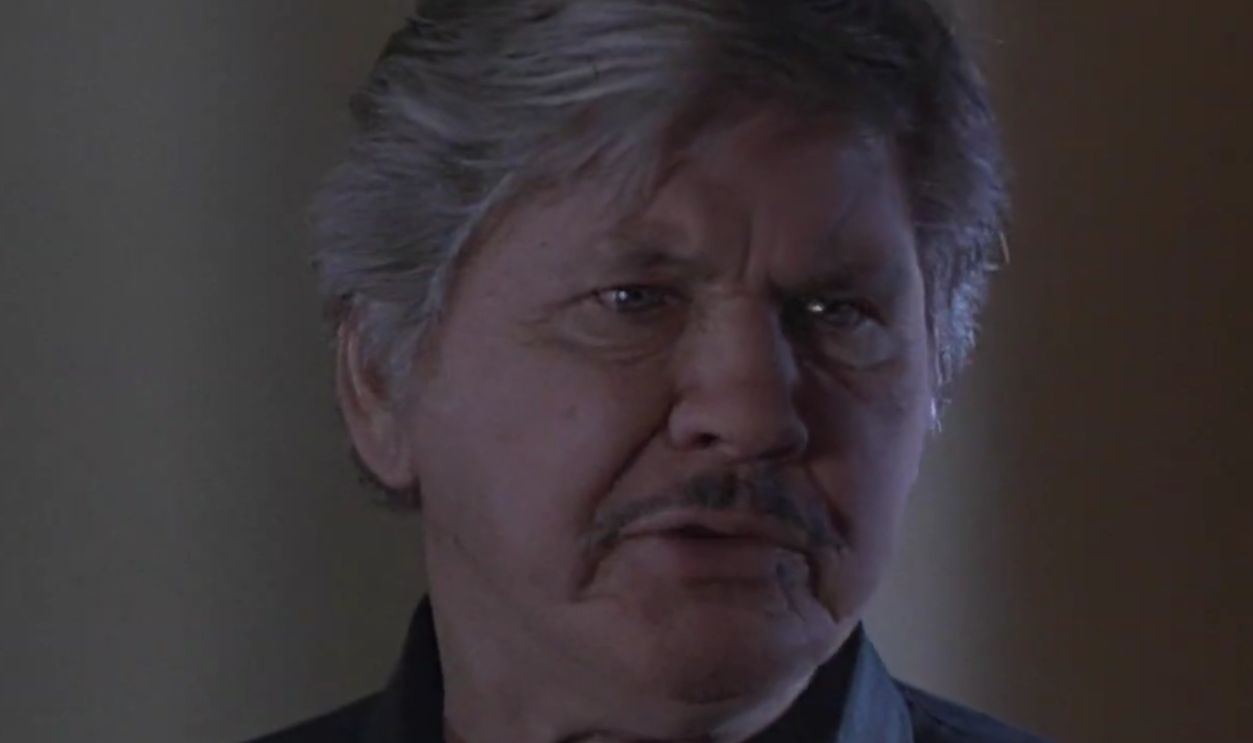 Screenshot from Death Wish V: The Face of Death, Trimark Pictures (1994)
The Image Became A Trap
Bronson acknowledged that nearly every role he played eventually fell into what he called the “Bronson mould.” Producers wanted the intimidating stare, clipped dialogue, and controlled menace that audiences expected. His greatest success had also narrowed the roles available to him.
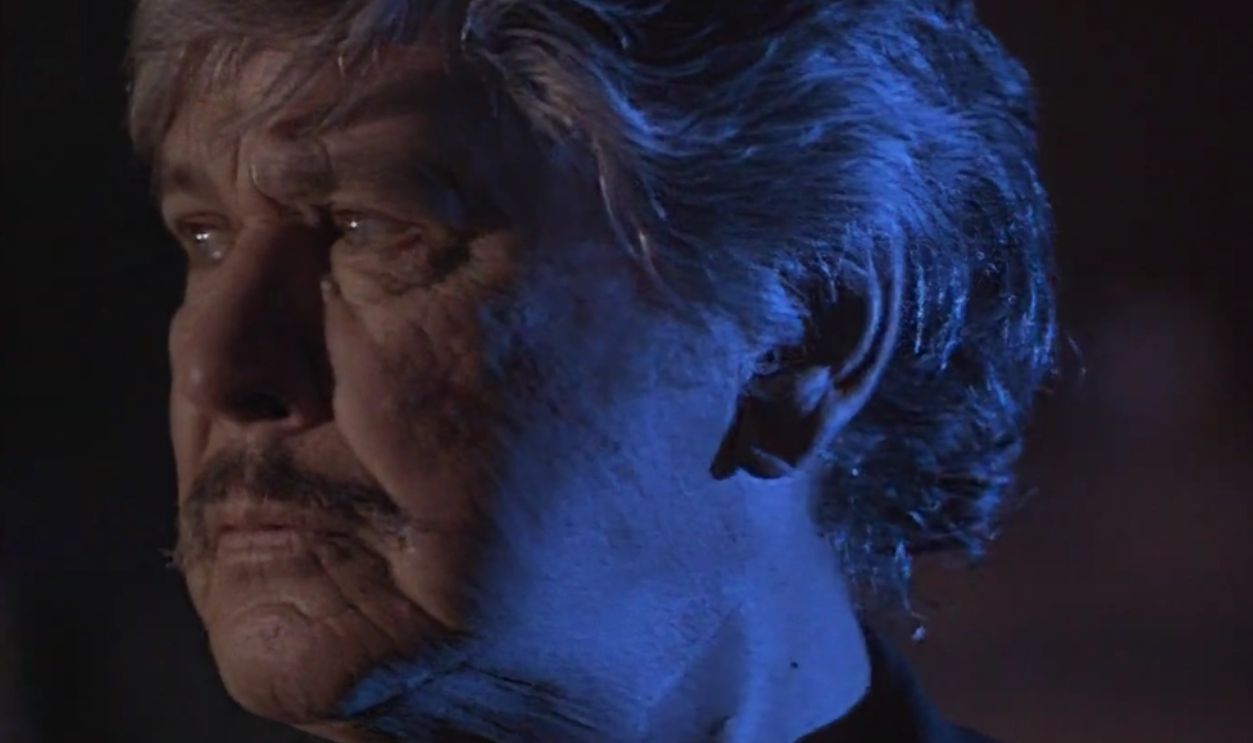 Screenshot from Death Wish V: The Face of Death, Trimark Pictures (1994)
He Was Quiet In Real Life Too
The silence was not entirely an act. Bronson disliked lengthy interviews and remained distant from Hollywood’s social world. Yet the reserve that made him seem intimidating could hide considerable tenderness, especially around his wife and children.
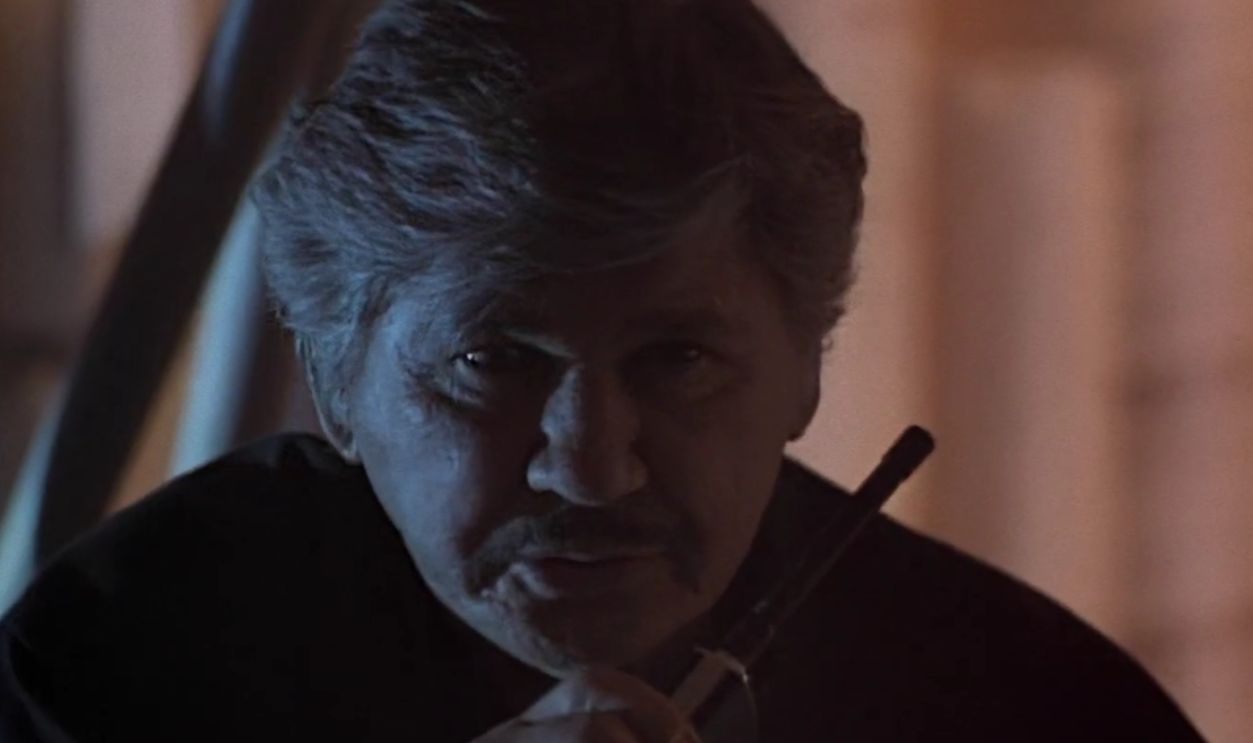 Screenshot from Death Wish V: The Face of Death, Trimark Pictures (1994)
He Had Already Started A Family
Bronson married fellow aspiring actor Harriet Tendler in 1949, when both were still struggling to establish careers. They had a daughter and a son before their marriage ended in 1965. Bronson later gained custody of both children and brought them into the family he created with Jill Ireland.
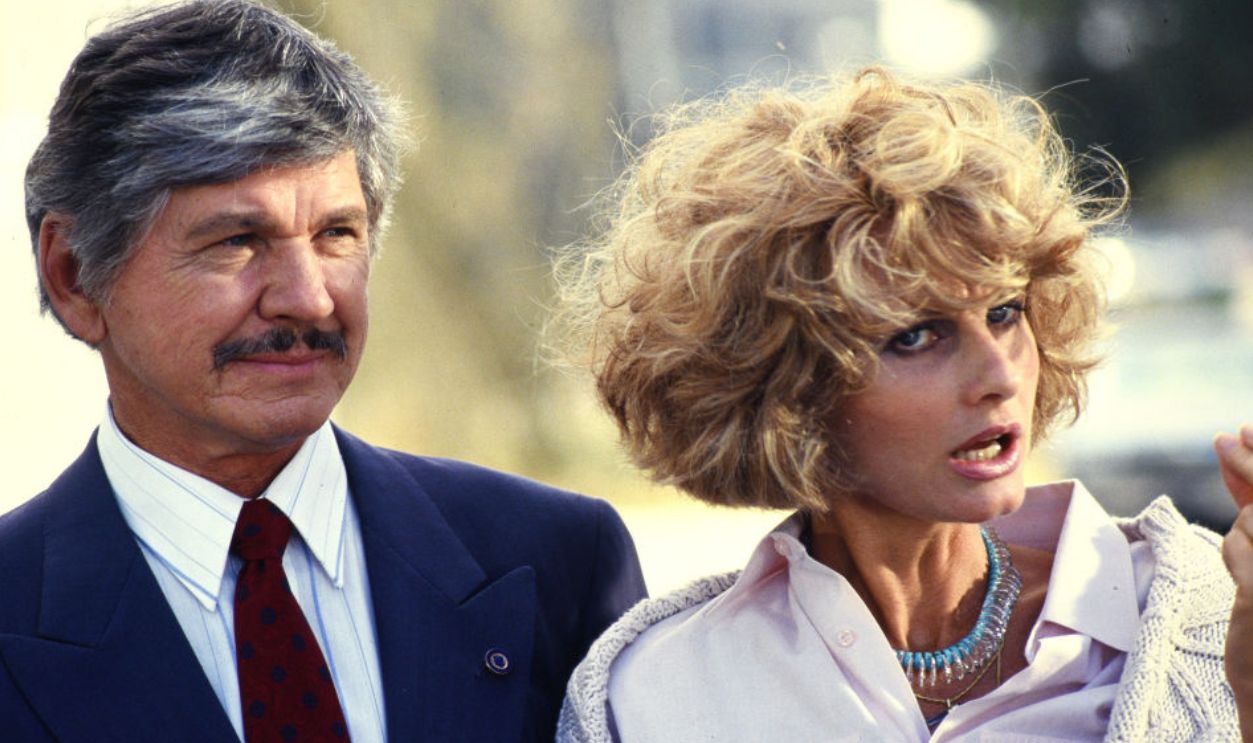
Jill Ireland Changed His Life
Bronson met the British actress through her first husband, David McCallum, his costar in The Great Escape. Bronson and Ireland became romantically involved as their existing marriages were breaking down. They married in October 1968 and remained together until her death more than two decades later.
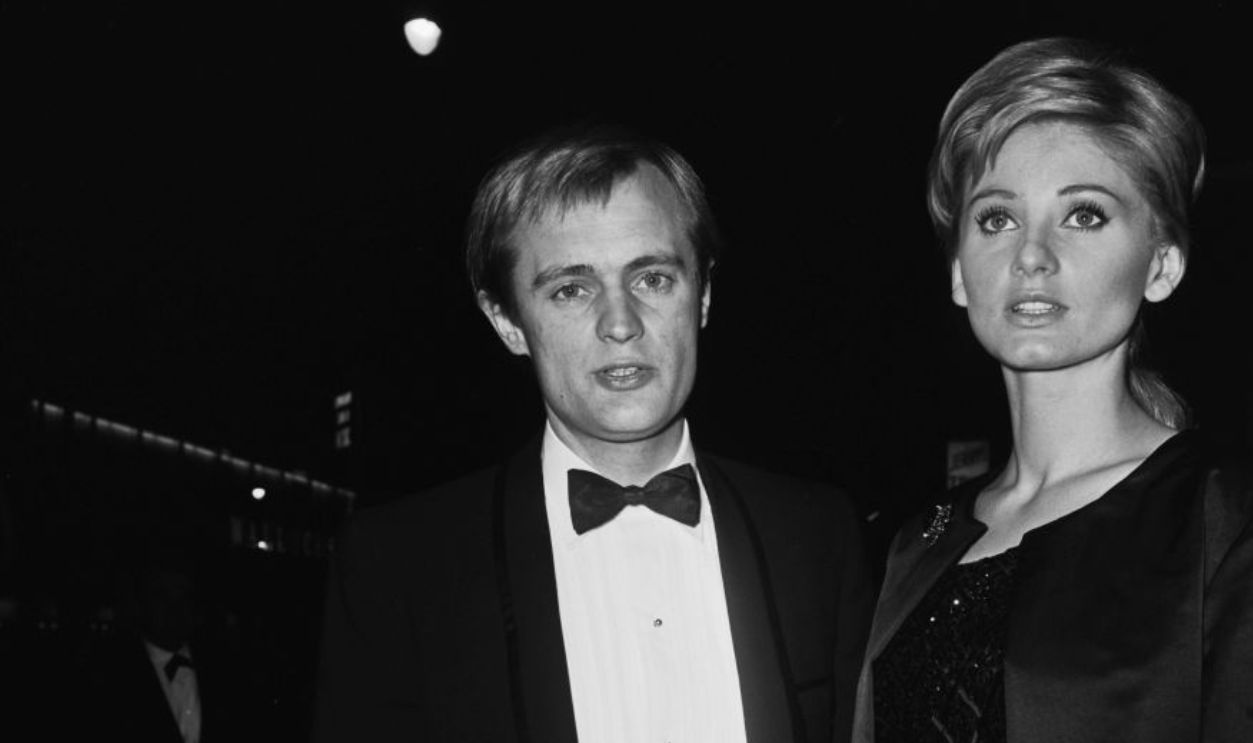
Their Timing Was Remarkable
Bronson and Ireland married during the year his international career exploded. By the end of 1968, he had become a major European box-office attraction. As his public image grew harder and more mysterious, his private life became increasingly centered on Ireland and their children.
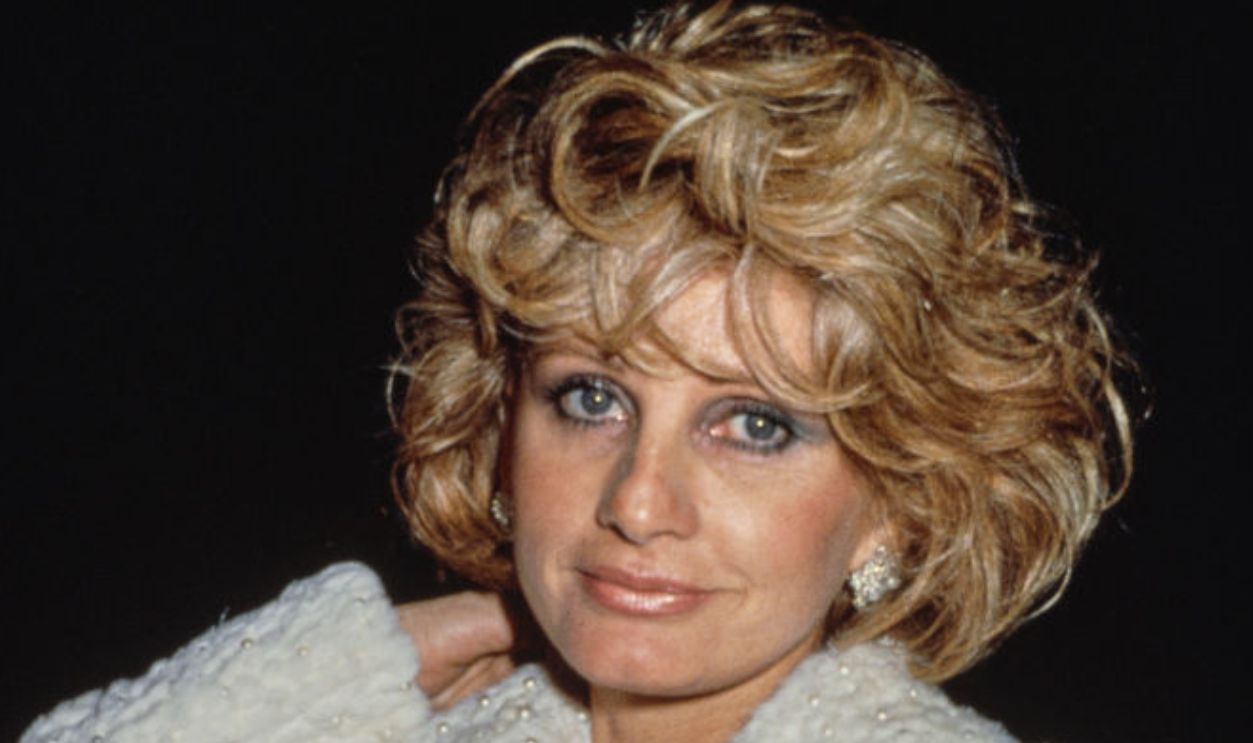
They Created A Blended Household
Bronson had two children from his first marriage, while Ireland had three sons from her marriage to McCallum. Together, they also raised two daughters. Their Bel Air home ultimately became a bustling household of seven children rather than a quiet movie-star retreat.
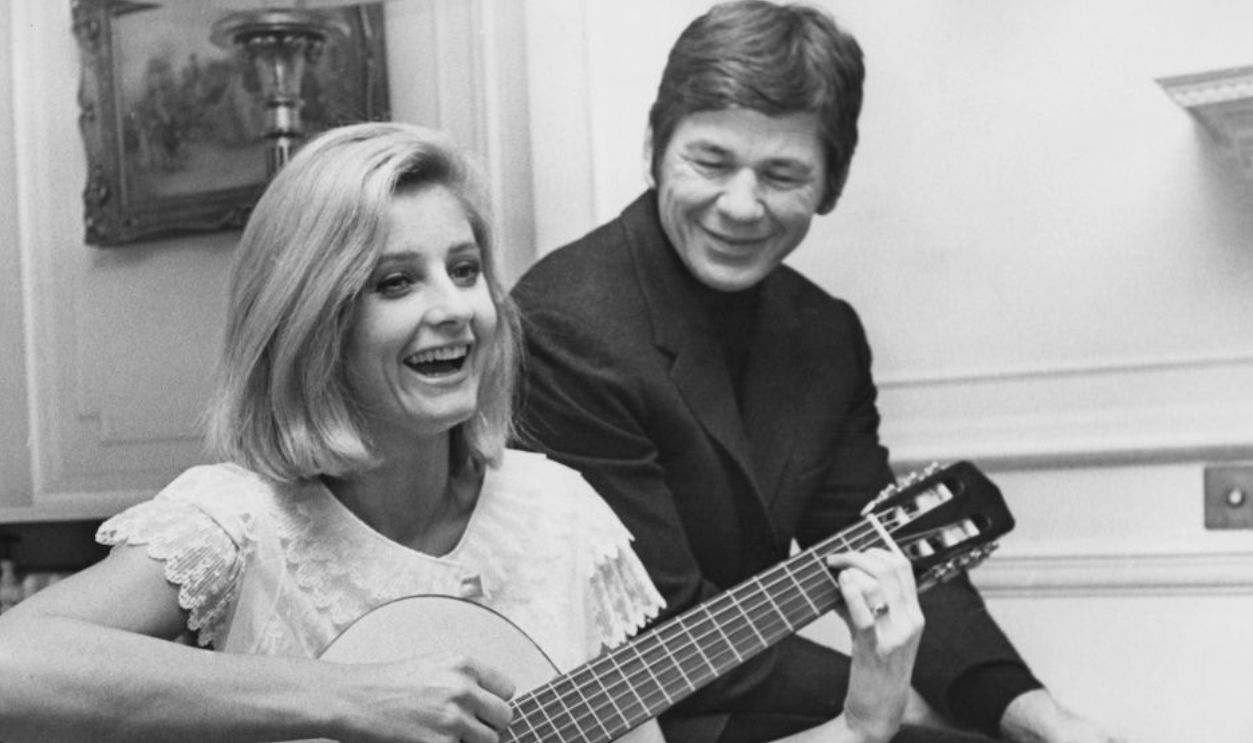
Their Family Kept Growing
Bronson and Ireland had a daughter named Zuleika and later adopted Katrina Holden Bronson. The children joined Suzanne and Tony Bronson, along with Ireland’s sons Paul, Valentine, and Jason McCallum. Bronson’s intimidating screen presence contrasted sharply with his responsibilities inside such a large family.
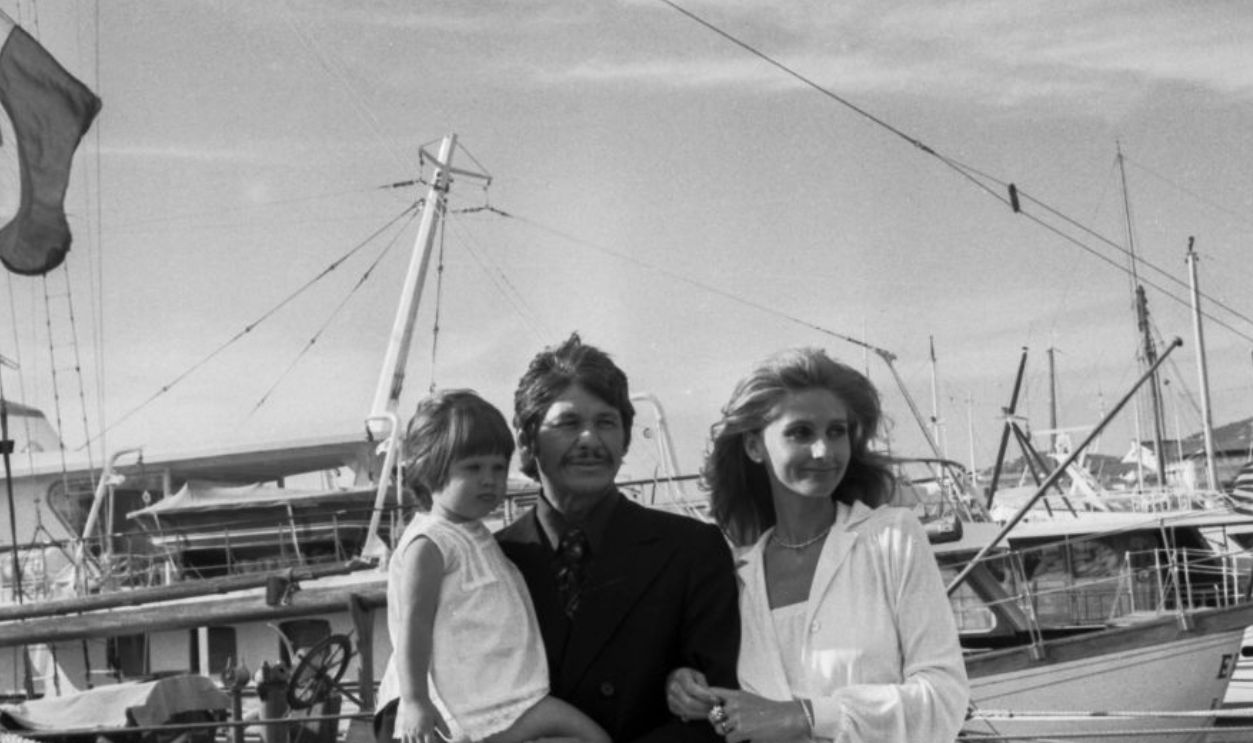
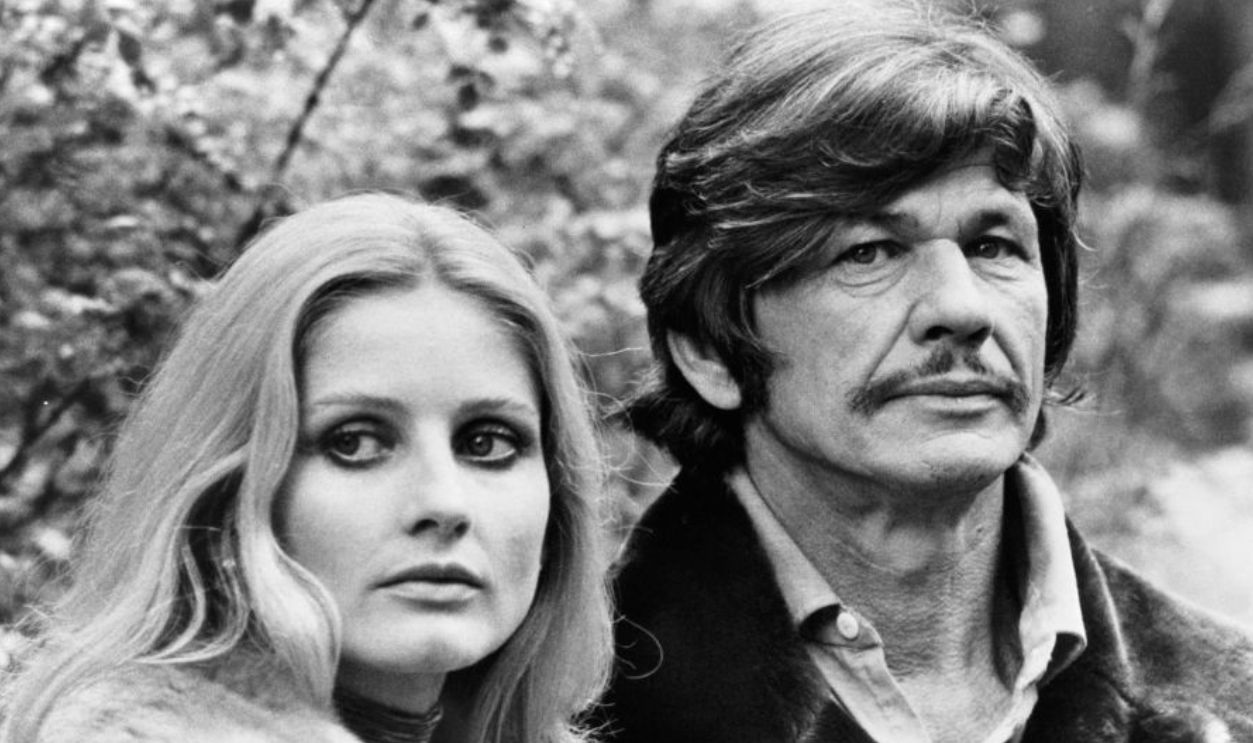
Jill Became His Leading Lady
Ireland appeared alongside Bronson in more than a dozen films, including The Mechanic, Breakheart Pass, and From Noon Till Three. Their professional partnership allowed them to remain together during long periods of filming. She also moved into producing on some of their later projects.
 Michael Ochs Archives, Getty Images
The Family Often Came Along
The Bronsons tried to prevent movie schedules from separating them for long stretches. Accounts of their family life describe the couple bringing the children to filming locations whenever practical. The arrangement turned Bronson’s international career into something closer to a traveling family operation.
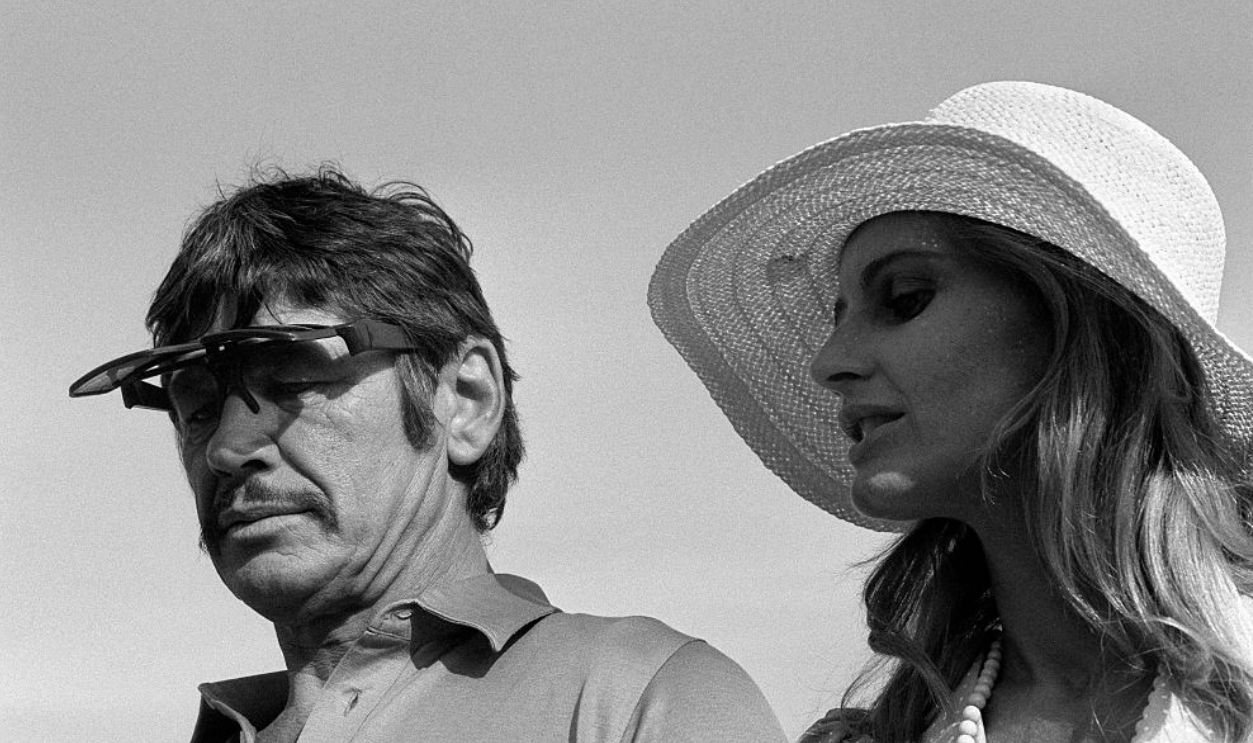
Vermont Became Their Sanctuary
When they wanted distance from Hollywood, the Bronsons retreated to a colonial farmhouse in West Windsor, Vermont. The house stood on roughly 260 acres in the Green Mountains. Ireland said that Bronson felt more at home there than in any of the other places his career took him.
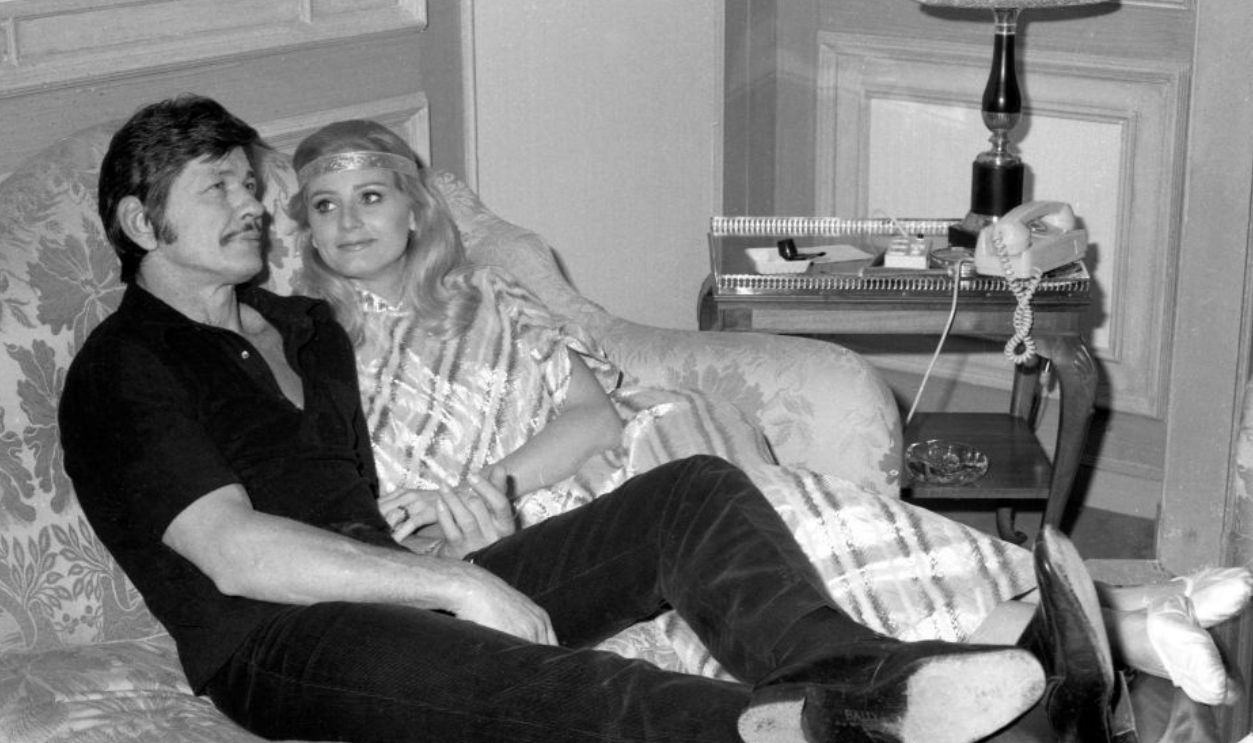 REPORTERS ASSOCIES, Getty Images
Life There Was Deliberately Private
The couple rarely filled their Vermont retreat with Hollywood guests. Ireland said they preferred being there with the children and enjoying the isolation. Horses became an important part of family life, particularly for Ireland and their daughter Zuleika.
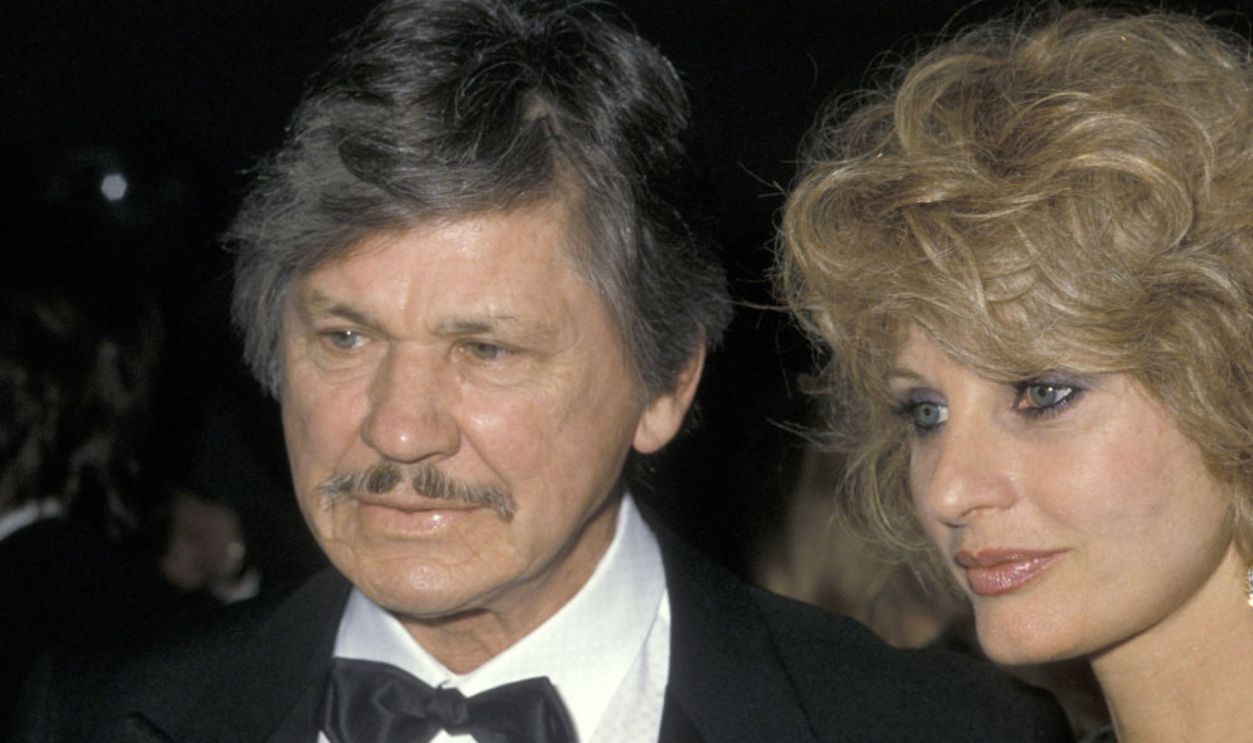
Nobody Ruled The Dinner Table
One detail inside the farmhouse revealed Bronson’s approach to family. He reportedly insisted on using a round dining table because he did not want anyone sitting at its head. It was an unexpectedly democratic rule from a man famous for playing characters who took complete control.
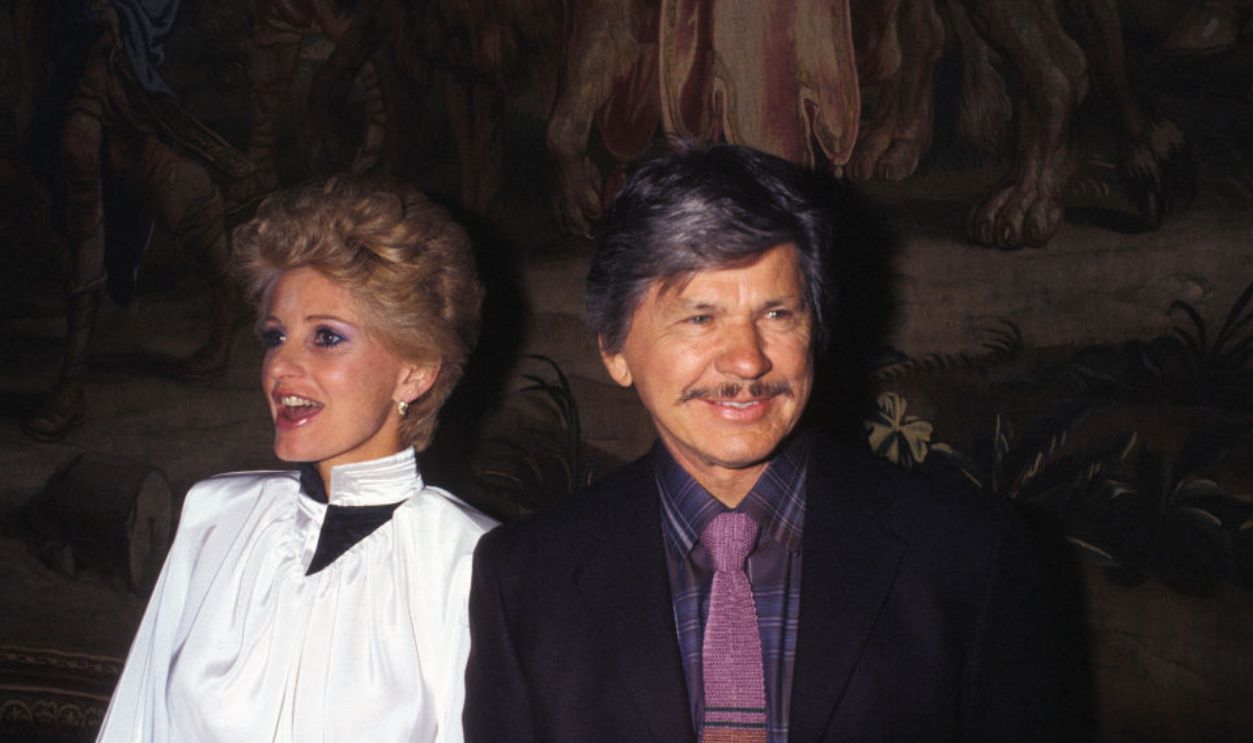
His Softer Side Appeared In Small Ways
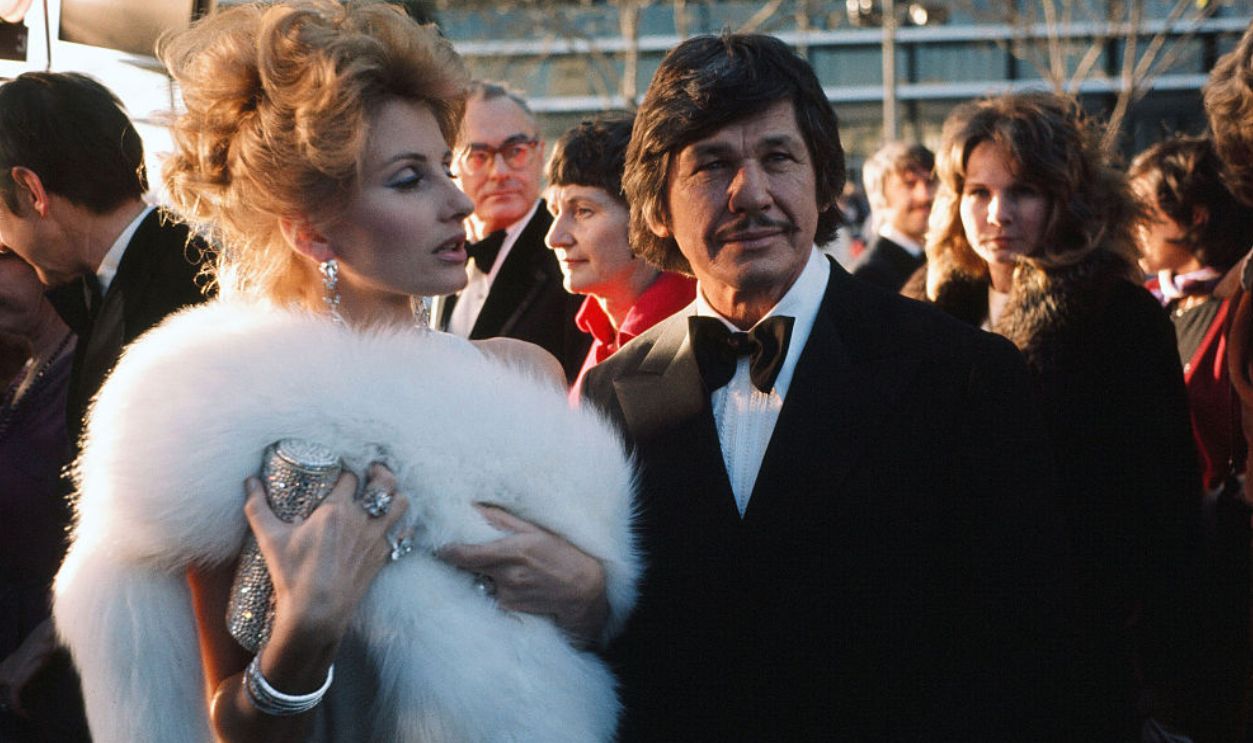
Bronson enjoyed searching for antiques while staying in Vermont. One published home profile showed a carousel horse he had found for his young daughter. These quiet gestures rarely fit the stern personality promoted on his movie posters.
 Michael Ochs Archives, Getty Images
He Kept Hollywood At A Distance
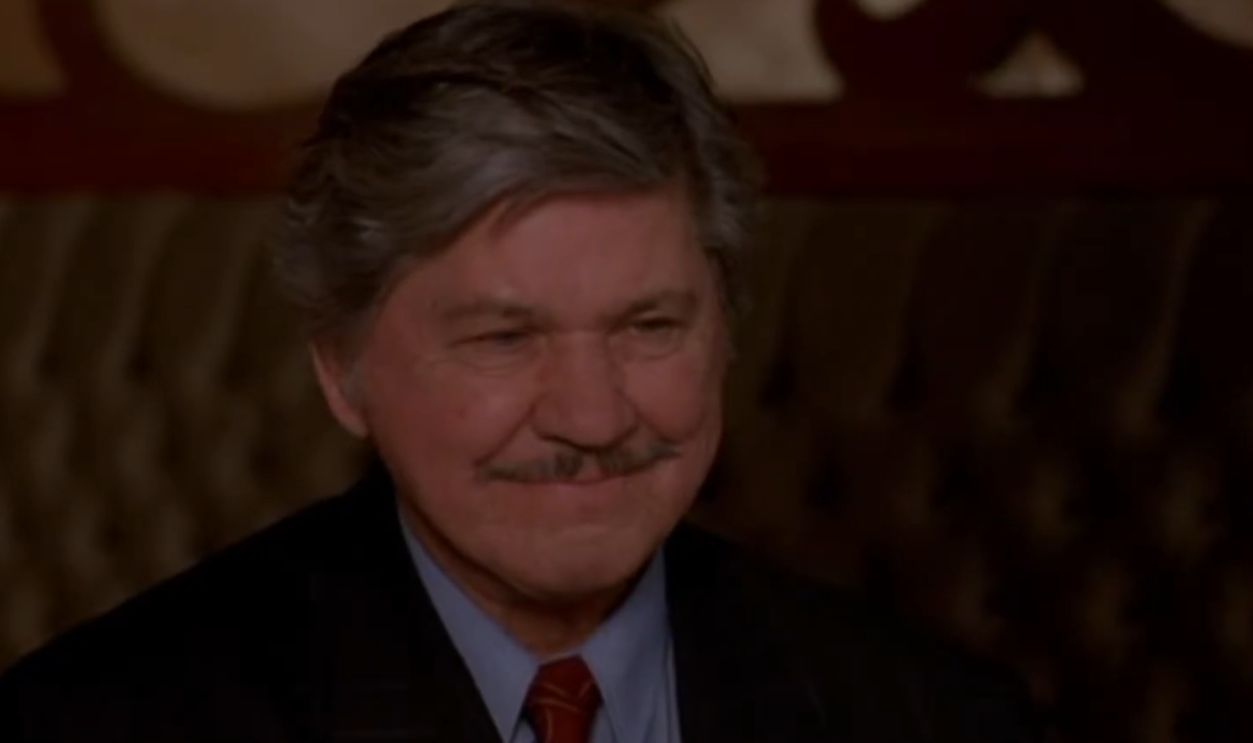
Even at the height of his fame, Bronson did not become a fixture of the Hollywood party circuit. He described himself as having many friends while also feeling that he had none. Home life with Ireland and the children offered a private world separate from the industry that marketed him as a solitary avenger.
 Screenshot from Death Wish V: The Face of Death, Trimark Pictures (1994)
Jill Received Devastating News
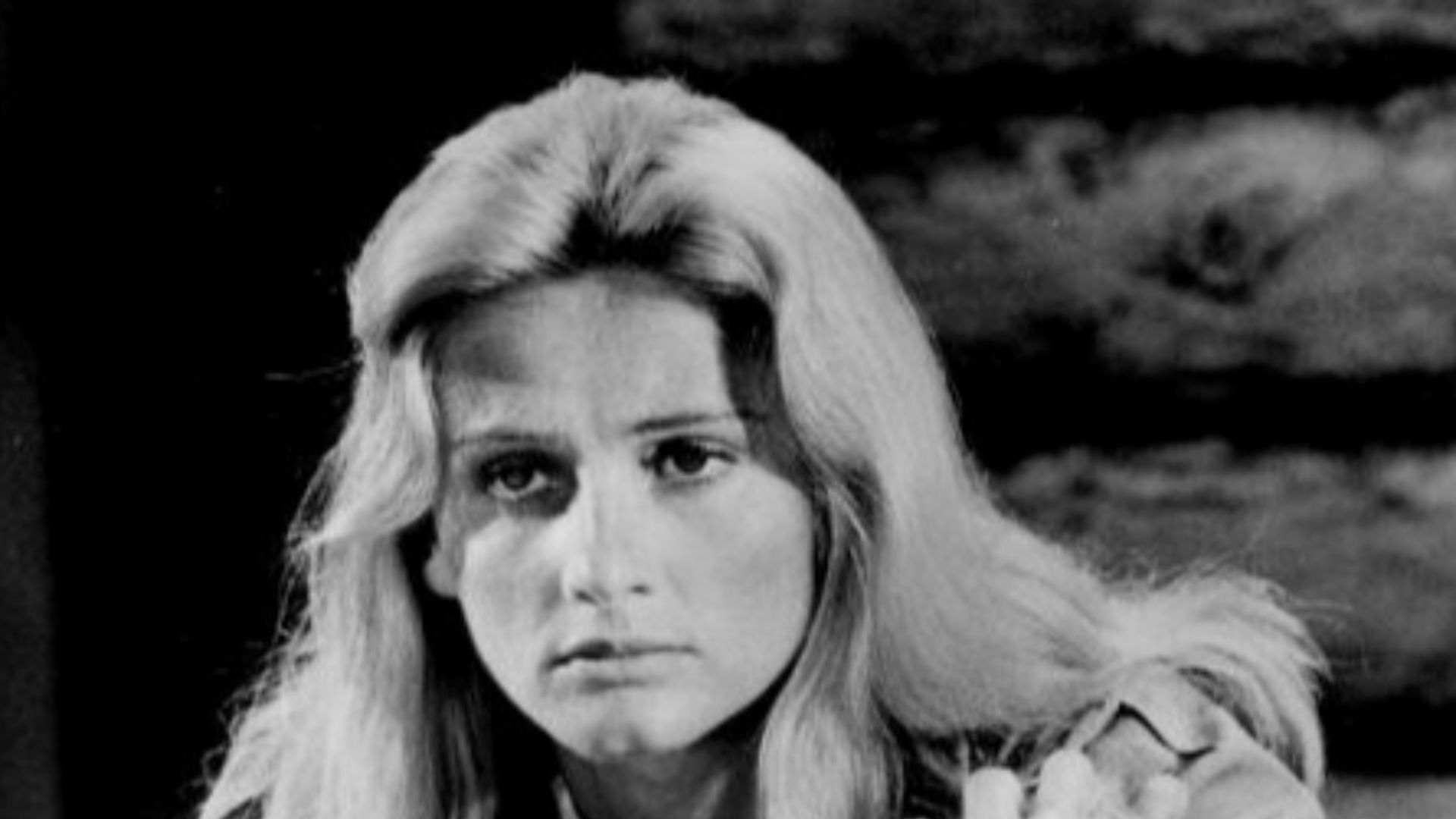
Ireland was diagnosed with breast cancer in 1984 and underwent a mastectomy, radiation, and chemotherapy. Rather than hide her illness, she began speaking publicly about the experience. Her struggle would reveal the depth of the partnership behind Bronson’s guarded exterior.
 ABC Television, Wikimedia Commons
Bronson Remained Beside Her
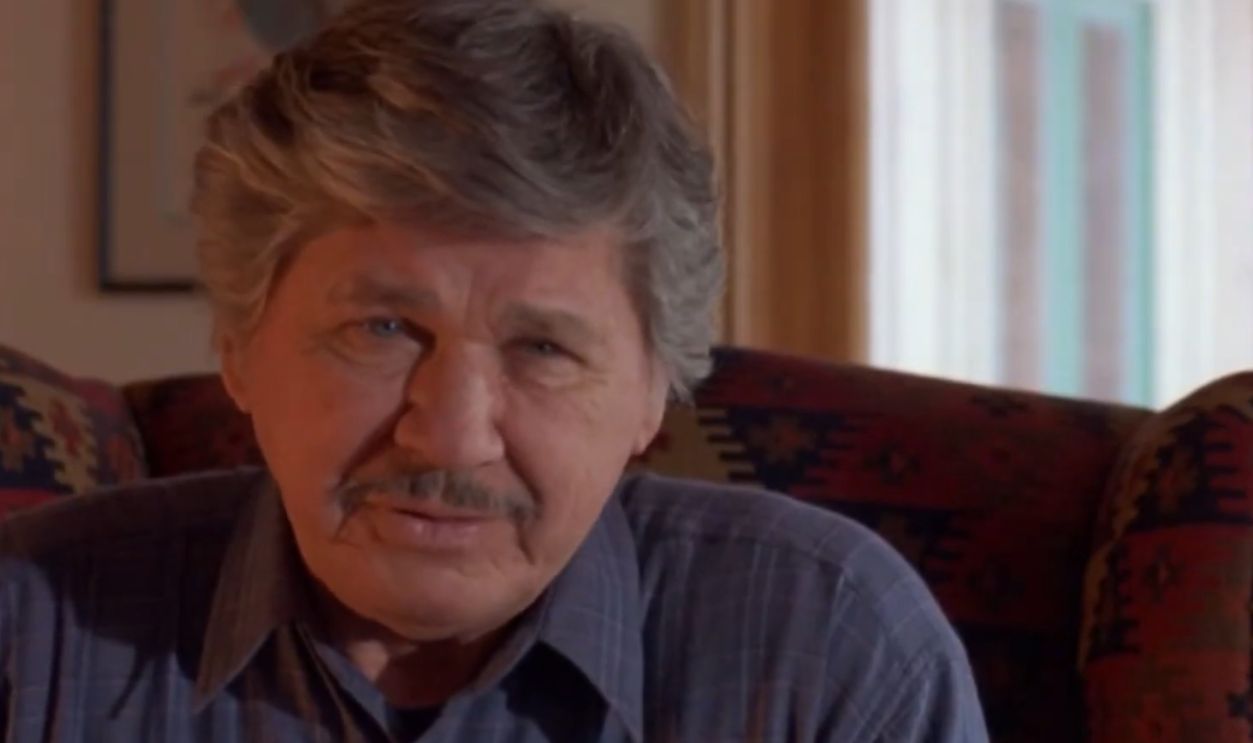
Ireland credited her husband with helping her endure the exhausting treatment. Bronson could not solve the crisis with the certainty of one of his movie characters, but he stayed with her through years of recurrence and declining health. Their marriage continued under pressures far greater than anything created for the screen.
 Screenshot from Death Wish V: The Face of Death, Trimark Pictures (1994)
She Turned Pain Into Advocacy
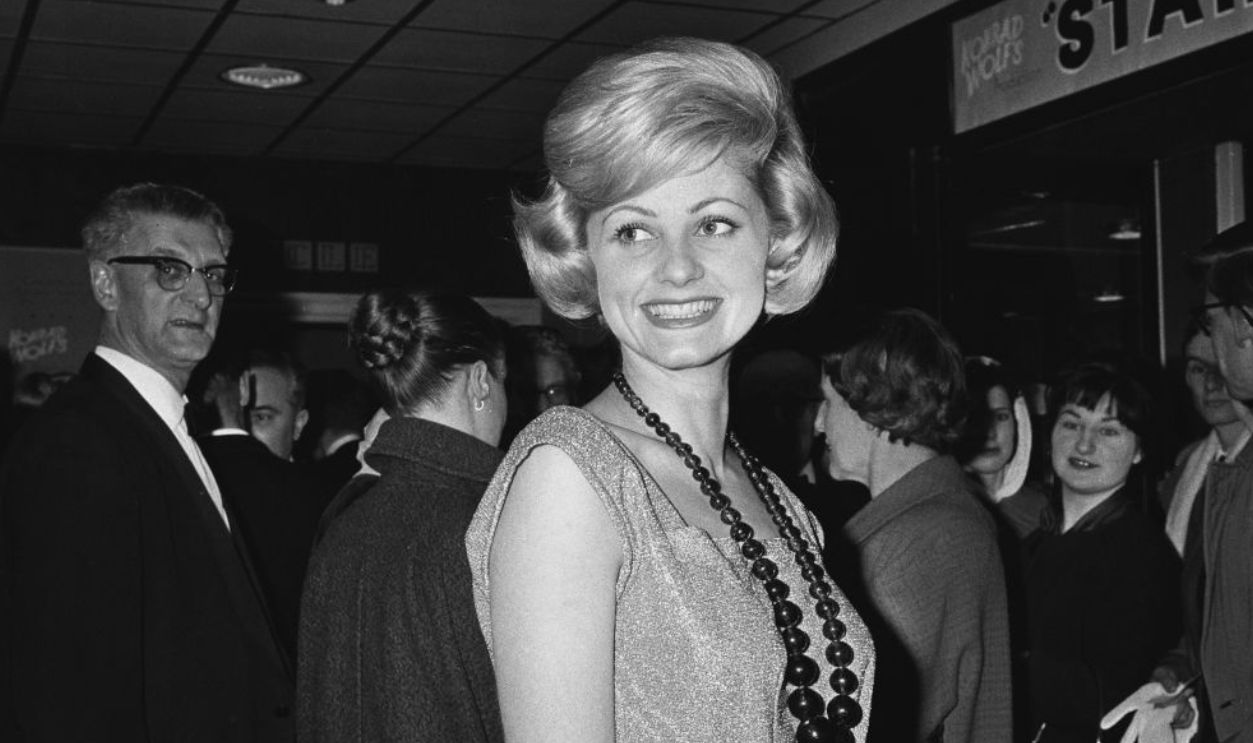
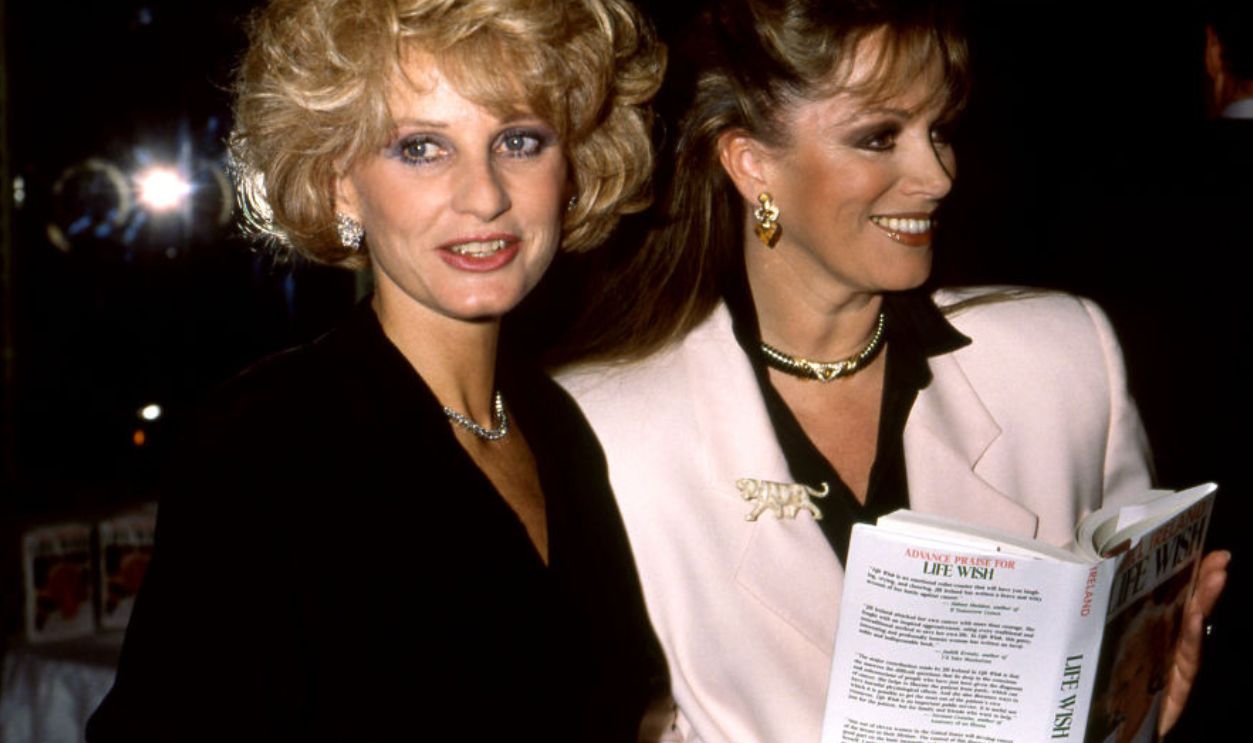
Ireland chronicled her cancer experience in the bestselling memoir Life Wish. She became a spokesperson for the American Cancer Society and received its Courage Award at the White House in 1988. Her public openness stood in striking contrast to Bronson’s famous reluctance to discuss his private life.
 Evening Standard, Getty Images
Another Crisis Struck Their Family
Ireland’s second memoir, Life Lines, addressed her efforts to help her adopted son Jason through drug addiction. Jason died from an accidental overdose in November 1989 at age 27. Ireland was already undergoing treatment after learning that her cancer had returned and spread.
 Donaldson Collection, Getty Images
He Lost Jill Six Months Later
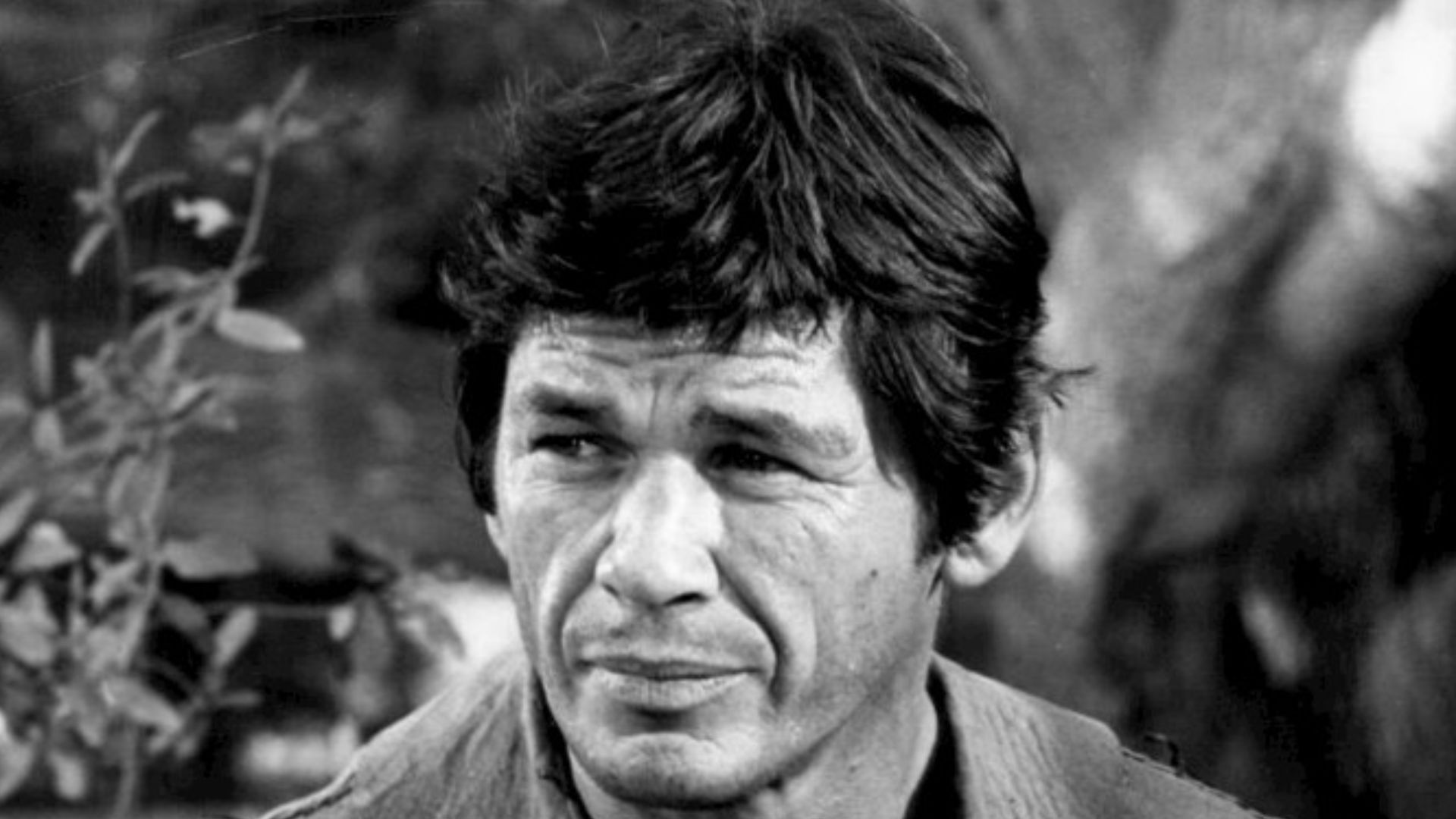
Ireland died at the couple’s Malibu home on May 18, 1990, surrounded by family. Bronson was at her side when she died. The man famous for surviving every onscreen confrontation was forced to endure the loss of the woman who had shared his work, home, and family for more than 20 years.
 ABC Television, Wikimedia Commons
The Real Bronson Was More Complicated
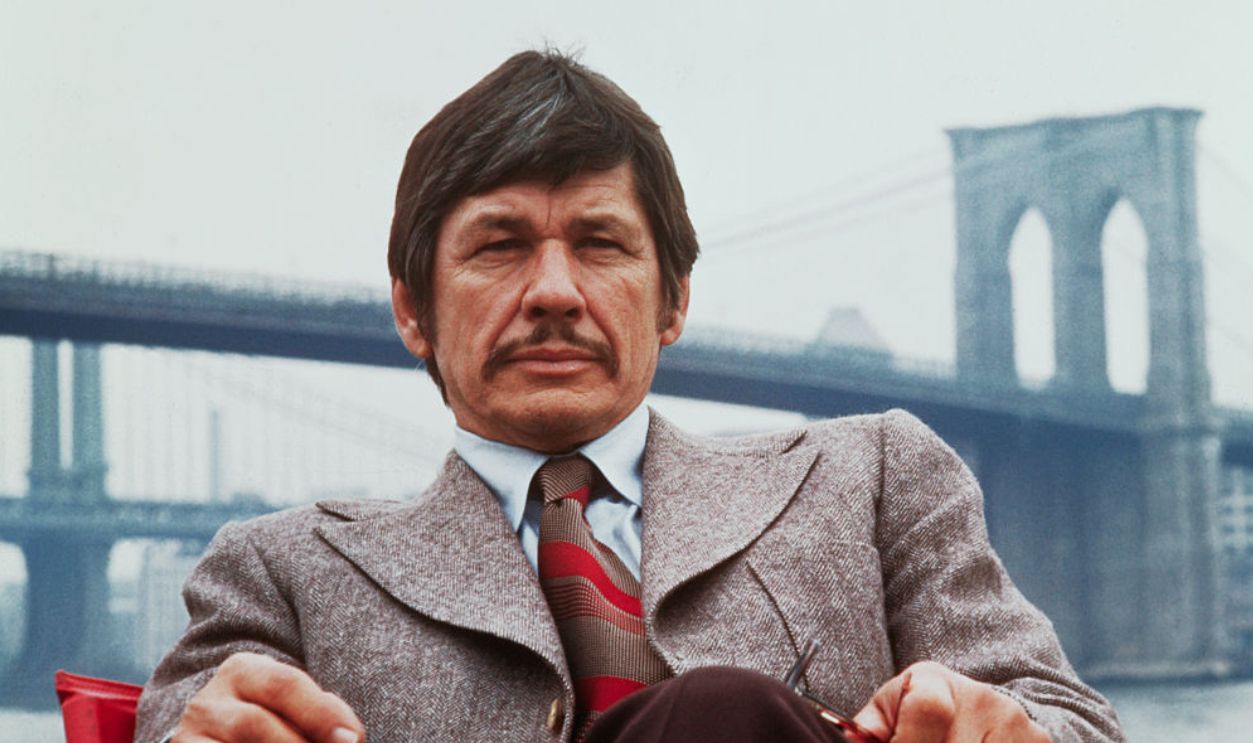
Bronson returned to acting and played a grieving husband Yes Virginia, There Is a Santa Claus and a father with a troubled family dynamic in The Indian Runner. He later married Kim Weeks in 1998 and remained with her until his death from pneumonia in 2003. Death Wish made him an enduring symbol of vengeance, but his long marriage, blended family, and years beside Ireland revealed the gentler life hidden behind that image.
You May Also Like:
Broderick Crawford was born to play tough guys—but real life turned out to be even tougher.
Barbara Bach Became One Of The 1970s’ Most Iconic Bond Girls—But Her Toughest Battle Began Offscreen