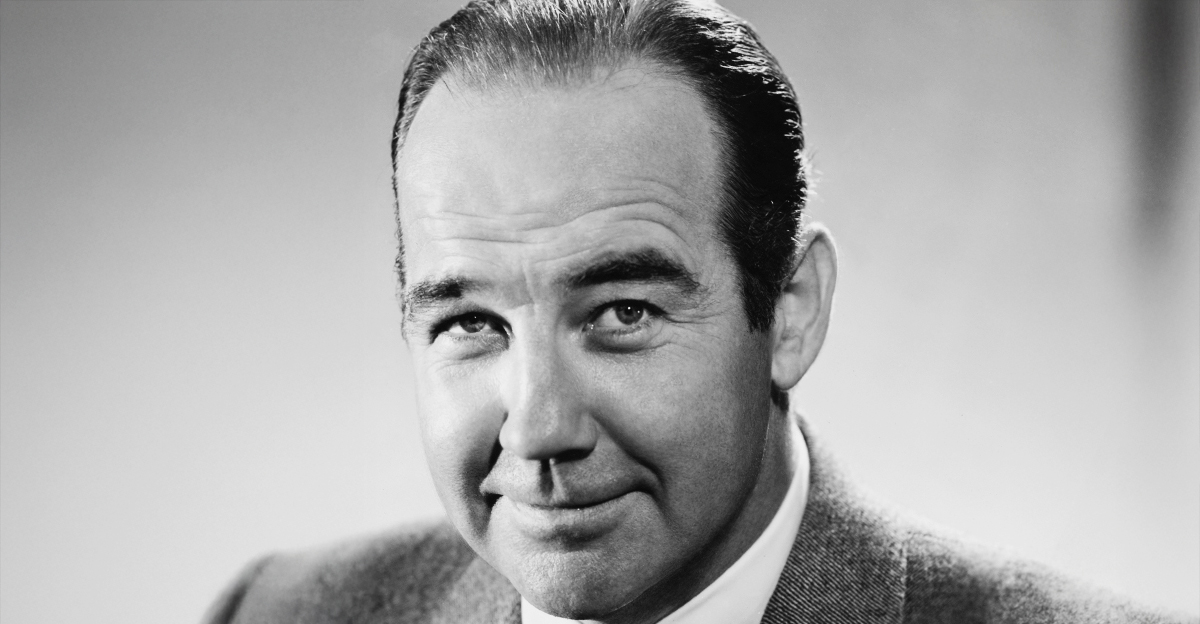
A Hollywood Tough Guy Like No Other
Few actors projected authority quite like Broderick Crawford. Whether playing determined politicians, relentless police officers, or hardened military men, his booming voice and imposing presence made him unforgettable. But behind his celebrated performances lay decades of personal struggles, career reinventions, and health battles that made his real life every bit as dramatic as the characters he portrayed.
 Pictorial Parade/Archive Photos/Getty Images
Born Into Show Business
Broderick Crawford was born William Broderick Crawford on December 9, 1911, in Philadelphia, Pennsylvania. Acting was already the family business. His father, Lester Crawford, and mother, Helen Broderick, were successful vaudeville performers who later built respected careers on Broadway and in Hollywood, exposing their son to entertainment from his earliest days.
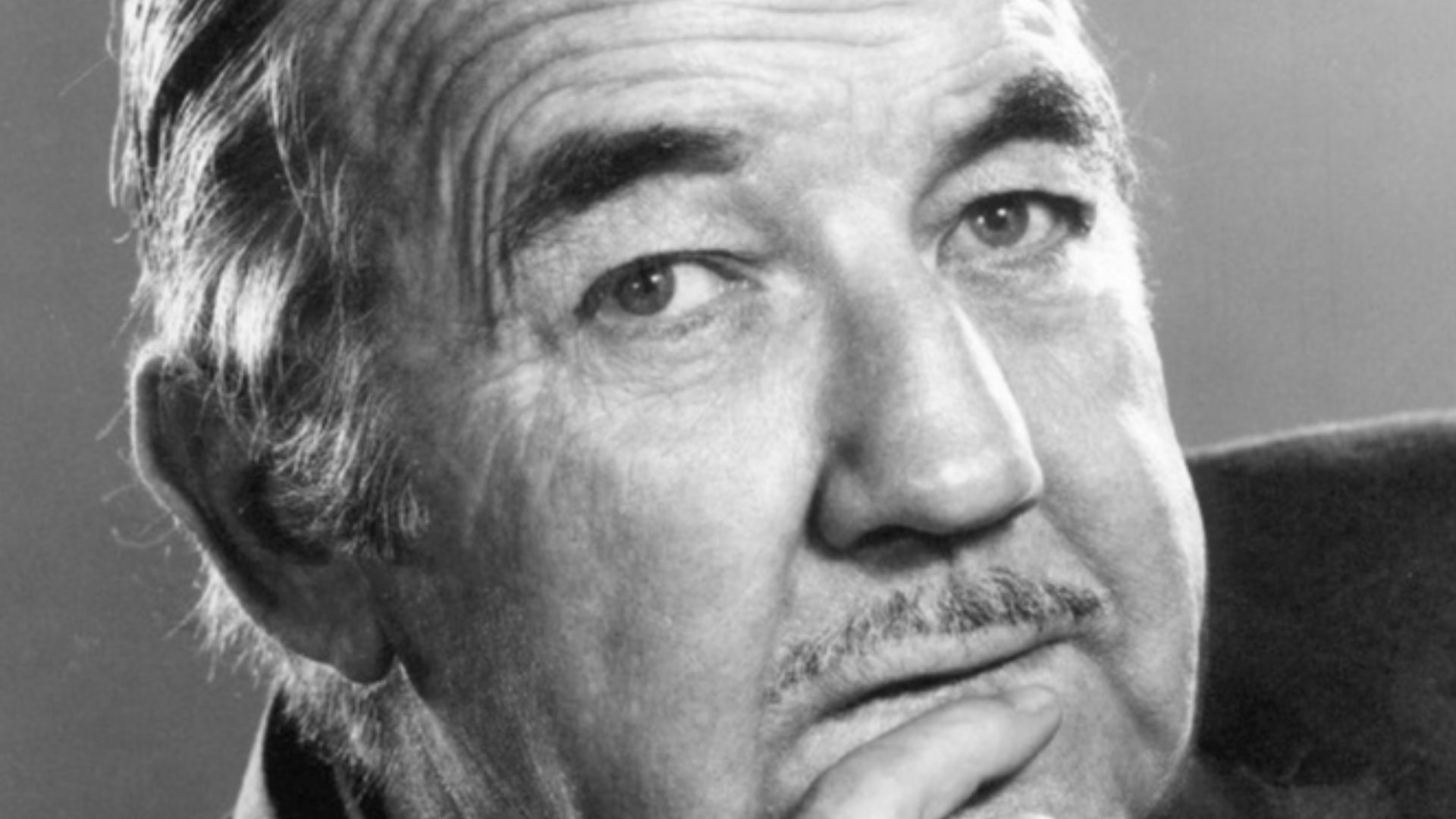 CBS Television, Wikimedia Commons
Growing Up Backstage
Because his parents constantly toured, Crawford spent much of his childhood surrounded by theaters, rehearsals, and performers. The family eventually settled in California, where Hollywood's expanding film industry created new opportunities. Although he admired actors from an early age, he initially had little interest in becoming one himself.
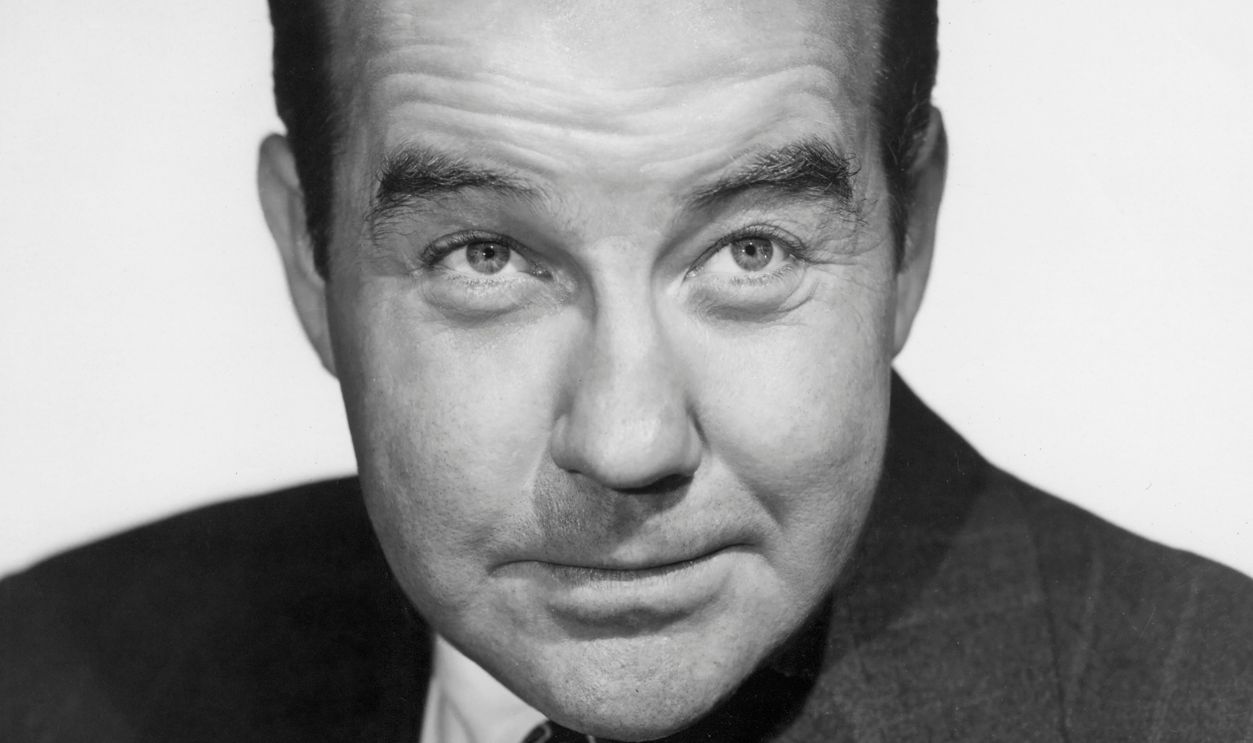 Universal History Archive, Getty Images
Finding His Own Direction
Crawford briefly attended Harvard University but left before graduating, deciding that academic life simply was not for him. Drawn back toward the entertainment world he had grown up around, he began exploring stage work while learning the demanding craft of acting from experienced performers rather than classrooms.
 Columbia Pictures, Wikimedia Commons
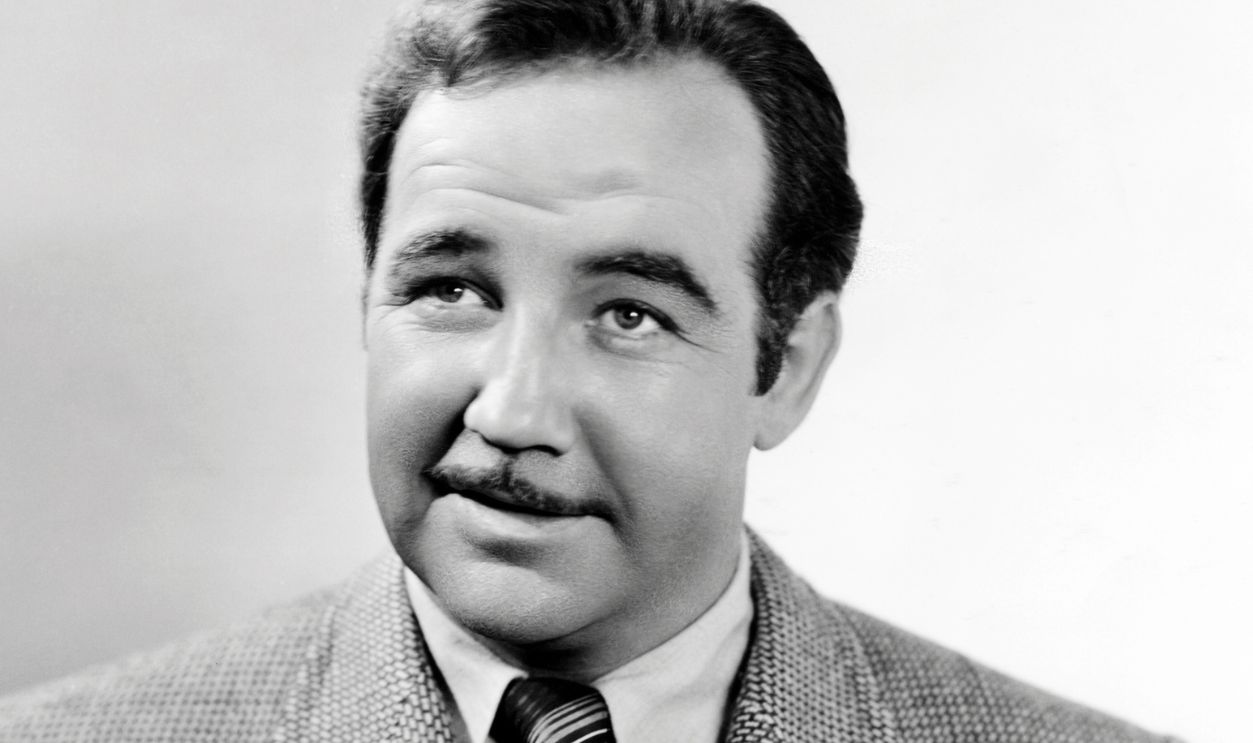
Broadway Beckoned
During the early 1930s, Crawford established himself on Broadway, appearing in productions including She Loves Me Not and other stage comedies. His imposing physical presence often contrasted amusingly with his knack for comedy, helping him gain valuable experience while earning the attention of Hollywood casting directors.
 Silver Screen Collection, Getty Images
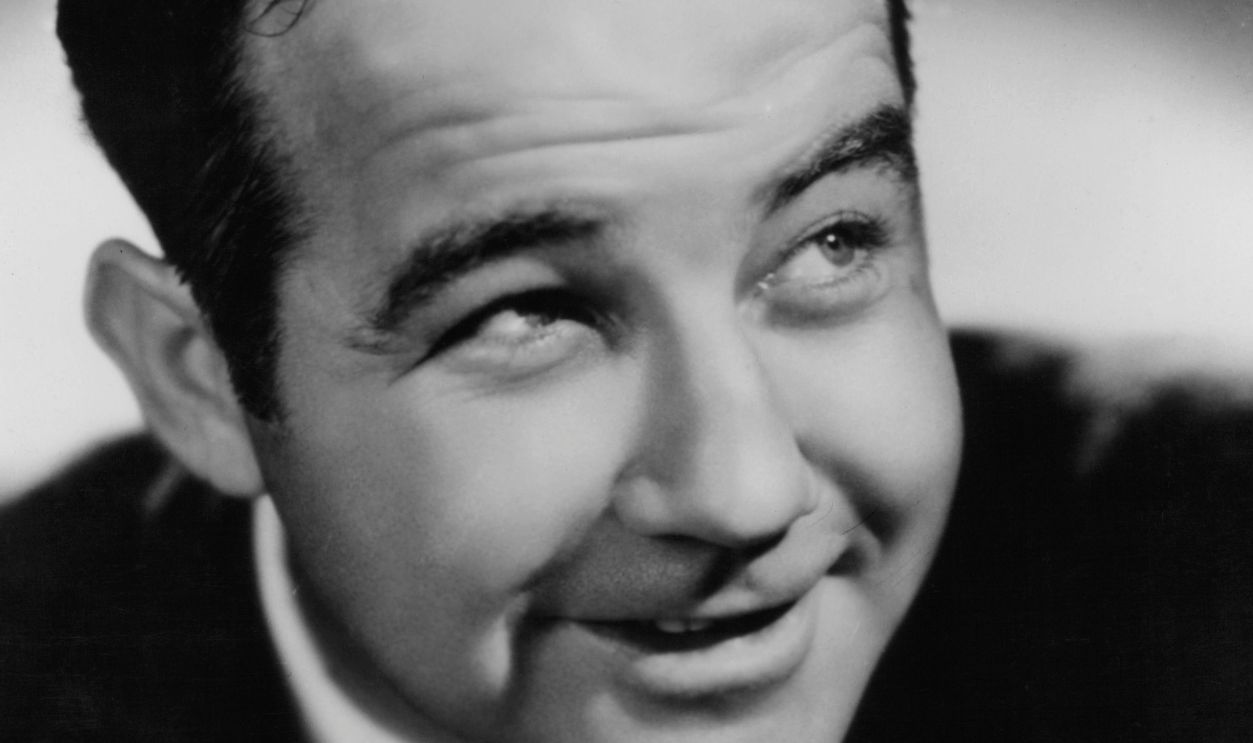
Hollywood Comes Calling
By the mid-1930s, Crawford relocated to California as film studios searched for dependable character actors. He made his screen debut in small supporting roles, quickly demonstrating a natural ability to portray ordinary working-class men whose blunt honesty and physical presence felt entirely believable on screen.
Building A Reputation
Throughout the late 1930s, Crawford steadily accumulated supporting parts in films including Woman Chases Man (1937), directed by John G. Blystone and starring Miriam Hopkins and Joel McCrea. Although rarely the leading man, he developed a reputation as a reliable performer capable of elevating almost any scene.
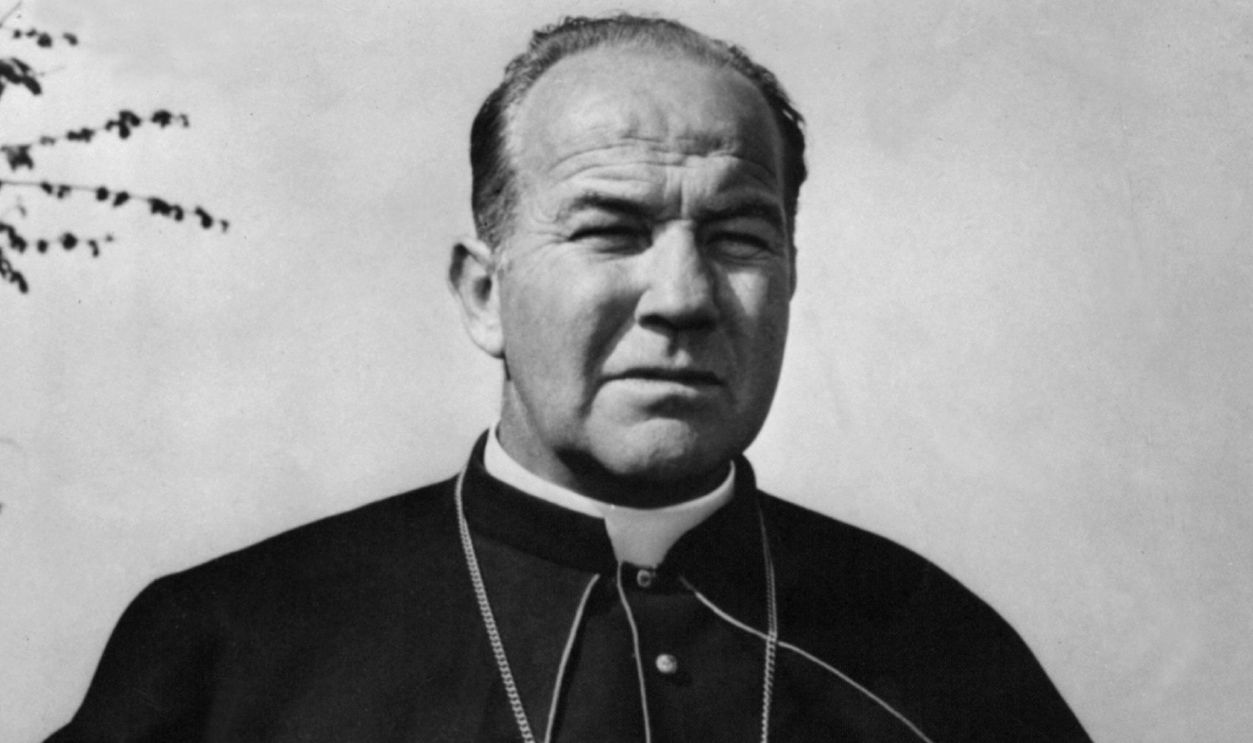
Learning From Hollywood's Best
As Crawford appeared in increasingly ambitious productions, he worked alongside many of Hollywood's biggest stars and directors. These experiences refined his acting style, teaching him how understated performances could carry tremendous emotional weight, even when sharing scenes with more glamorous leading actors.
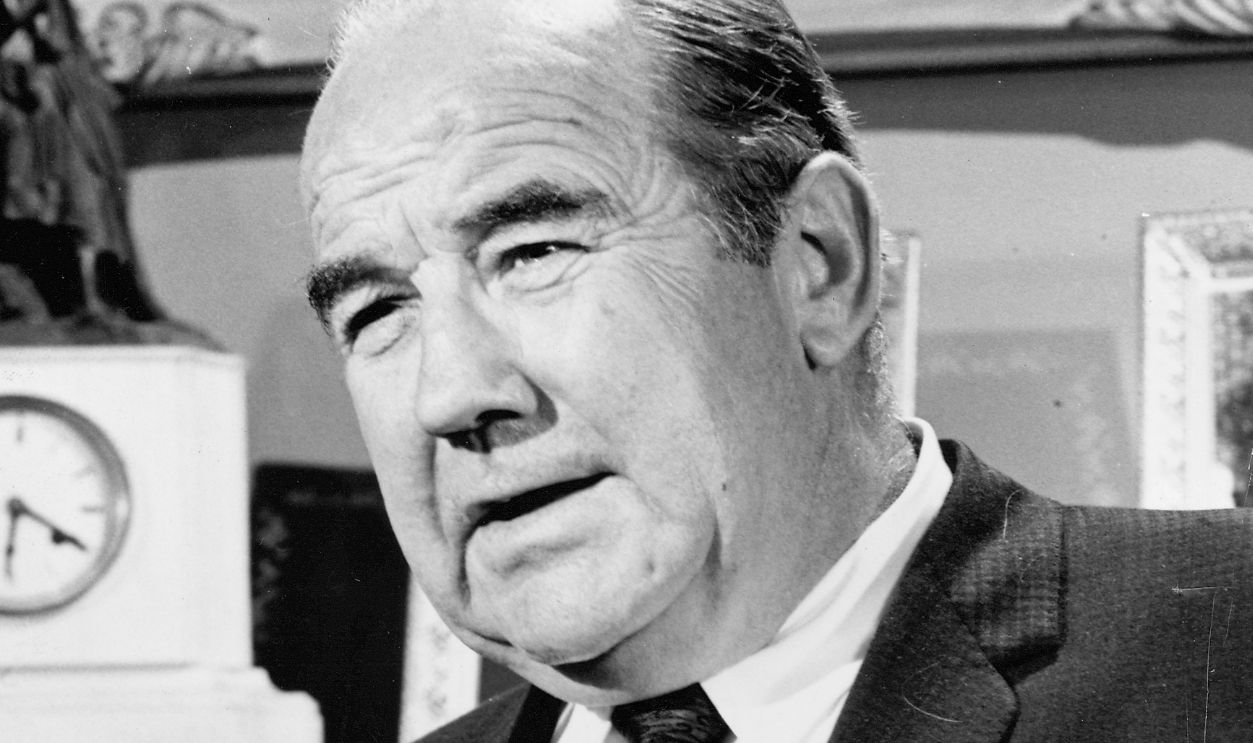 Smith Collection/Gado, Getty Images
War Changes Everything
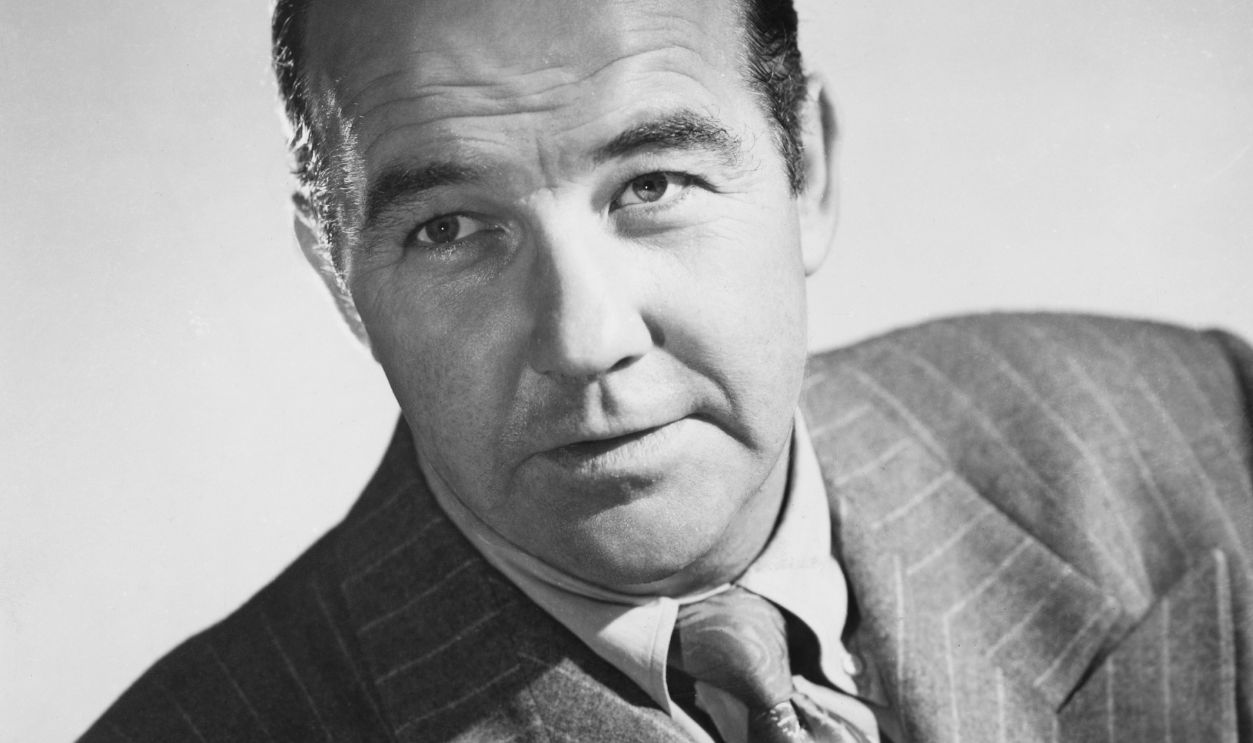
Like many Hollywood actors of his generation, Crawford interrupted his career during World War II. He enlisted in the United States Army Air Forces, serving from 1942 until 1945. Military service temporarily halted his acting career but provided life experiences that later informed many of his toughest screen performances.
 Columbia Pictures, Getty Images
A Strong Return
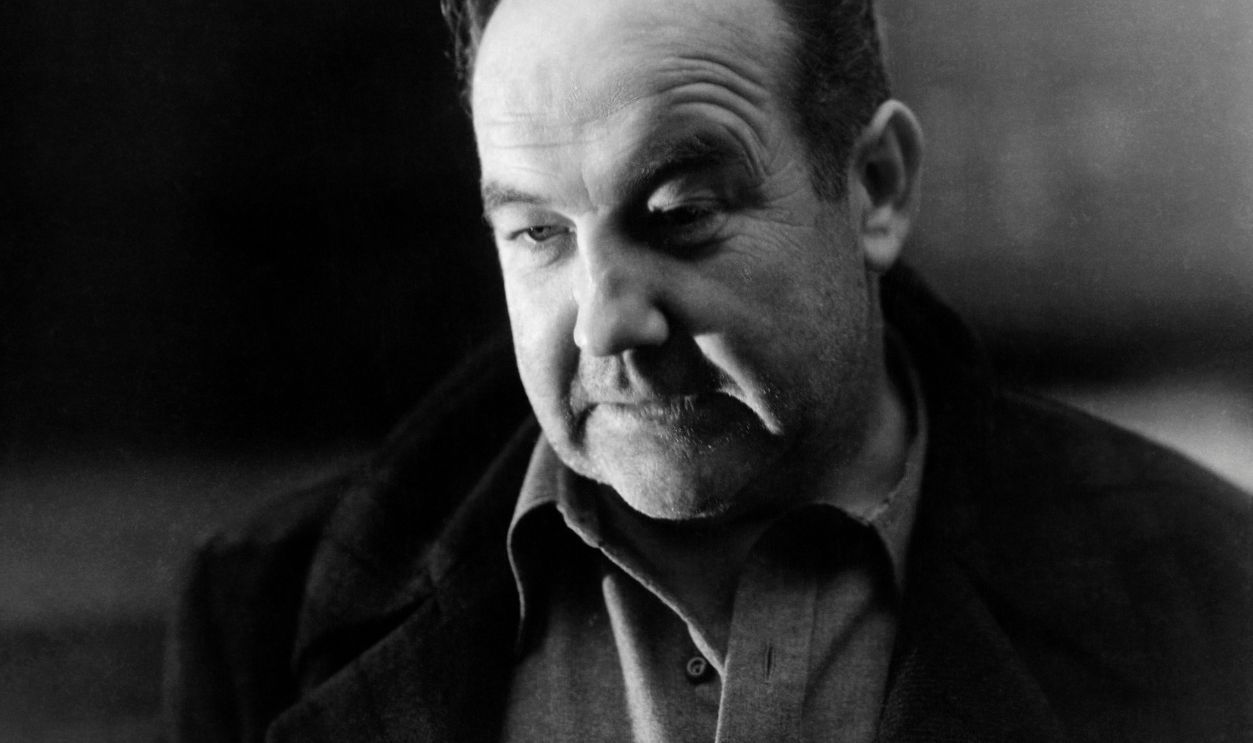
After leaving military service, Crawford returned to Hollywood determined to establish himself as more than a dependable supporting actor. He appeared in films including The Time Of Your Life (1948), directed by H. C. Potter and starring James Cagney, William Bendix, and Jeanne Cagney.
 John Springer Collection, Getty Images
The Breakthrough Role
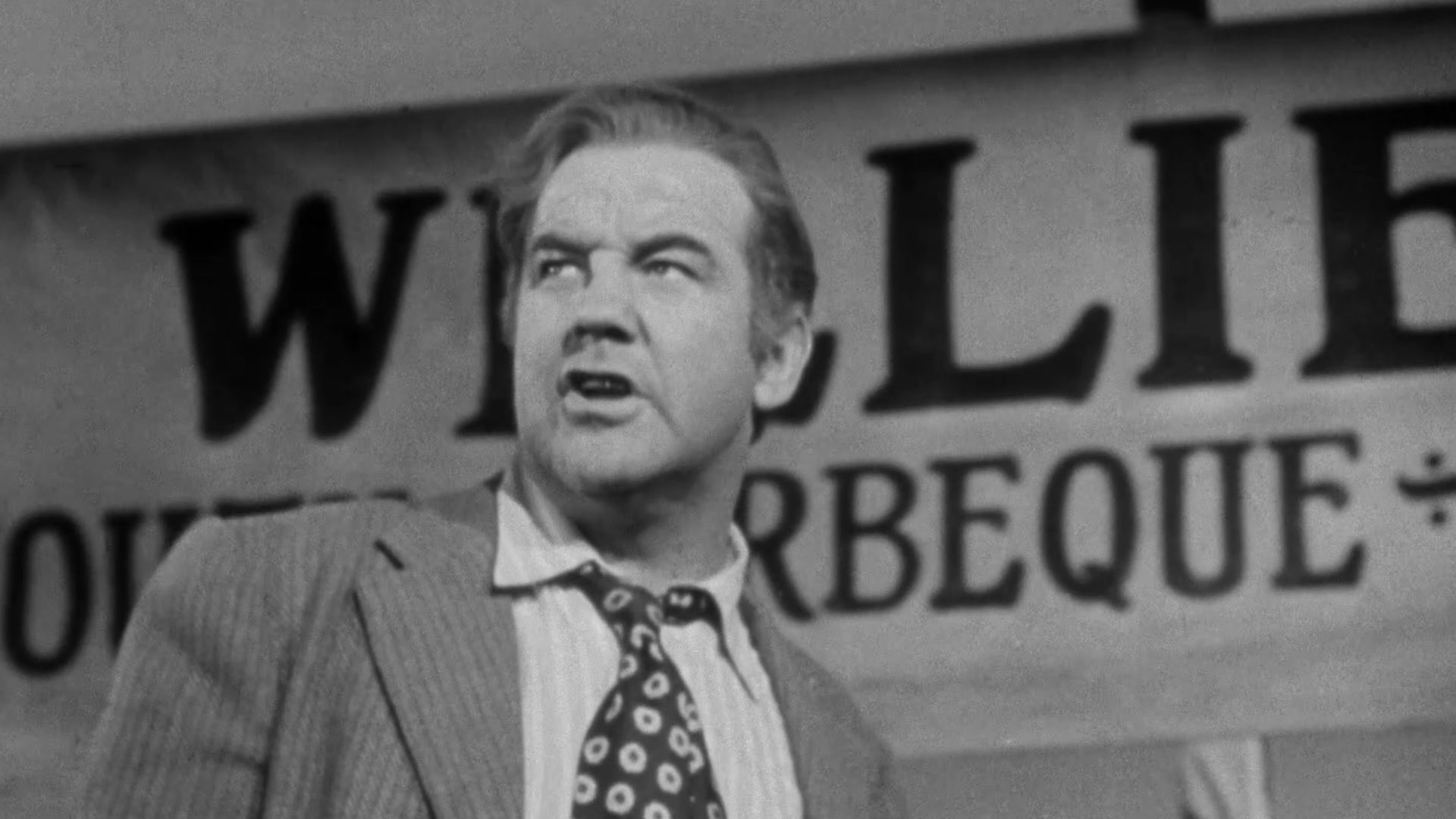
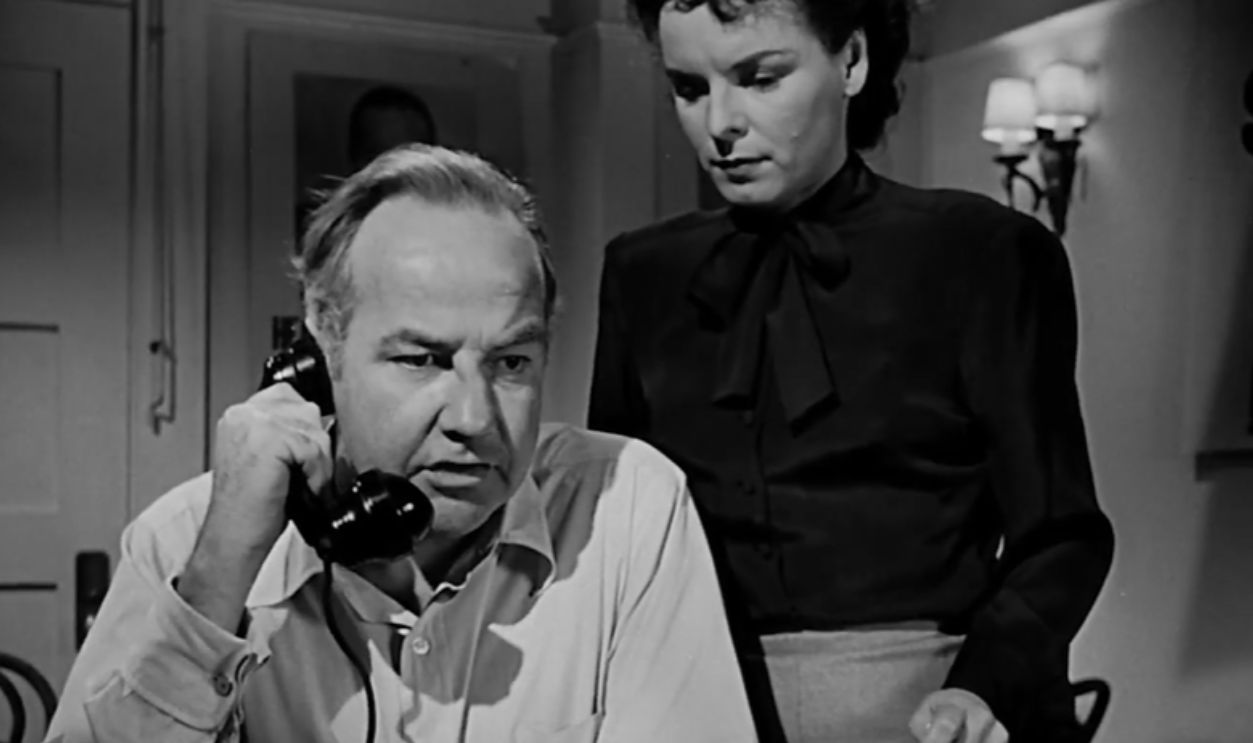
Everything changed when Crawford was cast as Willie Stark in All The King's Men (1949), directed by Robert Rossen. Loosely inspired by Louisiana governor Huey Long, the film also co-starred John Ireland, Mercedes McCambridge, and JoAnne Dru. The ambitious political drama allowed Crawford to deliver the most powerful and emotionally complex performance of his entire career.
 Screenshot from All the King's Men, Columbia Pictures (1949)
Oscar Glory
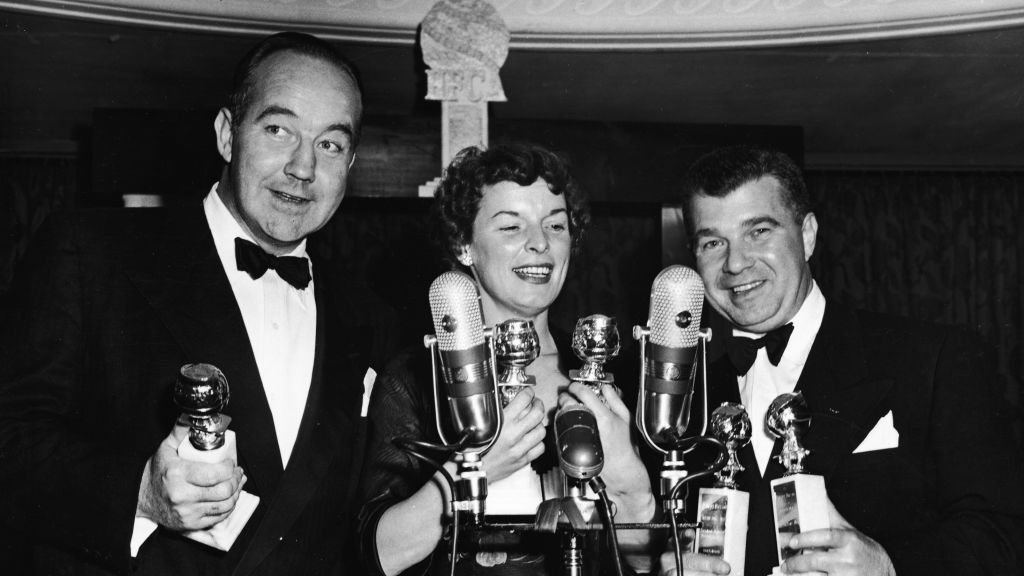
Crawford's unforgettable portrayal of Willie Stark earned him the Academy Award for Best Actor. All The King's Men (1949) also won the Oscar for Best Picture, instantly transforming Crawford from respected character actor into one of Hollywood's most celebrated leading men almost overnight.
 Columbia TriStar, Getty Images
Life Changed Overnight
Following his Academy Award triumph, studios rushed to cast Crawford in starring roles that emphasized his commanding personality. His booming voice, broad frame, and forceful delivery made him a natural choice for authority figures, political leaders, detectives, military officers, and hard-edged professionals throughout the 1950s.
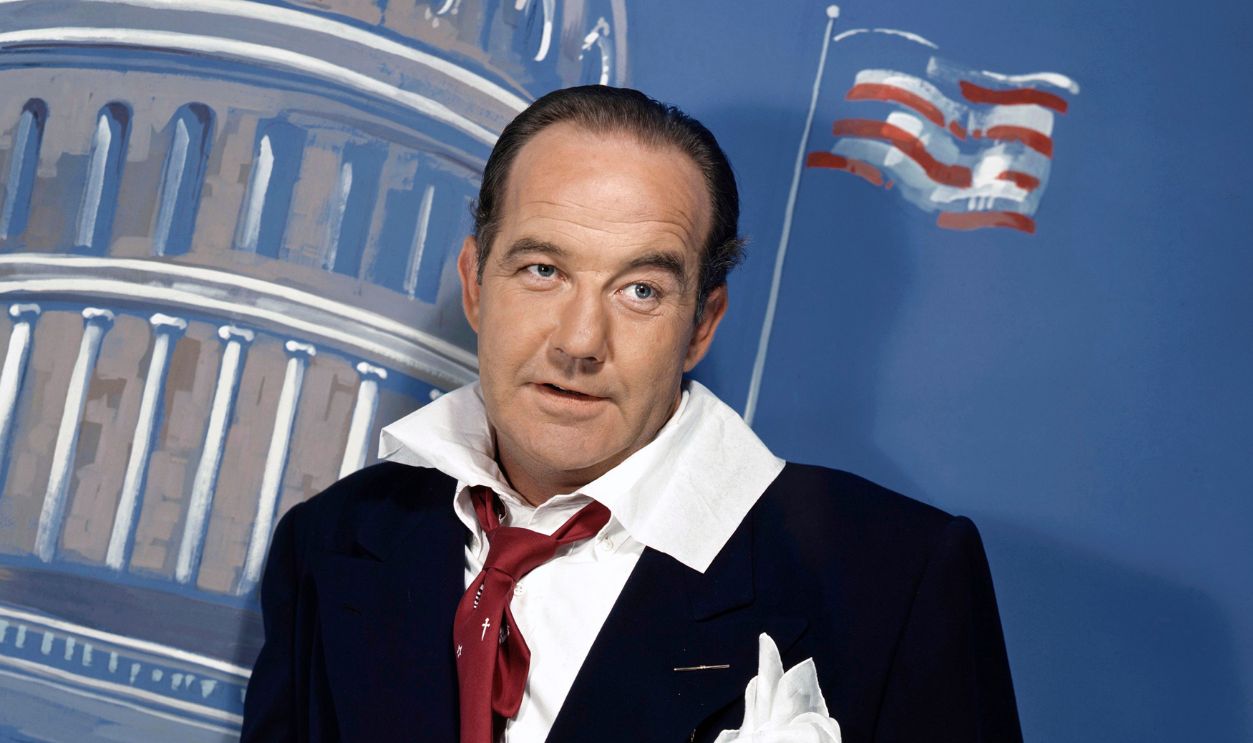
Hollywood's Favorite Tough Guy
Crawford quickly followed his Oscar success with leading performances in Born Yesterday (1950), directed by George Cukor and co-starring Judy Holliday and William Holden, and The Mob (1951), directed by Robert Parrish. These roles firmly established his enduring screen persona as Hollywood's quintessential tough, uncompromising leading man.
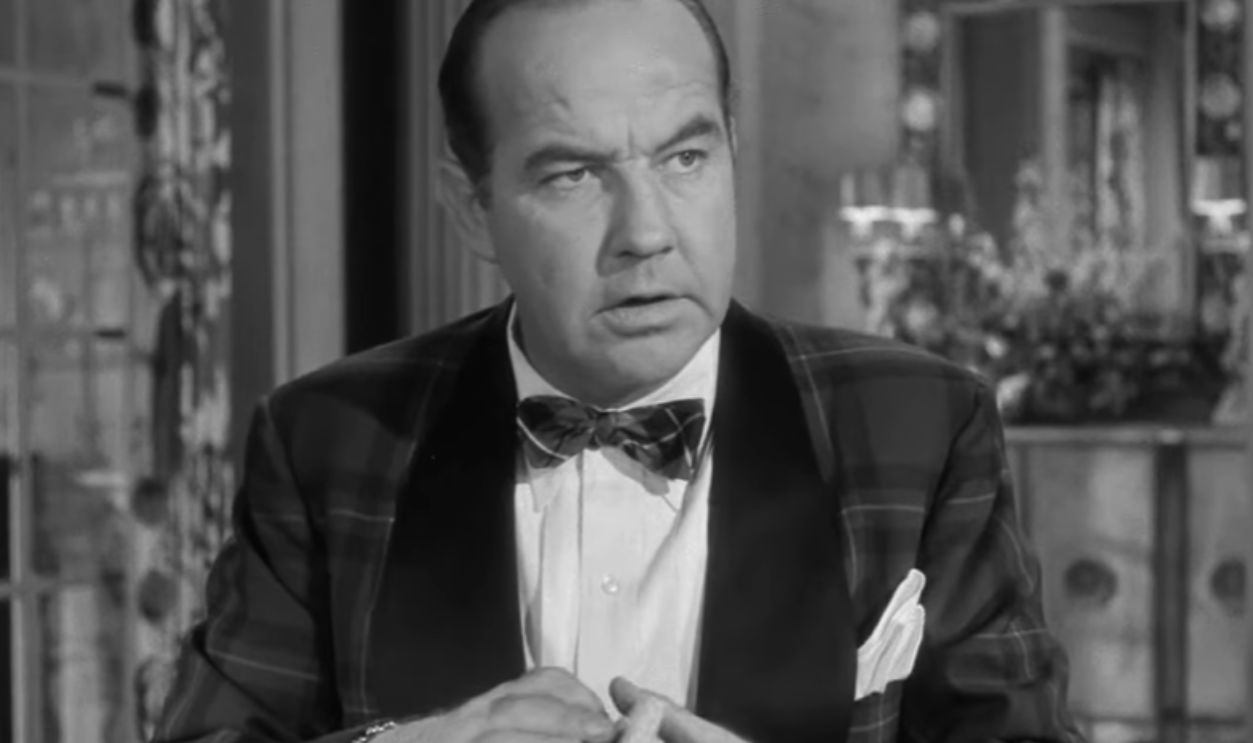 Screenshot from Born Yesterday, Columbia Pictures (1950)
Television Offered A New Beginning
As major film roles became less frequent during the 1950s, Crawford embraced television just as enthusiastically as he had motion pictures. The emerging medium introduced him to millions of new viewers while allowing him to continue playing the determined authority figures that audiences had come to expect.
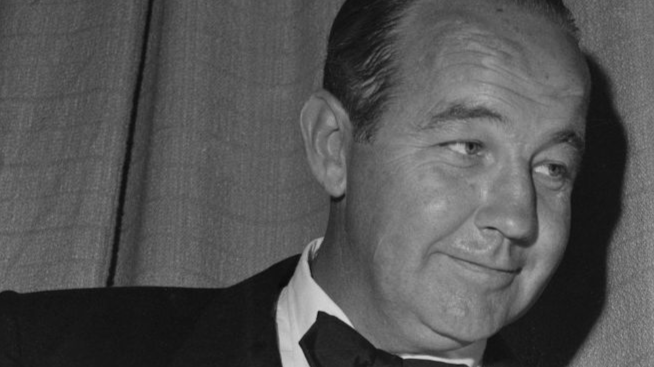
The Face Of Highway Patrol
Crawford's greatest television success arrived with Highway Patrol, which premiered in 1955. Playing Chief Dan Mathews, he brought credibility and relentless energy to the syndicated police drama. His clipped delivery of "Ten-four!" became one of television's most recognizable catchphrases, helping make the series an enduring hit.
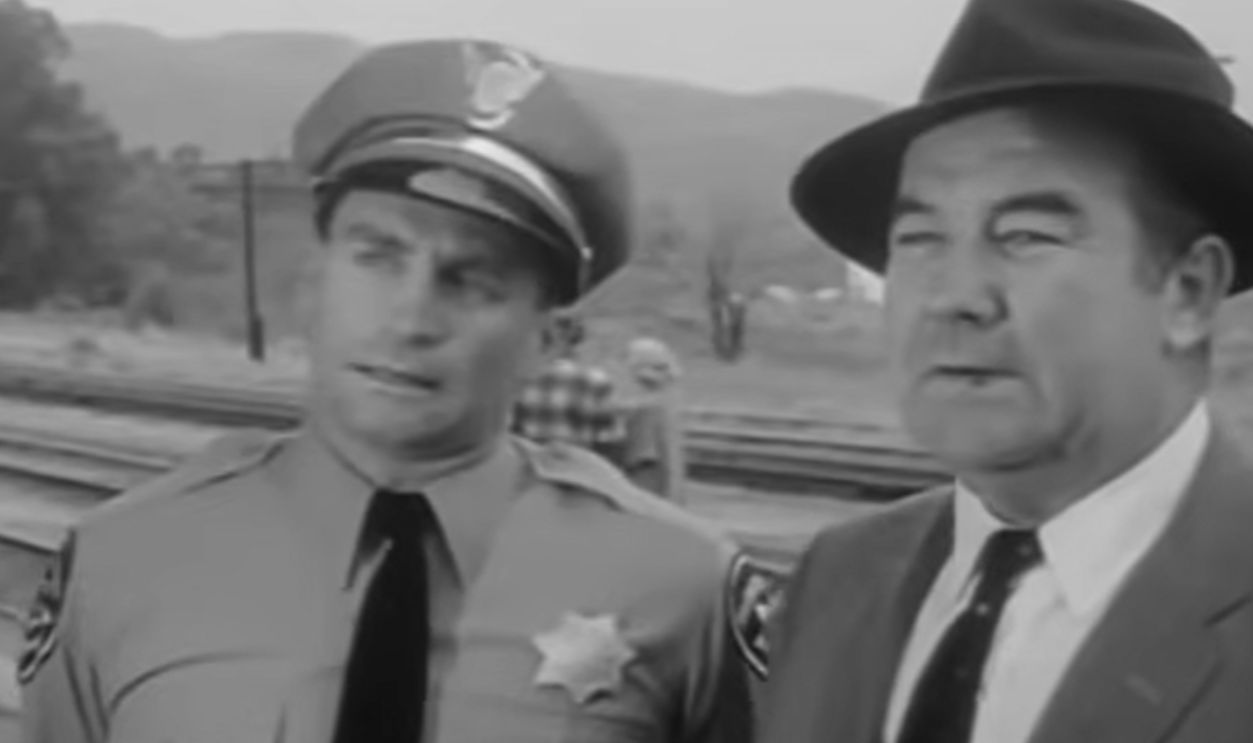 Screenshot from Highway Patrol, Ziv Television Programs (1955–1959)
A Tireless Television Presence
Even after Highway Patrol ended, Crawford remained one of television's busiest guest stars. He appeared on series including Perry Mason, The Fugitive, The Virginian, Ironside, McCloud, and Police Story, proving that his commanding screen presence translated effortlessly across a wide variety of dramatic roles.
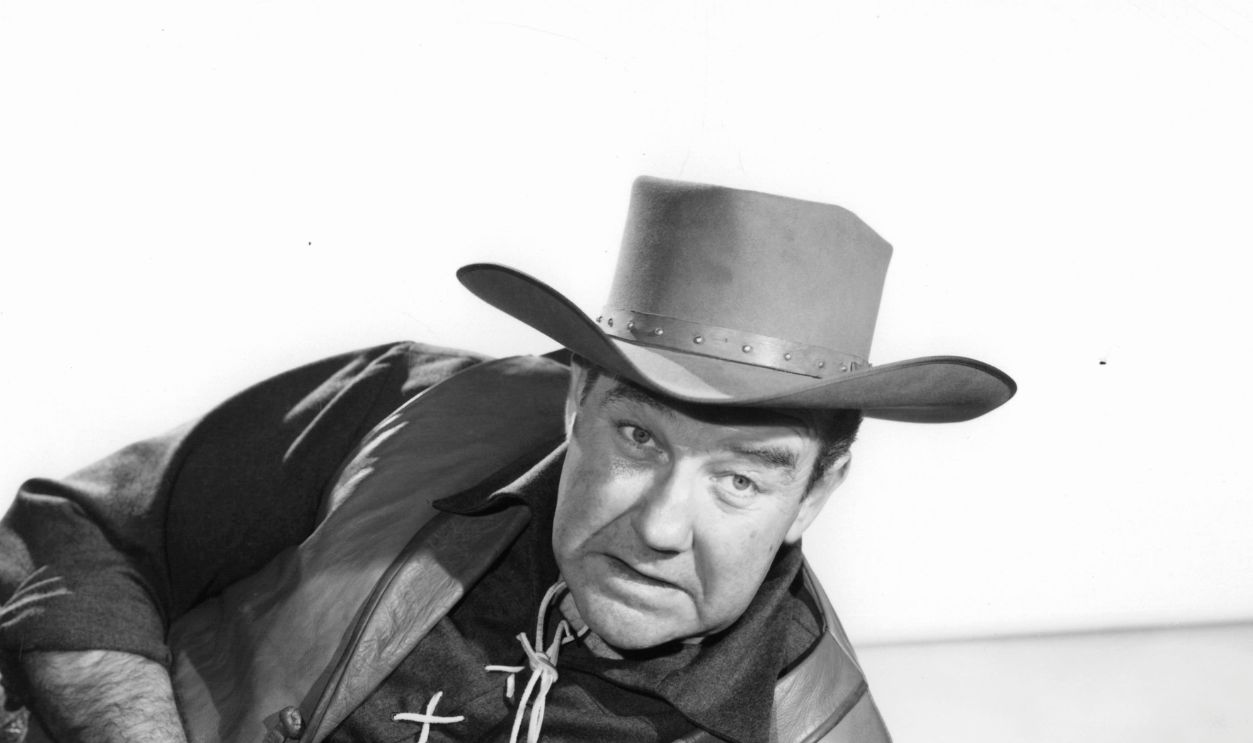
Returning To Feature Films
Although television dominated much of his later career, Crawford continued appearing in feature films. Notable performances included The Private Files Of J. Edgar Hoover (1977), directed by Larry Cohen and starring James Wainwright and José Ferrer, demonstrating that he could still command attention decades after his Oscar triumph.
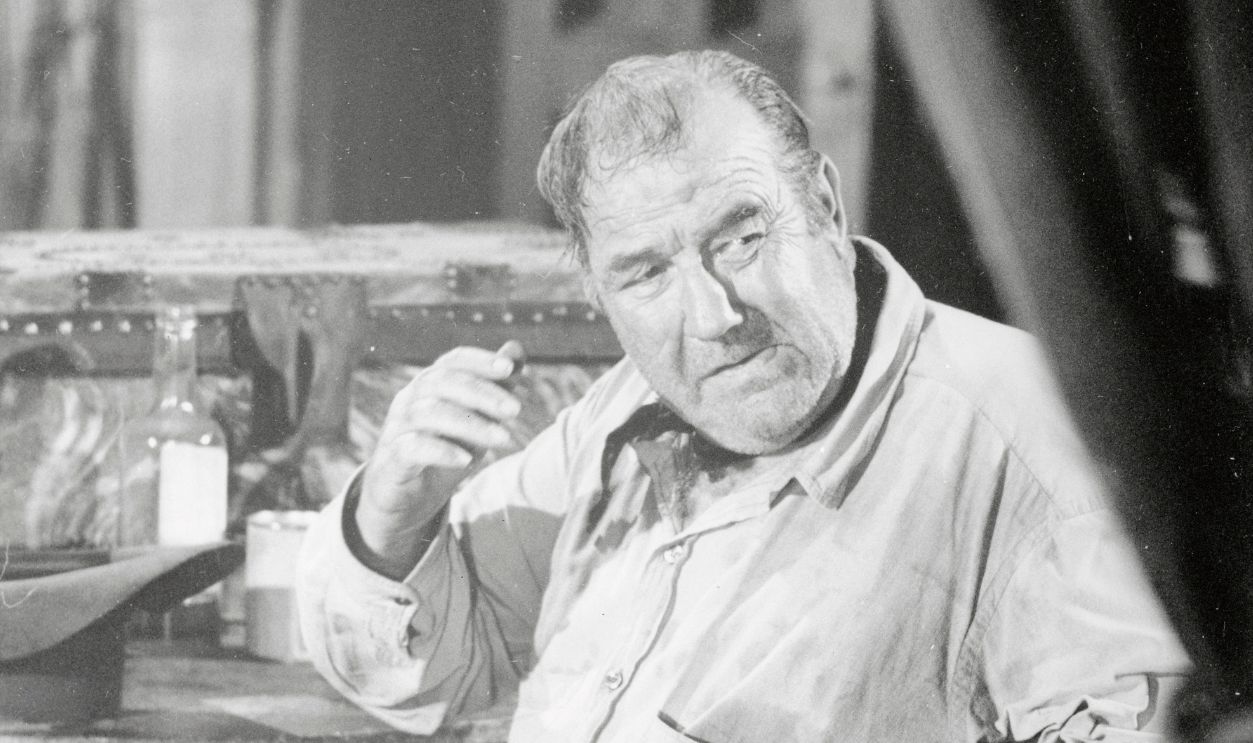
Working Across Genres
Crawford rarely limited himself to one type of production. Throughout the 1960s and 1970s he appeared in crime dramas, Westerns, war pictures, thrillers, and occasional comedies. Directors valued his professionalism, while younger actors appreciated the experience and authenticity he brought to every production.
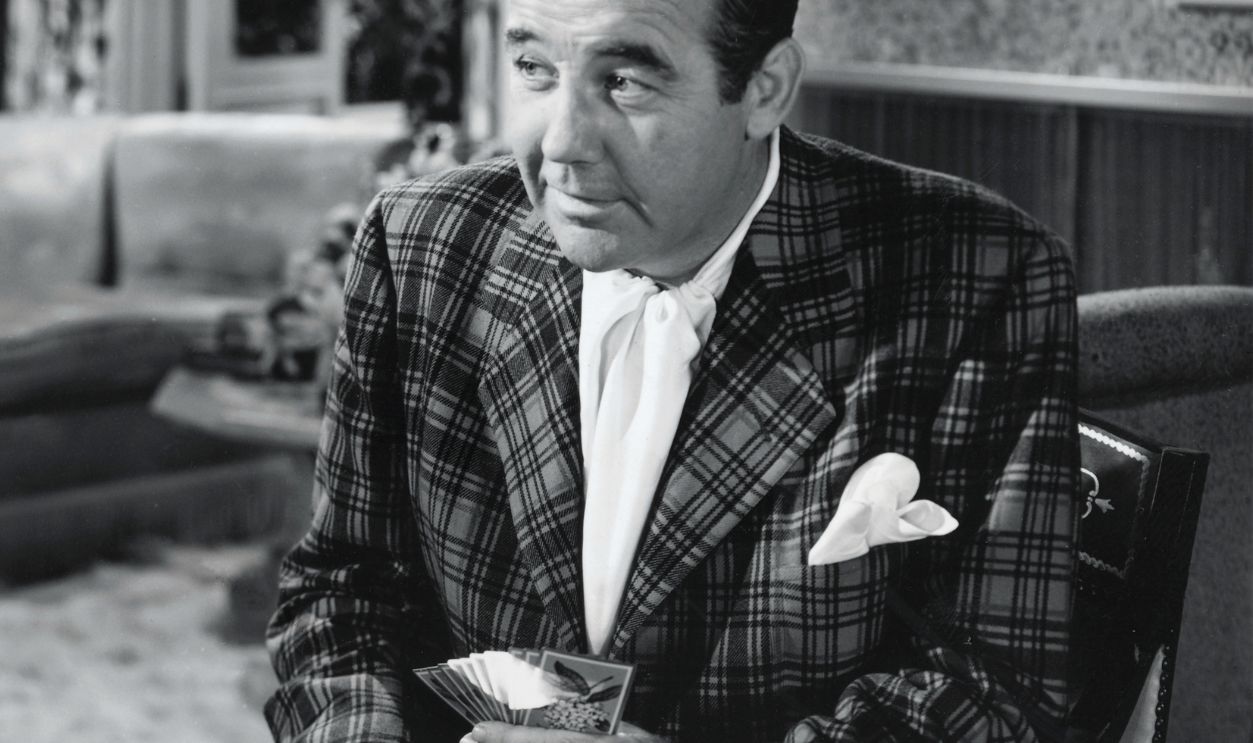 John Springer Collection, Getty Images
A Difficult Personal Battle
Away from the cameras, Crawford struggled for many years with alcoholism. Friends and colleagues admired his talent but often worried about the effects drinking had on both his health and professional reputation. Despite these challenges, he continued working with remarkable consistency throughout much of his career.
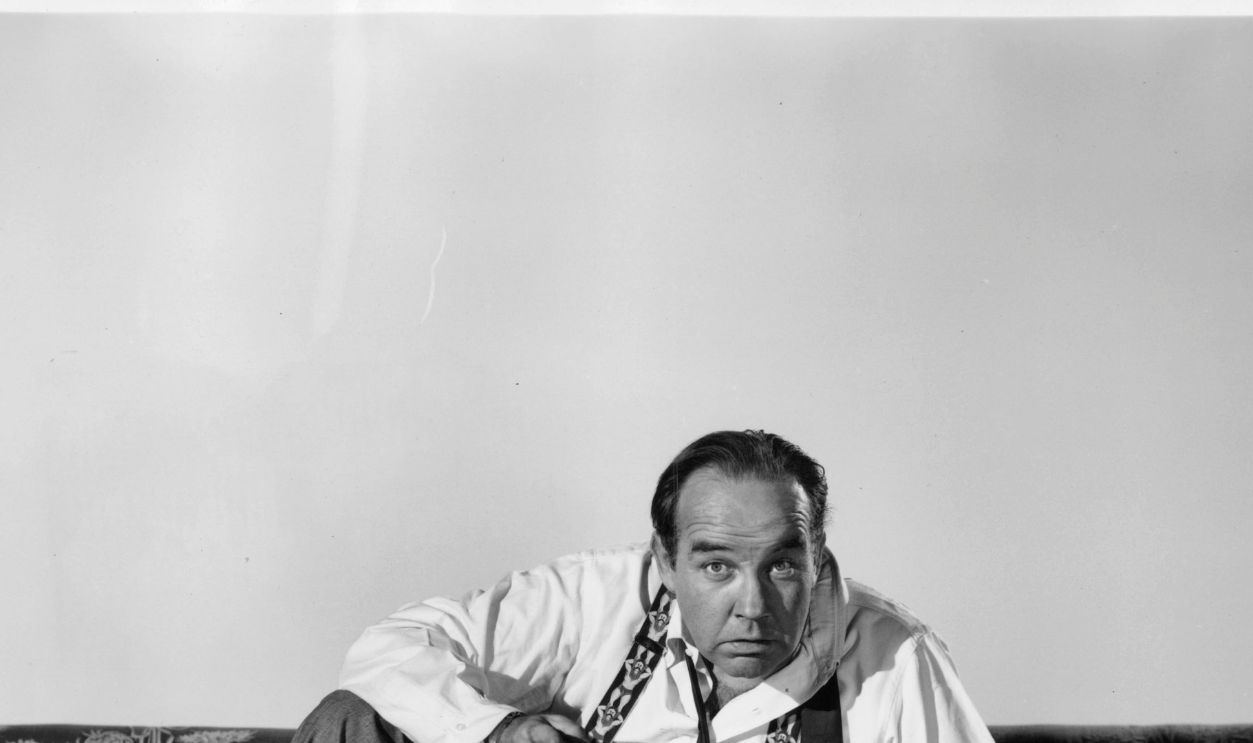
Marriage And Family Life
Crawford's personal relationships proved far less stable than his professional life. He married several times and became the father of two sons. Balancing Hollywood success with family responsibilities was not always easy, and his demanding career and personal struggles frequently placed strain on his marriages.
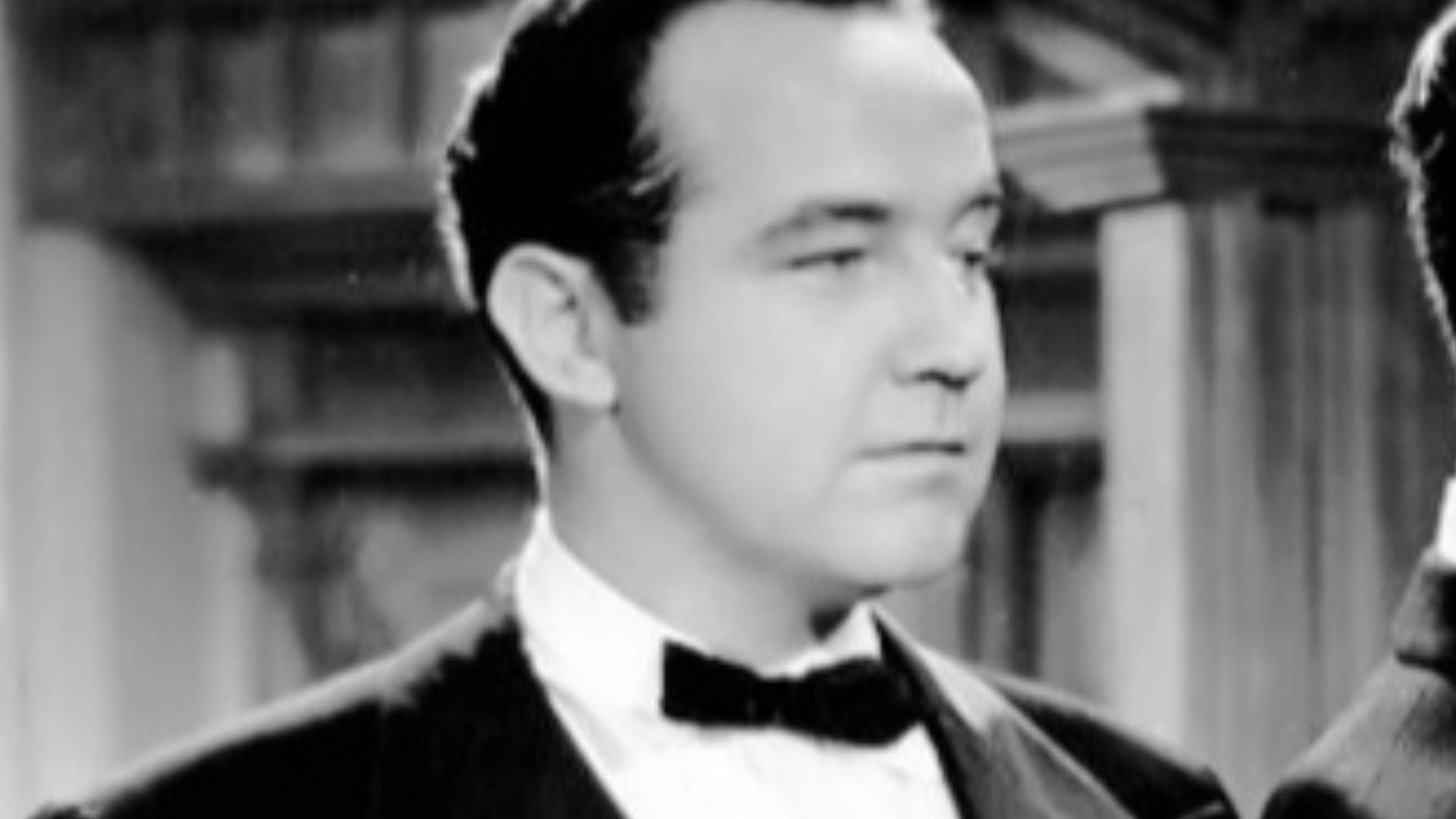 United Artists, Wikimedia Commons
His Marriage To Joan Tabor
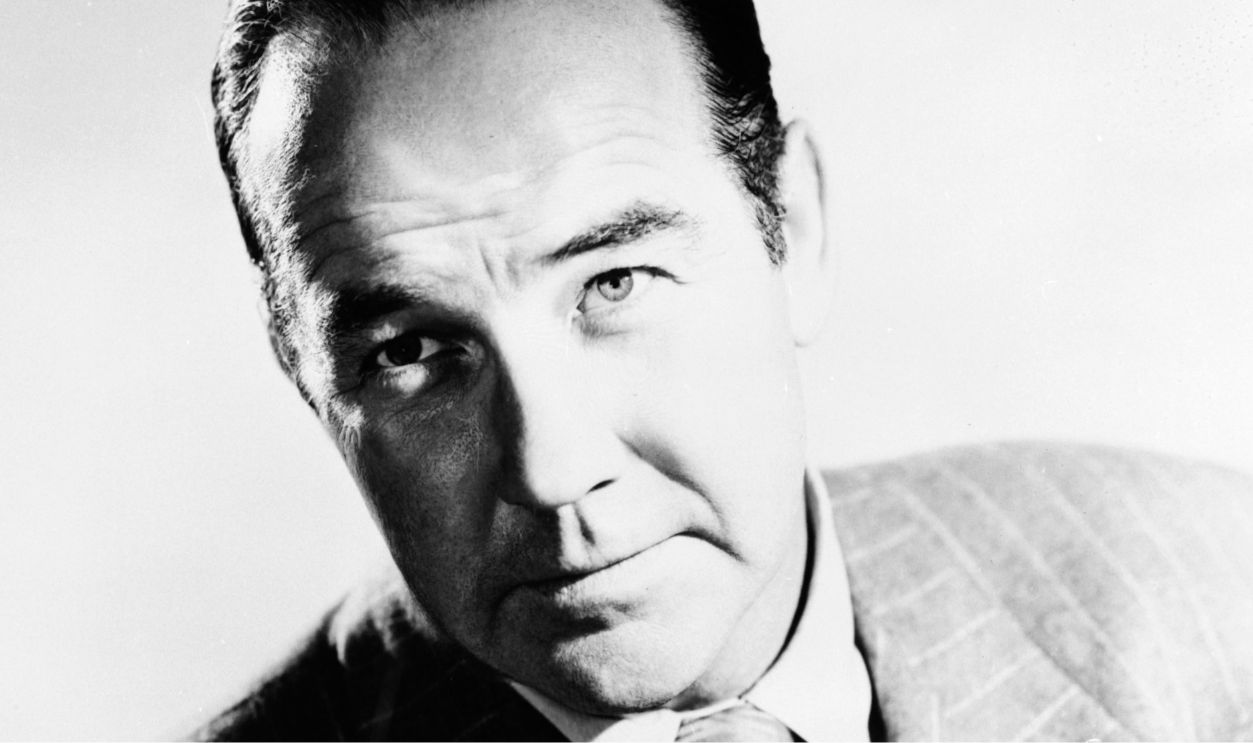
In 1962 Crawford married actress Joan Tabor, who had appeared in television series including Maverick, Bat Masterson, and 77 Sunset Strip. Their marriage attracted considerable public attention but ultimately ended in divorce several years later, reflecting the personal instability that often accompanied Crawford's private life.
Health Problems Mount
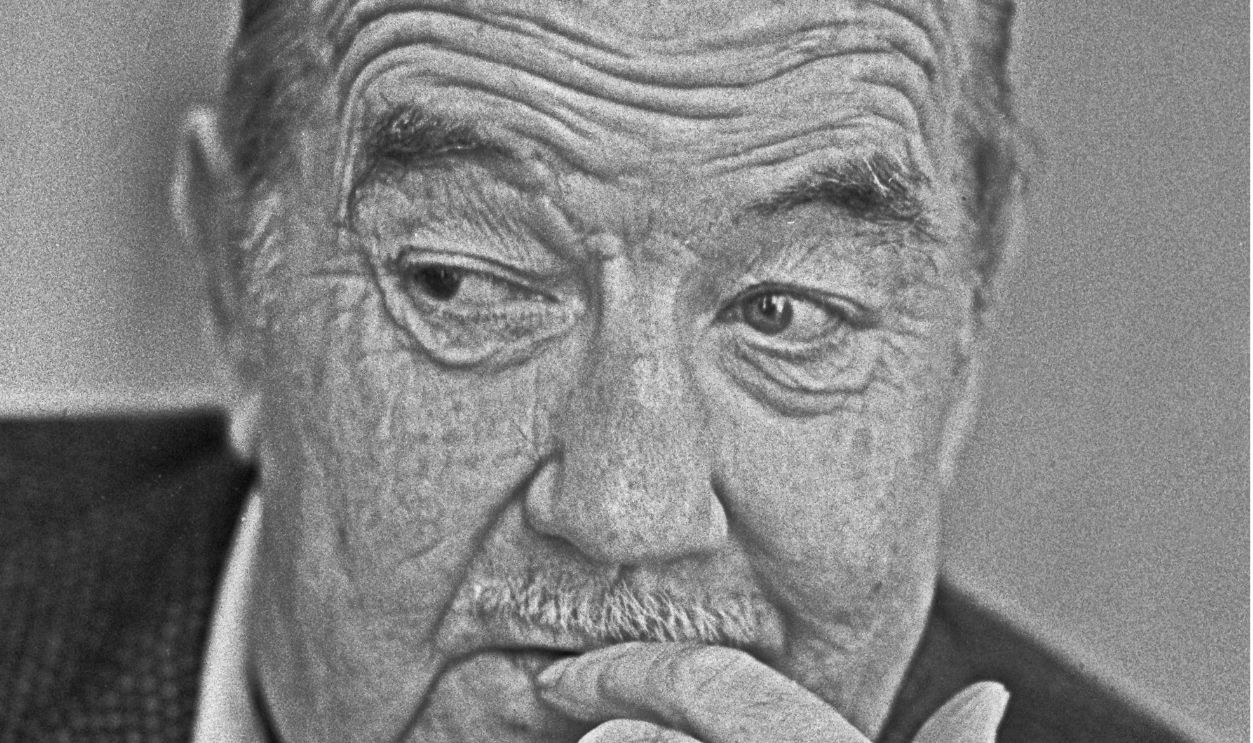
Years of heavy drinking and smoking gradually took their toll. By the 1970s and early 1980s, Crawford experienced a series of serious health problems, including strokes and other complications that increasingly limited his ability to work while making even everyday activities more difficult.
 Evening Standard, Getty Images
His Final Years
Although his health continued to decline, Crawford occasionally accepted acting work whenever possible. Friends noted that he remained proud of his career and grateful for the respect he had earned from audiences and fellow performers, even as illness forced him into a quieter life.
The End Of An Era
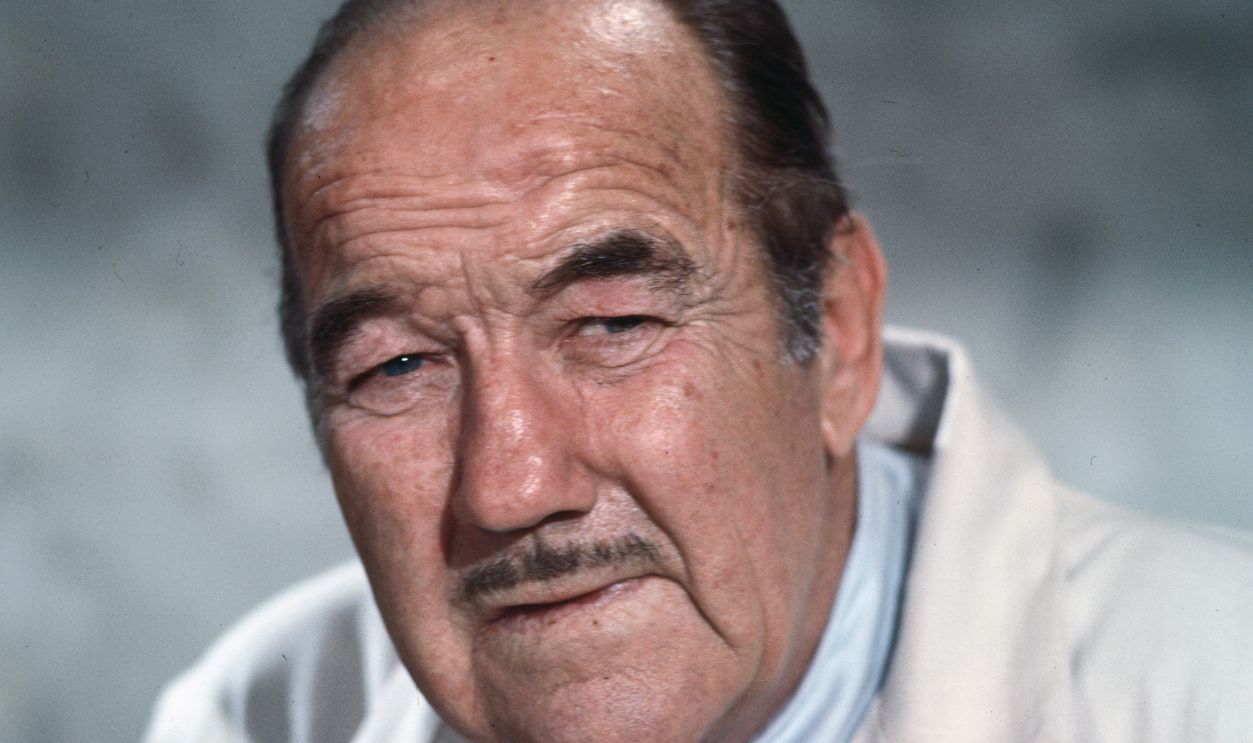
Broderick Crawford died on April 26, 1986, at the age of 74 in Rancho Mirage, California. His death marked the passing of one of Hollywood's most distinctive screen tough guys, whose unforgettable voice and larger-than-life presence had entertained audiences for more than five decades.
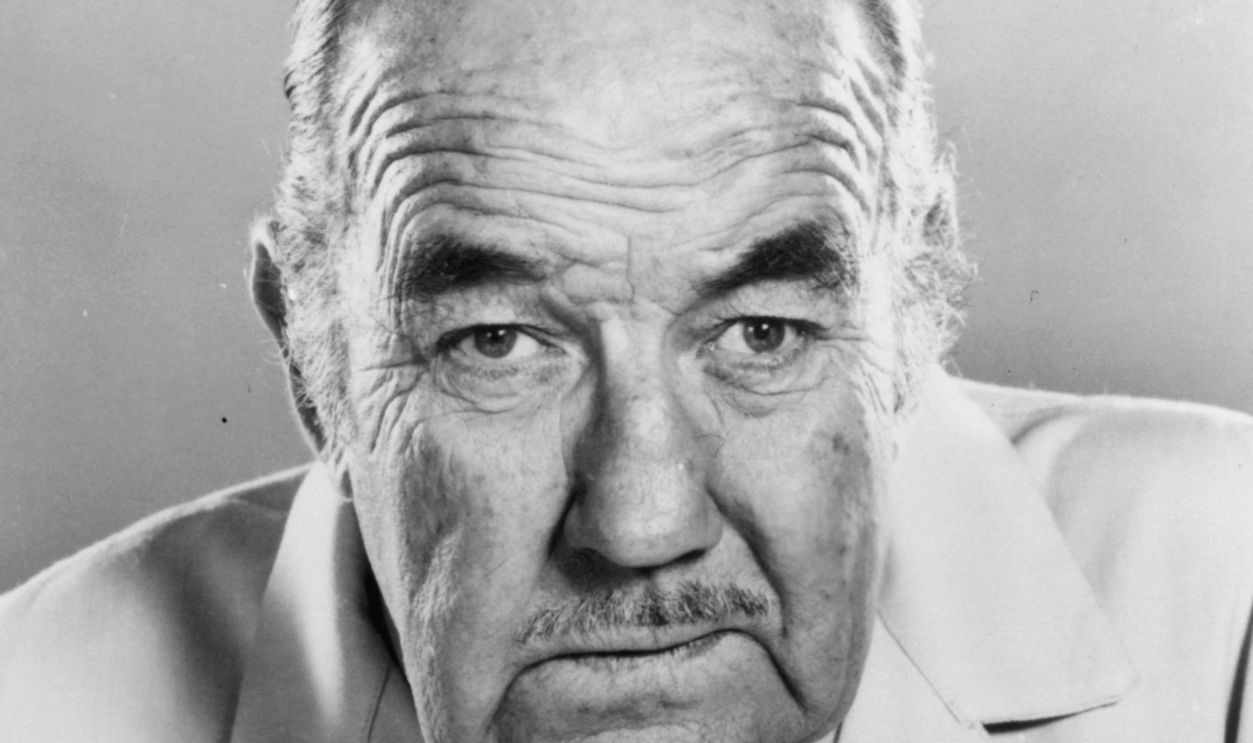 Michael Ochs Archives, Getty Images
Remembered For More Than One Role
While Highway Patrol introduced him to an entire generation of television viewers, film historians continue to regard Willie Stark in All The King's Men (1949) as Crawford's greatest achievement. His Academy Award-winning performance remains one of American cinema's finest portrayals of political ambition and corruption.
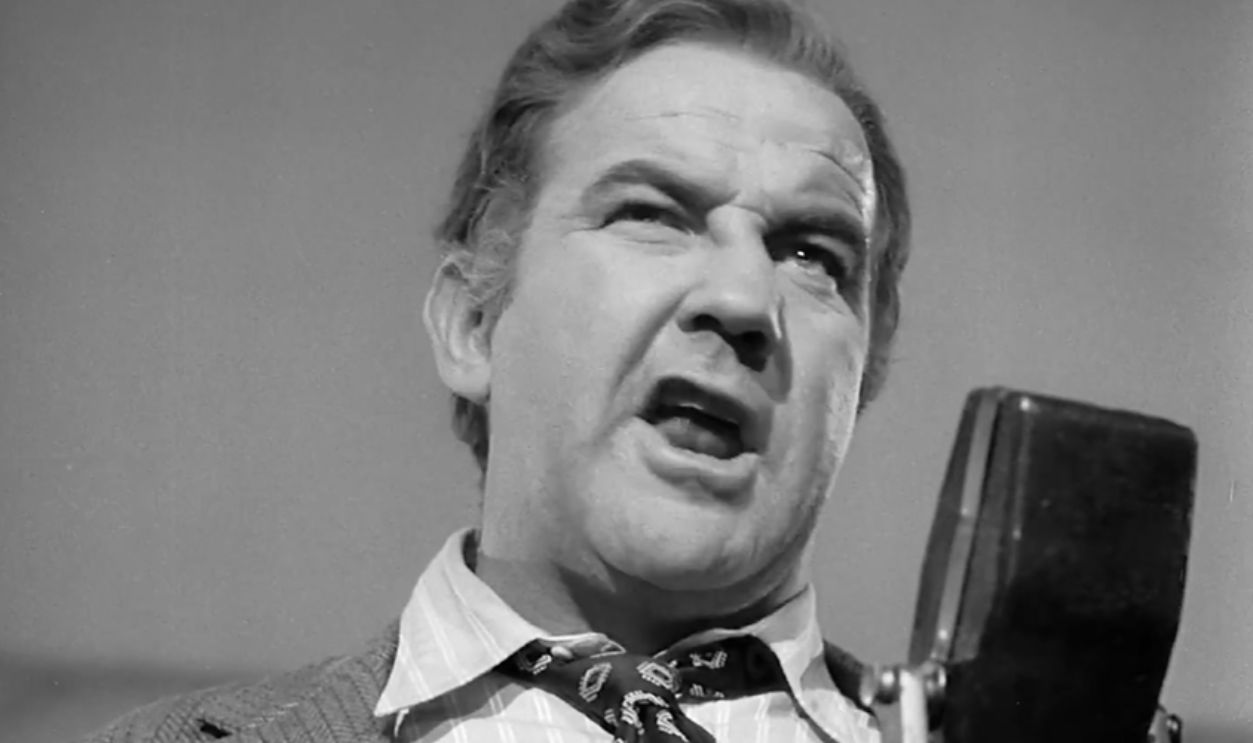 Screenshot from All the King's Men, Columbia Pictures (1949)
An Enduring Hollywood Legacy
Broderick Crawford never possessed the polished glamour of many leading men, yet that became one of his greatest strengths. He specialized in flawed, forceful, deeply human characters who felt authentic. From Broadway to Hollywood and television, his remarkable career ensured that his unmistakable voice and commanding presence would never be forgotten.
You May Also Like:
Does Anyone Remember These Hollywood Legends Of The 1940s?
Frances Farmer refused to be controlled—and Hollywood didn’t like that.