Where Were The Laughs?
Big stars, romantic misunderstandings, and two people who would eventually realize they belonged together. These rom-coms seemed to have everything they needed. Well, almost everything.
Someone apparently forgot that the "com" in Rom-Com stands for comedy. Did any of these really tickle your funny bone?
“Two Of A Kind” (1983)
John Travolta and Olivia Newton-John reunited, but someone decided their romance needed angels, heavenly interference, and the possible end of humanity. The supporting characters keep getting in the couple’s way, while chases and a food fight substitute for good jokes. Apparently, getting Danny and Sandy back together wasn’t complicated enough.
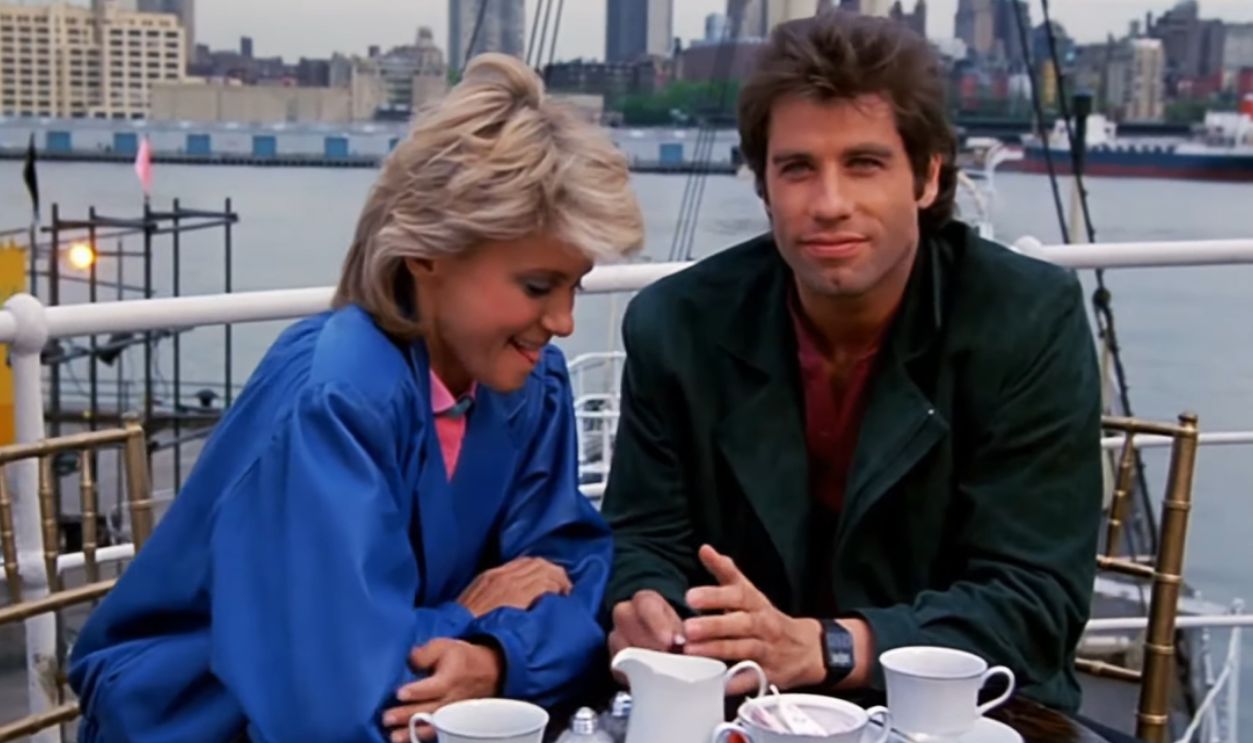 Screenshot from Two of a Kind, Twentieth Century-Fox Film Corporation (1983)
“Blind Date” (1987)
Bruce Willis takes Kim Basinger to a business dinner after being warned she shouldn’t drink. Naturally, she drinks. What follows is a parade of humiliation, destruction, and jealous-ex-boyfriend trouble. The movie keeps making the evening worse, but worse isn’t automatically funnier. At some point, you just want the check.
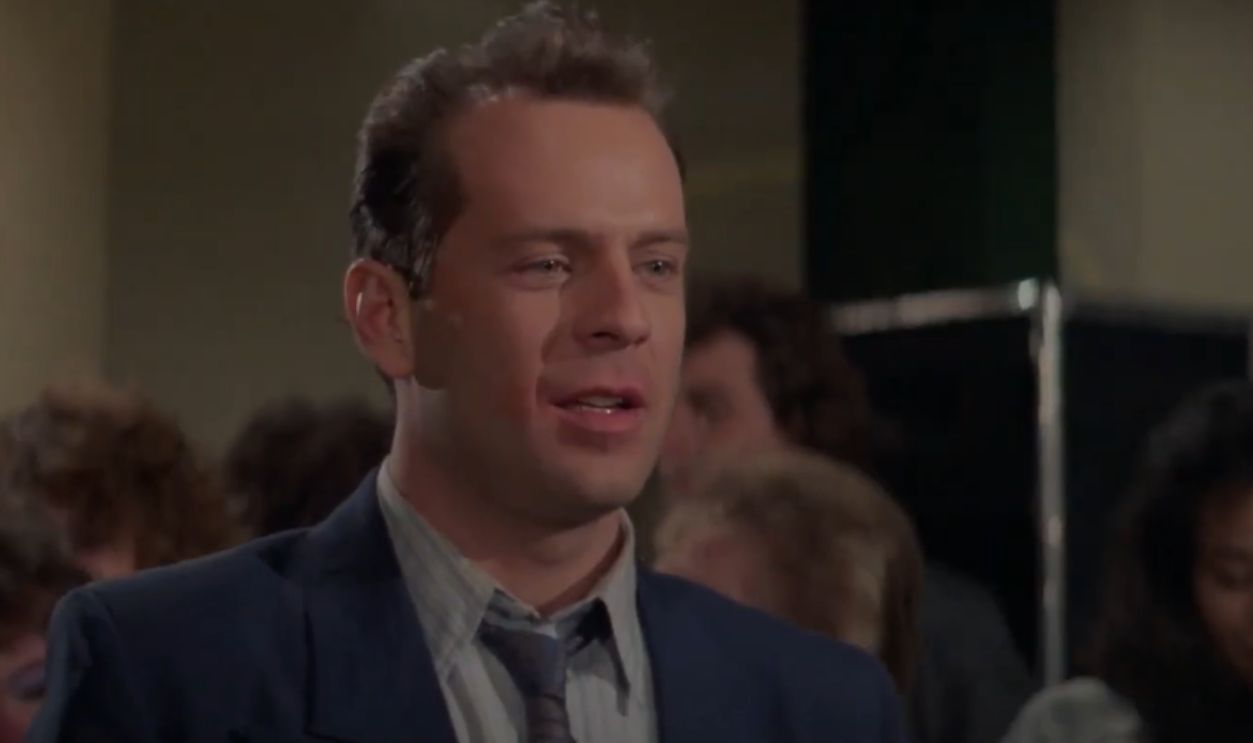 Screenshot from Blind Date, Tri-Star Pictures (1987)
“Who’s That Girl” (1987)
Madonna plays a recently released prisoner who turns an uptight lawyer’s life upside down. There’s a cougar, a frantic adventure, and plenty of attempts at old-fashioned screwball comedy. But the commotion overwhelms the comic timing. Madonna knew how to deliver a hit. This time, the soundtrack had to handle that part.
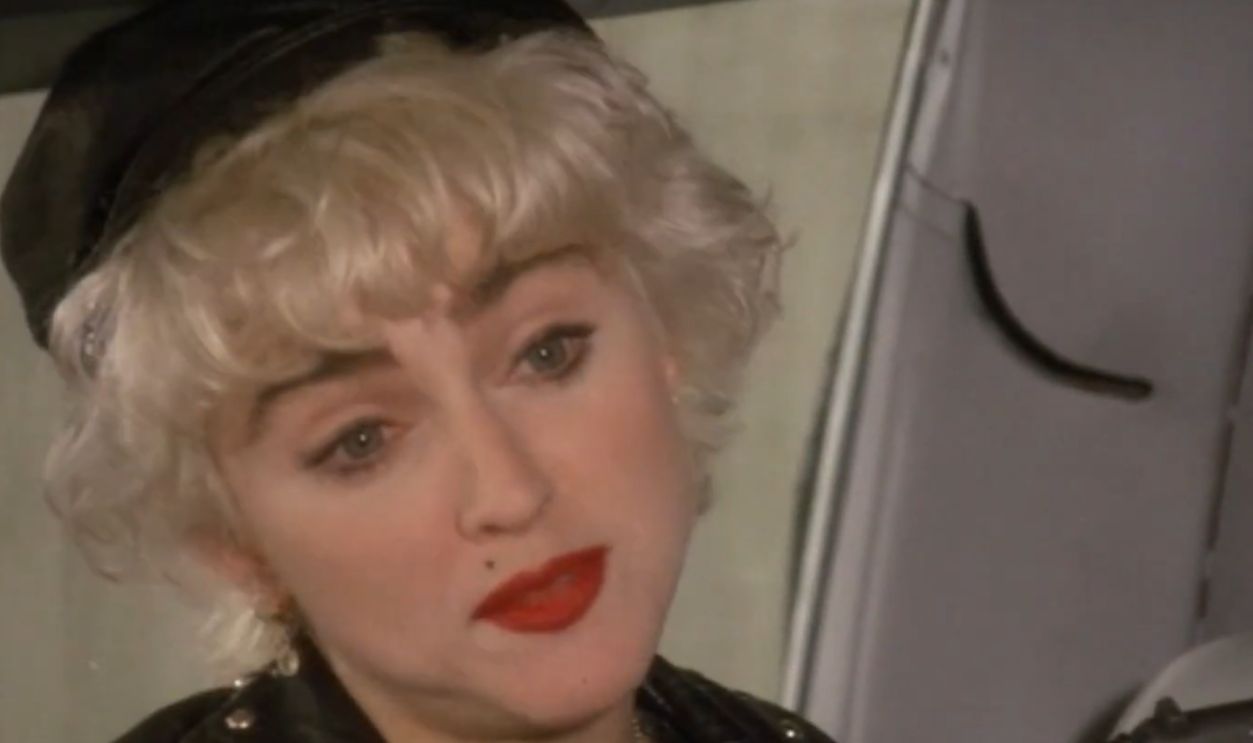 Screenshot from Who's That Girl, Warner Bros. (1987)
“The Slugger’s Wife” (1985)
Michael O’Keefe plays a baseball star who decides Rebecca De Mornay’s singer is his good-luck charm. Unfortunately, his dependence on her turns the romance into a string of demands and arguments. A Neil Simon screenplay should give these people better lines. Instead, you’re rooting for her to get some space.
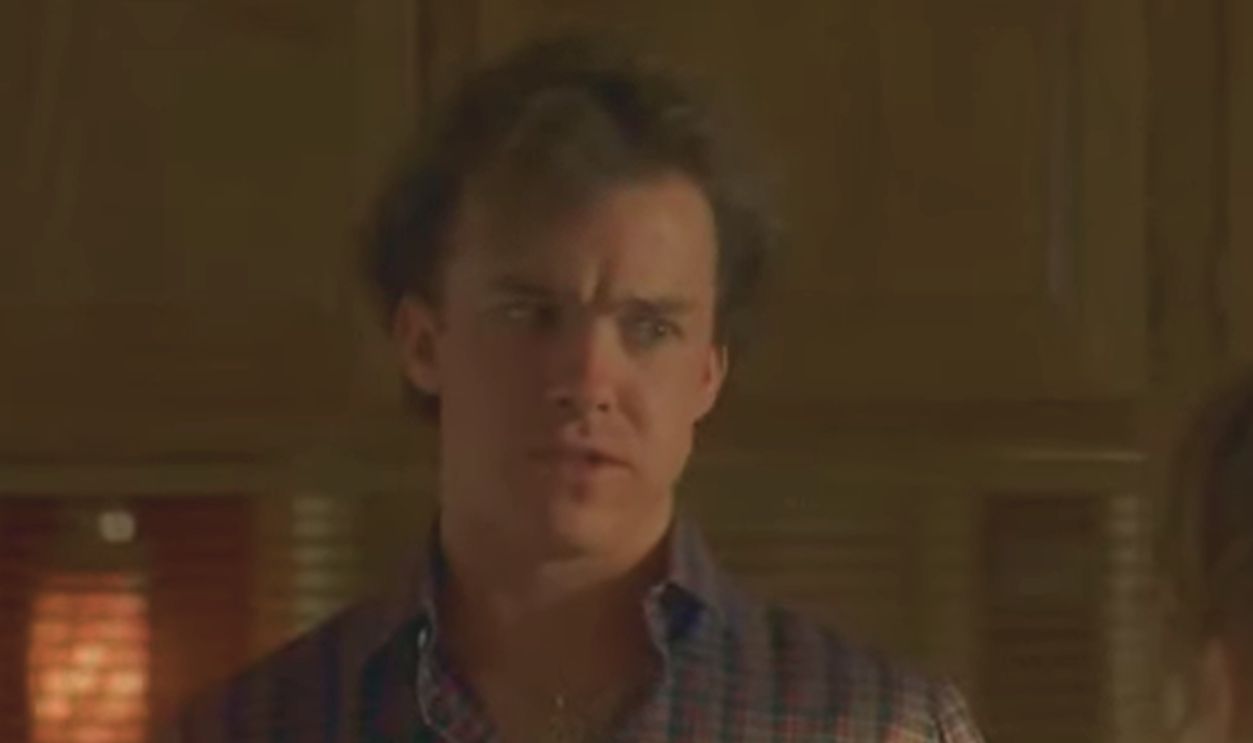 Screenshot from The Slugger's Wife, Columbia Pictures (1985), Modified
“Her Alibi” (1989)
Tom Selleck’s mystery novelist supplies a beautiful suspect with an alibi, then wonders whether inviting her into his life was a terrible idea. His exaggerated writing fantasies keep interrupting the action, while the mystery grows increasingly ridiculous. Even Selleck’s mustache can only carry so much of a film.
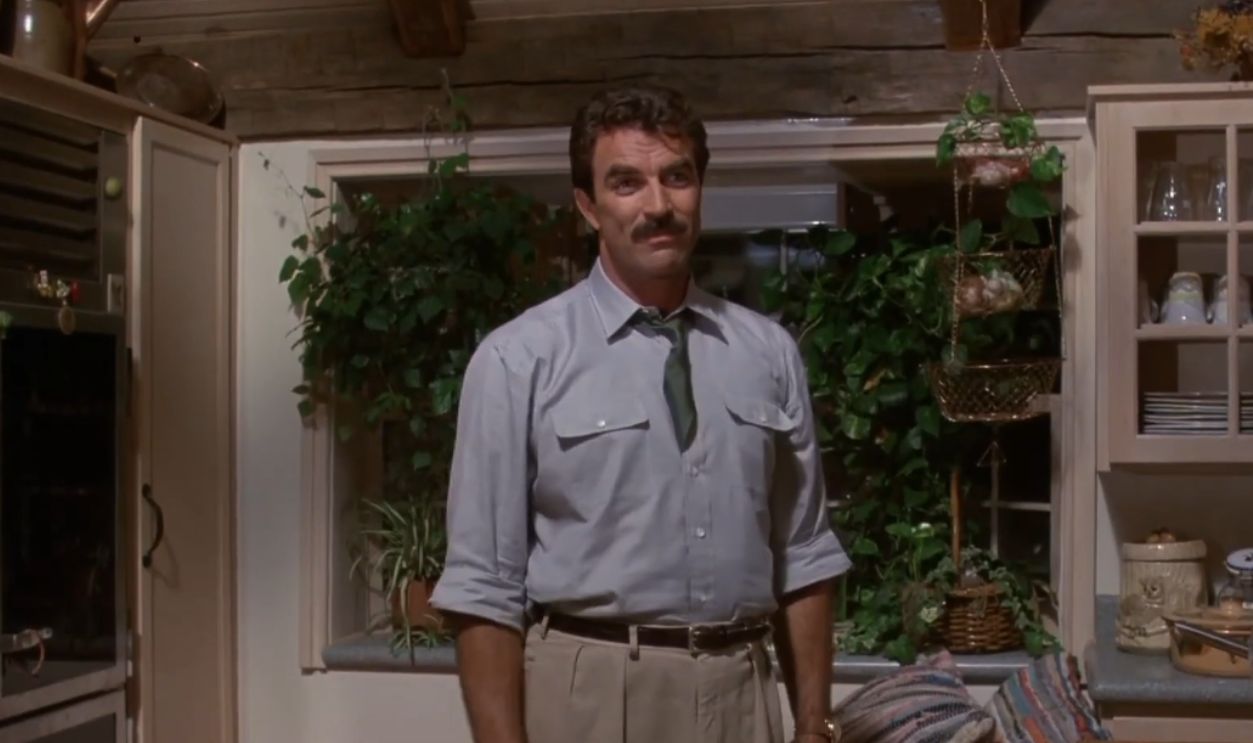 Screenshot from Her Alibi, Warner Bros. (1989)
“Shanghai Surprise” (1986)
Madonna and Sean Penn play a missionary and an adventurer caught up in trouble in 1930s Shanghai. The movie reaches for romantic banter and slapstick, but neither gives the adventure much spark. There’s plenty of running around. The real surprise is how little fun it all turns out to be.
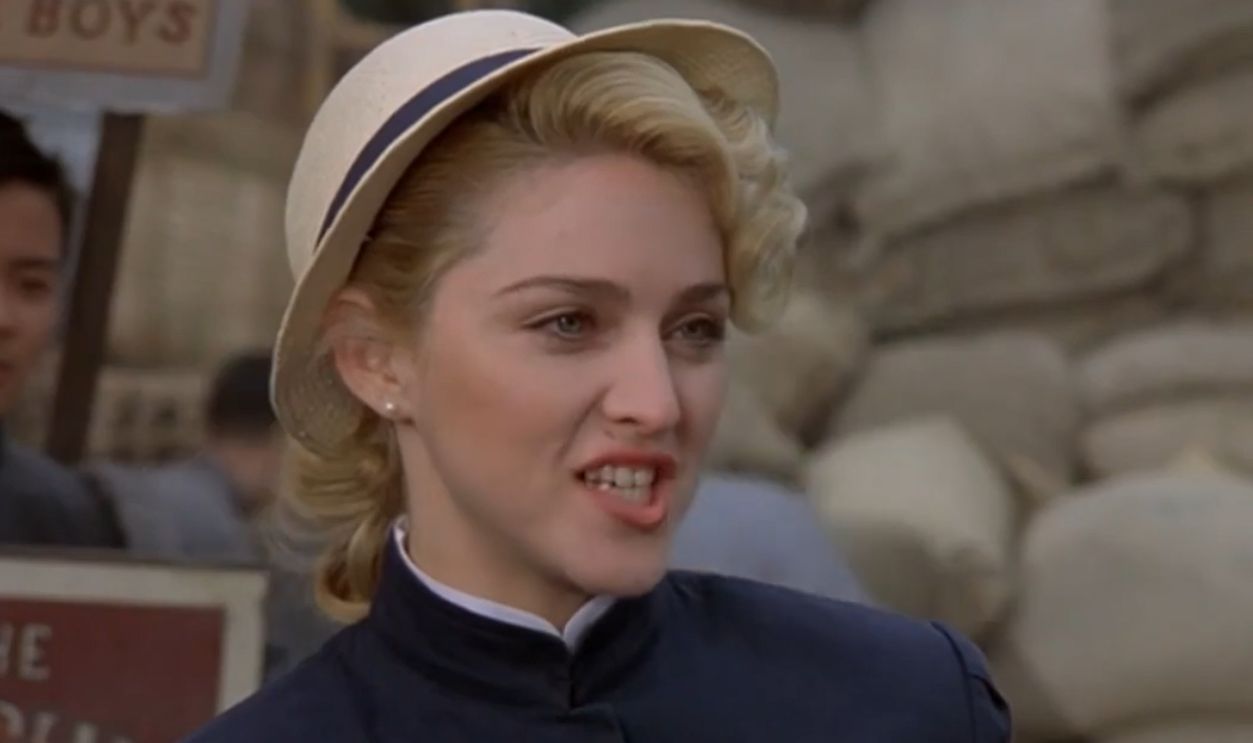 Screenshot from Shanghai Surprise, MGM Entertainment Co. (1986)
“The Pick-Up Artist” (1987)
Robert Downey Jr. plays a relentless flirt who meets his match in Molly Ringwald. His rehearsed pickup lines already make the courtship hard work, then gambling debts and dangerous men crowd into the story. It’s difficult to keep a romantic comedy light when it keeps wandering into somebody else’s thriller.
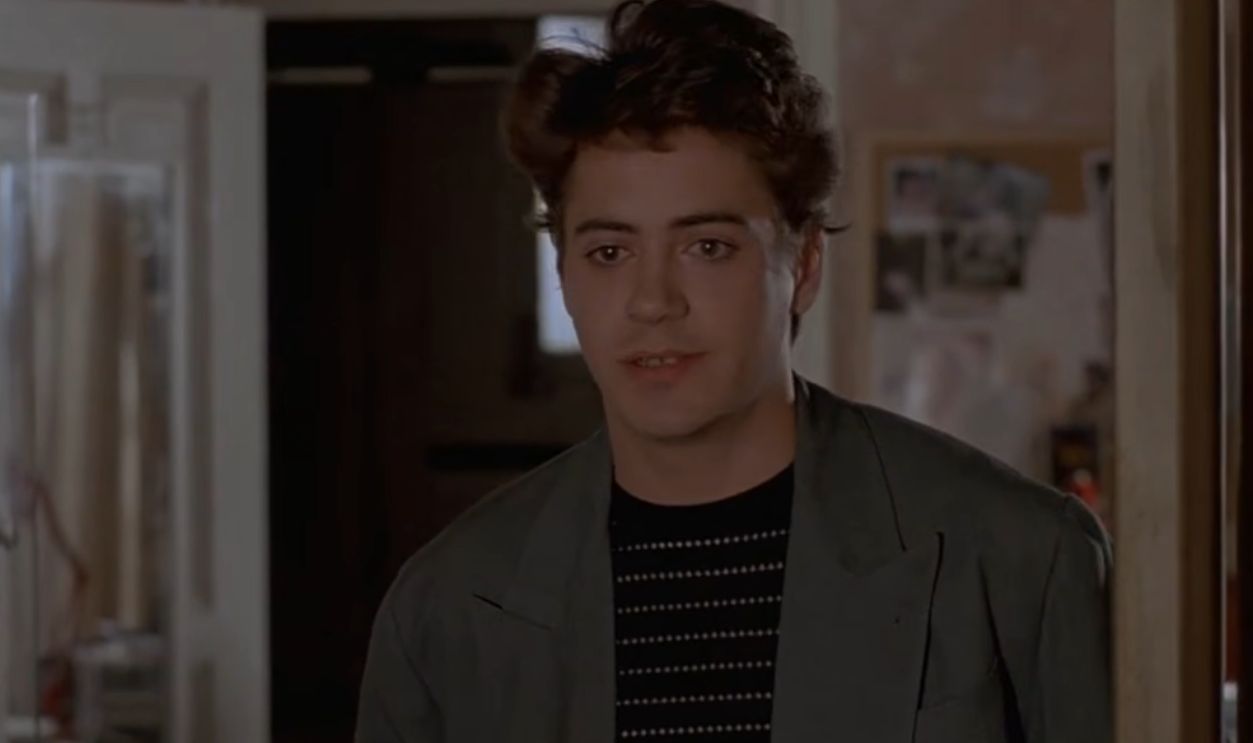 Screenshot from The Pick-Up Artist, Twentieth Century-Fox Film Corporation (1987)
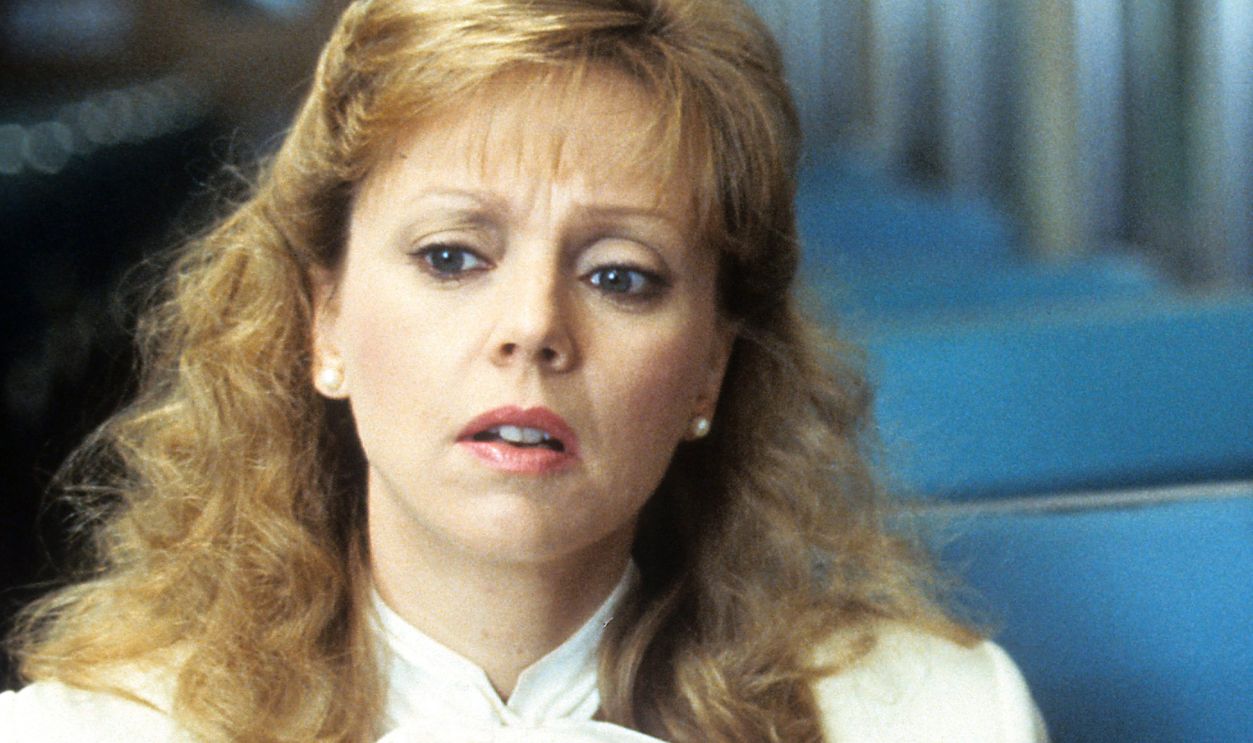
“Hello Again” (1987)
Shelley Long returns to life and discovers her husband has married her best friend. That should provide more than enough material for a comedy. Instead, the film keeps reaching for easy one-liners and polished society scenes. Imagine getting a second chance at life and spending it in this script.
“You Can’t Hurry Love” (1988)
David Packer tries video dating after moving to Los Angeles, eventually falling for Bridget Fonda’s character at the dating service. The bad dates should supply the laughs, but the familiar mishaps keep piling up without much payoff. You can’t hurry love, apparently. Getting to a good joke takes a while, too.
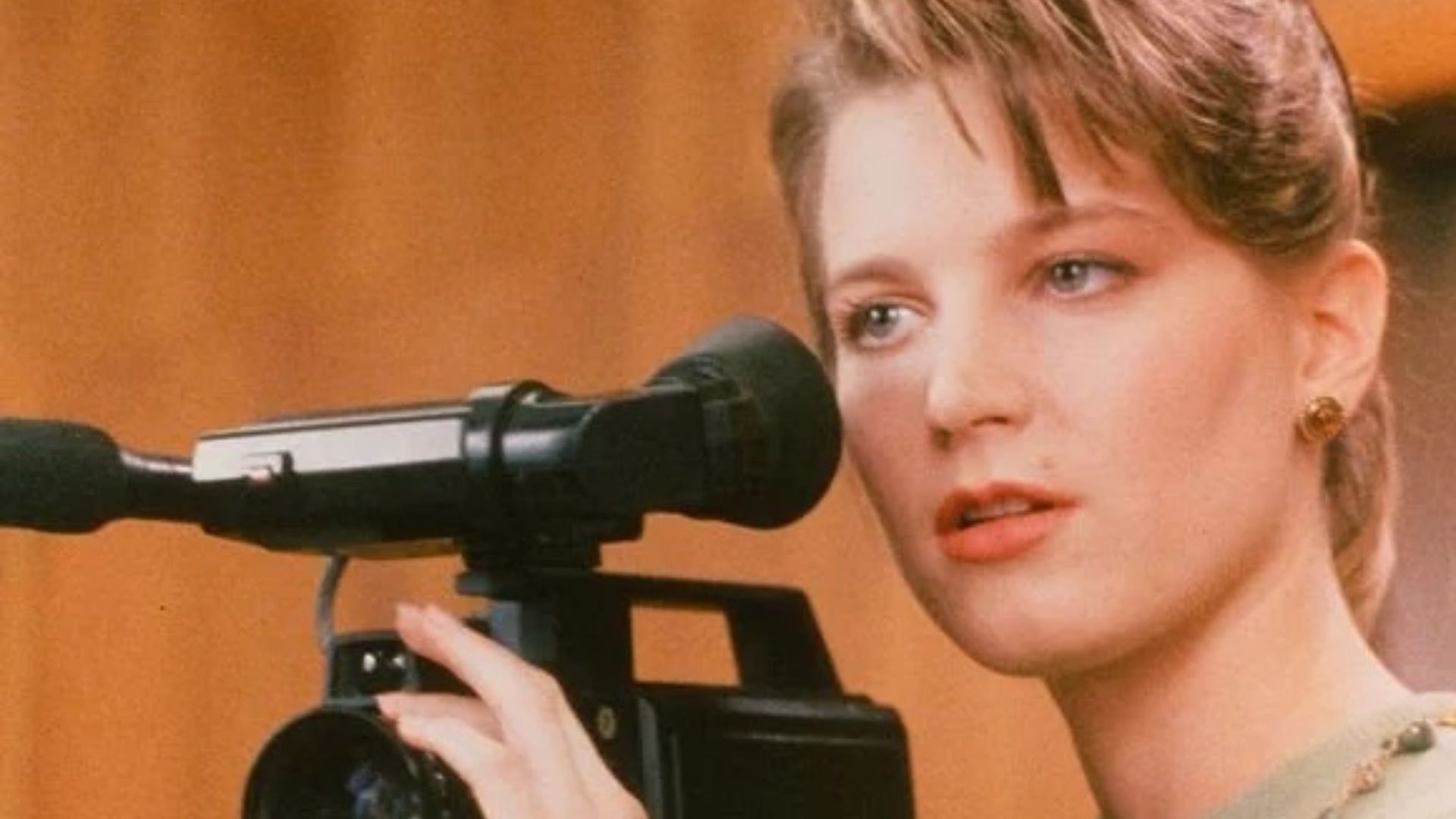 Lightning Pictures, Wikimedia Commons
“Worth Winning” (1989)
Mark Harmon plays a weatherman who bets he can get three women to accept marriage proposals. Apparently, forecasting the weather wasn’t providing enough opportunities to disappoint people. The scheming is supposed to be charming, but watching him manipulate women makes it much easier to root for his humiliation than his happiness.
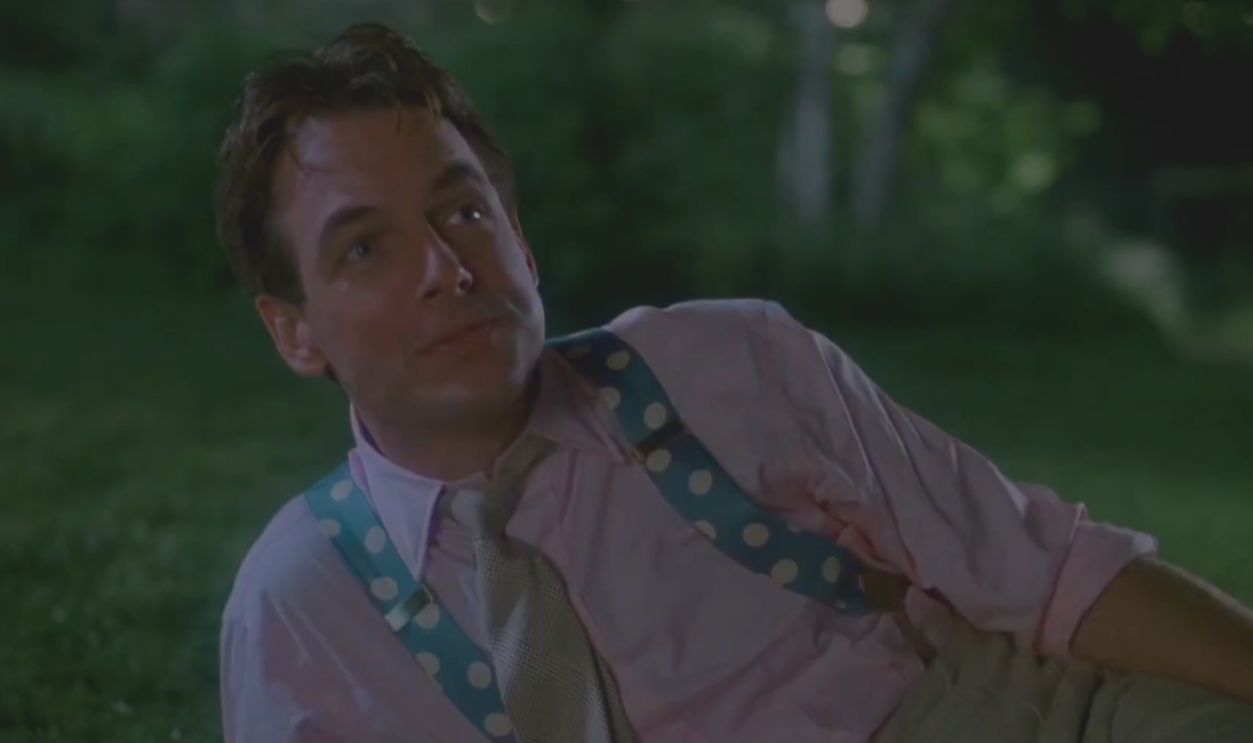 Screenshot from Worth Winning, Twentieth Century-Fox Film Corporation (1989), Modified
“The Woman In Red” (1984)
Gene Wilder’s married character pursues Kelly LeBrock while Gilda Radner’s character becomes a target for embarrassing jokes. That’s the problem: his foolishness gets indulged, while the women get reduced to fantasies or punch lines. Wilder could make awkwardness hilarious. Here, too much of the awkwardness lands on everyone around him.
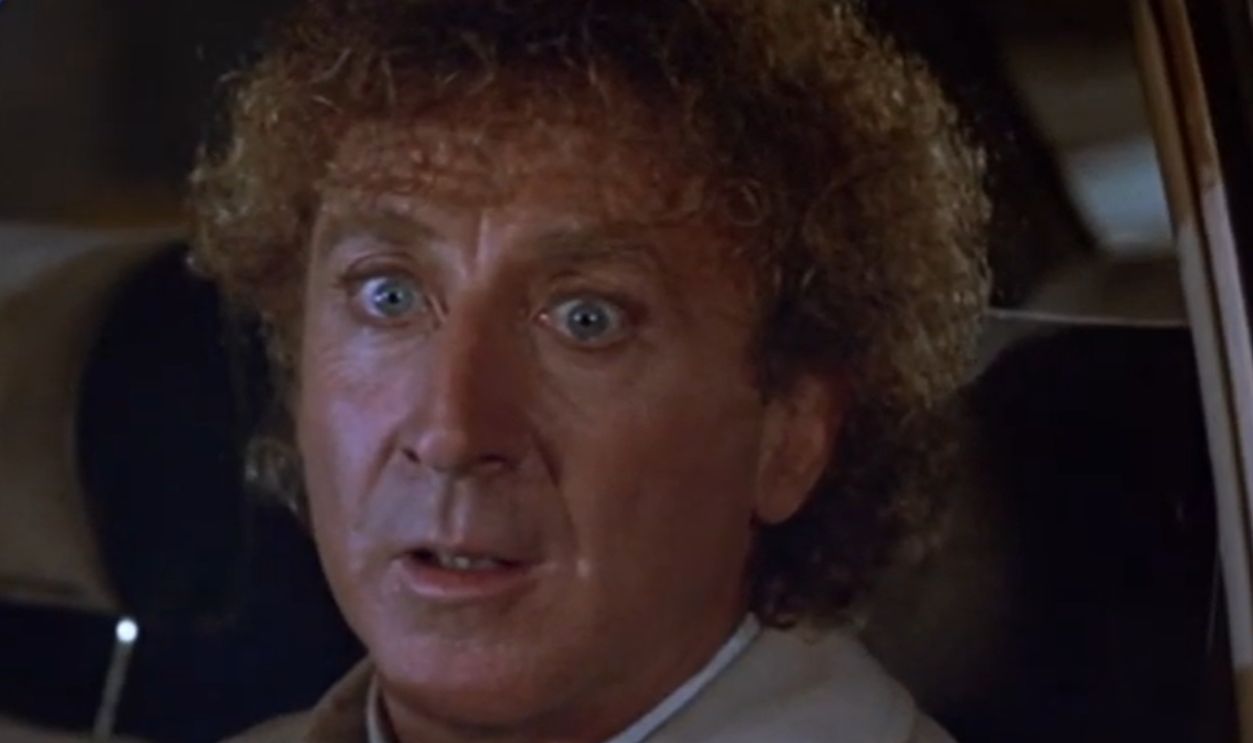 Screenshot from The Woman in Red, Orion Pictures Corporation (1984)
“Dream A Little Dream” (1989)
Corey Feldman’s teenage romance gets tangled up in a fantasy involving an older couple, dreams, and a body exchange. The movie spends so much effort complicating its premise that the jokes get lost along the way. The two Coreys were supposed to provide the fun. Keeping track of everything feels like homework.
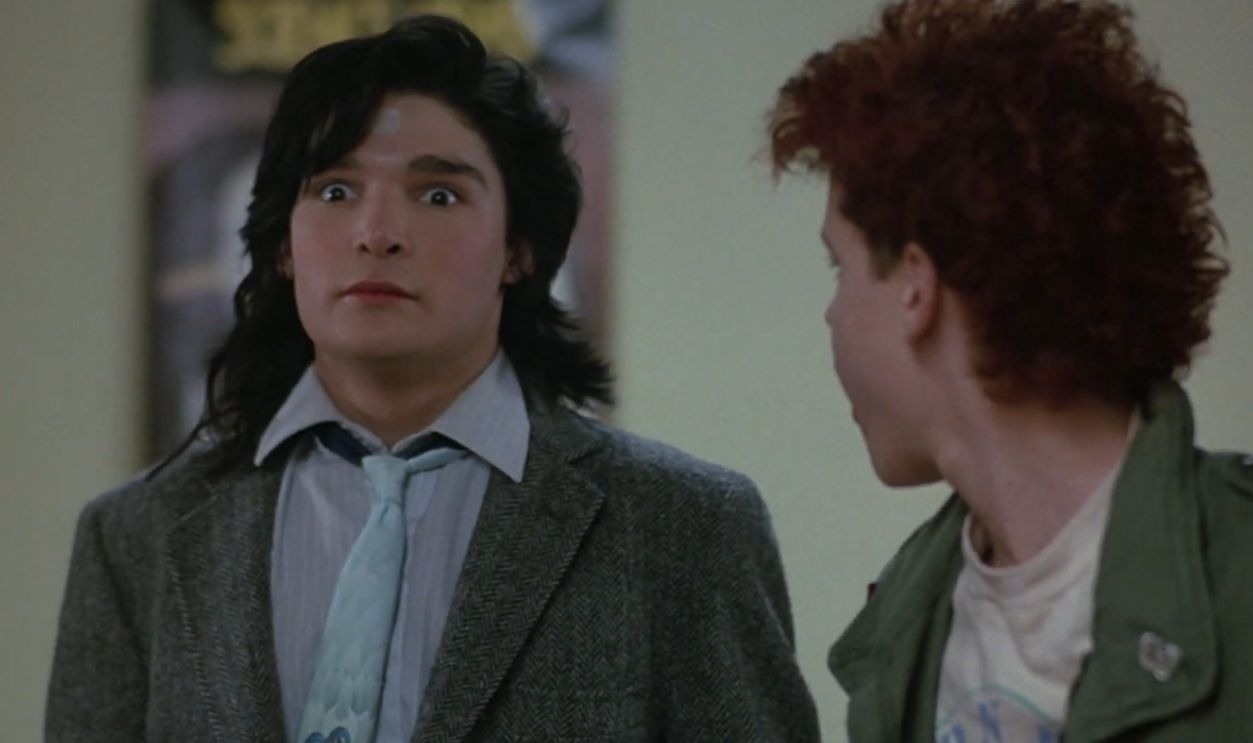 Screenshot from Dream a Little Dream, Vestron Pictures (1989)
“Date With An Angel” (1987)
Michael E. Knight discovers an angel in his swimming pool, and his fiancée assumes the worst. Phoebe Cates gets stuck playing the jealous obstacle while the story works through familiar misunderstandings. An actual visitor from heaven ought to inspire something more original than another argument about a mysterious blonde.
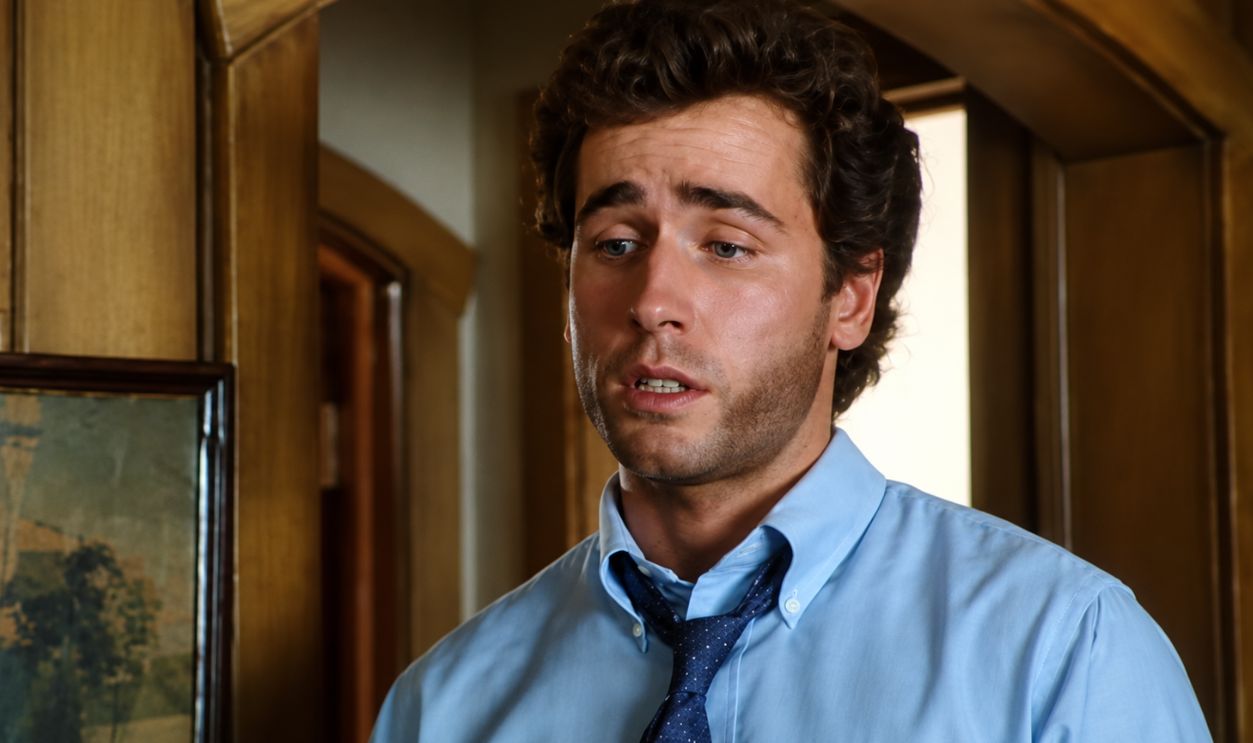 Screenshot from Date with an Angel, De Laurentiis Entertainment Group, Inc. (1987), Modified
“Loving Couples” (1980)
Shirley MacLaine and James Coburn play a married couple who become involved with younger partners. The film presents the arrangement as cheeky modern romance, but the courtship routines and sluggish conversations feel anything but fresh. With MacLaine, Coburn, and Susan Sarandon involved, how did this end up feeling like a tired sitcom?
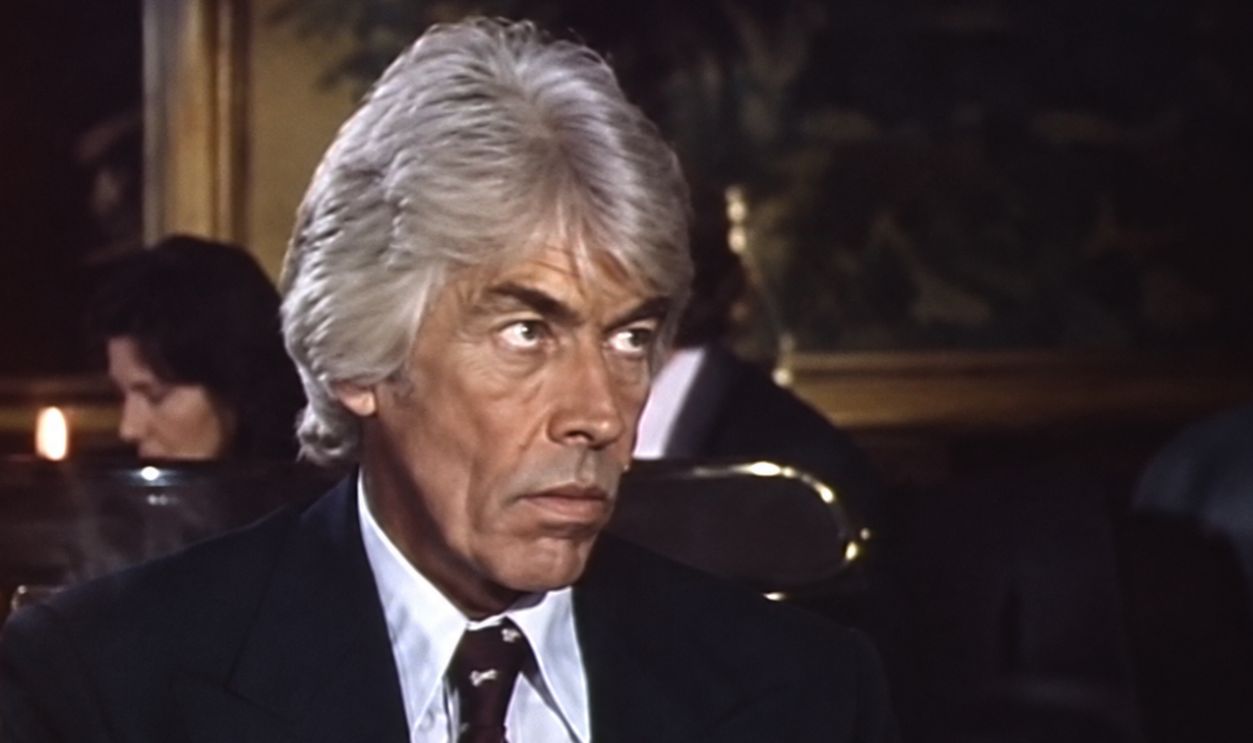 Screenshot from Loving Couples, Twentieth Century-Fox Film Corporation (1980), Modified
“My Demon Lover” (1987)
Scott Valentine plays a street musician who turns into a monster whenever romance heats up. That certainly complicates dating, but the frantic antics and gross-out jokes overwhelm the love story without delivering many laughs. You might remember Valentine as Nick on “Family Ties.” This movie makes that sitcom look even better.
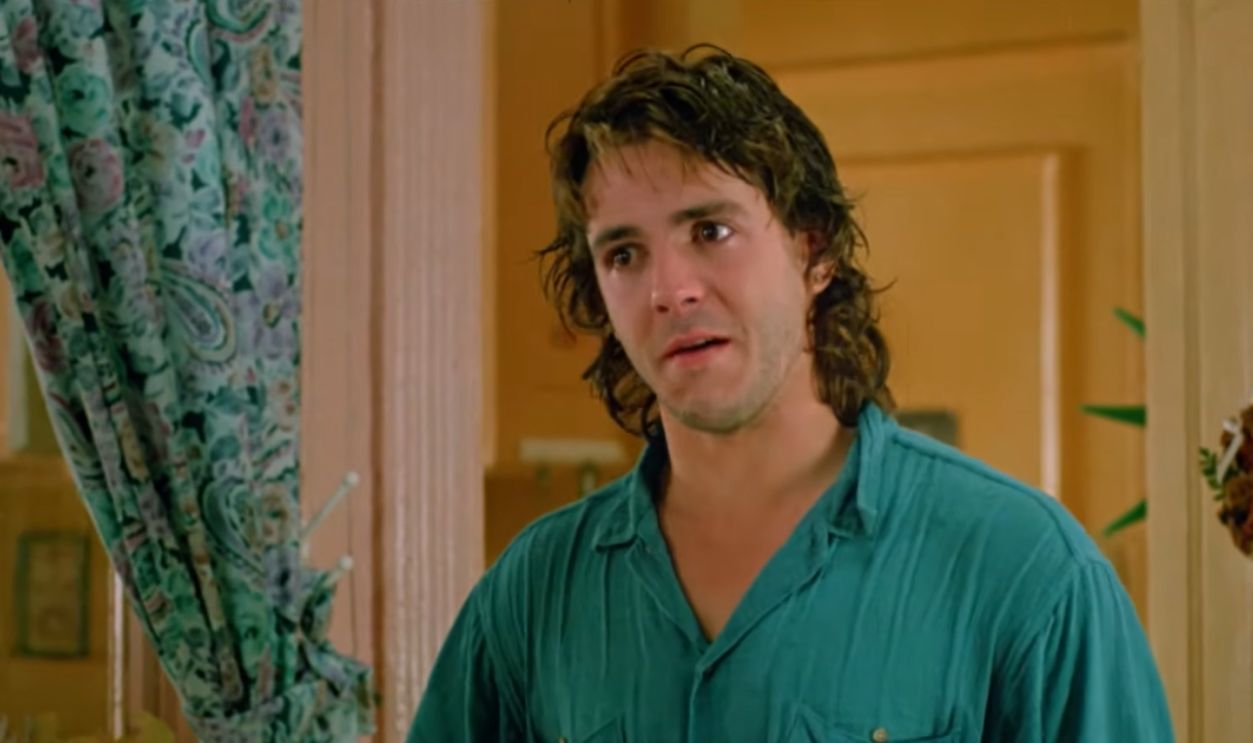 Screenshot from My Demon Lover, New Line Cinema (1987)
“Blame It On Rio” (1984)
Michael Caine becomes involved with his friend’s teenage daughter, then gets tangled in the resulting cover-ups. The movie wants us to enjoy the predicament as a sunny romantic farce, but the setup makes the antics uncomfortable rather than amusing. Rio probably deserves an apology for taking the blame.
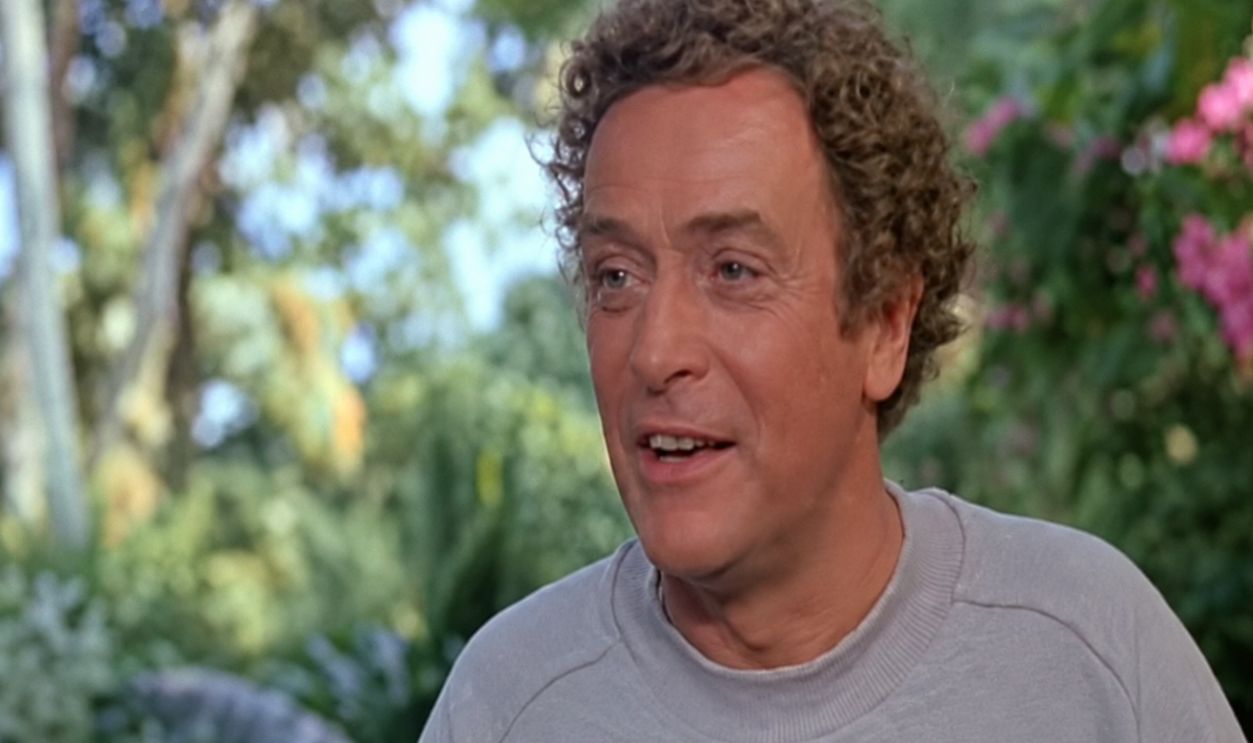 Screenshot from Blame It on Rio, Twentieth Century-Fox Film Corporation (1984), Modified
“Heartbeeps” (1981)
Andy Kaufman and Bernadette Peters play robots who fall in love and venture into the world. Unfortunately, the makeup and mechanical voices bury much of what makes either performer entertaining. The robot routines feel stretched even in a short movie. Someone should’ve checked whether the comedy batteries were included.
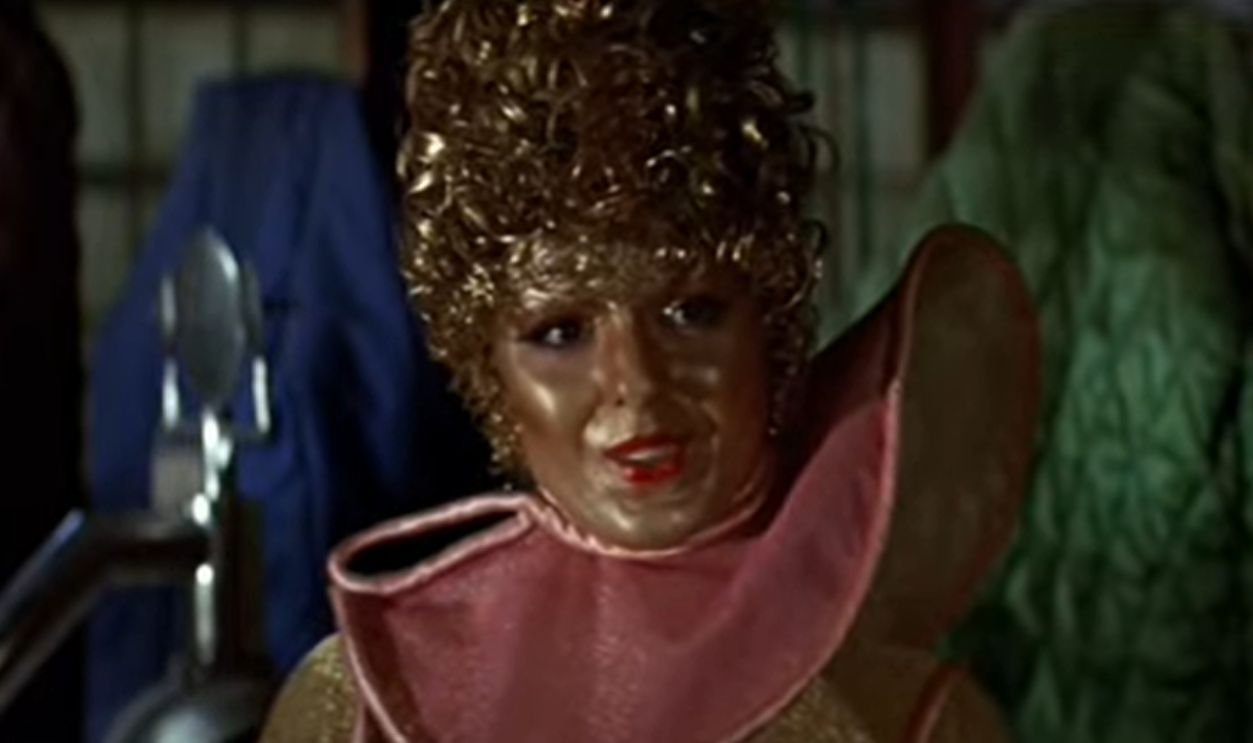 Screenshot from Heartbeeps, Universal Pictures (1981)
“A Change Of Seasons” (1980)
Anthony Hopkins has an affair with a student, Shirley MacLaine finds a younger partner, and everyone ends up sharing a vacation. The arrangement promises outrageous awkwardness, but the film mostly delivers strained relationship discussions. Being stuck in a ski house with these people sounds like punishment. Watching them isn’t much better.
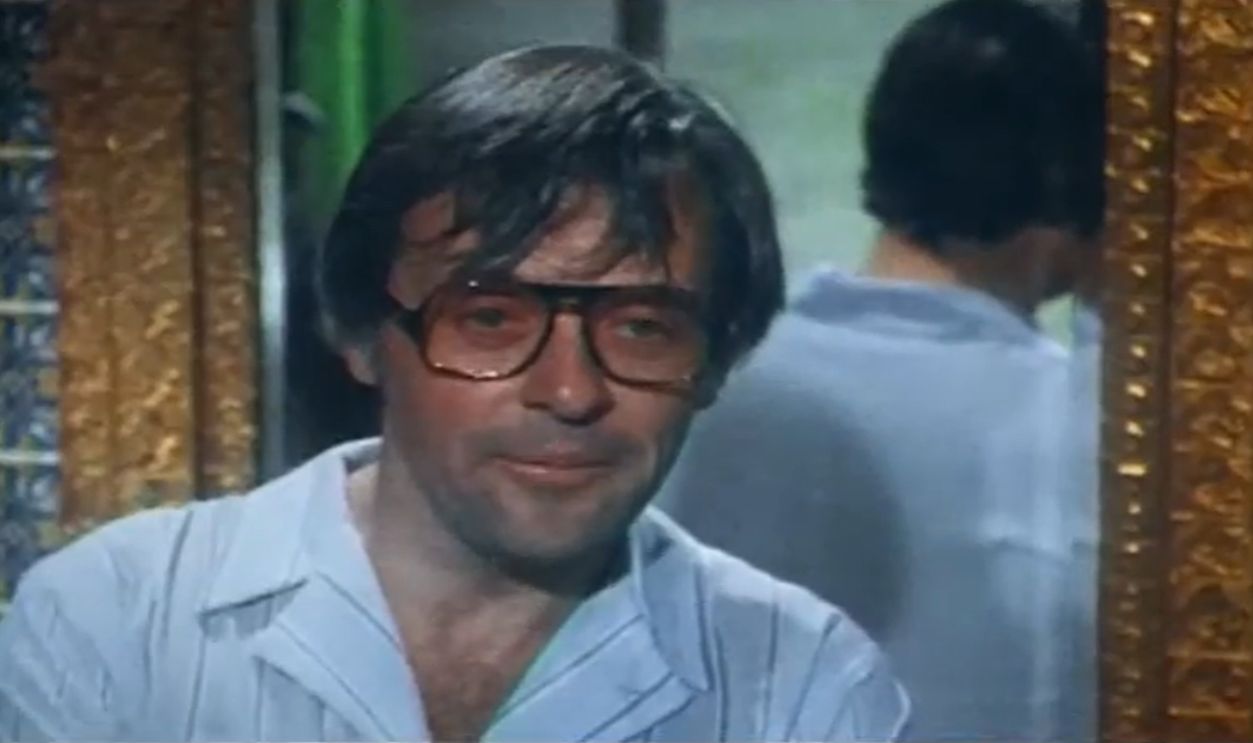 Screenshot from A Change of Seasons, Twentieth Century-Fox Film Corporation (1980)
“Lovesick” (1983)
Dudley Moore’s psychiatrist falls for a patient, while Alec Guinness appears as Sigmund Freud’s ghost to offer guidance. Instead of digging into the situation’s comic complications, the movie keeps smoothing them away for the romance. Even bringing Freud back doesn’t give it much bite. That’s a pretty expensive second opinion.
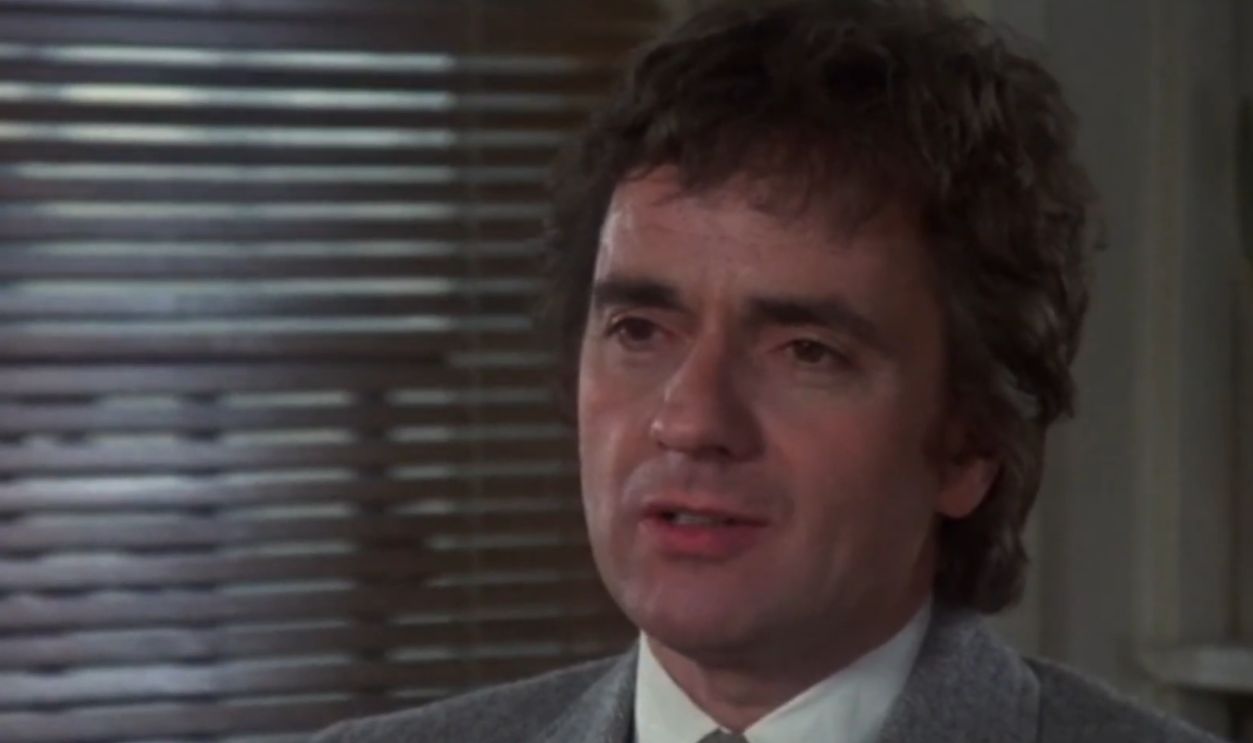 Screenshot from Lovesick, Warner Bros. (1983)
“The Man Who Loved Women” (1983)
Burt Reynolds plays a sculptor who recounts his endless romantic pursuits to a therapist played by Julie Andrews. The explanations pile up, but they don’t make his behavior much more interesting—or funny. Reynolds had plenty of charm. Spending this much time listening to him explain his dating habits tests it.
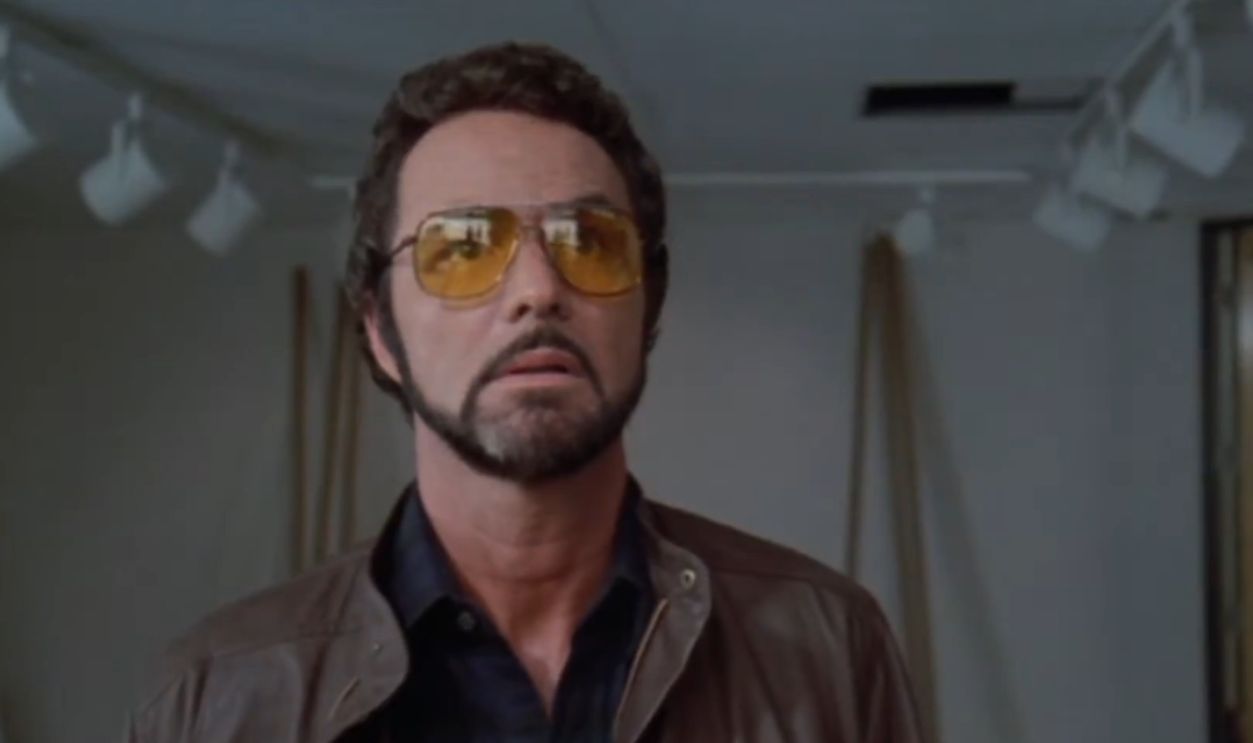 Screenshot from The Man Who Loved Women, Columbia Pictures (1983)
You Might Also Like:
Films That Get Better The Second Time You Watch
Forgotten 80s Comedy Movies That Used To Be On Cable Constantly
1980s Westerns That Rode Tall Through Hollywood’s Cowboy Drought