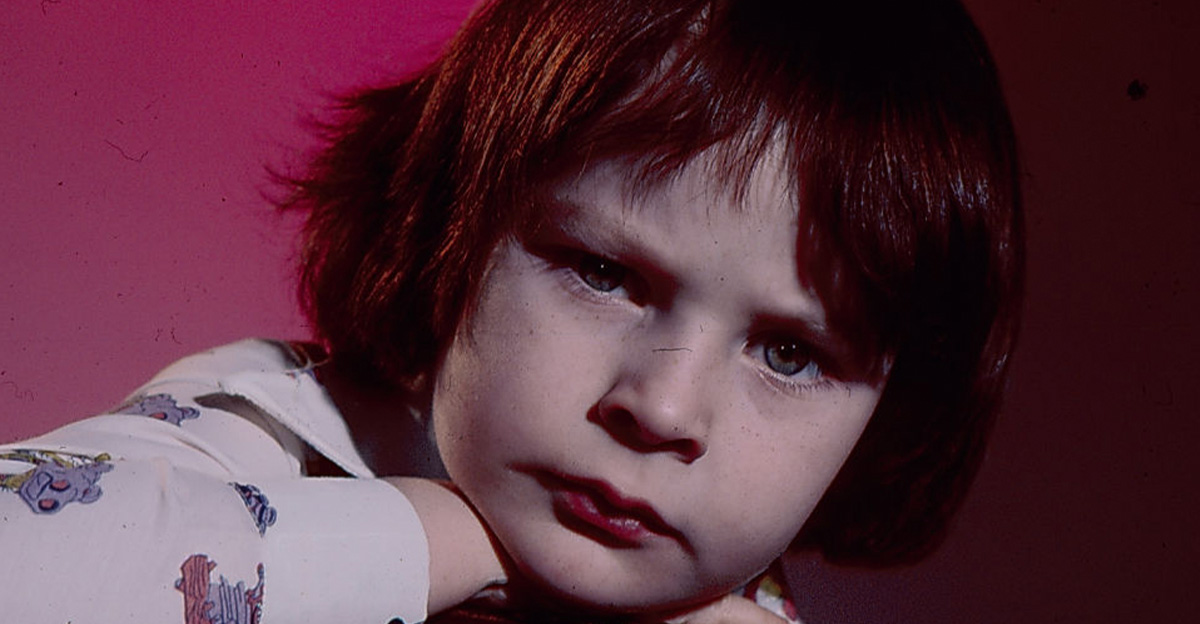
Halloween Was Different In The 1970s
Before streaming services and computer-generated monsters, Halloween meant turning off the lights, grabbing some popcorn, and watching whatever terrifying movie happened to be on television. The 1970s delivered some genuine horror masterpieces, alongside wonderfully ridiculous creatures that looked suspiciously homemade. If you grew up during that decade, how many of these frightening favorites do you remember?
 Stanley Bielecki Movie Collection, Getty Images
The Exorcist (1973)
Few movies frightened audiences as much as The Exorcist. Linda Blair's possessed character, Regan, became an instant horror icon thanks to her terrifying makeup and unforgettable spinning head. Makeup artist Dick Smith used elaborate prosthetics to transform the young actress. The special effects were so convincing that reports of moviegoers fainting and becoming physically ill made headlines.
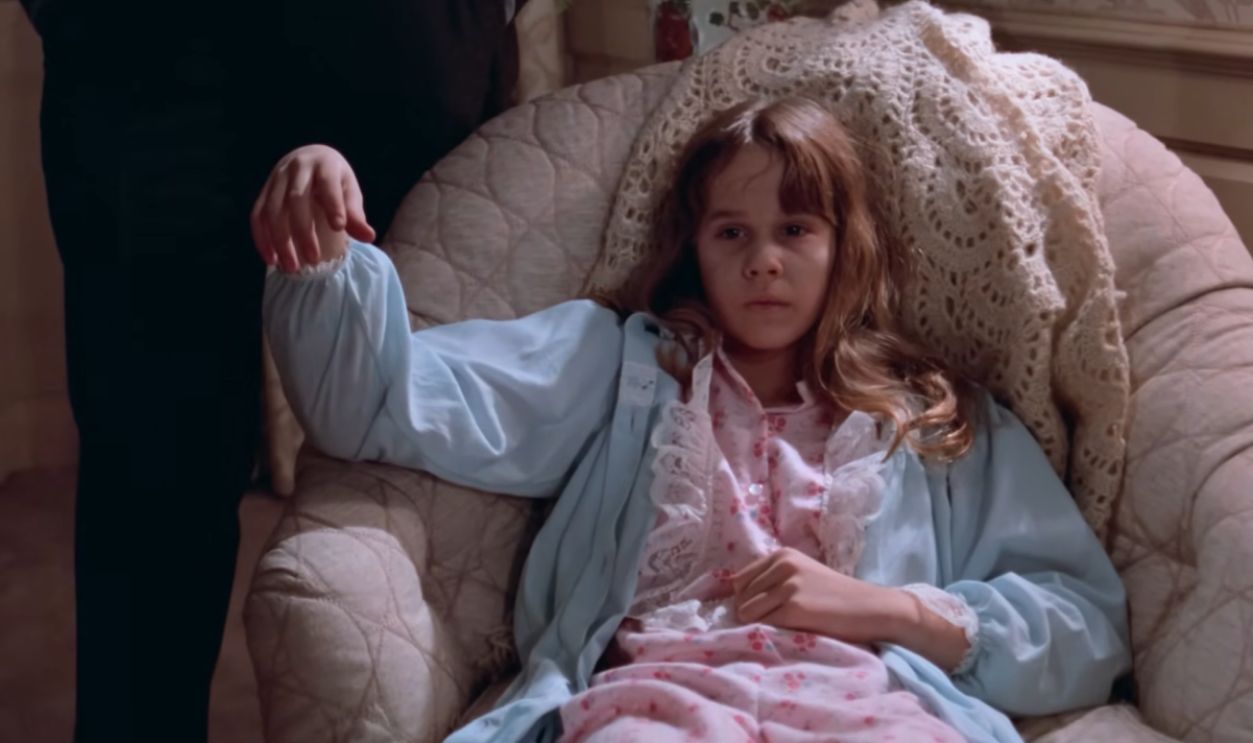 Screenshot from The Exorcist, Warner Bros. (1973)
Jaws (1975)
Steven Spielberg made an entire generation nervous about swimming with Jaws. Ironically, the mechanical shark, nicknamed Bruce, kept breaking down during filming. Spielberg consequently had to suggest the shark's presence rather than show it constantly. Those technical difficulties helped create one of cinema's greatest suspense films. Not bad for a mechanical fish that wouldn't cooperate.
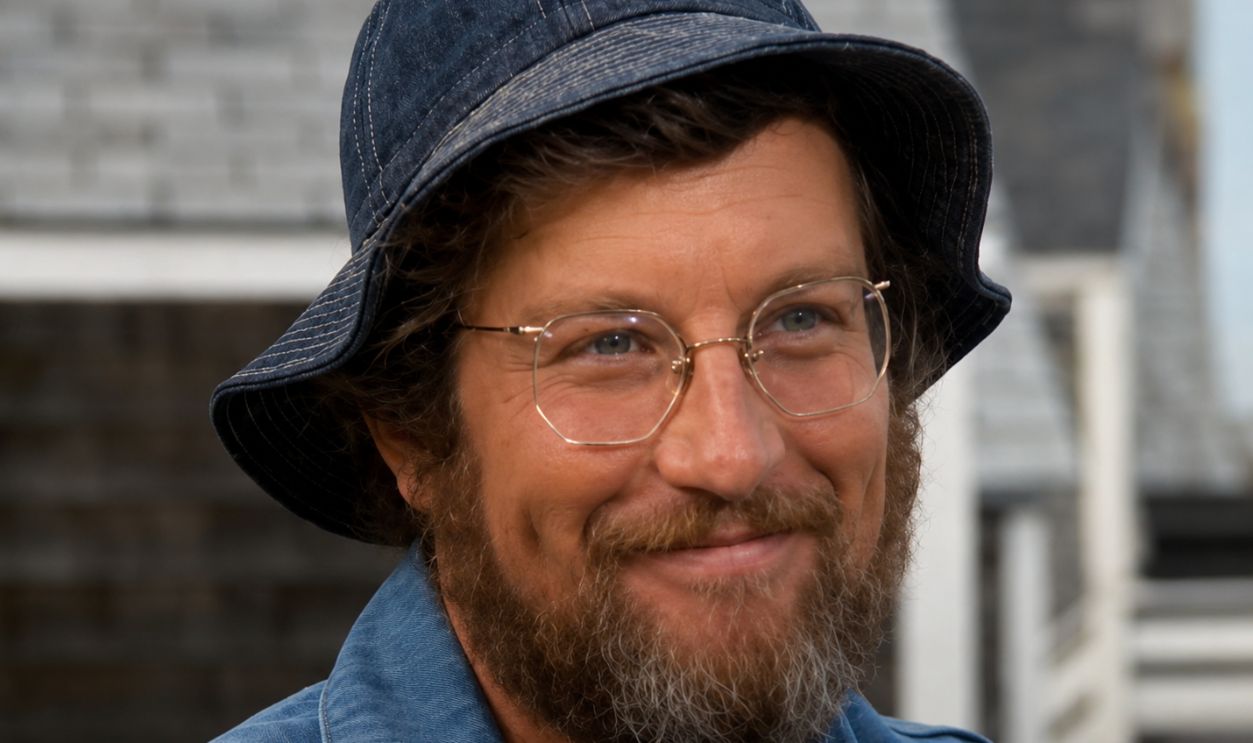 Screenshot from Jaws, Universal Pictures (1975), Enhanced
Halloween (1978)
Michael Myers didn't need fancy special effects to terrify audiences. His expressionless mask was enough. Famously, the filmmakers transformed a cheap William Shatner mask into the villain's creepy face by altering its features and painting it white. Halloween proved that sometimes the simplest monster designs are the most frightening. Sorry, Captain Kirk.
 Fotos International, Getty Images
The Texas Chain Saw Massacre (1974)
Leatherface became one of the decade's most disturbing villains, thanks to his grotesque mask and roaring chainsaw. Director Tobe Hooper shot much of The Texas Chain Saw Massacre on a shoestring budget under miserable Texas summer conditions. Surprisingly, the movie contains considerably less visible blood than many remember. Apparently, viewers' imaginations supplied plenty of additional horrors.
 Screenshot from The Texas Chain Saw Massacre, Bryanston Pictures (1974)
Carrie (1976)
Sissy Spacek's unforgettable performance transformed a bullied teenager into a supernatural nightmare in Carrie. The prom scene remains legendary, but the film's final scare deserves special recognition. Spacek insisted on performing the famous hand-from-the-grave moment herself. Imagine being buried under a movie set just to frighten an audience one last time.
 Screenshot from Carrie, Amazon MGM Studios (1976), Enhanced
The Omen (1976)
Little Damien looked like an ordinary child, which made The Omen particularly unsettling. Gregory Peck starred as his increasingly frightened father, while Harvey Spencer Stephens played the sinister youngster. The film's ominous music, composed by Jerry Goldsmith, was so effective that it won an Academy Award. Who knew a child's birthday party could become such a terrifying occasion?
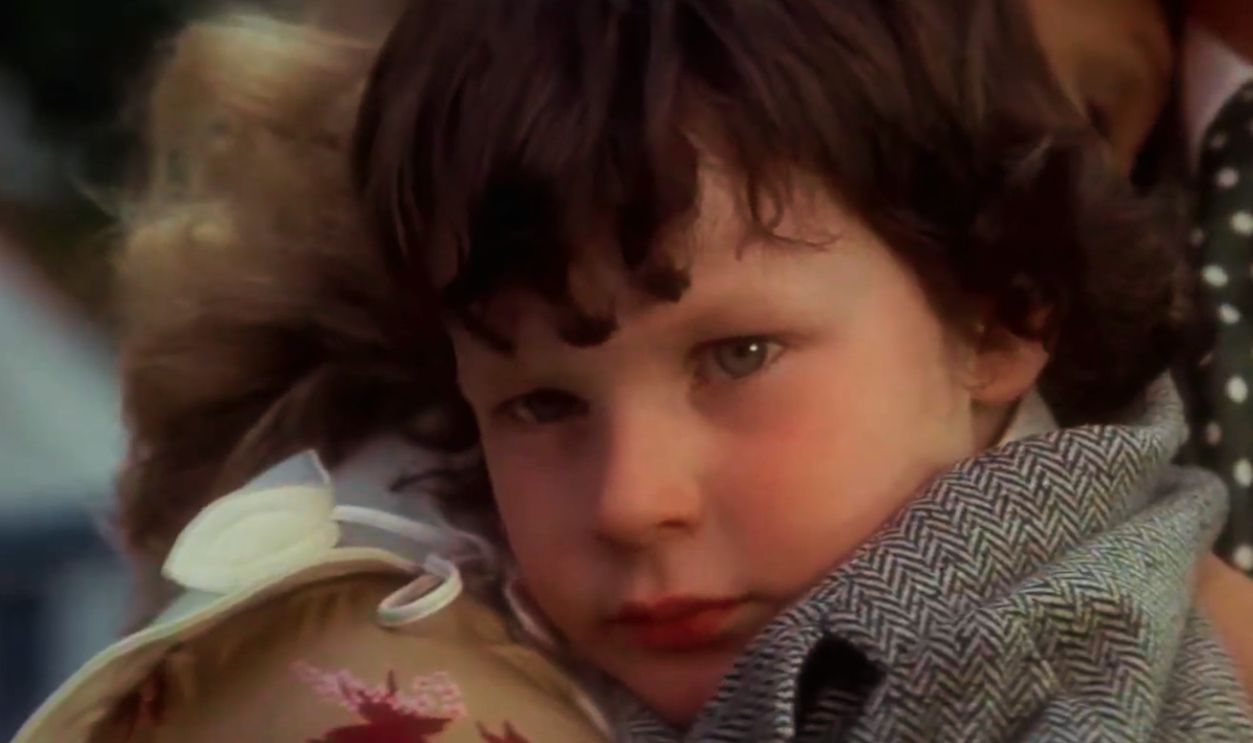 Screenshot from The Omen, 20th Century Fox (1976)
Dawn Of The Dead (1978)
George A Romero turned the shopping mall into a zombie playground with Dawn of the Dead. Makeup artist Tom Savini created the shambling creatures, many sporting distinctly blue-gray faces. The mall setting also provided a hilarious commentary on consumer culture. After watching this movie, wandering around Sears suddenly seemed considerably more dangerous.
 Screenshot from Dawn Of The Dead, United Film Distribution Company (1978)
Alien (1979)
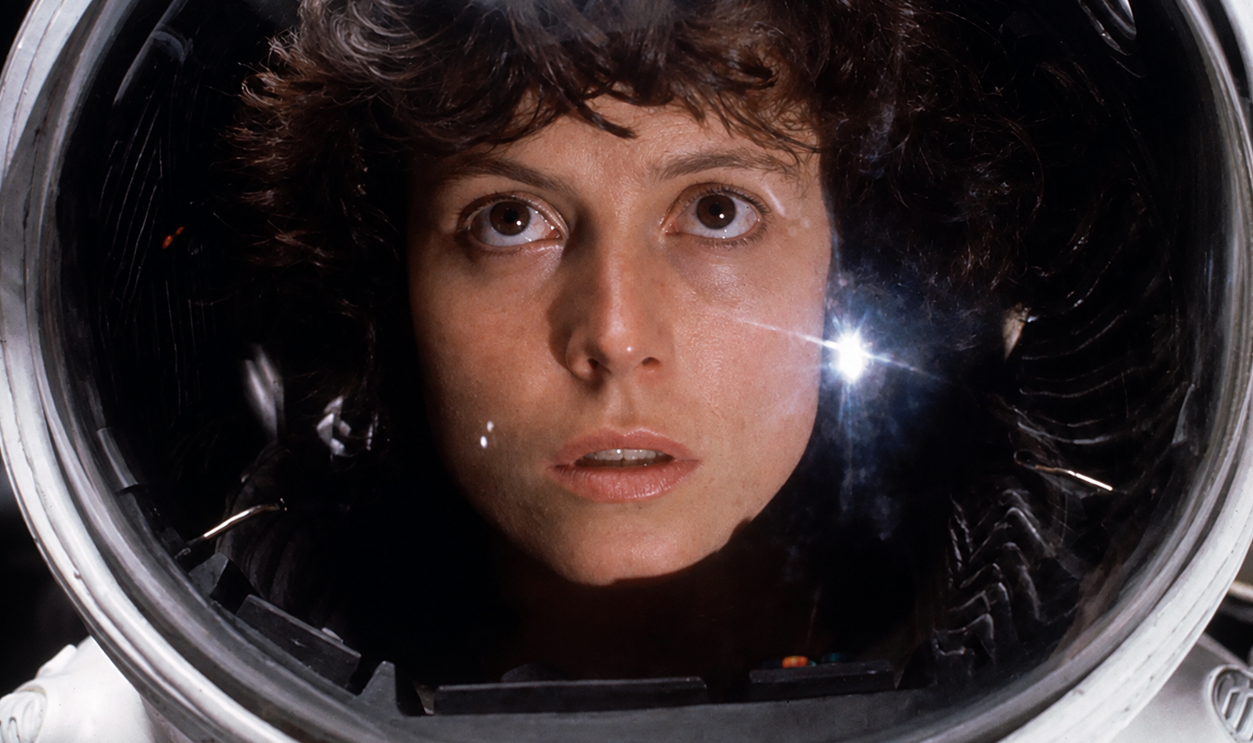
Before computer-generated monsters, filmmakers relied on remarkable physical creations. Ridley Scott's Alien featured a terrifying creature designed by Swiss artist H R Giger. Its biomechanical appearance was unlike anything audiences had seen. The infamous chestburster scene became legendary, proving that space travel might be exciting, but the onboard wildlife could really spoil your vacation.
Black Christmas (1974)
Years before Michael Myers stalked babysitters, Black Christmas terrified audiences with mysterious telephone calls inside a sorority house. Director Bob Clark created tension without revealing much about the killer. Its unsettling phone conversations made ordinary household telephones frightening. Back when every home had a landline, that was a particularly nasty trick.
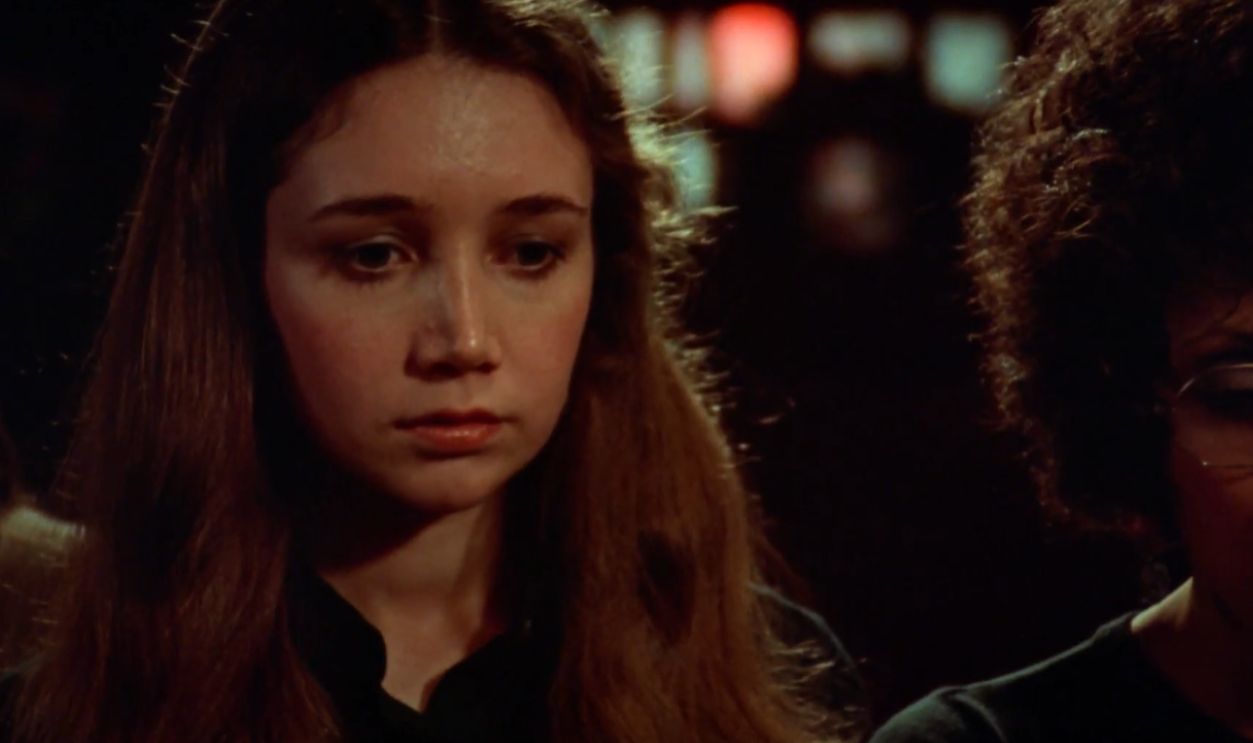 Screenshot from Black Christmas, Warner Bros. (1974)
The Amityville Horror (1979)
A supposedly haunted Long Island house became one of the decade's biggest horror attractions in The Amityville Horror. Based on a heavily disputed account of supernatural events, the movie featured mysterious voices, disturbing visions, and walls that appeared to bleed. Its distinctive house, complete with eerie attic windows, became almost as recognizable as the actors themselves.
 Screenshot from The Amityville Horror, American International Pictures (1979)
Suspiria (1977)
Italian filmmaker Dario Argento created a colorful nightmare with Suspiria. Set inside a sinister dance academy, the film featured vivid lighting, elaborate murders, and unforgettable music by the progressive rock band Goblin. Everything looked strangely beautiful, even when it was terrifying. The movie proved that horror could be colorful without becoming any less frightening.
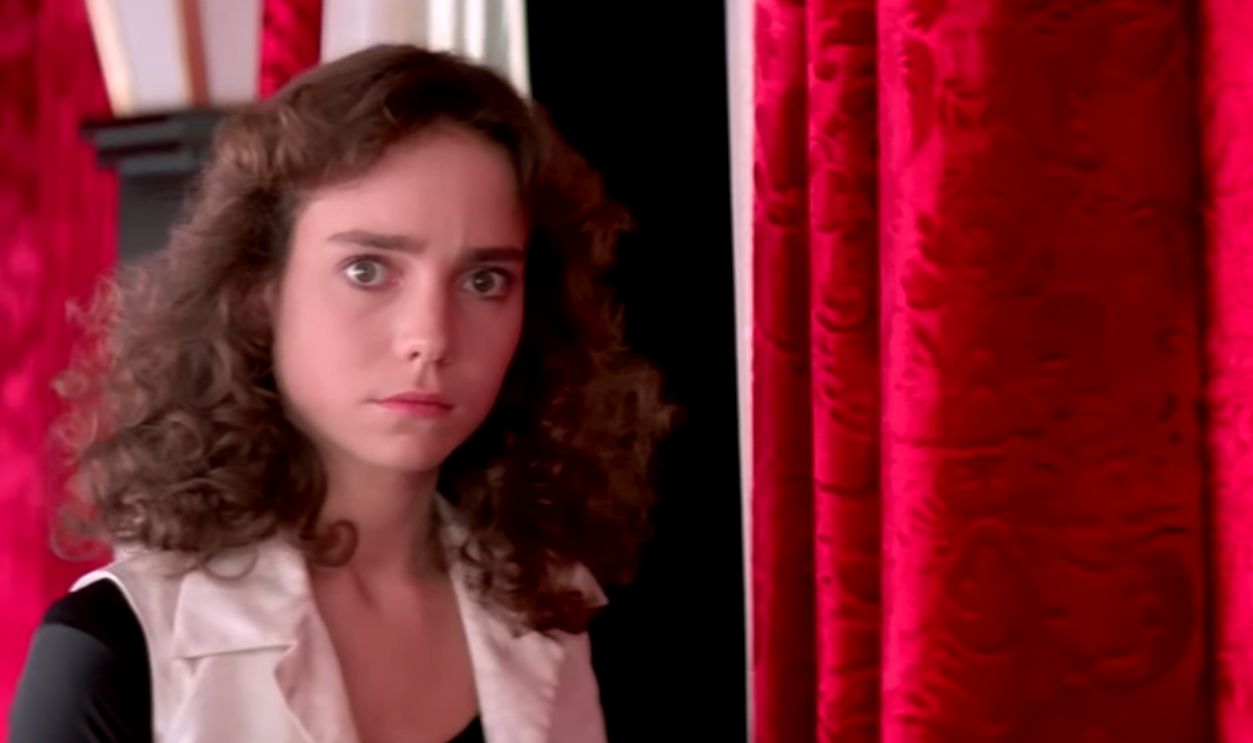 Screenshot from Suspiria, International Classics (1977)
The Wicker Man (1973)
Christopher Lee considered The Wicker Man among his finest work, and it's certainly one of his strangest. The story follows a police officer investigating a disappearance on an isolated Scottish island. Instead of conventional monsters, viewers encounter unsettling rituals and increasingly bizarre behavior. The enormous wicker structure in the finale became an unforgettable horror image.
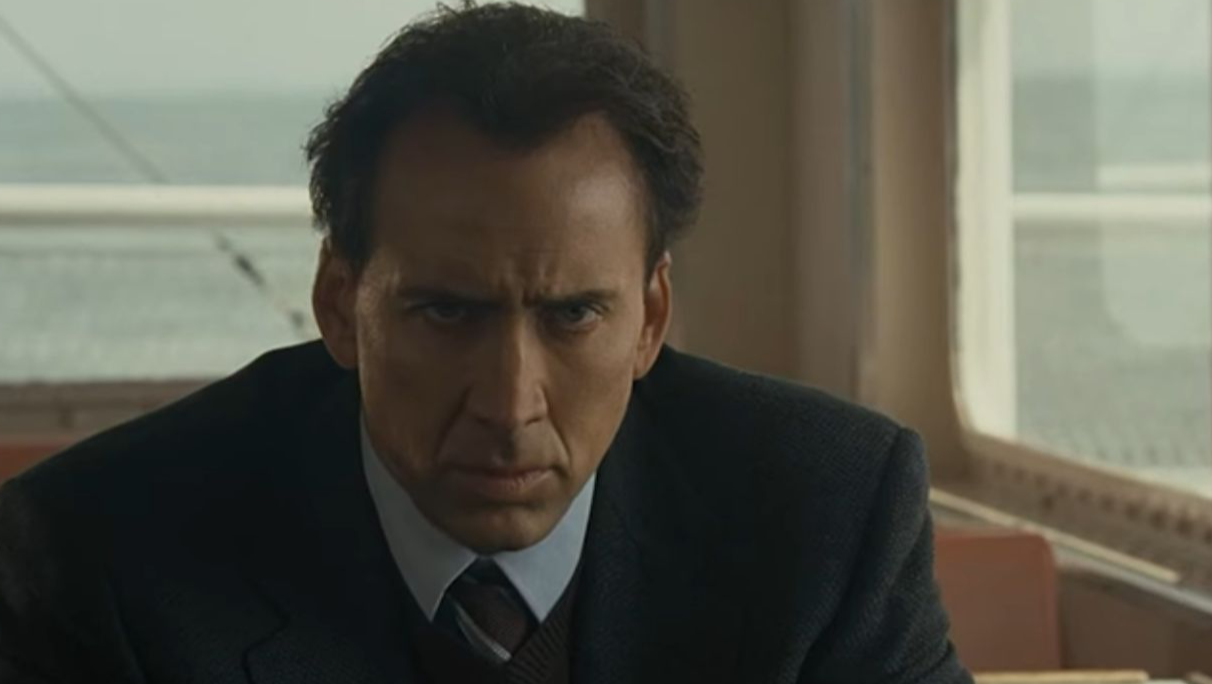 Screenshot from The Wicker Man, Warner Bros. Pictures (2006)
The Hills Have Eyes (1977)
A family vacation goes horribly wrong in Wes Craven's The Hills Have Eyes. Its desert-dwelling attackers looked disturbingly ordinary compared with Hollywood's usual monsters. Actor Michael Berryman, whose distinctive appearance was connected to a genetic condition, became the film's most recognizable face. Afterward, getting stranded in the desert seemed much less appealing.
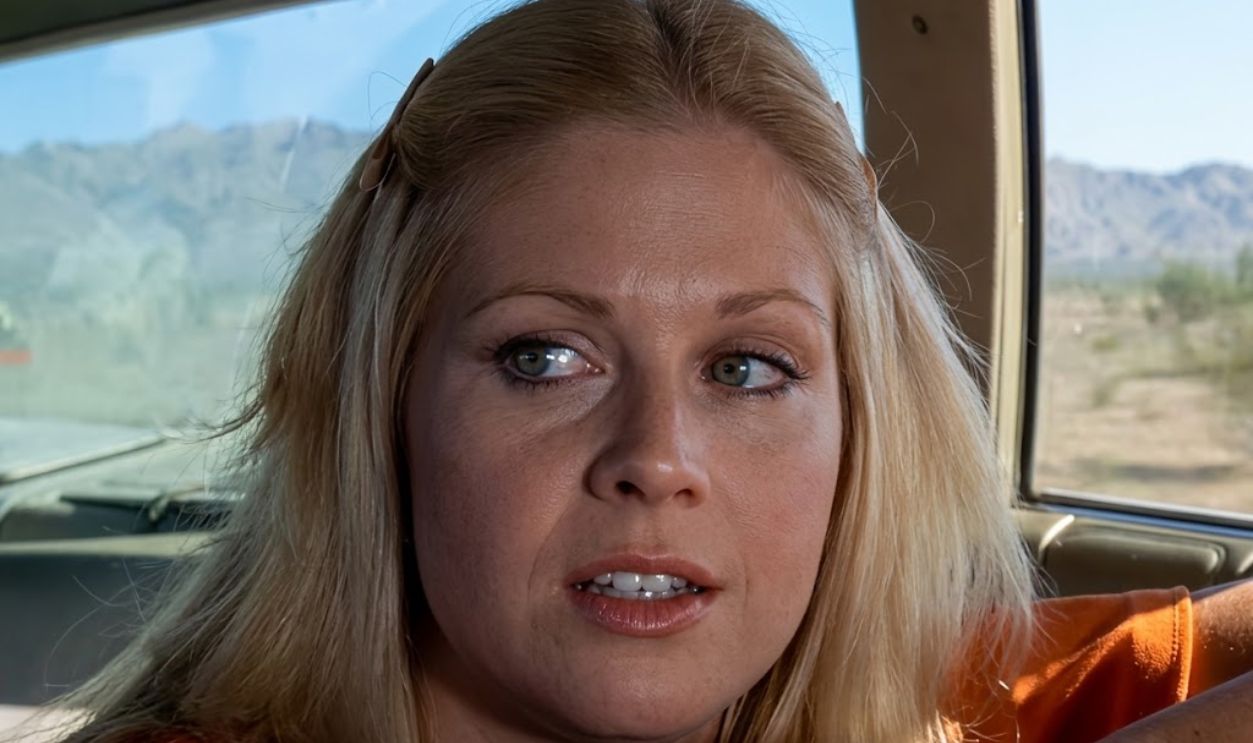 Screenshot from The Hills Have Eyes, Vanguard Releasing (1977), Enhanced
It's Alive (1974)
Larry Cohen's It's Alive introduced perhaps the world's least adorable newborn. The murderous mutant infant was designed by future special-effects legend Rick Baker. Its sharp claws and unsettling appearance made the creature memorable, even though audiences rarely saw it clearly. Suddenly, changing diapers seemed like the least frightening part of parenthood.
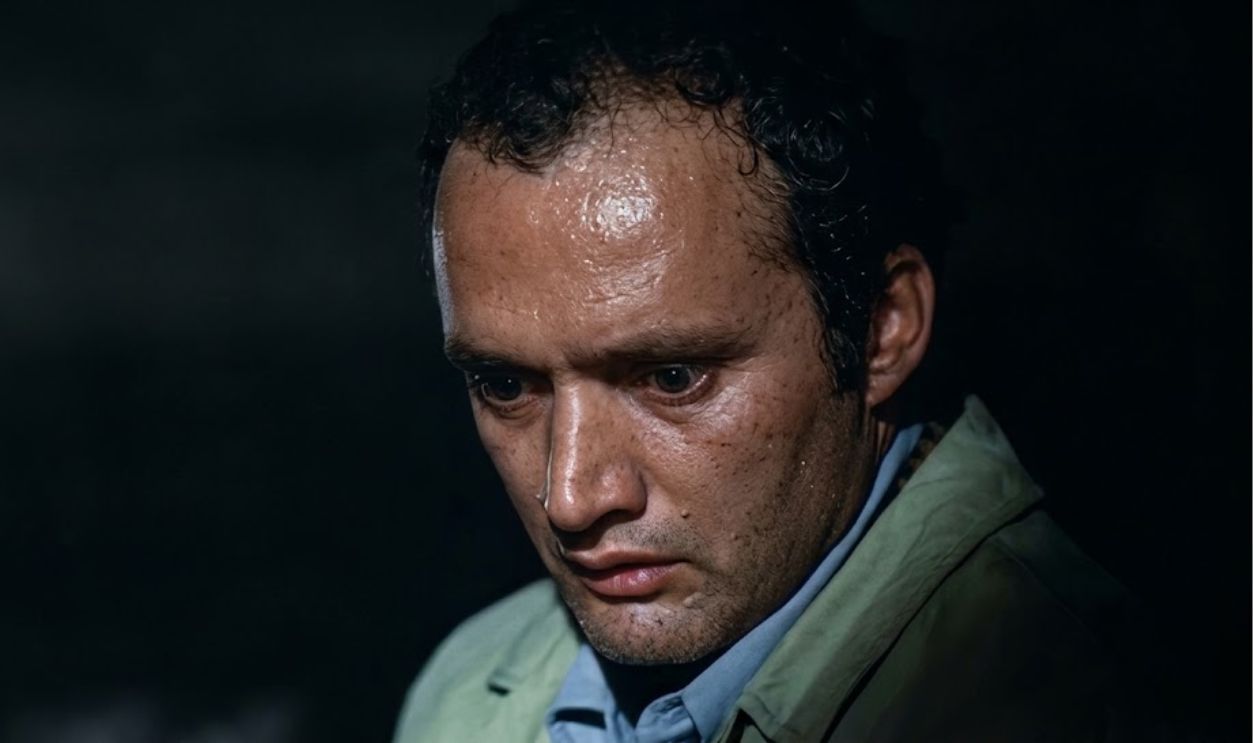 Screenshot from It's Alive, Warner Bros. Pictures (1974), Enhanced
The Last House On The Left (1972)
Wes Craven made his directorial debut with The Last House on the Left, an incredibly disturbing revenge thriller. Its low-budget production gave the violence a grim, realistic quality. There were no rubber monsters or haunted castles here. The horror came from ordinary-looking people doing terrible things, making this one considerably harder to laugh off afterward.
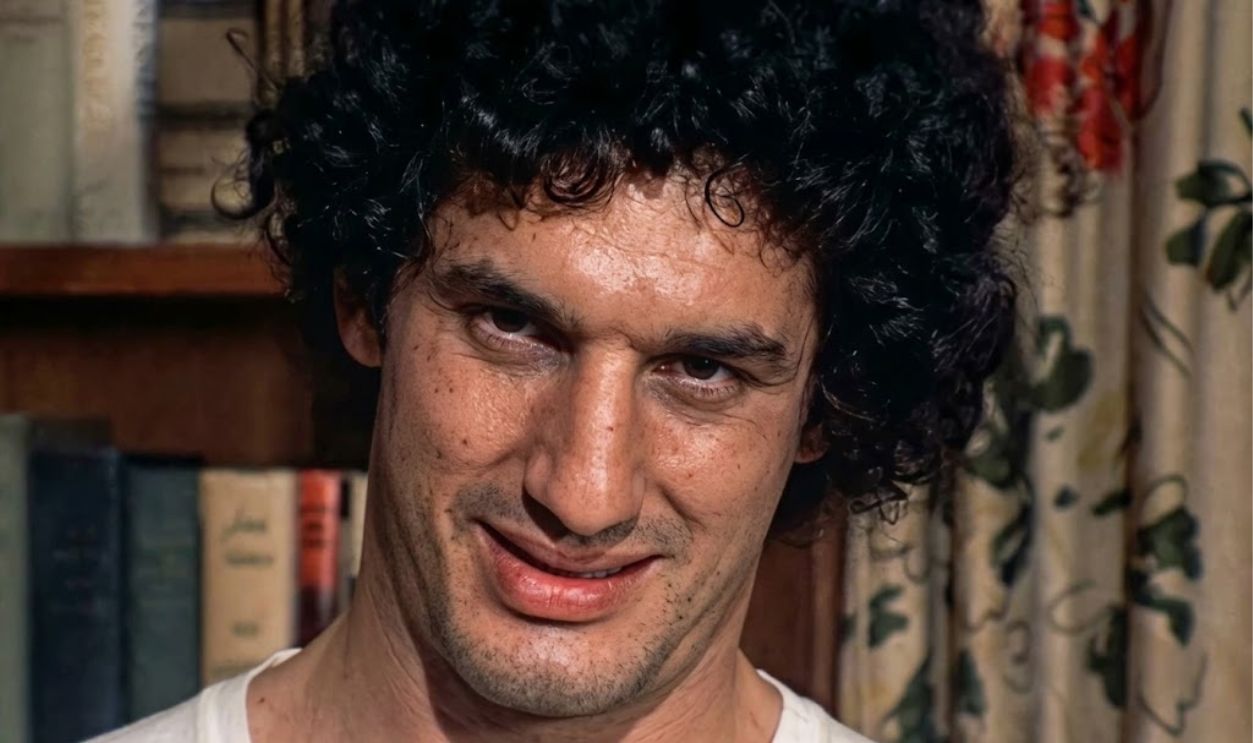 Screenshot from The Last House on the Left, American International Pictures (1972), Enhanced
The Brood (1979)
David Cronenberg delivered some particularly unpleasant creatures in The Brood. The film features sinister, child-sized beings connected to a woman's psychological trauma. Their pale faces, strange bodies, and matching outfits create an especially unsettling impression. Anyone who thought children were naturally innocent probably reconsidered after watching this bizarre Canadian horror classic.
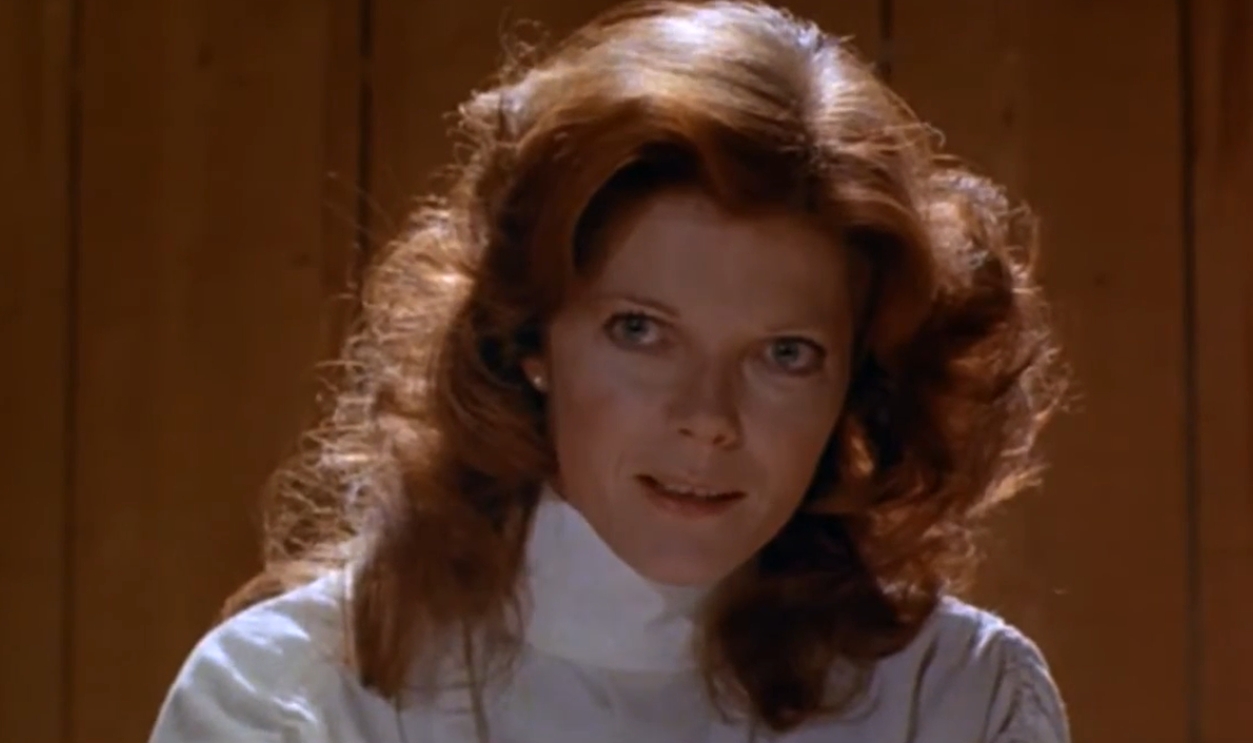 Screenshot from The Brood, Warner Bros. Discovery (1979)
Piranha (1978)
Following the success of Jaws, Hollywood suddenly discovered that practically anything with teeth could become a movie monster. Joe Dante's Piranha unleashed genetically modified fish upon unsuspecting swimmers. The low-budget aquatic effects sometimes looked delightfully ridiculous. Still, the movie understood exactly what audiences wanted: screaming swimmers and increasingly enthusiastic fish.
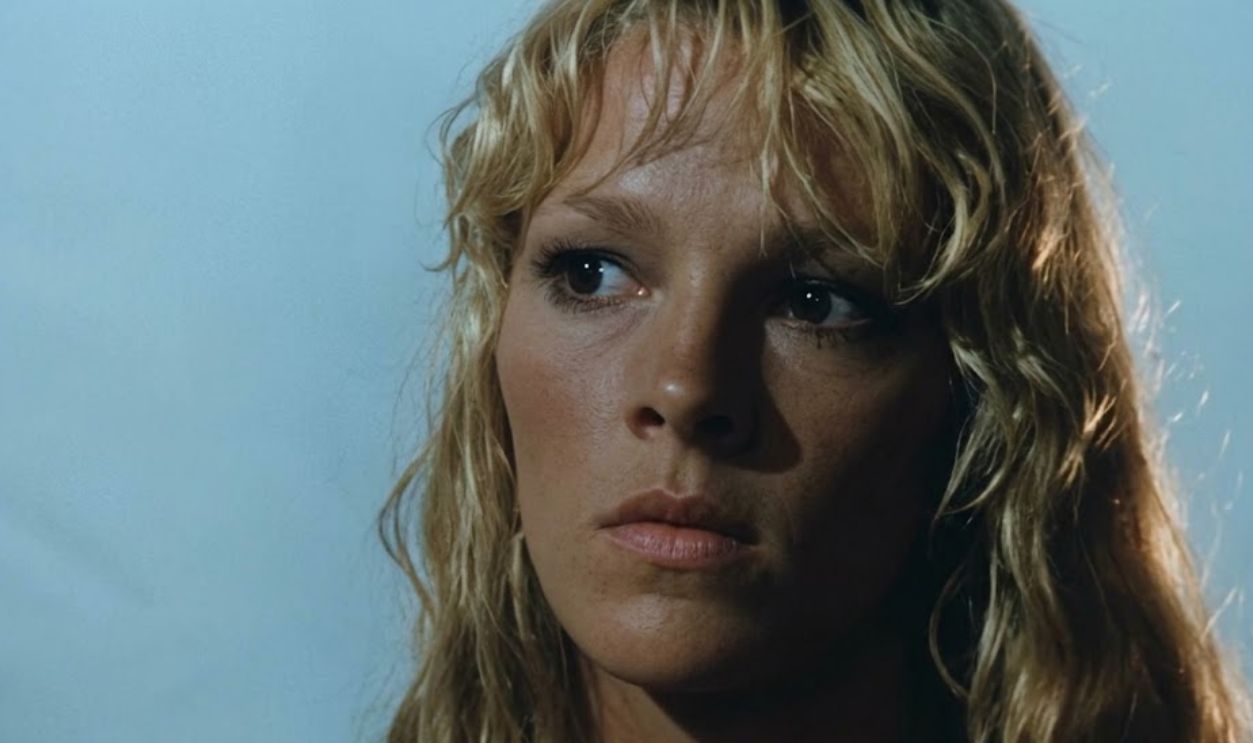 Screenshot from Piranha II: The Spawning, Columbia Pictures (1982), Enhanced
Invasion Of The Body Snatchers (1978)
Donald Sutherland starred in this chilling remake about alien organisms replacing ordinary people. Invasion of the Body Snatchers used unsettling practical effects to depict the creation of human duplicates. Its memorable pod creatures made audiences suspicious of absolutely everyone. The film's devastating final scene remains one of science-fiction horror's greatest shocks.
 Screenshot from Invasion Of The Body Snatchers, United Artists (1978)
Phantasm (1979)
Few 1970s monsters were stranger than the Tall Man, played by Angus Scrimm in Phantasm. His mysterious funeral-home operation involved bizarre creatures and flying metallic spheres. Director Don Coscarelli developed the film's nightmare-like concept partly from a dream. That explains why watching it sometimes feels like falling asleep after eating an enormous pizza.
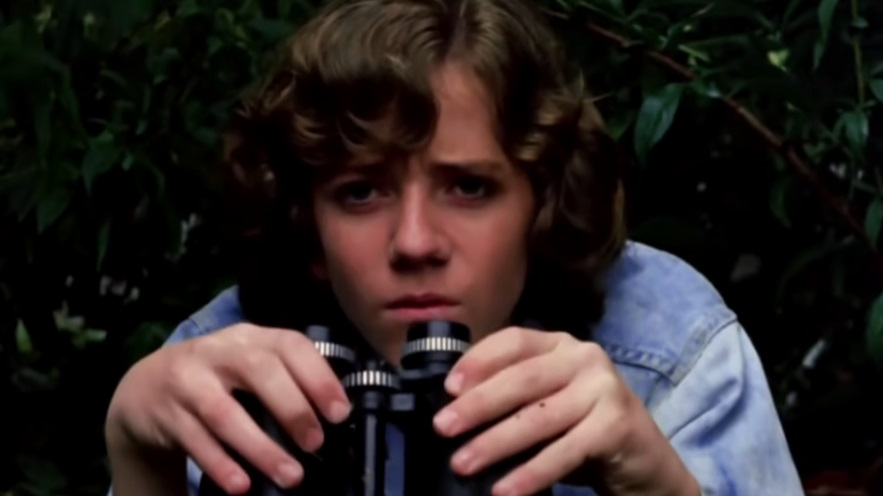 Screenshot from Phantasm, New Breed (1979)
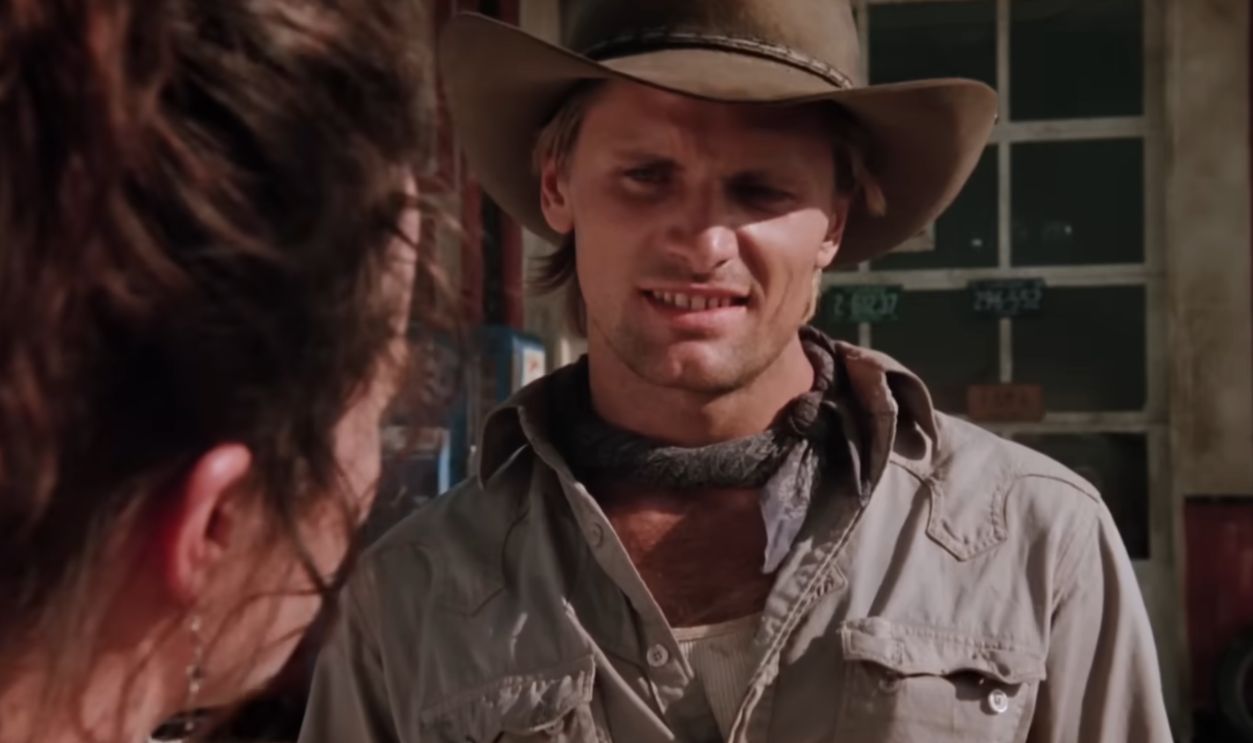
The Car (1977)
Who needs a monster when you've got a murderous automobile? The Car starred James Brolin as a sheriff confronting a seemingly supernatural vehicle. The sinister black Lincoln Continental was customized to look especially menacing. With its imposing grille and darkened windows, the car became a memorable mechanical monster. Apparently, even automobiles could be possessed in the 1970s.
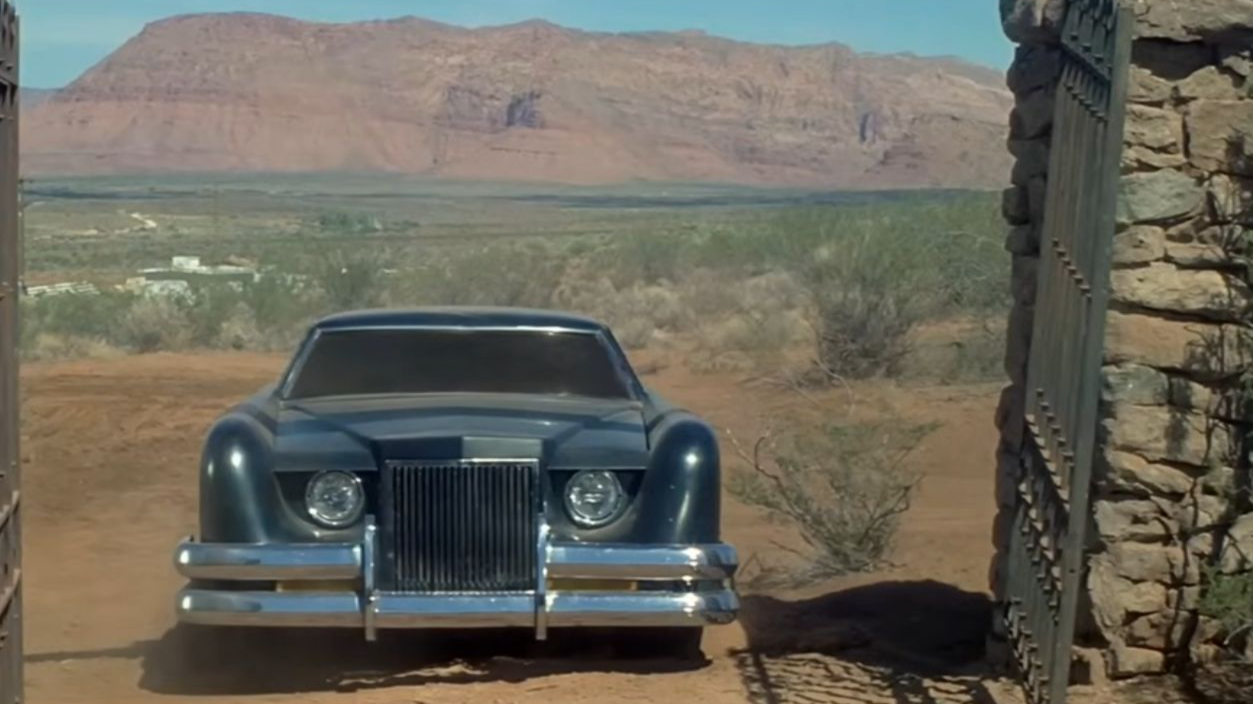 Screenshot from The Car, NBCUniversal (1977)
The Legend Of Hell House (1973)
Roddy McDowall starred in The Legend of Hell House, a creepy haunted-house thriller involving supernatural investigators. Based on Richard Matheson's novel, the movie emphasized strange noises, violent paranormal activity, and psychological tension. Its gloomy mansion provided most of the atmosphere. Sometimes an old house and a few unexplained sounds were scarier than expensive monsters.
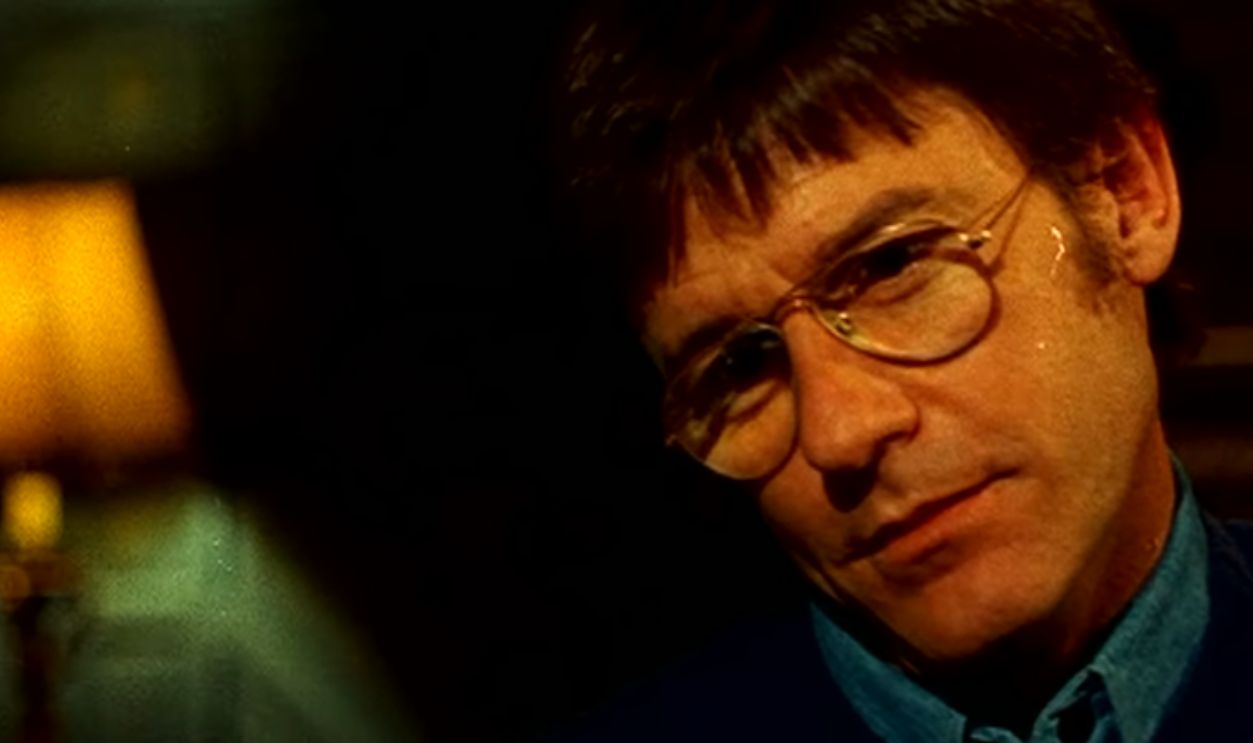 Screenshot from The Legend of Hell House, 20th Century Fox (1973)
House (1977)
Japan contributed one of the decade's most gloriously bizarre horror movies with House. Director Nobuhiko Obayashi reportedly drew inspiration from imaginative ideas suggested by his young daughter. The result included murderous furniture, outrageous visual effects, and a piano with a particularly unpleasant appetite. It remains a movie that needs to be seen to be believed.
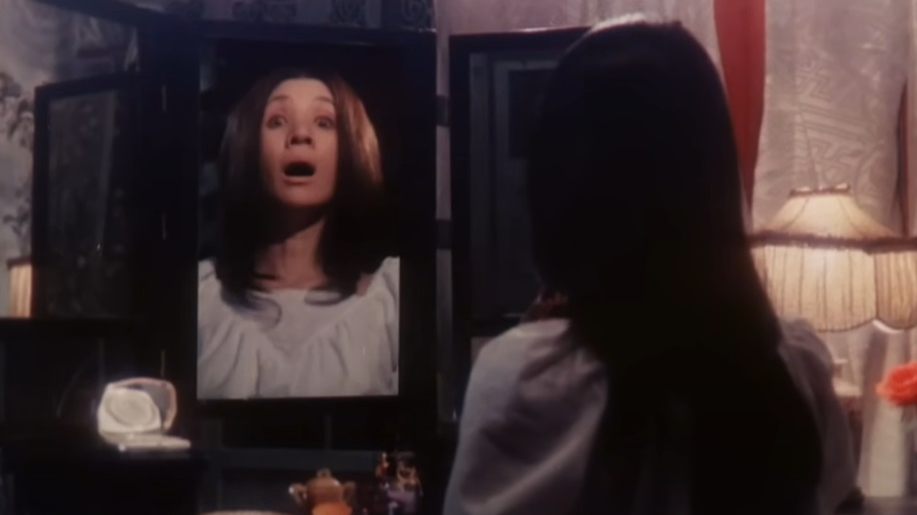 Screenshot from House, Toho (1977)
When A Stranger Calls (1979)
Carol Kane played a babysitter receiving increasingly disturbing phone calls in When a Stranger Calls. Its opening sequence became one of the era's most famous suspense set pieces. The frightening premise drew on an established urban legend. For viewers who babysat during the 1970s, an ordinary ringing telephone suddenly became a reason to panic.
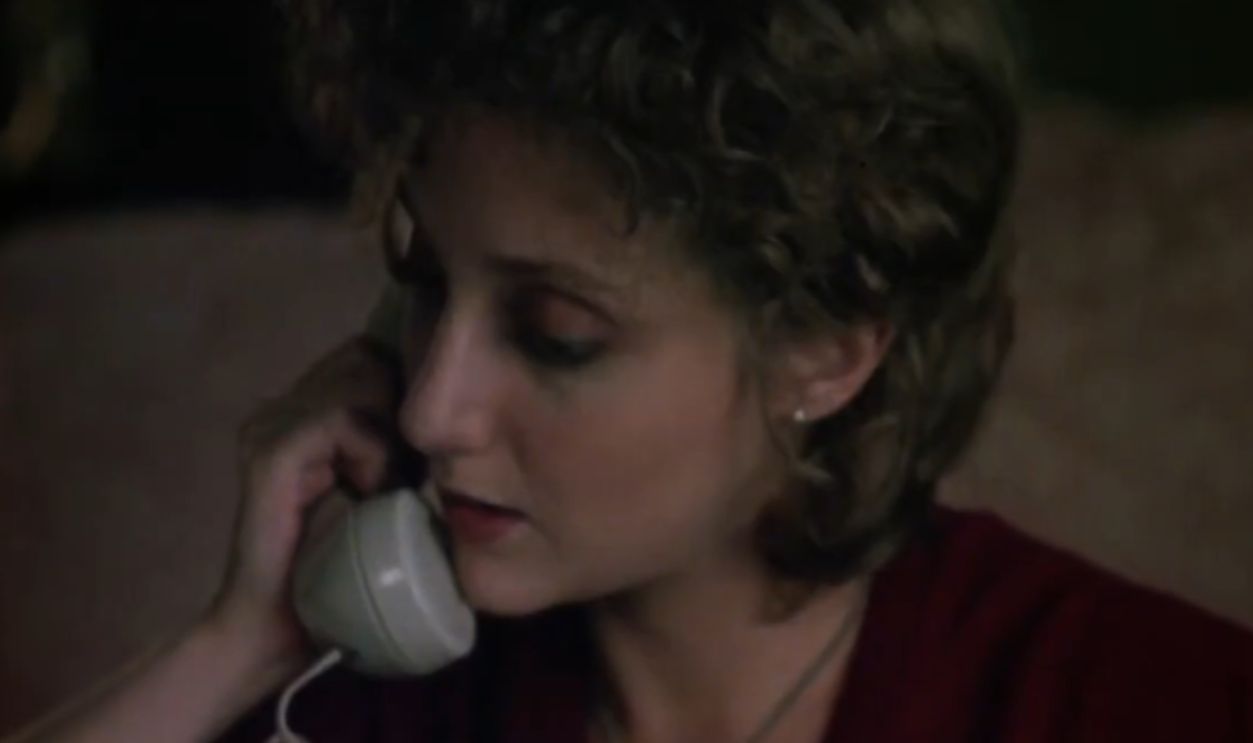 Screenshot from When A Stranger Calls, Columbia Pictures (1979)
Dracula (1979)
Frank Langella brought an unusually romantic interpretation of Count Dracula to the screen in Dracula. Unlike earlier portrayals that emphasized the vampire's monstrous appearance, Langella's version was sophisticated and seductive. The actor had previously played Dracula on Broadway. His performance reminded audiences that even the most charming gentleman might have some extremely unpleasant dining habits.
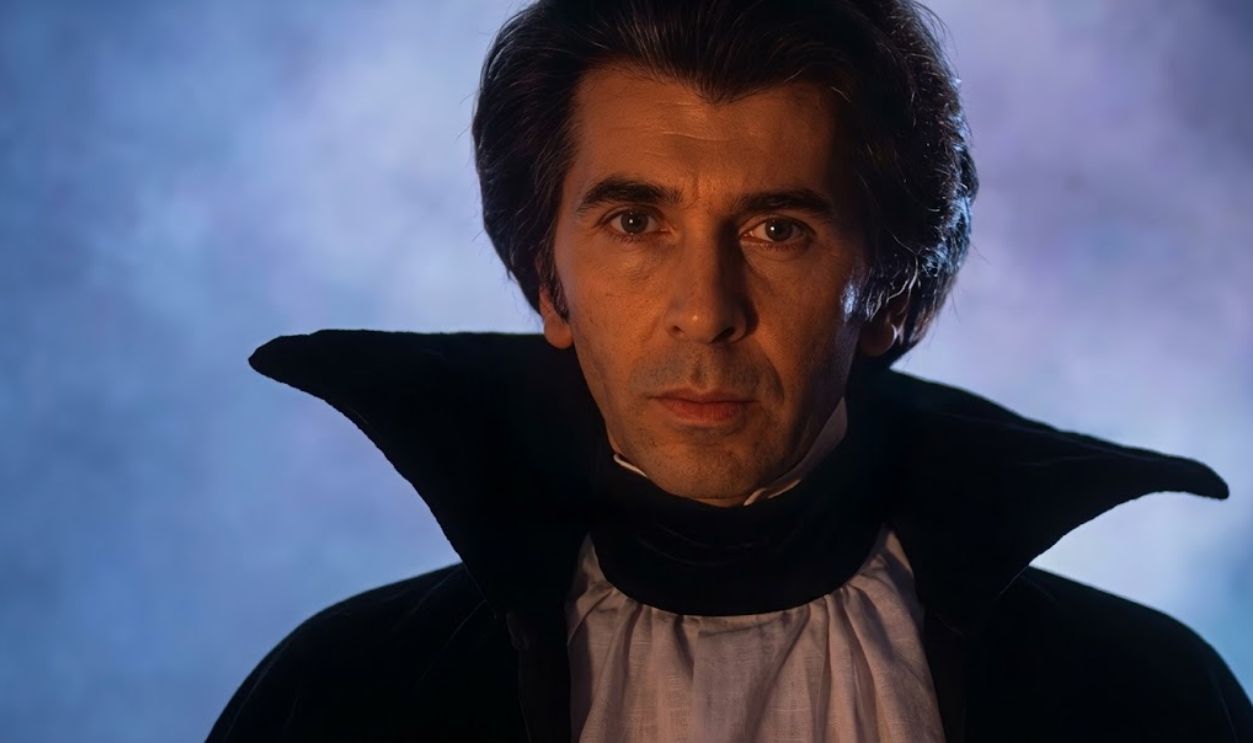 Screenshot from Dracula, Universal Pictures (1979), Enhanced
Salem's Lot (1979)
Technically a television miniseries rather than a theatrical movie, Salem's Lot deserves a place in any 1970s Halloween marathon. Based on Stephen King's novel, it introduced the terrifying vampire Kurt Barlow, whose appearance resembled the creature from the silent classic Nosferatu. For many Boomers, the image of a vampire floating outside a bedroom window was nightmare material.
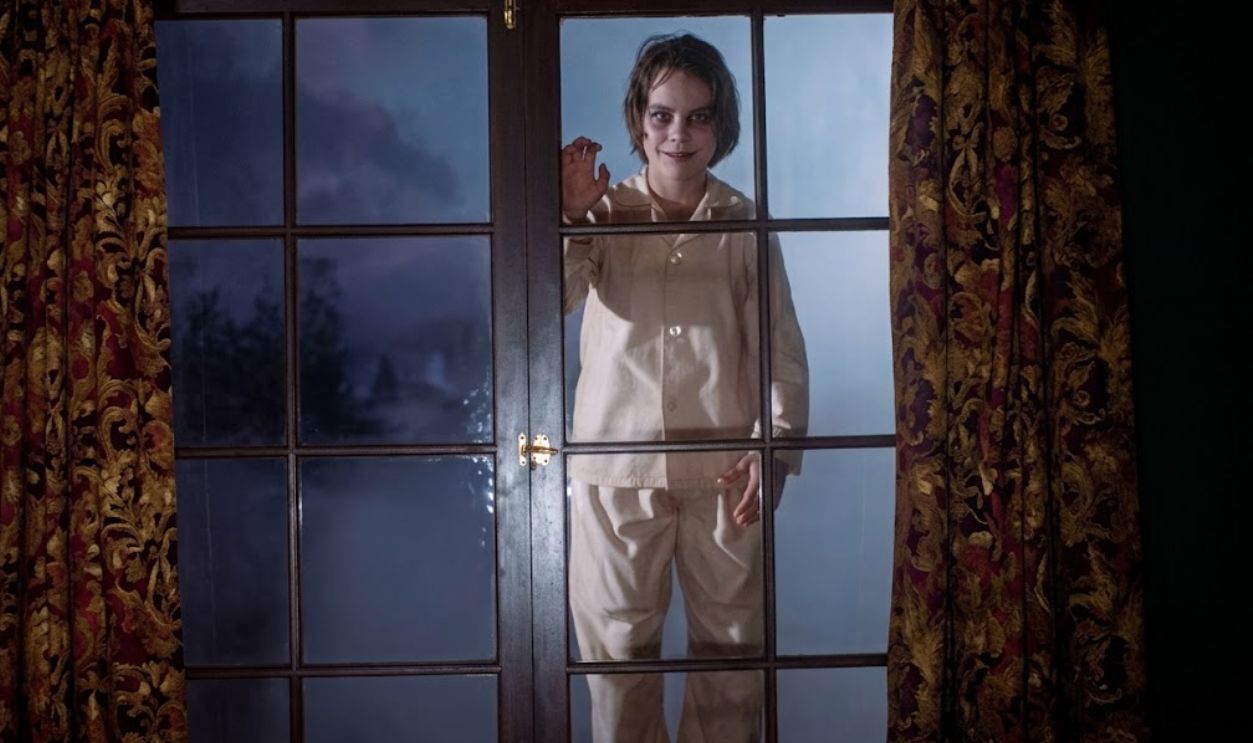 Screenshot from Salem’s Lot, Warner Bros. Television (1979), Enhanced
The Halloween Movies That Still Haunt Us
The 1970s were a remarkable decade for horror, combining groundbreaking filmmaking with rubber monsters, eccentric makeup, and special effects that sometimes worked better in the imagination. Some of these movies remain genuinely terrifying, while others have become wonderfully nostalgic entertainment. Either way, they remind us of an era when a dark living room and a good horror movie were all you needed for Halloween.
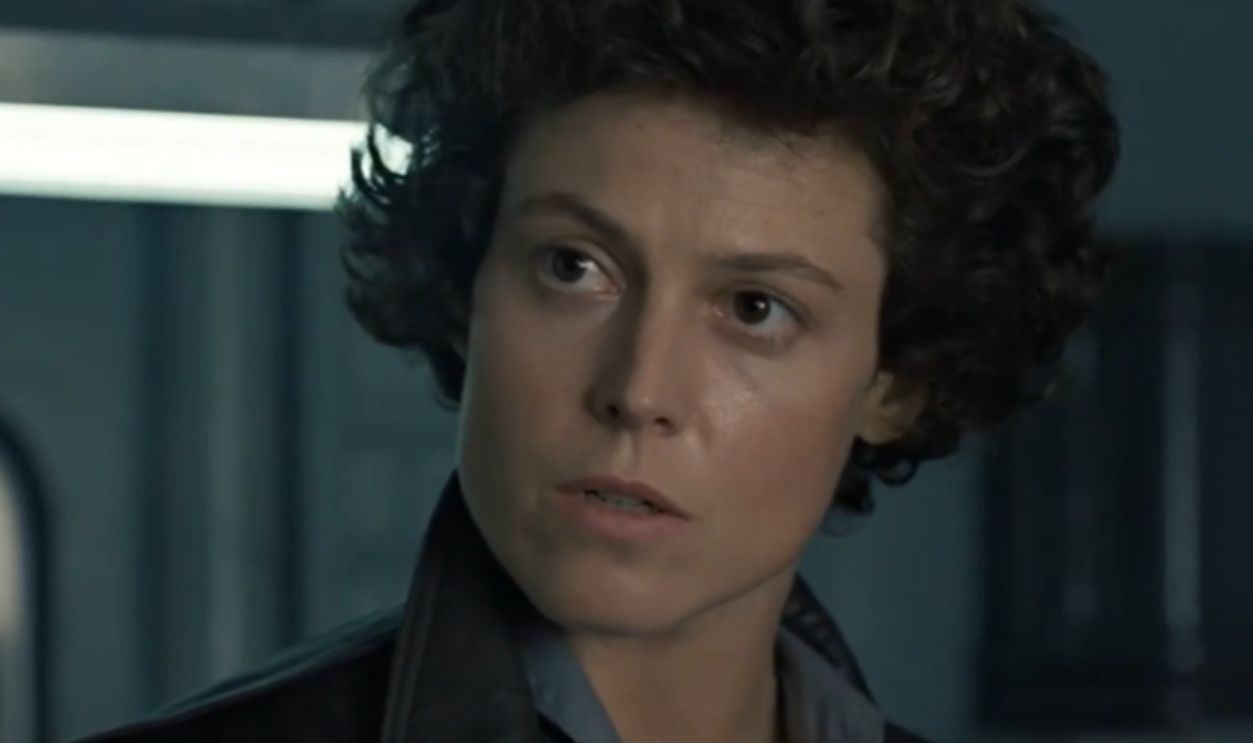 Screenshot from Alien, 20th Century Fox (1979)
You May Also Like:
TV Dramas From The 1980s That No One Remembers—Seriously, Do You Remember Even 5 Of These Shows?
TV Dramas From The 1970s That No One Remembers—Seriously, Do You Remember Even 5 Of These Shows?
Does Anyone Else Remember These Albums From The 1980s? I’d Be Amazed If You Owned Even One Of Them.