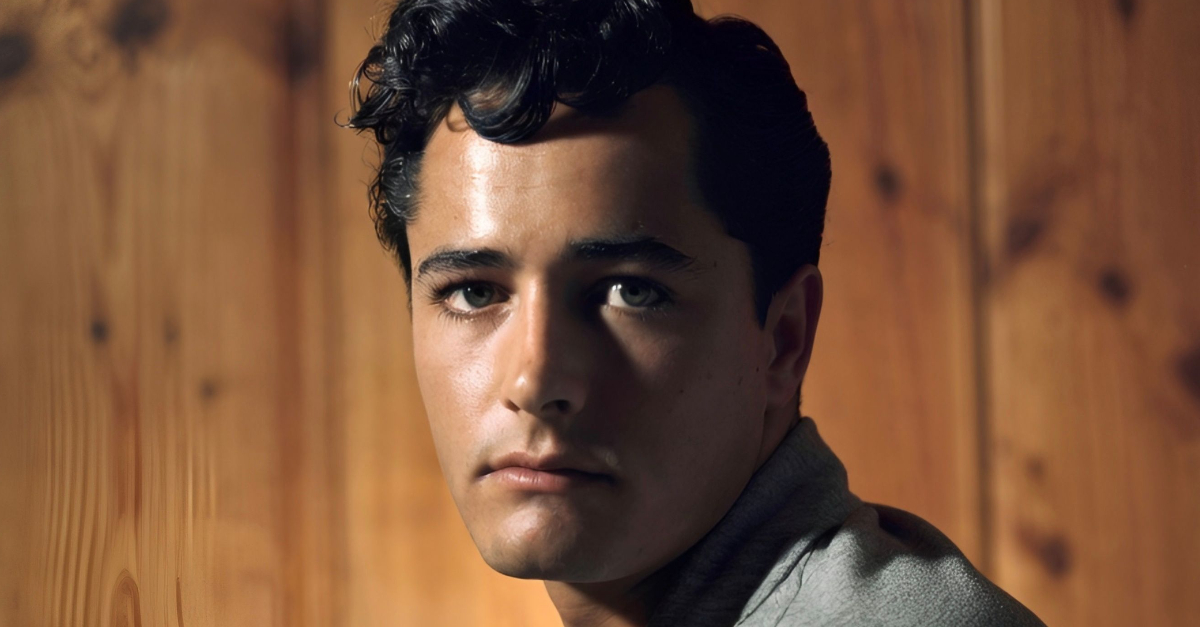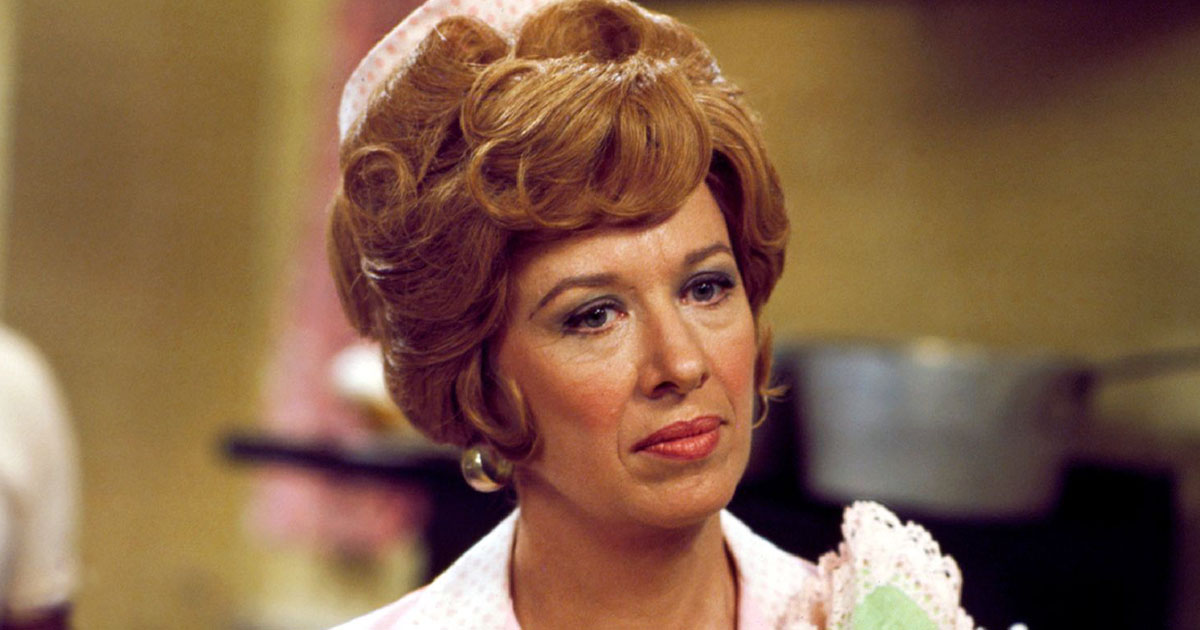
The Waitress Who Took Over Television
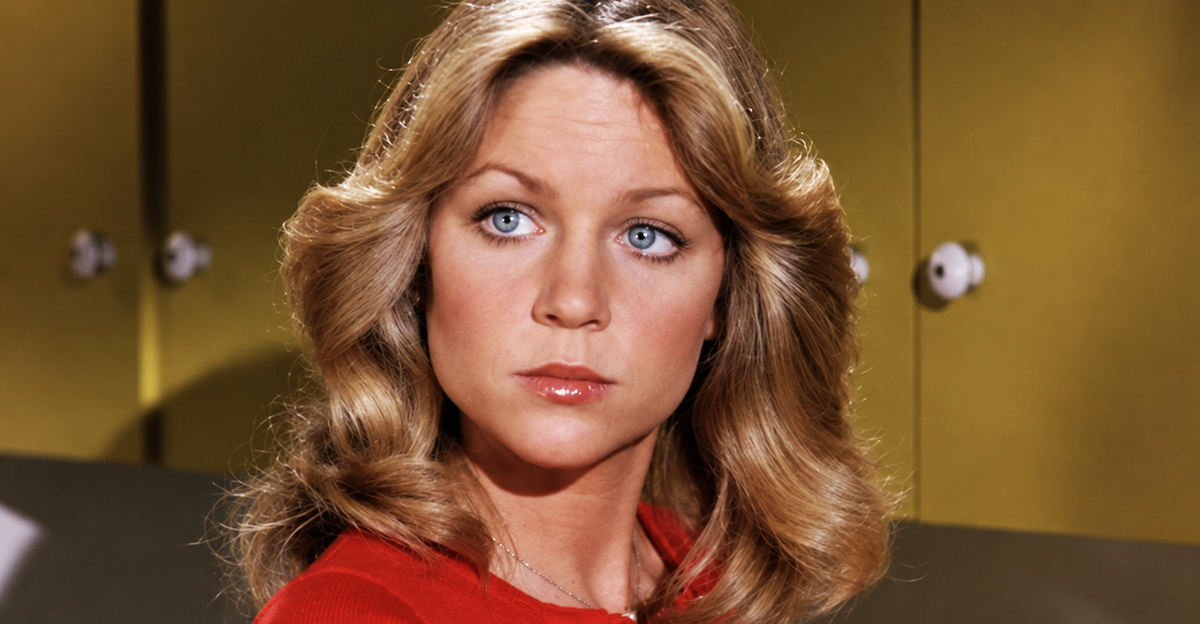
Polly Holliday needed only a towering hairdo, a Southern drawl, and three unforgettable words to become a 1970s television sensation. Yet the serious stage actress behind Flo understood something Hollywood often forgets: even a beloved character should not be allowed to swallow an entire career.
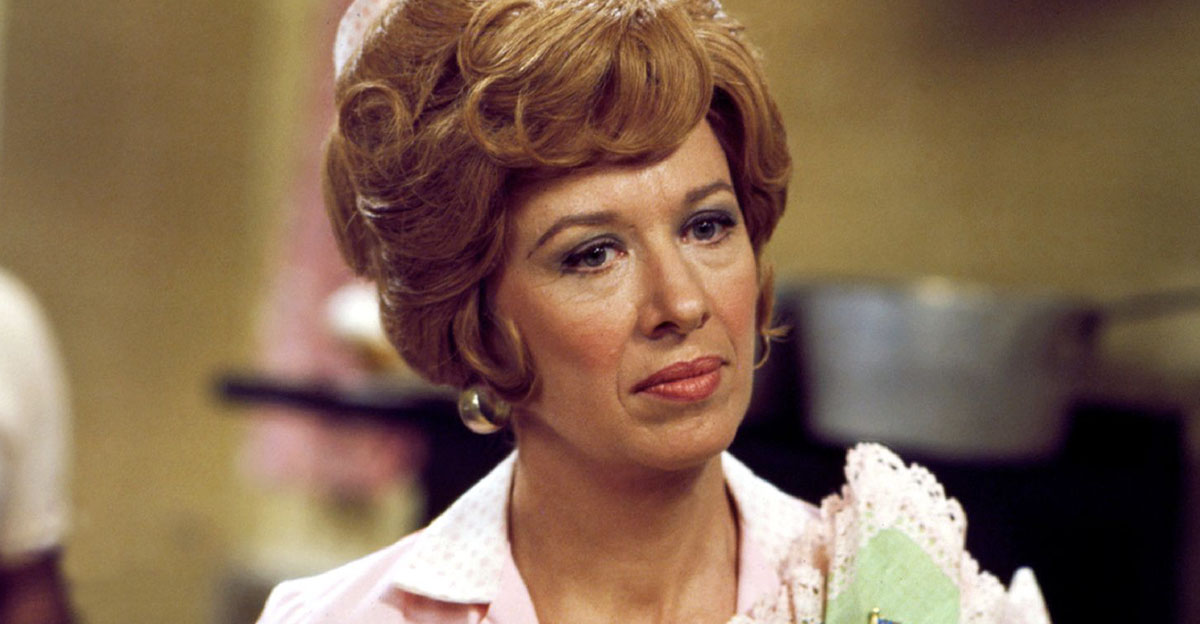
She Was Born In Alabama
Polly Dean Holliday was born in Jasper, Alabama, on July 2, 1937. After her parents divorced, she grew up primarily with her mother in Childersburg. Long before television exaggerated her Southern identity, Holliday knew the speech, manners, humor, and working-class resilience of the region firsthand.
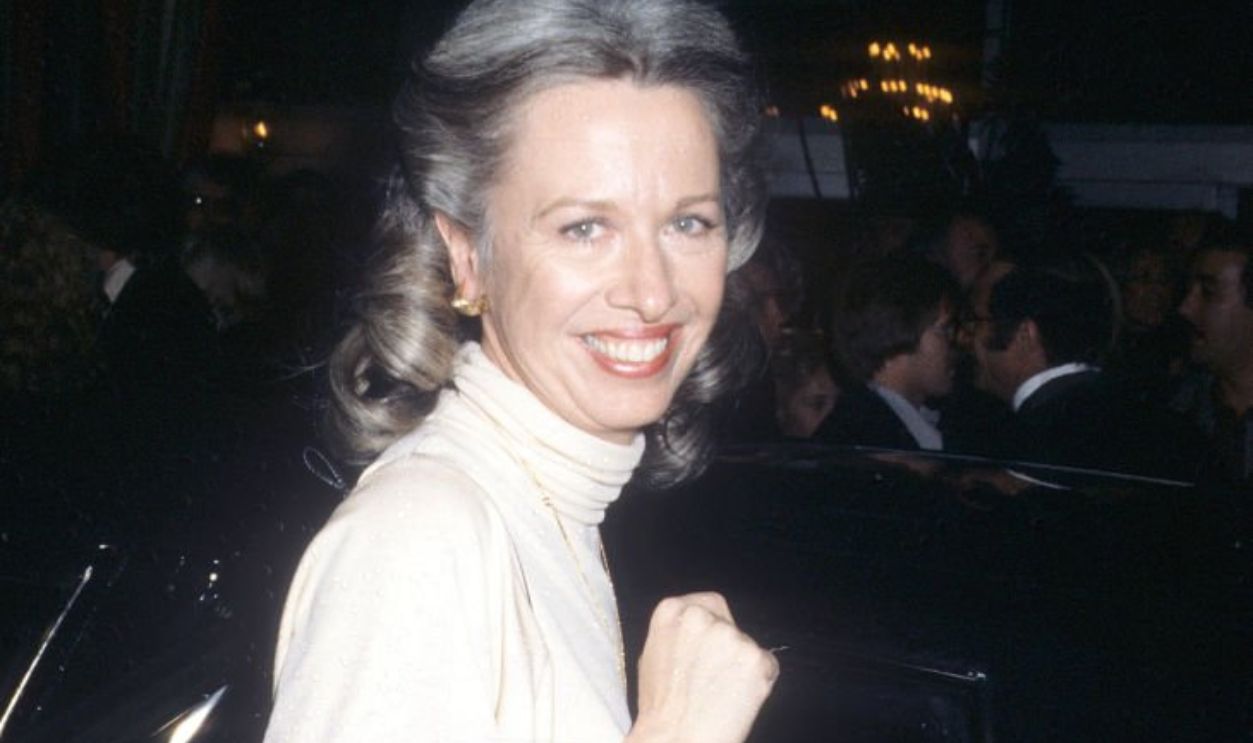
Her Father Drove A Truck
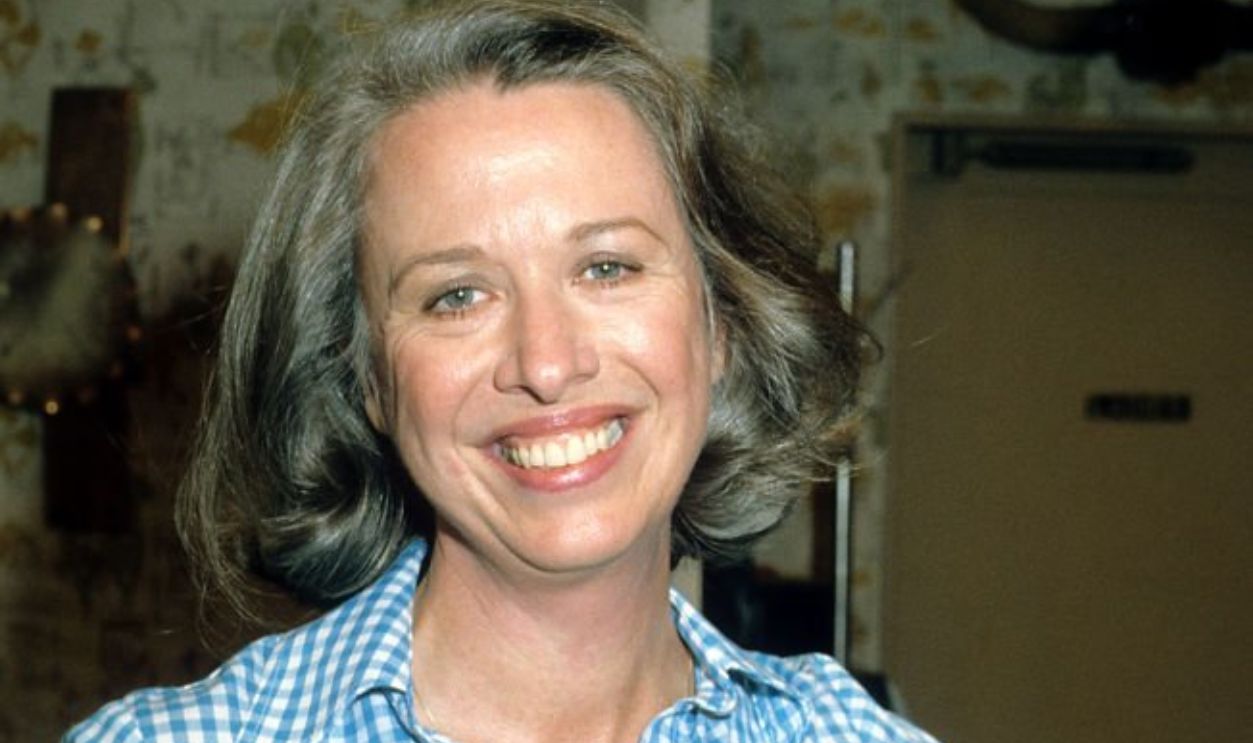
Holliday’s father worked as a truck driver for a lumber company. During childhood visits, she sometimes accompanied him on the road. Their trips frequently included stops at diners and truck stops, where Holliday quietly observed the waitresses serving coffee to rooms filled with outspoken men.
 Michael Ochs Archives, Getty Images
Those Waitresses Stayed With Her
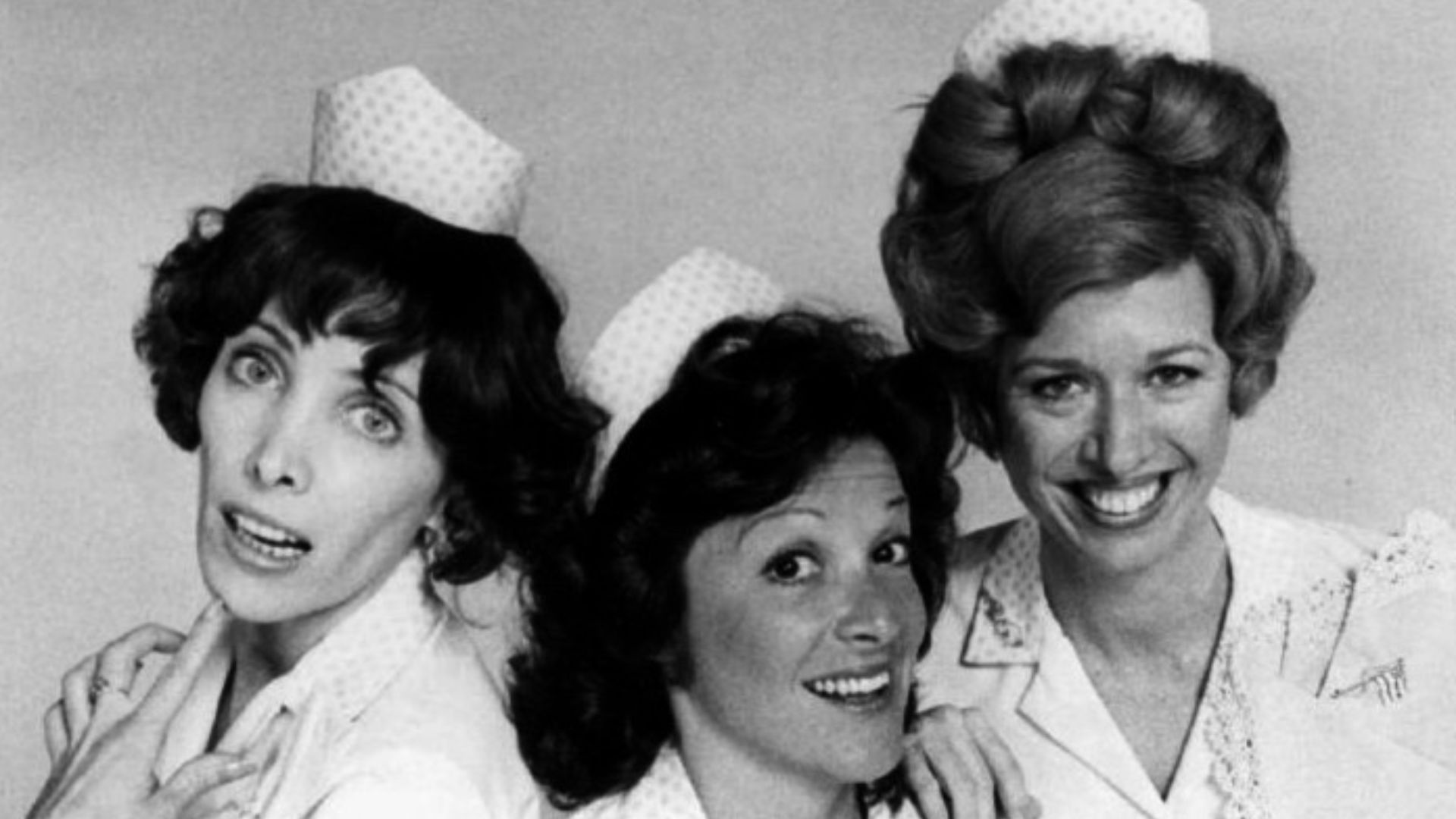
The women Holliday remembered could handle teasing, crude remarks, impatient customers, and exhausting shifts without losing control. They responded with jokes sharp enough to stop a customer cold. Decades later, those women would provide much of the confidence, humor, and defensive armor Holliday gave Flo.
 CBS Television, Wikimedia Commons
Acting Helped Her Escape Her Insecurities
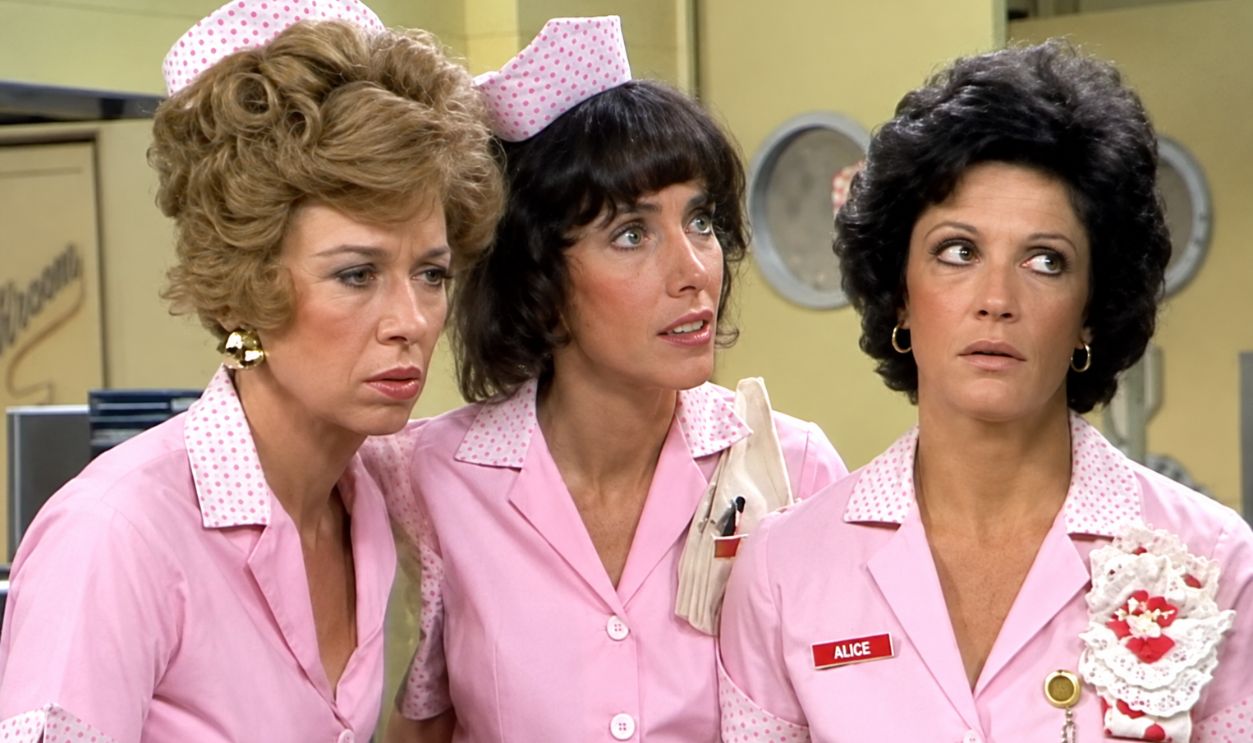
Holliday later described herself as a lonely child who felt poorer and less popular than many classmates. She was not even invited to her prom. Performing changed that feeling. When she stepped into a character, the insecurity disappeared—and a far more confident woman took her place.
 Screenshot from Alice, Warner Bros. Television (1976–1985)
Music Was Her First Profession
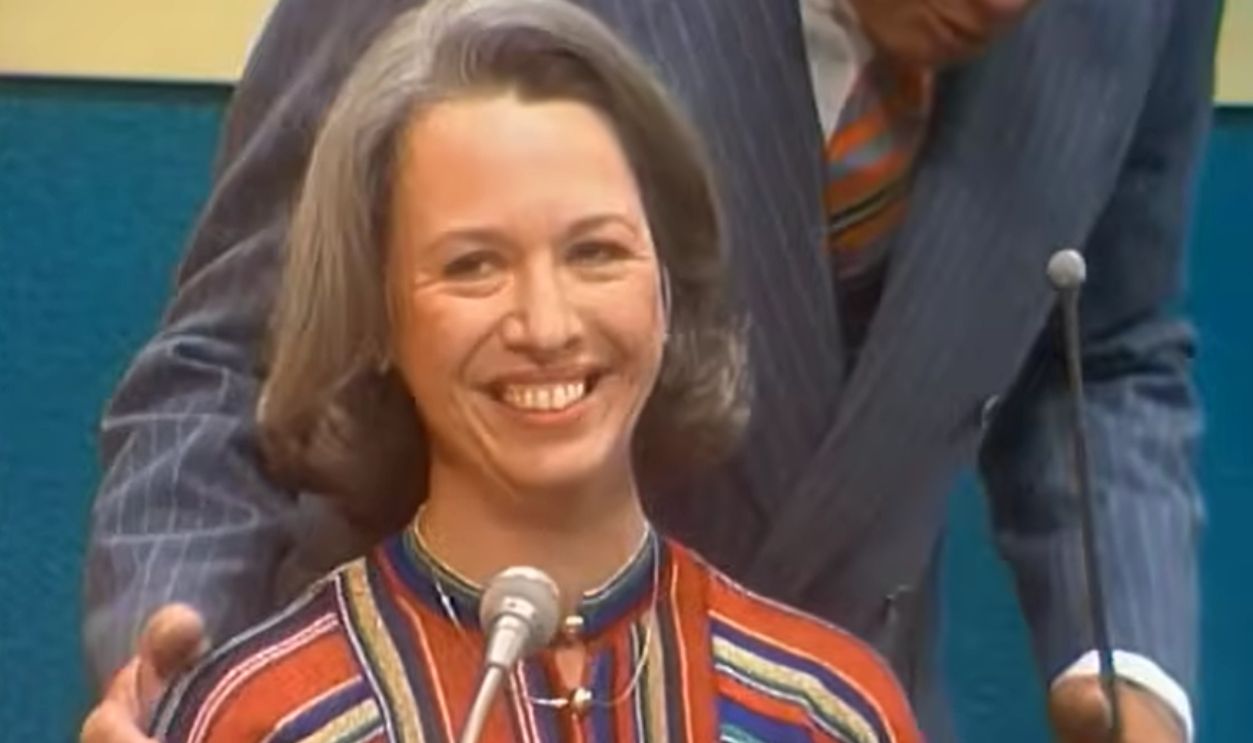
Holliday attended Alabama College for Women, now the University of Montevallo, and graduated with a degree in piano. She pursued additional study at Florida State University and worked as a music teacher. At that point, television fame was not merely distant; it was not yet the plan.
 Screenshot from Match Game, Fremantle (1962-)
The Stage Changed Her Direction
A drama teacher recognized Holliday’s potential, while Holliday privately suspected the teacher might be right. She began performing seriously and joined the Asolo Theatre Company in Sarasota, Florida. She spent approximately a decade in repertory theater, handling classical plays instead of waiting for Hollywood to discover her.
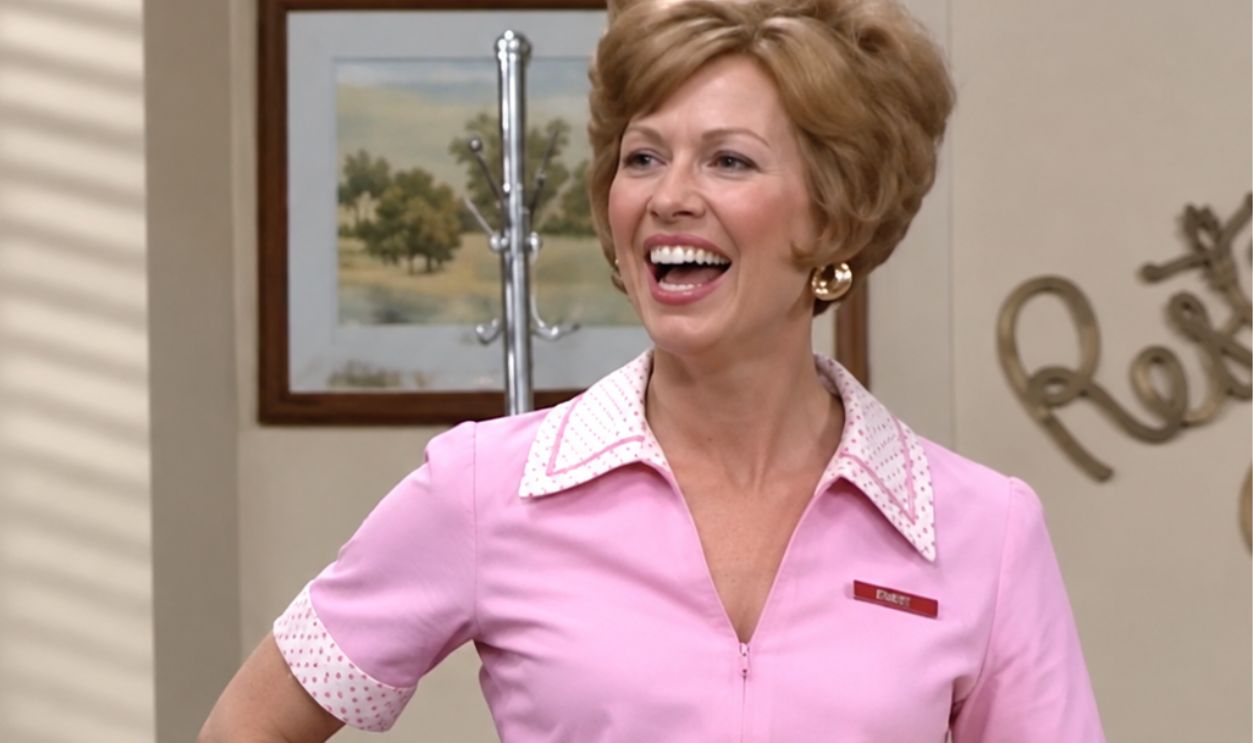 Screenshot from Alice, Warner Bros. Television (1976–1985)
She Tried To Lose Her Accent
Like many Southern actors seeking supposedly “serious” roles, Holliday worked to reduce her natural Alabama accent. The entertainment industry frequently treated regional speech as a limitation. Ironically, the voice she had trained herself to suppress would eventually become one of television’s most recognizable sounds.
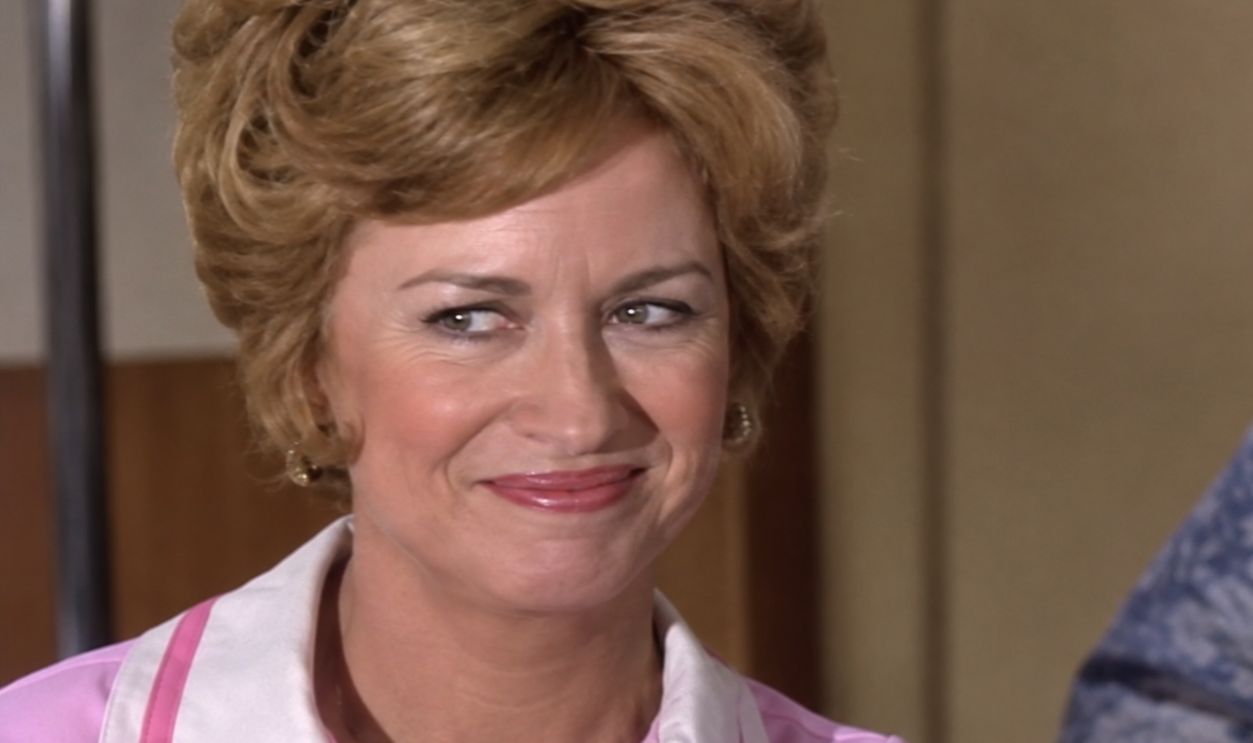 Screenshot from Alice, Warner Bros. Television (1976–1985)
New York Finally Called
Holliday moved to New York in the early 1970s and appeared in Alice Childress’s Wedding Band at the Public Theater. Years of regional work had prepared her well. She was not a young hopeful learning the basics—she was an experienced actress waiting for larger audiences to notice.
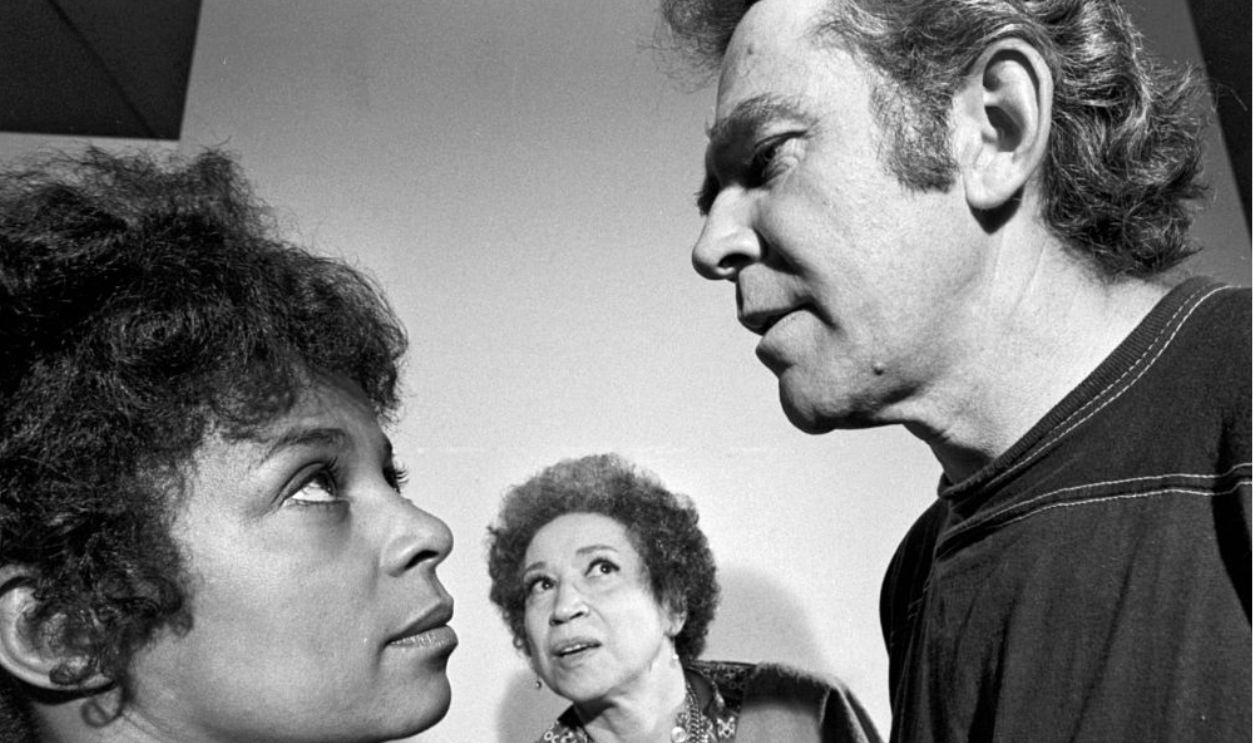
Dustin Hoffman Recognized Her Talent
Holliday appeared on Broadway in All Over Town, directed by Dustin Hoffman. Their professional friendship led Hoffman to recommend her for a small part in All the President’s Men. She played a hostile secretary and made enough of the brief appearance to help open another unexpected door.
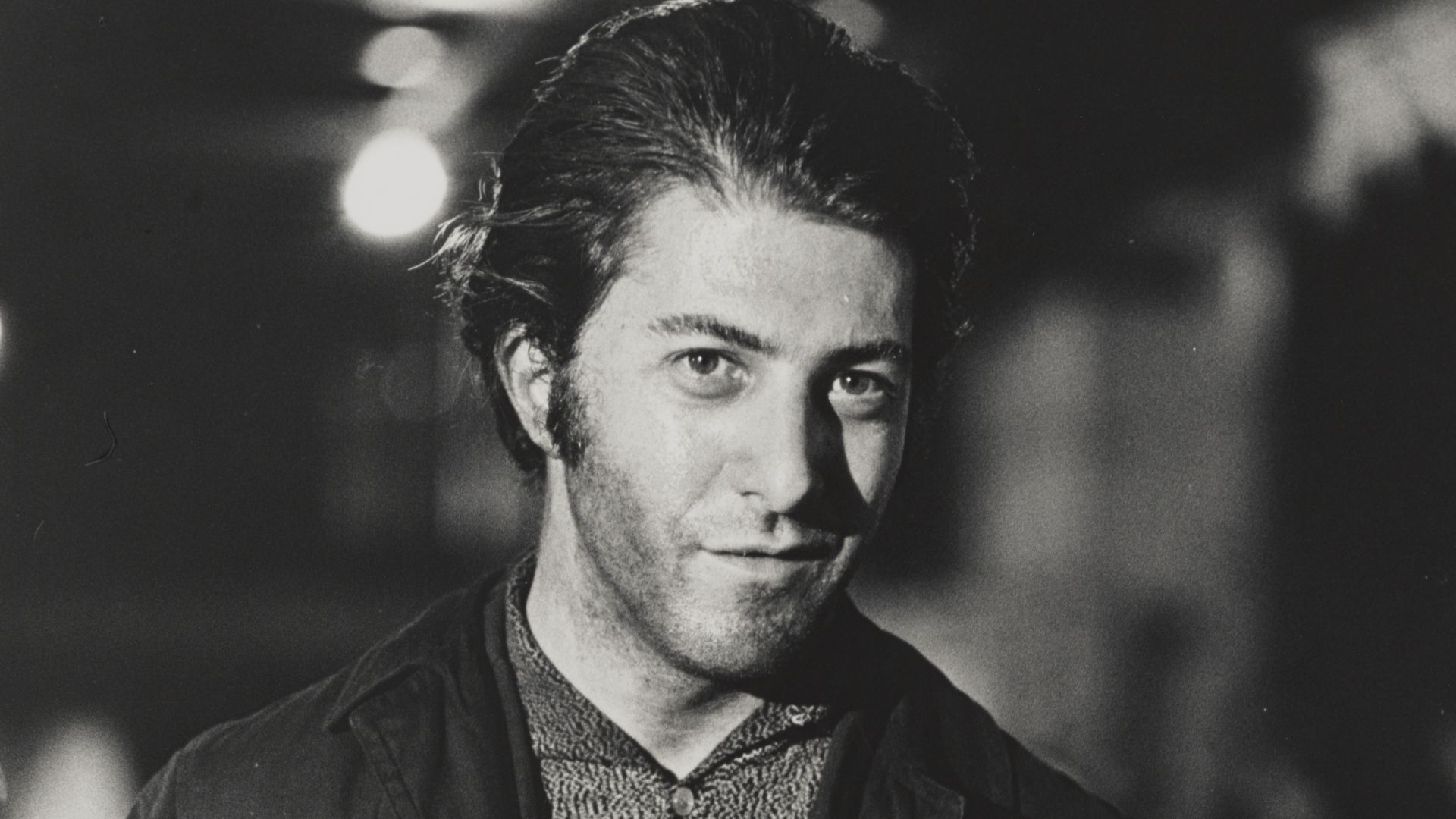 Bernard Gotfryd, Wikimedia Commons
A Casting Director Remembered Her
The casting director for All the President’s Men also worked on a new CBS sitcom called Alice. Holliday was encouraged to audition for Florence Jean Castleberry, a brassy Southern waitress. After years of trying to sound less Southern, the accent suddenly became part of her strongest advantage.
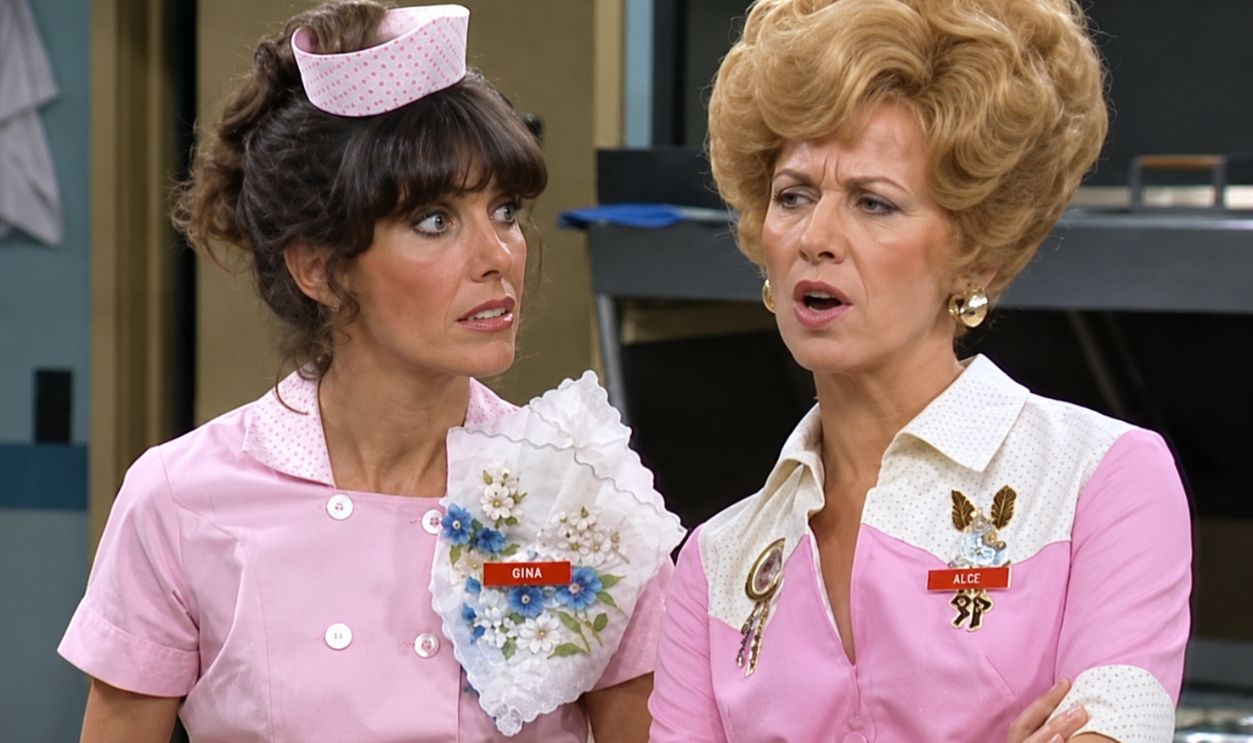 Screenshot from Alice, Warner Bros. Television (1976–1985)
The Story Had Started As A Film
Alice was adapted from Martin Scorsese’s 1974 film Alice Doesn’t Live Here Anymore. Ellen Burstyn played a widowed mother trying to rebuild her life, while Diane Ladd portrayed Flo. Ladd’s version was funny, earthy, and considerably less restrained than network television would permit.
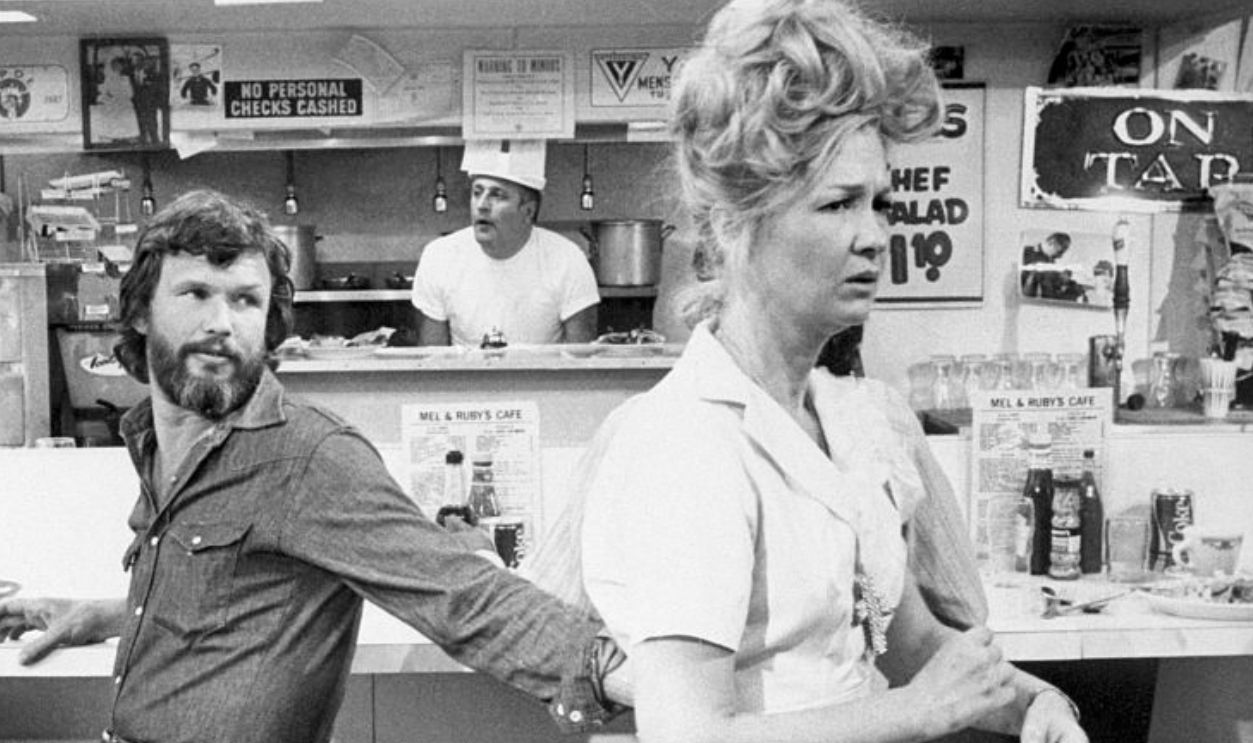
Television Moved The Story To Phoenix
The CBS series placed aspiring singer Alice Hyatt and her son, Tommy, in Phoenix, Arizona. Alice found work at Mel’s Diner alongside timid Vera and the far less timid Flo. Mel Sharples owned the place, although his waitresses rarely allowed him to believe he controlled it.
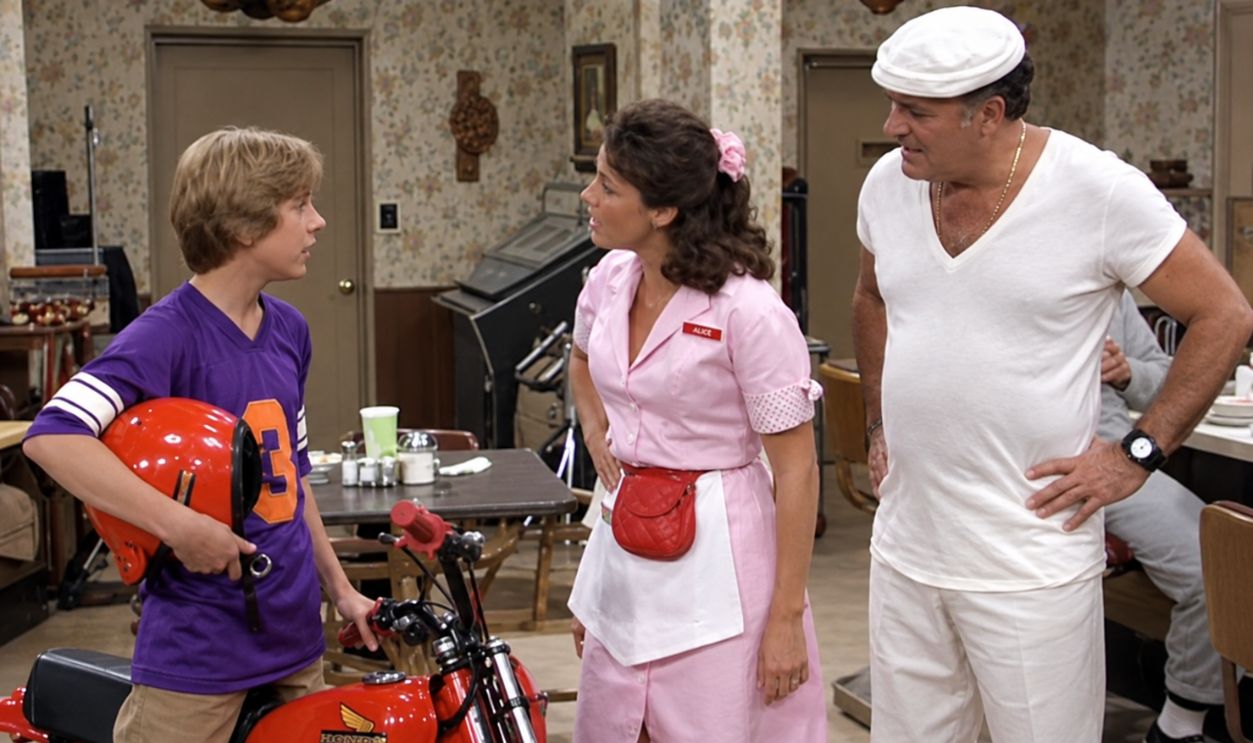 Screenshot from Alice, Warner Bros. Television (1976–1985)
Flo Was Not Supposed To Become The Star
Linda Lavin was unquestionably the lead, and the series followed Alice’s effort to support her son while pursuing a singing career. Yet Holliday’s Flo immediately demanded attention. She flirted with customers, challenged Mel, protected her friends, and treated embarrassment as something that happened to other people.
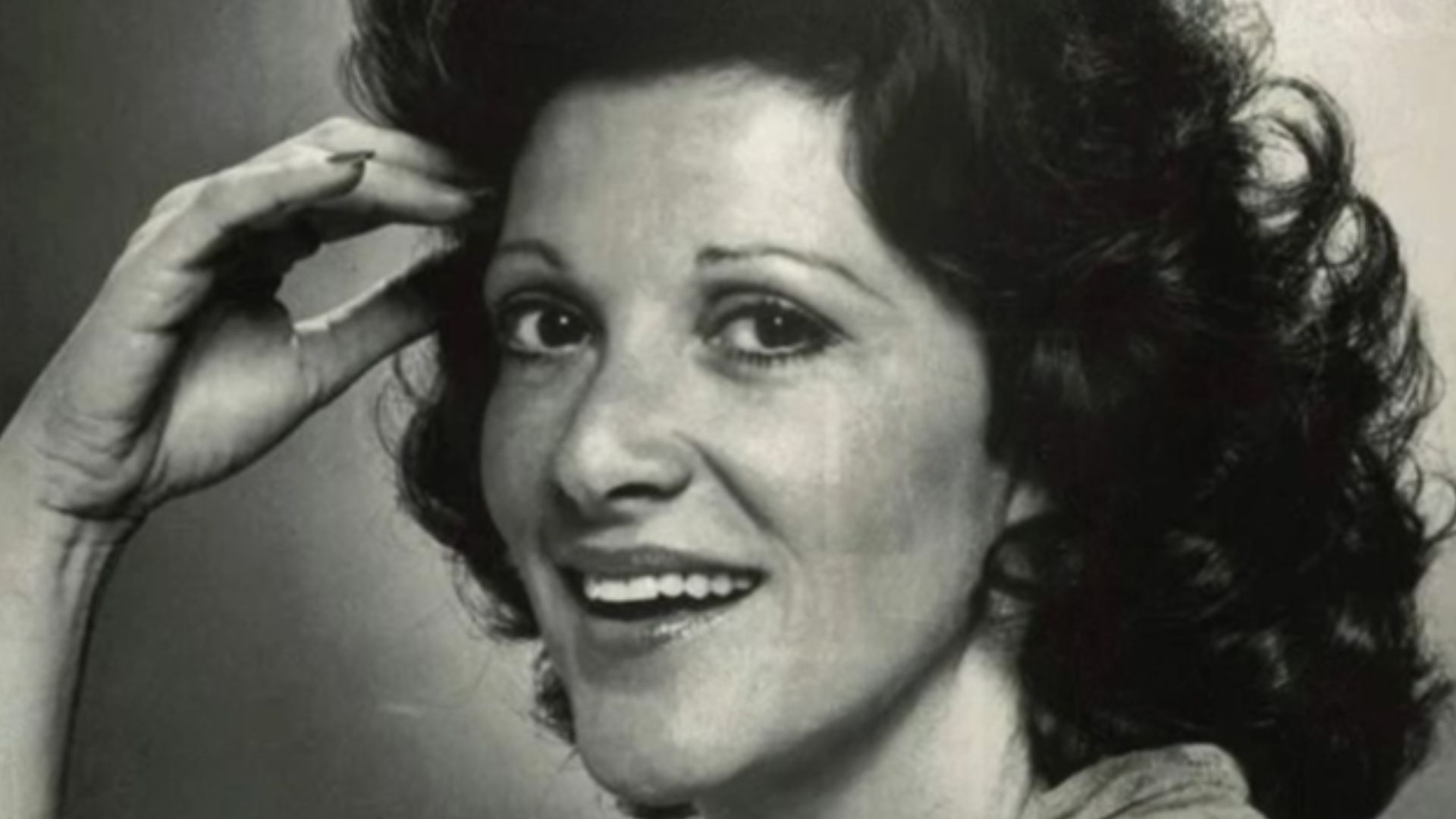 CBS Television, Wikimedia Commons
Holliday Built Flo From Memory
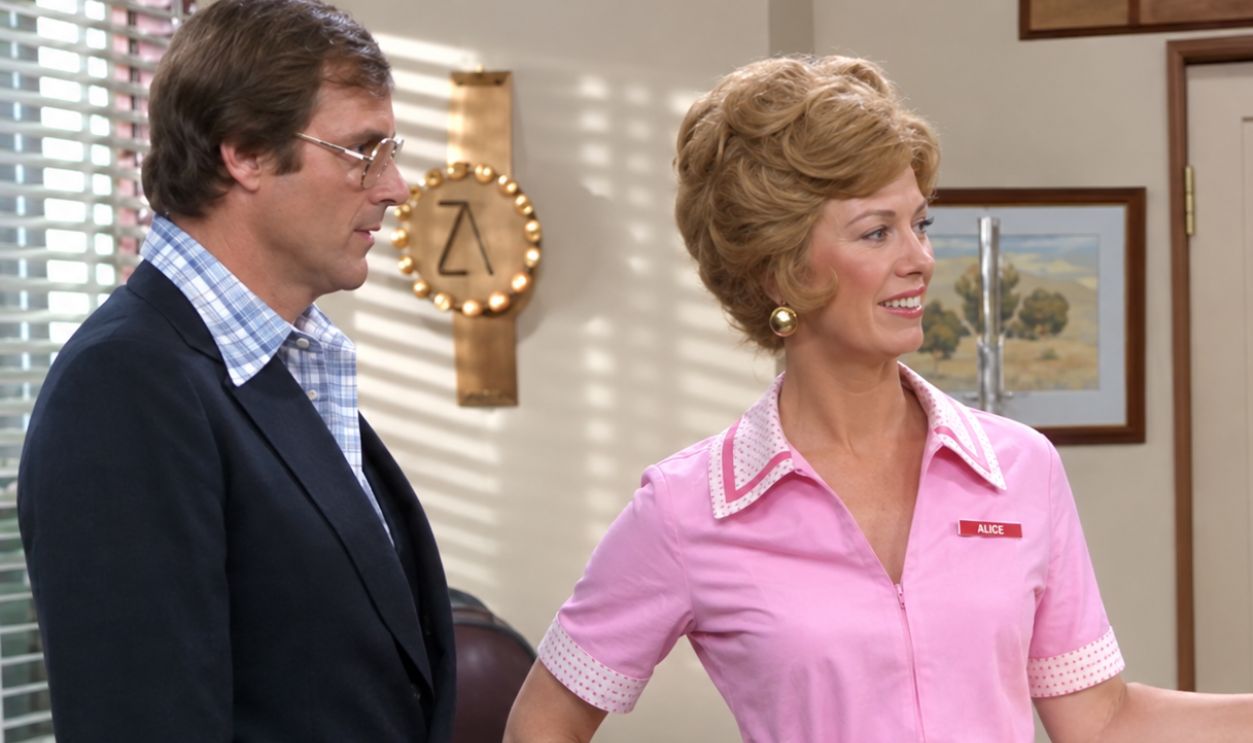
Holliday did not simply imitate Diane Ladd’s film performance. She remembered the roadside waitresses she had encountered with her father: women who survived difficult lives by developing perfect comic defenses. Flo’s humor welcomed the room while warning everyone not to test her patience.
 Screenshot from Alice, Warner Bros. Television (1976–1985)
The Hair Completed The Character
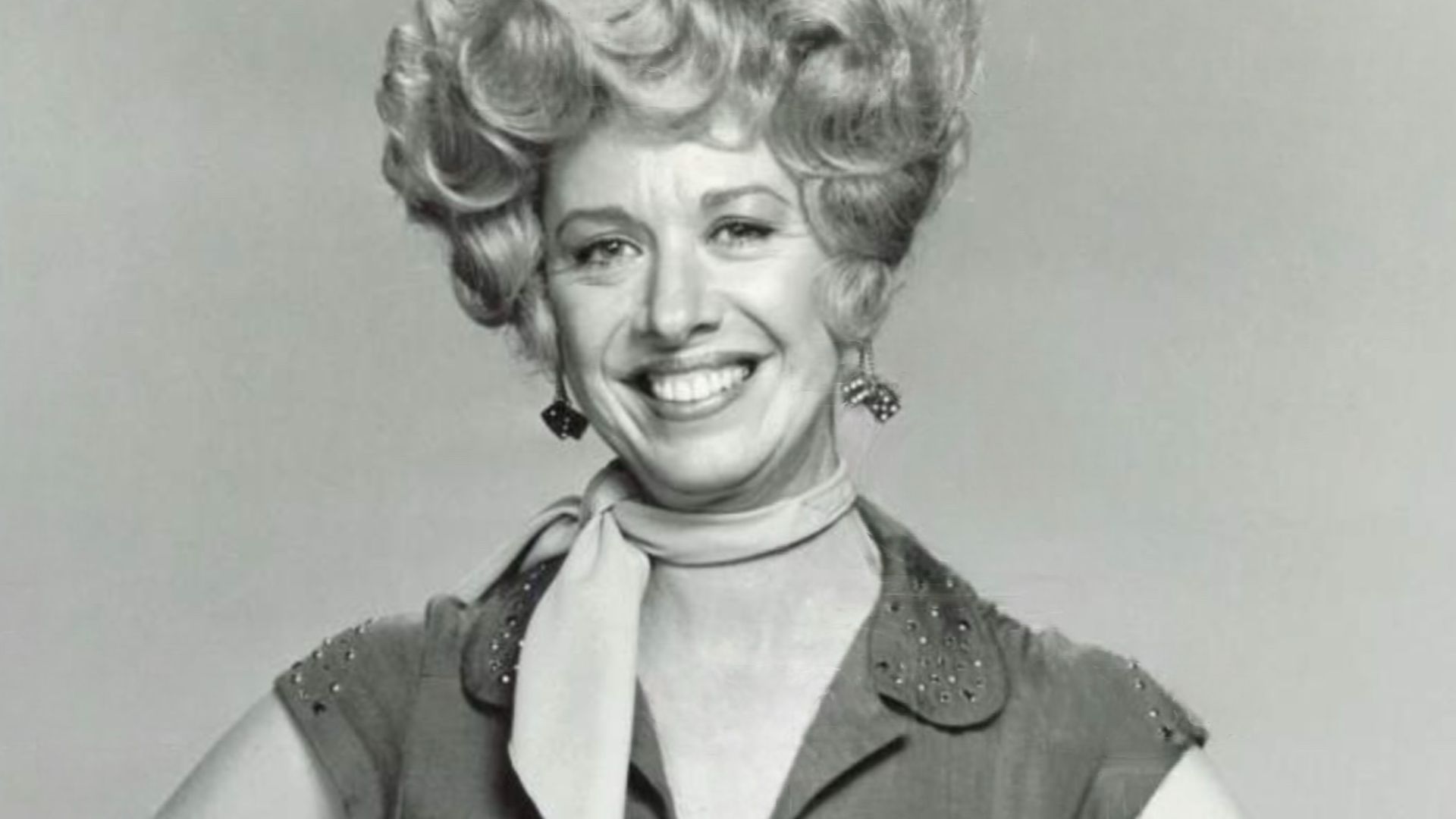
Flo’s teased red hair, gum chewing, fitted uniform, and confident walk made her recognizable before she spoke. The appearance suggested a woman who had spent considerable time getting ready but wanted everyone to believe she had awakened naturally prepared to conquer a truck stop.
 CBS Television, Wikimedia Commons
Then Came Three Little Words
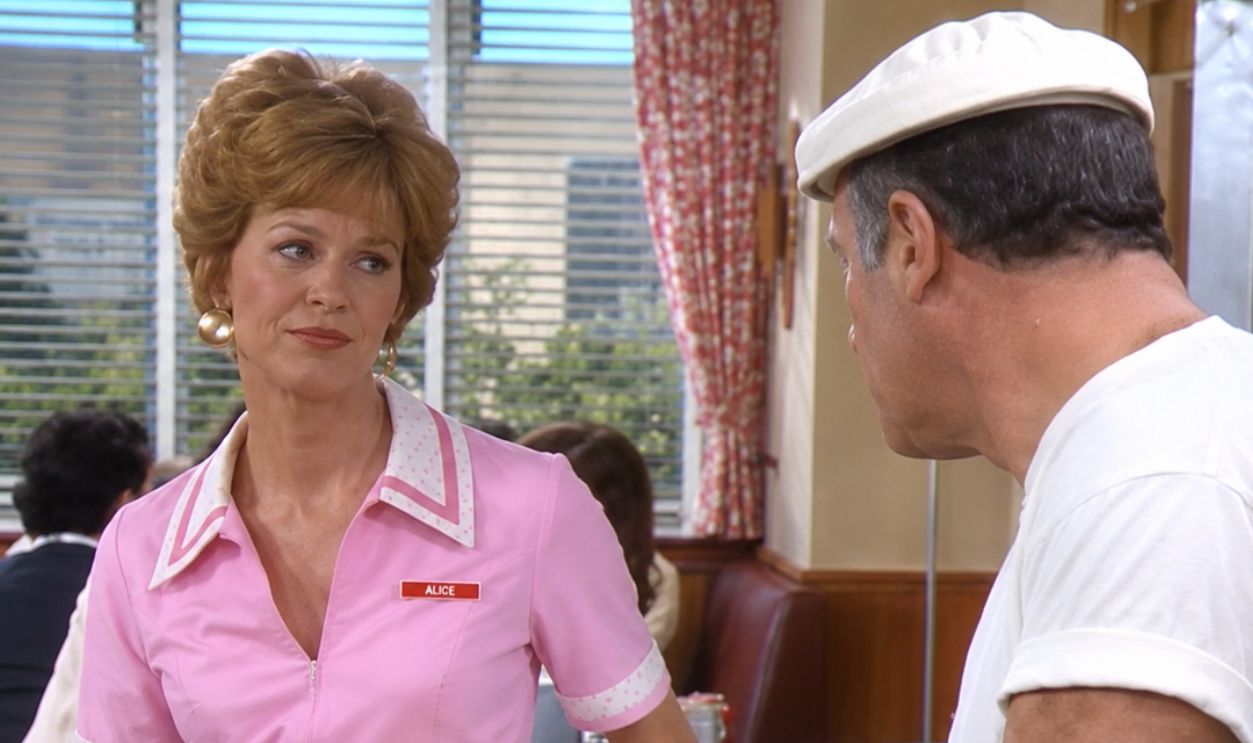
Because television could not use all the language heard in Scorsese’s film, the writers needed an insult that sounded naughty without actually violating broadcast standards. The solution was “Kiss my grits!” Holliday initially thought it sounded peculiar. She delivered it anyway—and the studio audience erupted.
 Screenshot from Alice, Warner Bros. Television (1976–1985)
She Made The Phrase Her Own
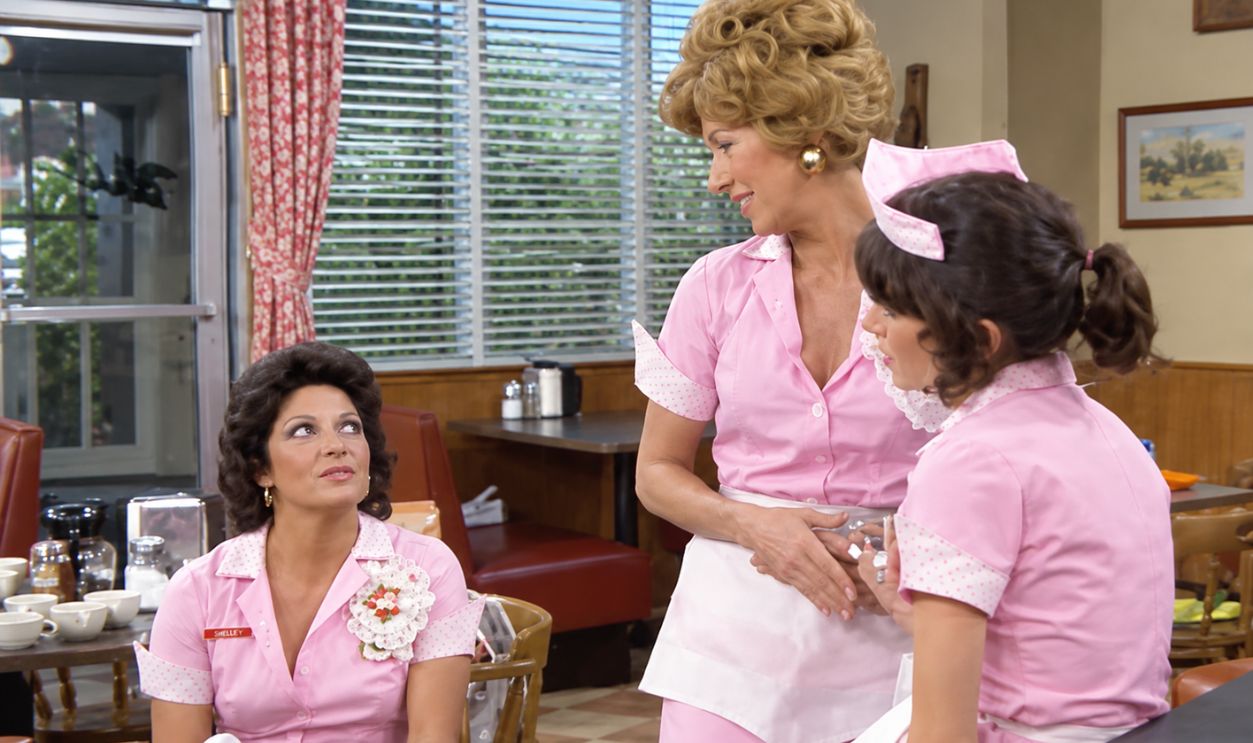
The words alone were not especially devastating. Holliday made them work through emphasis, timing, facial expression, and that unmistakable drawl. Flo could deliver the line playfully, flirtatiously, or with enough menace to make a grown man reconsider every decision that had brought him into Mel’s Diner.
 Screenshot from Alice, Warner Bros. Television (1976–1985)
The Writers Knew They Had Something
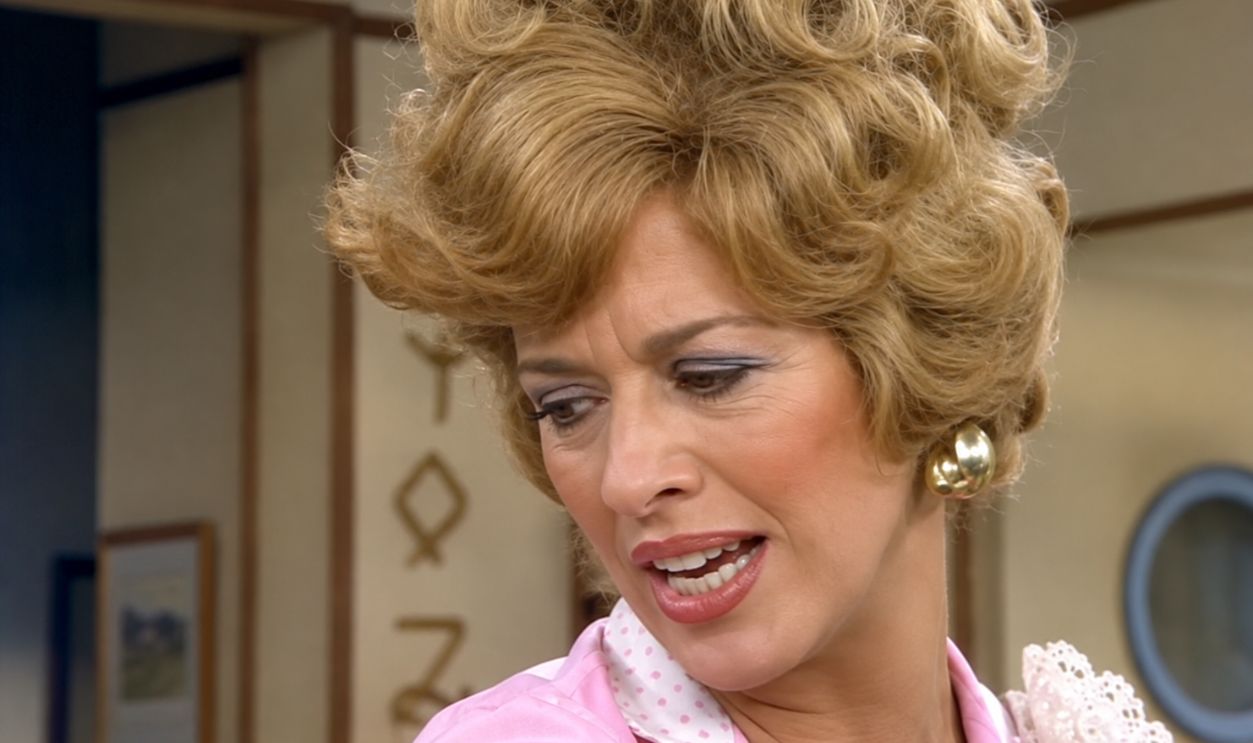
Once the phrase produced a major laugh, the writers naturally wanted it repeated. “Kiss my grits” appeared on T-shirts, buttons, novelty merchandise, and in everyday conversations. America had discovered a television-friendly way to tell someone precisely where to go without alarming the network censors.
 Screenshot from Alice, Warner Bros. Television (1976–1985)
Holliday Did Not Want To Overuse It
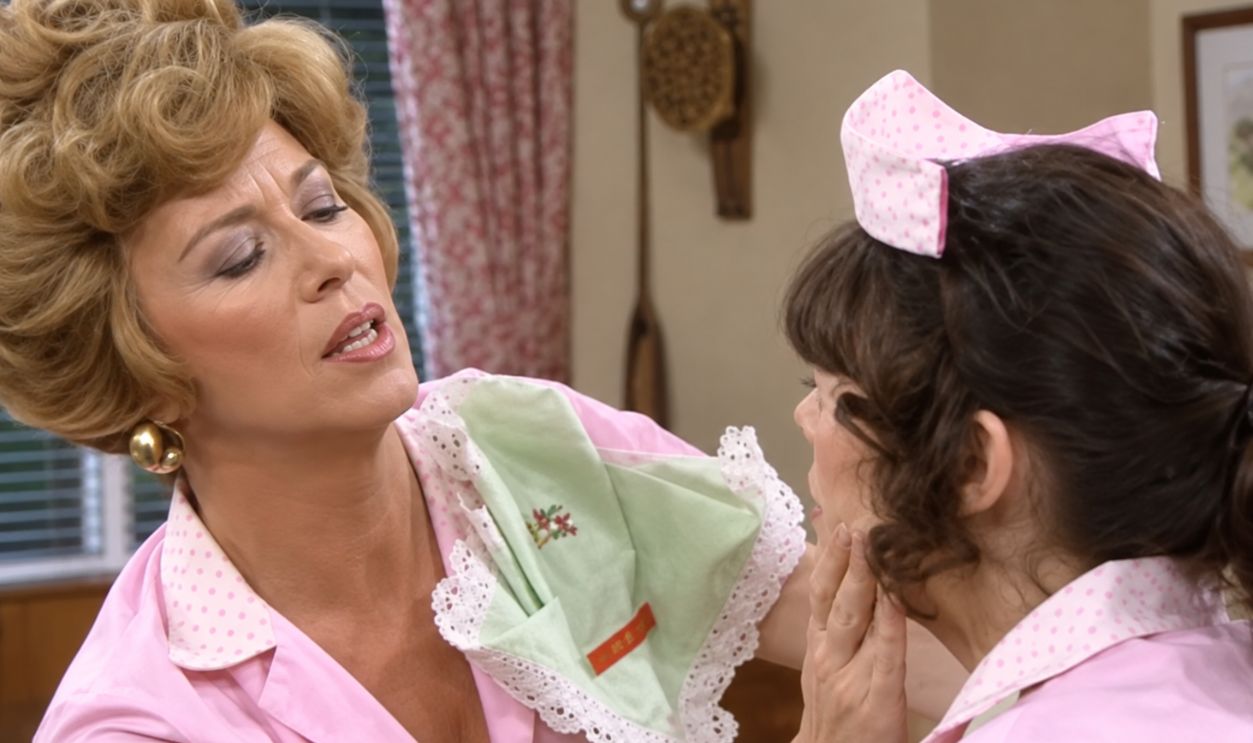
The catchphrase made her famous, but Holliday understood the danger of exhausting a good joke. A line becomes less rebellious when viewers begin waiting for it on schedule. She continued delivering it memorably, although Flo’s personality—not merely the phrase—kept audiences returning.
 Screenshot from Alice, Warner Bros. Television (1976–1985)
Waitresses Recognized Themselves In Flo
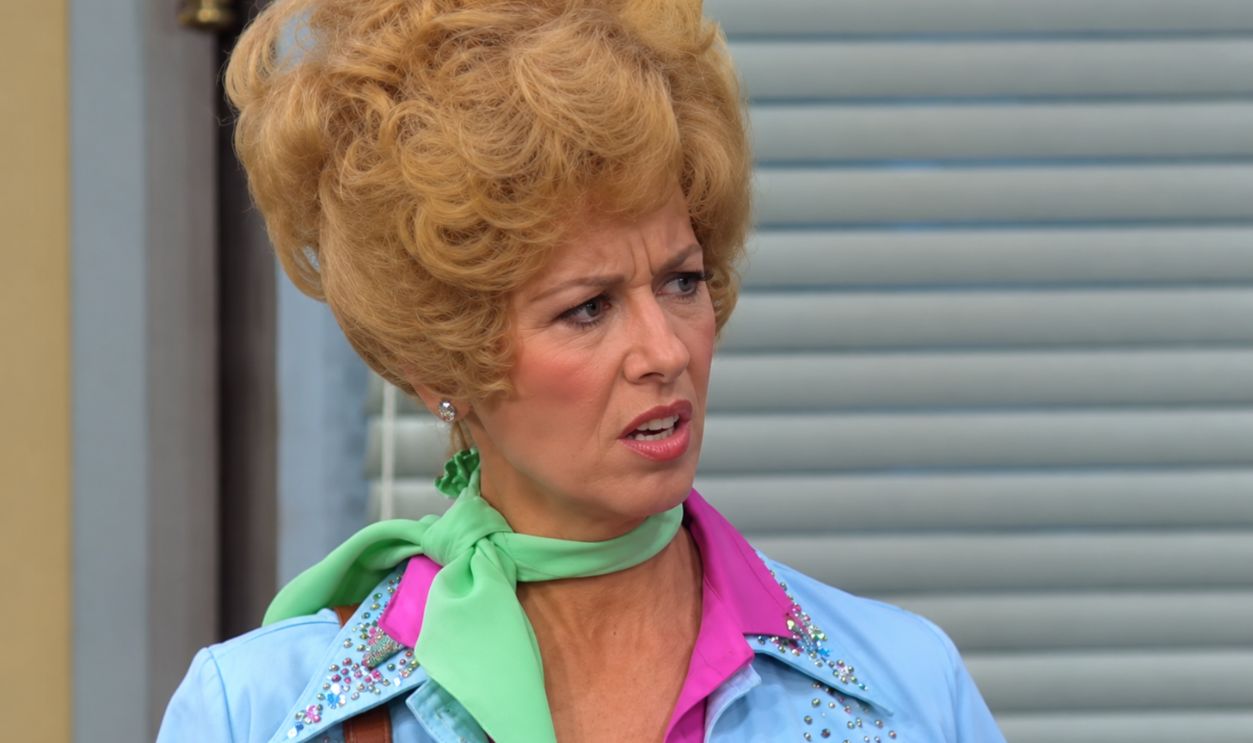
Holliday received enthusiastic reactions from working waitresses, who saw Flo as one of their own. She was not elegant, wealthy, or waiting for a powerful man to rescue her. She worked for a living, dreamed of something better, and refused to let customers treat her as invisible.
 Screenshot from Flo, Warner Bros. Television (1980-1981)
Flo Was Flirtatious Without Apologizing
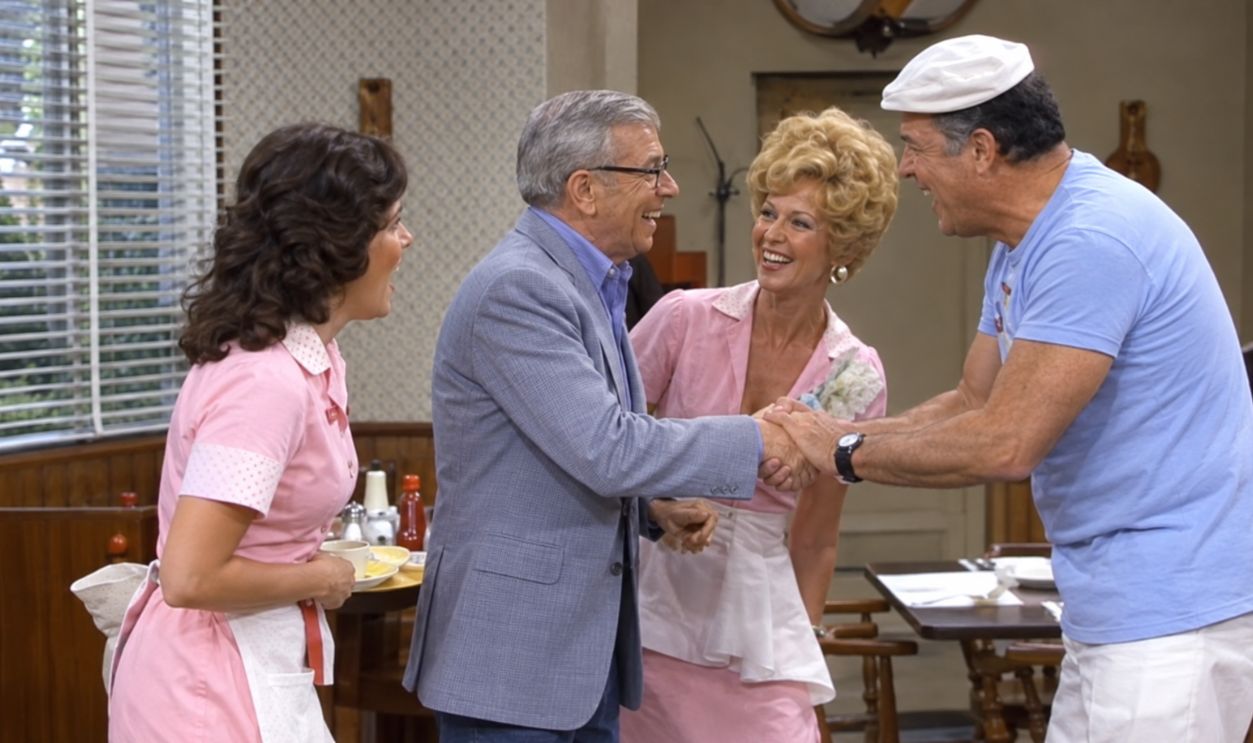
Television women were often expected to wait passively for romance. Flo discussed men with cheerful enthusiasm and pursued attention on her own terms. The jokes occasionally reflected the period’s stereotypes, but her confidence made her unusual: she was not embarrassed by desire, age, or what polite people might think.
 Screenshot from Alice, Warner Bros. Television (1976–1985)
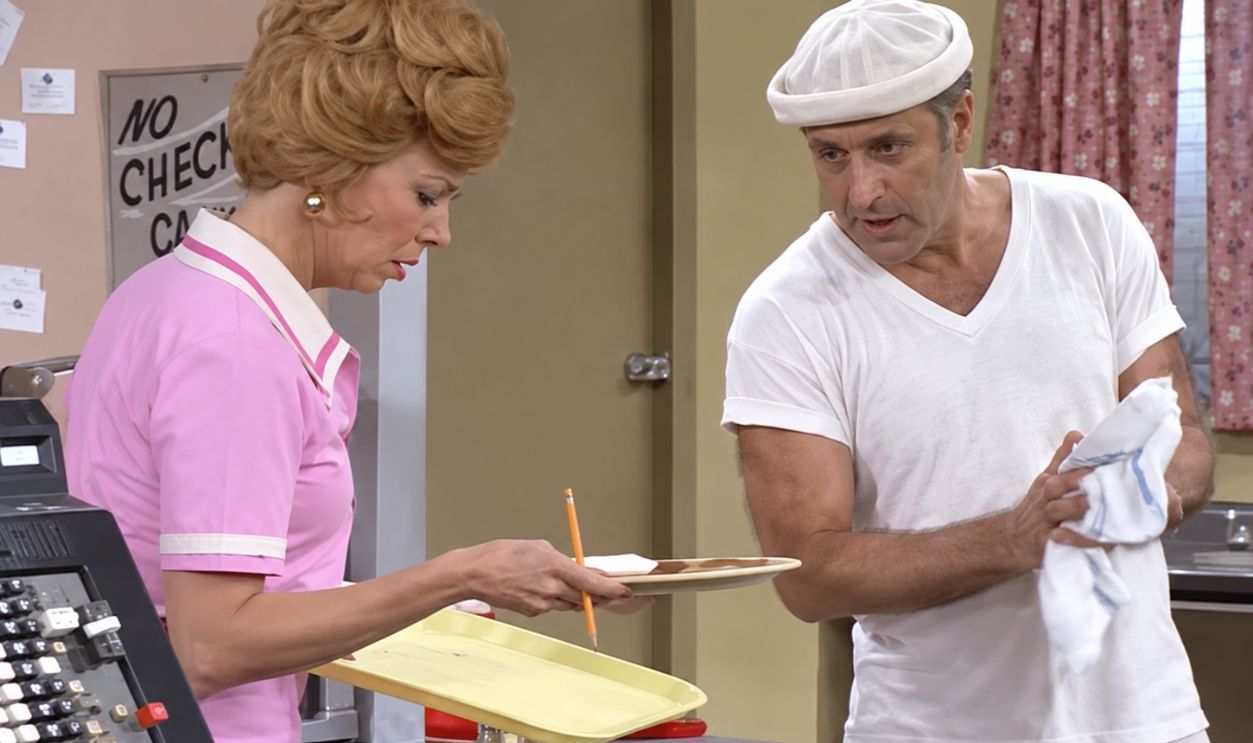
She Could Handle Mel
Vic Tayback’s gravel-voiced Mel regularly barked orders and insults at his employees. Flo refused to behave like a frightened subordinate. Their arguments became some of the show’s funniest scenes because each character believed volume was a legitimate management technique—and Flo usually possessed the better closing line.
 Screenshot from Alice, Warner Bros. Television (1976–1985)
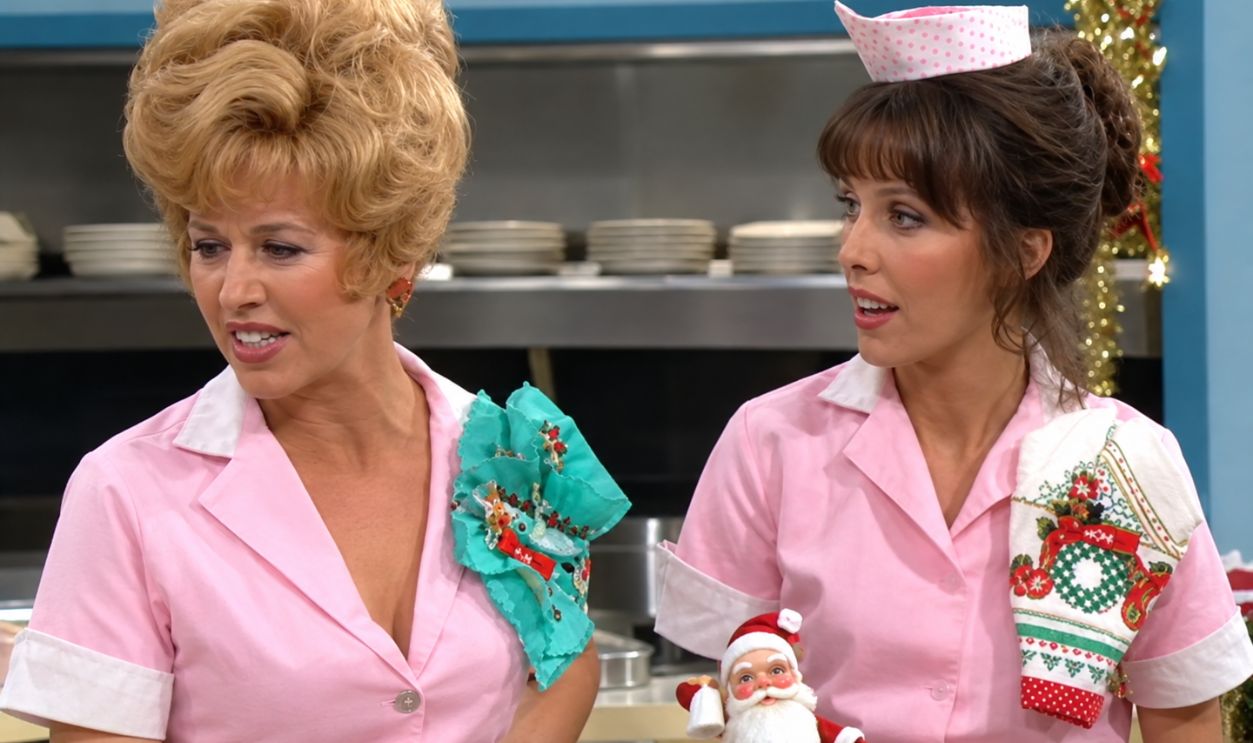
Vera Revealed Flo’s Softer Side
Beth Howland played Vera, the diner’s innocent and emotionally delicate waitress. Flo teased her, but she also protected her. Their relationship demonstrated that Flo’s toughness was not the absence of kindness. She simply preferred to hide affection beneath enough sarcasm to maintain her reputation.
 Screenshot from Alice, Warner Bros. Television (1976–1985)
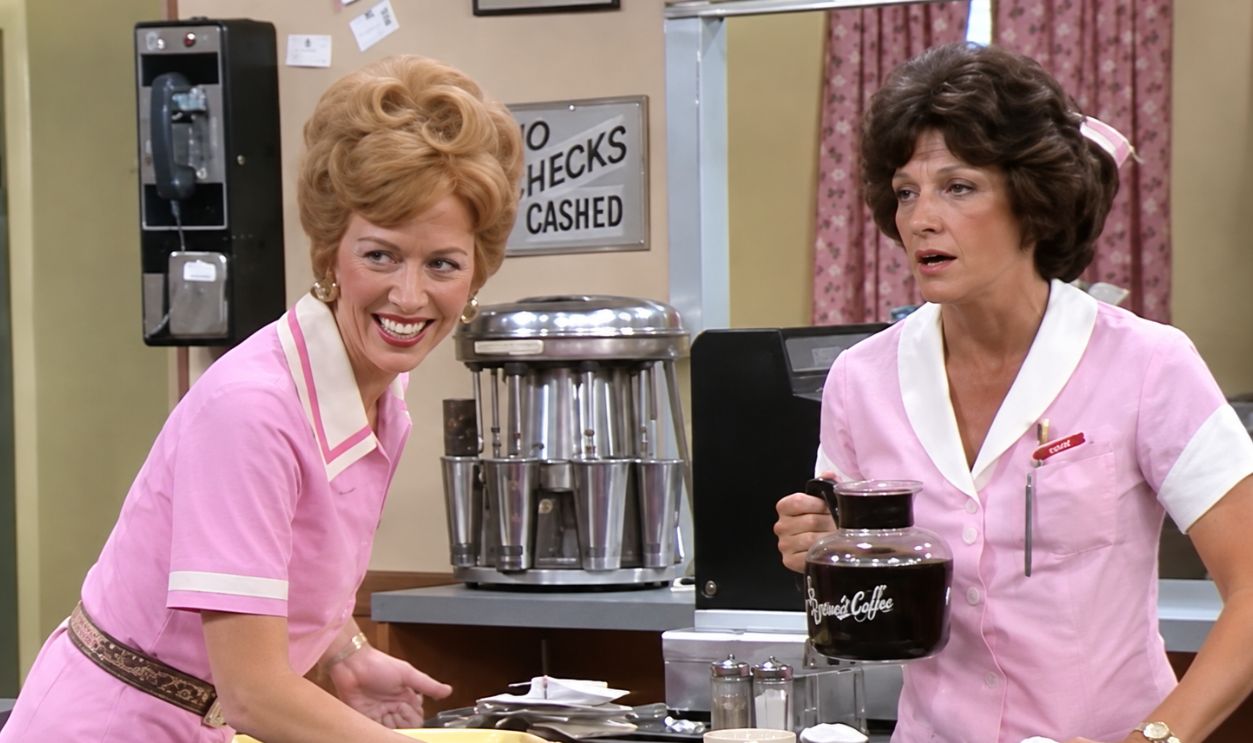
Alice And Flo Became Equals
Although the program carried Alice’s name, Flo grew into her comic equal. Alice was practical and determined, while Flo was impulsive and outrageous. Their friendship gave the series warmth, but their differences ensured that a quiet shift at Mel’s Diner could become an argument before the coffee cooled.
 Screenshot from Alice, Warner Bros. Television (1976–1985)
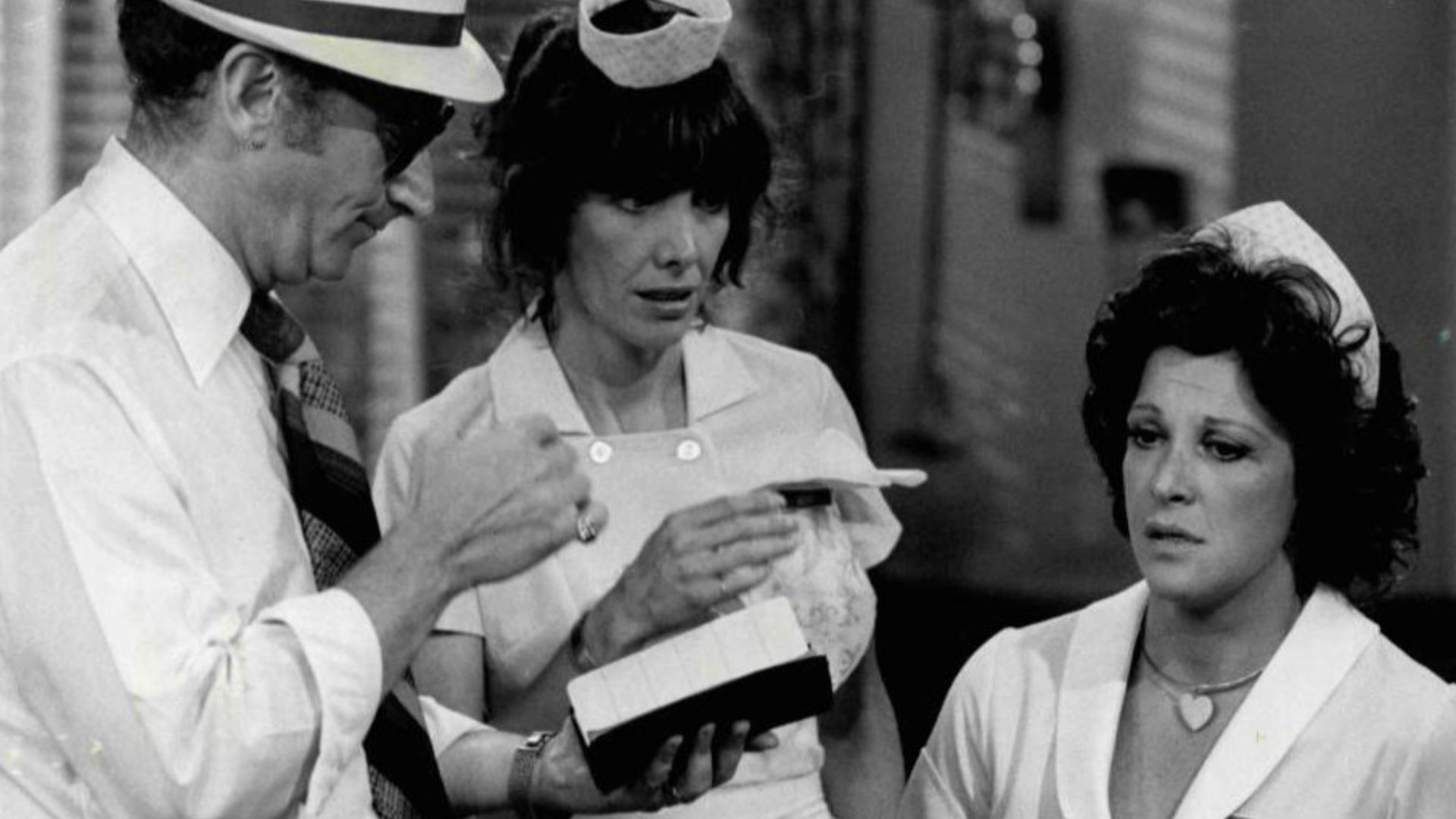
The Show Became A Ratings Success
After premiering in August 1976, Alice developed into one of CBS’s dependable hits. Its blue-collar setting felt familiar to millions of viewers. By the 1979–80 television season, the series ranked among America’s most-watched programs—and Flo had become its most quoted character.
 CBS Television, Wikimedia Commons
Awards Confirmed Her Importance
Holliday received three consecutive Emmy nominations for supporting actress for Alice. She also won Golden Globe Awards in 1979 and 1980. The honors recognized what viewers already understood: Flo was not merely a funny accent attached to a slogan. Holliday had created a complete comic character.
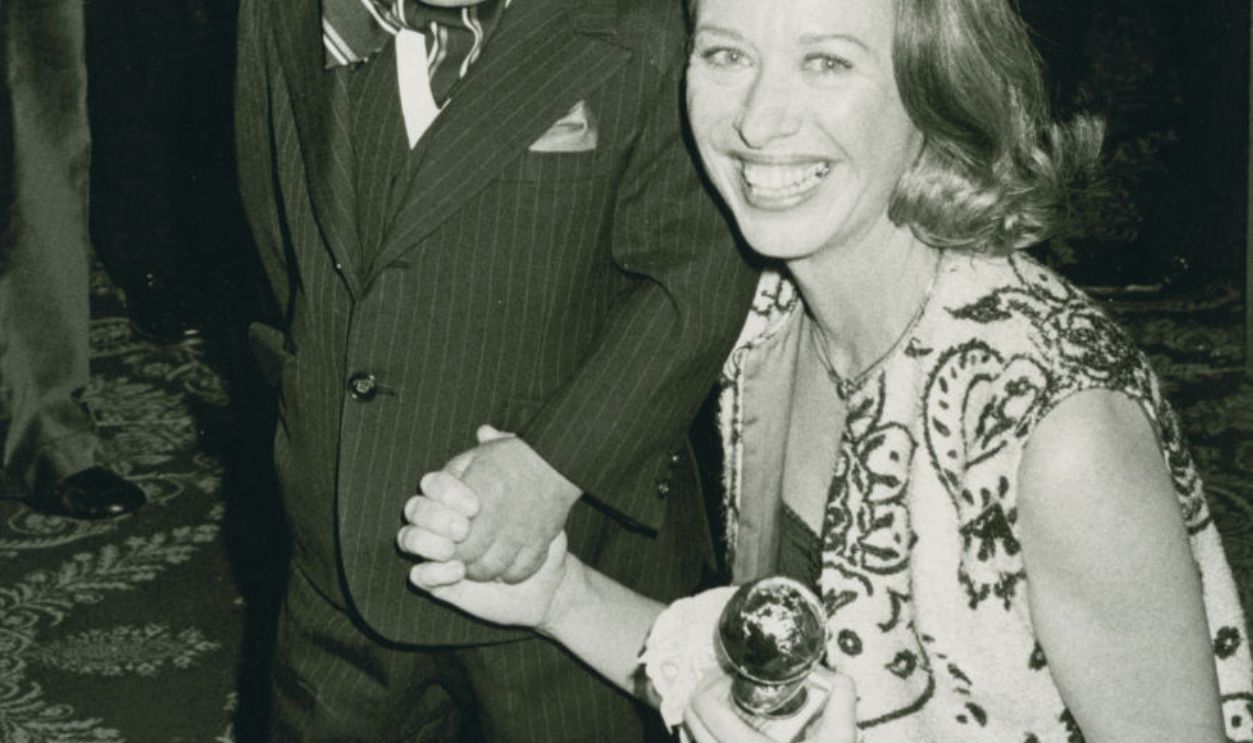
Fame Arrived Surprisingly Late
Holliday was nearly 40 when Alice premiered. Unlike performers who became famous before fully understanding their craft, she brought years of teaching, repertory theater, Broadway, and ordinary employment to the role. Flo appeared spontaneous because the woman playing her had spent decades preparing.
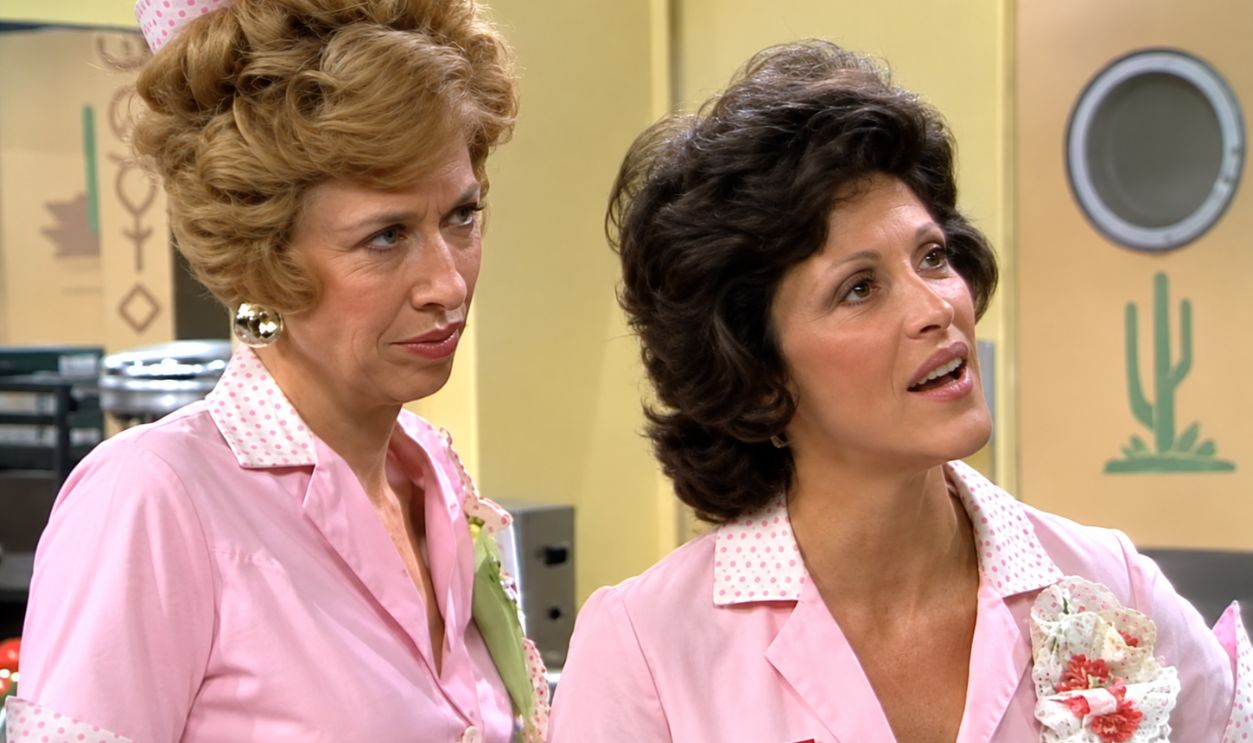 Screenshot from Alice, Warner Bros. Television (1976–1985)
CBS Saw A Spinoff Opportunity
By 1980, Flo had become popular enough to carry her own series. CBS moved Holliday out of Alice and into the spinoff Flo. This was not a dramatic walkout or a feud-driven departure. It was the network offering its breakout supporting player the chance to become the star.
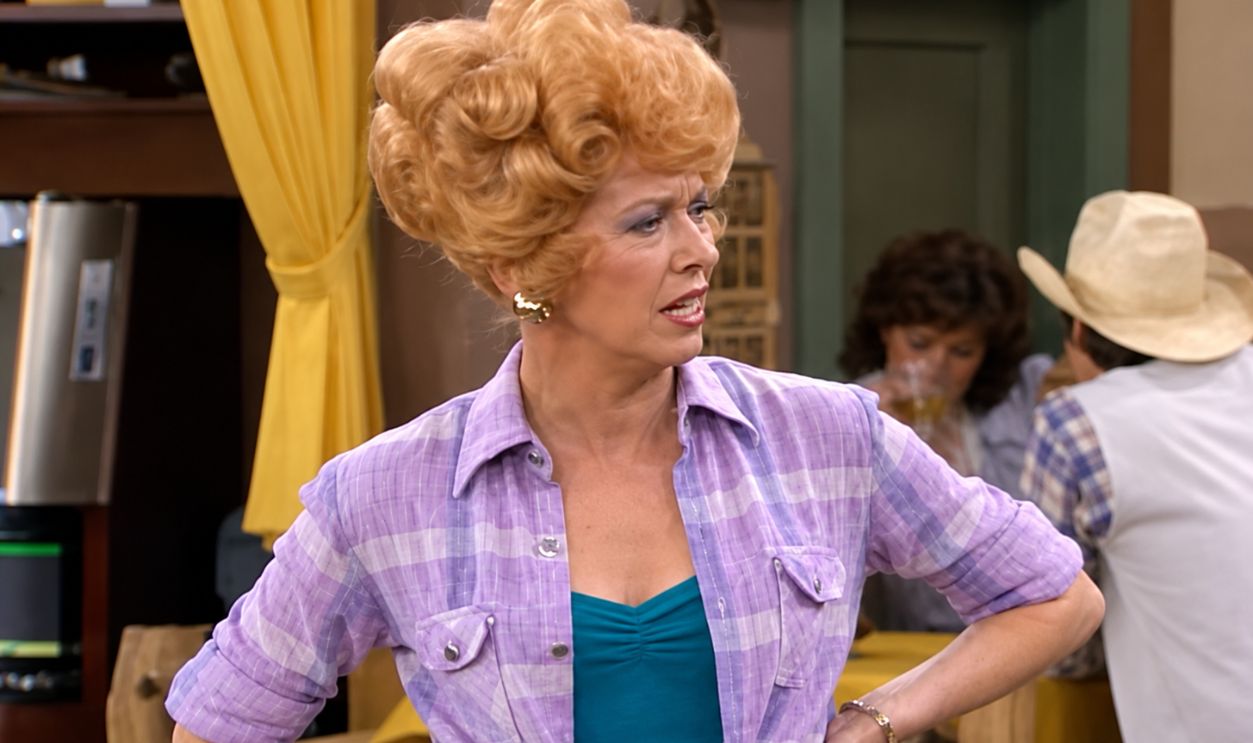 Screenshot from Flo, Warner Bros. Television (1980-1981)
Flo Said Goodbye To The Diner
In “Flo’s Farewell,” the character left Phoenix after accepting a restaurant hostess position in Houston. On the journey, she stopped in her hometown of Fort Worth and changed plans. After years of serving other people, Flo decided to purchase a run-down roadhouse and become her own boss.
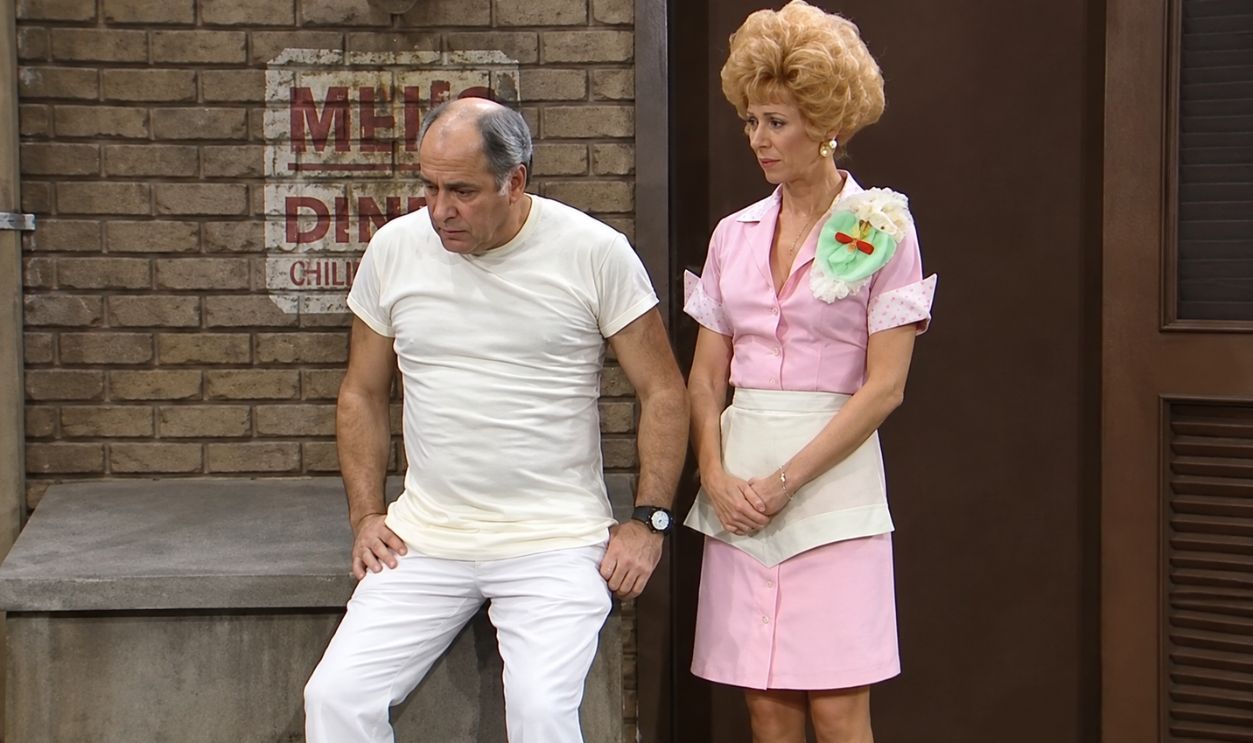 Screenshot from Alice, Warner Bros. Television (1976–1985)
The Yellow Rose Opened For Business
Flo renamed the establishment Flo’s Yellow Rose and assembled a new collection of relatives, employees, and local eccentrics. The premise allowed the character to keep her humor while gaining responsibility. She was no longer merely arguing with the boss—she had become the boss everyone could argue with.
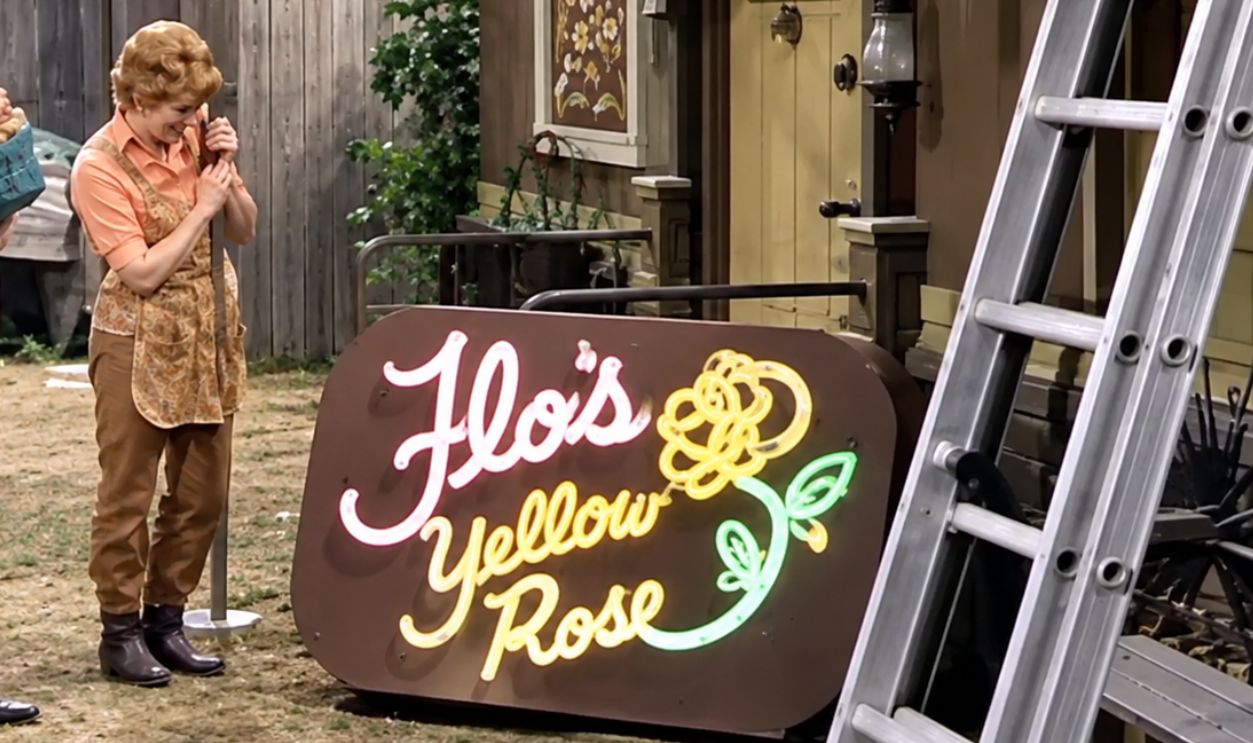 Screenshot from Flo, Warner Bros. Television (1980-1981)
The Spinoff Began Very Strongly
Premiering in March 1980 after MASH*, Flo benefited from one of television’s most powerful lead-ins. Its abbreviated first season finished among the highest-rated programs in America. For the moment, separating Flo from Mel’s Diner looked like an exceptionally smart decision.
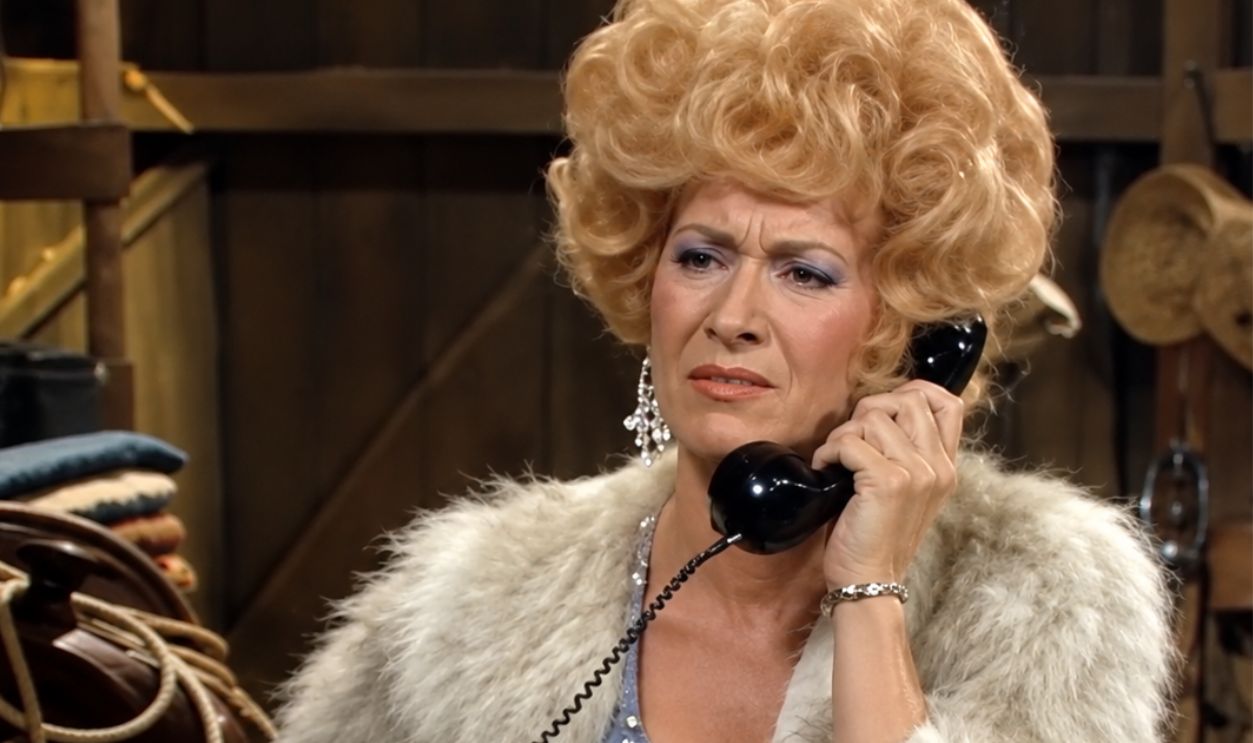 Screenshot from Flo, Warner Bros. Television (1980-1981)
Leading A Show Changed The Formula
At Mel’s Diner, Flo could enter a scene, deliver its sharpest joke, and disappear before the consequences arrived. As the center of Flo, Holliday had to carry stories, resolve conflicts, and reveal more vulnerability. The character remained funny, but the surrounding comic machinery had changed.
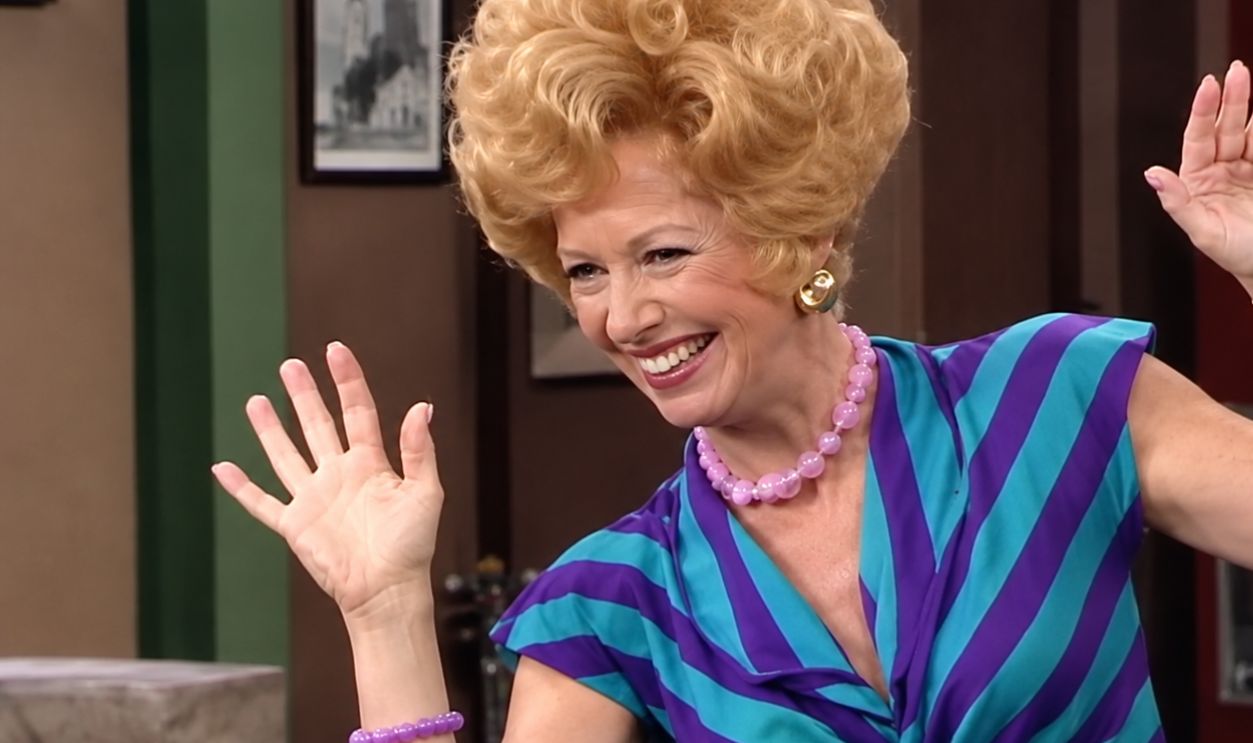 Screenshot from Flo, Warner Bros. Television (1980-1981)
CBS Moved The Show
The second season lost its comfortable post-MASH* position and faced stronger competition. CBS moved Flo through several time slots as its ratings declined. Viewers attempting to locate the Yellow Rose sometimes needed the investigative skills Holliday had witnessed during All the President’s Men.
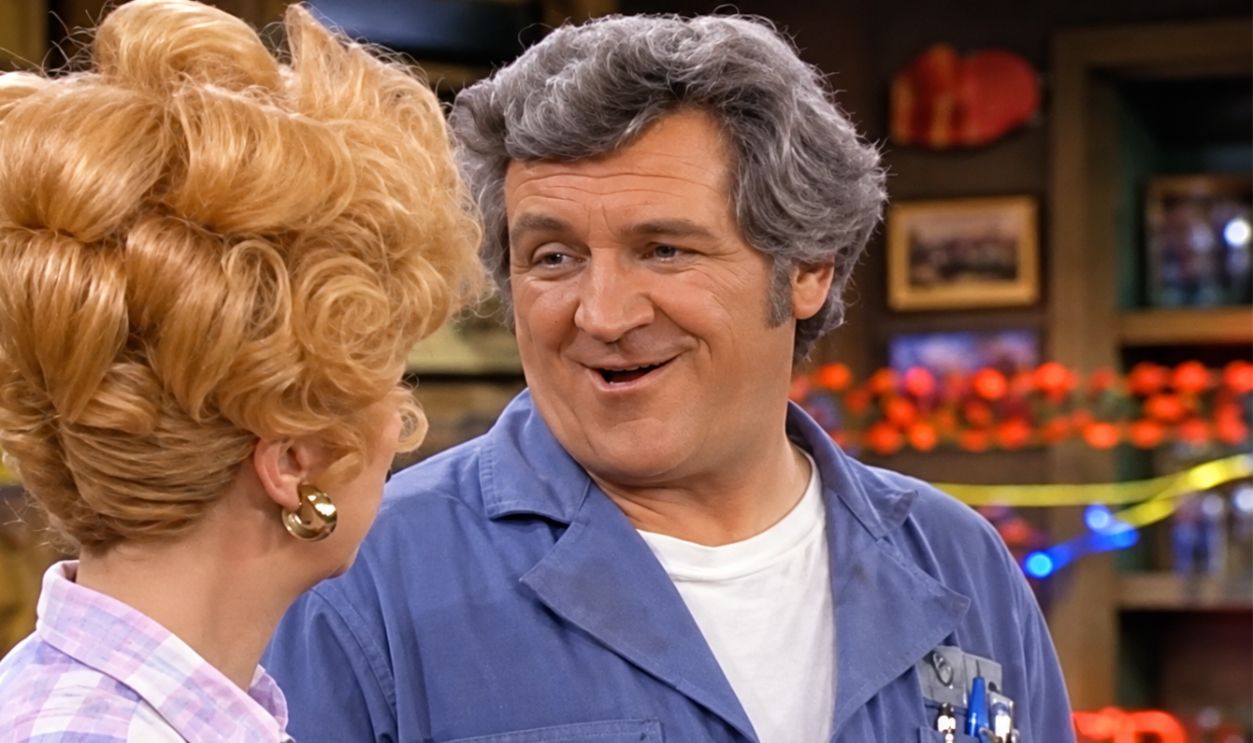 Screenshot from Flo, Warner Bros. Television (1980-1981)
The Series Ended In 1981
CBS declined to renew Flo after 29 episodes spread across two broadcast seasons. The cancellation was disappointing, but it did not mean Holliday had misjudged her value. She had successfully carried a Top 10 spinoff, earned an Emmy nomination as a leading actress, and taken Flo as far as television allowed.
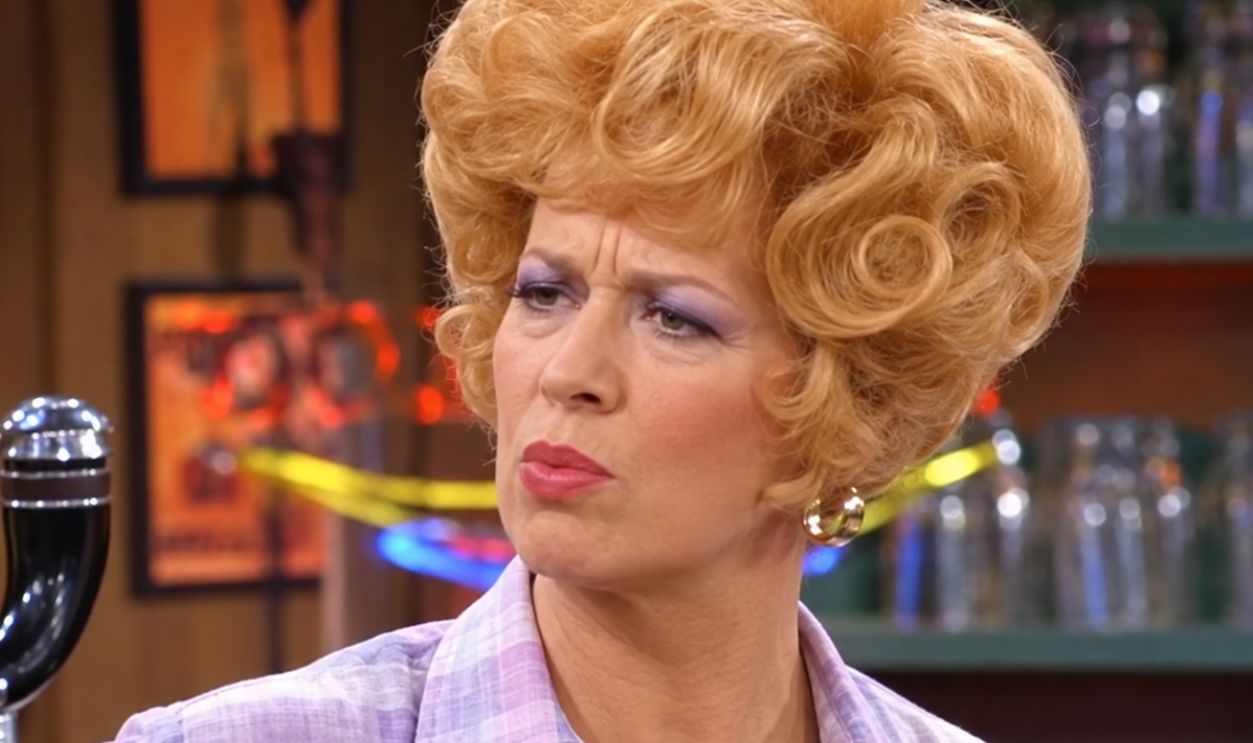 Screenshot from Flo, Warner Bros. Television (1980-1981)
She Did Not Return To Alice
Holliday never resumed a regular role on Alice, which continued until 1985. Diane Ladd briefly joined as Belle before Celia Weston arrived as Jolene. Flo appeared in finale flashbacks, but Holliday did not return for a sentimental reunion or attempt to reclaim her old position.
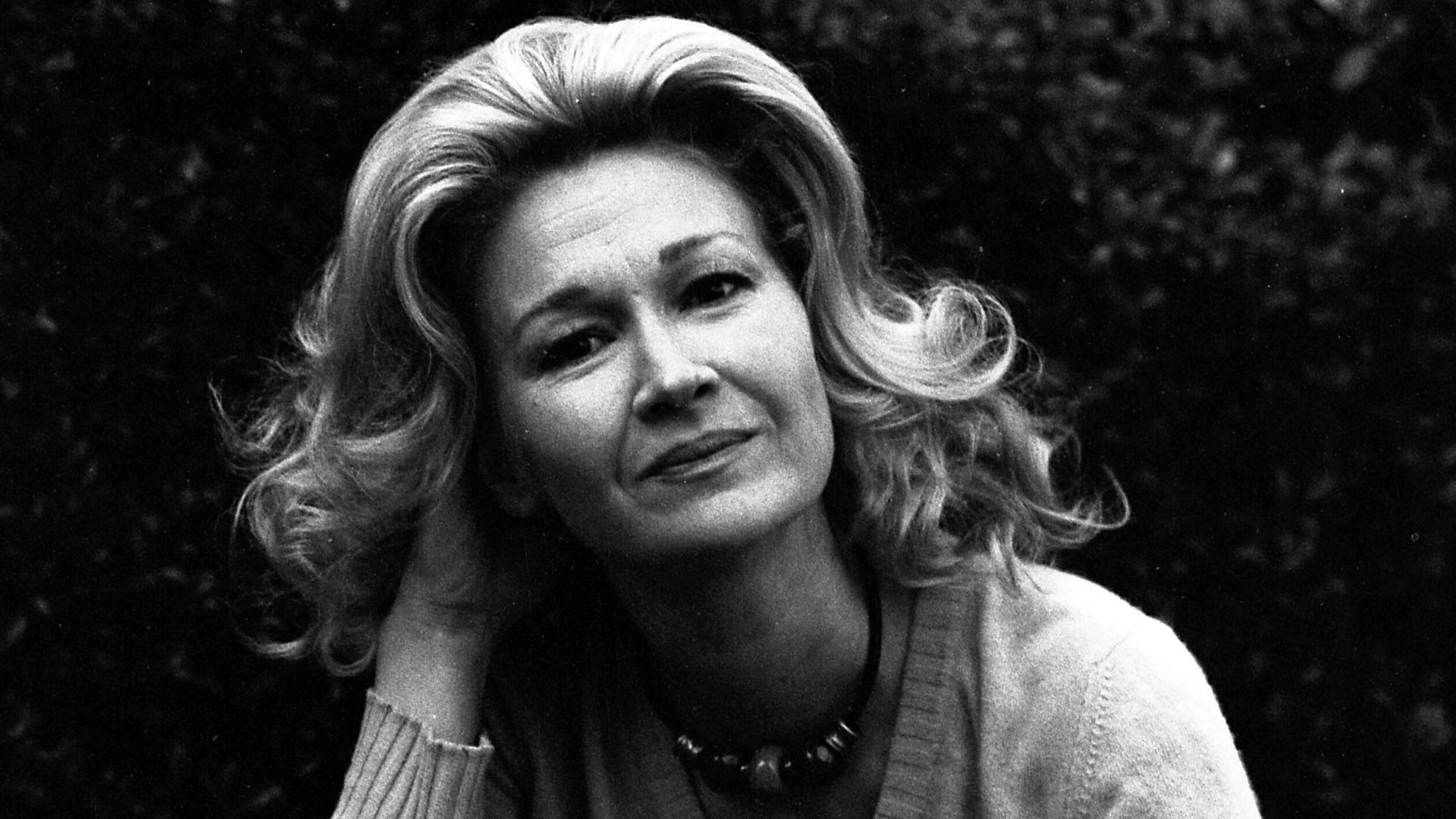 Harry Chase, Los Angeles Times, Wikimedia Commons
She Retired The Catchphrase Too
After leaving the character behind, Holliday generally declined requests to repeat “Kiss my grits.” Her polite solution was to invite fans to say it to her instead. They usually could. By then, the phrase belonged almost as much to the audience as it did to Flo.
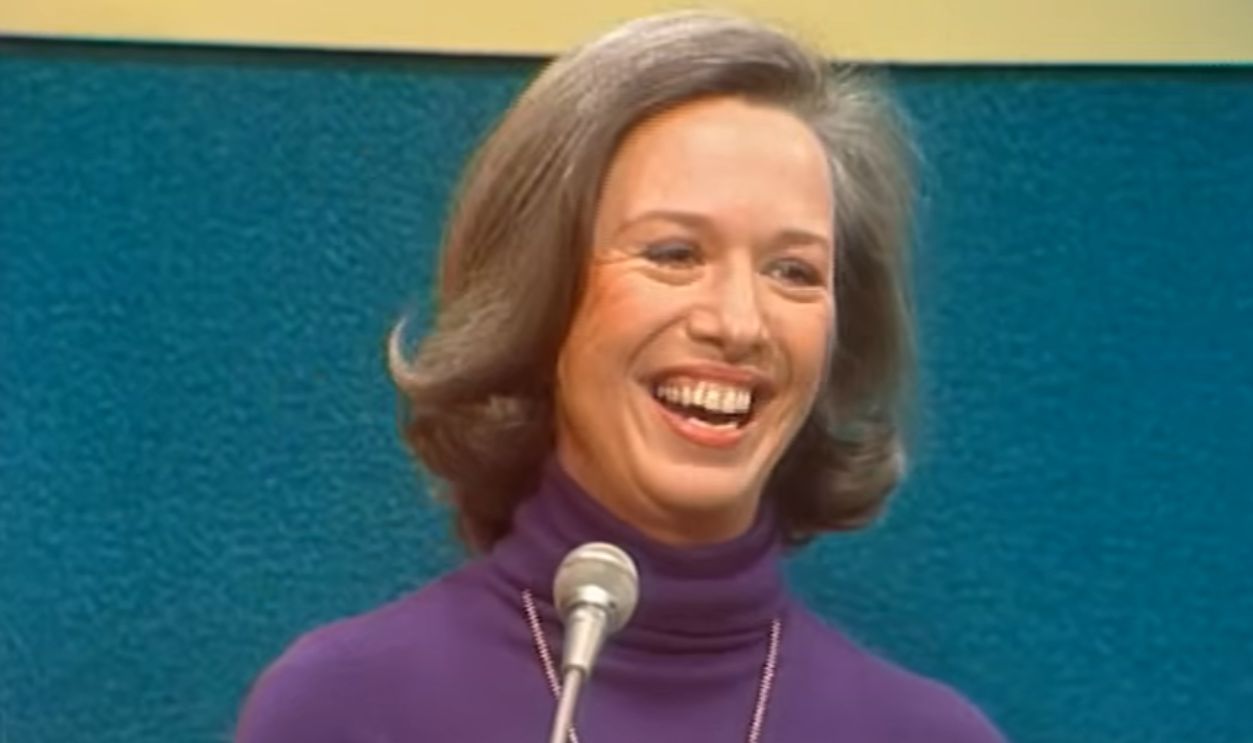 Screenshot from Match Game, Fremantle (1962-)
Walking Away Protected Her Range
Holliday could easily have spent decades repeating Flo at personal appearances. Instead, she returned to the broader career she had built before television fame. The spinoff’s cancellation freed her from a character already becoming inseparable from its slogan—and she used that freedom remarkably well.
Gremlins Revealed Her Villainous Side
In the 1984 film Gremlins, Holliday played Ruby Deagle, the wealthy, heartless woman threatening residents over unpaid debts. Mrs. Deagle was essentially what might happen if Flo lost her compassion and acquired money. Her spectacular encounter with a sabotaged stair lift became one of the film’s unforgettable moments.
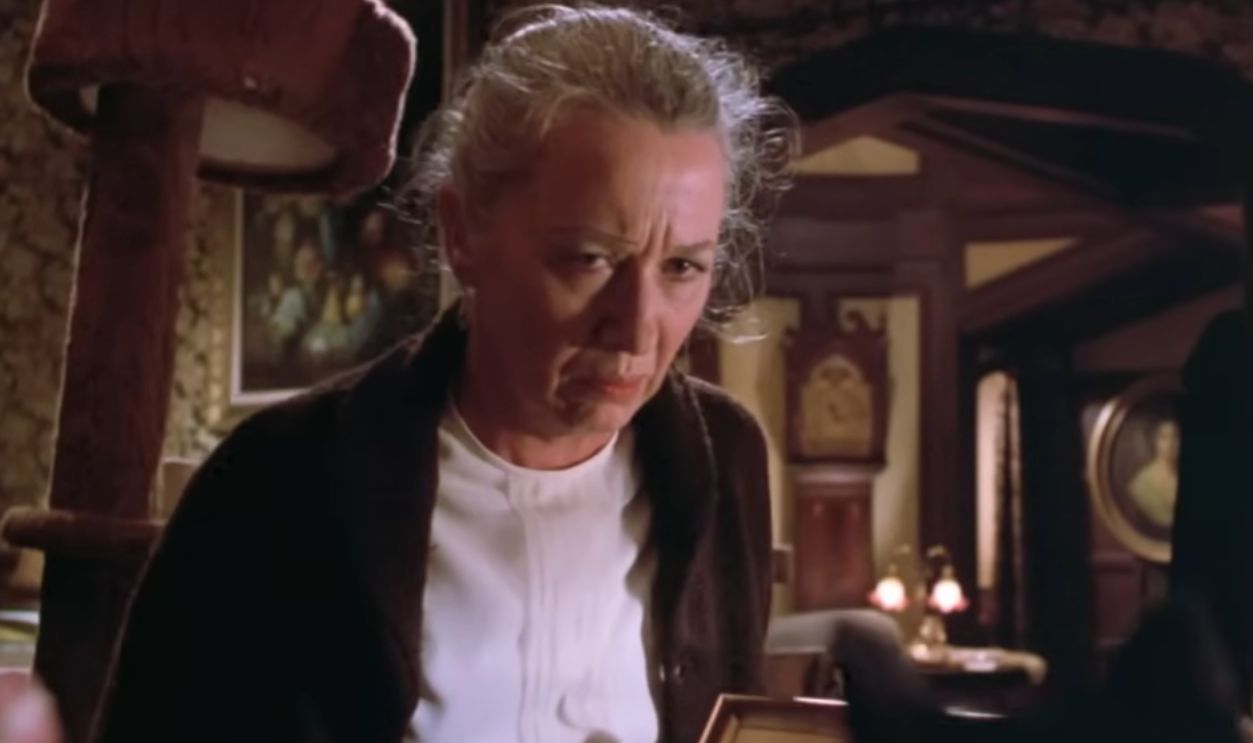 Screenshot from Gremlins, Warner Bros.(1984)
She Won For Being Horrible
Holliday’s performance in Gremlins earned her the Saturn Award for Best Supporting Actress. Audiences who remembered Flo’s warmth saw how easily she could become cold, frightening, and deeply unpleasant. The role proved that Holliday’s television personality had concealed a far more versatile character actress.
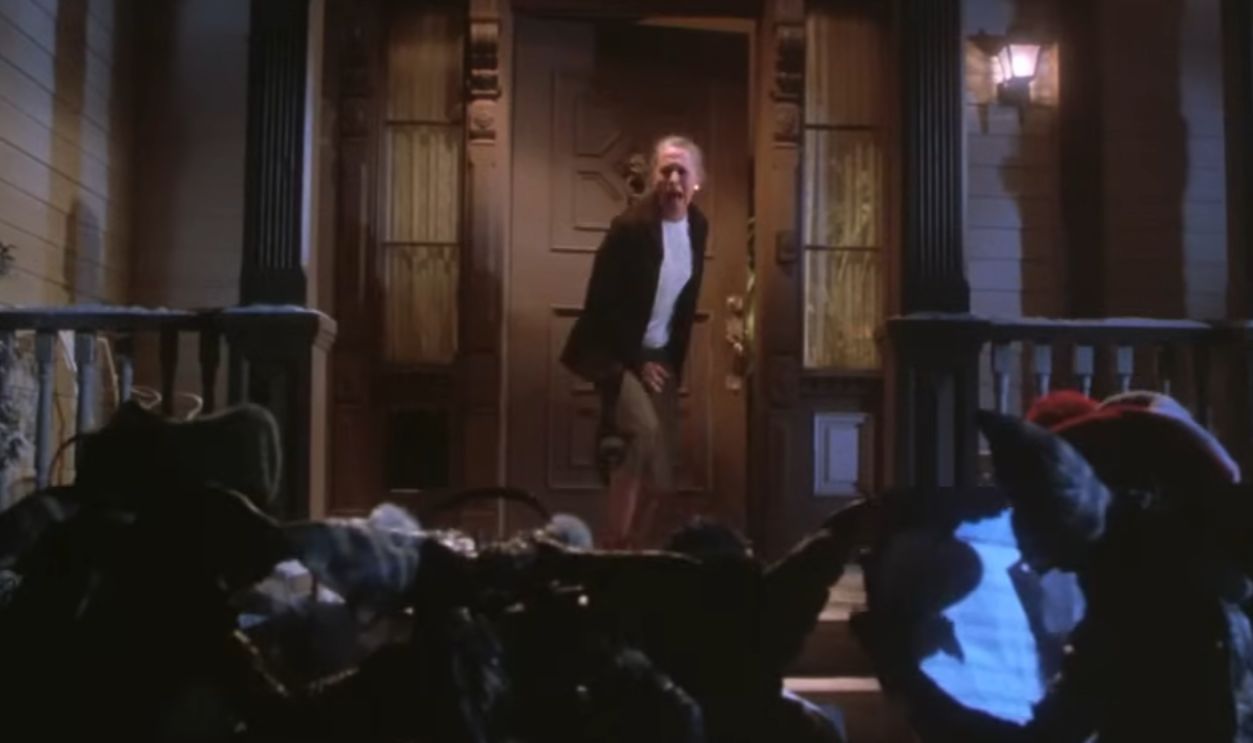 Screenshot from Gremlins, Warner Bros.(1984)
She Temporarily Joined Private Benjamin
Holliday appeared as Captain Amanda Allen on Private Benjamin while series star Eileen Brennan recovered from serious injuries sustained after being struck by a car. The role once again allowed Holliday to command a room, although military regulations offered fewer opportunities to discuss grits.
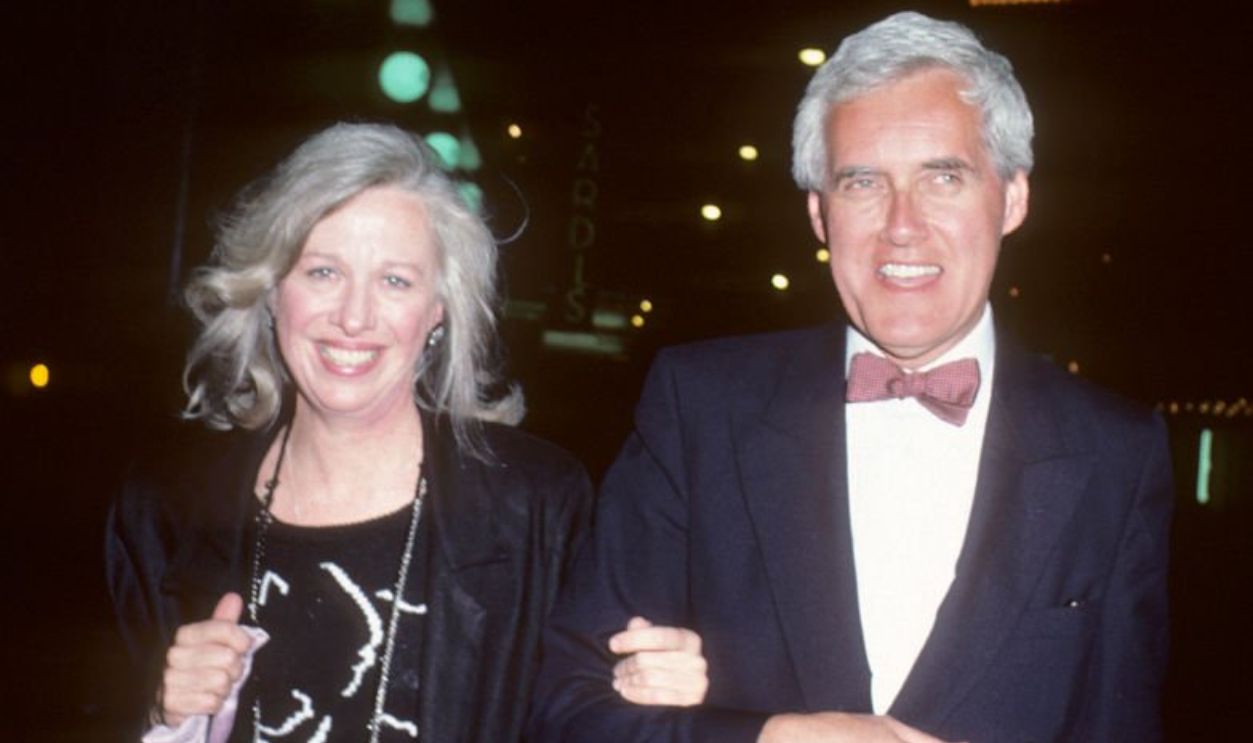
Rose Nylund Gained A Difficult Sister
In a memorable 1986 episode of The Golden Girls, Holliday played Lily, Rose’s blind sister. Lily’s visit revealed that she wanted Rose to abandon her life and become her caretaker. The emotional performance allowed Holliday to be demanding, frightened, manipulative, and vulnerable within the same story.
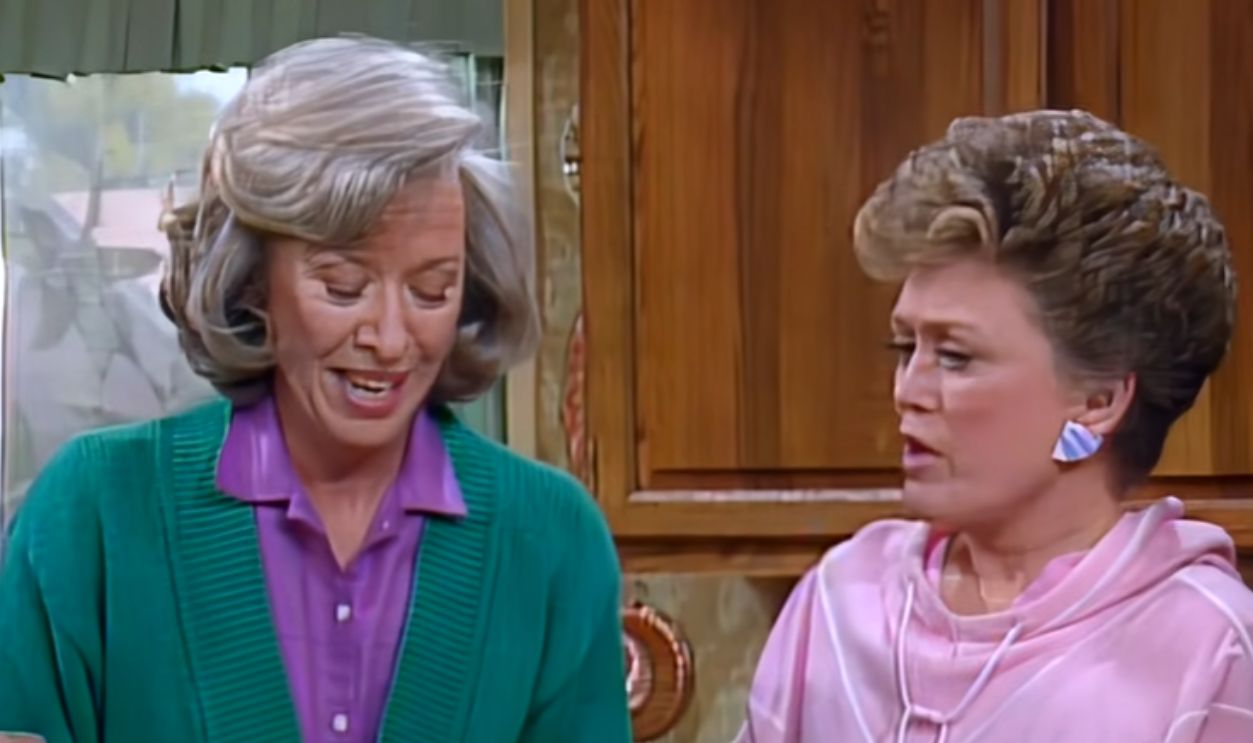 Screenshot from The Golden Girls, NBC (1985–1992)
Broadway Welcomed Her Back
Holliday appeared with Jean Stapleton in the 1986 revival of Arsenic and Old Lace. In 1990, she played Big Mama opposite Kathleen Turner and Charles Durning in Cat on a Hot Tin Roof. Her performance earned a Tony Award nomination for Best Featured Actress in a Play.
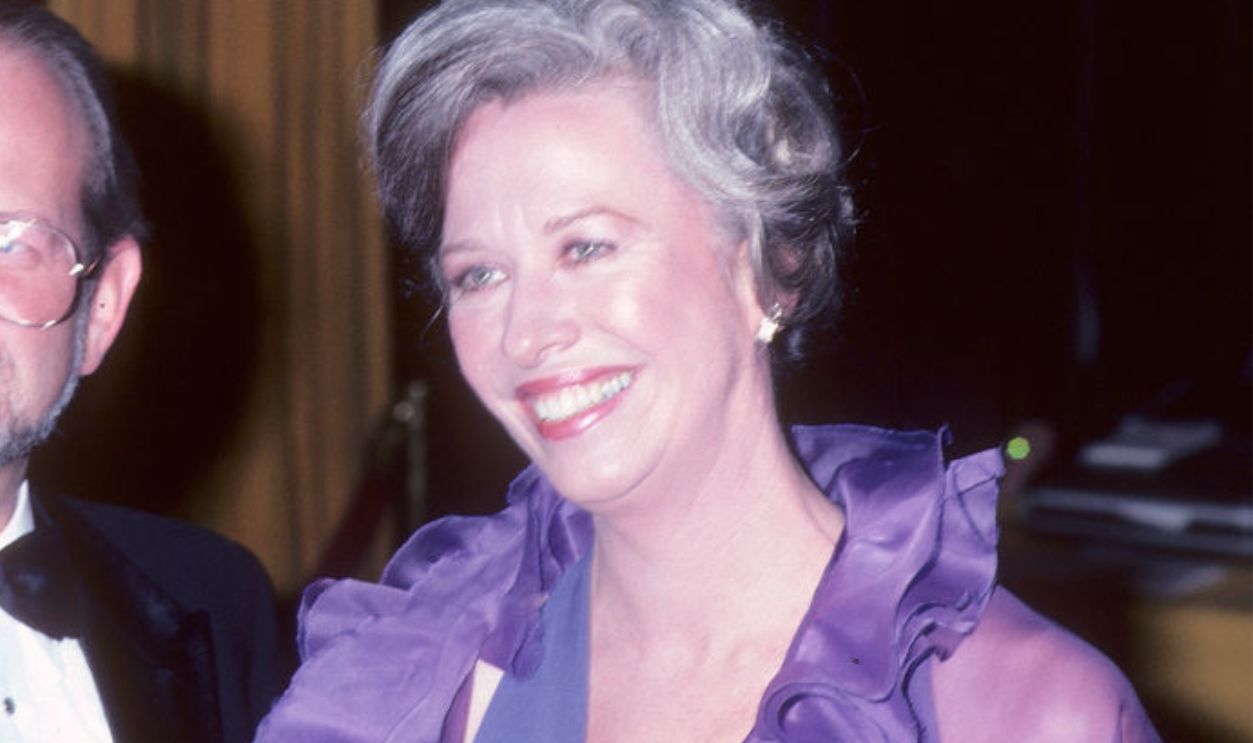
She Never Needed Flo To Prove Herself
The Tony nomination mattered because it confirmed what Holliday’s colleagues had known before Alice: she was a serious theatrical actress. Flo had made her famous, but the character had not created her talent. Television merely placed that talent where millions could finally see it.
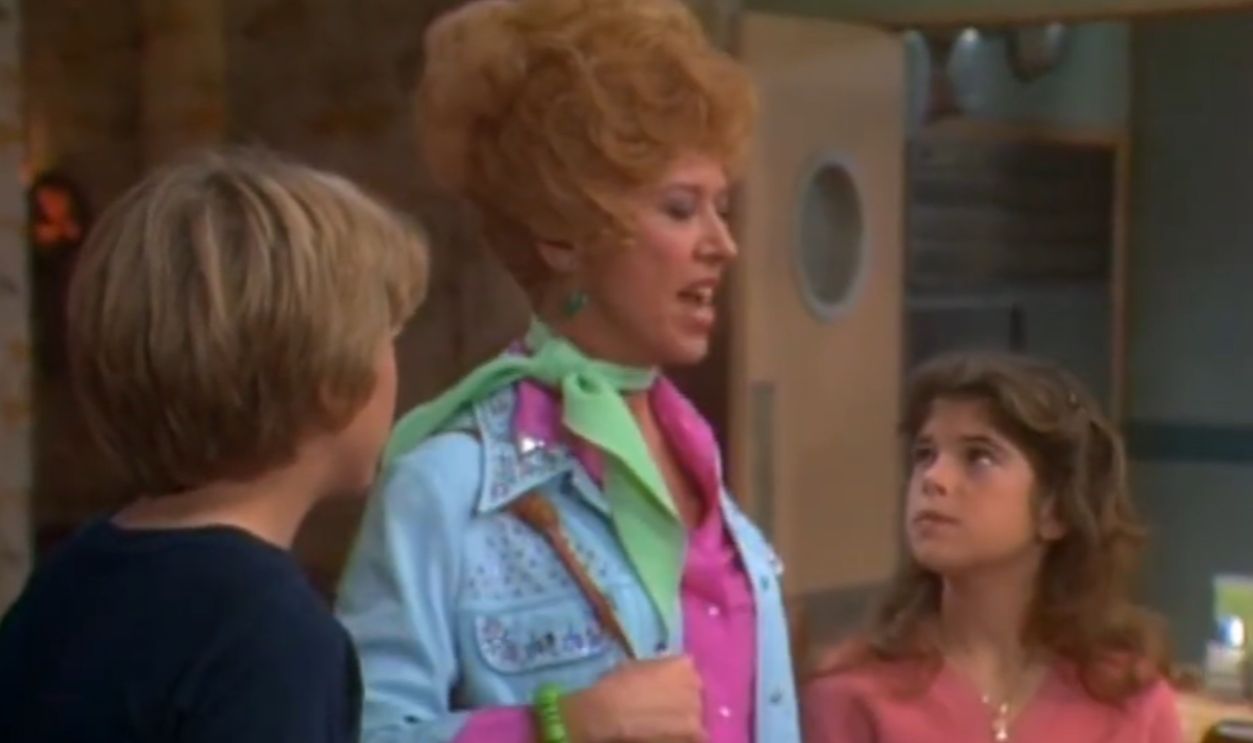 Screenshot from Flo, Warner Bros. Television (1980-1981)
Families Kept Discovering Her
Holliday appeared in Mrs. Doubtfire as the concerned neighbor Gloria and in the 1998 remake of The Parent Trap as camp director Marva Kulp Sr. Younger audiences who had never entered Mel’s Diner encountered the same commanding presence without knowing anything about grits.
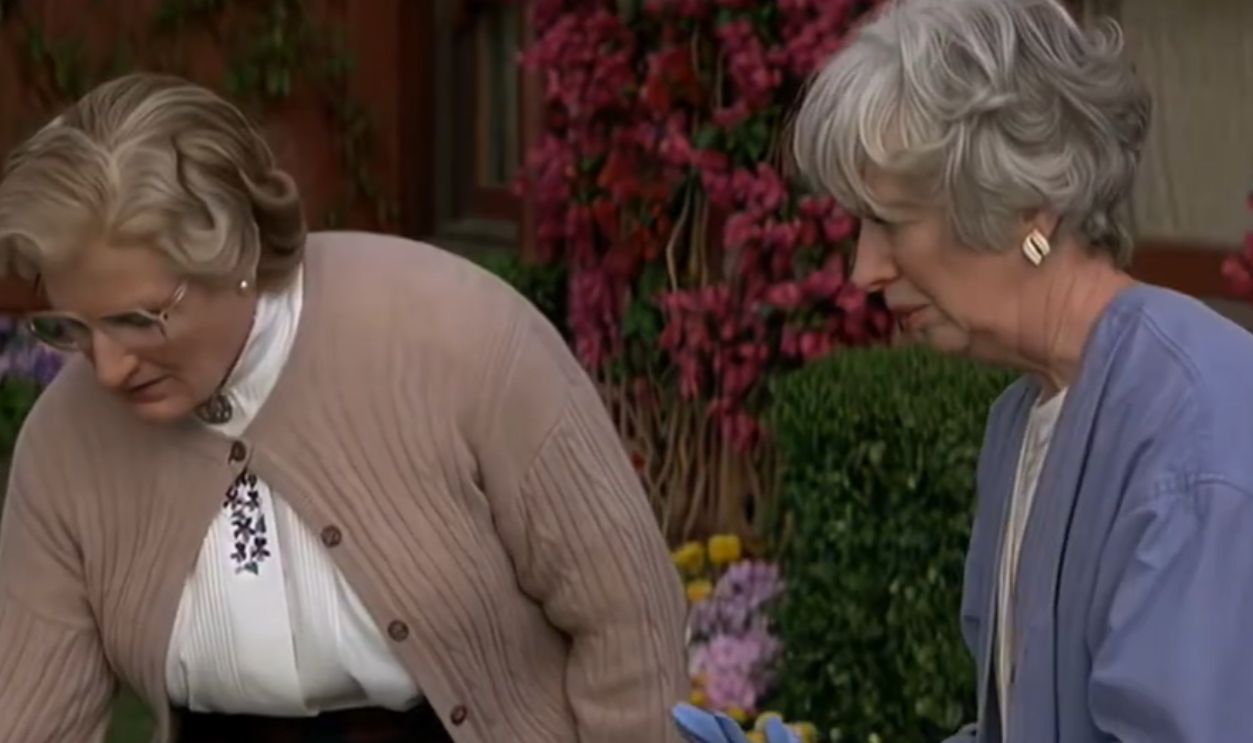 Screenshot from Mrs. Doubtfire, Twentieth Century Fox (1993)
Television Still Used Her Strength
During the 1990s, Holliday played Momma Love on the legal drama The Client and appeared repeatedly on Home Improvement as Jill Taylor’s mother, Lillian. These roles relied on her authority, but they did not simply recreate Flo. She could intimidate people without teasing her hair.
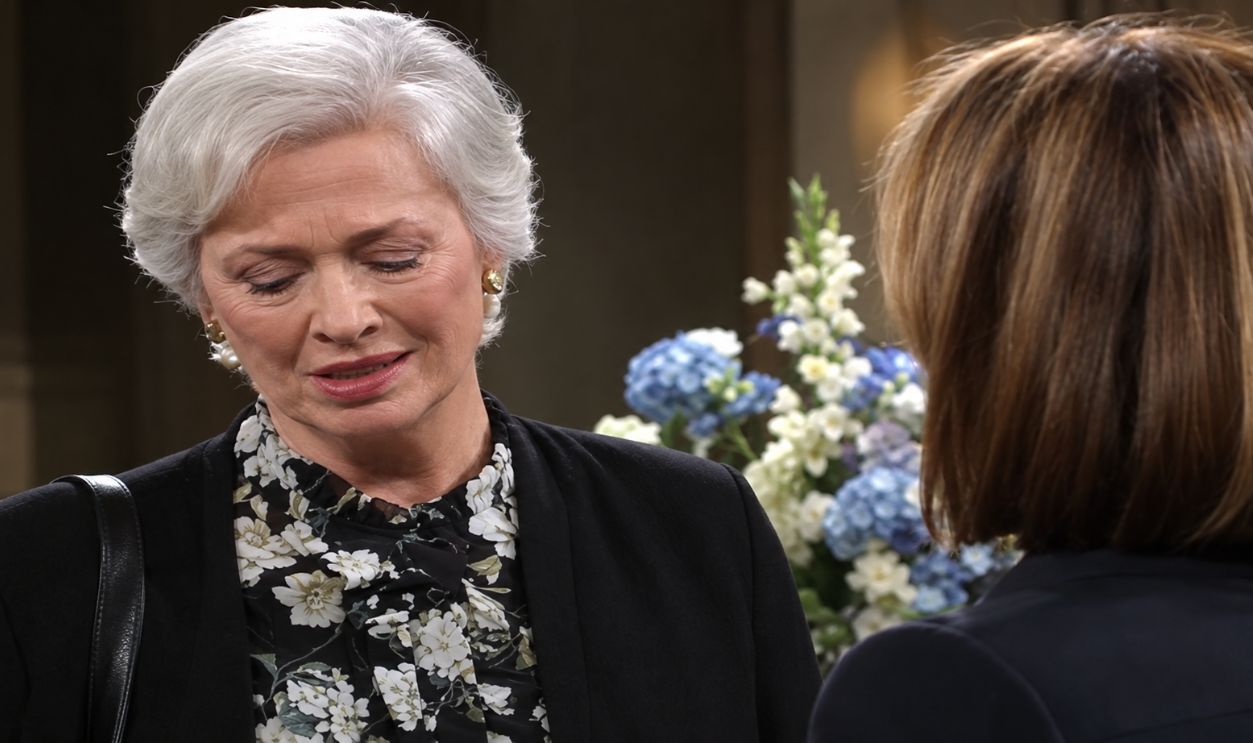 Screenshot from Home Improvement, Buena Vista Television (1991–1999), Enhanced
She Helped Dustin Hoffman Become A Woman
Holliday also reportedly worked behind the scenes as an uncredited dialogue and acting coach for Dustin Hoffman on Tootsie. Her stage experience and understanding of female behavior helped the actor shape Dorothy Michaels. Flo may have been gone, but Holliday’s influence continued appearing in unexpected places.
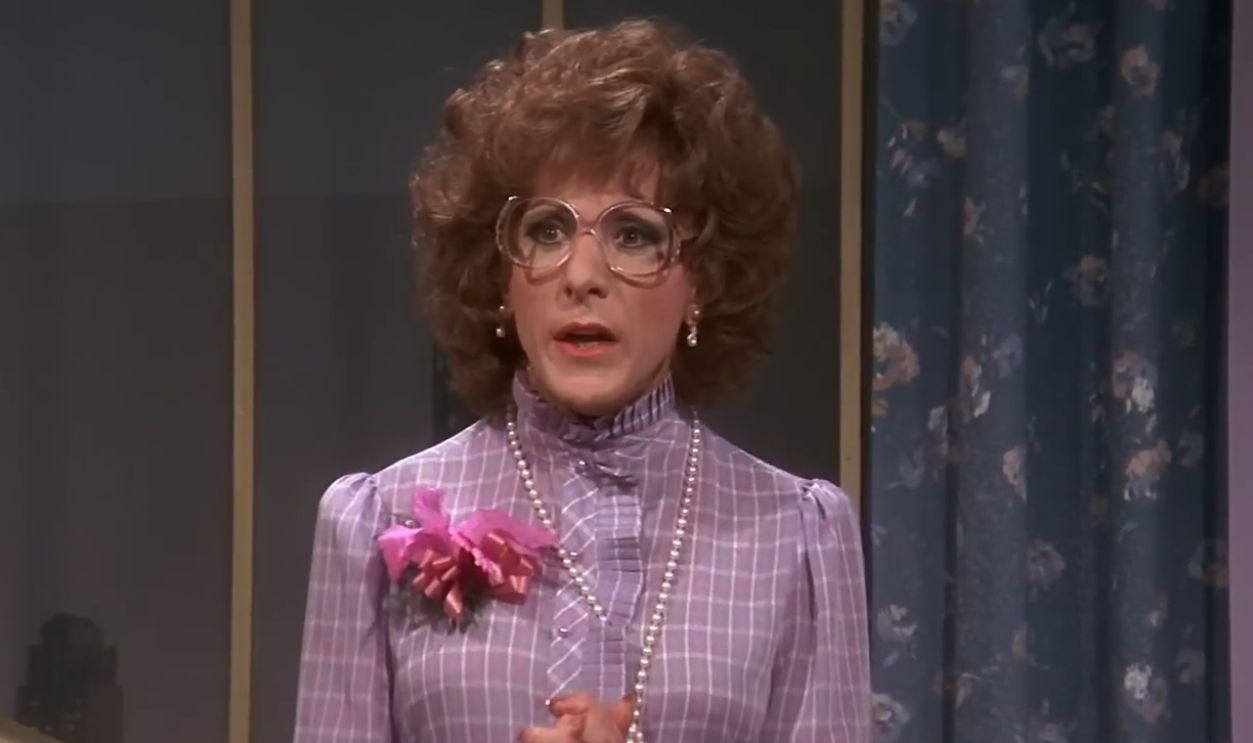 Screenshot from Tootsie, Columbia Pictures (1982)
Her Personal Life Remained Private
Holliday never married and had no children. She once explained that she valued freedom in both her personal and professional lives. Fame did not turn her into a constant celebrity presence; she remained far more interested in acting, music, friendship, and meaningful work.
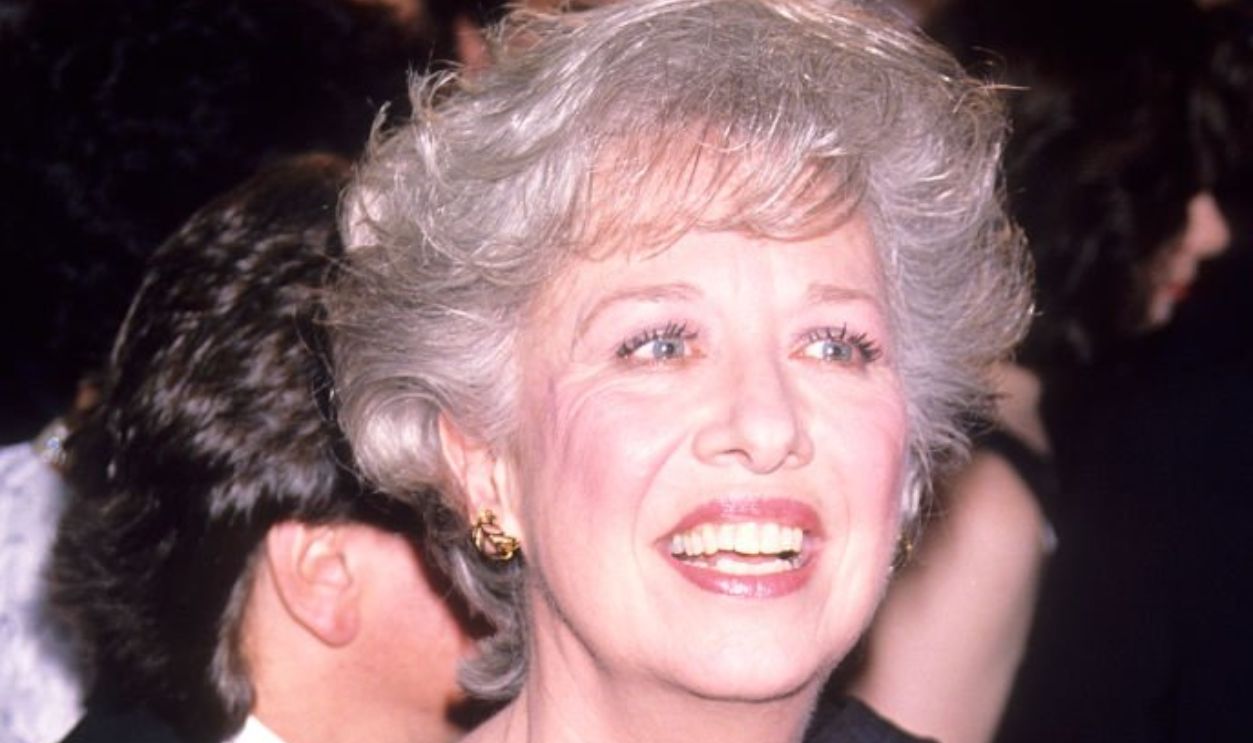
Music Never Left Her Life
In New York, Holliday remained active with Grace Church in Greenwich Village. She sang with its choral society and helped operate a chamber music series. The piano student and music teacher she had been before acting fame never entirely disappeared beneath Flo’s famous red hair.
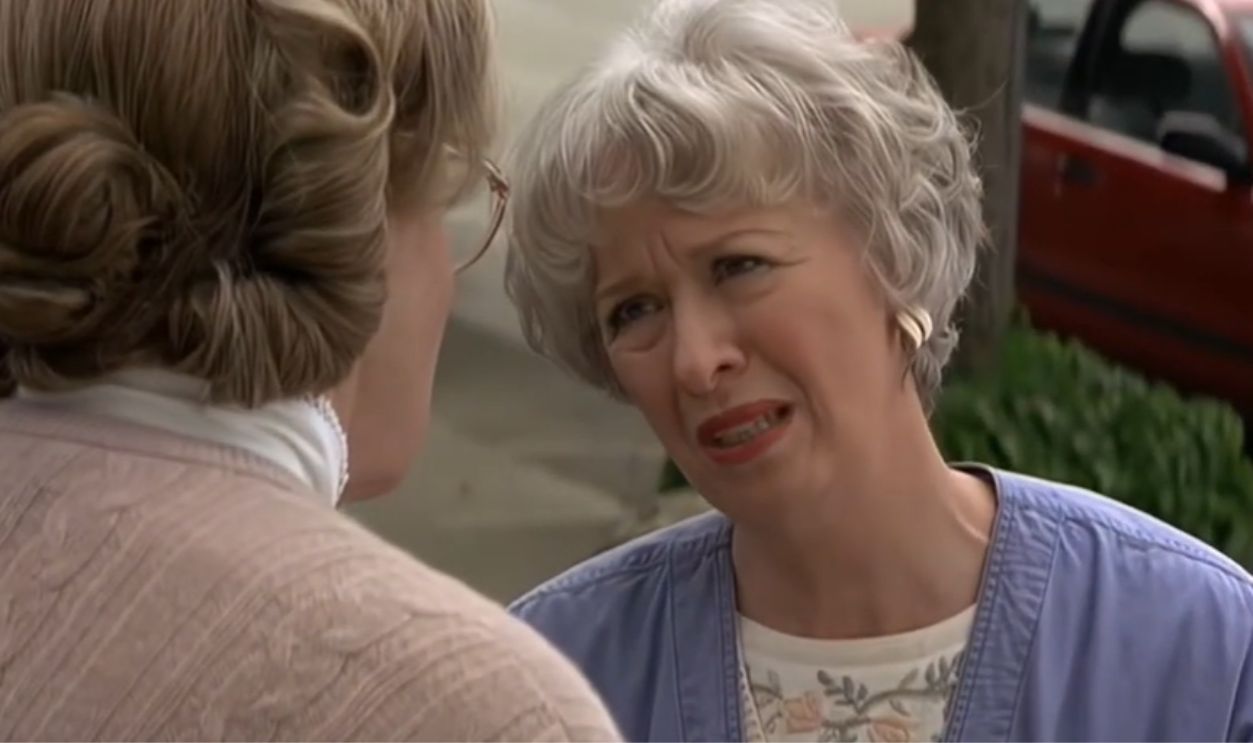 Screenshot from Mrs. Doubtfire, Twentieth Century Fox (1993)
She Chose A Quiet Retirement
Holliday’s final film role came in the 2010 political drama Fair Game, in which she played Diane Plame. She then largely withdrew from public acting. There was no elaborate farewell tour. Like Flo leaving Mel’s Diner, Holliday simply recognized that another chapter had reached its natural ending.
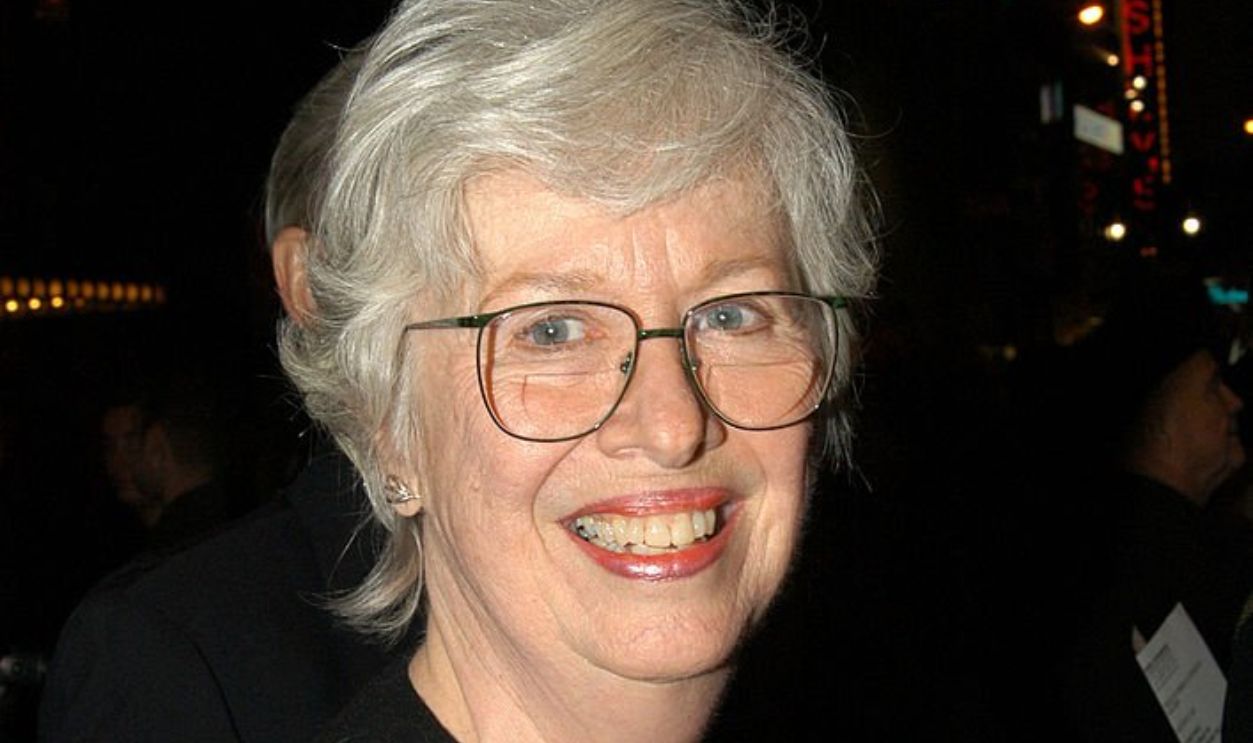
Polly Holliday Left Television A Gift
Holliday died at her Manhattan home on September 9, 2025, at age 88 after a period of declining health. She was remembered immediately for three words—but also for the stage work, dramatic performances, villains, mothers, mentors, and vulnerable women that followed them.
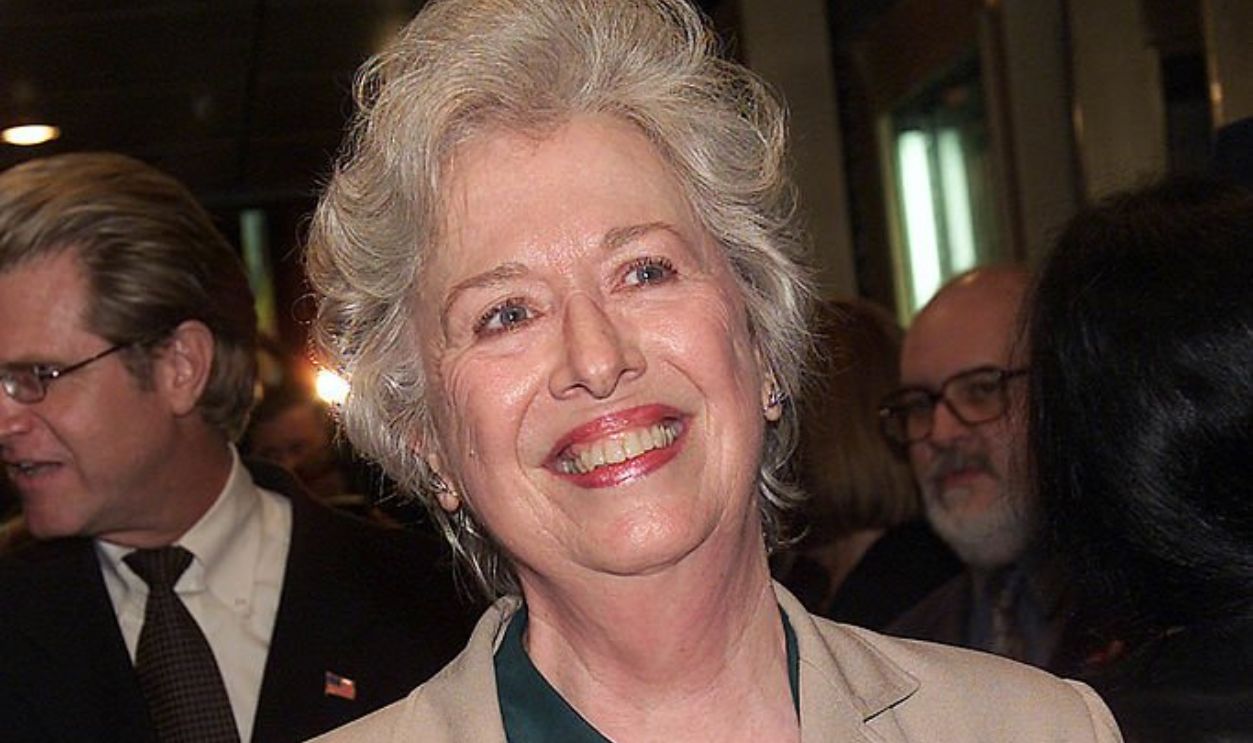
She Knew When To Leave Flo Behind
The Flo spinoff did not last, but leaving Alice at the character’s peak gave Holliday something more valuable than another five years at Mel’s Diner: the chance to move forward. She preserved Flo as a burst of 1970s confidence instead of allowing the character to fade through repetition.
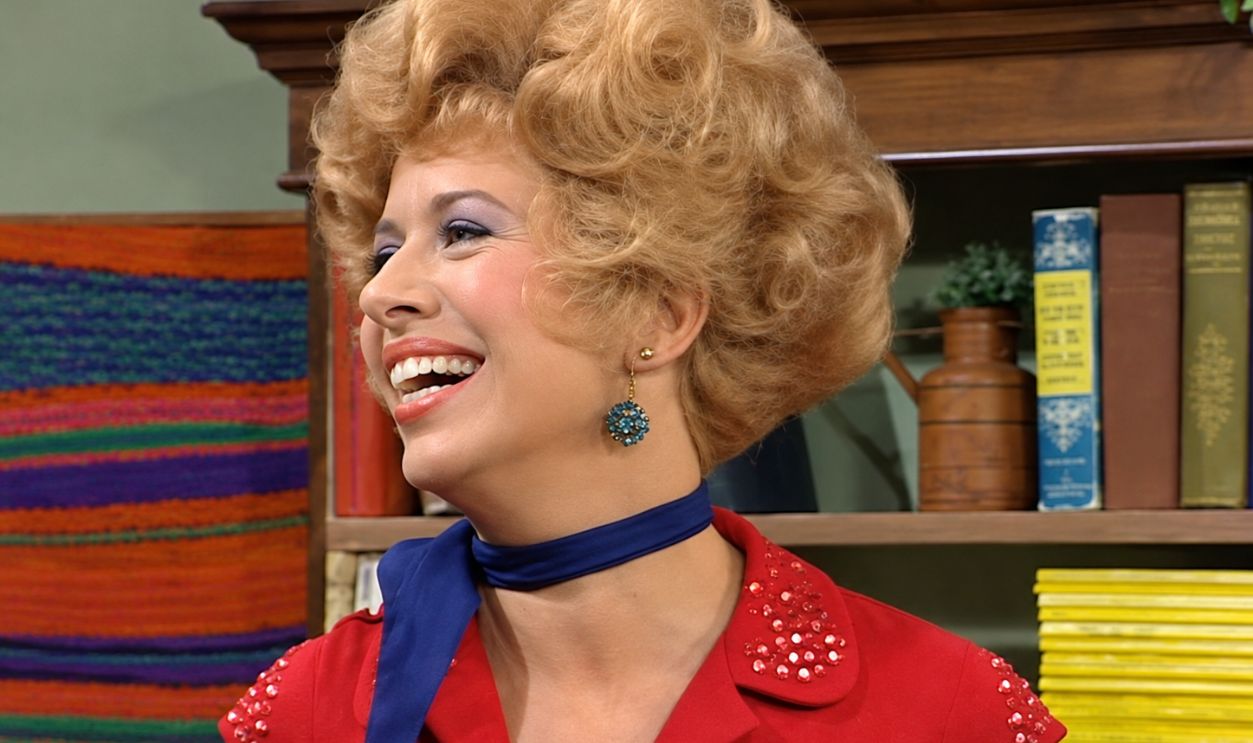 Screenshot from Alice, Warner Bros. Television (1976–1985)
More Than One Famous Catchphrase
“Kiss my grits” became television history because Polly Holliday gave it rhythm, defiance, and humanity. Yet her greater achievement was knowing she was more than the line. Flo made America notice her; walking away allowed audiences to discover the formidable actress who had been there all along.
You May Also Like: