A Vampire Movie Like No Other
When Francis Ford Coppola released Bram Stoker's Dracula (1992), audiences encountered a vampire movie unlike almost anything Hollywood had produced. It was extravagant, sensual, frightening, and occasionally outrageous. Some critics hailed its visual brilliance, while others found its theatrical excesses exhausting. More than three decades later, the argument over whether Coppola created a masterpiece or an overblown spectacle remains part of the film's fascination.
Coppola Takes On Dracula
By the early 1990s, Coppola was already famous for The Godfather (1972) and Apocalypse Now (1979). But his career had also experienced expensive disappointments. The opportunity to adapt Bram Stoker's 1897 novel came through Winona Ryder, who brought James V Hart's screenplay to the director. Coppola saw an opportunity to reinterpret Dracula as a tragic romantic figure rather than simply another cinematic monster.
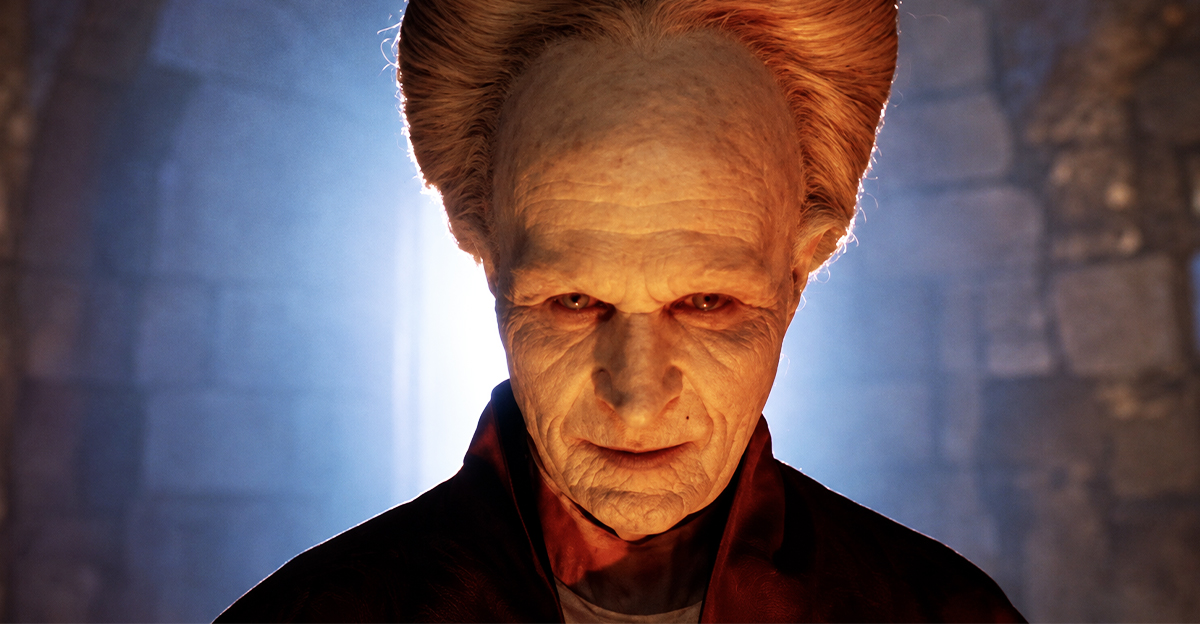 Screenshot of Gary Oldman in Bram Stoker's Dracula (1983), Columbia Pictures
A Very Different Vampire
The film opens with a fictionalized account of Vlad Dracula, a warrior who renounces God after learning that his beloved wife Elisabeta has died. Centuries later, he encounters Mina Murray, played by Ryder, and believes she is his wife's reincarnation. This doomed-love storyline became the film's emotional centerpiece, although it was a substantial departure from Stoker's original novel. For some viewers, it gave Dracula unexpected depth. For others, it softened a genuinely terrifying villain.
Gary Oldman Steals The Show
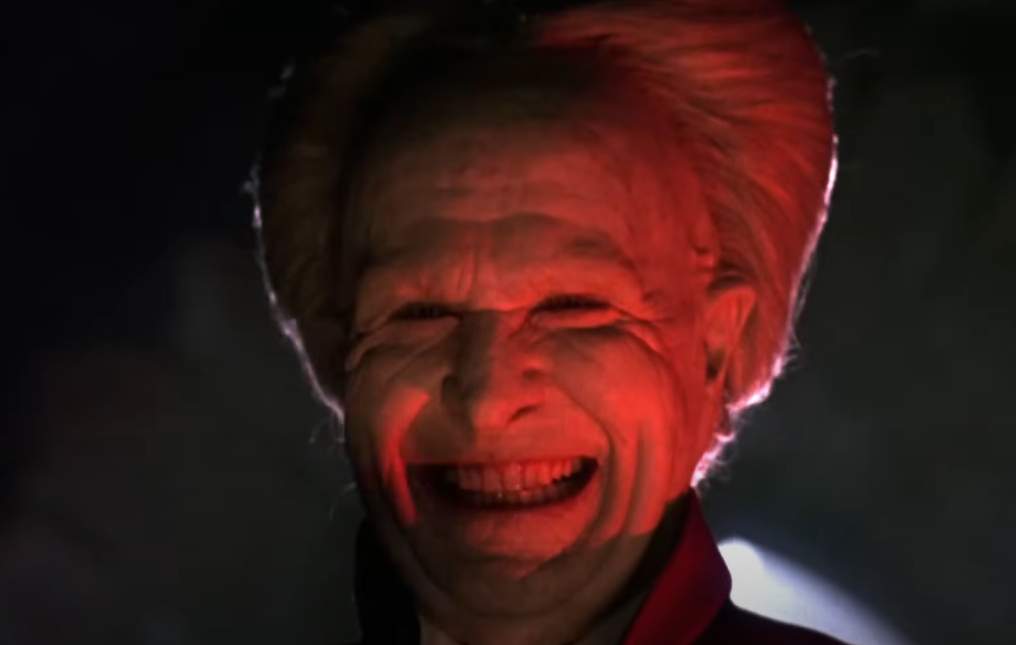
Gary Oldman delivered one of the film's most memorable performances, portraying Dracula as an ancient aristocrat, a monstrous predator, and a seductive young prince. His elaborate transformations required extensive makeup and prosthetics, while his performance shifted between menace, vulnerability, and theatrical extravagance. Even critics who disliked the movie frequently acknowledged Oldman's commitment. For many admirers, his interpretation remains one of cinema's definitive Draculas.
 Keanu Reeves in Bram Stoker's Dracula by Rowsdower !
Keanu Reeves Becomes A Distraction
Not every performance received the same enthusiasm. Keanu Reeves played Jonathan Harker, the young English solicitor who visits Dracula's castle, but his attempted British accent attracted considerable criticism. Opposite Oldman and Anthony Hopkins, Reeves sometimes appeared uncomfortable with the film's heightened acting style. His performance became one of its most enduring talking points, although some viewers have since argued that the criticism overshadowed his character's intended awkwardness.
Anthony Hopkins Goes Wild
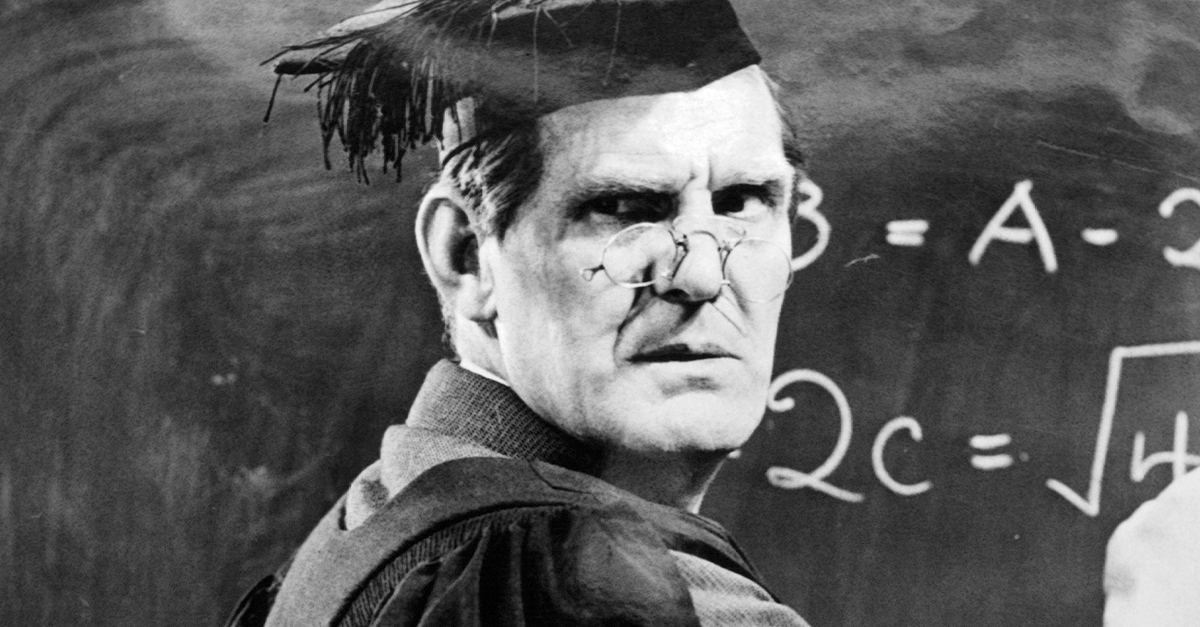
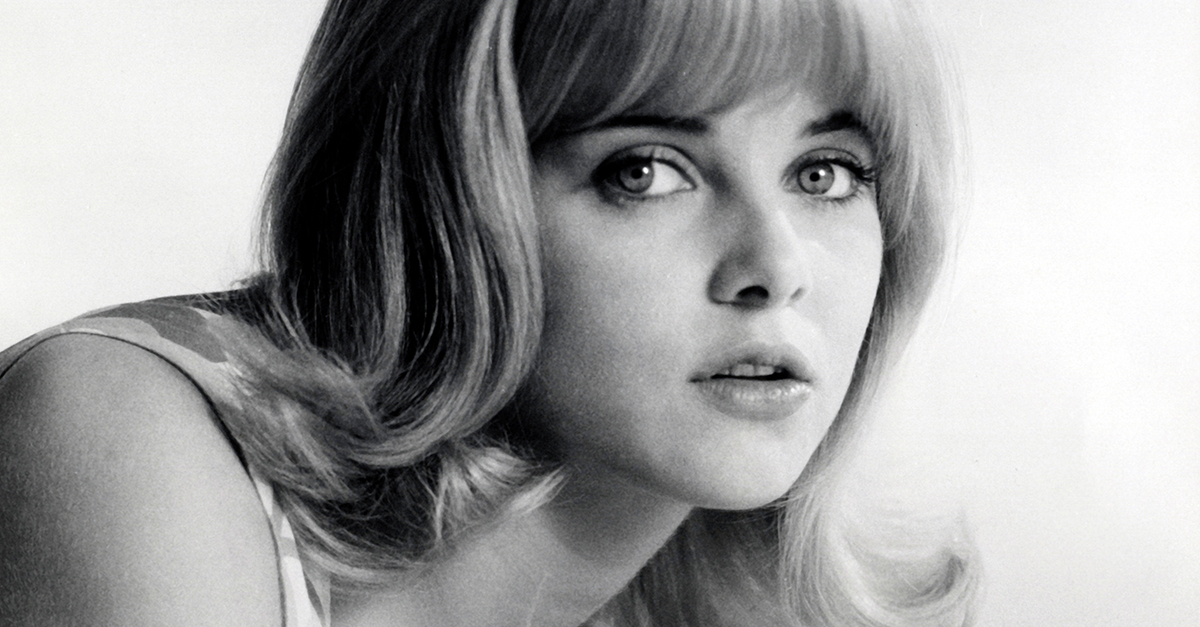
Fresh from his Oscar-winning performance in The Silence of the Lambs (1991), Anthony Hopkins played Professor Abraham Van Helsing with enormous energy. Rather than portraying the vampire hunter as a solemn authority, Hopkins delivered an eccentric, occasionally mischievous performance. Sadie Frost's Lucy Westenra, Richard E Grant's Dr Jack Seward, and musician Tom Waits as Renfield added to the film's unusually colorful ensemble.
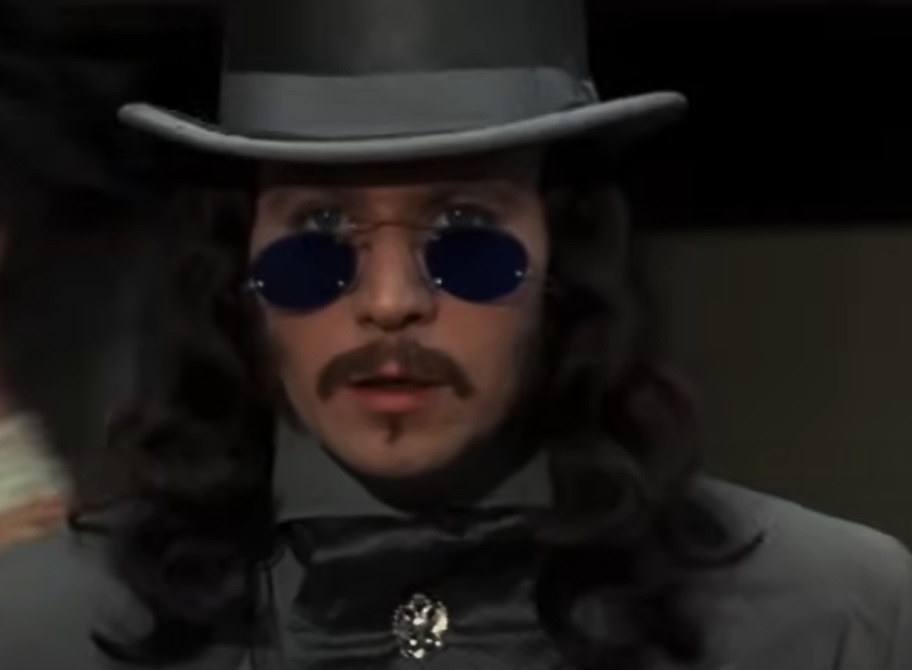 Columbia, Bram Stoker's Dracula (1992)
Old-Fashioned Tricks, Extraordinary Results
One of Coppola's boldest decisions was to favor practical, in-camera effects over contemporary digital techniques. His filmmakers employed multiple exposures, reverse photography, miniatures, elaborate shadows, and other methods associated with early cinema. These effects gave the film an intentionally artificial, dreamlike quality. Admirers considered the approach inspired, while detractors felt the constant visual experimentation distracted from the story itself.
Costumes That Became Legendary
Japanese designer Eiko Ishioka created costumes unlike those in conventional vampire movies. Dracula's striking red armor, elaborate robes, and extraordinary collars helped establish the film's distinctive identity. Production designer Thomas Sanders and cinematographer Michael Ballhaus contributed equally memorable imagery, filling the screen with extravagant Gothic architecture, dramatic lighting, and richly saturated colors. Whatever critics thought of the storytelling, the craftsmanship was difficult to ignore.

The Critics Couldn't Agree
When Bram Stoker's Dracula opened on November 13, 1992, reviews were sharply divided. Roger Ebert admired its visual excess but questioned its storytelling. The Washington Post published both an enthusiastic review by Hal Hinson and a far more skeptical assessment by Desson Howe. Kenneth Turan of the Los Angeles Times found the film unintentionally silly. It was an unusual case of critics recognizing the same extraordinary craftsmanship while disagreeing about whether it produced a satisfying movie.
Audiences Made It A Hit
Whatever the critics thought, moviegoers turned out in large numbers. Produced for approximately $40 million, Bram Stoker's Dracula earned about $82.5 million domestically and nearly $216 million worldwide. Its commercial success demonstrated that audiences were willing to embrace an unusually extravagant, adult-oriented vampire film. The movie was hardly the financial disaster its divided reviews might have suggested.
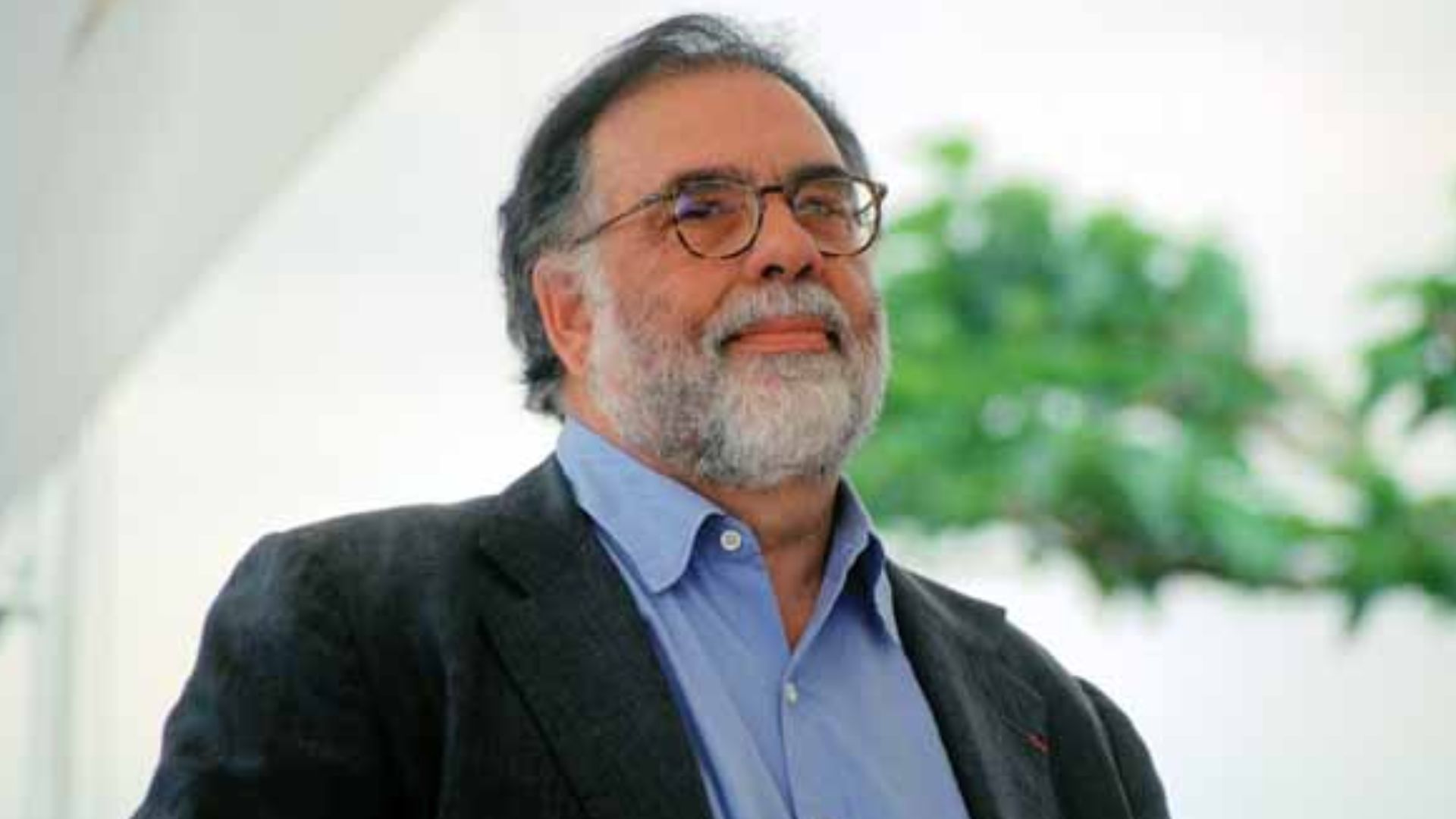 No machine-readable author provided. Rodrigo assumed (based on copyright claims)., Wikimedia Commons
Three Oscars, No Consensus
At the 1993 Academy Awards, Bram Stoker's Dracula received four nominations and won three Oscars: Best Costume Design, Best Makeup, and Best Sound Effects Editing. It also earned an Art Direction nomination. The victories confirmed the film's technical achievements, but its absence from the major acting, writing, and directing categories reflected the attitudes of the critics.
A Gothic Masterpiece Or Mess?
Over the years, Coppola's Dracula has continued attracting admirers who celebrate its practical effects, extravagant design, and unapologetically romantic take on horror. Others still find it excessive, unevenly acted, and emotionally unconvincing. Perhaps that's what makes it so memorable. Coppola didn't create a restrained or universally admired adaptation. He created a film so visually distinctive that even its harshest critics had trouble forgetting it.
You May Also Like:
Tracking The Evolution Of Vampires Through A Century Of Movies
Movies That Audiences And Critics Disagreed On The Most, According To Rotten Tomatoes