A Creature That Never Stands Still
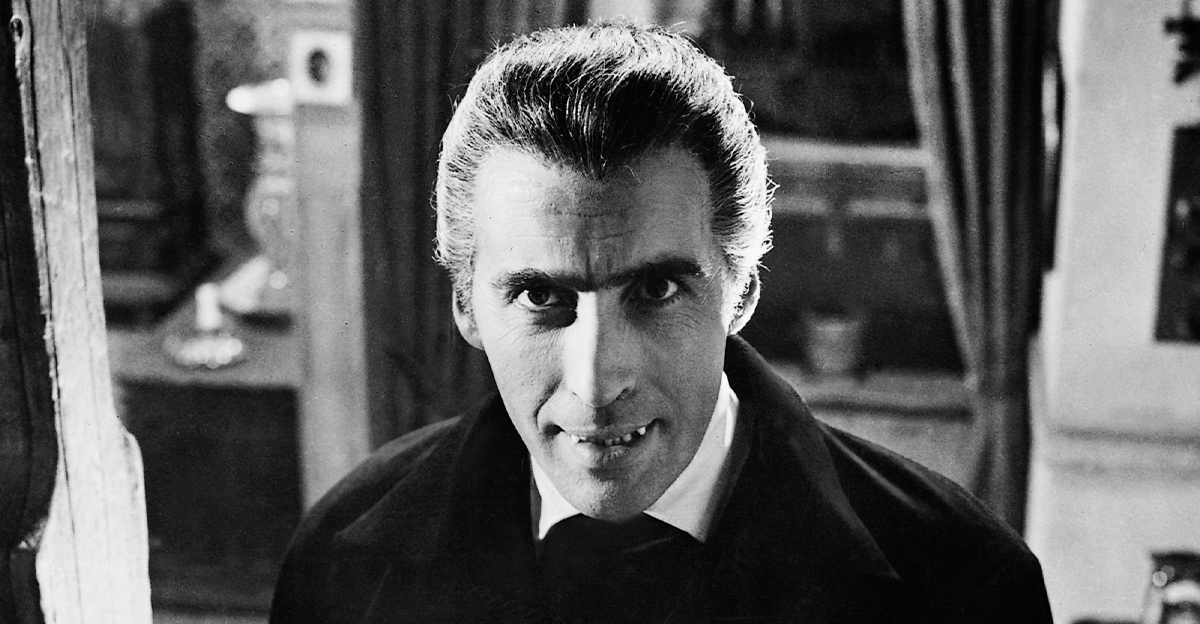
From the earliest days of cinema to today’s CGI-generated blockbuster franchises, vampires have been constantly evolving. Each generation of filmmakers, actors, writers, and audiences reshapes them to reflect their own fears, desires, and cultural mood. What started out as a silent horror figure has become everything from seductive aristocrat to conflicted antihero.
 Silver Screen Collection/Getty Images
The Man Who Started It All
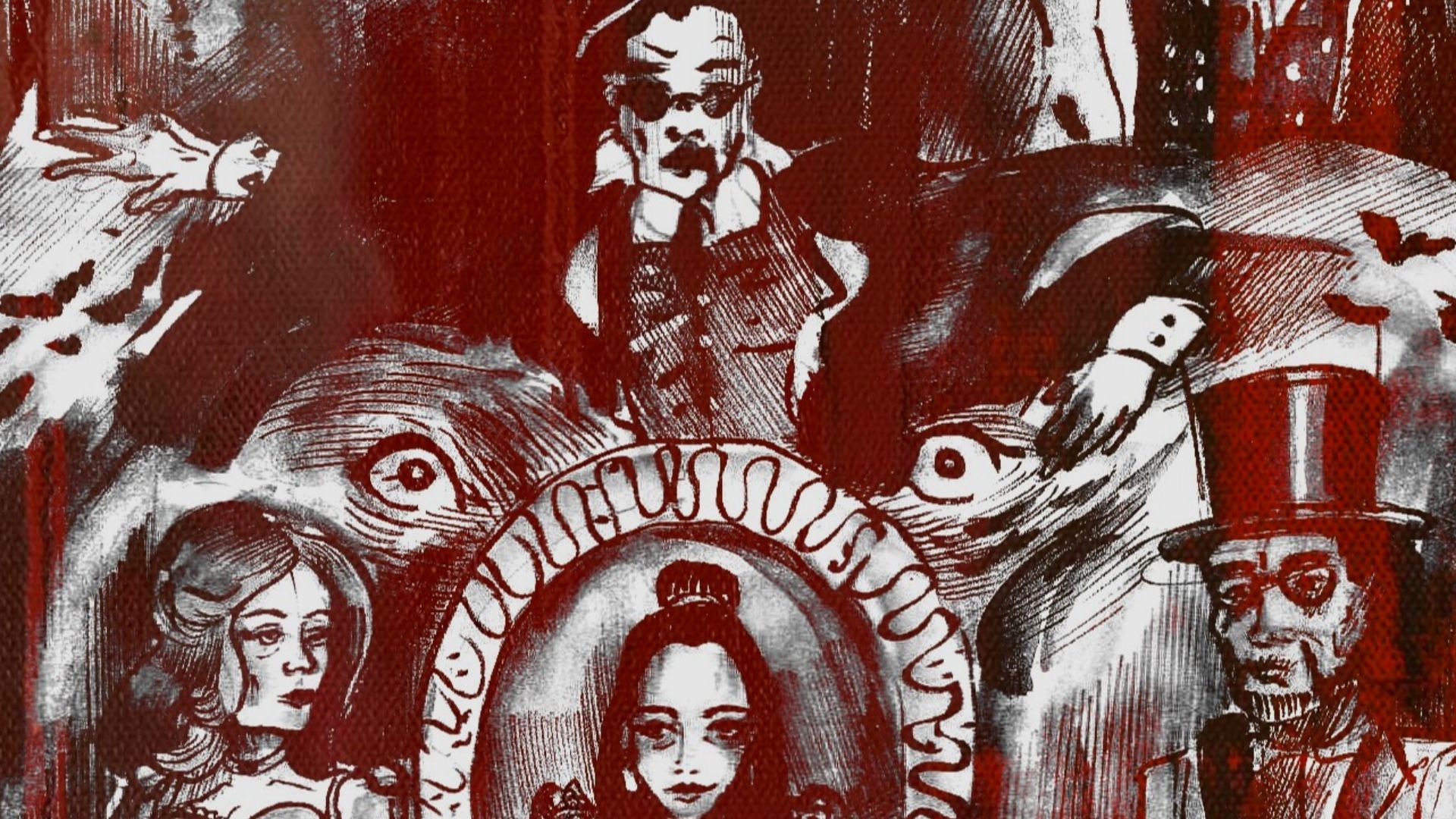
Bram Stoker created the character of Dracula in his 1897 novel Dracula, laying the foundation for nearly every cinematic vampire that followed. Stoker combined Eastern European folklore with Victorian fears about disease, sexuality, and the unknown, shaping a figure who was aristocratic and predatory. His version introduced most of the ground rules audiences now expect, including the need for blood, aversion to sunlight, death only through a stake through the heart, and the power of hypnotic control.
 Elizabetta Livon, Wikimedia Commons
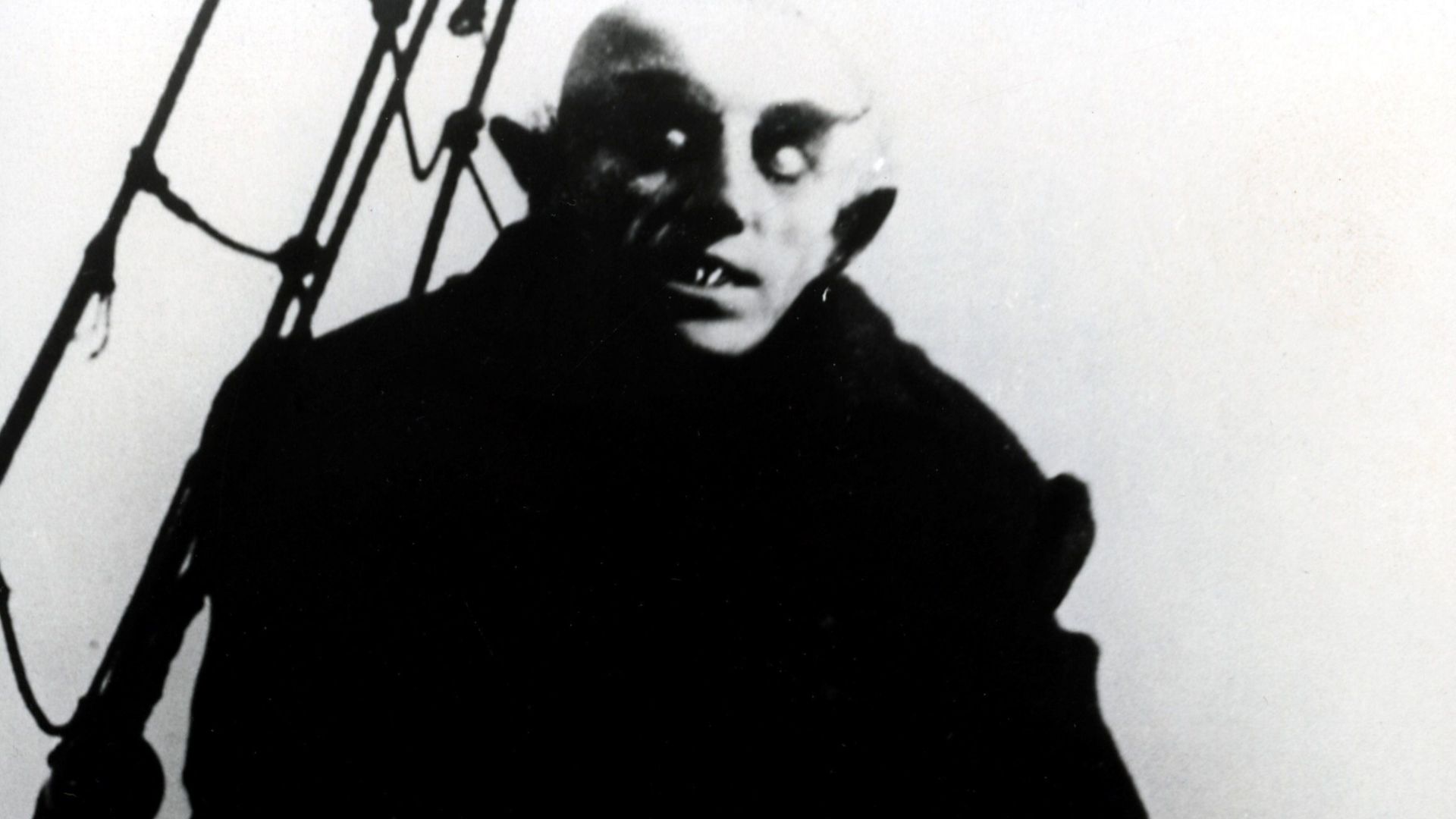
Nosferatu Introduces The Cinematic Vampire
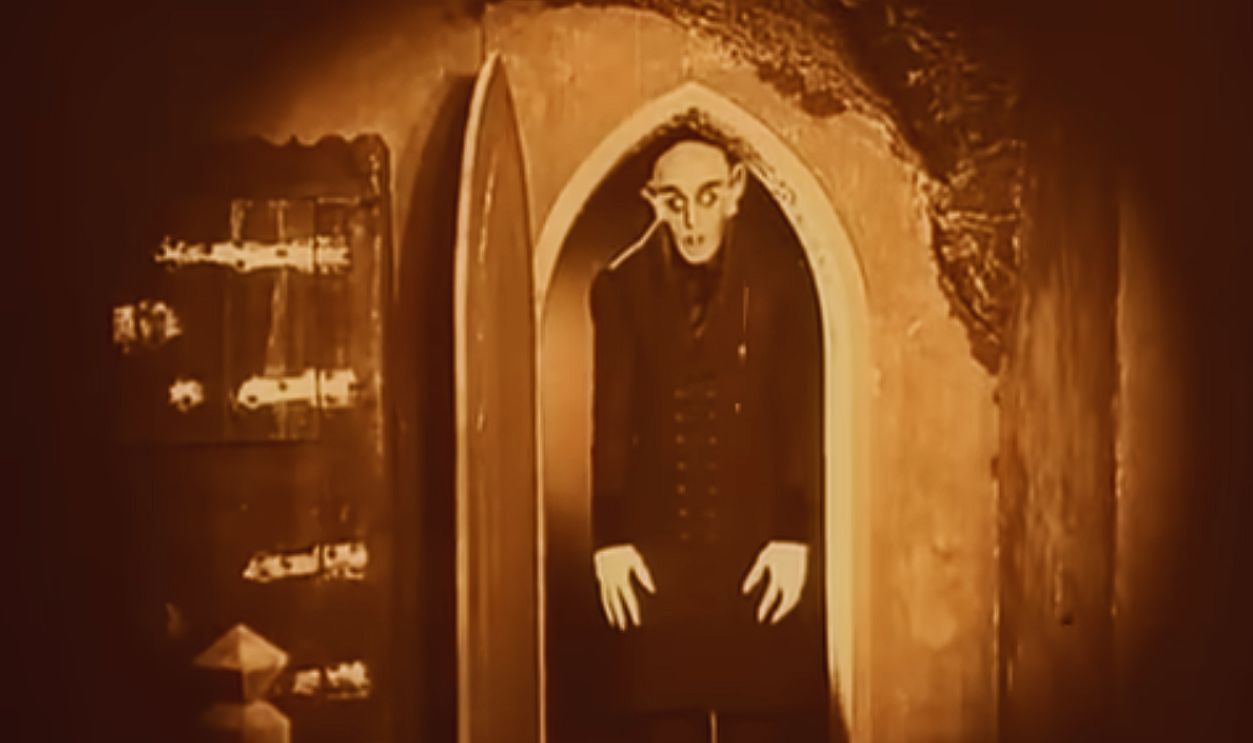
Nosferatu (1922) brought vampires onto the big screen for the first time with Max Schreck as Count Orlok. His grotesque appearance and animalistic behavior created a nightmare figure to haunt the visions of audiences for a century to come. This version emphasized disease, decay, and dread without a hint of charm or romance.
 Screenshot from Nosferatu, Prana Film (1922)
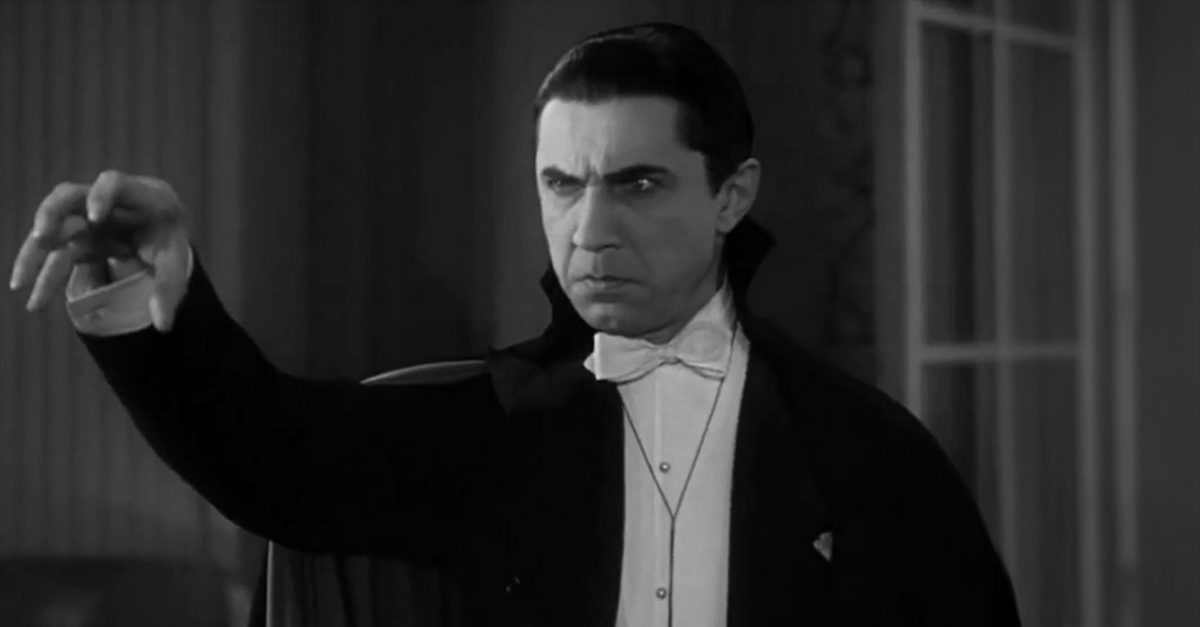
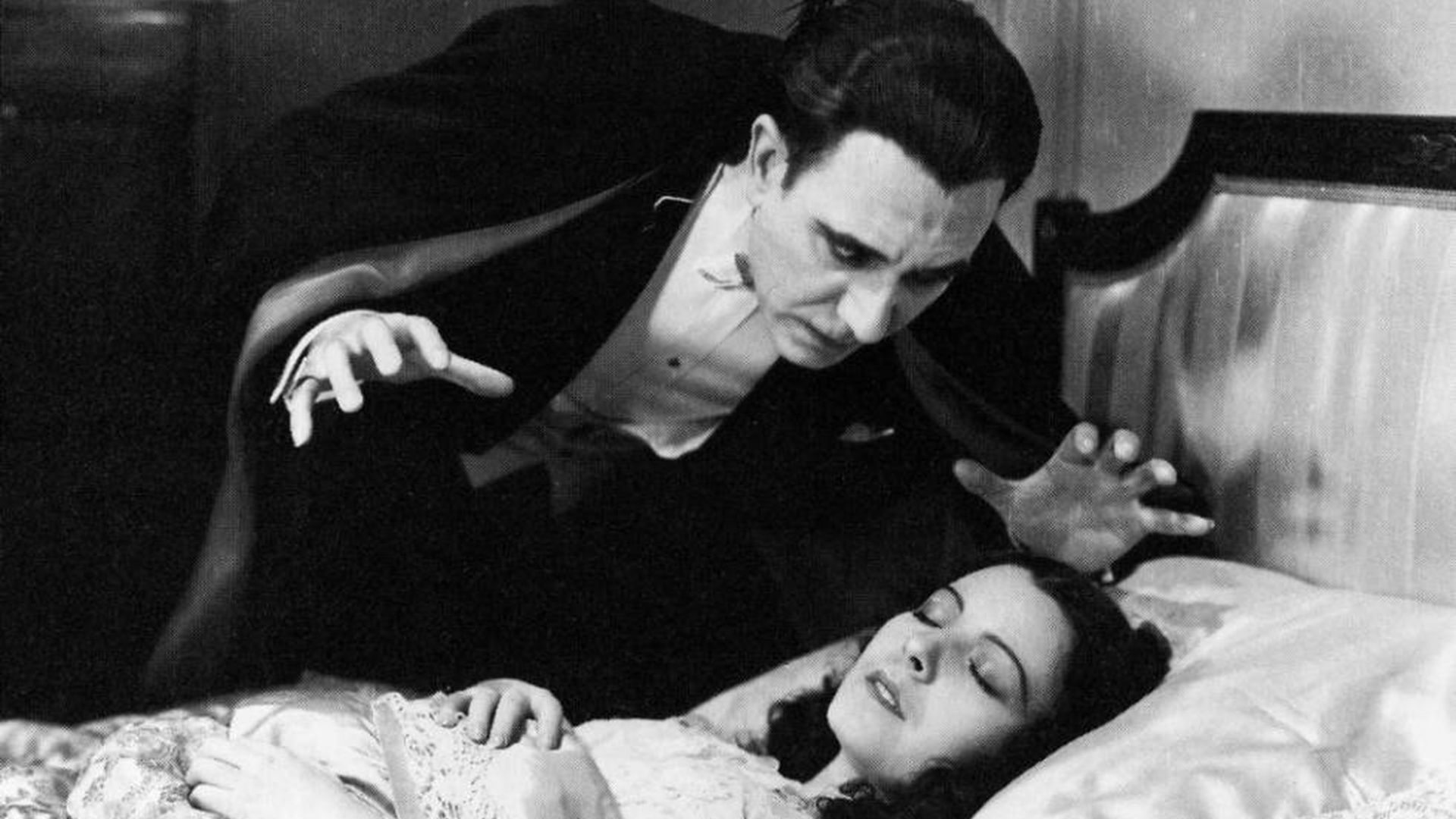
Bela Lugosi Defines Dracula Forever
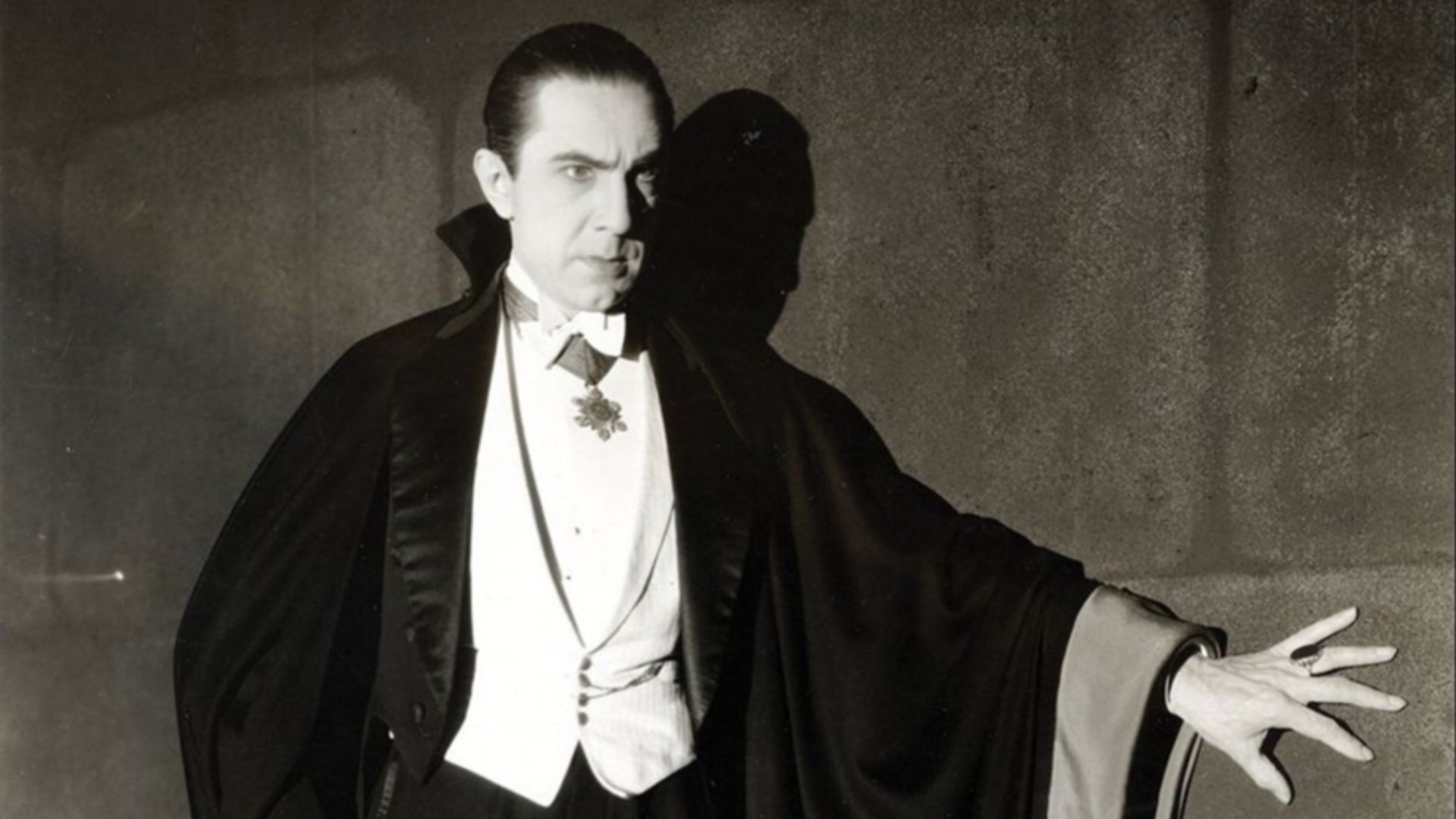
Bela Lugosi in Dracula (1931) created the definitive Dracula for generations to come. His elegant accent, formal attire, and hypnotic stare transformed vampires into aristocratic predators. His groundbreaking portrayal established the seductive yet dangerous vampire archetype that still holds sway today.
 Unknown authorUnknown author, Wikimedia Commons
Hammer Horror And Christopher Lee’s Ferocity
Horror of Dracula (1958) introduced the inimitable Christopher Lee as a more physical and aggressive Dracula. His bloodshot eyes and explosive violence brought the character to a new level of intensity. This version shifted vampires toward visceral horror and emphasized their predatory nature. Lee would play Dracula in eight other films in his career, making him one of the key faces to the character.
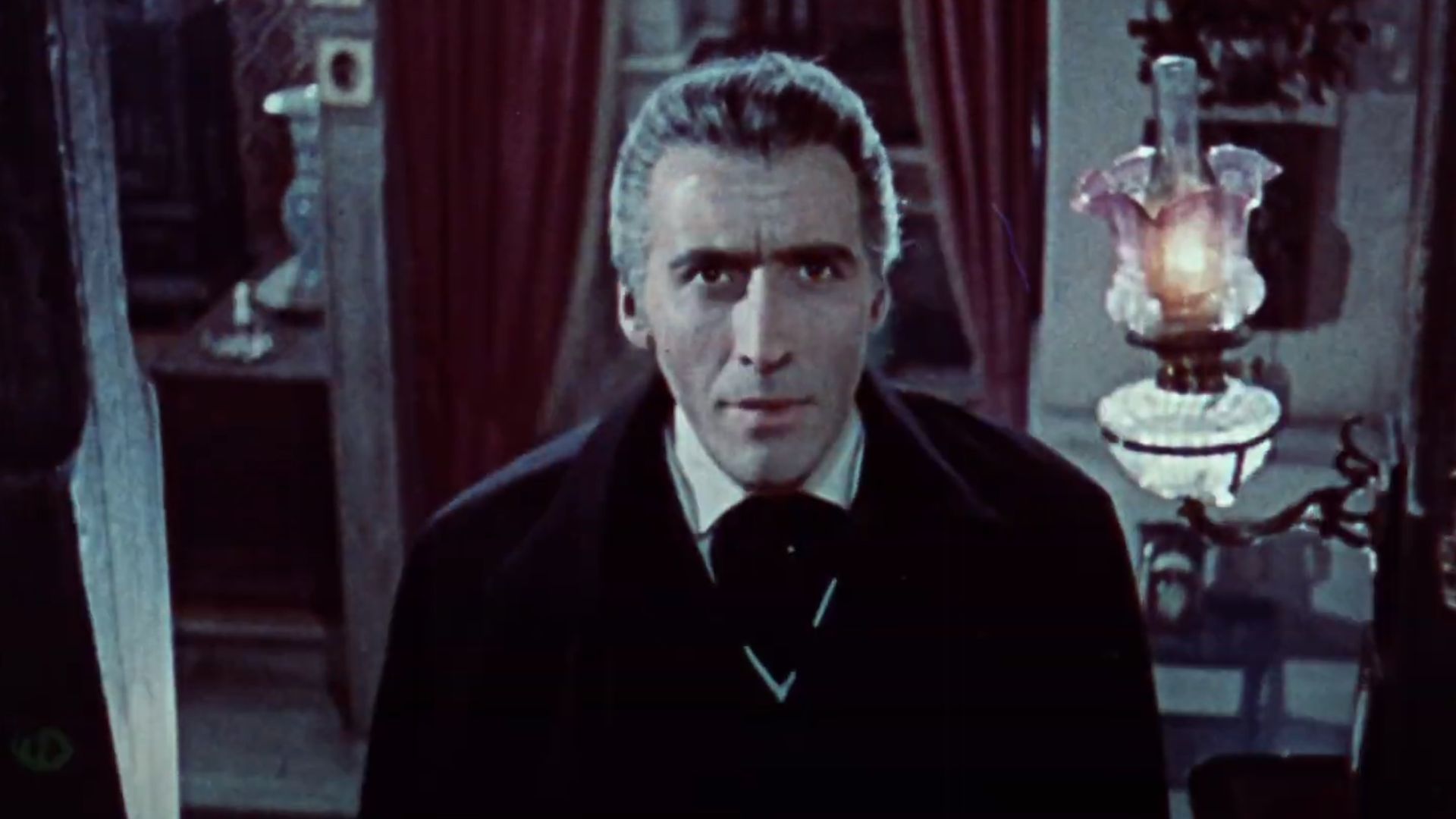 HD Retro Trailers, Wikimedia Commons
A Romantic Turn With Frank Langella
Dracula (1979) starred Frank Langella as a sensual and tragic vampire. His portrayal leaned heavily into romance, presenting Dracula as a seductive outsider. Directed by John Badham with a score by John Williams, this rendition of Dracula marked a shift toward exploring the vampire as a figure of desire.
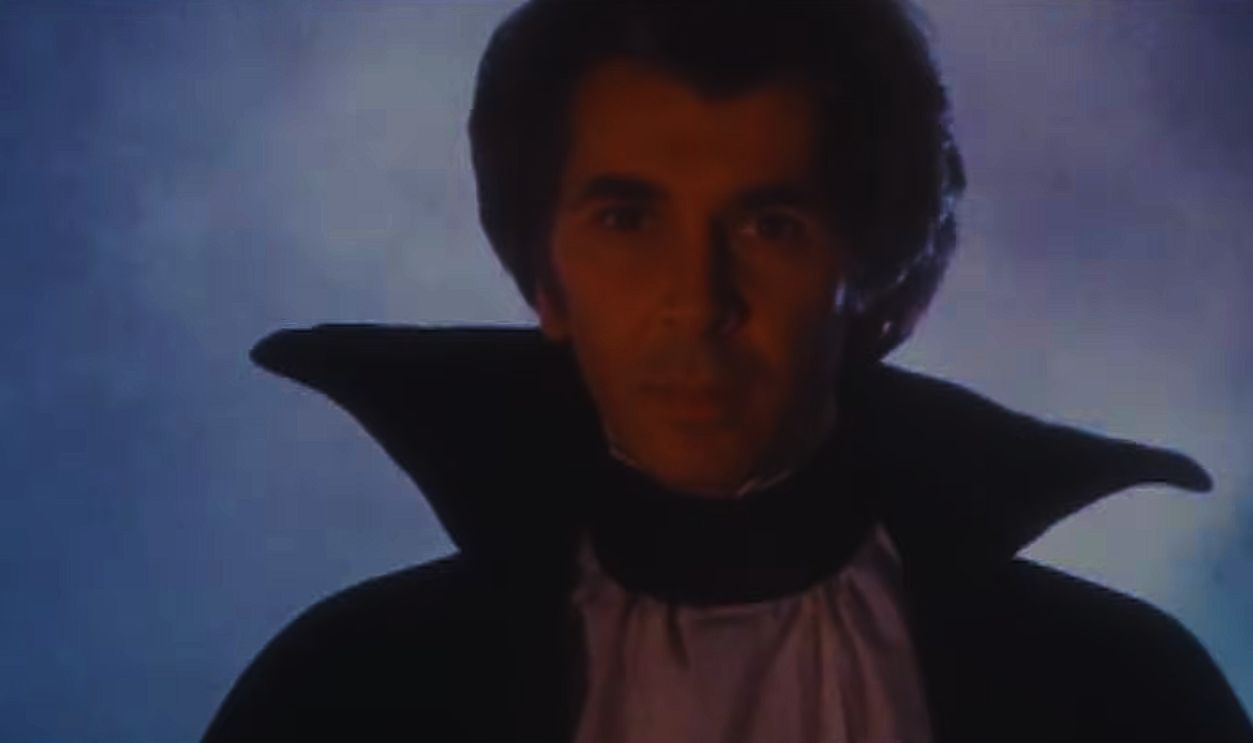 Screenshot from Dracula, Universal Pictures (1979)
Let’s Scare Jessica To Death And Psychological Horror
Let's Scare Jessica to Death (1971), directed by John D Hancock, blurred the line between reality and paranoia. Its vampire, played by Mariclaire Costello, was subtle and ambiguous. This approach reflected a growing interest in psychological horror rather than overt supernatural spectacle.
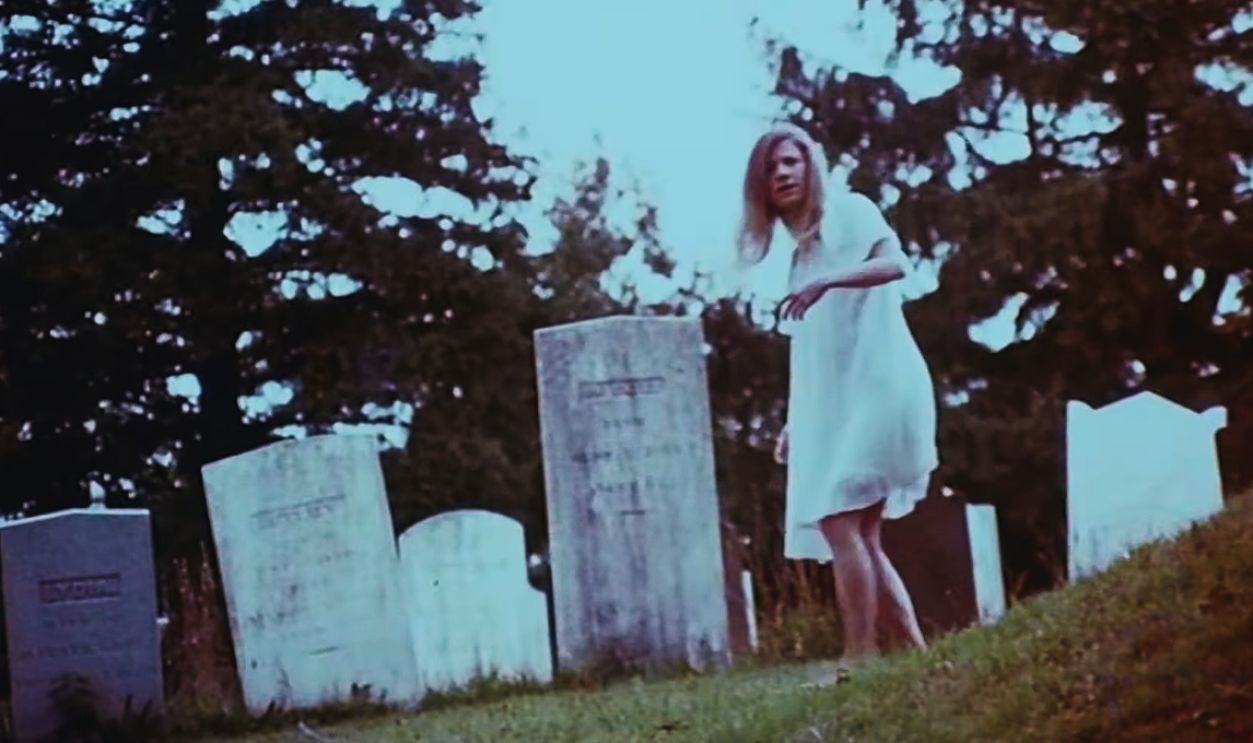 Screenshot from Let’s Scare Jessica to Death, Paramount Pictures (1971)
Martin Reimagines The Vampire Myth
George Romero’s Martin (1977) stripped away all the supernatural elements that come along with the vampire myth. The central character played by John Amplas may or may not be a vampire, presenting the idea more as a matter of potential mental illness. This grounded approach questioned whether vampirism is myth, illness, or something in between. Romero later said this was his favorite of all his movies.
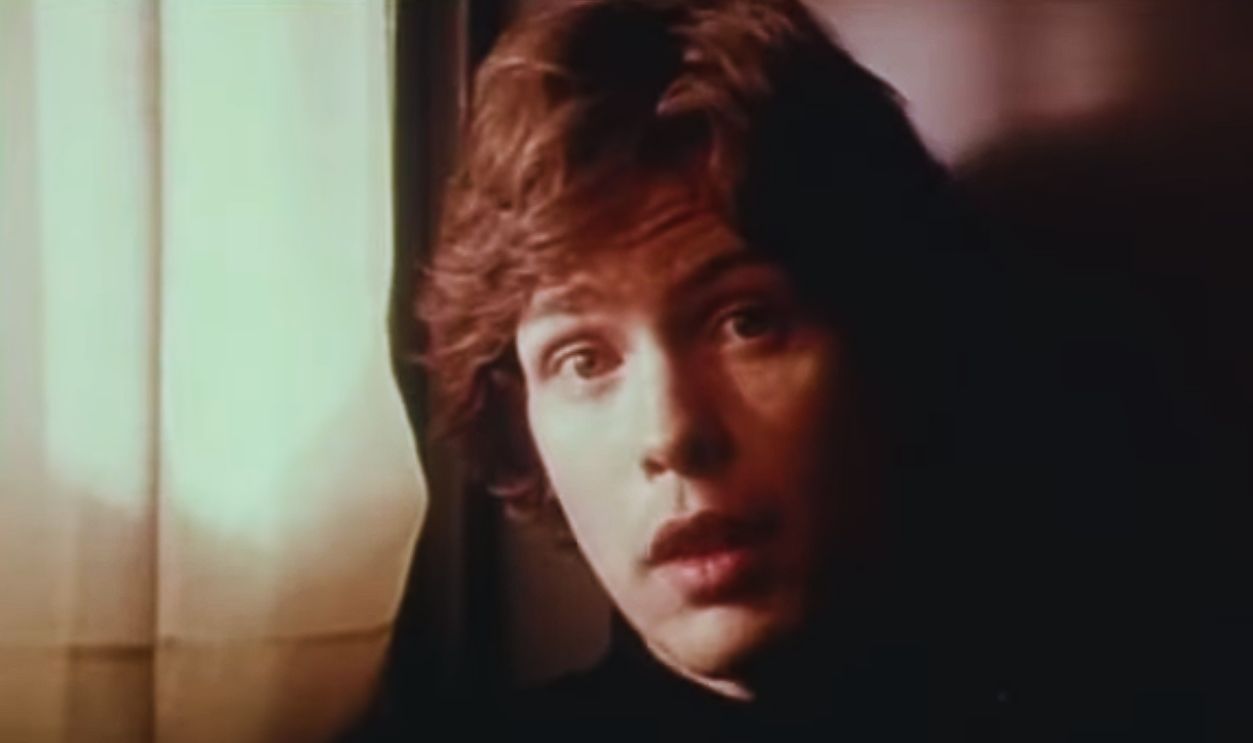 Screenshot from Martin, Libra Films International (1977)
Salem’s Lot Brings Terror To Suburbia
The late 70s saw the beginning of Stephen King’s heyday as one of horror’s greatest writers. Salem's Lot (1979) adapted his 1975 novel and reintroduced more traditional monstrous vampires. Its pale, glowing-eyed creatures returned to pure horror roots while placing them in familiar smalltown American settings, making the threat feel closer to home.
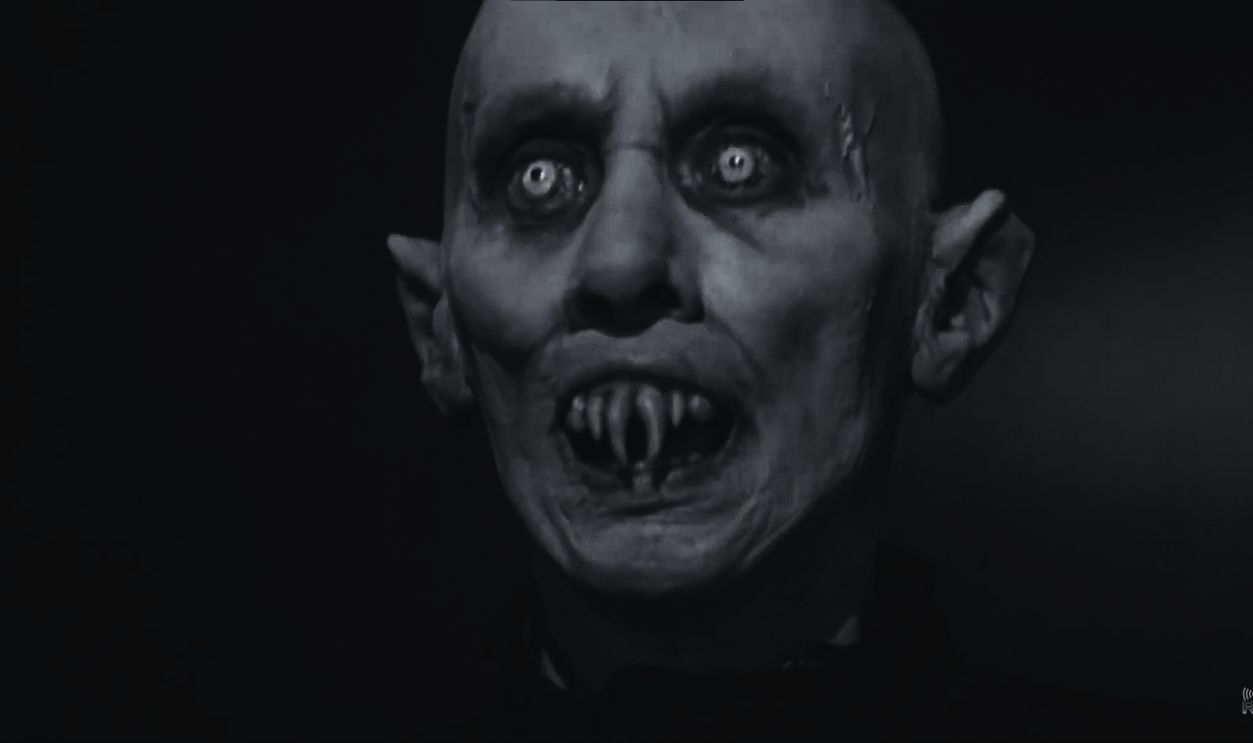 Screenshot from Salem’s Lot, Warner Bros. Television / CBS (1979)
The Lost Boys And Youth Culture
The Lost Boys (1987) turned vampires into rebellious teenagers. Stylish, dangerous, and charismatic, they reflected 1980s youth culture. This version made vampires cool, blending horror with a healthy dose of humor and soundtrack-driven energy.
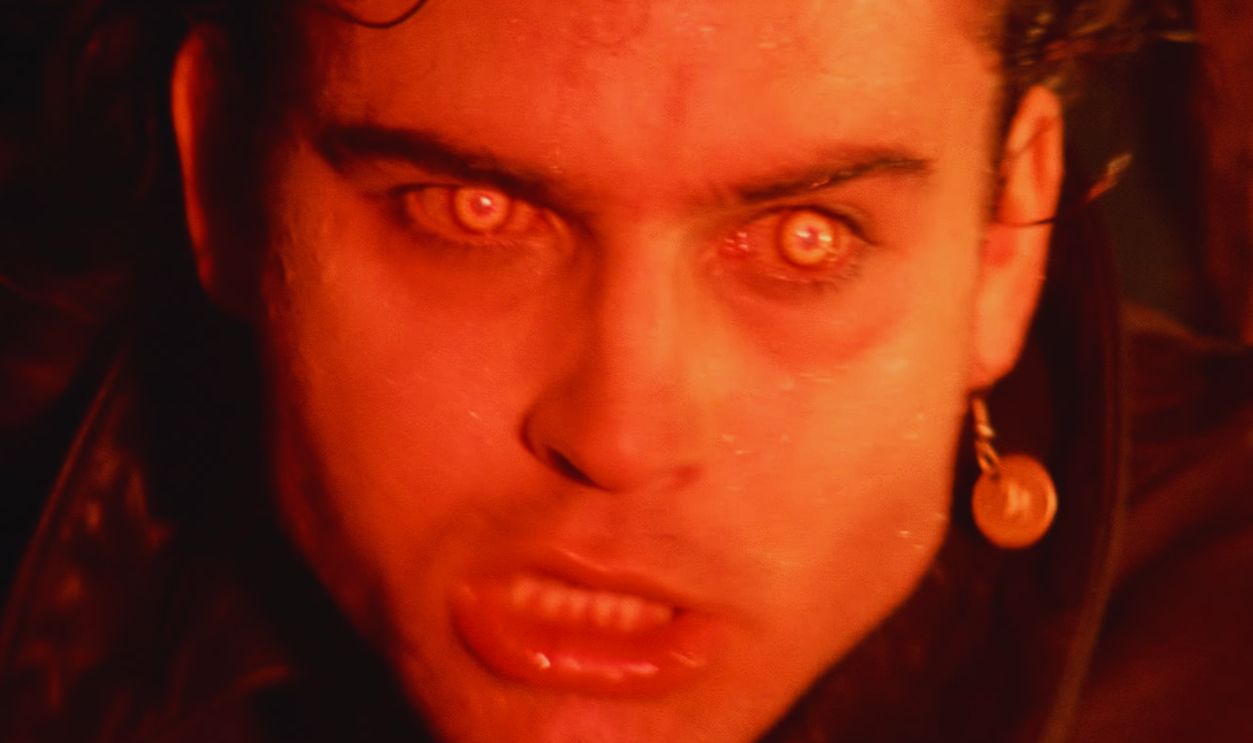 Screenshot from The Lost Boys, Warner Bros. Pictures (1987)
Gary Oldman’s Complex Dracula
Bram Stoker's Dracula (1992) was Francis Ford Coppola’s addition to the vampire genre. It featured Gary Oldman in a layered performance. Oldman’s Dracula was ancient, tragic, and deeply emotional. The film divided audiences and reviewers with its richly stylized interpretation and blend of horror, romance, and history.
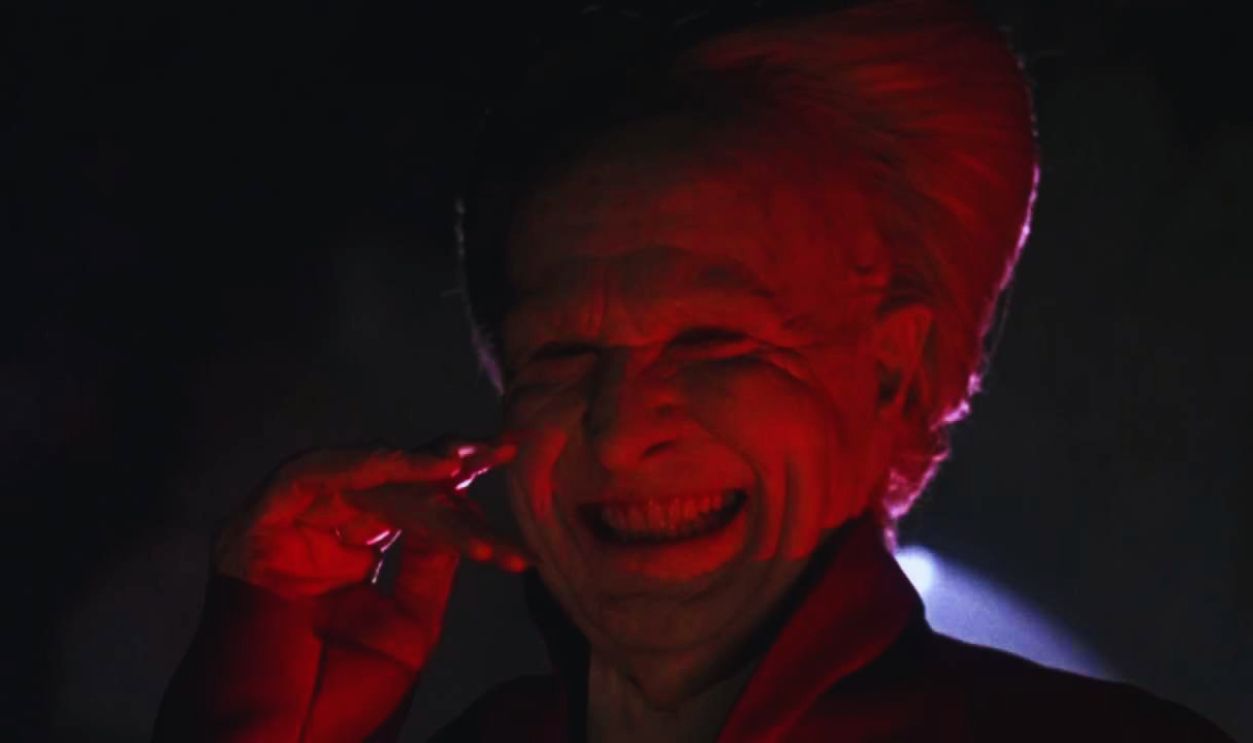 Screenshot from Bram Stoker’s Dracula, Columbia Pictures (1992)
Interview With The Vampire And Immortal Drama
Interview with the Vampire (1994) starred Tom Cruise and Brad Pitt as morally conflicted immortals in this adaptation of Anne Rice’s novel. This story focused on guilt, loneliness, and the problems of an individual wrestling with eternal life, redefining vampires as introspective and philosophical beings.
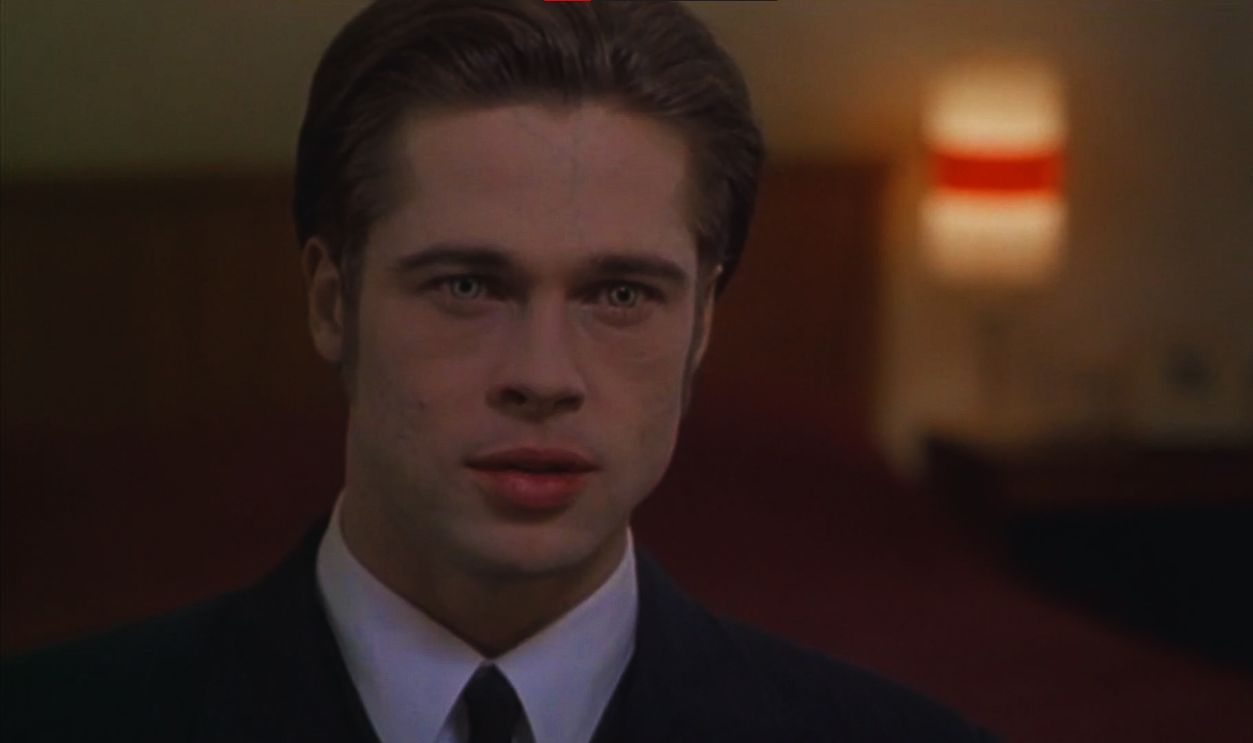 Screenshot from Interview with the Vampire, Warner Bros. Pictures (1994)
From Dusk Till Dawn And Genre Chaos
Quentin Tarantino’s From Dusk till Dawn (1996) abruptly turned the tables on unsuspecting audiences who thought they were watching a crime thriller, transforming within minutes to vampire horror. Its creatures were grotesque and chaotic, emphasizing transformation and violence. This film showed how flexible vampire stories had become.
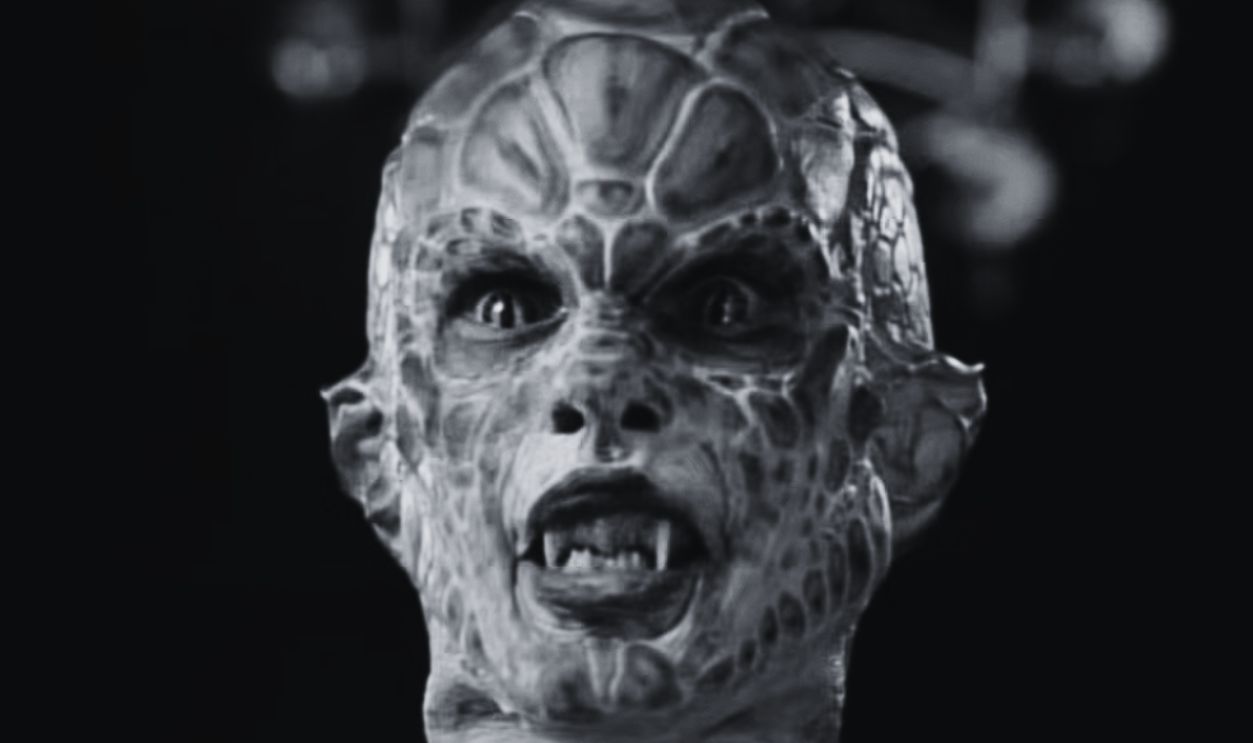 Screenshot from From Dusk Till Dawn, Miramax Films (1996)
Blade Reinvents The Vampire As Action Threat
Blade (1998) introduced vampires into a modern action setting led by a driving performance by Wesley Snipes. These vampires operated in secret societies and urban environments. The film reimagined them as organized, technologically savvy predators.
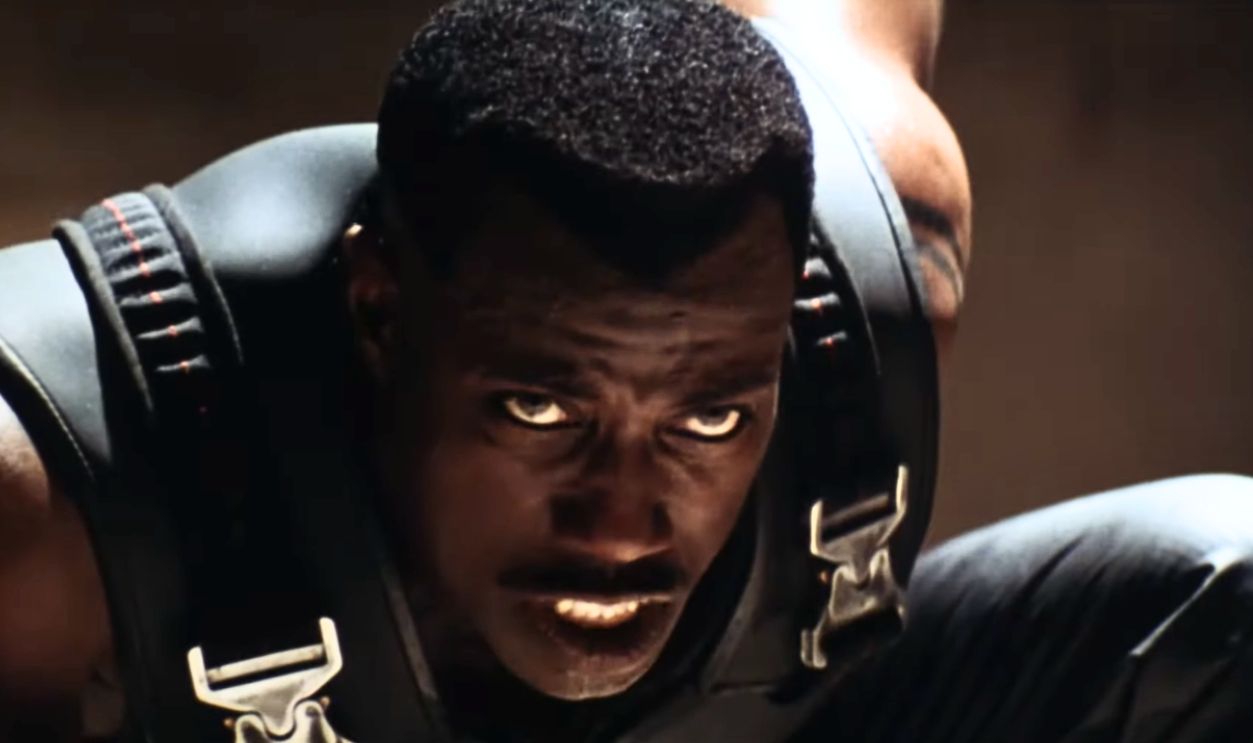 Screenshot from Blade, New Line Cinema (1998)
A Note On Vincent Price
Vincent Price became synonymous with 20th horror, but surprisingly, he never actually played Dracula. Despite his gothic presence and iconic voice, his roles explored other macabre figures, proving how strongly the character and persona of Dracula is tied to specific performers.
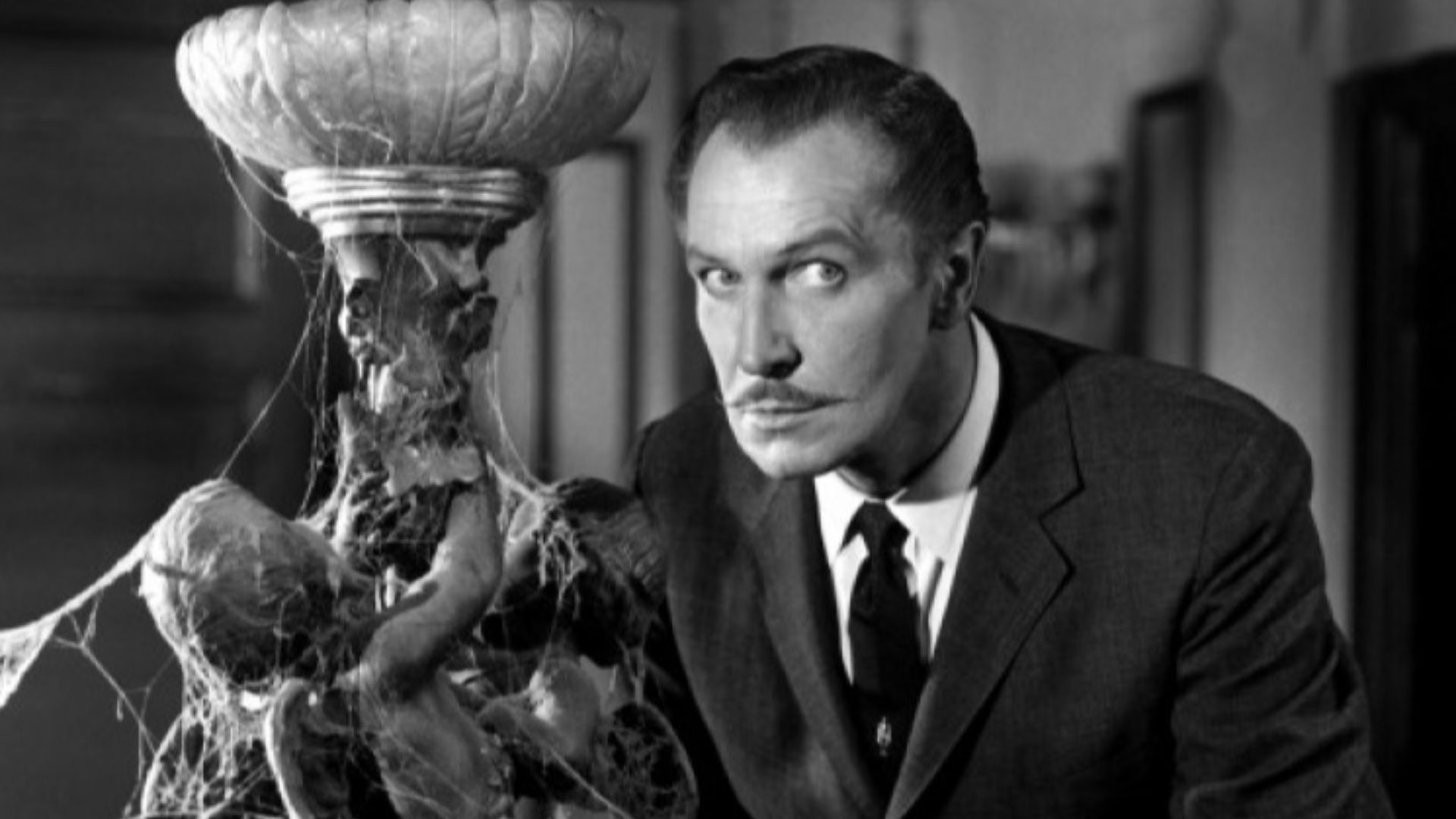 Allied Artists, Wikimedia Commons
Twilight And The Romantic Explosion
Twilight (2008) turned vampires into shimmering romantic leads for a new generation. Robert Pattinson portrayed a brooding, restrained vampire. This era emphasized love, restraint, and emotional conflict over horror in the adaptation of author Stephanie Meyer’s vision of vampires.
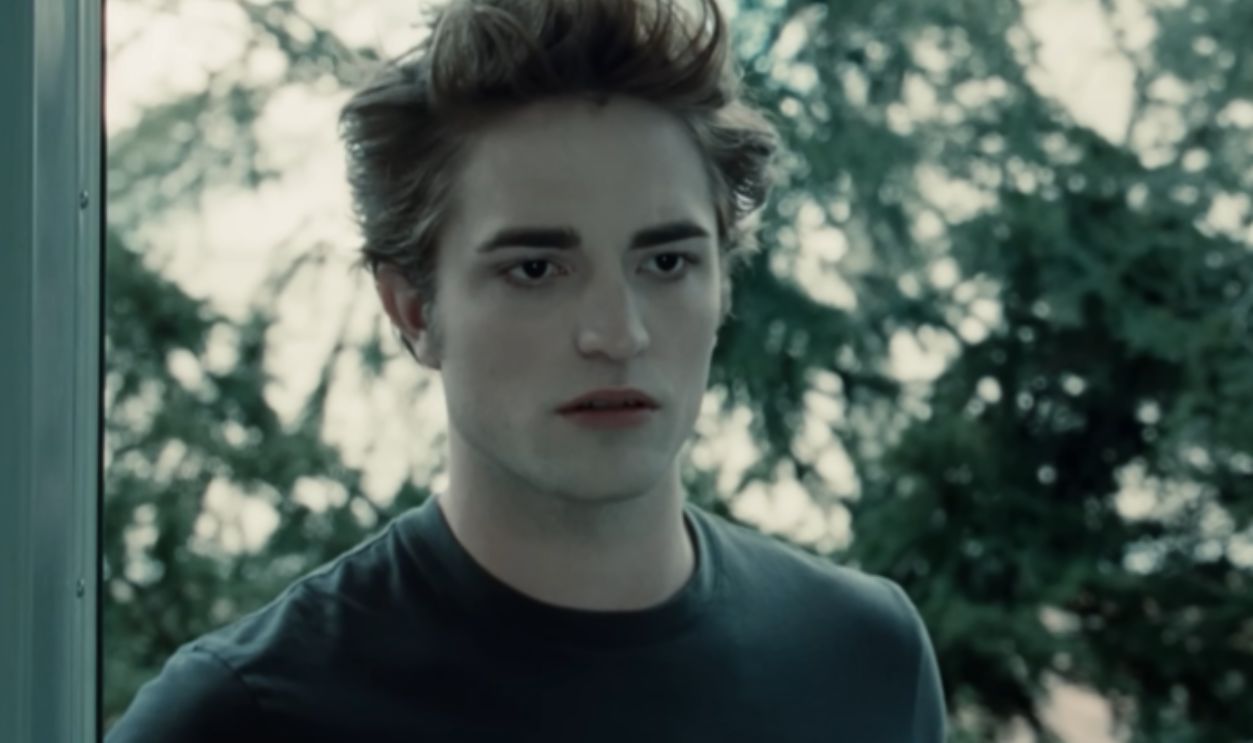 Screenshot from Twilight, Lionsgate (2008)
From Monsters To Mainstream Icons
By the early 2000s, vampires had fully entered mainstream culture. They appeared in dramas, romances, and comedies. The fear factor around vampires softened as audiences by this time embraced them as relatable or even aspirational characters. A flood of historical and romance novels set around vampires attests to the public's bottomless fascination with Bram Stoker's original shadowy character.
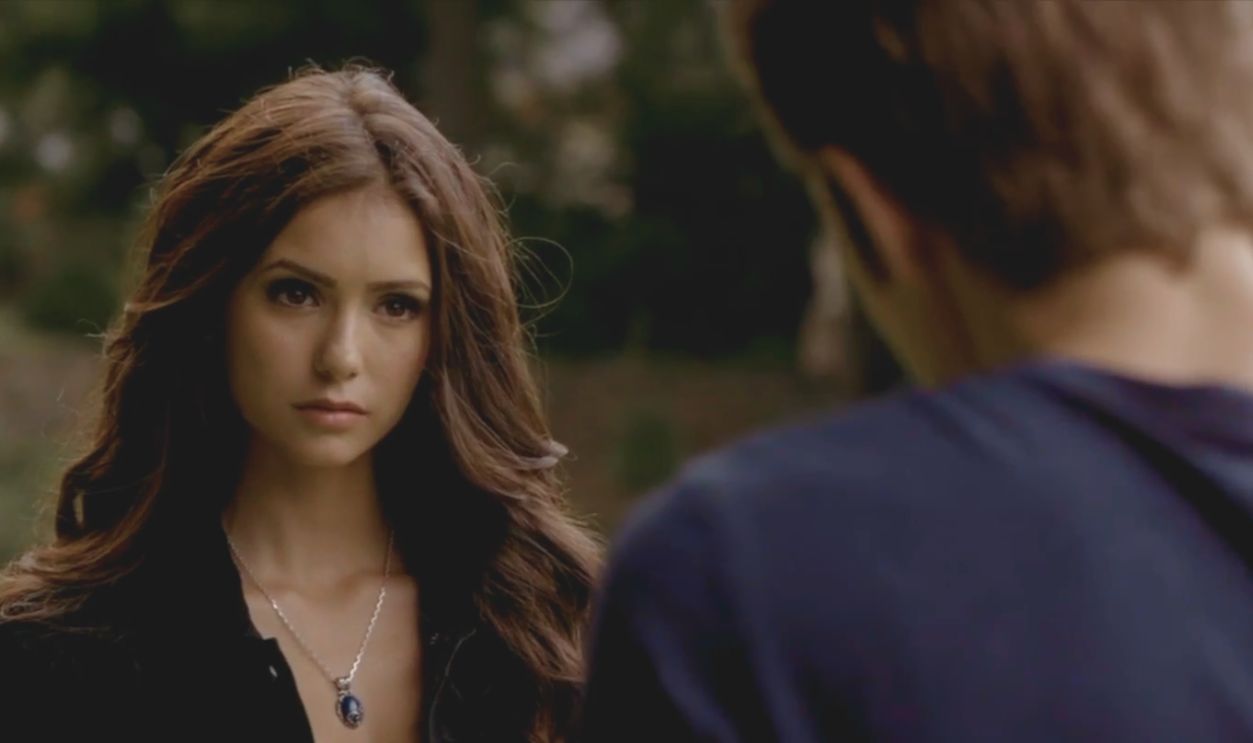 Screenshot from The Vampire Diaries, The CW (2009–2017)
The Return Of Horror In Modern Films
Recent films have tried to push back against the softening trend in recent vampire films, taking the undead creatures back toward their true role as bringers of utter ineffable horror. Filmmakers have revisited their monstrous roots, emphasizing dread, isolation, and brutality. This could be a reflection of a cyclical pattern where vampires shift between romance and terror.
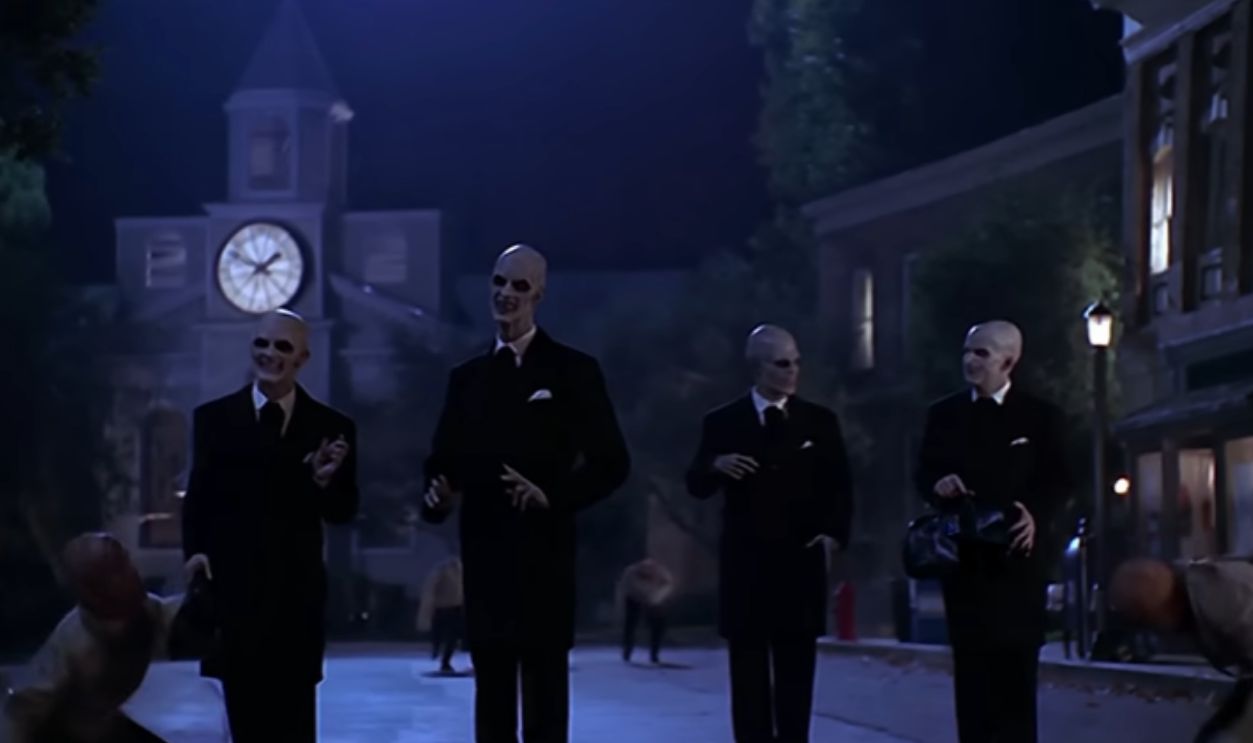 Screenshot from Buffy the Vampire Slayer, The WB / UPN (1997–2003)
Robert Eggers Revisits Nosferatu
Nosferatu (2024) reimagines the silent classic with modern techniques. Here director Robert Eggers focuses on atmosphere and historical authenticity, bringing the vampire back to its eerie, folkloric origins and showing again why he’s viewed as one of today’s most ambitious filmmakers.
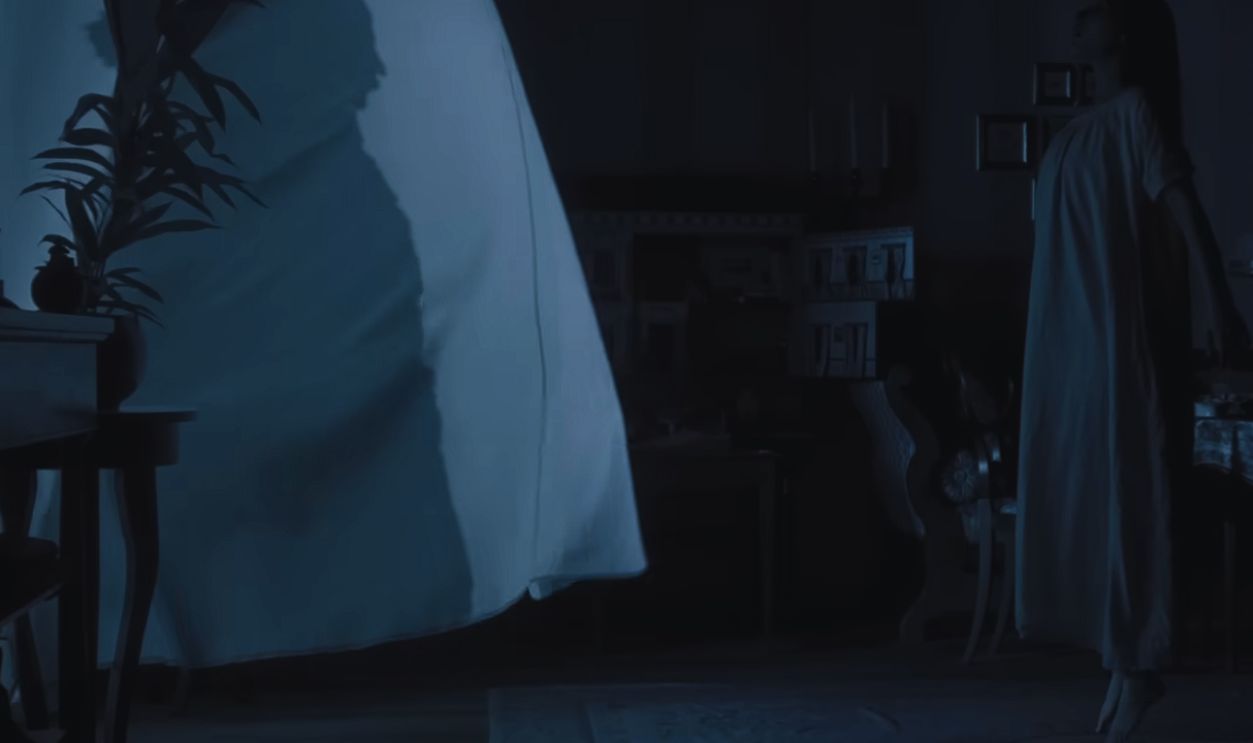 Screenshot from Nosferatu, Focus Features (2024)
Sinners And The Future Of The Genre
Sinners (2025) represents the next step in vampire storytelling, and made a big impact with 16 Oscar nominations and four wins, including Best Original Screenplay (Ryan Coogler); Best Actor (Michael B. Jordan); Best Cinematography (Autumn Durald Arkapaw); and Best Score (Ludwig Göransson). Contemporary films continue blending genres, exploring social themes, and reinventing what vampires represent in a changing world.
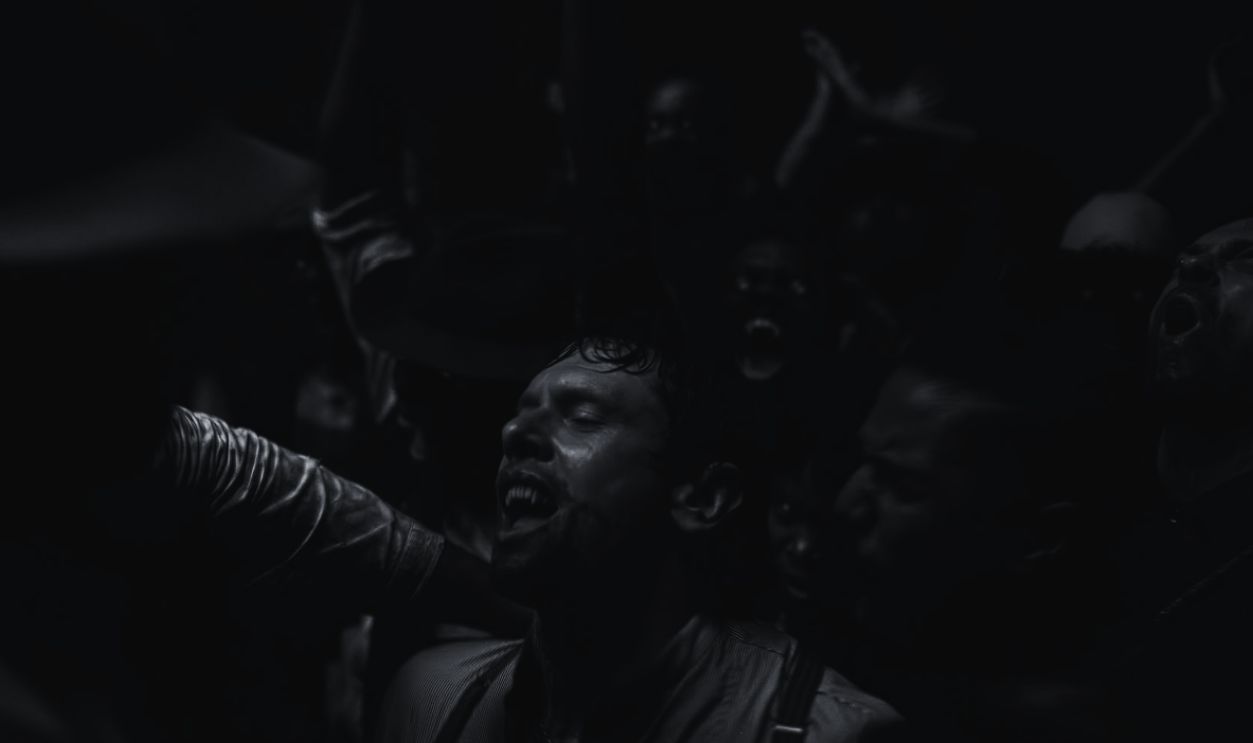 Screenshot from Sinners, Warner Bros. Pictures (2025)
Why Vampires Keep Changing
Vampires evolve because they mirror society’s fears and desires. Whether they represent the spread of dreaded disease, sexuality, or immortality—whatever the case may be, they adapt to cultural shifts. This flexibility keeps them relevant across generations.
 Unknown authorUnknown author, Wikimedia Commons
A Balance Between Fear And Fascination
The enduring appeal of vampires lies in their dual nature. They’re terrifying, but they can also be strangely alluring. Each era leans more heavily into one side, creating new interpretations that resonate with audiences.
 Unknown, none visible, Wikimedia Commons
You May Also Like:
Bela Lugosi’s Long Hard Road To Becoming Dracula
The Definitive Ranking Of Every Stephen King Movie