The Dark Behind-The-Scenes Secrets Of "The Wizard Of Oz"

The Dark Behind-The-Scenes Secrets Of "The Wizard Of Oz"


February 22, 2024 | Matthew Burke

The Dark Behind-The-Scenes Secrets Of "The Wizard Of Oz"


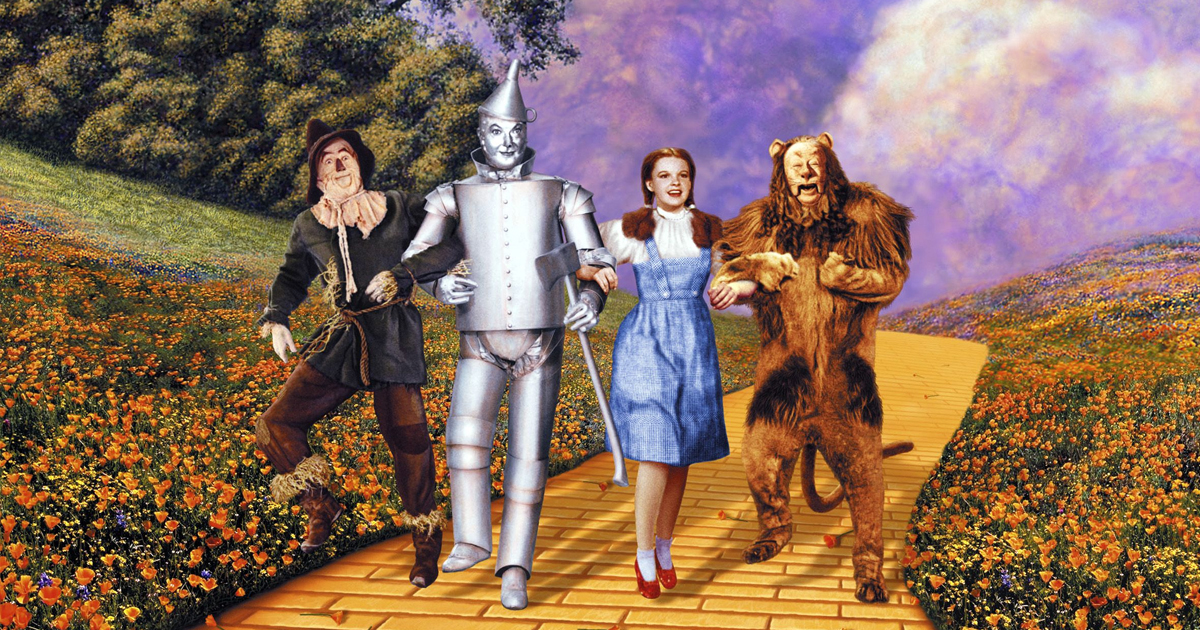
"The Wizard of Oz" is a timeless, cross-generational classic. But did you know that behind the film's bright and colorful scenes, there are some rather dark and hidden secrets? Here's a behind-the-scenes look at the sinister details of this beloved movie.
1709590122849The Wizard of Oz (1939) | Flickr

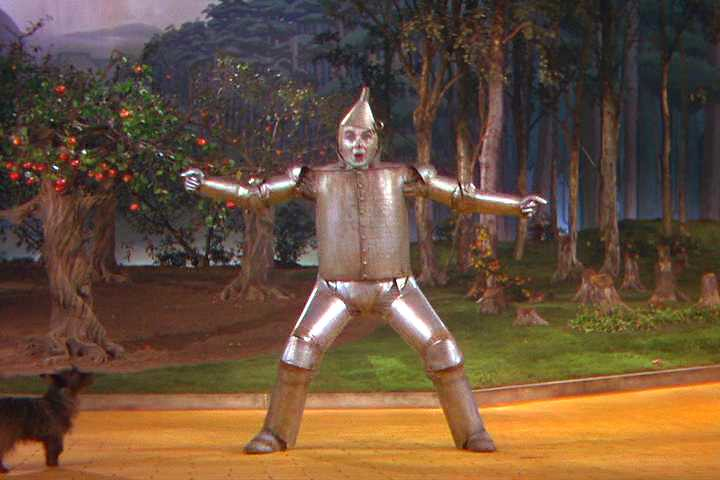
The Tin Man Troubles

Buddy Ebsen, known for his role as the Tin Man in "The Wizard of Oz," had to leave the film due to a severe allergic reaction to the aluminum powder in his makeup. Jack Haley ended up replacing him in the role, but the incident raised quite some concern among the other cast members.
1709590175897The Wizard of Oz (1939) | Flickr

Advertisement

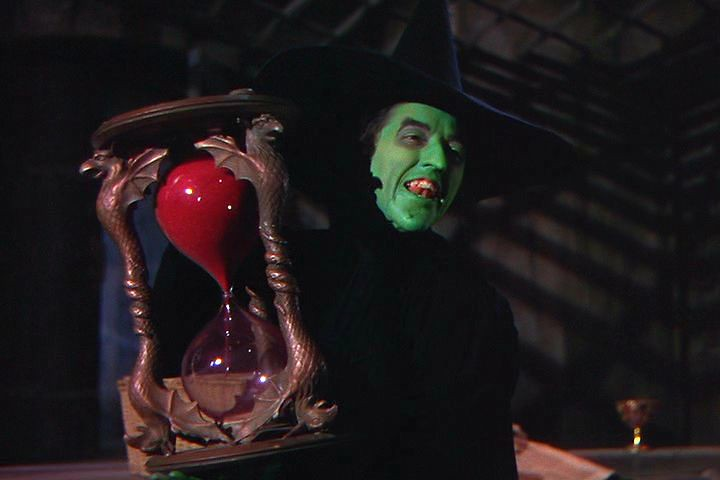
Makeup Mishap

While filming, Margaret Hamilton, known for her role as the Wicked Witch of the West, experienced difficulties in the makeup room. The makeup artists used copper-based green makeup that ended up causing her severe skin irritation that took weeks to heal post-production. Despite the health issues she endured, Hamilton remained committed to her character and managed to finish the movie.
1709590215114The Wizard of Oz (1939) | Flickr

Advertisement

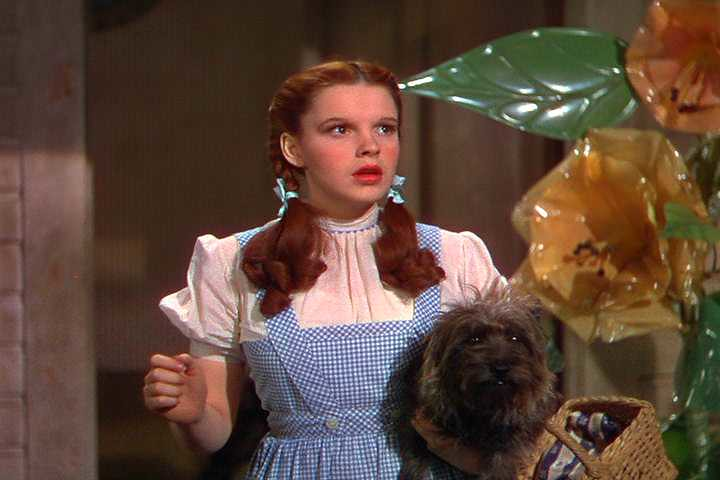
No Mercy For Judy

Even though she looked young and full of joy in her role as Dorothy, Judy Garland dealt with personal struggles off-camera. At only 16 years old, she faced immense pressure from studio executives to uphold her image. It got to a point where she was given drugs to keep her weight in check and to minimize her rest hours so she could fit more into her already hectic schedule. These issues impacted Garland's overall well-being, and many believe it marked the start of her decline.
1709590404544Steven Miller

Advertisement

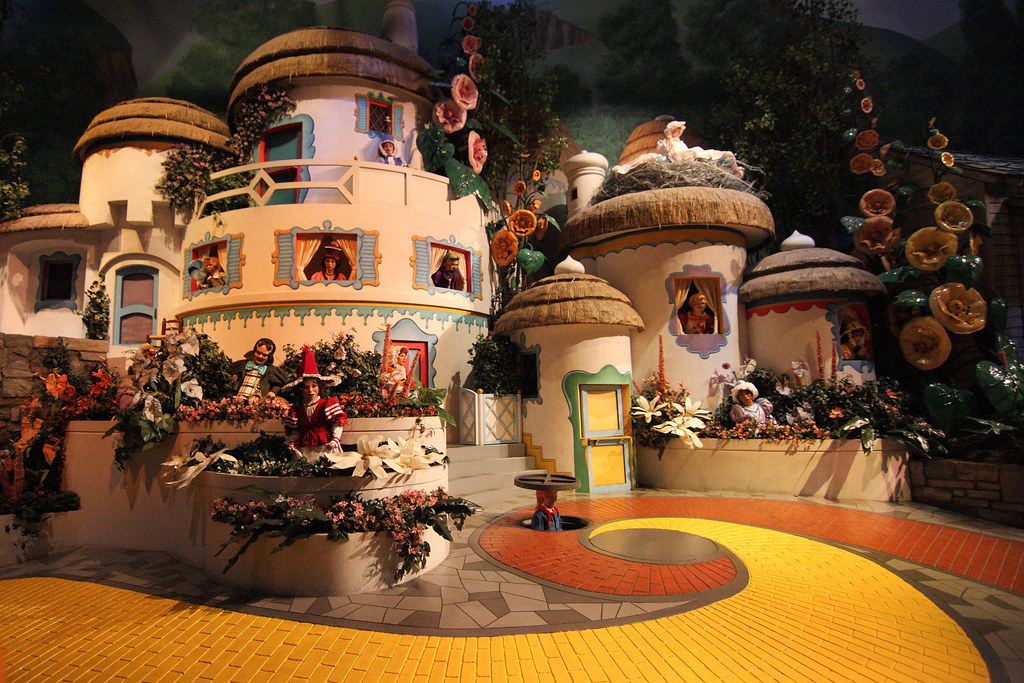
Munchkin Mayhem

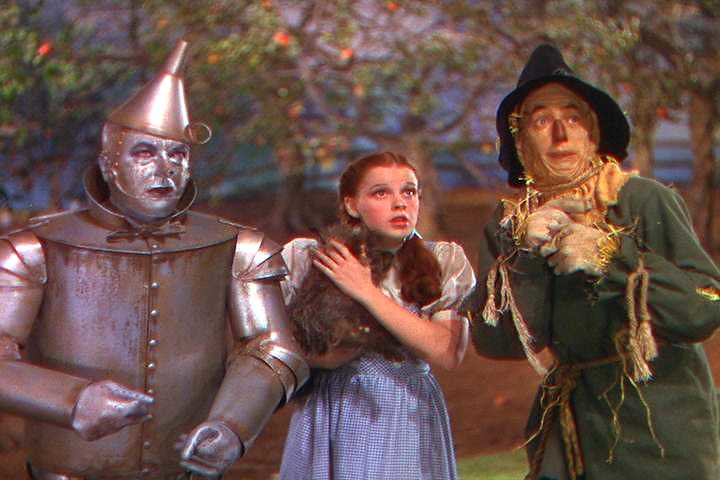
In the film, the Munchkins were the tiny people in charge of building the Land of Oz. During filming, they ran into a few difficulties. Since many of them were foreign nationals and did not speak English well, it was difficult to communicate with them and misunderstandings occurred frequently. Although unverified, there were also rumors of inappropriate behavior among the Munchkins, including excessive drinking and rowdiness, which complicated the film's production.
1709590365841The Wizard of Oz (1939) | Flickr

Advertisement

The Scarecrow's Big Scare

While filming, Ray Bolger, known for his role as the endearing Scarecrow, faced a memorable and disturbing situation involving his costume. He was made to wear a complete straw-filled burlap sack, but it was infested with insects. Bolger suffered numerous bug bites while in costume, but he did not let that stop him—his depiction of the Scarecrow went on to become a standout moment in the film.
READ MORE

December 26, 2025 Allison Robertson

TV Shows That Were Huge Abroad—But Never Took Off In The U.S.

These 20 TV shows were massive hits across the globe—but barely made a splash in the U.S. Discover what the rest of the world was watching.
Keith Moon
December 26, 2025 Allison Robertson

The night Keith Moon wrecked his hotel room wasn’t unusual—but in the hours that followed, it became clear that Moon was spiraling.

The night Keith Moon wrecked another hotel room seemed routine — until what happened hours later revealed the fragile truth behind rock’s wildest drummer.
December 26, 2025 J. Clarke

Iconic Hip Hop Looks That Made It Fashion’s Most Powerful Music Genre

Hip hop didn’t politely ask the fashion world for permission—it showed up dressed better than everyone else and dared the industry to keep up. From street corners to couture runways, rappers turned personal style into cultural authority, reshaping how luxury, rebellion, and identity look on a global stage. Below are 22 unmistakable looks that helped crown hip hop as the most powerful force in style.
December 26, 2025 J. Clarke

These Hits Prove The 90s Was The Best Decade In Hip Hop

There’s a reason hip hop heads still argue about the 1990s like it’s a religious doctrine. This was the decade when lyricism mattered, regional sounds thrived without canceling each other out, and artists weren’t afraid to be funny, political, vulnerable, or confrontational—sometimes all in the same verse.
December 25, 2025 J. Clarke

When Curtis Mayfield was paralyzed by a falling stage light, he kept recording—singing flat on his back until the end.

Curtis Mayfield had already lived several musical lifetimes by the time fate intervened. He’d helped invent socially conscious soul, soundtracked the civil rights movement, and quietly influenced generations of artists who followed. Then, in 1990, a falling stage light changed everything. What came next wasn’t a dramatic comeback or a victory lap—it was a slow, stubborn refusal to stop creating. This is how Curtis Mayfield kept making music when almost nothing worked the way it used to.
December 24, 2025 J. Clarke

The Most Iconic Cold Opens In TV History

Before theme songs became skip buttons and recaps started explaining things you absolutely already knew, TV shows had one precious chance to grab your attention. Enter the cold open—the pre-credits moment designed to hook you, delight you, or completely derail your expectations before the story even begins. Let’s journey through some of the most iconic cold opens in TV history.