Hollywood's Biggest Endings Were Almost Completely Different
Imagine watching your favorite movie, only to discover that the ending you remember was never supposed to happen. Some of Hollywood's biggest hits originally had beloved characters lose their lives, famous couples break up, and villains walk away victorious. But when early audiences saw those endings, their reactions sent filmmakers scrambling back to the drawing board. In some cases, a single disastrous screening changed an entire movie, and the original version was almost lost forever.
Fatal Attraction (1987): Glenn Close Was Supposed To Win
Glenn Close's unforgettable performance as Alex Forrest made Fatal Attraction one of the biggest thrillers of the 1980s. But the movie originally ended with Alex taking her own life and framing Michael Douglas's character, Dan Gallagher, for her passing. Rather than a dramatic final confrontation, the audience would have been left with the possibility of an innocent man facing serious consequences. It was a chilling conclusion, but early viewers wanted something very different.
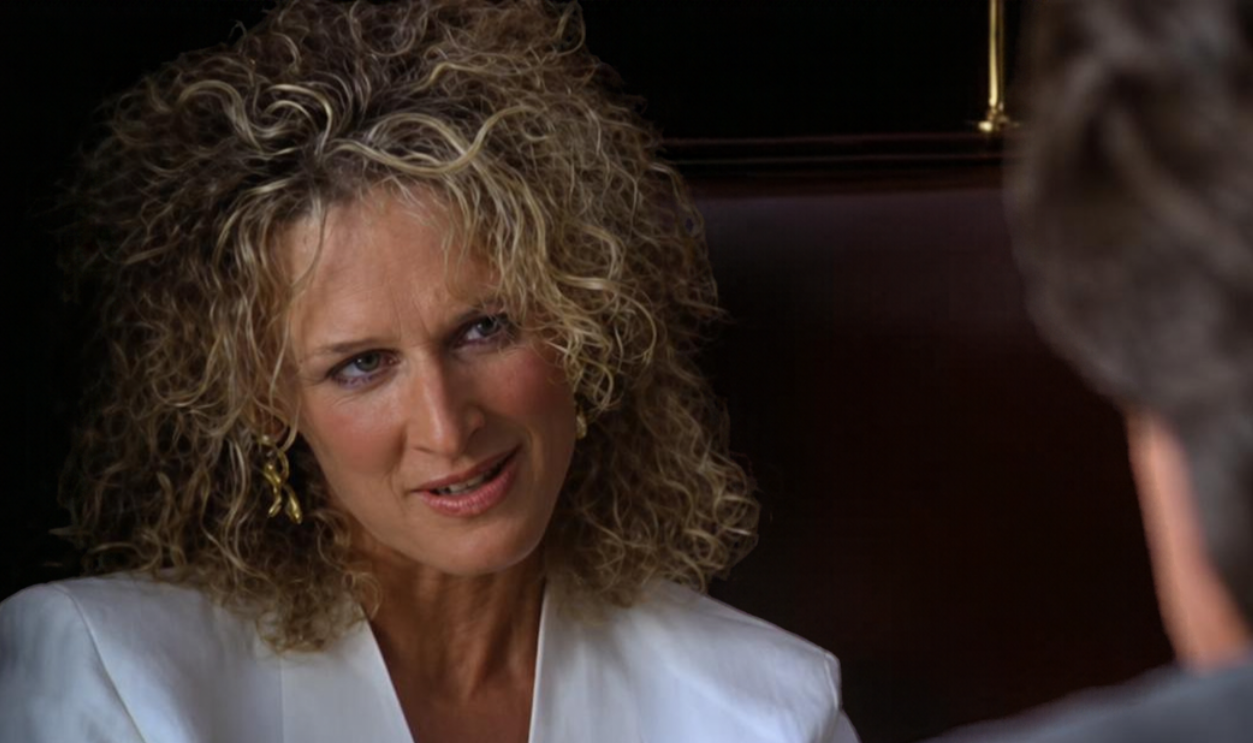 Screenshot from Fatal Attraction, Paramount Pictures (1987)
Fatal Attraction: The Ending Glenn Close Fought Against
Test audiences wanted Alex to face consequences, so the filmmakers returned to shoot the famous bathroom confrontation. In the theatrical version, Dan's wife, Beth, ultimately saves her family by stopping Alex herself. Close strongly opposed the revision, believing the original ending was more faithful to her character's psychological struggles. The revised movie became a massive success, but Close remained unhappy about the decision that helped make its finale so famous.
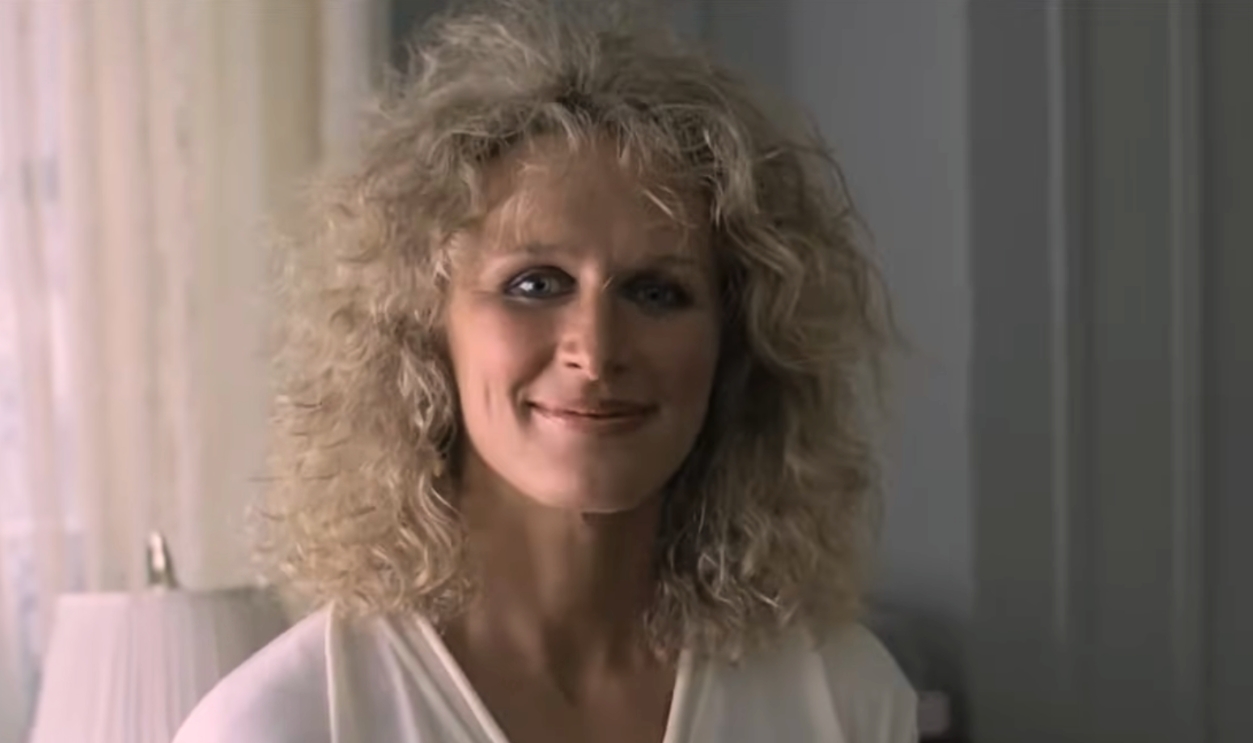 Screenshot from Fatal Attraction, Paramount Pictures (1987)
Little Shop Of Horrors (1986): The Plant Originally Won
Rick Moranis and Ellen Greene starred as Seymour and Audrey in the beloved musical Little Shop of Horrors. In the original ending, both characters lost their lives to the enormous talking plant Audrey II, which then multiplied and conquered the world. Director Frank Oz filmed an elaborate finale featuring giant plants rampaging through cities, following the stage musical's bleak conclusion. It was an ambitious spectacle, but the first audiences absolutely hated what happened to the characters they'd grown to love.
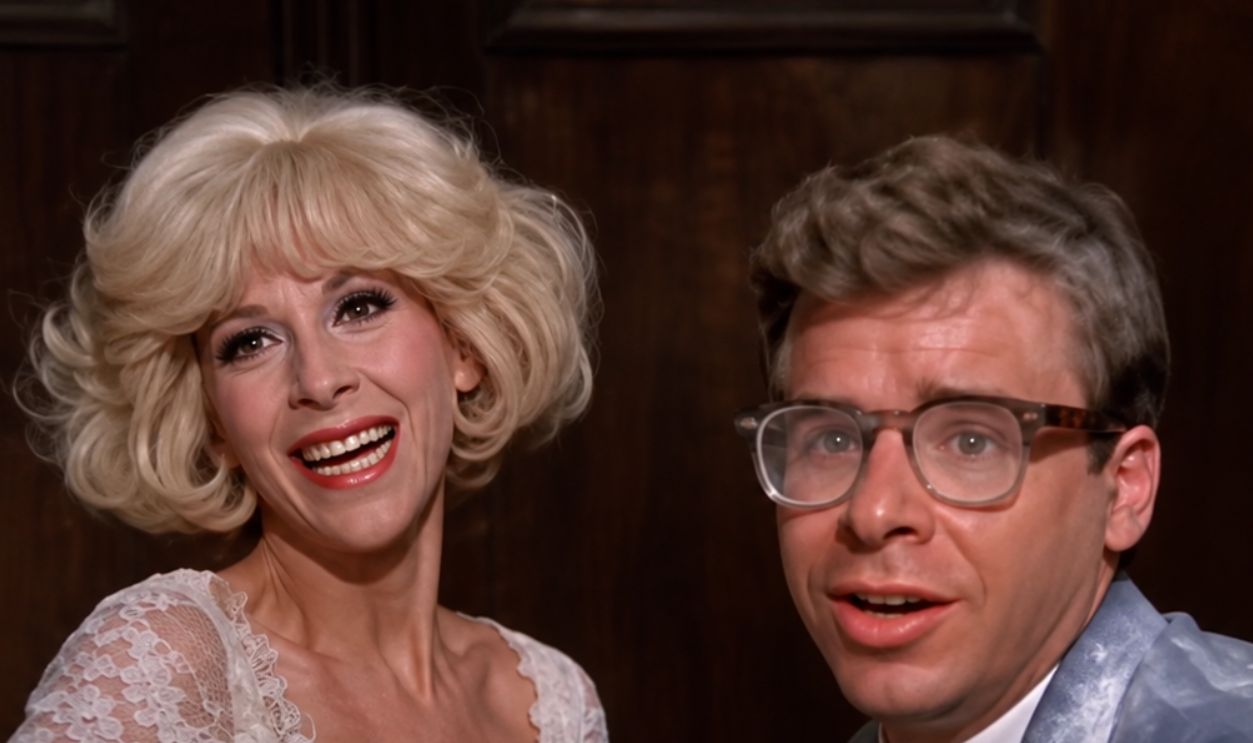 Screenshot from Little Shop of Horrors, Warner Bros. (1986), Enhanced
Little Shop Of Horrors: Just 13% Approved
At one San Jose test screening, only 13% of viewers said they would recommend the movie, an astonishingly poor response. Audiences simply weren't prepared to watch Seymour and Audrey lose everything after spending the movie rooting for them. Oz returned to production and filmed a happier conclusion in which Seymour defeats the plant and marries Audrey. The original ending was eventually restored for a special release, allowing fans to see the spectacular finale that Hollywood once considered too upsetting.
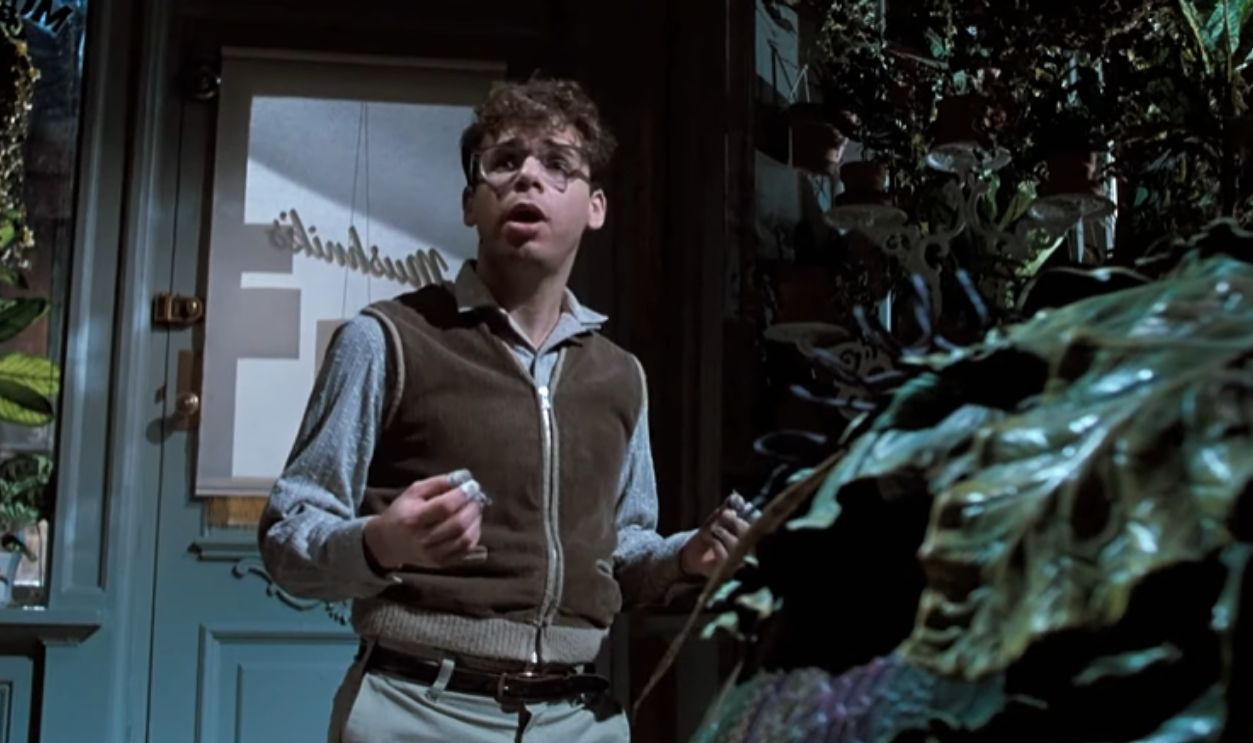 Screenshot from Little Shop of Horrors, Warner Bros. (1986)
Pretty In Pink (1986): She Chose The Wrong Boy
Molly Ringwald's Andie faced a difficult romantic choice in John Hughes's beloved teen movie Pretty in Pink. The original ending brought her together with her loyal friend Duckie, played by Jon Cryer, as the two danced at their high school prom. But preview audiences were disappointed because they wanted Andie to reunite with Blane, the wealthy boy played by Andrew McCarthy. Their reaction was strong enough to convince the filmmakers to reverse the movie's romantic conclusion.
 Screenshot from Pretty in Pink, Paramount Pictures (1986)
Pretty In Pink: The Reshoot Had One Strange Problem
The filmmakers brought the actors back to shoot a new ending in which Blane apologizes and wins Andie back. Unfortunately, Andrew McCarthy had already shaved his head for a stage production, meaning he needed a wig to recreate his character's familiar hairstyle. The replacement scene gave audiences the couple they wanted, while Duckie gracefully stepped aside. One of the most famous romantic endings of the 1980s was essentially rewritten because the first audience refused to accept the original couple.
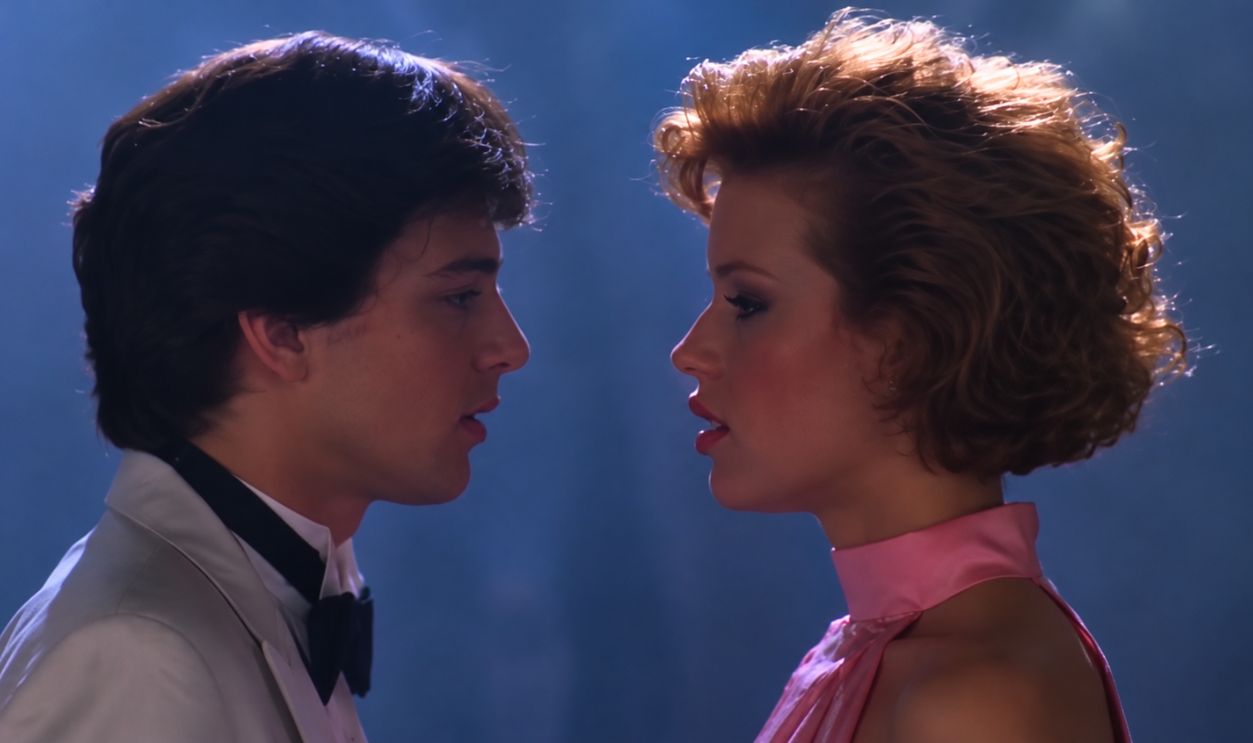 Screenshot from Pretty in Pink, Paramount Pictures (1986), Enhanced
Deep Blue Sea (1999): Audiences Wanted Her Gone
The shark thriller Deep Blue Sea had an unusual problem when filmmakers showed it to test audiences. Viewers generally enjoyed the movie, but they were furious that Dr. Susan McAlester, played by Saffron Burrows, survived. Susan's experiments had helped create the dangerous sharks, and audiences believed she deserved consequences for her decisions. Director Renny Harlin realized that viewers didn't want another survivor, and the filmmakers made a surprisingly drastic change.
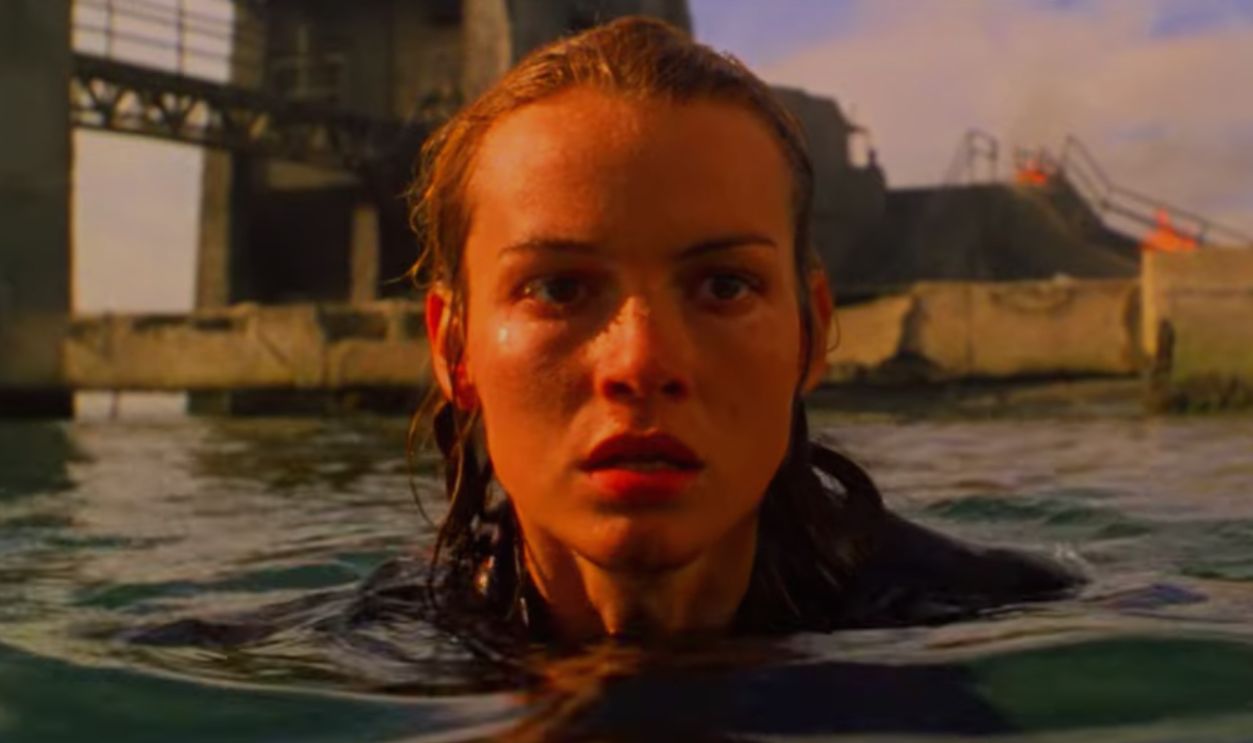 Screenshot from Deep Blue Sea, Warner Bros. (1999)
Deep Blue Sea: The Shark Got One Last Surprise
Originally, Susan escaped alongside the characters played by Thomas Jane and LL Cool J. After the negative reaction, the filmmakers returned to shoot a new ending in which Susan becomes the shark's final victim. The change meant the movie now ended with only two main survivors instead of three. Unlike most Hollywood test screenings, where audiences demand happier conclusions, these viewers insisted that someone shouldn't make it out alive.
 Screenshot from Deep Blue Sea, Warner Bros. (1999)
First Blood (1982): Rambo Almost Never Returned
Sylvester Stallone's John Rambo eventually became one of the most recognizable action heroes in movie history. But the original ending of First Blood would have prevented him from ever appearing in another adventure. The filmmakers shot a tragic conclusion in which the troubled Vietnam veteran loses his life during his final confrontation with Colonel Trautman. Stallone had concerns about that ending, and the audience's reaction would prove just how important those concerns were.
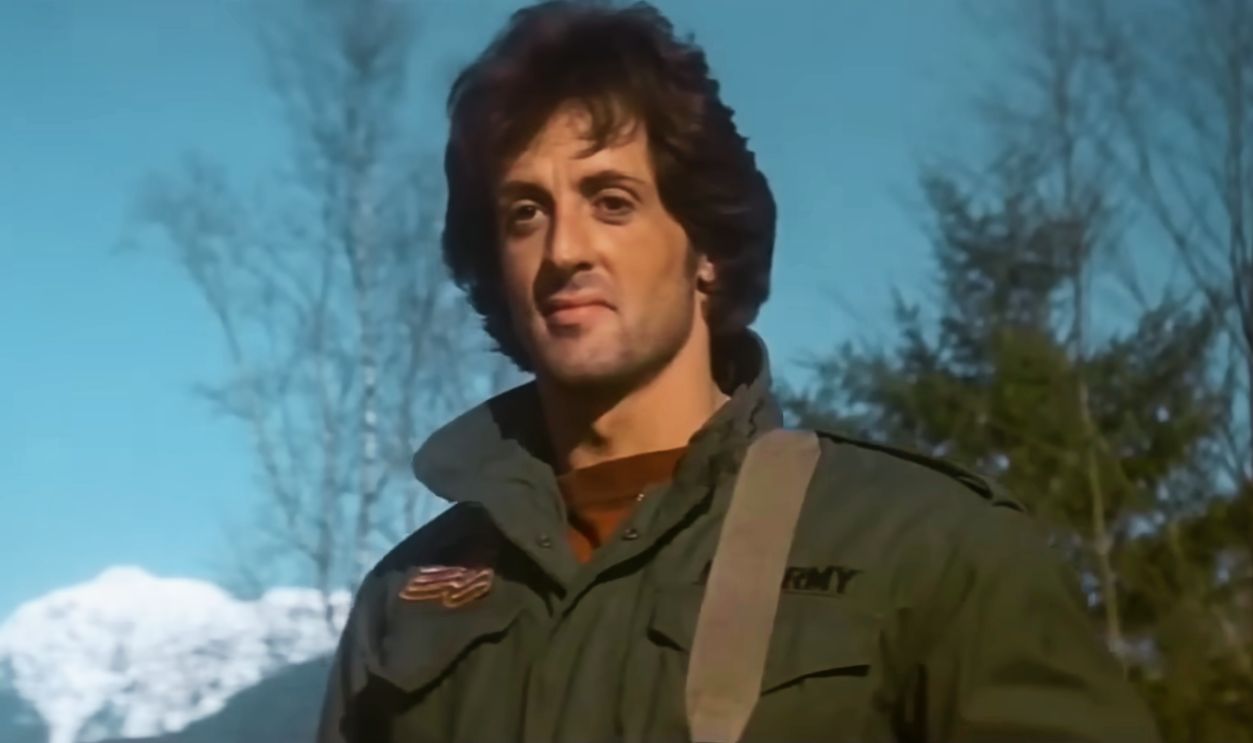 Screenshot from First Blood, Orion Pictures (1982)
First Blood: One Screening Changed An Entire Franchise
Director Ted Kotcheff later explained that Stallone had already suspected viewers wouldn't accept Rambo's original fate. The filmmakers had prepared an alternate conclusion, and preview audiences confirmed that keeping the character alive was the better choice. The theatrical version ends with Rambo breaking down emotionally before surrendering to the authorities. That decision preserved the character's heartbreaking story while making it possible for Stallone to return in one of Hollywood's biggest action franchises.
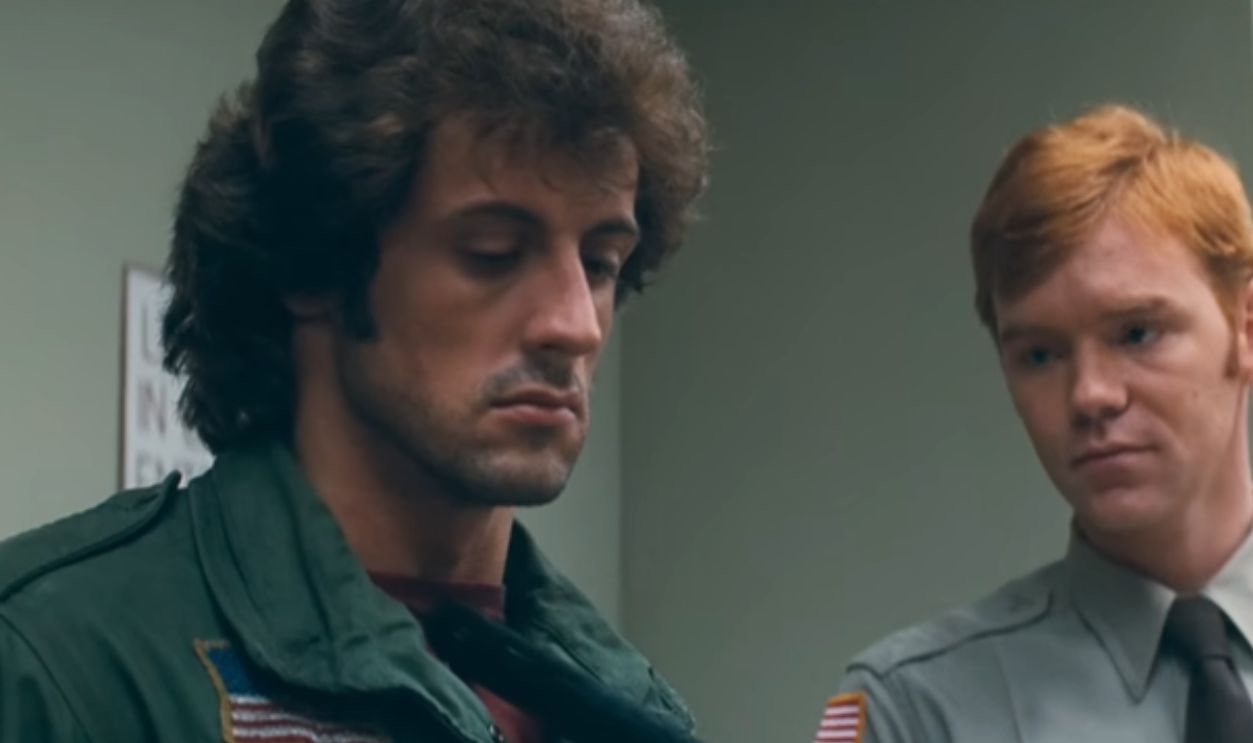 Screenshot from First Blood, Orion Pictures (1982)
I Am Legend (2007): Will Smith Was The Real Monster
Will Smith's I Am Legend follows Robert Neville, a scientist searching for a cure after a virus transforms much of humanity into dangerous creatures. But the original ending revealed something that completely changed the meaning of the story. Neville discovered that the creatures had relationships and emotions, and that they were trying to rescue one of their companions from his laboratory. Suddenly, the man who believed he was humanity's last great hope had to confront the possibility that he was the villain in their story.
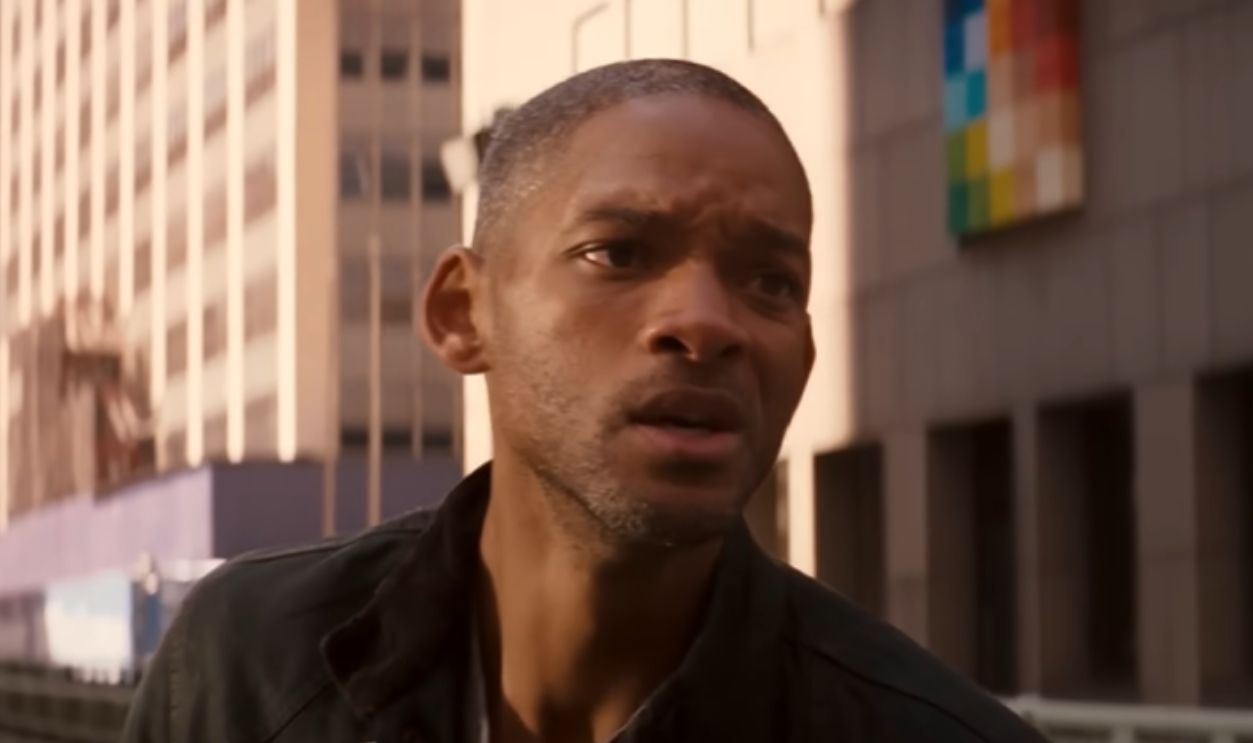 Screenshot from I Am Legend, Warner Bros. (2007)
I Am Legend: Hollywood Changed The Message
After audiences responded poorly to the more complicated conclusion, the filmmakers replaced it with a heroic sacrifice. In the theatrical version, Neville gives his life to protect two survivors and ensure that his research can help humanity. The revision removed much of the moral uncertainty that had made the original ending so unusual. The alternate version later attracted renewed attention, with viewers debating whether Hollywood had discarded the movie's most interesting idea.
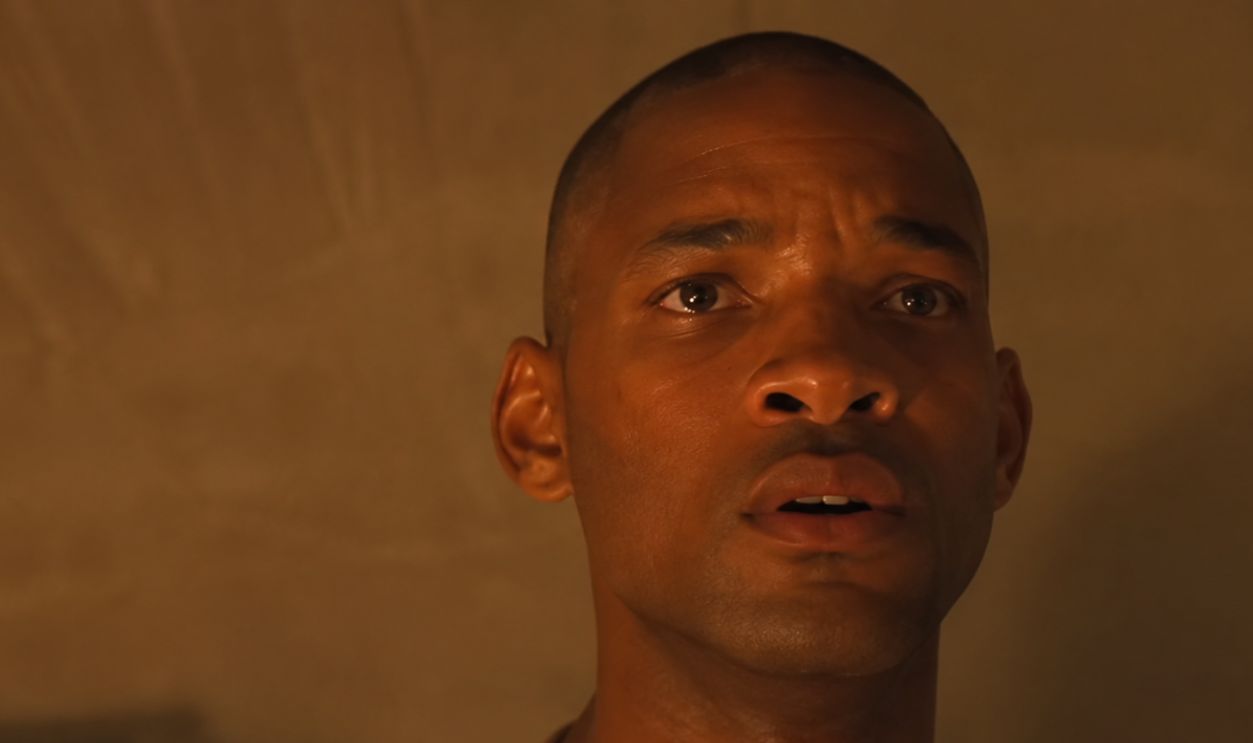 Screenshot from I Am Legend, Warner Bros. (2007), Enhanced
DodgeBall (2004): The Villains Originally Won
Vince Vaughn and Ben Stiller's comedy DodgeBall follows a group of lovable misfits trying to save their gym from a wealthy, arrogant rival. Naturally, audiences expected Vaughn's Peter LaFleur to defeat Stiller's White Goodman in the championship game. But writer-director Rawson Marshall Thurber originally had a very different joke planned. In the first ending, White eliminated Peter, the Average Joe's team lost, and the movie abruptly ended.
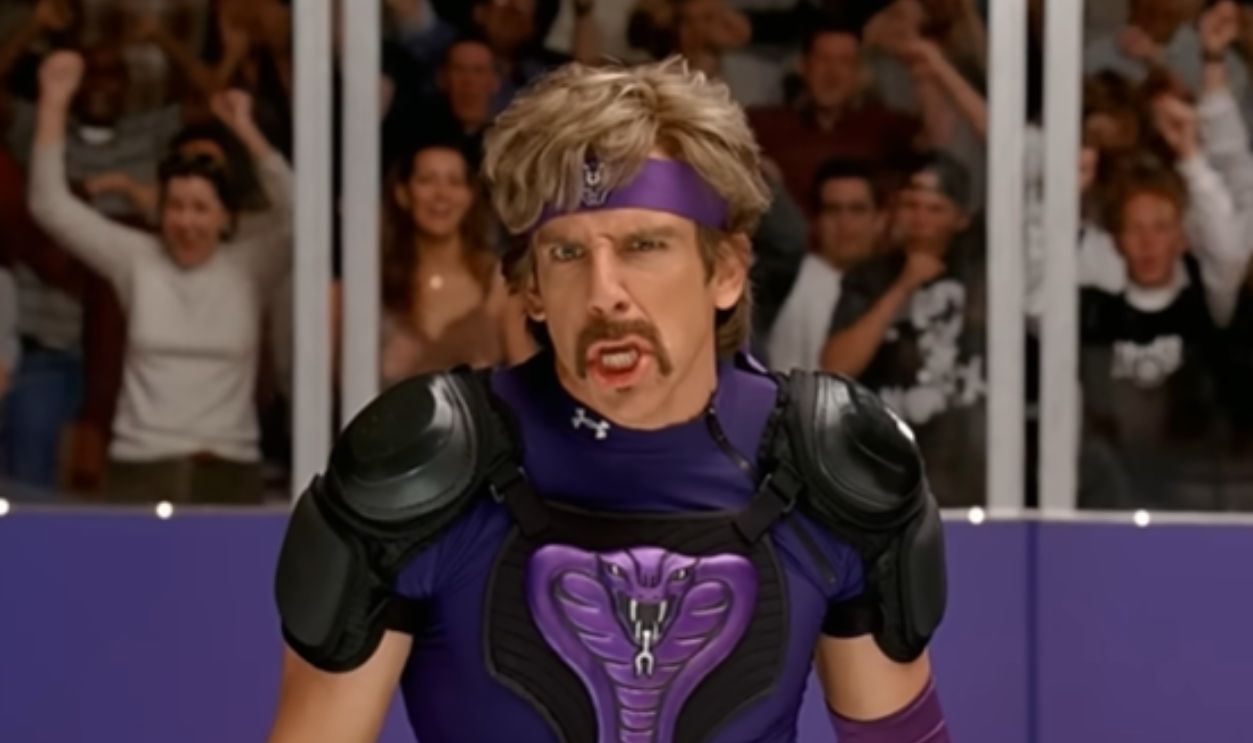 Screenshot from DodgeBall, 20th Century Fox (2004)
DodgeBall: Nobody Wanted That Joke
Thurber liked the idea of surprising viewers by refusing to give the underdogs their expected victory. Test audiences weren't impressed, however, and the filmmakers replaced the ending with Peter winning the championship. The new conclusion allowed Average Joe's to save their gym and sent viewers home celebrating. Stiller's character even complains about Hollywood's predictable happy endings during the closing credits, turning the controversy into one final joke.
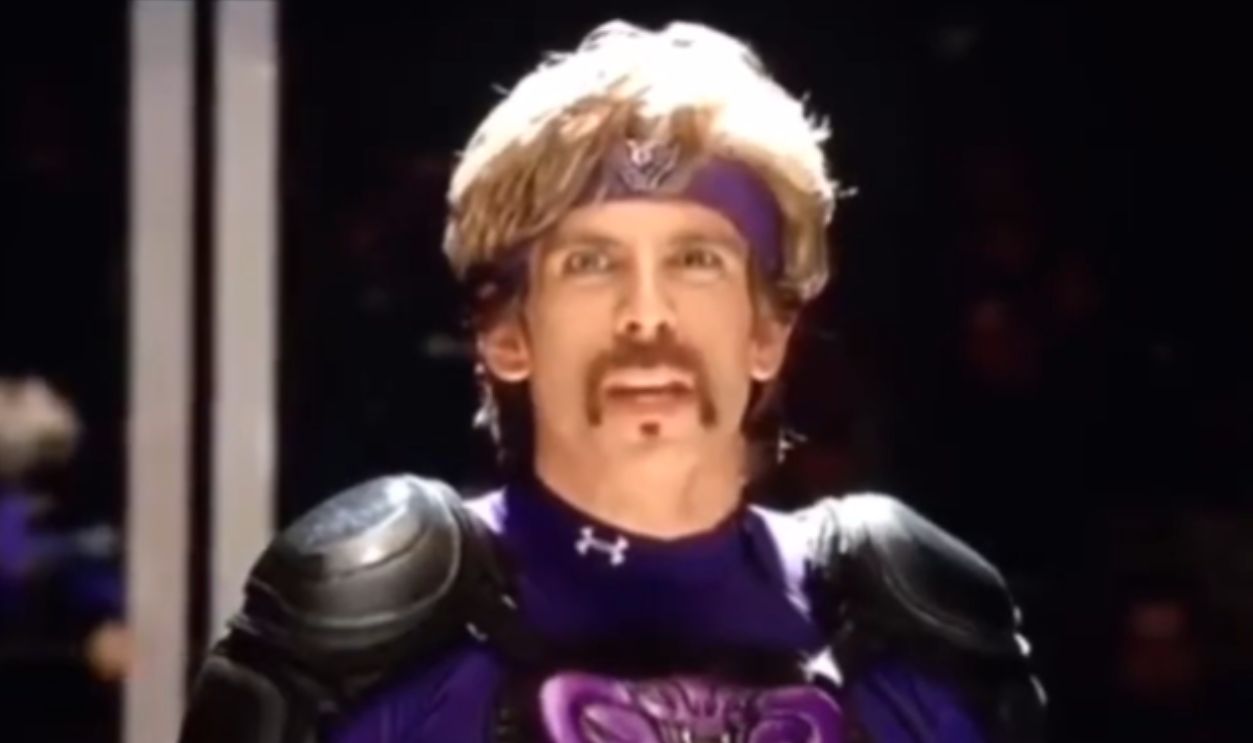 Screenshot from DodgeBall, 20th Century Fox (2004)
Final Destination (2000): The Hero Was Supposed To Be Lost
The first Final Destination introduced audiences to a terrifying idea: escaping disaster doesn't necessarily mean escaping fate. But the original ending had Devon Sawa's Alex sacrifice himself while saving Clear, played by Ali Larter. Clear survived carrying Alex's child, giving the story a bittersweet conclusion that emphasized his heroic final act. Test audiences disliked losing the character they'd followed throughout the movie, so the filmmakers decided to rethink everything.
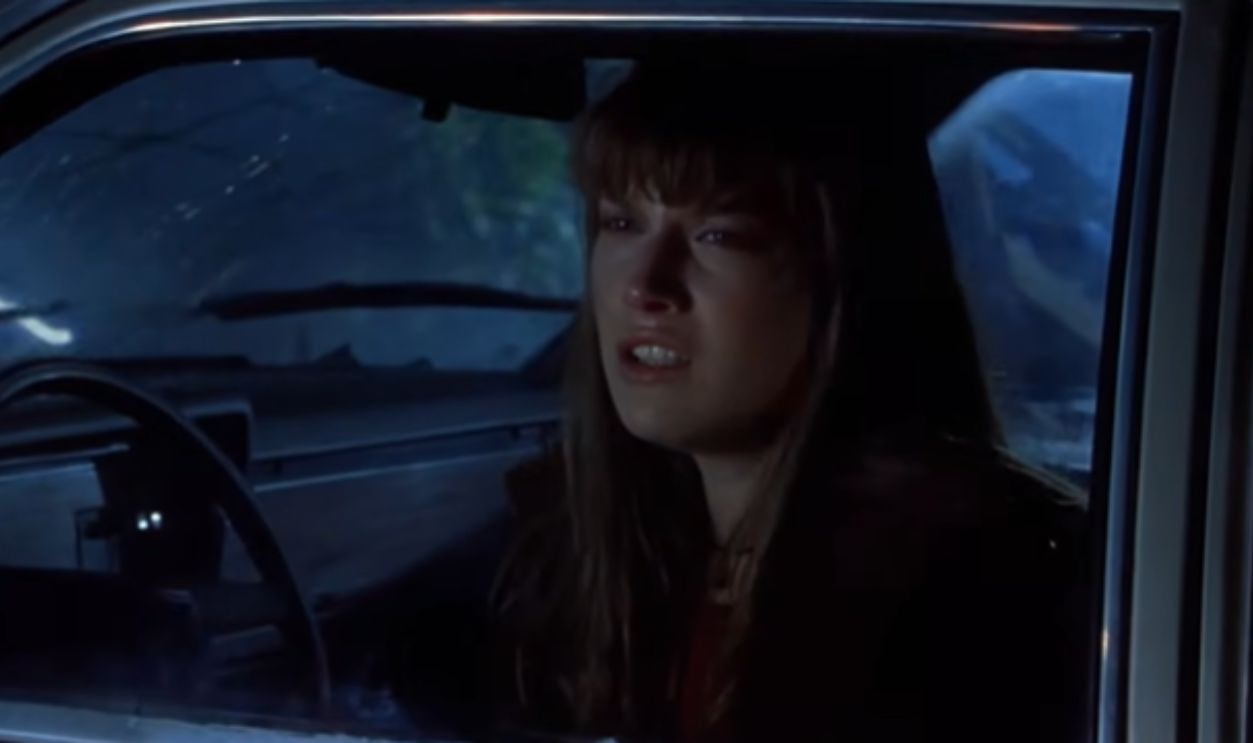 Screenshot from Final Destination, New Line Cinema (2000)
Final Destination: A New Ending Created A Tradition
The filmmakers removed the original romantic conclusion and gave Alex a chance to survive. The theatrical movie instead ends at a Paris café, where the surviving characters discover that danger is still following them. An unexpected accident targets Carter, leaving viewers with one final reminder that their ordeal isn't over. That surprise helped establish the unpredictable closing moments that became a signature of the Final Destination franchise.
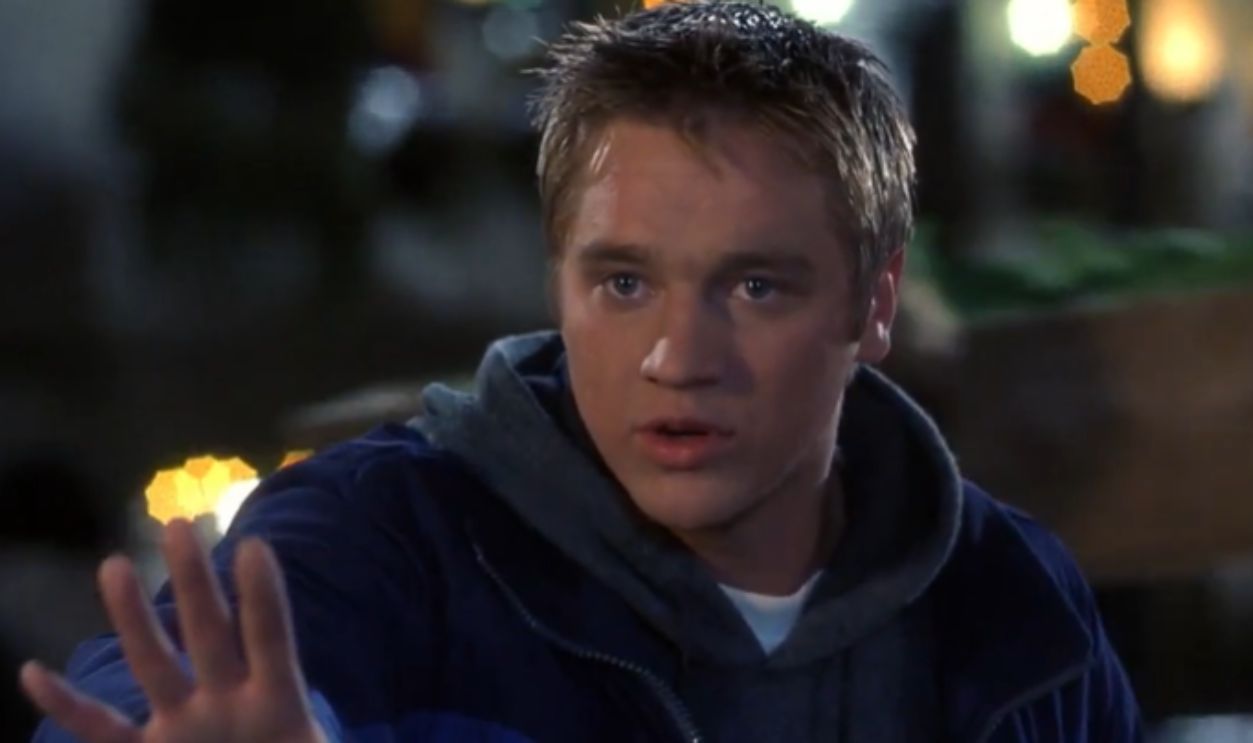 Screenshot from Final Destination, New Line Cinema (2000)
My Best Friend's Wedding (1997): Julia Roberts Didn't Get Her Man
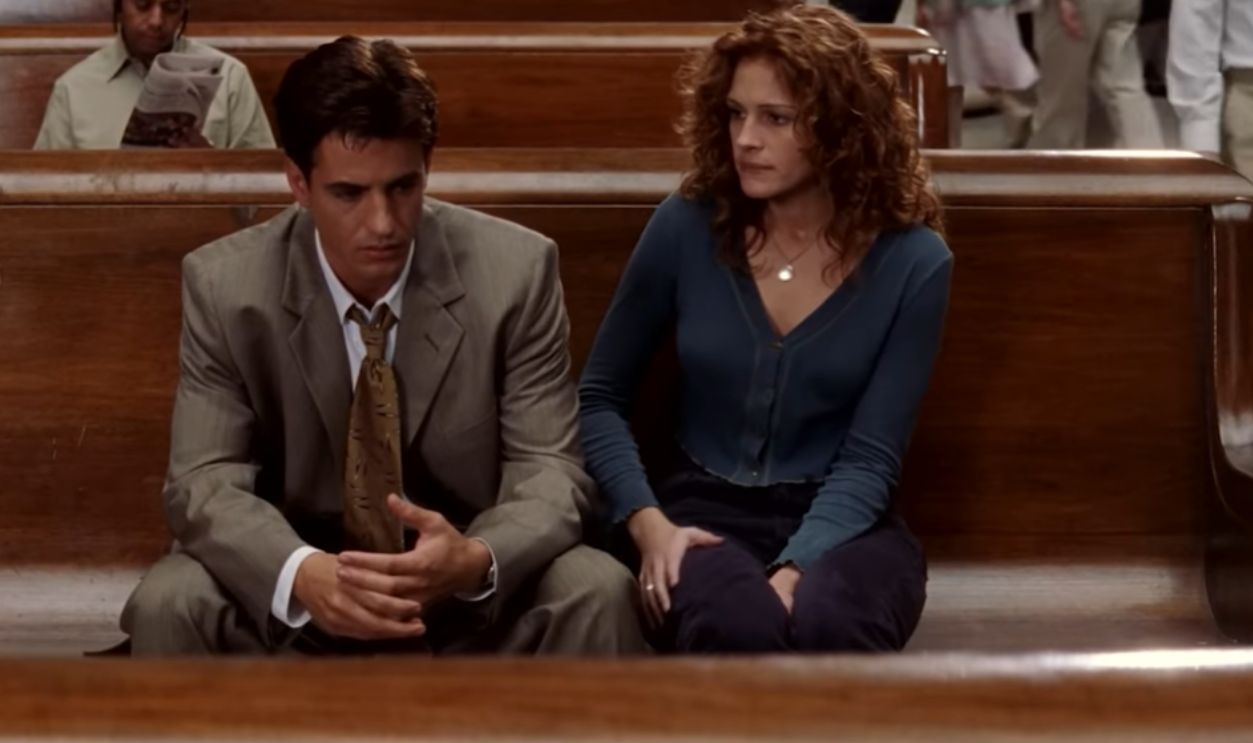
Julia Roberts played Julianne Potter, a woman determined to stop her best friend from marrying someone else, in My Best Friend's Wedding. The movie made the unusual decision not to reward Julianne's romantic interference with the man she wanted. Originally, the filmmakers tried to soften the disappointment by having her meet a new potential boyfriend at the wedding reception. Test audiences weren't satisfied, however, and the filmmakers realized that Julianne needed a different kind of happy ending.
 Screenshot from My Best Friend's Wedding, Sony Pictures Releasing (1997)
My Best Friend's Wedding: Her Best Friend Saved The Movie
Instead of giving Julianne another romantic interest, the filmmakers expanded the role of her loyal friend George, played by Rupert Everett. They added scenes strengthening their friendship and filmed a new conclusion in which George arrives at the reception to dance with her. Julianne still doesn't win the man she spent the movie pursuing, but she discovers that she isn't alone. The revision helped create one of the movie's most beloved moments without forcing an unnecessary new romance.
 Screenshot from My Best Friend's Wedding, Sony Pictures Releasing (1997)
Legally Blonde (2001): Elle Woods Almost Got A Different Victory
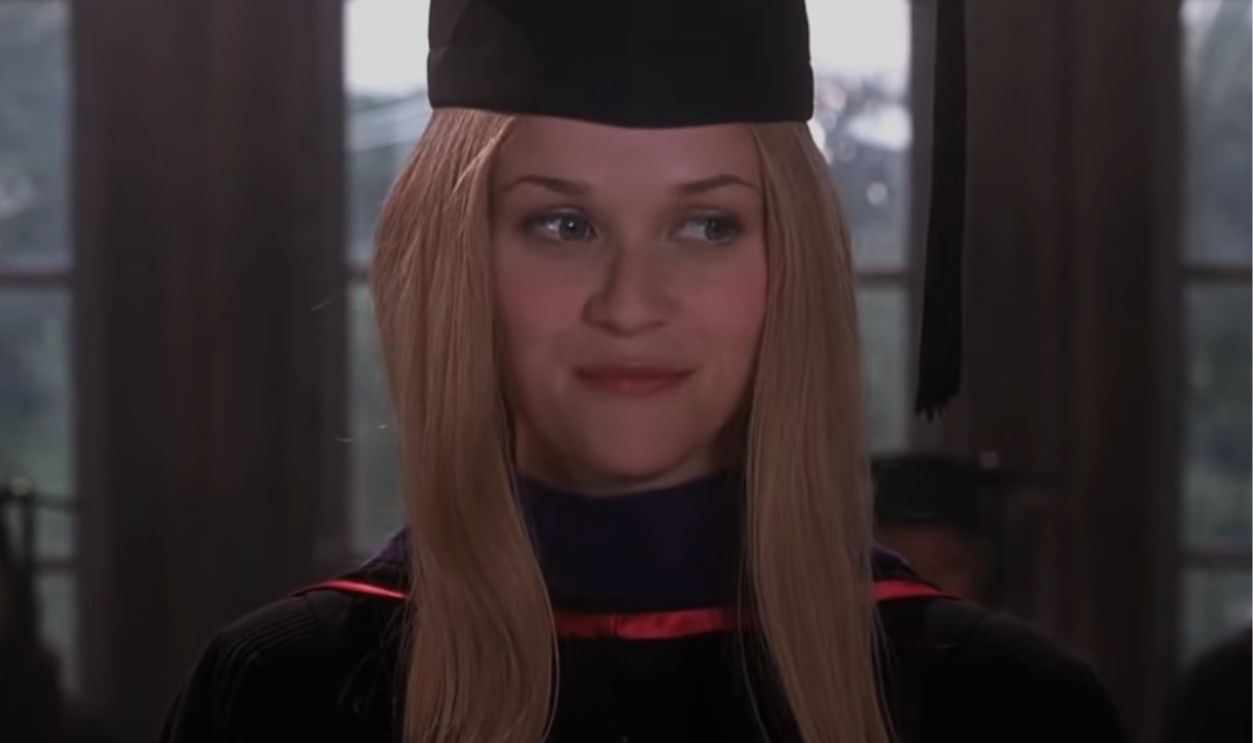
Reese Witherspoon's Elle Woods became an unlikely legal hero in the comedy Legally Blonde. But the movie originally ended with Elle celebrating outside the courthouse, sharing a romantic moment with Emmett and looking toward a future helping other women. The filmmakers initially believed that was a satisfying conclusion to her journey. Preview audiences wanted something more, however, because Elle's story had become about much more than finding romance.
 Screenshot from Legally Blonde, Metro-Goldwyn-Mayer (2001)
Legally Blonde: The Ending Became Her Biggest Triumph
The filmmakers created a new ending that jumped ahead to Elle's law school graduation. Instead of finishing with a kiss, the movie concludes with Elle delivering a speech celebrating her classmates and her own unexpected success. The revision emphasized that she'd become a confident, capable lawyer rather than simply winning someone's affection. It's difficult to imagine Legally Blonde without that triumphant final moment, but audiences nearly received something far less memorable.
 Screenshot from Legally Blonde, Metro-Goldwyn-Mayer (2001)
The Descent (2005): American Audiences Got A Different Escape
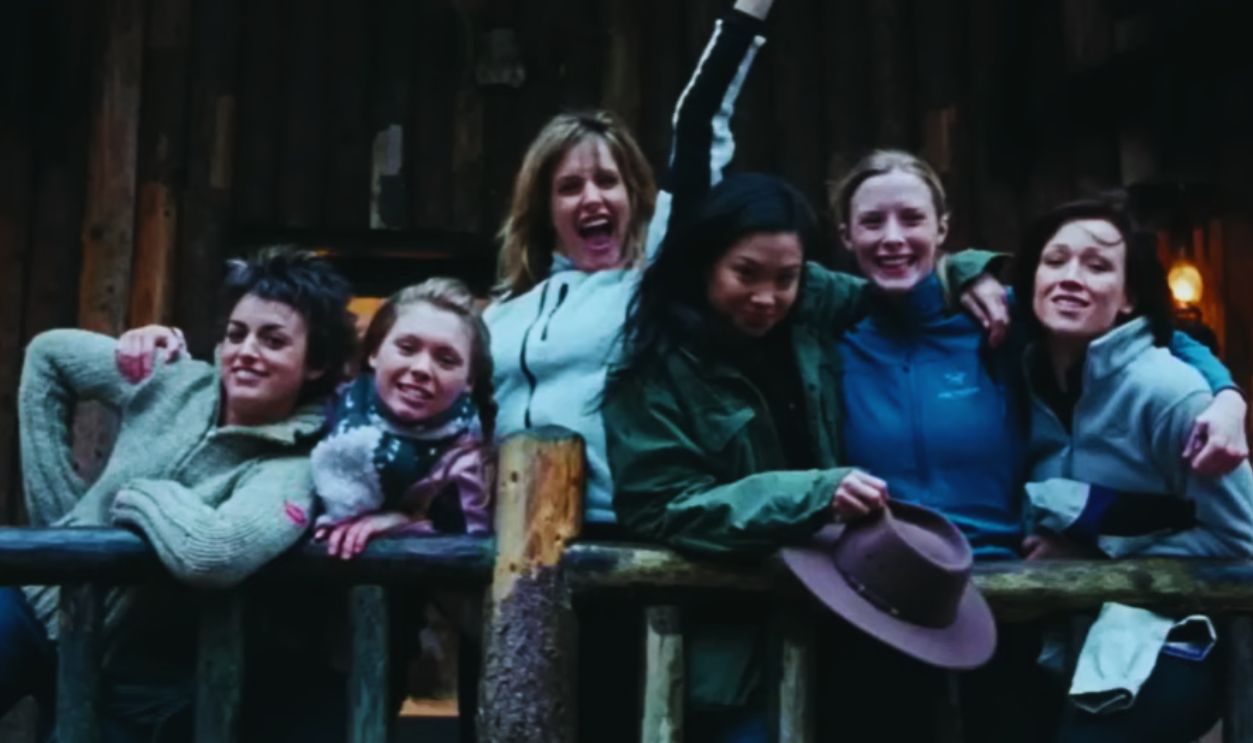
The British horror movie The Descent follows a group of women trapped underground with terrifying creatures. In the original British ending, Sarah appears to escape the cave, only to discover that her freedom was a hallucination. She is still trapped beneath the earth, leaving audiences with an especially bleak conclusion. When the film was prepared for American release, however, its distributor decided that viewers would respond better to a less devastating ending.
 Screenshot from The Descent, Lionsgate (2005)
The Descent: The Final Minute Disappeared
Rather than filming an entirely new conclusion, the American version simply removed the revelation that Sarah's escape wasn't real. US audiences watched Sarah reach the surface, although she remained deeply shaken by everything she'd experienced. Director Neil Marshall confirmed that both endings had been tested and that the shorter version received a better response. The result was a movie with two substantially different outcomes, depending on which side of the Atlantic audiences watched it.
 Screenshot from The Descent, Lionsgate (2005)
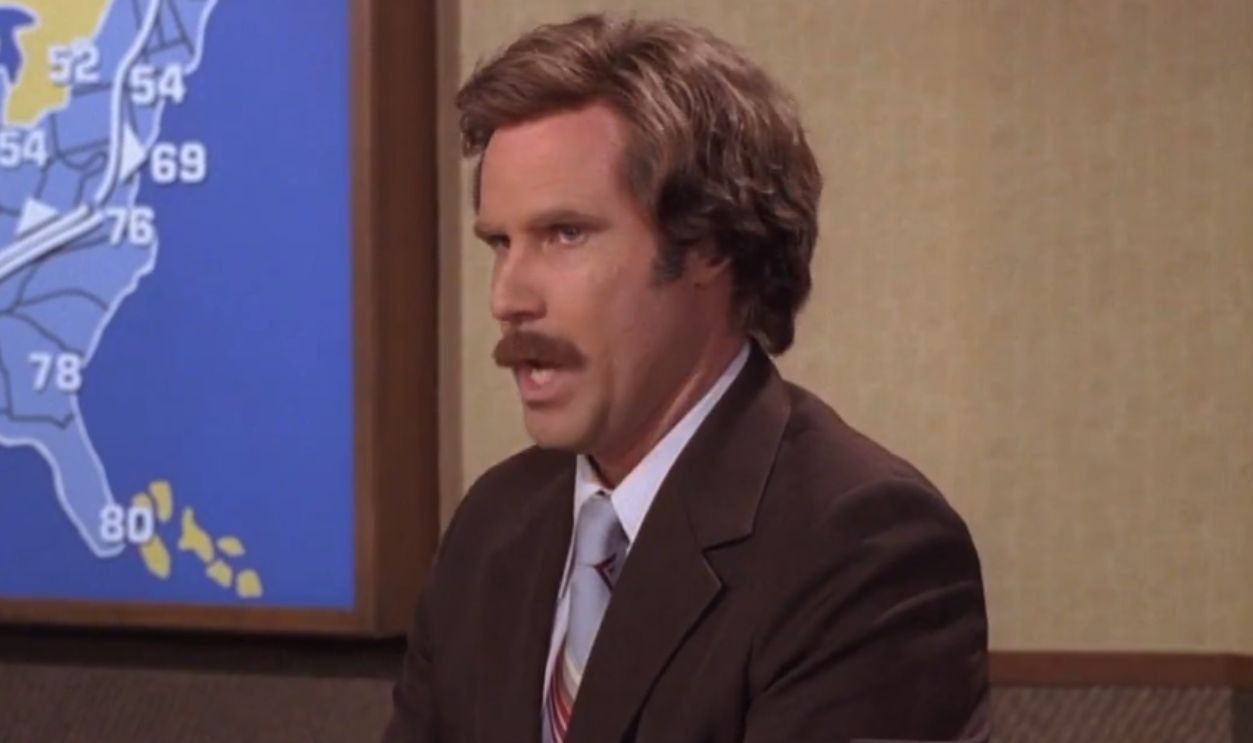
Anchorman (2004): Will Ferrell's Movie Was Practically Rebuilt
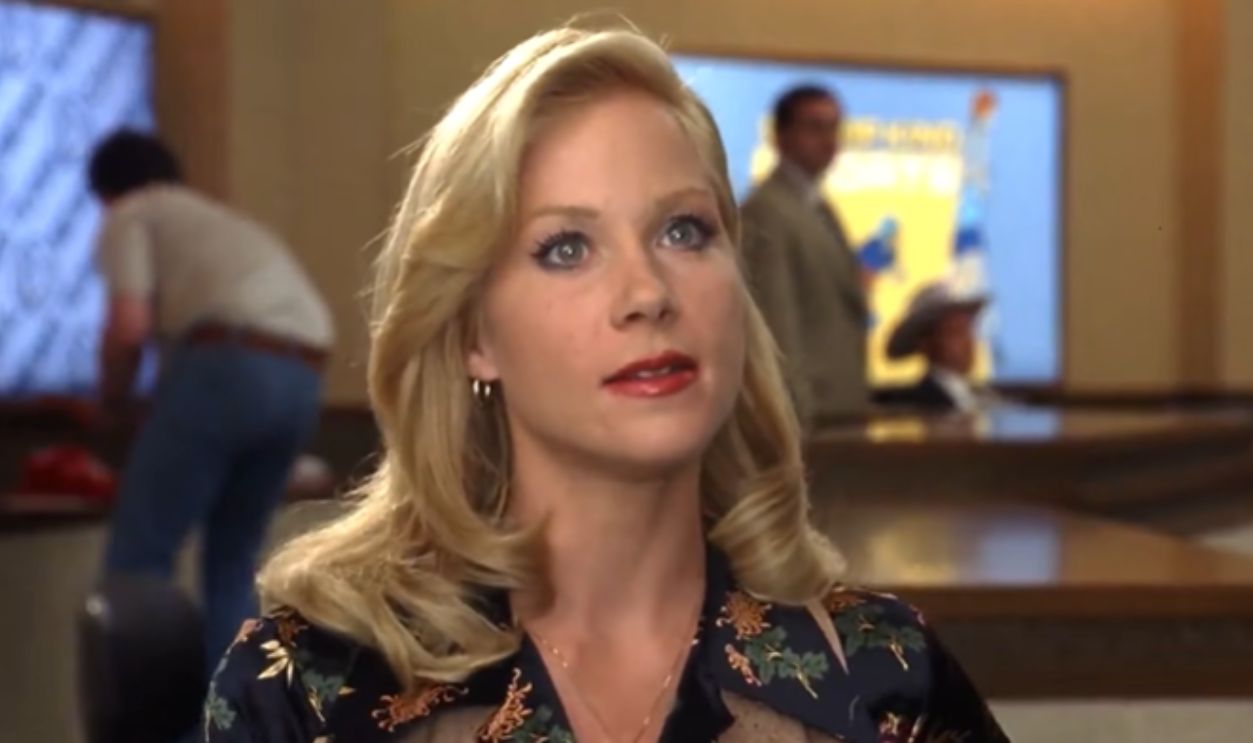
Will Ferrell's Anchorman became one of the most quotable comedies of the 2000s, but its original version was dramatically different. The first storyline involved a group of bank robbers called the Alarm Clock, whose activities eventually led to Veronica Corningstone becoming a hostage. Ferrell later recalled that the initial test screening received a disappointing score of 50, despite the filmmakers believing the movie had played reasonably well. The studio faced a difficult choice: release the troubled comedy or spend more money rebuilding it.
 Screenshot from Anchorman, DreamWorks Pictures (2004)
Anchorman: The Panda Saved Ron Burgundy
The filmmakers received funding for extensive reshoots, replacing the bank robber storyline with the now-famous adventure involving a pregnant panda at the zoo. The new climax allowed Ron Burgundy and his fellow newsmen to become unlikely heroes, completely changing the movie's direction. Much of the abandoned material eventually appeared in Wake Up, Ron Burgundy: The Lost Movie, giving curious fans a glimpse of what might have been. It's remarkable that one of Ferrell's most recognizable comedies nearly reached theaters as a substantially different movie.
 Screenshot from Anchorman, DreamWorks Pictures (2004)
Election (1999): Reese Witherspoon Almost Made Peace
Reese Witherspoon's ambitious Tracy Flick spends much of Election clashing with Matthew Broderick's increasingly frustrated teacher, Jim McAllister. Their rivalry becomes more uncomfortable as Jim tries to interfere with Tracy's student government campaign. The filmmakers originally shot a surprisingly forgiving ending in which the two characters reconciled after graduation. But director Alexander Payne later explained that the conclusion wasn't working during preview screenings, forcing him to reconsider how their relationship should end.
 Screenshot from Election, Paramount Pictures (1999)
Election: The Teacher Got One Last Humiliation
The replacement ending jumps forward to Jim living a different life in New York, still unable to escape his resentment toward Tracy. During a visit to Washington, he spots her riding in a car with a politician and angrily throws his drink toward the vehicle. The scene reveals that Jim hasn't learned nearly as much from his experiences as he might have hoped. It's a sharper and more uncomfortable conclusion, perfectly suited to a comedy about ambition, jealousy, and the grudges people refuse to abandon.
 Screenshot from Election, Paramount Pictures (1999)
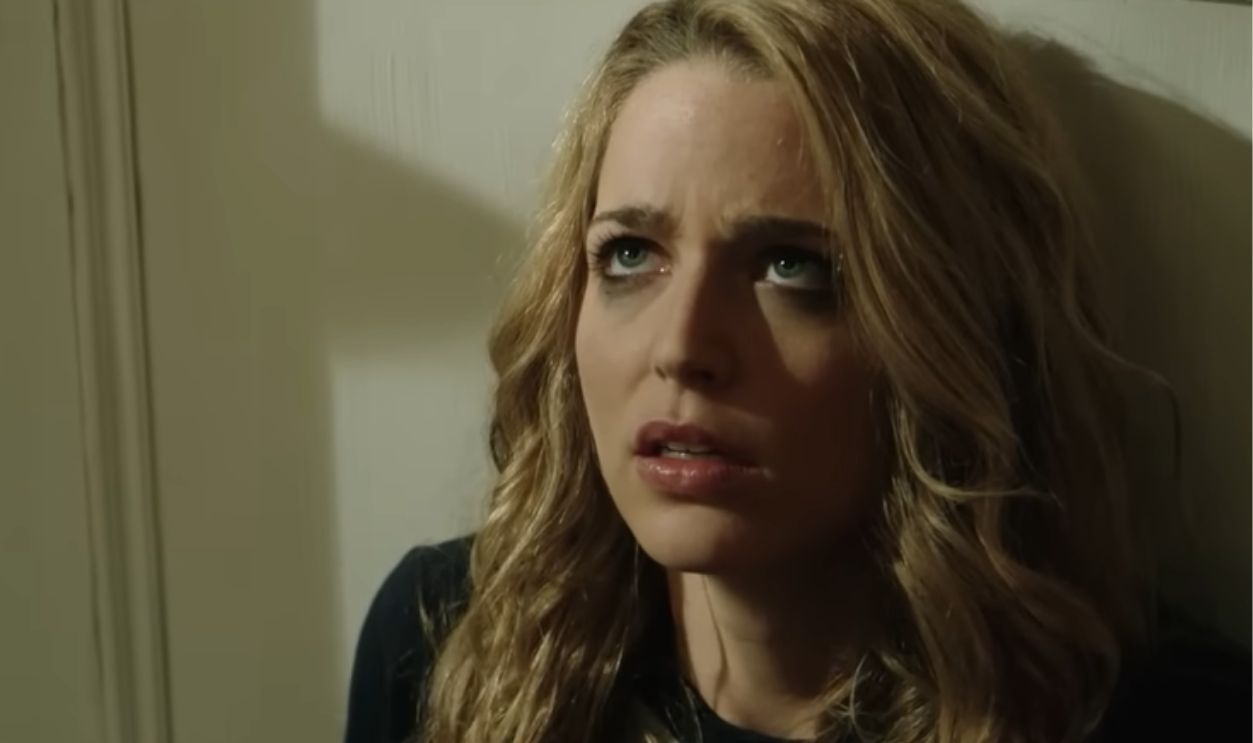
Happy Death Day (2017): The Heroine Almost Lost Everything
The horror comedy Happy Death Day follows college student Tree Gelbman as she repeatedly relives the same day while trying to identify the person targeting her. After finally escaping the time loop and overcoming her attacker, the original ending delivered one more cruel surprise. Tree was recovering in the hospital when the wife of Dr. Butler, a man she'd been involved with, arrived and poisoned her. Audiences were furious that the heroine had endured so much only to lose everything in the final moments.
 Screenshot from Happy Death Day, Universal Pictures (2017)
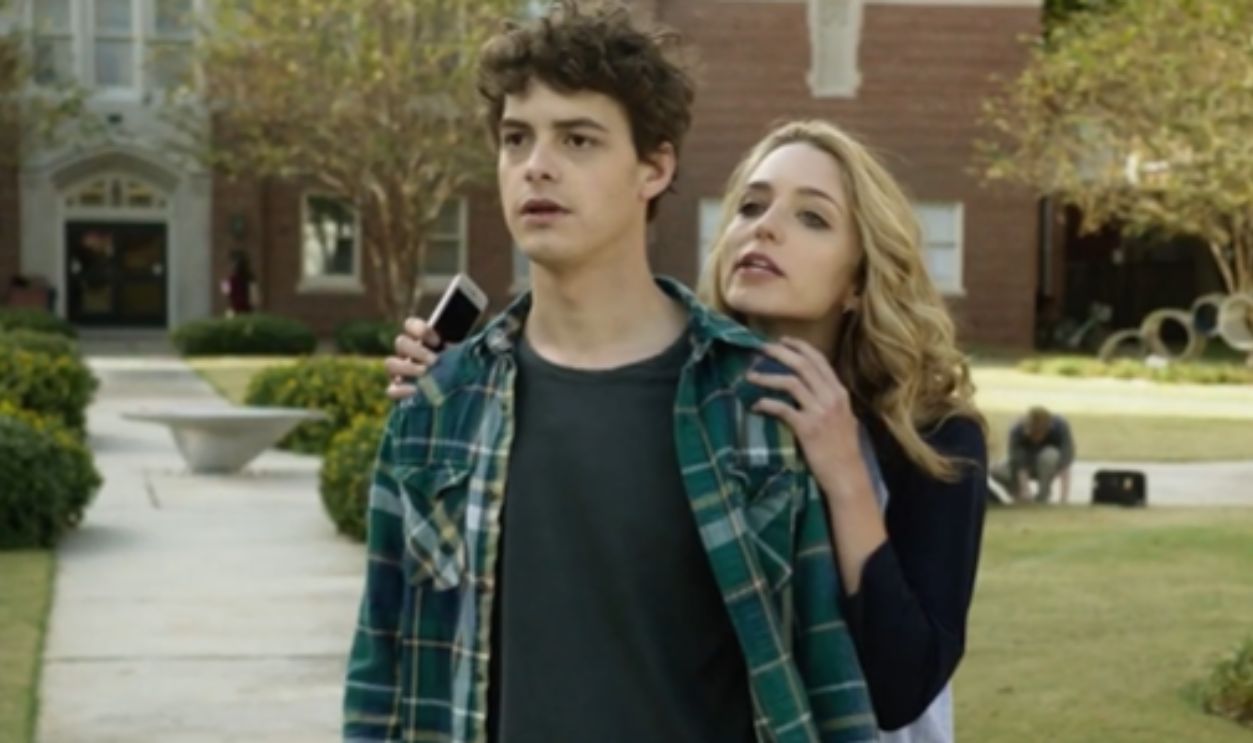
Happy Death Day: The Filmmakers Finally Gave Her A Break
The filmmakers replaced the hospital twist with a much more playful conclusion involving Tree and her boyfriend, Carter. He briefly convinces her that the time loop has started again, terrifying her before revealing that he's joking. The scene gives audiences a final laugh instead of another devastating reversal. After watching Tree struggle through the same terrible day repeatedly, viewers finally got the relief they'd been waiting for.
 Screenshot from Happy Death Day, Universal Pictures (2017)
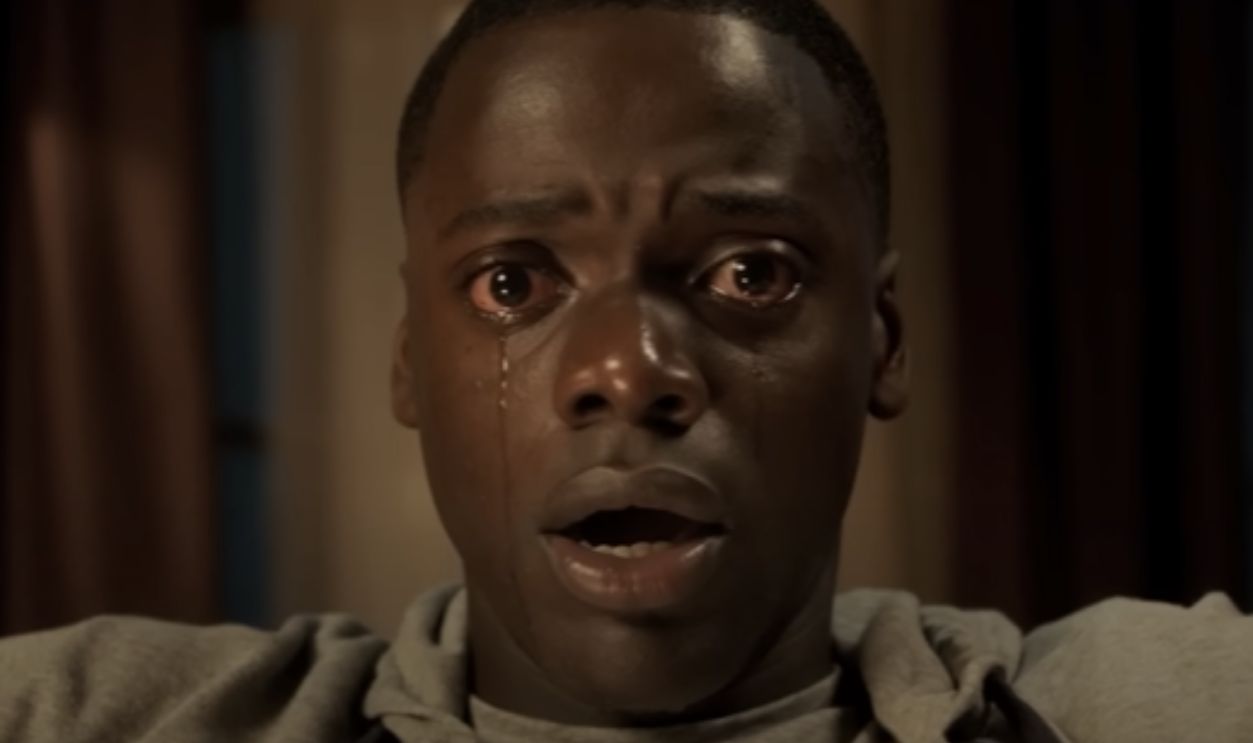
Get Out (2017): Jordan Peele Nearly Left His Hero Behind
Jordan Peele's acclaimed thriller Get Out originally had a far more devastating conclusion for Chris, played by Daniel Kaluuya. After escaping the terrifying situation at his girlfriend's family home, Chris was supposed to be arrested and eventually imprisoned. The ending emphasized the injustice he faced even after surviving everything that had happened to him. Peele believed the conclusion made an important point, but audience reactions and his own evolving creative priorities convinced him that the film needed a different emotional payoff.
 Screenshot from Get Out, Universal Pictures (2017)
Get Out: One Familiar Face Changed Everything
In the theatrical ending, flashing lights initially suggest that the police have arrived to arrest Chris. Instead, the vehicle belongs to his friend Rod, played by Lil Rel Howery, who has come to rescue him. The moment transforms what appears to be another catastrophe into an enormous relief for viewers. Peele later explained that he wanted audiences to experience that release, making the new ending a deliberate departure from the more pessimistic version he'd originally created.
 Screenshot from Get Out, Universal Pictures (2017)
The Endings That Changed Hollywood History
These movies prove that a Hollywood ending isn't necessarily decided when the screenplay is finished, or even when the cameras stop rolling. Sometimes an unhappy audience can save a beloved character, break up a couple, or convince a studio to rebuild an entire production. Not every change is an improvement, and some filmmakers still prefer the endings that viewers never got to see. But the next time your favorite movie finishes with a perfect kiss, a miraculous escape, or one final surprise, remember that the original audience might have seen something completely different.
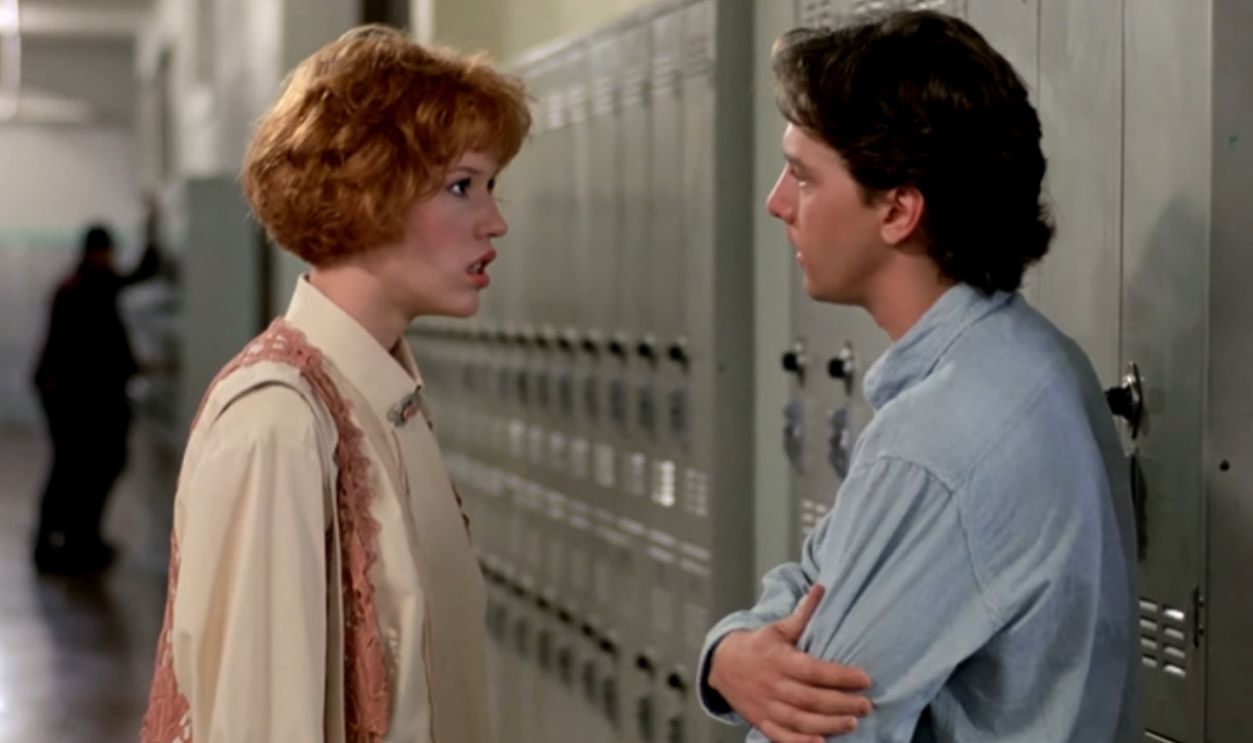 Screenshot from Pretty in Pink, Paramount Pictures (1986)
You May Also Like:
Really Bad Movies With Really Great Endings That Made It All Worthwhile
The Most Infuriating Movie Endings That Made Fans Lose Their Minds