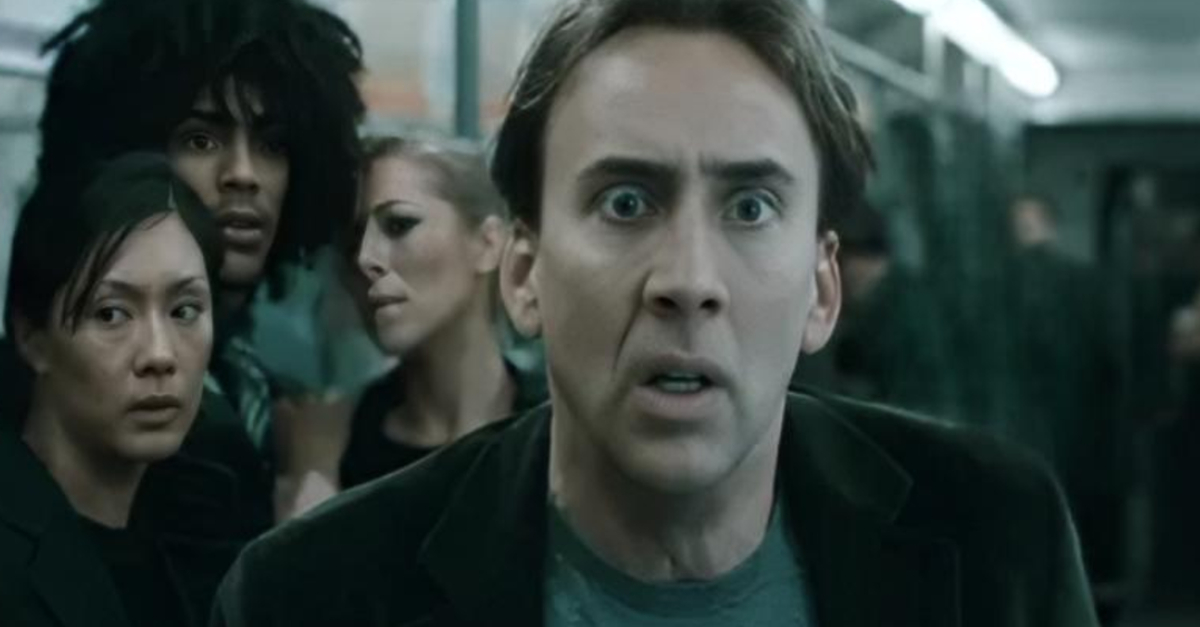
They Fumbled the Movie—Then Nailed the Last Five Minutes
Some movies are a chore. The pacing is off. The writing is clunky. The ideas are better than the execution. You spend most of the runtime wondering who signed off on this. And then the ending hits—and suddenly you get it. These films didn’t magically become good, but their final moments were strong enough to justify sitting through the rest.
“Planet of the Apes” (2001)
Most of this remake feels oddly stiff, like everyone’s taking the assignment very seriously without quite knowing why. Then the ending shows up, drops a completely unhinged twist, refuses to explain it, and cuts to credits. It’s confusing, ridiculous, and somehow the most entertaining thing the movie does—which is probably why it’s the only part anyone remembers.
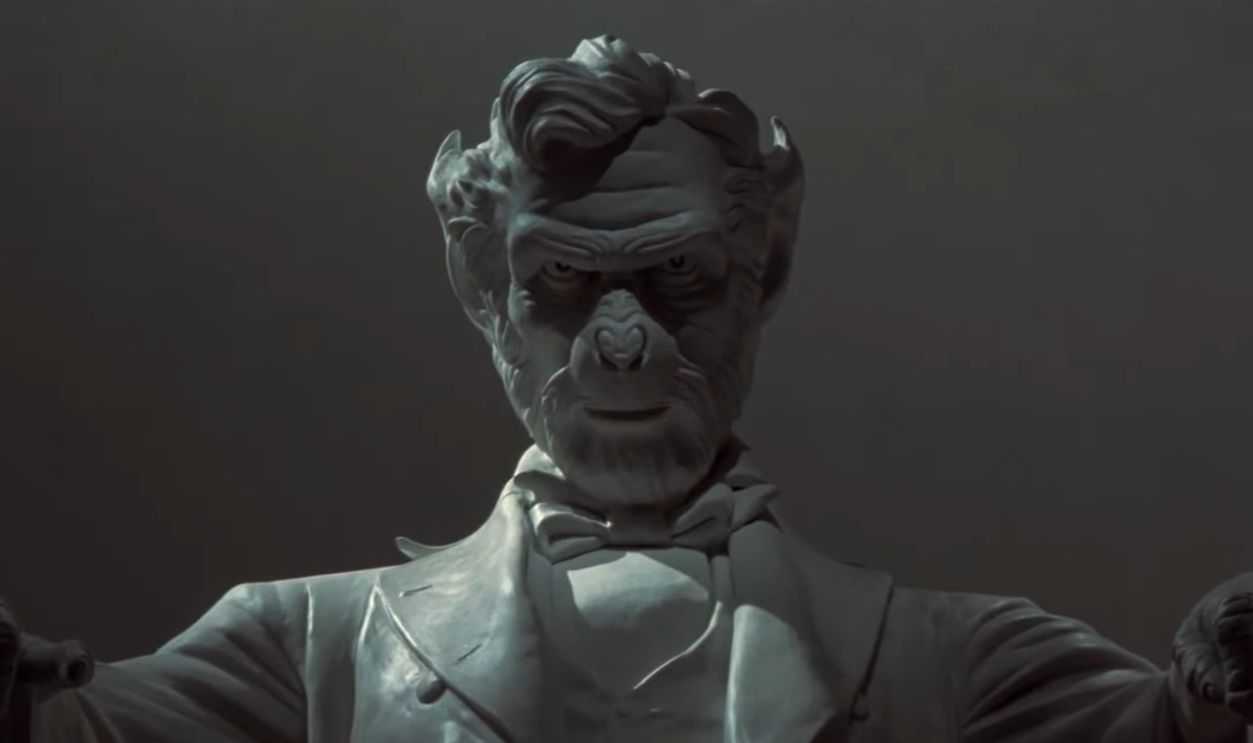 Screenshot from Planet of the Apes, 20th Century Fox (2001)
“The Village” (2004)
For most of The Village, everyone whispers like they’re afraid the audience might overhear the plot. The movie moves at a crawl, insists it’s very serious, and seems convinced confusion equals depth. Then the ending finally explains what’s actually been going on and suddenly the movie feels smarter than it was five minutes earlier. It doesn’t fix the slog, but it does make you stop complaining long enough to admit, “Okay, fine. That was something.”
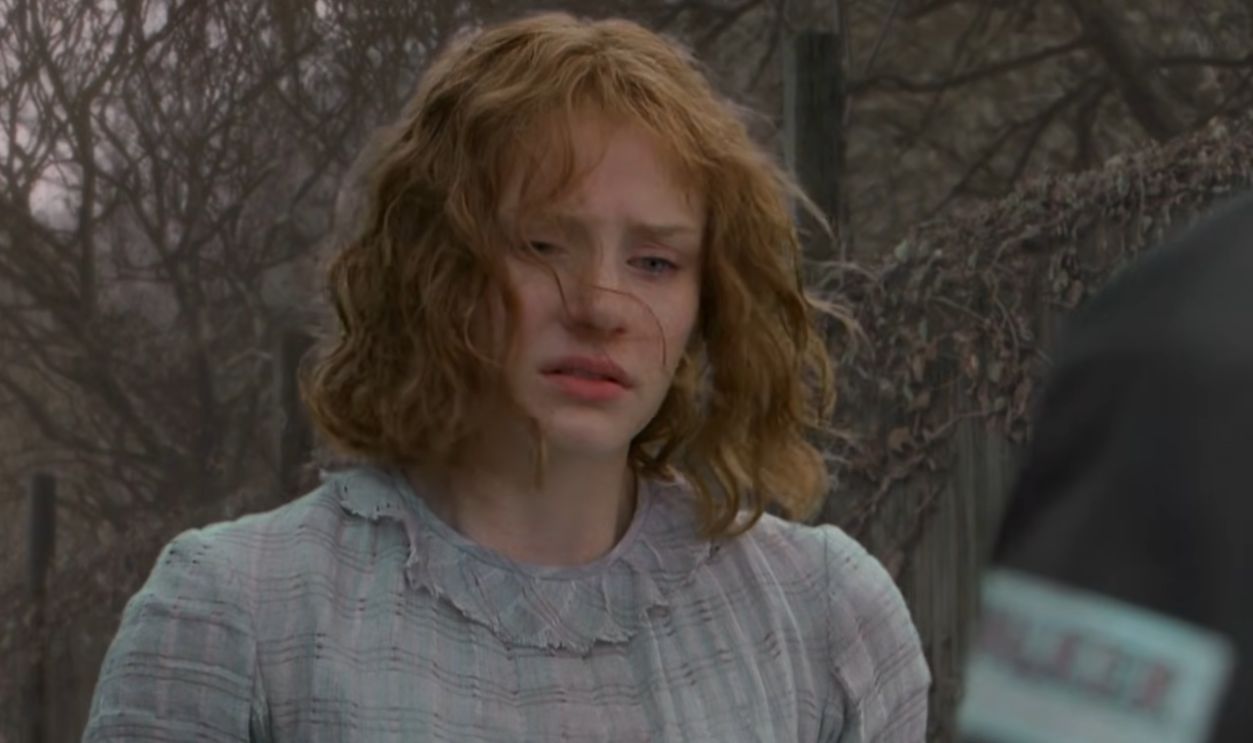 Screenshot from The Village, Buena Vista Pictures Distribution (2004)
“The Ninth Gate” (1999)
This movie meanders badly. Johnny Depp looks half-asleep. The plot barely moves. But the ending leans into eerie ambiguity just enough to leave a lingering chill—and convince you the slow crawl was intentional.
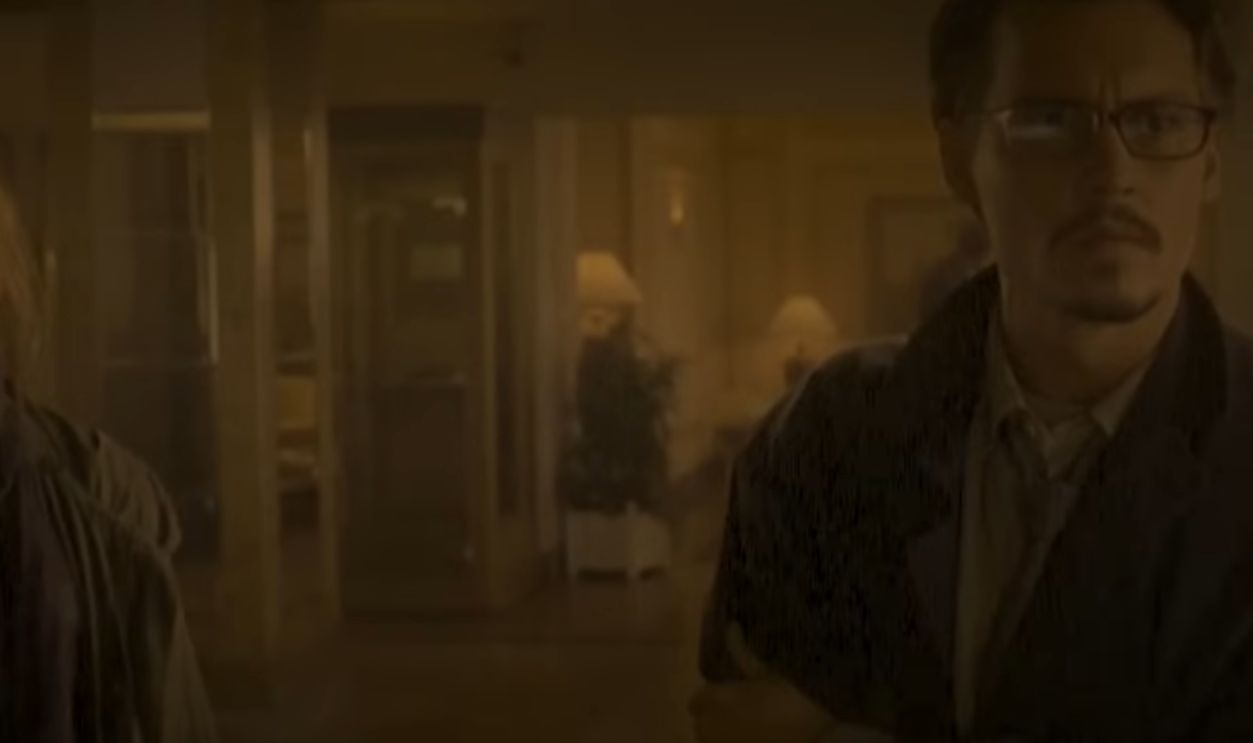 Screenshot from The Ninth Gate, Summit Entertainment (1999)
“The Game” (1997)
For most of The Game, you’re either intrigued or mildly annoyed—or both. It keeps piling on twists, fake-outs, and smug gotcha moments until you start wondering if the movie itself knows where this is going. Then the ending lands and suddenly—annoyingly—it works. It pulls the chaos together just enough to make you admit the movie didn’t totally waste your time.
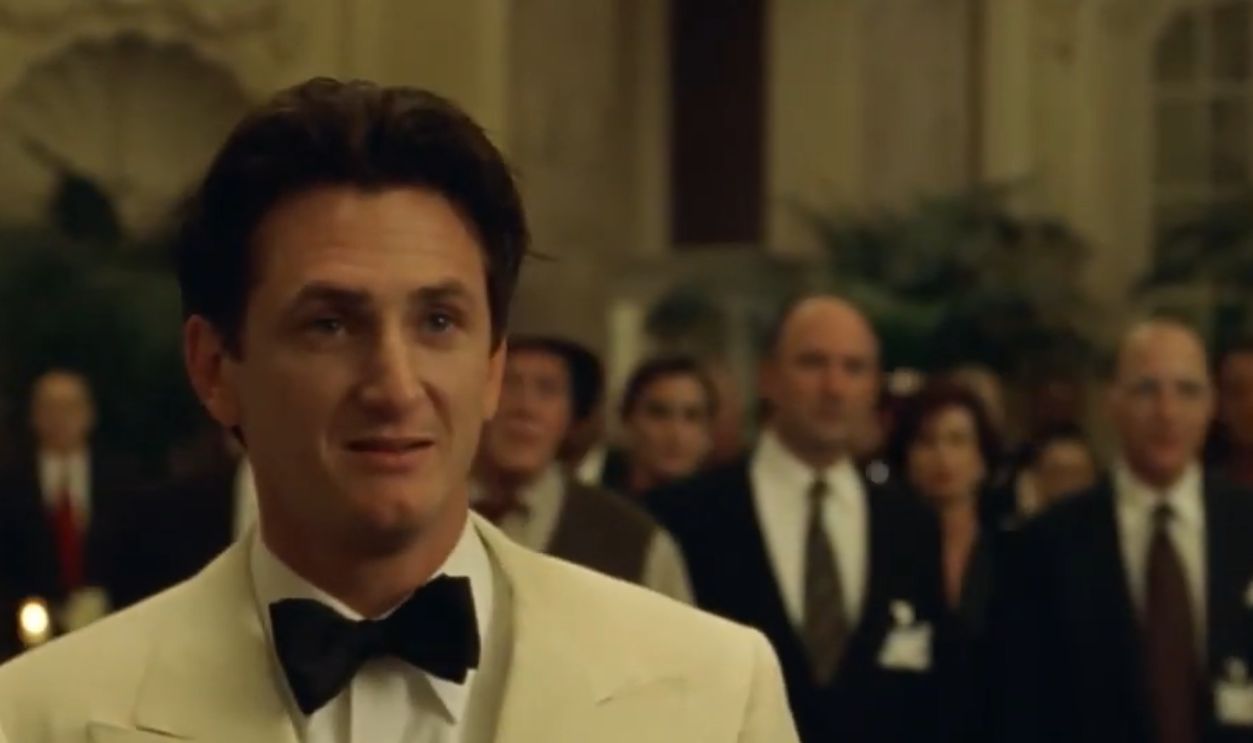 Screenshot from The Game, PolyGram Filmed Entertainment (1997)
“Terminator 3: Rise of the Machines” (2003)
Most of this movie feels like it’s nervously joking its way through a franchise it doesn’t quite understand. The humor is awkward, the stakes feel fake, and it keeps promising something big without delivering—until the ending decides to stop messing around. Judgment Day happens. No victory speech. No reset button. Suddenly the movie grows a spine right at the finish line.
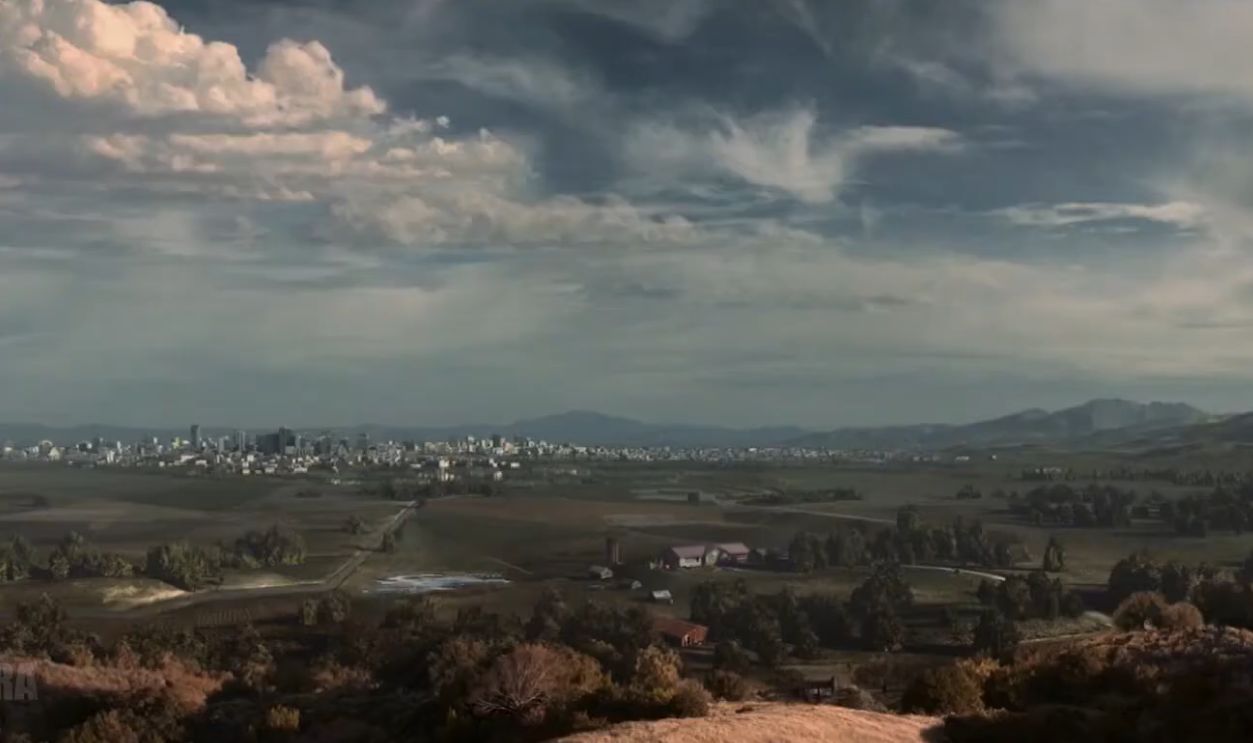 Screenshot from Terminator 3: Rise of the Machines, Warner Bros. Pictures (2003)
“Saw” (2004)
Let’s not rewrite history—most of Saw is awkwardly acted, cheap-looking, and full of dialogue that barely works. It feels like a rough draft that accidentally got released. Then the ending hits. One perfectly executed reveal, paired with that music cue, changed everything and launched a franchise off pure shock alone.
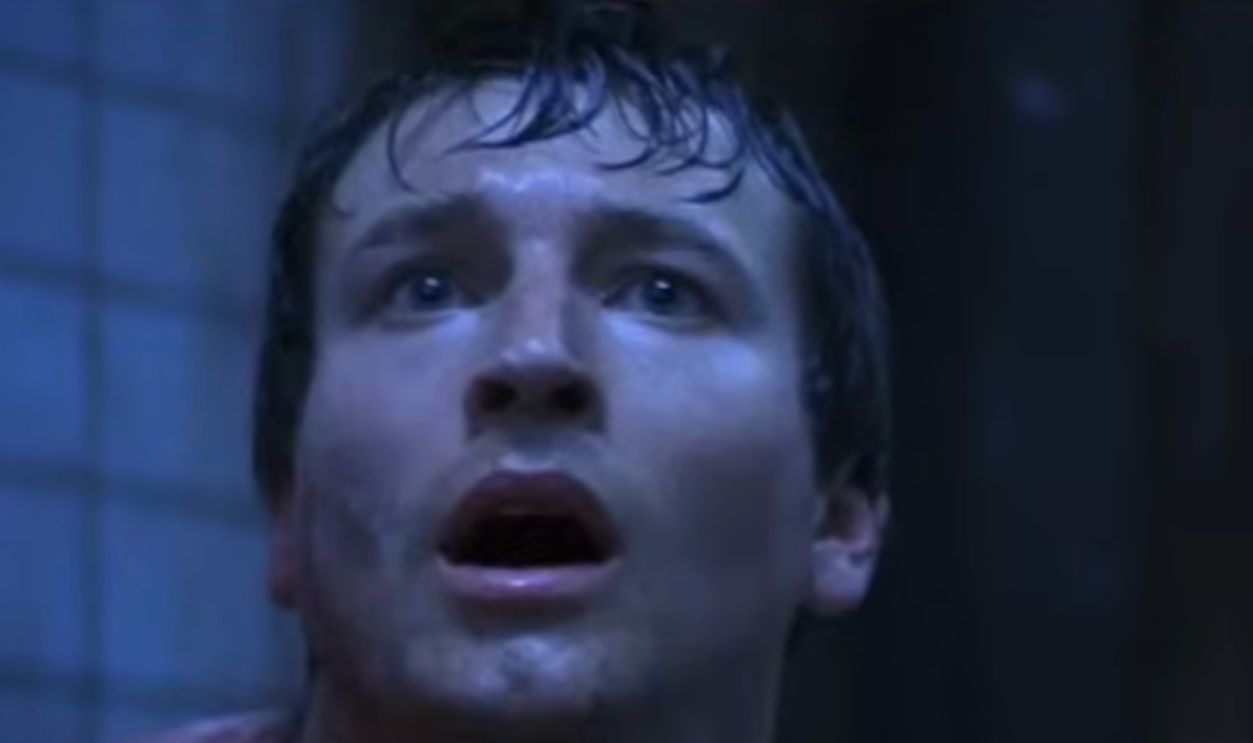 Screenshot from Saw, Lions Gate Films (2004)
“Vanilla Sky” (2001)
For a long stretch, Vanilla Sky feels like it’s trying very hard to be deep while also being confusing for sport. It’s moody, indulgent, and emotionally all over the place. Then the ending finally explains the rules of the world—and once it clicks, the earlier mess starts to feel intentional. You may still not like the movie, but at least now you understand what it was going for.
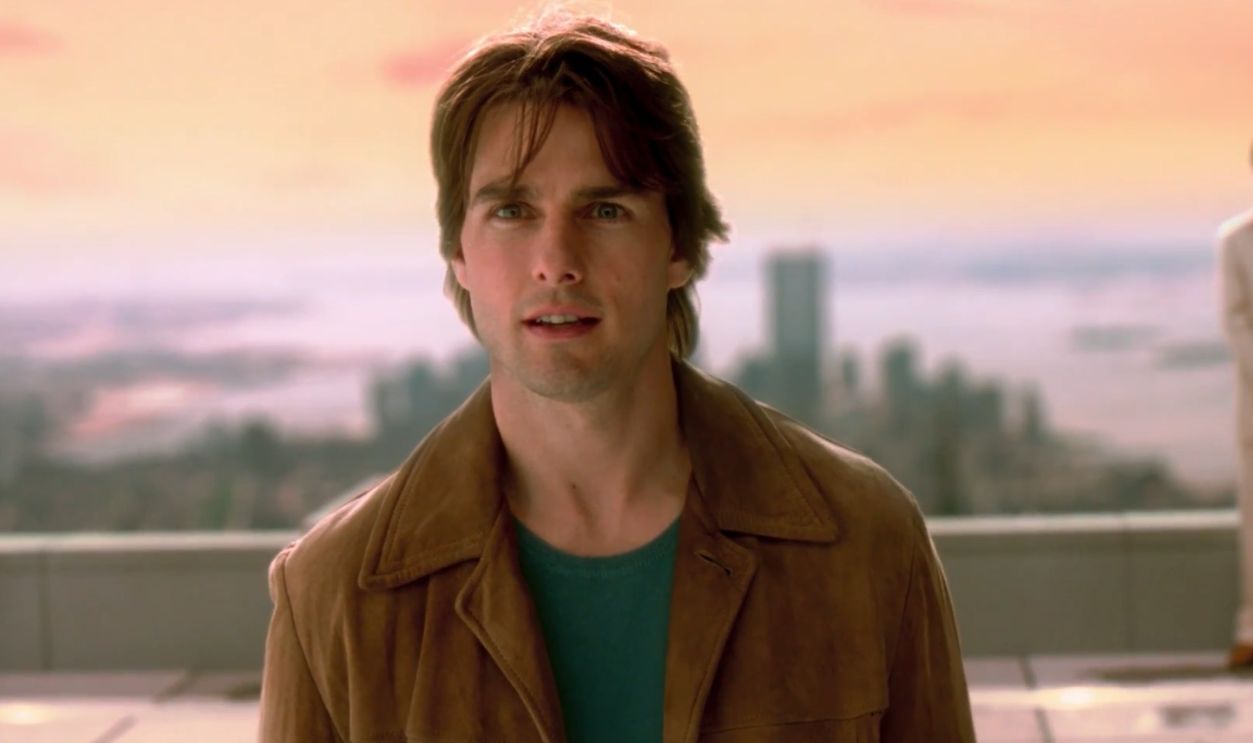 Screenshot from Vanilla Sky, Paramount Pictures (2001)
“Don’t Look Now” (1973)
Much of the movie is slow, distant, and more mood than momentum. It asks a lot of patience and gives very little back—until the ending hits. That final turn is sudden, brutal, and permanently defines the film’s reputation.
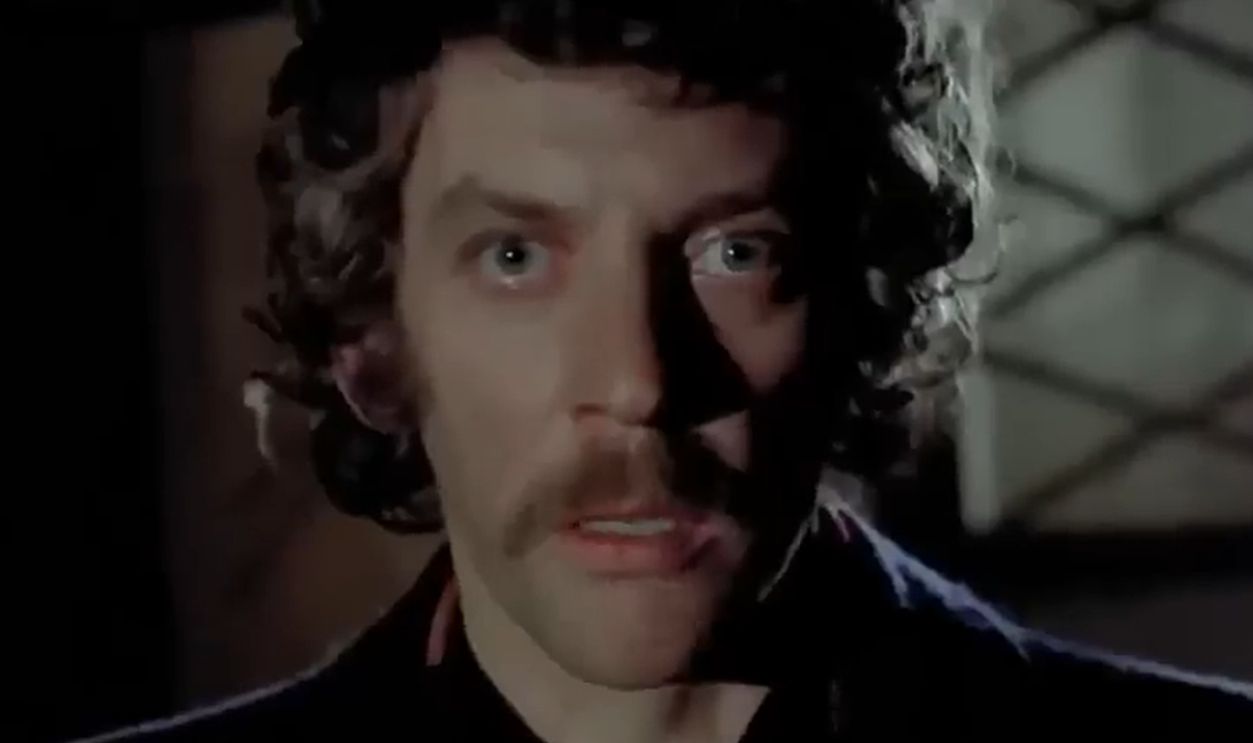 Screenshot from Don’t Look Now, British Lion Films (1973)
“Sleepaway Camp” (1983)
For most of its runtime, Sleepaway Camp is a badly made slasher with wooden performances and questionable decisions everywhere. It’s borderline goofy. Then the final scene drops—and it’s so shocking and disturbing that it permanently burned the movie into horror culture.
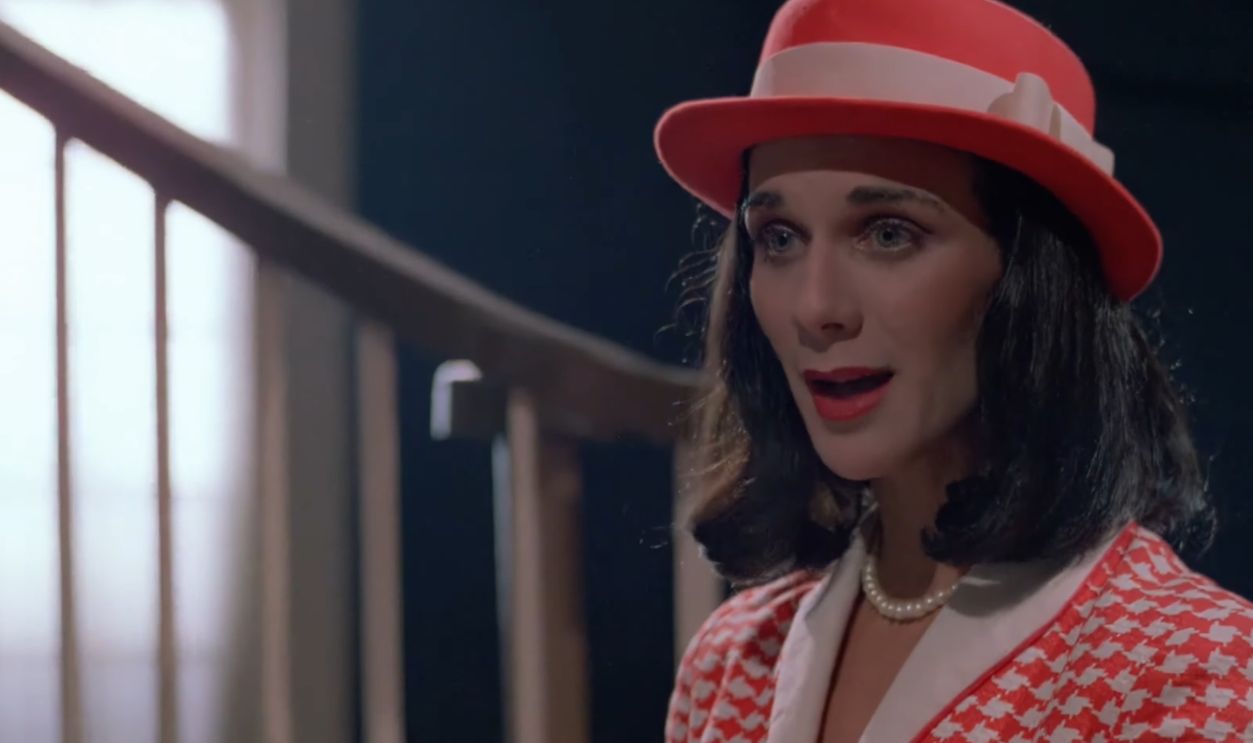 Screenshot from Sleepaway Camp, United Film Distribution Company (1983)
“Orphan” (2009)
Most of Orphan plays like a disposable thriller with soap-opera energy and obvious setups. It’s fine, but forgettable. Then the twist hits. The ending is so strong it completely rebrands the movie—and turns it into something people still recommend with a grin.
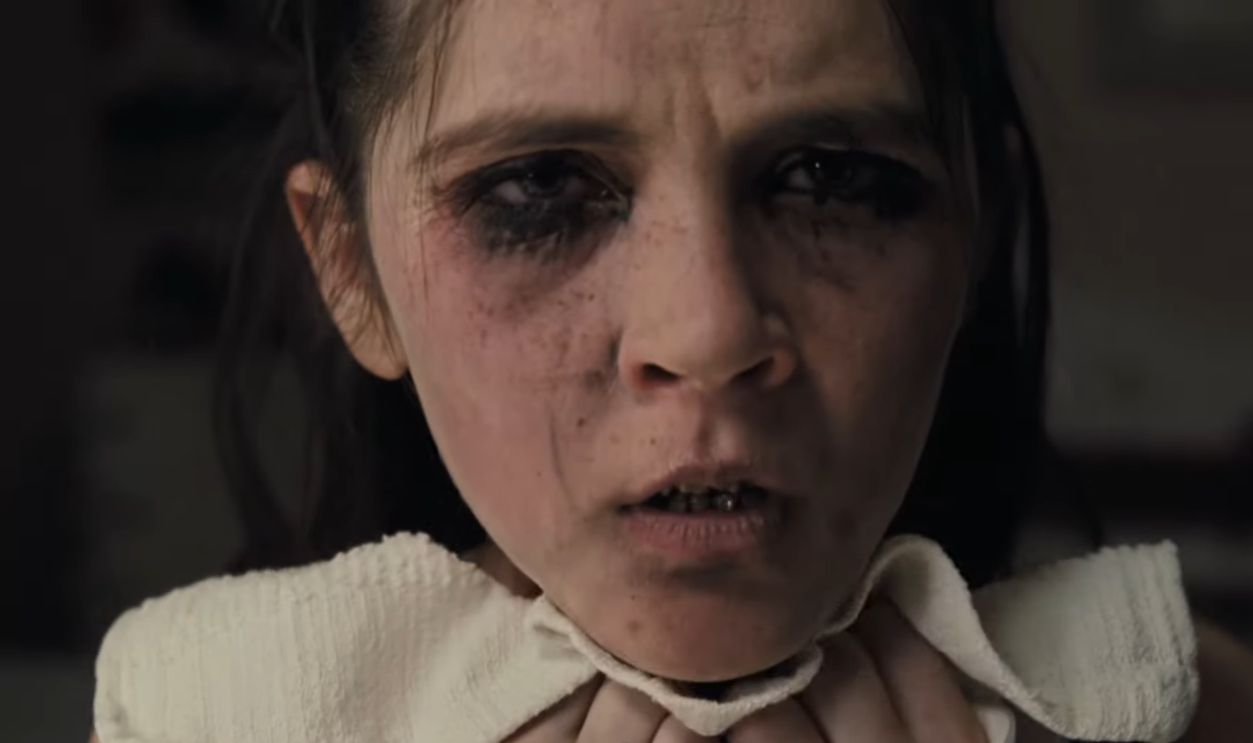 Screenshot from Orphan, Warner Bros. Pictures (2009)
“Knowing” (2009)
Knowing spends a lot of time acting like it’s delivering profound truths, even when it’s clearly winging it. The science is fuzzy, the tone is all over the place, and Nicolas Cage oscillates between calm and full Cage Mode. Somehow, the ending commits harder than the rest of the movie ever did—going big, bleak, and sincere enough to almost convince you you actually liked the film (almost!).
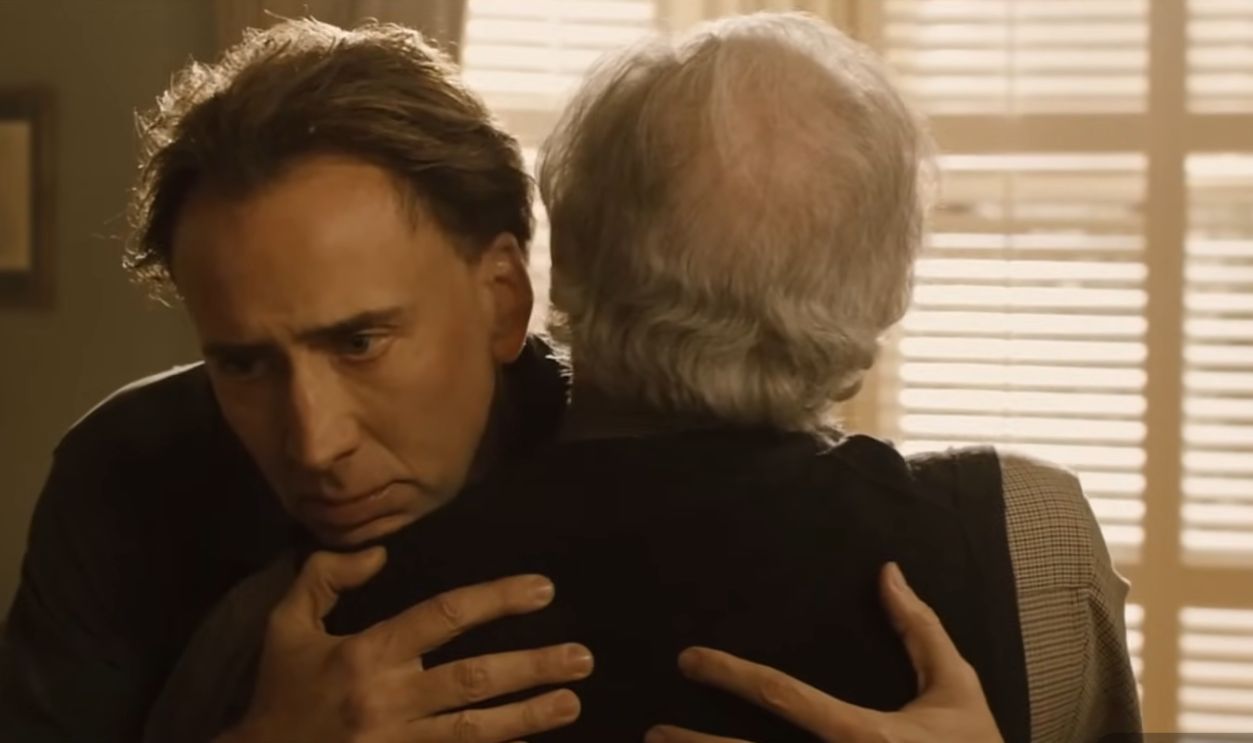 Screenshot from Knowing, Summit Entertainment (2009)
“The Skeleton Key” (2005)
For most of The Skeleton Key, it feels like a perfectly serviceable, mildly spooky thriller you’ve already seen before. Creepy house? Check. Strange locals? Check. Slow realization something’s wrong? Big check. Then the ending drops, flips the entire movie on its head, and suddenly you’re sitting there thinking, “Wait—that’s what was happening?” It doesn’t make the movie great, but it absolutely makes it stick.
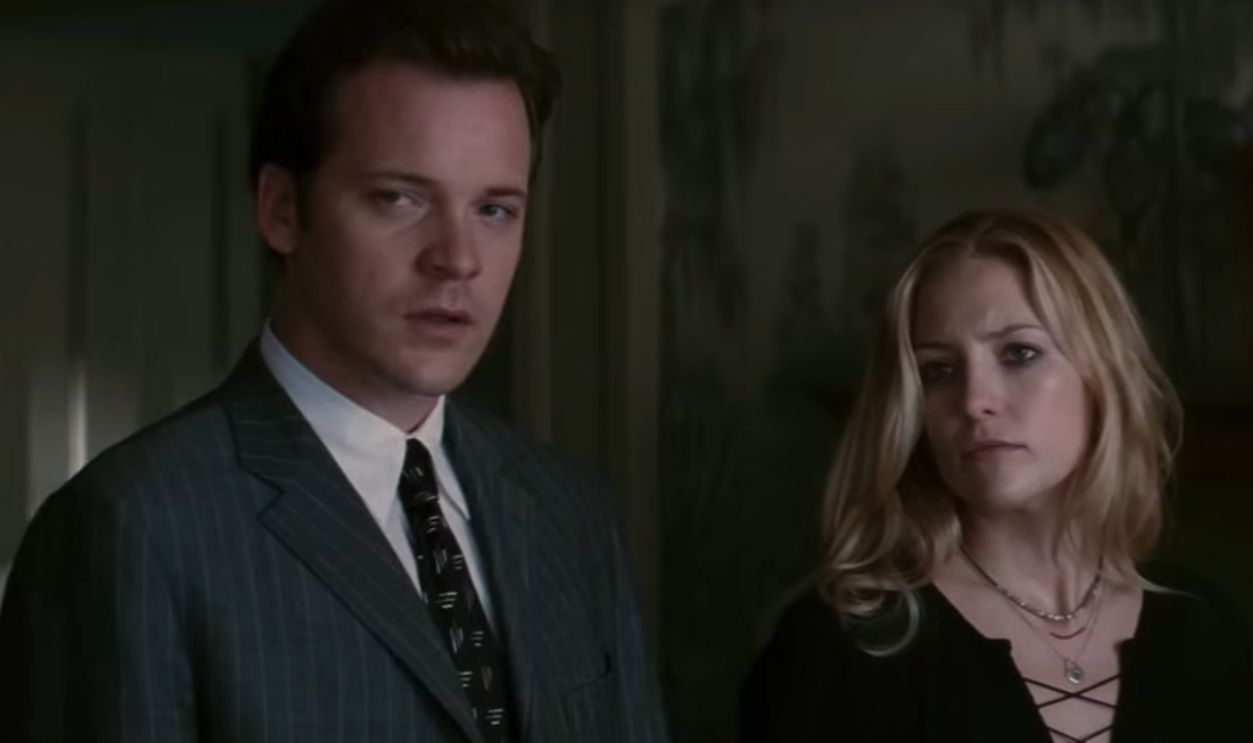 Screenshot from The Skeleton Key, Universal Pictures (2005)
“The Mist” (2007)
Up until the end, The Mist plays like a messy creature feature with uneven effects and familiar horror beats. It’s solid but not great. Then the ending hits—brutal, hopeless, and unforgettable. That final moment is the reason this movie still gets talked about.
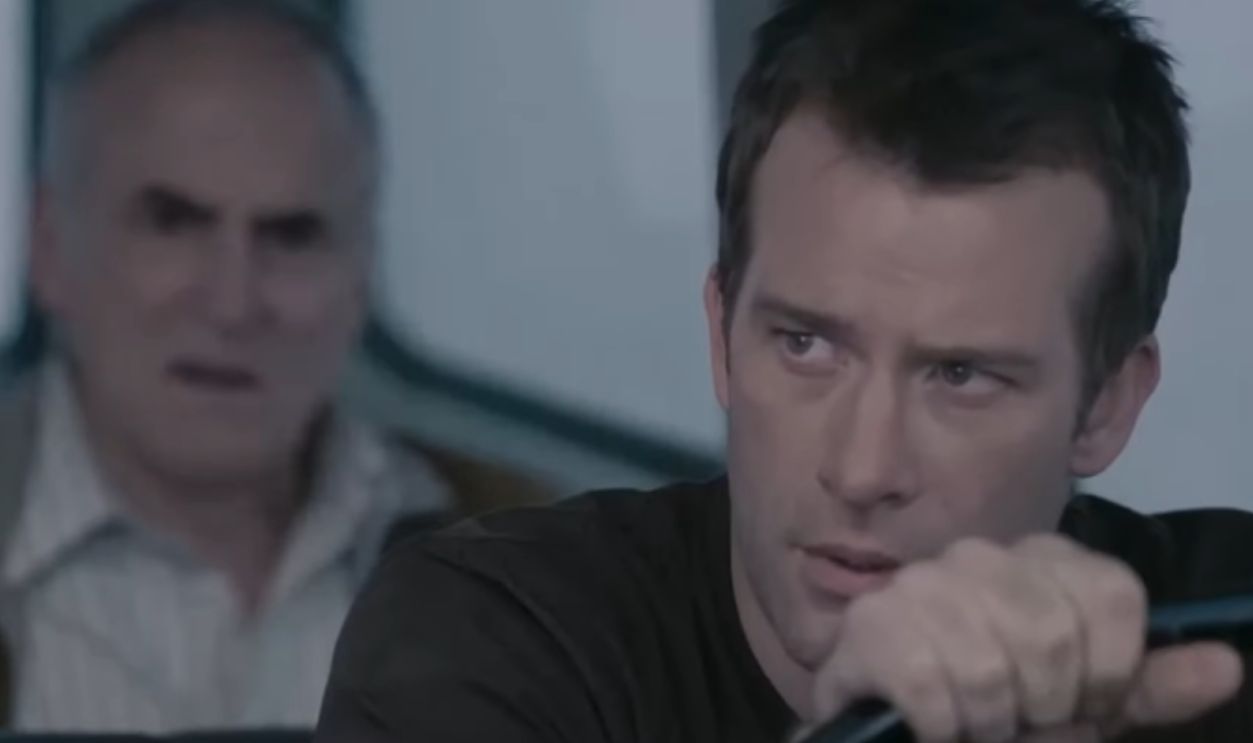 Screenshot from The Mist, Dimension Films (2007)
“Upgrade” (2018)
Most of Upgrade feels like a slick but fairly straightforward revenge story. The dialogue can be stiff, and the plot is predictable. Then the ending goes dark—and refuses the easy win. That last choice turns the movie into something far sharper than expected.
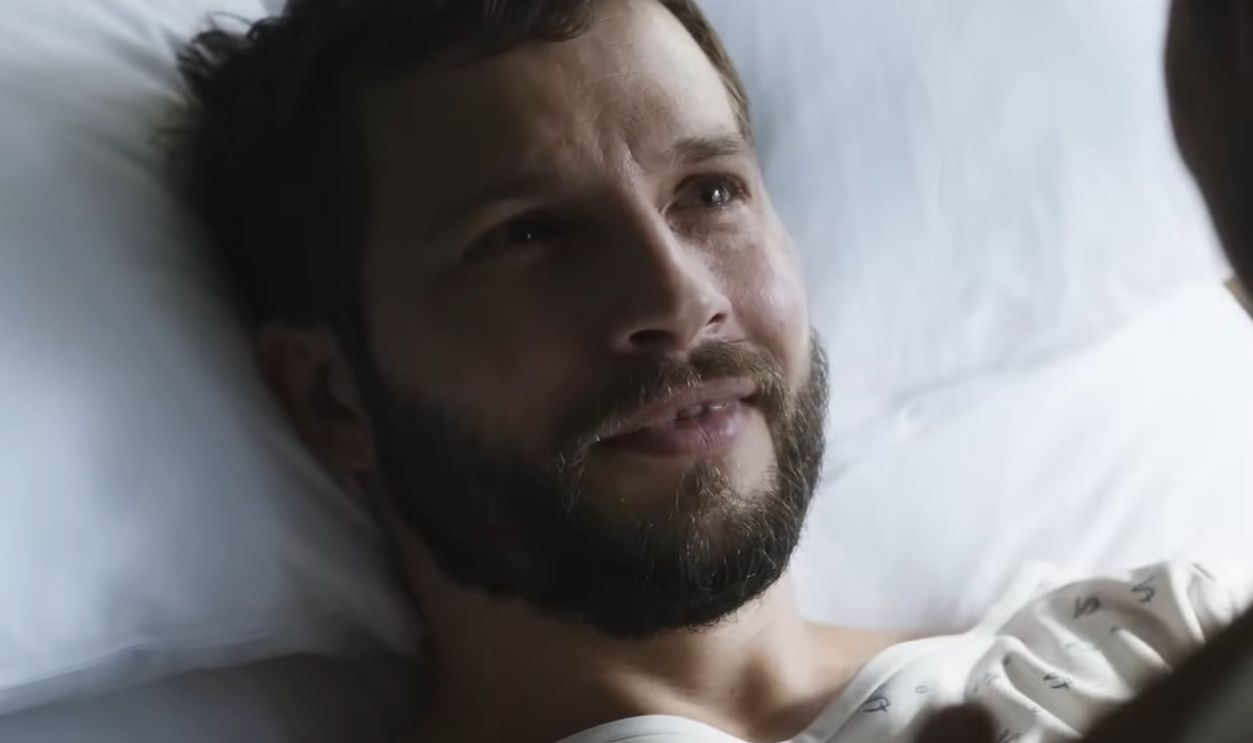 Screenshot from Upgrade, Blumhouse Productions (2018)
“A Cure for Wellness” (2016)
This movie is bloated, indulgent, and way too long. It disappears into its own symbolism constantly and seems very impressed with itself. But the ending finally cuts loose, embraces full gothic insanity, and goes so big it almost justifies the excess that came before it.
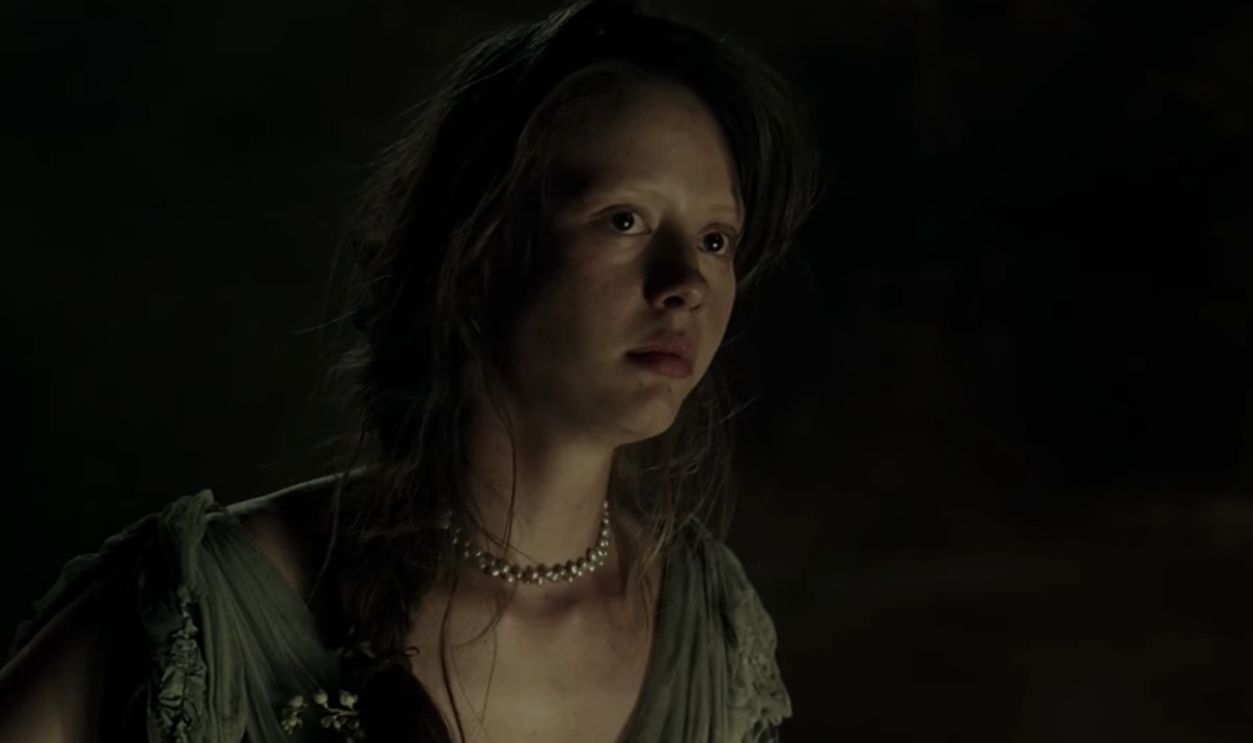 Screenshot from A Cure for Wellness, 20th Century Fox (2016)
“Life” (2017)
For most of Life, it feels like a very polite space horror movie hitting all the familiar beats. Smart scientists make dumb decisions, tension comes and goes, and you’re pretty sure you know how this ends. Then the movie swerves hard at the last second. No heroic save. No last-minute reversal. Just a bleak, mean ending that basically says, “Nope—you were wrong,” and cuts to black. And honestly? That commitment does a lot of heavy lifting.
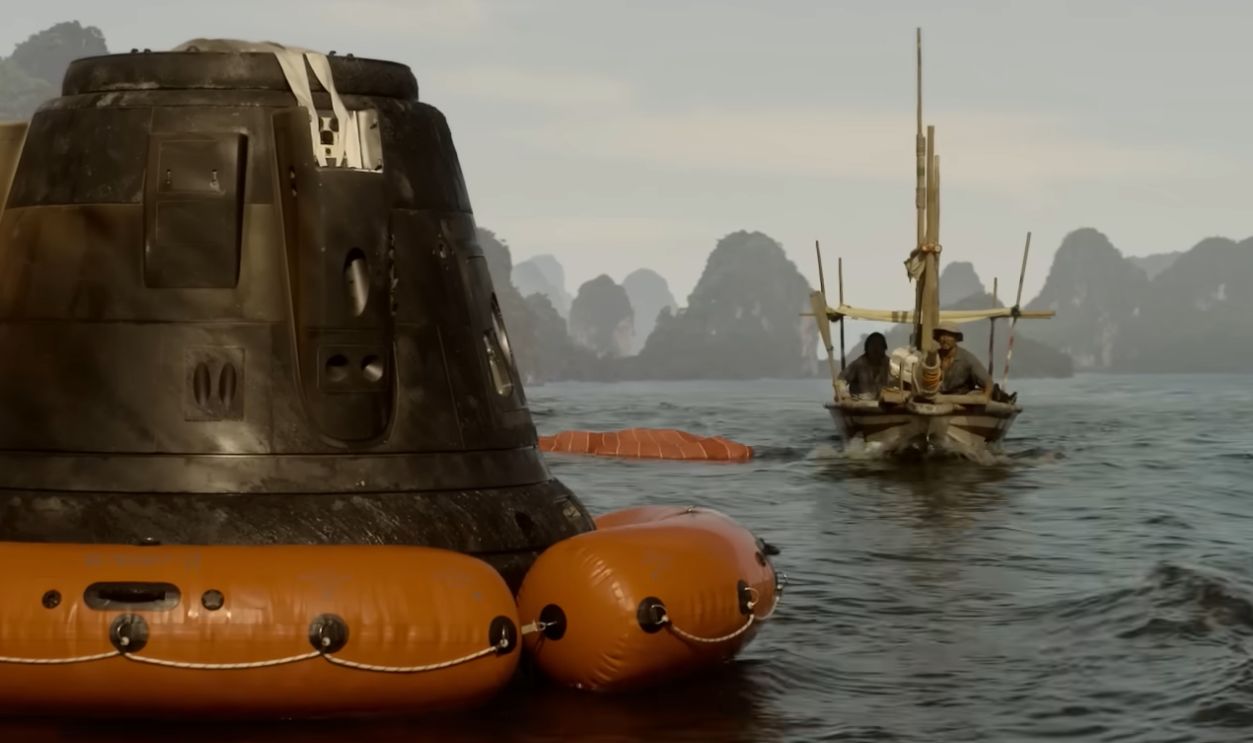 Screenshot from Life, Sony Pictures Releasing (2017)
“Session 9” (2001)
The pacing is glacial. The production is rough. It barely feels like a horror movie for long stretches. Then the ending lands quietly—and horribly. Once it clicks, the psychological dread suddenly locks into place and makes everything before it feel intentional.
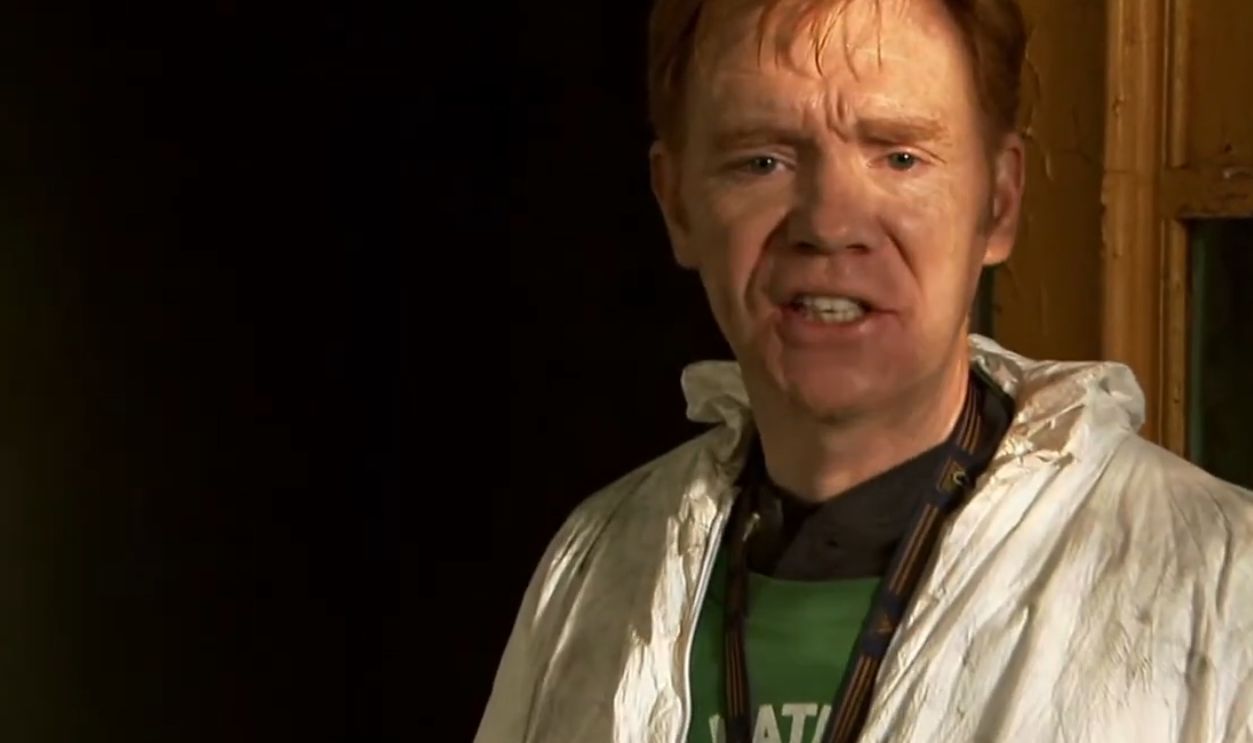 Screenshot from Session 9, USA Films (2001)
“The Box” (2009)
The Box spends most of its runtime throwing mysterious rules, ominous stares, and half-explained concepts at you like you’re supposed to keep up. It wants to be deep so badly it forgets to be clear. Then the ending shows up, simplifies the chaos, lands the actual point, and politely reminds you this was all supposed to be about a button the whole time.
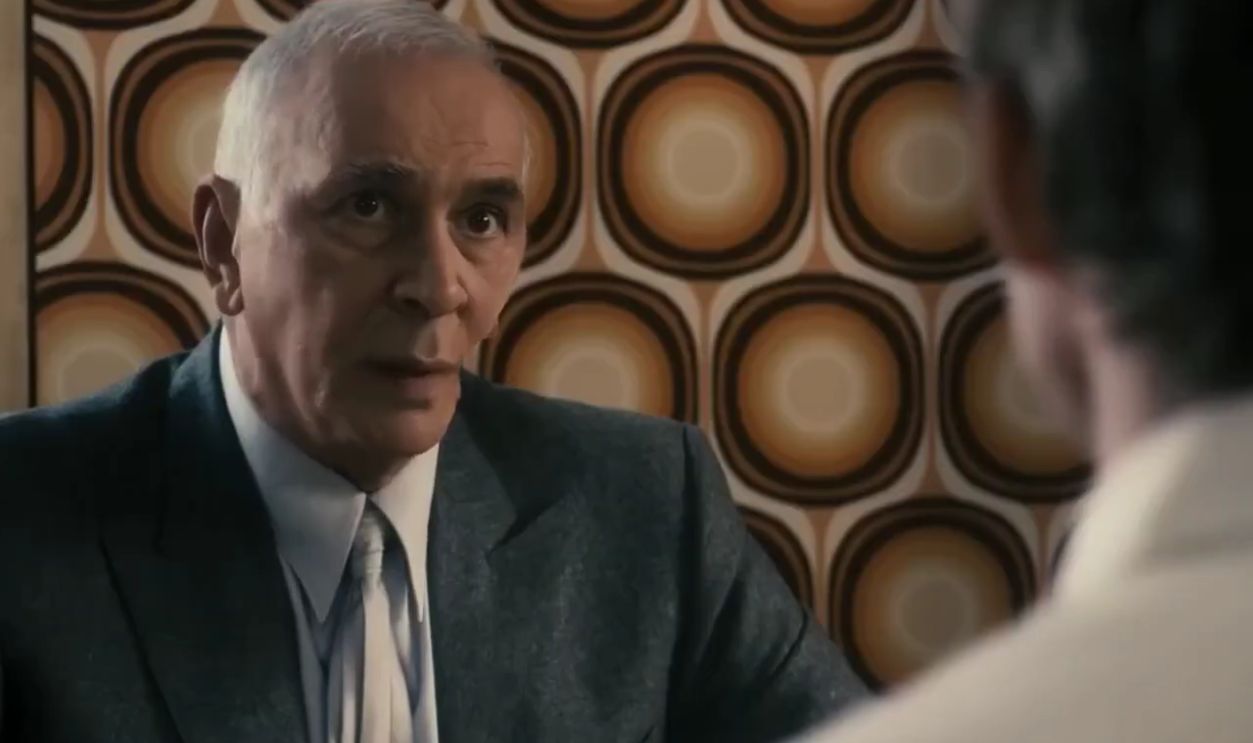 Screenshot from The Box, Warner Bros. Pictures (2009)
“Malignant” (2021)
For most of its runtime, Malignant feels confused and tonally off, like it can’t decide what movie it wants to be. Then the third act completely loses its mind. The ending reframes the entire thing as deliberate, campy chaos—and turns frustration into appreciation almost instantly.
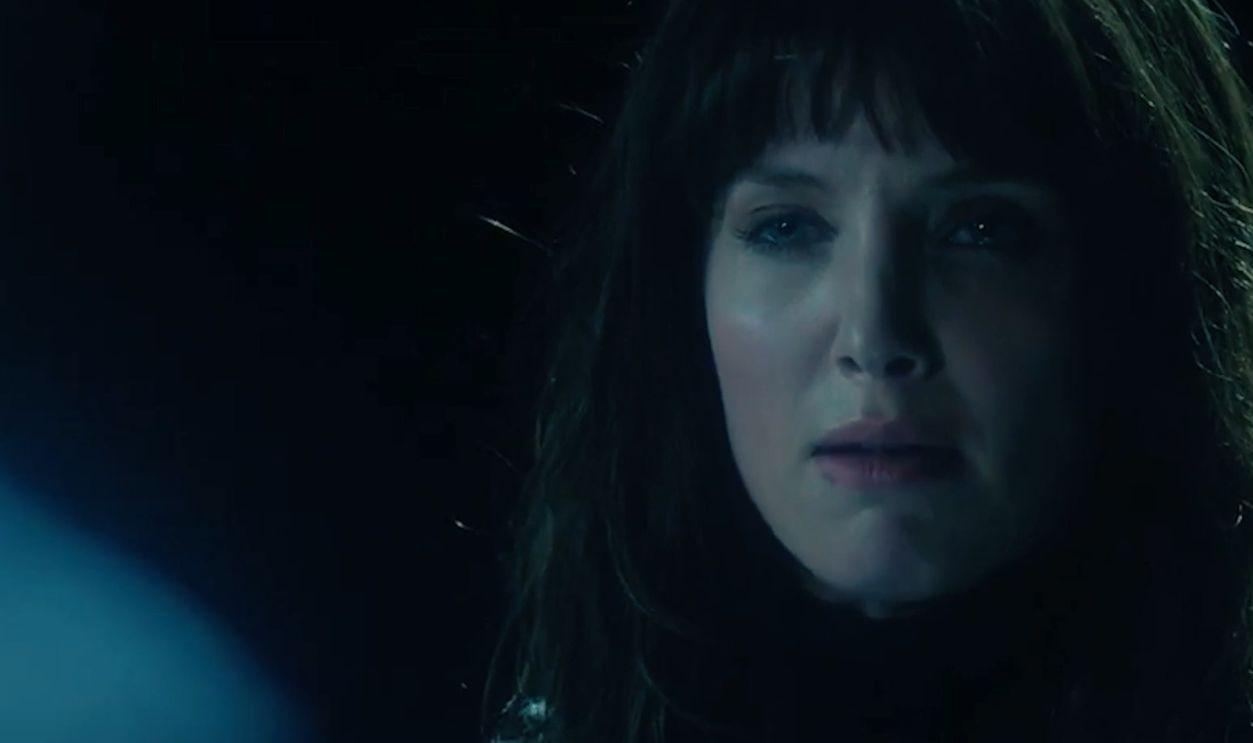 Screenshot from Malignant, Warner Bros. Pictures (2021)
You Might Also Like:
80s Movies That Were Big Hits, But Made Gen X Roll Their Eyes
Films That Went Wildly Over Budget
Great TV Shows That Would've Been Even Better If They'd Just Ended Things One Season Earlier