Just One More Season
Ending a TV show is hard. Walk away too early and fans feel robbed. Stay too long and suddenly the magic starts slipping. These shows were still good, still watchable, and still beloved. But if they’d just wrapped things up one season sooner, their legacies might be nearly flawless.
Happy Days
The show literally gave us the phrase jumping the shark, and it happened well before the finale. While ratings remained strong, creativity dipped noticeably. Ending one season earlier would’ve kept Happy Days remembered as a defining sitcom—not a cautionary tale.
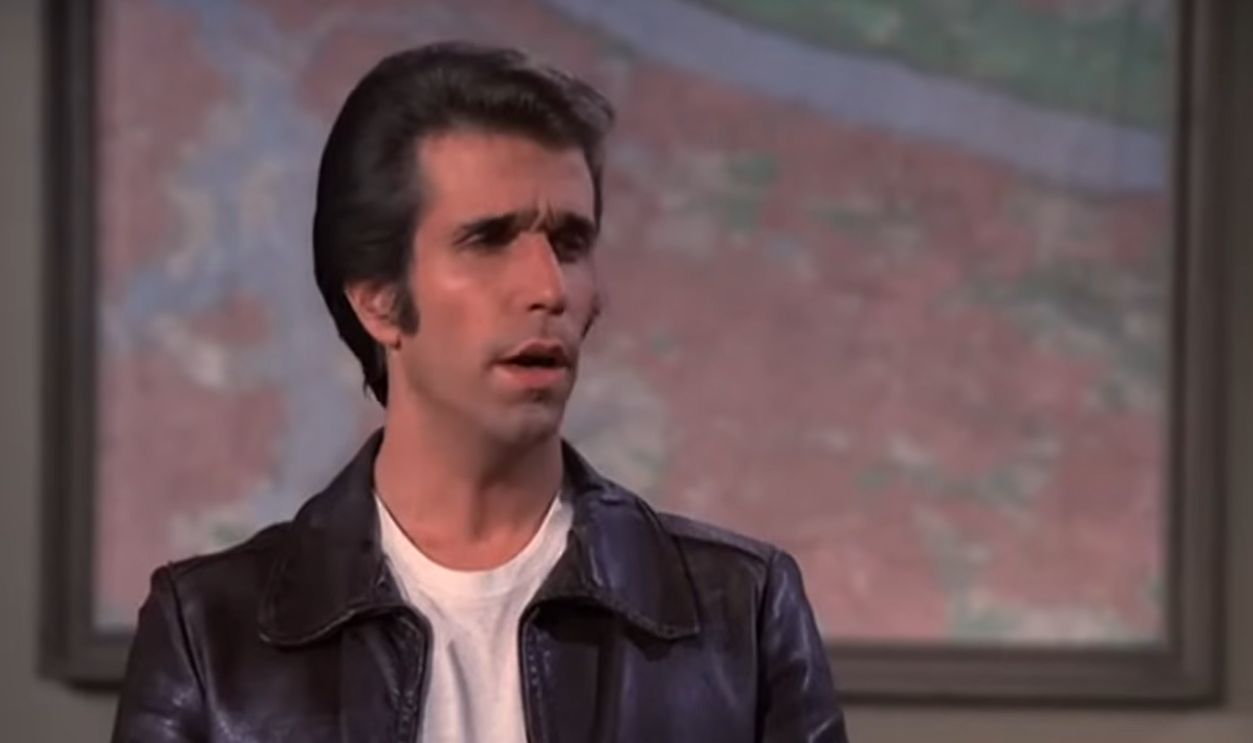 Screenshot from Happy Days, ABC (1974–1984)
Game of Thrones
By the time the final season arrived, the show was racing toward its ending. Plot shortcuts replaced buildup, and character decisions felt driven by time instead of motivation. Showrunners David Benioff and D.B. Weiss later admitted they were exhausted by the end of production. One less season could’ve forced tighter pacing and preserved the careful character logic that once defined the series.
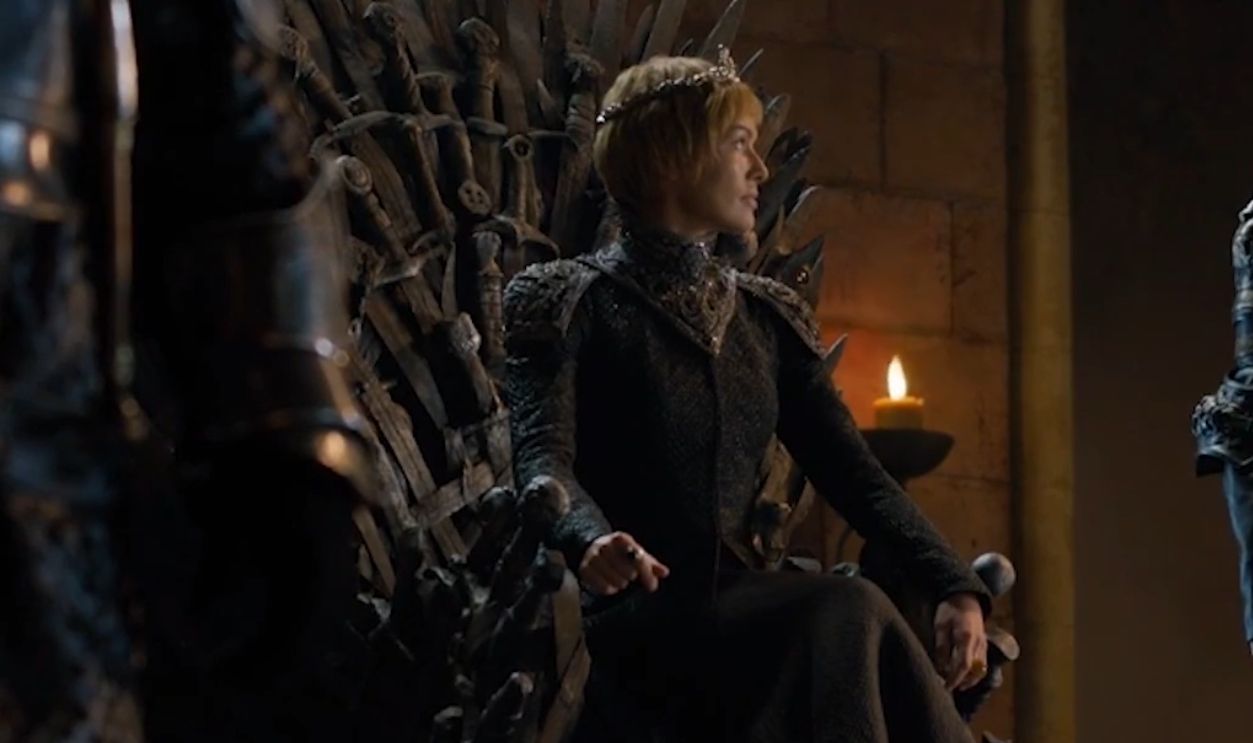 Screenshot from Game of Thrones, HBO (2011–2019)
Sherlock
As expectations grew, plotting became increasingly convoluted. Steven Moffat admitted audience theories began influencing storytelling decisions. Ending one season earlier would’ve preserved the show’s reputation for clever restraint instead of inviting debates over coherence.
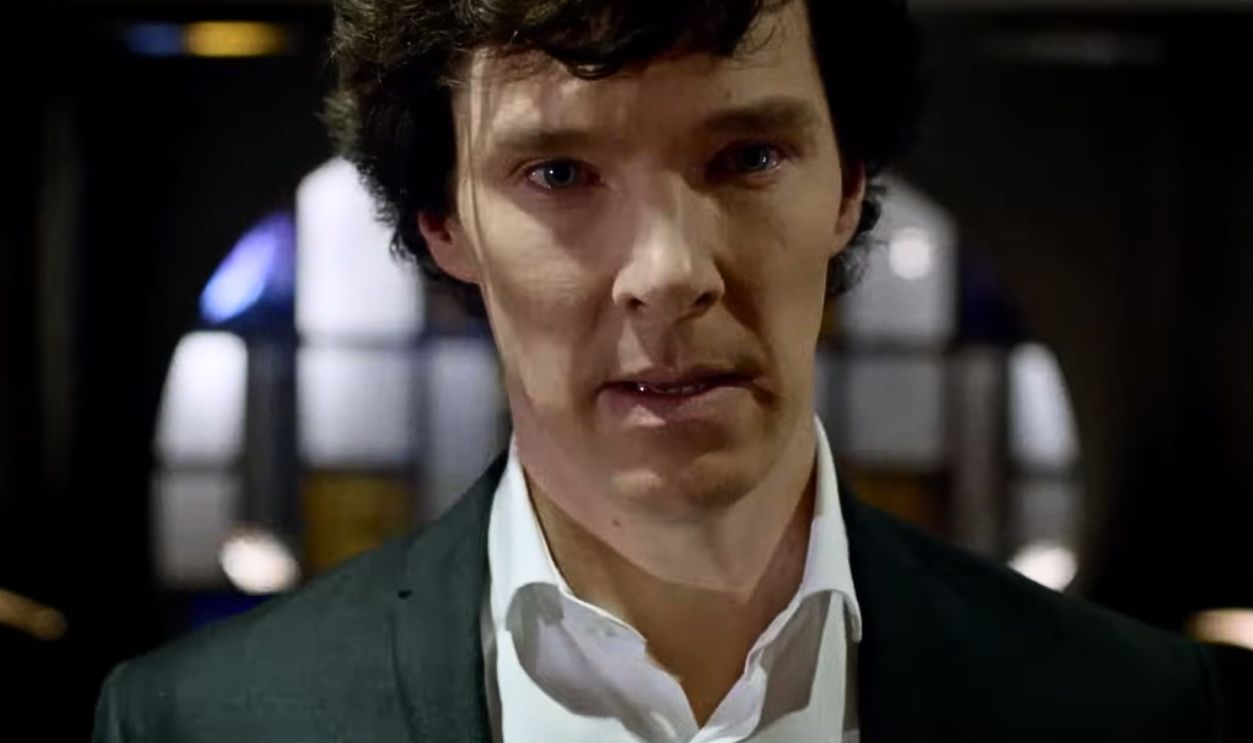 Screenshot from Sherlock, BBC (2010–2017)
Big Little Lies
Season one was written as a complete story. Nicole Kidman later acknowledged the second season was driven by affection for the characters, not necessity. Ending earlier would’ve preserved its near-perfect limited-series status rather than adding a season that felt optional.
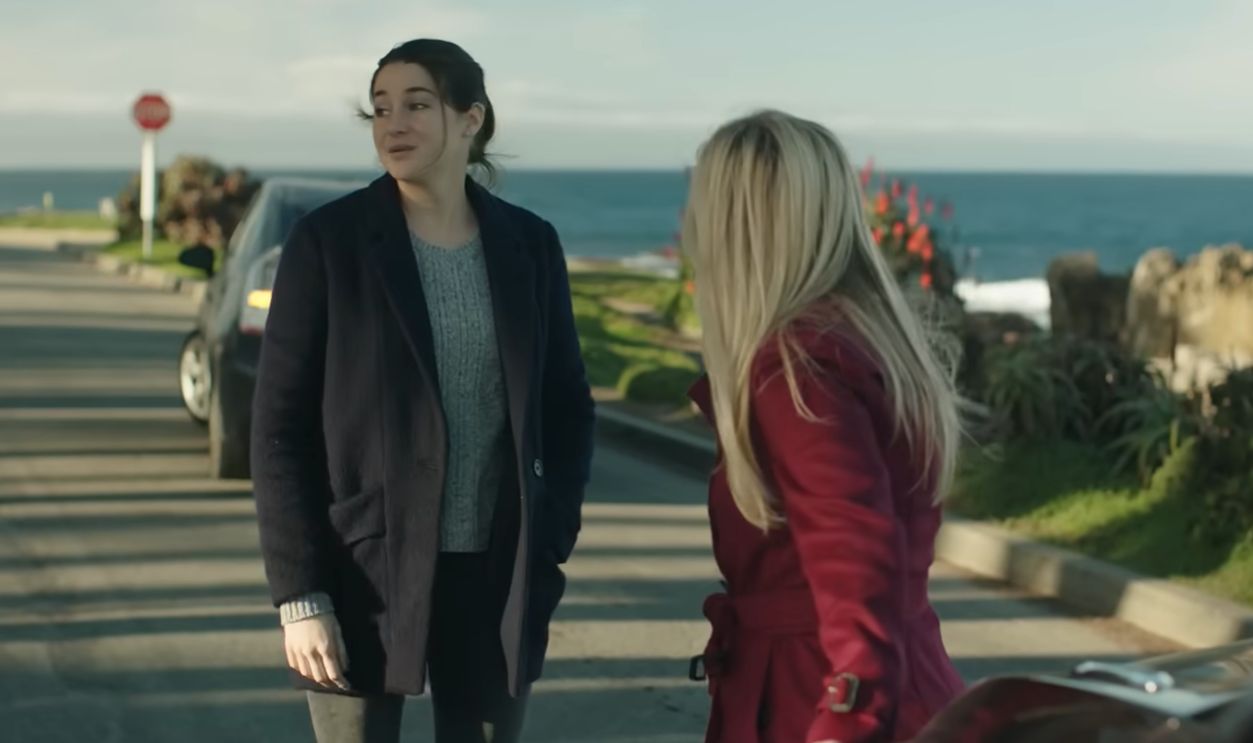 Screenshot from Big Little Lies, HBO (2017-)
The Office
After Michael Scott left, the show openly struggled to replace its emotional center. While there were still funny episodes, characters slowly became exaggerated versions of themselves. Writers later acknowledged how difficult it was to rebalance the ensemble. Ending one season earlier would’ve preserved the show’s warmth without stretching character arcs past their natural conclusions.
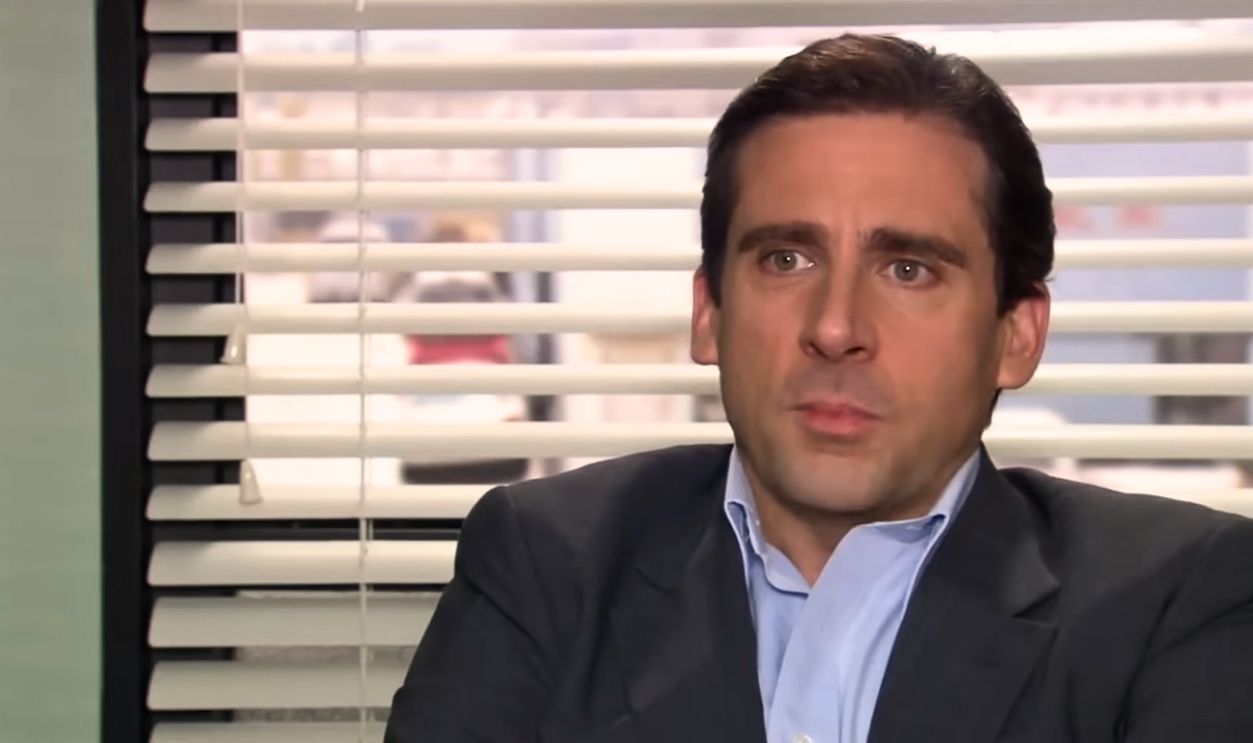 Screenshot from The Office (US), NBC (2005–2013)
Roseanne
The final season abandoned the show’s grounded realism in favor of surreal storytelling, including the infamous lottery arc. Roseanne Barr later described it as experimentation, but many fans felt disconnected. Ending one season earlier would’ve preserved the show’s working-class authenticity.
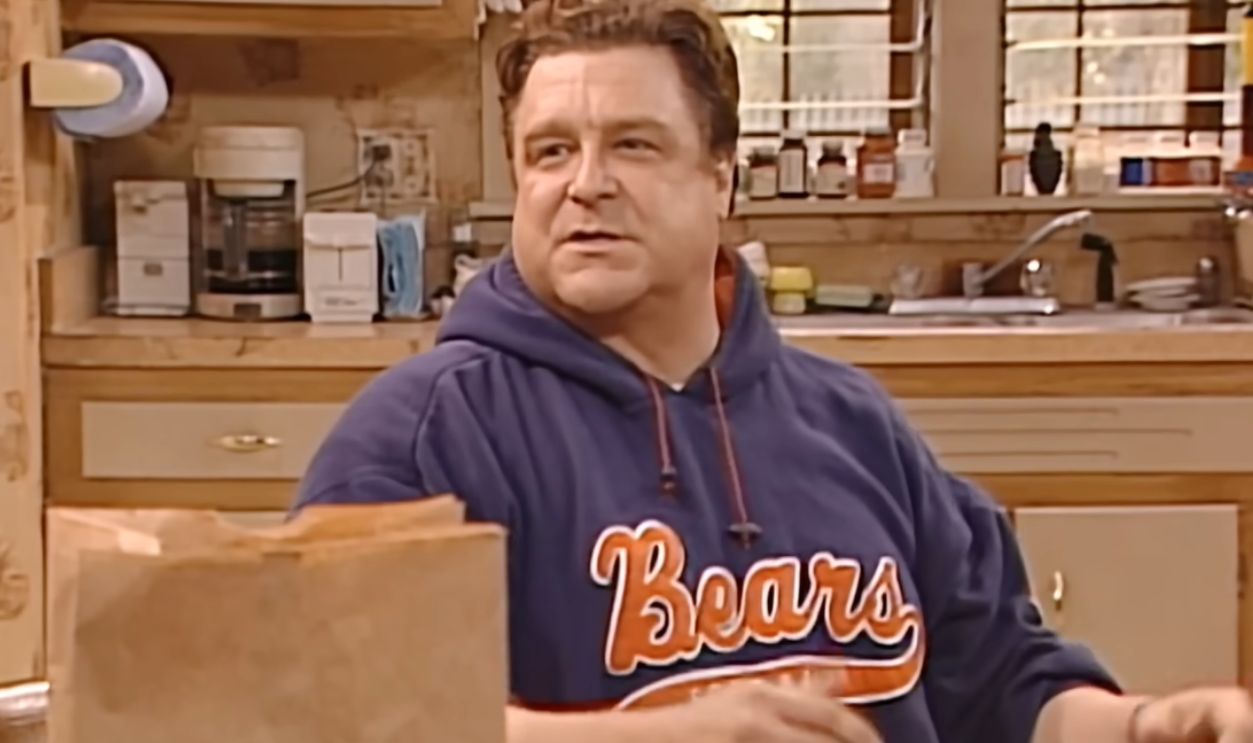 Screenshot from Roseanne, ABC (1988–2018)
How I Met Your Mother
The issue wasn’t the ending—it was the structure leading up to it. Spending an entire season on one wedding, only to undo it in the finale, felt excessive. Co-creator Craig Thomas later confirmed the ending was planned years earlier, before the characters evolved. Ending one season earlier would’ve avoided that disconnect and kept the finale from feeling rushed and contradictory.
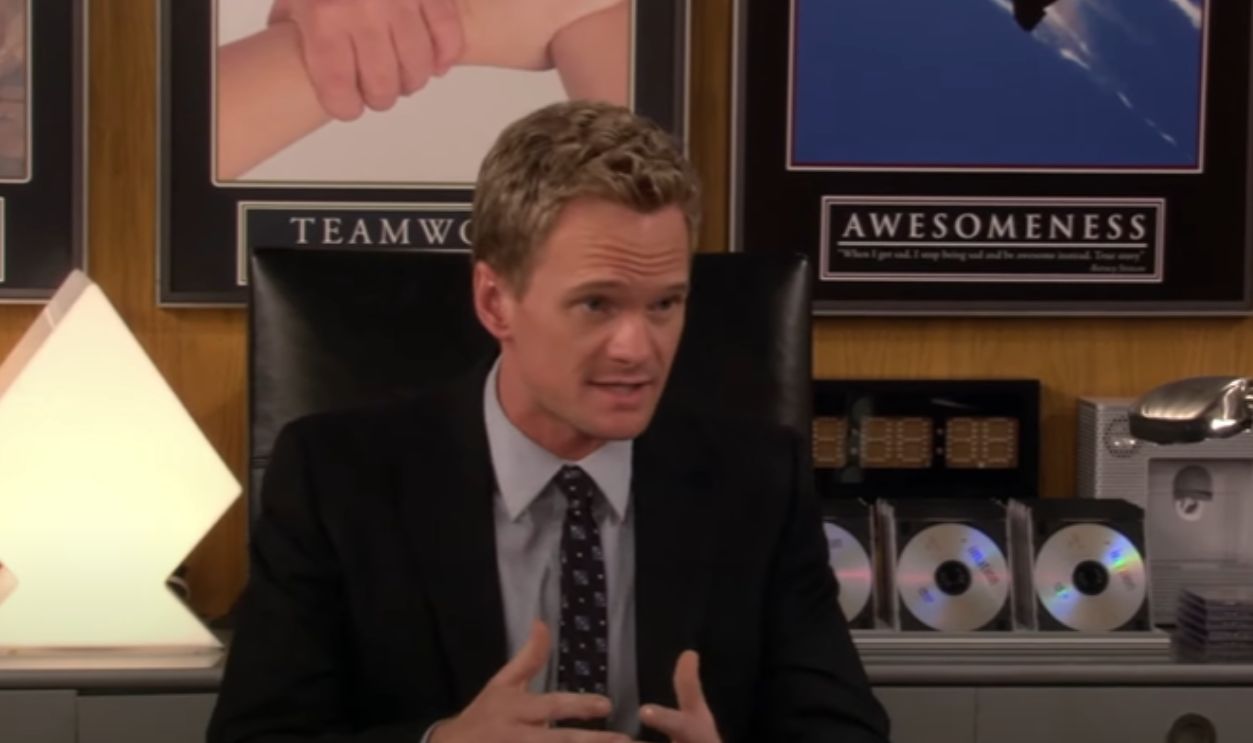 CBS, How I Met Your Mother (2005–2014)
Dexter
Several people involved with the show later admitted it went on too long. Michael C. Hall said it was time for the story to end, noting that Dexter’s arc had already reached its natural conclusion. The final season leaned heavily on shock rather than inevitability. One fewer season could’ve locked the show at its moral breaking point instead of pushing it past credibility.
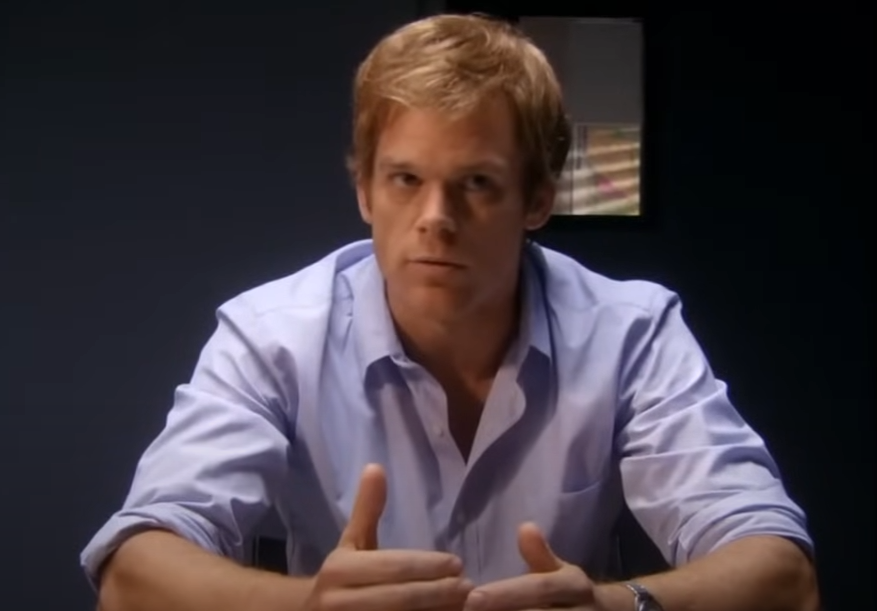 Screenshot from Dexter, Paramount Global (2006-2013)
Killing Eve
The chemistry between Sandra Oh and Jodie Comer never faded, but the plotting became uneven. Frequent showrunner changes led to tonal inconsistency, and the story often circled itself. Phoebe Waller-Bridge once said the show was about obsession more than resolution. Ending one season earlier would’ve preserved that tension without diluting it through narrative drift.
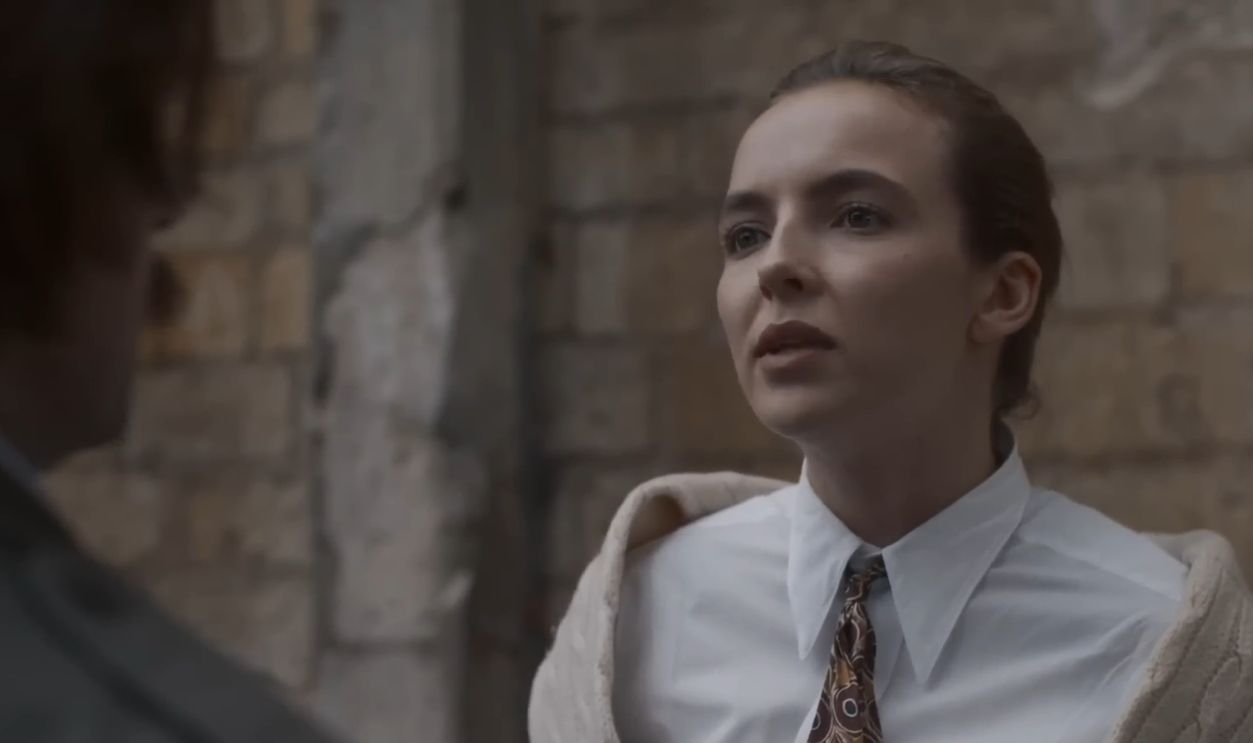 Screenshot from BBC America, Killing Eve (2018)
Lost
The ambition never disappeared—but the focus did. Damon Lindelof later acknowledged that uncertainty about the show’s length affected long-term planning. New mysteries kept piling up, even as older ones went unresolved. Ending one season earlier could’ve tightened the mythology and reduced filler arcs, making the finale feel more like a destination than a compromise.
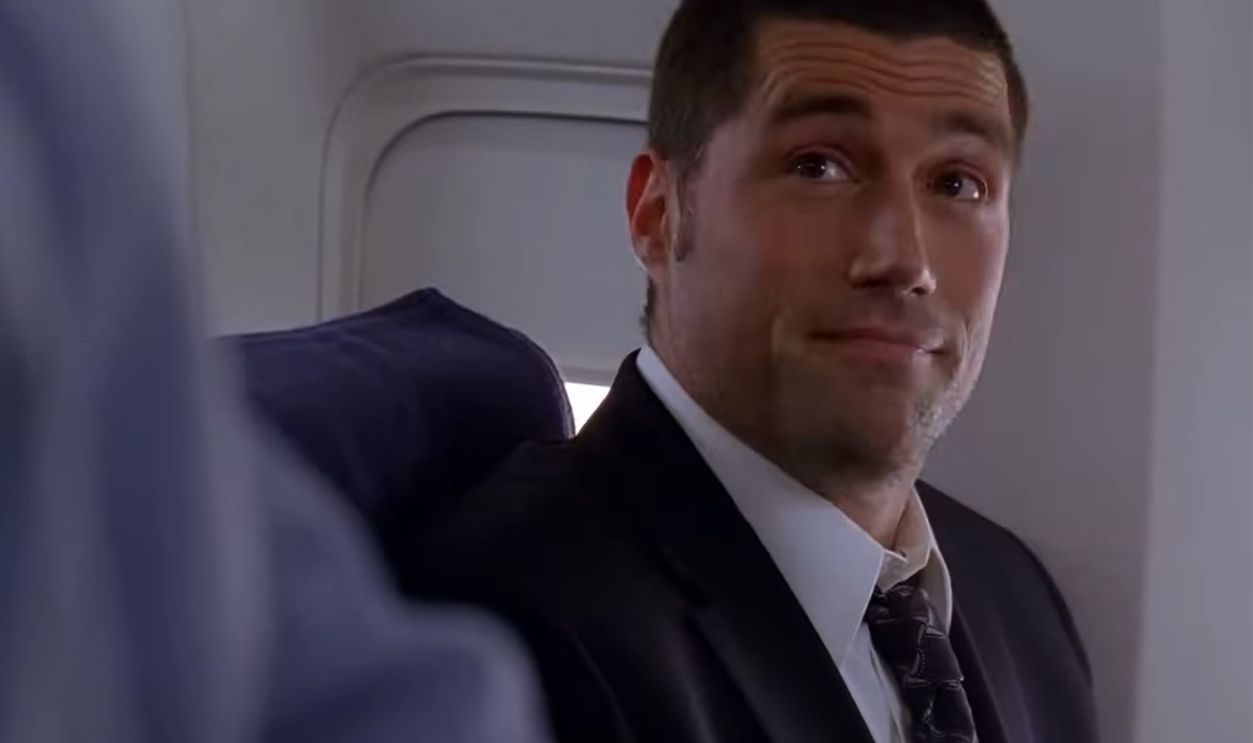 Screenshot from Lost, ABC (2004–2010)
True Blood
The show thrived on excess early on, but later seasons leaned more on shock than story. Creator Alan Ball exited before the final stretch, and the tonal shift was noticeable. Ending one season earlier would’ve preserved the show’s wild energy without pushing it into outright self-parody.
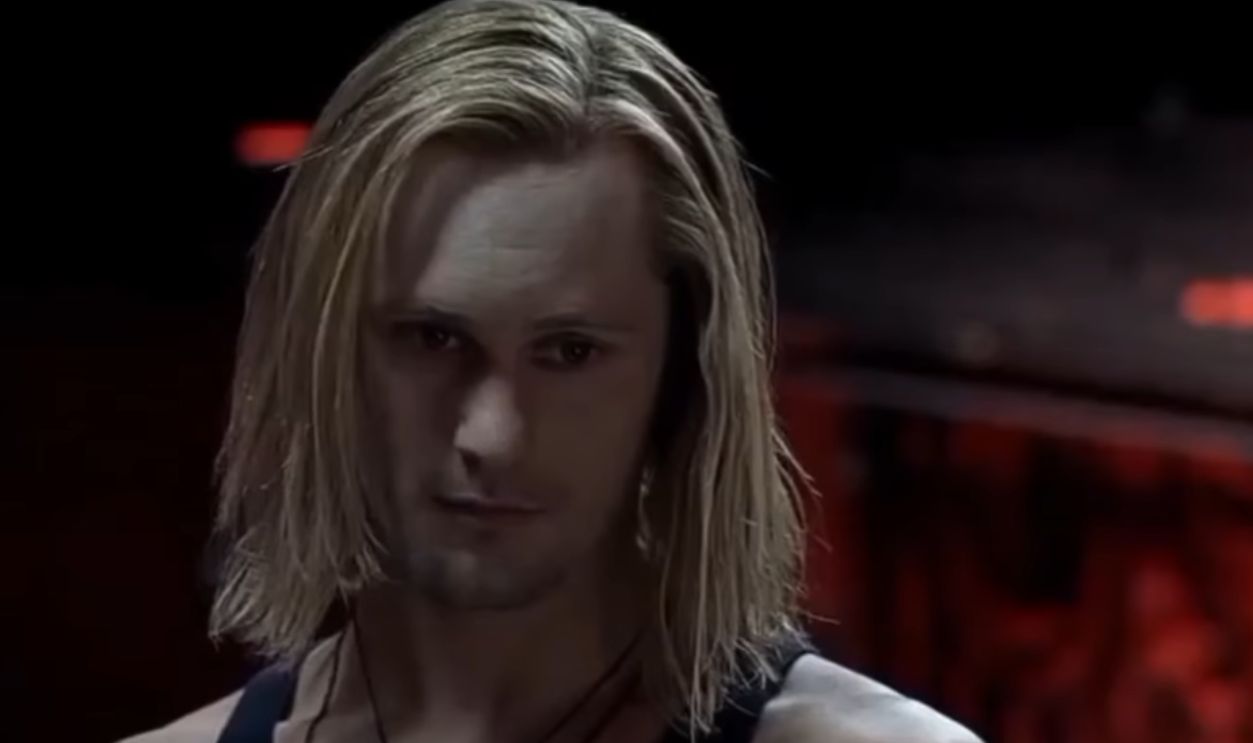 Screenshot from True Blood, HBO Entertainment (2008–2014)
The Walking Dead
Even strong character exits began to lose impact as the series stretched on. Andrew Lincoln later admitted he stayed longer than initially planned. The narrative became cyclical, introducing new villains without long-term payoff. Ending one season earlier would’ve given the show a sense of finality instead of prolonged repetition.
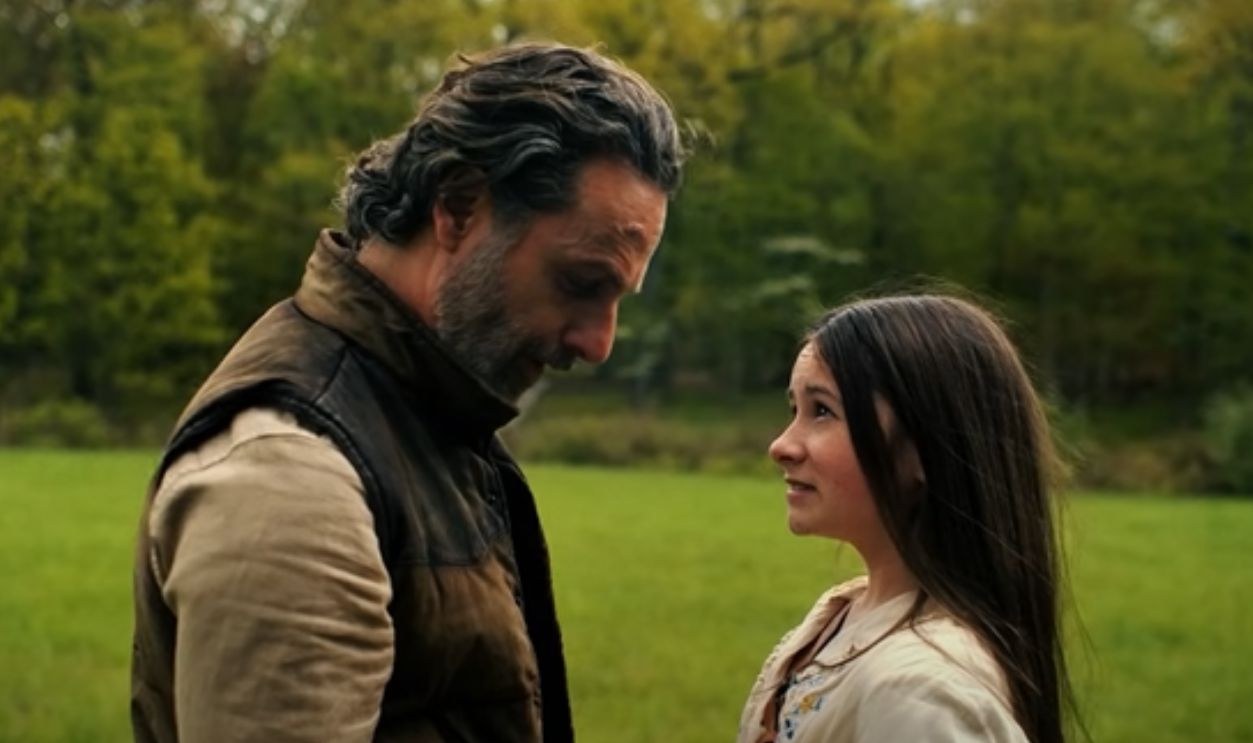 Screenshot from The Walking Dead, AMC Networks (2010–2022)
Scrubs
Creator Bill Lawrence has been clear that the final season was intended as a spinoff, not a continuation—but network branding muddied the message. The emotional goodbye had already happened. Ending one season earlier would’ve preserved one of TV’s most satisfying finales without confusing viewers.
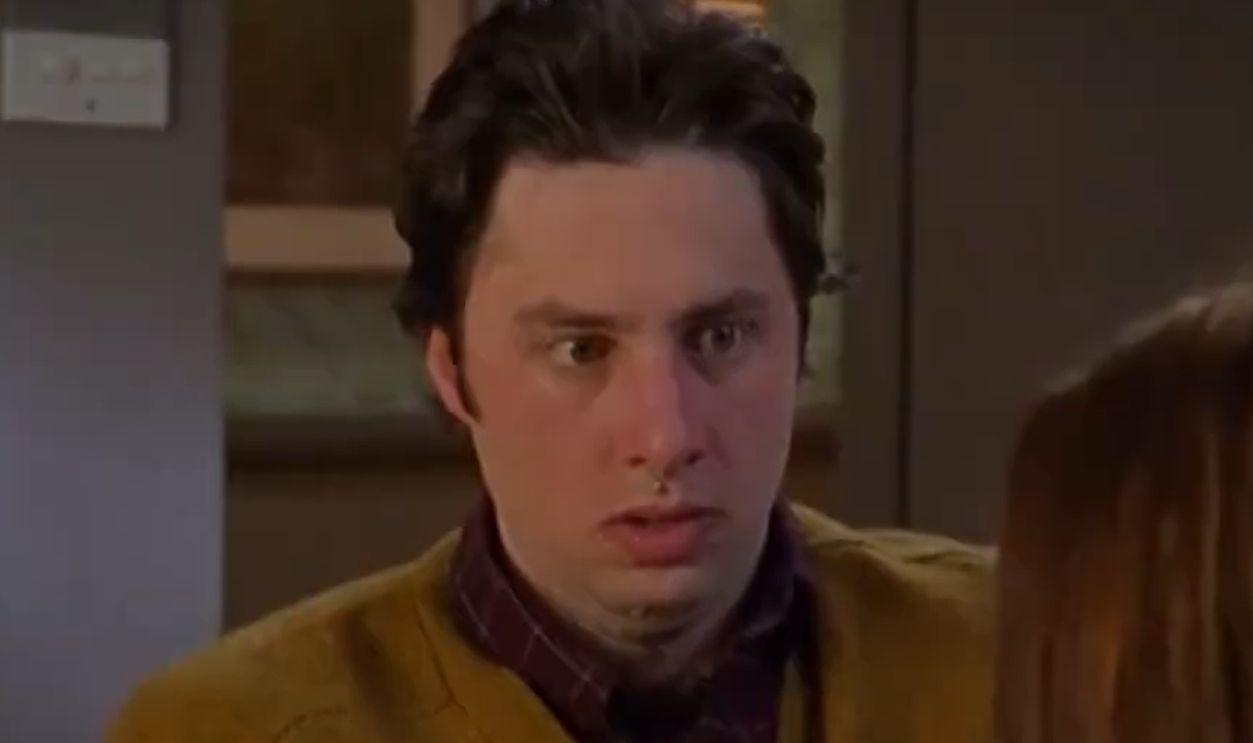 Screenshot from Scrubs, ABC (2001–2010)
House of Cards
The show had already peaked creatively before its final stretch. Even before real-world events forced changes, the narrative momentum was fading. Robin Wright later acknowledged how difficult it was to sustain the story. Ending earlier would’ve locked the show at its sharpest instead of letting it unravel.
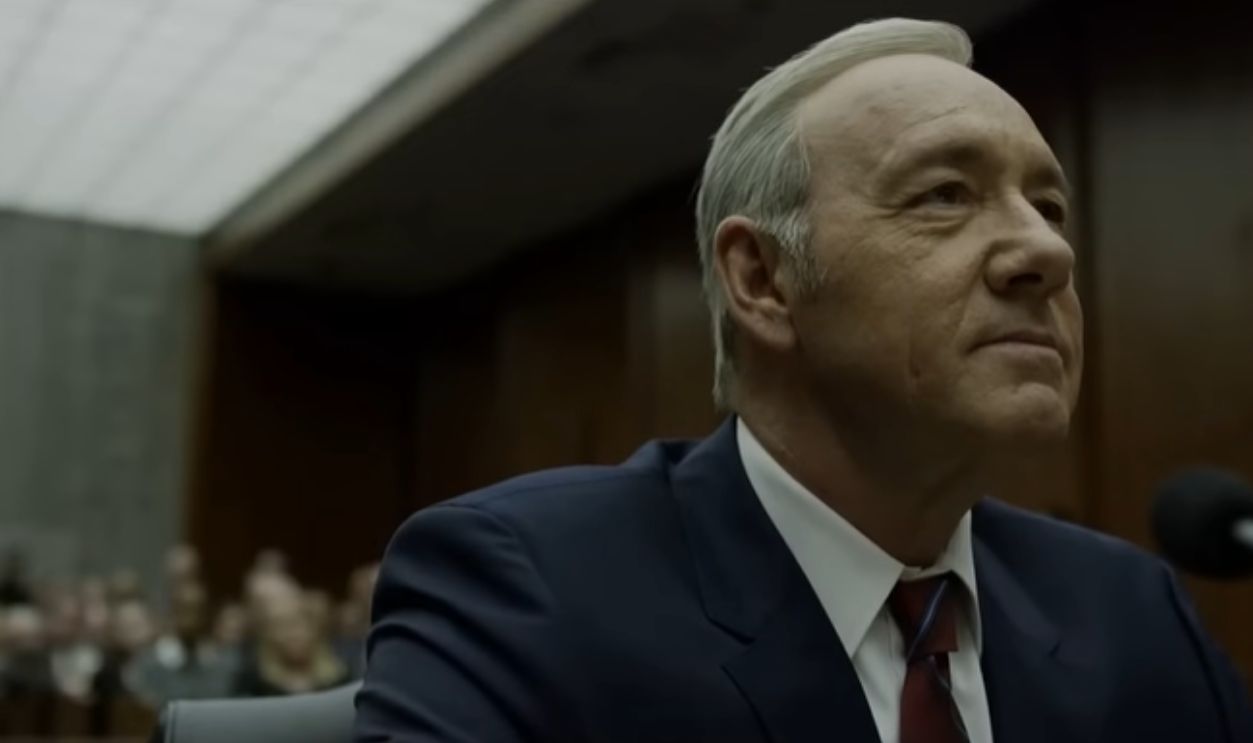 Screenshot from House of Cards, Netflix (2013-2018)
Orange Is the New Black
Later seasons remained socially conscious but began repeating themes rather than deepening them. Creator Jenji Kohan has said the goal was empathy, but sustaining that balance over many seasons proved difficult. Ending one season earlier would’ve preserved the show’s emotional precision.
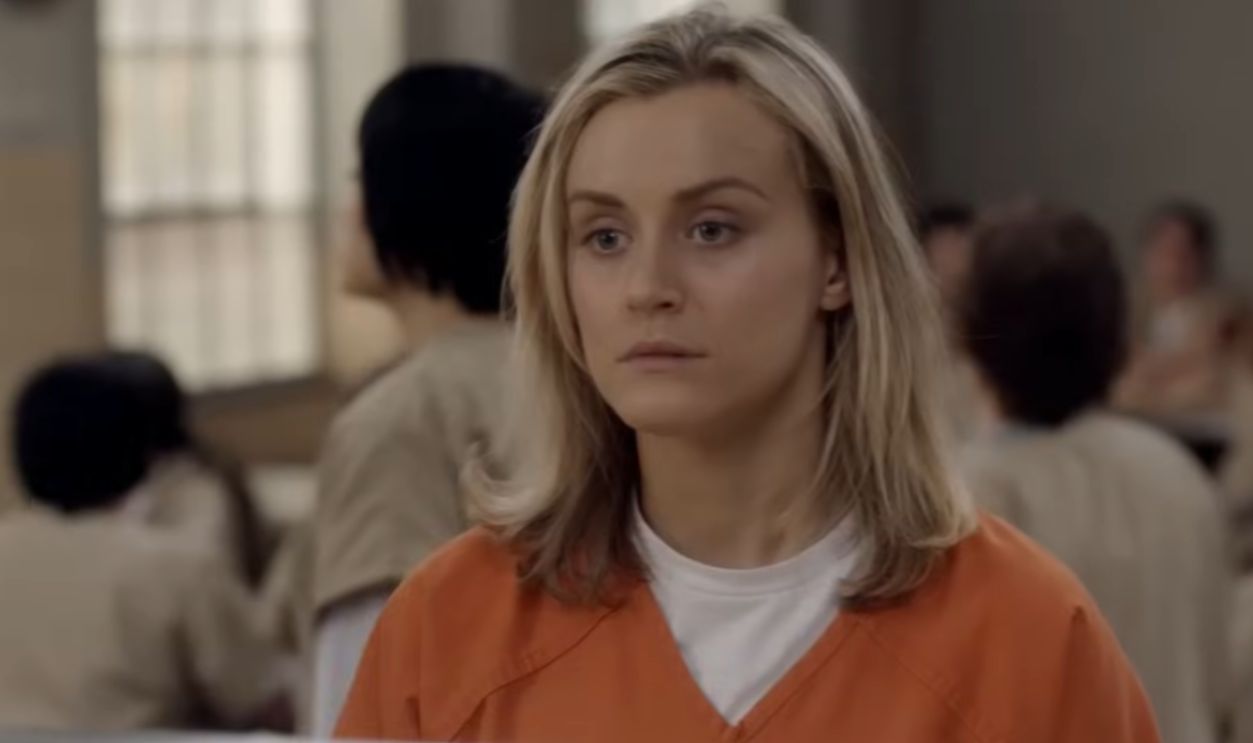 Screenshot from Orange Is The New Black, Netflix (2013–2019)
Weeds
Mary-Louise Parker once joked that the show kept testing how far Nancy Botwin could be pushed. Eventually, that answer became too far. The later seasons relied on reinvention instead of development. Ending earlier would’ve kept the premise sharp instead of cyclical.
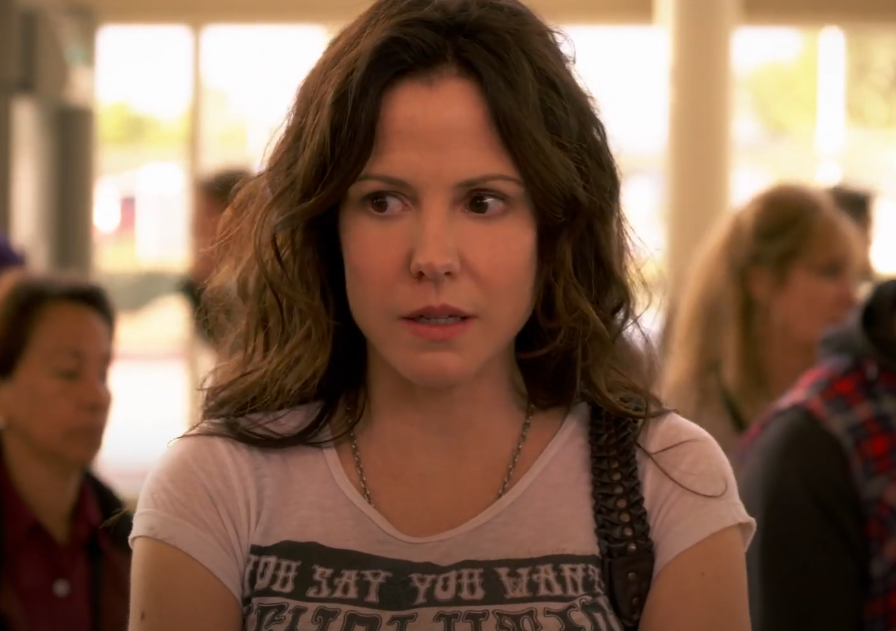 Screenshot from Weeds, Lionsgate (2005–2012)
The X-Files
By season seven, the mythology had become increasingly tangled, and David Duchovny’s reduced presence shifted the show’s balance. Chris Carter later admitted the long-running conspiracy became harder to control over time. Ending one season earlier would’ve preserved the mystery instead of exhausting it.
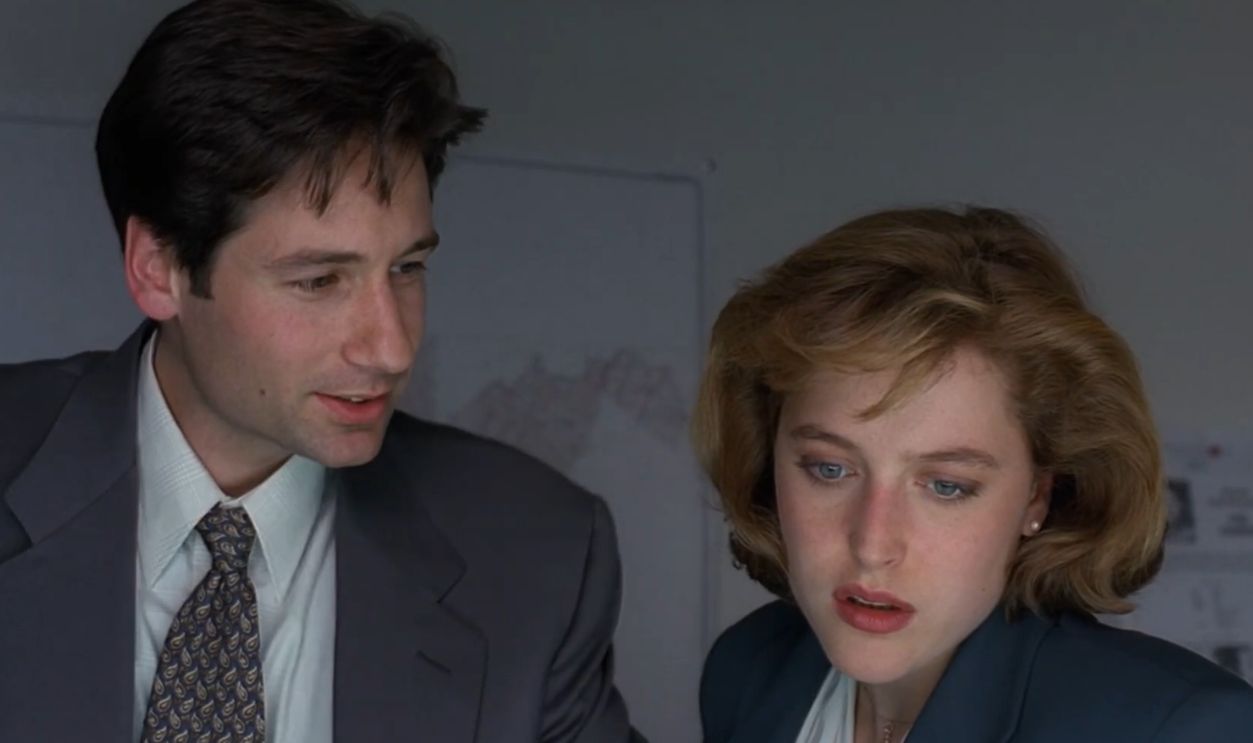 Screenshot from The X-Files, Fox Broadcasting Company (1993–2018)
Northern Exposure
The departure of Rob Morrow quietly shifted the show’s emotional center. Later seasons struggled to recapture the same charm and cohesion. Ending one season earlier would’ve preserved its offbeat warmth.
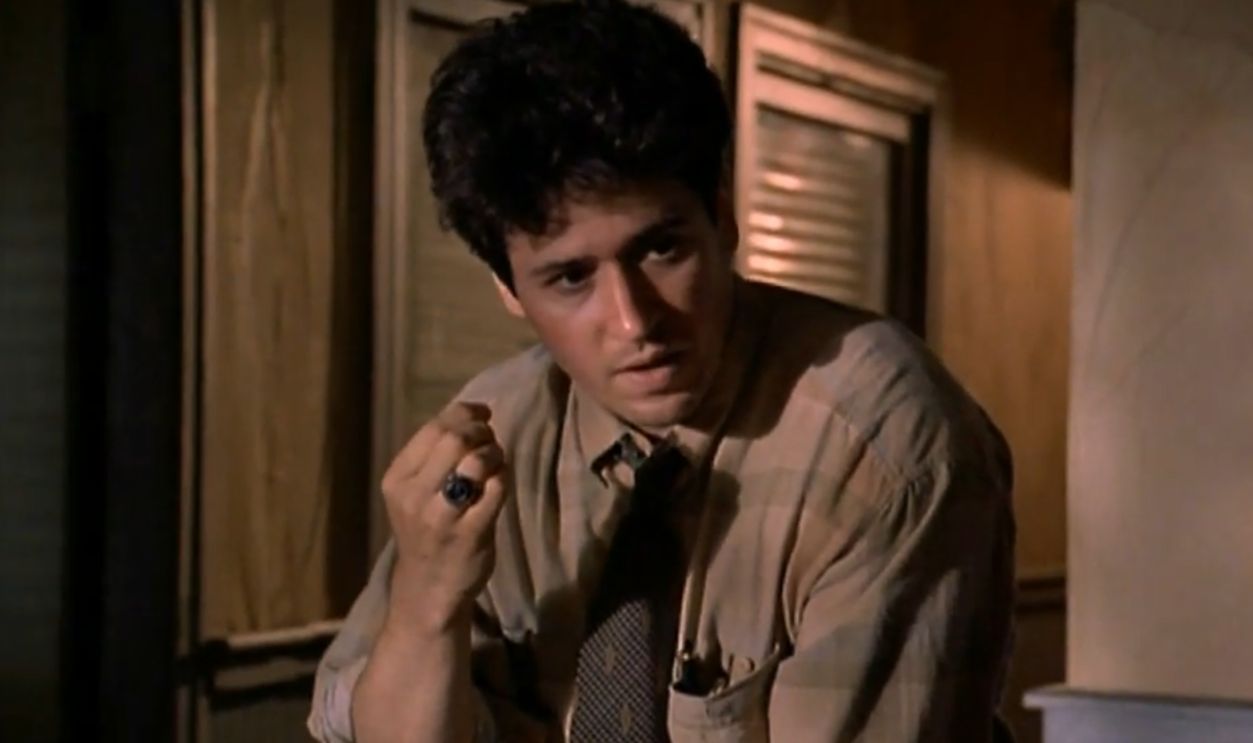 CBS, Northern Exposure (1990–1995)
All in the Family
As the series went on, its once-sharp social conflicts softened. Norman Lear later acknowledged the challenge of keeping the show as biting once characters evolved and tensions eased. Ending one season earlier would’ve preserved its edge and cultural urgency.
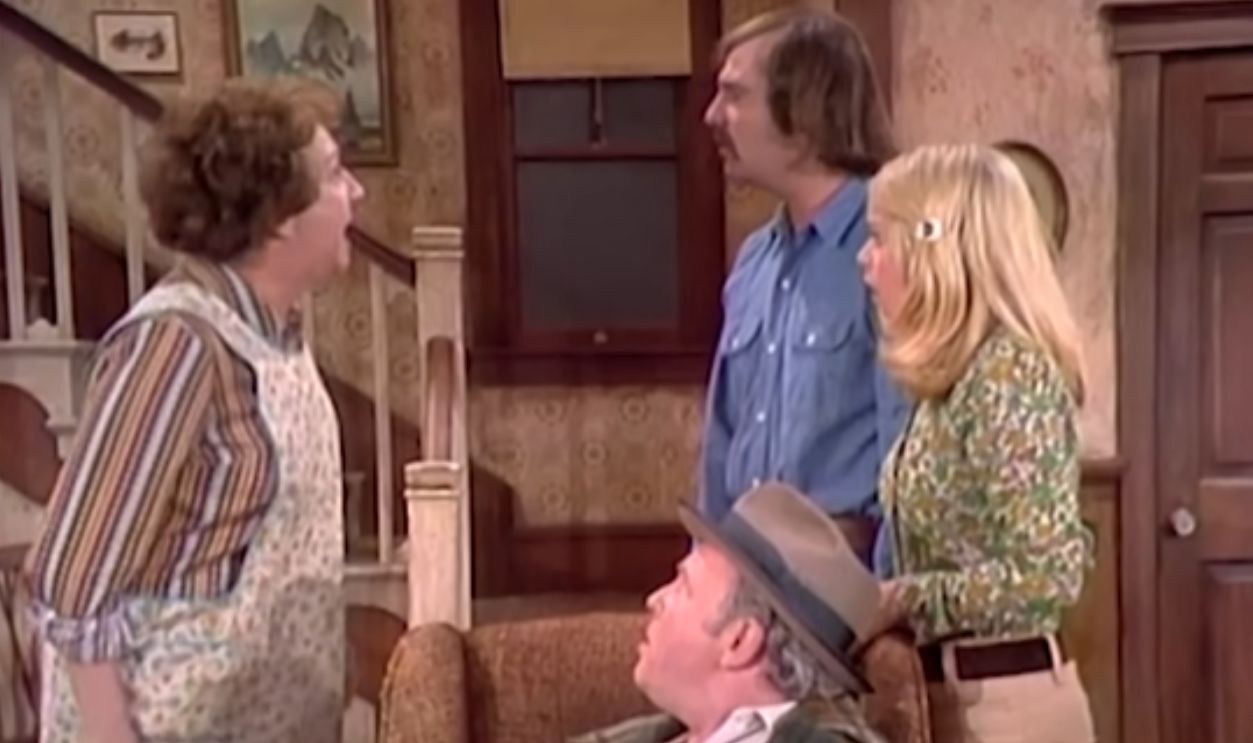 Screenshot from All in the Family, CBS (1971-1979)
The Twilight Zone
Rod Serling later admitted he was exhausted by the final season, which featured more remakes and fewer original scripts. The show’s influence was already secure. Ending one season earlier would’ve left The Twilight Zone almost universally flawless instead of slightly uneven at the end.
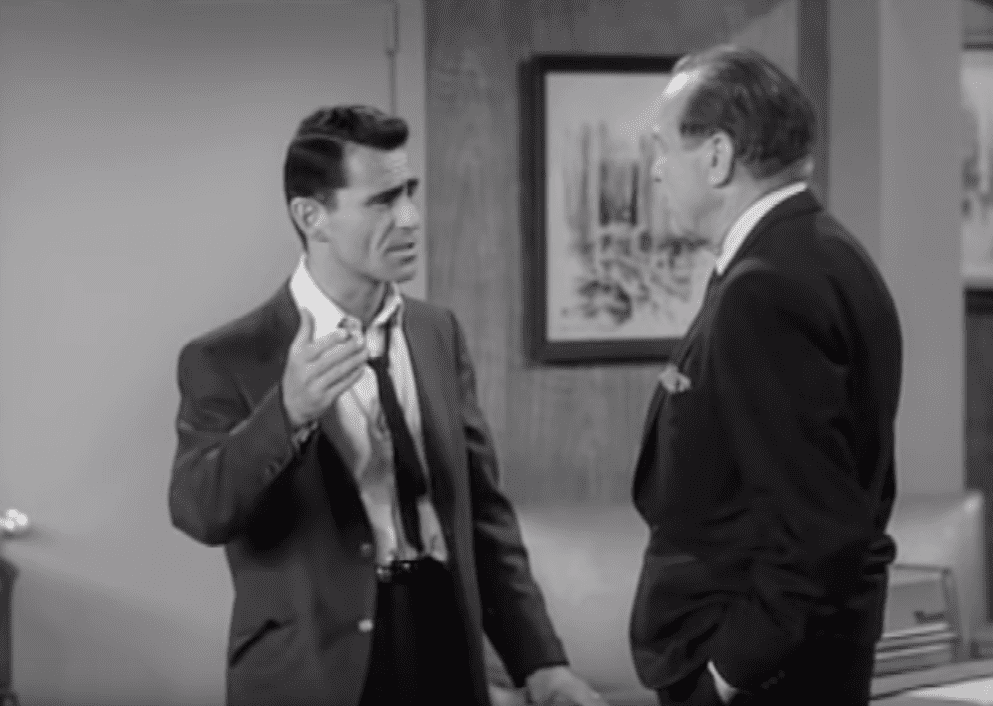 Screenshot from The Twilight Zone, CBS Television (1959–1964)
The Mary Tyler Moore Show
Still beloved—but clearly winding down. Writers have said later seasons became more reflective than driven, as character arcs resolved naturally. Ending one season earlier would’ve kept the farewell concise and emotionally sharp rather than extended.
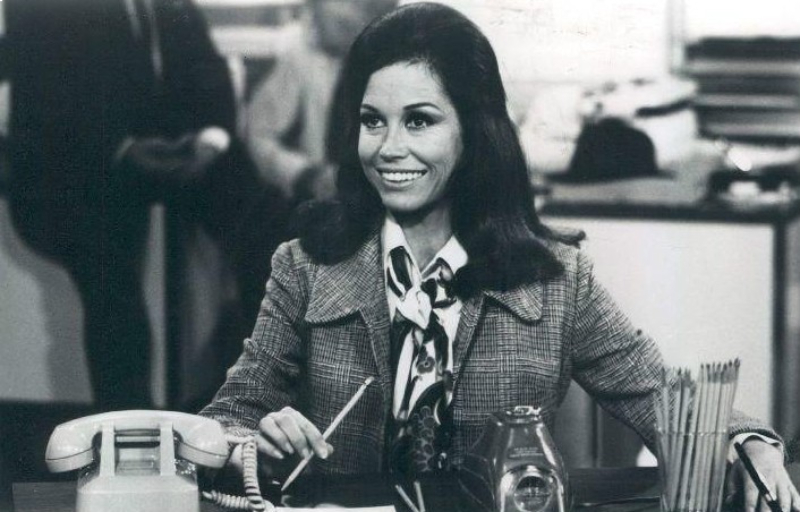 CBS Television, Wikimedia Commons
Knowing When to Stop Is a Skill
These shows didn’t fail—they just stayed a little too long. Ending one season earlier wouldn’t have erased what fans loved. It would’ve frozen those series at their strongest moment. In television, timing matters as much as talent.
 Screenshot from The X-Files, FOX (1993–2018)
You Might Also Like:
These 44 Shows Let Their Main Characters Slip Out Of Focus
Classic TV Catchphrases Baby Boomers Love That Most Millennials Don’t Get At All