Dial It Back
There was a time when TV shows didn’t just entertain—they gave everyone the same phrases to repeat at school, at work, and around the dinner table. You didn’t need context. If you watched television, you knew them. Baby Boomers grew up quoting these lines constantly. Millennials don’t get the joke—and usually don’t know there was one.
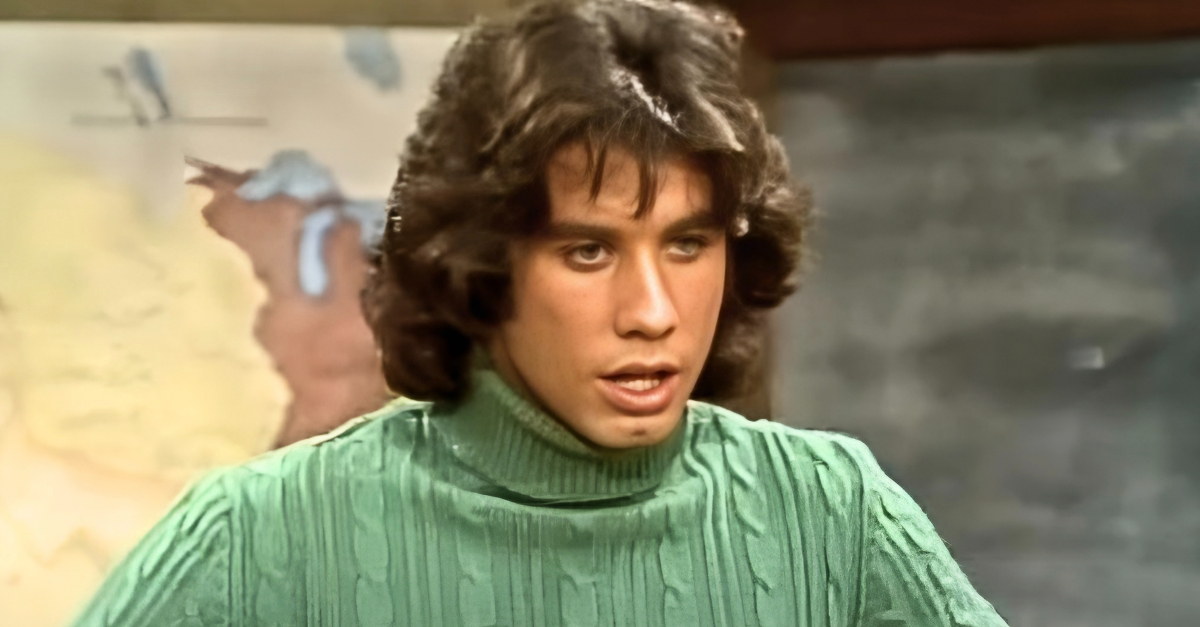
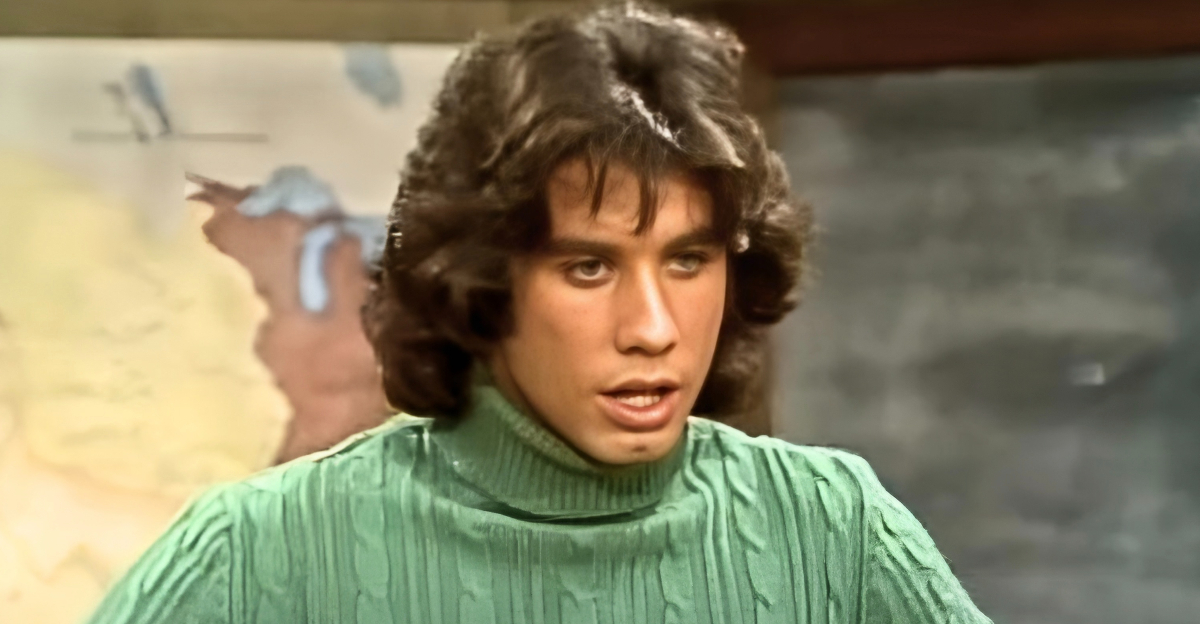 Screenshot from Welcome Back, Kotter, ABC Television (1975)
“You Bet Your Sweet Bippy”
This one came straight out of Laugh-In, and for a while, it was everywhere. It sounded funny, a little rebellious, and harmless enough for TV. People said it constantly. Today, it mostly exists as proof that every generation once sounded ridiculous—and as something Millennials usually hear only when someone’s dad is being ironic.
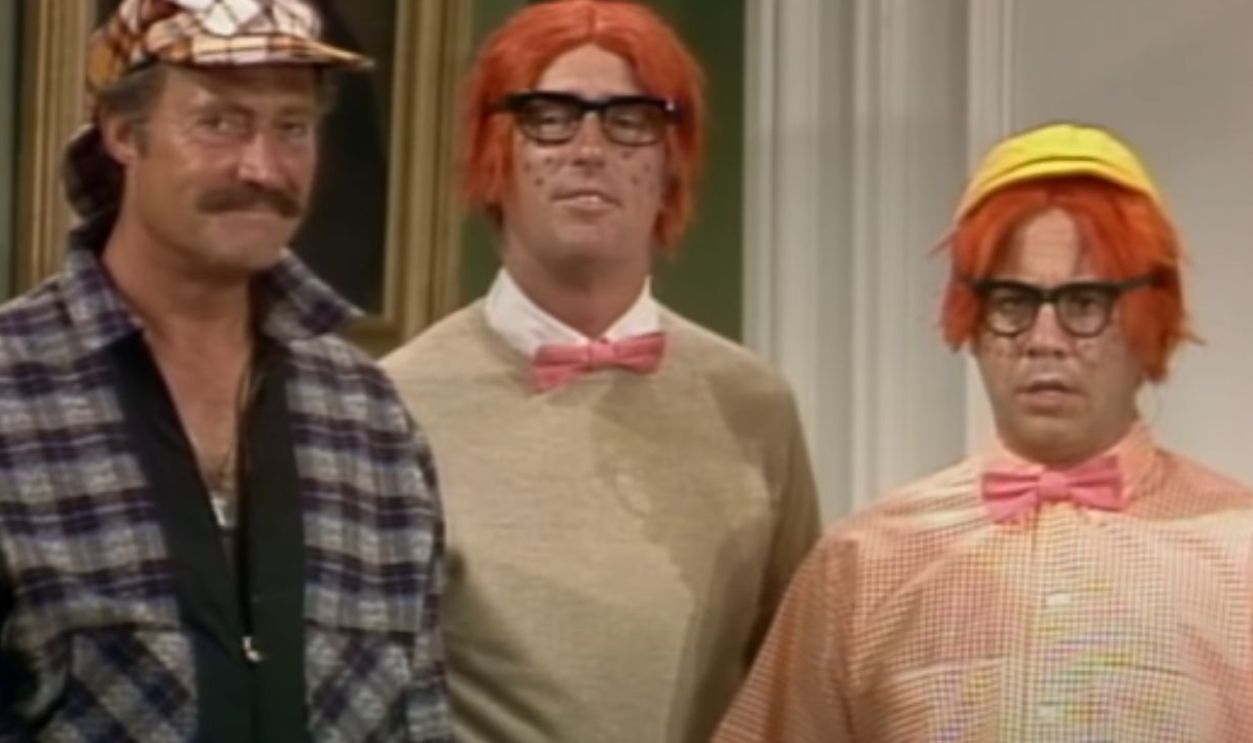 Screenshot from Laugh-In, NBC (1968–1973)
“Sock It To Me!”
Another Laugh-In favorite, usually shouted right before someone got drenched, embarrassed, or dropped through a trap door. The phrase became so popular that even President Richard Nixon appeared on the show and delivered it himself—one of the strangest moments in television history. Boomers remember it as genuinely exciting. Millennials are often surprised to learn it wasn’t parody, and that a sitting president actually said it on purpose.
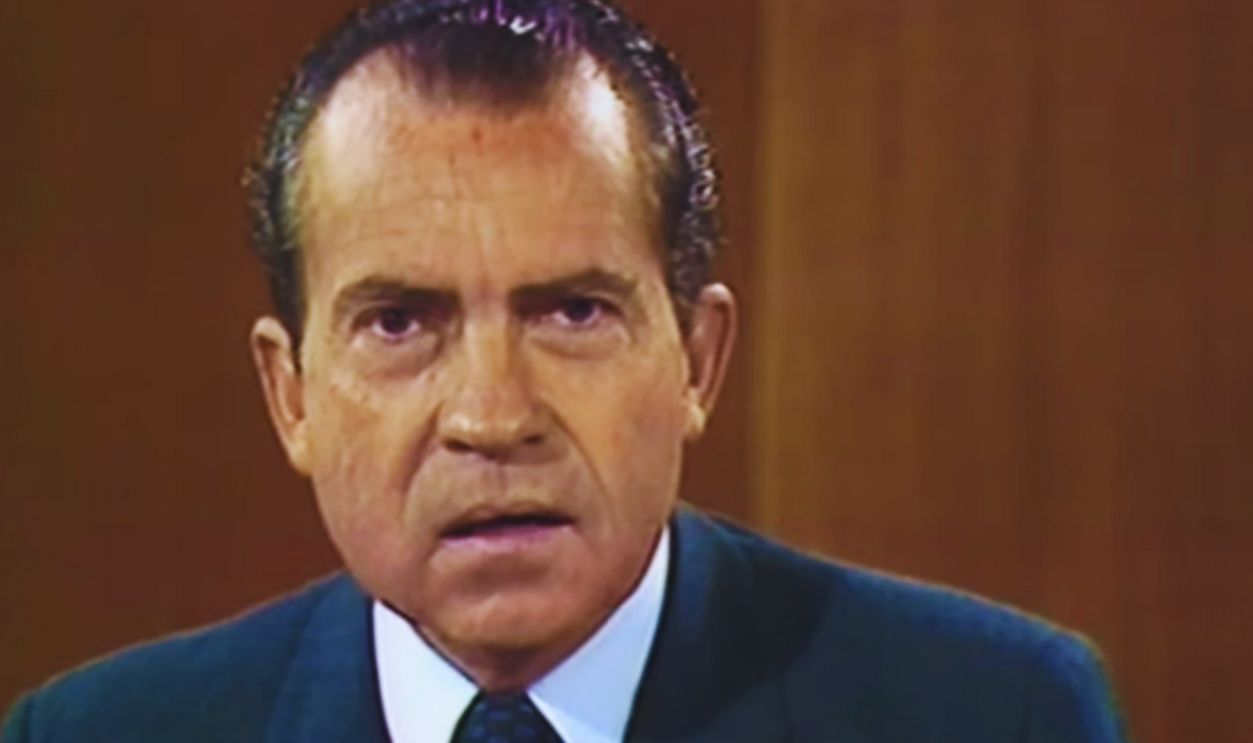 Screenshot from Laugh-In, NBC (1968–1973)
“Sit On It”
Fonzie turned this insult into something oddly friendly on Happy Days. It was dismissive, but never cruel, and it relied completely on delivery. Coming from anyone else, it wouldn’t have worked. That’s why Millennials hearing it now often miss that it was meant to be playful, not aggressive.
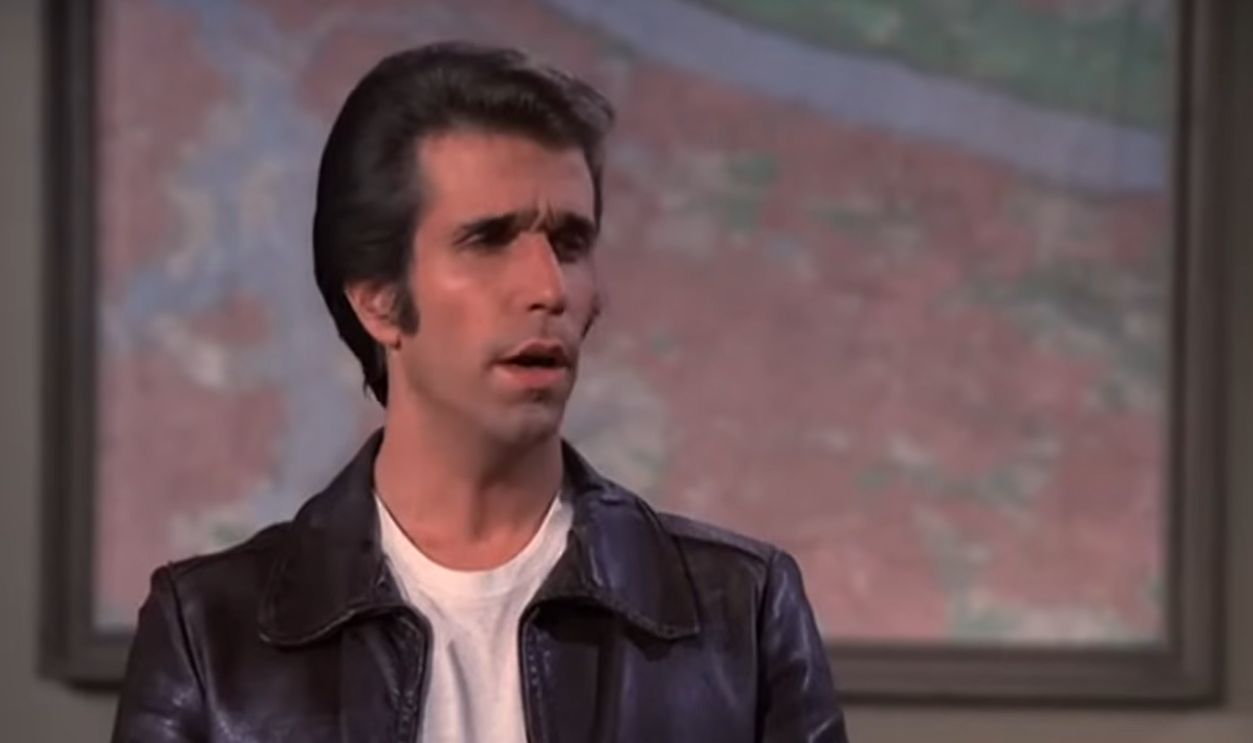 Screenshot from Happy Days, ABC (1974–1984)
“Dyn-o-mite!”
Jimmy Walker shouted this so often on Good Times that it became inseparable from him. It didn’t need context or setup—the delivery did all the work. Boomers instantly connect it to the character. Millennials often recognize the word without knowing who said it or why it mattered.
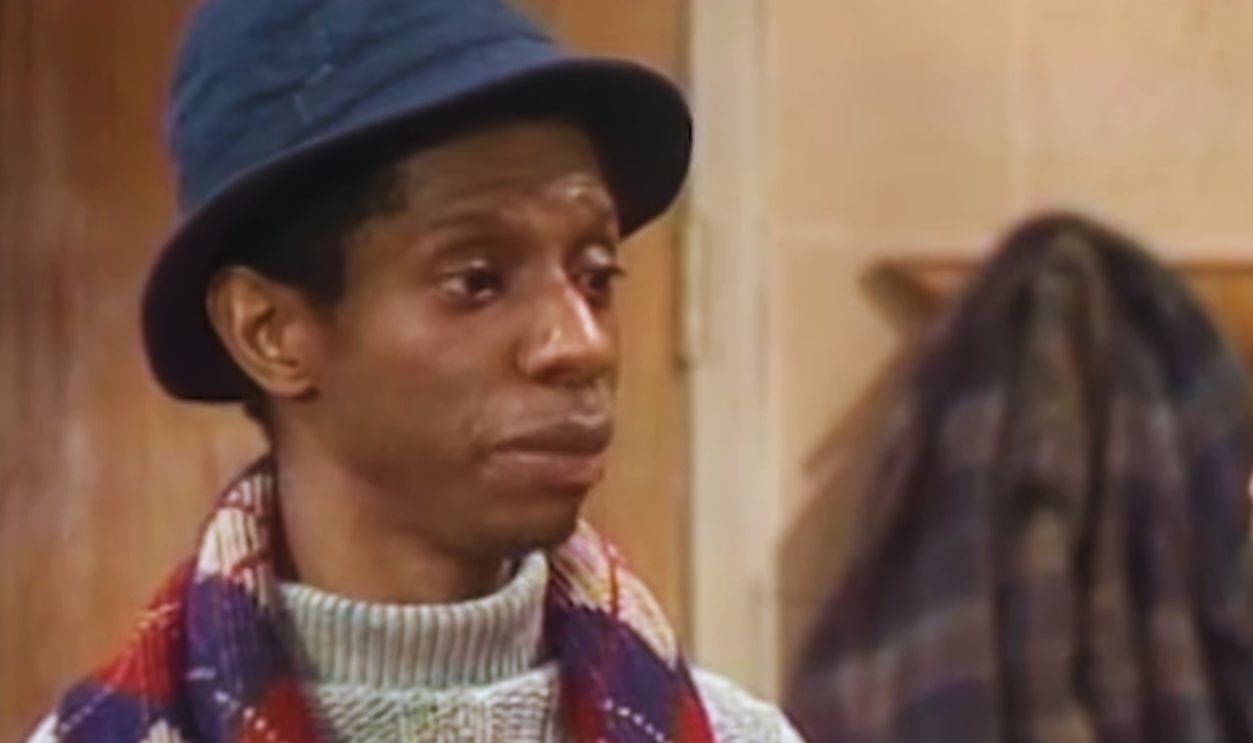 Screenshot from Good Times, CBS (1974–1979)
“Kiss My Grits”
Made famous by Alice, this line was Southern sass without crossing the line into actual swearing. It gave Flo a way to talk back and still stay within broadcast rules. Boomers loved the attitude behind it. Millennials are more likely to assume it’s ironic slang or something invented long after the show ended.
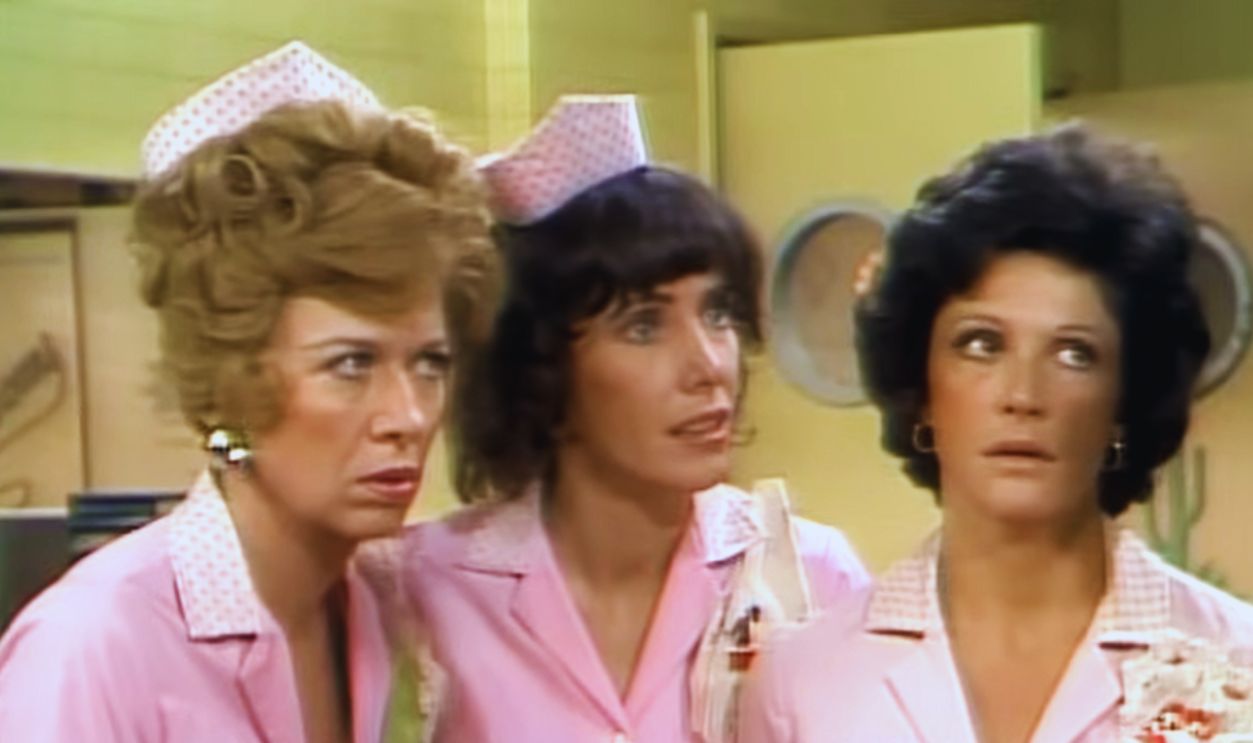 Screenshot from Alice, CBS (1976–1985)
“Up Your Nose With a Rubber Hose”
This Welcome Back, Kotter insult sounded far more inappropriate than it actually was. Kids loved repeating it because it felt rebellious, even though it didn’t really mean anything. It mostly worked because no one could quite explain what it meant—only that it felt wrong enough to be funny. Millennials hearing it today…pure confusion.
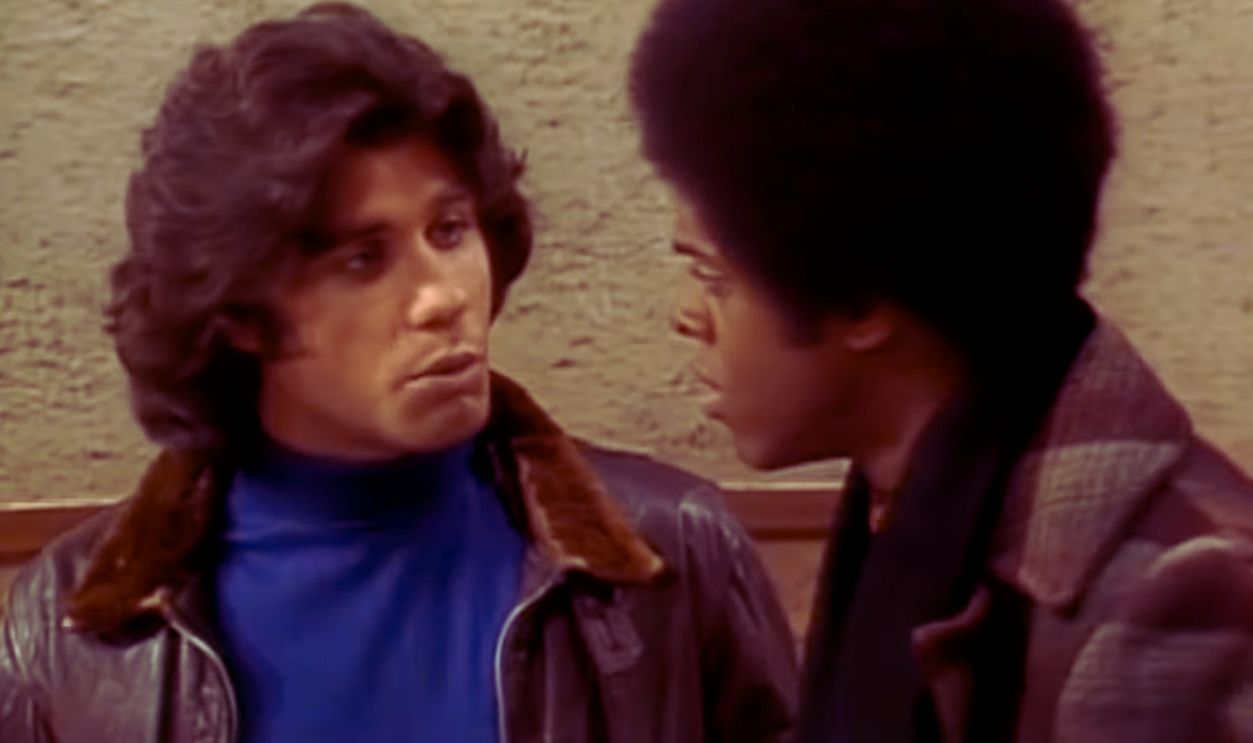 Screenshot from Welcome Back, Kotter, ABC (1975–1979)
“Book ’Em, Danno”
Straight from Hawaii Five-O, this line wasn’t meant to be funny. It was serious, authoritative, and meant to signal that justice had been served. Boomers heard it week after week. Millennials often recognize it as a reference—but couldn’t tell you which show it’s from, or who Danno is supposed to be.
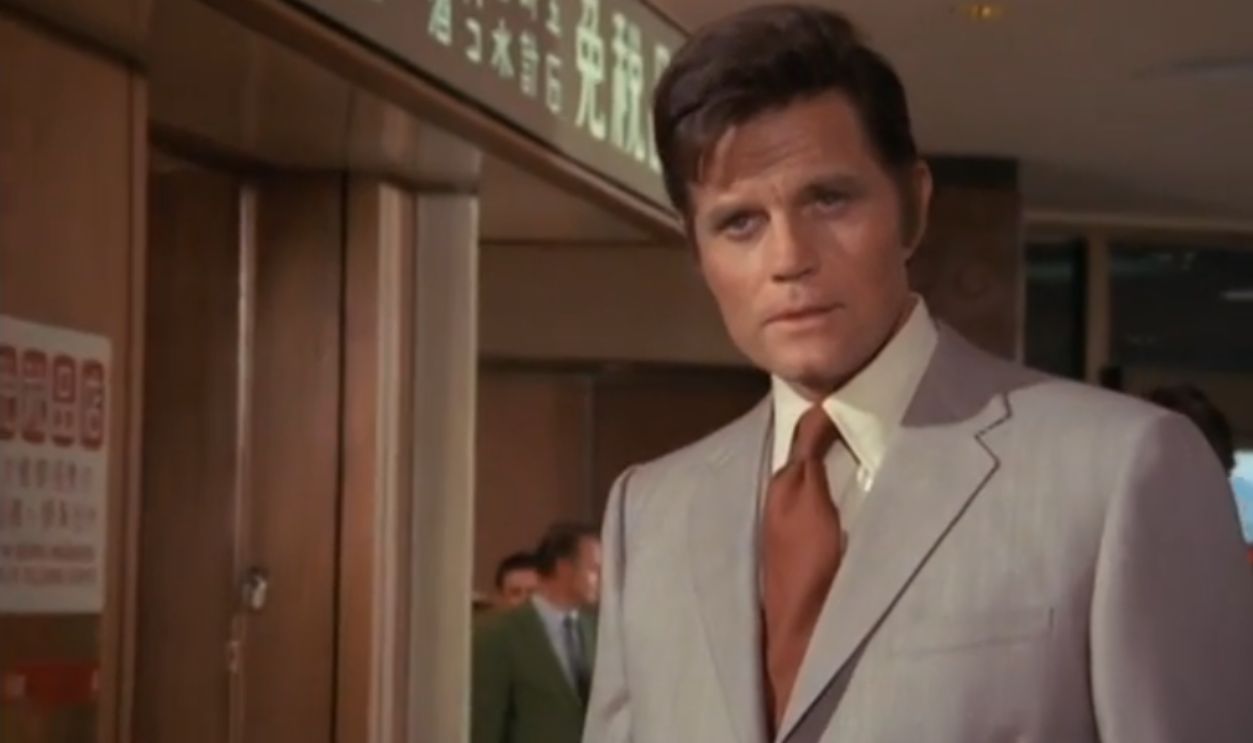 Screenshot from Hawaii Five-O, CBS (1968–1980)
“Here’s Johnny!”
Johnny Carson’s nightly intro on The Tonight Show was appointment television for decades. Boomers heard this phrase almost every night of their lives. Millennials, however, are far more likely to associate it with The Shining than late-night TV. Boomers still hear applause. Everyone else hears a door being chopped in half.
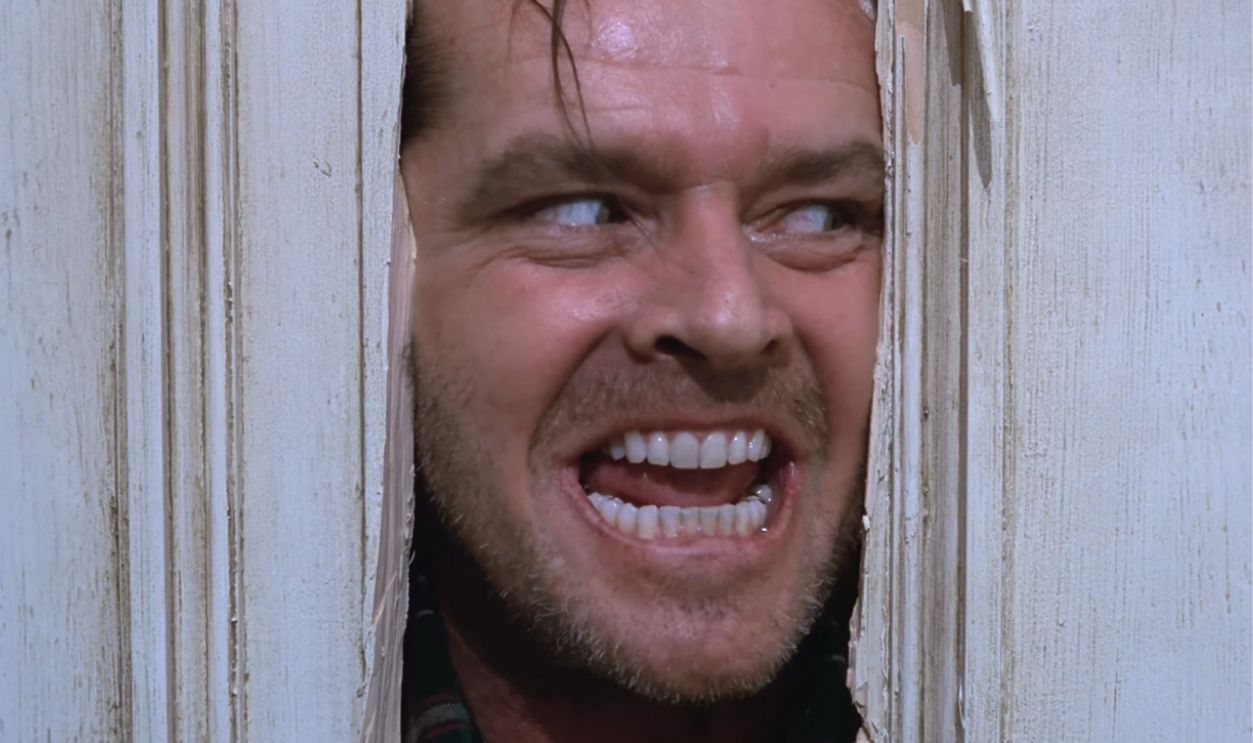 Screenshot from The Shining, Warner Bros. Pictures (1980)
“Time To Make the Donuts”
Originally from commercials, this phrase escaped into everyday language. It became shorthand for routine, repetition, and showing up to work day after day. Boomers used it casually without thinking about its origin. Millennials tend to understand the meaning, but often don’t realize it started as an ad campaign. It was basically the original “this meeting could’ve been an email.”
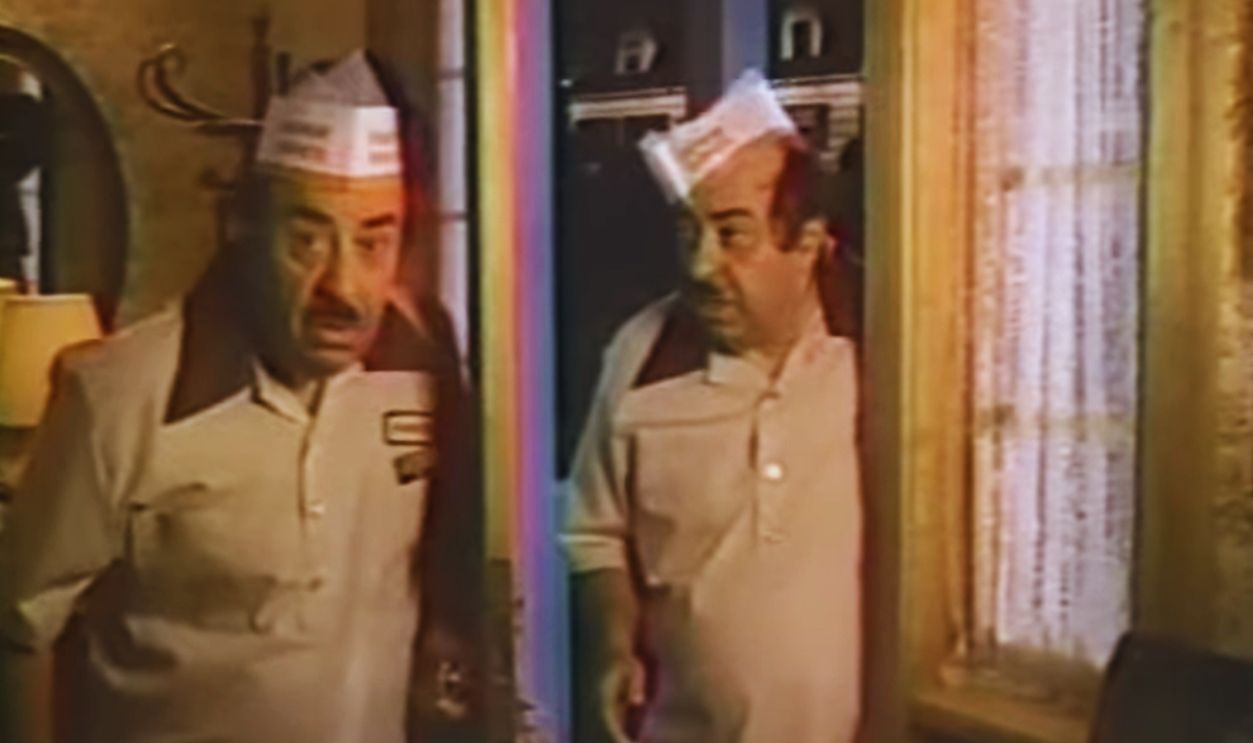 Screenshot from Dunkin’ Donuts TV Commercial, Dunkin’ Donuts (1984)
“What You Talkin’ ’Bout, Willis?”
From Diff’rent Strokes, this line worked almost entirely because of delivery. The words themselves weren’t special—it was the tone and repetition that made it stick. Boomers can still hear exactly how it was said. Millennials often recognize the structure without knowing the source.
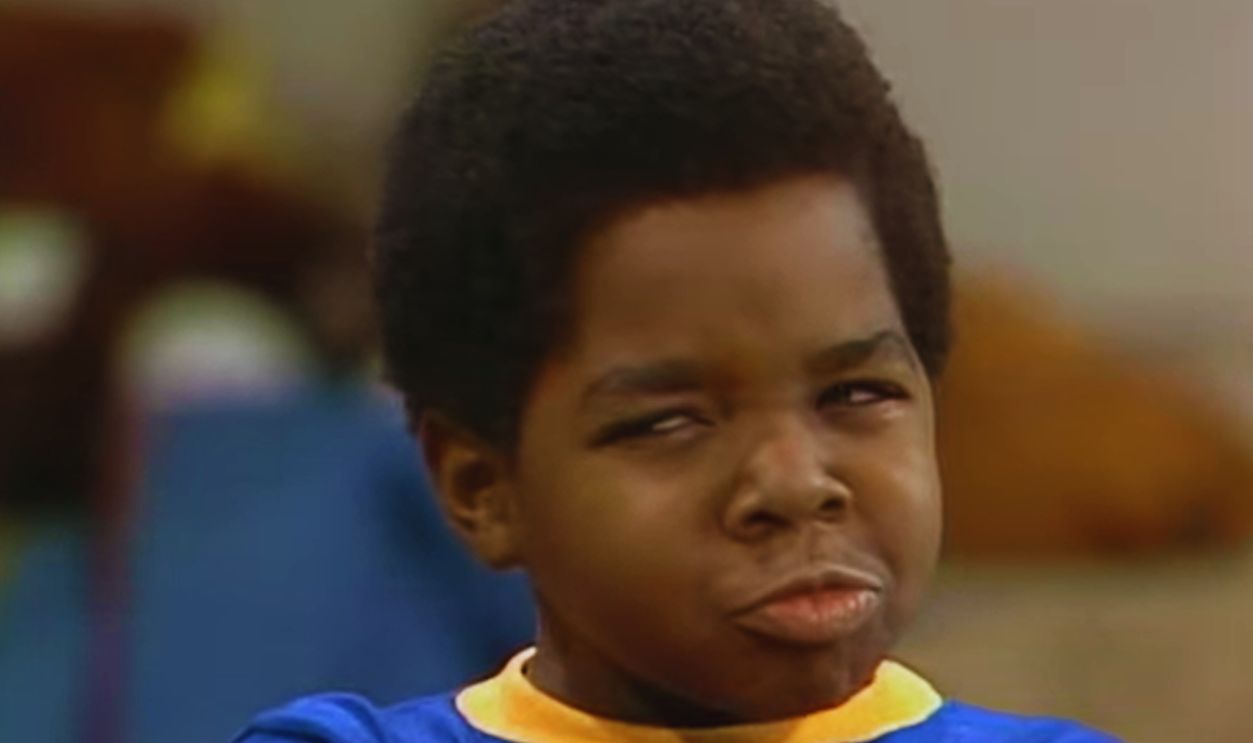 Screenshot from Diff’rent Strokes, NBC (1978–1986)
“I Know Nothing!”
Sgt. Schultz’s repeated denial on Hogan’s Heroes became the character’s entire identity. Everyone watching knew he absolutely knew something. That contrast was the joke. Millennials who’ve heard the phrase are often surprised to learn it comes from a long-running WWII sitcom.
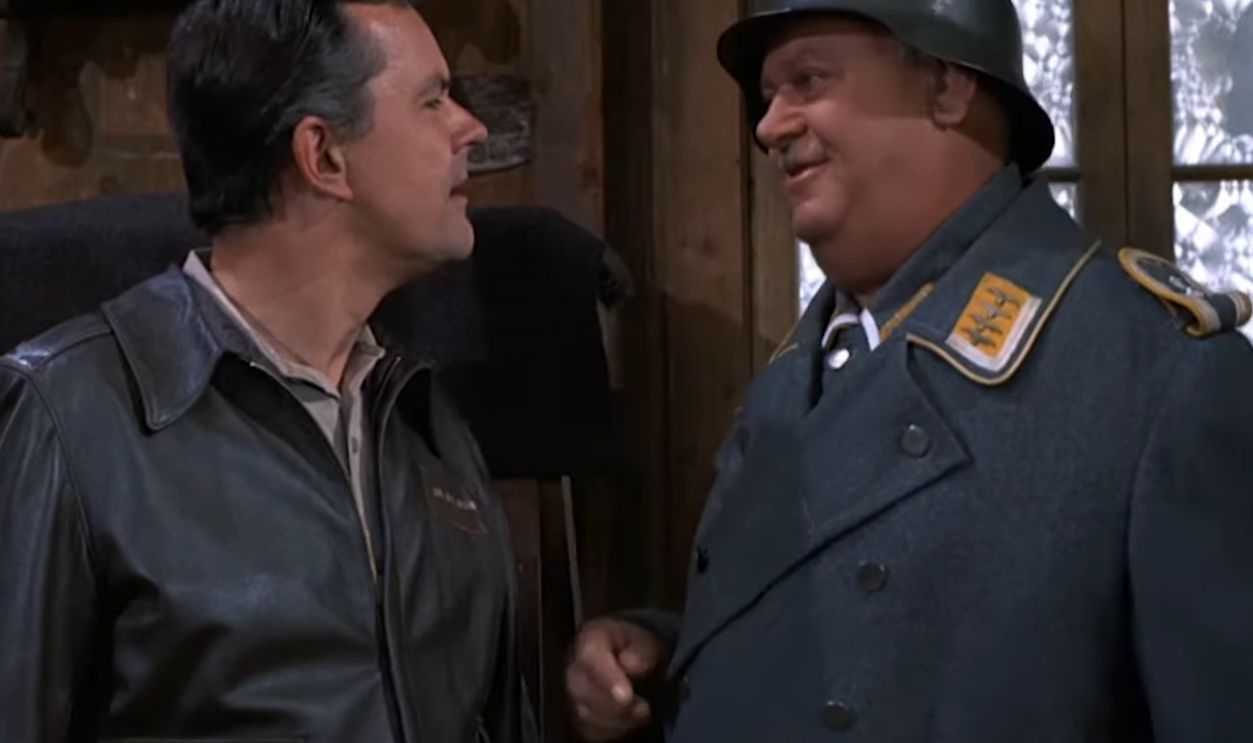 Screenshot from Hogan’s Heroes, CBS (1965–1971)
“Stifle Yourself”
Archie Bunker’s favorite way to shut down a conversation on All in the Family. It wasn’t clever or subtle—it was blunt. Boomers remember it because it perfectly matched the character. Millennials tend to hear it as oddly polite for something meant to be dismissive.
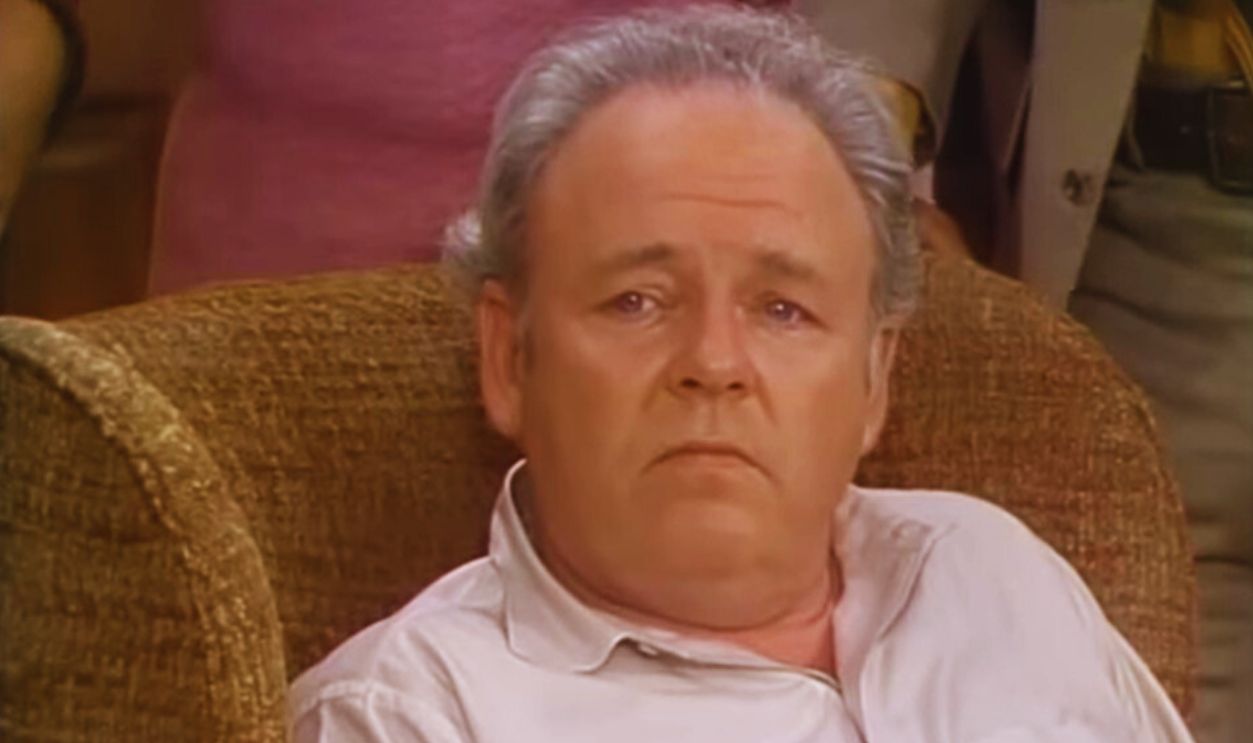 Screenshot from All in the Family, CBS (1971–1979)
“Marcia, Marcia, Marcia!”
Jan Brady’s frustrated outburst became shorthand for being overshadowed. Boomers watched the moment sincerely when it first aired. Millennials mostly encountered it through parody, often without knowing the original scene—or why it resonated.
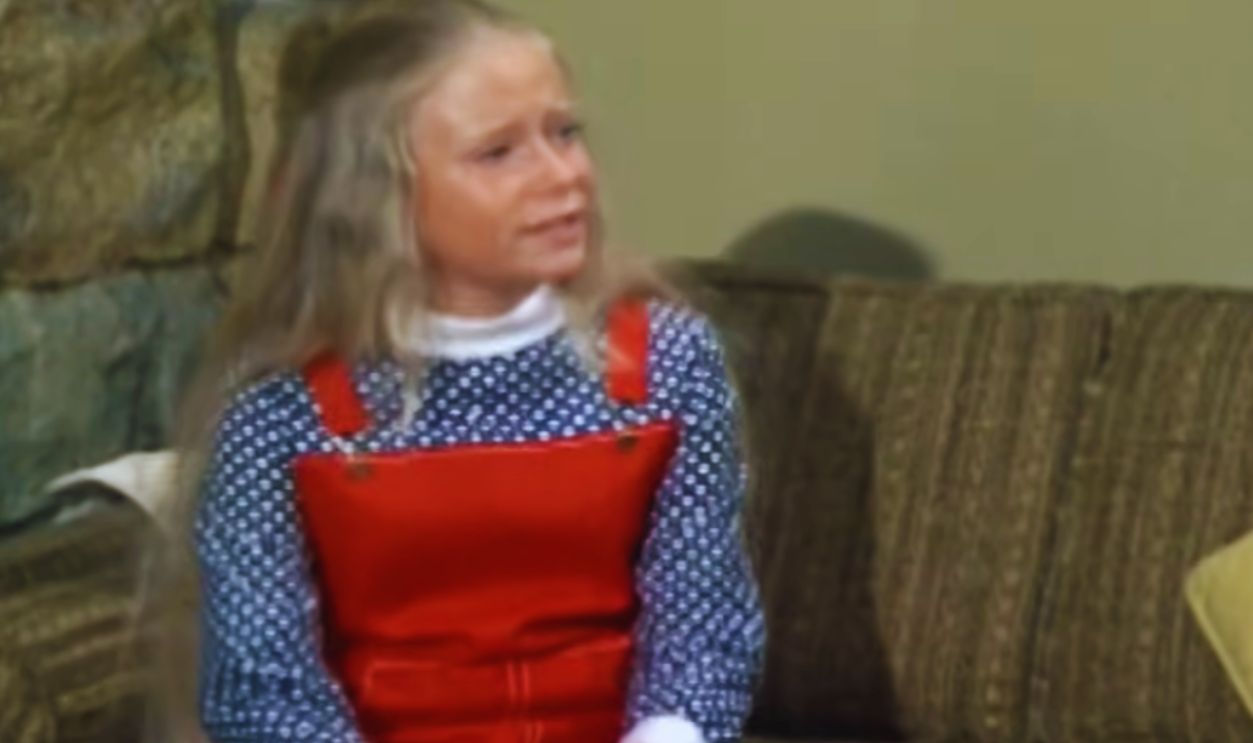 Screenshot from The Brady Bunch, ABC (1969–1974)
“Shazaaam!”
Say the word, get struck by lightning, become a superhero. Captain Marvel turned this into a Saturday morning ritual with very clear rules. Boomers remember the entire setup. Millennials hear Shazam and think of the 1996 movie starring Shaquille O’Neal—right up until they remember that movie was actually called Kazaam.
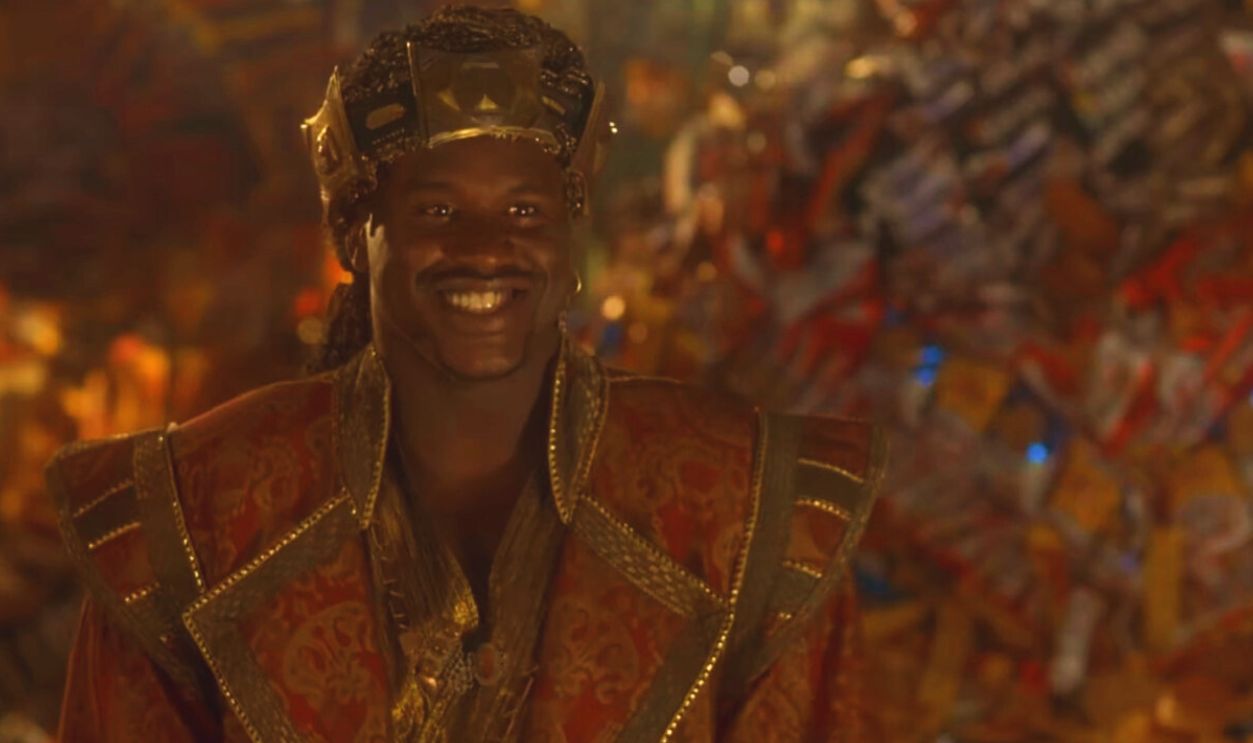 Screenshot from Kazaam, Buena Vista Pictures Distribution (1996)
“One Of These Days…”
Fred Sanford threatened this constantly on Sanford and Son. It never led anywhere, and everyone knew it wouldn’t. The humor came from the buildup, not the payoff. Millennials often hear it as a generic threat, missing that it was always a running joke.
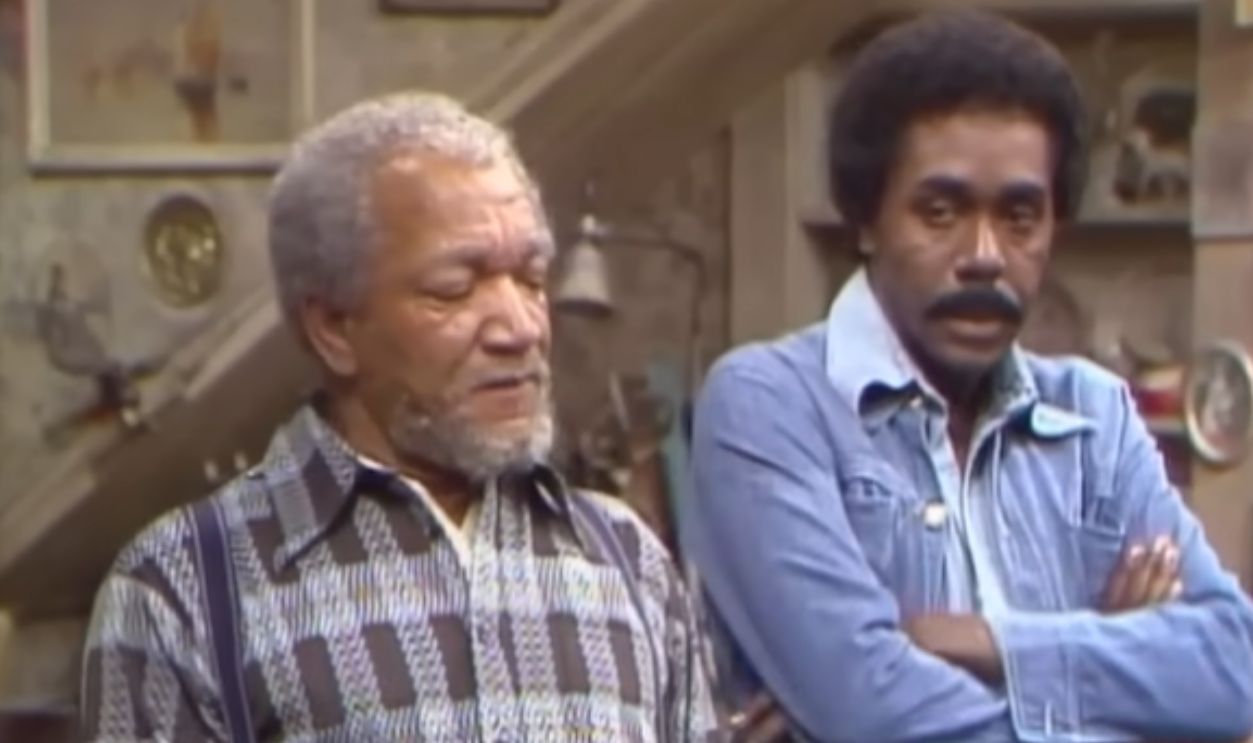 Screenshot from Sanford and Son, NBC (1972-1977)
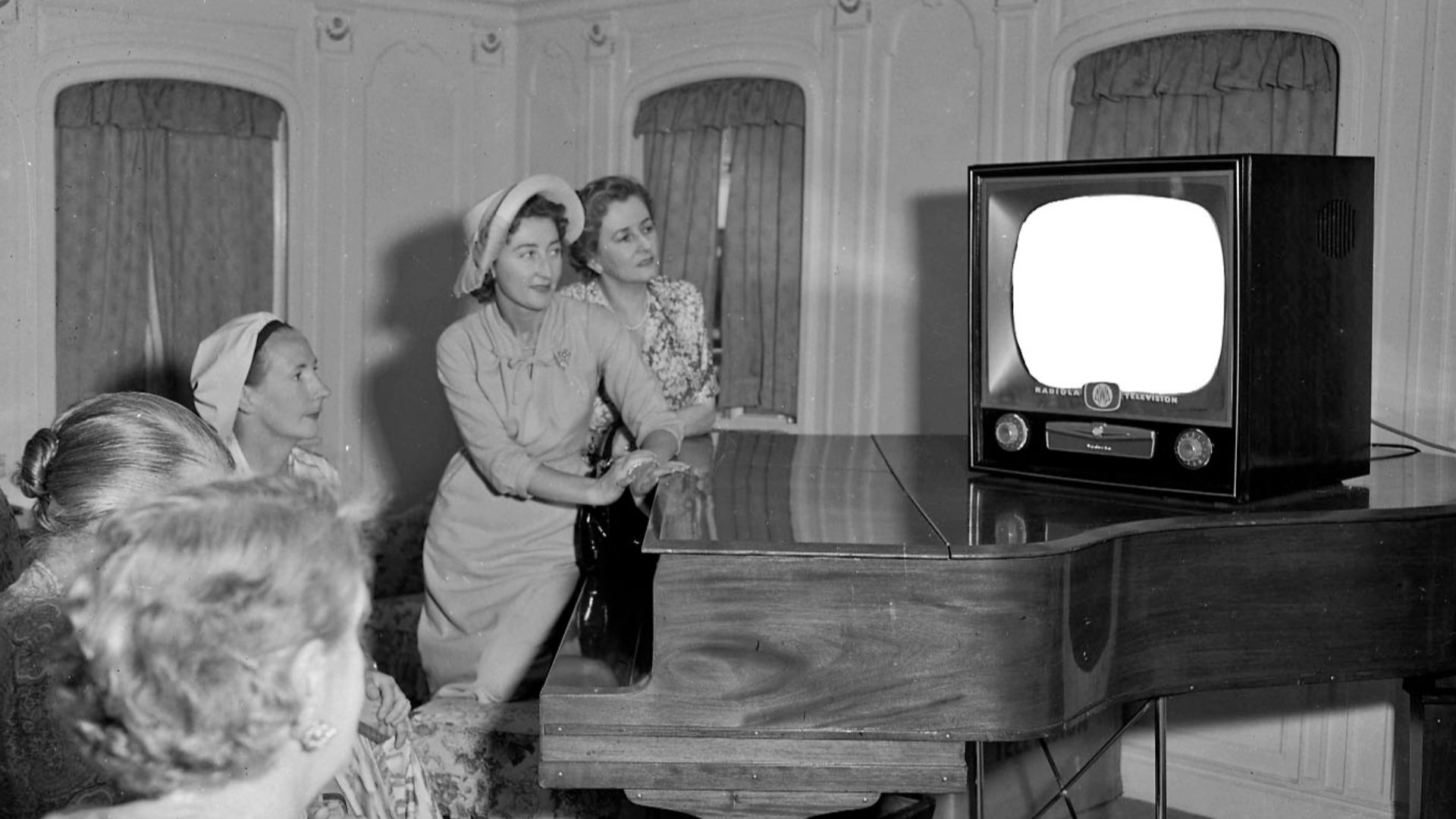
“You’re a Mess”
This mild insult popped up across sitcoms for decades. It wasn’t mean—it was affectionate judgment. Boomers still use it casually. Millennials often hear it as passive-aggressive instead of playful.
 Australian National Maritime Museum on The Commons, Wikimedia Commons
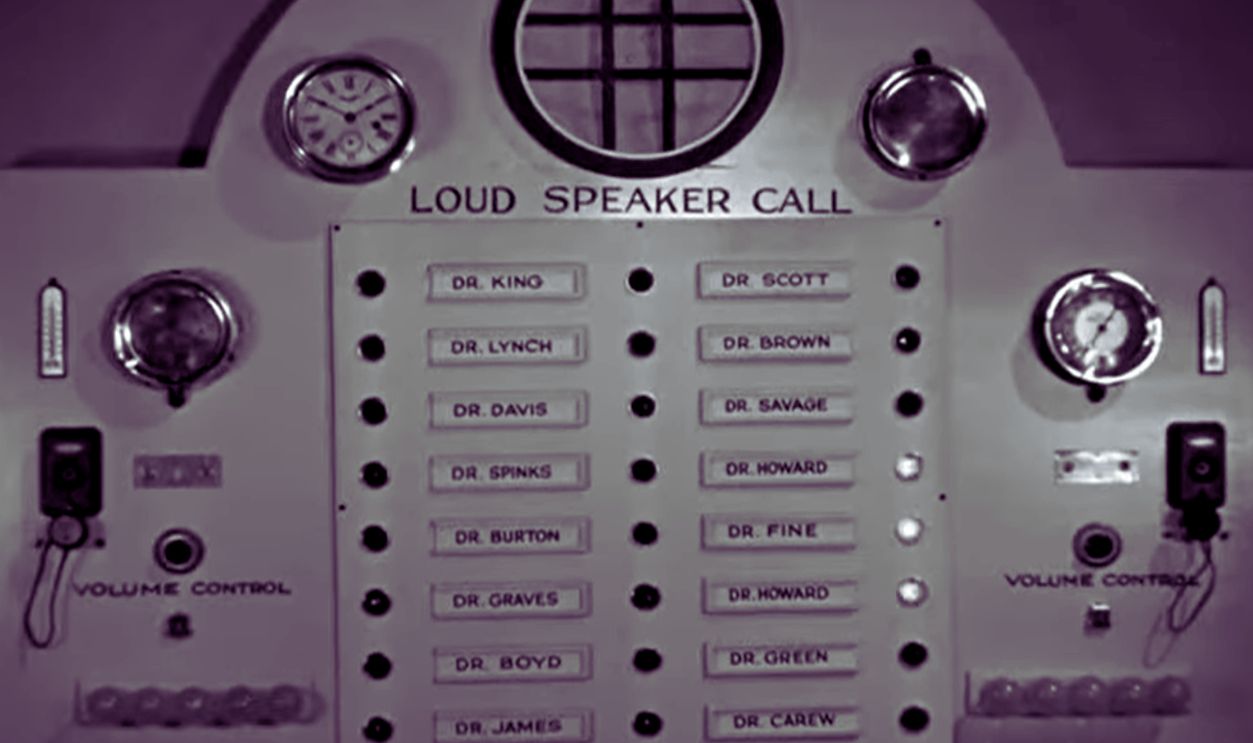
“Paging Dr. Howard, Dr. Fine, Dr. Howard”
A Three Stooges gag that survived entirely through repetition. Boomers grew up hearing it through endless reruns. Millennials often recognize it as old slapstick humor—but usually assume it’s a parody of something serious, not realizing the joke was always just how long and unnecessarily dramatic the announcement was.
 Screenshot from The Three Stooges, Columbia Pictures (1922–1970)
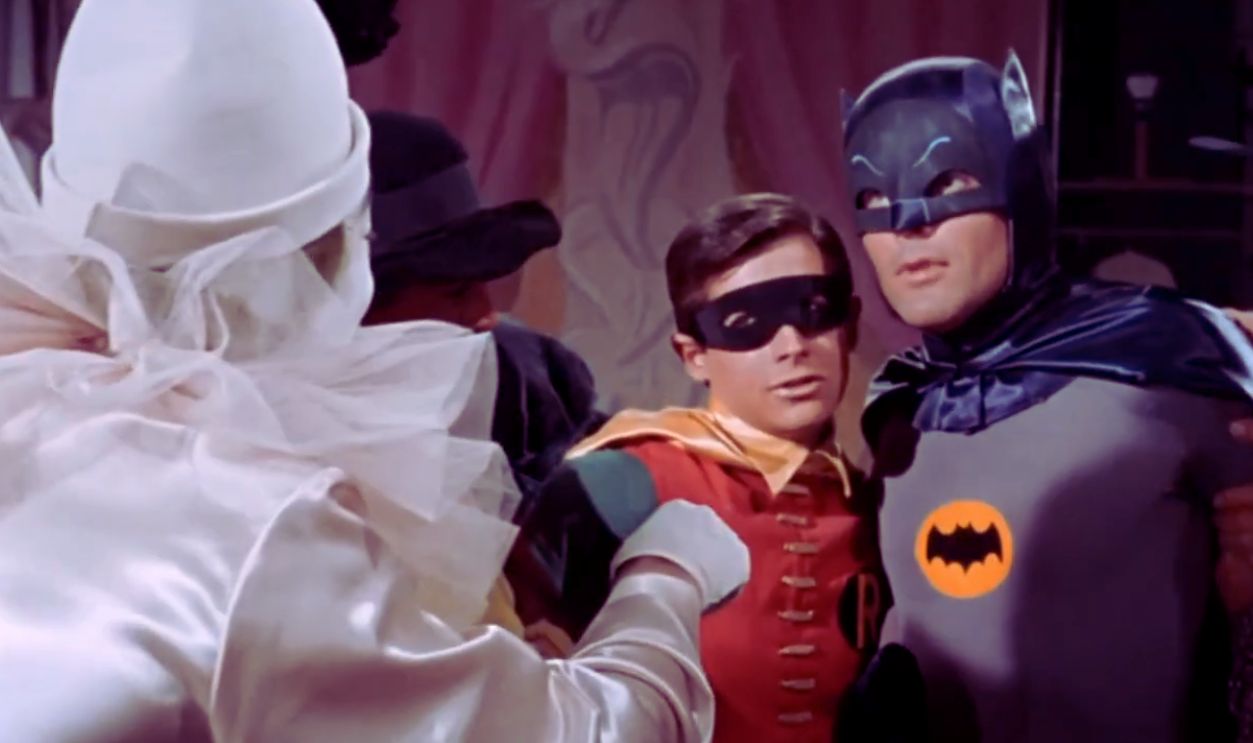
“Same Bat-Time, Same Bat-Channel”
The Batman sign-off delivered with complete sincerity at the end of every episode. No irony, no wink. Boomers remember it exactly as intended. No one laughed when it aired. That’s what makes it funny now—especially for Millennials encountering it without context.
 Screenshot from Batman, ABC (1966–1968)
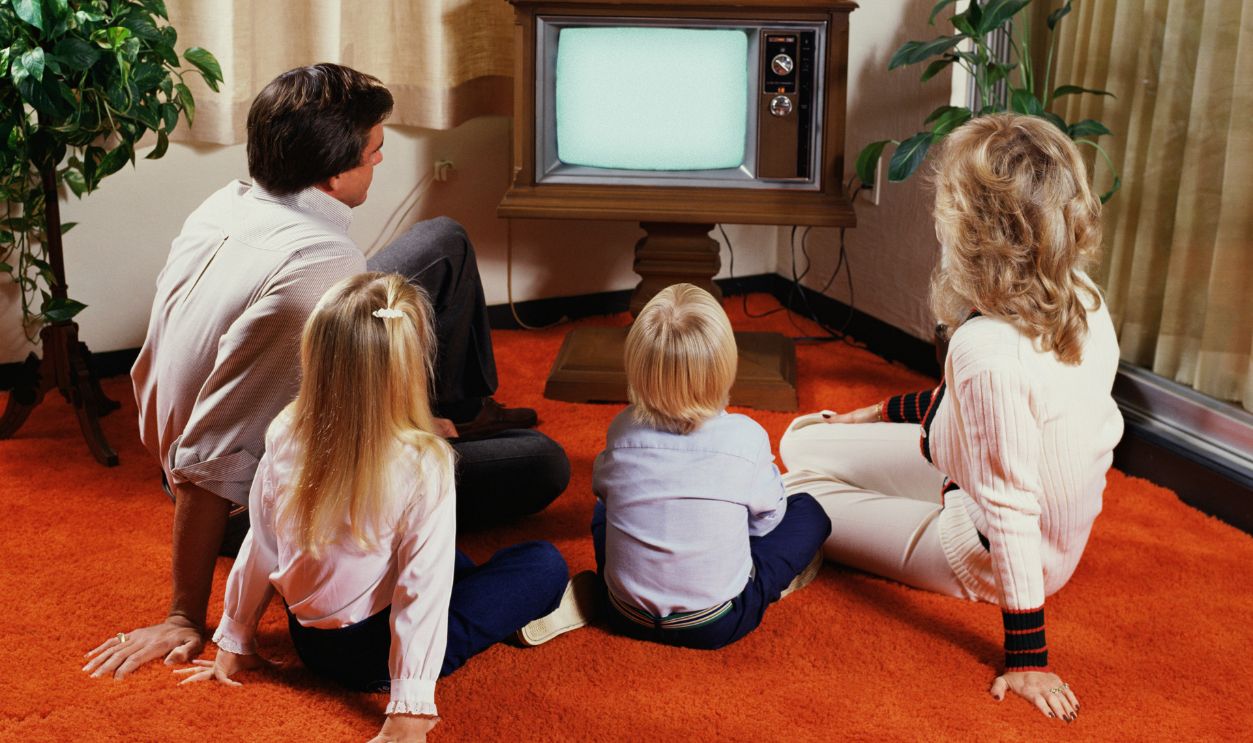
“Don’t Touch That Dial”
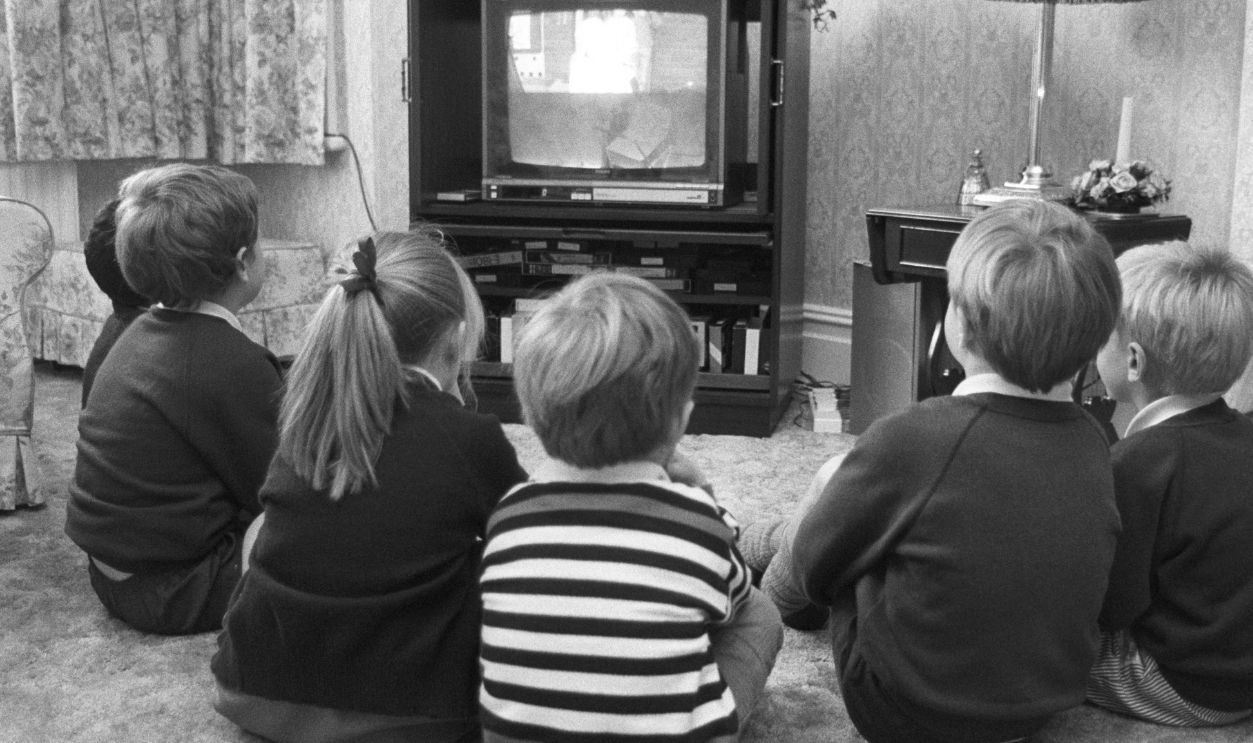
A phrase born when changing channels required physical effort. Boomers heard it endlessly during commercial breaks. Which is why the warning mattered back then—changing the channel meant getting up and physically turning something. Millennials grew up without dials at all.
“And Now You Know…”
Used to wrap up PSAs and educational programming, this phrase signaled that the lesson was over. Boomers expected that moment of sincerity. Millennials mostly know it through parody, often without realizing it was once meant completely straight.
You Might Also Like:
90s Sitcoms That Are Still Better Than Anything On TV Today
Everyone Forgot These 1980s TV Shows Existed—Until Now
Everyone Hated These Songs On The Radio In The 70s. We Need More Like Them In 2026