Popular Isn't Always Personal
Many highly promoted or critically praised 1980s films missed the mark with Gen-Xers, feeling either too sentimental, too moralizing, too cute, or too disconnected from the Gen-X famous cynicism and lived experience. These 20 films found audiences, awards, and hype, but never fully won over the cohort that watched them as they grew up.

Cocoon (1985)
With its cast of Hume Cronyn, Don Ameche, and Wilford Brimley, Cocoon obviously was going to focus heavily on aging, mortality, and late-life renewal, themes that were incomprehensible to Gen-X teenagers. While emotionally absorbing for older audiences, the film’s gentle pacing and sentimental tone lacked the urgency, rebellion, or irony younger viewers were looking for during the 80s.
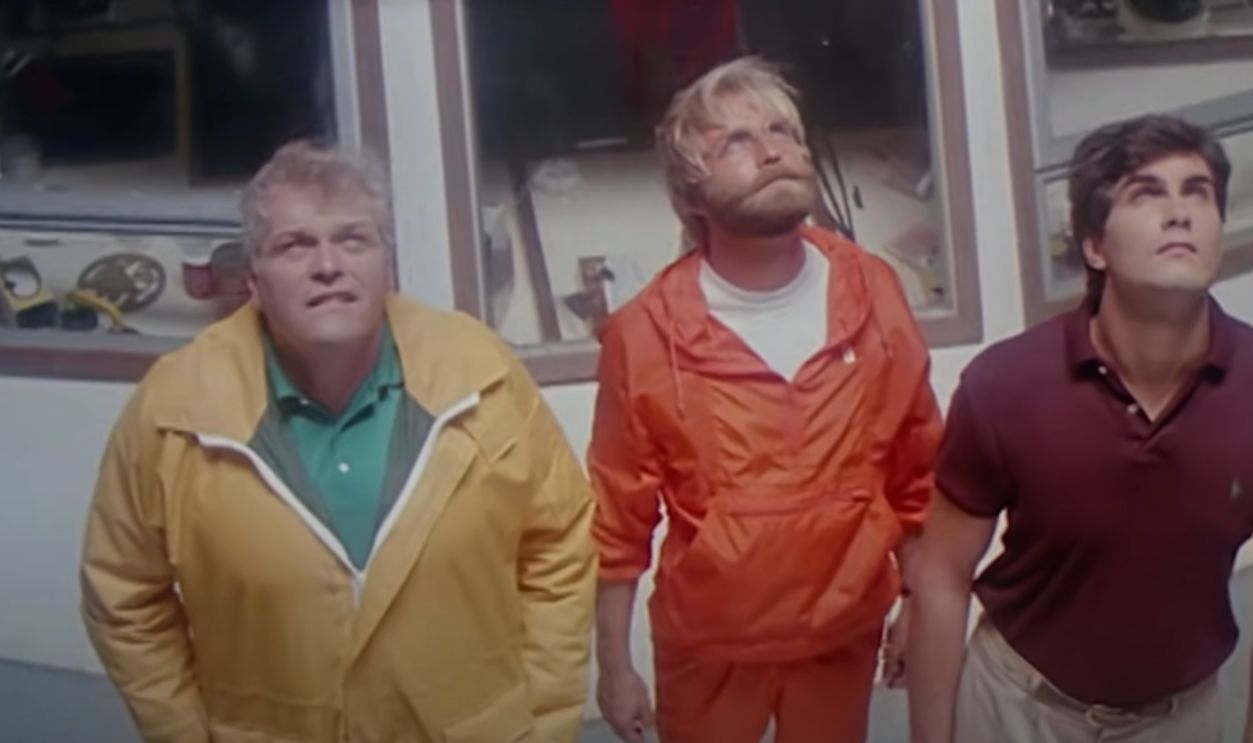 Screenshot from Cocoon, 20th Century Fox (1985)
Ordinary People (1980)
Although critically praised, Ordinary People always struck many Gen-X viewers as a movie that you were supposed to say you like just so you could seem respectable. Its restrained approach to grief and family dysfunction felt distant, failing to emotionally connect Gen-Xers with its quiet, adult introspection. It was an older person’s movie, basically.
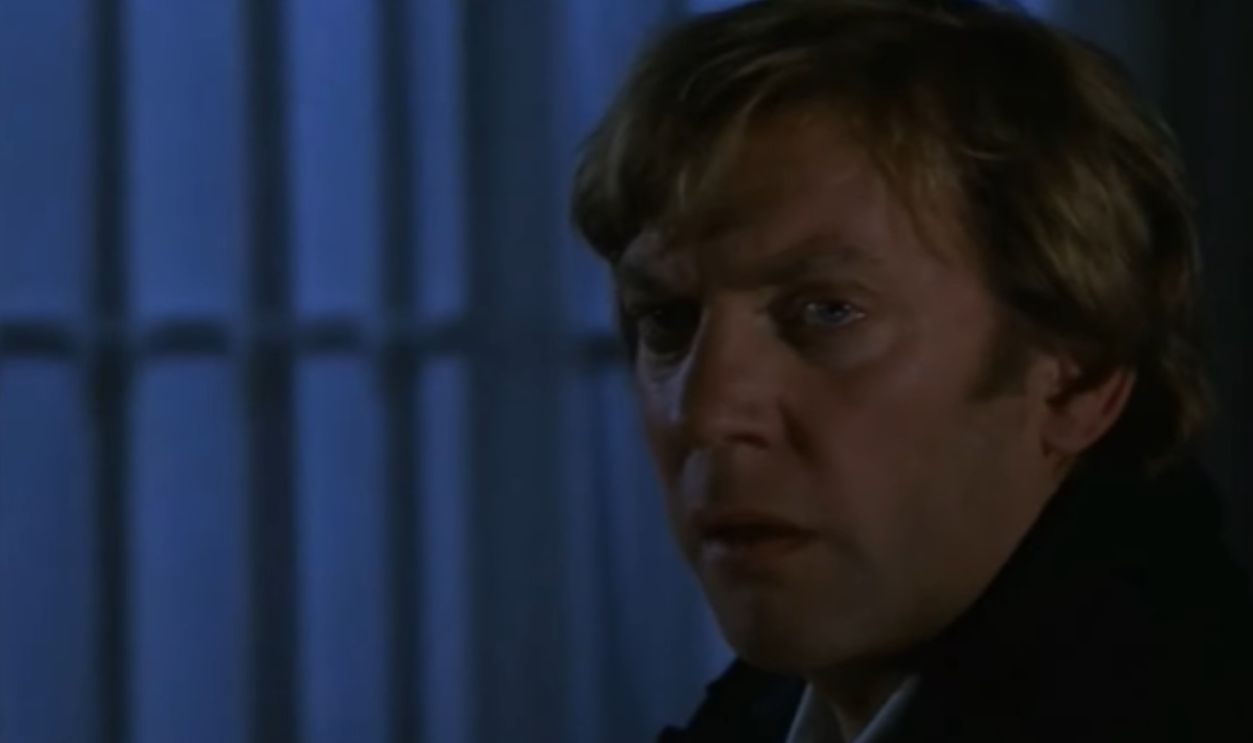 Screenshot from Ordinary People, Paramount Pictures (1980)
Kiss of the Spider Woman (1985)
This prestige drama earned awards but struggled to capture Gen-X interest. Its theatrical structure, slow pacing, and heavy symbolism felt like an exercise in futility. For many younger viewers, the film starring William Hurt and Raul Julia played more like a homework assignment than a gripping cinematic experience.
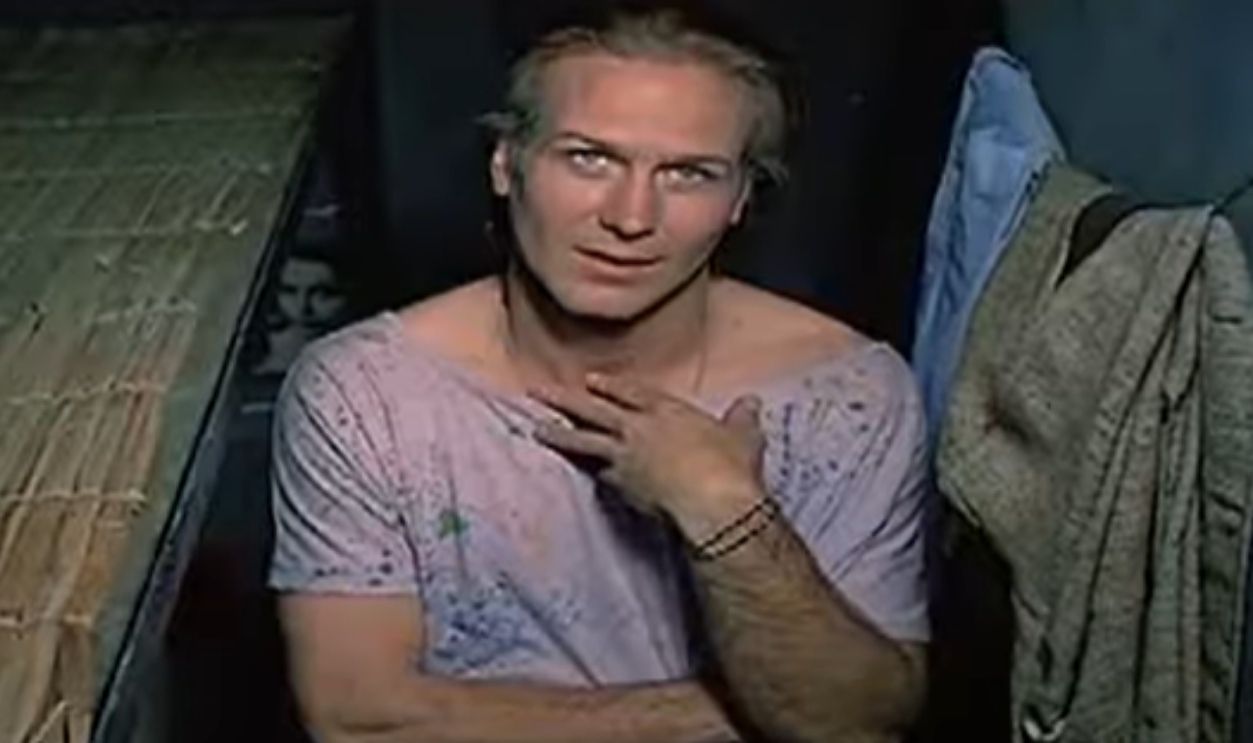 Screenshot from Kiss of the Spider Woman, Island Alive (1985)
The Big Chill (1983)
The Big Chill was always framed as the definitive generational film, but the problem was it wasn’t aimed at Gen X viewers. Younger people pretty much saw the film as nostalgic navel-gazing for older adults, leaning on music to supply emotion instead of ramping up the sense of tension or risk.
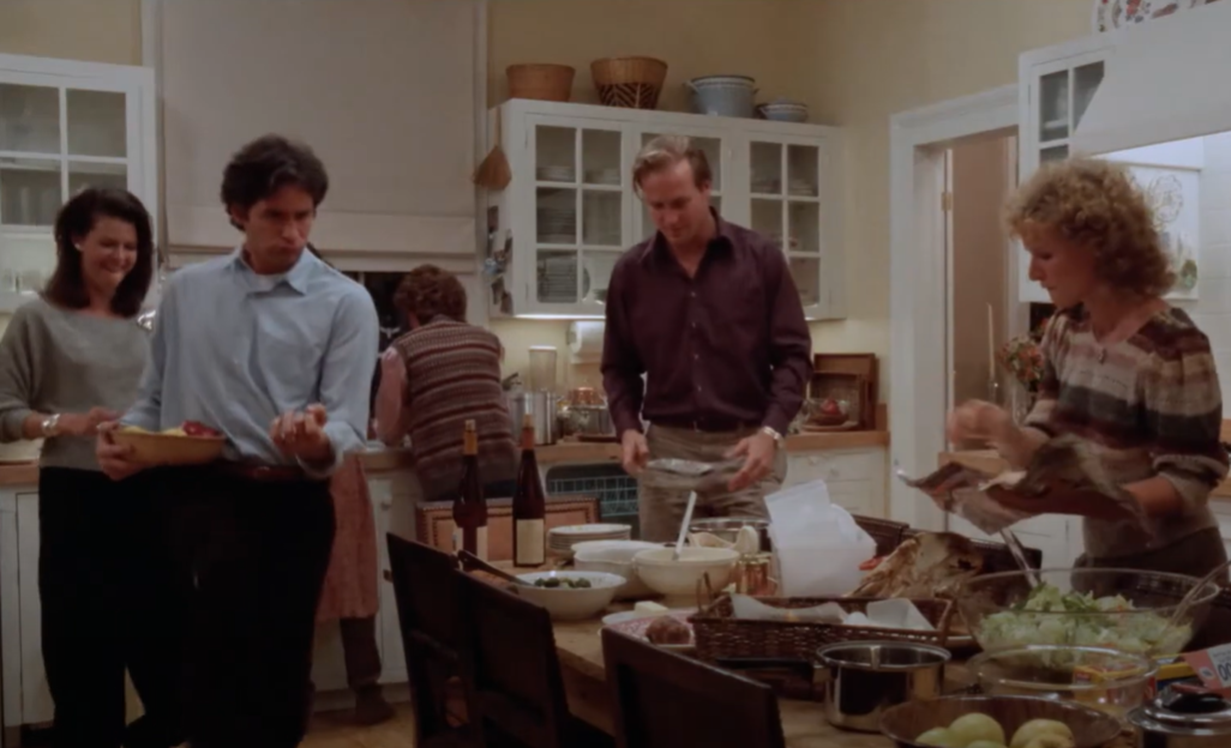 Screenshot from The Big Chill, Columbia Pictures (1983)
On Golden Pond (1981)
This film was hailed as a masterpiece for its focus on aging parents and reconciliation late in life; and for its cast of Henry Fonda and Katherine Hepburn. In spite of this, On Golden Pond felt pretty removed from carefree Gen-X concerns. The performances were admired, but the story’s pace and themes were obviously aimed at a much older audience looking back rather than forward.
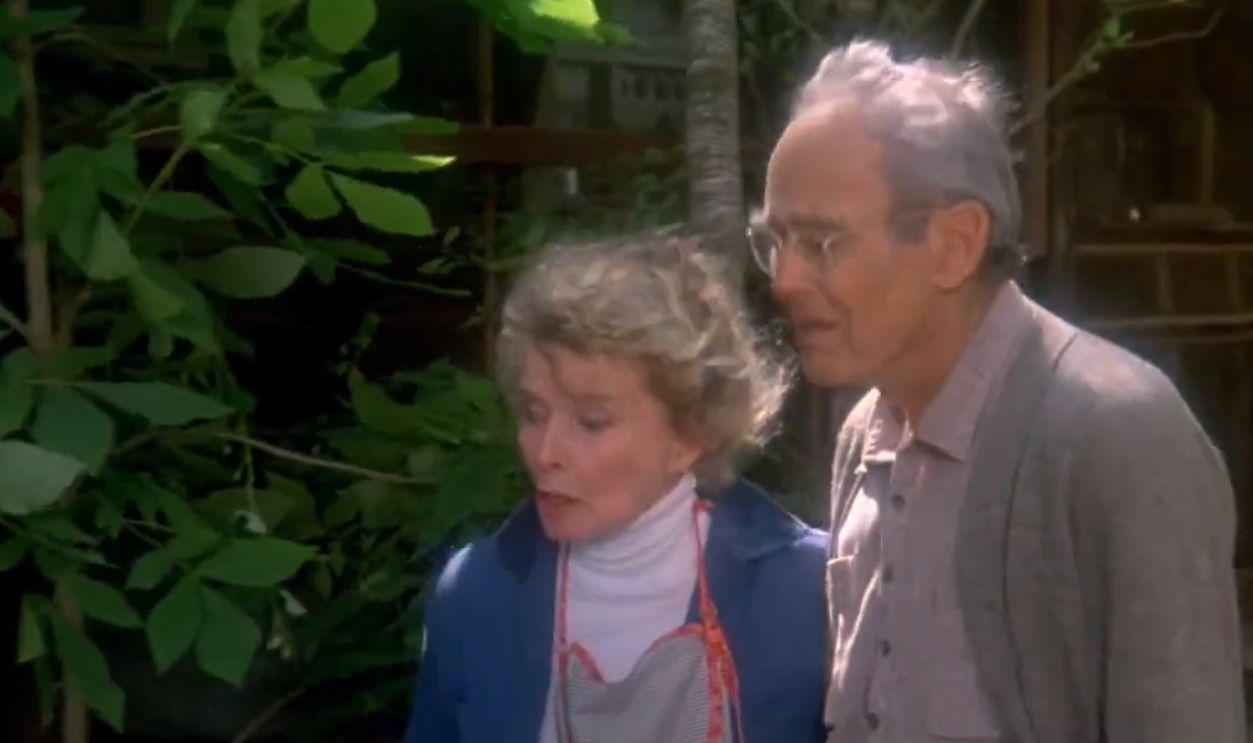 Screenshot from On Golden Pond, Universal Pictures (1981)
The Burning Bed (1984)
Widely discussed for its subject matter, the NBC TV movie The Burning Bed functioned more as a social issue drama than shared generational entertainment. Gen-X viewers often gave the film its due as important but emotionally draining, associated more with parental viewing than peer culture.
 Screenshot from The Burning Bed, Columbia Pictures (1983)
Indiana Jones and the Temple of Doom (1984)
While it was as action packed as the other Indiana Jones films visually, Temple of Doom never quite clicked with viewers as much, possibly due to its relentlessly dark tone. The constant shrillness, violence, and lack of warmth made it less rewatchable than the other Indiana Jones films, weakening its generational staying power.
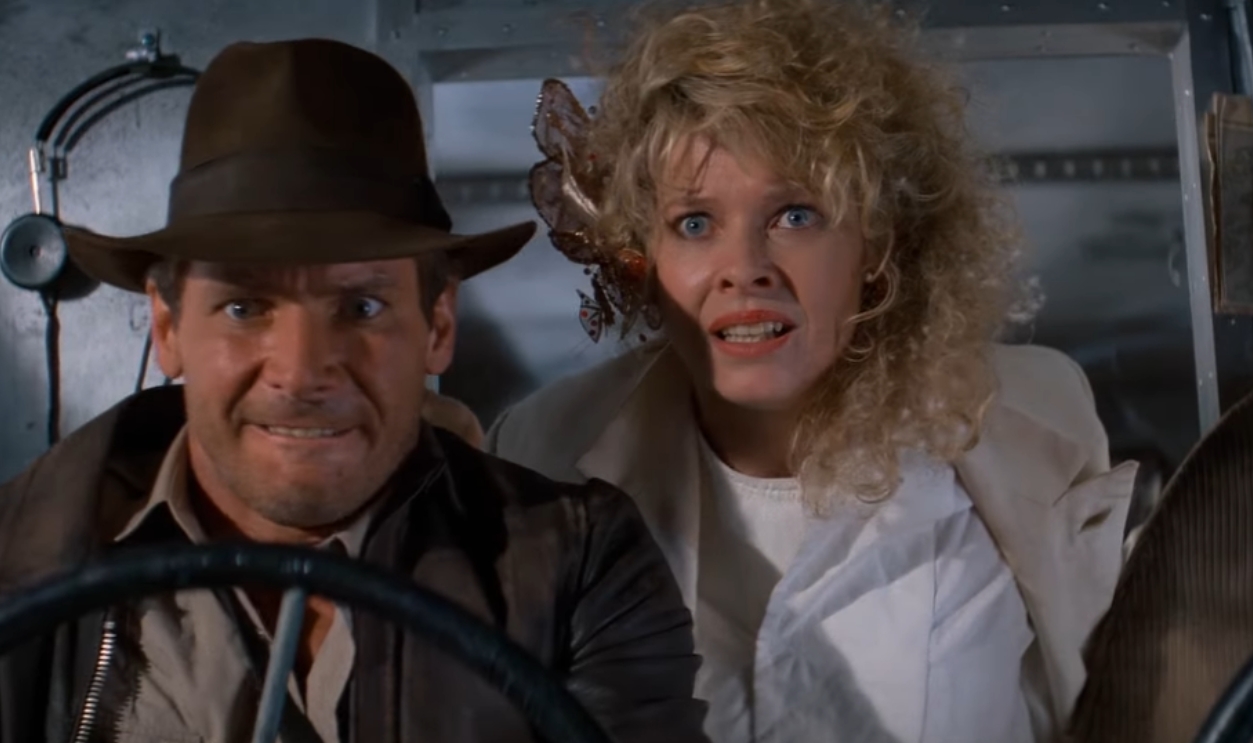 Screenshot from Indiana Jones and the Temple of Doom, Paramount Pictures (1984)
Short Circuit (1986)
Starring Steve Guttenberg and Ally Sheedy, Short Circuit appealed briefly through its novelty, but its humor got old quickly. Gen-X audiences often found its cultural stereotypes, simplistic conflict, and cartoonish tone more grating than charming, limiting its long-term relevance. Go ahead and ask a Gen-Xer what they remember about Short Circuit.
 Screenshot from Short Circuit, Tri-Star Pictures (1986)
Batman (1989)
Although it was culturally massive, Batman sharply divided Gen-X viewers. Many admired its style while others complained that the cinematography was too dark to even tell what was going on. A strangely stocky-looking Batman played by the miscast Michael Keaton, and far too much screaming by Kim Basinger meant that the story never quite came together the way it was supposed to.
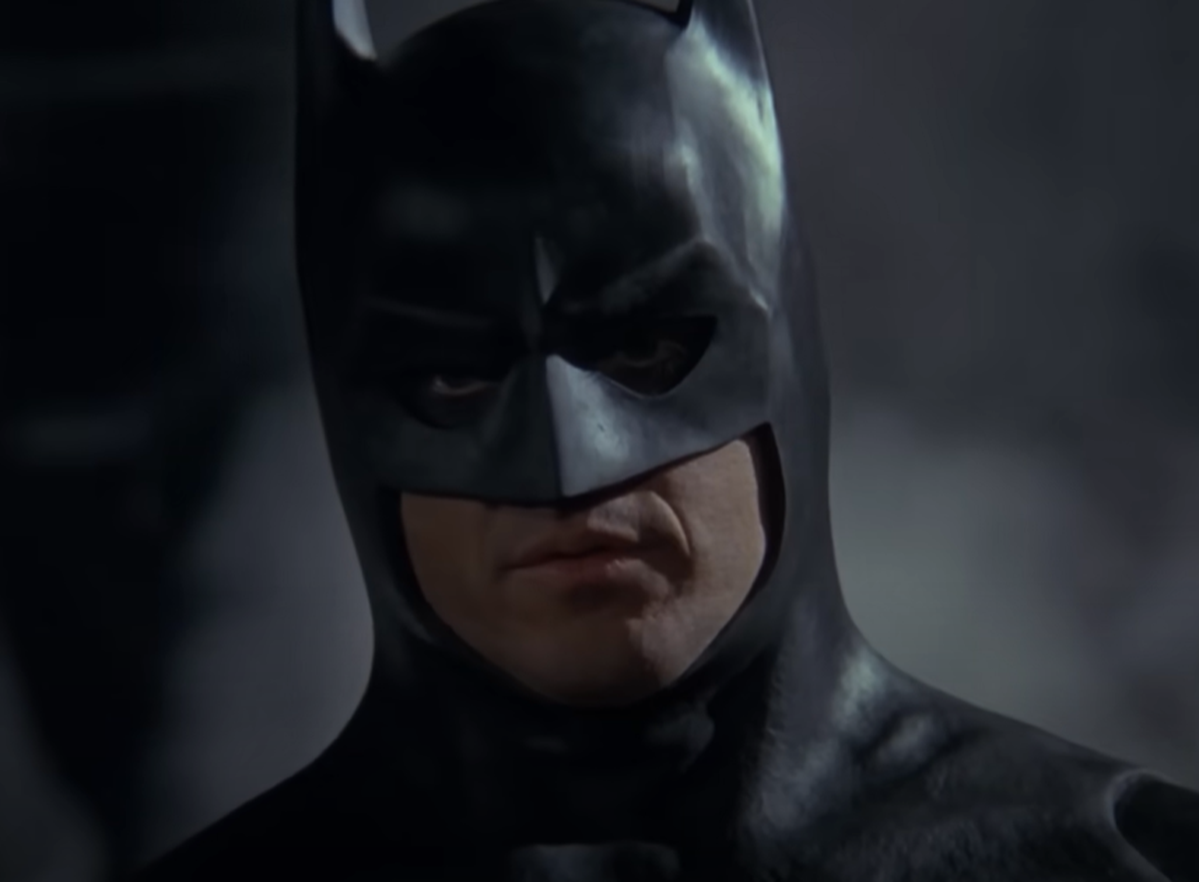 Screenshot from Batman, Warner Bros. (1989)
Cocktail (1988)
Cocktail marketed aspiration and confidence, but Gen-X skepticism cut through the glossy surface of the film that starred Tom Cruise and Elizabeth Shue. The film’s philosophy felt shallow, and its bottle-flipping bartenders gimmicky and unnecessary. In general, the worldview expressed seemed overly optimistic for a generation that by the late 80s was starting to question easy success narratives.
 Screenshot from Cocktail, Buena Vista Pictures Distribution (1988)
Footloose (1984)
It may have had a popular soundtrack, but Footloose often felt contrived to Gen-X viewers. The central conflict of a town banning dancing lacked any credibility, and the rebellion felt sanitized. Many enjoyed the music while dismissing the story that starred Kevin Bacon as artificially inspirational.
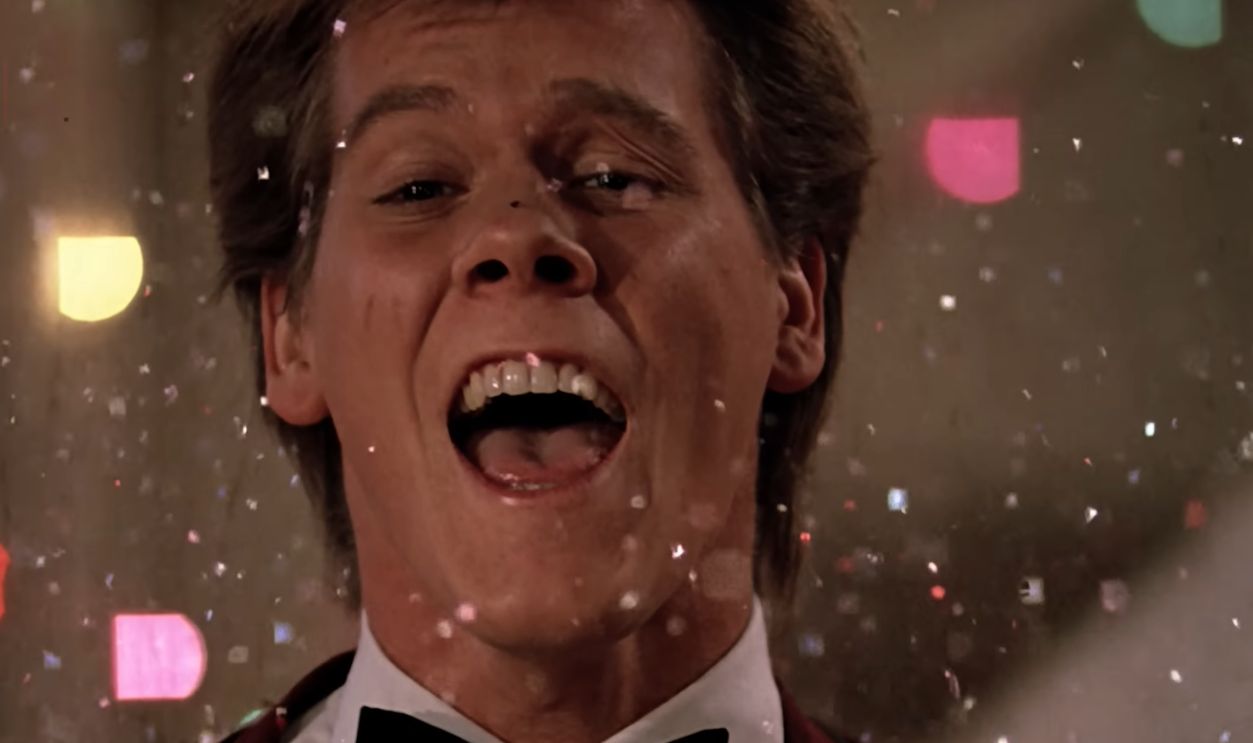 Screenshot from Footloose, Paramount Pictures (1984)
Ishtar (1987)
Ishtar suffered from mismatched tone and marketing confusion. Gen-X audiences struggled to connect with humor that felt out of touch with their sensibilities, and the film starring Dustin Hoffman and Warren Beatty quickly became a cautionary tale lost in the fog banks of 80s movie history.
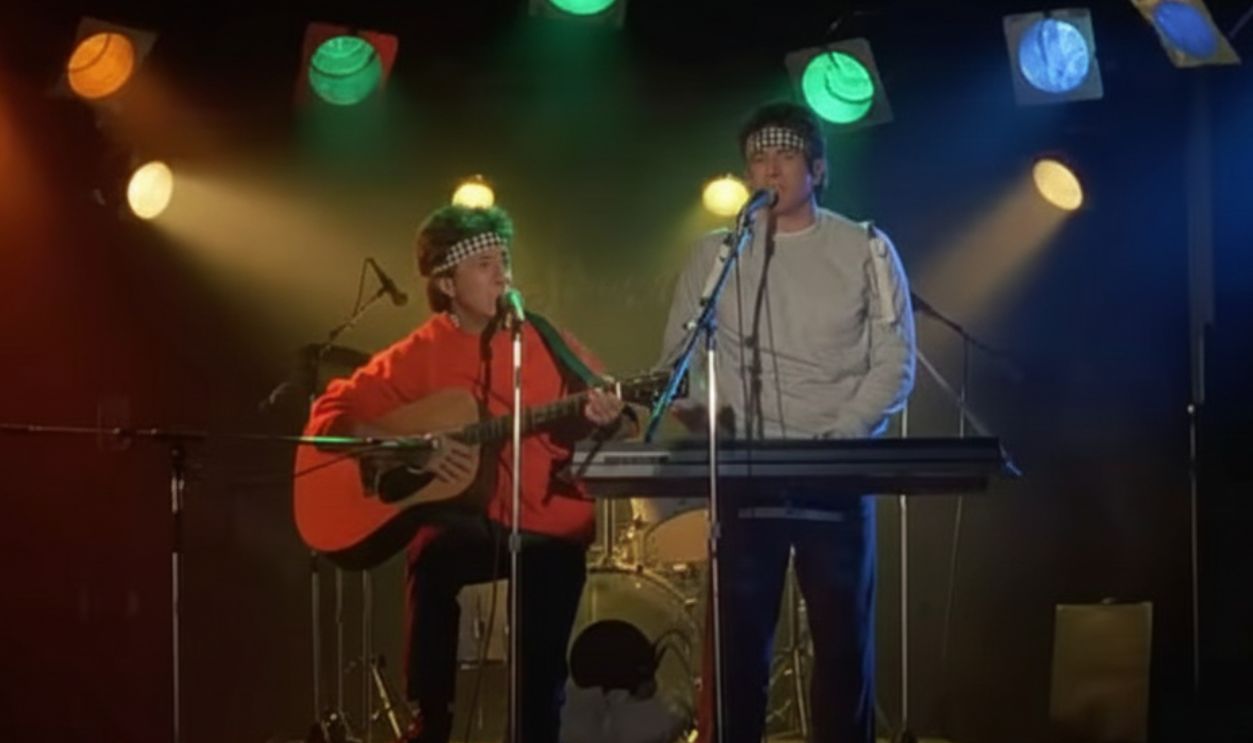 Screenshot from Ishtar, Columbia Pictures (1987)
Mad Max Beyond Thunderdome (1985)
Compared to its predecessors, Beyond Thunderdome softened the franchise’s edge. Starring Mel Gibson and Tina Turner, the inclusion of comic relief and a lighter tone alienated Gen-X viewers who preferred the brutal intensity and nihilism that initially marked out the series as unique.
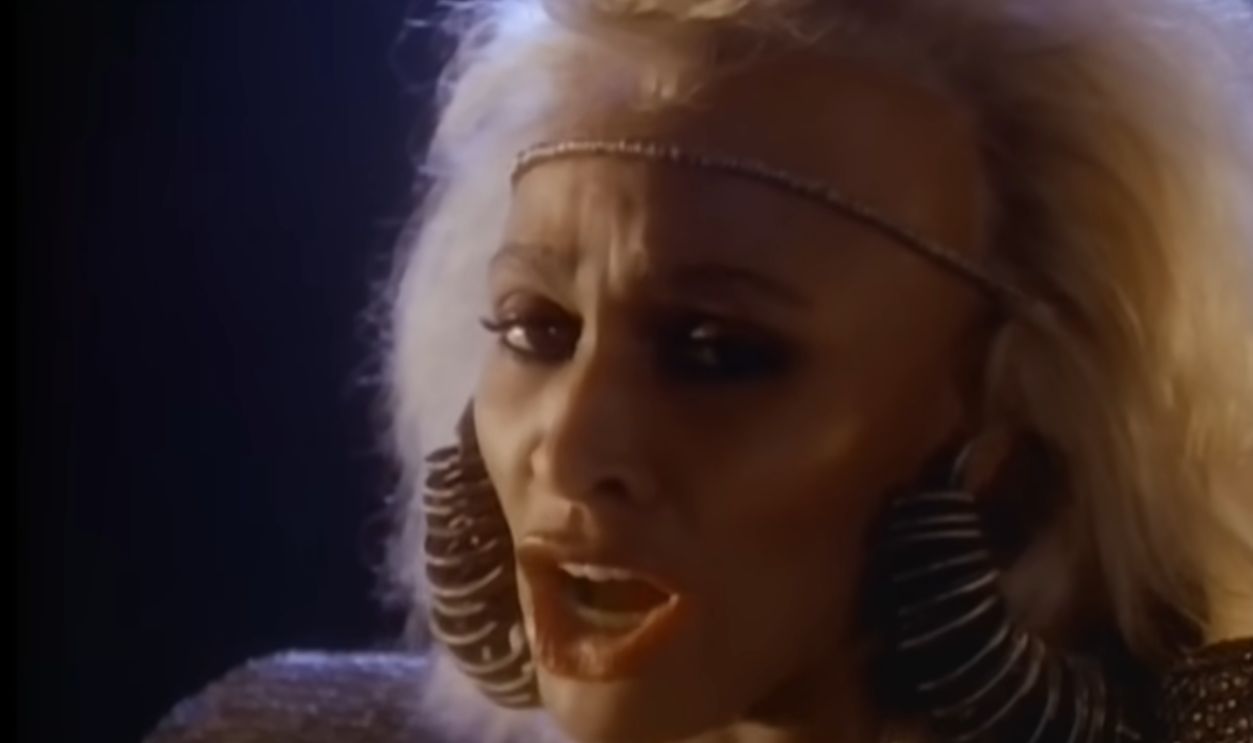 Screenshot from Mad Max Beyond Thunderdome, Warner Bros. (1985)
Conan the Destroyer (1984)
Conan the Destroyer diluted the mythical impact of the 1982 original, Conan the Barbarian. The sequel’s shift toward formula and humor stripped away a lot of the danger, physicality, and intensity that had made the franchise appealing in the first place.
 Screenshot from Conan the Destroyer, Universal Pictures (1984)
Clue (1985)
While it may have grown on people in the decades since, Clue initially overwhelmed Gen-X audiences with its theatrical structure and multiple endings. Its board game related humor landed unevenly, and it felt more like a clever film than a good film on first release.
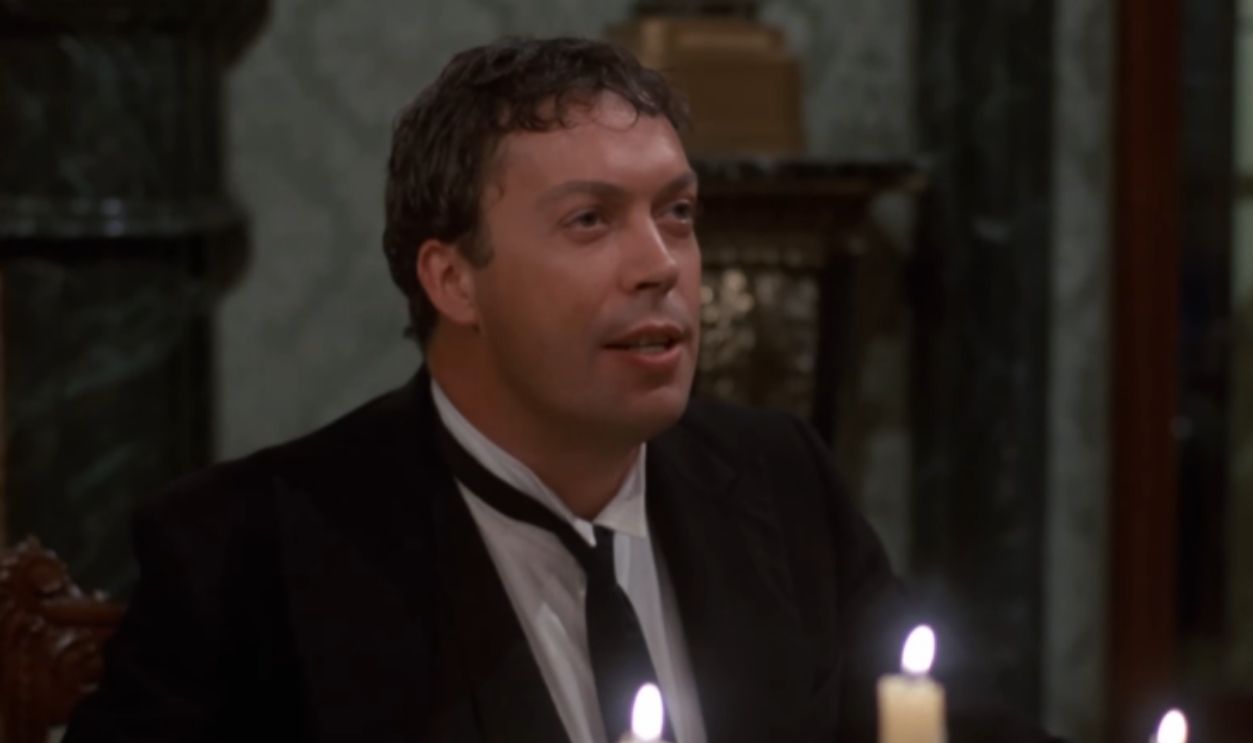 Screenshot from Clue, Paramount Pictures (1985)
Superman III (1983)
The comedic tone of Superman III clashed sharply with Gen-X expectations, especially since they’d grown up on the first two spectacular installments of the series. Slapstick elements undermined the character’s credibility, making the whole film feel unserious and disposable compared to the earlier entries.
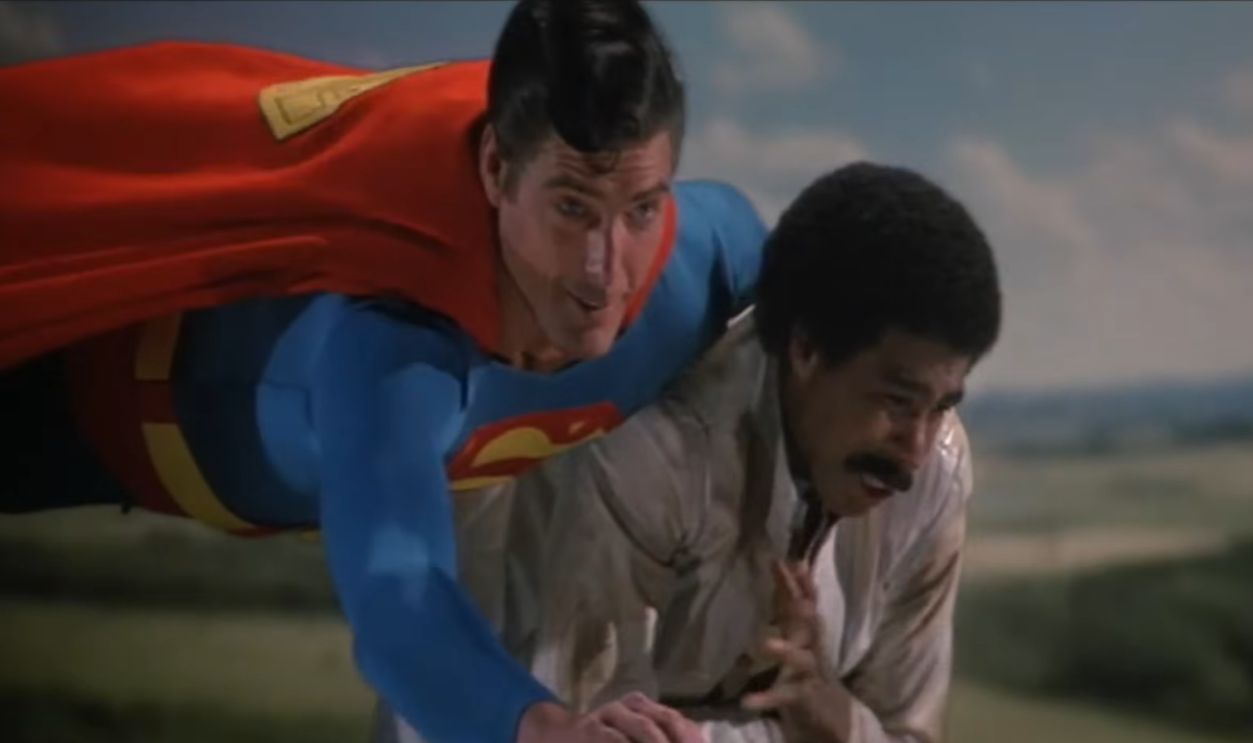 Screenshot from Superman III, Warner Bros. Pictures (1983)
Beetlejuice (1988)
Though it was an unusual enough, Beetlejuice was far more popular with critics than it was with audiences, especially Gen-X audiences. But no matter how much critics scolded Gen Xers about the supposed greatness of this film, most of us never thought it was any good. Its chaotic tone and muddy moral ambiguity made it memorable in bits and pieces but inconsistent as a full narrative experience. The filmmakers rode the success of the earlier film to a commercially successful sequel in 2024.
 Screenshot from Beetlejuice, Warner Bros. Pictures (1988)
The Day After (1983)
The November 1983 ABC TV movie The Day After terrified audiences, and left boomers talking about it around the water cooler for that entire work week. Its bleak realism certainly left a lasting impression but it didn't foster much affection or repeat viewing. “If there’s a nuclear war I’m staying home sick,” seemed to be the prevailing Gen-X sentiment at the time.
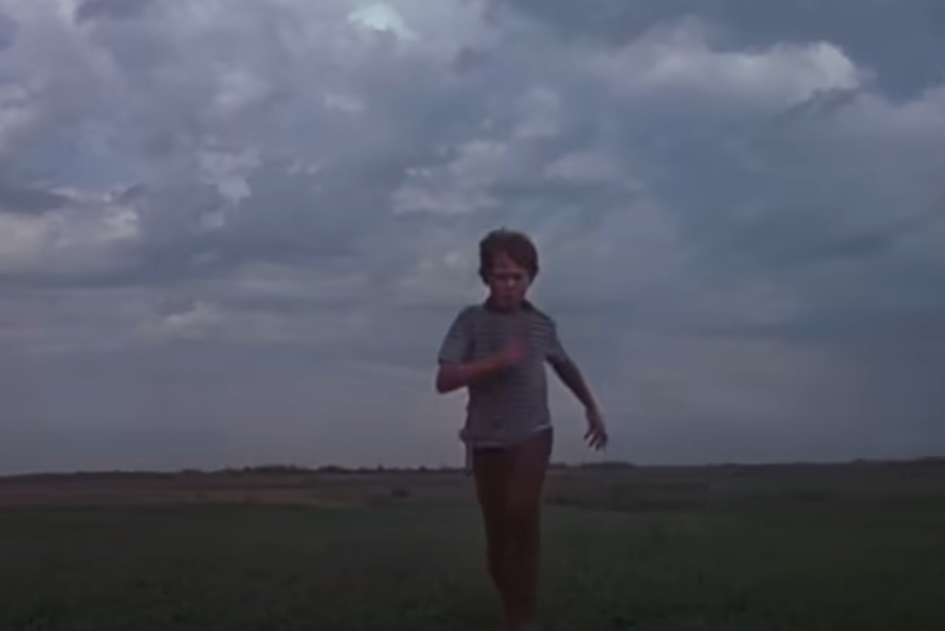 Screenshot from The Day After, ABC(1983)
St. Elmo’s Fire (1985)
Marketed as a Gen-X coming-of-age story, St. Elmo’s Fire felt self-important. The characters were overly privileged, lacked accountability, and the emotional arcs felt forced. It was hard for a lot of viewers to relate to the characters onscreen, even though the film boasted a strong cast that included Rob Lowe, Emilio Estevez, Demi Moore, and Judd Nelson.
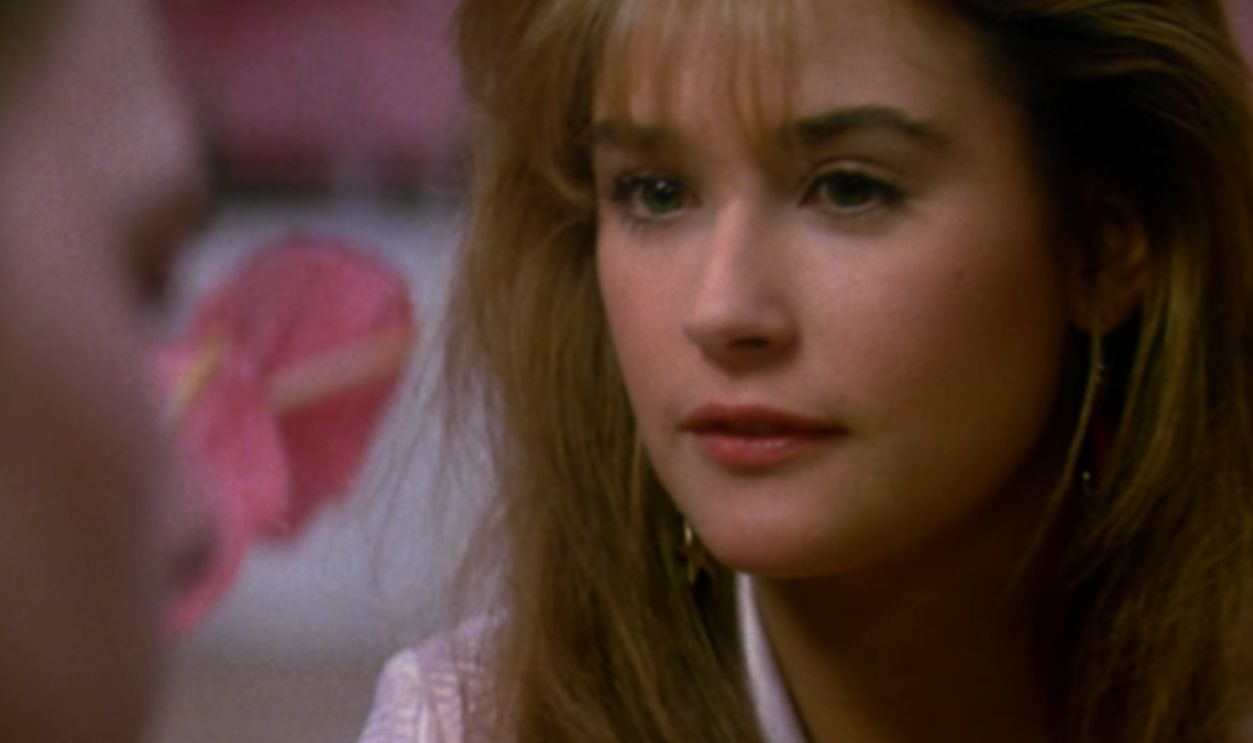 Screenshot from St. Elmo’s Fire, Columbia Pictures (1985)
Look Who’s Talking (1989)
Despite strong box office returns, Look Who’s Talking didn't do a whole lot to earn lasting Gen-X affection. Its reliance on celebrity baby voiceovers and broad domestic comedy felt just a little too cute. Many Gen-X viewers dismissed it as a parents’ movie, more aligned with late-80s family marketing than the irony and edge they gravitated toward.
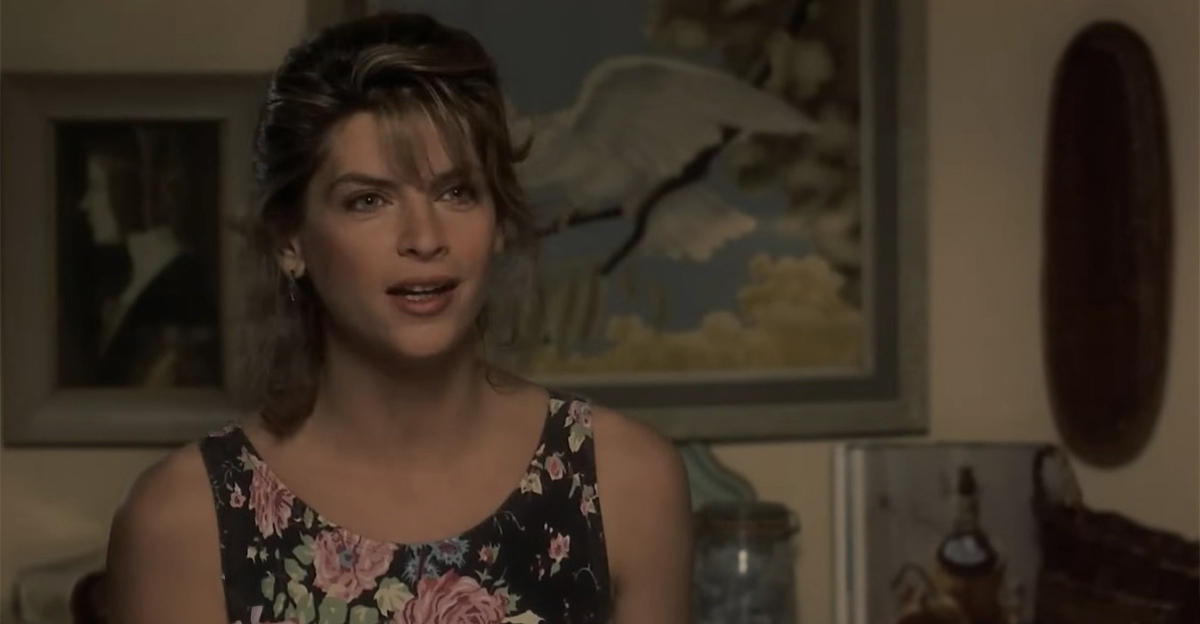 Screenshot of Look Who's Talking, TriStar Pictures (1989)
A Fish Called Wanda (1988)
Although widely praised and often labeled a comedy classic, A Fish Called Wanda landed unevenly with Gen-X audiences. Its farce-driven British humor and exaggerated performances were a hit with boomer audiences and critics, but emotionally remote to Gen Xers. Many younger viewers found scattered moments to laugh at before forgetting the movie altogether.
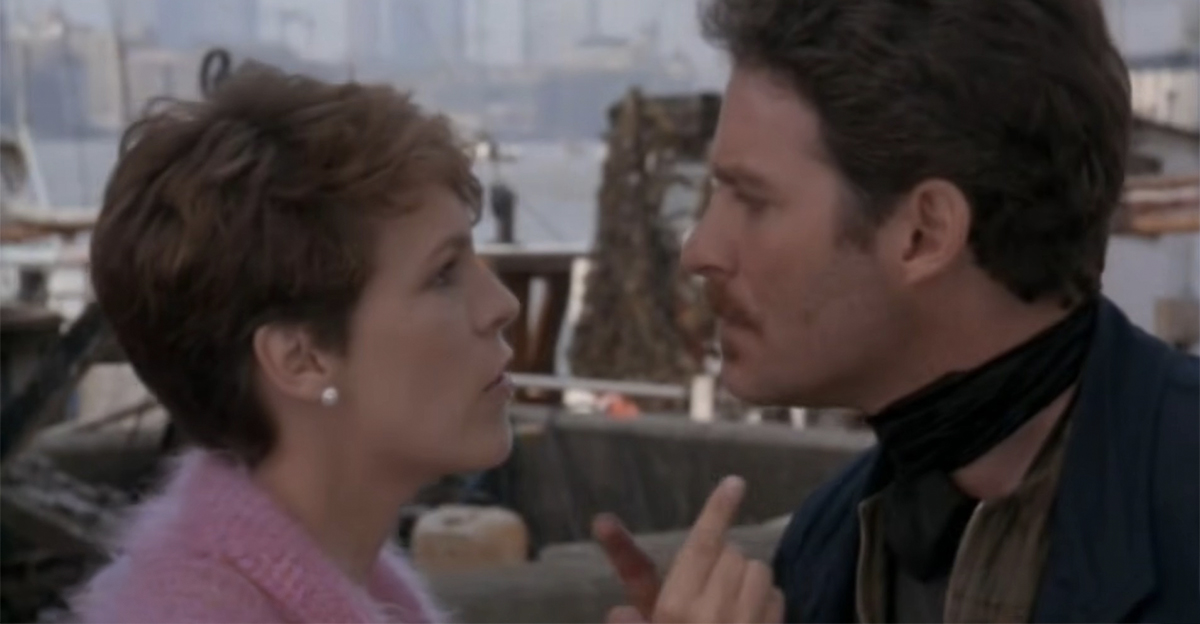 Screenshot of A Fish Called Wanda, MGM (1988)
Red Dawn (1984)
Red Dawn played strongly to Cold War fears, but Gen-X skepticism blunted its impact. The Soviet Union invading and capturing the United States, only to be turned back at the last moment by a group of high school kids led by Patrick Swayze was peak eye-rolling material for skeptical viewers.
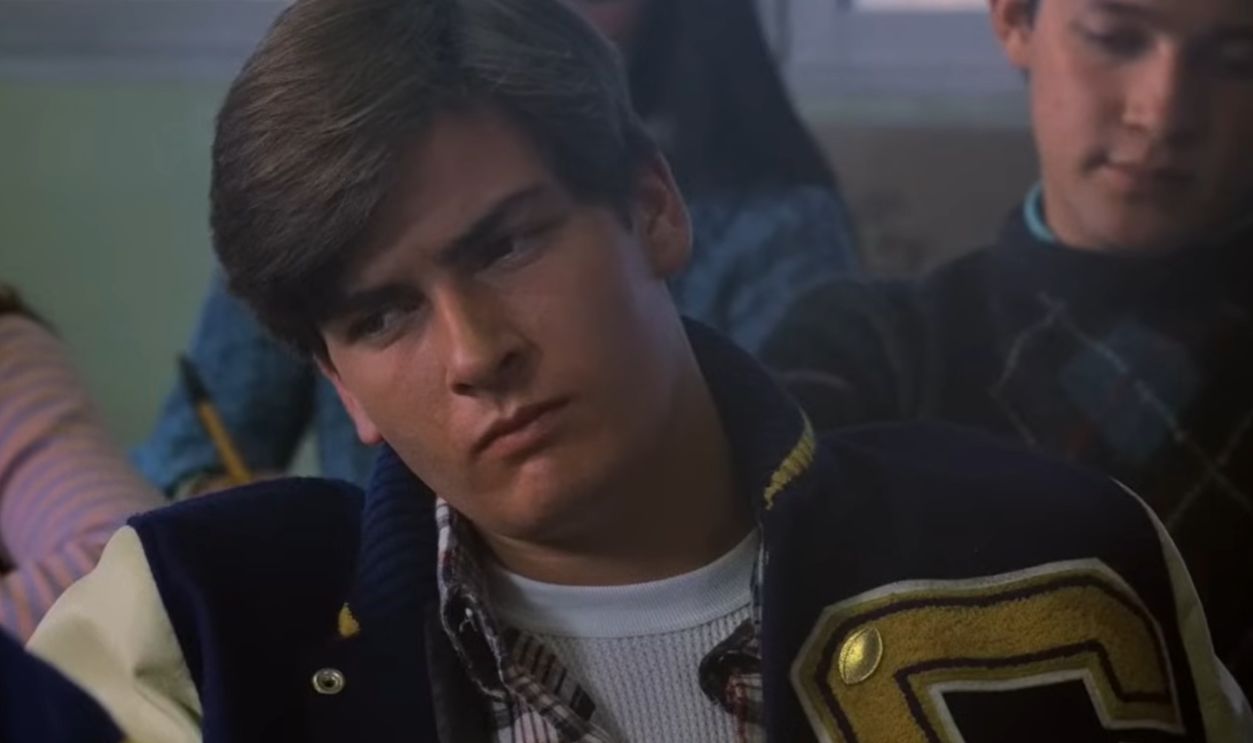 RED DAWN (1984) | Most Memorable Scenes | MGM, Amazon MGM Studios
You May Also Like:
Movies That Prove The 80s Were The Best Decade In Film
Crazy Fan Theories About Movies