An Era That Changed Movies Forever
The 1980s were loud, ambitious, experimental, and emotionally fearless. It was a decade where blockbusters became cultural events, indie auteurs found mainstream audiences, genre films pushed boundaries, and studios were willing to gamble on bold ideas. From neon-lit crime sagas and groundbreaking sci-fi to prestige dramas and endlessly quotable comedies, these films didn’t just define the decade; they reshaped what movies could be.

Scarface (1983)
Brian De Palma’s drug-fueled crime epic follows Tony Montana’s violent rise and inevitable fall. Initially divisive, Scarface evolved into a cultural landmark, praised for Al Pacino’s unhinged performance and its operatic depiction of American excess. Few films capture 1980s ambition (and self-destruction) quite like this one.
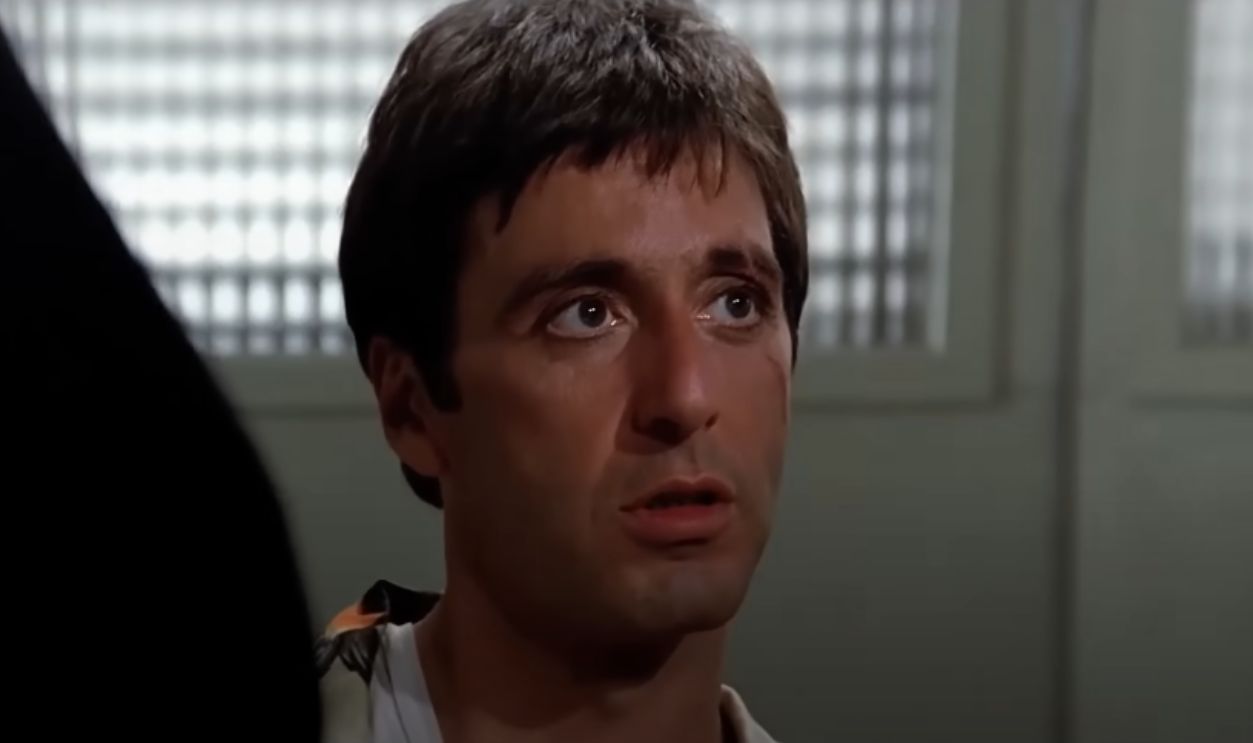 Screenshot from Scarface, Universal Pictures (1983)
Who Framed Roger Rabbit? (1988)
A technical miracle and noir parody rolled into one, this film seamlessly blended live-action and animation in ways audiences had never seen. Beneath the slapstick humor is a surprisingly dark mystery that celebrates classic cartoons while pushing visual effects into a new era.
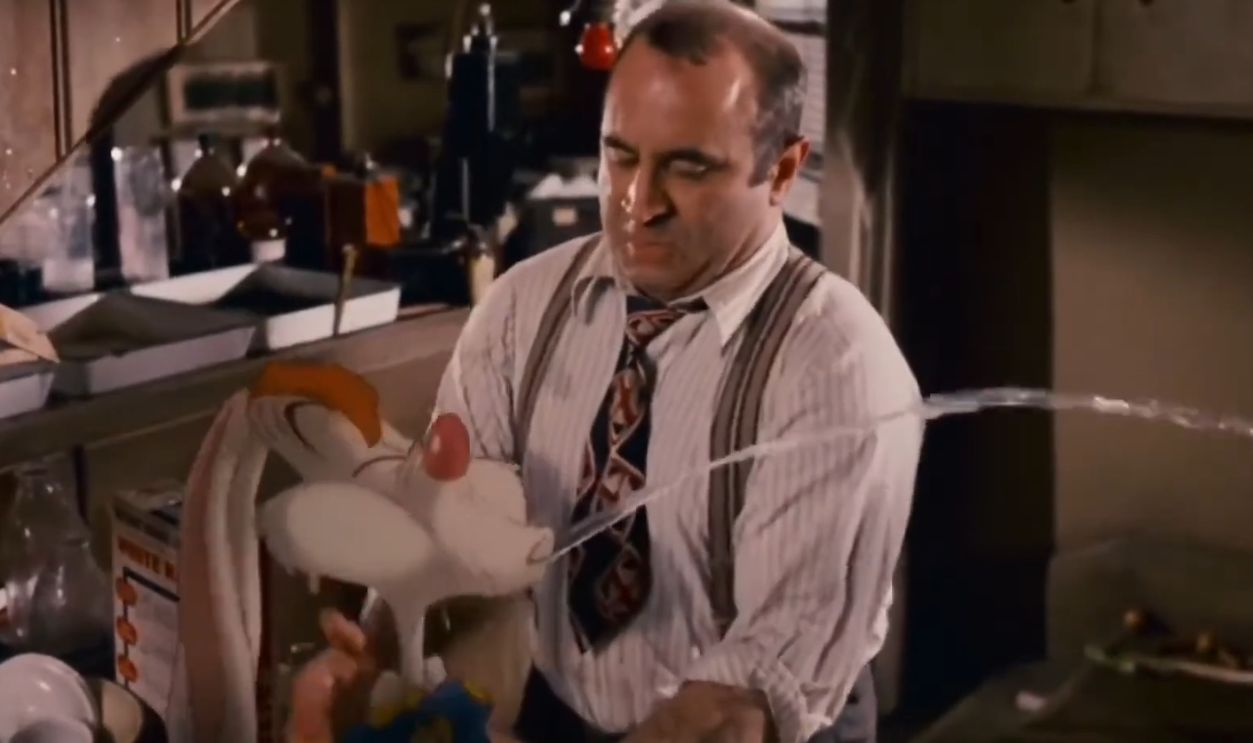 Screenshot from Who Framed Roger Rabbit, Touchstone Pictures (1988)
When Harry Met Sally… (1989)
Rob Reiner’s romantic comedy redefined the genre with sharp dialogue, memorable set pieces, and genuine emotional insight. Its exploration of friendship, timing, and love remains endlessly relatable.
 Screenshot from When Harry Met Sally…, Columbia Pictures (1989)
Airplane! (1980)
Relentlessly absurd and packed with jokes every few seconds, Airplane! redefined parody comedy. Its straight-faced performances, visual gags, and commitment to nonsense created a template that comedians are still trying to replicate decades later.
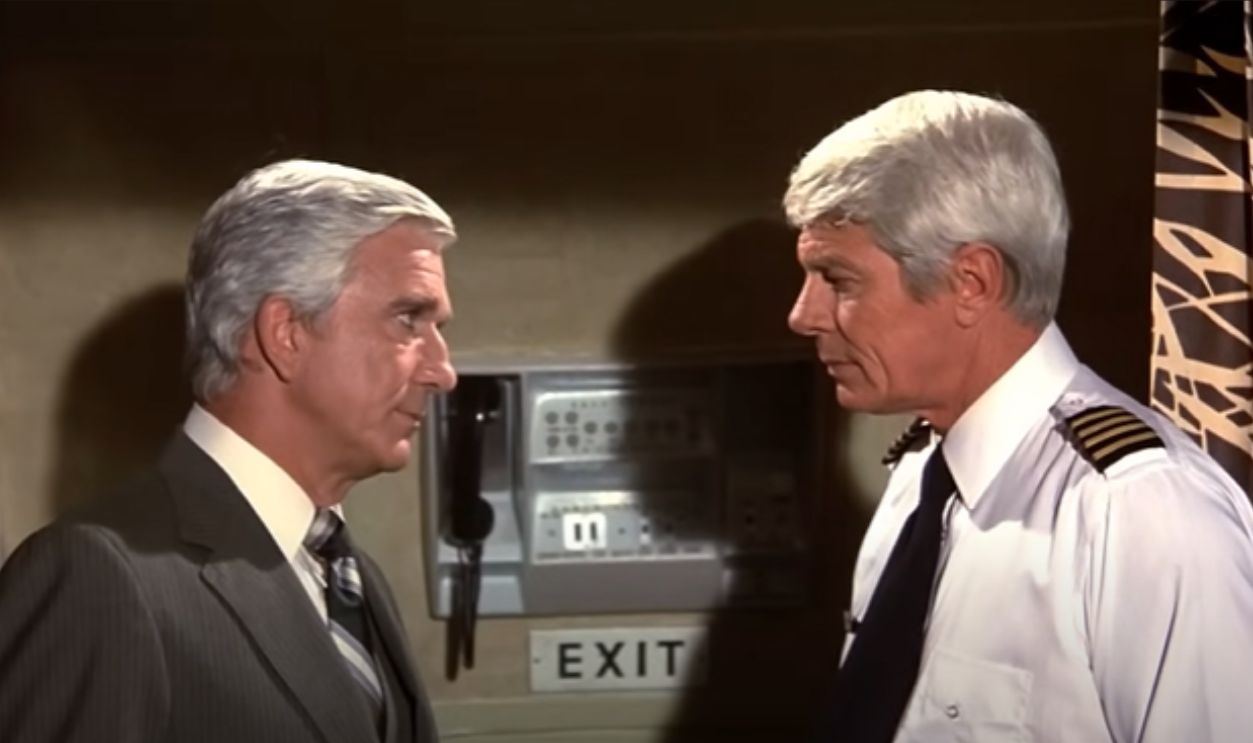 Screenshot from Airplane!, Paramount Pictures (1980)
Amadeus (1984)
Milos Forman’s lavish, dramatic retelling of Mozart’s life is less about history and more about envy, genius, and obsession. With operatic scale and intimate psychological conflict, Amadeus turned classical music into riveting cinema and swept the Oscars in the process.
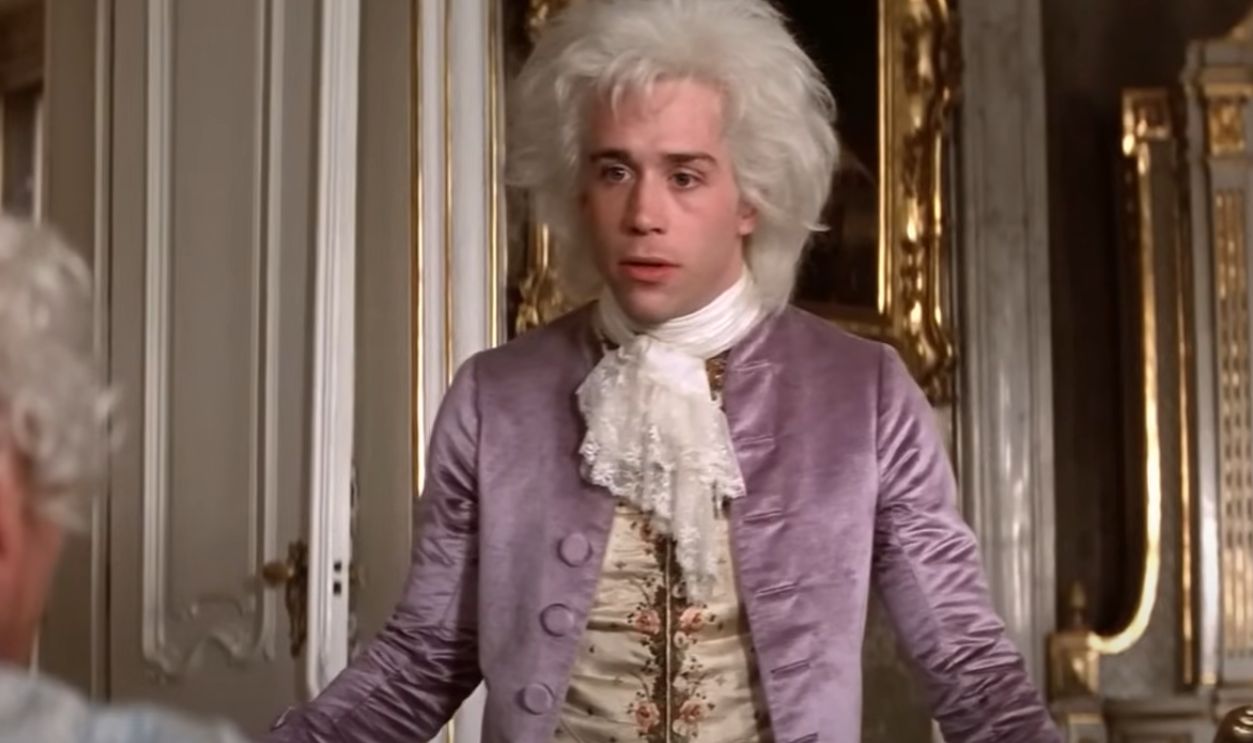 Screenshot from Amadeus, Orion Pictures (1984)
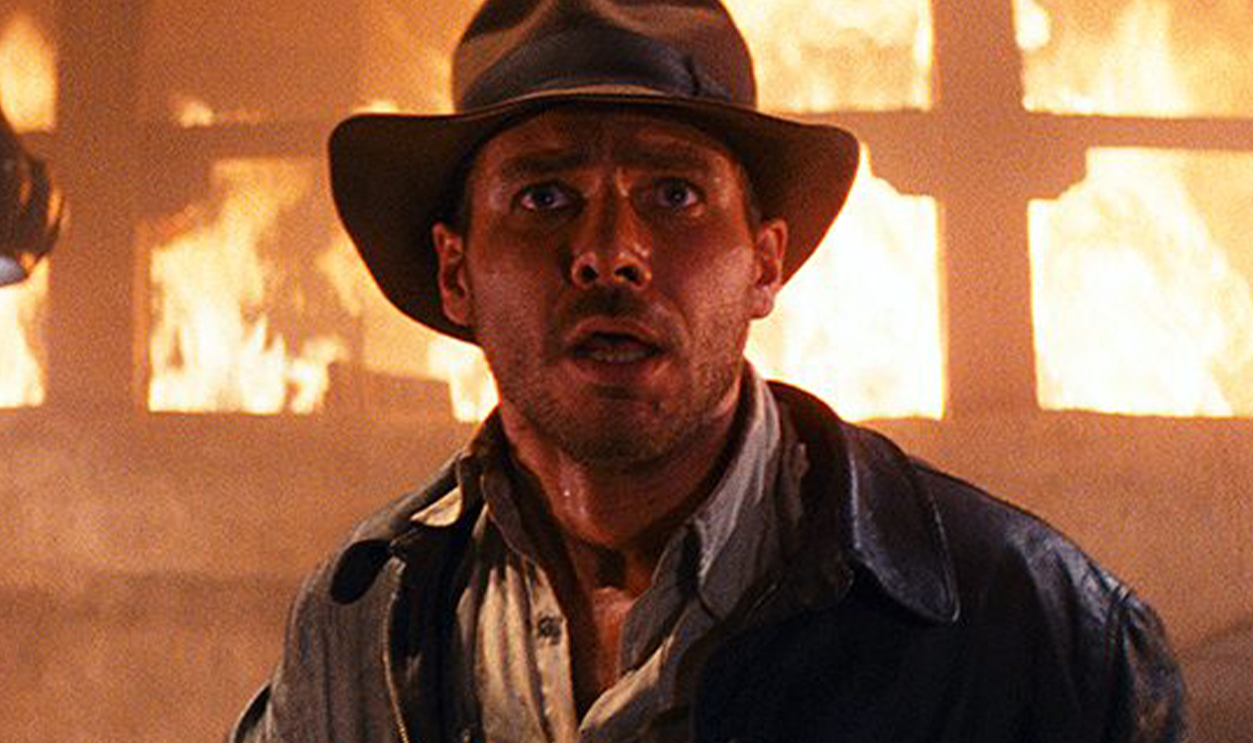
Raiders Of The Lost Ark (1981)
Steven Spielberg and George Lucas created the ultimate adventure hero in Indiana Jones. Fast-paced, funny, and packed with iconic set pieces, Raiders feels timeless: an old-school serial perfected with modern filmmaking craft.
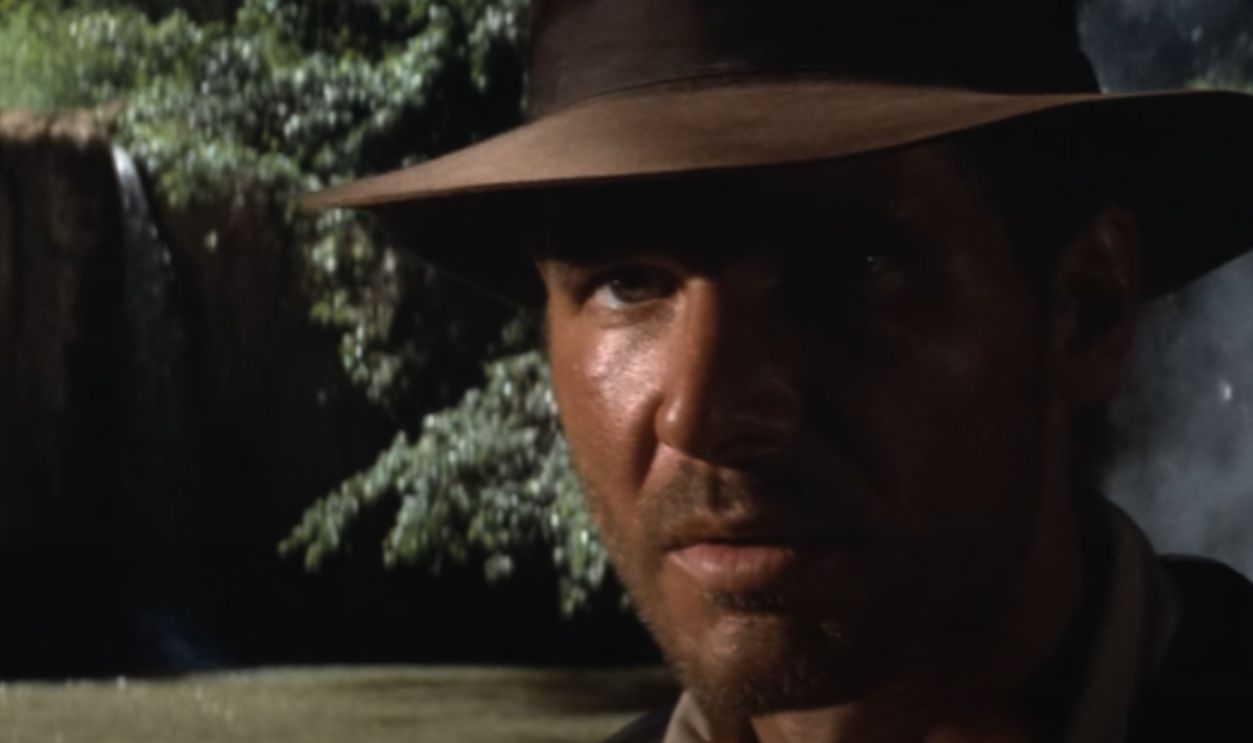 Screenshot from Raiders of the Lost Ark, Paramount Pictures (1981)
Do The Right Thing (1989)
Spike Lee’s explosive portrait of race, heat, and tension in Brooklyn builds slowly before detonating in its unforgettable finale. The film sparked debate upon release and remains urgently relevant, proving that the 1980s produced some of the most socially vital cinema ever made.
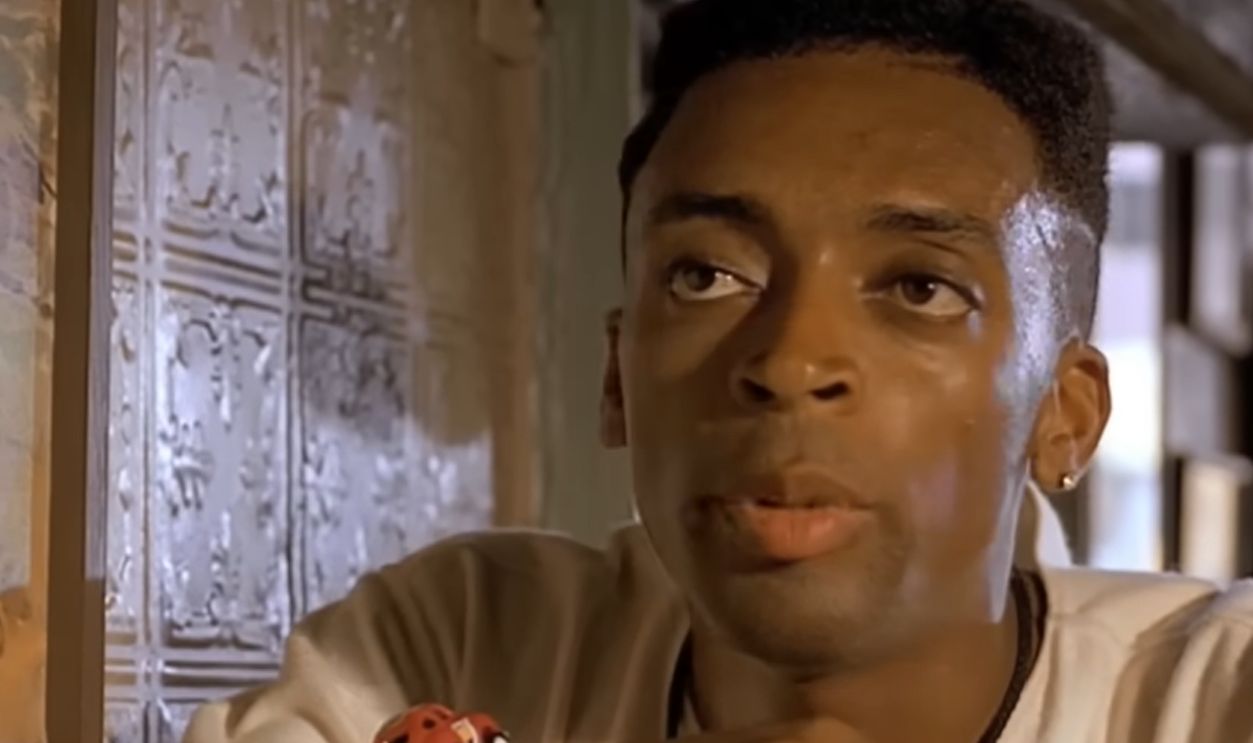 Screenshot from Do the Right Thing, Universal Pictures (1989)
Videodrome (1983)
David Cronenberg’s disturbing vision of media, control, and bodily transformation feels eerily prophetic. Equal parts horror and philosophical nightmare, Videodrome challenged audiences with its grotesque imagery and unsettling ideas about technology’s grip on the human mind.
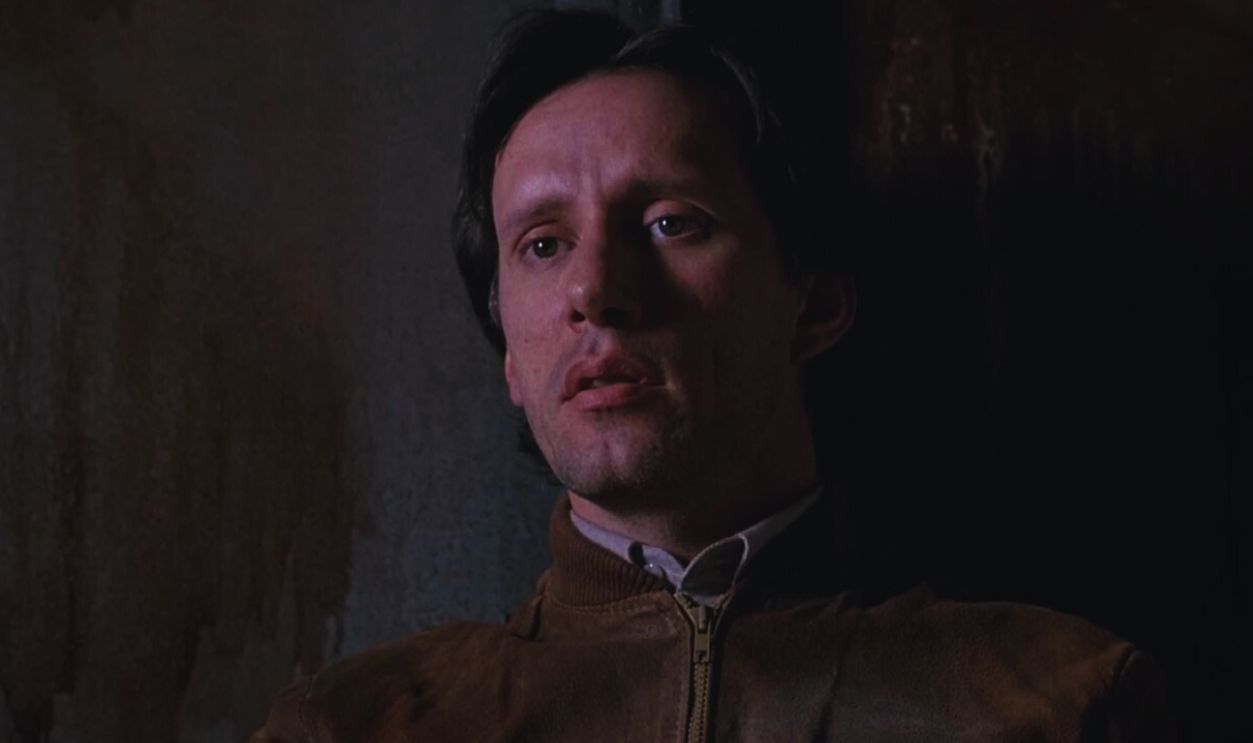 Screenshot from Videodrome, Universal Pictures (1983)
Raging Bull (1980)
Shot in stark black and white, Martin Scorsese’s portrait of boxer Jake LaMotta is brutal, intimate, and deeply uncomfortable. Robert De Niro’s transformative performance anchors a film about violence, masculinity, and self-destruction that remains one of cinema’s greatest character studies.
 Screenshot from Raging Bull, United Artists (1980)
Die Hard (1988)
What began as a smartly constructed action thriller became the blueprint for modern action cinema. Bruce Willis’ everyman hero, Alan Rickman’s iconic villain, and razor-sharp pacing turned Die Hard into an endlessly rewatchable classic.
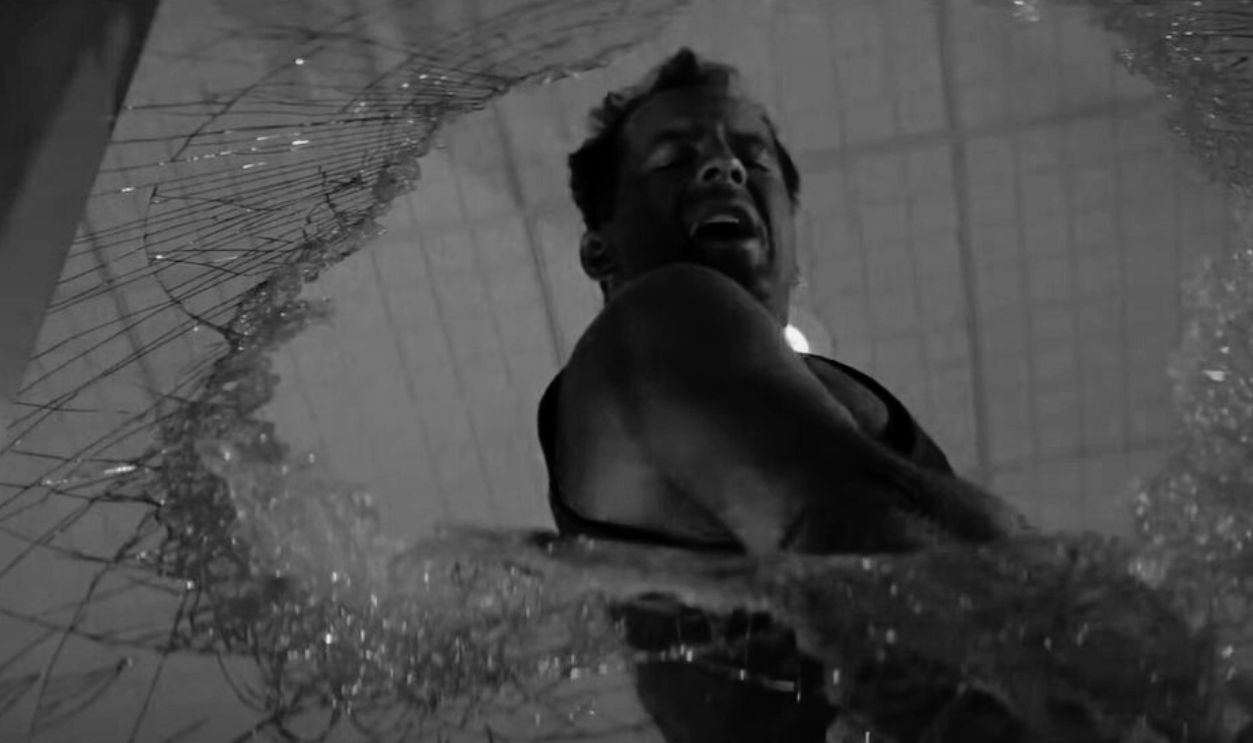 Screenshot from Die Hard, 20th Century Fox (1988)
Blue Velvet (1986)
David Lynch peeled back suburban normalcy to reveal a nightmare lurking underneath. Equal parts seductive and horrifying, Blue Velvet is anchored by unforgettable performances and an atmosphere that refuses to let viewers feel comfortable.
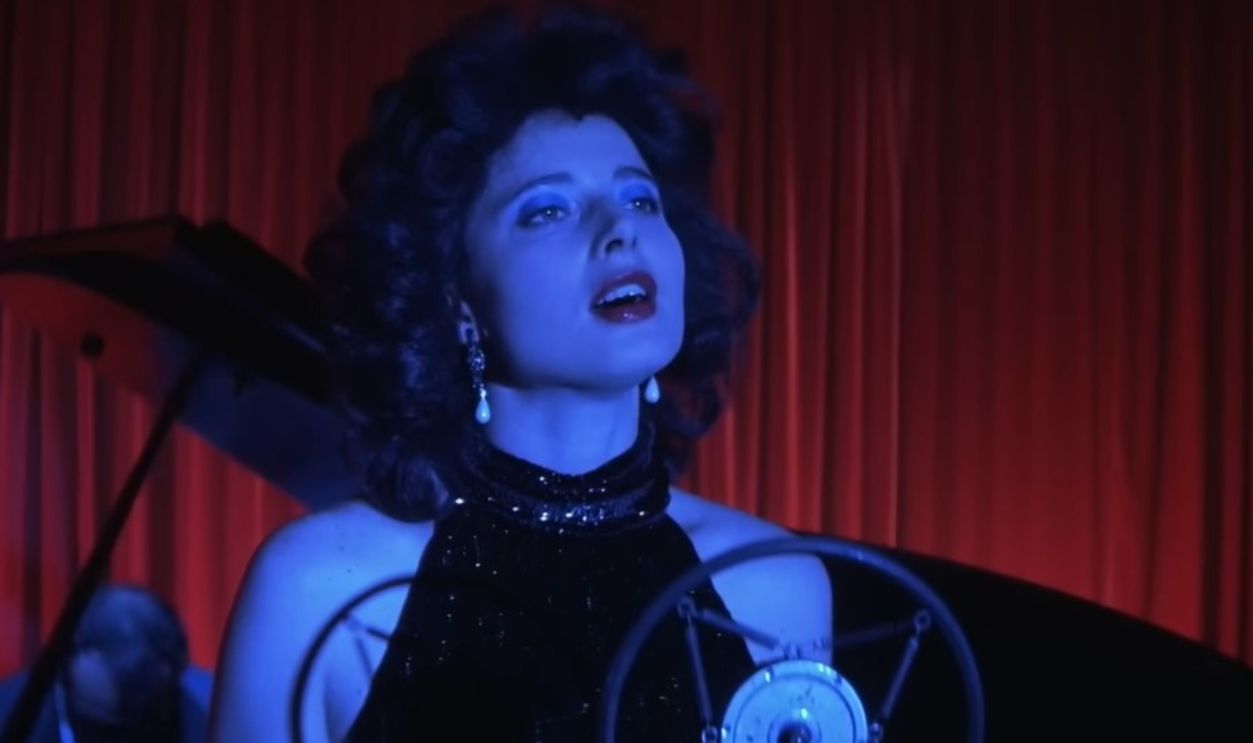 Screenshot from Blue Velvet, Universal Pictures (1986)
Ran (1985)
Akira Kurosawa’s epic reimagining of King Lear is visually staggering and emotionally devastating. Vast battle scenes, painterly compositions, and meditations on power and chaos make Ran one of the most breathtaking films of the decade.
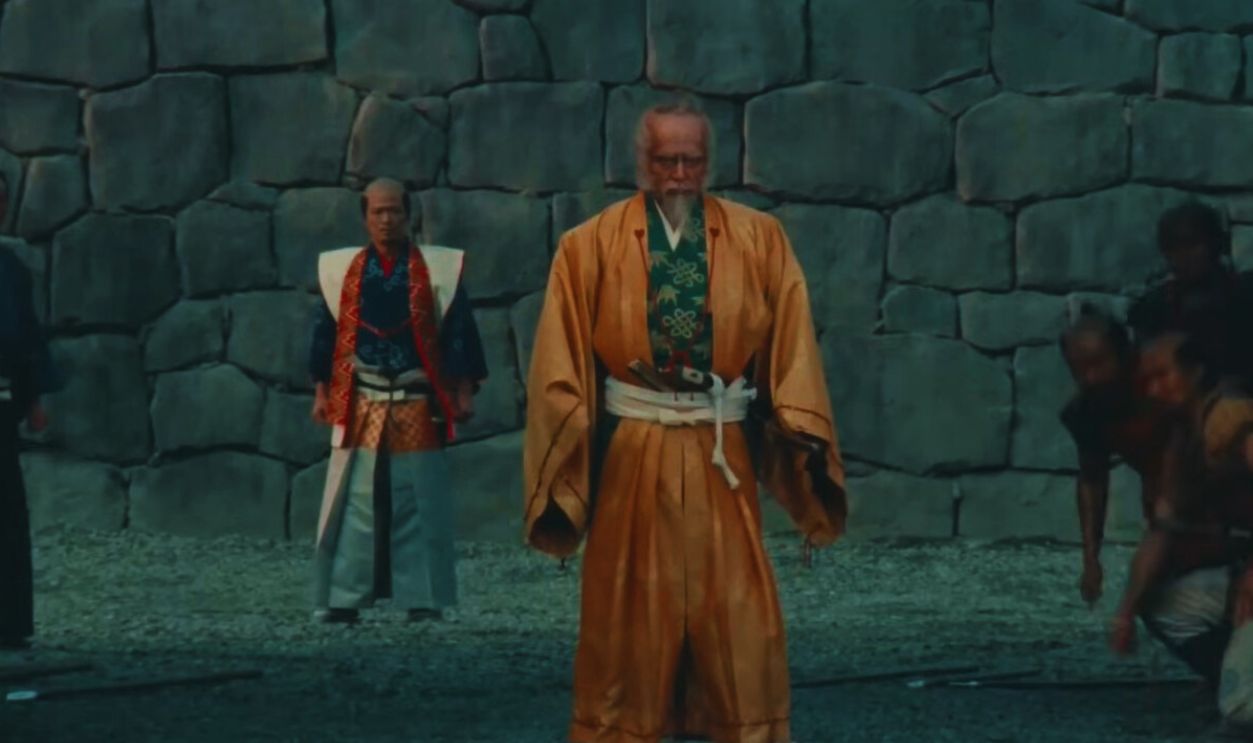 Screenshot from Ran, Greenwich Film Productions (1985)
Shoah (1985)
Claude Lanzmann’s nine-hour documentary refuses reenactments or archival footage, relying instead on testimony. The result is one of the most important and harrowing films ever made—a monumental act of remembrance that forever changed documentary filmmaking.
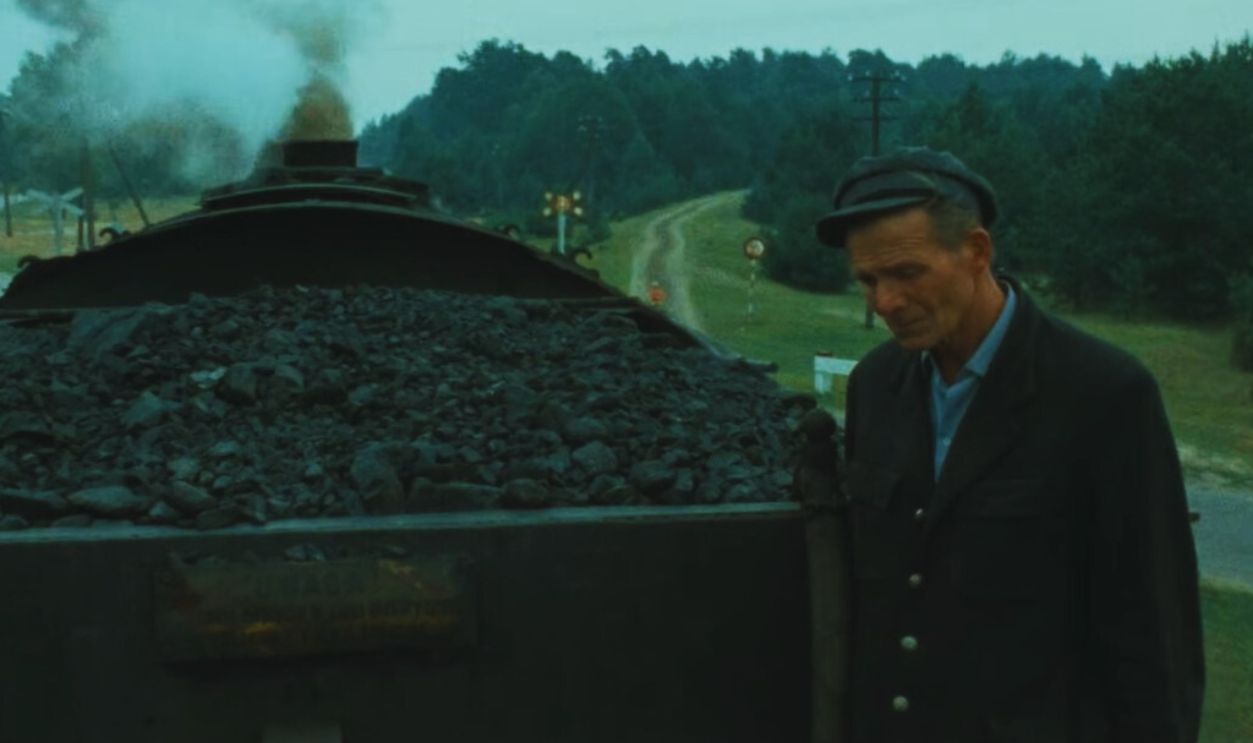 Screenshot from Shoah, Les Films Aleph (1985)
Blade Runner (1982)
Initially misunderstood, Ridley Scott’s sci-fi noir became one of the most influential films of all time. Its rain-soaked visuals, philosophical questions about humanity, and haunting score turned it into a cornerstone of modern science fiction.
 Screenshot from Blade Runner, Warner Bros. (1982)
The Thin Blue Line (1988)
Errol Morris revolutionized true-crime documentaries by exposing a wrongful conviction through interviews, reenactments, and haunting music. The film didn’t just influence the genre—it helped free an innocent man.
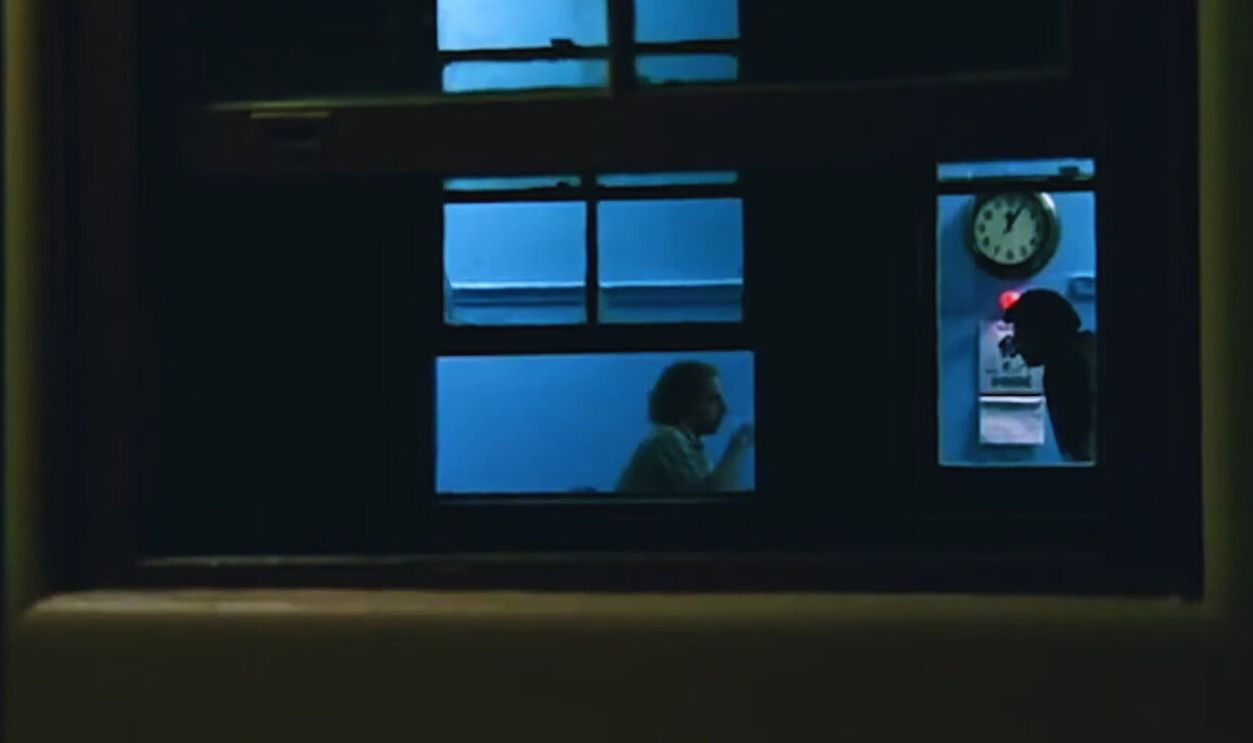 Screenshot from The Thin Blue Line, Miramax Films (1988)
The Thing (1982)
John Carpenter’s paranoid horror masterpiece was dismissed upon release but later embraced as a genre-defining classic. Its groundbreaking practical effects and atmosphere of mistrust make it one of the most terrifying films of the 1980s.
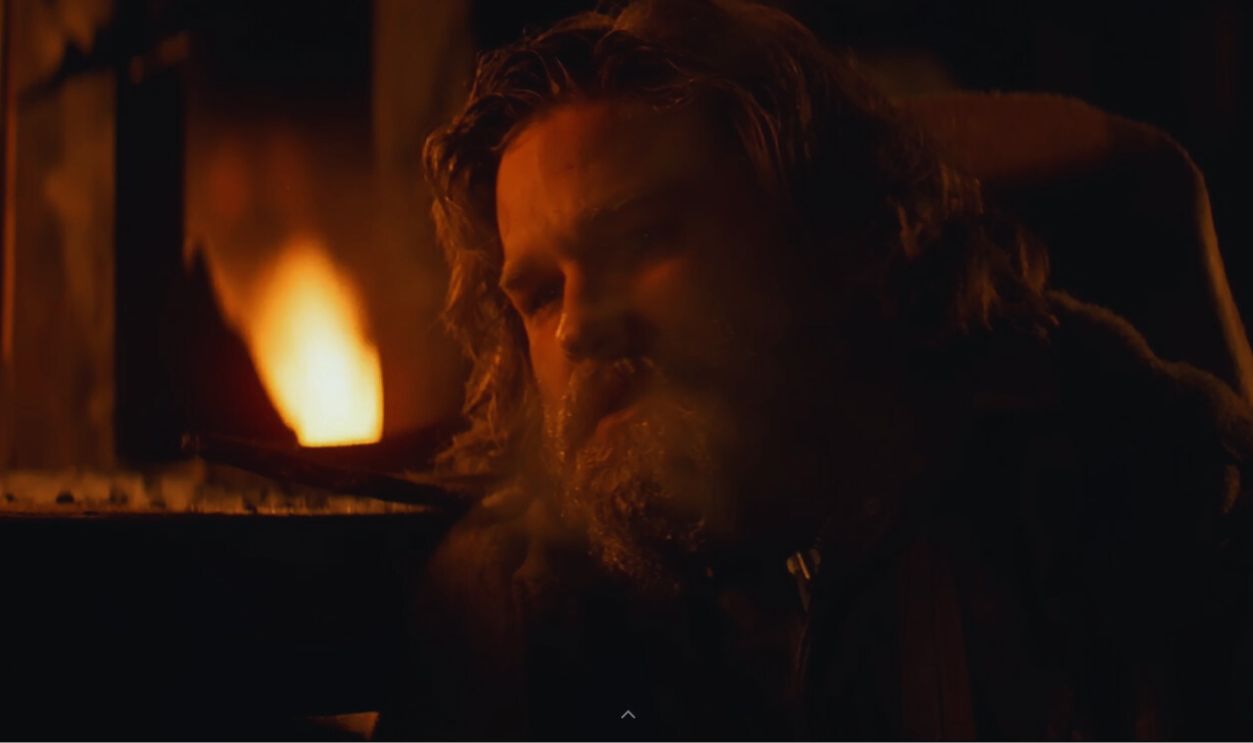 Screenshot from The Thing, Universal Pictures (1982)
Steel Magnolias (1989)
A heartfelt ensemble drama centered on friendship, grief, and resilience. With humor and emotional gut punches, Steel Magnolias showcased powerful performances and proved that intimate, character-driven stories still thrived in a blockbuster decade.
 Screenshot from Steel Magnolias, TriStar Pictures (1989)
The Goonies (1985)
An adventure movie fueled by childhood imagination, The Goonies captured the magic of friendship, treasure hunts, and youthful rebellion. It remains a defining coming-of-age film for an entire generation.
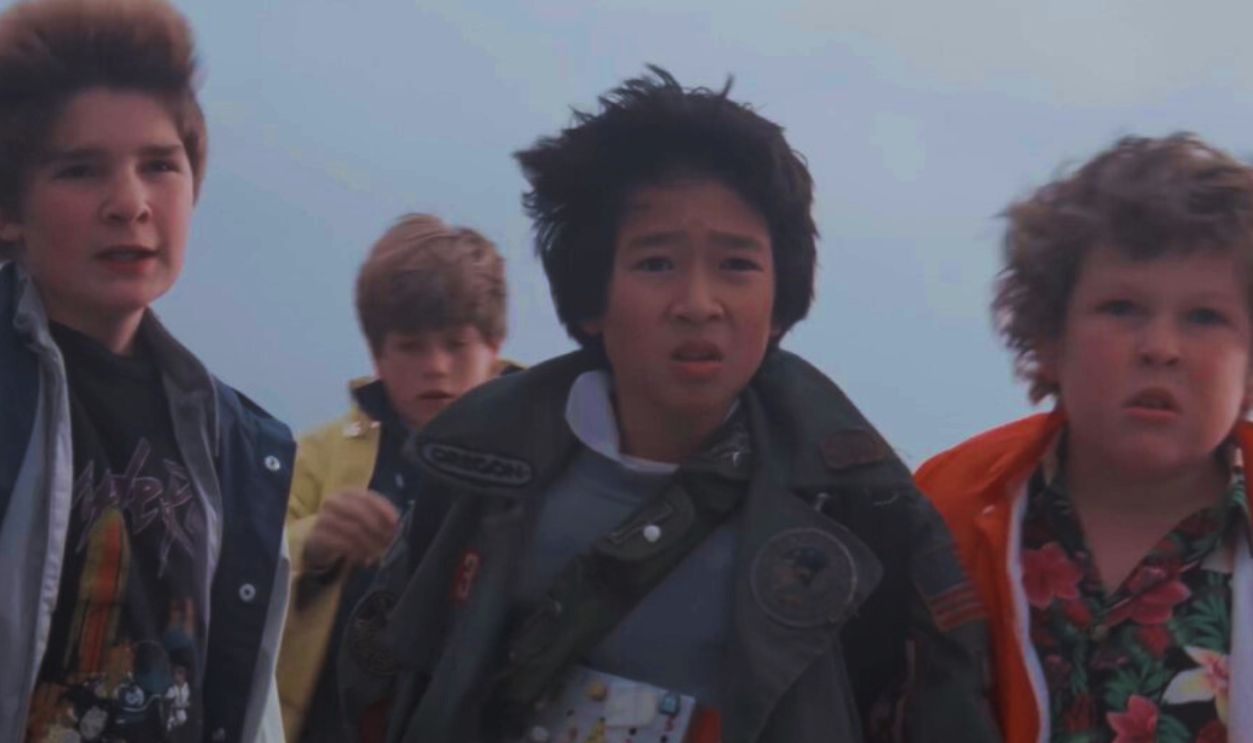 Screenshot from The Goonies, Warner Bros. Pictures (1985)
The Shining (1980)
Stanley Kubrick’s chilling adaptation of Stephen King’s novel redefined psychological horror. Its slow-burn dread, iconic imagery, and unsettling performances created a film that continues to inspire obsession and analysis.
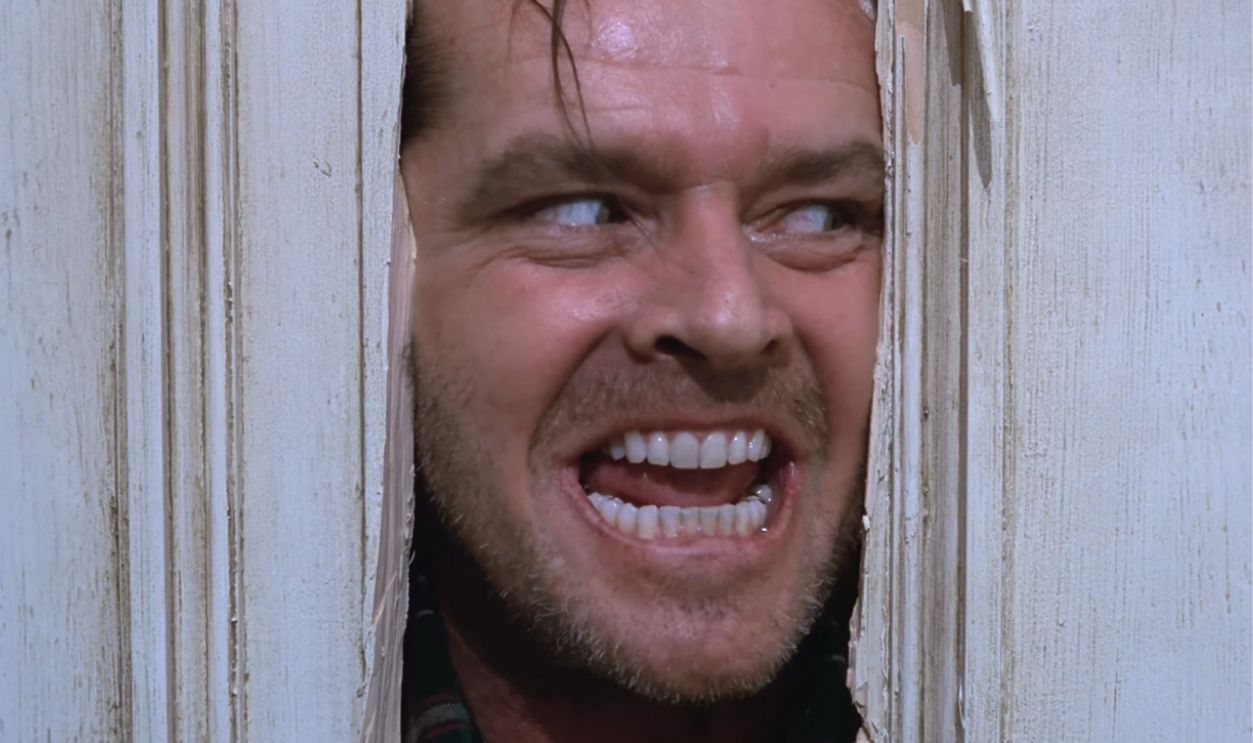 Screenshot from The Shining, Warner Bros. Pictures (1980)
Raising Arizona (1987)
The Coen Brothers’ anarchic comedy blends cartoonish energy with surprising emotional depth. Nicolas Cage’s manic performance and the film’s rapid-fire style made it one of the decade’s most distinctive comedies.
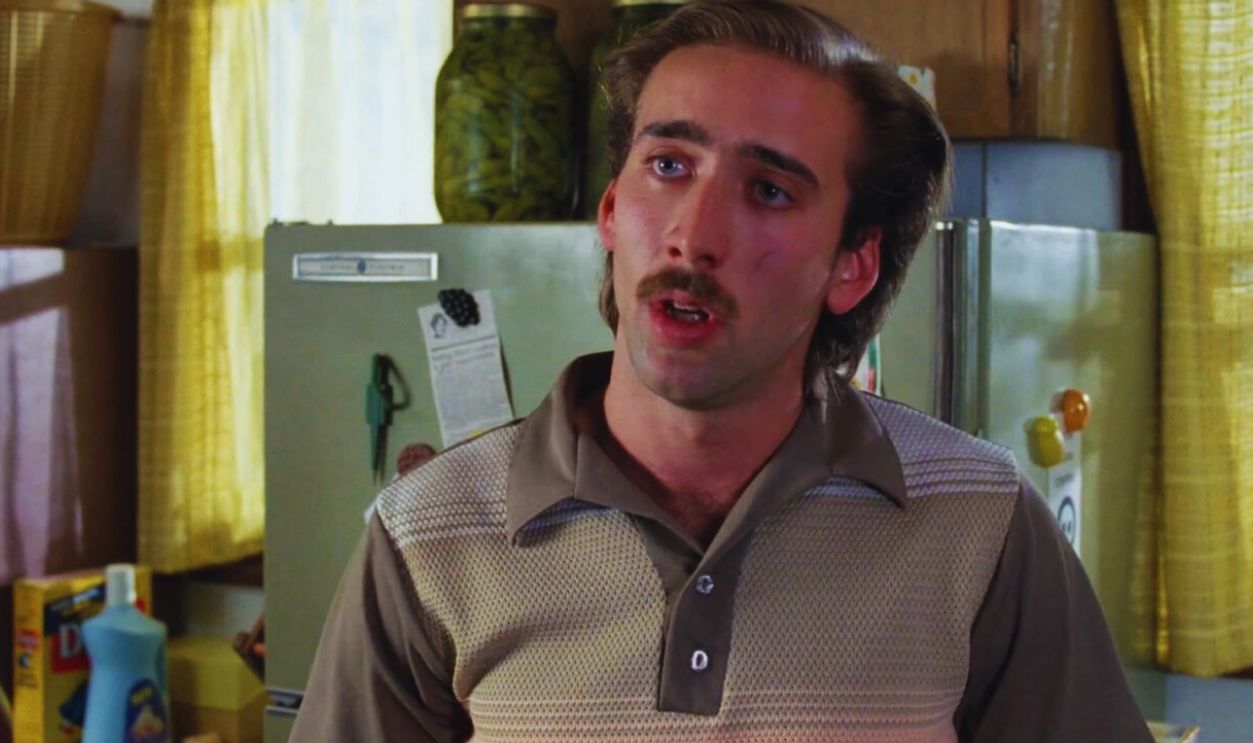 Screenshot from Raising Arizona, 20th Century Fox (1987)
Das Boot (1981)
This claustrophobic German war film immerses viewers inside a World War II submarine. Tense, exhausting, and deeply human, Das Boot stands as one of the most effective anti-war films ever made.
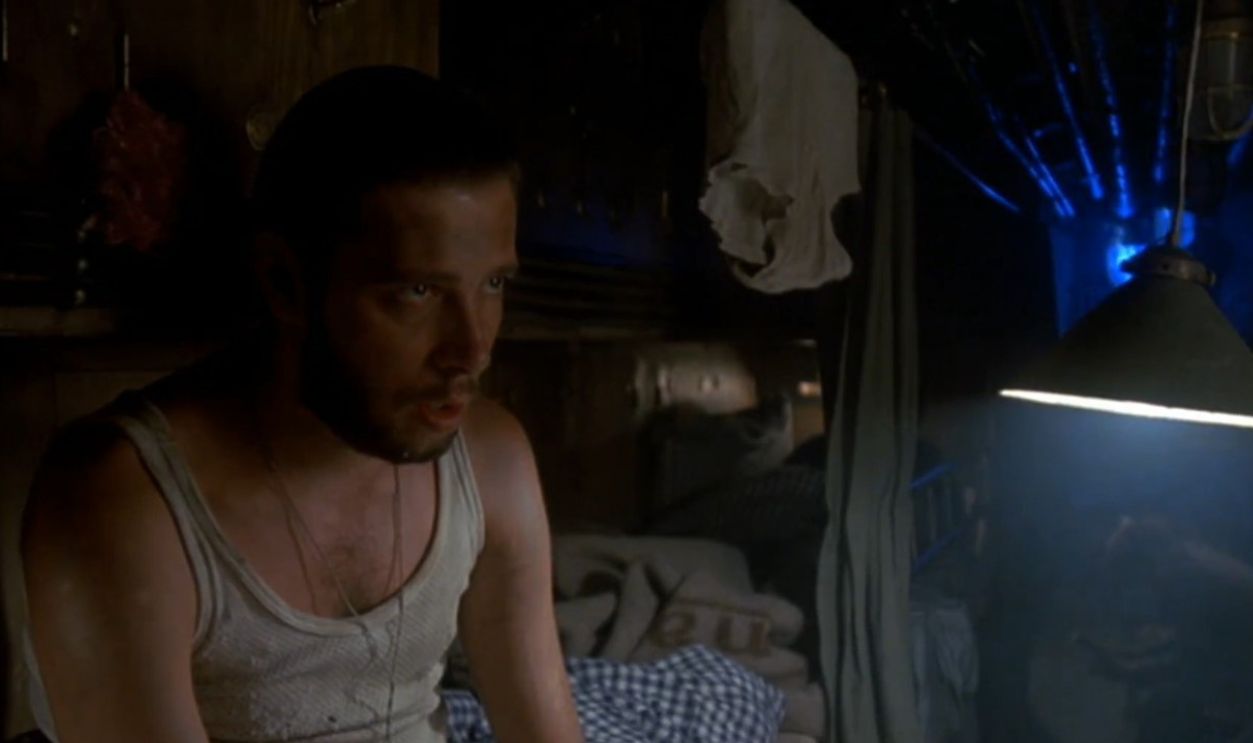 Screenshot from Das Boot, Bavaria Film (1981)
Say Anything… (1989)
John Cusack holding a boombox became an instant pop-culture image. Cameron Crowe’s romantic drama balanced sincerity and realism, offering a thoughtful look at young love and emotional vulnerability.
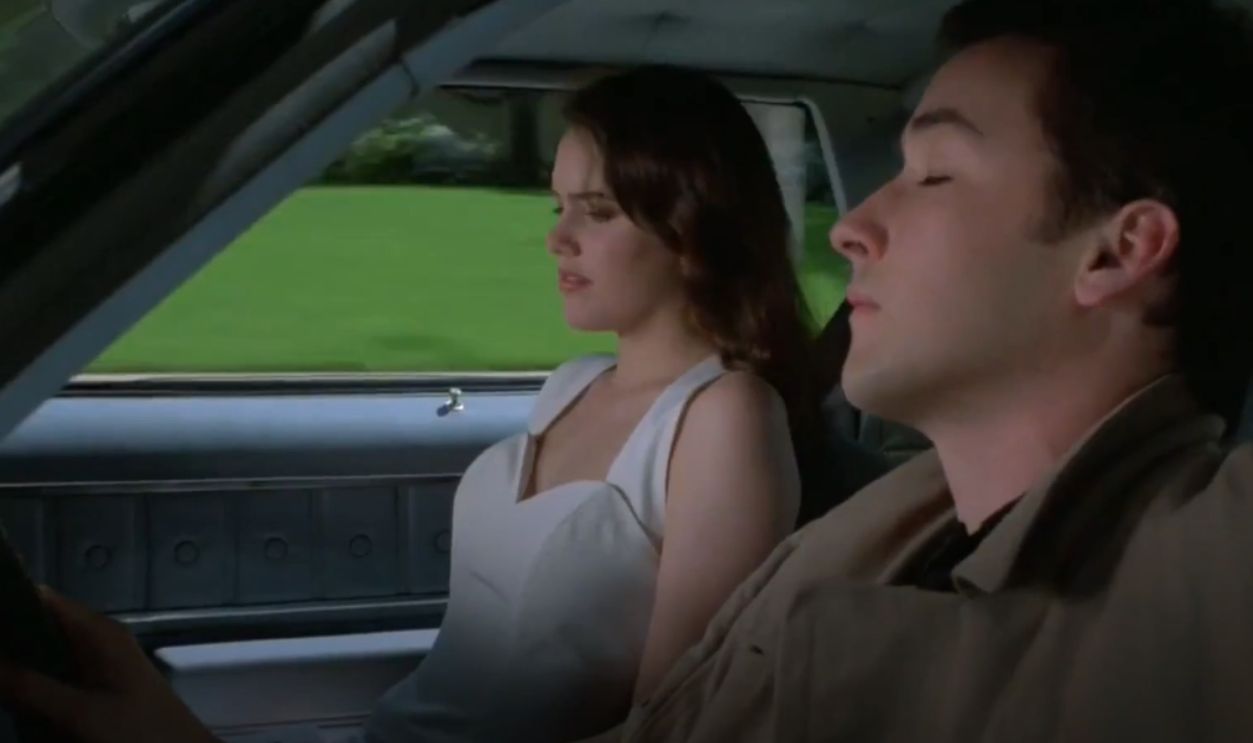 Screenshot from Say Anything…, 20th Century Fox (1989)
An American Werewolf In London (1981)
This film seamlessly blended comedy and horror while delivering one of the most shocking transformation scenes ever put on screen. Its tonal confidence and groundbreaking effects made it a genre landmark.
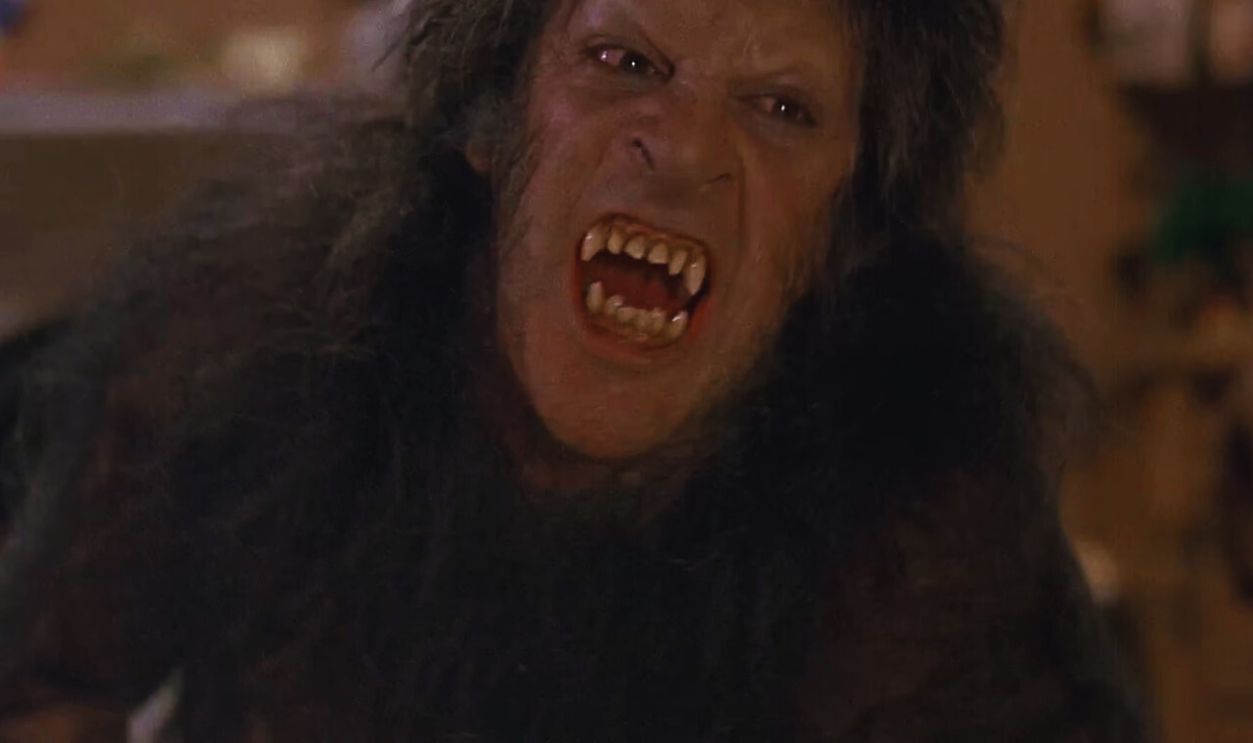 Screenshot from An American Werewolf in London, Universal Pictures (1981)
Once Upon A Time In America (1984)
Sergio Leone’s sprawling crime saga explores memory, regret, and lost time. Though initially butchered by studio cuts, the restored version is now considered one of the most ambitious gangster films ever made.
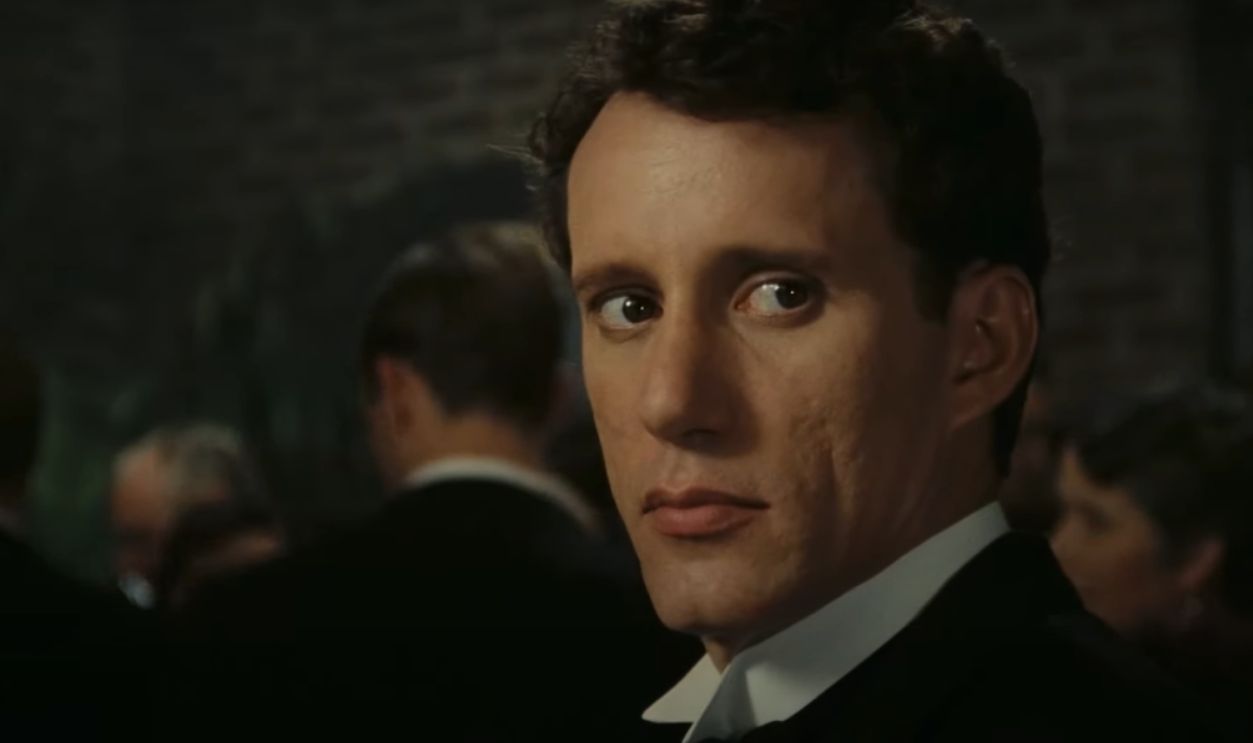 Screenshot from Once Upon a Time in America, Warner Bros. Pictures (1984)
Fast Times At Ridgemont High (1982)
A teenage comedy that didn’t talk down to its audience, Fast Times balanced humor with honesty. Its candid portrayal of youth culture made it far more influential than most teen movies of its era.
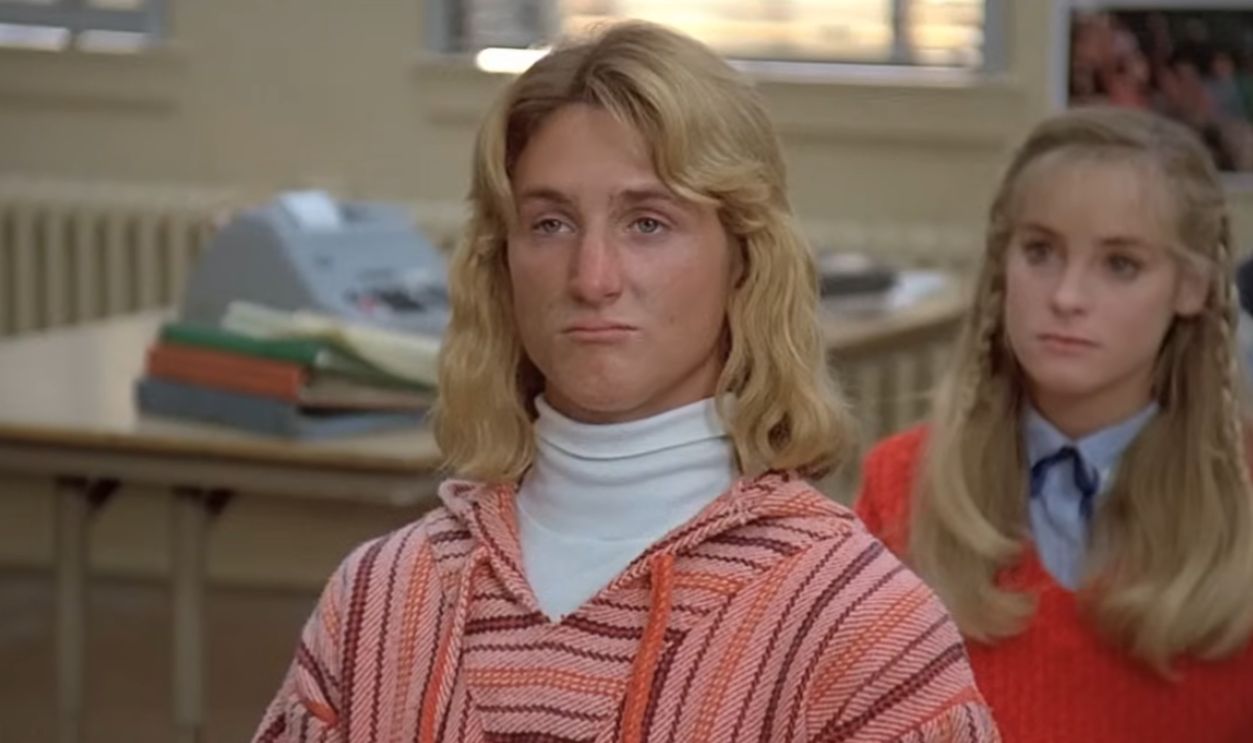 Screenshot from Fast Times at Ridgemont High, Universal Pictures (1982)
Terms Of Endearment (1983)
This sweeping mother-daughter drama blended comedy and heartbreak with remarkable balance. Its emotional impact and strong performances resonated deeply with audiences, earning multiple Academy Awards.
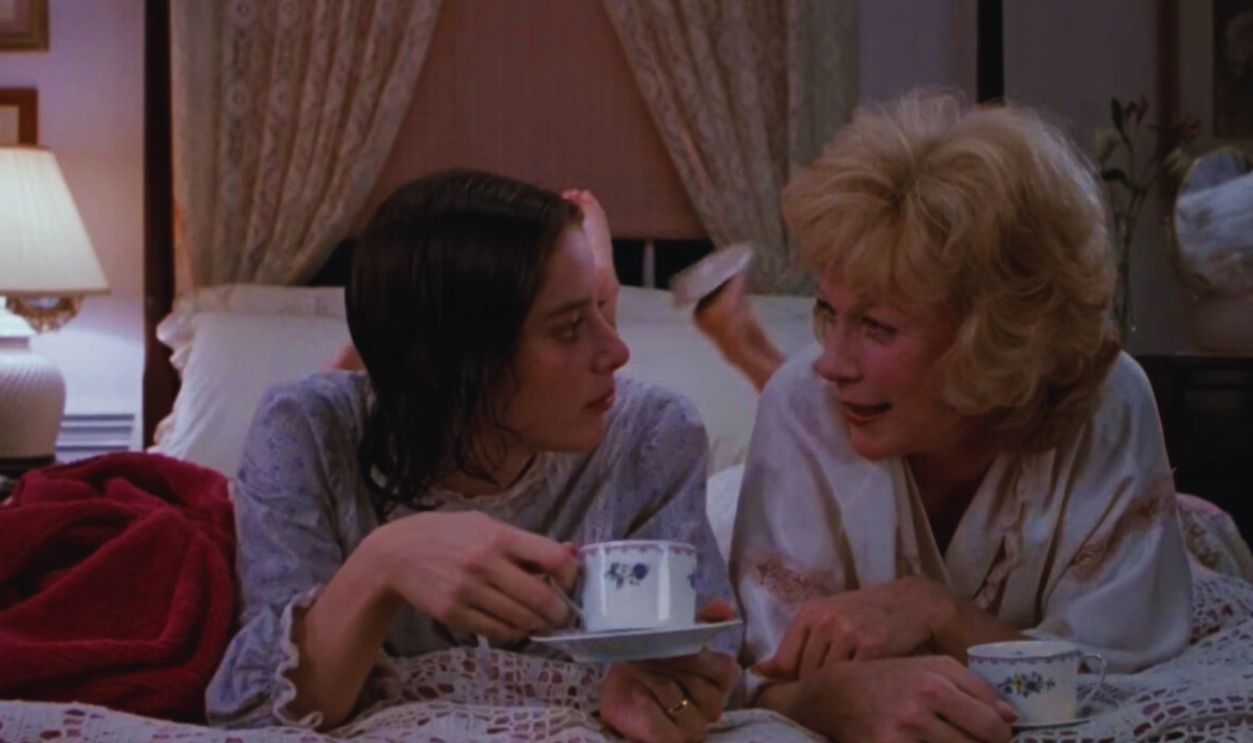 Screenshot from Terms of Endearment, Paramount Pictures (1983)
The Color Purple (1985)
Steven Spielberg’s adaptation of Alice Walker’s novel brought an intimate, painful story to a wide audience. Despite early controversy, the film is now recognized for its emotional power and landmark performances.
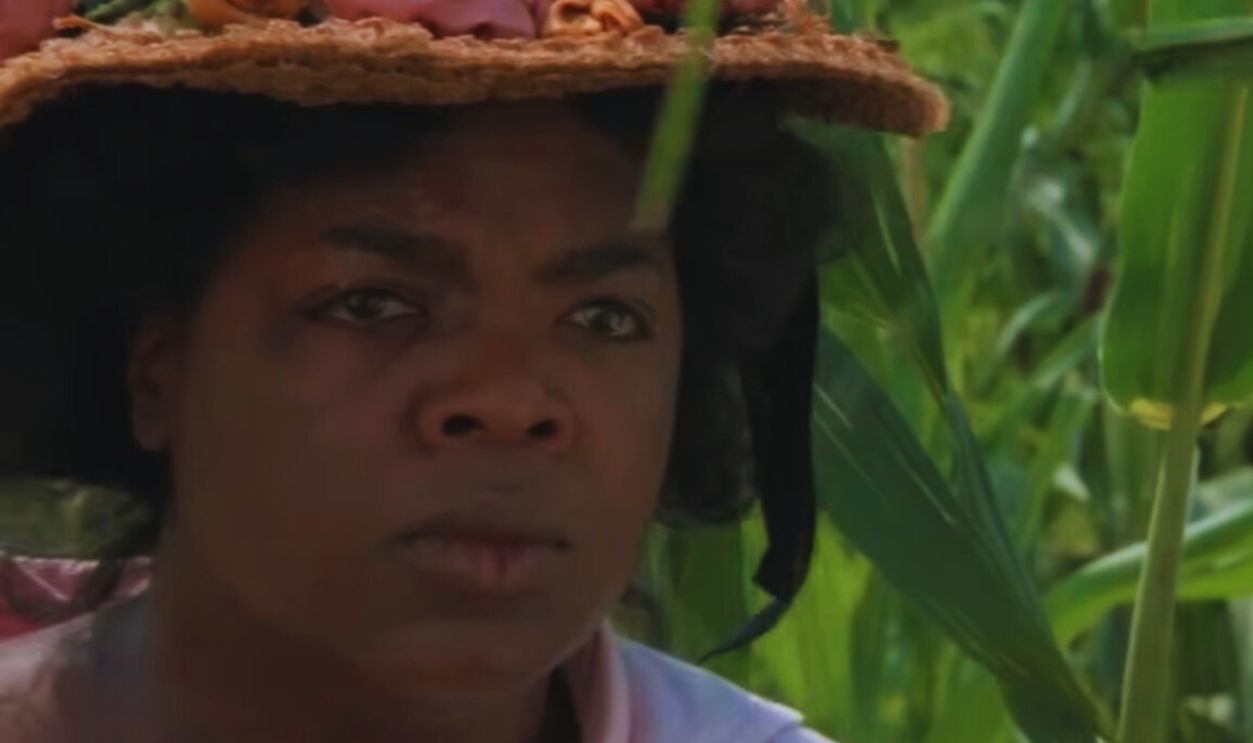 Screenshot from The Color Purple, Warner Bros. Pictures (1985)
Labyrinth (1986)
A cult favorite that blends fantasy, puppetry, and music, Labyrinth showcased Jim Henson’s imagination and David Bowie’s magnetic presence. Its surreal world-building continues to enchant new generations.
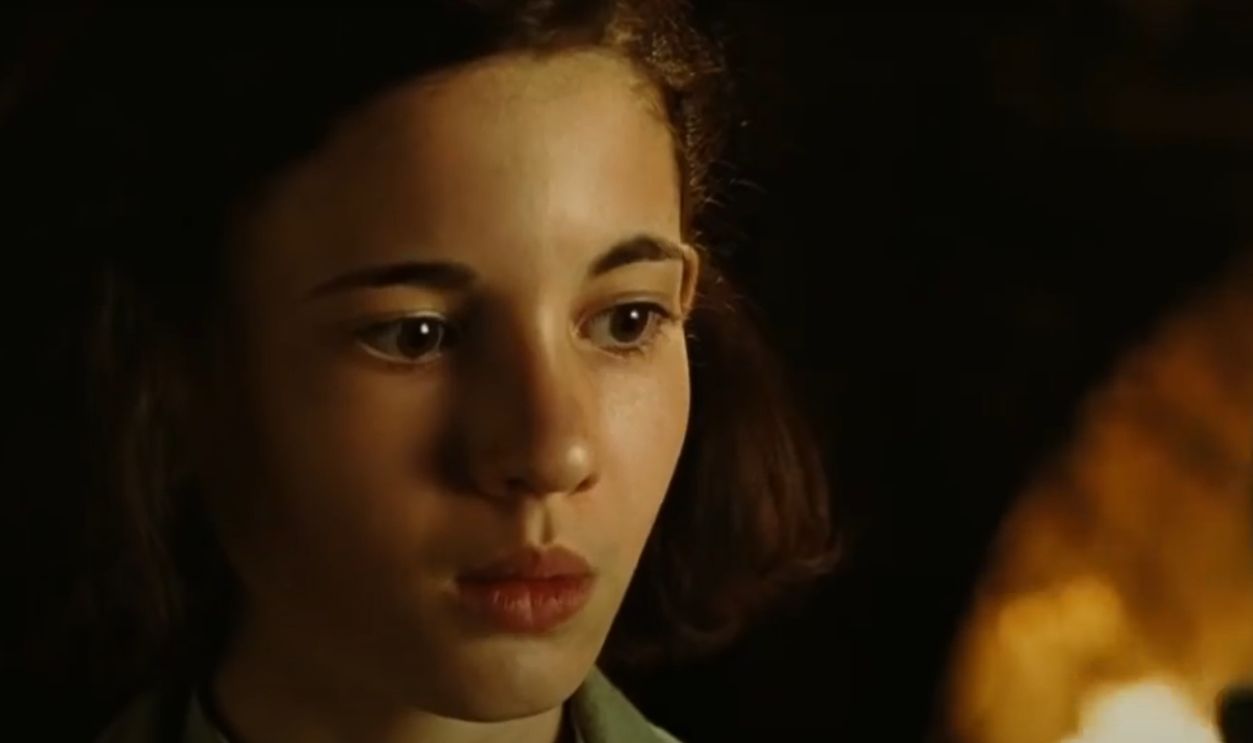 Screenshot from Labyrinth, TriStar Pictures (1986)
Star Wars: Episode V—The Empire Strikes Back (1980)
Darker, deeper, and more emotionally complex than its predecessor, The Empire Strikes Back elevated blockbuster storytelling. Its shocking twists, expanded mythology, and unforgettable characters make it the gold standard for sequels.
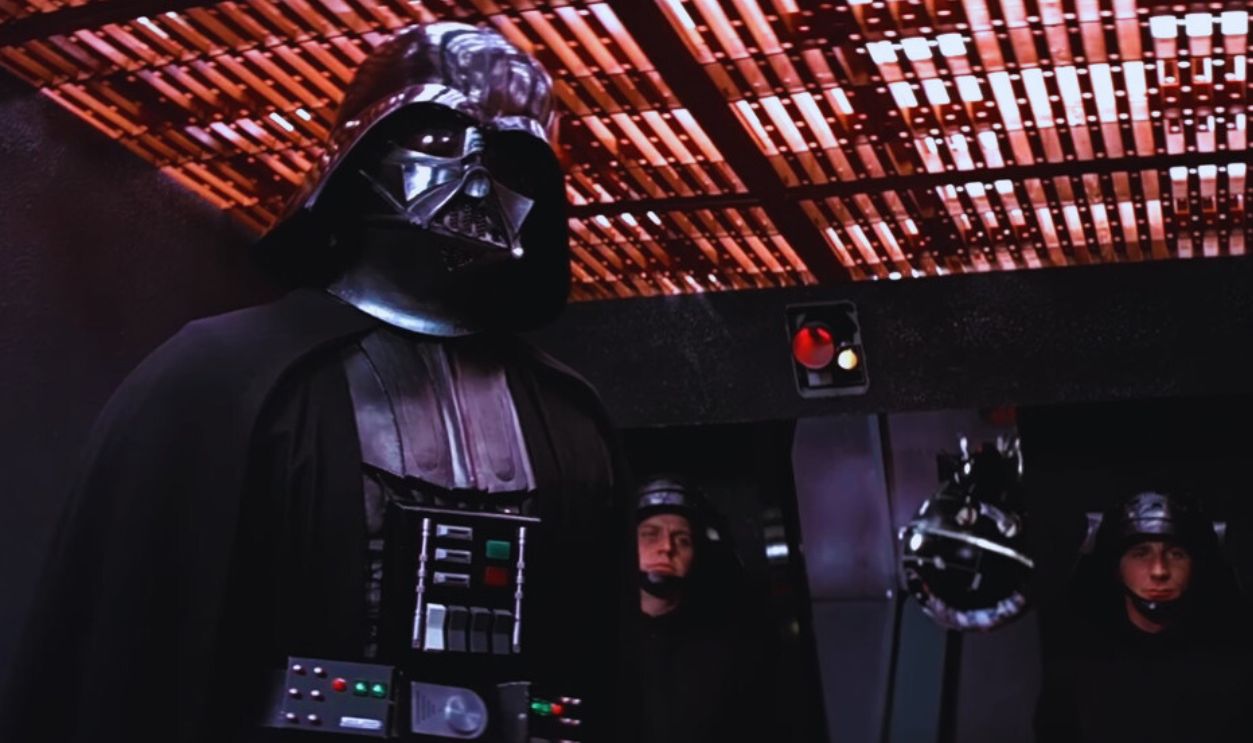 Screenshot from Star Wars: Episode V – The Empire Strikes Back, Lucasfilm (1980)
You May Also Like:
American Remakes Of Foreign Films That Got It Wrong
Every Film Fan Needs To Check These Iconic Black & White Movies Off Their List
Everyone Has A Favorite Christmas Movie, And These Consistently Rank At The Top Of People's Lists