Going Down The Rabbit Hole
Some fans aren’t content to just watch movies; they dissect, decode, and completely re-imagine them. All this extra analysis can generate some wild theories: hidden messages, alternate endings, secret connections, and so on. Some of these theories are plausible. Others veer into the realm of the, shall we say, unusual. Here are some of the strangest theories that will make you rethink everything you thought you knew about your favorite films.
The Zombie Citizens Of The Shire
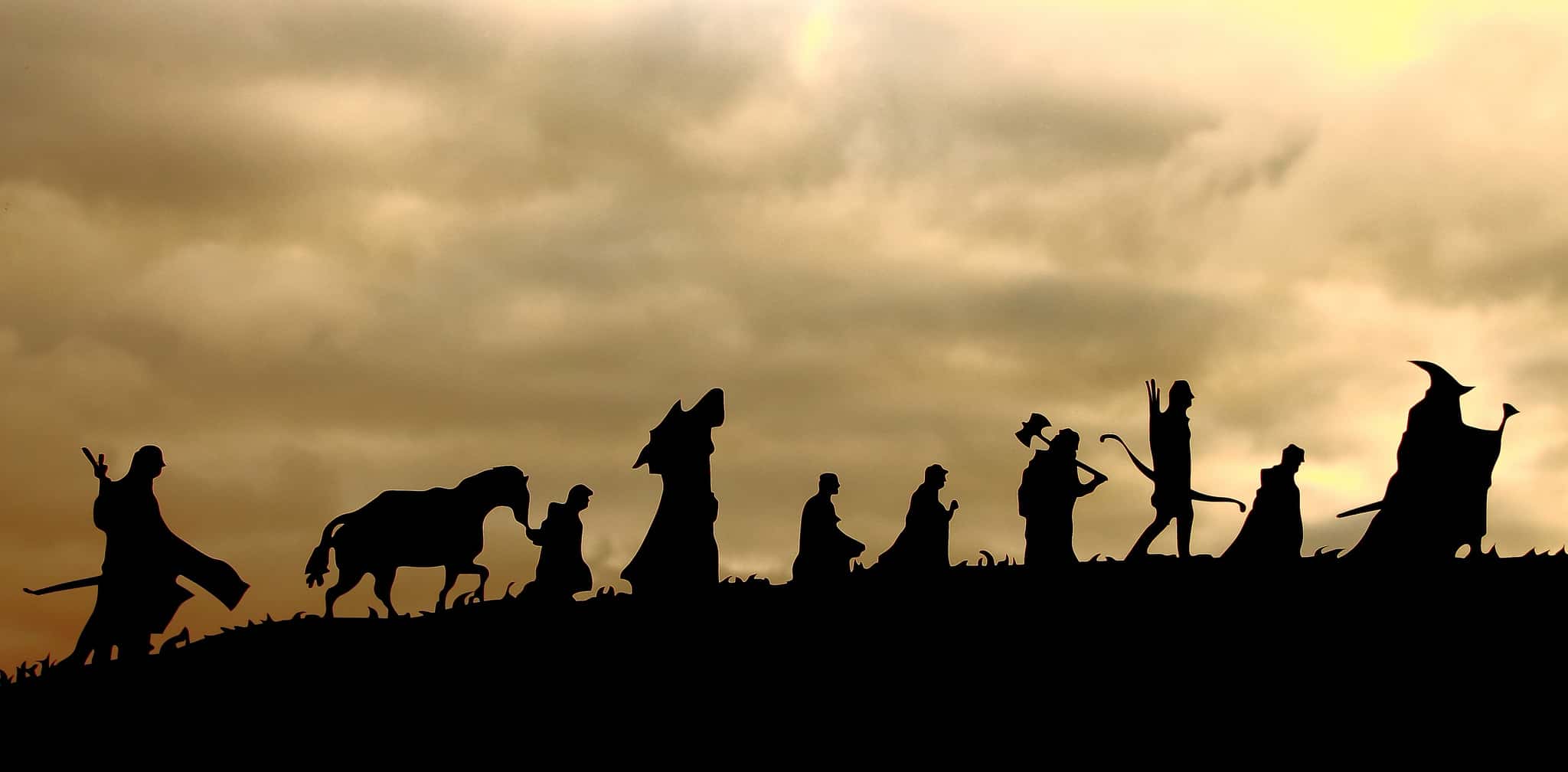
One theory suggests that hobbits returning to their homeland of the Shire at the end of The Return of the King (2003) are spiritually dead, zombie‑like and hollowed out of their souls. Their sedate, bucolic lifestyle isn’t peace, but a purgatory of inner numbness. Fans say the Shire’s serene ending is actually an eerie foreshadowing: the hobbits survived the war in physical, but emotionally they never returned.
The Toys Are Haunted
An unsettling fan theory about Toy Story (1995) says the toys are haunted by the spirits of former owners. Their intense loyalty, memories, trauma, and emotions aren’t just programming, but the ghostly remnants of childhood. The film becomes a story not about toys, but about human souls imprisoned in plastic shells, longing to find a purpose.
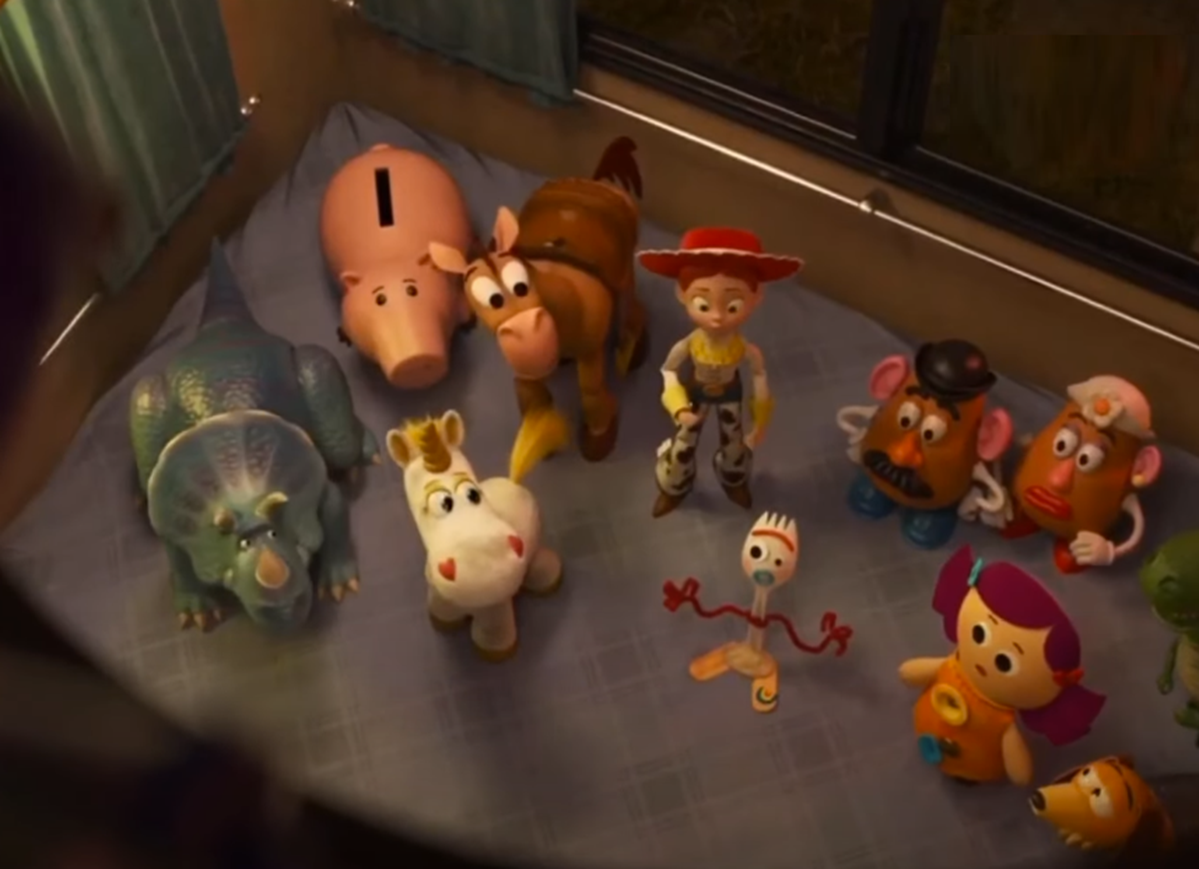 Screenshot from Toy Story, Walt Disney Pictures (1995)
Stanley Kubrick's Confession
One of the most notorious fan theories says The Shining (1980) is director Stanley Kubrick’s secret confession that he helped fake the moon landing. Danny’s Apollo 11 sweater, the changed room number, the physically impossible set layouts are all prat of what fans call a coded apology. In their eyes, the horror of the film isn’t the ghosts but the deep well of hidden guilt, buried in a conspiracy masterpiece.
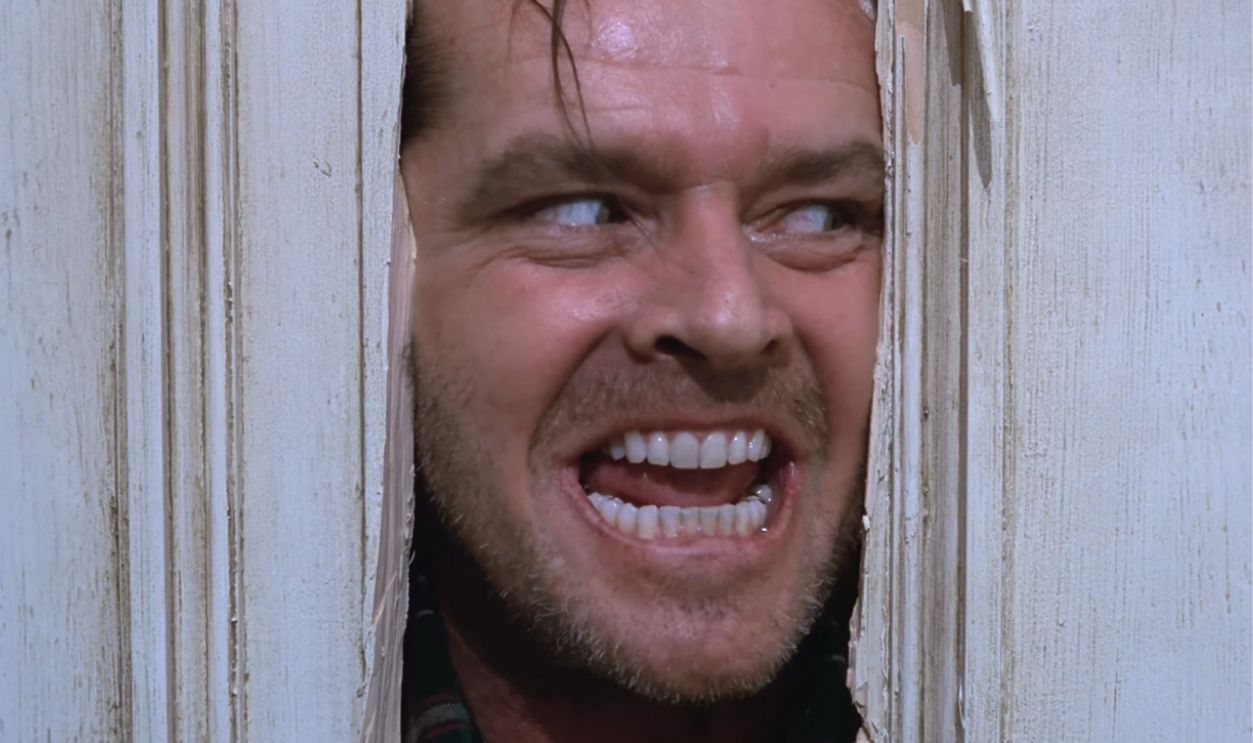 Screenshot from The Shining, Warner Bros. Pictures (1980)
The Whole Movie Is A Dream
Some fans argue that The Matrix (1999) isn’t a simulation, but Neo’s dream. Every fight, every philosophical monologue, every mundane moment feels somehow symbolic. The so‑called ‘real world’ is no more than another dream layer. The rabbit hole doesn’t lead out, but ever deeper into the labyrinthine workings of the subconscious.
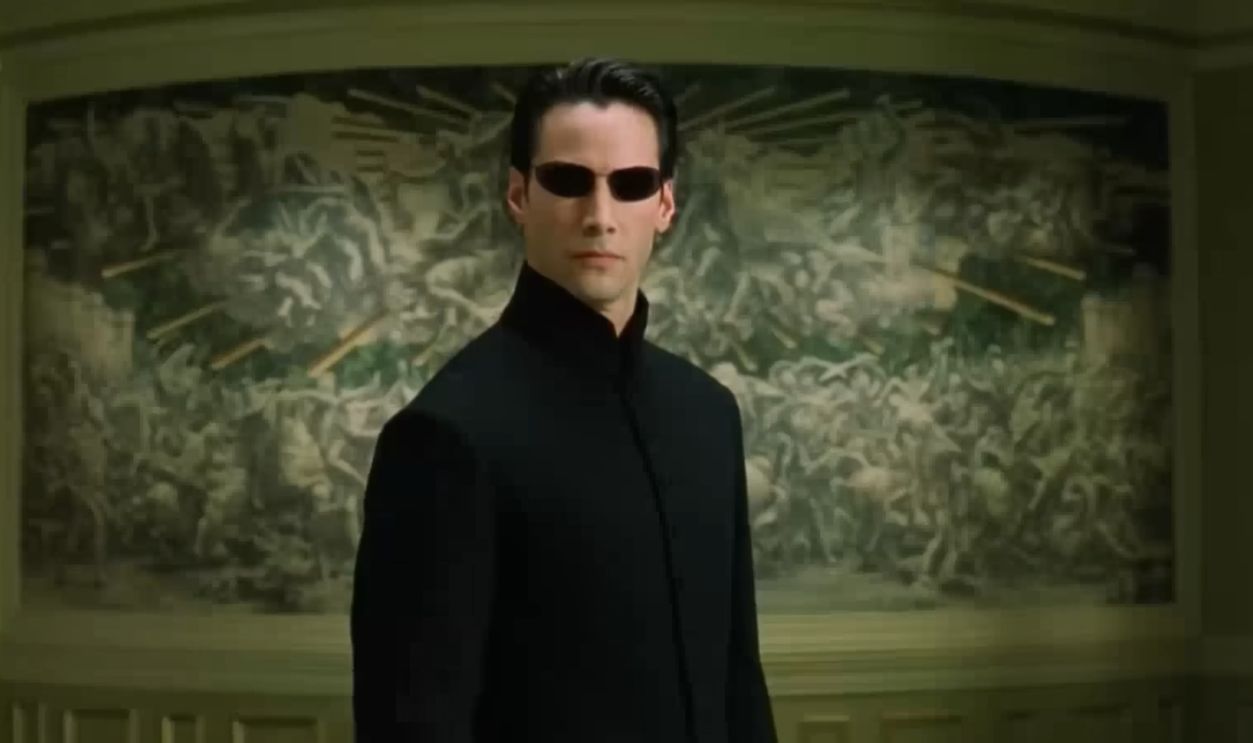 Screenshot from The Matrix, Warner Bros. Pictures (1999)
Darth Isn’t Really Luke’s Father
A theory about the Star Wars saga claims Vader wasn’t Luke’s real father, and that the Empire fabricated the story to deceive and manipulate Luke Skywalker, turning the entire saga into propaganda. The real dark twist here, is that the father reveal isn’t familial, but a form of psychological warfare. The Force isn’t hereditary destiny, but a smoke-and-mirrors deception. Really!
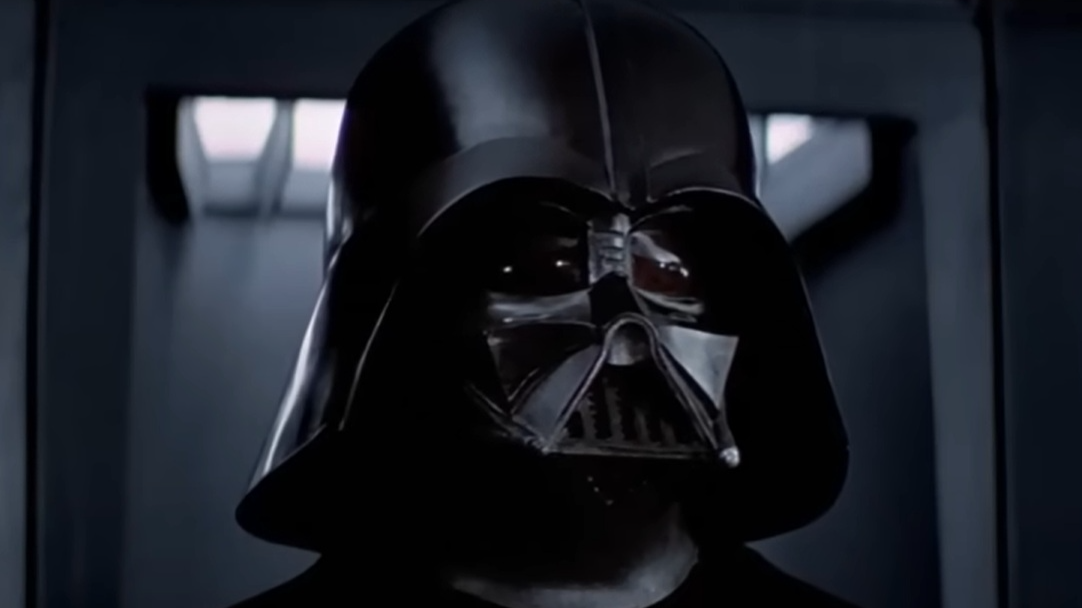 Screenshot from Star Wars: Episode IV – A New Hope, Twentieth Century (1977)
The Groundhog Day Time Loop Is Filmmaking
Some argue Groundhog Day is a metaphor for filmmaking. Every repeated day is a retake, every change a new version of the scene. Phil isn’t trapped in time — he’s trapped in production. The movie isn’t supernatural — it’s meta commentary on rewriting stories until they’re perfect. Ok then. Moving right along...
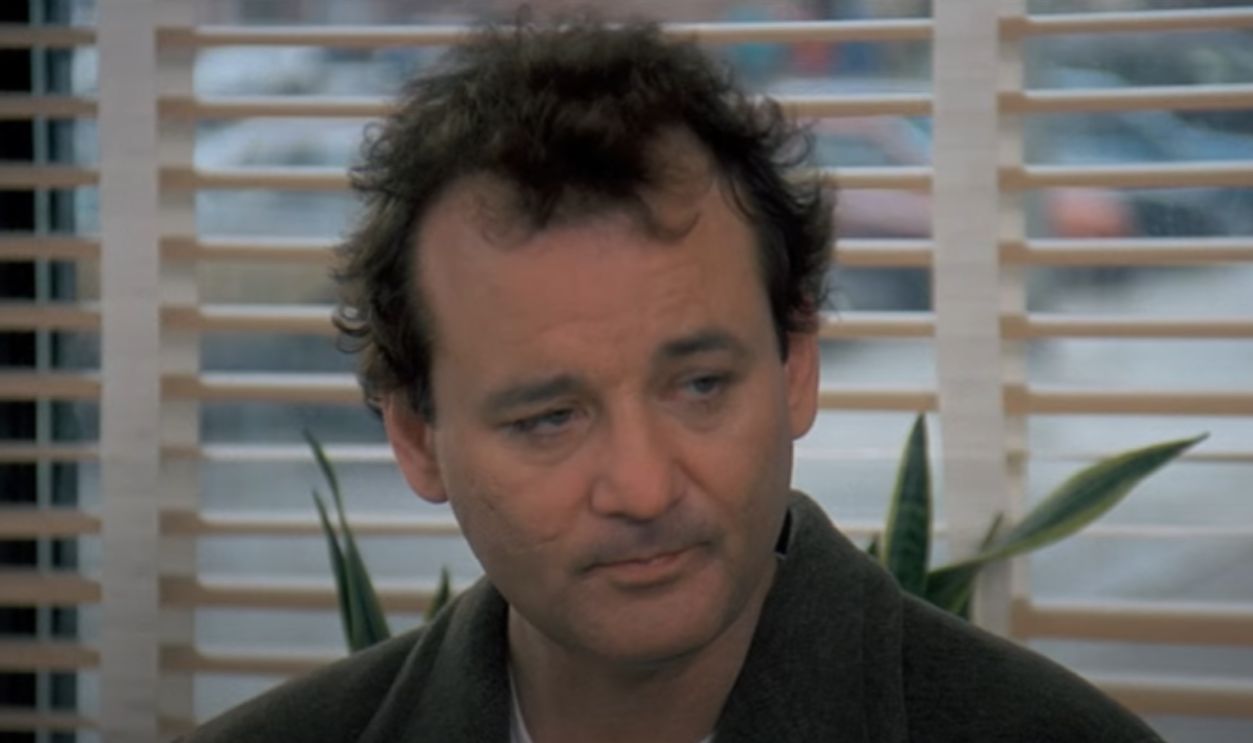 Screenshot from Groundhog Day, Columbia Pictures (1993)
Up Is A Metaphor For The Stages Of Grief
Fans think the animated Pixar film Up (2009) isn’t about adventure, but about grief and moving on. The floating house represents letting go. Paradise Falls is the afterlife. Every step is a rung on a spiritual ladder of symbolic healing. The balloon trip isn’t a whimsical voyage of friends borne aloft on a quest of discovery, but the final journey through loss, acceptance, and memory.
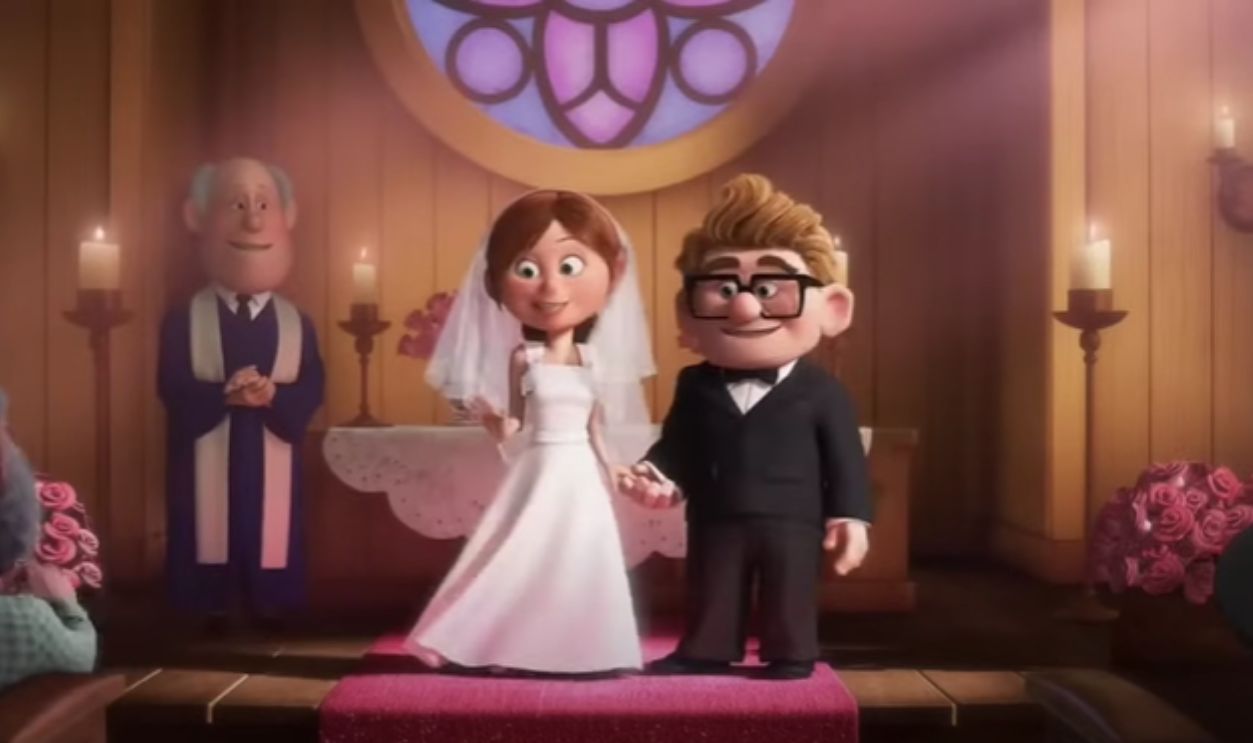 Screenshot from Up, Walt Disney Pictures (2009)
Willy Wonka Is A Serial Killer
One theory about the Charlie and the Chocolate Factory movies claims Wonka deliberately set out to get rid of all the kids on the tour except Charlie Bucket. In this sinister scenario the factory is a death‑trap disguised as whimsy. Every ‘accident’ is far too elaborate to be random. The Oompa Loompas are the willing accomplices. The chocolate river is just a cheerful cover for a grotesque horror story.
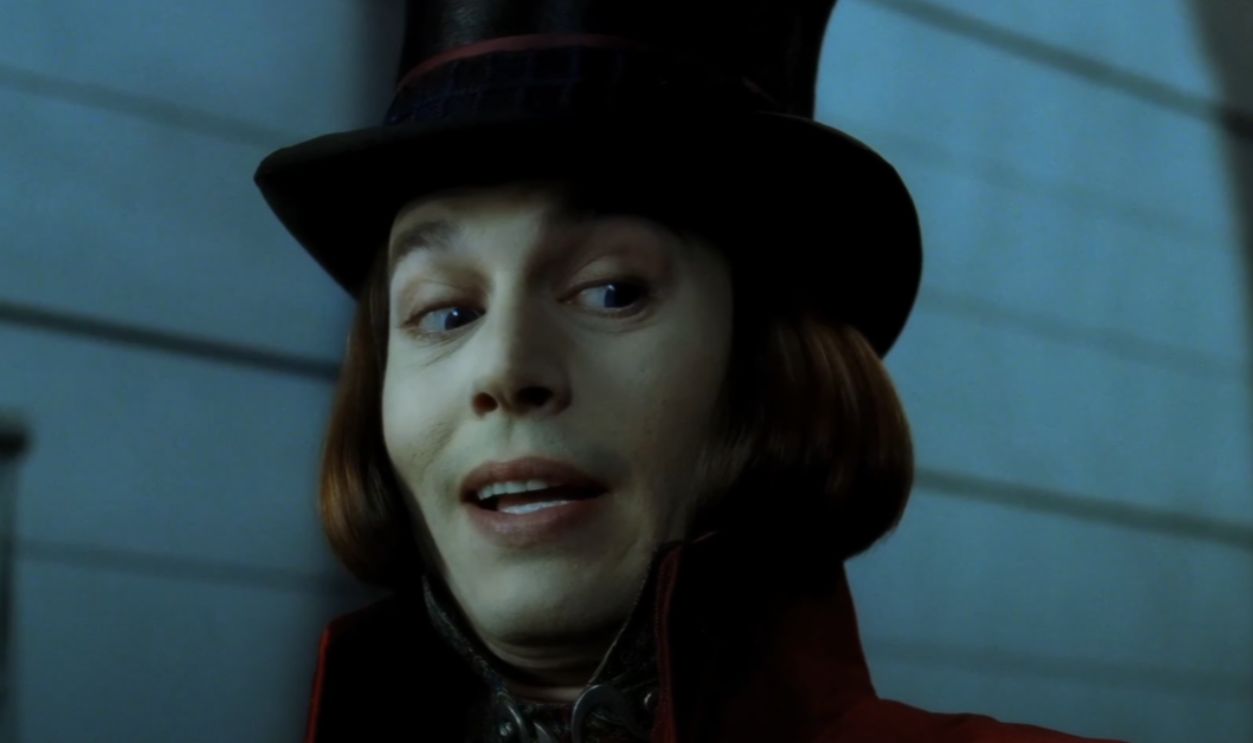 Screenshot from Charlie and the Chocolate Factory, Warner Bros. (2005)
The Kids In Home Alone Are Adults
One bizarre theory about Home Alone suggests Kevin and his siblings are really adults acting out childhood trauma in symbolic form. The burglars are only the humanoid manifestation of emotional violence. The pranks are the coping mechanisms. It turns slapstick into the psychological horror of a family’s grim unravelling, replaying the emotional damage of the holidays rather than celebrating it.
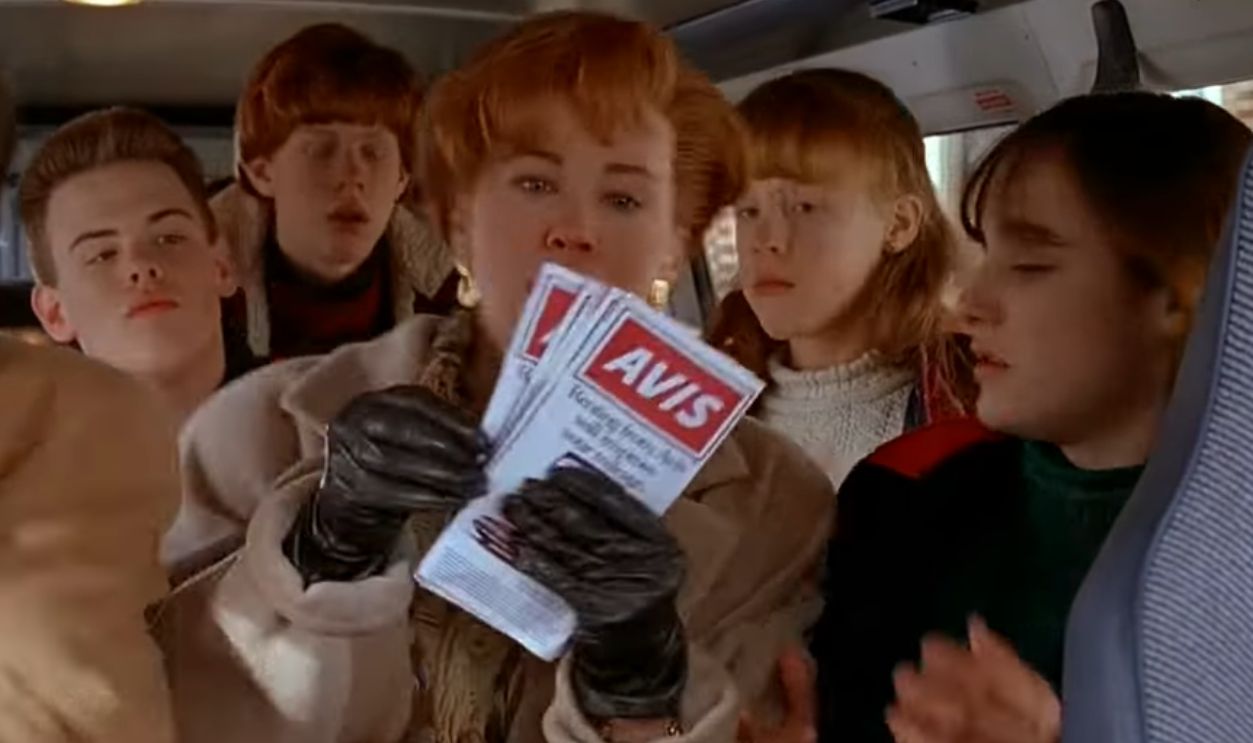 Screenshot from Home Alone, 20th Century Studios (1990)
The Babadook Is Depression
Many fans believe the humanoid monster in The Babadook (2014) isn’t really a monster but a metaphor for mental illness. It can’t be killed, but perhaps acknowledging its existence takes away its power. The horror isn’t supernatural, but psychological, personal, and totally devastating. The monster in the basement isn’t a creature, but an unresolved trauma the family must learn to live with.
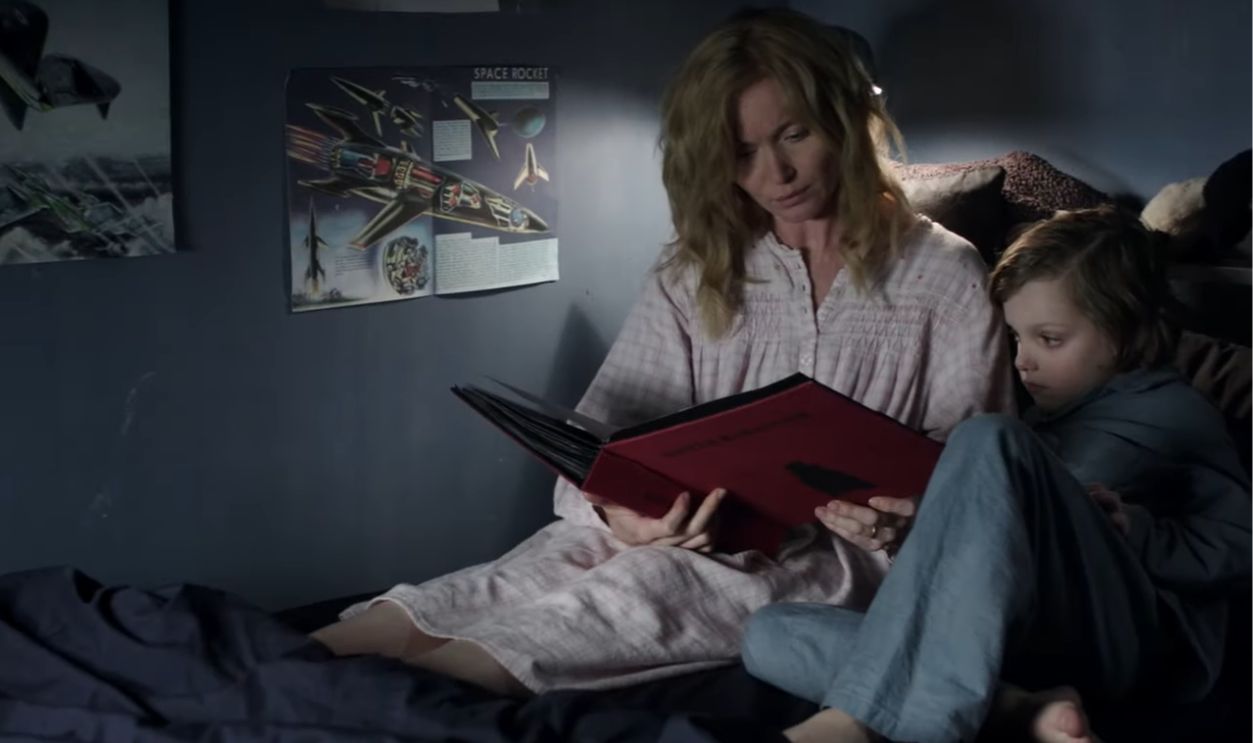 Screenshot from The Babadook, Umbrella Entertainment (2014)
Fight Club Is A Novel Being Written
This theory about Fight Club (1999) says the entire movie is the narrator’s manuscript written after the events happened. Every twist and character is his own edited memory. The unreliable narrator isn’t just unreliable in the story — he’s rewriting his life as fiction. The movie becomes literature disguised as chaos. Of course, the movie is based on a novel by Chuck Palahniuk, so it's hard to see how this theory makes any sense.
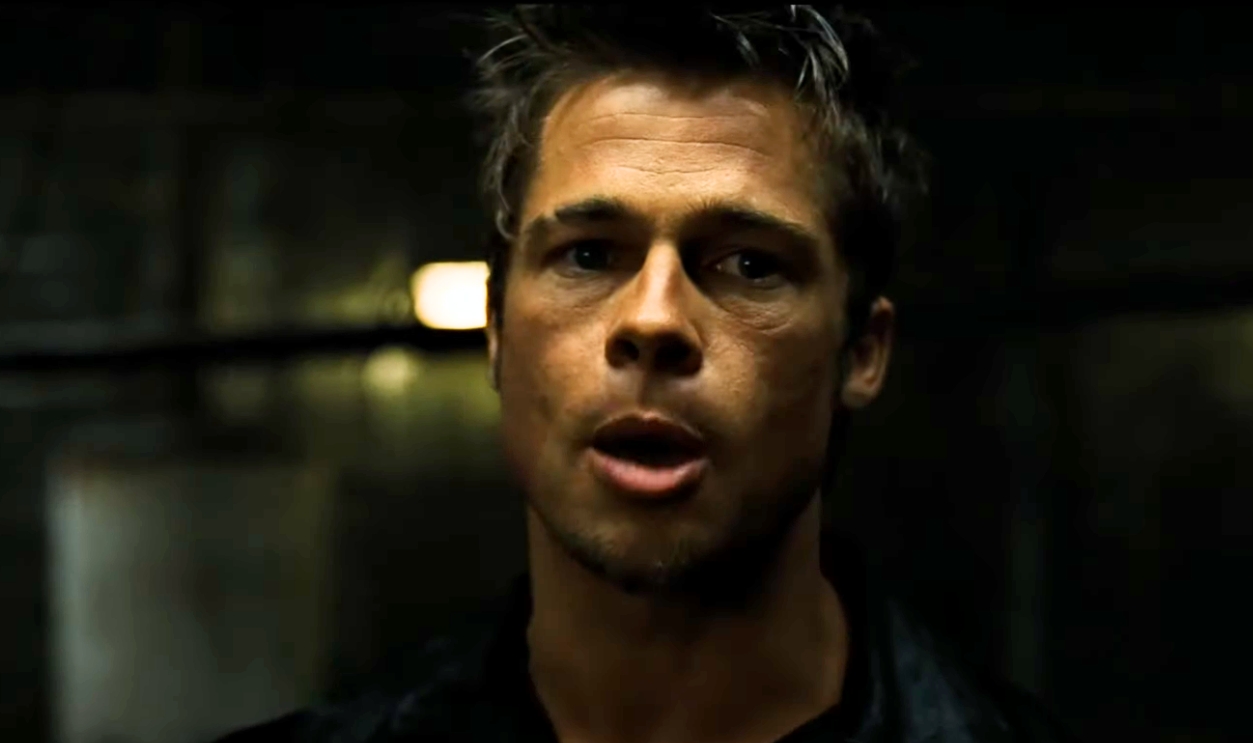 Screenshot from Fight Club, 20th Century Fox (1999)
The Rock Is Actually A James Bond Sequel
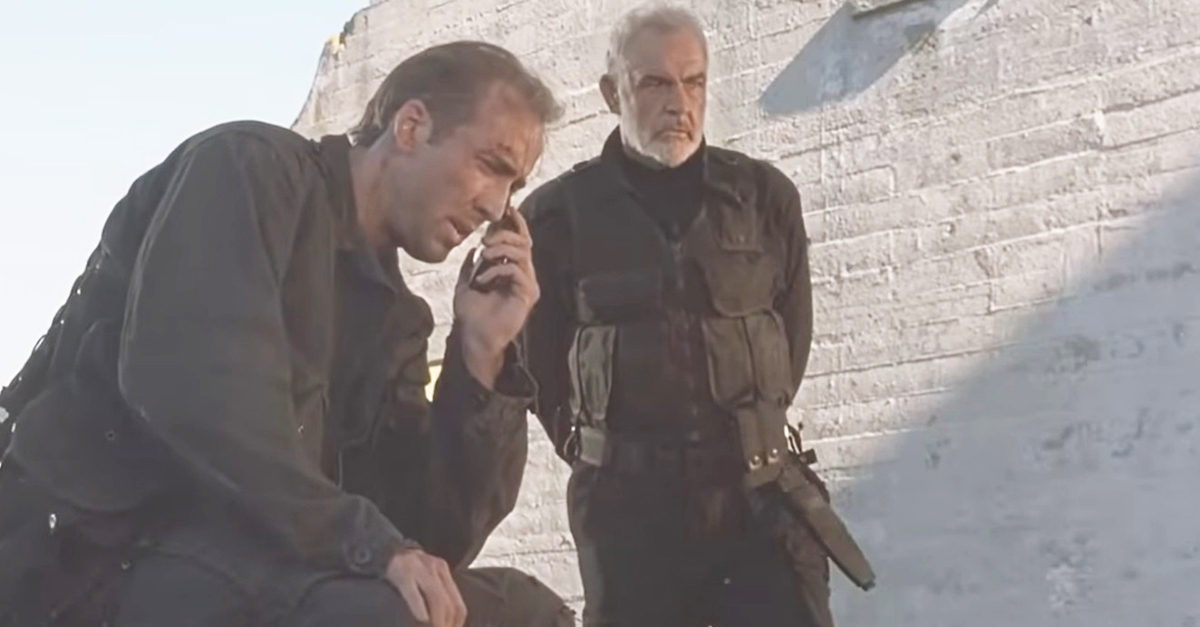
One fan theory claims The Rock (1996) is secretly a James Bond sequel, with Sean Connery playing an older, unofficial 007. Note that his character in The Rock has British intelligence training, a classified past, and a history that fits the James Bond timeline almost perfectly. The U.S. government even regards him as a rogue operative. According to this theory, The Rock didn’t borrow Connery. Bond survived, retired, and kept operating under cover
 Screenshot from The Rock, Warner Bros. Pictures (1996)
Inception Never Leaves The Dream
Inception (2010) was made for the kind of fan that comes up with imaginative theories. One of the most common ones floating around about Inception is that its ending isn’t a question, but the answer. The whole film takes place inside a dream layer, including the so‑called ‘real world.’ The spinning top isn’t a clue, but a taunt. We were dreaming the whole time, and none of any of it was real. And that was the point.
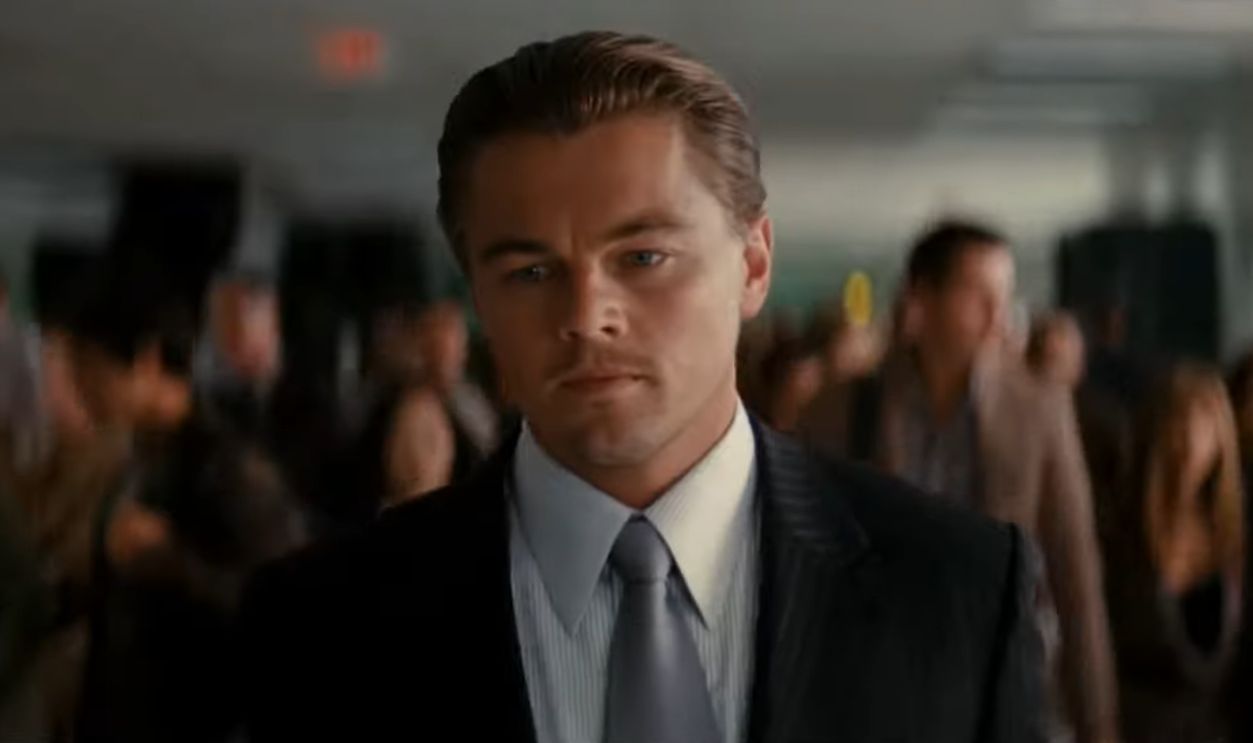 Screenshot from Inception, Warner Bros. Pictures (2010)
The Avengers Villains Are Haunted By Their Crimes
Some fans see Avengers: Endgame (2019) as cosmic punishment. The villains aren’t evil, but instead are tragically misunderstood figures tormented by regret and consequences. The universe is the physical tableau of their guilty conscience. The heroes’ victory isn’t a triumph, but poetic justice crushing the very souls that tried to rewrite fate.
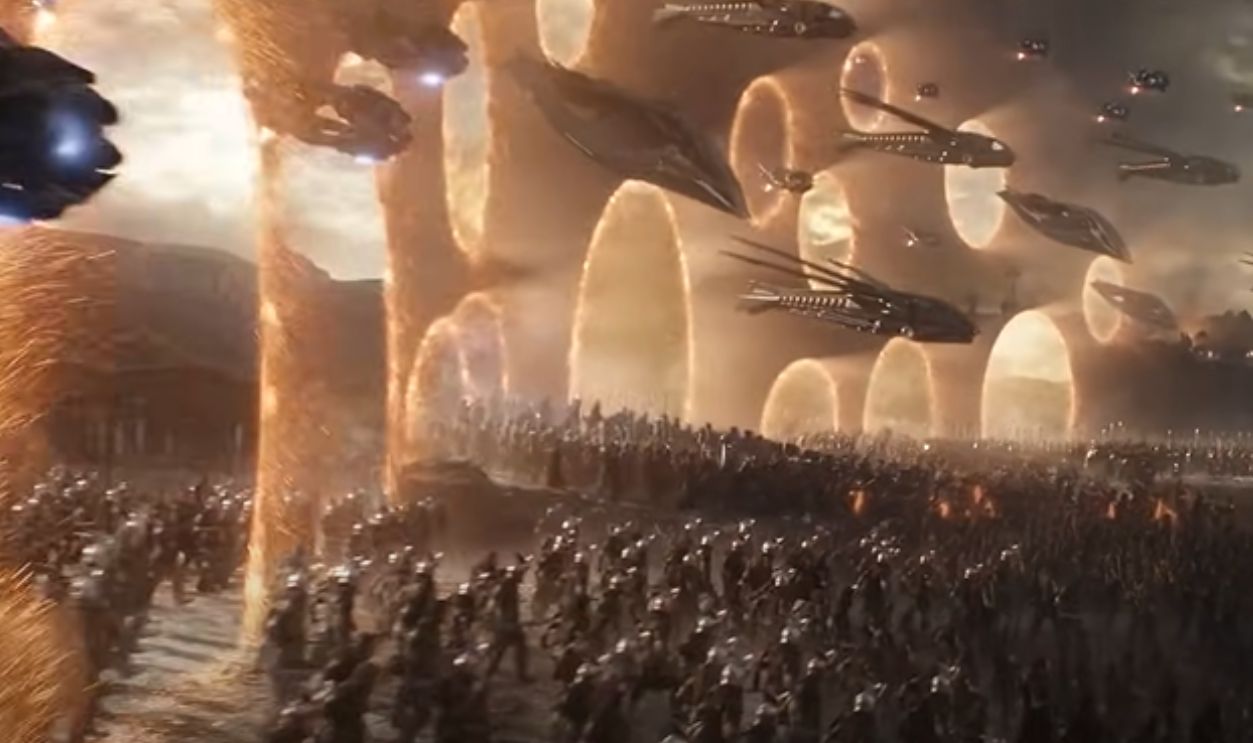 Screenshot from Avengers: Endgame, Marvel Studios (2019)
Pulp Fiction’s Background Characters Are The Leads
A more tame theory about Pulp Fiction (1994) claims that the real story isn’t about Vincent (John Travolta) or Jules (Samuel L. Jackson), but the background characters whose lives intersect with theirs. The briefcases, the diner, the random encounters are the actual narrative. The movie isn’t about killers, but about the ordinary people caught in extraordinary chaos.
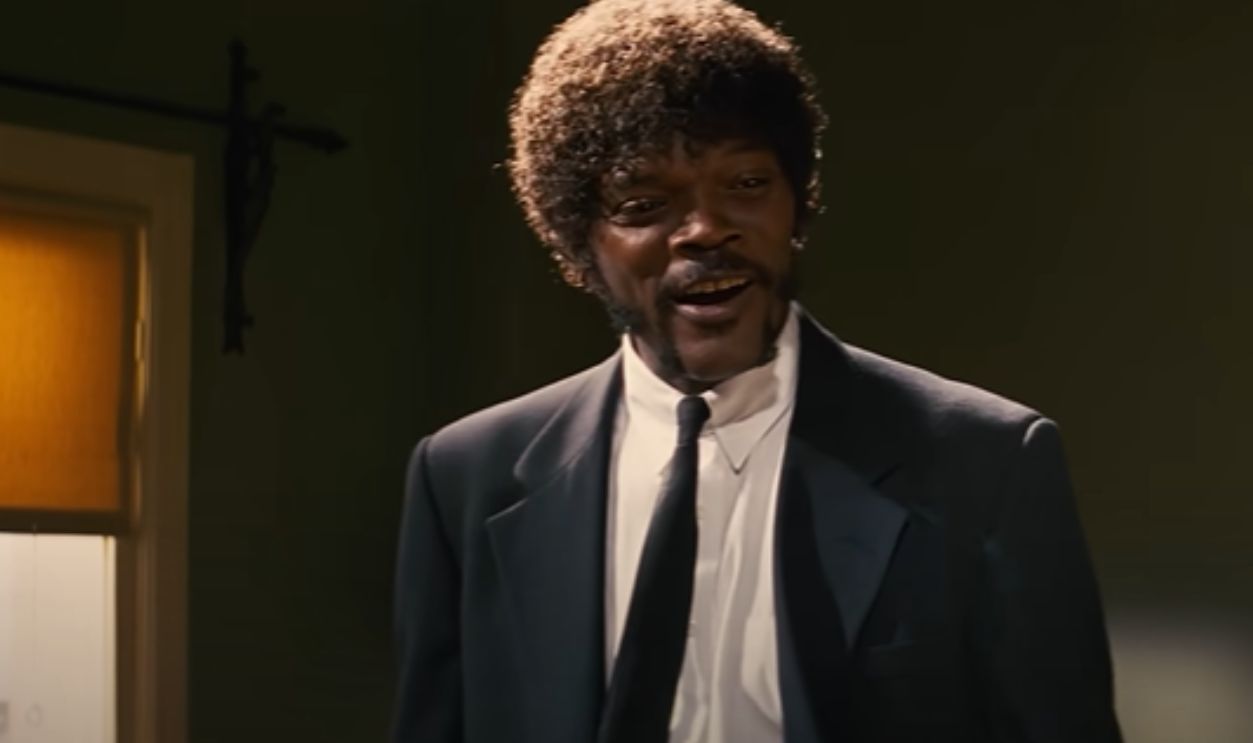 Screenshot from Pulp Fiction, Miramax Films (1994)
The Wizard Of Oz Is A Mental Breakdown
Some fans argue that the land of Oz in The Wizard of Oz (1939) is nothing but a hallucination. The tornado is the physical representation of trauma. The companions are the coping mechanisms. Dorothy doesn’t go on an adventure, but simply lapses into a psychological fantasy journey along the yellow brick road to spiritual recovery. The real battle isn’t with witches, but in her own mind.
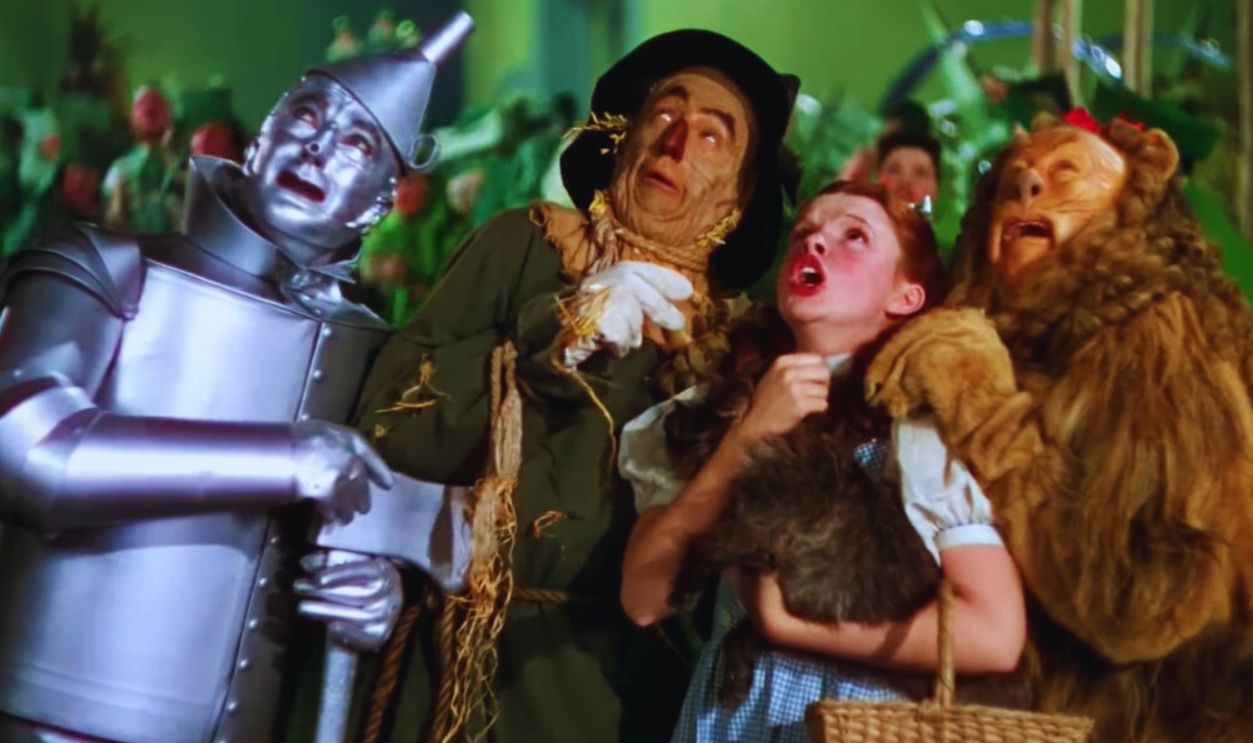 Screenshot from The Wizard of Oz, Metro-Goldwyn-Mayer(1939)
Alien Is A Government Conspiracy
One theory about the Alien series says the Weyland‑Yutani corporation is a front for a global government cover‑up about alien life. The crew are nothing more than pawns. The missions aren’t exploration, but cleanup jobs. In this cold-blooded re-interpretation, the real story isn’t horror, but espionage. The monsters are just the evidence they want to destroy.
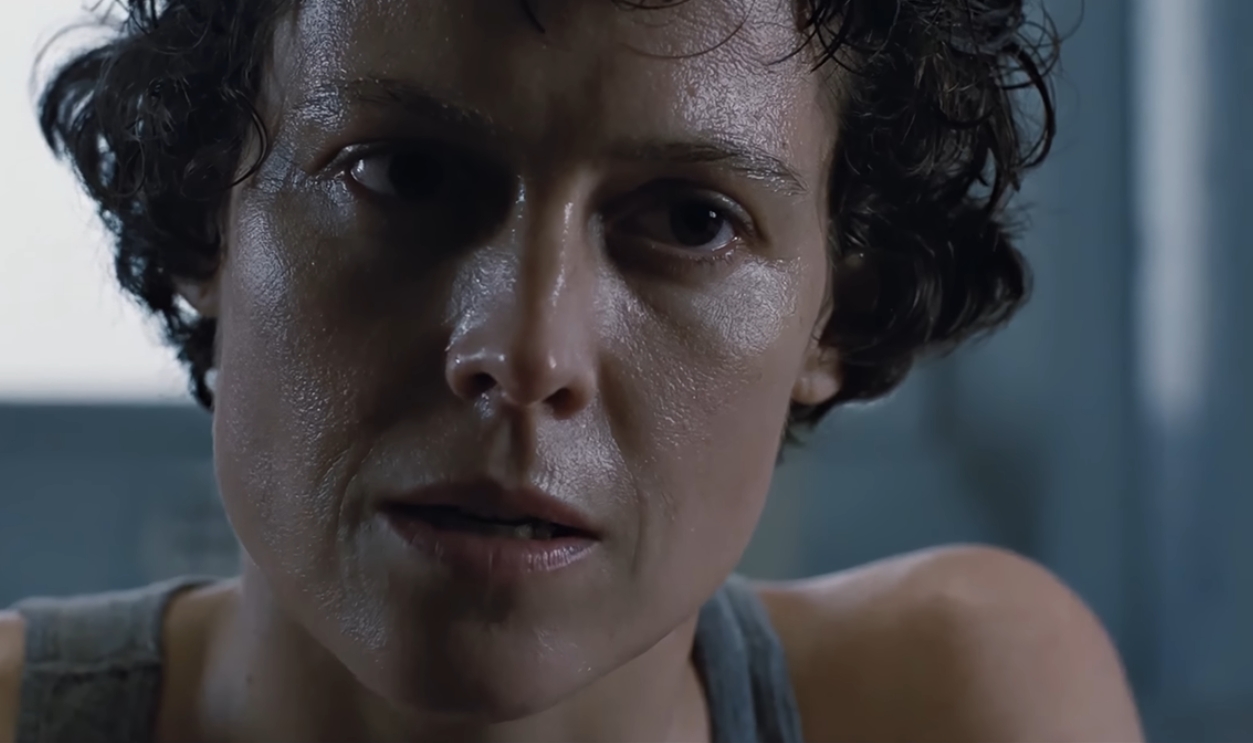 Screenshot from Aliens, 20th Century Fox (1986)
The Truman Show Never Ends
This theory about The Truman Show (1998) states that Truman (Jim Carrey) doesn’t escape but just enters another set. The world outside is merely Stage Two, his freedom is an illusion, and the cameras never stopped rolling. The movie isn’t about liberation, but showing us that the real prison is the false belief we’re free. Are you getting all this?
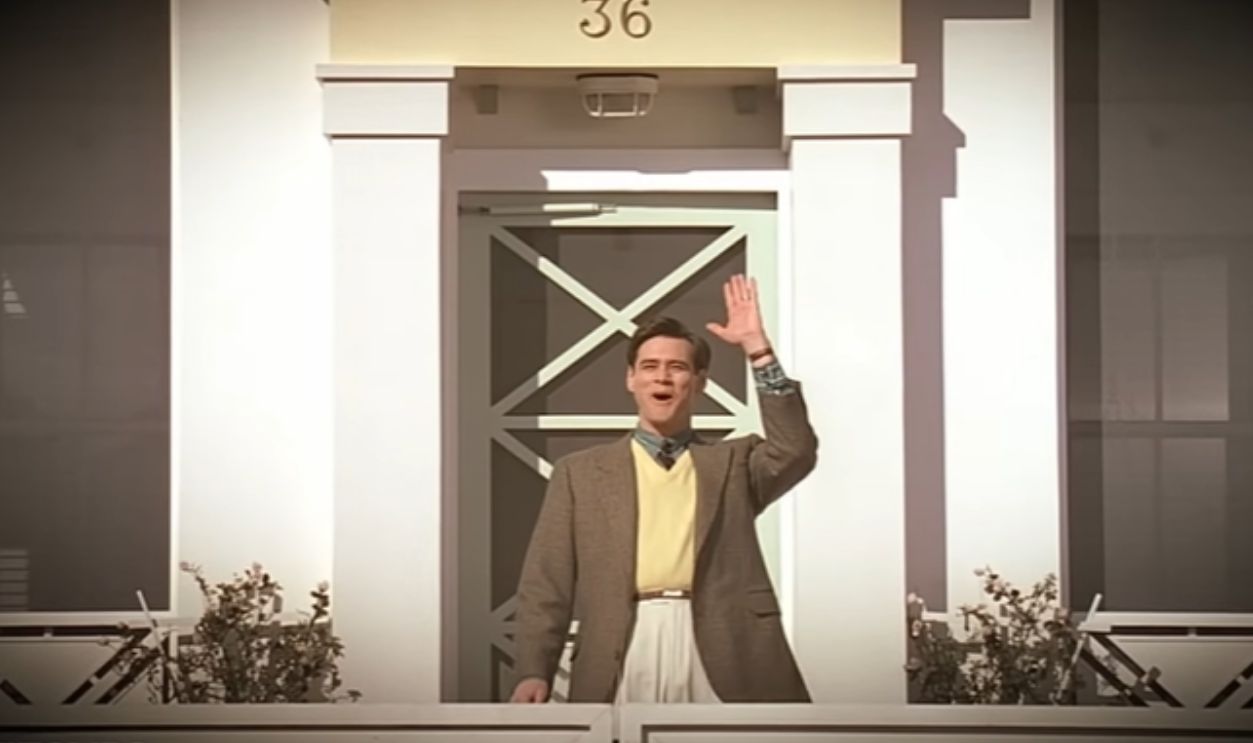 Screenshot from The Truman Show, Paramount Pictures (1998)
Harry Potter Dies In The First Movie
A dark theory on the Harry Potter films says that Harry actually died in the troll scene of Harry Potter and the Philosopher’s Stone (2001) and everything that occurs afterward is the flickering pulses of his dying imagination. The triumphs, friendships, and battles are a life-flashing-before-his-eyes form of fantasy wish‑fulfillment. Hogwarts isn’t a school, but the afterlife. Every victory is just a dreamlike fragment of the life he never got to live.
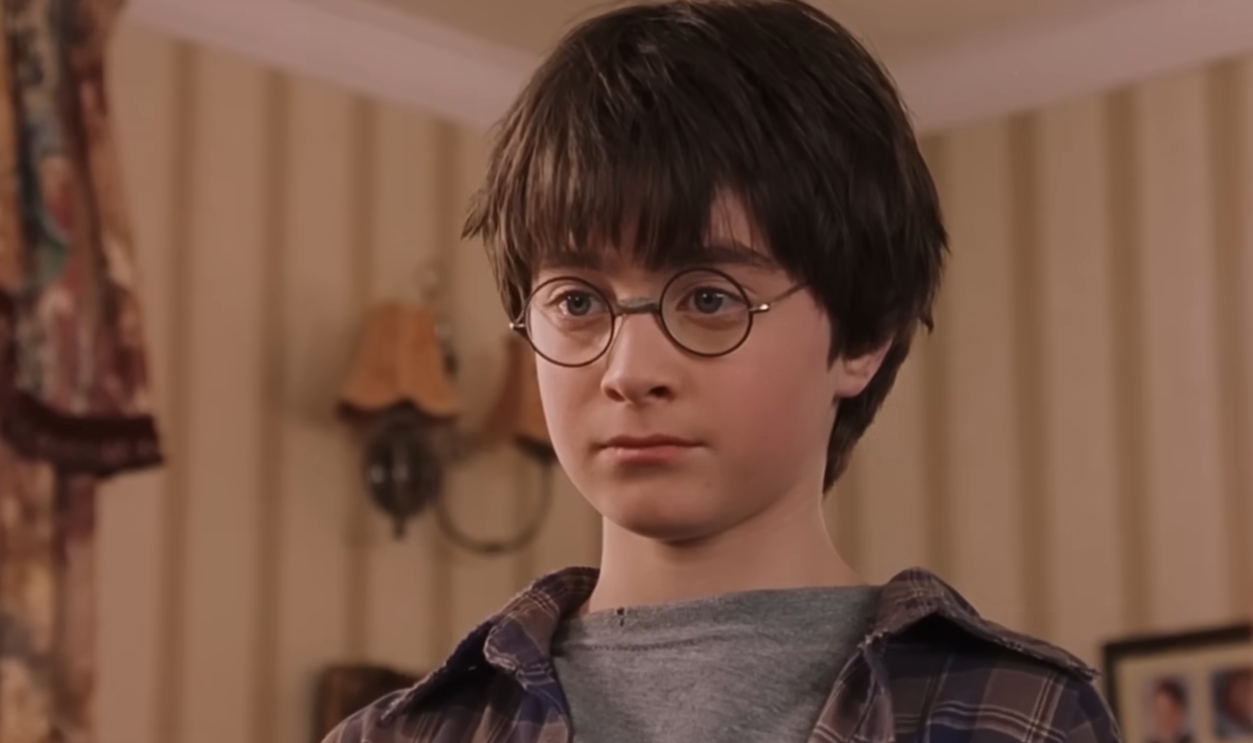 Screenshot from Harry Potter and the Philosopher’s Stone, Warner Bros. (2001)
Ferris Bueller Isn’t Real
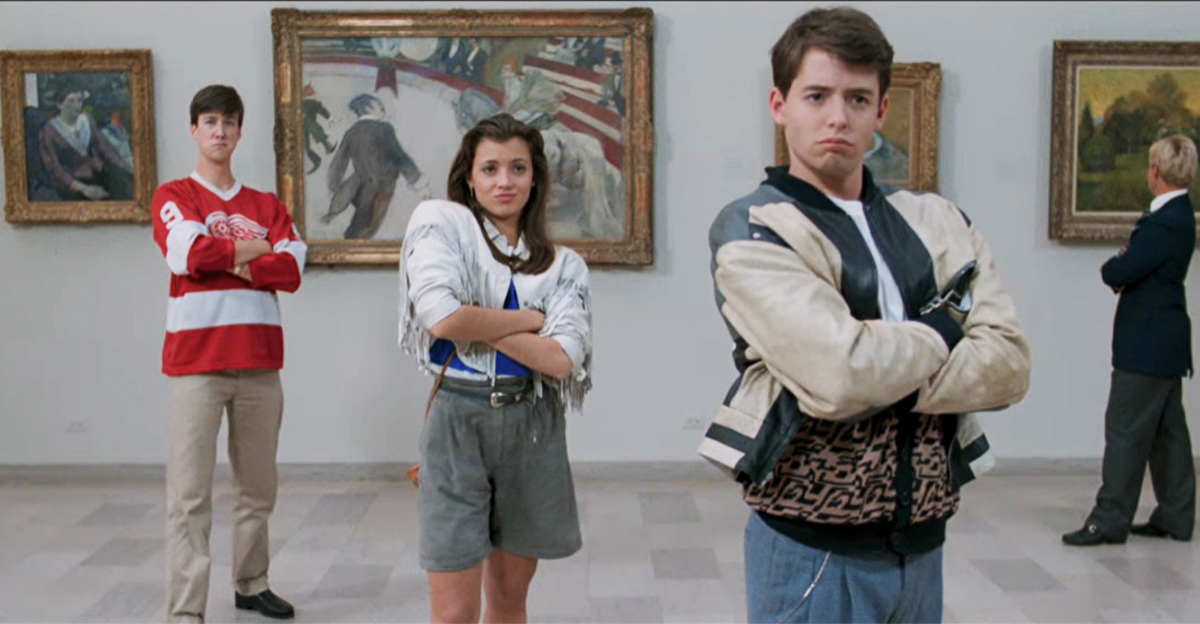
Some fans of Ferris Bueller’s Day Off (1986) say Ferris (Matthew Broderick) is just Cameron’s (Alan Ruck) projection of the person he wishes he could be. Ferris isn’t a friend, but a fantasy. The wild day off is just a therapy. In this theory, the entire movie becomes a mental escape from fear and pressure. Since Ruck was actually 30 years old at the time of Ferris Bueller’s release, maybe this isn’t too far off the mark.
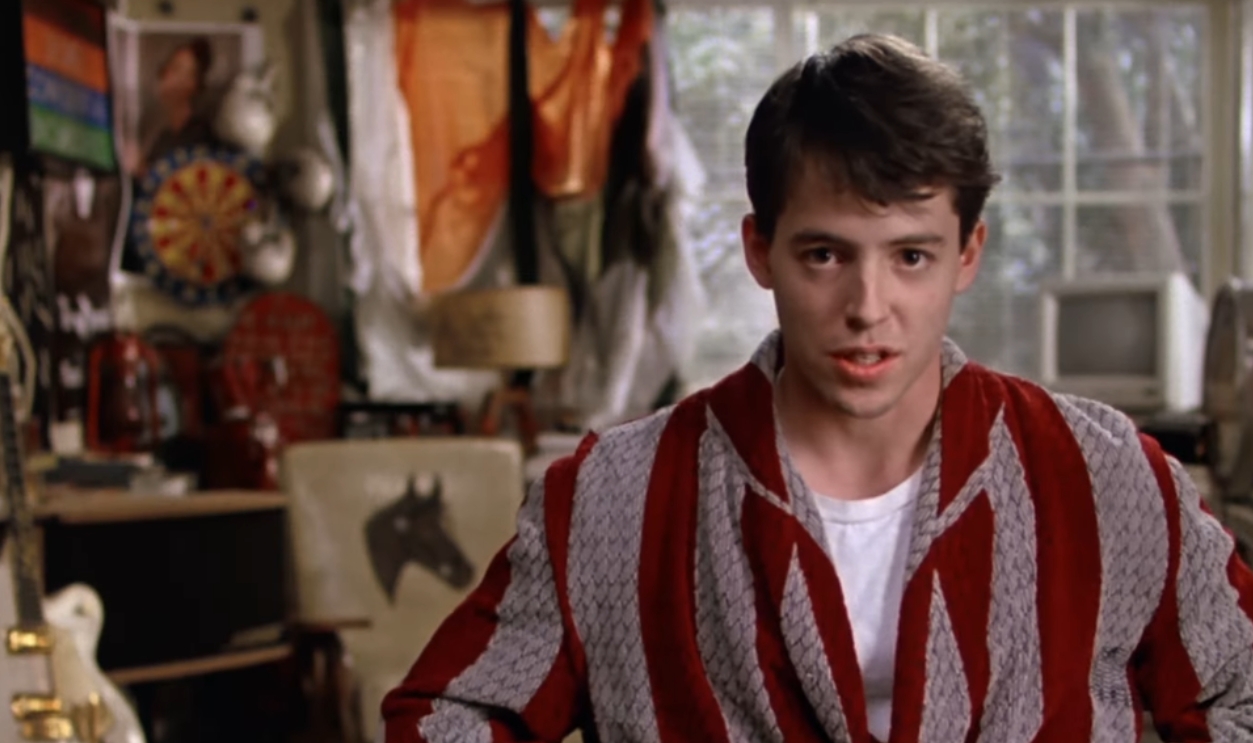 Screenshot from Ferris Bueller’s Day Off, Paramount Pictures (1986)
Snowpiercer Is A Sequel To Willy Wonka
One of the wildest theories about the Snowpiercer series (2022–24) is that it’s actually a sequel to Willie Wonka and the Chocolate Factory. The theory states that the train itself is the factory, the passengers are the new test subjects, and the conductor is just the next generation of Wonka. The world never end, but simply evolved into a new experiment.
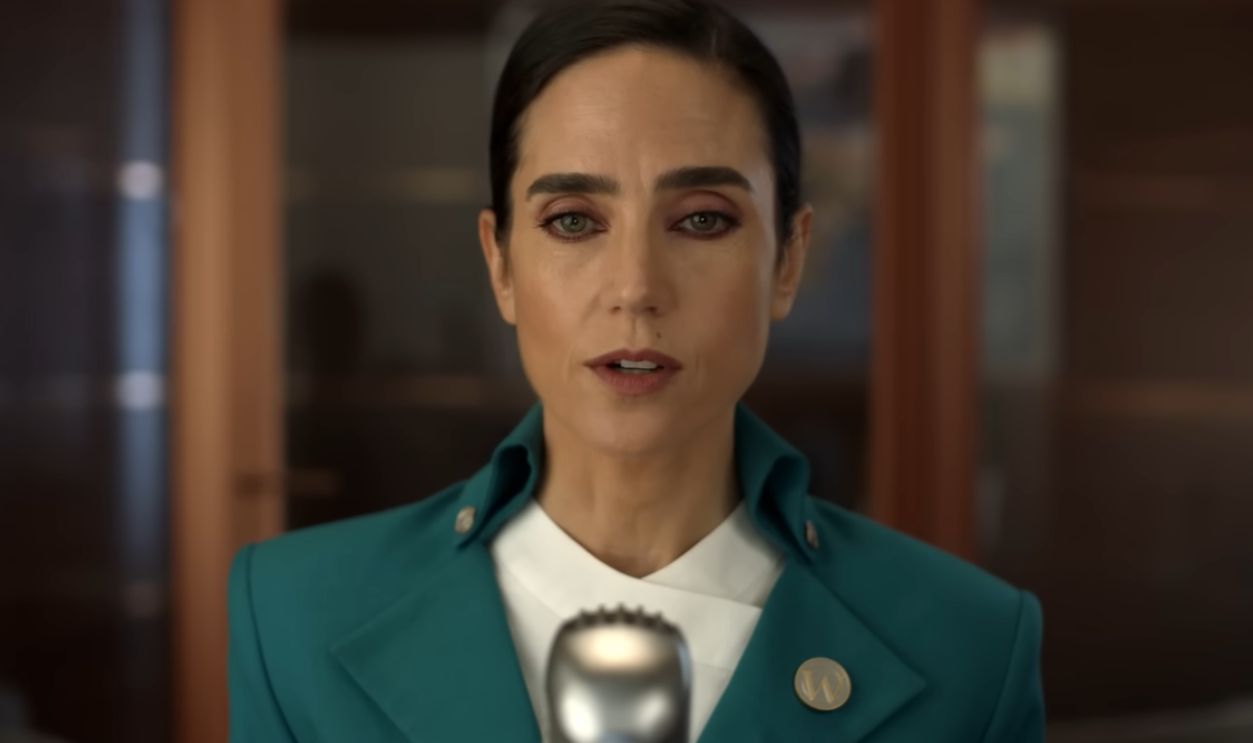 Screenshot from Snowpiercer, TNT (2020–2023)
E.T. Is A Jedi
Fans of E.T. the Extra-Terrestrial (1982) point out E.T.’s glowing finger, psychic abilities, and connection to children as convincing evidence of his skills as a Jedi master. Then there’s his cameo in Star Wars: Episode I — The Phantom Menace (1999). The theory is that he’s a lost Jedi on Earth and the film is part of the Star Wars canon hiding in plain sight.
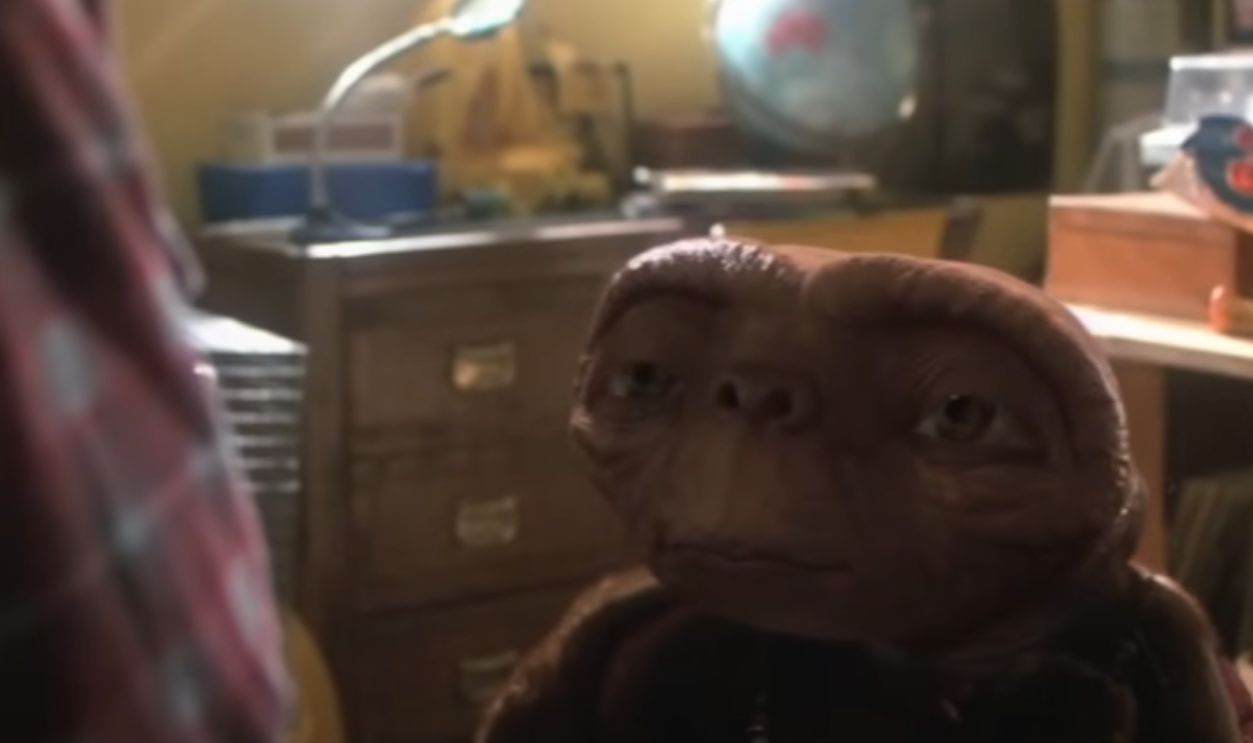 Screenshot from E.T. the Extra-Terrestrial, Universal Pictures (1982)
The Pixar Movies Are All One Universe
The Pixar Theory says every Pixar movie exists in one shared world. For example, Boo from Monsters Inc. (2001) becomes the witch from Brave (2012). The Incredibles’ (2004) tech evolves into WALL‑E (2008). In this new theorized timeline, cars inherit the planet after humans disappear.
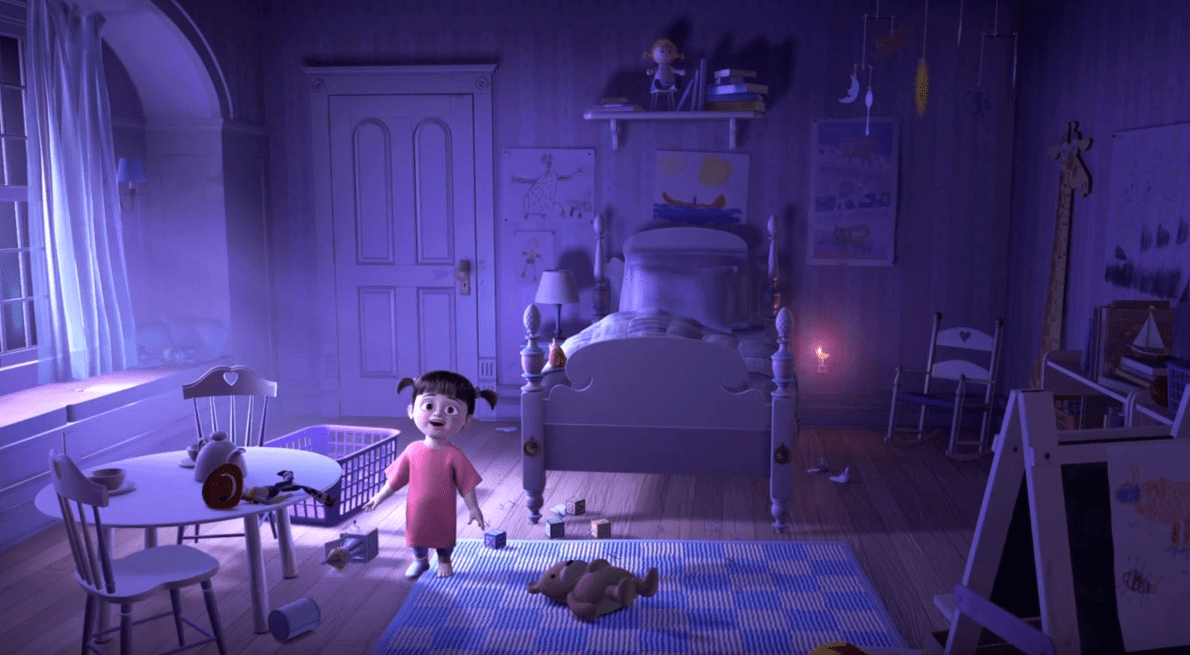 Screenshot from Monsters Inc., Walt Disney Pictures (2001)
Movies Never End With The Audience
Probably the safest theory of all is that films never end. We keep rewriting them, adding meaning, and changing characters to explain every ambiguity. The movies and their characters evolve in our minds as imaginative sequels. As long as people remember that it's just fiction, we'll all be OK.
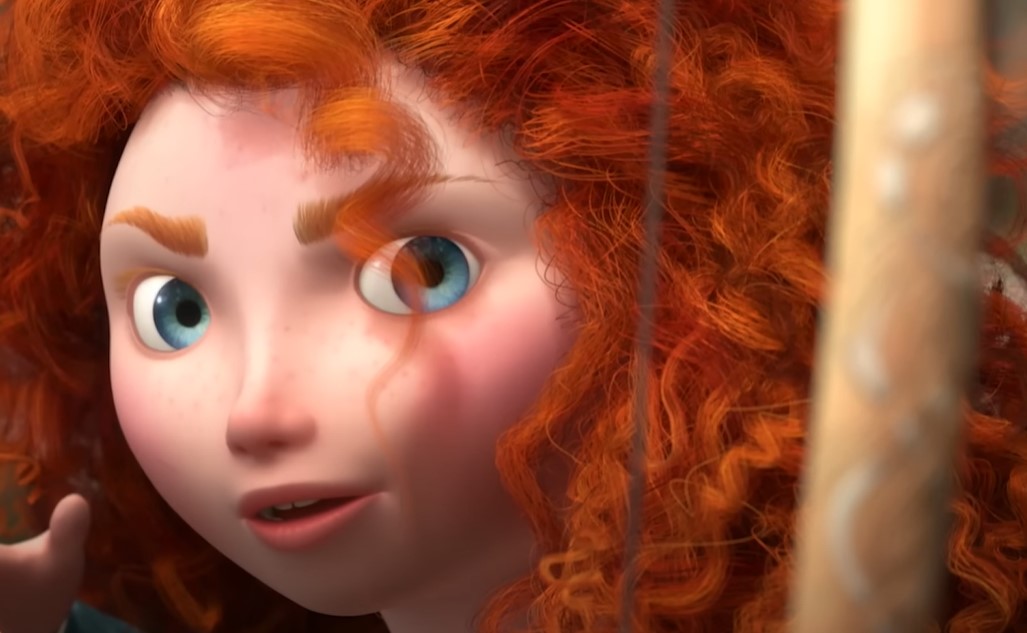 Screenshot from Brave, Walt Disney Studios Motion Pictures (2012)
You May Also Like:
Movies With Endings So Unexpected They Sparked Decades Of Debate
Films That Were Secretly Allegories For Real Events