Why Would They Make These?
Hollywood has never met a familiar title it didn’t want to dust off and resell. Sometimes that works, but more often than not, it doesn’t. The following reboots revisit films that already said what they needed to say—and said it better. Star power wasn’t the issue. The problem was trying to fix what wasn’t broken.
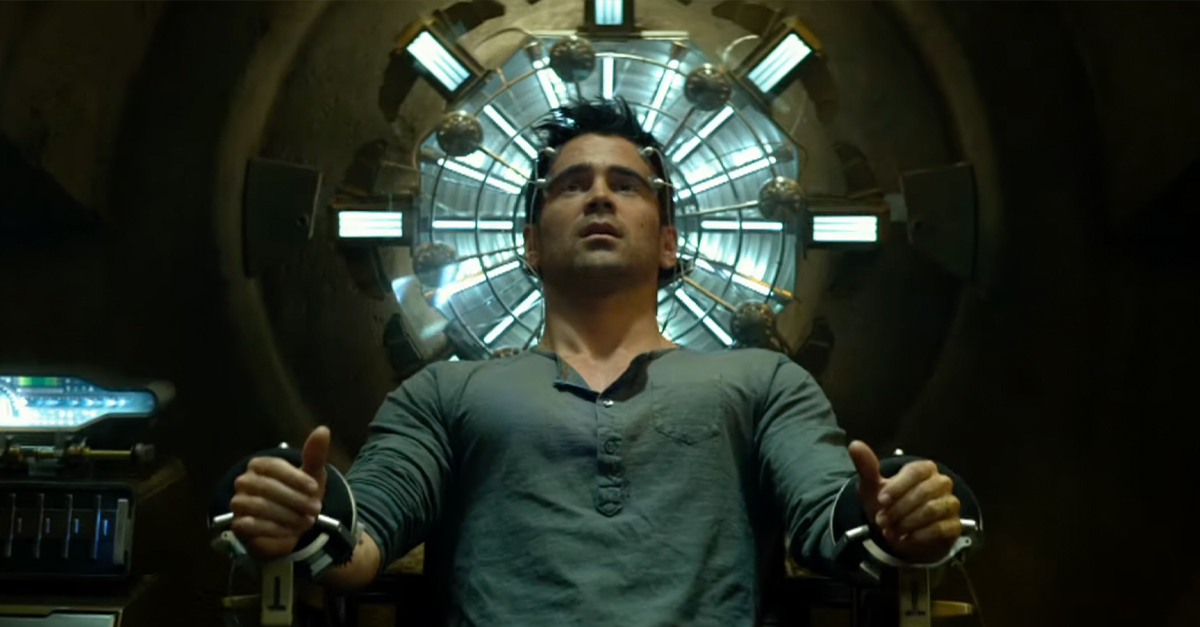
 Sony Pictures, Total Recall (2012)
Psycho (1998)
Vince Vaughn and Anne Heche stepped into roles immortalized by Anthony Perkins and Janet Leigh. The problem wasn’t performance—it was purpose. A near shot-for-shot remake drained tension instead of reinventing it, proving that copying Hitchcock’s precision only highlights how irreplaceable it was.
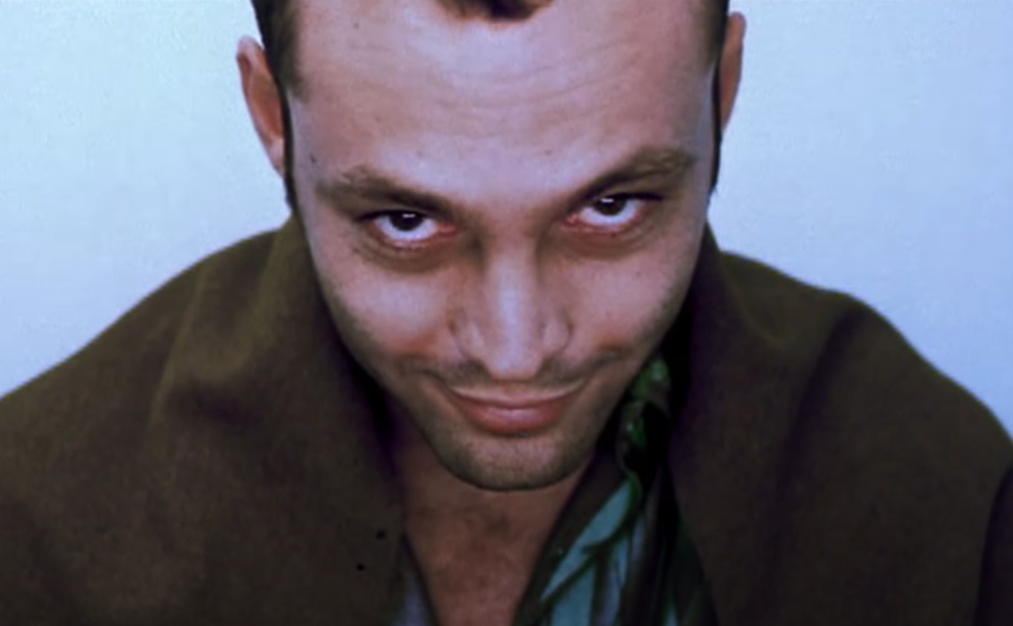 Screenshot from Psycho, Universal (1998)
RoboCop (2014)
Joel Kinnaman led a sleeker Detroit, but the original thrived on savage satire and unapologetic violence. The reboot softened both, trading biting social commentary for glossy action and corporate backstory that felt safer—and far less daring.
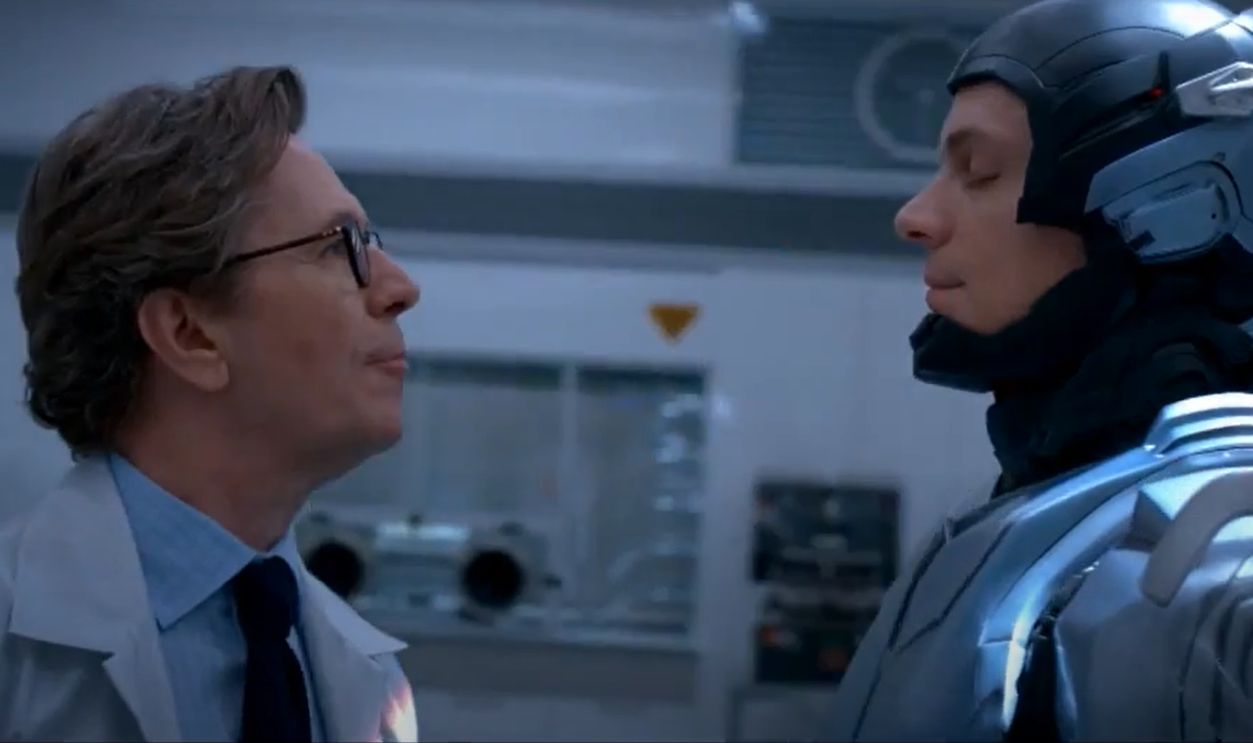 Screenshot from RoboCop, Columbia Pictures (2014)
The Mummy (2017)
Tom Cruise and Sofia Boutella headlined Universal’s franchise starter. Instead of pulpy adventure like the Brendan Fraser version, this film buried itself in universe-building. The tonal whiplash and heavy exposition smothered the fun that once made the franchise click.
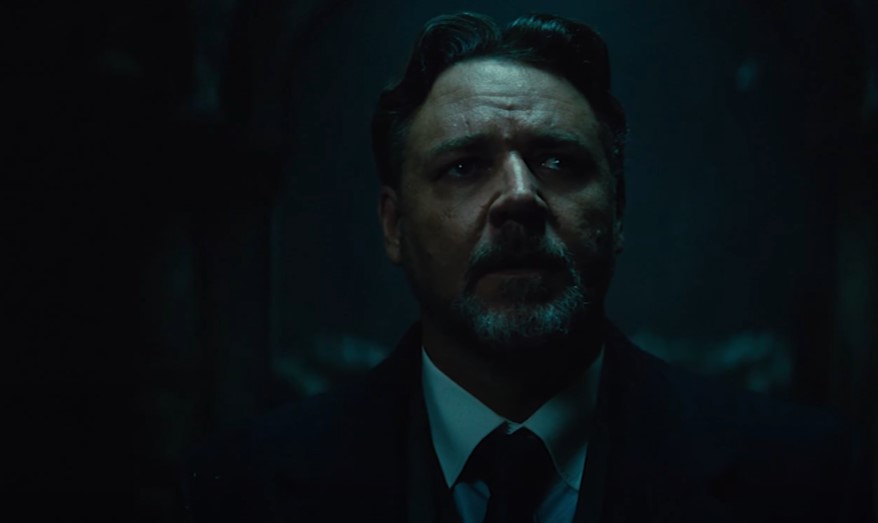 Screenshot from The Mummy, Universal (2017)
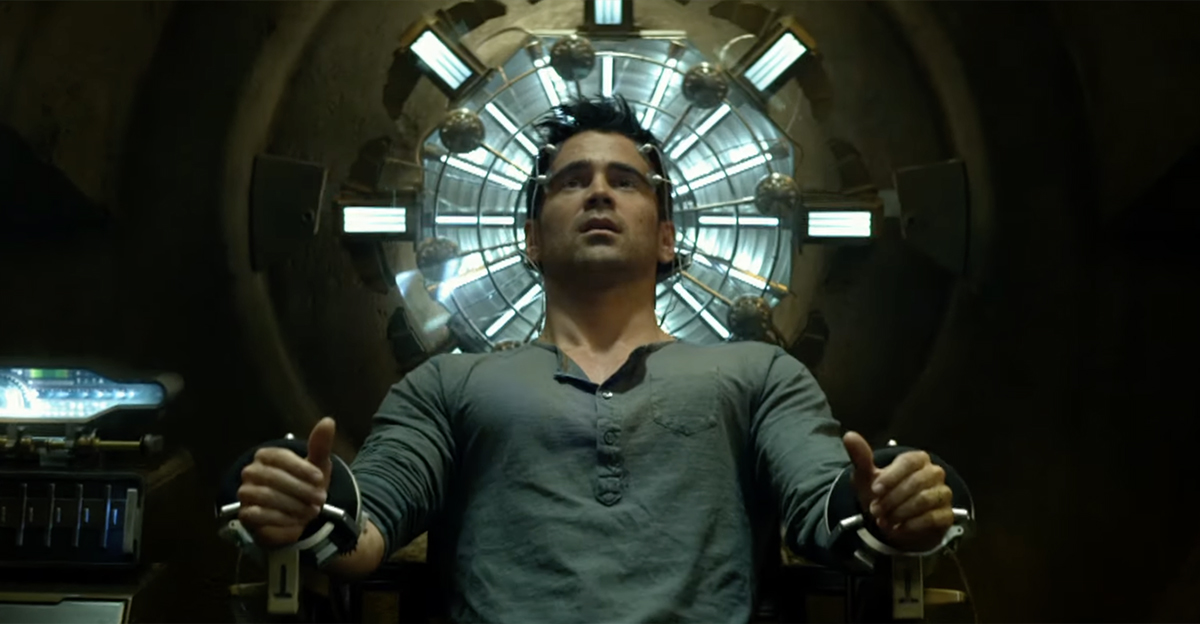
Total Recall (2012)
Colin Farrell replaced Arnold Schwarzenegger, but the biggest loss was Mars. The original balanced absurdity and ambiguity; the reboot leaned into grim dystopia. By grounding everything, it stripped away the playful weirdness that made the original story so lovable.
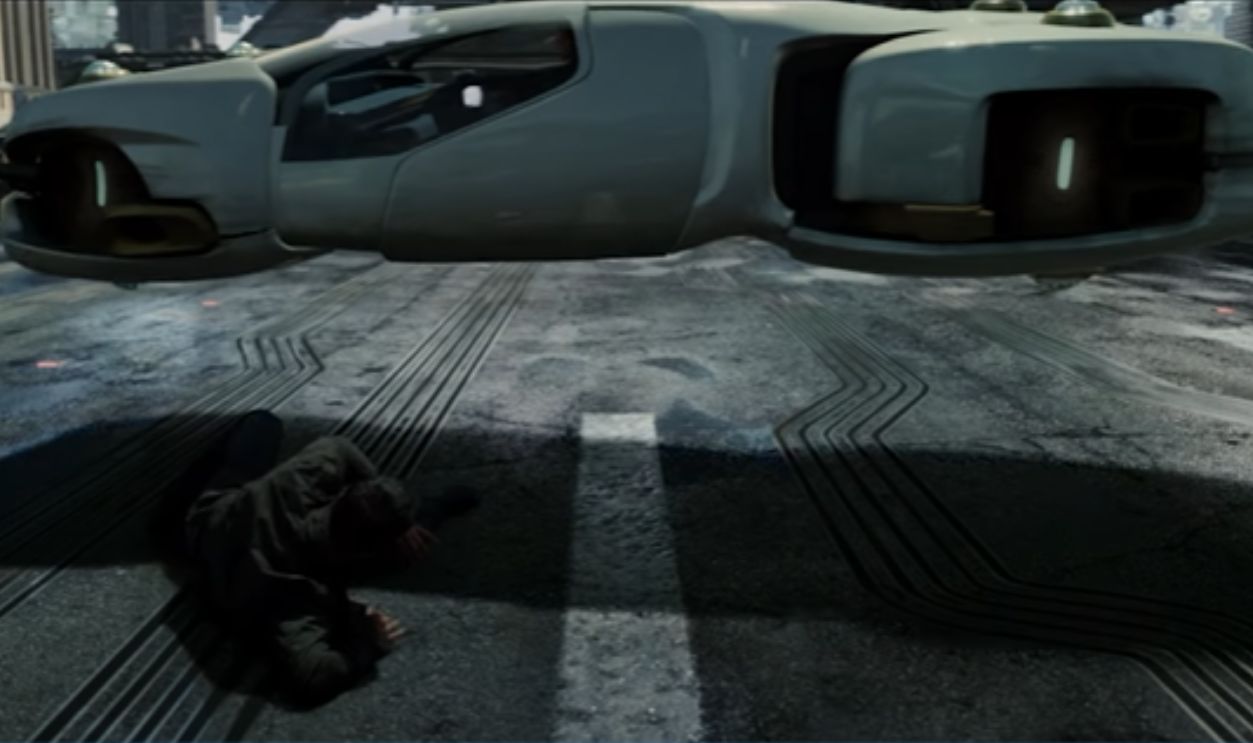 Screenshot from Total Recall, Columbia Pictures (2012)
Ghostbusters (2016)
Kristen Wiig and Melissa McCarthy brought energy, but the original’s dry wit and effortless chemistry were hard to replicate. The reboot leaned heavily on effects and nostalgia beats, struggling to capture the casual, lightning-in-a-bottle charm of 1984.
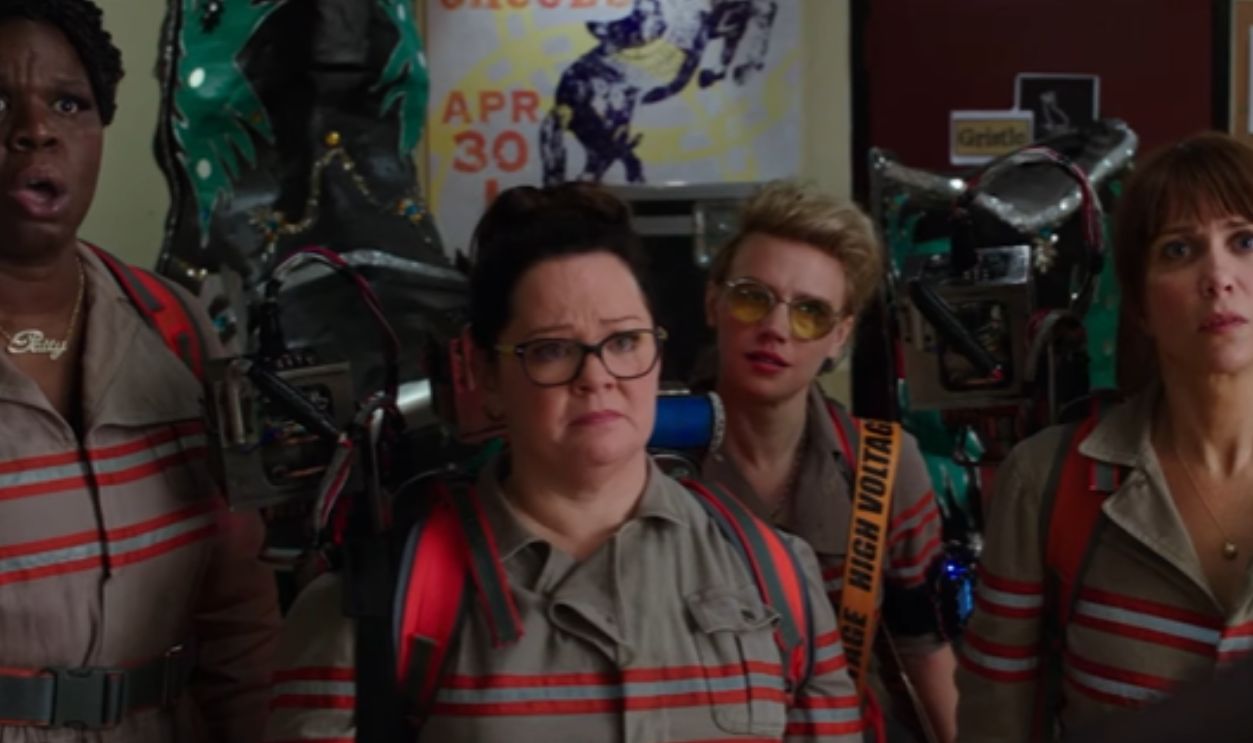 Screenshot from Ghostbusters, Columbia Pictures (2016)
Ben-Hur (2016)
Jack Huston and Morgan Freeman revisited a towering epic. The 1959 film thrived on scale and gravity; this version felt compressed and hurried. The famous chariot race dazzled briefly, but the emotional weight never matched its predecessor.
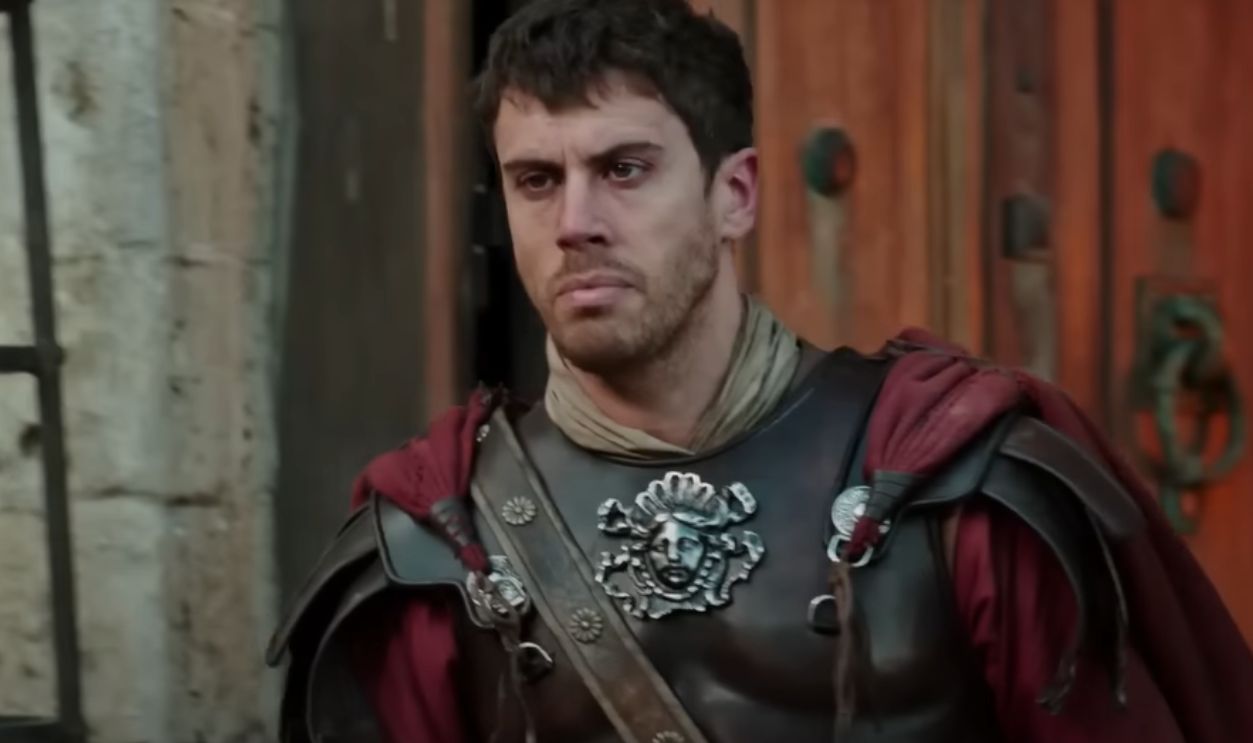 Screenshot from Ben-Hur, Paramount (2016)
Point Break (2015)
Édgar Ramírez and Luke Bracey amped up the extreme sports. What vanished was the strange, intimate tension between Keanu Reeves and Patrick Swayze. The reboot delivered spectacle but lost the spiritual undercurrent that made the original oddly poetic.
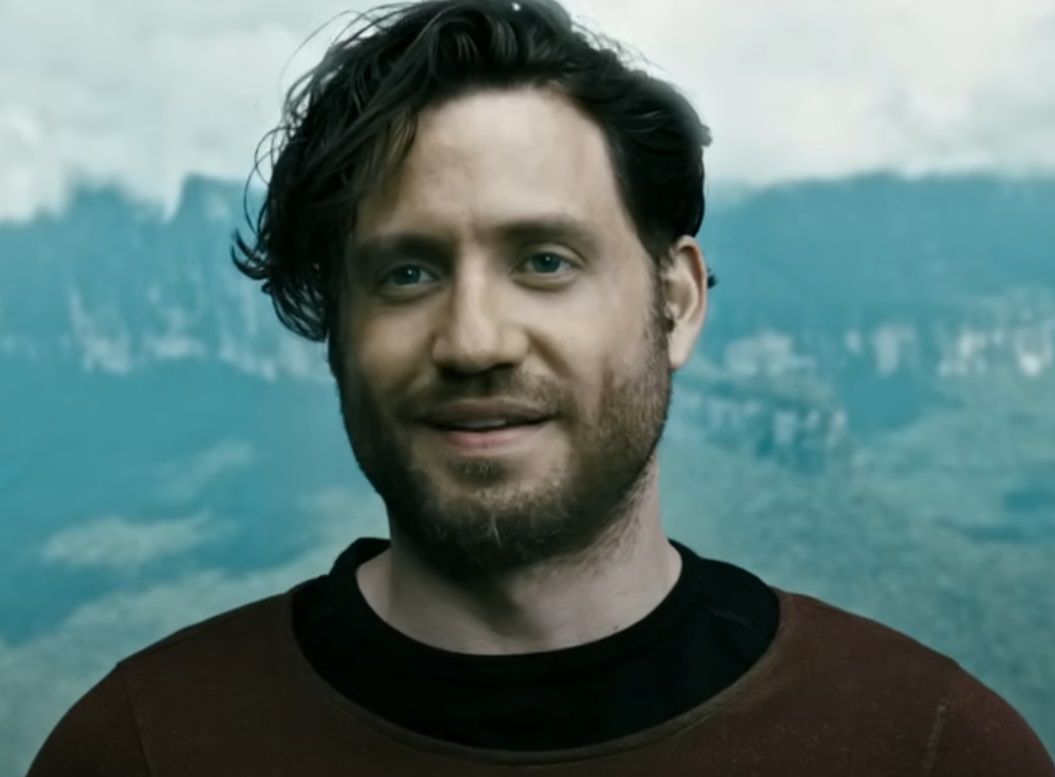 Screenshot from Point Break, Warner Bros. (2015)
Poltergeist (2015)
Sam Rockwell led this update, but the slow-building dread of 1982 was replaced with quick, digital shocks. The original trusted atmosphere; the reboot trusted noise. In horror, that difference matters.
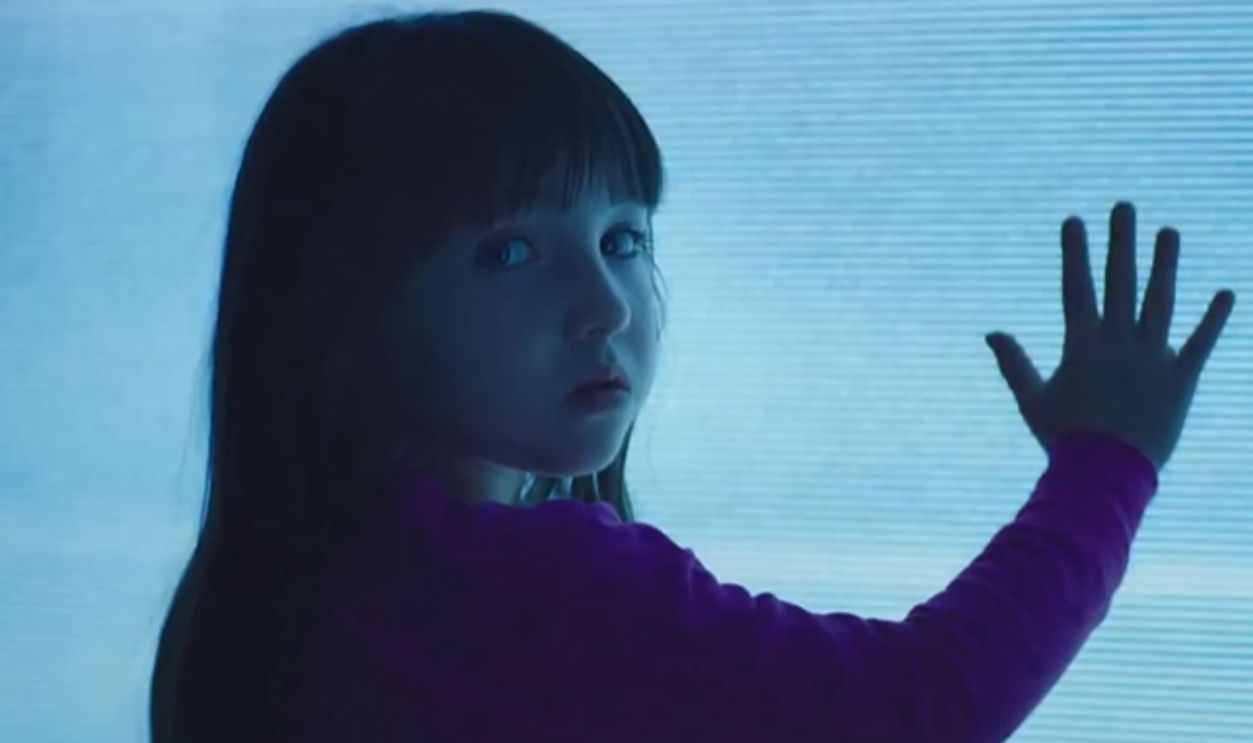 Screenshot from Poltergeist, 20th Century Fox (2015)
Fantastic Four (2015)
Miles Teller and Michael B. Jordan anchored a darker take. Yet the film felt unfinished, its final act felt rushed and disconnected. The attempt at gritty realism drained the adventurous spirit the characters needed.
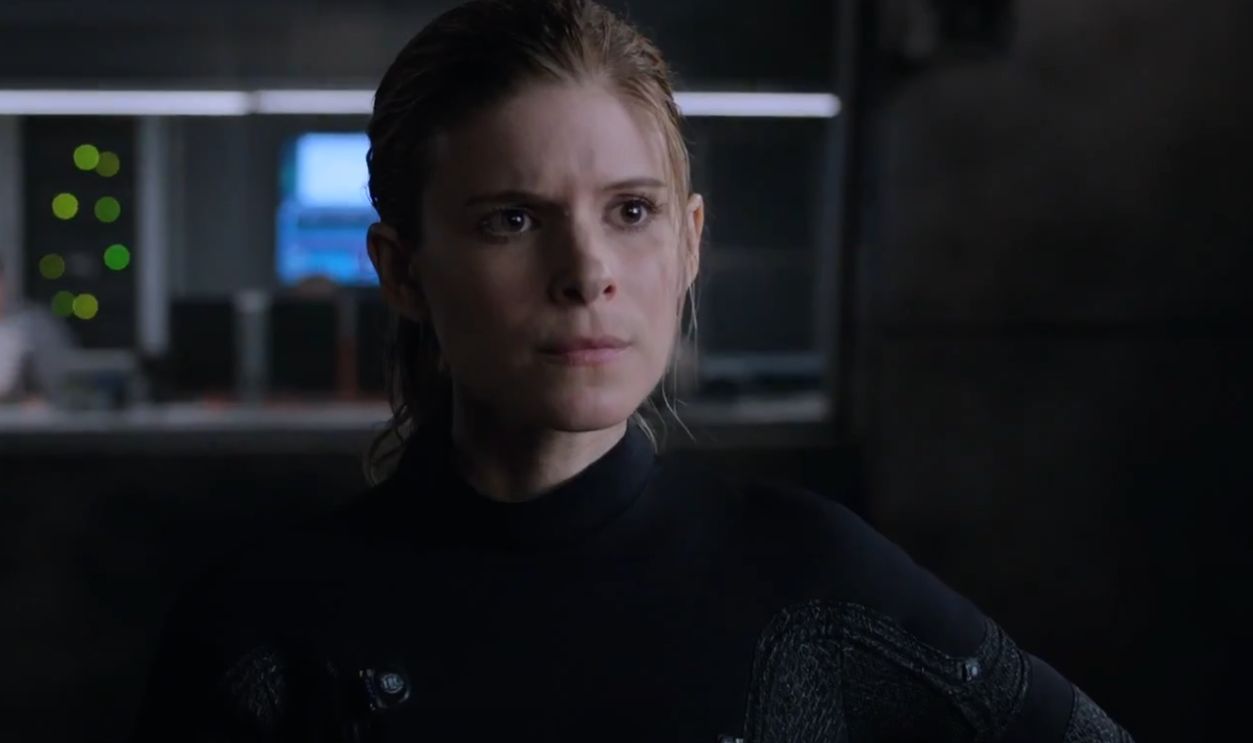 Screenshot from Fantastic Four, Marvel (2015)
The Fog (2005)
Tom Welling and Maggie Grace faced a familiar seaside curse. John Carpenter’s version relied on creeping mood and restraint. The remake opted for glossy jump scares, losing the minimalism that made the original so haunting.
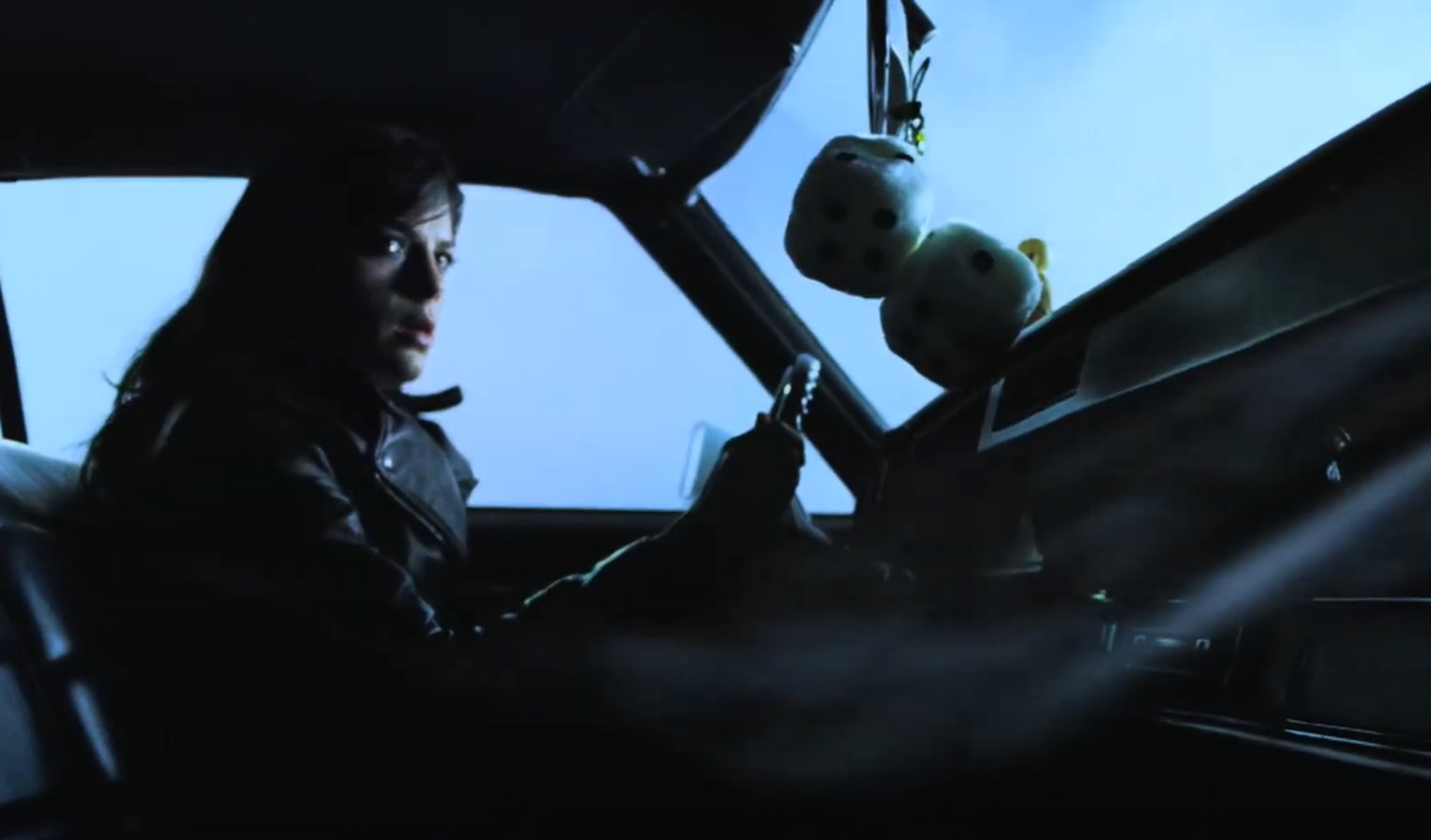 Screenshot from The Fog, Columbia Pictures (2005)
A Nightmare on Elm Street (2010)
Jackie Earle Haley reimagined Freddy Krueger. While committed, the film removed the wicked humor that defined Robert Englund’s portrayal. The result was grim but not particularly frightening.
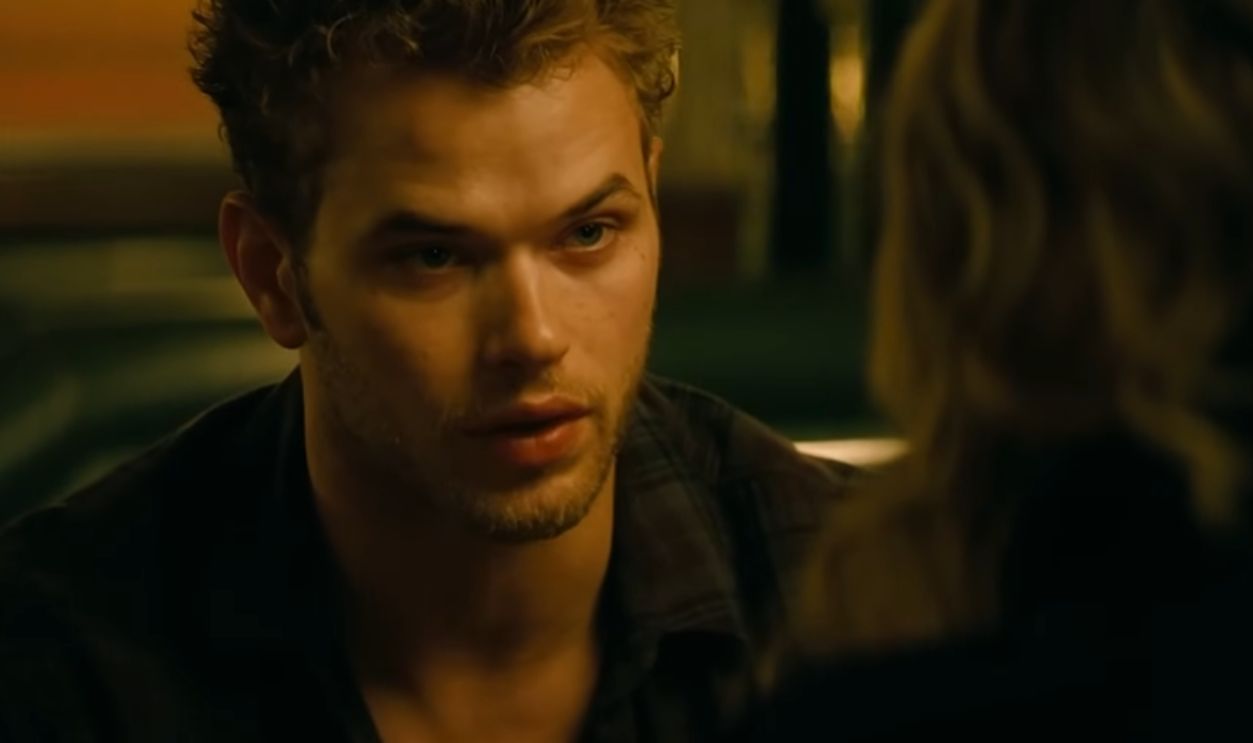 Screenshot from A Nightmare on Elm Street, New Line Cinema (2010)
Oldboy (2013)
Josh Brolin stepped into a role made iconic by Choi Min-sik. The original’s operatic intensity became a more conventional thriller. By explaining too much and softening its edges, the remake dulled its own impact.
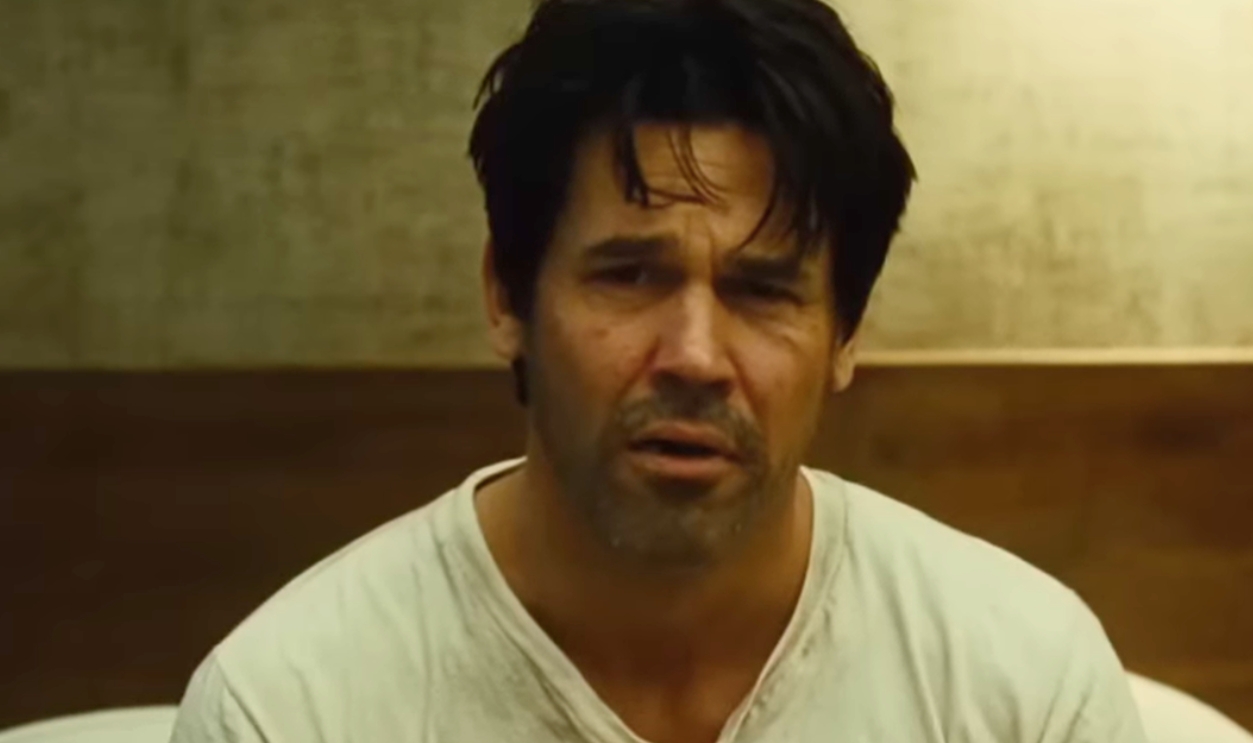 Screenshot from Oldboy, FilmDistrict (2013)
The Wicker Man (2006)
Nicolas Cage took on the role once played by Edward Woodward. The eerie slow burn of the 1973 film gave way to baffling tonal swings. What was once unsettling became unintentionally absurd. However, the memes that came out of this version are priceless.
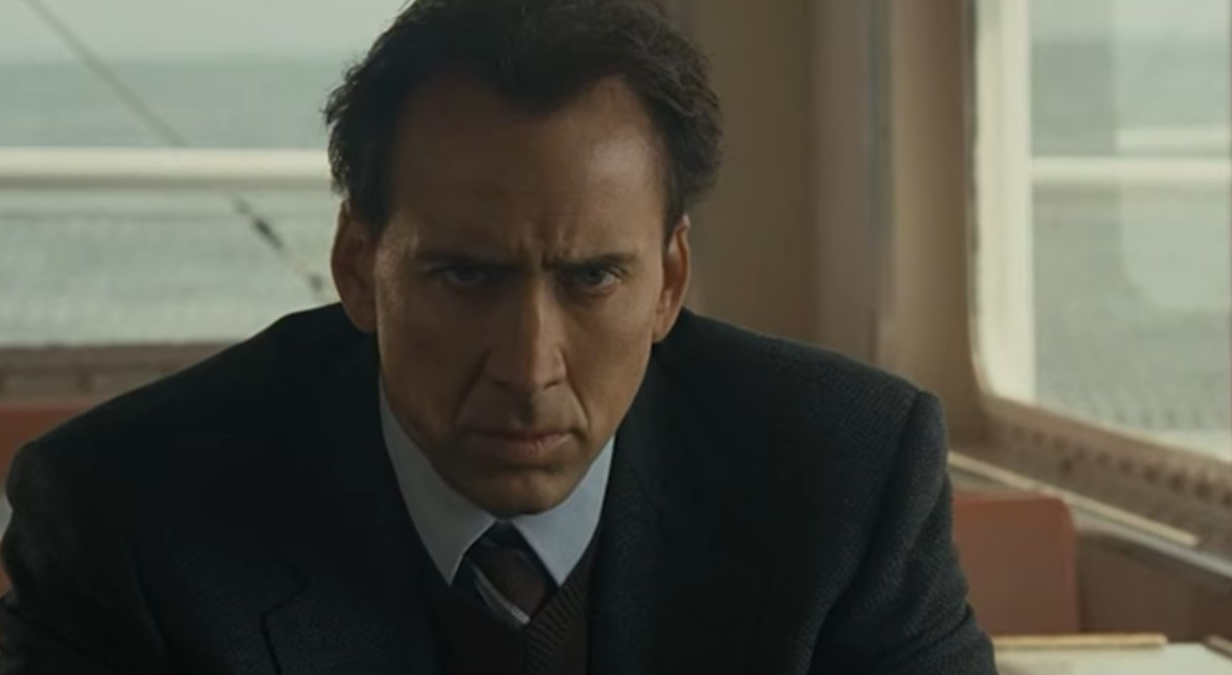 Screenshot from The Wicker Man, Warner Bros. Pictures (2006)
Flatliners (2017)
Elliot Page and Diego Luna revived the near-death experiment. The 1990 film leaned into moral reckoning; the reboot recycled generic scares. It revisited the premise without deepening it.
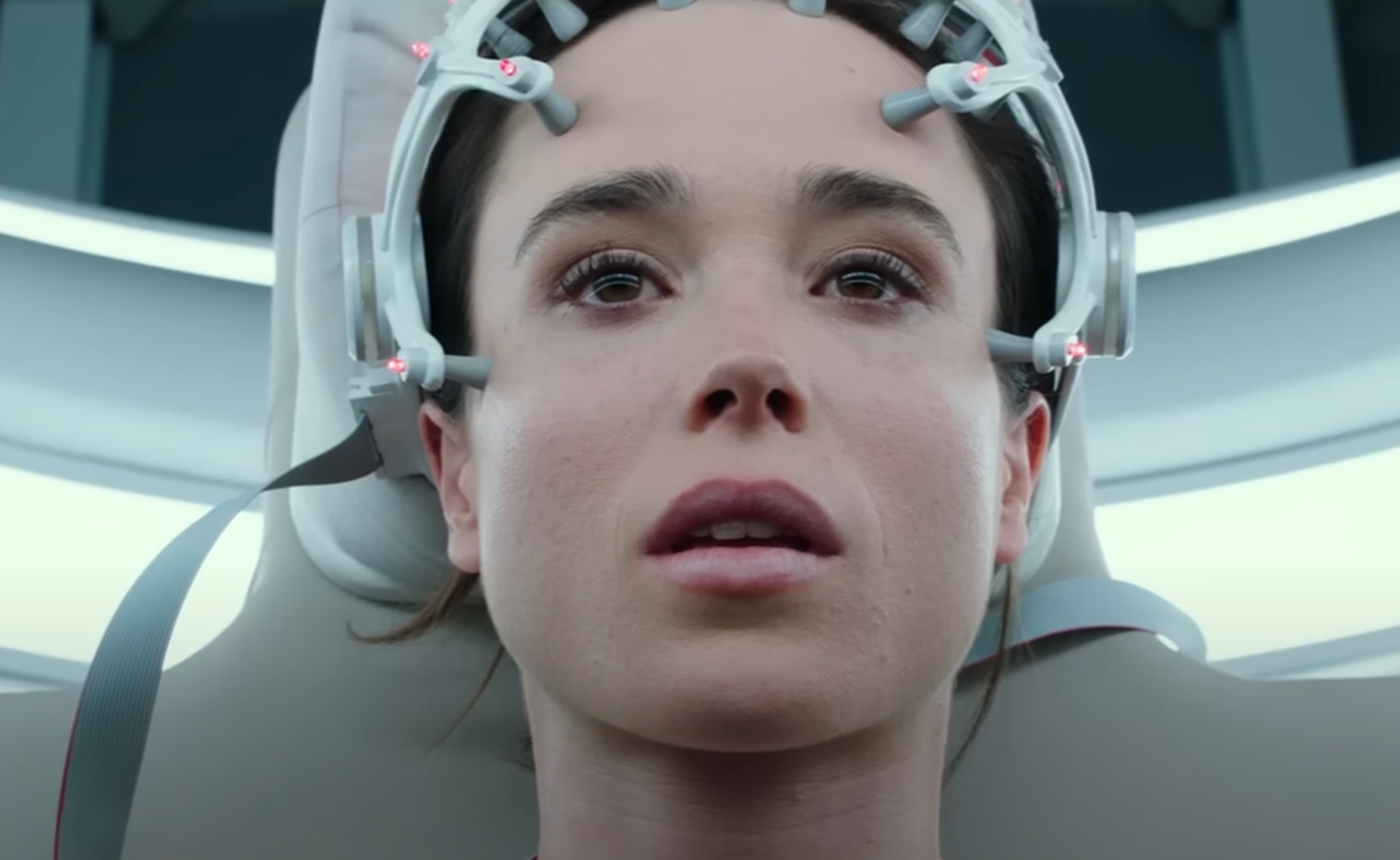 Screenshot from Flatliners, Columbia Pictures (2017)
The Karate Kid (2010)
Jaden Smith trained under Jackie Chan, but the original’s underdog sincerity felt diluted. Changing the martial art and keeping the same beats made the story feel recycled rather than reborn.
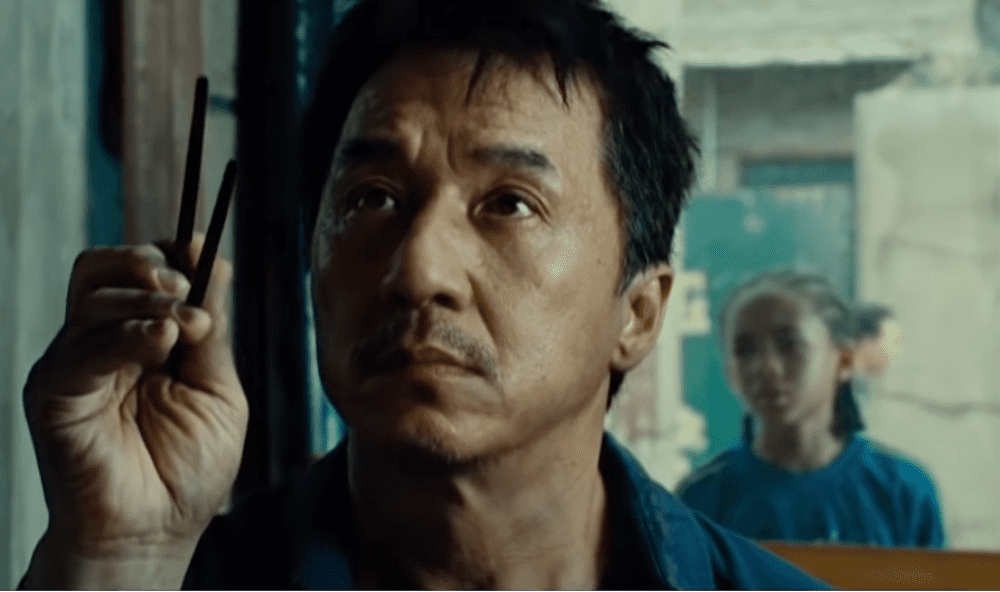 Screenshot from The Karate Kid, Columbia (2010)
Charlie and the Chocolate Factory (2005)
Johnny Depp offered a stranger Wonka, but Gene Wilder’s warmth proved hard to replace. Burton’s darker tone overshadowed the simple emotional arc that made the 1971 version timeless.
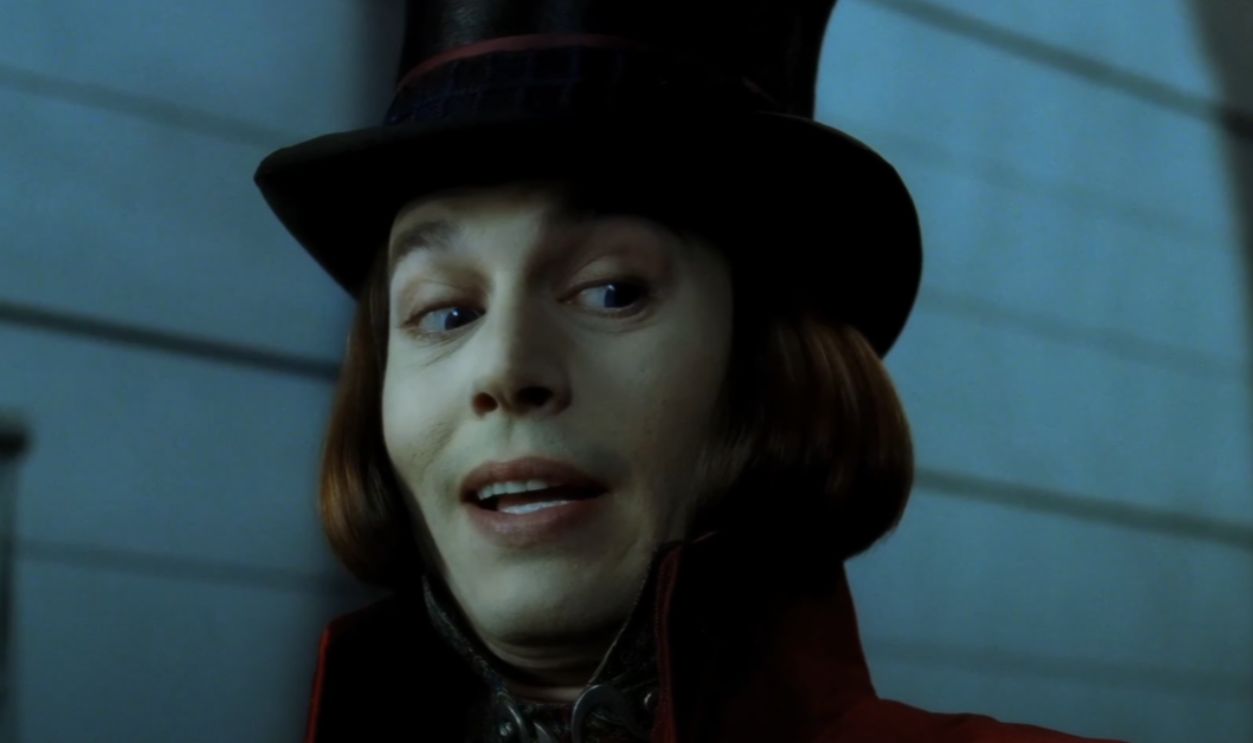 Screenshot from Charlie and the Chocolate Factory, Warner Bros. (2005)
Clash of the Titans (2010)
Sam Worthington and Liam Neeson battled CGI-heavy monsters. The 1981 film’s practical effects had charm; this reboot drowned mythology in murky visuals and frenetic pacing.
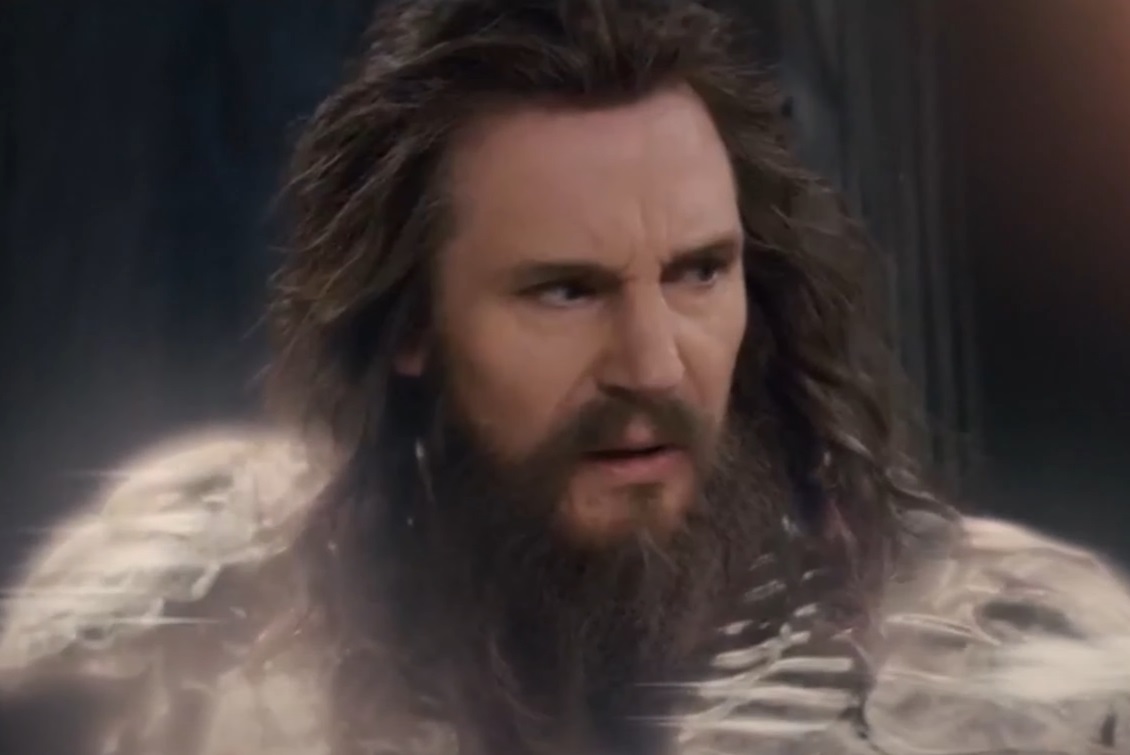 Screenshot from Clash of the Titans, Warner Bros. (2010)
Conan the Barbarian (2011)
Jason Momoa brought physicality, yet the mythic simplicity of Arnold Schwarzenegger’s version was lost. The reboot piled on plot without building a legend.
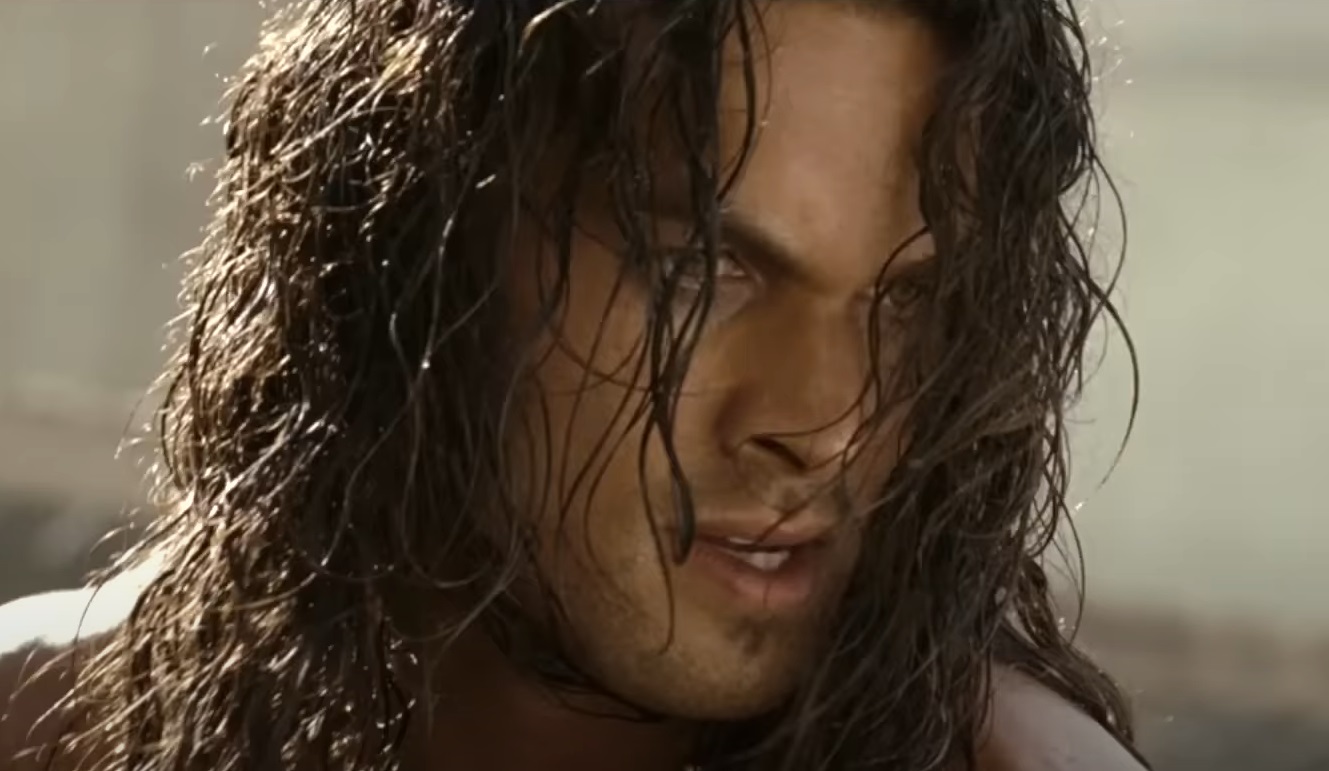 Screenshot from Conan the Barbarian, Millenium (2011)
Footloose (2011)
Kenny Wormald and Julianne Hough revisited small-town rebellion. The 1984 film’s cultural spark felt specific to its era; this update replayed the hits without fresh urgency.
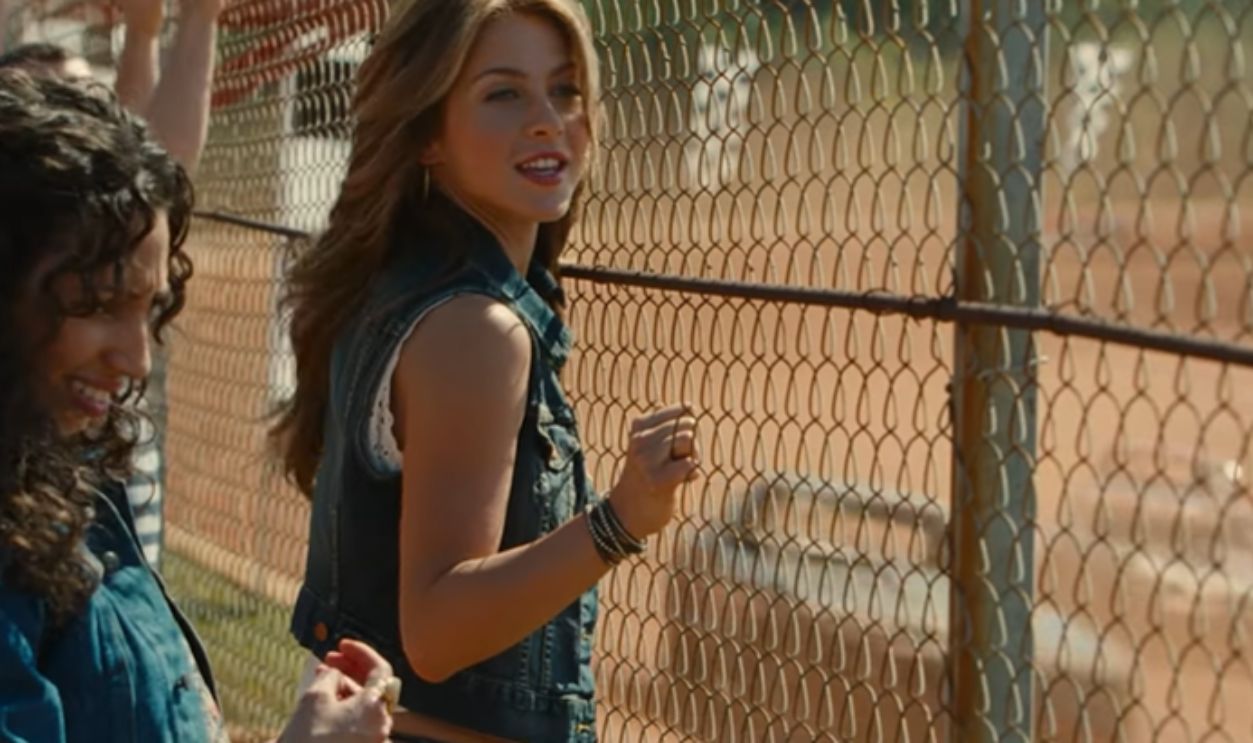 Screenshot from Footloose, Paramount Pictures (2011)
Red Dawn (2012)
Chris Hemsworth joined a modern resistance. The Cold War tension that fueled the original couldn’t be recreated, leaving the remake feeling oddly detached from real-world stakes.
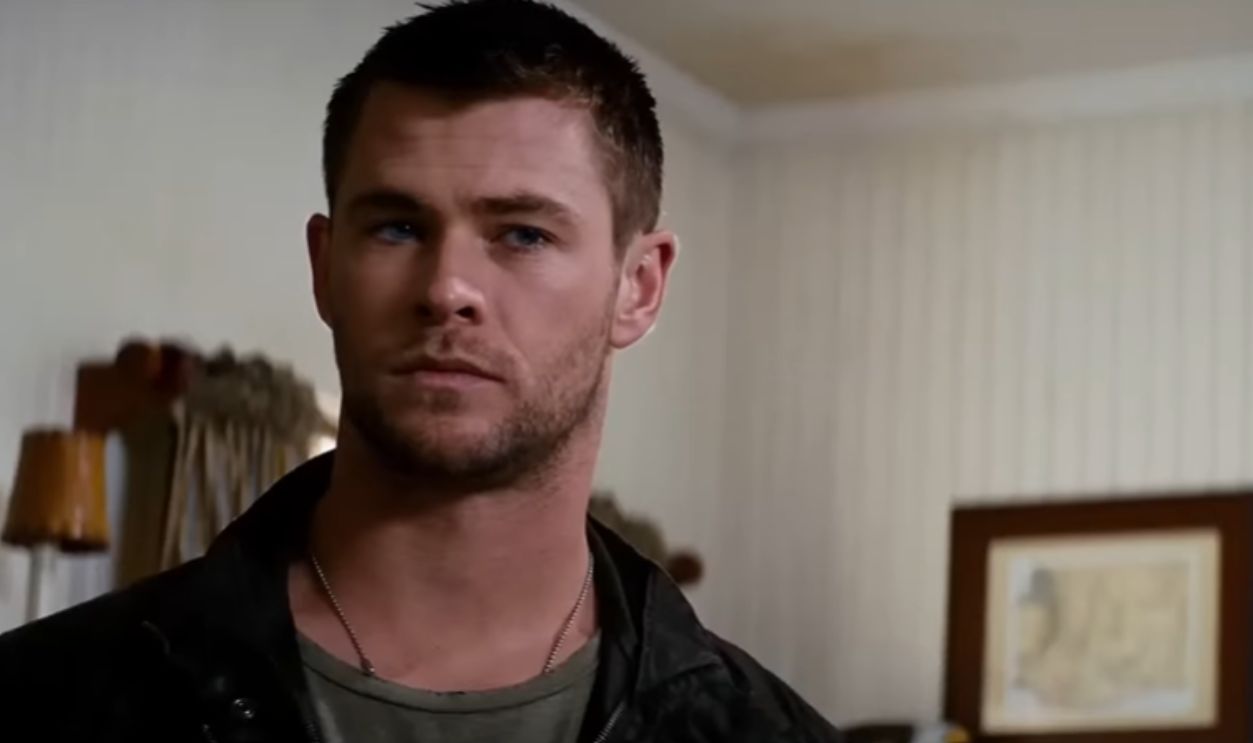 Screenshot from Red Dawn, FilmDistrict (2012)
Hellboy (2019)
David Harbour inherited the horns, but Guillermo del Toro’s gothic texture was gone. The reboot chased shock value over storytelling, losing the balance of heart and horror.
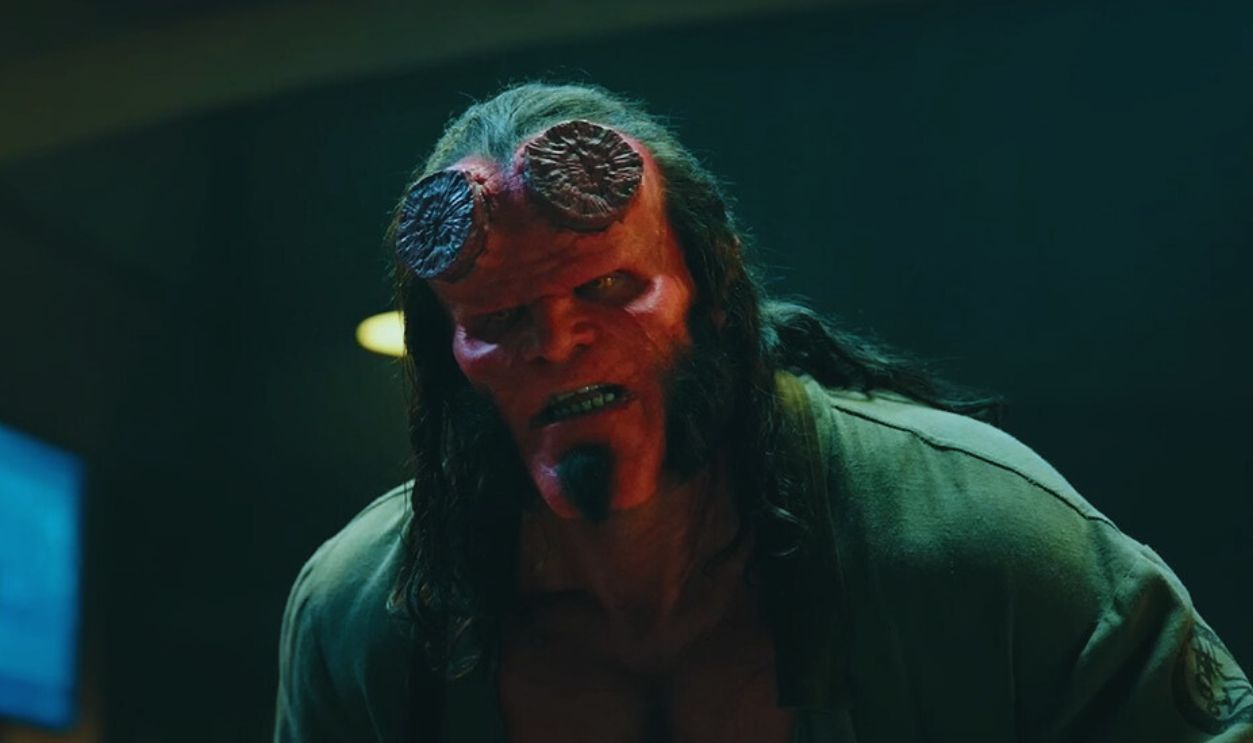 Screenshot from Hellboy, Lionsgate (2019)
Mulan (2020)
Liu Yifei led a grounded retelling. Removing songs and the lightness of the animated classic stripped away personality, leaving a visually impressive but emotionally distant epic.
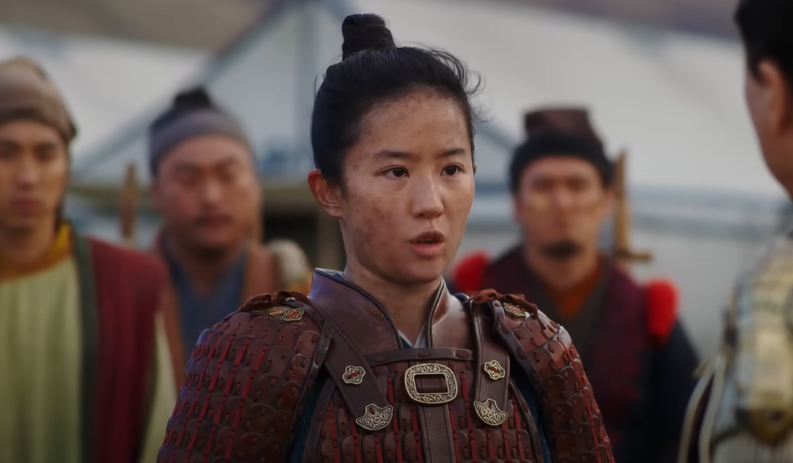 Screenshot from Mulan, Walt Disney (2020)
Tomb Raider (2018)
Alicia Vikander offered a more grounded Lara Croft. Yet the sense of escapist fun from earlier versions was muted, replaced by a survival narrative that rarely surprised. Moreover, it was hard for die-hard fans to connect with Vikander's interpretation of the character—especially since Angelina Jolie made Lara Croft so iconic in the 2000s.
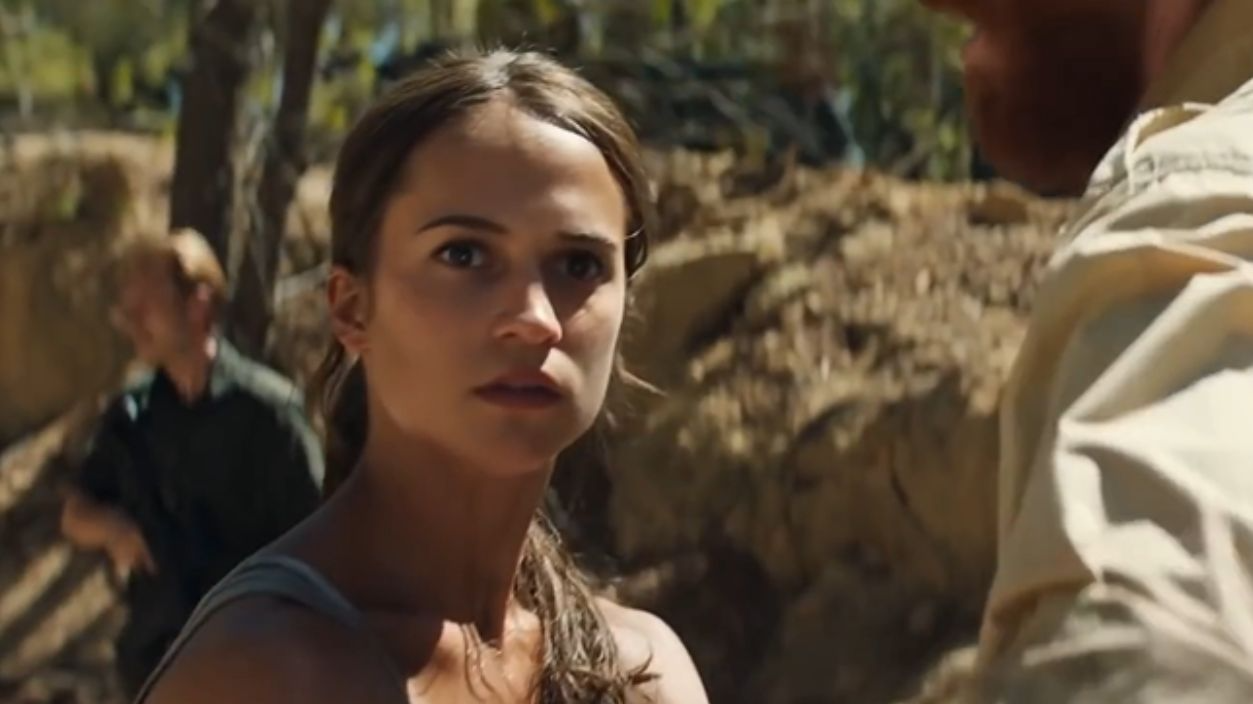 Screenshot from Tomb Raider, Warner Bros. Pictures (2018)
Child’s Play (2019)
Aubrey Plaza faced a tech-based Chucky voiced by Mark Hamill. Replacing supernatural horror with rogue AI shifted the premise entirely, losing the eerie simplicity that made the original chilling.
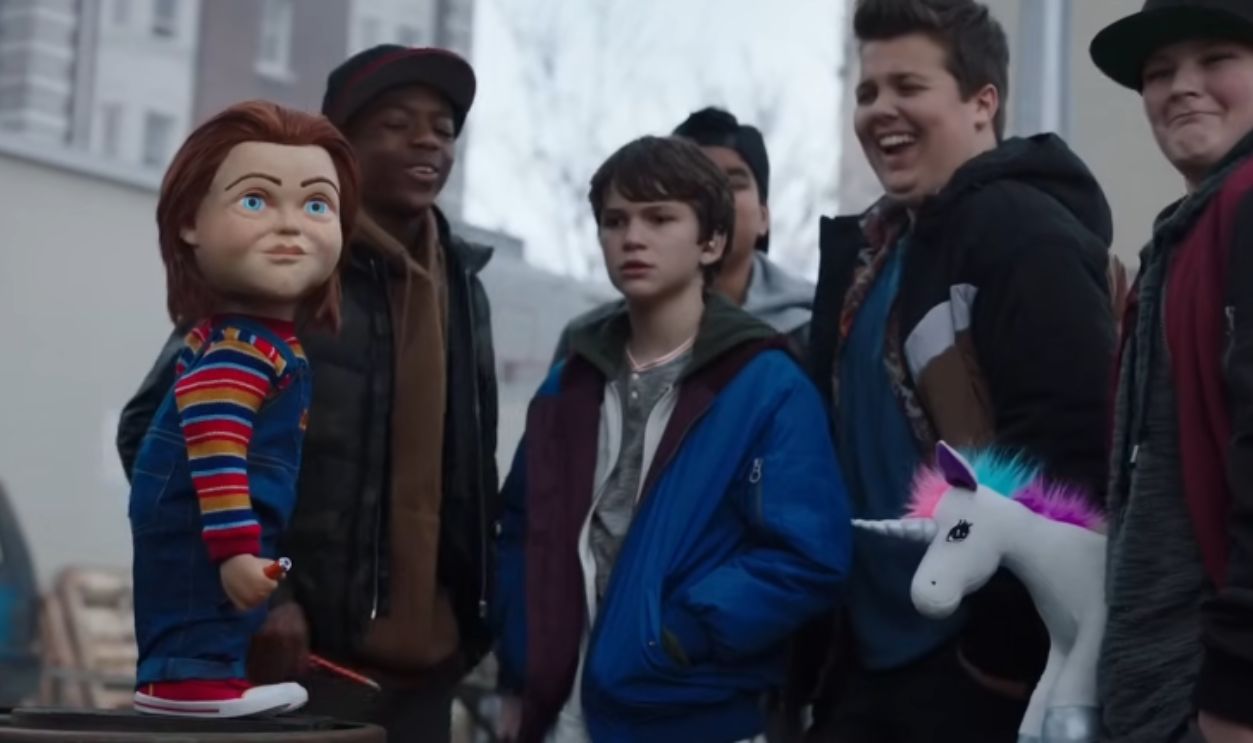 Screenshot from Child’s Play, Orion Pictures (2019)
Jacob’s Ladder (2019)
Michael Ealy reinterpreted a role once played by Tim Robbins. The original’s ambiguity was its strength; the remake clarified too much, reducing existential horror to straightforward drama.
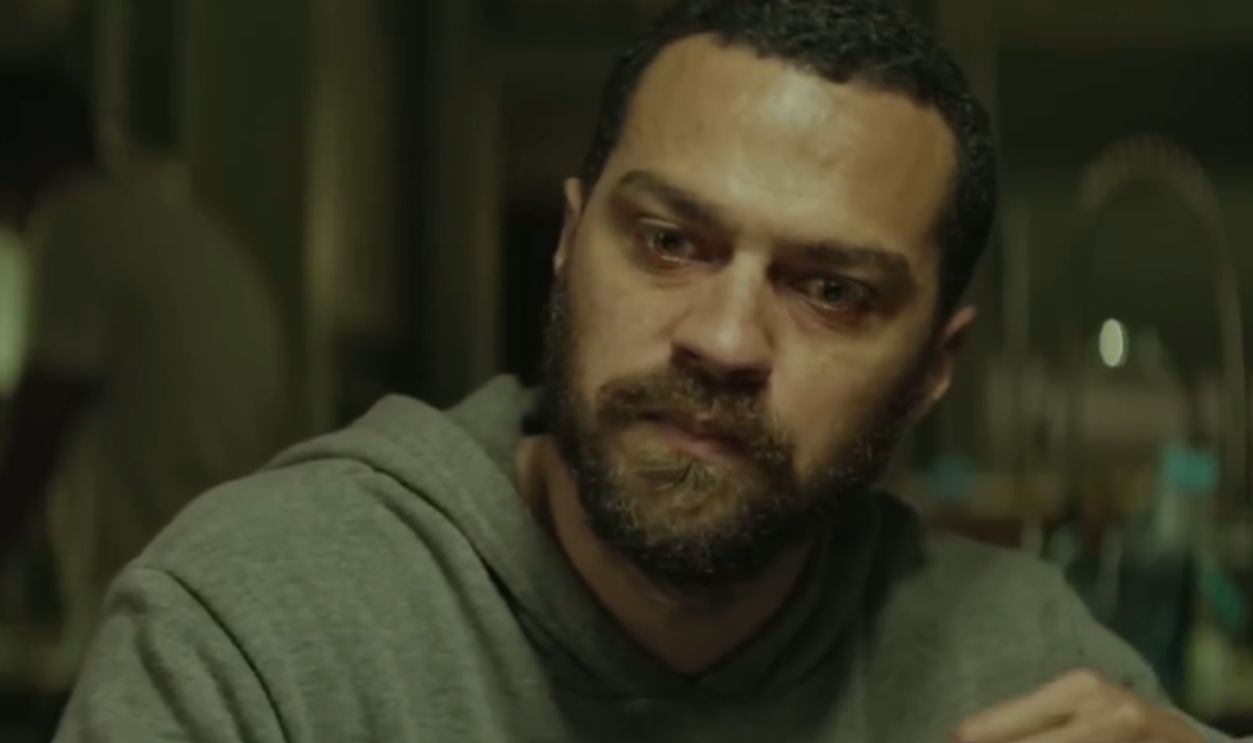 Screenshot from Jacob’s Ladder, LD Entertainment (2019)
You May Also Like:
Times That American Cinema Butchered A Beautiful Foreign Film
Movies About Writers That Quietly Ruin The Fantasy Of The Creative Life
Movies That Prove Cinema Is Better Than Every Other Art Form