
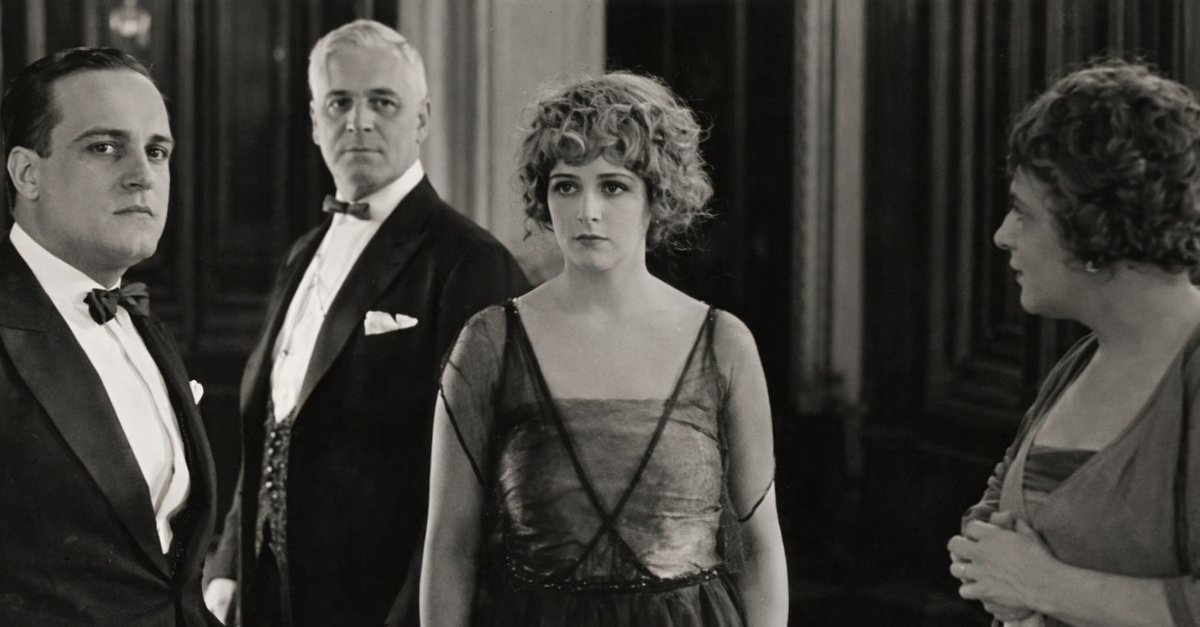
When The Muse Stops Texting Back
From the outside, being a writer looks suspiciously glamorous. Quiet cafés, late-night breakthroughs, and the intoxicating idea that your thoughts might someday matter to strangers. These movies are here to gently—and sometimes brutally—correct that fantasy. They show writers who spiral, stall, self-sabotage, sell out, burn out, or discover that the act of writing is far messier than the dream that led them to the keyboard in the first place.
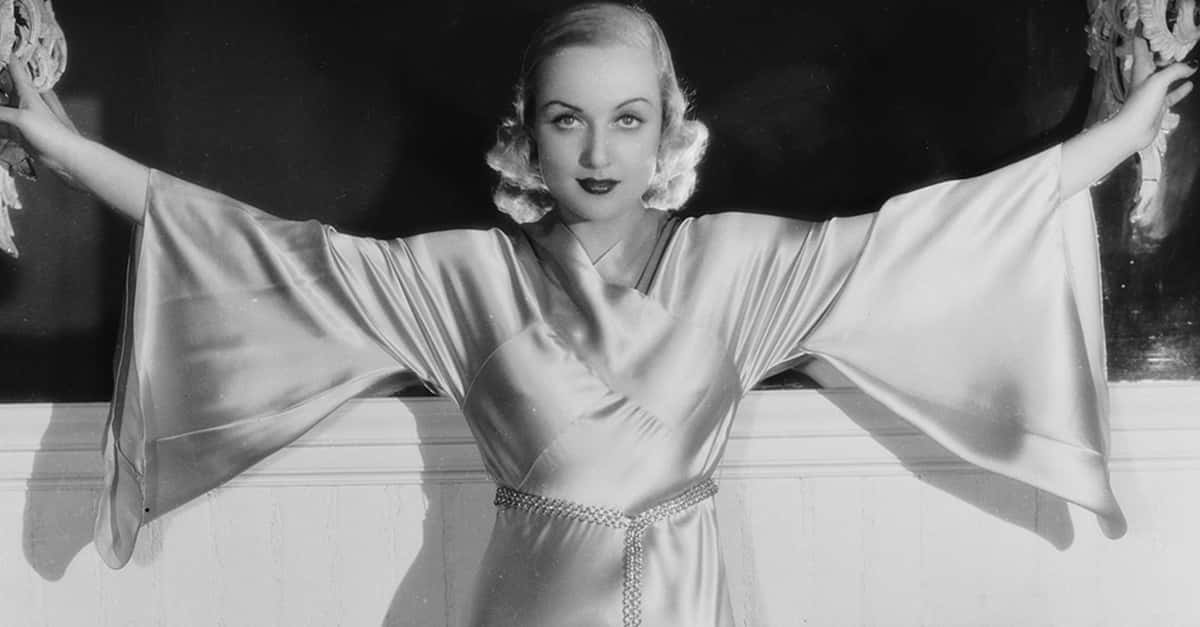
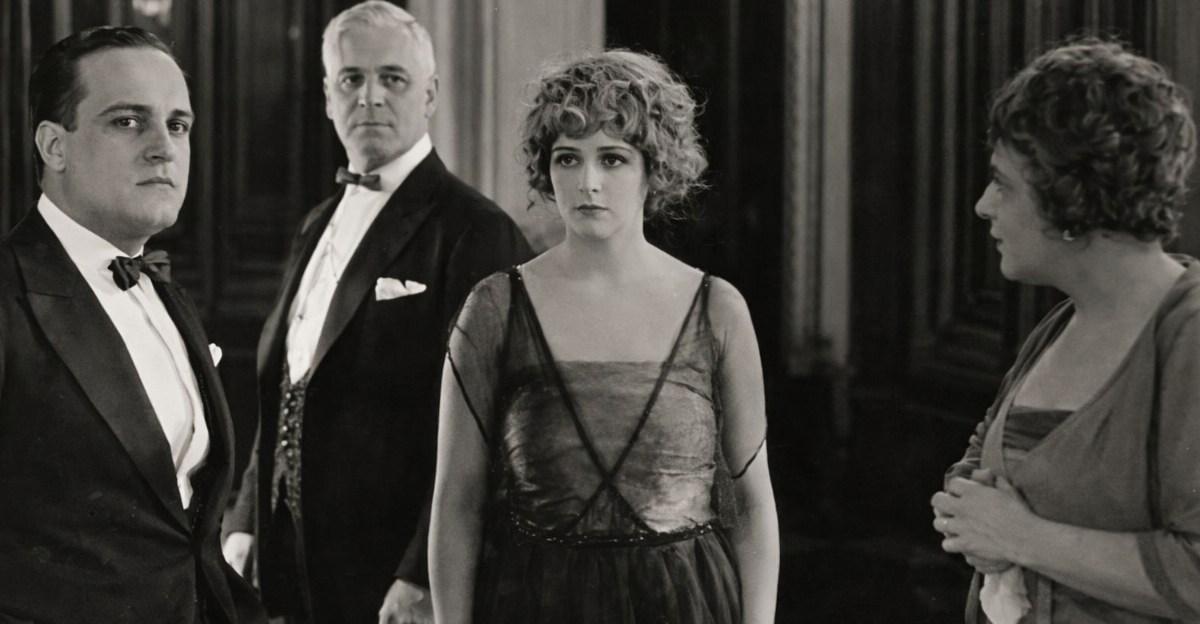 Exhibitor's Trade Review, Wikimedia Commons
Sunset Boulevard
A struggling screenwriter stumbles into the decaying mansion of a forgotten star and slowly realizes ambition has teeth. Sunset Boulevard strips away Hollywood romance and replaces it with desperation, ego, and the quiet horror of needing success too badly.
 Paramount Pictures press photo, Wikimedia Commons
All The President’s Men
This film replaces the myth of inspired writing with relentless work. All the President’s Men shows writing as persistence, verification, and moral weight—no flow state, just pressure and consequence.
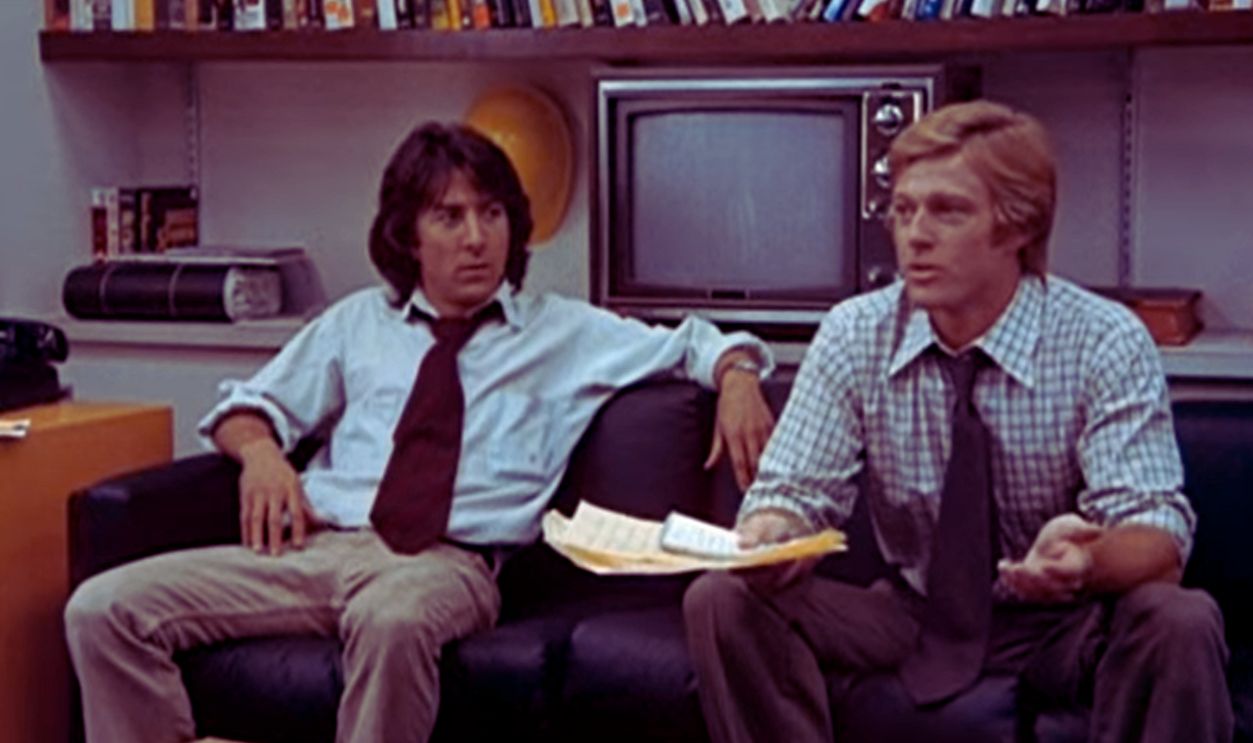 Screenshot from All The President’s Men, Warner Bros. (1976)
My Brilliant Career
An ambitious young woman chooses her creative future over romance, and the cost is real. The film reminds us that choosing art often means choosing loneliness, friction, and a constant uphill fight against expectations.
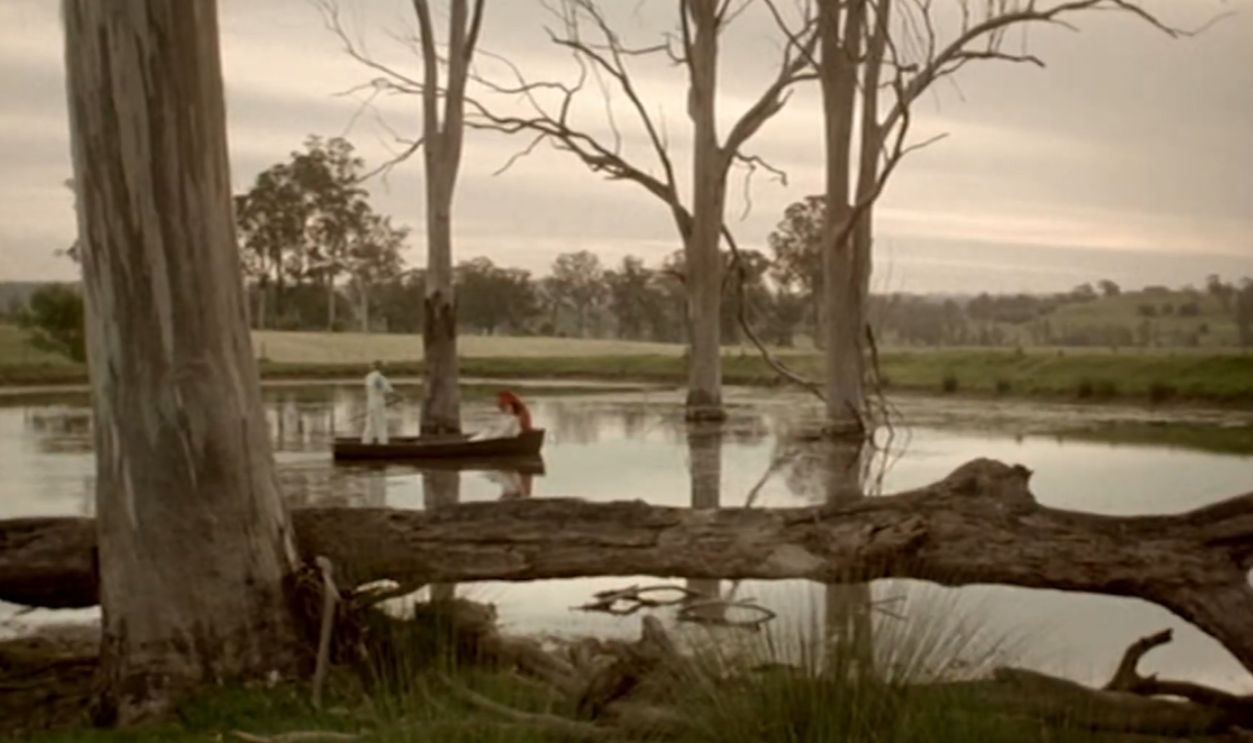 Screenshot from My Brilliant Career, Greater Union Organisation (1979)
The Shining
A writer retreats to find inspiration and instead finds madness. The Shining turns isolation into a warning sign, showing how obsession can hollow creativity until there’s nothing left but repetition.
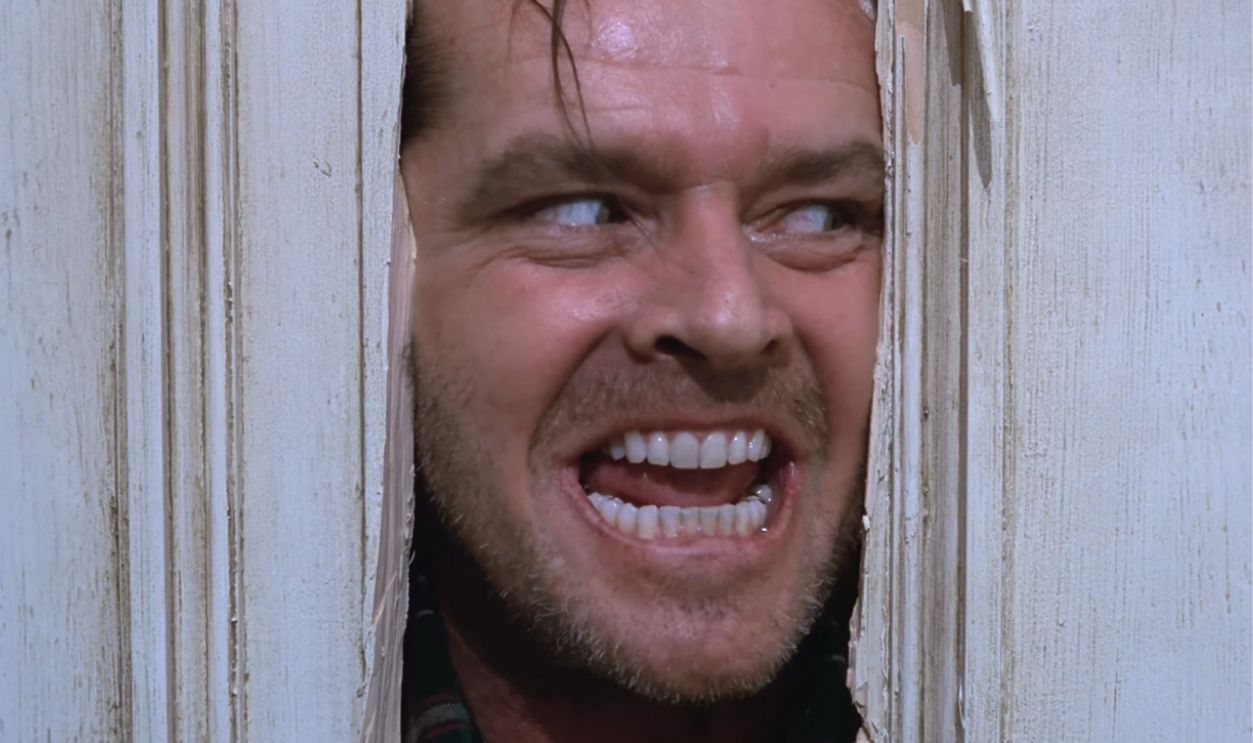 Screenshot from The Shining, Warner Bros. Pictures (1980)
An Angel At My Table
This quiet biographical film rejects the tortured-genius stereotype entirely. It shows writing as survival rather than spectacle, where persistence matters more than brilliance and living comes before being published.
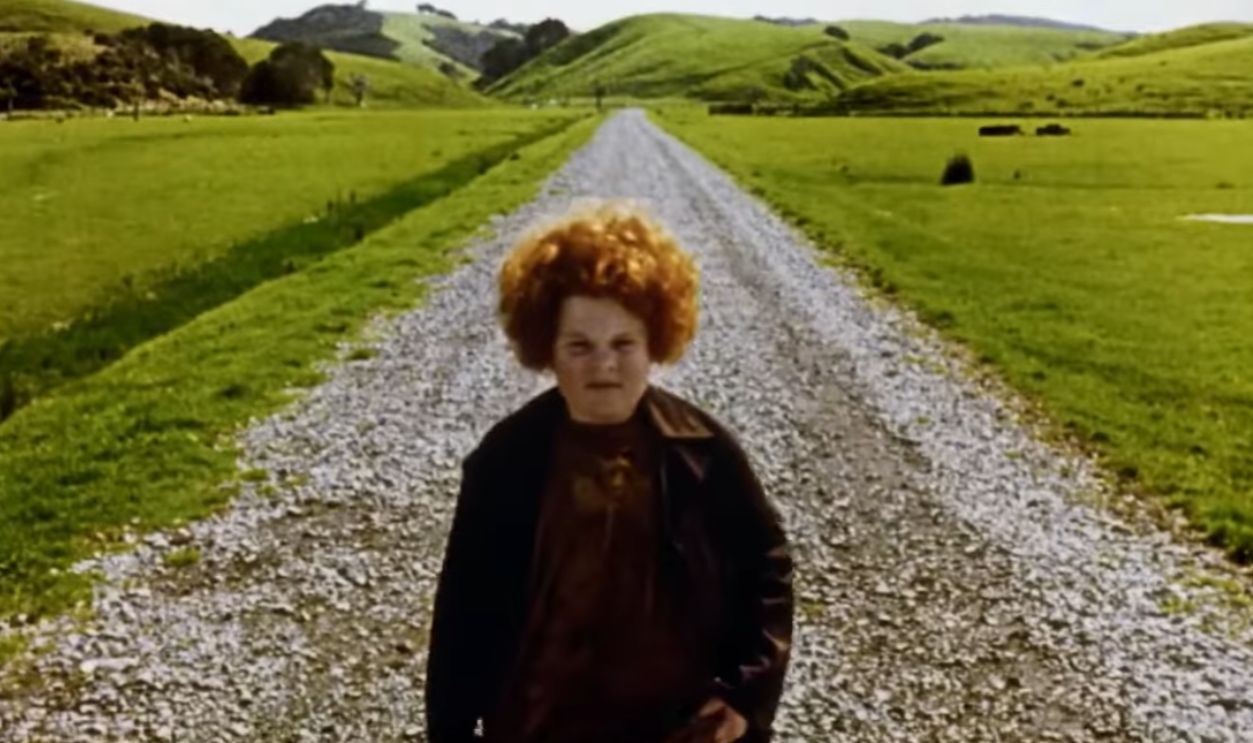 Screenshot from An Angel At My Table, Fine Line Features (1990)
Henry & June
Literary greatness here is messy, sensual, and deeply human. Henry & June dismantles the idea that great writers live clean, disciplined lives—talent and chaos coexist uncomfortably.
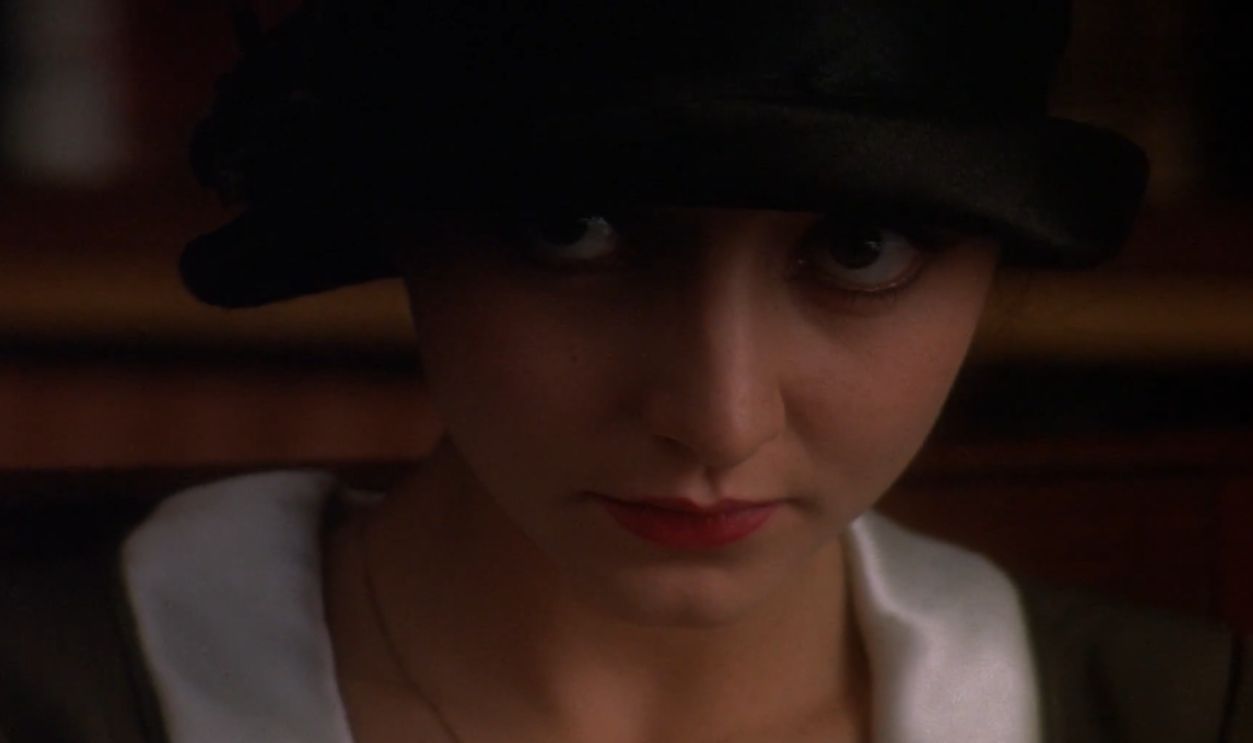 Screenshot from Henry & June, Universal Pictures (1990)
Misery
Success becomes lock up when a novelist is held captive by his biggest fan. The film turns popularity into a nightmare, suggesting that being loved for your work can be just as dangerous as being ignored.
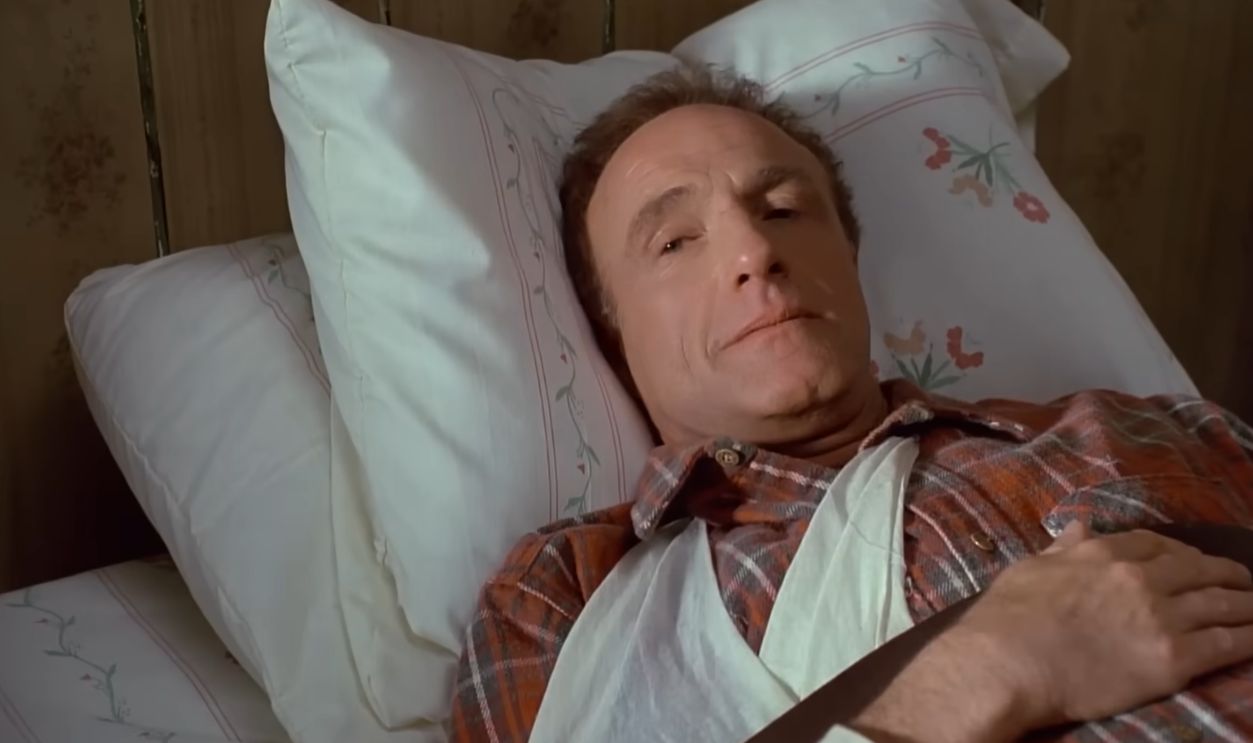 Screenshot from Misery, Columbia Pictures (1990)
Barton Fink
Hollywood promises everything and delivers nothing. Barton Fink shows a writer slowly unraveling as art collides with commerce, and meaning slips through his fingers.
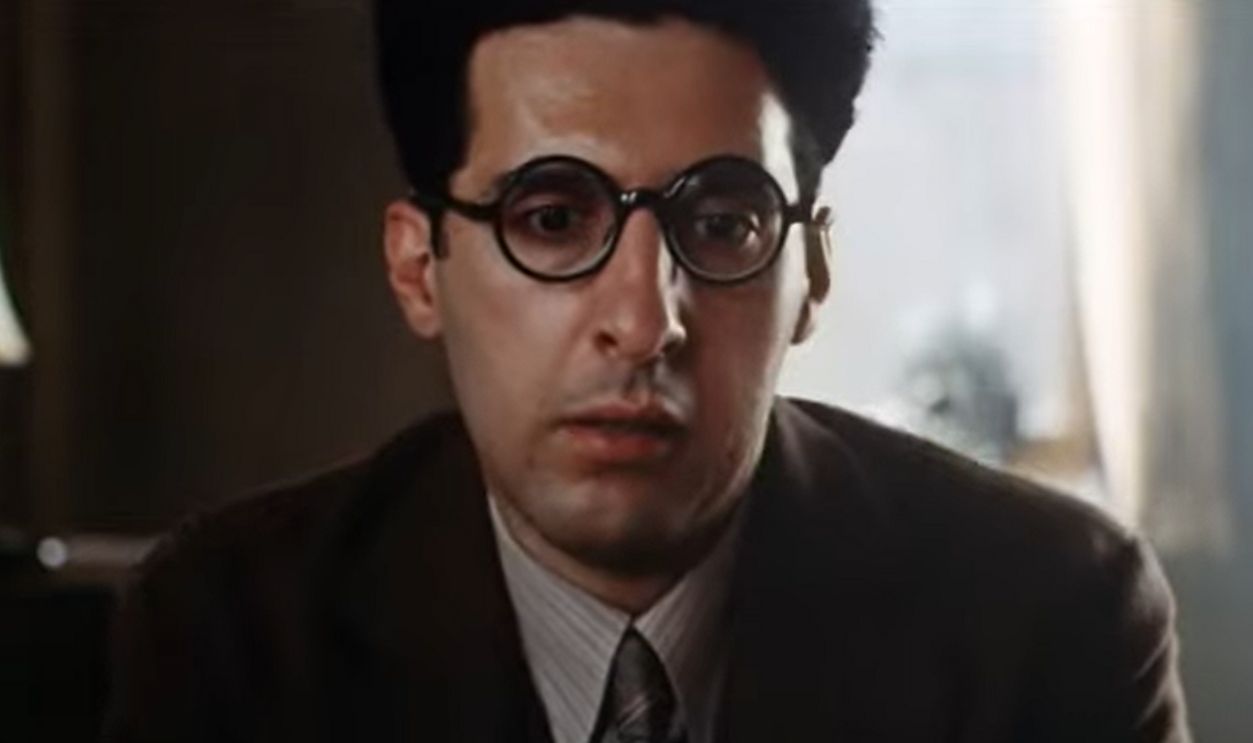 Screenshot from Barton Fink, 20th Century Studios (1991)
The Player
This sharp satire reveals how stories are treated once they hit the industry machine. The writer becomes optional, while marketability becomes everything.
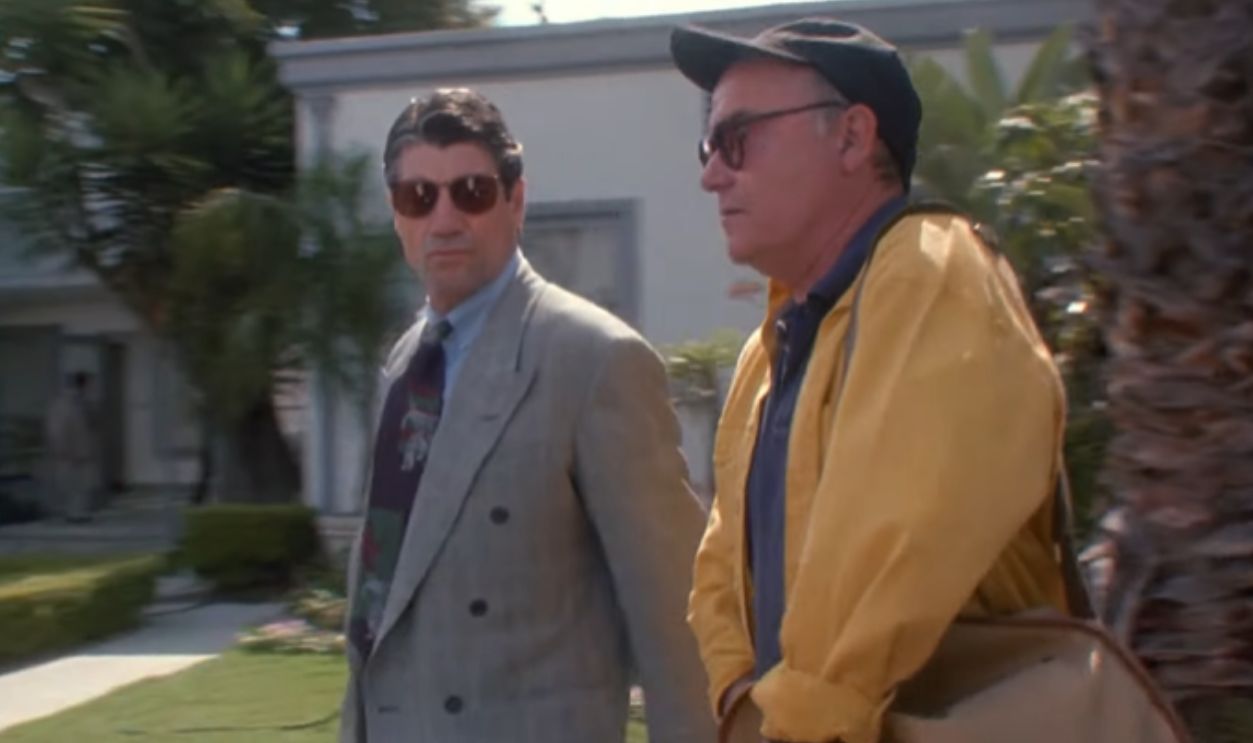 Screenshot from The Player, Fine Line Features (1992)
The Pillow Book
Writing here isn’t a profession—it’s obsession. The film blurs art and body, suggesting creativity can consume identity if left unchecked.
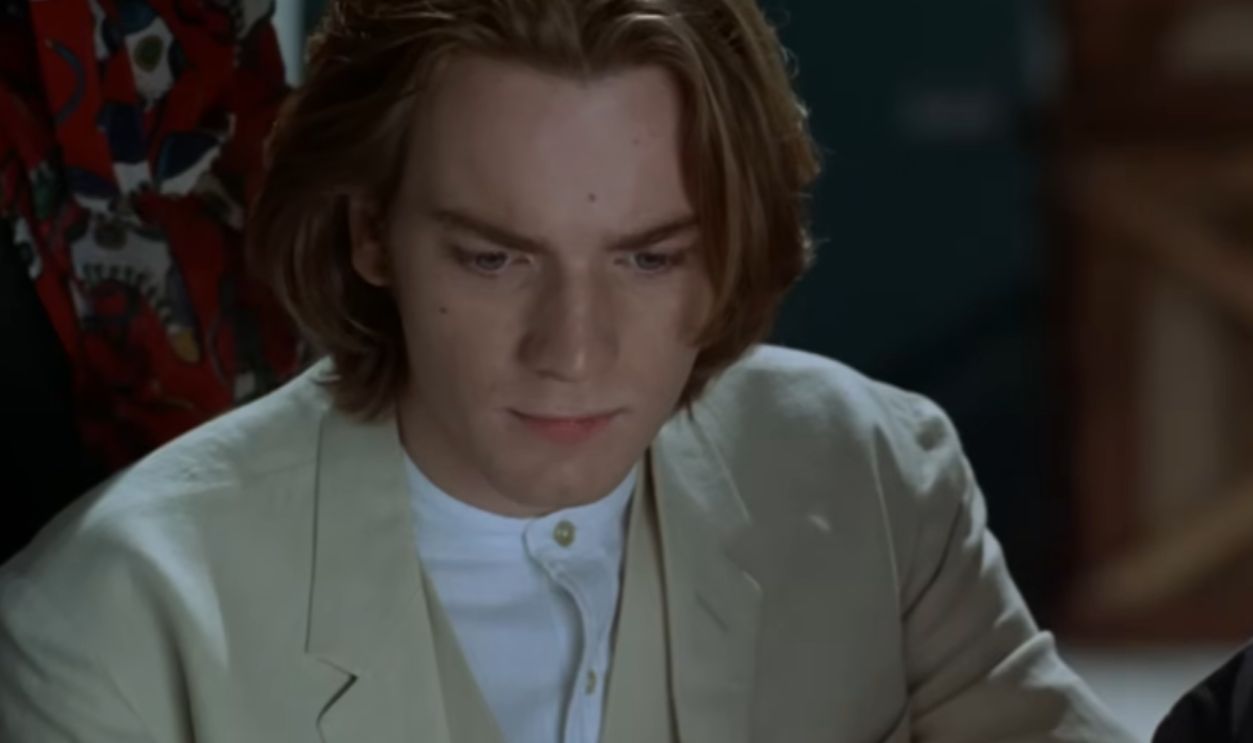 Screenshot from The Pillow Book, Lionsgate (1996)
Wonder Boys
A novelist with a legendary unfinished manuscript discovers that talent doesn’t guarantee momentum. Wonder Boys nails procrastination, self-doubt, and the strange comfort of never quite finishing.
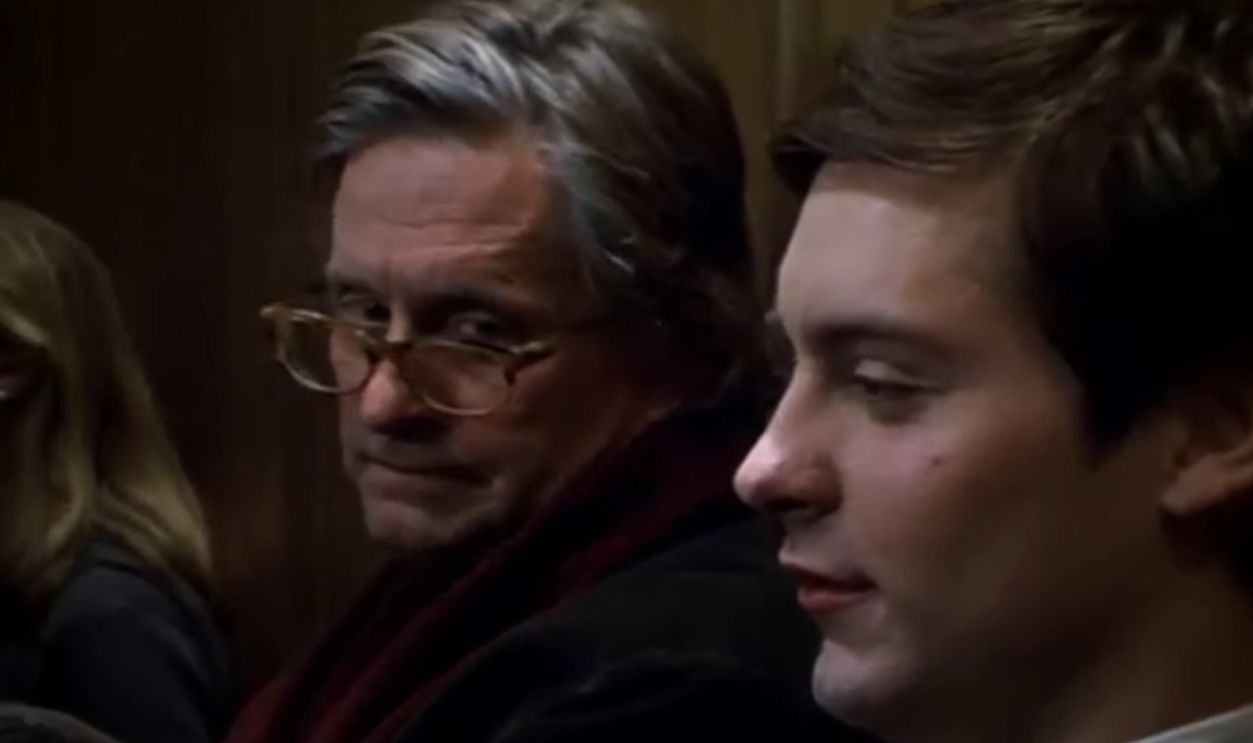 Screenshot from Wonder Boys, Paramount Pictures (2000)
Adaptation
This movie turns writer’s block into narrative chaos. The act of writing becomes the story itself, collapsing fantasy and insecurity into something hilarious and unsettling.
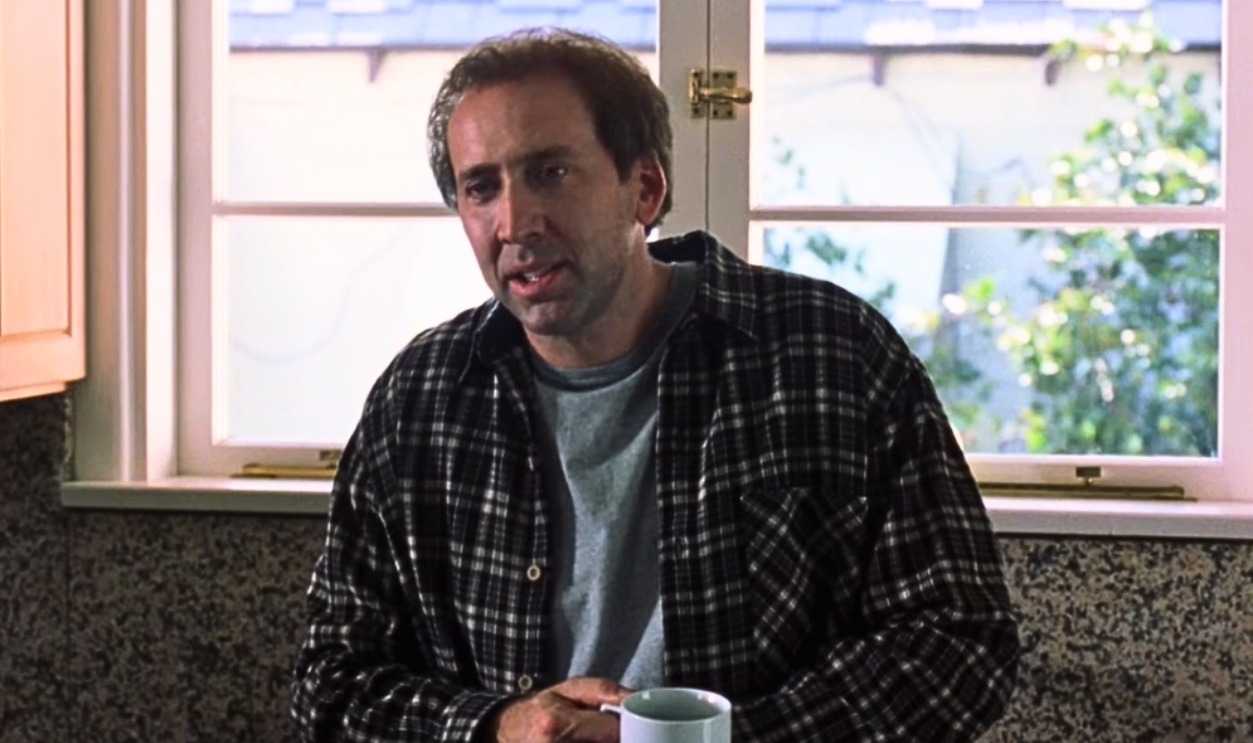 Screenshot from Adaptation, Sony Pictures Releasing (2002)
American Splendor
Harvey Pekar’s life proves you don’t need glamour to write honestly. The film shows creativity as stubborn self-expression, grounded in everyday frustration rather than grand ambition.
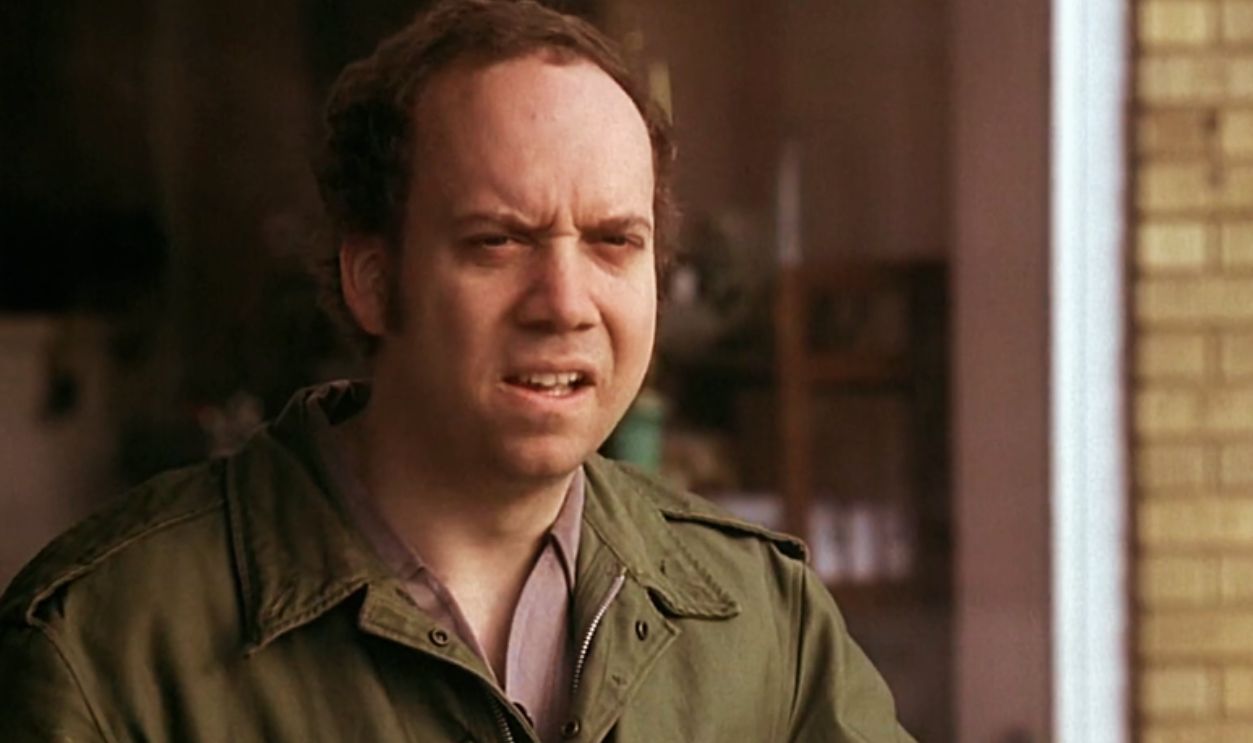 Screenshot from American Splendor, Fine Line Features (2003)
Secret Window
Accusations of plagiarism unravel a writer already losing control. Secret Window taps into a deep creative fear: that your ideas aren’t truly yours.
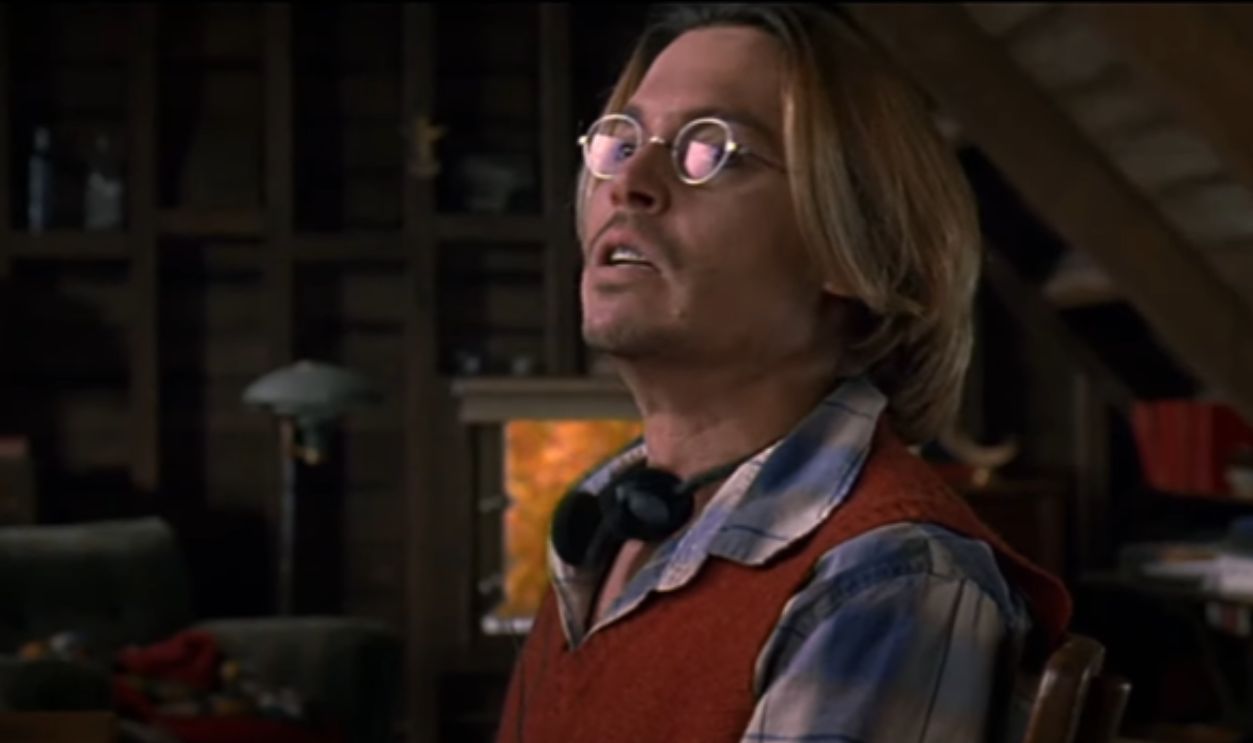 Screenshot from Secret Window, Columbia Pictures (2004)
Sideways
A failed novelist takes a road trip that becomes a reckoning. It’s about disappointment more than dreams, and the slow realization that talent doesn’t always translate into success.
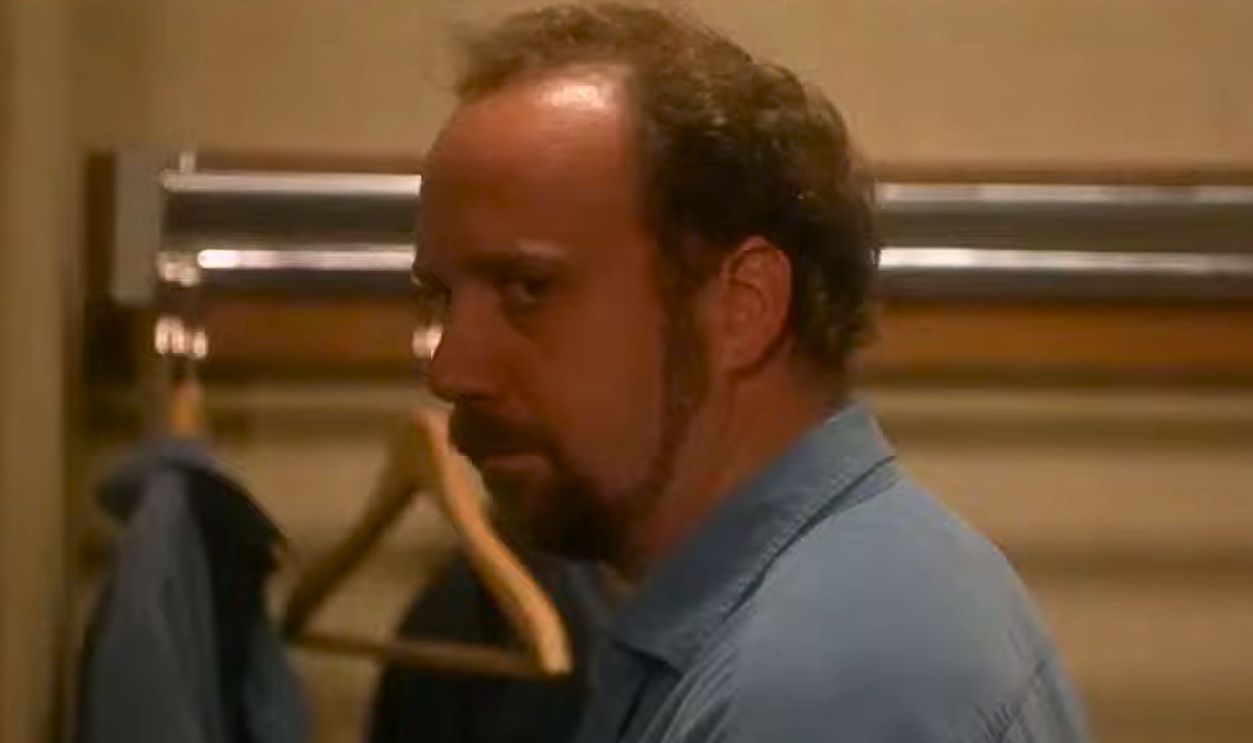 Screenshot from Sideways, Searchlight Pictures (2004)
Capote
Writing the perfect book comes at a moral cost. Capote exposes the uncomfortable truth that art can exploit real suffering in pursuit of greatness.
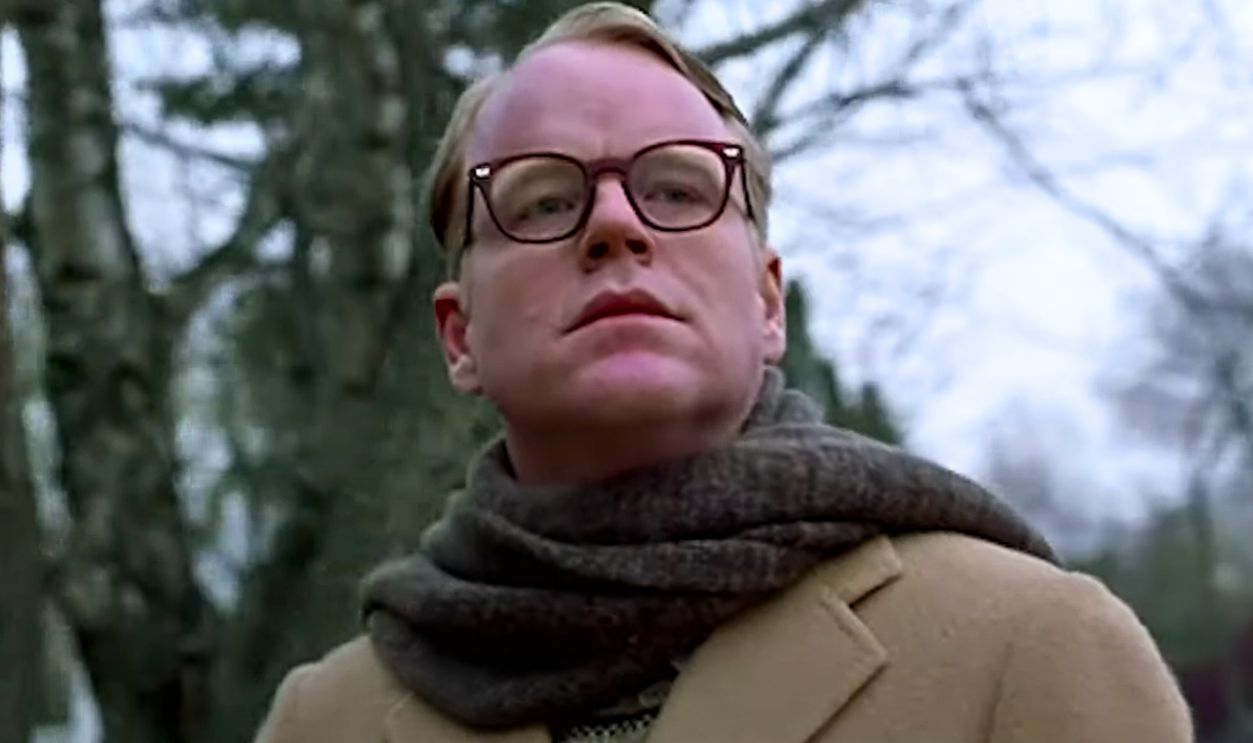 Screenshot from Capote, United Artists (2005)
Reprise
Two young writers chase publication and discover jealousy, mental health struggles, and uneven success. The film understands how comparison quietly destroys creative joy.
 Screenshot from Reprise, Miramax Films (2006)
Stranger Than Fiction
A man hears narration controlling his life and learns he’s part of someone else’s story. The fantasy of authorial control collapses completely, replaced by questions about agency and meaning.
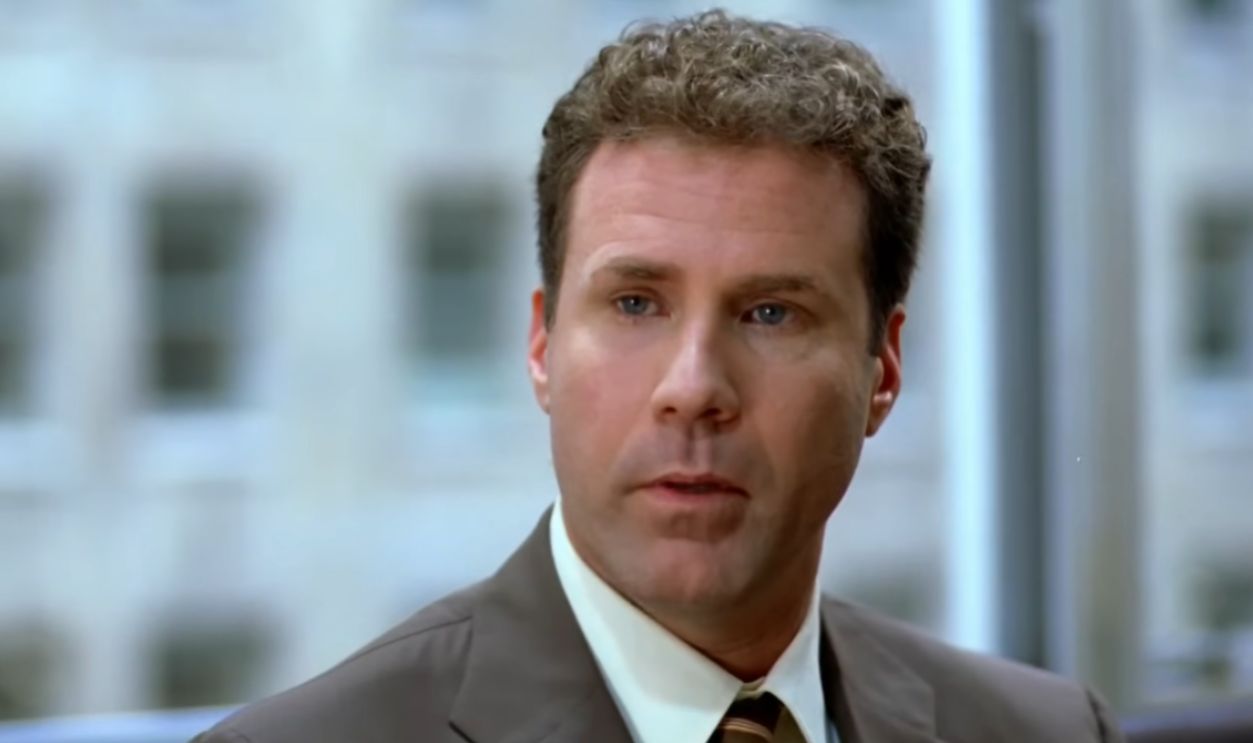 Screenshot from Stranger Than Fiction, Columbia Pictures (2006)
Atonement
A single act of writing reshapes multiple lives. Atonement shows how storytelling can distort truth and how regret lingers long after the final sentence.
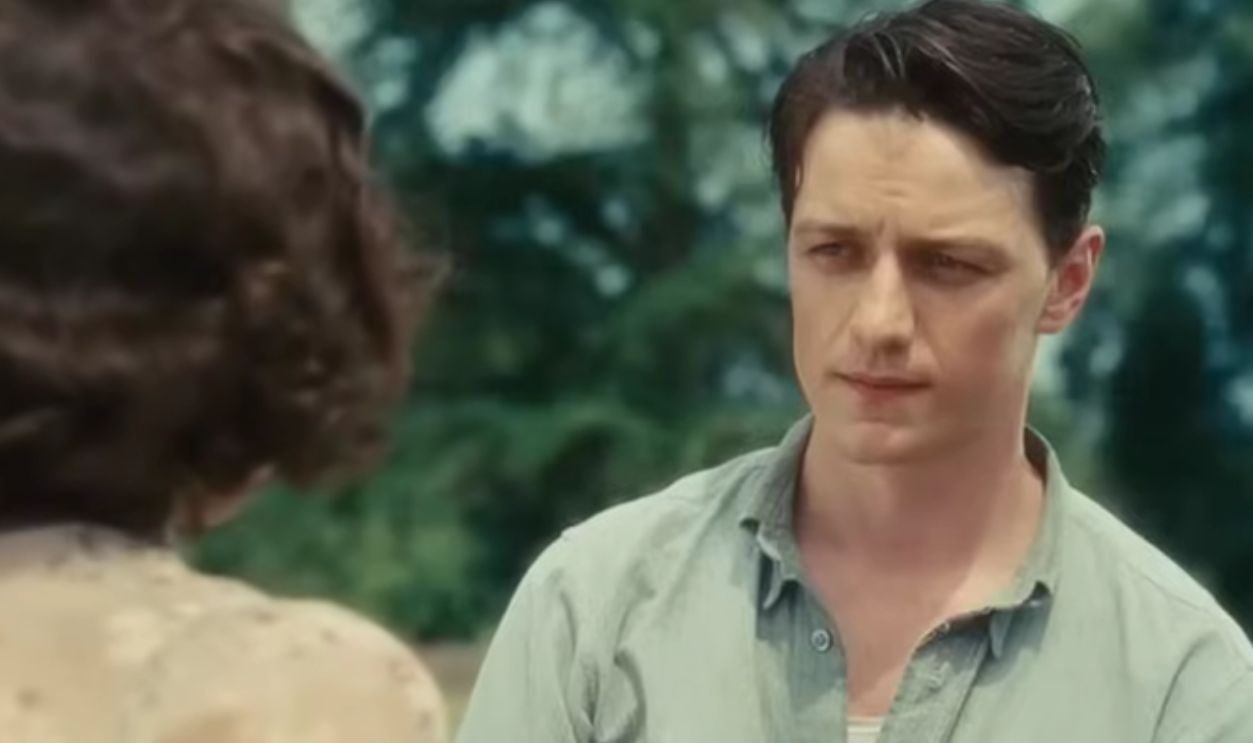 Screenshot from Atonement, Universal Pictures (2007)
Ruby Sparks
A writer creates the perfect woman—then realizes control isn’t love. The film flips creative wish fulfillment into a cautionary tale about power and projection.
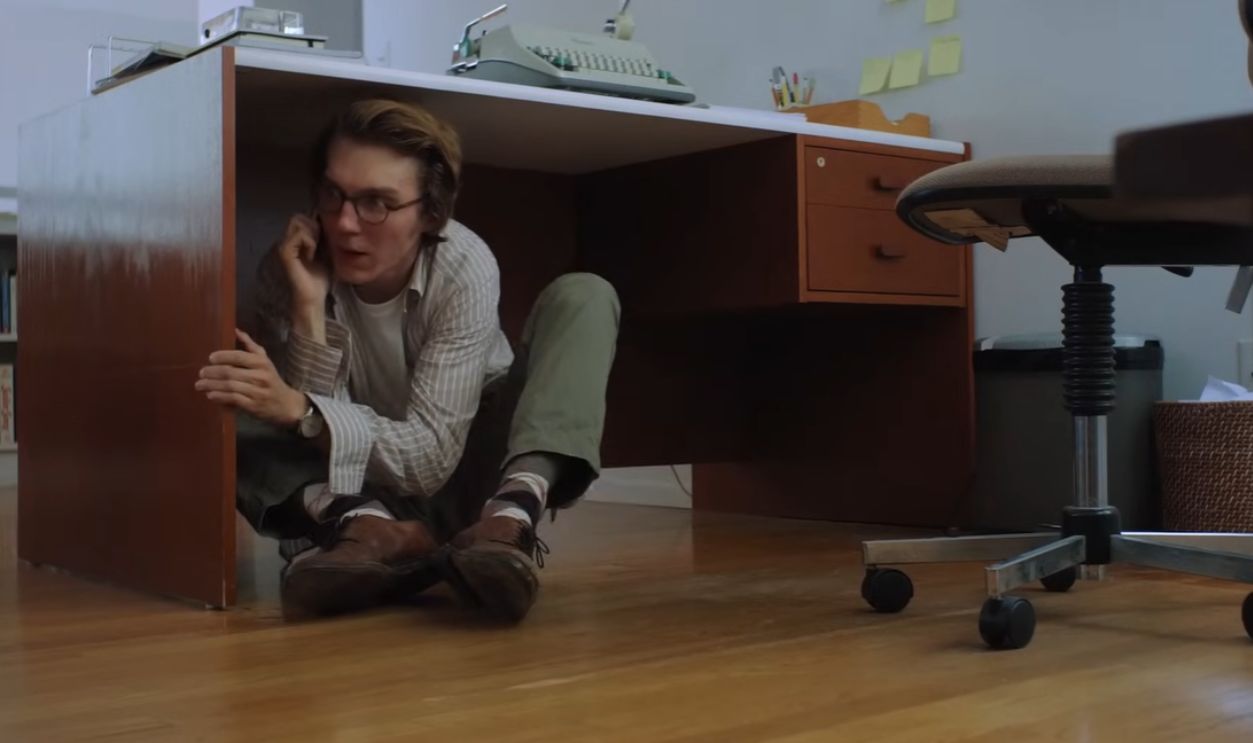 Screenshot from Ruby Sparks, Fox Searchlight Pictures (2012)
Adult World
A young poet learns that raw confidence doesn’t equal mastery. The fantasy of instant genius dissolves, replaced by humility, work, and uncomfortable growth.
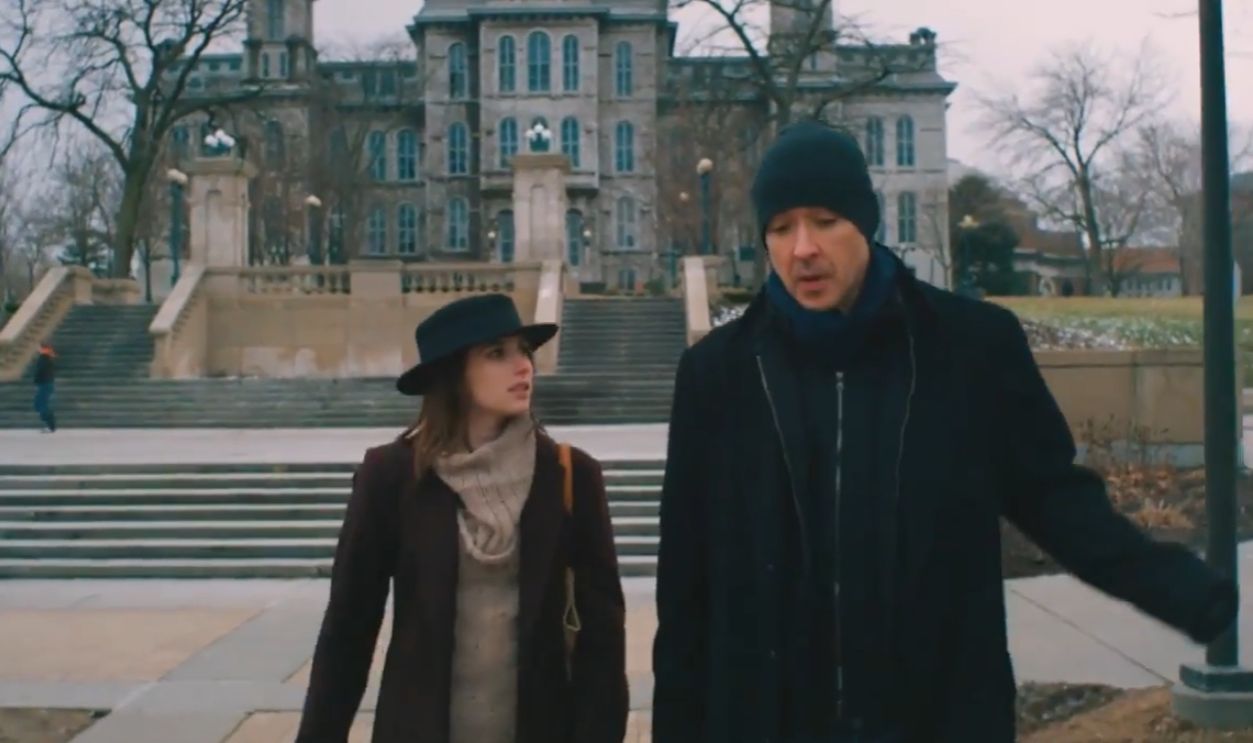 Screenshot from Adult World, IFC Films (2013)
Spotlight
Journalism here is slow, grinding, and essential. Spotlight presents writing as responsibility rather than romance, proving words matter most when they’re least glamorous.
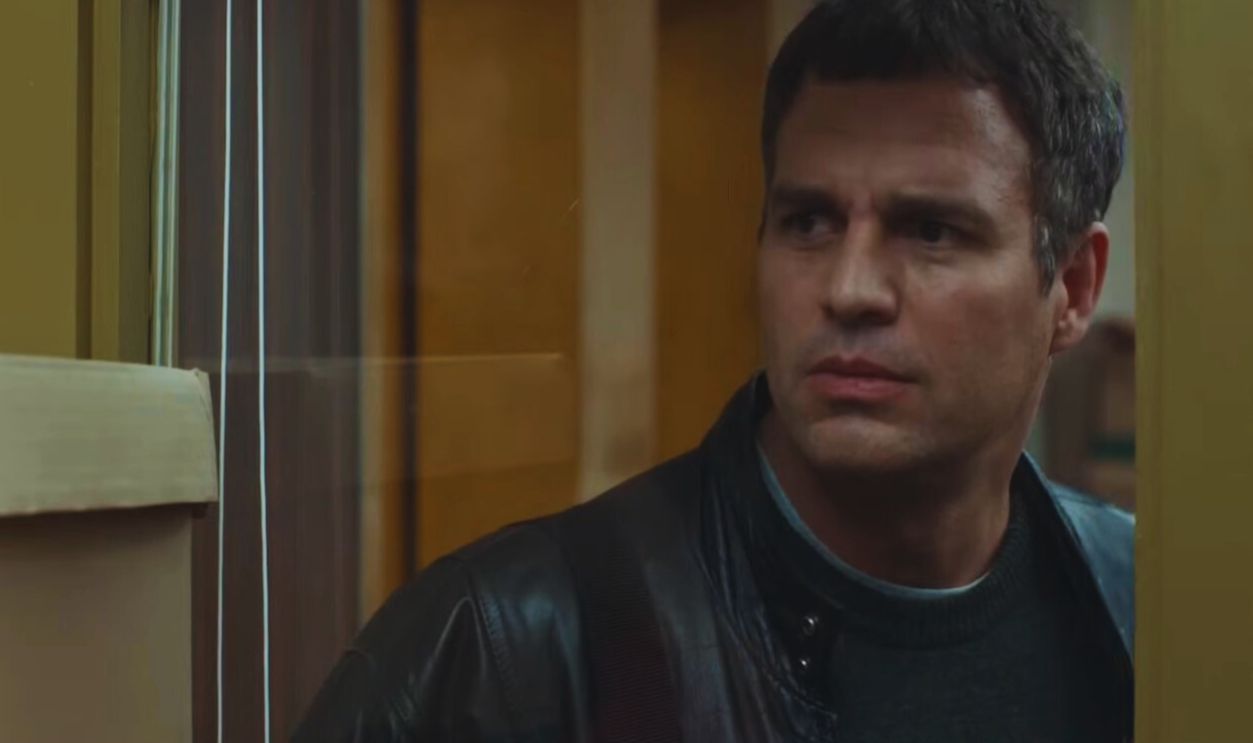 Screenshot from Spotlight, Open Road Films (2015)
Why These Movies Hit Writers So Hard
Taken together, these films quietly agree on one thing: wanting to be a writer is easy. Being one is complicated. They show that creativity isn’t just about ideas—it’s about discipline, ethics, identity, and what you’re willing to sacrifice along the way.
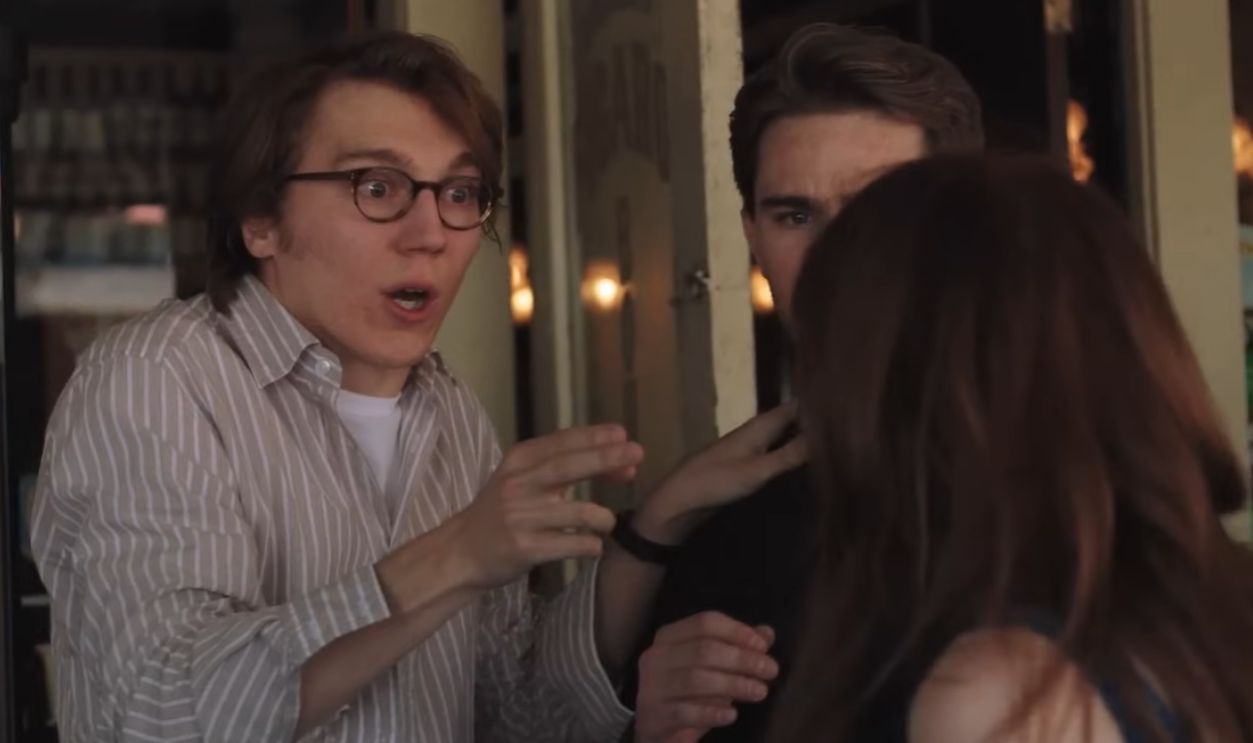 Screenshot from Ruby Sparks, Fox Searchlight Pictures (2012)
If you still want to write after watching these, congratulations. You’re probably doing it for the right reasons.
You May Also Like:
80s Movies That Were Big Hits, But Made Gen X Roll Their Eyes
Movies That Were Banned Around The World—For Reasons That Range From Absurd To Completely Fair
Movies That Never Should Have Had A Sequel, According To Fans
Source: 1

_-_4.jpg)