When Censors Decide A Movie Is Too Much For Humanity
Movies are supposed to spark conversation, but sometimes they spark outright panic. Around the world, governments have repeatedly decided that banning an entire film is easier than trusting audiences to handle a few seconds of controversy. Sometimes the reasons are understandable. Other times, they feel so fragile they almost prove the movie’s point.
 Hometowns to Hollywood, Wikimedia Commons
Snow White (2025)
Disney’s live-action Snow White remake didn’t get banned because of dwarfs, apples, or questionable CGI. It was banned in Lebanon because Gal Gadot starred in it. Her Israeli birth and mandatory military service placed her on the country’s boycott list, automatically disqualifying the film from release.
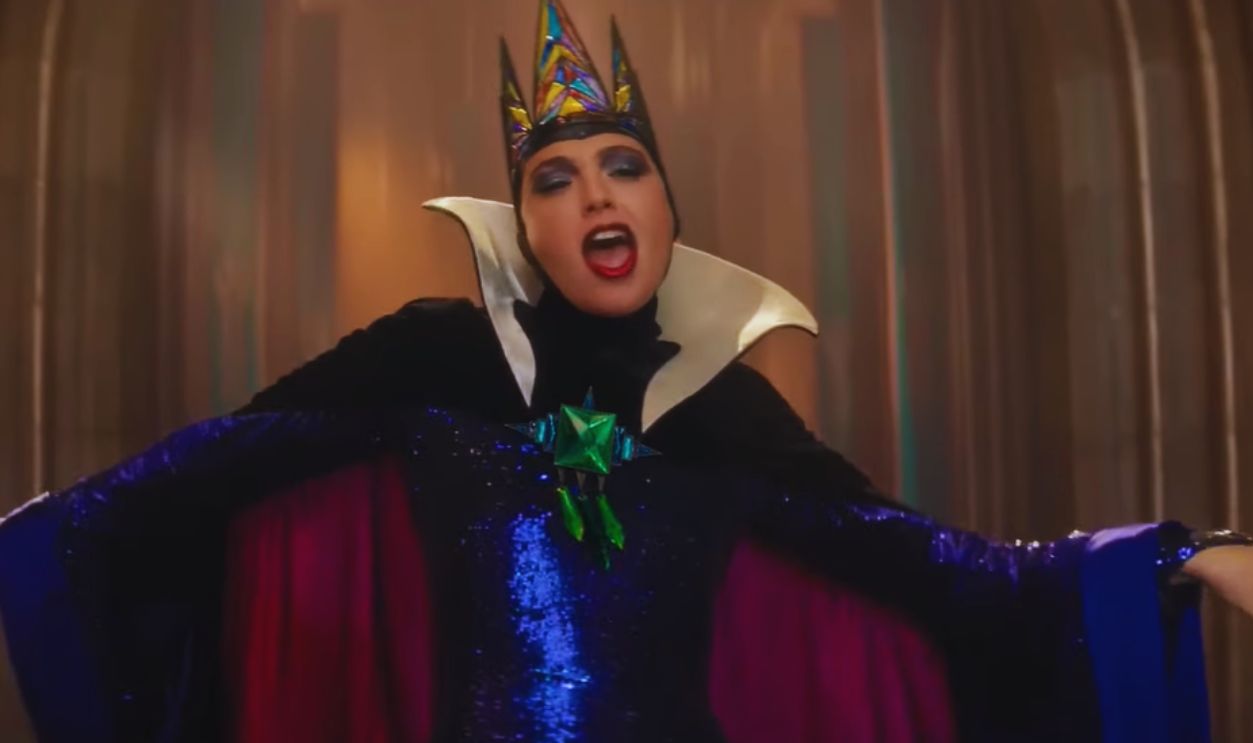 Screenshot from Snow White, Walt Disney Studios Motion Pictures (2025)
Queer (2024)
This Luca Guadagnino film starring Daniel Craig was banned in Turkey for what officials labeled “provocative content.” Translation: it included a brief full-frontal male and centered unapologetically on a queer relationship. Apparently, that was enough to trigger fears of social disorder.
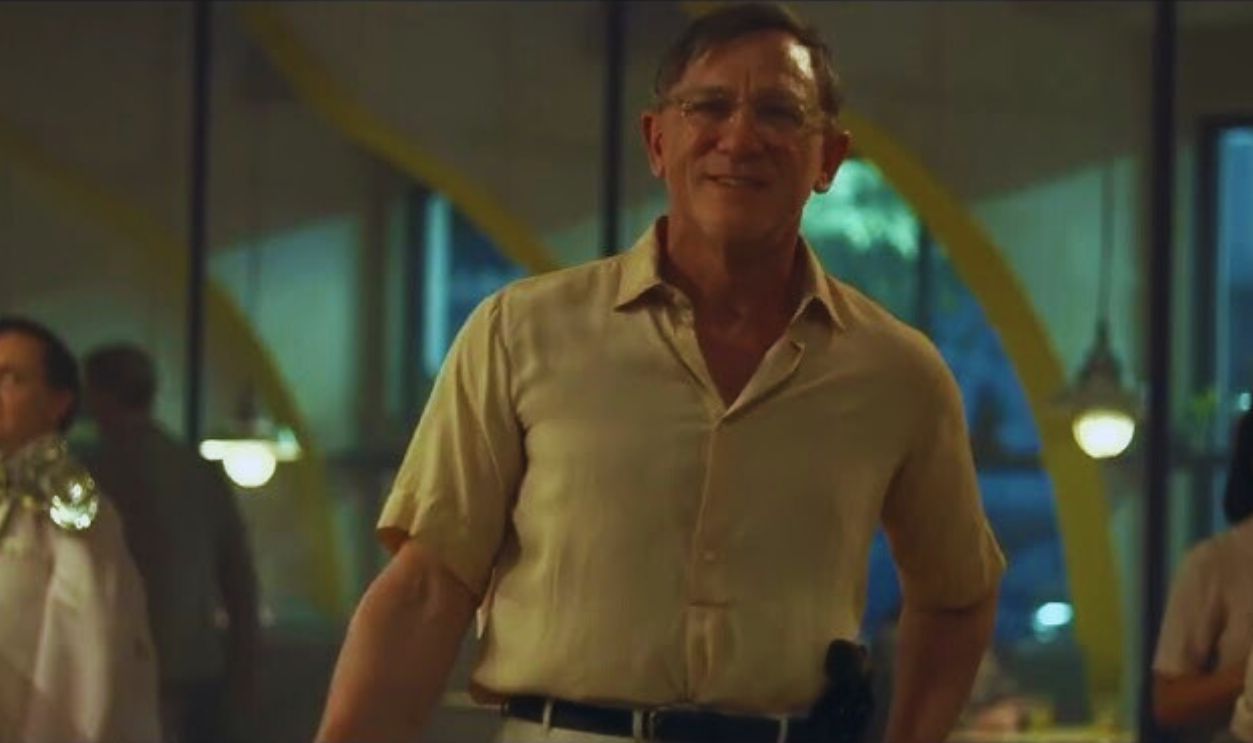 Screenshot from Queer, A24 (2024)
Monty Python’s Life of Brian (1979)
Few comedies have been banned as enthusiastically as Life of Brian. Towns across the United States blocked it for offending Christian sensibilities, while entire countries followed suit. Ireland kept it banned for eight years, and Norway joined in for a full year.
The irony? The bans became a marketing tool. In Sweden, the film proudly advertised itself as so funny it got banned in Norway.
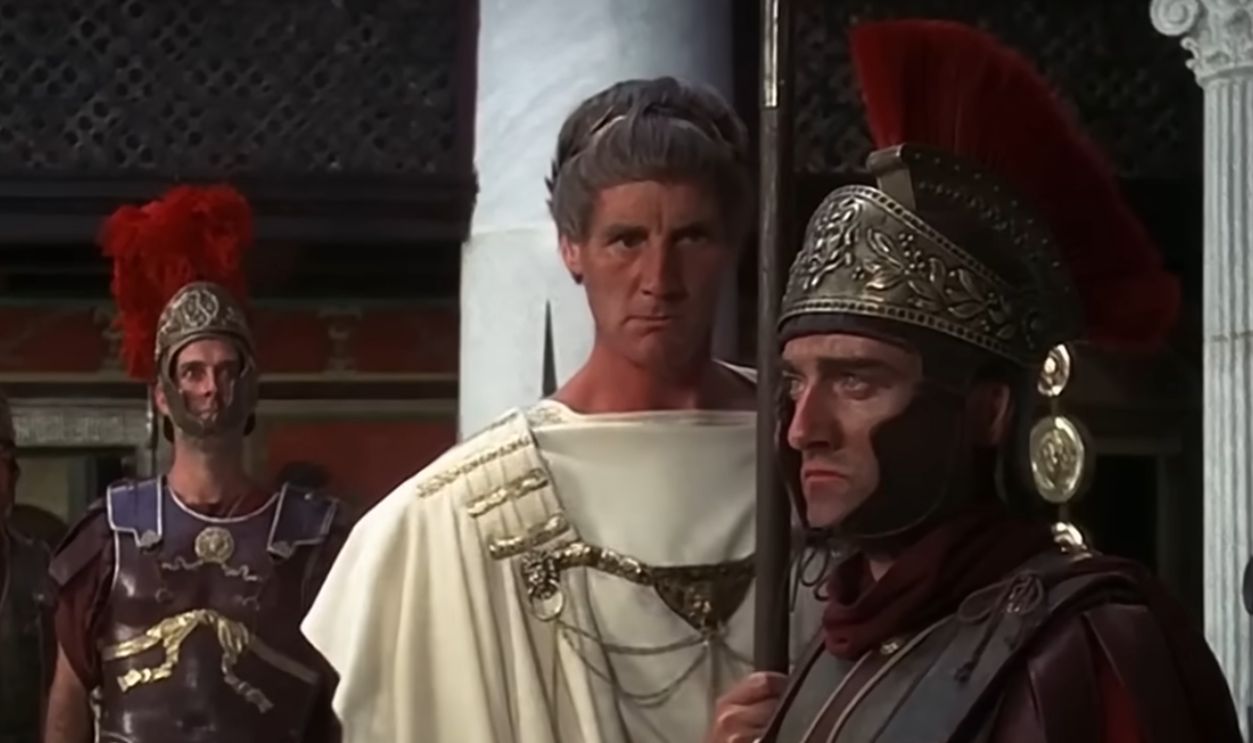 Screenshot from Monty Python’s Life of Brian, Warner Bros. (1979)
Spider-Man: Across the Spider-Verse (2023)
One single animated frame caused this visually stunning superhero sequel to be banned in multiple countries. That frame featured a small trans pride flag hanging in Gwen Stacy’s bedroom. It appeared briefly and was easy to miss.
But because the film targets younger audiences, local censorship guidelines went into overdrive. A blink-and-you-miss-it detail became a dealbreaker.
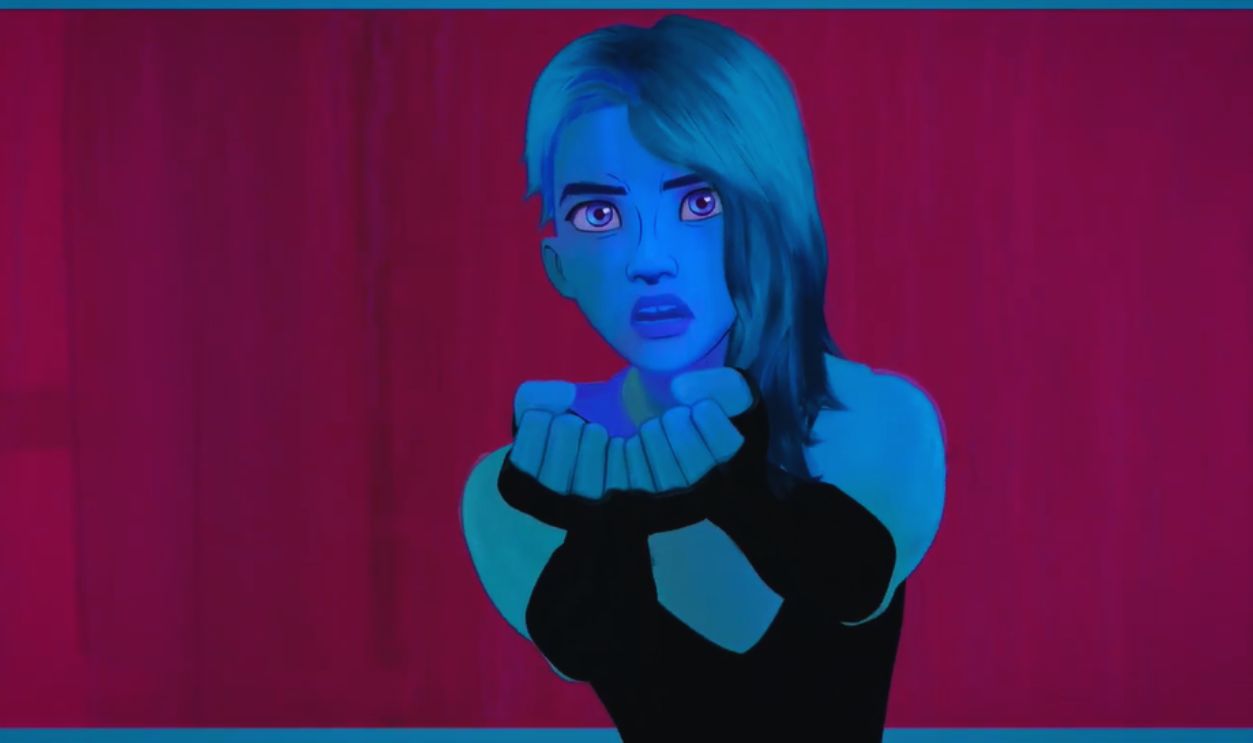 Screenshot from Spider‑Man: Across the Spider‑Verse, Sony Pictures Releasing (2023)
Barbie (2023)
Barbie was banned in Vietnam over a background map showing the controversial nine-dash line tied to China’s territorial claims. The film itself had nothing to do with geopolitics, but that single image was enough to spark outrage.
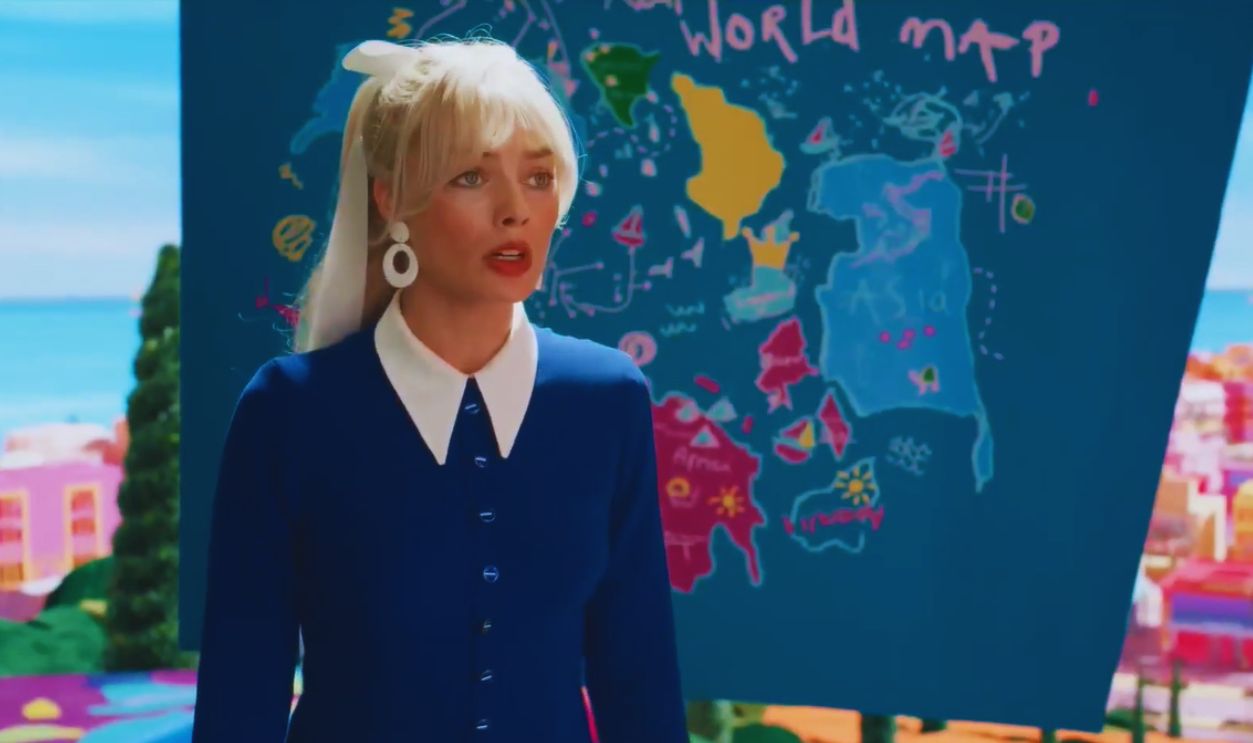 Screenshot from Barbie, Warner Bros. Pictures (2023)
Abominable (2019)
Another animated casualty of the nine-dash line, Abominable was banned in Vietnam and criticized heavily in the Philippines. The map appeared briefly, but its political implications were taken very seriously.
For a family-friendly adventure about friendship and mythical creatures, it was a surprisingly heavy reason to get pulled from theaters.
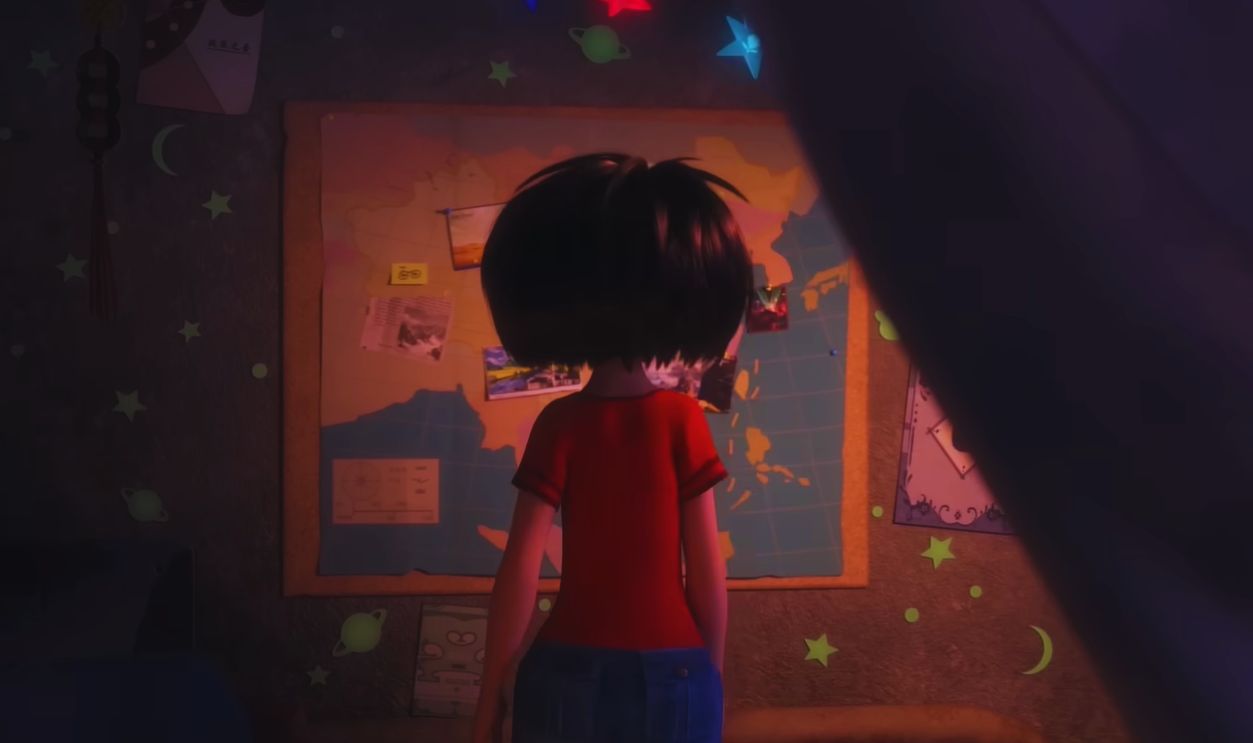 Screenshot from Abominable, Universal Pictures (2019)
The Texas Chain Saw Massacre (1974)
Europe had a long, complicated relationship with this horror classic. Finland banned it for over two decades, and the UK banned it for 25 years. At one point, even the word chainsaw was forbidden from movie titles.
Ironically, director Tobe Hooper argued the film relied more on suggestion than gore. The chaos people remembered often existed more in their imagination than on screen.
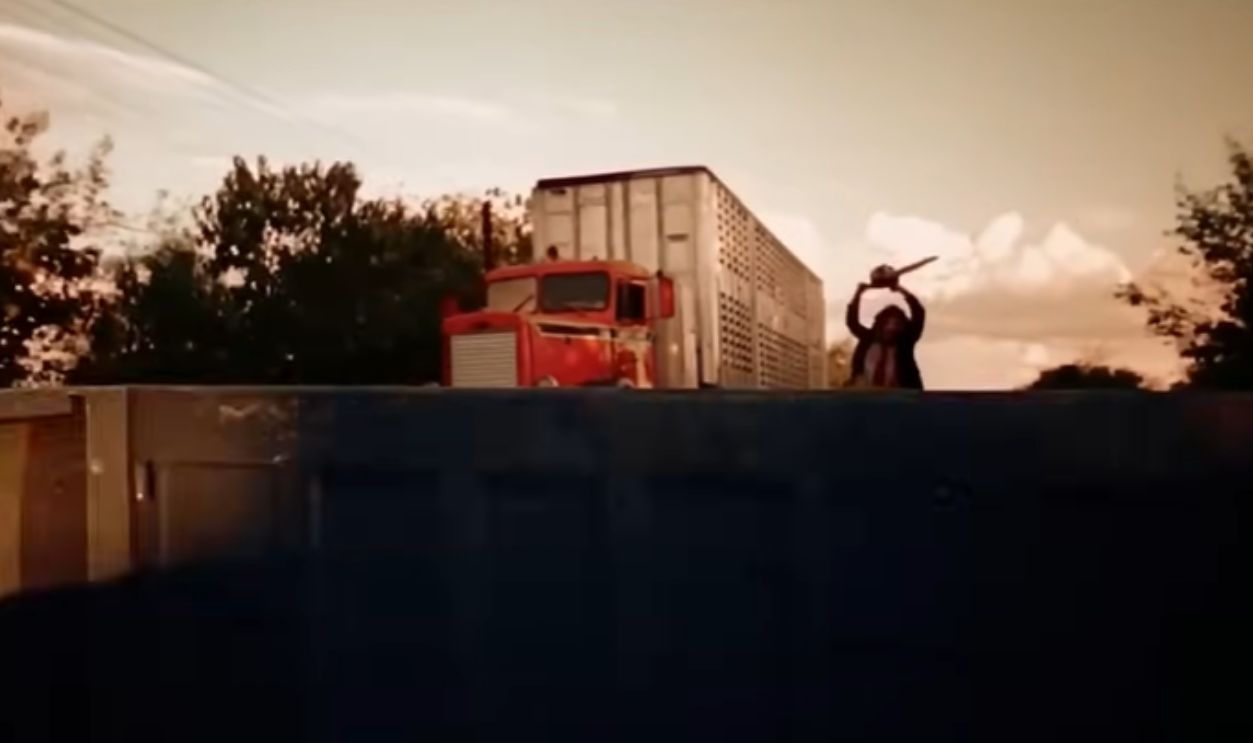 Screenshot from The Texas Chain Saw Massacre, Bryanston Pictures (1974)
Lightyear (2022)
A brief same gender kiss between two women led to Lightyear being banned across multiple countries. The scene was gentle and lasted seconds—but that didn’t matter. Disney briefly removed the scene, then reinstated it after internal backlash. Some countries released edited versions anyway, proving how negotiable representation can become under pressure.
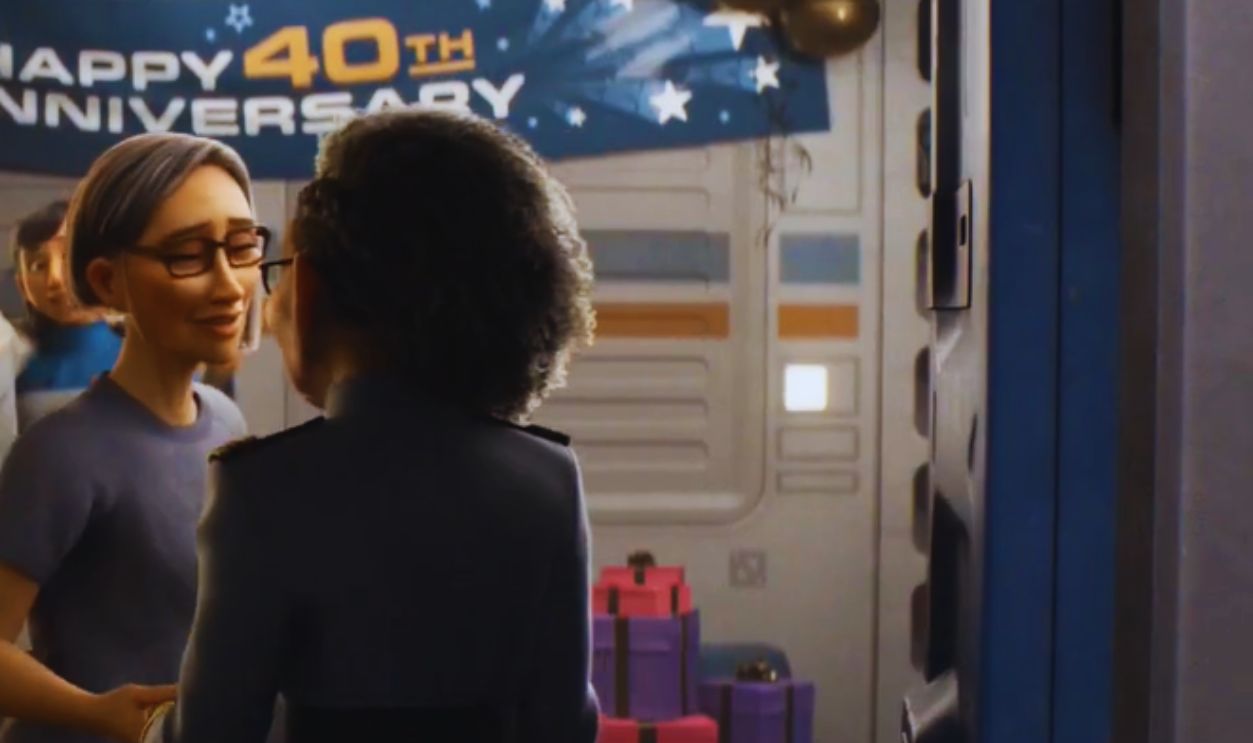 Screenshot from Lightyear, Walt Disney Studios Motion Pictures (2022)
Eternals (2021)
Marvel’s first openly gay superhero brought Eternals trouble in several regions. The film was banned outright in countries where depictions of same-gender relationships or gods conflicted with local norms. In some cases, the LGBTQ+ storyline was the issue. In others, the idea of immortal beings resembling deities crossed a religious line.
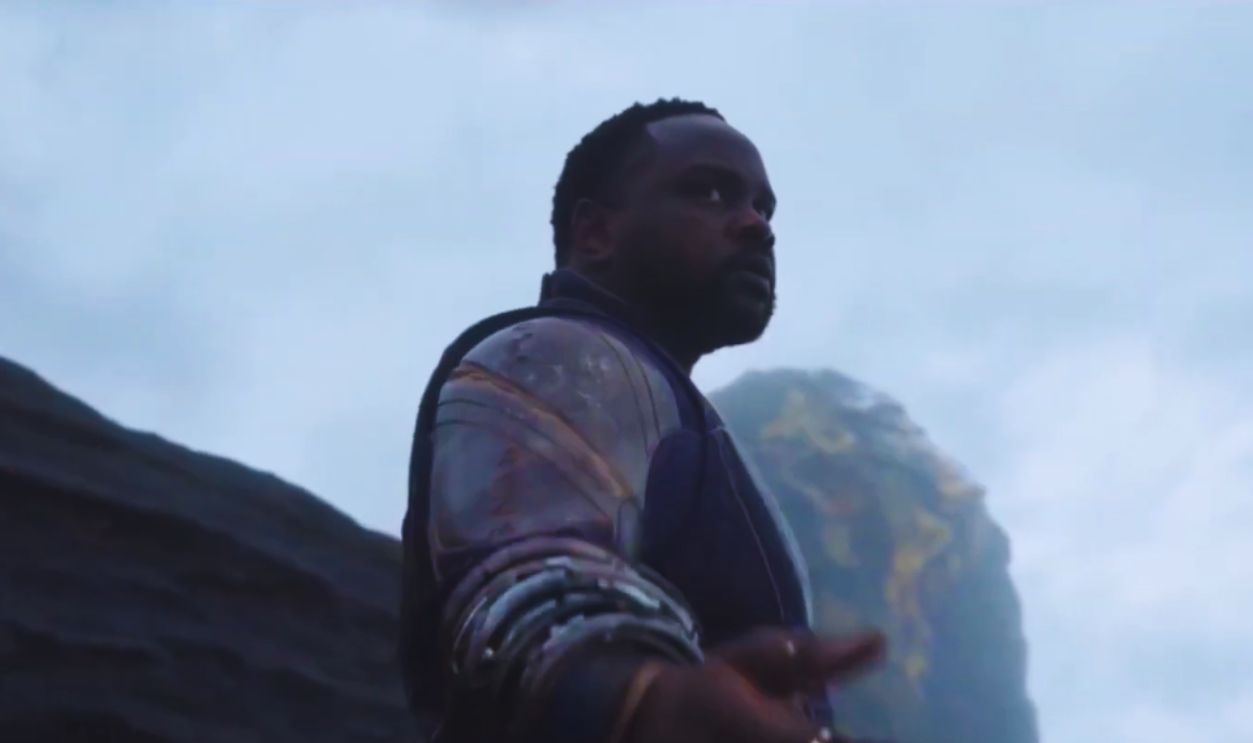 Screenshot from Eternals, The Marvels (2021)
Fifty Shades of Grey (2015)
This one’s less surprising. Fifty Shades of Grey was banned in multiple countries for its explicit content. Some governments offered to allow heavily edited versions, but the required cuts were so extreme the studios walked away. When you’d need to remove over half the movie, it’s probably easier to ban it entirely.
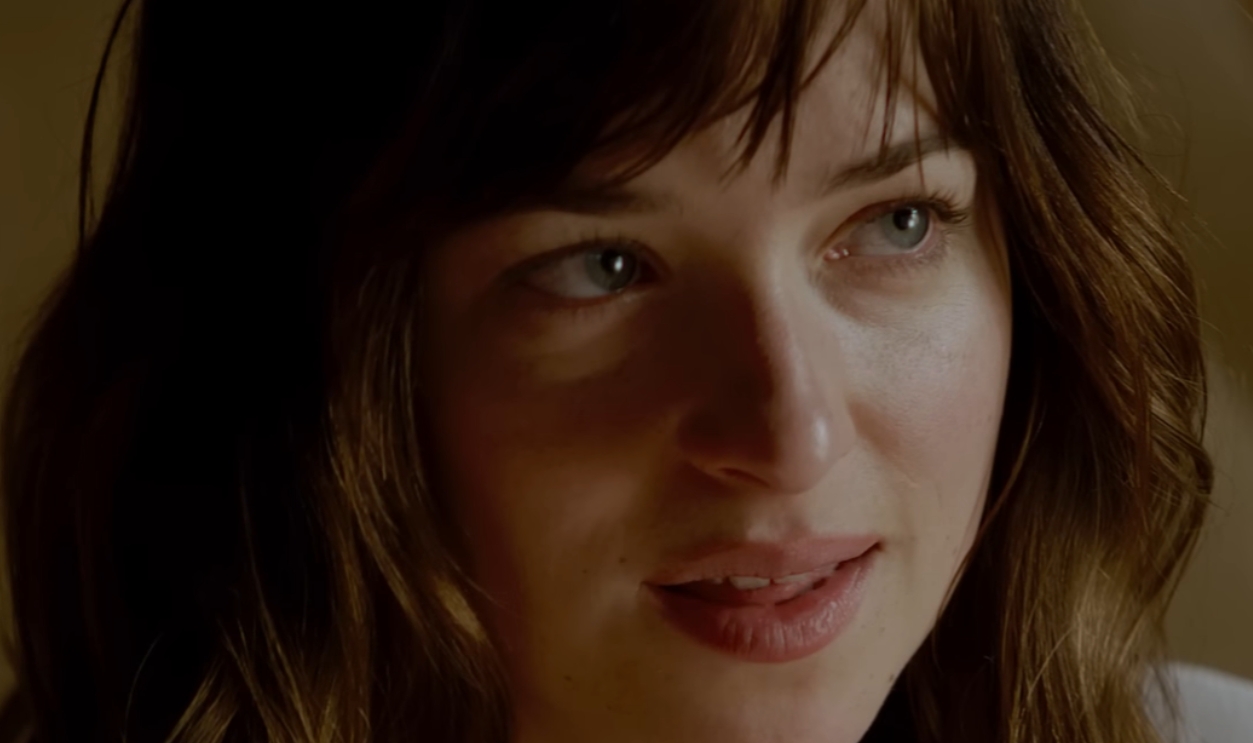 Screenshot from Fifty Shades of Grey, Universal Pictures (2015)
Borat (2006)
Sacha Baron Cohen’s mockumentary offended enough people to get banned in several countries, including Russia. Officials cited concerns about religious and national sensibilities. Considering the film’s entire purpose was to provoke discomfort, the ban almost felt like confirmation that it hit its target.
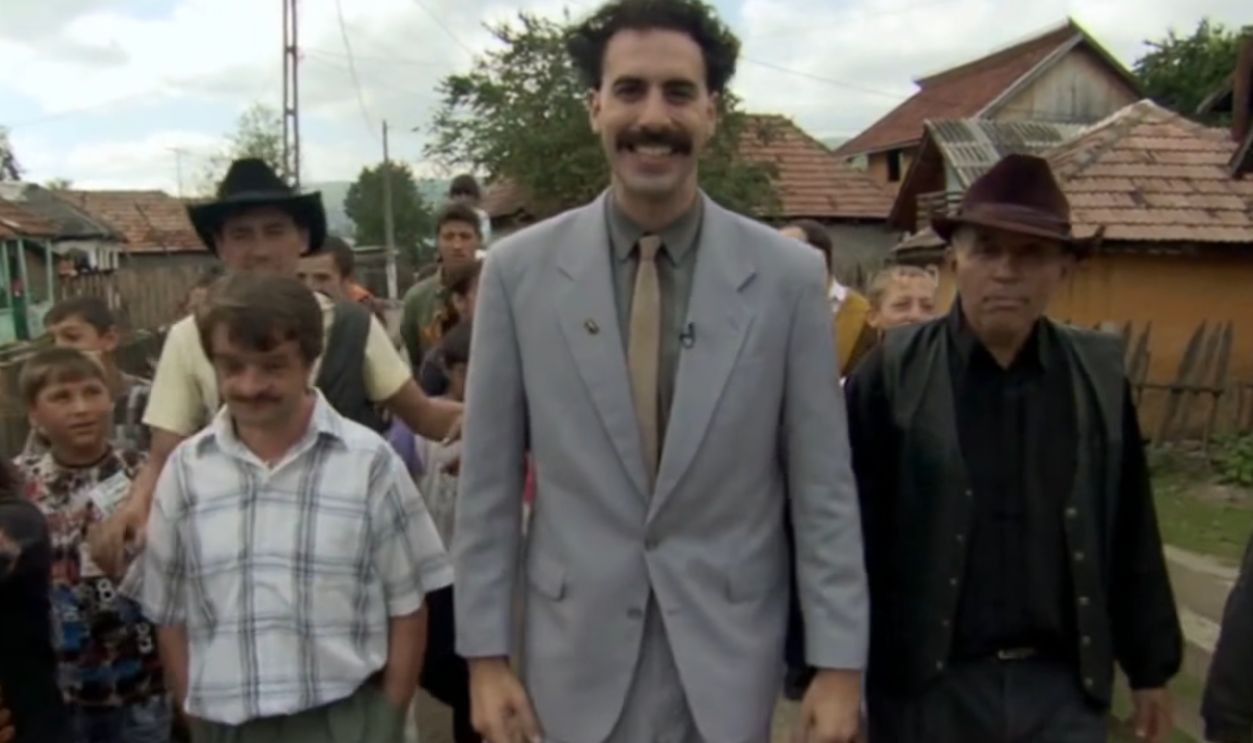 Screenshot from Borat, Four By Two Films (2006)
The Da Vinci Code (2006)
Religious outrage followed this adaptation around the globe. Several countries banned it for being blasphemous and misrepresenting Christian and Islamic beliefs. Despite being a fictional thriller, authorities treated it like a theological indictment rather than entertainment.
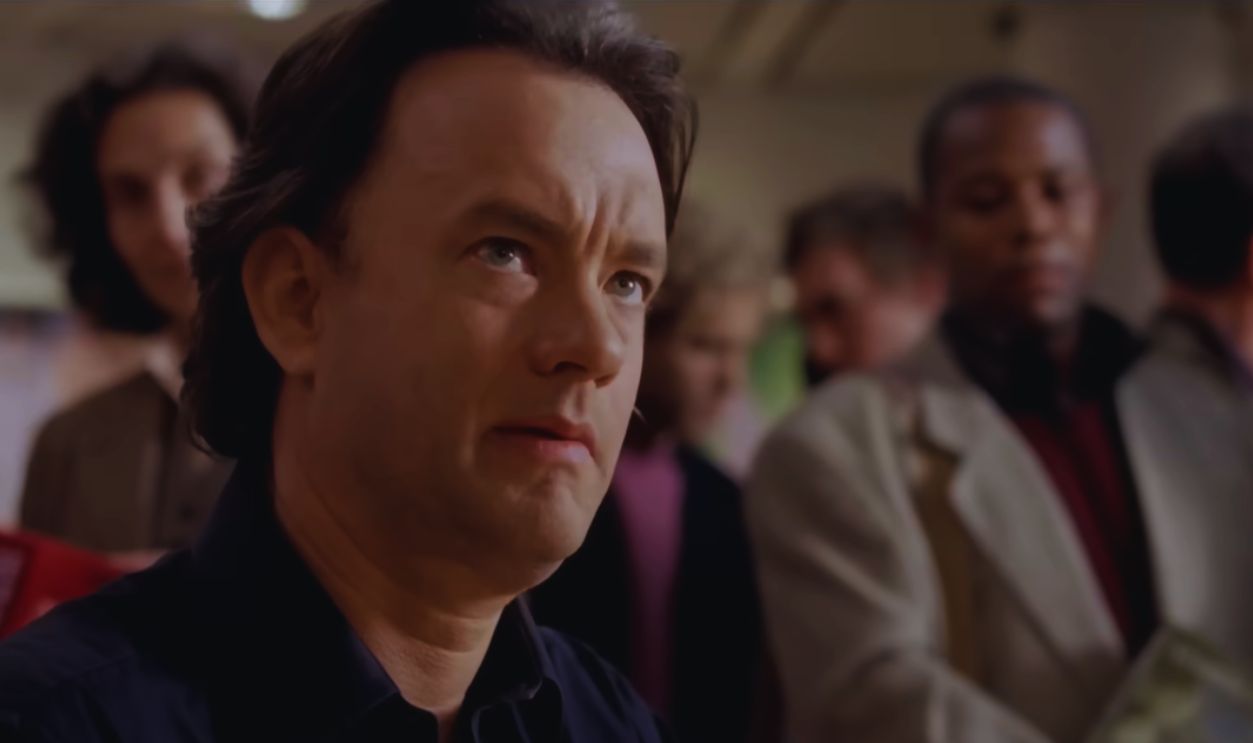 Screenshot from The Da Vinci Code, Columbia Pictures (2006)
Wonder Woman (2017)
Wonder Woman was banned in Tunisia and Lebanon due to Gal Gadot’s public political statements and nationality. The film itself wasn’t the issue—the star was. Even more confusing, other movies featuring Gadot have been allowed in the same regions, making enforcement feel selective at best.
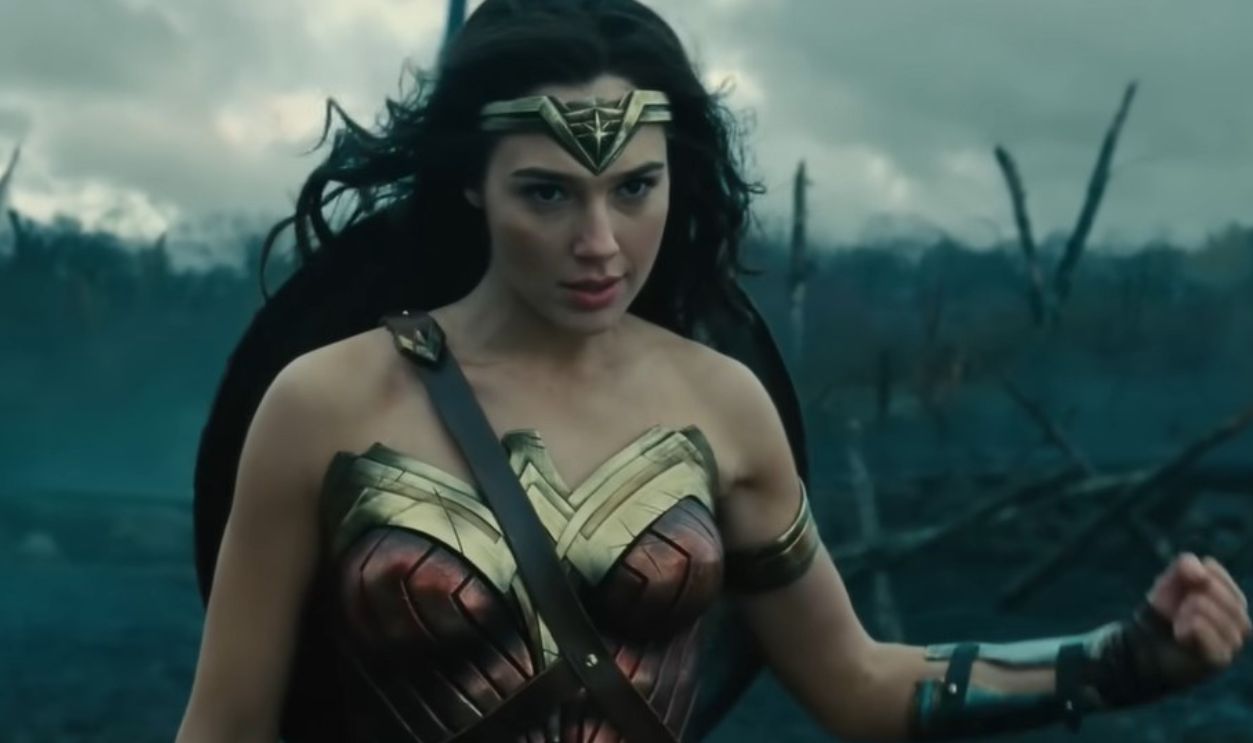 Screenshot from Wonder Woman, Warner Bros. Pictures (2017)
The Human Centipede 2 (2011)
Australia initially refused classification to this sequel due to its extreme danger and mistreatment. Without a rating, the film couldn’t be sold, shown, or even imported legally. After edits, it eventually returned—but not without cementing its reputation as one of the most disturbing movies ever released.
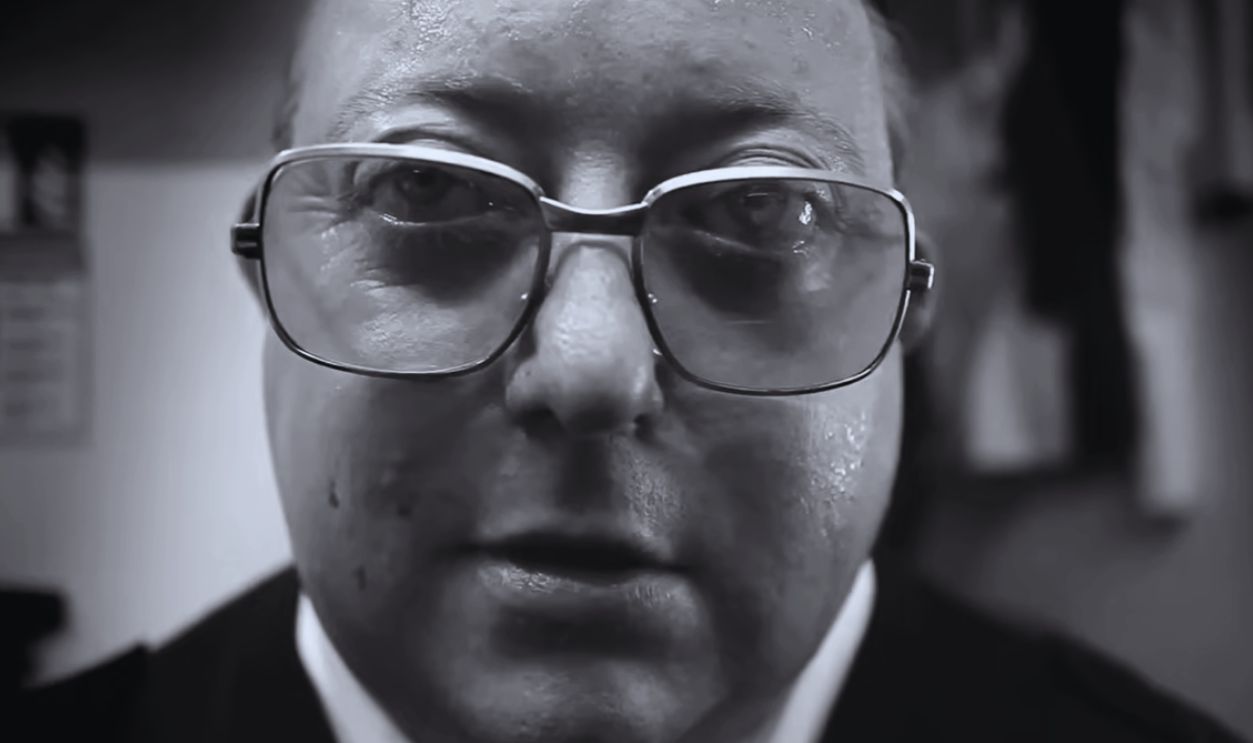 Screenshot from The Human Centipede 2 (Full Sequence), IFC Midnight (2011)
Onward (2020)
This Pixar fantasy adventure was banned in several Middle Eastern countries for including a minor reference to an openly gay character. The moment was brief, but it crossed censorship lines anyway. Other versions quietly edited dialogue or avoided gendered language altogether, resulting in awkward narrative gymnastics.
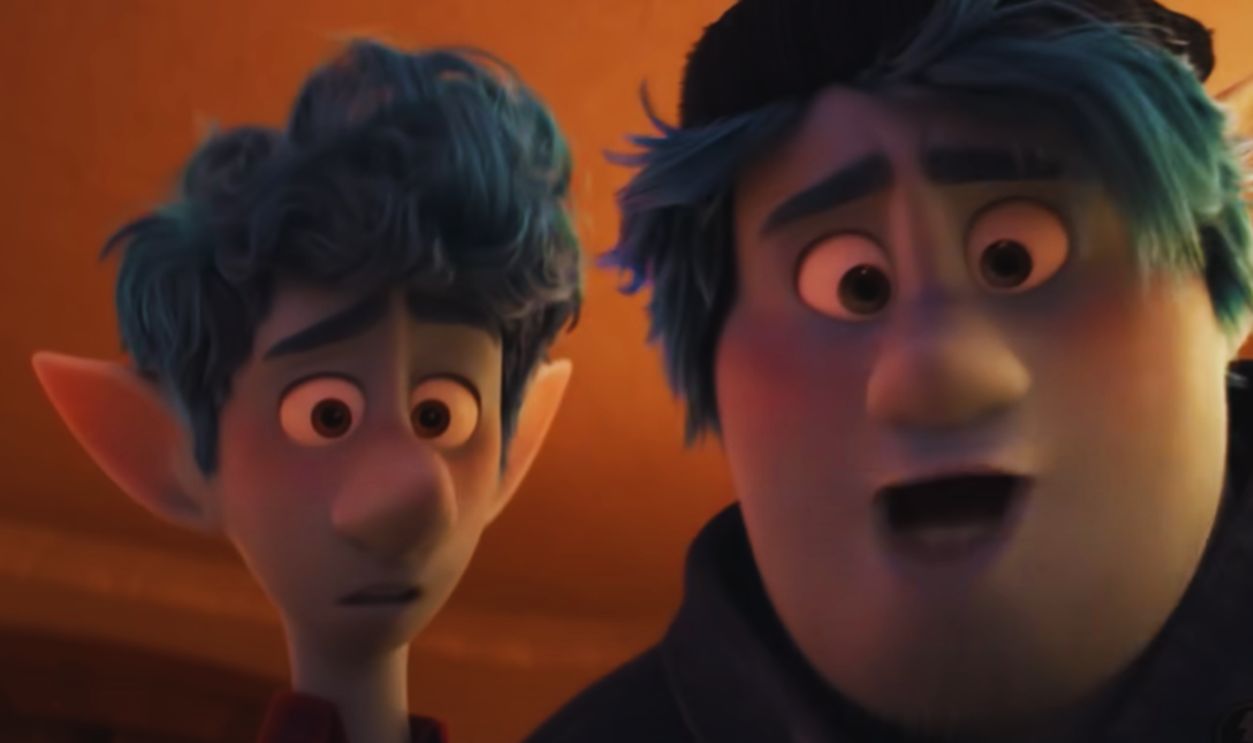 Screenshot from Onward, Walt Disney Studios Motion Pictures (2020)
The Phantom of the Opera (1925)
This silent film was banned in the UK for being too horrifying. Lon Chaney’s makeup alone was enough to unsettle audiences in the 1920s. Producers tried to fight the ban, but regulators refused to budge. Nearly a century later, the controversy feels oddly charming.
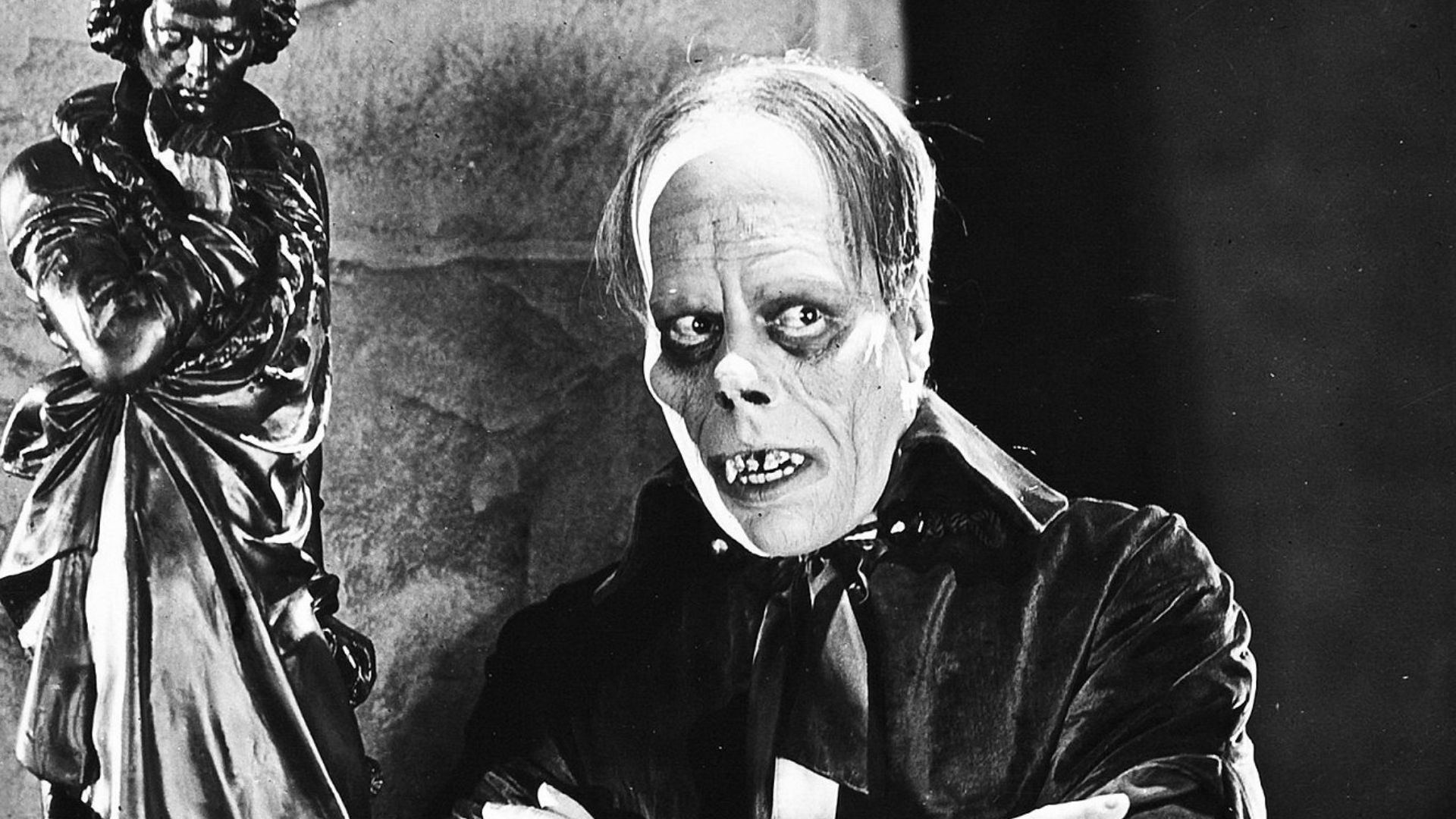 Universal Pictures, Wikimedia Commons
Natural Born Killers (1994)
Ireland banned Oliver Stone’s violent satire over fears it would inspire copycats. The UK delayed its release for similar concerns. Stone argued the film was criticizing media obsession with danger, not glorifying it. That nuance didn’t save it from censorship.
 Screenshot from Natural Born Killers, Warner Bros. Pictures (1994)
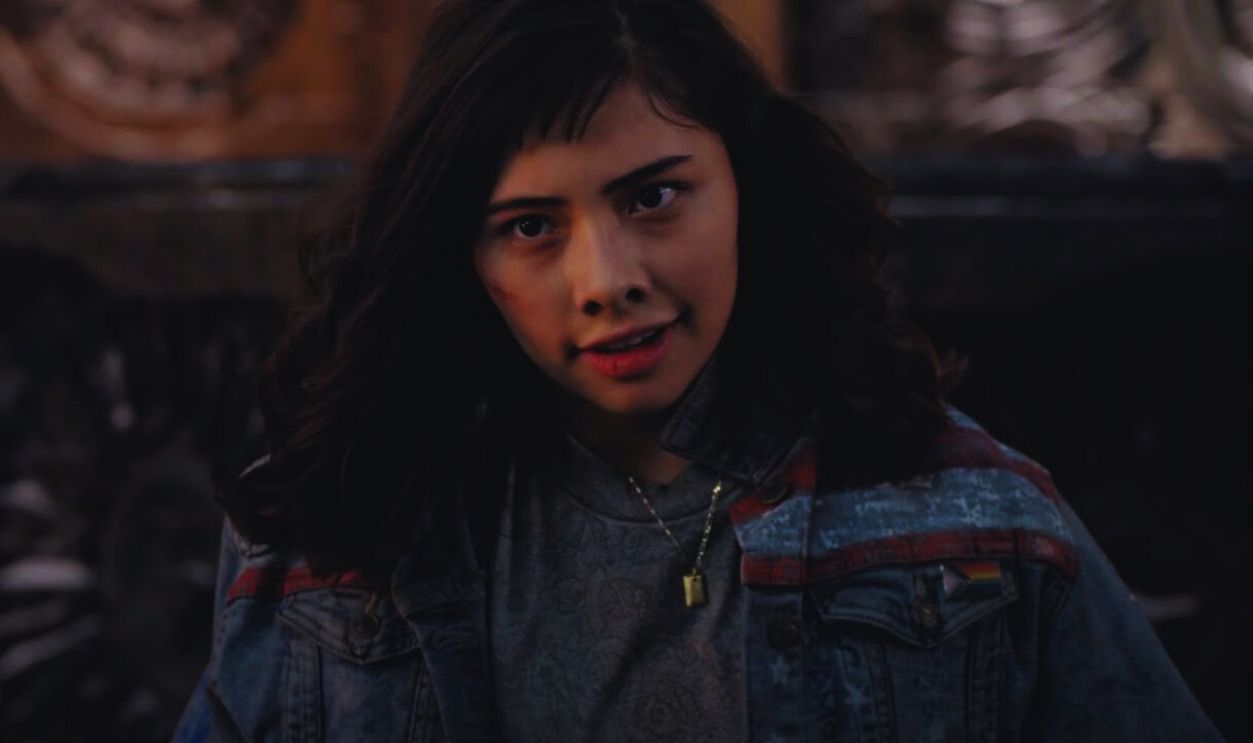
Doctor Strange in the Multiverse of Madness (2022)
This Marvel sequel was banned in multiple countries for featuring America Chavez, a canonically gay character. Her sexuality wasn’t the focus of the plot, but it was visible enough to trigger bans. Once again, a few seconds of representation outweighed the rest of the movie.
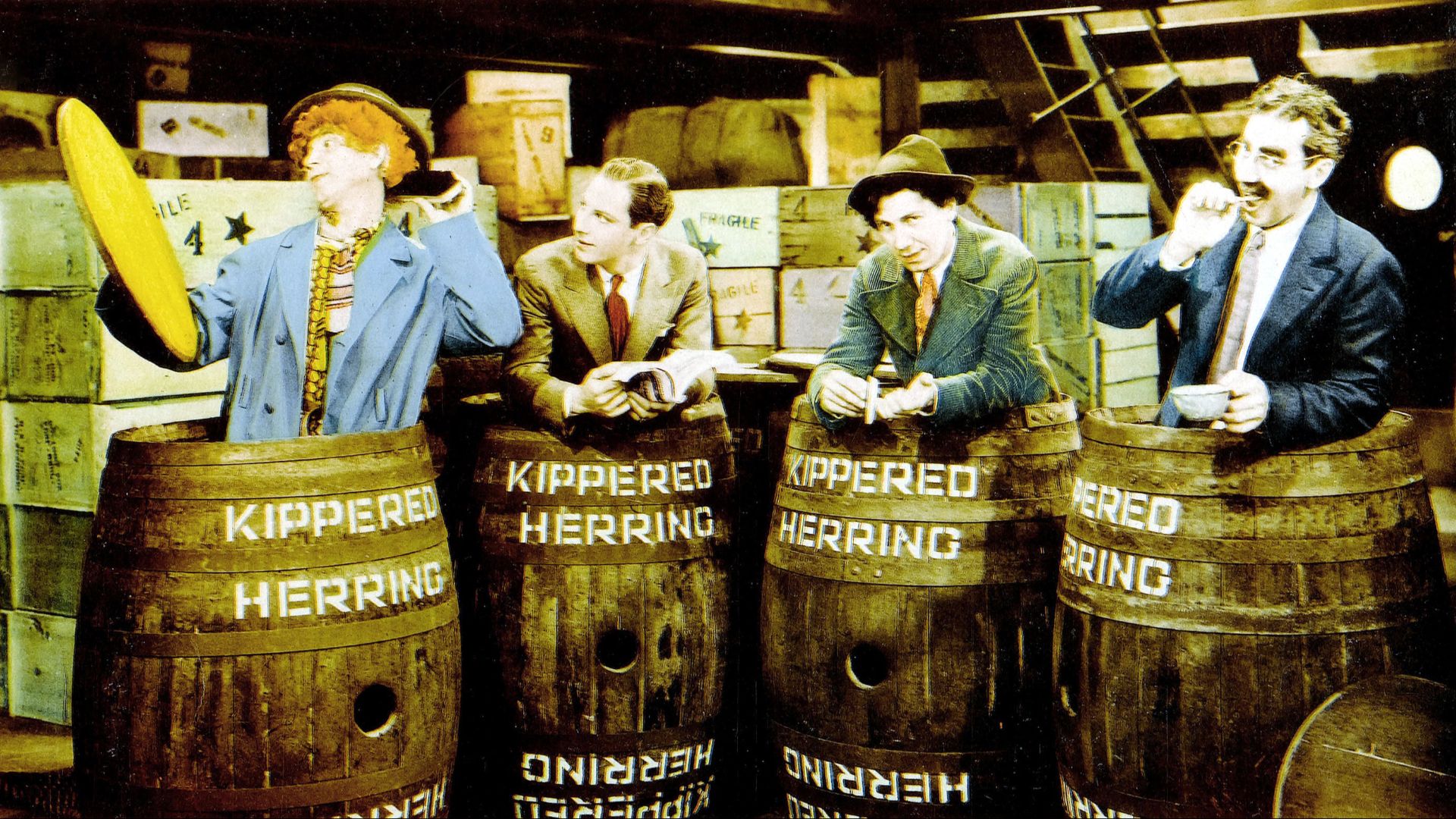
Monkey Business (1931)
One Marx Brothers film was banned in Ireland for nearly 70 years because officials feared it would provoke anarchy. Yes—anarchy. Apparently, slapstick comedy was considered a genuine danger to social order.
 Paramount Pictures, Wikimedia Commons
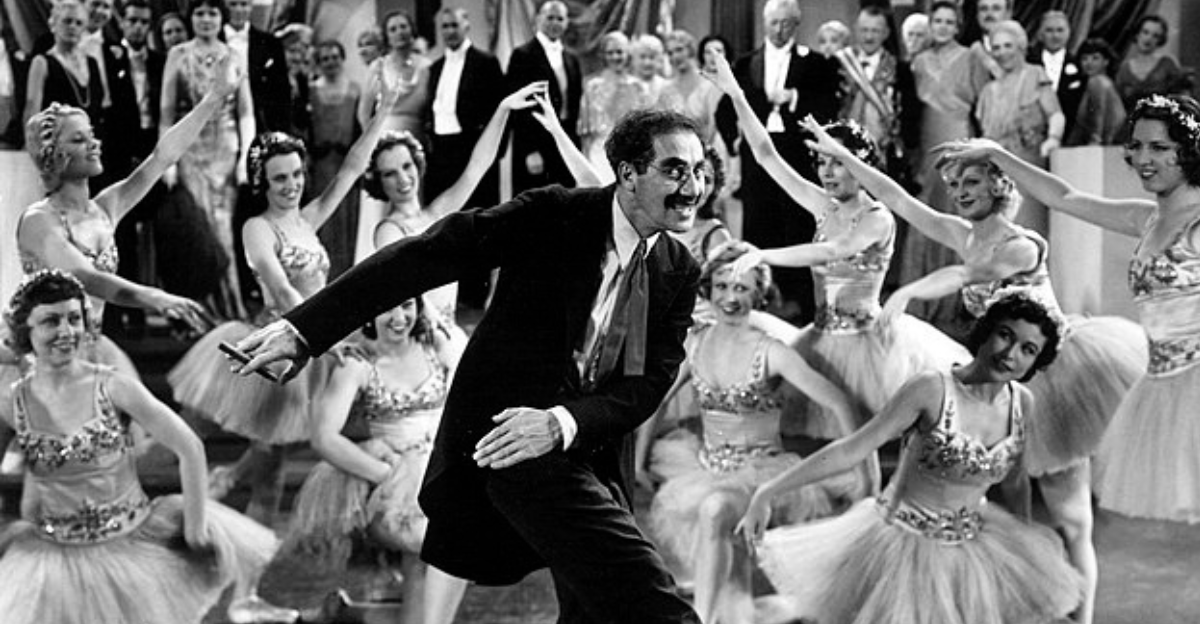
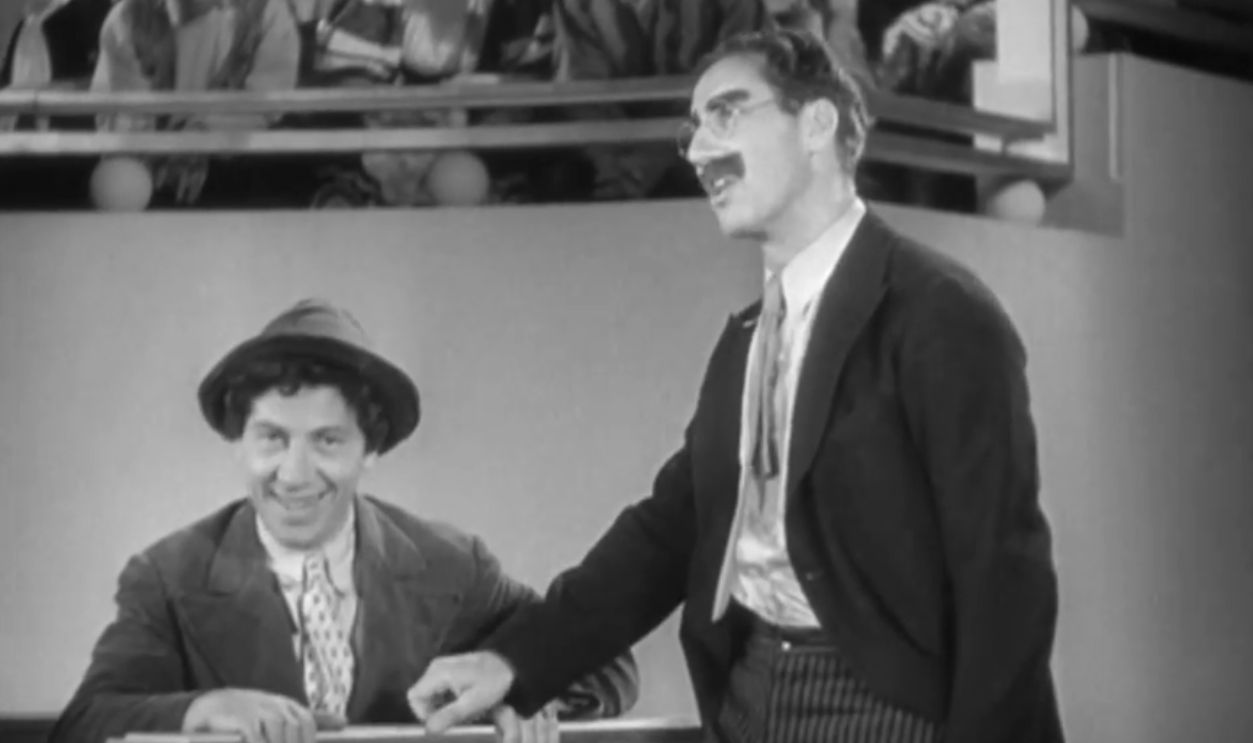
Duck Soup (1933)
Benito Mussolini personally banned Duck Soup in Italy because it mocked dictators. The satire hit a little too close to home. When a comedy makes a leader feel personally insulted, it’s probably doing something right.
 Screenshot from Duck Soup, Paramount Pictures (1933)
You May Also Like:
These are the best romantic French films you can stream with subtitles today.
20 Years Ago, These Controversial Movies Were Hits—Today They’d Spark Outrage
Movies That Prove The 80s Were The Best Decade In Film
Source: 1