When Hollywood Just Couldn’t Leave Well Enough Alone
Some movies end so perfectly that audiences walk out satisfied, emotionally complete, and ready to move on with their lives. Naturally, Hollywood looks at that moment and says, “But what if we did it again… worse?” Sequels can be incredible when there’s a real story left to tell, but when the original already wrapped things up neatly, a follow-up can feel less like a continuation and more like an awkward reunion no one asked for.
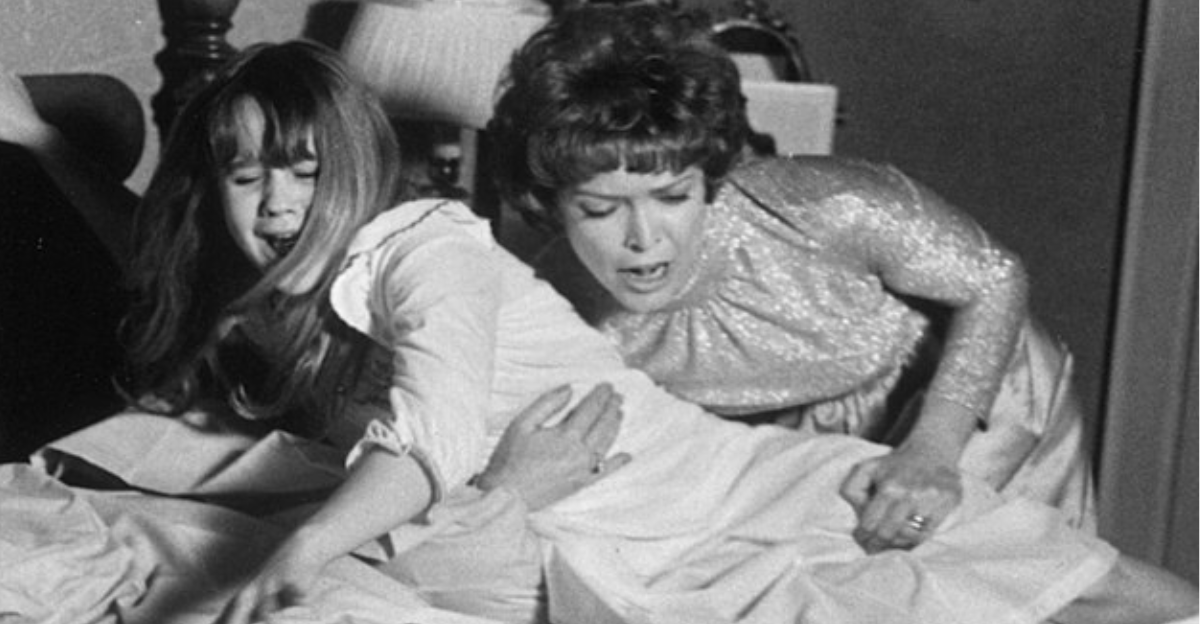
Jaws: The Revenge
The original Jaws terrified audiences with restraint, atmosphere, and a shark that barely needed to be seen. By the time The Revenge arrived, the subtle horror had been replaced with a shark that seemed to hold personal grudges. Fans couldn’t get past how absurd the premise became, especially when the shark appeared to follow characters across the ocean with suspicious intent.
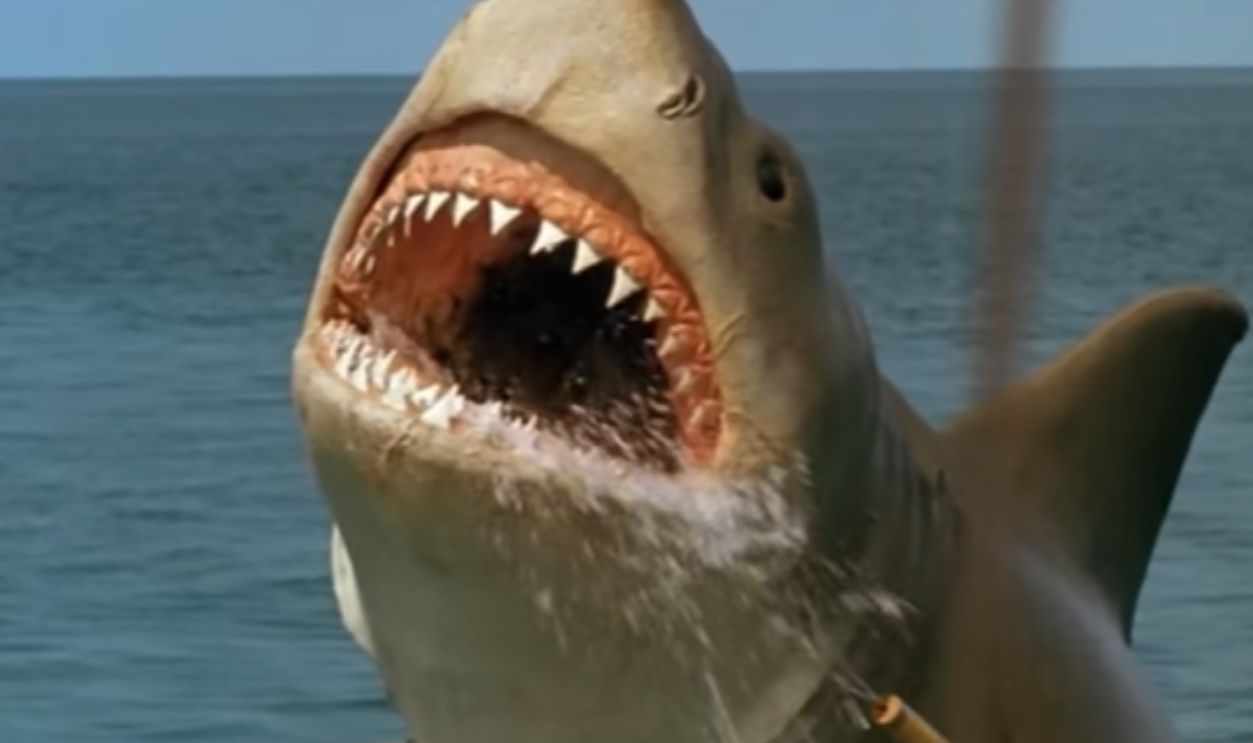 Screenshot from Jaws: The Revenge, Universal Pictures (1987)
Speed 2: Cruise Control
Speed worked because it was simple, fast, and relentless. A bus, a bomb, and no time to think. Speed 2 decided to remove nearly all of that tension by setting the action on a cruise ship that moved at a leisurely pace. Fans felt the sequel misunderstood what made the original thrilling. Without urgency or novelty, the movie drifted along, proving that not every high-concept hit needs a follow-up.
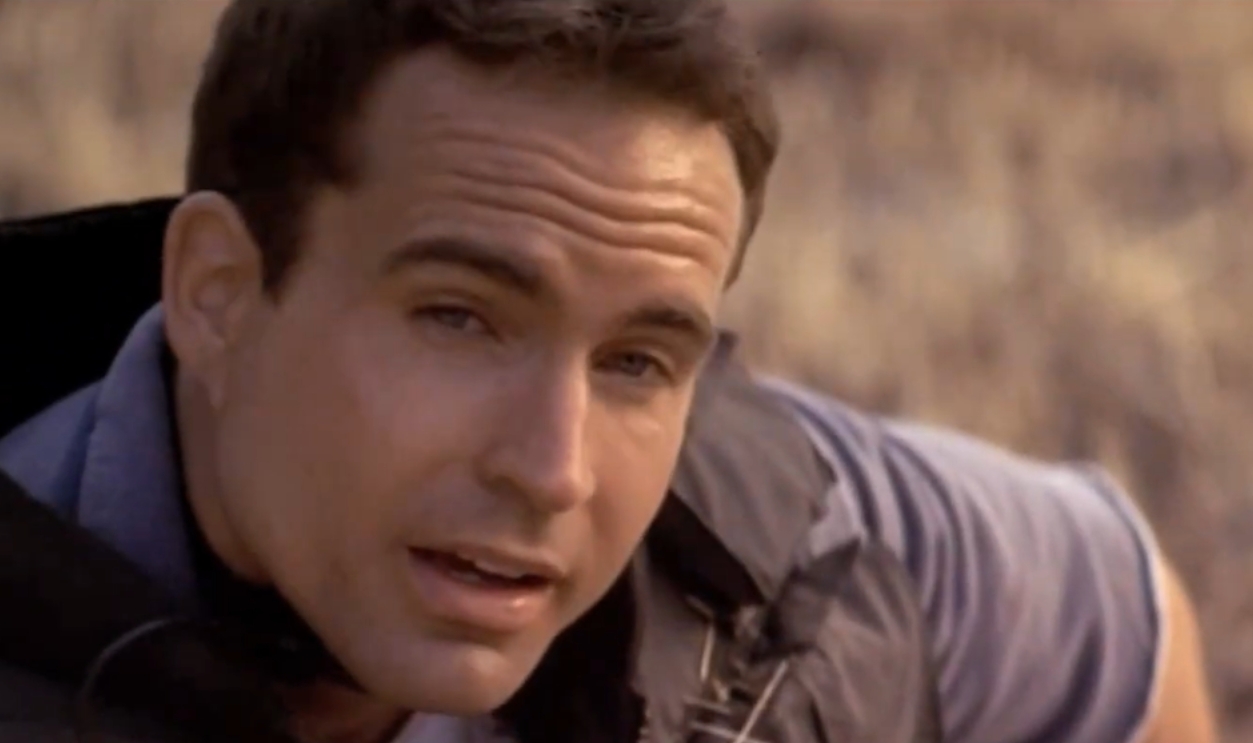 Screenshot from Speed 2: Cruise Control, 20th Century Fox (1997)
The Hangover Part III
The first Hangover was chaotic, surprising, and genuinely funny. The second already felt like a retread, but the third confused fans even more by abandoning the original formula entirely. What remained was darker, less comedic, and oddly joyless. Many fans felt the trilogy ended on a note that didn’t reflect why they loved the series in the first place. Instead of escalating the comedy, it drained it.
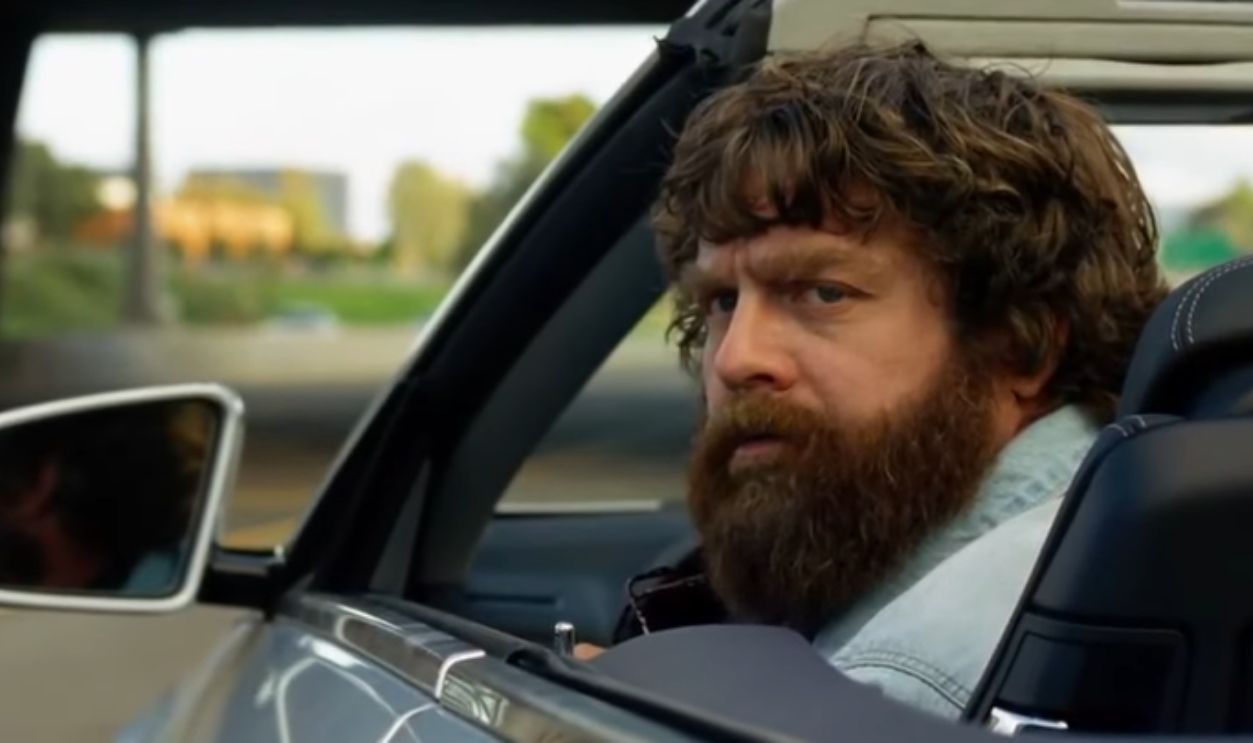 Screenshot from The Hangover Part III, Warner Bros. Pictures. (2013)
Basic Instinct 2
The original Basic Instinct thrived on controversy, tension, and cultural timing. Its sequel arrived years later with none of that impact and all of the awkwardness. Fans felt it existed purely because the title still had recognition.
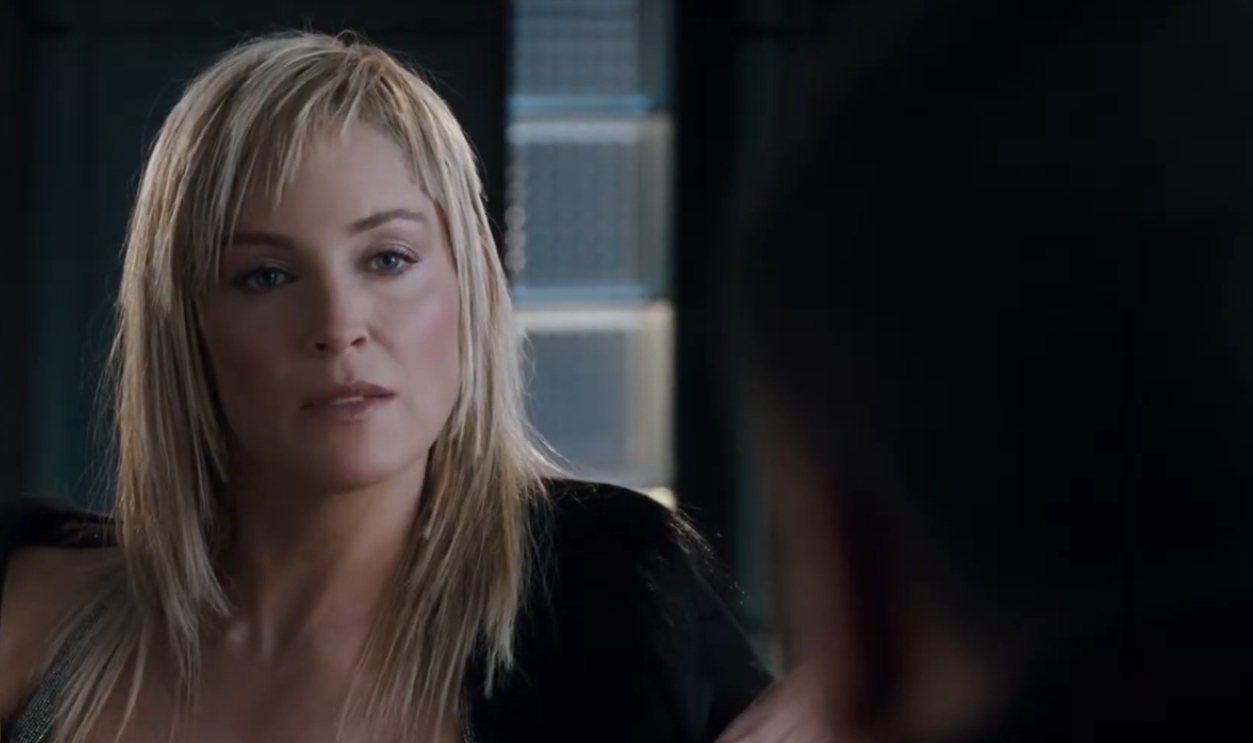 Screenshot from Basic Instinct 2: Risk Addiction, Metro-Goldwyn-Mayer (MGM) (2006)
Son of the Mask
The Mask succeeded because of Jim Carrey’s energy and physical comedy. Removing him from the sequel left fans watching a movie that tried to replicate chaos without the performer who made it work. The result was louder, sillier, and significantly less funny.
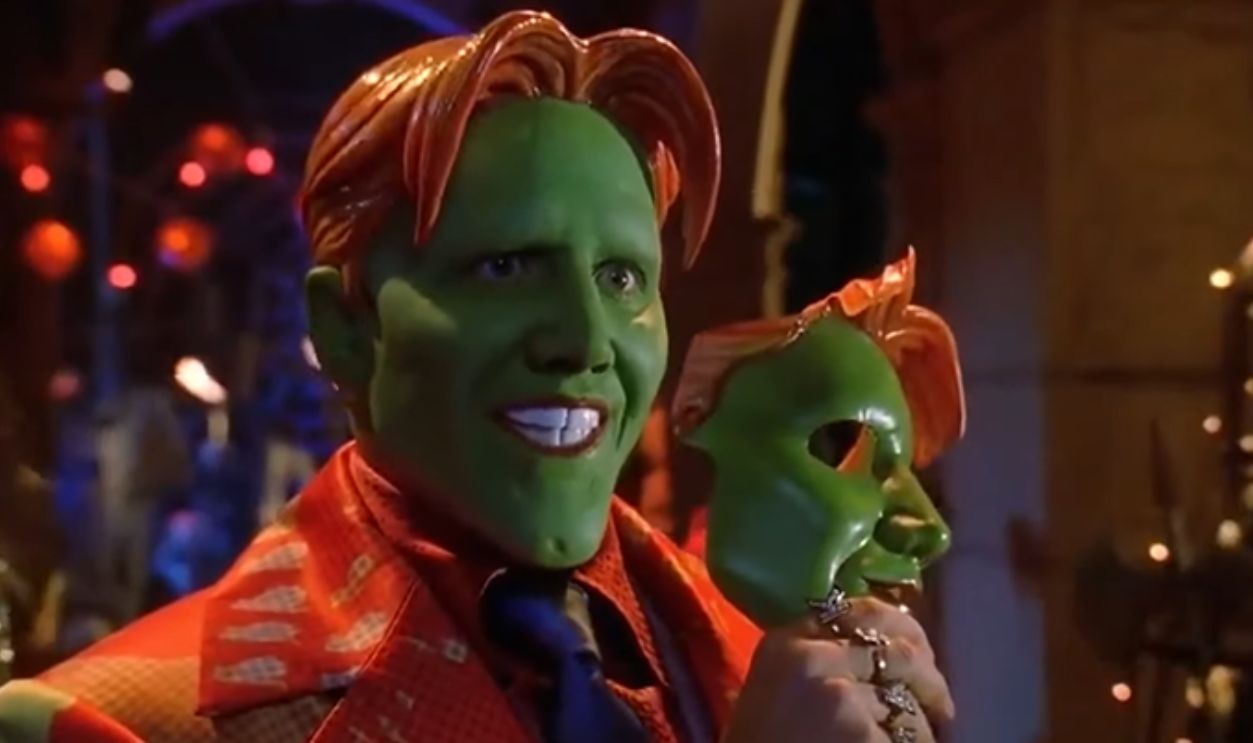 Screenshot from Son of the Mask, New Line Cinema (2005)
Dumb and Dumber To
The original Dumb and Dumber was lightning in a bottle—stupid in the best way and endlessly quotable. Decades later, the sequel tried to recapture that magic with callbacks instead of cleverness. Fans felt the humor leaned too hard on nostalgia without delivering new laughs.
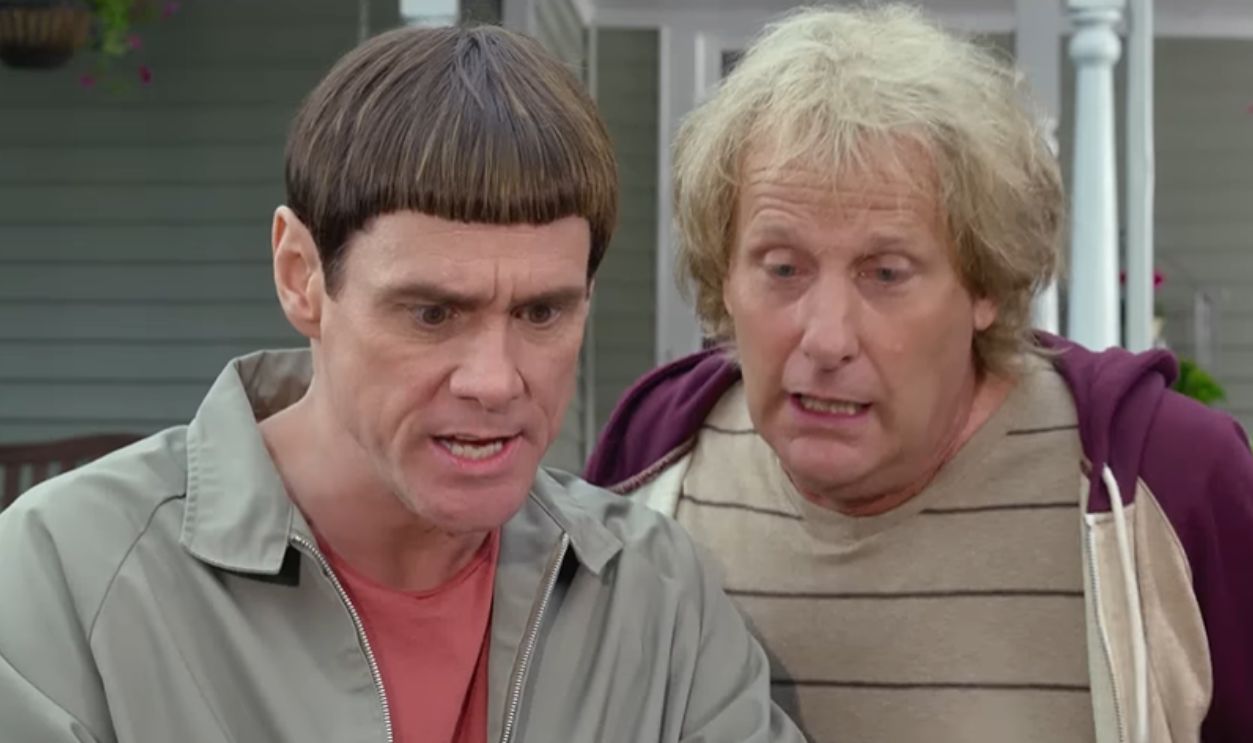 Screenshot from Dumb and Dumber To, Universal Pictures (2014)
Highlander II: The Quickening
Highlander ended with finality, both narratively and thematically. The sequel attempted to undo that ending by introducing convoluted mythology that confused fans and contradicted the original story. The tone shifted wildly, and not in a good way. Fans often cite this as one of the most baffling sequels ever made. It didn’t just continue the story—it rewrote it badly.
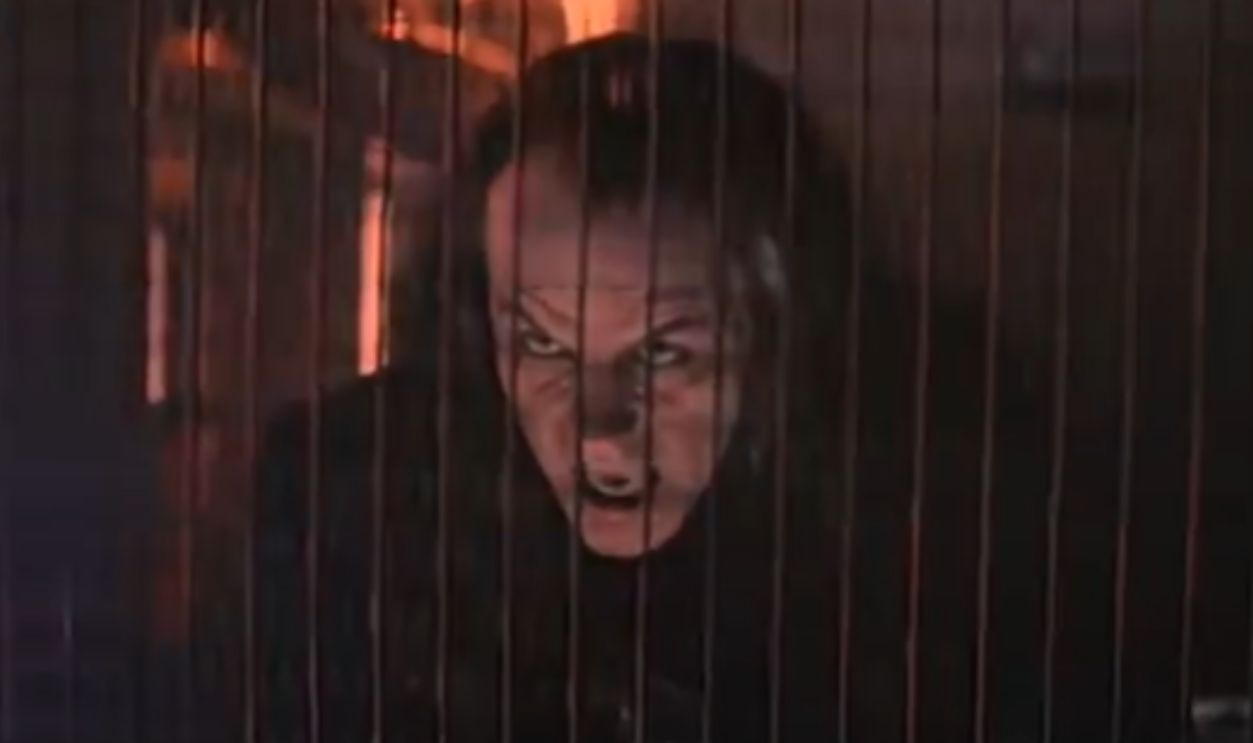 Screenshot from Highlander II: The Quickening, InterStar Releasing (1991)
Caddyshack II
Caddyshack became a cult classic thanks to its anarchic humor and iconic performances. The sequel replaced much of the original cast and charm with watered-down jokes. Fans immediately noticed the missing spark.
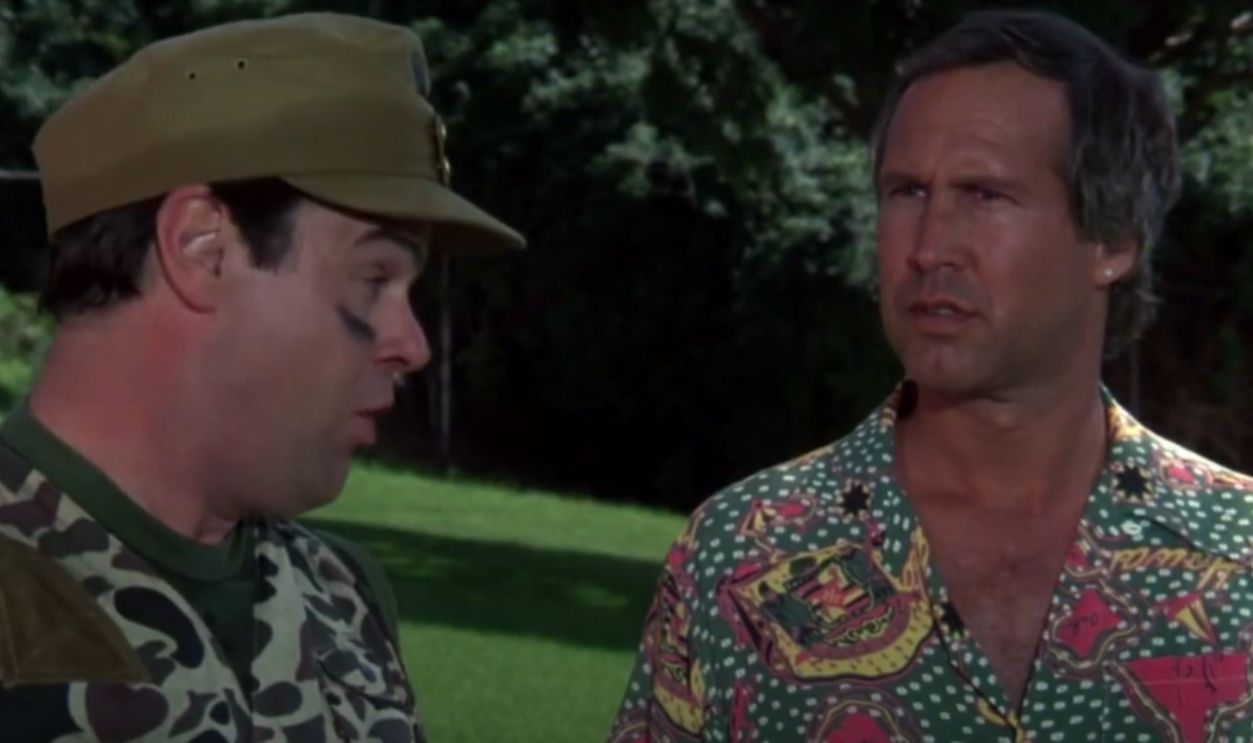 Screenshot from Caddyshack 2, Warner Bros. (1988)
Grease 2
Grease wrapped up its romance with style and finality, making a sequel feel redundant from the start. Grease 2 tried to recreate the formula with new characters, but fans never connected the same way. While it’s gained a small cult following, most fans agree the original didn’t need a continuation. The magic was already spent.
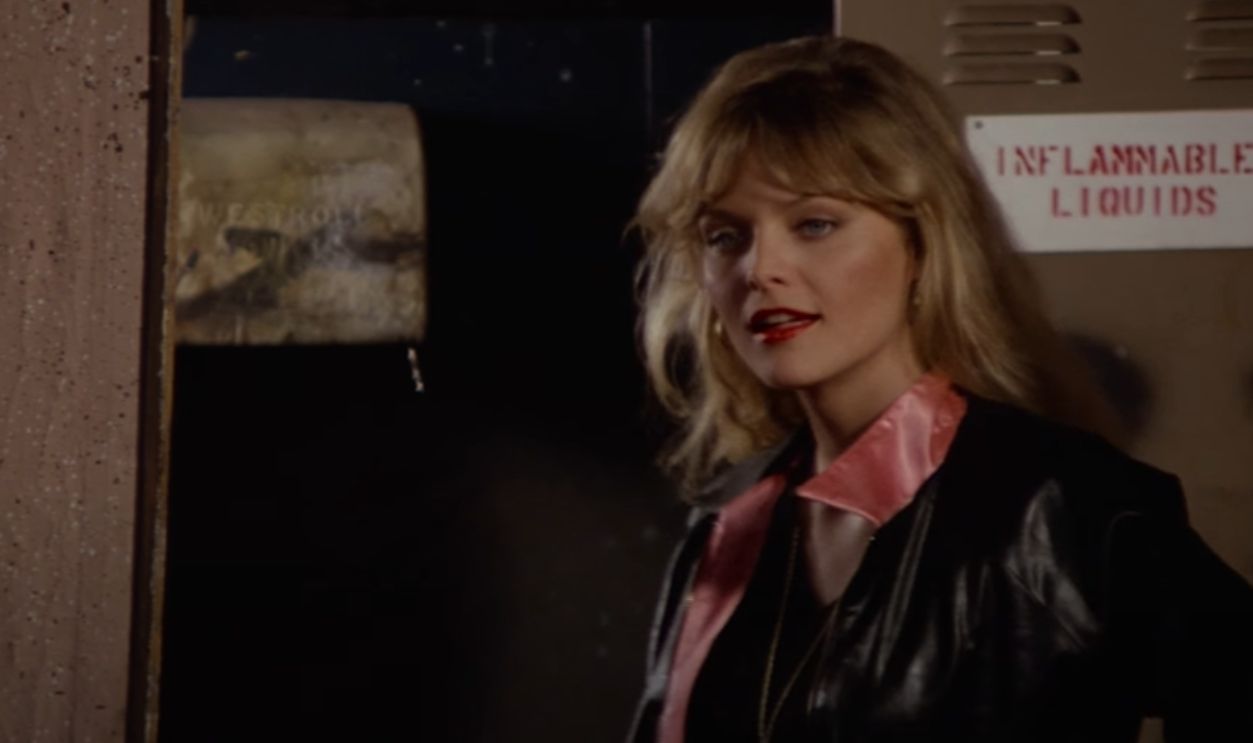 Screenshot from Grease 2, Paramount Pictures (1982)
Exorcist II: The Heretic
The Exorcist is widely considered one of the greatest horror films ever made. Its sequel attempted to expand the mythology but instead confused audiences with strange choices and a lack of genuine terror. Fans felt the sequel undermined the original’s power. Instead of deepening the horror, it diluted it.
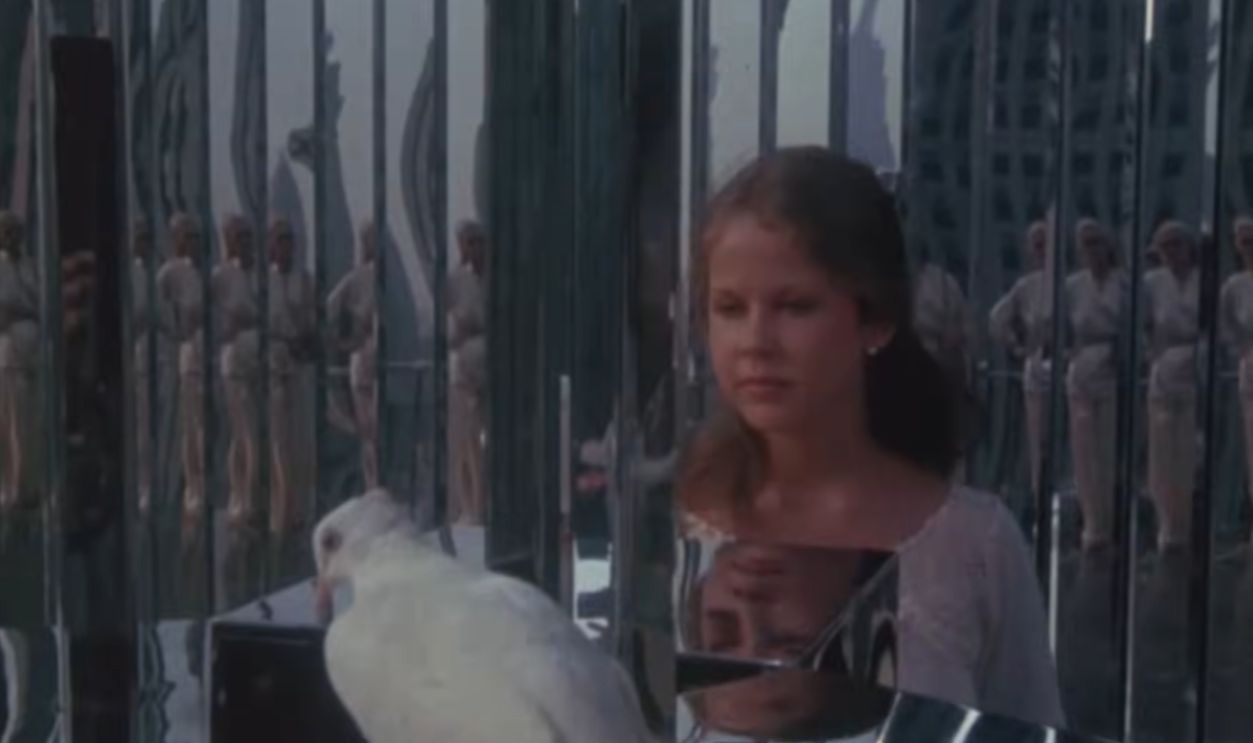 Screenshot from Exorcist II: The Heretic, Warner Bros. Pictures (1977)
Independence Day: Resurgence
The original Independence Day was bombastic, fun, and perfectly contained. The sequel arrived decades later with bigger effects but far less heart. Fans missed the characters and emotional beats that made the first movie work. Without that grounding, the sequel felt like noise. Bigger wasn’t better—it was emptier.
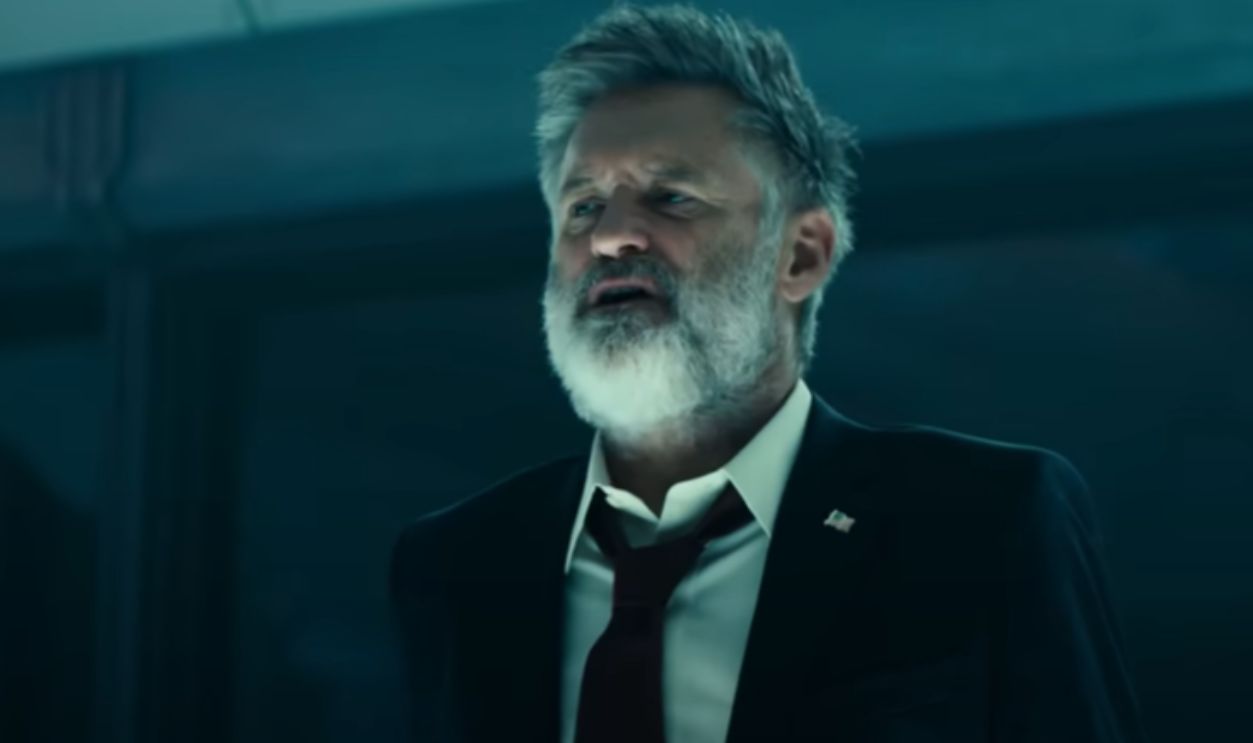 Screenshot from Independence Day: Resurgence, 20th Century Fox (2016)
The Matrix Revolutions
While The Matrix sequels were always divisive, many fans felt the third film pushed things too far. The philosophical ambiguity that intrigued audiences became overwhelming and unsatisfying by the end. Instead of clarity, fans were left with confusion. For many, the original didn’t need an extended explanation at all.
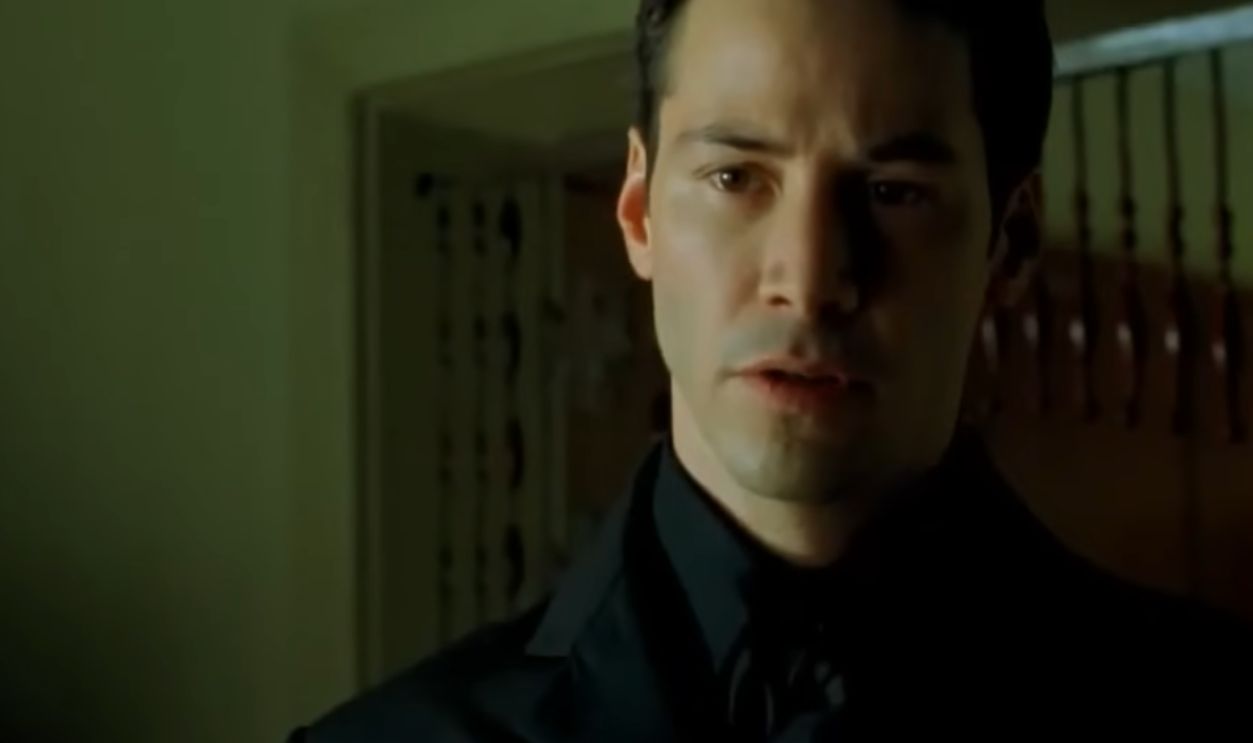 Screenshot from The Matrix Revolutions, Warner Bros. Pictures (2003)
Zoolander 2
Zoolander became iconic thanks to its absurdity and perfect timing. The sequel relied heavily on celebrity cameos and recycled jokes, leaving fans wishing the franchise had stayed frozen in time.
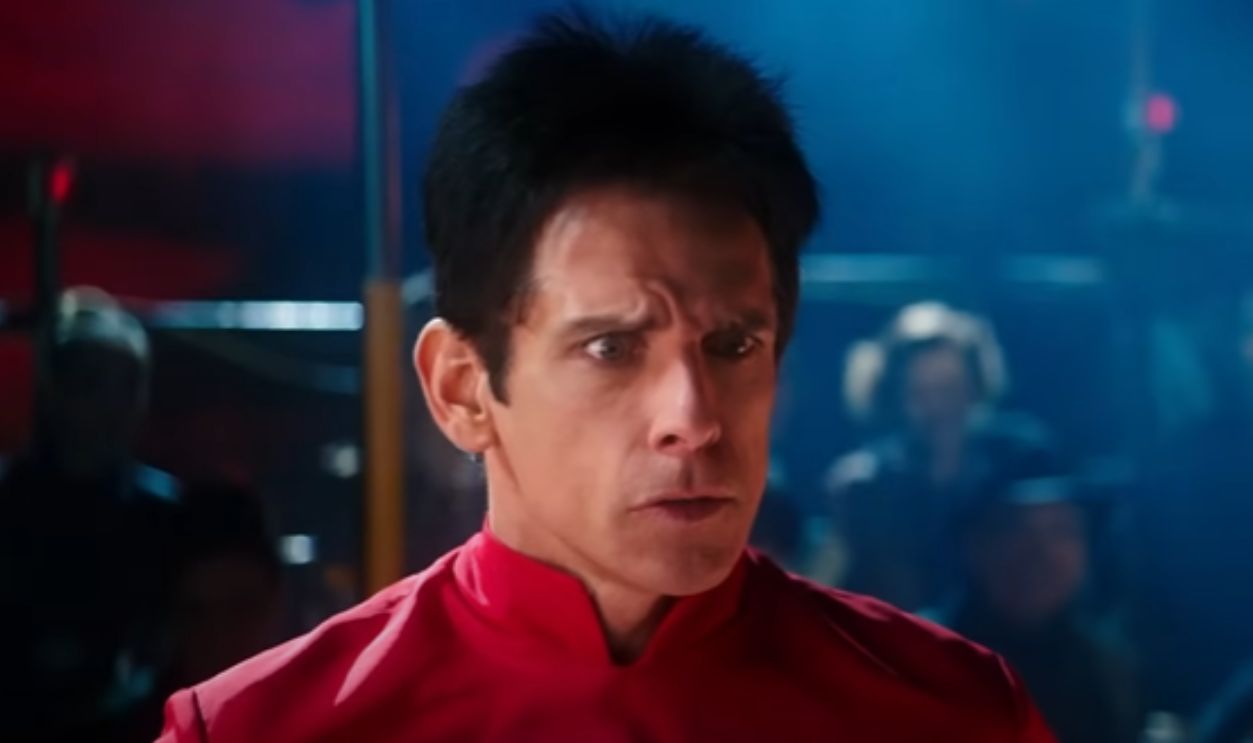 Screenshot from Zoolander 2, Paramount Pictures (2016)
Book of Shadows: Blair Witch 2
The original Blair Witch Project succeeded because of its minimalism and mystery. The sequel abandoned that approach entirely, opting for a more conventional horror style. Fans felt it missed what made the original so unsettling.
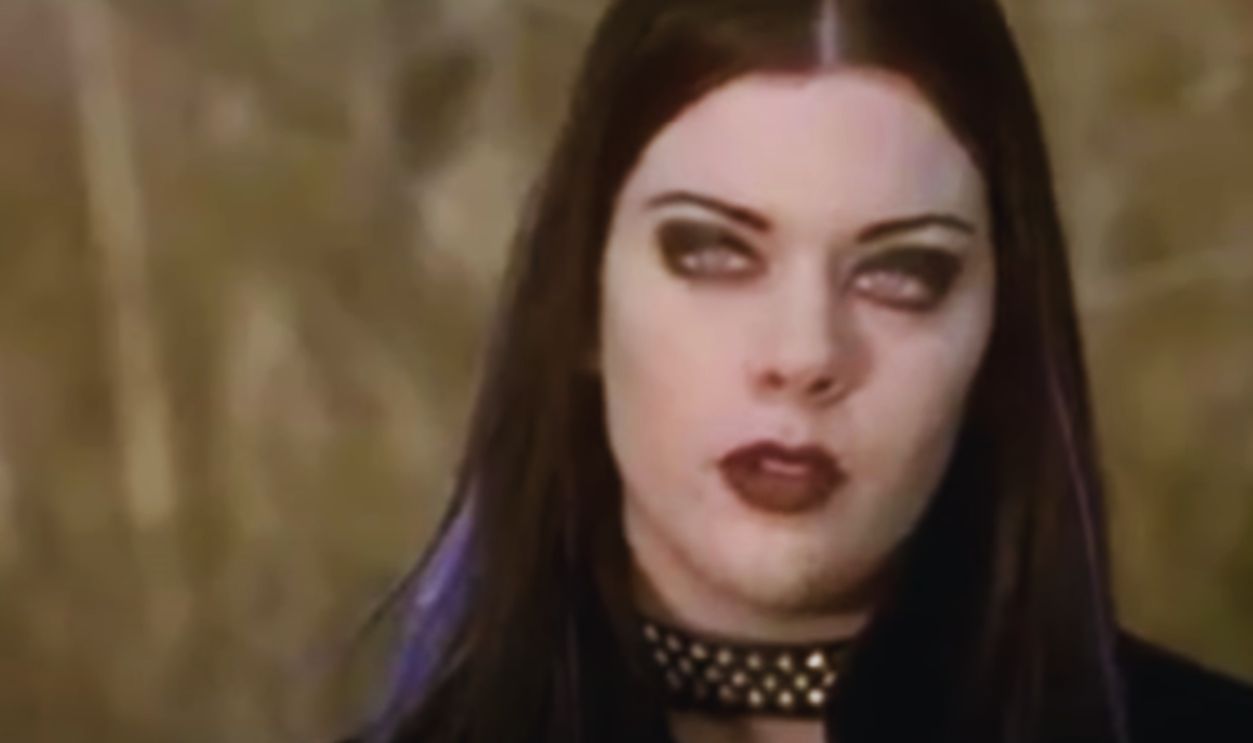 Screenshot from Book of Shadows: Blair Witch 2, Artisan Entertainment (2000)
Mean Girls 2
Mean Girls ended with a clear message about growth and consequences. The sequel, featuring none of the original cast, felt like a cash-in rather than a continuation. Fans struggled to see the connection beyond the title. The sharp satire was replaced with watered-down humor. Most fans pretend it doesn’t exist.
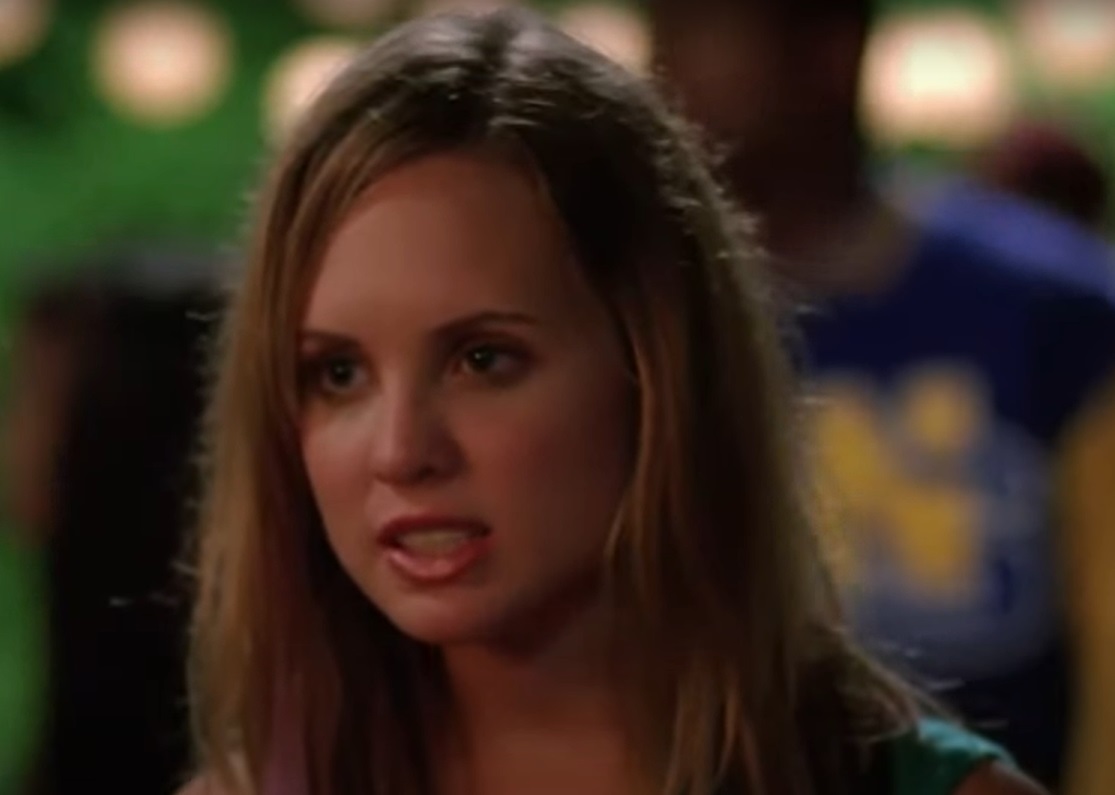 Screenshot from Mean Girls 2, Paramount Home Entertainment (2011)
RoboCop 3
The original RoboCop balanced satire, action, and social commentary. By the third installment, much of that edge had been sanded down. Fans felt the franchise lost its identity. Without the bite, the sequel felt unnecessary. It continued the story but forgot its soul.
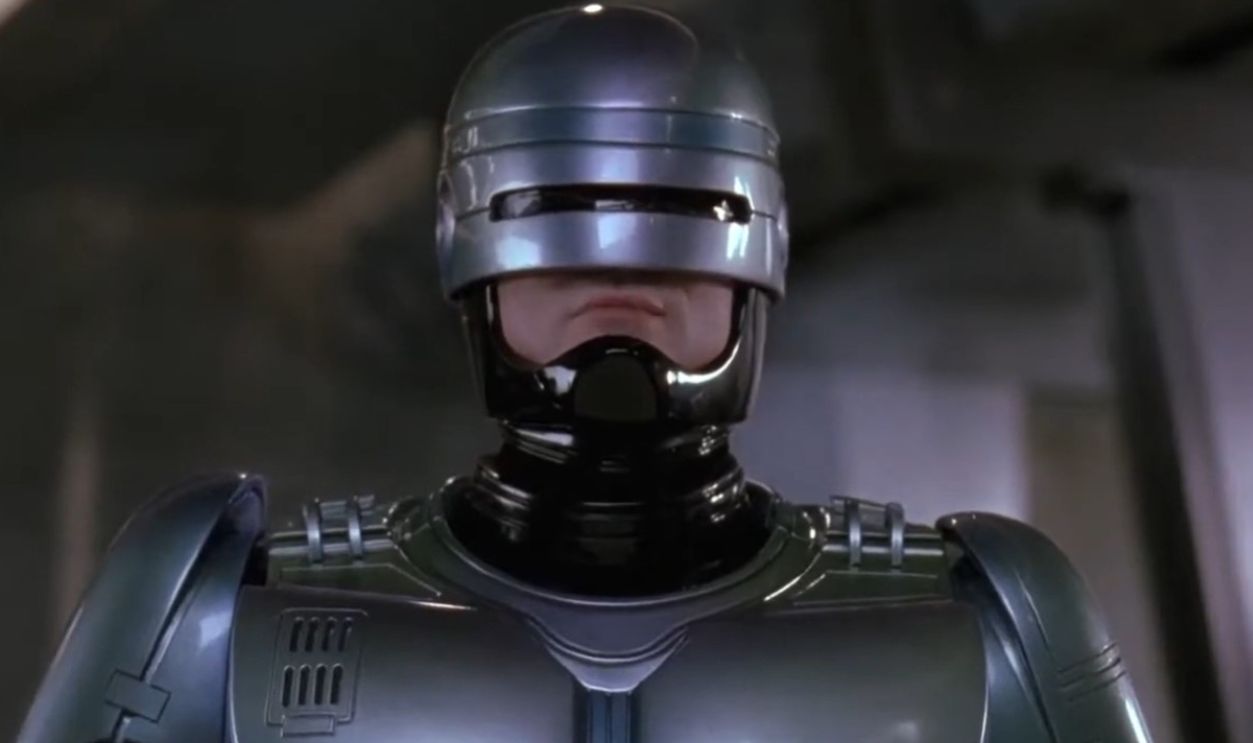 Screenshot from RoboCop 3, MGM (1993)
Terminator Genisys
The Terminator franchise had already struggled with sequels, and Genisys tried to reset everything at once. Fans found the timeline confusing and the emotional stakes diminished.
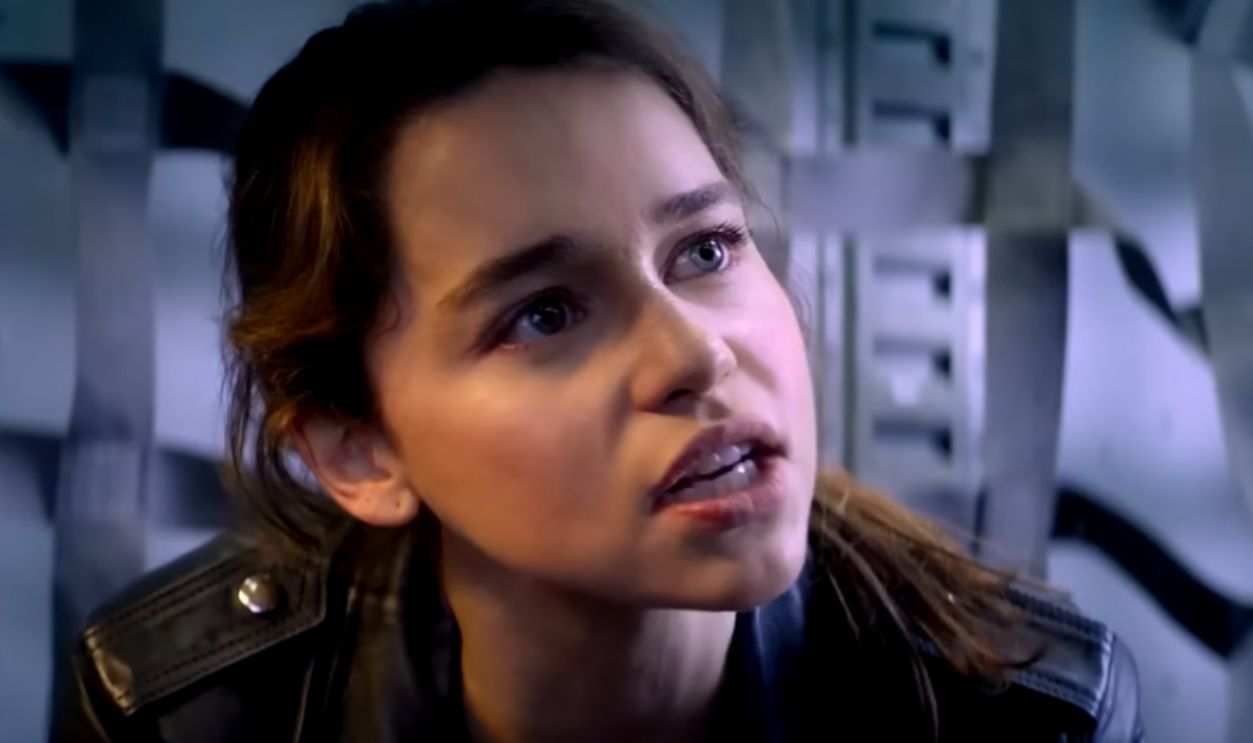 Screenshot from Terminator Genisys, Paramount Pictures (2015)
Jurassic World: Dominion
While the Jurassic Park franchise has always relied on spectacle, fans felt this sequel crossed into excess. The sense of wonder was replaced by overstuffed plots and too many characters. The dinosaurs were still there—but the awe was gone. Fans questioned whether the story had anything left to say.
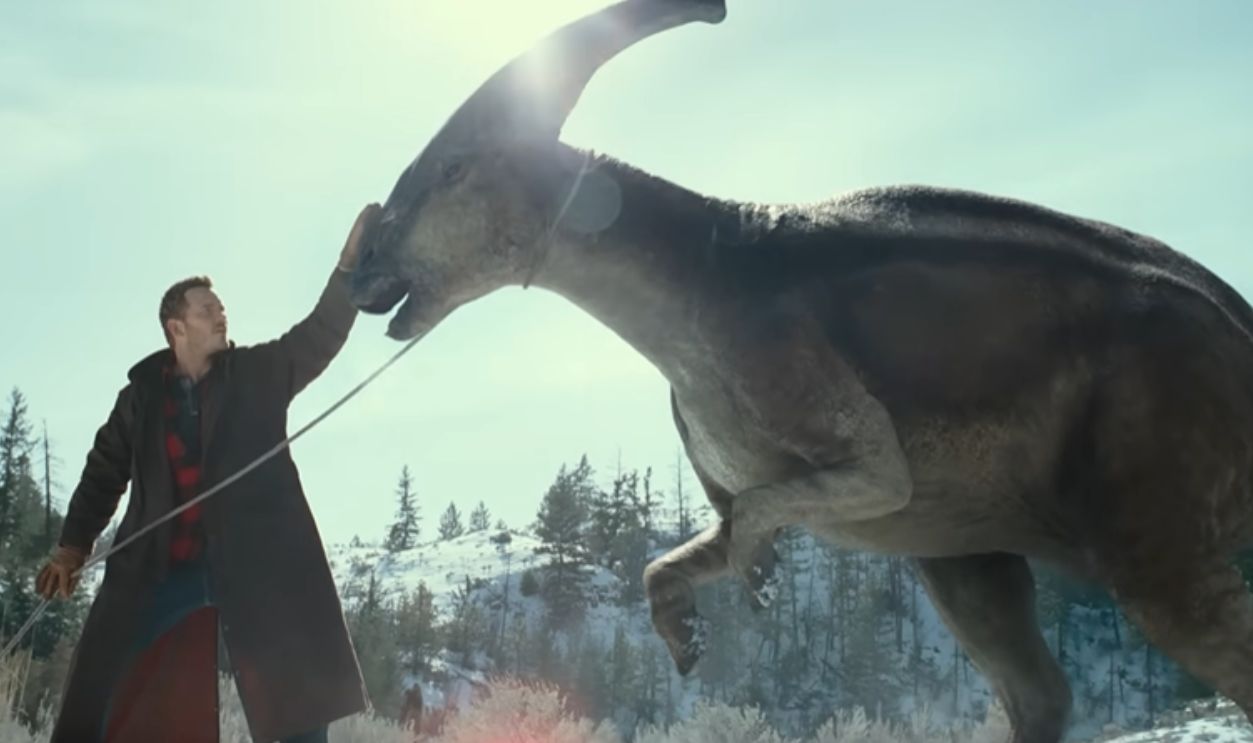 Screenshot from Jurassic World: Dominion, Universal Pictures (2022)
Star Wars: The Rise of Skywalker
Few sequels sparked as much debate as this one. Fans felt the film tried to course-correct too much, undoing previous choices rather than committing to them. The result felt rushed and emotionally scattered. For many fans, the saga already had a satisfying ending elsewhere. This sequel felt more like revision than resolution.
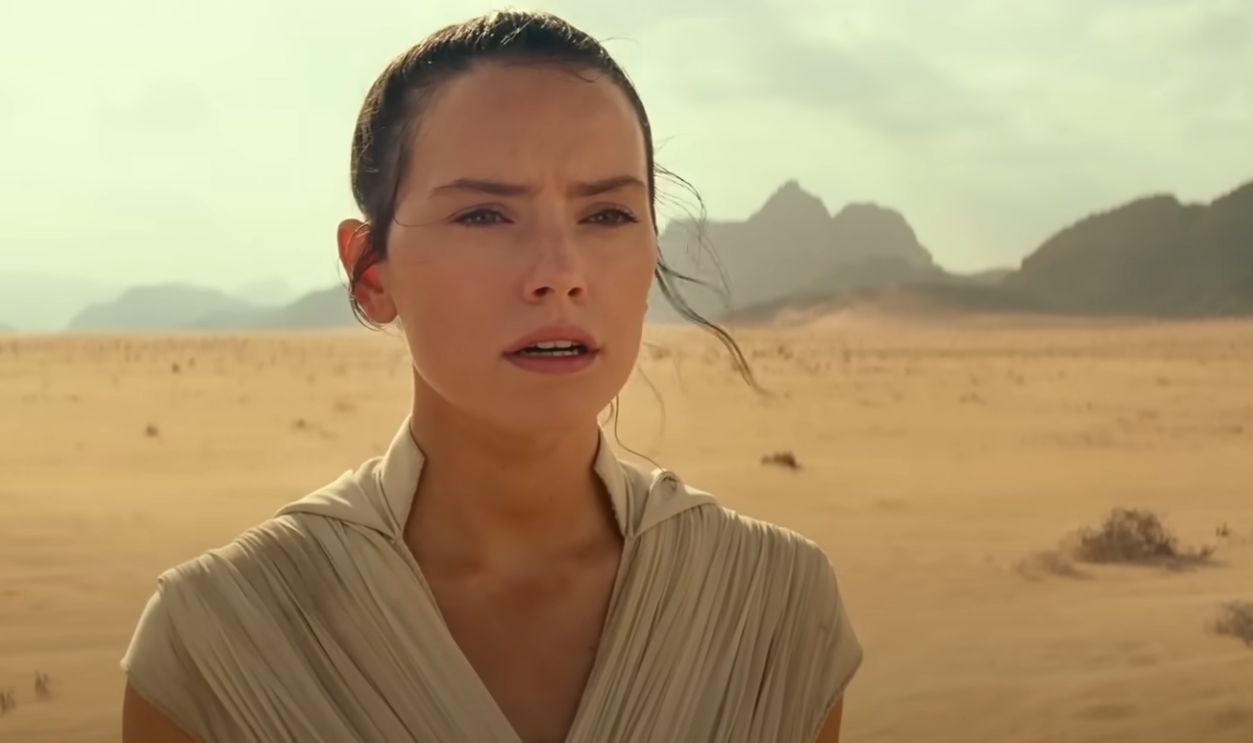 Screenshot from Star Wars: The Rise of Skywalker, Walt Disney Studios (2019)
Taken 3
Taken worked because it was lean and surprising. By the third film, fans felt the premise had been stretched beyond believability. The tension was replaced with repetition. At that point, audiences knew exactly how it would end. And that’s why many felt it shouldn’t have continued at all.
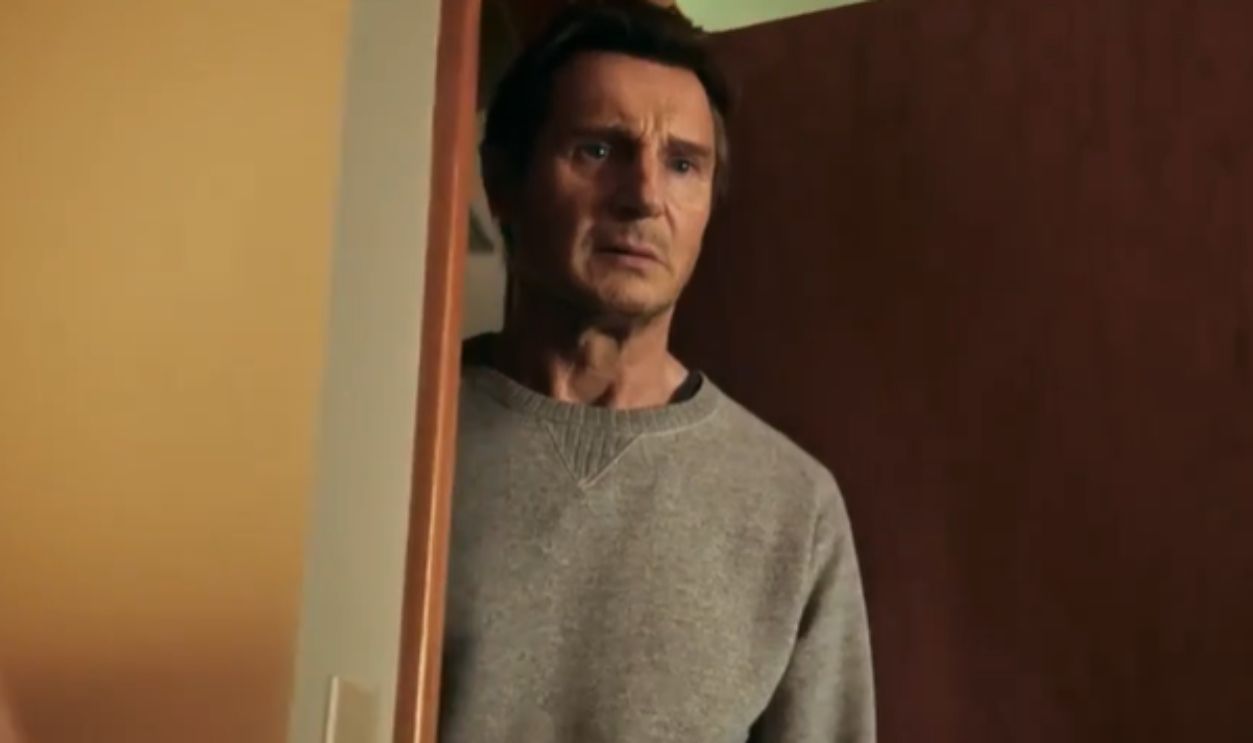 Screenshot from Taken 3, 20th Century Fox (2015)
You May Also Like:
Iconic Scenes That Took Place In Real Locations You Can Still Visit
80s Movies That Were Big Hits, But Made Gen X Roll Their Eyes
Movies That Prove The 80s Were The Best Decade In Film
Source: 1