The Audience Gets The Last Word
Some of Hollywood's most memorable movie moments weren't part of the original plan. They were added only after audiences watched an early version and made their feelings known. Sometimes viewers demanded happier endings, while other times they wanted something considerably darker. These 29 movies prove that a test screening can change everything, from a single character's final appearance to an entire movie's conclusion.
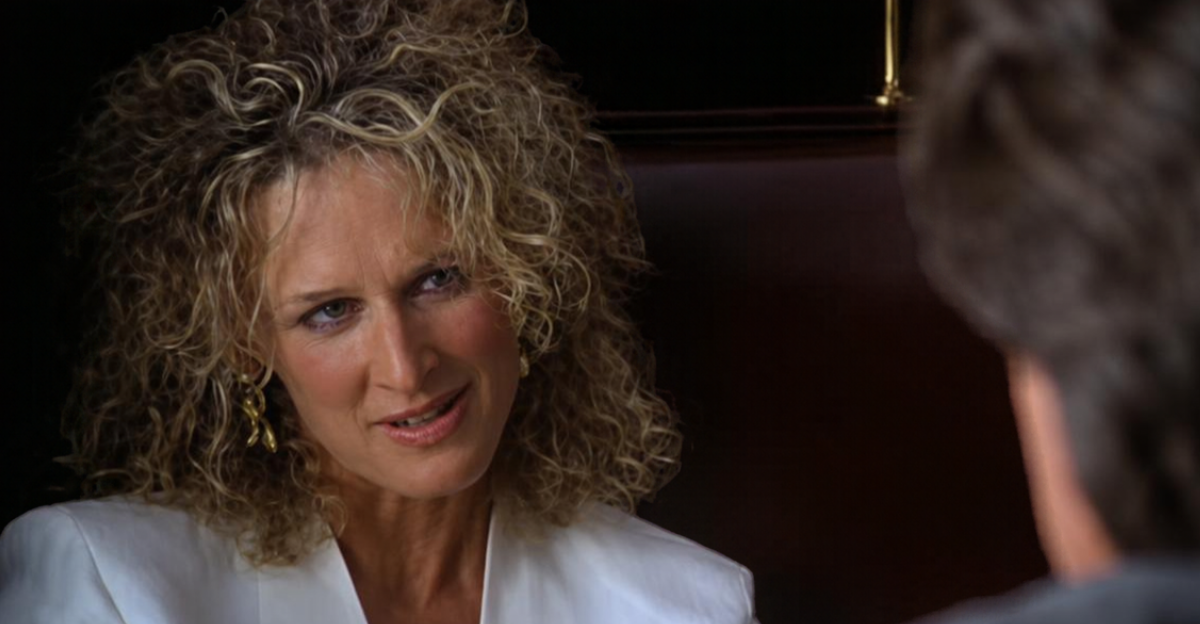 Screenshot from Fatal Attraction (1987), Amazon Prime Video
National Lampoon's Vacation (1983)
Originally, the Griswolds never actually entered Walley World. Test audiences hated that disappointment, so director Harold Ramis filmed an entirely new sequence featuring John Candy as a security guard forced to escort the family around the park.
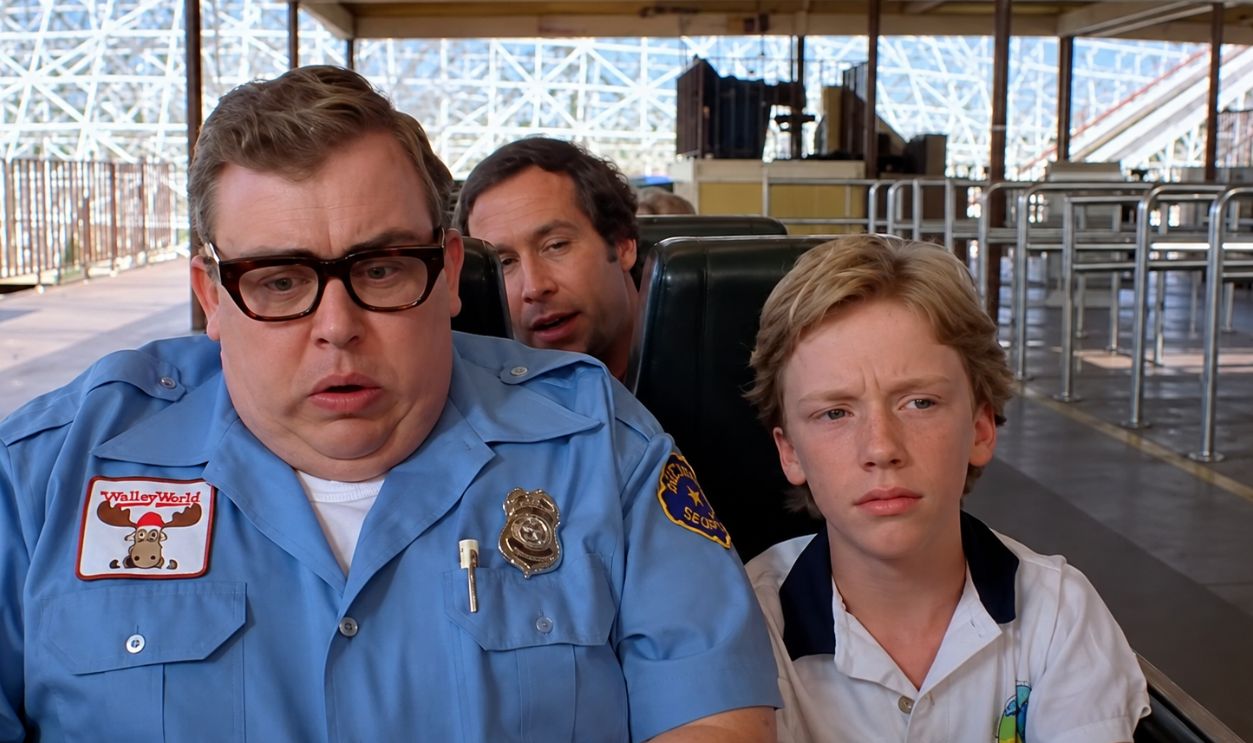 Screenshot from National Lampoon’s Vacation, Warner Bros. (1983), Enhanced
Pretty In Pink (1986)
Andie originally ended up dancing with Duckie at the prom. Preview audiences wanted her with Blane instead, prompting a last-minute reshoot featuring his apology and their romantic kiss outside the school.
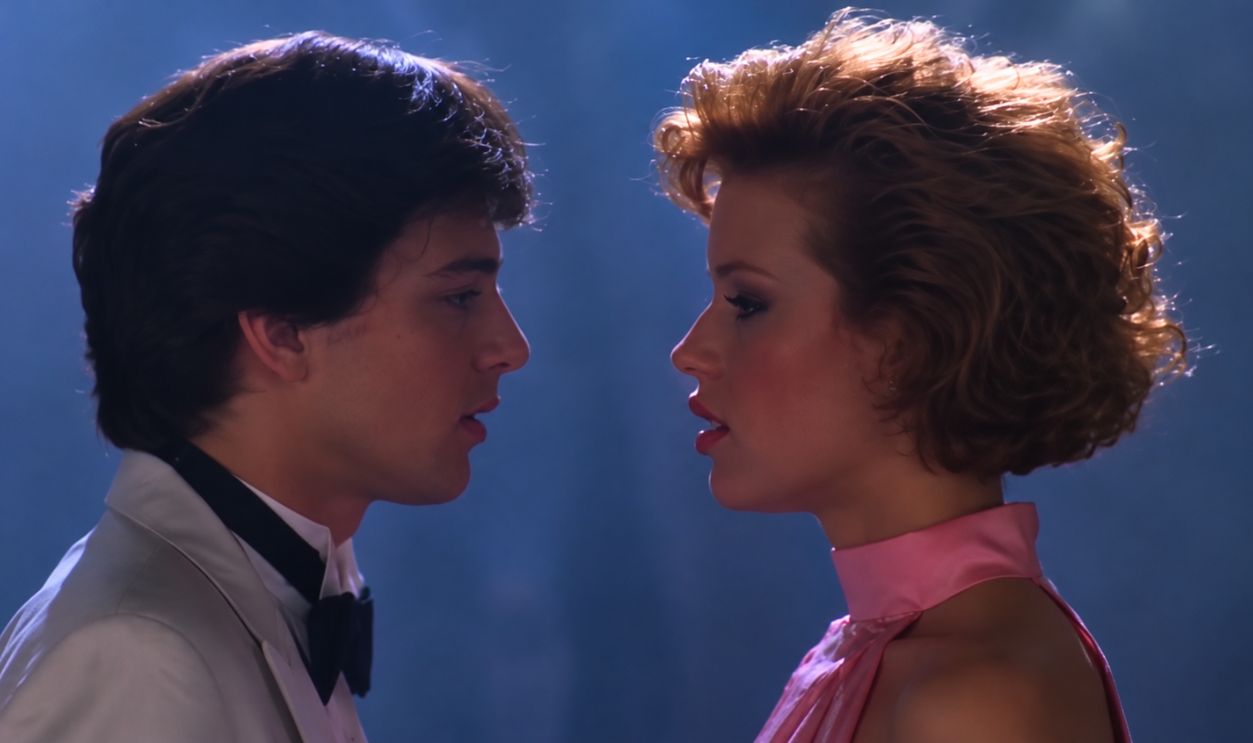 Screenshot from Pretty in Pink, Paramount Pictures (1986), Enhanced
Little Shop Of Horrors (1986)
Frank Oz initially filmed a spectacularly dark finale in which Audrey II devoured both protagonists and conquered the world. Horrified preview audiences prompted a happier replacement, with Seymour defeating the plant and marrying Audrey.
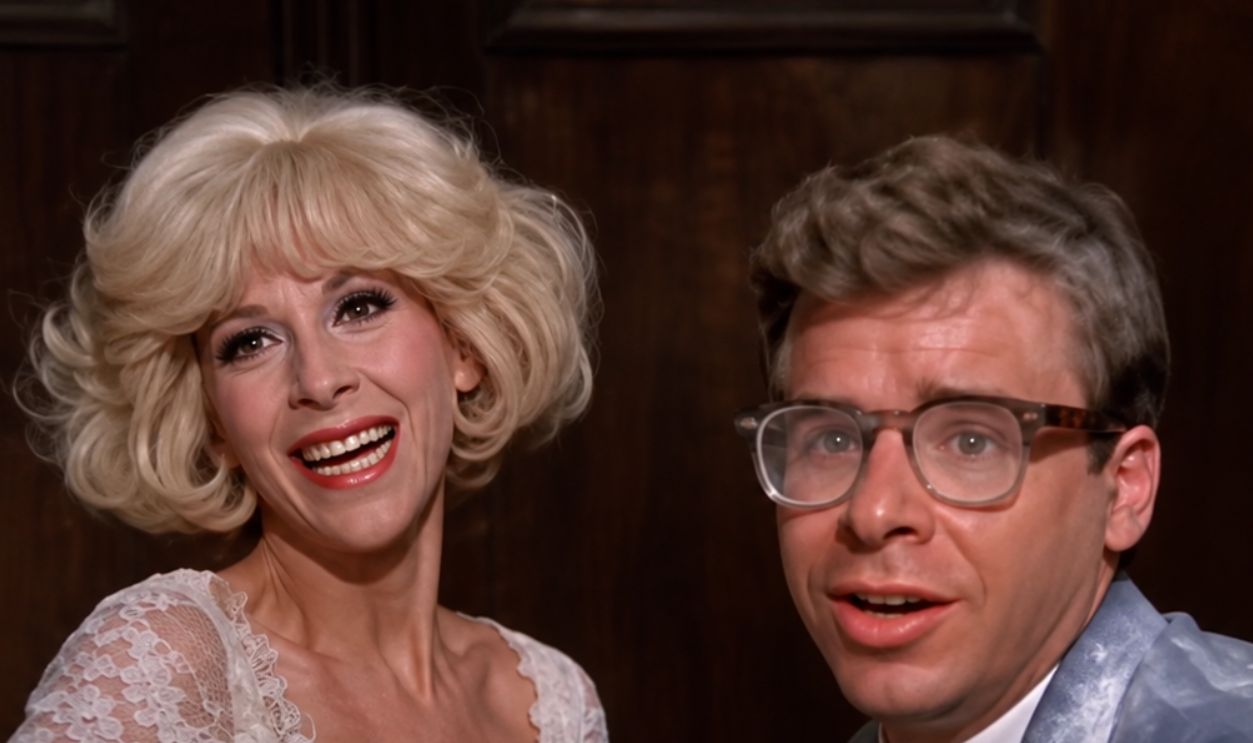 Screenshot from Little Shop of Horrors, Warner Bros. (1986), Enhanced
Fatal Attraction (1987)
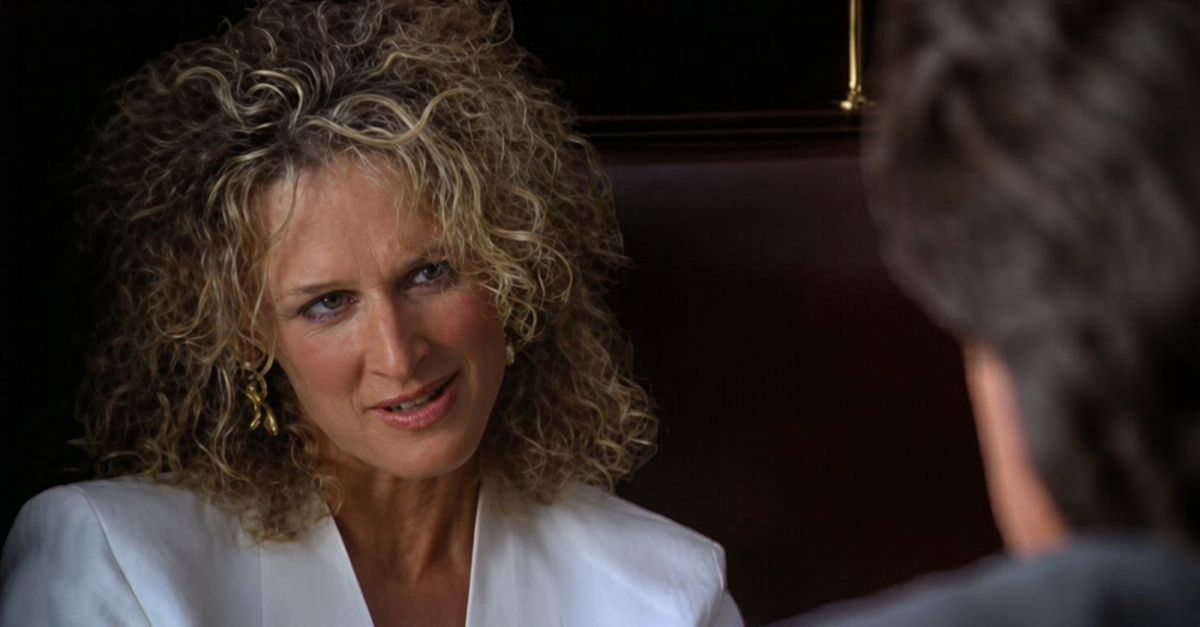
The original ending had Alex taking her own life and framing Dan. Audiences wanted a more decisive confrontation, so filmmakers shot the famous bathroom showdown in which Dan's wife Beth shoots Alex.
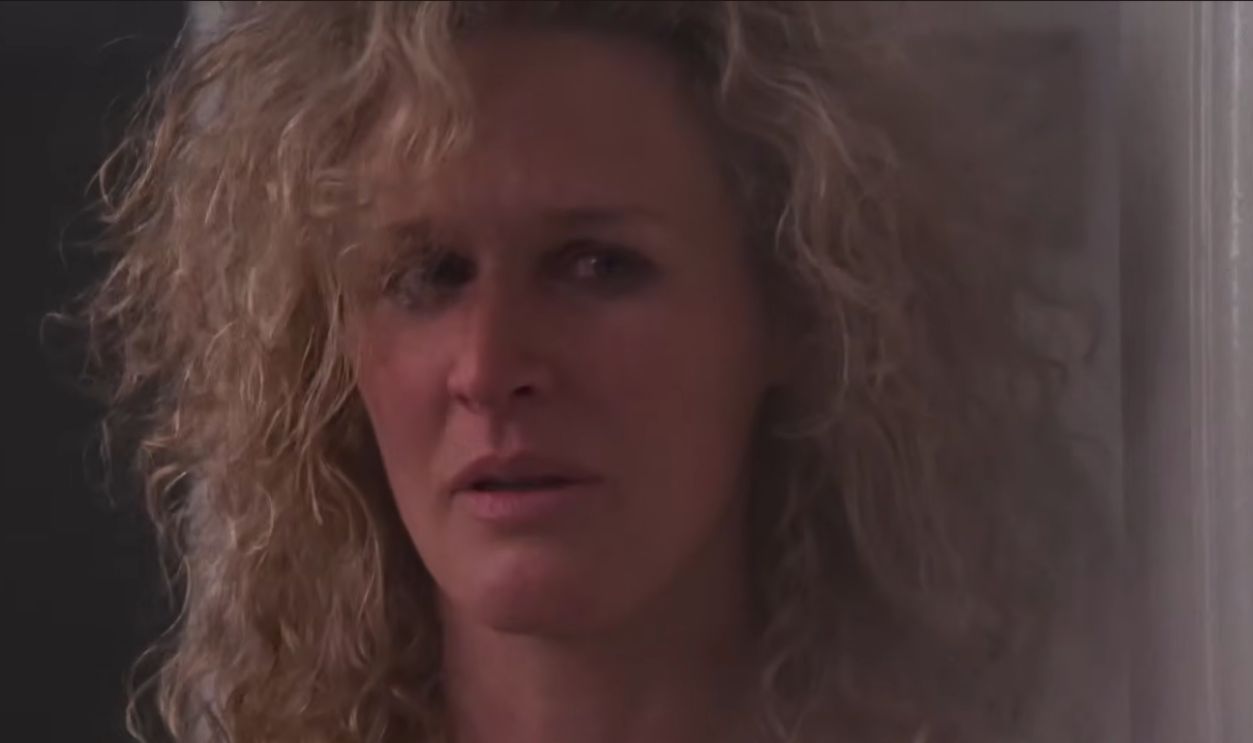 Screenshot from Fatal Attraction, Paramount Pictures (1987)
Legally Blonde (2001)
Elle Woods originally finished her story with a courthouse kiss and a new advocacy project. Test audiences wanted professional triumph instead, inspiring the graduation speech that became the movie's memorable final scene.
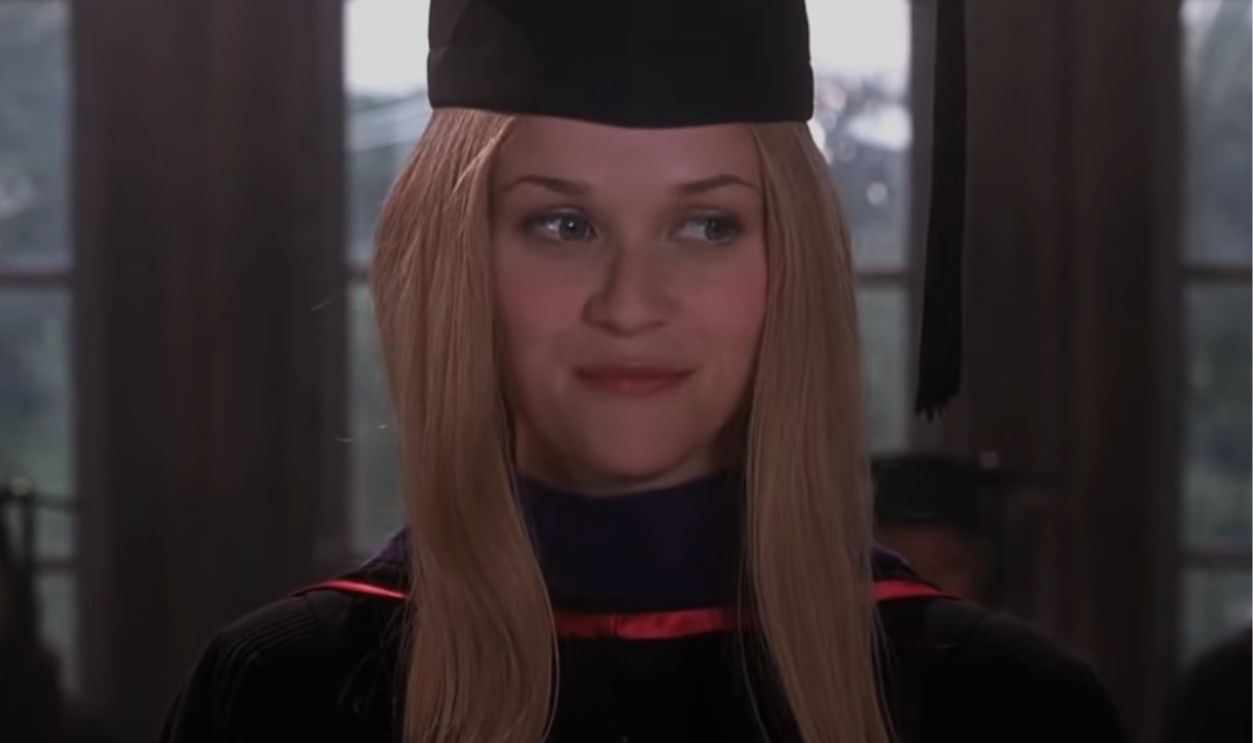 Screenshot from Legally Blonde, Metro-Goldwyn-Mayer (2001)
My Best Friend's Wedding (1997)
Julianne originally met another man at the wedding reception. After test audiences rejected that conclusion, filmmakers added conversations with George and filmed a new finale where he arrives to dance with her.
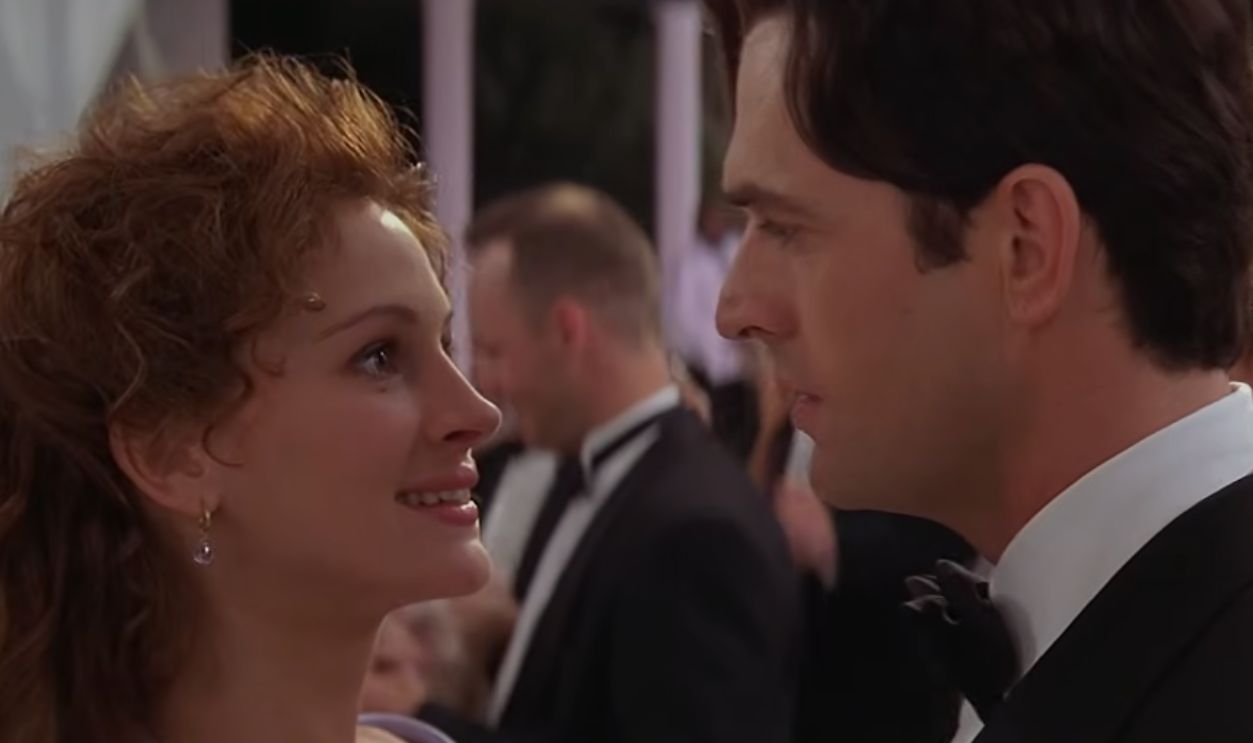 Screenshot from My Best Friend’s Wedding, TriStar Pictures (1997)
Blade Runner (1982)
Early viewers struggled with the movie's ambiguity. Studio revisions included Harrison Ford's explanatory narration and a more optimistic final journey for Deckard and Rachael, featuring countryside footage originally photographed for The Shining.
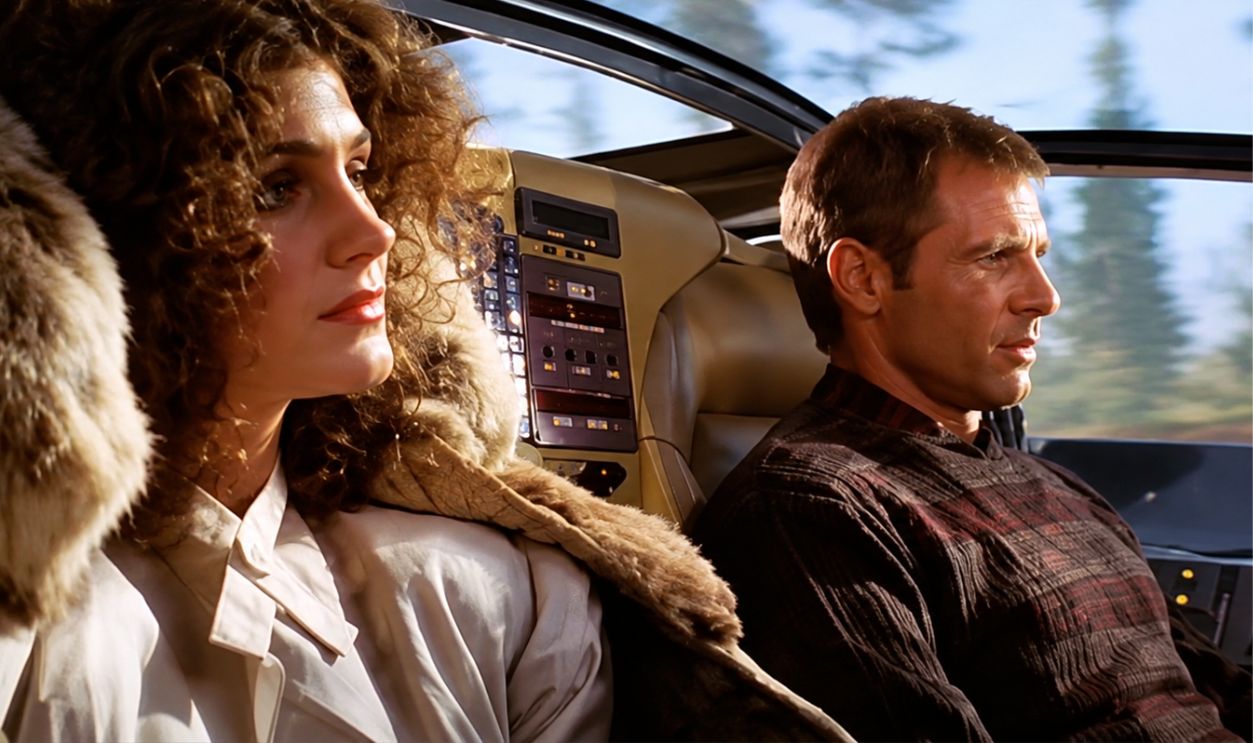 Screenshot from Blade Runner, Warner Bros. (1982), Enhanced
Deep Blue Sea (1999)
Dr Susan McAlester originally survived the shark attack alongside the remaining heroes. Preview audiences objected to her escape, so director Renny Harlin arranged a reshoot in which a shark devours her.
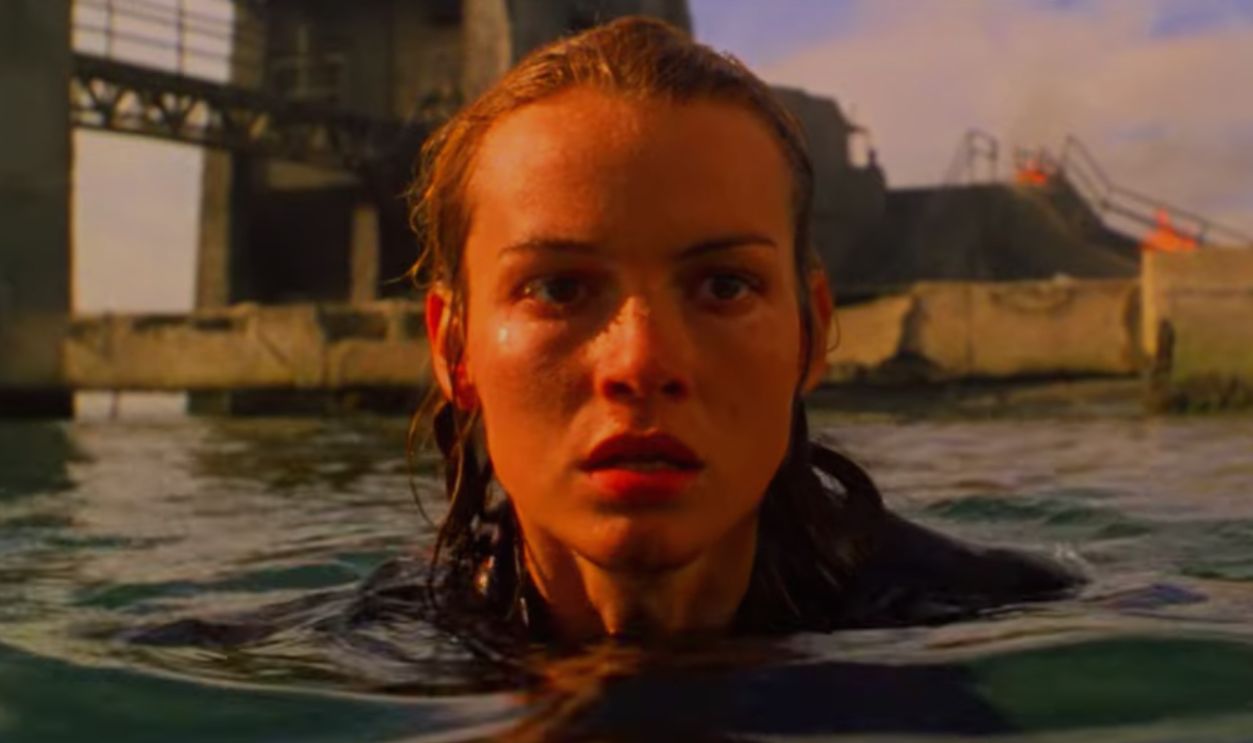 Screenshot from Deep Blue Sea, Warner Bros. (1999)
Final Destination (2000)
Alex originally died saving Clear, leaving her pregnant with his child. Audiences disliked losing him, prompting extensive reshoots and the famous Paris café finale where Carter becomes Death's next victim.
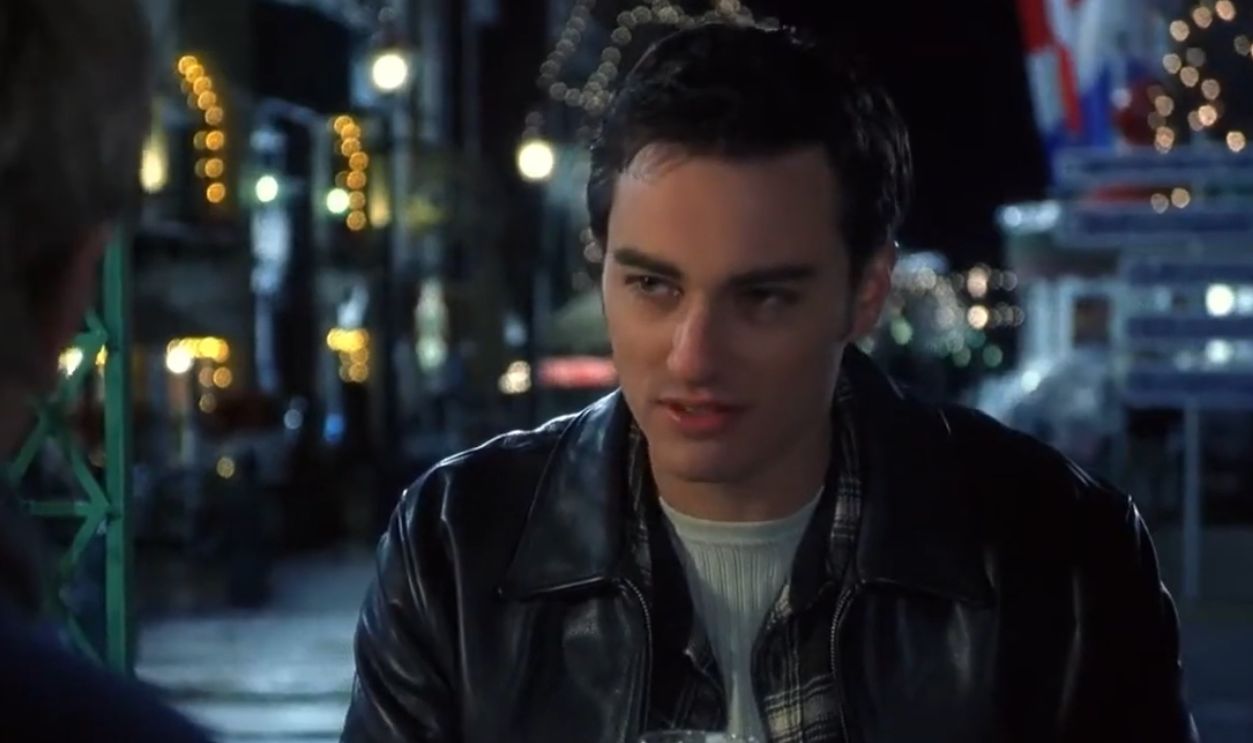 Screenshot from Final Destination, New Line Cinema (2000)
Election (1999)
The original ending showed Tracy Flick reconciling with her former teacher. After unsatisfactory previews, filmmakers added a Washington epilogue where an embittered Jim McAllister throws his drink at Tracy's passing car.
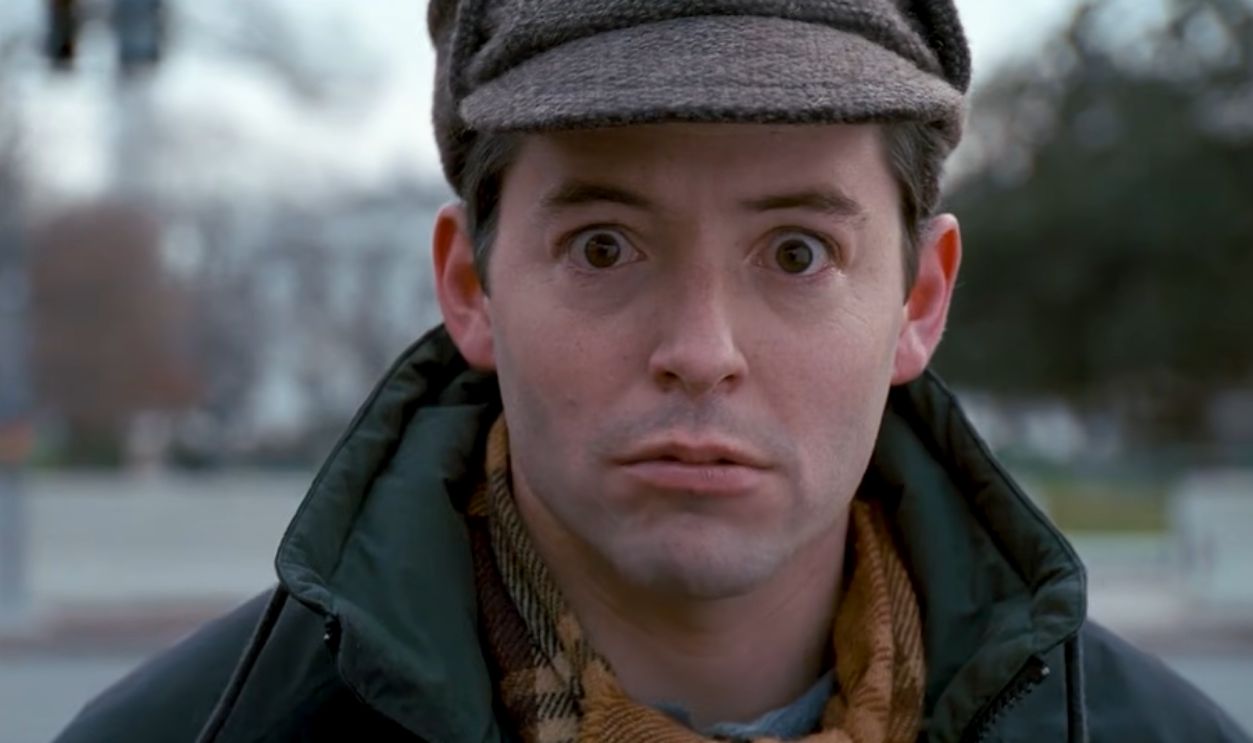 Screenshot from Election, Paramount Pictures (1999)
Anchorman: The Legend Of Ron Burgundy (2004)
The original storyline centered on bank robbers called the Alarm Clock. Following disappointing screenings, the film was substantially rewritten and reshot, introducing the pregnant panda storyline and its accompanying newsroom chaos.
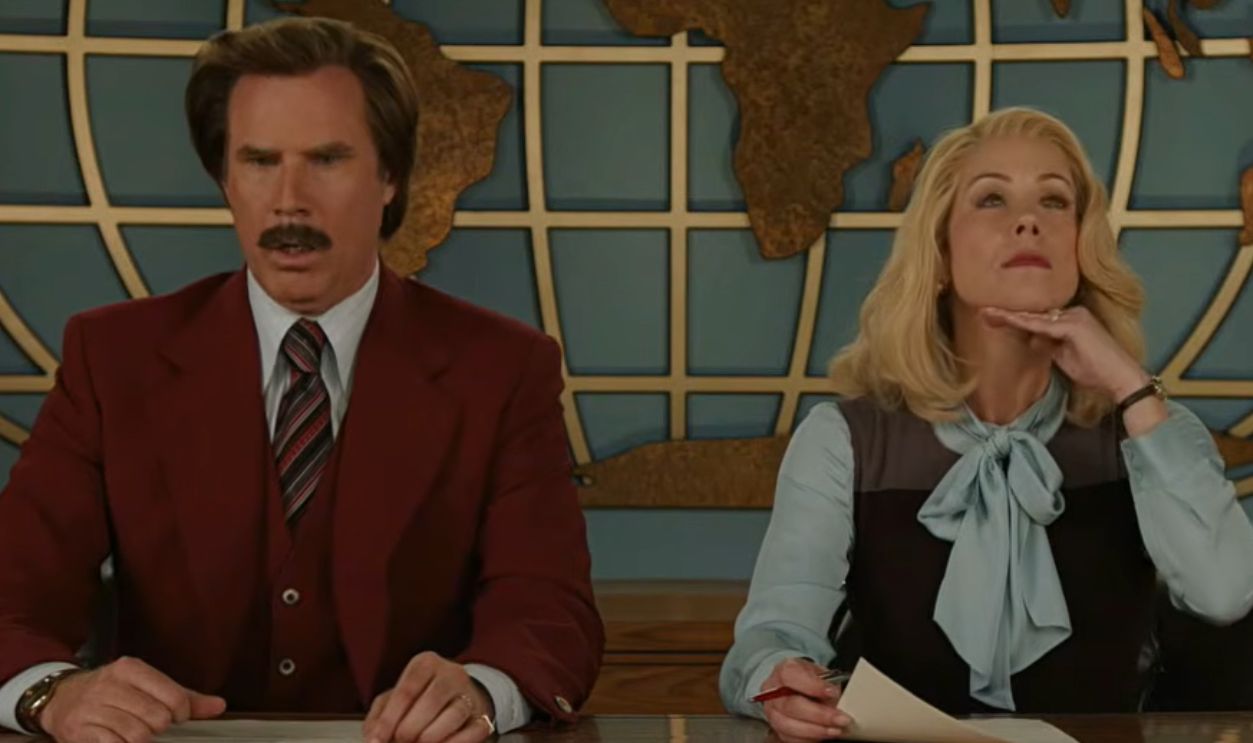 Screenshot from Anchorman: The Legend of Ron Burgundy, DreamWorks Pictures (2004)
Scott Pilgrim Vs. The World (2010)
Scott originally ended up with Knives rather than Ramona. After reactions to the ending sparked debate, filmmakers rewrote the conclusion so Knives encourages Scott to follow Ramona through the mysterious doorway.
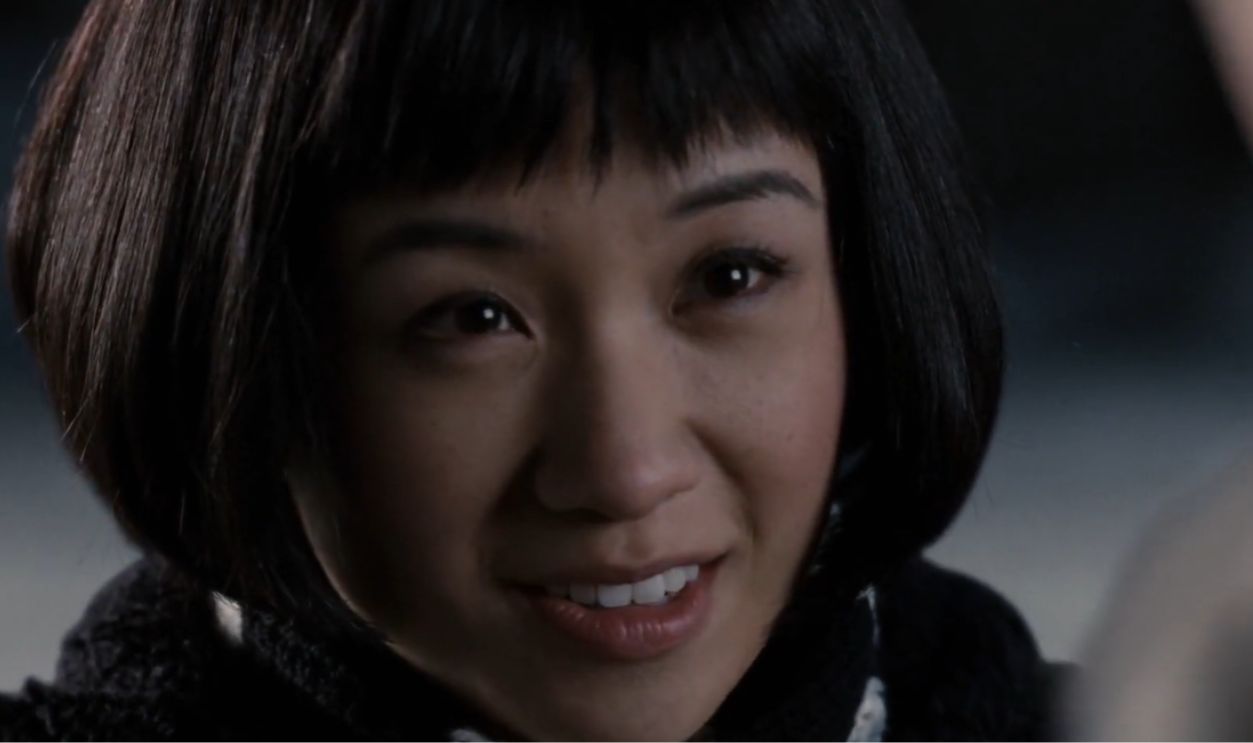 Screenshot from Scott Pilgrim vs. the World, Universal Pictures (2010)
Happy Death Day (2017)
Tree originally survived her attacker only to be poisoned at the hospital. Audiences were furious, so filmmakers replaced that ending with the playful bedroom scene where Carter pretends her time loop has restarted.
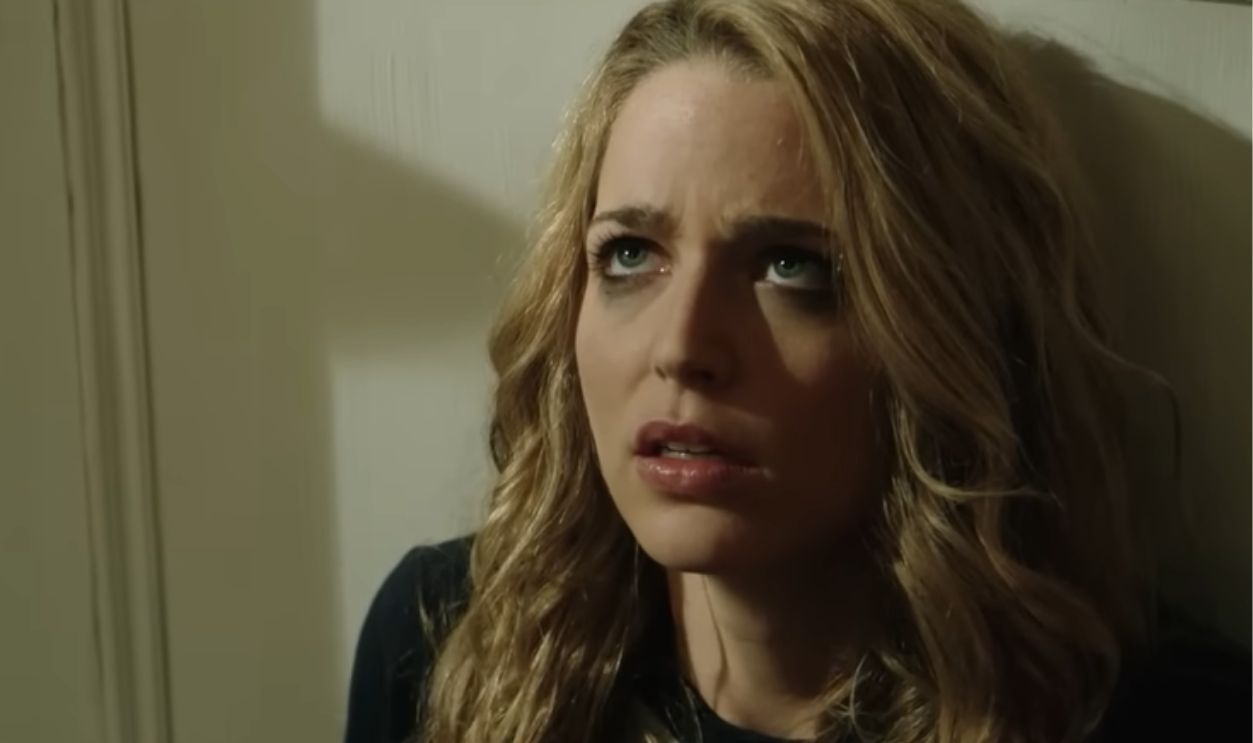 Screenshot from Happy Death Day, Universal Pictures (2017)
Sweet Home Alabama (2002)
An early ending apparently showed lightning striking Melanie during her kiss with Jake, briefly suggesting she had died. Audiences hated the trick, leading to a rewritten celebration at the local bar.
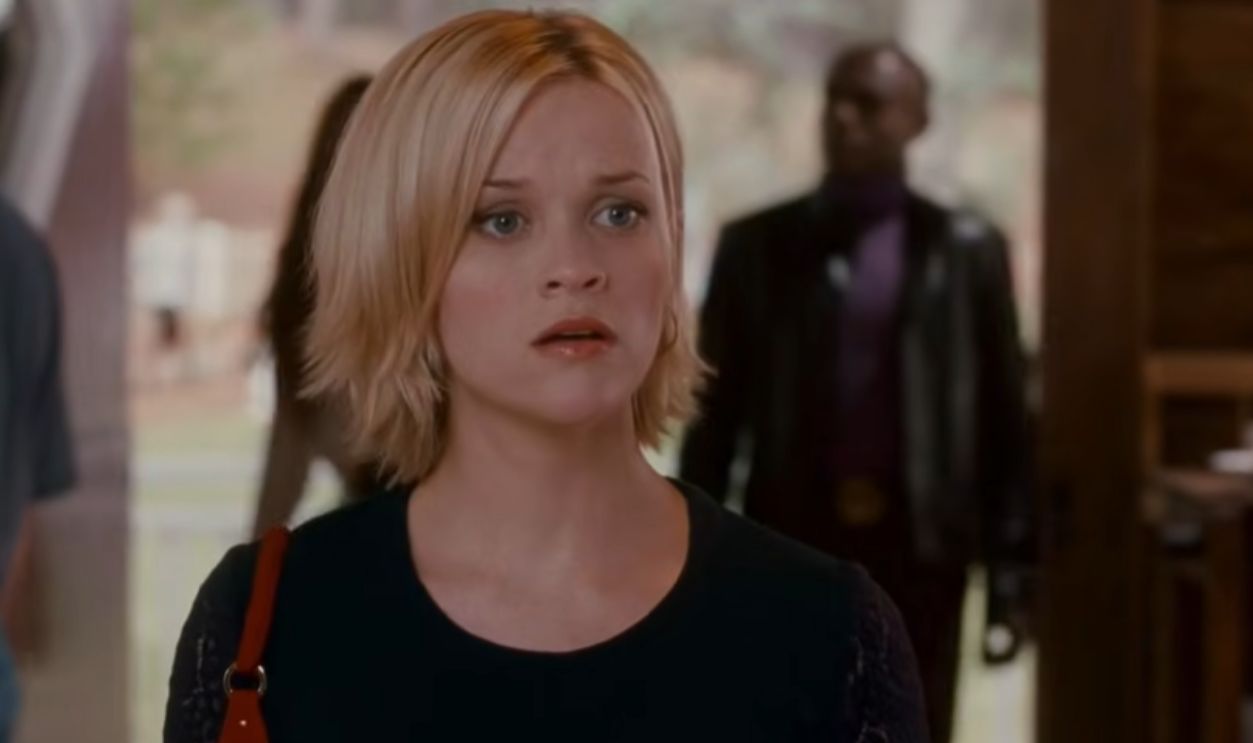 Screenshot from Sweet Home Alabama, Buena Vista Pictures Distribution (2002)
Halloween Ends (2022)
Director David Gordon Green initially envisioned a smaller, more intimate conclusion. Following screenings, filmmakers added the public procession carrying Michael Myers' body through Haddonfield, culminating in its destruction at the scrapyard.
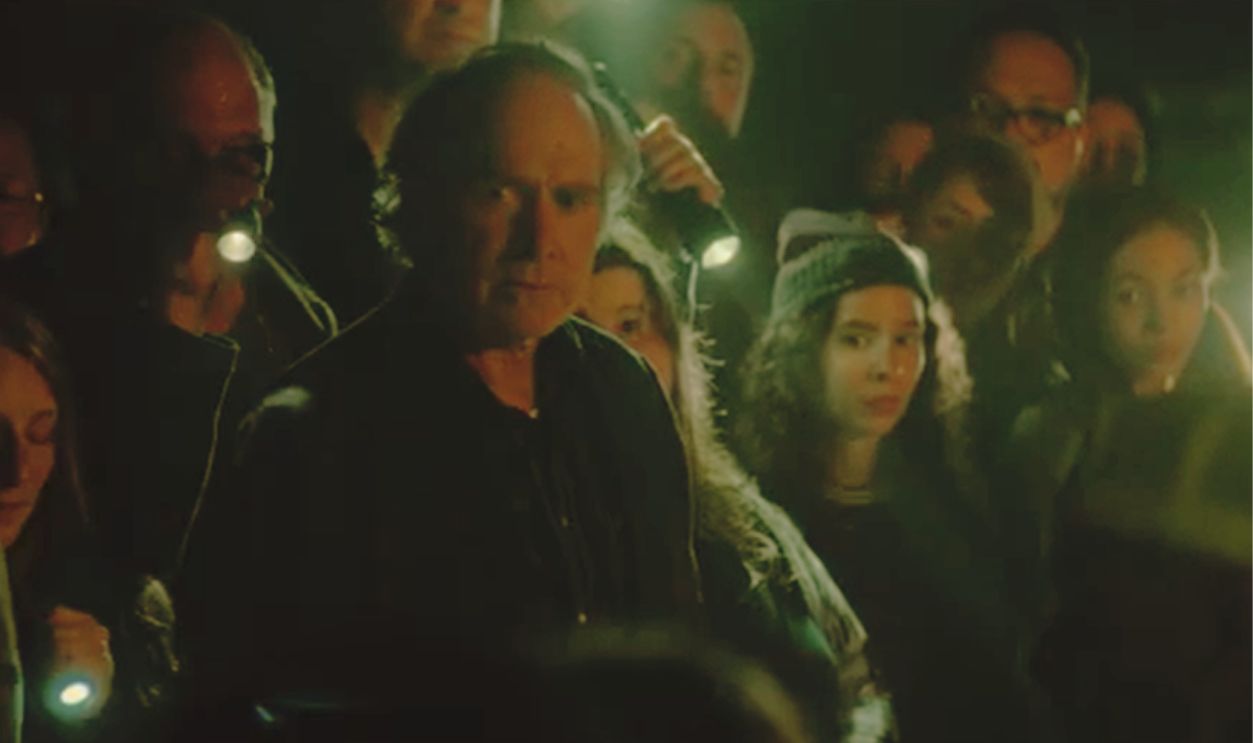 Screenshot from Halloween Ends, Universal Pictures (2022), Enhanced
Ghostbusters II (1989)
Preview audiences weren't convinced by the original climax. Ivan Reitman shot approximately 25 minutes of replacement footage, while additional sequences, including the underground ghost train, made the supernatural threat more imposing.
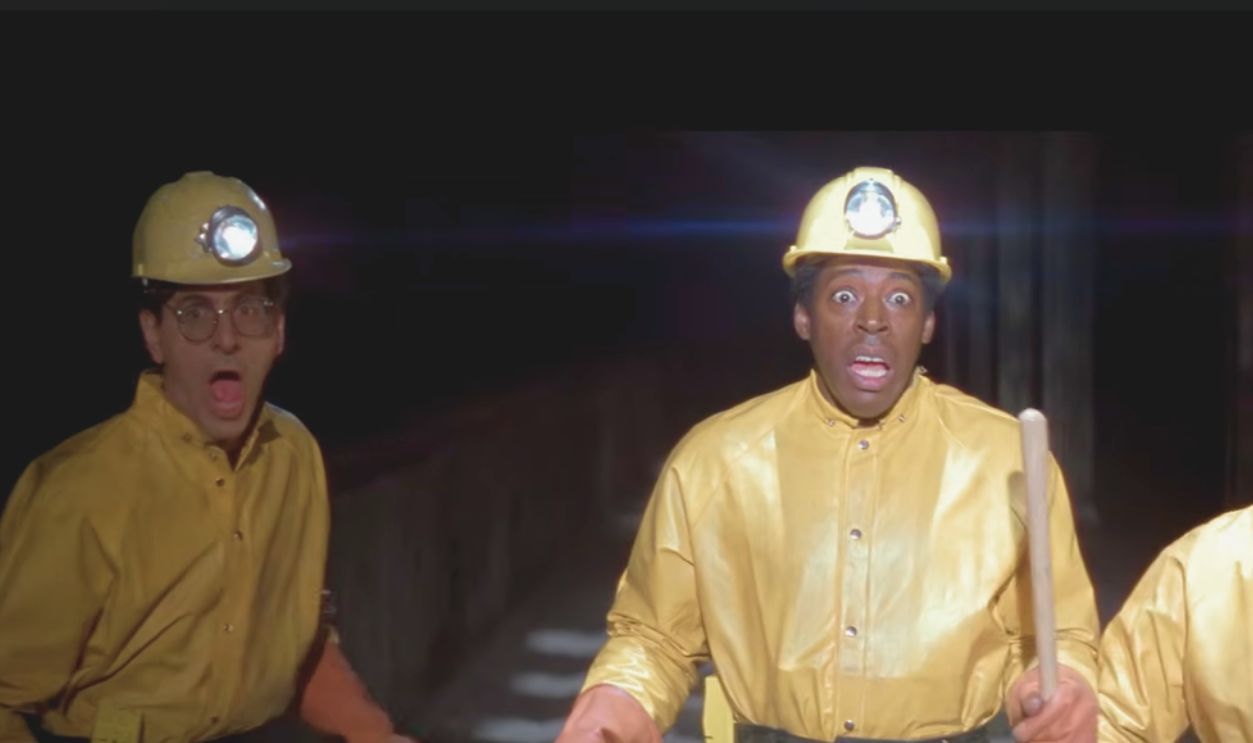 Screenshot from Ghostbusters II, Columbia Pictures (1989), Enhanced
Paranormal Activity (2007)
Oren Peli originally filmed a different conclusion to the supernatural ordeal. After screenings, a suggestion associated with Steven Spielberg inspired the theatrical ending, where Katie suddenly throws Micah's body toward the camera.
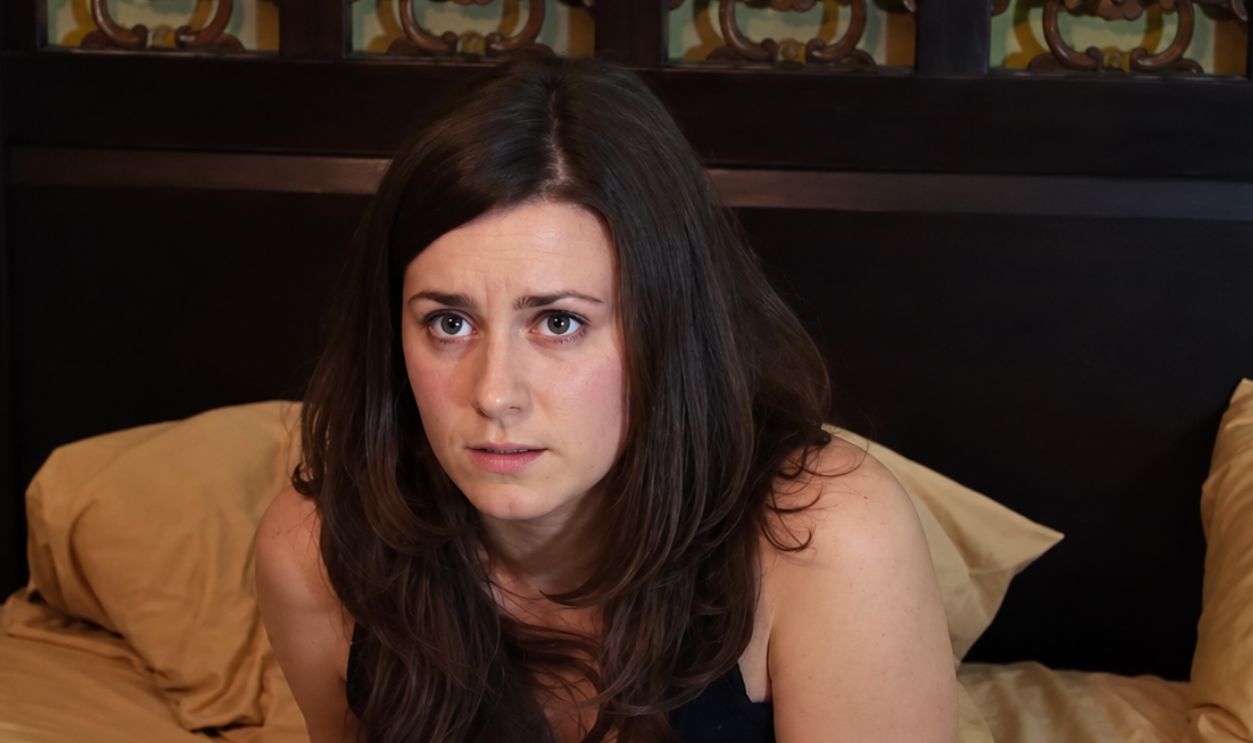 Screenshot from Paranormal Activity, Paramount Pictures (2007), Enhanced
Get Out (2017)
Jordan Peele originally concluded Chris's nightmare with his arrest and imprisonment. The revised ending instead has his friend Rod arrive in the apparent police vehicle, turning a moment of dread into relief.
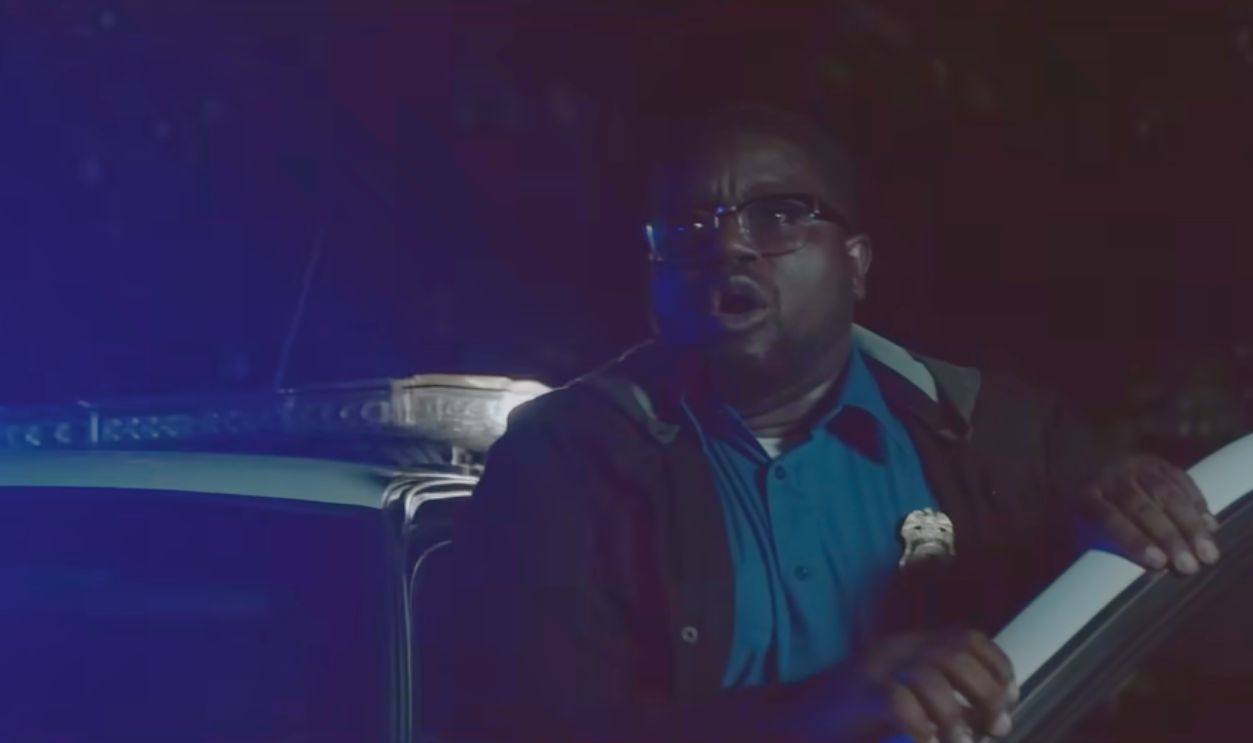 Screenshot from Get Out, Universal Pictures (2017), Enhanced
The Lovely Bones (2009)
Peter Jackson originally gave murderer George Harvey a relatively quick demise. Preview viewers wanted a more drawn-out punishment, so additional footage was created to make his fall considerably more gruesome.
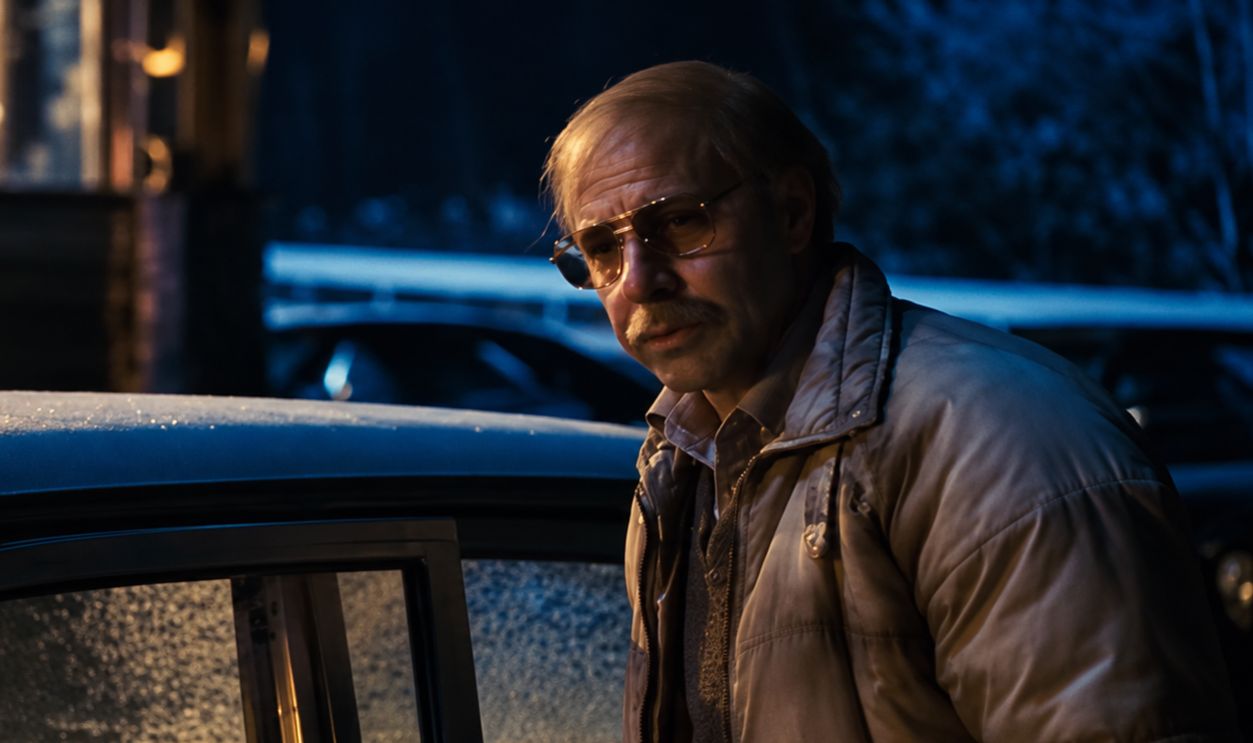 Screenshot from The Lovely Bones, Paramount Pictures (2009), Enhanced
Deadpool 2 (2018)
Early viewers wanted more of Cable and Domino. Additional photography helped expand their presence in the movie, proving that test screenings don't always demand a different ending. Sometimes audiences simply want more characters.
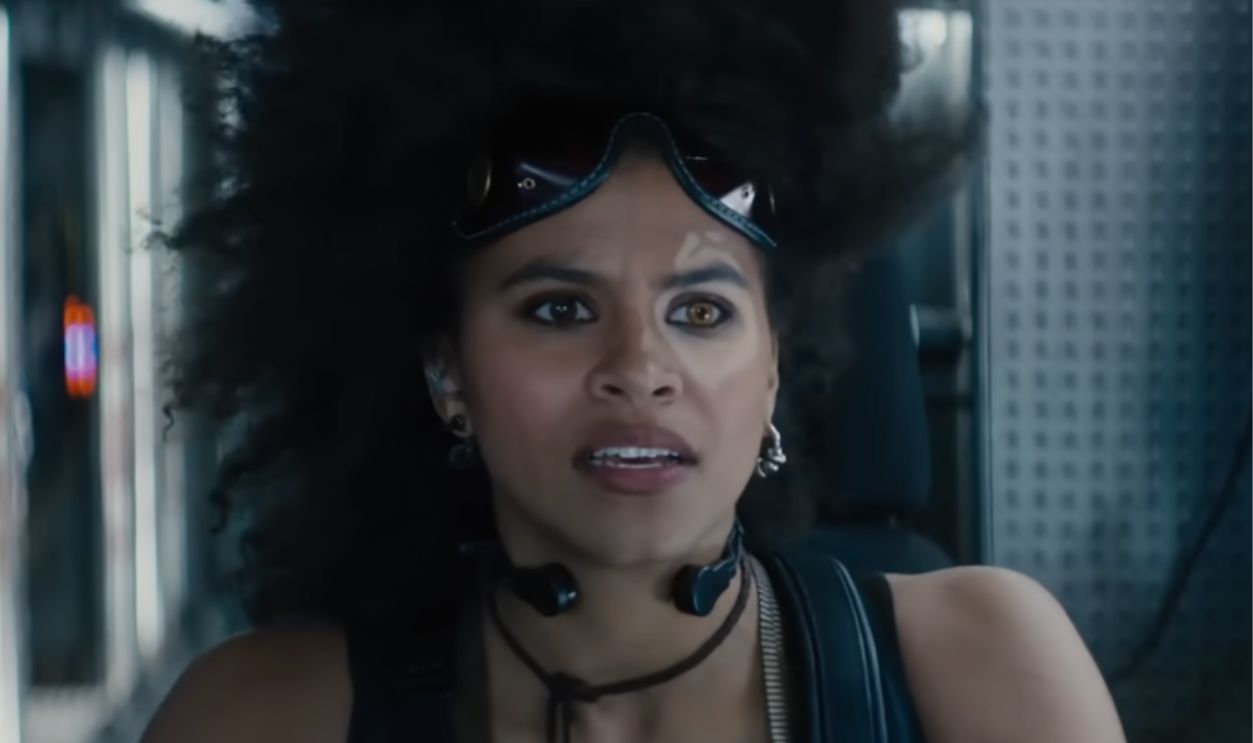 Screenshot from Deadpool 2, Twentieth Century Fox (2018)
Misery (1990)
Paul Sheldon originally appeared to recover remarkably well from his injuries. Preview audiences found that unconvincing, so Rob Reiner reshot the closing restaurant scene with James Caan using a cane.
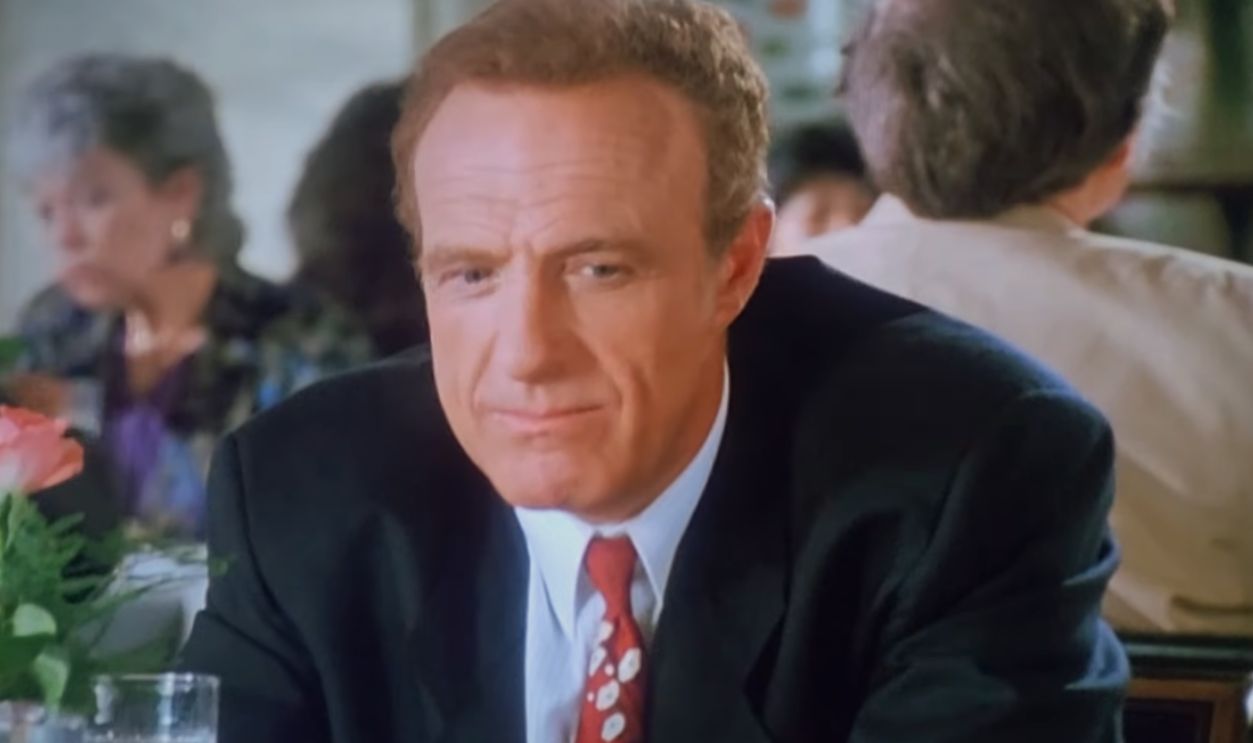 Screenshot from Misery, Columbia Pictures (1990)
Star Trek II: The Wrath Of Khan (1982)
Test audiences found Spock's sacrifice painfully final. Producers added the closing image of his coffin resting on the Genesis planet, opening the possibility of bringing the beloved character back.
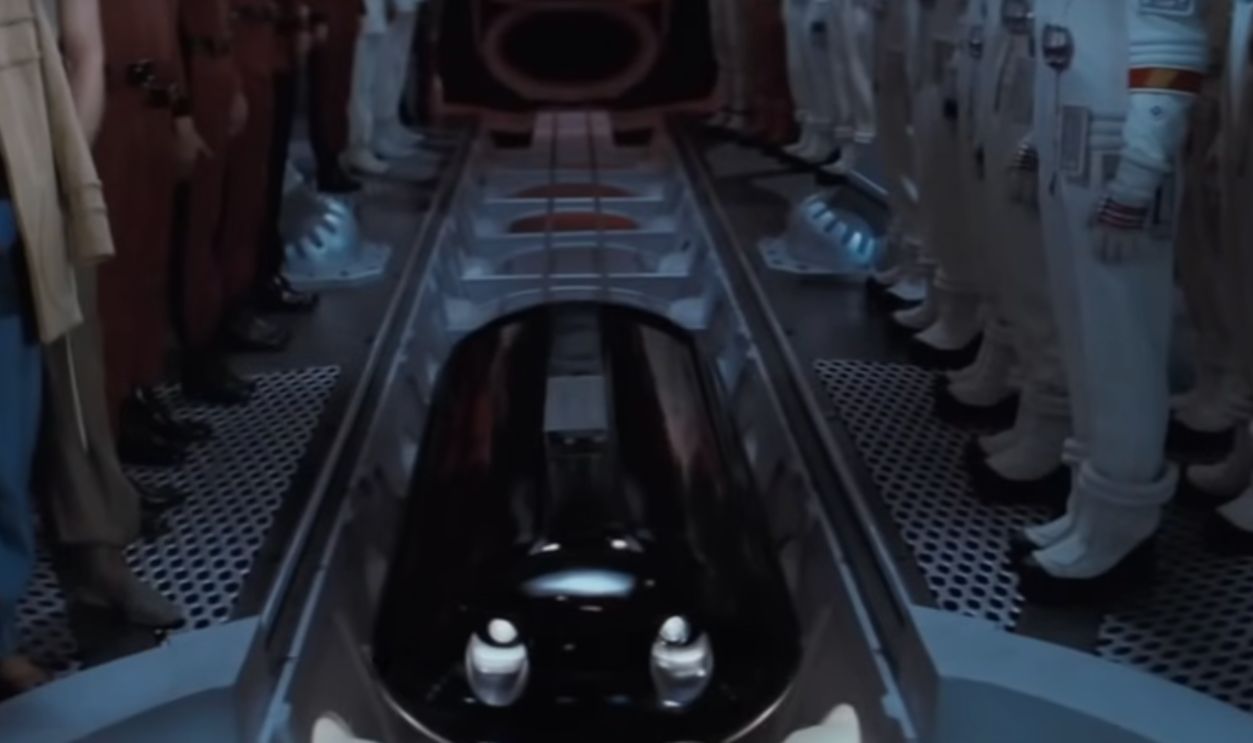 Screenshot from Star Trek II: The Wrath of Khan, Paramount Pictures (1982)
Thor: The Dark World (2013)
Loki's apparent death was initially supposed to be permanent. Test audiences didn't believe it, prompting a new final scene revealing that Loki had survived and secretly taken Odin's place on Asgard's throne.
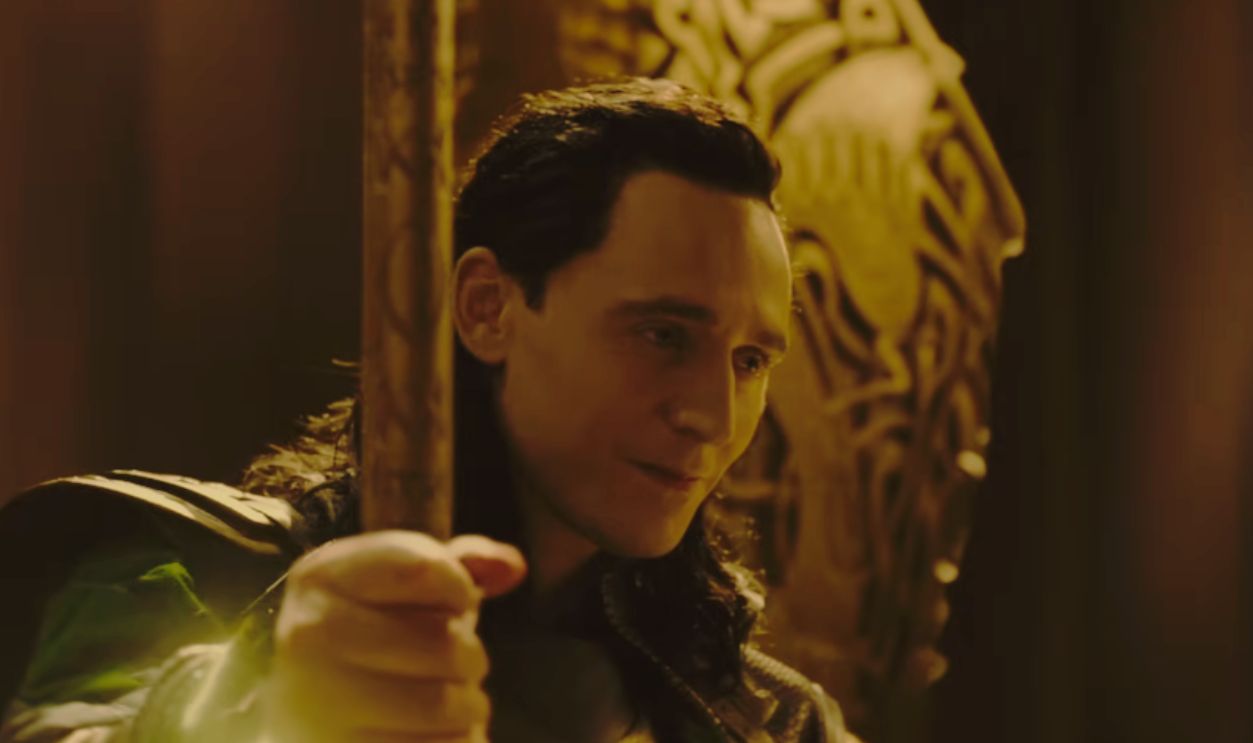 Screenshot from Thor: The Dark World, Walt Disney Studios Motion Pictures (2013), Enhanced
I Am Legend (2007)
The original ending revealed the infected creatures possessed emotional bonds, challenging Neville's understanding of them. Test audiences rejected it, leading to the explosive laboratory sacrifice featured in the theatrical release.
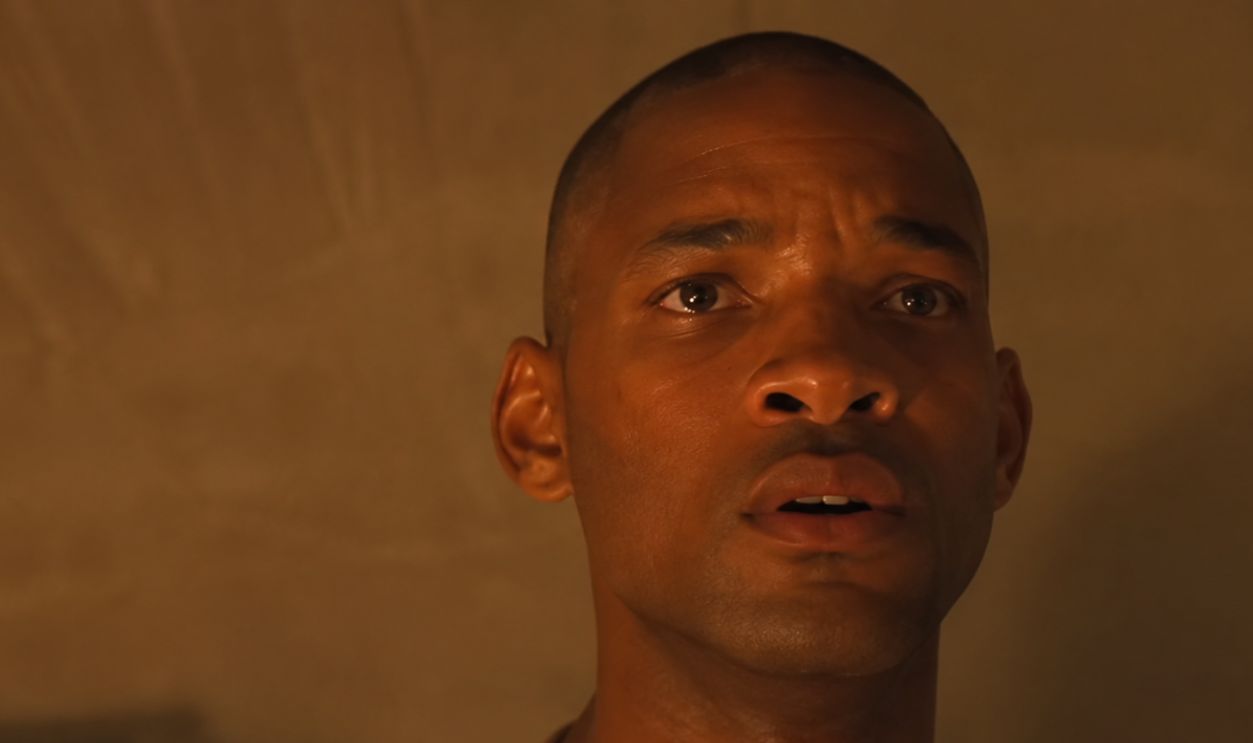 Screenshot from I Am Legend, Warner Bros. (2007), Enhanced
The Stepford Wives (2004)
Frank Oz acknowledged filming a new ending after previews proved unsatisfying. The released version includes an epilogue revealing that the controlling husbands have been placed under house arrest, reversing their former power.
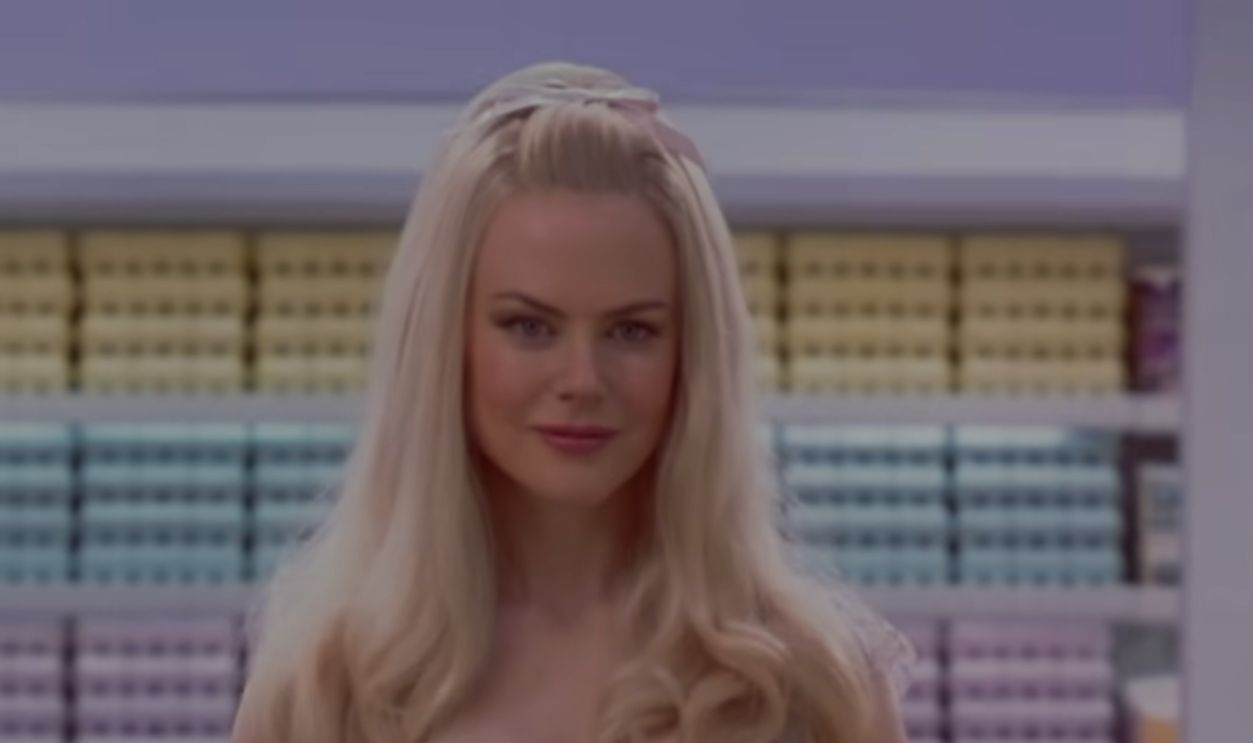 Screenshot from The Stepford Wives, Paramount Pictures (2004)
The Invasion (2007)
Early screenings exposed dissatisfaction with the film's ambiguous conclusion. Warner Bros ordered substantial reshoots, adding a more action-heavy climax and a flash-forward showing humanity recovering from the extraterrestrial epidemic.
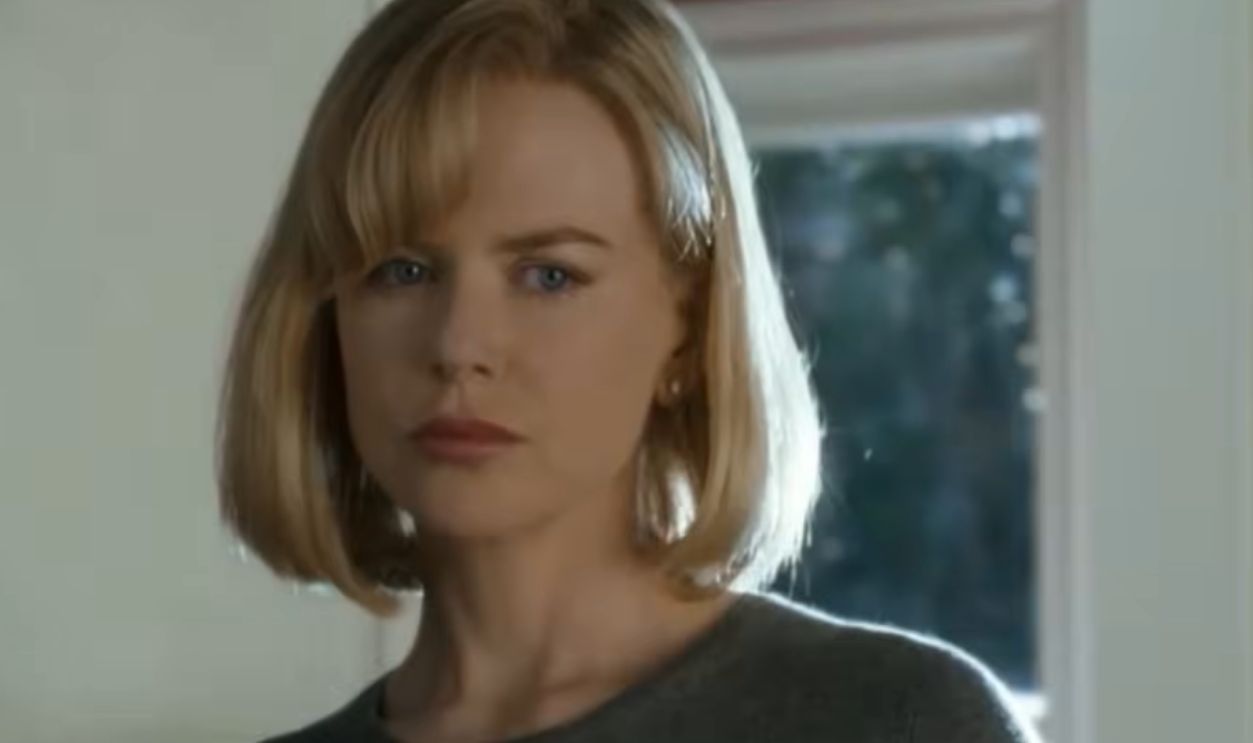 Screenshot from The Invasion, Warner Bros. (2007)
WALL-E (2008)
Preview audiences weren't entirely convinced that humanity could rebuild Earth. Pixar responded with the illustrated closing-credit sequence showing the returning humans learning to farm, construct buildings, and restore their neglected planet.
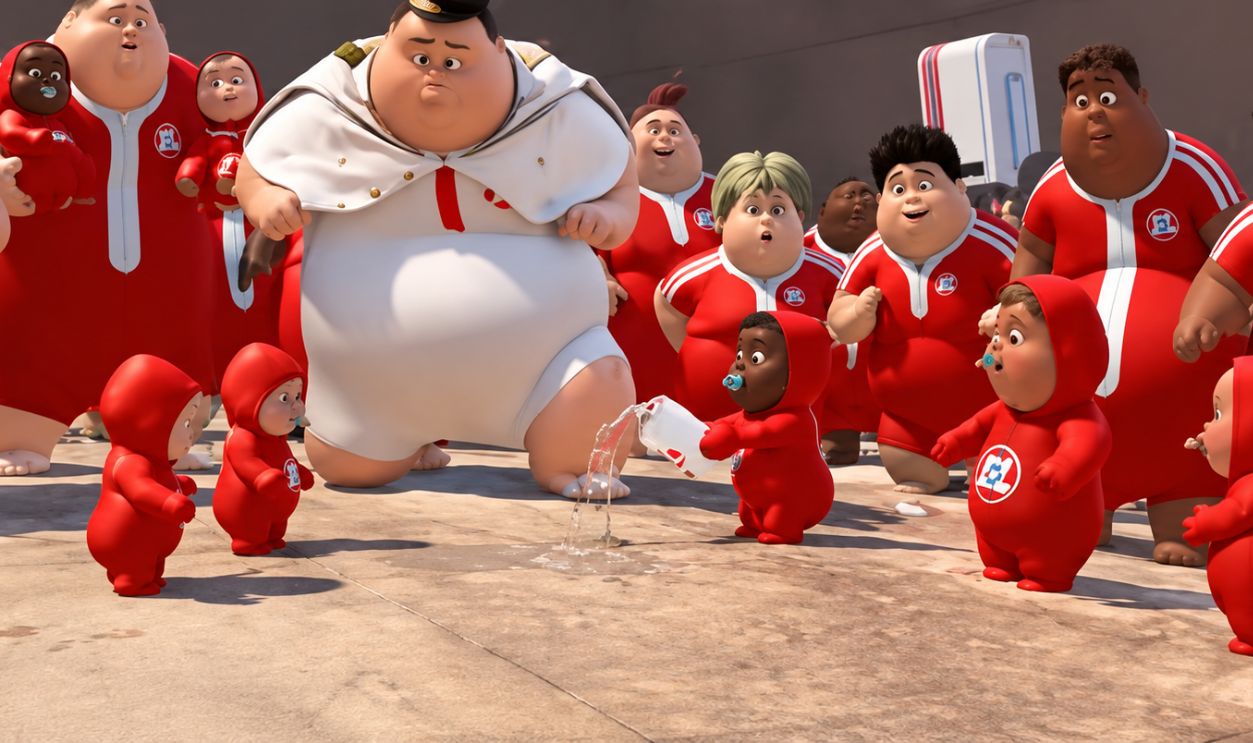 Screenshot from WALL-E, Walt Disney Studios Motion Pictures (2008), Enhanced
Escape Room (2019)
An earlier ending trapped survivor Zoey inside another deadly puzzle, this time in her dormitory. The released version substituted a different conclusion, expanding the conspiracy and setting up another elaborate escape challenge.
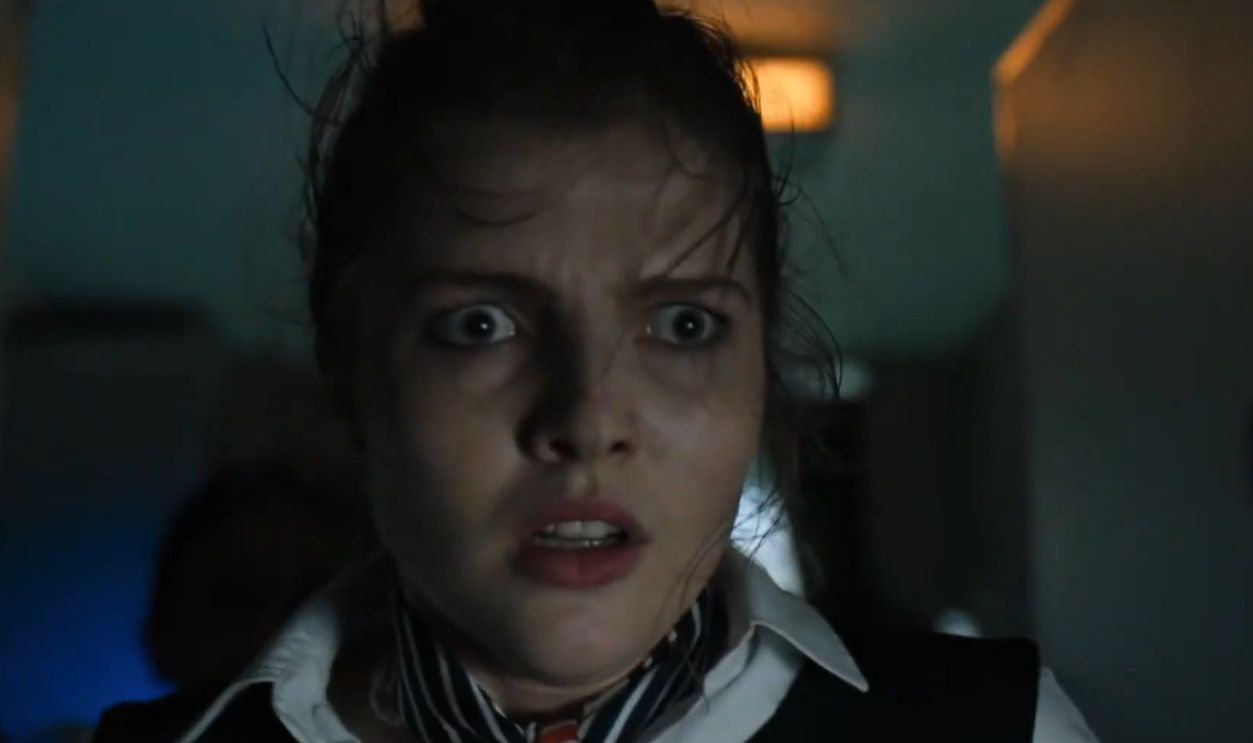 Screenshot from Escape Room, Sony Pictures Releasing (2019)
Freddy Vs. Jason (2003)
The original finale ended with an awkward nightmare involving the surviving teenagers. After test reactions, filmmakers shot the memorable replacement showing Jason emerging from Crystal Lake carrying Freddy's severed, winking head.
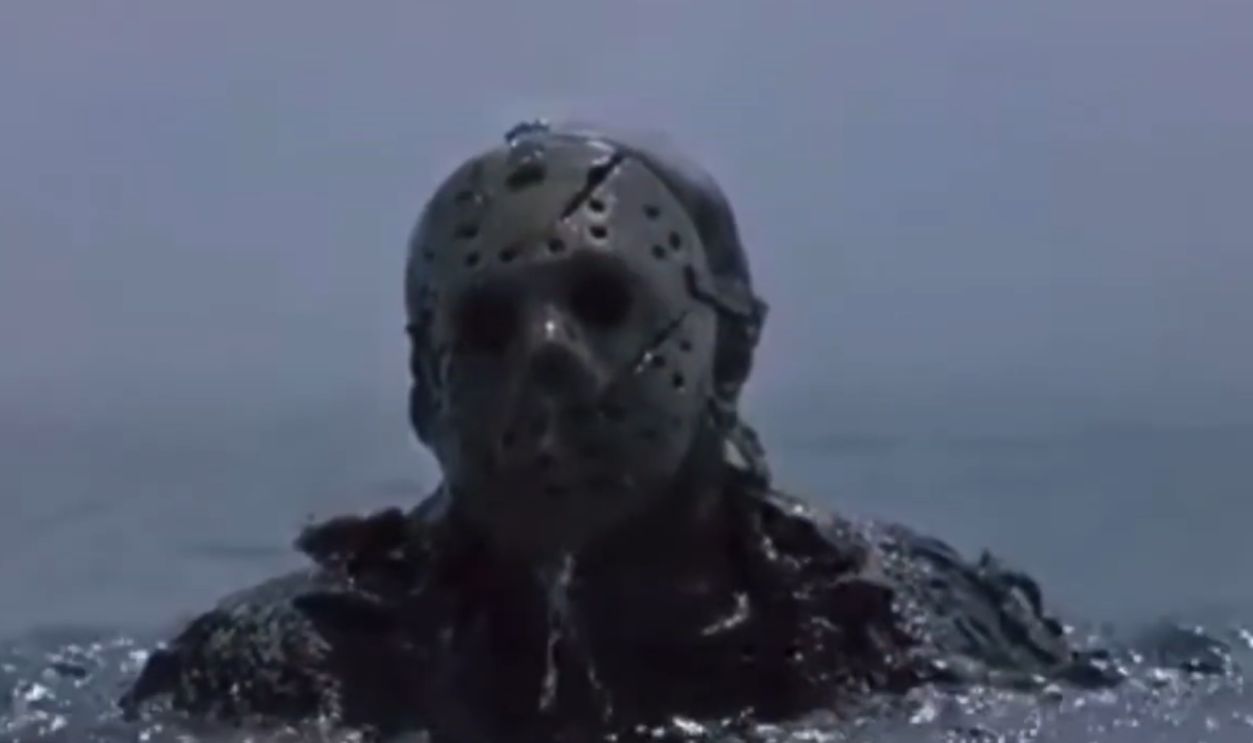 Screenshot from Freddy vs. Jason, New Line Cinema (2003)
You May Also LIke:
Times That American Cinema Butchered A Beautiful Foreign Film
Sources: 1, 2, 3, 4, 5, 6, 7, 8, 9, 10, 11, 12, 13, 14, 15, 16, 17, 18