The Movie Titles Hollywood Almost Got Very Wrong
Some movie titles seem impossible to imagine any other way. Yet plenty of Hollywood classics spent months, or years, answering to different names. Some were serious release contenders; others were working titles abandoned before opening night.
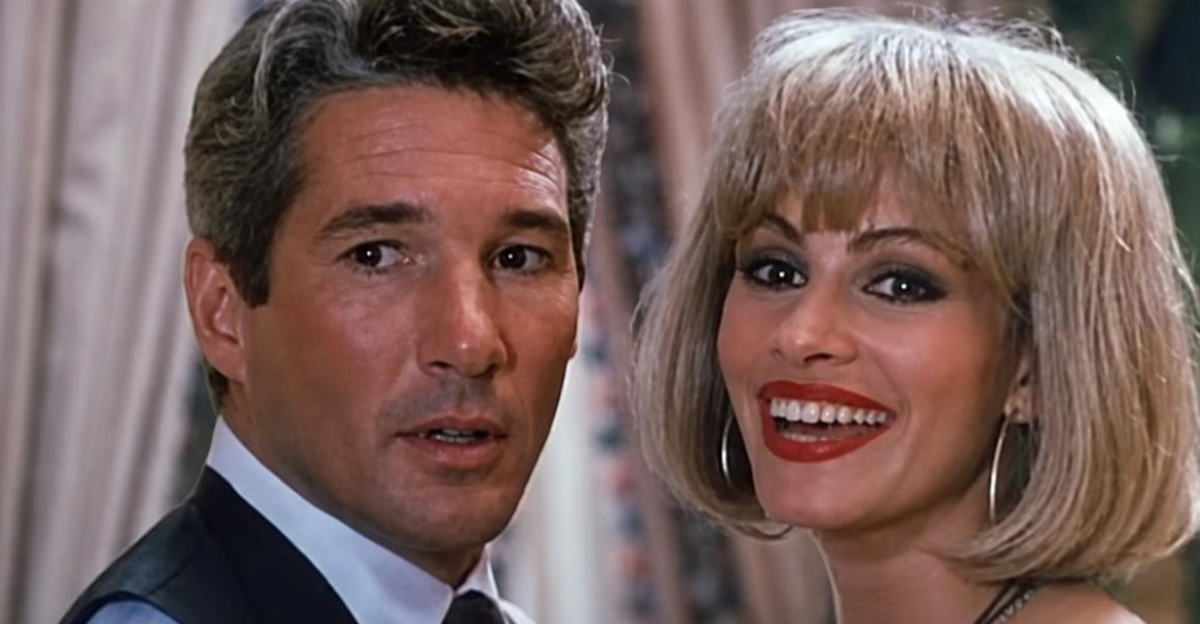 Screenshot from Pretty Woman, 1990, Amazon Prime Video
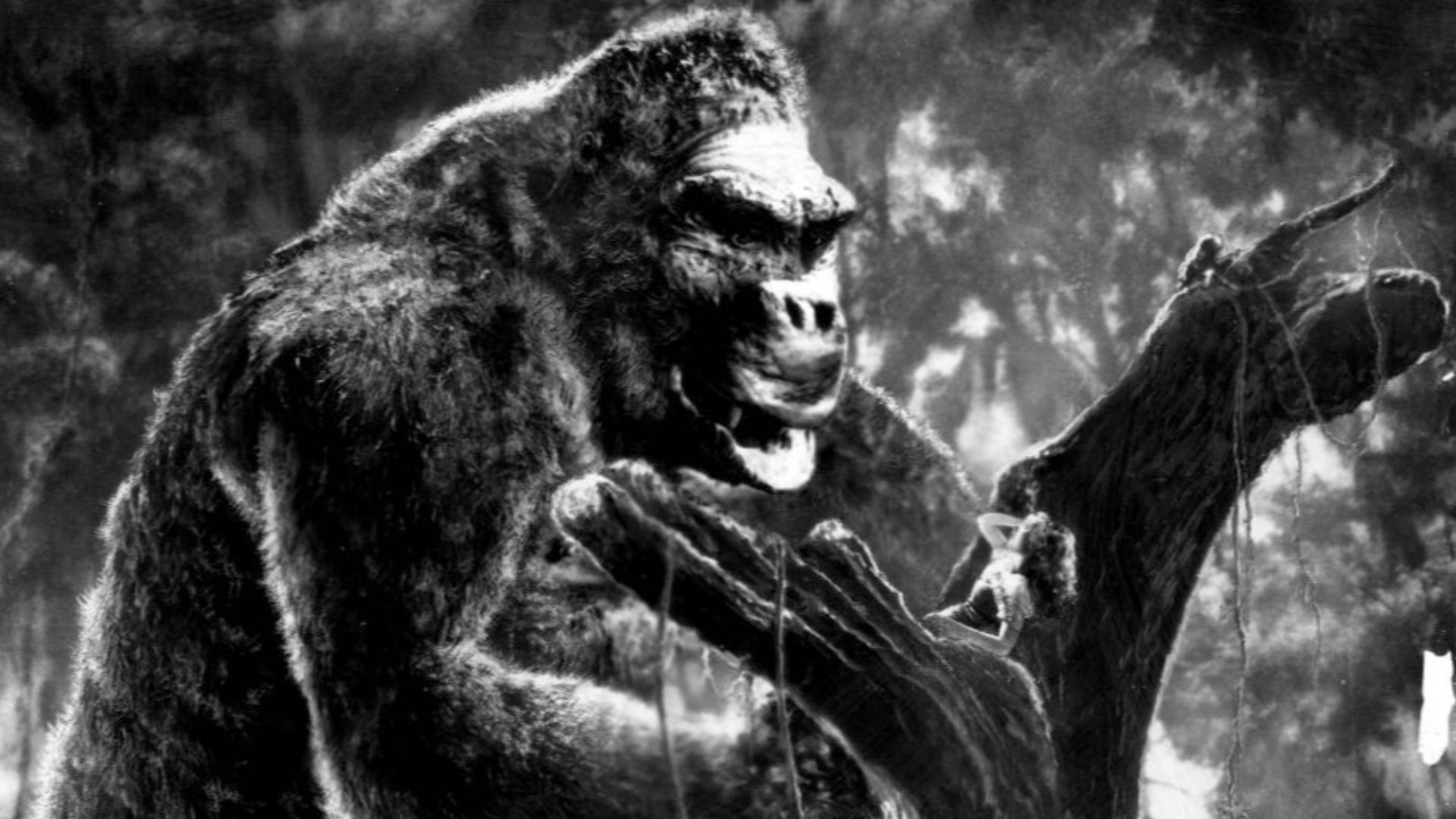
King Kong (1933): The Eighth Wonder
Before the giant ape became a movie icon, the filmmakers considered titles including The Beast and The Eighth Wonder. King Kong won out, giving the creature top billing and establishing one of cinema's most recognizable monster names.
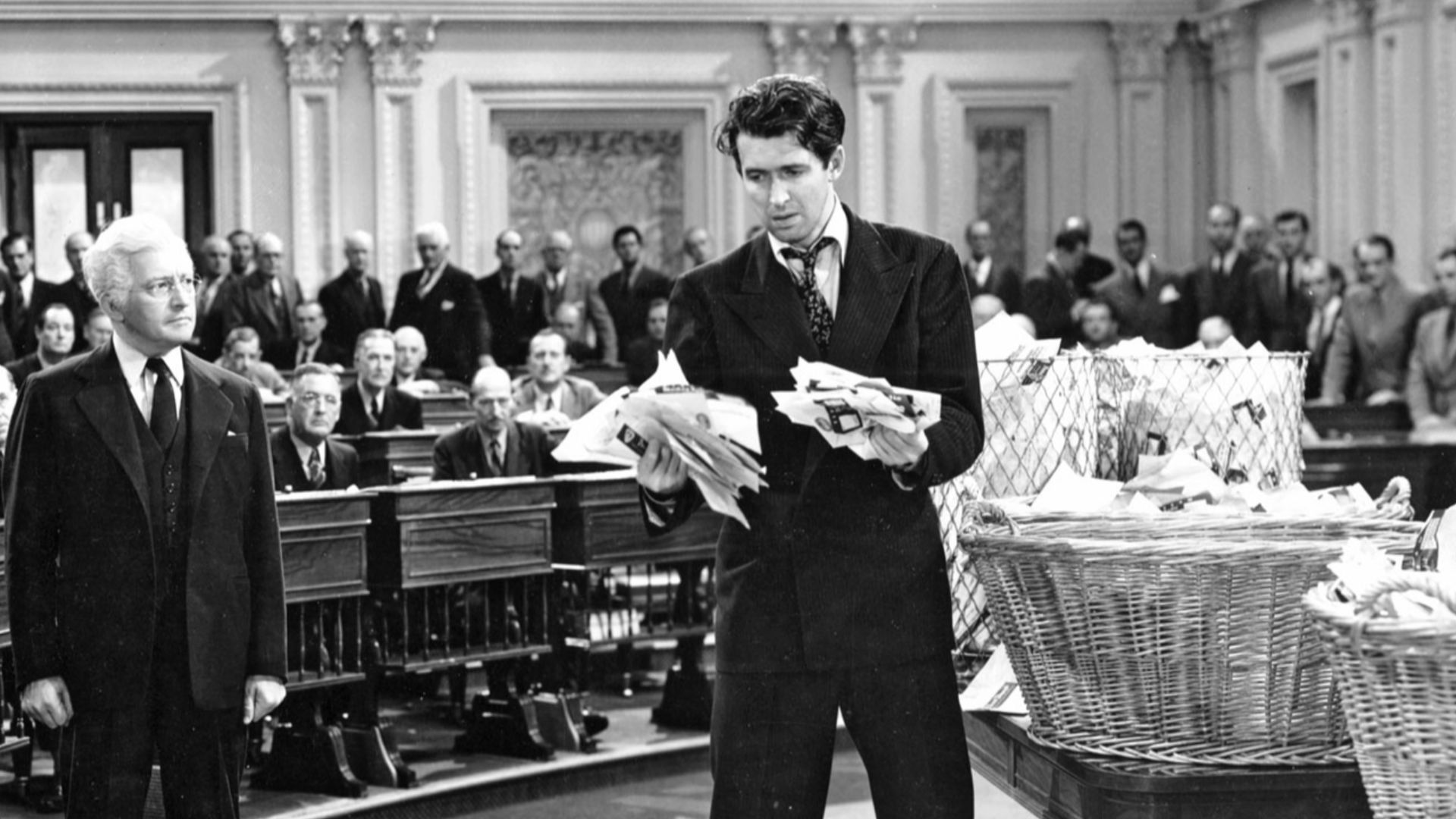
Mr. Smith Goes To Washington (1939): Mr. Deeds Goes To Washington
Frank Capra developed this story as a follow-up to Mr. Deeds Goes to Town, starring Gary Cooper. When that approach fell through, James Stewart became Jefferson Smith and the movie gained its familiar title.
 Columbia Pictures, Wikimedia Commons
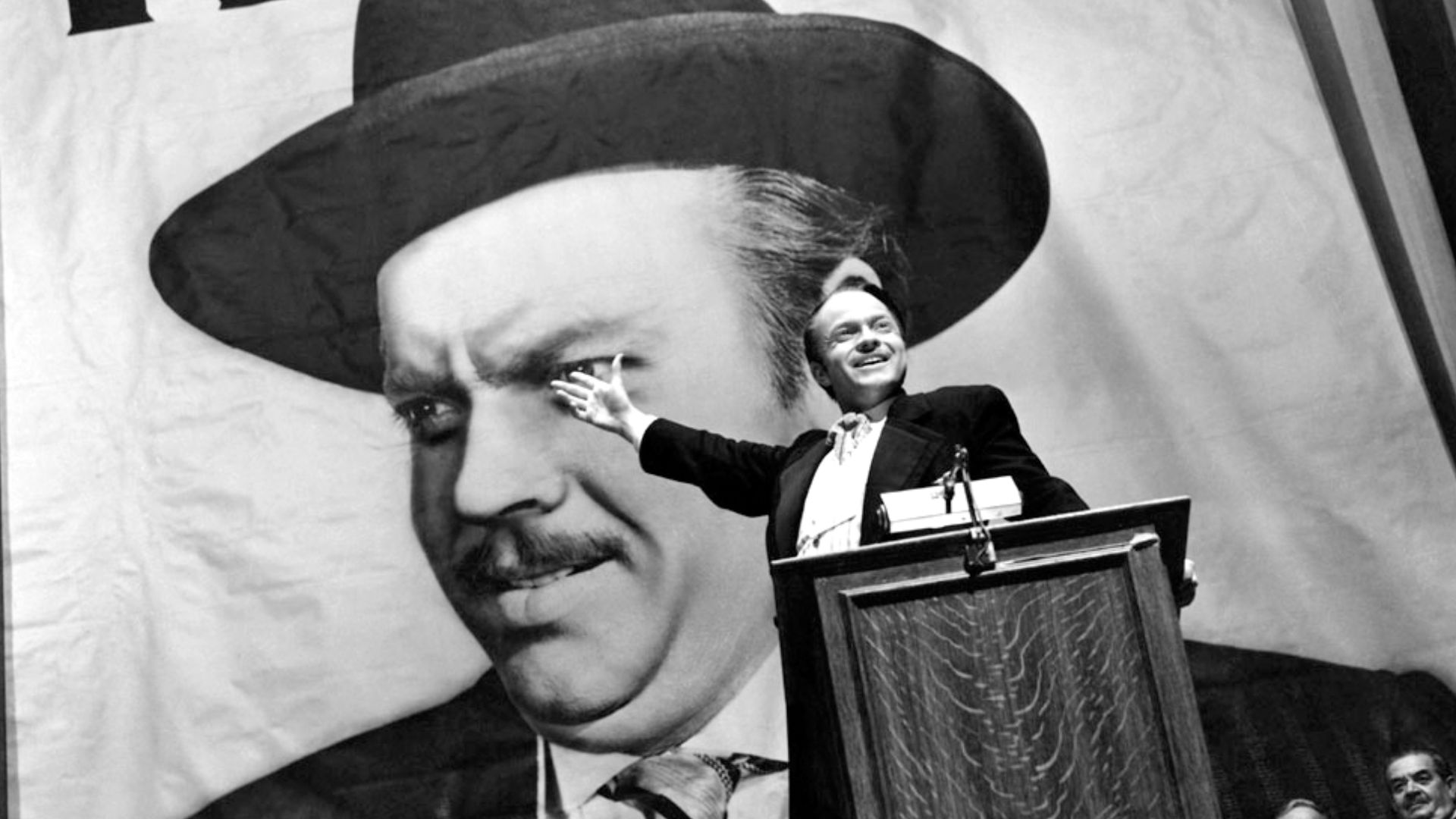
Citizen Kane (1941): American
Orson Welles's groundbreaking drama began life under the startlingly plain title American. Early drafts used it; John Citizen, U.S.A. was also reported. Eventually, the title shifted toward its mysterious newspaper-magnate protagonist.
 RKO Radio Pictures, still photographer Alexander Kahle, Wikimedia Commons
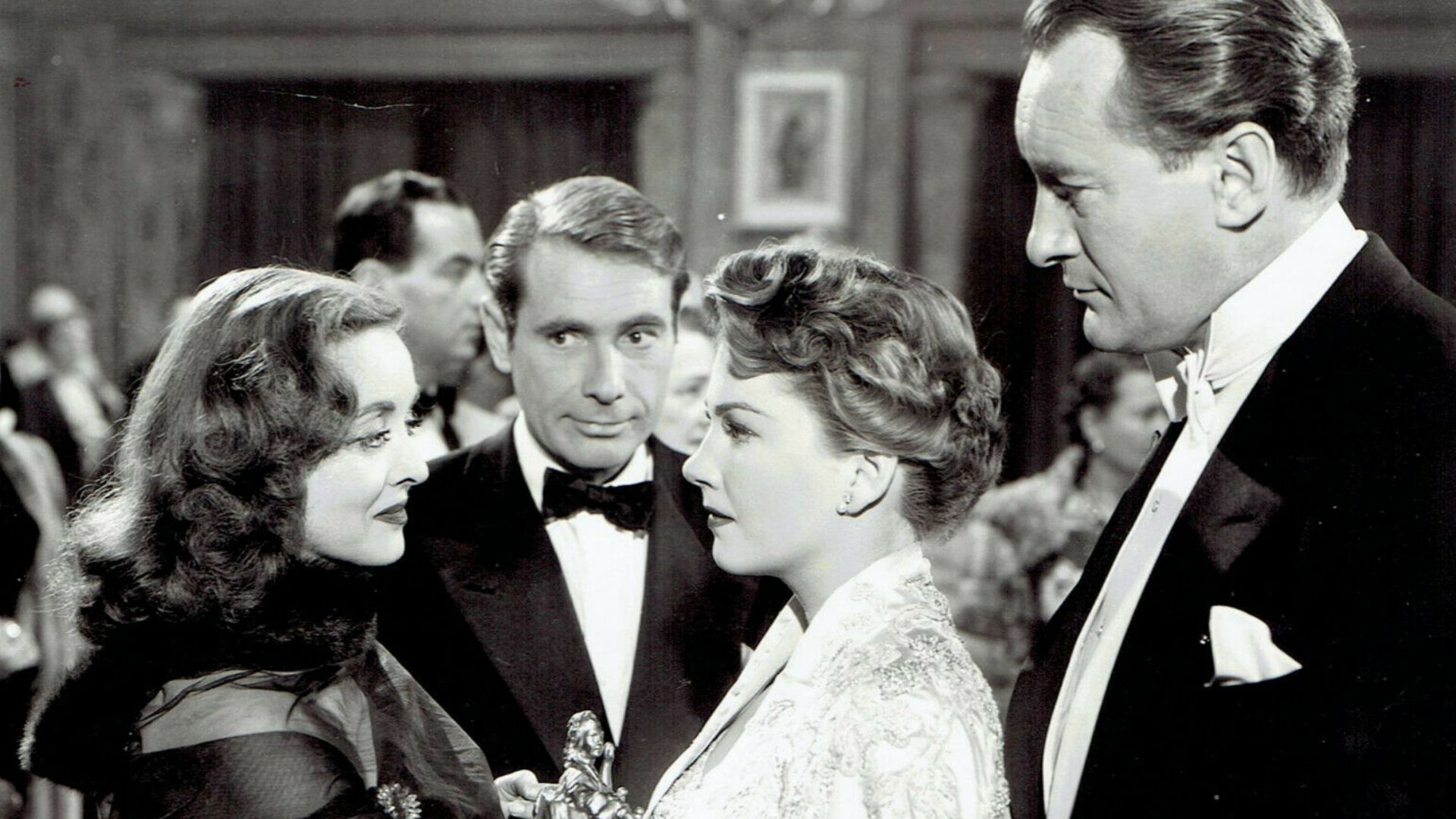
All About Eve (1950): Best Performance
The backstage drama almost had a much more straightforward show-business title: Best Performance. Writer-director Joseph L. Mankiewicz ultimately went with All About Eve, putting the ambitious young actress's name front and center.
 20th Century Fox / Photographer not credited, Wikimedia Commons
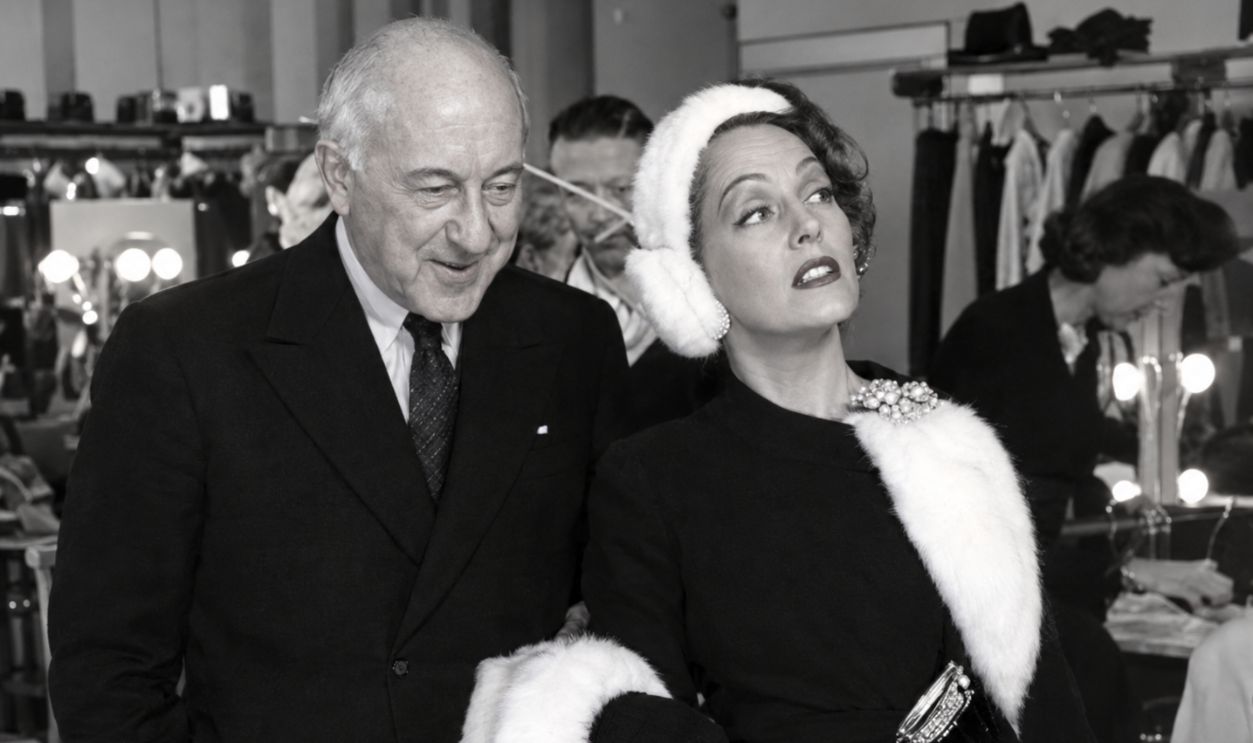
Sunset Boulevard (1950): A Can Of Beans
Billy Wilder's Hollywood drama circulated under the deliberately unglamorous working title A Can of Beans. It helped conceal the project. The finished film instead borrowed the name of Los Angeles's famous boulevard.
 Paramount Studios, Wikimedia Commons, Enhanced
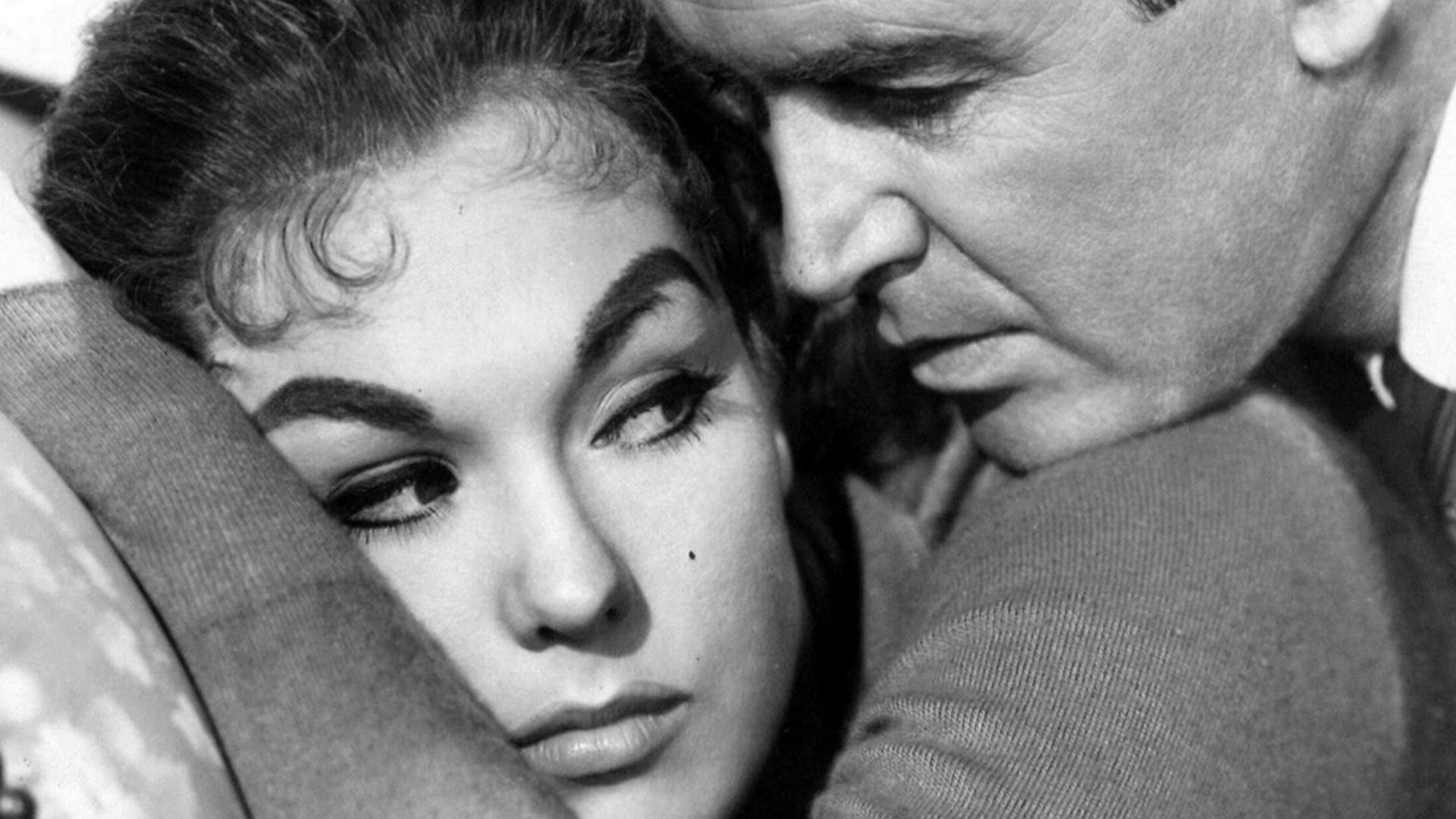
Vertigo (1958): From Among The Dead
Alfred Hitchcock's thriller went through possible titles including From Among the Dead, Confessions on Tower, and Darkling I Listen. Paramount worried audiences might not understand “vertigo,” but Hitchcock's striking, one-word choice survived.
 Paramount Pictures, Wikimedia Commons
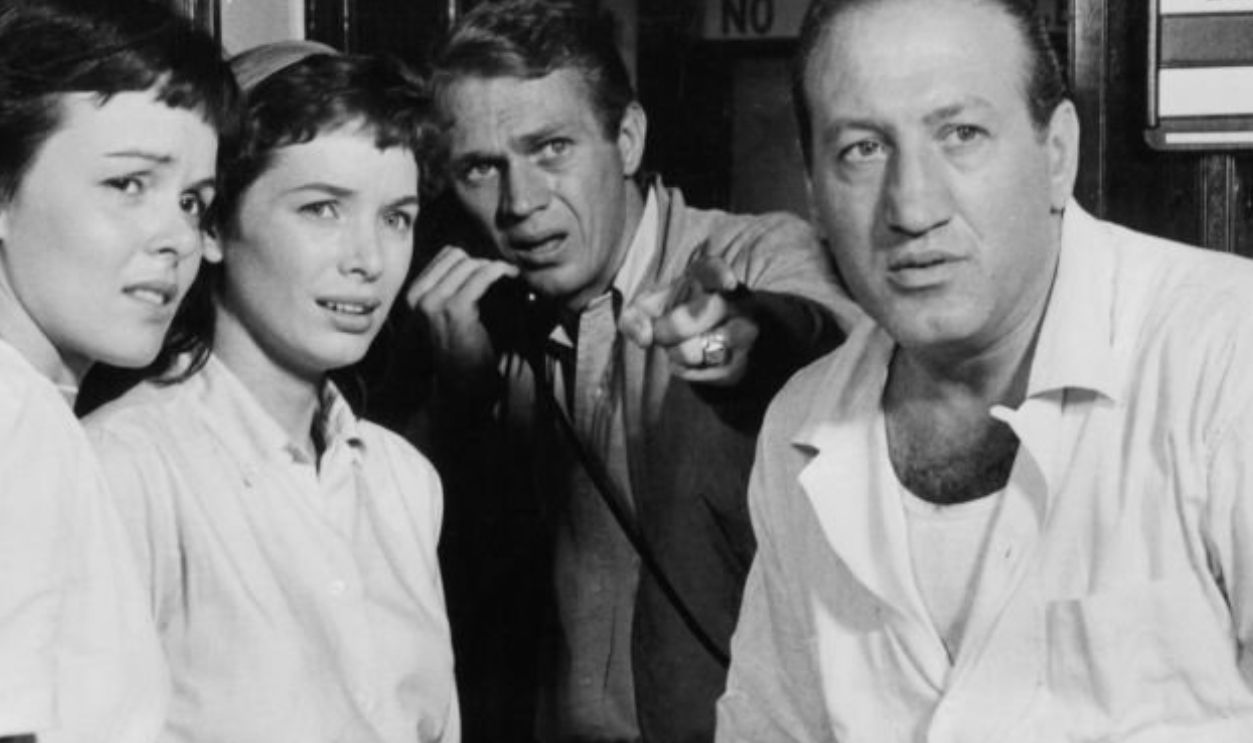
The Blob (1958): The Molten Meteor
The gelatinous monster was originally known during development as The Molten Meteor. Producer Jack H. Harris and director Irvin S. Yeaworth eventually settled on The Blob, a fittingly direct name for the creature.
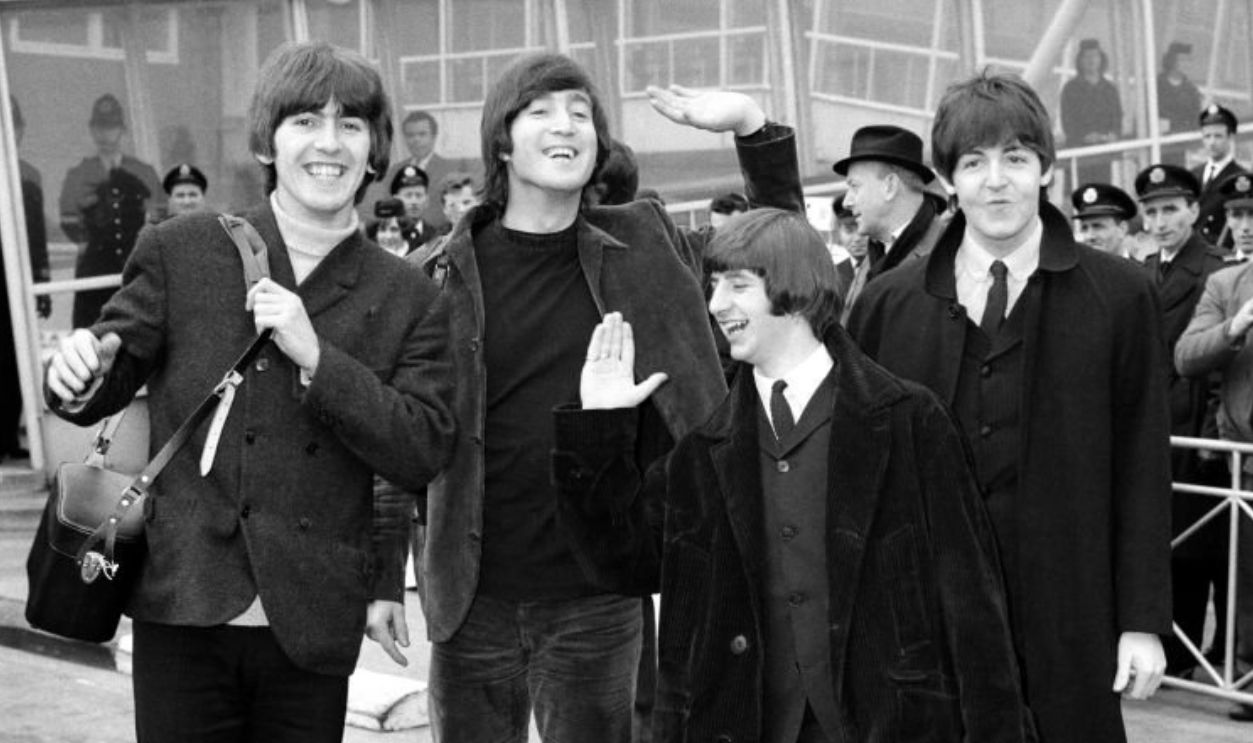
Help! (1965): Eight Arms To Hold You
The Beatles' second feature film originally carried the working title Eight Arms to Hold You. It was publicly announced that way. The finished comedy became Help!, matching the group's song and accompanying album.
2001: A Space Odyssey (1968): Journey Beyond The Stars
Stanley Kubrick's space epic spent part of its development as Journey Beyond the Stars. Archival production material preserves that title, including publicity planning. The eventual title added a specific year and greater mystery.
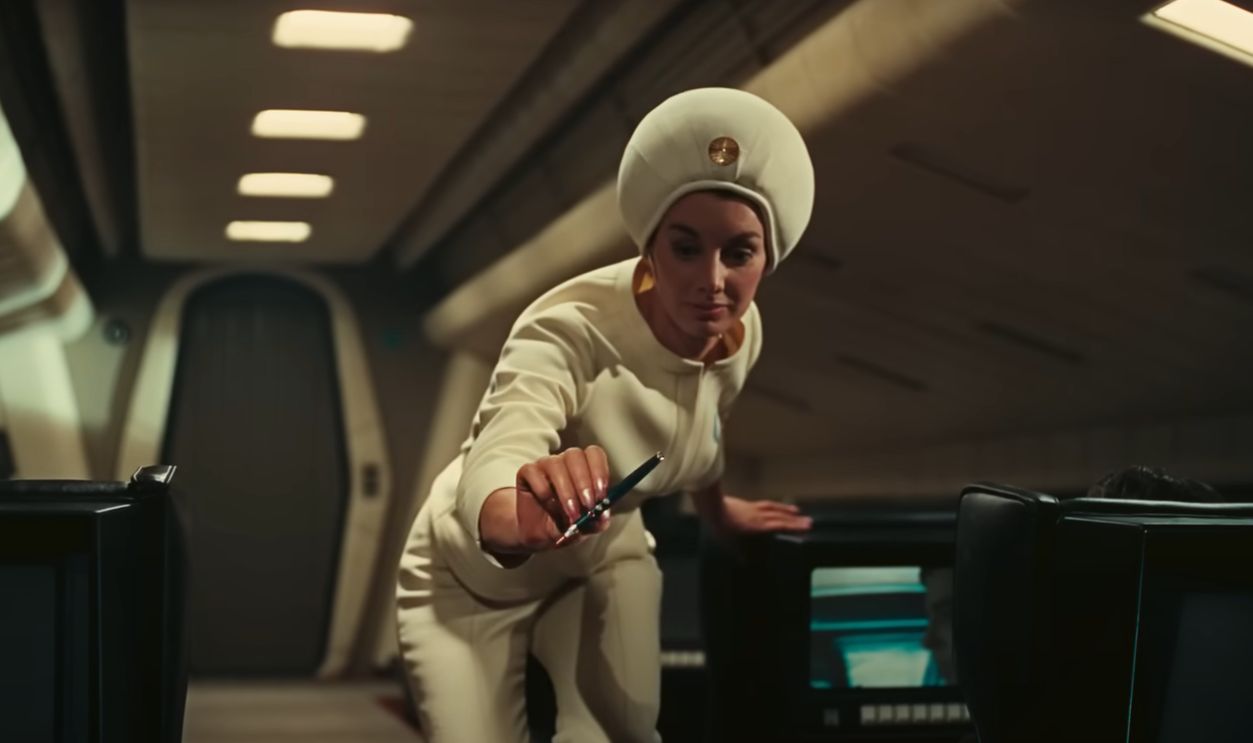 Screenshot from 2001: A Space Odyssey, Metro-Goldwyn-Mayer (1968)
The Texas Chain Saw Massacre (1974): Head Cheese
Long before its frighteningly direct final title, Tobe Hooper's horror film cycled through possibilities such as Head Cheese and Leatherface. Those names hinted at horror, but the eventual title promised something more intense.
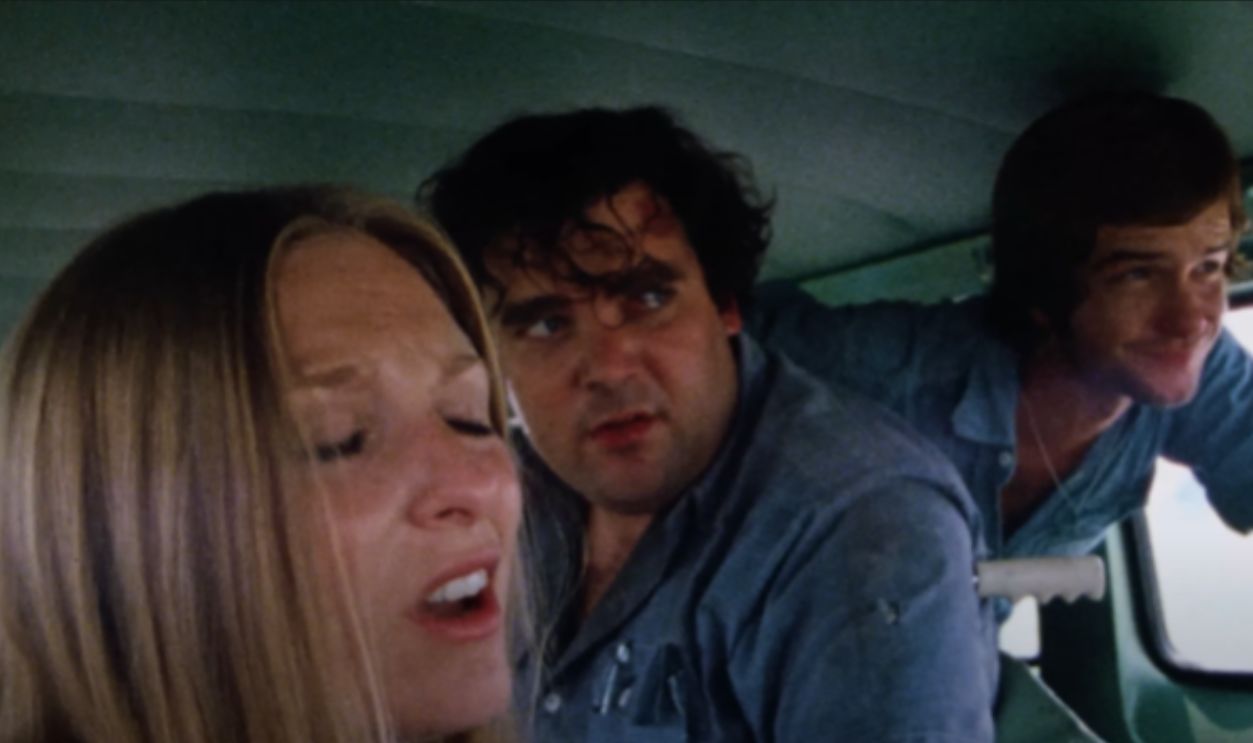 Screenshot from The Texas Chain Saw Massacre, Bryanston Pictures (1974)
Annie Hall (1977): Anhedonia
Woody Allen's romantic comedy was originally called Anhedonia, a psychological term referring to an inability to experience pleasure. As editing focused on the central relationship, Annie Hall replaced the unfamiliar word with its unforgettable heroine.
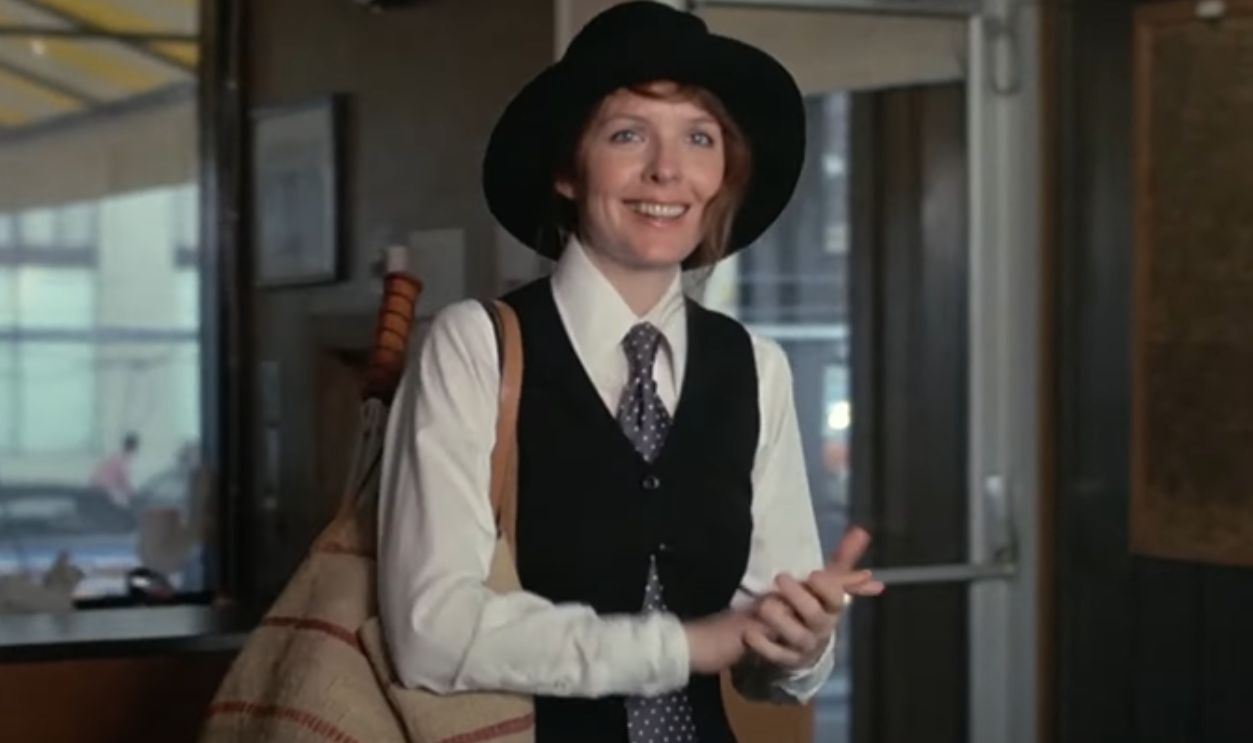 Screenshot from Annie Hall, United Artists (1977)
Close Encounters Of The Third Kind (1977): Watch The Skies
Steven Spielberg's science-fiction film developed under titles including Watch the Skies. The final name came from astronomer J. Allen Hynek's classification of UFO encounters, giving the story an official-sounding air of cosmic anticipation.
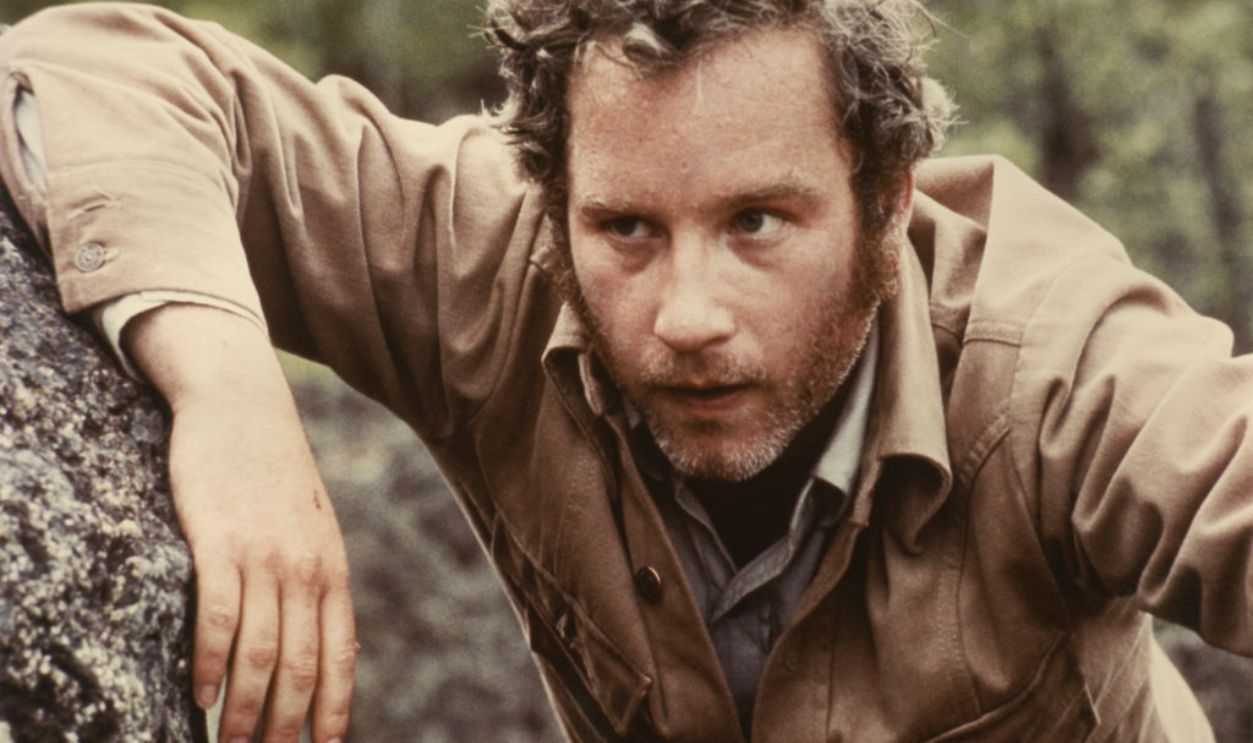
Halloween (1978): The Babysitter Murders
Producer Irwin Yablans originally envisioned a low-budget horror picture called The Babysitter Murders. Moving the story to Halloween night gave John Carpenter's film a stronger hook and a memorable holiday title.
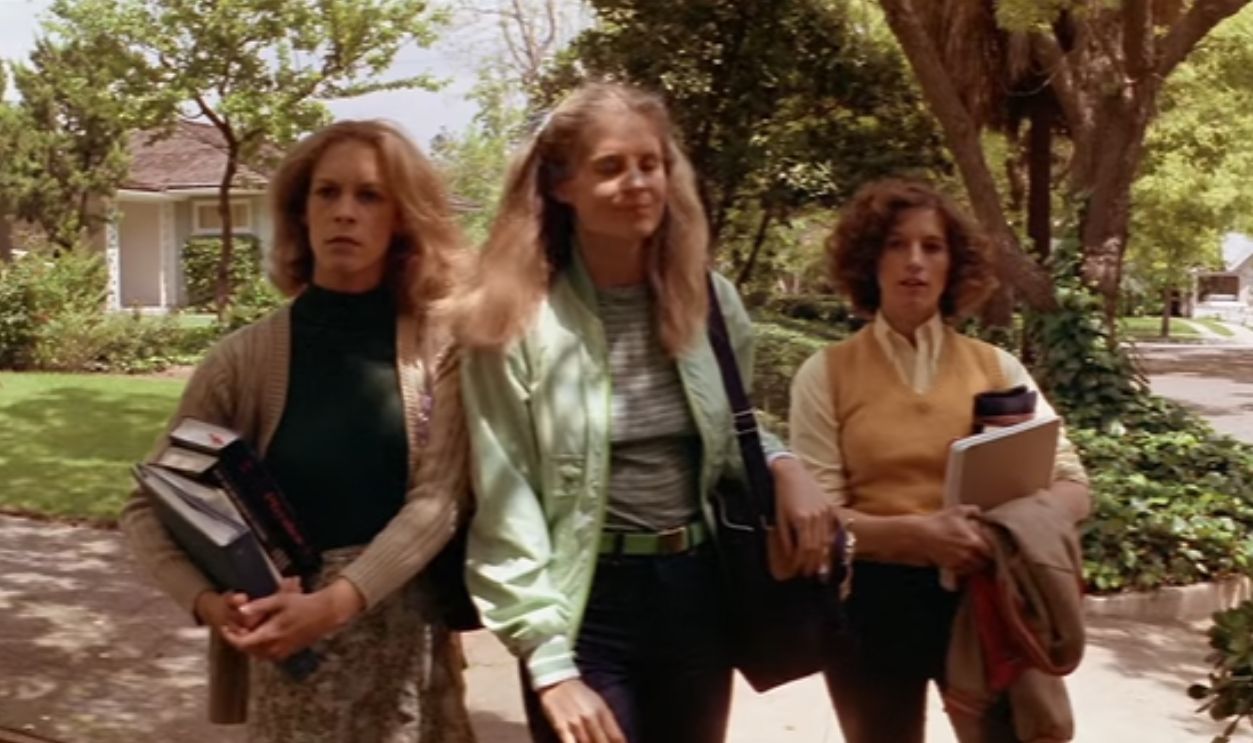 Screenshot from Halloween, Sony Pictures (1978)
Alien (1979): Star Beast
Writer Dan O'Bannon's screenplay first went by Star Beast, an almost charming name for such a terrifying creature. The shorter title Alien emerged during development, making an ordinary word sound incredibly ominous.
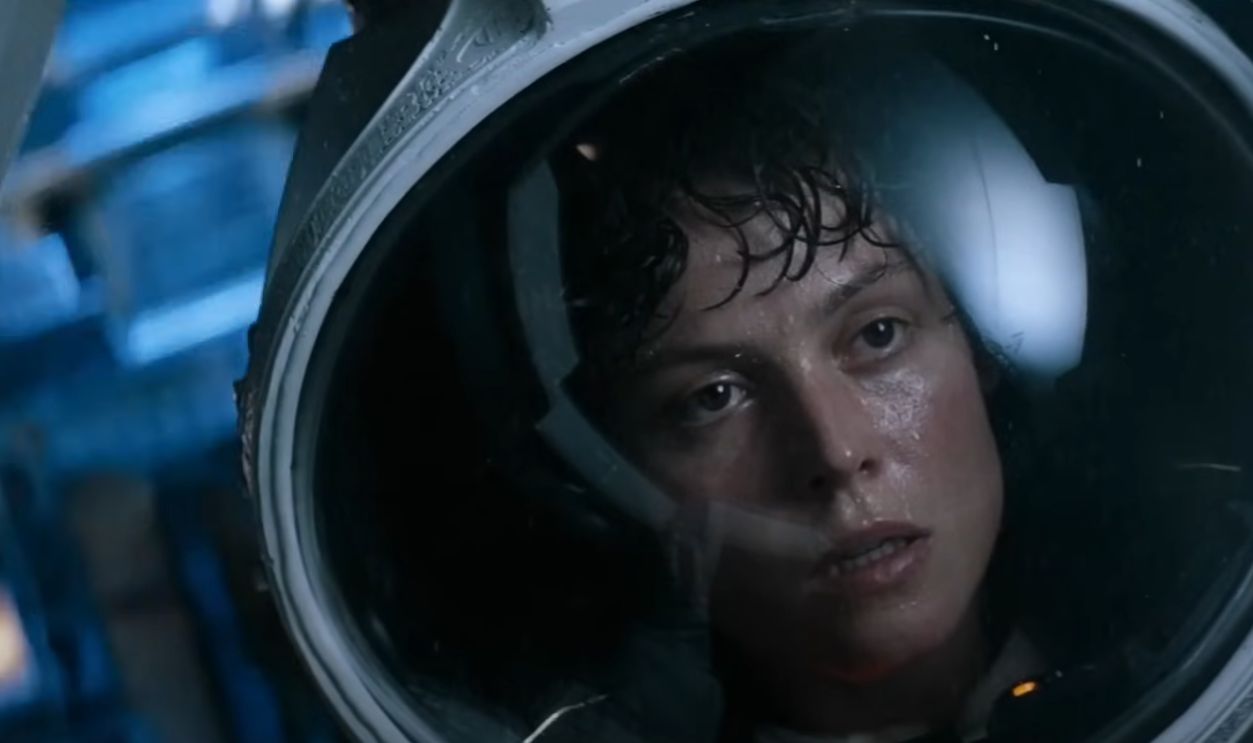 Screenshot from Alien, 20th Century Fox (1979)
E.T. The Extra-Terrestrial (1982): A Boy's Life
Steven Spielberg's production used A Boy's Life as a working title, partly to protect the project's secrecy. E.T. and Me was another possibility, but the final title put the stranded visitor front and center.
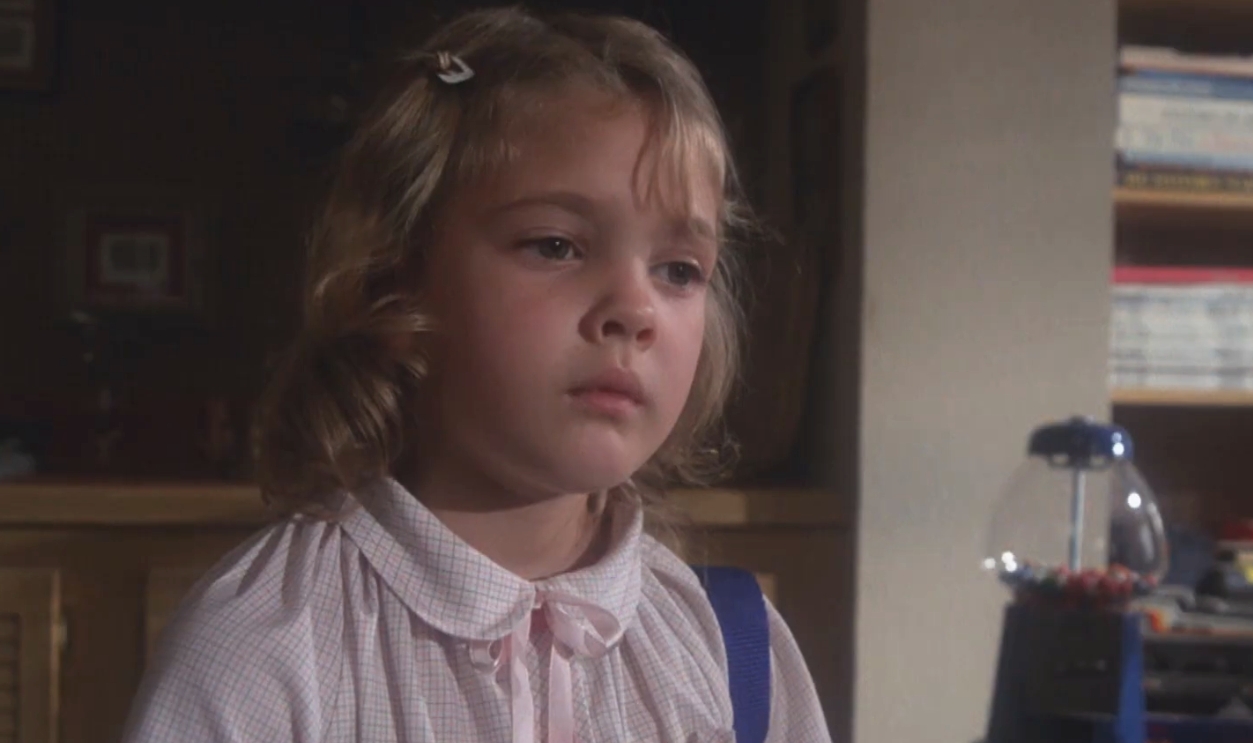 Screenshot from E.T. the Extra-Terrestrial, Universal Pictures (1982)
Blade Runner (1982): Dangerous Days
Before Ridley Scott's futuristic thriller became Blade Runner, its development included names such as Dangerous Days and Mechanismo. The eventual title came from a separate literary source and sounded considerably sharper than either early alternative.
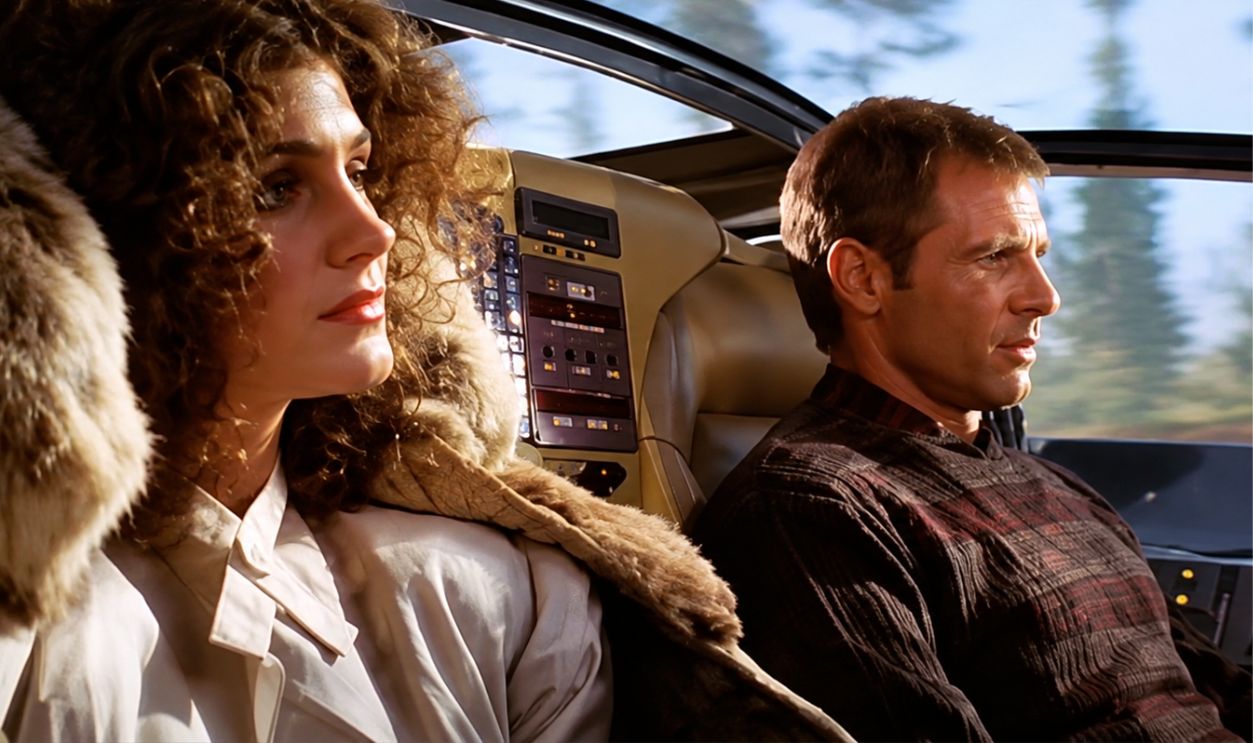 Screenshot from Blade Runner, Warner Bros. (1982), Enhanced
Tootsie (1982): Would I Lie To You?
An earlier version of the story that eventually became Tootsie bore the title Would I Lie to You? Dustin Hoffman also developed a related cross-dressing performance concept. The final name was shorter, stranger, and easier to remember.
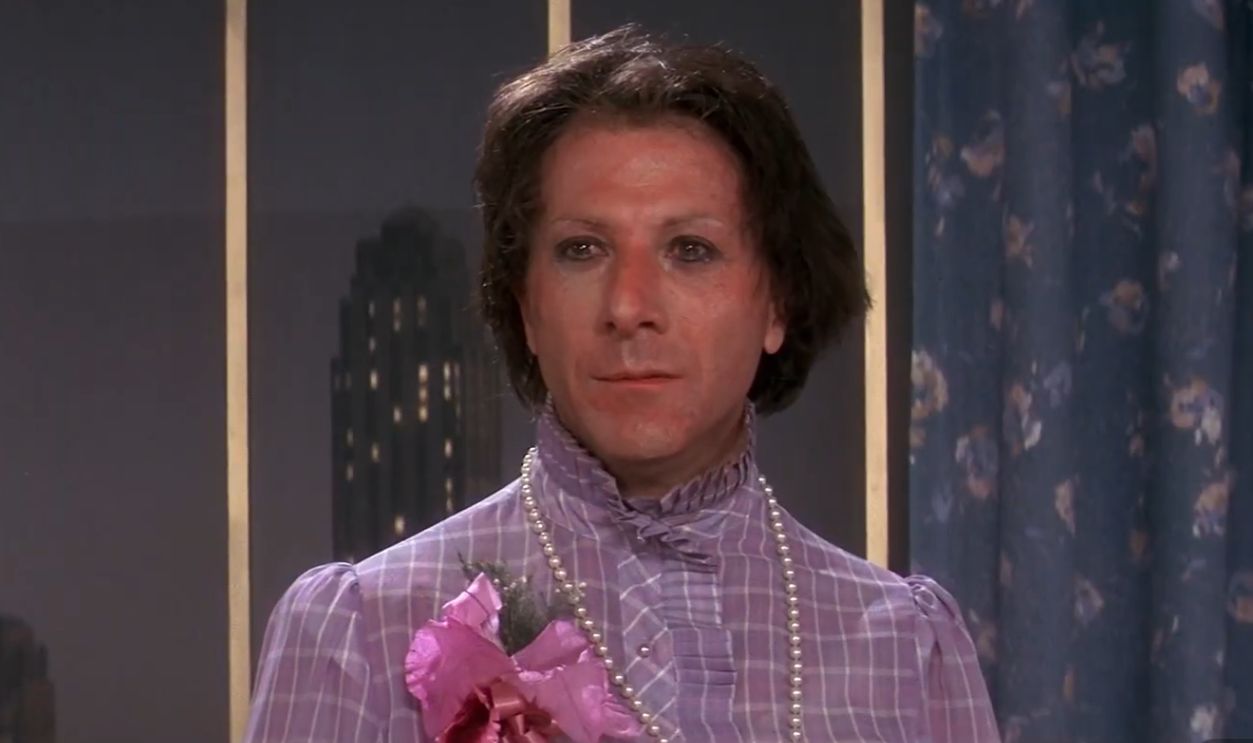 Screenshot from Tootsie, Columbia Pictures (1982)
Return Of The Jedi (1983): Revenge Of The Jedi
This wasn't just a vague working title: Revenge of the Jedi appeared in early promotional material. George Lucas changed it to Return of the Jedi before release, leaving rare posters with the discarded name.
 Screenshot from Return of the Jedi, 20th Century Fox (1983)
The Breakfast Club (1985): The Lunch Bunch
John Hughes initially referred to his detention-room drama as The Lunch Bunch. He eventually adopted The Breakfast Club, a name associated with morning detention at a school, giving his ensemble an intriguing identity.
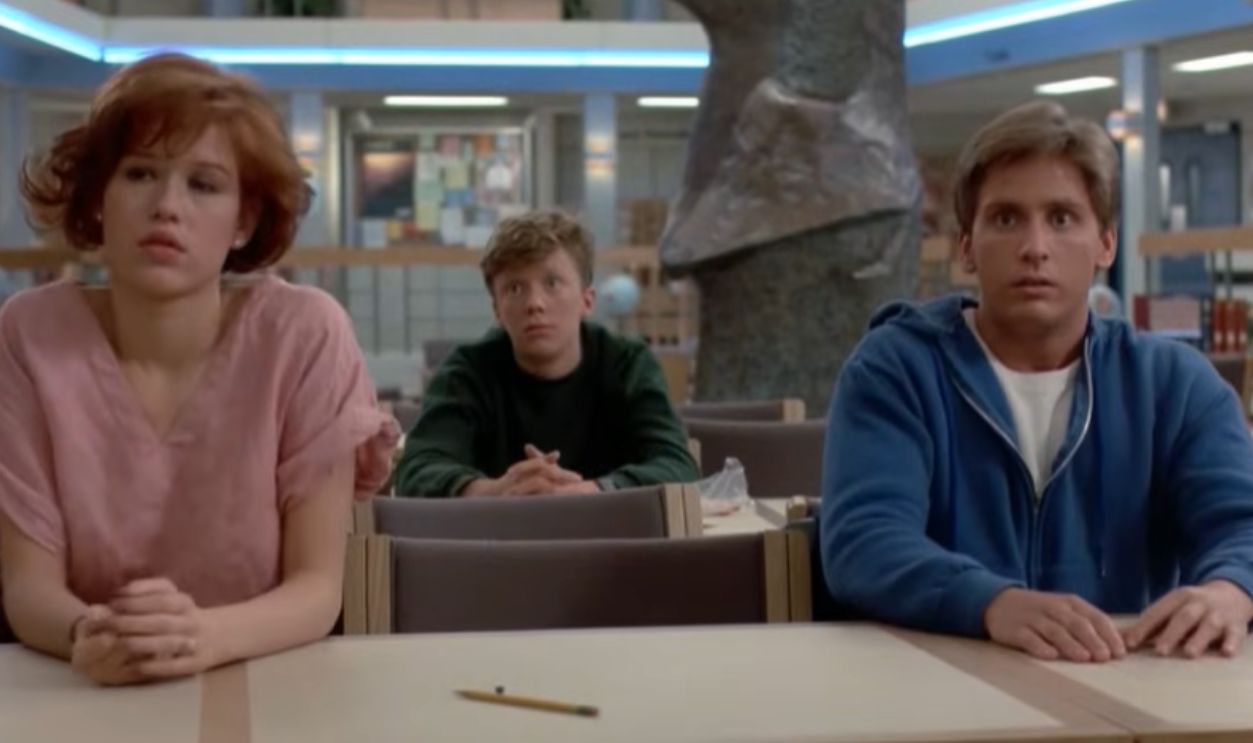 Screenshot from The Breakfast Club, Universal Pictures (1985)
Back To The Future (1985): Space Man From Pluto
Universal executive Sid Sheinberg suggested replacing Back to the Future with Space Man from Pluto. Writer Bob Gale and his collaborators resisted the idea, preserving the famous time-travel title that audiences know today.
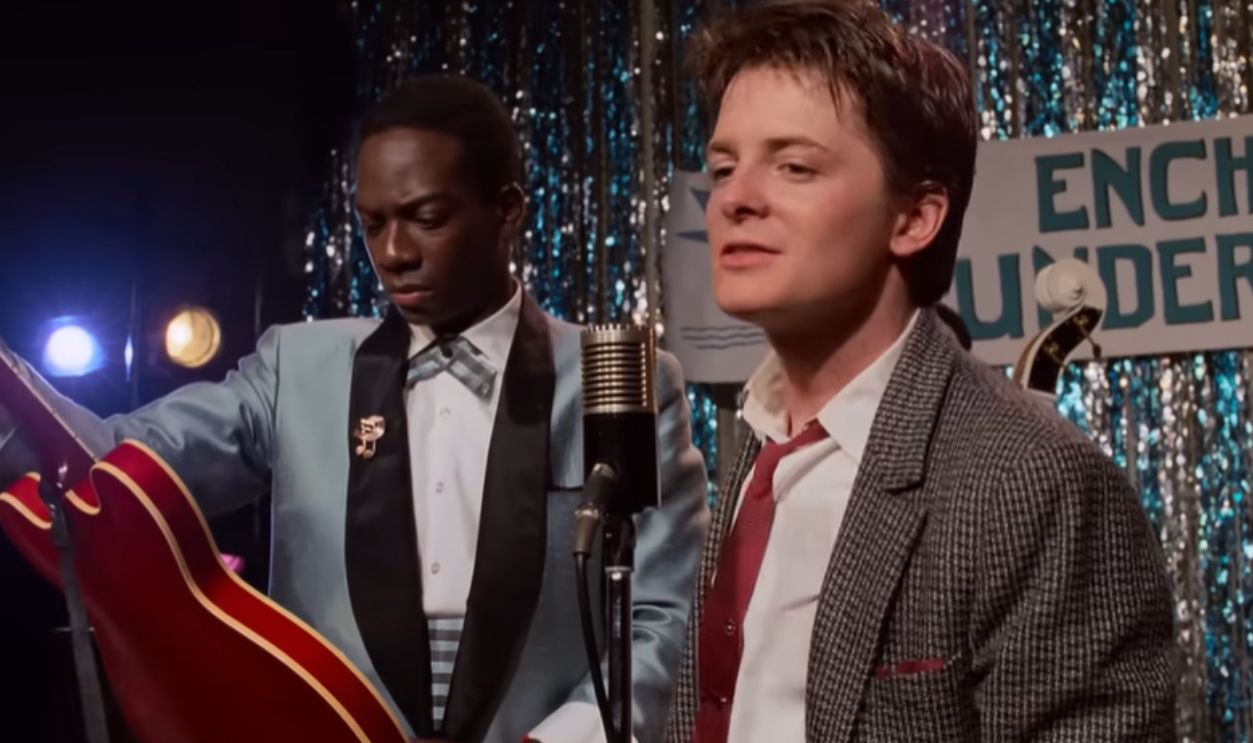 Screenshot from Back to the Future, Universal Pictures (1985)
Predator (1987): Hunter
The action-horror project was first developed under the simple name Hunter, before becoming Predator. The later title shifted the emphasis from whoever was doing the tracking to the formidable alien pursuing Arnold Schwarzenegger's team.
 Screenshot from Predator, 20th Century Studios (1987)
Field Of Dreams (1989): Shoeless Joe
The baseball fantasy originally shared the name of W. P. Kinsella's source novel, Shoeless Joe. Universal ultimately chose Field of Dreams, despite director Phil Alden Robinson's initial reservations. The replacement stuck.
 Screenshot Field of Dreams, Universal Pictures (1989)
Pretty Woman (1990): 3000
The screenplay that became Pretty Woman was originally titled 3000, referring to the money Edward offered Vivian for their arrangement. That early version was notably darker; the eventual title matched the film's lighter romantic direction.
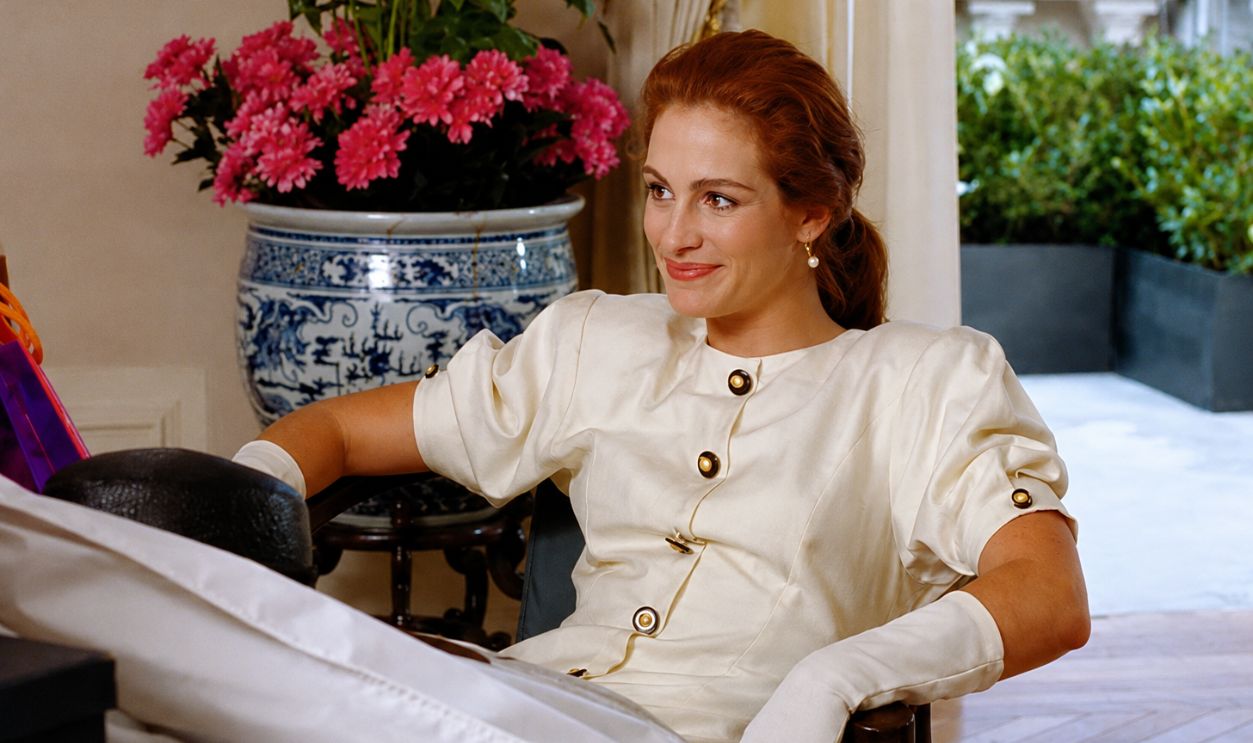 Screenshot from Pretty Woman, Buena Vista Pictures (1990), Enhanced
Goodfellas (1990): Wiseguy
Martin Scorsese's gangster movie began with the name of Nicholas Pileggi's nonfiction book, Wiseguy. With a television series already using that title, the production ultimately adopted Goodfellas, an ironically friendly label for its criminal world.
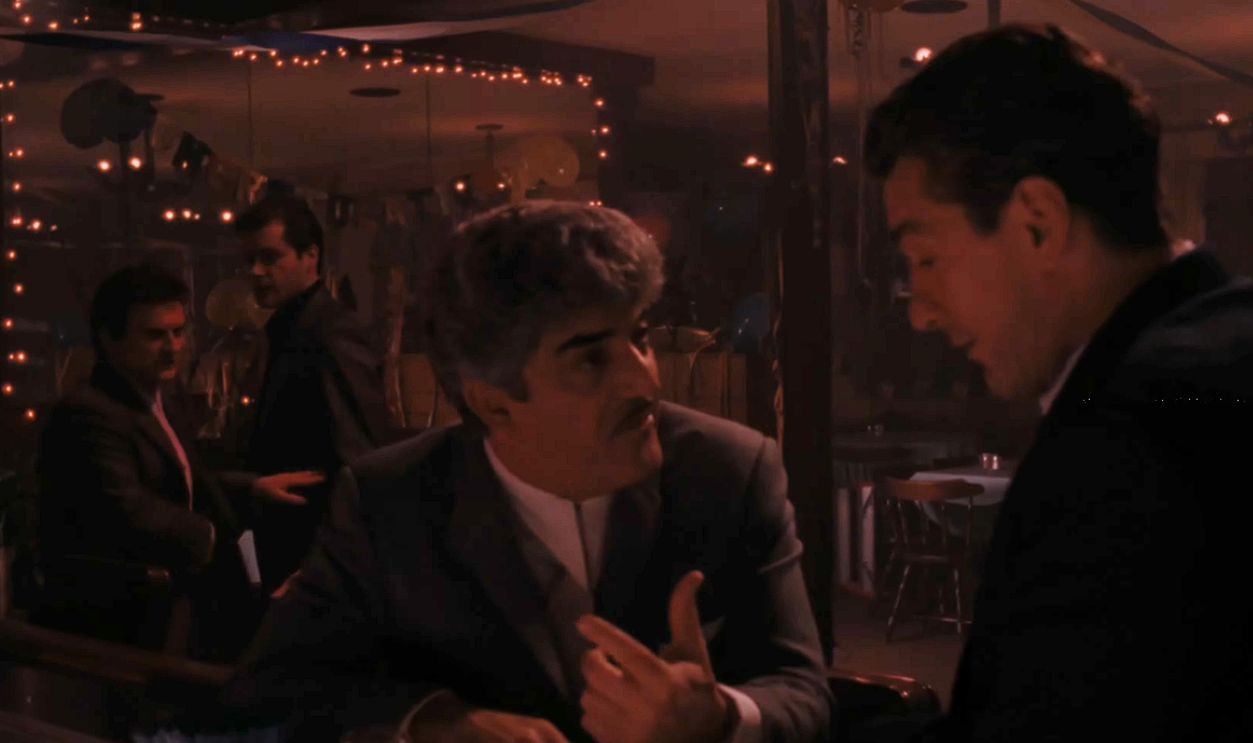 Screenshot from Goodfellas, Warner Bros. Pictures (1990)
The Lion King (1994): King Of The Jungle
Disney's animated hit spent development under the title King of the Jungle. But the story takes place largely on African grasslands, not in a jungle. The final name was simpler and better suited to Simba's royal destiny.
 Screenshot from The Lion King, Walt Disney Pictures(1994)
Toy Story (1995): Moving Buddies
Pixar considered an astonishing variety of alternatives, including Moving Buddies, Spurs & Rockets, and The Cowboy & the Spaceman. None stuck, so the working title Toy Story became the movie's permanent name.
 Screenshot from Toy Story, Buena Vista Pictures Distribution (1995)
Scream (1996): Scary Movie
Kevin Williamson originally wrote his sharp horror screenplay as Scary Movie, and the project kept that name during development. It became Scream before release, while Scary Movie later resurfaced as the title of an entirely different comedy franchise.
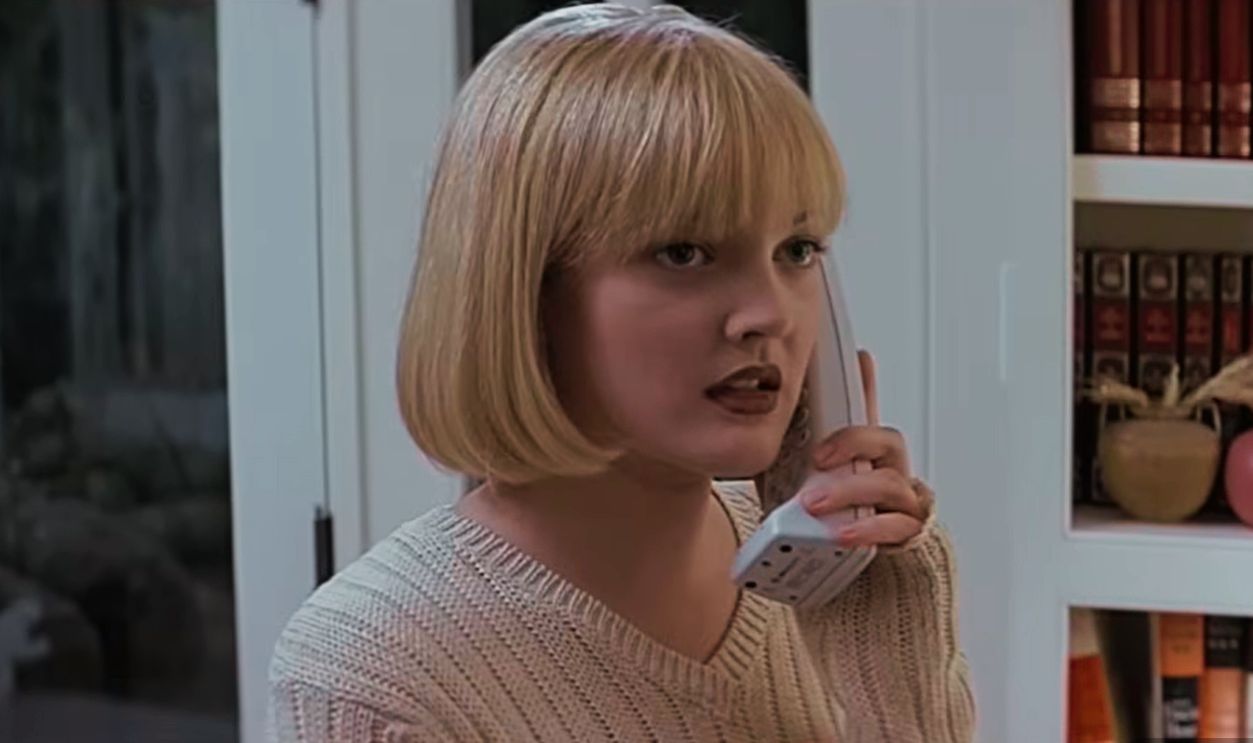 Screenshot from Scream, Dimension Films (1996)
You May Also Like:
Times That American Cinema Butchered A Beautiful Foreign Film
Movies That Prove The 80s Were The Best Decade In Film
Why Horror Movies Never Win Oscars
Sources: 1, 2, 3, 4, 5, 6, 7, 8, 9, 10, 11, 12, 13, 14, 15, 16, 17, 18, 19, 20, 21, 22, 23, 24, 25, 26, 27, 28