Halloween Monsters You Had To Be There To Appreciate
Long before CGI monsters and expensive horror franchises, Hollywood scared audiences with rubber suits, strange makeup, and creatures that sometimes looked downright ridiculous. But if you grew up watching horror movies in the 1950s, 1960s, or 1970s, these monsters were unforgettable. How many do you remember?
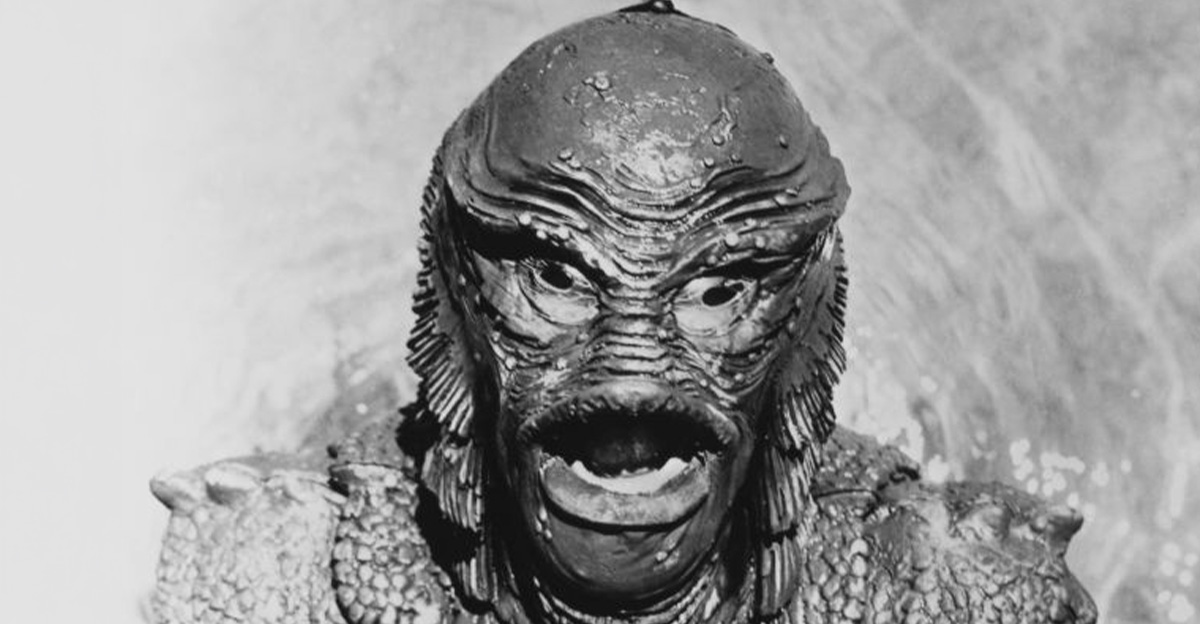
The Gill-Man From Creature From The Black Lagoon (1954)
Before movie monsters became computer-generated nightmares, there was the Gill-Man. This underwater creature terrified audiences with his enormous claws, bulging eyes, and unmistakable fish face. Two actors brought him to life: Ben Chapman on land and Ricou Browning underwater. The latter performed his scenes while holding his breath!
The Blob From The Blob (1958)
Remember when a giant ball of jelly was genuinely frightening? Steve McQueen battled this unstoppable alien goo in his first starring role. Interestingly, the movie's catchy theme song was written by Burt Bacharach and Mack David. It even reached the Billboard Top 40. Not bad for something resembling a runaway dessert.
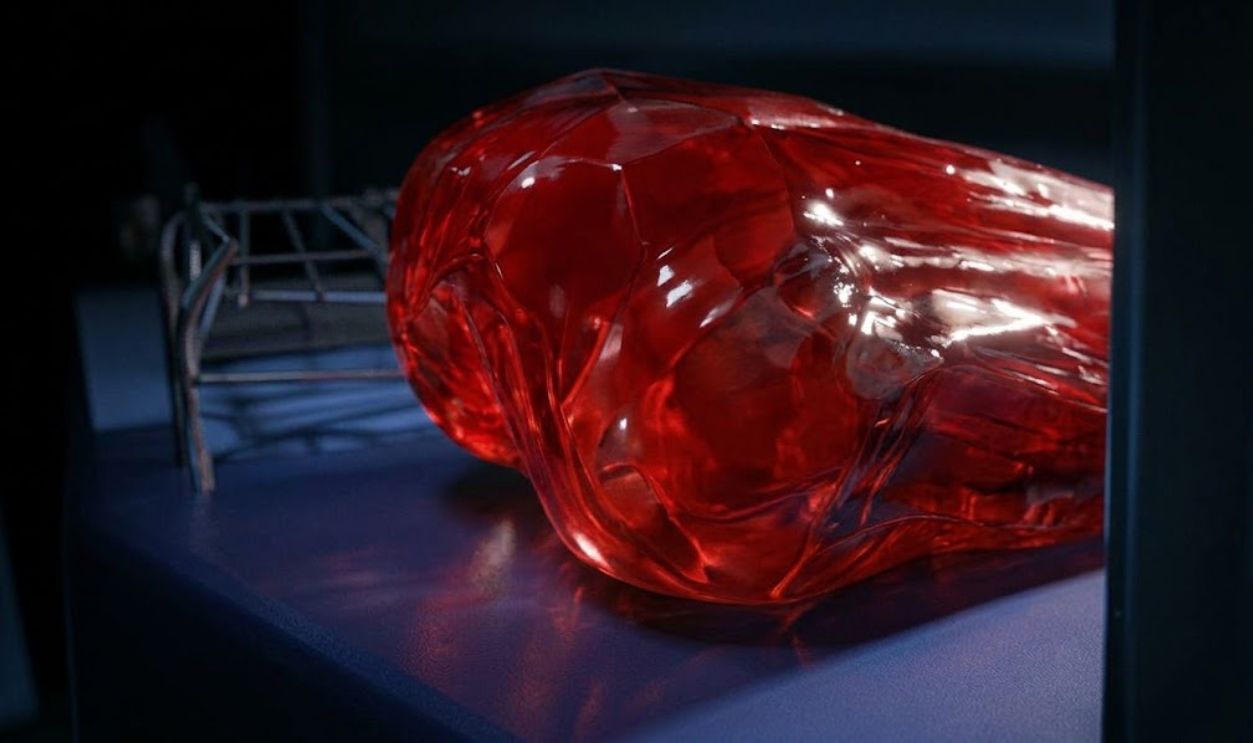 Screenshot from The Blob, Tonylyn Productions (1958), Enhanced
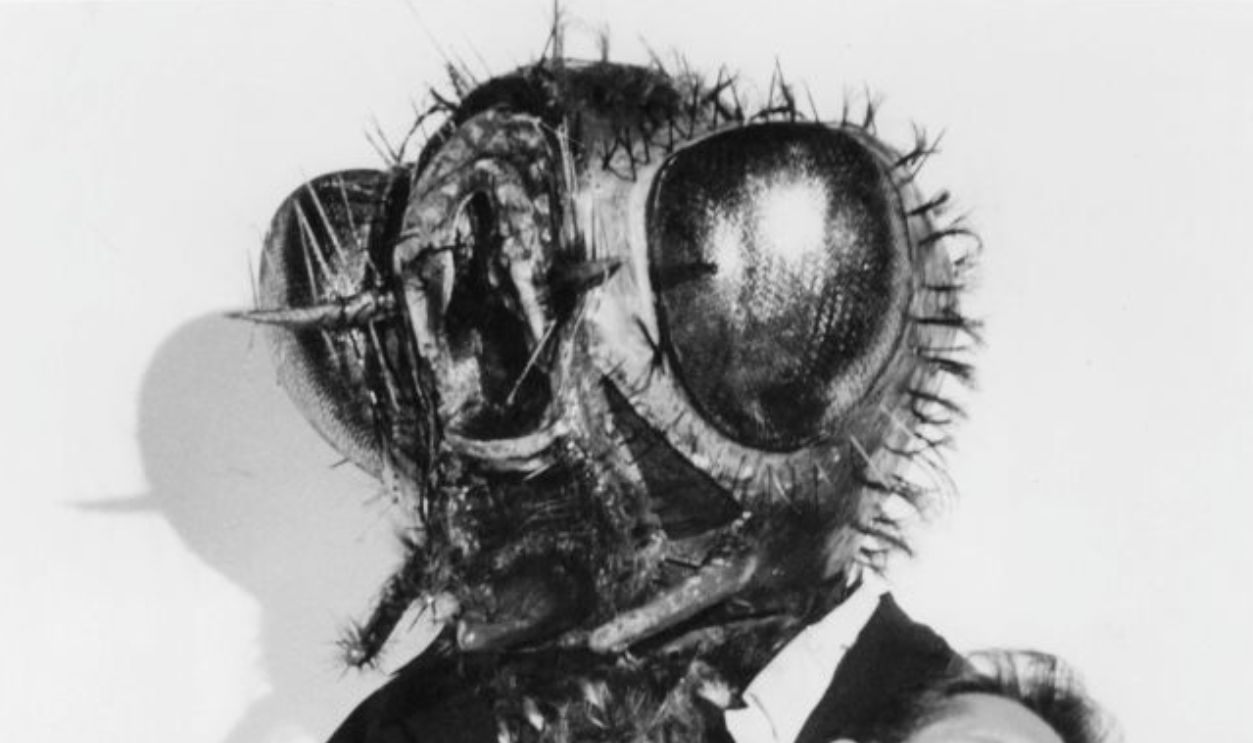
The Fly From The Fly (1958)
Long before Jeff Goldblum transformed into a disgusting insect, David Hedison played scientist André Delambre. His experiment accidentally combined his body with a housefly, producing one of cinema's strangest monsters. The unforgettable ending featured a tiny human-headed fly trapped in a spiderweb. Vincent Price's reaction made the scene even more memorable.
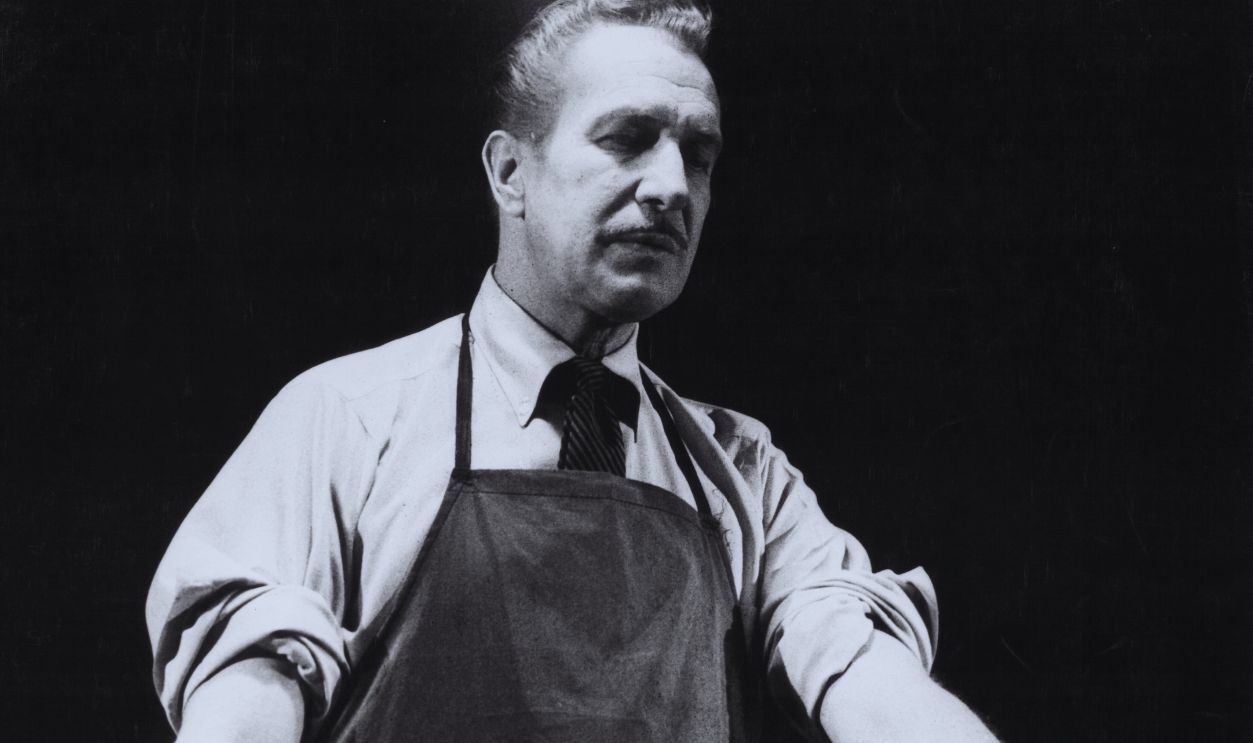
The Tingler From The Tingler (1959)
Vincent Price discovered a horrifying creature that supposedly lived inside the human spine. Director William Castle took things further by installing vibrating devices beneath selected theater seats. Unsuspecting moviegoers received quite a surprise when the creature escaped onscreen. Some probably thought their theater needed an electrician rather than an exterminator.
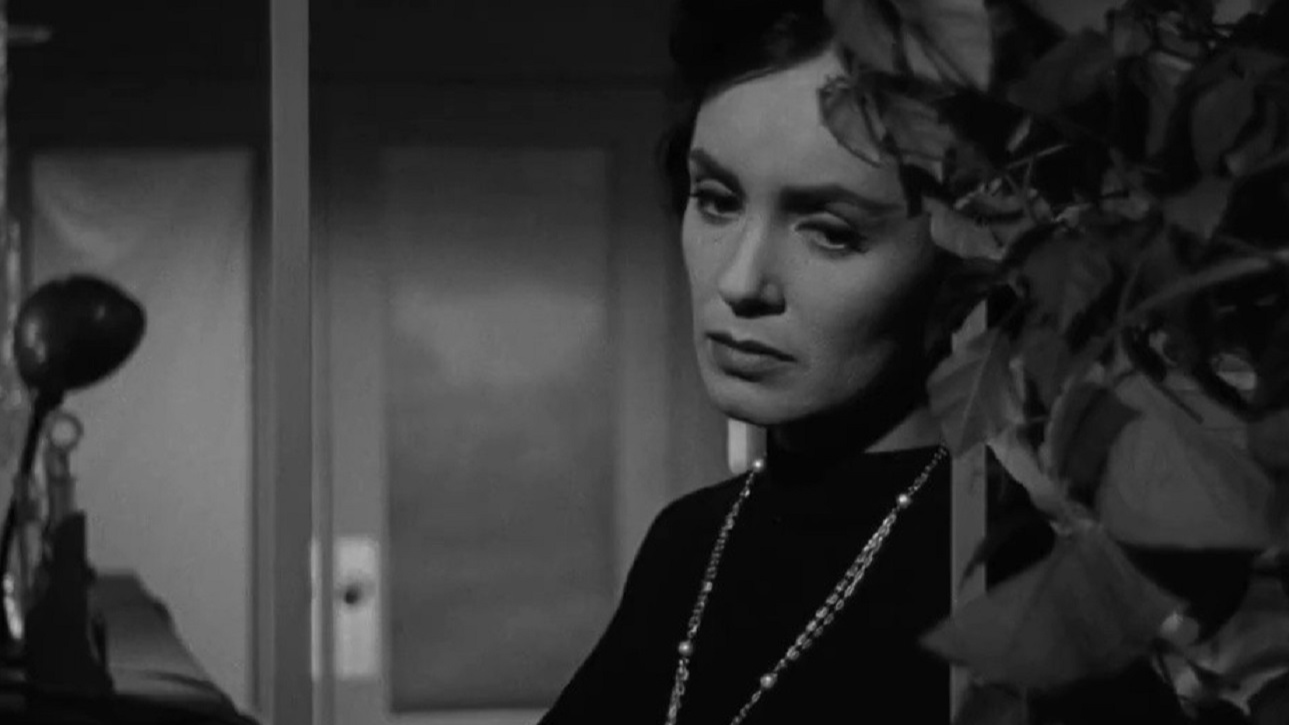
The Wasp Woman From The Wasp Woman (1959)
Susan Cabot played a cosmetics executive whose desperate attempt to regain her youth turned her into a murderous insect. Director Roger Corman reportedly filmed the picture in just two weeks on a $50,000 budget. During filming, Cabot was accidentally struck in the mouth with a prop bottle. Sometimes the real horror happened behind the camera.
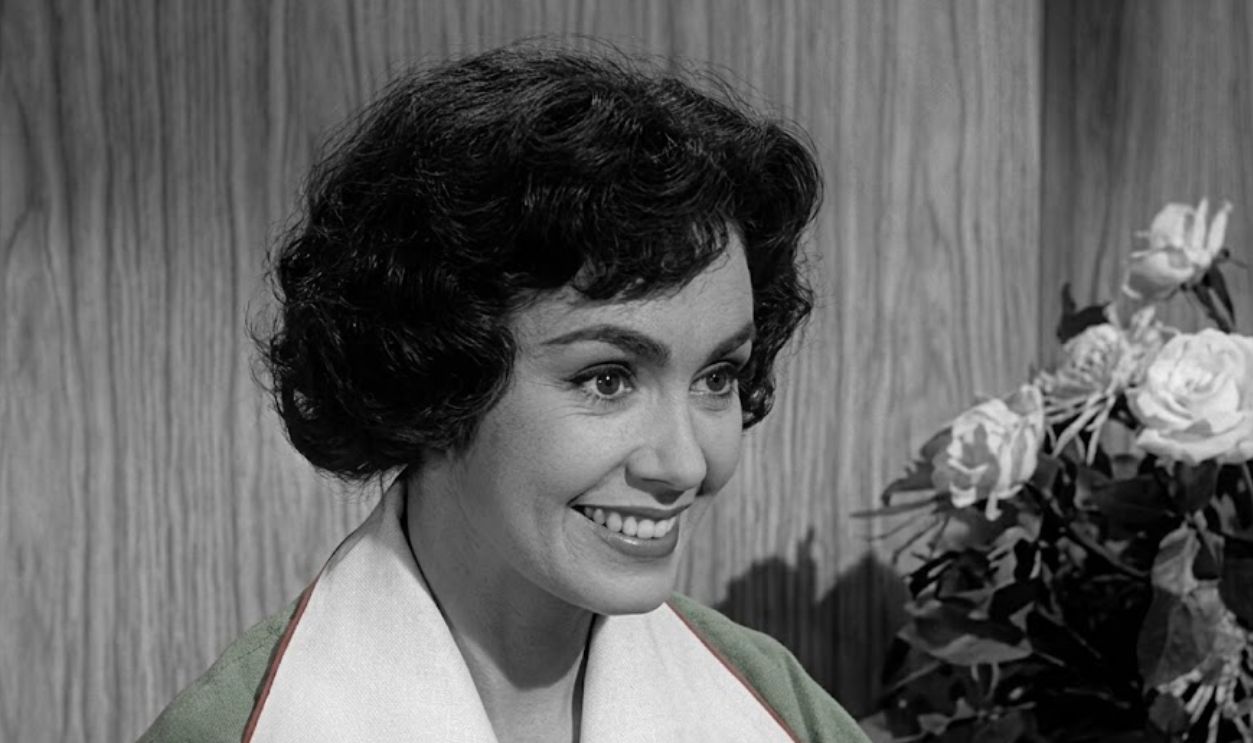 Screenshot from The Wasp Woman, Filmgroup (1959), Enhanced
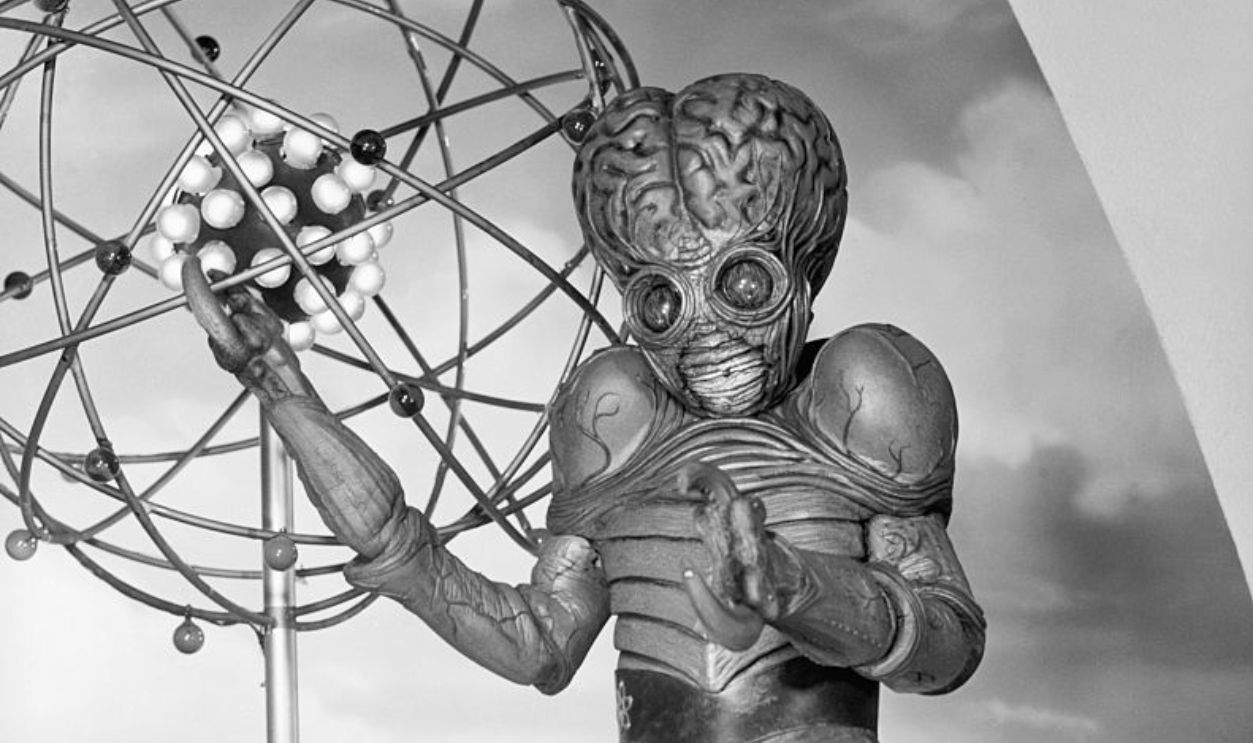
The Metaluna Mutant From This Island Earth (1955)
With an enormous exposed brain, bulging eyes, and lobster-like claws, the Metaluna Mutant was impossible to forget. Its grotesque appearance became the film's biggest attraction, despite relatively little screen time. Modern audiences might laugh at the costume, but children seeing that giant brain in Technicolor had every reason to hide.
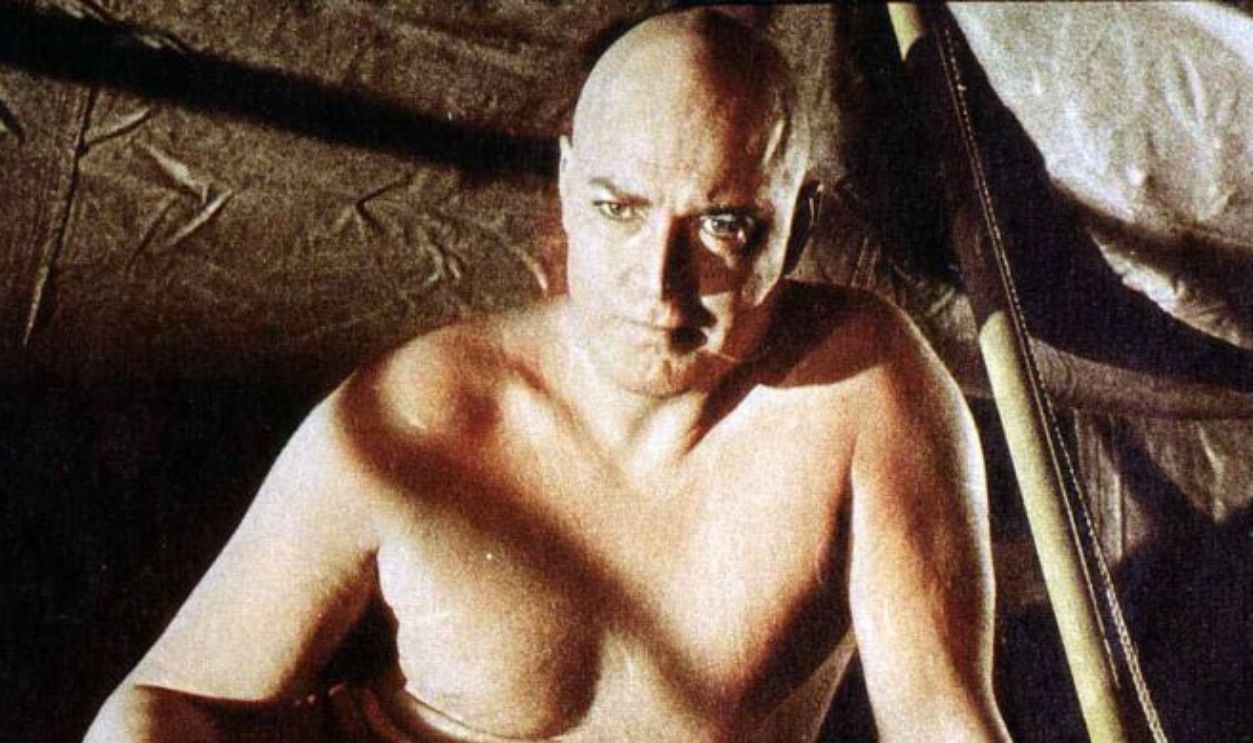
The Colossal Man From The Amazing Colossal Man (1957)
Colonel Glenn Manning survived a nuclear explosion, only to discover he was growing uncontrollably. Eventually, the poor fellow became a gigantic, bald menace wandering around Las Vegas. Director Bert I Gordon specialized in oversized monsters, but this one was especially memorable. Apparently, being 60 feet tall wasn't quite the military promotion Manning expected.
The Ants From Them! (1954)
Ordinary ants were bad enough at a picnic. Giant radioactive ants were another matter entirely. These terrifying creatures appeared in one of the decade's finest science-fiction horror films. Their distinctive shrieking noises warned audiences that trouble was coming. The oversized mechanical puppets were surprisingly convincing for a 1950s production.
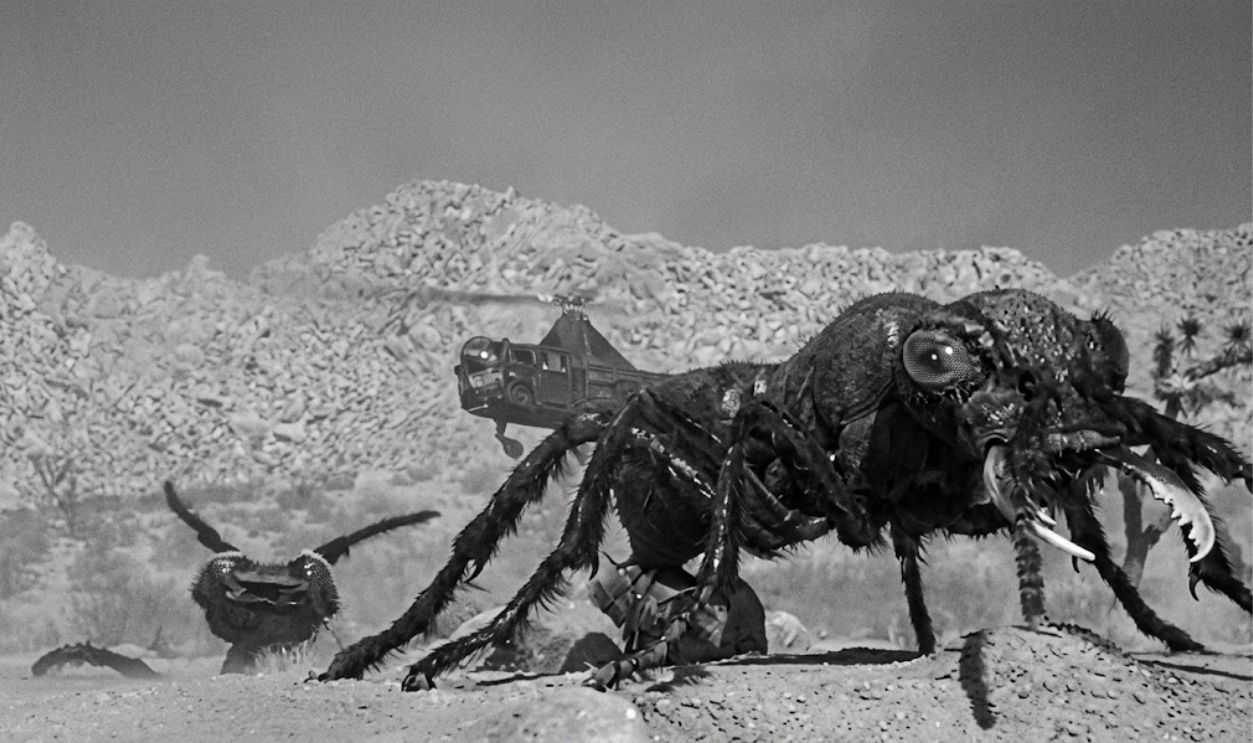 Screenshot from Them!, Warner Bros. Pictures, Inc. (1954), Enhanced
The She-Creature From The She-Creature (1956)
This bizarre monster resembled a fish, a lobster, and a particularly unpleasant nightmare rolled together. The creature emerged through hypnosis and reincarnation, which probably confused younger viewers almost as much as the costume. Special-effects artist Paul Blaisdell designed the memorable rubber monster, proving Hollywood could create unforgettable horrors without spending a fortune.
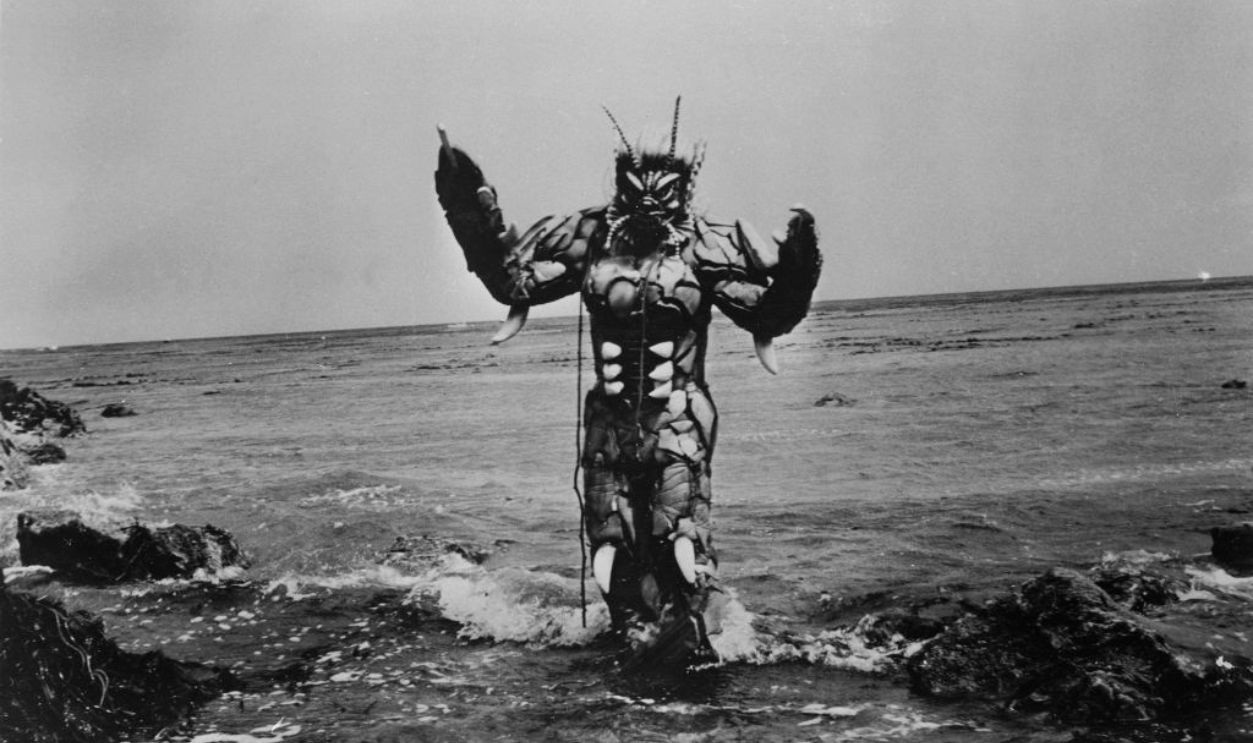 American International Pictures, Getty Images
Count Yorga From Count Yorga, Vampire (1970)
Robert Quarry portrayed this sophisticated vampire, who traded Dracula's familiar castles for contemporary California. Originally conceived as a more adult-oriented production, the film became a surprisingly successful mainstream horror picture. Quarry's elegant manners made his character especially unsettling. He looked like someone your parents might invite to dinner, until everyone disappeared.
 Screenshot from Count Yorga, Vampire, American International Pictures (1970), Enhanced
Blacula From Blacula (1972)
William Marshall brought remarkable dignity to Prince Mamuwalde, an African prince transformed into a vampire by Dracula himself. The unusual premise could easily have become ridiculous, but Marshall's commanding performance made the character memorable. The film proved successful enough to inspire a sequel, Scream Blacula Scream, the following year.
 Screenshot from Blacula, American International Pictures (1972)
Dr. Phibes From The Abominable Dr. Phibes (1971)
Vincent Price played a disfigured musical genius who murdered doctors using elaborate punishments inspired by biblical plagues. His character spoke through a mechanical device, meaning audiences barely heard Price's famous voice during the opening half-hour. Price reportedly kept laughing during filming, repeatedly damaging the special makeup covering his face.
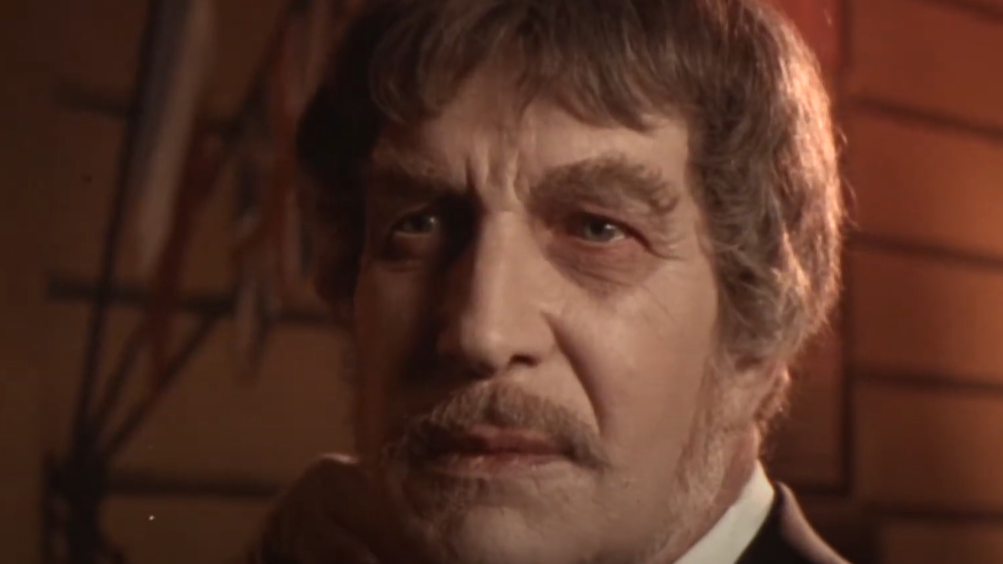 Screenshot from The Abominable Dr. Phibes, Amicus Productions (1971)
The Zuni Doll From Trilogy Of Terror (1975)
Anyone who watched this television movie probably remembers Karen Black battling a tiny, spear-wielding doll. The vicious little creature chased her around an apartment with terrifying determination. Black appeared in all three stories, but that final segment became legendary. Who knew something small enough to fit inside a shoebox could ruin bedtime?
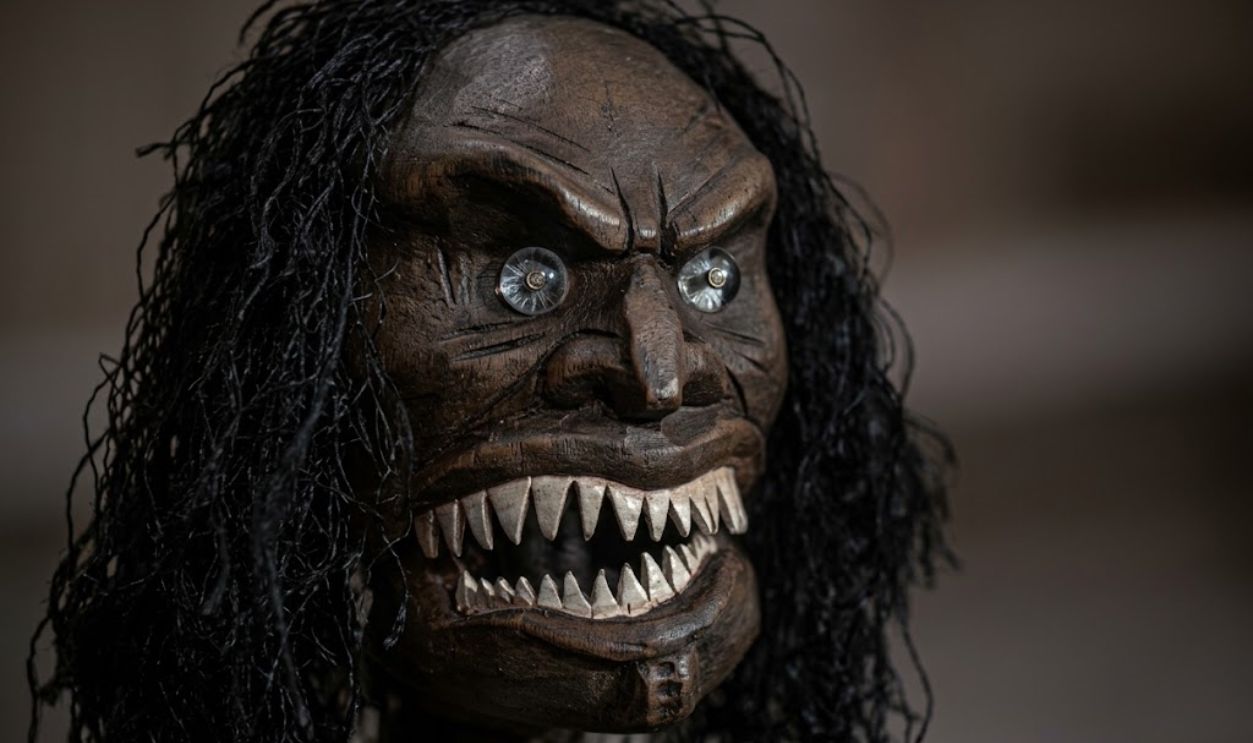 Screenshot from Trilogy of Terror, ABC Circle Films (1975), Enhanced
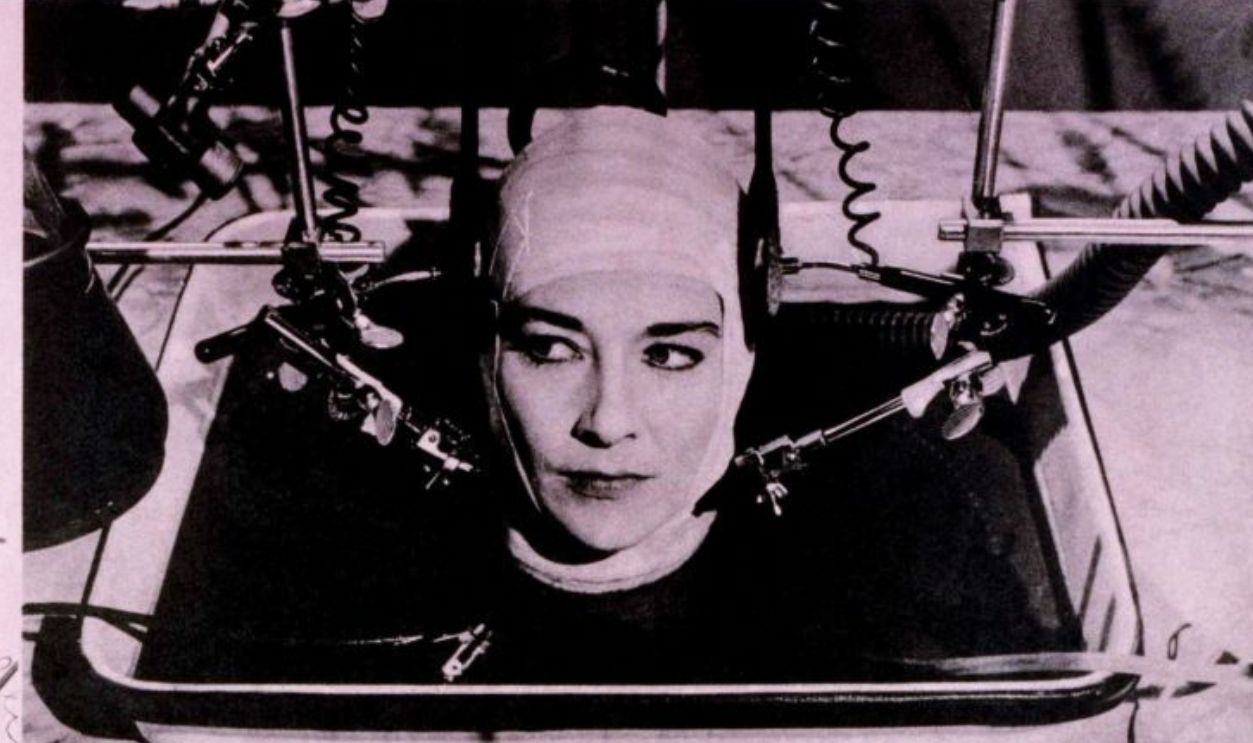
The Brain From The Brain That Wouldn't Die (1962)
Poor Jan Compton suffered a terrible accident, only for her scientist fiancé to preserve her severed head in a laboratory tray. Yes, that was practically the entire premise. Filmed in 1959 but released in 1962, this gloriously absurd thriller became a cult favorite. It certainly gave new meaning to keeping your head.
The Rhedosaurus From The Beast From 20,000 Fathoms (1953)
Before Godzilla conquered movie theaters, this prehistoric beast emerged from Arctic ice and stomped through New York City. Legendary animator Ray Harryhausen brought the monster to life using stop-motion animation. The creature's appearance helped establish a formula Hollywood would repeat for decades: awaken something enormous, then watch it destroy everything.
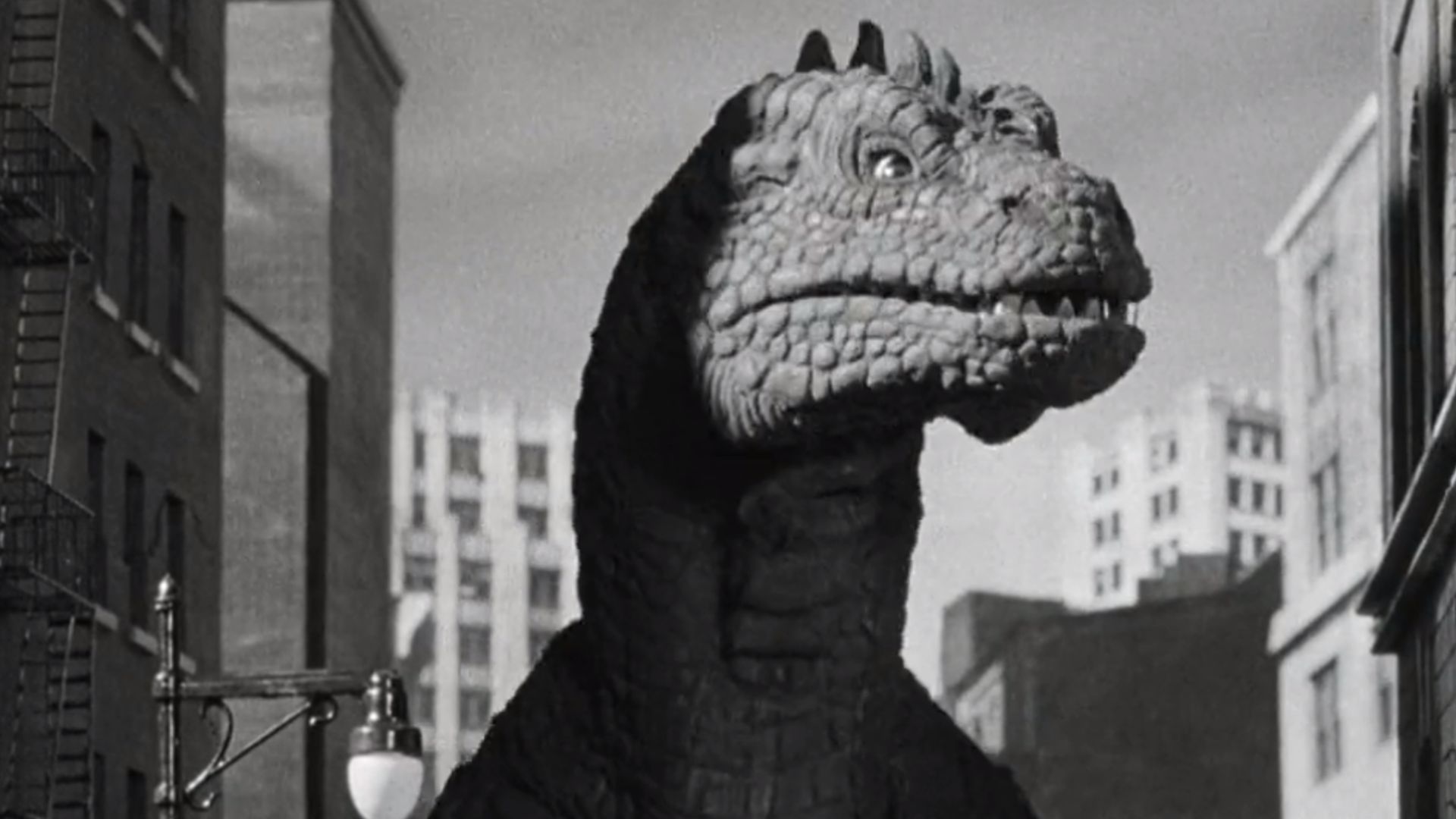 Warner Bros., Wikimedia Commons
The Giant Tarantula From Tarantula (1955)
Director Jack Arnold turned an ordinary spider into a colossal desert nightmare. Rather than relying entirely on models, the filmmakers used footage of a real tarantula to create the terrifying illusion. A young Clint Eastwood also appeared briefly as a fighter pilot. Even future Hollywood legends had to start somewhere!
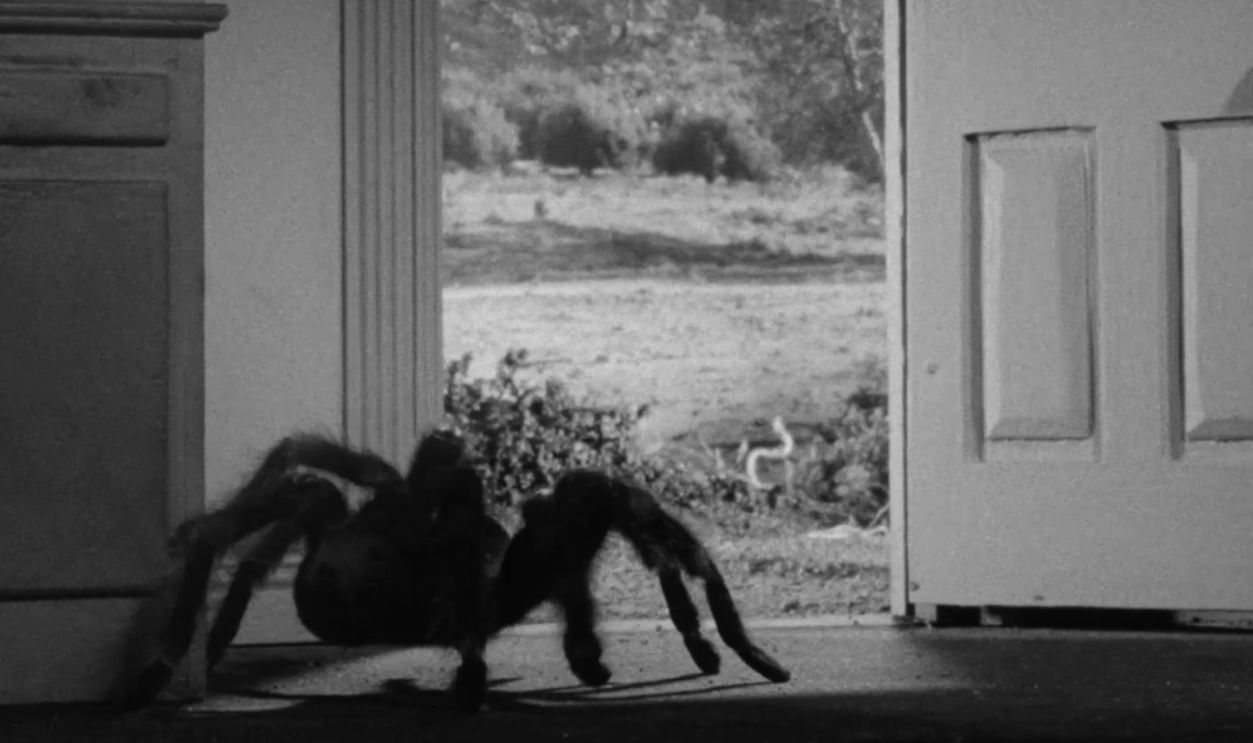 Screenshot from Tarantula, Universal-International (1955)
Nancy Archer From Attack Of The 50 Foot Woman (1958)
Allison Hayes played a wealthy woman who encountered an alien and subsequently grew into an enormous, furious giantess. The movie's famous poster showed her towering over a highway, although her onscreen appearance was rather less convincing. Nevertheless, Nancy became one of the most recognizable figures in wonderfully ridiculous 1950s horror.
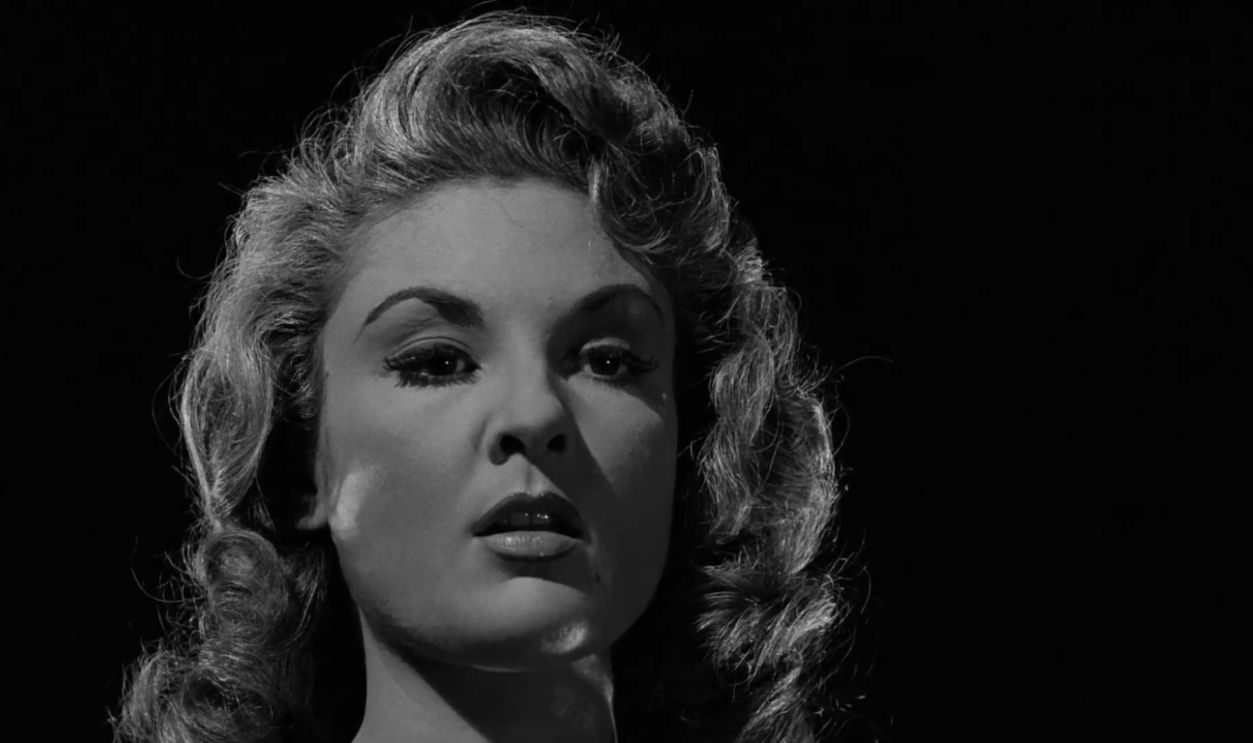 Screenshot from Attack of the 50 Foot Woman, Woolner Bros. Pictures (1958)
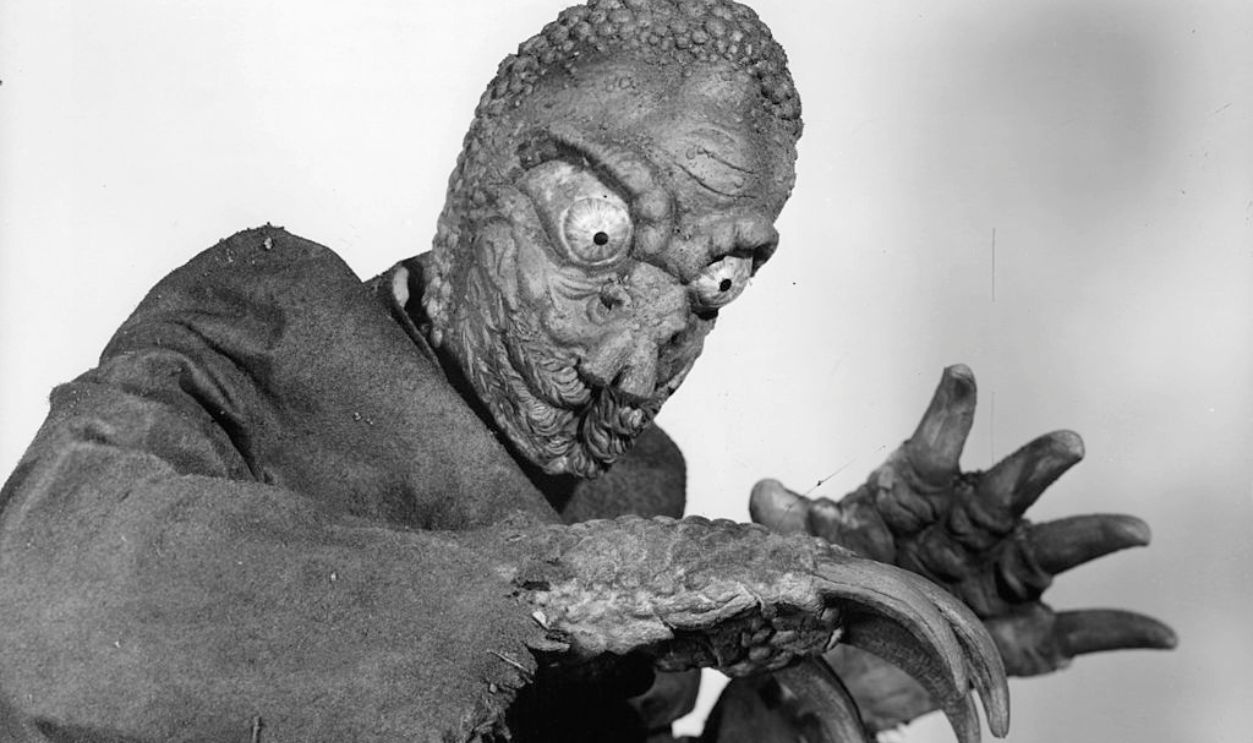
The Mole People From The Mole People (1956)
These underground creatures had enormous claws, pale bodies, and faces that looked suspiciously like Halloween masks. They lived beneath an ancient civilization, where they were treated as slaves. The film mixed archaeology, monsters, and questionable science into one unforgettable adventure. For young viewers, though, those strange faces were enough.
The Saucer Men From Invasion Of The Saucer Men (1957)
These aliens had gigantic heads, enormous eyes, and creepy, clawed hands. Their appearance was so strange that the creatures arguably became more memorable than the actual movie. The film featured a group of teenagers confronting extraterrestrial visitors. Naturally, the adults weren't particularly helpful. Some things never change in horror movies.
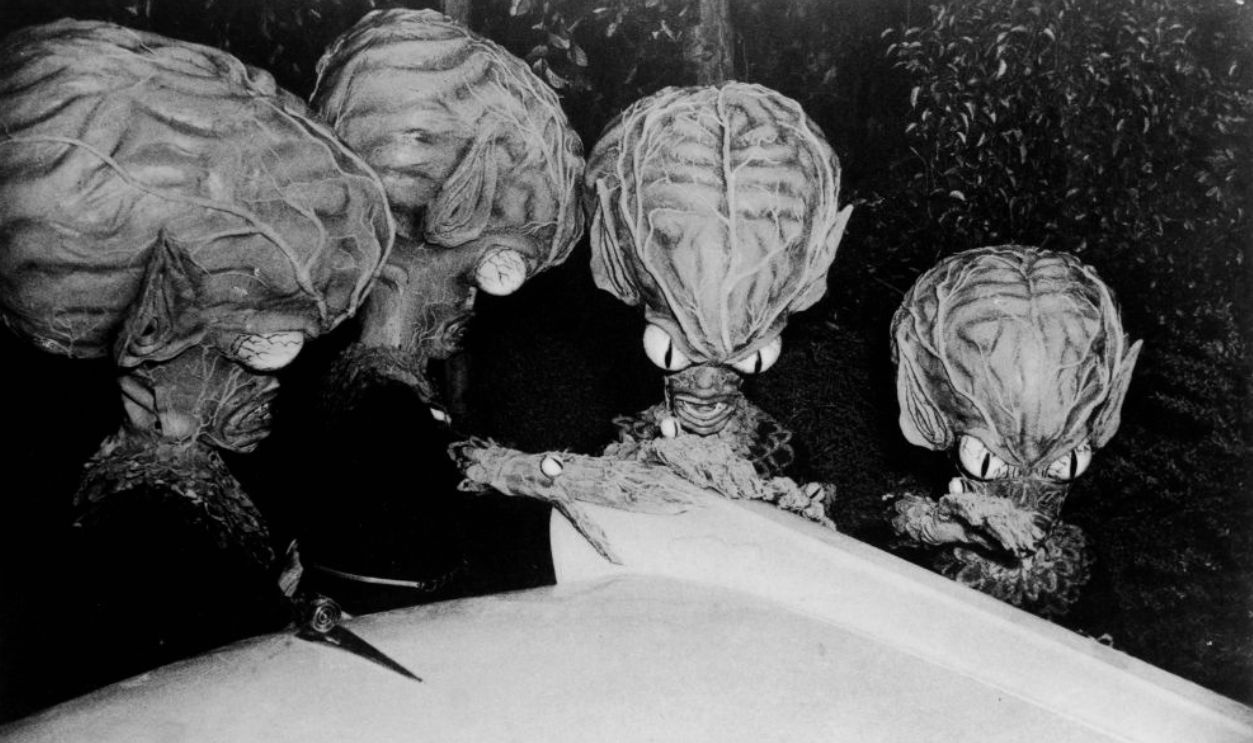 Columbia TriStar, Getty Images
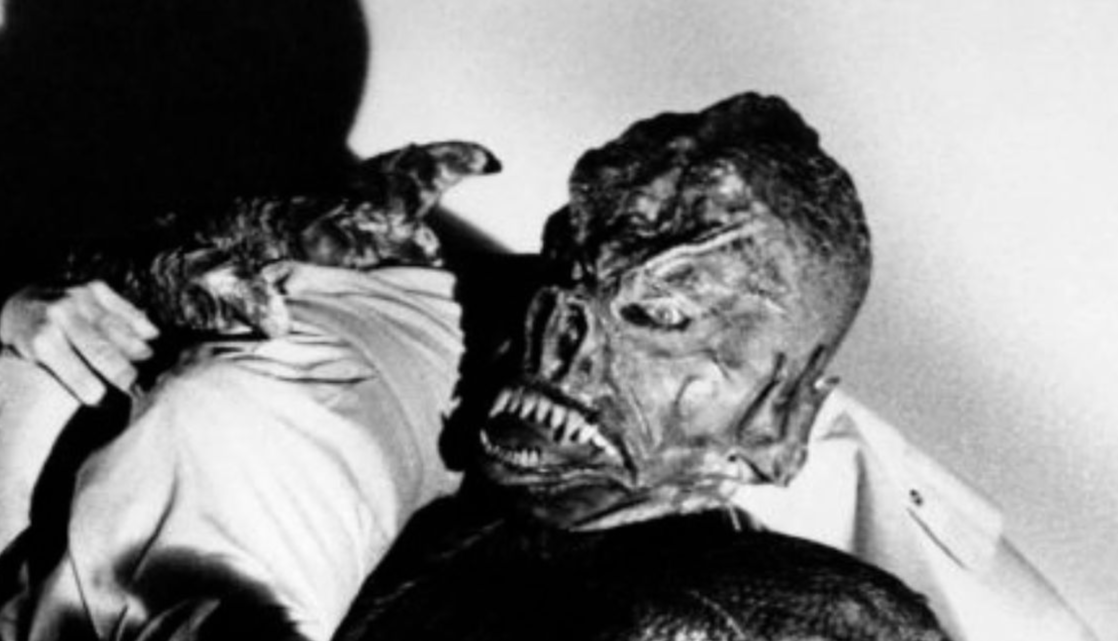
The Monster From It! The Terror From Beyond Space (1958)
An alien creature stalked astronauts aboard their spaceship, years before Alien explored similar territory. Unfortunately, actor Ray Corrigan struggled inside the monster costume. The headpiece reportedly fitted so poorly that he sometimes couldn't see properly. Nothing says terrifying extraterrestrial quite like a monster struggling to find the nearest doorway.
 Donaldson Collection, Getty Images
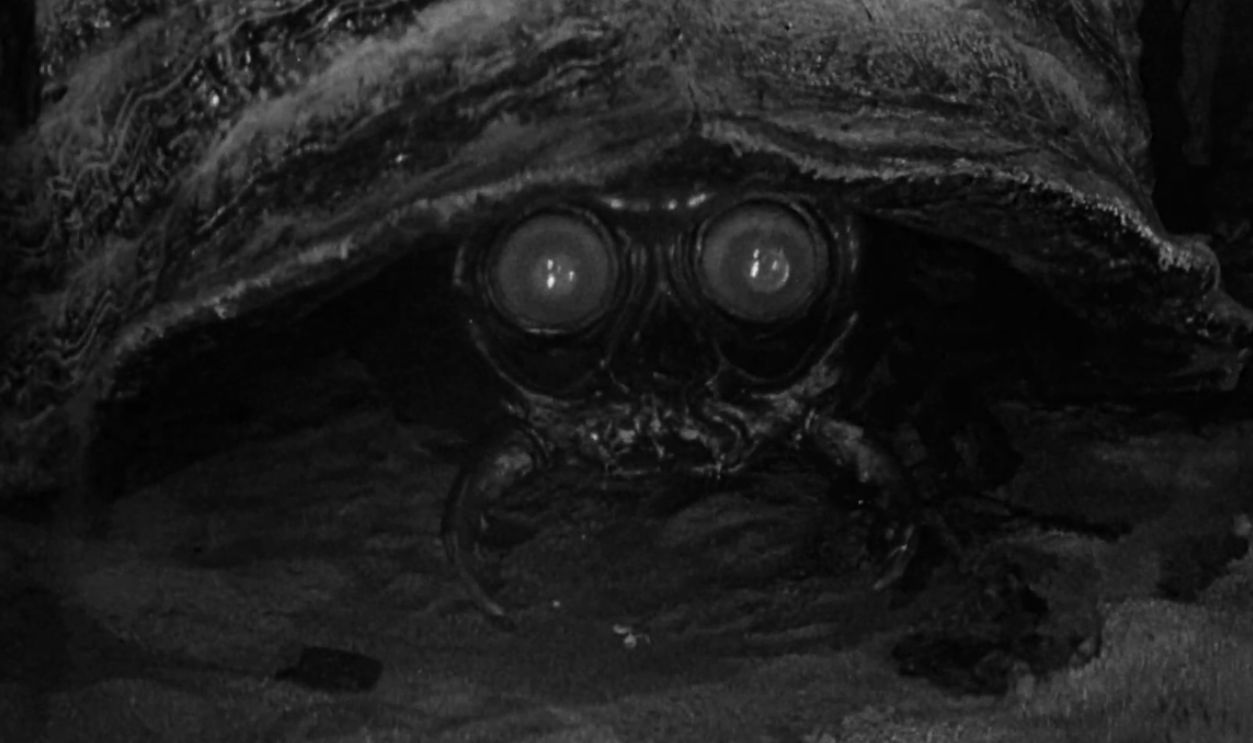
The Giant Sea Snails From The Monster That Challenged The World (1957)
What could be more frightening than a giant prehistoric sea snail? Apparently, several of them. This wonderfully strange movie featured enormous mollusks emerging from California's Salton Sea. Their vicious pincers and bulging eyes were surprisingly effective. The creatures proved that 1950s Hollywood could make absolutely anything dangerous, including oversized seafood.
 Screenshot from The Monster That Challenged the World, United Artists (1957)
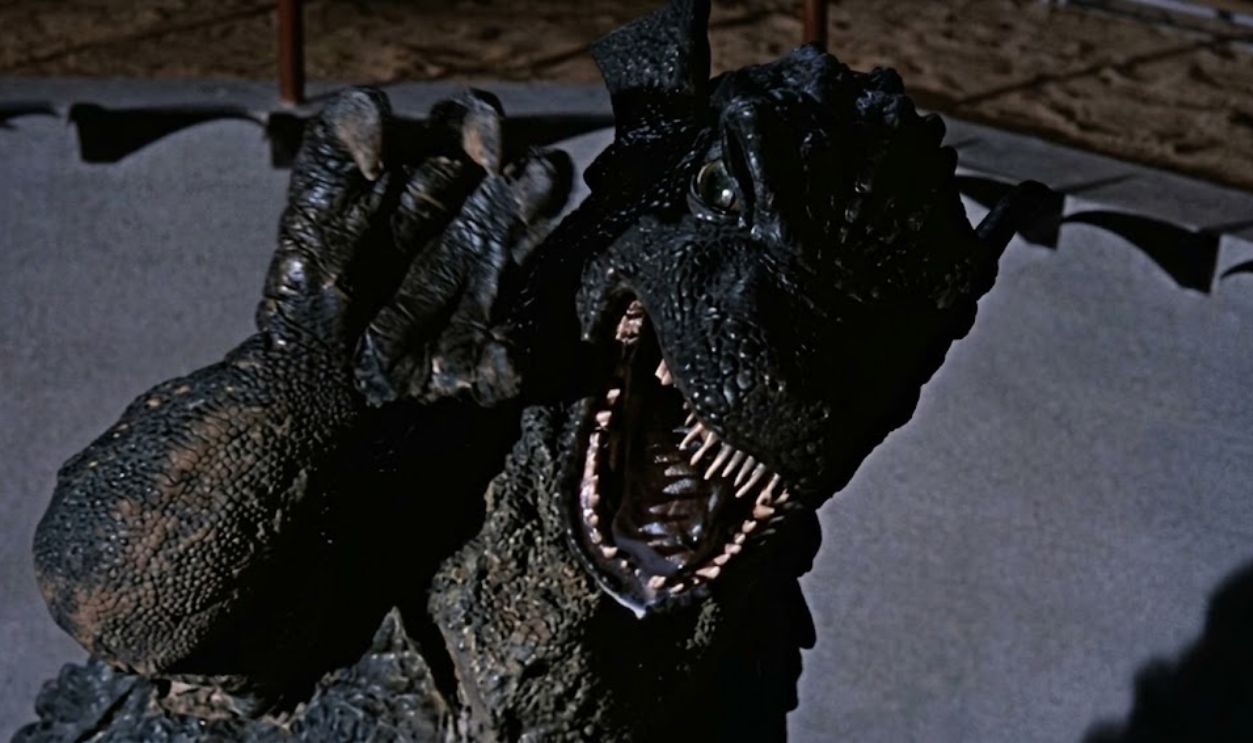
Gorgo From Gorgo (1961)
Britain decided to get involved in the giant-monster craze with this enormous reptilian creature. Gorgo was captured and displayed in London, which turned out to be an exceptionally bad idea. Its even larger mother arrived looking for her offspring. Suddenly, the military had a problem considerably bigger than anyone anticipated.
 Screenshot from Gorgo, King Brothers Productions (1961), Enhanced
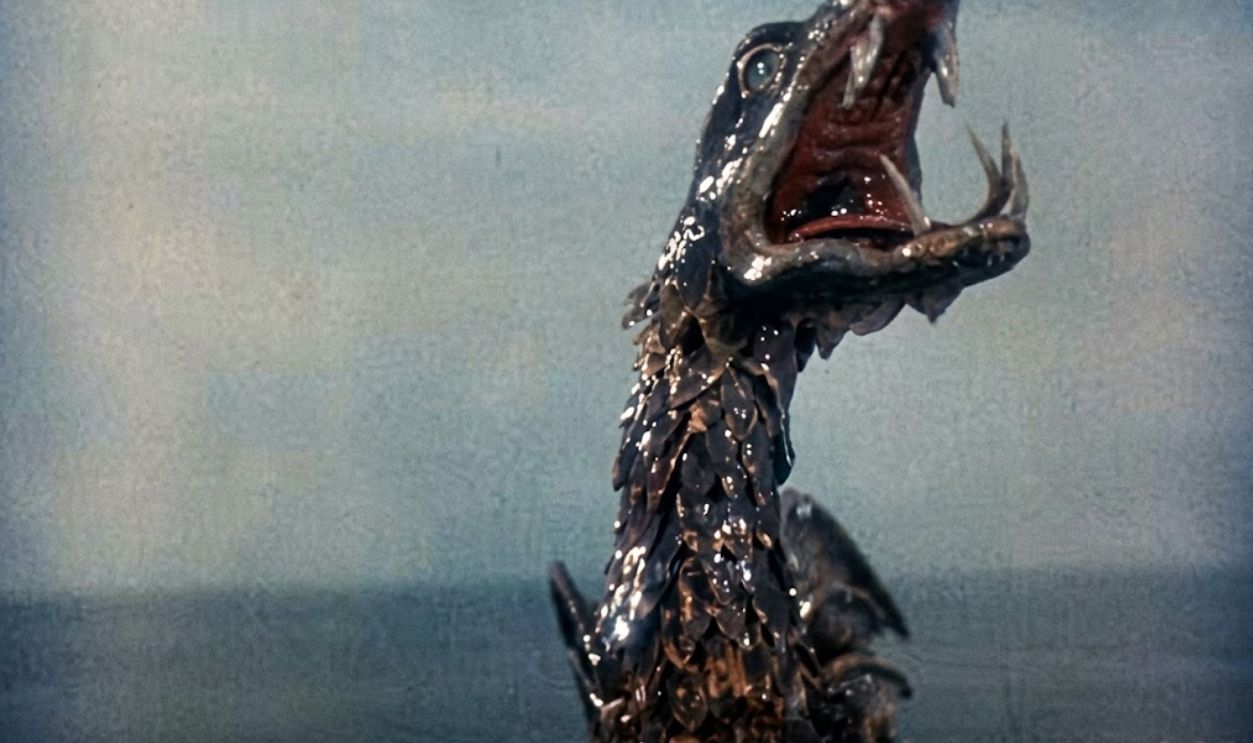
Reptilicus From Reptilicus (1961)
Denmark's contribution to giant-monster cinema was a prehistoric reptile capable of regenerating missing body parts. The monster was brought to life using puppetry and some wonderfully unconvincing special effects. In the American version, animated green slime added another peculiar touch. Reptilicus might not have frightened everyone, but nobody could accuse it of being ordinary.
 Screenshot from Reptilicus, Saga Film (1961), Enhanced
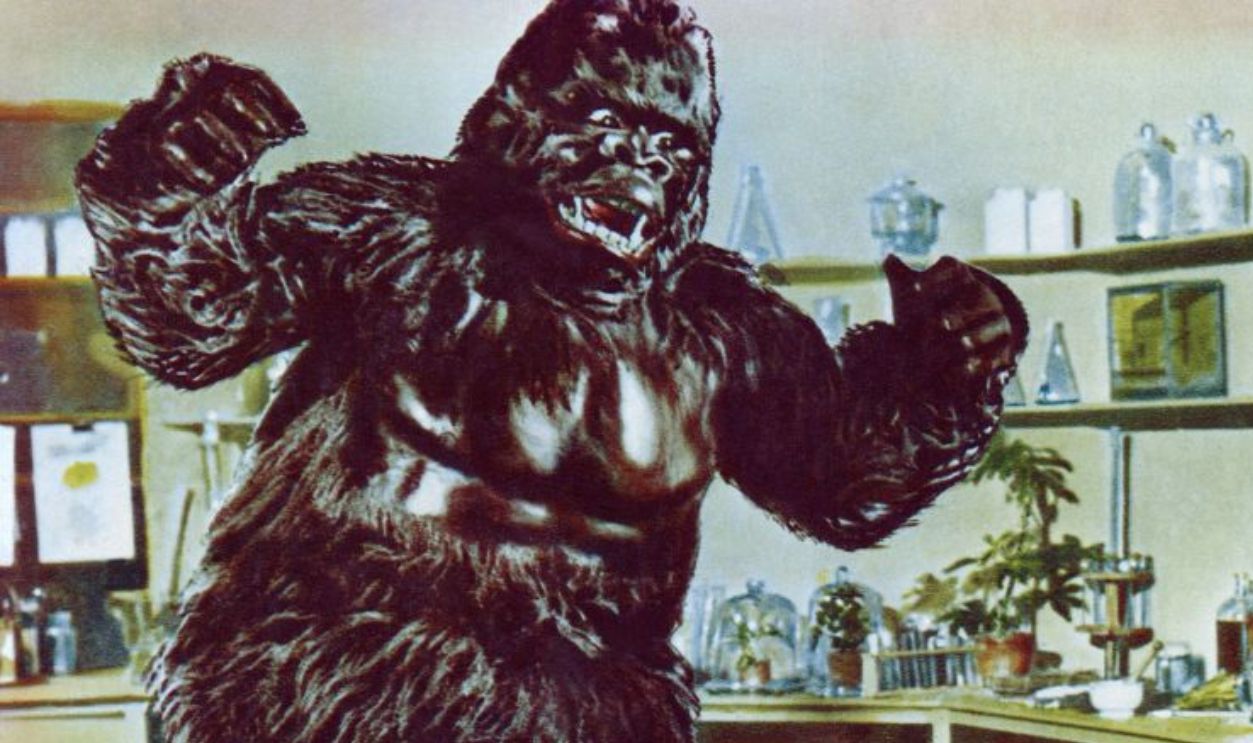
Konga From Konga (1961)
Herman Cohen's British monster movie starred Michael Gough as a scientist experimenting on a chimpanzee. Naturally, his research went disastrously wrong, producing an enormous gorilla-like creature. The giant ape eventually rampaged through London. Unfortunately, the combination of an oversized gorilla costume and miniature sets was occasionally more hilarious than horrifying.
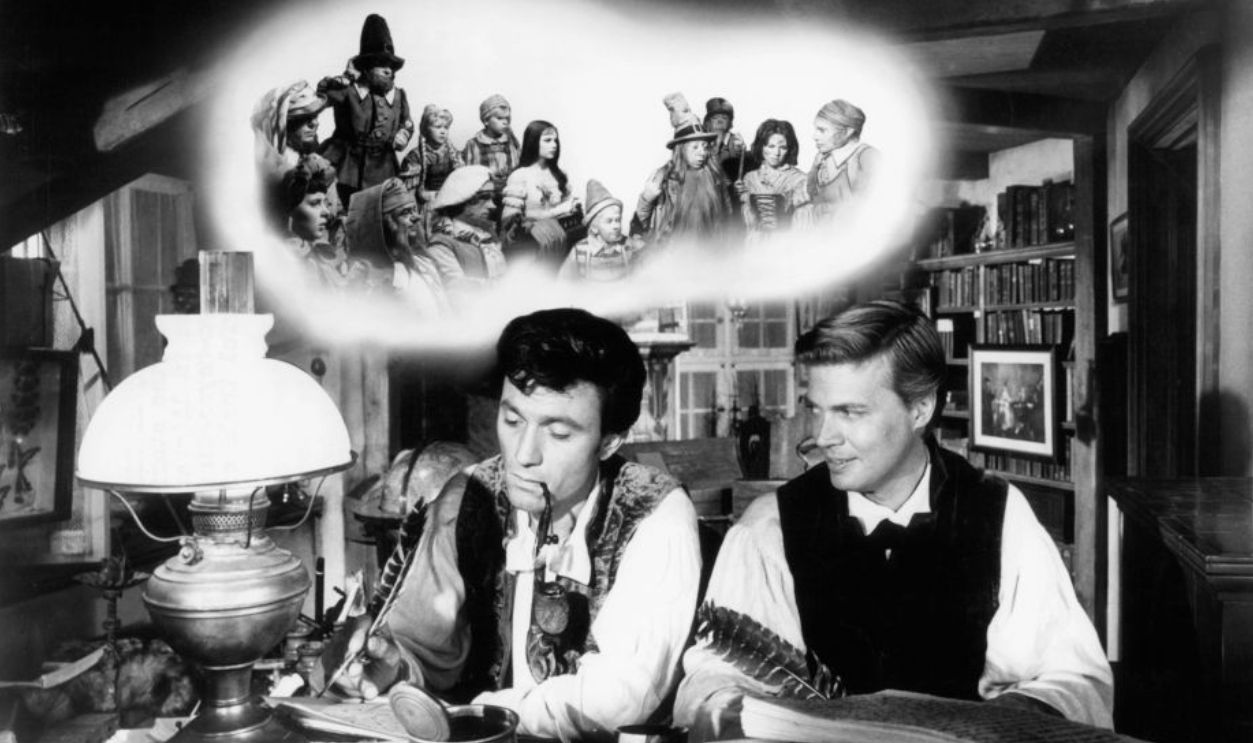
The Wicked Witch From The Wonderful World Of The Brothers Grimm (1962)
Not every childhood nightmare came from a traditional horror movie. This fantasy anthology featured frightening fairy-tale imagery, including witches and other sinister figures. Filmed in Cinerama, its sweeping presentation made the strange characters especially impressive. For children accustomed to ordinary television screens, seeing fairy-tale dangers on that scale was quite an experience.
Those Wonderful, Ridiculous Monsters Deserve Another Look
Today's horror fans have computer-generated creatures and spectacular special effects, but there's something special about the monsters Baby Boomers grew up watching. Their costumes weren't always convincing, and their stories were often ridiculous. Still, they made Halloween unforgettable. And admit it: a few of these rubber-faced horrors could probably still give you nightmares.
 Allied Artists, Wikimedia Commons
You May Also Like:
Hollywood Horror Movie Monsters That Were So Bad, They're Iconic For All The Wrong Reasons
Famous Singers Whose TV Appearances Changed How America Saw Them. How Many Did You See Live?
Classic 1970s Celebrities That Turned Any Game Show They Appeared On Into Must-See-TV