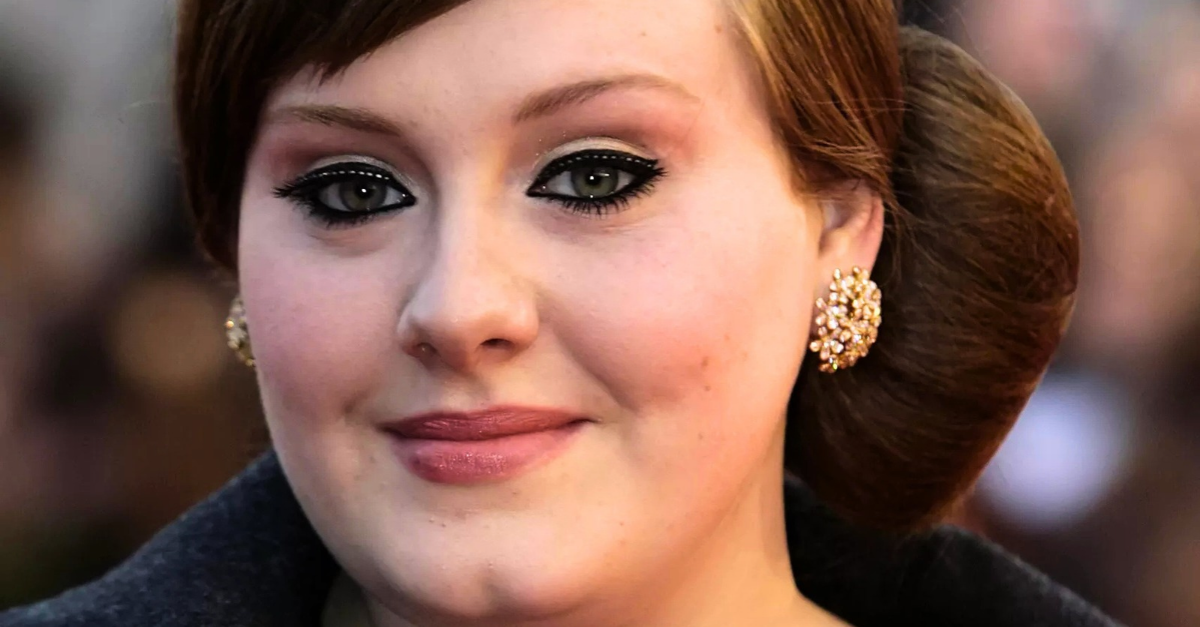
One Broadcast Could Change Everything
A hit record could make a singer famous, but television could make the public feel as if it suddenly understood them. Sometimes a few minutes in America's living rooms completely rewrote an image that years of records had built.
 Leon Neal (AFP) / Getty Images
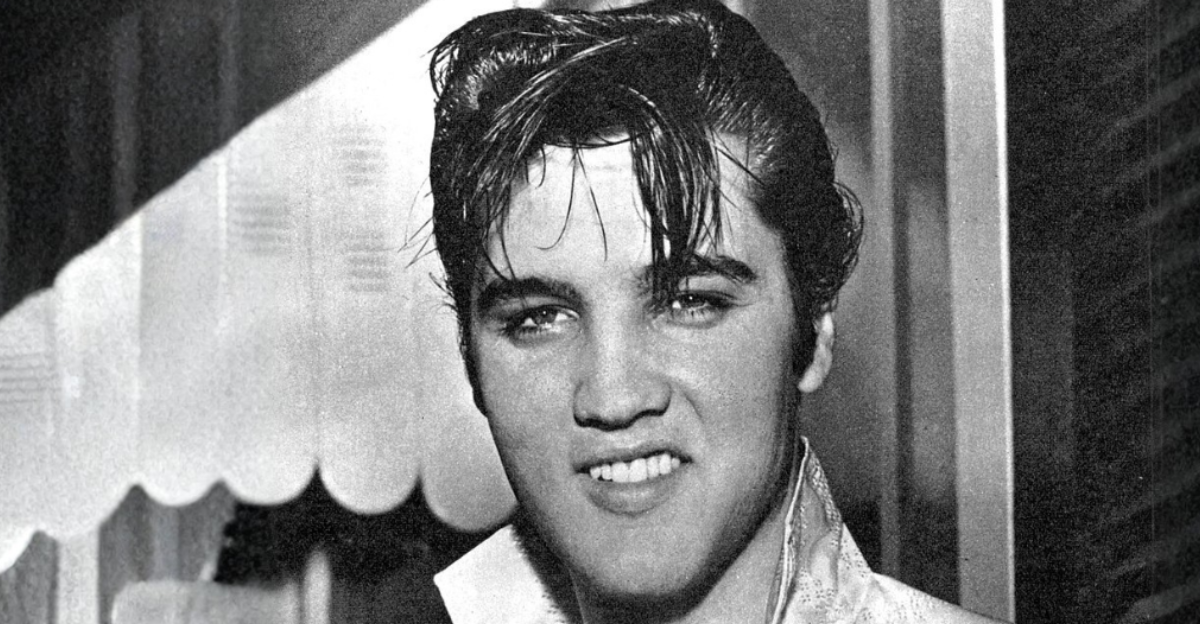
Elvis Presley Invaded America's Living Rooms
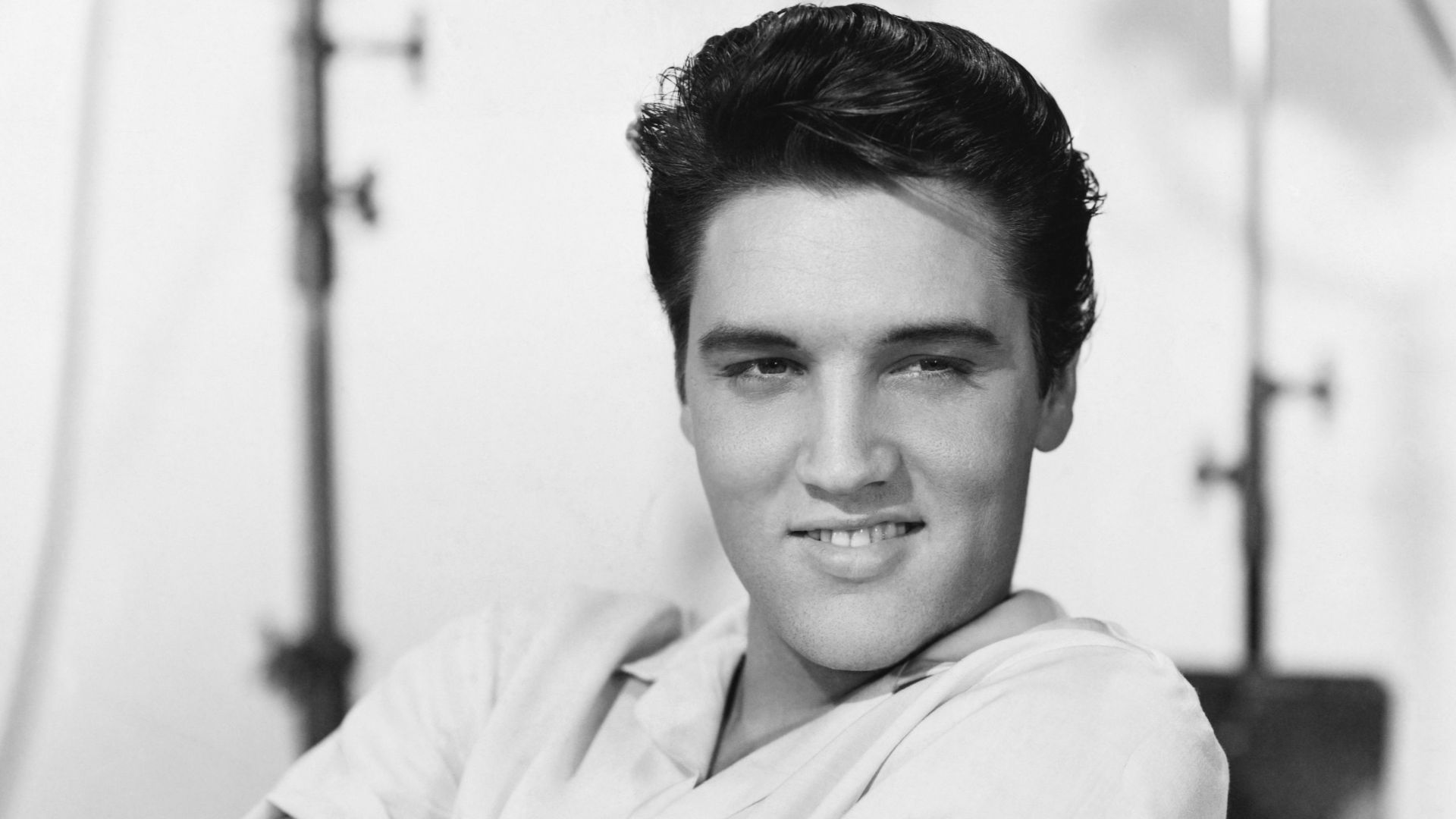
Elvis Presley was already becoming a sensation when he first appeared on The Ed Sullivan Show on September 9, 1956. Around 60 million viewers watched the broadcast, giving millions of Americans their first sustained look at the young singer who had been alarming critics and thrilling teenagers. Suddenly, Elvis was not merely something parents had heard about from their children.
 Rossano aka Bud Care, Wikimedia Commons
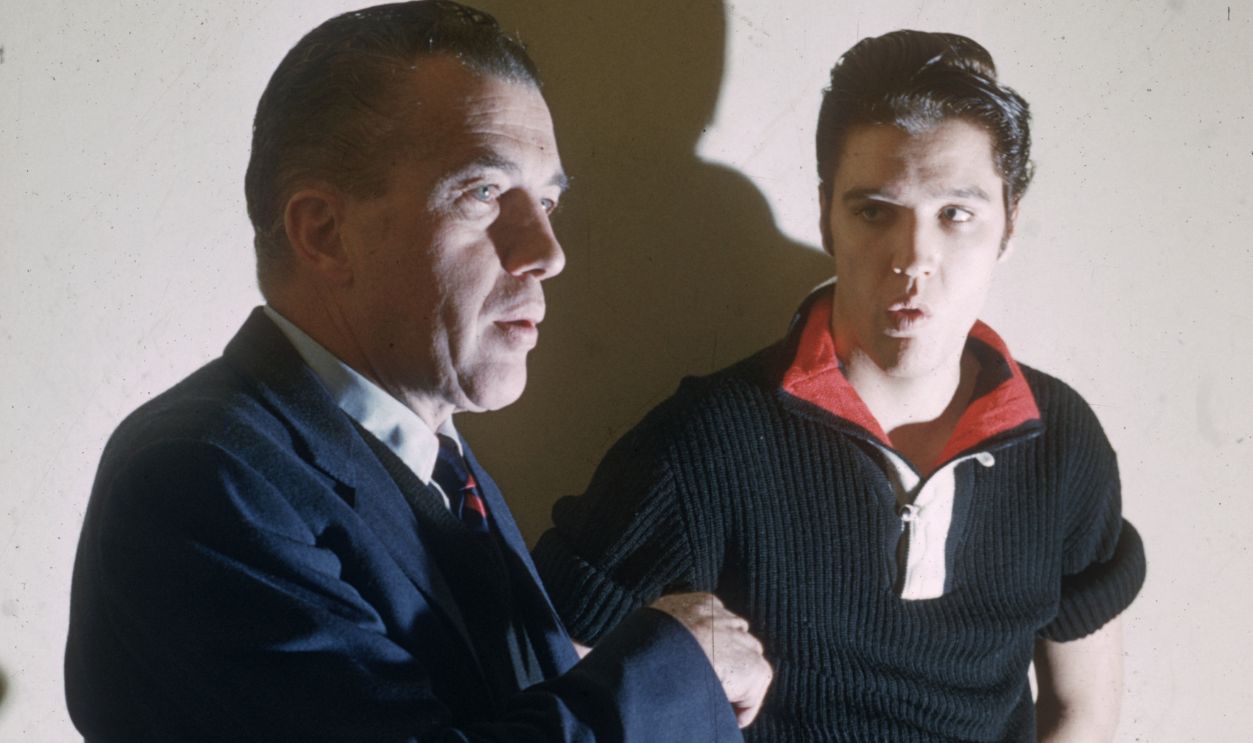
Ed Sullivan Made Elvis Respectable
The relationship between Presley and mainstream television changed during his three Sullivan appearances. Sullivan had initially resisted booking him, yet after Presley's final appearance he publicly described the singer as a decent and pleasant young man. The endorsement helped turn a supposed cultural threat into someone who could appear in the center of American family entertainment.
 Fotos International, Getty Images
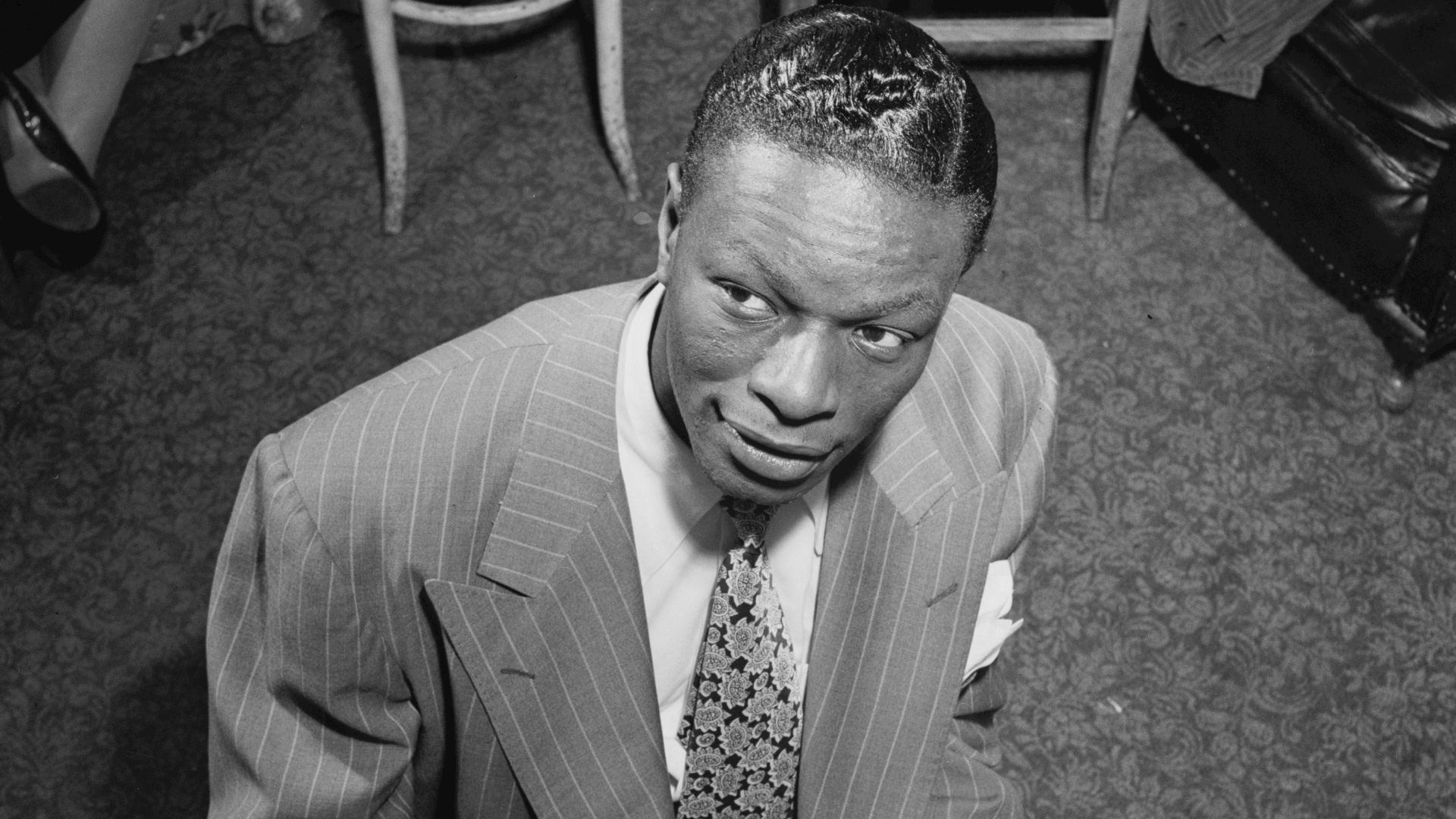
Nat King Cole Became A Television Pioneer
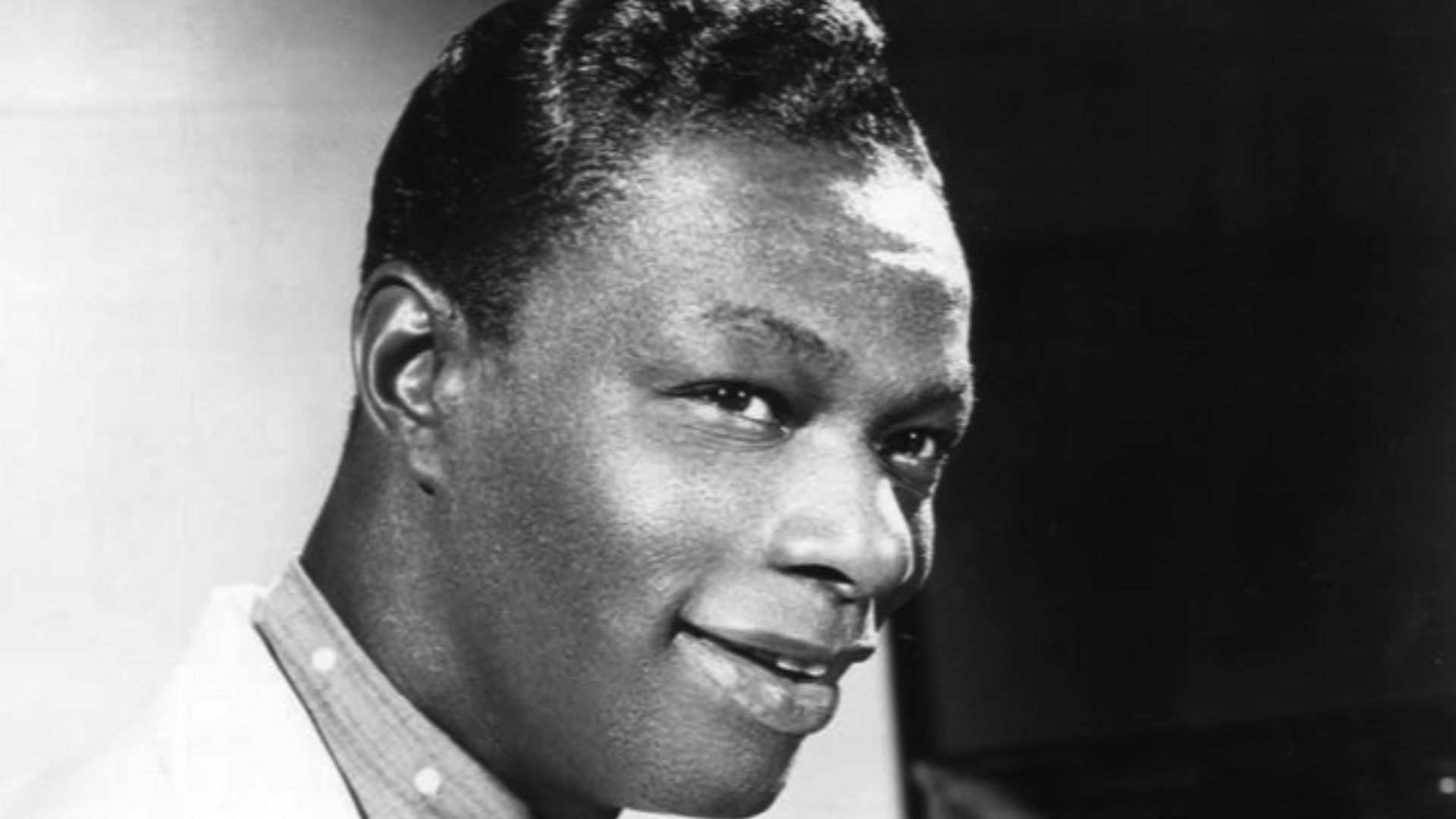
Nat King Cole was already one of America's most successful singers when NBC gave him The Nat King Cole Show in 1956. He became the first Black performer to host a national network variety program. Viewers saw a sophisticated entertainer welcoming major stars into his own television space rather than appearing merely as somebody else's guest.
 William P. Gottlieb, Wikimedia Commons
America Wasn't As Ready As The Ratings Suggested
The program earned good reviews and initially strong ratings, but national advertisers largely refused to support it. NBC continued financing the show for a time before Cole ended it in 1957. The experience exposed an ugly contradiction: audiences could embrace Cole as a superstar while corporate television still hesitated to treat him equally.
 NBC Television, Wikimedia Commons
Barbra Streisand Took Over Television On Her Own Terms
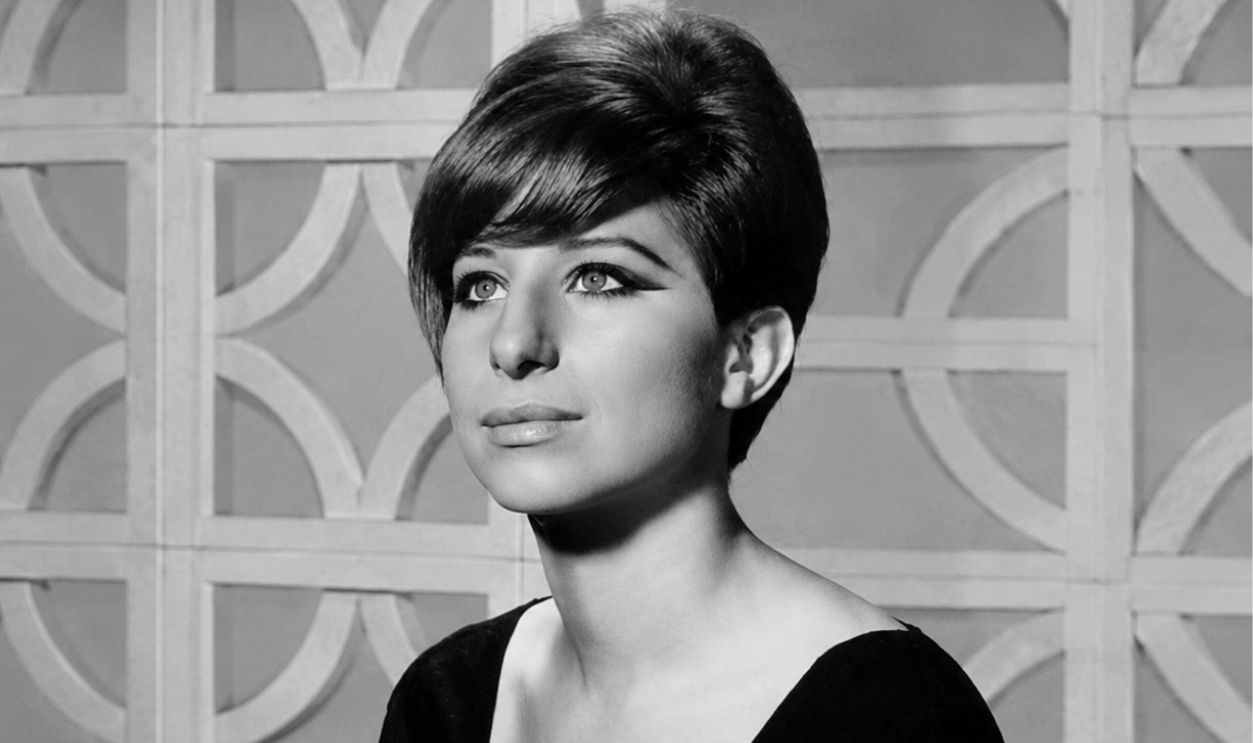
By 1965, Barbra Streisand had records and Broadway success behind her, but My Name Is Barbra showed television audiences exactly how much she could command a screen by herself. Rather than surround her with endless guest stars, the CBS special focused heavily on Streisand's personality and performance. It presented her less like another popular singer and more like a complete entertainment event.
 CBS Television, Wikimedia Commons, Modified
The Emmys Confirmed What Viewers Had Seen
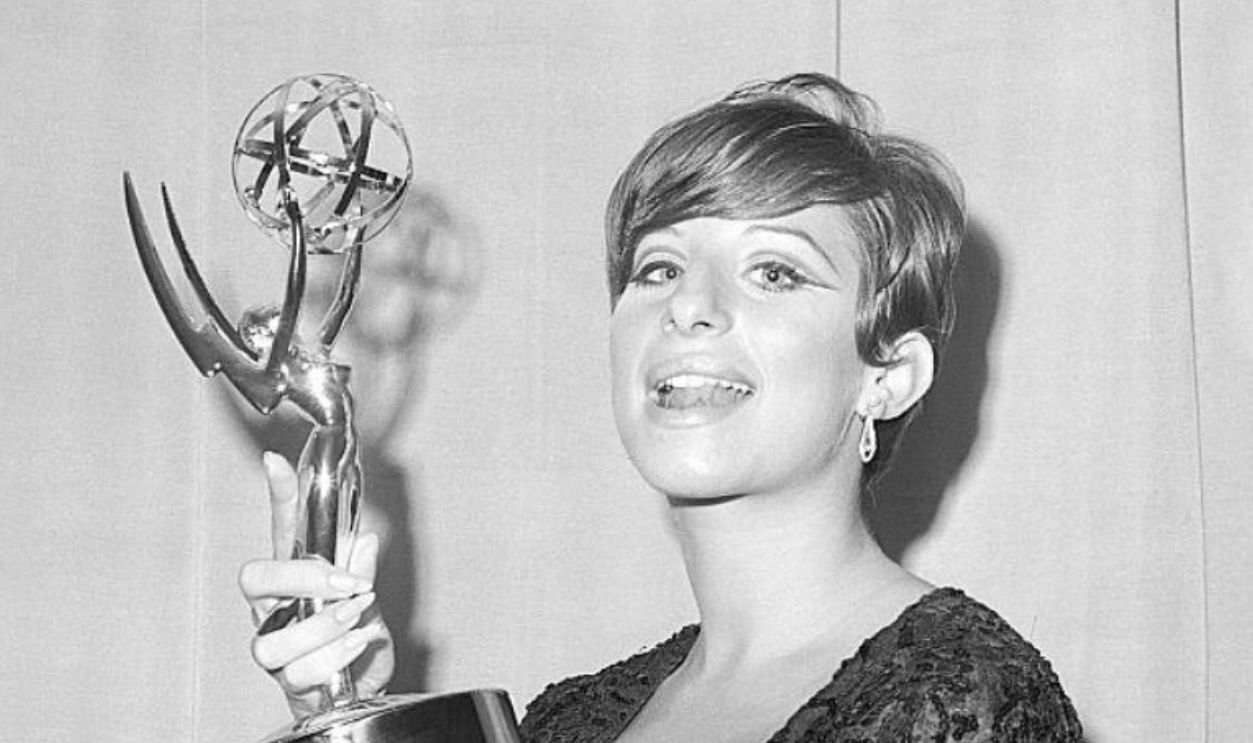
My Name Is Barbra received six Emmy nominations and won five awards, including honors for Streisand's performance and the program itself. The special helped establish that her appeal extended far beyond records and Broadway tickets. Television had given America a close-up look at a performer capable of carrying virtually an entire hour.
Johnny Cash Became America's Musical Bridge
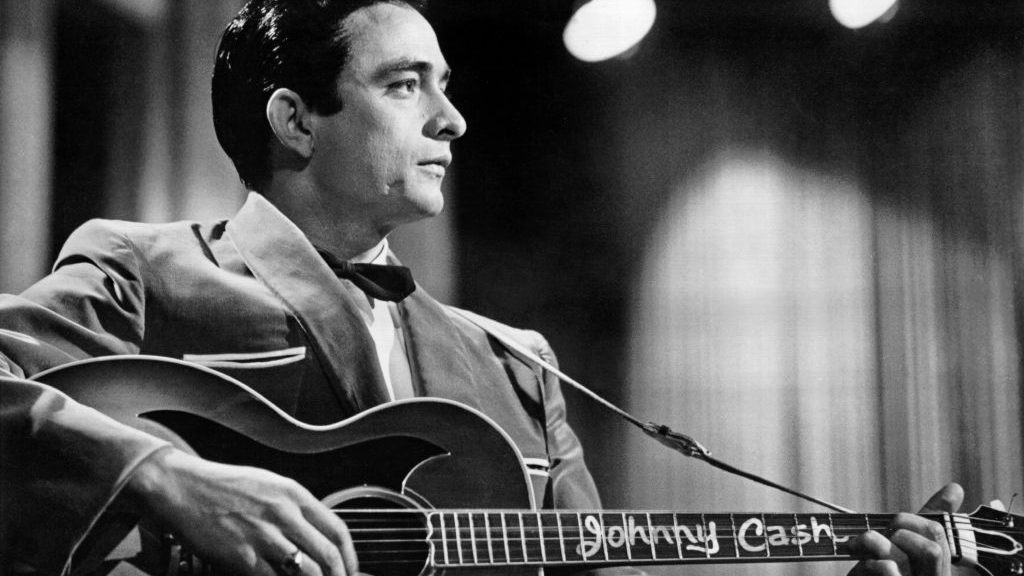
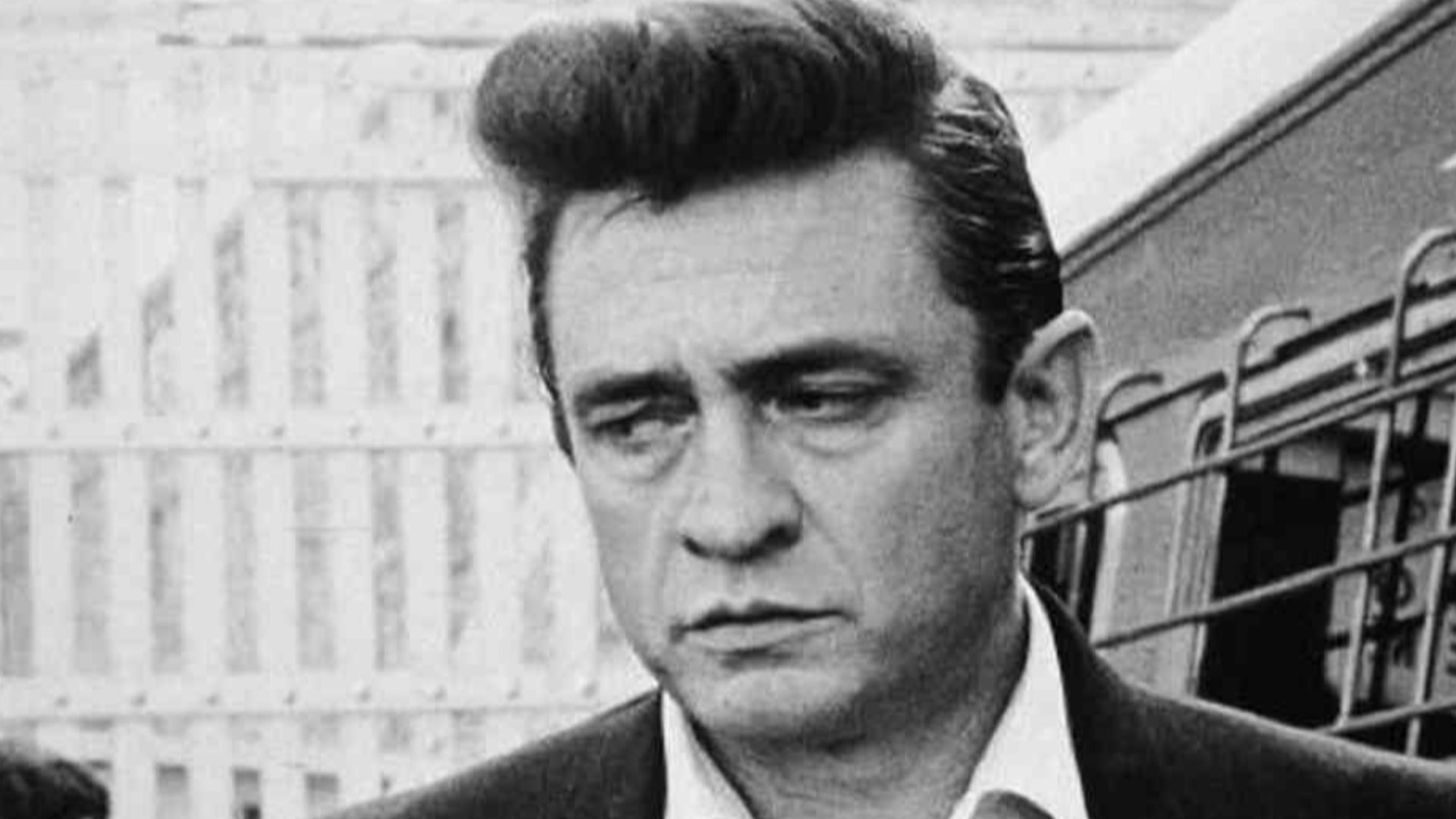
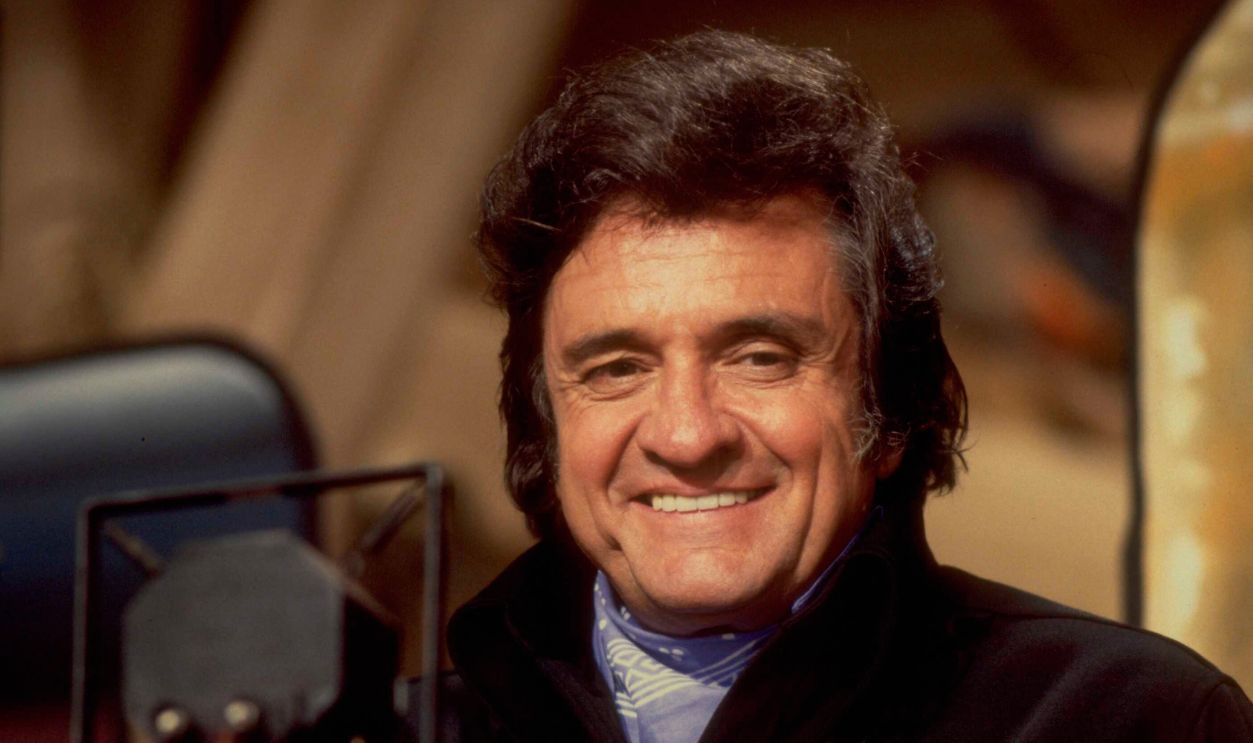
Johnny Cash entered 1969 with renewed momentum from Johnny Cash at Folsom Prison. ABC then gave him The Johnny Cash Show, allowing the singer to host a weekly television program from Nashville's Ryman Auditorium. Viewers accustomed to Cash's stern image suddenly saw him as a generous host welcoming performers from several very different musical worlds.
 Michael Ochs Archives, Getty Images
The Man In Black Started Connecting Audiences
Cash brought country legends onto the program alongside Bob Dylan, Joni Mitchell, Neil Young, Linda Ronstadt, and other artists rarely grouped together on network television. The Country Music Hall of Fame describes the show as a bridge during a period of severe national division. Cash's television persona expanded him from mysterious country figure into something closer to a national musical statesman.
 Dillan Stradlin, Wikimedia Commons
Dolly Parton Walked Onto Porter Wagoner's Show
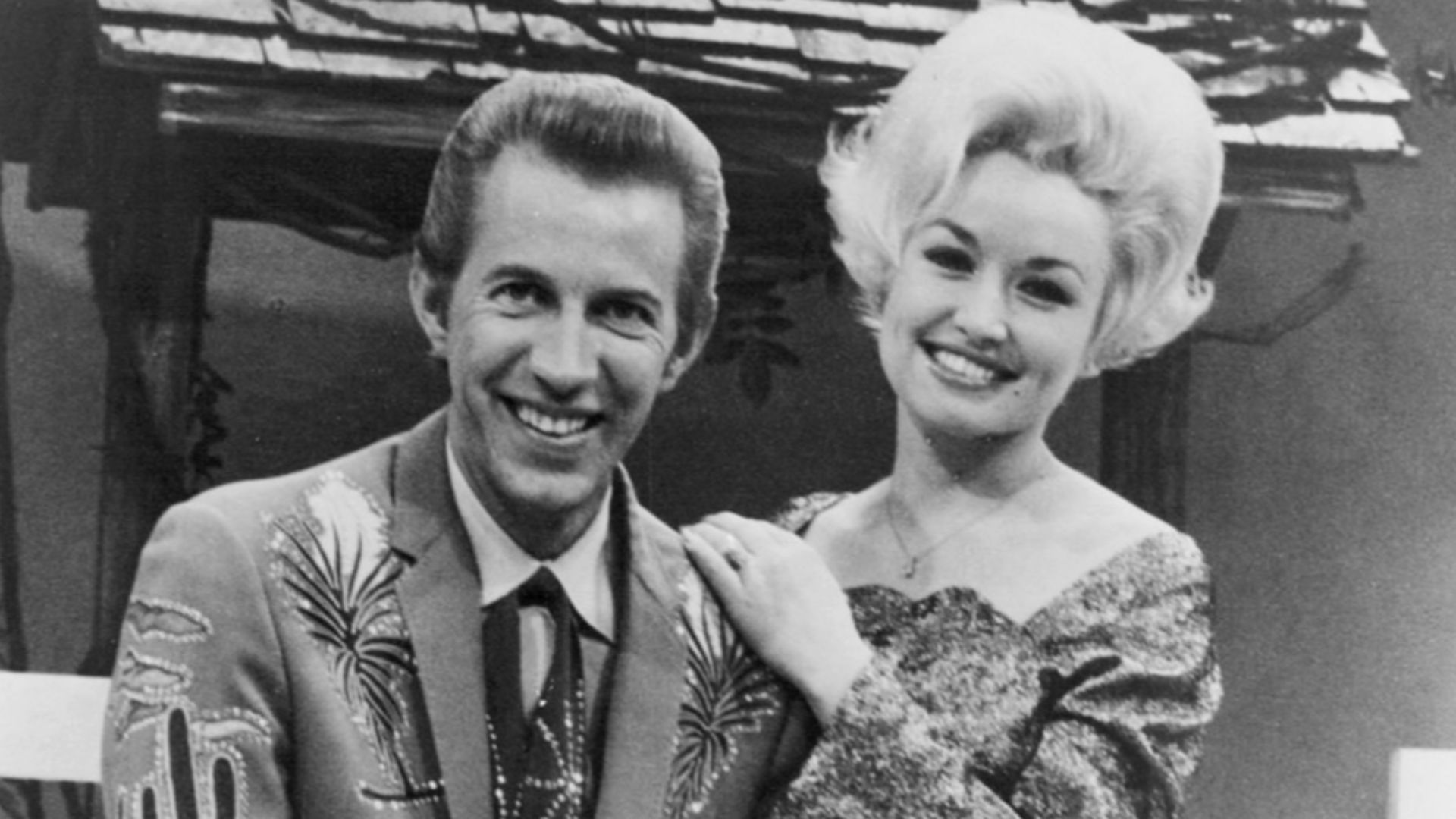
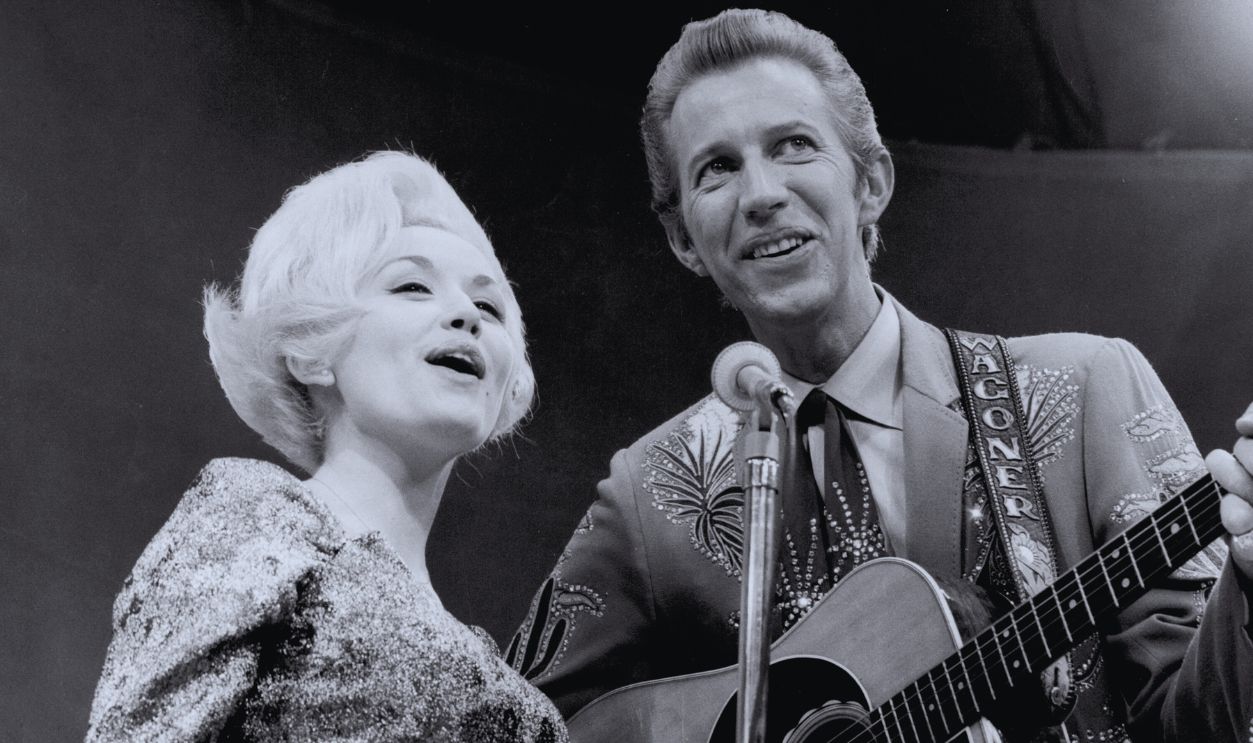
Dolly Parton's career changed dramatically when she joined The Porter Wagoner Show in 1967. Wagoner's syndicated program reached millions of viewers and nearly 100 markets, giving Parton weekly exposure that a promising young Nashville singer could rarely obtain. She and Wagoner quickly became audience favorites.
 Moeller Talent, Inc. Nashville (management), Wikimedia Commons
Television Made Dolly Impossible To Overlook
Parton's voice, humor, appearance, and personality translated extraordinarily well to television. The Country Music Hall of Fame calls joining Wagoner's program a pivotal career moment, and RCA soon signed her as both a solo performer and Wagoner's duet partner. Before she could become an independent superstar, television had introduced Dolly directly to America's living rooms.
 Michael Ochs Archives, Getty Images
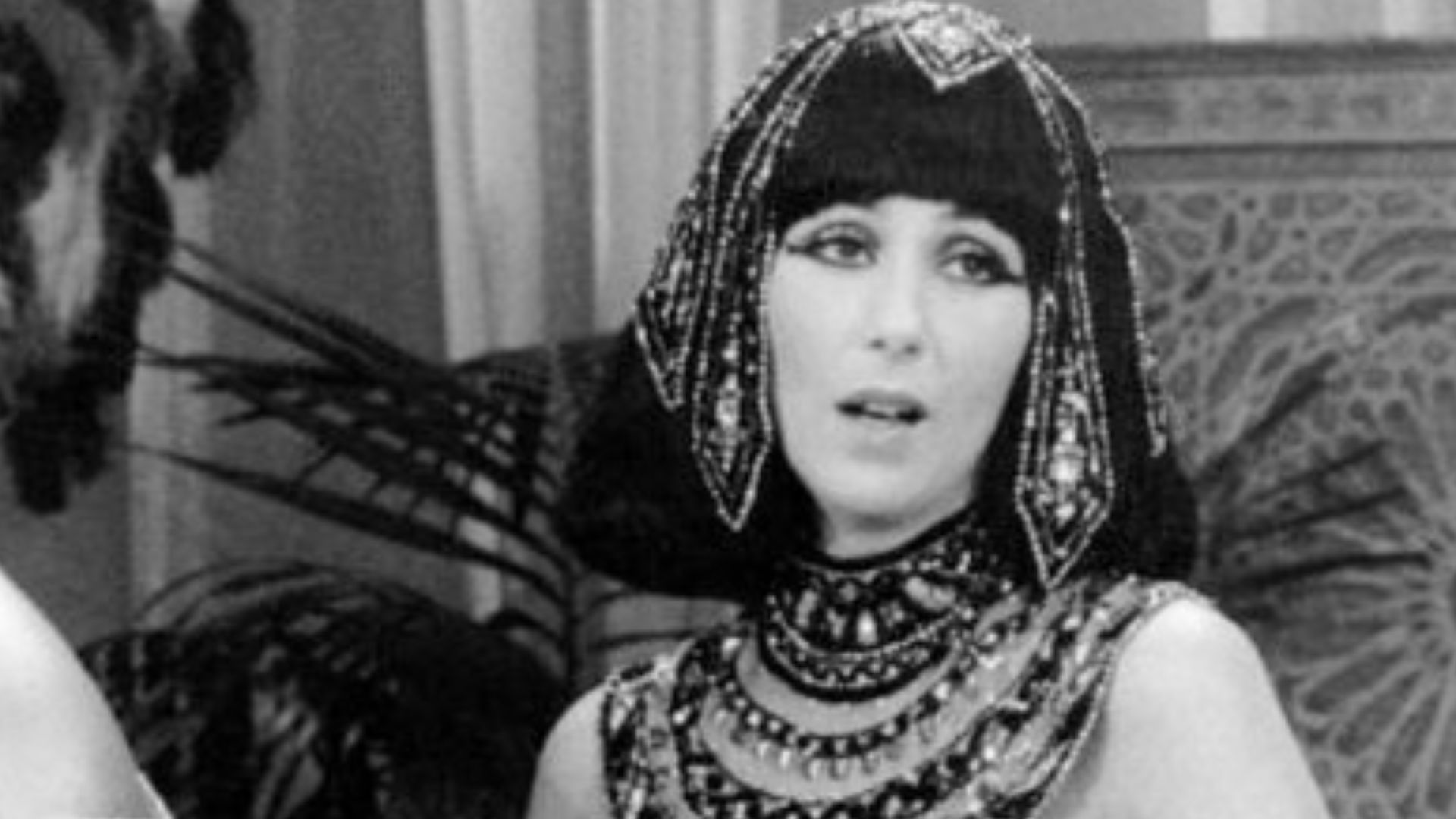
Cher Turned A Music Career Into A Television Personality
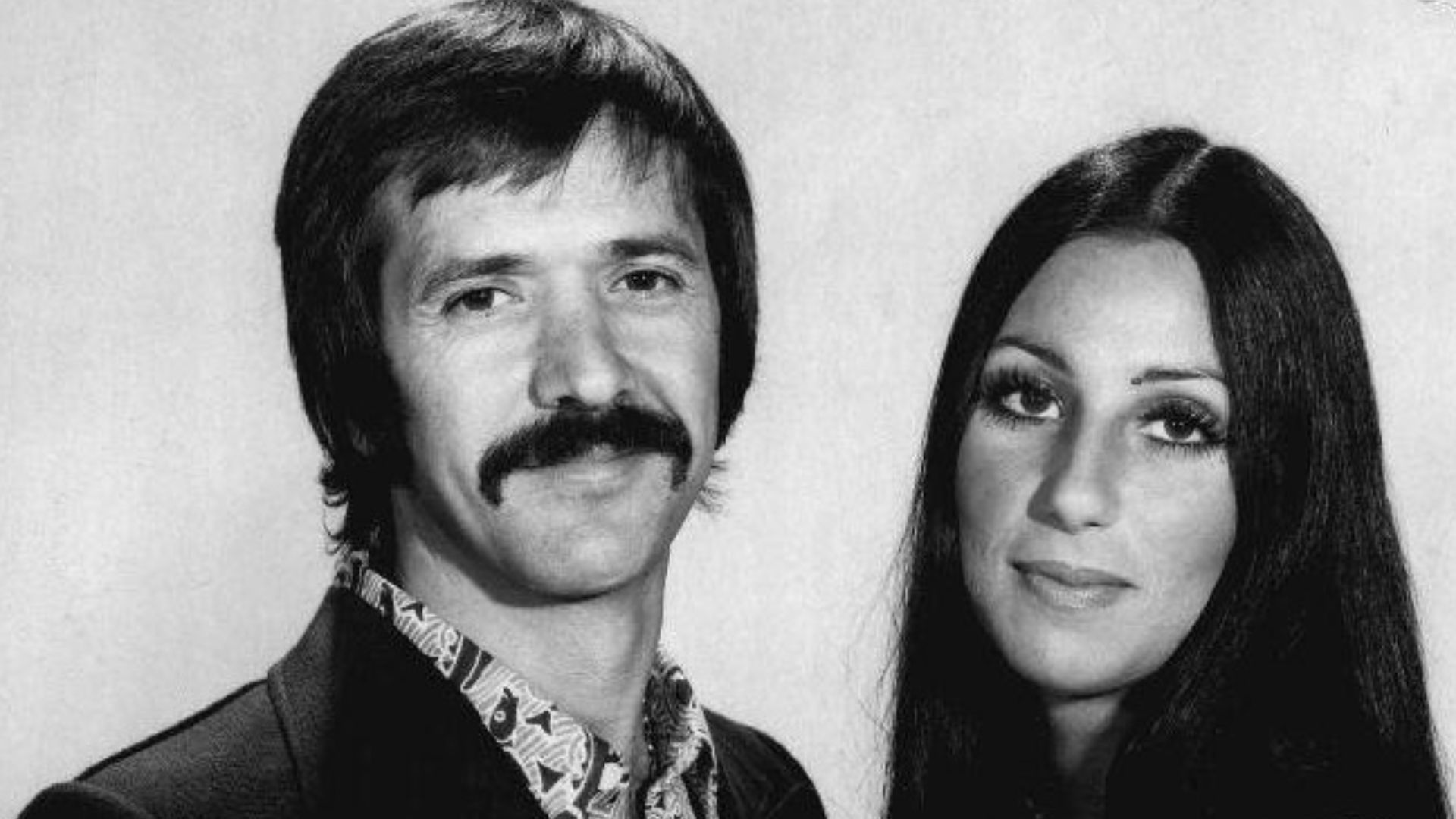
By the beginning of the 1970s, Sonny and Cher's record sales had cooled from their earlier peak. The Sonny & Cher Comedy Hour changed that story when CBS launched it as a summer replacement in 1971. The combination of songs, sketches, and teasing banter allowed audiences to discover how naturally funny Cher could be.
 CBS Television, Wikimedia Commons
America Discovered Cher Was More Than A Singer
The show became a top-rated success and transformed Sonny and Cher into television personalities as much as recording stars. The Television Academy notes that viewers came to regard the pair as familiar, almost family-like figures. Cher's dry delivery and ability to puncture Sonny's confidence also established a comic persona that remained part of her public image long after their partnership ended.
 CBS Television, Wikimedia Commons
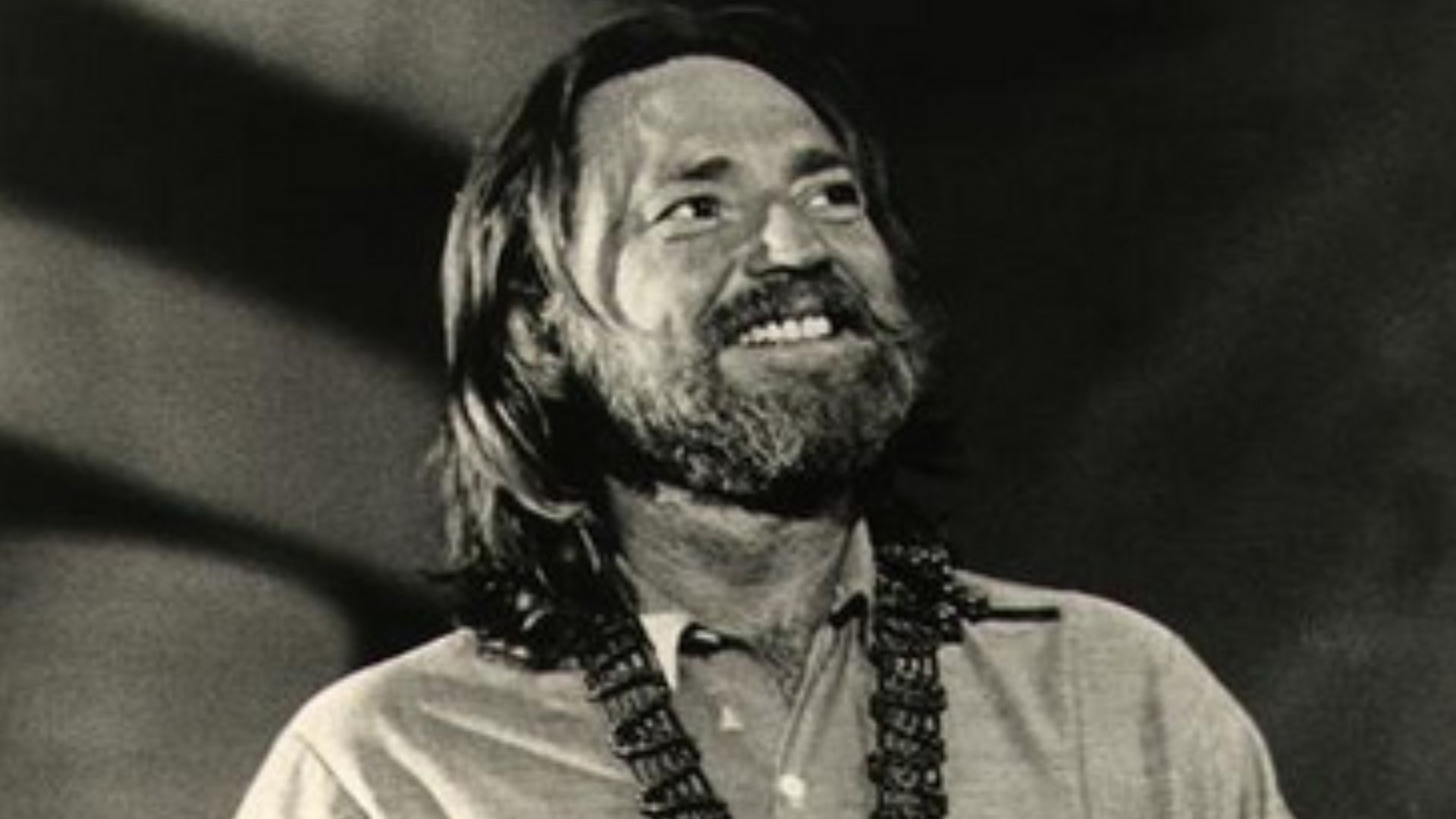
Willie Nelson Helped Invent A Different Kind Of Music Television
Willie Nelson taped the pilot for Austin City Limits on October 17, 1974. The setting was simple, the production was modest, and the emphasis was on musicians actually performing rather than surrounding them with variety-show spectacle. Nelson's relaxed style fit the concept perfectly.
 Columbia Records, Wikimedia Commons
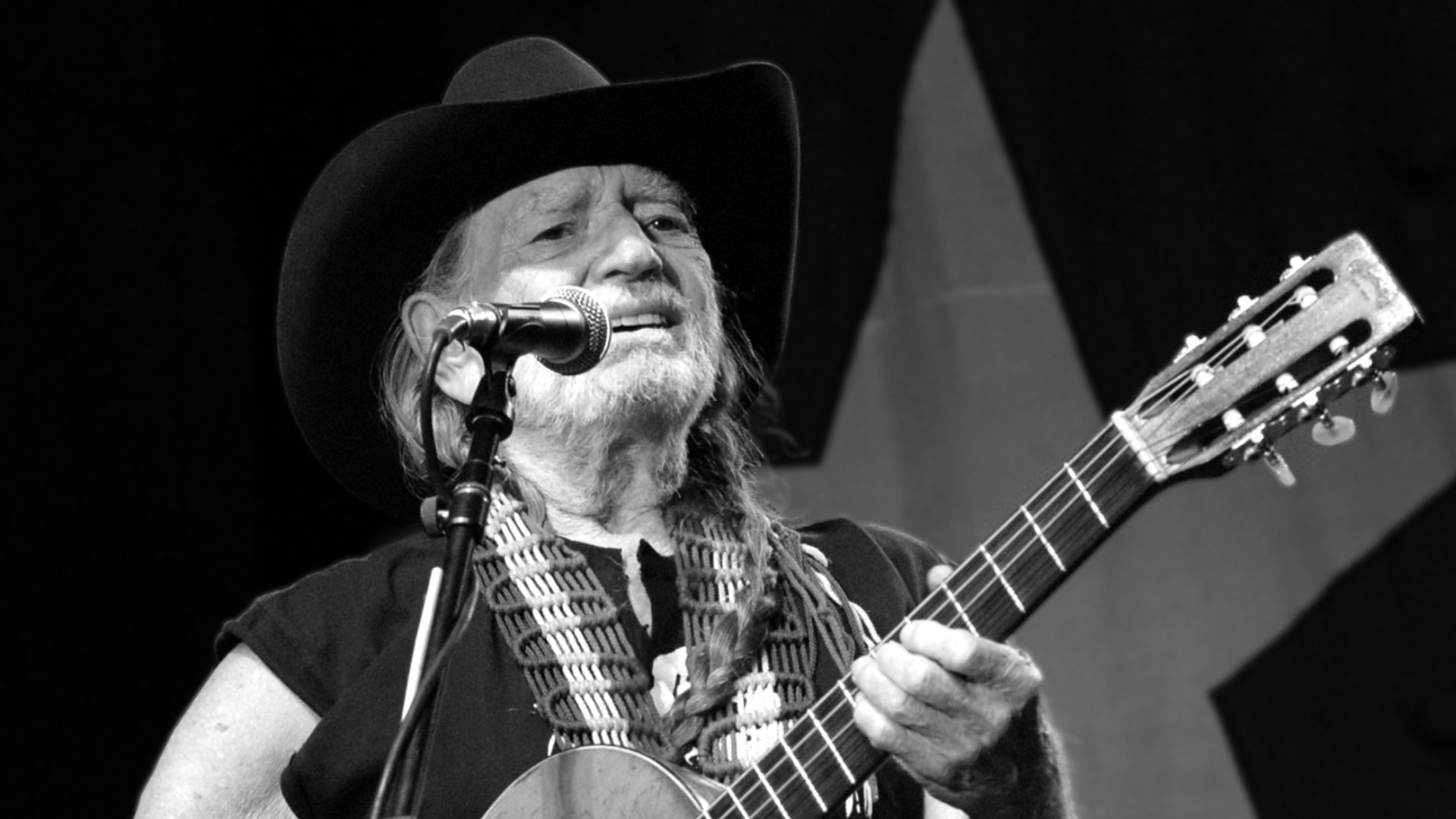
PBS Helped Turn Willie Into An American Institution
PBS later described Nelson as being at the beginning of an important new career chapter when that first program was made. Austin's musical community had embraced the unconventional singer after his difficult Nashville years, and national television helped carry that version of Willie far beyond Texas. The program itself became television's longest-running music series, with Nelson permanently attached to its origin story.
 Minette Layne, Wikimedia Commons
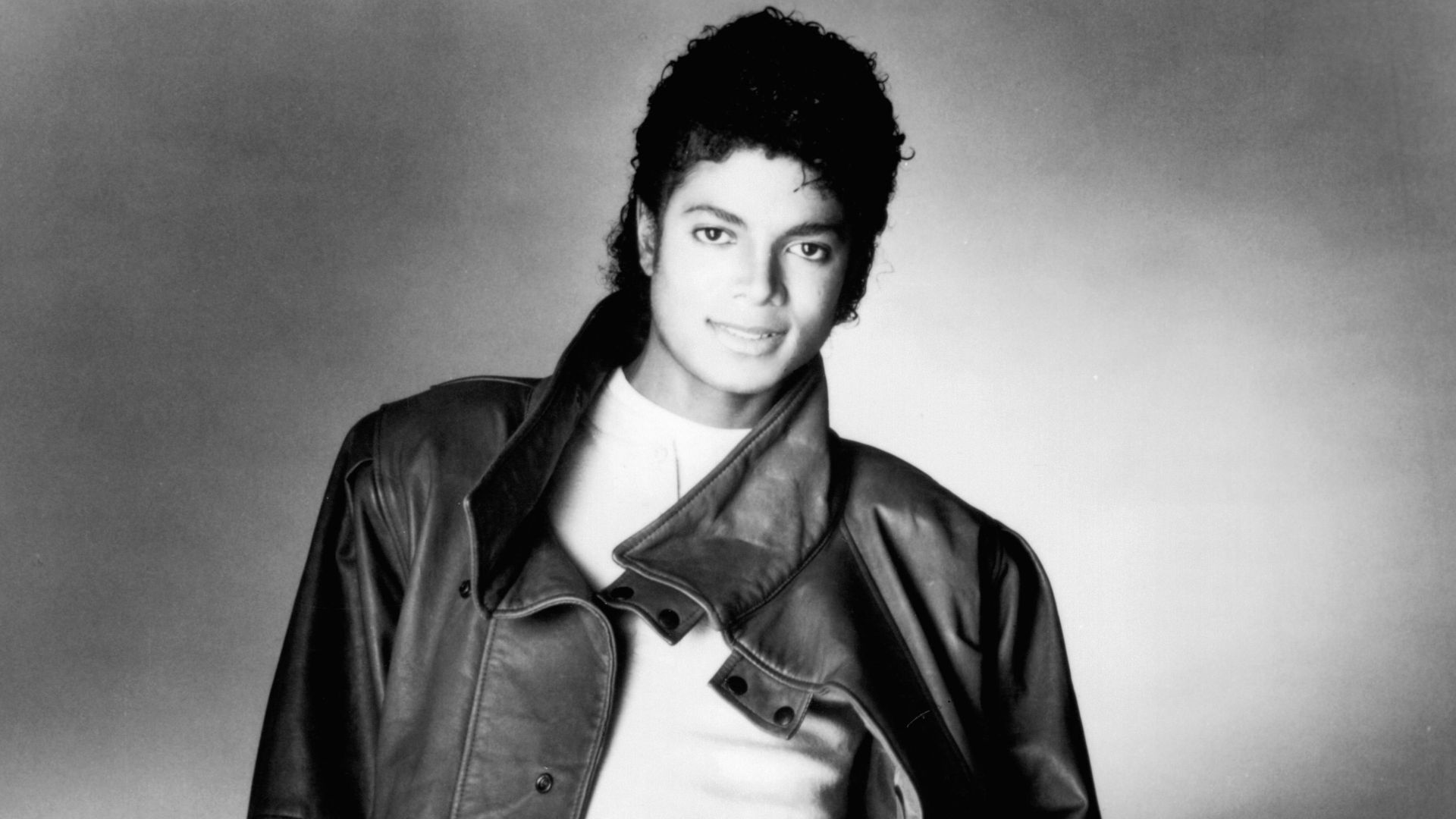
Michael Jackson Took One Step Backward
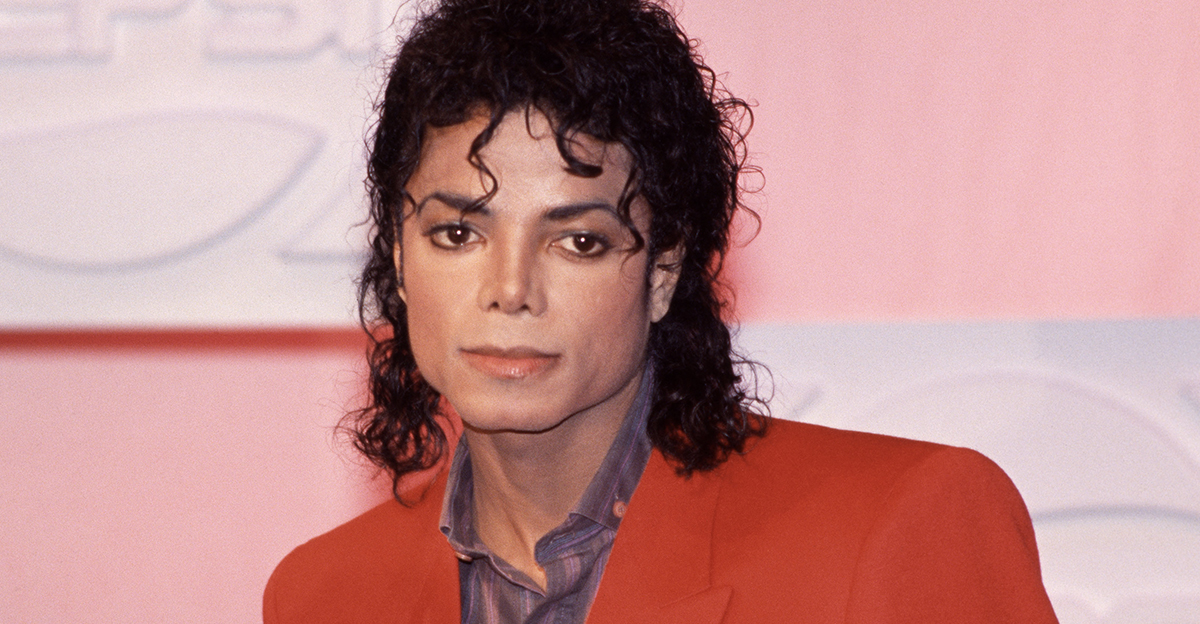
Michael Jackson was already enormously successful when he appeared on the 1983 television special Motown 25: Yesterday, Today, Forever. Performing "Billie Jean," he suddenly glided backward across the stage in the move that became known worldwide as the moonwalk. The audience reaction was immediate.
 Matthew Rolston; Distributed by Epic Records, Wikimedia Commons
The Performance Created A New Kind Of Superstar
The televised moment became Jackson's unofficial coronation as pop's dominant performer. HISTORY notes that the performance helped propel him into a different cultural stratosphere, while the Recording Academy identifies it as the debut of his signature dance move. After Motown 25, viewers did not simply hear Michael Jackson differently. They expected pop stars to look different onstage too.
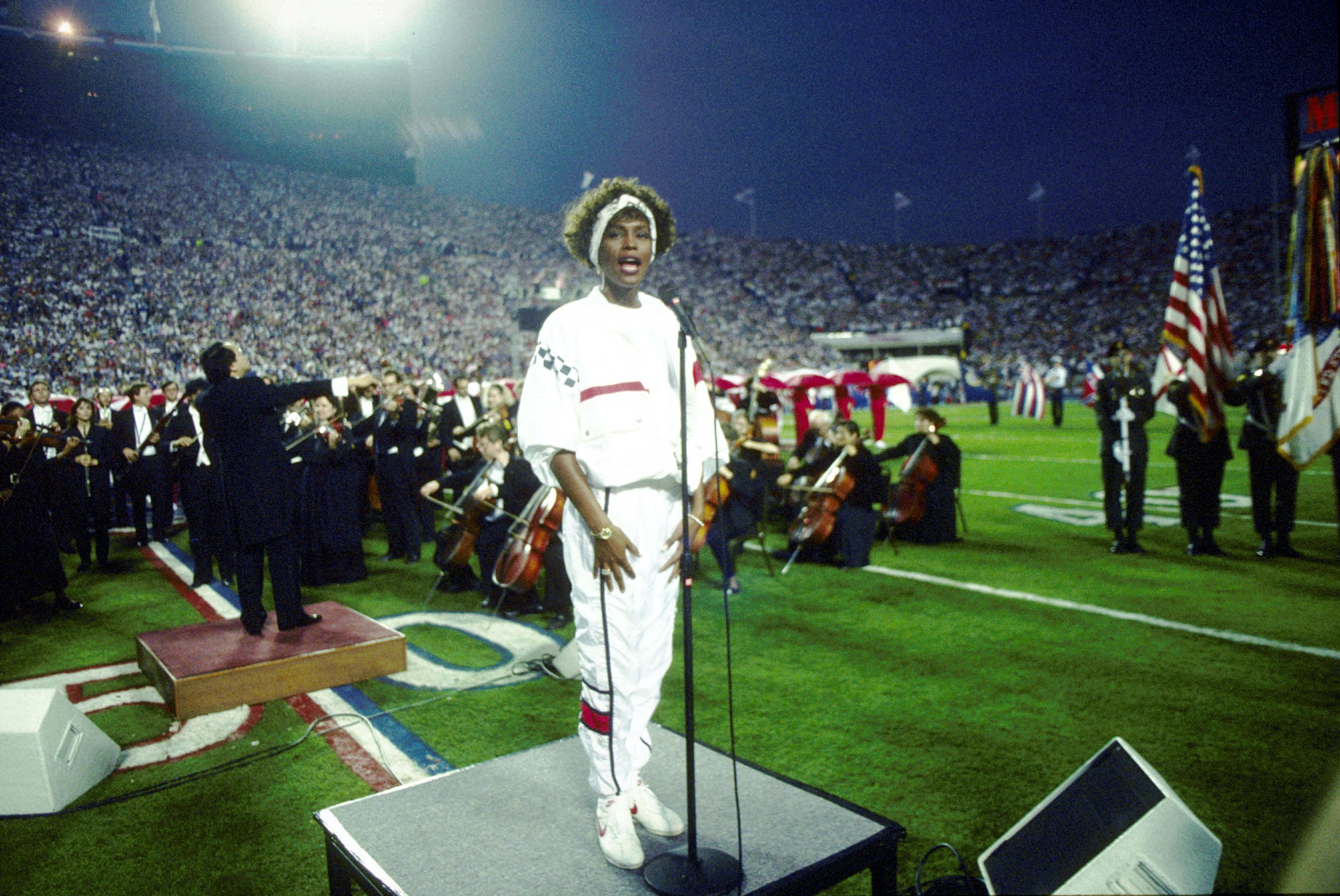
Whitney Houston Made The Anthem Her Own
Whitney Houston walked onto the field before Super Bowl XXV in January 1991 during a tense period for the United States. Her performance of the national anthem paired her extraordinary voice with one of television's largest audiences. What could have been a routine ceremonial appearance became the defining rendition of the song for a generation.
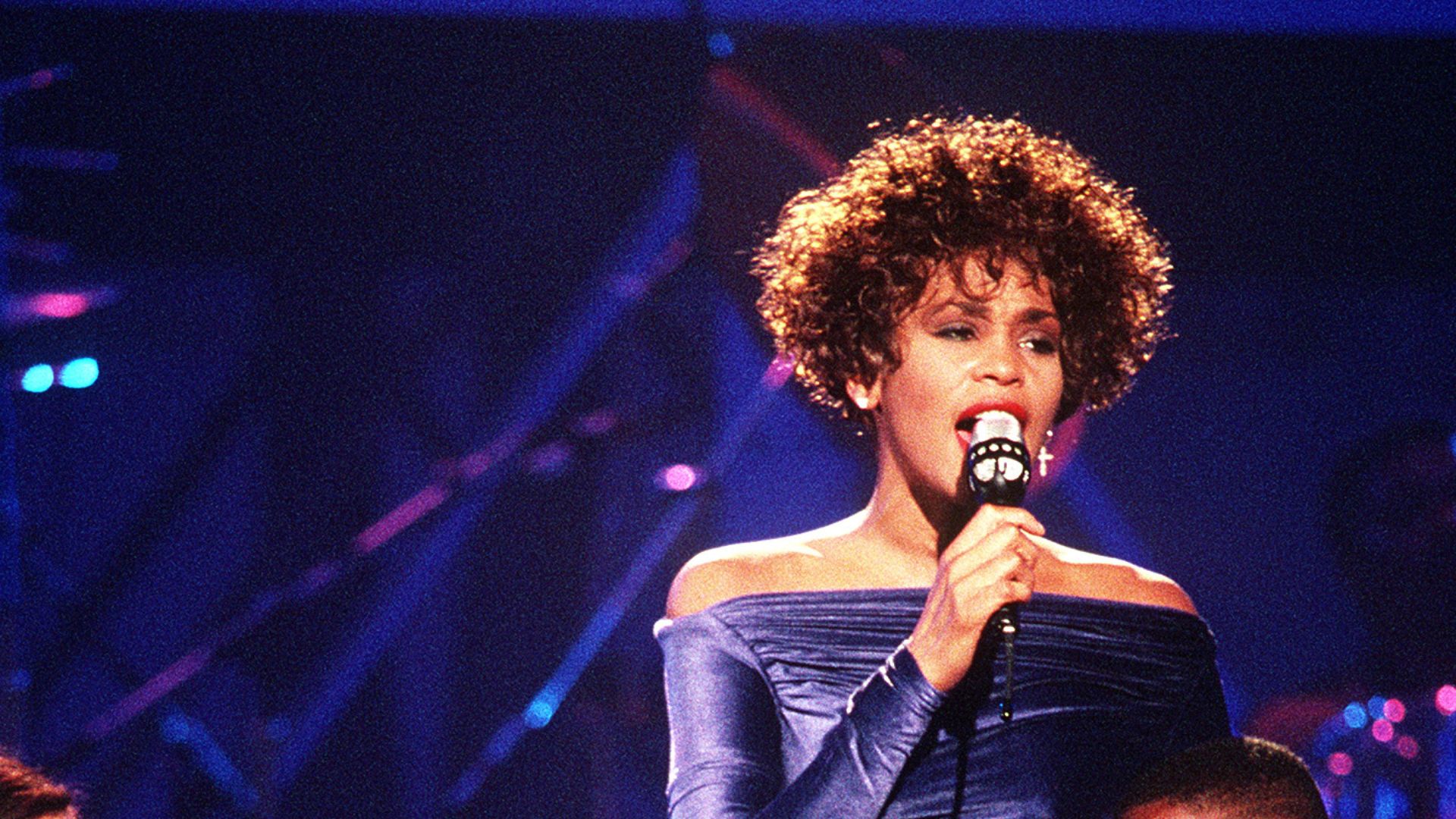 PH2 Mark Kettenhofen, Wikimedia Commons
A Pop Star Became A National Voice
The performance was released as a single and reached the Billboard Top 20, an extraordinary achievement for the national anthem. When it was rereleased years later, it climbed even higher. The NFL and Recording Academy continue to single out Houston's version as the benchmark against which later Super Bowl anthem performances are measured.
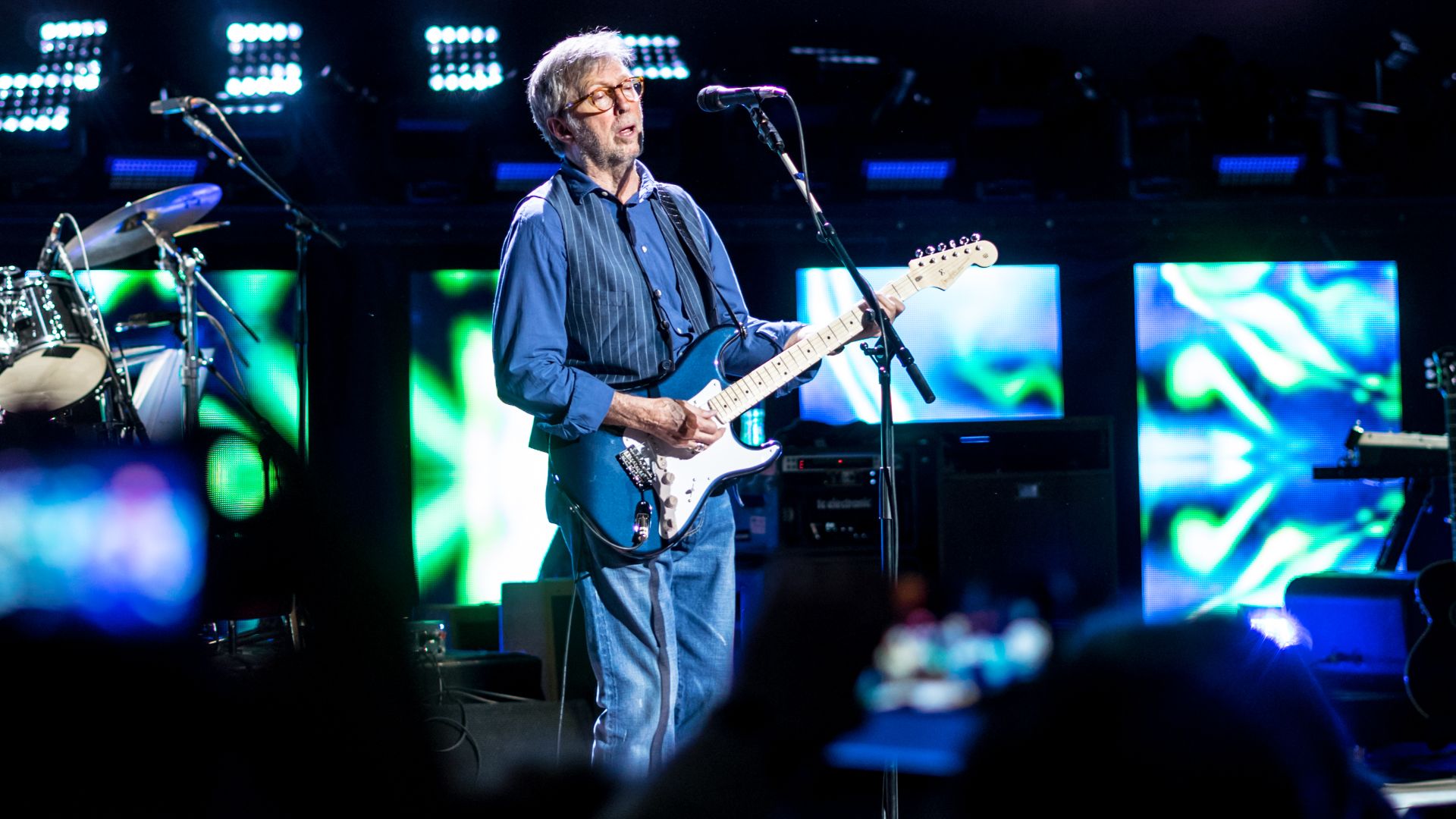
Eric Clapton Put Away The Amplifiers
Eric Clapton had spent decades associated with electric guitar virtuosity when he appeared on MTV Unplugged. The intimate 1992 performance stripped away the arena-rock presentation and radically rearranged familiar material. Television audiences encountered an older, quieter Clapton whose playing depended less on volume than touch and restraint.
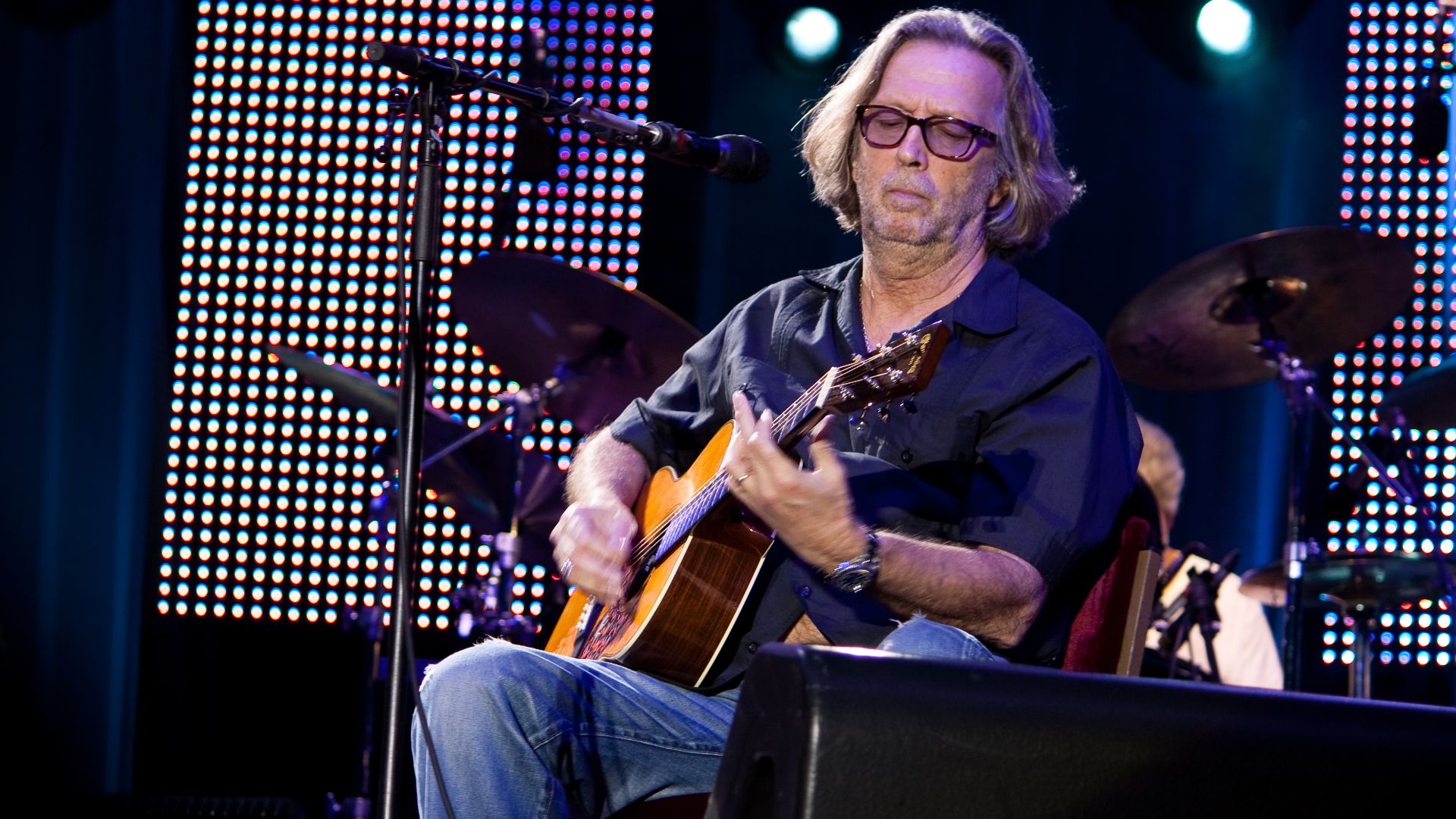
Unplugged Rebuilt His Career
The resulting album became a gigantic commercial and critical success. It won six Grammys, including Album of the Year, while the Recording Academy later described the session as one of the high points of Clapton's 1990s work. A television format built around unplugging instruments had unexpectedly helped reconnect a veteran star with mainstream America.
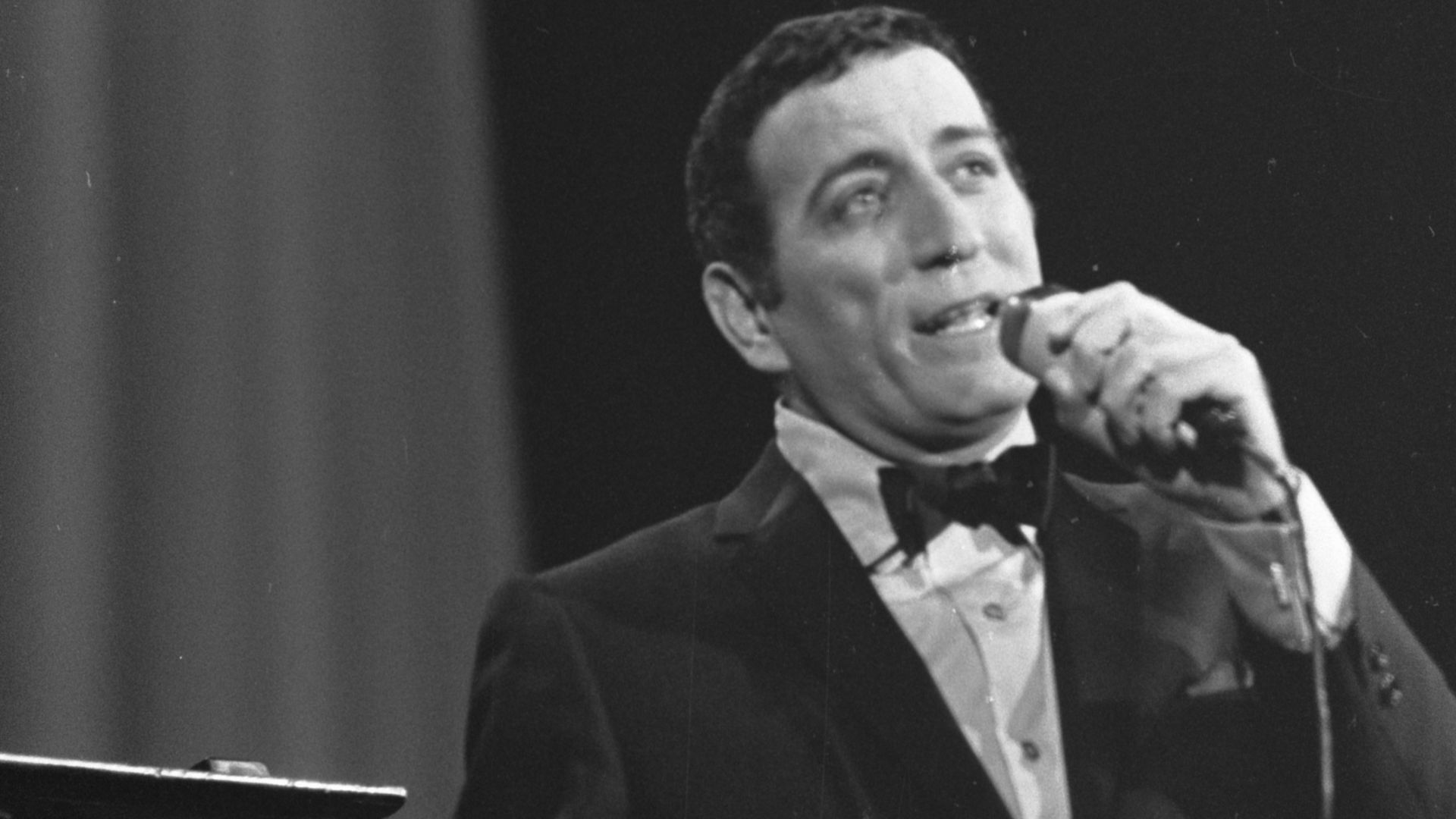
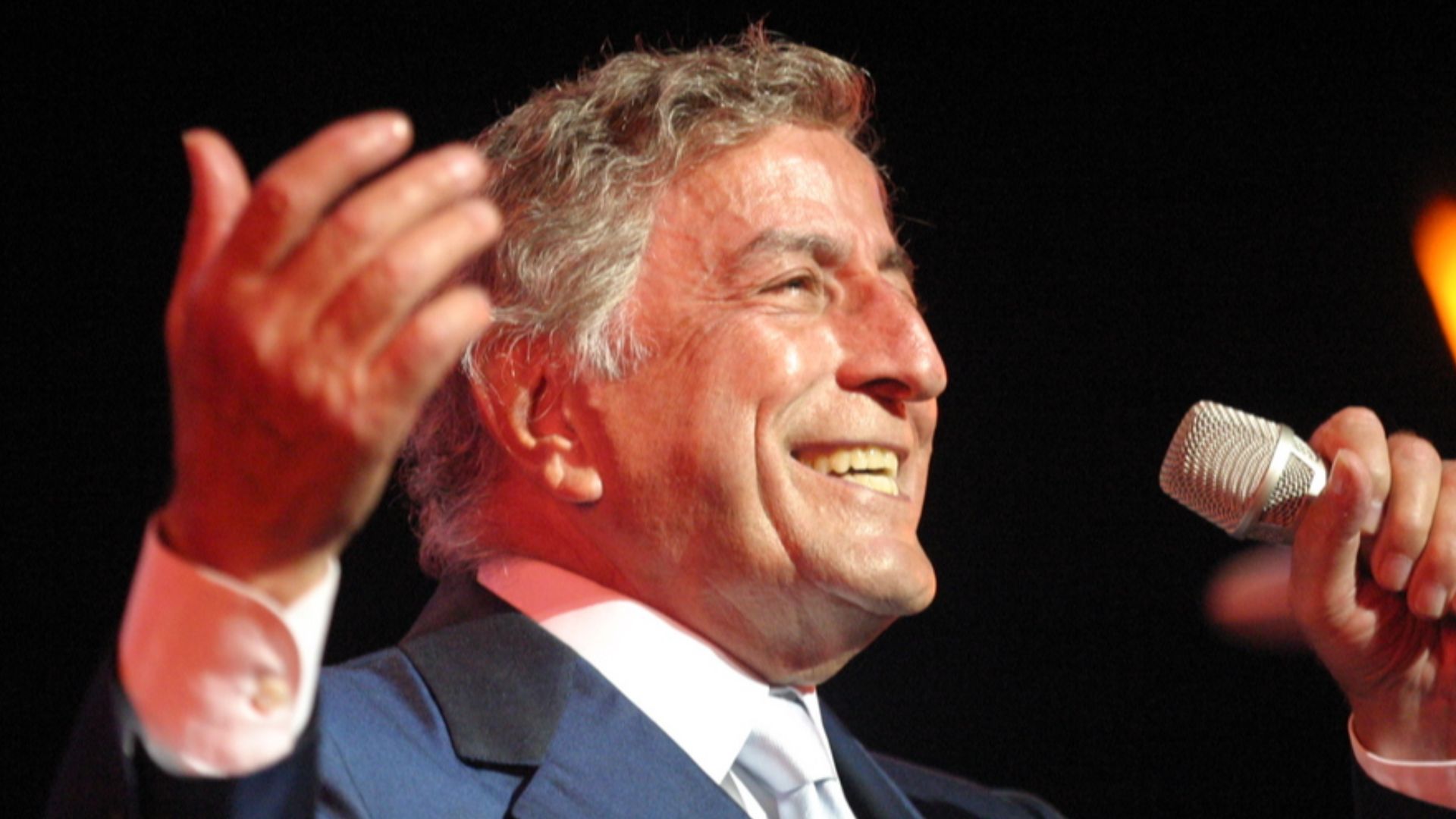
Tony Bennett Walked Onto MTV Without Changing Himself
Tony Bennett seemed like an unlikely candidate for MTV in the early 1990s. He was already decades removed from the period when "I Left My Heart in San Francisco" had first made him a recording giant. Instead of modernizing his sound, Bennett appeared on MTV Unplugged performing the classic standards he had always sung.
 Fotograaf Onbekend / Anefo, Wikimedia Commons
A New Generation Suddenly Claimed Tony Bennett
The gamble worked brilliantly. The Recording Academy says the special introduced Bennett to an appreciative younger audience, and the resulting album won the 1995 Grammy for Album of the Year. Television had made Bennett contemporary again without requiring him to pretend he was anything other than Tony Bennett.
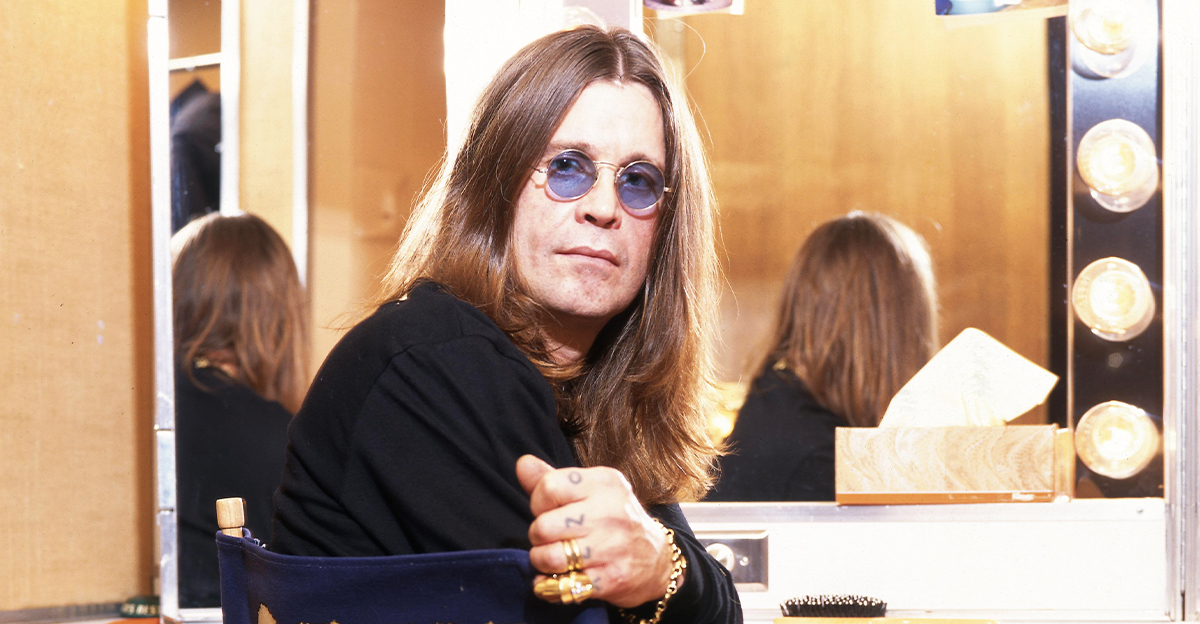
Ozzy Osbourne Let Cameras Into His House
For decades, Ozzy Osbourne had carried one of rock music's most intimidating public images. Then MTV premiered The Osbournes in 2002 and revealed a bewildered father trying to navigate ordinary domestic chaos. Suddenly, one of heavy music's most imposing figures was arguing with household technology and trying to understand what his family was doing.
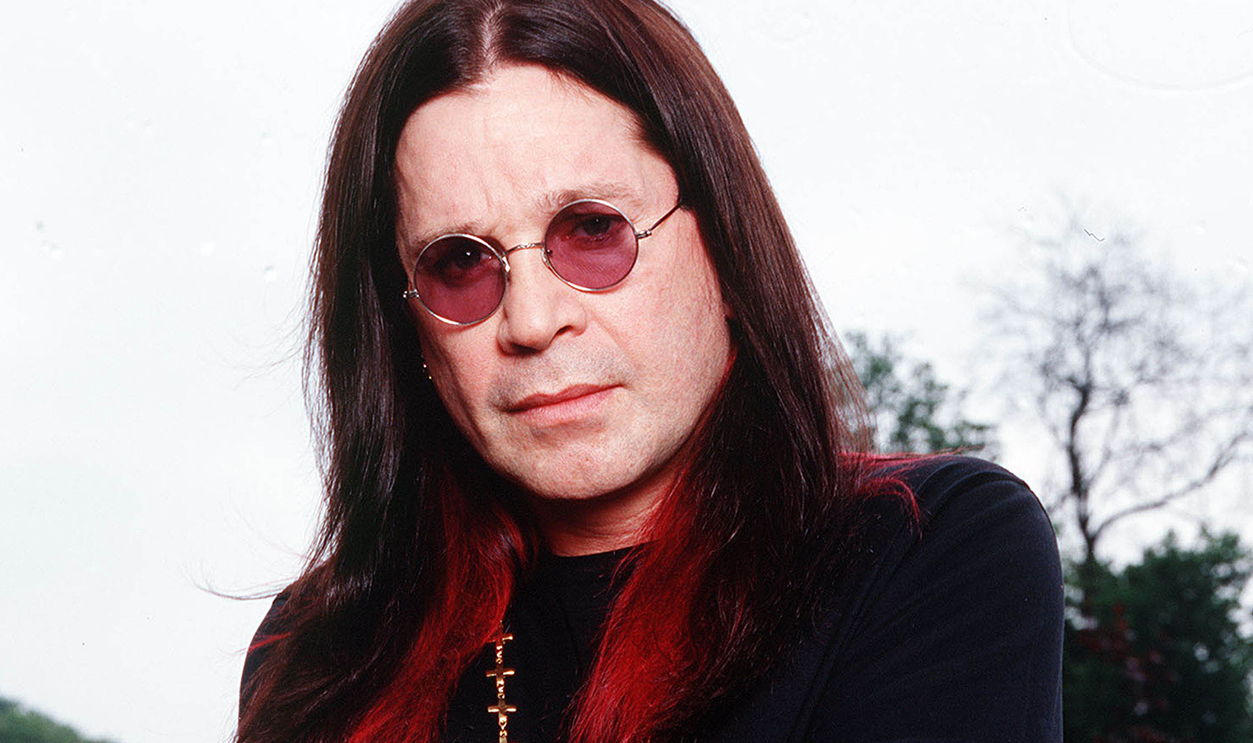
The Scary Rock Star Became A Sitcom Dad
The transformation was enormous. The Osbournes became MTV's most-watched program and helped reshape celebrity reality television, while viewers discovered an unexpectedly funny and vulnerable side of Ozzy. The show did not erase his music legacy, but it permanently added lovable family patriarch to an image that once depended heavily on menace.
Adele Happened To Pick The Perfect Saturday Night
Adele was still relatively unknown in the United States when she performed on Saturday Night Live on October 18, 2008. The episode drew about 17 million viewers because vice-presidential candidate Sarah Palin was appearing. Millions who tuned in for politics unexpectedly heard the 20-year-old British singer instead.
 CHRISTOPHER MACSURAK, Wikimedia Commons
America Started Buying Her Music The Next Morning
The effect was immediate. Grammy.com reports that Adele's debut album 19 jumped to the top of the iTunes download chart the following day and ultimately reached No. 4 on the Billboard 200. Television did not manufacture Adele's talent, but one extraordinarily well-timed appearance gave America a reason to notice it all at once.

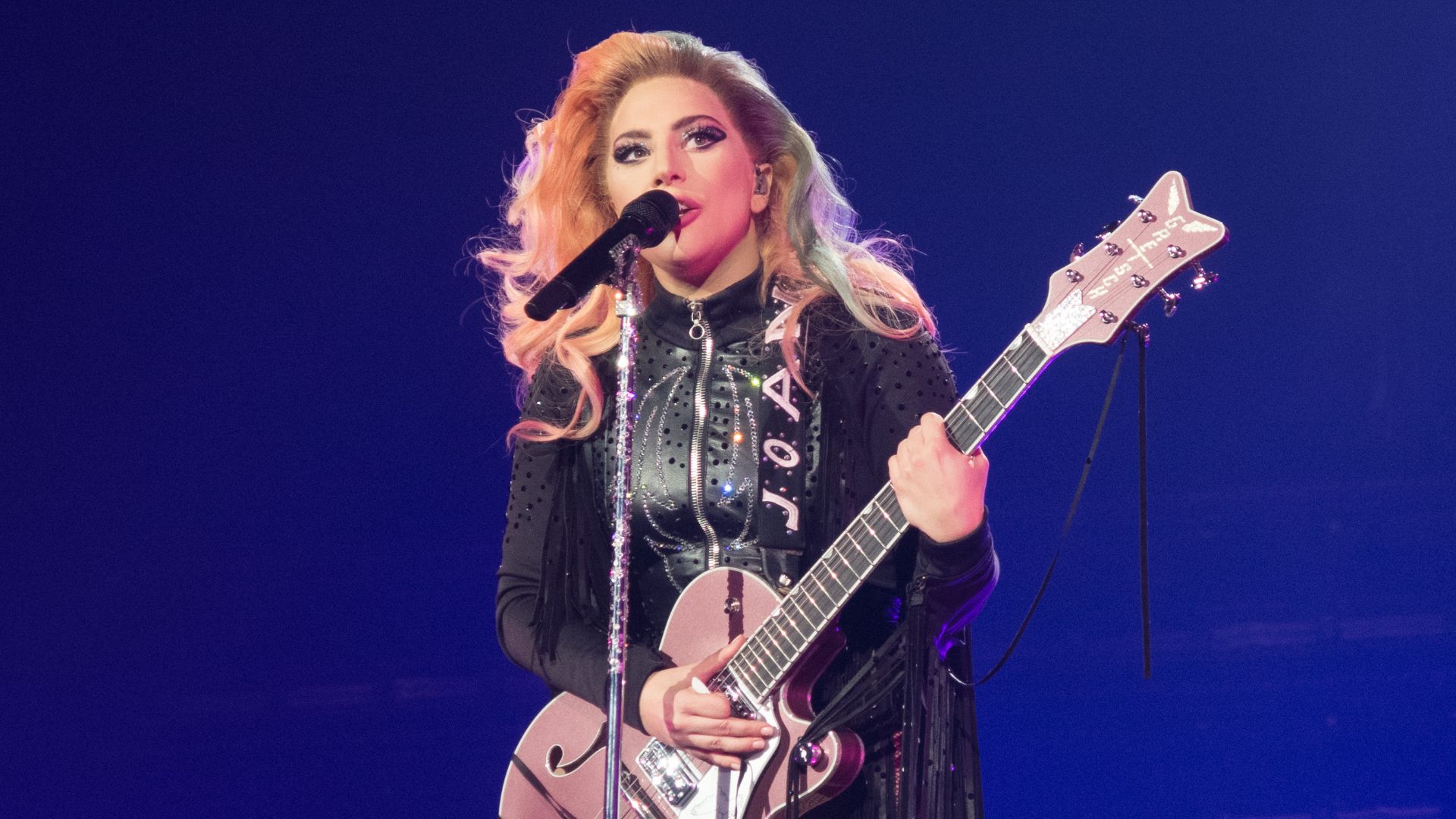
Lady Gaga Walked Into The Oscars With Something To Prove
By 2015, Lady Gaga was already one of the world's most recognizable pop stars, known for elaborate performances and theatrical presentation. At the Academy Awards, however, she appeared to honor the 50th anniversary of The Sound of Music. The production stripped the focus down to Gaga singing some of the film's most demanding songs with an orchestra.
 Marcel de Groot, Wikimedia Commons
Julie Andrews Helped Seal The Transformation
When the medley ended, Julie Andrews walked onto the stage and embraced Gaga. The Academy lists the tribute among the ceremony's memorable moments, and the performance became widely discussed because it highlighted vocal abilities casual viewers had sometimes overlooked beneath Gaga's enormous pop persona. Television had not introduced Gaga, but it reminded millions that the spectacle had always contained a formidable singer.
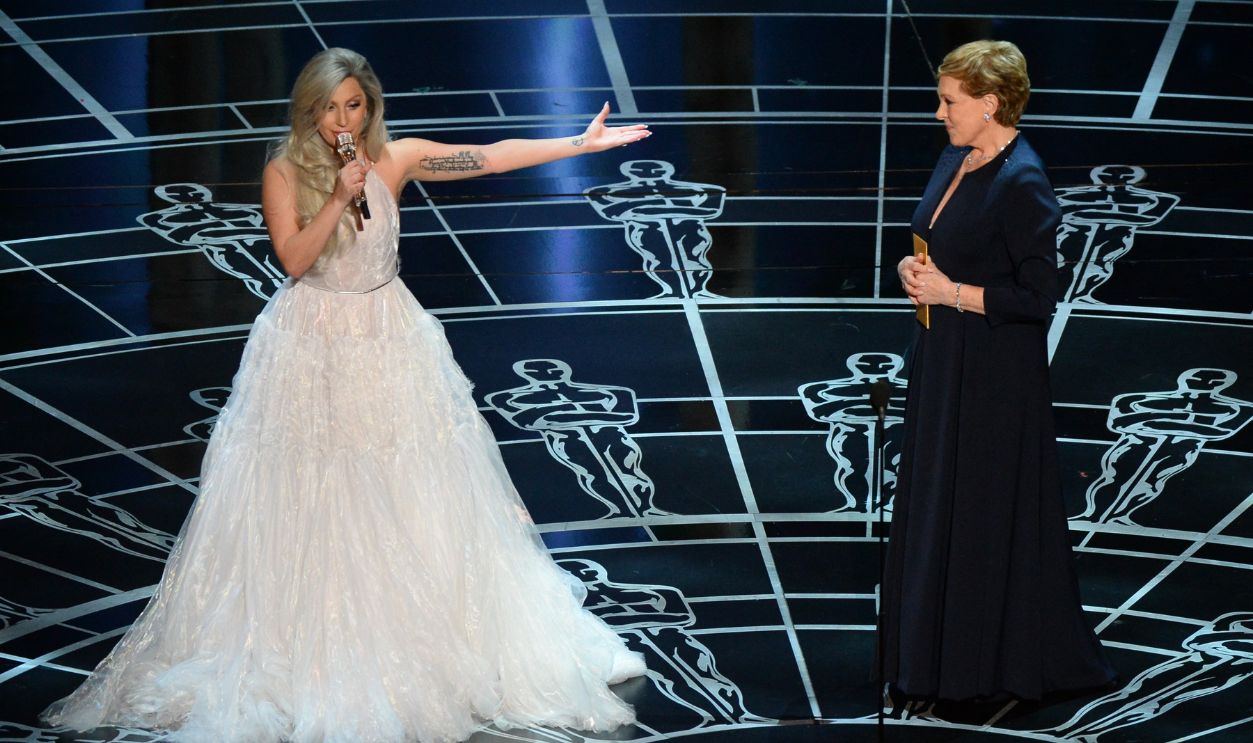
Aretha Franklin Didn't Need A Comeback
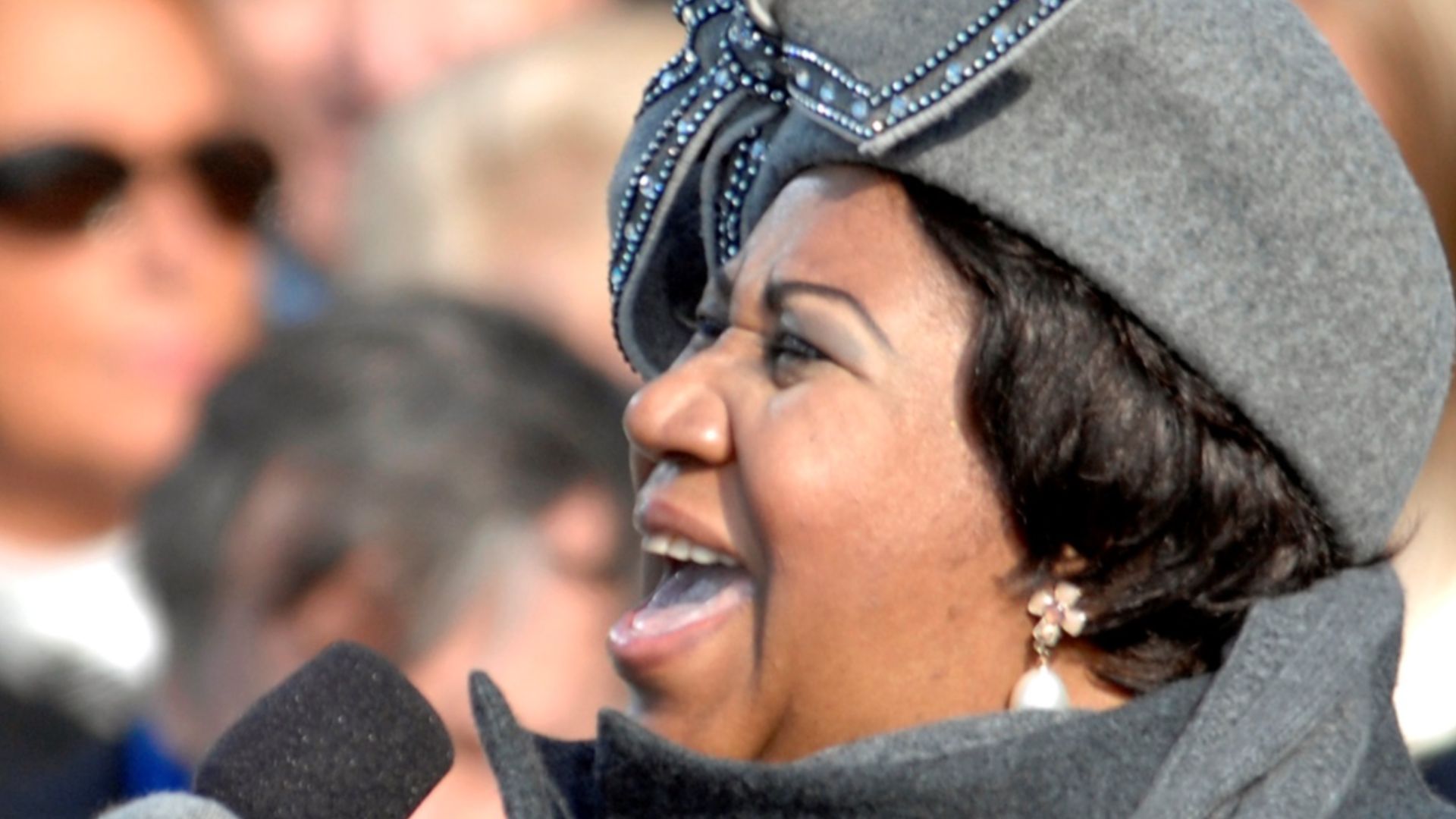
Aretha Franklin arrived at the 2015 Kennedy Center Honors with nothing left to prove. She had been a major recording star for nearly half a century and was already treated as American musical royalty. Yet her tribute to honoree Carole King somehow created another career-defining television moment.
 The White House from Washington, DC, Wikimedia Commons
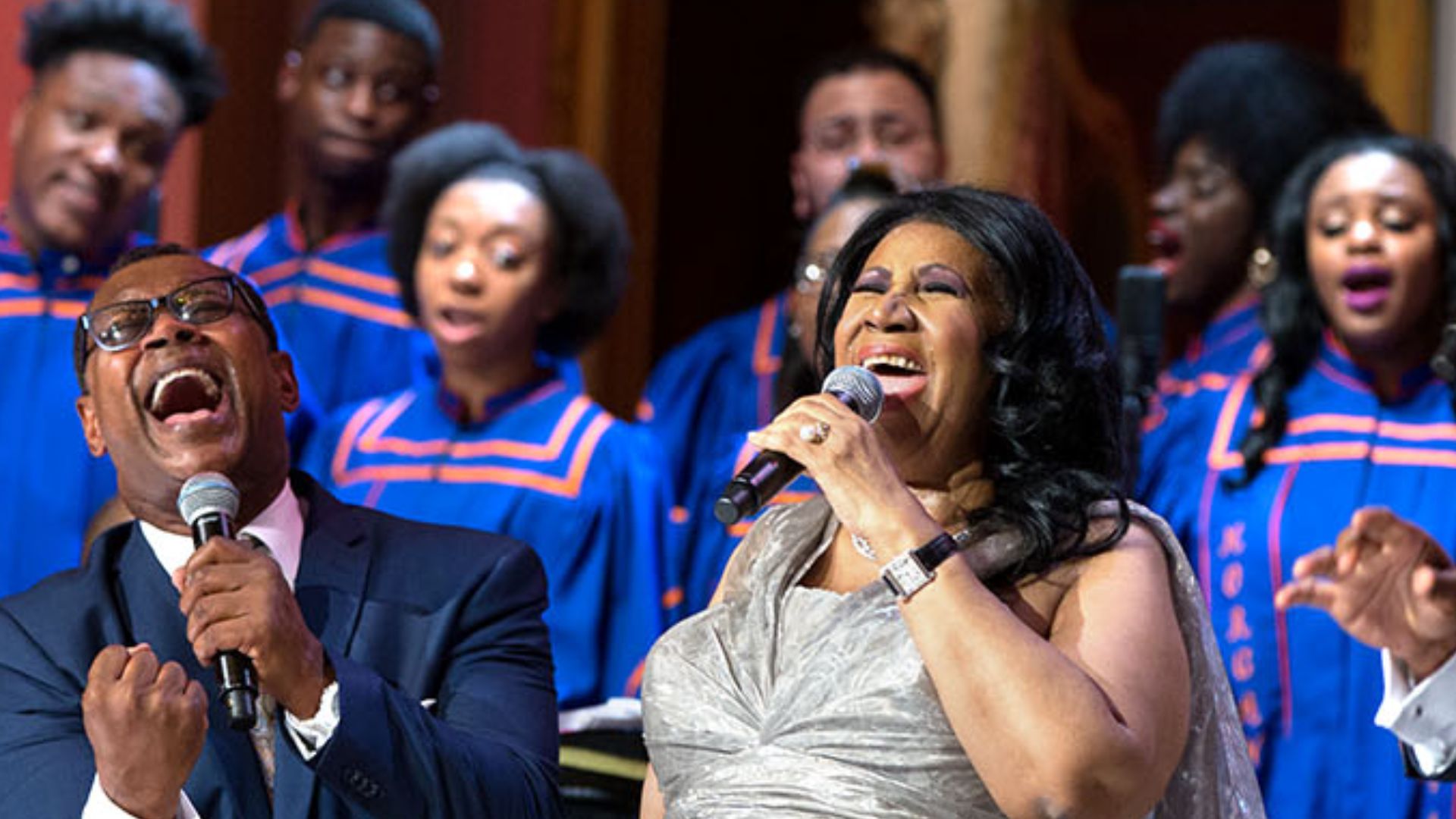
One Performance Made A Legend Feel New Again
Franklin sat at the piano and performed "(You Make Me Feel Like) A Natural Woman" as King watched from the balcony. President Barack Obama visibly wiped away a tear, while King's stunned reaction became nearly as memorable as the performance itself. Grammy.com later pointed to those reactions as the clearest demonstration of Franklin's ability to overwhelm an audience even late in her career.
 Cecilio Ricardo, U.S. Air Force, Wikimedia Commons
Television Kept Reintroducing America's Singers
The remarkable thing about these appearances is that many happened after the singer was already famous. Television could soften an intimidating image, reveal unexpected humor, rescue a career, introduce a veteran to younger viewers, or turn one performance into a national memory.
 Unknown authorUnknown author, Wikimedia Commons
The Camera Could Change A Career In Minutes
Records allowed listeners to imagine who singers were. Television replaced imagination with faces, clothes, jokes, nerves, families, movements, and performances unfolding in real time. For these stars, America did not simply watch them sing. It reconsidered who they were.
You May Also Like:
Singers Who Nearly Quit Before Becoming Famous
Famous Singers Who Tried Acting And Were Better Than Anyone Expected
Unrecognizable Photos Of Music Superstars Before They Made It Big
Sources: 1, 2, 3, 4, 5, 6, 7, 8, 9, 10, 11, 12, 13, 14, 15, 16, 17, 18, 19, 20, 21, 22, 23, 24, 25, 26, 27, 28, 29, 30, 31, 32, 33, 34