When the Celebrities Were Better Than the Prizes
In the 1970s, game shows were less about winning a toaster and more about watching famous people lose control on television. These celebrities brought jokes, strange guesses, oversized personalities, and absolutely no concern for keeping things dignified.
How many made you stop changing the channel?
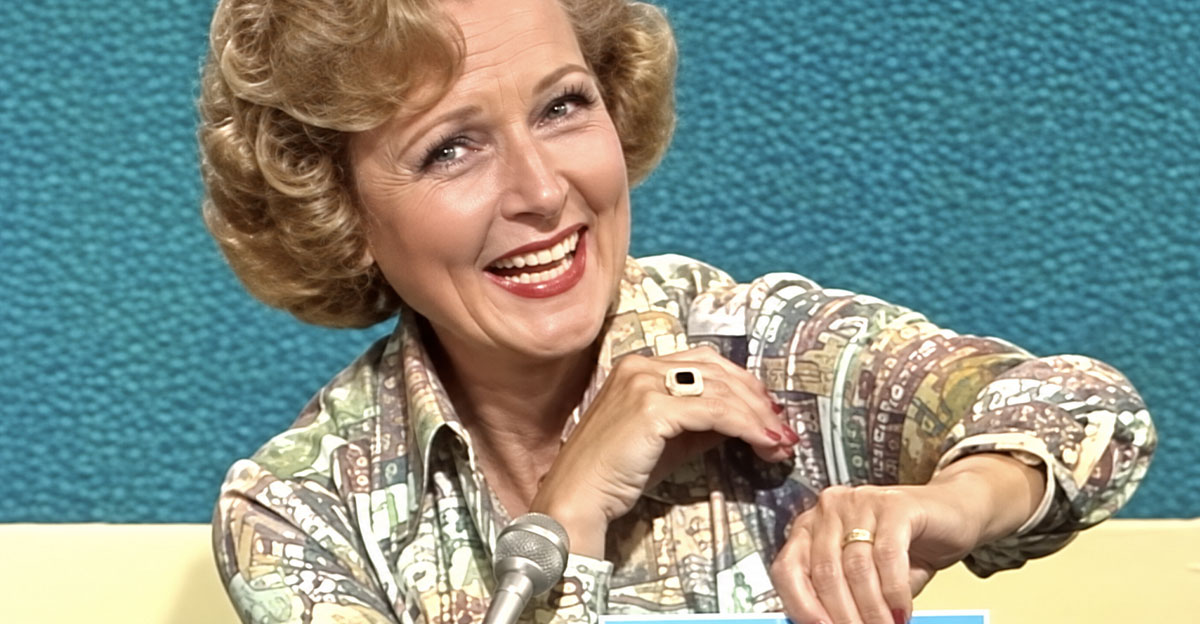
#25: Don Rickles
Don Rickles occasionally occupied a square on The Hollywood Squares, where the format gave him everything he needed: a question, a captive audience, and several people available to insult. Contestants may have wanted a straightforward answer, but Rickles was more interested in turning the entire studio into part of his comedy routine.
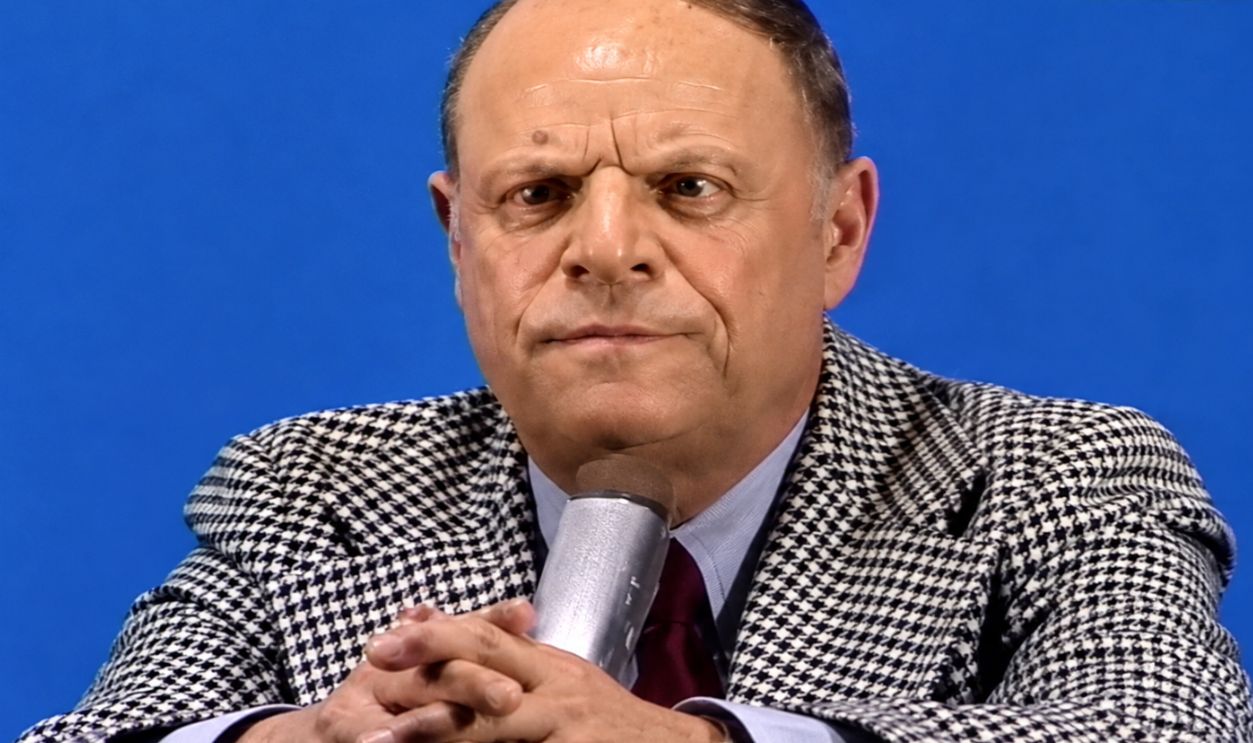 Screenshot from The Hollywood Squares, CBS (1966-1981), Enhanced
#24: Vincent Price
Vincent Price brought theatrical sophistication to The Hollywood Squares, delivering silly answers in the same cultured voice he used to frighten movie audiences. His dignified appearance made his jokes even funnier. Viewers never knew whether he would discuss Shakespeare, horror films, or the possibility that the contestant had entered his castle.
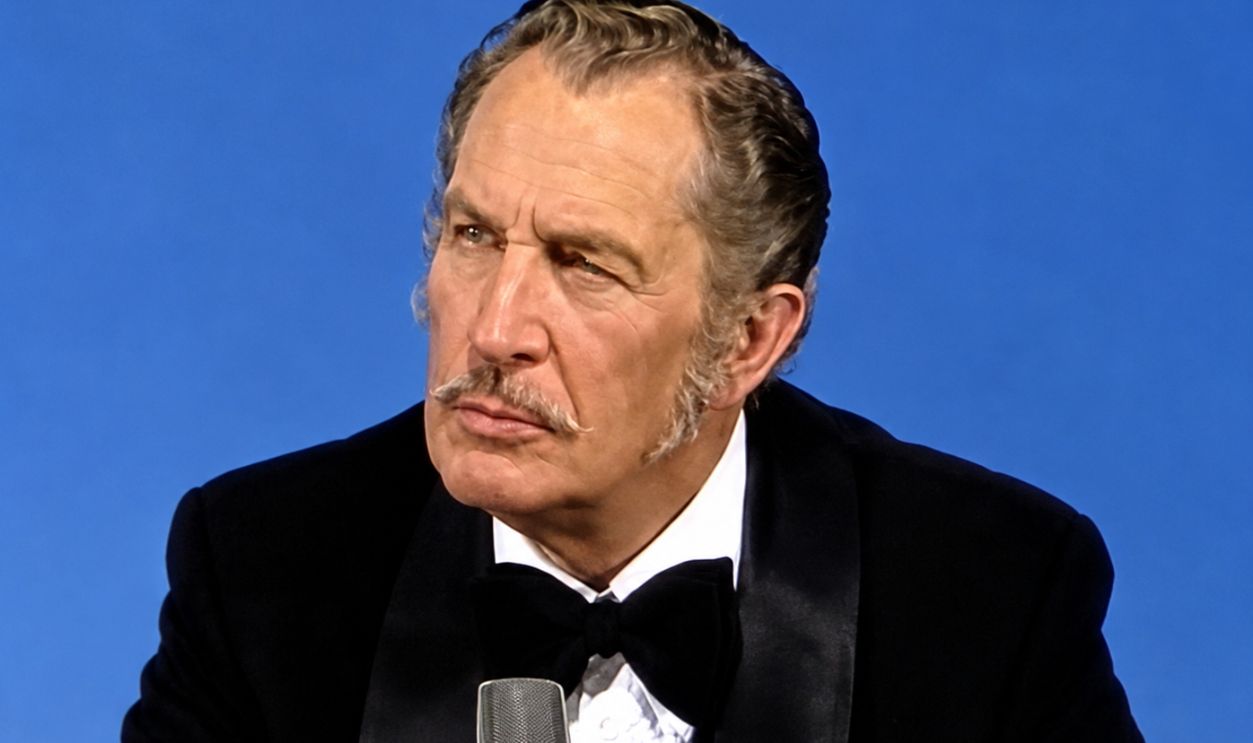 Screenshot from The Hollywood Squares, CBS (1966-1981), Enhanced
#23: Della Reese
Della Reese appeared on The Hollywood Squares with the commanding personality of someone who could handle any question and any comedian sharing the grid. Her warmth, quick wit, and powerful voice made her instantly noticeable. Even when she did not know the answer, she could make uncertainty sound completely authoritative.
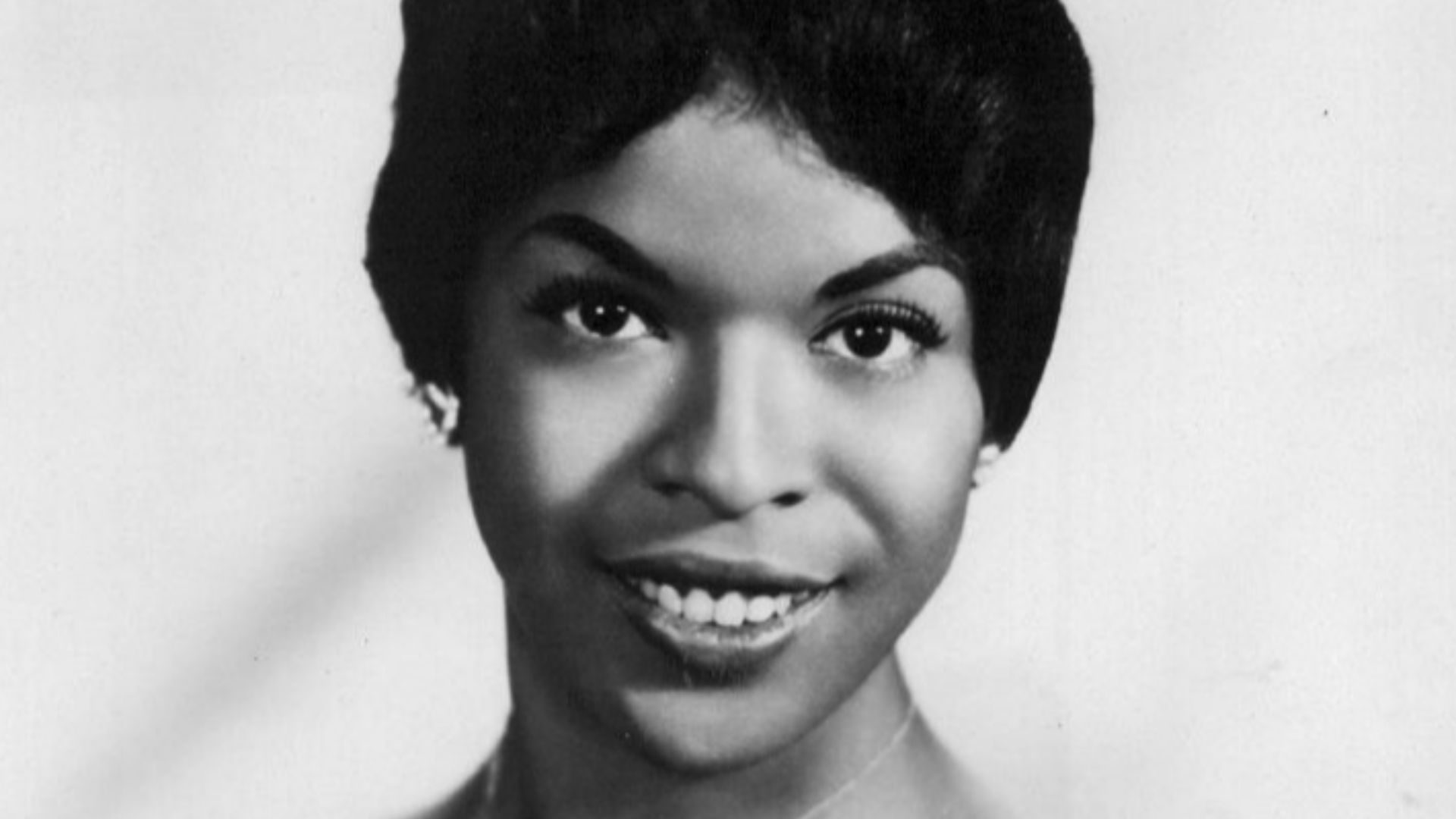 General Artists Corporation-management/photographer-Maurice Seymour, New York., Wikimedia Commons
#22: Jo Anne Worley
Jo Anne Worley never needed much encouragement to become the loudest person on a game-show set. Her booming voice, exaggerated reactions, and fearless comedy made her a natural guest on The Hollywood Squares and Match Game. A simple question could become a full theatrical production before she finally answered it.
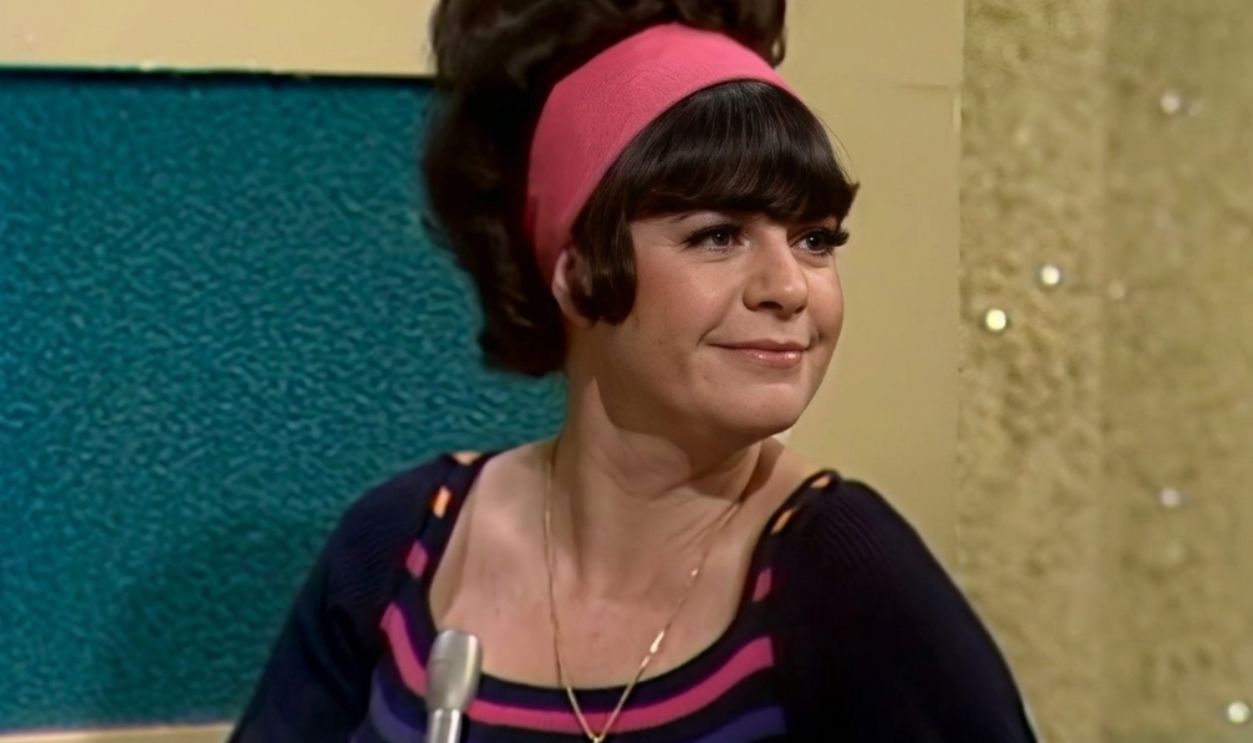 Screenshot from Match Game, Fremantle (1962-), Enhanced
#21: Charo
Charo brought flamenco guitar, extravagant costumes, rapid-fire conversation, and her famous “cuchi-cuchi” persona to The Hollywood Squares. She understood that the program was entertainment first and trivia second. Whether viewers followed every word was almost irrelevant because her enthusiasm usually reached the back row before the answer did.
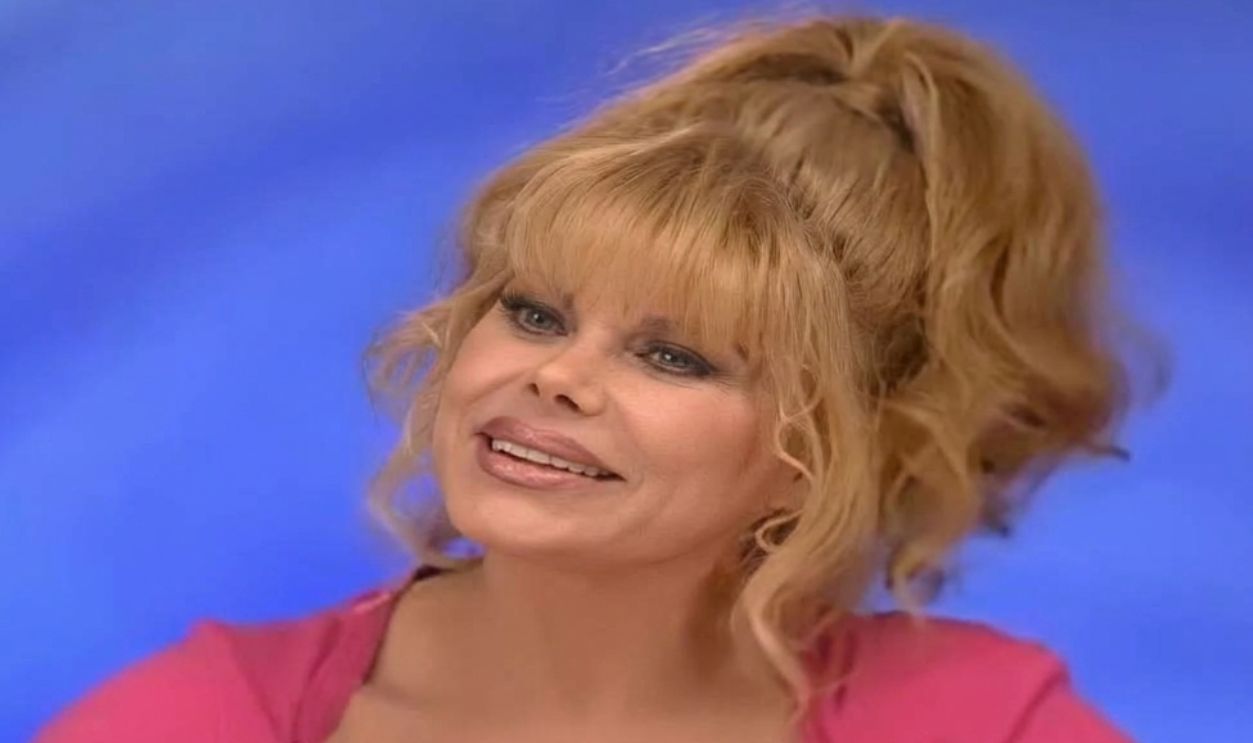 Screenshot from The Hollywood Squares, CBS (2002-2004), Enhanced
#20: Carol Channing
Carol Channing’s unmistakable voice and wide-eyed comic delivery made her perfectly suited to The Hollywood Squares. She could turn an ordinary bluff into something that sounded like a Broadway monologue. Her appearances felt delightfully unpredictable, especially when her elaborate explanation wandered several miles away from the original question.
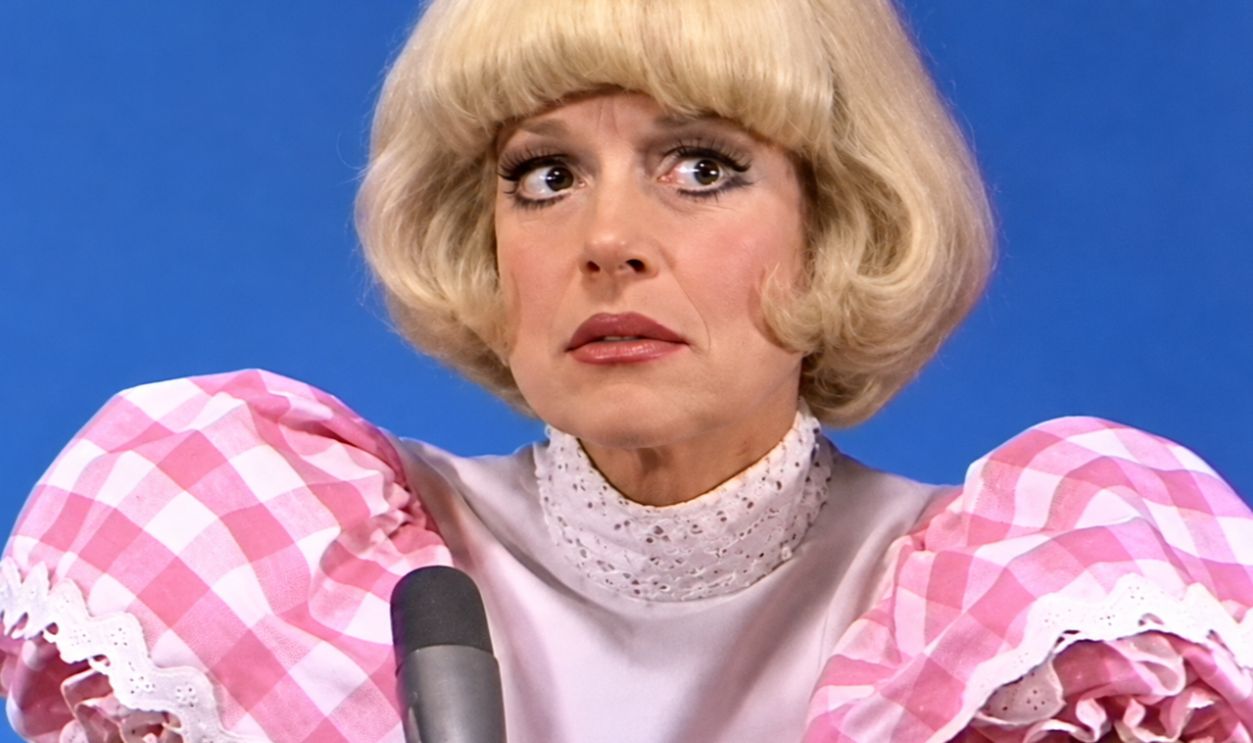 Screenshot from The Hollywood Squares, CBS (1966-1981), Enhanced
#19: Totie Fields
Totie Fields was a frequent and fearless presence on The Hollywood Squares. She built her comedy around self-confidence, show-business observations, and jokes about her own appearance, usually reaching the punch line before anyone could underestimate her. The contestant might have needed an answer, but Fields was going to get the laugh first.
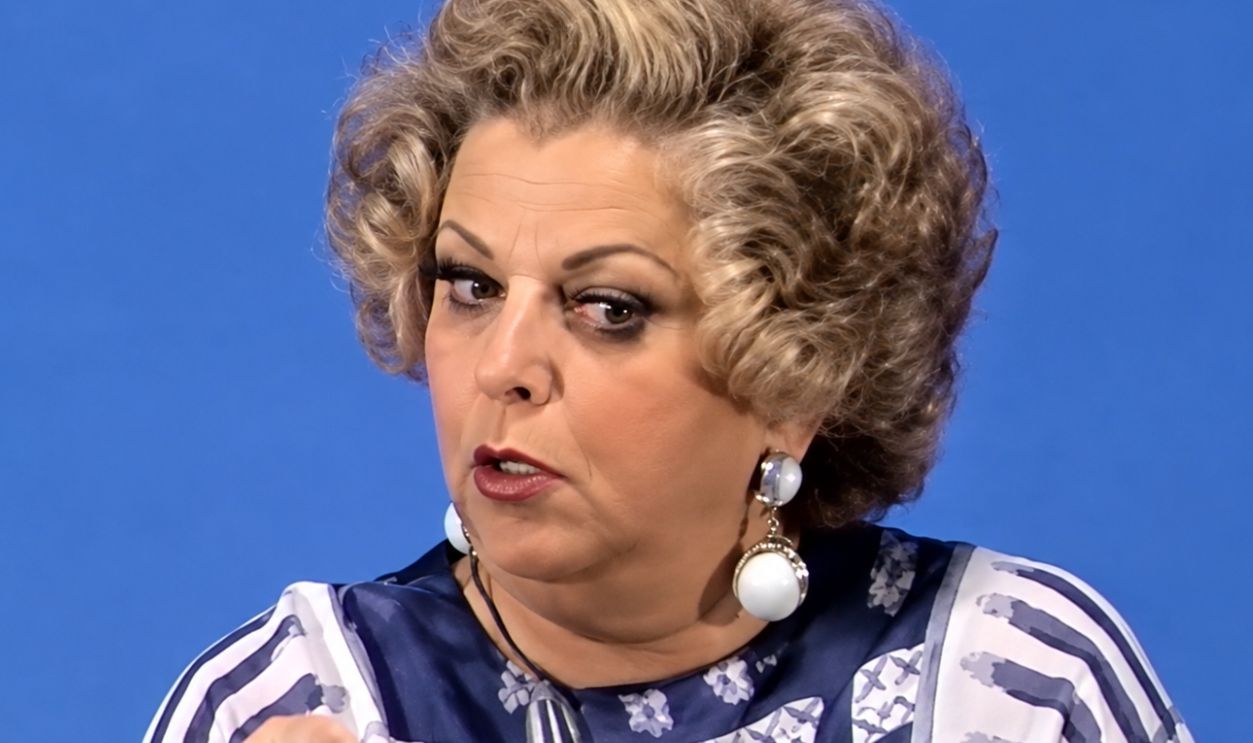 Screenshot from The Hollywood Squares, CBS (1966-1981), Enhanced
#18: George Gobel
George Gobel’s slow, understated delivery made him one of The Hollywood Squares’ most dependable regulars. While louder panelists fought for attention, Gobel calmly slipped in a line that caught everyone off guard. His dry humor proved that a comedian did not need to shout when perfect timing could do the work.
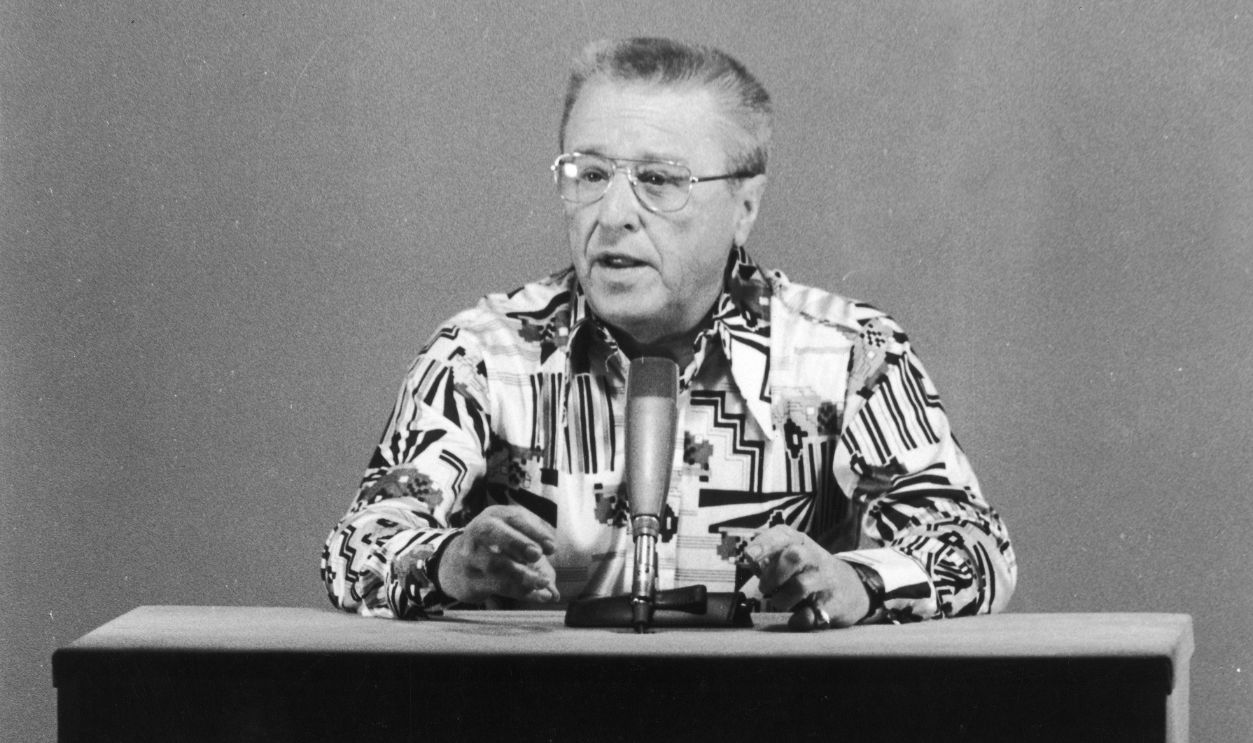
#17: Wally Cox
Wally Cox looked mild, scholarly, and slightly nervous, which made his mischievous answers on The Hollywood Squares even better. He became one of the show’s familiar panelists before his death in 1973. Cox’s quiet persona offered a perfect contrast to the oversized comedians occupying the squares around him.
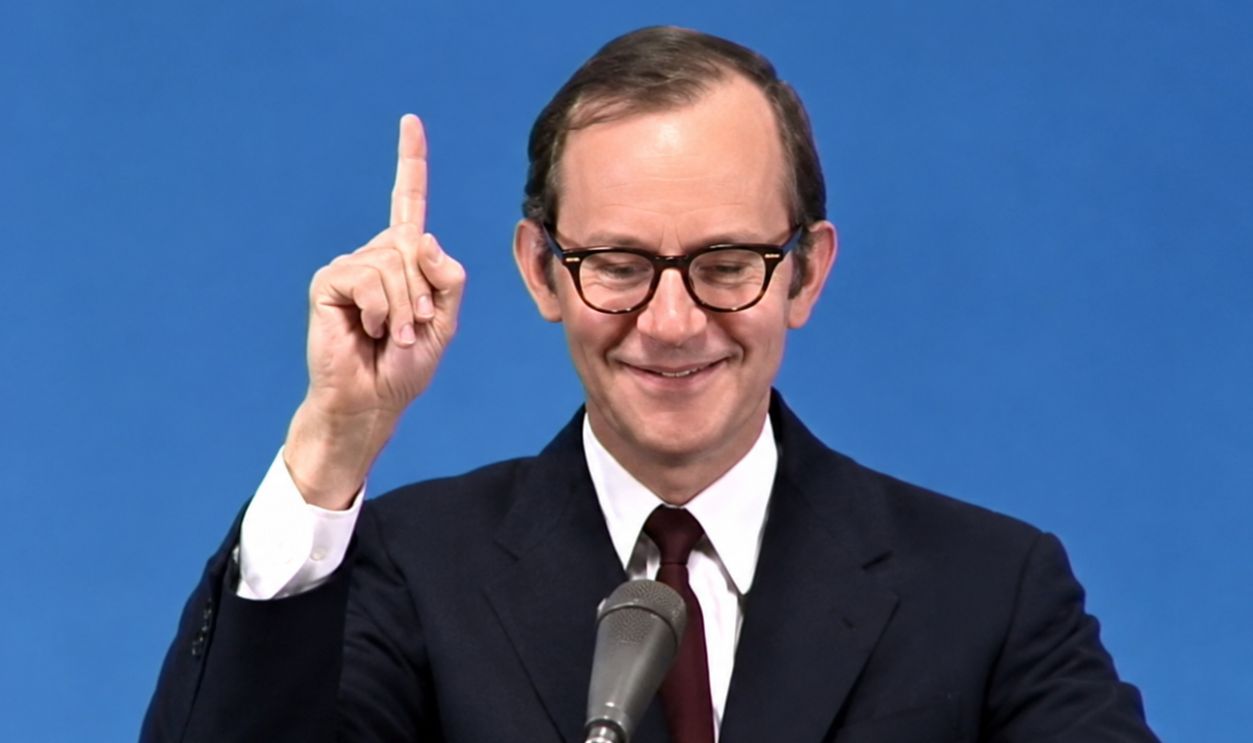 Screenshot from The Hollywood Squares, CBS (1966-1981), Enhanced
#16: Cliff Arquette as Charley Weaver
Cliff Arquette appeared in character as Charley Weaver, a folksy old gentleman who always seemed ready with a questionable story from Mount Idy. Weaver was one of the original Hollywood Squares regulars and remained with the program into the 1970s. His rambling answers made simple questions feel like family legends.
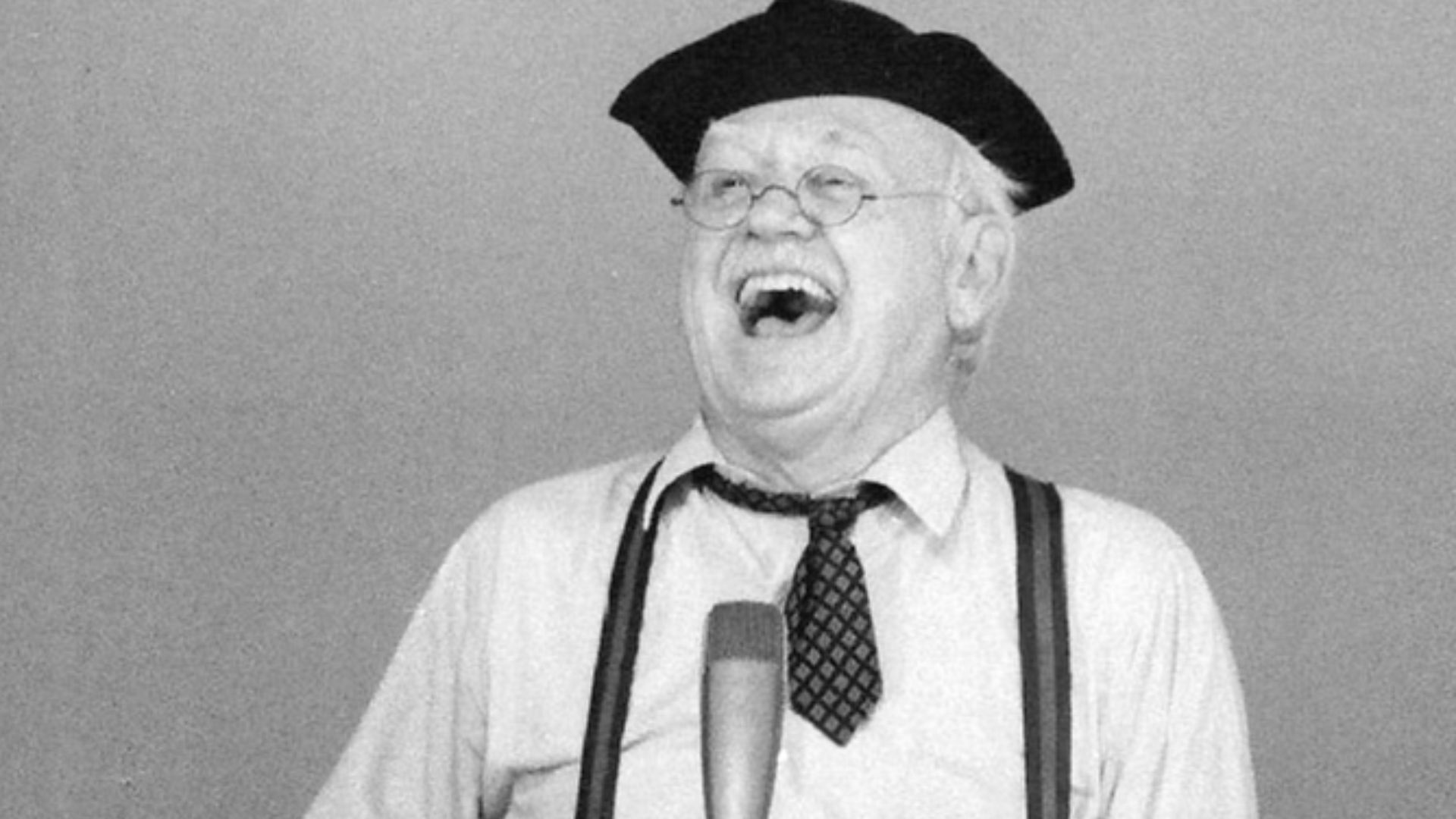 NBC Television, Wikimedia Commons
#15: Rose Marie
Rose Marie appeared on the first and final episodes of the original network run of The Hollywood Squares. Her gravelly voice, show-business experience, and willingness to trade jokes with Paul Lynde made her indispensable. She could deliver a punch line, challenge the host, and still make it appear completely effortless.
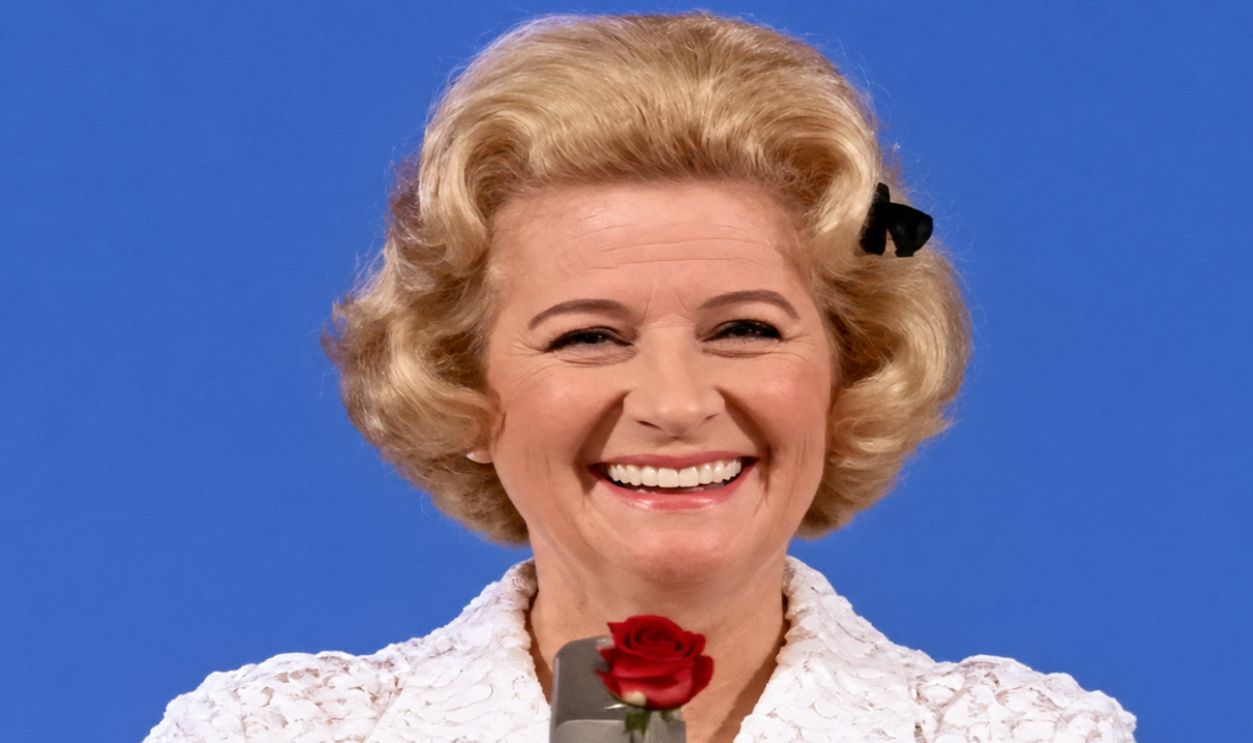 Screenshot from The Hollywood Squares, CBS (1966-1981), Enhanced
#14: Phyllis Diller
Phyllis Diller was already visually unforgettable before she opened her mouth. Her wild hair, outrageous costumes, cigarette holder, and machine-gun laugh made her a welcome presence on The Hollywood Squares and The Gong Show. Diller judged amateur performers with the enthusiasm of someone delighted that television had finally become this ridiculous.
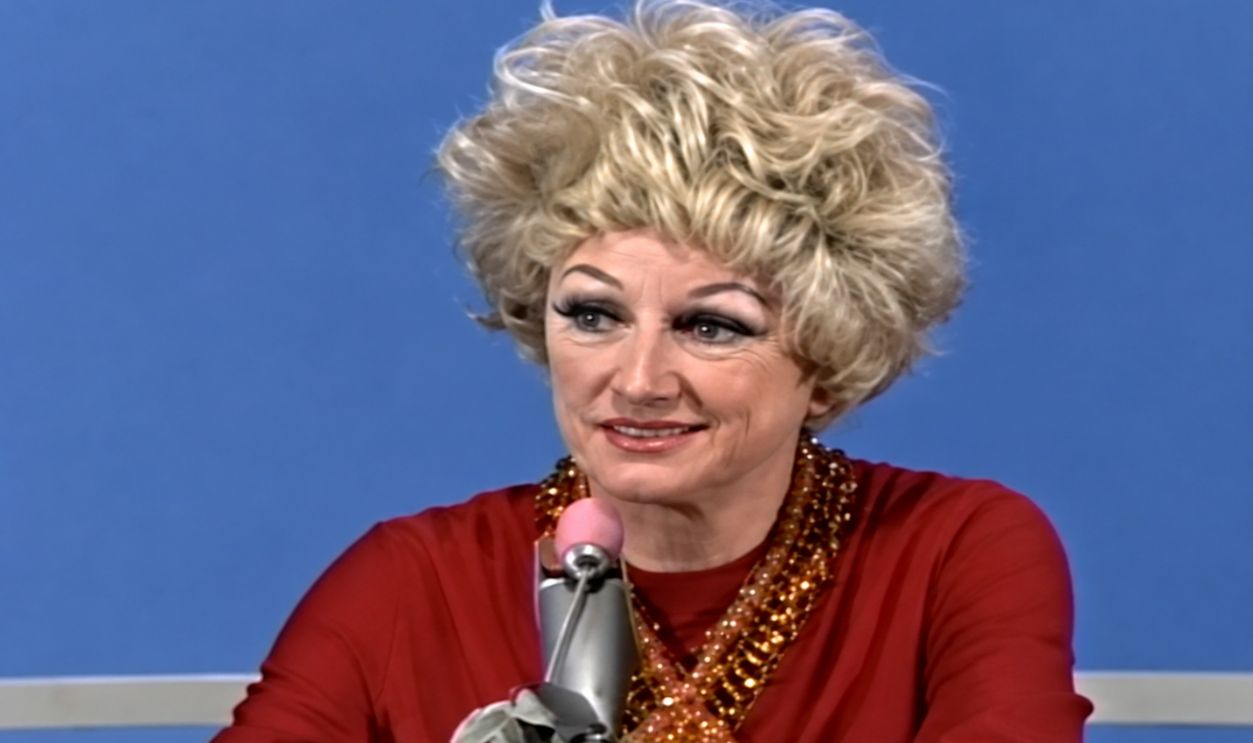 Screenshot from The Hollywood Squares, CBS (1966-1981), Enhanced
#13: Jamie Farr
During breaks from wearing dresses as Corporal Klinger on MASH*, Jamie Farr became a frequent celebrity judge on The Gong Show. He embraced the program’s cheerful nonsense and rarely behaved as though serious judging was required. Farr’s delighted reactions often became nearly as entertaining as the acts he was supposed to evaluate.
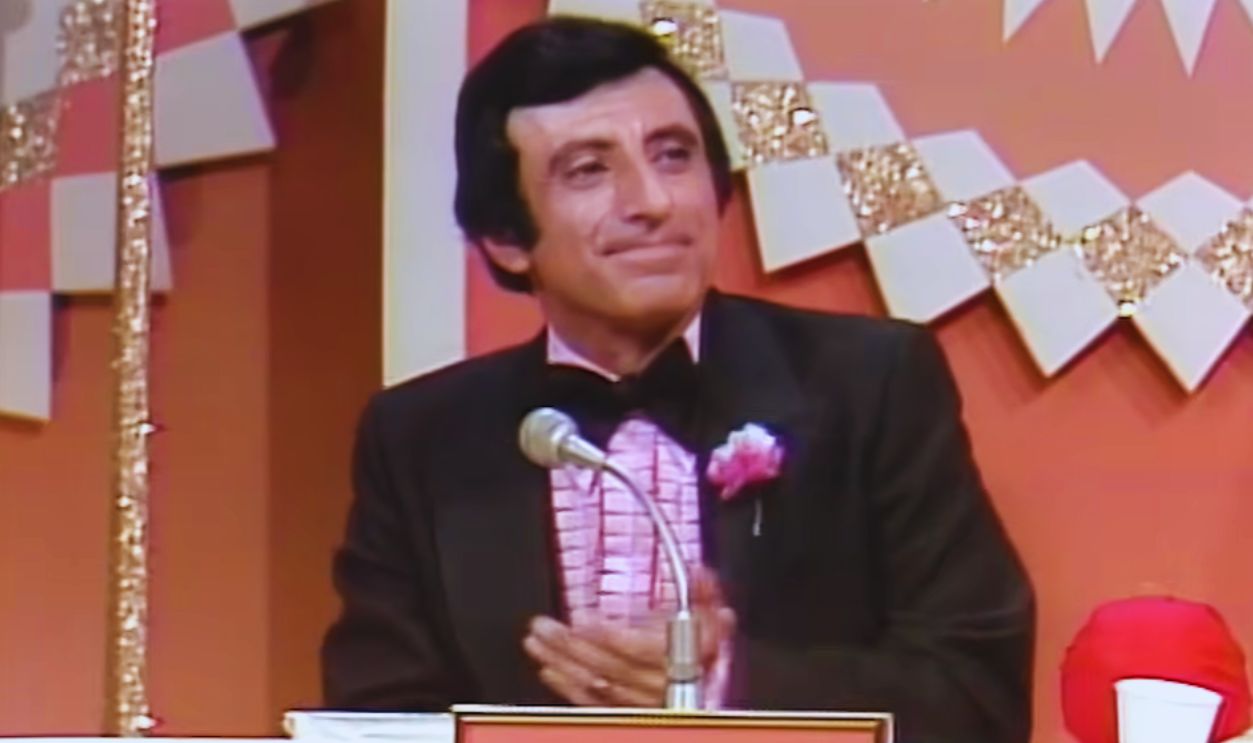 Screenshot from The Gong Show, Sony Pictures Entertainment (1976-1980)
#12: Arte Johnson
Arte Johnson brought the same strange characters and mischievous energy seen on Rowan & Martin’s Laugh-In to The Gong Show and The Hollywood Squares. He could be playful, sarcastic, or completely baffled by an amateur act. On a program devoted to controlled chaos, Johnson looked perfectly at home.
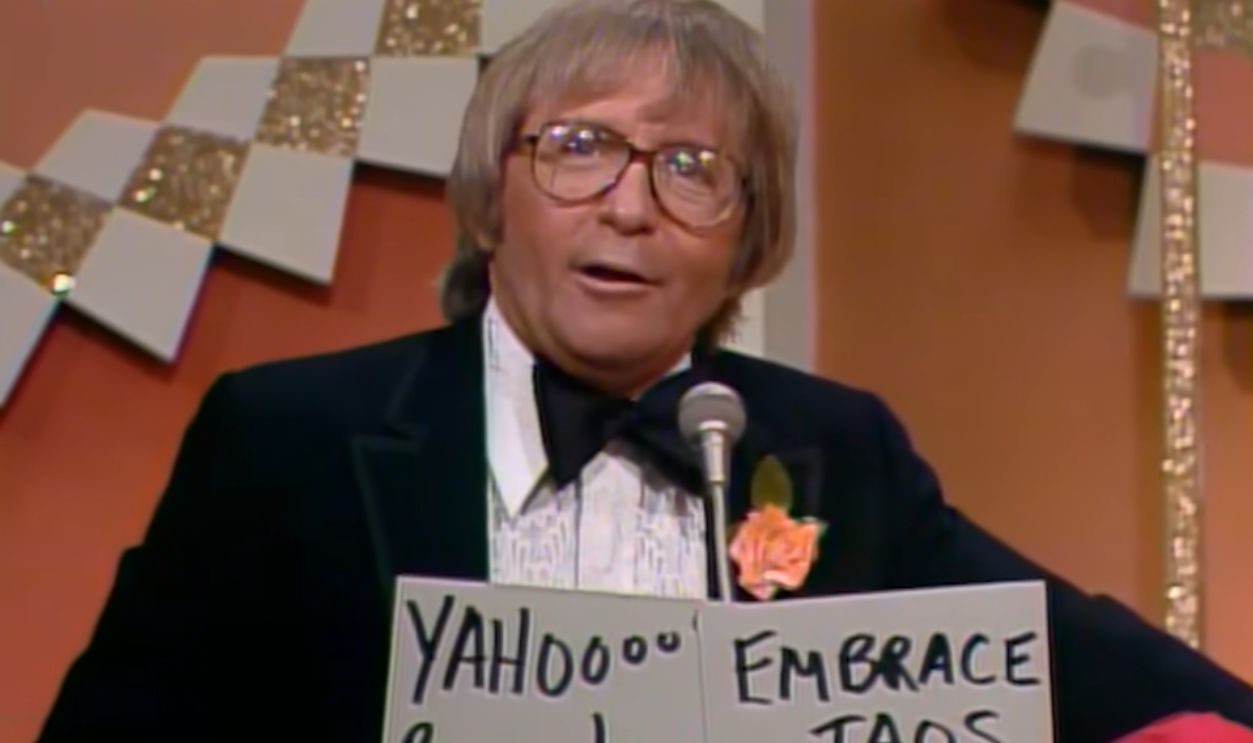 Screenshot from The Gong Show, Sony Pictures Entertainment (1976-1980)
#11: Jaye P. Morgan
Singer Jaye P. Morgan became one of The Gong Show’s most memorable celebrity judges. Her sharp comments, unpredictable behavior, and obvious enjoyment of the madness earned her a cult following. Morgan did not merely judge the acts. She frequently behaved as though she had entered an entirely different competition of her own.
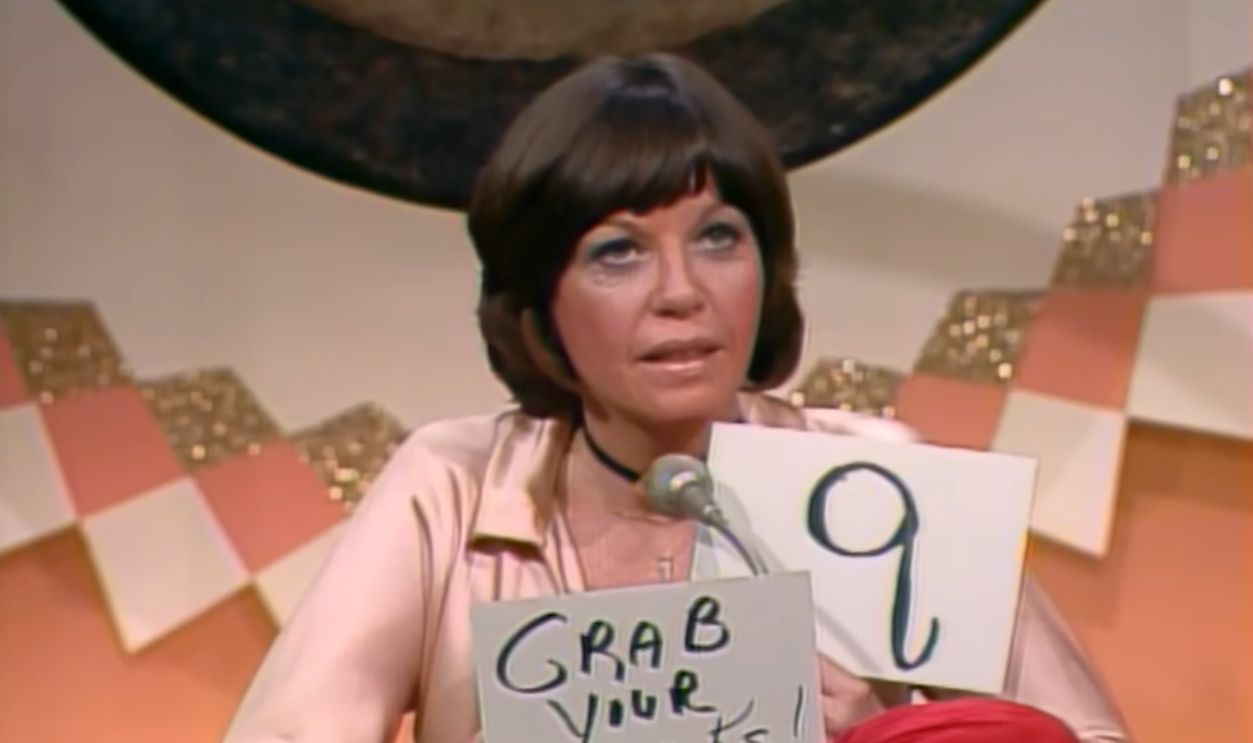 Screenshot from The Gong Show, Sony Pictures Entertainment (1976-1980)
#10: Orson Bean
Orson Bean was a regular panelist on the syndicated 1970s version of To Tell the Truth. His playful questions and clever deductions helped keep the format lively without overwhelming the contestants. Bean treated every mystery as both a puzzle and an opportunity for comedy, which made even incorrect guesses entertaining.
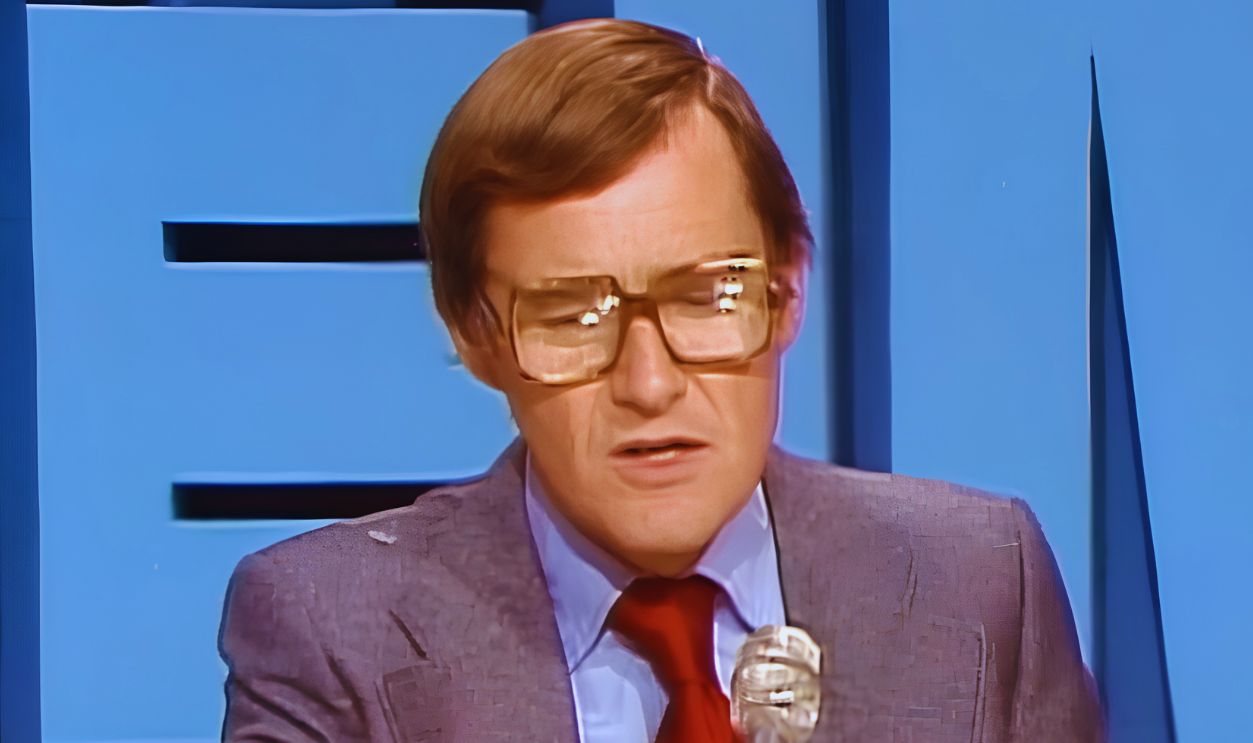 Screenshot from To Tell the Truth, Fremantle (1956-), Enhanced
#9: Peggy Cass
Peggy Cass became one of the most dependable panelists on To Tell the Truth. She asked thoughtful questions, reacted dramatically to surprising revelations, and genuinely seemed determined to identify the real contestant. Her competitive streak gave the show energy, although a convincing impostor could still send her confidently in the wrong direction.
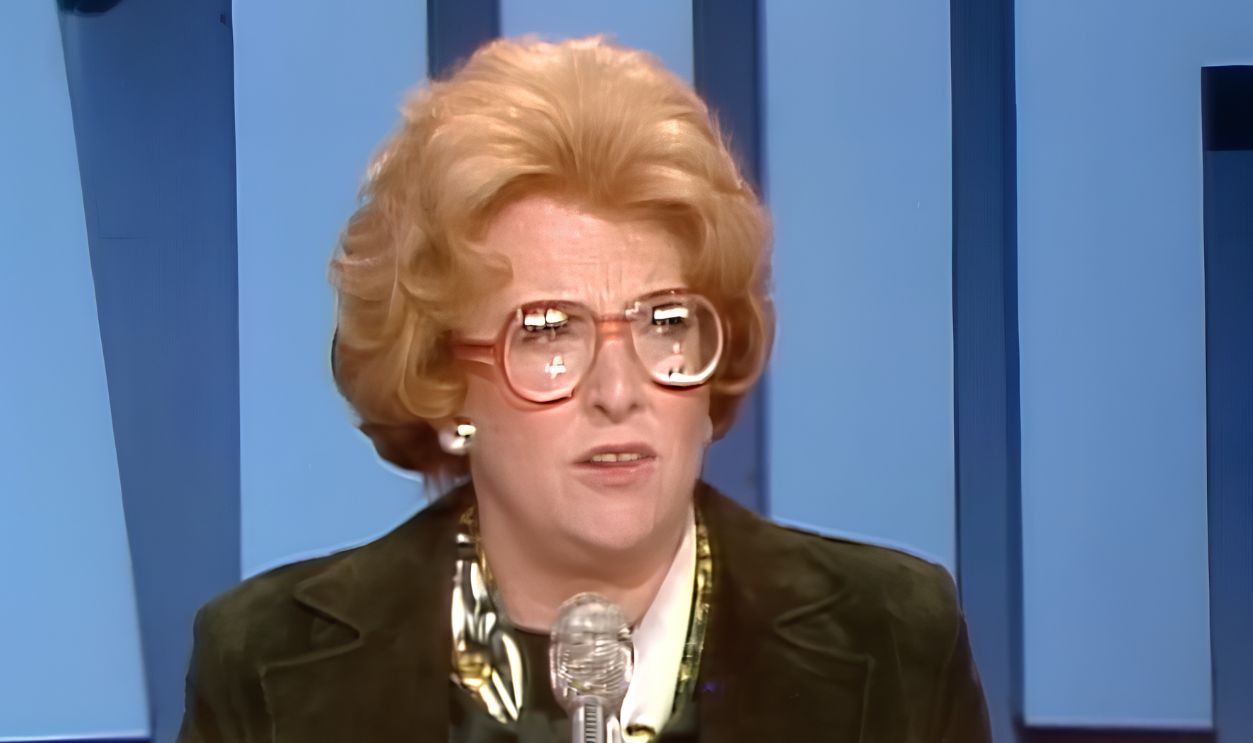 Screenshot from To Tell the Truth, Fremantle (1956-), Enhanced
#8: Kitty Carlisle
Kitty Carlisle brought elegance and intelligence to To Tell the Truth, where she remained a familiar panelist throughout the syndicated 1970s run. She could question contestants with perfect manners while quietly dismantling their stories. Her glamorous clothing and composed delivery made deception look like a particularly refined social event.
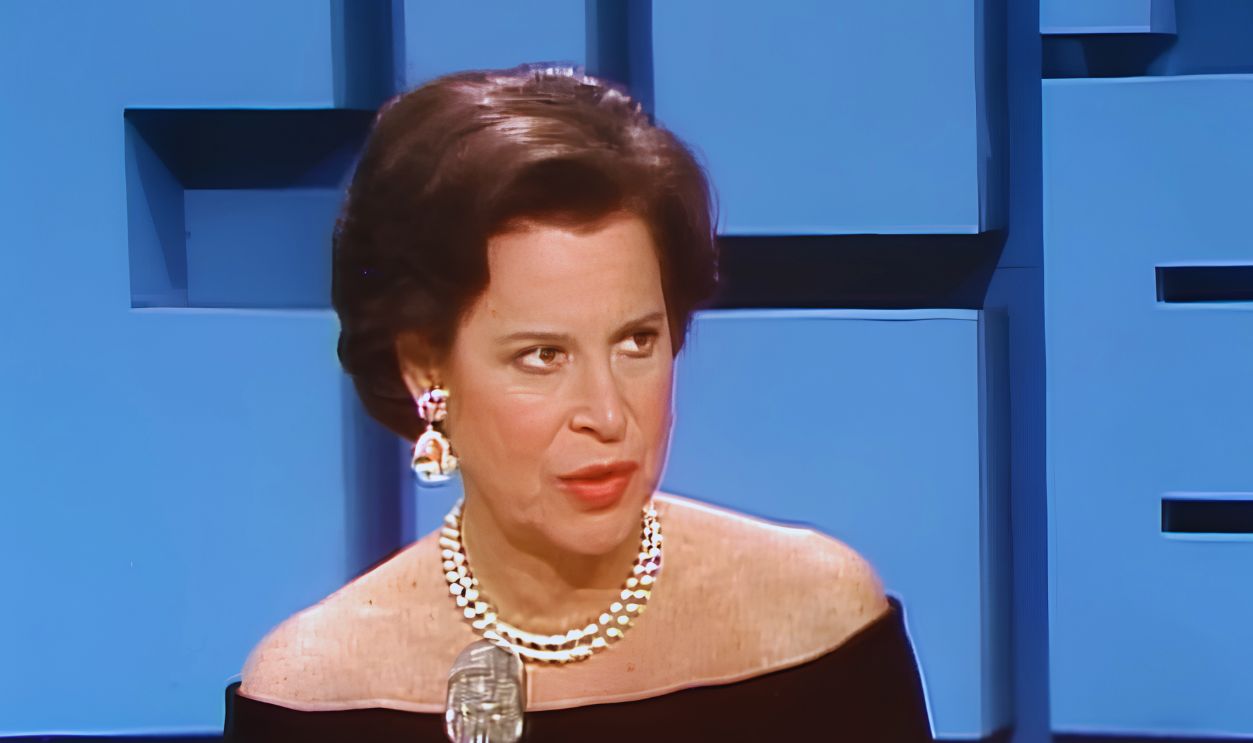 Screenshot from To Tell the Truth, Fremantle (1956-), Enhanced
#7: Fannie Flagg
Long before becoming a bestselling novelist, Fannie Flagg was a quick-witted regular on Match Game. Her Southern charm and slightly mischievous answers fit perfectly beside the program’s louder personalities. Flagg often looked as though she knew exactly how inappropriate the question was and intended to make it slightly worse.
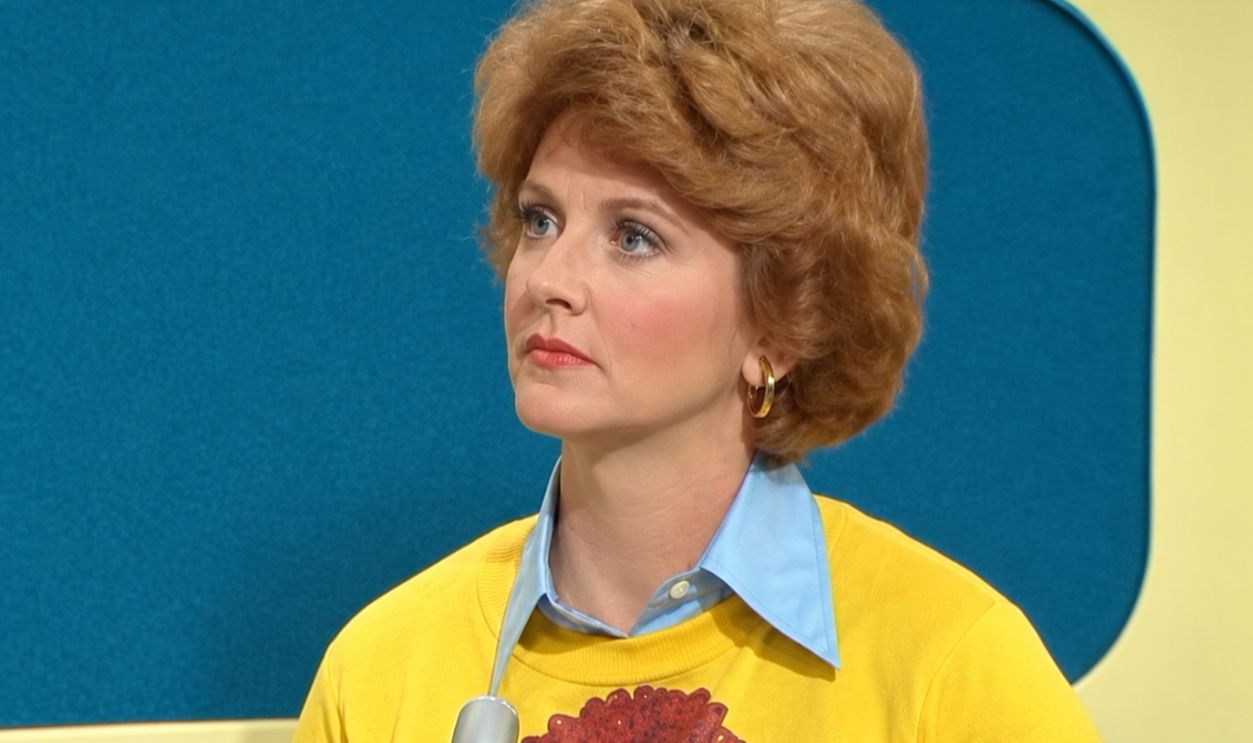 Screenshot from Match Game, Fremantle (1962-), Enhanced
#6: Nipsey Russell
Nipsey Russell appeared across numerous game shows, including Match Game, To Tell the Truth, and Pyramid. Known as television’s “poet laureate,” he frequently answered questions with a short comic rhyme. His appearances offered viewers jokes, wordplay, and the possibility that an ordinary clue might suddenly become a performance.
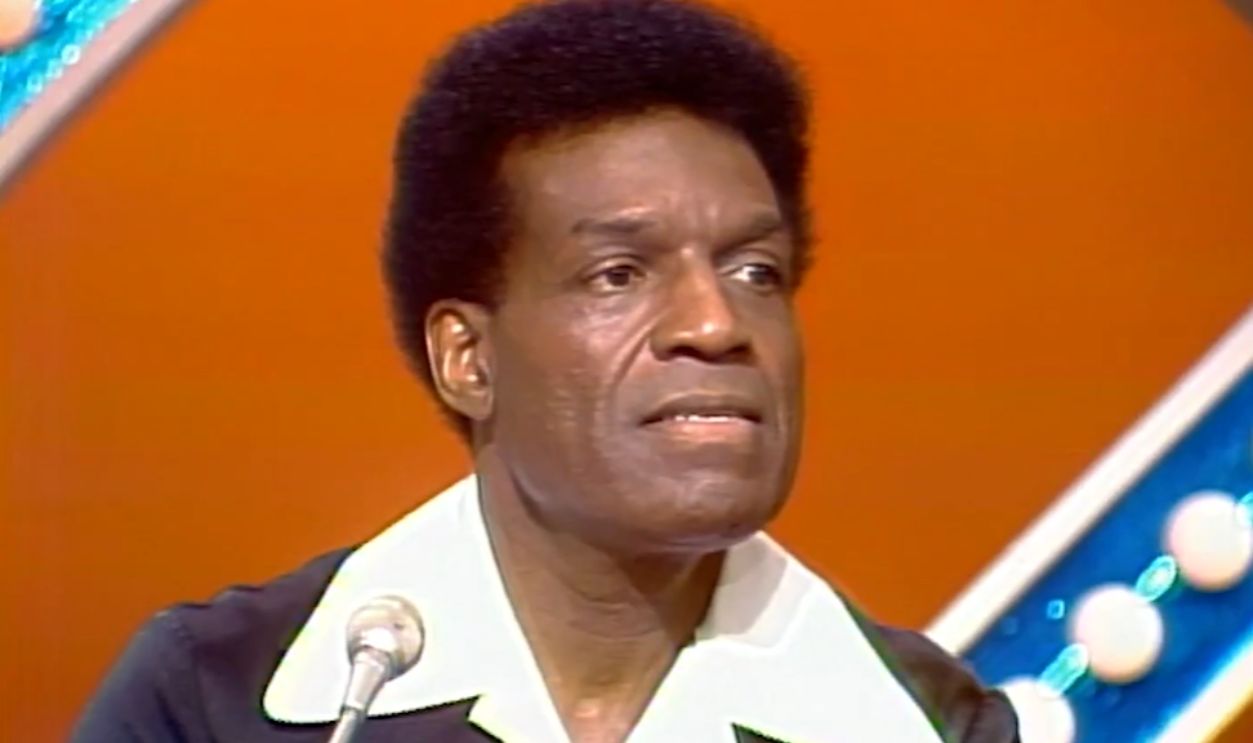 Screenshot from Match Game, Fremantle (1962-)
#5: Brett Somers
Brett Somers turned Match Game into her own smoky, eccentric cocktail party. Wearing large glasses and delivering answers with magnificent impatience, she regularly sparred with Charles Nelson Reilly and Gene Rayburn. Her laughter was unmistakable, her handwriting was occasionally debatable, and her ability to create entertaining tension was unmatched.
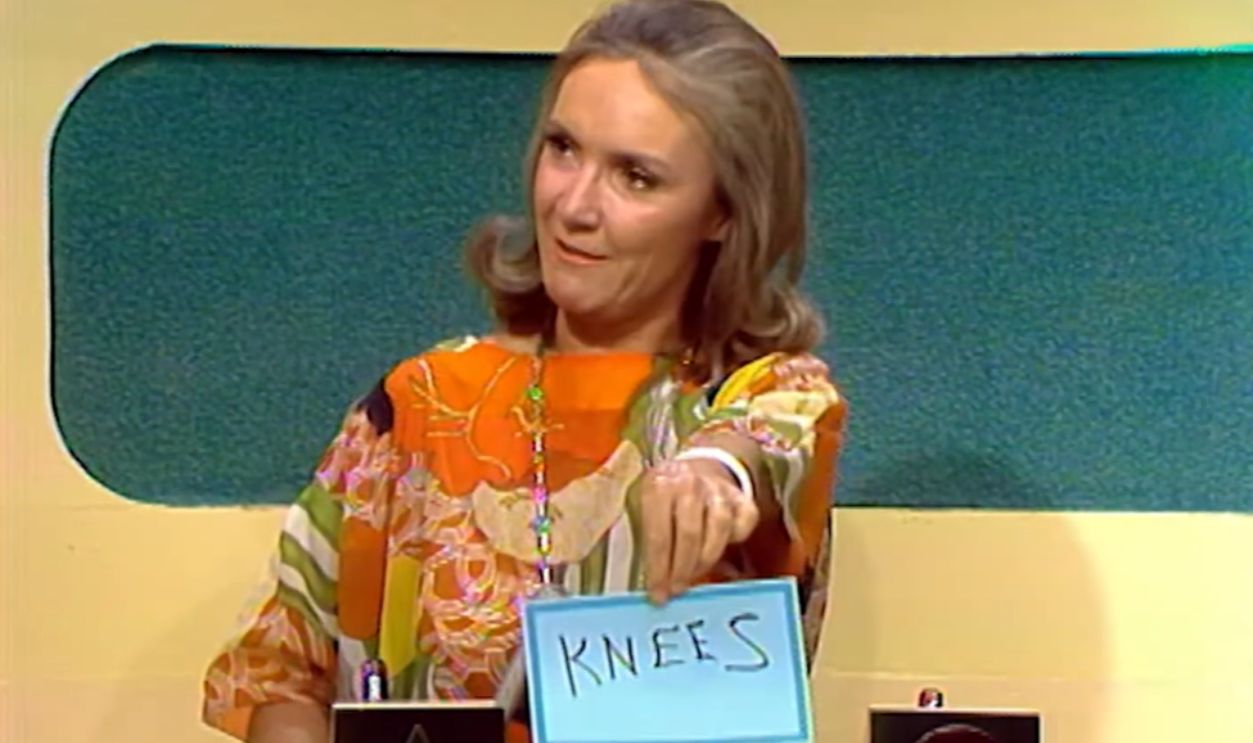 Screenshot from Match Game, Fremantle (1962-)
#4: Richard Dawson
Richard Dawson was Match Game’s most dependable player, and contestants frequently selected him for the final head-to-head round. His ability to anticipate popular answers helped establish his reputation as a game-show natural. Dawson later became the original host of Family Feud, where his charm became the entire program’s engine.
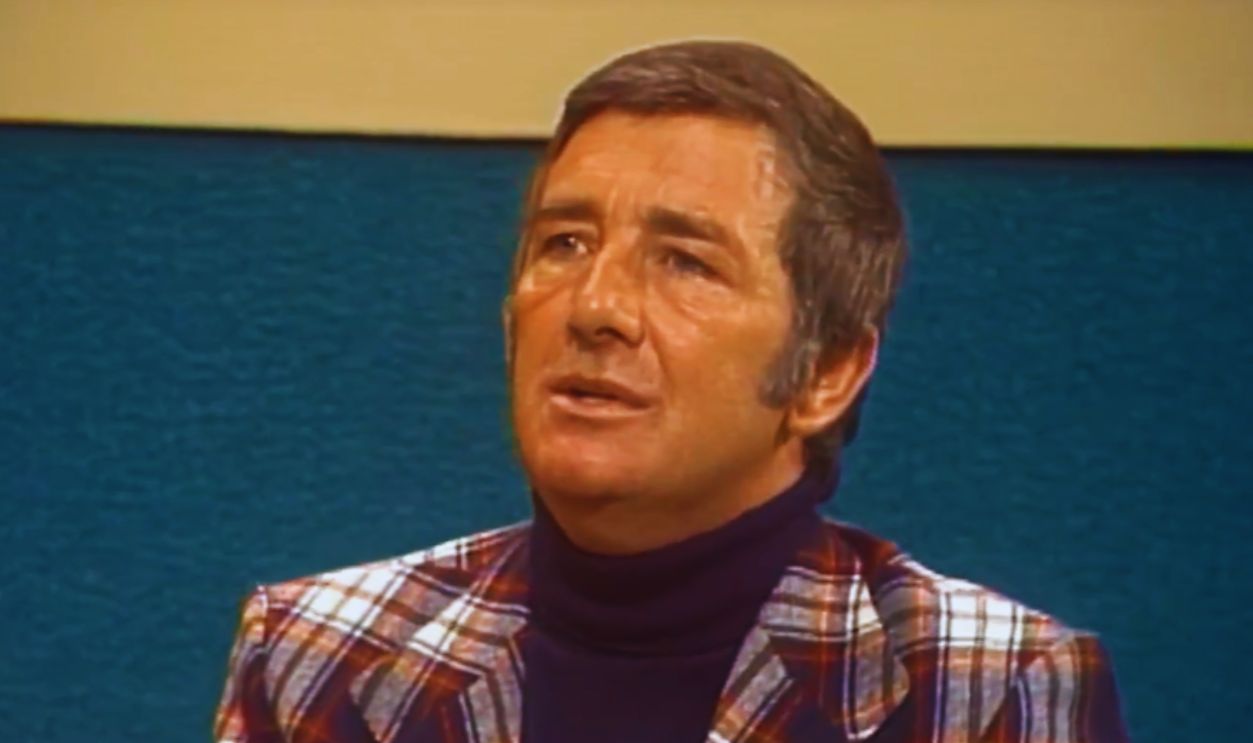 Screenshot from Match Game, Fremantle (1962-)
#3: Charles Nelson Reilly
Charles Nelson Reilly turned his upper-right seat on Match Game into prime television real estate. His elaborate clothes, theatrical outrage, and running arguments with Brett Somers produced some of the show’s funniest moments. Reilly treated every blank as a personal challenge and every incorrect match as a betrayal.
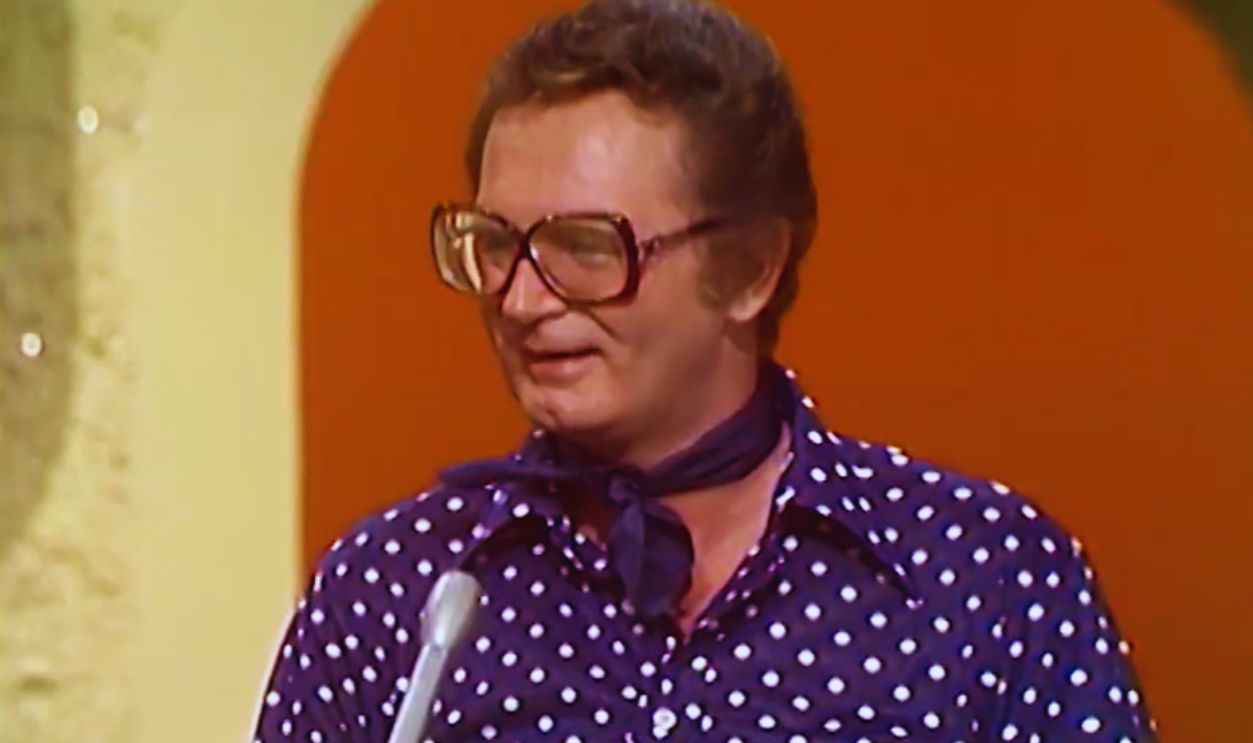 Screenshot from Match Game, Fremantle (1962-)
#2: Paul Lynde
Paul Lynde became the essential center square on The Hollywood Squares in 1970. His sharp one-liners and wonderfully irritated delivery often had little to do with answering correctly, which was exactly why viewers loved him. Contestants played tic-tac-toe, but millions tuned in to hear what Lynde would say next.
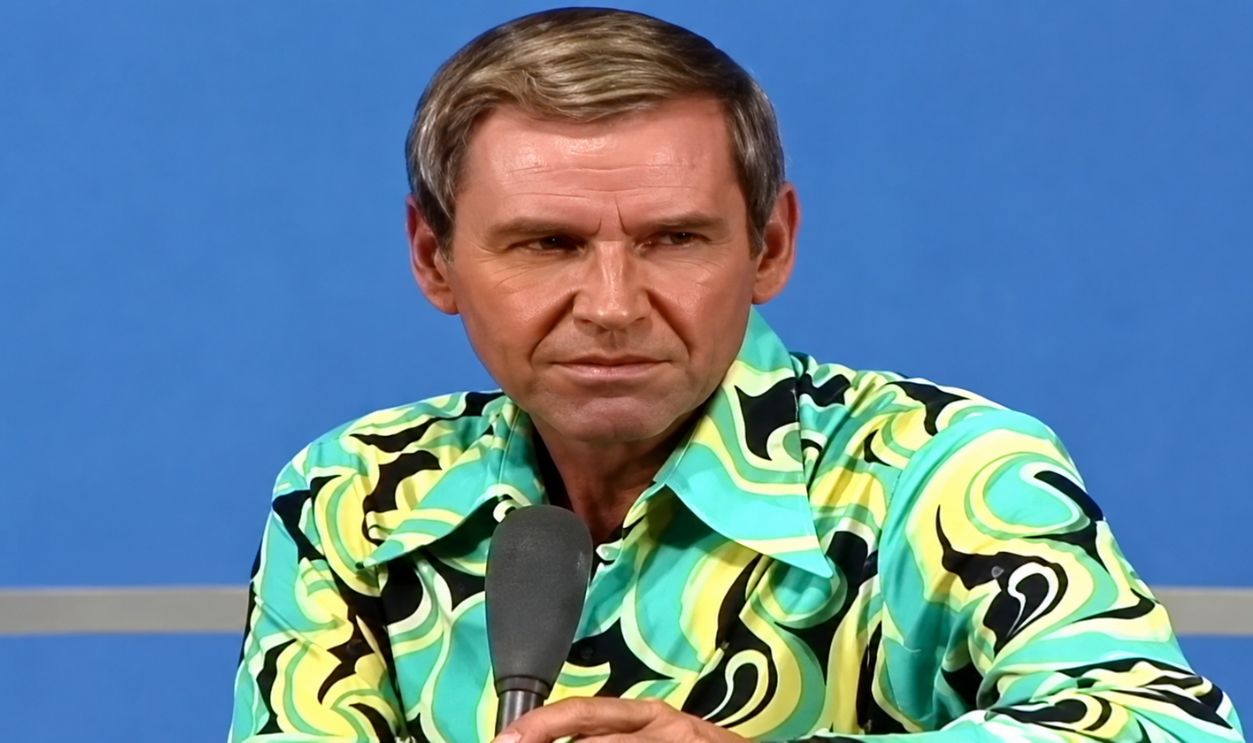 Screenshot from The Hollywood Squares, CBS (1966-1981), Enhanced
#1: Betty White
Betty White was the undisputed queen of celebrity game shows. During the 1970s, she appeared on Match Game, Password, Tattletales, and other programs, combining real skill with a deceptively sweet sense of humor. She understood the rules, played to win, and could deliver a mischievous answer without losing that famous smile.
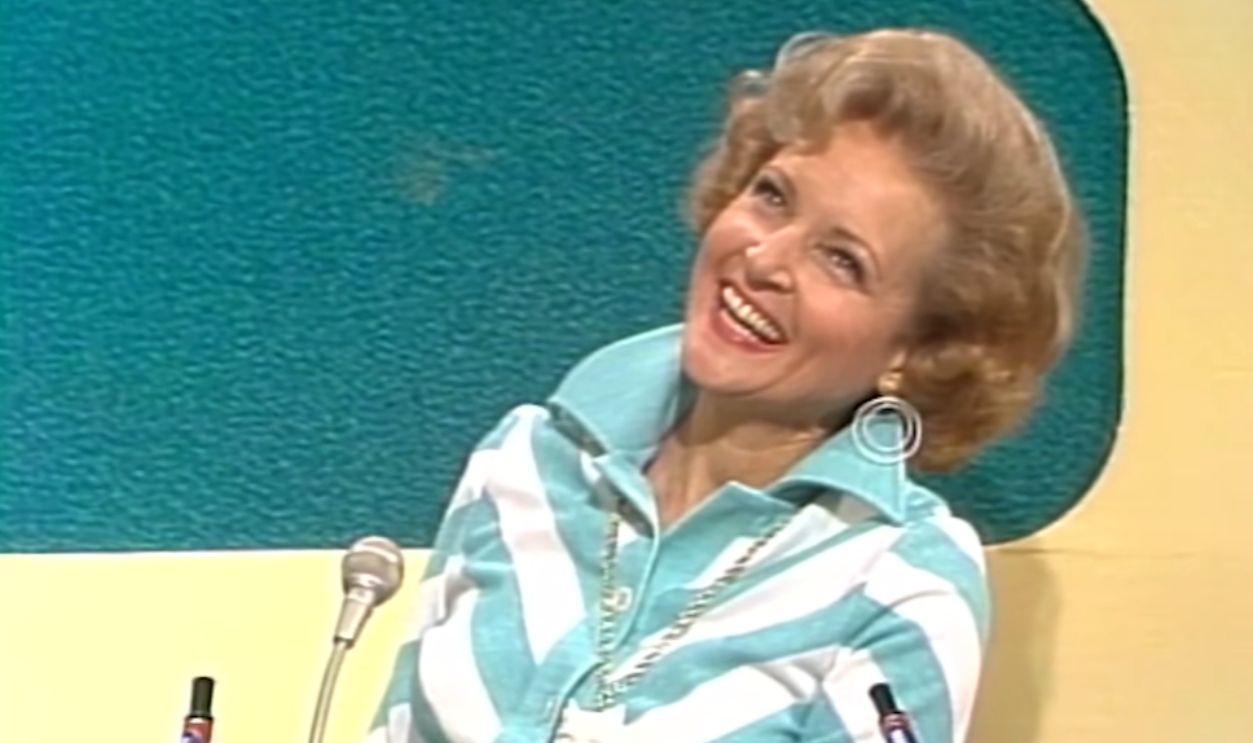 Screenshot from Match Game, Fremantle (1962-)
You May Also Like:
TV Shows That Were Huge Abroad—But Never Took Off In The U.S.
20 Years Ago, These Controversial Movies Were Hits—Today They’d Spark Outrage
30 of the Longest-Running TV Shows