When Hollywood Faces Were Everywhere
For Baby Boomers, the stars of the 1940s never really disappeared. They kept turning up on afternoon television, weekend movie showcases, and old films your parents watched whenever they appeared. Younger viewers might struggle to name them today, but one familiar face can still bring an entire era rushing back.
 Silver Screen Collection, Getty Images
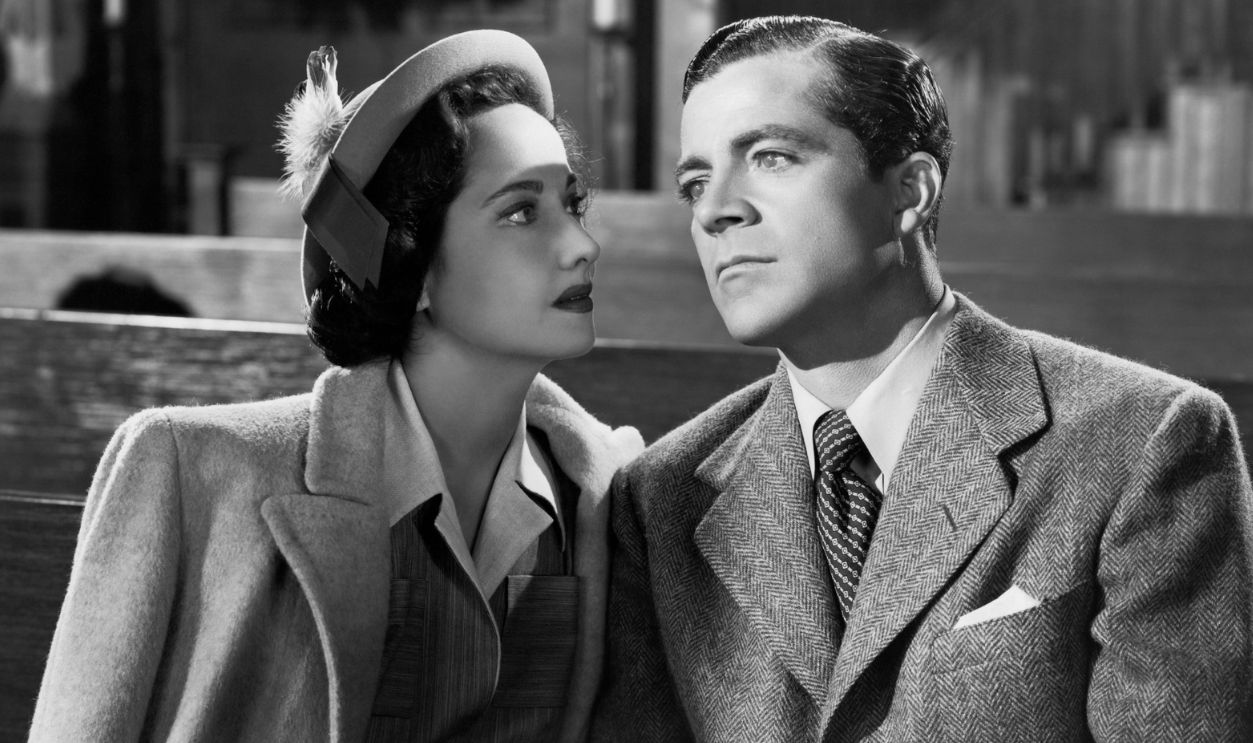
Dana Andrews
Dana Andrews had the kind of serious, dependable face that seemed made for black-and-white movies. He starred in Laura and The Best Years of Our Lives, becoming one of the decade's most familiar leading men. Boomers may recognize him instantly, even if younger viewers draw a complete blank.
 De Carvalho Collection, Getty Images
Gene Tierney
Few Hollywood stars looked quite like Gene Tierney. Her unforgettable appearance in Laura helped make her one of the great screen beauties of the 1940s, while films like Leave Her to Heaven showed she could play much darker characters. Her face once seemed impossible to forget.
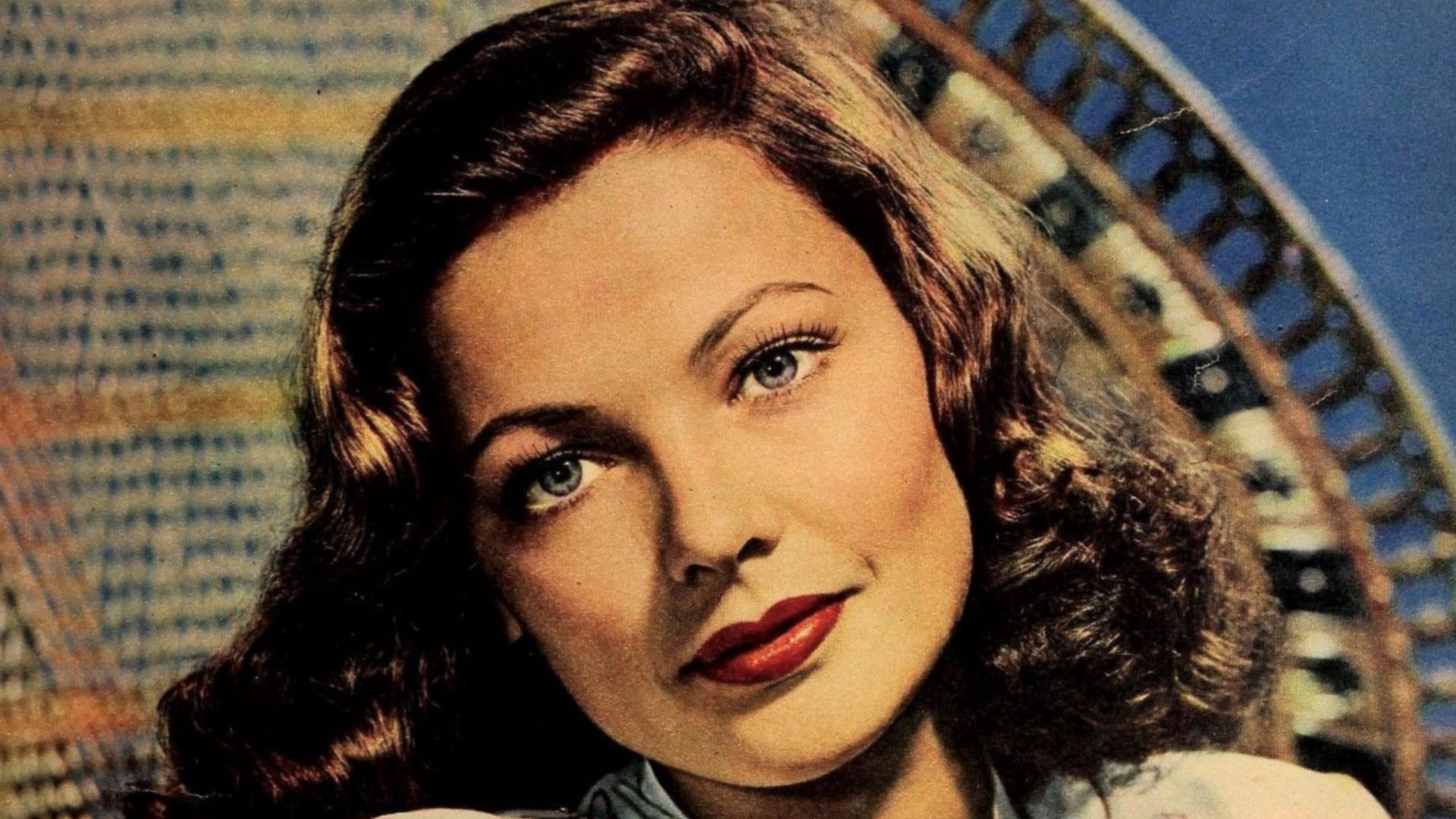 Photographer not credited, Wikimedia Commons
Van Johnson
With his red hair, easy grin, and boy-next-door charm, Van Johnson became a wartime favorite. MGM turned him into one of the decade's most dependable romantic stars. For viewers who grew up watching old Hollywood on television, seeing Johnson again feels a little like finding an old yearbook.
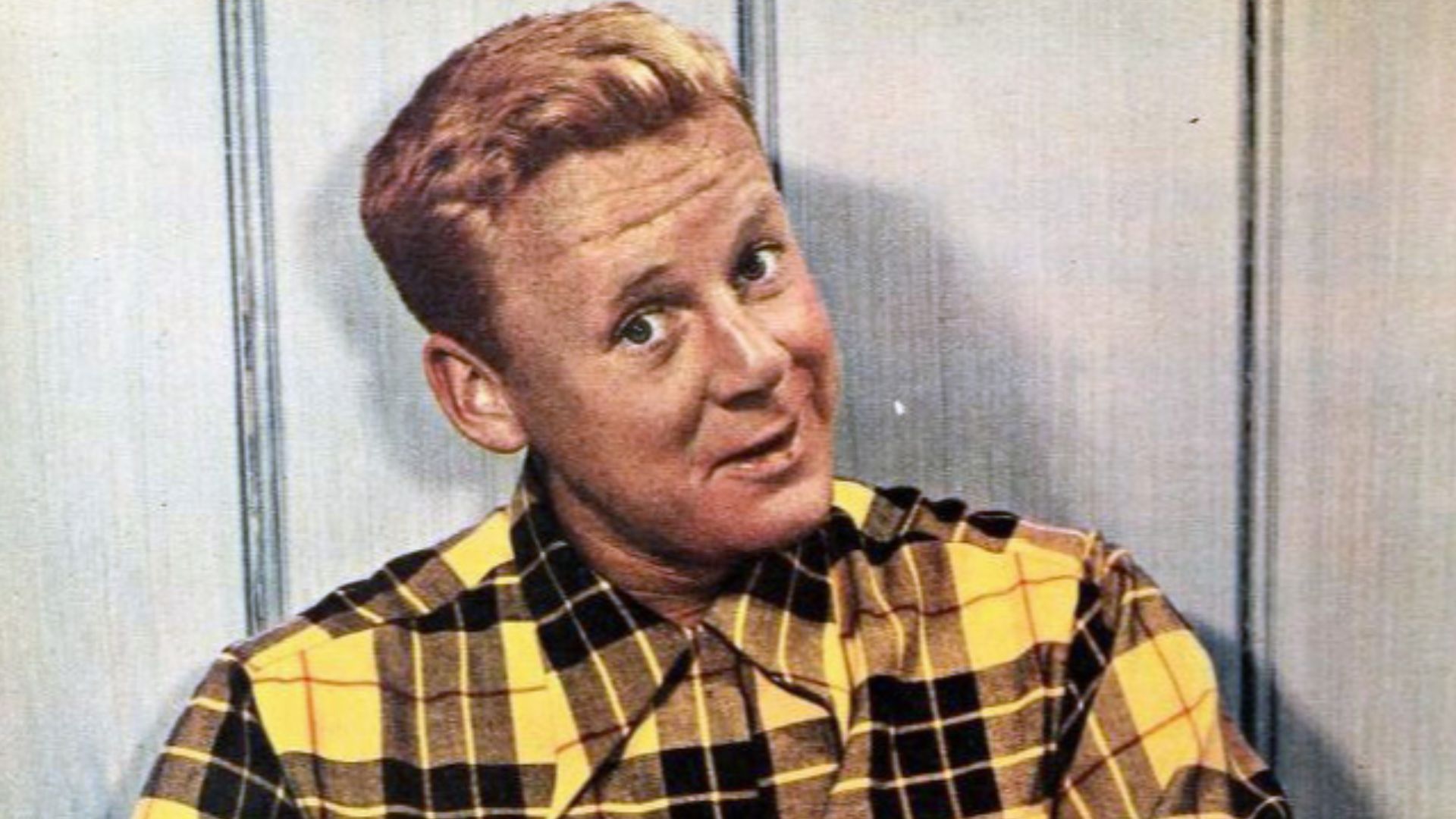 Dell Publishing, 1946. Photographer not credited, Wikimedia Commons
Teresa Wright
Teresa Wright never needed to act like a glamorous movie queen. Her natural, sincere performances made her especially memorable in Mrs. Miniver, Shadow of a Doubt, and The Best Years of Our Lives. She seemed like someone you could actually know, which made audiences love her even more.
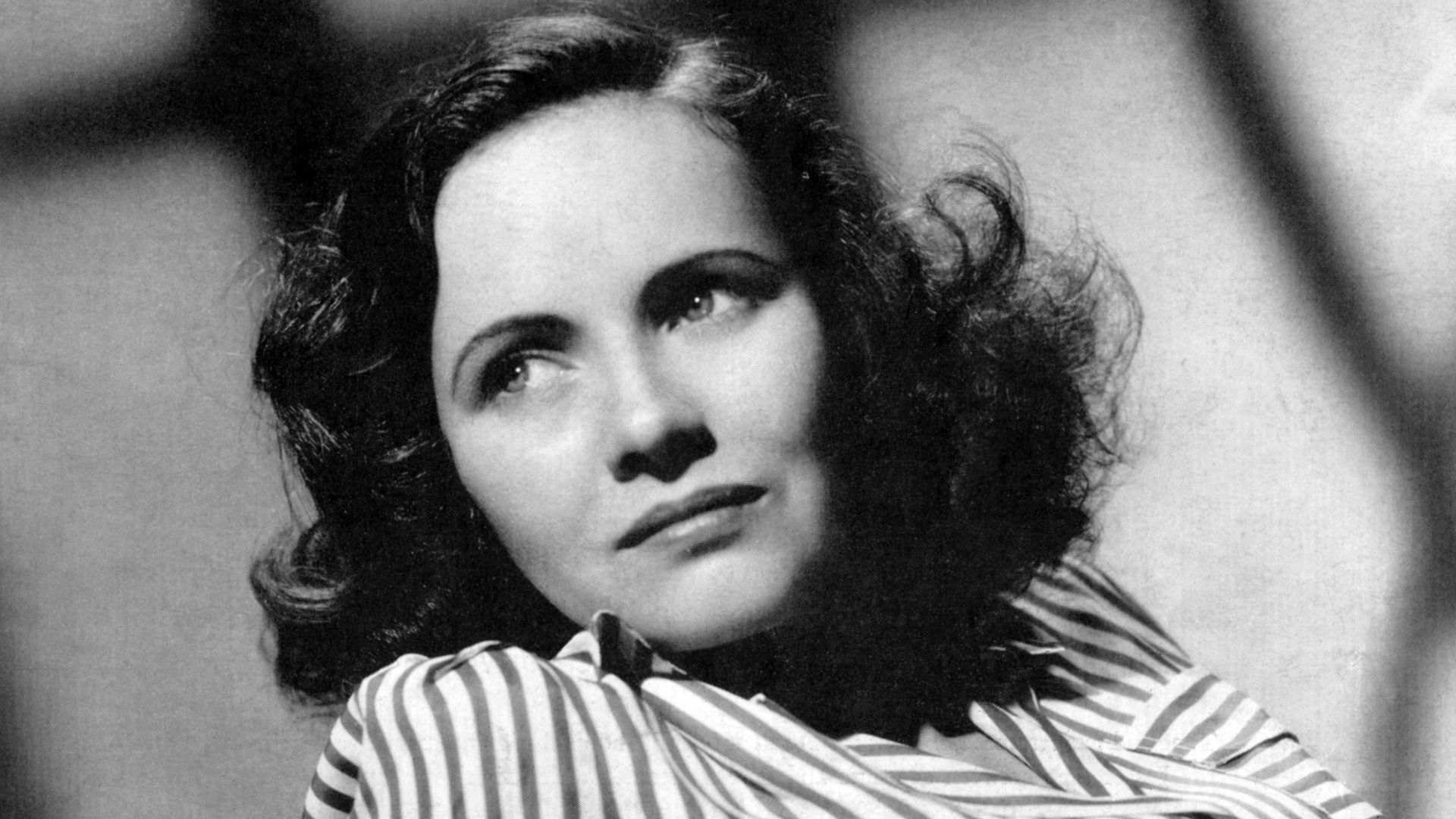 Roman Freulich, Wikimedia Commons
Alan Ladd
Alan Ladd became famous for playing quiet men who looked like they could handle themselves when trouble arrived. Before Shane made him immortal in the 1950s, movies like This Gun for Hire turned him into a major 1940s star. His cool style influenced generations of screen tough guys.
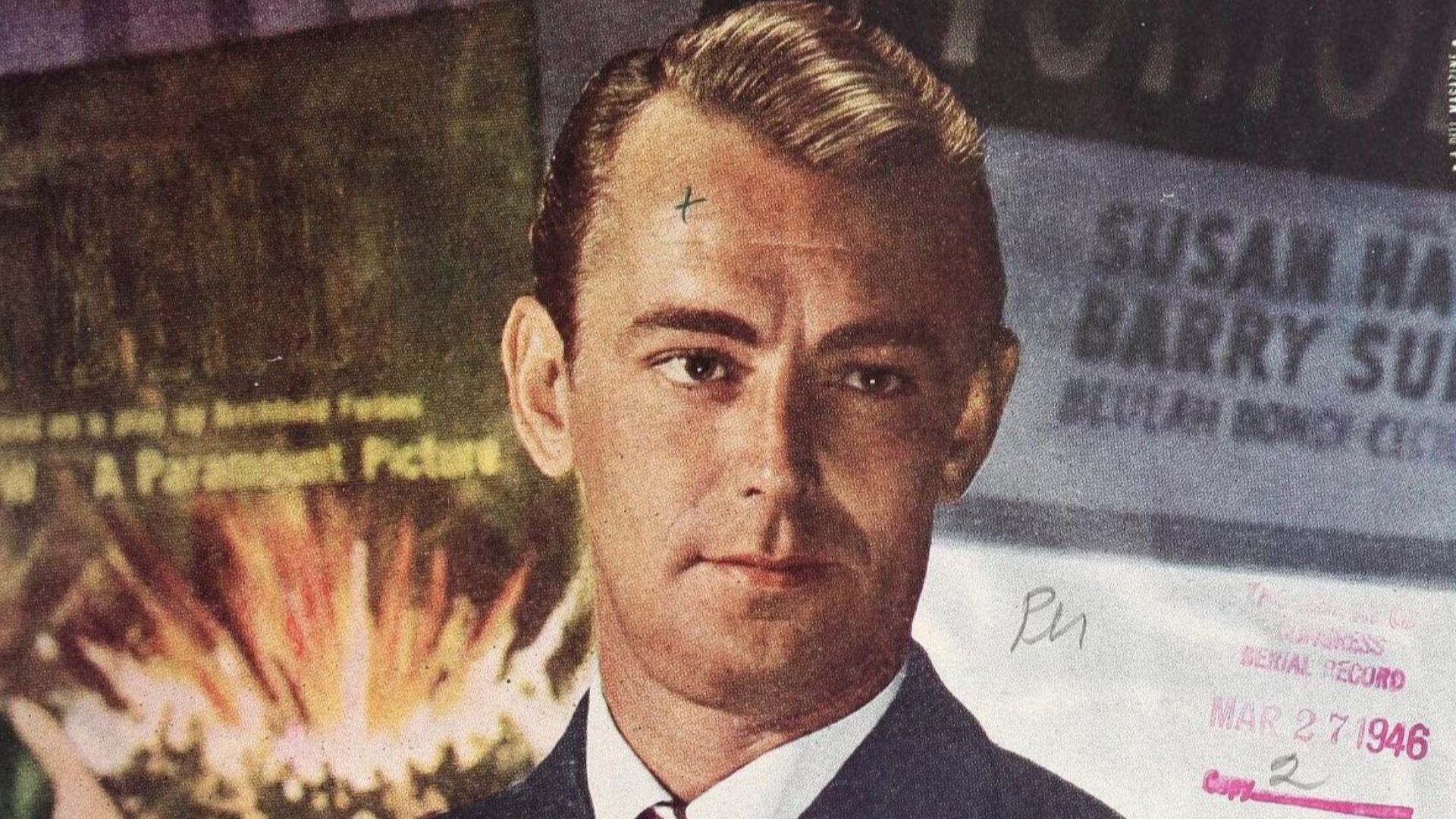 Laszlo Josef Willinger, Wikimedia Commons
Greer Garson
Greer Garson represented Hollywood class with a capital C. Elegant, warm, and wonderfully composed, she became enormously popular through films such as Mrs. Miniver and Random Harvest. Boomers who remember television stations regularly airing classic MGM pictures probably remember Garson as one of the era's most reassuring presences.
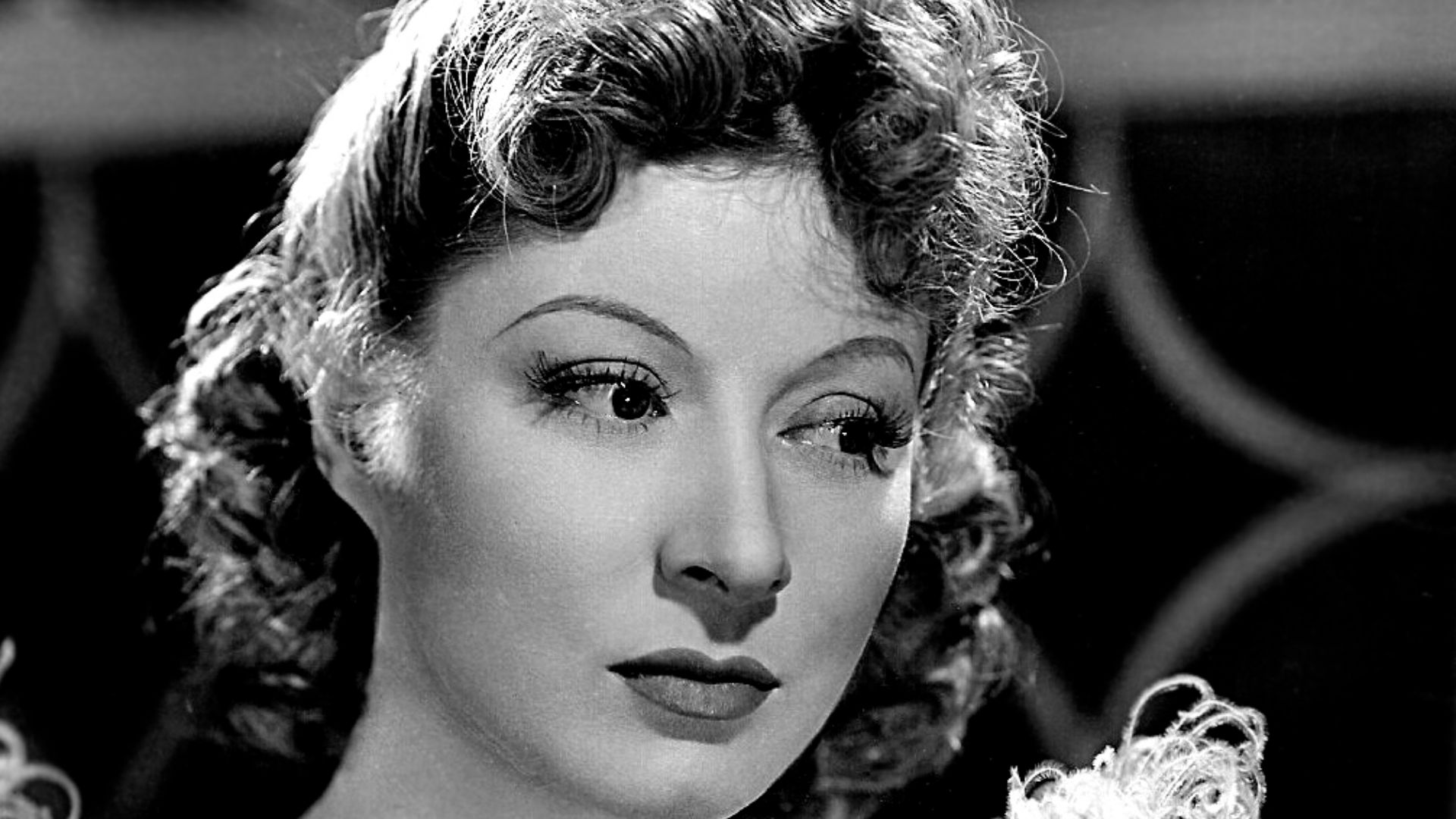
Walter Pidgeon
Walter Pidgeon seemed born to play respected doctors, husbands, businessmen, and authority figures. He appeared opposite Greer Garson so often that the two practically became Hollywood's favorite screen couple. Younger viewers may not recognize the name, but older film fans know that distinguished voice immediately.
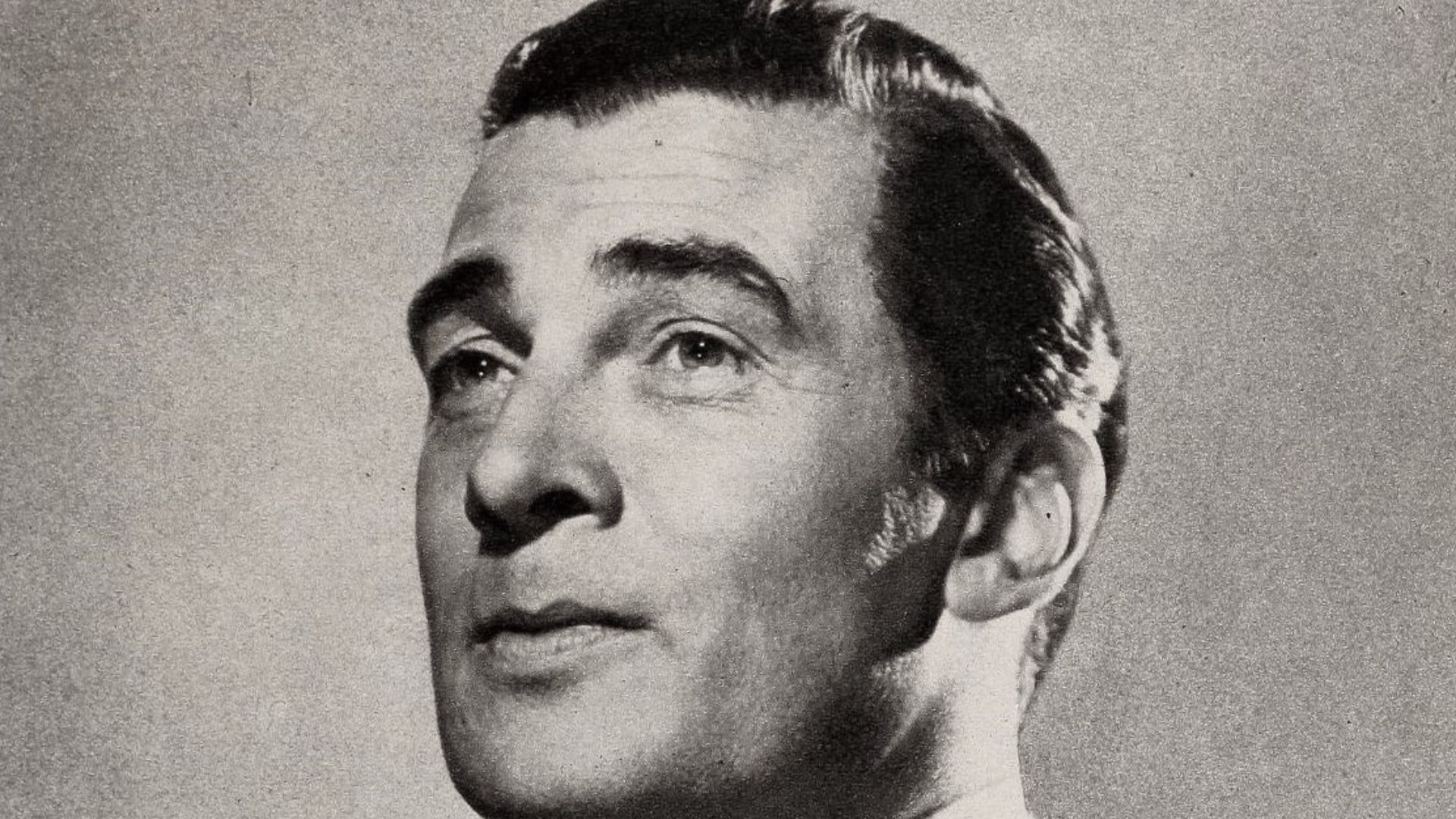 Photographer not credited, Wikimedia Commons
Jeanne Crain
Jeanne Crain had the fresh-faced quality Hollywood loved during the 1940s. She appeared in films including State Fair and later earned an Oscar nomination for Pinky. She was once a major celebrity, yet today she's exactly the sort of star younger audiences are unlikely to recognize.
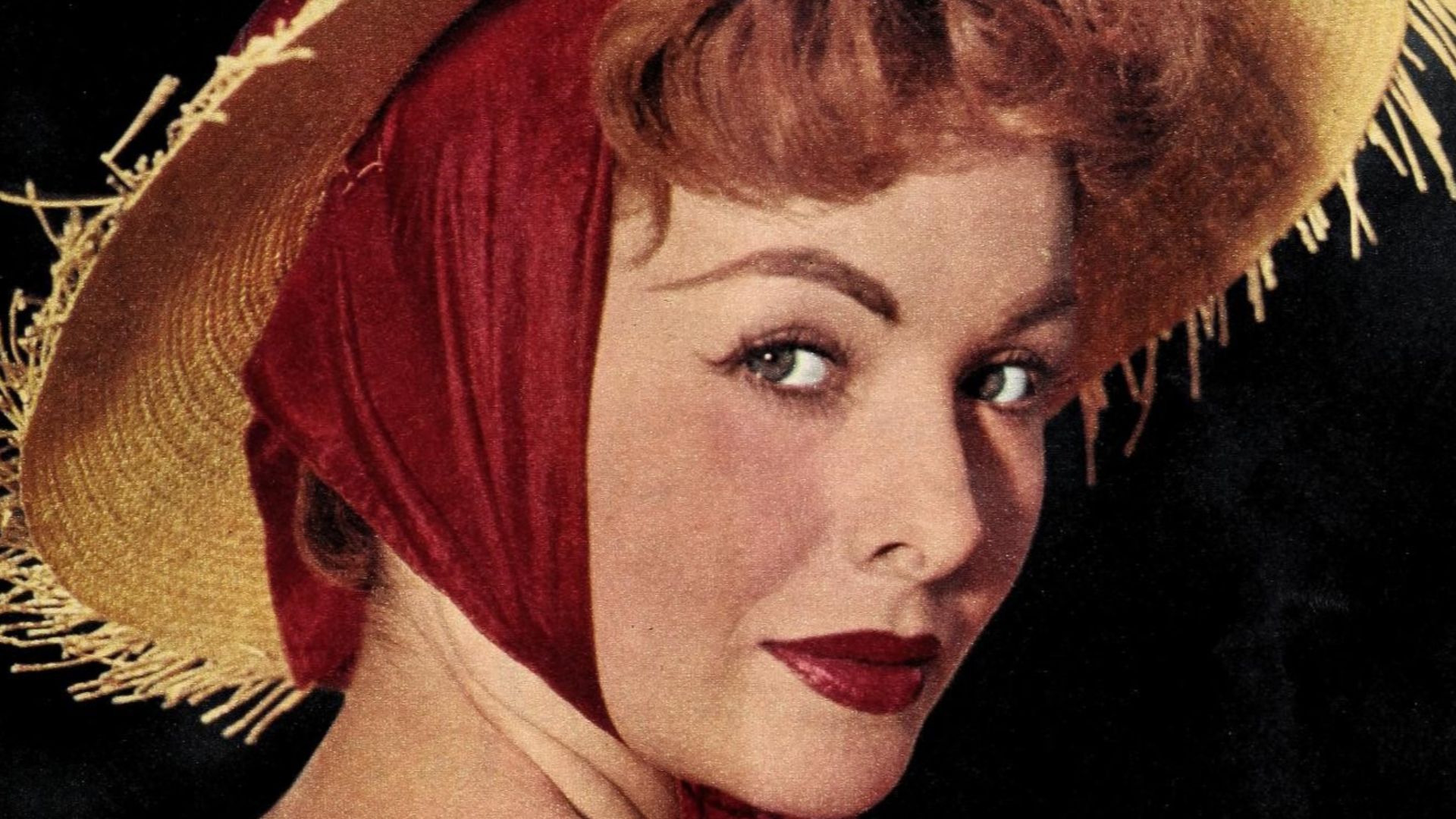 Phil Stern) [1], Wikimedia Commons
Joseph Cotten
Joseph Cotten's calm voice and gentlemanly appearance made him equally convincing as a romantic lead or a deeply suspicious character. He worked with Orson Welles in Citizen Kane and starred in Alfred Hitchcock's Shadow of a Doubt. Older movie fans know that face before he even starts talking.
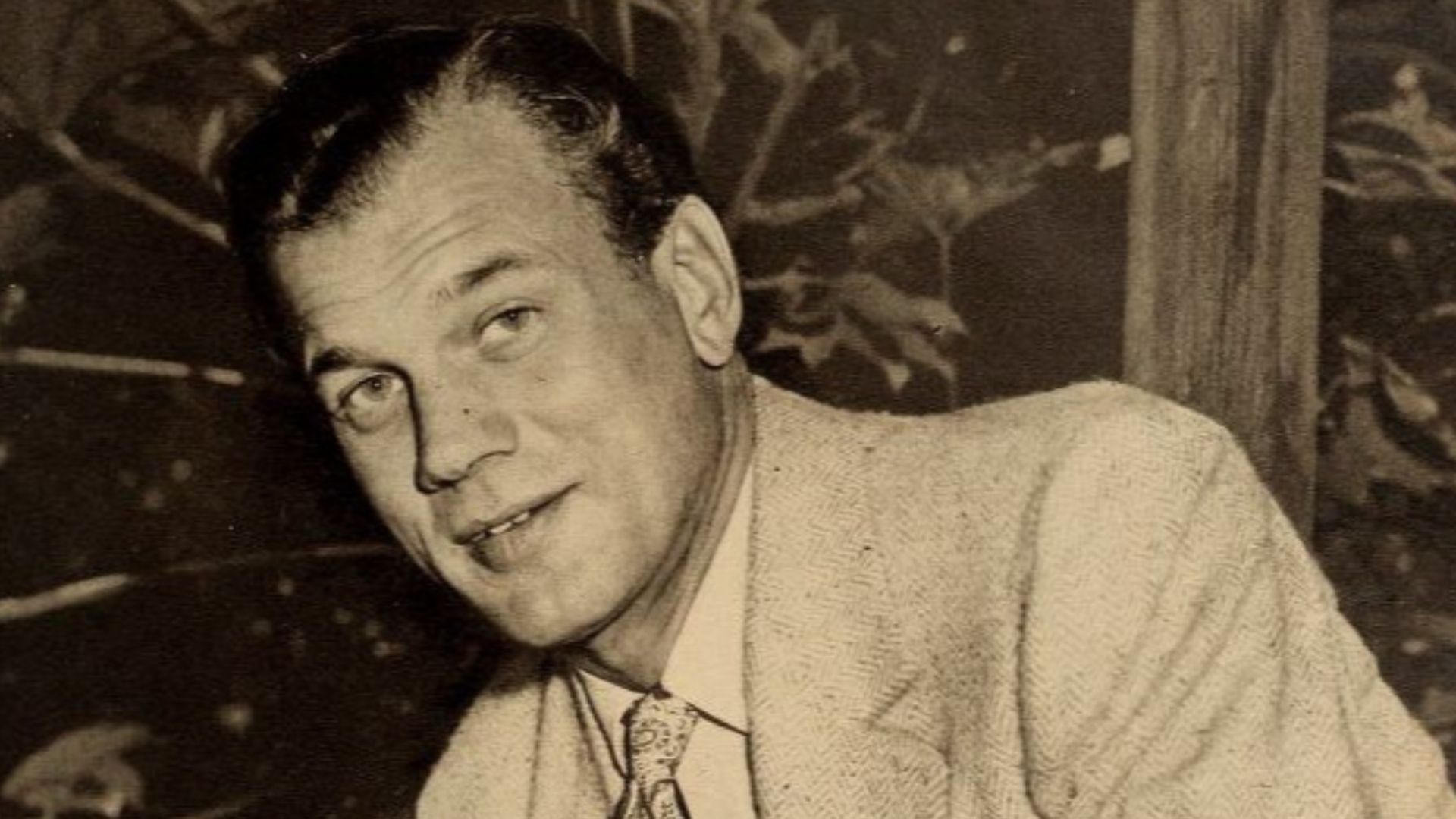 Dell Publishing, 1944, Wikimedia Commons
Veronica Lake
That famous hairstyle alone once made Veronica Lake instantly recognizable. Her long blonde hair sweeping over one eye became one of the defining looks of wartime Hollywood. She starred alongside Alan Ladd in several films, creating one of film noir's most memorable partnerships and inspiring countless imitators.
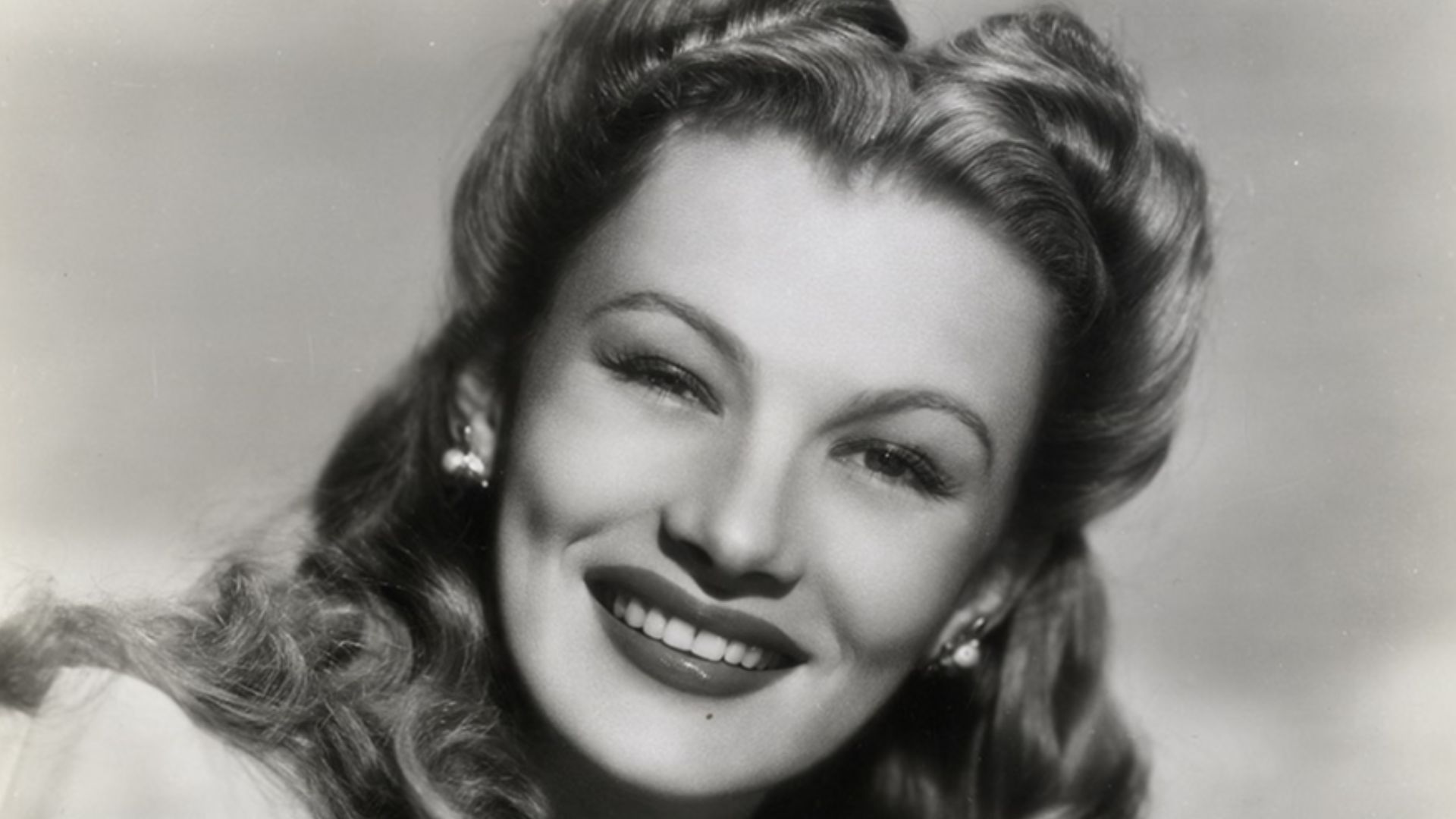 Whitey Schafer, Wikimedia Commons
Robert Taylor
Robert Taylor was one of MGM's biggest leading men, with the impossibly handsome looks expected from an old-fashioned Hollywood star. During the 1940s, he moved easily between romance, drama, and adventure. For classic movie watchers, he remains unmistakable. To many younger viewers, however, he's practically a stranger.
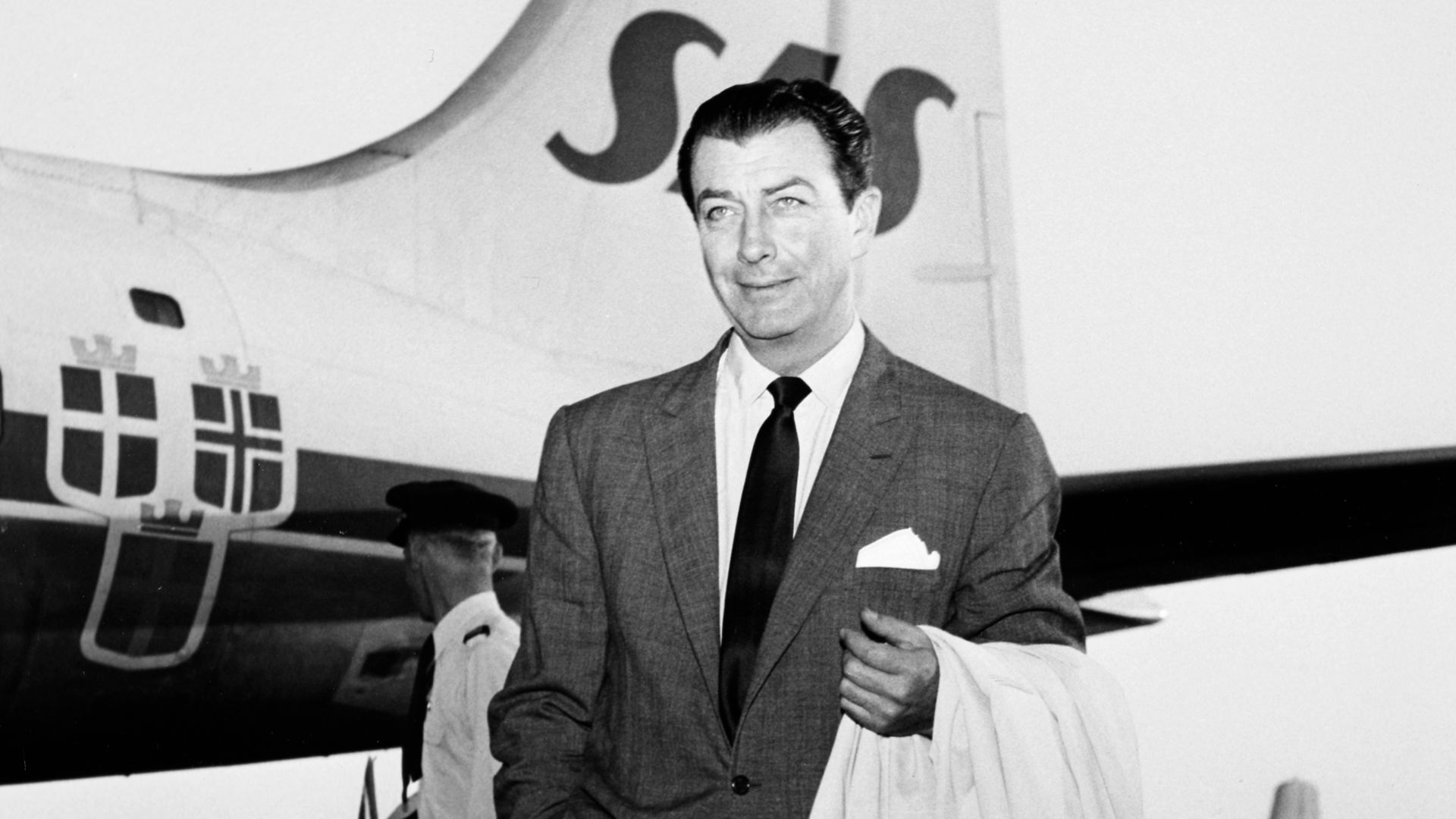 SAS Scandinavian Airlines, Wikimedia Commons
Joan Fontaine
Joan Fontaine helped define the elegant, nervous heroines of classic Hollywood suspense. Her performances in Hitchcock's Rebecca and Suspicion made her a major star, and she won an Oscar for the latter. She also shared one of Hollywood's most famously complicated sibling relationships with actress Olivia de Havilland.
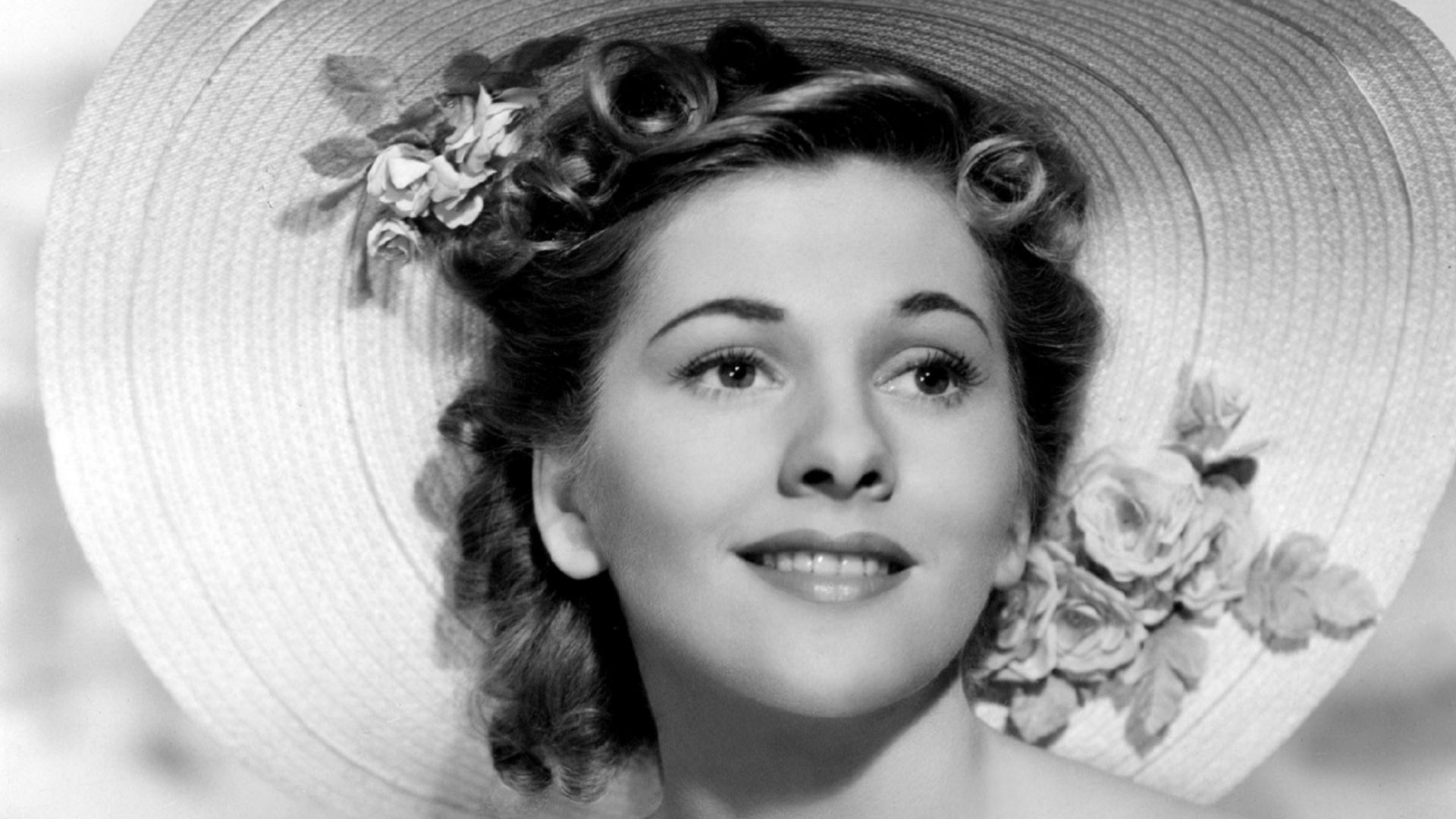 Screenland magazine published in Chicago., Wikimedia Commons
Cornel Wilde
Cornel Wilde looked exactly like someone a 1940s studio would invent if it needed a swashbuckling leading man by lunchtime. Athletic, handsome, and versatile, he appeared in everything from romantic dramas to historical adventures. His name has faded considerably, but his movies still trigger instant recognition among classic-film fans.
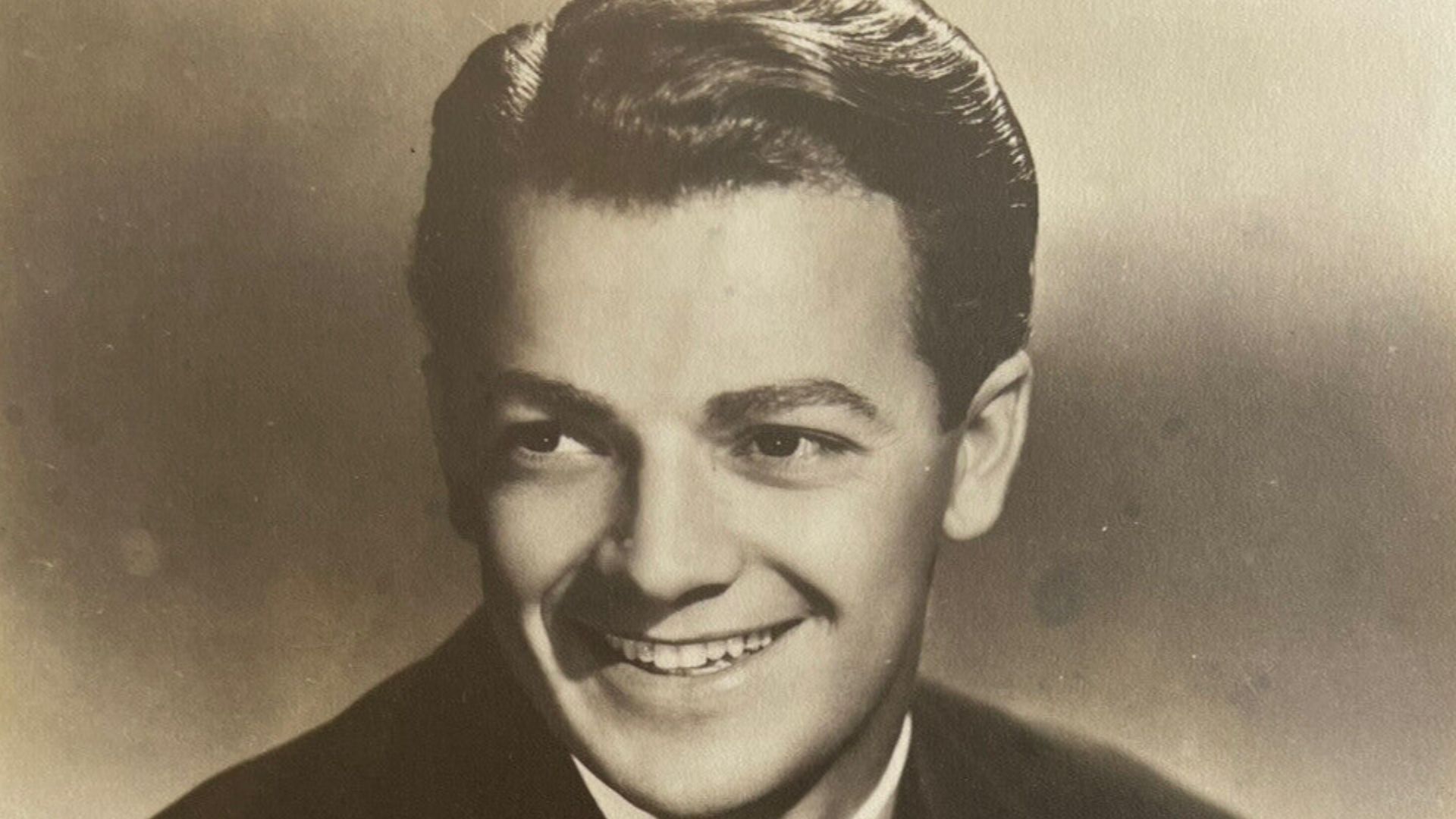 Unknown authorUnknown author, Wikimedia Commons
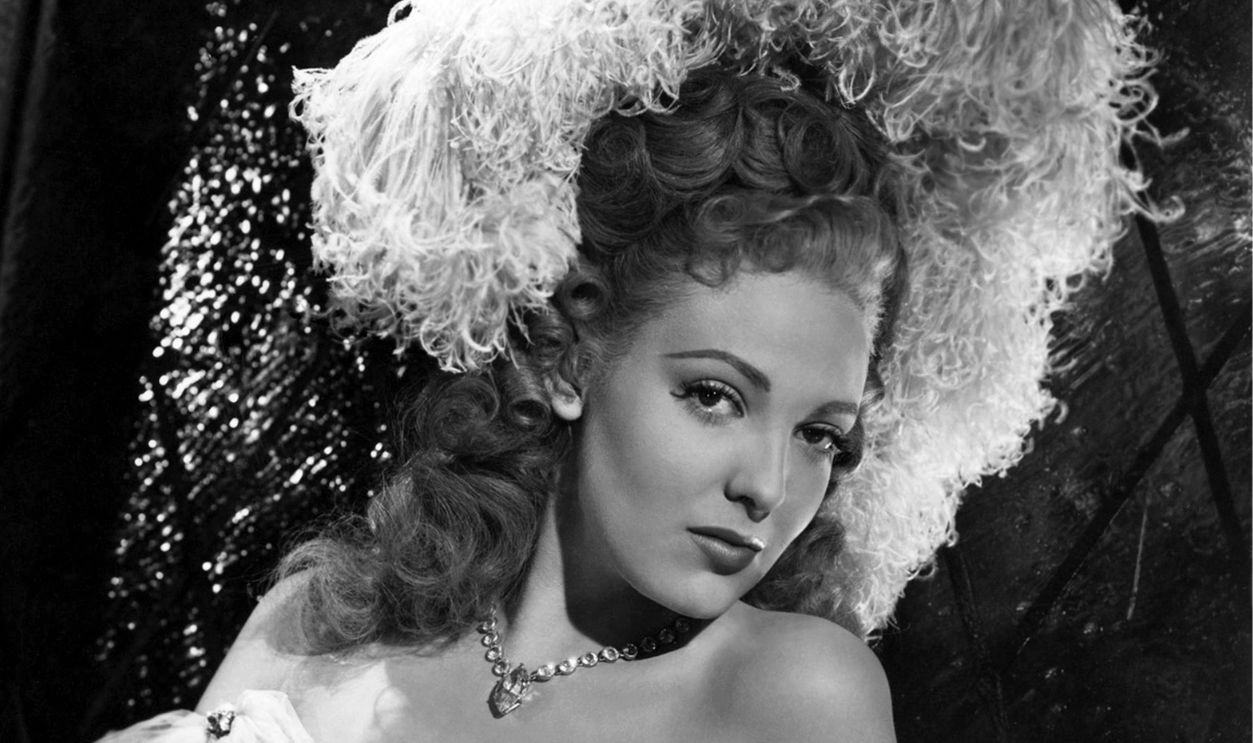
Linda Darnell
Linda Darnell became a star while she was still remarkably young, quickly developing into one of 20th Century Fox's most glamorous actresses. Films like Forever Amber made her a familiar presence on theater marquees. Her career had its ups and downs, but that striking screen presence remains impossible to miss.
 Donaldson Collection, Getty Images
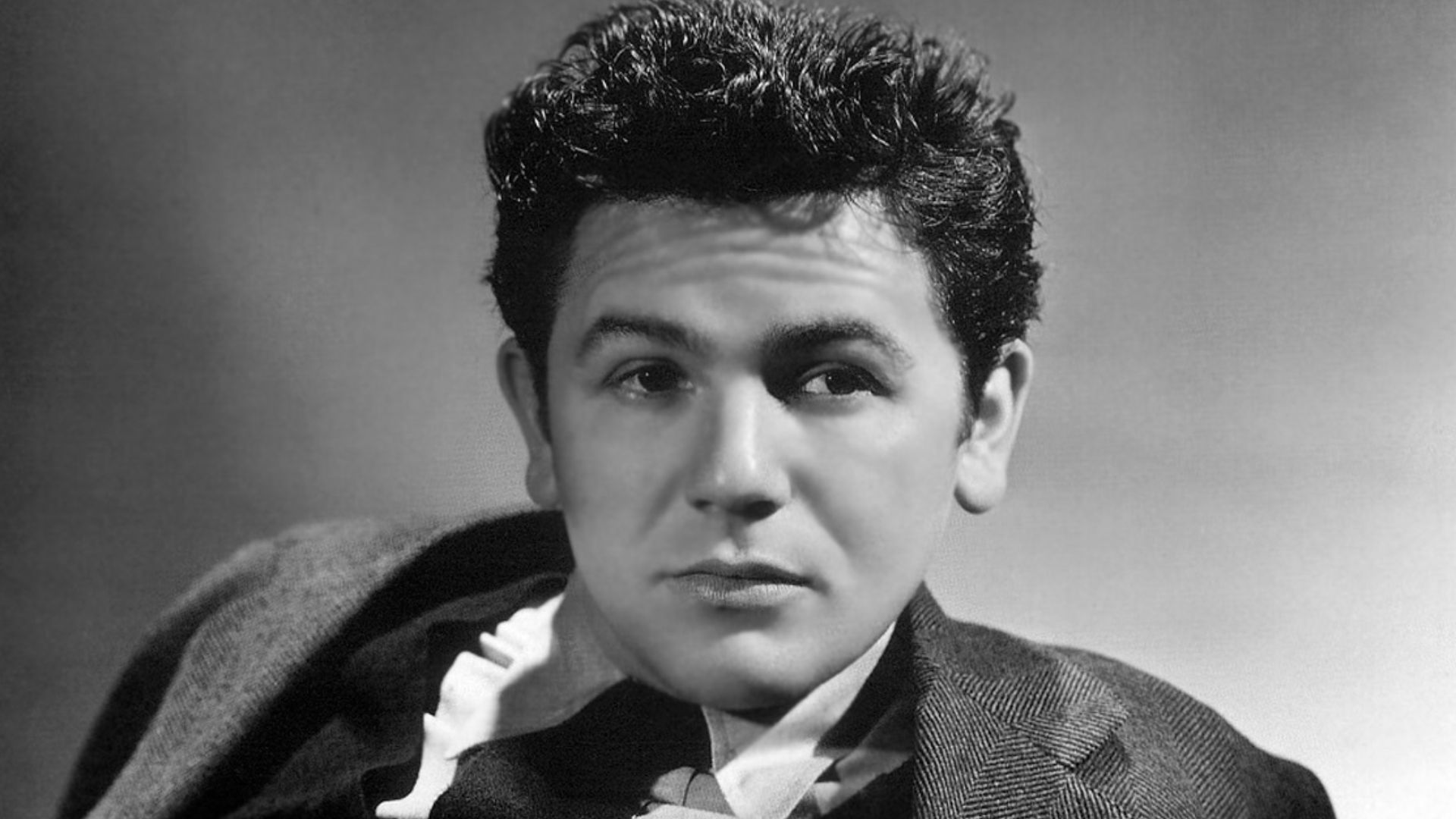
John Garfield
Long before method acting became Hollywood's favorite phrase, John Garfield brought a raw, streetwise energy to the screen. He felt less polished than many traditional movie stars, and that was exactly the appeal. His performances influenced later generations of actors who wanted their characters to feel rougher and more real.
 Unknown authorUnknown author, Wikimedia Commons
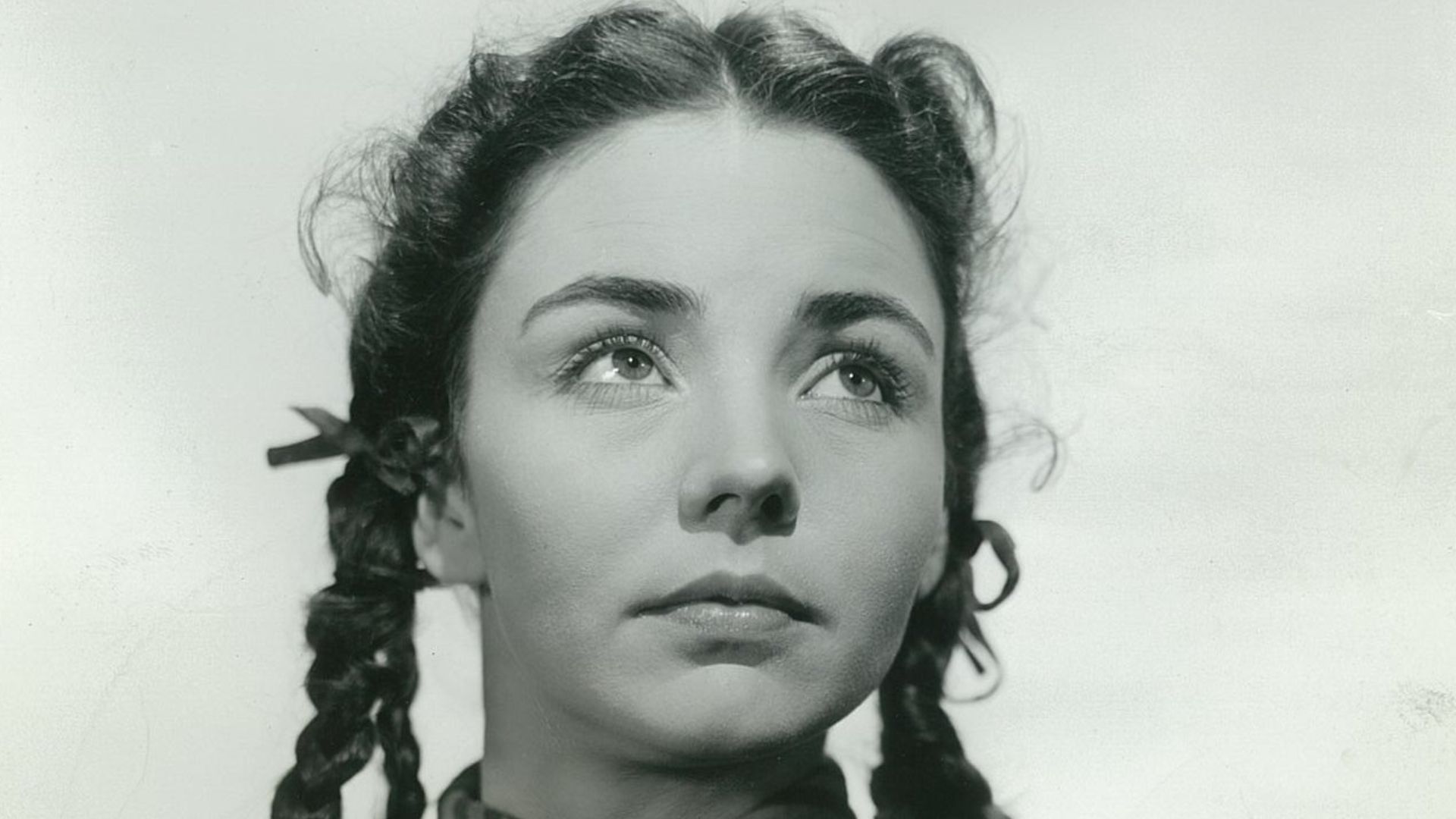
Jennifer Jones
Jennifer Jones became one of producer David O. Selznick's great discoveries and won an Academy Award for The Song of Bernadette. Her performances often mixed vulnerability with an intense emotional quality that suited the sweeping dramas of the period. For a while, she was one of Hollywood's most important actresses.
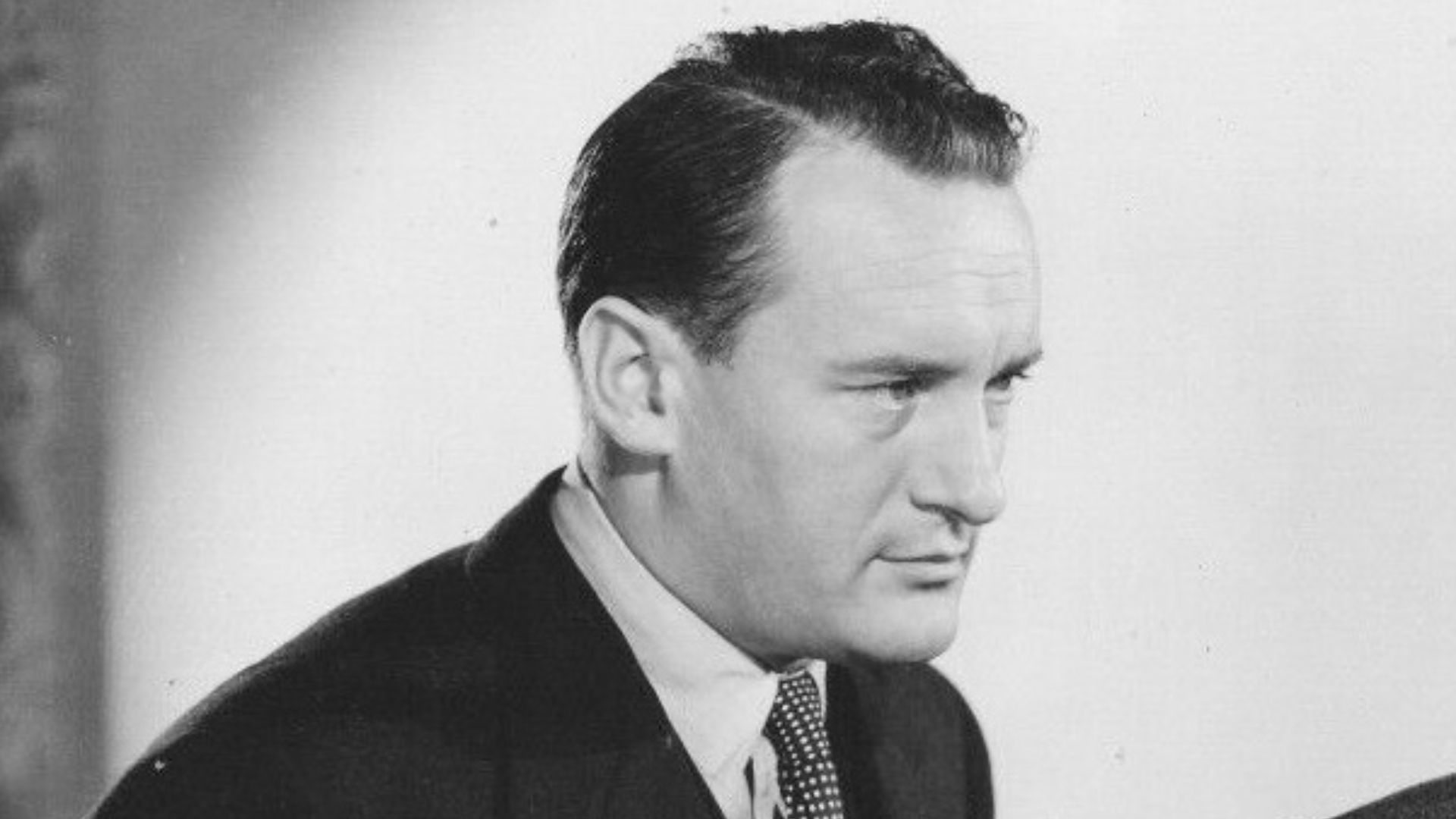
George Sanders
George Sanders could make an insult sound like a compliment. With his smooth voice and permanently amused expression, he became Hollywood's expert in sophisticated villains, scoundrels, and charming rogues. Even people who don't recognize his face may know his unmistakable voice as Shere Khan in Disney's The Jungle Book.
 Metro-Goldwyn-Mayer, Wikimedia Commons
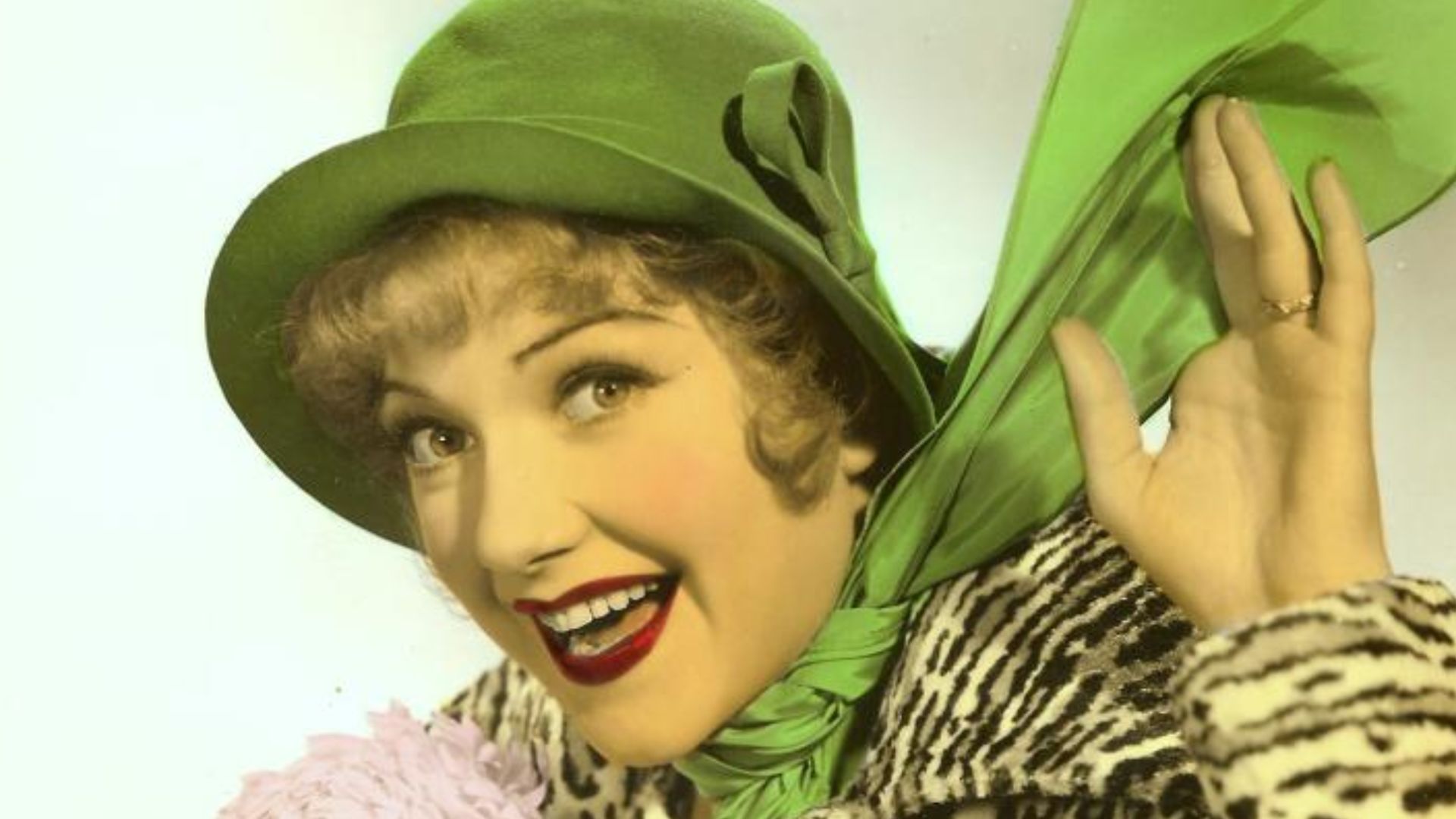
Anne Baxter
Anne Baxter's biggest cultural moment may have arrived in 1950 with All About Eve, but she had already built an impressive career during the previous decade. Her 1940s work included an Oscar-winning performance in The Razor's Edge. Boomers remember her from movies that seemed to run endlessly on television.
 Twentieth Century Fox, Wikimedia Commons
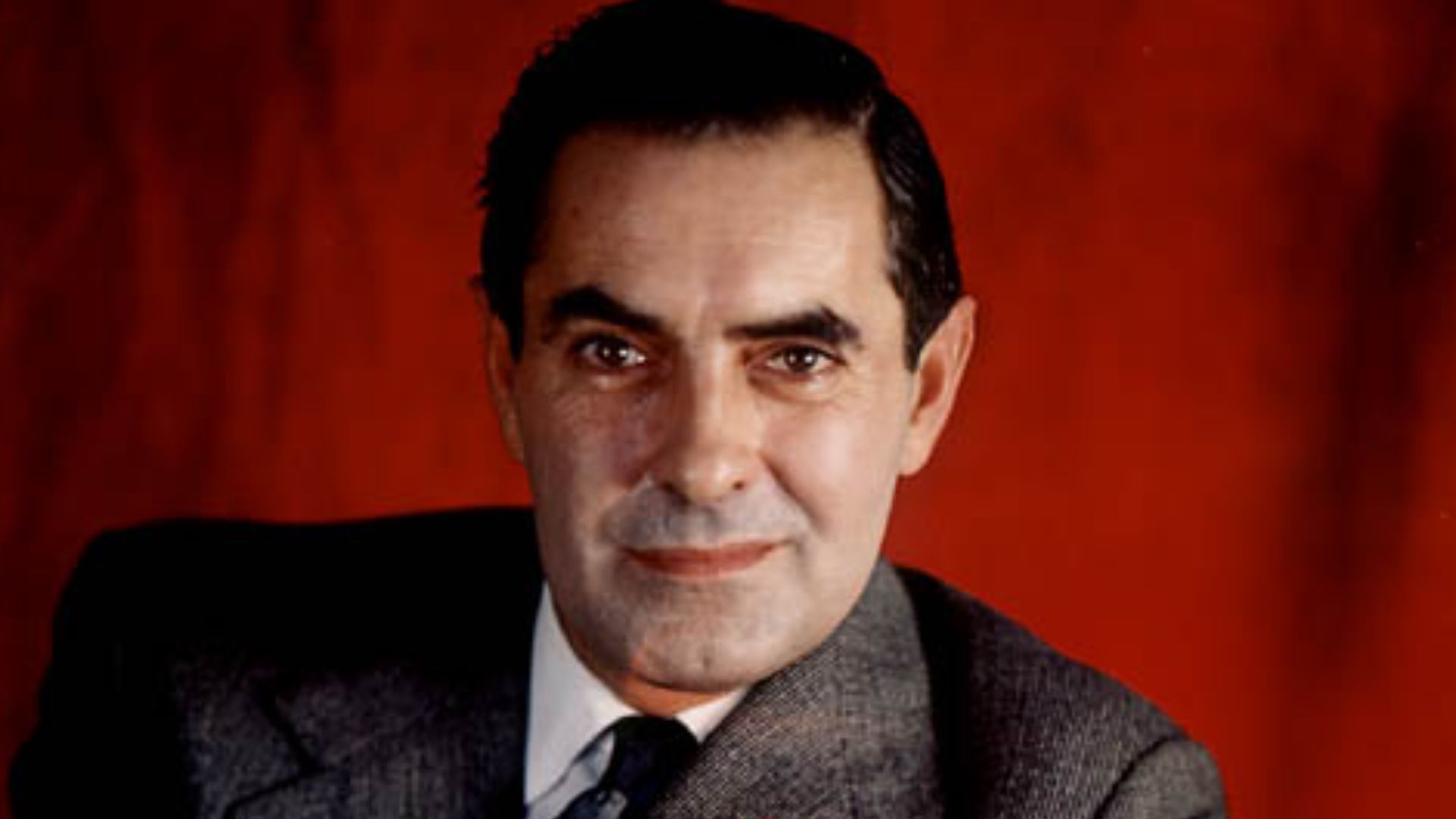
Tyrone Power
At his peak, Tyrone Power was one of Hollywood's biggest heartthrobs. He could buckle a swash, romance a leading lady, or dive into darker material when given the chance. Movies like The Mark of Zorro made him an idol whose name once carried instant recognition across American movie theaters.
 Yousuf Karsh, Wikimedia Commons
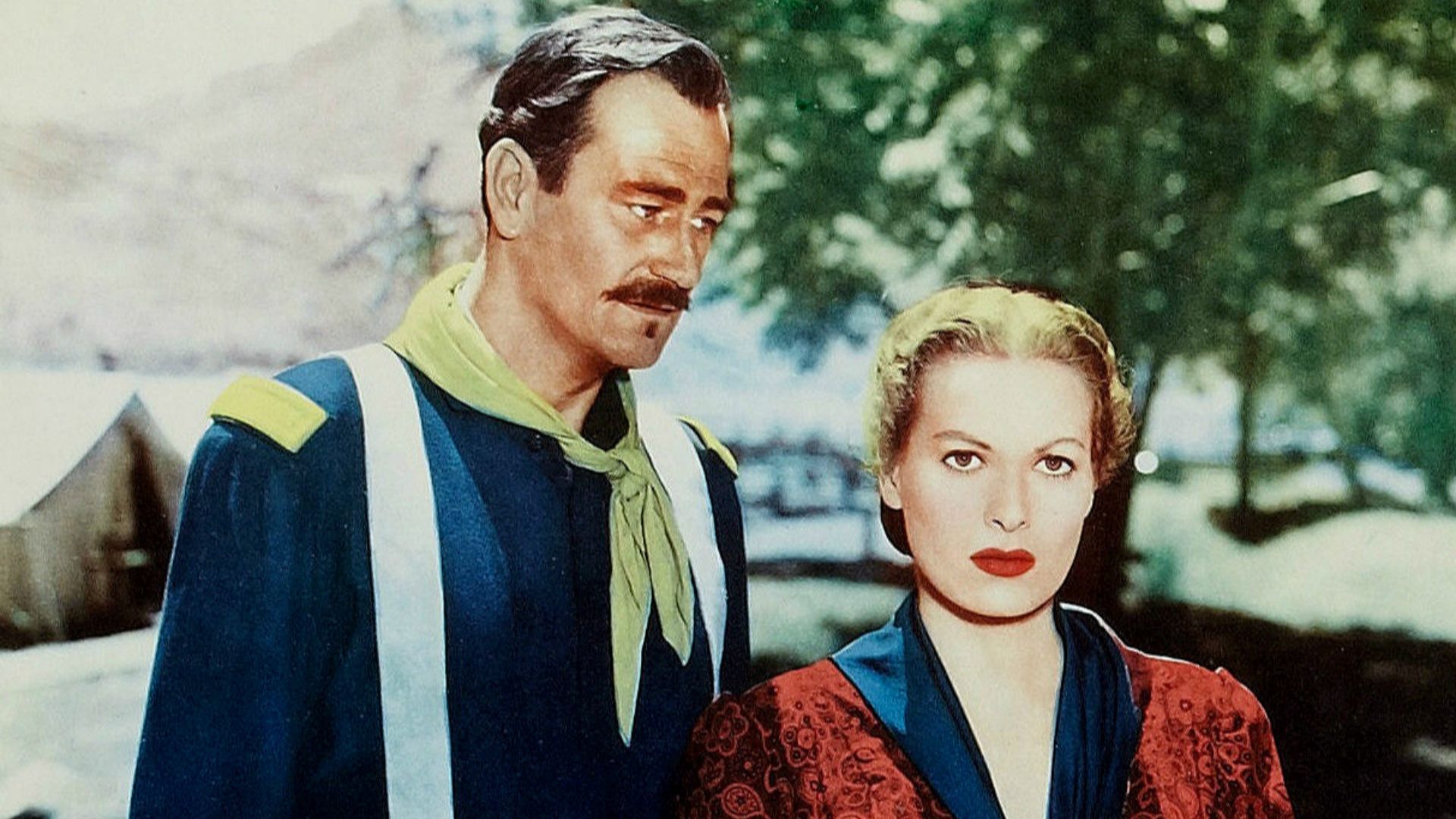
Maureen O'Hara
Maureen O'Hara may remain more recognizable than some names here, especially thanks to her later films with John Wayne. Still, younger viewers often miss just how enormous she was. Her fiery screen personality, striking appearance, and commanding presence made her one of Hollywood's most distinctive stars for decades.
 Republic Pictures, Wikimedia Commons
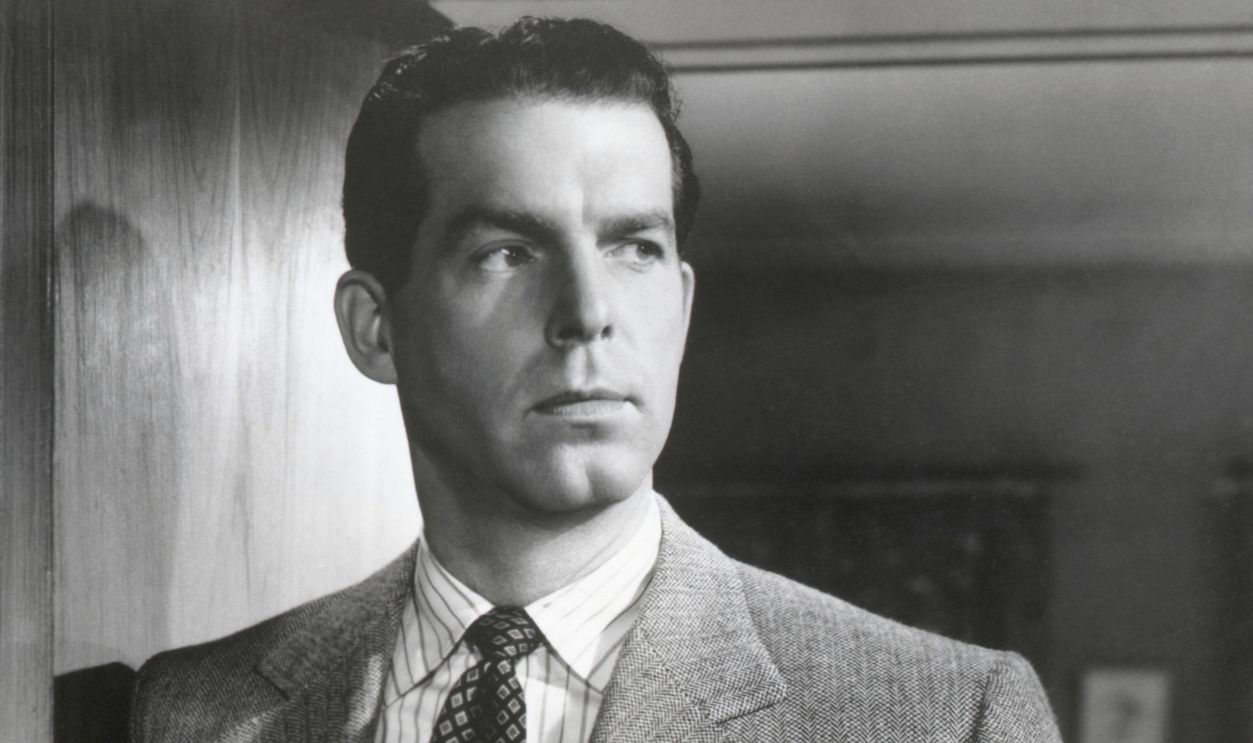
Fred MacMurray
Boomers may remember Fred MacMurray as the kindly father from My Three Sons, which makes his 1940s movie career especially fun to revisit. In Double Indemnity, he played one of film noir's great doomed antiheroes. He could shift from cheerful everyman to desperate schemer with remarkable ease.
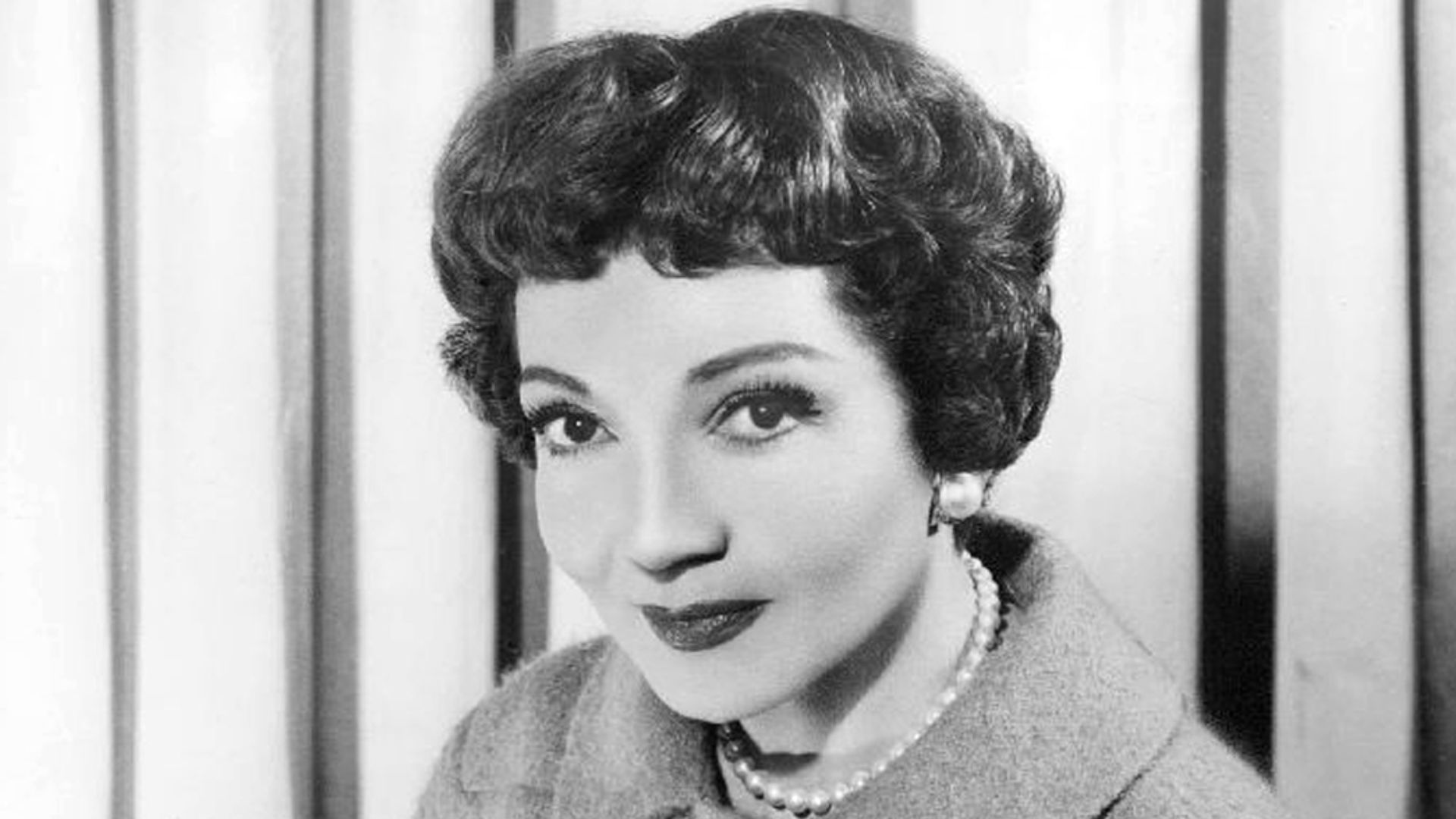
Claudette Colbert
Claudette Colbert's biggest breakthroughs began before the 1940s, but she remained an important star throughout the decade. Smart, funny, and sophisticated, she represented a style of Hollywood leading lady that didn't need extravagance to command attention. Her name once meant box office. Today, it often requires an explanation.
 CBS Television, Wikimedia Commons
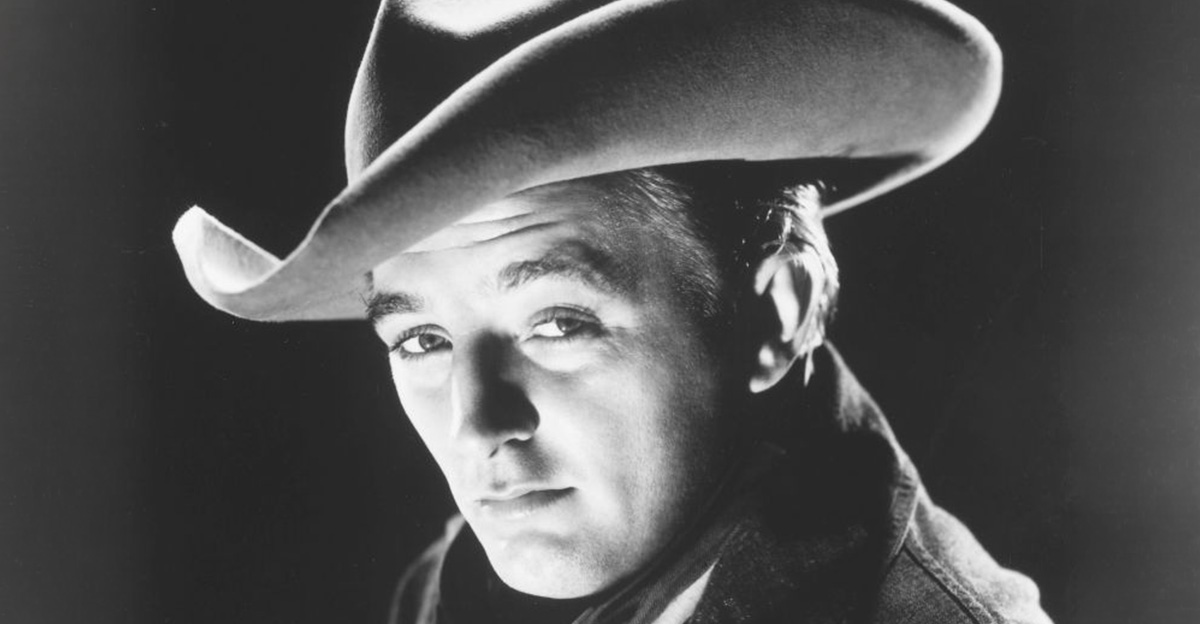
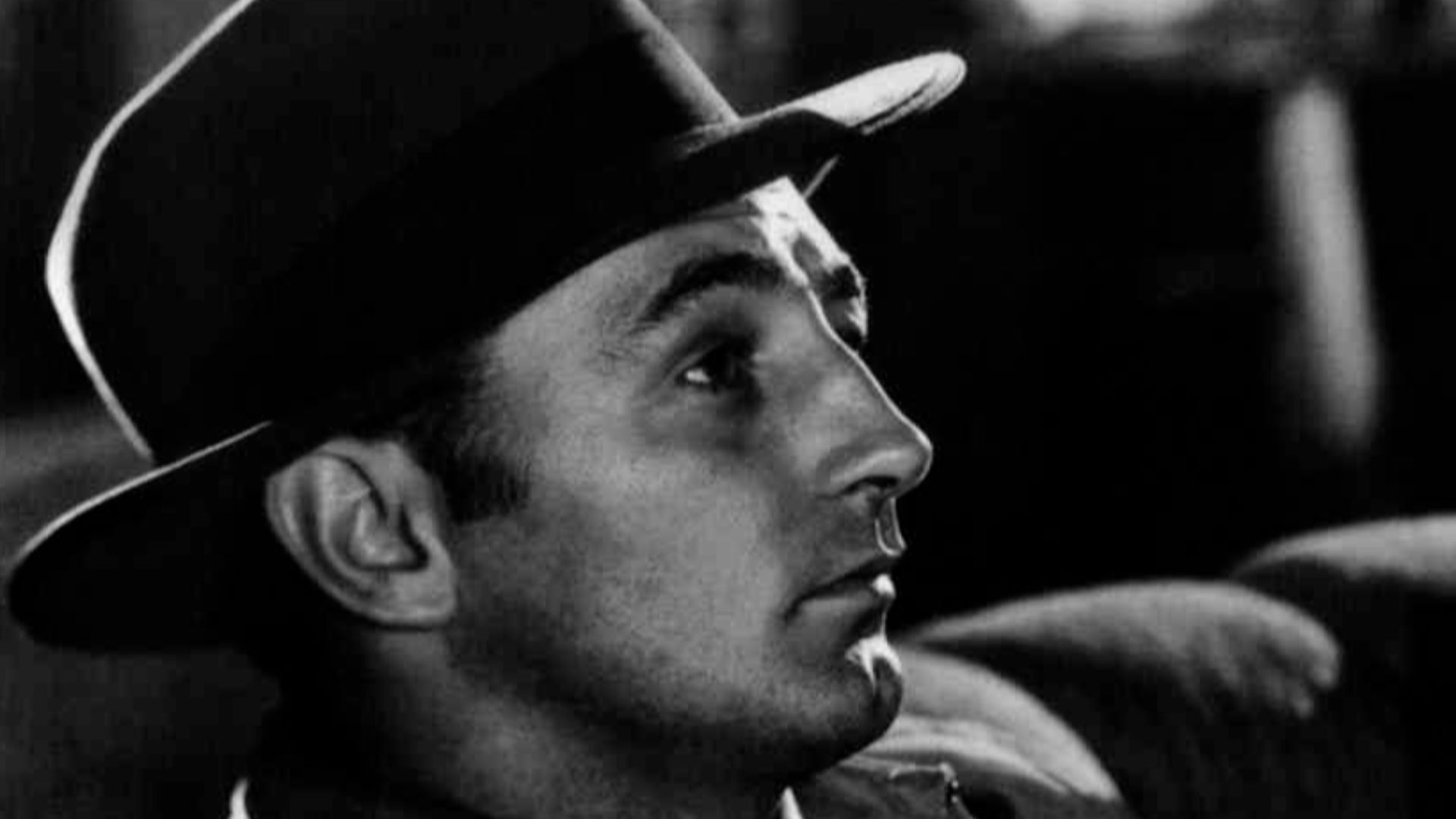
Robert Mitchum
Robert Mitchum may still be familiar to devoted film fans, but his level of fame has changed dramatically. In the 1940s, his sleepy eyes and relaxed attitude made him a perfect film noir star. He looked as though nothing bothered him, even when his character's entire life was collapsing.
 Original property rights holder: RKO Radio Pictures, Wikimedia Commons
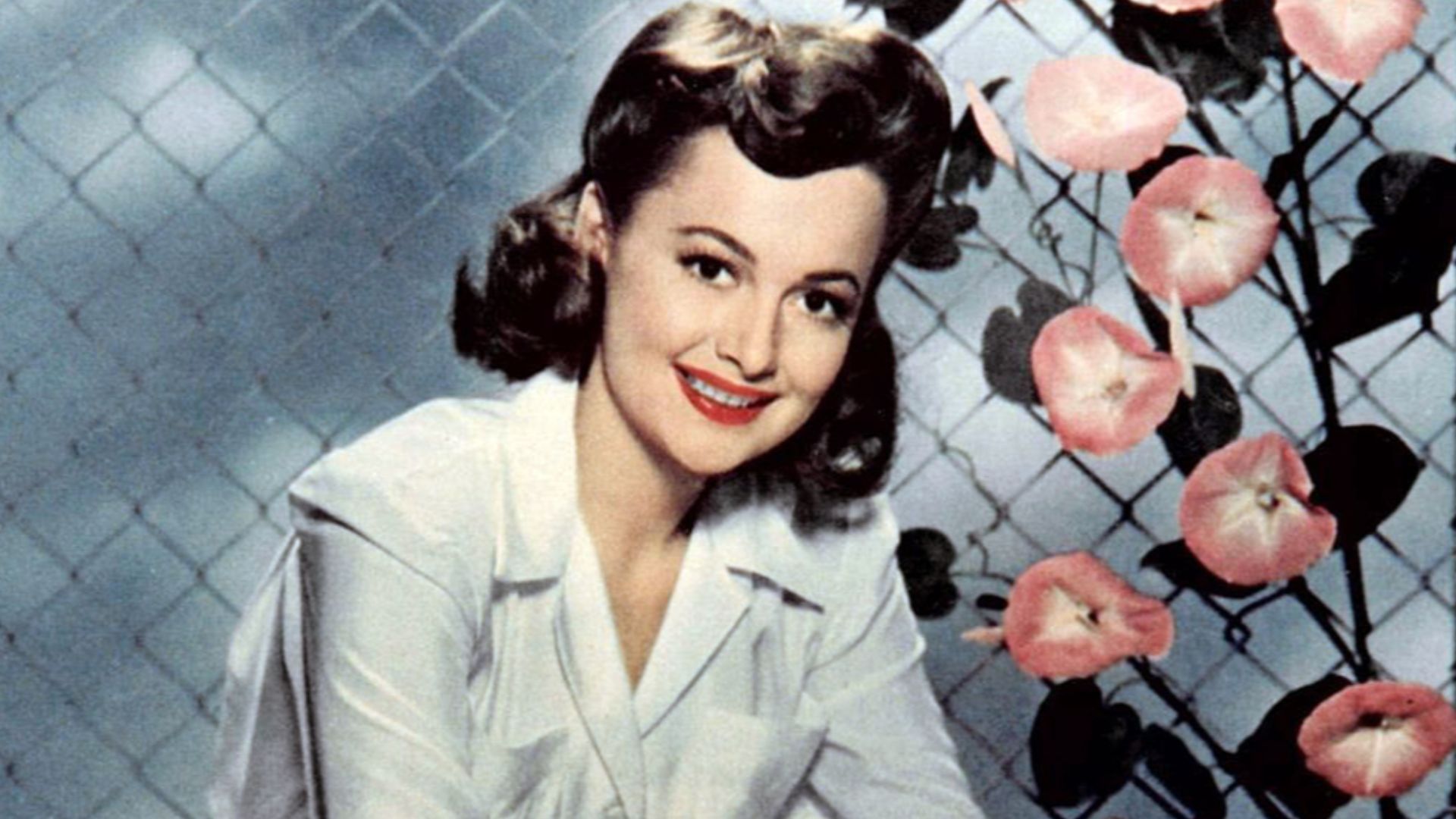
Olivia De Havilland
For older audiences, Olivia de Havilland is far more than Melanie from Gone with the Wind. During the 1940s, she fought Hollywood's studio system and built an increasingly serious acting career, winning two Academy Awards. She combined movie-star glamour with a determination that ultimately changed the business itself.
 Unknown authorUnknown author, Wikimedia Commons
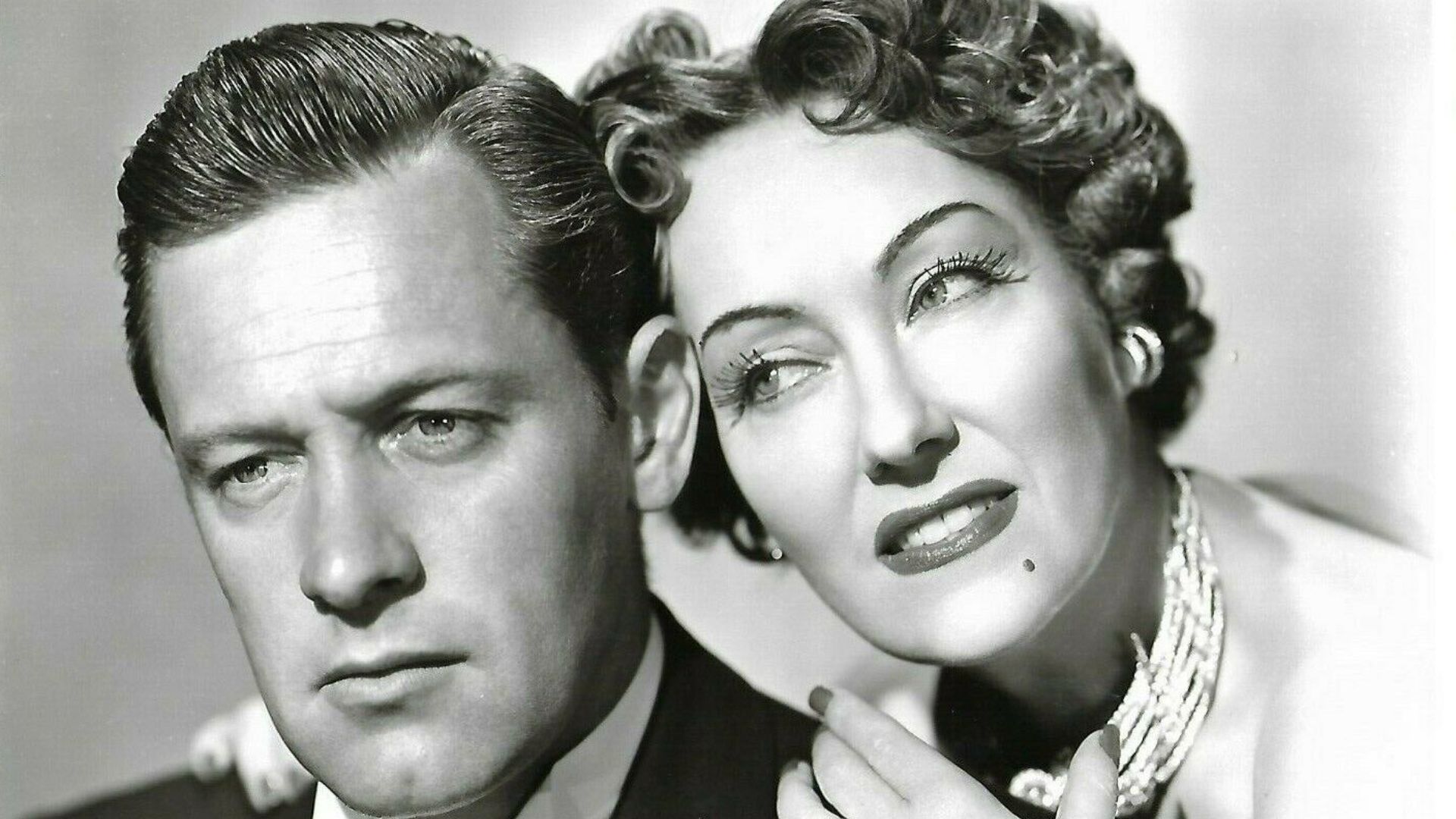
William Holden
William Holden would become an even bigger star during the 1950s, but audiences were already getting to know him during the previous decade. His easy charm eventually developed into something more cynical and complicated. Watching his early films today is like seeing one of classic Hollywood's great careers beginning to take shape.
 Paramount Pictures press photo, Wikimedia Commons
When A Familiar Face Brings It All Back
That may be the real magic of these stars. You don't necessarily need to remember every movie title or every character they played. Sometimes you simply see Dana Andrews, Greer Garson, or Van Johnson on the screen and suddenly remember Saturday afternoons, rabbit-ear antennas, and a world of movies that felt permanent.
You May Also Like:
Celebrities Who Publicly Took DNA Tests—And Didn’t Like What They Found