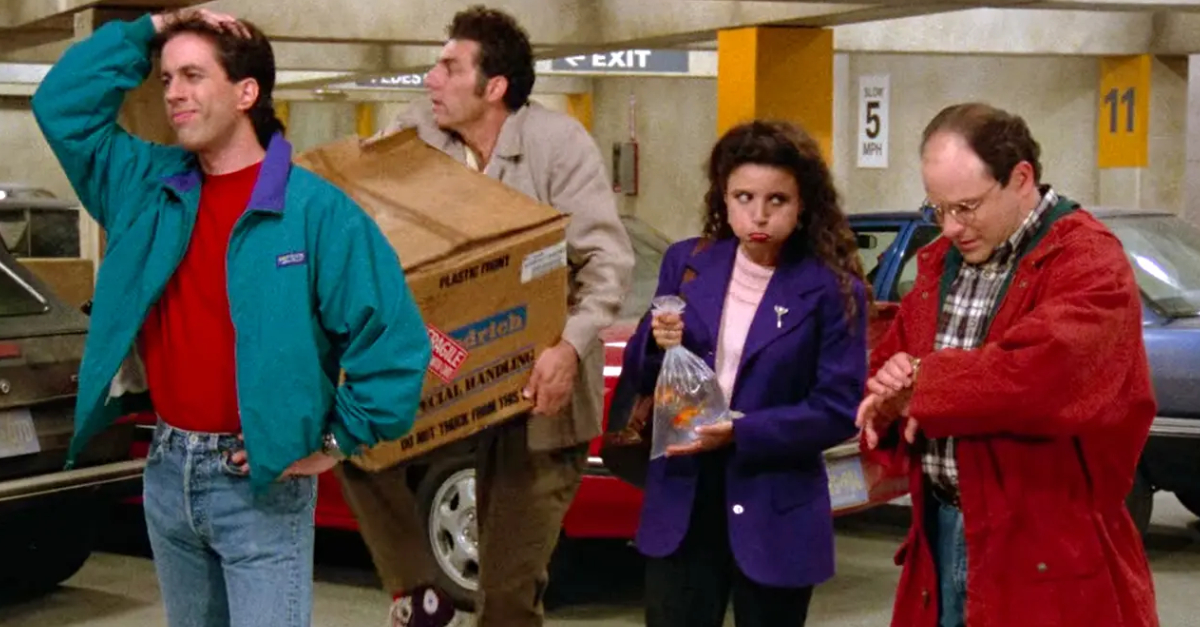
Tough Act To Follow
The 1970s made overnight stars out of unknown actors, teenagers, and performers nobody expected to become famous. Some won Oscars, others headlined blockbusters, and a few became genuine cultural sensations. But for these 28 performers, that first enormous movie breakthrough proved almost impossible to top. Some kept acting for decades, while others just turned and walked away.
 MoviePix Collection, Michael Ochs Archives, Getty Images
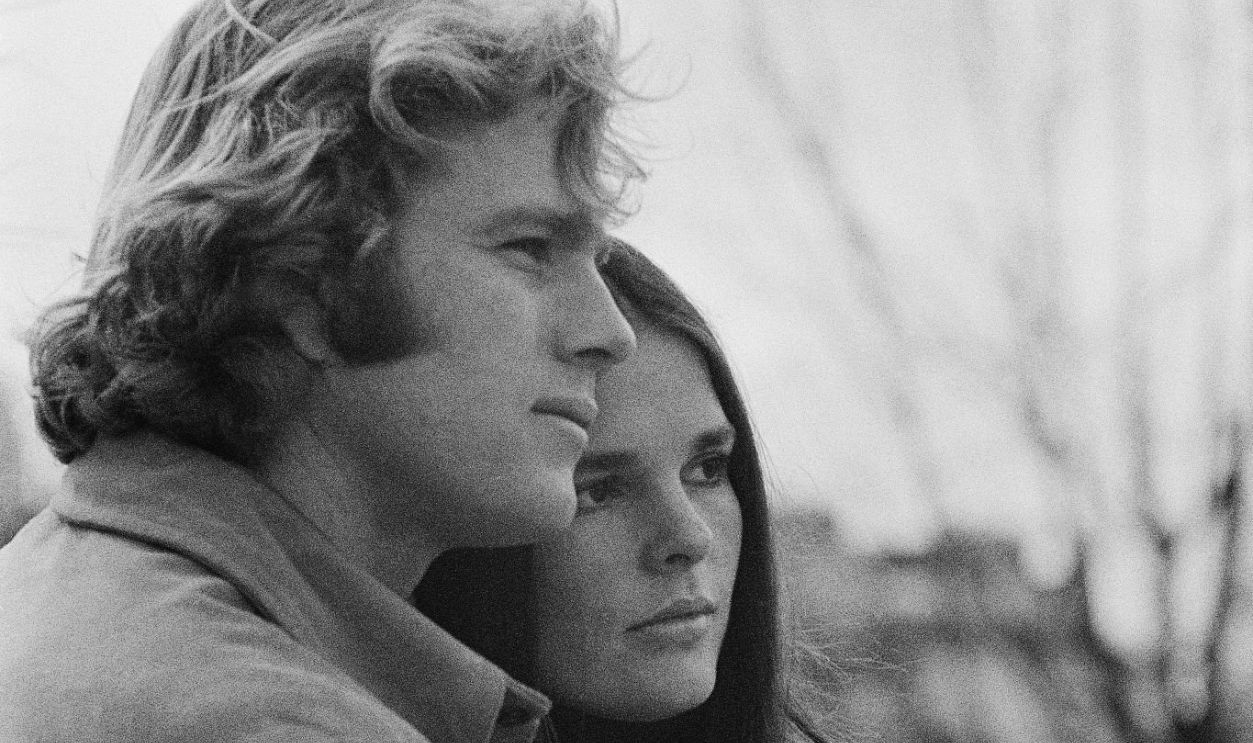
Ali MacGraw — Love Story (1970)
Ali MacGraw became one of Hollywood's biggest romantic stars opposite Ryan O'Neal in Arthur Hiller's Love Story (1970). Her performance earned an Oscar nomination and made her a household name. Although she later appeared alongside Steve McQueen in The Getaway (1972), her film career never again reached the extraordinary heights of Love Story. A relatively small number of subsequent roles, uneven box-office results, and time away from filmmaking gradually diminished her screen prominence.
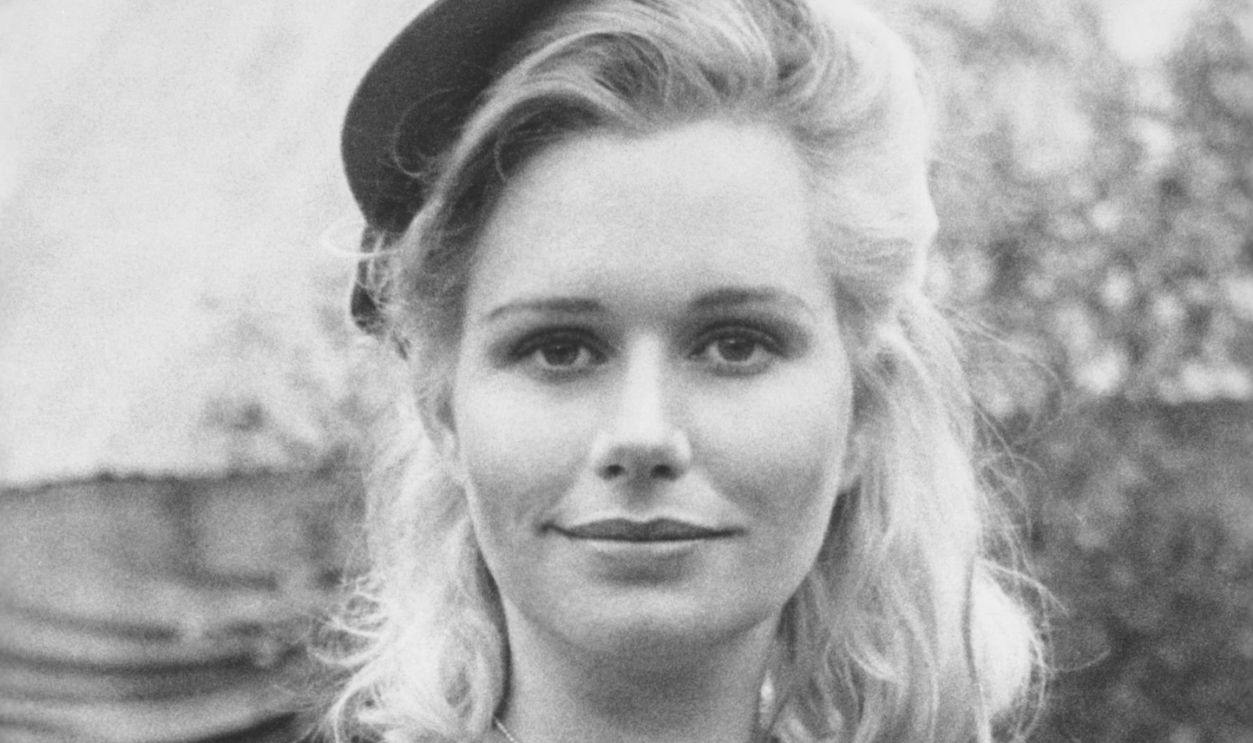
Sally Kellerman — MASH (1970)
After years of playing minor TV roles, Sally Kellerman had a breakthrough as Major Margaret “Hot Lips” Houlihan in Robert Altman's groundbreaking military comedy MASH (1970), opposite Donald Sutherland, Elliott Gould, and Robert Duvall. Her performance earned an Academy Award nomination for Best Supporting Actress and seemed destined to launch major movie stardom. Although she subsequently appeared in Brewster McCloud (1970), Last Of The Red Hot Lovers (1972), and Back To School (1986), none of those films matched the impact of her breakthrough. Kellerman later acknowledged that she hadn't fully capitalized on her early success.
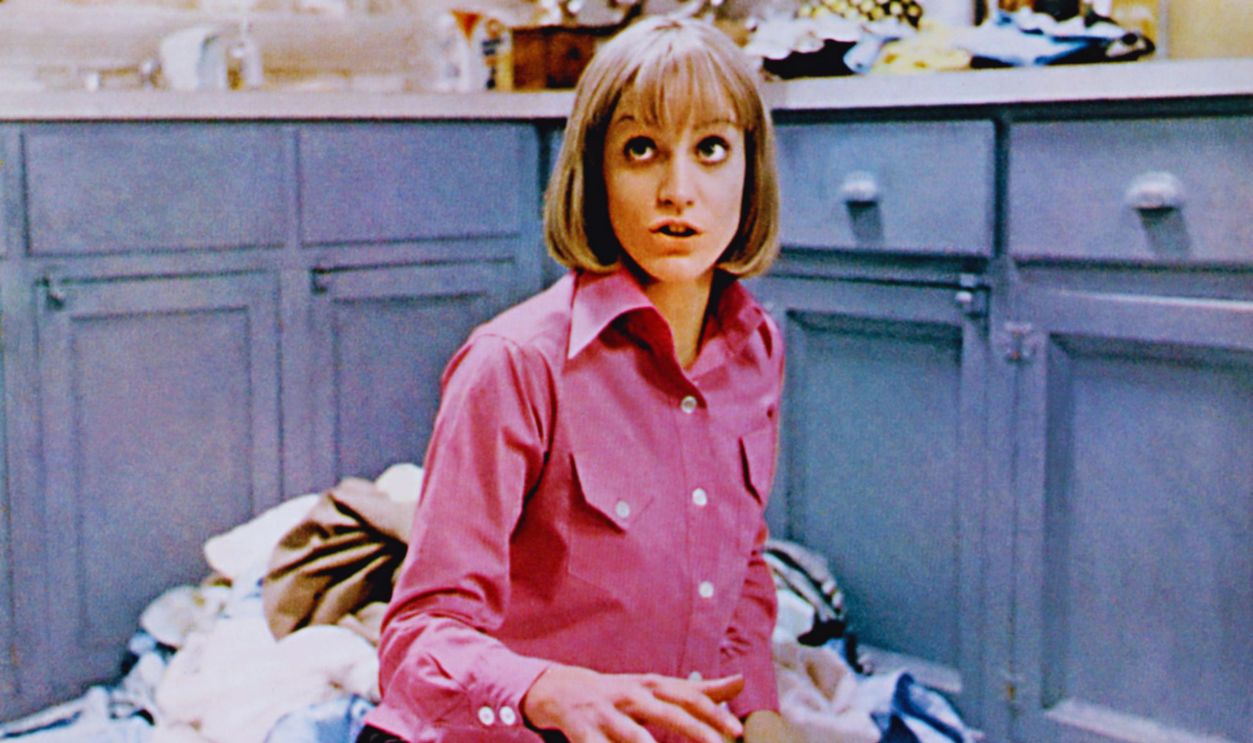
Carrie Snodgress — Diary Of A Mad Housewife (1970)
Carrie Snodgress made an astonishing breakthrough playing a frustrated New York housewife in Frank Perry's Diary Of A Mad Housewife (1970), opposite Richard Benjamin and Frank Langella. She earned an Academy Award nomination and won a Golden Globe. But rather than immediately capitalize on her success, Snodgress stepped away from Hollywood for several years. She eventually returned as a character actress, although she never again enjoyed such a prominent leading role.
Peter Ostrum — Willy Wonka & The Chocolate Factory (1971)
Peter Ostrum was just 12 when he played Charlie Bucket opposite Gene Wilder in Mel Stuart's Willy Wonka & The Chocolate Factory (1971). The movie initially disappointed commercially but eventually became a beloved family classic. Ostrum, however, decided acting wasn't for him. He declined to pursue another film career and eventually became a veterinarian specializing in large animals. His breakthrough was also his only movie role.
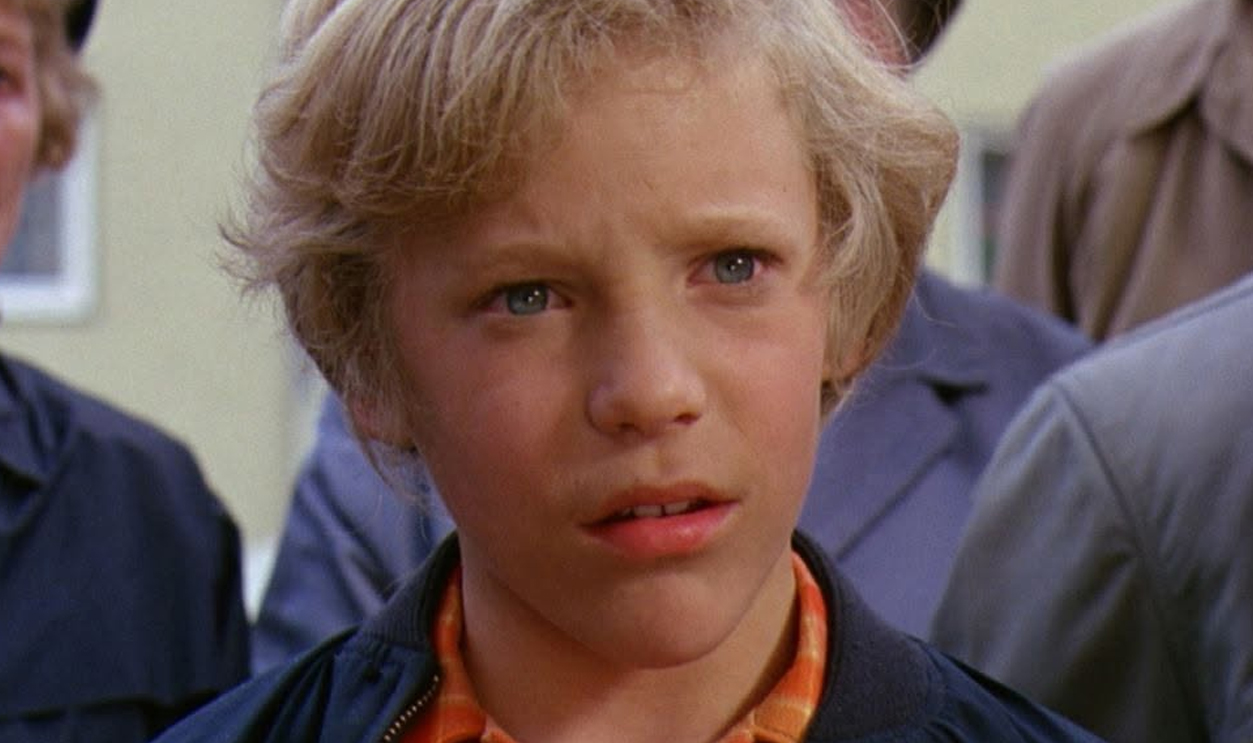 Willy Wonka & the Chocolate Factory, Paramount Pictures
Gary Grimes — Summer Of '42 (1971)
Gary Grimes became a teenage sensation playing Hermie, a boy experiencing his first serious romantic feelings, opposite Jennifer O'Neill in Robert Mulligan's Summer Of '42 (1971). The nostalgic drama was a substantial box-office success and earned Grimes a Golden Globe nomination. He subsequently appeared in The Culpepper Cattle Co. (1972) and Class Of '44 (1973), but neither recreated his original success. Grimes eventually retired from acting.
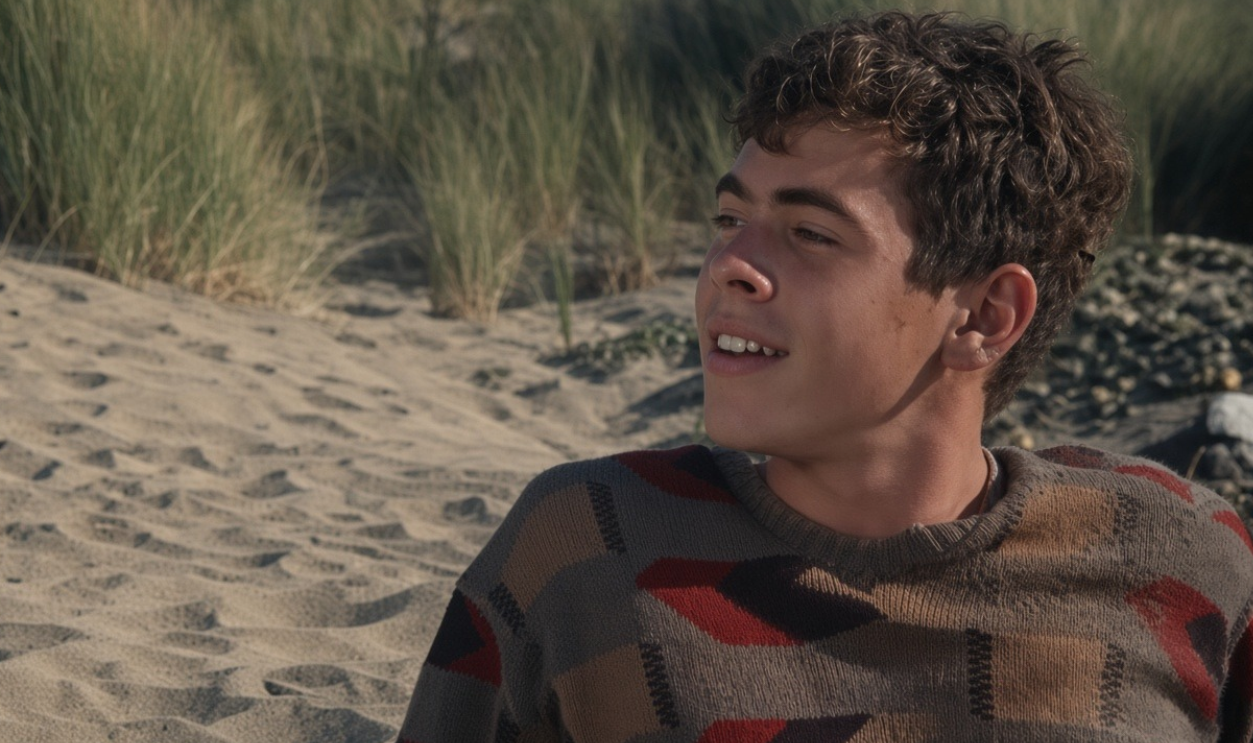 Screenshot from Summer of ’42, Warner Bros. (1971), Modified
Timothy Bottoms — The Last Picture Show (1971)
Timothy Bottoms emerged as a promising leading man playing Sonny Crawford in Peter Bogdanovich's The Last Picture Show (1971), alongside Jeff Bridges, Cybill Shepherd, and Ben Johnson. He also starred in Johnny Got His Gun (1971), establishing himself as a serious young actor. Despite numerous subsequent film and television appearances, Bottoms never quite became the major Hollywood leading man those early performances seemed to promise.
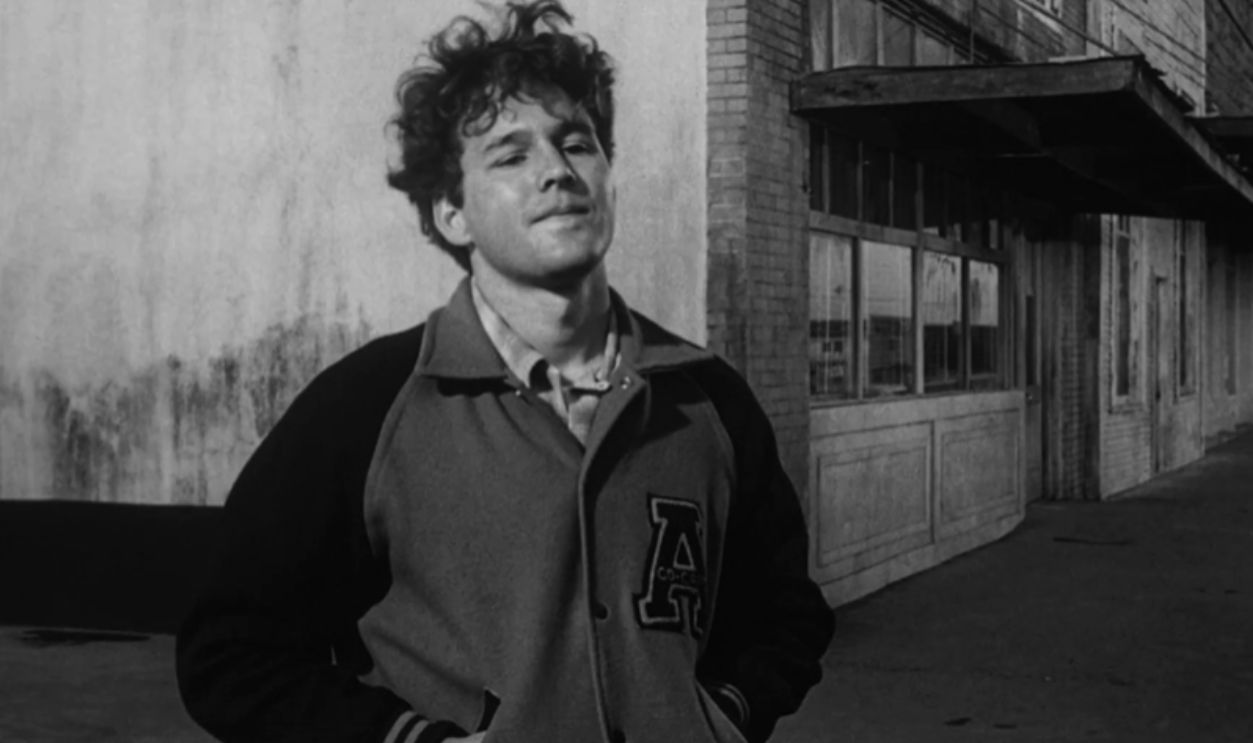 Screenshot from The Last Picture Show, Columbia Pictures (1971)
Richard Roundtree — Shaft (1971)
Richard Roundtree became an instant cultural icon playing private detective John Shaft in Gordon Parks' Shaft (1971). The film helped popularize the blaxploitation genre and turned Roundtree into a symbol of cinematic cool. He reprised the character in sequels and continued acting for decades, including in Roots and later Shaft productions. Yet the original film defined his public image so completely that none of his other roles achieved comparable recognition.
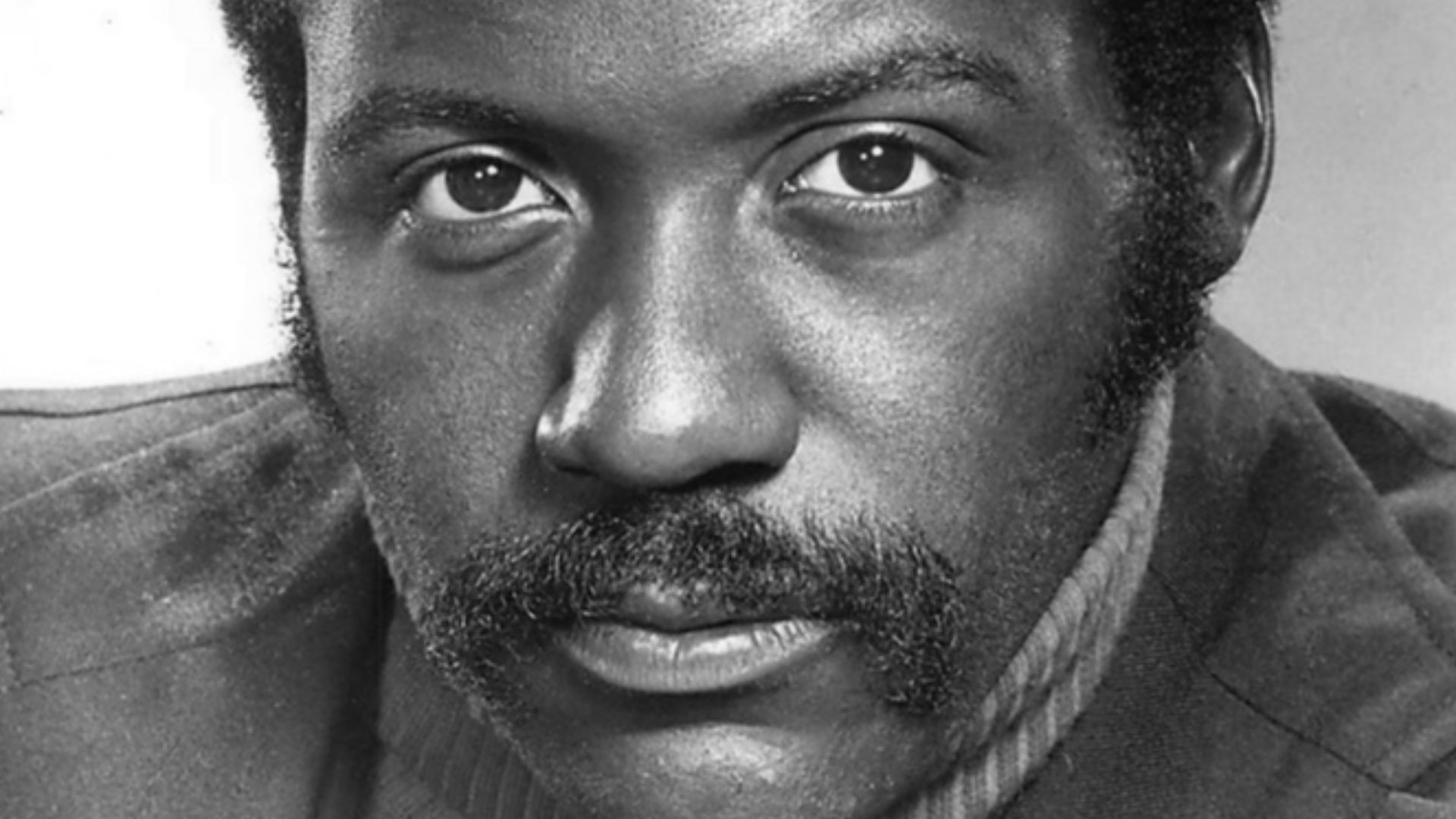 CBS Television, Wikimedia Commons
Ron O’Neal — Super Fly (1972)
Ron O'Neal became an unlikely leading man playing cocaine dealer Youngblood Priest in Gordon Parks Jr.'s Super Fly (1972). The film became a major hit, helped by Curtis Mayfield's celebrated soundtrack. O'Neal returned for Super Fly T.N.T. (1973), which he also directed, but the sequel failed to repeat the original's impact. Although he continued working in film and television, his career remained closely associated with Priest.
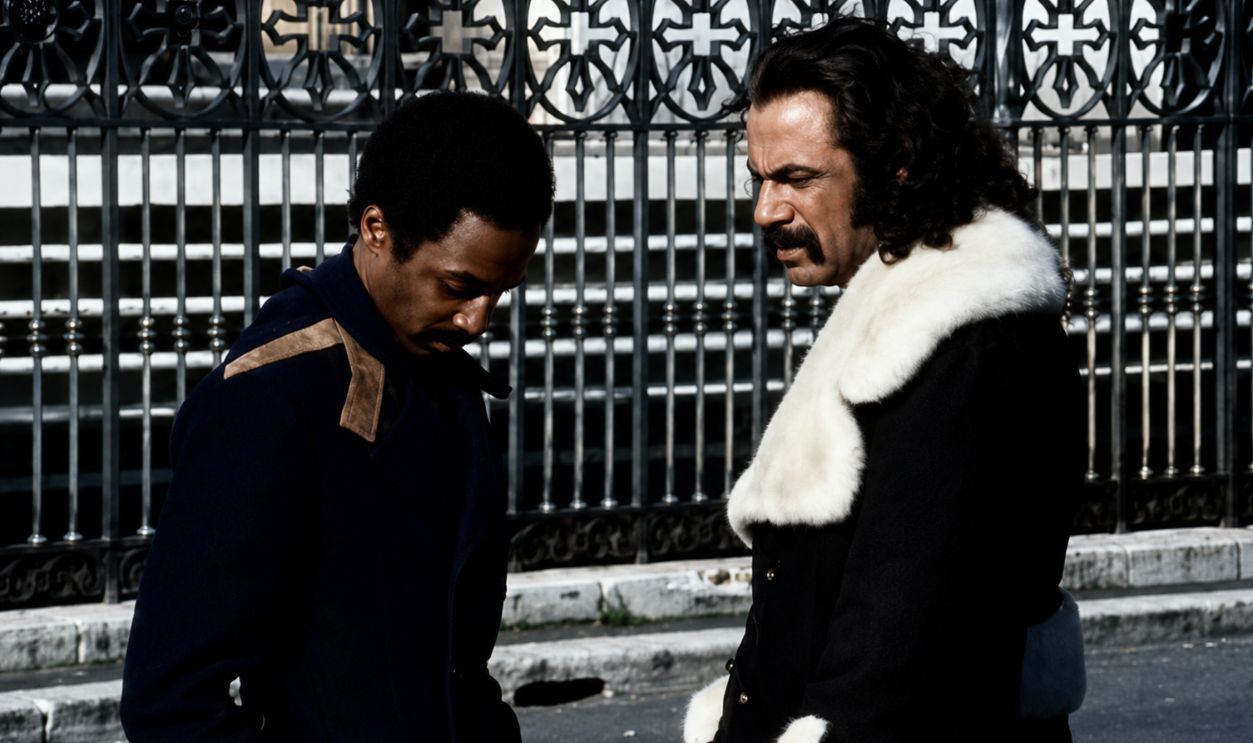 Screenshot from Super Fly T.N.T., Paramount Pictures (1973), Enhanced
Michael Sacks — Slaughterhouse-Five (1972)
Michael Sacks landed a remarkable starring role as Billy Pilgrim in George Roy Hill's adaptation of Kurt Vonnegut's Slaughterhouse-Five (1972). The unusual science-fiction drama earned critical admiration, and Sacks seemed positioned for a promising career. He subsequently appeared in The Sugarland Express (1974), directed by Steven Spielberg, and The Amityville Horror (1979). Nevertheless, major leading roles never materialized, and Sacks eventually left acting.
 Screenshot from Slaughterhouse-Five, Universal Pictures (1972)
Simon Ward — Young Winston (1972)
British actor Simon Ward won considerable attention portraying the young Winston Churchill in Richard Attenborough's Young Winston (1972). The ambitious historical production featured Robert Shaw, Anne Bancroft, and Anthony Hopkins. Ward subsequently appeared in The Three Musketeers (1973) and All Creatures Great And Small (1975), but his movie stardom never fully developed. He instead established a substantial career in British television and theater.
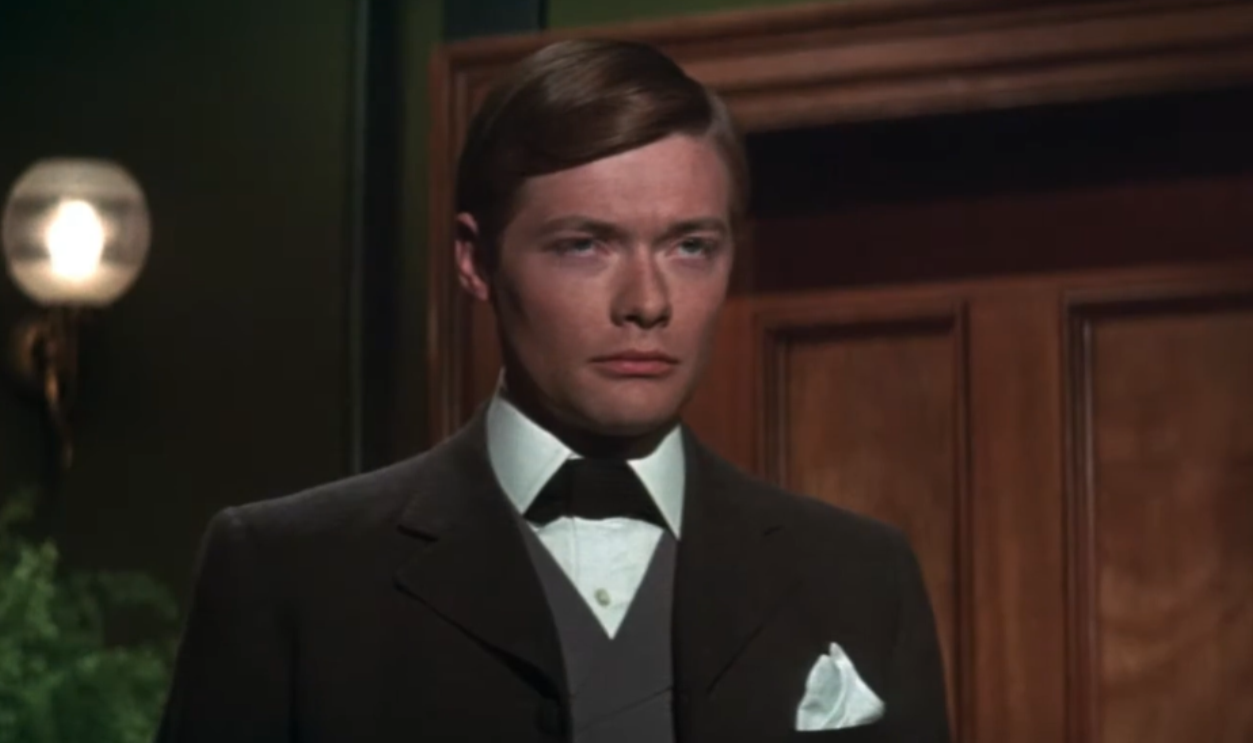 Screenshot from Young Winston, Columbia Pictures (1972)
Diana Ross — Lady Sings The Blues (1972)
Already a music superstar, Diana Ross made an astonishing film debut portraying Billie Holiday in Sidney J. Furie's Lady Sings The Blues (1972). Her performance opposite Billy Dee Williams earned an Academy Award nomination for Best Actress. Ross subsequently starred in Mahogany (1975) and The Wiz (1978), but neither performance matched the acclaim surrounding her debut. Her extraordinary singing career remained the foundation of her celebrity.
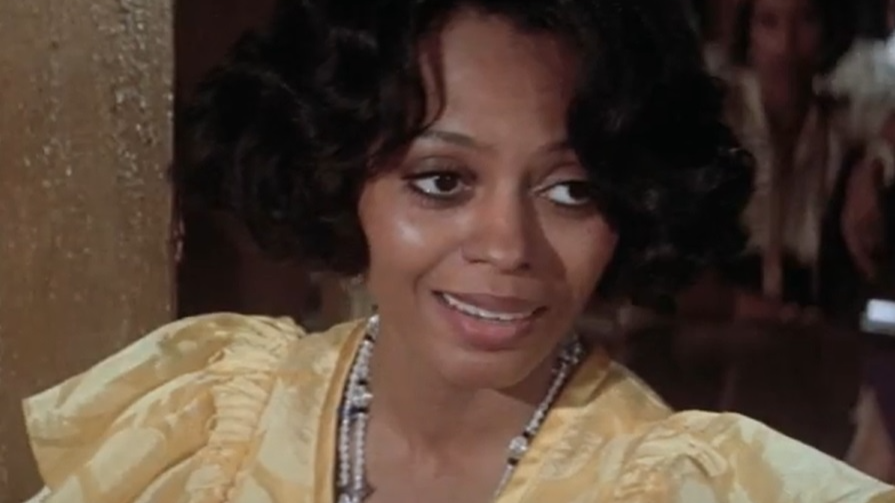 Screenshot from Lady Sings the Blues, Paramount (1972)
Linda Blair — The Exorcist (1973)
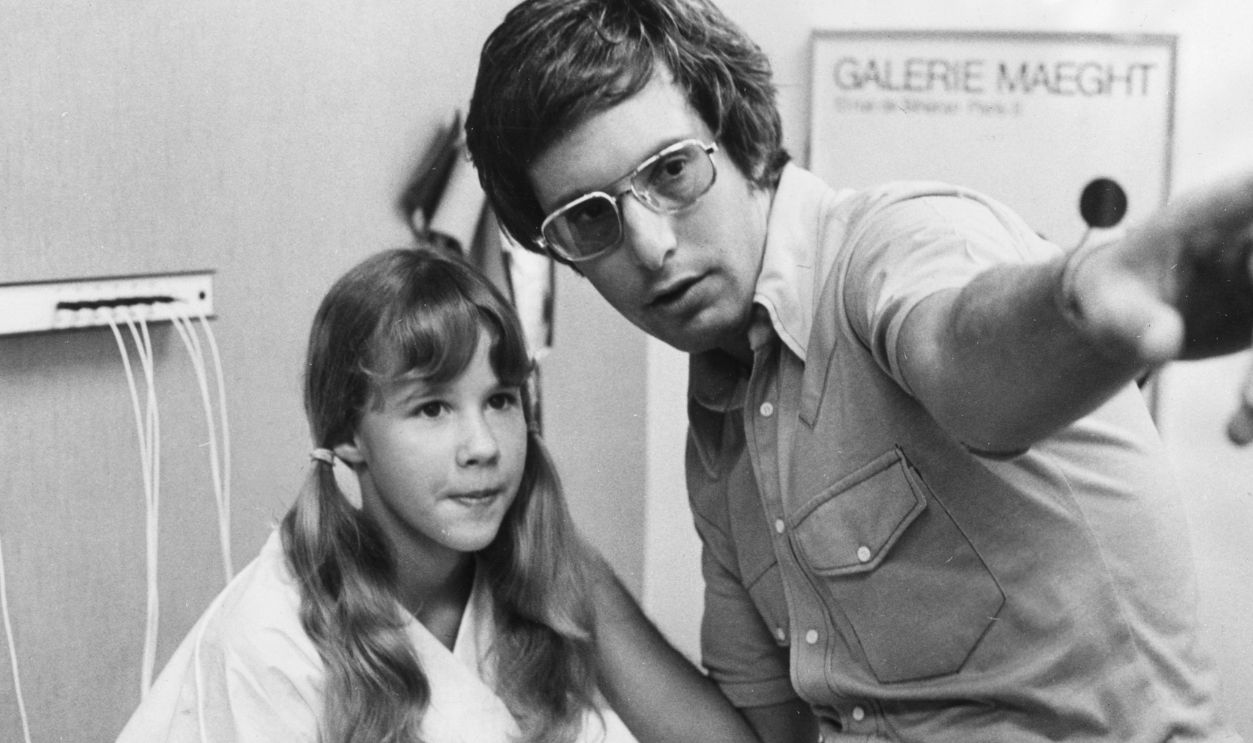
Linda Blair was only 14 when she became internationally famous playing Regan MacNeil in William Friedkin's The Exorcist (1973), opposite Ellen Burstyn, Max von Sydow, and Jason Miller. Her terrifying performance earned an Oscar nomination. But the enormous controversy surrounding the film, combined with the difficulty of escaping such an unforgettable character, complicated her career. She appeared in Exorcist II: The Heretic (1977) and numerous later productions without matching her original success.
Tatum O’Neal — Paper Moon (1973)
Tatum O'Neal was just ten when she won the Academy Award for Best Supporting Actress for Peter Bogdanovich's Paper Moon (1973). Playing a Depression-era con artist's young companion opposite her father, Ryan O'Neal, she became the youngest competitive Oscar winner in history. She subsequently starred in The Bad News Bears (1976) and International Velvet (1978), but her transition to adult stardom proved difficult. Personal struggles and inconsistent opportunities further disrupted her career.
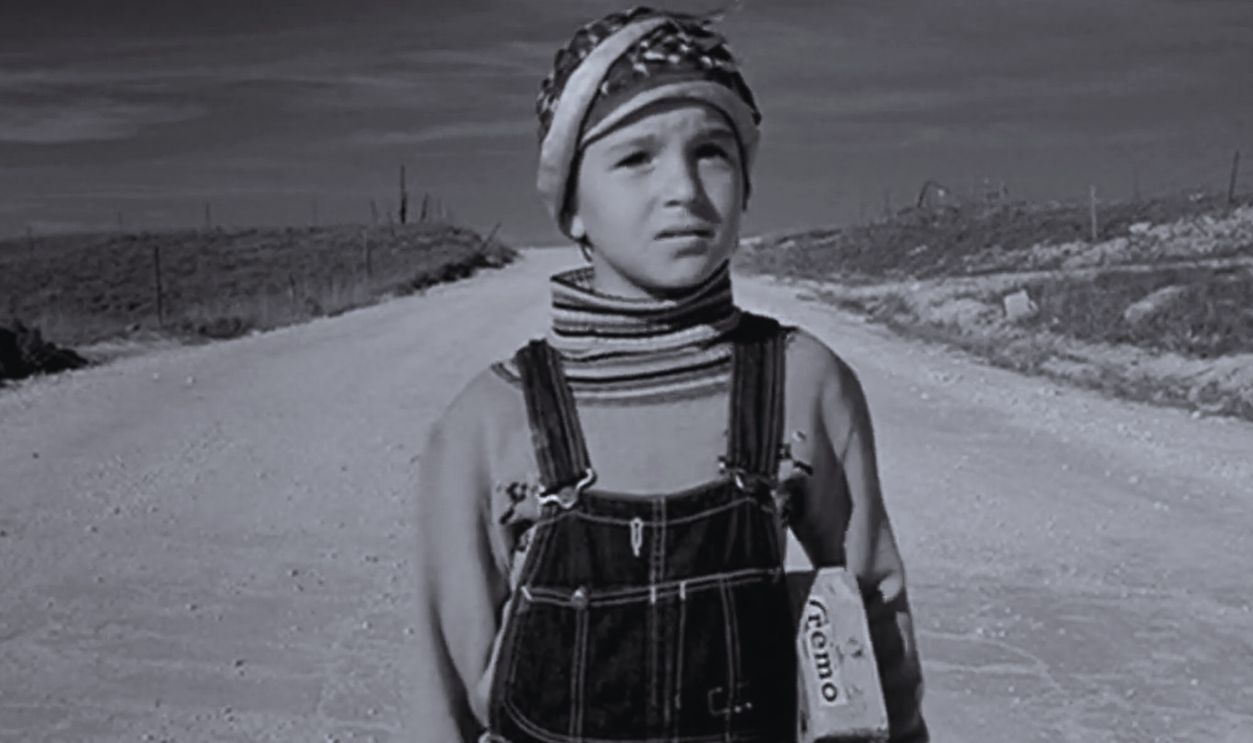 Screenshot from Paper Moon, Paramount Pictures (1973)
Candy Clark — American Graffiti (1973)
Candy Clark earned an Academy Award nomination playing Debbie Dunham in George Lucas' American Graffiti (1973), opposite Charles Martin Smith. The nostalgic comedy became a surprise blockbuster and introduced audiences to several future stars. Clark continued acting, appearing in The Man Who Fell To Earth (1976) alongside David Bowie and later Blue Thunder (1983). However, she largely moved into supporting roles rather than becoming the leading lady her breakthrough suggested.
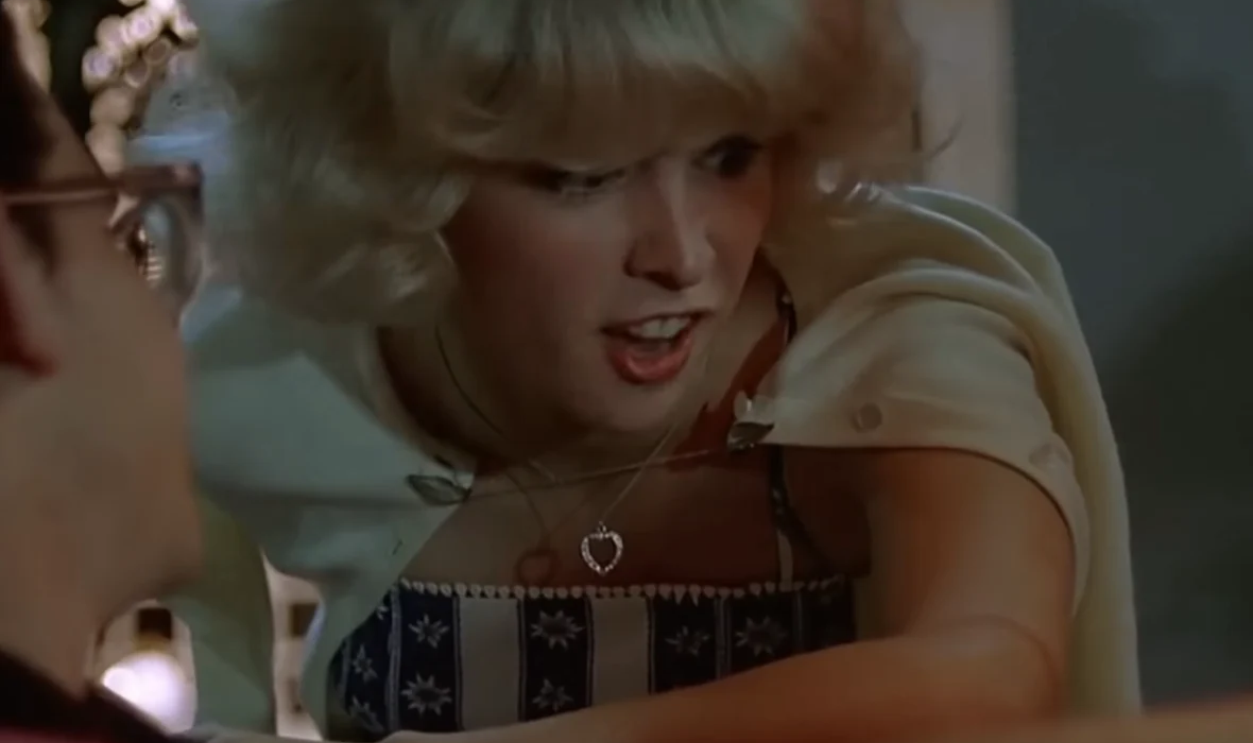 Screenshot from American Graffiti, Universal Pictures (1973)
Paul Le Mat — American Graffiti (1973)
Paul Le Mat made a memorable impression as hot-rod enthusiast John Milner in George Lucas' American Graffiti (1973). His performance earned a Golden Globe, and his character became one of the movie's most beloved figures. Le Mat subsequently starred in Aloha, Bobby And Rose (1975) and Melvin And Howard (1980), earning a Golden Globe nomination for the latter. He later won a second Golden Globe for the television film The Burning Bed (1984). Yet his unconventional screen persona never translated into sustained mainstream stardom.
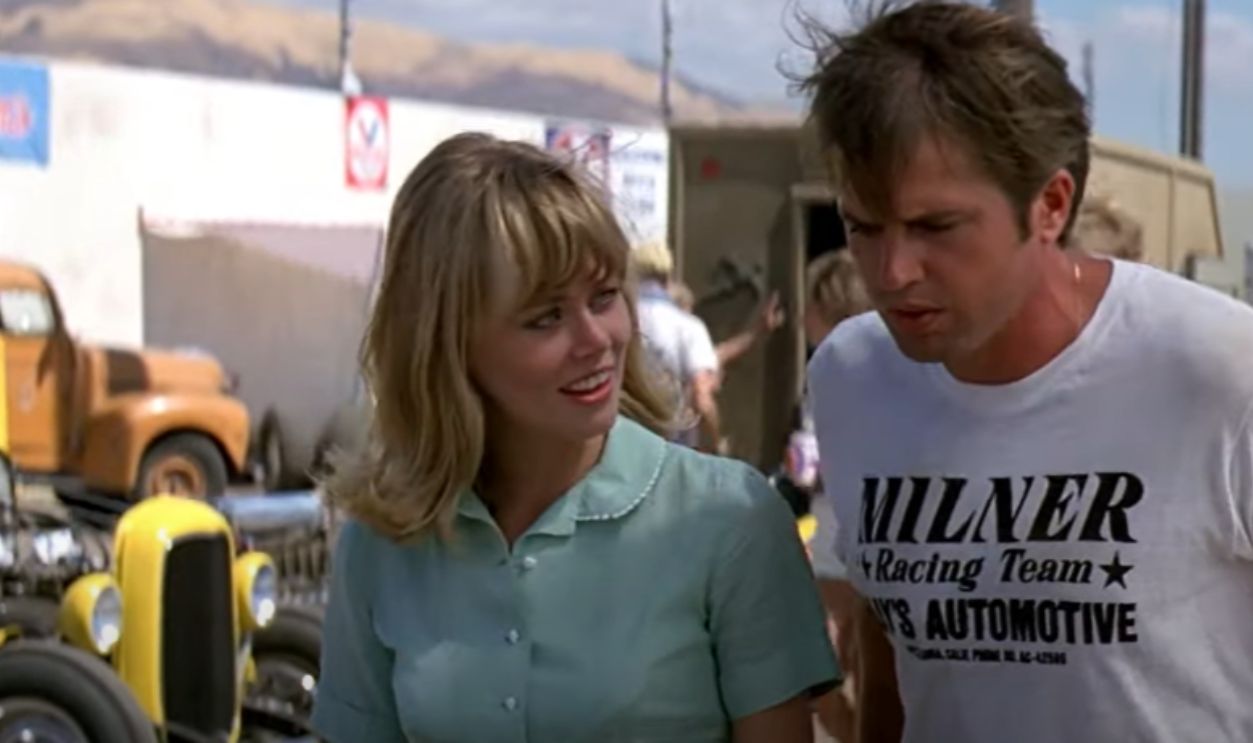 Screenshot from American Graffiti, Lucasfilm (1973)
Glynnis O’Connor — Jeremy (1973)
Glynnis O'Connor won considerable attention playing Susan opposite Robby Benson in Arthur Barron's teenage romance Jeremy (1973). Her natural performance helped make the modestly budgeted film a touching coming-of-age story. O'Connor later reunited with Benson in Ode To Billy Joe (1976) and appeared in the television movie Our Town. Although she enjoyed steady acting work, her early promise never developed into major Hollywood stardom.
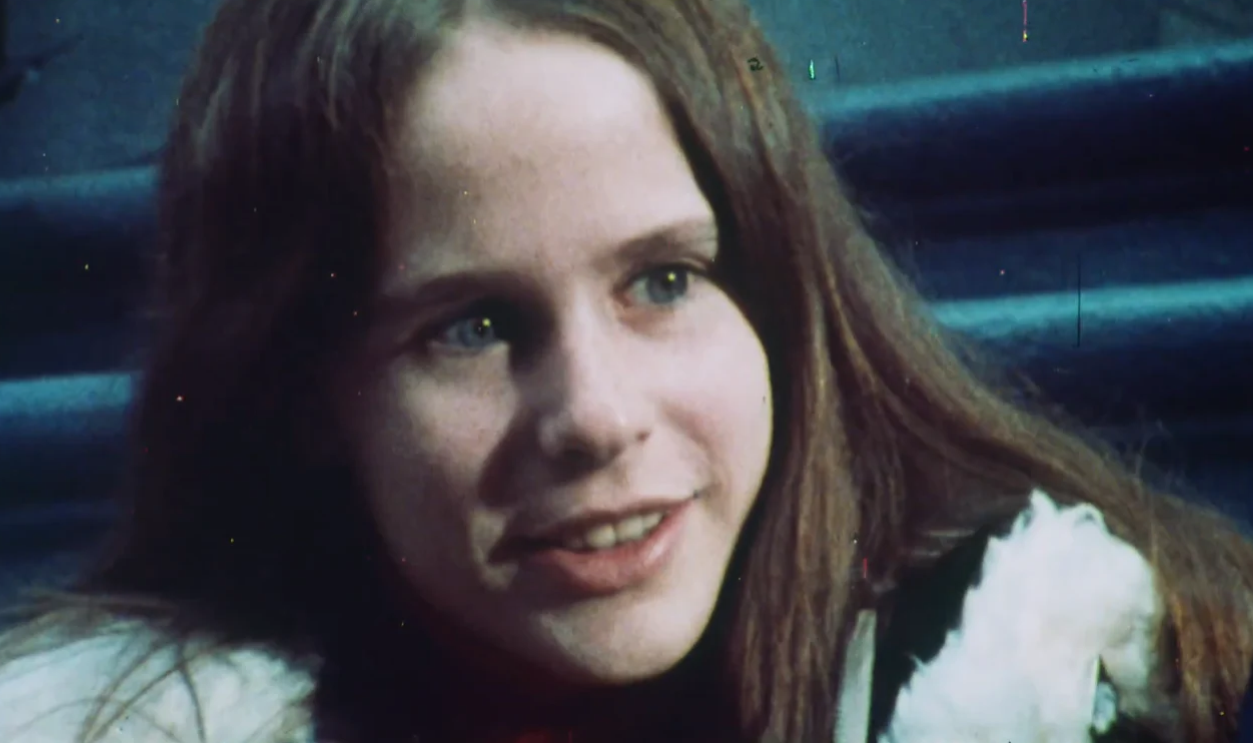 Screenshot from Jeremy, United Artists (1973)
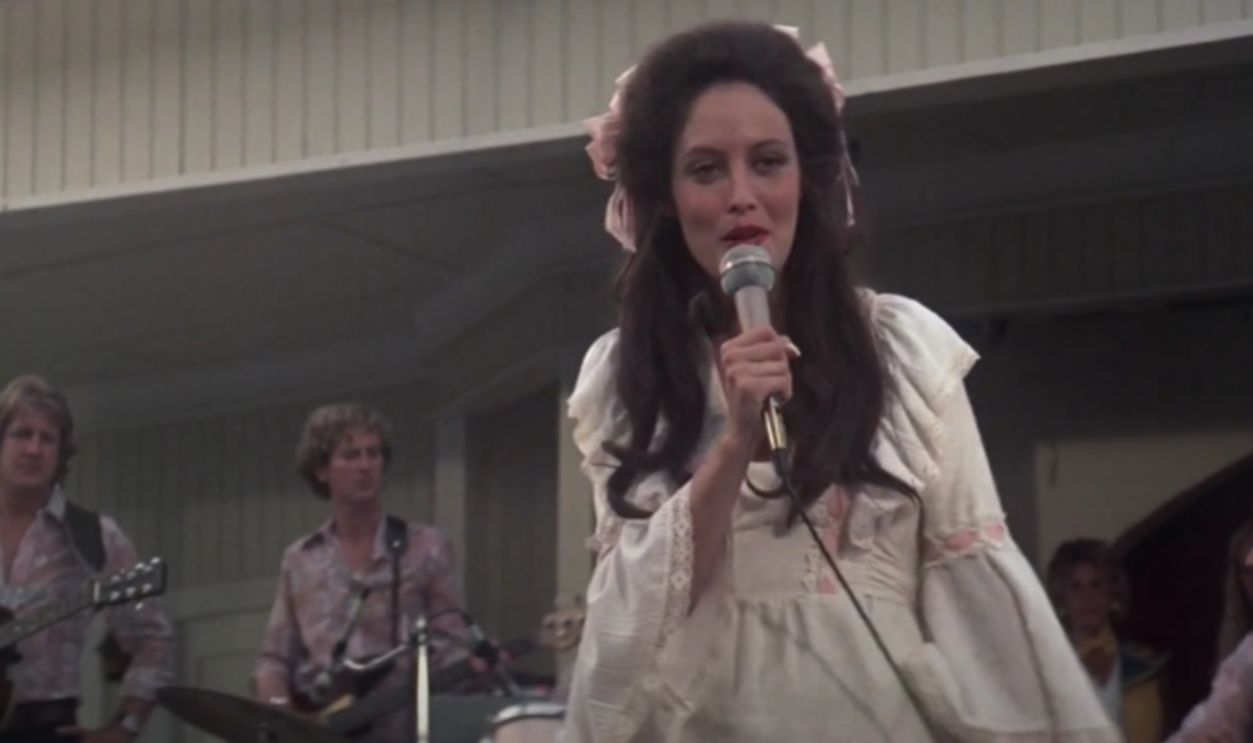
Ronee Blakley — Nashville (1975)
Singer-songwriter Ronee Blakley delivered one of the decade's most acclaimed performances as country music star Barbara Jean in Robert Altman's Nashville (1975). The sprawling ensemble film also featured Keith Carradine, Lily Tomlin, and Karen Black. Blakley's performance earned an Academy Award nomination. She subsequently appeared in A Nightmare On Elm Street (1984), but concentrated much of her creative energy on music rather than pursuing a conventional Hollywood career.
 Screenshot from Nashville, Paramount Pictures (1975)
Marilyn Hassett — The Other Side Of The Mountain (1975)
Marilyn Hassett became an unexpected star playing real-life skier Jill Kinmont in Larry Peerce's The Other Side Of The Mountain (1975). The emotional drama, co-starring Beau Bridges, earned Hassett a Golden Globe for New Star of the Year – Actress. She returned for The Other Side Of The Mountain Part 2 (1978), but her later films attracted considerably less attention. Despite her promising introduction, Hollywood never found another comparably successful starring vehicle for her.
 Screenshot from The Other Side of the Mountain, Universal Pictures (1975)
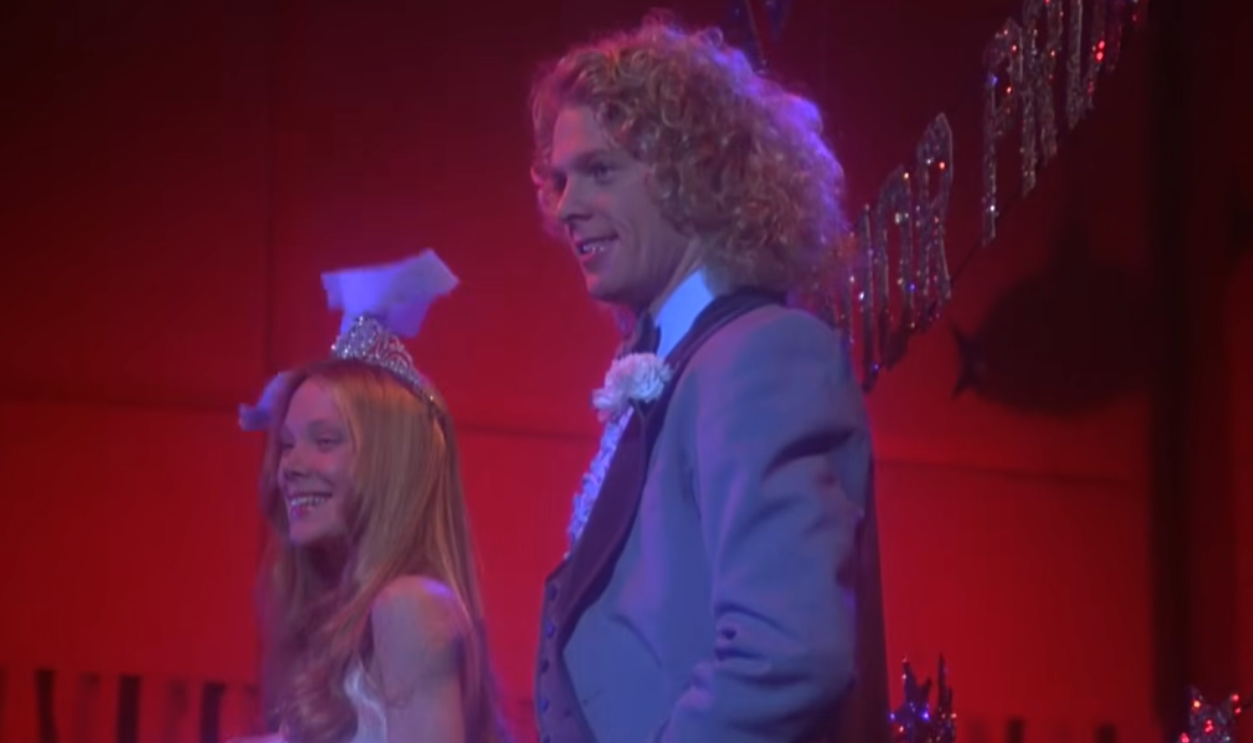
William Katt — Carrie (1976)
William Katt attracted considerable attention playing sympathetic high-school athlete Tommy Ross opposite Sissy Spacek in Brian De Palma's Carrie (1976). His blond, boy-next-door appearance made him a natural candidate for romantic leading roles. Katt subsequently appeared in Big Wednesday (1978) and House (1985), but his greatest later success came on television as the star of The Greatest American Hero. His film breakthrough never developed into comparable movie stardom.
 Screenshot from Carrie, United Artists (1976)
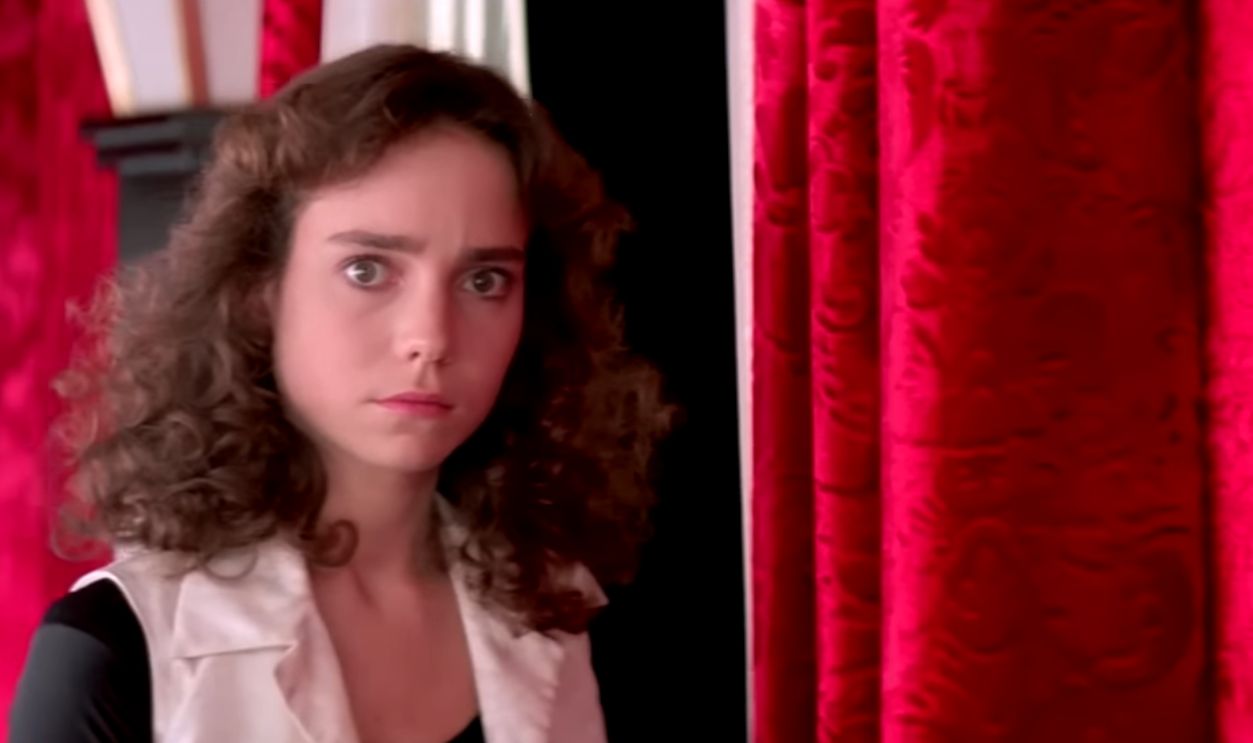
Jessica Harper — Suspiria (1977)
Jessica Harper became a cult-film favorite playing American ballet student Suzy Bannion in Dario Argento's visually dazzling horror film Suspiria (1977). She had already appeared in Brian De Palma's Phantom Of The Paradise (1974), but Suspiria became her most enduring screen association. Harper later appeared in Stardust Memories (1980) and My Favorite Year (1982). Although she remained active, mainstream leading roles never matched her horror-classic fame.
 Screenshot from Suspiria, International Classics (1977)
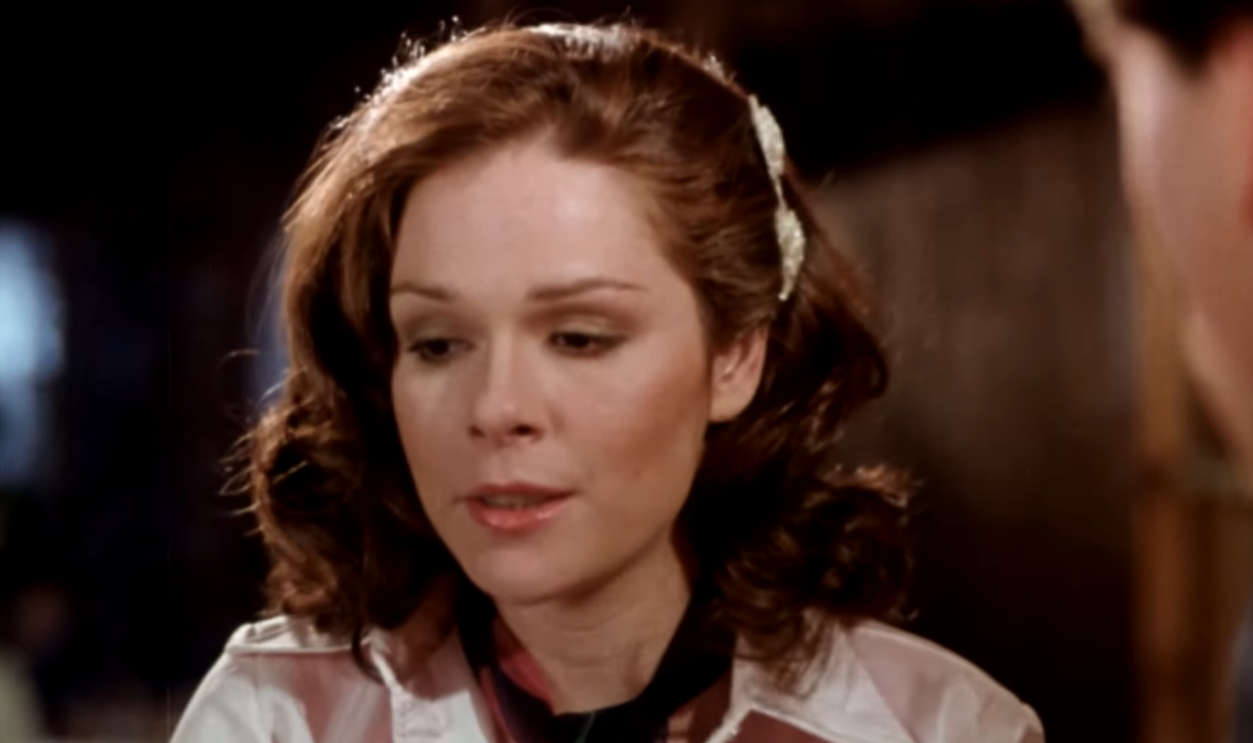
Karen Lynn Gorney — Saturday Night Fever (1977)
Karen Lynn Gorney became instantly recognizable as Stephanie Mangano, the ambitious dance partner of John Travolta's Tony Manero, in John Badham's Saturday Night Fever (1977). The film was a massive international hit, but Travolta emerged as its principal superstar. Gorney's subsequent film opportunities were comparatively limited, and she spent extended periods away from mainstream screen acting. Her performance remains inseparable from the movie's disco-era legacy.
 Screenshot from Saturday Night Fever, Paramount Pictures (1977)
Donna Pescow — Saturday Night Fever (1977)
Donna Pescow made a powerful impression as Annette, the young woman hopelessly devoted to John Travolta's Tony Manero, in Saturday Night Fever (1977). Her performance earned a Golden Globe nomination and suggested a promising movie career. Instead, Pescow found her next major opportunity on television, starring in the sitcom Angie. Although she continued working steadily, she never landed another film role with the cultural impact of her breakthrough.
 Screenshot from Saturday Night Fever, Paramount Pictures (1977), Modified
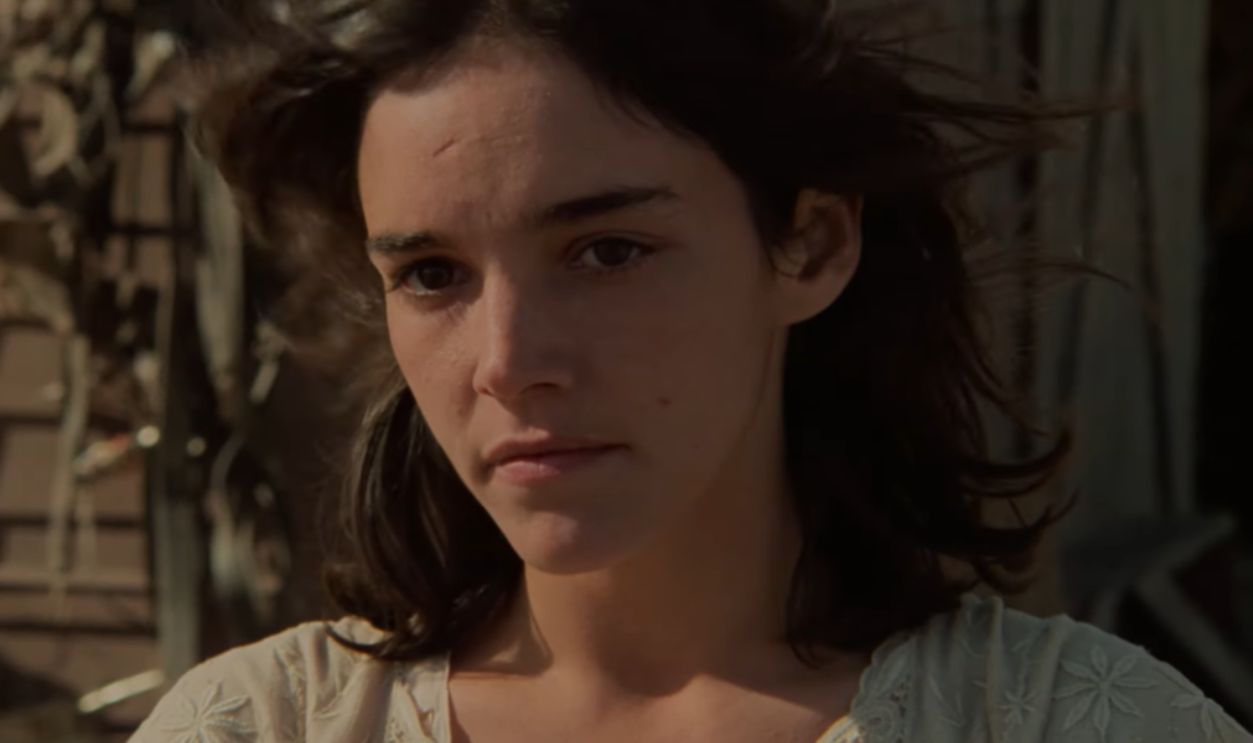
Linda Manz — Days Of Heaven (1978)
Linda Manz gave one of the decade's most distinctive performances as the young narrator of Terrence Malick's Days Of Heaven (1978), starring Richard Gere, Brooke Adams, and Sam Shepard. Her unpolished delivery and natural presence helped give the visually stunning film its emotional character. Manz subsequently appeared in Out Of The Blue (1980) and later Gummo (1997), but she never pursued a conventional Hollywood career. Her remarkable breakthrough remained her defining achievement.
 Screenshot from Days of Heaven, Paramount Global (1978)
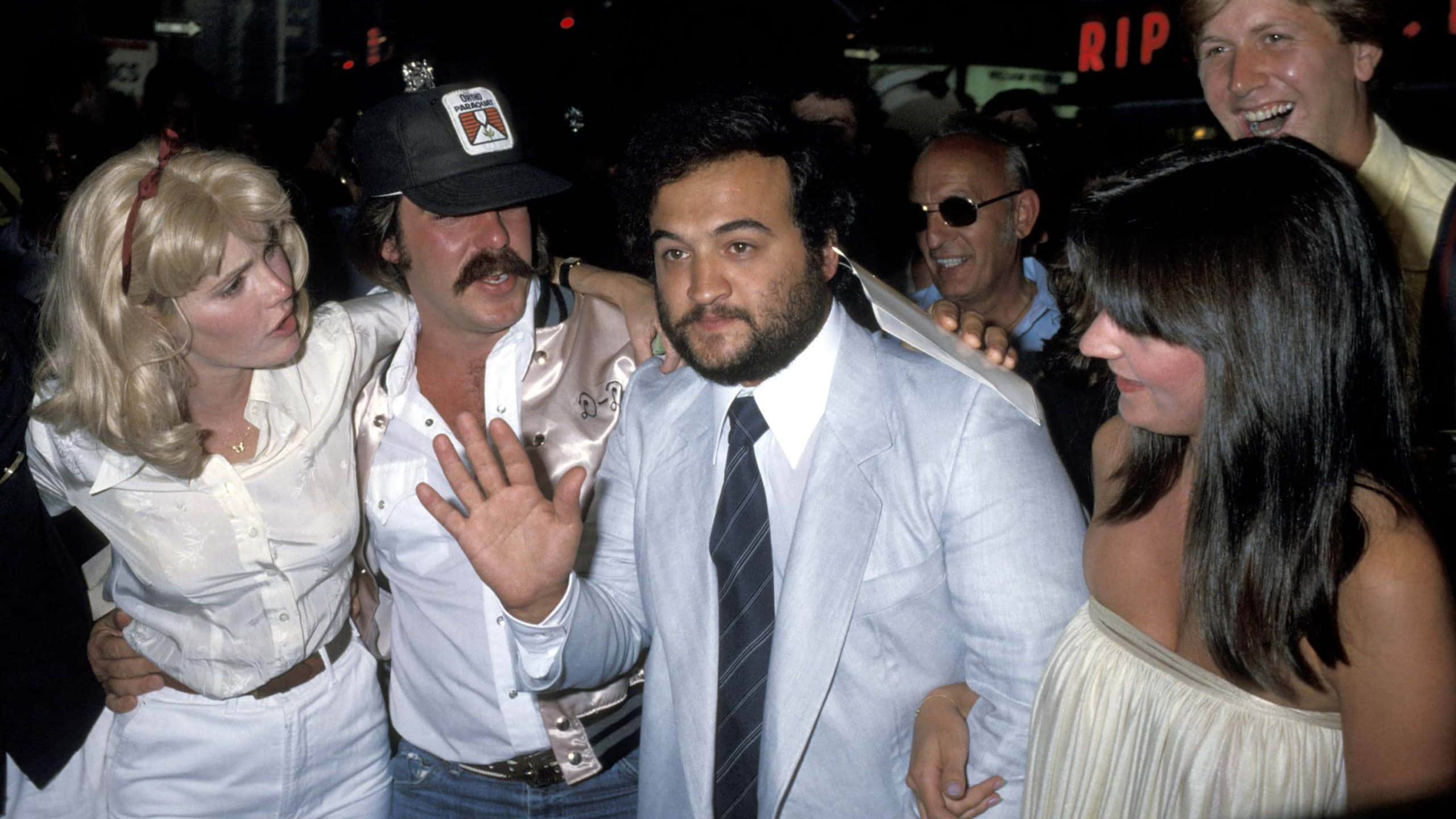
Mary Louise Weller — National Lampoon’s Animal House (1978)
Mary Louise Weller became a recognizable face playing Mandy Pepperidge, the sophisticated sorority member involved with Tim Matheson's Otter, in John Landis' National Lampoon's Animal House (1978). The comedy became an enormous box-office hit and helped redefine American screen humor. Weller subsequently appeared in Q (1982) and Forced Vengeance (1982), but never received another comparably prominent role in a major hit. She eventually stepped away from acting.
Brad Davis — Midnight Express (1978)
Brad Davis delivered a harrowing breakthrough performance as American prisoner Billy Hayes in Alan Parker's Midnight Express (1978), opposite John Hurt, Randy Quaid, and Irene Miracle. The controversial prison drama earned Davis a Golden Globe and appeared to launch a major Hollywood career. Although he did later star in Chariots Of Fire (1981) and Querelle (1982), neither brought him comparable mainstream recognition. Personal struggles complicated his career, and any possibility of a potential comeback ended with his tragic death in 1991, at just 41.
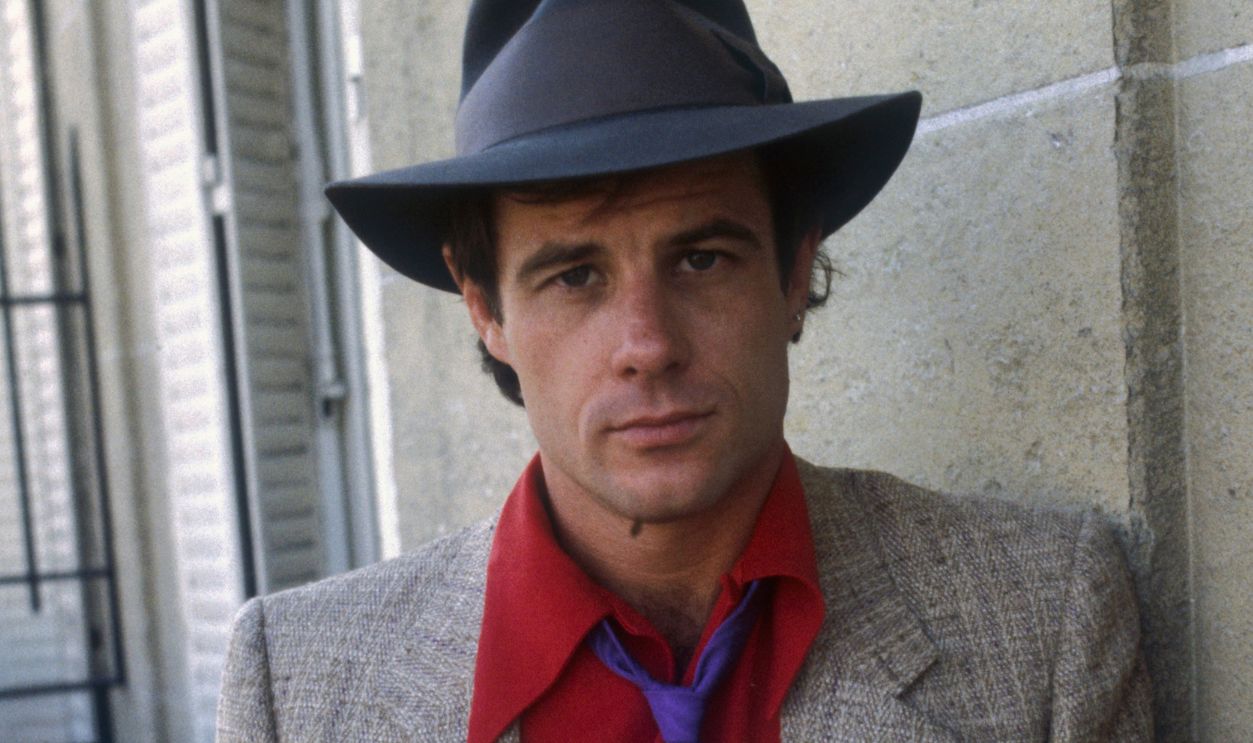
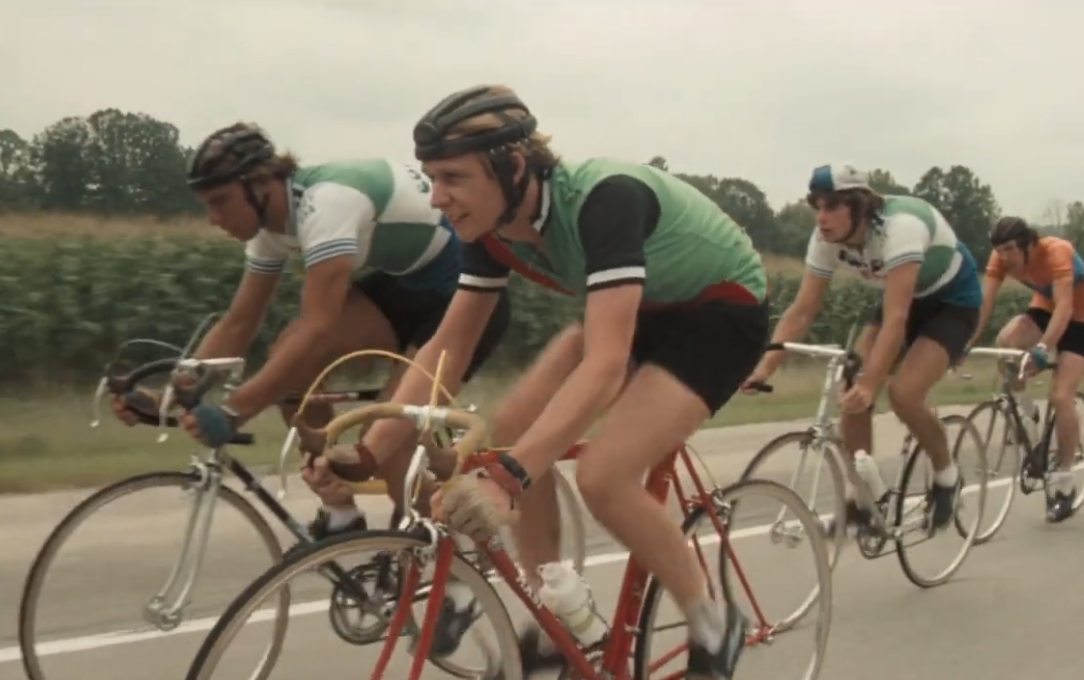
Dennis Christopher — Breaking Away (1979)
Dennis Christopher earned widespread acclaim playing Dave Stohler, an Indiana teenager obsessed with Italian cycling, in Peter Yates' Breaking Away (1979). The Oscar-winning film also starred Dennis Quaid, Daniel Stern, and Jackie Earle Haley. Christopher received a Golden Globe nomination and seemed destined for leading-man status. Although he later appeared in Chariots Of Fire (1981), Fade To Black (1980), and numerous television productions, his breakout role remained his most celebrated.
 Screenshot from Breaking Away, Twentieth Century (1979)
Justin Henry — Kramer Vs Kramer (1979)
Justin Henry was only seven when he played Billy Kramer opposite Dustin Hoffman and Meryl Streep in Robert Benton's Kramer Vs. Kramer (1979). His remarkably convincing performance earned an Academy Award nomination, making him the youngest nominee ever in a competitive acting category. Henry subsequently appeared in Sixteen Candles (1984), but major film roles became scarce as he grew older. His extraordinary childhood debut remained the high point of his acting career.
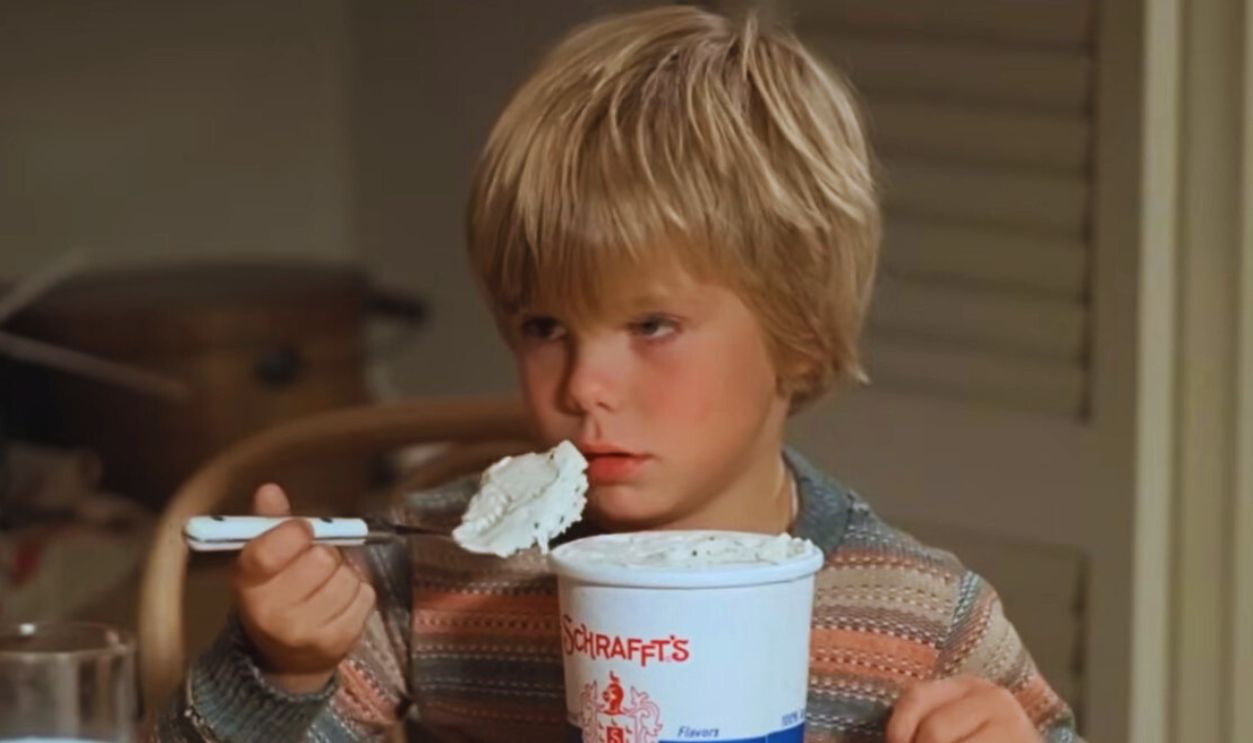 Screenshot from Kramer vs. Kramer, Columbia Pictures (1979)
Bo Derek — 10 (1979)
Bo Derek became an international sex symbol virtually overnight after appearing opposite Dudley Moore and Julie Andrews in Blake Edwards' romantic comedy 10 (1979). Her beach-running sequence became one of the most recognizable movie images of the decade. Derek subsequently starred in Tarzan, The Ape Man (1981) and Bolero (1984), both directed by her husband, John Derek. Poor reviews and increasingly unsuccessful starring vehicles prevented her from establishing herself as a respected dramatic actress.
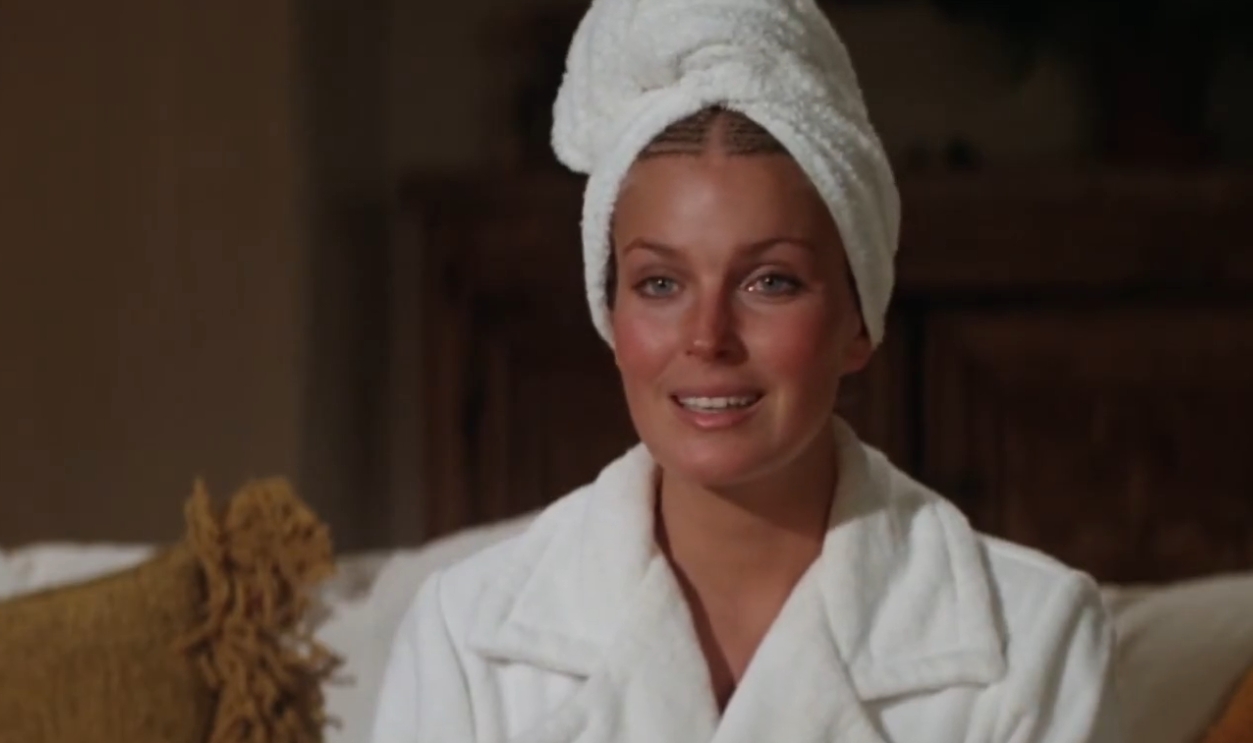 Screenshot from 10, Warner Bros (1979)
You May Also Like:
Donna Pescow Went From Saturday Night Fever To One Of TV’s Most Underrated Sitcom Careers
Devastating Facts About Tatum O’Neal, Neglected Child Star
Sources: 1, 2, 3, 4, 5, 6, 7, 8, 9, 10, 11, 12, 13,14, 15, 16, 17, 18, 19, 20, 21, 22, 23, 24, 25, 26, 27, 28, 29