When Canadian Bands Started Breaking Through
For decades, Canadian bands had to fight to be noticed beside bigger American and British acts. Then groups like Rush, The Guess Who, and The Band proved the talent was already there. What followed was a wave of bands that pushed Canadian rock in every direction imaginable.
Rush
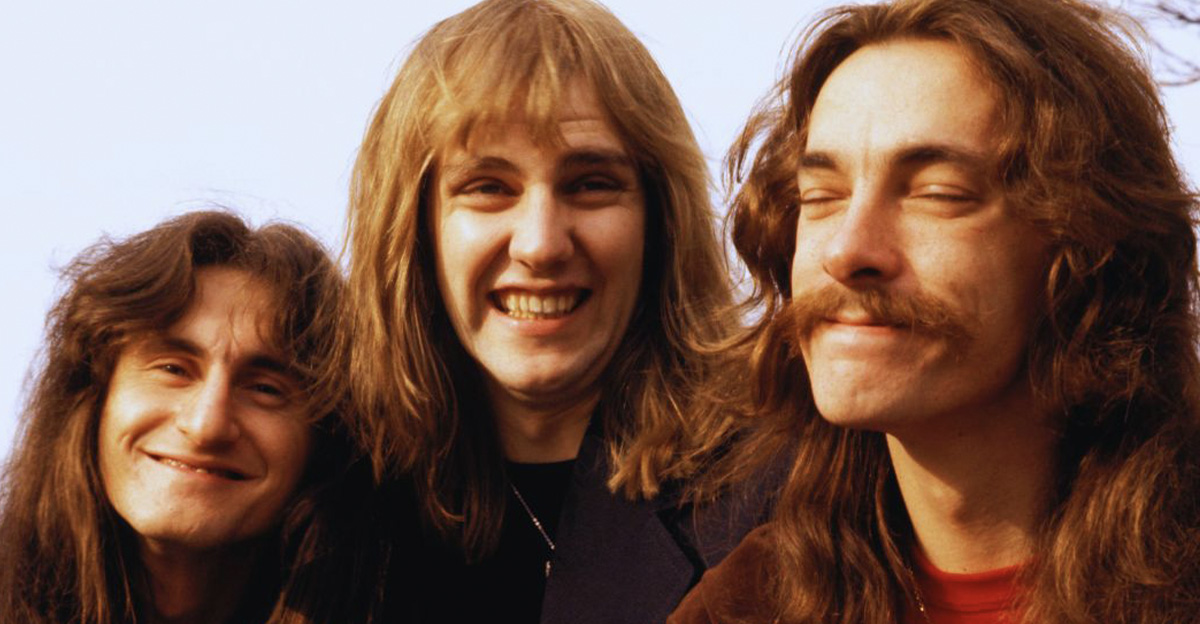
Few Canadian bands have carried the country's flag as far as Rush. Geddy Lee, Alex Lifeson, and Neil Peart turned progressive rock into arena music without giving up complicated arrangements or unusual ideas. 2112 established their ambitions, while “The Spirit of Radio,” “Tom Sawyer,” and “Limelight” reached far beyond prog audiences. Rush sold more than 40 million records and eventually entered the Rock & Roll Hall of Fame, where their influence on bands from Metallica to Foo Fighters was impossible to miss.
 ArtBrom from Seattle, Wikimedia Commons
Barenaked Ladies
Barenaked Ladies didn't sound like anyone else's idea of a rock band when they emerged from Scarborough. Their acoustic beginnings, goofy live banter, quick-fire lyrics, and willingness to jump between folk, pop, rap, and alternative rock made them immediately distinctive. Gordon became a phenomenon in Canada, while “If I Had $1000000” turned into a national singalong. Years later, “One Week” finally gave them an American Number 1 and proved their humor could travel.

The Guess Who
Before Rush or Nickelback became international names, the Guess Who demonstrated that a Canadian rock group could compete at the highest level. Burton Cummings and Randy Bachman helped turn the Winnipeg band into hitmakers with “These Eyes,” “No Time,” “Share the Land,” and especially “American Woman”. That song became the first Number 1 Hot 100 single by a Canadian group, giving the Guess Who a particularly important place in the country's rock history.
 Matt Becker, Wikimedia Commons
Propagandhi
Winnipeg's Propagandhi began inside the 90s pop-punk world but quickly became something far more aggressive and politically uncompromising. Less Talk, More Rock still contained melodic punk, yet songs like “...And We Thought That Nation-States Were a Bad Idea” pointed toward the heavier, increasingly technical music that followed. Over time, the group blended punk, thrash, progressive metal, and radical politics into a sound that influenced punk musicians well beyond Canada's borders.
 Screenshot from …And We Thought That Nation-States Were a Bad Idea, Fat Wreck Chords (1996)
The Tragically Hip
The Tragically Hip never needed enormous American success to become one of Canada's defining bands. From “New Orleans Is Sinking” and “Courage” to “Bobcaygeon” and “Ahead by a Century,” Gord Downie's lyrics filled rock songs with Canadian places, history, odd characters, and stories without turning them into obvious patriotic exercises. The Kingston band collected 17 Juno Awards, and nine of its albums topped the Canadian charts. Few rock groups ever became so closely tied to a country's sense of itself.

The Band
The Band became central to American roots rock despite having remarkably deep Canadian foundations. Robbie Robertson, Rick Danko, Richard Manuel, and Garth Hudson were Canadian, with Arkansas-born Levon Helm completing the classic lineup. After backing Ronnie Hawkins and Bob Dylan, they created Music from Big Pink and songs like “The Weight” and “Up on Cripple Creek”. Their blend of country, blues, gospel, folk, and rock influenced generations of artists searching for something more grounded than late-60s psychedelia.
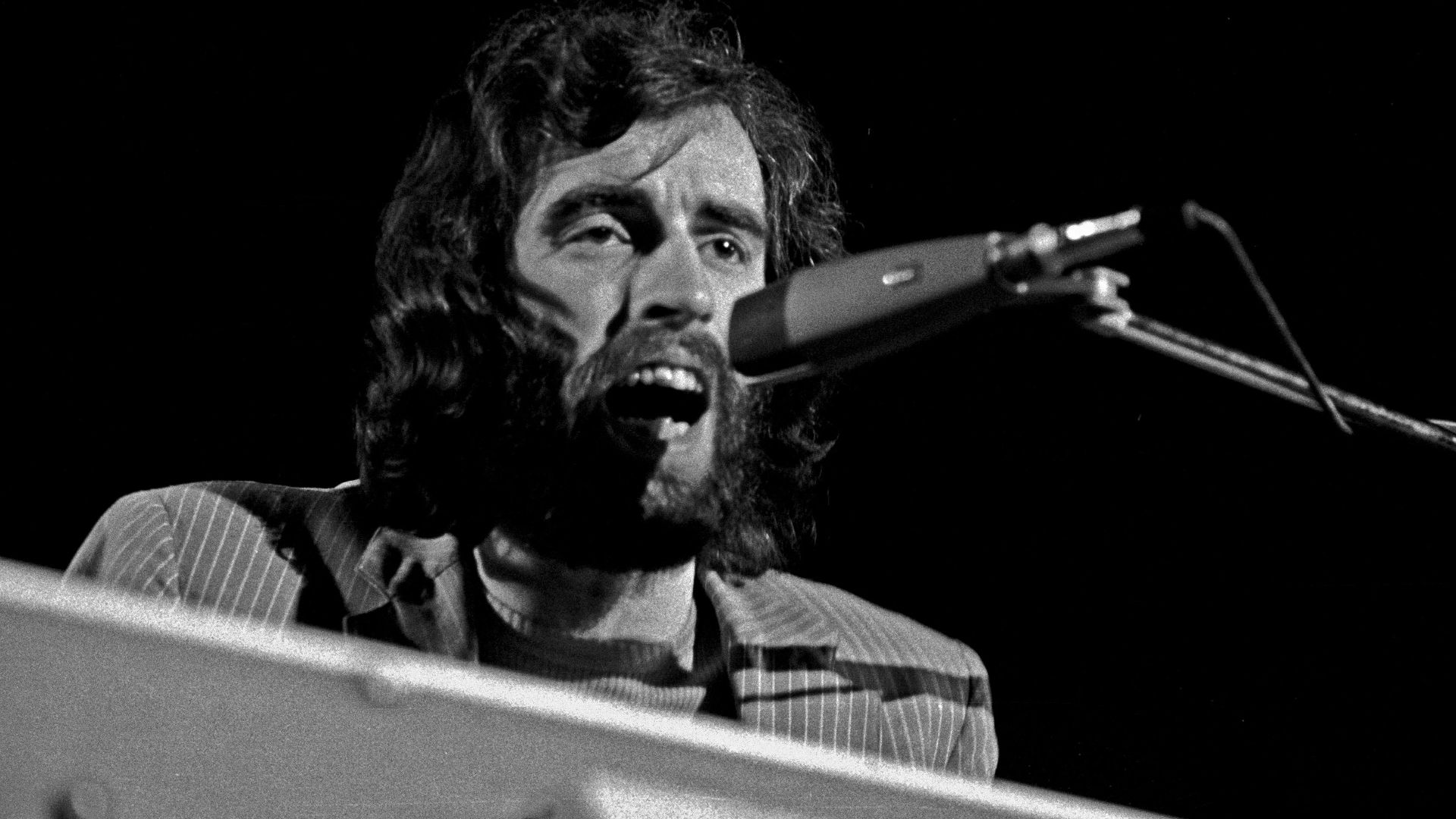 Heinrich Klaffs, Wikimedia Commons
Blue Rodeo
Blue Rodeo proved that a band could sound deeply Canadian without abandoning American roots traditions. Greg Keelor and Jim Cuddy built the group's music around country, rock, folk, and gorgeous vocal harmonies, beginning with 1987's Outskirts. “Try” became an early breakthrough, while “Lost Together,” “Hasn't Hit Me Yet,” and “5 Days in May” helped build an unusually durable career. Their five Group of the Year Juno wins and Canadian Music Hall of Fame induction show just how central they became at home.

Sloan
Sloan emerged from Halifax just as record labels were searching for the next great alternative-rock scene. Instead of settling into grunge, the four members gradually embraced power pop, classic rock, and Beatles-style songwriting while sharing vocals and instruments. Twice Removed confused their American label but became one of Canada's most beloved indie-rock albums. Sloan also founded murderecords, helping draw attention to other East Coast bands and strengthening the idea that Halifax had a scene worth watching.
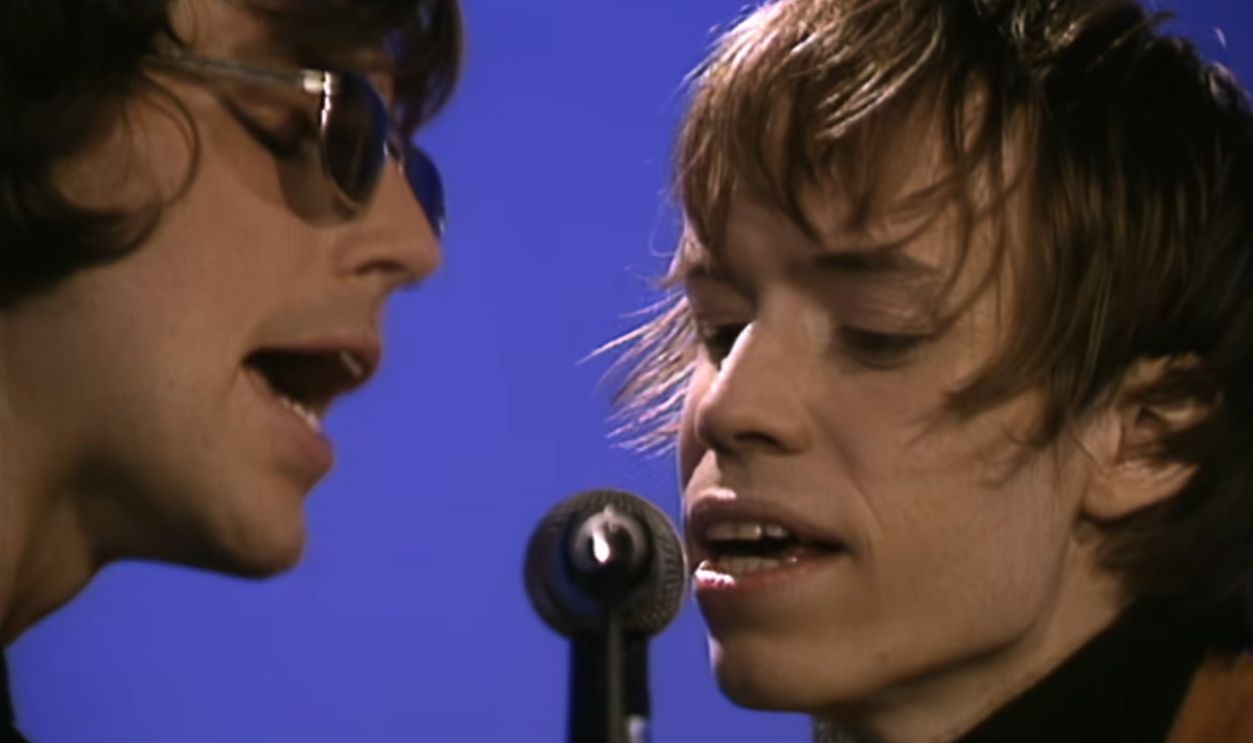 Screenshot from Coax Me, DGC Records (1994)
Our Lady Peace
Our Lady Peace helped define the sound of Canadian alternative radio in the 90s. Raine Maida's distinctive voice immediately separated the Toronto band from the flood of post-grunge acts, while Naveed established them as contenders. Clumsy pushed them much further with “Superman's Dead,” “4 AM,” and the title track. The album became a major Canadian success and earned multiple Juno honors, helping make OLP one of the era's most visible homegrown rock bands.
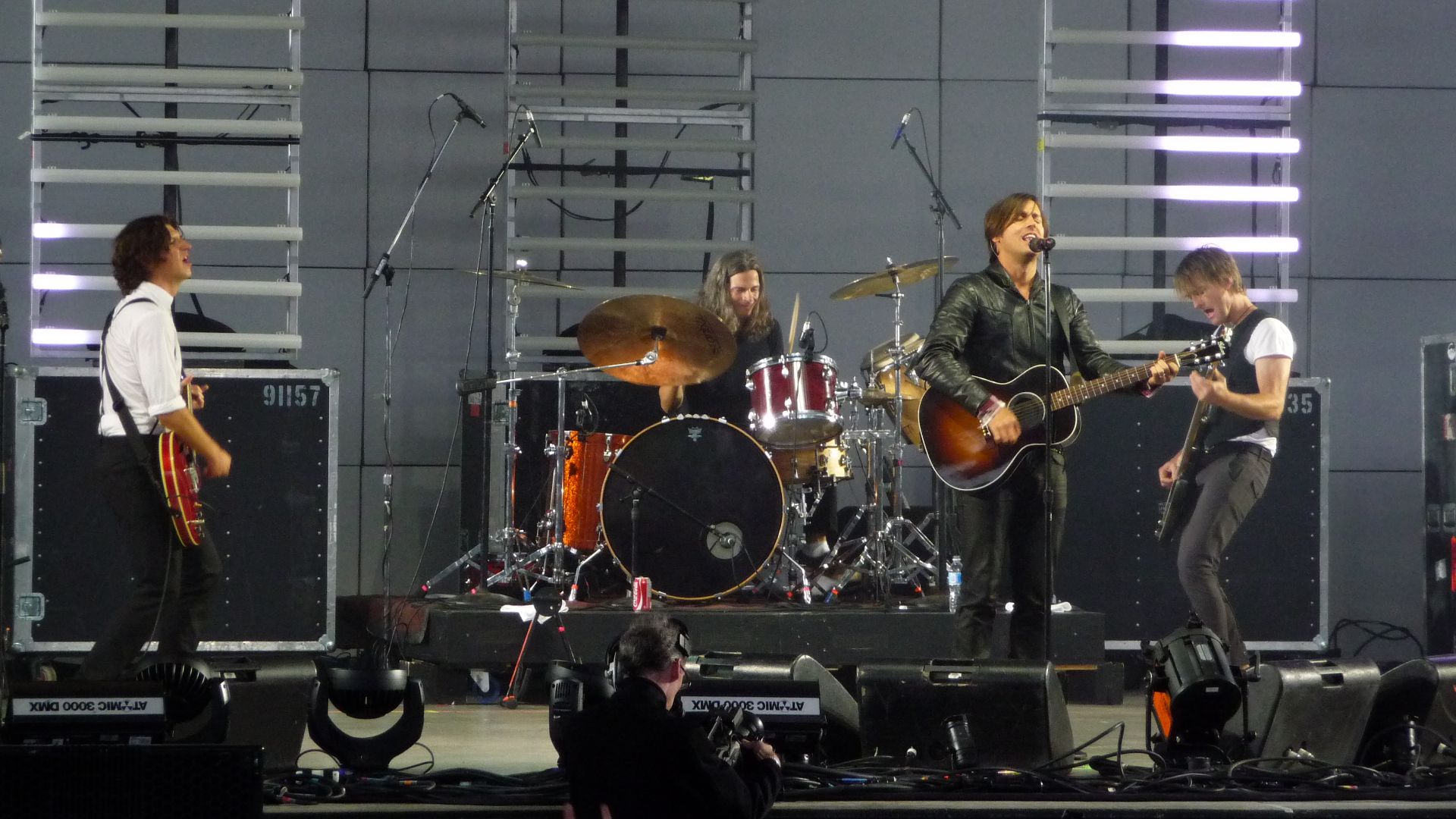 Charwinger21, Wikimedia Commons
Steppenwolf
Steppenwolf's Canadian credentials are a little complicated, but their roots run directly through Toronto. John Kay, Jerry Edmonton, and Goldy McJohn had played in the Canadian band the Sparrows before relocating to California and forming Steppenwolf. Once “Born to Be Wild” arrived, the group had one of rock's defining road anthems and a song forever linked with the phrase “heavy metal”. “Magic Carpet Ride” followed, giving musicians with Canadian roots a huge place in late-60s American rock culture.
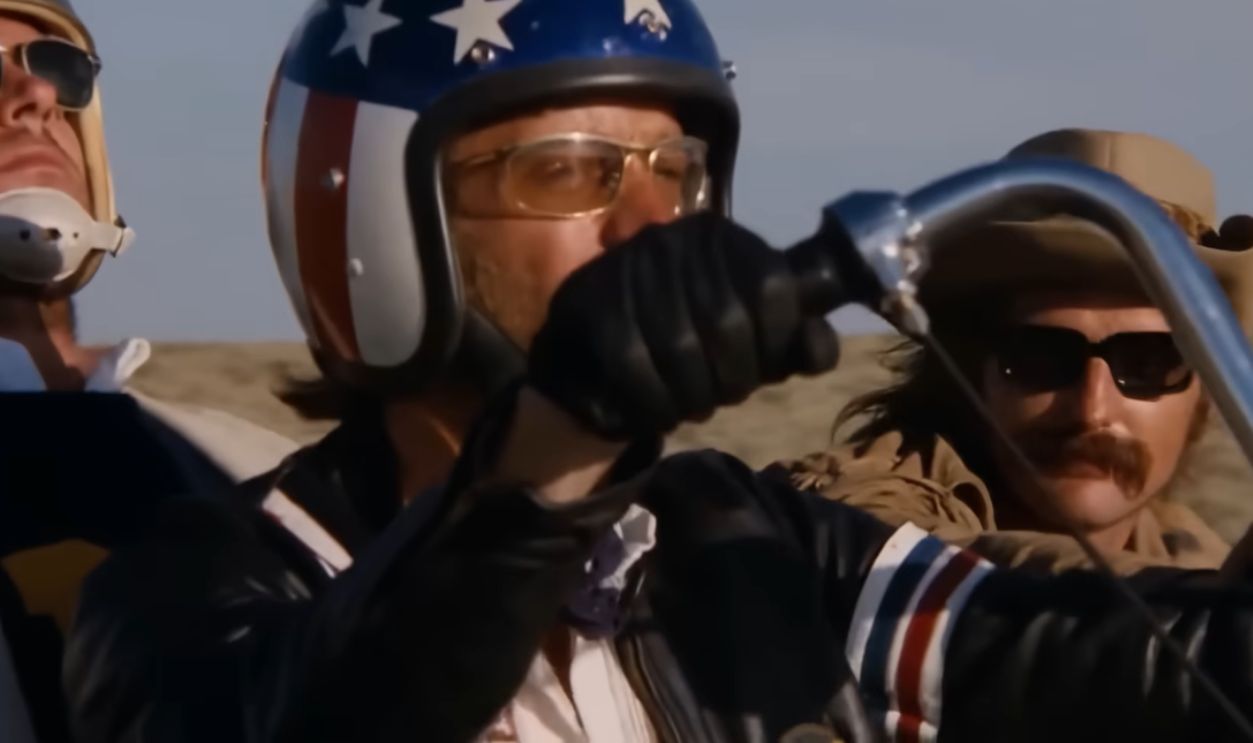 Screenshot from Born to Be Wild, Dunhill Records (1968)
Saga
Saga built an international career by combining progressive-rock musicianship with the sharper keyboards and hooks of the early 80s. Formed in Oakville, Ontario, the group didn't immediately become huge at home, but Europe embraced them, especially Germany. Worlds Apart finally pushed them into wider North American recognition through “On the Loose” and “Wind Him Up”. Their ability to balance intricate playing with MTV-era accessibility helped Saga survive long after many prog contemporaries had disappeared.
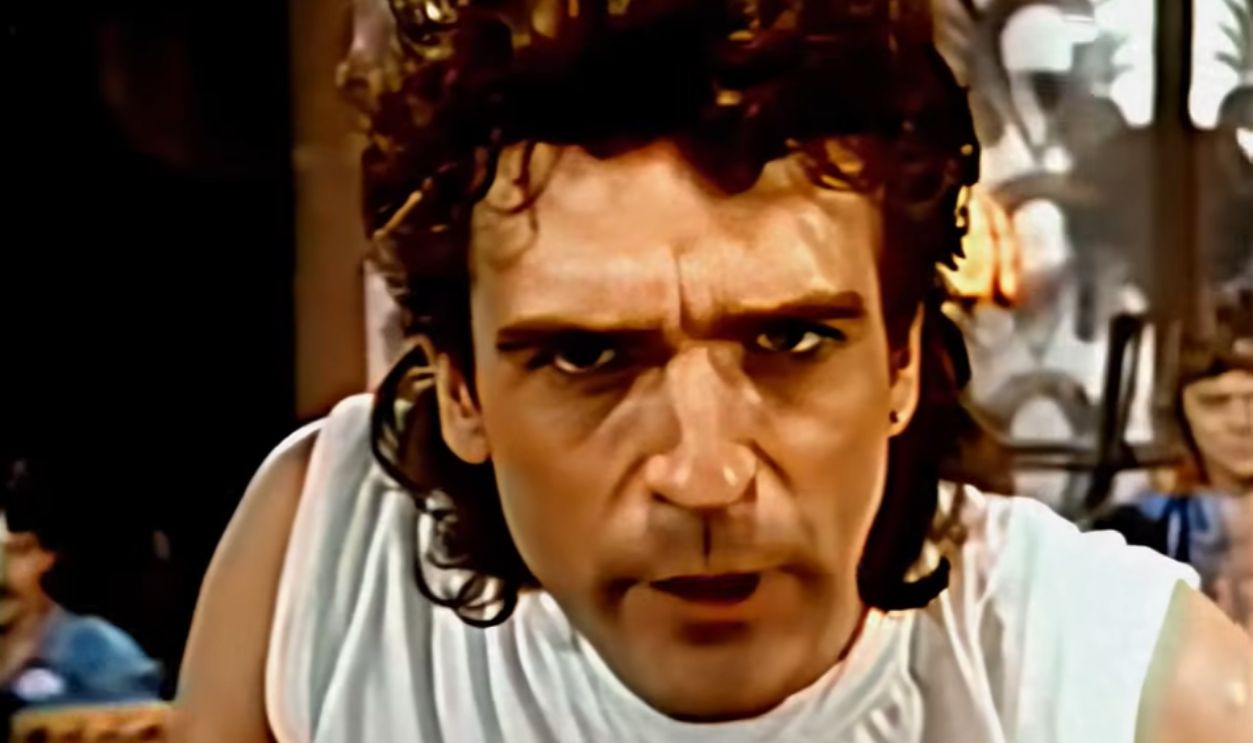 Screenshot from Wind Him Up, Portrait Records (1981)
Metric
Metric helped carry Canadian indie rock into the 2000s without abandoning dance floors. Emily Haines' cool, commanding vocals and Jimmy Shaw's mixture of guitar and synthesizers gave the group a sound that could shift from underground clubs to festivals. Old World Underground, Where Are You Now? established them, while Fantasies produced “Help I'm Alive,” “Sick Muse,” and “Gimme Sympathy”. Their rise also reflected Toronto's increasingly interconnected indie scene during the decade.
 Justin Higuchi, Wikimedia Commons
The Tea Party
The Tea Party took classic-rock influences and pushed them somewhere unusually atmospheric. Formed in Windsor, the trio mixed hard rock and blues with instruments and musical ideas drawn from the Middle East and other traditions. The Edges of Twilight expanded that approach dramatically, while songs like “The Bazaar,” “Fire in the Head,” and “Temptation” gave Canadian radio something that sounded unlike the prevailing grunge and post-grunge trends. Their following became especially strong in Canada and Australia.
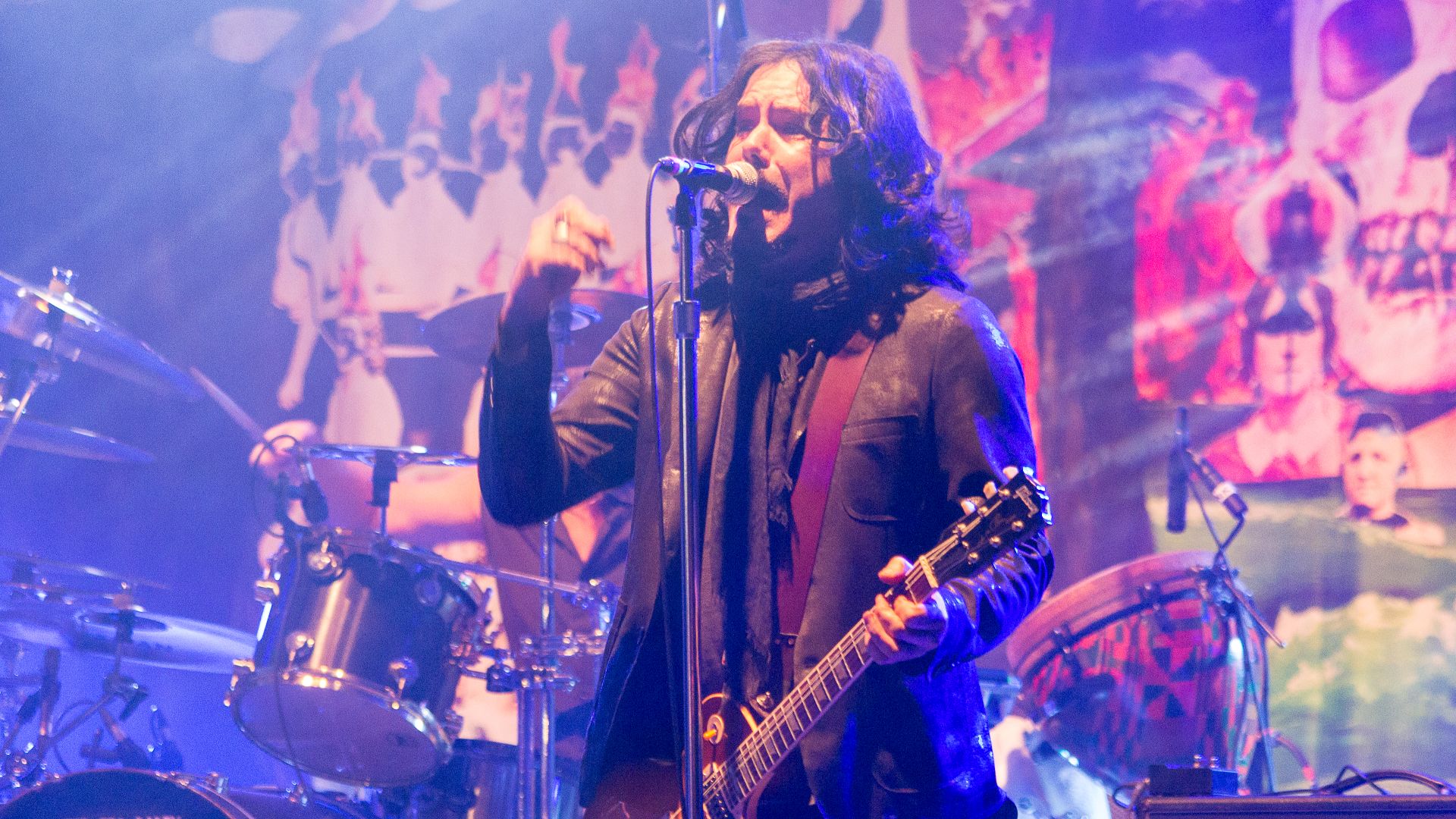
Billy Talent
Billy Talent spent years developing under the name Pezz before their jagged guitars and Benjamin Kowalewicz's unmistakable voice finally broke through. Their self-titled 2003 album produced “Try Honesty,” “The Ex,” and “River Below,” establishing them as one of Canada's strongest modern punk-oriented rock bands. They kept that momentum going with “Devil in a Midnight Mass,” “Red Flag,” and “Fallen Leaves,” building an audience that extended far beyond Canadian alternative radio.
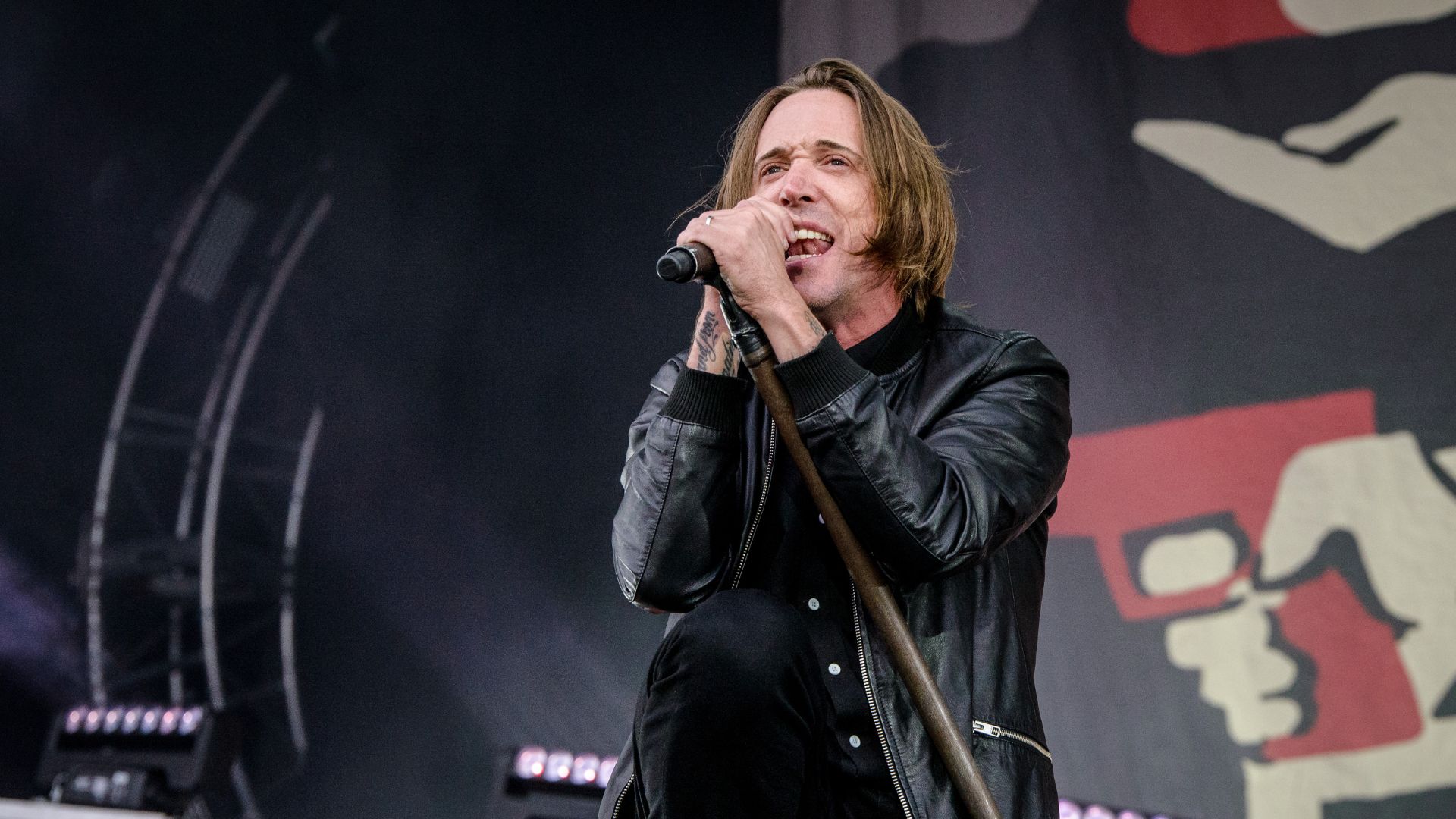 pitpony.photography, Wikimedia Commons
Nickelback
Nickelback may have spent years as an easy punchline, but their actual reach is hard to argue with. The Alberta band's breakthrough exploded when “How You Remind Me” reached Number 1 on the Hot 100, while All the Right Reasons later produced “Photograph,” “Far Away,” and “Rockstar”. Their combination of post-grunge guitars and giant pop choruses made them one of Canada's biggest international rock exports, and they entered the Canadian Music Hall of Fame in 2023.
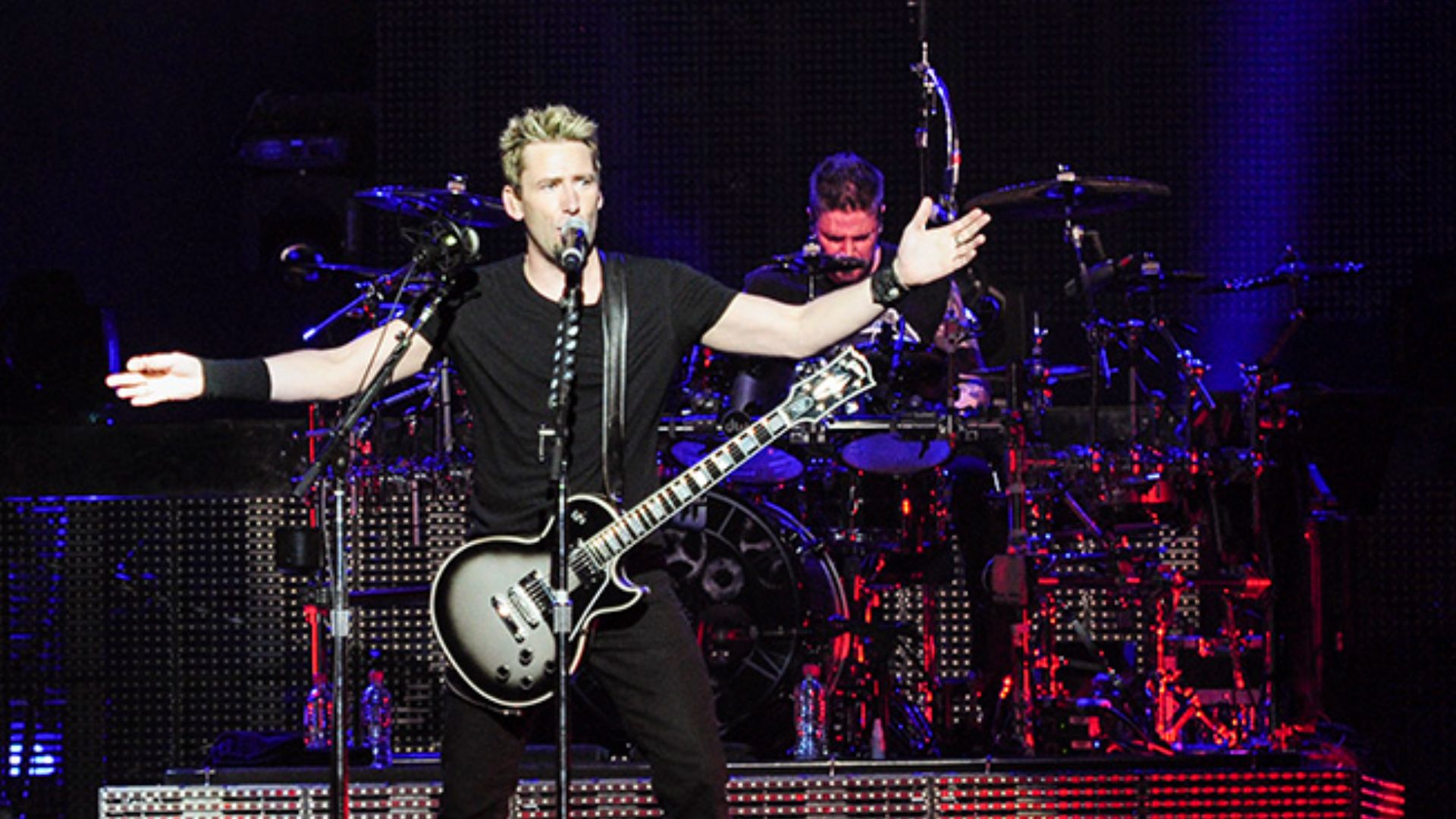 Stuart Sevastos, Wikimedia Commons
Sam Roberts Band
Sam Roberts helped revive straightforward guitar rock in Canada at a time when radio was crowded with post-grunge imports. “Brother Down” and “Don't Walk Away Eileen” introduced his melodic, slightly Britpop-influenced style, while We Were Born in a Flame added “Where Have All the Good People Gone?” and “Hard Road”. The album reached Number 2 in Canada and won three Junos, turning Roberts and his eventual band into reliable fixtures of Canadian rock radio.
 Tammy Lo from Brooklyn, NY, Wikimedia Commons
Big Wreck
Big Wreck formed at Boston's Berklee College of Music, but Canadian singer and guitarist Ian Thornley became the unmistakable center of the band, and Canada quickly became one of its strongest markets. The debut In Loving Memory Of... produced “The Oaf,” “That Song,” and “Blown Wide Open,” mixing huge riffs with Thornley's adventurous guitar playing. Their music bridged 90s alternative rock and old-school musicianship at a time when flashy playing wasn't particularly fashionable.

Alexisonfire
St Catharines produced one of Canada's most important post-grunge bands when Alexisonfire appeared in the early 2000s. George Pettit's screams, Dallas Green's melodic vocals, and Wade MacNeil's heavier voice gave the group three distinct personalities inside the same songs. Albums such as Watch Out! and Crisis pushed them beyond the grunge underground, while “This Could Be Anywhere in the World” became an especially enduring anthem. Their success opened doors for heavier Canadian bands that didn't fit mainstream rock formulas.
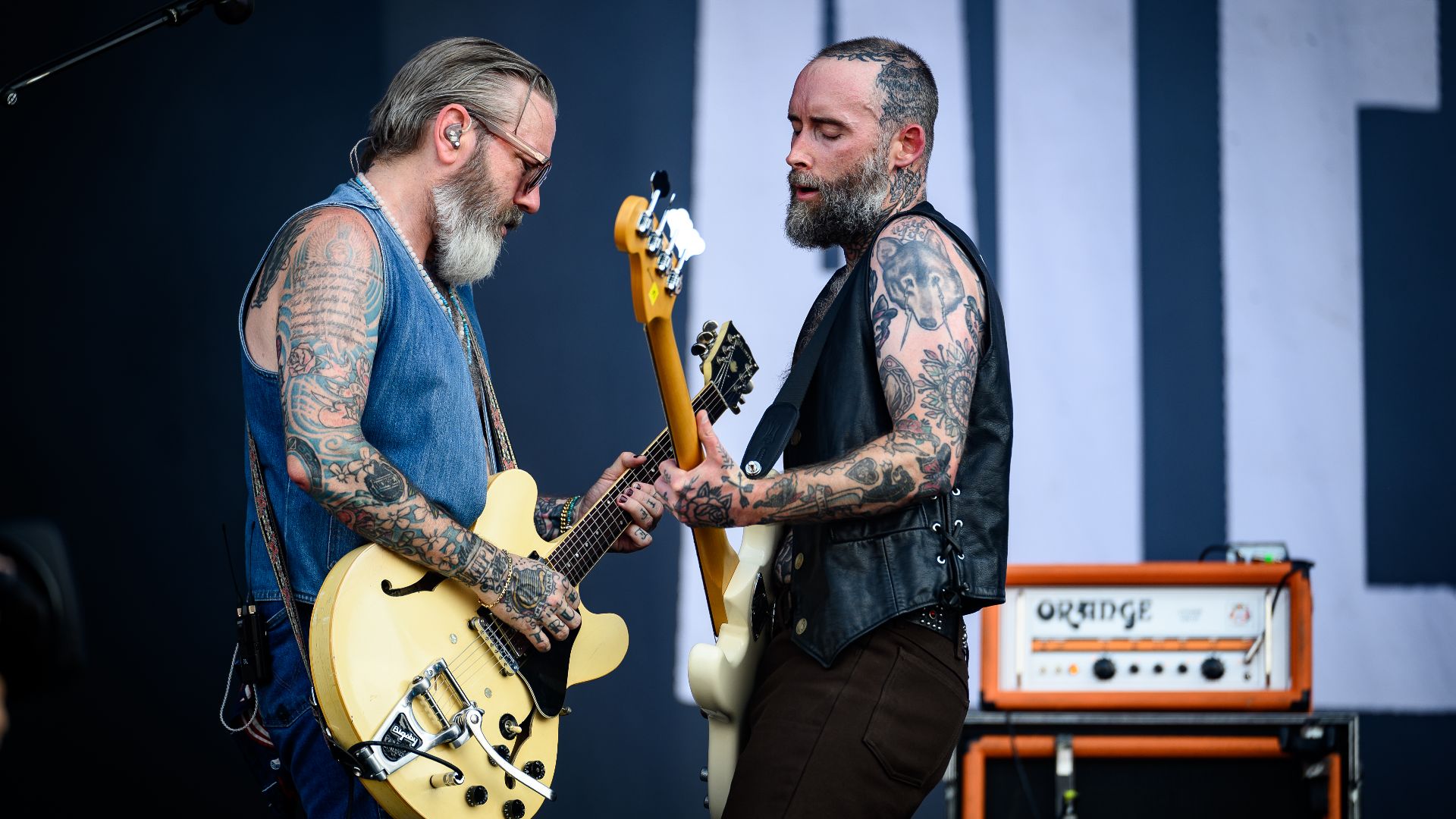
Arcade Fire
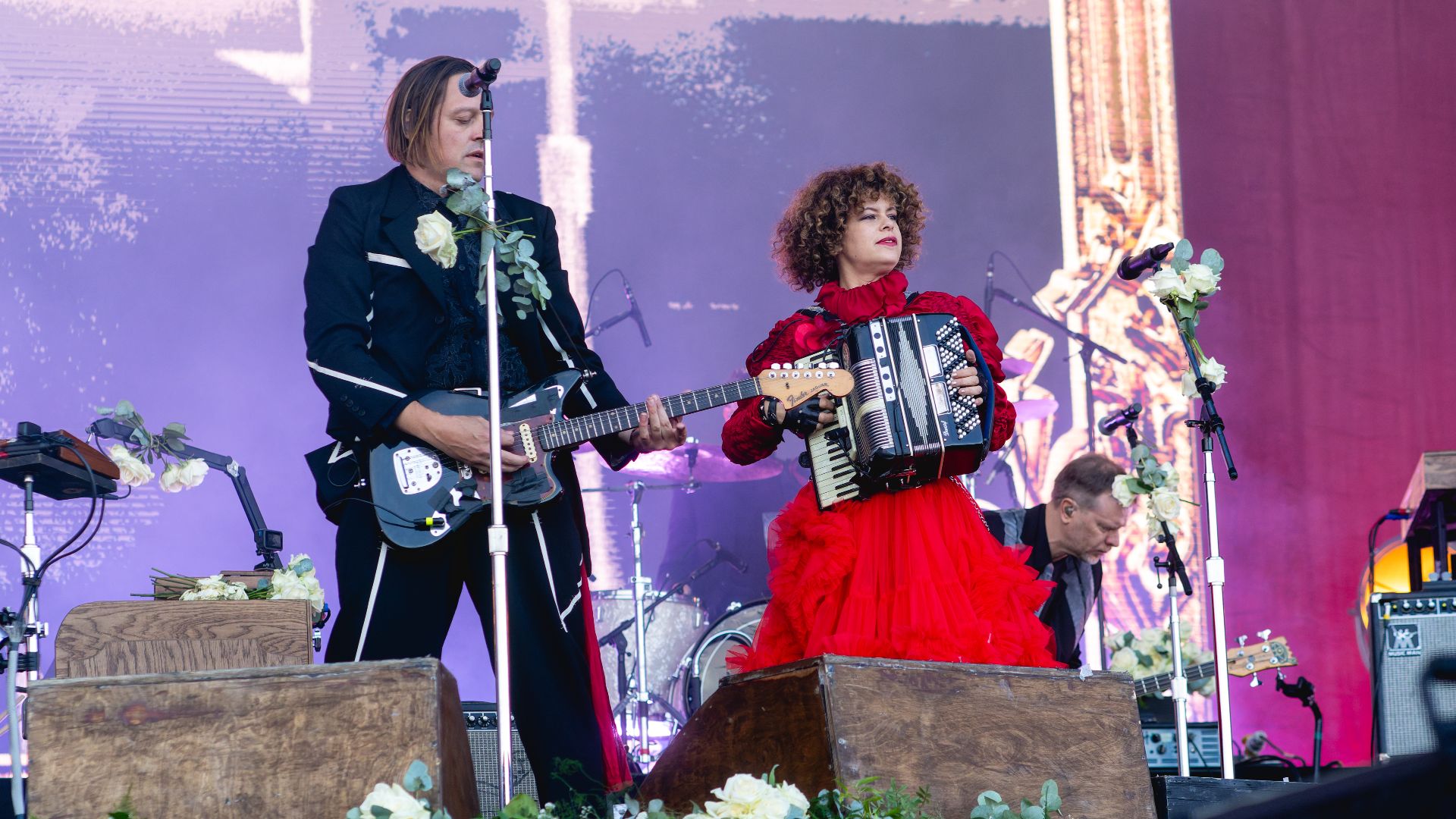
Arcade Fire turned Montreal's indie scene into international news with Funeral. Songs like “Wake Up,” “Rebellion (Lies),” and “Neighborhood #1 (Tunnels)” combined huge ensembles with intensely personal songwriting, earning the group attention far beyond Canada. Then The Suburbs accomplished something few indie-rock albums ever had: it won the Grammy for Album of the Year. That victory put a Montreal-based alternative band ahead of some of the world's biggest pop stars.
Sum 41
Sum 41 came out of Ajax looking like suburban skate-punk troublemakers and ended up becoming one of Canada's most internationally successful punk bands. All Killer No Filler broke them through with “Fat Lip,” “In Too Deep,” and “Motivation,” but they soon pushed toward heavier territory on albums like Chuck. “Fat Lip” reached Number 1 on Billboard's Alternative Airplay chart, while years of international touring helped make them part of the worldwide 2000s pop-punk explosion.

Lighthouse
Lighthouse approached rock like there shouldn't be any limit on how many musicians could join the party. The Toronto group combined guitars and keyboards with a full horn and string section, creating a sound that could move between rock, jazz, soul, and classical influences. “One Fine Morning” became their signature hit, reaching Number 2 in Canada and going platinum. Their ambitious lineup and festival appearances showed that early Canadian rock could be every bit as adventurous as its international competition.

GrimSkunk
GrimSkunk became a cornerstone of Montreal's alternative underground by refusing to stay inside one genre. The band combined punk with reggae, progressive rock, psychedelia, ska, metal, and world-music influences, sometimes switching languages as readily as styles. That eclectic approach helped shape Quebec's independent scene during the 90s. They also became important behind the scenes through their connection to Indica Records, helping create space for other adventurous Canadian acts.
 Screenshot from Don't Hide, Indica Records (1994), Modified
Simple Plan
Simple Plan emerged from Montreal during pop punk's commercial peak and quickly proved Canadian bands could compete directly with the genre's American giants. Their 2002 debut No Pads, No Helmets...Just Balls delivered “I'm Just a Kid,” “Addicted,” and “Perfect,” songs that turned adolescent frustration into giant singalong choruses. Still Not Getting Any... pushed them even further, reaching Number 3 on the Billboard 200 and helping establish the group internationally.
 jenniferlinneaphotography from Denver, CO, USA, Wikimedia Commons
April Wine
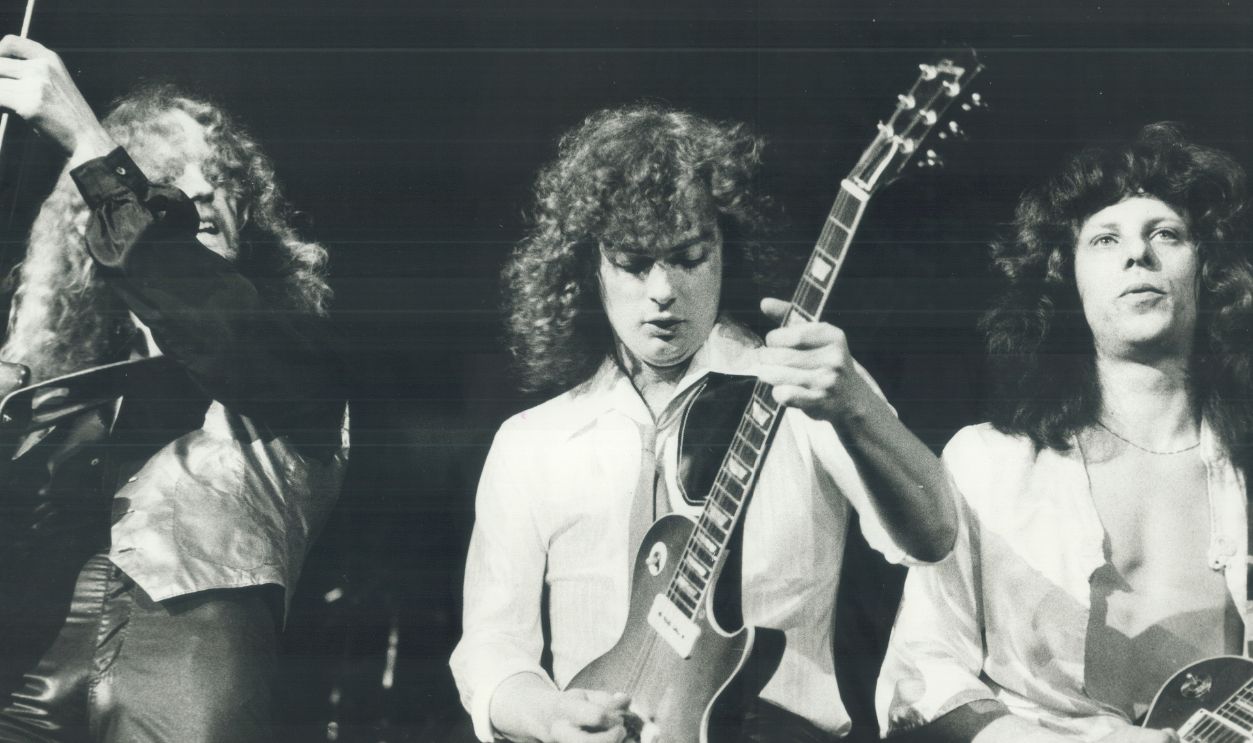
April Wine emerged from Atlantic Canada before finding its footing in Montreal and becoming one of the country's most dependable hard-rock bands. Led for much of its classic run by Myles Goodwyn, the group built momentum with albums like First Glance, Harder... Faster, and The Nature of the Beast. Songs including “Roller,” “Sign of the Gypsy Queen,” and “Just Between You and Me” helped carry them well beyond Canadian radio, with the latter becoming the first video by a Canadian artist played on MTV.
Triumph
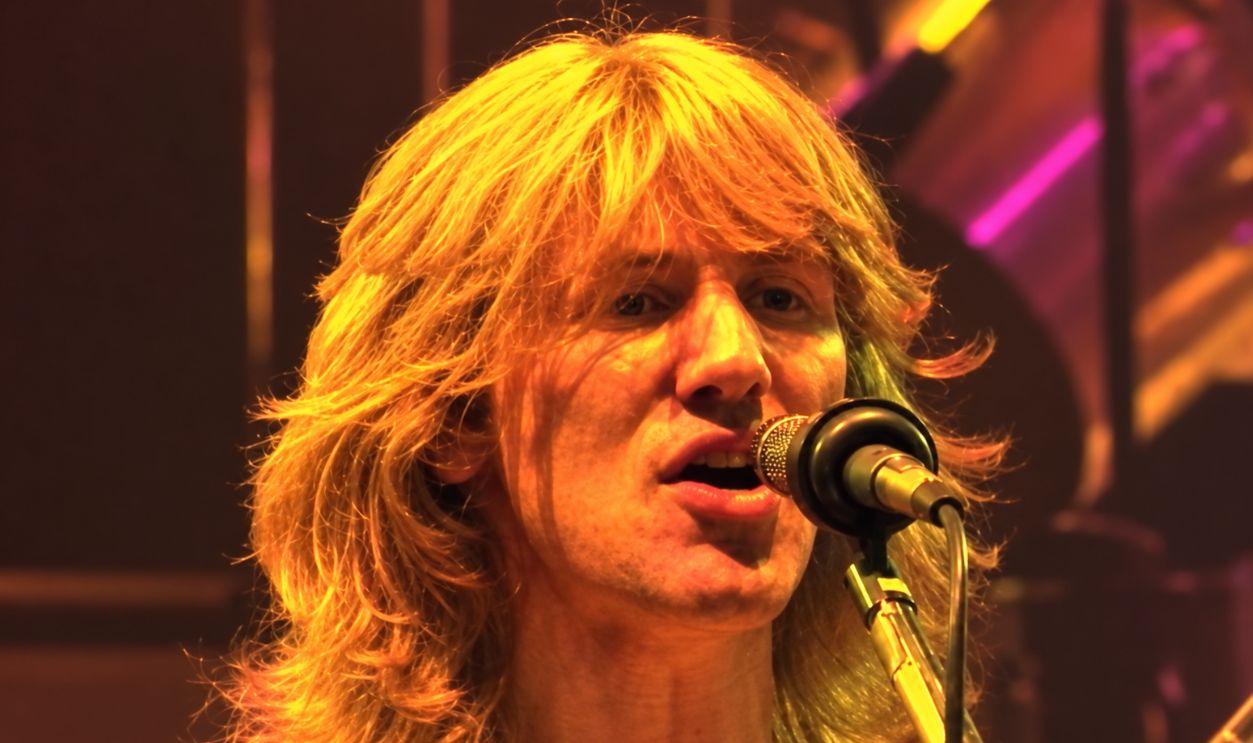
Triumph gave Canada another arena-rock power trio just as Rush was becoming internationally famous, but Rik Emmett, Gil Moore, and Mike Levine took a more direct route. “Lay It on the Line,” “Magic Power,” and “Fight the Good Fight” mixed hard-rock muscle with Emmett's soaring vocals and intricate guitar work. Their elaborate live shows helped them build a substantial American audience, and their importance at home was recognized when they entered the Canadian Music Hall of Fame in 2008.
 Screenshot from Lay It on the Line, RCA Records (1979), Modified
You May Also Like:
Legendary Bands That Got Much Better After Losing A Member
Forgotten Rock Bands From The 1970s—Their Songs Survived, But Their Names Didn’t
Bands From The 1960s That No One Remembers—Seriously, Do You Remember Even 5 Of These Groups?