The King Of Honky-Tonk
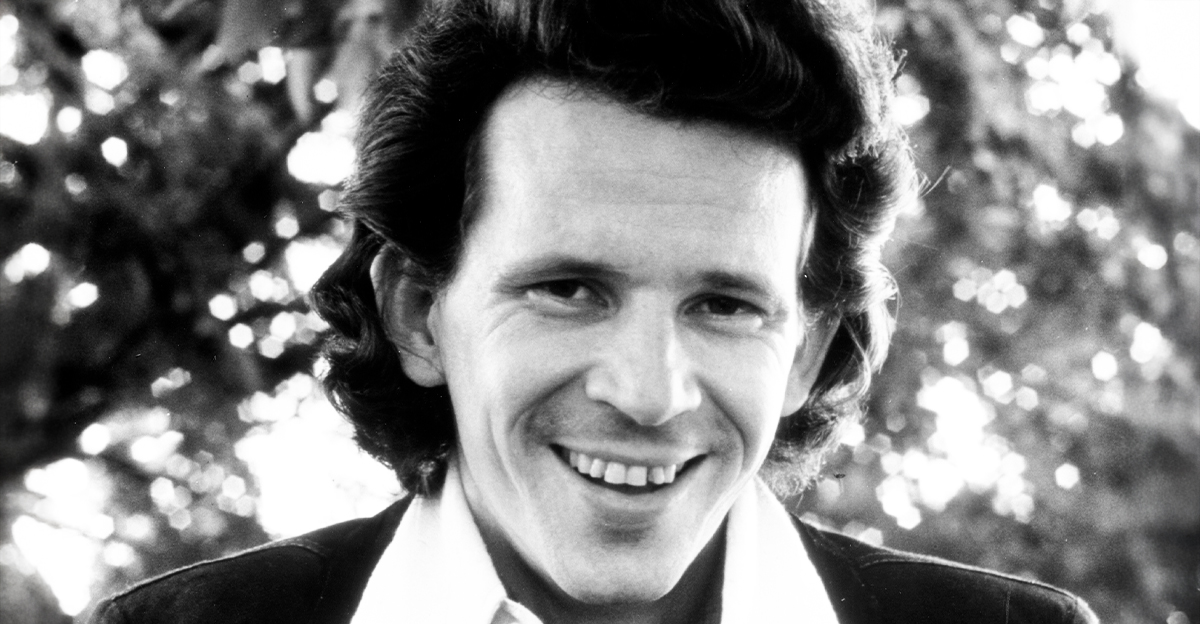
Gary Stewart never became a household name like Willie Nelson or Waylon Jennings, but for a few blazing years in the 1970s, nobody sounded quite like him. With a trembling, high-wire voice and songs steeped in drinking, cheating, loneliness, and regret, Stewart made heartbreak sound almost exhilarating.
After a while, though, the darkness in his own life began to resemble the heartbreak in his songs.
 Michael Ochs Archives/Getty Images
From Kentucky To Florida
Born in Jenkins, Kentucky, in 1944, Stewart moved with his family to Fort Pierce, Florida, after his coal-miner father was injured. He absorbed both country and rock and roll, eventually finding work as a songwriter before establishing himself as a performer. His early recording career sputtered, but producer Roy Dea eventually helped bring him to RCA.
The timing was perfect. Nashville's polished country-pop sound dominated much of the radio, while Stewart offered something considerably rougher. His voice cracked, quivered, and seemed perpetually on the verge of emotional collapse. Country traditionalism was there, but so was the energy of Southern rock.
Everything Went Out Of Hand
Stewart's breakthrough began with “Drinkin' Thing,” which reached the country Top 10 in 1974. Then came “Out of Hand,” a wonderfully appropriate title for a singer whose records increasingly portrayed men watching their relationships and self-control disintegrate. It reached No. 4 on Billboard's country chart.
Those songs appeared on Out of Hand (1975), the album that established Stewart as a major new voice. It reached No. 6 on the country albums chart and eventually became regarded as a honky-tonk classic. The record's emotional intensity made Stewart sound less like someone performing sad songs than someone experiencing them in real time.
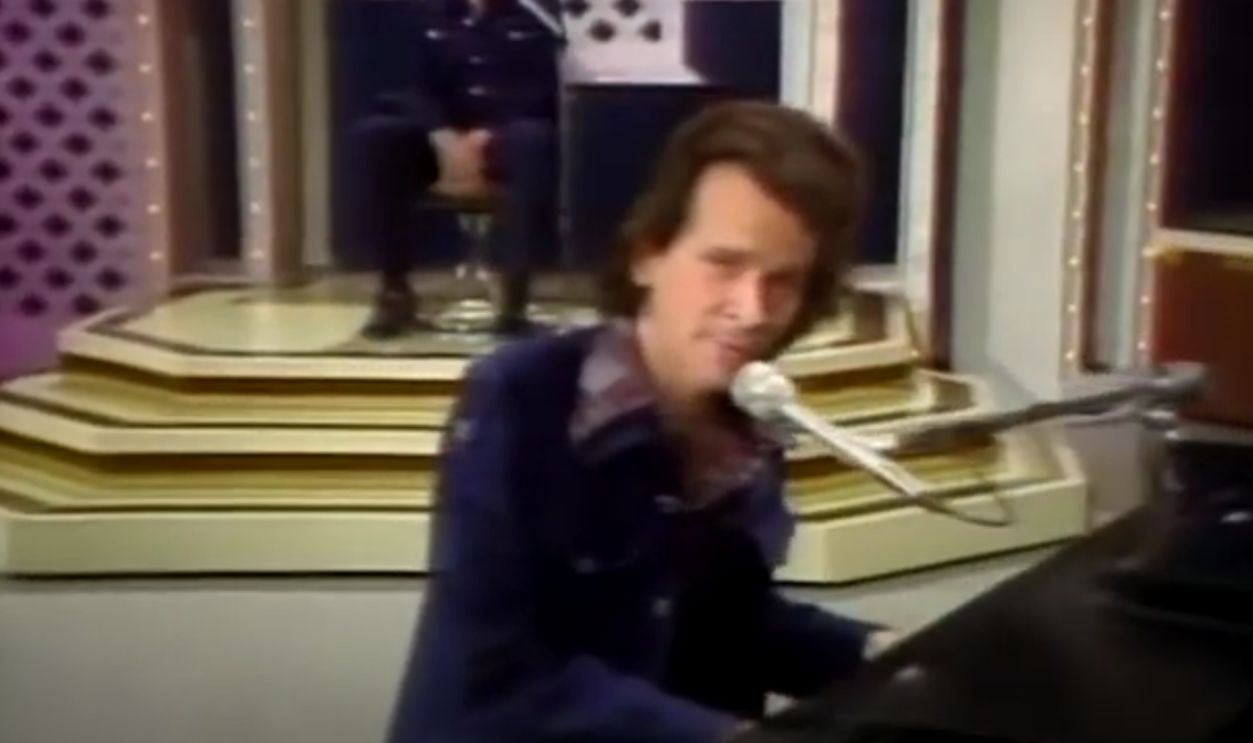 Gary Stewart Out Of Hand by bigruss2069
His One Number One
The album's biggest song was Wayne Carson's brilliantly titled “She's Actin' Single (I'm Drinkin' Doubles).” Released in 1975, it gave Stewart his only No. 1 country single. The premise was pure honky-tonk misery: a man watches his relationship collapse and responds by ordering another round.
More hits followed, including “You're Not the Woman You Used to Be,” “Flat Natural Born Good-Timin' Man,” “In Some Room Above the Street,” “Your Place or Mine.” But Stewart's period as a significant country-radio presence proved surprisingly brief. By the end of the decade, his chart momentum was fading.
Bob Dylan Was Listening
One of Stewart's most extraordinary admirers was Bob Dylan. Stewart's 1977 “Ten Years of This,” a bleak song about a marriage slowly dying, reached No. 16 on the country chart. Dylan became obsessed with the record, later telling Stewart that he had played it repeatedly.
During a 1986 concert in Florida, Dylan even acknowledged Stewart from the stage and called “Ten Years of This” “one of my favorite records.” Years later, previously unheard conversations with Sam Shepard revealed Dylan going further, calling it a “classic song” and a “classic performance.” For a singer who never enjoyed sustained superstar success, it was quite a compliment.
The Songs Became Real
Unfortunately, Stewart's drinking songs weren't entirely theatrical. As his career declined, substance use increasingly disrupted his life. A serious back injury from a 1980 car accident compounded his problems, and after RCA dropped him in 1982, he largely disappeared from recording for several years.
Stewart eventually fought his way back. He got sober and returned in 1988 with Brand New, reuniting with producer Roy Dea. But that same year brought an unimaginable tragedy: his 25-year-old son, Gary Joseph “Joey” Stewart, died by his own hand.
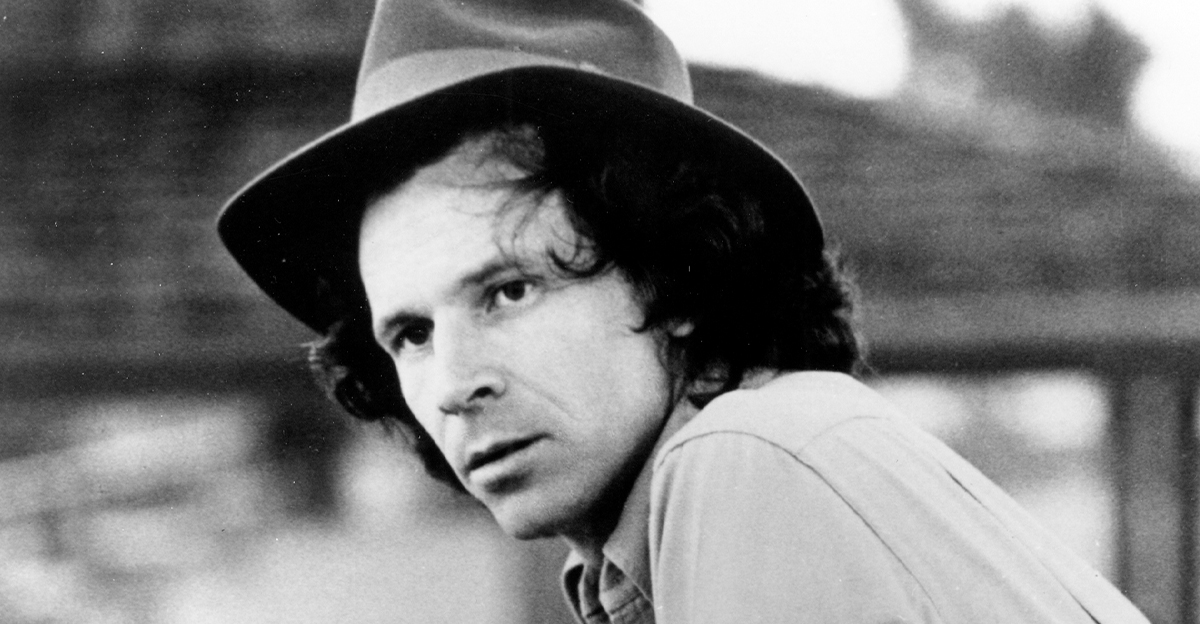 Michael Ochs Archives/Getty Images
Mary Lou Was There, And Then Gone
Through virtually everything stood Stewart's wife, Mary Lou. The two had married as teenagers and remained together for more than four decades. Their relationship could be turbulent, particularly during Stewart's years of substance struggles, but she remained the central figure in his personal life.
On November 26, 2003, Mary Lou died following a short bout with pneumonia. Stewart was devastated. Friends said he seemed lost without her, and he canceled scheduled performances. She'd left a void that Gary couldn't find his way out of. Less than a month later, on December 16, Stewart's body was found at his Fort Pierce home: he had taken his own life.
His Music Came Back
For years, Stewart seemed destined to stay slotted one of country's great cult figures, revered by musicians and honky-tonk obsessives but largely forgotten by mainstream audiences. That has begun to change. Younger country and alternative artists have discovered his records, while bands such as Wednesday have covered “She's Actin' Single (I'm Drinkin' Doubles).”
That revival accelerated in 2026. Jimmy McDonough's biography Gary Stewart: I Am From the Honky-Tonks, renewed media attention, previously unreleased recordings, and praise from younger musicians have brought Stewart's work before another generation. His music now sounds remarkably undiluted by its era: loud, wounded, funny, desperate, and painfully human.
Stewart spent his best years singing about people trying to drink their way through broken hearts. The tragedy is that the ache behind those songs was never entirely fictional. More than 50 years after Out of Hand, listeners are discovering that this was precisely what made Gary Stewart so difficult to forget.
You May Also Like:
Untamed Facts About Tanya Tucker, Country Music’s Wild Child
Tarnished Facts About Glen Campbell, Country Music’s Rhinestone Cowboy