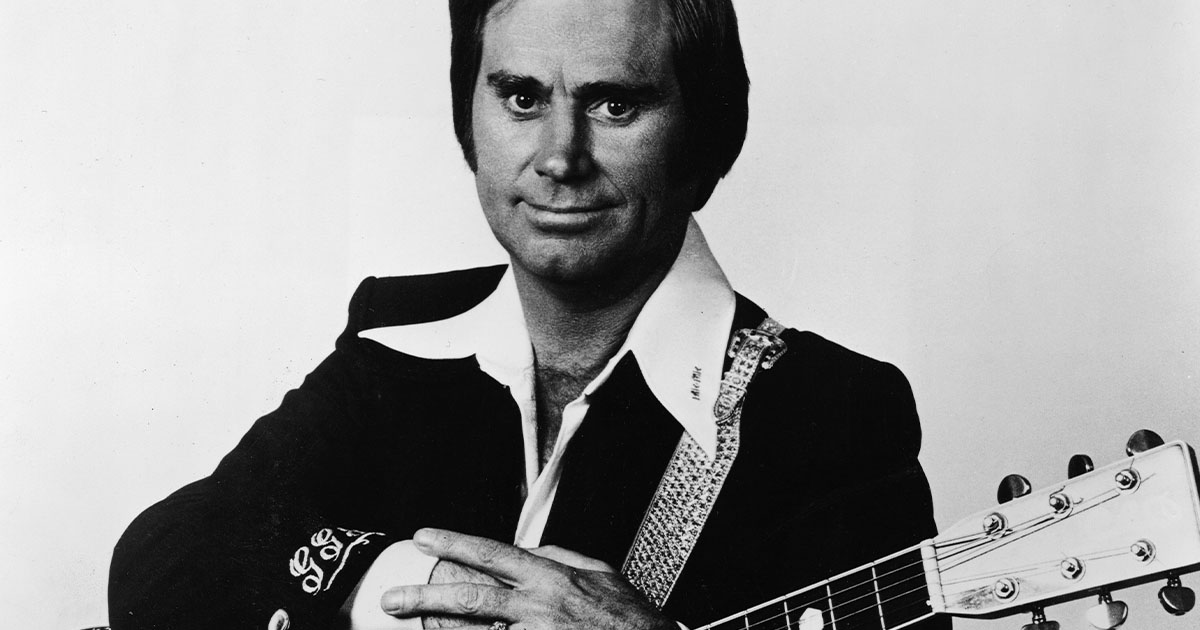
When George Jones Missed the Show
By the time George Jones missed a concert because he drove a lawn mower to buy liquor, country music already knew he was trouble. What it didn’t fully understand yet was that his chaos, pain, and honesty would make him one of its most human legends.
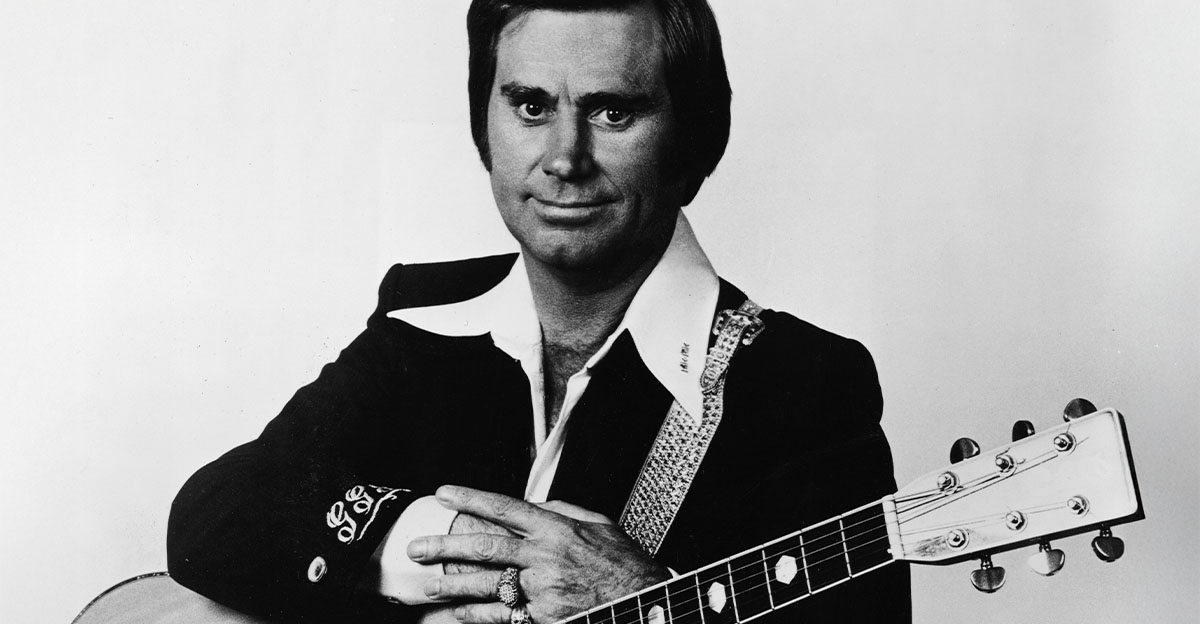 Hulton Archive / Handout, Getty Images
A Voice Born From Hard Places
George Glenn Jones was born on September 12, 1931, in Saratoga, Texas, and raised in poverty during the Great Depression. Music wasn’t a hobby for him. It was survival. From a young age, his voice carried a sorrow that felt older than he was, shaped by hardship and instability.
 Michael Ochs Archives, Getty Images
Early Fame Came Fast
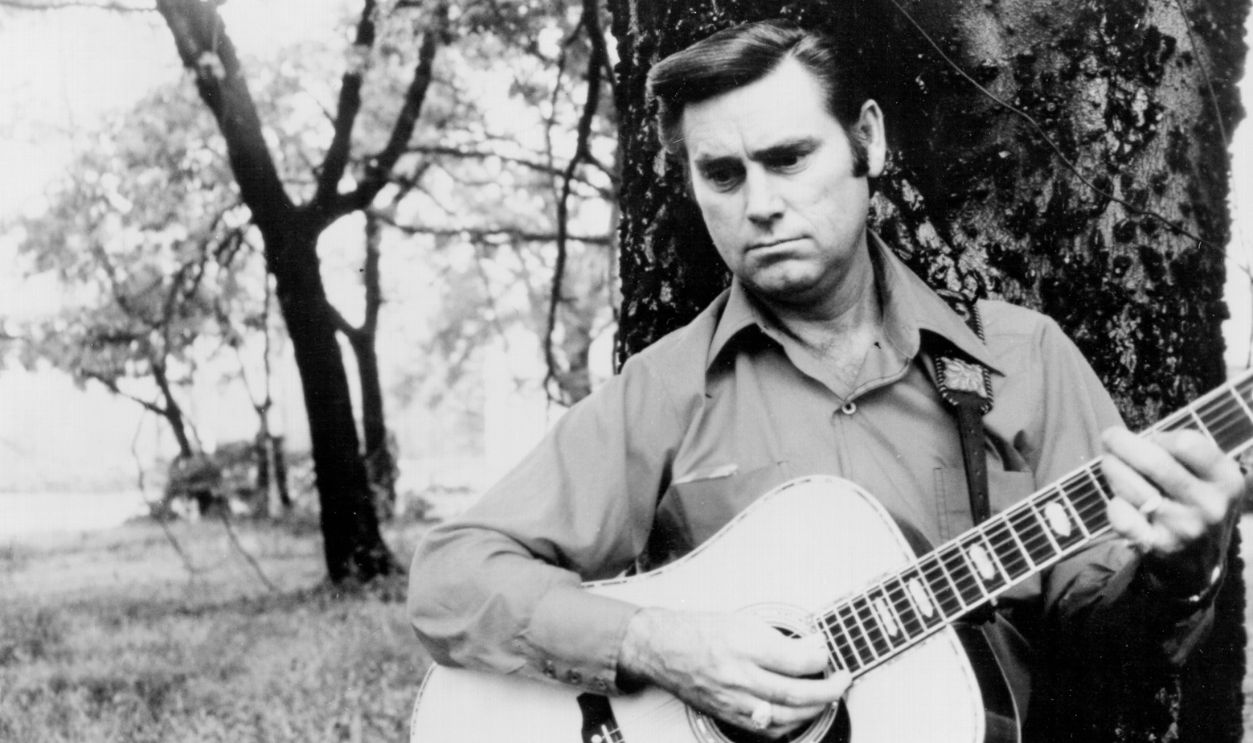
By the mid-1950s, George Jones was already making a name for himself in country music. Songs like “Why Baby Why” introduced a singer who could sound heartbroken even when smiling. Fame arrived quickly, but maturity did not follow at the same pace.
 Michael Ochs Archives, Getty Images
Talent Without Guardrails
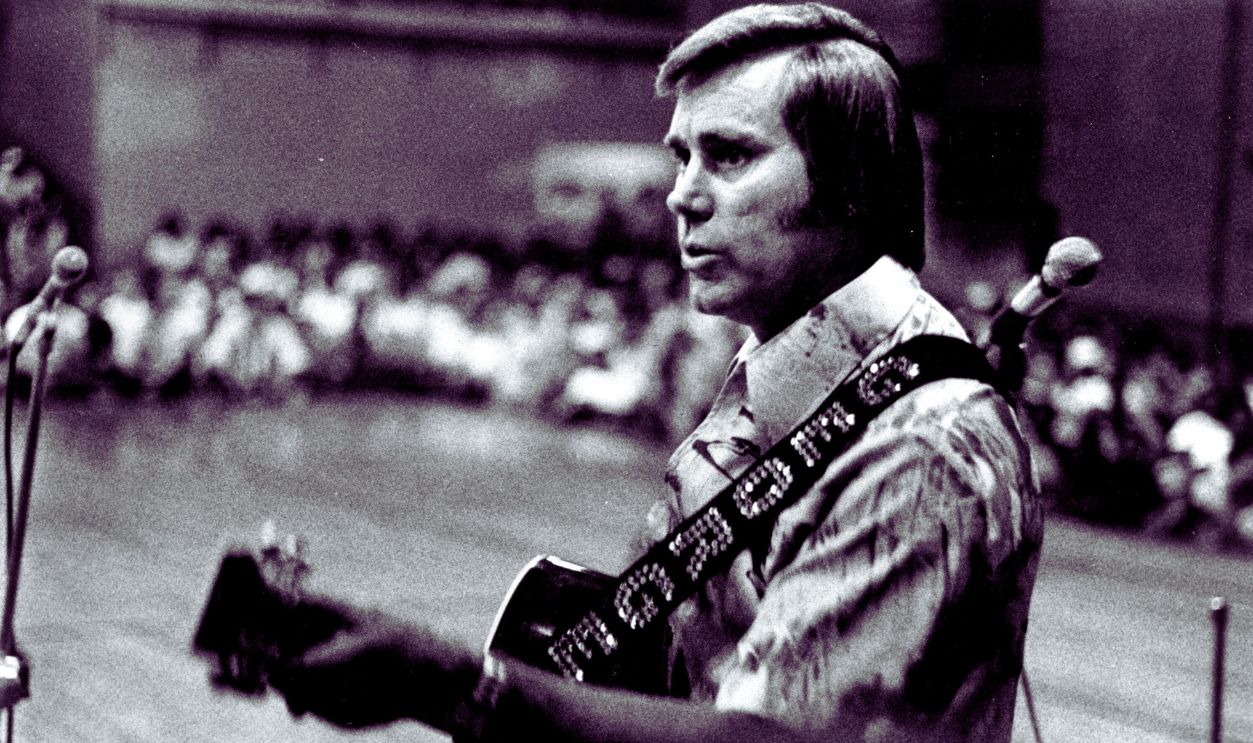
Jones’ voice was unmatched, but his personal life had no boundaries. Alcohol followed him everywhere. Fellow musicians joked about his unpredictability, but promoters feared it. You never knew if George would show up, leave early, or disappear entirely.
Missed Shows Become a Pattern
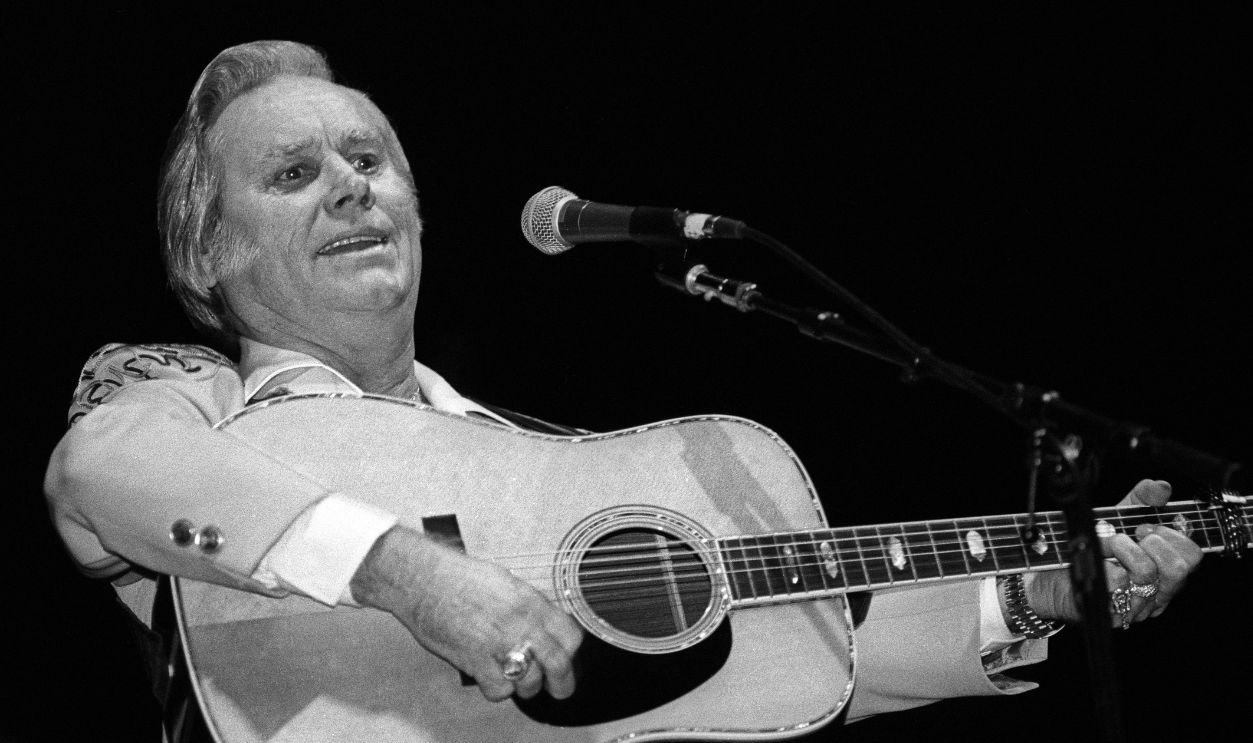
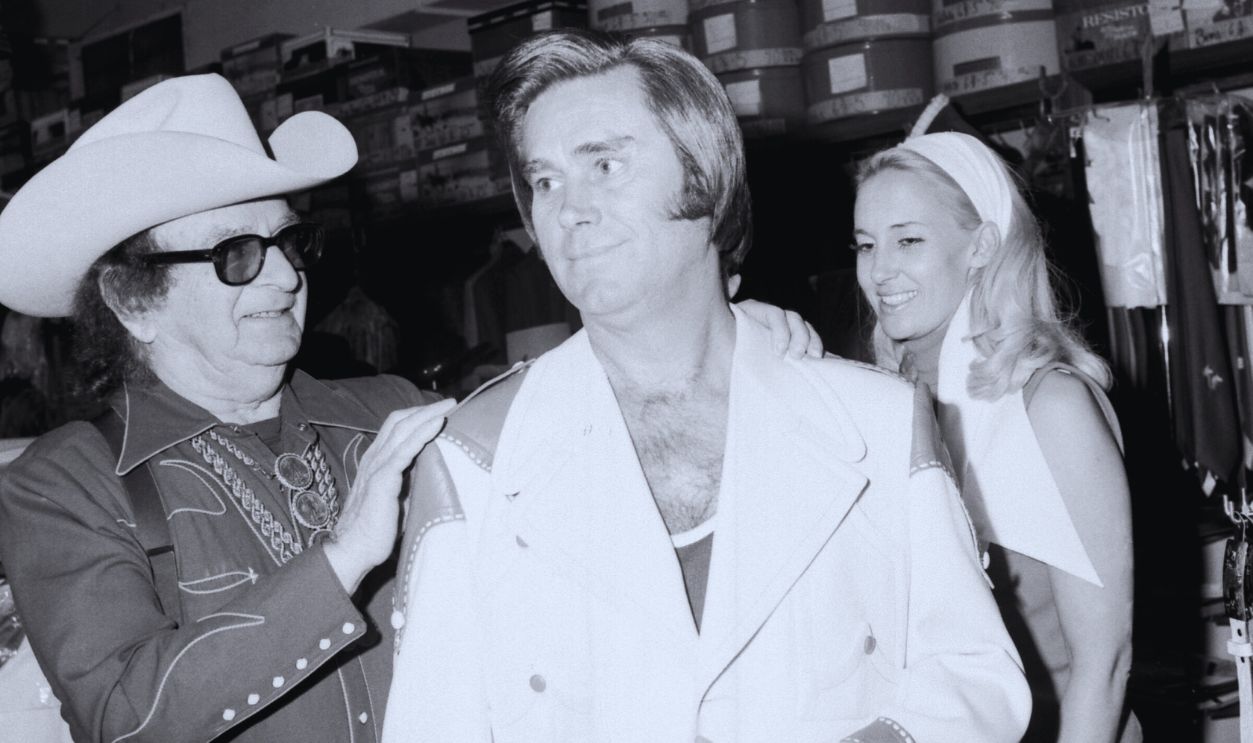
By the 1960s, missed concerts were becoming common. Jones would sometimes vanish for days. Fans forgave him because when he did sing, it was transcendent. Promoters were less forgiving. His reputation as unreliable hardened.
 Michael Ochs Archives, Getty Images
A Marriage That Fueled the Fire
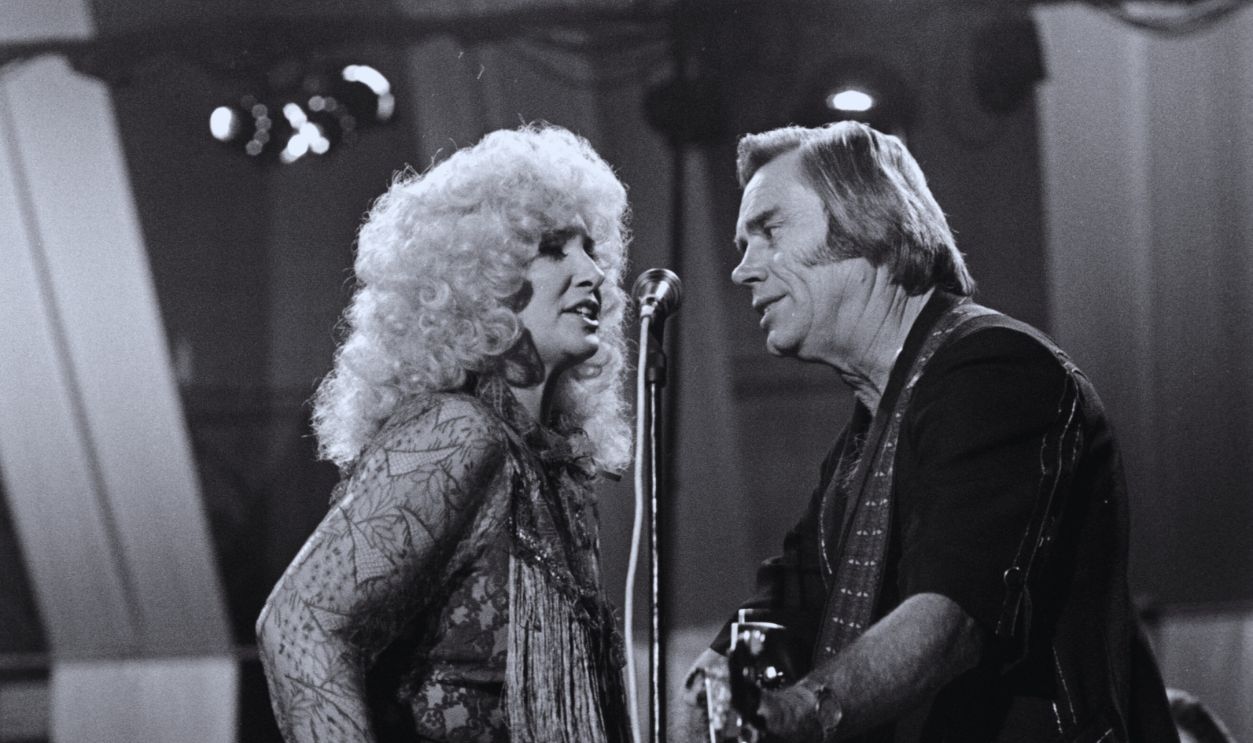
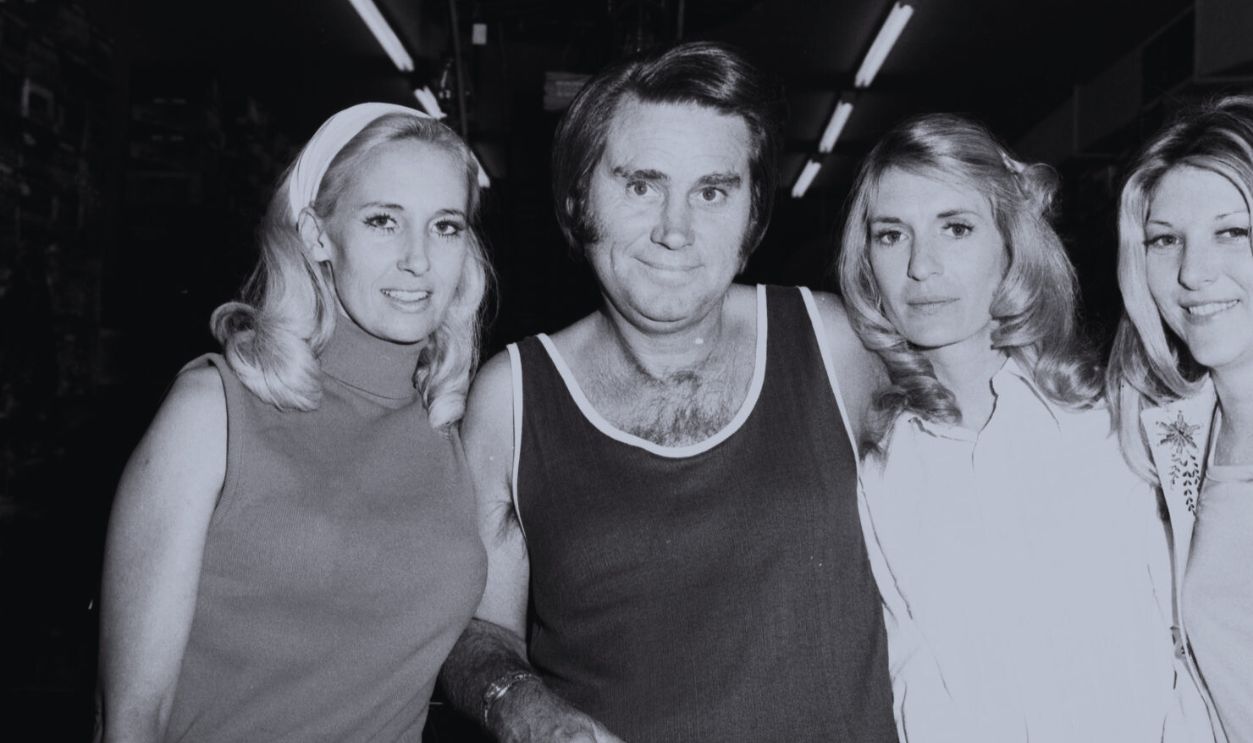
George married fellow country star Tammy Wynette in 1969. Their relationship was passionate, volatile, and publicly painful. Songs like “Golden Ring” reflected real-life heartbreak. Tammy later said loving George felt like loving a storm you couldn’t outrun.
Alcohol Takes the Wheel
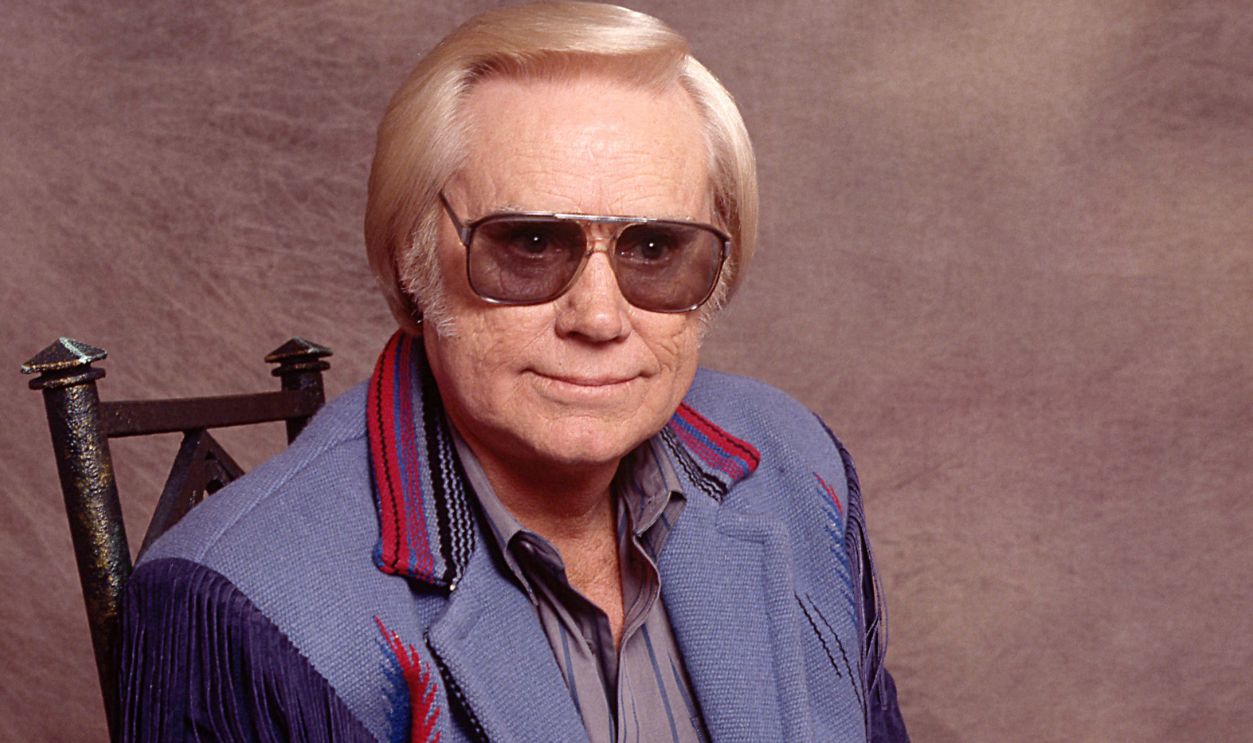
George’s drinking escalated through the 1970s. He drank to quiet anxiety and numb pressure, but it only magnified his problems. He once admitted, “I drank because I was miserable. I was miserable because I drank.”
Nicknamed ‘No Show Jones’
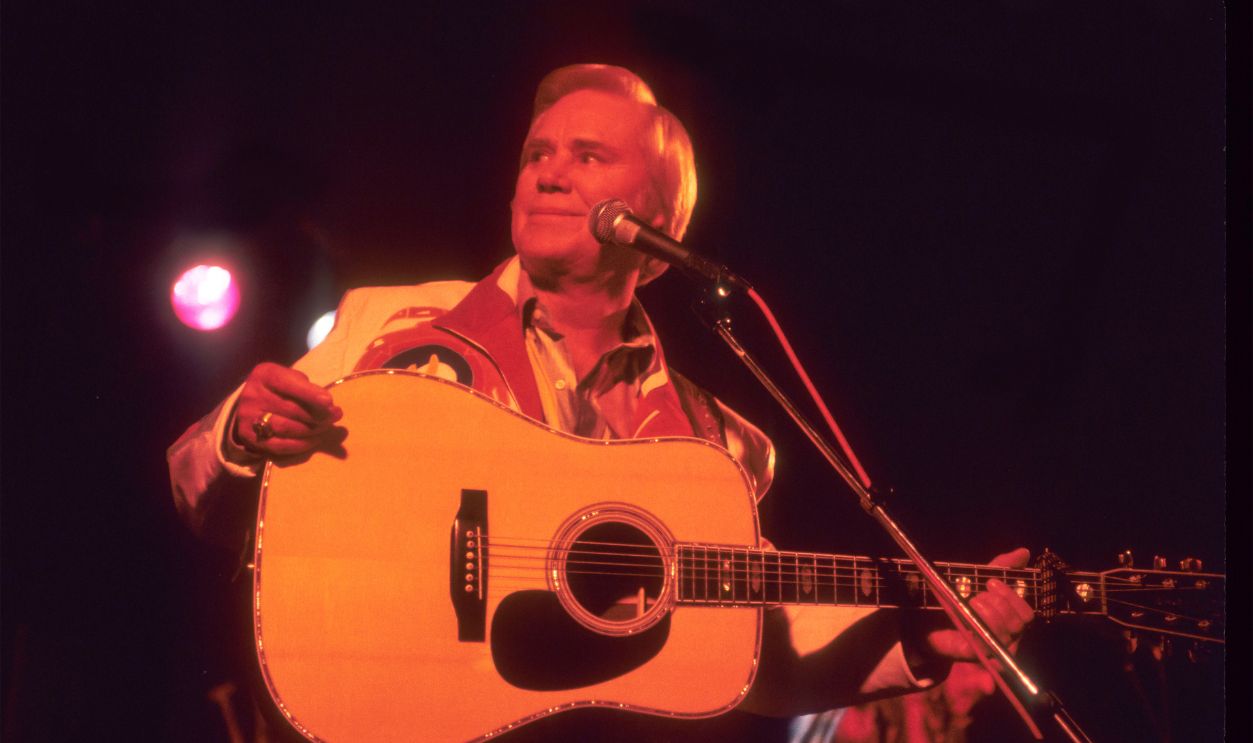
The industry gave him a cruel nickname: “No Show Jones.” It stuck. While he hated it, he earned it. Concerts were canceled. Venues lost money. Fans waited in parking lots, hoping he’d appear.
 Jack Vartoogian/Getty Images, Getty Images
The Weight of Expectations
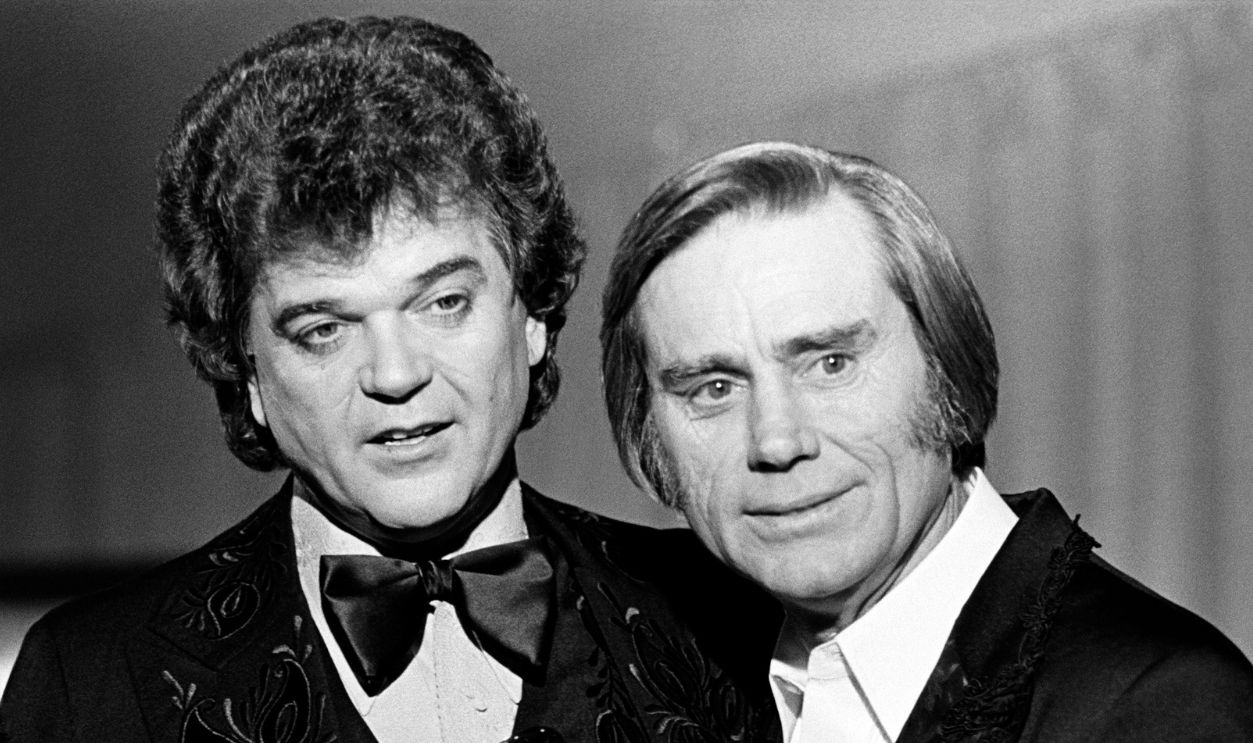
George knew people depended on him, and that knowledge crushed him. The pressure to be perfect on stage while feeling broken off it pushed him deeper into addiction. Music saved him, but it also trapped him.
Friends Try to Intervene
Musicians, managers, and friends tried to help. Some pleaded. Others gave up. George resisted change fiercely. He believed suffering was part of his gift, even when it nearly killed him.
 Jasper Daily and Michael Ochs, Wikimedia Commons
Moments of Brilliance Remained
Despite the chaos, George recorded “He Stopped Loving Her Today” in 1980. Many consider it the greatest country song ever written. Ironically, he did not fully understand its impact at the time. He was still fighting himself.
A Man Aware of His Flaws
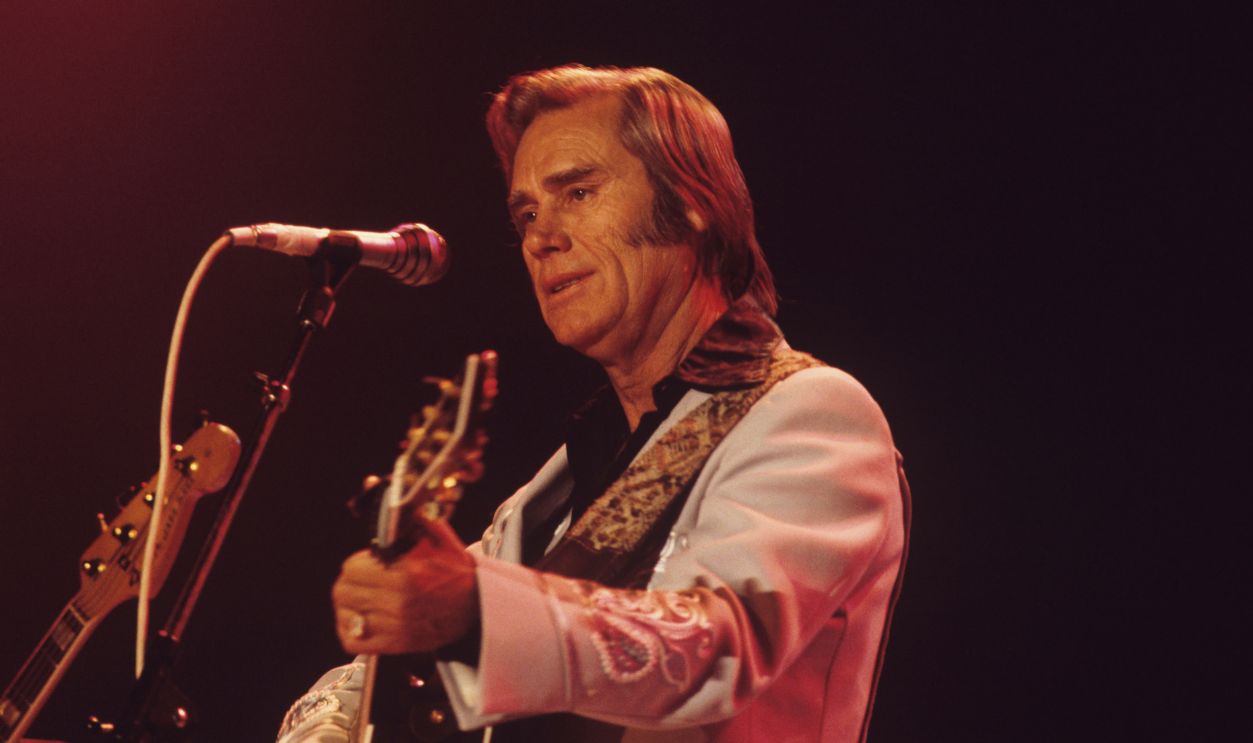
George was not blind to his behavior. He joked about it, even as it ruined him. “I’ve had more trouble with myself than anyone else,” he once said. That honesty made fans root for him harder.
The Industry Holds Its Breath
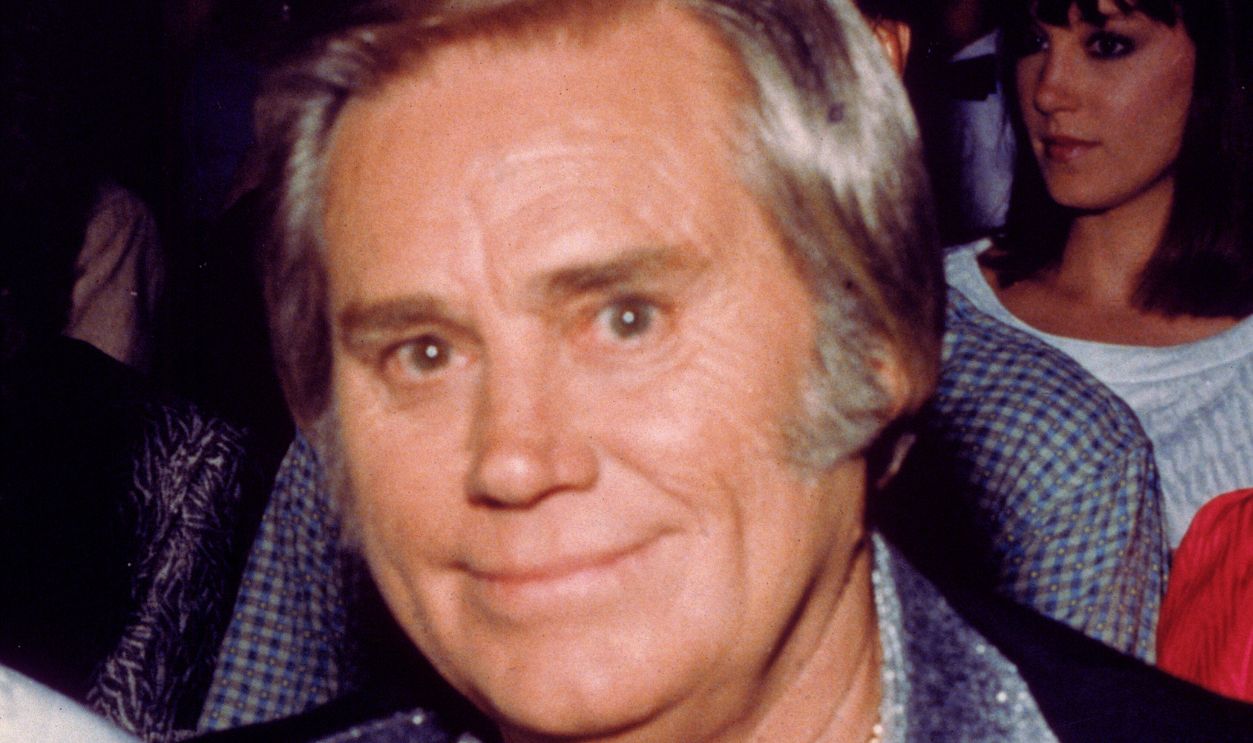
By the early 1980s, promoters hesitated to book him. Insurance became expensive. Shows were risky. Yet people kept trying because George Jones’ voice was irreplaceable.
The Day the Show Didn’t Happen
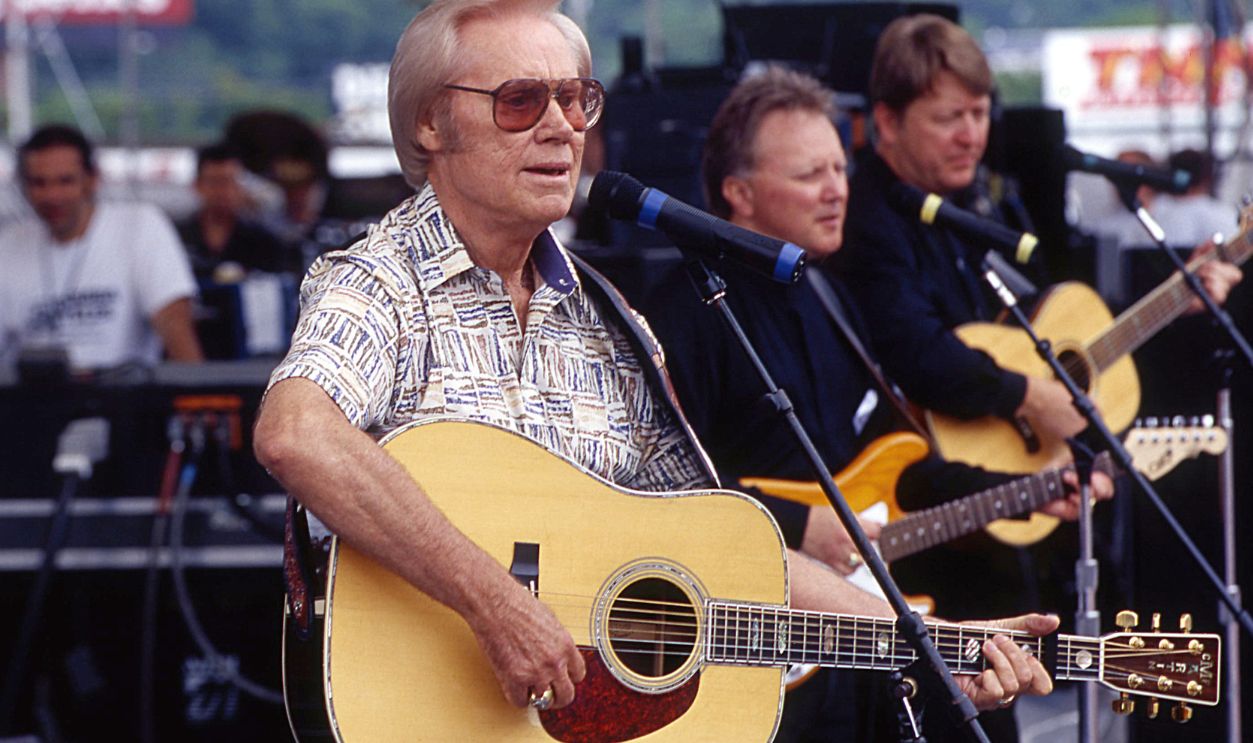
One concert cancellation became legend. George failed to appear, and the explanation spread quickly. He had no car. He wanted more to drink. So he used what he had.
The Lawn Mower Ride
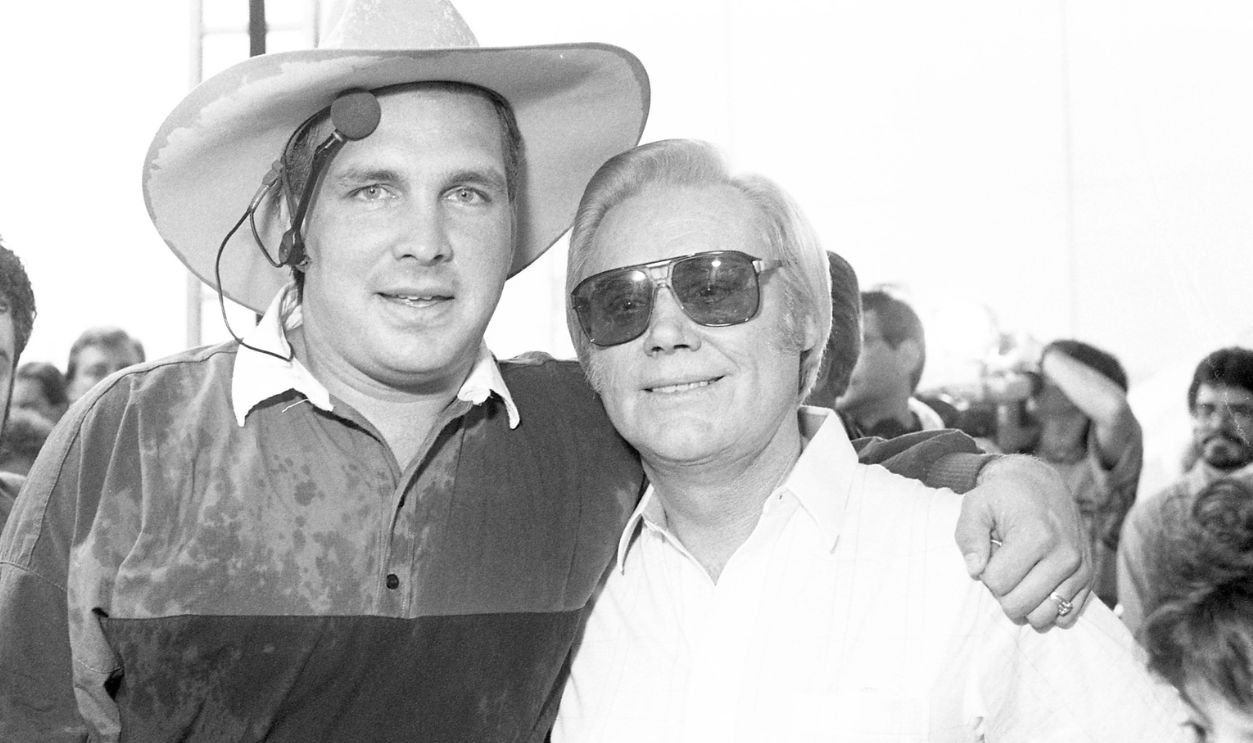
George Jones climbed onto a riding lawn mower and drove several miles to a liquor store instead of attending his concert. He later confirmed the story himself. “It was true,” he said. “I didn’t have a car.”
Embarrassing, Honest, Unforgettable
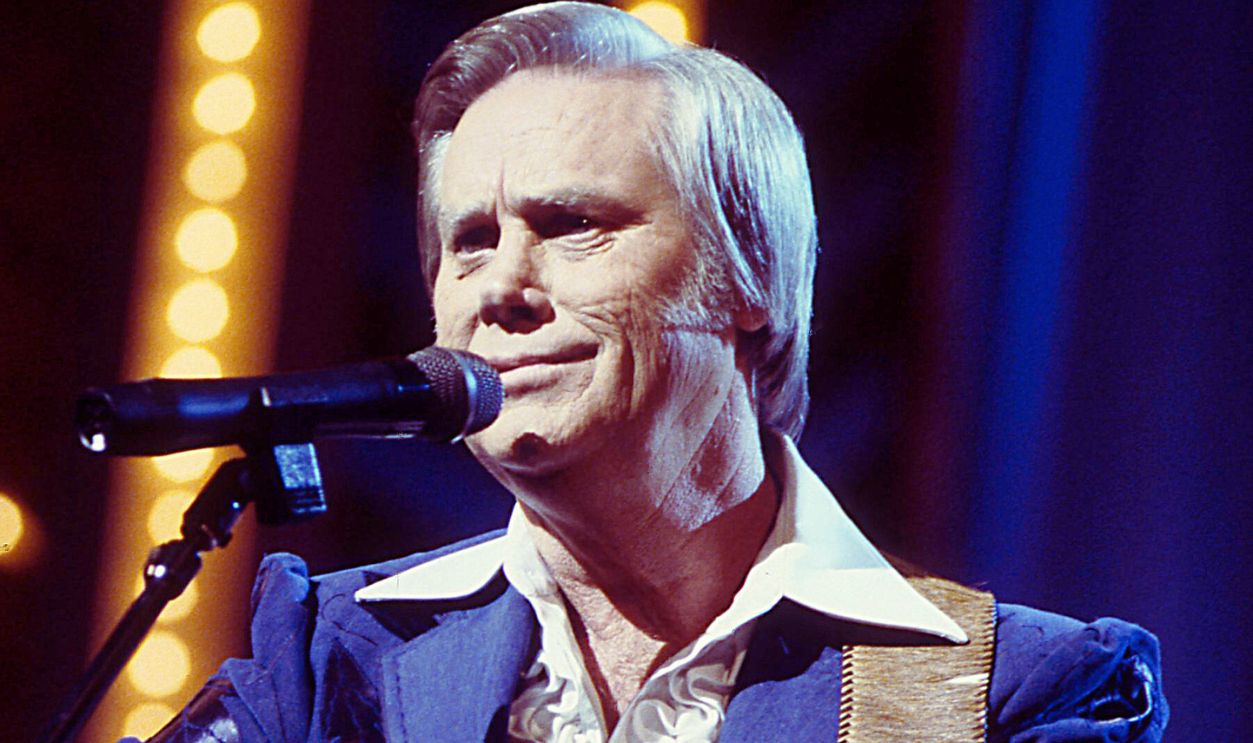
Rather than deny it, George owned it. The story followed him forever. It was ridiculous, tragic, and deeply human. Fans laughed, but they also understood. It wasn’t rebellion. It was desperation.
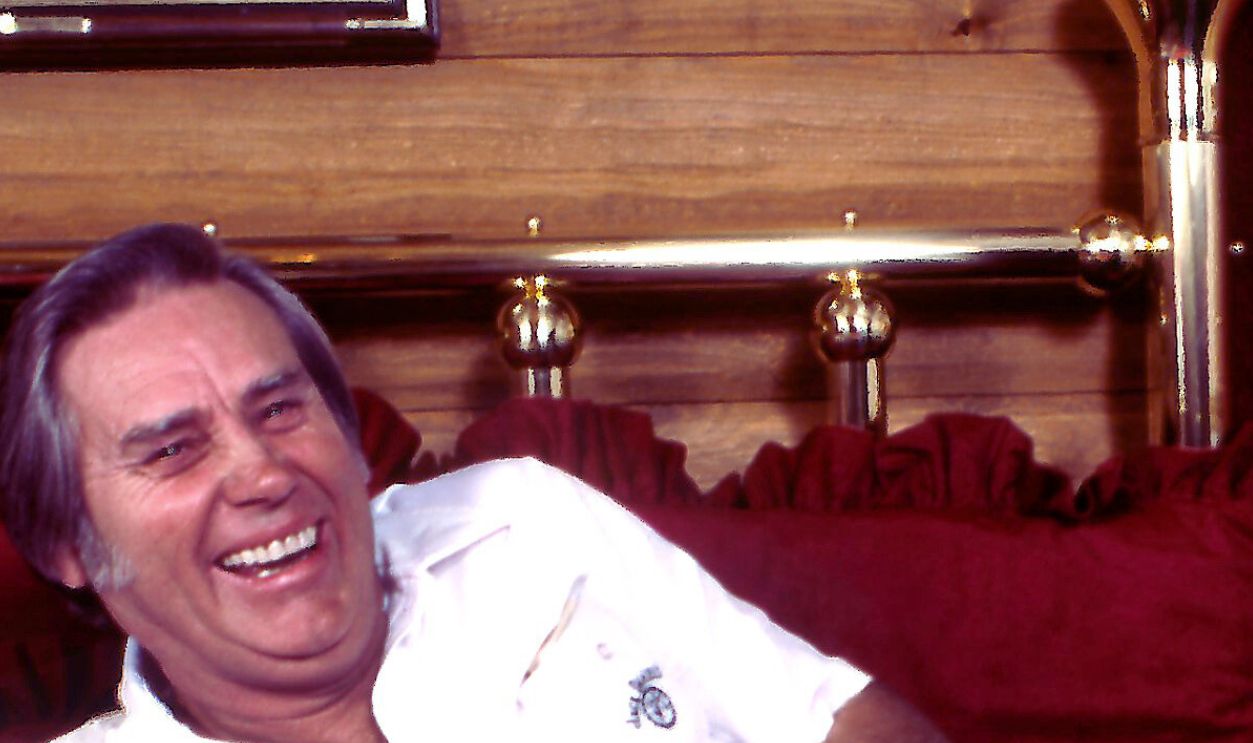
A Turning Point, Slowly
The lawn mower story became a symbol of how bad things had gotten. In later years, George sought sobriety with help from his wife Nancy Sepulvado. Recovery was not instant, but it was real.
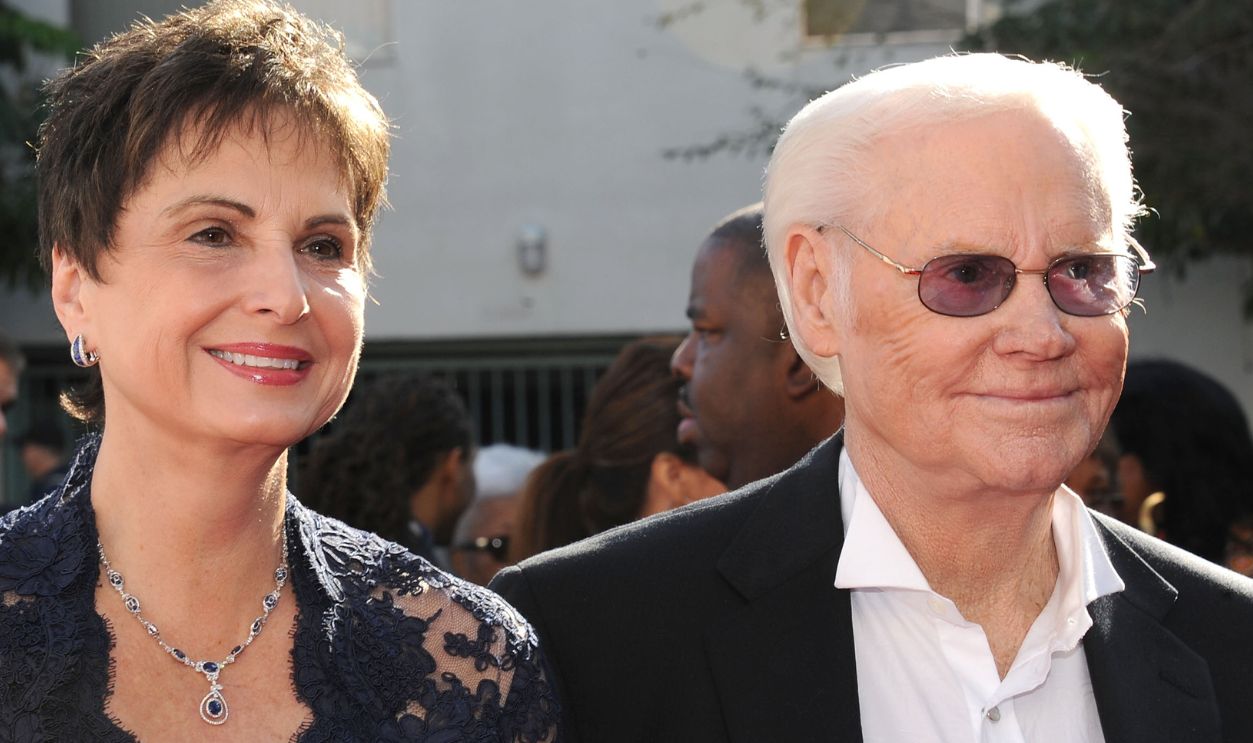
Redemption Did Not Erase the Past
George never pretended his mistakes disappeared. He accepted them as part of his story. His late-career performances carried deeper emotion, shaped by survival rather than chaos.
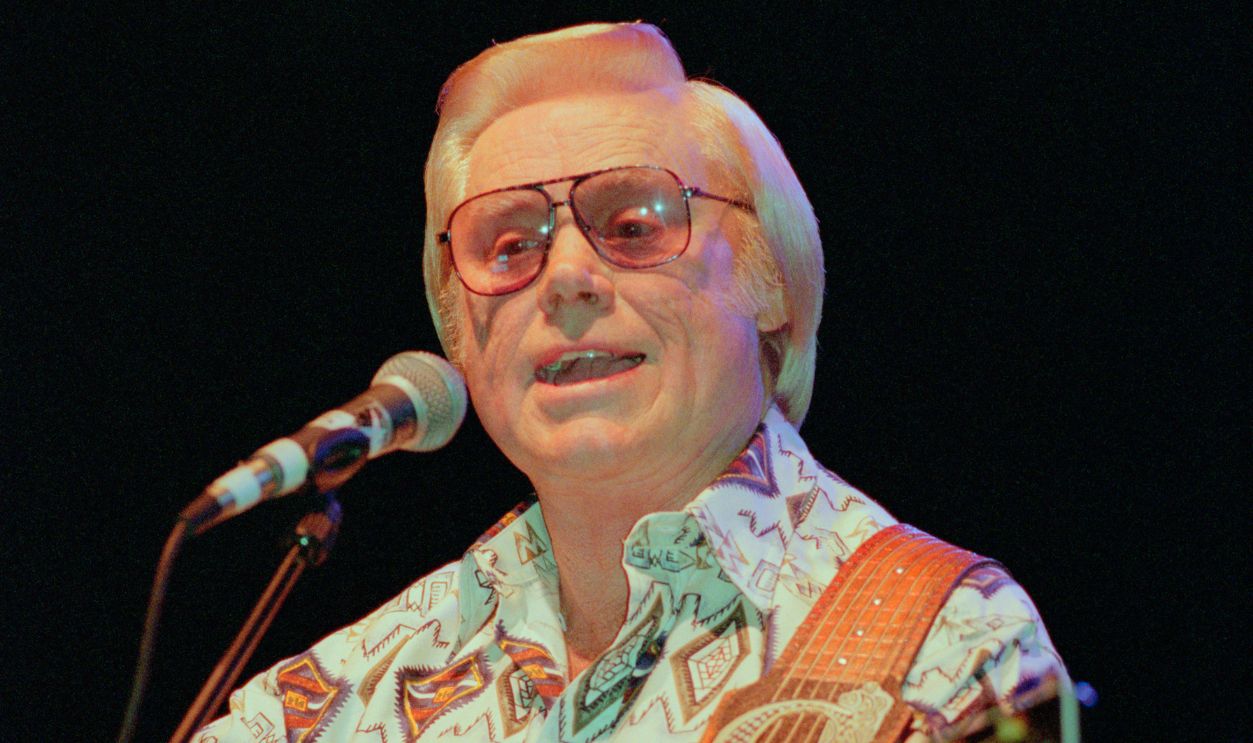
Why Fans Never Let Go
People didn’t love George Jones because he was perfect. They loved him because he was honest. His failures were visible. His pain was audible. His voice told the truth even when he couldn’t.
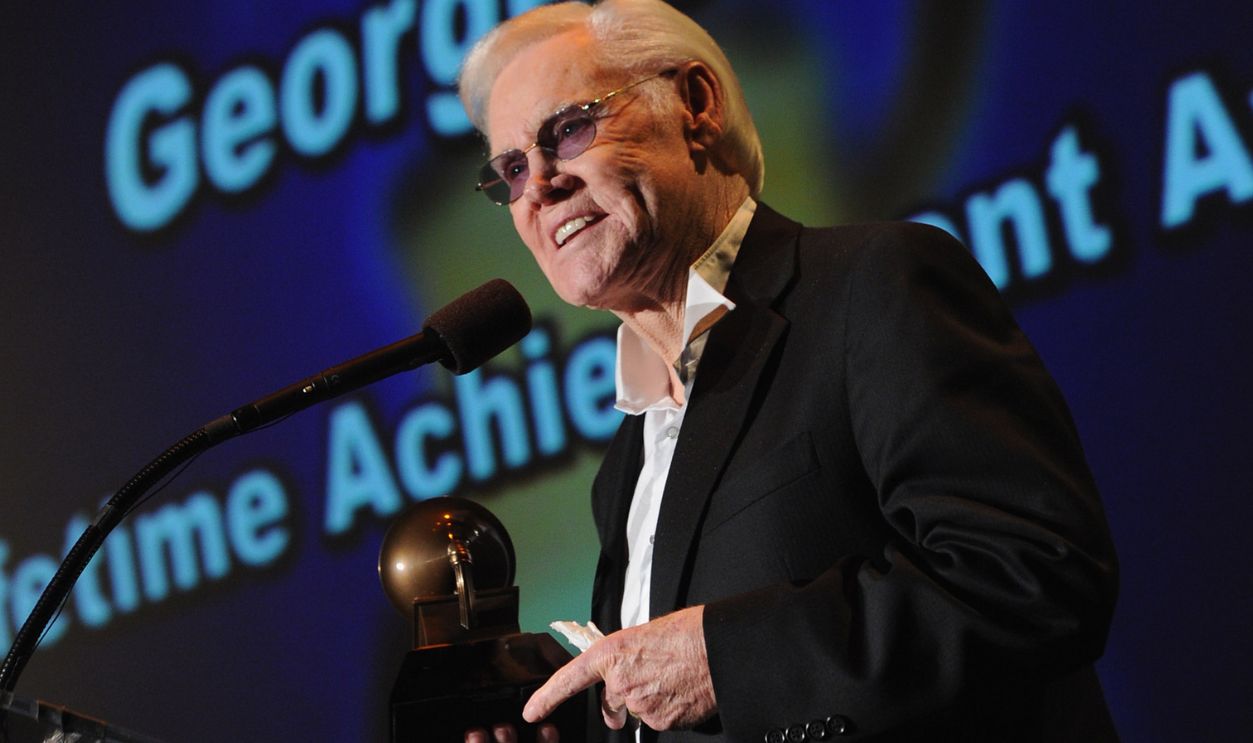
Country Music’s Most Human Hero
The lawn mower didn’t ruin George Jones’ legacy. It sealed it. It proved that behind the greatest voice in country music was a man struggling to stay upright, clinging to music as his lifeline. And somehow, that made him unforgettable.
You May Also Like: