Forgotten Voices
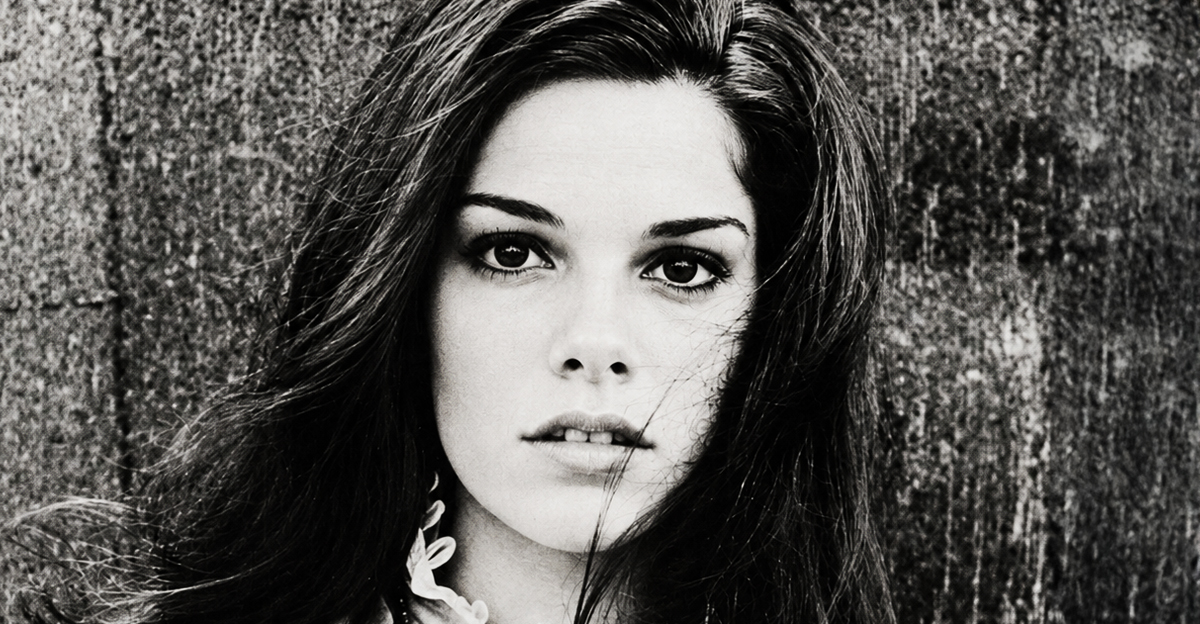
The 1960s produced Aretha Franklin, Dusty Springfield and Dionne Warwick, but the decade was overflowing with equally amazing female vocalists that never became household names. Some scored one unforgettable hit. Others watched famous singers turn their songs into classics. All left records that make their relative obscurity seem downright unfair. (Above: Evie Sands)
 A & M Records, Wikimedia Commons, (modified)
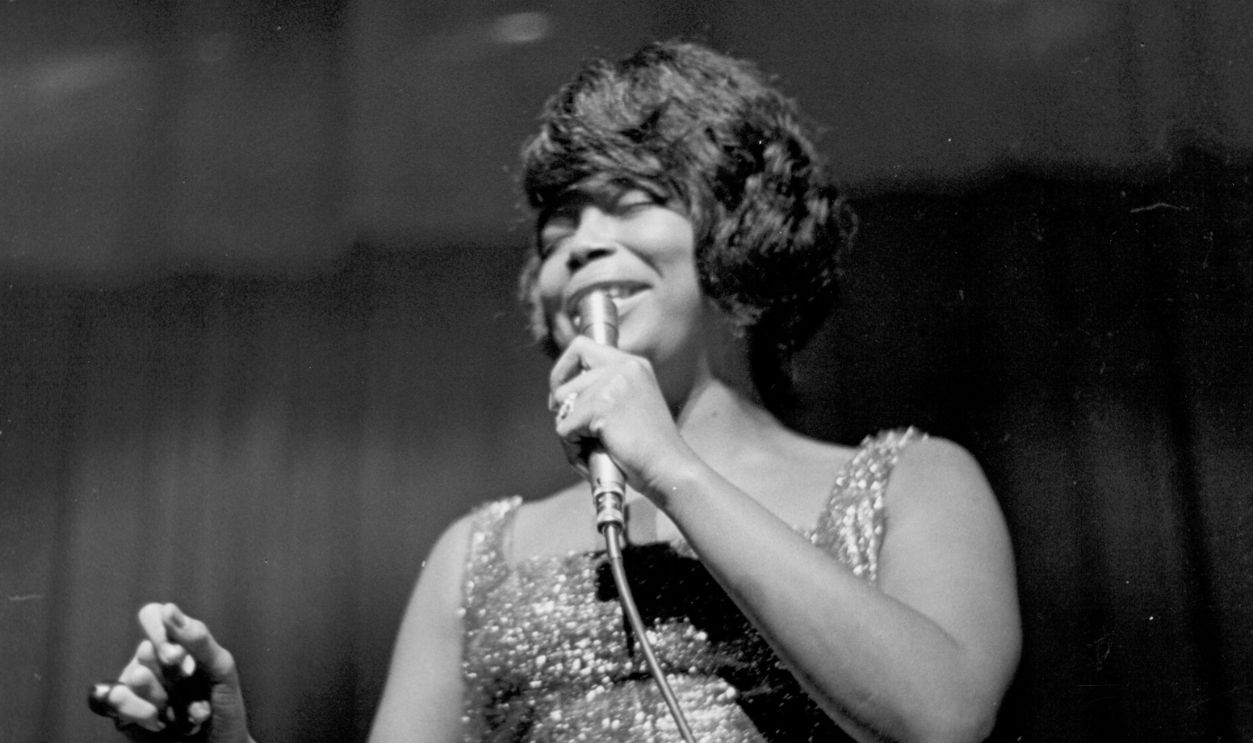
Doris Troy
Doris Troy needed only one enormous record to secure her place in soul history. She co-wrote and sang 1963's "Just One Look," later covered by The Hollies, Linda Ronstadt and others, before becoming an extraordinary session vocalist. She eventually recorded for the Beatles' Apple label and sang behind artists including Pink Floyd, Carly Simon, and The Rolling Stones.
 Michael Ochs Archives, Getty Images
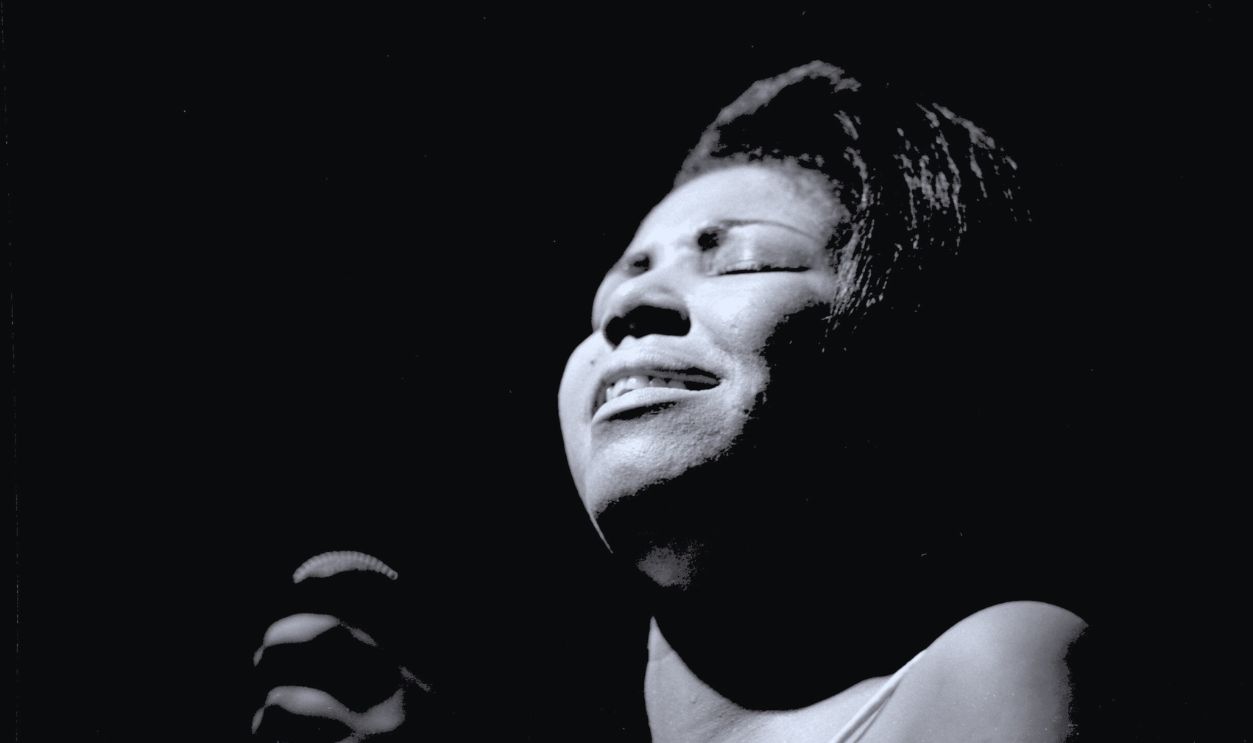
Erma Franklin
Being Aretha Franklin's older sister virtually guaranteed comparisons Erma couldn't escape. Yet her magnificent 1967 recording of "Piece of My Heart" was a hit before Janis Joplin made the song famous with Big Brother and the Holding Company. Erma possessed a formidable gospel-trained voice that deserved recognition entirely independent of her sister.
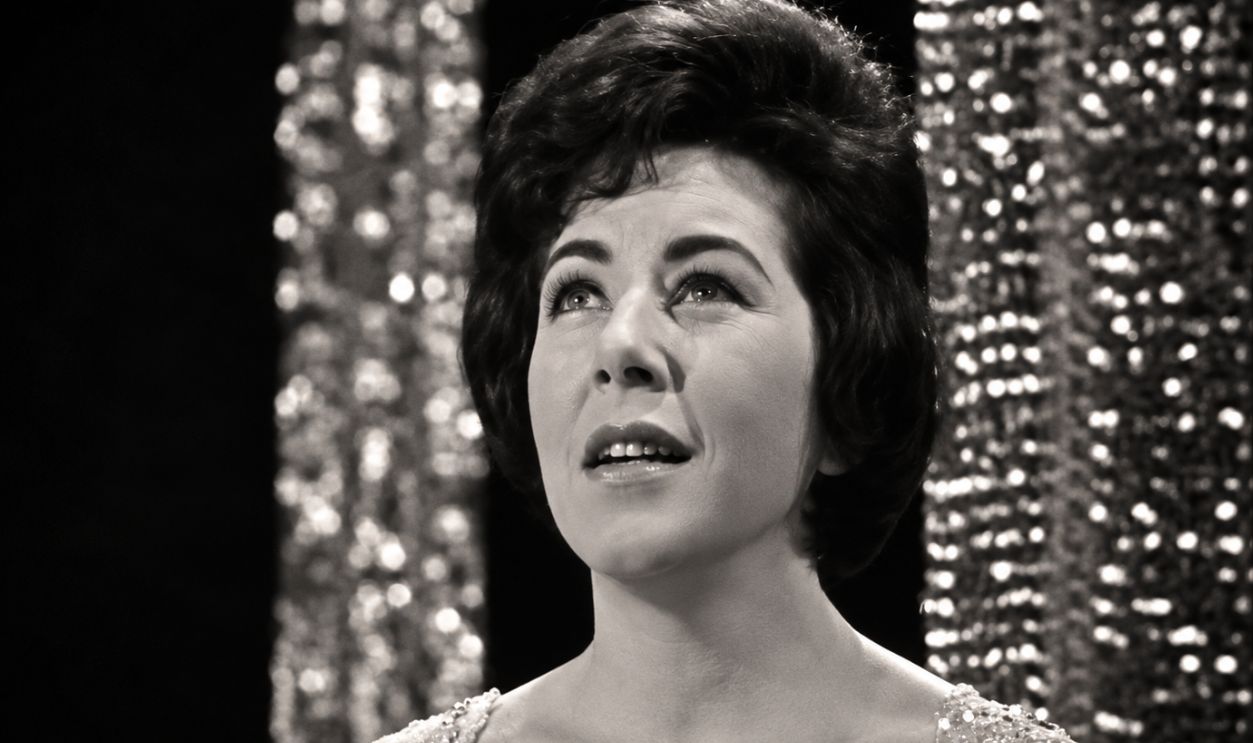
Timi Yuro
Timi Yuro's enormous voice seemed almost impossible to reconcile with the petite woman producing it. "Hurt" became a Top 10 hit in 1961, while "What's a Matter Baby (Is It Hurting You?)" reached No. 12. Despite her extraordinary soul phrasing, Yuro never again achieved comparable American success.
 Screenshot from Hurt, Liberty Records (1961), Modified
Brenda Holloway
Motown seemed to have another superstar when 17-year-old Brenda Holloway arrived with "Every Little Bit Hurts." She toured with The Beatles and co-wrote "You've Made Me So Very Happy," later a huge Blood, Sweat & Tears hit. Yet frustration with Motown contributed to Holloway leaving the label and largely abandoning music while still remarkably young.
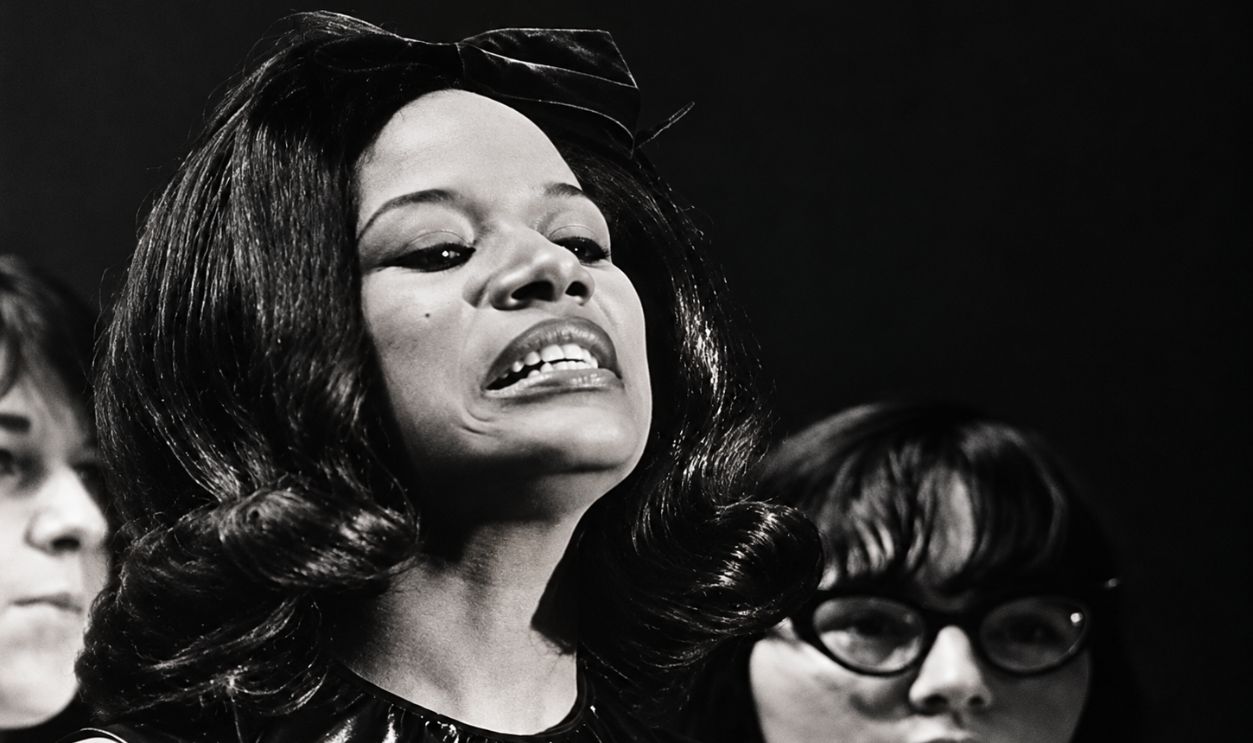 Screenshot from Every Little Bit Hurts, Tamla Records (1964), Modified
Dee Dee Warwick
Dionne Warwick wasn't the family's only extraordinary singer. Her younger sister Dee Dee possessed a grittier, deeply soulful voice showcased on records including "I Want to Be With You" and the Grammy-nominated "Foolish Fool." She also worked extensively as a backing vocalist, yet mainstream stardom stubbornly remained beyond her reach.
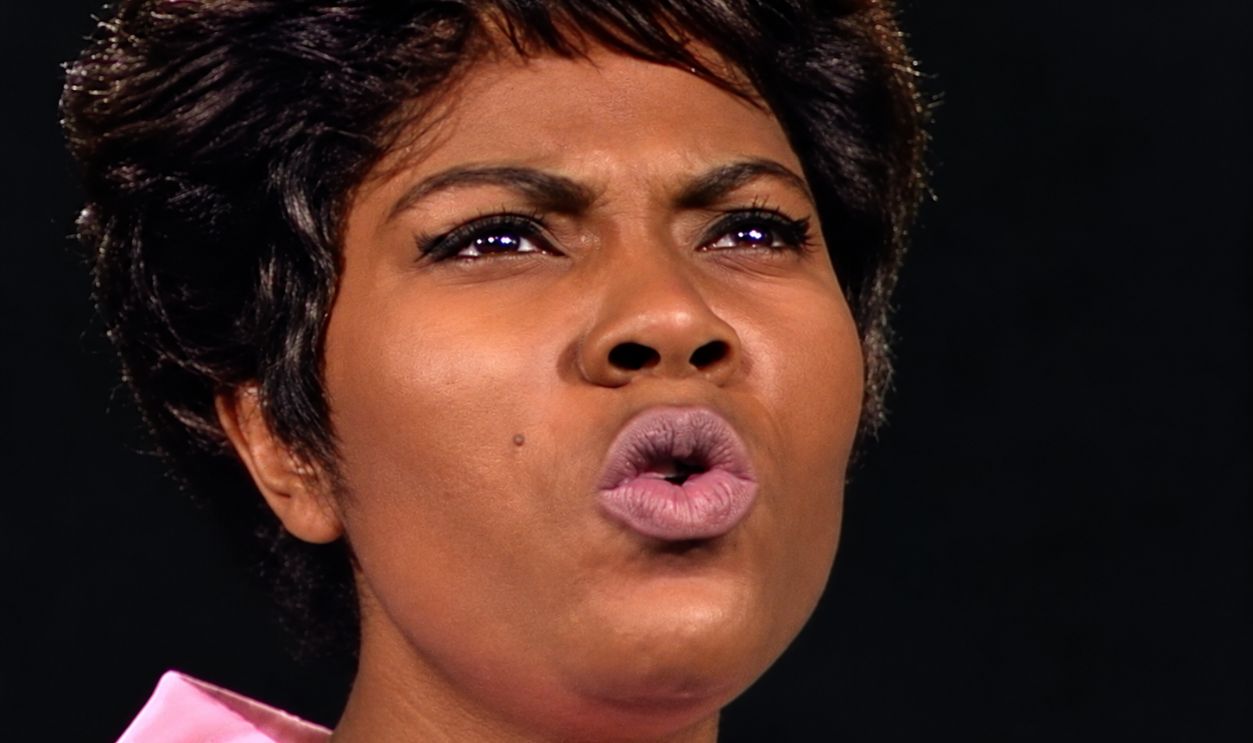 Screenshot from Foolish Fool, Mercury Records (1969), Modified
Lorraine Ellison
Lorraine Ellison delivered one of soul music's great vocal performances with 1966's "Stay With Me." Producer Jerry Ragovoy surrounded her with an enormous orchestral arrangement, but Ellison supplied the emotional explosion at its center. The record became a modest hit, while Ellison herself never received anything approaching the fame her voice suggested she deserved.
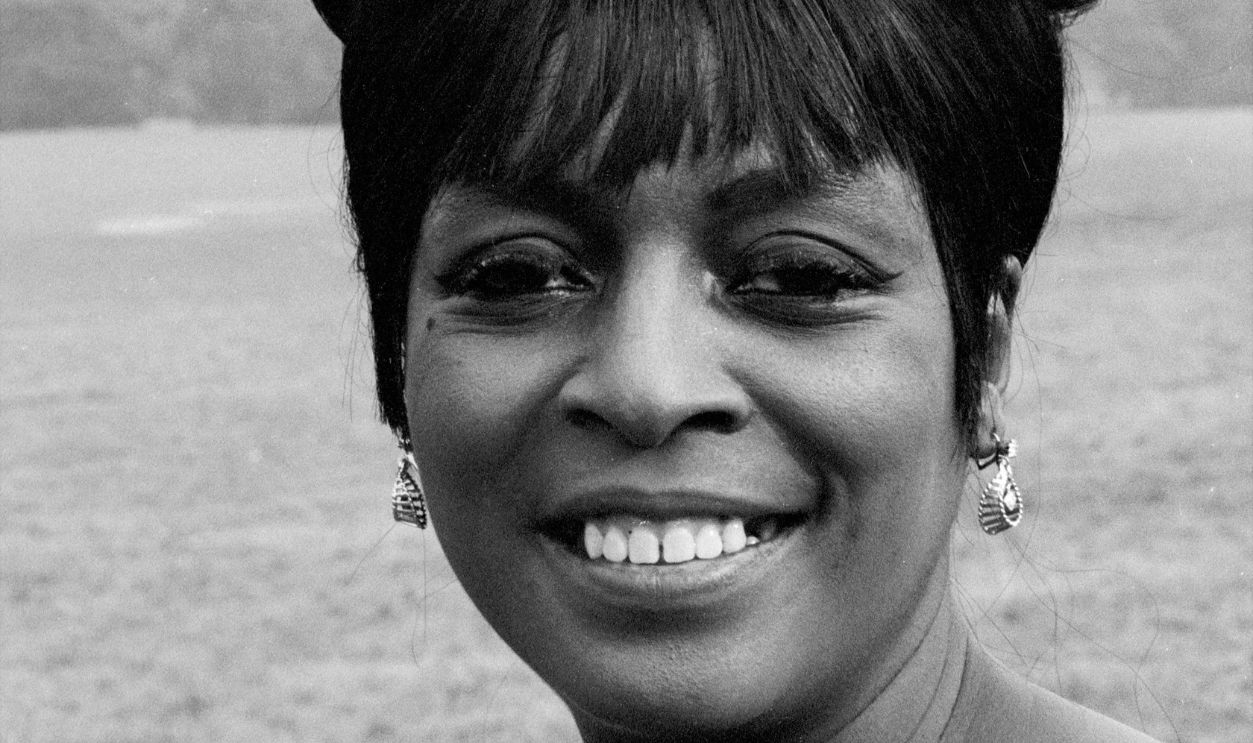 Michael Ochs Archives, Getty Images
Baby Washington
Justine "Baby" Washington could make heartbreak sound impossibly elegant. Her 1963 recording "That's How Heartaches Are Made" became her signature hit, but Washington accumulated an impressive catalog stretching across R&B and soul. She enjoyed considerably more chart success than her modern profile suggests, yet somehow slipped from mainstream oldies history.
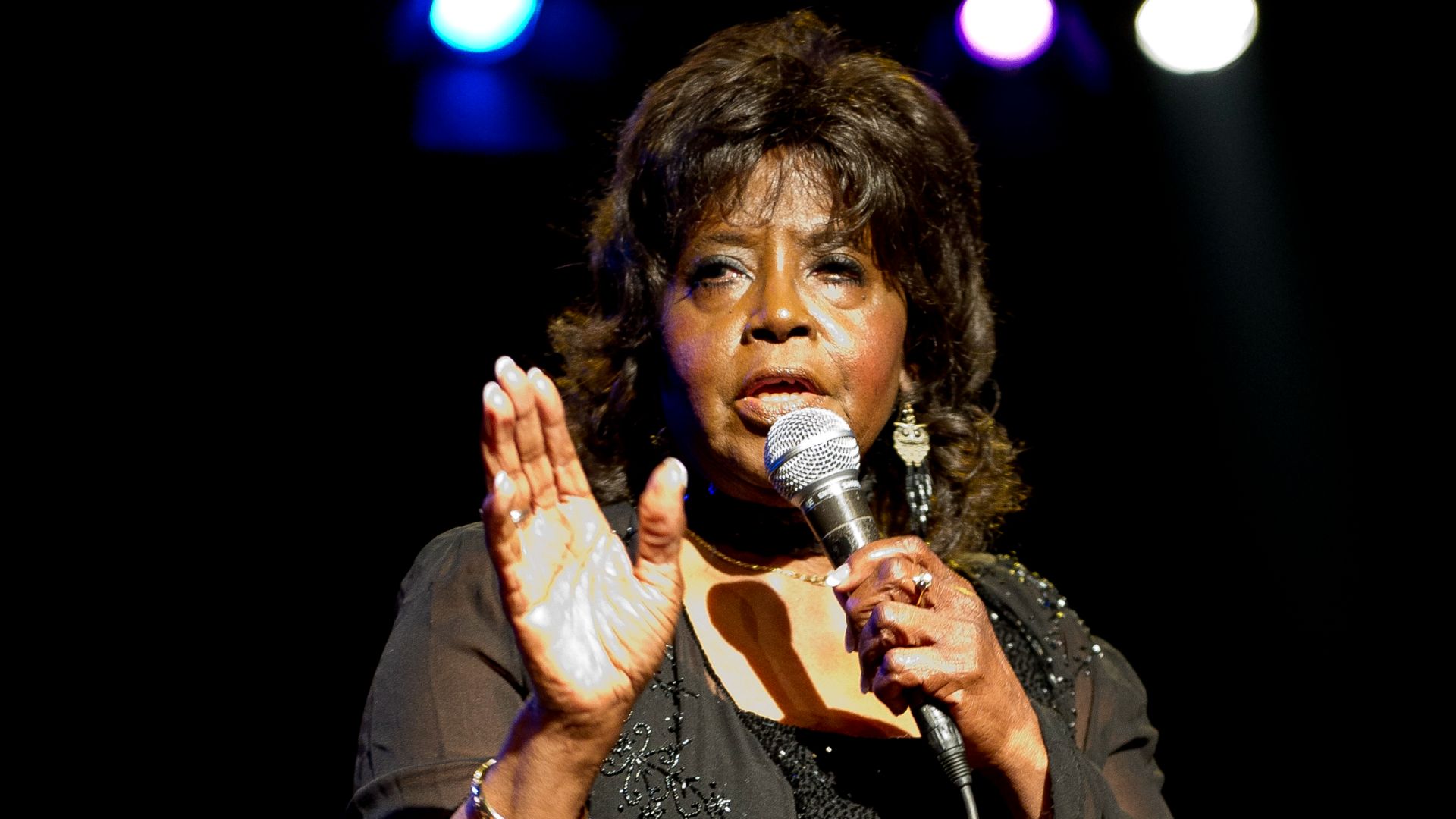 Urko Dorronsoro, Wikimedia Commons
Barbara Lynn
Barbara Lynn wasn't merely a terrific singer. She was a left-handed guitarist and songwriter who reached the Top 10 with her own composition "You'll Lose a Good Thing" in 1962. She toured with major stars and recorded consistently strong material, yet never became the crossover celebrity her unusual combination of talents seemingly promised.
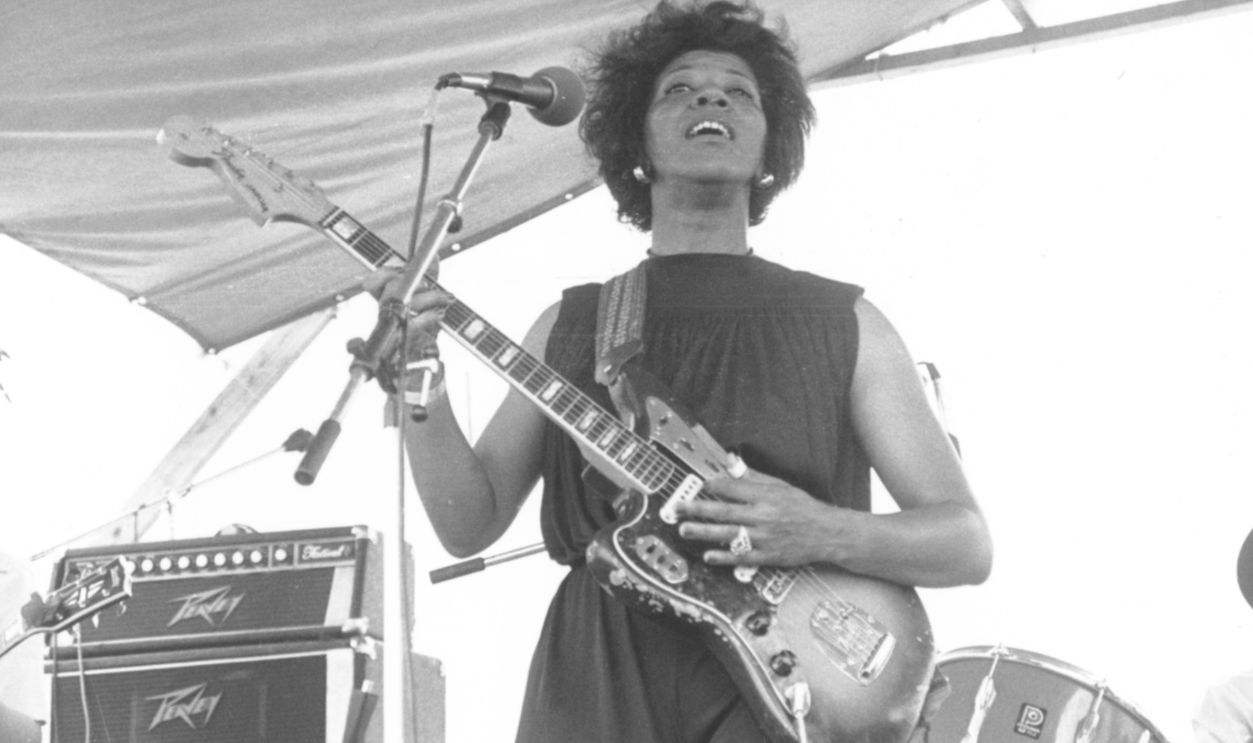 Charles Paul Harris, Getty Image
Maxine Brown
Maxine Brown seemed poised for enormous success after early hits including "All in My Mind" and "Funny." She later recorded sophisticated soul for Wand Records, including the enduring "Oh No Not My Baby." Brown remained respected by soul devotees, but the larger pop audience gradually forgot just how prominent she had once been.
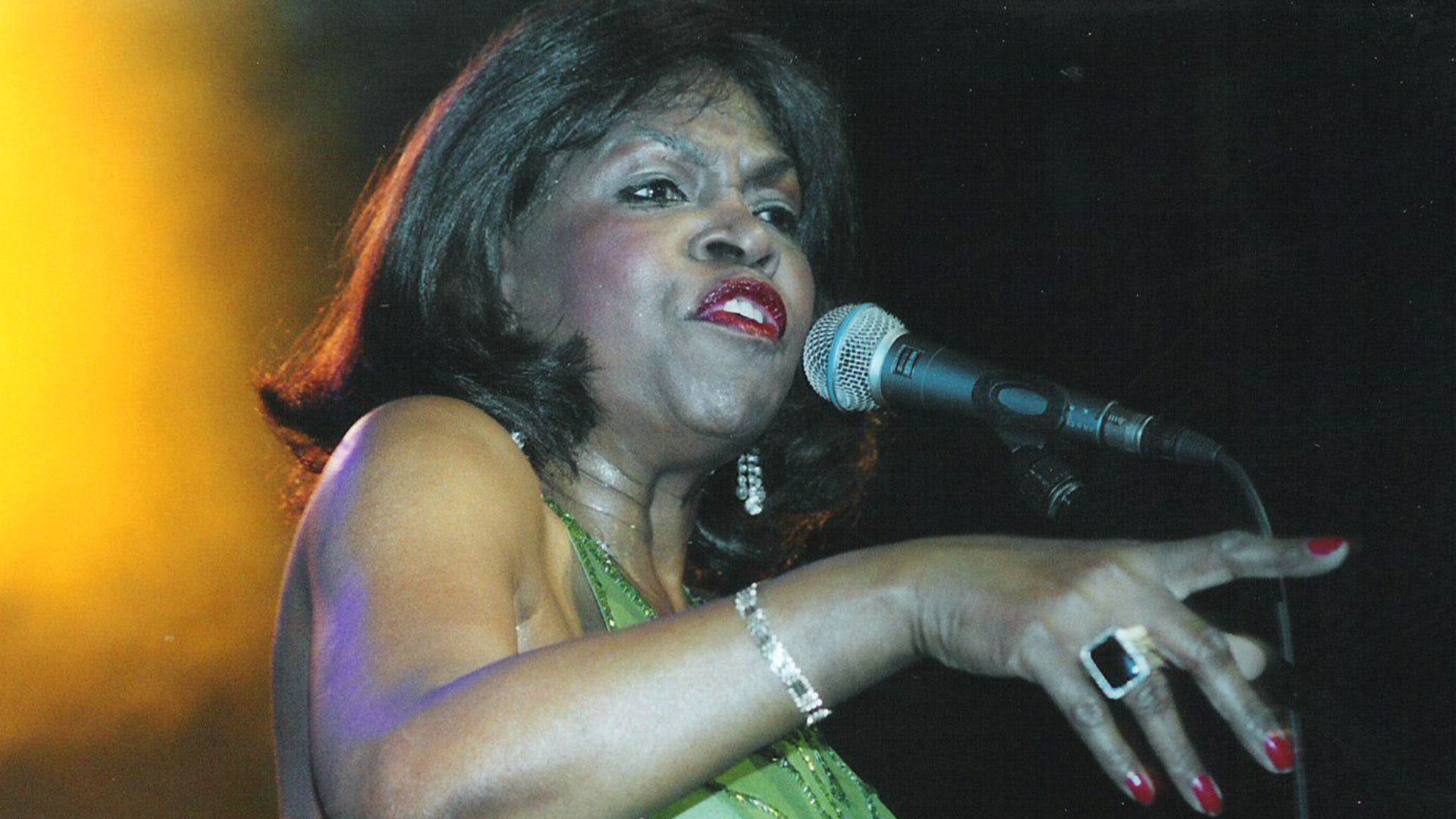
Bettye Swann
Bettye Swann reached No. 1 on the R&B chart with 1967's "Make Me Yours," a record she also wrote. Her warm, understated delivery was perfectly suited to country-inflected soul, but subsequent records couldn't transform that breakthrough into lasting superstardom. Swann eventually left the music business almost completely.
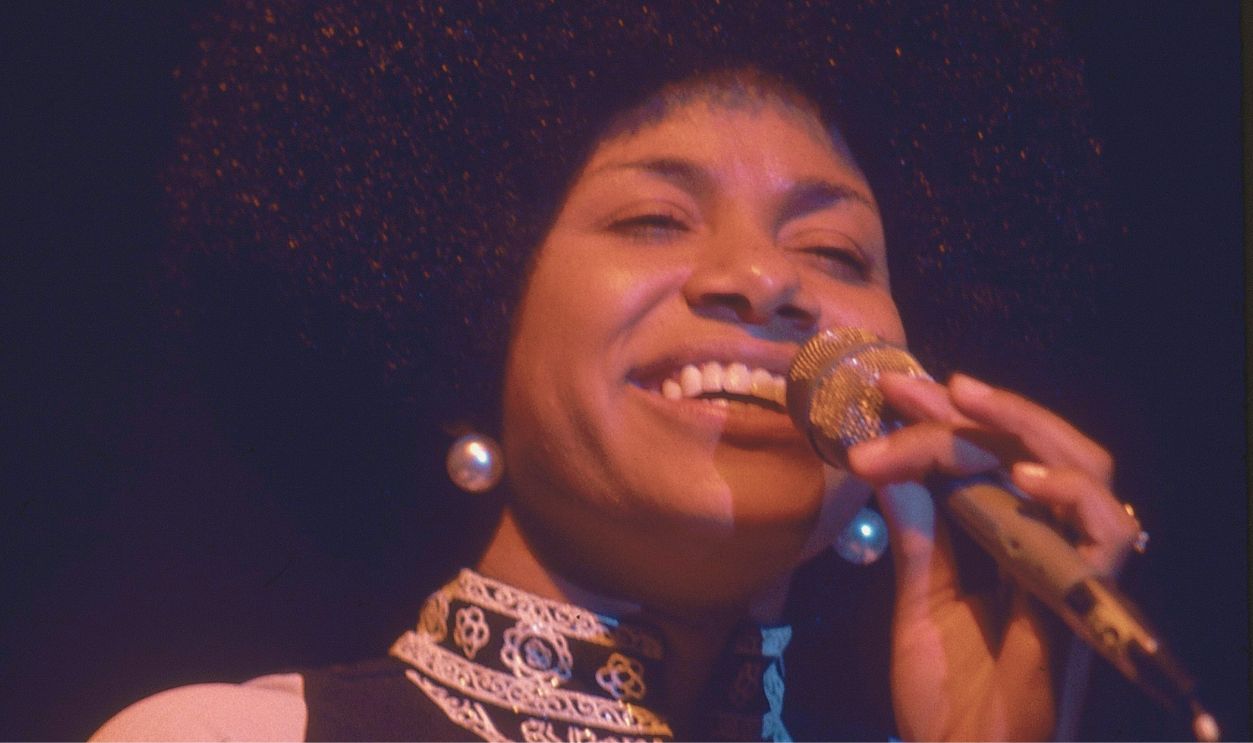 Michael Ochs Archives, Getty Images
Evie Sands
Few singers had worse timing than Evie Sands. Her superb 1965 recording of "Take Me for a Little While" was undermined when a competing version reached the marketplace, while other songs she recorded first became better known through other artists. Sands nevertheless earned enormous respect among musicians for her singing, songwriting and musicianship.
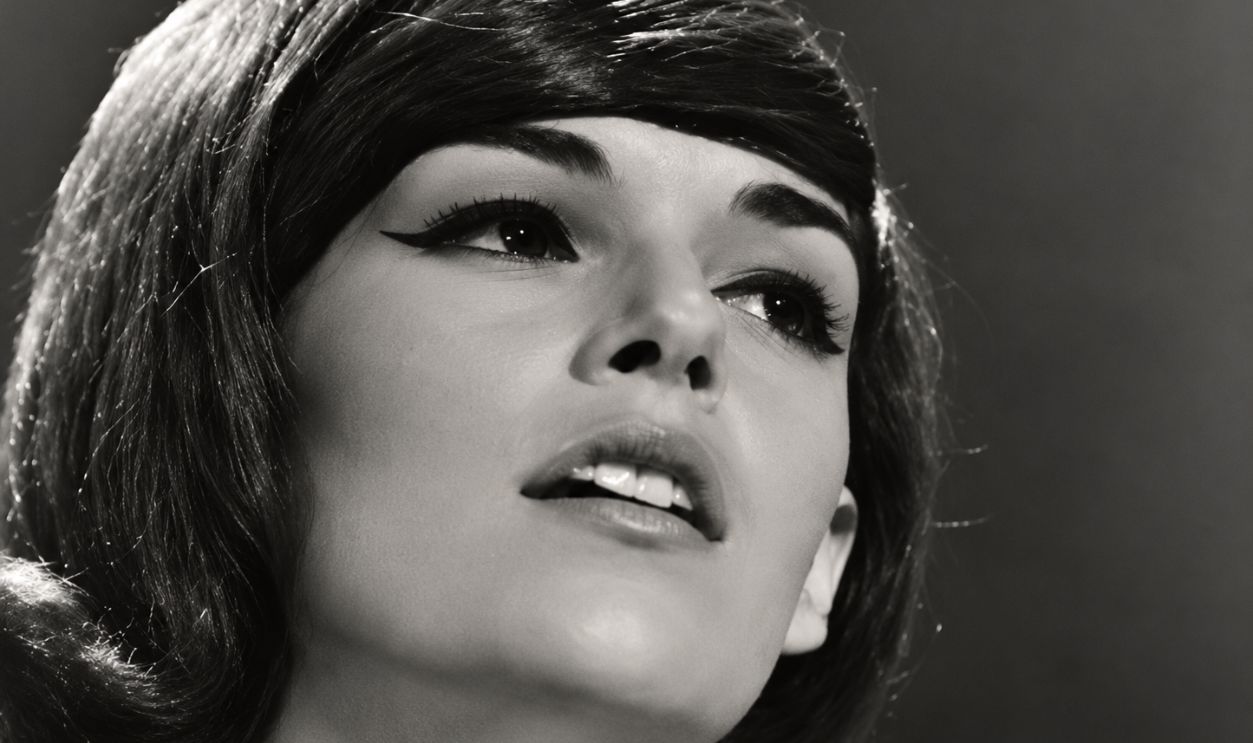 Screenshot from Take Me for a Little While, Blue Cat Records (1965), Modified
P.P. Arnold
American-born P.P. Arnold found her greatest opportunities after arriving in Britain as one of Ike and Tina Turner's Ikettes. "The First Cut Is the Deepest" and "Angel of the Morning" displayed a commanding soul voice, while friendships with figures including Mick Jagger placed her near the center of swinging London without making her a comparable star.
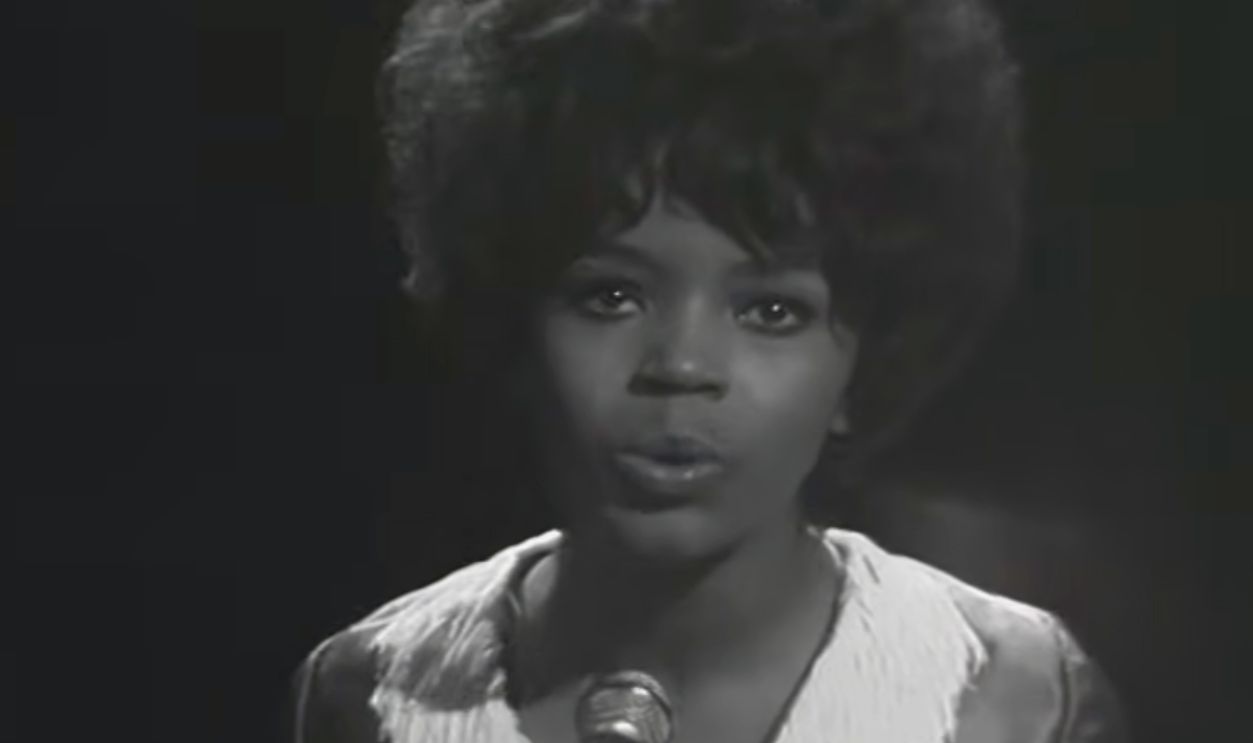 Screenshot from Angel of the Morning, Immediate Records (1968), Modified
Chris Clark
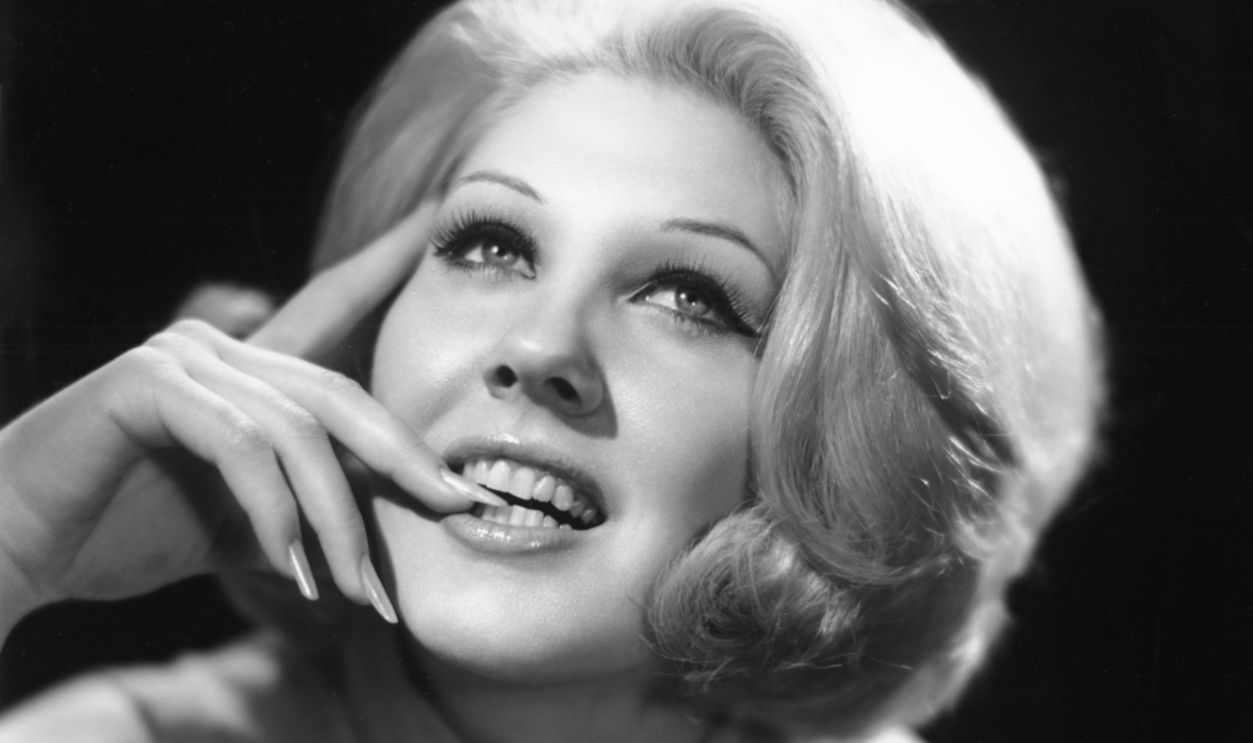
Chris Clark stood out immediately at Motown: a six-foot tall blonde white singer delivering remarkably convincing soul. Her 1967 album Soul Sounds showcased her powerful voice, but sustained commercial success never arrived. She also recorded “Do I Love You (Indeed I Do),” although Motown shelved her version at the time. Her recordings later became prized discoveries for soul collectors.
Betty Harris
Betty Harris brought gospel intensity to New Orleans soul after teaming with legendary producer Allen Toussaint. Records including "Cry to Me" and "Nearer to You" showed what she could do, but chart success remained limited. She eventually walked away from the music industry, leaving behind a compact but remarkably admired catalog.
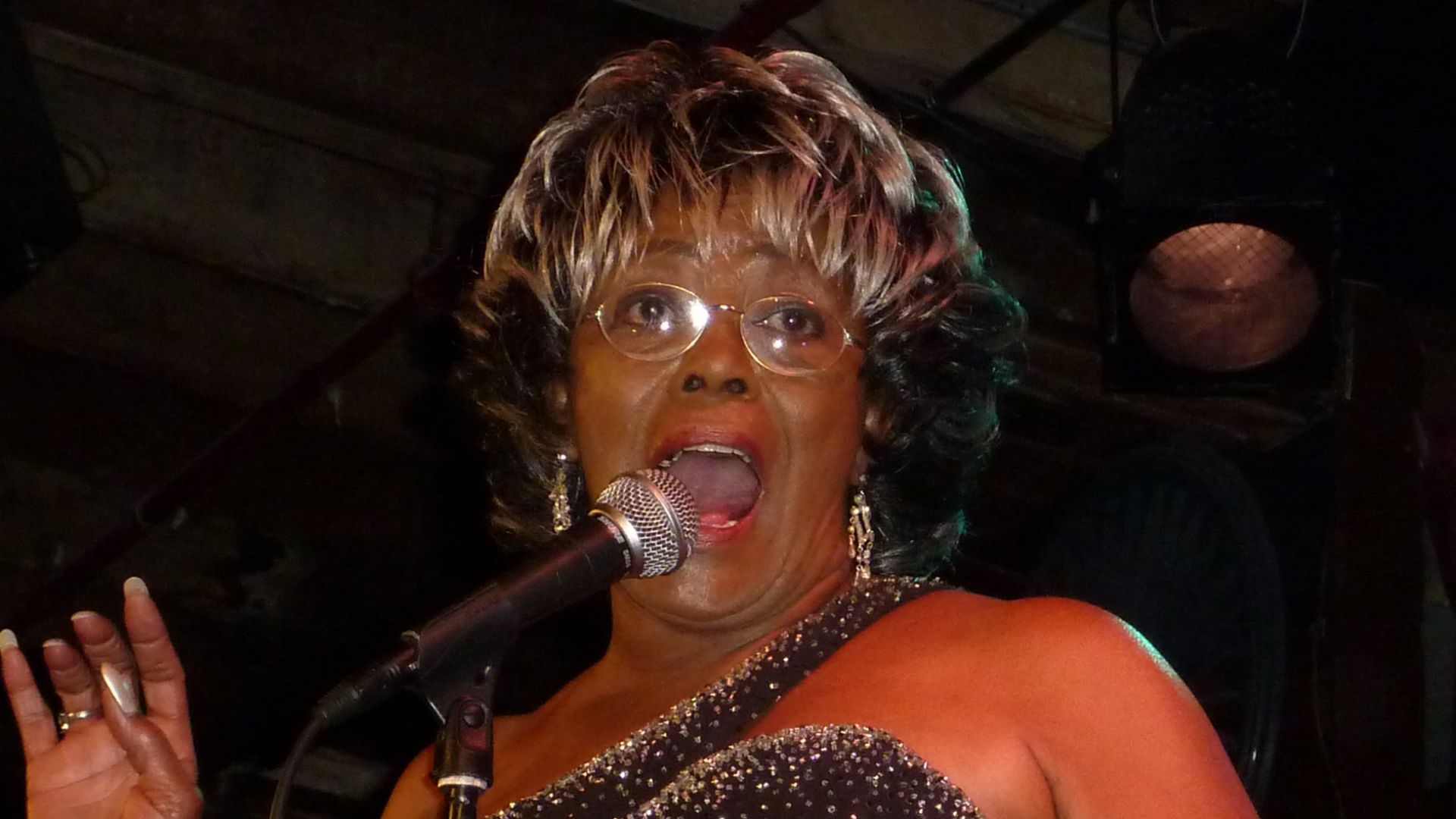 Peter M. Parrella, Wikimedia Commons
Mitty Collier
Chicago singer Mitty Collier turned gospel feeling into secular soul with remarkable ease. Her biggest record, 1964's "I Had a Talk With My Man," adapted a gospel song she already knew intimately. Despite several fine Chess recordings, major crossover success eluded her, and Collier eventually returned to gospel and became a pastor.
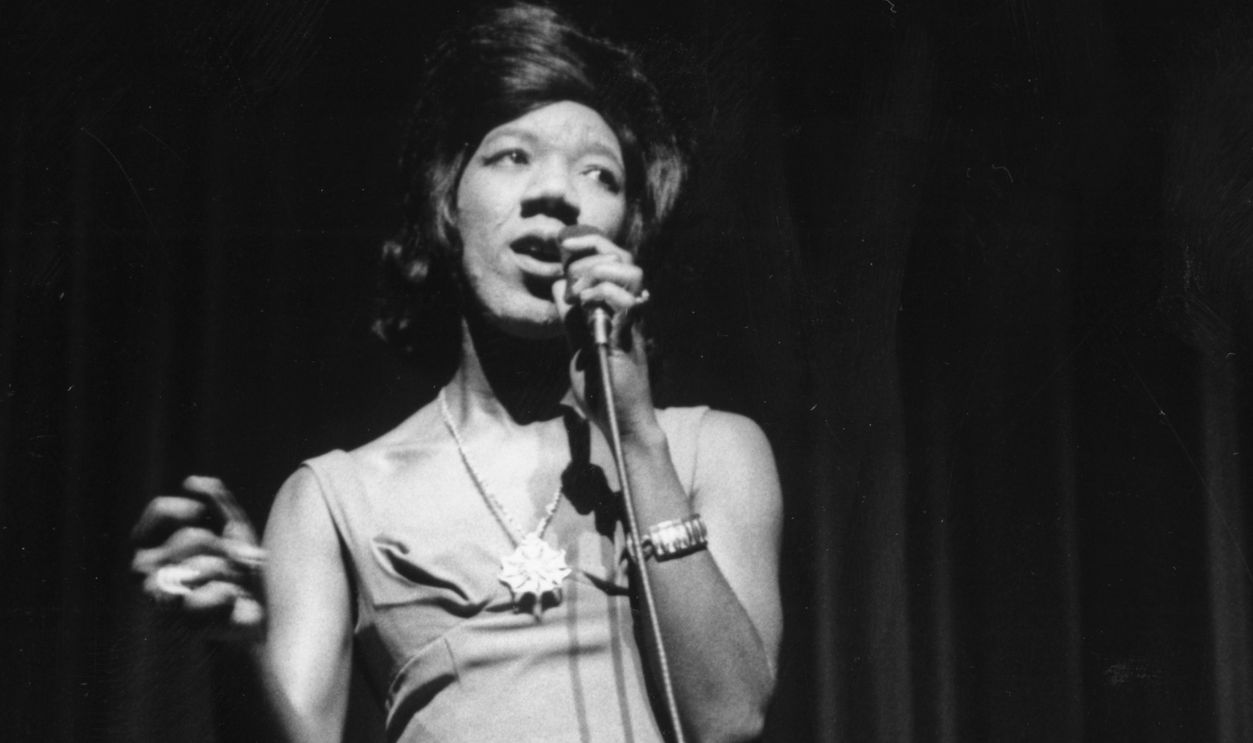 Michael Ochs Archives, Getty Images
Linda Jones
Linda Jones could move from a whisper to an anguished cry with astonishing intensity. Her 1967 hit "Hypnotized" demonstrated a vocal style that would influence later soul singers, but severe diabetes complicated her career. Jones died in 1972 at only 27, cutting short a talent that was still developing.
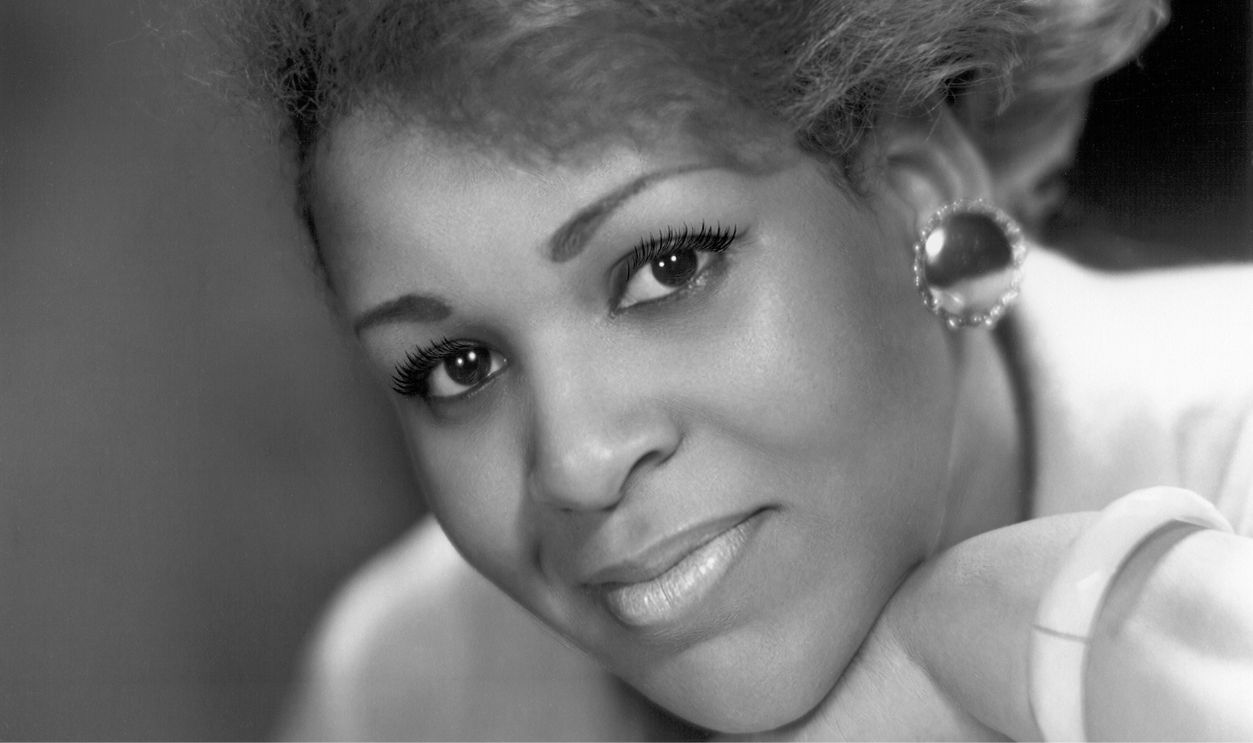 Michael Ochs Archives, Getty Images
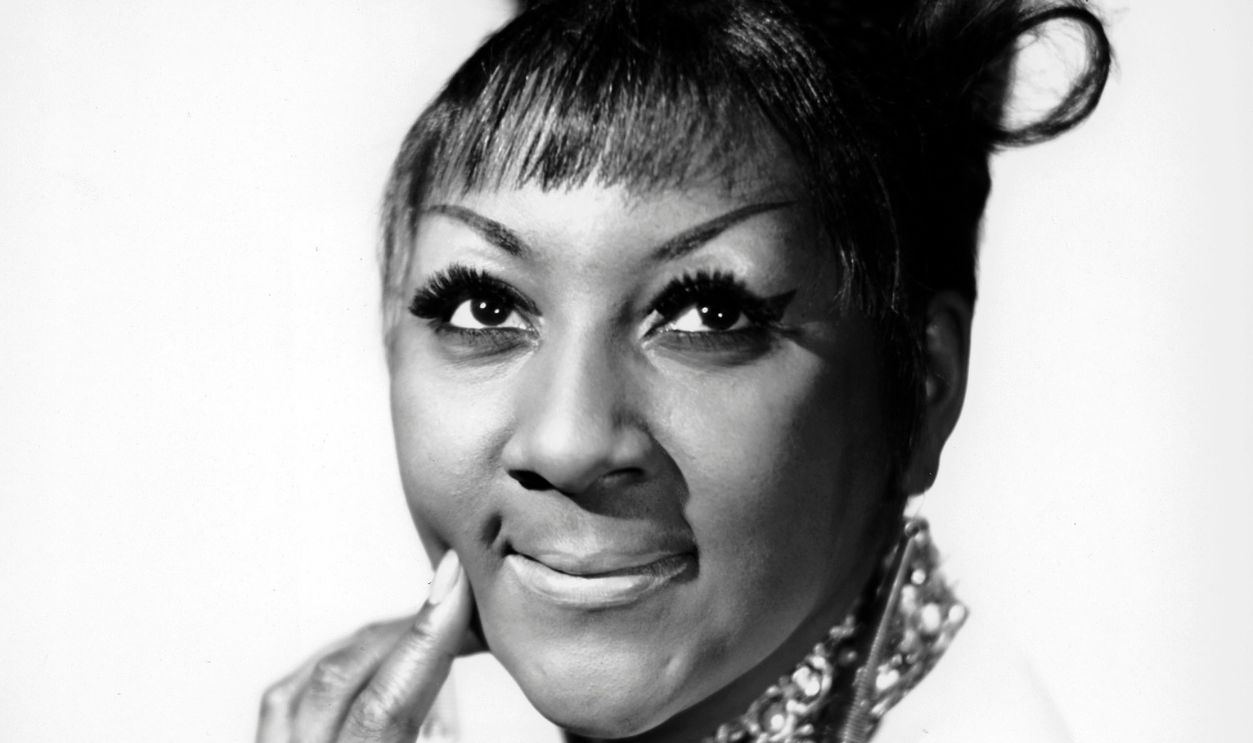
Judy Clay
Judy Clay became an important figure in interracial soul duets, recording with white singer Billy Vera at a time when such partnerships could provoke resistance from programmers and audiences. Their "Storybook Children" became an R&B hit. Clay's powerful voice also made her an invaluable session singer, but solo stardom never followed.
Betty Everett
Betty Everett is remembered primarily for the irresistible 1964 hit "The Shoop Shoop Song (It's in His Kiss)," but reducing her to one record seriously undersells her. Everett was an expressive, versatile soul singer whose recordings ranged from pop to deep soul, including memorable duets with Jerry Butler.
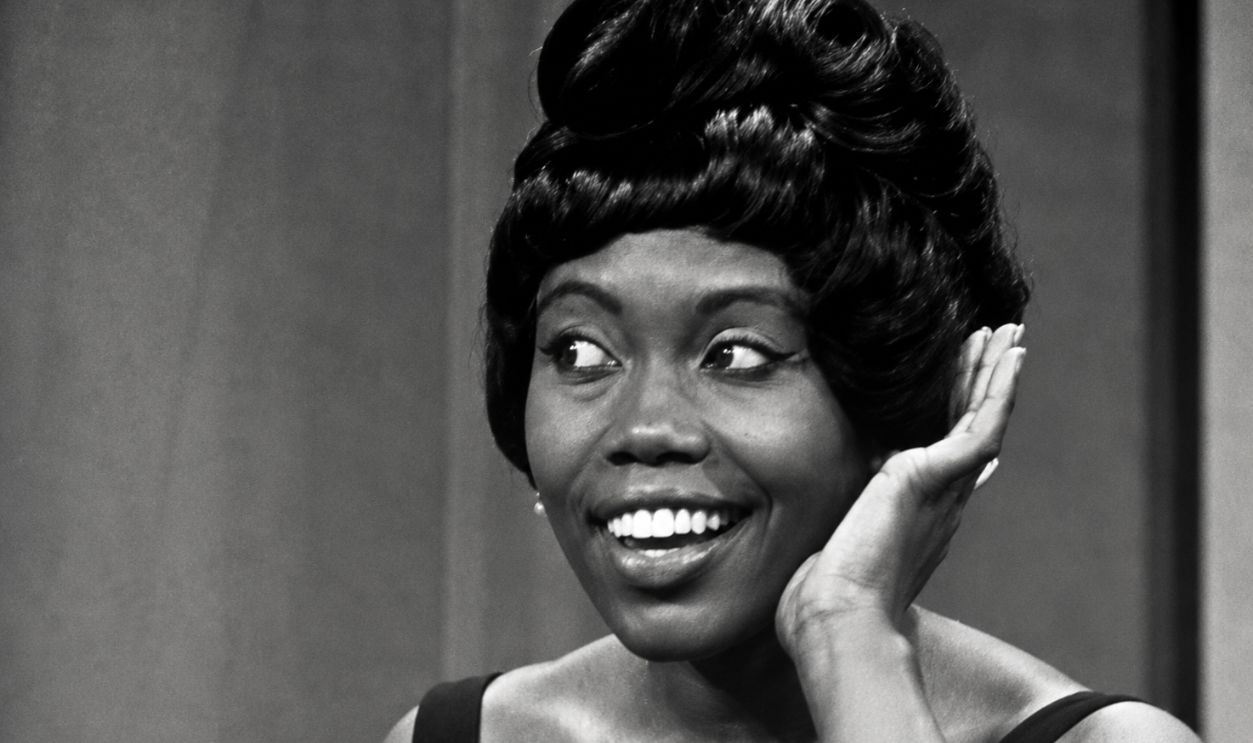 Screenshot from The Shoop Shoop Song (It's in His Kiss), Vee-Jay Records (1964), Modified
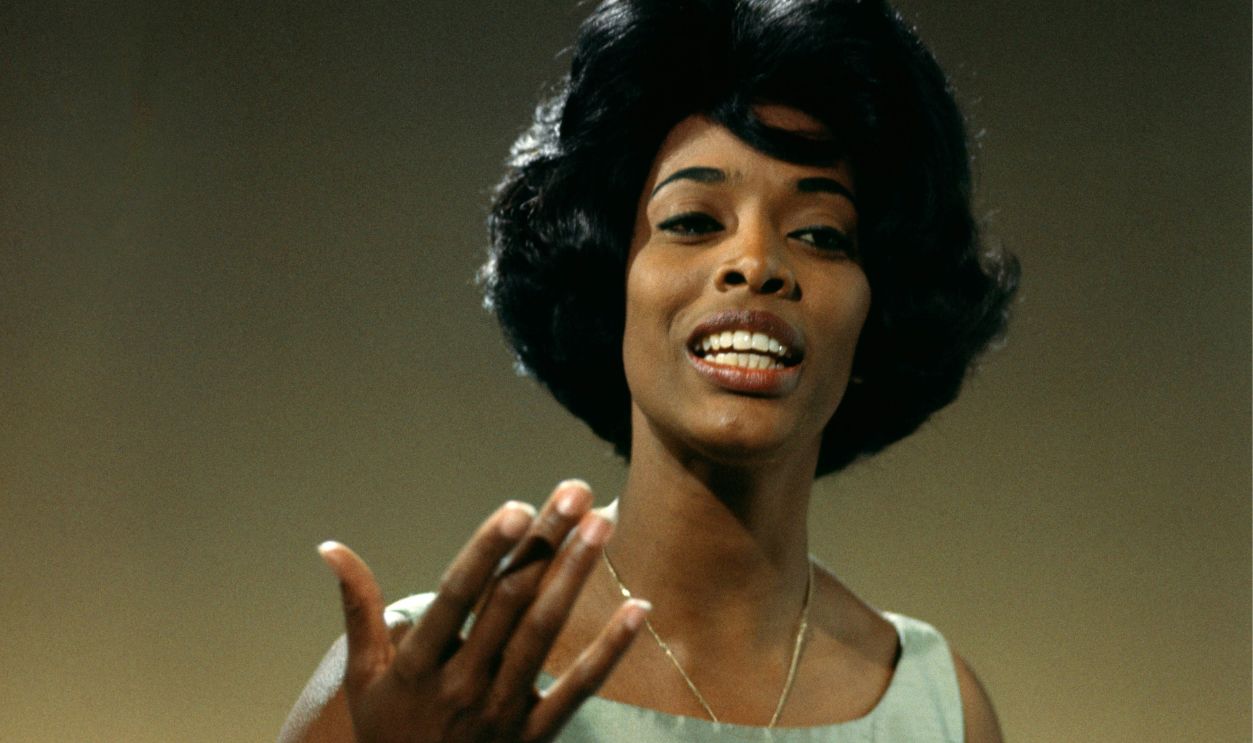
Ketty Lester
Ketty Lester's hauntingly restrained "Love Letters" became a major hit in 1962 and remains her defining recording. Follow-up singles never duplicated its success, and Lester eventually developed a substantial acting career, appearing in television and films. Viewers of Little House on the Prairie may remember her as Hester-Sue Terhune.
Nella Dodds
Philadelphia singer Nella Dodds released an excellent 1964 version of “Come See About Me” before The Supremes' recording appeared as a single. Dodds's version was already climbing the charts when Motown released its version, which quickly overwhelmed it. She produced a small run of striking soul singles before disappearing from the national spotlight.

Sugar Pie DeSanto
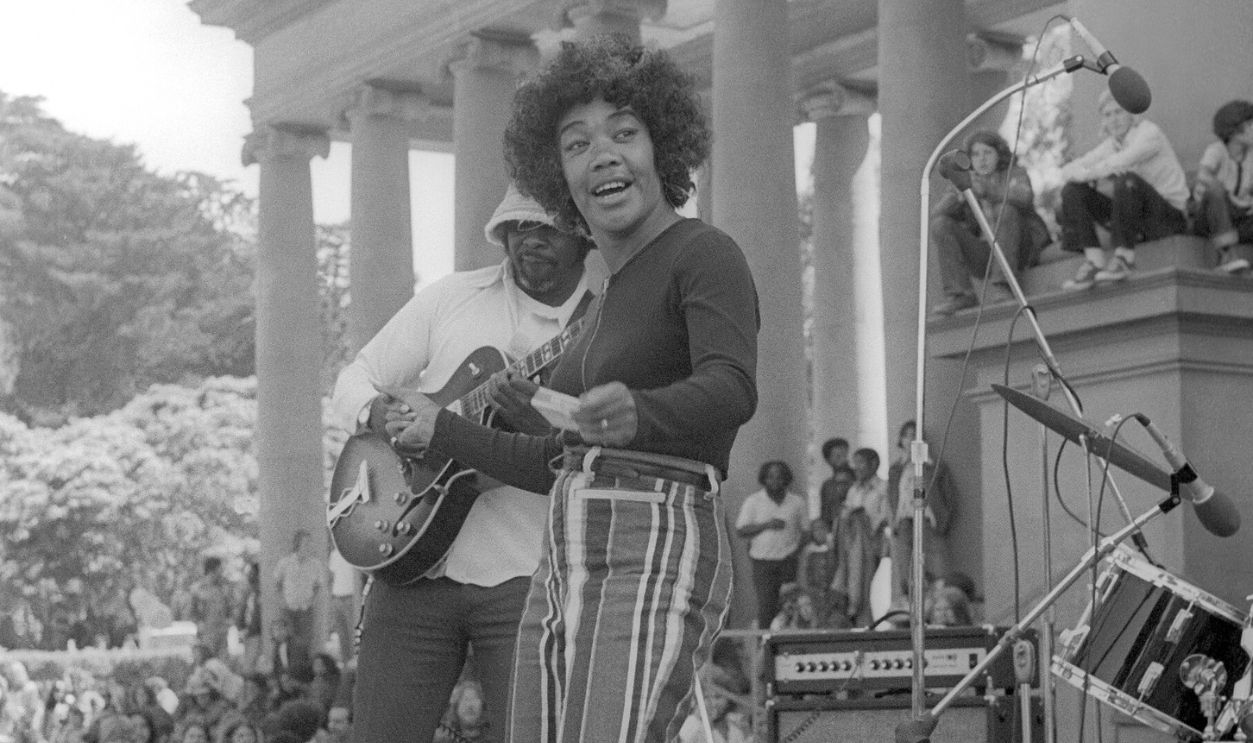
Sugar Pie DeSanto was tiny, ferociously energetic and impossible to ignore onstage. She recorded for Chess, toured with James Brown and scored an R&B hit with "I Want to Know." She also recorded fiery duets with Etta James, her childhood friend, yet DeSanto somehow remained far less famous than many contemporaries.
Jackie Ross
Jackie Ross sounded like a star from the moment "Selfish One" arrived in 1964. The Chicago soul single reached the national Top 20, but contractual and business difficulties complicated what should have been her breakthrough. Ross continued recording, leaving behind records cherished by soul fans without ever becoming the major name that first hit predicted.
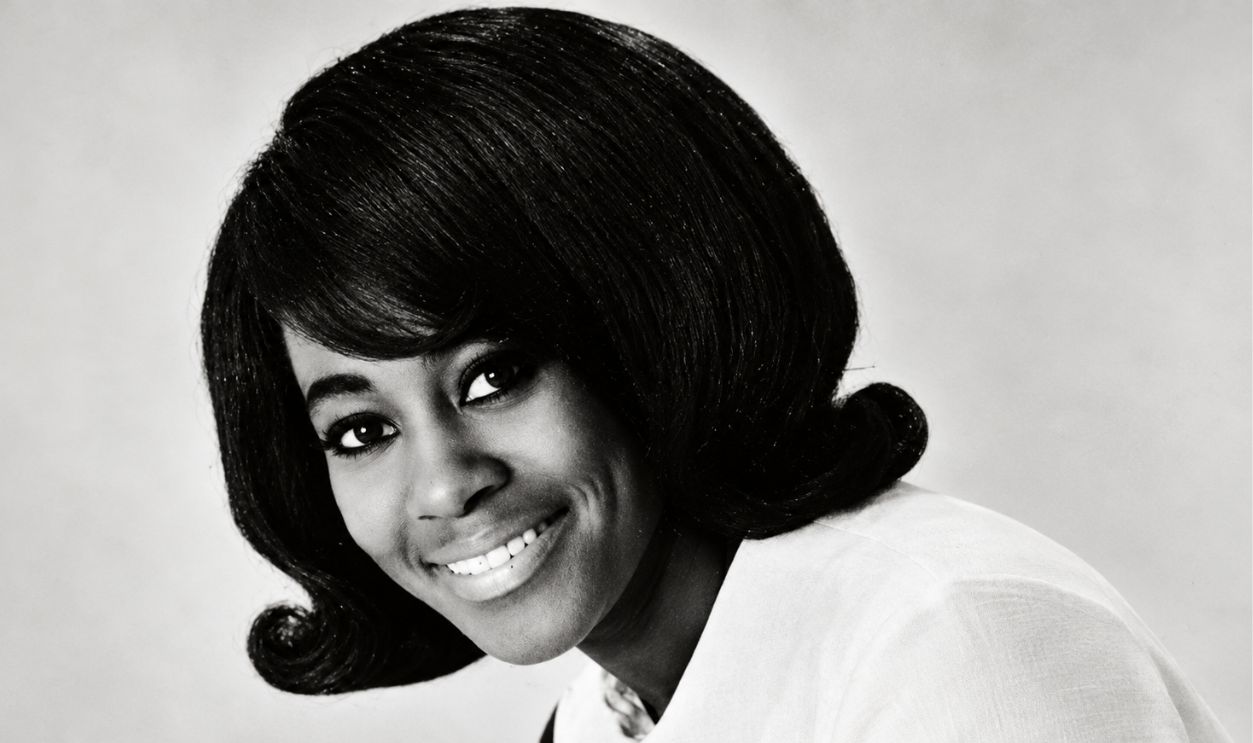 Chess Records, Wikimedia Commons, Modified
Barbara Lewis
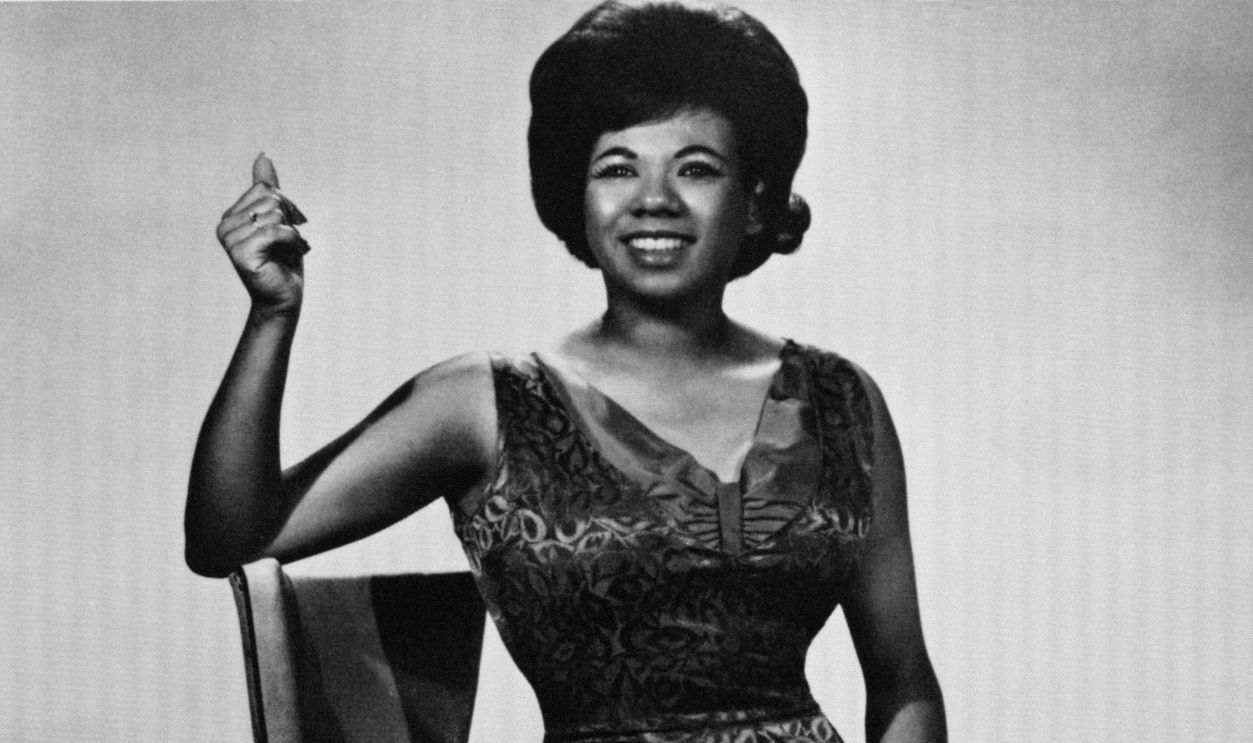
Barbara Lewis actually accumulated several substantial hits, making her "forgotten" status particularly strange. She wrote and recorded the dreamy 1963 classic "Hello Stranger," then followed it with songs including "Baby I'm Yours" and "Make Me Your Baby." Her intimate, almost conversational singing sounded decades ahead of its time.
Fontella Bass
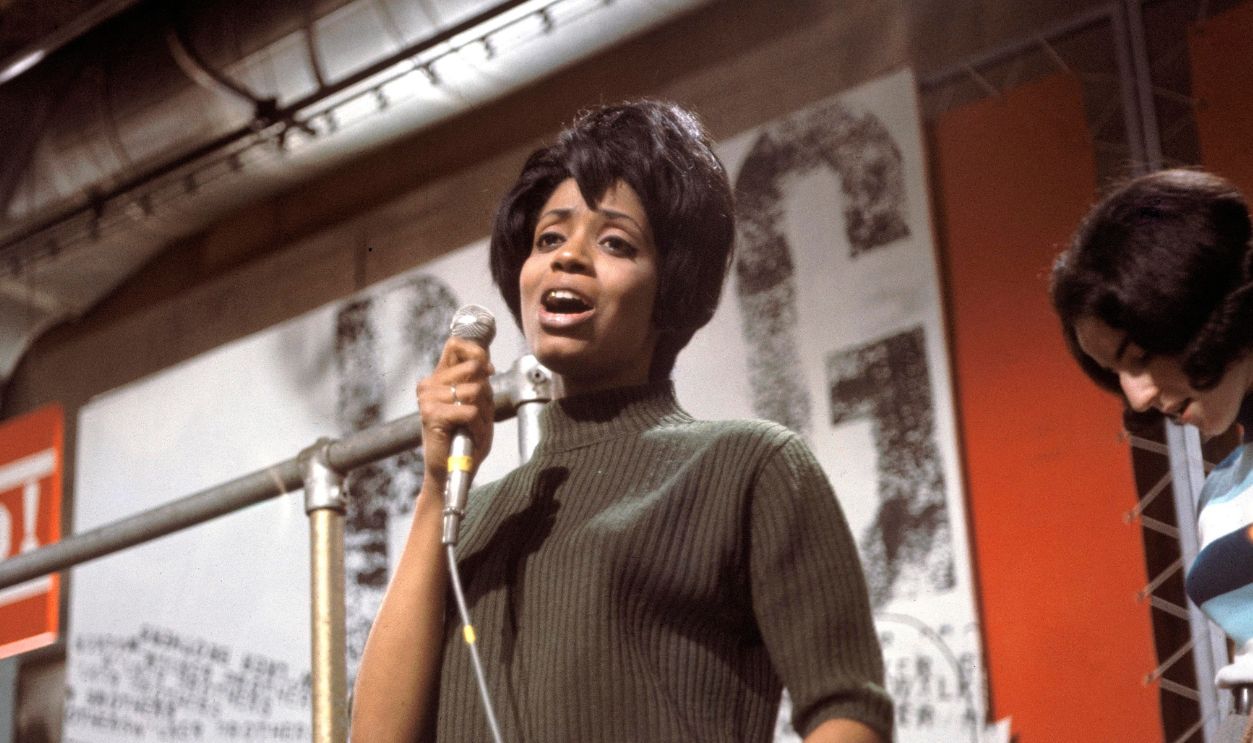
"Rescue Me" is so famous that it has sometimes been mistaken for an Aretha Franklin recording. It actually belonged to Fontella Bass, whose gospel-rooted performance sent the song to the top of the R&B chart in 1965. Bass never duplicated its enormous success, leaving an excellent singer permanently overshadowed by her own signature song.
Tammi Terrell
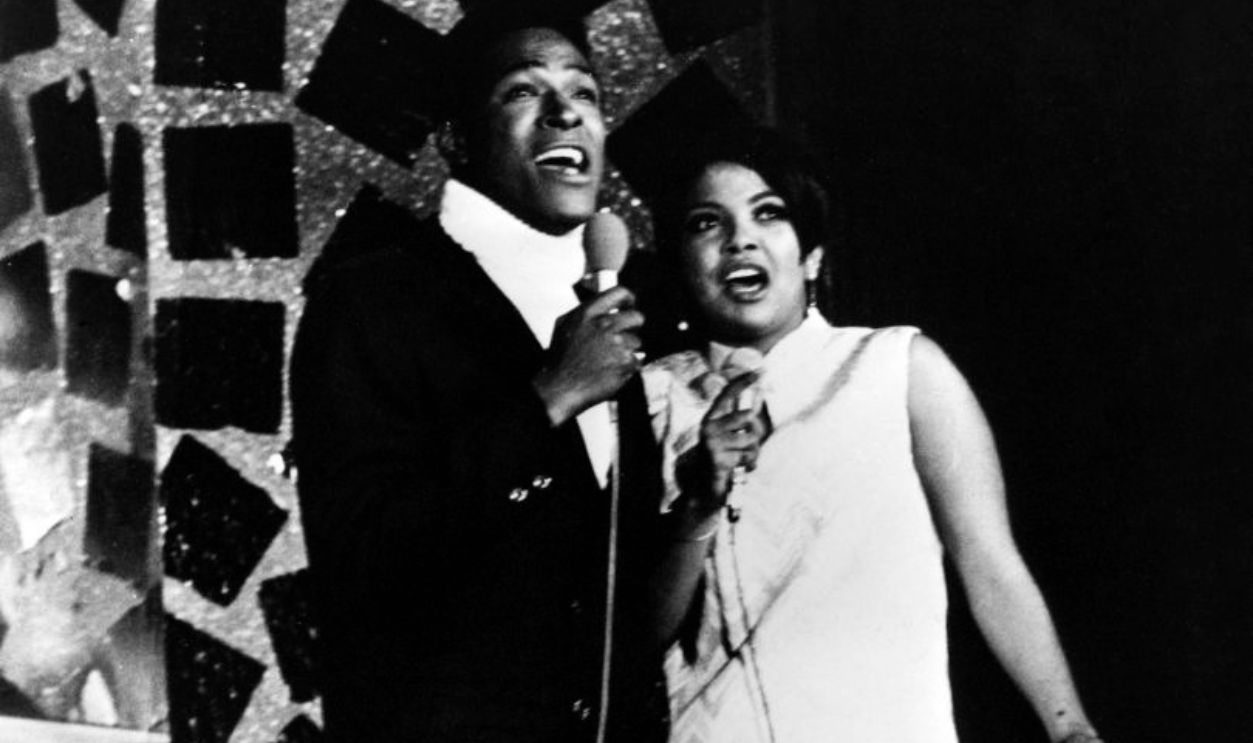
Tammi Terrell isn't entirely forgotten, thanks largely to her glorious Marvin Gaye duets including "Ain't No Mountain High Enough." But her individual talent faded somwhat behind that partnership. Terrell's solo recordings reveal a charismatic singer whose possibilities were tragically curtailed when she died from a brain tumor at only 24.
Irma Thomas
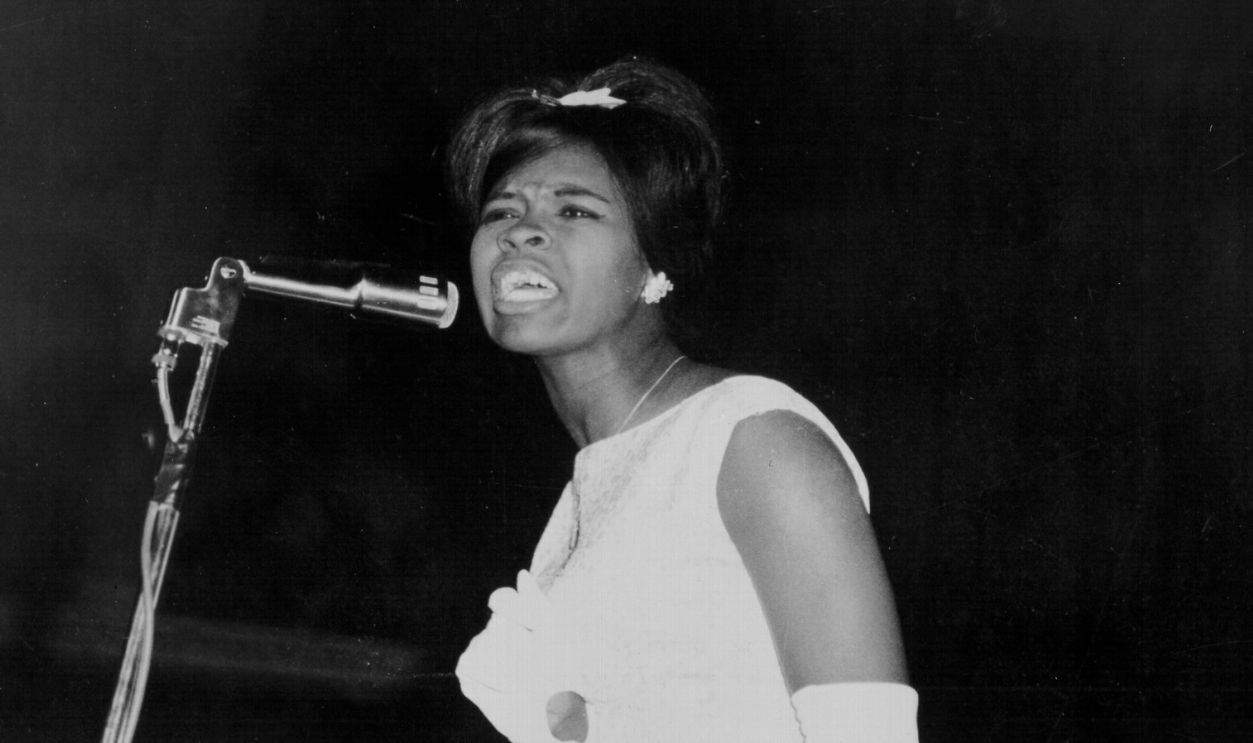
Calling Irma Thomas "forgotten" feels almost insulting to soul aficionados, who rightly regard her as royalty. Yet mainstream audiences never embraced New Orleans' "Soul Queen" on the scale her voice deserved. Her 1964 recording of “Time Is on My Side,” the first fully vocal version of the song, preceded and strongly influenced The Rolling Stones' famous version, while her extraordinary catalog extends far beyond it.
So Many Almost-Stars
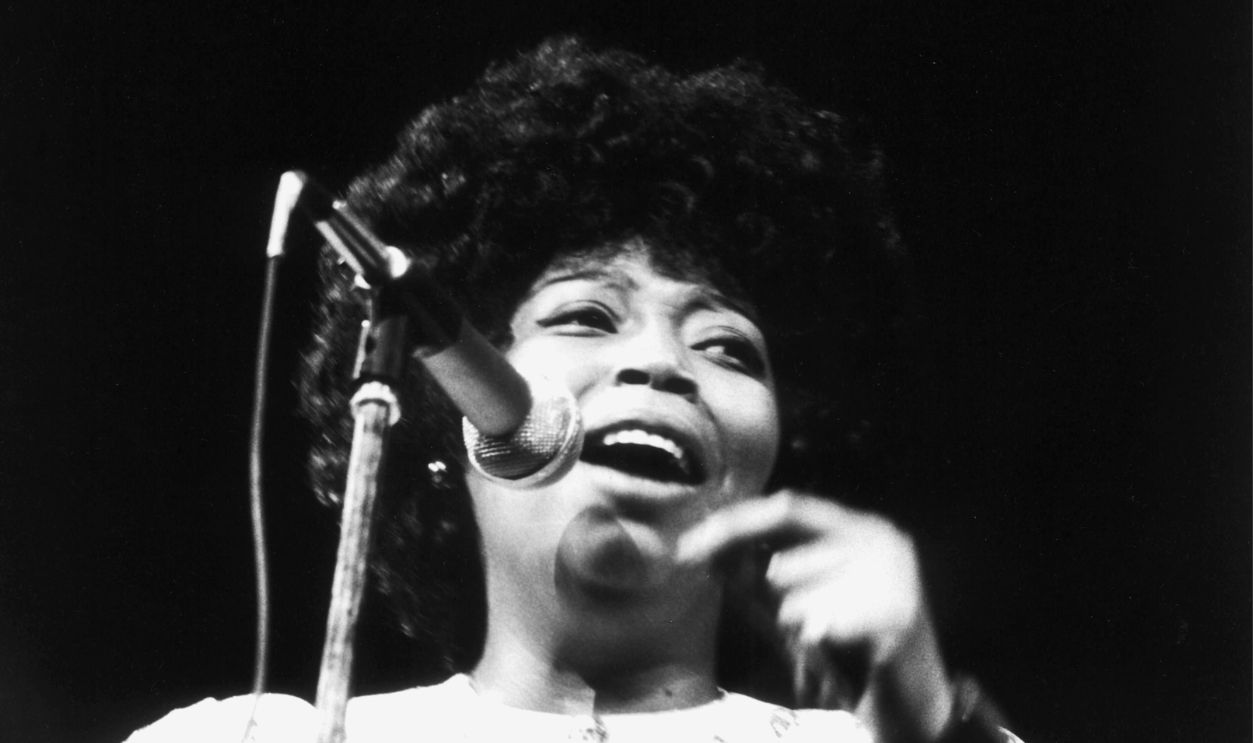
Talent clearly wasn't enough. These women encountered fickle labels, weak promotion, contractual disputes, racism, sexism, changing fashions, illness and simple bad luck. Some watched other artists score bigger hits with songs they had introduced. Rediscovering them reveals that the familiar history of 1960s music represents only a fraction of what was actually recorded.
You May Also Like:
The 60s Soul Legend Of Doris Troy
Bands From The 1960s Music Boom That Once Packed Arenas, But Are Barely Remembered Today