When A Departure Changed Everything
Losing a band member usually sounds like the beginning of the end. But every now and then, a lineup change forces a group to evolve, sharpen its identity, or completely reinvent its sound. In some cases, the departure removed creative roadblocks. In others, it pushed the remaining members to step up and find a new direction. When it comes to these bands, they didn't just survive losing a member; they went on to create some of the most celebrated music of their careers.
 Michael Ochs Archives/Getty Images
Rush
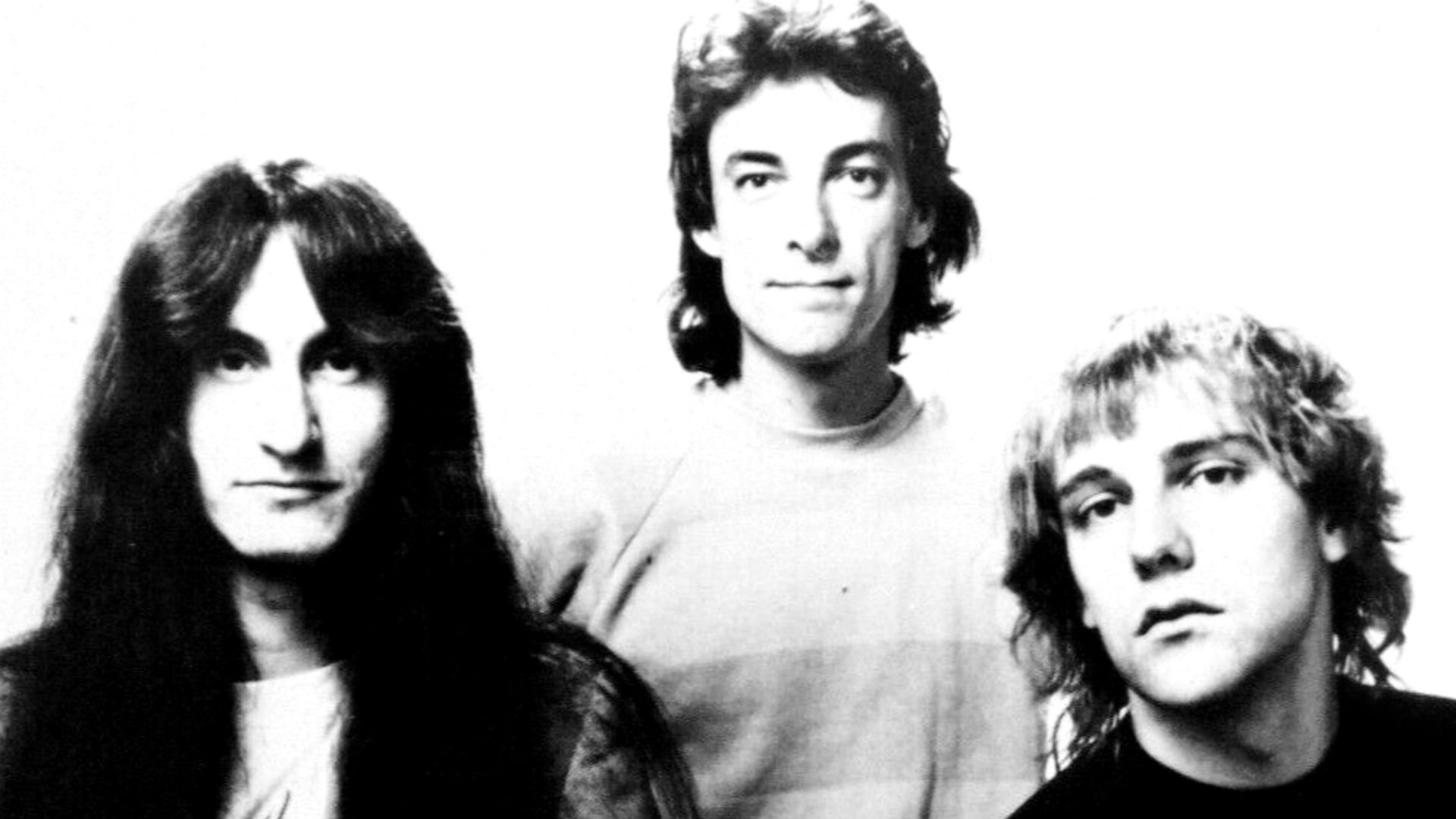
Rush's original drummer was John Rutsey, who appeared on the band's self-titled debut album. Health problems and disagreements over the band's growing interest in progressive music led to his departure in 1974. Enter Neil Peart. Not only was Peart a technically brilliant drummer, but he also became the band's primary lyricist. His arrival changed everything, leading directly to landmark albums like 2112, Moving Pictures, and Permanent Waves.
The Yardbirds
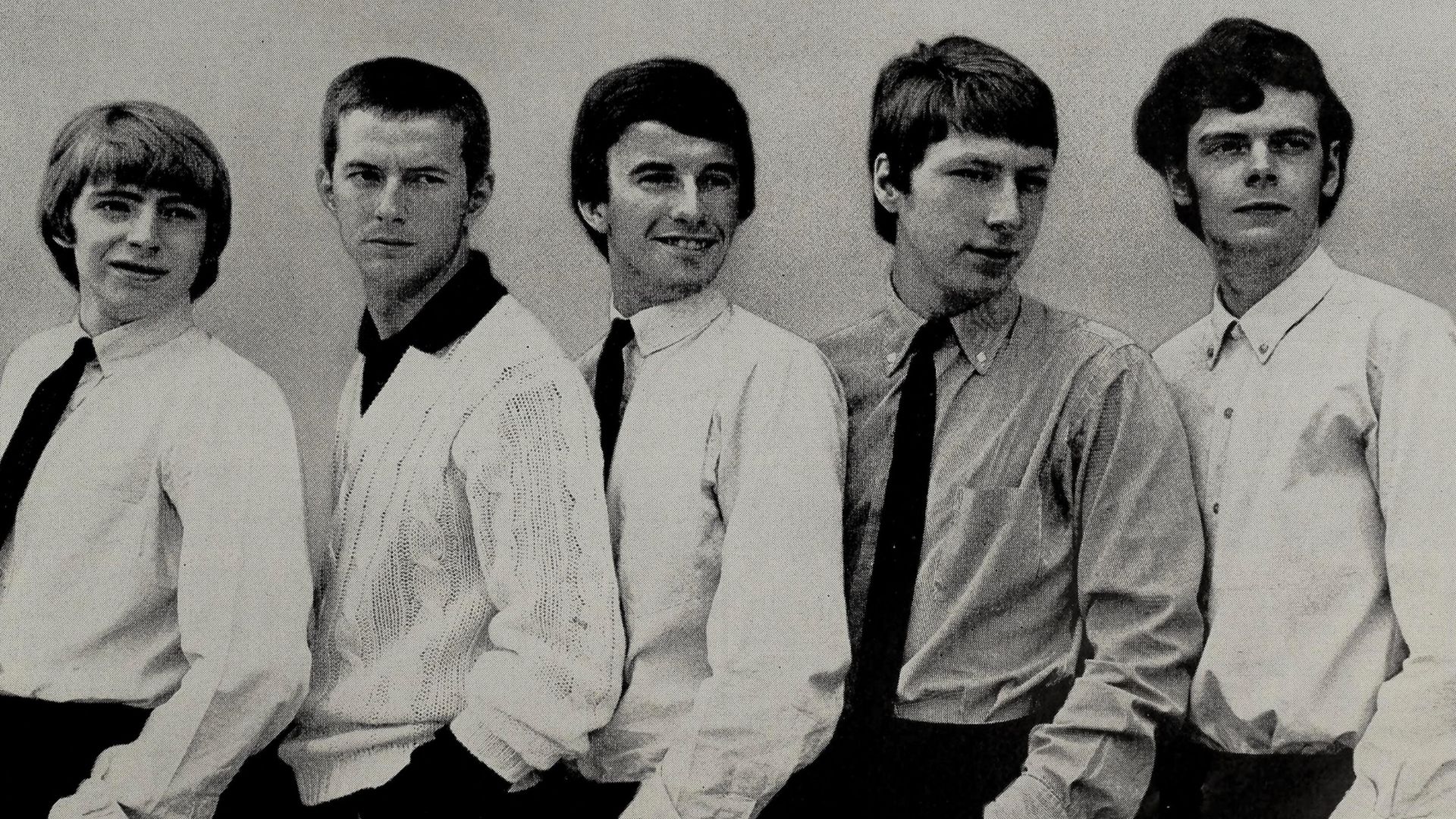
The Yardbirds somehow managed to lose guitar legends and get stronger. Eric Clapton left in 1965 because he disliked the band's move toward a more commercial sound. His replacement was Jeff Beck, who pushed the group into experimental territory. Later, Beck departed and Jimmy Page joined. During those transitions, the band became increasingly innovative, helping lay the groundwork for hard rock, psychedelia, and eventually Led Zeppelin.
The Beatles
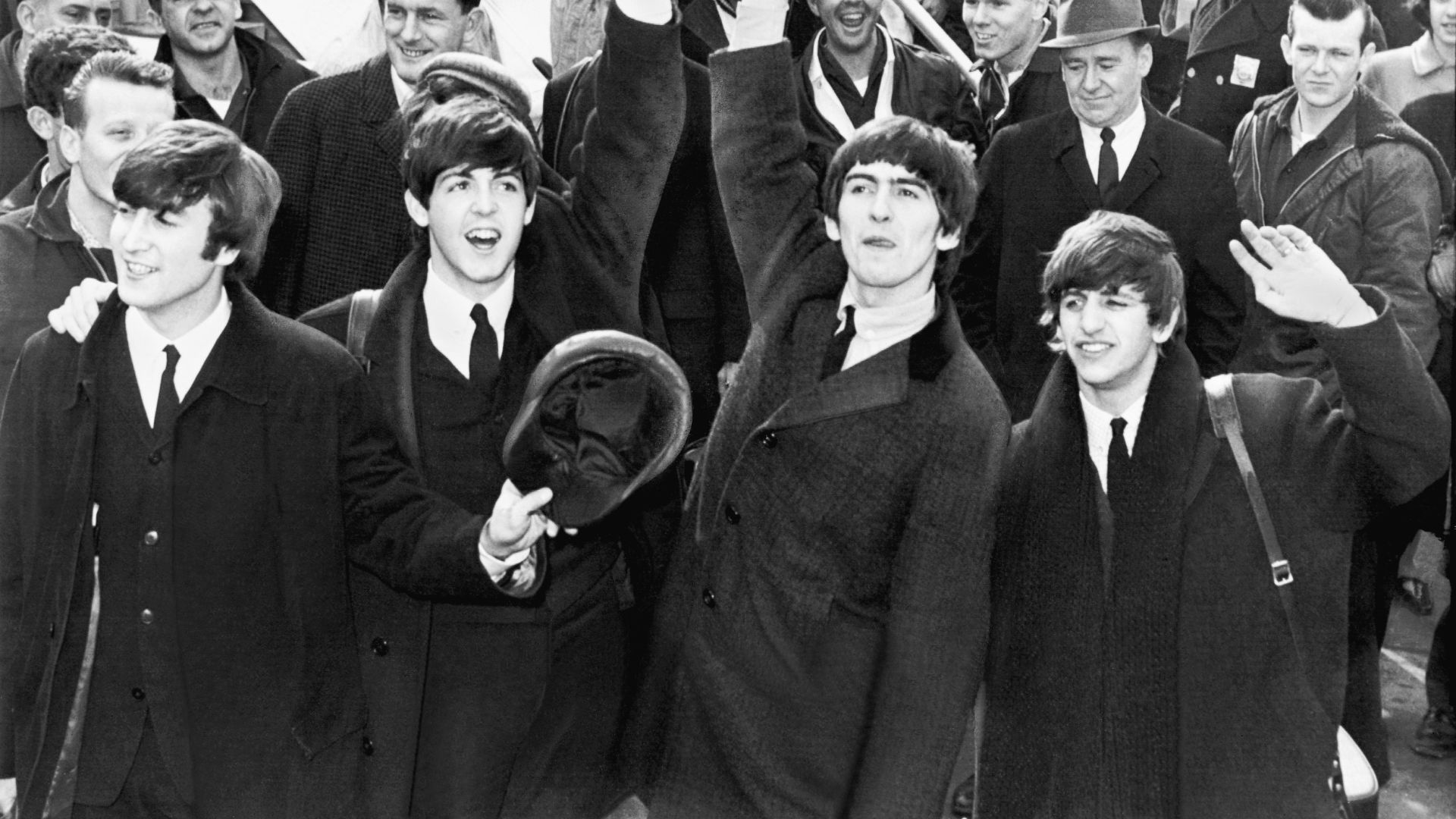
Pete Best was the Beatles' drummer before Ringo Starr joined in 1962. While Best was popular with fans, producer George Martin felt the band needed a stronger drummer. Replacing him with Ringo proved to be one of the most important decisions in music history. The chemistry between Lennon, McCartney, Harrison, and Starr helped create an unmatched run of albums, from A Hard Day's Night to Abbey Road.
 United Press International, photographer unknown, Wikimedia Commons
Tool
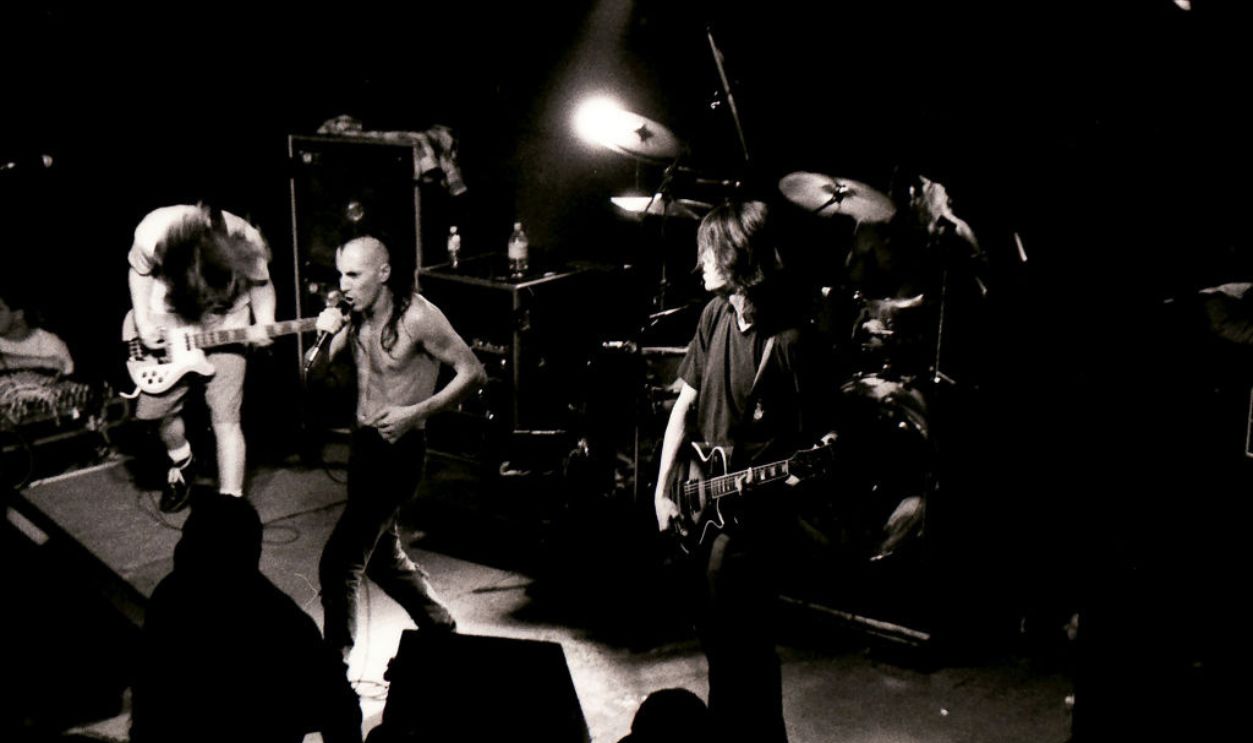
Before Tool became the progressive metal powerhouse fans know today, they featured original bassist Paul D'Amour. While D'Amour contributed to Undertow, he eventually became frustrated with the band's increasingly complex direction and left in 1995. His replacement, Justin Chancellor, brought a more melodic and adventurous bass style that became central to Tool's identity. Albums like Ænima, Lateralus, and 10,000 Days helped transform the band from a promising metal act into one of the most respected groups in modern rock.
Metallica
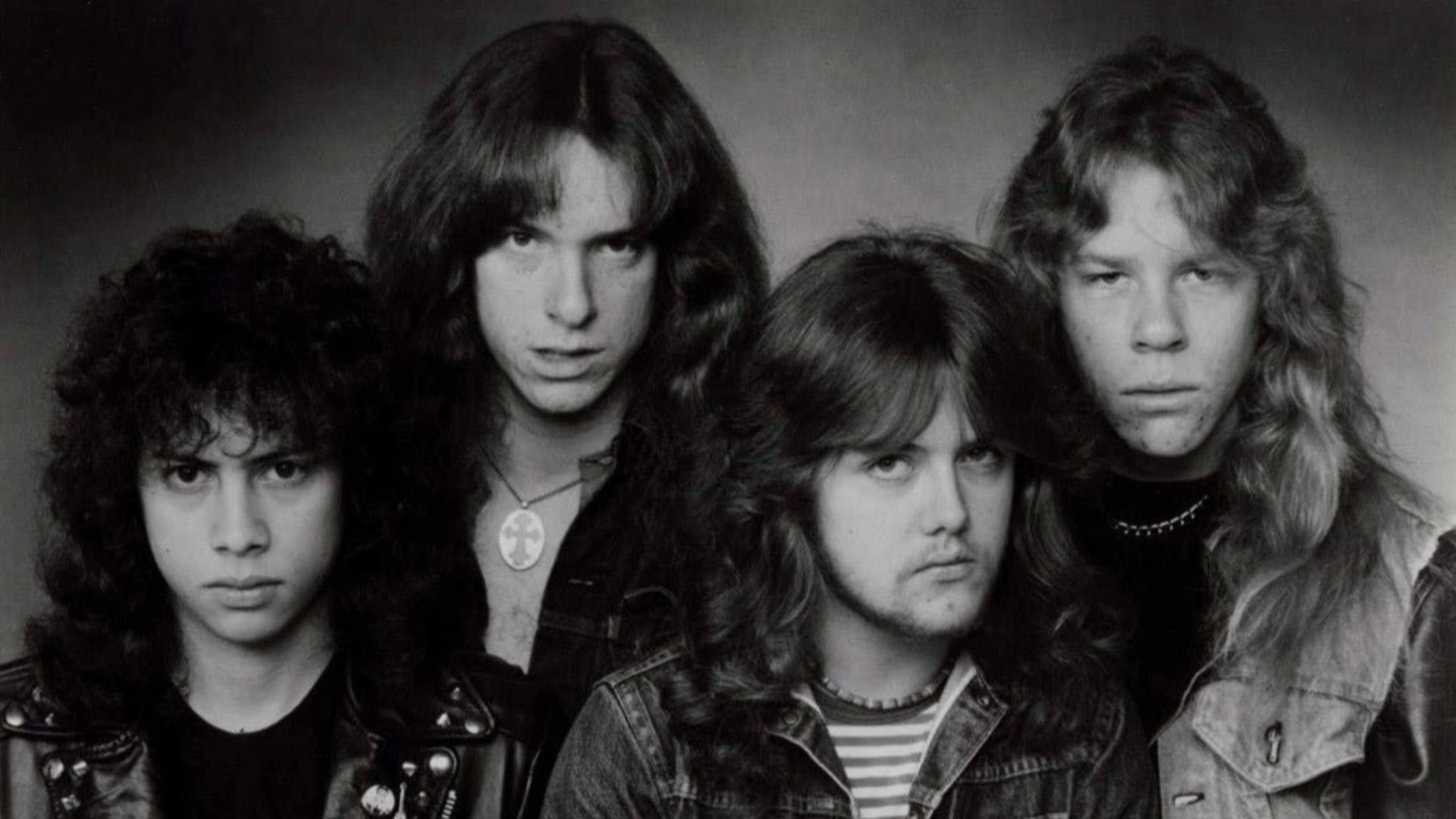
Dave Mustaine was Metallica's original lead guitarist, but his heavy drinking and increasingly aggressive behavior led to his dismissal in 1983. Kirk Hammett stepped in just before the recording of Kill 'Em All. While Mustaine went on to found Megadeth, Metallica's classic lineup produced Ride the Lightning, Master of Puppets, and ...And Justice for All. The band's rise to global dominance began after that difficult but crucial decision.
 Distributed by Megaforce Records, Wikimedia Commons
Iron Maiden
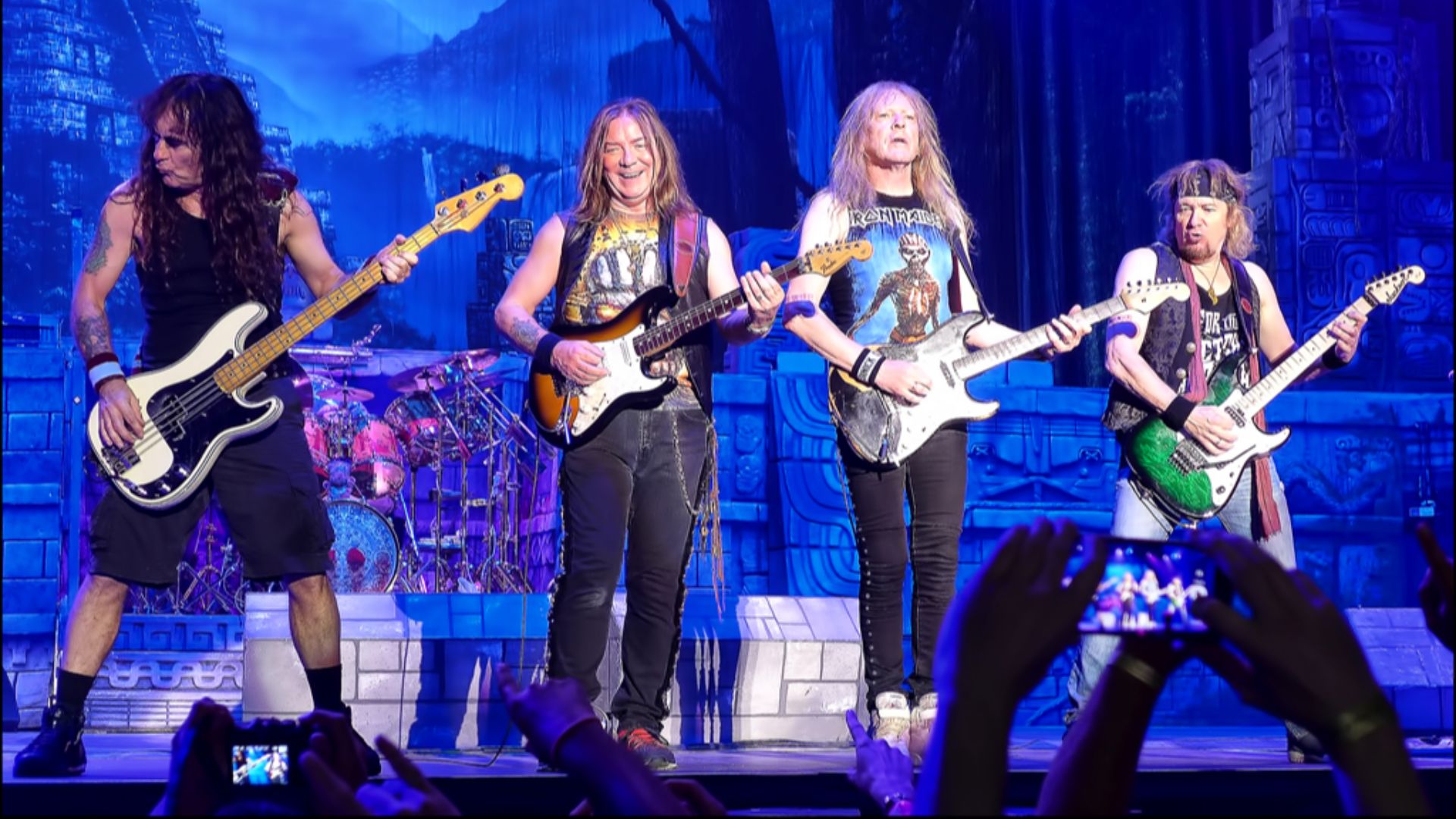
Iron Maiden's first two albums featured vocalist Paul Di'Anno, whose punk-influenced style helped establish the band's early sound. However, substance abuse and reliability issues increasingly frustrated the group. In 1981, Bruce Dickinson joined and immediately expanded the band's possibilities. His powerful voice helped elevate albums like The Number of the Beast, Powerslave, and Seventh Son of a Seventh Son into metal classics.
 dr_zoidberg, Wikimedia Commons
Pink Floyd
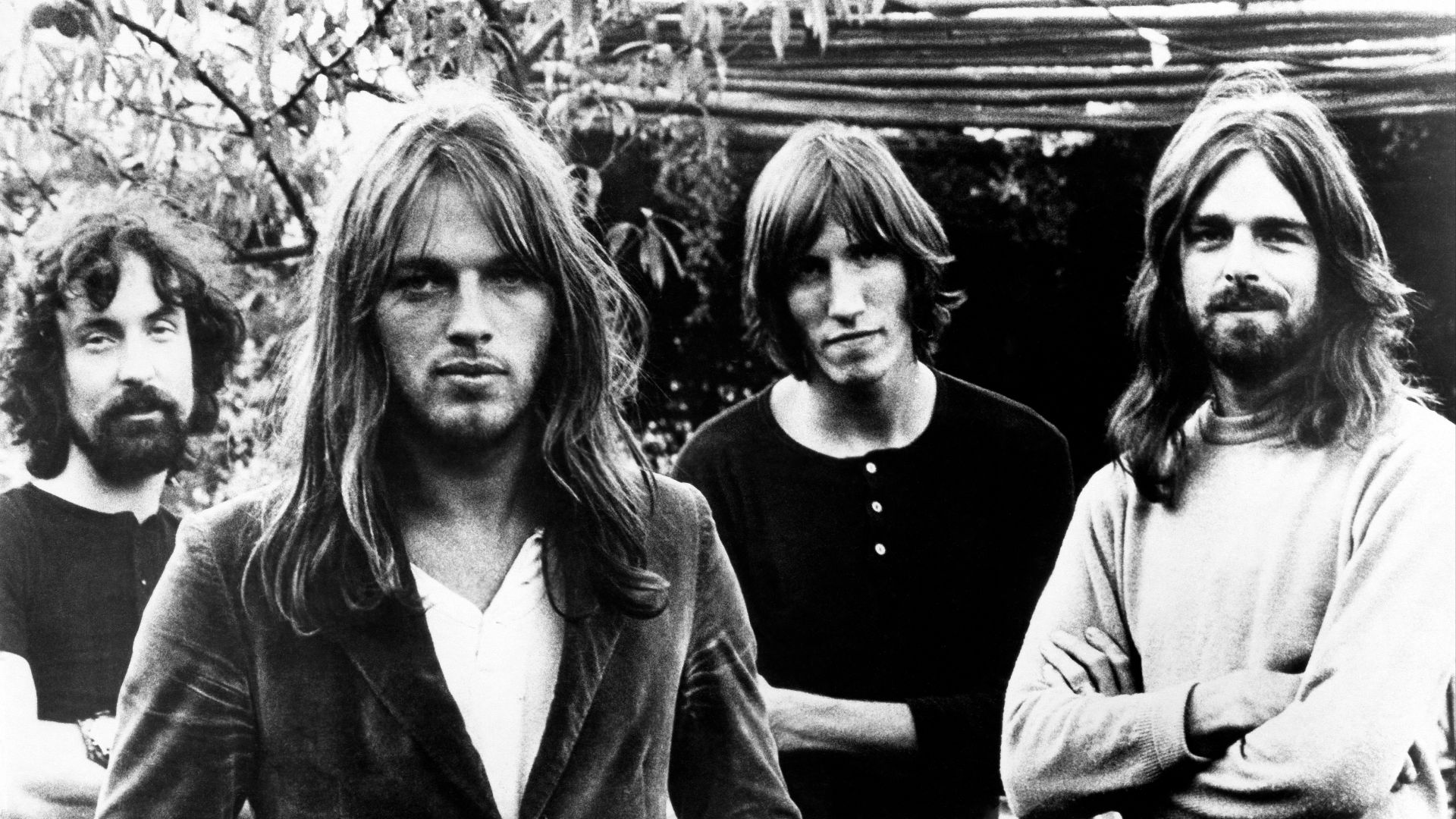
Syd Barrett was Pink Floyd's founder, chief songwriter, and creative visionary during the band's earliest years. Unfortunately, worsening mental health struggles and heavy drug use made it difficult for him to continue. David Gilmour joined in 1968, and Barrett soon departed. While the band lost its original leader, the remaining members developed the sound that produced The Dark Side of the Moon, Wish You Were Here, and The Wall.
 Unknown authorUnknown author, Wikimedia Commons
AC/DC
Losing Bon Scott in 1980 could have ended AC/DC. Scott's death shocked the music world, and the band seriously considered quitting. Instead, they recruited Brian Johnson. Their first album together, Back in Black, became one of the best-selling albums in history. Johnson brought a different vocal style but maintained the band's energy, helping AC/DC turn tragedy into one of rock's greatest comeback stories.
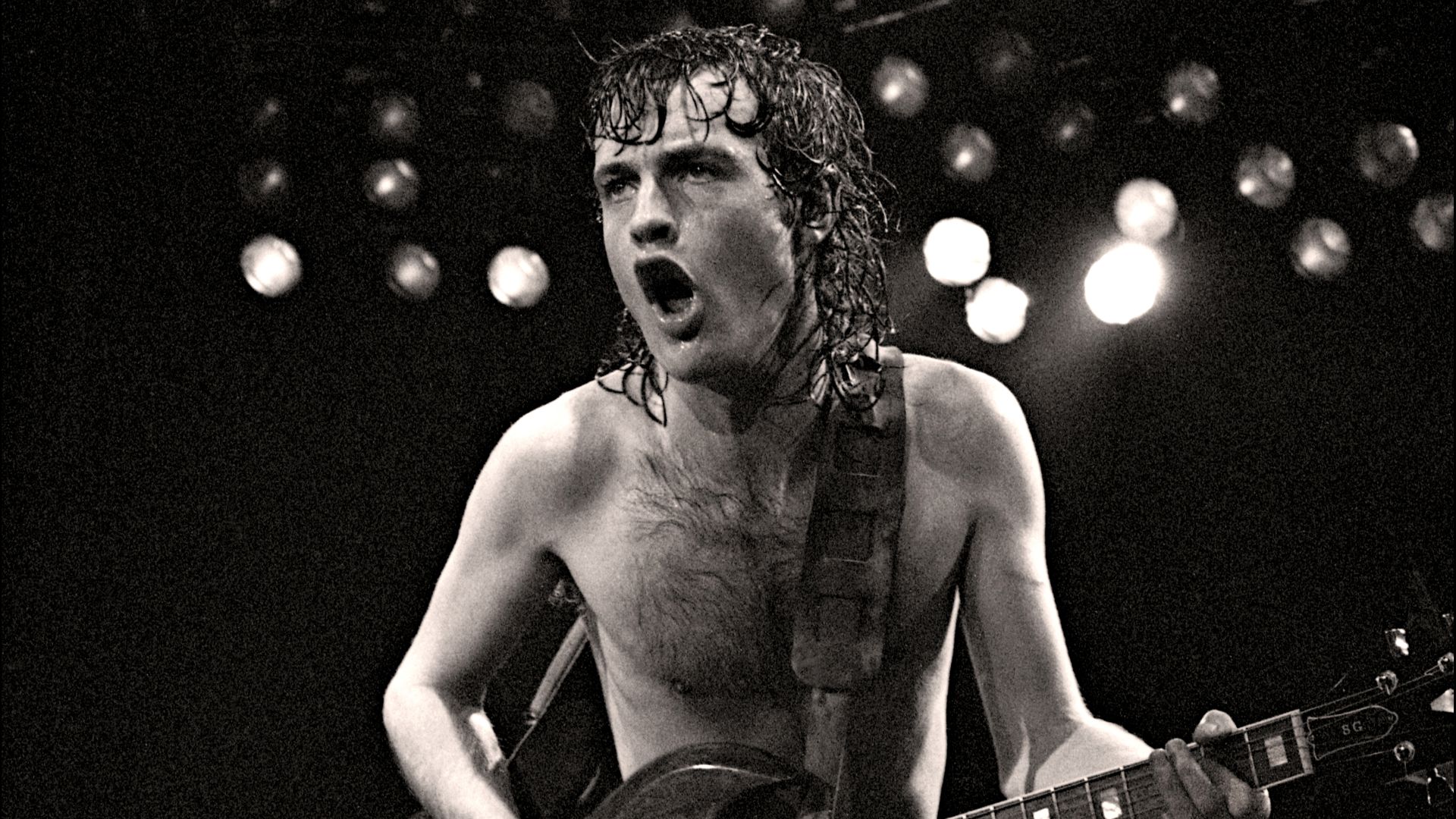 Harry (Howard) Potts, Wikimedia Commons
Green Day
Before Green Day became punk-pop superstars, they played with drummer John Kiffmeyer, also known as Al Sobrante. When Kiffmeyer left to attend college, Tré Cool joined. His energetic, inventive drumming quickly became a defining part of the band's sound. The chemistry between Billie Joe Armstrong, Mike Dirnt, and Tré Cool helped propel albums like Dookie, American Idiot, and 21st Century Breakdown.
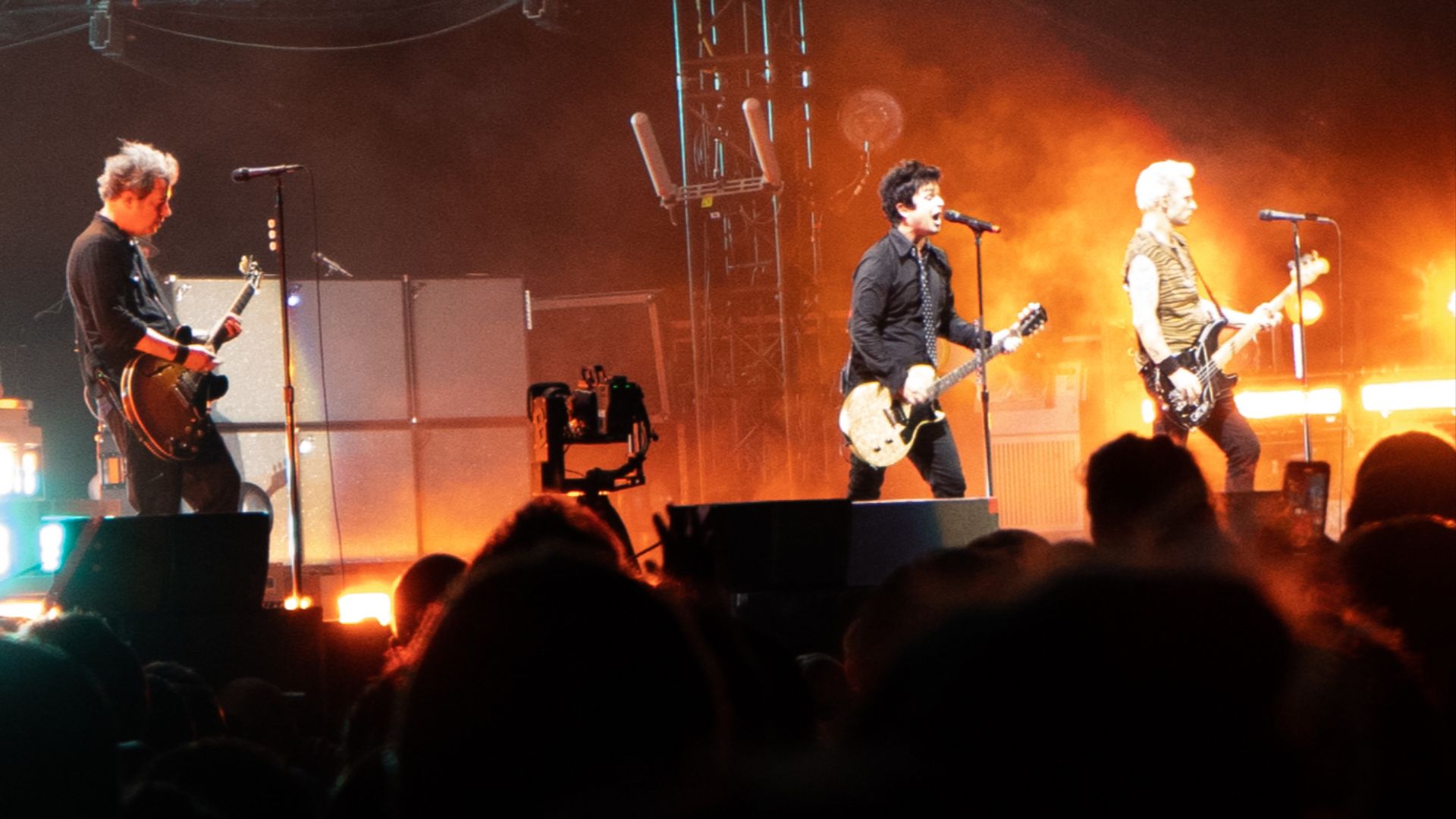 ECarterSterling, Wikimedia Commons
Blink-182
Original drummer Scott Raynor helped Blink-182 establish themselves in the California punk scene, but struggles with alcohol led to his departure in 1998. Travis Barker replaced him and immediately transformed the band's sound. Barker's technical skill and creativity elevated albums like Enema of the State and Take Off Your Pants and Jacket, helping Blink evolve from a promising punk band into one of the defining acts of the era.
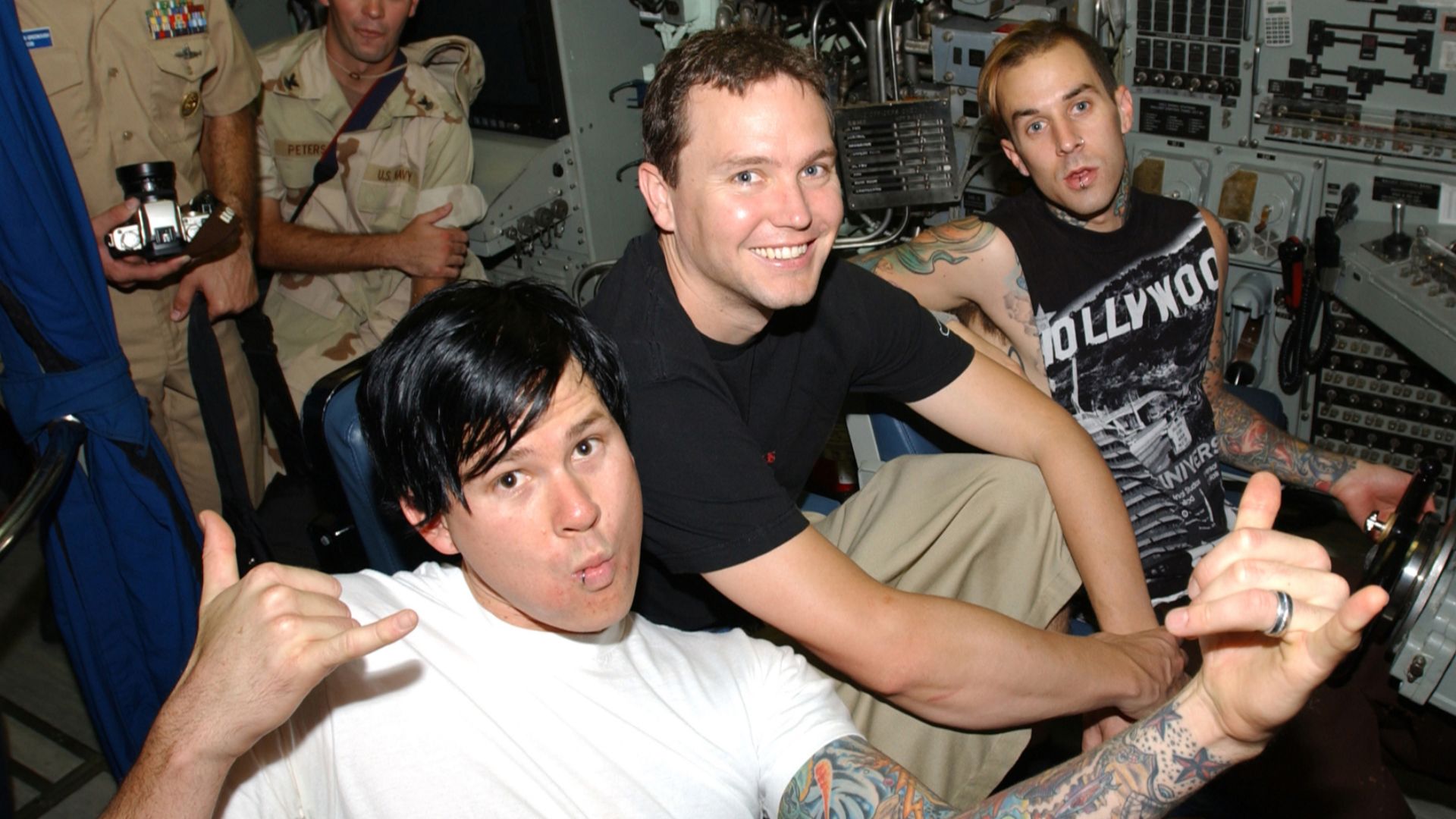 Journalist 2nd Class Denny Lester, Wikimedia Commons
Slipknot
Slipknot's early years featured guitarist Donnie Steele before the band's classic lineup fully came together. Later additions and departures helped refine the group's identity, but the most important change was the arrival of guitarist Jim Root. His songwriting and musicianship became essential to albums like Iowa and Vol. 3. The lineup shifts helped transform Slipknot from a local Iowa act into a global metal phenomenon.
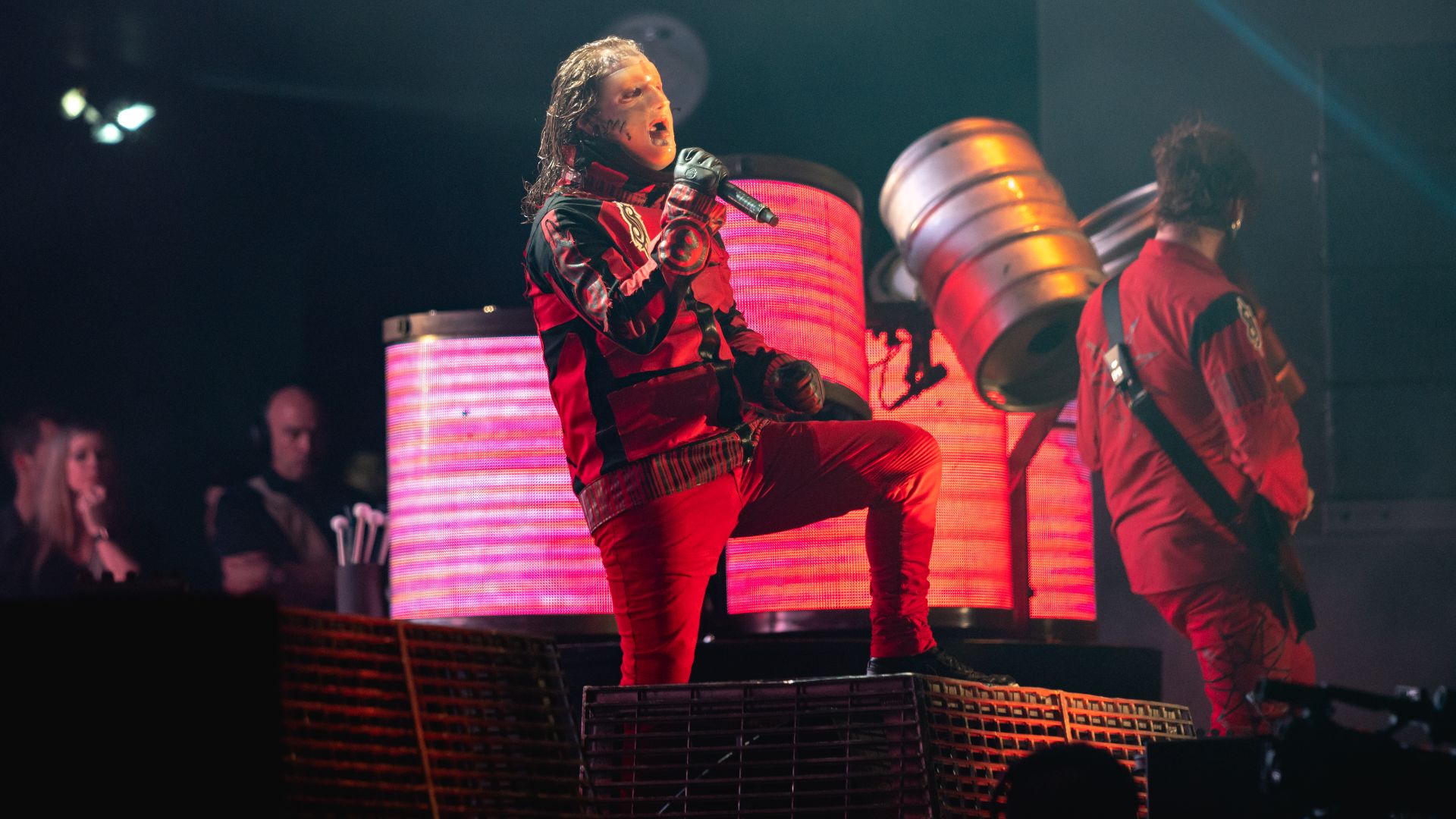
Joy Division
Joy Division ended when singer Ian Curtis died in 1980, but the surviving members refused to stop making music. Bernard Sumner, Peter Hook, and Stephen Morris regrouped as New Order, blending post-punk with electronic music. Rather than trying to replace Curtis, they reinvented themselves entirely. Songs like "Blue Monday" and Power, Corruption & Lies became enormously influential and helped define alternative music in the 1980s.
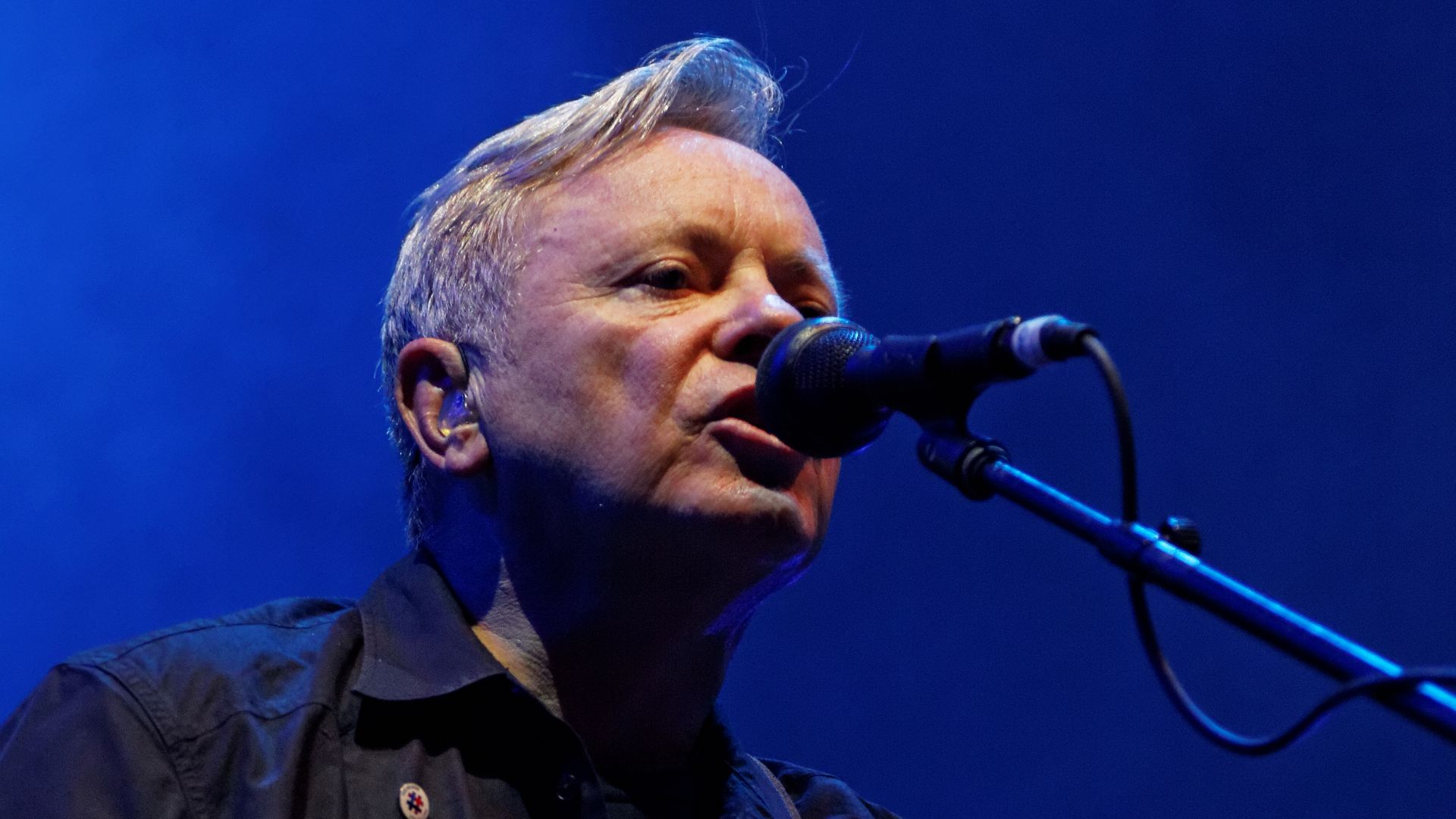 Thesupermat, Wikimedia Commons
Faith No More
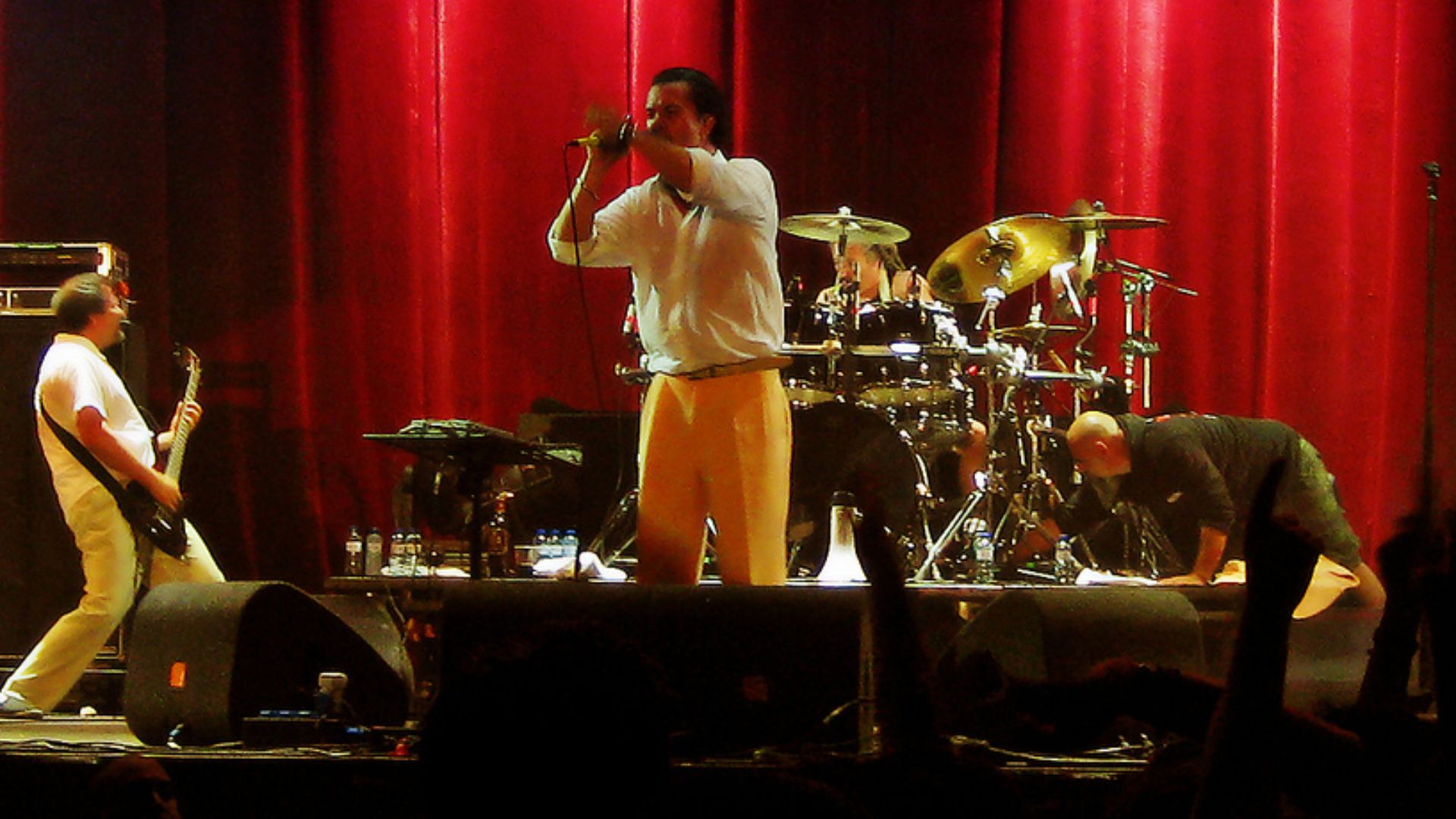
Faith No More struggled to find a consistent identity before singer Chuck Mosley left in 1988. Mosley's erratic behavior created tension within the band, and performances often became unpredictable. The arrival of Mike Patton changed everything. Patton's incredible vocal range and theatrical style helped power The Real Thing and Angel Dust, transforming the band into one of alternative metal's most innovative acts.
Van Halen
The debate between David Lee Roth and Sammy Hagar fans continues decades later, but there's no denying Van Halen reached new commercial heights after Roth's departure. Creative tensions and clashing personalities drove Roth out in 1985. With Hagar onboard, the band scored multiple number-one albums and embraced a more polished, melodic approach that appealed to a broader audience.
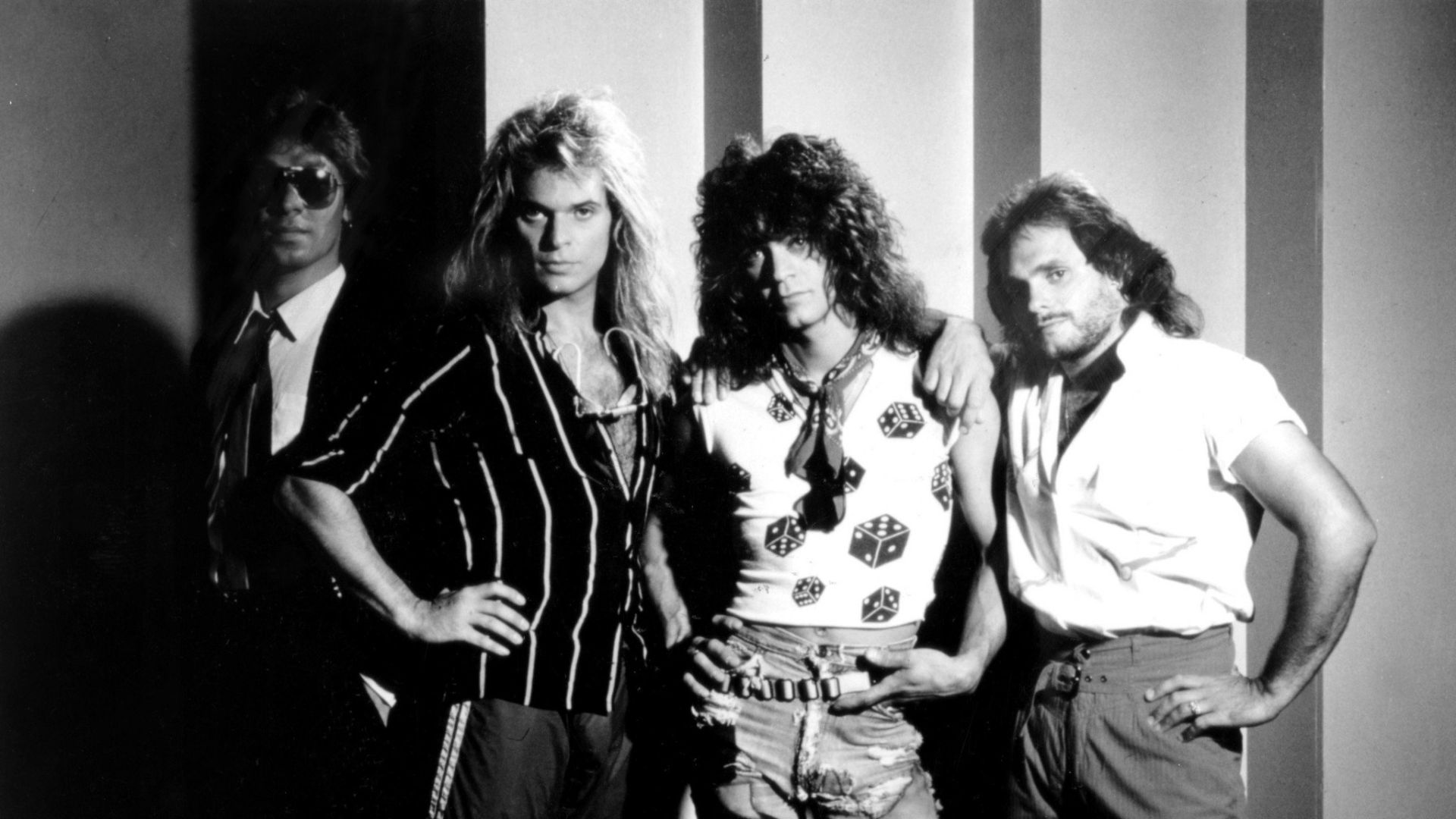 Warner Records, Wikimedia Commons
Nirvana
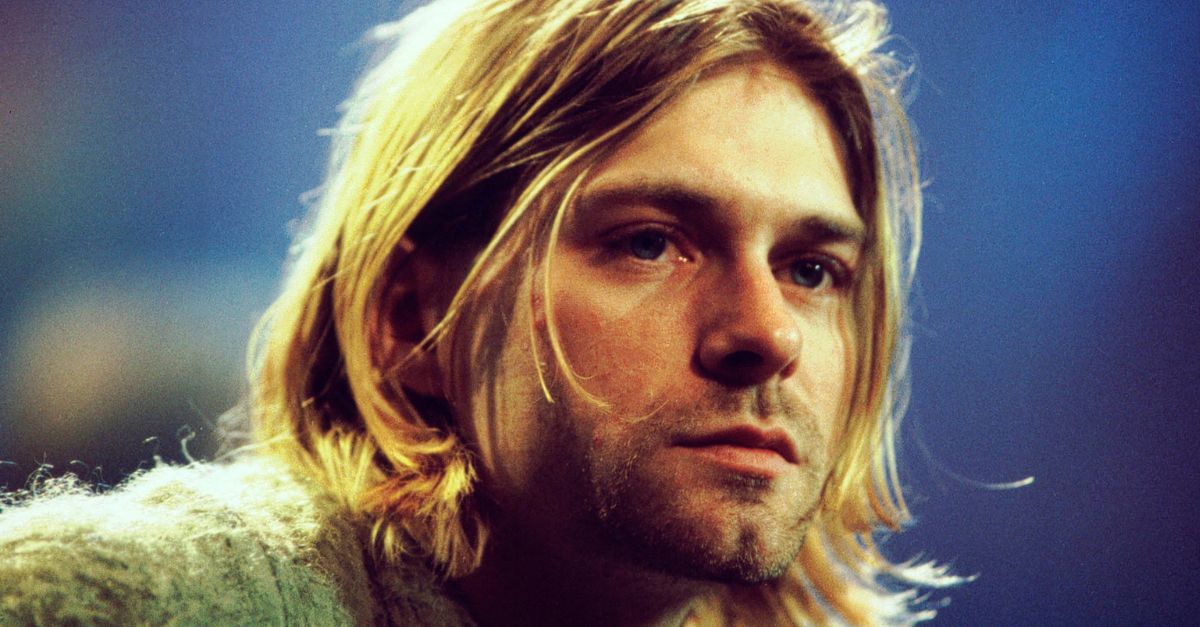
Before Dave Grohl joined Nirvana in 1990, the band cycled through several drummers. Grohl's arrival provided the stability and power Kurt Cobain and Krist Novoselic had been searching for. His explosive drumming became a key ingredient on Nevermind, helping songs like "Smells Like Teen Spirit" hit with enormous force. Nirvana's breakthrough coincided directly with Grohl becoming part of the band.
The Rolling Stones
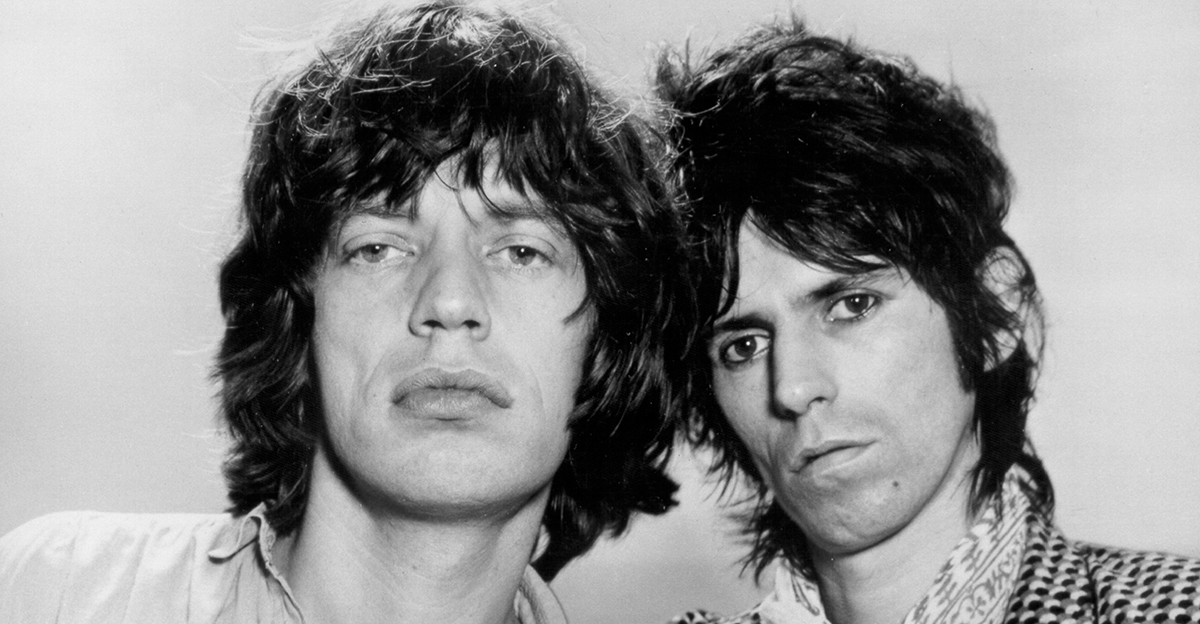
Brian Jones founded the Rolling Stones, but by the late 1960s he was increasingly disconnected from the band. Substance abuse and personal issues made participation difficult, and he left in 1969. Mick Taylor replaced him and brought exceptional musicianship. The Stones then entered what many fans consider their greatest period, producing albums like Sticky Fingers and Exile on Main St.
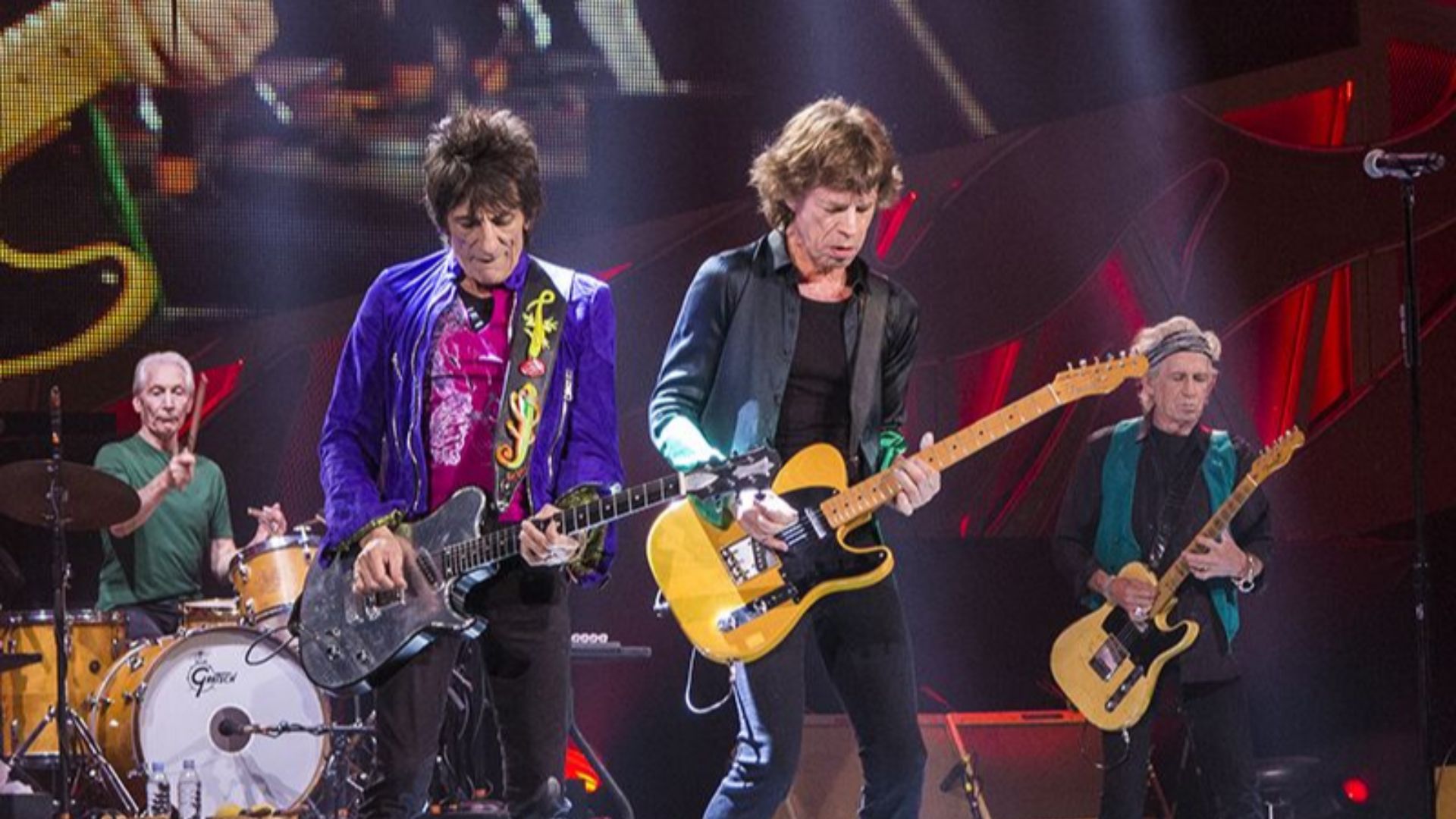 Jim Pietryga, Wikimedia Commons
Pantera
Pantera spent most of the 1980s as a glam-metal band with singer Terry Glaze. While they developed a regional following, they lacked a distinctive identity. Everything changed when Phil Anselmo joined in 1986. His aggressive vocals helped steer the band toward groove metal, leading to Cowboys from Hell, Vulgar Display of Power, and a complete transformation into one of metal's most influential acts.
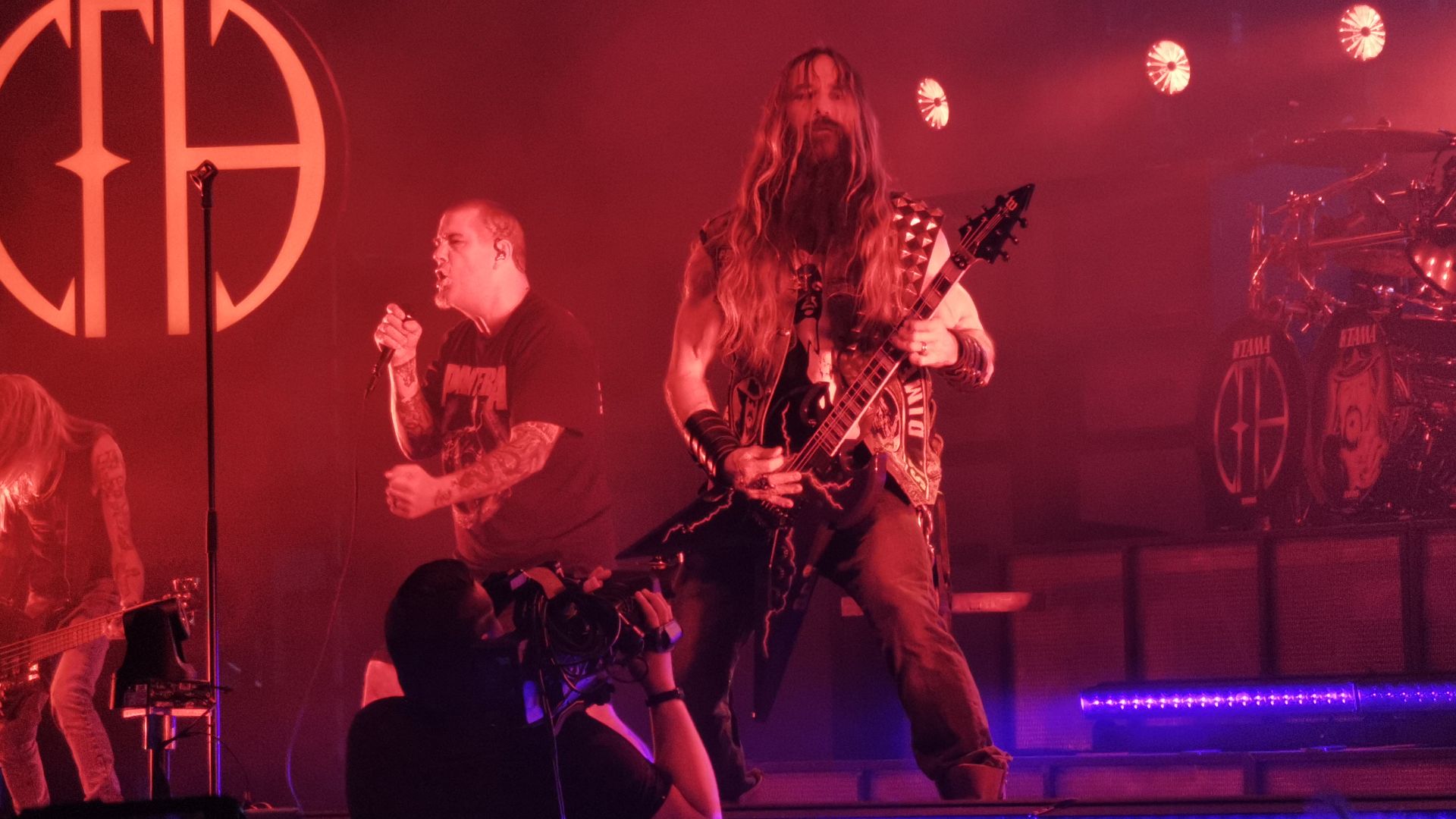 Elekes Andor, Wikimedia Commons
Genesis
Genesis began as a progressive rock band fronted by Peter Gabriel. When Gabriel left in 1975, many assumed the group was finished. Instead, drummer Phil Collins stepped into the lead vocalist role. The band gradually evolved toward a more accessible sound, producing massive hits like "Invisible Touch" and "Land of Confusion." Their commercial success actually increased dramatically after Gabriel's departure.
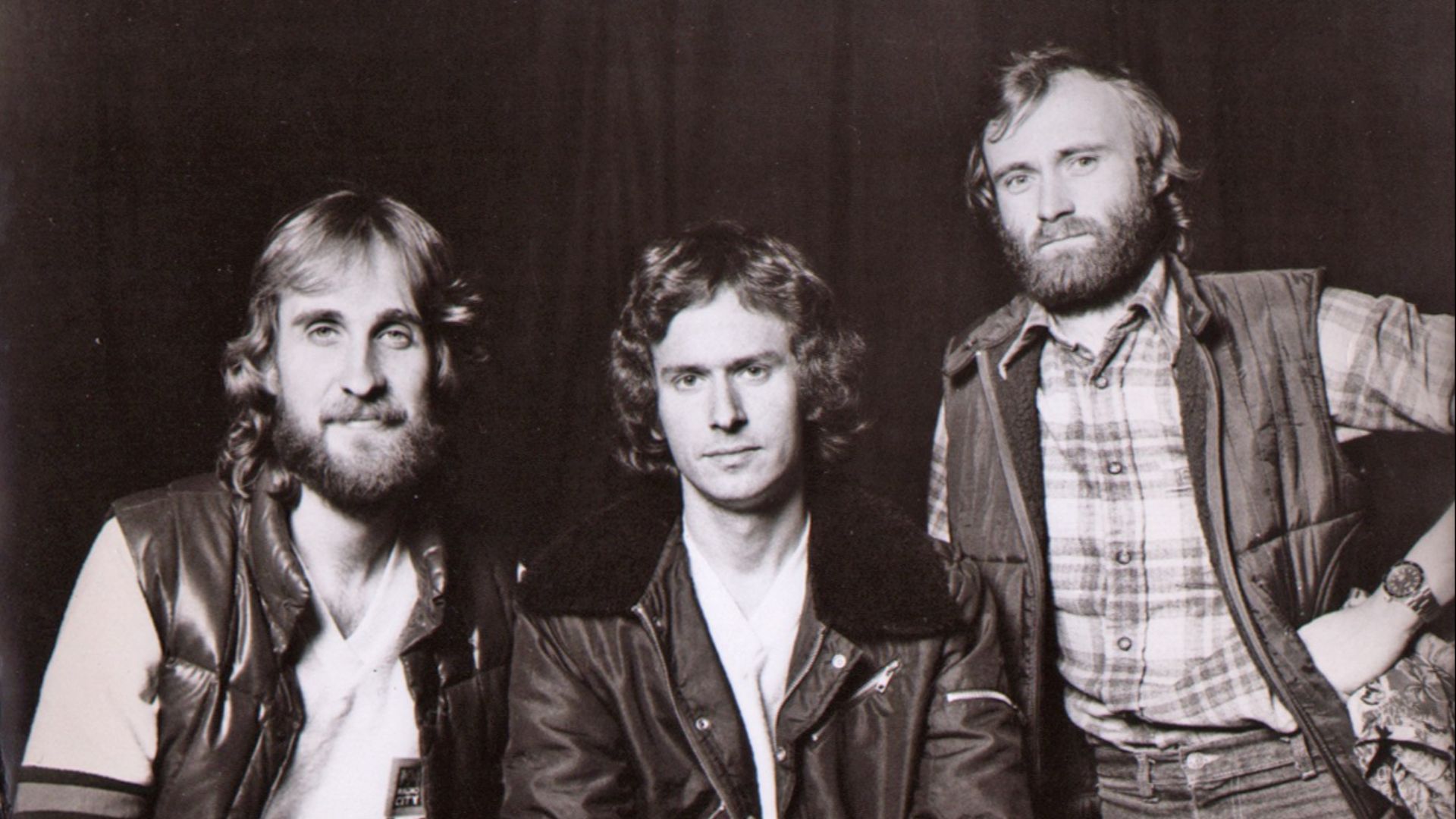 Distributed by Atlantic Records, Wikimedia Commons
Pearl Jam
Pearl Jam went through several drummers during its early years before settling on Matt Cameron in 1998. Cameron, who had previously played with Soundgarden, brought consistency and technical precision to the group. His arrival stabilized a band that had experienced years of lineup changes behind the drum kit, helping them maintain momentum deep into their career and continue evolving as a live act.
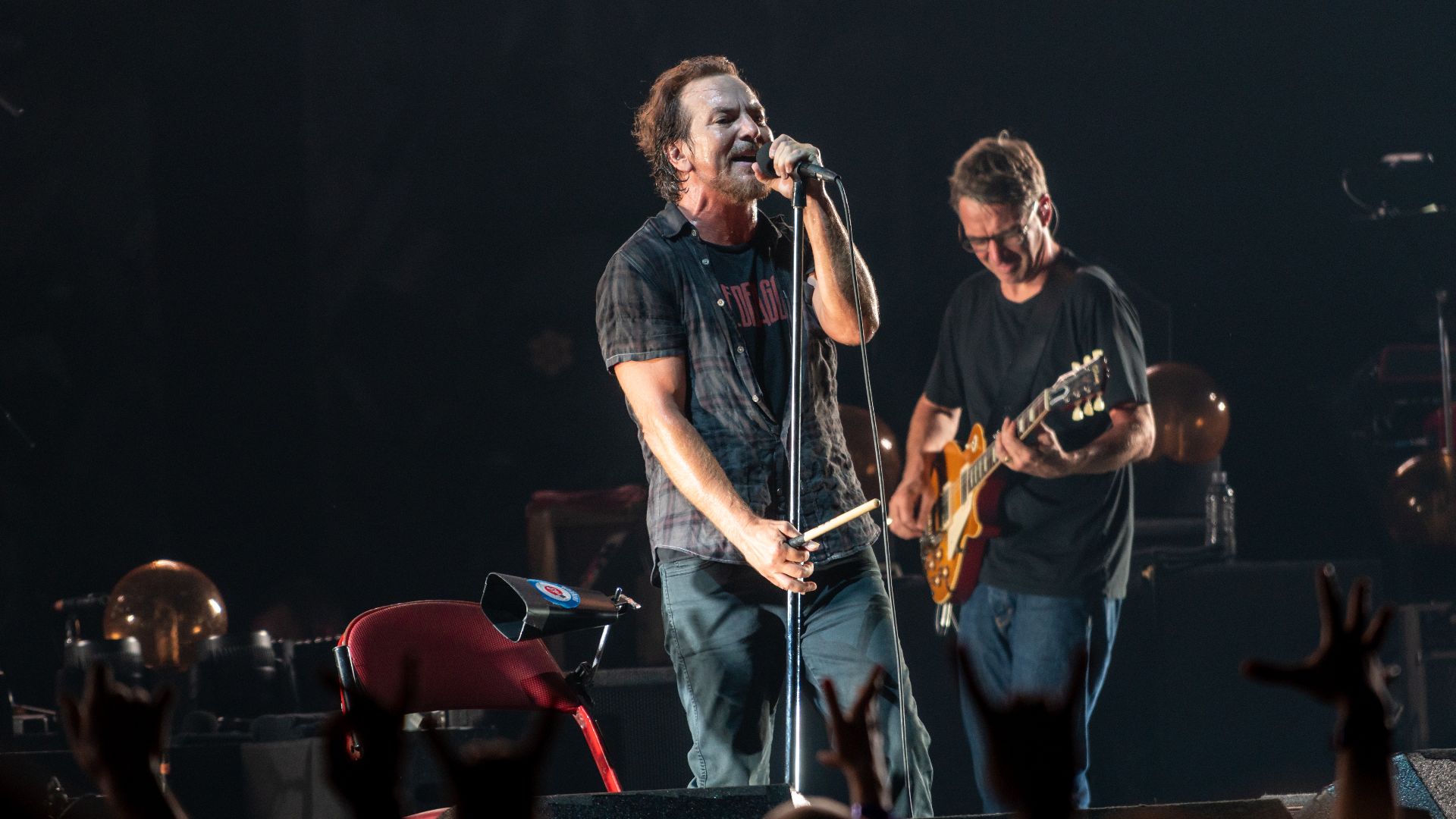
Lostprophets
This is perhaps one of the most extreme examples on the list. After singer Ian Watkins was convicted of horrific crimes in 2013, Lostprophets immediately dissolved. The remaining members chose not to let their careers end there, forming No Devotion with singer Geoff Rickly of Thursday. While the circumstances were tragic, many fans felt the musicians found a healthier and more creatively rewarding path after separating themselves from Watkins.
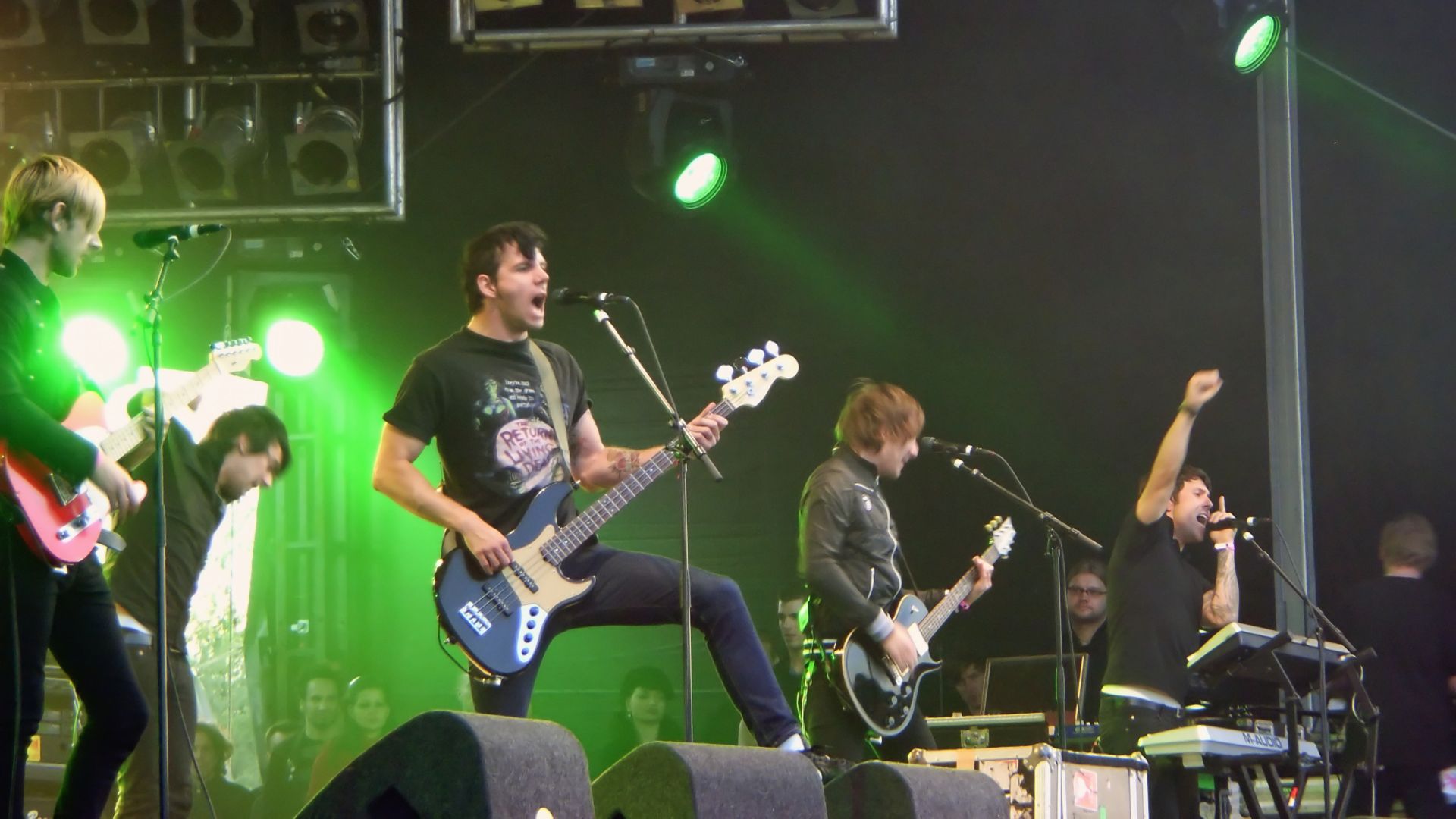 Danny Lechanteur, Wikimedia Commons
You May Also Like:
Legendary Bands That Were Too Chaotic To Last Forever
Rock Bands Who Clearly Didn’t Want To Make These Albums—And You Can Hear It
Bands From The 1960s That No One Remembers—Seriously, Do You Remember Even 5 Of These Bands?