The Records That Defined An Era
Rock's golden age wasn't built on singles alone. It was built on albums—records that felt bigger than the songs they contained. Between the late 1960s and early 1980s, artists were constantly pushing boundaries, experimenting with new sounds, and creating albums that rewarded listeners from beginning to end. These weren't just successful releases. They became cultural landmarks that helped define what rock music could be.
 Ilanv (talk), Wikimedia Commons
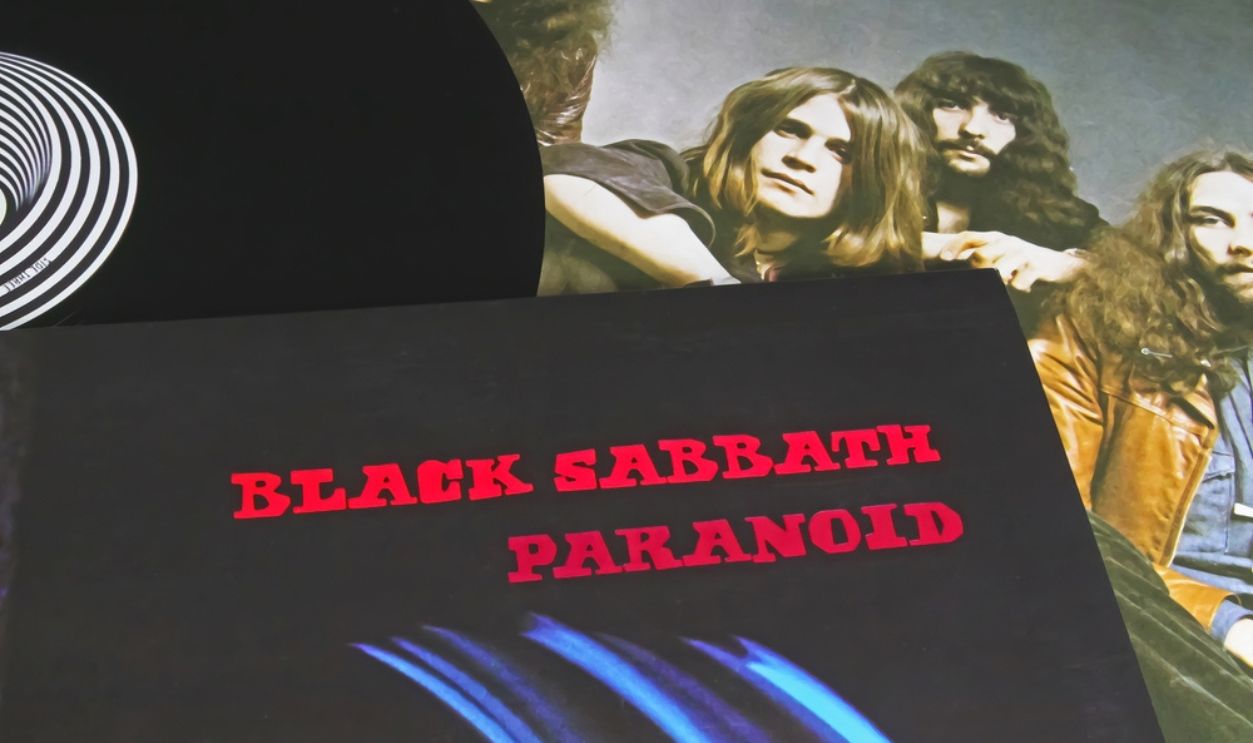
Black Sabbath – Paranoid (1970)
Heavy metal arguably begins here. Paranoid took the dark atmosphere hinted at on Black Sabbath's debut and pushed it even further. Songs like "War Pigs," "Iron Man," and the title track combined Tony Iommi's crushing riffs with Ozzy Osbourne's distinctive vocals. Released during a period of social unrest and uncertainty, the album's darker themes helped create an entirely new branch of rock music.
The Beatles – Abbey Road (1969)
Although Let It Be was released later, Abbey Road feels like The Beatles' true farewell statement. Despite growing tensions within the band, the album showcased remarkable creativity and cohesion. Side two's famous medley remains one of rock's most ambitious sequences, while songs like "Come Together," "Something," and "Here Comes the Sun" demonstrated why each member had become such a formidable songwriter.
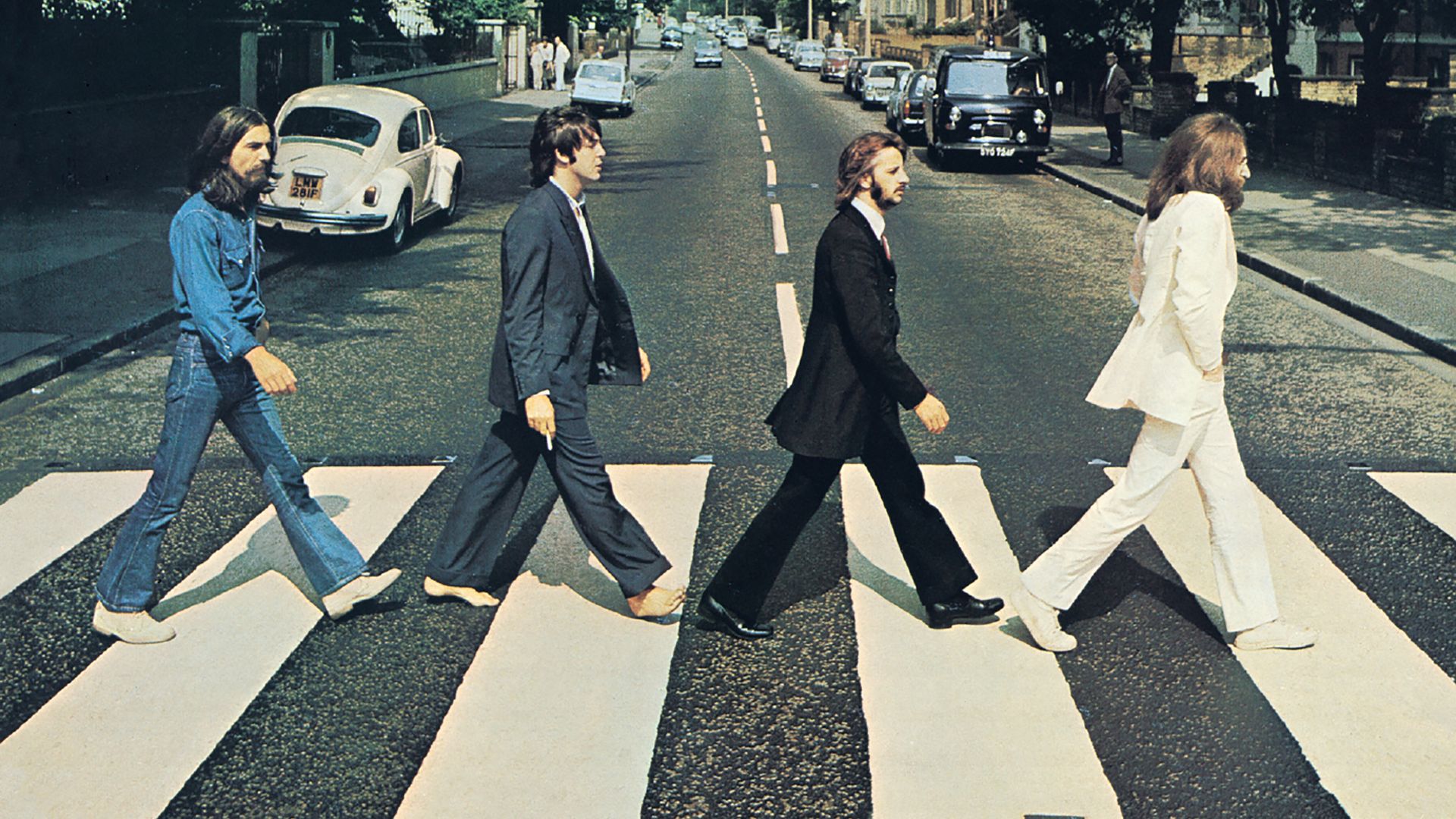 John Kosh / Iain Macmillan, Wikimedia Commons
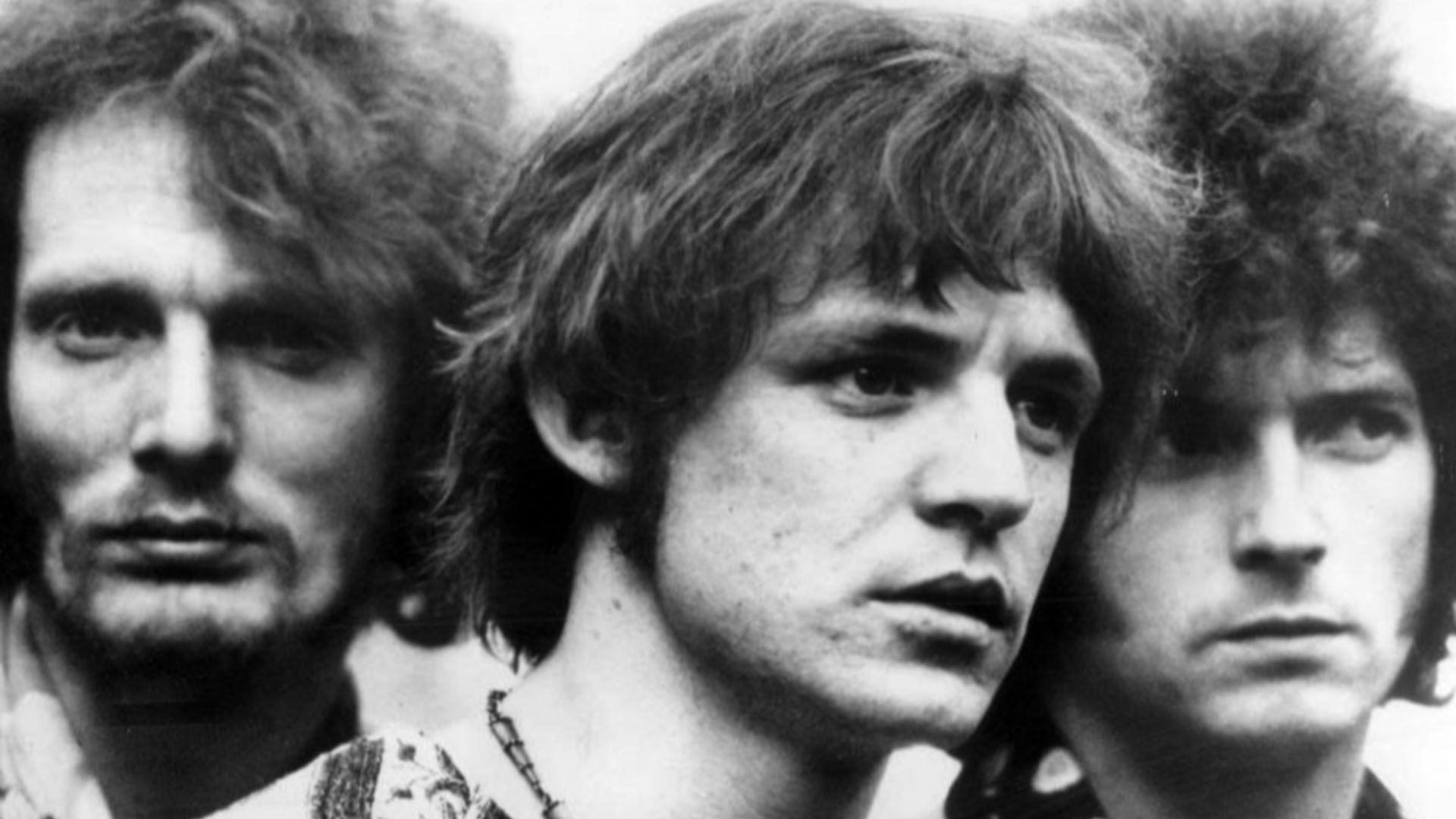
Cream – Disraeli Gears (1967)
Cream's second album helped establish the power trio as a serious force in rock. Eric Clapton's guitar work, Jack Bruce's bass playing, and Ginger Baker's explosive drumming combined with psychedelic influences to create something both heavy and melodic. Tracks like "Sunshine of Your Love" and "Strange Brew" became classics while helping bridge the gap between blues rock and the harder sounds that followed.
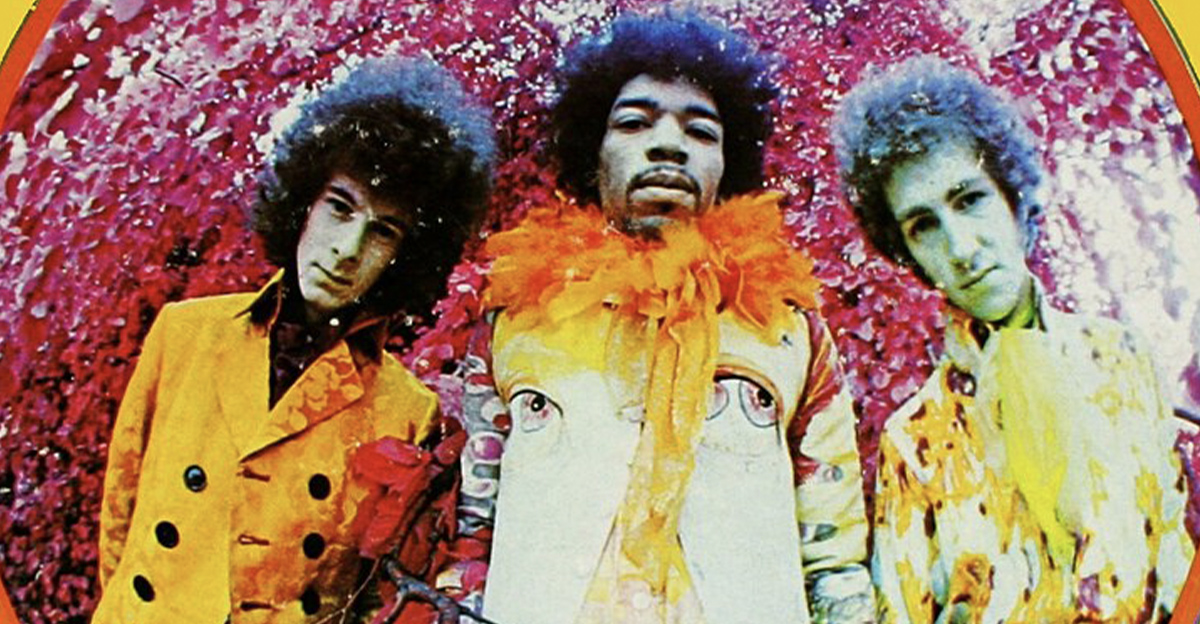
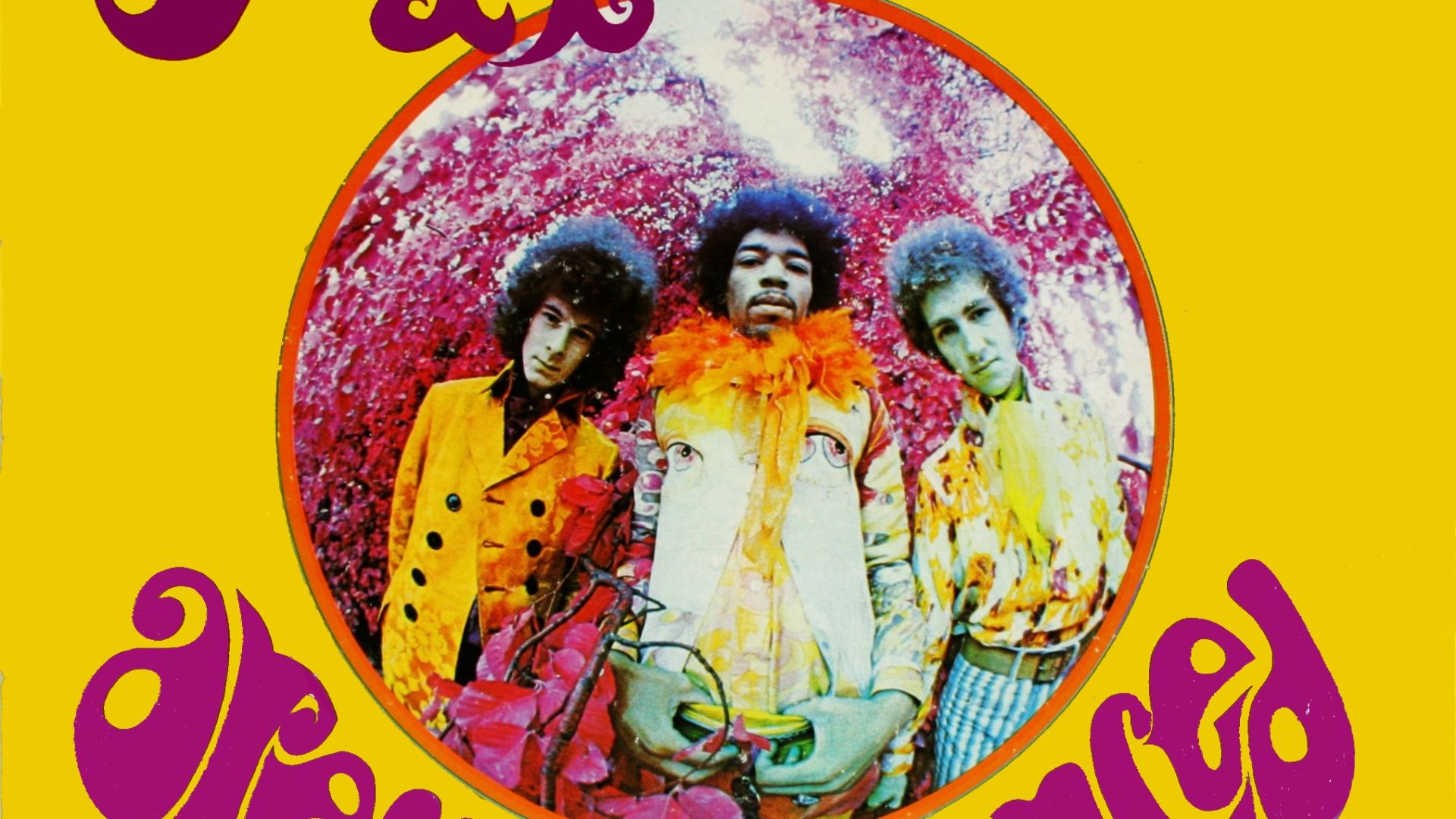
Jimi Hendrix – Are You Experienced (1967)
Few debut albums have ever landed with the impact of Are You Experienced. Jimi Hendrix combined blues, psychedelic rock, and groundbreaking guitar techniques into something that sounded unlike anything audiences had heard before. Tracks like "Purple Haze," "Hey Joe," and "Foxy Lady" immediately established Hendrix as a revolutionary talent. Nearly six decades later, the album still sounds adventurous, unpredictable, and years ahead of its time.
 Ilanv (talk), Wikimedia Commons
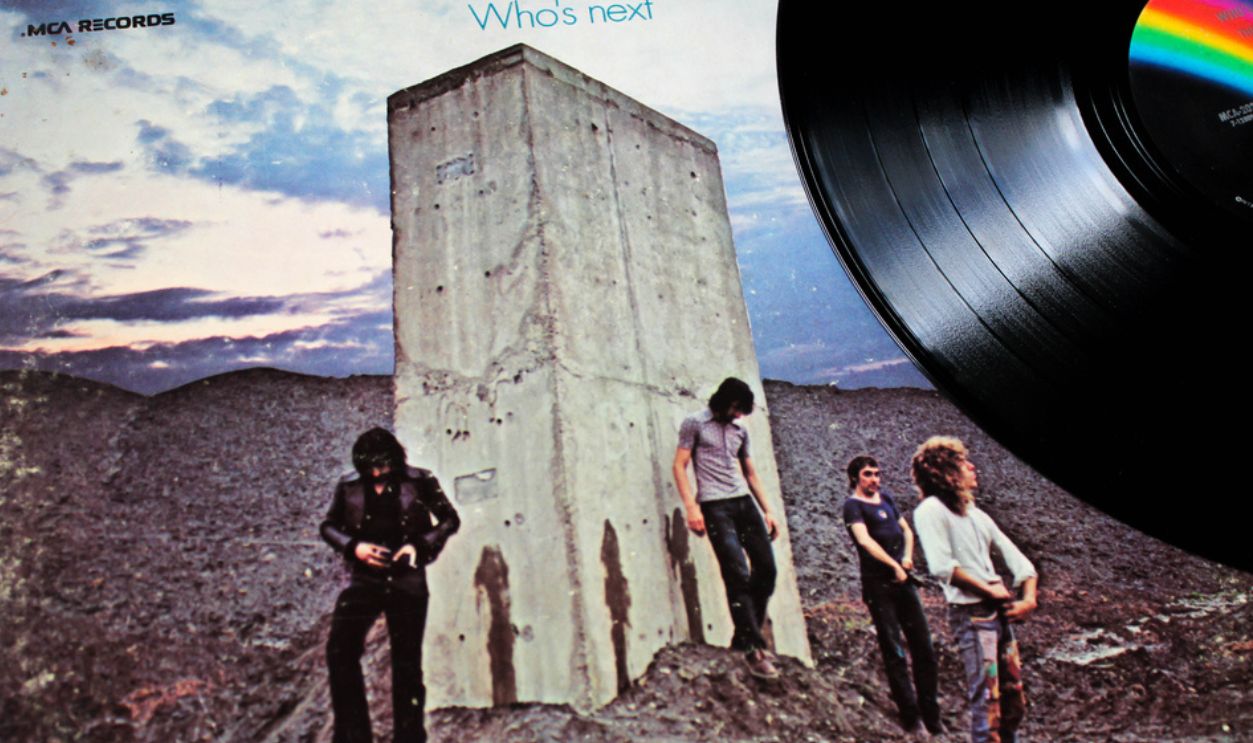
The Who – Who’s Next (1971)
Born from Pete Townshend's abandoned Lifehouse project, Who's Next transformed unrealized ambition into one of rock's greatest albums. The band's use of synthesizers felt innovative without overwhelming the songs themselves. "Baba O'Riley," "Won't Get Fooled Again," and "Behind Blue Eyes" showed The Who operating at the peak of their powers, combining raw energy with sophisticated songwriting.
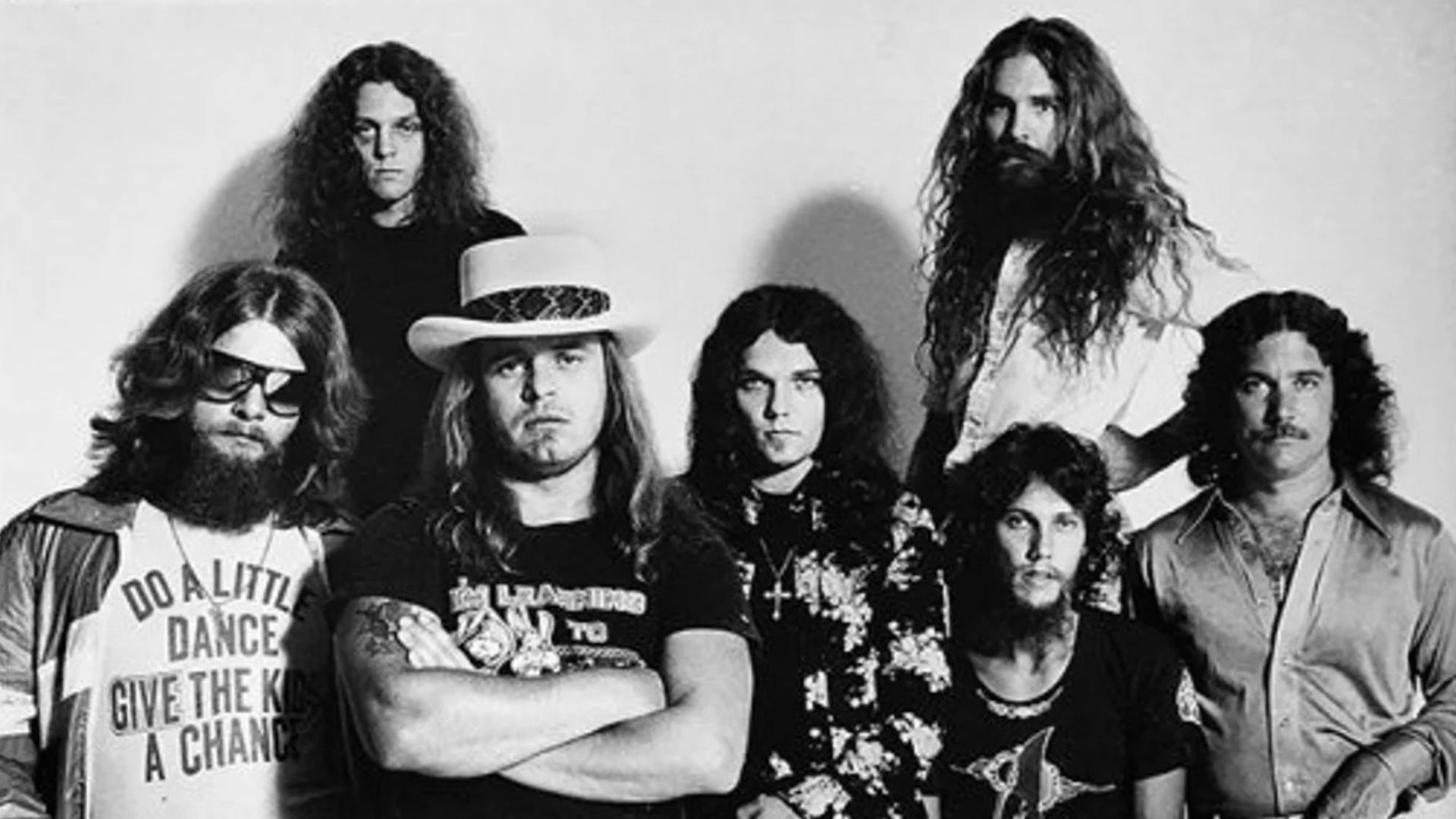
Lynyrd Skynyrd – Pronounced 'Leh-Nerd Skin-Nerd' (1973)
Lynyrd Skynyrd announced themselves with remarkable confidence on their debut album. Featuring "Free Bird," "Simple Man," and "Gimme Three Steps," the record established the blueprint for Southern rock. The band's blend of blues, country, and hard rock felt authentic rather than calculated, helping them build a loyal following that continues decades after the original lineup's tragic plane crash.
 MCA Records, Wikimedia Commons
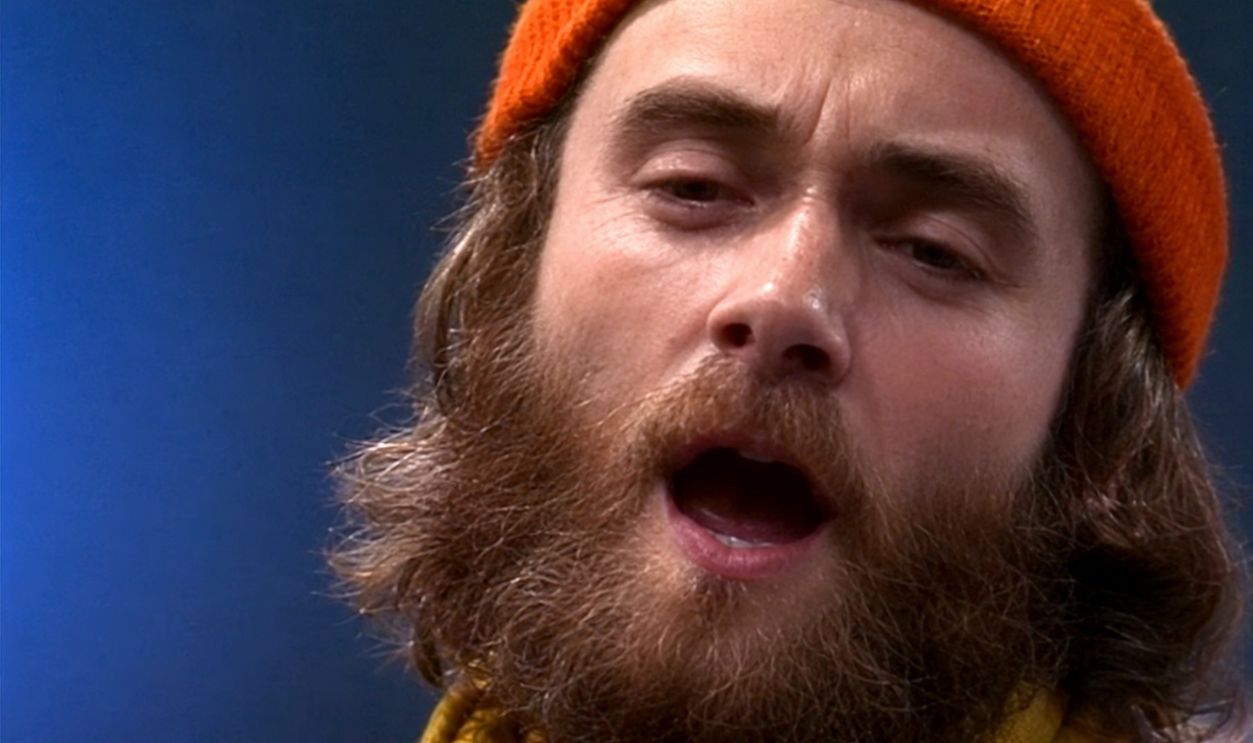
Genesis – A Trick Of The Tail (1976)
Many assumed Genesis was finished when Peter Gabriel left in 1975. Instead, drummer Phil Collins stepped into the lead vocalist role and helped guide the band into a new era. A Trick of the Tail proved the group could survive without its charismatic frontman. The album maintained Genesis' progressive ambitions while introducing a warmer, more accessible approach that would define their future.
 Screensho from A Trick Of The Tail, Charisma (1976), Modified
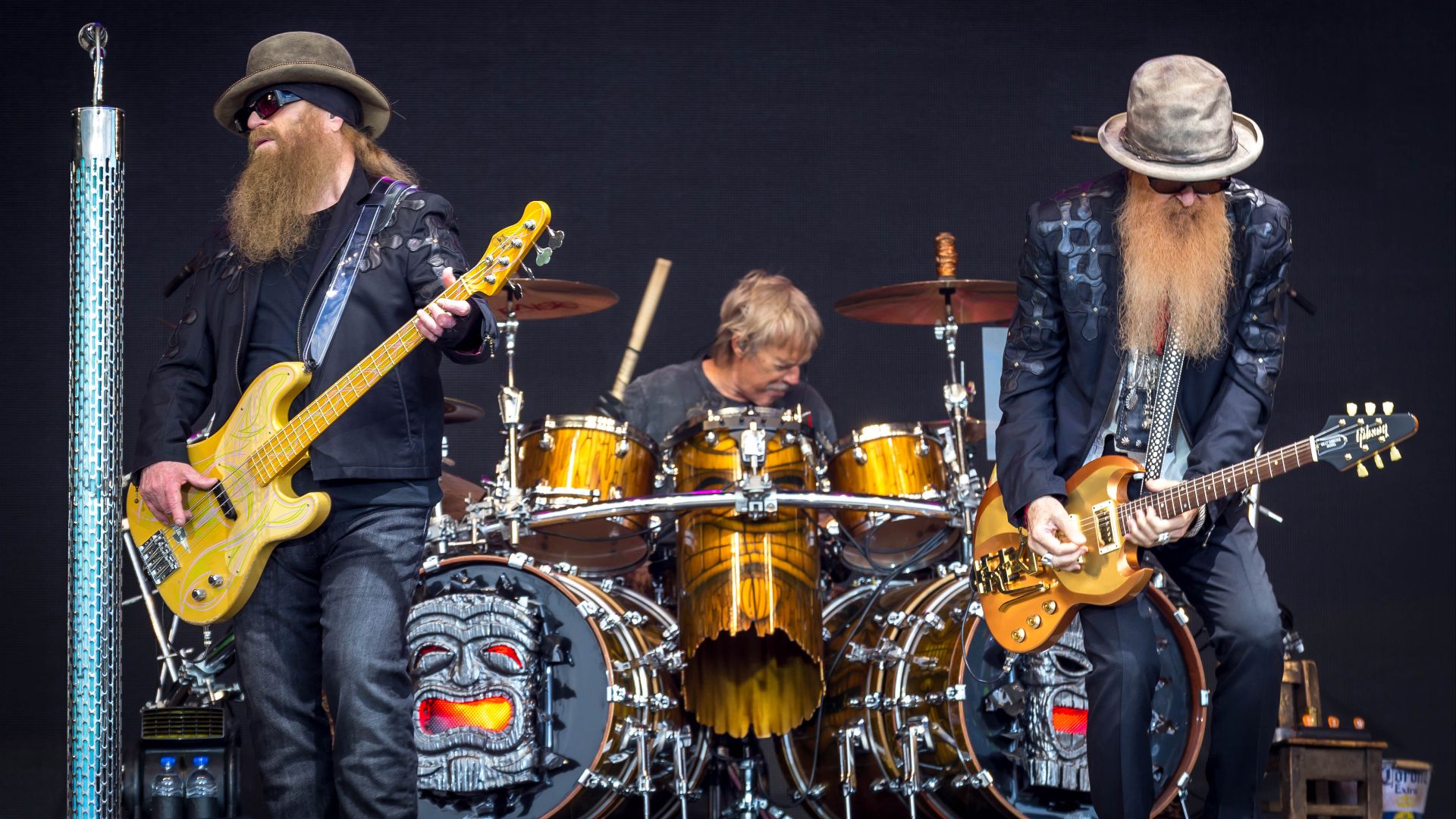
ZZ Top – Tres Hombres (1973)
Before the synthesizers and music videos of the 1980s, ZZ Top built their reputation on gritty Texas blues-rock. Tres Hombres captured the band at its most raw and authentic. Anchored by the classic "La Grange," the album showcased Billy Gibbons' exceptional guitar playing and the group's ability to make simple grooves sound enormous.
 Brian Marks, Wikimedia Commons
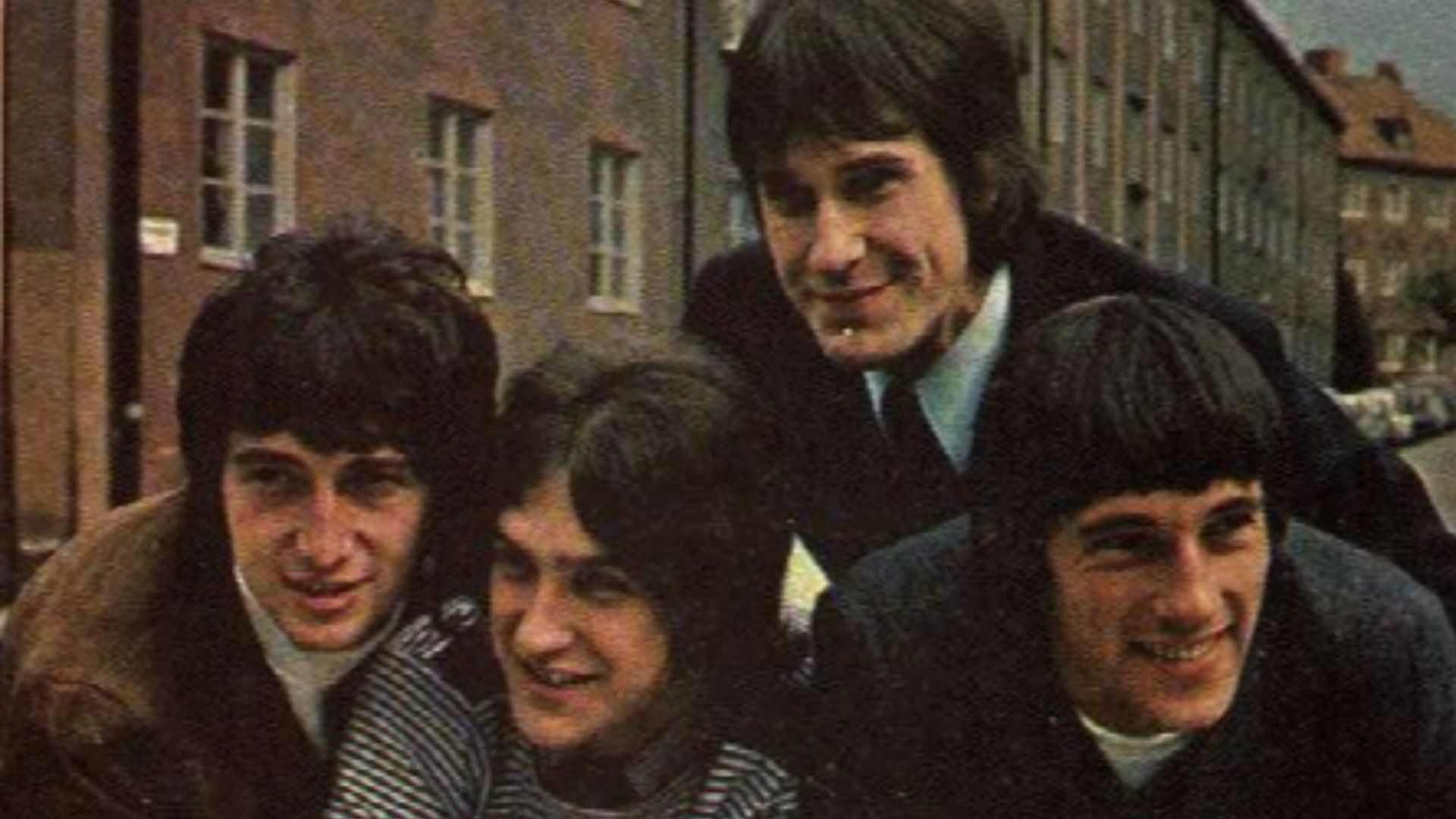
The Kinks – The Kinks Are The Village Green Preservation Society (1968)
Initially overlooked, The Kinks Are the Village Green Preservation Society has become one of the most beloved albums of the 1960s. Ray Davies filled the record with observations about English culture, nostalgia, and changing times. Rather than chasing psychedelic trends, The Kinks created something deeply personal and timeless, influencing generations of indie and alternative artists.
 Unknown photographer, Wikimedia Commons
The Rolling Stones – Exile On Main St. (1972)
Recorded under chaotic circumstances in a French villa, Exile on Main St. somehow became one of rock's defining masterpieces. The album blends rock, blues, country, gospel, and soul into a sprawling but cohesive whole. Songs like "Tumbling Dice" and "Rocks Off" captured The Rolling Stones at their most loose, confident, and creatively fearless.
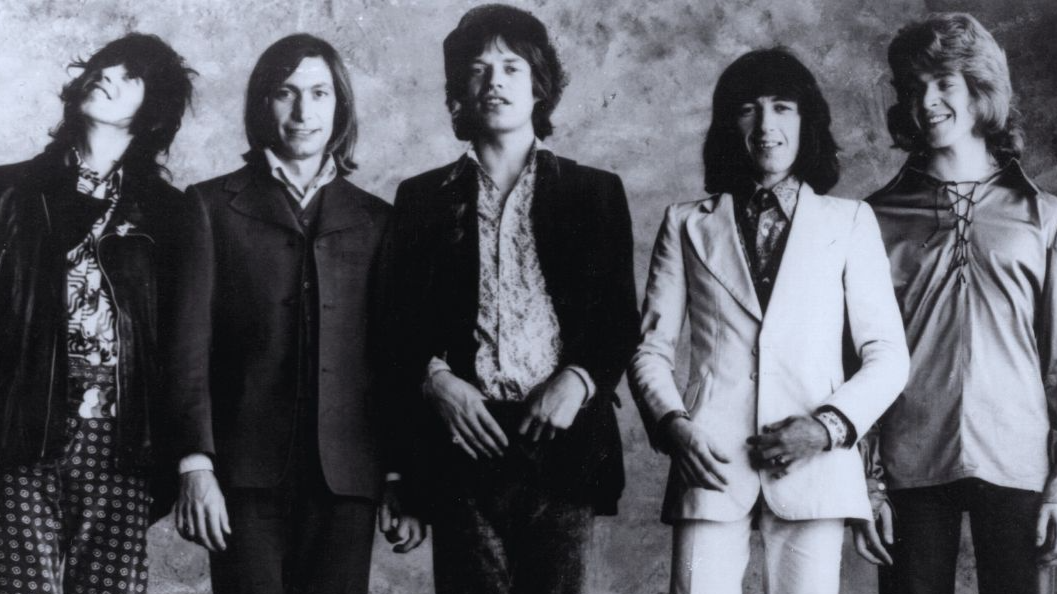 Michael Ochs Archives, Getty Images
The Doors – The Doors (1967)
The Doors arrived fully formed. Their debut introduced Jim Morrison's mysterious charisma alongside the band's distinctive blend of rock, blues, jazz, and psychedelia. "Break On Through" and "Light My Fire" became defining songs of the era, while the album's darker themes helped separate The Doors from many of their more optimistic contemporaries.
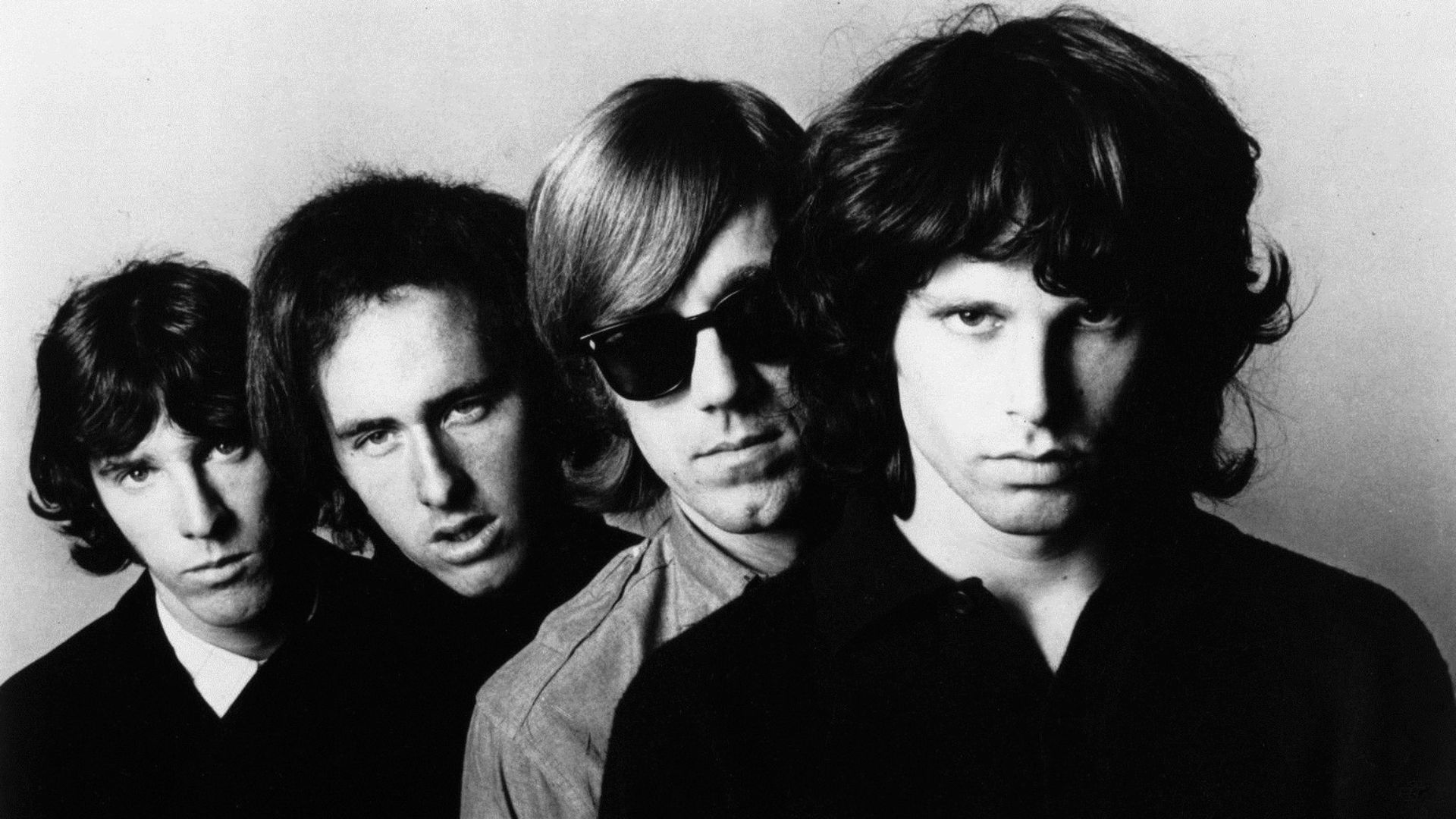 Joel Brodsky; Distributed by Elektra Records, Wikimedia Commons
Santana – Abraxas (1970)
Carlos Santana's guitar playing was already impressive, but Abraxas elevated him to another level. The album fused rock, blues, jazz, and Latin influences into a sound that felt entirely unique. Tracks like "Black Magic Woman" and "Oye Como Va" became staples of classic rock radio while introducing millions of listeners to Latin-inspired rhythms.
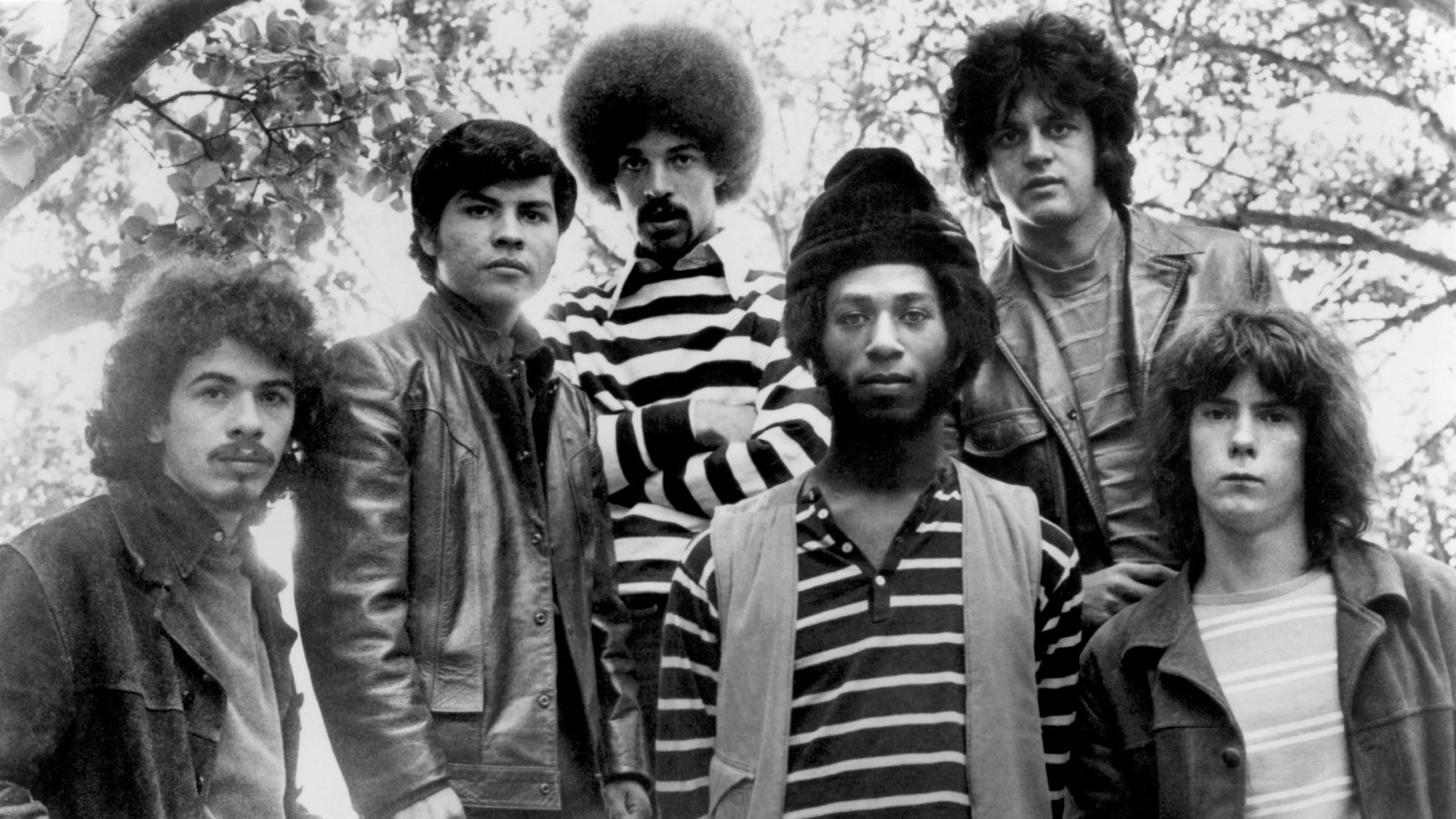 Distributed by Columbia Records, Wikimedia Commons
David Bowie – Aladdin Sane (1973)
Often described as "Ziggy Stardust goes to America," Aladdin Sane captured Bowie during one of the most creative periods of his career. The album mixed glam rock spectacle with jazz influences and experimental arrangements. Songs like "The Jean Genie" showcased Bowie's ability to reinvent himself while still producing memorable, accessible music.
![500px provided description: David Bowie [#show ,#rock ,#concert ,#music ,#live ,#guitar ,#performance ,#stage ,#gig ,#band ,#musician ,#singer ,#live music ,#bowie ,#David Bowie ,#Roger Woolman]](https://www.factinate.com/storage/app/media/theshot/2026/6/18/1781804690640a2100bc44939d1e629c479b71e8aaa1988593.jpeg) Roger Woolman, Wikimedia Commons
Roger Woolman, Wikimedia Commons
Van Halen – Van Halen (1978)
Van Halen's debut felt like a lightning strike. Eddie Van Halen's revolutionary guitar work immediately changed the instrument's future, while David Lee Roth brought swagger and charisma. Tracks like "Runnin' with the Devil," "Ain't Talkin' 'Bout Love," and "Eruption" introduced a band that would dominate rock for years to come.
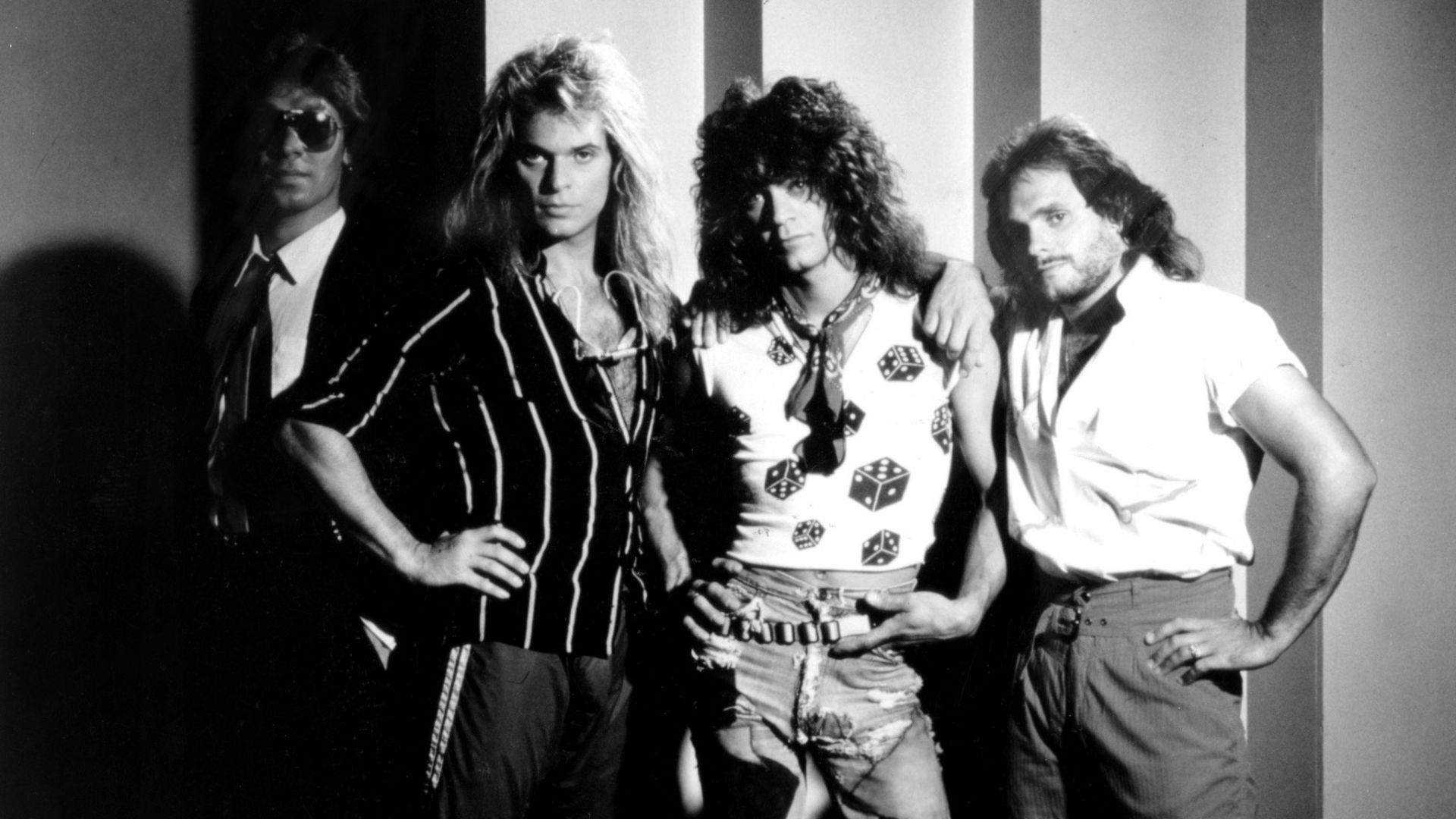 Warner Records, Wikimedia Commons
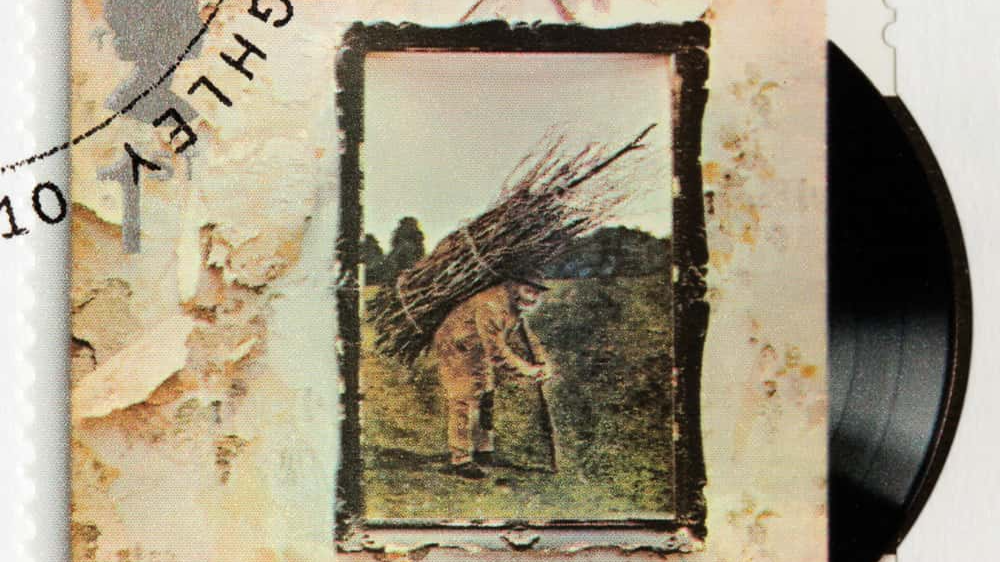
Led Zeppelin – Led Zeppelin IV (1971)
Few albums carry a stronger reputation than Led Zeppelin IV. It contains "Stairway to Heaven," but reducing the album to one song misses the bigger picture. Tracks like "Black Dog," "Rock and Roll," and "When the Levee Breaks" showcased the band's ability to combine hard rock, blues, folk, and experimentation into something monumental.
The Clash – London Calling (1979)
Punk bands weren't supposed to make double albums this ambitious. London Calling expanded The Clash's sound far beyond punk, incorporating reggae, ska, rockabilly, jazz, and pop influences. The result was an album that felt both politically urgent and musically adventurous, proving that punk's rebellious spirit didn't have to come with creative limitations.
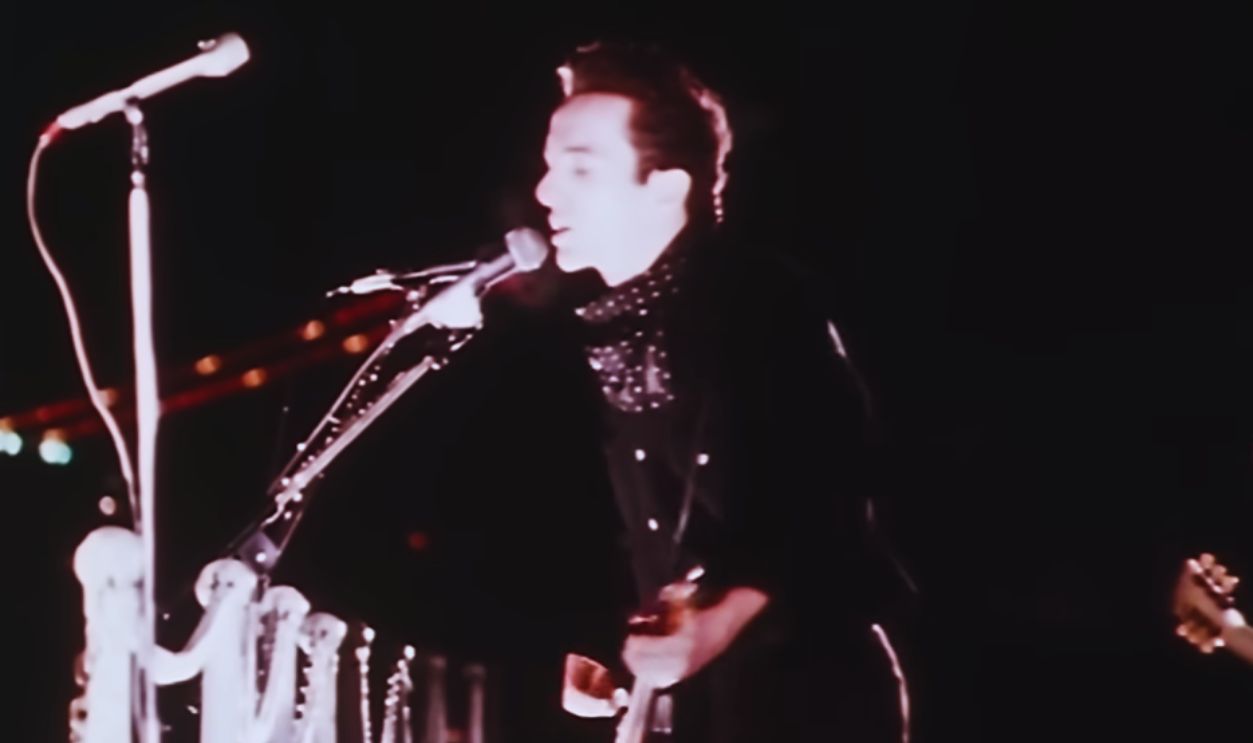 Screenshot from London Calling, Sony Music Entertainment (1979)
Steely Dan – Aja (1977)
Steely Dan spent years perfecting their studio craft, and Aja represents the peak of that obsession. Donald Fagen and Walter Becker assembled elite session musicians to create a remarkably polished blend of jazz, rock, and pop. Every note feels intentional, helping the album remain a benchmark for production quality decades later.
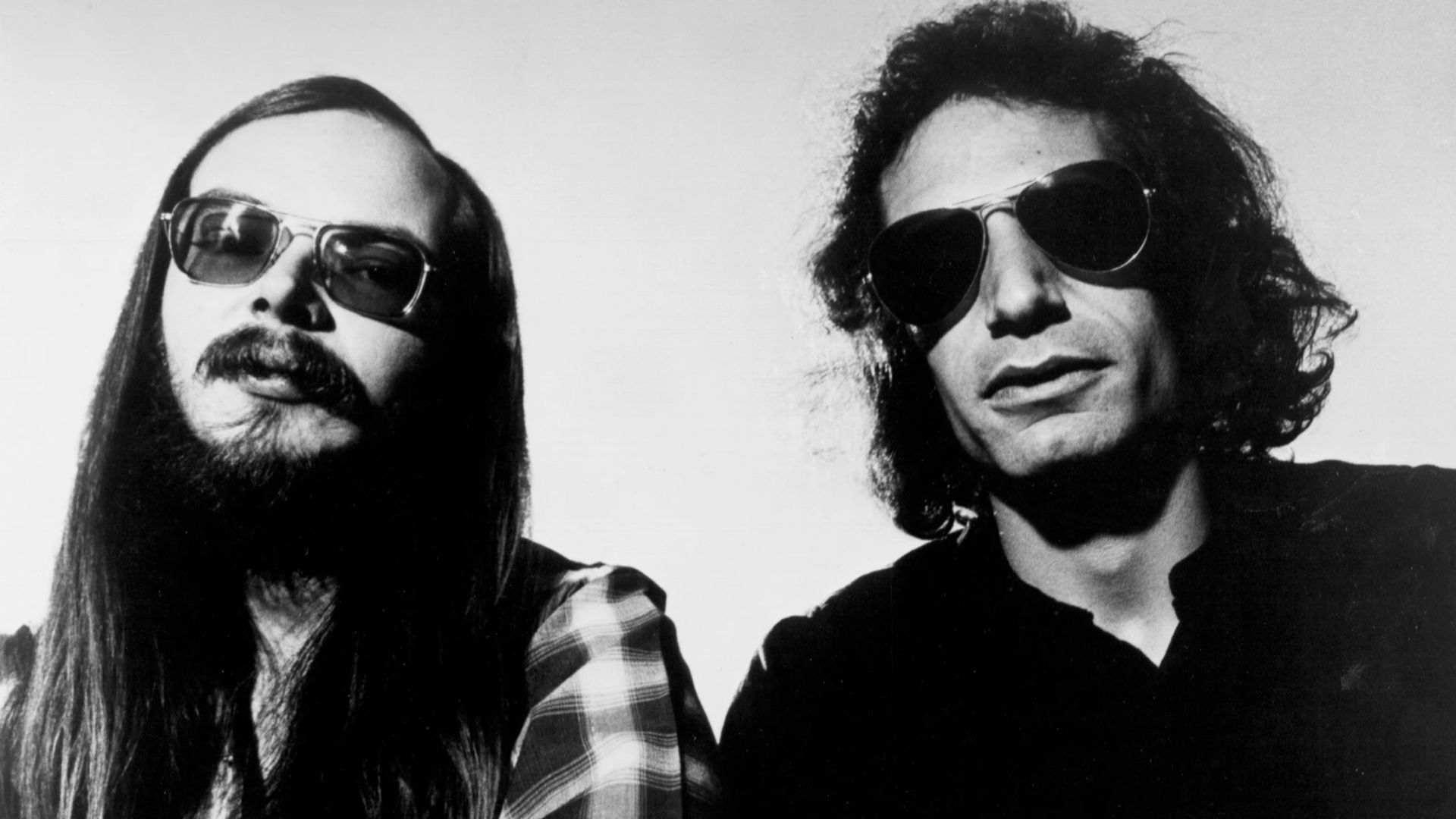 Distributed by ABC Records, Wikimedia Commons
The Allman Brothers Band – At Fillmore East (1971)
Some bands sound better live than they do in the studio. The Allman Brothers Band may be the greatest example. At Fillmore East captured their legendary improvisational skills and chemistry on stage. Extended versions of "Whipping Post" and "In Memory of Elizabeth Reed" showcased why the band became one of rock's premier live acts.
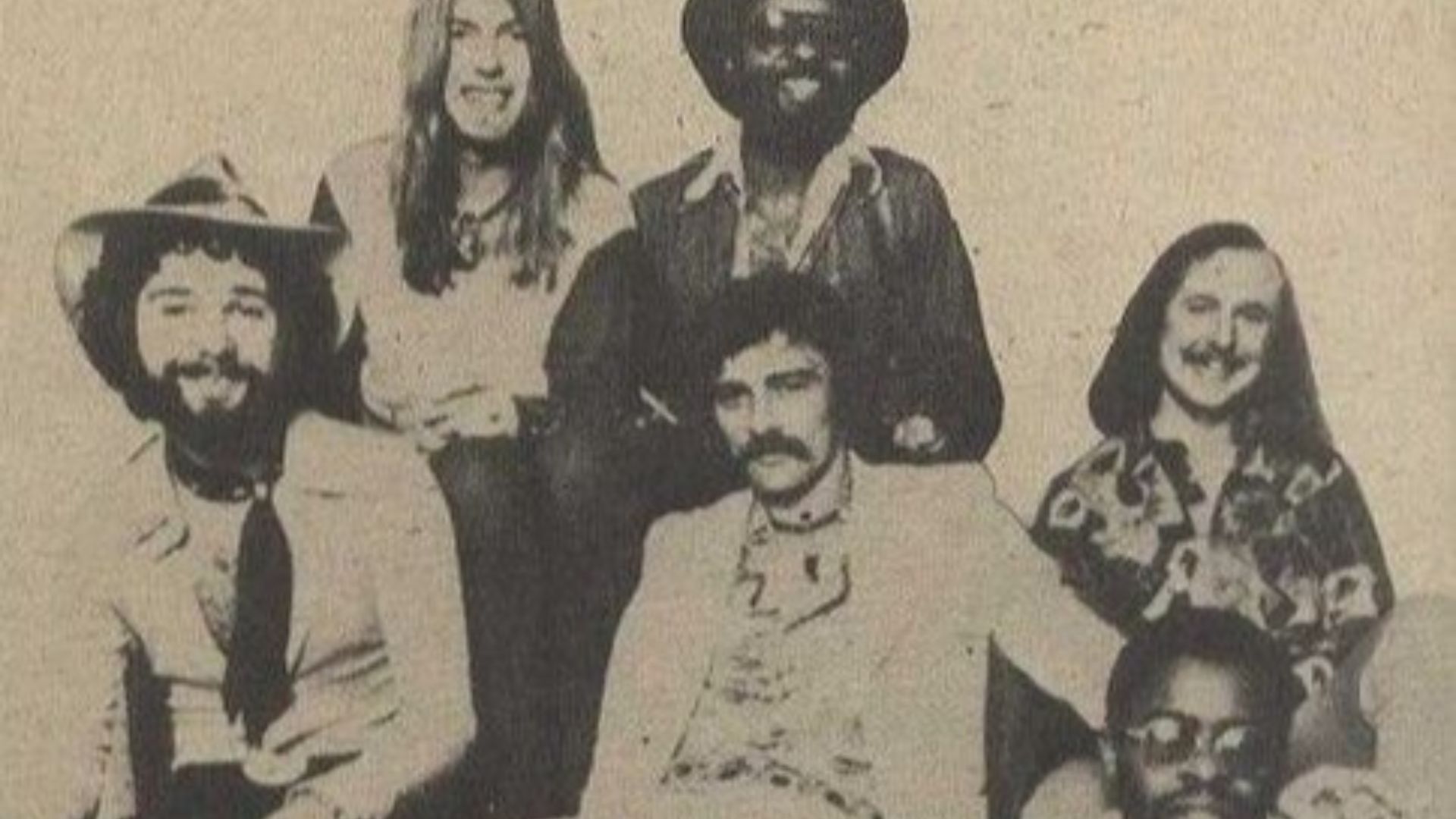 Capricorn Records, Wikimedia Commons
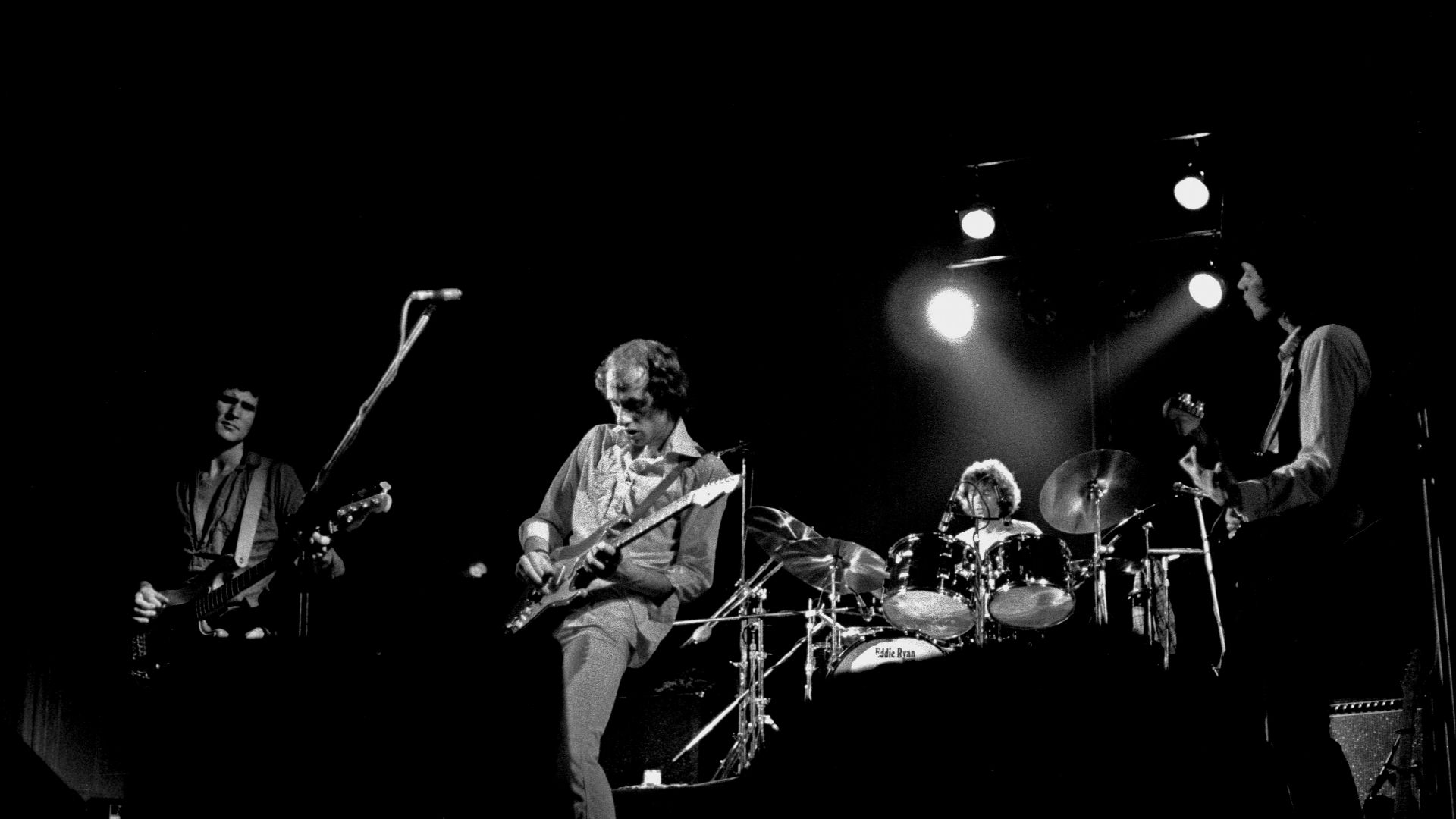
Dire Straits – Dire Straits (1978)
Dire Straits arrived at the height of punk, yet their debut moved in the opposite direction. Mark Knopfler's tasteful guitar playing and understated vocals created a more relaxed, roots-oriented sound. "Sultans of Swing" became an unlikely hit, proving that subtle musicianship could still find an audience in an era increasingly driven by attitude.
 Heinrich Klaffs, Wikimedia Commons
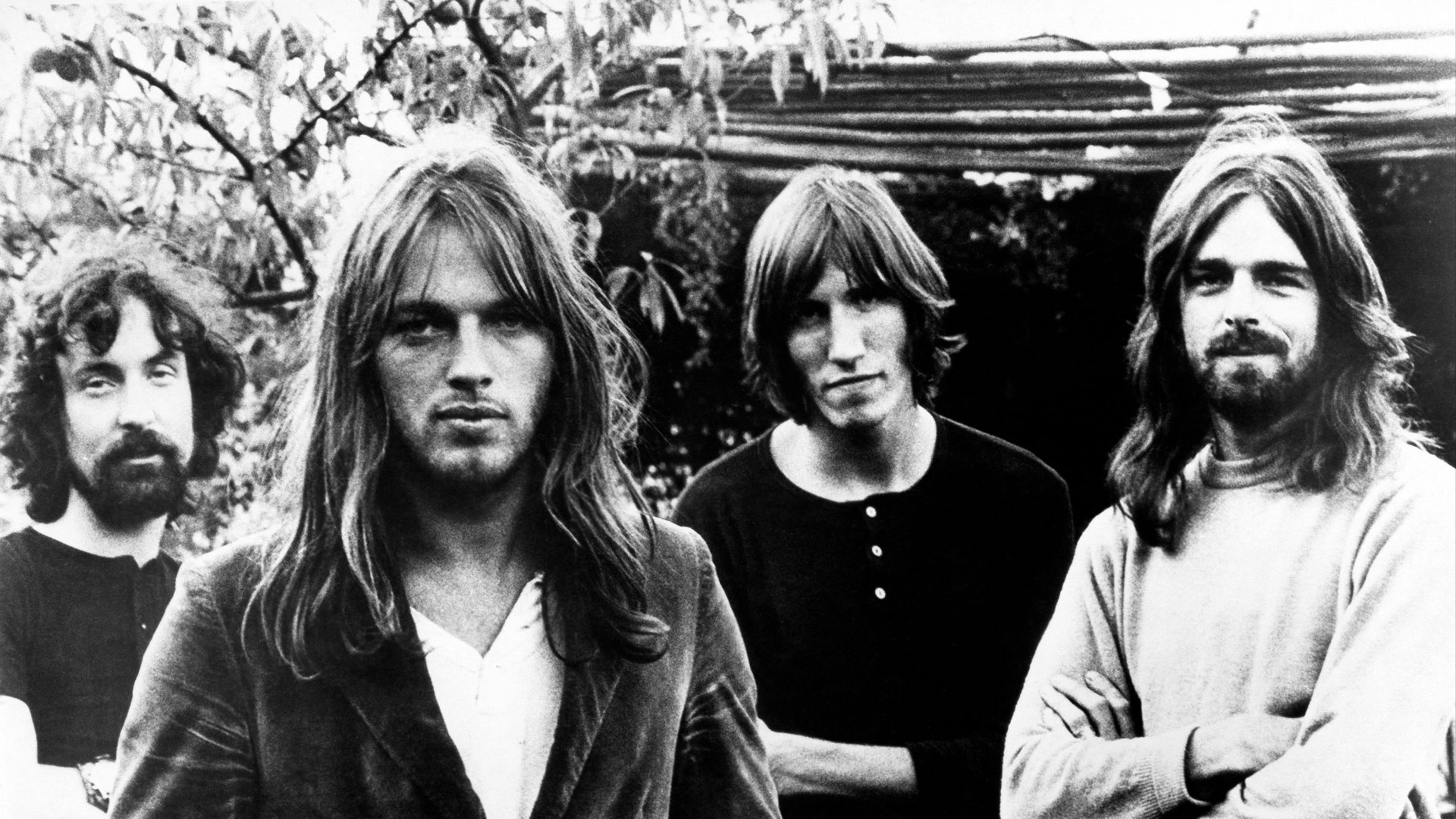
Pink Floyd – The Dark Side Of The Moon (1973)
Few albums have enjoyed the cultural impact of The Dark Side of the Moon. Exploring themes like time, greed, mental health, and mortality, Pink Floyd created a concept album that felt both philosophical and accessible. Its innovative production and seamless flow helped it become one of the best-selling albums in music history.
 Unknown authorUnknown author, Wikimedia Commons
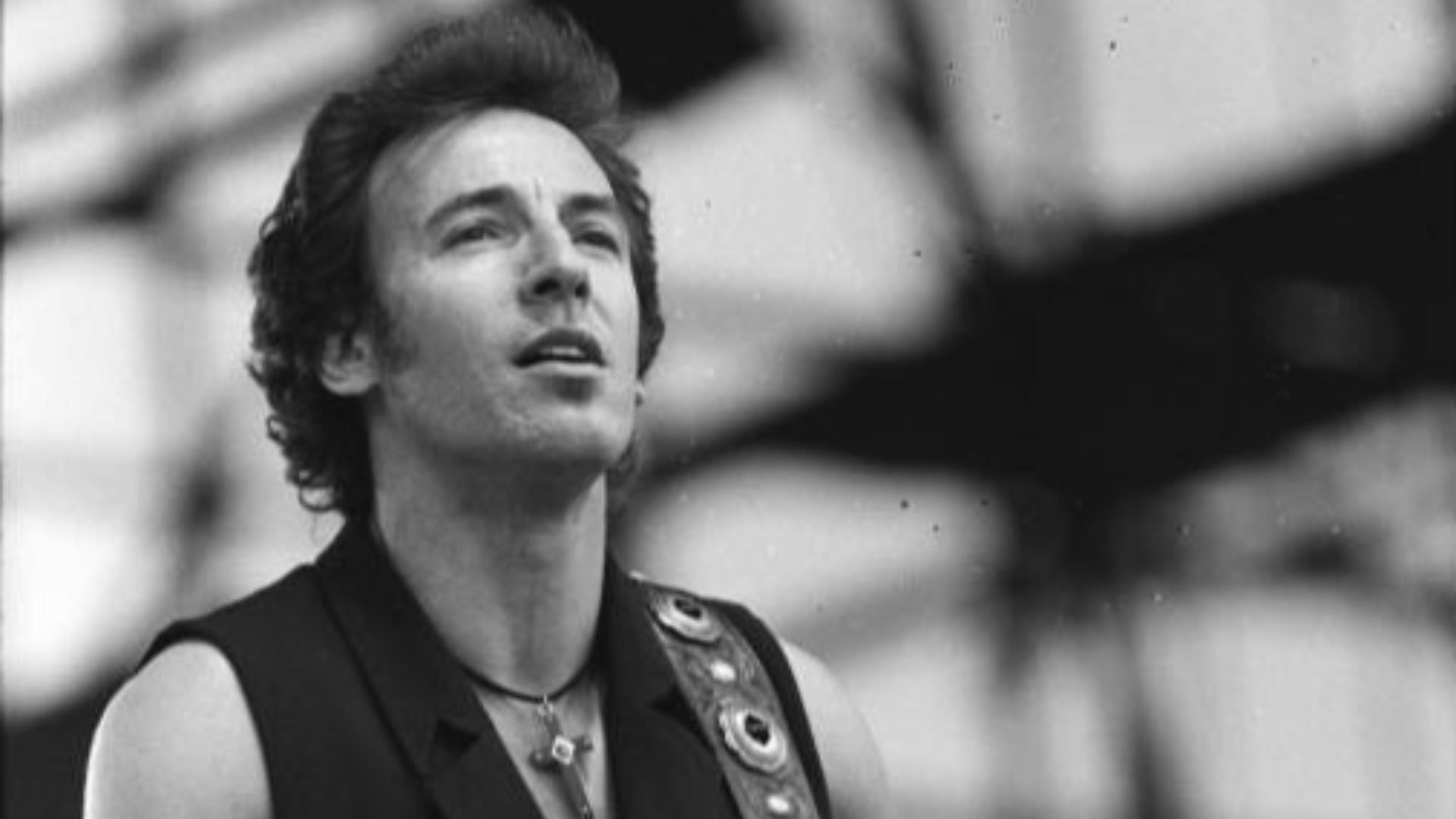
Bruce Springsteen – Born To Run (1975)
Bruce Springsteen treated Born to Run like a make-or-break moment, and the results justified the pressure. The album's cinematic storytelling and grand production transformed him into a major star. Songs like "Thunder Road" and the title track captured youthful ambition and restlessness in a way that continues to resonate with listeners.
 Uhlemann, Thomas, Wikimedia Commons
Deep Purple – Machine Head (1972)
Recorded after a casino fire famously inspired "Smoke on the Water," Machine Head remains one of hard rock's essential albums. Ritchie Blackmore's guitar work and Ian Gillan's vocals helped define the genre's sound. Beyond its biggest hit, the album is packed with powerful performances that influenced countless future rock and metal bands.
 Factor Metal, Wikimedia Commons
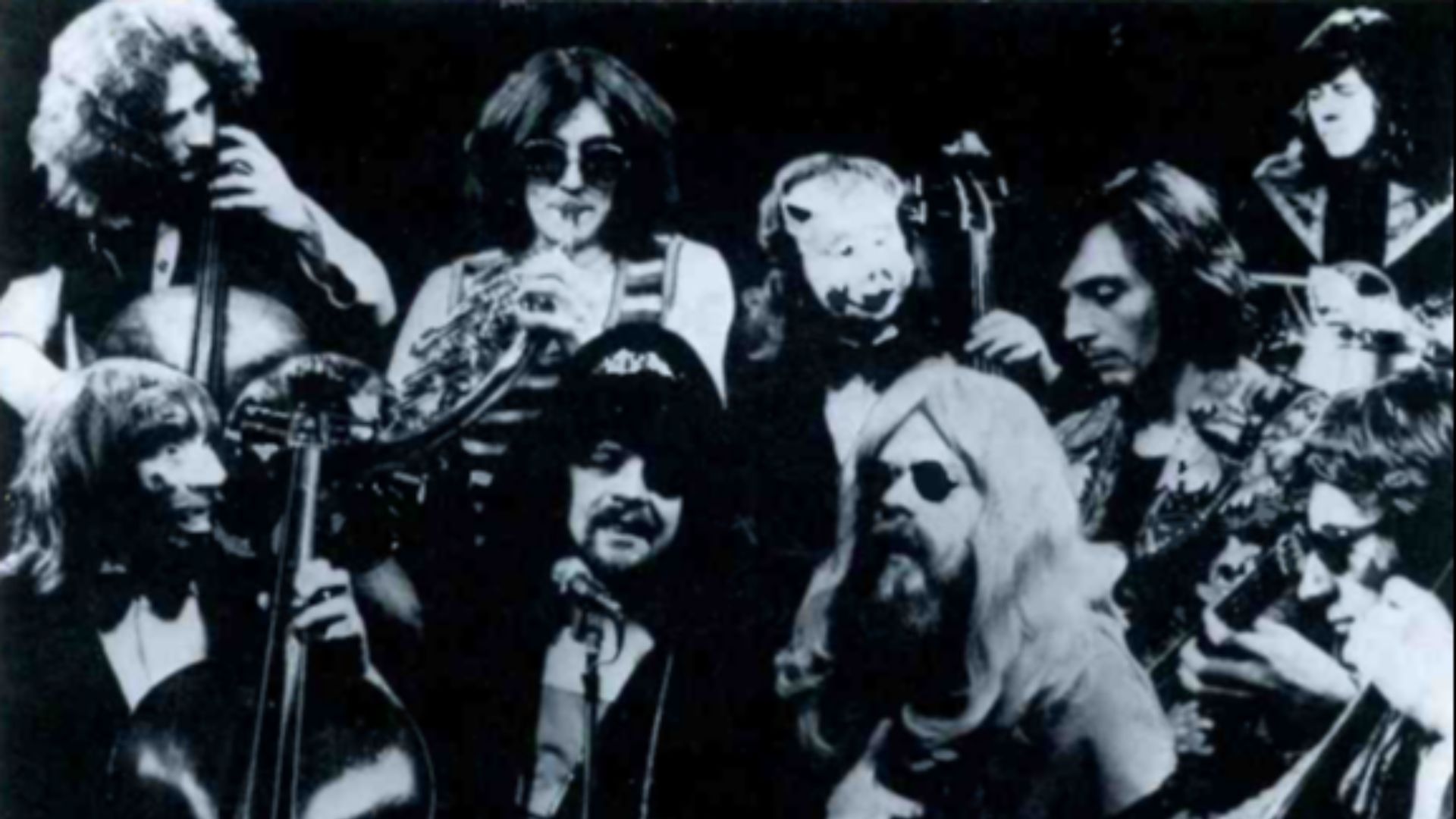
Electric Light Orchestra – A New World Record (1976)
Jeff Lynne perfected ELO's formula on A New World Record. The album combined rock, orchestral arrangements, and Beatles-inspired pop melodies into something uniquely accessible. Featuring songs like "Livin' Thing" and "Telephone Line," it demonstrated how ambitious production could still produce major commercial success.
 United Artists Records, Wikimedia Commons
Yes – Fragile (1971)
Fragile marked the arrival of keyboard wizard Rick Wakeman and helped establish Yes as one of progressive rock's leading bands. Complex arrangements, virtuosic musicianship, and ambitious songwriting define the album. "Roundabout" became the group's signature song, but the entire record showcases a band constantly pushing its creative limits.
 Rick Dikeman, Wikimedia Commons
Fleetwood Mac – Rumours (1977)
The making of Rumours was filled with breakups, affairs, and emotional turmoil. Instead of destroying the band, that drama fueled one of the greatest albums ever made. Lindsey Buckingham, Stevie Nicks, Christine McVie, John McVie, and Mick Fleetwood transformed personal heartbreak into timeless songs that still connect with listeners today.
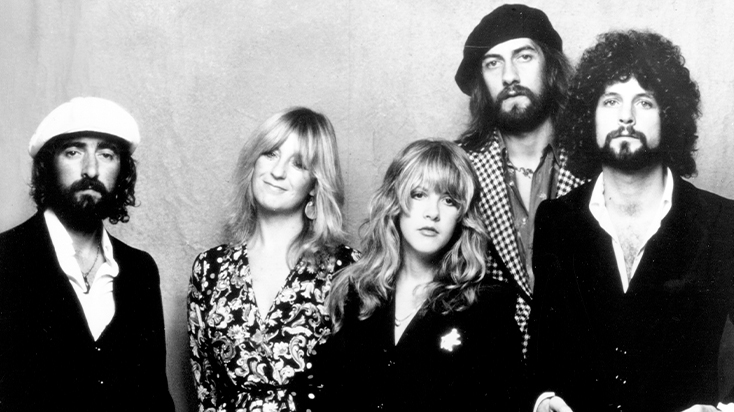 Michael Ochs Archives/Getty Images
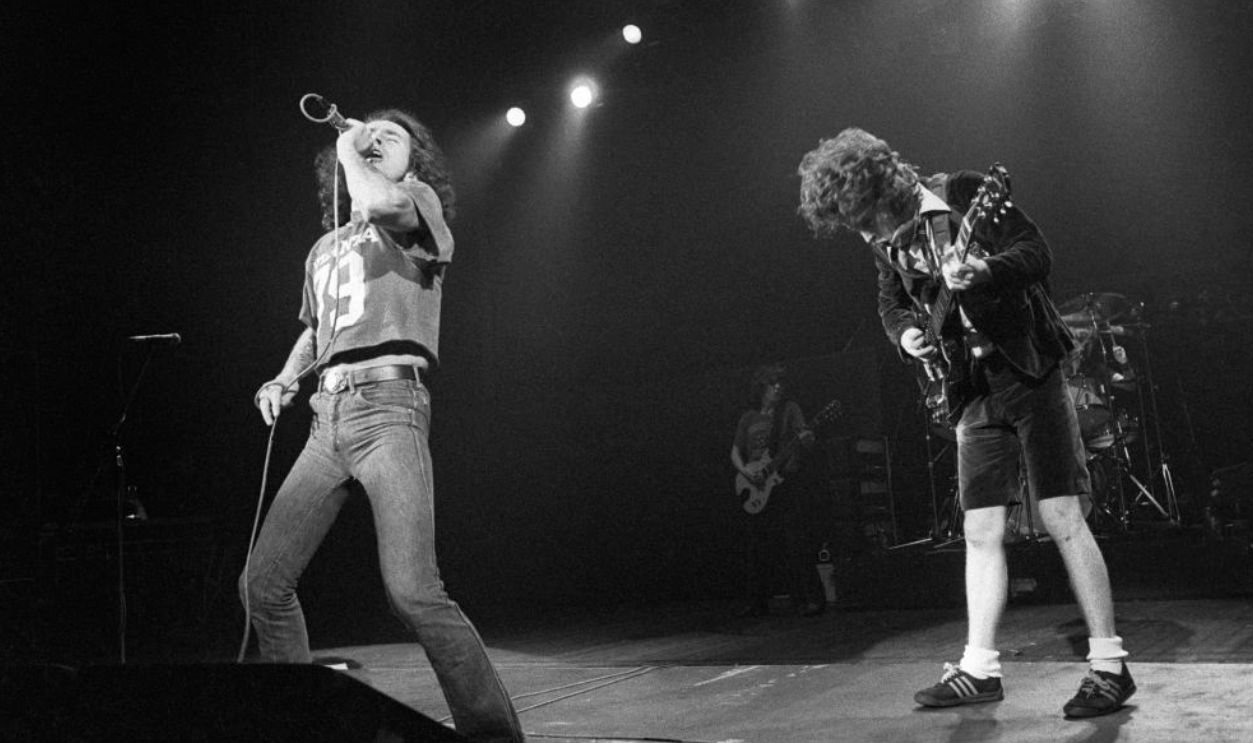
AC/DC – Back In Black (1980)
Following the death of singer Bon Scott, AC/DC faced an uncertain future. Instead, they returned with Back in Black, a tribute to Scott that became one of the best-selling albums of all time. Brian Johnson stepped into an impossible role and somehow helped deliver classics like "Hells Bells" and "You Shook Me All Night Long."
Boston – Boston (1976)
Tom Scholz spent years perfecting the recordings that became Boston's debut album. The attention to detail paid off. Songs like "More Than a Feeling" and "Peace of Mind" combined massive guitar tones with memorable melodies, creating a sound that defined arena rock and remains instantly recognizable.
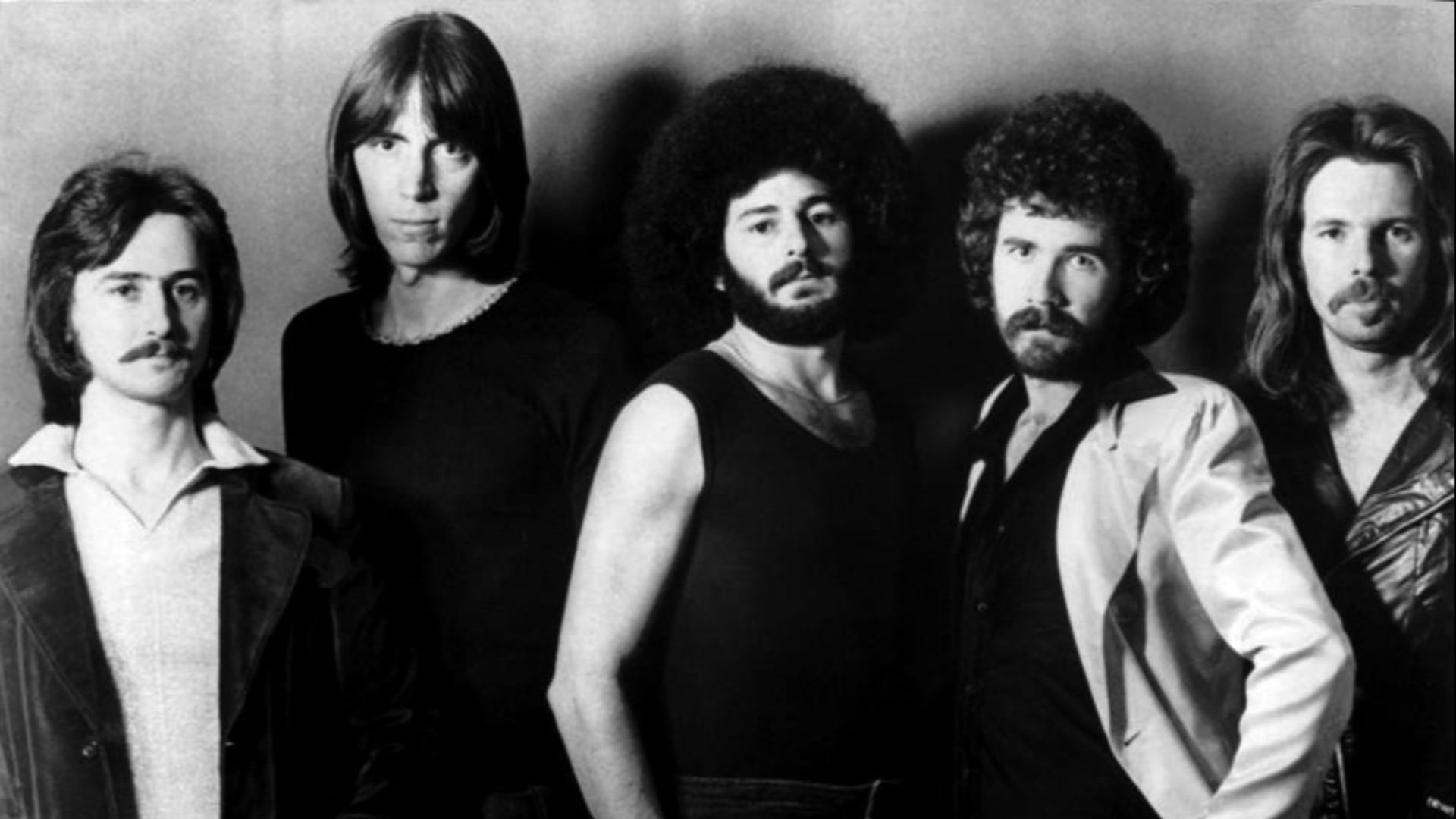 Premier Talent Associates (management company), Wikimedia Commons
Queen – A Night At The Opera (1975)
Queen embraced their most ambitious instincts on A Night at the Opera. The album blends hard rock, ballads, vaudeville influences, and elaborate studio experimentation. At its center sits "Bohemian Rhapsody," but the entire record demonstrates the band's willingness to ignore convention and follow their creativity wherever it led.
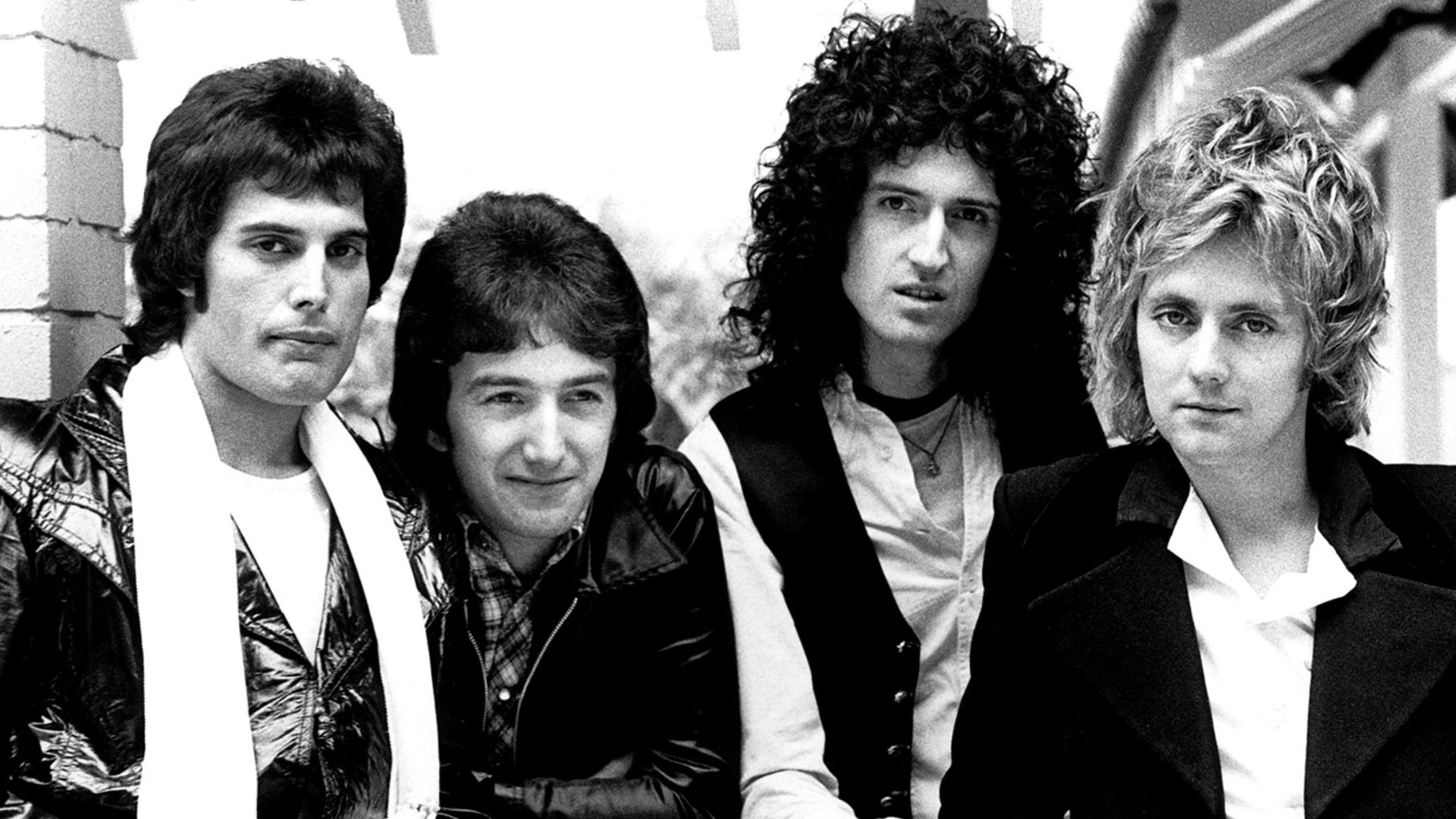 Christopher Hopper; distributed by Elektra Records, Wikimedia Commons
Tom Petty & The Heartbreakers – Damn The Torpedoes (1979)
Released during a bitter legal battle with Petty's record label, Damn the Torpedoes became a statement of artistic independence. Songs like "Refugee" and "Here Comes My Girl" balanced rock toughness with melodic songwriting. The album elevated Petty from respected musician to one of rock's most enduring stars.
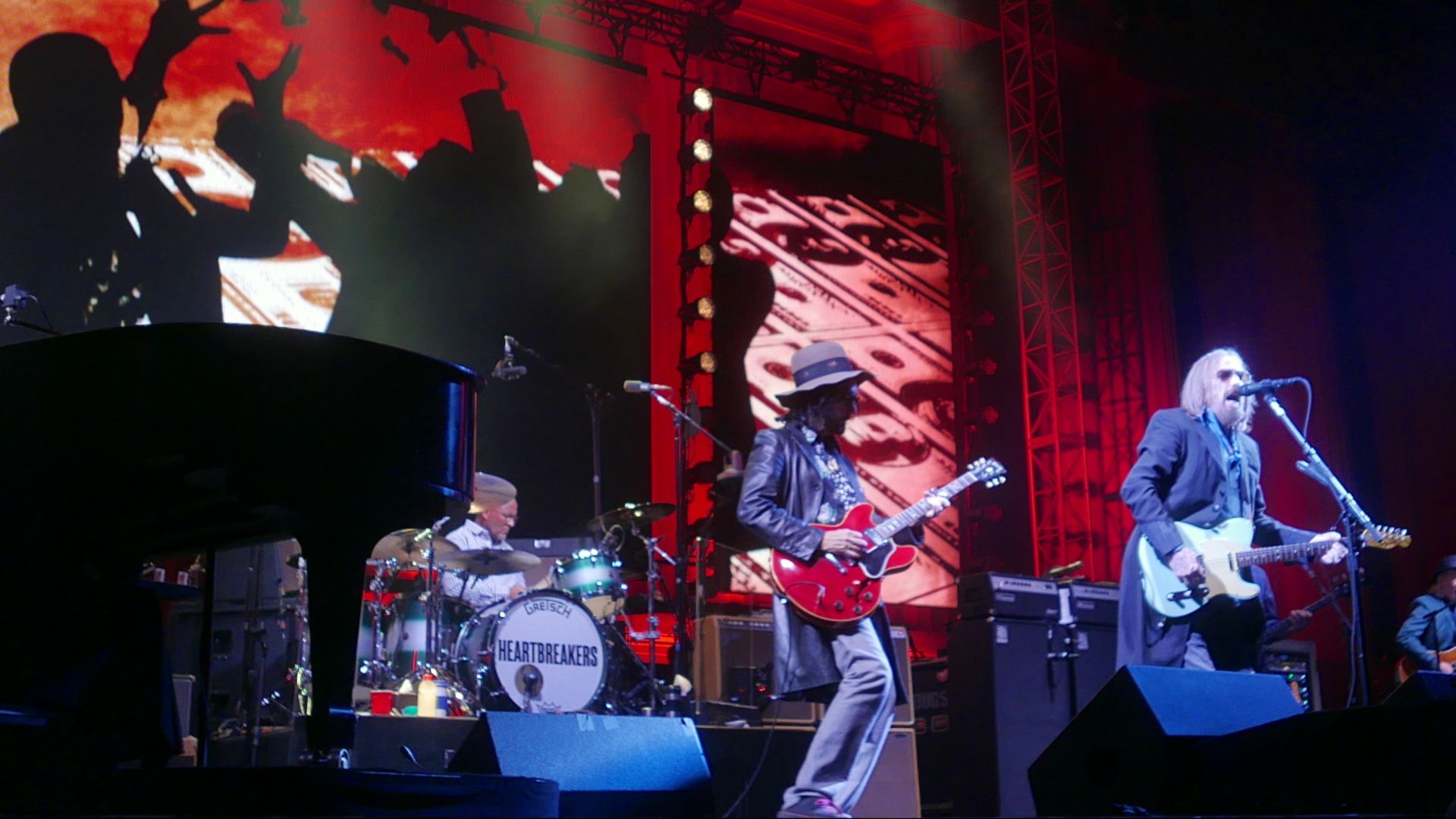 Davidwbaker, Wikimedia Commons
Eagles – Hotel California (1976)
The Eagles were already successful, but Hotel California pushed them into another stratosphere. The album's title track became one of rock's most iconic songs, while the record itself explored themes of excess, fame, and disillusionment. It captured both the glamour and darker side of the 1970s music scene.
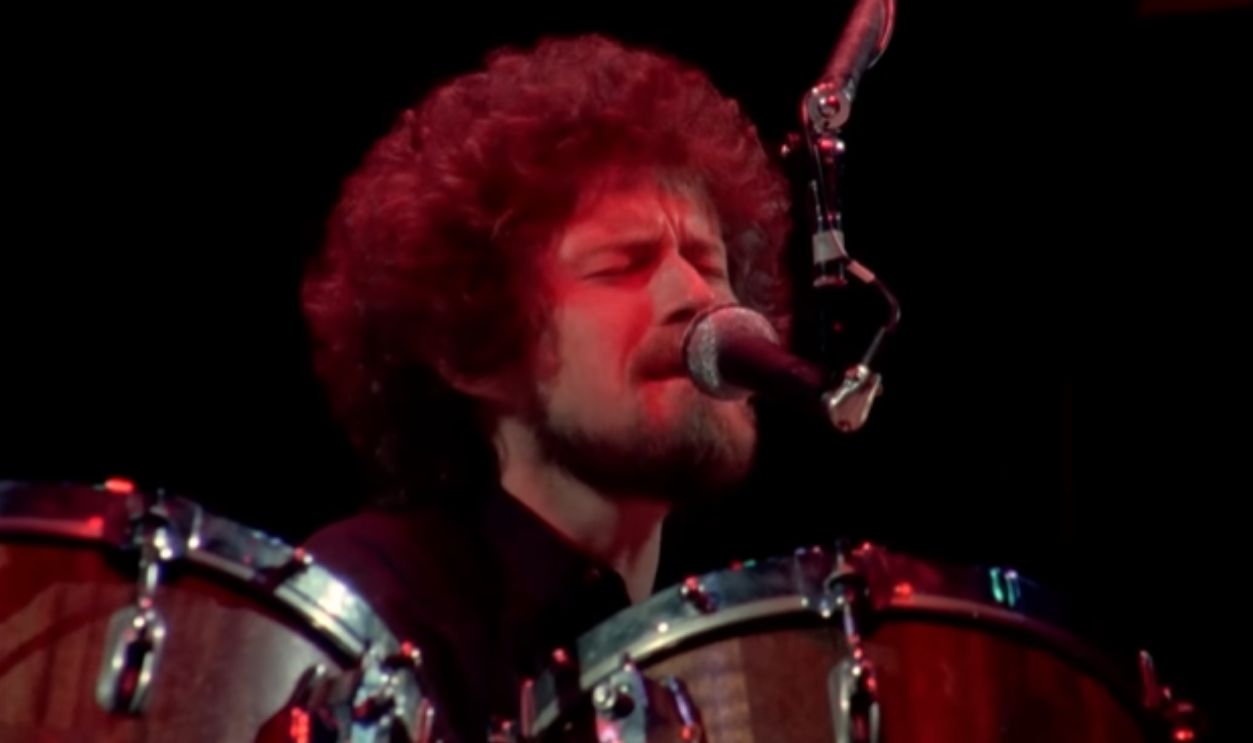 Screenshot from Hotel California, Asylum Records (1976)
You May Also Like:
Legendary Bands That Got Much Better After Losing A Member
Bands From The 1960s That No One Remembers—Seriously, Do You Remember Even 5 Of These Bands?